

Virgin Records celebrates its 40th Anniversary.
Although the label is now owned by the Universal Music Group, its colourful history is forever associated with the championing of new and unconventional music forms during its fledgling years. Virgin founder Richard Branson started his empire in 1970 with nothing more than a mail order outlet, selling discounted records.
The name Virgin came from the fact that Branson and his team of directors were all new to business. There then came a small record shop in London’s Oxford Street a year later. Not not long after, a residential recording complex in an Oxfordshire mansion which became the now-famous Manor Studios was established. Further shops opened so with the success of the retail arm and studio, a record label was launched in 1973.
Recognising he had no real working knowledge of music, Branson appointed his second cousin Simon Draper (who had been Virgin’s buyer) as Managing Director to seek out new talent for the new A&R led company. Beginning with Mike Oldfield’s ‘Tubular Bells’ and the catalogue number V2001, progressive acts such as GONG along with cosmic Germans FAUST and TANGERINE DREAM soon followed, all with varying degrees of success.
But with the advent of punk and keen to shake off its hippy image, Virgin gained notoriety by signing THE SEX PISTOLS in 1977 and releasing ‘God Save The Queen’
But Branson and defending QC John Mortimer had an ace up their sleeve; Reverend James Kingsley, a professor of English Studies at Nottingham University was called as a witness. Under questioning, Kingsley was asked for the derivation of the word “bollocks”. Apparently, it was used in the 19th century as a nickname for clergymen who were known to talk rubbish and the word later developed into meaning “of nonsense”.
Wearing his clerical collar in court, Kingsley confirmed: “They became known for talking a great deal of bollocks, just as old balls or baloney also come to mean testicles, so it has twin uses in the dictionary”. The case was thrown out by the judge… after that, the label reinvented itself as a centre of post-punk and new wave creativity, signing bands such as THE RUTS, XTC, PUBLIC IMAGE LIMITED, MAGAZINE, THE SKIDS, DEVO and PENETRATION.
When David Bowie declared THE HUMAN LEAGUE as “the future of pop music” after seeing them at the Nashville in 1978, Virgin Records were quick to snap them up. Meanwhile, OMD were initially signed to Virgin’s Factory styled subsidiary Dindisc Records under the directorship of Carol Wilson; but their success had been an embarrassment to Richard Branson, particularly in 1980 when following the international success of ‘Enola Gay’, OMD had outsold every act in the parent group!
Despite massive sales of ‘Architecture & Morality’ in 1981, Dindisc ran into difficulties and was closed by Branson with OMD gleefully absorbed into the Virgin fold. The label threw in its lot with the synthesizer revolution and gave homes to SPARKS, JAPAN, SIMPLE MINDS, HEAVEN 17 and CHINA CRISIS as well as more conventional acts of the period such as Phil Collins and Bryan Ferry.
In 1982, on the back of ‘Don’t You Want Me?’ having been a No 1 in the UK and USA, Virgin had made a profit of £2 million but by 1983, this had leaped to £11 million, largely attributed by the worldwide success of CULTURE CLUB. Virgin Records was sold by Branson to Thorn EMI in 1992 reportedly for around £560 million to fund Virgin Atlantic Airways.
Under new management, the label became less visionary and more corporate with SPICE GIRLS and THE ROLLING STONES, along with Lenny Kravitz, Meat Loaf and Janet Jackson being examples of the brand’s continued global success, while many of the innovative acts who had helped build the label were surplus to requirements. Despite this, Virgin Records still maintains a tremendous back catalogue.
Over the years, Virgin Records have been in the fortunate position of having a critically acclaimed act on its roster at each key stage of electronic music’s development and its electronic legacy continues today with the recent signing of Glaswegian synth trio CHVRCHES.
So here are 20 albums from the iconic label which ELECTRICITYCLUB.CO.UK considers significant in the development of electronic music. Restricted to one album per artist moniker and featuring only UK releases initially issued on or licensed to the Virgin label, they are presented in chronological order…
TANGERINE DREAM Rubycon (1975)
 ‘Phaedra’ may have been the breakthrough but ‘Rubycon’ consolidated TANGERINE DREAM’s position as leaders in the field of meditative electronic music. Featuring the classic line-up of Edgar Froese, Peter Baumann and Chris Franke, the hypnotic noodles of VCS3 and Moogs dominated proceedings while Mellotrons and organic lines added to the trancey impressionism with the trio sounding like they were trapped inside a transistor radio.
‘Rubycon’
http://www.tangerinedream.org/
ASHRA New Age Of Earth (1977)
 Guitarist Manuel Göttsching had been a member of ASH RA TEMPEL but looking to explore more progressive voxless territory on ‘New Age Of Earth’, he armed himself with an Eko Rhythm Computer, ARP Odyssey and his signature Farfisa Synthorchestra. An exponent of a more transient soloing style, he used the guitar for texture as much as for melody in this beautiful treasure trove of an album, as on the wonderful 20 minute ‘Nightdust’.
‘New Age Of Earth’
STEVE HILLAGE Rainbow Dome Musick (1979)
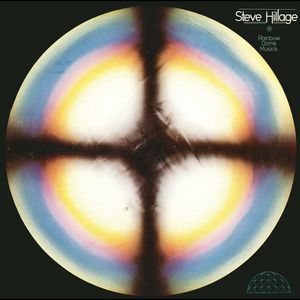 Already an established member of the Virgin family as a member of GONG, solo artist and in-house producer, Hillage had a love of German experimental music and ventured into ambient with long standing partner Miquette Giraudy. Recorded for the Rainbow Dome at the ‘Festival for Mind-Body-Spirit’ at Olympia, these two lengthy Moog and ARP assisted tracks each had a beautifully spacey vibe to induce total relaxation.
‘Rainbow Dome Musick’
https://twitter.com/stevehillage
SPARKS No1 In Heaven (1979)
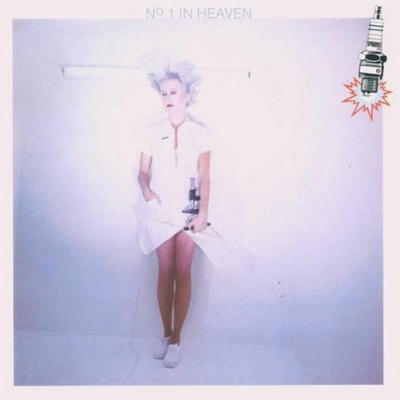 Following the success of ‘I Feel Love’, its producer Giorgio Moroder teamed with SPARKS. The resultant album saw Russell Mael’s flamboyant falsetto fitting well with the electronic disco template. ‘The No1 Song In Heaven’ hit the UK charts before TUBEWAY ARMY’s ‘Are Friends Electric?’ while ‘Beat The Clock’ actually got into the Top 10 but the album itself was overshadowed by the success of Gary Numan.
‘No1 In Heaven’
JOHN FOXX Metamatic (1980)
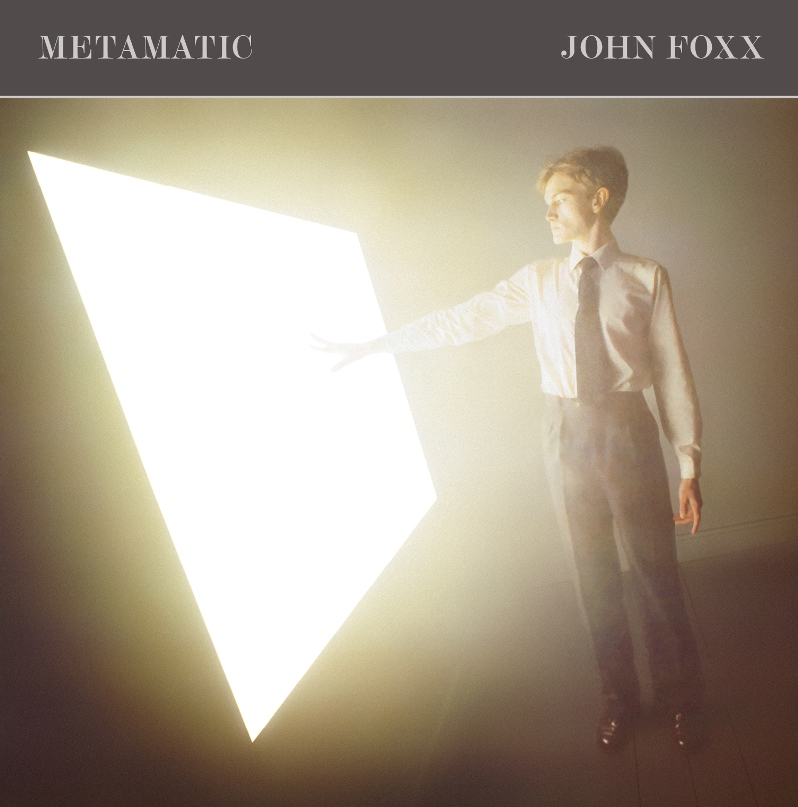 “I want to be a machine” snarled John Foxx on the eponymous ULTRAVOX! debut and after he left the band in 1979, he virtually went the full electronic hog with the JG Ballard inspired ‘Metamatic’. ‘Underpass’ and ‘No-One Driving’ were surprising hit singles that underlined the dystopian nature of Foxx’s mindset while the fabulous ‘A New Kind Of Man’, the deviant ‘He’s A Liquid’ and stark opener ‘Plaza’ were pure unadulterated Sci-Fi.
‘Metamatic’
JAPAN Gentlemen Take Polaroids (1980)
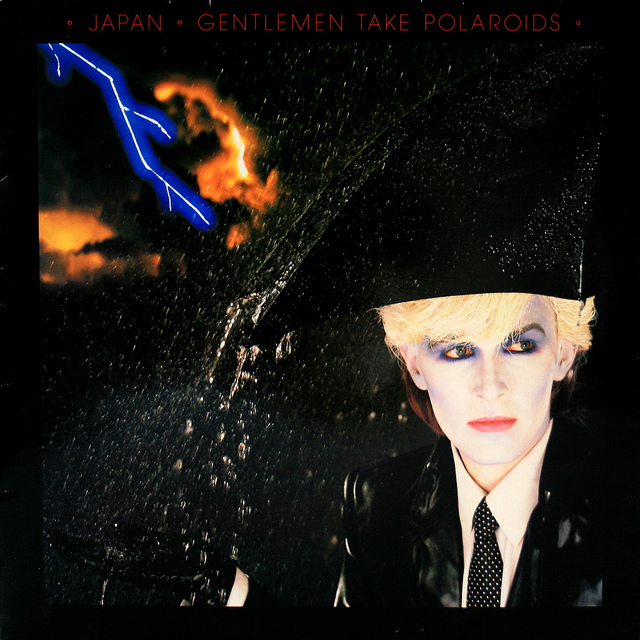 Dropped by Ariola Hansa despite their third album ‘Quiet Life’
‘Gentlemen Take Polaroids’
BRITISH ELECTRIC FOUNDATION Music For Stowaways (1981)
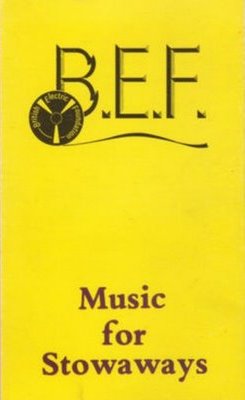 When they left THE HUMAN LEAGUE in Autumn 1980, Martyn Ware and Ian Craig Marsh formed BEF, releasing ‘Music For Stowaways’, an instrumental album only available on cassette to accessorise Sony’s brand new Stowaway portable tape player. However, the name of the new device was changed to Walkman! With economic recession decimating the industrial heartland of Sheffield and the spectre of imminent nuclear holocaust, the chilling ambience on ‘The Decline Of The West’, the futurist horror of ’Music To Kill Your Parents By’ and the doomy fallout of ‘Uptown Apocalypse’ certainly connected with the album’s concept of a walking soundtrack.
‘Music For Stowaways’ was released as TCV2888
THE HUMAN LEAGUE Dare (1981)
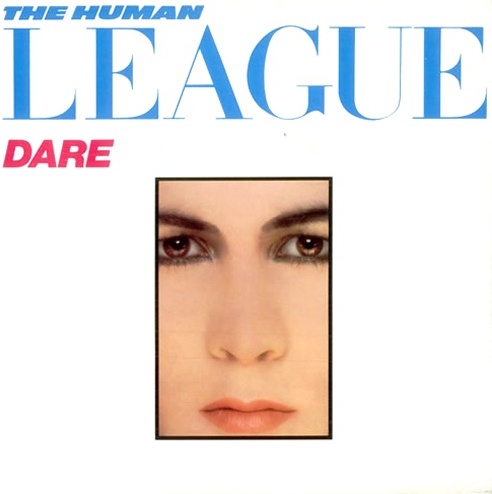 After ‘Reproduction’ and ‘Travelogue’ failed to set the world alight, manager Bob Last played a game of divide and rule on the original line-up. Vocalist Philip Oakey and Director of Visuals Adrian Wright would recruit Ian Burden, Jo Callis, Susanne Sulley and Joanne Catherall to record the now classic ‘Dare’ album under the auspices of producer Martin Rushent sounding ike KRAFTWERK meeting ABBA, especially on ‘Darkness’ and ‘Don’t You Want Me’.
‘Dare’
http://www.thehumanleague.co.uk/
HEAVEN 17 Penthouse & Pavement (1981)
 HEAVEN 17’s debut ‘Penthouse & Pavement’ combined electronic pop and disco while adding witty sociopolitical commentary about yuppie aspiration and mutually assured destruction. The ‘Pavement’ side was a showcase of hybrid funk driven by the Linn Drum and embellished by the guitar and bass of John Wilson while the ‘Penthouse’ side was more like an extension of THE HUMAN LEAGUE’s ‘Travelogue’.
‘Penthouse & Pavement’
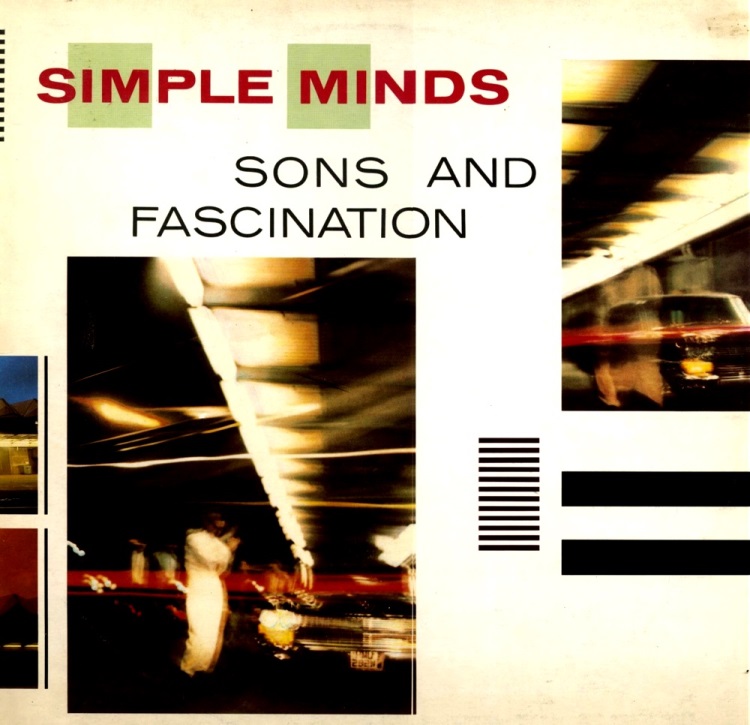
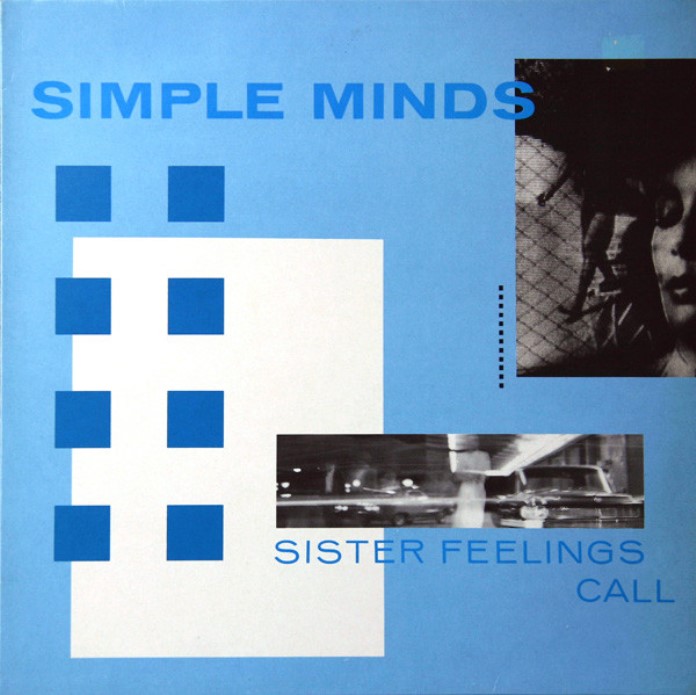
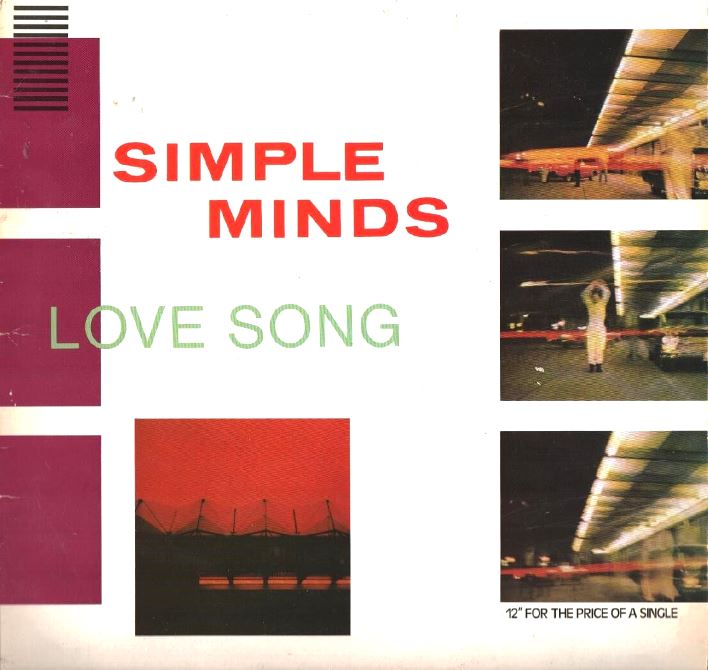
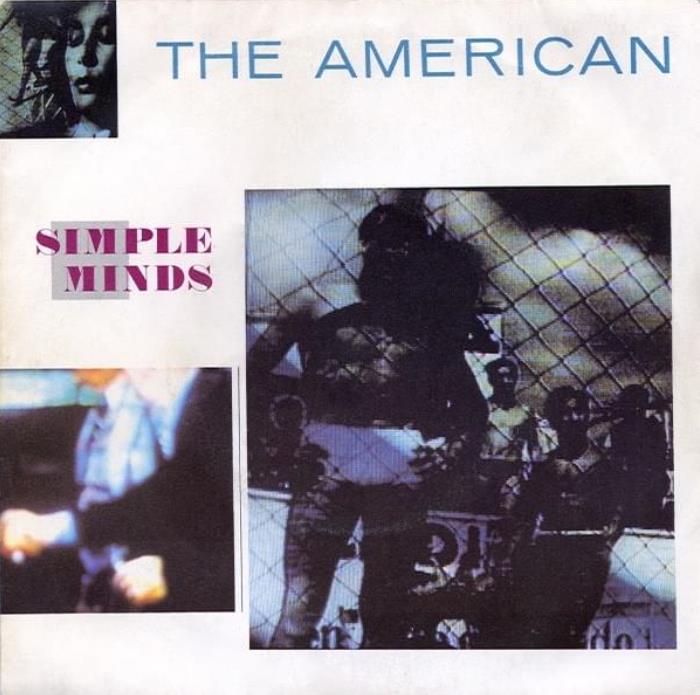
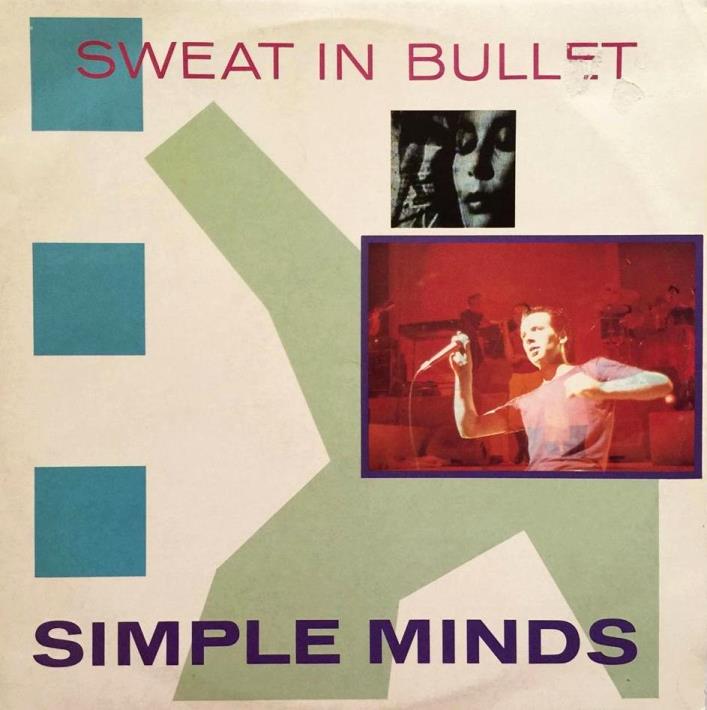
SIMPLE MINDS New Gold Dream (1982)
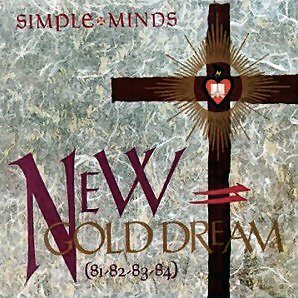 “You want to be with Virgin so bad that you’ll sign anyway” said Richard Branson to SIMPLE MINDS; signing after the promise of US tour support, the band lost their intensity and recorded a great album filled with pretty synthesized melodies, textural guitar and driving lead bass runs. Big titles like ‘Someone Somewhere In Summertime’, ‘Colours Fly & Catherine Wheel’ and ‘Hunter & The Hunted’ made investigation essential.
‘New Gold Dream’
DEVO Oh, No! It’s Devo (1982)
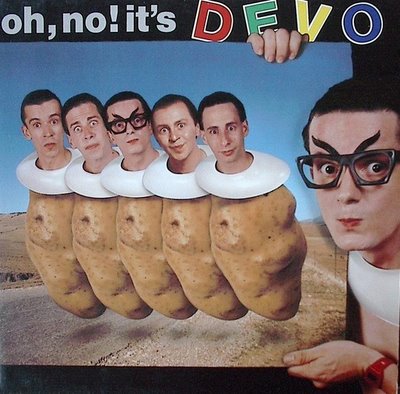 By 1982, DEVO had become much more of a synth based act with programmed percussion to boot. Their sound moved away from the guitar dominated art rock of their Eno produced debut ‘Q: Are We Not Men? A: We Are Devo!’ As quirky as ever, the album’s concept was a response to criticism from the press about their imagery… thus they asked temselves “what would an album by fascist clowns sound like?”
‘Oh, No! It’s Devo’
OMD Dazzle Ships (1983)
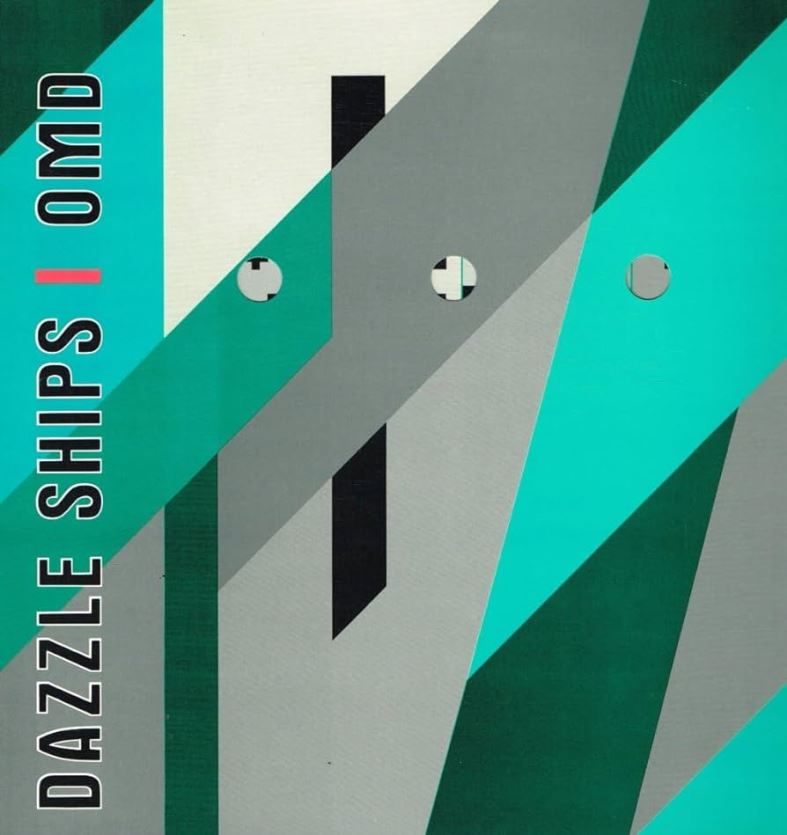 OMD’s first album for Virgin after the demise of Dindisc, ‘Dazzle Ships’ was a brave sonic exploration of Cold War tensions and economic corruption. Although it featured some of the band’s best work like ‘The Romance Of The Telescope’, ‘International’ and ‘Radio Waves’, ‘Dazzle Ships’ sold poorly on its inital release. The band were never the same again, but this fractured nautical journey has since been vindicated as an experimental landmark.
‘Dazzle Ships’
RYUICHI SAKAMOTO Merry Christmas Mr Lawrence (1983)
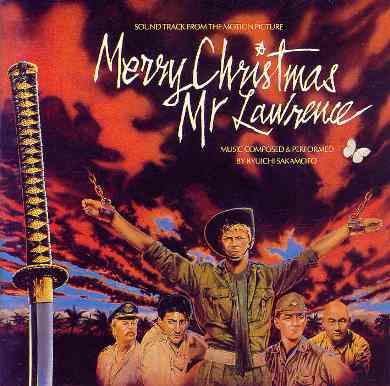 Being the best looking member of YELLOW MAGIC ORCHESTRA, it was almost inevitable that Sakamoto San would turn to acting. His first role was alongside David Bowie in ‘Merry Christmas Mr Lawrence’ and with it came his soundtrack. The main title theme resonated with emotion and traditional melody while the drama of ‘The Seed & the Sower’ was also a highlight. A chilling synthesized rendition of the hymn ‘23rd Psalm’ sung by the cast brought a tear to the eye!
‘Merry Christmas Mr Lawrence’
CHINA CRISIS Working With Fire & Steel – Possible Pop Songs Volume 2 (1983)
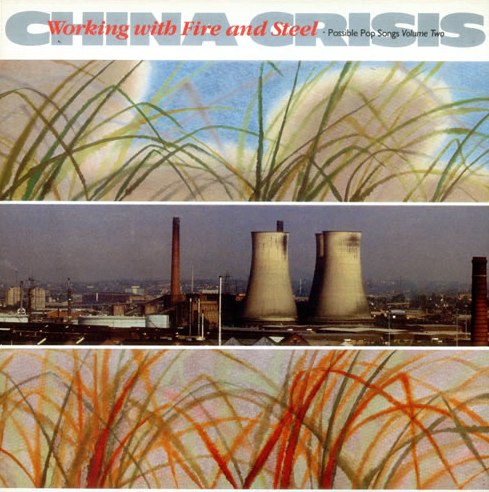 Produced by Mike Howlett, ‘Working With Fire & Steel’ allowed CHINA CRISIS to deliver a more cohesive album following the four producers who steered their debut. Best known for the brilliant Emulator laced hit single ‘Wishful Thinking’, the album is much more than that with melancholic synth melodies and woodwind counterpoints over a combination of real and programmed rhythm sections.
‘Working With Fire & Steel – Possible Pop Songs Volume 2’
https://www.facebook.com/chinacrisisofficial
DAVID SYLVIAN Brilliant Trees (1984)
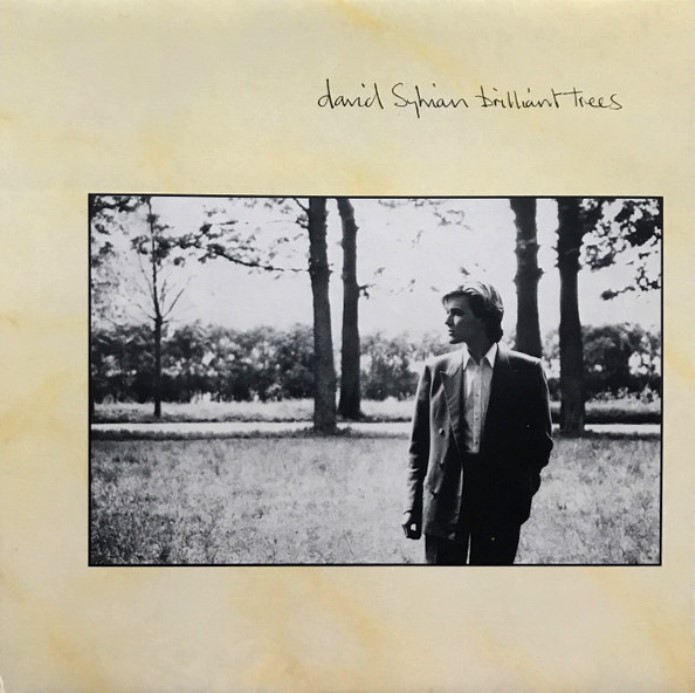 By 1984, Sylvian had a lucrative solo deal that gave him total artistic control. Side one of his debut solo offering opened with echoes of JAPAN in the funky ‘Pulling Punches’ but then adopted more of a laid back jazz feel. Meanwhile the second side had synthetic Fourth World overtones with avant garde trumpetist Jon Hassell and sound painter Holger Czukay as willing conspirators, and the emotive ‘Weathered Wall’.
‘Brilliant Trees’
BRIAN ENO Thursday Afternoon (1985)
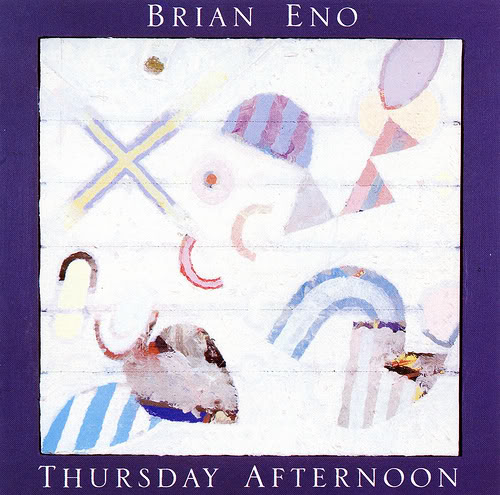 With new music technology come new compositional concepts so when CD was launched, Brian Eno asked: “what can be done now that could not be done before?”. ‘Thursday Afternoon’ was a 61 minute ambient journey and the lack of surface noise meant it could be very quiet. Using a Yamaha DX7 and minimal sustained piano, it soundtracked video paintings of the model Christine Alicino in vertical portrait format, so the TV had to be turned on its side to view it!
‘Thursday Afternoon’
PHILIP OAKEY & GIORGIO MORODER Philip Oakey & Giorgio Moroder (1985)
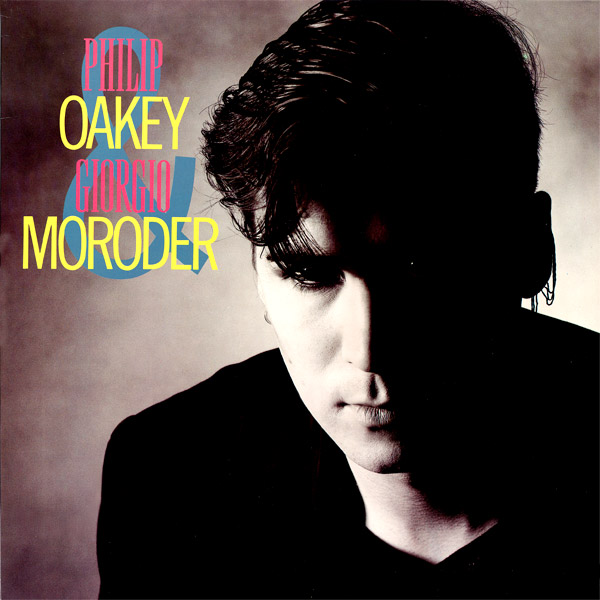 ‘Together in Electric Dreams’ did better than any singles from THE HUMAN LEAGUE’s lukewarm ‘Hysteria’ album. So Virgin swiftly dispatched Oakey to record an album with Moroder. The segued first side was a total delight from the off, featuring the rousing ‘Why Must The Show Go On?’ while the Donna Summer aping ‘Brand New Love (Take A Chance)’ was another highlight, as was the stupendous ‘Now’ on side two.
‘Philip Oakey & Giorgio Moroder’
THE BLUE NILE Hats (1989)
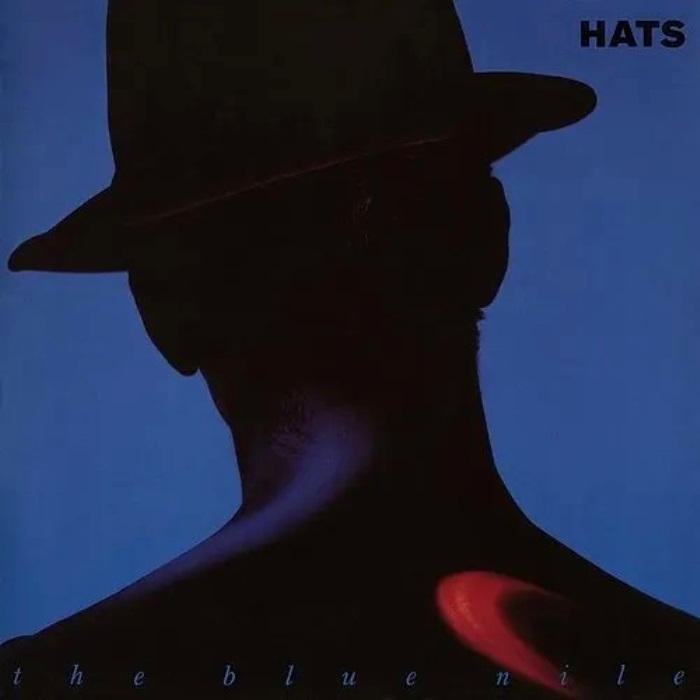 Whenever THE BLUE NILE are mentioned, it’s their 1983 album ‘A Walk Across The Rooftops’ that is always discussed in breathless awe. But the follow-up ‘Hats’ is the trio’s crowning glory. Both licensed to Virgin through a deal with Linn, the high quality Hi-Fi manufacturer. With hopeless romanticism and rainy drama, the glorious centrepieces were ‘Headlights On The Parade’ and ‘The Downtown Lights’.
‘Hats’
http://www.downloadhome.co.uk/thebluenile_dlc/thebluenile.html
THE FUTURE SOUND OF LONDON Lifeforms (1994)
 THE FUTURE SOUND OF LONDON became flag bearers of avant garde electronic music and seen as successors to TANGERINE DREAM and Eno. Signing to Virgin in 1992, the duo invested in some Akai S9000 samplers and given free rein to experiment in their sonic playground, resulting in the complex sweeps and downtempo collages of ‘Lifeforms’ with the influence of the BBC Radiophonic Workshop looming heavy in the sonic playground.
‘Lifeforms’
http://www.futuresoundoflondon.com/
MASSIVE ATTACK Mezzanine (1998)
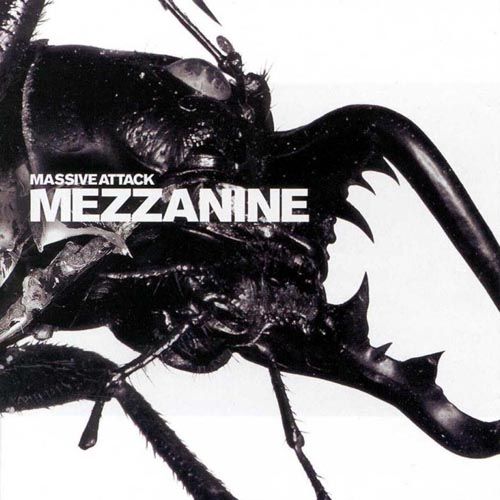 Despite relations being at an all-time low, MASSIVE ATTACK produced some of their finest work on ‘Mezzanine’. With dark undercurrents and eerie atmospherics, the sample heavy album’s highpoints featured the vocals of Elizabeth Fraser on the hit single ‘Teardrop’ and the spy drama magnificence of ‘Black Milk’, although the band were sued for the unauthorised use of MANFRED MANN’S EARTH BAND’s ‘Tribute’ on the latter
‘Mezzanine’
http://www.massiveattack.co.uk/
Text by Chi Ming Lai
20th August 2013
 is available on Virgin Records
Follow Us!