Category: Missing In Action (Page 1 of 5)

Missing In Action: SHARK VEGAS

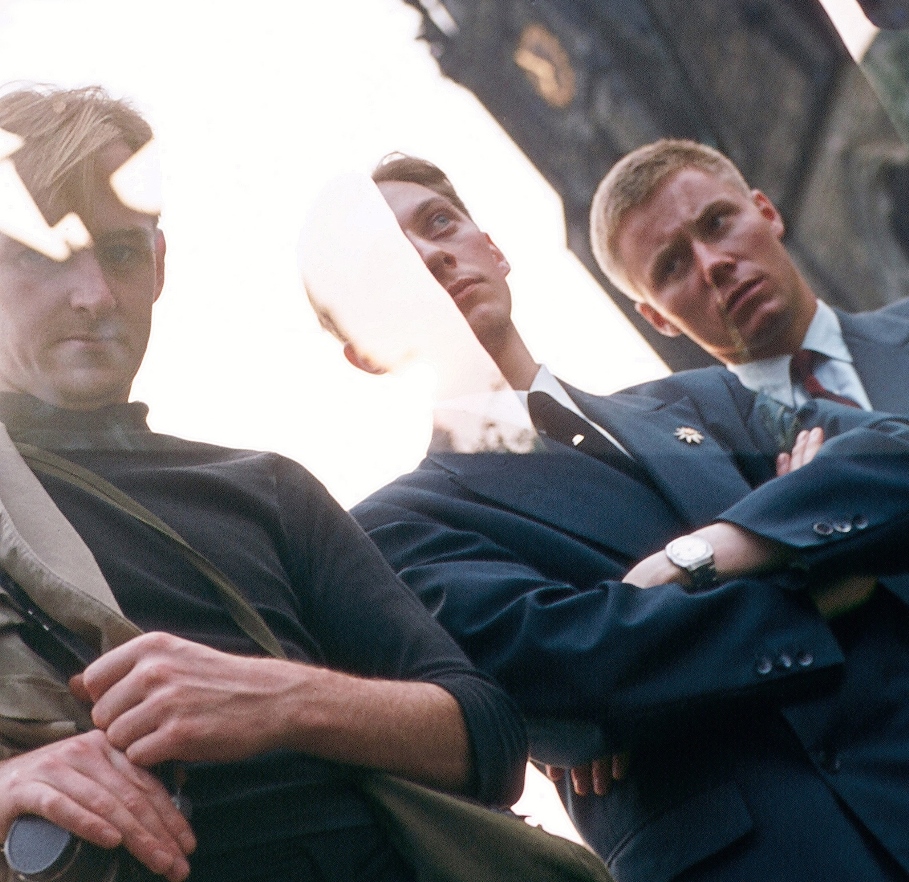
Photo by Jurgen Wellhausen

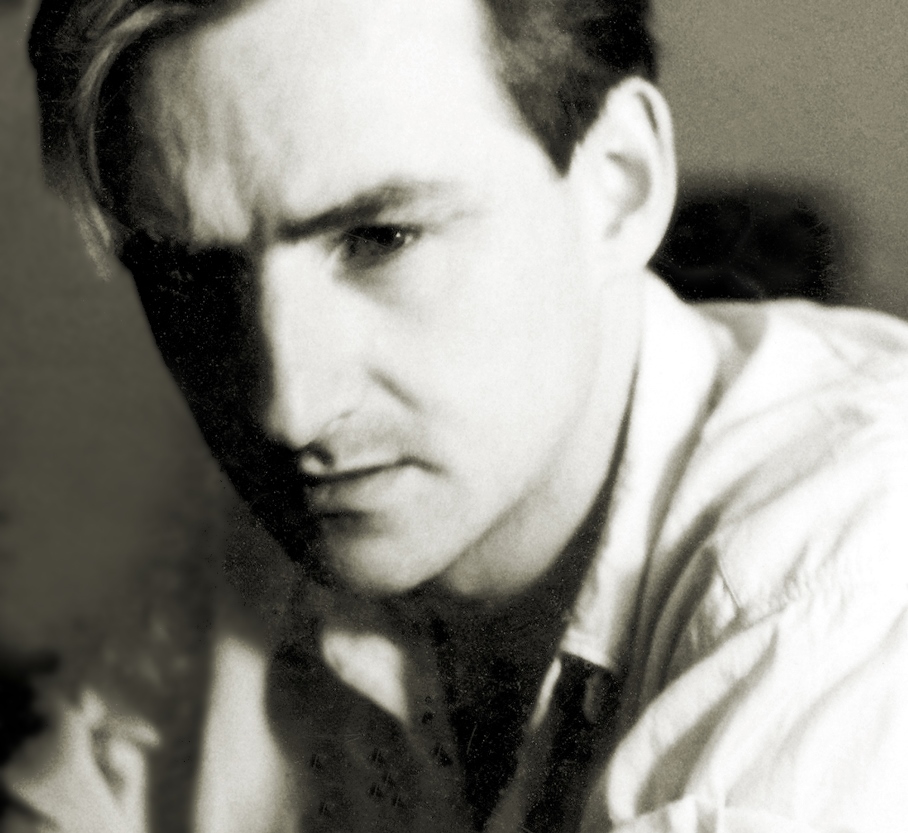
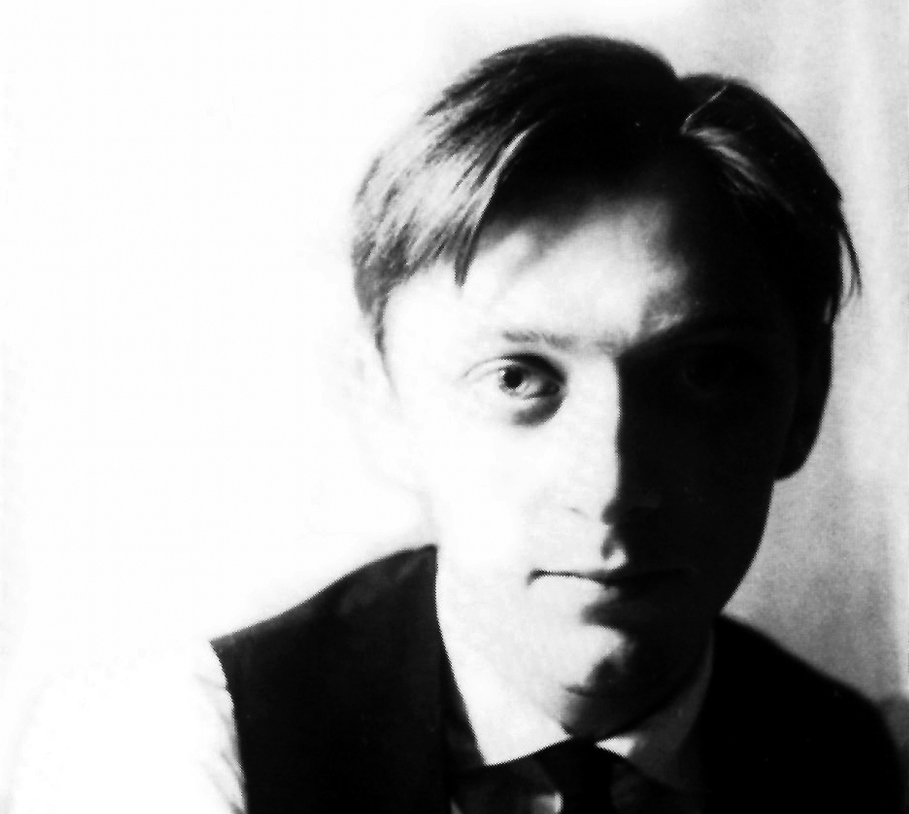
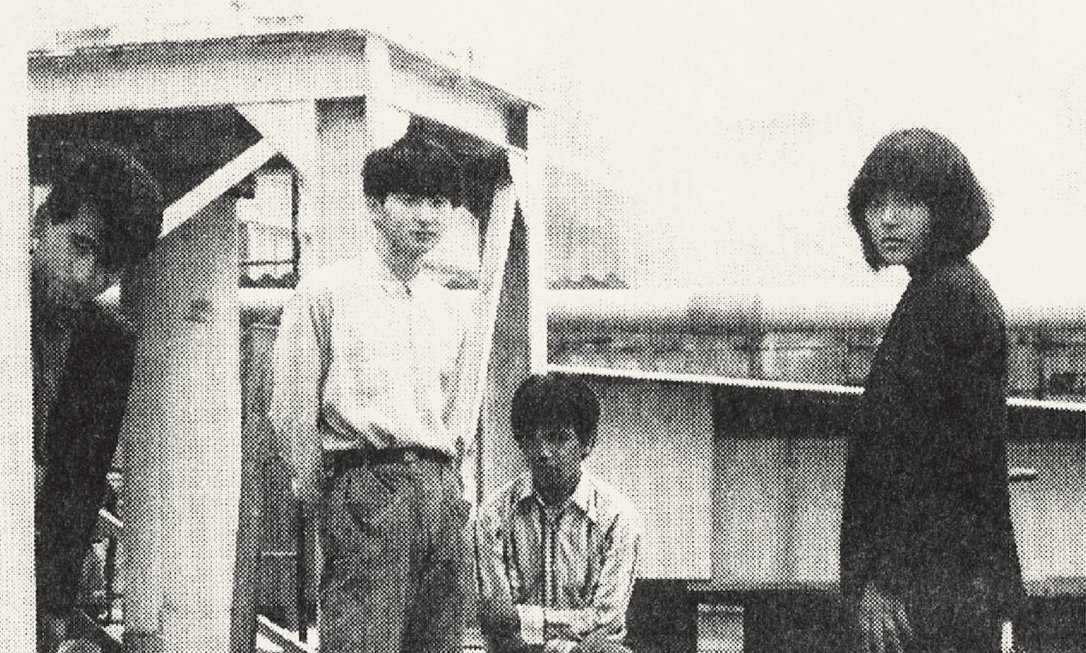
They were DIE UNBEKANNTEN but in 1984, they were no longer “unknown” as they changed their name to SHARK VEGAS ahead of a European tour opening for NEW ORDER.

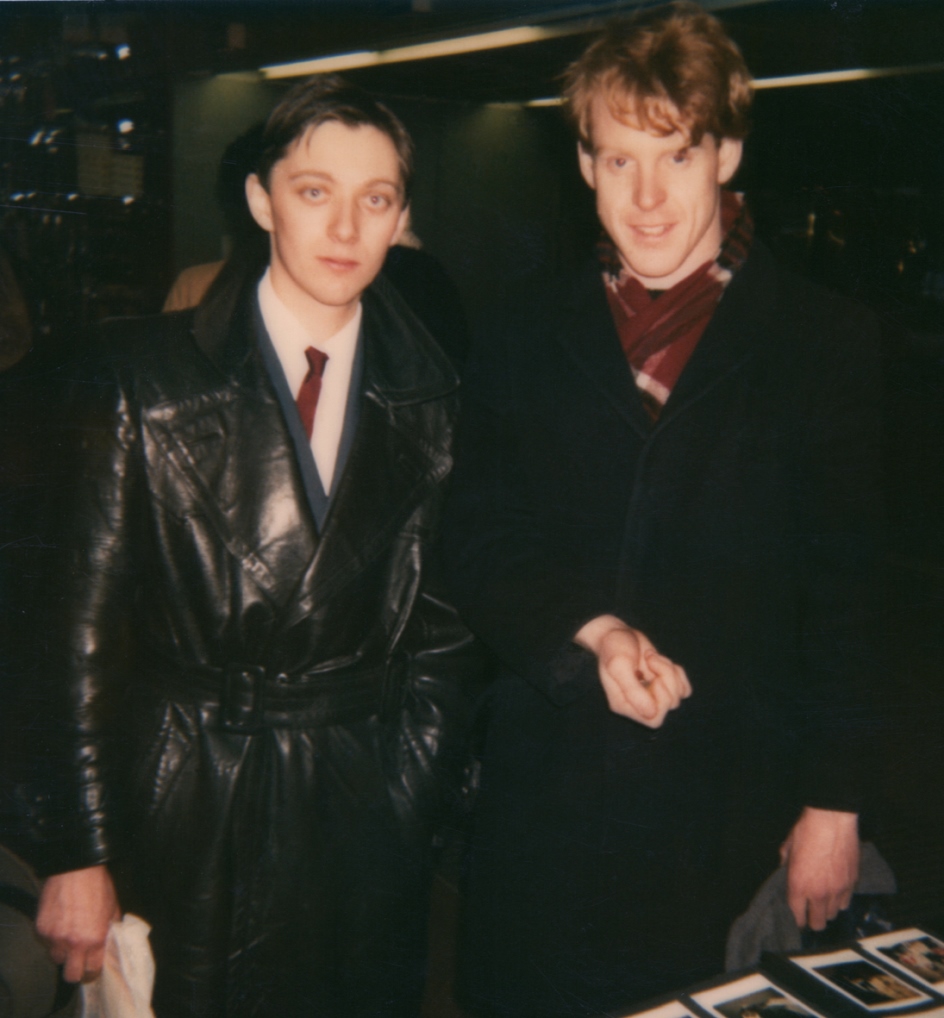
Founded by Berlin-based Englanders Mark Reeder and Alistair Gray, SHARK VEGAS moved towards a more electronic HI-NRG disco direction after the doom-laden post-punk excursions of DIE UNBEKANNTEN, freshly influenced by Die Mauerstadt’s domestic club scene.

Adding Leo Walter and Helmut Wittler from the German band SOIF DE LA VIE to the line-up, the one and only SHARK VEGAS single ‘You Hurt Me’ was released on DIE TOTEN HOSEN’s label Totenkopf in 1984 before being remixed by Bernard Sumner for release by Factory Records in 1986.

The very immediate ‘Love Habit’ was premiered with a special video in 1985 on Berlin’s Glienicke Brücke which had a checkpoint that divided East and West; the occasion was to launch the new British cable music channel Music Box, but the song itself would remain unavailable until the soundtrack to Reeder’s documentary film ‘B-Movie (Lust & Sound in West Berlin 79-89)’ was issued in 2015.

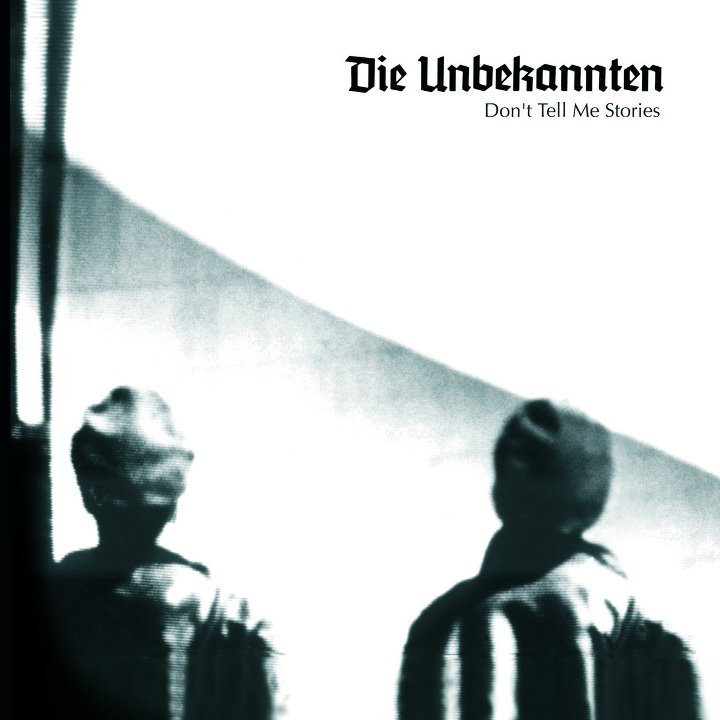
SHARK VEGAS material has been scarce until now… the Japanese label Suezan Studio has issued an albums worth of material on CD as a tie in with their release of DIE UNBEKANNTEN’s ‘Don’t Tell Me Stories’ packaged in a 7” x 7” 130 page full-colour book; the SHARK VEGAS CD ‘You Hurt Me’ contains live tracks and original demos of songs, some of which were most recently re-recorded by Reeder with Lithuanian singer Alanas Chosnau and solo for the soundtrack to Hermann Vaske’s documentary film ‘Can Creativity Save the World?’; both available separately, if ordered together as a bundle, there is a bonus CD-R gathering further mixes of ‘You Hurt Me’ included.

Having previously discussed DIE UNBEKANNTEN in 2023 as part of the ‘Missing In Action’ series, Mark Reeder chatted to ELECTRICITYCLUB.CO.UK about swimming the turbulent waters with SHARK VEGAS in his role as The Mancunian Candidate…

How does it finally feel to get a SHARK VEGAS long form release? there’s 11 songs and a KISS cover, but was there much material in your archives?

It was a lovely surprise and a great honour to be asked by Kaoru of Suezan Studio if I would allow him to release DIE UNBEKANNTEN and SHARK VEGAS in Japan on CD. Initially, he thought it would be just one CD album of our 12” inch singles, coupled with a few live tracks, but I had some demos, and I had already written an extensive booklet about our Cold War escapades of trying to be a band and our activities playing in the Eastern Bloc.

So, I suggested that he make a special edition 100-page booklet, with photos and text to accompany the CD. This has become the limited deluxe edition of ‘Don’t Tell Me Stories’, which had only been previously released by Vinyl-on-Demand in 2007 as an LP, and because I now had more room, I could expand the track-list on the CD to include upgraded versions and demos. That also meant that SHARK VEGAS would also get its own CD release.

Although, apart from the two 12” inch Singles and one compilation track, we didn’t have that much SHARK VEGAS material to be honest, we did have plenty of dodgy demo tapes, and a few live sets on cassettes, and generally their quality varied from bad to worse. A lot of restoration work was required.

Photo by Irmgard Schmitz

How did the Japanese Suezan label become interested in releasing it?

I had been performing in Osaka as the opening DJ for NEW ORDER, and was scheduled to DJ in Alffo Record Shop… naturally being a vinyl junkie, I also went around to as many record shops as I could find, and I was browsing in the amazing Forever Records in the Shinsaibashi-Namba area of downtown Osaka, when the owner Satoru Higashiseto politely asked me if I was Mark Reeder, and then said, his friend had a label called Suezan Studio (who I actually knew about from his CD releases of other Berlin artists like DIE TÖDLICHER DORIS or DIN-A-TESTBILD). He said his pal was interested in licensing DIE UNBEKANNTEN and SHARK VEGAS for Japan.

The label owner Kaoru was apparently very proud to have original copies of all our EPs. He contacted me, and we discovered we had many mutual friends. He definitely knew his stuff and it just felt like Suezan Studio was the right home for my records.

When do you consider the moment that SHARK VEGAS became an actual entity?

Well, we changed our band name from DIE UNBEKANNTEN to SHARK VEGAS specifically for the NEW ORDER European Tour in 1984, so I guess our inception was March 1984. We also acquired two new members for that tour in Leo Walter and Helmut Wittler, both formerly of SOIF DE LA VIE, who had previously released their Hi-NRG song ‘Goddess of Love’, which had become a club hit, but they got stitched-up by their singer and she took all the credit, which deflated their hit-seeking ego somewhat. Joining SHARK VEGAS was a welcome escape for them.

I thought being a foursome would make for a better live presentation. Leo had performed the percussion on our original studio demo of ‘You Hurt Me’ and it seemed natural to ask him if he wanted to accompany us on tour. Helmut could play bass and keyboards, and he looked good with his shirt off, and he was the only one of us who had a driving license.

The collection contains numerous versions of the only official SHARK VEGAS single ‘You Hurt Me’, why was that chosen to be recorded? It has a story on its own which involves Conny Plank and then Bernard Sumner?

Yes. We had already recorded a studio demo of ‘You Hurt Me’ as DIE UNBEKANNTEN with Leo on percussion, that was a few months before we were asked to go on tour with NEW ORDER. I sent this fresh studio demo to Bernard Sumner, who really liked it and he offered to produce it, and said maybe Factory Records would release it. It all sounded promising. Rob Gretton suggested we could do the mixdown during the few days break we had on the tour, and he booked us into Conny Plank’s legendary studio near Cologne. We were all so excited. All my favourite Krautrock artists had recorded something with Conny Plank and I was secretly hoping he would spread some of his magic over our music.

The session was a painful nightmare, and in the end, Bernard spent most of the time trying to get his mix to sound like our demo. We made about six mixes and none were what we really wanted. It was very frustrating. I always wanted the song to sound more like our original “Unbekannten” first draft, which we recorded in our practice room. It had lashings of Korg Poly6 arpeggiator sequencers and synths, but by the time we got it into Musiclab studio, we had a new synth and 808 drum machine, and the song had become more professional – which is the studio demo mix which was eventually released on the Factory version 12” Single.

In the end, after the disastrous Conny Plank experience, we made the final mixdown in Strawberry Studio in Stockport, Manchester with Bernard and Donald Johnson from A CERTAIN RATIO. All the mix versions were then split between Totenkopf Records and Factory. While compiling tracks for these CDs, I discovered our original practice-room demo version, which I included on DIE UNBEKANNTEN ‘Don’t Tell Me Stories’ CD.

Would ‘Love Habit’ not have been a better choice as a debut single as that was more immediate or did you not think in commercial terms? How close did ‘Love Habit’ come to getting an official release at the time?

Probably, but we hadn’t finished writing ‘Love Habit’ by that point. After the NEW ORDER tour, we recorded a very shoddy demo of ‘Love Habit’ at Musiclab studio, which we used for the Musicbox video performance on the Glienicke Brücke (Bridge of Spies), but by then Leo and Helmut were already planning on leaving the band. The song would only be properly recorded and produced after Michael Schamberg asked us to contribute a song to his forthcoming FACTUS compilation ‘Young Popular & Sexy’.

When you were asked to tour with NEW ORDER, do you think you were ready? The live recordings included on the album indicate that you sounded ok at the time?

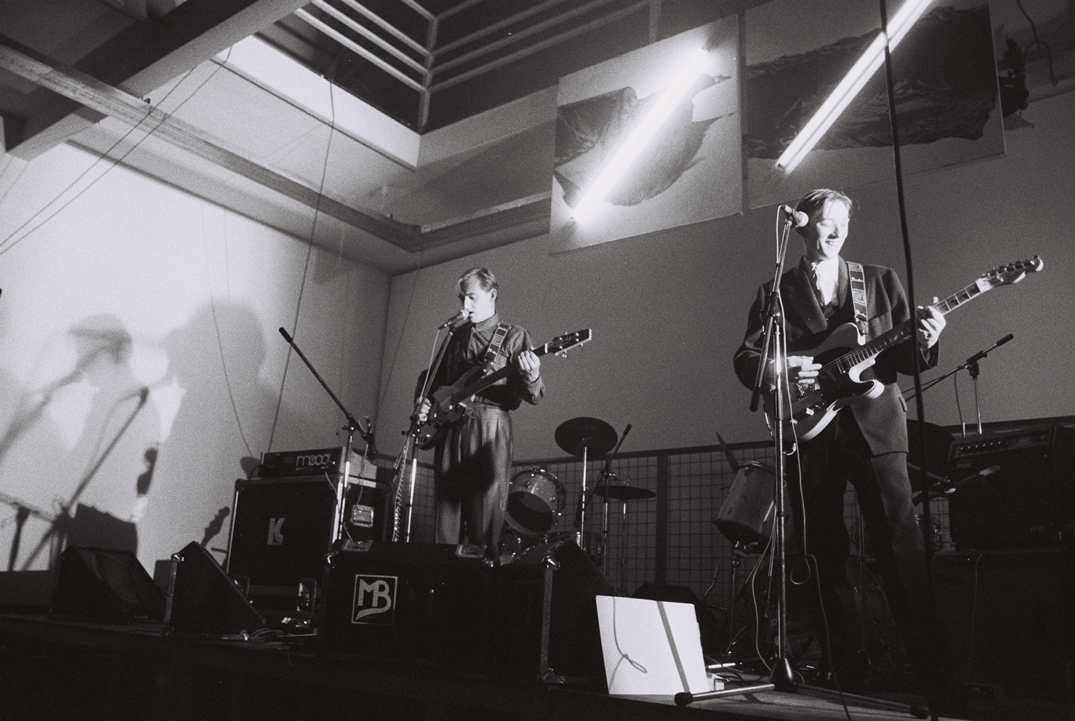
I suppose we were as ready as we were ever going to be, given the amount of time we had to prepare. We acquired our two new members in Leo and Helmut only a few weeks before the tour and we wrote a few new songs with them and practiced every day. I recorded all our drum machine sounds and sequencers onto 4 track tape, as the MC202 sequencer was far too temperamental to take on tour. As we didn’t really have that many new songs, we padded out our set with a couple of reworks of DIE UNBEKANNTEN’s old songs like ‘Perfect Love’ and ‘Don’t Tell Me Stories’. After our first gig on this tour, Karl Bartos told us, he thought we were better than the main act, he might have just been sarcastic, but it encouraged us immensely.

Photo by Wayne Arents

What synths and things were you using in SHARK VEGAS? Was the technology was enabling you to get more sophisticated sounds and ideas down quicker?

Not really. Preset sound synths were becoming more and more popular and I wasn’t a fan. It was fashionable to have a DX7 or Korg Poly800, but I liked to discover or create my own synth sounds by fiddling about. We had gone from just having the Roland 606, an MS20, a Moog and a Transcendent 2000, to more polyphonic synths like Korg Poly 6, Roland 106, MC202 and SH9 but we also had a Korg Poly800, a Casio and a Roland 808 drum machine and clap trap. Later, we had a proper Korg sequencer and a Roland 707 + 727, but we didn’t use them live, Leo used a Simmons kit with a click track, I played the Poly6, or Roland 106 and Helmut played the Poly800.

The “disco time” of ‘Undercover Lover’ showed a lot of potential, how did that come together and why the “006” reference?

We lived in the ultimate Cold War city. Berlin was the spy capital of the World. The place where the Third World War was supposedly, going to start. Our lives were constantly running against this narrative. Being Brits in Berlin and not in the Army, we were shrouded in suspicion and constantly aware that people considered us agents of some sort, and they didn’t know what the hell to make of us, especially in the East half of the city, where we spent a lot of time.

The East German Stasi thought my agenda was to subvert the youth of East Germany. ‘Undercover Lover’ is about falling victim to the honey-trap. Which we had personally encountered. 006 is a play on words. In German it is pronounced “Oh-Oh-Sex”. It is a hidden warning!

We were also regulars at the Metropol, Europe’s biggest gay disco at the time. We went every Friday and Saturday night. It was a very inspiring place. I had taken Bernard Sumner there in the early 80s and a while later, ‘Blue Monday’ was born. We too were inspired by the emerging Hi-NRG scene and we wanted to upgrade our sound and style, to make it more amusing and not as depressive as DIE UNBEKANNTEN.

Whose idea was it to do ‘I Was Made For Loving You’, what was the process of arranging it?

Well, I must confess that was my idea. I had seen KISS perform in Manchester in 1976, which was the first time they had ever played in the UK, and from that moment I was hooked. My fascination stopped after their ‘Dynasty’ album though, as I thought that was their pinnacle.

I loved ‘I Was Made for Loving You’ and I still think it is their best song. I thought it might be a laugh to make a high-energy-DEAD-OR-ALIVEy version for our live sets, as we had always had a cover version of something in our sets as DIE UNBEKANNTEN. We unleashed our corrupted cover versions of songs like; ‘When You’re Young and In Love’, or ‘Diamonds Are Forever’ and with SHARK VEGAS, we either performed our version of ‘Heaven’s in the Back Seat of My Cadillac’ or… ‘I Was Made for Loving You’; No live version of ‘Heaven’s in the Back Seat…’ has survived.

We first performed ‘I Was Made for Loving You’ at the Weisse Rose in Berlin as an encore, and the audience went completely bonkers, thereafter it became a permanent fixture in our live sets. Sadly, that first Weisse Rose recording was far too poor to restore, maybe one day AI will be able to dissect it enough and I will be able to reconstruct it to sound presentable. We recorded a studio demo of ‘I Was Made…’ just to see if it would work as a cover version. It was nowhere near where I really wanted to take it, as my ability was compromised by my lack of producer knowledge. It was basically our live version, recorded.
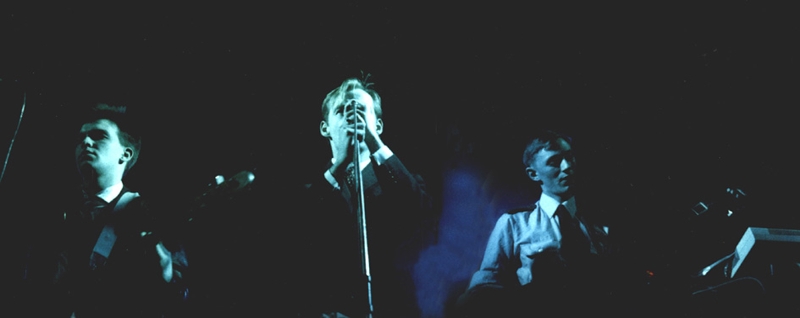
Photo by Irmgard Schmitz

‘Pretenders Of Love’ was the only other SHARK VEGAS track that got officially released back in the day? How did that come to be fully formed and included on that Factory US compilation ‘Young, Popular & Sexy’?

To present the Factory US label in America, Michael Schamberg was putting a compilation together of new or lesser-known Factory artists like; THE HAPPY MONDAYS, DURUTTI COLUMN, ACR or STOCKHOLM MONSTERS, and after the positive reception of ‘You Hurt Me’ in the USA, he wanted something new and unreleased from us for ‘Young, Popular & Sexy’.

We produced two songs in the studio, and he had the choice between ‘Pretenders Of Love’ or ‘Love Habit’, and he chose ‘Pretenders’. I guess he thought American audiences would be able to identify with it easier; ‘Love Habit’ was far too Hi-NRG for his tastes.

Of the previously unreleased tracks included, which ones have stood up in your opinion after 40 years?

Probably ‘Love Habit’, ‘Undercover Lover’ and ‘Ice’, but also other songs that initially never left the practice demo stage like ‘I Can’t Share This Feeling’ and ‘Lovers of the World’ have seemingly stood the test of time, which I recorded recently for the albums ‘Children of Nature’ or ‘Can Creativity Save the World?’.

How was the reconstruction aspect for you and your studio partner Micha Adam, were there any rules you set yourselves or did you let a few modern-day tweaks come in like artificial intelligence?

Micha and I just wanted to try and get it to sound as good as we could from the sources we had to use. We only had the cassette tapes to work from, as all the original 16 track and 2 track master tapes had been destroyed in 1990. Although I had kept the cassettes in fairly favourable conditions, they still had never been played for 40 years, and when the tapes are degraded and riddled with blips, breaks and drop-outs, it is very time consuming trying to find ways to reconstruct the sound. We didn’t use any AI on any of the restoration work though, everything was done by hand.

Was SHARK VEGAS more challenging than DIE UNBEKANNTEN with 4 people involved? When and how did it all come to an end?

It was more of a collaboration effort to write songs like ‘Undercover Lover’ or ‘Heartbeat’ and there were a lot of compromises involved. I don’t mind making compromises if it is to the benefit of the song, but to be honest, I personally wasn’t too happy with the sound direction we were heading, especially after Helmut and Leo wanted a sax solo on ‘Heartbeat’. It was far too Kenny G conventional and coffee-table for my musical tastes.

We were already drifting away from the synth-rock-disco sound that I thought gave us a particular individual sound-style. I didn’t mind being poppy, but Leo and Helmut desperately wanted a hit, and they thought we could create one by making that compromise. They seemed prepared to do anything in the hope of being accepted by the radio stations. I thought it was like clutching at straws. I liked being in our synth-rock-disco niche.

This naturally caused a rift between us and what is usually described as so-called “musical differences” ended up dismembering the band. Helmut and Leo were still members of SOIF DE LA VIE and they wanted to pursue their own musical agenda. So, they left the week after we controversially won the Berlin Senat’s Rock Wettbewerb (rock competition). Alistair stuck it out for a while longer in Berlin, but after the release of ‘Young Popular & Sexy’, he too, eventually decided to return to the UK. After which, I started ALIEN NATION with Leo in 1987 to make Acid House.

If you had a time machine, how might you have approached SHARK VEGAS differently?

If I would be able to take the insight and knowledge as a producer from today with me, I would definitely want SHARK VEGAS to be more sequencer-synth driven, with dramatic disco-drums, and arpeggiators. In fact, just like the sound and style of the music I make today.


ELECTRICITYCLUB.CO.UK gives its warmest thanks to Mark Reeder

‘You Hurt Me’ by SHARK VEGAS is released by Suezan Studio and available in the EU as a super deluxe bundle with ‘Don’t Tell Me Stories’ by DIE UNBEKANNTEN + a bonus CD-R from https://me-shop.net/produkt/die-unbekannten-shark-vegas-package-2cdbuchbonus-cd-r/

The SHARK VEGAS ‘You Hurt Me’ CD is available separately from
https://me-shop.net/produkt/shark-vegas-you-hurt-me-remastered-2025-lim-500/

‘You Hurt Me’ is also available digitally from https://markreedermfs1.bandcamp.com/album/you-hurt-me

DIE UNBEKANNTEN ‘Don’t Tell Me Stories’ CD and 7” x 7” 130 page book package is available separately from https://me-shop.net/produkt/die-unbekannten-dont-tell-me-stories-cdbuch-remastered-2025-lim-500/

Mark Reeder will be DJing with Gudrun Gutat as part of ‘David Bowie in Time: Just a Cabaret’, a special celebratory event at The British Library in London on Saturday 17th January 2026, also appearing will be Blixa Bargeld, Nikko Weidemann, Daniel Brandt and Jehnny Beth – tickets are available from https://events.bl.uk/events/david-bowie-in-time-just-a-cabaret

https://www.facebook.com/markreedermusic/

https://www.instagram.com/markreeder.mfs/

https://mfsberlin.com/

https://www.facebook.com/mfsberlin


Text and Interview by Chi Ming Lai
2nd January 2026

Missing In Action: LEISURE PROCESS

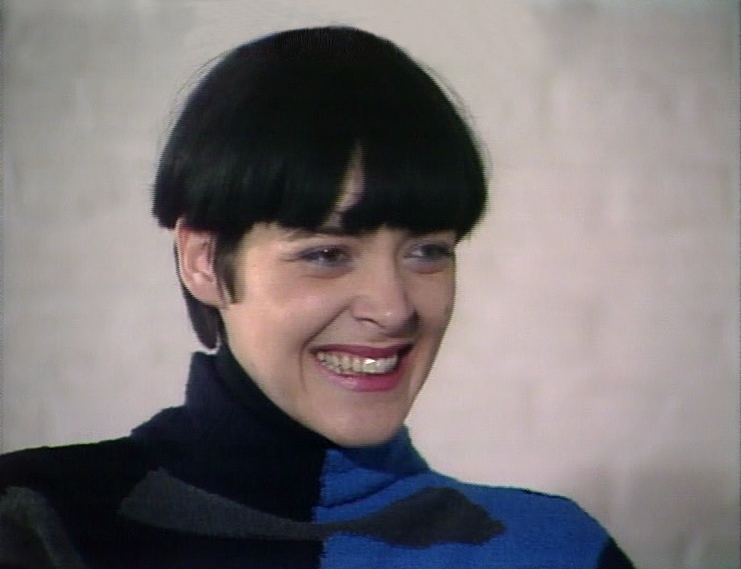
LEISURE PROCESS were a short-lived duo comprising of Ross Middleton (vocals, guitar + keyboards) and Gary Barnacle (sax, flute + keyboards) who, thanks to their four singles produced by Martin Rushent, are perhaps the missing link between his work with Pete Shelley and THE HUMAN LEAGUE.

Dealing with the realities of young manhood, Ross Middleton perhaps read far too much Nietzsche and with his long coat presented himself as a something of an anxious figure. Hailing from Glasgow, he had been the front man of POSITIVE NOISE which also featured his two brothers. The band were represented by Schoolhouse Management who also looked after SIMPLE MINDS.

Meanwhile, Dover boy Gary Barnacle came from a musical family and seemed to be far easier going. Making his name as a session musician between 1979 to 1982, he even ended up playing sax with THE CLASH on ‘This Is Radio Clash’ having been school mates with drummer Topper Headon. It was through POSITIVE NOISE that Middleton and Barnacle met.

A typical post-punk band, POSITIVE NOISE fell under the spell of Factory Records, issuing singles not included on albums with different sleeves for 12” and 7” versions. Although the frenetic spike of Edinburgh neighbours JOSEF K could be heard on ‘Give Me Passion’, the 12” artwork featured a photograph by Bernard-Pierre Wolf whose work had adorned the iconic cover of JOY DIVISION’s ‘Closer’. Dominated by Middleton’s enigmatic overwrought vocal style, the 1981 debut album was not surprisingly titled ‘Heart of Darkness’ and the haunting spectre of JOY DIVISION loomed on the closer ‘Ghosts’.

‘Heart of Darkness’ featured Barnacle on a number of songs with his sax featuring prominently on the brighter new pop of ‘And Yet Again’. But it was on the next single ‘Charm’ with its funkier motifs and brass arrangements by Barnacle that the seed of LEISURE PROCESS (INTERNATIONAL) was planted. With Middleton having found the funk, Barnacle introduced him to the then-comparatively unknown LEVEL 42, playing him an extended jam he had done with Mark King and Phil Gould.

Middleton wrote some vocal lines along with a chorus and an embryonic version of ‘A Way You’ll Never Be’ was born. Just as Paul Haig left JOSEF K to pursue more electronic dance pop pursuits as a solo artist, Middleton left POSITIVE NOISE to form the shorter designation of LEISURE PROCESS, although the “International” extension would creep into the production credits and the odd sleeve!

Recording a number of demos, Middleton and Barnacle took their tape to Epic Records where through POSITIVE NOISE’s publishers, an appointment was arranged with Head of A&R Muff Winwood who had produced SPARKS ‘This Town Ain’t Big Enough For Both Of Us’. He signed LEISURE PROCESS within the hour and the pair were despatched to Genetic Studios to work with Martin Rushent, fresh from having finished his production duties on THE HUMAN LEAGUE’s ‘Dare’.

The brilliant first single ‘Love Cascade’ issued in March 1982 combined clattering Linn Drum, pulsing synths, squawky guitar, slinky sax and virtually unintelligible vocals for a cool dancefloor friendly number. Capturing the decadent spirit of the times, despite getting several “Single Of The Week” type accolades from the music press and BBC Radio1, there was a mess up at the CBS pressing plant which handled Epic releases. It meant the record was not actually available in the shops until a month later the official release date. Momentum inevitably stalled and an almost certain hit fell through the cracks!

Those who did manage to buy the 12” of ‘Love Cascade’ were treated to two self-produced B-sides showcasing the duo’s diversity; ‘The Fluke’ was an impassioned ballad with piano from Dave Formula of MAGAZINE while ‘The Sun Turns Black’ actually saw brother Steve Barnacle do a bass turn reminiscent of that very band’s Barry Adamson.

Now finished with Martin Rushent and like a jazz funk Bill Nelson backed by Mark King and Phil Gould, ‘A Way You’ll Never Be’ was issued as the second LEISURE PROCESS single but again failed to chart. With ‘Rachel Dreams’ as the tense synth ‘n’ sax’ flip, Middleton and Barnacle soldiered on but heading into 1983, the third single ‘Cashflow’ moved away from the dance template.

A Schaffel stomp with bursts of distorted sax with live drums by yet another Barnacle brother Peter, ‘Cashflow’ was less immediate and may have alienated purchasers of ‘Love Cascade’ and ‘A Way You’ll Never Be’. Meanwhile in the B-side, ‘The Émigré’ was an instrumental that demonstrated LEISURE PROCESS’ filmic potential with Middleton’s Spaghetti Western atmospheres offset by Barnacle’s flute alongside his characteristic sax.

The fourth and what turned out to be the final LEISURE PROCESS’ single was the bouncy ‘Anxiety’, the duo’s most overt disco pop statement yet. With cartoony female vocals THE G-SPOTS that wouldn’t have sounded out of place on a Kid Creole record, it featured a very busy but complimentary arrangement where Barnacle’s sax and Middleton’s vocals managed not to clash. Backed with ‘The Company’, a much darker and buzzier proposition, with their most commercial offering not even denting the Top 75 in the UK singles chart, the end was nigh. LEISURE PROCESS were quietly dropped by Epic Records in a practice that was very common where albums already in progress would be scrapped in the absence of hits to promote them.

While it is well documented that Gary Barnacle would go on to become one of the world’s top session musicians with a CV that includes CHINA CRISIS, VISAGE, SOFT CELL, ERASURE, ULTRAVOX, PET SHOP BOYS, CAMOUFLAGE and LEVEL 42 as well as Kim Wilde, Tina Turner, Phil Collins and Rick Astley, Ross Middleton would actually go “missing in action”. Having already missed recording sessions, TV appearances and now becoming an alcoholic, the Scot was suffering from undiagnosed clinical depression which would not be treated for another 20 years.

But what might the debut LEISURE PROCESS album have sounded like? From the ever dependable Cherry Red Records, a new 2CD set ‘The Complete Epic Recordings’ gives some indication. Collecting together all the tracks from their four 7” and 12” singles, there are also demos of songs intended for the shelved 1983 long player ‘Remarkable People With Interesting Lives’ while Ross Middleton provides some frank and informative booklet commentary.

With ‘Sweet Vendetta’, one can imagine the backing track being suitable for one of Pete Shelley’s two solo albums ‘Homosapien ‘XL-1’. In 6/8 time with electronic wind instrumentation, ‘Pentagon’ is shaped by a rattling live percussive presence while ‘Learning To Love’ fuses the Motown backbeat to bleeping synths and a slap bass run.

The moody ‘Interesting Lives’ is much more cerebral but with the involvement of Martin Rushent, ‘History Of My Heart’ has more of a midtempo new wave rock feel while the pacier metronomic ‘Call Me President’ with its Far Eastern flavoured keyboards fits in with the Cold War angst of the times. There are three unfinished instrumental sketches too, all layered with padded synth but while all are listenable, their potential is inconclusive.

Today while Gary Barnacle has toured the world with SOFT CELL, Ross Middleton is promising new music as part of the leisurely process. Until then, the original LEISURE PROCESS portofolio is finally in the digital domain, waiting to be discovered and enjoyed. One definitely for Martin Rushent completists but in its mix of post-punk, funk, synthpop and new wave disco with distinctive honest vocals, they certainly don’t make acts like LEISURE PROCESS anymore.


‘The Complete Epic Recordings’ is released as a 2CD set by Cherry Red Records on 7th November 2025, pre-order from https://www.cherryred.co.uk/leisure-process-the-complete-epic-recordings-2cd

http://www.discogs.com/artist/Leisure+Process


Text by Chi Ming Lai
3rd November 2025

Missing In Action: DIE UNBEKANNTEN

DIE UNBEKANNTEN were the cult post-punk band formed by Berlin-based Englanders Mark Reeder and Alistair Gray for the legendary ‘Konzert zur Einheit der Nation‘ held in the SO36 club in Kreuzberg on 17 June 1981.

This ‘Concert for the Unity of Germany‘ was recorded for prosperity as the live compilation ‘Licht und Schatten‘ on Wild Youth Records which featured ‘Radio War‘ as Reeder and Gray’s contribution under the moniker of THE UNKNOWN (hence the subsequent German name DIE UNBEKANNTEN)

DIE UNBEKANNTEN’s back catalogue is small with their self-titled and ‘Dangerous Moonlight‘ 12“ EPs released on Elisabeth Recker’s influential Monogam label. Reflecting the times and their surroundings, their music was gloomy and themed around war. One notable track ‘The Game‘, which included an introductory poem by Abu Hamil, offered commentary on how journalists lived off suffering refugees in war torn cities like Beirut or Gaza and the psychological effects it had on them.

Using Reeder’s extensive Eastern European dissident contacts including human rights activist and later President of the post-Iron Curtain Czechoslovakia Václav Havel, DIE UNBEKANNTEN also performed at secret illegal gigs inside the communist bloc. With the advent of programmable drum machines and affordable synths, electronic elements began to creep into DIE UNBEKANNTEN’s sound which became more programmed and dance friendly, so much so that a name change was decided on prior to a European tour opening for NEW ORDER; thus SHARK VEGAS was born.

With the release of an expanded edition of ‘Don’t Tell Me Stories’, an album first issued in 2005 collecting both DIE UNBEKANNTEN EPs while also featuring demos, live tracks and specially restored versions created for the documentary film ‘B-Movie (Lust & Sound in West Berlin)‘, Mark Reeder chatted about die Berliner Elektronische und Club Szene and much more…

The name DIE UNBEKANNTEN came about by accident?

Yes, absolutely. When we played our first gig on 17 June 1981 in SO36, we had no intention of carrying the idea of performing any further than that one concert and therefore we had no band name. After seeing a one-off performance together with Monogam’s Elisabeth Recker and Kristoph Hahn (THE SWANS) as LE SANG FROID, I had been asked if I would also like to fill-in on the bill of an upcoming mini-festival, to commemorate the uprising in East-Berlin for the reunification of Germany, on the 17 June 1953. The poster already had a load of fictitious band names on it and being a bit tipsy, I committed myself.

Once home, I realised what I had done and called Al and asked him if he could sing. He came over to my place and I showed him how to play bass and we started to write some songs. After our performance, which we thought was a total shambles, Elisabeth came running up saying she loved it and wanted us to make a record for her label. Thomas Wydler also said he wanted to play drums with us. We were taken completely by surprise.

A favourable review of our concert in the local Zitty Magazine by Andre Schwerdt, praised “the two unknown Englishmen” for their avant-garde performance. In our little circle of friends, we were thereafter referred to amusingly as, DIE UNBEKANNTEN (“The Unknown”) and so I decided, THAT should be our band name.

How was it for you memories-wise to compile this expanded release?

Back in 2005, I was asked by Vinyl-on Demand if they could re-release a Limited-Edition vinyl album, featuring our two Monogam EPs. As bonus tracks, I gave them the Video version of ‘The Game’ and a live-to-mixing-desk recording of ‘Alone’ (which later became the blueprint for ‘Perfect Love’), from a gig that we had performed at in Belgium’s Salle Ex, together with MALARIA! I also gave VoD my original ‘Don’t Tell Me Stories’ album cover design idea too, and they produced a lovely record, that sold out almost immediately.

Then in 2011, I started work on the soundtrack for the ‘B-Movie (Lust & Sound in West Berlin)’ documentary, together with my studio partner Micha Adam, and for that, I decided to restore and rework ‘Casualties’ and ‘Radio War’. Sadly, after a break-in of my old apartment in early 1990, all my master tapes and the two 16 tracks tapes were completely destroyed and so we basically only had the vinyl EPs to go on for the restoration.

I did however, find our backing cassette tape of Thomas Wydler’s drums, our drum machine and effects, that we had originally used for our first illegal and highly secret concert in Czechoslovakia, back in 1982, and that also helped a lot with the restoration. So, I had gone through the trauma of revisiting our music already for these projects.

I had originally planned this release on being part of a photo-book with CD special edition back in 2021, to commemorate our 40th anniversary, and so while compiling and writing ‘The Story of DIE UNBEKANNTEN’, I had already plenty of time to reflect and go through the music. Unfortunately, finding an affordable book printer and then the restrictions brought about by Covid took its toll, and the book part never happened. I did meanwhile, discover there were some live bootleg tapes knocking about, that I didn’t even know existed. After a recent trip to Japan and Detroit, I decided to revisit our restorations and release ‘Don’t Tell Me Stories’ as a digital album instead.

JOY DIVISION and SECTION 25 appear to loom heavy over the sound of DIE UNBEKANNTEN?

It is probably more like a resemblance to most people. Musically, we are nowhere near. I think it has something more to do with the place, time, era and our musical restrictions, rather than actual inspiration. We certainly didn’t ever intend our music to sound anything like JOY DIVISION or SECTION 25. Although people back in the 80s also made these comparisons, I personally can’t hear any. I feel it was probably more about the fact that we were two Englishmen in Berlin and I was Factory Records German Representative.

How was your relationship with Monogam Records who originally released the self-titled debut EP and ‘Dangerous Moonlight’?

Wonderful; Elisabeth Recker, who started the Monogam Label was without doubt THE most important person of the Berlin avant-garde underground music scene back in the late 70s and early 80s, as she provided the platform for bands like MANIA D, P1/E and EINSTÜRZENDE NEUBAUTEN to release their music upon.

She is definitely an unsung hero. Monogam was Berlin’s first indie label. We were and still are great friends. Elisabeth was adventurous and she loved the arty and experimental. I think DIE UNBEKANNTEN EPs were the closest thing to a pop record that Monogam ever released.

The ‘Don’t Tell Me Stories’ title song falls under the spell of ‘Other Voices’ by THE CURE and featured a prototype Roland TR606 Drumatix, how did you get hold of one of those?

We got the Roland 606 prototype from Adrian Wright of THE HUMAN LEAGUE. After their minor success with ‘The Sound Of The Crowd’ and ‘Love Action’, he had been given this new Roland Drum Computer to test, but he didn’t have the time, and so he asked me if I could test it for him and just let him know how it was. I rushed home and immediately wrote a simple drum pattern and a rough bassline. Al came over and we wrote the song.

We booked two days in Harris Johns Musiclab Studio, and by the end of the session we had recorded and mixed ‘Don’t Tell Me Stories’. Alistair finished off the lyrics while I recorded all the music. Danny Briottet from RENEGADE SOUNDWAVE was visiting me in Berlin, and he proposed he play the drum solo, but we had no drums. He found an old cooking pot in my flat and luckily a set of timbales, which were lying about the studio and thus performed the cooking-pot and timbales solo in the middle of the song. Consequently, our ‘Dangerous Moonlight’ EP, became the first record ever to feature a Roland 606.

Drum machine was a characteristic feature of DIE UNBEKANNTEN, how did you find them to use?

For our first gig in SO36, we had no drummer, Thomas Wydler would join us later for the recording of our first EP. We had no intention of doing anymore gigs to be honest, so we just used an MFB drum machine. It was very basic, with a handful of settings (Cha Cha, Disco, Rock, Tango, Bossa Nova).

It was very easy to use, but I still managed to fuck it up for our first gig, by choosing the wrong setting. In reality, all you needed to do was turn the dial to the required style and speed and it played a repetitive pattern. As we only had a few days to write a set, we had cleverly written all our songs on the Disco setting, but in a drunken-stupor-panic, I accidentally turned the selector to Bossa Nova, and we just had to go along with that.

The MFB was an easy drum machine though, there was no programming involved. That came later when we had the 606, which you could programme to play fills and a series of patterns, but it was a total nightmare to programme. If you accidentally tapped in or missed something, you had to start all over again from scratch. Later, we had a Roland 808, then a 707 and a 727.

The “Country & Eastern” bootleg live version of ‘Don’t Tell Me Stories’ is hilarious…

Thank you. Glad you enjoyed it. That country version of ‘Don’t Tell Me Stories’ was performed just as a one-off surprise. We wanted to give our audience a laugh at the end of our gig. As SHARK VEGAS, we usually performed a Hi-NRG DEAD OR ALIVE-sque version of ‘I Was Made For Loving You’.

As DIE UNBEKANNTEN, we also always tried to leave the stage with the audience laughing. For example, the Salle Ex gig I remember we closed the show by performing the East German National Anthem on Kazoos, sadly the tape was stopped after three songs, so a recording of that performance doesn’t exist, as far as I know.

I thought of it as being a bit like The News, where you have serious reports, but close with a funny story about a puppy. Therefore, after our set of harrowing and miserable depridisco, we thought spirits should be lightened with something amusing. Al and I always thought the song itself sounded more like something you would hear in a Texan red-neck bar, and for that particular gig, we decided to perform it like that, with wrong notes and all. I had no idea that it had been recorded until someone gave me a cassette tape years later.

Photo by Marc Portier

‘Poseidon’ had lyrics in German?

It actually has bilingual lyrics. Half English-half German. We thought, as we have a German name, we might as well have at least one song in German. As it transpired, the song became a bit of both. It was quite fun rhyming English and German.

When did the electronic element start creeping in, like on ‘Perfect Love’?

It was actually always there. We had a Syndrum and a Transcendent 2000 which only made abstract noises. Like the sound of the sea on ‘Poseidon’ was made with the Transcendent. We just didn’t use it much as it didn’t make a smooth string sound.

What other synths were you using?

By the time we came to recording ‘Don’t Tell Me Stories’ and ‘Perfect Love’, we had the Transcendent 2000, a Korg MS20, and a Roland SH-9 and a Clap-Trap.

There’s a “dodgy demo” of ‘You Hurt Me’ included as a bonus, what was influencing you musically by this point?

Al and I were regulars at the Metropol disco every Friday and Saturday night. It was Europe’s biggest gay disco and it had an amazing soundsystem. We were listening to a lot of electronic disco music then and we wanted to be more Moroder than morose.

We were sharing a practice room with Dimitri Hegemann’s band LENNINGRAD SANDWICH at the time, and he had a Korg Poly Six which he didn’t use, so he let us use it. That synth could do everything we had ever dreamed of, and we wrote ‘You Hurt Me’ and all our other songs on that. This “dodgy demo” recording was made on my Sony TCS300 and was just our first test. It always was my preferred version, as it featured the synth and arpeggiator in a more prominent role. A few weeks before we went on European tour with NEW ORDER as SHARK VEGAS, we recorded a proper studio demo, which was eventually released on Factory Records as FAC111.

So how DIE UNBEKANNTEN finally morph into SHARK VEGAS?

I decided to change our band name just before going on a European tour with NEW ORDER in 1984, because I thought no-one would be able to say DIE UNBEKANNTEN. We already noticed that many English speakers would pronounce the “Die” part like “die” as in death, as oppose to “Dee”. So, I thought as we now had two new members joining us on this tour (Leo Walter and Helmut Wittler from SOIF DE LA VIE) we should also change our name and it would also give us the opportunity to present our new Hi-NRG disco style too.

Do you ever regret not getting ‘Love Habit’ and a full SHARK VEGAS album released back in the day or were you just too busy with other things by then?

We definitely had aspirations to make a SHARK VEGAS album and we even made some demos, but I was always unhappy with the way the SHARK VEGAS demos turned out, as I felt our sound had started to become too conventional. It was really a conflict of musical interests. Leo and I wanted to be clubbier, Al wanted to be more soulful, and Helmut wanted us to sound more like SPANDAU BALLET!

We tried a few things out, but to me, they always sounded like something was missing and that was the synth element. I wanted to feature more synths, sequencers and more arpeggiator. After we won the Berlin Senat’s Rock Competition, Helmut and Leo left SHARK VEGAS to concentrate on SOIF DE LA VIE, and Al and I with our winnings, we recorded ‘Love Habit’ and ‘Pretenders of Love’, but only ‘Pretenders’ got released on a Factory US compilation. We recorded a few more song ideas in our practice room for a potential album, but we didn’t have a label, nor the funds to properly record them, and by then Alistair had decided to leave Berlin.

How close was a SHARK VEGAS album to being completed, is there enough for a retrospective?

We had a few demos, but most of the recordings sound like the “dodgy demo” of ‘You Hurt Me’ rather than professional studio demo recordings. Of course, we have about six versions of ‘You Hurt Me’ and the original demo and studio recording of ‘Love Habit’, which was featured on the ‘B-Movie’ soundtrack, and also ‘Pretenders of Love’, which was released on the K7 Fac Dance (Factory) compilation and promoted last Christmas on Noel Gallagher’s Xmas playlist.

I also have a few cassettes of live recordings, mostly made during our tour with NEW ORDER. These all might be restorable for a retrospective at some stage in the future.


ELECTRICITYCLUB.CO.UK gives its warmest thanks to Mark Reeder

‘Don’t Tell Me Stories’ released by MFS as an expanded 19 track digital album available via
https://markreedermfs1.bandcamp.com/

https://mfsberlin.com/

https://www.facebook.com/mfsberlin

https://www.facebook.com/markreedermusic/

https://twitter.com/markreedermfs

https://www.instagram.com/markreeder.mfs/

https://open.spotify.com/artist/2vhk3P8Pswy2GOgHR2iHbj


Text and Interview by Chi Ming Lai
27th June 2023

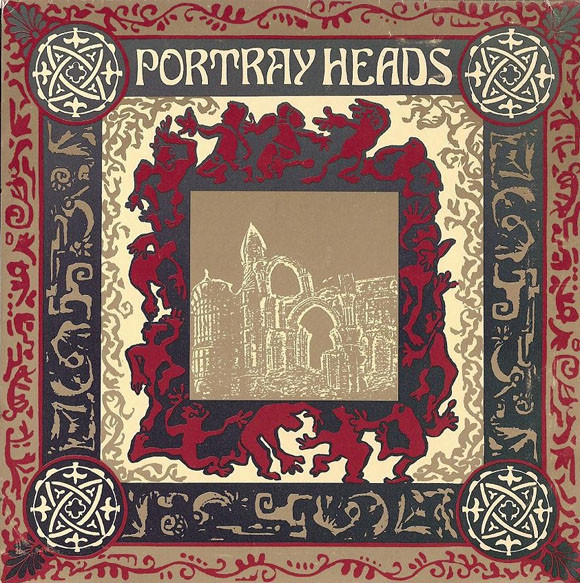
Missing In Action: PORTRAY HEADS

PORTRAY HEADS were from Matsuyama in Japan and their music is largely unknown, apart from in the collections of die-hard minimal synth enthusiasts.

The musical core of PORTRAY HEADS were Tohru Tomita and Mikiharu Doi who had solo bedroom project called ONANIE BAZOOKA, while the band began with Ayumi Tokunaga on lead vocals.

They only ever had two releases in their day, with the foundations of their myth and legend in underground electronic music built around a superb debut single ‘Elaborate Dummy’, issued rather obscurely on flexi-disc in 1985 by the now defunct Kageroh Records.

PORTRAY HEADS deserve their place in the synth pantheon for ‘Elaborate Dummy’ if nothing else, an exquisitely European sounding tune that was almost Gallic in tone with pulsating synths and electronic crashes, augmented by a spacey cacophony of bleeps and swirls.

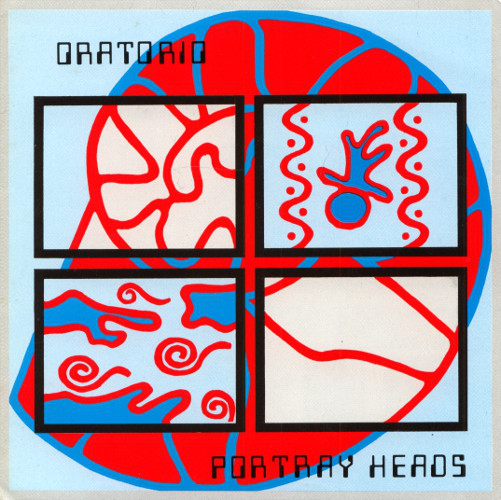
However, after ‘Elaborate Dummy’ was unleashed in Japan, Ayumi Tokunaga left PORTRAY HEADS and Yumi Ochi was recruited. Her more contralto delivery suited the reconfigured combo’s darker direction which they were heading in after the comparatively synthpop approach of ‘Elaborate Dummy’. Three tracks were released as the self-released cassette ‘Oratorio’ in 1986.

PORTRAY HEADS were based in a conservative and isolated city on an island many miles from the bright lights of Tokyo, so opportunities to perform live were rare and eventually they disbanded, never to be heard of again until now.

Minimal Wave Records and Bitter Lake Recordings together have compiled the five previously released tracks by PORTRAY HEADS and thanks to the two labels tracing Tohru Tomita, have appended them with demos featuring both Ayumi Tokunaga and Yumi Ochi (including five previously unheard songs) for a double vinyl LP collection.

It all begins naturally with ‘Elaborate Dummy’ and this cult classic is worth the purchase price alone, sounding better than ever, now remastered for solid vinyl and digital. But another jewel is ‘Watch Your Scope!’ which was the B-side and a perfect partner with its glorious arpeggios and analogue keys coming together in the quirky vein of MATHEMATICS MODERNES or VIENNA.

Following the departure of Ayumi Tokunaga, material from ‘Oratorio’ like ‘夢を夢に’ was more austere, thanks to Tohru Tomita’s use of bass guitar and the deeper tones of Yumi Ochi who opted for her vocal expression to be in Japanese. The highlight though was ‘浮かぶ·迷う·漂’う’, a fabulous exercise in art industrial coming over like IPPU DO meeting SPK during their Sinan Leong fronted phase.

Despite the title, ‘Industrial Eye’ was less so in approach, but still took on a doomy demeanour with an unsettlement that was undeniably less immediate than the Ayumi Tokunaga voiced period. Although eventually pressed on 7” vinyl, ‘Oratorio’ was more lo-fi, sounding like it was struggling to jump off its source tape and for many, this will be the appeal and charm listening in 2020, although others may find this aspect more challenging .

Appended with unreleased material featuring both vocalists, from the Ayumi Tokunaga period, the percolating ‘舞い上がれ’ still sounds French despite being in Japanese and although the electronic backdrop is appealing and exhibits potential, the live percussive clatter from fourth member Tatsuyuki Okiura proves to be a distraction. There’s also an Ayumi Tokunaga fronted demo of ‘Industrial Eye’ which adopts a higher pitched vocal range.

Meanwhile, ‘操り人形’ features a gloriously out-of-tune synth solo and the Middle Eastern flavoured ‘Generation Stor’ captures an interesting use of drum machine distortion on the kick to form a mutant bassline.

Although there are the typical octave shift driven dark disco experiments of the era, there were already indications of a move into the more leftfield territory of the Yumi Ochi phase, which is represented by three alternate versions of other tracks already on the compendium, all of which display the heavy melancholic resonances captured on ‘Oratorio’.

One noticeable observation is PORTRAY HEADS had much in common with the independent European electronic music from the Cold War era. After all, Japan had China, North Korea and the Soviet Union all within close proximity and those tensions were more than reflected.

35 years on, PORTRAY HEADS deserve recognition for their creative efforts alongside the big city projects like YELLOW MAGIC ORCHESTRA and their Alfa Records cohorts in the development of Japanese electronic pop. For their opening salvo of ‘Elaborate Dummy’ and ‘Watch Your Scope!’, PORTRAY HEADS are up there with the best of post-punk synth.

This release by Minimal Wave and Bitter Lake Recordings goes some way in providing another part of the jigsaw. While the sound quality is variable and actually got worse as the band moved into a form of proto-darkwave, what was not in doubt is their electronic punk spirit, even though it was short-lived.


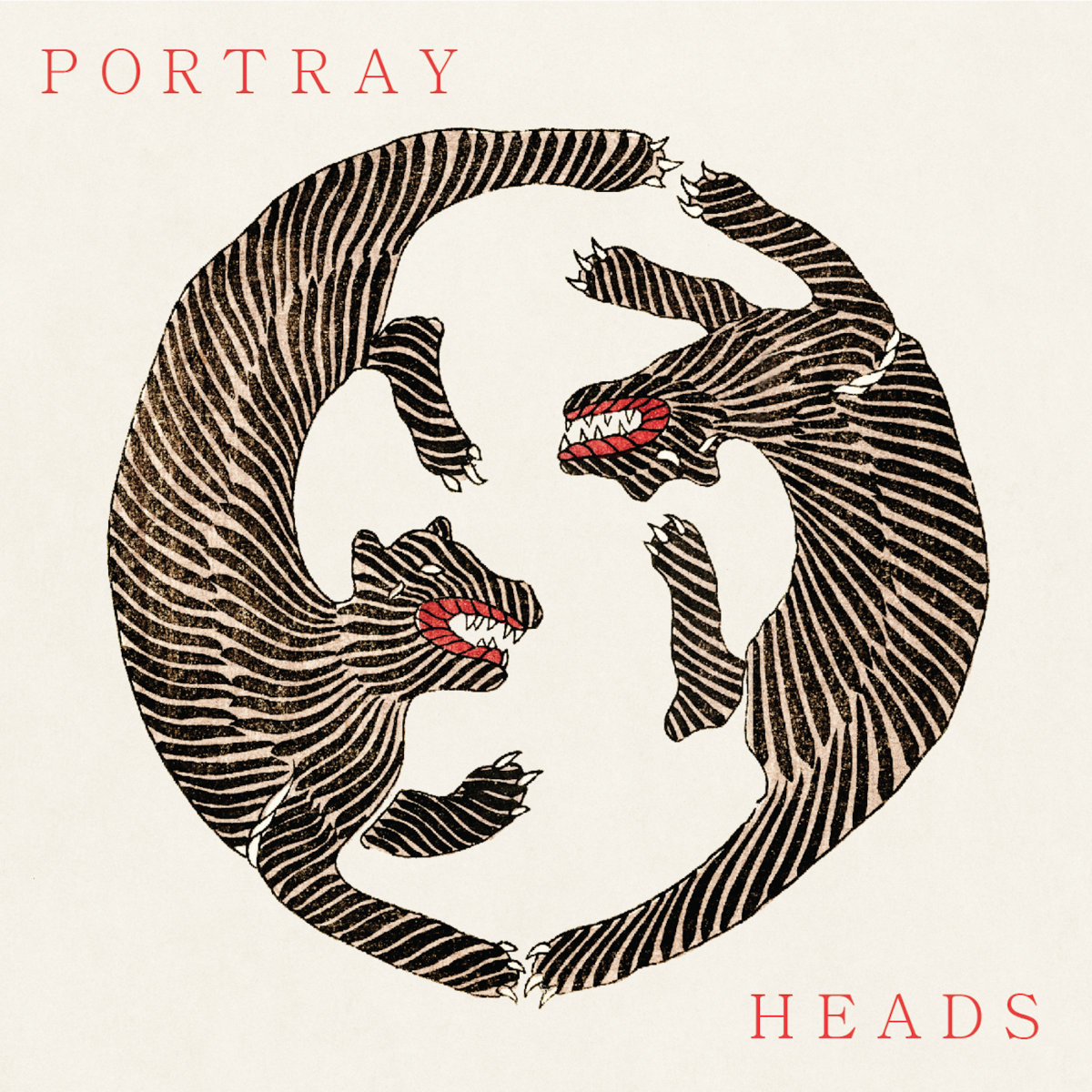
‘Portray Heads’ is released by Minimal Wave and Bitter Lake Recordings as a double vinyl LP direct from https://minimalwave.com/articles/article/portray-heads-portray-heads-2lp
Also double vinyl LP and download available from https://portrayheads.bandcamp.com/album/portray-heads


Text by Chi Ming Lai
22nd October 2020

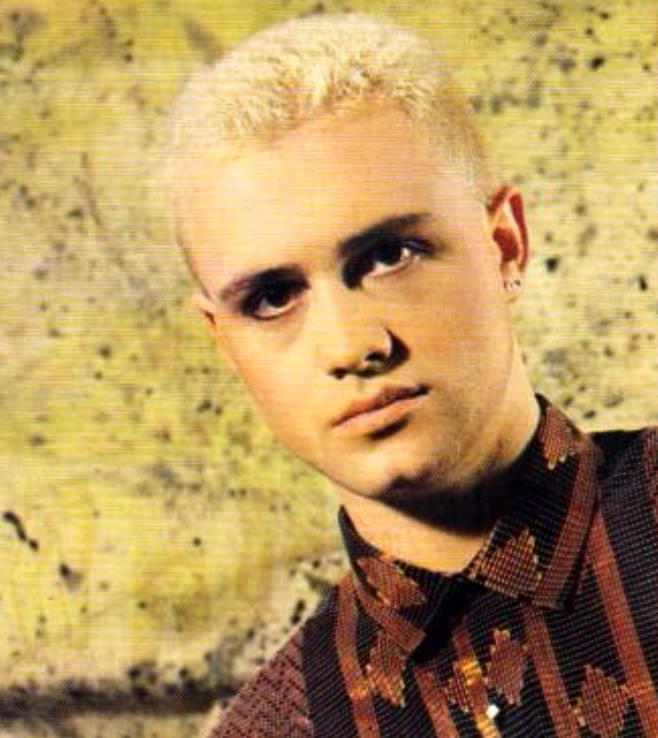
Missing In Action: BELOUIS SOME


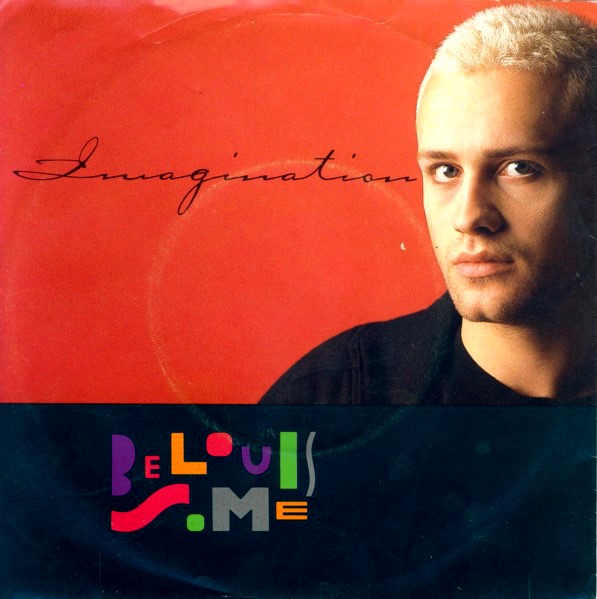
Behind the persona of BELOUIS SOME was Londoner Neville Keighley who released his debut album ‘Some People’ in 1985.

Best known for the classic single ‘Imagination’, the accompanying boundary breaking (for the time) promotional video included full frontal nudity.

Over his three albums, Keighley worked with a stellar roll call of musicians including Bowie guitarists Carlos Alomar and Earl Slick, Guy Fletcher of DIRE STRAITS and CHIC’s Bernard Edwards and Tony Thompson.

After a break of 25 years, BELOUIS SOME has recently returned to the live arena and Neville Keighley kindly spoke about his career, the challenges of getting signed, working with the late iconic PINK FLOYD artist Storm Thorgerson, plus his early links with DURAN DURAN and a fledgling TEARS FOR FEARS.

Who were your initial musical influences?

In the 70s, like everyone I guess, I was obsessed by music, the stuff older kids were listening to like JETHRO TULL, early GENESIS, LED ZEPPELIN etc. But then at age of 12-13, it was ‘Ziggy Stardust’ and I was off!

What was the early link between you and TEARS FOR FEARS?

My friend had an uncle who signed them to a publishing deal as the band GRADUATE, so I knew them and when I did some demos at a studio in Bath with Manny Elias on drums, they joined in with backing vocals.


What made you choose an alter-ego rather than releasing songs under your real name?

I was a solo artist and it was impossible to get a record deal as one; also no-one took new solo artists seriously… eg singer / songwriter stuff. Also I was always playing live so wanted a name that was ambiguous, plus my real name is a real mouthful. I had very few knock backs after I changed my name, put a band together and started playing live, but that was 5 years in!

What was the pathway that eventually got you signed to a major label and how were DURAN DURAN involved?

DURAN DURAN’s managers, the Berrow brothers, signed me to their publishing label and although I signed to EMI via Parlophone, they weren’t the only label involved by that stage. They were a great label to be with.

How did you manage to hook up in the States with guys of the calibre of Carlos Alomar, Bernard Edwards and Tony Thompson?

I had been recording my first album in London for a while and I wasn’t happy with it, it sounded too ordinary!

Steve Thompson and Michael Barbiero had just remixed TALK TALK’s ‘It’s My Life’ and the record company suggested they remix one of my tracks.

I went to New York, it was obvious I wasn’t happy with my album so we agreed that if they could put together an amazing band, I could persuade Parlophone to let me re-record a track with them producing. Eventually we did 6 or 7 songs…

Was it nerve-wracking being in a studio environment with musicians that had played with Bowie and CHIC?

No, I was so relieved and grateful to be re-recording the songs, I didn’t have time to be nervous. Parlophone weren’t going to let me carry on forever. By this time, I knew what I wanted and the musicians were amazing people as well as players. I still remember the look on the record company’s face when I walked in and played ‘Imagination’!

This was a time when some bands went fully electronic, what made you stick primarily with more of a band aesthetic?

I’m still called ‘electro pop’ etc and never understood why, because I’ve always been band focused…

You are best known for the song ‘Imagination’, do you think the extended 7 minute “saucy” promo helped or hindered the success of it?

I didn’t care. I knew EMI would go berserk and they did when they saw it! Luckily as soon as they sent it out to the clubs, the reaction was amazing. British TV didn’t like it, but European TV did!

The director Storm Thorgerson was best known for his legendary album cover designs for artists such PINK FLOYD, but also worked on several promos for artists such as Nik Kershaw and Paul Young. How was the experience of working with him?

I wanted to do something special and Storm Thorgerson was an amazing man, he’d just started making videos. He was very creative and a bit difficult, but I loved working with him. We had to keep it all secret because of the storyline.

The video for ‘Some People’ that was shot in Clacton and Alburgh is more obviously ‘Thorgerson’ than ‘Imagination’ with that PINK FLOYD-ish surrealist edge to it. Do you have any specific memories of making it?

We took over the whole place over for a few days, the video was a Swatch Watch TV commercial for the USA as well. The ‘Some People’ video confused a lot of people! Not what they were expecting and it did much better in the USA than ‘Imagination’.

Peter ‘Sleazy’ Christopherson from THROBBING GRISTLE shot the video, were you aware of his alter-ego at the time?

No, but he was a very charming man.

How was the experience of supporting Nik Kershaw?

This was my first time out in theatres in 1984, it was a great experience!

You toured the US in 1985 supporting FRANKIE GOES TO HOLLYWOOD, one can only imagine it wasn’t a sedate affair? What are your memories of those dates?

My band held their own!


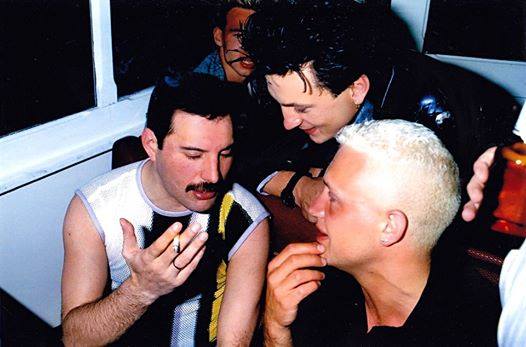
In 1986, you played in front of your biggest crowd yet at Knebworth opening for QUEEN, a trouser soiling prospect if ever there was one? But the crowd were quite hostile to you weren’t they?

It’s funny how people ask this, I’d played constantly for 3-4 years and in some really grisly venues, the 120,000 Knebworth audience were great. There were some people in the audience who caused a bit of trouble but they can’t have been QUEEN fans. I had a great time.

You gamely performed ‘Target Practice’ as the missiles were flying, was it as dangerous as it appeared on the big screens at Knebworth?

The first time I sang ‘Target Practice’ was at Glasgow Apollo on a Saturday night, I realised then what was going to happen… audience participation!


Having read some of your earlier interviews at the time of ‘Imagination’, you come across as pretty ‘rock n roll’! What are your opinions of today’s music artists and the way they portray themselves in the media?

I think social media means everyone has to be a bit careful and behave themselves. We didn’t have this problem in the 80s!

Looking back, what is the standout experience of your music career?

Meeting and working with so many great people, also performing your own songs to any audience is such a privilege.

You disappeared off of the musical radar for a while, what were you doing at the time?

It was pretty obvious in the 90s that what I did wasn’t getting a fair chance so I buggered off.

You returned to paying live recently, how does the experience of this differ with your earlier live experiences?

I went on stage this summer with the ‘Let’s Rock 80s’ summer festivals, my first time in over 25 years.

Is there any chance of any new BELOUIS SOME material on the horizon?

I hope so!


ELECTRICITYCLUB.CO.UK gives its grateful thanks to BELOUIS SOME

http://belouissome.com/

https://www.facebook.com/belouissome

https://twitter.com/BelouisSome

https://www.instagram.com/belouissome/

https://open.spotify.com/artist/0EX1yiXXmblRFdw2pb10NF


Text and Interview by Paul Boddy and Chi Ming Lai
22nd September 2019

« Older posts