Category: News (Page 1 of 5)

DAVE BALL 1959 – 2025

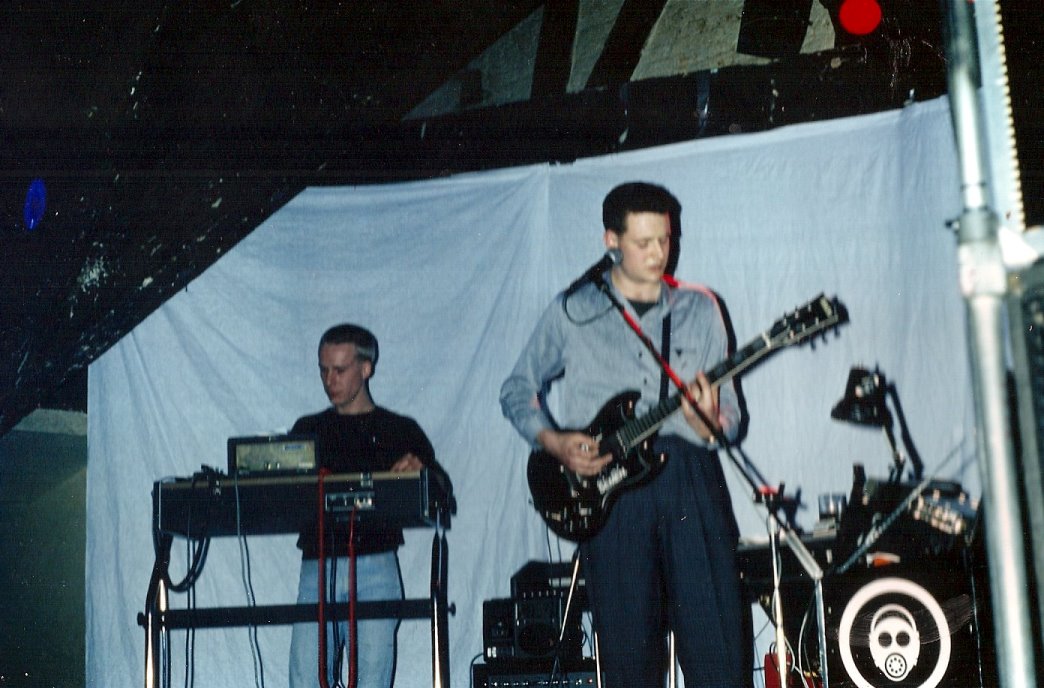
SOFT CELL instrumentalist Dave Ball sadly passed away in his sleep on 22nd October 2025, he was 66.

While he had not been in good health for a number of years, he had completed work on a new SOFT CELL album ‘Danceteria’ to be released in 2026 and performed with band mate Marc Almond at the Rewind Festival in Henley-on-Thames back in August.

Ball began his adventure in music with a Fender Telecaster guitar, twin stylus Stylophone and second hand Akai reel-to-reel tape recorder but when he purchased a MiniKorg 800DV duophonic synthesizer, he never looked back. Enrolling on a Fine Art degree at Leeds Polytechnic, on his first day he asked for directions from a second year student wearing a leopard skin printed shirt and gold lame jeans; that student was Marc Almond and the pair were to make history as SOFT CELL…

The rise of SOFT CELL to have the second biggest UK selling single of 1981 in their cover of the Northern Soul favourite ‘Tainted Love’ is more than well documented and led to an imperial phase where the duo scored no less than five Top4 UK hit singles with ‘Bedsitter’, ‘Say Hello Wave Goodbye’, ‘Torch’ and ‘What’ following on in little more than 12 months.

The debut SOFT CELL album ‘Non-Stop Erotic Cabaret’ produced by Mike Thorne was a triumph, but while it was the state-of-the-art NED Synclavier that dominated the aural template with the Roland TR808 providing the rhythmic backbone, it was Ball’s much more basic Roland Synthe-Bass SB100 which provided the record with a very distinct sound.

But Ball and Almond were art school boys and expressed their discomfort with being pop starts and tabloid fodder. Inevitably, the next two albums ‘The Art Of Falling Apart’ and ‘This Last Night In Sodom’ captured that implosion. Although SOFT CELL disbanded in 1984 with Almond going solo and Ball eventually finding solace in the burgeoning house scene, side projects had been part of SOFT CELL’s agenda from the start.

While Almond would have MARC & THE MAMBAS, Ball would produce VICIOUS PINK PHENOMENA and release a solo album ‘In Strict Tempo’ featuring guest vocalists Genesis P-Orridge of THROBBING GRISTLE and Gavin Friday of VIRGIN PRUNES, as well as providing keyboards and “Rhythm Assistance” on CABARET VOLTAIRE’s 1983 album ‘The Crackdown’.

The association with VIRGIN PRUNES would continue with production on 1986’s ‘The Moon Looked Down & Laughed’ but in 1988, he formed THE GRID with Richard Norris after the pair had worked with Genesis P-Orridge’s PSYCHIC TV on the ‘Jack the Tab – Acid Tablets Volume One’ album; THE GRID’s first album ‘Electric Head’ in 1989 featured the chill-out classic ‘Floatation’ and the more disco-oriented ‘A Beat Called Love’ which both in their remixed single forms entered the lower reaches of the charts.

During this time, there was also a reunion with Almond on his 1991 album ‘Tenement Symphony’ to co-write three of the album’s best songs ‘Meet Me In My Dreams’, ‘I’ve Never Seen Your Face’ and ‘My Hand Over My Heart’, planting seeds for an eventual first reunion.

Ball and Norris became in-demand remixes and collaborators with remixes for PET SHOP BOYS, ERASURE and SPARKS as well as productions for Vic Reeves, Kylie Minogue and Billie Ray Martin, the latter’s No6 hit ‘In Your Loving Arms’ being one which Ball later told ELECTRICITYCLUB.CO.UK was one of the 5 tracks he felt the most satisfaction from, along with ‘Baby Doll’, ‘Floatation’, ‘My Hand Over My Heart’ and ‘Say Hello, Wave Goodbye’.

Further remixes would be commissioned for David Bowie, David Sylvian & Robert Fripp, Brian Eno, Neil Arthur, Boy George Sophie B. Hawkins while THE GRID themselves would have their day in the UK Top3 with the cowpunk techno of ‘Swamp Thing’ in 1994.

SOFT CELL officially got back together for the start of the 21st Century and two brand new songs for 2002’s ‘Very Best of’ collection along with the ‘Cruelty Without Beauty’ album were duly delivered. But despite successfully playing festivals in Europe, an American tour did not go so well. There had been plans to do more shows and another record, but Almond had a motorcycle accident in 2004 which left him with very serious injuries. “That was it almost” said Ball to ELECTRICITYCLUB.CO.UK in 2018, “we sort of lost touch and didn’t speak for about 15 years…”

While Ball did form a new band NITEWRECKAGE and was among the last people to work with producer Martin Rushent on their 2011 album ‘Take Your Money And Run’, the legacy of SOFT CELL kept looming and a reunion could not be resisted; a show at London’s O2 Arena took place in 2018.

While it was billed as being “One Night, One Final Time”, the chemistry between Ball and Almond was rekindled, tentatively at first with a single ‘Northern Lights’, a ‘Non- Stop Erotic Cabaret’ 40th anniversary tour in 2021 and then an album ‘*Happiness Not Included’ the year after; one of the highlights was ‘Nighthawks’, a track that began life as a Dave Ball instrumental issued as a single with the boxed set of his autobiography ‘Electronic Boy’ and would feature his deep growly voice alongside that of Almond.

But Ball’s health began to take its toll and he was unable to perform at SOFT CELL shows from 2022 until he returned in Summer 2023 for a show at Hampton Court Palace Festival, performing in a motorised wheelchair; he had joked to ELECTRICITYCLUB.CO.UK: “Once I’m on stage and I’m locked in, so long as I don’t start wheeling backwards, I’ll be fine!”

As well as SOFT CELL, Ball had been working on new tracks for THE GRID with Richard Norris while ‘Ecce Homo’, an album he produced for Gavin Friday had been released in 2024. ELECTRICITYCLUB.CO.UK had the pleasure of meeting Dave Ball on several occasions over the years and interviewed him three times … he will be missed.

Marc Almond said in his tribute on the SOFT CELL website: “Thank you Dave for being an immense part of my life and for the music you gave me. I wouldn’t be where I am without you” and it wouldn’t be unfair to say that without Dave Ball, PET SHOP BOYS probably wouldn’t be here either…

https://www.softcell.co.uk/dave-ball-tribute


Text by Chi Ming Lai
24th October 2025

STEPHEN LUSCOMBE 1954 – 2025

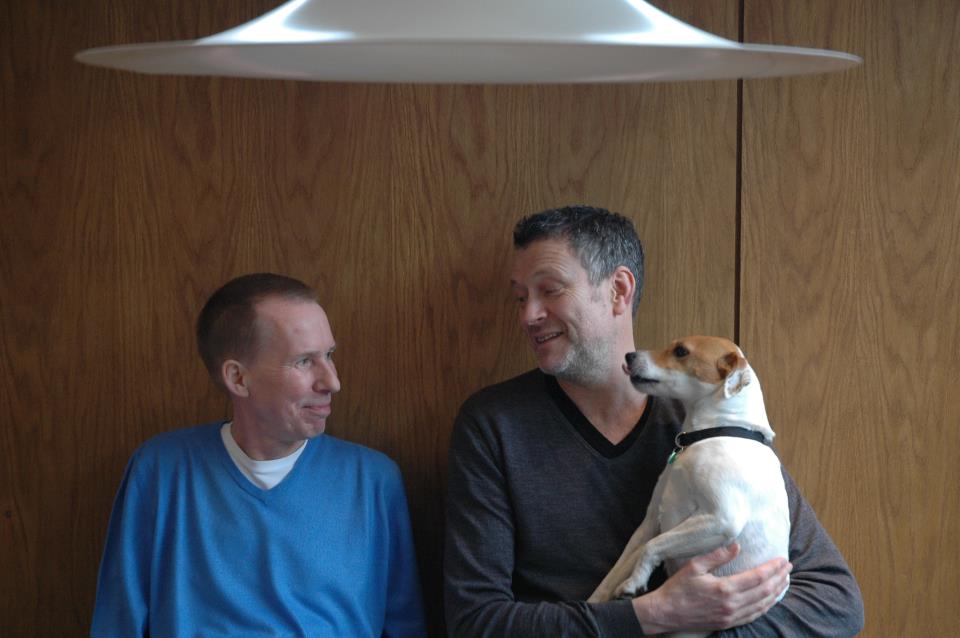
BLANCMANGE co-founder Stephen Luscombe has passed away after a long illness; he was 70.

Born in Hillington, Luscombe grew up in Southall, an area of London with a significant population of immigrant heritage from the Indian sub-continent, the music of which would prove to be a significant influence in the sound of BLANCMANGE.

Developing an interest in the violin, Luscombe became a member of the PORTSMOUTH SINFONIA, an orchestral combo who were noted for not actually having had formal training to play their instruments. One of its former members was Brian Eno who invited them to play on the lovely ‘Put A Straw Under Baby’ from his second solo album ‘Taking Tiger Mountain (By Strategy)’.

Taking to keyboards, Luscombe met Lancastrian Neil Arthur at Harrow College where the pair had played in various bands separately. Luscombe had even self-released a solo cassette ‘Do The Plastic Bag’ in 1978. Developing a mutual admiration for each other’s artistic sensibilities including a shared love of KRAFTWERK, they decided to work together.

The first track Luscombe and Arthur wrote was the instrumental ‘Sad Day’ but their debut release as BLANCMANGE was the ‘Irene & Mavis’ EP in April 1980; cramming six tracks onto a 33RPM 7” record and respectively adopting the pseudonyms of Irene ‘Disco’ Sinden and Mavis Secostas, Luscombe and Arthur came to the attention of Futurist DJ Stevo Pearce who included ‘Sad Day’ on his influential ‘Some Bizzare Album’ in January 1981 which also showcased DEPECHE MODE, SOFT CELL, THE THE and B-MOVIE.

Also becoming aware of the duo was Mute supremo Daniel Miller who would invite them to open for DEPECHE MODE and later affectionately refer to BLANCMANGE as “The Maiden Aunts of Techno”. Support slots with JAPAN and Grace Jones would follow with the statuesque songstress inviting the pair after the show to take turns sitting on her knee and to go clubbing.

Signing to London Records which allowed Luscombe to make his first synth purchase, a Roland Jupiter 8, BLANCMANGE hit paydirt with their third single ‘Living On The Ceiling’. With an authentic Eastern flavour provided by Indian musicians Pandit Dinesh on tablas and Deepak Khazauchi on sitar, ‘Living On The Ceiling’ would reach No7 in the UK singles chart in Autumn 1982 and give BLANCMANGE’s impressive debut album ‘Happy Families’ a well-deserved leg up.

A more disco-approach under the auspices of New York producer John Luongo dominated the cleverly titled second album ‘Mange Tout’ but while the first single from it ‘Blind Vision’ would hit the UK Top10, it would be ‘Don’t Tell Me’ again featuring Deepak Khazanchi and Pandit Dinesh that would provide BLANCMANGE with an even bigger hit in March 1984, reaching No8.

BLANCMANGE’s final Top30 hit would come with a cover of ABBA’s ‘The Day Before You Came’ in July 1984; the idea come while Luscombe and Arthur were holidaying in Tenerife with Vince Clarke. Immersing themselves in a cassette of ABBA’s ‘The Singles – The First Ten Years’, all present hit upon the idea of covering the Super Swedes with Clarke following suit in 1986 when ERASURE covered ‘Gimme! Gimme! Gimme!’. But while BLANCMANGE’s take on ‘The Day Before You Came’ largely followed the original arrangement, it was the sound of the Indian sub-continent that Luscombe brought in which provided some spice with Deepak Khazanchi and Pandit Dinesh again contributing.

The third album ‘Believe You Me’ in 1985 saw BLANCMANGE’s fortunes wane with the lead single ‘What’s Your Problem?’ only just denting the Top40; Luscombe and Arthur mutually decided to call it a day to save their friendship after a concert at the Royal Albert Hall 1986. In 1989, Luscombe released the album ‘From New Demons’ under the name THE WEST INDIA COMPANY, a project collaborating with a variety of guest musicians including Pandit Dinesh and Vince Clarke who had been involved as early as 1984 with the first single ‘Ave Maria (Om Ganesha)’ featuring Asha Bhosle who would later be celebrated by CORNERSHOP with the No1 single ‘Brimful Of Asha’.

Continuing to work on film and TV soundtracks, with the back catalogue reissued on CD for the first time in 2008, Stephen Luscombe and Neil Arthur quietly reconvened as BLANCMANGE. Retaining their quirkily poetic eccentricity, the end result ‘Blanc Burn’ was released in March 2011 but with Luscombe having been diagnosed with a spinal aneurysm, he was unable to take part in the subsequent live tour.

When he was able to, Luscombe would attend BLANCMANGE concerts in London, watching Arthur keep the BLANCMANGE name alive from the proximity of the balcony and after the shows, he would often be seen chatting to fans who celebrated him as a stoic keyboardist in the tradition of Ron Mael, Dave Ball, Vince Clarke and Chris Lowe.

Moby has described BLANCMANGE as “probably the most under-rated electronic act of all time” and while Stephen Luscombe leaves behind some great music, his legacy in these now-horribly divisive and racist times is his embracement of multi-culturalism and as a champion of music from the Indian sub-continent.


Text by Chi Ming Lai
14th September 2025

CHRIS CROSS 1952 – 2024

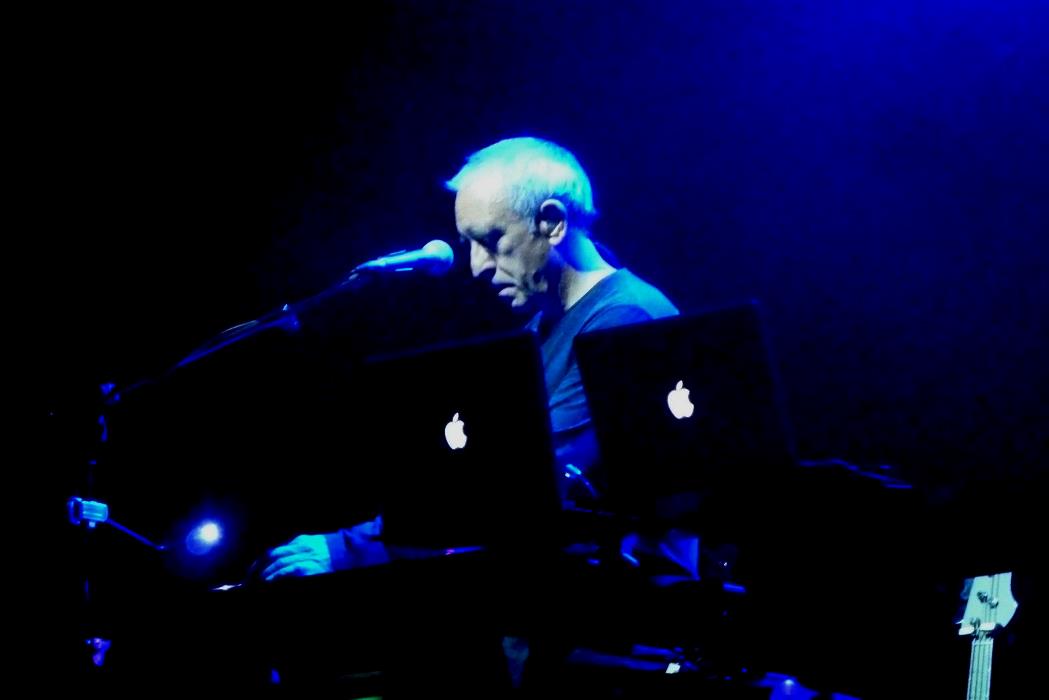
Chrisopher Thomas Allen, better known to the music world as Chris Cross, bass engine of ULTRAVOX has passed away aged 71. Bandmate Midge Ure announced the sad news via his social media.

Born in Tottenham, he studied Art and Psychology in London and while he was there, he answered an advert to form a new band by fellow student Dennis Leigh. The band was TIGER LILY and guitarist Stevie Shears, drummer Warren Cann and violinist / keyboardist Billy Currie would complete the line-up.

Influenced by NEW YORK DOLLS and ROXY MUSIC, TIGER LILY released just one single, a cover of Fats Wallers’ ‘Ain’t Misbehavin’ in 1975 recorded for an X-rated arthouse movie of the same name. While David Bowie also loomed large in their sound, music from Germany such as KRAFTWERK and NEU! began to be absorbed into the band.

This led to a name change to ULTRAVOX! complete with exclamation mark in tribute to the later. Dennis Leigh changed his name to John Foxx and Allen who had used the surname St John on ‘Ain’t Misbehavin’ became Chris Cross.

ULTRAVOX! got their big break when they were signed to Island Records and able to secure the services of Brian Eno working alongside a young Steve Lillywhite to produce their eponymous debut album released in 1977. With the emergence of punk, while the follow-up ‘Ha! Ha! Ha!’ had a particularly fierce sound, it saw the introduction of Billy Currie’s ARP Odyssey, notably on ‘The Man Who Dies Everyday’.

Cross also became interested synthesizers and purchased an EMS Synthi AKS, a portable version of the VCS3 built into a suitcase with a touch sensitive blue and black keyboard. This coincided with an opportunity to work Conny Plank whose credits included KRAFTWERK and NEU! as well a change of line-up with Shears replaced by Robin Simon. Relocating to Conny Plank’s farmhouse studio outside of Cologne, Cross used his AKS to write the lead line to ‘Slow Motion’.

Despite the resultant 1978 album ‘Systems Of Romance’ being the most accomplished ULTRAVOX (now without the exclamation mark!) record to date, all was not well in the camp and after a 1979 US club tour, John Foxx and Robin Simon departed. It left the band without a vocalist or guitarist and to add to their woes, Island Records had dropped ULTRAVOX from their roster.

While ULTRAVOX was on hiatus, Billy Currie worked on VISAGE with Midge Ure, Rusty Egan, Dave Formula, John McGeoch, Barry Adamson and Steve Strange. Although at that time in 1979, the project became stillborn, he brought Ure with him to join ULTRAVOX to fulfil the dual role of singer and guitarist. Cross and Ure hit it off immediately and would become close friends.

Around this time, Chris Cross had acquired a Minimoog and began pulsing it from Warren Cann’s drum machines to produce a characteristic repeating synthbass sound on tracks such as ‘Vienna’, ‘All Stood Still’, ‘The Thin Wall’ and ‘Dancing With Tears In My Eyes’. He never forgot his first instrument and songs such as ‘The Voice’ and ‘Reap The Wild Wind’ benefitted from his bass guitar runs.

Signed to Chrysalis Records, over a period of four years, ULTRAVOX conquered Europe with their brand of symphonic synthesized rock with classic albums such as ‘Vienna’, ‘Rage in Eden’, ‘Quartet’ and ‘Lament’. One indirect and amusing consequence of his new found fame was that he would be mistakenly sent royalty cheques for the Grammy award winning American singer-songwriter Christopher Cross.

Cross was versatile and while his role in ULTRAVOX was bass, he deputised for an absent Midge Ure on ‘The Voice’ B-side ‘Paths & Angles’, playing guitar and singing lead on its chorus and closing refrain. Together with Ure, they produced the music for the iconic Levi’s advert ‘Rivets’ which also led to the jeans manufacturer perhaps incongruously sponsoring ULTRAVOX on their 1984 ‘Set Movements’ tour.

With ULTRAVOX very much trailblazing the cinematic video age, Chris Cross and Midge Ure began self-directing ULTRAVOX’s promos and became in-demand separately from the band, working on visual presentations for VISAGE, BANANARAMA and FUN BOY THREE.

The visual aspects of ULTRAVOX were very important to Cross and it was he, through his love of the Factory Records aesthetic, who suggested employing Peter Saville Associates to design their artwork and stage sets including the notable gothic architecture captured on the ‘Monument’ live document.

By 1987, ULTRAVOX had split up and Cross retired from the music industry to become a psychotherapist; he would later jokingly remark that the two fields were not that dissimilar from his point of view.

In 2009, the classic ULTRAVOX line-up of Warren Cann, Chris Cross, Billy Currie and Midge Ure unexpectedly reunited for three headlining tours and a new album ‘Brilliant’ issued in 2012. During ‘Astradyne’, Cross would coolly play bass and synth simultaneously! However, following a UK tour opening for SIMPLE MINDS in 2013, the band were back in hiatus and Cross returned to being a psychotherapist.

Midge Ure paid tribute to Chris Cross saying: “You were the glue that held the band together. You were the logic in the madness and the madness in our lives. It was great to know and grow with you. You are loved and missed old friend”.


Text by Chi Ming Lai
2nd April 2024

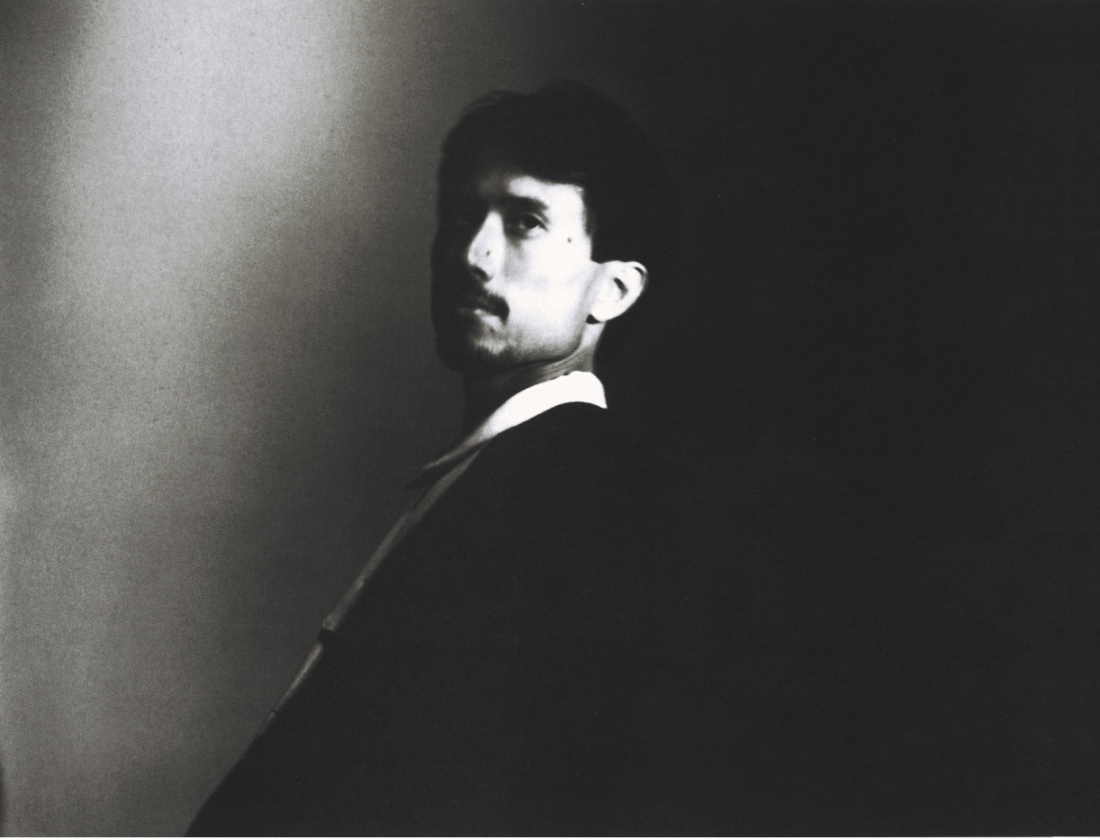
RYUICHI SAKAMOTO 1952 – 2023

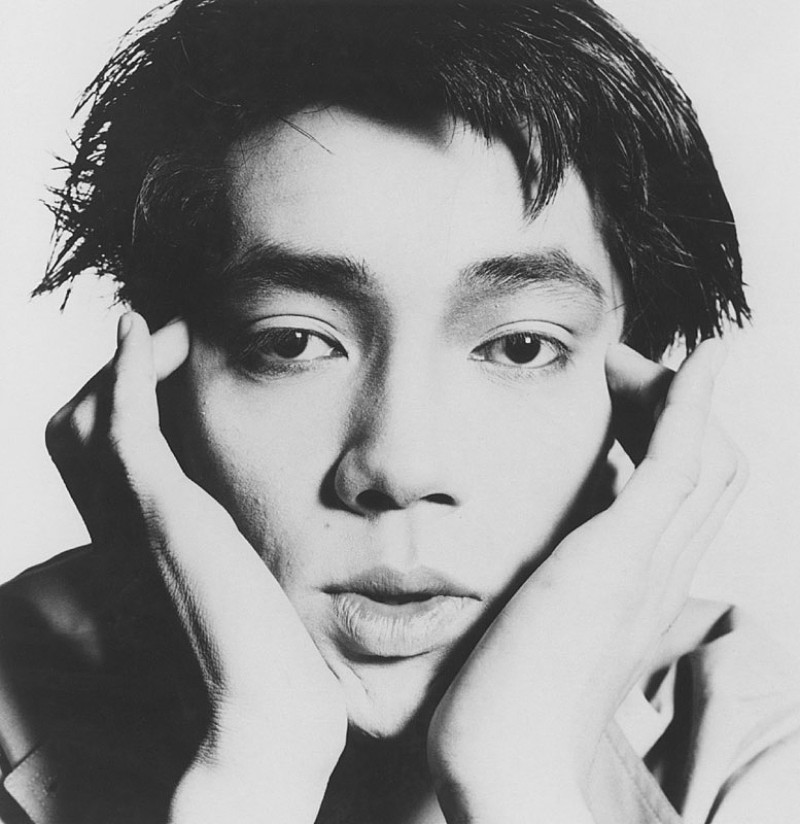
Photo by David Bailey

The renowned Japanese musician, composer, actor and environmental activist Ryuichi Sakamoto has tragically passed away at the age of 71. He was battling stage 4 cancer.

Sakamoto was best known as a member of YELLOW MAGIC ORCHESTRA and for soundtracks to a number of films including ‘Merry Christmas Mr Lawrence’, ‘The Last Emperor’, ‘The Sheltering Sky’, ‘Little Buddha’, ‘Femme Fatale’, ‘Babel’, ‘The Revenant’ and ‘The Fortress’. A frequent collaborator, Sakamoto worked with Madonna, Iggy Pop, Bootsy Collins, Adrian Belew, Robin Scott, Youssou N’Dour, Robert Wyatt, Brian Wilson, Robbie Robertson, Roddy Frame, Holly Johnson, Virginia Astley, Laurie Anderson, Alva Noto, Akiko Yano, Masami Tsuchiya and David Sylvian.

Sakamoto graduated from the Tokyo National University For The Fine Arts & Music in electronic and ethnic music. Prior to joining YELLOW MAGIC ORCHESTRA with producer / bassist Haruomi Hosono and drummer Yukihiro Takahashi, Sakamoto had already recorded his first solo album ‘Thousand Knives Of’. YELLOW MAGIC ORCHESTRA was intended as a one-off project at the behest of Alfa Records who all three were signed to.

As the idea of an instrumental disco band with international potential was formulated, it was Sakamoto who crucially introduced the music of KRAFTWERK to Hosono and Takahashi for the trio’s Bento box of influences. The technology used on the 1978 eponymous debut album included the Moog III-C, Korg PS-3100, Polymoog, ARP Odyssey, Oberheim Eight Voice, Minimoog, Korg VC-10 Vocoder and the Roland MC-8 Micro Composer programmed by Hideki Matsutake who had worked with Sakamoto on ‘Thousand Knives Of’.

Known in Japan as Technopop, the crisp exotic sound of YELLOW MAGIC ORCHESTRA scored a UK Top 20 hit single in 1980 with ‘Computer Game (Theme From The Invader)’ although the main section of the track was actually ‘Firecracker’, a cover of a 1959 composition by Martin Denny. The single also gained traction in the US where the band made a memorable appearance on the prestigious music show ‘Soul Train’. The Sakamoto penned ‘Tong Poo’ was another highlight from the album and despite its pulsing electronic disco bassline, in a sign of his future creative endeavours, the melody was inspired by the music of China’s Cultural Revolution.

1979’s ‘Solid State Survivor’ was to reinforce YELLOW MAGIC ORCHESTRA’s position as one of the most successful Japanese bands on the world stage and included on it was a composition that was to become one of Sakamoto’s most lucrative. ‘Behind the Mask’ was initially put together for a Seiko watch commercial but ended up on ‘Solid State Survivor’.

Featuring a catchy vocodered chorus written by Tokyo based British composer Chris Mosdell, Michael Jackson loved ‘Behind the Mask’ so much that he penned additional lyrics to it during the ‘Thriller’ sessions. Unable to be released at the time by Jackson himself, he gave the reworked track to his musical director Greg Phillinganes who had a surprise Top 5 hit in the US R’n’B charts in 1985. Eric Clapton hit the mainstream with his rockier version in 1987 while the remixed MJ demo eventually appeared on the posthumous album ‘Michael’ in 2011.

Recorded partly at London’s Air Studios, Sakamoto released his second album ‘B-2 Unit’ in 1980. From it, ‘Riot in Lagos’ was often been seen as a pivotal track that influenced house music with a frantic but danceable rhythmic tension; it was a fine example of the visual narrative of Sakamoto’s compositional mind. Not included on the album, his first solo single ‘War Head’ was a quirky electronic dance number featuring vocals by Chris Mosdell that gained British radio airplay.

While he was at Air Studios, having previously been assigned by a Japanese magazine to interview David Sylvian, he visited the JAPAN front man during the recording of the band’s fourth album ‘Gentlemen Take Polaroids’. The meeting led a glorious collaboration entitled ‘Taking Islands In Africa’ which ended up closing the long player and cementing what became a long standing friendship.

1981 was to be Sakamoto’s most prolific year with two YELLOW MAGIC ORCHESTRA albums ‘BGM’ and ‘Technodelic’ while there was to be his third solo record ‘Hidari Ude no Yume’ recorded with Robin Scott and Adrian Belew, as well as production work on his then-wife Akiko Yano’s ‘Ai Ga Nakucha Ne’ long player featuring JAPAN members Mick Karn, Steve Jansen and David Sylvian.

Despite their technological innovations, neither ‘BGM’ nor ‘Technodelic’ were considered particularly accessible so for YELLOW MAGIC ORCHESTRA’s fifth full length album ‘Naughty Boys’, the trio lightened up by delivering the most commercial album of their career. This was highlighted by the massively popular and joyous lead single ‘Kimi Ni Mune Kyun’. In the ironic promo video, Takahashi, Hosono and Sakamoto appeared as the oldest J-Pop boy band in town. The song achieved ubiquity as the closing theme to the Anime series ‘Maria Holic’ sung by the cast while a YMO vs THE HUMAN LEAGUE EP featuring a remixed ‘Kimi Ni Mune Kyun’ with new English lyrics and vocals by Phil Oakey was released by Alfa Records in 1993.

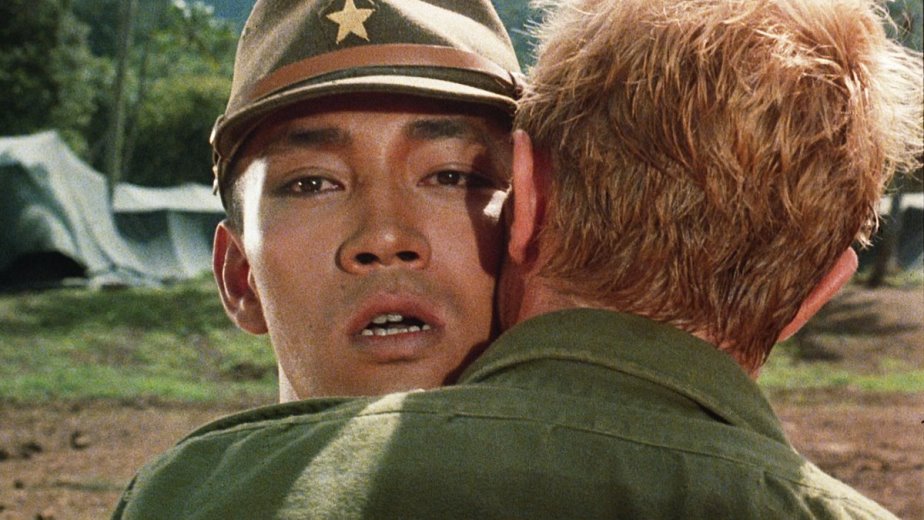
Following a joint single with David Sylvian entitled ‘Bamboo Music’ and a guest appearance with JAPAN at their final concert at Nagoya-shi Koukaidou in 1982 , Sakamoto made his acting debut in 1983 alongside David Bowie in ‘Merry Christmas Mr Lawrence’ as Captain Yonoi, the commander of a POW camp in Japanese-occupied Java.

Sakamoto also composed the soundtrack with the WWII drama’s haunting theme tune becoming particularly iconic. Featuring David Sylvian, the vocal version retitled ‘Forbidden Colours’ reflected the taboo love story of the Nagisa Oshima directed film and reached No16 in the UK singles chart. Another highlight of the soundtrack was ‘The Seed & The Sower’ which showcased Sakamoto’s use of organic textures alongside emotive electronic sounds in what was to be become his characteristic East meets West signature.

After the half songs / half comedy sketch album ‘Service’, YMO announced in 1984 that they were “spreading out” rather than splitting, continuing to play on each other’s solo recordings and making guest appearances at various live shows. Sakamoto’s next album ‘Illustrated Musical Encyclopaedia’ saw Sakamoto exploring a variety of styles and genres including jazz and soca although the album was altered for the international market with some new tracks including a catchy collaboration with Thomas Dolby entitled ‘Field Work’ which united both artists’ concerns for the environment.

But world of cinema came calling and in 1987, Sakamoto was commissioned by Bernardo Bertolucci to compose half of the music for ‘The Last Emperor’, a film in which he also had a minor acting role. With a larger budget, he was able to explore more of his classically trained instincts with an orchestra, as well have a young associate producer and Fairlight programmer by the name of Hans Zimmer to assist; the soundtrack which also featured music composed by David Byrne and Cong Su, won an Oscar for the Best Original Score while the film itself won 8 further Academy Awards.

Now in-demand in Hollywood, Sakamoto expanded his portfolio to include films such as ‘Black Rain’, ‘The Sheltering Sky’ and ‘Little Buddha’. Journeying into wider musical palettes, his ‘Heartbeat’ album reflected his soundtrack work and contained many eclectic world music influences. From it, the dreamy ‘Heartbeat (Tainai Kaiki II)’ saw David Sylvian return to give a raw passionate vocal performance which was counterpointed by a whispery spoken word passage from Ingrid Chavez.

Sakamoto’s burgeoning soundtrack success would lead to commissions for huge events such as the Opening Ceremony of the 1992 Olympics in Barcelona and following an album of his best known works rearranged for piano and string quartet called ‘1996’, he signed to Sony Classical. His first work for the label ‘Discord’ in 1997 was a four movement avant-garde composition exploring dissonant musical structures. There was also the solo piano ‘BTTB’ in 1999 but in 2002, Sakamoto began a series of experimental collaborations with German producer Alva Noto pairing his piano work with glitch programming, the first of which being the excellent ‘Vrioon’.

Sakamoto reunited with David Sylvian for the song ‘World Citizen’ in 2003 and would work with him again on what was the former JAPAN vocalist’s first recording for a number of years on ‘Life, Life’ for the 2017 album ‘async’, reciting a poem by Arseny Tarkovsky.

With regards reunions, a short YELLOW MAGIC ORCHESTRA one took place in 1993 for the ‘Technodon’ album where the band had to be known as YMO, as the name was owned by Alfa Records. But there was no further activity until 2007 when Hosono, Sakamoto and Takahashi reunited for a light hearted Kirin Lager advertising campaign performing ‘Rydeen’ and played the 2007 Kyoto Live Earth event. In Summer 2008, the trio were part of the Meltdown Festival bill curated by MASSIVE ATTACK.

Sakamoto was a member of the anti-nuclear organization Stop Rokkasho and following the 2011 Fukushima nuclear disaster, organised the No Nukes 2012 concert which featured KRAFTWERK; the 2013 concert saw YELLOW MAGIC ORCHESTRA covering ‘Radioactivity’ in a lounge jazz style.

In December 2022, Sakamoto streamed a pre-recorded concert that he announced “may be my last”. It was seen in over 30 countries and featured 13 of his compositions, edited together from separate performances made at the NHK Broadcasting Center in Tokyo. He released his final album ‘12’ in January, an elegiac ambient work that included the sound of Sakamoto’s own breathing.

With his bandmate Yukihiro Takahashi having passed away earlier in January, a void has not just been left in Japanese and electronic music but popular culture as a whole. The contribution of Ryuichi Sakamoto over the past 45 years cannot be underestimated.

https://www.sitesakamoto.com/


Text by Chi Ming Lai
2nd April 2023

YUKIHIRO TAKAHASHI 1952-2023

Photo by Kaoru Ijima

Yukihiro Takahashi, the drummer and lead vocalist of YELLOW MAGIC ORCHESTRA has sadly passed away at the age of 70. 

In 2020, Takahashi had a brain tumour removed and undergone a course of treatment following surgery but he eventually succumbed to his illness.

Born in Tokyo, Takahashi first came to prominence as the drummer of THE SADISTIC MIKA BAND, a prog fusion outfit who were signed to PINK FLOYD’s Harvest label and appeared on ‘Old Grey Whistle Test’ in 1975.

He released his first solo album, the lounge-flavoured ‘Saravah!’ in 1978 which featured a cover of ‘Volare (Nel Blu Dipinto Di Blu)’. But that same year, he was invited by producer Haruomi Hosono to form a primarily instrumental disco band with Ryuichi Sakamoto which could have the potential to succeed internationally; that band was YELLOW MAGIC ORCHESTRA. While Hosono was schooled in jazz and funk, the classically trained Sakamoto bought in the influence of KRAFTWERK while Takahashi was something of an Anglophile with a love of ROXY MUSIC having toured with them as part of THE SADISTIC MIKA BAND. The end result was a very Japanese approach of merging many different styles like a Bento box in a reliable, forward thinking fashion.

Released in 1978, YELLOW MAGIC ORCHESTRA’s wonderful self-titled debut album captured a crisp exotic electronic pop sound. Its key track was ‘Firecracker’, a cover of a 1959 composition by Martin Denny which became a surprise UK Top 20 hit single in 1980 while also gaining traction in America where the band made a memorable appearance on the prestigious music show ‘Soul Train’. The rest of the album featured original material including the Takahashi-composed ‘La Femme Chinose’.

Released in 1979, the excellent second album ‘Solid State Survivor’ featured Takahashi’s masterpiece ‘Rydeen’ and saw him feature more prominently as a vocalist as YELLOW MAGIC ORCHESTRA moved away from solely instrumental compositions. While the next two albums ‘BGM’ and ‘Technodelic’ were darker and more experimental, Takahashi maintained a successful solo career in his homeland where his Ferry-ish vocal delivery naturally took centre stage.

His solo albums ‘Neuromantic’, ‘What, Me Worry?’, ‘Time & Place’ and ‘Wild & Moody’ featured notable British musicians such as Steve Jansen, Bill Nelson, Andy Mackay, Phil Manzanera, David Palmer and Tony Mansfield as well as Antiopdeans Zaine Griff and Iva Davies. Takahashi also got into production, notably working with the Franco-Japanese beauty Susan on the highly syncopated rhythmical number ‘I Only Come Out At Night’ which he also co-wrote.

YELLOW MAGIC ORCHESTRA went on to be the one of the most popular bands in South East Asia; their fifth full-length album ‘Naughty Boys’ in 1983 delivered their most commercial release to date, exemplified by the joyous lead single ‘Kimi Ni Mune Kyun’; the song was later the closing theme to the Anime series ‘Maria Holic’ sung by the cast while it was also reworked with new English lyrics and vocals by Phil Oakey for a YMO versus THE HUMAN LEAGUE EP. Takahashi was later to work on the soundtrack of another Anime series ‘Nadia: Secret of the Blue Water’.

With each member continuing their already established parallel solo careers, YELLOW MAGIC ORCHESTRA went into hiatus in 1984. Teaming up with kindred spirit Steve Jansen who shared a similar sense of humour, the pair released a superb one-off joint single ‘Stay Close’ in 1986. With Jansen doing a very able impression of his older brother David Sylvian and Takahashi providing his usual mannered vocals, it remains a true lost classic as possibly the best song that JAPAN and YELLOW MAGIC ORCHESTRA never recorded.

A short YELLOW MAGIC ORCHESTRA reunion took place in 1993 for the ‘Technodon’ album although the band had to be known as YMO  for legal reasons as their original record label Alfa Records owned the name. With Takahashi always one for an easy listening cover, it finished with a Japanese language interpretation of ‘Pocketful Of Rainbows’ made famous by Elvis Presley. While he continued with his prolific solo career and other business interests including fashion and publishing, there was no further group activity until 2007 when Hosono, Sakamoto and Takahashi reunited for a Kirin Lager advertising campaign.

Takahashi continued working with Hosono in SKETCH SHOW but when Sakamoto was invited to join, for recording purposes they combined names and became HASYMO. But in 2009, the trio finally performed again as YELLOW MAGIC ORCHESTRA at the World Happiness festival in Japan. His final solo record of original material ‘Life Anew’ came in 2013 and featured James Iha of SMASHING PUMPKINS as a collaborator.

Last Autumn, two boxed sets ‘T.E.N.T Years Vinyl Box’ and ‘It’s Gonna Work Out ~ Live 82-84 ~’ were released while there was a special tribute show featuring Akiko Yano and Steve Jansen to celebrate his 50 years in music held at Tokyo’s NHK Hall, although the guest of honour was too ill to attend.

With his impeccably tight timing and a frenetic but controlled style of drumming with notable tone variation, Yukihiro Takahashi influenced the likes of David Palmer and Steve Jansen who in turn influenced top session players such as Gavin Harrison. A pioneer of electronic percussion and one of the first to use the Roland TR808 Rhythm Composer while also able to play guitar and keyboards, he challenged the perceived role of a drummer in pop music. And without YELLOW MAGIC ORCHESTRA, there would be no Citypop…


Text by Chi Ming Lai
14th January 2023

« Older posts