Category: Legacy (Page 1 of 8)

THE ELECTRONIC LEGACY OF 1977

While there had previous been synthesizer hits like ‘Son Of My Father’, ‘Popcorn’ and ‘Autobahn’, they were considered novelty records at the time and it would be fair to say that the true Year Zero in electronic pop music was 1977.

THE SEX PISTOLS and ‘God Save The Queen’ may have been on everyone’s hushed lips in the Queen’s Silver Jubilee year but the most influential song to emerge from that period and that STILL sounds like the future is ‘I Feel Love’ by Donna Summer.

The producer of ‘I Feel Love’ was a German domiciled Italian named Giorgio Moroder. A solo artist in his own right within his adopted homeland, he had already been playing with synthesizer riffs on his first hit song ‘Son Of My Father’; a facsimile cover by Chicory Tip reached No1 in the UK at the start of 1972.

In the case of ‘I Feel Love’, Moroder later harnessed the hypnotic quality of an 8-step analogue sequencer plus a triplet delay to create the pulsing Moog lines to close the Donna Summer concept album ‘I Remember Yesterday’. The preceding tracks had themes of the 40s, 50s, 60s and 70s. ‘I Feel Love’ was designed to represent the sound of the future.

Despite already clocking in at nearly six minutes, it felt like it could go on forever. Again, Moroder had the foresight to extend the track to nearly twenty minutes on a 12 inch version for discos; the extended version was born. Alas, ‘I Feel Love’ was the only electronic track on ‘I Remember Yesterday’ but Moroder would fully exploit the potential of this new technology on the next Donna Summer albums as well as his solo records.

The first British artist to present electronic pop in its modern form at the start of 1977 was David Bowie with ‘Sound & Vision’ featuring an ARP Solina lead line and noise-gated futuristic sounding drums. With this, ‘Oxygène’, ‘Magic Fly’ and ‘I Feel Love’ all hitting the Top 3 in the UK singles chart within months of each other, this was the beginning of synths designing the future.

So here are 20 albums which ELECTRICITYCLUB.CO.UK sees as contributing to the electronic legacy of 1977. While a number of these albums were not purely electronic, their inclusion of electronic based songs or suites proved to be highly influential in their experimental possibilities. They are listed in alphabetical order with a restriction of one album per artist moniker…


ASHRA New Age Of Earth

Guitarist Manuel Göttsching had been a member of ASH RA TEMPEL but looking to explore more progressive voxless territory on ‘New Age Of Earth’, he armed himself with an Eko Rhythm Computer, ARP Odyssey and his signature Farfisa Synthorchestra. An exponent of a more transient soloing style, he used the guitar for texture as much as for melody in this beautiful treasure trove of an album, as on the wonderful 20 minute ‘Nightdust’.

‘New Age Of Earth’ is still available via Virgin Records

http://www.ashra.com/


TIM BLAKE Crystal Machine

Having been the synth player of GONG on their albums ‘Flying Teapot’, ‘Angel’s Egg’ and ‘You’, Francophile Tim Blake’s first solo long player was ‘Crystal Machine’. A combination of studio and live material, with a EMS Synthi A, Minimoog and Elka Rhapsody at his disposal, it was full of eccentric sci-fi soundscapes and cosmic otherworldliness in the GONG, PINK FLOYD and HAWKWIND vein; Blake would actually join the latter in 1979.

‘Crystal Machine’ is still available via Esoteric Recordings

http://moonweed.free.fr/


DAVID BOWIE Low

“There’s New Wave, there’s Old Wave, and there’s David Bowie” said the advert for ‘Low’, recorded in Switzerland but mixed at Hansa Studios where the soldiers in the East Berlin watch towers could look into the windows of the building. It featured a whole side of instrumentals, the best two being ‘Warszawa’ and ‘Art Decade’ in collaboration with Brian Eno. Despite the artful experimentation, there was a hit single in ‘Sound & Vision’.

‘Low’ is still available via EMI Records

http://www.davidbowie.com


CLUSTER & ENO Cluster & Eno

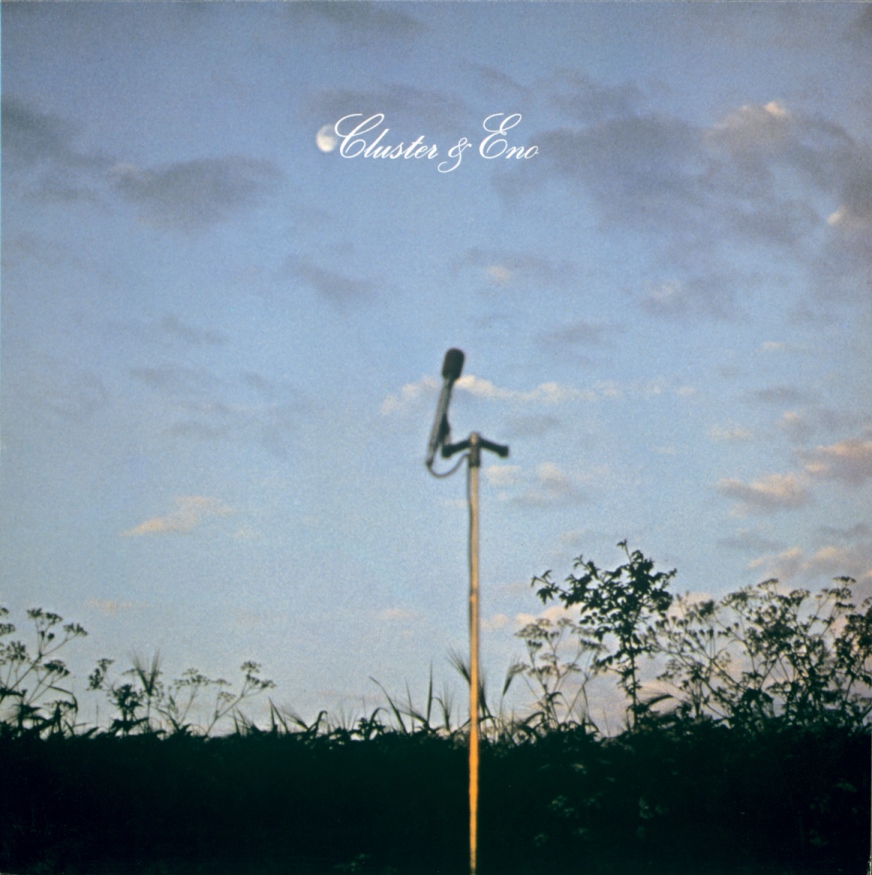
Having first worked together in 1976, Brian Eno met up with Hans-Joachim Roedelius and Dieter Moebius of CLUSTER on two fruitful recordings, the first of which was a glorious ambient instrumental affair. The front cover photo of a microphone up near the clouds summed up the approach with the album full of angelic atmospheres and gentle melodies. The closer ‘Für Luise’ was a tense cold war drama with stark piano and minimal synth.

‘Cluster & Eno’ is still available via Bureau B

https://www.roedelius.com/


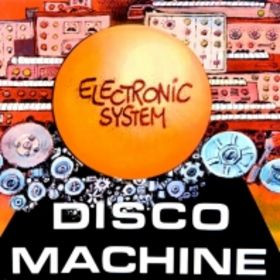
ELECTRONIC SYSTEM Disco Machine

A year before TELEX formed, Dan Lacksman released his sixth album under the ELECTRONIC SYSTEM moniker. With the sequencer driven Moog sounds of Giorgio Moroder being the main influence, ‘Flight to Tokyo’, ‘Cosmic Trip’ and ‘Flight To Venus’ was a fine segue of instrumental variations on the throbbing electronic disco theme, the latter of which was sampled in 2002 by THE CHEMICAL BROTHERS for ‘Star Guitar’.

‘Disco Machine’ is still available via The Wack Attack Barrack

https://danlacksman.com/


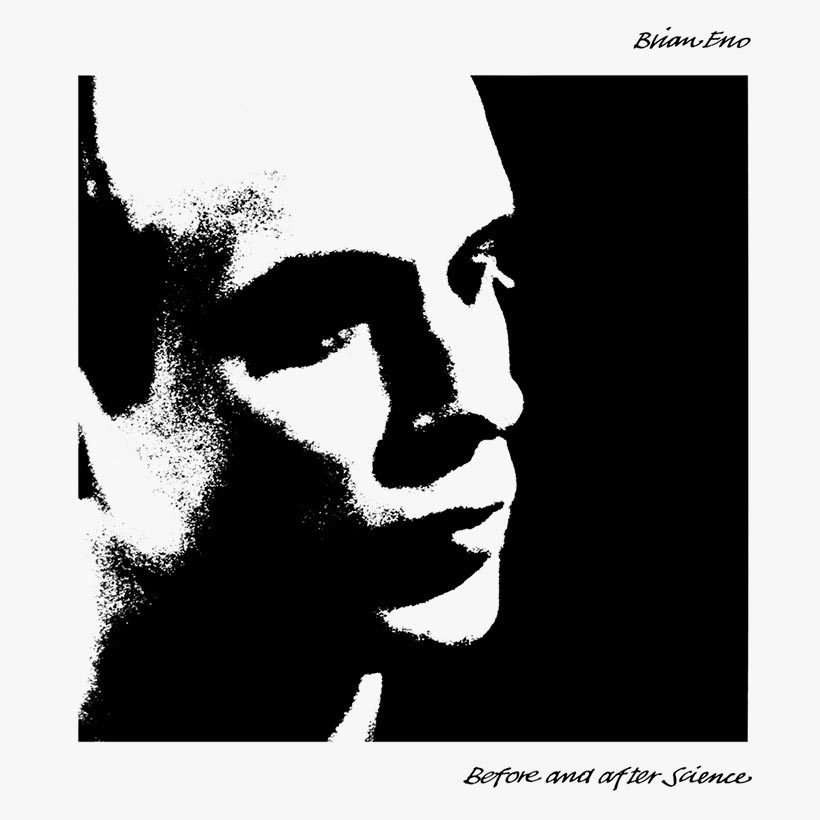
BRIAN ENO Before & After Science

As with David Bowie’s ‘Low’ and ‘Heroes’ which Eno had also worked on, ‘Before & After Science’ presented its material as pop and experimental sides. The first side included the quirky ‘Blackwater’ with its fabulous stabs of synth and the metallic romp of ‘Kings Lead Hat’. But the best tracks were on side two were the synth ballads ‘By This River’ assisted by CLUSTER and the sumptuous nautical folk of ‘Spider & I’.

‘Before & After Science’ is still available via Virgin Records

http://www.brian-eno.net/


BERNARD FEVRE Cosmos 2043

The French were on a roll with their vision for an electronic future with SPACE, DROIDS and Jean-Michel Jarre, but Bernard Favre actually composed and recorded the science fiction-themed ‘Cosmos 2043’ in 1975. While not as immediate as his fellow countrymen, this record was another sampled by THE CHEMICAL BROTHERS with ‘Earth Message’ forming the basis of 1999’s ‘Got Glint?’ for which Favre got a co-writing credit.

‘Cosmos 2043’ is still available via Anthology Records

https://www.facebook.com/blackdevildiscoclub


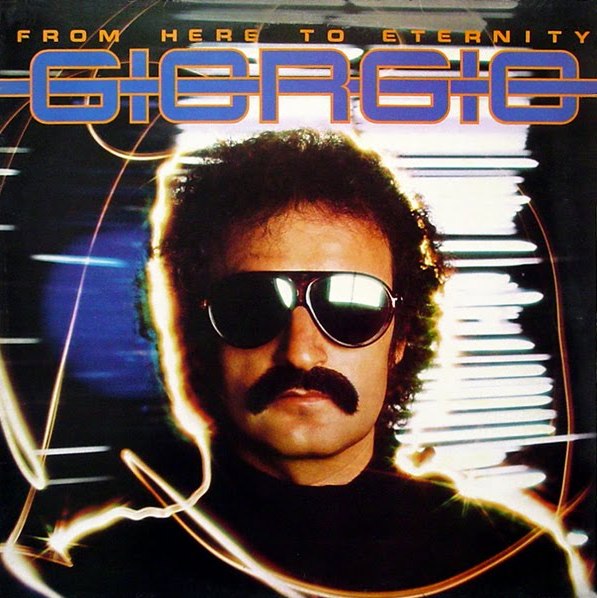
GIORGIO From Here To Eternity

On a roll from his pioneering work with Donna Summer, the sixth Giorgio Moroder solo album for centred around throbbing electronic disco. Featuring vocodered and conventional voices, the title track was effectively stretched out over one side of the album. Often mistaken for being KRAFTWERK, it actually prompted the Kling Klang quartet to move towards a more computerised sound for their 1978 album ‘The Man Machine’.

‘From Here To Eternity’ is still available via Repertoire Records

https://www.giorgiomoroder.com/


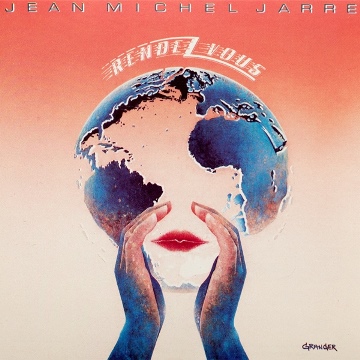
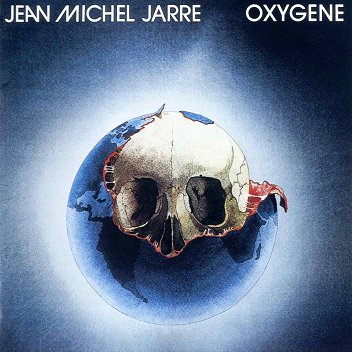
JEAN MICHEL JARRE Oxygène

Although released in France at the end of 1976, ‘Oxygène’ was not available worldwide until 1977 with ‘Oxygène IV’ becoming a huge hit single. The parent album was a glorious six part work and ‘Oxygène IV’ something of a centrepiece as a perfectly progressive spacey romp with pulsing sequences, Eminent strings, Mellotron choir and AKS waves while ‘Oxygene V’ chanelled Terry Riley’s ‘A Rainbow In Curved Air’.

‘Oxygène’ is still available via Sony Music

https://www.jeanmicheljarre.com/


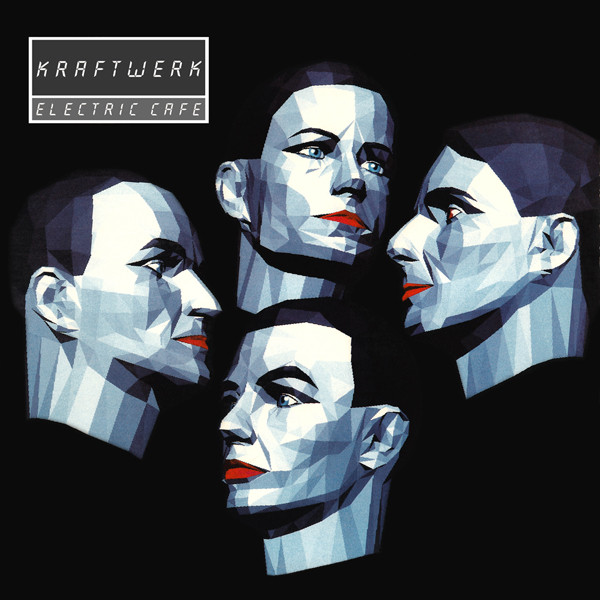
KRAFTWERK Trans Europe Express

‘Trans Europe Express’ was the first KRAFTWERK album released in standalone English and German versions. Perhaps the most lyrical of all their imperial phase long players, ‘Europe Endless’ was despite its nostalgic romanticism, aspiring to a continent without borders while the punchy ‘Showroom Dummies’ responded to criticism their static live performance. Then there was the mighty title track and its ‘Metal On Metal’ interlude…

‘Trans Europe Express’ is still available via EMI Music

http://www.kraftwerk.com/


MICHAEL ROTHER Flammende Herzen

Relocating to build his own Random Studio in Forst, ‘Flammenden Herzen’ was Michael Rother’s first solo album after leaving NEU! Co-produced by Conny Plank with Jaki Liebezeit from CAN providing the percolating percussion, although Rother had utilised synthesizers to great effect before, they took a greater role in his solo work. ‘Karussell’ had a distinctly European flavour with its strong symphonic melodies.

‘Flammende Herzen’ is still available via Grönland Records

https://www.michaelrother.de/


KLAUS SCHULZE Mirage

After success of ‘Timewind’ and then ‘Moondawn’ featuring Harald Grosskopf on drums, Klaus Schulze was by now well into what many consider his imperial phase and adding PPG modules to his synth set-up, operated alone on ‘Mirage’. Subtitled “an electronic winter landscape”, the wintery 29 minute ‘Crystal Lake’ planted the seed for New Age while promotion was supported by two lavish concerts at the London Planetarium.

‘Mirage’ is still available via MIG Music GmbH

https://klaus-schulze.com/


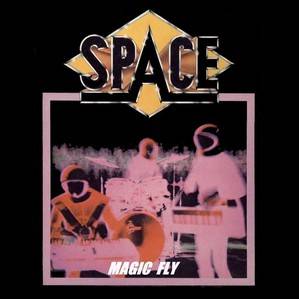
SPACE Magic Fly

SPACE was the brainchild of Didier Marouani who went under the pseudonym of Ecama and formed the collective with Roland Romanelli and Jannick Top. The space disco of the iconic ‘Magic Fly’ with its catchy melody and lush accessible futurism rode the wave of a new European electronic disco sound. But the album wasn’t just about the title hit as ‘Fasten Seatbelt, ‘Tango In Space’ and ‘Flying Nightmare’ proved.

‘Magic Fly’ is still available via Virgin France

https://marouani.space/


SUICIDE Suicide

An album of unsettling futuristic rockabilly, SUICIDE rocked the boat by Martin Rev using a Seeburg Rhythm Prince and Farfisa keyboard instead of drums and guitars while Alan Vega warbled and snarled like the ghost of a demented Elvis Presley. Highlights included ‘Ghost Rider’ and ‘Cheree’ which later soundtracked a Marc Jacobs perfume advert. The duo were to be a big influence on SOFT CELL and SIGUE SIGUE SPUTNIK.

‘Suicide’ is still available via Mute Records

https://www.facebook.com/SUICIDEBANDOFFICIAL/


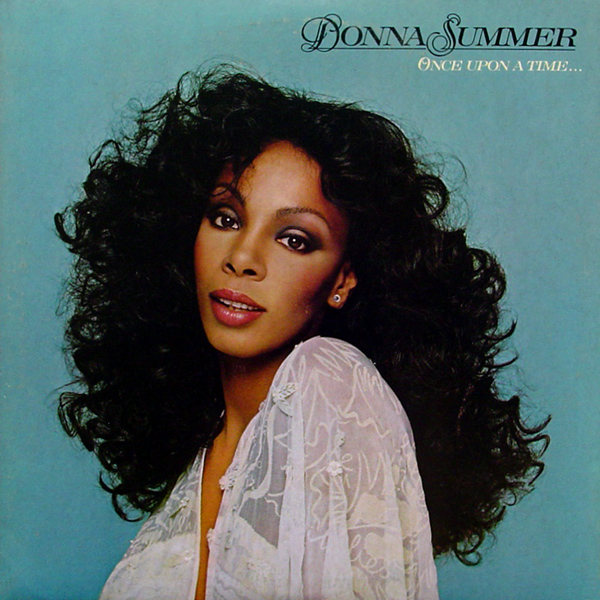
DONNA SUMMER Once Upon A Time

‘Once Upon A Time’ was an ambitious double album consisting of four distinct approaches. An all-electronic three song segued suite entitled ‘Act2’ was headed by ‘Working The Midnight Shift’ which took ‘I Feel Love’ to the next level with Summer’s wispy falsetto now in a grander setting. ‘Now I Need You’ captured a gothic eeriness while ‘Queen For A Day’ was a forerunner of ‘Our Love’ that halfway mutated back into disco pop.

‘Once Upon A Time’ is still available via Casablanca / Universal Records

https://www.facebook.com/OfficialDonnaSummer/


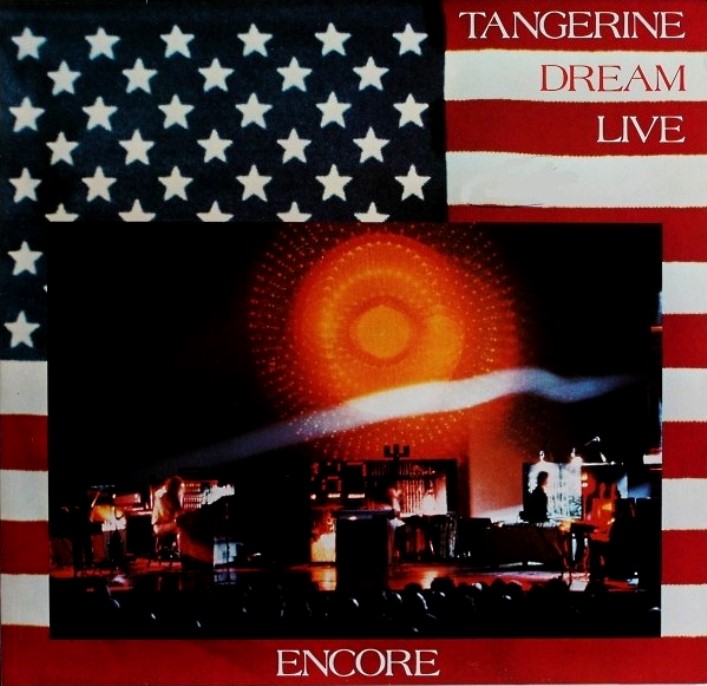
TANGERINE DREAM Sorcerer

The final studio album by the classic TANGERINE DREAM line-up of Edgar Froese, Chris Franke and Peter Baumann, after the long compositions of previous releases, ‘Sorcerer’ was characterised by shorter pieces in the band’s first commission for a Hollywood movie. Although this meant tracks like ‘The Mountain Road’ faded before they really got going, ‘Betrayal’ showed what could be done within time restrictions.

‘Sorcerer’ is still available via Esoteric Recordings

https://www.tangerinedreammusic.com/


TOMITA Space Fantasy

Released first in Europe as ‘Space Fantasy’ but retitled ‘Kosmos’ for international consumption in 1978, Isao Tomita acquired a Polymoog to supplement his Moog modular system. The ‘Star Wars: Main Title’ was reimagined with his signature synthetic whistle while a Strauss / Wagner medley provided a ‘Space Fantasy’. But the classic Rodrigo guitar concerto ‘Aranjuez’ was cosmically synthesized in a manner that only Tomita could.

‘Space Fantasy’ is still available as ‘Kosmos’ via RCA

http://tomita.org/


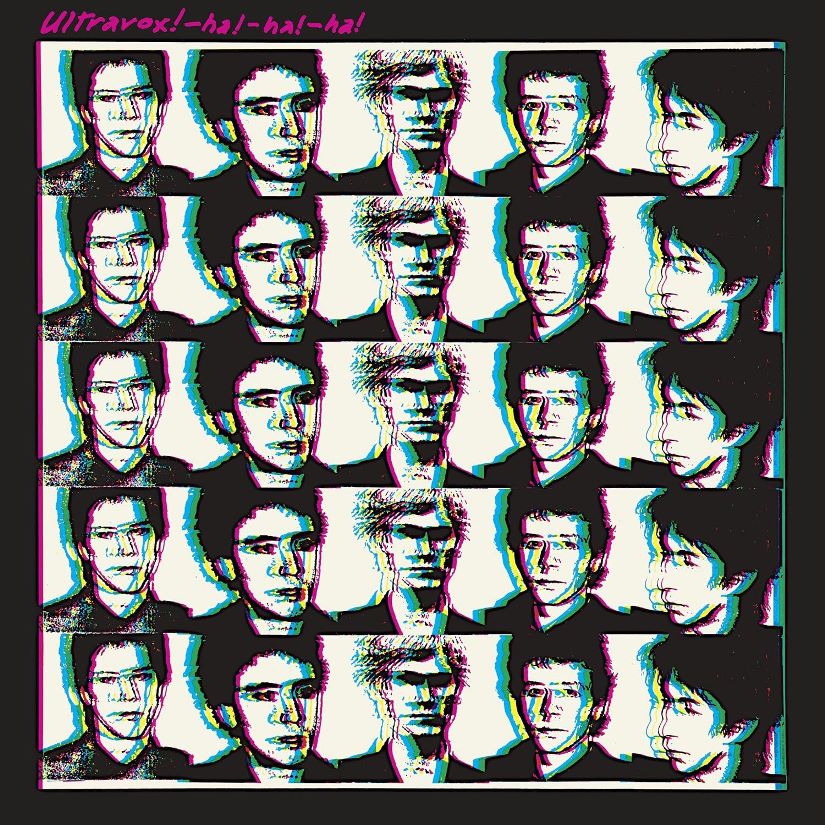
ULTRAVOX! Ha! Ha! Ha!

While primarily a fierce art rock album, ‘Ha! Ha! Ha!’ was however notable for the inclusion of two opposingly poled synth-dominated songs that pointed to the future direction of ULTRAVOX! The star of ‘The Man Who Dies Everyday’ was Billy Currie’s screaming ARP Odyssey while Warren Cann’s modified Roland TR77 rhythm machine acted as the backbone to the elegiac ‘Hiroshima Mon Amour’ which also featured an Elka Rhapsody.

‘Ha! Ha! Ha!’ is still available via Island Records

https://www.ultravox.org.uk/

http://www.metamatic.com/


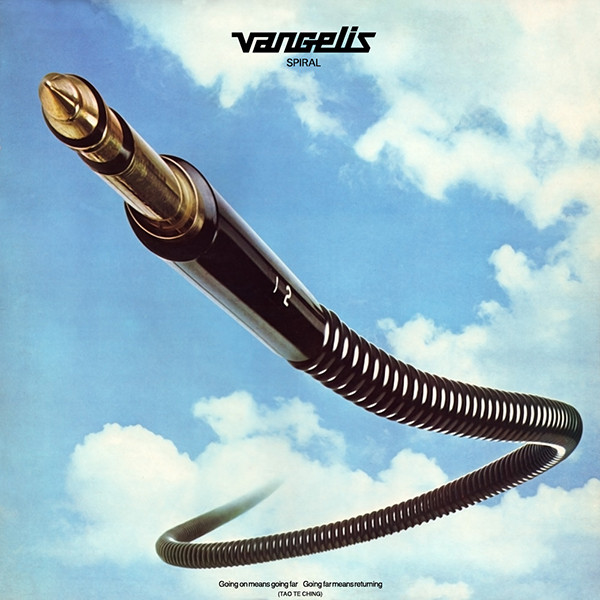
VANGELIS Spiral

The ‘Spiral’ album was best known for the beautifully emotive ‘To The Unknown Man’ where Vangelis first fully exploited the possibilities of the Yamaha CS80. He proved he could also do lively electronic pop with ‘Dervish D’ where over a spinning Roland System 100 sequencer, a slice of robotic funk grooved with a brilliantly played jazz-inflected CS80 solo using all the manual control features it had at his disposal.

‘Spiral’ is still available via Esoteric Recordings

https://www.facebook.com/VangelisOfficial/


ZANOV Moebius 256 301

The work of Pierre Salkazanov, the Frenchman had the ARP 2600 and its sequencer, along with the EMS VCS 3 and RMI Harmonic Synthesizer. Comprising of three short pieces and two much longer progressively spacey tracks ‘Plénitude’ and ‘An Zéro’, ‘Moebius 256 301’ had much more of a Berlin School template and echoes of TANGERINE DREAM in particular when compared with his French contemporaries.

‘Moebius 256 301’ is still available via Wah Wah Records

https://zanov.net/


Text by Chi Ming Lai
30th August 2025

THE ELECTRONIC LEGACY OF 1985

Electronic pop music laid slightly wounded in 1985.

It was a year of transition as DEPECHE MODE did not release a new album, but consolidated with a handy compilation ‘The Singles 81-85’ although its very weak new track ‘It’s Called A Heart’ was thankfully not a sign of things to come.

Meanwhile after the critical acclaim with their debut single, the Bobby Orlando produced version of ‘West End Girls’ in 1984, PET SHOP BOYS were struggling to gain traction despite signing a deal with EMI with their first single for the label ‘Opportunities (Let’s Make Lots Of Money)’ which stalled on its first release at No116; but a re-recorded version of ‘West End Girls’ produced by Stephen Hague issued towards the end of 1985 would change fortunes in time for the start of 1986.

One of the key singles of 1985 was ‘Slave To The Rhythm’ by Grace Jones; wonderful, sun-kissed funky pop in its radio version, producer Trevor Horn took the multiple remix approach he had piloted with FRANKIE GOES TO HOLLYWOOD to its zenith with the parent album. Having worked endlessy to come up with the perfect version and therefore different approaches, rather than actually do a collection of songs, why not do an album that was effectively multiple remixes and interpretations of one song?

The rise of FM synthesis, sampling and computer controlled systems during 1984, sidechained to the success of more guitar driven acts such as U2 and THE PSYCHEDELIC FURS in America, meant that traditional instruments and realistic presets were now the new badge of honour as music made with the inventive electronic sounds prevalent during Synth Britannia faced a backlash. EURYTHMICS moved away from synths to a more conventional band sound while THE SMITHS would continue to be held up by the music press as purer flagbearers of “real music” with Morrissey having already declared “there was nothing more repellent than the synthesizer…”

An early indicator of where things were heading came when ‘Don’t You (Forget About Me)’ was released by SIMPLE MINDS in February 1985 in the US as the theme to a new teen angst movie ‘The Breakfast Club’. Written by Steve Schiff with Keith Forsey who already had co-writes for ‘Flashdance’ and ‘Never Ending Story’ to his name, Radio1’s Richard Skinner called the song “bland” but highly FM radio friendly, it was an American No1 before the start of the Summer and was one of centrepieces of the US leg of Live Aid at JFK Stadium in Philadelphia. The event coincided with an explosion in corporate rock and “DDD” music made for the up-and-coming CD format by the likes of DIRE STRAITS.

This more rock-infused but technically polished new wave sound would be key to TEARS FOR FEARS’ huge success across the Atlantic with their second album ‘Songs From The Big Chair’. It saw bands like VITAMIN Z adopting that style and they even went as far as hiring Ross Cullum who co-produced TEARS FOR FEARS debut to helm their first album ‘Rites Of Passage’; despite a UK tour opening for Midge Ure, although sales were not forthcoming, singer Geoff Barradale would later use his experience to great effect when he managed ARCTIC MONEYS and took them to stardom.

The most disappointing record of 1985 was ‘Crush’ by OMD; while producer Stephen Hague made their sound more palatable for Trans-Atlantic consumption with more guitars, piano and acoustic drums as exemplified by the uninspiring single ‘So In Love’, the inner sleeve credit of “electronic keyboards” instead of individual synths as on ‘Dazzle Ships’ and ‘Junk Culture or “synthesizers” as on previous albums was a pointer to the blanding out of this once great band for a wider audience in the US.

Despite synths being less desirable in terms of Trans-Atlantic marketability in the move away from cooler European artistry, ELECTRICITYCLUB.CO.UK has been able to assemble a list of 20 albums seen as being part of the admittedly weaker electronic legacy of 1985. Listed in alphabetical order, there is a restriction of one album per artist moniker.


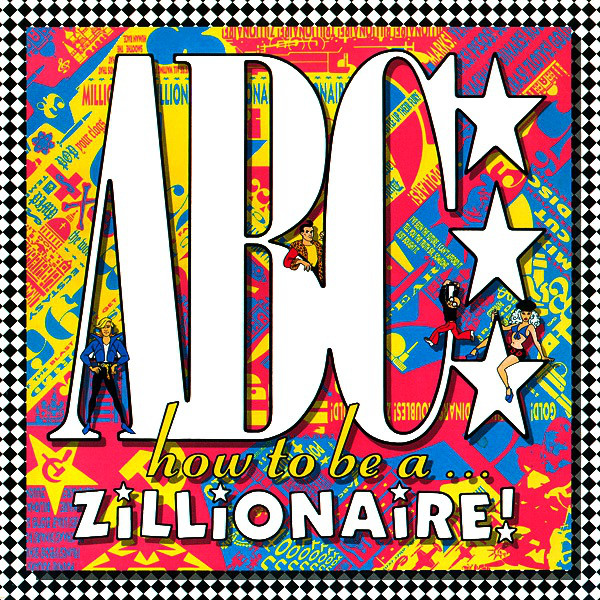
ABC How To Be A Zillionaire!

After the rockisms of ‘Beauty Stab’, the third ABC album sprung a major surprise in its New York electro flavoured lead single ‘How To Be A Millionaire’. “We saw it happening in Times Square, there were B-Boys doing that whole thing to KRAFTWERK which was just amazing. The minute the Emulator II came out, we bought one. No need to pay a Fairlight programmer £750 a day!” said Mark White; ‘Fear Of The World’ would later be sampled for the ELECTRONIC B-side ‘Lean To The Inside’.

‘How To Be A Zillionaire!’ is still available via Mercury Records

https://www.abcmartinfry.com/


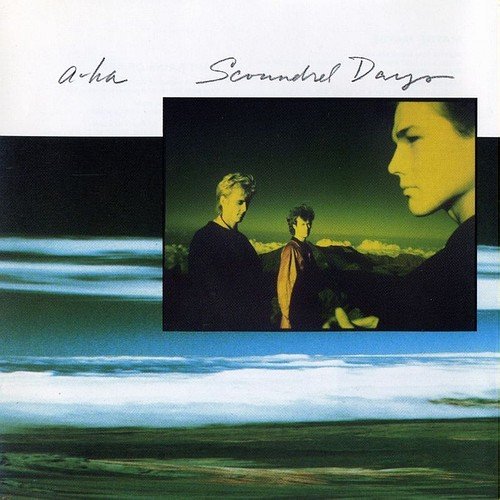
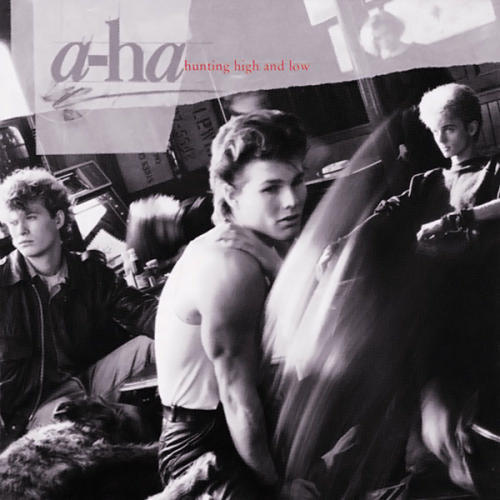
A-HA Hunting High & Low

Despite being labelled a teenybop group, from the beginning A-HA were always so much more than just the catchy pop of ‘Take On Me’. Containing another three hit singles, there was the wistful ‘Hunting High & Low’ title song while ‘The Sun Always Shines On TV’ revealed a lyrical darkness as the combination of synths and edgy guitar put them in the same league as ULTRAVOX and ASSOCIATES. But ‘Living A Boy’s Adventure Tale’ was the track that outlined A-HA had longevity.

‘Hunting High & Low’ is still available via Rhino Entertainment

https://a-ha.com/


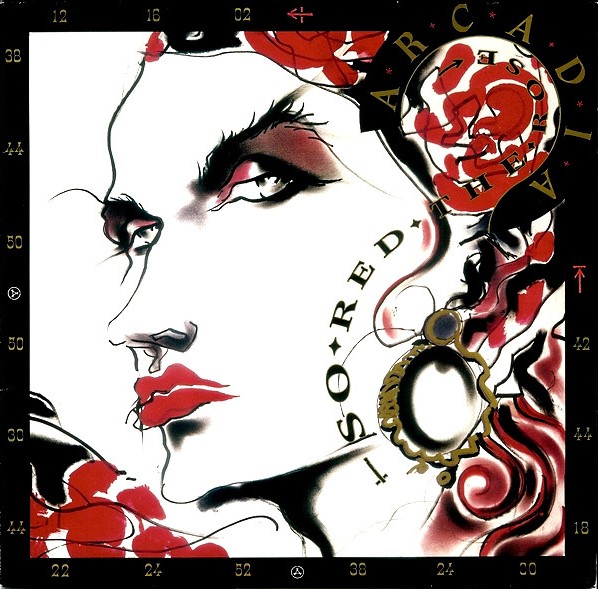
ARCADIA So Red The Rose

In response to THE POWER STATION, ARCADIA was Simon Le Bon, Nick Rhodes and Roger Taylor’s attempt to be JAPAN, smothered in an esoteric pond of lush arty indulgence. ‘Election Day’ featuring Grace Jones could have been a DURAN DURAN song, as could ‘The Flame’ which bore a resemblance to ‘A View To A Kill’. But ‘Goodbye Is Forever’ was art funk that pointed to where DURAN DURAN would head with ‘Notorious’.

‘So Red The Rose’ is still available via EMI Music

https://duranduran.com/


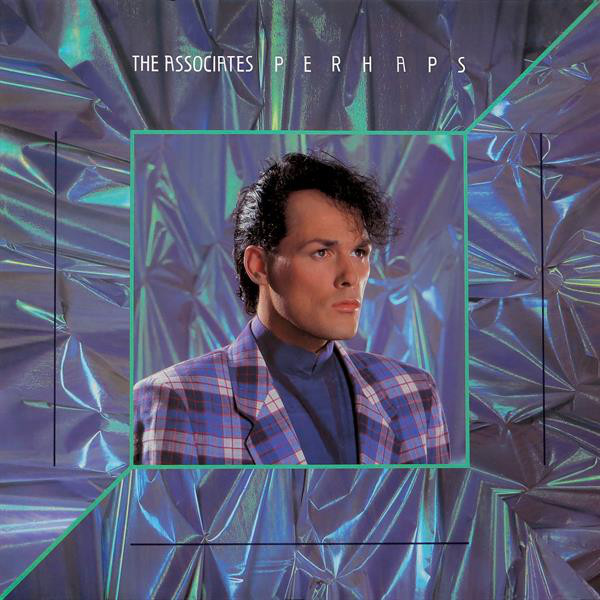
ASSOCIATES Perhaps

With the departure of Alan Rankine after ‘Sulk’, Billy Mackenzie recruited Martyn Ware and Martin Rushent on its follow-up ‘Perhaps’. Although more glossy in sound, the Rushent produced ‘Waiting For The Love Boat’ could have easily come off ‘Sulk’ while ‘Those First Impressions’ produced by Ware narrowly failed to crack the UK Top40. But the epic string laden drama of ‘Breakfast’ helmed by Rushent was possibly Mackenzie’s greatest single moment.

‘Perhaps’ is still available via Warner Music

http://www.billymackenzie.com/


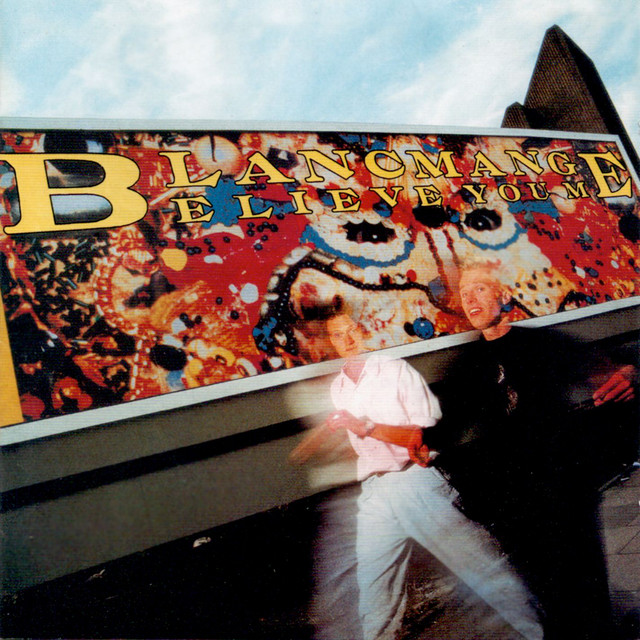
BLANCMANGE Believe You Me

Despite good crossover songs such as ‘Why Don’t They Leave Things Alone?’ and ‘Lorraine’s My Nurse’, with synthpop now no longer in-vogue, there was a lukewarm reception for the third BLANCMANGE album ‘Believe You Me’. With a proclamation from Neil Arthur that “I feel like I’m losin’ my mind” in the electro-funk of ‘22339’, it led to him and Luscombe calling it a day in order to protect their friendship after a show at the Royal Albert Hall.

‘Believe You Me’ is still available via London Records

https://www.blancmange.co.uk/


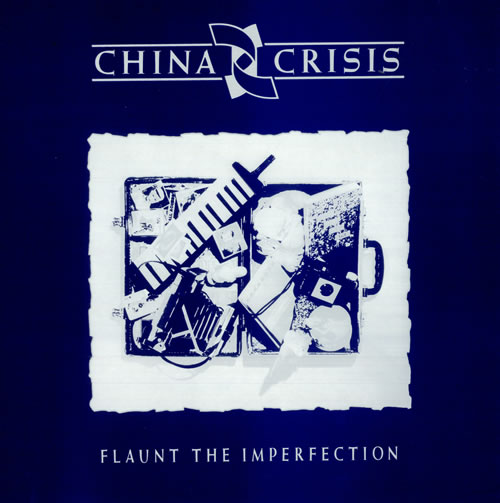
CHINA CRISIS Flaunt The Imperfection

Produced by Walter Becker of STEELY DAN, the influence of his band on ‘Flaunt The Imperfection’ resulted in much more of a live soulful feel with the contribution of accomplished session musicians while Gary Daly and Eddie Lundon focussed on the songwriting. Classic CHINA CRISIS songs like ‘Black Man Ray’ and ‘King In A Catholic Style’ secured two UK Top20 hits from a single album for the first time.

‘Flaunt The Imperfection’ is still available via Caroline International

https://www.facebook.com/chinacrisisofficial


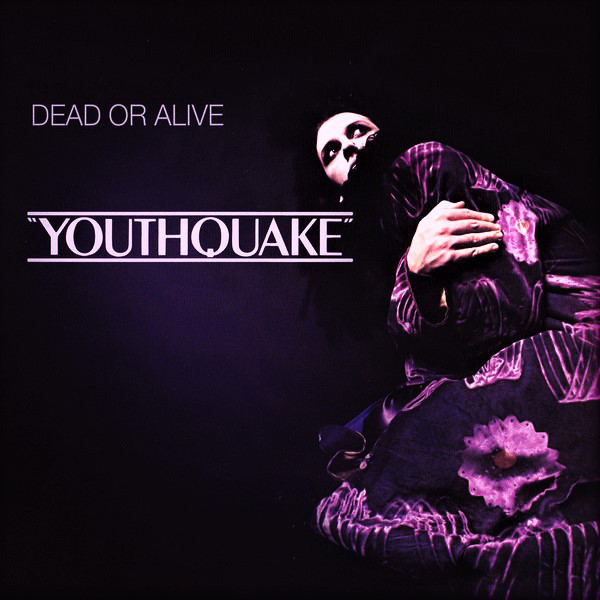
DEAD OR ALIVE Youthquake

DEAD OR ALIVE looked like they’d missed the boat when their rivals FRANKIE GOES TO HOLLYWOOD reached No1 with ‘Relax’. Having heard ‘You Think You’re A Man’ by Divine, Burns recruited the song’s production team of Stock, Aitken & Waterman to work on ‘You Spin Me Round (Like A Record)’ which hit the top of the UK singles chart. The eventual ‘Youthquake’ album was a mixed bag, but included another hit ‘In Too Deep’ and the gothic funk epic ‘It’s Been A Long Time’.

‘Youthquake’ is still available via Edsel Records

https://www.demonmusicgroup.co.uk/catalogue/releases/dead-or-alive-youthquake-40th-anniversary-edition-4cd/


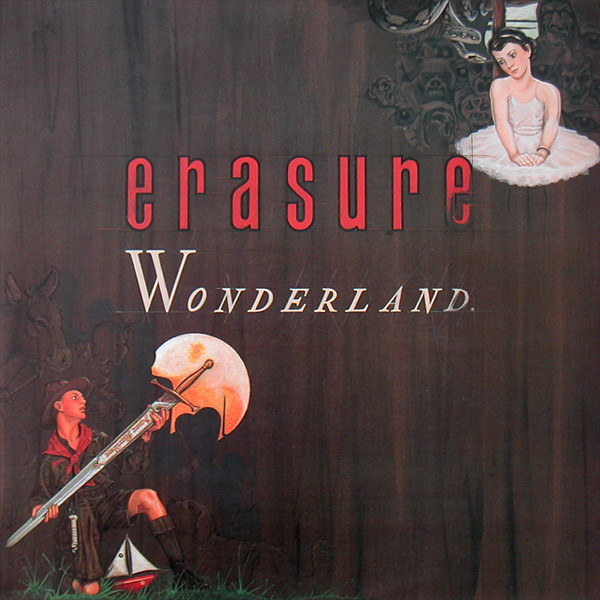
ERASURE Wonderland

Andy Bell and Vince Clarke’s debut album ‘Wonderland’ was not an instant hit. The lead single ‘Who Needs Love (Like That)?’ was mistaken by some to be an unreleased YAZOO recording. Among the album’s highlights were the joyous ‘Reunion’ and the funky ‘Push Me… Shove Me’ . The record’s HI-NRG centrepiece ‘Oh L’Amour’ flopped as a single but undeterred, ERASURE toured the college circuit to build up a new fanbase from scratch.

‘Wonderland’ is still available via Mute Records

https://www.erasureinfo.com/


JANSEN BARBIERI Worlds In A Small Room

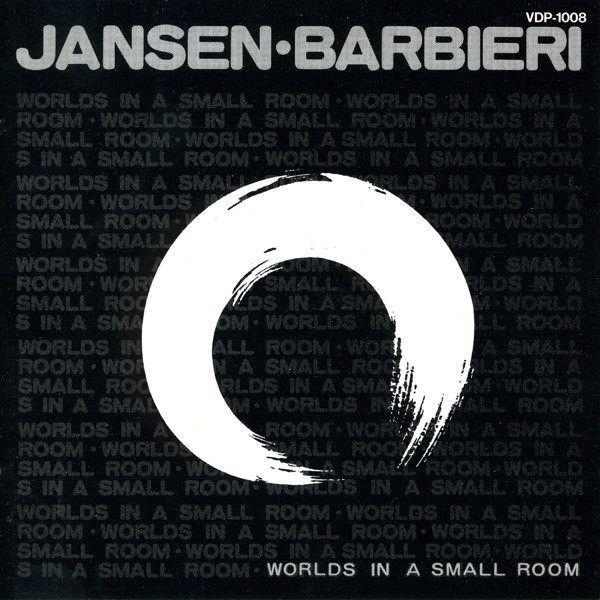
After JAPAN, drummer Steve Jansen and keyboardist Richard Barbieri formed a new creative partnership. ‘Worlds In A Small Room’ was an instrumental suite commissioned by JVC to accompany a documentary about the Space Shuttle Challenger. ‘Breaking The Silence’ was a beautiful opening piece with elements recalling Ryuichi Sakamoto while the more structured ‘Moving Circles’ had a Jansen vocal added for the Japanese release’s bonus song ‘Move In Circles’.

‘Worlds In A Small Room’ is currently unavailable

https://www.stevejansen.net/

http://www.richardbarbieri.co.uk/


HOWARD JONES Dream Into Action

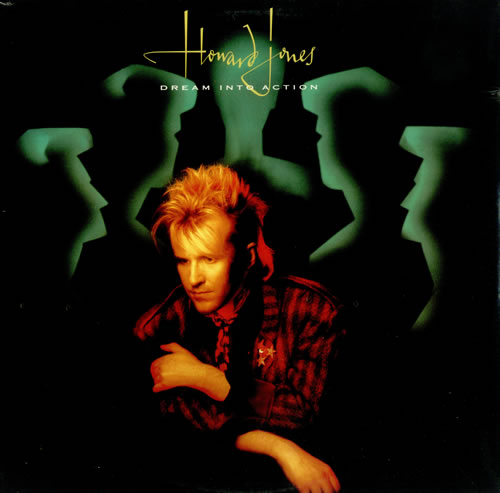
Thanks to the success of his debut album ‘Human’s Lib’, the follow-up ‘Dream Into Action’ was written by Howard Jones on the road by necessity; “I was writing in dressing rooms on an Akai 12 track recorder…” he said, “we were experimenting a lot so it’s a much more complex record”. There were hopeful anthems in ‘Things Can Only Get Better’ and ‘Life In One Day’ while the plaintive ‘No One Is To Blame’ would become a huge Trans-Atlantic hit in a new version produced by Phil Collins.

‘Dream Into Action’ is still available via Cherry Red Records

http://www.howardjones.com/


NEW ORDER Low-life

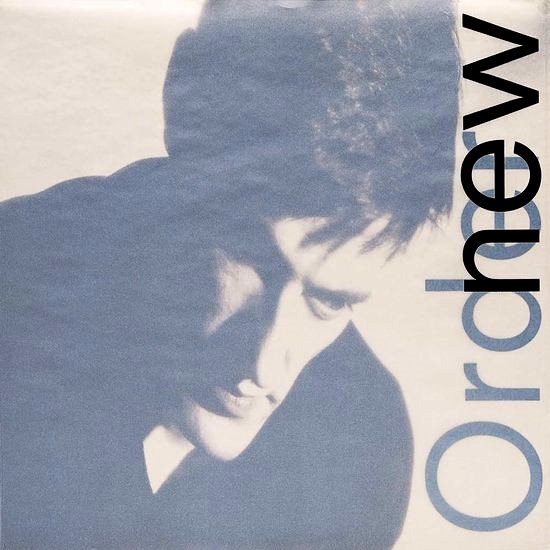
‘Low-life’ saw for the first time, a single ‘The Perfect Kiss’ taken from a NEW ORDER album as a compromise following a new US deal with Qwest Records. ‘Low-life’ featured several other highlights and opened with the Country ‘n’ North Western ghost story ‘Love Vigilantes’. The mighty ‘Sunrise’ was another number in the tit-for-that exchange with THE CURE which was clearly influenced by ‘A Forest’ while the brilliant ‘This Time Of Night’ exuded a throbbing post-punk growl.

‘Low-life’ is still available via Rhino

https://www.neworder.com/


GARY NUMAN The Fury

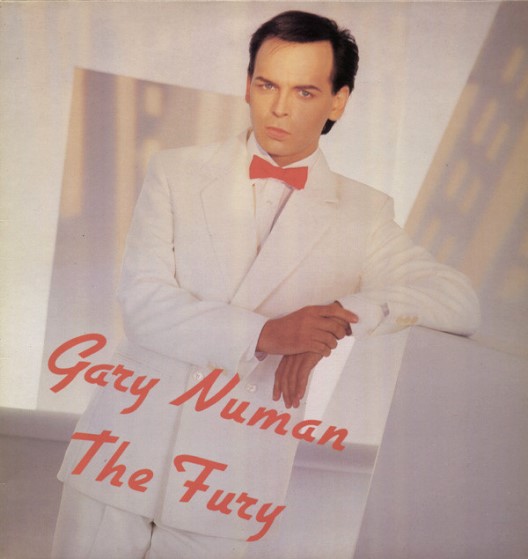
Co-produced with PPG operators The Wave Team, ‘The Fury’ was the best Gary Numan album since ‘Telekon’. Although very much with the times and in line with acts like FRANKIE GOES TO HOLLYWOOD and DEAD OR ALIVE, the hard but bright digital sound complimented Numan’s downbeat lyricism. Among the highlights were ‘Call Out The Dogs’, ‘Tricks’ and ‘Miracles’ while the haunting closing track ‘I Still Remember’ was a vocal reimagining of the 1979 instrumental ‘Random’.

‘The Fury’ is still available via Eagle Records

https://garynuman.com/


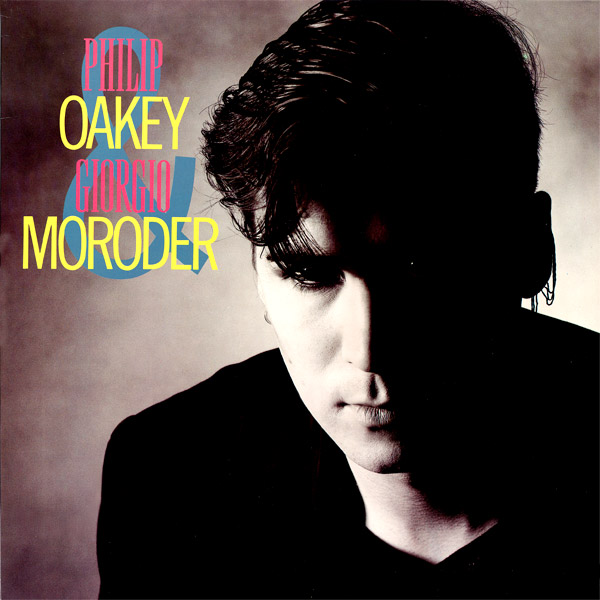
PHILIP OAKEY & GIORGIO MORODER Philip Oakey & Giorgio Moroder

After the worldwide success of ‘Together In Electric Dreams’ and the lukewarm response to THE HUMAN LEAGUE’s ‘Hysteria’ in 1984, Virgin Records swiftly despatched Philip Oakey to record an album with Giorgio Moroder. ‘Now’ was Oakey’s heartfelt commentary on economic corruption while the thumping side one segue of ‘Why Must The Show Go On?’, ‘Good-Bye Bad Times’ and ‘Take A Chance’ was a thrilling train ride.

‘Philip Oakey & Giorgio Moroder’ is still available via Virgin Records

https://www.giorgiomoroder.com/


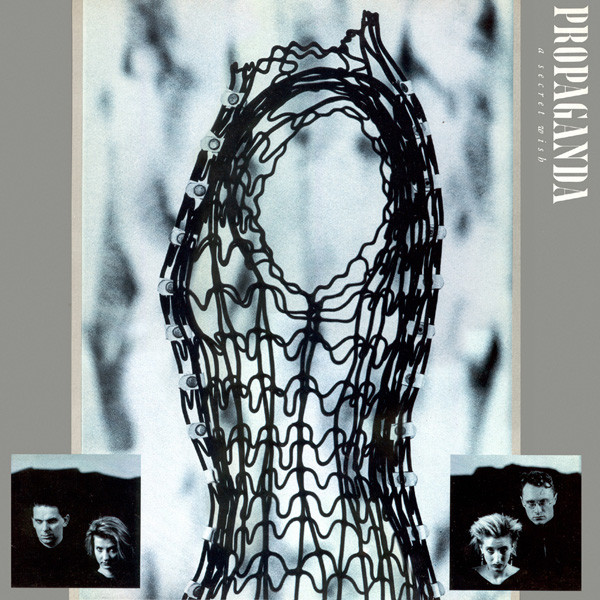
PROPAGANDA A Secret Wish

Düsseldorf’s PROPAGANDA were dubbed “ABBA in Hell”! The magnificent film noir of ‘Dr Mabuse’ was their opening salvo produced by Trevor Horn. The producer’s helm was handed over to engineer Stephen J Lipson for the album ‘A Secret Wish’. ‘Duel’ exuded an accessible ice maiden cool while the Teutonic ‘P.Machinery’ was full of state of the art technical tricks. With the lengthy and poetic ‘Dream Within A Dream’, the listener was taken on a massive sonic adventure.

‘A Secret Wish’ is still available via ZTT / BMG

https://propband.tilda.ws/


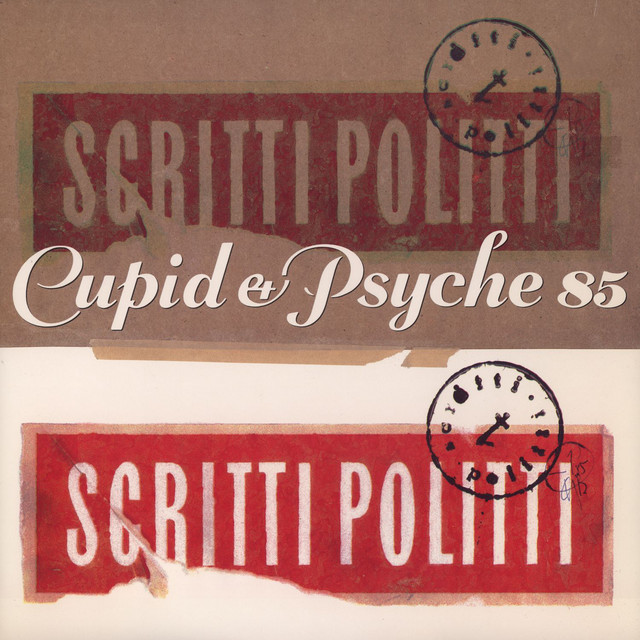
SCRITTI POLITTI Cupid & Psyche 85

The first major label SCRITTI POLITTI LP ‘Cupid & Psyche 85’ contained the 1984 Arif Mardin produced hits ‘Wood Beez (Pray Like Aretha Franklin)’ and ‘Absolute’, the latter also seeing input from Gary Langan and JJ Jeczalik of THE ART OF NOISE. Green Gartside embraced of mainstream dance pop and state-of-the-art studio production with new song writing partner David Gamson. Meanwhile self-produced reggae inflected ‘The Word Girl returned to sound of earlier Scritti.

‘Cupid & Psyche 85’ is still available via Virgin Records

https://www.scritti.net/


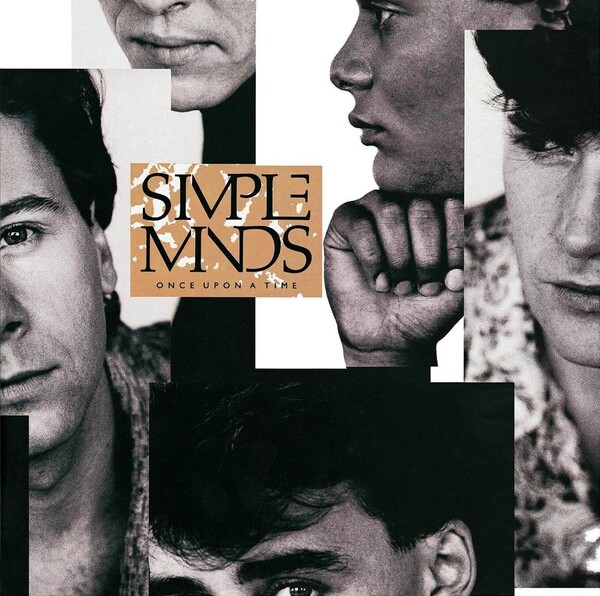
SIMPLE MINDS Once Upon A Time

After the harder new rock sound of ‘Sparkle In The Rain’ produced by Steve Lillywhite, SIMPLE MINDS brought the synths back in, albeit with a Trans-Atlantic sheen helmed by American production heavyweights Jimmy Iovine and Bob Clearmountain. Despite the modern FM rock bombast which even included a rhythm n blues flavour on ‘Sanctify Yourself’, ‘Alive & Kicking’ saw Mick McNeil’s Gaelic accordion virtuosity applied to electronic keyboards for a huge hit in the US and Europe.

‘Once Upon A Time’ is still available via Universal Music

https://www.simpleminds.com/


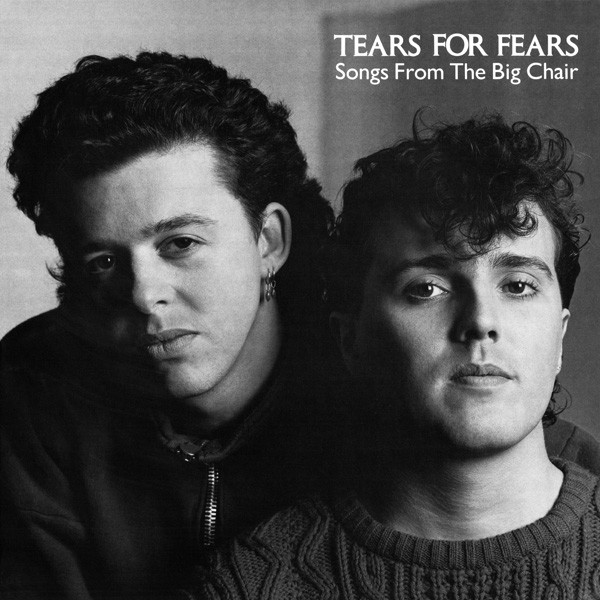
TEARS FOR FEARS Songs From The Big Chair

DespiteTEARS FOR FEARS adopting more guitar compared to its predecessor ‘The Hurting’, the more band oriented ‘Songs From The Big Chair’ were still characterised by electronics and rhythm programming in its backbone. Cold War angst provided the tension to ‘Shout’ and the big American driving hit ‘Everybody Wants To Rule The World’ while ‘Head Over Heels’ with its blistering synth solo was another Stateside hit, later in the 2001 psychological thriller ‘Donnie Darko’.

‘Songs From The Big Chair’ is still available via Universal Music

https://tearsforfears.com/


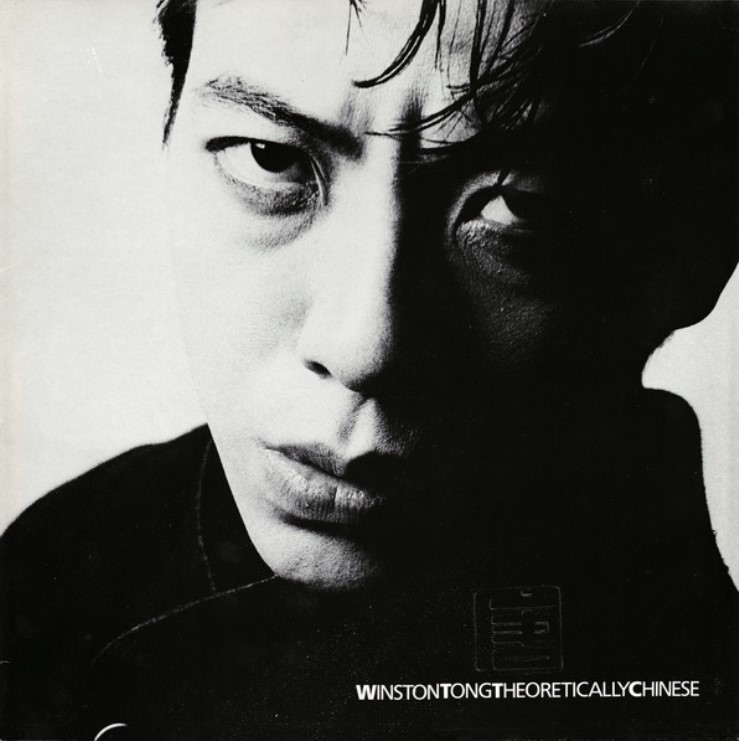
WINSTON TONG Theoretically Chinese

Produced by Alan Rankine, ‘Theoretically Chinese’ was as much of an electronic pop departure for Winston Tong from TUXEDMOON as Robert Görl’s ‘Night Full Of Tension’ was from DAF. The era’s inherent Cold War tensions also loomed large on the fine pulsing opener ‘Big Brother’ as well as an excellent uptempo cover of Marianne Faithfull’s ‘Broken English’ while ‘Reports From The Heart’ provided an elegant sweeping ballad.

‘Theoretically Chinese’ is still available via LTM

https://www.ltmrecordings.com/theoretically_chinese_ltmcd2382.html


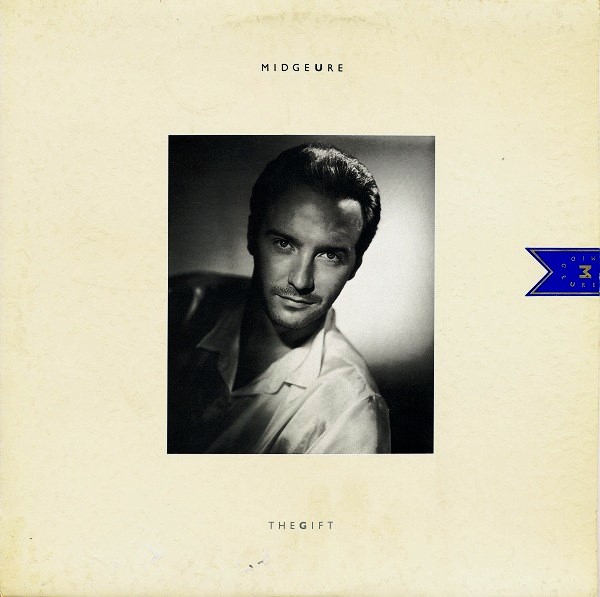
MIDGE URE The Gift

Midge Ure finally took the solo album plunge with ‘The Gift’. Songs like ‘When The Wind Blows’, ‘That Certain Smile’ and the title track sounded like ULTRAVOX enough to potentially worry his bandmates. But ULTRAVOX would never have covered JETHRO TULL’s ‘Living In The Past’ or recorded the lovey-dovey UK No1 single ‘If I Was’ which was rescued from the unreleased vaults of MESSENGERS whose instrumentalist Danny Mitchell was Ure’s main collaborator on this great adventure.

‘The Gift’ is still available via Chrysalis Records

http://www.midgeure.co.uk/


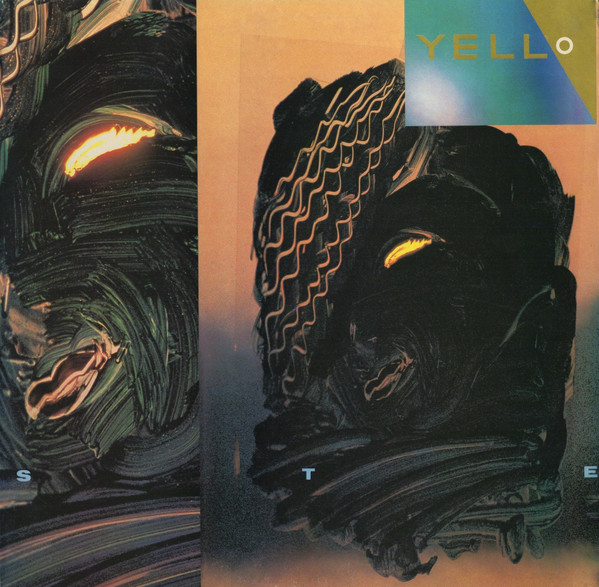
YELLO Stella

‘Stella’ was the first album YELLO made without founder member Carlos Perón; Boris Blank and Dieter Meier headed towards a more cinematic style of experimental pop, making greater use of the Fairlight and digital synths. It included the delightful ‘Vicious Games’ featuring vocals by Rush Winters but the album’s biggest track was ‘Oh Yeah’ which ended up in ‘Ferris Bueller’s Day Off’, ‘The Secret of My Success’ and ‘The Simpsons’.

‘Stella’ is still available via Universal Music

https://www.yello.com/


Text by Chi Ming Lai
9th January 2025

THE ELECTRONIC LEGACY OF 1978

At the start of 1978, disco and AOR was still ruling the airwaves.

ABBA had released ‘The Movie’ which reinforced their success of previous years while the UK charts became dominated by songs from the film ‘Grease’ which helped facilitate a rock ‘n’ roll flavoured revival led by bands like SHOWADDYWADDY, DARTS and RACEY!

Punk had peaked with THE SEX PISTOLS’ Johnny Rotten and his rhetorical statement “Ever Get the Feeling You’ve Been Cheated?”. However, punk’s ethos was mutating into a form of power pop under the guise of new wave with BLONDIE, BUZZCOCKS and THE BOOMTOWN RATS. One epic opus that captured the public imagination was ‘Jeff Wayne’s Musical Version of The War of the World’; featuring synthesizer work from Ken Freeman, it complimented the album’s orchestrated rock with an alien science fiction edge.

Although first released in Autumn 1977, ‘Supernature’ by Cerrone belatedly became a Summer 1978 Top10 hit in the UK singles charts, indicating that after ‘I Feel Love’, ‘Oxygène’, ‘Magic Fly’, ‘Sound & Vision’ and ‘Trans-Europe Express’, electronic pop music had potential longevity and was not a novelty.

A new DIY art pop form was emerging as the independently produced singles ‘Warm Leatherette’ by THE NORMAL and ‘Being Boiled’ by THE HUMAN LEAGUE were released to an unsuspecting public but despite not troubling the mainstream due to their limited audience reach, they were to have a wider impact.

Meanwhile, as punk band TUBEWAY ARMY were preparing to record their debut long player, their leader Gary Numan tried a Minimoog that had been left behind from a previous studio session. It was to be an epiphanal moment as he decided that electronics would become a future part of his sound.

According to a recent Ace Records podcast hosted by Pete Paphides, his guest Bob Stanley said that Minimoog belonged to reggae legend Dennis Bovell who was working on a song he had just written called ‘Silly Games’. When it stalled at No2 sung by Janet Kay, in a bizarre coincidence, the single that was to stop it from getting to No1 in Summer 1979 was recorded in the same Gooseberry Studios in London’s Chinatown… it was ‘Are Friends Electric?’!!!

Here are 20 albums which ELECTRICITYCLUB.CO.UK sees as contributing to the electronic legacy of 1978. They are listed in alphabetical order with a restriction of one album per artist moniker…


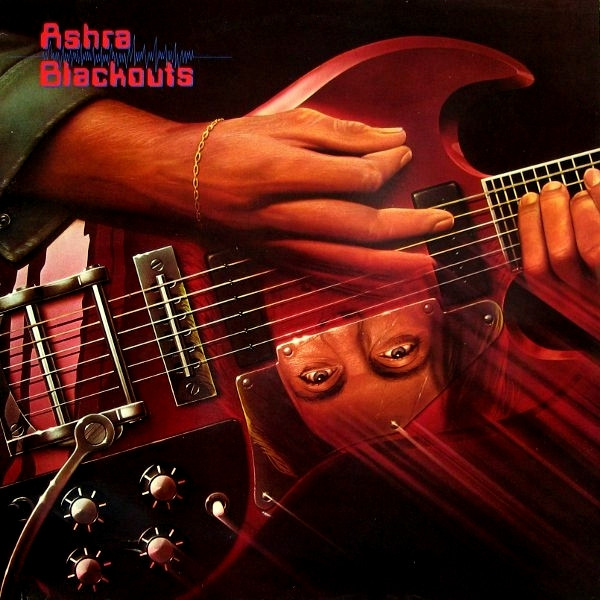
ASHRA Blackouts

Featuring “Sequencer, Keyboards and a lot of guitar” with the recommendation that “this record should be heard comfortably”, ‘Blackouts’ was Manuel Göttsching’s second album as ASHRA and while it did not quite have the total cosmic magic of its predecessor ‘New Age Of Earth’, it was a satisfying record. ‘Midnight On Mars’ set the scene while there was another wonderful 20 minute end piece in ‘Lotus Part I-IV’.

‘Blackouts’ is still available via Virgin Records

https://manuelgoettsching.com/


AUTOMAT Automat

AUTOMAT were Romano Musmarra and Claudio Gizzi who released just one album. Stating “in the beginning there was the machine – the survival and the organization of the planet depended upon the machine – the future and the past depended upon the machine – …the past? But who wanted the machine?”, the key track was the eponymous three part electronic prog disco opus that would have made Giorgio Moroder proud. Meanwhile ‘Droid’ showed the Italian duo were also fans of Vangelis.

‘Automat’ was originally released by EMI Italiana, currently unavailable

https://www.discogs.com/artist/29817-Automat


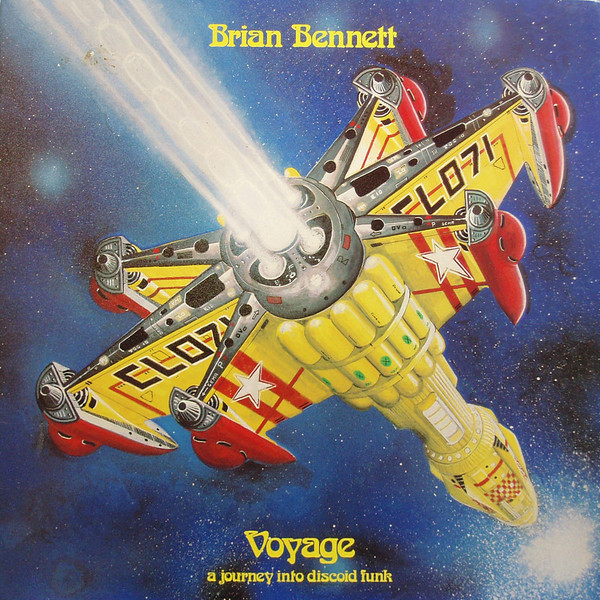
BRIAN BENNETT Voyage (A Journey Into Discoid Funk)

The drummer for THE SHADOWS since 1961, Brian Bennett worked on theme music on the side and became inspired by the emergence of electronic disco from the likes of Giorgio Moroder and Marc Cerrone. Described as “A Journey Into Discoid Funk”, ‘Voyage’ was a cosmic affair with jazz and funk influences. Highlights included ‘Pendulum Force’, ‘Ocean Glide’ and ‘Chain Reaction’ while one track ‘Solstice’ was later sampled by rappers Kanye West and Nas.

‘Voyage (A Journey Into Discoid Funk)’ is still available via Cherry Red Records

https://www.cherryred.co.uk/brian-bennett-voyage-2cd-expanded-edition


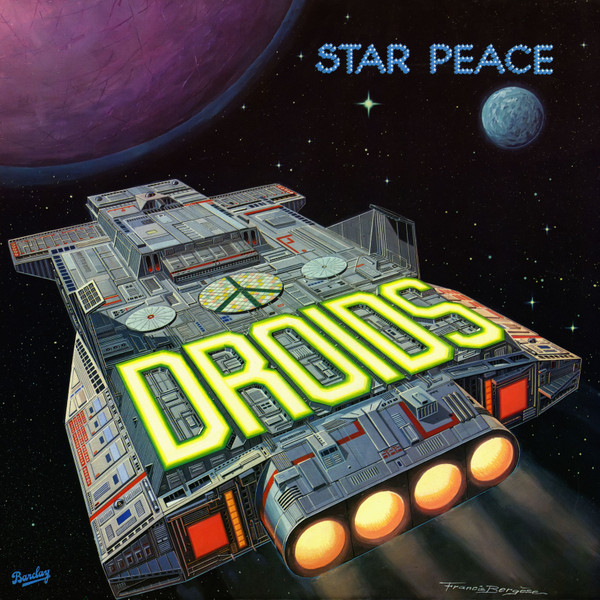
DROIDS Star Peace

Inspired by ‘Star Wars’, French space disco combo DROIDS were best known for their underground hit ‘(Do You Have) The Force’ in 1977. Included on it, their only album ‘Star Peace’ came the following year with material written and played by Yves Hayat using Moogs, ARPs and Oberheims. It was an enjoyable electronic romp with groovy tracks like ‘Be Happy’ and ‘Shanti Dance’ to take on fellow countrymen SPACE.

‘Star Peace’ is still available via Barclay

https://www.discogs.com/artist/93198-Droids


LA DÜSSELDORF Viva

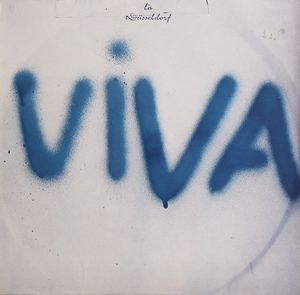
Fronted by Klaus Dinger from NEU! while also featuring his brother Thomas on percussion and Hans Lampe on drums, the second long player LA DÜSSELDORF ‘Viva’ was self-produced and their most successful album. There was the magnificent 20 minute madness of ‘Cha Cha 2000’, but the album also yielded the beautifully epic ‘Rheinita’, a glorious instrumental that became the blueprint for OMD’s ‘Architecture & Morality’ album.

‘Viva’ is still available via WEA Records

https://dingerland.de/


ENO MOEBIUS ROEDELIUS After The Heat

Following aborted sessions with cult German band HARMONIA featuring Michael Rother of NEU! alongside Dieter Moebius and Hans-Joachim Roedelius of CLUSTER, Brian Eno continued collaborations with the latter pair. With a wonderful 1977 ambient collection ‘Cluster & Eno’ to their name, their second album ‘After The Heat’ added Eno’s contemplative voice to the experimentation, the best track of which was the gentle sequencer led beauty of ‘The Belldog’.

‘After The Heat’ is still available via Bureau B


https://www.roedelius.com/album/after-heat


EDGAR FROESE Ages

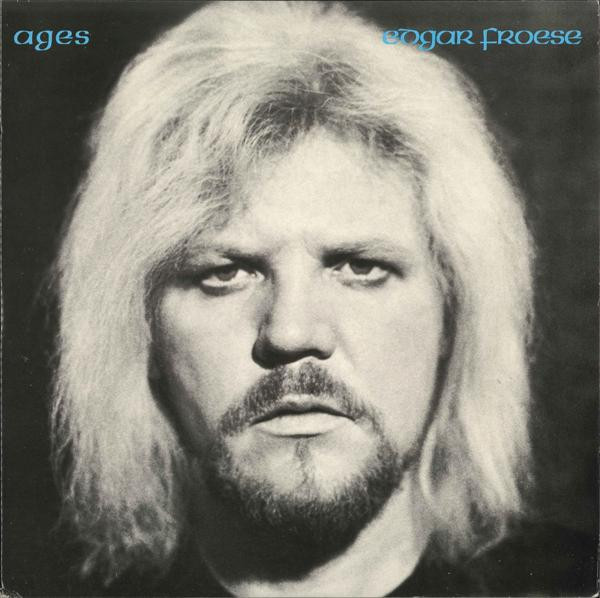
This double album was released at the start of 1978 before TANGERINE DREAM took their vocal prog rock misstep with ‘Cyclone’. ‘Era Of The Slaves’ was a particular delight in the Berlin School vein with Edgar Froese channelling his creative energies wonderfully following the departure of Peter Baumann. Overall, ‘Ages’ was lively, as exemplified by ‘Nights of Automatic Women’ while ‘Children’s Deeper Study’ displayed a brighter tone.

‘Ages’ is still available via Virgin Records

https://www.edgarfroese.com/


JEAN-MICHEL JARRE Equinoxe

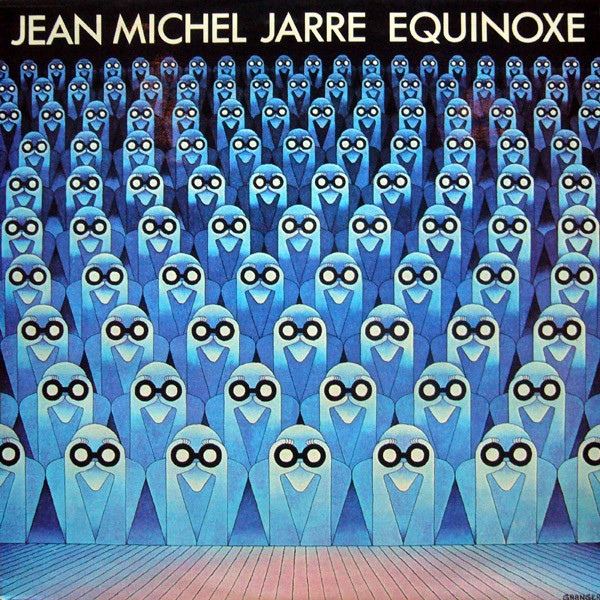
The follow-up to the massively successful ‘Oxygène’, ‘Équinoxe’ was conceived as representing a day in a person’s life. As well expanded multitrack recording, ‘Équinoxe’ benefitted from the use of the customised Matrisequencer 250 designed by sound engineer Michel Geiss. The album’s eight parts were rich in melody, rhythm and in places neo-gothic grandeur. It confirmed Jean-Michel Jarre was not to be just a one-hit wonder.

‘Equinoxe’ is still available via Sony Music

http://jeanmicheljarre.com/


KRAFTWERK The Man Machine

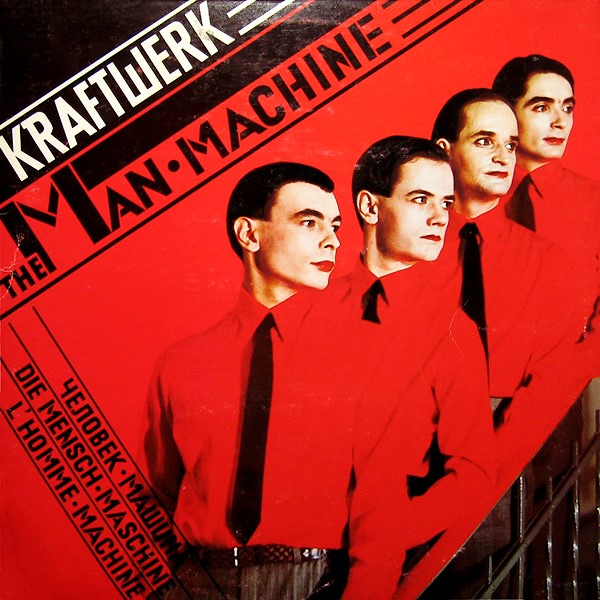
By 1978, the classic KRAFTWERK line-up of Ralf Hütter, Florian Schneider, Wolfgang Flür and Karl Bartos were at the height of their powers with ‘Trans Europe Express’ becoming an unexpected favourite on the New York dancefloors. ‘The Man Machine’ contained the belated hit single ‘The Model’ while there was also the Giorgio Moroder-inspired ‘Spacelab’ and ‘Metropolis’. With ‘The Robots’, the Das Quartett reinforced they were Musikarbeiter.

‘The Man Machine’ is still available via EMI Music

http://www.kraftwerk.com/


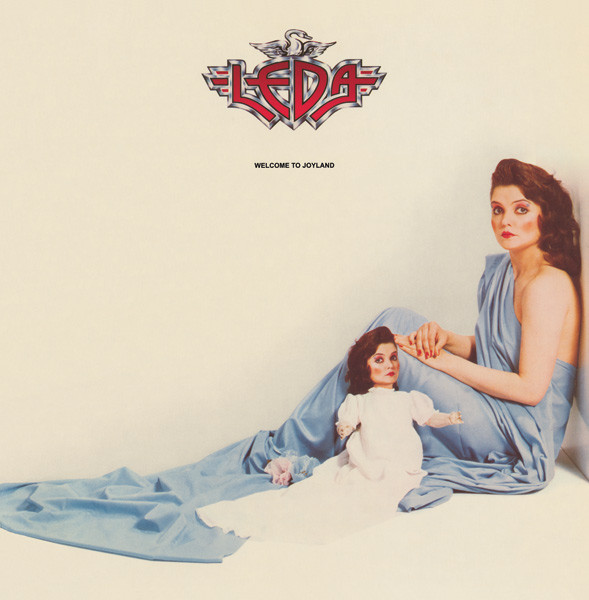
LEDA Welcome To Joyland

Having left TANGERINE DREAM and inspired by the success of ‘I Feel Love’, Peter Baumann produced Italian artist Leda on her album ‘Welcome To Joyland’. Applying his sequenced knowhow into a more song based format, highlights included the title song and the Giorgio Moroder aping ‘Future’. Something of a curio in his portfolio, it became a pointer to the pop based direction he launched in 1981 with ‘Repeat Repeat’.

‘Welcome To Joyland’ is still available via Private Records

https://www.voices-in-the-net.de/welcome_to_joyland.htm


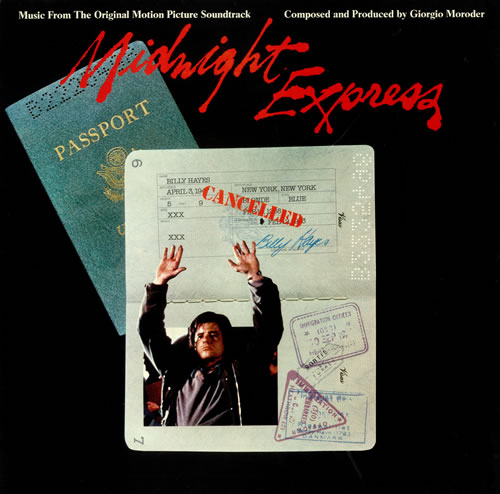
GIORGIO MORODER Midnight Express

‘Midnight Express’ was a graphic prison drama directed by Alan Parker who wanted electronic accompaniment in the style of ‘I Feel Love’ for a key scene in the film. Enter Giorgio Moroder who, assisted by Harold Faltermeyer, did just that with the mighty ‘Chase’. Meanwhile, the moody main theme and with its exotic overtones all but invented synthwave. Moroder would win his first Oscar for “Best Original Score”.

‘Midnight Express’ is still available via Casablanca Records / Universal Records

http://www.moroder.net/


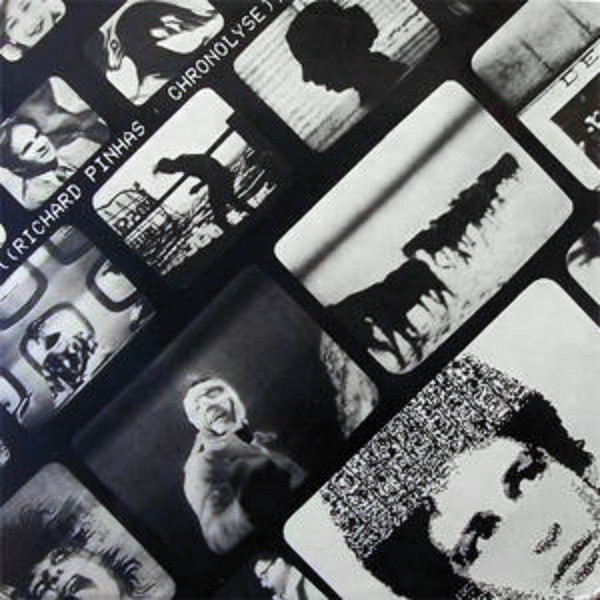
RICHARD PINHAS Chronolyse

Richard Pinhas was a member of French rock band HELDON who became fascinated by the possibilities of experimental electronics. Inspired by sci-fi writers Michel Jeury and Frank Herbert, the ‘Chronolyse’ title suite was split into seven waves of cerebral minimalism reminiscent of Terry Riley and Philip Glass. But there was a volte face in ‘Paul Atreïdes’, a noisy half hour jam with his HELDON band mates that took up an entire side.

‘Chronolyse’ is still available via Bureau B

https://www.richard-pinhas.com/chronolyse/


RIECHMANN Wunderbar

The only album by the tragic figure of Wolfgang Riechmann, ‘Wunderbar’ was an elegant and ultimately fragile collection with a fine balance of electronic technology and real instrumentation where none of the elements were overdone. The resonant melancholy of its content became even more poignant once it is learnt that he was murdered in Düsseldorf just weeks before its release by Sky Records in August 1978.

‘Wunderbar’ is still available via Bureau B

https://riechmann.bandcamp.com/album/wunderbar


MICHAEL ROTHER Sterntaler

After the success of ‘Flammenden Herzen’ set Michael Rother off on the path to becoming Germany’s answer to Mike Oldfield, his second solo album ‘Sterntaler’ saw a greater use of synths for melody lines as on the uplifting title track. ‘Orchestrion’ was more of a layered guitar symphony but the moody textures of ‘Sonnenrad’ would later become the inspiration for ULTRAVOX’s ‘Dancing With Tears In My Eyes’.

‘Sterntaler’ is still available via Grönland Records

http://www.michaelrother.de/en/


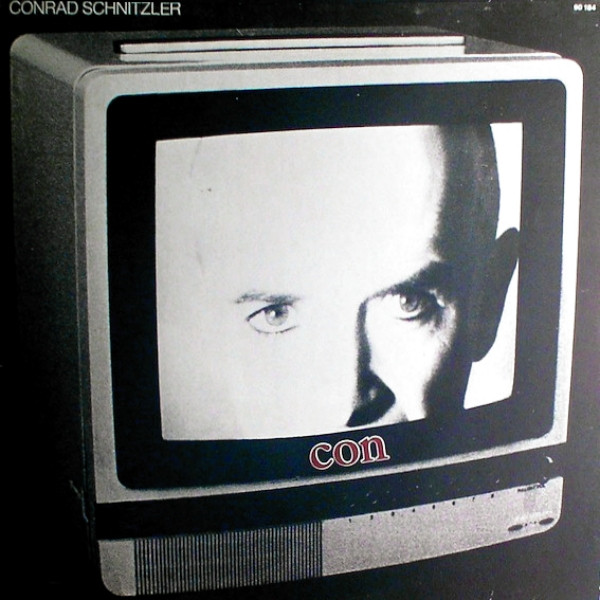
CONRAD SCHNITZLER Con

Conrad Schnitzler had been a member of TANGERINE DREAM and KLUSTER before going solo. ‘Con’ was produced by Peter Baumann. While much of the album was unsettling soundscapes like ‘Electric Garden’ and ‘Black Nail’, ‘Ballet Statique’ was his most accessible piece and up there with the best of minimally structured German electronic music. Meanwhile ‘Zug’ did as the title suggested with its locomotive rhythm collage.

‘Con’ is still available via Bureau B

https://www.fancymoon.com/con_s/


KLAUS SCHULZE X

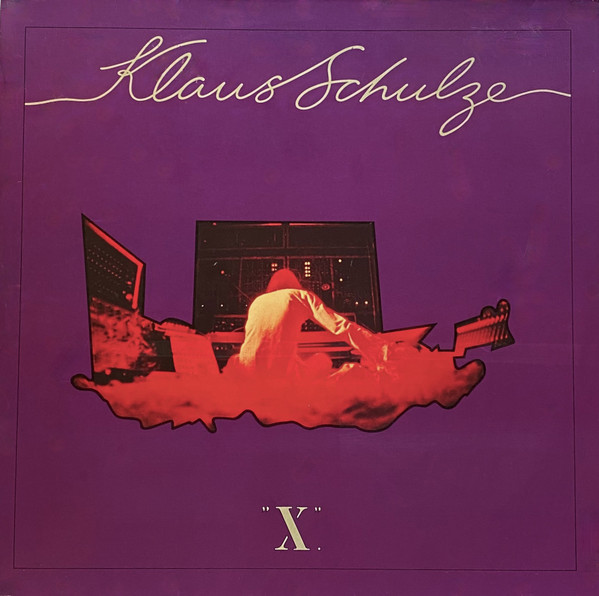
After his 1977 masterpiece ‘Mirage’, Klaus Schulze was by now well into what many consider his imperial phase and planting the seed for New Age in the process. For the ambitious double opus ‘X’, drums by Harald Grosskopf and strings were incorporated into “Six Musical Biographies” in honour of figures such as philosopher Friedrich Nietzsche, King Ludwig II of Bavaria, composer Friedemann Bach and ‘Dune’ author Frank Herbert.

‘X’ is still available via SPV

https://klaus-schulze.com/


SPACE Just Blue

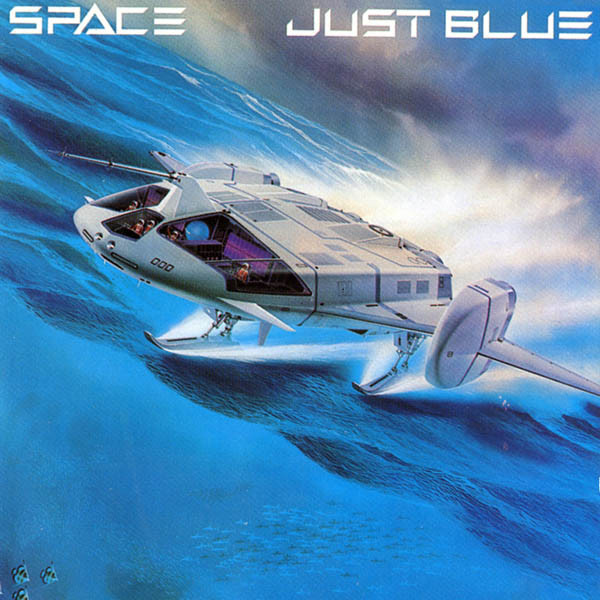
Having had a worldwide hit with ‘Magic Fly’, ‘Just Blue’ was the third album by France’s SPACE and the last featuring original writer Ecama, the pseudonym of Didier Marouani. With proggier inflections and more vocal phrasing, this album did not hit the highs of ‘Magic Fly’ but this was still a good record. The title song had catchy synth hooks while ‘Final Signal’ brought in fretless bass and ‘Secret Dreams’ got all new age.

‘Just Blue’ is still available via Nang

https://www.facebook.com/Didier.Marouani.et.spAce/


TOMITA The Bermuda Triangle

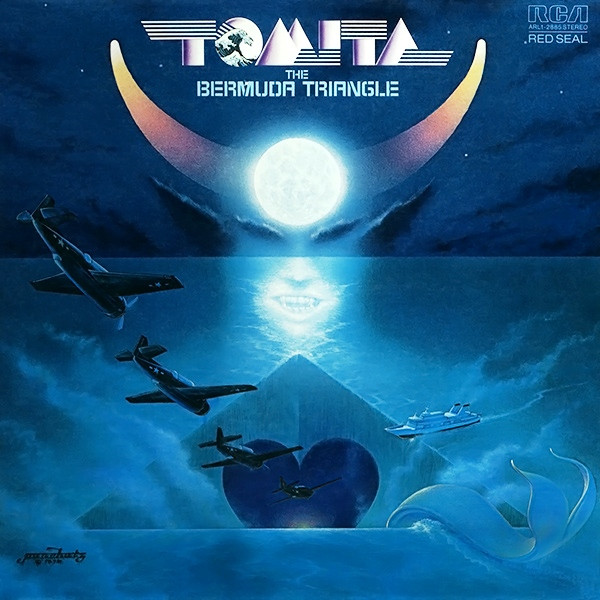
Best known for 1974’s pioneering ‘Snowflakes Are Dancing’ which reinterpreted Debussy, Isao Tomita was applying his Moog modular craft to Prokofiev and Sibelius for an ambitious concept album subtitled “A Musical Fantasy of Science Fiction”, there was even an adaptation of ‘Close Encounters Of The Third Kind’. As befitting a record about ‘The Bermuda Triangle’, it was dark and experimental in places with a fabulous palette of sound design.

‘The Bermuda Triangle’ is still available via Revive Music

https://www.isaotomita.info/


ULTRAVOX Systems Of Romance

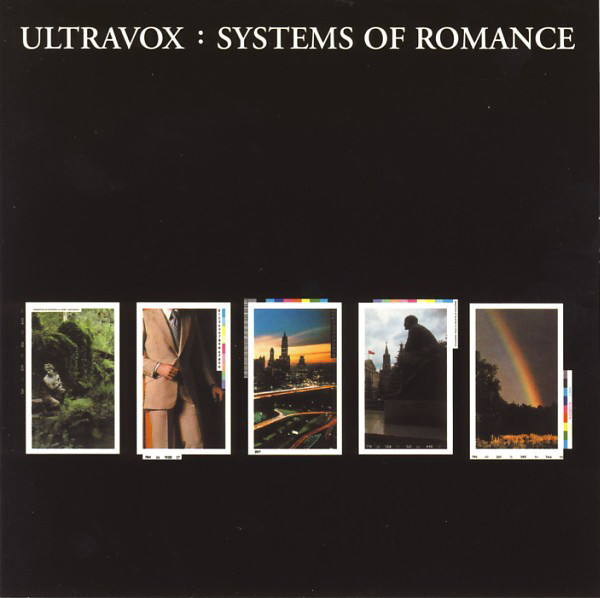
Working with the legendary Conny Plank for their third album ‘Systems Of Romance’, ULTRAVOX became more texturally powerful thanks to the ARP Odyssey of Billy Currie, Chris Cross’ EMS Synthi AKS and new guitarist Robin Simon. Despite leader John Foxx leaving to go solo, ‘Slow Motion’, ‘Quiet Man’, ‘Dislocation’ and ‘Just For A Moment’ were a harbinger of things that were to come with a certain Gary Numan taking notes.

‘Systems Of Romance’ is still available on ‘The Island Years’ via Caroline Records

https://www.ultravox.org.uk/


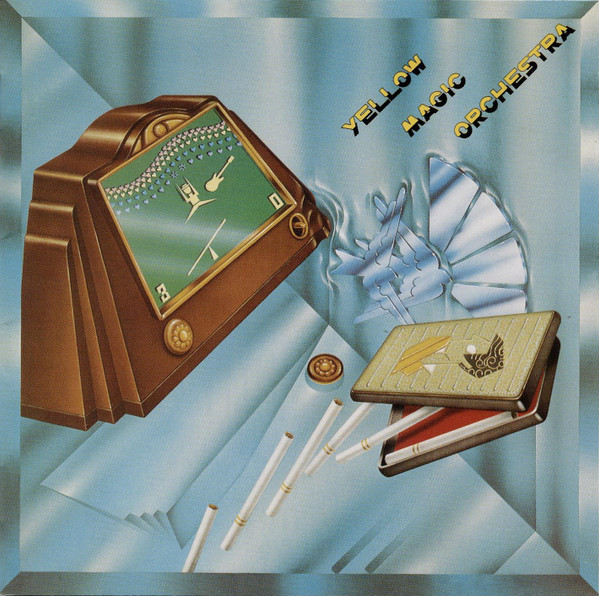
YELLOW MAGIC ORCHESTRA Yellow Magic Orchestra

YELLOW MAGIC ORCHESTRA was intended as one-off project for producer Haruomi Hosono with Yukihiro Takahashi and Ryuichi Sakamoto; all three already had solo careers. Their self-titled debut was noted for its use of the then-new Roland MC8 Micro-Composer progammed by Hideki Matsutake. The trio became standard bearers for Japanese technopop with the hit single ‘Firecracker’, also known as ‘Computer Game’.

‘Yellow Magic Orchestra’ is still available via Sony Music

http://www.ymo.org/


Text by Chi Ming Lai
3rd August 2024

THE ELECTRONIC LEGACY OF 1980

David Bowie had famously dropped in to see THE HUMAN LEAGUE at The Nashville in late 1978 and hailed them as “the future of rock ‘n’ roll”.

But it was TUBEWAY ARMY fronted by Gary Numan who beat THE HUMAN LEAGUE to the top of the UK singles charts in Summer 1979 with Are Friends Electric?’ while just a few weeks earlier, SPARKS had been become willing conspirators with Giorgio Moroder on ‘The No1 Song In Heaven’ to effectively invent the synth duo.

Although it was the dawn of synth, 1980 was a transitional time when the synth was still the exception rather than the rule. The landscape was changing and the seed of what became the New Romantic movement had been planted.

Following the critical mauling he received for his 1979 album ‘Lodger’ but aware of his burgeoning influence in these futuristic sounds, Bowie headed down to The Blitz with RCA assistant and club regular Jacqueline Bucknell to cast extras including the late Steve Strange for the video of his new single ‘Ashes To Ashes’. It hit the top of UK charts and confirmed that once again “There’s old wave. There’s new wave. And there’s David Bowie…”

While Bowie’s was not an electronic artist in the way some of the next generation of artists had declared themselves, he couldn’t resist a sly dig at the acts that he’d inspired, using the line “same old thing in brand new drag” on the track ‘Teenage Wildlife’ from his next album ‘Scary Monsters’. And he was eventually to beat previous winner Gary Numan to the year’s ‘Best Male Singer’ accolade at the BBC endorsed British Rock & Pop Awards.

Belatedly looking back to 42 years ago before automatic stations came, here are 20 albums which ELECTRICITYCLUB.CO.UK sees as contributing to the electronic legacy of 1980. They are listed in alphabetical order with a restriction of one album per act.


BUGGLES The Age Of Plastic

Trevor Horn and Geoff Downes met while working with Tina Charles and her producer Biddu. Together they would go on to form BUGGLES and score a No1 with ‘Video Killed The Radio Star’. From the parent album ‘The Age Of Plastic’, ‘Astroboy’ developed on the duo’s sonic adventures while ‘The Plastic Age’ and ‘Clean Clean’ provided further if minor hits. Horn would go on become a top record producer.

‘The Age Of Plastic’ is still available via Island Records / Universal Music

https://twitter.com/Trevor_Horn_


DALEK I Compass Kum’Pas

Before OMD, the electronic duo on The Wirral was DALEK I LOVE YOU. However, by the time their debut album ‘Compass Kum’pas’ was released, OMD were having hits and keyboards man Dave Hughes had left to join their live band. Although Alan Gill’s vocals could polarise opinion, ‘Destiny’ was their most immediate song with a precise percussive appeal while ‘The World’ was eccentric and retro-futuristic.

‘Compass Kum’Pas’ is still available via Mercury Records

http://www.discogs.com/artist/Dalek+I


FAD GADGET Fireside Favourites

The success of the singles ‘Back To Nature’ and ‘Ricky’s Hand’ attracted a loyal fanbase, so a FAD GADGET album  ‘Fireside Favourites’ was eagerly anticipated. Developing on the minimal industrialism of the singles, the superb ‘Coitus Interruptus’ was a cynical commentary on casual relationships while offering his own brand of romantic macabre in the fear of the imminent nuclear apocalypse was the neo-title song ‘Fireside Favourite’.

‘Fireside Favourites’ is still available via Mute Records

https://mute.com/artists/fad-gadget


JOHN FOXX Metamatic

On the ULTRAVOX! debut,John Foxx announced “I want to be a machine”. On signing to Virgin Records as a solo artist, he virtually went the full hog with the seminal JG Ballard inspired ’Metamatic’. ‘Underpass’ and ‘No-One Driving’ were surprise hit singles that underlined the dystopian times while the fabulous ‘A New Kind Of Man’ and the deviant ‘He’s A Liquid’ were pure unadulterated Sci-Fi driven by the cold mechanics of a Roland Compurhythm.

‘Metamatic’ is still available via Metamatic Records

http://www.metamatic.com/


HARALD GROSSKOPF Synthesist

Having worked with Klaus Schulze and Manuel Göttsching, drummer turned keyboard player Harald Grosskopf took the plunge to go solo with the mind bending album ‘Synthesist’. A work comprising of eight instrumentals that blended a sonic tapestry of synthesizer soundscapes with drumming that provided colour as opposed to dominance, it musically followed in the exquisite tradition of his Berlin electronic friends.

‘Synthesist‘ is still available via by Bureau B

https://www.haraldgrosskopf.de/englisch/home.html


THE HUMAN LEAGUE Travelogue

With THE HUMAN LEAGUE learning lessons from their debut ‘Reproduction’, ‘Travelogue’ had more presence by creatively utilising the harsh screeching frequencies from overdriving their studio desk. ‘The Black Hit Of Space’ had its surreal Sci-Fi lyrics while ‘Dreams Of Leaving’ was a fantastically emotive slice of prog synth. There were glorious cover versions in ‘Only After Dark’ and ‘Gordon’s Gin’. While it was a breakthrough, all was not happy…

‘Travelogue’ is still available via Virgin Records

https://martynwareofficial.co.uk/


JAPAN Gentlemen Take Polaroids

Dropped by Ariola Hansa, JAPAN found a refuge at Virgin Records. The bossa nova driven ‘Swing’ explored exotic grooves while the haunting ‘Nightporter’ was the ultimate Erik Satie tribute. An interest in Japanese technopop produced the brilliant ‘Methods Of Dance’ and saw leader David Sylvian collaborate with YELLOW MAGIC ORCHESTRA’s Ryuichi Sakamoto on ‘Taking Islands In Africa’.

‘Gentlemen Take Polaroids’ is still available via Virgin Records

http://www.nightporter.co.uk/


JOY DIVISION Closer

While not strictly an electronic album in full, half of ‘Closer’ was dominated by polyphonic synthesizers. Featuring an ARP Omni and an early version of Simmons drums, ‘Isolation’ was the most electronic track JOY DIVISION ever recorded. On the second side, ‘Heart & Soul’, ‘The Eternal’ and ‘Decades’ provided the solemn but beautiful Gothic backdrop producer by Martin Hannett for Ian Curtis’ elaborate musical suicide note.

‘Closer’ is still available via Rhino

http://joydivisionofficial.com/


LA DÜSSELDORF Individuellos

LA DÜSSELDORF were fronted by the late Klaus Dinger of NEU! There was a greater presence of electronics and the first half of ‘Individuellos’was dominated by variations on ‘Menschen’, a grand statement sounding like a blueprint for Phil Lynott’s ‘Yellow Pearl’. ‘Dampfriemen’ was a quirky slice of synth oompah with comedic chants and a kazoo section while the piano laden ‘Das Yvönnchen’ provided a beautiful closer.

‘Individuellos’ is still available via Warner Germany

https://www.discogs.com/artist/152540-La-Düsseldorf


NEW MUSIK From A To B

Time has shown that Tony Mansfield and NEW MUSIK with their strummed guitar alongside pretty synth melodies were underrated. Featuring the hits ‘Living By Numbers’, ‘This World Of Water’ and ‘Sanctuary’ as well as ‘On Islands’ which was later covered by CAMOUFLAGE, the band were dismissed as a novelty act due to the silly voices in their songs. Mansfield went on to produce A-HA, NAKED EYES and VICIOUS PINK.

‘From A To B’ is still available via Lemon Records

https://www.new-musik.co.uk/


GARY NUMAN Telekon

The negative side of fame got into the psyche of Gary Numan and his new songs took on a more personal downbeat nature away from the Sci-Fi dystopia of his previous work. ‘This Wreckage’ and ‘Please Push No More’ summed up the self-doubt but while ‘Remind Me To Smile’ could have been a single, ‘Telekon’ suffered from not having the hit single ‘We Are Glass’ and ‘I Die: You Die’ included on the original LP release.

‘Telekon’ is still available via Beggars Banquet

https://garynuman.com/


OMD Orchestral Manoeuvres In The Dark

OMD released two albums in 1980 but their self-titled debut captured Andy McCluskey and Paul Humphreys using the most basic equipment, the duo not even having a polyphonic synth at the time. With energetic post-punk synth numbers such as ‘Electricity’ and ‘Bunker Soldiers’, on the other side of the coin were ‘Almost’ and ‘The Messerschmitt Twins’. An early version of ‘Messages’ pointed to a future with hit singles.

‘Orchestral Manoeuvres In The Dark’ is still available via Virgin Records

http://www.omd.uk.com/


ROBERT PALMER Clues

Although rooted in the blues via his previous band VINEGAR JOE, Robert Palmer took an interest in synths having become a fan of Gary Numan. That led to two collaborations including a version of ‘I Dream Of Wires’ released before Numan’s own recording and the Eastern flavoured ‘Found You Now’. The electronic centrepiece was the beautifully world weary ‘Johnny & Mary’ while ‘Looking for Clues’ added synthy art funk to the mix.

‘Clues’ is still available via Island Records / Universal Music

http://www.robertpalmer.com/


SILICON TEENS Music For Parties

Following the acclaim for THE NORMAL, Daniel Miller undertook a new project SILICON TEENS as a fictitious synth group where rock ’n’ roll standards such as ‘Memphis Tennessee’, ‘Just Like Eddie’, ‘Let’s Dance’ and ‘Sweet Little Sixteen’ were enjoyably reinterpreted in a quirky synthpop style with Miller adding his deadpan monotone vocal. Frank Tovey aka FAD GADGET played the role of lead singer “Darryl” for videos and press.

‘Music For Parties’ is still available via Mute Records

https://mute.com/artists/silicon-teens


SIMPLE MINDS Empires & Dance

Tours opening for Gary Numan and Peter Gabriel took SIMPLE MINDS around Europe to experience Cold War tensions at closer hand. Their wired mood was captured on ‘Empires & Dance’. With its speedy Moroder-esque influence, ‘I Travel’ was a screeching futuristic frenzy and ‘Celebrate’ brought some industrial Schaffel to the party. ’30 Frames A Second’ took a trip down the autobahn but ‘Twist / Run / Repulsion’ messed with the headspace of listeners.

‘Empires & Dance’ is still available via Virgin Records

https://www.simpleminds.com/


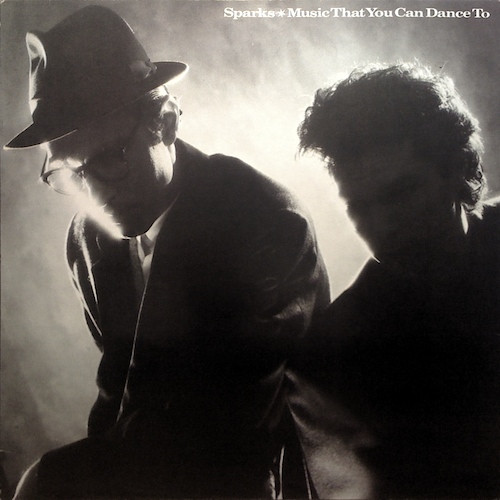
SPARKS Terminal Jive

Following the Giorgio Moroder steered album ‘No1 In Heaven’, SPARKS were despatched by Virgin Records to record a swift follow-up. Although Moroder was still nominally at the helm, Harold Faltermeyer took the majority of production duties on ‘Terminal Jive’. ‘Rock ‘N’ Roll People In A Disco World’ seemed to reflect the confused direction but ‘When I’m With You’ was a massive hit single in France, leading to the Mael Brothers’ relocation.

‘Terminal Jive’ is still available via Repertoire Records

http://allsparks.com


TANGERINE DREAM Tangram

After experiments with vocals on ‘Cyclone’ and live drums on ‘Force Majeure’, with the recruitment on keyboards with Johannes Schmoelling to fill the difficult to fill void left by the departure of Peter Baumann, Edgar Froese and Christopher Franke got back on track, combining a more immediate sequencer drive with the melodic New Age resonances on the two part ‘Tangram’ set that would characterise TANGERINE DREAM’s later work.

‘Tangram’ is still available via Virgin Records

https://tangerinedreammusic.com/


TELEX Neurovision

The second TELEX album ‘Neurovision’ continued with the trio’s tradition of deadpan electronic covers and a gloriously metronomic take on ‘Dance To The Music’ showcased their penchant for mischievous subversion. But this mischief came to its head with their lampooning self-composed number ‘Euro-Vision’, a bouncy electropop tune which they actually entered for 1980 Eurovision Song Contest, coming seventeenth!

‘Neurovision’ is still available via Mute Artists

https://mutebank.co.uk/collections/telex


ULTRAVOX Vienna

Following the first VISAGE sessions, Midge Ure was invited to join Billy Currie, Chris Cross and Warren Cann in ULTRAVOX. Providing a sonic continuity from the John Foxx-led era was producer Conny Plank while the robotic spy story ‘Mr X’ voiced by Cann provided another link. Opening with the mighty instrumental ‘Astradyne’ and closing with the synthesized heavy metal of ‘All Stood Still’, the ‘Vienna’ album was a triumph.

‘Vienna’ is still available via Chrysalis Records

http://www.ultravox.org.uk/


VISAGE Visage

Formed as a reaction to the shortage of new electronic dance music to play at The Blitz Club, ex-RICH KIDS members Midge Ure and Rusty Egan recruited its figurehead Steve Strange to front the project under the name of VISAGE. Billy Currie, Dave Formula, John McGeoch and Barry Adamson joined later and captured a synthesized European romanticism that boasted the German No1 ‘Fade To Grey’ as well as two other hits in ‘Mind Of A Toy’ and the eponymous title track.

‘Visage’ is still available via Rubellan Remasters

https://www.therealvisage.com/


Text by Chi Ming Lai
29th December 2023

Substance: The Legacy of NEW ORDER

Photo by Anton Corbijn

What began as a request by Factory Records impresario Tony Wilson to play NEW ORDER’s singles on the CD player that came with his brand new Jaguar XJ6 Coupé led to what was to become the band’s biggest selling album.

Originally released in Autumn 1987, ‘Substance’ was a compilation of NEW ORDER’s 12” singles to date and it is to finally get the reissue treatment. Although at the time, NEW ORDER had already released four albums ‘Movement’, Power, Corruption & Lies’, ‘Low-life’ and ‘Brotherhood’, the Manchester quartet comprising of Bernard Sumner, Peter Hook, Stephen Morris and Gillian Gilbert could often be better represented by their singles rather than their albums, as many were standalone non-album releases and quite different in musical style, being often more electronic and danceable.

‘Substance’ was issued in a variety of formats including double vinyl, cassette, DAT and CD, the latter three variants made use of the extra playing time available and included bonuses such as B-sides, tracks only previously issued in Belgium, instrumental versions and those rarely essential dub experiments. Perhaps not unsurprisingly, despite its flaws with re-recordings, edits and omissions, it went on to sell around a million copies worldwide as many fans’ entry point into NEW ORDER.

The new deluxe 4CD reissue includes a live disc of the band performing the entire ‘Substance’ album at Irvine Meadows Amphitheatre in California and a bonus disc of tracks omitted from the original edition of ‘Substance’ such as the superior original hit version of ‘Ceremony’ and the mournful if excellent B-side ‘Mesh’, as well as the original 12” versions of ‘Temptation’ and ‘Confusion’.

The world knows what happened on 18th May 1980 and with the tragic passing of charismatic front man Ian Curtis, the end of JOY DIVISION led to the formation of NEW ORDER. Produced by Martin Hannett who had produced most of JOY DIVISION’s recorded portfolio, the guitar driven first single ‘Ceremony’ was one of the last songs written with Curtis and a magnificent start. But as the first purely NEW ORDER material was being written, the former members of JOY DIVISION were struggling to escape the shadow of their previous incarnation.

Although the often forgotten second single ‘Procession’ showed progression with a greater use of synth and backing vocals from Gillian Gilbert, it paled next to ‘Ceremony’. The fraught debut NEW ORDER long player ‘Movement’ was underwhelming, confused and perhaps too close to ‘Closer’, the final JOY DIVISION opus. Among the reasons were ongoing tensions in the studio with Hannett and the internal dilemma as to who was to take over the mantle of front man from the dearly departed Ian Curtis.

While Stephen Morris was originally mooted to become lead vocalist, Bernard Sumner was eventually settled into the role at the behest of manager Rob Gretton. Having already sung on the JOY DIVISION track ‘Interzone’, Peter Hook tried out for the role and provided lead vocals on two of the best ‘Movement’ tracks; the solemn ‘Doubts Even Here’ also included a stark Bible reading by Gillian Gilbert while much more spritely, ‘Dreams Never End’ was later appropriated by THE CURE for ‘In Between Days’.

But the pointer to the future of NEW ORDER was not on the album but the ‘Procession’ B-side ‘Everything’s Gone Green’. Introduced to European electronic dance music like Giorgio Moroder by his friend Mark Reeder, Sumner had become more interested in synthesizers and sequencers. Meanwhile, as Stephen Morris had used Synares and early Simmons drum synthesizers in JOY DIVISION, his progression into the purchase of a Boss DR55 Doctor Rhythm was only natural.

Using the Doctor Rhythm to pulse sections of their new ARP Quadra synth which replaced their stolen ARP Omni, the throbbing sequencer-like backbone on ‘Everything’s Gone Green’ was a pointer to an exciting new direction. Stephen Morris told ELECTRICITYCLUB.CO.UK in 2011: “With ‘Everything’s Gone Green’, you had a Moog Source doing a 1/16th pulse and the Quadra doing the ‘da-dah, da-da-dah’. Then what you’d do is take the ‘CV’ out of the Quadra and take that into the Moog so that the Moog is playing a different rhythm but following the pitch of the other thing. That’s what we used for ‘Temptation’ as well.”

A self-produced electronic breakthrough away from the haunting legacy of JOY DIVISION, ‘Temptation’ was NEW ORDER’s only single of 1982. The recording itself was marvelously flawed, with Stephen Morris’ overdriven Simmons snare panned too far to the right while band members could also be heard calling instructions and tutting. The pulsing hypnotism of the triggered electronics and the iconic “oooh-oo-ooh” vocal refrain made ‘Temptation’ joyous and magical.

There was further trailblazing with an actual sequencer on the ‘Temptation’ B-side ‘Hurt’ as NEW ORDER grappled with a Powertran 1024 Note Composer. Home-built from a kit by Bernard Sumner, it was customised by the band’s electronic boffin Martin Usher to expand its memory. However, it was cumbersome to use and had to be programmed in hexadecimal! Around this time, NEW ORDER recorded a self-produced John Peel radio session that showcased the band’s transitioning sound with the throbbing sequences of ‘586’ highlighting a proto-dance direction.

Also part of the session, ‘Turn The Heater On’ was a cover of the Keith Hudson reggae song in tribute to Ian Curtis and ‘We All Stand’ which had avant jazz overtones. But ‘Too Late’ was significant, sounding like it could have come off ‘Movement’ with its lingering gothic doom, but later discarded as if a relic from another era; it was to remain unreleased until 1986 and never to actually appear on a NEW ORDER album or single…

Things were changing in the drum department too as Stephen Morris saw Stevie Wonder demonstrate the Linn Drum Computer on ‘Old Grey Whistle Test’. Eventually plumping for the slightly cheaper Oberheim DMX, programming it was like Morse code; The Human Drum Machine later quipped in his 2020 autobiography ‘Fast Forward: Confessions Of A Post-Punk Percussionist – Volume II’: “I always found the record and erase buttons a little too close together for comfort!”.

With NEW ORDER making use of the solid bass possibilities of the Moog Source and expanding their synth armoury to include an E-mu Systems Emulator, Pro-One and several Prophet 5s, in tandem with the Oberheim DMX, they put together ‘Blue Monday’ to help discover how all this equipment worked! Originally conceived as a cheeky self-playing jape on the audience who were complaining that the band did not do encores after their 10 song gigs, this 7 and a half minute slice of doom disco was a combination of several key pieces of music.

The ‘Blue Monday’ bassline and chord structure came from ‘Sylvester’s ‘You Make Me Feel (Mighty Real)’, the frantic drum attack was inspired by Donna Summer’s Giorgio Moroder-produced ‘Our Love’ and the groove off Klein & MBO ‘Dirty Talk’. Meanwhile the ominous bass guitar motif was based on an acoustic six string line off ‘Paying Off Old Scores’ from the Ennio Morricone-composed soundtrack to ‘For A Few Dollars More’. More obliquely, KRAFTWERK made an appearance via a choir sample taken from ‘Uranium’, an interlude art piece on their ‘Radio-Activity’ album.

Despite being effectively an ideas mash-up, ‘Blue Monday’ was to be influential itself with THE CURE playing their tit-for-that game with NEW ORDER with the heavily sequenced ‘The Walk’ while the Bobby Orlando produced ‘Love Reaction’ for Divine was much more blatant. And that was just the start…

For the companion album ‘Power Corruption & Lies’ released in 1983, KRAFTWERK were to have a big influence on the record’s best song ‘Your Silent Face’; with the working title of ‘KW1’, it was the ultimate homage to Kling Klang and the romantic ‘Trans-Europe Express’ era of the Dusseldorf quartett with a replication of the pulsating Synthanorma sequence and Vako Orchestron strings from ‘Franz Schubert’ using a Sequential Polysequencer and Emulator.

‘Power Corruption & Lies’ was not entirely electronic and there were still guitar driven songs such as ARP Quadra assisted ‘Age Of Consent’ and synth-less ‘Leave Me Alone’, as well as hybrids like ‘Ultraviolence’ and ‘The Village’. Speaking of the former in 2023, Peter Hook said to ELECTRICITYCLUB.CO.UK: “‘The Village’ has got an amazing sequenced keyboard line by Bernard, he really went to town in programming that! The way the keyboard line builds and the way that it changes over those 4 and a half minutes…”. Not every track was a success and strangely ‘586’ lost its menace in re-recorded form while ‘We All Stand’ laboured when compared to its Peel session premiere.

Although ‘Power Corruption & Lies’ showed NEW ORDER had not left alternative rock music completely and would go on to maintain a balance on their next trio of long players, with an increasing interest in dance music from some members of the band and having opened The Haçienda with Factory Records in the vein of the clubs they had visited with New York, there was collaborative union with electro producer Arthur Baker who had worked with Afrika Bambaataa.

Baker wanted to make ‘Blue Monday’ while NEW ORDER wanted to make ‘Planet Rock’, so the result quite literally was ‘Confusion’! Stephen Morris in particular was frustrated during the sessions as Baker would not let him alter his Roland TR808’s pre-programmed patterns which were a major part of his sound. However, there was plenty of fun had and if you listen carefully, you can hear the band and Baker shouting “W*NKER” as it heads into the final straight.

The 1984 interim non-album single ‘Thieves Like Us’ offered a lusher sounding NEW ORDER that recalled THE HUMAN LEAGUE and a Hooky bassline borrowed from HOT CHOCOLATE’s ‘Emma’. But the third NEW ORDER long player ‘Low-life’ saw for the first time, a single taken from an album as a compromise following a new US deal with Qwest Records, a joint venture between Quincy Jones and Warner Brothers. Opting to replace their Prophet 5s with rack-mounted Octave Plateau Voyetras in their synth armoury, ‘The Perfect Kiss’ came in the usual 12” version as an epic 9 minute sequencer adventure but was sympathetically abridged for album consumption.

‘Low-life’ featured several other highlights and opened with the Country ‘n’ North Western ghost story ‘Love Vigilantes’. The mighty ‘Sunrise’ was another number in the tit-for-that exchange with THE CURE which was clearly influenced by ‘A Forest’ while the brilliant ‘This Time Of Night’ exuded a throbbing post-punk growl to shape one of NEW ORDER’s most underrated songs.

The influence of Enno Morricone returned for the gloriously emotive instrumental ‘Elegia’ while the HI-NRG sex anthem ‘Sub-culture’ provided a potential hit single, although this was not realised despite a club enhanced remix by John Robie featuring additional soulful female backing vocals which dismayed many NEW ORDER fans. However, the dreadful closer ‘Face Up’ proved to be the low-point in an otherwise good record.

The link with Qwest opened up doors to Hollywood and although THE PSYCHEDELIC FURS and OMD bookended the 1986 John Hughes teen movie ‘Pretty In Pink’, NEW ORDER contributed three tracks to the soundtrack including a brand new single ‘Shellshock’; produced with John Robie, the 12” version was painfully overlong and while the final mix was also very busy and messy. It would take another year for NEW ORDER to get that mainstream pop hit.

NEW ORDER were gaining momentum and this put them in good stead for their next album. Deciding against the purchase of the very expensive Fairlight, they went for the more cost-effective Yamaha RX11 drum machine and QX1 sequencer combo with Emulator IIs. Although technology was now a major part of their modus operandi, NEW ORDER continued with their original band-oriented sound which could make them quite unique compared with their contemporaries. This existential compromise was made quite explicit in the concept for their fourth LP ‘Brotherhood’.

Divided into distinct rock and electronic halves, although it suffered from comparison with ‘Low-life’, ‘Brotherhood’ contained one of NEW ORDER’s most enduring tunes in ‘Bizarre Love Triangle’; the rugged self-production was a glorious electronic number with a slight mechanical offbeat while providing space for Hooky’s distinctive bass. Here was another potential hit but the version released for single consumption was a frustrating, four-to-the-floor remix by Shep Pettibone which took all the character out of the song with a barrage of overdriven percussive samples. A belated 1988 remix by Stephen Hague which eventually appeared on a free cassette with Select Magazine in 1991 was much better and in slightly reworked form, resurfaced in 1994 for ‘(the best of)’ compilation.

While ‘Brotherhood’ did not consistently reach the heights of ‘Power, Corruption & Lies’ or ‘Low-life’, it did feature a number of other brilliant songs; although ‘Paradise’ featured on the rock half, a sequenced bassline provided its hypnotic core thanks to the acquisition of the Roland SPX Sync Box which could clock sequences from a live drum track. On the other side, the beautiful ‘All Day Long’ combined THE VELVET UNDERGROUND with New York electro and soaring classical melodies while the amusing ‘Every Little Counts’ synthetically pastiched Lou Reed’s ‘Walk On The Wild Side’ at funereal pace with a hilarious scratched vinyl ending.

The inclusion of the pre-album single ‘State Of The Nation’ on the CD edition of ‘Brotherhood’ had signalled how marketing releases with bonus songs was to be a lucrative strategy thanks to the extra playing time accorded by the silver discs. So for the release of the ‘Substance’ compilation, there came a new brand single ‘True Faith’ which proved to be NEW ORDER’s most immediate and accessible pop song yet.

Co-produced by Stephen Hague who had worked with OMD and PET SHOP BOYS, the band were transformed without hindering their ethos. During the recording, Hague insisted that Bernard Sumner laid down his lead vocal early on so that the instrumentation could be built around his voice. The result was that there was a more subtle dynamic space in ‘True Faith’ compared to the occasionally messy wall of sound effect that had been a characteristic of NEW ORDER’s self-produced recordings.

On the B-side was ‘1963’, a song driven by E-mu Systems SP12 sampling drum computer that some reckoned was even better than ‘True Faith’; Stephen Hague felt it should have been an A-side. Much to Hooky’s annoyance, his contributions on ‘1963’ were virtually written out, only making a brief appearance at the end. However, the bassist had the last laugh when ‘1963’ was belatedly released as a single in its own right in 1994 as a more Hooky audible rework by Arthur Baker.

Arthur Baker himself had developed an enduring relationship with NEW ORDER, having co-written ‘Confusion’ and ‘Thieves Like Us’ like he was a member of the band. Working as the music supervisor for the movie soundtrack of Beth B’s parody of televangelism ‘Salvation’, he invited NEW ORDER to contribute 5 tracks, the best known of which was ‘Touched By The Hand Of God’; in a sign of the future, its title was inspired by the controversial Argentine footballer Diego Maradona.

Not featuring on ‘Substance’ but mixed by Baker for single release to coincide with a three date European tour in late 1987 that included the band’s biggest headlining UK concert to date at Wembley Arena, ‘Touched By The Hand Of God’ was another of NEW ORDER’s more underrated singles. With a synth riff borrowed from Shannon’s ‘Let The Music Play’, it successfully combined some gritty rock energy to a solid Italo disco backbone featuring a great sequenced bassline.

Meanwhile, ‘Blue Monday’ got a second life and an edit in a remix supervised by Quincy Jones, but by the end of 1988, the world was gripped by acid house with The Haçienda becoming its UK Mecca. NEW ORDER decided to record their next album on the sunny Balearic party island of Ibiza. But with its various hedonistic distractions, the band got very little done apart from a couple of drum tracks! So recording began in earnest at Real World Studio in Box near Bath, the renowned state-of-the-art and pricey studio complex owned by Peter Gabriel.

A sly send-up of the acid house scene, one track inspired by all the partying was ‘Fine Time’. Utilising Akai 900s samplers, it featured a pitch shifted vocal sounding like an inebriate jackmaster impersonating Barry White, while the untidy backing track was complimented by some bleating sheep. Bernard Sumner admitted ‘Fine Time’ was “a novelty record” to Melody Maker and luckily the single edit was one and a half minutes shorter than the album version, which with its overlong bass drum breakdown, spoilt the start of what was an otherwise excellent album in 1989’s ‘Technique’.

With its combination of alternative rock, electronic and hybrid tracks mixed with greater clarity by Alan Meyerson, there was a sunny vibe, even on the melancholic glory of ‘Vanishing Point’ which appeared in instrumental form as the end credits theme to the BBC comedy drama ‘Making Out’. ‘All The Way’ was another tit-for-tat jibe at THE CURE resembling ‘Just Like Heaven’ while the wonderful countrified ‘Run’ was similar enough to ‘Leaving On A Jet Plane’ that John Denver sued the band successfully to bag a cut of the publishing.

A development of ‘Paradise’ from ‘Brotherhood’, ‘Dream Attack’ was an ecstasy song but with acoustic guitars syncopating off the deep synthesized bass although in a sign of developing tensions, Peter Hook’s sliding melodic bass could barely be heard. Among the other highlights of ‘Technique’ were ‘Mr Disco’ and ‘Round & Round’ which saw NEW ORDER in their glitterball disco prime; there were tongue-in-cheek holiday romance lyrics and syndrums on the former while on the latter, its orchestral stab-laden Europop prowess made ‘True Faith’ sound like ‘Atrocity Exhibition’, especially in its later Stephen Hague produced single mix.

However, some of the band’s hardcore following were dismayed these songs’ sonic affinity with PET SHOP BOYS. With NEW ORDER in hiatus after an appearance at the 1989 Reading Festival where he announced that the band were not splitting up, Barnard Sumner did a whole album of electronic disco with Johnny Marr in ELECTRONIC, aided and abetted by Neil Tennant and Chris Lowe!

Dismayed, Peter Hook formed the appropriately named but less well-received REVENGE, supposedly a statement for “real guitar music” as a reaction, according to Stephen Morris, to NEW ORDER’s “synthesized sequenced sh*t” but ended up using “synthesized sequenced sh*t”! Meanwhile, Morris himself and Gillian Gilbert settled into domestic bliss on a farm near Macclesfield with a home studio, doing TV soundtrack work and their own pop project THE OTHER TWO.

But during this break, NEW ORDER reconvened temporarily having been commissioned by the Football Association to record a song in support of the England World Cup team for Italia ’90. Based on a theme that Gillian Gilbert had composed for the BBC Youth TV magazine show ‘Reportage’, ‘World In Motion’ was released 4 days after the 10th anniversary of Ian Curtis’ passing and hit No1. Sumner told NME at the time that ‘World In Motion’ would be “the last straw for JOY DIVISION fans”. Meanwhile, in another end-of-an-era moment that was not apparent at the time, ‘World In Motion’ was to be the final NEW ORDER release to have a Factory Records catalogue number, although MCA handled the wider manufacturing and distribution responsibilities on behalf of the FA.

By the time of the next album ‘Republic’ where NEW ORDER were persuaded to make a new record to recoup some of the money that Factory Records still owed them for the success of ‘Substance’. Much of the cash had been syphoned off to fund the label’s less viable acts, The Haçienda and a lavish new HQ in Manchester’s trendy Charles Street while the band were still kept on a modest wage.

Although an attempt was made to start recording the album with Pascal Gabriel, Stephen Hague was brought in to helm the ‘Republic’ sessions at Real World. However, with the various band members not speaking to each other, the American producer (who was also an accomplished musician) took control to get ‘Republic’ finished on time and within budget. Two notable session musicians, David Rhodes on guitar and Andy Duncan on percussion were even brought in. Hague would later lament that ‘Republic’ featured too much of him and not enough of NEW ORDER.

However, it was all too late for Factory Records which collapsed towards the end of 1992. Released in 1993 on London Records, while it was to become a highest charting album in America, ‘Republic’ was a lukewarm record although there were some high points. The bittersweet first single ‘Regret’ sampled ‘Atmosphere’ for its intro and was a fabulous band centric opening track that had haunting echoes of ‘Ceremony’. ‘World’ though could have been ELECTRONIC and was notable for its absence of Hooky’s bass, while the serene ‘Ruined In A Day’ took Ennio Morricone’s influence on the band to its zenith despite also not featuring the bassist.

Actually featuring Hooky, ‘Young Offender’ was one of the album’s few non-single highlights, but the troubled atmosphere and financial turmoil that was lingering could be sensed lyrically on songs like ‘Times Change’ and especially ‘Chemical’. While ‘Liar’ was possibly a scathing attack on Tony Wilson, the song itself was poor while ‘Special’ was an attempt at MASSIVE ATTACK’s ‘Unfinished Sympathy’ but less successfully realised.

An indicator of how different ‘Republic’ could have turned out was when ‘Spooky’ was released as a single. Underwhelming as an album track, it was remixed by house dance trio FLUKE who provided a more spacious rhythmic backdrop, with the song-based ‘Minimix’ allowing the best elements to shine.

NEW ORDER went into a second lengthier hiatus after another Reading Festival appearance in Summer 1993 but they had already made their mark on popular music. They had been at the forefront of adopting early affordable programmable technology in music. During a period when bands like OMD, SOFT CELL, DEPECHE MODE and YAZOO used backing tapes, NEW ORDER risked all by taking this equipment, complete with their mini data cassette dumps, out on the road and using it on stage! They had furthered the cause of electronic dance music by introducing the sound of New York electro and Italo disco to UK audiences from within their own work. They even made a football record that was actually very good and captured the zeitgeist.

But while NEW ORDER remained credible thanks to their independent Northern English bloody mindedness and not playing the game, with the reality of having to pay the bills, they eventually headed for London. Against the odds, NEW ORDER were reunited in 1998 at the instigation of Rob Gretton after a headlining offer was made by the promoters of the Phoenix Festival. Although that event later collapsed, there were triumphant shows at Manchester Apollo and another Reading Festival that summer. However, the quartet were less impressive at Manchester Arena for the ‘Temptation’ dance event before New Year’s Eve.

But the untimely death of Rob Gretton in 1999 and the departure of Gillian Gilbert latterly from the band for family reasons changed the dynamic of the band considerably. Ultimately, it left a power struggle between Bernard Sumner and Peter Hook to fester, with Stephen Morris stuck in the middle and unable to referee.

As their imperial phase proved, despite all the creative and personal tensions, the band were better together than torn apart. But as Peter Hook remarked in his 2016 ‘Substance: Inside NEW ORDER’ memoir, “chemistry is combustible”. A second more joyless division was on the horizon, but that is another story…


‘Substance’ is reissued on 10 November 2023 as an expanded 4CD set as well as double CD, blue + red double vinyl LP and double cassette formats by Rhino

http://www.neworder.com/

https://www.facebook.com/NewOrderOfficial

https://twitter.com/neworder

https://www.instagram.com/neworderofficial/


Text by Chi Ming Lai
31st October 2023

« Older posts