Tag: Ultravox (Page 12 of 16)

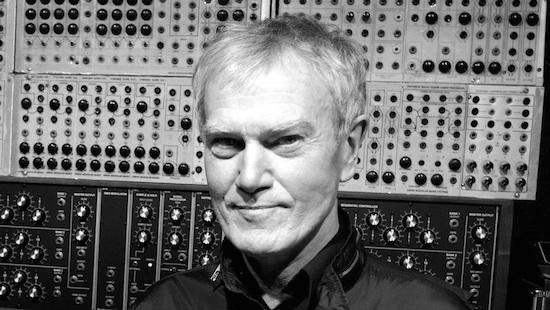
JOHN FOXX Interview

Photo by Ed Fielding

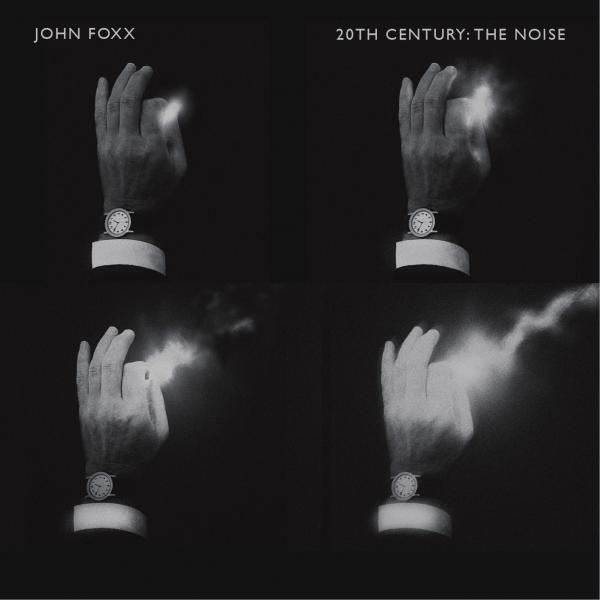
20th Century: The Noise

Usually the release of a comprehensive retrospective album signals the writing on the wall for an artist’s career. This is not the case with John Foxx however, whose output over the last 5 years has been non-stop, both with THE MATHS and in various instrumental guises including with Diana Yukawa, Harold Budd, Steve D’Agostino and Robin Guthrie.

Now well into a fifth decade as a recording artist, ‘20th Century: The Noise’ sees his solo career being reviewed and in places thrown into sharp relief. As expected ‘Metamatic’ looms large over the collection, the album rightly taking centre stage in this release, which will be complimented by a corresponding 21st century album. There are other moments however that show, from a musical perspective, how much of an all-round artist Foxx truly is.

This is no singles and a few remixes offering, but an attempt to not only showcase the many facets of the man’s work, but also possibly encourage a more casual listener to explore more… yes children, ‘Underpass’ can be a Foxx gateway drug. The compilation’s rare treats include the ‘Cathedral Oceans’ era ‘Splendour’ and an unreleased instrumental track from the vaults entitled ‘Musique Electron’.

ELECTRICITYCLUB.CO.UK spoke with John Foxx about ‘20th Century: The Noise’ and his wider career.

With ‘20th Century: The Noise’, how did you go about selecting the tracks featured?

Oh, I let other people do it – better perspective. I got to learn the art of delegation. Of course I have a final say, but other points of view are vital.

Is it similar to putting a live set together as there is an expectation an album of this type will have to feature certain songs?

I’m open to discussion about that too, because my perspective seems to be a bit different from everyone else. It’s interesting. I guess a writer’s view differs from a listener’s. Subjective versus objective and all that.
How does this compare and differ from other retrospective releases? 

I guess it’s a sort of solo career overview – 1979 to now. ‘Metamatic’ was recorded in ‘79 and released January 1980. There’s some recently uncovered stuff – that ‘Musique Electron’ track is really a whole direction never taken – or at least not consolidated and I’d still love to pursue it – All analogue Mysterious Tunes.

Anyhow, it’s an indication of a possible future direction, which may still be undertaken at some point – for anyone who may be interested. ‘Splendour’ is a track I’d completely forgotten – released on a rare label in America and discovered by Rob Harris and Steve Malins on one of their foraging expeditions. It was actually a precursor to ‘Cathedral Oceans’.

I’ve got a few personal favourites in there as well – ‘Through My Sleeping’ and ‘The Noise’ with Louis Gordon – that was our Manchester Psychedelic era, great fun. ‘This Jungle’ too – done very quickly with Jo Dworniak on a great old TEAC eight-track machine. Everything turned up to eleven, tape compression to the max.

There are also some new transcriptions from decaying tapes – a box or two to go but we’re almost finished searching archives now. Except I’ve just found another lot of ‘Metamatic’ masters and some cassettes in a storage unit – they may be the last, if they’re still playable.

You were born into what seems a very traditional Northern working class family, how did this shape your early musical identity?

I was a Catholic until I became a teenager and converted to puberty. Earliest music memories are sung Latin mass and benediction in church, and hearing Elvis, Frank Sinatra and Frankie Lane on the radio and on my uncles’ records. So I guess I was always immersed in very ancient and completely contemporary forms of music, without differentiating them.

A little later, the sixties beat boom hit and suddenly there were bands on every street. You’d wander over to listen to rehearsals, your mates would show you a few guitar chords and off you went. A nice, rough and ready musical education.

You attended the Royal College of Art at a time where there seemed to be an explosion of creativity across all the arts in the UK. What are your memories of this time?

Art school was really valuable – I went to The Harris College of Art in Preston, a marvelous old neo-classical temple looking down a Georgian avenue of trees at Avenham. Beautiful. I was lucky enough to catch the last generation of traditional art education – drawing from life and classical casts four hours a day, and so on. Immensely valuable stuff, I now realize.

I remember it as meeting civilization for the first time. A vast change after growing up in Chorley, which was all terraced houses and factories then. I still have a real affection for that town, but wasn’t able to pursue what I needed to do there. I had a truly great Art teacher, Mrs Ashworth, who sorted out the interview and encouraged me to go. She really changed my life through all that. Wonderful woman.

Art School then was an existence separate from the rest of society and from there you could begin to assess things – figure out how to negotiate the world, intervene a bit and also engage everyone in the fun of the process – and so on. You could be bold and experimental or retreat from everything by turns. You could try things out. Of course, you also had to learn how to filter out the bogus and mistaken and there was always plenty of that.

No one really knew where they were going, but everyone seemed determined to be as inventive as possible, all along the way. So I met my generation and a wider world. I was able to measure myself against it all and have great fun at the same time. At best, you got an education in strategy – how to deal with problems that will always occur when you set out to make your own universe and survive by it, long term.

You also picked up things by osmosis from everyone else – you learnt how to read the street – by which I mean you pick up a steady perspective that allows you to see and understand new things happening in a reasonably unprejudiced way. Lots of little lessons in style and behaviour and analysis that I still draw on today – and I guess I always will.

Was there a particular reason at this point why you gravitated towards music as a primary artistic outlet?

Yes – there was no call for the kind of art I was producing then. I was a figurative artist in a post-abstract pre-conceptual period. This was well before Brit Art and all that. Strangely enough there also wasn’t a really big or active art scene left in London at that time. Everything had shifted to New York. I was tempted to go there – and some, like Sue Coe who I was at The RCA with, made the trip and made a career there.

But I’d had a talk from Professor Richard Guyatt and this interesting phrase came up – ‘Design for the Real World’. The talk concerned the nature of design – how to design with the heart – make real and useful as well as imaginative and lasting things, and so on. It stuck with me. It seemed like a marvelous merging of art and everyday life…

I thought what do I really know about making? Well, not much in truth, but I’d been in a couple of rock bands up north and knew just a little about that. So later I mentioned to him that I’d like to design a band. He thought for a minute, then said: “Good idea, go ahead”.

It was meant to be an art project for a year or so – write songs, form band, play gigs, get record deal, make album. Then that would be it. Little did I know…

What was London like in those early TIGER LILY / ULTRAVOX! days for aspiring bands, as my impression is you didn’t appear to be in the pub rock mold of the likes of ACE or KILBURN & THE HIGH ROADS?

Exactly – London was a bit of a desert then –this was around 1973/74. Glam had lifted everything off the streets and out of the clubs and shifted it into some sort of unreachable universe. As you said, there was only pub rock left and I really disliked that. A bit too sticky and laddish. There was still a little life around the Marquee in Soho, but that was it.

In retrospect, a downturn is actually the best point to arrive, because you get a chance to remake everything the way you want, and a new generation will eventually recognize things that resonate accurately with their times.

I was really interested in THE VELVET UNDERGROUND, IGGY POP and NEW YORK DOLLS; I thought London needed something like that. A proper scene – arty but rougher and more street than Roxy or the glam scene, which was all so deliberately elitist and inaccessible at the time. I was designing what I really wanted to hear. No one was making it, so I thought I had to do it myself. This was around 1973/74. Just after that I discovered NEU! and all that German scene, which changed everything.

A little later, I encountered Mick Jones from THE CLASH and a few others who became seminal to the very beginning of punk. You’d see them at key gigs like the PATTI SMITH gig at the Roundhouse, and some of them came to see us play a couple of times. You’d begin to realize there was this floating sub-generation getting ready, and we were all part of it. Completely unexpected. You could feel the hand of destiny…
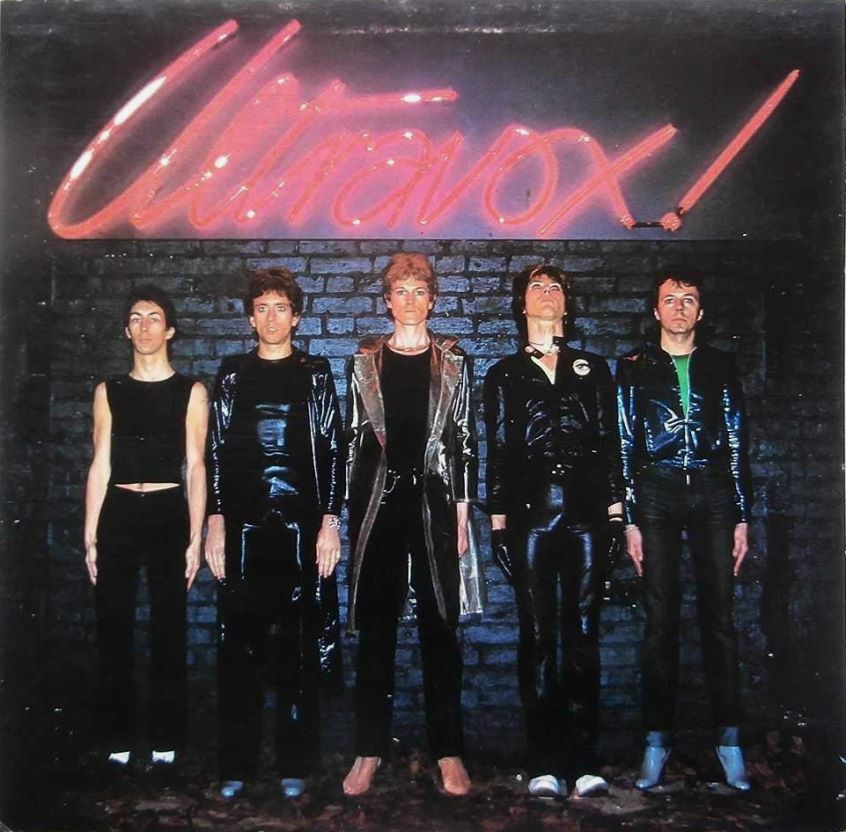
What do you recall about working with Brian Eno on those early recordings? I’ve read that you were, as a group, surprised by his naivety in the studio.

Oh, Brian Eno was great to work with. It was good to hear his stories and enact his strategies. He wasn’t greatly experienced in studio craft but he was a good co-conspirator, someone with a useful overview, who understood where we wanted to go. He was just what we wanted, really. A sort of art approach to recording. You’d take what seemed useful and avoid what wasn’t – take chances, see what happens, assemble, salvage and discard until you got what you want. Great fun.

As technical backup we had Steve Lillywhite – a very young character still serving a proper apprenticeship as recording engineer and we’d already recorded a lot of key material with him. He was one of the gang in those days, so there was no conflict there.

It was an interesting chemistry we all instigated in that studio. Brian realised how well it worked so he and Lillywhite worked together on U2 and other projects afterwards. We also had Keith Richards stumbling gracefully in and out, but that’s another story.

How disappointing was the lack of commercial success for the band both at the time and in retrospect given we are now celebrating your solo career with this new release?

It was inevitable I guess – the Brit version of punk made a great start – all designed by the great Vivienne Westwood and strategised by McLaren- another couple of Art School refugees – but it rapidly became ossified into a set of daft conventions.

Meanwhile the press were scrambling to adjust to the Pistols and completely screwed by McLaren’s brilliant and effective blagging – simply unable to cope with anything else. Blinded by it. We were all working class kids who wanted to broaden our horizons, not narrow them down again, so we were simply not going to act out that fake yob stance. It was demeaning. Then some bright writer invented the term ‘New Wave’ – and there was suddenly a context. After that, it was fine.

In retrospect, we had just enough perspective to recognise when a timely revolution became unwittingly conservative. Now I simply see the whole thing as a damn good, practical lesson in escaping convention, the value of your own convictions and the limits of media perception.

I was talking to Vincent Gallo recently, about seeing us play in New York in 1977. He seemed surprised we didn’t stay there because we were a perfect fit and had lots of room to develop. It was the same in Berlin and even Paris, too – an international understanding of raw avant-rock. Meanwhile, England was all shouting and back to the pub again!

But there was a genuine and solid interest at home too, all completely under the press radar. By ‘77/78 our gigs were all sold out, right across the country. We still hold the all-time record for cramming people into the Marquee club – far more than anyone else ever had. Outside London, promoters were amazed that we had audiences several times bigger than chart bands. The tides were turning…

Around this time too, a few perceptive clubbers, such as Rusty Egan – who I always rate as the very first modern DJ – also began playing us and our kind of music, so there was a further gathering impetus from that too. It all came from the street up. A real groundswell, invisible to the press at the time. For quite a while, they still seemed tangled by punk and found it difficult to see through any other lens.

In retrospect, I think we were one of the first of a new line of British Rock – sort of artpunk electronica- and later, a long stream of that developed – JOY DIVISION to RADIOHEAD, and beyond to APHEX TWIN and BURIAL – imaginative music involving adventure and a rangy sort of confused romance. It’s a genre of a kind, and for me it’s by far the most interesting part of British music.

Having been in a collaborative environment, did you find striking out solo daunting?

Oh no – it was a liberation. In many ways, life became much easier. You didn’t have to consult and negotiate any more. You could also be more extreme. It was still collaborative to some extent – Gareth Jones was a great co-conspirator and through him I was able to draw on very bright guys like John Barker and Jake Durant. The only thing I missed was that frisson you all get when a band suddenly reaches peak communication and understanding.

It can be quite magical and this was beginning to happen so well at the time of recording ‘Systems of Romance’. But the total electronic thing was calling urgently and had been for some time… so it just had to be done.

The most frustrating thing was I didn’t yet have a role for Robin Simon. He is so good. Much of the reason ‘Systems Of Romance’ sounds like it does was down to him. He truly set the mark, a great injection of energy and inventiveness, and the possibilities just opened up. A mighty and wildly imaginative artist who absolutely defined what guitar was all about for generations to come. You know, every modern guitarist owes him a debt – weather they know it or not. Guitar just didn’t operate like that before him.
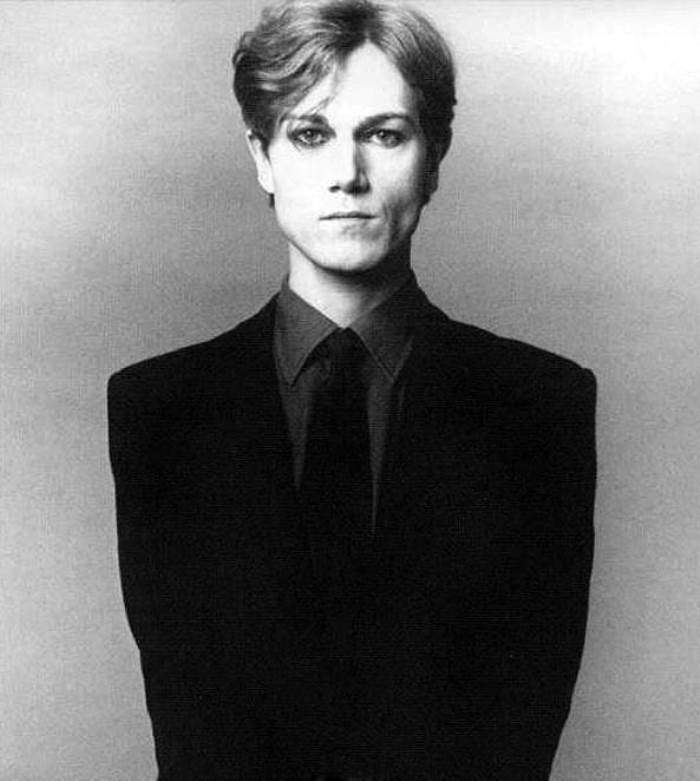
Photo by CP Gabrin

What are your feelings looking back on ‘Metamatic’?

I think it was a bit of punk electronica at the right time – just before everyone else raided the shed. Historically, perhaps it defines an impulse – something that wasn’t possible before – one man and some cheap machines making music independently. You felt like some Film Noir scientist inventing a new life-form in the basement.

I also think it was the beginning of Electro-Art-Punk or something like that. A strange wee animal. Seems to have bred copiously with everything available and still survived – right to this day.

You have stated that the music from around this time was ‘True Electropunk’. How aware were you of the other acts making similar work in cities across the UK?

Electropunk – that’s the term. I was aware of Robert Rental and Thomas Leer – I’d been to see Thomas after he released ‘Private Plane’ because it was a great record.

I also liked THE NORMAL’s ‘Warm Leatherette’, CABARET VOLTAIRE’s music and aspects of what Chris & Cosey were up to. They were all in the same wave as far as I was concerned. It was a new movement, but kind of coincidental – loose and unconnected at first.

I also think all the anger of Punk became transmuted into a new kind of cool, right at that point. You can scream and jump about but you’ll quickly become exhausted and ineffective. A cool anger is much more useful. I guess we are social animals and have to contain anger, or become socially isolated. So we learn to sublimate – painful but productive.

Later, this can be widened to allow glimpses of romance and wonder, and these become even more poignant because of that detectably contained fury. It’s all tragic, urban and a bit bewildered. And that fuel makes it more universal and mobile because everyone recognizes the symptoms. Good art of any kind provides an analogue of all this. It’s all far more complex and interesting and long-lived than a simple release.

You could detect all these possibilities embedded in the music. It wasn’t going to be like KRAFTWERK – this wasn’t going to become confined by its own conventions like that, or like Punk. It was inclusive and could be enlarged and inhabited by many disparate species – from GIORGIO MORODER to RADIOHEAD, GARY NUMAN, DEPECHE MODE and THE HUMAN LEAGUE to PULP and BLUR, APHEX TWIN and BURIAL.

It could interbreed with rap, even give a spine to Britney and Gaga – without losing its volition. It’s still interbreeding in New York – XENO & OAKLANDER, THE SOFT MOON, MATTHEW DEAR… and here, with GAZELLE TWIN and LONELADY, HANNAH PEEL, BENGE and the others. It’s like some intelligent, abstract gene-force, seeking new forms all the time. A bit like ‘The Thing’ – capable of exponential infiltration and shape- shifting. Inevitable Music.

You went back to a more traditional band line-up on subsequent releases, did you miss working with others, or was it just for expediency in the recording process?

Both really. I always enjoyed the chemistry you get from a few well-chosen people involved in recording. It’s really a collaborative art and I’ve always enjoyed that. I like writing the songs and I like what other people can do with them.
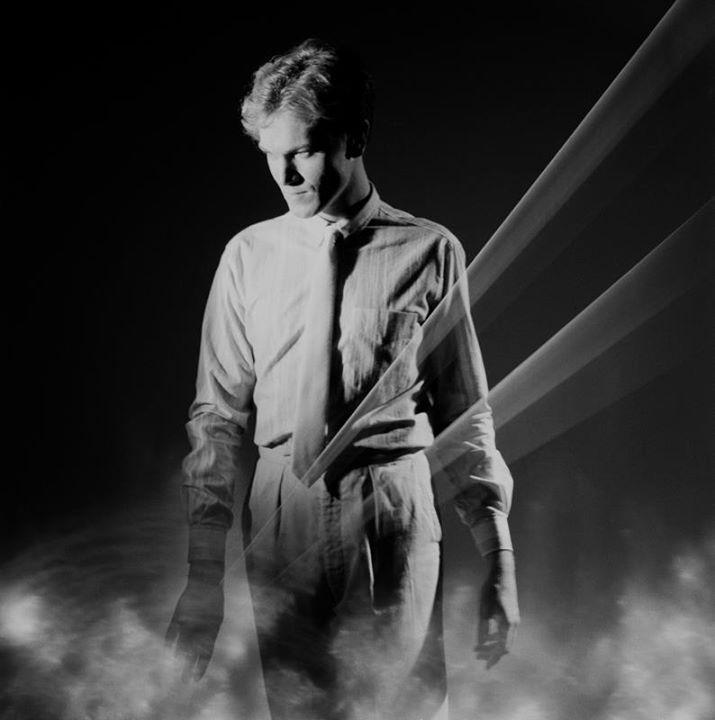
Photo by Brian Griffin

How did you balance running what was a successful studio in The Garden with working as an artist in your own right?

Wasn’t easy – I often had to hire somewhere else because my own place was over-extended. I remember I couldn’t let the COCTEAU TWINS in because Nick Cave was recording, followed by SIOUXSIE & THE BANSHEES, so I often had to hire the Barge studio from Virgin or Sarm East or Utopia in Camden. It was mayhem at times. That’s why I eventually sold it – couldn’t book my own studio.

Can you explain the frustrations you felt that lead to you retiring from music after ‘In Mysterious Ways’?

I simply didn’t like the mid to late eighties scene –all perfect pop and white soul. I suddenly felt isolated. I remember one day finding myself half-heartedly toying with some sort of sh*tty pop music while longing to be out of the studio and working on something visual.

So I thought right that’s it – time for a change. Sold the studio and went back to graphic art, where I had a great time for about ten years and was lucky enough to establish myself without using JOHN FOXX at all. Simply left him in the fridge for a bit. Perhaps forever – or so I thought at the time.

You always seem to be ahead of the curve musically, what drew you to firstly the House scene and then, subsequently music for computer games?

Well, I went to James Pinker’s house in Vauxhall and heard Acid for the first time – around 1987/88. It was a great experience – a new underground evolving from post-industrial Detroit, using analogue instruments rescued from skips and pawn shops. “Bleep, Wirp, Boom” – I was right at home again. Went out to Brixton, saw Leigh Bowery in action, weird clubs opening momentarily, one-night warehouses, sound systems. A real new flourishing underground scene, kicking off everywhere. Great relief, nothing happens without that. Then Tim Simenon turned up wanting me to do some music, Warp wanted a video for LFO, so Foxx was out the freezer and into the microwave…

The computer games came from working with BOMB THE BASS. Tim’s label had hooked up with THE BITMAP BROTHERS. They’d liked ‘Metamatic’ and wanted some current electronica for their new games. I’m always interested in new electronic media, so I recorded a couple of ideas, went off to meet them and we all got on well. It was fun- and ‘Gods’ got to No1 in the games charts.

With computer games music, did you find your background in graphic design valuable?

Only in as much as it was a vaguely illustrative form – but that was the interesting bit – you had to make a sort of possible sonic world for a new visual form, initially using a very limited repro device. I also liked the people I was working with –The Bitmaps were part of another new generation – the first computer heads – and it was good to be in there and generating stuff for the future.

You returned to music just before the new millennium. In that intervening period, beyond the work mentioned above, were you writing or did you completely withdraw from musical activities?

Oh, I was writing and casting about a bit – finishing bits of the ‘Quiet Man’ book, making the images for ‘Cathedral Oceans’, beginning to make little Super Eight films and computer videos, continuing recording ‘Cathedral Oceans’ music and other experimental ideas- plus playing and recording piano music, lecturing at various art schools – and so on. There was plenty going on.
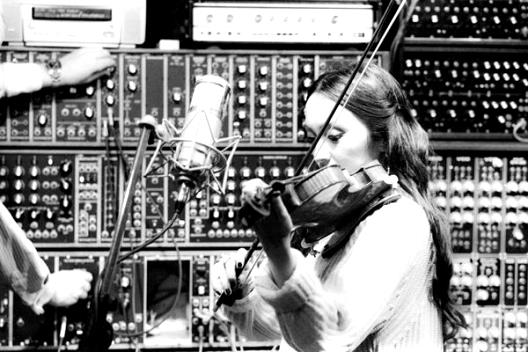
You have released a number of more ambient albums since your return, both solo and in collaboration with other notable artists like Diana Yukawa in GHOST HARMONIC. What artistically do you get from these you don’t get from the releases from say JOHN FOXX & THE MATHS?

Well, they cover a different emotional and sonic spectrum – more concerned with tranquility and contemplation. Music with beats can’t address this at all. Plus we’re all very intrigued by what can happen when a fine classical musician like Diana works with recording studio techniques in our non-conventional ways. There is great, unrealized composition potential there. After doing this GHOST HARMONIC album, I think we all realized that we’re only at the very beginning.

And how do you react to fans feedback, clamoring for more traditional song based albums?

Oh, I feel the same, but I’ve only got one life. The songs will arrive soon. There’s plenty more to come. Lots of stuff still in pieces, waiting for final assembly. Plus some other brilliant people I really want to work with – GHOST BOX, LONELADY and Jori Hulkkonen again, Diana, Rob Simon and Clint Mansell. BENGE is always so good to work with too. It’s a nice, big, ever moving world.

The music industry has changed dramatically since you first stepped into a recording studio. What are your general feelings about the business today and have they changed since that decision to retire 30 some years ago?

The music is richer, more varied, more accessible, but the price paid is there’s far less money around. After the means of distribution became electronic, Apple made their land-grab for the universe and record companies and PRS proved so utterly ineffectual in the face of all that.

So perhaps we look at the past as a sort of golden age, like Hollywood, and music like this becomes a sort of folk art again – mainly concentrated into live performance – even perhaps a new sort of cabaret, since it’s really an urban form. Maybe that’s no bad thing. I’m looking toward the future with great interest. Just watch out for the drones.

You now have the ability to have a greater degree of control over your product with self-releasing etc. Is this, as an artist in the fullest sense of the word, something you welcome, or does it present its own issues?

No, it’s truly a great position to be in – the best you could wish for as an artist. Of course you need good collaborators, but independence means creativity – and vice versa.

There’s a lot of fetishism around the sort equipment you used on ‘Metamatic’ and still use on THE MATHS releases. What are your views on this and things like softsynths and Logic / Abelton?

Oh, I like ‘em all –where appropriate. No prejudice. Analogue is a bit more complex –still mysterious and rebellious. Digital is more controllable. Use where necessary. Avoid anything with a multi-function menu!

Putting ‘20th Century: The Noise’ together, you’ll have had time to reflect on your career. What have been the highs and lows of the last 35 years?

Highs – Everything… quite honestly, it’s all been a lot of fun. A big adventure.

Lows – Shoreditch and Spitalfields going the same way as Carnaby Street and Portobello.

And is there anything you would have done differently?

Lots, but only in retrospect. At the time, of course, I always behaved immaculately.


ELECTRICITYCLUB.CO.UK gives its sincerest thanks to John Foxx

Special thanks to Steve Malins at Random PR

’20th Century: The Noise’ is released on CD by Metamatic Records

https://www.facebook.com/johnfoxxmetamatic

https://twitter.com/foxxmetamedia


Text and Interview by Ian Ferguson
25th June 2015
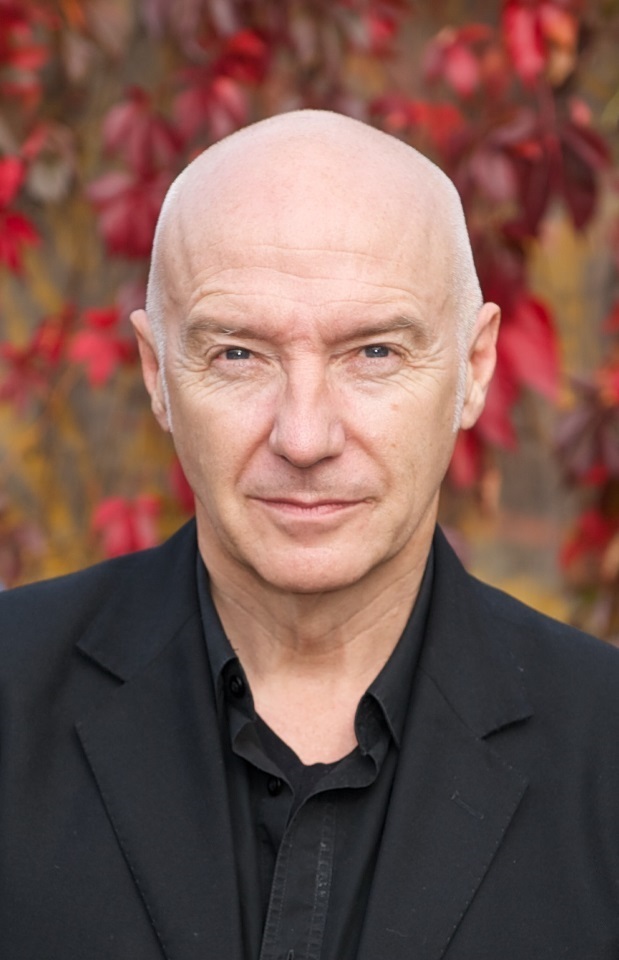
MIDGE URE Interview


Like many graduates of Synth Britannia, Midge Ure first became interested in electronic music when in 1975, KRAFTWERK’s ‘Autobahn’ hit the UK singles charts.

Already using Yamaha’s flagship SG2000 guitar, in 1977 he was able to negotiate with the Japanese company to make his first synth purchase, a CS50, at half price. At the time, he was a member of THE RICH KIDS with Glen Matlock, but with THE SEX PISTOLS refugee preferring Hammond organs and brass sections to Minimoogs, the inevitable musical differences ensued.

Breaking away with drummer Rusty Egan in 1978, the pair recruited Steve Strange as vocalist and formed VISAGE. It became a platform to create modern electronic dance music influenced by the likes of DAVID BOWIE, KRAFTWERK, LA DÜSSELDORF, YELLOW MAGIC ORCHESTRA that could be played at Egan and Strange’s ‘Club For Heroes’. Another band who Egan and Ure loved from that period was ULTRAVOX; their multi-instrumentalist Billy Currie was invited to join the sessions for VISAGE’s debut album and this eventually led to Ure joining ULTRAVOX.

In 1985 while juggling ULTRAVOX and his work with the Band Aid Trust, Ure released his debut solo album ‘The Gift’ which spawned the rousing No1 single ‘If I Was’. Two further albums ‘Answers To Nothing’ and ‘Pure’ followed.

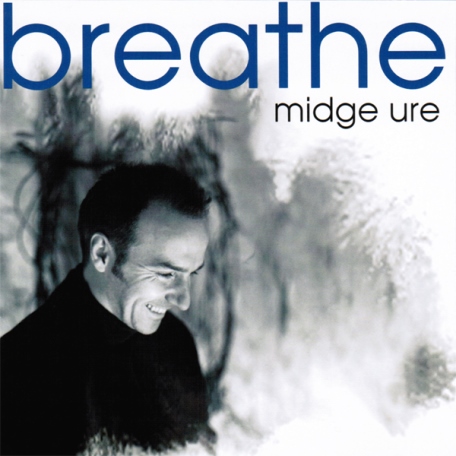
But in 1993, he went ‘Out Alone’ on an intimate tour which saw Ure performing on his own, accompanying himself primarily on just an acoustic guitar. In 1995, his fourth solo album ‘Breathe’ signalled a new direction with a more Celtic feel and traditional instrumentation. Although initially the album had a slow start, Swatch chose the title track to accompany a well-received advertising campaign. As a result, the album became a massive seller all over Europe.

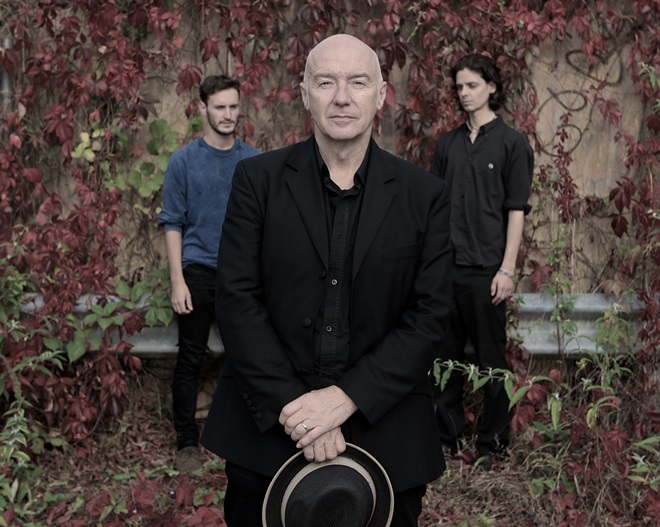
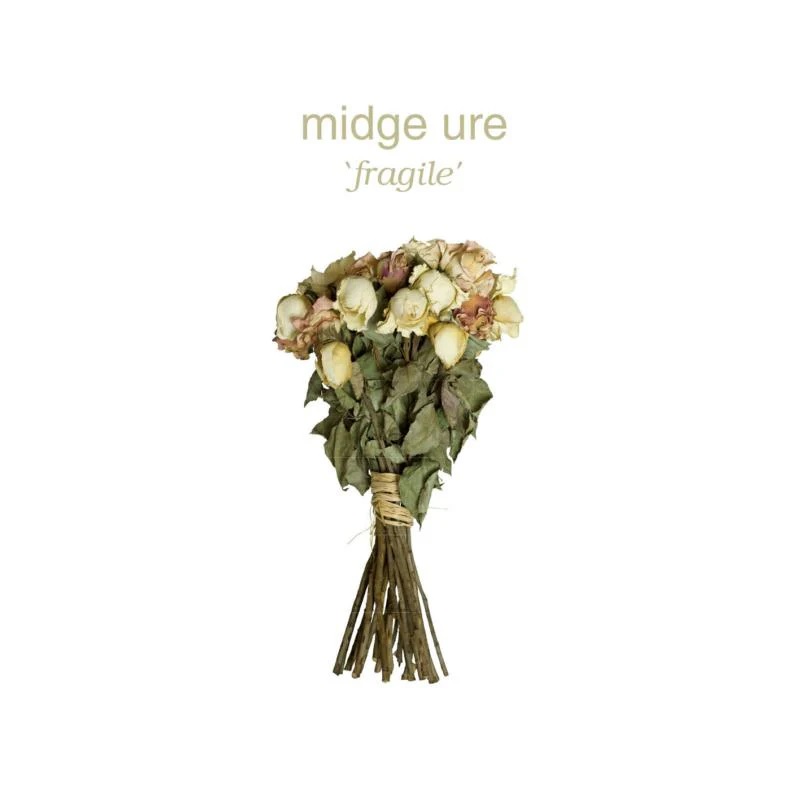
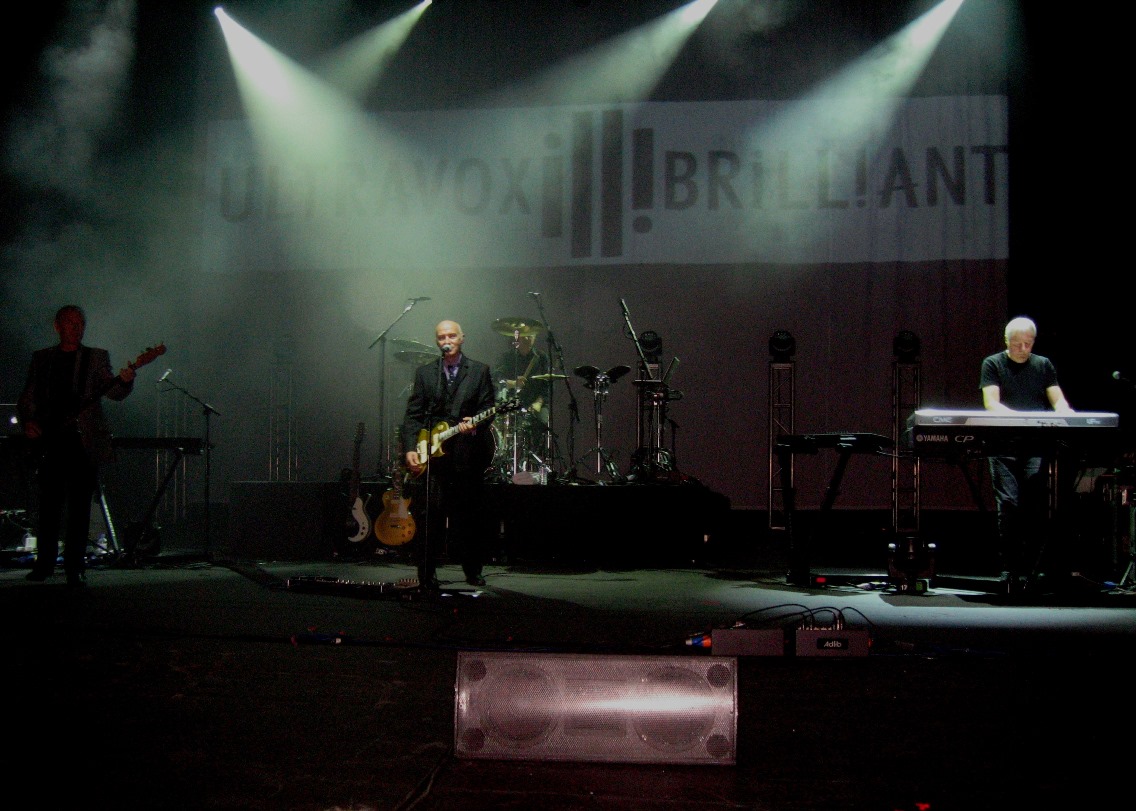
Ure has been particularly busy over the last 6 years. The successful live reunion of ULTRAVOX with the classic line-up of Warren Cann, Chris Cross and Billy Currie in 2009 led to the recording of 2012’s ‘Brilliant’ album. 2014 saw the release of ‘Fragile’, his first solo album of original material for over 12 years. A striking return to form, it included a number of poignant songs such as ‘Become’, ‘Dark Dark Night’, ‘For All You Know’ and ‘I Survived’.

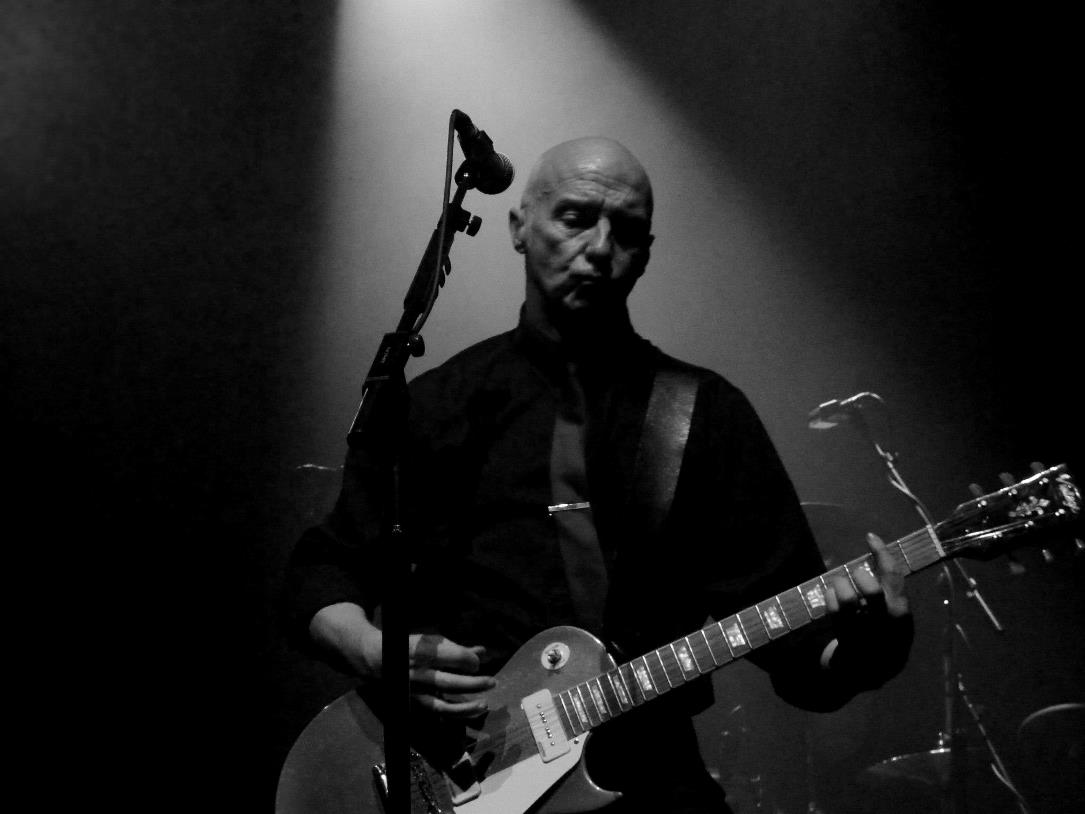
But for 2015, 20 years on from its original release, Midge Ure is performing the ‘Breathe’ album its entirety as part of an ongoing concert tour, augmented on stage by Cole Stacey and Joseph O’Keefe from INDIA ELECTRIC CO. He kindly took time out from rehearsals and chatted about the ‘Breathe Again’ tour and much more…

Out of your solo albums, why have you chosen ‘Breathe’ as the one for the full length live showcase treatment?

A lot of my solo albums go through hell before they’re actually released. ‘Fragile’ took a long time to come and ‘Breathe’ was one of those albums where the record company, in their infinite wisdom, decided to A&R me after all these years! They wanted me to not use the same musicians, not to record in the same studios, not to produce the album myself… so they asked me to gather a whole bunch of songs which I did and I ended up with a producer I could work with, Richard Feldman who had done an album for the model and actress Milla Jovovich which was a great album.

So I made ‘Breathe’, it was fantastic and I delivered the album, only to have it sit on a shelf for a year while BMG started sorting out their internal problems. It was a hideously frustrating process to go through, and when it finally came out, the first two years of its life, it was the worst selling record I’d ever made.

So until Swatch came along and picked up the title track thanks to a fan in Italy, the album was an absolute disaster. But because of a TV commercial, it turned the entire thing round. It bounced all around Europe and was a big record eventually. I thought how good it would be to play the album in its entirety because I’ve never done that before.

At the time it was released, it was a departure from what you were known for, with a lot of traditional instrumentation?

It was more organic… there was still electronics involved with samples and stuff like that, but I think it’s just what you end up doing. You try to run a million miles from what you’re known for and it’s all part of the process of finding your own feet and trying to decide what you are and what you want to do. Part of that process would have been turning my back on the standard synthesis and rediscover my Scottish roots.

So the idea of doing something more organic had a bit of oomph to it, and was quite appealing at the time. I don’t think you’re the same person your entire life and you go through phases like chapters in a book. So when you get to chapter twenty five, you’re a very different person to the one who started off in chapter one. It was just another phase of discovery. To me, the important part of it was the quality of the songs, not just necessarily the instruments enhancing the songs.

A lot of ‘Breathe’ was recorded in America?

It was, yes… Richard Feldman is an American guitarist / producer and we did an awful lot of it at his place but a good chunk of it at mine in Bath.

There appeared to be some Country music vibes creeping in?

You know what, I’m not quite sure about that… I think Country and traditional music are all very intermingled. Country music is just music from the country it’s sourced from. So country music would be Scottish or Irish or whatever, and it was when it got to America, it became Western. Country & Western music is based in roots music, it’s all the stuff I would have been taught as a kid in school.

The title song turned out to be one of the biggest songs of your career internationally, yet it is one of your lesser known ones in the UK?

Yeah, very much so… quite simply, the TV advert didn’t run in the UK, only on satellite channels so it didn’t get the same exposure here. And of course, good ol’ Great Britain, the radio didn’t play it even though it was No1 in the whole of Europe.

There was a European chart that was an overall one for the whole continent including the UK, and for months and months, it was the No1 record! Yet UK radio chose not to play it! So there’s nothing much you can do about situations like that. You put it out and hope for the best. And sometimes you don’t get the best…

You roped in Robert Fripp to play on ‘Guns & Arrows’. What was it like working with him?

It was great, he’s lovely guy and a brilliant guitarist. You know, to have the guy who played on ‘Heroes’ play on one of your tunes is quite spectacular. It was very fortuitous actually, because he was in Los Angeles when I was recording there and I went to Dave Stewart’s studio just across the road from where I was. Robert was there and he said “of course I’ll play on the track, but do you mind if I bring 20 Japanese guitar students?”; I said it was fine and I had this bizarre scenario of Robert playing his fabulous Frippertronics thing in the recording room and in the control room looking through the glass window were these Japanese kids, all jotting down everything he did and said, with him lecturing “this is Midge… this is his song… I’ve known Midge a while… what I’m going to do is this…” – so he’s playing these textures and explaining it to these Japanese kids, it was most surreal but a great thing to happen.


You also had Shankar playing a blistering violin solo on ‘Live Forever’, how are you reinterpreting the album on the ‘Breathe Again’ tour with the guys from INDIA ELECTRIC CO?

The INDIA ELECTRIC CO guys play a variety of instrumentation and there’s only two of them. So there’s three of us on stage but we manage to cover a lot of stuff. For three people, we’re making quite a big noise. Joseph O’Keefe who plays violin is just spectacularly good as a musician. He’s one of these guys who can hear in a cacophony that one string is out of tune. Him and Cole Stacey are both incredible, but they’re so versatile and jump between instruments all the time.

I’m very pleased with how it’s gone. Even though the album wasn’t a huge success in the UK, the reaction it’s had so far has been phenomenal. The response of people has just been great, whether they knew the album or not. I was a little wary of going in and playing an entire album live of material that some of the audience wouldn’t know at all, but it seems to be irrelevant. They seem to be hooked on the textures, the melodies and the atmospheres. So maybe I’m just under estimating the audiences taste.

Of course, ‘Breathe’ is only so long, so you will also be playing material from throughout your career. How are you deciding which songs to play, especially as a fair number of your best known songs are synth based and are being rearranged for a more organic setting?

Well, I think that the song itself will dictate whether it can fit in that format or not, but I’ve been quite surprised at the ones which really sell; ‘Fade To Grey’ works brilliantly in this format as does ‘Lament’. And ‘Vienna’ works well! You would think, how could you recreate a song like that and get away with no drums, no bass, no whatever… you treat it differently, you just look at the song as an entity, it is its own thing and it’s like a salad; it changes flavour depending on what dressing you put on it.

So a song just changes it flavour by whatever dressing you put on it, so it changes whether you’re doing it electronically, doing it with a rock band or doing it with acoustic instruments. The song should be malleable and pliable, and still work as a song. But I have to say, some stuff we’re doing that’s not from the ‘Breathe’ album is working a treat. In fact, some of it is going down better than the ones designed to be played in that format.

Has there been a song you’ve loved and tried to do in this organic three piece line-up but that hasn’t worked?

Not really, although I shied away from doing ‘Dancing With Tears In My Eyes’, because I’m not quite sure how it would work in that format… maybe that’s just me being a coward. But then again, I’ve been doing it solo acoustic for quite a long time now and it seems to work when it’s stripped right down. It’s down to the quality of the song.

I remember when the ‘Breathe’ album came out at first, and with the band I’d got to back it up, we couldn’t get ‘Live Forever’ to work. It just didn’t sound right and I scrapped it. So we never played ‘Live Forever’ live; but with the three piece, it works brilliantly! Don’t ask me why! It just does, it gels and has become a firm favourite in the current shows. I don’t know, maybe the ones you suspect will work, don’t! And the ones that won’t, do! You just have to be surprised and go with the flow! *laughs*

You released the excellent album ‘Fragile’ in 2014, how do you look back on its reception?

It was better than I expected in a lot of areas and no worse than I kind of expected. Some of the great stuff was really great. But there was one review that called it “Ultravox lite”; I didn’t get that at all because I think it’s a very different animal to ULTRAVOX.

A lot of places got it, The Huffington Post review put it in the Top 10 albums of 2014, even in America which is spectacular for an album that maybe a lot of people in America wouldn’t understand. But I think because it was something real, raw and honest, I think I came up with a very interesting album with a very good, strong batch of songs. I think some of the songs are the best that I’ve ever done. I spent a long time on it and poured my heart and soul into it. I didn’t listen to anybody outside telling me or guiding me how to do it, I just did exactly what I felt at the time.

Tracks like ‘Wire & Wood’ and ‘Bridges’ reminded people of your aptitude for instrumentals, so would soundtrack work interest you in the future?

It’s always interested me but it’s never come my way properly, other than a few small independent movies, that was good fun and great to do. I always thought ULTRAVOX should have been doing soundtracks with that Germanic synthesizer feel.

People like Trent Reznor who have been involved in electronics are doing soundtrack work… it never came ULTRAVOX’s way, but maybe we wouldn’t have been very good at it! Who knows? But the music kind of lent itself to that cinematic openness and atmospherics.

Are there any intentions to perform songs from ‘Fragile’ with a full band rather than in an acoustic setting?

We’re doing ‘Become’ and ‘Fragile’ in the ‘Breathe Again’ show… ‘Fragile’ lends itself well to that format because it’s a delicate little thing. I would LOVE to do the entire ‘Fragile’ album with a band, but it’s down to necessity, demand and cost… putting a full band together and major rehearsals, it’s a very costly thing to do. And I’m wary of piling on the ticket price to make an audience pay for it. So it’s something that would have to be well thought out, to do it properly and do it well. But I’d love to get my teeth in there and play the entire album.


You used Melodyne for both ‘Fragile’ and ULTRAVOX’s ‘Brilliant’ album but got some criticism for it. I find it quite strange that some electronic music fans have a problem with voice processing technology, especially when you used the equivalent period aesthetic on the third verse of ‘New Europeans’ for example… how do you see it?

I think anyone who cuts out processing or techniques in any form is just stupid! It like saying “why would you want to record on a computer when you’ve got tape machines?” or “why would you want to record digitally when you’ve got analogue?”. People don’t progress that way!

If I was somebody who couldn’t sing and had to pitch vocals or do all sorts of stuff to make it sound in tune, of course, then I should be pilloried for it! But I’m not!

I use it for effect… my hearing pitch has got better and more refined over the years, so anything that’s slightly out for me, I want to get that right! But that nobody else can hear it… I used to drive ULTRAVOX crazy! It’s a bit like with my new glasses that are scratched in the middle of the lens, nobody can see it but I can!

So there’s nothing wrong with effecting something to make it the best it can possibly be, if that’s what you want to achieve. It’s very different hiding behind something because you’re not good enough. And it’s very different from being good enough, and making it better.

I don’t use it all the time, it’s a tool and no different from any of the plug-ins that I use when I make music. It’s a bit like saying “why do you use reverb on your voice?”… well, it’s because it suits the song and makes it more interesting.

And when you you’ve already recorded something and then think “oh, I wish I’d played that as a minor!”, why wouldn’t you use a tool that would allow you to do that without having to re-record the entire thing? You can adapt it and change it… music should be malleable, you should be able to play it ‘til you’re blue in the face. Some people are just anal to tell you the truth! *laughs*


How was the ‘Brilliant’ experience for you and recording with ULTRAVOX again? It seemed reinvigorate you?

Yeah, it’s funny because people think I did ‘Fragile’ after ‘Brilliant’, it was 80% there! But ‘Brilliant’ was what sparked me up to actually finish it.

So a lot of the textures, sounds and character of the ‘Brilliant’ album kind of stemmed from my dabblings on ‘Fragile’ where I’d run out of steam… I didn’t see the point of finishing it, I was making an album that only a handful of people would appreciate.

It was just me being a twat really, but that’s the feeling you get! You think “what’s the point of putting your heart and soul in it?” So doing the ‘Brilliant’ album with the guys was the spark that I needed. It gave me the incentive to think “WOW! There’s something still there!”, because any artist is full of self-doubt… the first thing you think isn’t “the record company were crap” or “the radio are rubbish for not playing it”, but “maybe I’m not good enough”. You look at yourself first and foremost.

That’s the process I went through and the whole get-together with ULTRAVOX was just such an enjoyable thing. I’m very proud of that record, I think we did a great job and it gave me the boost I needed to get on and finish my own record.

What is the state of play with ULTRAVOX?

I haven’t seen Billy since we walked out of the O2 after the SIMPLE MINDS show, I haven’t seen Warren as he’s in Los Angeles but Chris has just texted me. We always said we were never getting back together to take over the world as a band and pretend we were a bunch of teenagers, we all have other things that we do.

And we said that if and when something interesting pops up, we would get-together and do it. But right now, there’s no “yes, we’re doing something” and there’s no “no, we’re never doing anything again”. It’s just there resting on a shelf.

You’ve under taken quite a number of collaborations recently with MOBY, SCHILLER, LICHTMOND and JAM & SPOON, have you any more planned?

I’ve never planned a collaboration to tell you the truth, it sort of lands on your lap. All of those you mentioned, they approached me and if I find it interesting, I’ll work on something, especially these days when it doesn’t involve jumping on a plane and disappearing from home for a week. It’s all done via the internet these days, someone sends you an idea for a track and you stick it on your computer. You start chopping it around, write new bits for it, do some lyrics, record a vocal, email it back to them and they assemble it at their place. It’s making collaborations much easier.

What’s been your favourite collaboration?

My favourite collaboration? KATE BUSH ‘Sister & Brother’… what a joy to go to my grave knowing that KATE BUSH and I are on the same piece of music, how cool is that?

Photo by Paul Cox

Was further collaboration with the late Mick Karn ever a realistic proposition following ‘After A Fashion’ in 1983, other than those aborted JBK sessions that spawned ‘Get A Life’ and ‘Cry’ on your ‘Little Orphans’ rarities CD?

We did some stuff in Montserrat, Mick came out for a couple of weeks and did some basic grooves, textures and backing tracks… there’s a copy of it somewhere but I’ve never tried to complete any of it. We never got round to doing it, it was just one of those things. We talked about various projects, but we never got over the dabbling stage and never got seriously into it, which is a pity.

The JBK thing never got any further than those two tracks, all those guys who were in JAPAN are incredibly talented, and that would have been an interesting collaboration, but it never really happened. The idea was to put a band together, but I didn’t want to be the singer and we could never come up with someone who could take over the vocals. If I sang it, it would have been too much like me or ULTRAVOX, so it kind of fizzled out.

You wrote ‘Personal Heaven’ with Glenn Gregory of HEAVEN 17 and recorded it with X-PERIENCE, have you ever considered doing a collaborative EP or anything with him?

We’re probably better mates than collaborators! But yes, nothing is out of the question, especially with somebody like Glenn, he’s such a joy to be around and a lovely guy. And these days, you can do it without confusing people… you can go off and just do a little sideline. But back in the ULTRAVOX days, you couldn’t really do it, that’s your band, that’s what you do and you should never step outside that. So these days, it’s great to just go out and collaborate with people, I fully enjoy the whole process. So it’s a good idea Glenn and I getting together and doing a few songs ever so often, to see what we come up with.

Photo by Gabor Scott

Of course, your best known collaborative project was VISAGE and we lost Steve Strange recently. Have you had a chance to reflect back on that clourful period at The Blitz Club?

You can’t help for all that stuff to go around your head, it was a major part of my life and Steve was a major part of that period. It was just dreadfully sad, the whole thing… it was just pathetic and horrible. Y’know, I’m not sure what he was doing towards the end, VISAGE was never meant to be a live act.

It was a studio project and meant to be a ‘Willo The Wisp’ thing that you couldn’t really grab hold of it cos it disappeared… that was the whole concept Rusty Egan and I came up with, it was just a passing thing. But Steve looked like he was having fun doing it.

I hadn’t seen Steve for a year and a half, two years or whatever prior to his passing, so it sparked off all the memories and all the fun stuff. Like the challenge of putting something like VISAGE together from a variety of different bands who were all still in existence and touring. So trying to put them all in the same place at the same time was a tall order.

The majority of the initial VISAGE recordings were done in Martin Rushent’s studio which was a little house in the bottom of his garden which had all his equipment in. Martin used to come down and watch we were doing, he’d never seen or heard anything like it, all these electronics. He used to hang about every night watching what Rusty and I were up to, watching Billy doing his sequencing and things like that, it was great. He was coming down with notebooks to learn how it all worked, and then went off and made THE HUMAN LEAGUE’s ‘Dare’ album! *laughs*

It was very beneficial, he gave us studio time because it was his label who was originally putting the stuff out, but he won because he got to make ‘Dare’ which was fantastic.

What’s next for you after the ‘Breathe Again’ tour?

There’s some dates in Germany and Dubai at the end of the year. But I’ve got to get back in the studio and carry on writing, now that I’m fired up. I want to keep that momentum going, I don’t want it to be another 12 years… I’m not sure I’ve got another 12 years, so I just want to get on with it! *laughs*


ELECTRICITYCLUB.CO.UK gives its warmest thanks to Midge Ure

The ‘Breathe Again’ Tour 2015 includes:

Gateshead Sage (27th June), Southport Atkinson (28th June), Bury St. Edmunds Apex (17th September), Andover The Lights (September 18th), Redhill Harlequin (19th September), Falmouth Princess Pavilion (1st October), Porthcawl Grand Pavilion (2nd October), Cheltenham Tithe Barn (3rd October), Wolverhampton Wulfrun Hall (4th October), Preston Guildhall Charter Theatre (14th October), Ulverston Coronation Hall (15th October), Leamington Spa Assembly Rooms (16th October), Hunstanton Princess Theatre (17th October), Lincoln Drill Hall (22nd October), London Union Chapel (23rd October)

http://www.midgeure.co.uk/

https://www.facebook.com/midge.ure/

https://twitter.com/midgeure1


Text and Interview by Chi Ming Lai
1st June 2015

LIKE LUKEWARM WATER… Poor Singles by Great Acts

Artists are not infallible creatures and even on great albums, there’s often a duff song that somehow gets released as a single and becomes a hit. 

Some of these inferior singles though get found out early on and deservedly fail to capture the public’s imagination. However, sometimes the artists themselves will realise the errors of their ways with these less than satisfactory offerings.

They might quickly drop the track from the live set or rewrite history by excluding the said offending item from greatest hits packages. As a singular follow-up to the ‘We Hope You Enjoy Our New Direction’ albums article, here are twenty singles by your favourite acts who really should have known better.

Arranged in chronological and then alphabetical order with a restriction of one release per artist, these singles are, in the words of SPINAL TAP’s Nigel Tufnel, “like lukewarm water…”  – a Spotify playlist is therefore not required 😉


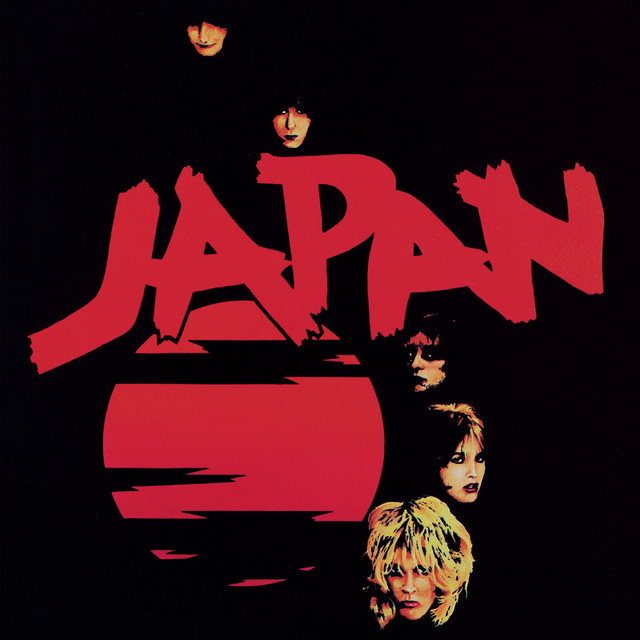
JAPAN Don’t Rain On My Parade (1978)

Was this really the band who were to record ‘Ghosts’ four years later? You certainly wouldn’t have put your money on JAPAN becoming chart regulars by 1982 based on ‘Don’t Rain On My Parade’, a cover of BARBRA STREISAND’s set piece from ‘Funny Girl’ This hilarious two fingers rock thrash, with an unrecognisable David Sylvian snarling away, found an audience in Japan itself, which subsequently allowed them to develop into the artful combo they are better known as.

Available on the album ‘Adolescent Sex’ via Sony BMG Records

http://www.nightporter.co.uk/


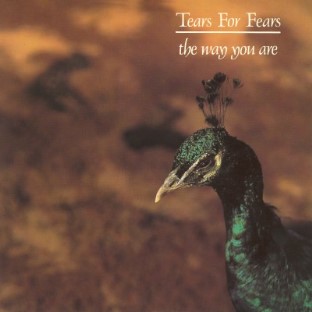
TEARS FOR FEARS The Way You Are (1983)

TFF_The_Way_You_AreAfter the success of their debut ‘The Hurting’, TEARS FOR FEARS’ label wanted an interim release. But after several months exploring their artier aspirations, the resultant single was poor. ‘The Way You Are’ was Curt Smith and Roland Orzabal trying to be JAPAN, only they weren’t very good at it! Smith said it was “probably one of the worst recordings I think we’ve done”. The change of direction to produce the rockier, more MTV friendly opus ‘Songs From The Big Chair’ proved to be far more fruitful.

Available on the album ‘Songs From The Big Chair – Deluxe Edition’ via Mercury Records

http://tearsforfears.com/


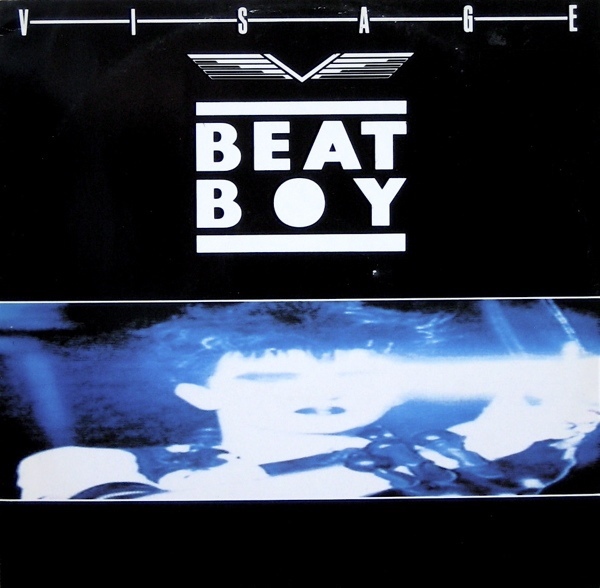
VISAGE Beat Boy (1984)

VISAGE Beat Boy

The lack of input from departed founder member Midge Ure as producer really exposed itself on VISAGE’s third long player ‘Beat Boy’. Most of the songs went on for far too long while Steve Strange’s flat, tuneless vocals and banal lyrics were allowed to run riot. Running for a painful six minutes on the album, even in edited single form, the title track really needed a ‘Go Faster’ stripe as the attempt to merge rock guitars with Fairlight stabs and industrialised percussion failed miserably.

Album version available on the album ‘Beat Boy’ via Cherry Pop

http://www.visage.cc/


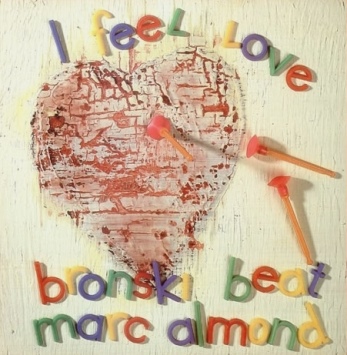
BRONSKI BEAT & MARC ALMOND I Feel Love / Johnny Remember Me (1985)

BRONSKI BEAT & MARC ALMOND‘I Feel Love’ looked like a dream combination for Jimmy Somerville’s swansong with BRONSKI BEAT to be paired with the one-time SOFT CELL front man. With ‘Love To Love You Baby’ and ‘Johnny Remember Me’ segued onto the main act, the well intentioned recording ended up a total cut ‘n’ paste mess with the poor stop / start edit into ‘Johnny Remember Me’ being particularly embarrassing. Meanwhile, the screaming match between Somerville and Almond was painful to the ears.

Available on the album ‘The Singles Collection 1984/1990’ via London Records

http://www.jimmysomerville.co.uk/

http://www.marcalmond.co.uk/


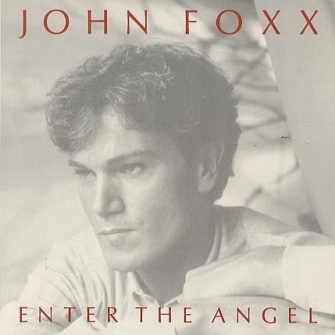
JOHN FOXX Enter The Angel (1985)

JOHN FOXX Enter The AngelAn attempt at crossing ‘Endlessly’ with ‘Like A Miracle’, the lukewarm ‘Enter The Angel’ from the ‘In Mysterious Ways’ album had none of the electro innovation of ‘Metamatic’ or the neu romance of ‘The Garden’. Featuring Eddi Reader from FAIRGROUND ATTRACTION on backing vocals, Foxx had gone all conventional and no longer stood out from the crowd like he once had. And the result was that the quiet man effectively retired from music until his 1997 re-emergence.

Available on the album ‘Modern Art: The Best Of’ via Music Club

http://www.metamatic.com


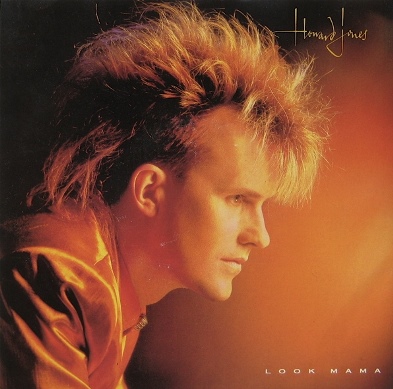
HOWARD JONES Look Mama (1985)

HOWARD JONES Look MamaHoward Jones did much to further the cause of electronic music with his one-man synth act. But ‘Look Mama’, the second single from his second album ‘Dream Into Action’ was a tedious narrative about an interfering mother that was one of the weakest songs on the collection. Featuring a plethora of state-of-the-art digital sounds, their prominence was quite obviously to cover a weak tune. Amazingly, this one got into the UK Top 10!

Available on the album ‘Best: 1983 – 2017’ via Cherry Red

http://www.howardjones.com


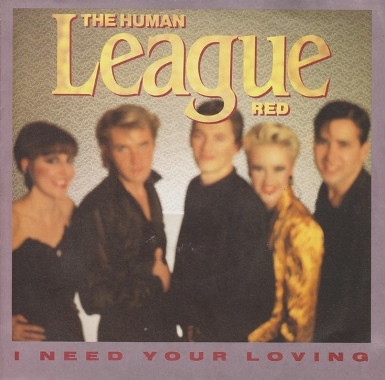
THE HUMAN LEAGUE I Need Your Loving (1986)

HUMAN LEAGUE Need Your Loving

THE HUMAN LEAGUE’s fifth album ‘Crash’ was largely rotten, save ‘Human’ and ‘Love Is All That Matters’, two Jam and Lewis numbers that were totally unrepresentative of Da League’s own sound. ‘I Need Your Loving’ had a crew of six on the writing credits, none of them members of the band! This had to have been a Janet Jackson cast-off from ‘Control’… Phil Oakey has been many things but Alexander O’Neal he certainly wasn’t while Joanne and Susanne could never sound like Cherelle!

Available on the album ‘Crash’ via Virgin Records

http://www.thehumanleague.co.uk


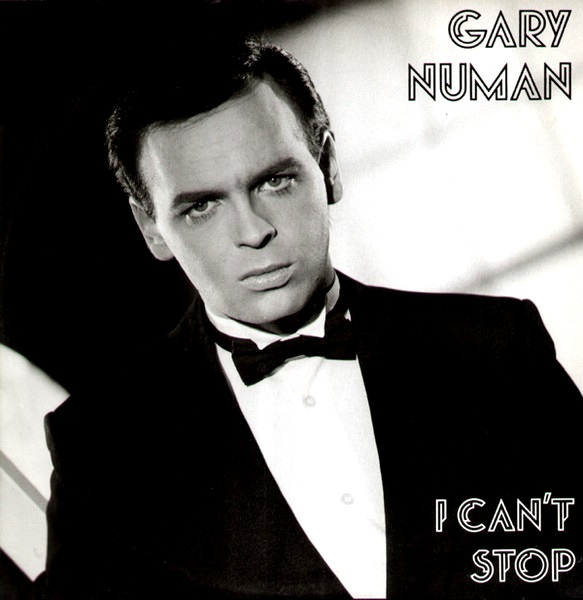
GARY NUMAN I Can’t Stop (1986)

A toss-up between this and ‘This Is Love’, these two singles from the below-par ‘Strange Charm’ both actually got in the UK Top 40… quite shocking when far superior singles from previous album ‘The Fury’ failed to make any chart impact. By 1986, Numan wasn’t sure if he wanted to be THE POWER STATION or Prince so ‘I Can’t Stop’ was frankly, all over the place! Whatever, flying took more of an interest in his life, Gary Numan’s career dip would not be reversed until 1994’s ‘Sacrifice’.

Available on the album ‘Strange Charm’ via Eagle Records

http://www.numan.co.uk


ULTRAVOX Same Old Story (1986)

The signs had not been good when drummer Warren Cann was fired from the band for preferring to use programmed percussion. With the success of his solo career, Midge Ure was dictating a more conventional back-to-basics approach. But while the soulful backing vocalists, live drums and brass section on ‘Same Old Story’ kept ULTRAVOX sounding with the times, the bland played on. The poor title of the parent album ‘U-Vox’ summed it all up… a band with something missing!

Album version available on the album ‘U-Vox’ via EMI Music

http://www.ultravox.org.uk


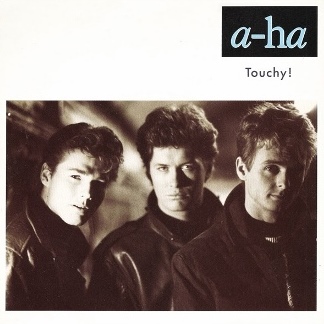
A-HA Touchy! (1988)

A-HA TouchySuch is life, the brilliant predecessor ‘The Blood That Moves The Body’ only reached No28 in the UK singles chart. Instead, the public took its rather ordinary and annoying follow-up ‘Touchy!’ to No11! Devoid of the usual emotive but melodic melancholy that had made songs such as ‘The Sun Always Shines On TV’ and ‘Hunting High & Low’ so dramatically appealing, the lead synth brass line, which ubiquitous for the time, was particularly annoying!

Available on the album ‘Stay On These Roads’ via Warner Music

http://a-ha.com/


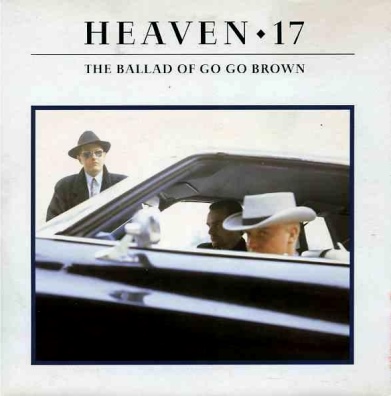
HEAVEN 17 The Ballad Of Go Go Brown (1988)

H17 Ballad of GoGoWhen Glenn Gregory appeared on the single sleeve wearing a Stetson, the writing was on the wall. ‘The Ballad Of Go Go Brown’ with its slide guitar and harmonica was the antithesis of the funky modernism that HEAVEN 17 had previously stood for. Martyn Ware’s success as a producer for artists such as TINA TURNER and TERENCE D’ARBY around this time proved he hadn’t lost his creative nous… the once innovative trio had run out of steam.

Available on the album ‘Play To Win: The Best Of’ via Music Club Deluxe

http://www.heaven17.com


NEW ORDER Fine Time (1988)

NEW ORDER were acknowledged as a supreme singles act… until this! ‘Fine Time’ spoilt an otherwise brilliant album in ‘Technique’. A sly send-up of the acid house scene, even Bernard Sumner admitted it was “a novelty record”. A pitch shifted vocal was made to sound like an inebriate jackmaster impersonating Barry White, while the messy backing track was complimented by some bleeting sheep. One thing good about the single edit though is that it’s shorter!

Available on the album ‘Singles’ via Rhino Records

http://www.neworder.com/


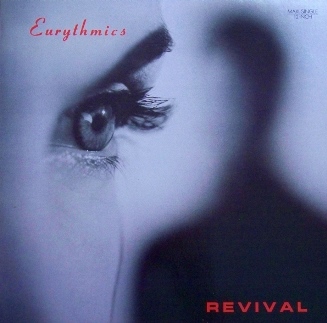
EURYTHMICS Revival (1989)

eurythmicsrevival1987’s ‘Savage’ album was a laudable attempt by Annie Lennox and David A Stewart’s to get back to their electronic roots after their overt flirtation with America for their previous two long players ‘Be Yourself Tonight’ and ‘Revenge’. But to launch the 1989 album ‘We Two Are One’, EURYTHMICS got all bland again on ‘Revival’. The squelchy synth bass could not disguise a lifeless tune that ironically, despite its rhythm ‘n’ blues influences, was lacking in soul.

Available on the album ‘We Too Are One’ via RCA / Sony BMG Records

http://eurythmics.com/


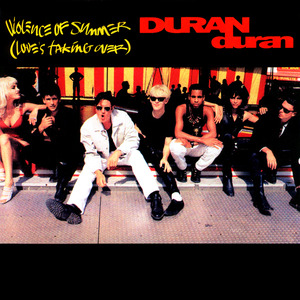
DURAN DURAN Violence of Summer (1990)

DURAN DURAN’s cover of ‘White Lines (Don’t Do It)’ is more comical than awful! But ‘Violence Of Summer (Love’s Taking Over)’ was a poor relaunch of their classic five-piece band format with guitarist Warren Cuccurullo and drummer Sterling Campbell joining the fold, following two albums as a trio. What they forgot to add to the line-up though was some tunes… unsurprisingly, ‘The Violence Of Summer’ has never made it onto any DURAN DURAN compilation CDs.

Available on the album ‘Liberty’ via EMI Music

http://www.duranduran.com


SIMPLE MINDS She’s A River (1995)

SIMPLE MINDS She's A River

For SIMPLE MINDS’ worst commitment to the singular format, it was tempting to list ‘Belfast Child’ or their cover of PRINCE’s ‘Sign O’ The Times’, but the ploddy ‘She’s A River’ wins out. With overblown guitar histrionics, big drums and a virtually anonymous verse with no hook. Bizarrely,  pop duo HURTS revived the template of ‘She’s A River’ for the even more appalling ‘Miracle’ in 2013!

Available on the album ‘Good News from the Next World’ via Virgin Records

http://www.simpleminds.com


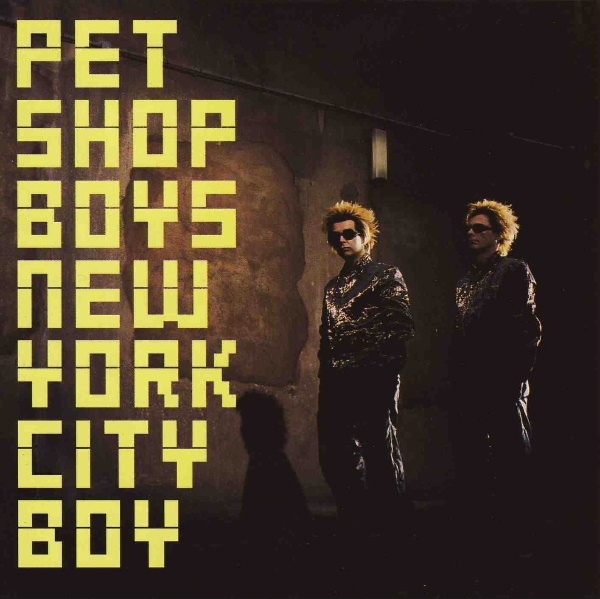
PET SHOP BOYS New York City Boy (1999)

PET SHOP BOYS are as perfect singles act as you can get, but even they were not flawless. For their worst offering, it was a close race between the inappropriately titled ‘Winner’ and the camp OASIS of ‘I Get Along’. But ‘New York City Boy’ has to be Neil Tennant and Chris Lowe’s least convincing single. While ‘Go West’ took a VILLAGE PEOPLE song and applied an elegiac PET SHOP BOYS template, ‘New York City Boy’ was misguided attempt to try and actually be New York’s favourite disco queens.

Available on the album ‘Nightlife’ via EMI Music

http://www.petshopboys.co.uk


KRAFTWERK Expo 2000 (2000)

KRAFTWERK Expo 2000In a scandal equivalent to the UK’s Millenium Dome project, KRAFTWERK pocketed 400,000 Deutsch Marks for a five syllable processed voice jingle for Expo 2000! At the time, it was their first new composition for 14 years. Lacking the percussive drive previously provided by the now-absent Karl Bartos and Wolfgang Flür, ‘Expo 2000’ was a meandering, formless ditty which lacked the klassik melodicism that made KRAFTWERK great.

Available on the single ‘Expo 2000’ via EMI Music

http://www.kraftwerk.com


DEPECHE MODE Peace (2009)

‘Sounds Of The Universe’ is such a dire body of work. So surreally imagine as a diversion from its uninspired electro blues rock, John Lennon trying to write a KRAFTWERK song during THE BEATLES sessions that produced ‘Across The Universe’? Sounds interesting doesn’t it? DEPECHE MODE worked on the concept but came up with the ghastly ‘Peace’. No pleasures remained as the strained and nauseating chorus, attached to a lame verse, was more likely to harm diplomatic relations.

Available on the album ‘Sounds Of The Universe’ via Sony Music

http://www.depechemode.com


OMD If You Want It (2010)

For anyone who had loved OMD’s pioneering early catalogue, ‘If You Want It’ was horrid. An attempt at a soaring OASIS styled anthem, ‘If You Want It’ was not what fans were expecting. With an excruciatingly high key and a joint compositional credit to Tracey Carmen, who had worked with Andy McCluskey’s girl group creation ATOMIC KITTEN, its true origins can only be guessed at. But thankfully, OMD managed to snatch victory from the jaws of defeat with 2013’s ‘English Electric’ opus.

Available on the album ‘History Of Modern’ via Blue Noise

http://www.omd.uk.com


ERASURE When I Start To (2011)

ERASURE When I Start

On paper, things were not promising as the severely over rated FRANKMUZIK was recruited to apply his modern dance production aesthetic to Andy Bell and Vince Clarke’s classic synthpop on the ‘Tomorrow’s World’ album. But its first single ‘When I Start To (Break It All Down)’ sounded like a rather anodyne TAKE THAT ballad and Bell’s voice was strained to an auto tuned flatness, lacking power and soul.

Available on the album ‘Tomorrow’s World’ via Mute Artists

http://www.erasureinfo.com


Text by Chi Ming Lai
17th January 2015

25 SYNTH SINGLES THAT SHOULD HAVE BEEN HITS

Statistics can often not be a good indicator of quality and so it is that sometimes, a great single never actually attained the sales recognition it deserved. This could have been due to timing, lack of interest from a fickle music buying public or even a saturated market.

While some of these lost singles do get forgotten, many become live standards and firm fan favourites. So here are 25 singles from predominantly established acts or collectives featuring figures who are now well known in the music scene, that did not reach the UK Top 40 singles chart. Due to the sheer numbers of songs that are eligible, a cut-off point has been made for when CD singles started to become the norm around 1990.

After much deliberation, it was decided to leave out the work of ASSOCIATES as a number of their songs that would have been contenders for this list were featured in ELECTRICITYCLUB.CO.UK’s own Beginner’s Guide To Billy MacKenzie. There are of course, several other notable omissions, but this list could go on forever…

So with a restriction of one single per artist moniker, the list is presented in chronological order by year, and then alphabetically…


THE HUMAN LEAGUE Empire State Human (1979)

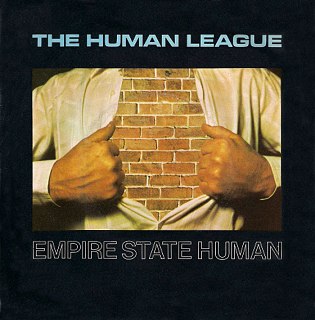
the-human-league-empire-state-human-virginIt seems strange now that this extremely catchy single failed to be a hit in an era when synthesizers were being accepted by the wider record buying public. After all, both SPARKS and TUBEWAY ARMY had entered the Top 20 with their Moog assisted ditties. In hindsight though, Colin Thurston’s production did sound comparatively thin next to ‘The Number One Song in Heaven’ and ‘Are Friends Electric?’. Despite a timely re-release in 1980, ‘Empire State Human’ only reached a high of No62.

Available on THE HUMAN LEAGUE album ‘Reproduction’ via Virgin Records

http://www.thehumanleague.co.uk


LORI & THE CHAMELEONS Touch (1979)

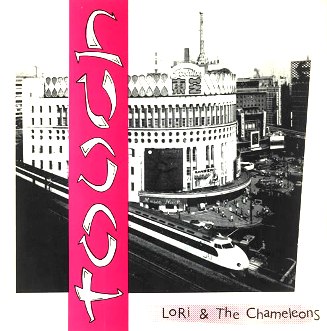
Lori--The-Chameleons-Touch---2nd-issue-448240THE CHAMELEONS (not to be confused with the cult Manchester band) were actually Zoo Records supremos Bill Drummond of THE KLF fame and country house resident Dave Balfe who played keyboards with THE TEARDROP EXPLODES. On the beautifully sequenced ‘Touch’, art school student Lori Lartey innocently told of her holiday romance in Tokyo. It spent one week at No70 when re-issued on Sire Records. There was to be just one more single entitled ‘The Lonely Spy’.

Available on the compilation album ‘North By North West’ (V/A) via Korova Records / Warner Music
http://www.penkilnburn.com/


JAPAN Gentlemen Take Polaroids (1980)

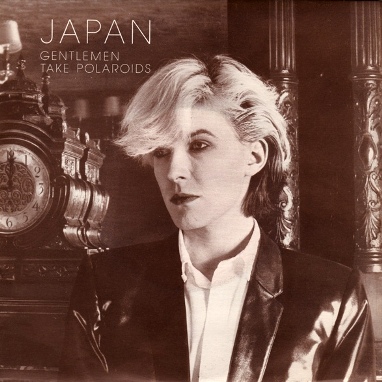
JAPAN Gentlemen Take PolaroidsAfter three albums with Ariola Hansa, JAPAN decamped to Virgin Records and reached No60 with ‘Gentlemen Take Polaroids’, their first single release on the label. But much more was expected as the band were already playing huge venues such as The Bukodan in Tokyo. It would not be until Autumn 1981 following a cash-in release of ‘Quiet Life’ by their former label that David Sylvian and Co. were to become regular singles chart fixtures.

Full length version available on the JAPAN album ‘Gentlemen Take Polaroids’ via Virgin Records

http://www.nightporter.co.uk


ROBERT PALMER Johnny & Mary (1980)

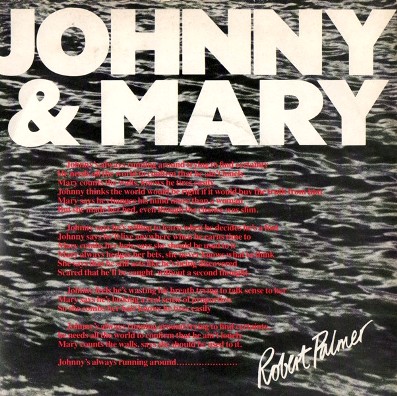
robert-palmer-johnny-and-mary-islandRobert Palmer took an interest in synths having become a fan of Gary Numan and JAPAN. ‘Johnny & Mary’ was a beautifully world weary number that hit a high of No44. He later had massive success with a more rock flavoured sound while his bank balance was enhanced when the song was covered for the ‘Papa et Nicole’ Renault adverts. Bryan Ferry’s reinterpretation with Todd Terje exposed a twilight years scrutiny on the lyrics which sadly, Palmer himself was never able to do…

Available on the ROBERT PALMER album ‘Clues’ via Island Records / Universal Music

http://www.robertpalmer.com/


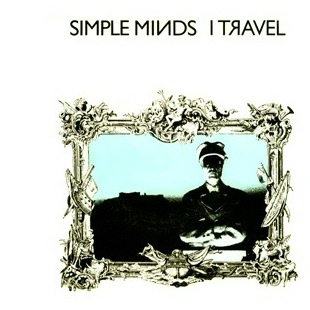
SIMPLE MINDS I Travel (1980)

SIMPLE MINDS I TravelSIMPLE MINDS were signed to Arista Records between 1979-1980 and like JAPAN, they were met with indifference by their label. ‘I Travel’ was their penultimate single at Arista who threw in a free blue flexidisc featuring ‘Kaleidoscope’ and ‘Film Theme Dub’ as a sweetener to early purchasers. But despite airplay at The Blitz Club where its futuristic frenzy was highly welcomed, ‘I Travel’ did not make any chart impact.

Available on the SIMPLE MINDS album ‘Celebrate: The Greatest Hits’ via Virgin Records

http://www.simpleminds.com


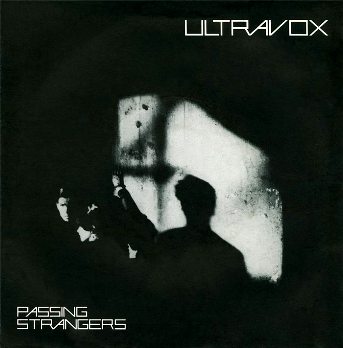
ULTRAVOX Passing Strangers (1980)

ultravox-passing-strangers-chrysalisThings were heading in the right direction for the Mk2 line-up of ULTRAVOX following ‘Sleepwalk’ getting to No29 in the UK chart. Built around a more synth rock structure, ‘Passing Strangers’ had a great chorus and a sympathetic environment in which THE HUMAN LEAGUE and DEPECHE MODE were also managing to break through. But the single stiffed at No57 and it would take the massive surprise success of ‘Vienna’ in early 1981 to truly establish ULTRAVOX as a chart force.

Available on the ULTRAVOX album ‘The Collection’ via EMI Records

http://www.ultravox.org.uk


OUR DAUGHTER’S WEDDING Lawnchairs (1981)

New York’s OUR DAUGHTER’S WEDDING were one of the new synthpop acts to emerge from across the Atlantic and their best known song ‘Lawnchairs’ was a frantic mechanised combination of OMD and Gary Numan. Despite gaining regular radio play in the UK, its chart summit was No49. The trio later re-recorded ‘Lawnchairs’ with a more conventional live drum sound, but this template totally took the charm out!

Available on the OUR DAUGHTER’S WEDDING album ‘Nightlife – The Collection’ via EP Music

http://www.synthpunk.org/odw/


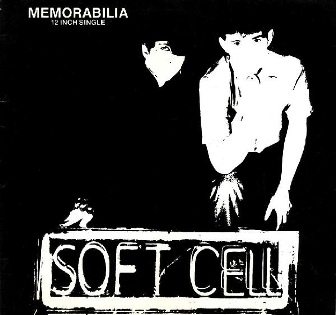
SOFT CELL Memorabilia (1981)

SOFT CELL MemorabiliaProduced by Daniel Miller, ‘Memorabilia’ borrowed heavily from Cerrone’s ‘Supernature’. Released as a 12 inch single but relegated to B-side on the edited 7 inch with ‘A Man Could Get Lost’ as the A-side, Almond recalled a list of trashy souvenirs that were also metaphors for stalking. Dark yet danceable, despite not being a hit, ‘Memorabilia’ would later becitied as an influential proto-house classic.

Available on the SOFT CELL album ‘The Very Best Of’ via Phonogram / Universal Music

http://www.marcalmond.co.uk


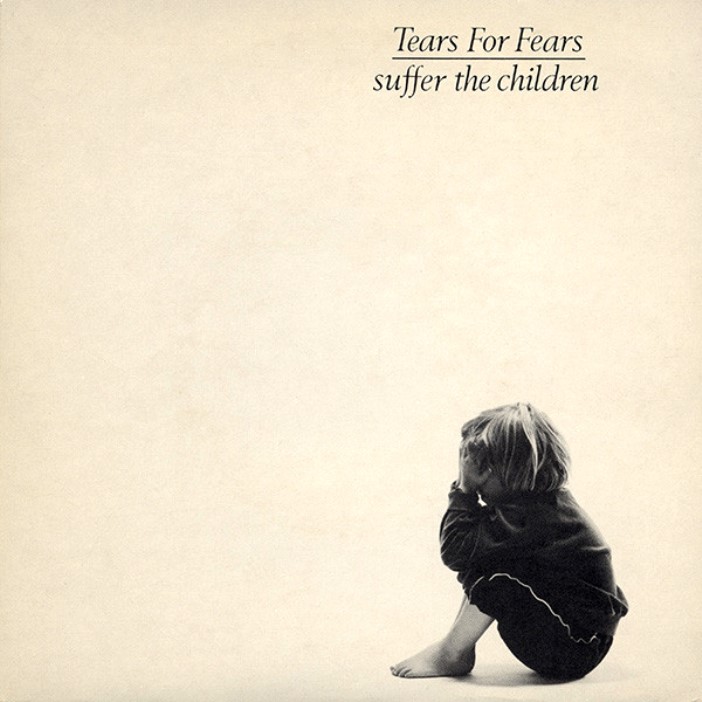
TEARS FOR FEARS Suffer The Children (1981)

When TEARS FOR FEARS first appeared, they were trying to emulate OMD. ‘Suffer The Children’ took inspiration from Curt Smith and Roland Orzabal de la Quintana’s interest in Primal Scream therapy while musically, it recalled McCluskey and Humphreys’ ‘Pretending To See The Future’ but with more guitar. The child-like refrain by Ozabal’s wife within the bridge and coda would have actually sounded like an OMD hookline had it been played on synth.

Available on the TEARS FOR FEARS deluxe album ‘The Hurting’ via Mercury / Universal Music

http://tearsforfears.com/


BLANCMANGE Feel Me (1982)

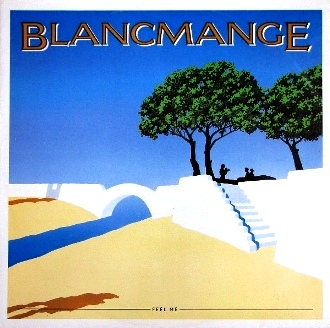
BLANCMANGE Feel MeIf Ian Curtis had joined TALKING HEADS, then it might have sounded like this. “I always thought it was more David Byrne than Ian Curtis but, there was never any intention” recalled Neil Arthur in 2013, “We hired a Roland Jupiter 8, an ARP sequencer and a Korg MS20 plus a Linn LM-1 which Stephen Luscombe and I programmed up”. Reaching No46, ‘Feel Me’ always had untapped hit potential as FAITHLESS’ reworking using Arthur’s vocals proved.

Available on the BLANCMANGE album ‘Happy Families’ via Edsel Records

http://www.blancmange.co.uk


THOMAS DOLBY Europa & The Pirate Twins (1982)

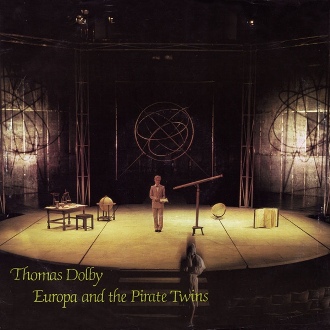
THOMAS DOLBY EuropaWith its thundering Simmons drums and glistening synth riff, ‘Europa & The Pirate Twins’ was based on a real life romance of Dolby’s: “I had a girlfriend and we used to fantasise that after the apocalypse, wherever we were, we would meet up on this beach in East Anglia where I grew up… I always thought she’d end up being this big movie star or something”. The song was not a Top40 hit, but entered the wider consciousness when it was used as the theme to BBC Radio1’s ‘Saturday Live’.

Available on the THOMAS DOLBY album ‘The Golden Age Of Wireless’ via EMI Records

http://www.thomasdolby.com


HEAVEN 17 Let Me Go (1982)

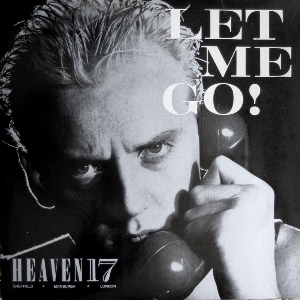
HEAVEN 17 Let me goGlenn Gregory and Martyn Ware often cite ‘Let Me Go’ as their favourite HEAVEN 17 song. Propelled by a funky Roland TB303 Bassline before it was hijacked by Acid House, ‘Let Me Go’ had hit written all over it, but stalled at No41. But in a competitive Autumn ‘82 for new releases, later international hits like Thomas Dolby’s ‘She Blinded Me With Science’ and EURYTHMICS’ ‘Love Is A Stranger’ (on its initial release) were having difficulties getting into the UK Top40.

Available on the HEAVEN 17 album ‘The Luxury Gap’ via Virgin Records

http://www.heaven17.com


THE TEARDROP EXPLODES Tiny Children (1982)

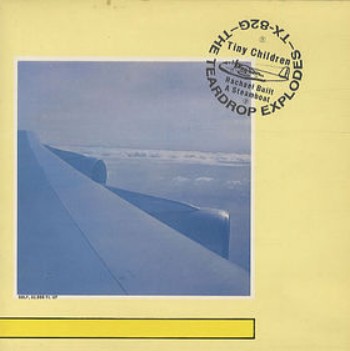
Teardrop Explodes - Tiny ChildrenTHE TEARDROP EXPLODES may not have been a synthesizer driven group, but this marvellously haunting ballad was layered in Prophet5 courtesy of Dave Balfe while Julian Cope sounded like a distressed little boy, lost in his sunshine playroom. Mercury Records probably thought ‘Tiny Children’ would be a hit following the success of JAPAN’s ‘Ghosts’ but released in June 1982, the sonic chill was not what people were wanted as they prepared for their summer holidays!

Available on THE TEARDROP EXPLODES album ‘The Greatest Hit’ via Mercury / Universal Music

https://www.headheritage.co.uk/


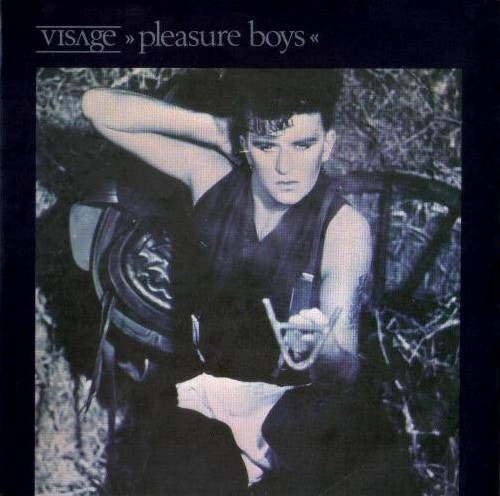
VISAGE Pleasure Boys (1982)

In Autumn 1982, VISAGE were in a state of limbo following the departure of Midge Ure. But with John Luongo who had remixed ‘Night Train’ on board, the remaining quartet of Steve Strange, Rusty Egan, Billy Currie and Dave Formula plus new bassist Steve Barnacle explored New York electro. ‘Pleasure Boys’ was hard and aggressive with lyrics full of hedonism. But the New Romantic audience had moved on and sales were only enough for it to get to No44.

Full length dance mix version available on the VISAGE album ‘The Face – The Best Of’ via Universal Music

http://www.visage.cc/


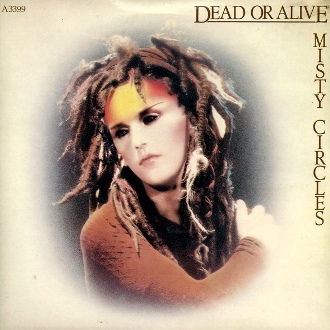
DEAD OR ALIVE Misty Circles (1983)

DEAD OR ALIVE Misty CirclesHaving been courted by the major labels, DEAD OR ALIVE settled on Epic Records and unleashed this vicious slice of electro gothic disco in ‘Misty Circles’ as their first single release for them. Featuring guitars from a soon-to-be-sacked Wayne Hussey, who went on to join THE SISTERS OF MERCY and then form THE MISSION, ‘Misty Circles’ had a highly unusual sound produced by Zeus B Held that was darker than the romping Hi-NRG that DEAD OR ALIVE were later to have hits with.

Full length version available on the DEAD OR ALIVE album ‘Evolution’ via Epic Records / Sony Music

http://www.deadoralive.net/


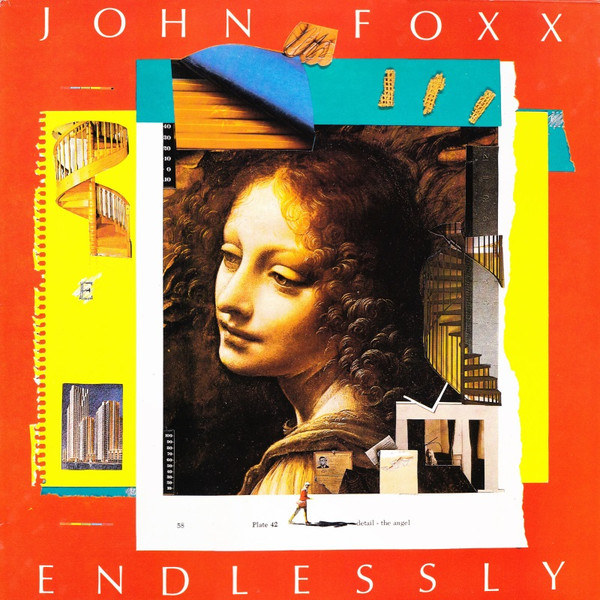
JOHN FOXX Endlessly (1983)

By 1983, John Foxx had moved away from pure electronic music and was now listening to both SIMPLE MINDS and U2. His third solo album ‘The Golden Section’ took on a more pop oriented slant under the auspices of producer Zeus B Held ‘Endlessly’ was initially released in 1982 as a moody Linn drum heavy psychedelic romp and failed to chart. But for the new version, thundering sequencers, Simmons drums and a danced up euphoria were added… however, it still failed to be a hit.

Available on the JOHN FOXX album ‘The Golden Section’ via Esdel Records

http://www.metamatic.com


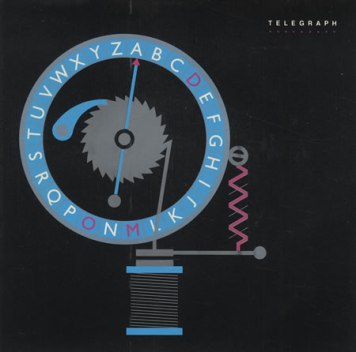
OMD Telegraph (1983)

OMD-Telegraph‘Electricity’ would have been a hit had its sales not been spread over three separate releases with different recorded versions between 1979-80. ‘Telegraph’ was an angry metaphoric attack on religious fundamentalism in the USA, but considered to be the most commercial track on OMD’s brave but critically panned nautical adventure ‘Dazzle Ships’. With an infectious synth melody, what was there not to like? But OMD’s audience had diminished by this time and it only got to No42.

Available on the OMD album ‘Dazzle Ships’ via Virgin Records

http://www.omd.uk.com


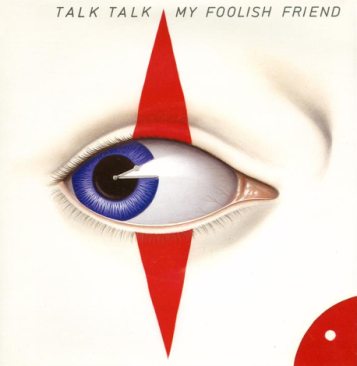
TALK TALK My Foolish Friend (1983)

TALK TALK My Foolish FriendProduced by Rhett Davies who was best known for his slick touches on ROXY MUSIC’s ‘Avalon’, ‘My Foolish Friend’ was the last TALK TALK song to feature contributions from their original keyboardist Simon Brenner. Released between ‘The Party’s Over’ and ‘It’s My Life’ albums as a single, Mark Hollis was in wonderfully miserable mode over a dramatic synthesized backdrop. The single became lost when it only reached No57 and was not included on the ‘It’s My Life’ long player.

Available on the TALK TALK album ‘Asides Besides’ via EMI Music

http://www.spiritoftalktalk.com


THE BLUE NILE Tinseltown In The Rain (1984)

blue_nile-tinseltown_in_the_rain-frontA classic song that sounded like THE PSYCHEDELIC FURS fronting OMD, ‘Tinseltown In The Rain’ is regarded as THE BLUE NILE’s signature tune. Released as part of a deal with hi-fi manufacturer Linn Products to showcase their flagship Sondek LP12 turntable, the gorgeous melancholy of ‘Tinseltown In the Rain’ had an understated quality that ensured the trio’s sporadic releases over the next 20 years were eagerly anticipated by the musical cognoscenti.

Full length version available on THE BLUE NILE album ‘A Walk Across The Rooftops’ via Virgin Records

http://www.thebluenile.net


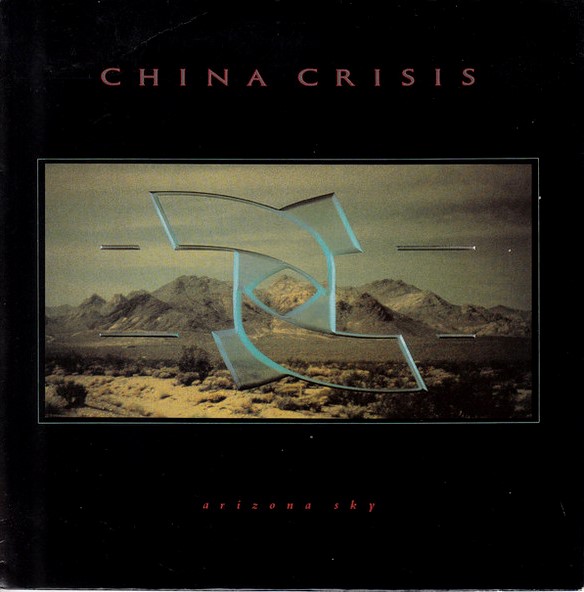
CHINA CRISIS Arizona Sky (1986)

CHINA CRISIS are probably the most underrated band of their generation. Lyrically inspired by an artificially assisted gondola ride in Venice, ‘Arizona Sky’ was one of their many singles which deserved greater recognition. The nucleus of Gary Daly and Eddie Lundon usually managed at least one hit per album but with ‘Arizona Sky’, it was not to be. It settled at No47 despite the song’s brilliant singalong chorus, infectious synthesized textures and catchy “bop-bop-be-doo-dah” refrain.

Full length version available on the CHINA CRISIS album ‘Wishful Thinking: The Very Best Of’ via Universal Music

https://www.facebook.com/pages/China-Crisis/295592467251068


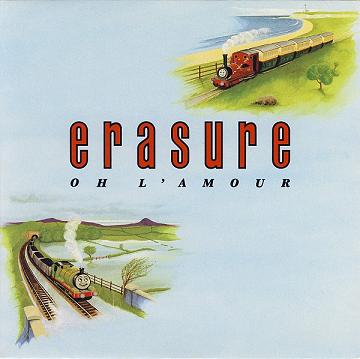
ERASURE Oh L’Amour (1986)

Erasure_-_Oh_L'amour“Why are they doing a DOLLAR song?” someone was overheard at their first visit to an ERASURE concert. And this ultimately sums up why ‘Oh L’Amour’ should have been a massive hit. Its now highly collectable ‘Thomas The Tank Engine’ cover had to be withdrawn due to copyright infringement and wouldn’t have helped availability. However, it should be noted that the original artwork actually features two incidental characters from the Reverend W Audrey’s famous books…

Available on the ERASURE album ‘Always – The Very Best Of’ via Mute Records

http://www.erasureinfo.com


NEW ORDER Bizarre Love Triangle (1986)

NEW ORDER Bizarre fac163One of NEW ORDER’s best loved tunes, ‘Bizarre Love Triangle’ only reached No56 in the UK singles chart. However, the version released was an irritating, dance enhanced remix by Shep Pettibone which took all the subtlety out of the song with its collage of overdriven percussive samples. Far better and much more commercial was an at-the-time unreleased remix by Stephen Hague which later formed the basis of the ’94 version on ‘(the best of)’ compilation.

Available on the NEW ORDER album ‘Singles’ via Rhino Records

http://www.neworder.com


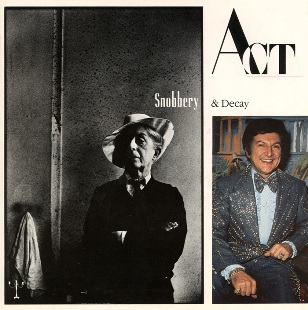
ACT Snobbery & Decay (1987)

act-snobbery-and-decay-ztt-1It was the height of Thatcherism and the Synclavier driven theatrics of ‘Snobbery & Decay’ were a sharp observation by Claudia Brücken and Thomas Leer on the state of the nation. However, the UK were not yet ready for an Anglophile German to tell them about its political decline… “No sadly they didn’t” remembered Claudia Brücken in Summer of 2010, “perhaps it was just not the right moment for this song… Thomas does think that perhaps we were ahead of our time”.

Available on the CLAUDIA BRÜCKEN album ‘ComBined – The Best Of’ via Salvo / Union Square Records

http://www.claudiabrucken.co.uk


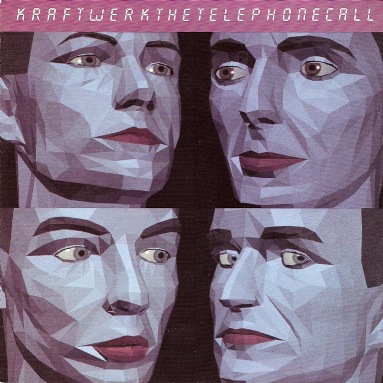
KRAFTWERK The Telephone Call (1987)

kraftwerk-the-telephone-call-emiThe last single featuring the classic RFWK line-up, ‘The Telephone Call’ was the most immediate track on the disappointing ‘Electric Cafe’ album. Featuring lead vocals from Karl Bartos, despite the abundance of digital synthesis and sampling, ‘The Telephone Call’ still had all the usual Kling Klang hallmarks such as pretty melodies, syncopated rhythms and slightly off-key singing to make this to ‘Electric Cafe’ what ‘Computer Love’ was to 1981’s ‘Computer World’ opus.

Available on the KRAFTWERK album ‘Techno Pop’ via Mute Records

http://www.kraftwerk.com


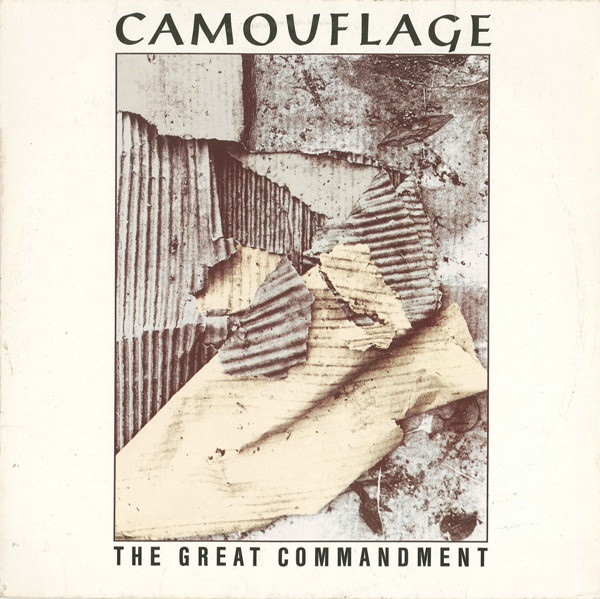
CAMOUFLAGE The Great Commandment (1988)

Today, DEPECHE MODE influenced acts are common place but in 1988, this was highly unusual. Taking ‘Some Great Reward’ as their template, CAMOUFLAGE developed on the industrial flavoured synthpop of ‘Master & Servant’ and ‘People Are People’ which DM had all but abandoned from ‘Black Celebration’ onwards. ‘The Great Commandment’ was probably the best single DM never recorded but while it was a hit in Europe and the US, it made no impression in the UK.

Available on the CAMOUFLAGE album ‘The Singles’ via Polydor Records / Universal Music

http://www.camouflage-music.com/


Text by Chi Ming Lai
3rd January 2015

A Beginner’s Guide To BRIAN ENO

The vast career of electronic innovator and ambient godfather Brian Eno has crossed genres, styles and instrumentation.

Ranging from his solo work with his use of simplistic keyboards and snake guitar to major rock productions and motivational techniques such as his famous ‘Oblique Strategies’ cards, Eno’s theories and thought processes have shaped the pop, rock and avant garde worlds.b“Anything that’s strong enough will stand up to any amount of analysis” Eno said profoundly.

While starting out in art rock with ROXY MUSIC as an EMS VCS3 wielding non-musician, a car accident in early 1975 left him temporarily immobile in a hospital bed. Ever the thinker, it allowed him to explore the possibilities of environmental music. Inadvertently, he had discovered the sub-genre of ambient.

One of his best known early compositions of this type was the short instrumental title track of his 1975 opus ‘Another Green World’ which combined voxless and vocalled tracks in equal measures; the track later became the opening title theme to the BBC2 arts programme ‘Arena’. He focussed on this wordless aesthetic, producing acknowledged ambient classics such as ‘Music for Airports’, ‘Thursday Afternoon’ and ‘Neroli’. His recent album ‘Lux’ on Warp Records continued this quality tradition.

Following his acclaimed solo album ‘Before & After Science’ in 1977, he largely steered clear of conventional vocal led material until 2005’s excellent ‘Another Day On Earth’. However, he maintained a presence within the pop and rock sphere as a producer with ULTRAVOX! and later acts such as DEVO, TALKING HEADS, U2 and JAMES.

“Being a record producer is the best form of cowardice. Producers often get praised but they have to do a really bad job for anyone to criticise them” he said of his occasionally hands-off approach, “The way I work is to try to find out what isn’t being done that ought to be done. Sometimes that means somebody ought to make the tea. Sometimes it means somebody ought to re-write the whole bloody song”. Such is Eno’s magic, he even managed to steer COLDPLAY into making their most bearable track ‘Viva La Vida’! Eno’s influence in the studio has been significant, even when not actually behind the desk.

While often miscredited as the producer of David Bowie’s Berlin trilogy ‘Low’, ‘Heroes’ and ‘Lodger’, he was paramount in directing Bowie’s train of thought towards a new school of pretension beyond conventional rock ’n’ roll. The result was half instrumental tracks such as ‘Sound & Vision’ and doomy neo-classical electronic pieces such as ‘Sense Of Doubt’, while both the ‘Low’ and ‘Heroes’ albums were conceptualised into vocal and instrumental sides.

Other Eno collaborators have included HARMONIA, LARAAJI, ICEHOUSE and  SUEDE as well as John Cale, Jah Wobble,  Leo Abrahams, Jon Hopkins and Karl Hyde among many. Scouse pranksters HALF MAN HALF BISCUIT even sent up this artistic rite of passage in a song called ‘Eno Collaboration’. Eno’s catalogue is far too extensive to summarise in a short synopsis.

So what material would serve as an introduction to his varied career as a recording artist, producer, remixer and collaborative muse? Here are eighteen affectionately chosen examples. As with all previous Beginner’s Guides by ELECTRICITYCLUB.CO.UK, the list is not definitive, presented in chronological order and limited to one track per moniker, project or artist. The intention is to act as an oblique strategy to inspire further investigation…


ROXY MUSIC Ladytron (1972)

‘Ladytron’ was a gloriously arty adventure; the inclusion of otherworldly sonic manipulations on Andy MacKay’s oboe and sax alongside Eno’s striking VCS3 sourced electronics signalled a futuristic vision that was later to reveal itself in the New Romantic scene. But Eno’s tenure in ROXY MUSIC wasn’t to last; tensions had been running high at Roxy gigs. Following Roxy’s second album ‘For Your Pleasure’, Eno was gone!

Available on the ROXY MUSIC album ‘The Early Years’ via Virgin Records

http://www.roxymusic.co.uk


ENO Back In Judy’s Jungle (1974)

Eno’s solo debut ‘Here Come The Warm Jets’ followed a trashy energetic guitar style inspired by THE VELVET UNDERGROUND, but his sophomore offering took in more esoteric approaches and an interest in Chinese Communism. The skippy waltz of ‘Back In Judy’s Jungle’ with percussion by Phil Collins headed towards the 38th Parallel as an infectious guitar melody (borrowed from a Korean folk tune) took hold alongside whistles and electronic effects.

Available on the ENO album ‘Taking Tiger Mountain (By Strategy)’ via Virgin Records

http://eno-web.co.uk/


FRIPP & ENO Evening Star (1975)

Prog rockers KING CRIMSON shared management with Roxy and Eno; their guitarist Robert Fripp made his first collaboration with Eno in 1973 on ‘(No Pussyfooting)’. Comprising of two long spiky improvisations, it used a live tape loop technique christened Frippertronics which allowed Mr Toyah Wilcox to layer guitar sounds. This was put to good use on ‘Evening Star’ which had more melodic components in comparision and gentle harmonics.

Available on the FRIPP & ENO album ‘Evening Star’ via Opal Records

http://www.robertfripp.com


DAVID BOWIE Warszawa (1977)

‘Warszawa’ was named after the Polish capital city but captured the post-war tensions in West Berlin without the need for lyricism. At Hansa Studios where ‘Low’ was being mixed, the soldiers in the East Berlin watch towers could look into the windows of the building! Tony Visconti’s production enhanced the drama between Bowie’s enigmatic wailing over Eno’s Minimoog and Chamberlain keys. This formed part of an all instrumental suite on the album’s second side.

Available on the DAVID BOWIE album ‘Low’ via EMI Records

http://www.davidbowie.com


ULTRAVOX! My Sex (1977)

Using Eno’s Minimoog with a knob marked with a sheep sticker to indicate it made woolly sounds, Billy Currie’s classical sensibilities combined with John Foxx’s detached dissatisfaction on ‘My Sex’. Despite being accorded joint billing with Steve Lillywhite and the band in the ‘Ultravox!’ album’s production credits, drummer Warren Cann later revealed that Eno had only worked on four tracks and was not quite the accomplished studio technician the band hoped he would be!

Available on the ULTRAVOX! album ‘Ultravox!’ via Universal Music

http://www.metamatic.com

http://www.ultravox.org.uk


ENO MOEBIUS ROEDELIUS The Belldog (1978)

While the 1976 sessions with cult German band HARMONIA featuring Michael Rother of NEU! remained unreleased until 1997, collaborations with two of the collective Dieter Moebius and Hans-Joachim Roedelius aka CLUSTER proved to be more successful. With a wonderful ambient collection ‘Cluster & Eno’to their name, their second album  ‘After The Heat’added Eno’s contemplative voice to the experimentation, the best of which was the gentle sequencer led beauty of ‘The Belldog’.

Available on the ENO MOEBIUS ROEDELIUS album ‘After The Heat’ via Bureau B

http://www.dietermoebius.de

http://www.roedelius.com


BRIAN ENO 1/1 (1978)

With ‘Music for Airports’, No1 in his Ambient series, the concept had been to create soothing pieces for inducing calm in those who had a fear of flying. Unlike ‘Music For Films’ which consisted of short musical fragments, ‘Music For Airports’ comprised of four extended sketches utilising piano, synths and vocal tape loops. ‘1/1’ was a magnificent 17 minute calling card that was “ignorable as it is interesting”.

Available on the BRIAN ENO album ‘Music for Airports’ via Virgin Records

http://brian-eno.net


JON HASSELL & BRIAN ENO Delta Rain Dream (1979)

Strangely enigmatic, Hassell’s muted avant garde trumpet playing and use of Prophet 5 processing in partnership with Eno on ‘Delta Rain Dream’ from ‘Fourth World Vol 1 Possible Musics’ provided a backdrop for a type of percussive primitive futurism where it was envisaged what indigenous tribes would have done if a solar powered synthesizer had been dropped in at the beginning of time and become their instrument of choice.

Available on the JON HASSELL & BRIAN ENO album ‘Fourth World Vol 1 Possible Musics’ via Virgin Records

http://www.jonhassell.com


HAROLD BUDD & BRIAN ENO First Light (1980)

Eno had produced and issued Budd’s ‘Pavilion Of Dreams’ on Obscure, but didn’t directly collaborate on a full album project with the American self-taught pianist until ‘The Plateaux Of Mirror’; ‘First Light’ was typical of an Eno collaboration where the musician of the partnership was allowed to breathe and build tension before Eno’s magical layers of synthesizer appeared in the final quarter. The approach could be compared to Eno choosing a tie for Budd’s shirt and suit…

Available on the HAROLD BUDD & BRIAN ENO album ‘The Plateaux Of Mirror’ via Virgin Records

http://haroldbudd.com


TALKING HEADS Crosseyed & Painless (1980)

‘Once In A Lifetime’ may have been the hit but ‘Crosseyed & Painless’ was the key track from ‘Remain In Light’, TALKING HEADS’ third album with Eno. Incorporating funk rhythms alongside assorted instrumentation modulating around a very basic repetitive chord structure, there was tension within the dance as David Byrne preached like an inebriate evangelist. The credit “All songs written by David Byrne, Brian Eno and Talking Heads” infuriated the other band members.

Available on the TALKING HEADS album ‘Remain In Light’ via WEA Records

http://www.talking-heads.nl/


BRIAN ENO & DAVID BYRNE Regiment (1981)

Recorded during ‘Remain In Light’, ‘My Life In The Bush Of Ghosts’ was the playroom that nearly drove TALKING HEADS apart. This influential album used taped speeches by personalities of assorted faiths effectively as lead vocals. Featuring the found voice of Lebanese mountain singer Dunya Yusin, ‘Regiment’ was mildly funky and its assortment of rhythmical clarity, synthetic atmospheres and sustained guitar textures proved to be a forerunner of JAPAN’s ‘Tin Drum’.

Available on the BRIAN ENO & DAVID BYRNE album ‘My Life In The Bush Of Ghosts’ via Nonesuch Records

http://davidbyrne.com/


BRIAN ENO, DANIEL LANOIS & ROGER ENO Deep Blue Day (1983)

The ‘Apollo’ album was a soundtrack to a documentary film about the mission to the moon. Its intention was to react against the newsy manner of space travel presented by most TV programmes of the day with its fast cuts and speeded up images. Feelings of weightlessness were captured among the collection’s aural clusters and atmospheres. ‘Deep Blue Day’ with its accessible countrified twang from Lanois was used in the infamous ‘toilet’ scene of the film ‘Trainspotting’.

Available on the BRIAN ENO album ‘Apollo’ via Virgin Records

http://daniellanois.com/


U2 The Unforgettable Fire (1984)

It seemed a most ludicrous union at the time… the flag waving over earnest rock group teaming up with the thoughtful, ambient egghead! With Bono and Co doing their best ‘New Gold Dream’ period SIMPLE MINDS impression, ‘The Unforgettable Fire’ captured the harrowing trauma of Hiroshima in layers of Yamaha DX7 and Fairlight as Eno pushed the Irish quartet into a more esoteric mind process to counter their bombastic tendencies.

Available on the U2 album ‘The Unforgettable Fire’ via Island Records

http://www.u2.com


MICHAEL BROOK Hybrid (1985)

Brook was a studio engineer who could see the possibilities of stretching out the timbres and textures of the electric guitar. His experiments led to his development of the Infinite Guitar. Co-produced by Eno, ‘Hybrid’ was the first album to fully exploit this instrument and the title track very much followed the percussive possible musics of Eno’s ‘Fourth World Vol 1 Possible Musics’ collaboration with Jon Hassell. This wasn’t entirely surprising as Brook had played live with the duo in 1981.

Available on the MICHAEL BROOK album ‘Hybrid’ via Virgin Records

http://www.michaelbrookmusic.com


JAMES Sometimes (1993)

After their ‘Seven’ album, JAMES were accused of heading down the U2 route so in a replicant move, Booth and Co secured the services of Eno for ‘Laid’, which was released in Autumn 1993. While driven by frantic acoustic guitar, the lead single ‘Sometimes’ benefitted from Eno’s input by steadily building and adding glistening ambient synths. A most gloriously harmonic vocal section towards the conclusion appeared for yet another lift when it was least expected… pure Eno!

Available on the JAMES album ‘Laid’ via Mercury Records

http://www.wearejames.com


DEPECHE MODE In Your Room – Apex Mix (1994)

Using the percolating bass sequence and chilling stabs from the original album version plus slices of Martin Gore’s backing vocal, Eno’s Apex Mix of ‘In Your Room’ was almost Zen-like in its meditative qualities. Legend has it that while Martin Gore was playing this version in his car, he had to turn it off as it was sending him to sleep! In true Eno style, the backing built slowly and made the most of the song’s inherent tension.

Available on the DEPECHE MODE CD single ‘In Your Room’ via Mute Records

http://www.depechemode.com/


BRYAN FERRY Wildcat Days (1994)

The first co-write between the two former sparring partners with perhaps some nostalgic lyrical reference to the fledgling days of ROXY MUSIC, ‘Wildcat Days’ was the best track from Ferry’s arduous ‘Mamouna’ project, the original sessions of which had started as far back as 1989! Lots of weird noises, detuned swoops and a seasoned supporting cast including Andy MacKay, Chester Kamen and Steve Ferrone combined for this marvellous slice of electronic art funk.

Available on the BRYAN FERRY album ‘Mamouna’ via Virgin Records

http://www.bryanferry.com


BRIAN ENO & J PETER SCHWALM From This Moment (2001)

For his project with German DJ and percussionist Schwalm, Eno took a more rhythmically colourful approach to his ambient philosophies that coincided with the emergence of chill-out rooms within the club scene. Certainly, ‘Drawn From Life’ possessed more accessible entry points for those who maybe found works such as ‘Music For Airports’ too sedate. The album’s opener ‘From This Moment’ was great soundtrack music, bolstered by live percussion and strings.

Available on the BRIAN ENO & J PETER SCHWALM album ‘Drawn from Life’ via Virgin Records

http://jpeterschwalm.webnode.com/


Text by Chi Ming Lai
24th July 2014

« Older posts Newer posts »