Tag: The Grid (Page 2 of 2)

DAVE BALL Interview

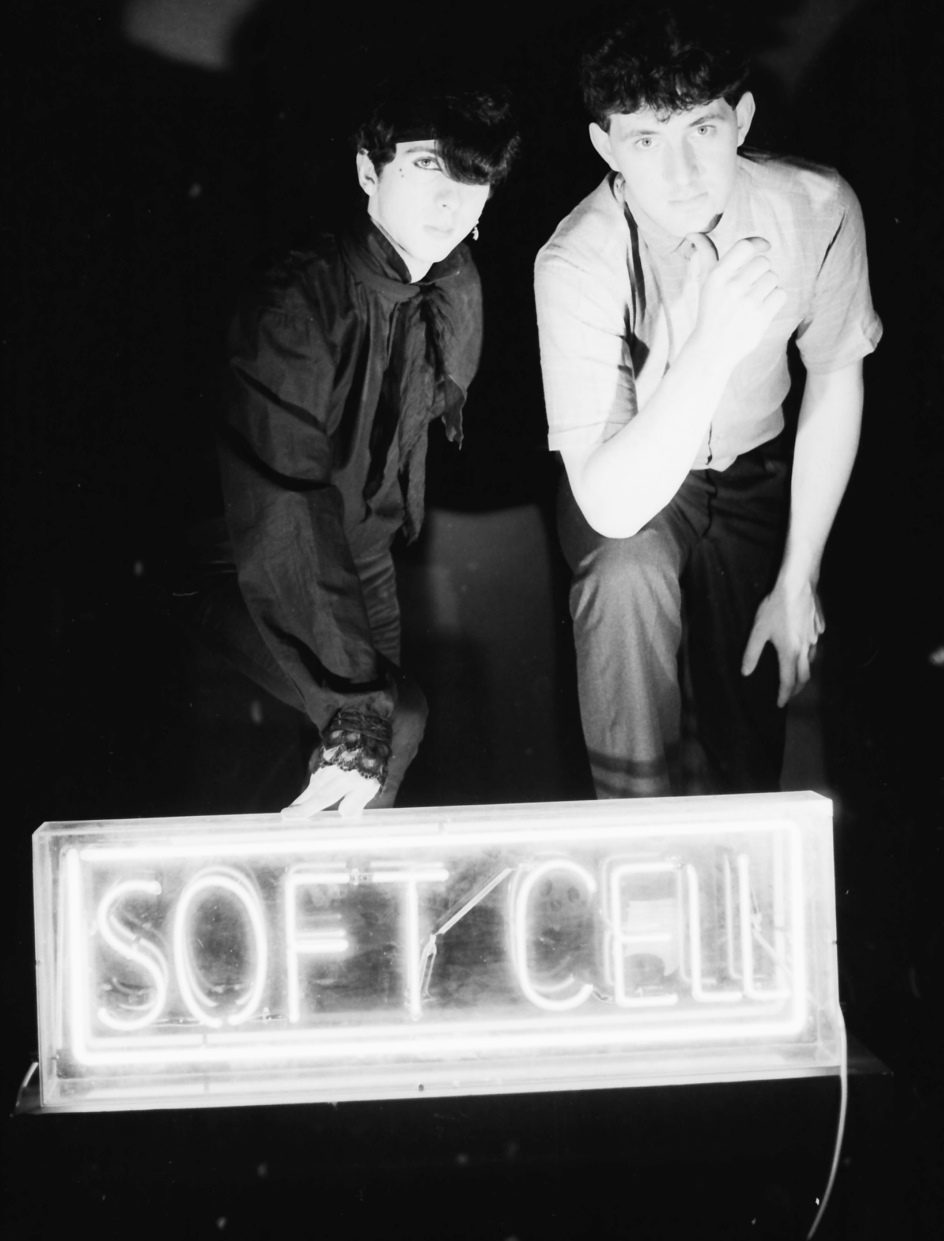
Dave Ball is best known as the musical genius of SOFT CELL.

Together with Marc Almond, they recorded ‘Tainted Love’, a marvellous hybrid of Northern Soul and KRAFTWERK that was possibly Synth Britannia’s first true crossover song. It started a run of hit singles that ensured SOFT CELL would be Top 40 chart fixtures for the next three years. Their self-released ‘Mutant Moments’ EP in 1980 came to the attention of DJ Stevo Pearce, who had been compiling “futurist” charts for the music papers Record Mirror and Sounds.

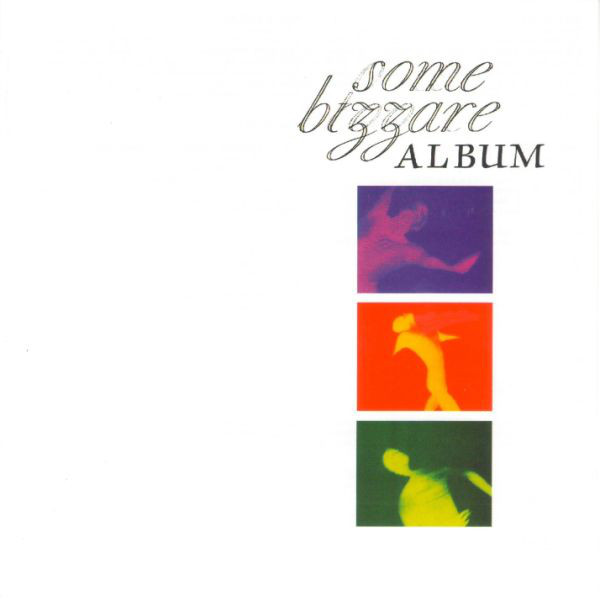
Stevo gathered a number of fledgling acts like DEPECHE MODE, BLANCMANGE, B-MOVIE and THE THE who appeared alongside SOFT CELL on the independently produced ‘Some Bizzare Album’ compilation in 1981.

This eventually led to SOFT CELL signing to Phonogram Records. After ‘Tainted Love’, a cover of a Northern Soul favourite by Gloria Jones, became a UK No1 in September 1981, Ball and Almond became unlikely pin-ups with poster spreads in ‘Smash Hits’. The follow-up single ‘Bedsitter’ reached No 4 and proved SOFT CELL could have hit singles with their own material.

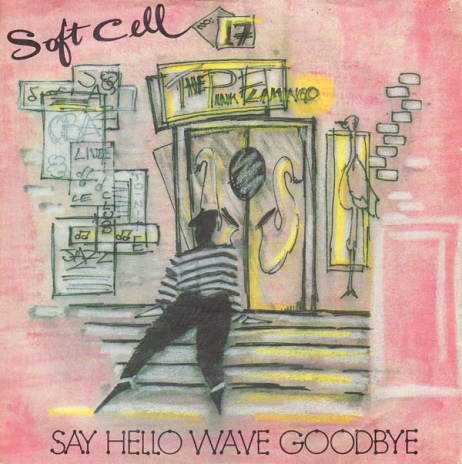
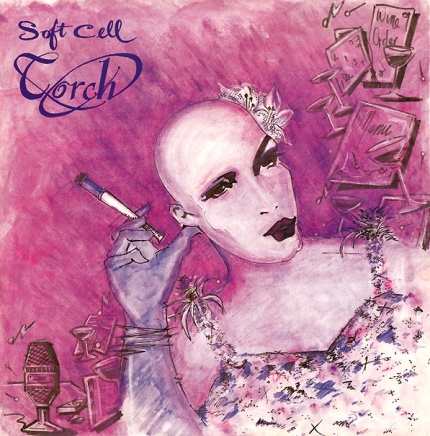
Meanwhile, a further three Top 3 hits came with ‘Say Hello Wave Goodbye’, ‘Torch’ and ‘What’ during what could be now considered as SOFT CELL’s imperial phase, a period which undoubtedly broke down barriers and paved the way for many of the acts who followed, like PET SHOP BOYS, ERASURE, BRONSKI BEAT and FRANKIE GOES TO HOLLYWOOD.

However, as former art students who had met at Leeds Polytechnic, commercial success and pop stardom did not sit well with Ball and Almond; inevitably, the pair began to implode. SOFT CELL disbanded in 1984 but while Almond went solo, Ball eventually found solace in the burgeoning house scene.

With his new musical partner Richard Norris, he found success as THE GRID. Their debut album ‘Electric Head’ proved to be quite influential, with Canadian DJ Tiga probably one of the artists who owe a debt to its timeless musical template. Around this time, Ball began collaborating with Marc Almond again. The results ended up on ‘Tenement Symphony’, possibly the most mainstream recording of Almond’s career. This eventually led to a full SOFT CELL reunion in 2001 and the album ‘Cruelty Without Beauty’ in 2002.

Following an impromptu meeting at a recent Wolfgang Flür gig Under The Bridge in Chelsea, Dave Ball kindly agreed to a chat with ELECTRICITYCLUB.CO.UK about his career with SOFT CELL, THE GRID and more.

What inspired you to adopt synthesizers as your tools of expression, rather than guitars?

I first started out as a guitar player but I wasn’t good enough and after hearing ‘Autobahn’ by KRAFTWERK, I decided I was more interested in the possibilities of synthesizers, so I part-exchanged my Fender Telecaster for a second hand synth.

Which were your first couple of synth and drum machine purchases?

My first synth was a Mini Korg 800DV, followed by a Korg Synthe-Bass SB-100 and I had Rhythm Master drum machine that played presets like Bossa Nova, then I got a Boss Dr Rhythm which was programmable.

One of the key instruments in the SOFT CELL sound was the Korg Synthe-Bass SB-100, a little two octave synth which no-one else appeared to use.

The SB-100 was great because it was specifically a bass instrument, although the twangy topline on ‘Bedsitter’ is made on that instrument using the two pitchbend buttons. The B52s are the only other group I know of that also used that keyboard.

I’ve always been interested in how you connected your love of Northern Soul with your rhythm structures for SOFT CELL, particularly once you’d acquired the Roland TR808?

I would say the only similarity was to do with the tempo of Northern Soul and our faster numbers. On ‘Tainted Love’ I used a Roland Compurhythm CR78 drum machine, I first used a TR808 on ‘Bedsitter’, the follow-up single. I think that was possibly the first record in the UK Top 10 to use an 808.

SOFT CELL self-released ‘Mutant Moments’ which brought you to the attention of Some Bizzare and the inclusion of ‘The Girl With The Patent Leather Face’ on the subsequent era defining compilation. Do you have any key amusing memories of that period and those ‘Some Bizzare Evenings’ playing live alongside DEPECHE MODE, BLANCMANGE, THE THE and B-MOVIE etc?

They weren’t amusing at the time I assure you although I can laugh about them now. When we played with DEPECHE MODE, it was at a club called Crocs in Rayleigh and they were the house band so they were our support act, believe it or not. They were really tight and played really well and I was very nervous about going on after them as various members of ULTRAVOX, VISAGE, SPANDAU BALLET had come down from London to check us out. We played maybe the worst gig of our careers, the crowd were chucking pennies at us and laughing at us. That was when we realised we had to get our shit together or think about getting day jobs.

‘Non-Stop Erotic Cabaret’ is still much talked about and certainly was a better debut than say, DEPECHE MODE’s ‘Speak & Spell’. How do you yourself look back on it today in the pantheon of classic synthpop?

I think it was the result of working on loads of songs together for two years solid and we seemed to catch the zeitgeist – it was very of its time and I think the S&M references helped. It was quite dangerous imagery for a pop band. It took DEPECHE MODE a few years before they got into the black leather and druggy stuff that we were into from day one.

By ‘The Art Of Falling Apart’, you had expanded the instrumental palette to include guitar and bass plus early samplers and digital drum machines.

I think we were trying to sound heavier and slightly rockier. In retrospect I actually prefer the TR808 drum machine on the previous album, as opposed to the Oberheim DMX and Linn Drum MkII on ‘The Art Of Falling Apart’. The sampler we used was a Synclavier MkII that belonged to our producer, Mike Thorne. I only used the sampler for the bass guitar on the track ‘Martin’ on the bonus 12” single.

You recorded a solo album ‘In Strict Tempo’ and produced VICIOUS PINK PHENOMENA. What did you find creatively by doing these that perhaps you hadn’t done with SOFT CELL?

My solo album was really just me wanting to work with some different people and experiment with the studio. It was more like a sketchbook than a fully realised album. VICIOUS PINK were good friends and were on the first SOFT CELL album and I desperately wanted to become a producer, as I was never really into the live performance thing.

After SOFT CELL disbanded, you took an interest in acid house and met Richard Norris to form THE GRID. How did that and then the subsequent availability of the Akai samplers and other equipment become a game changer for you?

I first met him a mutual friend, Genesis P. Orridge of THROBBING GRISTLE / PSYCHIC TV fame when we were working on an album called ‘Jack The Tab’. What was really crazy about the tech at that time was the affordability. When I first used a Synclavier, they cost £120,000. Then I used a Fairlight III, they cost £60,000! Suddenly you could buy an Atari computer and an Akai sampler and still have change out of £2,000. It made the whole thing available to many more people and people started sampling records and creating a whole new kind of loop based music. It was a totally new thing and I found it incredibly exciting.

THE GRID’s debut album ‘Electric Head’ stills stand up and a track like ‘One Giant Step’ hasn’t dated at all. Why do you think that might be?

To be quite honest, there’s a lot of electronic music out there that hasn’t dated because a lot of it is timeless; also because we often tried to sound futuristic.

The single versions of ‘A Beat Called Love’ and ‘Floatation’ featured recognisable musical elements that could be linked back to SOFT CELL. Had that been a conscious thing or was it proof that the rave scene was a natural progression from the ecstasy fuelled recording sessions for ‘Non-Stop Cabaret’?

Regarding ‘A Beat Called Love’ and ‘Floatation’ – we were under pressure to have hit singles, so in that respect you could make a link to SOFT CELL, albeit slightly tenuously. There was a link in terms of the ecstasy / dance music progression I guess.

What inspired the move to the now infamous “cow-punk techno” sound of ‘Swamp Thing’ and ‘Texas Cowboys’?

I’ve never heard it called “cow-punk techno” before. “Swamp Thing” was inspired by a guy I saw playing sort of Bluegrass with an Irish band in a pub in Marylebone and it occurred to me that the tempo and feel would work with a 4/4 dance beat. Unfortunately it became a bit of a novelty record. We sold a million copies worldwide and it got synched on a John Waters movie, ‘Pecker’ and on Robert Altman’s film ‘Pret A Porter’ – so it’s not all bad. ‘Texas Cowboys’ was inspired by the Andy Warhol / Paul Morrisey film, ‘Lonesome Cowboys’.

THE GRID became in-demand remixers / producers for people like Billie Ray Martin, SPARKS, ERASURE, PET SHOP BOYS, David Sylvian and Robert Fripp. Do you have a particular favourite remix that you did?

I like our mix of ‘Am I Right’ by ERASURE, I was pleased they included it on their recent anthology that got to number 9 in the UK charts. I like the mixes we did for HAPPY MONDAYS, ‘Bob’s Yer Uncle’ and ‘Loose Fix’.

How did you come to be writing again with Marc again for ‘Tenement Symphony’?

I think it was after we’d done a mix of his track ‘Waifs & Strays’. We hadn’t spoken for some time and that got us working together again on a few tracks.

What was the process in composing and recording ‘Meet Me In My Dream’, a song which many regard as a SOFT CELL song in all but name?

I think anything I’ve ever done with Marc sounds like SOFT CELL really. It’s hard not to. My process is always I’ll work out a few chords and sketch out a topline then pass it to him.

This eventually led to a full SOFT CELL reunion and the ‘Cruelty Without Beauty’ album in 2002. Had SOFT CELL been unfinished business for you?

Well, as the saying goes “Never say never again”. We were originally trying to write songs for other people, there was no plan to reform SOFT CELL, but when we did the demos in my studio it just sounded like SOFT CELL… so we just said, “OK, it’s SOFT CELL”.

Did you and Marc achieve all you had hoped for artistically in getting back together?

I’m glad we did one more album, I can’t say I had any hopes or expectations but I like the album.

You were one of the last people to work in the studio with the late Martin Rushent with your NITEWRECKAGE project?

Yes, Martin was a lovely man and a total genius in the studio. I wish I’d worked with him earlier in both our careers. He is sadly missed.

Which five tracks from all aspects of your career have you felt the most satisfaction from?

‘Baby Doll’ – SOFT CELL off ‘The Art of Falling Apart’ – it reminds me of a very special time in New York.

‘Floatation’ – THE GRID – I was pleased when it was recognised as an Ibiza chill out classic.

‘Your Loving Arms’ – Billie Ray Martin – it was our first GRID production to get in the UK Top 10 and in the Billboard 100 in the US.

‘My Hand Over My Heart’ – Marc Almond off ‘Tenement Symphony’- I love Trevor Horn’s epic production and Anne Dudley’s arrangement.

‘Say Hello, Wave Goodbye’ – SOFT CELL – I think it’s become an anthem.

Are there any projects you are working on at the moment?

Yes, I’m producing an album for Gavin Friday and another one for Anni Hogan with my production partner, Riccardo Mulhall.

What floats your boat musically these days?

Messing about with modular synths.


ELECTRICITYCLUB.CO.UK gives its grateful thanks to Dave Ball

https://www.facebook.com/David-Ball-393529214088933/

https://twitter.com/dbelectrode

https://www.discogs.com/artist/62914-Dave-Ball

http://www.softcell.co.uk

https://www.facebook.com/softcellband/

http://www.soundonsound.com/sos/apr12/articles/classic-tracks-0412.htm

http://www.soundonsound.com/sos/dec02/articles/softcell.asp


Text and Interview by Chi Ming Lai
10th March 2016
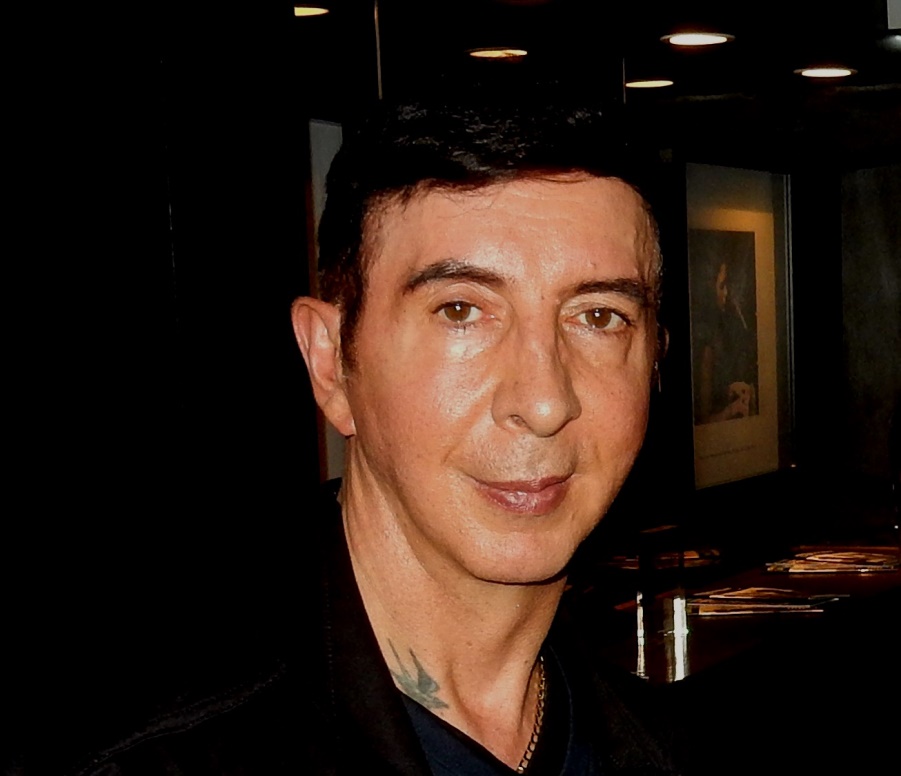
A Beginner’s Guide To MARC ALMOND

Photo by Chi Ming Lai

Although electronic pop only forms a part of Marc Almond’s repertoire, he is forever associated with SOFT CELL’s recording of ‘Tainted Love’, possibly the first true crossover record from the Synth Britannia era.

A fan of Marc Bolan and David Bowie, Southport-born Almond started attending Leeds Polytechnic in 1979 to study Fine Art. One fellow student also on the course in the year above was Frank Tovey, soon to become FAD GADGET. Specialising in performance art, Almond met Dave Ball, a seasoned clubber who explored his artistic musings through the new medium of affordable synthesizers from Japan. Together, they formed SOFT CELL. Their first product was the self-released ‘Mutant Moments’ EP in 1980.

It came to the attention of DJ Stevo Pearce, who had been compiling futurist charts for the music papers Record Mirror and Sounds, which covered the new wave of home grown electronic music that had emerged after the success of Gary Numan. Stevo gathered a number of these acts for the independently produced ‘Some Bizzare Album’ compilation in 1981. SOFT CELL appeared alongside young hopefuls such as DEPECHE MODE, BLANCMANGE, B-MOVIE and THE THE. With DEPECHE MODE opting for Mute and BLANCMANGE eventually heading for London, Stevo signed B-MOVIE, THE THE and SOFT CELL to his Some Bizzare label and began courting the major record companies for a licencing arrangement.

Phonogram had been particularly desperate to sign B-MOVIE in order to compete and SPANDAU BALLET and DURAN DURAN. Legend has it that Stevo sent his demands to their A&R chief Roger Ames on a cassette carried by a teddy bear dressed as Robin Hood; it stipulated that SOFT CELL had to be part of the deal!

Photo by Poalo Di Paolo

Produced by Daniel Miller, SOFT CELL’s first recording for Phonogram was ‘Memorabilia’. While not a hit, it was critically acclaimed and become a cult club favourite. However, the encore of their live set was the one to capture the public’s imagination. A cover of ‘Tainted Love’, it reached No1 in the UK, Germany, Australia and Canada while also eventually entering the US Top 10.

Written by Ed Cobb, ‘Tainted Love’ was originally recorded by Gloria Jones and became a Wigan Casino favourite on the Northern Soul scene. As a fan of that scene, David Ball knew the song and took it into haunting electronic torch territory. Segued with a Motown cover ‘Where Did Our Love Go?’ on the extended version, it was to become one of Sire Records’ biggest selling 12 inch singles in America. But it was to be a double edged sword as the coupling of two covers made SOFT CELL minimal money, despite the record selling millions.

The follow-up ‘Bedsitter’ proved SOFT CELL could have a hit single with their own material. Amusingly after the release of the ‘Some Bizarre Album’, a disgruntled rival musician had poked fun at Almond and told him: “You couldn’t make a decent dance record if you tried”.

However, the disgruntled rival musician faded into obscurity and gig no-shows with his deluded combo, while ‘Bedsitter’ made it three decent dance records in a row for SOFT CELL following the club popularity of both ‘Memorabilia’ and ‘Tainted Love’. Thus began a run of hit singles that ensured Almond and Ball would be Top 40 chart fixtures for the next three years.

Almond though was looking at a life outside of SOFT CELL, so he formed MARC & THE MAMBAS. It set the tone for the artist that he would eventually become. Almond was certainly channelling his venom with aplomb, especially on delightful ditties like ‘Catch A Fallen Star’. However, it was an indication that Almond’s drug fuelled paranoia was getting to him… he later threatened a Record Mirror journalist Jim Reid while brandishing a whip, for the scribe’s slating of his Mambas opus and temporarily retired!

The pressure and criticism that came from the success of SOFT CELL was proving too much for Almond, as he went into a well-documented public meltdown. The duo turned into SUICIDE and strove to drive away what was left of their pop oriented audience. Those that remained would become The Gutter Hearts, Almond’s fan club who Boy George had generally described as “people who wear black and hate their parents”. The duo disbanded in Spring 1984 just as the third album ‘This Last Night in Sodom’ hit the shelves.

Almond’s first solo album ‘Vermin in Ermine’ released in late 1984 and embraced a classic European cabaret style with almost exclusively traditional instrumentation, often with dynamic orchestral arrangements. There was a one-off collaboration with BRONSKI BEAT in 1985 but continuing in the orchestrated vein, Almond unexpectedly hit No1 again in 1989 with ‘Something’s Gotten Hold Of My Heart’, a spirited cover with the late Gene Pitney. But despite the recognition as an artist in his own right, the spectre of SOFT CELL continued to haunt Almond.

“Synthesizers and the bands or artists that used them weren’t taken seriously at first especially by so-called serious music critics. They were ridiculed…” he remembered in a recent interview with Advocate. But with the success of Acid House and the rave scene, electronic music was now being re-evaluated.

So in 1991, Almond re-voiced a number of SOFT CELL’s best loved numbers for the ‘Memorabilia – The Singles’ collection. He also began collaborating again with Dave Ball, who was now having success with his new musical partner Richard Norris in the dance oriented combo THE GRID. The results ended up on 1991’s ‘Tenement Symphony’, possibly the most mainstream recording of Almond’s career.

The follow-up ‘Fantastic Star’ should have been the record to consolidate Almond’s position as a pop artiste. But instead, it got lost in record company politics; while Almond remains dissatisfied with the overall album, it did lead to him working with guitarist Neal X of SIGUE SIGUE SPUTNIK fame, who today continues to be his right hand man.

Looking back, SOFT CELL were probably ahead of their time. Between 1981 and 1982, they were actually a much stronger proposition than the fledgling DEPECHE MODE. Ultimately, the duo set the blueprint as the proto-PET SHOP BOYS. And although far grittier both musically and lyrically, they also smoothed the path for acts like ERASURE. Almond once said that for an artist to be “truly subversive”, they had to have “access to the mainstream” and subvert he did. So when Almond and Ball came back in 2001 for a full SOFT CELL reunion, there was a welcome acknowledgement of their ground breaking legacy.

In 1993, Almond toured Russia at the invitation of the British Consul and began of his love affair with the nation’s folk songs which continues to this day. But in October 2004, Almond was seriously injured in a motorbike accident near St Paul’s Cathedral, London. He began a slow recovery but remained determined to get back on stage and into the studio. 2007 saw Almond return with ‘Stardom Road’, a covers album including songs made famous by Dusty, Sinatra and Bowie. The concept had largely been prompted by him being unable to write new material since his accident.

But in 2010, Almond released ‘Varieté’ his first studio album of self-written material since 2001. It was a move towards more vintage theatrics and paved the way for his future projects like ‘Pop’pea’ and ‘Ten Plagues – A Song Cycle’. Immersing himself in a variety of work since then, Almond recently re-entered the pop sphere with ‘The Velvet Trail’.
Meanwhile his current crowd-funded venture is an interpretation of Joris-Karl Huysman’s ‘À Rebours’, scored by Othon with lyrics by poet Jeremy Reed and set for release later this year.

So with such a vast and diverse career, what would a Beginner’s Guide to Marc Almond look like? Primarily focussing on his electronic, or at least, technologically assisted work and with a restriction of one song per album or project, here are ELECTRICITYCLUB.CO.UK’s 20 choices…


SOFT CELL The Girl With The Patent Leather Face (1981)

With Almond credited with “vocals/ effects / energetics”, ‘The Girl With The Patent Leather Face’ was one of the stand-outs from the ‘Some Bizzare Album’ showcase. Creepy and unsettling, Almond told the JG Ballard inspired story of a ”two-faced baby” who “tampers with machinery so other beauties crash their cars”. Ball’s gloriously out of tune Korg synths were a fine example of how electronics were maintaining Punk’s ethics of DIY minimalism.

Available on the compilation ‘Some Bizzare Album’ (V/A) via Some Bizzare Records


SOFT CELL Say Hello, Wave Goodbye (1981)

SOFT CELL’s fine debut album was recorded and mixed in the more liberal setting of New York. It captured the edginess of minimal synth arrangements while married to an actual tune. With a magnificent arrangement by Ball that allowed Almond to indulge in his Scott Walker aspirations, ‘Say Hello, Wave Goodbye’ is possibly SOFT CELL’s crowning achievement. Certainly, the line “We’re strangers meeting for the first time, OK?” has become one of the most memorable of the era…

Available on the SOFT CELL album ‘Non-Stop Erotic Cabaret’ via Phonogram Records


SOFT CELL Torch – 12 Inch Version (1982)

Punctuated by John Gatchell’s flugelhorn, ‘Torch’ came in the middle of SOFT CELL’s imperial pop phase and the eight minute version was a piece de resistance. By now, Almond and Ball had got heavily into MDMA while partying on the New York club scene. They were introduced to the drug by the singing dealer Cindy Ecstasy! In an amusing spoken middle section, her nonchalant off-key vocal counterpointed Almond’s fabulously forlorn romanticism.

Available on the SOFT CELL album ‘The Twelve Inch Singles’ via Phonogram Records


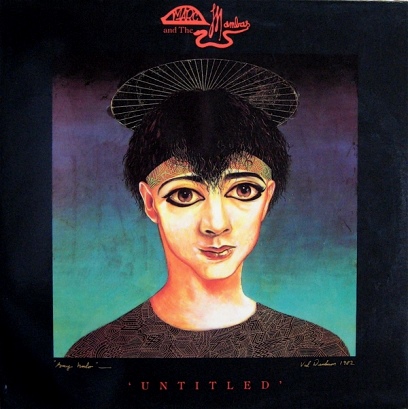
MARC & THE MAMBAS Untitled (1982)

The MARC & THE MAMBAS project begsn with a mail order only 12 inch of ‘Sleaze’. With a revolving door cast of collaborators away from a traditional band format, it was rare that all would perform on the same recording. ‘Untitled’ was a co-write with THE THE’s Matt Johnson that had distinct European overtones. With its Roland TR808 backbone and melodic chorus, ‘Untitled’ could have easily been mistaken for a SOFT CELL song.

Available on the MARC & THE MAMBAS album ‘Untitled’ via Phonogram Records


SOFT CELL Forever The Same (1983)

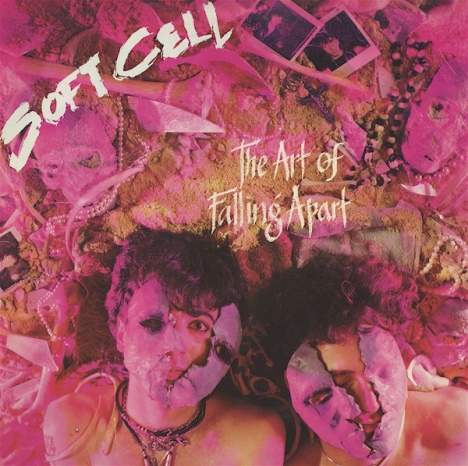
John Gatchell returned, this time with his trumpet on ‘Forever The Same’ from the appropriately titled difficult second album ‘The Art Of Falling Apart’. However, Phonogram’s proposal for it to be a single release was vetoed for the less immediate ‘Numbers’. In a bid to hype it up the charts, the 12 inch was twinned with a free copy of ‘Tainted Love’. Dismayed, this incident set off an already edgy Almond and Stevo to trash the record company’s offices in a destructive rage!

Available on the SOFT CELL album ‘The Art Of Falling Apart’ via Phonogram Records


MARC & THE MAMBAS Torment (1983)

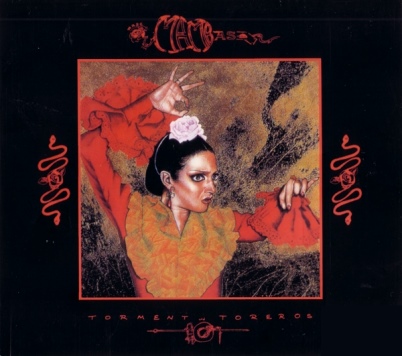
Co-written with SIOUXSIE & THE BANSHEES’ Steve Severin, the precise digital drum machine and eerie organ stabs of ‘Torment’ were offset by the gorgeous Bohemian string arrangements and the chromatic allure of Almond’s dramatic refrains. Co-produced by a young Flood, ‘Torment & Toreros’ had been an adventurous double album indulgence, but the tracklisting could have easily been streamlined into a more cohesive single long player.

Available on the MARC & THE MAMBAS album ‘Torment & Toreros’ via Phonogram Records


SOFT CELL Down In The Subway (1984)

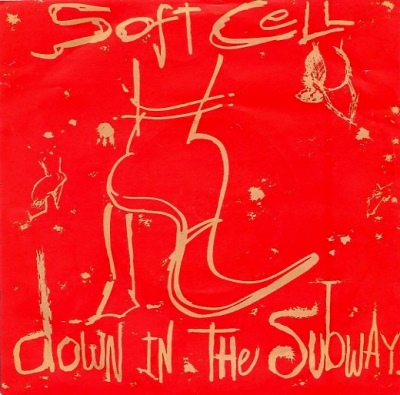
If ‘The Art Of Falling Apart’ was SOFT CELL’s difficult second long player, ‘This Last Night In Sodom’ was an even more challenging proposition; the duo’s final hit single in their first phase was this thundering percussive cover of ‘Down In The Subway’, an emotional but obscure Northern Soul song by Jack Hammer. Fuelled by angst and self-loathing, it was undoubtedly refelctinf Almond’s own mental breakdown.

Available on the SOFT CELL album ‘This Last Night In Sodom’ via Phonogram Records


MARC ALMOND Tenderness Is A Weakness (1984)

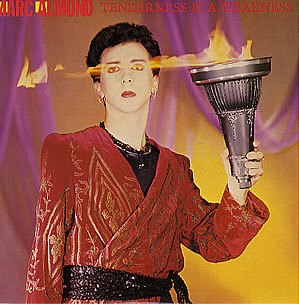
Adopting a back-to-basics approach, Almond had many fine songs in his trilogy of albums with THE WILLING SINGERS comprising of musicians who had been involved in ‘Torment & Toreros’. Free of the mechanical limitations of SOFT CELL, he was more melodramatic than ever before. Produced by Mike Hedges who worked with ASSOCIATES and SIOUXSIE & THE BANSHEES, ‘Tenderness Is A Weakness’ was a remarkably passionate song, regardless of genre.

Available on the MARC ALMOND album ‘Vermine In Ermine’ via Phonogram Records


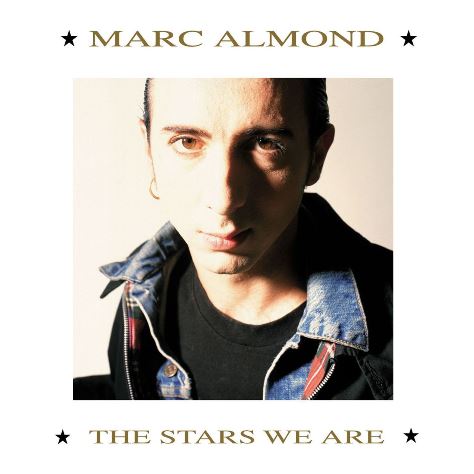
MARC ALMOND These My Dreams Are Yours (1988)

While Almond was continuing on his path of orchestrated European cabaret torch songs, an electronic element was starting to creep back in the club remixes of ‘Tears Run Rings’ and ‘Bittersweet’. A pulsating electronic bassline formed the backbone of the emotive ‘These My Dreams Are Yours’, a song which owed its existence to ‘No Regrets’, made famous by Scott Walker. Featuring the vocals of Victoria Wilson-James, this string laden drama showed Almond was opening up to technology again.

Available on the MARC ALMOND album ‘The Stars We Are’ via EMI Records


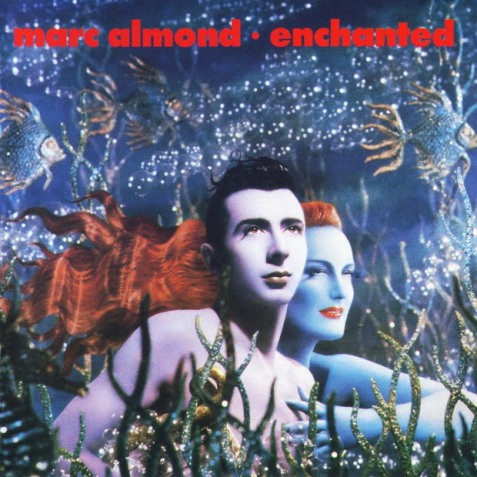
MARC ALMOND Madame La Luna (1990)

Produced by Bob Kraushaar who had worked with PROPAGANDA, ACT and PET SHOP BOYS, the success of the ‘The Stars We Are’ meant its follow-up ‘Enchanted’ had a bigger budget by EMI. The ethos behind pop production in this CD age was “bigger is better” and the epic album opener ‘Madame De La Luna’ was a fine example of the marvellous fusion between the Fairlight CMI programmed by co-producer Gary Maughan and the cinematic orchestrations of Billy McGee.

Available on the MARC ALMOND album ‘Enchanted’ via EMI Records


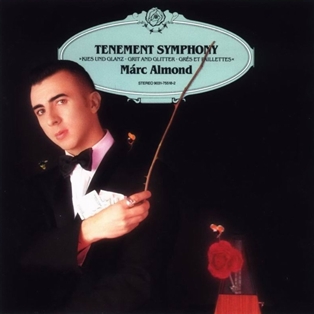
MARC ALMOND Meet Me In My Dream (1991)

While ‘Tenement Symphony’ is best remembered for the Trevor Horn produced covers ‘Jacky’ and ‘The Days Of Pearly Spencer’, it also hosted a writing reunion with Dave Ball. The magnificent ‘My Hand Over My Heart’ closed the collection. But starting the album was the more minimal, but no less emotive ‘Meet Me In My Dream’. A classic SOFT CELL song in all but name, it was a reminder of the undeniable magic that Ball and Almond together possessed.

Available on the MARC ALMOND album ‘Tenement Symphony’ via WEA Records


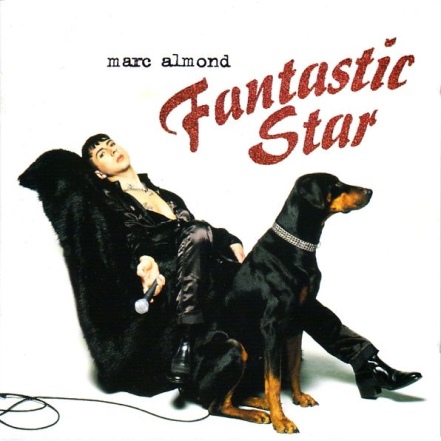
MARC ALMOND Brilliant Creatures (1996)

The original ‘Fantastic Star’ album sessions had seen Almond reunited with Mike Thorne who had produced SOFT CELL’s first two albums. But at Mercury Records behest, numerous other studio personnel were brought in. It also led to managerial strife which eventually ended his relationship with Stevo. Produced by Martyn Ware fresh from steering ERASURE’s ‘I Say I Say I Say’ album, ‘Brilliant Creatures’ reflected the uptempo club friendly pop of the times.

Available on the MARC ALMOND album ‘Fantastic Star’ via Mercury Records


MARC ALMOND & SIOUXSIE SIOUX Threat Of Love (1999)

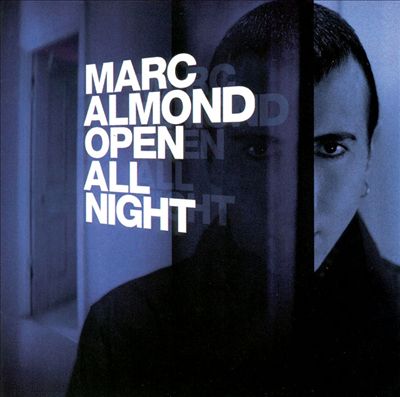
Under new manager Vicki Wickham who had looked after Dusty Springfield, Almond signed to Echo Records in 1998, but almost straight away, record company politics intervened. The eventual album ‘Open All Night’ was issued on Almond’s own Blue Star label and a more downbeat electronic based excursion than he had previously attempted. A feisty trip-hop electro fusion with the Queen of Goth, ‘Threat Of Love’ was orchestrated with an amorous, but sinister Middle Eastern tone.

Available on the MARC ALMOND album ‘Open All Night’ via Blue Star


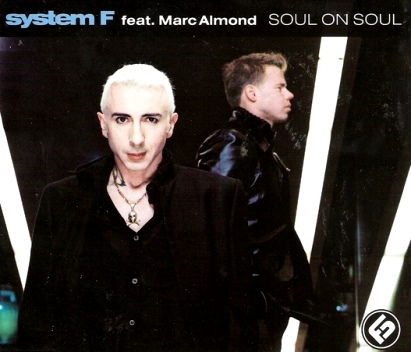
SYSTEM F featuring MARC ALMOND Soul On Soul (2001)

Ferry Corsten had a huge international hit in 1999 with ‘Out Of The Blue’ under his SYSTEM F moniker. It highlighted the spiritual connection between synthpop and trance. So substantiating the link further, the Rotterdam based producer recruited Almond to guest on the blinding ‘Soul On Soul’. It was a spirited, club friendly workout, with Almond giving an exuberant performance over the frantic dance beats and swirling arpeggios.

Available on the SYSTEM F album ‘Out Of The Blue’ via Tsunami Records


MARC ALMOND Glorious (2001)

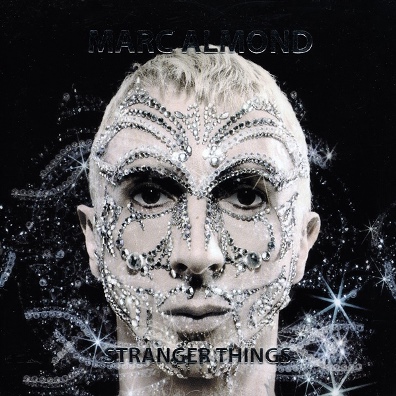
Despite the SOFT CELL reunion, Almond recorded another solo album ‘Stranger Things’. ‘Glorious’ was an appropriately titled electronic torch ballad that combined his unique vocal histrionics with a big sound production not heard since his work with Trevor Horn for ‘Tenement Symphony’. Icelandic producer Jóhann Jóhannsson did a fine job with the song’s widescreen dynamics, adding some vintage ARP Odyssey textures along the way as well.

Available on the album ‘Stranger Things’ via Strike Force Entertainment / Cherry Red Records
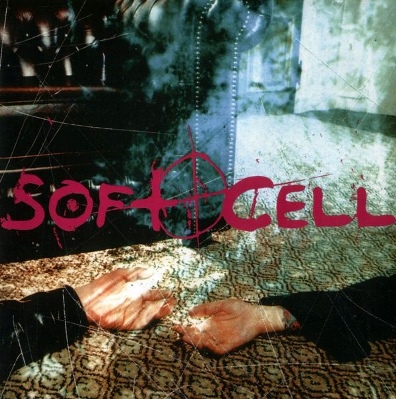

SOFT CELL Desperate (2002)

Almond and Ball’s comeback album ‘Cruelty Without Beauty’ saw a return to the kitchen sink dramas that the pair were famous for. The launch single ‘Monoculture’ was an attack on acceptance of the bland. And with ‘Desperate’, reality talent shows were where Almond chose to vent his spleen. Narrating the thoughts of a young hopeful seeking fame and fortune at whatever cost, with its Bond Theme styled brass inflections, ‘Desperate’ was fine satirical social commentary.

Available on the SOFT CELL album ‘Cruelty Without Beauty’ via Cooking Vinyl


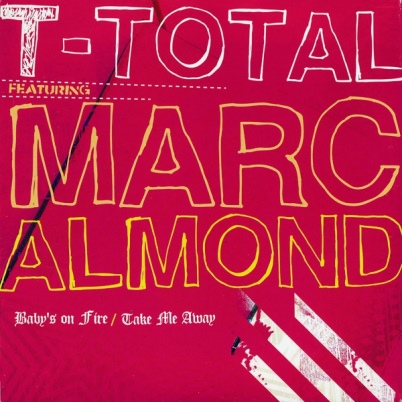
T-TOTAL featuring MARC ALMOND Baby’s On Fire (2005)

A danced up cover of Brian Eno’s cult favourite from ‘Here Come The Warm Jets’, Almond always saw himself as a fan of the ROXY MUSIC synth dandy, rather than the more suave singer Bryan Ferry. He saw the collaborative adventure as a good way to ease himself back into the recording process after his accident in 2004. This reworking still retains much of the mad swirling spirit of the original, while updating it for a new audience.

Available on the T-TOTAL featuring MARC ALMOND single ‘Baby’s On Fire’ via Pure Mint


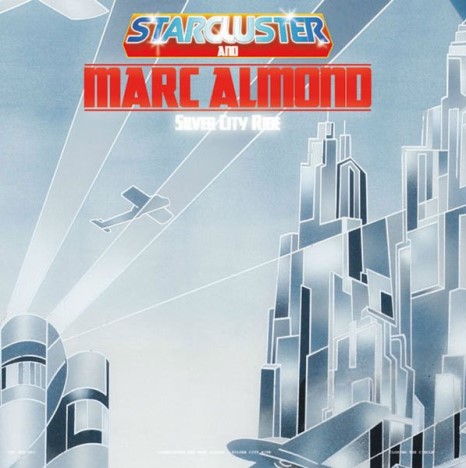
STARCLUSTER featuring MARC ALMOND Smoke & Mirrors (2008)

Following his ‘Stardom Road’ covers project, Almond continued with his one-off collaborations. Maintaining his varied portfolio and willingness to try different styles, ‘Smoke & Mirrors’ was a Hi-NRG octave shifting dance anthem in the vein of Giorgio Moroder. Produced under the auspices of Anglo-German duo Roland Faber and Kai Ludeling, there was even a sweeping VANGELIS rooted synth solo thrown in for good measure towards the conclusion.

Available on the STARCLUSTER album ‘Silver City Ride’ via Private Records


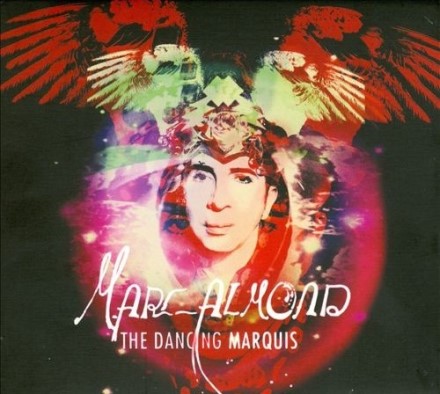
MARC ALMOND Worship Me Now (2014)

‘Worship Me Now’ was Almond’s most overtly electronic work in quite a while. Written by PULP’s Jarvis Cocker, it saw Almond having fun with interpreting the lyrics and sending himself up with the passion of his own classic torch songs. Apart from suggesting the female backing vocals, he had very little to do with the track other that sing, preferring to leave himself in the competent hands of producers Jason Buckle and Tris Penna.

Available on the MARC ALMOND album ‘The Dancing Marquis’ via Strike Force Entertainment / Cherry Red Records
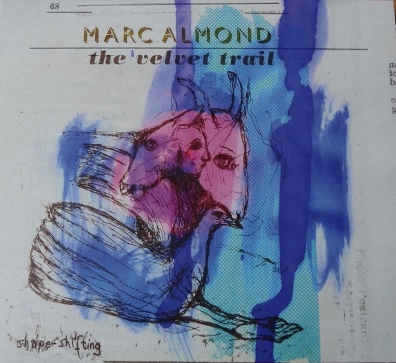

MARC ALMOND Bad To Me (2015)

With the aftermath of his accident, it was understandable that Almond was content with just being able to perform and record. But when producer Chris Braid heard Almond had say “the songwriting muse had all but left me”, he spun into action and sent Almond a number of songs that successfully re-inspired the tainted soul. ‘Bad To Me’ was a wonderfully glitzy, Schaffel stomper that announced Almond’s welcome return to the mainstream.

Available on the MARC ALMOND album ‘The Velvet Trail’ via Strike Force Entertainment / Cherry Red Records


For further information on Marc Almond, please visit: http://www.marcalmond.co.uk/

https://www.facebook.com/MarcAlmondOfficial

https://twitter.com/MarcAlmond

https://www.youtube.com/user/MarcAlmondOfficial/videos


Text by Chi Ming Lai
26th August 2015

Newer posts »