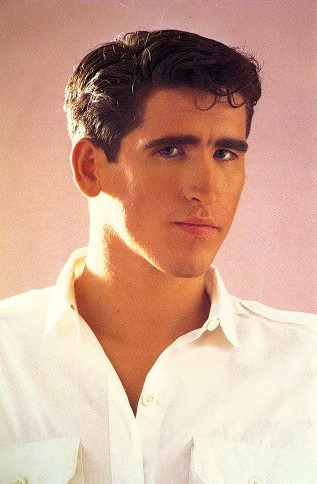
Tag: Robin Simon

Looking Backwards Towards The Future – The Story of ULTRAVOX: An Interview with Richard Evans

From the author of ‘Listening To The Music The Machines Make – Inventing Electronic Pop 1978-1983’ comes ‘Looking Backwards Towards The Future: The Story of ULTRAVOX’.

This first authorised biography of ULTRAVOX is the work of Richard Evans, a music industry stalwart who founded the popular website This Is Not Retro and currently holds down a day job working for ERASURE.

Drawing from a vast archive of research materials and incorporating exclusive input from band members, as well as from their peers, their label and management teams, ‘Looking Backwards Towards The Future’ tells the many varied stories of the band, from fractures and fallouts to ambition and ego.

Written with the knowledge, permission and co-operation of the majority of the band’s surviving core members, the book traces ULTRAVOX’s art school beginnings led by John Foxx, changes of line-up and reinvention as a hit band fronted by Midge Ure on the back of the New Romantic movement. ELECTRICITYCLUB.CO.UK sat down with Richard Evans to get the lowdown on its genesis and realisation…

It came as a surprise when you announced your ULTRAVOX book but then again, with the title of your last book ‘Listening To The Music The Machines Make’, it was blindingly obvious!!!

At the end my last book, I didn’t know what I was going to do! *laughs*

So there wasn’t a big joined up plan at any point but ‘Listening To The Music The Machines Make’ did well enough for Omnibus to ask whether I would like to do another book. I went up to London to meet with them and I pitched 4 ideas… and they favoured the ULTRAVOX book.

There IS a gap in the market, that first ULTRAVOX book ’In Their Own Words’ back in the day was some tacky thing like ‘A Tourist’s Guide To JAPAN’…

Yes that’s right, lots of pictures and some quotes…

‘Listening To The Music The Machines Make’ was very much using archive material as references, so what was your approach this time?

It was similar actually… one of the reasons I came up with the ULTRAVOX book idea, apart from their not already being an ULTRAVOX biography, was the research was already in place as I had collected it from doing ‘Listening To The Music The Machines Make’. One of the things that interested me about ULTRAVOX in THAT story was they were one of the very few bands who were there at the beginning AND at the end of the period that I wrote about.

I started working from the research materials I already had and I put together some bits and pieces before I contacted the band. They all came on board in dribs and drabs. I didn’t want to take them through the same stories that they had told thousands of times since 1974, I wanted to write the book essentially first and then come to the band to talk about the things I needed more information about.

Who in the band came on board and was there any reluctance from some?

I got in touch with Billy Currie first as I had interviewed him before and about the same time, I got in touch with John Foxx as well. Billy connected me with Warren Cann and separately Midge Ure also said yes as well.

The next person I tried to get was Stevie Shears, the original guitarist and through a very convoluted period, I tracked down a friend of his and told him about the book; in the end, his friend said Stevie didn’t really want to go back to all those days. So unfortunately Stevie isn’t represented, however the ‘Systems Of Romance’ guitarist Robin Simon is represented and he was put in contact with me via Steve Malins, John Foxx’s manager.

What’s particularly interesting about Stevie Shears is he later trained to become a psychotherapist and so did the late Chris Cross after he first left ULTRAVOX in 1987, discuss…

I’m sure ULTRAVOX was not the reason they became psychotherapists! *laughs*

ELECTRICITYCLUB.CO.UK’s own journey with ULTRAVOX is an odd one, it starts with the ‘Vienna’ album in 1980, jumps back to the ‘Ultravox!’ debut, then goes to the ‘Three Into One’ compilation and then ‘Rage In Eden’ in 1981 as that hadn’t come out yet and became next in line, what was yours?

I wish I had a cooler answer than this but it was the ‘Vienna’ album because it WAS everywhere and the single was such a slice of different music coming through at a time when there was loads of really interesting things happening, it was an unusual record. It caught my ear and I bought the single and continued buying the singles as they went through.

But they were never really my band; for me, they were always a singles band, I didn’t really have the albums. It wasn’t until later that I had the albums and rediscovered them in a more general way. Part of the appeal of writing the book was that I didn’t know much about them, I had no pre-conceived ideas and it was all new to me.

Do you have a particular favourite phase of ULTRAVOX? I love the Conny Plank trilogy but most seem to discriminate in between the John Foxx and Midge Ure eras, although no-one has said the Sam Blue period yet! *laughs*

The most interesting period for me was ‘Rage In Eden’ because the band were in this situation where the world was at their feet, they could have done whatever they wanted, they could have just taken the easy route and they completely threw that out of the window and did something so strange and idiosyncratic! That’s absolutely brilliant that they had the balls to do that, what an extraordinary body of music to come out with when they could have just been pop stars!

Did the band share any light as to what it was like to be stuck in the middle of the German countryside for 3 months recording ‘Rage In Eden’?

All of those who were involved are proud of ‘Rage In Eden’ and part of that was because it was made against all the odds in terms of the 3 months in Germany with Conny Plank and also the pressure on them individually with the things that were happening around them and also in their relationships with each other under those periods of stress.

How did you find everyone was when talking about their time in ULTRAVOX?

I was never able to speak to two people at the same time, all my interviews were individual. I interviewed them in different ways; Billy was interviewed on Zoom and we had a series of very lengthy conversations. With Warren, it was on the phone and they were lengthy chats as well. John would only really answer messages by email as he likes to consider them and have a think about things. Midge was unwell during the period I wanted to talk to him so I didn’t have a direct connection with him at all in the end which was unfortunate.

At the beginning of the process, the various members were very careful about how they portrayed the relationships within the band. But as I got to know them better, they got a little bit more secure talking to me and were little bit more honest! Some bits I was able to print, some of which I’m not! It was a bit of a balancing act! *laughs*

So the Midge version of the band fragmented just before ‘U-Vox’ in 1986 when Warren was ousted and then after the album and tour, the band was no more… fans will generally blame the others kicking Warren out as being the reason that it all fell apart, but do you think the cracks actually happened during the recording of the ‘Lament’ album in 1984? My evidence of that would be they put out an 8 track album which meant they didn’t have enough material and I know those songs are fan favourites but the ‘Lament’ album seems to deteriorate towards the end with ‘When The Time Comes’ and ‘A Friend I Called Desire’ sounding almost unfinished?

I would agree completely, that was the time in their history when their relationships got problematic. Also, each of them were being pulled in different directions. Midge wanted go and do solo stuff, Warren had that ongoing HELDEN project which he was so passionate about and so invested in… they had other things happening. Then of course there was Band Aid and then Live Aid, all those things that didn’t help!

Weirdly, do you think ‘Dancing With Tear In My Eyes’ becoming a Top3 hit didn’t help the situation and kept that line-up of ULTRAVOX together for much longer than necessary when perhaps it had run its course?

I think there’s something in that… creatively after ‘Lament’, they were already considering their options. But because they had that level of success, I suspect they had to keep following it while they were on a high! Maybe in retrospect, that wasn’t the way to do it!

The socio-political impact ULTRAVOX had in pop culture is often understated… in the early summer of 1984, you have Nik Kershaw with ‘I Won’t Let The Sun Go Down On Me’, Frankie with ‘Two Tribes’ and ‘Dancing With Tears In My Eyes’ all in the charts with their nuclear angst themes… so you have these families watching ‘Top Of The Pops’ before David Attenborough’s ‘The Living Planet’ and the BBC decide to show most of the ‘Dancing With Tears In My Eyes’ video including the explosion!?! Did you watch that edition back in the day?

I did watch it and it didn’t particularly resonate with me at the time. But I know this was a situation that the band had to navigate because people would approach them and say “my children were asking what the song is all about and they are upset!”; it was a strange paranoid period in our history where everyone was going “what’s happening?”

That American film ‘The Day After’ had been shown and BBC’s ‘Threads’ would come later in that year, it’s the whole antithesis of the legwarmers and Filofax thing that some think this Thatcher / Reagan “loadsamoney” decade is all about?

It feels like similar times in lots of ways now although I’m not feeling that reflected in the things that I’m hearing in the same way as the nuclear paranoia of 1984. But I think the way we listen and watch is so different, everything is so much broader now whereas back then, we HAD to listen to those records because they were the records that were on the radio!

So it’s 1987, Midge decides he doesn’t want to do ULTRAVOX anymore, Chris goes with him but Billy carries on! And there’s this period where Billy goes through a series of vocalists, Marcus O’Higgins, Tony Fenelle and Sam Blue. Was there still life in the ULTRAVOX name at this time for live bookings etc or was Billy just being bloody minded?

I would agree with the latter and I think Billy would agree with that as well. I think it became something that he wanted, it wasn’t available to him initially and made him want to pursue it even more! As a result, rather than concentrating on the nuts and bolts of putting together these new line-ups and exploring what they could do, it was more about what name was going to be put on it rather than what it actually was. That was a shame because these line-ups had potential in their own ways.

Photo by Rob Harris

So it’s 2008 and the classic line-up of ULTRAVOX unexpectedly announce they will reform for a tour the following year, what’s your take on that part of the story?

I don’t think anyone could have predicted that one coming. It was a complete surprise to me also but the fantastic bit was by that point, I had caught up with ULTRAVOX and I knew I’d liked them more than I realised previously and it gave me a chance to go see them as I’d never seen them before. So I saw them at Hammersmith Apollo and was absolutely blown away, I thought they were a fantastic live act so that was a really special moment from my point of view.

It seemed that they had got on well enough after 2 tours to do a new album ‘Brilliant’, what did you think of it because it did go through a few problems?

It did go through a few problems but obviously at that point, we the audience weren’t really aware of that. As far as we were concerned, the band had reformed, it had all gone extremely well and had led to this opportunity to make new music. New music from this line-up of ULTRAVOX was a very special thing and when the album came out, I reviewed it for This Is Not Retro and I liked it. I looked back at what I wrote when I was doing the book and fortunately I’d been quite enthusiastic about it. I said something like “it doesn’t push any boundaries” but would we want it to? I still enjoy it now!

I like it as well but I think it’s too long, it could do with 3 less tracks but which 3 is debatable… I think the important thing was it got the band on the road again. The thing about ULTRAVOX live in this period, they were quite clever in that the lighting was quite subtle, so you sort of couldn’t tell how old the band were! But how it all drifted apart after, how have you concluded what happened?

At the beginning of the reunion, they were able to draw on the “newness” of getting back together again but after the novelty of that wore off, it feels like some of the old issues were creeping back in! *laughs*

Of course, ULTRAVOX were much older than their peers at that point and touring is a tough old game. When I was talking to Warren about this, he was paraphrasing someone else but he basically said “they don’t pay me to play, they pay me to travel… the playing is great but the travelling f*cking sucks!” *laughs*

Usually, the fun bit about doing any kind of book or article is to find out something you didn’t know before, was there anything in the course of doing ‘Looking Backwards Towards the Future’ where that happened?

It’s a bit tricky for me to answer that one actually because I didn’t have that fan perspective going in, I didn’t quite know what the narrative was, and what was surprising and what wasn’t for other people. So I’m not really going to know that until people have digested the book and comment “I had no idea that was the case” etc.

Going back to the early days of ULTRAVOX, John Foxx has said before that he started the band as an art project, what is your take on that?

This feeds into what we were talking about and things I discovered, so I asked John specifically about that and if it was an art project, was it marked by the college? And they didn’t really! But the way his art course was, it was very self-directed and as long as people at the college knew what he was up to, he could kind of go off and do his thing. The fact that he seized upon this concept as a result of a lecture at art college and created this band and a world around it for the band to exist in, that was an interesting part of the story.

The John Foxx era of ULTRAVOX did not get a lot of good press, as Billy once pointed out in that Channel 4 run down show ‘Top Ten 80s Romantics’ in 1999, “you can do a lot of things with ‘Ultra’, there’s Ultrahype and Ultracrap” but despite all of this, Paul Weller was a fan?

Paul Weller apparently used to go and see them in the early days and was a constant presence…

Midge joining ULTRAVOX was as a result of VISAGE happening first, is the VISAGE story something you cover in the book?

I don’t cover VISAGE as such because it’s its own story, it’s a separate story and quite a complicated one… it’s possibly one that could be a book itself, not that I have a plan in that direction! *laughs*

Obviously I mention it and Rusty Egan in his machinations about getting everyone together but I don’t go into any of the side projects of any of the members…

So you don’t go into John Foxx with ‘Metamatic’ or Midge Ure with ‘No Regrets’ or ‘The Gift’?

No, I would have had to do the same for everybody and that would have made the book quite unwieldy and a bit bloated to be honest.

Now you’ve mentioned balance, with the core 7 members, how did manage it in the book?

In any situation, whatever I was writing about, I always tried to bring in as much of everyone’s view of that situation as possible. It’s not a book that makes judgements, it’s a book that sets out what happened in my understanding of it and I support that with the various conversations with the band members. Obviously, at times they were more friendly to each other than at other times.

As well as the music, a key part of both John Foxx and Midge Ure era of ULTRAVOX was the visual presentation and in the latter case particularly, the videos… how far do you go into the visual aspects of the band?

Quite a lot actually, I think that was a very important part of the band and the way they presented themselves because it was almost like presenting fantasy versions of themselves. They could create these little worlds they could occupy and they could present themselves in whatever ways they chose.

From a video point of view, they were pioneers for sure and that is definitely noteworthy. From an artwork point of view, the fact that John was an art student so art directed and designed so much of the early stuff, and then after, they started to use people like Peter Saville who is a key name in music design, they always seemed to be on top of that side of things. There’s an element of the band controlling their own career which is really important and a power behind their success. People at their label Chrysalis said ULTRAVOX would come in with their ideas and they would just need the record company to make those ideas come true.

I thought it was interesting that although ULTRAVOX did have Peter Saville do their sleeve designs, it is widely reported that he didn’t particularly like the music… did any of that come out in your research and how was this navigated in the working relationship?

I think it did matter… it was Chris Cross who brought Peter Saville into the ULTRAVOX camp because he was interested in the work he was doing with Factory Records. Peter Saville was a great designer in his moment because I studied design in university and he was someone I looked up to. The problem with Peter and I have worked with him since, is that he’s very very slow. So if you are on any sort of a deadline, then that’s problematic because you can’t be working on that sort of basis.

ULTRAVOX were often quite late in bringing a project to the point where it needed design so they needed someone faster to work with. I still think those Peter Saville covers are among the best of the ULTRAVOX cannon.
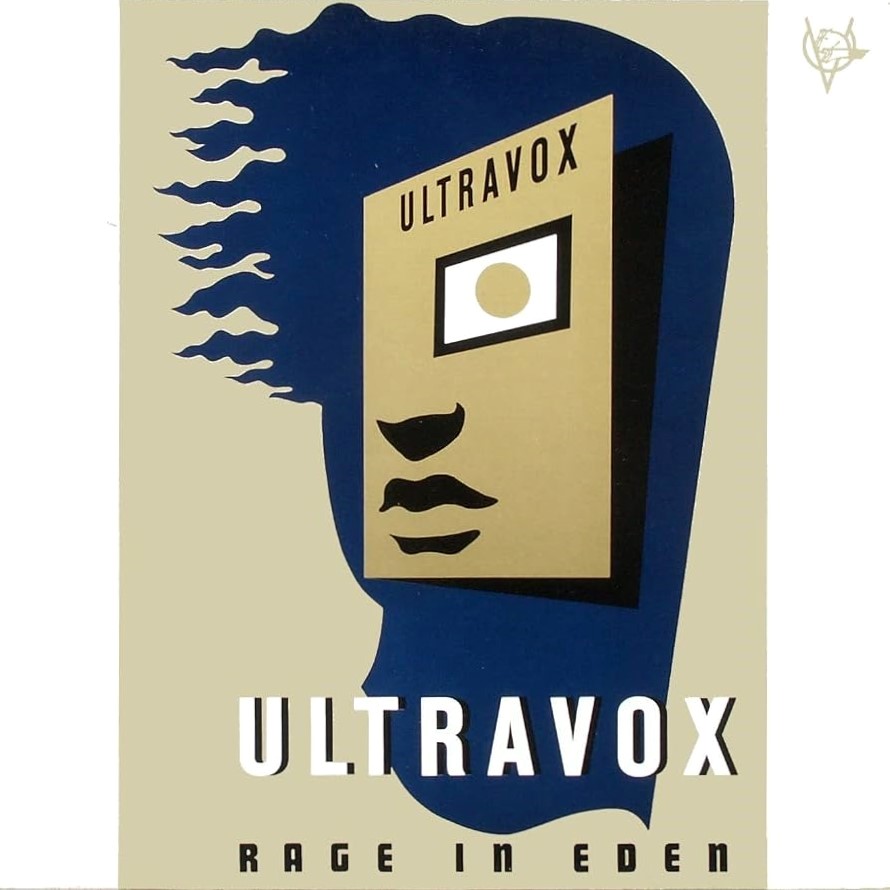
I wanted to throw this theory forward, that because he wasn’t into the music, Peter Saville’s more outlandish ideas got onto ULTRAVOX artwork and made it more striking. I would even argue that much of his ULTRAVOX work is better than what he did with OMD and in some cases, NEW ORDER?

Yes, that’s an interesting path to tread because there must have been a limited number of artists to work with who were that open to that sort of intellectual conceptualising to the extent that NEW ORDER did and that ULTRAVOX also did. In a way, they were a great match but it feels that they ran their course and just gently drifted from each other. I think that’s also quite healthy. The band was changing as well and it needed new visual approaches. I have to say that ‘U-Vox’, not the most successful or popular of ULTRAVOX’s albums, is one of my favourite sleeves in its original striped LP PVC outer package.

My favourite sleeve is ‘Rage In Eden’…

Yes, my other one would be ‘Rage In Eden’, it would be between both of those.

Video became very much part of the classic line-up of ULTRAVOX with Midge and Chris going on to direct them; my favourite is ‘The Voice’ because it’s so arty farty and has a lot of on-the-line imagery… I mean holding fire torches while walking up a hill at night can be perceived as something else, especially with the band’s attire at the time which was like Germans in the 1930s, the “dead man’s clothes” as Midge once put it! Do you have a favourite video? *laughs*

I would probably go with ‘Love’s Great Adventure’ because it makes me laugh every time, it’s funny and light-hearted.

Who was the driving force of the videos, was it Chris or was it Midge?

It was as a team, they found this little niche for themselves and they were happy to do it while Warren and Billy were less bothered by the conceptualising of that. They just ran with it and what a great thing to run with!

I remember when ULTRAVOX ‘The Collection’ came out in 1984 and it also came out as a video compilation and I bought the Betamax cassette of it! *laughs*

BETAMAX! *laughs*

There’s a lot of groundbreaking stuff that ULTRAVOX did with the “greatest hits” package like this accompanying full-length video and including a brand new track, do you think it’s something that they don’t get enough credit for?

I do, it’s almost like every version of ULTRAVOX from John Foxx’s concept right into their imperial hit phase, they were so groundbreaking and pioneering yet no-one ever gave them the respect. There’d always been someone just rushing up behind them who would take those ideas and run with them to get all the credit and all the praise. They were extremely unlucky in lots of ways.

Is the story of ULTRAVOX comparable in some ways to those of PINK FLOYD or GENESIS?

I think there definitely are some parallels with those progressive rock bands.

I know this sounds a bit obvious, but who are you aiming this book at? *laughs*

It’s a good question actually because in lots of people’s perception, there’s 2 ULTRAVOXs and you only like one or the other! I would love people in both of those camps to get the book, I would love them to read the section they are interested in, but I would also love them to read the other section so that they can get a sense of what else was happening around these people and their creative trajectories.


ELECTRICITYCLUB.CO.UK gives its warmest thanks to Richard Evans

‘Looking Backwards Towards The Future – The Story of ULTRAVOX’ by Richard Evans is published by Omnibus Press in the UK on 8th October 2026 – in North America, Australia and New Zealand, the book will be published on 9th February 2027

https://ultravoxbook.com/

https://www.facebook.com/ultravoxbook

https://www.instagram.com/ultravoxbook


Text and Interview by Chi Ming Lai
26th September 2026
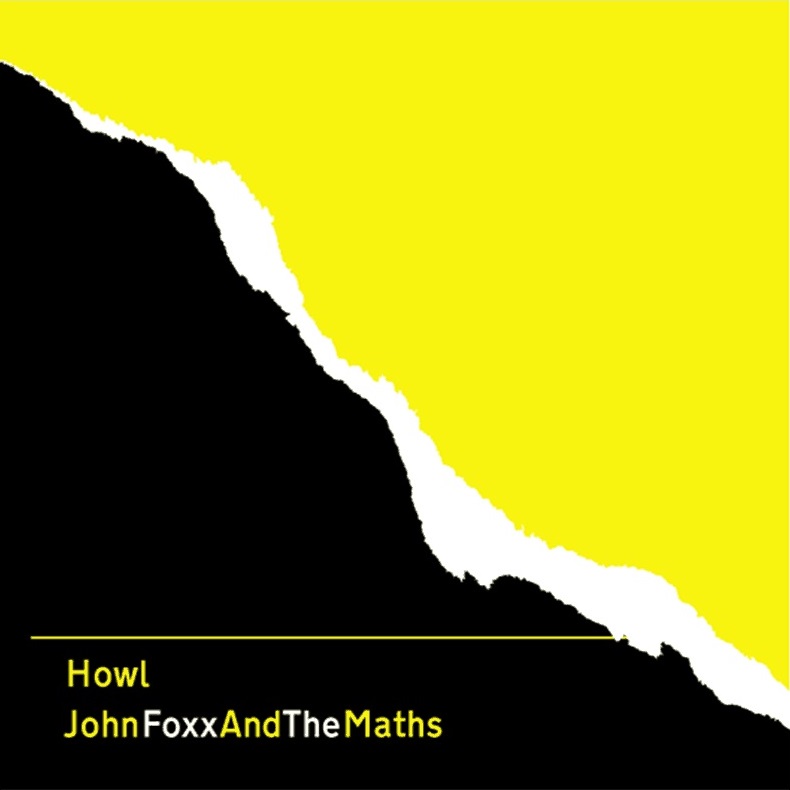
JOHN FOXX & THE MATHS Howl

One of the great scene debates runs as follows… what’s better? The John Foxx or Midge Ure era incarnations of ULTRAVOX?

This is as idiotic as the Fish versus Steve Hogarth debates that rage (and they do rage) amongst MARILLION fans or the similar GENESIS camps that exist around lead singers.

It’s akin to comparing apples to oranges and without the front man leaving these bands, we would have been denied spectacular bodies of work and long careers from all concerned which would potentially have been cut shorter. And yes I include Phil Collins in this, bite me…

There is however a “what might have been?” surrounding John Foxx and ULTRAVOX, with or without the exclamation mark. Had he stayed with the band beyond ‘Systems of Romance’, what would it have sounded like? A continuation of the ‘Systems’ sound or something more like the imperious ‘Metamatic’? With the release of ‘Howl’, the fifth album under the guise of JOHN FOXX & THE MATHS, we get an idea of what could have been.
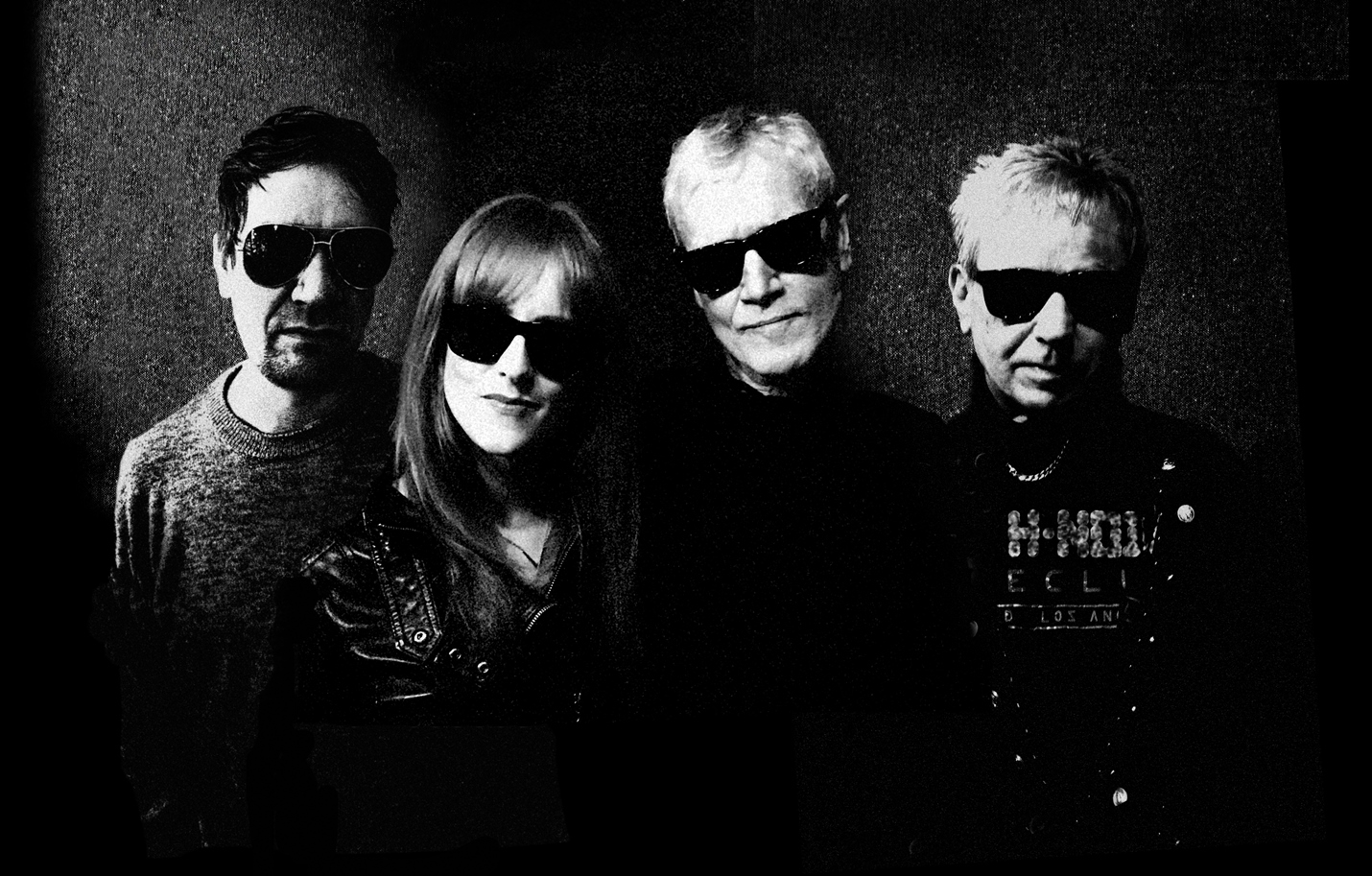

The big news is that Foxx and his Maths collaborators Benge and Hannah Peel are joined by former ULTRAVOX guitarist Robin Simon. Simon appeared with The Maths at the Roundhouse in 2010 so this has been a while coming and it arrives in snarling upfront style with the opener ‘My Ghost’, with its stripped down punky intro morphing into a familiar Foxx effected vocal performance, all underpinned by an insistent rhythm track. On the playout, we get swooping synths under a simple but effective guitar solo.

One of the key contributions Simon brings to the table is what Foxx terms as “Demolition Intercision” and this is shown to its fullest on the title track ‘Howl’.

Recorded in one take which left everyone “standing on their chairs”, the tortured, swooping playing harks back to the songs like ‘Slow Motion’ and ‘Dislocation’ in the way it interplays with the synths and Foxx’s voice.

“Born in the middle of a storm” sings Foxx and this is appropriate as his guitarist whips up a hurricane of noise which at all times remains musical.  Hannah Peel is given room to shine on the next track, ‘Everything Is Happening At The Same Time’, a psychedelic electronic number that appears owes a more than a little to a certain BEATLES song. Given current events, the message of this track is all the more prescient. “we have to choose between the clowns and the fools…” bemoans the lyrics… quite…

‘Tarzan & Jane Regained’ (a contender for title of the year) and ‘The Dance’ tread familiar sonic territory for the Maths which is not to say they are not good songs, in fact ‘The Dance’ is in places a beautiful shimmering piece of electronica.

‘New York Times’ doesn’t outstay its welcome and features some great drum programming. As stated above these are not bad songs, it’s just these three central tracks are bookended by the sonically more interesting ‘stuff’.

‘Last Time I Saw You’ reintroduces Simon’s more upfront guitar work. In the press release, Foxx compares it to violence and it can be at times shocking but also “…a true delight”.

On this and the opening cuts, the almost visceral at times fretwork married to the electronics is not what one would expect from a band leader that is in his five decade as a performer.

This is however the key to John Foxx, he always does the unexpected and doesn’t allow himself to be pigeonholed. As happy to release an ambient work as he is a straightforward ‘pop’ album or indeed to walk away from music altogether, he really is someone that deserves wider recognition. That said, one feels the artist himself would be uncomfortable with that.

Keeping the best to last, closer ‘Strange Beauty’ is possibly the best thing JOHN FOXX & THE MATHS have ever done, an electronic ballad that puts the plodding attempts at similar by bigger bands to shame. Benge’s production on this really does merit his bandmate’s claim that he is this generation’s Conny Plank.

Across this release there is a musicality to the production that is missing from many modern electronic works. The shear fury in places of Robin Simon’s playing could have just been noise at the hands of a lesser, knowing producer but here it is given room to shine. As a closer, this track more than any other points towards that might have been.

Once again John Foxx has shown how to remain relevant in these modern times. ELECTRICITYCLUB.CO.UK has never hidden its love of the man’s prodigious body of work and ‘Howl’ reinforces that further.

At a time when Moog are handing out ‘Innovator’ awards to artists as a purely marketing tool, we should be thankful that performers like John Foxx continue to push their own boundaries instead of playing it safe. I can’t wait to hear what he does next.


‘Howl’ is released by Metamatic Records on 24th July 2020 as a CD and yellow vinyl LP, pre-order from https://johnfoxx.tmstor.es/

http://www.metamatic.com/

https://www.facebook.com/johnfoxxandthemaths/

https://twitter.com/foxxmetamedia

https://www.instagram.com/johnfoxxofficial/

https://johnfoxx.bandcamp.com/


Text by Ian Ferguson
15th July 2020

JOHN FOXX & THE MATHS Interview

‘Howl’ is the fifth studio album from JOHN FOXX & THE MATHS and sees the former ULTRAVOX! front man reuniting with his ‘Systems Of Romance’ guitarist Robin Simon.

Also featuring Chief Mathematician Benge along with live band member and regular collaborator Hannah Peel, ‘Howl’ does as its title suggests. Presenting eight tracks of fierce art rock, it sees guitars as very much part of the scenery in partnership with the electronics.

Recorded at Benge’s MemeTune studios in Cornwall , ‘Howl’ is the first JOHN FOXX & THE MATHS album since the instrumental score for a theatre production of EM Forster’s ‘The Machine Stops’, released as ‘The Machine’ in 2017. Before that, there was an extremely prolific period which saw three albums ‘Interplay’, The Shape Of Things’ and ‘Evidence’ issued between 2011-2013. And this was without Foxx’s other ambient and soundtrack outings.

John Foxx talked about the genesis of ‘Howl’ and drew on artistic parallels from working with Conny Plank back in 1978 for ‘Systems Of Romance’…

After the prolific release schedule of 2011-2017, you’ve kept a low profile over the last few years, what have you been doing to keep you busy?

There’s always loads to do -Writing lots of songs and throwing them away. Editing ‘The Quiet Man’ book and digging stuff out of notebooks. Learning to play primitive guitar again. Remembering who I am and for what. Enjoying other people’s gigs. Relishing out-of-control feedback and the sheer joy of being inhabited by very loud, bone-shattering music.

Photo by Ed Fielding

One of the high profile tracks towards the end of that period was ‘Talk (Are You Listening To Me?)’ with Gary Numan in 2016, how did it all come together?

Well, Gary and I had been mentioning we ought to do something together – for about thirty years, but never got around to it. Then Steve (my manager and a friend of Gary) was in LA with him and played the Maths version of ‘Talk’. Gary liked it, Benge got in touch and they began to swap recordings. We mixed a version, and that was it. About time.

Your most recent five album releases have been ambient or instrumental soundtracks, so what inspired you to start working on songs again with ‘Howl’?

Decided to have a listen to everything I’d made – which is something I’ve never actually done before. Bit of a shock. Felt there were a couple of important things I hadn’t properly got to.

One was recording with proper violence and growl. What Lois and I used to call ‘Radge’. I also wanted to get to the sort of cruel glam I really liked – nothing pretty, but a dark, writhing glamour that The Velvets or Iggy touched on – a sort of torn sequins and shades thing. A bit damaged and very urban.

At the same time, I realised I’d not done another of the things I most wanted to – which is work with Robin Simon properly again. Rob came out of that glam into Punk thing as well – and he can play the most violent guitar you’ve ever heard – so the time was absolutely right.

In terms of writing and doing demos, had these songs been conceived with guitars in mind from the very off?

Yes.

Lyrically, what was moving you with these ‘Howl’ songs?

Well there’s plenty to howl about at the moment. We’re all living in particularly fast-moving and downright weird times. ‘The Dance’, ‘Howl’, ‘Last Time I Saw You’, ‘Everything Is Happening At The Same Time’, in fact all the songs, are kicked off by that.

Robin Simon performed with you at The Roundhouse and Troxy gigs in 2010-2011, so it has taken a few years for you both to work together on this record, you rate him highly don’t you?

He’s the best guitarist ever. Doesn’t play clichés, invented modern guitar – everyone imagines guitars always sounded like they do today but they certainly didn’t before Rob.

In my book, there are four top guitarists – Rob Simon first, along with John McGeoch, Steve Jones, and Fripp. Rob combined the ferocity of Punk with overdriven synths and he was the first to work in that way, using effects as an integral part of the sound. Fripp did some marvellous things later with Bowie. McGeoch worked with MAGAZINE and created their sound, then I met up with him in my studio when he, then Robert, were working with SIOUXSIE & THE BANSHEES. Steve Jones did the most massive blazing chop and drone ever recorded. All these guys have completely unique properties

But for me, Rob combines all of that with the kind of finesse and bite that Mick Ronson had. It’s a broad spectrum, but one thing Rob never loses sight of is the basic animal aggression- and I love that. Agility and power. Marvellous.

Is ‘Howl’ sonically a record perhaps you’ve been itching to make since you left Cologne in 1978 after recording ‘Systems Of Romance’?

Oh yes – exactly. But I needed to exorcise a few things first – KRAFTWERK, for one.

You’d worked with Robin since that time on ‘The Garden’, ‘The Golden Section’ and ‘In Mysterious Ways’ but on ‘Howl’, you’ve given him more of a free hand, are you working like you did when you were both in ULTRAVOX!?

Absolutely. A few things have changed though – we don’t rehearse live all together, and I do miss that – We might correct that next time. It gives certain feel to the songs that I like. Sometimes Rob will give you three or four versions of a song each time he plays it. All good – and mostly better than you imagine. Sometimes so radical you catch your breath.

The thing is to try to absorb what he’s doing quickly enough to work with it. It’s the catching lightning in a bottle thing. You also have to get out of the way sometimes and concentrate on simply catching the take. You learn to live in the moment and the whole process becomes organic and alive – it’s real life actually happening.

You’ve often likened Benge to Conny Plank, so was there any moments of déjà vu when you, Robin and him were together in his countryside studio in Cornwall?

Many times – in fact most of the time. Surprises you in the same way. Never off balance. Always totally competent, but completely unpretentious. Always out for sonic adventure. Benge even looks like Conny Plank – especially when he’s thinking. Same sort of mannerisms. I swear there’s a stray gene knocking about.

It’s a fantastic piece of luck to come across two guys like that in a single lifetime.

The manner of the guitar driven start on ‘My Ghost’ will be something of a surprise to some?

I do hope so.

While the album has a distinct guitar focus, the synths have not disappeared, like on the title song which has a screeching first two thirds but a more electronic final section; it’s a monster in a scary kind of way, what was on your mind when you conceived that one?

We were simply reacting to what Rob delivered. We’d all found a sound that seemed alive, so of course Rob was straight in there wrestling with it. Luckily Benge recorded all that immediately. It was a single take. Rob played it all over another song – Completely demolished it, so I had to write another around what he’d delivered.

I’d also been thinking about the Allen Ginsberg poem ‘Howl’ and what Rob did fitted. A sort of telepathic coincidence, because I hadn’t mentioned that at all. The song isn’t about the same thing, though.

The track is very reminiscent of that ‘Systems Of Romance’ period…

I’d been pondering how to revisit and update a few impressive things from the past, but in a completely modern context, and here it all was.

Hannah’s busy conspiring too, with her wipeout feedback – especially at the end, and Benge did that great squelch synth to break into the end section – plus some nice and mucky but spare bass and drums, to give everyone enough space.

In short – a series of accidents and coincidences that delivered something alive into the room. That’s how recording should be. Couldn’t sleep properly for days after.

So Hannah Peel is there with her violin on the ‘Howl’ album, evoking even more parallels with ‘Systems Of Romance’?

Always liked what an amped up violin or viola can do. I need chaos. Cale was always an inspiration in the Velvets – it’s another living beast to wrestle with, and Hannah loves to let it howl too. She’s absolutely full spectrum, is Hannah – conducts an orchestra and equally capable of conducting total demolition via feedback and distortion levels that can wreck a sound system. Remains calm throughout.

‘Everything Is Happening At The Same Time’ and ‘New York Times’ both have something of a Metadelic vibe about them?

That’s always there. A sort of punk psychedelia – it’s a cornerstone for me. Always emerges. Goes back to ‘When You Walk through Me’ from 1978, then into ‘No One Driving’ and so on.

Can’t ever forget Rob first playing ‘When You Walk Through Me,’ when I brought it in to rehearsals. He understood it instantly and completely. Fantastic playing. Especially that and ‘Maximum Acceleration’. Totally bloody Marvellous!

‘Tarzan & Jane Regained’ comes over a bit like U2 covering ‘Quiet Men’ with all that echo-locked harmonic guitar?

Well, although I like some of the things they’ve done in the past, we’ve no wish to sound like them – U2 certainly pinched some of our early sound in the 1970s. Particularly Rob’s approach. Mind you, they weren’t alone. I think we were the most copped unit on the planet around ’78-79.

Photo by Ed Fielding

In ‘The Dance, there’s some echoes of ‘Goodbye Horses’ by Q LAZZARUS which was on the soundtrack of ‘Silence Of The Lambs’, any coincidence?

Completely. I’ve got no memory of that. I’ll check it out.

‘Last Time I Saw You’ art rocks like hell…

Great – Rob and Benge were saying recently that’s the starting point for the next album. I’m on the case.

Where did the gorgeous cinematic ballad ‘Strange Beauty’ emerge from? Is that a soaring ARP Odyssey solo or a violin?

It sort of descended all at once, one night, as the best things tend to. No memory at all of writing it. Simply played it to some exterior direction – and there it was. Had to check it wasn’t someone else’s tune.

The solo is Hannah integrating with synth as she does so perfectly. She did a lot of that on the record, as well as the wild stuff. Widens everything out somehow. After she’s worked on a track, it sounds twice as big, and you’re not sure how she did it. Benge also did massive things with the drums and more synths. Rob did his seemingly simple but essential structural work. Everyone really went for that one. It went tidal.

Is the prospect of JOHN FOXX & THE MATHS performing again as a group ever a possibility in the future?

We’re being offered USA and Mexico at the moment so I guess we’ve got to get down and review things asap, but it’s like knitting fog. Penalty of working with top people – Everyone’s suddenly off with their own career – Hannah in Ireland and increasingly global, there’s an international queue for Benge in Cornwall, Rob nipping between LA and Yorkshire.

We all want to do it, because it’s a real buzz blasting it out together, and Rob seems to have galvanised the whole thing – as he always does. But it’s got to be absolutely right for everyone to think of clearing the table.


ELECTRICITYCLUB.CO.UK gives its sincerest thanks to John Foxx

Special thanks to Steve Malins at Random Management

‘Howl’ is released by Metamatic Records on 24th July 2020 as a CD and yellow vinyl LP, pre-order from https://johnfoxx.tmstor.es/

http://www.metamatic.com/

https://www.facebook.com/johnfoxxandthemaths/

https://twitter.com/foxxmetamedia

https://www.instagram.com/johnfoxxofficial/

https://johnfoxx.bandcamp.com/

http://blog.thequietman.co.uk/


Text and Interview by Chi Ming Lai
21st March 2020

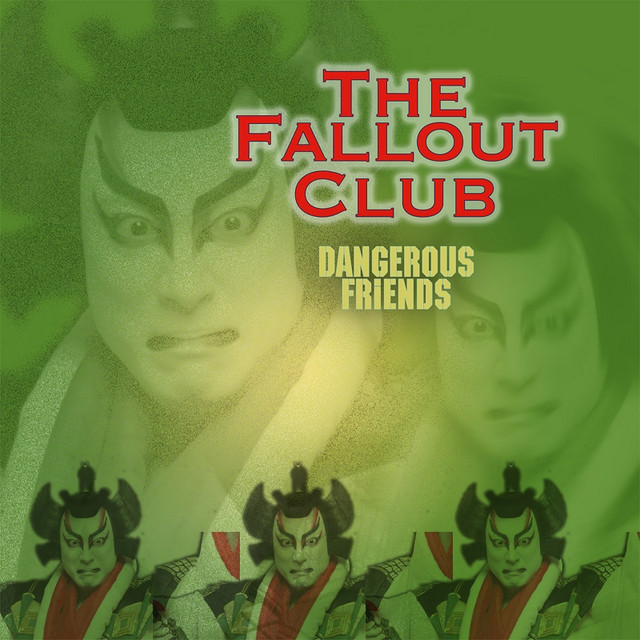
THE FALLOUT CLUB Dangerous Friends


THE FALLOUT CLUB may have only released three singles in their brief existence, but have become one of those bands that have fallen into cult legend over the years.

Featuring singer Trevor Herion, drummer Paul Simon, bassist Matthew Seligman and a young synthesizer upstart named Thomas Dolby, the intensity of their best song ‘Dream Soliders’ from 1981 captured the anxiety and tribulations of young manhood in a manner not dissimilar to Northern English acts of the period such as THE WILD SWANS, HAMBI & THE DANCE, BOX OF TOYS, BLACK and FIAT LUX.

And now, Paul Simon has reissued six songs that originally appeared on THE FALLOUT CLUB’s three singles as ‘Dangerous Friends’, a mini-album bolstered by a number of remixes featuring the addition of his brother one-time ULTRAVOX member Robin Simon on guitar and vocalist Gina Watson.

Swathed in synths and attached to a precise militaristic beat, ‘Dream Soliders’ was produced by Thomas Dolby and saw Herion give a mournful majestic vocal which reflected a battle with depression that haunted him throughout his short life.

Meanwhile solely composed by Dolby, the B-side ‘Pedestrian Walkway’ utilised pulsing sequencers married to a stark electro-funk backdrop and some afflicted vocalisation from Herion.

But THE FALLOUT CLUB began in 1980 with just Herion and Simon on the debut single ‘The Falling Years’. It was a drum machine propelled cocoon of sound with vocals recalling Russell Mael of SPARKS. It was something that ‘Desert Song’, the slightly overwrought B-side of ‘Wonderlust’ also had lingering within it.

Their third single ‘Wonderlust’, co-written with Thomas Dolby, saw a big leap in sound quality thanks to Dolby’s production skills and came with a dramatic Spaghetti Western flavour, lushly sculpted using electronics.

Although THE FALLOUT CLUB disbanded, Dolby found success as an artist in his own right in 1982 and Trevor Herion secured a solo deal with Interdisc, a subsidiary of Island Records.

With CULTURE CLUB producer Steve Levine on board, the melodic promise shown in THE FALLOUT CLUB looked like it might be fully realised, but the album ‘Beauty Life’ released in 1983 was unable to gain traction due to a lack of hit singles, despite the rich quality of the Chanson influenced ‘Kiss Of No Return’ and the Ferry-esque ‘Love Chains’.

Eventually overcome with severe depression, Herion sadly took his own life in October 1988.

So in a fitting tribute, the new versions of ‘Dream Soldiers’ and ‘Pedestrian Walkway’ with extra guitar and female vocals add more eerie textures to the space freed up by the cleaned up mixes.

While ‘Dangerous Friends’ still sounds comparatively rough by 21st Century standards, the important thing is that these songs are readily available again to hear, especially the wondrous lost classic that is ‘Dream Soldiers’.


Dedicated to the memory of John Trevor Herion 1959 – 1988

‘Dangerous Friends’ is released by Stratotester Records and available digitally via the usual online outlets


http://www.ajantamusic.com/Albums.aspx

https://www.discogs.com/artist/685999-The-Fallout-Club

https://open.spotify.com/album/1fsFxtYGgGUMcjJVIiKiYH


Text by Chi Ming Lai
29th August 2017

VISAGE Hearts & Knives

With the well received returns of ULTRAVOX and DURAN DURAN in the last few years, it was inevitable VISAGE would resurrect themselves.

Originally a synthesized collective comprising of Midge Ure, Rusty Egan, Billy Currie, Dave Formula and the late John McGeoch, it was fronted by the face of the New Romantic scene, Steve Strange. But on this new album, only Strange remains although Formula co-writes ‘Diaries Of A Madman’, the only track to emerge from an aborted attempt to revive the brand as VISAGE II back in 2007.

Rusty Egan was involved in the early stages of ‘Hearts & Knives’, but departed due to creative differences while despite an announcement by Strange on German TV that he was working with Ure again, the diminutive Glaswegian has distanced himself from the project although it is known he had submitted a song on condition that it involved Egan.

The absence of the key musical driving forces that gave the world ‘Fade To Grey’, ‘Mind Of A Toy’ and ‘The Damned Don’t Cry’ really exposes itself on ‘Hearts & Knives’. Even an attempt to lob the iconic Compurhythm intro of ‘Fade To Grey’ onto ‘She’s Electric’ to reference past glories cannot detract from the poor quality of this album.

Photo by David Levine

The first two VISAGE albums were notable for their arrangements, counterpoints and musicality while layers of Midge Ure’s backing vocals propped up Strange’s lead monotone.  But like the disastrous third album ‘Beat Boy’ which saw Strange and Egan try to keep the VISAGE name alive after the departure of the ULTRAVOX and MAGAZINE crew, Strange’s voice is laid bare and simply not strong enough for a collection of songs to be based around.

Bare is a description that could be used for the music too. The production is almost demo-like; the rhythmical base is particularly thin and while it is great to hear ex-ULTRAVOX guitarist Robin Simon again, the squawky nature of his interplay becomes irritating from being pushed too far up in the mix. And despite claims that exclusively analogue synths are used, they’re hardly noticeable with the assorted technicians seemingly unaware of VISAGE’s history.

It’s not all bad; ‘Shameless Fashion’ is unsurprisingly the single and could have come off ‘Beat Boy’ while ‘Dreamer I Know’ has unleashed melodic potential. But compared with ULTRAVOX’s ‘Brilliant’ or DURAN DURAN’s ‘All You Need Is Now’ though, ‘Hearts & Knives’ just doesn’t cut it!


‘Hearts & Knives’ is released on 20th May 2013 by Blitz Club Records as a CD and download

Please visit http://www.visage.cc/ to obtain a free download of ‘Shameless Fashion’

The new line-up of VISAGE play Hoxton Square Bar & Kitchen in London on 5th June 2013

http://www.facebook.com/therealvisage


Text by Chi Ming Lai
Artwork Photo by Peter Ashworth, Portrait Photo by David Levine
13th May 2013