Tag: Sparks (Page 8 of 8)

The Electronic Legacy of VIRGIN RECORDS

Virgin Records celebrates its 40th Anniversary.

Although the label is now owned by the Universal Music Group, its colourful history is forever associated with the championing of new and unconventional music forms during its fledgling years. Virgin founder Richard Branson started his empire in 1970 with nothing more than a mail order outlet, selling discounted records.

The name Virgin came from the fact that Branson and his team of directors were all new to business. There then came a small record shop in London’s Oxford Street a year later. Not not long after, a residential recording complex in an Oxfordshire mansion which became the now-famous Manor Studios was established. Further shops opened so with the success of the retail arm and studio, a record label was launched in 1973.

Recognising he had no real working knowledge of music, Branson appointed his second cousin Simon Draper (who had been Virgin’s buyer) as Managing Director to seek out new talent for the new A&R led company. Beginning with Mike Oldfield’s ‘Tubular Bells’ and the catalogue number V2001, progressive acts such as GONG along with cosmic Germans FAUST and TANGERINE DREAM soon followed, all with varying degrees of success.

But with the advent of punk and keen to shake off its hippy image, Virgin gained notoriety by signing THE SEX PISTOLS in 1977 and releasing ‘God Save The Queen’ in the process. The label courted further controversy when they issued the album ‘Never Mind The Bollocks, Here’s The Sex Pistols’ to great fanfare. Virgin ended up in the dock under the 1899 Indecent Advertising Act over a poster in their Nottingham record shop.

But Branson and defending QC John Mortimer had an ace up their sleeve; Reverend James Kingsley, a professor of English Studies at Nottingham University was called as a witness. Under questioning, Kingsley was asked for the derivation of the word “bollocks”. Apparently, it was used in the 19th century as a nickname for clergymen who were known to talk rubbish and the word later developed into meaning “of nonsense”.

Wearing his clerical collar in court, Kingsley confirmed: “They became known for talking a great deal of bollocks, just as old balls or baloney also come to mean testicles, so it has twin uses in the dictionary”. The case was thrown out by the judge… after that, the label reinvented itself as a centre of post-punk and new wave creativity, signing bands such as THE RUTS, XTC, PUBLIC IMAGE LIMITED, MAGAZINE, THE SKIDS, DEVO and PENETRATION.

When David Bowie declared THE HUMAN LEAGUE as “the future of pop music” after seeing them at the Nashville in 1978, Virgin Records were quick to snap them up. Meanwhile, OMD were initially signed to Virgin’s Factory styled subsidiary Dindisc Records under the directorship of Carol Wilson; but their success had been an embarrassment to Richard Branson, particularly in 1980 when following the international success of ‘Enola Gay’, OMD had outsold every act in the parent group!

Despite massive sales of ‘Architecture & Morality’ in 1981, Dindisc ran into difficulties and was closed by Branson with OMD gleefully absorbed into the Virgin fold. The label threw in its lot with the synthesizer revolution and gave homes to SPARKS, JAPAN, SIMPLE MINDS, HEAVEN 17 and CHINA CRISIS as well as more conventional acts of the period such as Phil Collins and Bryan  Ferry.

In 1982, on the back of ‘Don’t You Want Me?’ having been a No 1 in the UK and USA, Virgin had made a profit of £2 million but by 1983, this had leaped to £11 million, largely attributed by the worldwide success of CULTURE CLUB. Virgin Records was sold by Branson to Thorn EMI in 1992 reportedly for around £560 million to fund Virgin Atlantic Airways.

Under new management, the label became less visionary and more corporate with SPICE GIRLS and THE ROLLING STONES, along with Lenny Kravitz, Meat Loaf and Janet Jackson being examples of the brand’s continued global success, while many of the innovative acts who had helped build the label were surplus to requirements. Despite this, Virgin Records still maintains a tremendous back catalogue.

Over the years, Virgin Records have been in the fortunate position of having a critically acclaimed act on its roster at each key stage of electronic music’s development and its electronic legacy continues today with the recent signing of Glaswegian synth trio CHVRCHES.

So here are 20 albums from the iconic label which ELECTRICITYCLUB.CO.UK considers significant in the development of electronic music. Restricted to one album per artist moniker and featuring only UK releases initially issued on or licensed to the Virgin label, they are presented in chronological order…


TANGERINE DREAM Rubycon (1975)

‘Phaedra’ may have been the breakthrough but ‘Rubycon’ consolidated TANGERINE DREAM’s position as leaders in the field of meditative electronic music. Featuring the classic line-up of Edgar Froese, Peter Baumann and Chris Franke, the hypnotic noodles of VCS3 and Moogs dominated proceedings while Mellotrons and organic lines added to the trancey impressionism with the trio sounding like they were trapped inside a transistor radio.

‘Rubycon’ was released as V2025

http://www.tangerinedream.org/


ASHRA New Age Of Earth (1977)

Guitarist Manuel Göttsching had been a member of ASH RA TEMPEL but looking to explore more progressive voxless territory on ‘New Age Of Earth’, he armed himself with an Eko Rhythm Computer, ARP Odyssey and his signature Farfisa Synthorchestra. An exponent of a more transient soloing style, he used the guitar for texture as much as for melody in this beautiful treasure trove of an album, as on the wonderful 20 minute ‘Nightdust’.

‘New Age Of Earth’ was released as V2080

http://www.ashra.com/


STEVE HILLAGE Rainbow Dome Musick (1979)
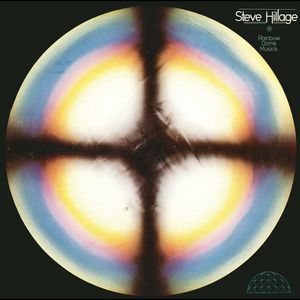
Already an established member of the Virgin family as a member of GONG, solo artist and in-house producer, Hillage had a love of German experimental music and ventured into ambient with long standing partner Miquette Giraudy. Recorded for the Rainbow Dome at the ‘Festival for Mind-Body-Spirit’ at Olympia, these two lengthy Moog and ARP assisted tracks each had a beautifully spacey vibe to induce total relaxation.

‘Rainbow Dome Musick’ was released as VR1

https://twitter.com/stevehillage


SPARKS No1 In Heaven (1979)
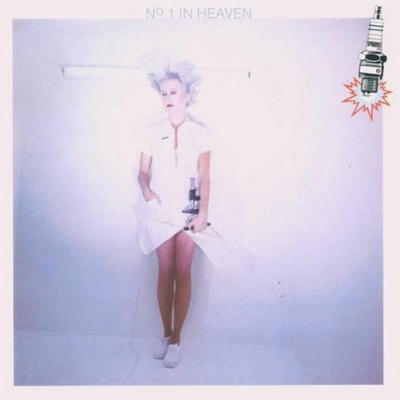
Following the success of ‘I Feel Love’, its producer Giorgio Moroder teamed with SPARKS. The resultant album saw Russell Mael’s flamboyant falsetto fitting well with the electronic disco template. ‘The No1 Song In Heaven’ hit the UK charts before TUBEWAY ARMY’s  ‘Are Friends Electric?’ while ‘Beat The Clock’ actually got into the Top 10 but the album itself was overshadowed by the success of Gary Numan.

‘No1 In Heaven’ was released as V2115

http://www.allsparks.com/


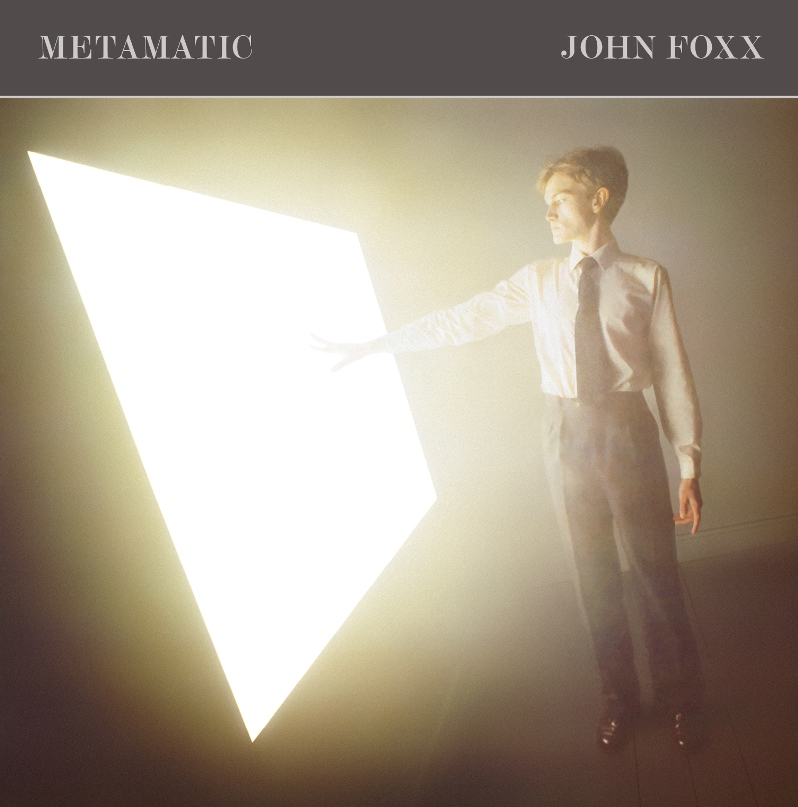
JOHN FOXX Metamatic (1980)

“I want to be a machine” snarled John Foxx on the eponymous ULTRAVOX! debut and after he left the band in 1979, he virtually went the full electronic hog with the JG Ballard inspired ‘Metamatic’. ‘Underpass’ and ‘No-One Driving’ were surprising hit singles that underlined the dystopian nature of Foxx’s mindset while the fabulous ‘A New Kind Of Man’, the deviant ‘He’s A Liquid’ and stark opener ‘Plaza’ were pure unadulterated Sci-Fi.

‘Metamatic’ was released as V2146

http://www.metamatic.com/


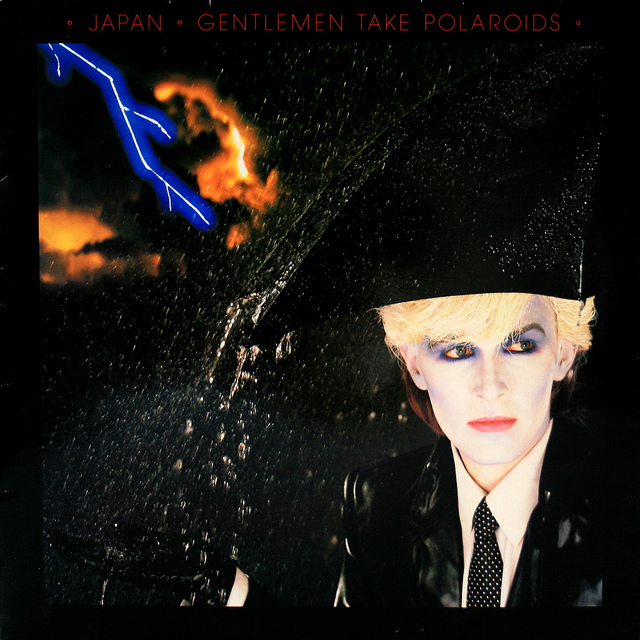
JAPAN Gentlemen Take Polaroids (1980)

Dropped by Ariola Hansa despite  their third album ‘Quiet Life’ being palatable with the emerging New Romantic scene, JAPAN found a refuge at Virgin. ‘Swing’ succeeded in out Roxy-ing ROXY MUSIC while the haunting ‘Nightporter’ was the ultimate Erik Satie tribute. An interest in Japanese technopop saw Sylvian collaborate with YMO’s Ryuichi Sakamoto on the splendid closer ‘Taking Islands In Africa’.

‘Gentlemen Take Polaroids’ was released as V2180

http://www.nightporter.co.uk/


BRITISH ELECTRIC FOUNDATION Music For Stowaways (1981)
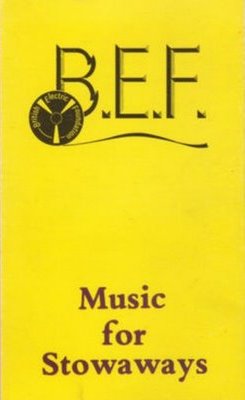
When they left THE HUMAN LEAGUE in Autumn 1980, Martyn Ware and Ian Craig Marsh formed BEF, releasing ‘Music For Stowaways’, an instrumental album only available on cassette to accessorise Sony’s brand new Stowaway portable tape player. However, the name of the new device was changed to Walkman! With economic recession decimating the industrial heartland of Sheffield and the spectre of imminent nuclear holocaust, the chilling ambience on ‘The Decline Of The West’, the futurist horror of ’Music To Kill Your Parents By’ and the doomy fallout of ‘Uptown Apocalypse’ certainly connected with the album’s concept of a walking soundtrack.

‘Music For Stowaways’ was released as TCV2888

http://www.heaven17.com/bef/


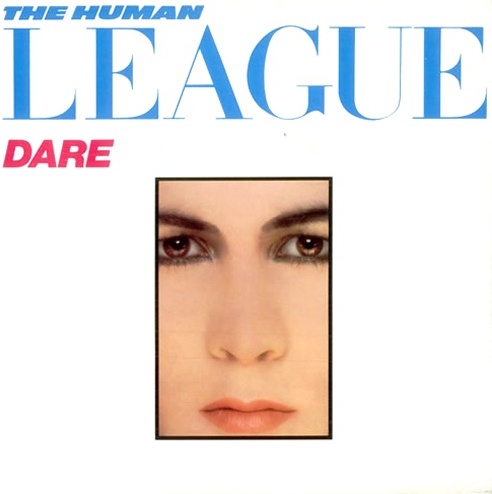
THE HUMAN LEAGUE Dare (1981)

After ‘Reproduction’ and ‘Travelogue’ failed to set the world alight, manager Bob Last played a game of divide and rule on the original line-up. Vocalist Philip Oakey and Director of Visuals Adrian Wright would recruit Ian Burden, Jo Callis, Susanne Sulley and Joanne Catherall to record the now classic ‘Dare’ album under the auspices of producer Martin Rushent sounding ike KRAFTWERK meeting ABBA, especially on ‘Darkness’ and ‘Don’t You Want Me’.

‘Dare’ was released as V2192

http://www.thehumanleague.co.uk/


HEAVEN 17 Penthouse & Pavement (1981)
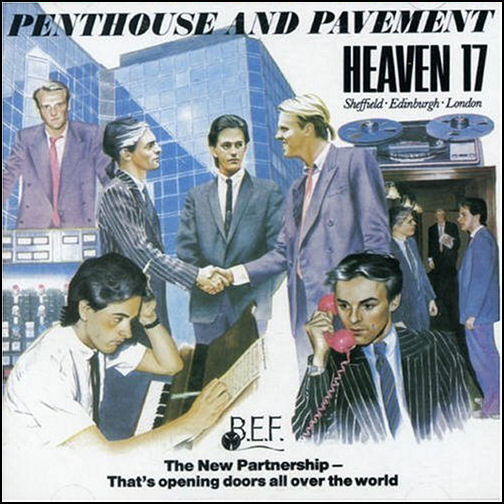
HEAVEN 17’s debut ‘Penthouse & Pavement’ combined electronic pop and disco while adding witty sociopolitical commentary about yuppie aspiration and mutually assured destruction. The ‘Pavement’ side was a showcase of hybrid funk driven by the Linn Drum and embellished by the guitar and bass of John Wilson while the ‘Penthouse’ side was more like an extension of THE HUMAN LEAGUE’s ‘Travelogue’.

‘Penthouse & Pavement’ was released as V2208

http://www.heaven17.com/


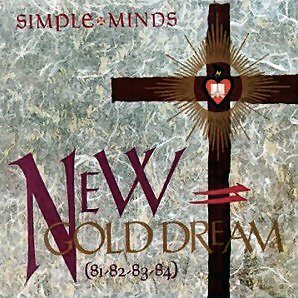
SIMPLE MINDS New Gold Dream (1982)

“You want to be with Virgin so bad that you’ll sign anyway” said Richard Branson to SIMPLE MINDS; signing after the promise of US tour support, the band lost their intensity and recorded a great album filled with pretty synthesized melodies, textural guitar and driving lead bass runs. Big titles like ‘Someone Somewhere In Summertime’, ‘Colours Fly & Catherine Wheel’ and ‘Hunter & The Hunted’ made investigation essential.

‘New Gold Dream’ was released as V2230

http://www.simpleminds.com/


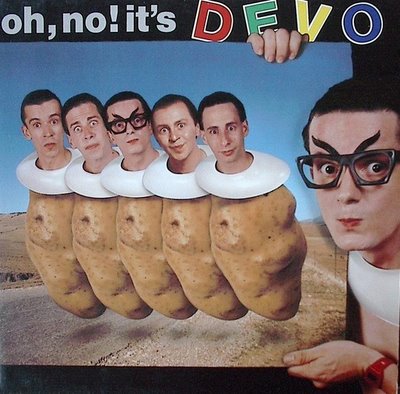
DEVO Oh, No! It’s Devo (1982)

By 1982, DEVO had become much more of a synth based act with programmed percussion to boot. Their sound moved away from the guitar dominated art rock of their Eno produced debut ‘Q: Are We Not Men? A: We Are Devo!’ As quirky as ever, the album’s concept was a response to criticism from the press about their imagery… thus they asked temselves “what would an album by fascist clowns sound like?”

‘Oh, No! It’s Devo’ was released as V2241

http://www.clubdevo.com/


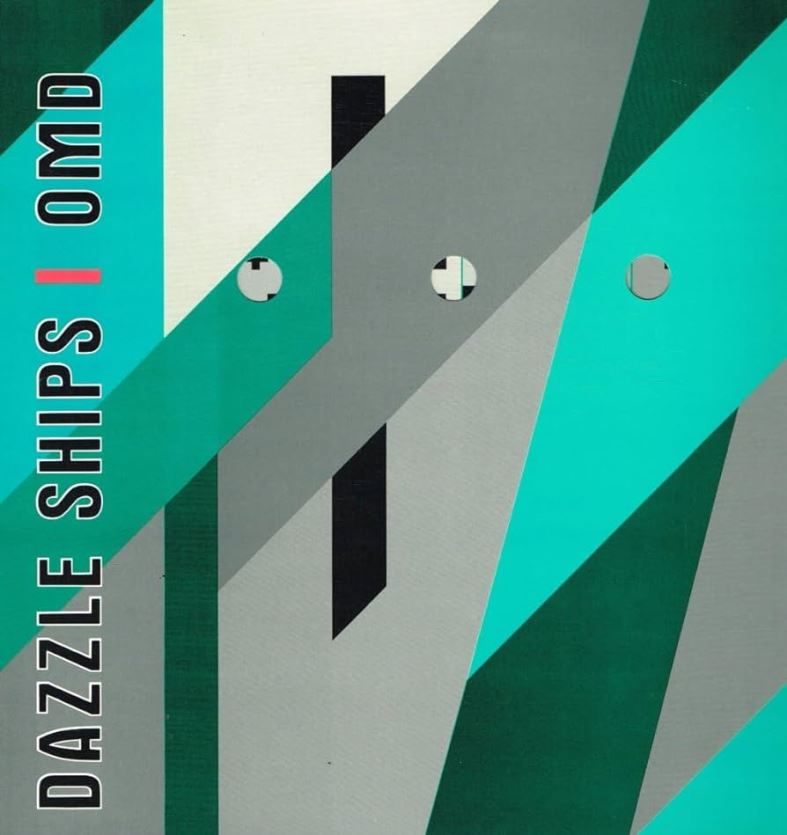
OMD Dazzle Ships (1983)

OMD’s first album for Virgin after the demise of Dindisc, ‘Dazzle Ships’ was a brave sonic exploration of Cold War tensions and economic corruption. Although it featured some of the band’s best work like ‘The Romance Of The Telescope’, ‘International’ and ‘Radio Waves’, ‘Dazzle Ships’ sold poorly on its inital release. The band were never the same again, but this fractured nautical journey has since been vindicated as an experimental landmark.

‘Dazzle Ships’ was released as V2261

http://www.omd.uk.com


RYUICHI SAKAMOTO Merry Christmas Mr Lawrence (1983)
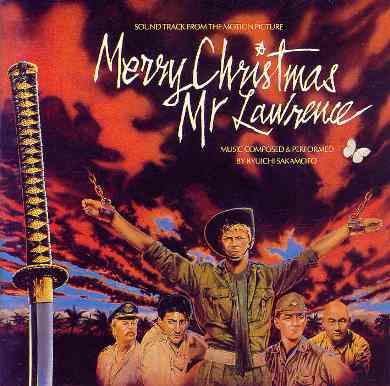
Being the best looking member of YELLOW MAGIC ORCHESTRA, it was almost inevitable that Sakamoto San would turn to acting. His first role was alongside David Bowie in ‘Merry Christmas Mr Lawrence’ and with it came his soundtrack. The main title theme resonated with emotion and traditional melody while the drama of ‘The Seed & the Sower’ was also a highlight. A chilling synthesized rendition of the hymn ‘23rd Psalm’ sung by the cast brought a tear to the eye!

‘Merry Christmas Mr Lawrence’ was released as V2276

http://sitesakamoto.com/


CHINA CRISIS Working With Fire & Steel – Possible Pop Songs Volume 2 (1983)
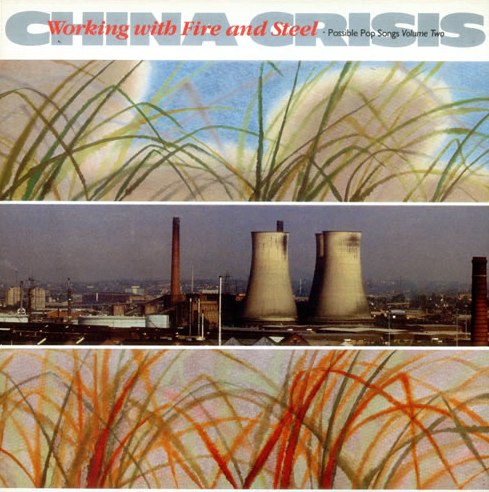
Produced by Mike Howlett, ‘Working With Fire & Steel’ allowed CHINA CRISIS to deliver a more cohesive album following the four producers who steered their debut. Best known for the brilliant Emulator laced hit single ‘Wishful Thinking’, the album is much more than that with melancholic synth melodies and woodwind counterpoints over a combination of real and programmed rhythm sections.

‘Working With Fire & Steel – Possible Pop Songs Volume 2’ was released as V2286

https://www.facebook.com/chinacrisisofficial


DAVID SYLVIAN Brilliant Trees (1984)
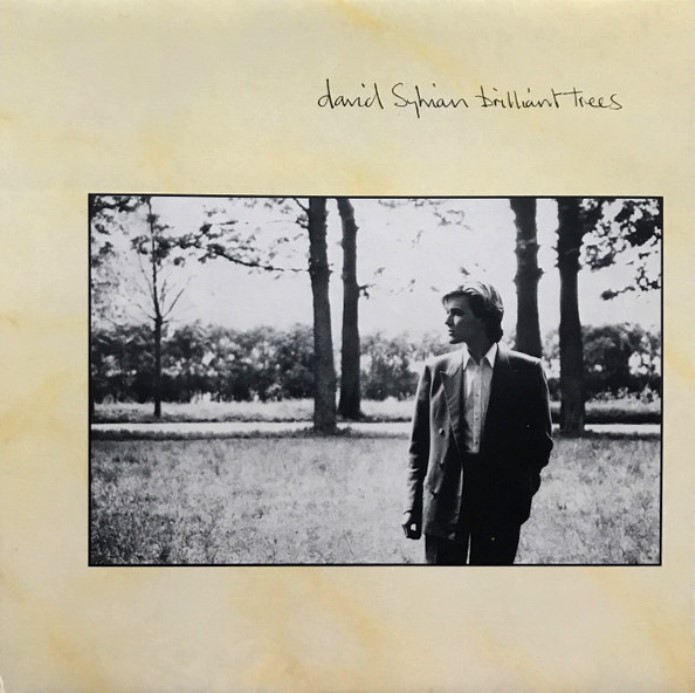
By 1984, Sylvian had a lucrative solo deal that gave him total artistic control. Side one of his debut solo offering opened with echoes of JAPAN in the funky ‘Pulling Punches’ but then adopted more of a laid back jazz feel. Meanwhile the second side had synthetic Fourth World overtones with avant garde trumpetist Jon Hassell and sound painter Holger Czukay as willing conspirators, and the emotive ‘Weathered Wall’.

‘Brilliant Trees’ was released as V2290

http://www.davidsylvian.com/


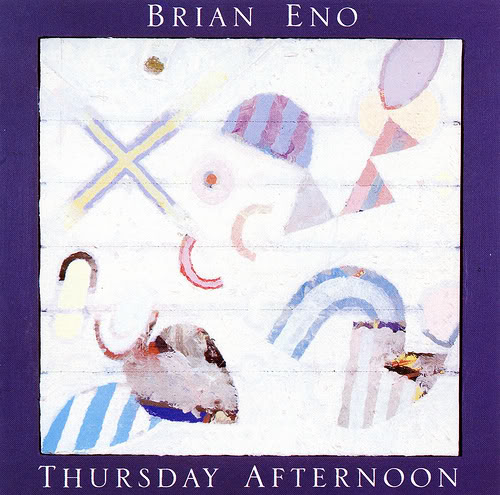
BRIAN ENO Thursday Afternoon (1985)

With new music technology come new compositional concepts so when CD was launched, Brian Eno asked: “what can be done now that could not be done before?”. ‘Thursday Afternoon’ was a 61 minute ambient journey and the lack of surface noise meant it could be very quiet. Using a Yamaha DX7 and minimal sustained piano, it soundtracked video paintings of the model Christine Alicino in vertical portrait format, so the TV had to be turned on its side to view it!

‘Thursday Afternoon’ was released as EGCD64

http://brian-eno.net/


PHILIP OAKEY & GIORGIO MORODER Philip Oakey & Giorgio Moroder (1985)
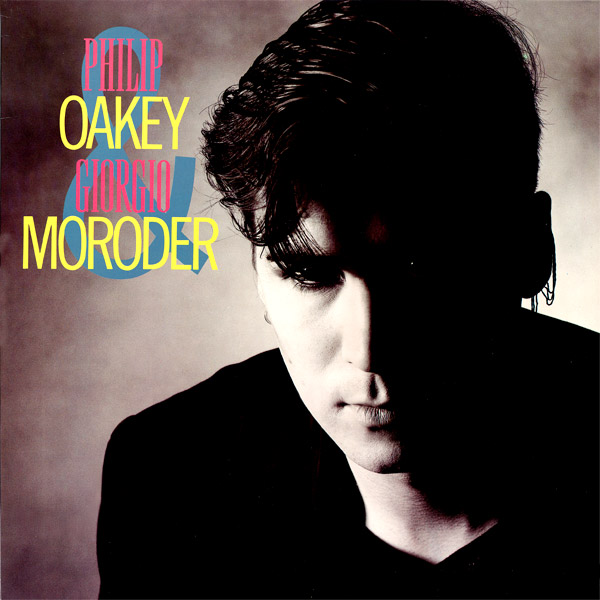
‘Together in Electric Dreams’ did better than any singles from THE HUMAN LEAGUE’s lukewarm ‘Hysteria’ album. So Virgin swiftly dispatched Oakey to record an album with Moroder. The segued first side was a total delight  from the off, featuring the rousing ‘Why Must The Show Go On?’ while the Donna Summer aping ‘Brand New Love (Take A Chance)’ was another highlight, as was the stupendous ‘Now’ on side two.

‘Philip Oakey & Giorgio Moroder’ was released as V2351

http://www.moroder.net/


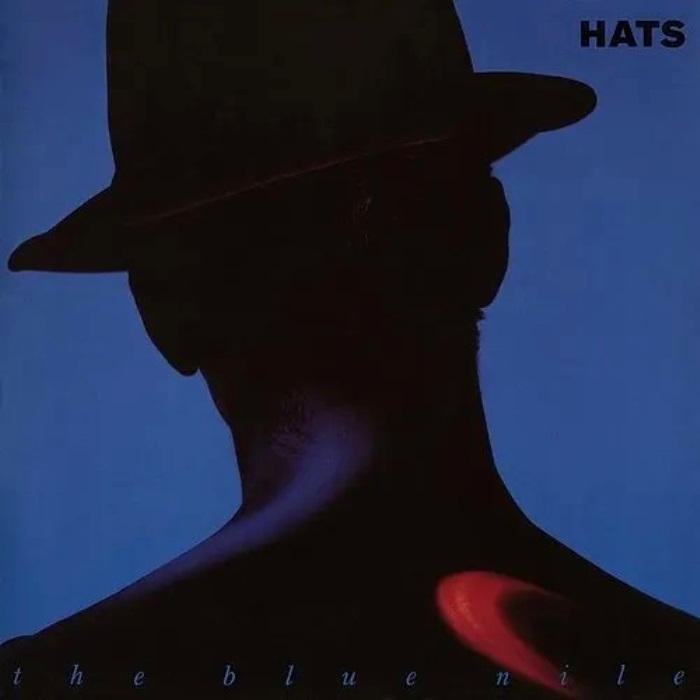
THE BLUE NILE Hats (1989)

Whenever THE BLUE NILE are mentioned, it’s their 1983 album ‘A Walk Across The Rooftops’ that is always discussed in breathless awe. But the follow-up ‘Hats’ is the trio’s crowning glory. Both licensed to Virgin through a deal with Linn, the high quality Hi-Fi manufacturer. With hopeless romanticism and rainy drama, the glorious centrepieces were ‘Headlights On The Parade’ and ‘The Downtown Lights’.

‘Hats’ was released as LKH2

http://www.downloadhome.co.uk/thebluenile_dlc/thebluenile.html


THE FUTURE SOUND OF LONDON Lifeforms (1994)
THE FUTURE SOUND OF LONDON became flag bearers of avant garde electronic music and seen as successors to TANGERINE DREAM and Eno. Signing to Virgin in 1992, the duo invested in some Akai S9000 samplers and given free rein to experiment in their sonic playground, resulting in the complex sweeps and downtempo collages of ‘Lifeforms’ with the influence of the BBC Radiophonic Workshop looming heavy in the sonic playground.

‘Lifeforms’ was released as V2722

http://www.futuresoundoflondon.com/


MASSIVE ATTACK Mezzanine (1998)
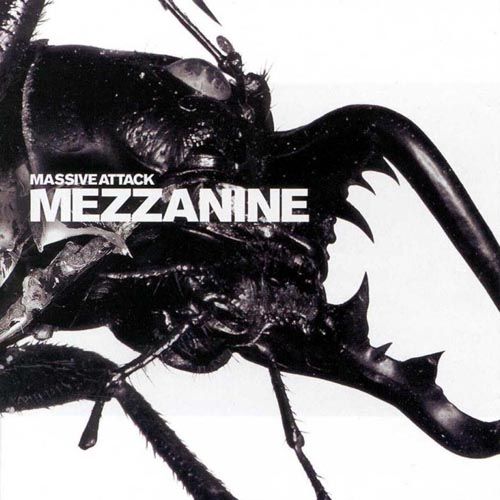
Despite relations being at an all-time low, MASSIVE ATTACK produced some of their finest work on ‘Mezzanine’. With dark undercurrents and eerie atmospherics, the sample heavy album’s highpoints featured the vocals of Elizabeth Fraser on the hit single ‘Teardrop’ and the spy drama magnificence of ‘Black Milk’, although the band were sued for the unauthorised use of MANFRED MANN’S EARTH BAND’s ‘Tribute’ on the latter

‘Mezzanine’ was released as WBRCD4

http://www.massiveattack.co.uk/


Text by Chi Ming Lai
20th August 2013
A Beginner’s Guide To GIORGIO MORODER

Everybody Calls Me Giorgio

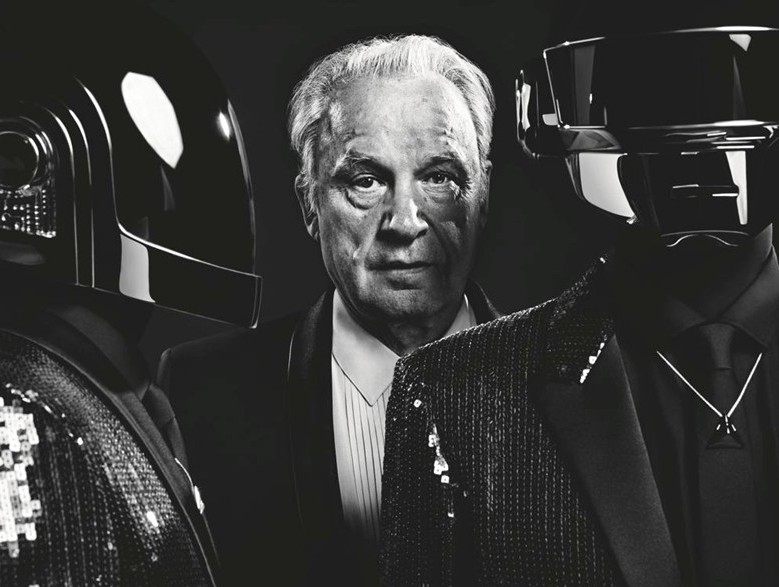
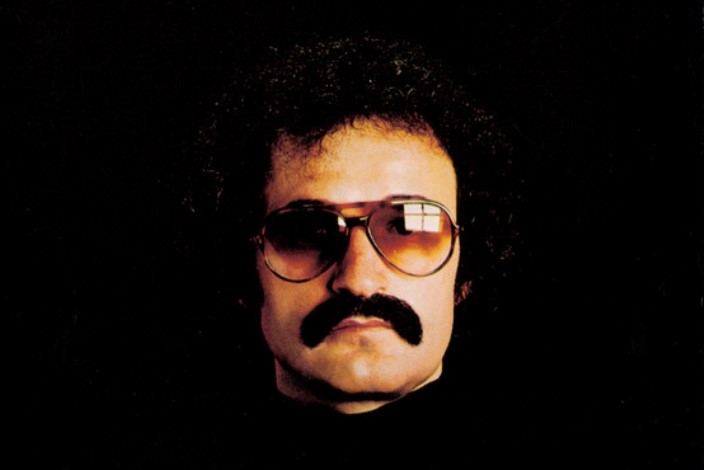
There has been a resurgent interest in the work of Giorgio Moroder thanks to his own life story being appropriately set to music by DAFT PUNK for the song ‘Giorgio By Moroder’ on the helmeted duo’s new album ‘Random Access Memories’. But it was Donna Summer’s ‘I Feel Love’ that brought the legendary producer to the world’s attention.

Born Hansjörg Giovanni  Moroder in 1940, the Italian began his career as a solo artist in Germany before immersing himself in production with musical partner Pete Bellotte at Musicland Studios in Munich. In 1973, they came across an American singer who had been touring in a theatre production of ‘Hair’.

That singer was Donna Summer and together they went on to record the unforgettably orgasmic ‘Love To Love You Baby’. It was submitted to Casablanca Records boss Neil Bogart who loved it so much, he kept playing it continuously at a party he was hosting. Bogart later contacted Moroder to make it longer.


The final album version clocked in at over 17 minutes, but the edited single became Moroder and Summer’s breakthrough international hit in 1975. Sometime later while recording a historical concept album with Donna Summer which showcased various musical styles through the ages called ‘I Remember Yesterday’, Moroder wanted to feature a track that represented “the sound of the future”.

Most of Moroder’s previous work had utilised conventional instrumentation and orchestration, save the odd texturing using string machines or Minimoog. But employing the Moog Modular system with an 8-step analogue sequencer plus a triplet delay to create the pulsing synthesizer lines and metronomic beat, the resultant song ‘I Feel Love’ changed the course of music when it hit No1 around the world in 1977.

It was dance music without the funk, which at the time was quite unusual as it had been one of the main constituents of disco. Incidentally, Summer’s hypnotic, almost Arabic falsetto was an accident as inadvertently, ‘I Feel Love’ had been recorded in a key outside of Summer’s usual range.

It was a year which also saw electronic hits in the UK by Jean-Michel Jarre, David Bowie and SPACE. Bowie was at this time resident in Berlin recording ‘Heroes’ with Brian Eno and remembered: “Eno came running in and said ‘I have heard the sound of the future’. He puts on ‘I Feel Love’ by Donna Summer and said ‘this is it, look no further, this single is going to change the sound of club music for the next 15 years’, which was more or less right.”

1977 also saw the release of KRAFTWERK’s ‘Trans Europe Express’ album which had a big effect on the New York dance scene. Although KRAFTWERK had a big international hit single with ‘Autobahn’ in 1975 and there had been HOT BUTTER’s ‘Popcorn’ before it, both were considered novelty records at the time and did not indicate the start of any burgeoning movement. For that reason, 1977 can effectively be considered as Year Zero in modern electronic pop. So for ‘I Feel Love’ alone, Giorgio Moroder’s place in music history is assured.

Relocating to Hollywood after his music for ‘Midnight Express’ won him an Oscar, the huge success of ‘Flashdance…What A Feeling’ for Irene Cara in 1983 led Moroder to lucrative commissions such as the 1984 Los Angeles Olympics. This resulted in the massive, but totally dreadful AOR hit ‘Reach Out’. He was then asked to contribute the love theme for an aviation action film called ‘Top Gun’.

Moroder has recorded many significant pieces of work; so here are twenty pieces of interest that tell the story of the pioneer’s creative journey in electronics with a nomination restriction of one track per project, but also omitting some of his more obvious hits which the world already knows and loves such as ‘I Feel Love’, ‘Call Me’, ‘Flashdance…What A Feeling’, ‘The Never Ending Story’ and the inevitable ‘Together In Electric Dreams’…


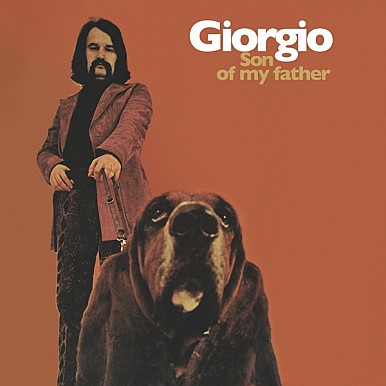
GIORGIO Son Of My Father (1971)

Featuring a distinctive Minimoog line and solo, Moroder’s first widely known composition with Pete Bellotte was actually his fourth German solo hit. With catchy but bizarre lyrics, ‘Son Of My Father’ was a schaffel stomper coated with assorted effects such as phased drums. The prototype of the electro glam template later popularised by GOLDFRAPP, CHICORY TIP’s copycat cover with future SEX PISTOLS’ producer Chris Thomas playing the Minimoog part was a UK No1 in 1972.
Available on the GIORGIO album ‘Son Of My Father’ via Repertoire Records

https://www.discogs.com/artist/4205-Giorgio-Moroder


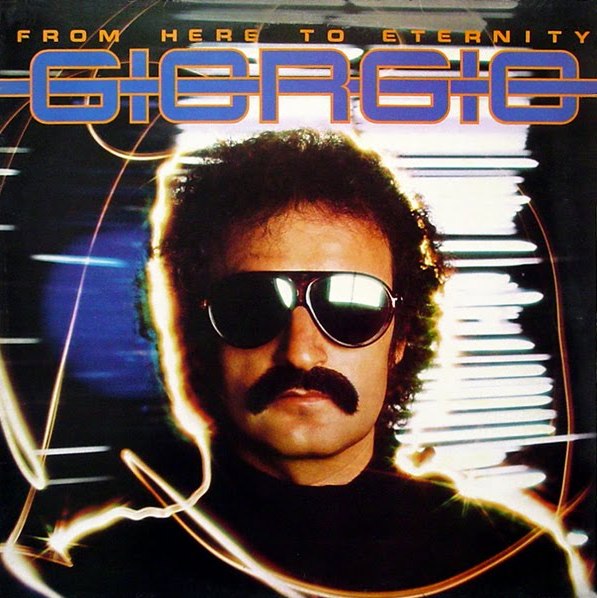
GIORGIO From Here To Eternity (1977)

On a roll from his pioneering work with Donna Summer, his first solo album for Casablanca Records centred around this throbbing electronic disco number. Almost trance-like, ‘From Here To Eternity’ featured vocodered and conventional voices. Often mistaken for being KRAFTWERK, it actually prompted the Kling Klang quartet to move towards a more computerised sound for their 1978 album ‘The Man Machine’… Moroder’s influence can be clearly heard on ‘Spacelab’ and ‘Metropolis’.

Available on the GIORGIO album ‘From Here To Eternity’ via Repertoire Records

https://soundcloud.com/giorgiomoroder/


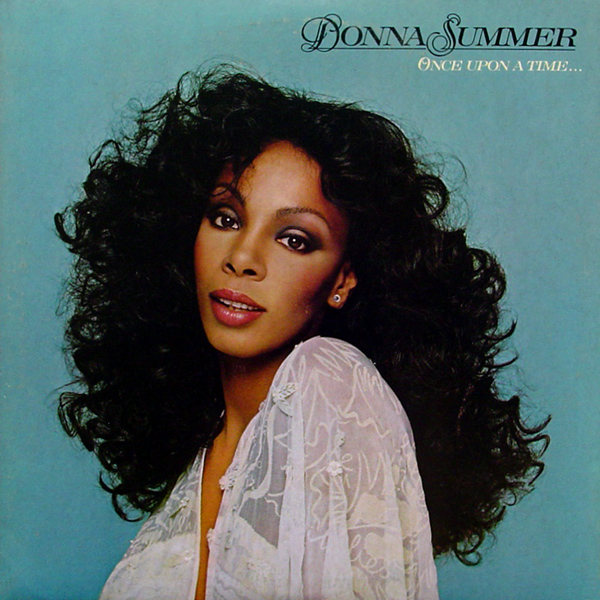
DONNA SUMMER Working The Midnight Shift (1977)

From an ambitious double album called ‘Once Upon A Time’ consisting of four distinct approaches, ‘Working The Midnight Shift’ formed part of an all-electronic three song segued suite entitled ‘Act2’ that took up one side of vinyl. Developing ‘I Feel Love’ to the next level, Summer’s wispy falsetto was supplemented by raspier gospel-like harmonies and a grander cavernous setting within which the rhythmical electronics and descending synth riffs took a heavenly hold.

Available on the DONNA SUMMER album ‘Once Upon a Time’ via Casablanca / Universal Records

https://www.facebook.com/OfficialDonnaSummer/


GIORGIO MORODER Chase (1978)

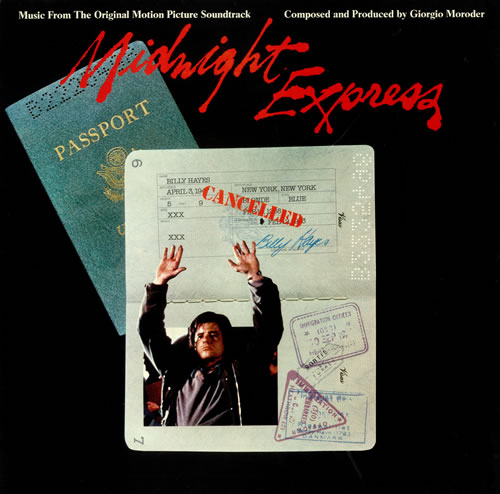
Driven by an intense slamming and syncopated by popping pulses, ‘Chase’ was commissioned by director Alan Parker for the graphic prison drama ‘Midnight Express’ who wanted some electronic accompaniment to the crucial chase scene of the film in the style of ‘I Feel Love’. Working with Harold Faltermeyer who was later to find fame with ‘Axel F’ and as producer of PET SHOP BOYS’ ‘Behaviour’ album, the bassline from Moroder’s own 1976 cover of ‘Knights In White Satin’ was reappropriated.

Available on the soundtrack album ‘Midnight Express’ via Casablanca Records / Universal Records or the compilation ‘The Best Of Giorgio Moroder’ via Repertoire Records

http://www.moroder.net/


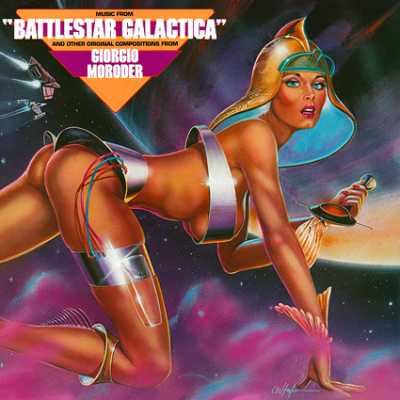
GIORGIO MORODER Evolution (1978)

Moroder’s composition for the original ‘Battlestar Galactica’ film was a prolonged battle between man and machine, rather like the film itself. Wobbly treated bass, symphonic synths, and heavy rock guitar were augmented by the simple percussive style of Keith Forsey who was noted for being able to play a kick drum for up to 15 minutes at a time without fluctuating his beat… that skill was quite handy for this lengthy instrumental that took up an entire side of the album.

Originally on the GIORGIO MORODER album ‘Music From Battlestar Galactica & Other Original Compositions’ via Casablanca Records. Now available on the GIORGIO album ‘E=MC2’ as a bonus track via Repertoire Records

http://www.imdb.com/name/nm0002380/


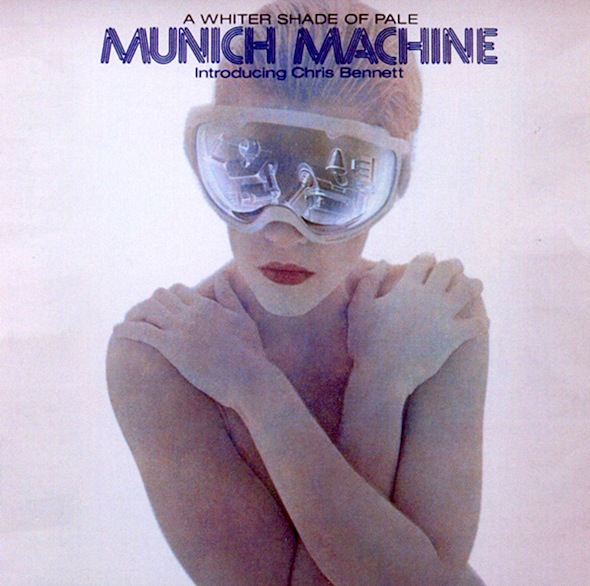
MUNICH MACHINE Introducing CHRIS BENNETT It’s For You (1978)

Rumoured to be using songs written for Donna Summer but rejected by Casablanca label boss Neil Boggart, MUNICH MACHINE was one of the many outlets for the extremely prolific Moroder. Fronted on the second album by jazz singer Chris Bennett ‘It’s For You’ was the standout song on an album that combined electronics, flutes and orchestrations with a coy playfulness. The album was noted for its depiction of a naked Bennett posing with two pre-‘Transformers’ robots on the back cover.

Available on the MUNICH MACHINE album ‘A Whiter Shade Of Pale’ via Casablanca Records

http://chrisbennett.com/


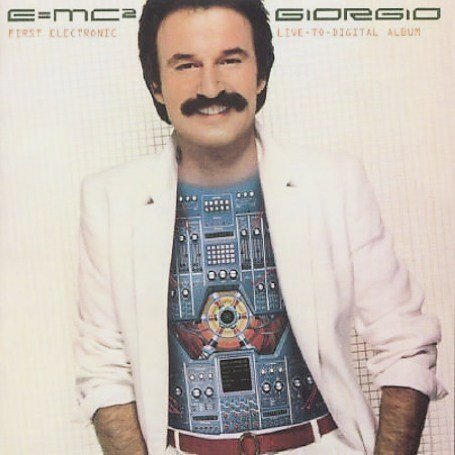
GIORGIO What A Night (1979)

Having acquired Roland’s new System 700 modular and MC8 Micro-composer, work started on ‘E=MC2’ which was touted as the first “electronic live-to-digital” album with “music programmed as bursts of energy”. This concept allowed for an uptempo funkiness previously unheard on sequencer based music to come into play. And with the electronically treated vocals and euphoric energy of the marvellous ‘What A Night’, the sound of DAFT PUNK was inadvertently being invented!

Available on the GIORGIO album ‘E=MC2’ via Repertoire Records

https://www.facebook.com/pages/Giorgio-Moroder/108533245891626


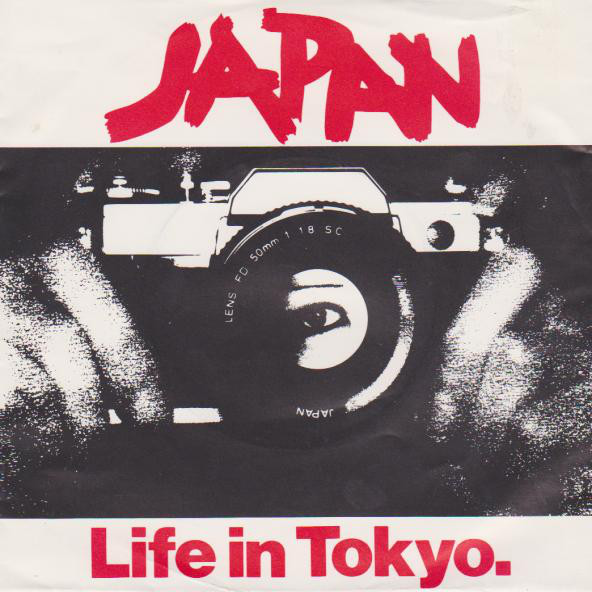
JAPAN Life In Tokyo (1979)

The bridge between growly funk-rock JAPAN and the more familiar artier and mannered version of the group, David Sylvian submitted ‘European Son’ for the session in Los Angeles but it was rejected by Moroder. Instead, the Italian offered several of his demos, of which, Sylvian picked the one he considered to be the worst so that he could stamp more of his own vision for JAPAN’s developing synthesized sound. Ahead of its time, Moroder and Sylvian had just conceived DURAN DURAN!

Available on the JAPAN album ‘The Very Best Of Japan’ via Virgin / EMI Records

http://www.nightporter.co.uk/


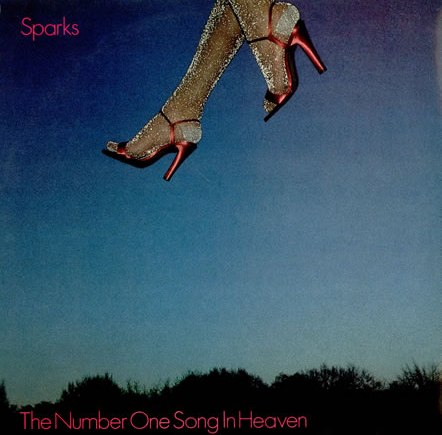
SPARKS No1 Song In Heaven (1979)

In a creative rut following their massive UK success in the glam-era, SPARKS had found ‘I Feel Love’ awe inspiring. A journalist friend put them in contact with Moroder who had aspirations to work with a band and set to work with them immediately. The first result was the tremendous ‘No1 Song In Heaven’ where Russell Mael’s flamboyant falsetto fitted well with the electro-disco sound, while the programmed backing meant Ron Mael could maintain his image of doing nothing.

Available on the SPARKS album ‘No1 in Heaven’ via Repertoire Records

http://allsparks.com/


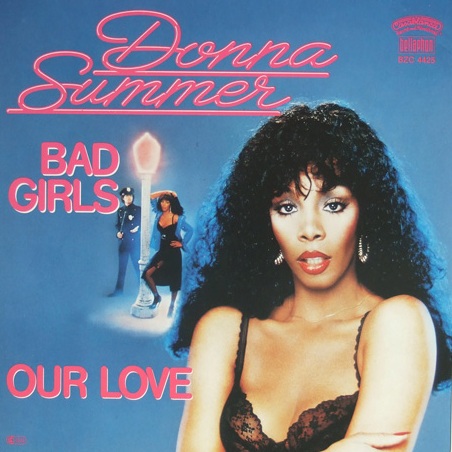
DONNA SUMMER Our Love (1979)

Every wondered where NEW ORDER got that iconic rapid-fire drum machine intro for ‘Blue Monday’? Then look no further than the brilliant ‘Our Love’. Not content with inventing Hi-NRG, Moroder thought he’d formulate Italo disco as well! Working closely with Harald Faltermeyer and Peter Bellotte, there was a distinct edge to the synthesizers too with the tight sequences synonymous with the Moroder sound considerably beefed up for a harder club impact.

Available on the DONNA SUMMER album ‘Bad Girls’ via Casablanca Records

http://donnasummer.com/


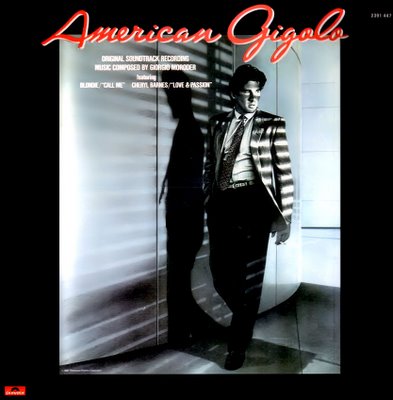
GIORGIO MORODER Night Drive (1980)

Essentially a funky instrumental version of BLONDIE’s ‘Call Me’ in 4/4 time but without the chorus, the cool dramatics blended with slithering synth sweeps on ‘Night Drive’ could be seen as the forerunner of tracks such as KAVINSKY’s ‘Nightcall’ which coincidentally was co-produced by DAFT PUNK’s Guy-Manuel De Homem-Christo. Incidentally, both ‘Night Drive’ and ‘Call Me’ from the Richard Gere film ‘American Gigolo’ were variations of a Moroder demo entitled ‘Man Machine’.
Available on the soundtrack album ‘American Gigolo’ via Polydor / Universal Records

http://www.imdb.com/title/tt0080365/


DAVID BOWIE Cat People (1982)

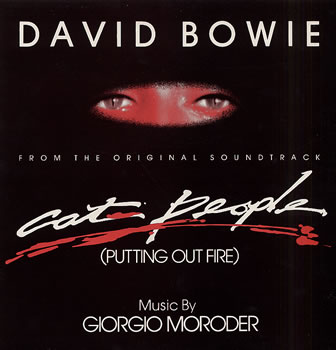
With a moody introduction, Bowie croons over his only collaboration with Moroder before some gothic rock elements and female gospel backing singers take hold, before a powerful burst of tribal drumming from Keith Forsey. Fittingly as the song was for an arthouse horror movie, this now sounds like a blueprint for ‘More’ by THE SISTERS OF MERCY! Incidentally, ‘Cat People’ was one of Forsey’s last recordings with Moroder before notably producing Billy Idol.

Available on the soundtrack album ‘Cat People’ via MCA Records and the DAVID BOWIE album ‘The Best Of 1980/1987’ via EMI Records

http://davidbowie.com/


DEBBIE HARRY Rush Rush (1983)

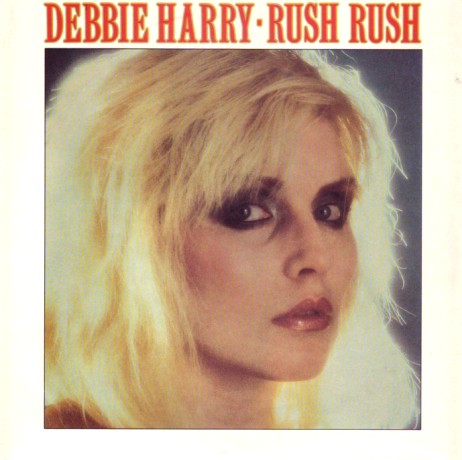
With Forsey and Faltermeyer flying the nest, Moroder employed new sidemen Richie Zito on guitar and Arthur Barrow who could handle anything thrown at him from slap bass and synths to Linn Drum programming! Having worked with Moroder on ‘Call Me’, Debbie Harry returned for the soundtrack of the Al Pacino gangster flick ‘Scarface’. ‘Rush Rush’ premiered a new style that pushed a rockier energy, Moroder avoided using the Fairlight CMI to keep his productions distinct.

Available on the soundtrack album ‘Scarface’ via Geffen Records

http://www.blondie.net/


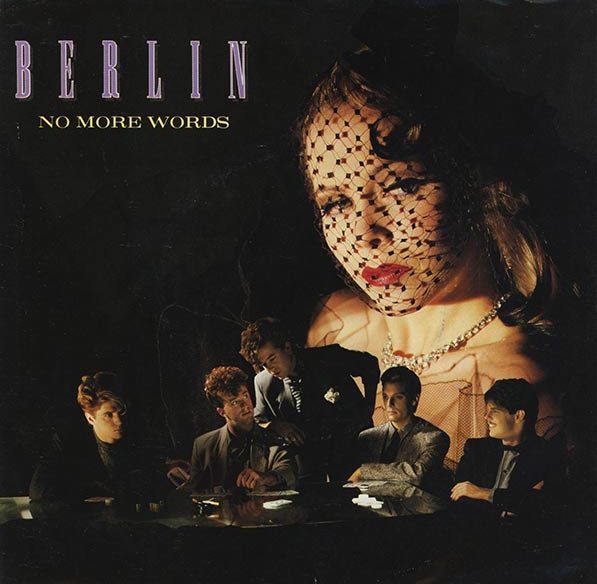
BERLIN No More Words (1984)

BERLIN were one of the first American new wave bands inspired by European acts like KRAFTWERK and ULTRAVOX, so it was natural that they aspired to work with Moroder. By 1984, both were keen on a more FM friendly sound following their synthpop beginnings. The Linn driven synth rock fusion resulted in BERLIN’s first Top30 US hit ‘No More Words’. It was the start of a relationship that would ultimately end the band.

Available on the BERLIN albums ‘Love Life’ or ‘Best Of Berlin 1979-1988’ via Geffen Records

http://www.berlinpage.com/band


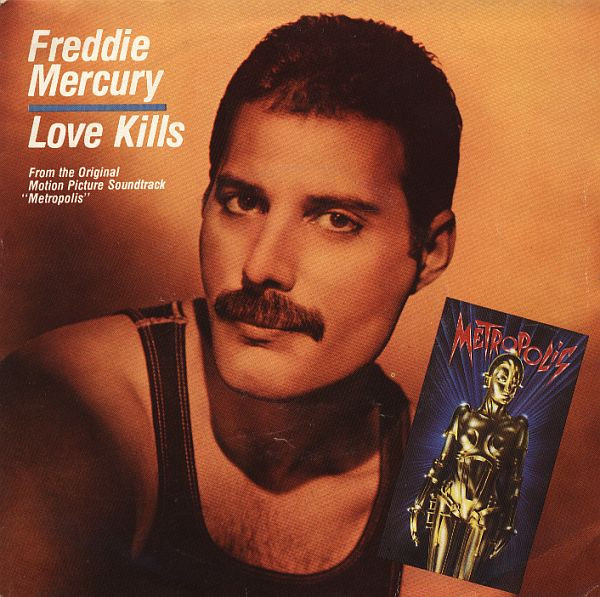
FREDDIE MERCURY Love Kills (1984)

Moroder acquired the rights to the cult Fritz Lang film ‘Metropolis’ and colourised the film with a modern MTV friendly soundtrack. The launch single ‘Love Kills’ featured all of QUEEN and inluded a Brian May guitar solo despite being credited to Freddie Mercury in a starkly percussive electronic track with an operatic rock fusion and neo-baroque interludes. The title became sadly poignant when Mercury passed away in 1991.

Available on the soundtrack album ‘Metropolis’ via Columbia Records

http://www.queenonline.com/en/the-band/members/freddie-mercury/


GIORGIO MORODER Ivory Tower (1984)

The B-side of Limahl’s international hit ‘The Never Ending Story’ was a wondrous solo Moroder offering set at 6/8 called ‘Ivory Tower’. Also from the same film based on a German fantasy novel by Michael Ende, this rousing instrumental was also used as incidental music for the grid positions summary at the start of each race during the BBC’s ‘Grand Prix’ programme… now Moroder and racing, that’s an interesting concept!!

Available on the soundtrack album ‘The Never Ending Story’ via EMI Records

http://www.imdb.com/title/tt0088323/


PHILIP OAKEY & GIORGIO MORODER Now (1985)

Despite the worldwide success of ‘Together In Electric Dreams’ in late 1984, the ever morose Philip Oakey considered the music to be slightly old fashioned. However, it did better than anything from THE HUMAN LEAGUE’s lukewarm ‘Hysteria’ album. Virgin Records swiftly despatched Oakey to record an album with Moroder. ‘Now’ was an epically stabbing song with Oakey’s heartfelt commentary on economic corruption with mighty backing from Moroder sidekicks Barrow and Zito.

Available on the album ‘Philip Oakey & Giorgio Moroder’ via Virgin / EMI Records

http://www.thehumanleague.co.uk/


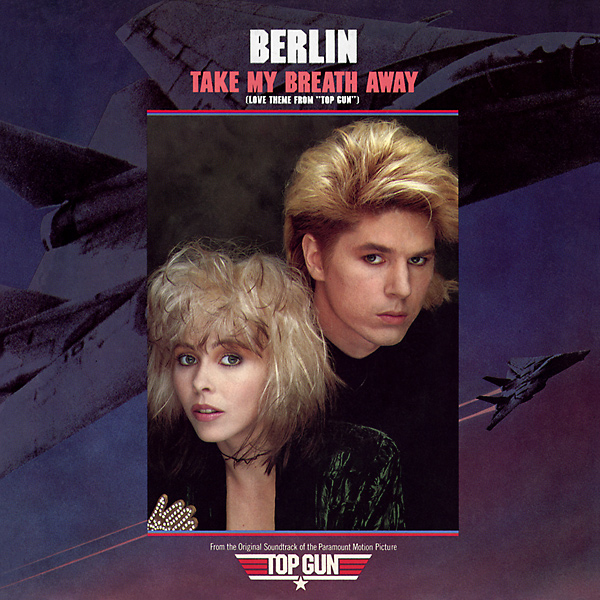
BERLIN Take My Breath Away (1986)

Moroder and Terri Nunn got on very well during BERLIN’s ‘Love Life’ sessions so he asked her to sing on a ballad he had written with his Ferrari mechanic Tom Whitlock entitled ‘Take My Breath Away’. With its distinctive fretless bass line played on a DX7, heartfelt lyrics and unforgettable key change, it was a No1 around the world but the success was bittersweet. Unrepresentative of BERLIN’s previous work, the band fell apart. Meanwhile Moroder won his third Oscar!

Available on the soundtrack album ‘Top Gun’ via Columbia Records and the BERLIN album ‘Best Of Berlin 1979-1988’ via Geffen Records

https://berlinpage.com/


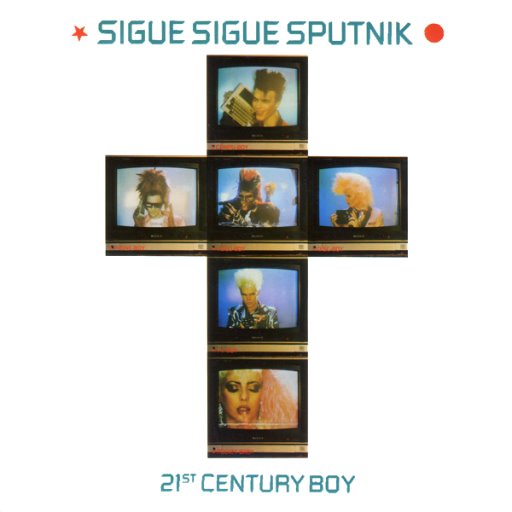
SIGUE SIGUE SPUTNIK 21st Century Boy (1986)

The hype surrounding SIGUE SIGUE SPUTNIK and an alleged £1 million advance from EMI caused much resentment in the press. Developing the Cyberpunk sound which crossed frantic rockabilly with modern technology like SUICIDE on speed, Moroder threw in the kitchen sink on the quintet’s debut album ‘Flaunt It’. ’21st Century Boy’ was superior to the slightly formless ‘Love Missile F1-11’, even if to the untrained ear, the two songs sounded virtually identical!

Available on the SIGUE SIGUE SPUTNIK album ‘Flaunt It’ via EMI Records

http://www.sputnik2.com/


DAFT PUNK Giorgio By Moroder (2013)

An unusual collaboration, Moroder recorded an autobiographical monologue for DAFT PUNK to build a musical homage around. Influenced more by the conventional disco of his ‘I Wanna Funk With You Tonight’ and ‘Love To Love You Baby’ period rather than his pioneering electronic phase, ‘Giorgio By Moroder’ possesses a wonderful groove assisted by all manner of machines, freeform drumming, guitar solos and jazz improvisation.

Available on the DAFT PUNK album ‘Random Access Memories’ via Columbia Records

https://www.daftpunk.com/


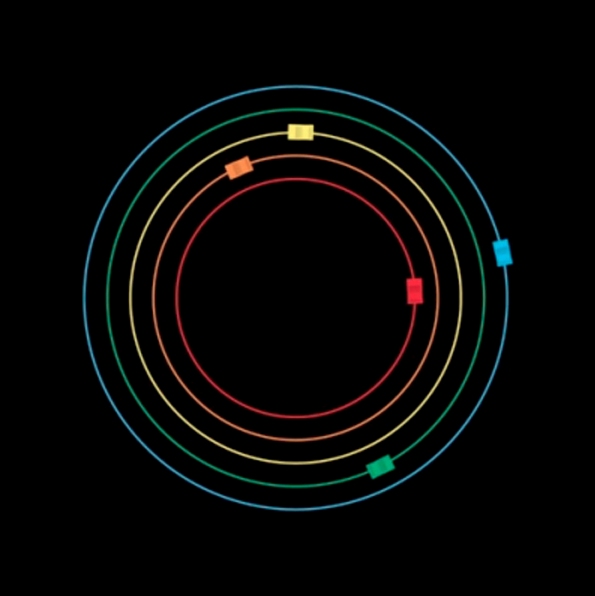
GIORGIO MORODER Racer (2013)

With his story being told to a brand audience courtesy of DAFT PUNK and his DJ services being sought after around the world, Moroder returned with a new solo recording. Commissioned by Google Chrome for their online game ‘Racer’, the piano line is like ULTRAVOX gone disco while the whirring synths, octave shifts, robot voices and trancey gates are like a history of electronic dance music.  Moroder is making club music today that is as vital as any young pretender.

Available via https://play.google.com/store/music/album/Giorgio_Moroder_Racer

https://twitter.com/GIORGIOMORODER_


ELECTRICITYCLUB.CO.UK’s ‘MORODERED…’ playlist can be heard on Spotify at https://open.spotify.com/playlist/05D4jefsqlqNpDXs31gW1u


Text by Chi Ming Lai
23rd July 2013

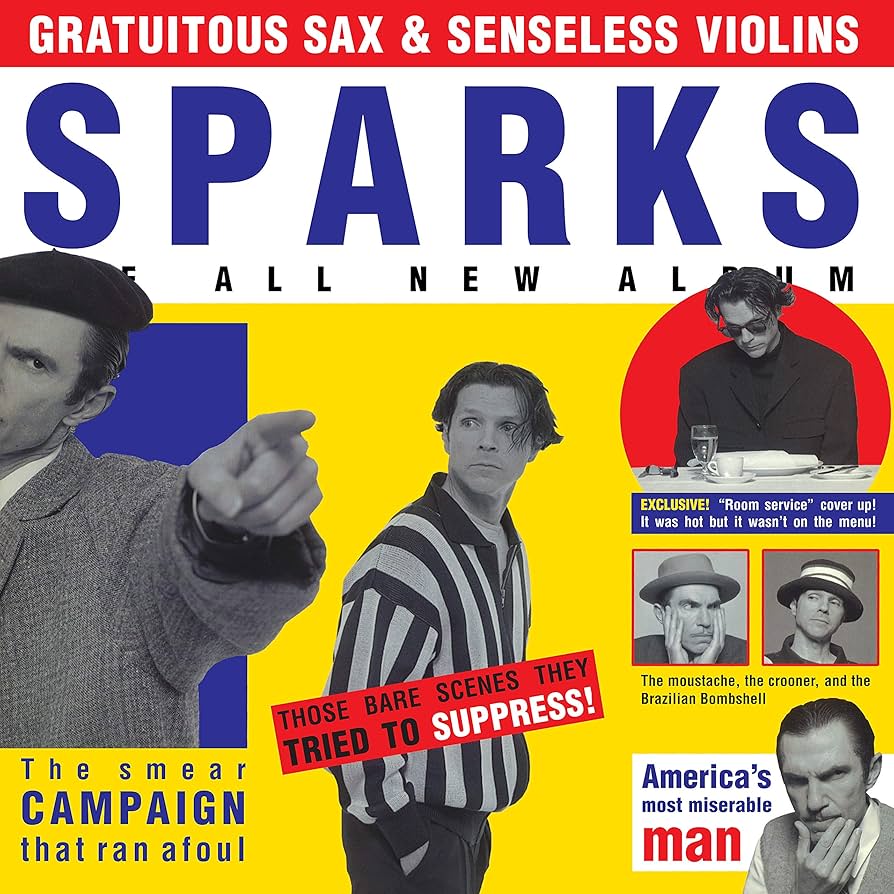
Lost Albums: SPARKS Gratuitous Sax & Senseless Violins


After a quiet number of years even by their standards, the original synth duo SPARKS secured the backing of DEF Management and made a triumphant return in 1994 with ‘Gratuitous Sax & Senseless Violins’. It was very much a determined comeback released on the German based Logic label, then home to trendy dance acts like SNAP! and COSMIC BABY.

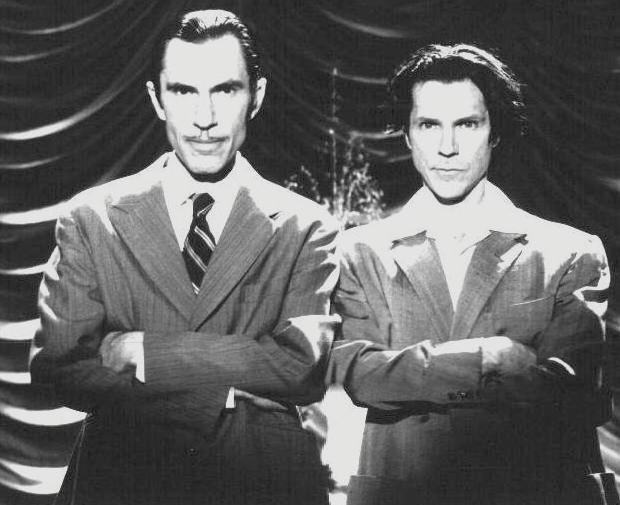
SPARKS’ career had been very up and down, but the Mael brothers were never deterred by public or media ambivalence and always returned like a phoenix from the flames just when people least expected it. First finding fame with the glorious ‘This Town Ain’t Big Enough For Both Of Us’, they had originally been HALFNELSON whose Todd Rundgren produced debut was released on Bearsville Records founded by Bob Dylan’s former manager Albert Grossman.

They changed their name to SPARKS when Grossman suggested they should rename themselves ‘The Sparks Brothers’ after the comedy siblings Marx. Following an appearance on ‘Old Grey Whistle Test’ in late 1972, presenter Bob Harris was unimpressed and said they were the worst thing he had ever seen… this same esteemed music expert had poured scorn on ROXY MUSIC a few months earlier by announcing they were “unimpressive hype” and later called NEW YORK DOLLS “mock rock”!

Luckily, British promoters were fascinated by the quirky brothers and they were booked for a series of well-attended club dates. At one of their headline gigs at The Marquee, they were supported by a group of upstarts named QUEEN! Ironically, the US would later embrace the music of QUEEN and indeed SPARKS, but it was indifference towards Ron’s classical keyboard interludes and Russell’s camp operatic falsetto that led to the Maels leaving America and uprooting to the UK to find fame and fortune.

They recruited a new backing band where one of the audition adverts had the prerequiste of: “a really good face that isn’t covered by a beard”! Although one of those who failed the audition was Warren Cann, later to join ULTRAVOX, the rest as they say is history.  Who wasn’t frightened to death by the snarling stares of Ron Mael with his Chaplain-esque moustache (…well, that’s what we are going to say!?!), sitting motionless behind his RMI Electra-piano on ‘Top Of The Pops’ in the late Spring of 1974?

Released on Island Records, their quirky glam albums ‘Kimono My House’ and ‘Propaganda’ bizarrely found a screaming teenybopper audience. But beneath the hit appeal of ‘Amateur Hour’, ‘Something For The Girl With Everything’ and ‘Never Turn Your Back On Mother Earth’ was an artistic eccentricity that captured the imaginations of notable soon-to-be songsmiths like a certain Steven Patrick Morrissey.

Meanwhile a Basildon lad named Martin Lee Gore was to later cover ‘Never Turn Your Back On Mother Earth’ in a busman’s holiday from DEPECHE MODE! However, despite an appearance in the George Segal film ‘Rollercoaster’ in 1976, SPARKS spent a number of years in the artistic doldrums.

Photo by Sophie Muller

Eventually, Russell and Ron opened their ears to the burgeoning electro-disco sound as heard on Donna Summer’s ‘I Feel Love’ and were put into contact with her producer Giorgio Moroder. With aspirations to work with a band, the Munich based Italian set to work with them immediately, the result being the tremendous ‘No1 Song In Heaven’. Released in 1979, it actually only made it to No14 in the UK charts but this was a few months before TUBEWAY ARMY’s seminal ‘Are Friends Electric?’, often seen as the cultural turning point for the synthesizer.

Eventually the sound of the synth was everywhere, but despite a Top10 follow-up hit in ‘Beat The Clock’, the album ‘No1 In Heaven’ failed to sell and SPARKS eventually got lost among all the British acts they had helped pave the way for like SIMPLE MINDS (just listen to ‘Life In A Day’ and ‘Chelsea Girl’!), OMD (ditto ‘Motion & Heart’), DEPECHE MODE (Founder member Vince Clarke would go on to remix SPARKS) and SOFT CELL (ditto David Ball!).

SPARKS returned to America with a rockier band sound produced by QUEEN cohort Mack. Tracks like ‘Angst In My Pants’ and ‘Funny Face’ were radio hits on LA New Wave station KROQ, but the rest of the world were starting to fall under the poptastic spell of PET SHOP BOYS and ERASURE, two duos who owed more than a small debt to the Maels’ image blueprint of one who does something and the other who does nothing! With the rise of dance culture and the music technology now available to work totally on their own terms, SPARKS came up with ‘Gratuitous Sax & Senseless Violins’.

The bold artwork with headlines such as “Room service cover up! It was hot but it wasn’t on the menu!” and “America’s Most Miserable Man” laid down their tongue-in-cheek intentions. The centrepiece was the launch single ‘When Do I Get To Sing My Way?’, a masterclass in electronic pop. It had everything; atmospherics, subtle rhythmical infections, an anthemic uplifting chorus and a narrative on sibling rivalry which was superbly illustrated in the vintage Hollywood blockbuster styled promo video directed by Sophie Muller.

The follow-up ‘(When I Kiss You) I Hear Charlie Parker Playing’ was very much in the frantic Eurodance vein of the period sounding like ‘Yesterday When I Was Mad’ being covered by Freddie Mercury! Actually, it was quite difficult to get through this album without thinking of PET SHOP BOYS and their stomping 1993 LP ‘Very’.

Despite the lush synthonic strings and beat driven template, Russell Mael brought his obviously more quizzical character into proceedings, particularly on the cutting ‘I Thought I Told You To Wait In The Car’ with its Arabic overtones and unsettling multi-tracked chants of “CAR! CAR! CAR! CAR!”.

‘Now That I Own The BBC’ was obviously more like ERASURE, the Maels ironically reflecting on their return to the fame game and using The Beeb as its metaphor. Also on the uptempo side of proceedings, ‘Let’s Go Surfing’ was perhaps a less accomplished relative of ‘Now That I Own The BBC’, but immediately enjoyable just the same, with orchestra stabs and an anthemic chorus thrown in for good measure.

But the album was not just an electropop experiment in idiosyncratic accessibility. ‘Frankly Scarlett, I Don’t Give A Damn’ was an amusing musical skit based around the acclaimed Oscar winning epic ‘Gone With The Wind’. Spot-on observations in the narrative of Rhett Butler such as “That soft southern accent delivered without the slightest trace of a British accent, even that’s starting to wear on me” confirmed the Mael Brothers’ lyrical humour had remained intact over the years as SPARKS sent up a great American institution!

Best of all was the brilliantly chilling ballad ‘Hear No Evil, See No Evil, Speak No Evil’, now in hindsight sounding like MUSE gone synthpop! ‘The Ghost Of Liberace’ was like an update of ‘Never Turn Your Back On Mother Earth’ but like with all good albums, there was the inherent inconsequential filler and that came with ‘Tsui Hark’… it consisted of acclaimed film director Tsui Hark repeatedly announcing “My Name Is Tsui Hark, I’m a film director” over an inconsequential dance number! Thanks heavens for CD programmers!

Although ‘Gratuitous Sax & Senseless Violins’ was not a huge seller in the UK, it re-established SPARKS as a viable cult act with a headlining tour and notably, an invitation to support BLUR at their 1995 Mile End Stadium gig. In Germany however, the album was a big success when ‘When Do I Get To Sing My Way?’ got to No7. In a country where age and artistic wisdom were not seen as a barrier to cultural acceptance, they found a brand new young audience.

However, the Maels lost it all again with the pointless 1997 reworkings album ‘Plagiarism’ featuring special guests ERASURE and FAITH NO MORE, and then capped it all with the poorly received follow-up ‘Balls’ in 2000. But as always, they bounced back again in 2002 with the acclaimed classical concept album ‘Lil’ Beethoven’ and have been discretely playing to their fanbase throughout the world since, most recently with the well received ‘One Mouth Two Hands’ tour. Their eccentric sound continues to be heard in modern acts such as MARINA & THE DIAMONDS and GOLDFRAPP.

For the song titles alone, ‘Gratuitous Sax & Senseless Violins’ is worthy of rediscovery. This collection is from a time when Britpop was taking a hold and electronic pop generally meant dance music; as an item of buried treasure, this album is a fabulous document of when the Maels briefly joined the house party that they had obliquely helped to inspire.

“And instead of the usual bass and drums, he heard…”


‘Gratuitous Sax & Senseless Violins’ was released by Logic Records and is available on remastered CD via Lil Beethoven Records
http://allsparks.com/

https://www.facebook.com/sparksofficial

https://twitter.com/sparksofficial


Text by Chi Ming Lai
19th January 2013

WE HOPE YOU ENJOY OUR NEW DIRECTION Some Not So Great Albums By Some Great Acts

While opinion is totally subjective and in the mind of the beholder, in the same way that a footballer can occasionally fluff a shot, then a musician can also score their equivalent of an own goal.

The less than impressive albums on this list have generally been derided by both fans and critics. In most cases, these recordings were made by established acts with sure-fire reputations at the height of their career; or they were part of a much vaunted comeback.

But as can be expected with the highs and lows of the music industry, a number were produced during difficult periods in an artist’s creative dynamic following personnel changes or record company pressures. So in hindsight, poor results were often predictable and inevitable. However, based on the standards of their strongest work, most of the talents mentioned here should have known better.

But even in the face of informed criticism, some musicians can be terribly stubborn and unrepentant. Reacting to negativity surrounding his infamous ‘Metal Machine Music’ double album of feedback and electronic screeching, Lou Reed famously snorted: “if they don’t like it, they can go eat rat sh*t”! Oh well, would you like fries with your rat sh*t?

Inspired by the Q Magazine article ‘Can I Have My Money Back?’ from 1996, here are 20 of the better known creative blips, in alphabetical order. It should be noted that ELECTRICITYCLUB.CO.UK actually bought all but 5 of these albums, so make of that what you will!


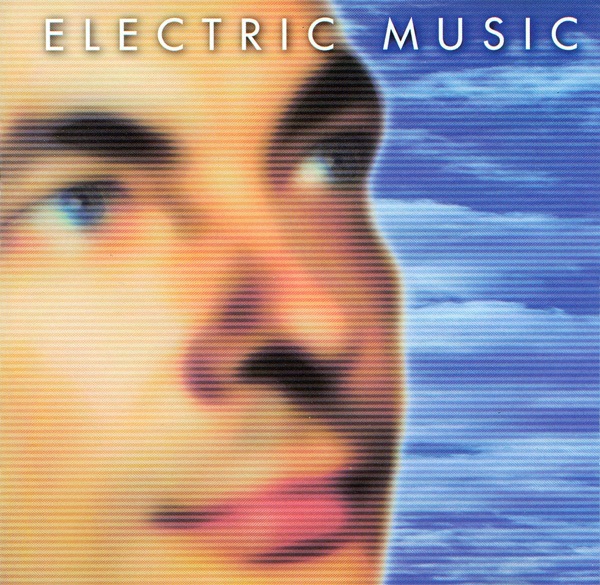
KARL BARTOS Electric Music (1998)

Proof that pioneering geniuses lose their way once in a while. Following his ‘Esperanto’ album in 1993 with Lothar Manteuffel of RHEINGOLD under the moniker ELEKTRIC MUSIC which many accepted as a KRAFTWERK record in all but name, Karl Bartos went to work with Bernard Sumner and Johnny Marr on ELECTRONIC’s ‘Raise The Pressure’. He found the experience liberating and on his return, adopted the guitar for his next ‘Electric Music’ album.

Speaking in 2005, he said that when he started playing music as a teenager, it was in his bedroom with his guitar pretending to be Chuck Berry and this album was him getting back to all that. ‘Young Urban Professional’ was actually a song originally written for KRAFTWERK, but is turned into THE SMITHS’ ‘Hand In Glove’ with vocoder! ‘Sunshine’ is typical of the clumpy rock that marred NEW ORDER’s 2001 comeback ‘Get Ready’ while the rest of the album is pretty much the same. Only ‘Call On Me’ possesses any kind of spark as a song. Bartos himself described ‘Electric Music’ as an “exploration of the sound of the sixties – guitar pop out of the computer” and thanks Johnny Marr in the credits! Luckily, Bartos returned to synths and was back on form with 2003’s ‘Communication’, delivering a collection that showed his former cycling partners over at Kling Klang a thing or two.

Best track: ‘Call On Me’

‘Electric Music’ was originally released by SPV Records

http://www.karlbartos.com/


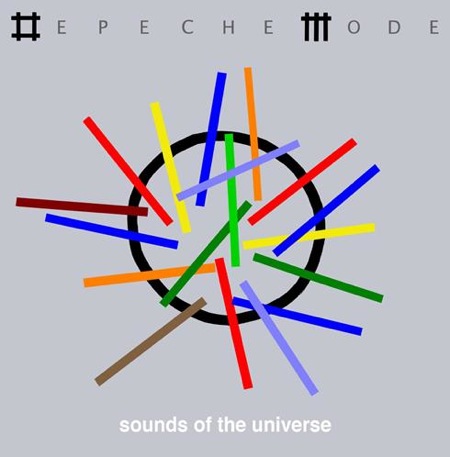
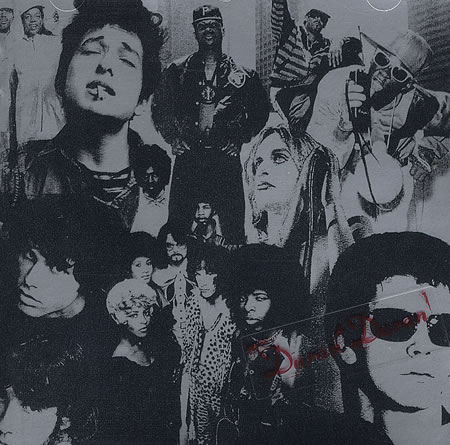
DEPECHE MODE Sounds Of The Universe (2009)

Following a return to form with ‘Playing The Angel’, much was expected of ‘Sounds Of The Universe’ when the band’s biggest world tour to date was announced in 2008. Unfortunately, the lacklustre ‘Exciter’ from 2000 appeared to be the musical template and the tracks that leaked were not particularly promising. The resultant album lacked spark, dynamics and creative tension. It was dreary mid-paced electro blues that dominated on this turkey.

The outstanding track from the sessions ‘Oh Well’ was a spicy uptempo Moroder-esque collaboration between Martin Gore and Dave Gahan but only appeared in the 4CD deluxe box set while the fact that the two best tracks on the main feature were a ballad voiced by Gore and a short instrumental said it all! But this became rather trivial when Gahan was diagnosed with a life threatening illness while on out on the road in Athens!

Best tracks: ‘Jezebel’, ‘Spacewalker’, ‘Oh Well’ (deluxe box set only)

‘Sounds Of The Universe’ was originally released by Mute Records
http://www.depechemode.com


DURAN DURAN Thank You (1995)

This covers album was recorded at the behest of EMI Records who were strangely impressed by DURAN DURAN’s rather strained cover of THE VELVET UNDERGROUND’s ‘Femme Fatale’ from ‘Wedding Album’ and eager for a quick cash-in on their 1993 renaissance. Among the songs attempted were ironic takes on ‘White Lies (Don’t Do It)’ and another drug dependency tale ‘Perfect Day’, as well as songs by Bob Dylan, Elvis Costello and Sly Stone!

The covers of Iggy Pop’s ‘Success’ and THE DOORS’ ‘Crystal Ship’ were actually quite enjoyable but among all the ham reinterpretations of established standards, the band actually covered themselves in a new version of ‘The Chauffeur’ entitled ‘Drive By’! Often regarded as one of the worst albums ever recorded, this disaster was dubbed “No Thank You” by many fans! Worse was to come for DURAN DURAN though as John Taylor left the band and EMI UK then refused to release their 1997 album ‘Medazzaland’. It would take a reunion of the classic line-up in 2004 to get them back on track and it wasn’t until 2011’s ‘All You Need Is Now’ album that they fully recaptured their former artistic glories.

Best tracks: ‘Success’, ‘Crystal Ship’

‘Thank You’ was originally released by EMI Records

http://www.duranduran.com


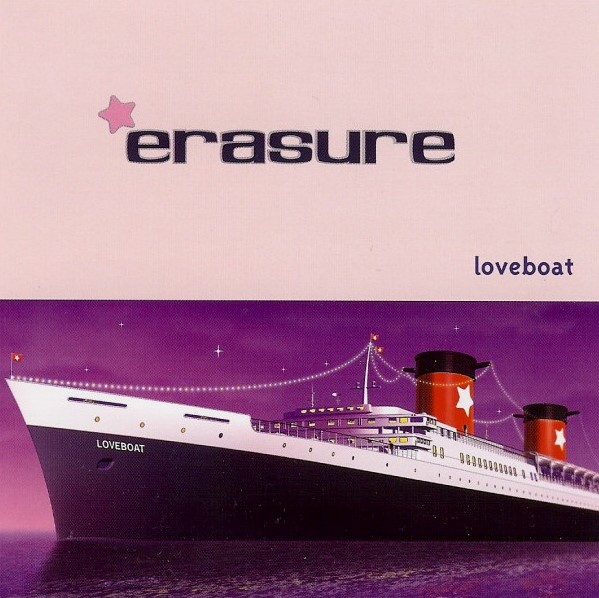
ERASURE Loveboat (2000)

In a poor period for Andy and Vince, this was a close run thing with their covers album ‘Other People’s Songs’ but at least with the latter, there were quality songs on show even if some of the versions left a lot to be desired. The problem wasn’t just the emphasis on guitar driven dynamics, it was also severely lacking in the usual ERASURE charm. Andy Bell admitted how shocked he was when he heard how “weird and indie” Rob Kirwan’s final mix sounded.

Despite production by Flood,  it was all very muddy. And even the album’s one potentially great song ‘Moon & The Sky’ was missing an uplifting chorus which was only later added to the Heaven Scent Radio Re-Work version that was released as a single. The redeeming consequence though was that despite these tough times creatively, ERASURE took to soft synths and made one of their best albums in 2005 with ‘Nightbird’.

Best tracks: ‘Freedom’, ‘Moon & The Sky’

‘Loveboat’ was originally released by Mute Records
http://www.erasureinfo.com


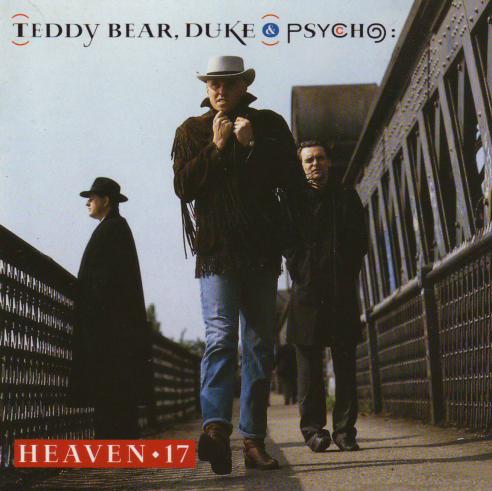
HEAVEN 17 Teddy Bear, Duke & Psycho (1988)

‘Teddy Bear, Duke & Psycho’ were the affectionate nicknames given by Terence Trent D’Arby respectively to HEAVEN 17’s Martyn Ware, Glenn Gregory and Ian Craig Marsh. The conventional sounding ‘Pleasure One’ released in 1986 had been given a lukewarm reception, while Martyn Ware’s success as a producer for artists such as Tina Turner and Mr D’Arby himself may have started to spread his creative energies just a little too thinly.

Whatever, when ‘The Ballad Of Go Go Brown’ was released as lead single and Glenn Gregory appeared on the album cover wearing a Stetson and cowboy boots, the writing was on the wall. A lot of the album features the blue eyed soul of the times but with younger acts like WET WET WET, AZTEC CAMERA, HUE & CRY and even PERFECT DAY (featuring a certain Mark Jones of Wall Of Sound fame!) gaining the public’s attention, HEAVEN 17 then went on hiatus for the next nine years before returning with the electronically driven triumph ‘Bigger Than America’.

Best tracks: ‘Big Square People’, ‘Train Of Love In Motion’

‘Teddy Bear, Duke & Psycho’ was originally released by Virgin Records
http://www.heaven17.com


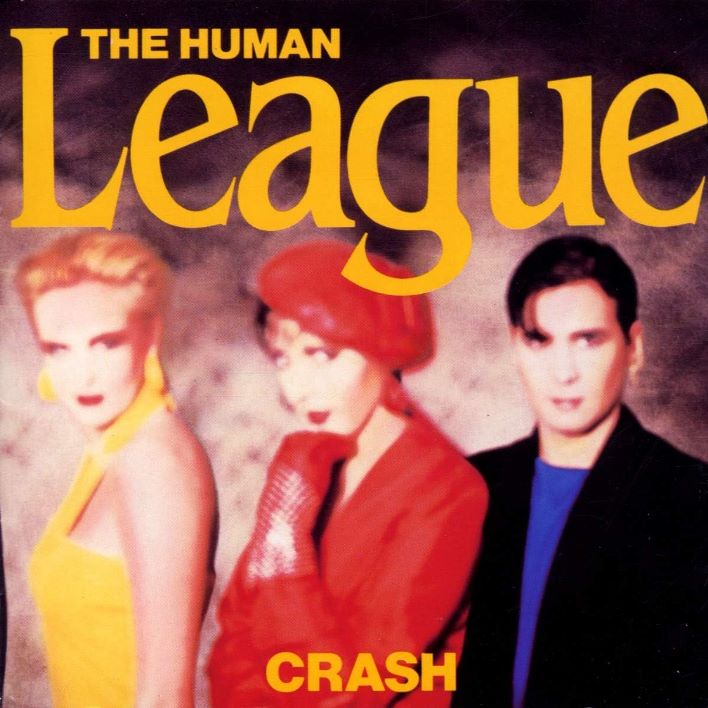
THE HUMAN LEAGUE Crash (1986)

Work had started on ‘Crash’ in 1985 with producer Colin Thurston but the results were not deemed suitable for release by Virgin Records. To overcome the creative block, THE HUMAN LEAGUE were despatched to Minneapolis to record with top producers Jimmy Jam and Terry Lewis. Here, they became part of the manufactured R’n’B conveyor belt that had already seen success for Janet Jackson and Alexander O’Neal.

Ian Burden in particular was considered surplus to requirements by the producers. Disconcertingly, the album’s two strongest numbers ‘Human’ and ‘Love Is All That Matters’ had no songwriting input from any of THE HUMAN LEAGUE themselves… but then, they weren’t involved in the album’s two stinkers either! The David Eiland composed ‘Swang’ was horrible while ‘I Need Your Loving’ surely had to have been a Janet Jackson reject? Eventually, Oakey and co went home leaving Jam and Lewis to finish ‘Crash’. ‘Human’ was an American No1 and helped keep THE HUMAN LEAGUE’s profile up Stateside while the album’s end results sounded nothing like them with Phil Oakey’s voice left exposed as it was not really suited to the dynamics of soul. It would take almost ten years for them to regain momentum with 1995’s ‘Octopus’.

Best tracks: ‘Human’, ‘Love Is All That Matters’, ‘Money’

‘Crash’ was originally released by Virgin Records
http://www.thehumanleague.co.uk


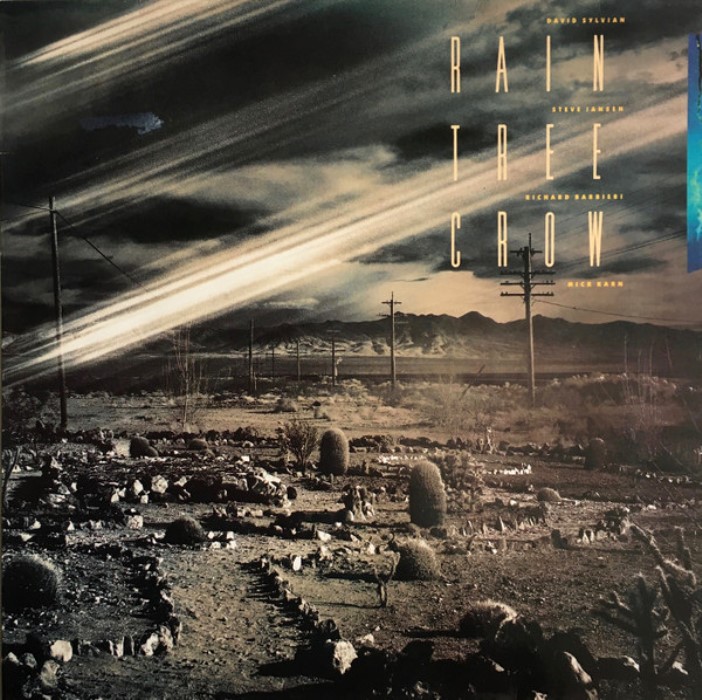
JAPAN Rain Tree Crow (1991)

This was the much heralded reunion of David Sylvian, Mick Karn, Steve Jansen and Richard Barbieri aka JAPAN, a band who many considered had broken up before their time following the highly acclaimed ‘Tin Drum’ album in 1981. However, the split was due to personal rather than artistic differences when Karn’s girlfriend Yuka Fujii left him for Sylvian. Time eventually healed wounds and the quartet gathered together in France.

Under the Sylvian inspired Native American moniker RAIN TREE CROW, the idea had been to compose and record as a group through improvisation as opposed Sylvian being sole songwriter and studio dictator which had previously been the case during the JAPAN days. However, Sylvian’s stubborn imposing character led to a return to old ways. Supported by a huge budget from Virgin Records, unbelievably it was exceeded. So Virgin gave them an ultimatum where no more money would be forthcoming unless the project was presented under the name of JAPAN. The others agreed but Sylvian refused. Walking off with the tapes to mix the album under his own finance and supervision, he refused to let any of his bandmates in on the sessions! The result was an unfocussed set consisting of progressive avant jazz and self-indulgent ethnic instrumental pieces tha sounded unfinsihed. Only the magnificent single ‘Blackwater’ bore any kind of relation to JAPAN’s brilliant legacy. The quartet never worked together again and with Mick Karn’s sad passing, never will.

Best track: ‘Blackwater’

‘Rain Tree Crow’ was originally released by Virgin Records
http://www.nightporter.co.uk


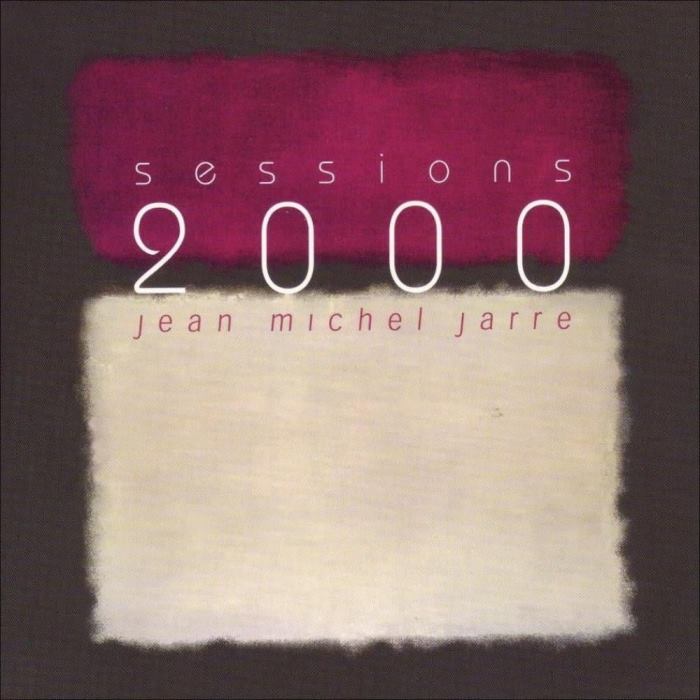
JEAN MICHEL JARRE Sessions 2000 (2002)

It is always going to end in tears when an artist embarks on a jazz odyssey! And so it was when Jean-Michel Jarre came up with what appeared to be an attempt to break his then recording contract with Sony Music. ‘Sessions 2000’ contained six tracks named presumably after the days they were composed. Recorded by Jarre with collaborator Francis Rimbert, all had deliberate chill-out lounge jazz undertones and unfortunately, a distinct lack of melody.

‘June 21’ just plods along aimlessly for over six minutes while ‘September 14’ aims at the atmosphere of ‘Twin Peaks’ but does nothing in its excruciating nine! Haunting piano and detuned tones colour the Ryuichi Sakamoto influenced ‘May 1’ but any potential is unrealised. Only ‘March 23’ has any kind of musical shape with a distinct rhythmic pulse textured with synthetic brass and slide guitar samples but is far too long. Jarre eventually got back up to speed with the improved but still laid back ‘Geometry of Love’ and the dance driven ‘Teo & Tea’.

Best track: ‘March 23’

‘Sessions 2000’ was originally released by Sony Music

http://www.jeanmicheljarre.com


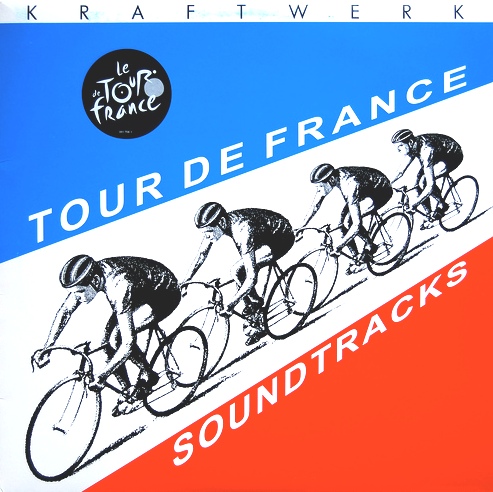
KRAFTWERK Tour De France Soundtracks (2004)

The first new material from KRAFTWERK since the disappointing ‘Expo 2000’, this was Ralf Hütter and Florian Schneider’s opportunity to reconsolidate their position as electronic godfathers. However, it was also 14 years since the departures of percussionists Wolfgang Flür and Karl Bartos, and it showed. One of the weakest links in ‘Tour De France Soundtracks’ was the rhythm programming which lacked punch and neither encouraged excitement or dancing.

Ironically for an album about cycling, ‘Tour De France Soundtracks’ was strangely pedestrian. Everything was tightly sequenced and structured but noticeably absent was the humanity and humour which were two of KRAFTWERK’s strongest suits, even on tracks like ‘Sex Object’ and ‘Boing Boom Tschak’ from 1986’s lacklustre predecessor ‘Electric Cafe’. The reworkings of the original 1983 ‘Tour De France’ track are the best things on here while Karl Bartos’ ‘Communication’ album, which happened to be released a few weeks later, was infinitely superior.

Best track: ‘Tour De France’, ‘Tour De France Etape 1’

‘Tour De France Soundtracks’ was originally released by EMI Records

http://www.kraftwerk.com


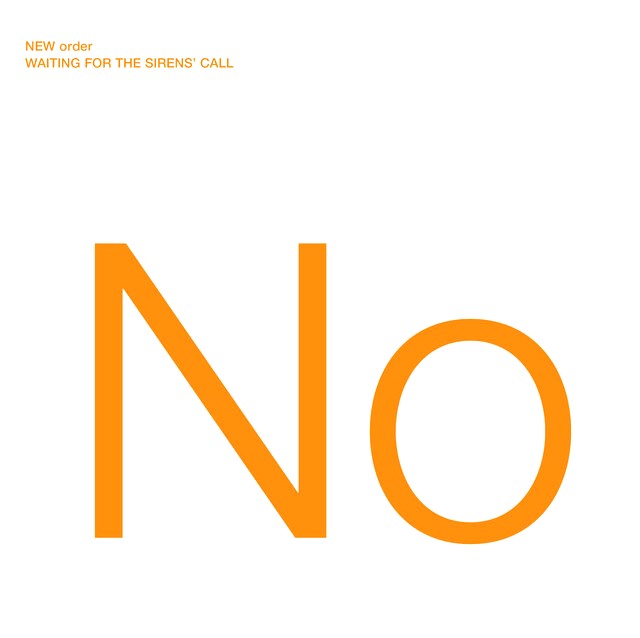
NEW ORDER Waiting For The Sirens’ Call (2004)

NEW ORDER’s musical strength was fusing the spirit of punk into electronics and dance. However, with keyboardist Gillian Gilbert leaving the band on their recorded return, Messrs Sumner, Hooky and Morris filled the void with a bunch of stodgy rock numbers on 2001’s ‘Get Ready’. For the next album, the trend towards rock continued although there were marginally more synths this time although the array of producers involved confused matters.

As possibly the worst song NEW ORDER have ever recorded, ‘Who’s Joe?’ had none of the spirit of their best guitar numbers. Even the lead single ‘Krafty’ was uninspiring NEW ORDER by numbers while its follow-up ‘Jetstream’ featuring SCISSOR SISTERS’ Ana Matronic was terribly lame despite being produced by Stuart Price. Only the title track and ‘Dracula’s Castle’ have any flashes of their classic brilliance. Legend has it that when Peter Saville was commissioned to design the sleeve, he was so unimpressed by the quality of the album that he decided to send an ironic message to warn any potential punters!

Best tracks: ‘Waiting For The Sirens’ Call’, ‘Dracula’s Castle’

‘Waiting For The Sirens’ Call’ was originally released by London Records
http://www.neworder.com


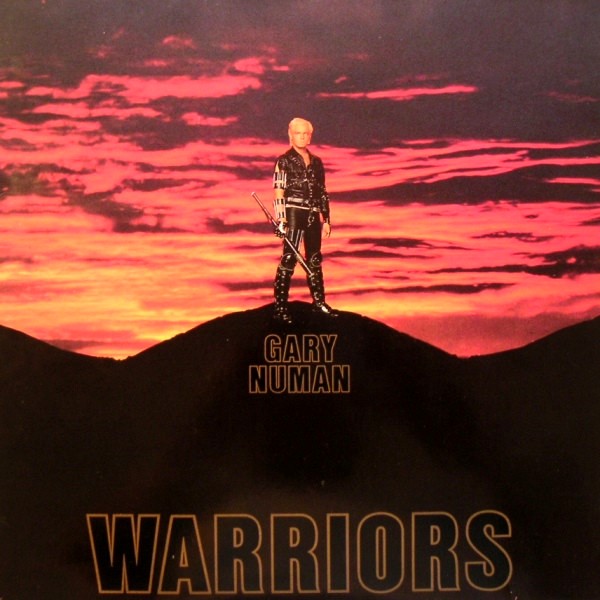
GARY NUMAN Warriors (1983)

Things had looked promising with Gary Numan returning to the live stage after retiring in 1981. Bill Nelson was slotted in to produce ‘Warriors’, but the pair fell out very early on in the sessions. Nelson then had his more trebly cutting mixes wiped by Numan so asked for his name to be taken off the credits! With the alien embracement of jazz and funk influences, ‘Warriors’ ended up a well played if confused, characterless body of work.

The use of some top flight session musicians was a major part of this mess. Dick Morrissey played saxophone solos whether they really ought to have been there or not, while Joe Hubbard’s slap bass was at times self-indulgent and wholly incongruous with the Numan sound. Although there were a couple of good tracks like the dreamy ‘The Iceman Comes’ and the synthetic THIN LIZZY of ‘My Centurion’, this was the start of a creative dip that Gary Numan wouldn’t truly recover from until 1994. In between, he appeared far more interested in flying than his music career.

Best tracks: ‘The Iceman Comes’, ‘My Centurion’

‘Warriors’ was originally released by Beggars Banquet Records
http://www.numan.co.uk


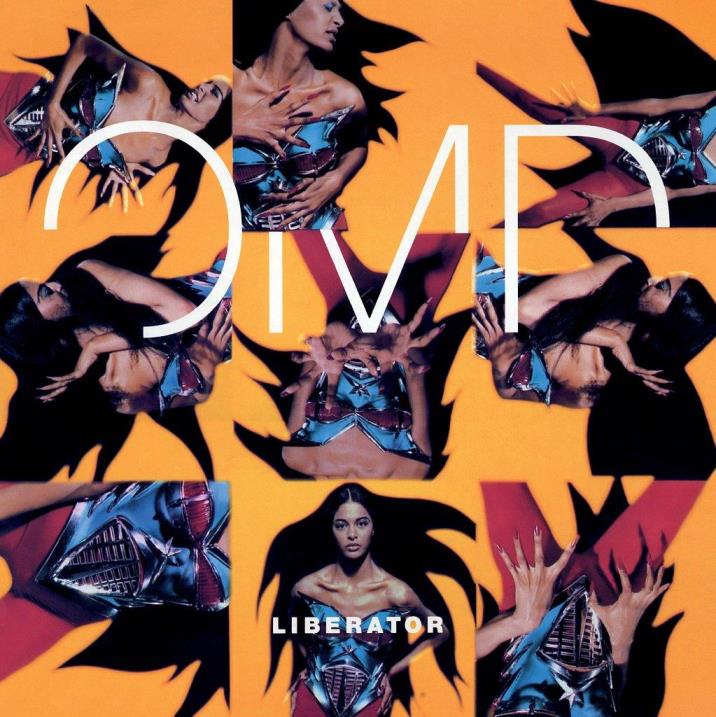
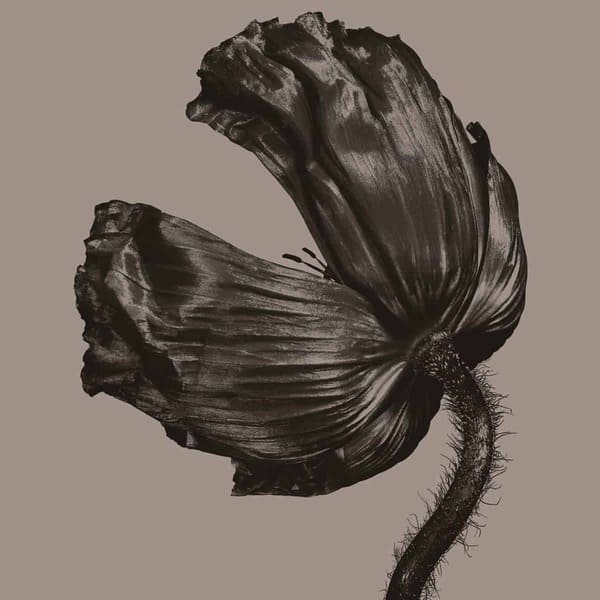
OMD Liberator (1993)

Following the success of ‘Sugar Tax’ in 1991, remaining sole OMD founder Andy McCluskey was on a commercial roll and decided to continue this well trodden poptastic path. As a result, ‘Liberator’ featured lots of busy modern dance effects. “It was an album for kids” lamented McCluskey later to Jens Lindell on Swedish radio in 1996. But by the time of its release in 1993, Da Kidz were worshipping acts such as TAKE THAT and EAST17 who were closer in age to the intended demographic.

An album of C-sides, ‘Stand Above Me’, ‘Everyday’, ‘Love And Hate You’ were all painfully poppy and not exactly the strongest songs in the OMD canon. Meanwhile, opinions are still divided about the synth MOR tune ‘Dream Of Me’, based on LOVE UNLIMITED ORCHESTRA’s ‘Love’s Theme’. The confused schizophrenic nature of the album’s concept was compounded by the pure genius of darker, more traditional OMD numbers like ‘King Of Stone’ and ‘Christine’. The muted reception to ‘Liberator’ led to the brave but conventional and ultimately doomed ‘Universal’ in 1996, before McCluskey retired the OMD brand. Bruised, he then set his sights on launching ATOMIC KITTEN! And that is a story in itself!

Best tracks: ‘King Of Stone’, ‘Christine’, ‘Best Years Of Our Lives’

‘Liberator’ was originally released by Virgin Records
http://www.omd.uk.com


PET SHOP BOYS Release (2002)

With pun totally intended, ‘Release’ was marred by the input of THE SMITHS’ famed guitarist Johnny Marr who had already used his influence to fill the last ELECTRONIC album ‘Twisted Tenderness’ with harmonica, getting Bernard Sumner rock out again in the process and even inspiring Karl Bartos to use guitar on every track of his ‘Electric Music’ album… note the irony with both band monikers!

Neil Tennant and Chris Lowe meanwhile attempted a collection of understated songs which were not only free of club derived beats but also of hooks and melodies! ‘Release’ certainly had none of the quality of their other understated album ‘Behaviour’. ‘I Get Along’ comes over like a camp version of Oasis while the worthiness of ‘Here’ wasn’t revealed until PET SHOP BOYS’ own dance remix for ‘Disco Vol3’. ‘The Night I Fell In Love’ is a lyrically amusing narrative about Eminem having a gay fling with a fan, but apart from the uptempo ‘The Samurai In Autumn’, this album is mostly plodding six-string led numbers devoid of any of the mastery that made them great. They were wearing someone else’s clothes and they didn’t fit. Ironically, ‘Release’really was PET SHOP BOYS ‘Being Boring’! And did you know that Johnny Marr in French (J’en Ai Marre) means “I am fed up”?

Best track: ‘The Samurai In Autumn’

‘Release’ was originally released by EMI Records

http://www.petshopboys.co.uk


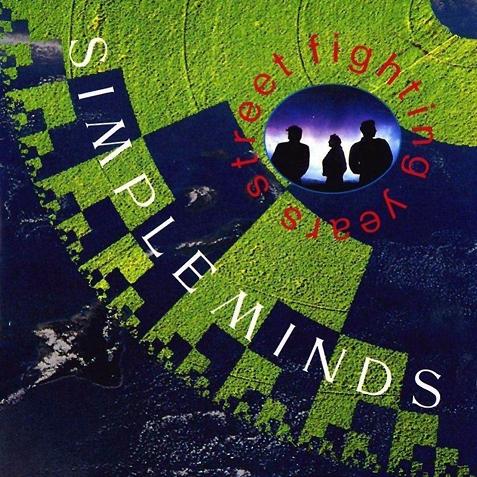
SIMPLE MINDS Street Fighting Years (1989)

Lambasted for embracing stadium rock, one thing though about 1985’s ‘Once Upon A Time’ was that it was an enjoyable uptempo synthetic rock record that successfully exploited its commercial possibilities with its sharp radio friendly outlook. However, when they took the album out on the road, Jim Kerr and co persisted with overlong, pompous arrangements and hectored the audience with tiresome repeated shouts of “show me your hands” and “higher”!

For the ‘Street Fighting Years’ album, the band retreated to the tranquillity of rural Scotland to inspire a more earnest, political direction… unfortunately, the overlong, pompous arrangements remained! Instrumentally, the bombast and synths were replaced by brushes, rootsy bottleneck guitar and Hammond organ flourishes that were ubiquitous of the period. But the songs meandered along formlessly at over six minutes at a time. Their only UK No1 single ‘Belfast Child’ outstayed its welcome by at least four and a half minutes! Even the production skills of Trevor Horn and Stephen J Lipson, who were recruited because Jim Kerr was a fan of PROPAGANDA’s ‘A Secret Wish’, couldn’t save this one!

Best track: ‘Wall Of Love’

‘Street Fighting Years’ was originally released by Virgin Records
https://www.simpleminds.com/


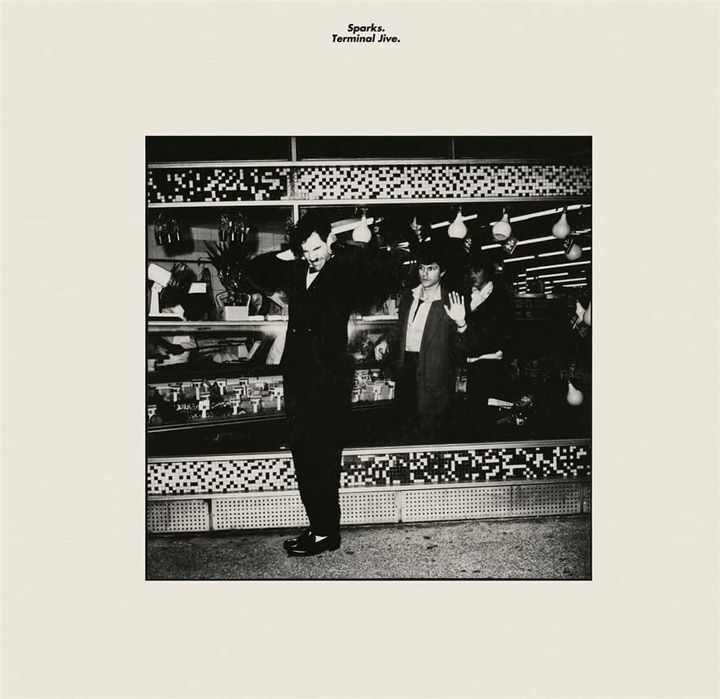
SPARKS Terminal Jive (1980)

Following the success of the singles ‘The No1 Song In Heaven’, ‘Beat The Clock’ and ‘Tryouts For The Human Race’ from the Giorgio Moroder steered album ‘No1 In Heaven’, SPARKS were despatched by Virgin Records to record a swift follow-up. Although Moroder was still nominally at the helm, ‘Terminal Jive’ was more ‘Hot Stuff’ than ‘I Feel Love’. Harold Faltermeyer of ‘Axel F’ fame took up a large part of the production duties as Moroder started to lose interest.

The songs were mostly lethargic synth assisted FM rock numbers. ‘Rock ‘N’ Roll People In A Disco World’ seemed to reflect the confused direction both lyrically and musically. Ironically, despite featuring more guitars and therefore a more American friendly sound, ‘Terminal Jive’ was the only SPARKS album that wasn’t issued in the US on its original release. The highlights were ‘When I’m With You’ which was a massive hit single in France and the satirically pervy ‘Young Girls’. However, the lack of quality material, as summed up by the inclusion of the instrumental version of ‘When I’m With You’, was the real problem. Disillusioned, SPARKS left Europe and returned to the States where they attained some varied domestic success having been previously ignored by their compatriots. They wouldn’t be seen much in Europe again until 1994 when the brilliant ‘When Do I Get To Sing My Way’ became as smash and gave them an unexpected career renaissance.

Best tracks: ‘When I’m With You’, ‘Young Girls’, ‘The Greatest Show On Earth’

‘Terminal Jive’ was originally released by Virgin Records
http://allsparks.com


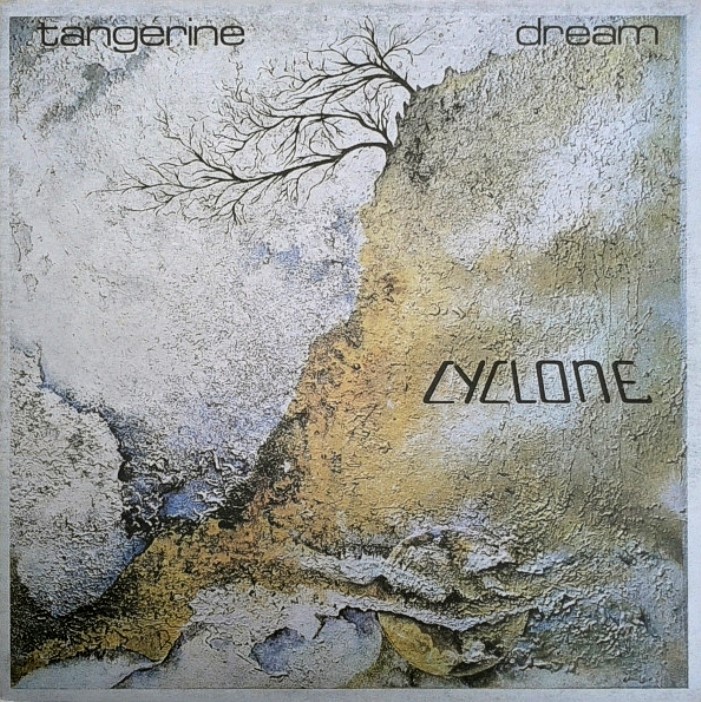
TANGERINE DREAM Cyclone (1978)

So this was a great idea, a TANGERINE DREAM album with vocals and flute! Featuring Steve Jolliffe on those said two colours, the first 13 minute track ‘Bent Cold Sidewalk’ came over like GENESIS and JETHRO TULL with its mystical lyrics and Hobbit vocal delivery. The uptempo ‘Rising Runner Missed By Endless Sender’ actually sounded like ULTRAVOX, but unfortunately in their Foxx-less and Ure-less ‘Ingenuity’ guise fronted by the best forgotten Sam Blue!

The progressive rock overtones took a breather on the more traditionally cosmic instrumental ‘Madrigal Meridian’ which saved the show, but most TD fans had probably headed down to the second hand stores by the end of side one. Although not well received, such was Messrs Froese and Franke standing at the time, ‘Cyclone’ was TANGERINE DREAM’s sixth best-selling album in the UK.

Best Track: ‘Madrigal Meridian’

‘Cyclone’ was originally released by Virgin Records
http://www.tangerinedream.org


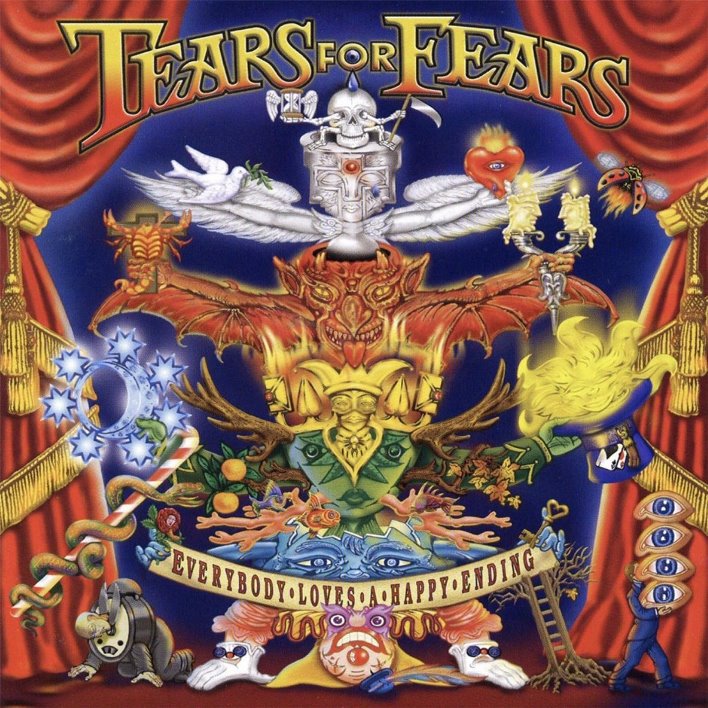
TEARS FOR FEARS Everybody Loves A Happy Ending (2004)

‘Everybody Loves A Happy Ending’ saw TEARS FOR FEARS’ original nucleus of Roland Orzabal and Curt Smith reunited for the first time since the tedious ‘The Seeds Of Love’ album from 1989. Friends since childhood, Orzabal’s domination of those sessions proved too much for Smith and it would be many years before they would even speak again. However, the reunion was already in trouble when Arista Records, who had signed the duo, pulled the comeback album.

But it was easy to see why… the album consisted of dull derivative compositions with little flair. The title track was another attempt at THE BEATLES pastiches from the last time Orzabal and Smith recorded together. Americana was one of the main templates with ‘Call Me Mellow’ basically a retread of THE LAs’ similarly influenced ‘There She Goes’. Eventually released on Gut Records after a year’s delay, only the original closing track ‘Last Days On Earth’ had any redeeming features but even that sounded like The Isley Brothers. As further a sign of their lack of creative juice, the duo even took to using Gary Jules’ arrangement of ‘Mad World’ from the ‘Donnie Darko’ soundtrack when performing the song live! Anyone who expected the sixth form synth angst of ‘The Hurting’ or even the MTV friendly rock of ‘Songs From The Big Chair’ was going to be disappointed.

Best track: ‘Last Days On Earth’

‘Everybody Loves A Happy Ending’ was originally released by Gut Records

http://www.tearsforfears.net


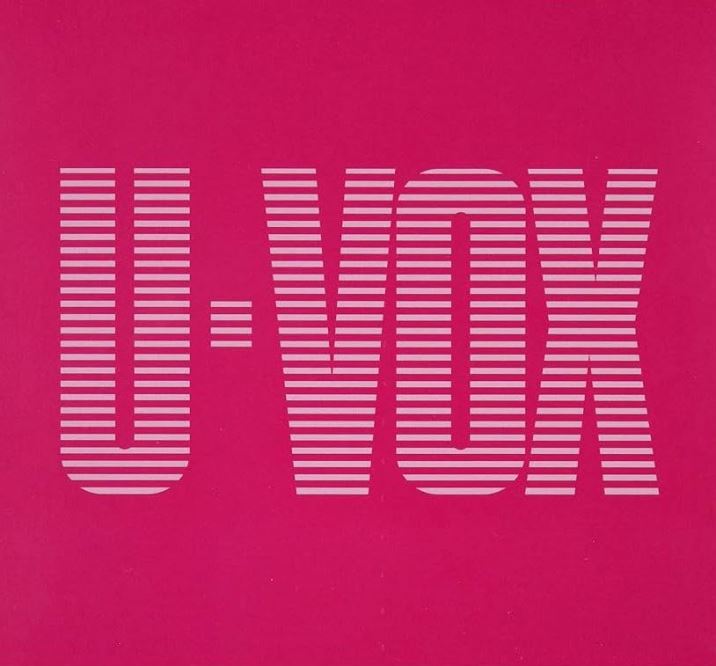
ULTRAVOX U-Vox (1986)

Also known by fans as “The Dreaded Pink Thing”, the signs had not been good when drummer Warren Cann was booted out of the band for preferring to use computer generated percussion while in the wake of his successful solo career, Midge Ure was dictating a more back-to-basics approach. Paradoxically though, soulful backing vocalists, funk bass, orchestras, brass sections and sax solos all entered into the equation, resulting in a totally unfocused sound.

‘Sweet Surrender’ was frankly a bit of a mess while ‘Moon Madness’ didn’t know whether it should have been rock or jazz. Backed by The Chieftains and featuring no synthesizers at all, ‘All Fall Down’ polarised listeners with its Celtic folk roots and anti-war message. But the poor title ‘U-Vox’ summed it all up… a band with something missing! However, ‘The Prize’ was as good as anything TEARS FOR FEARS or SIMPLE MINDS did in their stadium phase, ‘Time To Kill’ retained some European cool despite the acoustic guitars and the epic ‘All In One Day’ was the best thing Scott Walker never recorded.

Best tracks: ‘The Prize’, ‘Time To Kill’, ‘All In One Day’

‘U-Vox’ was originally released by Chrysalis Records
http://www.ultravox.org.uk


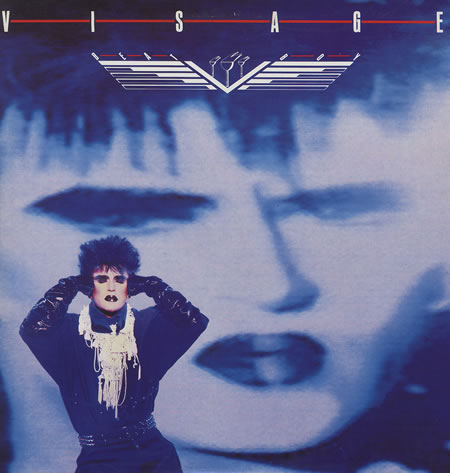
VISAGE Beat Boy (1984)

Midge Ure and Billy Currie had both left VISAGE in 1982, leaving Steve Strange and Rusty Egan with the VISAGE name and ownership of a very expensive Synclavier computer synthesizer. Despite the promising edgy electro-disco of interim single ‘Pleasure Boys’, the direction chosen for ‘Beat Boy’ was an ill-advised sojourn into rock with a group of session musicians filling in slots vacated by the former members of ULTRAVOX and MAGAZINE.

Without Ure’s production guidance, Steve Strange’s singing was all over the place. Neither ‘Only The Good Die Young’ nor the dreadful title track knew when to finish, while ‘Can You Hear Me?’ didn’t know when to actually start. And the backing vocals by guitarist Andy Barnett on the gross heavy metal of ‘Casualty’ were truly appalling! The eight tracks that made up ‘Beat Boy’ were all far too long although ‘Questions’ possessed a funky energy while ‘Love Glove’ could have easily come off ‘The Anvil’. However, this poor album led to the end of VISAGE. Rusty Egan went to work for U2 while Strange formed the unsuccessful STRANGE CRUISE and sadly later experienced some well documented personal difficulties.

Best tracks: ‘Love Glove’, ‘Questions’

‘Beat Boy’ was originally released by Polydor Records
http://therealvisage.com/


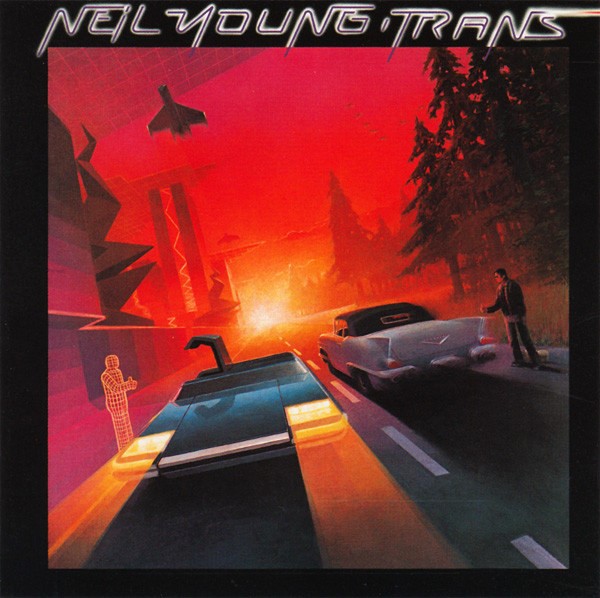
NEIL YOUNG Trans (1982)

Many of the albums mentioned have had the disaster of synth based acts adopting more conventional colours. This was one which where it happened the other way round. ‘Trans’ was Neil Young’s 1982 excursion into synthesizers, Linn Drum computers and vocoders. Despite the noble gesture of wishing to artistically express the difficulties of communicating with his son Ben who had cerebral palsy, ‘Trans’ didn’t work.

‘We R In Control’ and ‘Computer Cowboy’ both sounded like Metal Mickey fronting THE EAGLES while ‘Sample And Hold’ was an excessively long robotic march. However, there was an almost ethereal ‘Neon Lights’-like beauty in ‘Transformer Man’. Although there were still enough essential elements for ‘Trans’ to be nothing but a Neil Young album, it baffled his fans and was lambasted by the real music brigade. “I could never get anybody to believe that the f***ing idea was any good” said Young looking back, perhaps because it wasn’t in Young’s instinctive musical DNA to effectively use electronics. Indeed, he was later sued by his label Geffen Records for producing “deliberately uncommercial and unrepresentative work”!

Best Track: ‘Transformer Man’

‘Trans’ was originally released by Geffen Records
http://www.neilyoung.com


Text by Chi Ming Lai
18th April 2011

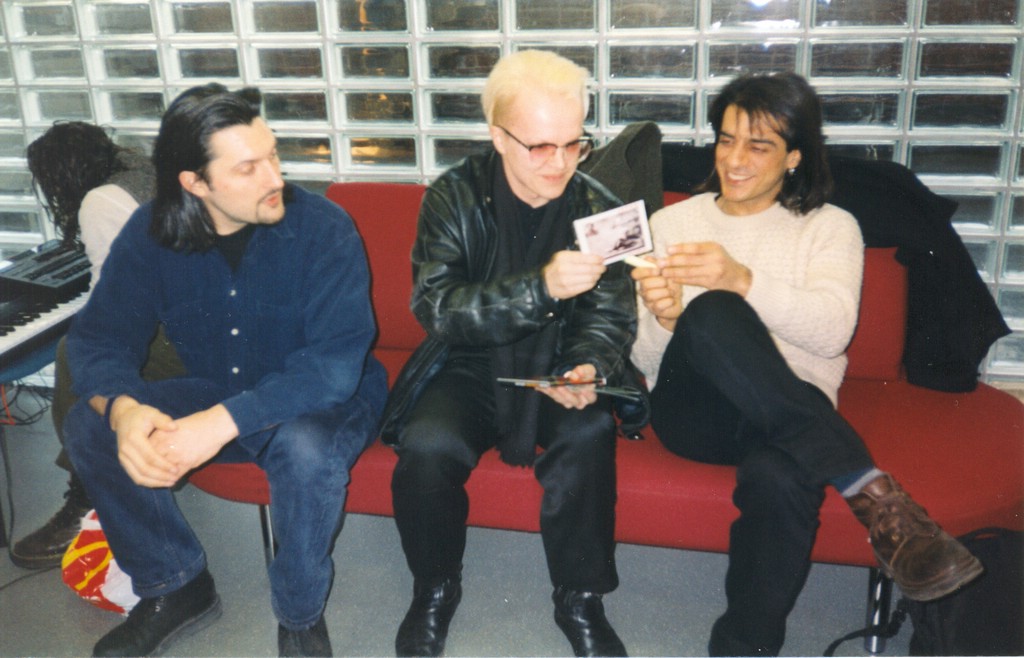
The Amazing Adventures Of MR NORMALL


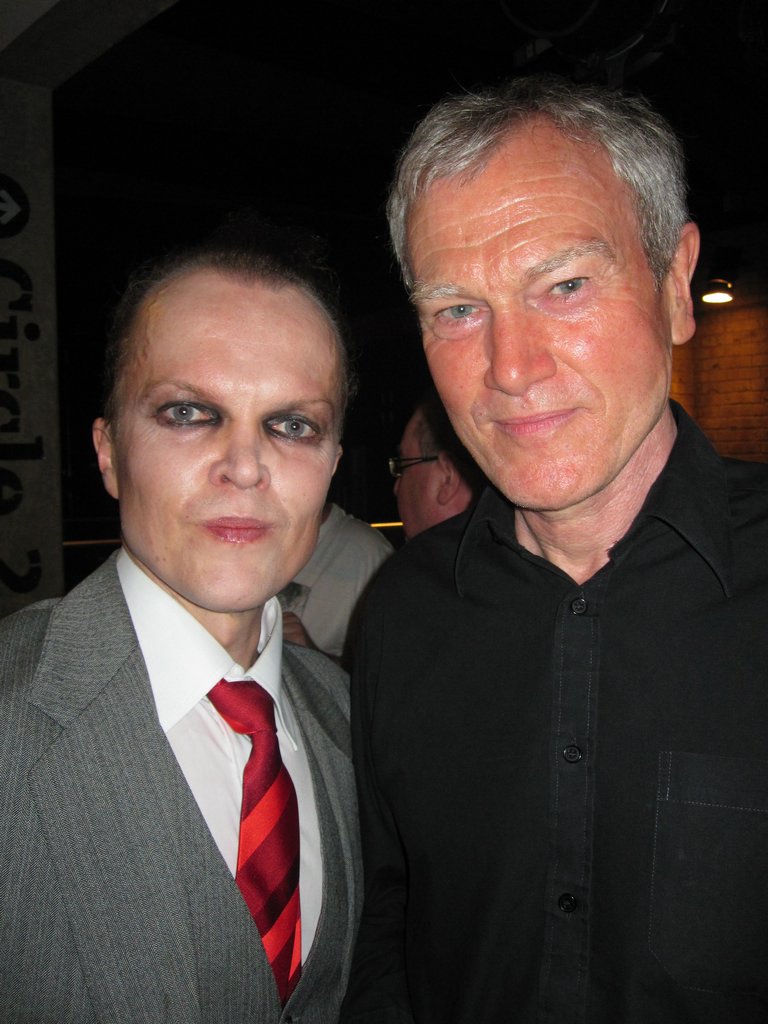
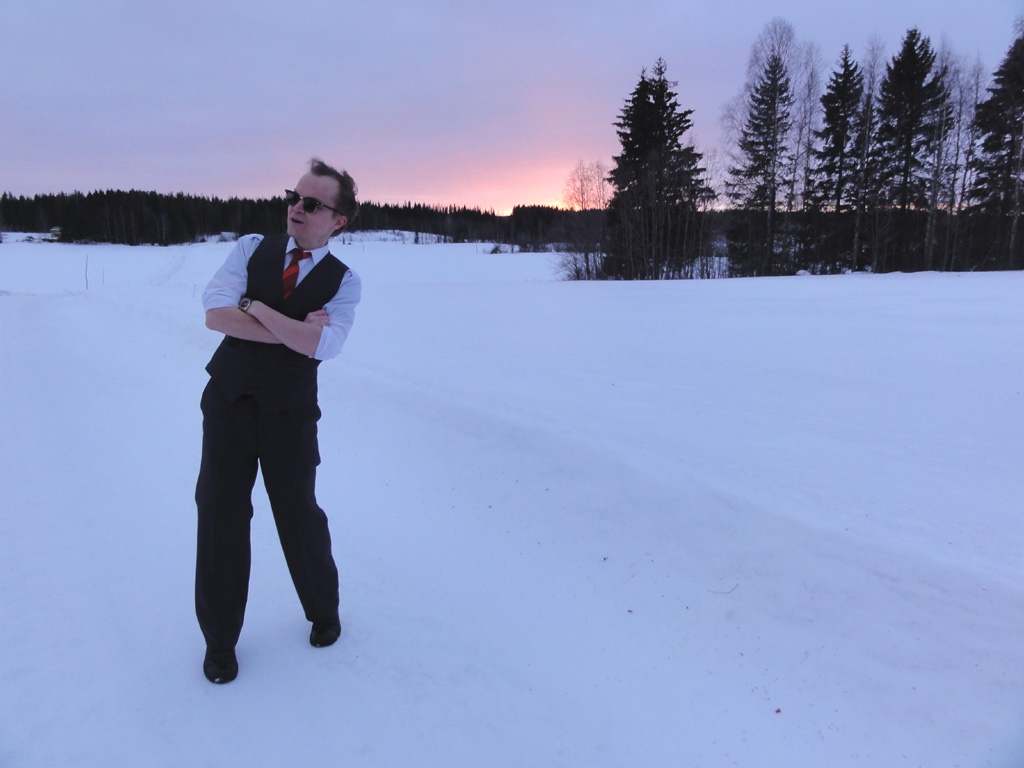
Those who have attended the recent concerts of ULTRAVOX, JOHN FOXX, HEAVEN 17 and Thomas Dolby may have noticed a striking satorially astute personality in the audience with the make-up and piercing eyes.

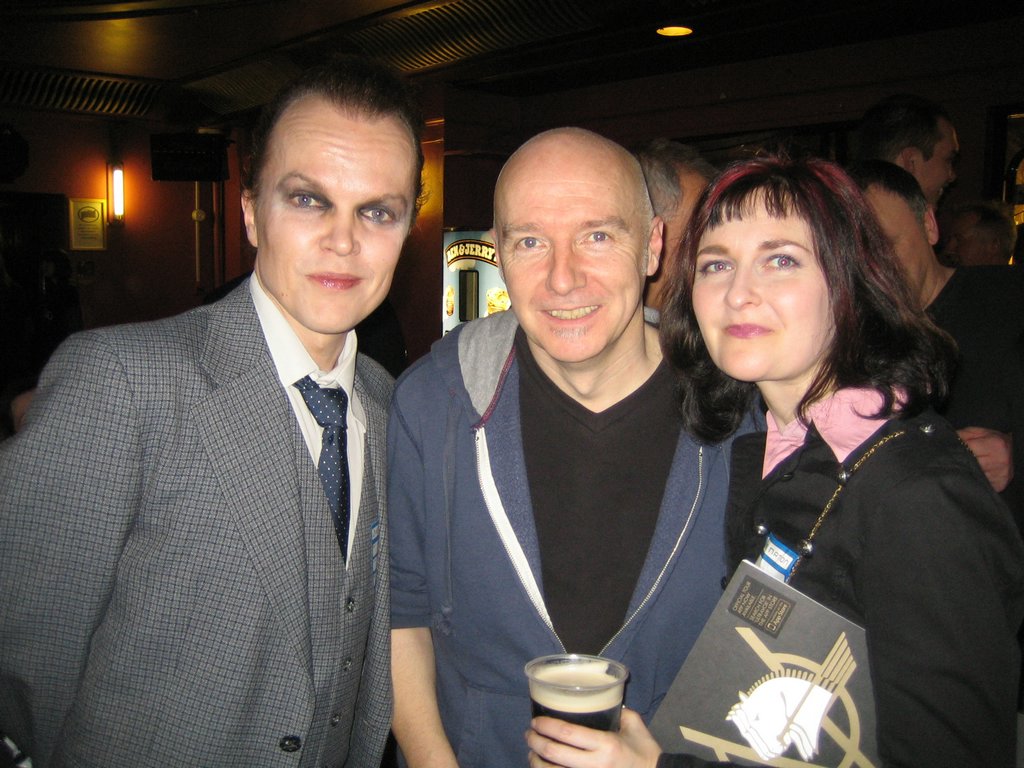
Looking like he’s just failed an audition to join SIGUE SIGUE SPUTNIK for dressing too smartly, that new kind of man is Tapio Normall, concert goer extroadinaire from Finland.

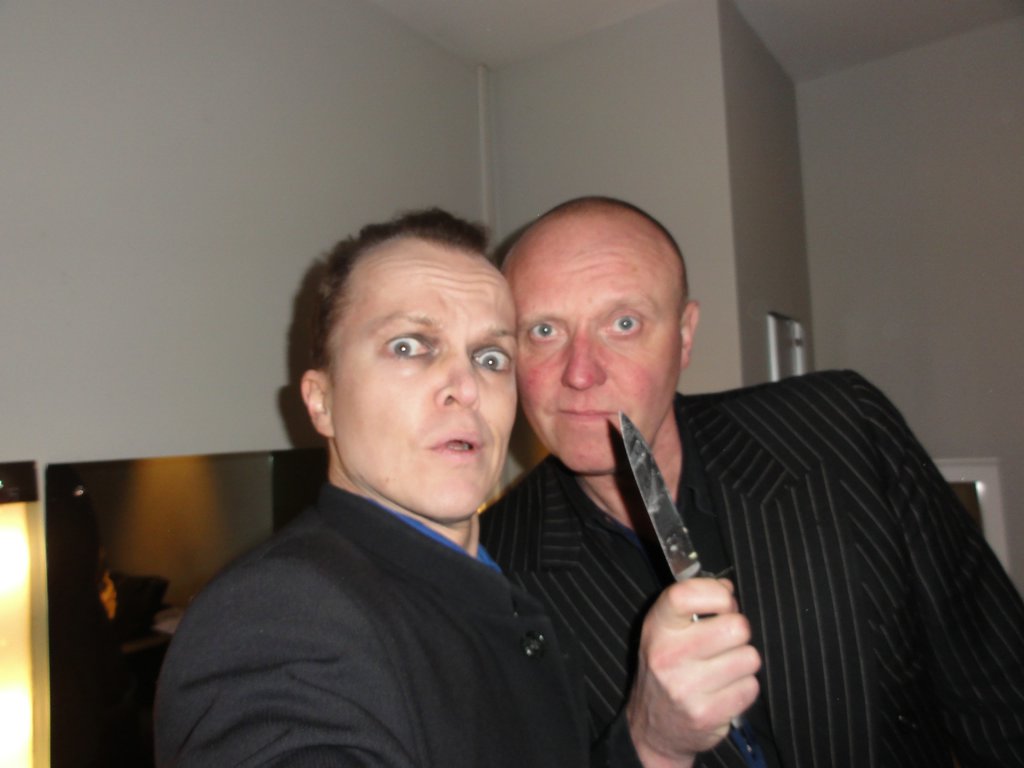
His trips seeing many of the artists from the classic synth and new wave era have been documented on his website The Amazing Adventures Of Mr Normall. His charming photographs with acts as KRAFTWERK, SPARKS, JAPAN, ULTRAVOX, GARY NUMAN, MARC ALMOND, THE HUMAN LEAGUE and VISAGE have become tales of electronic music folklore.

Just prior to visiting London again to see GARY NUMAN, JOHN FOXX, MOTOR and MIRRORS at Back To The Phuture, ELECTRICITYCLUB.CO.UK caught up with Mr Normall to reminisce about his travels and meetings with various lumanaries key to the rise of electronic pop music in Europe.

How did you come discover the joys of electronic and new wave music?

I remember that moment very well: I was 15 years old, it was summer and I was sitting in my parents’ car. The radio played ‘Computer World’ and few other tracks by KRAFTWERK. I knew right then that this is my kind of music. I had already tried punk and even a bit of rockabilly, but they weren’t my thing. The first vinyl album I ever bought was ‘Die Mensch Maschine’ by KRAFTWERK.

Who are your favourite acts?

JOHN FOXX, ULTRAVOX, VISAGE, KRAFTWERK, JAPAN, THOMAS DOLBY, HEAVEN 17, DURAN DURAN, SOFT CELL / MARC ALMOND, ASSOCIATES / BILLY McKENZIE, ADAM ANT, SIGUE SIGUE SPUTNIK, DEAD OR ALIVE and many others.

What was your first concert?

A Finnish band called RATSIA. They started as a punk band but then moved towards new wave. When I saw RATSIA, they already had synth on stage and the guy who played it looked like a ‘rock’ version on Nick Rhodes.

The first non-Finnish band I saw live was CLASSIX NOUVEAUX. This was November 1982.


What inspired you to first journey abroad to see your favourite bands? It is because Finland is often missed out on touring schedules?

There were MARC ALMOND, SIGUE SIGUE SPUTNIK and DURAN DURAN gigs in London only a few days apart in December 2000. All my big favourites and no chance to see them in Finland. I’m glad that I went to see them because it was the only time I saw the Martin Degville, Tony James and Neal X version of SIGUE SIGUE SPUTNIK.

There just aren’t many gigs in Finland that I would like to attend. It takes me only few hours more to travel to London than to Helsinki, and you can always find fairly inexpensive hotel in London. There’s no such thing as inexpensive hotel in Helsinki.

When did it occur to you that your travels were now becoming more than a habit?

I think that started summer 2006 when I went to London to see THOMAS DOLBY live at the Scala. The last few years have been like the second (or third or fourth) coming for many of my favourite artists/bands. This time has also been a sort of ‘second coming’ for Mr Normall. My passion for these things was almost lost during ’90s but it all started to come back after 2000 and it’s getting better and better. 2010 was great: THOMAS DOLBY, ULTRAVOX, JOHN FOXX, HEAVEN 17, MARC ALMOND.

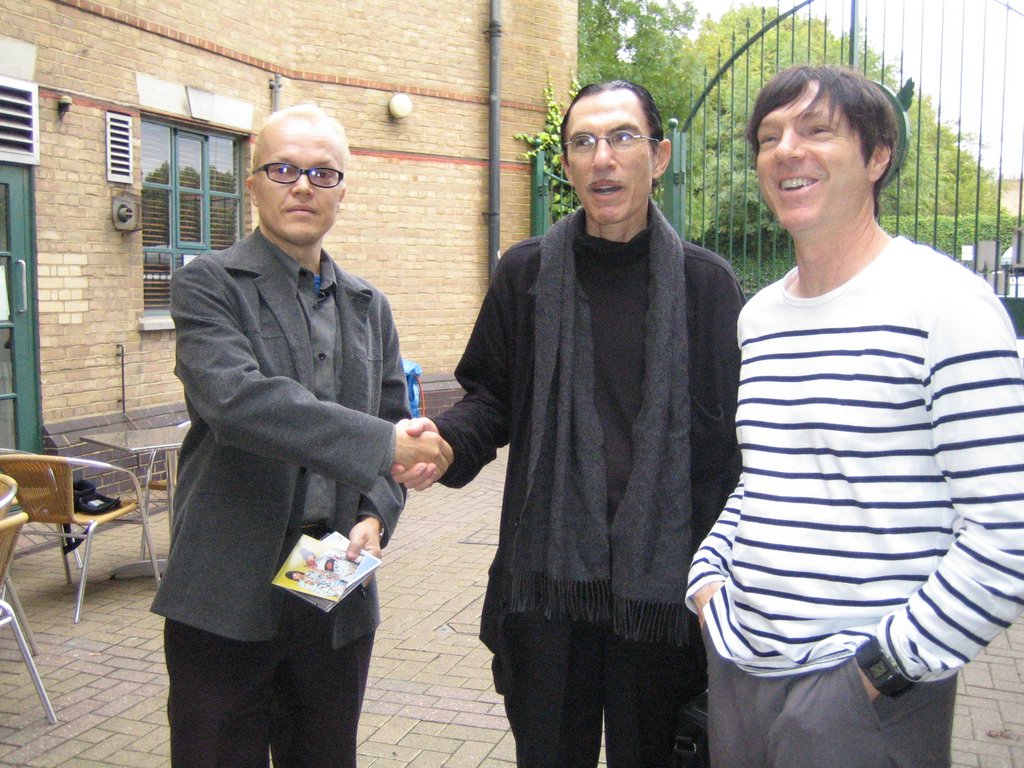
You meet a lot of the people from the bands themselves and the ‘handshake’ photo with them has been a regular endearing feature of The Adventures Of Mr Normall. How do most of them react to meeting you, especially with your striking persona?

Heh heh… I believe all of them has seen more peculiar things than me! Actually everyone has been quite nice. Some artists have recognized me, which to me is a funny thing to notice. The internet makes things possible.

Often, you manage to get an invite to the aftershow party. How easy or difficult have you found to arrange this?

I have learnt one thing: it goes easy or it doesn’t go at all. Some aftershow passes I have asked, some have been offered to me and I’m very grateful for that.

Who have been your favourites stars to meet and why?

This question may lead to “Oscar speech syndrome” (just made that up) and I don’t know when to finish. I just leave it to that *laughs*


Tell me a funny story about one of your many meetings…

I don’t know if is this funny but I tell it anyway. 15 years ago – March 1996 – Italian songstress Alice had gig in Turku (Finland) and ex-JAPAN members Mick Karn and Steve Jansen were in her band. My sister Tuula lived in Turku then, so Marjaana and I drove there to visit Tuula and to see Mick Karn and Steve Jansen live.

My idea was to go to the gig venue in the afternoon just in case we could see Karn and Jansen there. We went inside the venue, walked around and found Mick Karn, Steve Jansen and Robby Aceto in a small room and they obviously were just killing time waiting for the gig in the evening. They were apparently delighted that they got company and they were so very friendly. Mick Karn asked to show him from a map where we had come and he was astonished at how far north we had drove to Turku.

Before we left the venue – to return there later in the evening – they asked us tips what to do and where to go in Turku. We told them the best known sights there; Turku Castle and few others. It occurred to us later that maybe they actually wanted to go to the Turku city with us (I told them earlier I was there by car). They would have had both a local guide and ride back to venue with us, but we just weren’t able to read between lines. So we left Mick Karn, Steve Jansen and Robby Aceto where we found them and went to the city without them. If I had asked, maybe I would have had half of JAPAN on the backseat of my car.

We met Karn and Jansen again in the evening. There is a picture of Tuula, Steve Jansen, Marjaana, Mick Karn and I on my website. The picture is taken by Alice. She was actually the star of the evening but we forgot to take any pictures with her. I didn’t meet Mick Karn again after this.


At The Blitz Club Reunion, I approached someone who I thought was Mark Shaw from THEN JERICO and it turned out it wasn’t? Have you ever had this embarrassment on your adventures?

Yes, but other way around. I’ve been mistaken for Billy Idol, Neal X – those were long time ago – and more recently for JohnFoxx. The latter was last summer on the day of John Foxx’s Roundhouse gig.

I was staying in Camden and at one point during the afternoon I left my hotel to go to a shop. I was wearing black ‘Glimmer – Best of John Foxx’ T-shirt, black trousers and virtually no make-up. Walking down the pavement I heard “Hey John!” but I didn’t realize it was meant for me.

Then a couple of blokes politely stopped me and asked if I could “sign these”. They had several John Foxx 12″ vinyls with them. As far as I can remember I said “yes I can but I think it’s better if JOHN FOXX does it, not me”. That was a good start for the John Foxx themed evening.

Was there anyone you met who perhaps wasn’t as friendly as you’d hoped?

No, not really. Ralf Hutter didn’t allow to have photos taken but he signed me several KRAFTWERK CD covers and chatted a bit. He is a gentleman.

So what do you think of the proverb that you should ‘never meet your heroes’? Can it ever go too far?

I suppose it depends what are your expectations and what you want. I haven’t had big disappointments but instead, the uplifting feeling after meeting an artist I have listened on the records and seen on the music videos since my teen years. That’s the story so far.


You have a friendly, engaging personality but do you ever worry you may be considered by some to be a stalker?

I hope not. To be honest, I don’t have enough interest in anyone particular for that. However, when I travel from Finland to London specially to see live an artist I haven’t met before, it’s not a big sacrifice to wait an hour outside the gig venue to possibly get a few photos taken for my website.

What are the options? Go back to the hotel, shopping, sight seeing, pub… actually a pub doesn’t sound too bad *laughs*

Is there anyone you would still like to meet and be photographed with?

Several people: Adam Ant, David Sylvian, DURAN DURAN, Siouxsie, Pete Burns and – dare I say it – David Bowie. Those names came first to my mind but there’s several others as well.

Is there anyone from history or who is no longer with us who you would have like to have met and why?

Billy MacKenzie – in my book he was the best singer ever. Also meeting Andy Warhol would have been a big thing for me.


Favourite live concert of all time?

It’s too difficult to decide which one is my favourite concert ever. However, if I can expand this to a whole day including pre and after parties and the live concert, then I have the answer: it’s ULTRAVOX at Hammersmith Apollo in April 11th 2010. That was a great day.

Yes, I was there too, what a great gig! So who would you say is your favourite band of all time?

JAPAN.

Your favourite album?

‘Gentlemen Take Polaroids’ by JAPAN. It is perfect.


ELECTRICITYCLUB.CO.UK gives its warmest thanks to Tapio Normall

http://www.mrnormall.net/

https://twitter.com/MrNormall


Text and Interview by Chi Ming Lai
2nd April 2011

Newer posts »