Tag: Yellow Magic Orchestra (Page 5 of 6)

STEVE JANSEN Interview

Steve Jansen was just 18 years old when he recorded his first album as the drummer of JAPAN.

Founded with his brother David Sylvian and school friend Mick Karn in 1974, the trio soon recruited Richard Barbieri and Rob Dean before JAPAN were spotted by noted svengali Simon Napier-Bell who had managed Dusty Springfield and a pre-fame Marc Bolan. Signing to Ariola Hansa, JAPAN eventually found their sound with the sophisticated art rock of their third album ‘Quiet Life’. Decamping to Virgin Records in 1980, things began to gain momentum for the quintet with their fourth album ‘Gentlemen Take Polaroids’, as the arty poise of the New Romantic movement began to take hold within British popular culture.

However, JAPAN were moving towards a more synthesized sound, with Sylvian and Jansen now also contributing keyboards. This ultimately led to the departure of guitarist Rob Dean, but the remaining quartet went on to record what many regard as JAPAN’s most accomplished long player ‘Tin Drum’. ‘Tin Drum’ was to become their biggest seller and assisted by a two prong campaign also involving their former label’s various reissues, JAPAN enjoyed a run of 6 successive Top 40 singles in 1982.

Despite their success, personal and creative tensions led to JAPAN disbanding at the end of their year. Jansen remained on good terms with his brother and his bandmates, particularly Richard Barbieri with whom he had a song based project called THE DOLPHIN BROTHERS.

While working with them on their solo ventures and in various combinations under the monikers of RAIN TREE CROW, JBK and NINE HORSES, there was also Jansen’s long standing friendship with Yukihiro Takahashi of YELLOW MAGIC ORCHESTRA.

Jansen did not actually release his first solo album until ‘Slope’ in 2007. Featuring a number of guest vocalists including David Sylvian and Joan Wasser, the pair’s striking electro-blues duet ‘Ballad Of A Deadman’ was one of the highlights. His second solo long player ‘Tender Extinction’ was an evocative blend of songs and instrumentals which developed on the template laid down by ‘Slope’. But while mixing the record, Jansen came up with the concept for ‘The Extinct Suite’.

Not a remix album as such, the more ambient and orchestral elements of ‘Tender Extinction’ were segued and reinterpreted with new sections to create a suite of instrumentals presented as one beautiful hour long piece of music. A gentle blend of electronic and acoustic instrumentation including piano, brass and woodwinds, ‘The Extinct Suite’ exudes a wonderful quality equal to Brian Eno or Harold Budd.

Steve Jansen kindly chatted about his varied career and vast catalogue of work.

‘The Extinct Suite’ is a new album but sort of isn’t… how did the concept come about?

I felt that there was a lot of musical content behind the vocal tracks on ‘Tender Extinction’ that leant itself to being reinterpreted as instrumental music. My aim was to extract these elements and link them into a ‘suite’ which meant composing some new pieces as well as, in some instances, significantly altering the original source.

Was there a feeling that ‘Tender Extinction’ could be taken further?

In the sense explained above, I felt there was more to be explored.

Do you feel you now have more in common with classical composers in wanting to explore variations on a theme?

I doubt it. I explore sonics and arrangements and spend many hours sound designing and keeping an open mind as to where it all might lead. I don’t have many musical disciplines.
‘Worlds In A Small Room’, ‘Swimming In Qualia’ and ‘A Secret Life’ are just some examples of your other ambient work, how did you become interested in that area and which particular artists or composers have influenced you?

I like the effects of calm and dissonance and subtle change, elements that have been present in most of the music I’ve been involved in.

I don’t really listen to other people’s music anymore because I find I’ve no real use for it, but there was a time when I would enjoy ambient releases during the 70s / 80s by all the knowns of the time.

How do you differentiate your approaches for instrumentals as opposed to songs? What do you get out of instrumental work that you wouldn’t get from writing a song?

Songs usually require more structure and chordal shapes. Ambient music is as I’ve previously described and affords you the chance to deviate from the path and explore things on a whim.

In THE DOLPHIN BROTHERS with Richard Barbieri, you were recording perhaps more conventionally framed songs, how do you look back on that period?

It was a lost period. We found ourselves in a bit of a limbo. We came from a pop background and, unlike today, in order to survive in the music business you needed label backing, and the business of music was dominated by labels acting as moneylenders that wanted to see big returns. Without being a part of that machine you would disappear altogether. Richard and I were signed and dropped by Virgin (and their subsidiaries) 4 times in all and during that time we had to wait for technology to significantly move the goalposts.

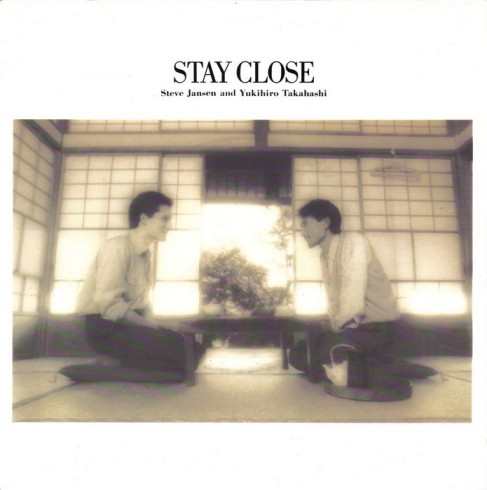
Your 1986 single ‘Stay Close’ with Yukihiro Takahashi was a fabulous one-off, do you ever regret that the two of you never did a full joint album together back then?

We did an album under the name ‘PulseXPulse’ but it was more aimed at the Japanese market. Yukihiro is not very exportable and he plays into his own market because that’s what serves him best. I’m sure we could have made a collaboration album in the vein of ‘Stay Close’ but it would have been very much of its time.

You’re a proven competent vocalist but for your first solo album ‘Slope’, you brought in guest singers, a tradition that has continued with ‘Tender Extinction’… what was the ethos behind that?

I beg to differ. I don’t enjoy working with my own vocals, it’s much nicer for me to be able to write music with vocalists whose singing brings an unexpected dimension and inspires me to bring out the best that I can from the collaboration between myself and them.
You’ve always been more than a drummer and you utilised keyboard percussion on ‘Gentlemen Take Polaroids’ and ‘Tin Drum’; what attracted you to experiment with that aesthetic?

During JAPAN’s days I was often asked to play keyboard parts that required precise timing (pre-computers of course) and this was my foot in the door into keyboards… that, and the marimba.

During the ‘Tin Drum’ period, you had access to the then state-of-the-art technology like the first Linn Drum Computer and Simmons Drums. How did you find those to use?

At the time the Linn Drum Computer was exciting to work with, however the Simmons Drums were another matter. Very limited sound and extremely physically hard to endure due to the fact that the drum heads were made of riot shields which had no give and created shockwaves that caused finger joints to swell dramatically.

You had co-writing credits on ‘Visions Of China’ and ‘Canton’. Had these two originally been your ideas?

That would have been put down to the fact that what I was doing rhythmically played a bigger part than usual in the inspiration and direction of the songs. But in reality I don’t think it was the right way of doing it. I think all JAPAN’s music was methodically arranged by each member and warranted some co-writing credit however small.

Richard Barbieri still uses analogue technology alongside modern equipment and techniques, do you have any continued interest in vintage equipment?

Not really. Nor vinyl.

The 2015 release of the 1996 concert recorded in Amsterdam as the ‘Lumen’ EP was a reminder of what a fantastic combo of musicians you, Richard Barbieri and the late Mick Karn, with the addition of Steven Wilson, were. Do you miss full-on live work, especially as these days you appear to be more computer based?

I do miss it. I like performing live but I really don’t enjoy the cumbersome aspects of putting shows together where there are budgetary restrictions. There was a time when I would try to put a positive spin on such things but not anymore.
You have drummed for PROPAGANDA, ICEHOUSE and MANDALAY as well as for Takahashi and Tsuchiya, while noted sticksman Gavin Harrison has cited you as one of his favourite drummers. Did the idea of session work ever appeal to you?

No, I wasn’t that versatile. I had my own way of doing things which meant that what I played wasn’t particularly universal and therefore the people that wanted to work with me did so because of the approach I took to drumming rather than fitting into place with a particular style of music.  This isn’t good form for a session drummer.

You worked with John Foxx and Steve D’Agostino on ‘A Secret Life’. Are there any other established artists you would be interested in working with?

That project arose from meeting at a Harold Budd concert in which we all took part. I didn’t have much to do that with that particular project except to take the Budd concept further of creating ambient sounds on a gong. I’ve never really looked to seek out other artists to work with except for vocalists, and even then I’m not keen on going for high profile people (which is just as well because why would they?).

You’ve been with major record companies, run your own independent labels, used distributors and have now adopted Bandcamp as a sales outlet. What is the future for an artist in your position?

I will continue to make music because it’s not a job as such, and certainly not a hobby, it’s more of a need to be creative and find a balance in myself. I don’t know if a time will come when I no longer feel the need to do it, have to wait and see.

You blog quite regularly on your Sleepyard platform. How are you finding engaging with a fanbase via the joys of the world wide web and all that it entails?

It’s nice to communicate with people. Not having been ‘a front man’ in the true sense of the word, I’ve not done a great deal of press. The idea of projecting my persona and claiming ownership of any one project has never really appealed to me as it might to some, but being able to answer specific questions that people might be curious about can be a pleasant exchange and sometimes gives me a chance to realign history a little. That’s all.
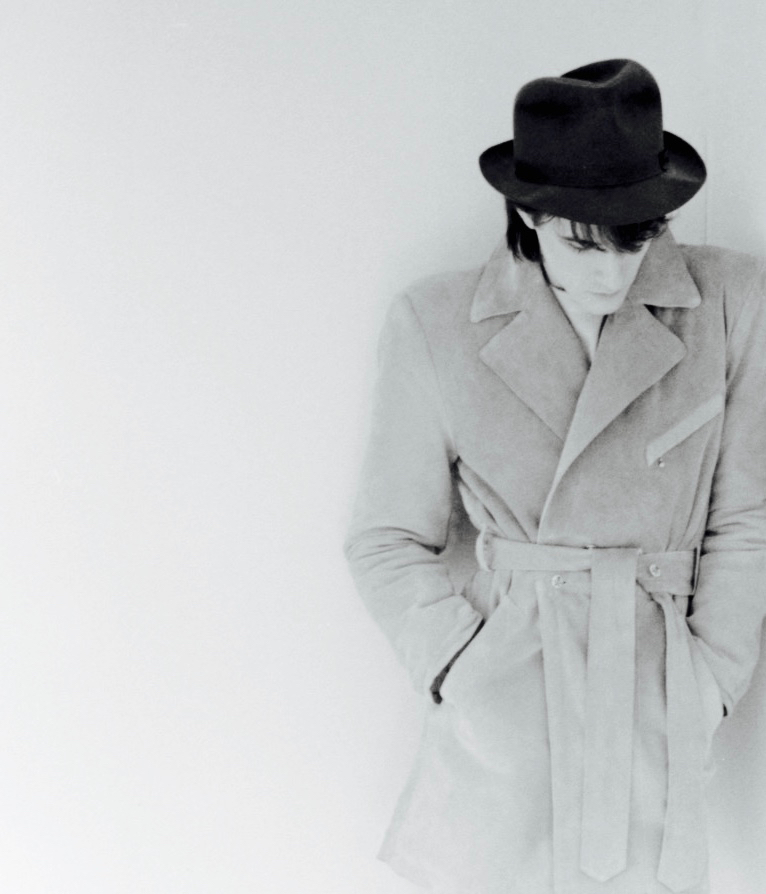
Photography is still very much a part of your life and artistic expression…

I have an archive of images that I’ve only recently been exploring and thus put a book out. I do appreciate photography and think it runs in parallel to being creative musically as music and visuals both paint pictures and are emotive in different ways but can also work in collusion.

What’s next for you?

I’m working on project EXIT NORTH (with the Swedes) and quietly working on new material.


ELECTRICITYCLUB.CO.UK gives its grateful thanks to Steve Jansen

‘The Extinct Suite’ is available in CD and download formats from the usual retailers and direct from https://stevejansen.bandcamp.com/album/the-extinct-suite-2
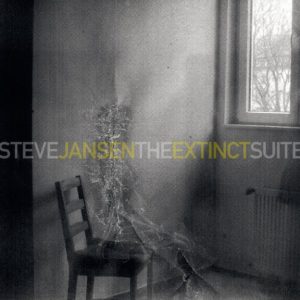
The double vinyl LP edition of ‘The Extinct Suite’ twinned with ‘Corridor’ is available from https://stevejansen.bandcamp.com/album/the-extinct-suite-corridor-lp-edition

Steve Jansen’s photo prints are available from https://www.thefloodgallery.com/

http://www.stevejansen.com/

https://sleepyard.wordpress.com/

https://www.facebook.com/stevejansenofficial


Text and Interview by Chi Ming Lai
Photos courtesy of Steve Jansen
30th May 2017
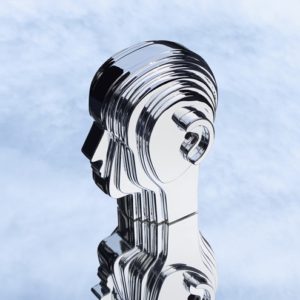
SOULWAX From Deewee

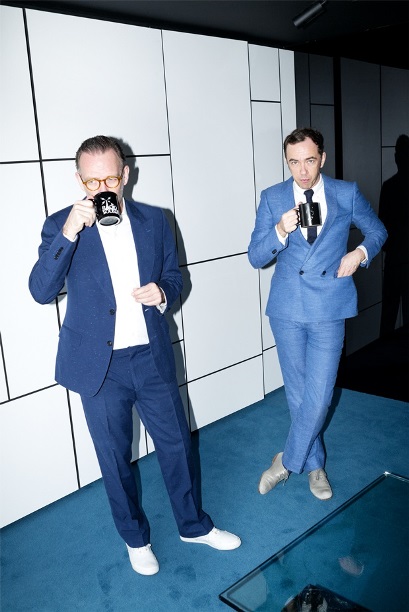
‘From Deewee’ is the first studio album from Belgium’s SOULWAX in twelve years, the core of the act are brothers Stephen and David Dewaele and their return has seen a shift towards using more real drums, employing JAMIE T’s Victoria Smith, TURBO WOLF’s Blake Davies and SEPULTURA’s Igor Cavelera (all percussionists) to help achieve this vision.

The usage of live / acoustic drums with electronic music has often been a contentious issue amongst the synthpop fraternity.

By its very nature, synthesizer-based tracks should sound rigid, robotic and missing the dynamic that an acoustic instrument can bring. There have however been bands that have carried it off: DAF, NEW ORDER, VISAGE to name a few… but with that Basildon band now back in the limelight, it’s hard to wipe the mental image of a certain insensitive drummer beating the life out of a band’s back catalogue on stage…

The band obviously had a clear concept in mind before sitting down and making ‘From Deewee’; that being the successful melding of up to three live drummers with a primarily electronic musical backbone. But before you go running to your nearest copy of ‘Dare’, this has really worked incredibly well and if you’ve seen the band’s ‘Part of the Weekend Never Dies’ live set, you’ll know that this will translate incredibly well into their live experience too.
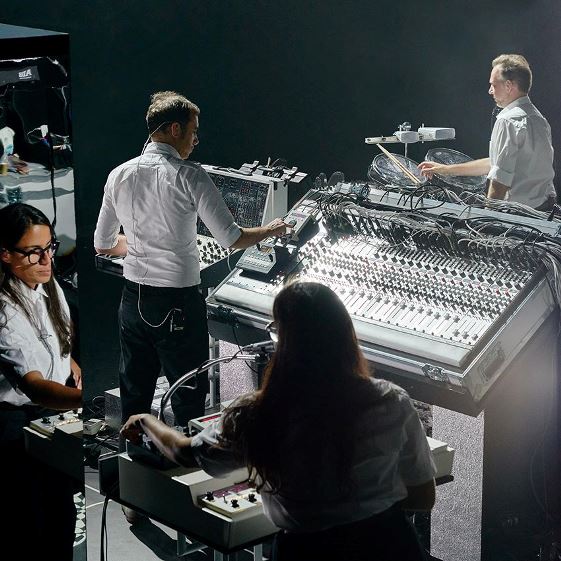
The instrumental overture ‘Preset Tense’ has an arpeggiated TOMITA feel to it with warm Moog textures before hitting an electronic crescendo and seamlessly mixing into the 303 driven ‘Masterplanned’. What sets SOULWAX apart from some of their contemporaries is that in amongst their collection of cool analogue electronic sounds, they still retain an ear for melody and adherence to writing actual songs rather than coasting along on a few semi-decent synth patches. At the musical heart of ‘Masterplanned’ you can also hear the ghost of the kind of chords that Martin Gore is a huge fan of…

Photo by Alex Salinas

‘Missing Wires’ starts off with a ludicrously over the top drum roll before a rising/flanged segue into a mid-range reverbed synth bass.

It’s hard not to smile and appreciate the attention to detail when the phrase “missing wires” is first featured in the lyric and a synthetic hand clap is deliberately dropped out of the mix. A loping sequenced part which recalls ULTRAMARINE joins the mix and the final two minutes features a cheeky re-work of the ‘White Lines’ bassline.

With melodies that could have been fleeced from the debut YMO album and the GARY NUMAN trademark of following the vocal line with a synth melody, ‘Missing Wires’ is a definite highlight here. ‘Conditions Of A Shared Belief’ is a modular synth lover’s wet dream, featuring the style of detuned blippy sounds favoured by Daniel Miller on the early Mute releases.

It’s not just live drums that get their chance to shine here, ‘Conditions’ features a brilliant homage to the white noise percussion synth break from ‘Being Boiled’ and drum pattern from ‘The Black Hit Of Space’ too.

‘Is It Always Binary’ features a Burundi styled ADAM & THE ANTS live drum mantra before breaking into a DAF-style sequencer pattern which perfectly matches the snares beat for beat. A drop into a vocal section (which sounds like the band have sampled their own track ‘Krack’) leads back into the driving rhythmic section again. Probably the nearest to a filler track on the album, ‘Is It Always Binary’ works, but it’s not the strongest track here.

‘Do You Want To Get Into Trouble’ starts with a GLITTER BAND double drummer stomp and live guitar and bass. After vocalist Stephen Dewaele’s menacing intoning of the song’s hook, a wonderful Mellotron string break shows that it’s not all monosynth action here and the outro of the song again owes a big debt to Germany’s DAF.

Photo by Younes Klouche

‘Here Come the Men in Suits’ pinches a lyric from THOMAS DOLBY’s ‘Commercial Breakup’ and starts like an out-take from the ‘Stranger Things’ TV show before heading into a funky modular synth break down.

Solina strings flesh out the song towards the end before closing with the down-tempo ‘Goodnight Transmission’.

One thing that cannot be denied is that SOULWAX have immaculate taste, they are the synthpop equivalent of a fine dining experience, each track has a superb provenance of sounds and influences featuring an enviable range of vintage analogue equipment.

Elsewhere, this album has been compared to a “batshit crazy sci-fi disco concept album” which sort of hits the nail on the head, although it does stick within certain conventions and could be accused of being a little two-dimensional in places.

‘From Deewee’ does what it does extremely well and will translate superbly into the band’s live shows, especially as the band’s new trio of drummers will be taking to the road too. The album was apparently recorded ‘live’ in one take, but this is hard believe considering some of the vocal overdubbing present, especially on closing track ‘Goodnight Transmission’.

If you are a synthpop fan that is put off by the words “features live drums”, don’t let it deter you; this is a superbly produced piece of work that although does take risks, ultimately succeeds and adds another fine set of songs to the SOULWAX back catalogue.


‘From Deewee’ is released by PIAS

SOULWAX play London’s Electric Ballroom on 8th April and Manchester O2 Ritz on 9th April before a two night stint at Brussels Ancienne Belgique on 11th-12th April 2017

http://www.soulwax.com/

https://www.facebook.com/soulwax/


Text by Paul Boddy
2nd April 2017

Introducing DISQO VOLANTE

disqo-volante

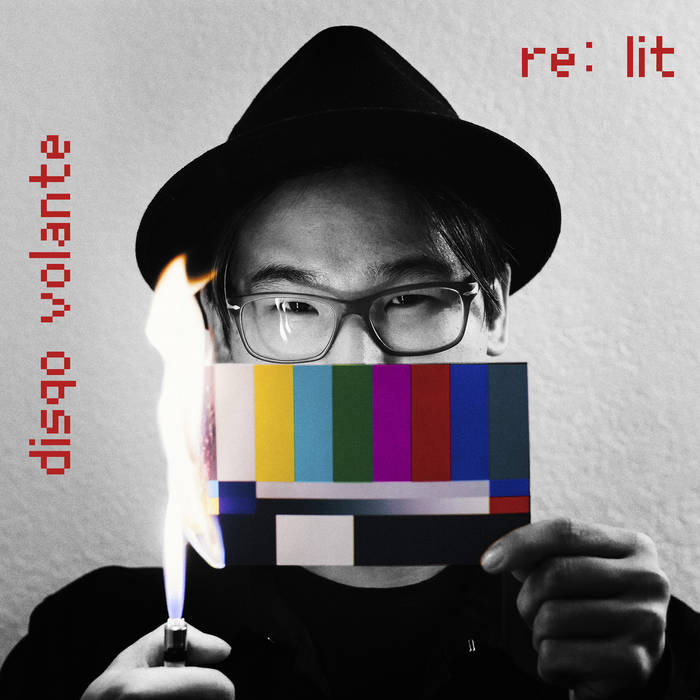
DISQO VOLANTE is Korean-American multi-instrumentalist Matthew Booth, a sax virtuoso with a penchant for synthpop.

Originally from Seoul but now based in Carrboro, North Carolina, the hybrid of his musical and cultural heritage has produced a familiar yet unusual sound with a modern aesthetic.

Indeed, the inclusion of sax does set DISQO VOLANTE apart from the competition, recalling aspects of David Bowie.

Inspired by his return to South East Asia since leaving as a child following his adoption, the single ‘Pretend For A Day’ successfully pulls off a jazz / synthpop integration without descending into the banality of the horrible electro swing sub-genre.

Meanwhile, the pentatonic melodies provide a marvellous uplifting quality, with only some overdriven drums slightly spoiling the fun. The template recalls the legendary YELLOW MAGIC ORCHESTRA who showcased some jazz leanings on their eponymous debut album with tracks like ‘Simoon’ and ‘Cosmic Surfin’.

DISQO VOLANTE’s debut EP ‘re: lit’ is a musical homecoming journey via Tokyo, Osaka and Seoul. From it, the excellent synth stabbing ‘Never Said’ comes over like an EDM tinged version of THE FAINT, while the arpeggio laden ‘Love Game’ recalls a club friendly version of cult Merseyside duo DALEK I LOVE YOU reborn for the 21st Century. On both tunes, the sax breaks really sound like they shouldn’t be there, but they work!

‘re: lit’ reveals an artist not afraid to experiment, but willing to maintain a musicality to catch the attention of the listener. While not yet fully formed, DISQO VOLANTE possesses crossover potential.


disqo-volante-re-lit‘Pretend For A Day’ is available as a free download at https://soundcloud.com/disqo-volante/pretend-for-a-day

The ‘re: lit’ EP can be downloaded via https://disqovolante.bandcamp.com/album/re-lit

http://disqovolante.com/

https://www.facebook.com/disqovolante/

https://soundcloud.com/disqo-volante/sets/re-lit


Text by Chi Ming Lai
4th December 2016

047 featuring DANIELLA KRUTH Follow Me Home

Forming in 2001, Swedish duo 047 began their chiptune experiments through a mutual appreciation of vintage video games.

After a couple of self-released albums, ‘Robopop (Vi Tar Cdn Dit Vi Kommer)’ was their first proper long player in 2006. But Peter Engström and Sebastian Rutgersson began to evolve from their minimalistic beginnings to incorporate melodic song based elements and even pop. Collaborating with other artists, 047 started to incorporate vocals into their music.

The end results led to the impressive debut album ‘Elva’; released in 2011 on the Gothenburg independent label Killing Music, it featured the YELLOW MAGIC ORCHESTRA musical salute ‘Kanpai!’ and the rich Lisa Pedersen vocalled Scandipop of ‘Everything’s Fine’.

Combining blurry soundscapes and pulsing reality, Engström and Rutgersson are back with a new single ‘Follow Me Home’. Featuring Östersund born vocalist Daniella Kruth whose debut album ‘Kill It Slow’ was released in 2014 , it is a story about standing strong despite inherent vulnerabilities.

Encased with a syncopated pop structure, the whispering tones soon break out loud and clear with Kruth’s more indie inclined sensibilities adding a fresh slant to the electronically derived backbone. With further vocal based recordings on the horizon, all bodes well for 047’s follow-up to ‘Elva’.


‘Follow Me Home’ is released as a download via Killing Music

http://www.047.se/

https://www.facebook.com/047music


Text by Chi Ming Lai
9th September 2015

A Beginner’s Guide To YELLOW MAGIC ORCHESTRA

When YELLOW MAGIC ORCHESTRA formed in 1978, it was intended to be a one-off project for producer / bassist Haruomi Hosono and the two session musicians he had hired: drummer Yukihiro Takahashi and keyboardist Ryuichi Sakamoto.

Prior to the group’s formation, the classically trained Sakamoto had experimented with electronic music at the Tokyo National University of Fine Arts and Music. Hosono had been involved in the recording of several early electronic rock records in Japan. Meanwhile, Takahashi was in THE SADISTIC MIKA BAND, a prog outfit who were signed to PINK FLOYD’s label Harvest and had appeared on ‘Old Grey Whistle Test’.

Hosono began formulating the idea of an instrumental disco band which could have the potential to succeed internationally. The format was formally defined when Sakamoto introduced the music of KRAFTWERK to the other two. KRAFTWERK’s artistic outlook, along with acts such as TANGERINE DREAM, NEU! and LA DÜSSELDORF had helped restore a sense of Germanic identity in reaction to the Americanisation of European post-war culture.

The trio were feeling this was needed in Japan too, so they endeavoured to make something very original using electronics. As Sakamoto remarked, this involved using the “very Japanese” approach of merging many different styles like a Bento box in a reliable, forward thinking fashion.

The technology used on their 1978 debut album included the Moog III-C, Korg PS-3100, Polymoog, ARP Odyssey, Oberheim Eight Voice, Minimoog, Korg VC-10 Vocoder and Roland MC-8 Micro Composer. With the latter programmed by fourth member Hideki Matsutake, the result was a crisp, exotic pop sound that was unusual and ahead of its time, even in the synthesizer heartland of Europe.

YELLOW MAGIC ORCHESTRA scored a UK Top 20 hit single in 1980 with ‘Computer Game (Theme From The Invader)’ . Recorded in 1978, the main section of the track was actually ‘Firecracker’, a cover of a 1959 composition by Martin Denny. The single also gained traction in America where the trio made a memorable appearance on the prestigious music show ‘Soul Train’. It subsequently made an impact out on the block as it was later sampled by Hip-Hop godfather Afrika Bambaataa on ‘Death Mix’ and then in 2001, it was used again by Jennifer Lopez on ‘I’m Real’.

The international popularity of YELLOW MAGIC ORCHESTRA (or YMO as they came to be known) coincided with the burgeoning synthpop scene in Britain which had embraced the affordable synthesizers from Japanese manufacturers such as Roland, Korg and Yamaha. VISAGE’s Rusty Egan in his dual role as DJ at the legendary Blitz Club in London had been spinning YMO tunes while acts such as TUBEWAY ARMY, THE HUMAN LEAGUE, ULTRAVOX, OMD, SOFT CELL and DEPECHE MODE started achieving mainstream success.

YMO went on to be the one of the most popular bands in South East Asia, but despite this success, the trio went into hiatus in 1984, with each member continuing their already established parallel solo careers. While the trio said they were “spreading out” rather than splitting, they continued to play on each other’s recordings and made guest appearances at various live shows.

Sakamoto achieved the highest international profile from his ventures into acting and soundtrack work. His Oscar winning success for ‘The Last Emperor’ in 1988 helped expand his soundtrack portfolio to include films such as ‘Black Rain’, ‘The Sheltering Sky’ and ‘Little Buddha’, while he also composed music for events like the Opening Ceremony of the 1992 Olympics in Barcelona.

A short reunion took place in 1993 for the ‘Technodon’ album where the band had to be known as YMO, but there was no further activity until 2007 when Hosono, Sakamoto and Takahashi were reunited for a Kirin Lager advertising campaign, performing one of their most popular numbers ‘Rydeen’.

Hosono and Takahashi had been working together in a project called SKETCH SHOW and on a number of occasions, Sakamoto was invited to join in. As a result, he proposed that the group rename itself HUMAN AUDIO SPONGE (HAS) for whenever he was involved. Inevitably, YELLOW MAGIC ORCHESTRA reformed again when they played the 2007 Kyoto Live Earth event, although for recording purposes they combined names and went out as HASYMO.

In Summer 2008, the trio played the Meltdown Festival curated by MASSIVE ATTACK billed as YMO, although only four YMO songs were played while the rest of the set comprised of SKETCH SHOW, HASYMO and solo material. However in 2009, the trio performed at the World Happiness festival in Japan and confirmed that YELLOW MAGIC ORCHESTRA was their official name, while there was a further appearance at the 2010 event. Despite the confusion over names, it would appear YELLOW MAGIC ORCHESTRA are still a going concern, although Sakamoto is presently taking an extended break recuperating from illness.

So with their place in electronic music history assured, what twenty tracks would make up an imaginary CD compilation album to act as Beginner’s Guide to the iconic trio? ELECTRICITYCLUB.CO.UK made the following selections for its YMO Bento box…


YELLOW MAGIC ORCHESTRA Tong Poo (1978)

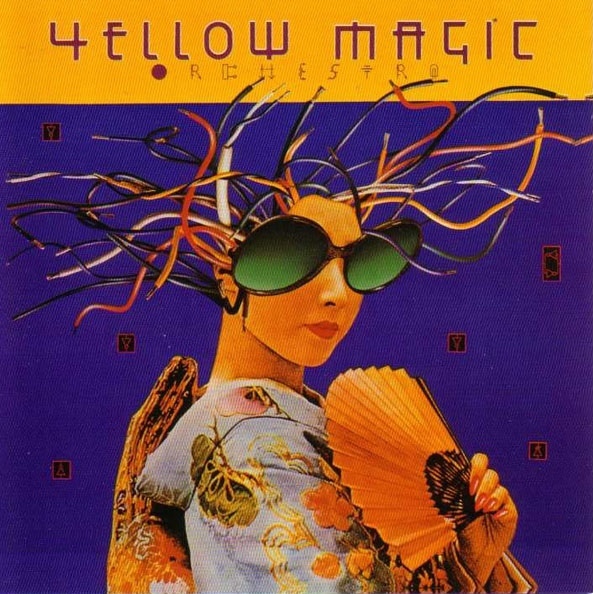
YELLOW MAGIC ORCHESTRA’s debut self-titled album was noted for its use of the then brand new computerised Roland MC8 Micro-Composer to control the synthesizers. With their use of modern technology, they became standard bearers for what eventually became known in Japan as technopop. Despite its pulsing electronic disco bassline, the Sakamoto penned ‘Tong Poo’ was inspired by the music from China’s Cultural Revolution.

Available on the YELLOW MAGIC ORCHESTRA album ‘Yellow Magic Orchestra’ via Alfa Music

http://www.ymo.org/


YELLOW MAGIC ORCHESTRA Behind The Mask (1979)

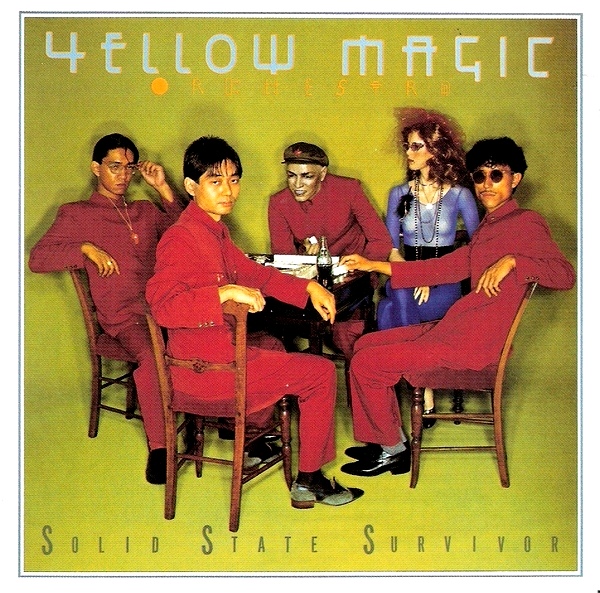
With ‘Behind The Mask’, YMO’s influence touched rock, pop and soul. Michael Jackson loved the track so much, he penned additional lyrics to it during the ‘Thriller’ sessions. Unable to be released at the time by Jackson himself, he gave the reworked track to his musical director Greg Phillinganes who had a surprise Top 5 hit in the US R’n’B charts in 1985. This proxy collaboration was then later covered by Eric Clapton in 1987. The remixed MJ demo appeared on the posthumous album ‘Michael’.

Available on the YELLOW MAGIC ORCHESTRA album ‘Solid State Survivor’ via Alfa Music

https://www.facebook.com/YMOofficial


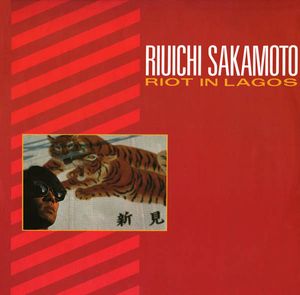
RIUICHI SAKAMOTO Riot in Lagos (1980)

Back from when Sakamoto spelt his first name as ‘Riuichi’, ‘Riot in Lagos’ has often been seen as a pivotal track that anticipated the beats and pulses of house music. A frantic but danceable instrumental that conveyed the rhythmic tension and violence of the title, it was a fine example of the visual narrative of Sakamoto’s compositional mind. It would serve him well in a burgeoning career that would eventually lead him to the cinema.

Available on the RIUICHI SAKAMOTO album ‘B-2 Unit’ via GT Music Japan

https://www.sitesakamoto.com/


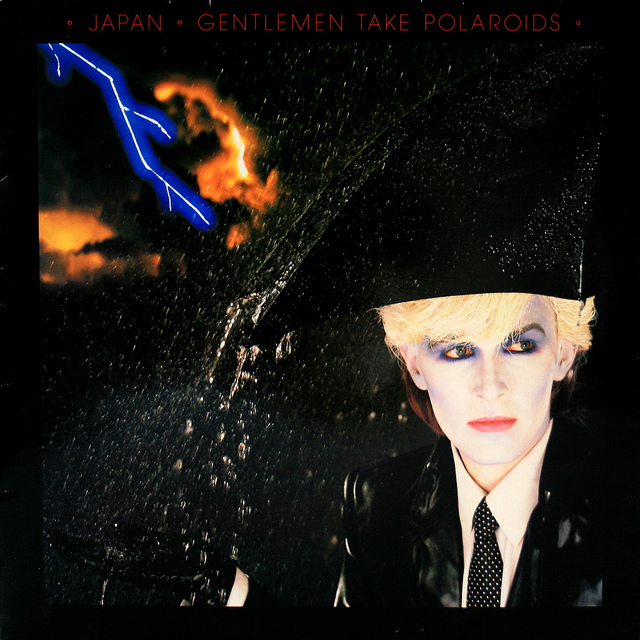
JAPAN Taking Islands In Africa (1980)

Following the success of JAPAN’s third album ‘Quiet Life’, Sakamoto was assigned by a magazine to interview David Sylvian. The meeting led to the beginnings of a long standing friendship and a magnificent collaboration entitled ‘Taking Islands In Africa’ which ended up closing the long player. The music was entirely Sakamoto’s while Sylvian contributed the worldly lyrics. There were to be further collaborations between the pair, the most recent being ‘World Citizen’ in 2004.

Available on the JAPAN album ‘Gentlemen Take Polaroids’ via Virgin Records

http://www.nightporter.co.uk/


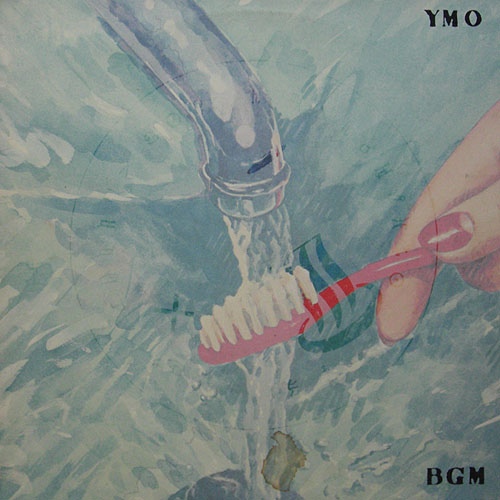
YELLOW MAGIC ORCHESTRA Camouflage (1981)

‘BGM’ was the first album to use the now iconic Roland TR-808 Rhythm Composer and a 3M 32-track digital recorder. But Hosono did not like the latter’s aural sharpness and preferred to record the rhythm sections on analogue tape first before copying them to the 3M machine. ‘Camouflage’ was a curious beat laden blend of Eastern pentatonics and Western metallics. German trio CAMOUFLAGE took their name from this song.

Available on the YELLOW MAGIC ORCHESTRA album ‘BGM’ via Alfa Music

https://www.facebook.com/YMOofficial/


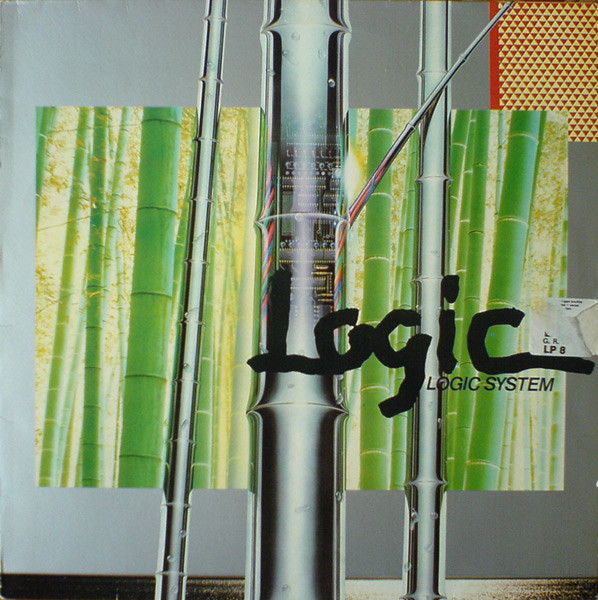
LOGIC SYSTEM Domino Dance (1981)

The Roland MC-8 Micro-Composer programmed by fourth member Hideki Matsutake was a key part of YELLOW MAGIC ORCHESTRA’s early production and live performances. In 1981, Matsutake formed his own project LOGIC SYSTEM. Inspired after hearing Wendy Carlos’ ‘Switched-On Bach’, he went on to be the technical assistant of Isao Tomita. ‘Domino Dance’ was from the acclaimed ‘Logic’ and while less immediate, it was worthy of his better known employers.

Available on the LOGIC SYSTEM album ‘Logic’ via Express Japan / Toshiba EMI

https://www.facebook.com/logicsystem


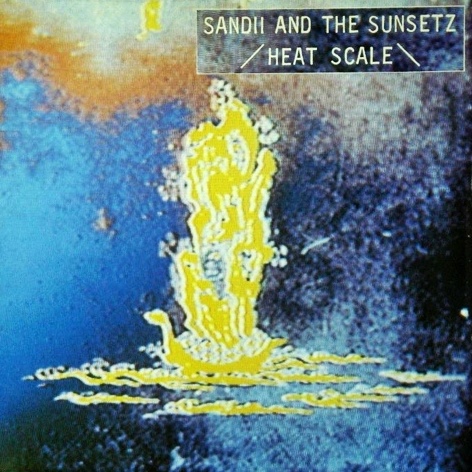
SANDII & THE SUNSETZ The Great Wall (1981)

After guesting on ‘Absolute Ego Dance’ from ‘Solid State Survivor’, Hawaiian Japanese vocalist Sandy O’Neal began working with Hosono, who was producing called THE SUNSET GANG. Convincing the all-male combo that her Kate Bush influenced vocals would be ideal fortheir brand of chunky music, SANDII & THE SUNSETZ were born. The highlight of the album ‘Heat Scale’ was the Chinese infleunced ‘The Great Wall’.

Available on the SANDII & THE SUNSETZ album ‘Heat Scale’ via Alfa Music

http://sandii.info/


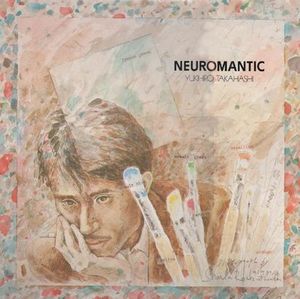
YUKIHIRO TAKAHASHI Something In The Air (1981)

Being YMO’s main vocalist did not necessarily mean Takahashi-san was a great singer and indeed, it very much had a Marmite effect. With his solo albums of course, his voice took centre stage. And with his afflicted, semi-croon in the vein of Bryan Ferry, he showed his passionate side on ‘Something In The Air’. Not a cover of the THUNDERCLAP NEWMAN song, it came from ‘Neuromantic’, considered to be one of Takahashi’s best; it featured Tony Mansfield, Phil Manzanera and Andy Mackay.

Available on the YUKIHIRO TAKAHASHI album ‘Neuromantic’ via GT Music Japan

http://intenzio.co.jp/yukihiro/room66plus/


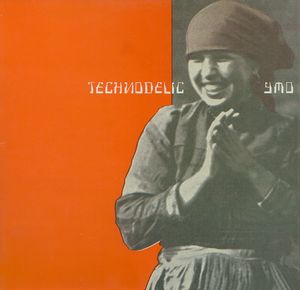
YELLOW MAGIC ORCHESTRA Neue Tanz (1981)

YMO’s experimental fourth LP ‘Technodelic’ was notable for its use of an LMD-649, a hand-made sampler developed by Toshiba EMI engineer Kenji Murata. Although ‘Neue Tanz’ was a tribute to KRAFTWERK, Hosono played bass guitar on the track, adding a dark funkiness that once merged with the Indonesian Kecak chanting samples, recalled David Byrne and Brian Eno’s ‘My Life In The Bush Of Ghosts’. KRAFTWERK borrowed back the concept for ‘Musique Non Stop’.

Available on the YELLOW MAGIC ORCHESTRA album ‘Technodelic’ via Alfa Music

http://www.sonymusic.co.jp/Music/Info/ymo/


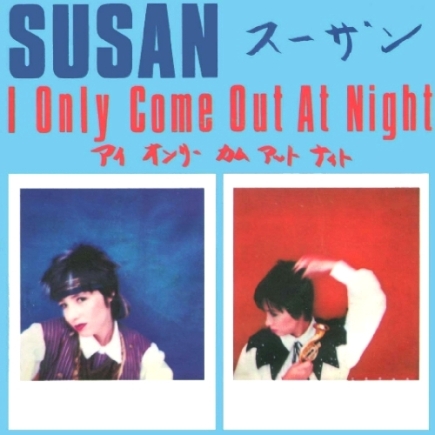
SUSAN I Only Come Out at Night (1982)

Franco-Japanese beauty Susam was a protégée of Takahashi and ‘I Only Come Out At Night’ was produced and written by him with lyrical assistance from Peter Barakan. Gloriously detuned and pentatonic, this was a example of how new technology was allowing the smarter than average drummer to challenge their perceived role in pop. Takahashi provided a heavier, more leftfield sound compared with Hosono’s production work for Idol singers such as Seiko Matsuda.

Available on the SUSAN album ‘Complete’ via Sony Music Japan

http://www.susanweb.jp/


YELLOW MAGIC ORCHESTRA Kimi Ni Mune Kyun (1983)

‘Naughty Boys’ was YMO’s most commercial album of their career. On the massively popular and joyous lead single ‘Kimi Ni Mune Kyun’, the trio were the oldest J-Pop boy band in town, looking like ARASHI’s great uncles! A YMO vs THE HUMAN LEAGUE EP featuring a remix with new English lyrics and vocals by Phil Oakey was released in 1993. In 2009, the song was the closing theme to the Anime series ‘Maria Holic’, sung by the voice cast.

Available on the YELLOW MAGIC ORCHESTRA album ‘Naughty Boys’ via Alfa Music

http://www.discogs.com/artist/22061-Yellow-Magic-Orchestra


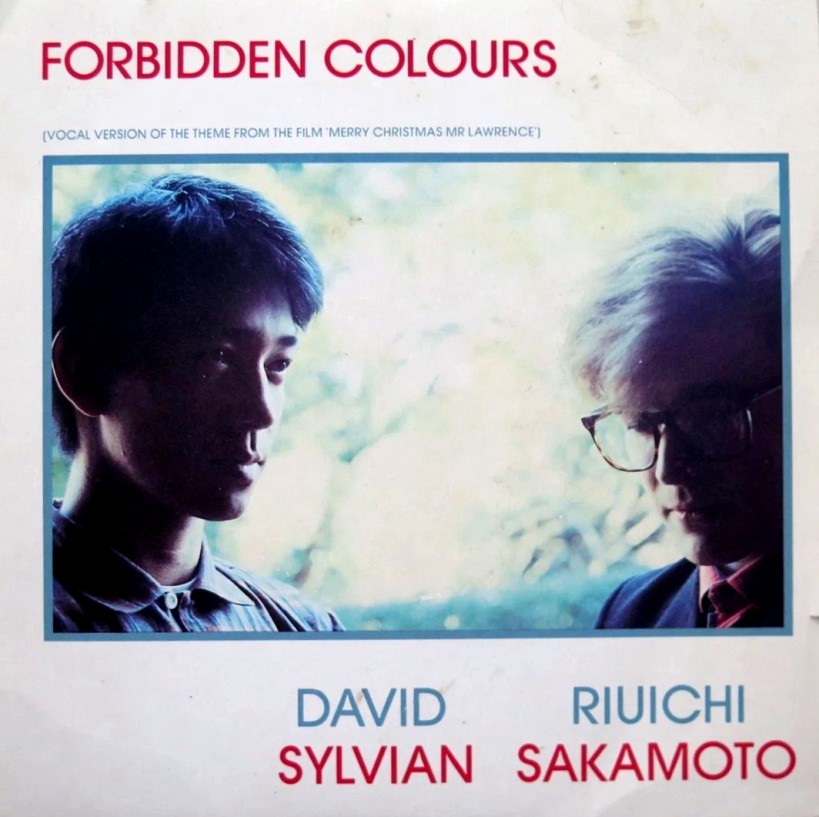
DAVID SYLVIAN & RIUICHI SAKAMOTO Forbidden Colours (1983)

Following a joint single with David Sylvian entitled ‘Bamboo Music’ in 1982, Sakamoto made his acting debut alongside David Bowie in ‘Merry Christmas Mr Lawrence’. He also composed the soundtrack with Sylvian providing lead vocals on the single version of the WWII drama’s haunting theme tune. Retitled ‘Forbidden Colours’, the lyrics reflected the taboo love story of the Nagisa Oshima directed film.

Available on the RYUICHI SAKAMOTO album ‘Merry Christmas Mr Lawrence’ via Editions Milan Music / BMG

http://www.davidsylvian.com/


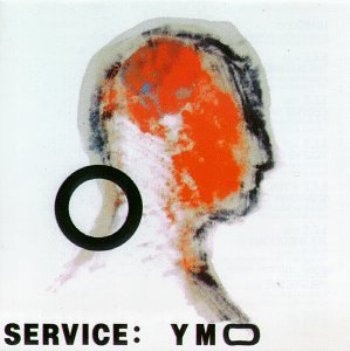
YELLOW MAGIC ORCHESTRA You’ve Got To Help Yourself (1983)

Like the polarising ‘∞Multiplies’ mini-album from 1980, ‘Service’ contained YMO songs alongside various skits, performed by the comedy combo SUPER ECCENTRIC THEATER. Whether this was an ironic act of cultural subversion is a mystery to Western ears, as the sketches were all in Japanese! The best song on ‘Service’ though was the poppy ‘You’ve Got To Help Yourself’ which tellingly had previously featured in instrumental taster form on ‘Naughty Boys’.

Available on the YELLOW MAGIC ORCHESTRA album ‘Service’ via Alfa Music

http://www.factmag.com/2015/01/22/the-essential-yellow-magic-orchestra/


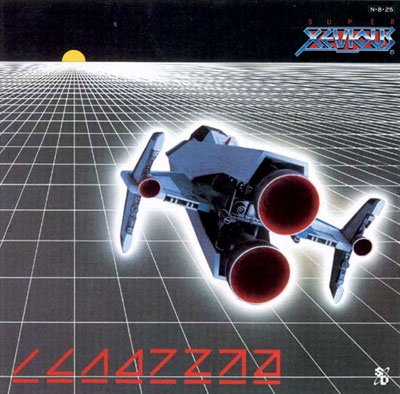
HARUOMI HOSONO Gaplus (1984)

Hosono was one of the first to acknowledge the appeal of video game sounds and arranged an album containing Namco arcade game music. ‘Video Game Music’ was acknowledged as being the first chiptune record. A subsequent maxi single release ‘Super Xevious’ had Hosono actually composing and performing around original game music by Yuriko Keino and Junko Ozawa. ‘Gaplus’ with its phased gunshots, blips and classical overtones was the undoubted highlight.

Available on the HARUOMI HOSONO EP ‘Super Xevious’ via Scitron Digital Content

http://www.daisyworld.co.jp/


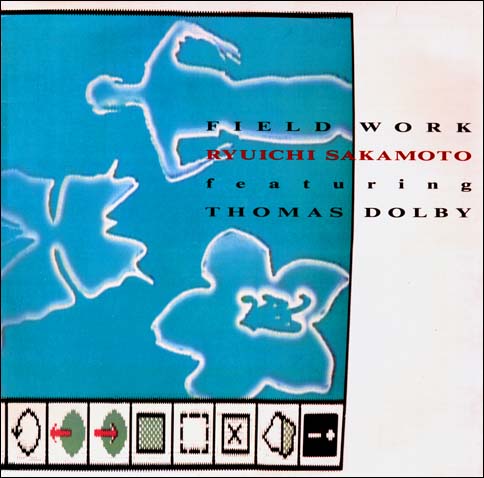
RYUICHI SAKAMOTO featuring THOMAS DOLBY Field Work (1986)

Most of the tracks for what was to become ‘Illustrated Musical Encyclopedia’ were originally recorded in 1984 and as the title suggested, saw Sakamoto exploring a variety of styles and genres including jazz and soca. Initially only released in Japan, the album was altered for the international market with some new tracks. One of these was this great collaboration with Thomas Dolby. Entitled ‘Field Work’, it united both artists’ concerns for the environment.

Available on the RYUICHI SAKAMOTO album ‘Illustrated Musical Encyclopedia’ via 10 / Virgin Records

http://www.thomasdolby.com/


YUKIHIRO TAKAHASHI & STEVE JANSEN Stay Close (1986)

Takahashi’s solo albums featured JAPAN’s bassist Mick Karn and drummer Steve Jansen. In 1986, Jansen and Takahashi released a brilliant joint single ‘Stay Close’. Additionally featuring the talents of legendary rhythm guitarist Carlos Alomar, Jansen in particular did a very able impression of his older brother David Sylvian, while Takahashi provided his usual mannered “will he make it – won’t he?” vocals. It remains possibly the best song that JAPAN and YMO never recorded.

Available on the YUKIHIRO TAKAHASHI album ‘Once A Fool…’ via Pony Canyon

http://www.stevejansen.com/


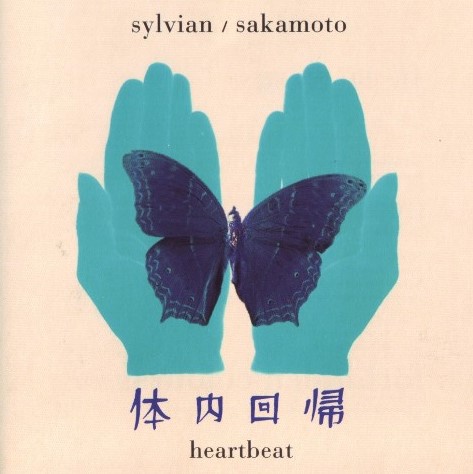
SYLVIAN / SAKAMOTO Heartbeat (1992)

The dreamy ‘Heartbeat (Tainai Kaiki II)’ saw David Sylvian give a raw passionate vocal performance which was counterpointed by a whispery spoken word passage from Ingrid Chavez. The two emotionally connected in real life and got married after the recording. More organic than previous Sylvian / Sakamoto collaborations, the bed of the song was Sakamoto-san’s eerie piano and ‘Twin Peaks’ strings, while out of nowhere came a rousing solo from noted jazz guitarist Bill Frisell.

Available on the RYUICHI SAKAMOTO album ‘Heartbeat’ via Virgin Records

https://www.facebook.com/ryuichisakamoto


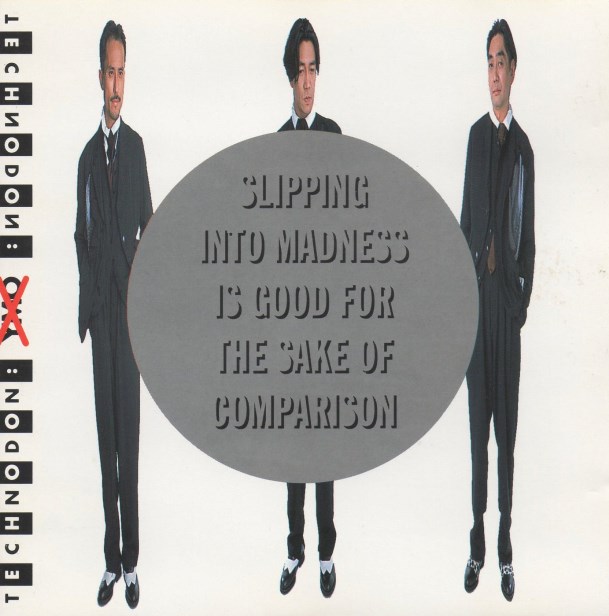
YMO Pocketful Of Rainbows (1993)

For their comeback ‘Technodon’, the band were forced to release it under the moniker YMO as the name YELLOW MAGIC ORCHESTRA was owned by Alfa Records. Songs like ‘Hi-tech Hippies’ had more straightforward techno arrangements than any of the trio’s more recent solo work. The album was also sample free to save any potential copyright infringements. ‘Pocket Full Of Rainbows’ was a Japanese language cover of the tune made famous by Elvis Presley in ‘GI Blues’.

Available on the YMO album ‘Technodon’ via Toshiba EMI

https://twitter.com/ymo


RYUICHI SAKAMOTO Anger – Rare Force 2 Meg Remix (1998)

Sakamoto’s soundtrack success led him to sign with Sony Classical. His first work for the label ‘Discord’ was a four movement avant-garde composition exploring dissonant musical structures. Two of the tracks ‘Anger’ and ‘Grief’ were given out to remixers, thus cementing the link Sakamoto had with dance culture since ‘Riot In Lagos’. The aggressive, almost industrial ‘Anger’ was given a dark breakbeat treatment by Skint Records signings RARE FORCE which got the adrenaline pumping.

Available on the RYUICHI SAKAMOTO album ‘Moto.tronic’ via Sony Music

https://twitter.com/ryuichisakamoto


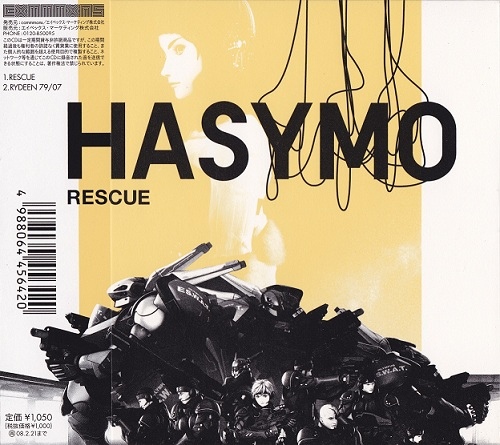
HASYMO Rescue (2007)

Producing a single ‘Rescue’ for the Anime film ‘Appleseed Ex Machina’, Hosono, Sakamoto and Takahashi utilised a leftfield jazz techno sound and the pretty female voice of Chiho Shibaoka. The soundtrack featured two further HASYMO tracks ‘Method’ and ‘Weather’ as well as solo contributions from Hosono. The recorded reunion put YMO back into the public eye and led to invitations for a variety of prestigious events.

Available on the HASYMO single ‘Rescue’ via Commmons ‎/ Avex Trax

https://myspace.com/hasymo


ELECTRICITYCLUB.CO.UK has compiled a playlist entitled ‘Yellow Magic Axis’ which features the work of Hosono – Sakamoto – Takahashi in their various guises and productions 🎹🥁🎹🇯🇵  https://open.spotify.com/playlist/6RketGtiWJruVvzkY4r3az


Text by Chi Ming Lai
4th June 2015

« Older posts Newer posts »