Category: News (Page 3 of 5)

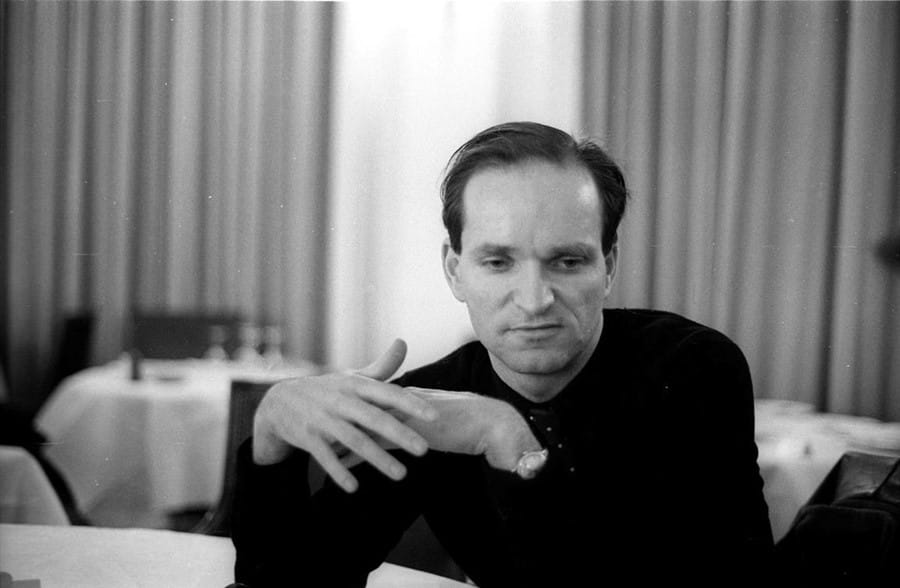
FLORIAN SCHNEIDER 1947 – 2020

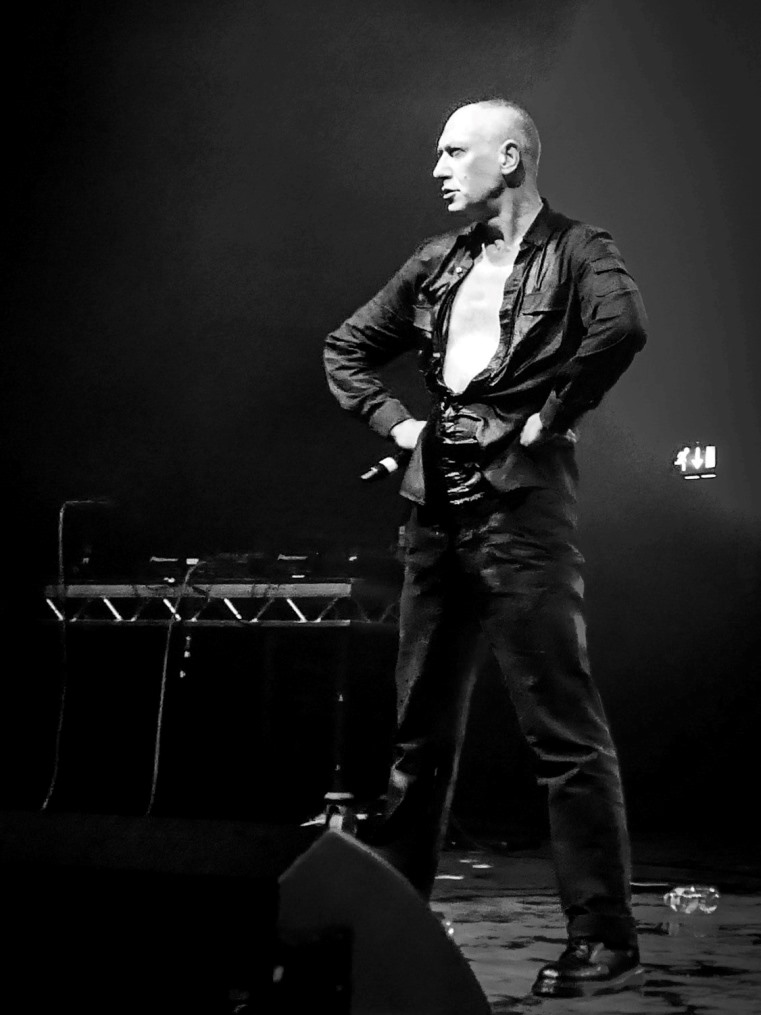
Photo by Anton Corbijn

Florian Schneider, co-founder of KRAFTWERK has sadly passed away at the age of 73 after a period of critical illness.

Born into a wealthy Düsseldorf family, his father was Paul Schneider-Esleben, a noted modernist archictect who had designed the Mannesmann-Hochhaus and Cologne-Bonn Airport. Florian Schneider studied at the Academy of Arts in Remscheid.

It was there that he met Ralf Hütter in 1968 during a jazz improvisation course. They formed the experimental group ORGANISATION who released just one album ‘Tone Float’ as a five piece in 1970 on RCA.

However, determined to have more control over their future musical endeavours, the pair formed KRAFTWERK and issued two self-titled albums in 1970 and 1972 under the helm of Conny Plank, each featuring colour variations of the now-iconic traffic cone emblazoned on the artwork.

However, the story might have turned out differently in-between those two records. Hütter left in 1971 to continue his studies, leaving Schneider to continue performing under the KRAFTWERK name with Michael Rother and Klaus Dinger, although they soon left to form NEU!

But Hütter rejoined Schneider and they began to use pre-programmed rhythm units instead of a conventional drummer and headed towards a cleaner, more minimal path that was less kosmische and rock, certainly compared with their German contemporaries.

The pair acquired their first synthesizers in time for 1973’s ‘Ralf & Florian’ and while Hütter took ownership of a Minimoog, Schneider favoured the ARP Odyssey alongside his trusty flute. KRAFTWERK’s breakthrough came with the more electronically driven ‘Autobahn’ in 1974, their final album with Conny Plank and the rest is history. Their appearance on the BBC1 science magazine show ‘Tomorrow’s World’ notably ended with a knowing grin from Schneider, as if he was plotting to change the course of popular music…

‘Autobahn’ was a surprise hit as an edited single in the US and with that came opportunities for touring across the Atlantic. The addition of electronic percussionists Wolfgang Flür and Karl Bartos formed the classic quartet line-up of KRAFTWERK which released the highly revered long players ‘Radio-Activity’, ‘Trans-Europe Express’, The Man Machine’ and ‘Computer World’.

These records were to forever change the musical landscape and influence generations of musicians in synthpop, hip-hop and dance. In the UK, KRAFTWERK finally got the recognition they deserved when their 1978 recording ‘The Model’ reached No1 in the singles chart in 1982, demonstrating just how ahead of their time they had been. Without KRAFTWERK, it is almost certain that TUBEWAY ARMY, ULTRAVOX, OMD, DEPECHE MODE, THE HUMAN LEAGUE, SOFT CELL and NEW ORDER would not have pursued electronics as a means of artistic expression.

But despite being considered the godfathers of modern music, things were not well in die Mensch Maschine. Ralf Hütter’s cycling accident in 1983 led to the cancellation of the ‘Techno Pop’ album during an existential crisis in their Kling Klang studio complex. The eventual reworked album ‘Electric Café’ in 1986 was a disappointment and precipitated the departures of first Flür and then Bartos.

Schneider stayed loyal to Hütter and although both ‘The Mix’ and ‘Tour De France Soundtracks’ were considered underwhelming works artistically, KRAFTWERK were in demand as a live spectacle, with a notable appearance at Tribal Gathering in 1997 as well as undertaking their own successful headlining tours.

However, Schneider was known to suffer from stage fright and disliked the rigors of touring. Even within KRAFTWERK, he had become less involved in the writing process from 1977 and preferred to explore vocal processing, voice colouring technology using vocoders and speech synthesis using Votrax type ’n’ speak machines as debuted on the ‘Radio-Activity’ album and later a Texas Instruments language translator for ‘Computer World’.

Florian Schneider undoubtedly complimented KRAFWERK’s robotic image with a suitably futuristic audio aesthetic. Having not appeared with KRAFTWERK since 2006 due it was said to work on other projects, it was confirmed officially that he had left the band in November 2008.

Although enigmatic, Schneider’s eccentric persona won him a lot of fans, as indicated by the number of music pieces dedicated to him. David Bowie titled the ‘Heroes’ instrumental ‘V-2 Schneider’ as a tribute after the two bonded over a mutual love of vintage Mercedes cars and TUXEDOMOON’s Blaine L Reininger recorded the song ‘Rolf and Florian Go Hawaiian’ for his ‘Byzantium’ album in 1987. Meanwhile in 2009, British duo KATSEN released the single ‘Florian’ which musically was more than a musical homage to ‘Kometenmelodie 2’ from ‘Autobahn’.

Over the years, Schneider continued to cycle and visit music technology shows but there was no music. However in 2016, Schneider broke his musical silence and collaborated with Dan Lacksman from TELEX on the track ‘Stop Plastic Pollution’ to highlight the issue of ocean environment conservation as part of the campaign Parley For The Oceans.
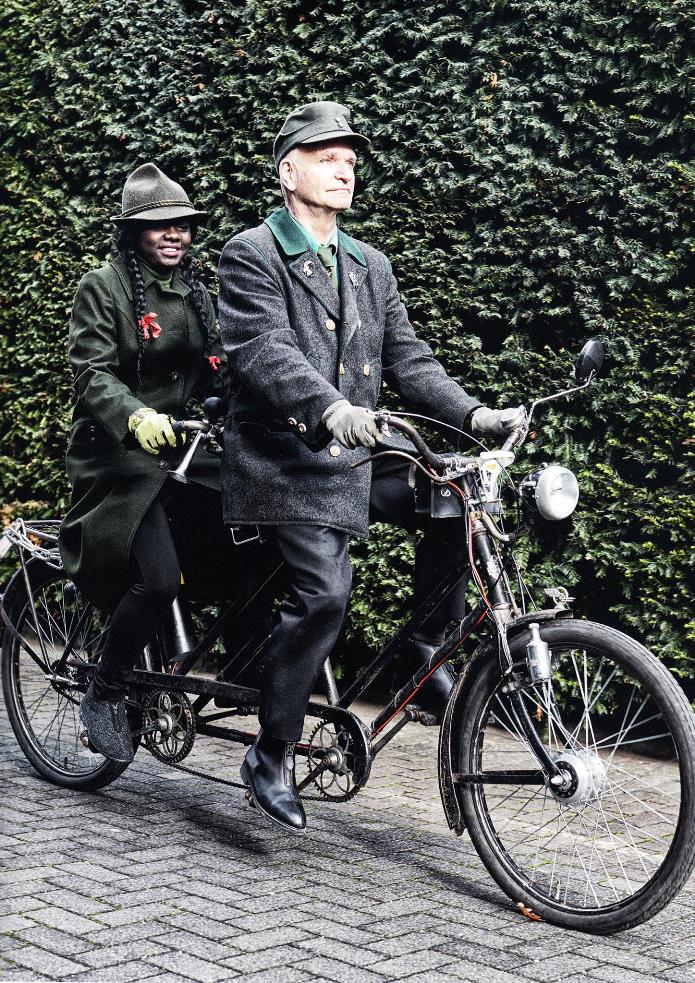
Photo by Lutz Hilgers

More recently, Schneider had become less reclusive. He was photographed by Lutz Hilgers for the January 2017 edition of The Heritage Post in a variety of relaxed poses including riding tandem with a lady in a scenario that delightfully provoked the outrage of the German far right. He was also spotted having coffee with Robert Görl of DAF and had been photographed in a friendly reconciliation with Wolfgang Flür.

It looked as though Florian Schneider had been enjoying his retirement from the music business, but was happy to use his profile for causes close to his heart.

He was a true innovator who can rightly be called a legend for his part presenting an intelligent alternative to rock ‘n’ roll via KRAFTWERK’s concept for industrielle Volksmusik.


Text by Chi Ming Lai
6th May 2020
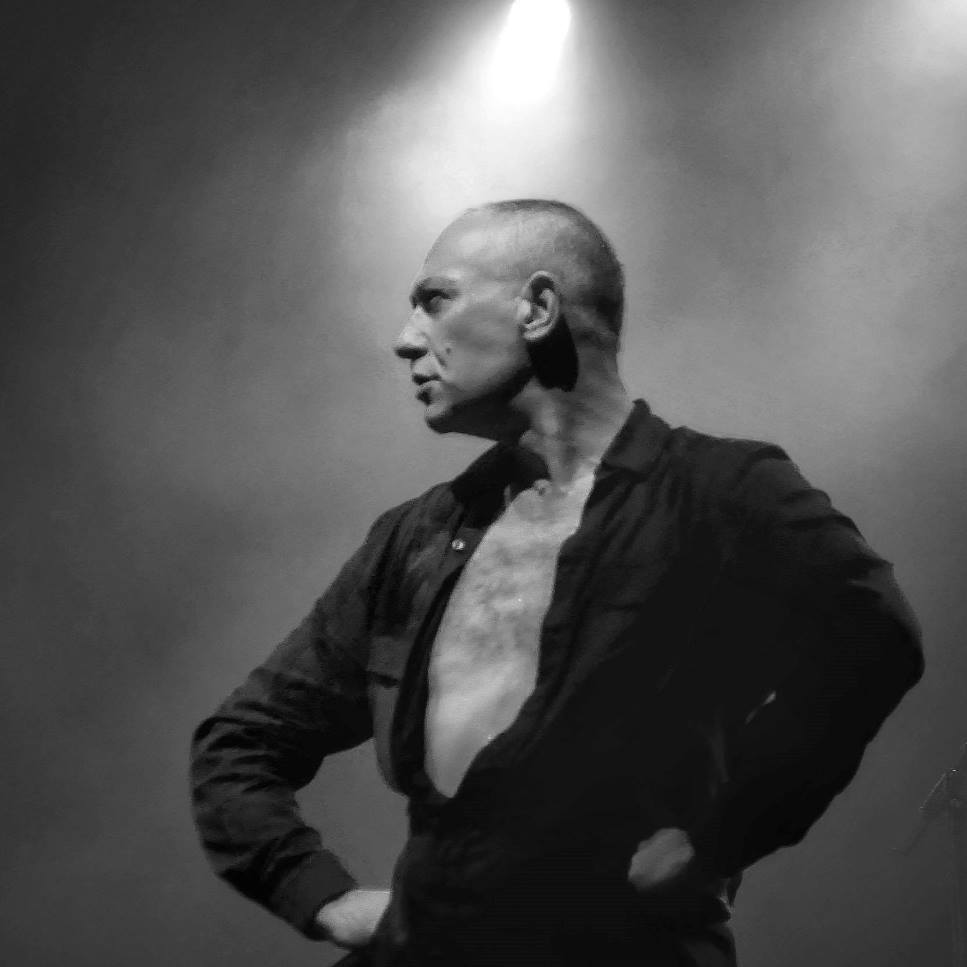
GABI DELGADO 1958 – 2020

Gabi Delgado, lead singer with DEUTSCH AMERIKANISCHE FREUNDSCHAFT, has sadly passed away at the age of 61; the news was announced by his band mate Robert Görl on social media.

Born in Andalusia in Spain, Delgado’s family moved to West Germany to escape the Fascist regime under General Franco. Delgado and Görl met in 1978 as regulars of the punk club Ratinger Hof in Düsseldorf; there they formed DAF with their basic ideas shaped by Delgado doing vocals accompanied by a Stylophone and the classically trained Görl playing drums.

DAF were a reaction to the success of KRAFTWERK; in Rudi Esch’s book ‘ELECTRI_CITY – The Düsseldorf School of Electronic Music’, Delgado said “To me, KRAFTWERK were sounding too boring, too beautiful, too sedate and too sterile” adding “Sequencers and Moroder. That was more important for electronic music than the entire legacy of KRAFTWERK, NEU! and LA DÜSSELDORF”.

Delgado temporarily left DAF so was absent on what became the 1979 instrumental debut album ‘Produkt Der Deutsch-Amerikanischen Freundschaft’ which was recorded as a four piece also featuring Kurt Dahlke, Michael Kemner and Wolfgang Spelman. Delgado returned and DAF moved to London, signing to Mute Records.

They had attracted the attention of Daniel Miller because “they weren’t relying on past rock”. Produced by the legendary Conny Plank, ‘Die Kleinen Und Die Bosen’ became the first full length album to be released by the iconic label in 1980. Allocated the catalogue number STUMM 1 at the suggestion of DAF as “stumm” was the German word for “mute”, it was a mixed studio and live affair with Delgado demonstrating his aggressive vocal ability with grief stricken screams on raucous punky pieces that barely clocked in at two minutes!

But DAF had impressed and were signed by Virgin Records to record an acclaimed trilogy of albums, all produced by Conny Plank. Now down to just a duo of Delgado and Görl, the pair developed a pioneering sound that was later to become known as Electronic Body Music (or EBM) and Industrial.

Robert Görl had become fascinated by the minimalistic possibilities of using a 16 step Korg SQ-10 analogue sequencer to drive a Korg MS20 and ARP Odyssey to provide body power, while Delgado adopted a Teutonic character to his vocal style that was close to shouting with an inflammatory intensity. That Delgado would not vocalise in English only added to DAF’s mystery and appeal.

On stage, Delgado possessed an almost demonic physical presence, while Görl was often stoic and motionless. Using backing tapes, the live focus was almost totally centred on the front man with his ferocious dancing that made Andy McCluskey from OMD look like a member of KRAFTWERK. Delgado’s sweaty physicality had a homoerotic allure that added a sexual tension to DAF’s chanty electronic punk.

The first Virgin album ‘Alles Ist Gut’ in 1981 featured their fierce breakthrough track ‘Der Mussolini’ which flirted with right wing imagery in its sardonic reflections on ideology. However, combined with DAF’s preference for a militaristic aesthetic, it caused controversy and confused observers, attracting a following which Delgado hated; after all, his parents had escaped from the Franco regime in Spain. But DAF liked to shock and Delgado was always unapologetic about the provocation within his lyrics.

‘Alles Ist Gut’ sold well in Germany, effectively turning Delgado and Görl into popstars! The next two albums ‘Gold Und Liebe’ and ‘Für Immer’ maintained the industrial standard with the latter’s highlight being a re-recording of a 1980 Mute ‘Kebab Träume’. Transformed into something much heavier, the memorable if controversial line “Deutschland, Deutschland, alles ist vorbei!” threw more wood onto the provocation bonfire. But despite the fame, all was not well within DAF and the pair fell out under a haze of sex, drugs and sequencer…

Solo albums were recorded with Delgado releasing ‘Mistress’ on Virgin while Görl issued ‘Night Full Of Tension’ on Mute. But the pair had that certain chemistry and reformed in 1985 to produce their only album in English entitled ‘1st Step to Heaven’. Not only was their language approach different but they softened their sound and look, coming over like a Euroboy band on the ‘Lady Marmalade’ referencing pop tune ‘Voulez Vous Coucher Avec Moi’ while embracing funky New York disco on the cult favourite ‘Brothers’.

However, ‘1st Step To Heaven’ was considered a failure and DAF split again. Delgado found solace and joy in the house and techno scene, organising parties with Westbam, as well as establishing the dance labels Delkom Club Control, BMWW and Sunday Morning Berlin. As 2 GERMAN LATINOS in 1992, he recorded the hypnotic ‘Viva La Droga Electronica’ with Saba Kamossa for Mark Reeder’s MFS label.

While Delgado recorded two albums as DAF/DOS with Wotan Wilke, he inevitably reunited with Görl again in 2003 for the album ‘Fünfzehn Neue DAF Lieder’ which saw a more techno influence entering the template.

The pair continued to reunite for DAF shows, but their legacy which had influenced bands such as DEPECHE MODE, LAIBACH, THE INVINCIBLE SPIRIT, NITZER EBB, FRONT 242, NINE INCH NAILS, APOPTYGMA BERZERK, BOYS NOIZE and RAMMSTEIN was celebrated in 2017 with a book and a boxed set, both called ‘Das Ist DAF’.

Released on Grönland Records, the lavish boxed set included ‘Die Kleinen Und Die Bösen’ and the Virgin trilogy, along with remixes by Giorgio Moroder and Westbam among others. But the icing on the cake was what many fans had been waiting for, a brand new DAF single ‘Die Sprache Der Liebe’.

DAF last played London in Autumn 2018 at the Black Celebration event alongside MESH and SUICIDE COMMANDO, while they continued performing throughout Europe in 2019.

Despite most artists mellowing in old age, Gabi Delgado never showed any signs of taming his punky attitude. During a Techno panel as part of the ELECTRI_CITY_CONFERENCE in 2015 at the CCD Conference Centre where a smoking ban was in force, Delgado caused some amusement when he casually lit up a cigarette in the middle of the discussion, reinforcing the rebellious and confrontational aura of DAF.

Stephan Groth of APOPTYGMA BERZERK said “DAF was one of the HUGE inspirations in the early APOP days, and we’ve had nothing but respect and admiration for their output through the years… Gabi, you will stay in our memory ‘Für Immer’. RIP”

Mark Reeder added “So very sad and stunned to hear about Gabi Delgado’s passing. Thank you for the wonderful music and the contribution you made at the start of MFS.”

A fitting tribute came from ‘Das Ist DAF’ biographer Miriam Spies who simply said “Rest in peace amigo. And may there always be enough cigarettes, music and cats where you are now. And orange trees, of course.”


Text by Chi Ming Lai
Photos by Simon Helm
24th March 2020

SOFTWAVE To Open For OMD on 2020 Scandinavian Dates

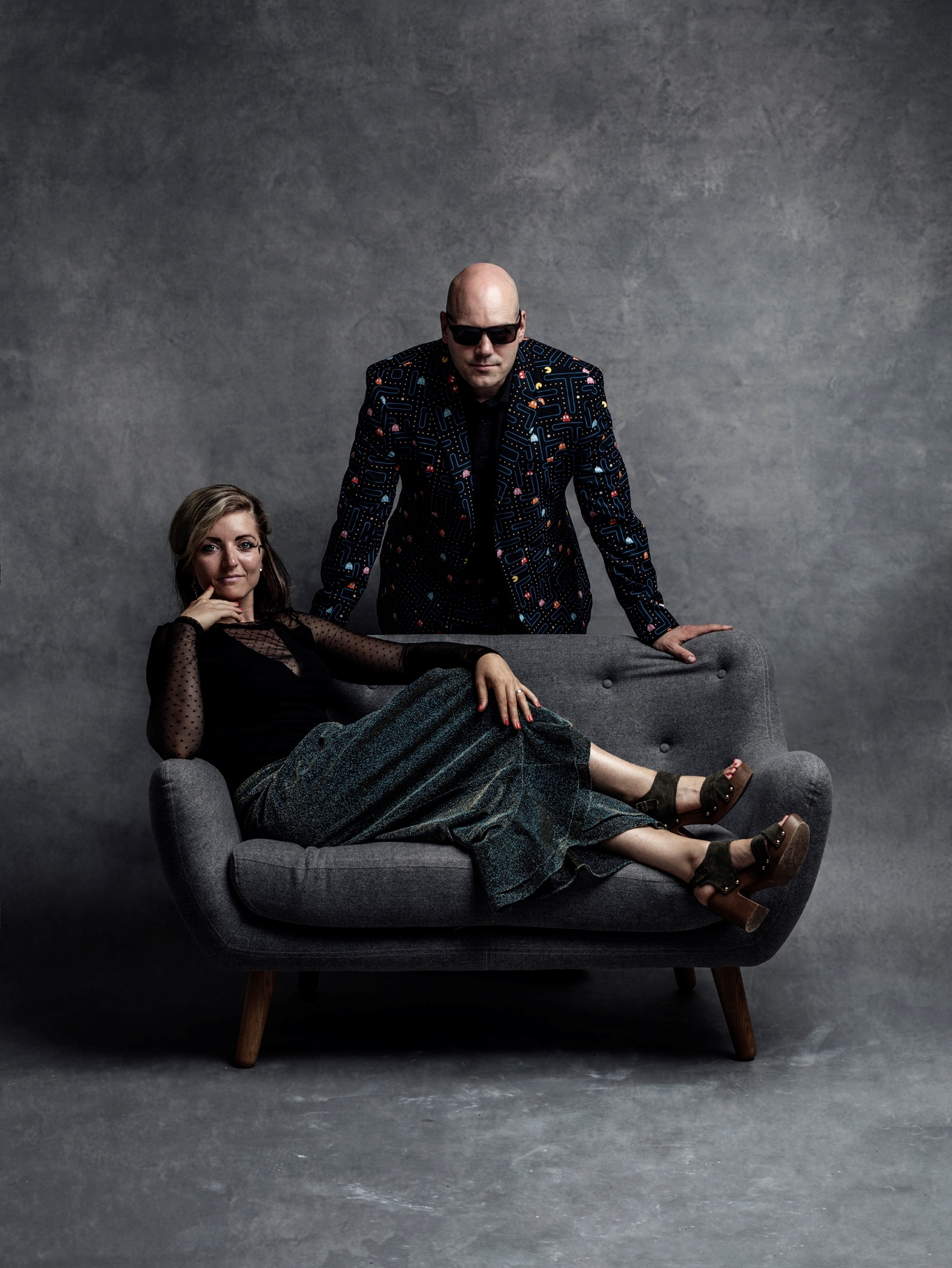
Fresh from the acclaim for their debut album ‘Game On’ released this year, Danish synthpop couple SOFTWAVE will be opening for OMD on the Scandinavian leg of their 2020 ‘Souvenir’ tour.

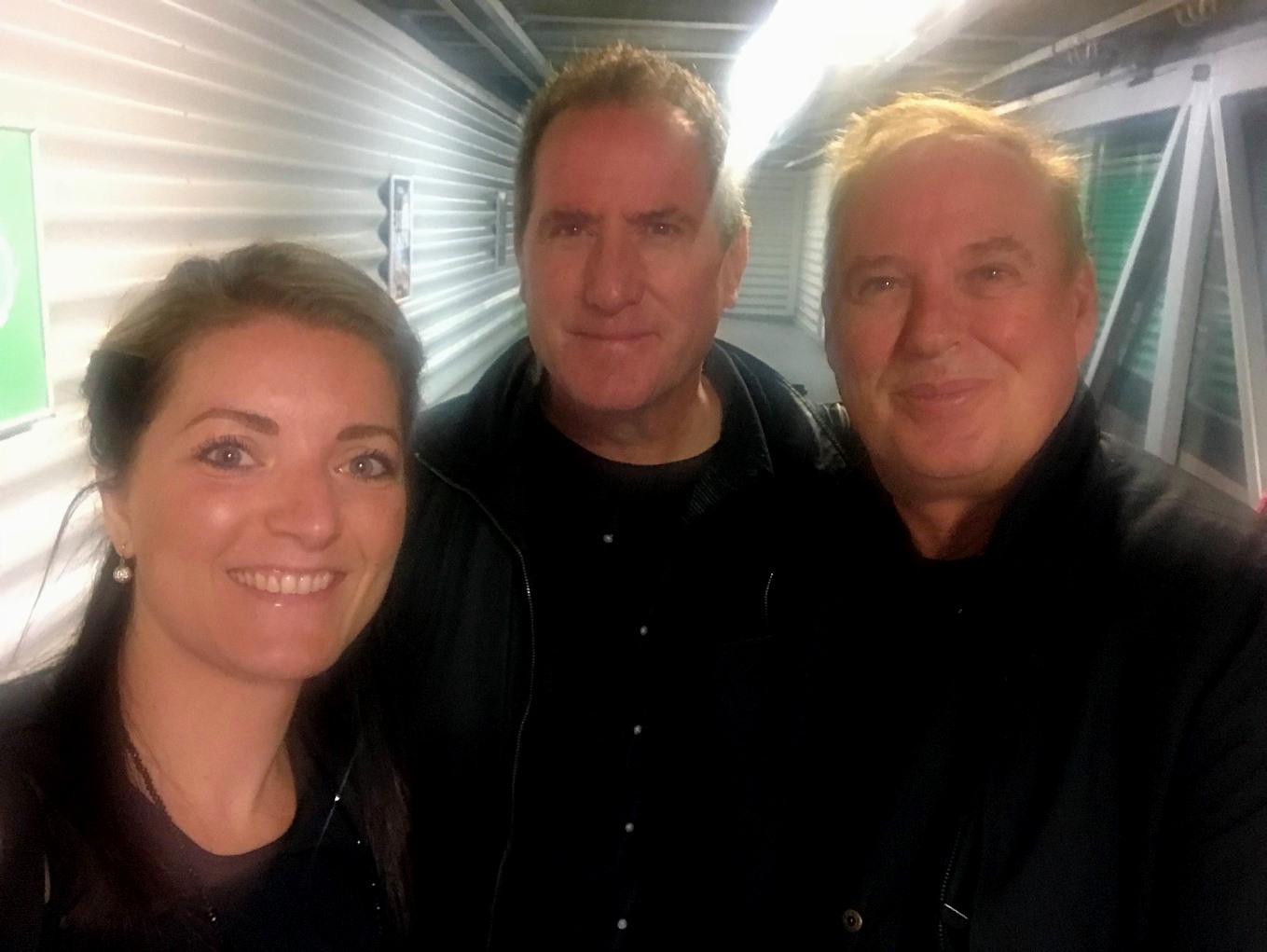
Catrine Christensen and Jerry Olsen first met Andy McCluskey and Paul Humphreys on a cruise ship which OMD were playing and contacts were exchanged. Catrine Christensen told ELECTRICITYCLUB.CO.UK: “An email popped in my inbox; ‘The band have agreed’, I couldn’t believe it and showed it to Jerry before I really took it in. We both danced on the floor of happiness! This was the biggest thing ever!”

SOFTWAVE join an elite list of acts which includes VILLA NAH, MIRRORS, METROLAND, VILE ELECTRODES and TINY MAGNETIC PETS who have been championed by ELECTRICITYCLUB.CO.UK and later secured the coveted support slot for OMD. Since their debut EP ‘Together Alone’ in 2016, SOFTWAVE have been gaining notable endorsements from one-time members of THE HUMAN LEAGUE Jo Callis and Ian Burden, as well as former Numan sideman Chris Payne. So for the duo and their upward trajectory, it has certainly been ‘Game On’.

In November, SOFTWAVE performed live with a special designed lasershow to their biggest audience so far of more than 600 people at the Bremen Teater in central Copenhagen, with a live clip recently hitting the net sphere of the song ‘Something Is Missing’.

Buzzingly sub-ERASURE, it is an alluringly catchy and assured synthpop statement which Christensen revealed was inspired by her dog Nero: “The life before my dad got ill, I was spoiled. Apart from games, movies and toys, I always wanted a dog so badly, so he gave one to me. After 15 years with a lovely time with my dog Nero, he passed away. Therefore I named the song ‘Something Is Missing’.”

But she added: “it was important for other people without a dog-relationship to relate to it as well. Basically this song is dedicated to everybody who lost something or someone valuable in their lives.”

Meanwhile, the ‘Something Is Missing – Longdrink Reloaded’ extended version is now exclusively available on the label ZYX Music compilation ‘New Generation 15’ while a remix compilation ‘Game On 1Up’ is now available as a downaload via Bandcamp.


‘Game On’ and ‘Game On 1Up’ are released as download albums, available direct from https://softwave.bandcamp.com/

SOFTWAVE open for OMD on the Scandinavian leg of their 2020 ‘Souvenir’ 40 Years – Greatest Hits tour at the following dates:

Oslo Rockefeller Musichall (7th February), Stockholm Berns (9th February), Malmo KB (10th February), Copenhagen Store Vega (12th February)

http://www.softwavemusic.com/

https://www.facebook.com/SoftWaveMusic/

https://twitter.com/SoftWaveMusic

https://www.instagram.com/softwave_music/


Text by Chi Ming Lai
20th December 2019

PETE BURNS 1959 – 2016

DEAD OR ALIVE frontman Pete Burns has sadly passed away from a heart attack, aged 57.

His manager and one-time band mate Steve Coy said: “It is with the greatest sadness that we have to break the tragic news that our beloved Pete Burns of (Dead Or Alive) died suddenly yesterday of a massive cardiac arrest. All of his family and friends are devastated by the loss of our special star”.

While better known in more recent years for his appearances on ‘Celebrity Big Brother’ and reality shows about the complications of his botched cosmetic surgery, he first became known as a flamboyant personality from the Liverpool post-punk scene based around Eric’s, the club on Mathew Street which spawned acts such as ECHO & THE BUNNYMEN, THE TEARDROP EXPLODES, OMD, WAH! and FRANKIE GOES TO HOLLYWOOD.

Born in Bebington on The Wirral, Burns worked at Probe Records, a renowned meeting place for local musicians on the Liverpool scene. His first bands were MYSTERY GIRLS and the proto-Goth NIGHTMARES IN WAX; it was the latter that morphed into DEAD OR ALIVE and with guitarist Wayne Hussey (who was later to join SISTERS OF MERCY) as one of its members, the group recorded a number of critically acclaimed, independently released singles including ‘I’m Falling’ and ‘The Stranger’.

With the music came Burns’ androgynous, ever-changing image and a sharp Merseyside wit. But with the emergence of HI-NRG in the club scene, Burns wanted to pursue a more electronic disco based sound. Signing to Epic Records in 1983, their Zeus B Held produced major label debut single was the wonderfully aggressive Goth dance hybrid of ‘Misty Circles’.

With the classic line-up of Pete Burns, Mike Percy, Tim Lever and Steve Coy, DEAD OR ALIVE came close to cracking the UK Top 40 with the subsequent singles ‘What I Want’ and ‘I’d Do Anything’. A cover of KC & THE SUNSHINE BAND’s ‘That’s the Way (I Like It)’ reached No22 and although the eventual album ‘Sophisticated Boom Boom’ was a disappointment, it did feature the brilliant Morrissey meets ABBA eloquence of ‘Far Too Hard’.

At the start of 1984, DEAD OR ALIVE looked like they’d missed the boat when their rivals FRANKIE GOES TO HOLLYWOOD reached No1 with ‘Relax’; “I was so jealous” Burns later told the BBC’s ‘Rock Family Trees’ documentary series. Inspired by the success of ‘You Think You’re A Man’ by transvestite starlet DIVINE, Burns secured the services of the song’s then unknown production team of Stock, Aitken & Waterman to work on DEAD OR ALIVE’s next single ‘You Spin Me Round (Like A Record)’.

Released at the end of 1984, this catchy tune with its booming performance from Burns was not an instant hit. Eventually it reached No1 in March 1985. The song went on to become a huge international hit and was later sung by Adam Sandler’s lead character in the 1998 movie ‘The Wedding Singer’.

DEAD OR ALIVE’s second album ‘Youthquake’ proved to be a mixed bag too, but included another hit single ‘In Too Deep’ and the magnificent eight minute epic ‘It’s Been A Long Time’ as its closer. The 1985 concert tour featured Numan band members Chris Payne and RRussell Bell in the live line-up. Payne said in tribute: “I remember him as being a very pleasant, eloquent and actually quite a reserved character. But on stage he turned into a colossus! And good grief did he have a voice on him. I remember one of my first days rehearsing with the band in Liverpool and he sang just next to my keyboard set up and I looked up and realised he wasn’t singing into the microphone. We could still hear him above the noise!”

There were further hit singles like ‘Something In My House’ and a chart album in the self-explanatory ‘Mad Bad & Dangerous To Know’ in 1987, although DEAD OR ALIVE were suffering from being part of Stock, Aitken & Waterman’s Hit Factory and their UK popularity began to wane. By 1989, DEAD OR ALIVE had slimmed down to a duo of Burns and Coy but scored a No1 with ‘Turn Around’ in Japan, a territory where they continued to be successful for a number of years. 1995 saw the release of ‘Nukleopatra’ including a number of songs co-written with one-time JOHN FOXX and FRANKIE GOES TO HOLLYWOOD live keyboardist Peter Oxendale, but it was notable for featuring cover versions of DAVID BOWIE’s ‘Rebel Rebel’ and BLONDIE’s ‘Picture This’.

Despite his decreased profile in the UK, Burns was invited by PET SHOP BOYS to collaborate on a song entitled ‘Jack & Jill Party’ which was released a download single in 2004. However as time went on, Burns became more known for his celebrity status rather than for music and although he had recently worked with Pete Waterman, he was declared bankrupt in December 2014.

A lavish 19 disc DEAD OR ALIVE boxed set ‘Sophisticated Boom Box MMXVI’ is scheduled for release by Edsel on 28th October 2016. It will now become a fitting epitaph to a colourful character who subverted the music scene with his entertaining, if occasionally vicious take on society.


Text by Chi Ming Lai
24th October 2016

TOMITA 1932 –2016

TOMITA

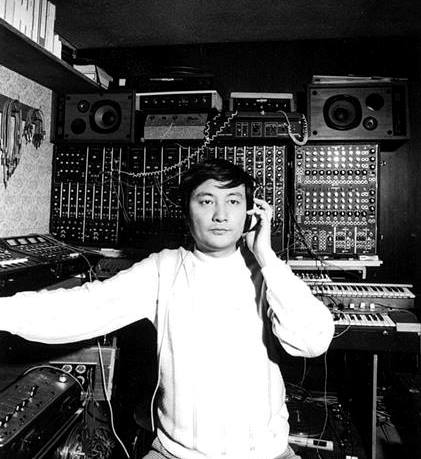
I still can’t exactly remember when, where or why I picked up a copy of Isao Tomita’s second album ‘Snowflakes Are Dancing’; in all probability as a teen synth nerd what undoubtedly would have influenced the purchase was the black and white image on the rear sleeve.

In stark contrast to the brightly coloured blue front cover with its mysterious-looking character, the back contrastingly featured a candid shot of Tomita with a large Moog modular synthesizer in the background and an exhaustive equipment list which detailed every single module and effects unit used in the production of the album.

Released in 1974, the album gave Japanese synthesist Tomita exposure for his electronic interpretations of romantic composer Claude Debussy’s tone poem compositions. The public’s willingness to accept electronic versions of classical music had already been piqued three years earlier with the Wendy Carlos soundtrack to ‘A Clockwork Orange’. But listening to Tomita’s work, it became apparent that there was a whole new depth, sensitivity and dynamic present which was somehow lacking in Carlos’ more rigid classical re-works.

Even listening to the 1974 album now, it remains astonishing how incredible the album sounds on many levels, the synthesizer programming still has the power to make you think “how on EARTH did he create sounds of such depth here?”

For a start, there are string sounds present which you would frankly think were impossible to create with an analogue monophonic modular and even now sound like they were generated on a high-end workstation keyboard from the 21st Century. In the early 70s when artists were slowly starting to get to grips with the new electronic equipment which was available, the recording and production values of electronic work were often variable and ‘Snowflakes Are Dancing’ certainly bucked that trend.

To give context to the outstanding production values of ‘Snowflakes Are Dancing’, if you put it in a head-to-head against KRAFTWERK’s ‘Autobahn’ released in the same year, the latter album (regardless of its undeniable significance in the history of electronic music) sounds like a lo-fi demo recording in comparison.

The other factor to bear in mind when listening to ‘Snowflakes Are Dancing’ is that the modular system that was used was monophonic and any part that was chord related would have had to have been played one single and painstaking note at a time. What is also striking is the way dynamics are used, from the use of volume through to elements speeding up and slowing down, Tomita’s work was so far removed from the machine-like elements of KRAFTWERK and other electronic acts that it takes on a far more human and emotional aesthetic.

Initially Tomita started his career as a composer for Nippon Columbia including creating music for theatre, film and television. As well as his interpretations of Debussy’s works, he also released albums of Stravinsky’s ‘Firebird’ and Holst’s ‘The Planets’, the latter proving controversial with Holst’s daughter blocking the release of the album in the UK, having objected to the rearrangements of her father’s compositions.

In 1984, 22 years before DAFT PUNK did something very similar, Tomita presented live shows from inside a glass pyramid suspended above his audience with many concerts utilising quadraphonic / immersive sound. He also gained international recognition as the first Japanese artist to be nominated for a Grammy Award in the USA and only recently released the albums ‘Symphony Ihatov’ featuring virtual Vocaloid singer Hatsune Miku and ‘Space Fantasy’.

To emphasise the personal significance of Tomita’s passing, his death (along with that of TANGERINE DREAM’s Edgar Froese) has affected me far more than that of David Bwoie or Prince’s, such was his talent for creating synthetic music with a heart and a soul which even now, 42 years later still has the power to get those hairs standing up on the back of your neck.

What makes Isao Tomita’s death all the more poignant is that he had recently released some new material and was in the process of preparing the performance of his new work ‘Dr Coppelius’, which was planned for November of this year. Even now, for reasons unknown, Tomita has remained in the shadow of other synthesists, whether it is Wendy Carlos or Jean-Michel Jarre.

The best way to conclude is with a quote from the man himself, interviewed in 2013 by Tokyo Weekender magazine. When asked to name his favourite synth or piano, Tomita responded: “I believe feelings, hearts and emotions are important to creating music. Not the instruments, or the equipment.”


Text by Paul Boddy
10th May 2016

« Older posts Newer posts »