Category: Transmissions (Page 7 of 7)

IS THAT THE TWELVE INCH MIX?

‘Is That The Twelve Inch Mix?’ is a new book about the history of remix culture by author Rob Grillo whose previous publications have included the best seller ‘Anoraknophobia’.

Featuring a foreword by Martyn Ware, Rob affectionately traces the development of record collecting and describes it as “A light-hearted look at the 1980s, the rise and rise of the remix and the twelve inch single… and The Human League”.

ELECTRICITYCLUB.CO.UK is pleased to be able to publish three extracts from this excellent book…


From the past until completion…
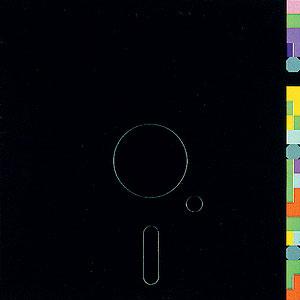
Of course, the record that is synonymous with the twelve inch single is ‘Blue Monday’ by New Order. Initially released only in twelve inch format in 1983, there was no regular seven inch pressing available to the public.

This was nothing new: twelve months earlier Motown’s Gary Byrd & The GB Experience had hit the top ten in the UK with ‘The Crown’, in twelve inch and cassingle only. And ABBA, of all acts, achieved a similar feat in 1981 with ‘Lay All Your Love On Me’: that didn’t even have a cassingle to help it reach number seven.

However, ‘Blue Monday’ captured the record buying public’s imagination, and it became the biggest selling twelve inch single ever, eventually selling over a million copies in the UK alone. The single initially reached number twelve, before climbing again to number nine later in the year.

The first pressings, in a floppy disc sleeve designed by Peter Saville, proved far more expensive to manufacture than at first envisaged, although claims that each copy sold lost the record company money are a little wide of the mark. Later pressings did see a slightly simpler sleeve used, but one which still did not display too obviously either the title of the song or the name of the band.

Unless you also owned a copy of the band’s subsequent album ‘Power Corruption and Lies’, the coloured blocks on the ‘Blue Monday’ sleeve meant nothing: as only the album sleeve contained the key to deciphering this series of blocks, you were none the wiser. Many people who bought the album were still none the wiser. This hardly affected sales, though: most record buyers knew exactly what they were looking for when they went into their local store to purchase the single, and most record store assistants would have known exactly what do should they have been met with any enquiries.

To confuse matters, some pressings of the single came with the centre labels placed on the wrong sides, thus confusing some purchasers about which track was ‘Blue Monday’ and which was the B-side, a dub version of the track called ‘The Beach’. The song itself is rumoured to have been recorded initially to test out some new technology (a drum machine in layman’s terms), but also to satisfy audiences who criticised the band for not performing encores at their concerts. New Order could perform an extra part of their set with minimal effort – walk on stage, press a button, and, hey presto, ‘Blue Monday’!

Of the tracks that are reputed to have influenced the track itself, Sylvester’s disco classic ‘You Make Me Feel (Mighty Real)’ is probably the best known. Ironically, as Factory Records were not members of the British Phonographic Industry (BPI) – in other words they were an indie label – ‘Blue Monday’ never attained its initial gold status (awarded for 400,000 units for singles in the UK).
The track eventually appeared as a regular seven inch single in 1988, when it was reissued in a remixed format. There was a further UK reissue, featuring various new mixes, in 1995, and the track has been sampled and covered by a number of acts in recent years.

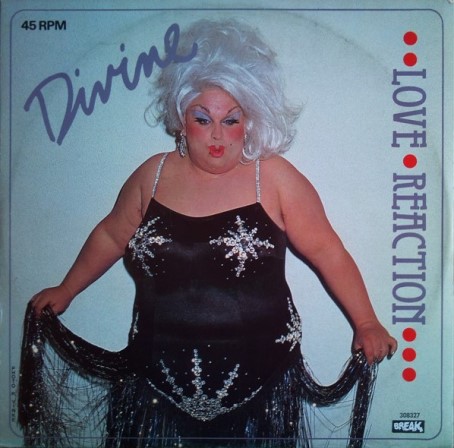
More notoriously, and mentioned elsewhere, Bobby Orlando and Divine ripped off the track for their HI-NRG monster ‘Love Reaction’. New Order didn’t bother taking legal action – the success of’ ‘Love Reaction’ no doubt contributed to further sales for ‘Blue Monday’ itself.

In more recent times a mash up with Kylie Minogue’s ‘Can’t Get You Out Of My Head’ has been given official licence as ‘Can’t Get You Out Of My Head’. The Factory story, and the almost anarchic way in which business was done, has been told many times, but at least New Order themselves were able to make a little money from the new twelve inch format. This was not always the case. George Michael and Andrew Ridgeley were originally handed a golden spoon by Mark Dean’s CBS subsidiary Innervision in 1981. Their hastily signed deal allowed them little in the way of proceeds from regular single and album sales, and even less from twelve inch sales – where they earned not a penny from each copy sold to the public.

It took a while for recording deals to recognise and catch up with the phenomenon. As the late ’80s brought important changes to the release of singles in general – the twelve inch single at the forefront of these – it was inevitable that in order to keep pace, the way in which singles charts were compiled would also have to change. The twelve inch single was of course not the only format alongside the traditional seven inch vinyl pressing. As mentioned previously, record companies dabbled with different variations of the cassette single – or cassingle as it was often known. There were early trends towards releasing a ‘cassingle’ with two tracks, basically the A- and B-sides, an identical alternative to the seven inch.

Later a cassette of twelve inch tracks was preferred, selling for roughly the same price as twelve inch vinyl. There were coloured vinyl twelve inch discs and picture disc twelve inch singles too. Neither of these was an original idea, having been around for over a decade in their seven inch guises. There was also the occasional far more obscure ten inch record. OMD with ‘Souvenir’ and the Pet Shop Boys with ‘West End Girls’ offered mixes on their ten inch pressings that were at the time unavailable elsewhere, but generally the ten inch was a rare commodity, and certainly a pain in the arse to play if your old-style turntable had automatic settings for seven or twelve inch vinyl only!


For those with an eye to detail we salute you…
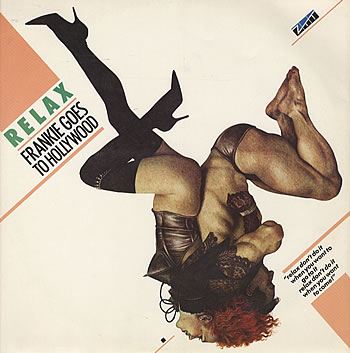
Take 12ZTAS1 for example. Or rather, one of the most controversial yet brilliant singles of the ’80s – Frankie Goes To Hollywood’s ‘Relax’.

Now many readers will own, or will have owned in the past, a twelve inch copy of this track – the Sex Mix is indicated on the sleeve and label. Except that the chances are this was not actually the Sex mix at all. It was most probably the US mix. Unless you’re a real collector or a huge fan of Frankie Goes To Hollywood, you’ll never have known the difference. Ignore the label: it probably isn’t the Sex mix. Well, this is the story.

Producer Trevor Horn recorded several variations of this track (including an unreleased Warp mix, which was a seven inch white vinyl promo-only release). When it was initially released we were given the seven inch mix (actually the Move or Suck It mix) and a sixteen minute Sex mix on twelve inch, with initial pressings at 33rpm and later ones at 45rpm – all with the catalogue number 12ZTAS1. This Sex mix actually contained none of the song itself, but was a rather peculiar track that featured Holly Johnson rambling on to himself together with several rather odd noises created in the studio by Trevor Horn, all overlaid by a tribal beat and culminating in what was supposed to be a fulfilling climax (in the literal sense!). It didn’t go down too well in the clubs.

One of the criticisms was that it was far too long and never actually managed to get out of second gear, so it was difficult to dance to. An alternative mix was produced, therefore – an eight-minute edit of the Sex mix called the New York mix. It had the same catalogue number, and the only way you can tell the difference between this and the 45rpm Sex mix is by looking at the matrix number etched onto the inner vinyl (12ISZTAS1 to be precise). There was no indication anywhere that this wasn’t the Sex mix.

Unfortunately this new mix did little to stem criticism of the track. Horn got it right third time around, though, when he recreated the popular seven inch version, added a long instrumental build-up and created the US mix which we all know so well. Nobody thought that the original sleeve or label should be changed, however, so all the US mixes were pressed as the Sex mix. It then got that bit more muddled when new commercial pressings of the Sex mix were labelled as the Original mix.

Confused? Well, in recent years things have got that little bit more complicated. At least one Frankie Goes To Hollywood CD release refers to the US mix as the New York mix – further confusing themselves as well as a whole host of Frankie Goes To Hollywood fans worldwide. There is also a separate disco mix that until recently had only ever been released in Greece!

When the brilliant and long-awaited follow-up to ‘Relax’ was issued, the band and Trevor Horn didn’t disappoint . . . or confuse themselves/us/everybody else. In truly creative style they merely put out a number of different twelve inch versions of the new song, ‘Two Tribes’, luckily with different catalogue numbers and contrasting picture sleeves, so kick-starting the trend for multiple twelve inch issues in order to further record sales.
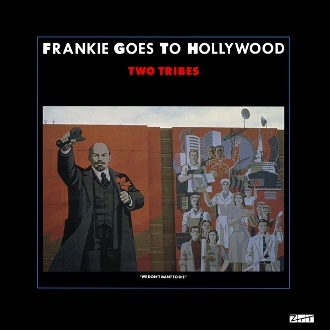
FRANKIE GOES TO HOLLYWOOD Two Tribes - Annihilation Mix 12First up was the Annihilation mix, a nine minute epic that featured the voices of Patrick Allen and Ronald Reagan (actually Reagan was voiced by Chris Barry, who was behind the same character on ITV’s Spitting Image). Next up was the Carnage mix, which featured the unforgettable and rather disturbing line, “mine is the last voice you will ever hear”. These chilling messages were recorded by Allen for the British government as part of their ‘Protect and Survive’ programme of the late ’70s and early ’80s, which aimed to give the general population information on what to do should nuclear war ever break out.

Trevor Horn then decided to remix the B-side, ‘War’ (a cover of Edwin Starr’s 1970 hit), so a third twelve inch pressing contained ‘War’ (Hidden Mix) backed with ‘Two Tribes’ (Carnage mix).  ‘War’ was re-categorised as the AA-side rather than the B-side. Finally a limited supposedly DJ-only Hibakusha Mix was pressed, this being the same version used on the extended video soundtrack which received many airings on national TV. There was a shorter video that featured the seven inch version, and there were alternative videos for ‘Relax’ too – all this well before any of the tracks were later remixed and re-released for later generations. Lost yet? I won’t bother explaining how some of the seven inch versions of Frankie Goes To Hollywood singles differed slightly.


Re-make/Re-model…
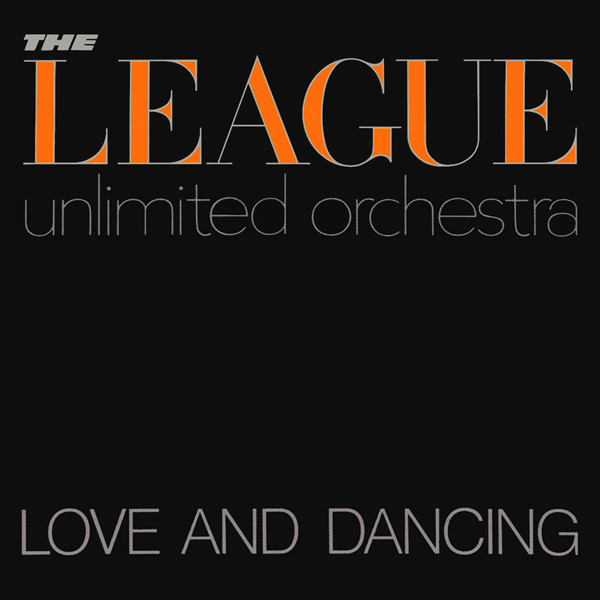
The record companies soon cottoned onto the fact that remixes could even be recycled. ‘Why not put them on an album?’ they said. The Human League and Soft Cell were leaders in this field.

Flush with the immense worldwide success of their third album, ‘Dare’, the former put out ‘Love and Dancing’ in 1982 under the pseudonym League Unlimited Orchestra. This was a mini-album containing dub versions from ‘Dare’ (as well as ‘Hard Times’, the flip side to the single ‘Love Action’), all loving recreated by producer Martin Rushent.

The public went for it, the album reached number three in the UK album chart and went platinum. Earlier the same year Soft Cell followed up their debut album ‘Non Stop Erotic Cabaret’ with the remix album ‘Non Stop Ecstatic Dancing’. This is considered to be the first ever remix album.

Other artists followed suit, with variable degrees of success. The Pet Shop Boys took the idea even further, and have continued to release a series of remix albums – their ‘Disco’ series and Introspective adorning the shelves of hundreds of thousands of fans across the globe. And then came the idea of a compilation album that contained only twelve inch mixes (for example, Now Dance being one of the ‘Now That’s What I Call Music’ series). There may have only been three or four mixes each side, but labels such as Morgan Khan’s Streetsounds created a niche market for themselves. With the advent of the CD this has proved much easier to exploit, as there aren’t the running time and sound limitations that vinyl had.

So the best remix of all time? Well, that’s an entirely subjective question. I will, however, touch on two tracks that I regard as prime examples of (a) how bloody great it can feel to get your hands on a really great twelve inch single, and (b) how, occasionally, a remix can breathe new life into an already great tune and send it into dance-floor hyperspace. The first isn’t a remix at all: it’s a full length mix. In their early years New Order didn’t bother to put their singles on albums; they were released separately – but when they finally started doing so one of their finest moments was edited right down for the release of their third album, 1985’s ‘Low-Life’.

There was no commercially released seven inch format for ‘The Perfect Kiss’, but in its twelve inch glory it was unsurpassed by anything else that was released that year. In just short of nine minutes the listener journeys through Bernard Sumner’s insistent lyrics before there’s a beautifully crafted four and a half minute instrumental outro that takes the listener higher and higher and yet higher, before climaxing in a dramatically disorganised crescendo. Sheer beauty. The full length mix has never appeared on CD: the closest you’ll get is the mix on their unmissable compilation ‘Substance’, which is some eighteen seconds short of the original. Eighteen seconds! That’s nothing, I hear you exclaim. It is if you’re a music geek.
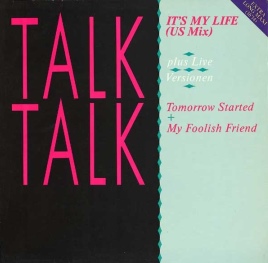
TALK TALK It's My Life US MixThe second example brought new life to a track that even in its regular seven inch format remains one of the most endearing tunes from the ’80s. And yet it took three official releases before Talk Talk’s ‘It’s My Life’ hit the higher reaches of the singles chart in the UK. The fact that the extended version issued on twelve inch in the UK was pretty limp and lifeless didn’t help the song’s cause. Things were very different in the States, however. The now legendary DJ Steve Thompson was commissioned to create a mix that was more appropriate for an American audience, and what he came up with proved to be undoubtedly his finest moment in a large repertoire of remixes.

Rebuilding the track with a much more upfront beat, and yet never straying far from the original, he created another tune that simply builds and builds before another long outro that takes the dancer – or listener – to heaven and back. It’s sheer brilliance. But remember, it’s the US remix. Don’t be tempted to go for the extended version that appears on far too many compilations; you won’t go places listening to that.

And finally . . . Heaven 17. Messrs Marsh, Ware and Gregory had already had a worldwide smash in ’83 with their first top ten UK hit, ‘Temptation’, on which Carol Kenyon added a fantastic female accompaniment to Glenn Gregory’s vocal. There was no need for their label, Virgin Records, to commission a remix, as the original was so strong that no new mix could ever do it justice. That is, until remixers Steve Anderson and Dave Seaman, better known collectively as Brothers in Rhythm, came along and blew everyone away with their new seven minute reworking, which first surfaced in Ibiza clubland. The band themselves initially knew nothing about the new mix, but they and their record company had no hesitation in having the single reissued in its new form.

The result? Nine years after the original, ‘Temptation’ smashed its way back into the UK top five singles and was again a worldwide smash, the new mix teasing the listener – and the dancer – for a full three minutes with its infectious beats until the track cascades into life with Gregory’s famous vocal opening. It’s a perfect example of a radical reworking that manages to stay true to the original. Simply bliss. And make sure you purchase tickets for Heaven 17’s next gig: a highlight of this fantastic experience will be their rendition of ‘Temptation’ that takes in the best of both versions, accompanied by a phenomenal vocal performance from current guest vocalist Billie Godfrey.


ELECTRICITYCLUB.CO.UK gives its sincerest thanks to Rob Grillo

‘Is That The Twelve Inch Mix?’ by Rob Grillo is published by Bank House Books

http://www.robgrillo.co.uk/

https://twitter.com/robgrillo


Text by Rob Grillo
8th January 2011

2010 END OF YEAR REVIEW

The Year Of Transistors

“Synthesizers can be explored and explored, and the music that can be made with electronic instruments is infinite in its breadth. KRAFTWERK may have said ‘we are the robots’, but anyone need only listen to Trans-Europe Express and compare it to most of the turgid, boring guitar-based rock that has been produced over the last 30 years to realise that electronic music can be deeply emotional. And anyone who says electronic music is not real music is just too simple-minded for our patience I’m afraid!”: MIRRORS

2010 saw the return of the male synthpop act, smart boys with their toys and their nods towards the classic era of Synth Britannia. Leading the way were VILLA NAH and MIRRORS who both fused quality songs with vintage sounds and crisp contemporary percussive frameworks. The two units were obviously pressing the right buttons as both opened as special guests to OMD. As a continued sign of their undoubted potential, both were also were invited to support THE HUMAN LEAGUE; an opportunity which unfortunately neither act was able to fulfil due to prior scheduling commitments.

Coming from Finland, VILLA NAH released one of the best long players of the year in ‘Origin’, while closer to home, Brighton-based MIRRORS’ forthcoming album ‘Lights And Offerings’ is likely to be one of the musical highlights of 2011. Meanwhile HURTS, the enigmatic Mancunian duo who many predicted for major success in 2010, rattled the cages of the style over substance brigade.

Whilst the cinematic grandeur displayed in their best songs like ‘Wonderful Life’, ‘Stay’ and ‘Sunday’ was simply outstanding, they did occasionally walk a fine line with their milder paced material, sounding occasionally like TAKE THAT backed by ULTRAVOX. Despite confusing some listeners, their album ‘Happiness’ was an enormous grower and their live shows won over many new fans, especially on the continent where artful intelligence is a highly regarded attribute.

Interestingly, TAKE THAT themselves released their album ‘Progress’ with Stuart Price aka LES RYTHMES DIGITALES at the producer’s helm. Featuring a strong electronic flavour, there was also a song called ‘Eight Letters’ based on ‘Vienna’ which resulted in the rather unusual credit ‘written by Barlow / Donald / Orange / Owen / Williams / Ure / Cross / Cann / Currie’!

Attracting cult followings in 2010 were DELPHIC and CHEW LIPS. DELPHIC captured the Factory Records aesthetic of the mutant disco pioneered by NEW ORDER and A CERTAIN RATIO, but were unable to attract mainstream recognition probably due to their reliance on grooves and jams rather than actual songs… they can only get better with time.

CHEW LIPS are YEAH YEAH YEAHS with synths and while they had several brilliant numbers in their cannon, not all were included on their rather short debut album ‘Unicorn’. This didn’t allow them to play to their strengths on record although this was fully exploited in their live show. Again, they will learn.

And not wishing to get wholly involved in the main skirmish, THE SOUND OF ARROWS maintained a low profile while recording their debut album in London but delivered some impressive concert showcases of their lush Nordic musicality. Their optimistic and aspirational ‘Disney meets Brokeback Mountain’ tone may be the fresh approach to electropop in 2011.

Kookiness was the order of the day with the raven haired beauties MARINA & THE DIAMONDS and EMILIE SIMON. Marina Lambrini Diamandis kept the spirit of SPARKS alive with some fe-Mael intuition on her superb debut ‘The Family Jewels’ while EMILIE SIMON crossed the channel for some ‘one girl and her synth’ shows to fill the gap left by the absence of LITTLE BOOTS in 2010.

As could have been expected after the promotional lash of last year, Victoria Hesketh took a break before starting work on her new album. Hertfordshire’s SUNDAY GIRL could be the next lady-in-waiting providing she can expand on the very promising material like All The Songs and Stop Hey! that was premiered in the latter part of the year.

Meanwhile LA ROUX toured the world and recorded a ‘Stones cover ‘Under Your Thumb’ for the ‘Sidetracked’ influences DJ mix compilation before giving old mate SKREAM the iTunes bonus track Saviour for a dubstep rework as Finally and guesting with CHROMEO. However, Elly Jackson appears to have forgotten that No.1 rule of not biting the hand that feeds you by exclaiming “… I don’t want to make synth music for the rest of my f*cking life!” and declaring the electropop genre “over”!

In the battle of Synth Britannia, OMD released their first collection of new material for 14 years while THE HUMAN LEAGUE delayed their full album return until 2011. THE HUMAN LEAGUE have the backing of electronic music guru Mark Jones’ Wall Of Sound label and thus far have played a ‘less is more’ approach. Despite not having an official website until this year, some clever viral marketing sent interest in their single ‘Night People’ sky high and provided good business for their now almost traditional Christmas UK tour.

While OMD’s ‘History of Modern’ album had several outstanding tracks worthy of comparison with past glories, it was confusingly launched with an Aretha Franklin mash-up that wasn’t on the final tracklisting and a nauseating Britpop pastiche as lead single. Ironically one of the statements made in its sleeve notes was “Modern is not… Oasis”!

It was as if audiences who had traditionally been sceptical of the whole synthesizer axis were now being targeted.

However, electronic pop’s spiritual homeland of Germany welcomed OMD back like one of their own and respectable business for ‘History of Modern’ was generated.

A-HA though are proof that consistently high quality new material is still a possiblity 25 years after your commercial heyday with the focus of their final album ‘Foot Of The Mountain’ very much on their synthesizer roots. In late 2010, they bid farewell with a final tour and a superb double CD compilation called ’25’ which featured not only their hits but the best of their much under valued album tracks.

Photo by Tracey Welch

Among the acts celebrating their legacies, HEAVEN 17 enhanced their reputation no-end by participating in a brilliant BBC6 Music collaboration with “the falsetto from the ghetto” LA ROUX. And if that wasn’t enough, they had not one but two BBC TV programmes featuring their highly regarded album ‘Penthouse & Pavement’ including their triumphant Sheffield Magna gig.

HOWARD JONES didn’t look a day older, proving that a vegetarian diet and a clean living spirituality was the key to eternal youth! He played ‘Human’s Lib’ and ‘Dream Into Action’ in full for the first time at Indigo2.

Former sparring partners ULTRAVOX and JOHN FOXX played very different types of live shows in 2010. ULTRAVOX almost went back to basics with the retrospective ‘Return To Eden 2’ tour while JOHN FOXX curated an audio/visual extravaganza at the Short Circuit Festival featuring a deluge of analogue synths and some new material to a mixed reception.

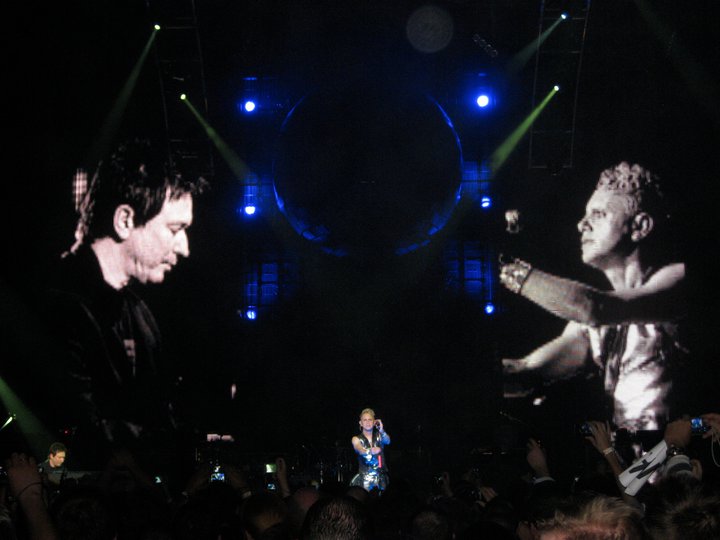
DEPECHE MODE completed their ‘Tour Of The Universe’ and capped it all with a special show at the Royal Albert Hall for The Teenage Cancer Trust where Alan Wilder was reunited with the band for the first time in 16 years during the encore of ‘Somebody’. It was an emotional night for many including the band. Does this lay out the foundations for, if not a reunion, at least some future work together?

GOLDFRAPP returned with ‘Head First’, a mid-Atlantic AOR styled electronic romp that had echoes of Laura Branigan and Olivia Newton-John. Some found it uninspiring but what could not be denied was the catchiness of the tunes. Given time, it will become a future guilty pleasure.

Meanwhile LADYTRON prepared a career spanning compilation Ladytron ’00-10′ to reinforce their reputation as one of the key electronic based acts of the last decade but they began the year contributing a pair of excellent bonus tracks to Christina Aguilera’s album ‘Bionic’ in ‘Birds Of Prey’ and ‘Little Dreamer’.

Swedish songstress Robyn continued her feisty independent spirit by releasing her ‘Body Talk’ trilogy and the excellent single ‘Dancing On My Own’, while both Lady Gaga and Kylie kept electronically produced pop in the mainstream consciousness.

Across the water, New York’s THE GOLDEN FILTER added a crisp vibe to the electronic dancefloor via some dreamy Scandinavian influences and frantic tribal percussion while their neighbours THE HUNDRED IN THE HANDS brought a mechanised twist to new wave on their self-titled debut. And for the perfect after party soundtrack in the Big Apple, ARP provided some gorgeous modern day ambience with the album ‘The Soft Wave’. Meanwhile, another North American based duo LOLA DUTRONIC relaunched their brand of dreamy Gallic flavoured electro-lounge pop with the ‘Musique’ EP.

Elsewhere internationally, the vivacious SHH became the latest in a line of Argentine musicians basing themselves in London for an assault on the UK and European market while Texans HYPERBUBBLE brought their own ‘bionic bubblepunk’ with the impressive ‘Candy Apple Daydreams’. MARSHEAUX had a quiet year, only releasing a cover of BILLY IDOL’s Eyes Without a Face for an Amnesty International compilation.

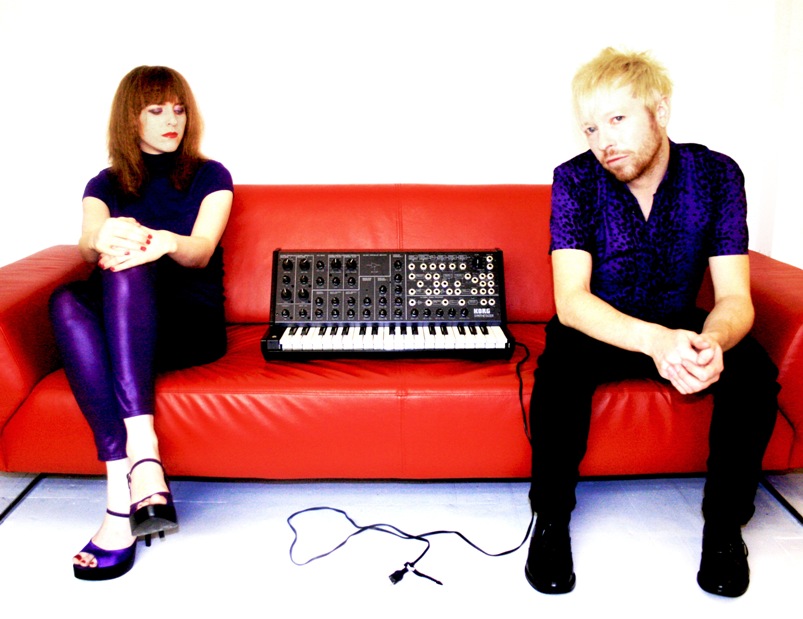
Promising newcomers VILE ELECTRODES steadily gained fans on the London club circuit with their mix of fetish porn and analogue synths while following some line-up changes, THE VANITY CLAUSE finally released their first album ‘Fractured’. And the quirky Sheffield based duo THE CHANTEUSE & THE CLAW unleashed a superb debut single in ‘Are You One?’.

Overall in 2010, the spark generated by the new generation of synthesizer acts and the willingness of others to incorporate more electronic sounds into their work accounted for yet another productive year with the heritage acts also getting the cultural recognition they fully deserved. Ever supportive, The Guardian even featured a piece on the older incarnation entitled Forgive Us Our Synths which interestingly was almost two years after their prophetic Slaves To Synth article hit the public consciousness.

There were more quality albums and live shows of interest to the electro fan than in many years past with acts such as MIRRORS, VILLA NAH and HURTS fulfilling the role of worthy successors to the classic Synth Britanniageneration. Hopefully, other acts will be following in their footsteps. In fact, despite being ignored by the BBC Sound Of 2011 and New To Q listings which appear to have been locked into some evil parallel universe where good taste does not seem to reside, “… fey, gay, pseudo-intellectual synth b*llocks” still rules!


ELECTRICITYCLUB.CO.UK Contributor Listings Of 2010

STEVE GRAY

Best Album: TENEK On The Wire
Best Song: HURTS Unspoken
Best Gig: DEPECHE MODE at London Royal Albert Hall
Best Video: MIRRORS Ways To An End
Most Promising New Act: MIRRORS


CHI MING LAI

Best Album: VILLA NAH Origin
Best Song: MIRRORS Ways To An End
Best Gig: HEAVEN 17 at Sheffield Magna
Best Video: HURTS Wonderful Life
Most Promising New Act: THE SOUND OF ARROWS


RICHARD PRICE

Best Album: HURTS Happiness
Best Song: OMD History Of Modern (Part I)
Best Gig: THE HUMAN LEAGUE + HEAVEN 17 at Galway Festival
Best Video: HURTS Stay
Most Promising New Act: MIRRORS


JOHAN WEJEDAL

Best Album: PAGE Nu
Best Song: POLAROID MILITIA Astana My Hero
Best Gig: PAGE at Gothenburg Synthklubben
Best Video: VILE ELECTRODES Deep Red
Most Promising New Act: THE GIRL & THE ROBOT


Text by Chi Ming Lai
28th December 2010

SYNTH BRITANNIA

Photo by Chi Ming Lai

Synth You’ve Been Gone…

BBC4’s marvellous ‘Synth Britannia’ celebrated the rise of the synthesizer and how it changed popular music forever, particularly in the UK. Superbly produced and directed by Ben Whalley with interlinking cultural commentary provided by ‘Rip It Up And Start Again’  author Simon Reynolds, it was an empathetic documentary that captured the spirit of a golden era.

The contributors to the programme read like a ‘Who’s Who?’ of electronic music: Wolfgang Flür; Daniel Miller; Richard H Kirk; John Foxx; Gary Numan; Phil Oakey; Martyn Ware; Andy McCluskey; Paul Humphreys, Martin Gore; Vince Clarke; Andy Fletcher; Midge Ure; Dave Ball; Alison Moyet; Susanne Sulley; Joanne Catherall; Bernard Sumner; Neil Tennant; Chris Lowe.

They were to become the heroes of the revolution, rebels with a cause, poster boys and girls of the VCO! Although there were a few errors, especially with regards dates like when OMD signed to Factory and the single of ULTRAVOX’s ‘Vienna’ was released, this was an entertaining 90 minutes.

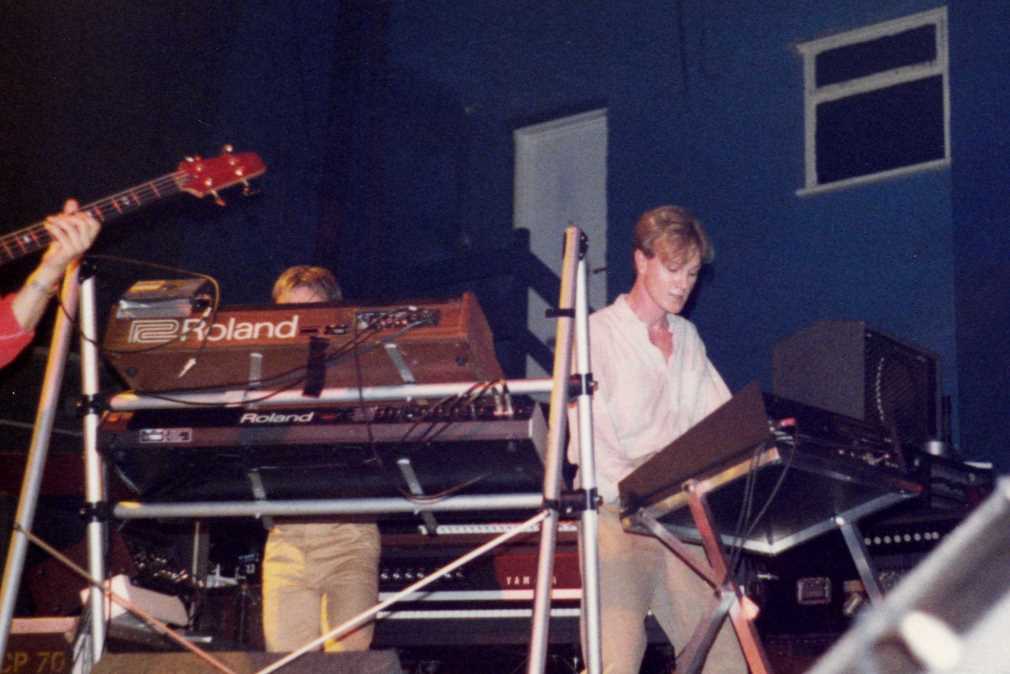
The new attitude brought about by punk in 1977 was still a bit too rock’n’roll for some like the young Daniel Miller, learning three chords was still three too many! But armed with newly affordable silicon-chipped technology by Korg and Roland from Japan, the true DIY spirit encouraged by the new wave would be fully exploited. Wonderful and weird sounds could be made using just one finger, knob twiddling would become the new art! Daniel Miller and Martyn Ware gleefully tell of their first synth purchase, in both cases it was the Korg 700s. The accessibility of the budget priced synthesizer offered the ultimate challenge to musical convention. It was electric dreams over acoustic nightmares!

Like some on this programme, my first introduction to the sound of the synthesizer came via KRAFTWERK and Walter (now Wendy) Carlos. In the summer of 1976, my junior school teacher was the young and pretty Miss Neilson. She’d already shown her Bohemian colours by naming our pet guinea pig ‘Bilbo’!! But one day in PE, she made Class4 interpret movement to ‘Autobahn’ and the soundtrack to ‘A Clockwork Orange’!!!

Although too young to really appreciate what was going on, my aural palette was being shaped by this fantastic cacophony of electronics. Novelty instrumental hits like Jean Michel Jarre’s ‘Oxygene Part VI’ and SPACE’s ‘Magic Fly’ soon followed and caught my pre-teen futuristic mind as I eagerly waited for the next episode of ‘Space 1999’! The importance of science fiction in the development and imagination of electronic music cannot be underestimated with ‘Dr Who’ and the writings of JG Ballard being particularly important influences.

Donna Summer’s ‘I Feel Love’ was Year Zero for modern electronic pop music as we know it. Producer Giorgio Moroder‘s throbbing sequencers and dance beats were “the future of the future”.

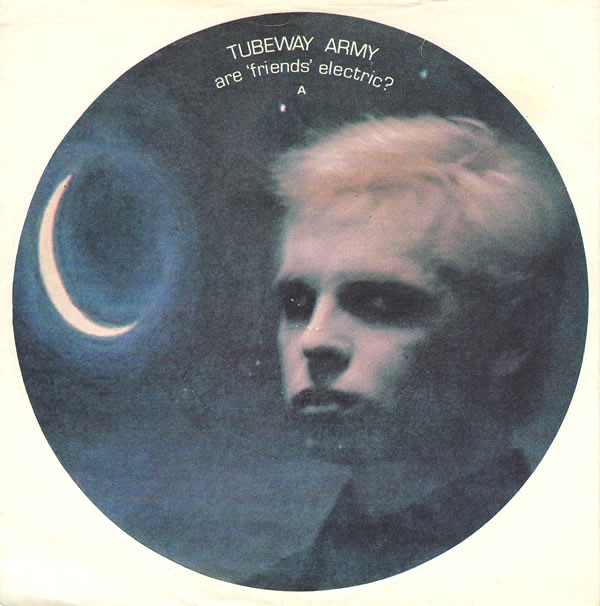
But Gary Numan’s first appearance in May 1979 on ‘Top Of The Pops’ was for many including myself, their ‘Ziggy Stardust’ moment in the birth of synthpop, ‘Are ‘Friends’ Electric?’ was cold and detached, the discordant Moog machinery and the haunted vocal sneer connected with many during this gloomy period in Britain. It seems unbelievable now, but it was the talk of school the following morning. Electronic music had just found its first pop star!

Unemployment in the UK was at an all time high. Margaret Thatcher was now in power while across the Atlantic, Ronald Reagan was “President Elect”! With fascist gods in motion, the Cold War had heightened to the point where no-one’s future on this earth could be guaranteed. Whilst OMD’s ‘Enola Gay’ related to the nuclear holocaust paranoia of the time via some incongruous melodic warmth, there were a number of other pop-orientated bands just around the corner.

The new Mk2 version of THE HUMAN LEAGUE, SOFT CELL and DEPECHE MODE all possessed a defiant spirit of optimism in the face of adversity because ultimately “everybody needs love and affection”! The music was emotive and avant, all at the same time! “We never wanted to be KRAFTWERK” says Phil Oakey, “we wanted to be a pop band!”

Photo by Chi Ming Lai

The use of synthesizers was a statement of intent, like an act of artistic subversion. But as Marc Almond once said, you can only truly subvert when you have access to the mainstream. How can you change the world if no-one hears you? Musically, the best way to achieve this was going to be through pop songs! Whilst owing a debt to KRAFTWERK and taking advantage of the door opened by Gary Numan, these acts managed to appeal to people who didn’t necessarily know what a Linn Drum Computer was! Joanne Catherall and Susanne Sulley amusingly recalled when the UK’s first Linn LM-1 was delivered to Martin Rushent’s Genetic Studios for the making of ‘Dare’: “They were all very excited… OK boys!”

There are several technology driven insights like Paul Humphreys playing ‘Enola Gay’ on the Korg Micro-Preset, John Foxx demonstrating the ARP Odyssey and Daniel Miller operating the ARP 2600 which was used on all the early DEPECHE MODE albums. There were often misconceptions about how this stuff worked though. “The number of people who thought that the equipment wrote the song for you: ‘well anybody can do it with the equipment you’ve got!'” remembers Andy McCluskey, “F*** OFF!!”

“You’ve got to remember it was the first time ever that someone could sit and make a record on their own” says Midge Ure, stating the recording of EURYTHMICS ‘Sweet Dreams’ in a basement on an 8 track tape machine as an example! But as the success of synthesizer continued, the backlash set in. Numan was particularly the victim of some venomous media attacks; not only was he doing electronic music but he had none of the anti-hero stance of punk… he wanted to be a popstar: “I don’t speak for the people because I don’t know them!” he exclaimed!

Andy Fletcher tells of the Battle Royale that DEPECHE MODE were always having with the press. People insisted it wasn’t proper music. The Musicians Union even tried to ban the use of synths in studios and live performance! I remember fellow classmates unceremoniously smashed up and burned a copy of ‘Cars’… AND THEN presented me with the remains! If I wasn’t already feeling isolated, then this sort of intimidation was certainly going to seal it!

Martin Gore quotes a disgruntled rock journalist who described the genre as being for “alienated youth everywhere, and Germans!” As an outsider with a typical post-war ‘Boys Own’ fascination for Airfix kits and Messerschmitts, this music would define me! What did these narrow-minded hooligans know?

Worshipping America was not what I wanted! To me, soul and jazz funk (much like R’n’B today) was the horrid soundtrack of the school bully! SYNTHPOP and its Mittel Europa romanticism appealed to my sense of elitism. I could wear my intelligence on my sleeve, it would become my badge of honour! Pretentious… MOI?

Photo courtesy of Alex Machairas

The move towards today’s electronic based dance music as pioneered by Giorgio Moroder is symbolised by the success of NEW ORDER and PET SHOP BOYS. Legend has it that KRAFTWERK were so impressed by the sound of ‘Blue Monday’, they sent an engineer down to Britannia Row Studios to check out the equipment only to find out it was comparatively unsophisticated! But ‘Synth Britannia’ actually goes on to suggest that the success of the third generation acts like Howard Jones and THOMPSON TWINS was the death of this fantastic period. “There was too much synthpop around, it was all very well being on a synth but actually the melodies and how some of the songs were structured was quite traditional and trite…” sighs Simon Reynolds, “it wasn’t that inventive as electronic music!” – he was right!

Unfortunately by the mid-80s, most of our heroes had given up the fight and went conventional. “We were all a bit lost by then” says Phil Oakey, “like we didn’t have anything to prove!” After declaring in 1980 that ‘Travelogue’ contained “synthesizers and vocals only”, THE HUMAN LEAGUE had by the disappointing ‘Hysteria’ credited Jo Callis with “guitars, keyboards, vocals”, sadly in that order! Meanwhile OMD went from listing all their equipment on their ‘Dazzle Ships’ and ‘Junk Culture’ albums to Paul Humphreys simply being on “vocals, electronic keyboards, piano” for ‘Crush’! The lure of dollars to water down the synthesized sound for synthobic America just couldn’t be resisted anymore! This classic era of quality synthpop was sadly now over!

However, while the others fragmented, DEPECHE MODE got darker and stuck to their electronic blueprint, eventually achieving massive success in the US from 1988. So it would seem these pioneering acts’ original Eurocentric electronic manifestos had been right after all. Their legacy is evident today: LITTLE BOOTS and LA ROUX have hit the Top 10, and collaborated on the marvellous BBC6 Music ‘Back To The Phuture’ live sessions with Gary Numan and HEAVEN 17 respectively; rock band MUSE credit “synths and programming” on their new album while featuring a song that sounds like ‘Vienna’; and a girl group cover of ‘Just Can’t Get Enough’ is a ‘Comic Relief’ charity single!

Meanwhile, the synthpop era’s big international No1s ‘Don’t You Want Me?’ and ‘Tainted Love’ are still being played at weddings and night clubs, ironically often being sung along to by the same bully boys who were setting fire to Gary Numan records years earlier!! “It was exciting to be part of a musical movement that had never been done before, it was a fine time” smiles Vince Clarke.

‘Synth Britannia’ ends appropriately enough with ‘Together in Electric Dreams’ and this final quote from Andy McCluskey: “We were trying to do something new, that is specifically why we chose electronics, we wanted to sweep away all of the rock clichés! And then what happens towards the end of the 80s and even worse, the mid 90s? Everybody decides guitars are back, synthesizers are somehow old fashioned AND, we get Oasis!!”

McCluskey holds his hand to his head in despair but today, most of the acts featured in ‘Synth Britannia’ are still playing to packed audiences around the world. What was originally an electric dream is now a full blown reality. JUSTICE and a job well done 🙂


Ohm Sweet Ohm! The ‘Synth Britannia’ Soundtrack

DEPECHE MODE New Life
WENDY CARLOS William Tell Overture
WENDY CARLOS Title Music from ‘A Clockwork Orange’
KRAFTWERK Autobahn
THE CLASH White Riot
THE NORMAL TVOD
THE NORMAL Warm Leatherette
THE FUTURE 4JG
THE HUMAN LEAGUE Being Boiled
DONNA SUMMER I Feel Love
CABARET VOLTAIRE Seconds Too Late
CABARET VOLTAIRE Nag Nag Nag
OMD Messages
OMD Enola Gay
JOY DIVISION Atmosphere
JOHN FOXX Underpass
THROBBING GRISTLE Still Walking
THROBBING GRISTLE Hot on the Heels of Love
FAD GADGET Back to Nature
SILICON TEENS Memphis Tennessee
TUBEWAY ARMY Are ‘Friends’ Electric?
GARY NUMAN Cars
VISAGE Fade to Grey
THE FLYING LIZARDS Money
DEPECHE MODE New Life
DEPECHE MODE Just Can’t Get Enough
DEPECHE MODE Sometimes I Wish I Was Dead
THE HUMAN LEAGUE Don’t You Want Me
HEAVEN 17 – Penthouse & Pavement
CABARET VOLTAIRE Landslide
SOFT CELL Tainted Love
YAZOO Only You
YAZOO Don’t Go
OMD Maid of Orleans
EURYTHMICS Sweet Dreams
ULTRAVOX Vienna
KRAFTWERK The Model
DEPECHE MODE Everything Counts
DEPECHE MODE Master and Servant
PET SHOP BOYS West End Girls
NEW ORDER Ceremony
NEW ORDER Blue Monday
PHILIP OAKEY & GIORGIO MORODER Together in Electric Dreams


Text by Chi Ming Lai
27th March 2010

Newer posts »