Tag: Spandau Ballet (Page 4 of 4)

25 FAVOURITE CLASSIC 12 INCH VERSIONS

‘Is That The 12 Inch Mix?’ people used to ask…

“Sometimes you never knew what you were getting when you bought the 12 inch mix” says Rob Grillo, author of the same titled book tracing the history of the extended format, “Sometimes you got the 7 inch version and a bonus track, sometimes it was just the longer album mix, and sometimes you got the normal mix when the sleeve promised a ‘brand new mix’, occasionally there would be a gargantuan explosion of noise that heralded a completely new take on the song that would blow you mind away…”

ELECTRICITY CLUB.CO.UK itself has never been particularly big on remixes or 12 inch versions. They were on occasions, an unnecessary evil. Just because a song can be extended and reworked to submission doesn’t mean it has to be… FRANKIE GOES TO HOLLYWOOD’s bassist Mark O’Toole snorted to International Musician & Recording World in 1986: “A punter walks into the shop, wants to buy a single – and there’s half a dozen mixes of it! It’s a pain in the ar*e!”

Comedian Lenny Henry summed things up best in a sketch where he entered a record shop to buy a single and was then offered a plethora of versions by the assistant… “I JUST WANT THE VERSION THEY GOT RIGHT!” he exclaimed.

In another stand-up routine, he commented that a 12 inch single could last longer than a marriage. But they could be tremendously passionate affairs as Rob Grillo remembers: “In essence, buying the 12 inch was more exciting than buying the 7 inch…”

With the restriction of tape, a razor blade and the mixing desk, the era often conspired to make more interesting, structured reworkings than the meaningless dance work-outs of today. When done well, the 12 inch extended version could totally surpass the original.

Each track on this list of classic variations was released as a 12 inch single with a corresponding original 7 inch release that was shorter (which thus excludes ‘Blue Monday’ by NEW ORDER); full length album versions that subsequently got issued as 12 inch singles are not included.

With a restriction one track per artist moniker going up to the period before remixes got a bit daft with the advent of rave culture, here are ELECTRICITYCLUB.CO.UK’s 25 choices in chronological and then alphabetical order…


SPARKS Beat The Clock – Long Version (1979)
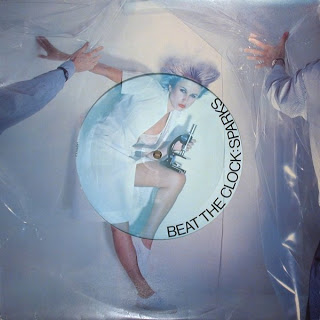
SPARKS Beat The Clock 12The shorter album take of ‘Beat The Clock’ was more basic and less epic. But in this longer, more powerful and percussive 12 inch version, the star of this ace collaboration with Giorgio Moroder was the ever dependable Keith Forsey with his rumbling drumming syncopating off the precisely sequenced electronic production. Russell Mael was at his best in fully fledged falsetto mode, while Ron stood more motionless, safe in the knowledge than he didn’t even have to play anymore.

Available on the album ‘Real Extended: The 12 inch Mixes (1979 – 1984)’ via Repertoire Records

http://allsparks.com/


DURAN DURAN Girls On Film – Night Version (1981)
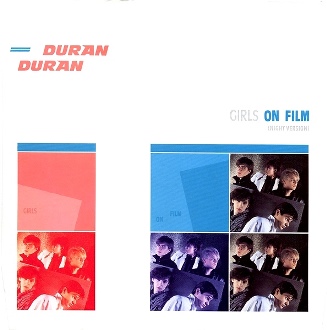
DURAN DURAN Girls On Film 12At the start of their career, rather than just simply extend a song by joining together sections of tape, DURAN DURAN actually took time to rearrange and re-record their 12 inch singles. This they did on ‘Planet Earth’ and ‘My Own Way’.  From its opening Compurhythm beat and first instrumental chorus set to Nick Rhodes’ swimmy Crumar Performer to Simon Le Bon’s closing verse ad-lib, the best of the early ‘Night Version’ trilogy was ‘Girls On Film’.

Available on the boxed set ‘The Singles 81-85’ via EMI Records

http://www.duranduran.com/


THE HUMAN LEAGUE Don’t You Want Me – Ext Dance Mix (1981)
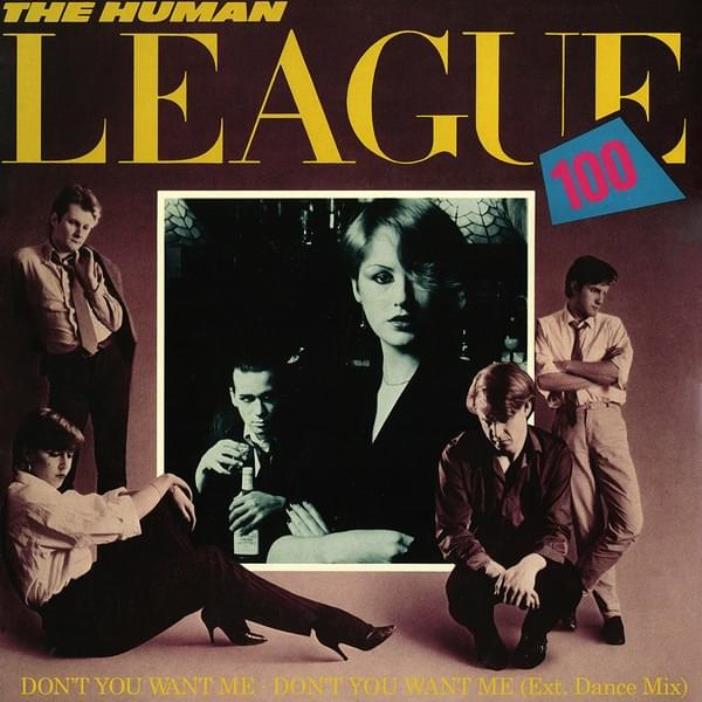
Effectively an instrumental of the closing track on ‘Dare’, the quality of Martin Rushent’s production was fully showcased on this ‘Ext Dance Mix’. Each synth had its own voice and placed inside a precise lattice that formed a fabulous pop tapestry. It was also notable for featuring a guitar, albeit used obliquely by Jo Callis to trigger a Roland System 700. Even without its lead vocals, ‘Don’t You Want Me’ was a fine example of well-crafted, melodic electronic music.

Available on the album ‘Original Remixes & Rarities’ via Virgin Records

http://www.thehumanleague.co.uk/


SIMPLE MINDS The American – 12 inch Version (1981)
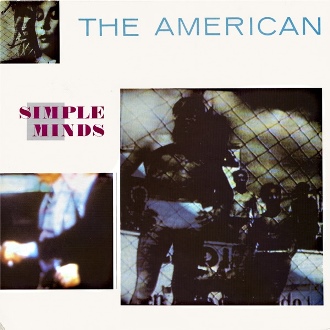
With the futuristic ‘Changeling’ and ‘I Travel’, SIMPLE MINDS had been heavily rotated in clubs. ‘The American’ was the Glaswegians’ first single for Virgin and sounded like Moroder merged with NEU! Metallic motorik drumming from Brian McGee sans hi-hats provided an interesting rhythm construction and challenged the band into finding inventive ways of making people dance. With Mick McNeil’s pulsing synths coupled with Derek Forbes’ bass engine, this was prime art disco.

Available on the boxed set ‘X5’ via Virgin Records

http://www.simpleminds.com/


SOFT CELL Bedsitter – Early Morning Dance Side (1981)
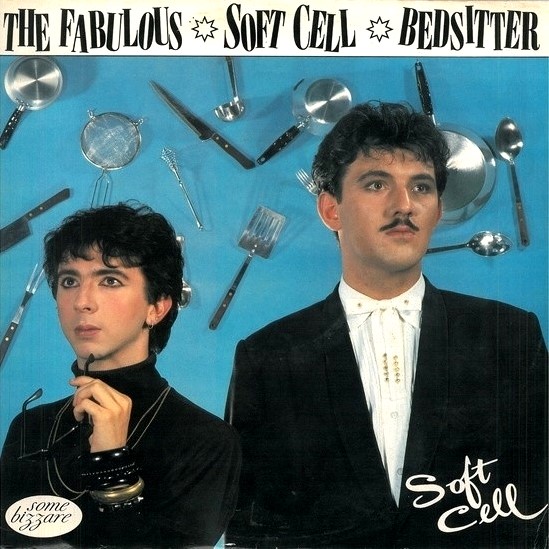
SOFT CELL were quite unique in their 12 inch extended formats by often incorporating extra vocal sections like on ‘Torch’, ‘Facility Girls’ and ‘Insecure Me’. So ‘Bedsitter’ added a marvellous rap from Marc Almond where he asked “do you look a mess, do have a hangover?” before taking a little blusher, pushing tea leaves down the drain and starting the night life over again. This literal kitchen sink drama to song concept won SOFT CELL many ardent followers.

Available on the deluxe album ‘Non-Stop Erotic Cabaret’ via UMC

http://www.marcalmond.co.uk/


SPANDAU BALLET The Freeze – Special Mix (1981)
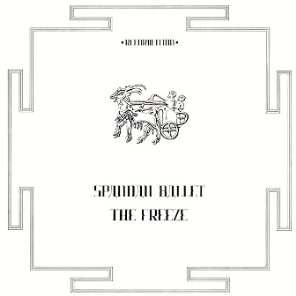
SPANDAU BALLET The Freeze 12While the single version of ‘The Freeze’ was a polite slice of guitar driven disco, the 12 inch ‘Special Mix’ of SPANDAU BALLET’s second single utilised their Yamaha CS10 with a pulsing octave barrage that could have been borrowed from VISAGE. A closing cacophony of electronically processed percussion came over like a funkier KRAFTWERK but with the overblown vocal histrionics of Tony ‘Foghorn’ Hadley, this could only have been the Islington quintet.

Available on the album ‘The Twelve Inch Mixes’ via Chrysalis Records

http://www.spandauballet.com/


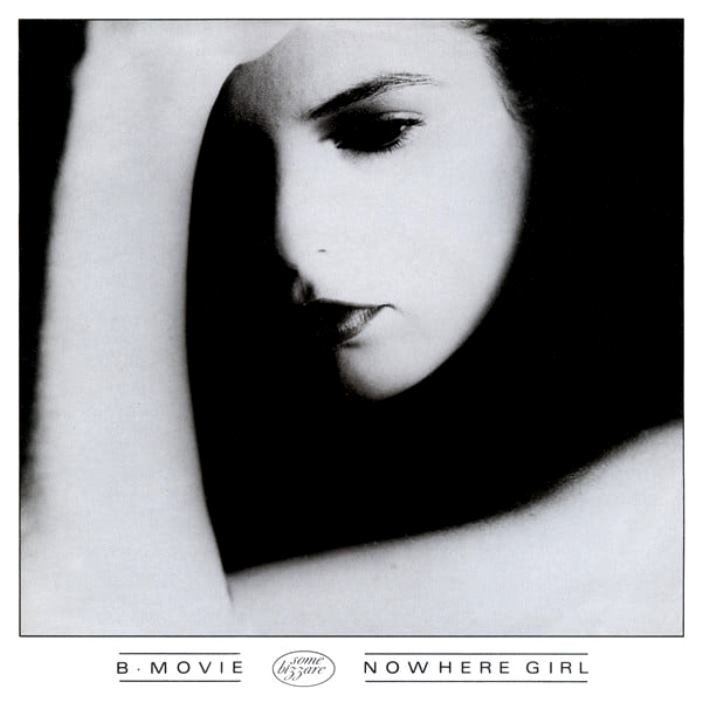
B-MOVIE Nowhere Girl – Version (1982)

B-MOVIE were the band that Phonogram pursued to take on SPANDAU BALLET and DURAN DURAN. Managed by Some Bizzare’s Stevo Pearce, he stipulated that an unknown duo called SOFT CELL be part of any deal. Possibly the best single featuring the original line-up, the 12 inch version of ‘Nowhere Girl’ featured an extended intro with just a solid beat along with tinkling ivories that came over like ULTRAVOX in full flight before the pulsing bass and harp-like synths kicked in.

Available on the boxed set ’12” 80s Alternative’ (V/A) via UMTV

https://www.b-movie.org/


CLASSIX NOUVEAUX Is It A Dream? – 12 inch Version (1982)
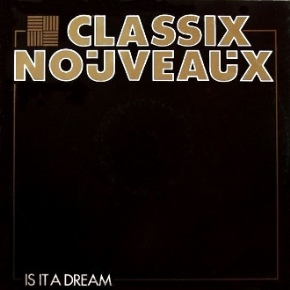
CLASSIX NOUVEAUX Is It a Dream 12The best classic 12 inch versions often retained the musical structure of the song but cleverly used the technique of breakdown to achieve the dynamic highs and lows. The 12 inch version of ‘Is It A Dream?’ effectively tagged the instrumental version of the song onto the beginning which provided a build towards the main act as the recognisable elements of the tune steadily kicked it. A final coda of thumping Simmonds drums and brassy synth provided the piece de resistance.

Available on the album ‘The Very Best Of’ via EMI Gold

http://www.salsolo.com/Classix_Fans.html


NEW ORDER Temptation – 12 Inch Version (1982)
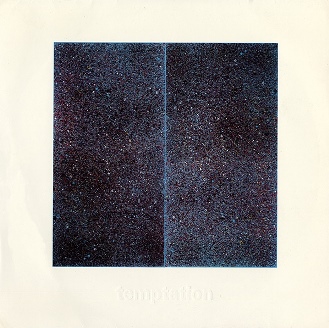
NEW ORDER Temptation 12A different version altogether from the 7 inch, however the 12 inch version was actually recorded in one massive 14 minute jam session with the shorter version preceding it. The recording itself was marvellously flawed, with Stephen Morris’ overdriven Simmons snare panned too far to the right while band members can also be heard calling instructions and tutting. The final closing refrains and the iconic “oooh-oo-ooh” vocal hook to the drum breakdown made ‘Temptation’ magical.

Available on the boxed set ‘Retro’ via Warner Music

http://www.neworder.com/


GARY NUMAN Music for Chameleons – Extended Version (1982)
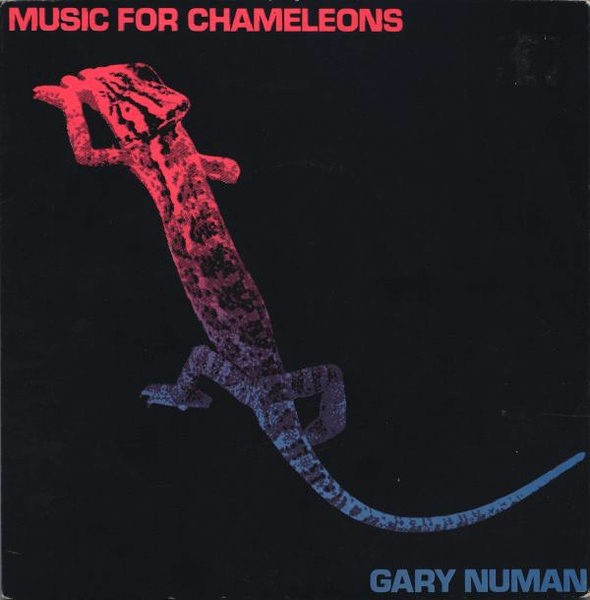
In 7 inch form, GARY NUMAN’s ‘Music For Chameleons’ sounded incomplete. Lasting almost eight minutes, with the fluid fretless bass runs of Pino Palladino and the stuttering distorted clap of a Linn Drum providing the backbone to some classic vox humana Polymoogs, the 12 inch version’s highlight was the windy synth run in the long middle section. The effect of this was ruined on the ‘I Assassin’ album version which clumsily edited this section out!

Available on the album ‘Exposure: The Best of 1977-2002’ via Artful Records

http://www.numan.co.uk/


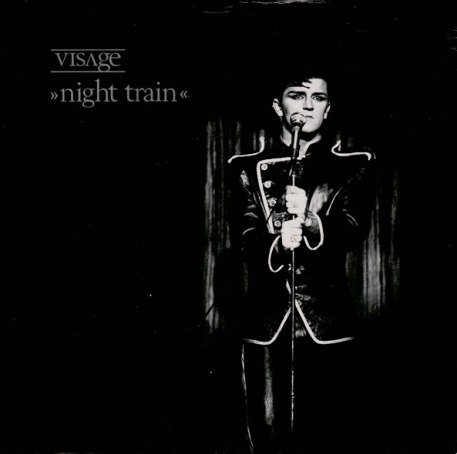
VISAGE Night Train – Dance Mix (1982)

Inspired by the burgeoning New York club scene, Rusty Egan brought in John Luongo to remix ‘Night Train’ much to Midge Ure’s dismay, leading him to end his tenure with VISAGE. But Luongo’s rework was sharper, pushing forward the female backing vocals to soulful effect in particular and replacing the clumpier snare sounds of the original album version with cleaner AMS samples. However, on this longer dance mix, Luongo isolated Rusty Egan’s drum break!

Available on the boxed set ’12″/80s/2′ (V/A) via UMTV

http://www.visage.cc/


BLANCMANGE Blind Vision – 12 Inch Version (1983)
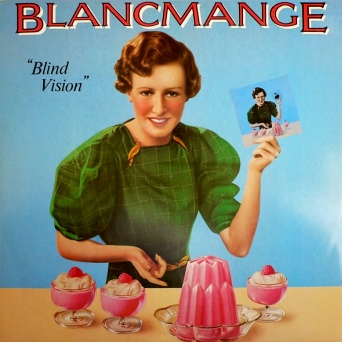
BLANCMANGE Blind Vision 12Possibly BLANCMANGE’s most overt disco number, under the production supervision of New York club specialist John Luongo who had remixed ‘Feel Me’ to great rhythmical effect, ‘Blind Vision’ was punctuated by brass, extra percussion and slap bass as well as the trademark BLANCMANGE Linn Drum claps also thrown in. A steady build-up, vocal ad-libs from Neil Arthur and a prolonged coda extended the track to a hypnotic nine and a half minutes.

Available on the album ‘Mange Tout’ via Edsel Records

http://www.blancmange.co.uk/


DEAD OR ALIVE What I Want – Dance Mix (1983)
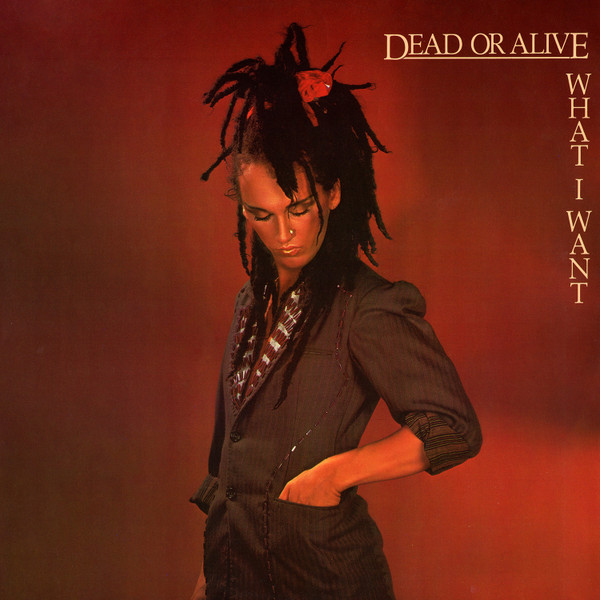
With an edgy production from Zeus B Held, ‘What I Want’ was a rewrite of ‘Blue Monday’ or even ‘Shake It Up’ by DIVINE, depending on your outlook. This HI-NRG / Goth hybrid was the last track Wayne Hussey would play on as a member of DEAD OF ALIVE before departing for THE SISTERS OF MERCY. “Listen blue eyes, shut up!” scowled Pete Burns showing that he was a top rather than a bottom in this salaciously pounding affair.

Available on the album ‘Sophisticated Boom Boom’ via Cherry Pop

http://www.deadoralive.net/


JOHN FOXX Endlessly – 12 Inch Version (1983)
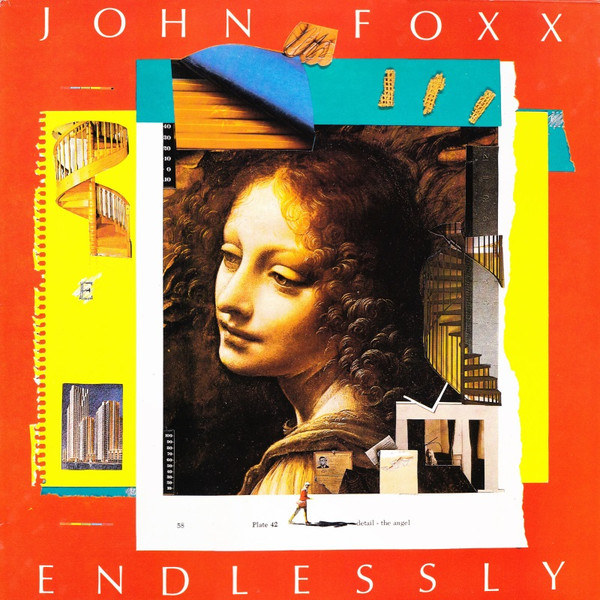
After the mechanised dystopia of ‘Metamatic’ and the romantic thawing with ‘The Garden’, John Foxx started experimenting in psychedelic pop. With nods to ‘Sgt Pepper’, the original Linn Drum driven version of ‘Endlessy’ from 1982 had the makings of a good song, but was laboured in its arrangement. Reworked with Simmons drums, metronomic sequencers and grand vocal majestics, the Zeus B Held produced 1983 version was even more glorious in an extended 12 inch format.

Available on the boxed set ‘Metadelic’ via Edsel Records

http://www.metamatic.com/


HEAVEN 17 Crushed By The Wheels Of Industry – Extended Dance Version (1983)
HEAVEN 17 Crushed By The Wheels Of Industry 12Taking a leaf out of their old sparring partners THE HUMAN LEAGUE, HEAVEN 17 took off most of the vocals and played up the instrumental elements of ‘Crushed By The Wheels Of Industry’ with a restructured rhythmical backbone. With a punchy retuned bass drum attack and Roland Bassline programming pushed out to the front, sequences and guitar synth solos were phased in and out. The chanty chorus remained while John Wilson’s funky freeform bass solo closed.

Available on the boxed set ‘The Luxury Gap’ via Virgin Records

http://www.heaven17.com/


FRANKIE GOES TO HOLLYWOOD Two Tribes – Annihilation (1984)

Sounding like SIMPLE MINDS, ‘Two Tribes’ was influenced by ‘I Travel’, itself inspired by European right wing terrorism. While Holly Johnson’s original lyric referenced the dystopian drama ‘Mad Max’, it sat well within the Cold War tensions of the period. With Fairlight orchestra stabs and masterful PPG programming for the iconic synth bass, the first ‘Annihilation’ 12 inch featured the poignant authoritative voice of Patrick Allen, reprising his real life ‘Protect & Survive’ commentary…

Available on the album ‘Frankie Said’ via Union Square Music Ltd

http://www.frankiesay.com/


KRAFTWERK Tour De France – Remix (1984)
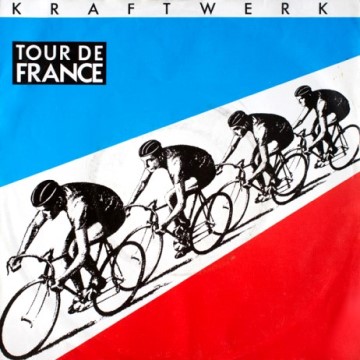
The original ‘Tour De France’ single in 1983 signalled the launch of a new KRAFTWERK album ‘Technopop’. Despite being given an EMI catalogue number, it was never released. However, ‘Tour De France’ took on a life of its own. This masterful remix by New York DJ Francois Kevorkian backed a key scene in the film ‘Breakdance’ which lead to a release of this rework. Much more percussive and less song based than the first version, it reinforced KRAFTWERK’s standing in US Hip-Hop.

Available on the single ‘Tour De France’ via EMI Records

http://www.kraftwerk.com/


GIORGIO MORODER & PHILIP OAKEY Together In Electric Dreams – Extended (1984)
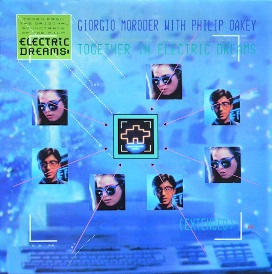
GIORGIO MORODER & PHILIP OAKEY Together In Electric Dreams 12One of the best 12 inch versions ever, it not only retained the essence of the original song but added enough extra elements to make it quite different too. There was more rock guitar from Richie Zito and the false end after the guitar solo leading to a superb percussive breakdown that made the most of Arthur Barrow’s frantic Linn Drum programming. Of course, ‘Together In Electric Dreams’ wouldn’t have been any good without Moroder’s songcraft and Oakey’s deadpan lyricism.

Available on the album ‘Philip Oakey & Giorgio Moroder’ via Virgin Records

http://www.giorgiomoroder.com/


TALK TALK It’s My Life – US Mix (1984)
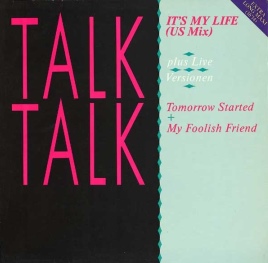
TALK TALK It's My Life US MixThe UK 12 inch extended version was a rather formless, dub excursion. However, taking a leaf out of DURAN DURAN’s specifically taylored remixes of songs from the ‘Rio’ album for America, EMI / Capitol commissioned Steve Thompson to construct a toughened up version of ‘It’s My Life’ to make it more MTV friendly. The song became an unexpected favourite in US clubs. One impressionable teenager who was no doubt listening was Gwen Stefani who covered the song in 2003.

Available on the boxed set ‘’12″/80s’ (V/A) via UMTV

http://spiritoftalktalk.com/


ULTRAVOX One Small Day – Special Remix Extra (1984)
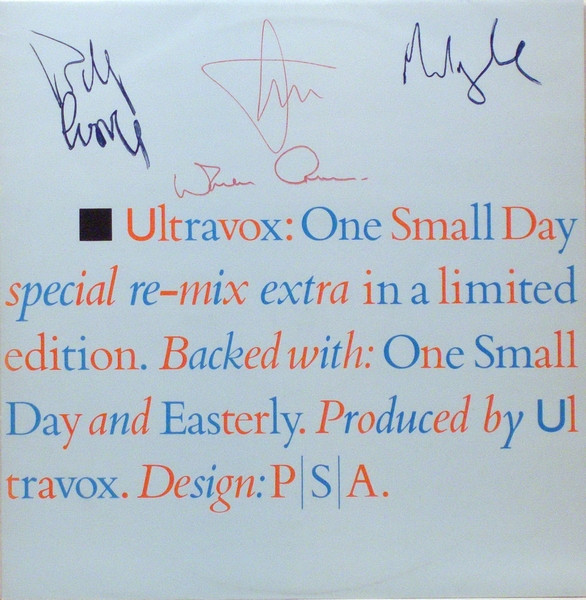
One of ULTRAVOX’s more guitar driven numbers, there were eventually three different extended versions of ‘One Small Day’, the best of which was the ‘Special Remix Extra’ (also known as the ‘Extended Mix’) that was issued on the second of the 12 inch releases. With chopped up vocal phrases replacing a conventional vocal on this neo-dub mix, it allowed the instrumentation to come to the fore without Midge Ure’s shrill chorus acting as a distraction.

Available as the ‘Extended Mix’ on the album ‘Lament’ via EMI Gold

http://www.ultravox.org.uk/


A-HA The Sun Always Shines On TV – Extended Version (1985)
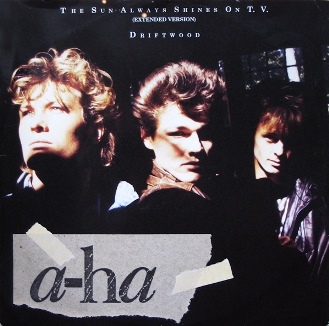
AHA Sun Always Shines on TV 12Despite being labelled a teenybop group, from the beginning A-HA were always so much more than just the catchy pop of ‘Take On Me’. ‘The Sun Always Shines On TV’ revealed a lyrical darkness while the combination of synths and edgy guitar put them in the same league as ULTRAVOX and ASSOCIATES. This rarer first ‘Extended Version’ made the most of the powerful instrumentation and added more drama with a slow solemn piano intro. And just listen to that emotive string synth solo…

Available on the deluxe album ‘Hunting High & Low’ via Rhino Entertainment

http://a-ha.com/


PROPAGANDA Duel – Bitter Sweet (1985)

PROPAGANDA Duel – Bitter Sweet 12While ‘Dr. Mabuse’ was a Trevor Horn production, PROPAGANDA’s second single ‘Duel’ produced by Steve Lipson was based around the Synclavier, PPG and Roland Super Jupiter. To add some syncopation, Stewart Copeland from THE POLICE rhythmitised alongside the Linn Drum while the ‘Bitter Sweet’ extended mix broke down the instrumentation to reveal a highly intricate arrangement. The programmed piano solo is still one of the maddest bursts of music ever!

Available on the album ‘Outside World’ via Repertoire Records

https://www.facebook.com/Propaganda-Band-135375113199791/


OMD Forever Live & Die – Extended Mix (1986)

Not the better known but less fulfilled ‘Extended Remix’ by Tom Lord-Alge, John Potoker’s reworking did away with its daft skips and enhanced the song’s enjoyable instrumental elements. The wonderful end section with its wild rhythm guitar from Kamil Rastam and Malcolm Holmes’ reverbed drums also revealed that despite the song’s palatable Trans-Atlantic sound, OMD’s classic synthetic choirs reminiscent of KRAFTWERK’s ‘Radio-Activity’ still lingered.

Available on the boxed set ‘Maxi Singles 80 Vol 2’ (V/A) via Wagram Music

http://www.omd.uk.com/


PET SHOP BOYS Suburbia – The Full Horror (1986)
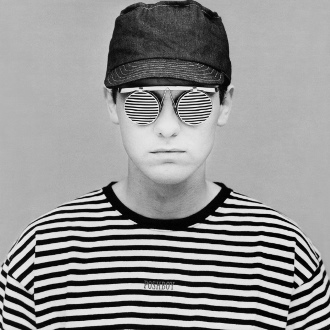
PET SHOP BOYS Suburbia 12‘Suburbia’ was a good if slightly underwhelming album track from ‘Please’ that got transformed into a more fully realised sub-nine minute epic. Produced in this new longer version by Sarm West graduate Julian Mendelson, it was effectively a two-parter. Complete with barking dogs, widescreen synths and thundering rhythms, the intro and middle sections saw a pitch shifted Neil Tennant monologuing about the evils of ‘Suburbia’ in a devilish ‘Meninblack’ tone.

Available on the album ‘Disco’ via EMI Records

http://www.petshopboys.co.uk/


DEPECHE MODE Never Let Me Down Again – Split Mix (1987)
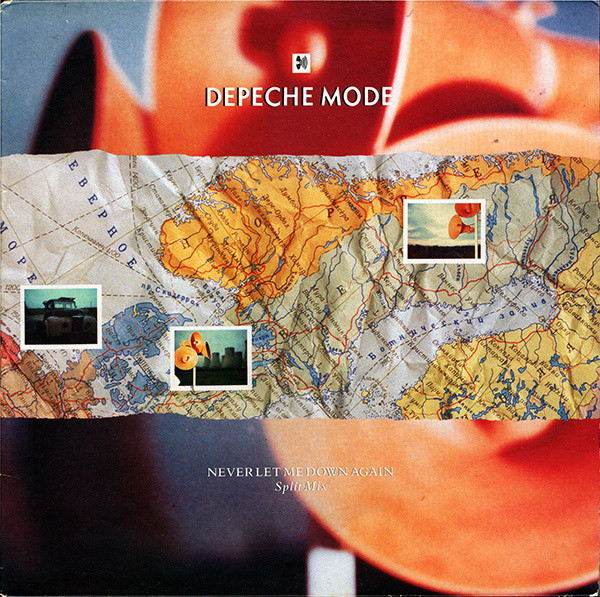
A merging of the album version with the Wasp driven bass heavy ‘Aggro Mix’ (hence the ‘Split Mix’ title), this sub-ten minute take on one of DEPECHE MODE’s classic songs was perfection. Other DM 12 inch versions were tiresome like the ‘Slavery Whip Mix’ of ‘Master & Servant’, but ‘Never Let Me Down Again’ took into account that the best 12 inch mixes usually had the actual song and an instrumental middle section before a reprise of the main chorus hook.

Available on the album ‘Remixes 81-04’ via Mute Records

http://www.depechemode.com/


ELECTRICITYCLUB.CO.UK’s Classic 12 Inch Versions playlist can be heard on Spotify at https://open.spotify.com/playlist/1cKyepTy06g7I91JaV1row


Text by Chi Ming Lai with thanks to Rob Grillo and Rob Harris
5th October 2015
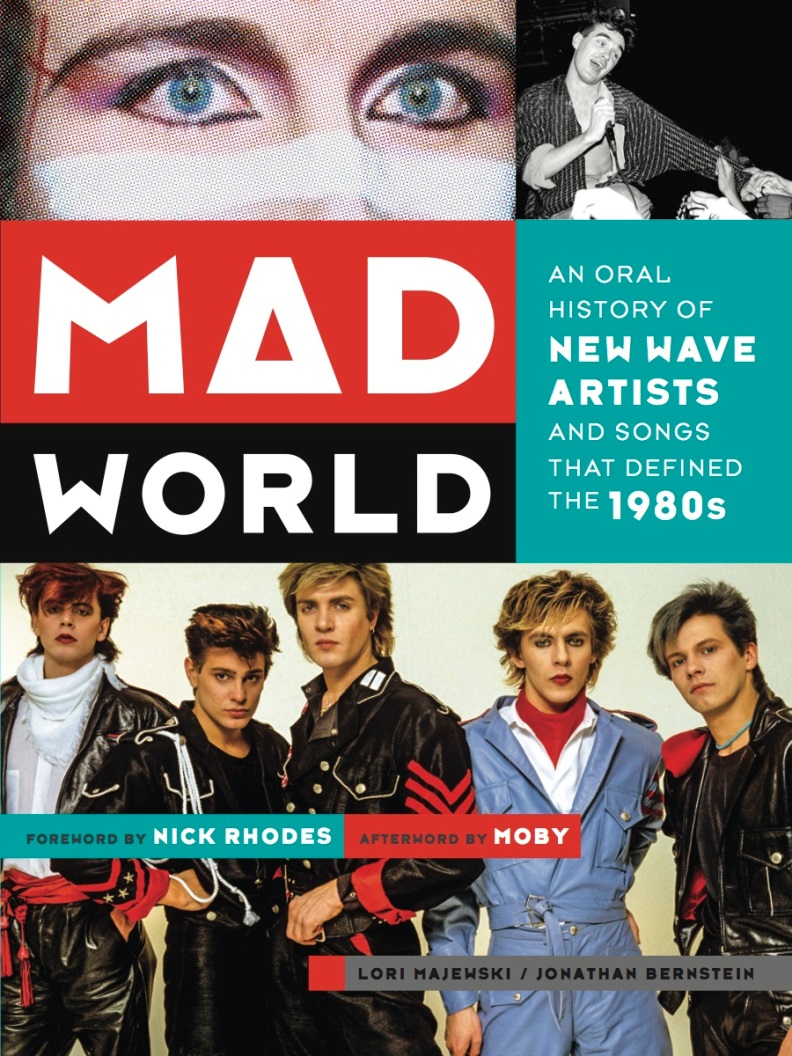
MAD WORLD: An Interview with co-author LORI MAJEWSKI

‘Mad World: An Oral History of New Wave Artists and Songs That Defined the 1980s’ is a brand new book that covers the music of the MTV Generation.

Written by New Jersey born Duranie Lori Majewski and LA based Glaswegian Jonathan Bernstein, ‘Mad World’ includes many of the bands that formed part of the post-punk British Invasion of the US which the Americans later referred to as New Wave. Very different from the British definition of New Wave which included acts such as BLONDIE, THE PRETENDERS, X-RAY SPEX and THE POLICE, the Stateside classification threw in Synth Britannia, New Romantics, Young Soul Rebels, Goths, Antipodean funk rockers and refugees from The Bromley Contingent!

Regardless of the seemingly incongruous acts being lumped together, what New Wave in the US did was enlighten a whole group of impressionable teenagers about a musical world that artistically and stylistically had more to offer than the turgid home grown rock of bands like BOSTON, REO SPEEDWAGON, STYX, TOTO and JOURNEY.

‘Mad World: An Oral History of New Wave Artists and Songs That Defined the 1980s’ features a foreword by DURAN DURAN’s Nick Rhodes and while not definitive, ‘Mad World’ delves into the spirit, the politics and the heartache behind some of the greatest songs in popular culture, regardless of genre. With the publication of the book in North America and a UK edition scheduled for Autumn 2014, co-author Lori Majewski gave a fascinating American viewpoint on Synth Britannia and much more…
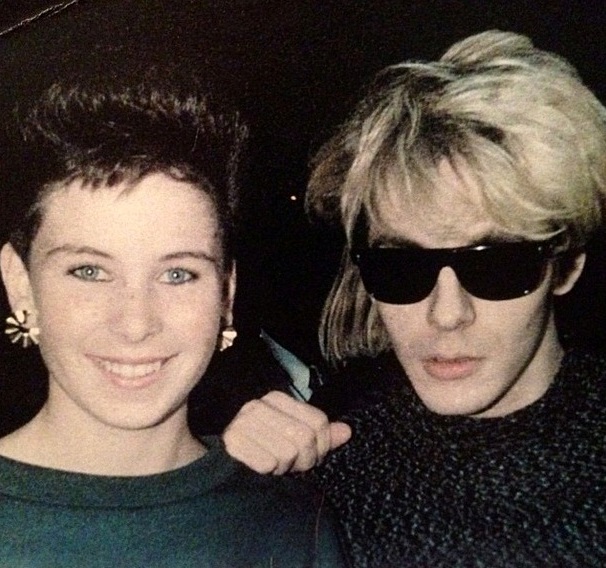
I understand that this book was partly inspired by the advent of Grunge?

Jonathan Bernstein and I met during Grunge when we both worked at Spin Magazine which in the US, used to be a real competitor to Rolling Stone, although how it’s evolved now as Rolling Stone is more of a veteran magazine while Spin is more indie. But back then, it was neck-and-neck, a bit like how NME and Melody Maker were in the UK. I was just starting out in the business and wanted to work on a music magazine.

Unfortunately for me who grew up an Anglophile and liked electronic music, by the early 90s, electronic music was no longer in vogue and even a dirty word; it was really gauche to use synthesizers! Grunge with its guitars and feedback, it was dirty compared with the pretty electronic sound that we loved in New Wave.

I kept it to myself because I was at Spin, but then I heard Jonathan talking about ‘The Lexicon Of Love’ by ABC being his favourite record… it was like I could hear angels singing because I thought “OH MY GOD! Somebody understands that time in music!” because nobody wanted to talk about it anymore. We were kinda nerdy for even liking it, we weren’t cool at Spin. So we became best friends.

So how long has ‘Mad World’ been in the making and what has the journey been like?

It wasn’t until 18 months ago when we read an article with Gary Kemp from SPANDAU BALLET. He was talking about the song ‘True’, the story behind it, all the different influences and what the lyrics meant. We called each other and thought “Wow! Imagine if we could do this kind of article with all of our favourite songs?” That’s how ‘Mad World’ really evolved.

We were going to do the stories behind the songs but as we interviewed the artists, it turned into so much more… it was about the songs, the journeys to making those seminal tracks, how those tracks changed their lives and how sometimes the success strangled artists. Take A-HA; when I interviewed Mags, he said “everyone knows ‘Take On Me’ but I’m like a dad with lots of kids, don’t just like one of my kids, you have to like all of them!”

We also had a cultural conversation with these artists because they talked about The Cold War and Thatcherism. There were some bands like DURAN DURAN who said they “wanted to be the band that you danced to when the bomb drops”. Others like TEARS FOR FEARS wanted to explore that darker side and the psychological melancholy, which is why our book is called ‘Mad World’.

We wanted to do it decades ago, but we could only have done ‘Mad World’ now when these artists were ready to tell their stories of their careers. Plus we had to wait until a time when this kind of music was back in vogue, because no-one would have bought it even five years ago.

How would describe the way you and Jonathan’s very different dynamics combined to produce ‘Mad World’?

Jonathan is 10 years older… he’s 52, I’m 43; he’s Scottish so he was raised on the critical British music press so he’s much more curmudgeonly while during New Wave, I was a wide-eyed American teen who couldn’t get enough of MTV. So I was a fan and he was a critic… but where we meet is we both LOVE this stuff! He loves it from a critical view and he was like “Gosh, it took me a long time to realise it but this stuff is good and influential!” whereas I just bathe in it; I love DURAN DURAN and DEPECHE MODE and built my entire life around that *laughs*

I’m particularly fascinated about how Americans regarded the synthesizer as an instrument and this frequent reference to it being a keyboard, as if there was some kind of denial about it being a real instrument?

From where I sit, I think the synthesizer is essential to my favourite records. The first big record that used the synthesizer I ever heard was Gary Numan’s ‘Cars’. At that time during the turn of the decade, ’79 going into ’80 here in America, I was listening to AIR SUPPLY, Olivia Newton-John and the ‘Grease’ soundtrack! My father was into Warren Zevon. The thing is, Americans really hated disco after a while so when I first heard ‘Cars’, it was unlike anything I’d ever heard. It sounded like the future, it sounded like the space age. You have to remember not everyone was that open and a lot of people I went to school with went “that’s not music”. And just the fact that it was called a synthesizer… it’s synthesized, it’s not real!

They thought it had no skill whereas the stuff we came up on like JOURNEY and FOREIGNER, they were bands that played guitars and it was real masculine stuff! So someone like Gary Numan comes along, he’s a one-man band thanks to a synthesizer and he’s wearing make-up!

You see, David Bowie was not as big in the US as he was in the UK at the time. So you put all that together and no-one here really knew Numan was pretty much born of the rib of Bowie. So people thought it was sissy stuff and uncool… and he’s wearing make-up and making synthesized sounds! So Americans were very suspicious of it.

How would you describe the impact of Gary Numan and THE HUMAN LEAGUE in the US during the first wave of UK synth artists?

In the Europe, you also had ULTRAVOX, OMD plus of course KRAFTWERK. Gary Numan was the first to really make it big and mainstream so in the US, he opened the door for all that. But when THE HUMAN LEAGUE and EURYTHMICS came on the scene with ‘Don’t You Want Me?’ and ‘Sweet Dreams (Are Made Of This)’, I just felt “WOW! THINGS ARE CHANGING!”.

The reason we cover ‘Being Boiled’ in the book is an inconvenience of the fact that Phil Oakey didn’t want to talk to us, that was really disappointing. I was thinking “Do we even have a book without ‘Don’t You Want Me?’…?”; but then talking to Martyn Ware, he chatted about his beginnings with THE HUMAN LEAGUE. I realised ‘Being Boiled’ was the boiler plate for so many of the records that came afterwards; DURAN DURAN, OMD and Vince Clarke all talk about ‘Being Boiled’. So we may not have the story you expect with ‘Don’t You Want Me?’, but we have one of the beginning stories of the entire era.
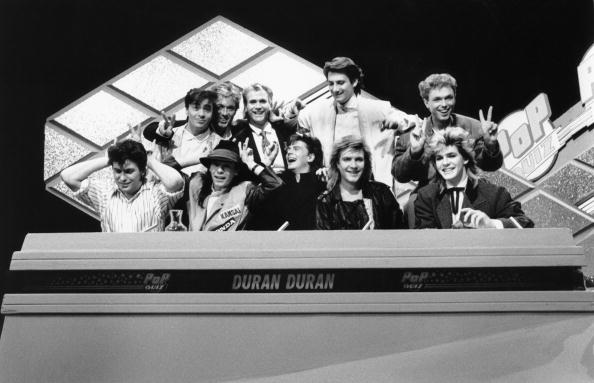
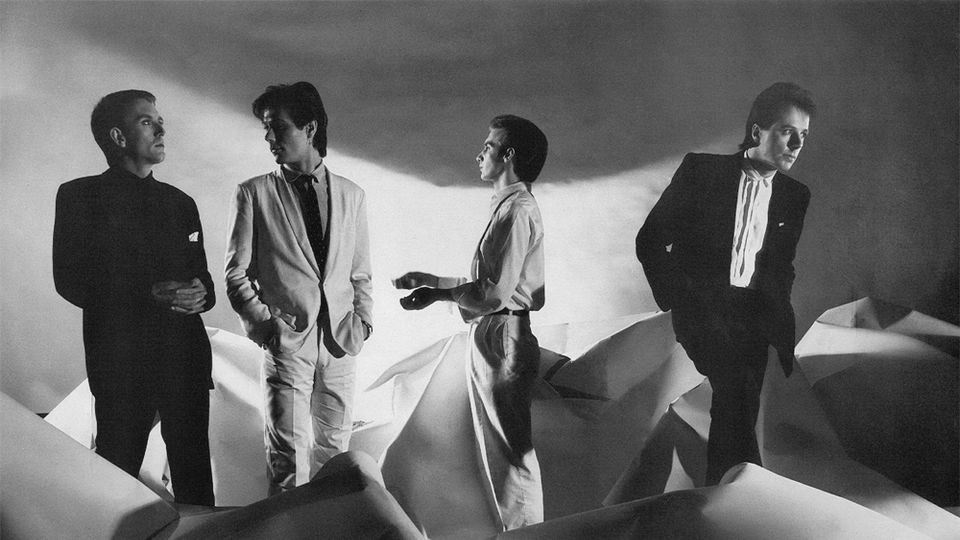
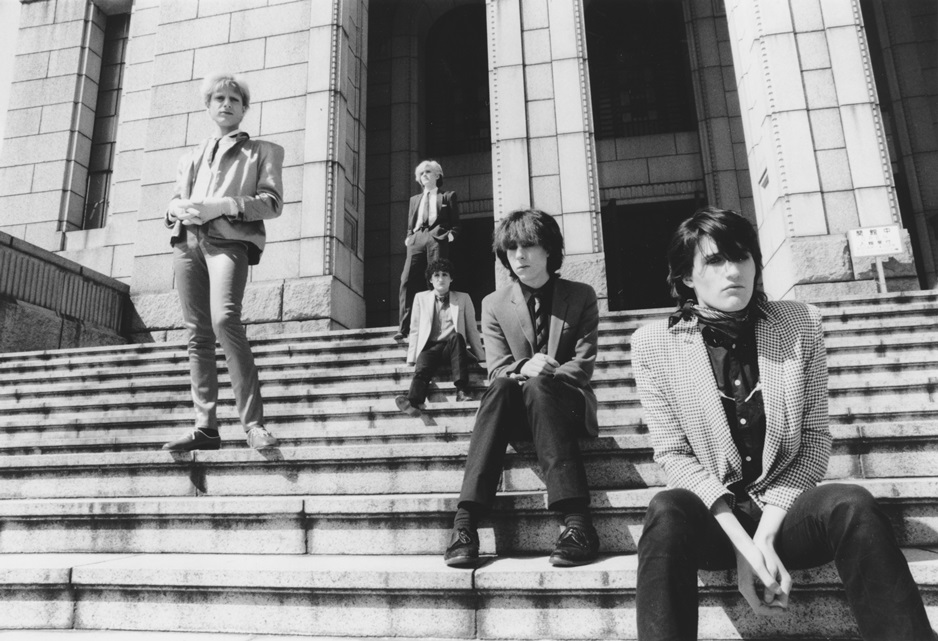
There was still a very macho rockist attitude at the time… I recall John Cougar making some quite homophobic comments about SOFT CELL in Smash Hits!

Really? It’s interesting, as a young girl I didn’t think straight or gay, I was just thinking love. Music has such an emotional impact on you anyway but especially if you are a young person. I just felt that music opened up my eyes and heart to things that I hadn’t previously been exposed to. And that’s why I fell in love with DURAN DURAN… yes, it helped that they were good looking but they dressed so well and they were so interesting.

But you compare that to the guy at school who may be the equivalent of a John Cougar in the jeans and T-shirt. That may work on some girls but that’s your average guy to me, whereas you had DURAN DURAN on these exotic beaches, wearing these fantastic clothes and having these great accents. And Boy George, I didn’t think if he was straight or gay, I just thought he was beautiful. At the time, boys looked like girls and girls looked like boys but it didn’t necessarily mean they were gay. SPANDAU BALLET dressed up and sometime wore as much make-up as LIMAHL did. But he said at that time, you just didn’t talk about… but he was not in the closet either.

I think we were so much more progressive back then we are now. During the Grammys this year, we had Macklemore standing up for gay rights. But back in the 80s, you didn’t need a straight white rapper to do that because you had gay pop stars in the charts.

OMD are an interesting conundrum as they were part of that first wave yet didn’t make it at the time, but they then made progress later when they supported THOMPSON TWINS and THE POWER STATION before ‘If You Leave’ was a hit?

OMD are a good example of where the difference between me and Jonathan is vast. Jonathan loved them right from the beginning and really understood their KRAFTWERK pedigree. Me? I happened by accident to get into OMD because I had tickets to see THE POWER STATION.

SPANDAU BALLET who were due to support had to pull out of the tour as Steve Norman had broken his leg! So I saw OMD with them instead and they played this song from a new movie called ‘Pretty In Pink’. I was thinking “who is this guy with the crazy dance moves?”, but I could see he was really into it and I loved the music.

So I went backwards from ‘If You Leave’ and discovered ‘Architecture & Morality’; I fell in love with the pair of love songs about Joan Of Arc and I was like “THIS IS JUST INCREDIBLE!”. To this day, OMD are definitely in my top three favourite bands. I saw them in concert this past summer and they were my favourite of the year. I still think record after record, they make fantastic music and I say in the book, if no other band existed in the genre of New Wave, I’d be happy to hang my hat entirely on just OMD and say they are a genre unto themselves because I think they are that spectacular a group!

Now, with OMD’s early stuff compared with the later stuff, I think it’s apples and oranges because with ‘If You Leave’, it’s from ‘Pretty In Pink’ which is my favourite of the John Hughes films. I have a soft spot for Ducky… which girl who grew up in the 80s didn’t? I grew up with freckles so I really loved the fact that Molly Ringwald was considered a really beautiful girl. Until her, there were no pretty teenage girls I could look up to, so all of that is wrapped up in ‘If You Leave’. It’s definitely a part of the whole John Hughes nostalgia thing. But when I think of early OMD, I think of ground breaking seminal electronic music.

It’s interesting you feature THE NORMAL in the book, but not KRAFTWERK. KRAFTWERK seem to have made more of a cultural impact on the US urban dance scene rather than New Wave pop?

We look at KRAFTWERK as being a parent figure to this era rather then being a part of it itself. So when I think about who inspired all of these artists, it’s KRAFTWERK, ROXY MUSIC, T-REX, CHIC and David Bowie. Then you put it through the punk blender because none of these New Wave artists would have picked up an instrument if it wasn’t for punk. Bowie, Roxy and Bolan were too much on a pedestal, you could never imagine emulating them because they were true rock stars.

But when punk and KRAFTWERK came around, two things happened; punk made you feel you could do it with just three chords while KRAFTWERK taught you that you didn’t even need a band, just one piece of equipment which was the synthesizer. So that’s why there isn’t a chapter on KRAFTWERK, but they are mentioned many times throughout the book.

The chat with Peter Hook must have been quite revealing considering his Joyless Division with NEW ORDER?

Peter Hook was one of my first interviews for the book actually and he is one of my favourites, I probably talked to him about five times. He was very generous with his time, his memories and he was very candid. Some people think he’s overly angry about the situation but as he says in the book, he gave 30 years of his life to the band and he feels really burnt by it. He said it’s a divorce and as someone who’s been through one, I wasn’t married for over 30 years but I can’t imagine what it must feel like; he calls the new version of NEW ORDER “New Odour”. I really liked talking to Peter and one of the reasons is because he is proud of his legacy and loves his own music, both as JOY DIVISION and NEW ORDER.

Now, when I talked to like Vince Clarke, it was really hard to get him to talk about his own music. But once I started asking him about his heroes, he completely opened up about people like Simon & Garfunkel and THE CURE. So he had no problem talking about that, but had a problem talking about his own music because it’s too close to him. Peter Hook is not like that, he is enjoying preserving his legacy and you can see that; he’s written two books on his career so far and has another on the way about NEW ORDER. I think he’s a great storyteller.

Did you talk to Bernard Sumner as well?

Yes, I also interviewed Bernard but he really avoided as much as possible talking about Peter Hook and the problems they had. He said NEW ORDER’s music, particularly ‘Blue Monday’ has been passed down through the family like a gold watch, meaning people who are in their 40s and 50s have passed the music down to their teenage kids who now find it cool. The JOY DIVISION and NEW ORDER chapters are two of my favourites.

My heart hurts for Peter because I’m a very sensitive person too and I can tell that this whole situation with Bernard has broken his heart. However, this is not something that happened recently, this has been a slow boil for many years. Peter said they only shared one phone call over 35 years and that was because Bernard’s car had a flat battery and he need a lift to a gig!

This first wave paved the way for prettier bands like DURAN DURAN and DEPECHE MODE plus electro-soul hybrids like HEAVEN 17, EURYTHMICS and YAZOO in the US. Was there a big difference in these acts that made them more appealing to Americans? Was it really just down to videos and MTV?

A good video is a good video, but a great video can’t rescue a crappy song! So it was much more than that… the truth of the matter is, DURAN DURAN became as big as they are in the United States because they spent many months touring here. In 1984 on their biggest tour, they spent half the year here. So America got used to these bands whereas HEAVEN 17 never set foot here.

Martyn Ware talks about HEAVEN 17 never coming to the US and thinks that hurt them. HEAVEN 17, YAZOO and a few of the others, they appeared on video and it was so new, it got them all around the world at once. So they thought “MTV in America play videos, why do they have to see us live? We don’t need to go to Australia, we’ll send them the video!”

If HEAVEN 17 had toured and put in the time, they had the songs that would have made them big here… ‘Temptation’ had a lot of potential in the US. YAZOO were sizeable here and not just with ‘Only You’. When I was in High School, everyone loved ‘Upstairs at Eric’s’ and they played ‘Situation’ to death.

What about DEPECHE MODE?

DEPECHE MODE are interesting in that they’re really two bands… in this book, we talk about the early Vince Clarke Depeche that was really, a different group to the one that came over towards the end of the decade and sold out the Rose Bowl. And when Vince Clarke left, they really didn’t know what was going to happen because he wrote all the songs and produced.

It took Martin Gore a few albums to step up; ‘People Are People’ was a slight hit here but it wasn’t until they really put the time in to breaking in America that they made it. In fact, their first huge hit here wasn’t until ‘Enjoy The Silence’ in 1990. To me, DEPECHE MODE and THE CURE are the Holy pair of New Wave graduates who then went into the alternative music scene and started playing stadiums. I believe if THE SMITHS had stuck it out, they would have been doing so too.

With DURAN DURAN and their sound particularly, were their disco and rock elements also a factor in their American appeal in that they were not a pure synthesizer group?

I think you’re right. I’m the world’s biggest Duranie and I have to say, I think the magic is that the five members made incredible music and were the best at what they did. Nick Rhodes was a great synthesizer player and a producer behind the scenes in putting these records together; Simon Le Bon has an interesting and unique voice;  John Taylor is a hell of a bassist who many contemporary artists look up to; you had Roger Taylor who Mark Ronson and Nile Rodgers both talk about what a strong drummer he is; and then there’s Andy Taylor who Mark Ronson says gave “a Steve Jones element” to the band. So you have this confluence of disco and synth sound with the crazy rock guitar element, it was a unique combination. With DURAN DURAN, you had the best of all worlds. You didn’t have that in SPANDAU BALLET!

Photo by Virginia Turbett

It’s interesting you say that, I briefly spoke to John Taylor once and asked him when he realised DURAN DURAN were going to trump SPANDAU BALLET and he replied “To Cut A Long Story Short”…

…he said to me that he ran out and bought that record, listened to it and was like “alright, nothing to worry about”. A thing that come across in the book is how competitive all of these groups were. Duran were super competitive with Spandau and that gets a lot of ink.

But also, DURAN DURAN were worried about ABC and John Taylor says in the book how nervous he was when ‘The Lexicon Of Love’ came out. And ABC were looking over their shoulder at THE HUMAN LEAGUE. And Gary Numan was competing with OMD. Back then, there was a race and ABC’s Martin Fry talks a lot about that race to put out the freshest, coolest, newest sounding record. And they were all competing in it.

They were all very much trying to come up with the next sound. So it’s interesting with ‘To Cut A Long Story Short’; SPANDAU BALLET started as a New Romantic band, then they come out with this funk dancefloor hit ‘Chant No1’, AND THEN became much more of a ballads band with ‘True’.

Look at today’s music scene… no bands are blowing up the formula between records like they did then! That’s what made it so exciting and so interesting. John Taylor went rushing out to buy ‘To Cut A Long Story Short’ because he had no idea what it was going to sound like; whereas today, when Katy Perry puts out a record, you kinda know how it’s going to sound! And so many of today’s artists use the same producer so they do sound the same! *laughs*

Photo by Brian Griffin

ULTRAVOX who are in the book never made it in America despite their cinematic videos. Were they just too European and too old for the MTV Generation?

It’s funny, with ULTRAVOX, I think Americans had no idea where Vienna even was, so they couldn’t get into it! *laughs*

But for us Anglophiles who understood and liked DURAN DURAN and SPANDAU BALLET, it opened up Europe to us. The first time I ever went to England was to see a DURAN DURAN concert. Nick Rhodes said the same thing about Bowie, he had never even left the country but through Bowie, he felt he could understand what it could be like to go to Berlin or Paris. In general, only 2 out of 10 Americans even had a passport and that’s true to this day. Andrew Farriss of INXS said that people in America were getting them confused and thinking they were Austrian instead of Australian! The accents couldn’t be more different! *laughs*

But Midge Ure is one of those really important driving forces of the entire movement because not only was he in ULTRAVOX, but he was a big part of VISAGE and co-wrote ‘Do They Know It’s Christmas?’ so he had to be in this book 🙂

How do you subscribe to the thought that a number of these British acts that made it huge in America were effectively softened versions of acts that came before eg DURAN DURAN with JAPAN, and PET SHOP BOYS with SOFT CELL?

I’ve never thought of PET SHOP BOYS ever as a softened version of SOFT CELL, but I can see where you’re coming from. The first time I heard ‘West End Girls’, it blew my mind, I’d never heard anything like it before and I still haven’t. SOFT CELL’s ‘Tainted Love’ was a tremendous hit here, it’s up there with ‘Sweet Dreams’, ‘Cars’ and ‘Don’t You Want Me?’ but SOFT CELL never really followed it up here.

As far as DURAN DURAN and JAPAN went, it’s like Gary Numan and David Bowie. I didn’t know until years later about JAPAN because they weren’t big here. But I remember listening to them and thinking “Wow! I can really hear DURAN DURAN in this”.

Now Duran may have started out with that influence but let’s not forget about SPANDAU BALLET. DURAN DURAN may have blown them out of the water eventually, but they have Spandau to thank. If there wasn’t a Blitz Club, there wouldn’t have been a Rum Runner so if there wasn’t a SPANDAU BALLET, there wouldn’t have been a DURAN DURAN. But Duran kept it going and they’re the elder statesmen of the entire era.

I loved JAPAN but they were too bloody minded and David Sylvian was too arty to want to become pop stars…

DURAN DURAN never minded and wanted to embrace the mainstream. They were huge and maximised every opportunity whether it was videos or their good looks or the fact that they were good songwriters and musicians. They were a team and shared songwriting credits on every song.

SPANDAU BALLET broke in two because Gary Kemp was being sued by three members of the band for royalties.

DURAN DURAN never had to worry about that kind of thing. I’m really proud to be a Duranie because they’re survivors. Have you seen DURAN DURAN live?

Oh yes, several times. I didn’t see them until 1988 unfortunately, but I went to one of the 2004 shows at Wembley Arena and it is still one of the best concerts I’ve ever been to!

I was at every single one, I loved those Wembley shows! OH MY GOD! They blew me away!

This will make you laugh, one of the things about being a male DURAN DURAN fan, you didn’t admit it when you were younger. But you don’t have a problem with it when you’re older. So when me and my mate got to the Wembley gig, we thought “where shall we stand? Oh, let’s stand towards the left” because of course, that was where all the girls were… waiting for John Taylor! 😉

You’re right, guys did not admit to liking them when they were younger but now you go to a Duran concert and there tons of guys there… and they’re not just there to hold the wife’s handbag! *laughs*

Who’d have thought the majority of the acts that feature in ‘Mad World’ are still active as brands and live performers. So should these artists keep touring and how do you feel about them recording new material?

When we interviewed Andy McCluskey, he feels that a lot of bands from this era shouldn’t be doing new music because they have nothing new to say. He felt that when OMD made the last two albums, they had to dig deep to really challenge themselves to say it was not to make a quick buck off the audience. That’s why Tom Bailey has to this day not done an acoustic album of THOMPSON TWINS hits or a reunion tour because he feels he doesn’t have it in him… although for the first time, he’s going to be touring solo in the US with Midge Ure and Howard Jones.

But I look at a band like DURAN DURAN; Simon Le Bon said to me that they are “career musicians”, they would not know what to do with themselves if they did not have a tour to do or a studio to go into… they are driven to make new music. Some people think the record ‘Red Carpet Massacre’ with Timbaland was a mistake, but it’s one of my favourites… I’m really look up to Duran because they take chances. I always say hats off to acts like them and U2 for trying new things.

Of course, I see why Duranies were so excited about the Mark Ronson produced ‘All You Need Is Now’ album because it brought them back to ‘Rio’ and that sound. As long as bands are inspired to keep going and can, they should. INXS cannot keep going; they called it a day last year and Andrew Farriss said he has a hard time writing with someone who isn’t Michael Hutchence. Imagine working with someone for so long and suddenly they’re not there anymore?

So the bands that do continue, by and large, none of them disappoint me. I like some records better than others but even if I don’t like what they produce, I love the spirit with which they produce it.

I guess the end result of this New Wave legacy in America is that there’s great cinema like ‘Donnie Darko’, but also terrible new bands like FUTURE ISLANDS…

…I’m not a huge fan of FUTURE ISLANDS either… I was on my way to do a radio interview and I could not remember what they were called, I was thinking “Fantasy Islands? No, that’s not right!” *laughs*

The thing is, when I saw FUTURE ISLANDS on ‘The David Letterman Show’, I thought it was a comedian doing a skit on what they thought an 80s New Wave band was like…

…really? That’s so funny, I can see that! *laughs*

So how do you view the long term cultural significance of New Wave?

What I do like is that the sound continues… I like CHVRCHES, I think they’re good. On ‘American Idol’ the other evening, it was ‘80s Night’ and they had DURAN DURAN on there. Even a lot of this EDM is really a direct descendant of New Wave and electronica. Daniel Miller of Mute said that he can’t stand that term EDM aka Electronic Dance Music, but it’s what New Wave sort of was.

So it continues and it’s cool that the artists we love are finally getting recognition for really paving the way 30 years ago. I mean, there was the 90s when nobody would give OMD or Gary Numan a record deal because people thought no-one wanted to hear that music. John Taylor said he would have crawled into a hole in the ground if it wasn’t for Nick Rhodes keeping DURAN DURAN together, because they felt so shunned by popular culture.

What’s nice, whether or not you like EDM, FUTURE ISLANDS or CHVRCHES, is they’re continuing the tradition of the artists we love and allowing them to get their proper due finally. I really hope that in the next few years, DEPECHE MODE get inducted into The Rock ‘N’ Roll Hall Of Fame. It’s about time one of these bands gets properly recognised for ushering in an entire era of amazing electronic music.

Moby, who does the afterword in ‘Mad World’, said to you he’d have liked to have been in DURAN DURAN. I always wanted to be in OMD and still dress like Paul Humphreys circa 1981! Which New Wave band would you have liked to have been in?

This is a hard question… to me DURAN DURAN are so good at what they do, I can’t even imagine being a part of it. Do you know what I mean? Whereas I look at a band like BOW WOW WOW, they had a female singer Annabella Lwin and I talk a lot in the book about how she was my first girl crush. She had a Mohican and she was so freaking cool! It seems like it was a party to be part of BOW WOW WOW although you learn from the book that it was nowhere near a party and that she barely hung out with the guys! But from a distance, it looked really fun to be in BOW WOW WOW?


ELECTRICITYCLUB.CO.UK gives its warmest thanks to Lori Majewski

‘Mad World: An Oral History of New Wave Artists and Songs That Defined the 1980s’ by Lori Majewski and Jonathan Bernstein is published by Abrams Books

http://madworldbook.com

https://www.facebook.com/madworldthebook

https://twitter.com/MadWorldBook


Text and Interview by Chi Ming Lai
19th April 2014, updated 3rd February 2019

Return To THE BLITZ CLUB 2011

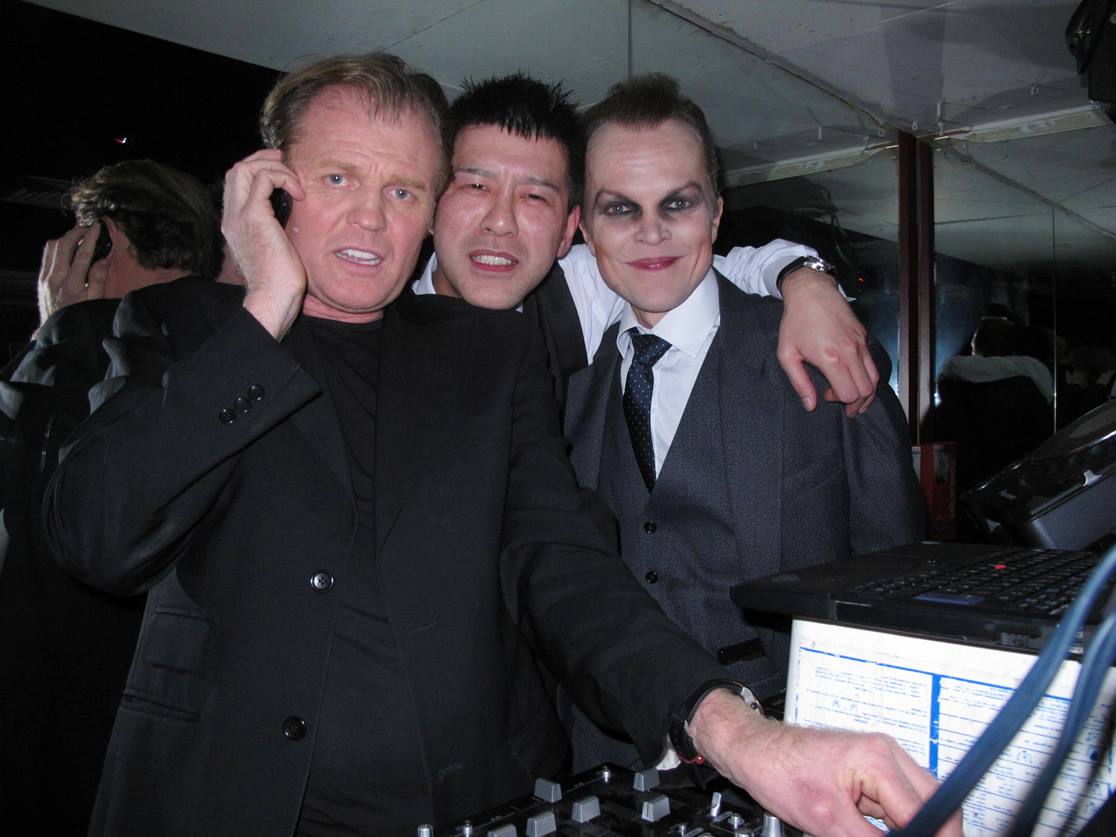
The Blitz Club celebrated its 30th Anniversary with a special reunion at its old site which is now The Red Rooms in Holborn, London.

its original soundtrack centred on the music of David Bowie but also included KRAFTWERK, ROXY MUSIC, ENO, LA DUSSELDORF, GINA X PERFORMANCE, ULTRAVOX, THE NORMAL, THE HUMAN LEAGUE, YELLOW MAGIC ORCHESTRA, TELEX and MAGAZINE amongst others. This vibrant post-punk scene, whose clientel were dubbed ‘The Blitz Kids’ and ‘The New Romantics’, became the catalyst for several bands including SPANDAU BALLET, CULTURE CLUB and of course, VISAGE as well as assorted fashion designers and visual artists.

Hosted by its founders Steve Strange and Rusty Egan, among the special guests attending tonight’s party are SPANDAU BALLET’s Martin Kemp and John Keeble, Martin Kemp’s wife and WHAM! backing singer Shirlie Holliman, SPANDAU BALLET manager Steve Dagger and renowned photographer Peter Ashworth whose striking images adorn the covers of SOFT CELL’s ‘Non Stop Erotic Cabaret’ and ‘The Art Of Falling Apart’, ASSOCIATES ‘Sulk’, EURYTHMICS ‘Touch’ and the very first VISAGE album.

Also reunited for the first time in many years were members of The Blitz Club dance troupe SHOCK including Carole Caplin, LA Richards, Tim Dry aka Tik from TIK & TOK and Barbie Wilde who appeared in ULTRAVOX’s ‘Passing Strangers’ promo video with the absent Sean Crawford aka Tok.

After an initial DJ set by Rusty Egan, PARADISE POINT took to the stage to deliver a lively performance with their bassist Roman Kemp following in the footsteps of his father Martin by playing The Blitz Club. His mum Shirlie looked on proudly. Despite at least three members of the group looking barely old enough to be playing on licensed premises, they were impressive with a polished danceable pop style that wholly suited the occasion.

Singer Cameron Jones has a charismatic confidence which should see PARADISE POINT fill the gap in the market for a smart boy band that actually plays their own instruments. During the interlude to remove the stage to reveal the dancefloor proper, both Steve Strange and Rusty Egan took to the mic to thank everyone for attending.

The old Blitz Club dancefloor filled as its original resident DJ spinned classic after classic with many songs from the original Blitz Club playlist. It was quite surreal to not only be hearing the 12 inch mixes of ‘Fade To Grey’, ‘To Cut A Long Story Short’ and ‘R.E.R.B.’ in the very place that helped inspire them, but to also be in the presence of the very people that were involved in their genesis and recording.

With the essential inclusion of David Bowie’s ‘Heroes / Helden’, ‘The Model’ by KRAFTWERK, OMD’s ‘Enola Gay’, JOY DIVISION’s ‘She’s Lost Control’ and a bit of Bryan Ferry et voila… this was the perfect combination to celebrate nearly four decades of fantastically inventive avant pop music.

Next to take the decks was Princess Julia who famously appeared in the iconic ‘Fade To Grey’ promo video with Steve Strange. Again, it was surreal to see the pair standing together in the DJ booth.

Onlookers were even treated to the former Steven Harrington doing some impromptu miming over the soon-to-be released reworking of VISAGE’s ‘Frequency 7’ which now features extra lyrics borrowed from HEAVEN 17’s ‘Temptation’. This is a song which incidentally also has Blitz Club connections as it was Rusty Egan who recommended Carol Kenyon to Messrs Marsh, Ware and Gregory when the Sheffield trio were seeking a soulful backing vocalist for their then yet-to-be completed 1983 single.

Meanwhile Princess Julia’s set was varied, ranging from the not entirely unexpected like DEPECHE MODE’s ‘Just Can’t Get Enough’ to the biggest surprise of the night, FANCY’s cult Euro hit from 1983, ‘Slice Me Nice’. The various Germans and Scandinavians, who have made the journey specially to be at this reunion tonight, were particularly appreciative!

But with the landlords The Red Rooms reverting to their usual source of income as a table dancing establishment, it was time for The Blitz Club, like Cinderella, to make its exit before midnight.

The whole night was terrifically friendly with lots of great electronic pop music and many attendees got into the spirit of things by togging up as New Romantics, Peacock Punks or in the case of ELECTRICITYCLUB.CO.UK, 1950s German bank clerks!

The Return To The Blitz Club 2011 couldn’t have been any better. With ULTRAVOX having just signed a new recording deal with Universal Music and plans also for a new VISAGE album, the legacy of The Blitz Club is alive and well! Tonight really was a Club For Heroes!


Rusty Egan’s DJ setlist

THE KNIFE Pass This On
THE STOOGES I Wanna Be Your Dog
THE BLUE NILE Headlights On The Parade
THE HUMAN LEAGUE Being Boiled
TOM TOM CLUB Genius Of Love
KRAFTWERK Neon Lights
DAVID BOWIE Sound & Vision
IGGY POP Sister Midnight
KRAFTWERK Trans Europe Express
DAVID BOWIE Fashion
GINA X PERFORMANCE No GDM
SIMPLE MINDS Changeling
LIAISONS DANGEREUSES Los Ninos Del Parque
BLONDIE Heart Of Glass
SHOCK R.E.R.B.
ULTRAVOX Visions In Blue (EMP 09 Remix)
ABC Tears Are Not Enough
YOKO ONO Walking On Thin Ice
BRYAN FERRY Let’s Stick Together
DAVID BOWIE Ashes To Ashes
DAVID BOWIE Boys Keep Swinging
SPANDAU BALLET To Cut A Long Story Short (Long Mix)
HUMAN LEAGUE The Sound Of The Crowd
OMD Enola Gay
SOFT CELL Tainted Love
THE CURE In Between Days
JOY DIVISION She’s Lost Control
DEPECHE MODE See You
ULTRAVOX Hiroshima Mon Amour
VISAGE Mind Of A Toy
DURAN DURAN Planet Earth (Night Version)
IGGY POP The Passenger
ASSOCIATES Club Country (12″ Version)
DAVID BOWIE Heroes/Helden
KRAFTWERK Das Modell
VISAGE Fade to Grey (Club Mix)


Text by Chi Ming Lai
Photos by Richard Price
24th January 2011

RICHARD JAMES BURGESS Interview

Richard James Burgess is the renowned record producer who famously coined the term New Romantic.

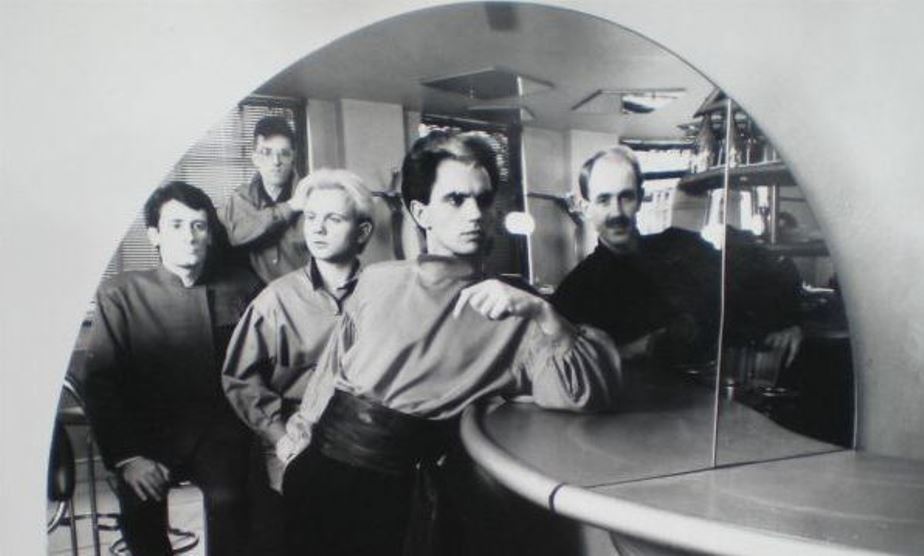
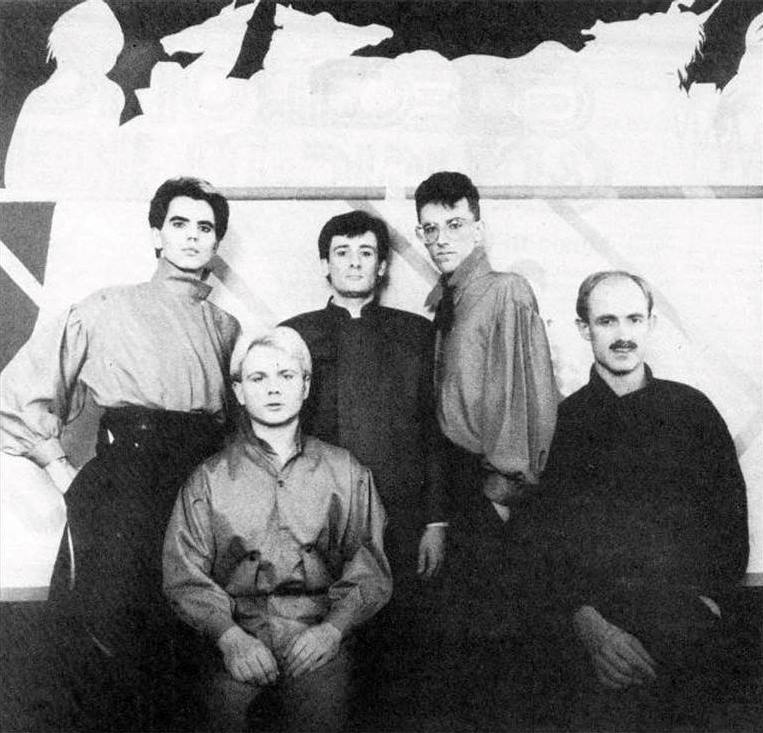
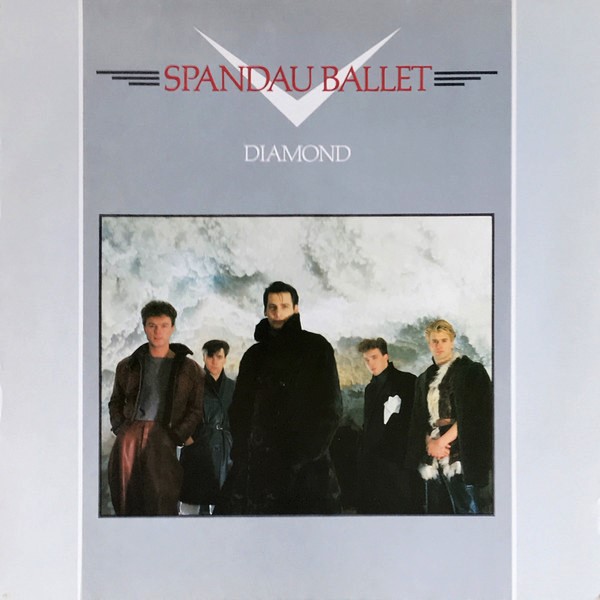
His triumphs from that era include the brilliant 12 inch Special Mix of ‘The Freeze’ and the glorious neo-classicism of ‘Musclebound’ by SPANDAU BALLET. The Islington quintet’s earlier, more electronic sounding work was all produced by Burgess. There was also his Fairlight work on the linking interludes on the first VISAGE album.

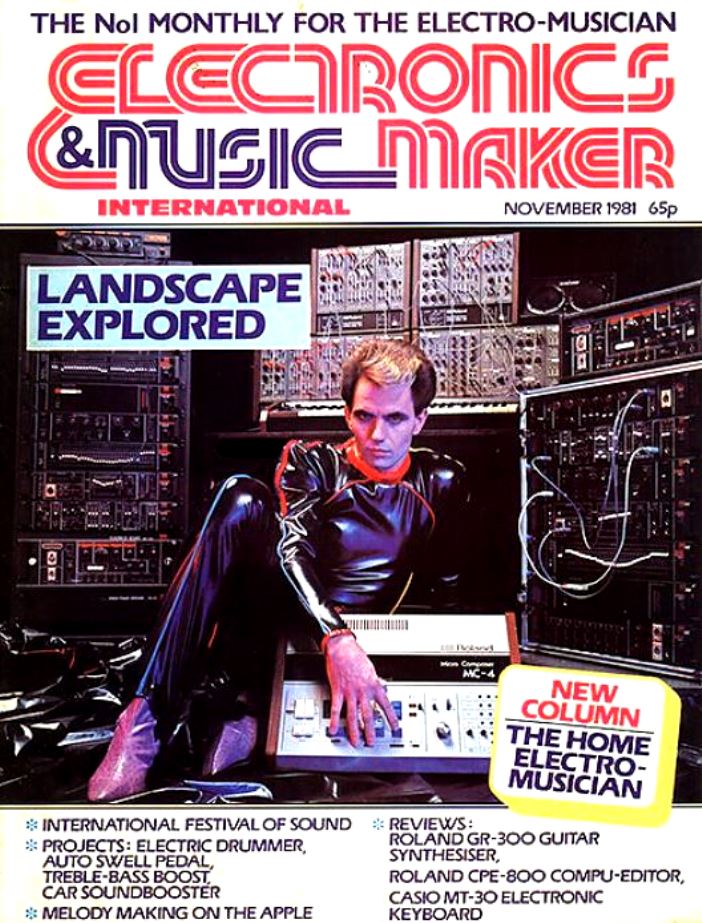
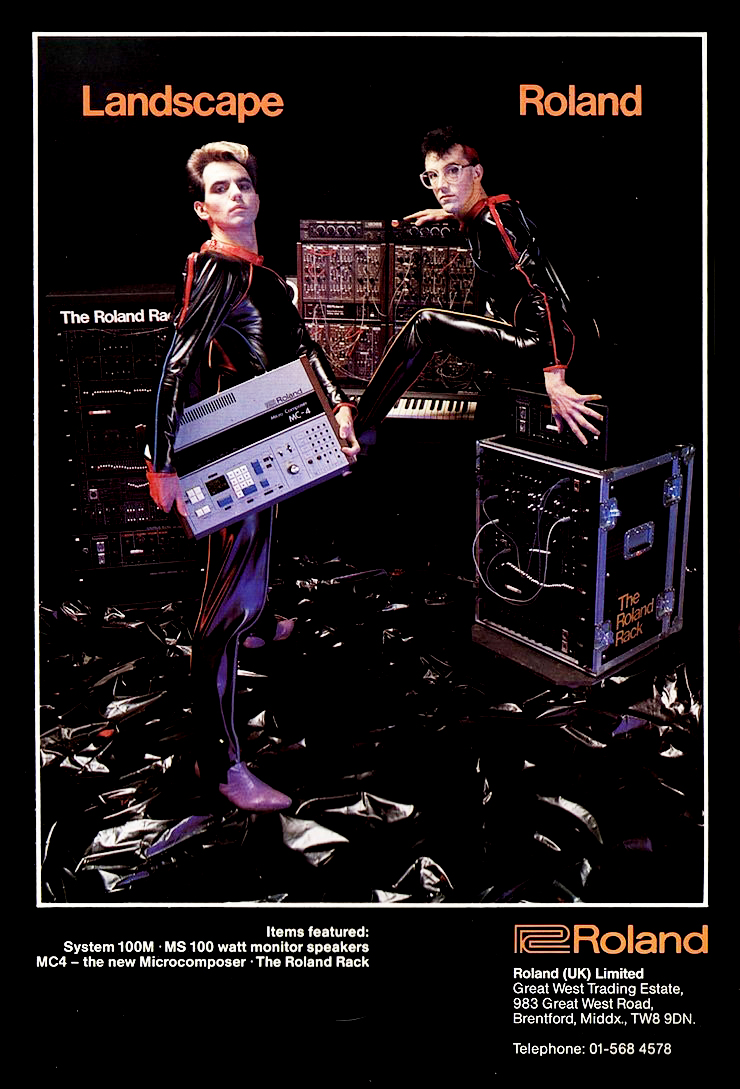
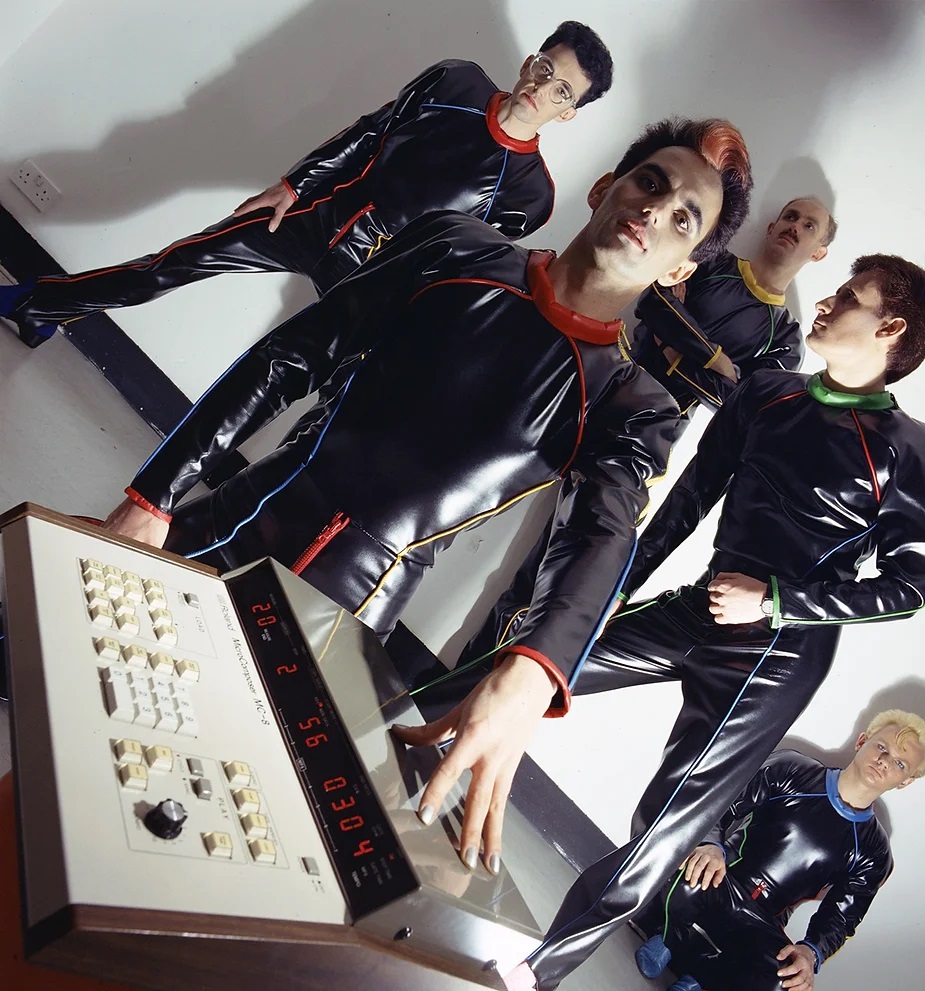
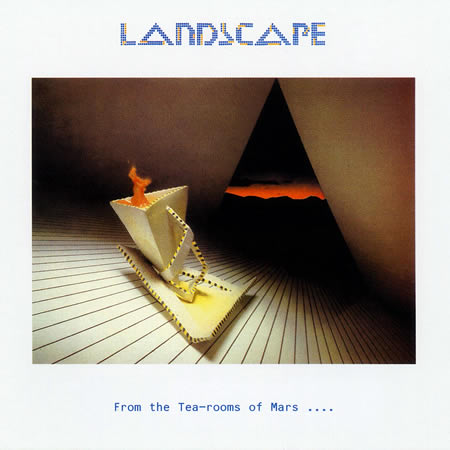
A winner of numerous production awards, his book ‘The Art Of Music Production’ is an international best seller. He is also a successful musician in his own right with the group LANDSCAPE who scored their biggest hit ‘Einstein A Go-Go’ in early 1981. At the forefront of studio developments such as the Roland Microcomposer, the Fairlight CMI and his own Simmons SDSV, Burgess appeared on the BBC’s ‘Tomorrow’s World’ on no less than three occasions to demonstrate these wonders of musical technology that without doubt changed music forever.

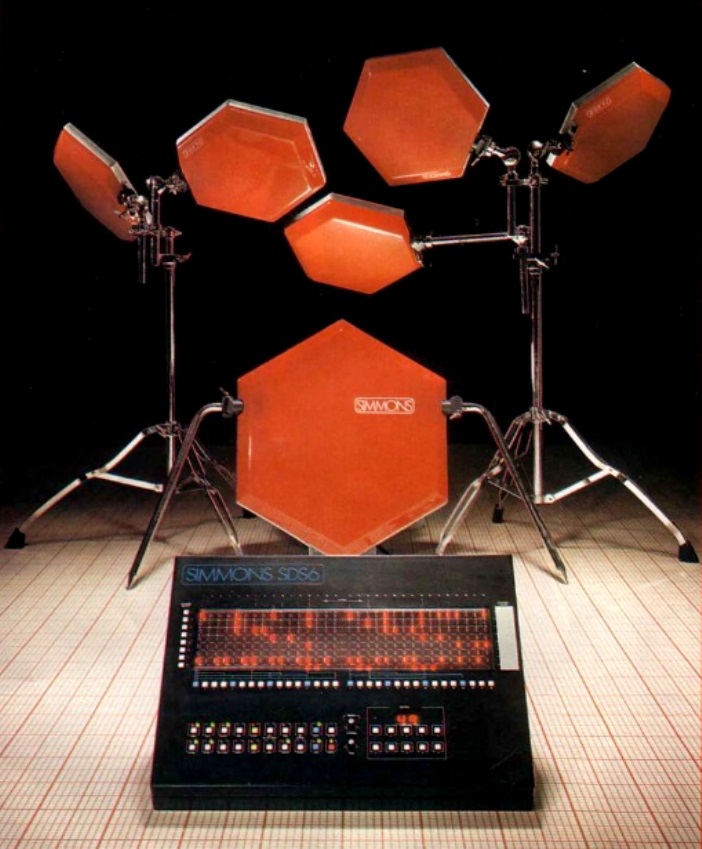
It is the Simmons SDSV that could be considered Burgess’ biggest contribution to music and popular culture. Conceptualised and co-designed with Dave Simmons, it was the first standalone electronic drum kit where the individual parameters of each sound could be adjusted. The original idea had been to make a machine which could be played by a drummer as a replacement for acoustic drums and was developed from having to deal with the problems of audio spill via microphones when playing drums live. Sounds were originally mocked up around an ARP 2600 synthesizer which had already been popular with producers such as Martin Hannett and Daniel Miller for being able to obtain distinctive but useable percussive palettes.

A prototype of the SDSV triggered by a Roland Microcomposer was used on singles by SHOCK and the LANDSCAPE album ‘From The Tea-rooms of Mars To The Hell-holes Of Uranus’. But the full kit itself did not appear on a recording until SPANDAU BALLET’s ‘Chant No1’ in 1981. The hexagonal pads, made from material used in police riot shields, became an iconic image while the distinctive synthetic “dzzshhh” sound (which Burgess modelled on the way he tuned his Pearl concert toms with one tension rod loosened causing the pitch to drop after the initial hit) became ubiquitous featuring on records by ULTRAVOX, DURAN DURAN, TALK TALK, CLASSIX NOUVEAUX, THOMAS DOLBY and A FLOCK OF SEAGULLS among many.
Now based in Washington DC where he works as Director of Marketing and Sales for Smithsonian Folkways Recordings, Richard James Burgess recently paid a visit to the UK and hooked up with his old mate Rusty Egan from VISAGE and The Blitz Club. He took time out from his busy schedule to talk at length about his pioneering career.

Photo by Paul Cox

How did you first get into record production?

I bought a portable Tandberg tape recorder when I sixteen and recorded everything that made a noise. I actually studied electronics at college before I went to Berklee and Guildhall for music and then I owned an EMS Synthi A synthesizer and bought myself a Revox tape machine that I used to record almost every LANDSCAPE gig. In the mid-70s when I was in the group Easy Street signed to CBS and Polydor Records, we used to produce our own demos in high end studios all over London and I was working with wonderful producers as a studio musician and in the various bands I was playing in.

At first producing didn’t appeal to me because it involved such a lengthy commitment of time to a single project but when I started making music using the MC-8 Microcomposer, I realized that none of the producers and engineers had any understanding of how to deal with that technology and what was about to become the new way of making records.

LANDSCAPE had recorded one track ‘European Man’ for what would become the ‘Tea-rooms of Mars…’ album with Colin Thurston and we realized that it would be easier to produce the record ourselves because we understood the underlying thinking of computer generated music. We were putting most of it together at my home studio and then just dumping it to tape at the studio anyway.

So the ‘Tea-rooms…’ album would be the first commercial co-production (with the other members of LANDSCAPE) that I did, but we held it back until after the SPANDAU BALLET ‘Journeys to Glory’ album came out. Spandau’s manager Steve Dagger called me out of the blue and asked me if I wanted to produce their first album.

I was very excited about that and I had seen the band at nearly all of their first six gigs. I knew them personally from The Blitz and liked them. I also knew that we could make a great album that would be a hit and that the LANDSCAPE album would be more likely to chart if I had a hit with SPANDAU BALLET first.

The confidence of youth is a beautiful thing and it all worked out very well. The ‘Journeys to Glory’ album immediately went gold and launched my production career. It nearly ended my career as well because all I was offered after that was artists who wanted to sound just like SPANDAU BALLET and I preferred to work with artists who are fundamentally original.

The new remastered sound of ‘Journeys to Glory’ is really quite shocking. As the producer, do you have an opinion on this and this trend for loudness and brickwalling in mastering?

I am not sure I have the same version you do and I don’t listen to my old stuff at all unless I have a reason to do so. Labels don’t bother to call the original producer about these things and who knows which masters they are using. I stand strongly opposed to brickwalling in mastering. It existed in vinyl mastering too – everyone was trying to make the loudest record. What makes no sense about this practice is that it doesn’t matter – radio compresses and EQs the life out of everything anyway so destroying the sound of your production to make it a couple of dB louder is irrational. If you are listening in the car or at home you can just turn it up a bit if it seems quiet.

‘Diamond’ has come out much better and it occurred to me how the second artier side is a very under rated. The track ‘Innocence & Science’ in particular isn’t really that different from JAPAN’s ‘Ghosts’. Many who have never heard this would be surprised to learn it’s SPANDAU BALLET. How did you achieve those naturalistic sound textures like the cheng, sitar, vocal drones, water drips, ethnic percussion etc? Were those courtesy of your Fairlight?

Thank you. My recollection is that this was about the time I stopped reading my press. If I recall correctly, we got slammed for the B side – some reviewers thought it was pretentious. It was Gary Kemp’s idea, I loved it. There is no Fairlight on it at all. We did it at Jam Studios in North London and we played or created all those sounds naturally, the huge sounding concert bass drums were courtesy that amazing huge old room (it used to be a Decca classical soundstage).

I felt that we were naturally progressing – ‘Chant No1’ signalled the move from the initial sparse, New Romantic sound into the funkier sound that many other groups picked up on and that B side of ‘Diamond’ was pushing into atmospheric, world kinds of sounds. As you have success, it seems like a good opportunity to stretch and take risks.

LANDSCAPE started as primarily as a jazz funk fusion group. Was there a particular moment when you and the group decided to pursue a more synthetic direction?

As I mentioned I had a strong grounding in electronics and Chris Heaton (keyboard player in LANDSCAPE) and myself had an avant garde electronic group (ACCORD, with Chris on treated and prepared piano, Roger Cawkwell on synth, myself on homemade electronic percussion and sometimes Chris’s brother Roger Heaton on clarinet). I had been fascinated by the computer music experiments going on at Stanford and IRCAM (John Chowning etc) and when I heard about the Roland MC-8 Microcomposer, John L Walters and myself immediately went out to the Roland warehouse to play with it and I bought one.

I had been working on what would become the Simmons SDSV drum synthesizer and had been using electronics triggered by my drums for several years (as can be heard on the first LANDSCAPE album on RCA). I had been playing around with several concepts for electric and electronic drums and had built a bunch of prototypes which I used on gigs. LANDSCAPE had sold about 25,000 EPs of our live recordings, U2XME1X2MUCH (pr. you two timed me one time too much) and ‘Workers Playtime’.

I don’t know what the first LANDSCAPE album for RCA sold but it didn’t chart in any big way. Rusty Egan was playing several tracks from it at The Blitz, in particular the lead track ‘Japan’ which featured treated piano, electronically altered soprano sax and trombone and electronic triggers on the drums.

I also used Moog Drum on ‘The Mechanical Bride’ from the album and other bits and pieces I begged, borrowed and made myself. I had used very early electronic percussion on the EASY STREET recordings in the mid-70s: the Impakt Percussion device and I used my Synthi A to mock up percussive sounds.

We had all or most of the music written for what would become the ‘Tea-rooms…’ album and I was sitting at home thinking and I realized that we were going to get the same result as we did with the debut album if we put out another instrumental jazz-funk album through a major label. We discussed it in the band and everyone was on board so I started working on the lyrics that became ‘European Man’ (over a track we called Route Nationale). John and I worked up ‘Einstein A Go-Go’; everybody in the band wrote and arranged so we reconceptualised that album.

We rehearsed the music and recorded those sessions, I wrote out my drum parts and programmed them for the MC-8 Microcomposer and the prototype SDSV drum synth. John and I programmed many of the other parts too and the rest we played using mostly altered or synthetic sounds. By this time I also had one of the first three Fairlight CMI samplers to leave Australia (Peter Gabriel had one, Syco Systems who sold them had one and I had the other) and we were very close to putting a track on the album featuring that instrument but in the end decided that the album was complete without it.

I think we all embraced this new direction because of our raw excitement over the new technology and the seemingly endless possibilities for new sounding orchestrations along with the realization that we weren’t going to be able to survive at RCA if we kept making instrumental jazz-funk recordings.

Photo by Paul Cox

Electronic pop music was often seen as pompous and pretentious by the general public, but it always seemed LANDSCAPE had their tongues firmly in their cheeks as evidenced by ‘Einstein A Go-Go’, ‘Norman Bates’, ‘Eastern Girls’ and the album title ‘From the Tea-rooms of Mars to the Hell-holes of Uranus’! Do you think this all went over the heads of most people?

I am so glad that you understand this. The clothes (vinyl suits!), much of what we did was tongue in cheek. We were serious about the music and production but we understood the inherent ironies and challenges of being an odd looking band with a very non standard line-up trying to make a living and even hit the charts.

It did not appear to me that the humour, irony and cynicism were ever picked up on by the media. I did see a recent review of ‘Einstein A Go-Go’ that mentioned that the song is a cautionary tale about the apocalyptic possibilities of nuclear weapons falling into the hands of theocratic dictators and religious extremists. We talked about the track conceptually before we wrote it and our objective was to make a very simple, cartoon-like track with a strong hook that would belie the meaning of the lyrics!

You were very close to the scene at The Blitz and are credited with coining the term New Romantic. How did this come about and why do you think this has stuck when other descriptions like ‘The Cult With No Name’, ‘Blitz Kids’, ‘Peacock Punks’ and ‘Futurists’ etc fell by the wayside?

I always believed that for a movement to stick and be identifiable it needed a name. We had just been through punk and glam. Initially I was using three terms Futurist, Electronic Dance Music (the LANDSCAPE singles have EDM printed on them) and New Romantic. My feeling was that the first two terms applied to LANDSCAPE and bands like ULTRAVOX but SPANDAU BALLET was the pre-eminent band for the new movement and New Romantic really applied to the dandyish dress styles of not only Spandau but the whole Blitz look. The look was what caught the attention of the worldwide media – it was such a contrast with punk.

Even Adam Ant (I produced him later in 1983) who had been around for several years by that time got roped into the New Romantic category in America because of his look. The track ‘Face of the Eighties’ on ‘Tea-rooms…’ was a reference to the phenomenon. Once the other bands like CULTURE CLUB, DURAN DURAN, HUMAN LEAGUE broke and then the next generation kicked in such as HAIRCUT 100, KAJAGOOGOO etc, the die was cast.

You were at the forefront of new technology with developments such as the Roland Microcomposer, Fairlight CMI, Lyricon and the Simmons SDSV electronic drum kit. How exciting was this period for you, particularly with the Simmons which has now become so iconic that LA ROUX has an unplugged bass drum pad as a stage prop?

It was incredibly exciting without question, but I don’t think I could really appreciate what was happening fully because I was so busy – and that was exciting to be in demand and working with great people so much. I tend to be forward looking and think about what’s next more than thinking about what has been, so once it all happened I was definitely in ‘next’ mode.

Was the futuristic looking hexagonal shape of the Simmons pads your idea?

Yes it was. I was driving up to St Albans where Musicaid was based (that was the name of the company before they went bankrupt and Simmons was formed) and I was thinking about what kind of shape the pads should be. I realized they didn’t need to be round. The first prototype was triangular (I still have that) but I wanted something that would fit together well in a drum set and it struck that the honeycomb is an organic shape that locks together. Dave Simmons made bats-wings and the Rushmore Head set (I have two of those) but in the end it was the hex shape that caught on.

I mentioned to Rusty Egan that the SHOCK B-side ‘RERB’ was one of my favourite tracks of his. You co-wrote and co-produced it with him, can you remember how this magnificent track came about and were you ever disappointed it never gained the recognition it deserved as a classic electronic dance track?

We wrote that in about ten minutes at my home studio in London. It was made as a B-side for ‘Angel Face’ so I didn’t have any major aspirations or expectations for it. My MC8 / System 100M setup was always ready to roll; we talked about what we wanted and it popped out complete.

I think SHOCK, in general, suffered from being too early, as did LANDSCAPE. A couple of years later there were radio stations all over the world that would play this stuff and many more clubs but this was still the end of the disco era and the new wave era, we were limited to cutting edge DJs in London, NYC and LA and very little else.

To see SHOCK perform that stuff on stage in a packed show at The Ritz in NYC was an electrifying experience, and it really fed the excitement of the early adopters but there just weren’t enough of them, worldwide, at that time for it to gain mass acceptance. Many of the people at that Ritz gig and their other gigs became movers and shakers in the 80s scene – it was as if this was the kind of music and the look they were waiting for.

Your production credits also include KING, Adam Ant, Virginia Astley, Kim Wilde, WHEN IN ROME and PRAISE. As well as that, you did Fairlight programming for Kate Bush and VISAGE. Did you have any particular favourite acts who you worked with and memories you can share?

I can’t say enough good things about Kate Bush. She was always wonderful to work with, incredibly talented and an innovator. She called us about the Fairlight – she found out about it through Peter Gabriel and she fully grasped the implications of what it could do immediately. Kim Wilde is an absolute sweetheart and that was a fun record to make in Los Angeles. Virginia Astley was a really different record for me and she had a strong vision which is something I really look for in an artist.

I did the VISAGE programming at my home studio and recorded it at Mayfair and that was fun because of all the guys in the band who were setting the trends in the Futurist / New Romantic scene, there was a feeling that we were treading new ground. WHEN IN ROME I did in LA and I am still in contact with those guys – nice people and a lot of fun.

I felt that PRAISE really set the ambient music compass, Geoff MacCormack and Simon Goldenberg really defined that world music and wordless vocal sound. As successful as the record was, I don’t think they got the credit they deserved. Records can be hard to make for many reasons, personality clashes and creative differences being among them but I really felt fortunate in being able to work with great people.

LIVING IN A BOX were great. SHREIKBACK was tough because Barry Andrews didn’t really want to make a record that commercial and I can commiserate with that, but that’s what Island Records brought me in for and we wound up with three or so tracks in the Billboard modern rock charts simultaneously from ‘Go Bang’.

It would be true to say that I got a lot of satisfaction out of the Colonel Abrams tracks I cut, particularly ‘Trapped’ and ‘I’m Not Gonna Let’. I produced all the hits that he had and some people say that we defined the early house music sound.

I had just moved to NYC and I didn’t have much equipment with me – a LinnDrum, DX7 and a Juno 106 and I made the record with just those instruments. The special factor there (apart from Colonel’s incredible voice) was Colonel and Marston’s NY street sensibility combined with my radio production perspective and programming sensibility and we got something that really took off.

How did you feel when Stock Aitken and Waterman basically ripped ‘Trapped’ off for Rick Astley’s ‘Never Gonna Give You Up’

It’s funny, I didn’t even know until LIVING IN A BOX pointed it out to me. Frankly, I take it as a huge compliment. SAW are very capable writers and for them to build a completely new song and create another big hit off of one of my bass lines just points up the incredible breadth of possibilities available even in a specific genre like dance music.

You and John L Walters from LANDSCAPE originally produced HOT GOSSIP’s debut album in 1981 which Dindisc Records didn’t release and it was eventually completed with HEAVEN 17’s Martyn Ware and Ian Craig Marsh. But Andy McCluskey from OMD who were also signed to Dindisc at the time was particularly uncomplimentary about you in the music press. Did you ever get to the bottom of why he had such venom and did you ever bump into him to err… discuss the matter?

I made a decision right after my first big success as an artist and producer not to read my press. So this is the first I am hearing about Andy McCluskey’s negative comments. All I can say is that I am really good friends with Mike Howlett who produced those OMD records and I hold him in very high regard. I don’t know Andy and I have no understanding of why people can be negative like that about someone and something they know nothing about.

I also met Martyn Ware recently and like him immensely; clearly we have a lot of shared interests and history. I will say that I think the HOT GOSSIP record that I made with John L Walters was one of my favourite productions. I haven’t listened to it in nearly thirty years, but my recollection is that we really broke some new ground.

Unfortunately I think what Carol Wilson (the A&R person) and Arlene Phillips (HOT GOSSIP) were looking for was something more like SHOCK, LANDSCAPE, SPANDAU BALLET and I used Harvey Mason Jr on drums, Gil Evans played piano on it (that is a great story) and David Sanborn played sax along with many other amazing musicians. I was young and somewhat naive and I played the roughs to Arlene and the label all the way through the process; everyone was nothing but enthusiastic and yet when I turned in the mixes, it all went horribly south.

With a couple more years of experience under my belt I might have been able to right the ship, but they just went ahead and remade the album without any meaningful discussion. This was a huge learning experience for me and rocked my confidence for a bit. With regard to negative press in general, I think it’s inevitable once you have major success that the knives will come out. Artists attacking artists – especially ones they don’t personally know – seems unnecessary. There was a period where I could do no wrong and another where I could do no right in the music press’s eyes.

What would you say was your proudest artistic or technological achievement?

Some of the moments I am proudest of are ones that were ephemeral: gigs in the early jazz-funk phase of LANDSCAPE. I am a musician, a drummer – I still play regularly- to play with great musicians really excites me. I was never driven by money or success, although both are good and necessary in order to keep making music. There were some specific gigs I remember that were incredibly exhilarating, I am thinking about The Stapleton in Crouch Hill and the Music Machine before it became the Camden Palace (we used to jam that place), the guys in LANDSCAPE were so great to play with. I am still happy with ‘Einstein A Go-Go’ and the whole ‘Tea-rooms’ album.

I am still comfortable with what I did with ‘Chant No1’, ‘Trapped’, ‘Living In A Box’ and many other tracks I produced. I wanted to keep challenging myself and once everybody else starts doing something, it tends to lose its appeal for me so that we made the first computer driven hit single and album with the MC-8 (‘Einstein’ and ‘Tea-rooms…’) the Fairlight stuff with Kate, the SDSV for sure, ‘Trapped’ felt like we were pioneering again, PRAISE seemed like new territory at the time also.

The early programming stuff in the 70s was incredibly exciting, if equally tedious. We were programming drums in machine code – ons and offs – the other parts were just a series of numbers; three to define one note. Although it’s not remarkable at all today, to be able to stand back after hours and hours of programming and watch this thing that looked like an adding machine play your compositions and arrangements was an unbelievable thrill.

Oh, three times on ‘Tomorrow’s World’ was fun.

You are now Director of Marketing and Sales for Smithsonian Folkways Recordings in Washington DC. What does this involve? And how do you feel about records such as MOBY’s Play and 18 which sample a lot of traditional gospel and folk recordings as their conceptual basis?

The original intention of copyright law was to protect a work for a period to allow the artist to benefit and then to make that work available for others (preferably after the artist is dead). Montage and collage has been around for a very long time in the visual arts, I have no problem with people sampling other people’s work and creating a new work. If the work is still in copyright then a license should be obtained and the creator should be compensated fairly. If the creator is still alive, they can always decline the license if they don’t approve of the use. I do think copyright law for sound recordings needs to be standardized internationally and I don’t agree with the fifty year law in Europe – at the very least the artist’s lifetime should be covered. Artists can always issue Creative Commons licenses if they so desire.

Your book The Art Of Music Production was a big seller and is still going strong. How do you feel about modern production techniques and how they’ve developed? Are there any of new generation of producers who you rate?

Oh, so many. I think we have moved into a new era where record production is not as clearly defined as it was and we will see more and more slash producers – artist/producer/video director etc. I only see that as a good thing. When I sit down in my studio I still am amazed at the power of software recording

Do you listen to much new electronic pop music these days? Is there anyone who has caught your attention that you enjoy?

I have very wide taste in music. I’ll jump from Beethoven’s Ninth to early 20s recordings of jazz. I have been immersed in jazz for quite a while again because I am producing a boxed set called Jazz: The Smithsonian Anthology that covers the history of jazz from 1917 to 2005, 111 artists and a 200 page book. Obviously I get to hear a lot of roots music and world music being at Smithsonian Folkways but we also have early electronic stuff – John Cage etc.

I do hear new stuff that I like. I think that one of the dangers is that when so much is possible – samples of all kinds of sounds are available online and software synths and keyboards can emulate anything – things can start to get samey. It usually takes someone to come along and work within economic, technological or self imposed limitations to create something that is really different and stimulating. There has always been a tendency for record labels to sign the epigones and overlook the innovators and the originators.


ELECTRICITYCLUB.CO.UK gives its sincerest thanks to Richard James Burgess

‘From The Tea-rooms of Mars To The Hell-holes Of Uranus’ is still available digitally via Cherry Red Records

http://www.burgessworldco.com/

https://twitter.com/richardjburgess

https://landscape.band/

https://twitter.com/Landscape_band


Text and Interview by Chi Ming Lai
27th July 2010

Newer posts »