“I don’t like country & western, I don’t like rock music… I don’t like rockabilly! I don’t like much really do I? But what I do like, I love passionately!!”: CHRIS LOWE
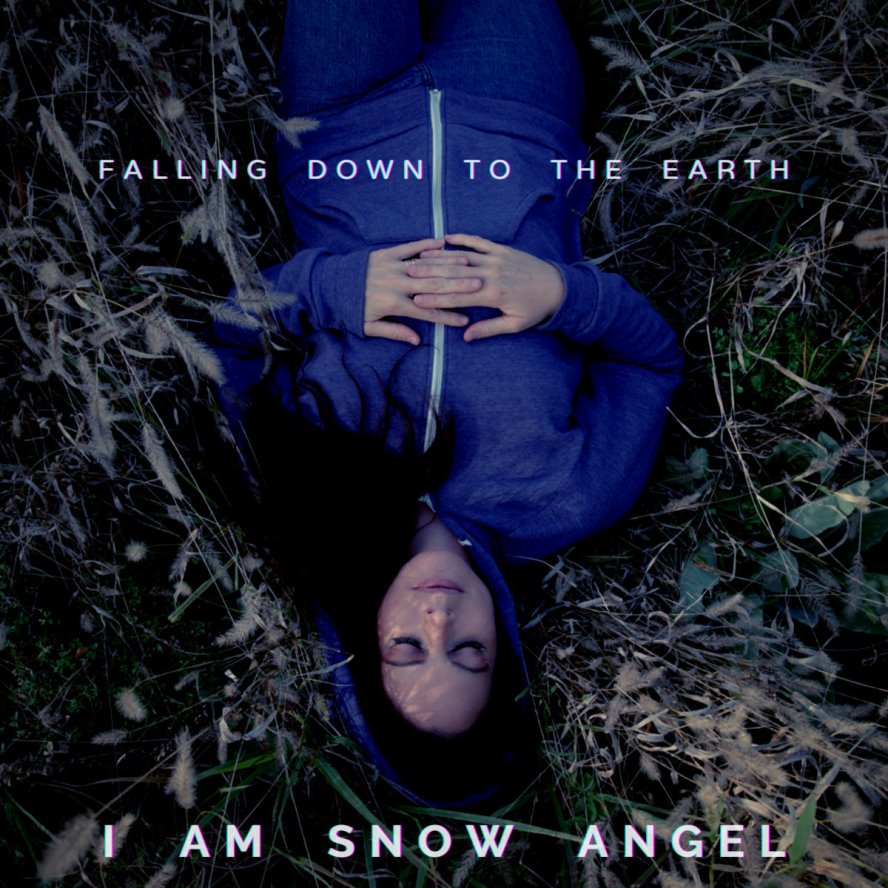
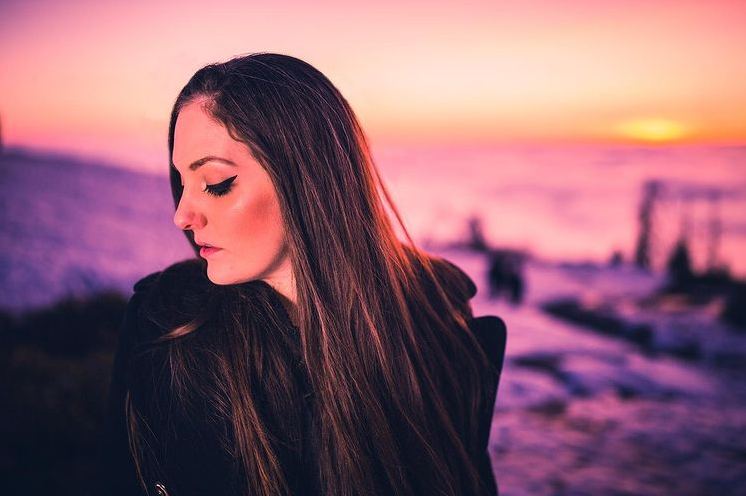
Brooklyn based singer / songwriter Julie Kathryn is I AM SNOW ANGEL and with the onset of motherhood, she has been in a more meditative and reflective mode of muse.
The instrumental ’Elegy’ EP was released in March and showcased a more ambient side but the new EP ‘Falling Down To The Earth’ is a collection of songs of sorts and could be seen as a sequel to the ‘Mothership’ album of 2019.
Written, produced and performed by I AM SNOW ANGEL, ‘Falling Down To The Earth’ sees her return to this planet with a new clarity and presence.
All recorded in the Adirondack mountains during the pandemic, the opening title song has an electro-spiritual quality akin to Moby, centred around the repeated phrase “Falling Down to the Earth’ again with you, falling out of the sky black and blue”.
Adding a subtle metronomic beat, ‘Find My Love’ sees Julie Kathryn utilise a range of vocal treatments including vocoder for some futuristic Americana that hypnotises the listener.
With the EP containing not songs as such, but more sketches with vocals, ‘I See Your Face (In The Strangest Places)’ is the most conventional offering structurally and lyrically but it still sounds otherworldly with a marvellous understated quality. Led by piano, the instrumental ‘Joseph’ ends the EP on a plaintive note.
After the darker tinged to ‘Mothership’, the material gathered on ‘Falling Down To The Earth’ is a return to the dreamier and yes, earthier I AM SNOW ANGEL sound that captures her signature spirituality.
Another EP is due before a full length album entitled ‘Lost World’ which will be more traditional in format. Until then, it’s time to fall back down to earth.
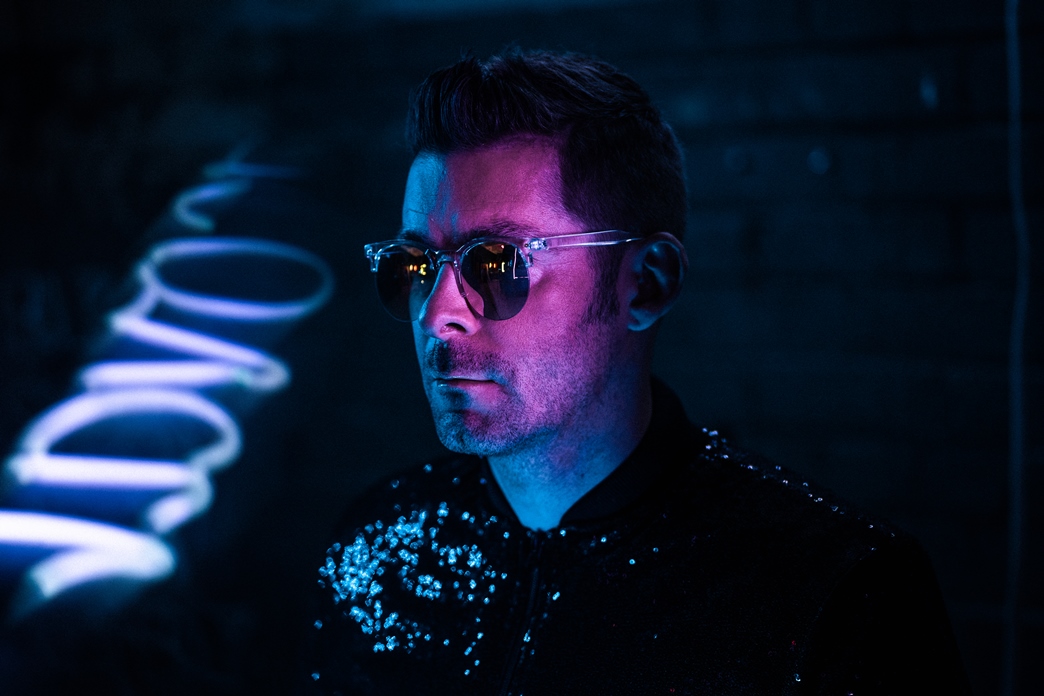
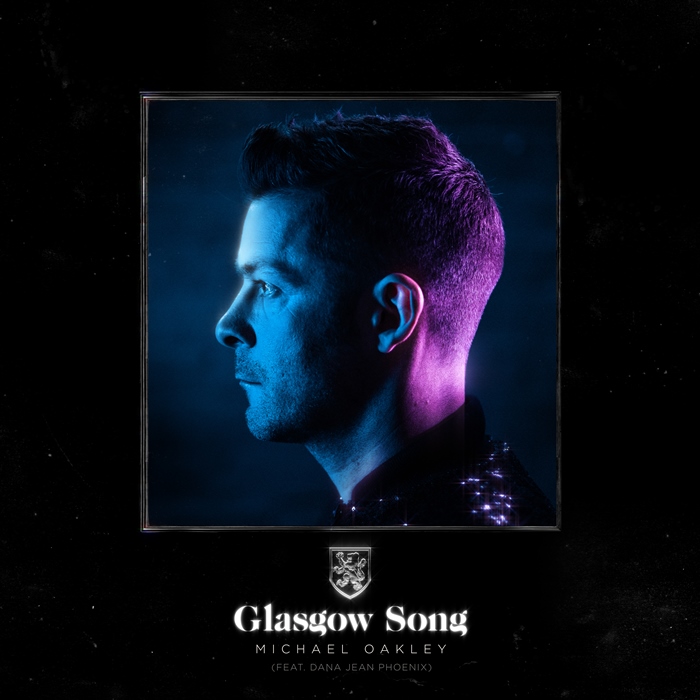
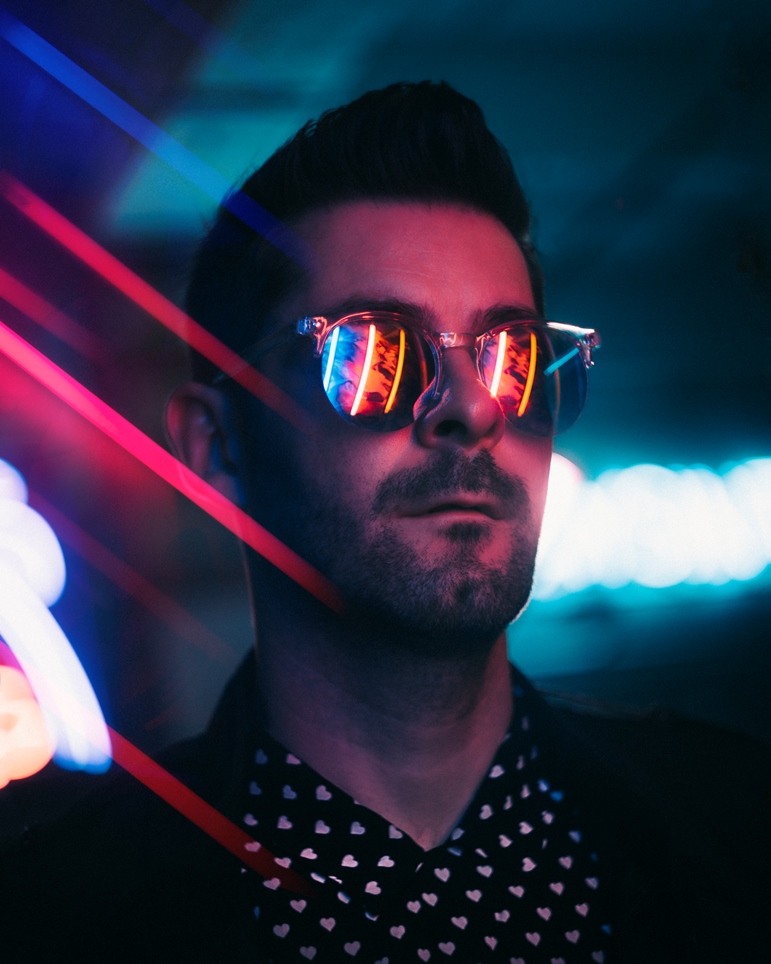
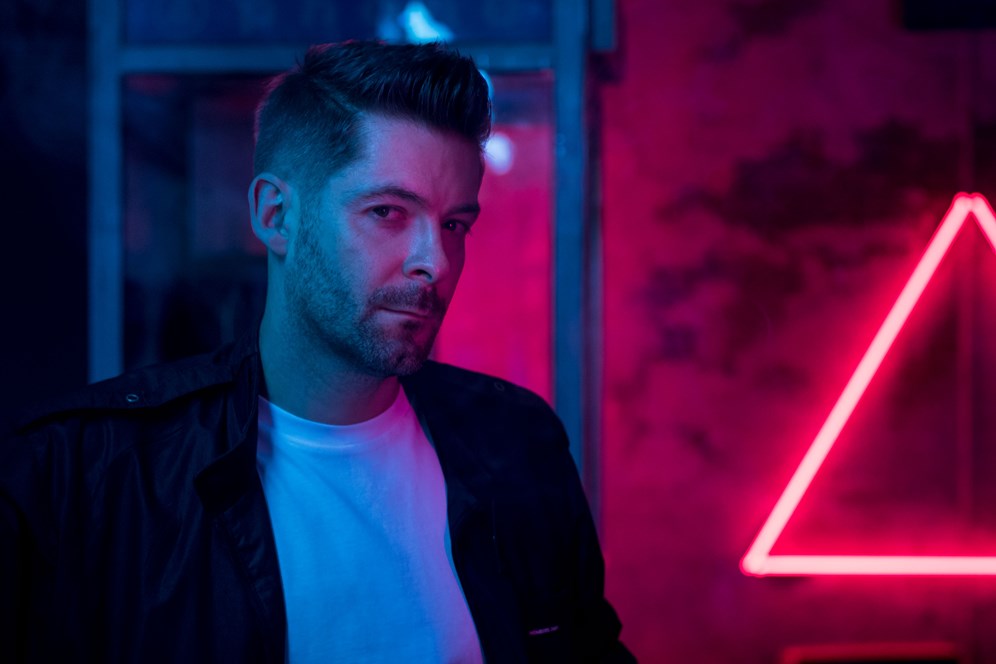
Canadian based Scottish singer / producer Michael Oakley first came to wider prominence with his debut mini-album release ‘California’ in 2017.
Like many of his fellow countrymen, he looked towards America and ‘California’ did as the title suggested, embraced a sun-kissed Trans-Atlantic vibe conjuring images of open-topped sports cars with his melodic synth-flavoured pop.
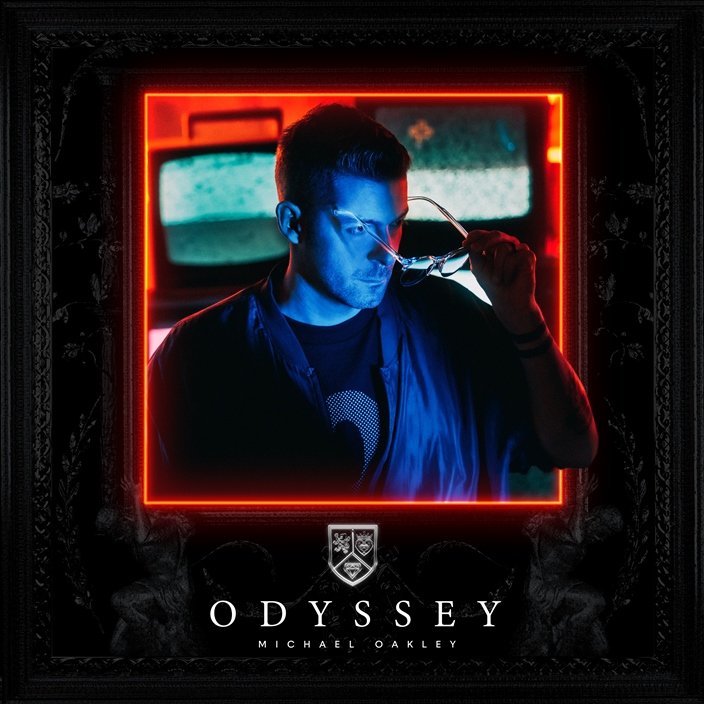
Embraced by the synthwave community, for his debut album proper ‘Introspect’, he signed to NewRetroWave Records in 2019. Utilising more Yamaha DX and Fairlight derived sounds to capture the spirit of producers such as Trevor Horn and Stephen Hague, one of the ‘Introspect’ highlights was the mighty Italo statement of ‘Left Behind’. The album also saw Oakley work with established artists such as Ollie Wride and Dana Jean Phoenix, with the associations continuing on his new soon-to-be-released album ‘Odyssey’.
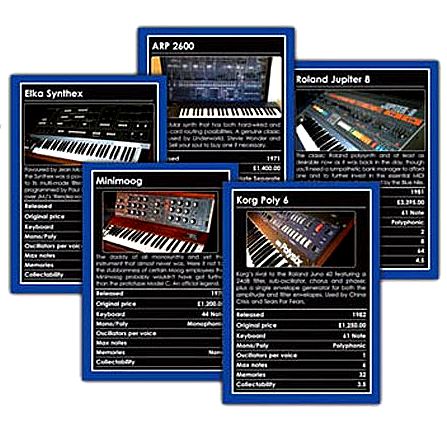
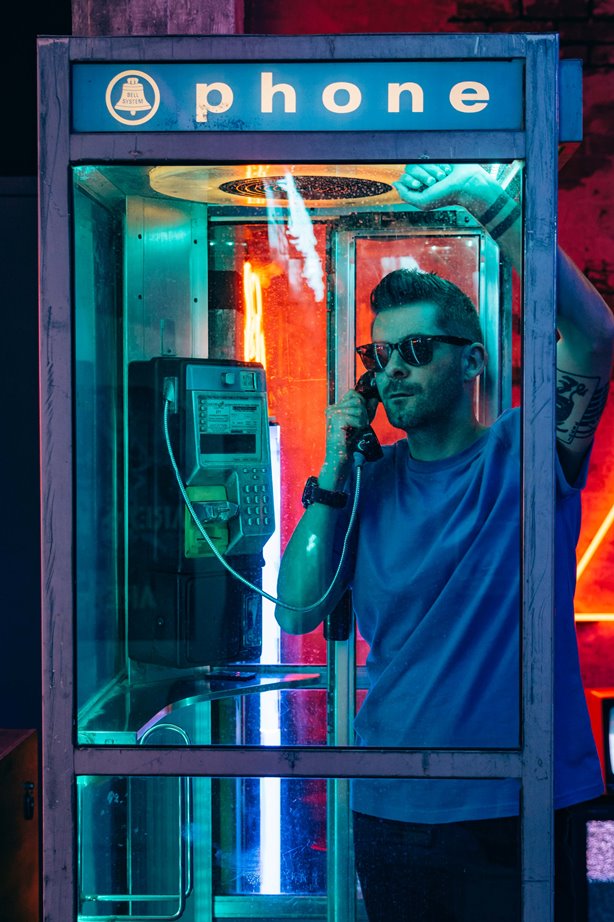
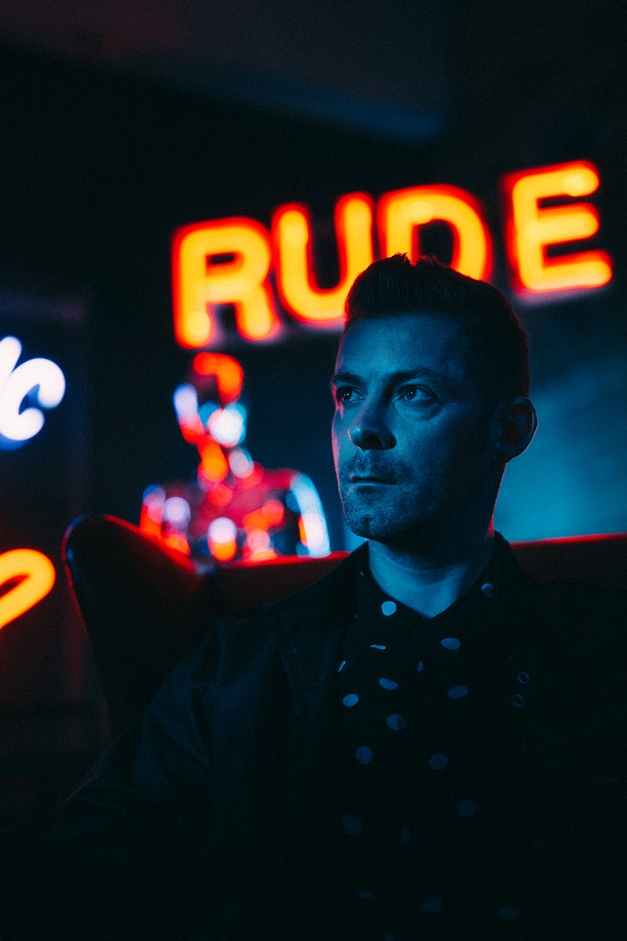
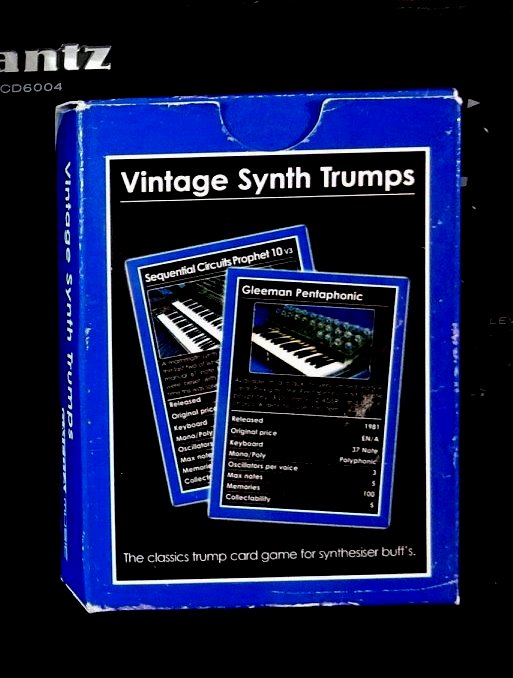
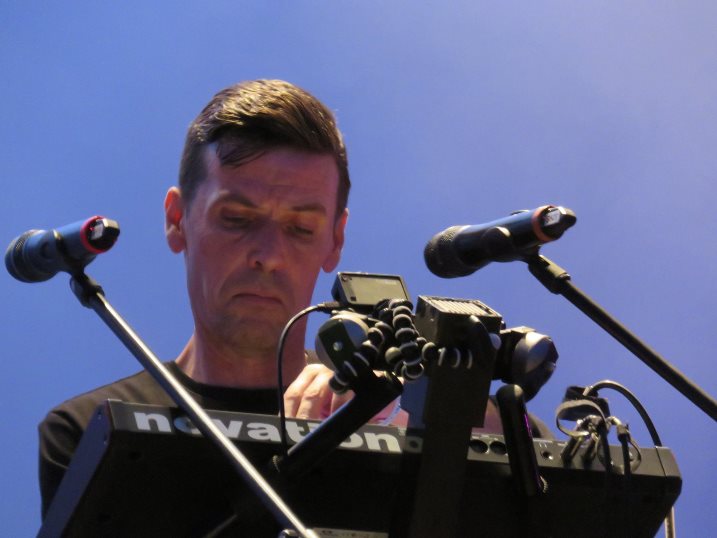
Michael Oakley chatted about the making of the ‘Odyssey’ album with ELECTRICITYCLUB.CO.UK while playing a round of Vintage Synth Trumps.
And the first card is the Roland Jupiter 8, have you ever played one?
I haven’t played a Jupiter 8 but when I was a kid, there used to be a chain of music shops in the UK called Sound Control.
One day I was in, they happened to have a Jupiter 6 which I always felt was the nicer of the two sound-wise.
I’ve got a few Jupiter 8 plug-ins, I’ve got the Arturia one and the Roland Cloud VST which I’ve used on this album, although I like the sound of the Juno more.
You basically get two type of synthesizer; there’s the Japanese ones like Yamaha, Korg and Roland which have a very coloured, synthetically warm kind of sound and then American ones which I probably prefer because they have more of an idiosyncratic quality like those from Oberheim, Dave Smith, Sequential Circuits. I like the unstable ghostliness of those, they were a favourite of Ulrich Schnauss, that’s how he gets his sound. If I want warm character types of sounds, I would go for the Japanese synthesizers.
With your new album ‘Odyssey’, what would you say was your approach this time round compared with ‘Introspect’?
When I started ‘California’, I just wanted to make the kind of music that I liked, it was a very open modus operandi. Whereas ‘Introspect’, I had this thing about not repeating the same steps that I’d taken, I never like to do that. So I made ‘Introspect’ a tribute to the more synthpop sounding stuff I liked as a kid such as NEW ORDER and PET SHOP BOYS or Italo disco. But also, the synthwave sound was already starting to become very plagiarised with copycat acts and I didn’t want to be part of that. It felt like the right time because I’d just signed a deal with NewRetroWave. So I wanted to do something special as the label was paying for things, there was more hands on the wheel and ultimately more pressure.
So fast forward to ‘Odyssey’, I sat with this for a little while and I decided I wanted to move into more 90s territory. I think there’s three type of people who listen to synthwave, there’s 80s aficionados who might be more middle of the road with it, then there’s metal fans who like the darkwavey guitar-based stuff and then other camp which I come from is the trance fans who like 90s dance music.
Synthwave uses a lot of dance production techniques, that’s what makes it sound modern. I was inspired by GEORGE MICHAEL, ENIGMA, ACE OF BASE, HADDAWAY, THE BELOVED and MOBY’s ‘Play’ album, all that type of stuff! It’s weird, you have these potential things but you end up looking back and think “it’s not really like HADDAWAY is it?”*laughs*
So it’s been written over 2 years, the longest I’ve taken to write an album and I only wanted to do it when I felt like it. So it’s a Tapas menu of different things and they don’t sound like each other.
I hate it when an album has two songs which sound the same, that bores me. I liked to be presented as a listener of an album with different tempos, styles, moods and themes, it feels like you’re on a journey.
You’re co-writing with Ollie Wride?
All of the songs on this album with the exception of the intro track are co-written with Ollie Wride. We started to work with each other on ‘Introspect’ and I was working on his album ‘Thanks in Advance’, we just have a great partnership when we write together.
For me, Ollie is the best songwriter within the scene and if you get the opportunity to work with someone like that, you step back a little bit and take counsel from them in the process, I trust him.
We talk a lot; on ‘Glasgow Song’, I was on a Skype call with him telling him what the song was about, my life in Glasgow while I was growing up and sent him over ideas, a whole monologue, like a letter about it all.
I sent some lyrics that I had and he worked with that to carve it into something really magical. I do write lyrics and I did on ‘California’ but I don’t necessarily feel I enjoy writing lyrics. I had it planted in my head who I wanted to work with on this album, writing with Ollie was my priority. He’s my brother, we’re great friends now as a result of all of this.
When you work with somebody else in that co-writing situation, it stops you from being self-indulgent. It’s easy for me to write about my life but you can end up with a very myopic “ME-ME-ME” view and you write in a way that isn’t open for others to make it their own experience. The songs I don’t really relate to are the ones which have been written in a way that are from a very selfish viewpoint. The songs which are a little bit more ambiguously open-ended, they’re the ones where I see myself in the song.
Oh the next card, and it’s an ARP Odyssey…
I’ve never played an ARP Odyssey but recently, I downloaded Daniel Miller’s sample pack full of drum sounds for Ableton created on his ARP 2600 which was previously owned by Elton John! I’m looking ahead to what I want to do next, and I’m conceiving all of the drums being made on analogue synthesizers so I’m collecting sounds for that.
Vince Clarke also did a sample pack, he is the king for that, especially on the ‘Chorus’ album and the ‘Abba-esque’ EP, those type of drums which don’t sound drum machiney!
What sort of an album would you have made in 1981?
I would probably be somewhere between PINK FLOYD and VISAGE!! I would definitely have done something a bit like Jean-Michael and THE HUMAN LEAGUE with the direction they were going in from ‘Travelogue’ to ‘Dare’.
You make a statement with the ‘Odyssey’ title track that something different is coming with that ‘Rachel’s Song’ homage meeting PINK FLOYD acoustic guitar!
Yeah, you’re probably right… I did a similar vibe on ‘Introspect’ with an intro track as a way of saying “here’s the album… it’s sad but triumphant”. There’s definitely a ‘Blade Runner’ thing going on and later in the track, there’s a Vangelis CS80 brassy thing, I love a lot of his mid-80s stuff like ‘The Mask’ and there’s one that he did called ‘City’ which is all Korg M1, it’s amazing!
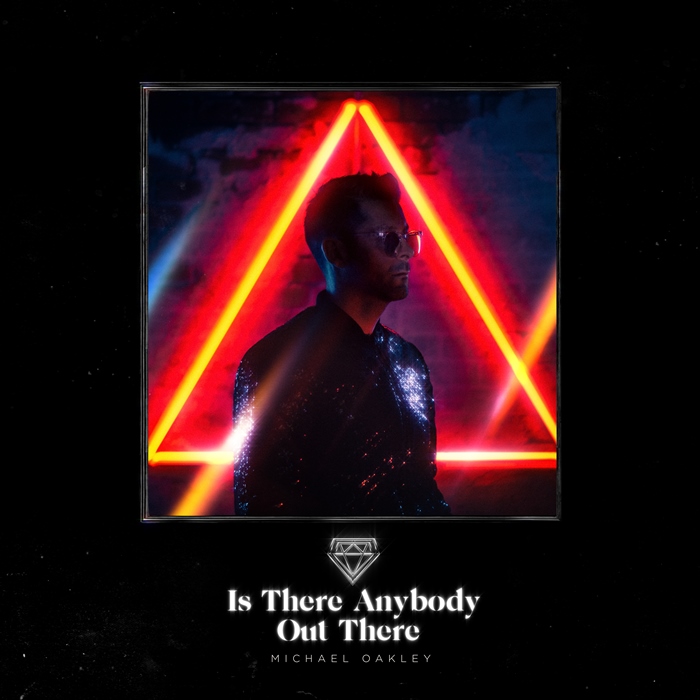
‘Is There Anybody Out There?’ is an uptempo dance number but reflected on your youth in Glasgow, like a cry for help?
Absolutely, it’s about the lack of connection and looking for it, the way you get lost in vices in order to look for that connection. For me specifically, that story is in the 90s, I was in my mid-teens and got myself into drug culture, it was a big thing where I came from and with the older boys who I hung about with, you went down that rabbit hole of smoking weed and taking ecstasy, that song is about getting into that. At the end of the song, it’s then a cry for help to get me out of this because I’d taken it too far.
It’s interesting because I had done a version of that track and sent it to a good friend of mine, Jon Campbell from THE TIME FRQUENCY who had a string of Top10 hits. He said “this mix sounds great but it’s too much like me! Gimme a week, I’m gonna do you a mix, I don’t normally do this but I love the song”. So he sent me a mix and it captures a certain magic, so that’s the one I use for album… he quipped “my mix sounds like you!” *laughs*
‘Is There Anybody Out There?’ is very relatable to now…
Yeah, it’s got many layers and relatable to people at home, not being able to socialise or connect, that genuine experience.
Having Hayley Stewart aka Mecha Maiko on backing vocals gives the song an eerie feeling to too?
Yes, I had a call with her and Dana Jean Phoenix to be part of the album as I wanted a very female centric backing harmony sound to it like PET SHOP BOYS have on their early album ‘Please’. I always feel that contrast of a male lead vocal with female backing vocals adds a certain flavour. NEW ORDER did it on ‘World’ as well, it’s more poignant, it makes more of an impact on records, especially with guys like Neil Tennant or Neil Tennant who are not the greatest singers. So Hayley brings that ghostly ethereal sound which is why I used her on ‘Is There Anybody Out There?’.
I didn’t ask Dana to be on that track because she sounds better on stuff like ‘Babylon’ and ‘Glasgow Song’ because she has the more diva soulful voice, in your face whereas Hayley is more textural so she’s more prominent on ‘Queen Of Hearts’. They are both just incredible singers.
The video for ‘Is There Anybody Out There?’ has bits that are like ‘Addicted To Love’ for the synthwave generation, is that one girl or twins?
Haha, that’s the magic of television! We filmed that at Neon Demon studios in Toronto, the girl we hired Murphy, and we said to her ‘Addicted To Love’ as a reference and also MGMT ‘Little Dark Age. So we had a split screen with two Murphy’s who were different, one with a keytar and one with a keyboard plus there are some other scenes. She was fantastic, it was filmed over an 8 hour day and she spent most of the time getting done in make-up by Amy Harper, and she was a one-take wonder! Cool, next!
Our next card is a Korg 800DV…
Out of all the Korg synthesizers, the one I liked most was the M1. I know it’s not analogue per-se, but it was a great workstation. They were still selling that synth 10 years on because it was so good, it was the first that was famous for the presets. You had the classic M1 piano that was on all those house records like BLACK BOX ‘Ride On Time’ and “Universe” was the other one, a gorgeous choir patch with fluttery things in the background. I’ve used a lot of M1 sounds on the new album.
I used to own a Wavestation which was really nice too… Korg have done some nice stuff, I see Behringer have released their reimagined version of the PolySix; the PolySix is that classic synthwave based sound you hear on all those records that everyone is chugging out, it’s like “let’s get a TR707 and a PolySix bass and away we go!”*laughs*
There’s ‘Glasgow Song’, a big ballad duet with Dana Jean Phoenix that also has bagpipes and a TEARS FOR FEARS rhythm sample from ‘Shout’?
I definitely took a nod to TEARS FOR FEARS for that 100%, all of those sounds are Fairlight samples… I tracked them down and recreated it. When you listen to ‘Shout’, it’s in B flat but that actual sounds are pitched wrong! I know it works in the track but I pitch-shifted those agogô sounds to B flat and be in tune with the track, it was just an interesting realisation! I went for that same effect, even right down to the panning.
Are the bagpipes real?
Yes, I reached out to a genuine Scottish piper, Lorne MacDougall and told him I didn’t want it too crazy so that it didn’t sound like a tourist walking in Edinburgh! What you hear is what he played, he layered that up with 14 different takes and I mixed it all in to sound like a bagpipe band. I must say, that was the only decision where it could go either way, it was either going work or be really sh*t!
It’s an obnoxious instrument and very on the nose, in your face, loud and proud. Was definitely a hard one to tame. I did have some issues in the production to make it fit in the track, but I managed to find the right balance with military drums and guitar supporting. I’m glad I persevered because it packs an emotional punch which really hits the message about how home is where the heart is, no matter what you think of where you come from. You have a love / hate relationship with the place but home is always where the heart is.
‘Queen of Hearts’ offers some more uptempo fare and uses what sounds like a classic Linn Drum Computer?
Those drum sounds are from a company called F9 Audio, it’s this guy James Wiltshire of FREEMASONS who makes incredible sample packs, it was from one called Grid Trilogy. They worked so well, they have a retro sound but they’re dancey as well. The problem with a lot of retro sounds is they don’t have the low end that you want when you do dance music, the kick doesn’t have the punch which you need in a club. These drums were cutting but had the right low end.
So you were after a meatier version of the Linn sound?
Oh yeah, the pack was done so that the drums could be dropped into Ableton as the hits were done individually and you can see the processing he’s done on it, I didn’t have to do anything to them myself as he had made them sound so good. It was probably the only time when I’ve been using drum samples that I didn’t really need to do anything apart from EQ the group to tame the highs, but they were perfect.
Another card, the Octave Kitten…the same company made the Voyetra which NEW ORDER and EURYTHMICS used…
I like the Voyetra, and I know one of the presets was used on ‘Bizarre Love Triangle’, the little “dit-dit, dah-dah, dit-dit” that sounds like a banjo! I have the plug-in version and I only bought it because I know Ulrich Schnauss uses it. I did nearly buy a Behringer Cat, but I bought their Pro-1 which I eventually sold to get a Deep Mind 12.
The Behringer Deep Mind 12 is their version of a Juno 106 but I think it’s better, it sounds like one but offers way more options for the unison mode for one of the oscillators in the effects section, just some of the routing options as well.
It’s been called a “Juno 106 on steroids” and even though I haven’t used it much yet, I’m gonna keep it for my live show and I will find a use for it. I mostly stay in the box when I’m recording, 95% of the time. The only synthesizers that I use for recording are an Ensoniq VFX, a MR rack and a TS10, nothing sounds like the Ensoniq range, they are the most gorgeous sounds, out this world bell tones and really ethereal pads.
‘Wake Up’ is a bit Steve Winwood? Had it been more intention to have more guitar on the album, like strummed acoustics?
I definitely wanted more acoustic guitar and electric but used in a textural way, not in a heavy blazing way. It adds a certain contrast to the synths. There’s a lot of guitar on ‘Wake Up’, that’s John Kunkel, while Derek Elliotson (who I record my vocals with) played acoustic guitar. It gave it more of a TEARS FOR FEARS ‘Songs From The Big Chair’ vibe, I just go with whatever works.
Was it a reaction to what’s going on in synthwave?
I love the synthwave scene, they’re been very amazing to me and adopted me where everywhere else, the door was closed. I’m very grateful for them rolling out the red carpet for me but my criticism of the scene comes from me wanting to protect it. It’s wonderful because of the original songs, that’s the thing and they’re dressed up in retro clothing.
But unfortunately like when a band like OASIS came along, for every OASIS there’s a CAST or a SUPERGRASS,. So for every act like THE MIDNIGHT, there’s a truckload of people who are just copying that sound and it doesn’t add anything new. It frustrating because it’s hurting the scene and the good music in not being listened to in favour of the spam posting of all this other stuff which are literally low-bar entry productions. It’s like when someone listens to TIMECOP1983 or THE MIDNIGHT, and they do the equivalent of drawing a stick man trying to be a Van Gogh, that is just sh*t! *laughs*
I would always encourage musicians to carve their own identity and never follow trends, because if there is a large contingent of people copying other people’s sounds, that in one way is good because you will stand out when you come out with something new.. whether or not that will be appreciated is another completely different matter. I think some of my choices have definitely been reactionary to the scene and I’ve avoided clichés, I never use the same presets twice in my music, I’m very careful about that.
‘Babylon’ features more strums and sax, what’s doing the solo?
The sax is Jesse Molloy who plays on THE MIDNIGHT’s records, but there’s a lot more tropical sounds on ‘Babylon’ like if Robert Palmer did a track with ENIGMA! *laughs*
The solo is all synths, I actually dug into the Roland JV1080 for that, especially the flute and Taj Mahal presets, to picture being in The Hanging Gardens Of Babylon. It’s about meeting my wife, there’s a lot of songs about her on the album. In biblical terms, Babylon was the first civilisation next to heaven, this is the closest to heaven you can get, it feels like Babylon being in this relationship.
The music is very mysterious and even the intro was a nod to the start of FRANKIE GOES TO HOLLYWOOD ‘Welcome To the Pleasure Dome’, all these bird sounds and being in paradise. *laughs*
The final card and it’s a Prophet 5!
Yes, I would love to own one but for now, I’ll just have to make to with Arturia! There are some Prophet sounds on ‘Babylon’, it has that gorgeous pad sound. It was what I was saying that you can hear the difference between a Prophet 5 pad sound and a Jupiter 8, you hear that creamy, unstable oscillation like ‘In The Air Tonight’ by Phil Collins or Peter Gabriel ‘Mercy Street’, the records are endless… oh the Prophet is the ultimate pad sound 🙂
ELECTRICITYCLUB.CO.UK gives its sincerest thanks to Michael Oakley
Like FM ATTACK, as one of the more accomplished figures in synthwave, BETAMAXX explored goth and new wave on his most album ‘Lost In A Dreamworld’.
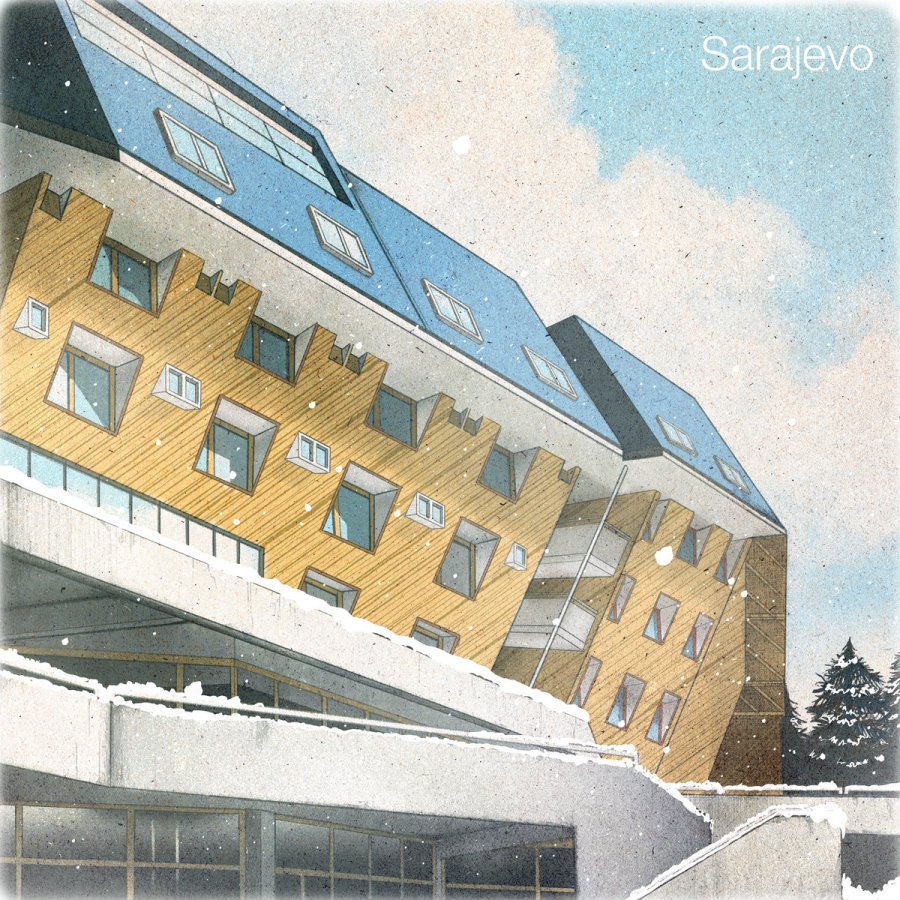
The musical vehicle of Pittsburgh based Nick Morey, the first BETAMAXX long player ‘Lost Formats’ came out in 2012. Featuring VANDAL MOON, GLITBITER and MECHA MAIKO, ‘Lost In A Dreamworld’ was anything but and a confident affair boasting a catchy poptronic template with crossover potential. However, the new BETAMAXX record ‘Sarajevo’ is more reflective with no vocals or vocoder.
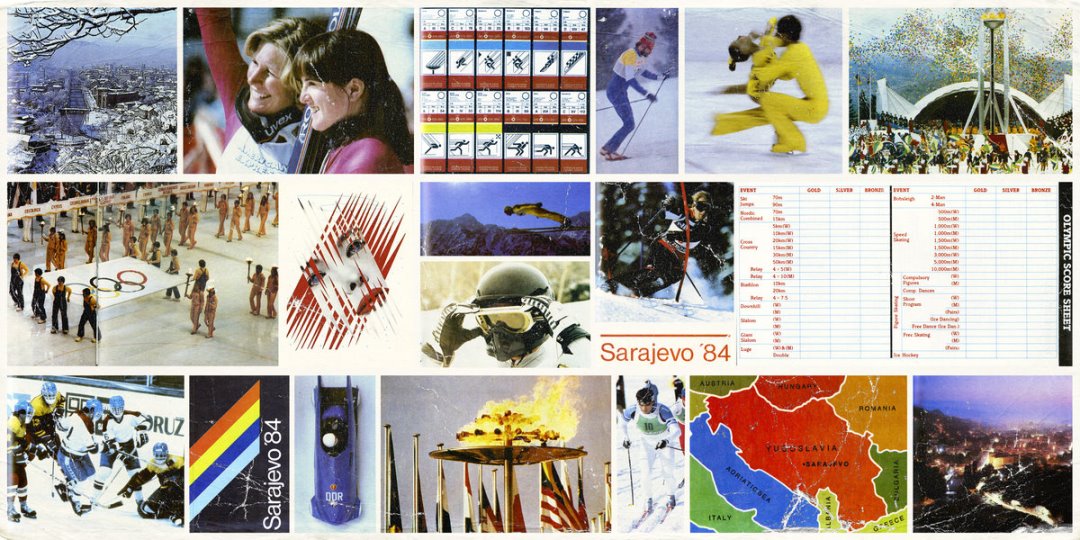
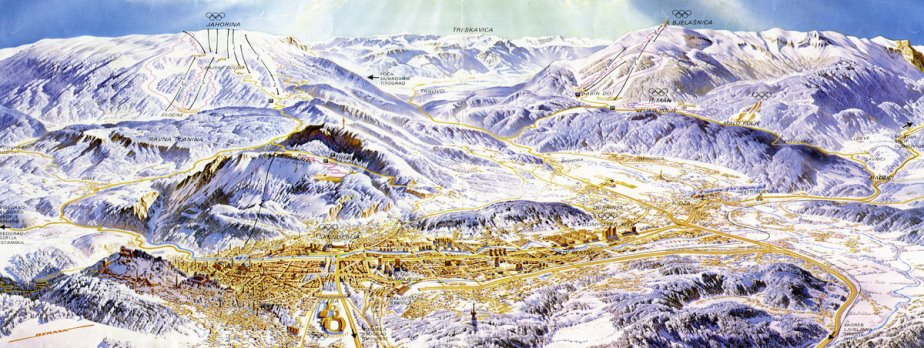
An instrumental concept album inspired by the Bosnian city that hosted the 1984 Winter Olympics, it was the games that made household names of skaters Katarina Witt, Scott Hamilton, Jane Torvill and Christopher Dean. At time, Sarajevo was part of the former Yugoslavia and had a chequered history as the starting point of the First World War. And eight years later, it found itself at the heart of the Bosnian War which lasted from 1992 to 1995 and saw the city divided in the longest siege in modern history.
Inspired by artists such as BOARDS OF CANADA, Morey has crafted a moody listening experience that takes a time machine back to that winter of 1984. As only the second Olympics held behind the-then Iron Curtain, there was much excitement in the city as Sarajevo celebrated its cultural co-existence with a spectacular opening ceremony. “It pays homage to its people, the athletes that competed, and aesthetics and design of the XIV Winter Olympic Games” said Nick Morey.
The opening drift of ‘Olympic City’ accompanies the poignant chatter of united children while the breezy ‘Winter Games’ provides punchy beats augmented by some quite funky synthbass and bright brassy tones. ‘Alpine’ follows along a similar path but is more AIR-like and sedate as it steadily embarks on a climb. On the decent, ‘Downhill’ is a something of a highlight in its building rhythmic exhilaration laced with the tension of ‘Stranger Things’ and archive TV commentary to celebrate Bill Johnson’s victory as the first American to win gold at an Olympic downhill skiing event.
‘Enchantment’ provides some rich haunting ambience but the stark backdrop of ‘Igman’ with its chilled beats aurally illustrate the brutalist architecture of the hotel designed by Ahmed Džuvić that provides the image to the album’s artwork and post-war now stands abandoned and derelict.
Meanwhile after some cascading arpeggios, the ‘Sarajevo’ title track morphs into a slice of shuffling Balkan dub echoing SABRES OF PARADISE before the ringing calls of ‘Horizon’ sculpt a downtempo journey towards closedown. With beautiful hints of Arvo Pärt’s ‘Spiegel Im Spiegel’, ‘Ceremony’ is a slow waltz embroiled in a moving melancholy with the knowledge that despite the collective optimism from hosting the games, the tragedy of war was to come.
Harking back to an era when the Cold War would often be played out in the Olympics, ‘Sarajevo’ is like a soundtrack to a film yet to be made. With exquisite analogue sound design and an intuitive sense of atmosphere, ‘Sarajevo’ should open out opportunities into the film world for BETAMAXX.
‘Sarajevo’ uses the following synthesizers: Sequential Circuits Prophet 10, Sequential Circuits Prophet 6, Roland Juno-60, Roland Juno-106, Roland SH-2, ARP Odyssey, ASM Hydrasynth, Roland RE-501, Strymon Big Sky
GLITBITER is the musical vehicle of Los Angeles-based musician and vocalist Florence Bullock.
Classically trained with a love of esteemed songwriter Jimmy Webb, she describes her style as “Dreamy synthwave for the dark soul”. One of her forays into the North American synthwave scene included her contribution to BETAMAXX’s ‘Lost In A Dreamworld’ album on ‘Skyhigh’, with the song’s vibrato treated vocal stabs on the coda being a particular delight. There was also a cameo in the video for another BETAMAXX track ‘Never Sleep Again’ which was fronted by gothwavers VANDAL MOON.
Meanwhile, when PARALLELS celebrated the 10 year anniversary of their debut album ‘Visionaries’ with some specially commissioned remixes, GLITBITER’s sparking rework of the song ‘Vienna’ was the best of the bunch. More recently, she joined DEAD ASTRONAUTS for the recently released ‘Silhouettes’ album with ‘Thorns’ being one of the highlights.
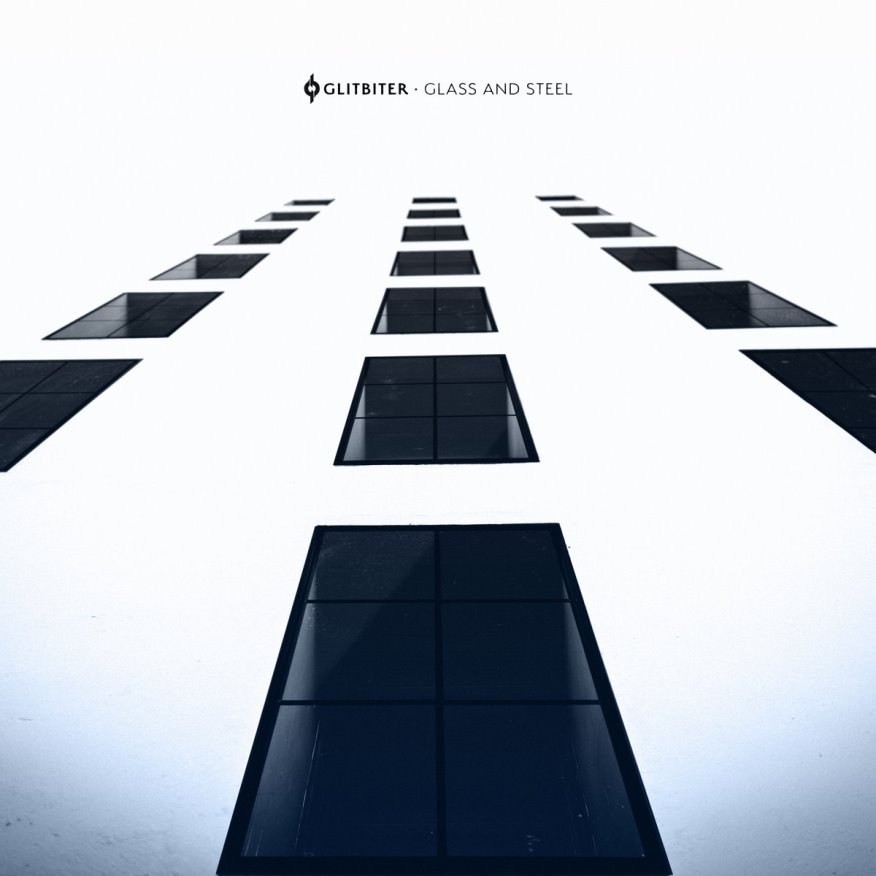
Having issued a promising three track EP ‘Short Stories’ in 2017, GLITBITER has taken the next step with a six song mini-album called ‘Glass & Steel’. This title is an appropriate pointer to its contents and the first thing instantly noticeable is the leap in sonic progression compared with her earlier work.
The melancholic folk-laden opener ‘Out of the Wasteland’ adopts a slow swing template and recalls Scotland’s WITCH OF THE VALE or Sweden’s Karin My but enhanced by speedy arpeggios and prominent synthbass drones. More four-to-the-floor with a driving bass triplet, ‘Turn’ gallops into the sunset with a rich display of vocal prowess.
Featuring a soaring sweeping synth solo that is a total delight, ‘Blade’ reveals an angelic crystalline quality to a more archetypical synthwave template although GLITBITER puts her own stamp on the form, learning lessons from her association with BETAMAXX. Much more ringy in tone, ‘Girl In A Storm’ applies an interesting use of stuttering rhythm at its start before embarking on its syncopated journey while swathed in folky overtones.
With a meaty rhythmic construction that doesn’t overbear, ‘Follower’ pulsates wonderfully while also providing space to breathe for the gloriously emotive vocals. ‘Glass & Steel’ ends with ‘Fights & Fears’, a lush set piece that includes bright and bent synth passages to take the listener into another zone.
With all the songs written, produced, performed and primarily mixed by GLITBITER except for ‘Turn’ and ‘Follower’ by Mike Balboa, ‘Glass & Steel’ is an impressive debut long form release that avoids most of the synthwave clichés to showcase GLITBITER as an electronic talent for the future.
Dark without being doomy and eschewing the shoegaze distortion or tune aversion that mars the majority of dreampop, ‘Glass & Steel’ provides an appealing feminine air to the synth form with a few traditional elements for that crucial facet of musicality.
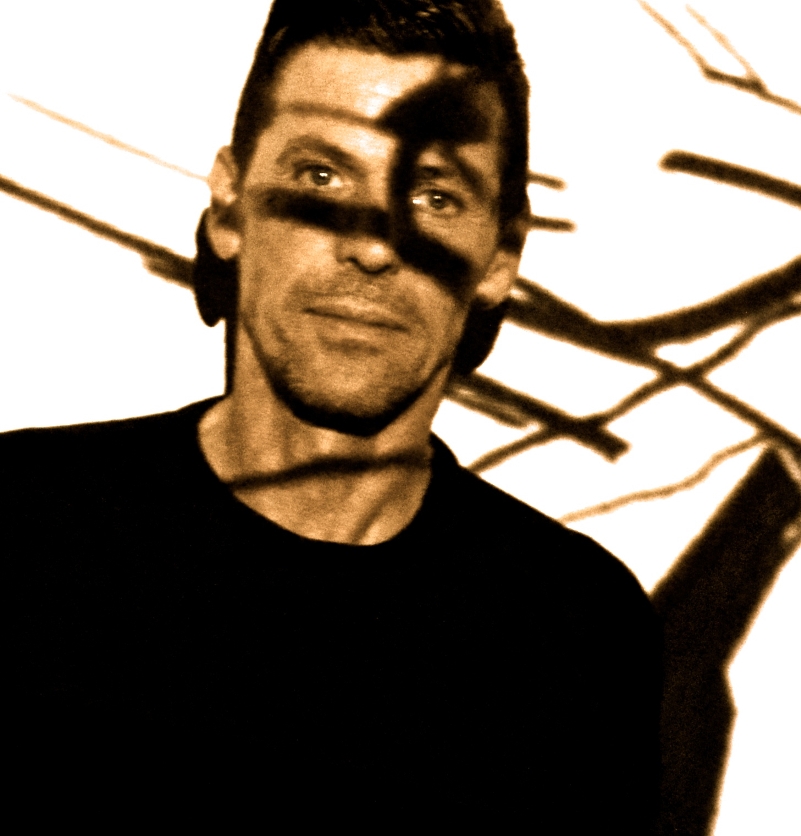
A veteran of Manchester’s influential post-punk movement, Eric Random has been making music for over 40 years and while he remains something of a cult figure, his curriculum vitae is impressive.
Eric Random’s musical journey began as a roadie for BUZZCOCKS and with their late frontman Pete Shelley, they formed THE TILLER BOYS who opened for JOY DIVISION at The Factory as emblazoned on Peter Saville’s iconic “Use Hearing Protection” FAC1 poster.
When Eric Random released his first solo record ‘That’s What I Like About Me’ in 1980, it was via BUZZCOCKS’ New Hormones label. He also appeared as a member of JELL on the ‘Some Bizzare Album’ with the track ‘I Dare Say It Will Hurt A Little’.
Meanwhile THE TILLER BOYS mutated into FREE AGENTS which led to him meeting CABARET VOLTAIRE. In 1984, with the production input of Stephen Mallinder and Richard H Kirk at their Western Works studio, Random released the alternative club favourite ‘Mad As Mankind’, a slice of soulful tabla-infused electro.
As one of THE FACTION, Random backed Nico, best known as the chanteuse of THE VELVET UNDERGROUND, on her final studio album ‘Camera Obscura’, produced by former Velvet John Cale in 1985.
Although he continued with sporadic FREE AGENTS releases produced by Martin Moscrop of A CERTAIN RATIO, by the start of the 21st Century, Eric Random had gone into hiatus.
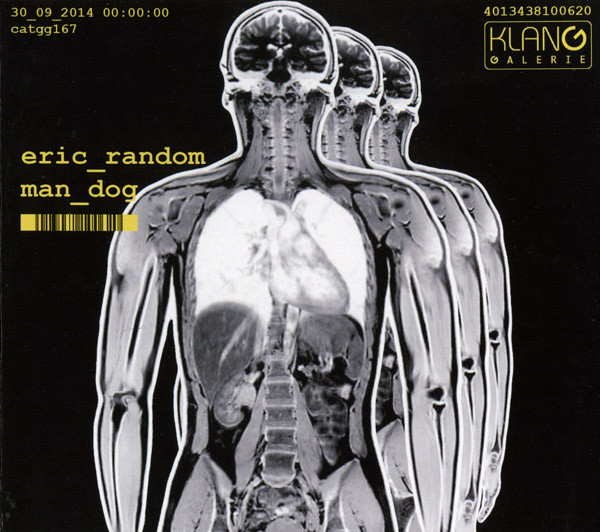
In 2014, he made his comeback with the ‘Man Dog’ album on Austrian label Klanggalerie Records and returned to the live circuit, opening for A CERTAIN RATIO and WRANGLER, as well as performing at the 2016 Electri_City_Conference in Düsseldorf.
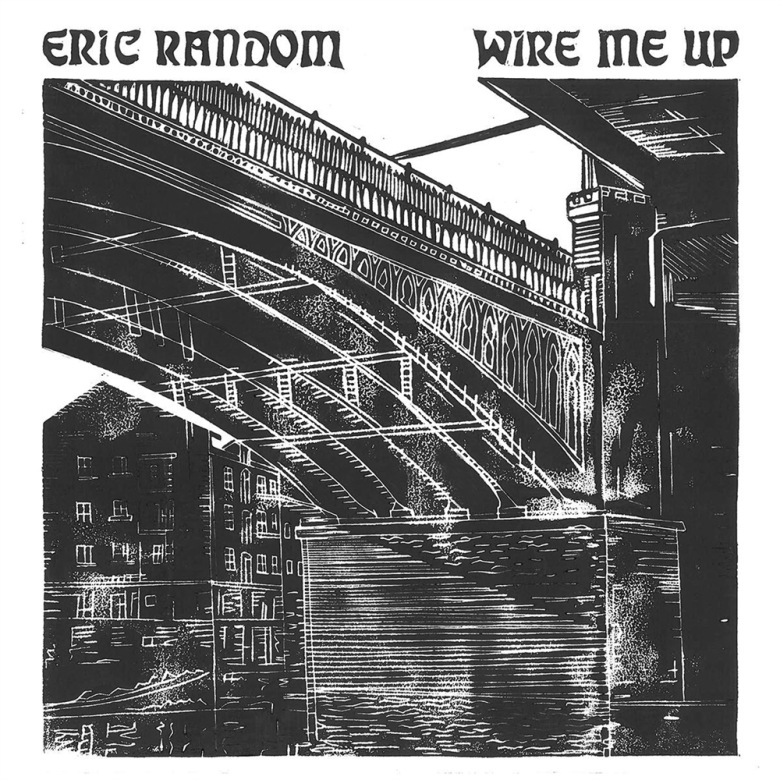
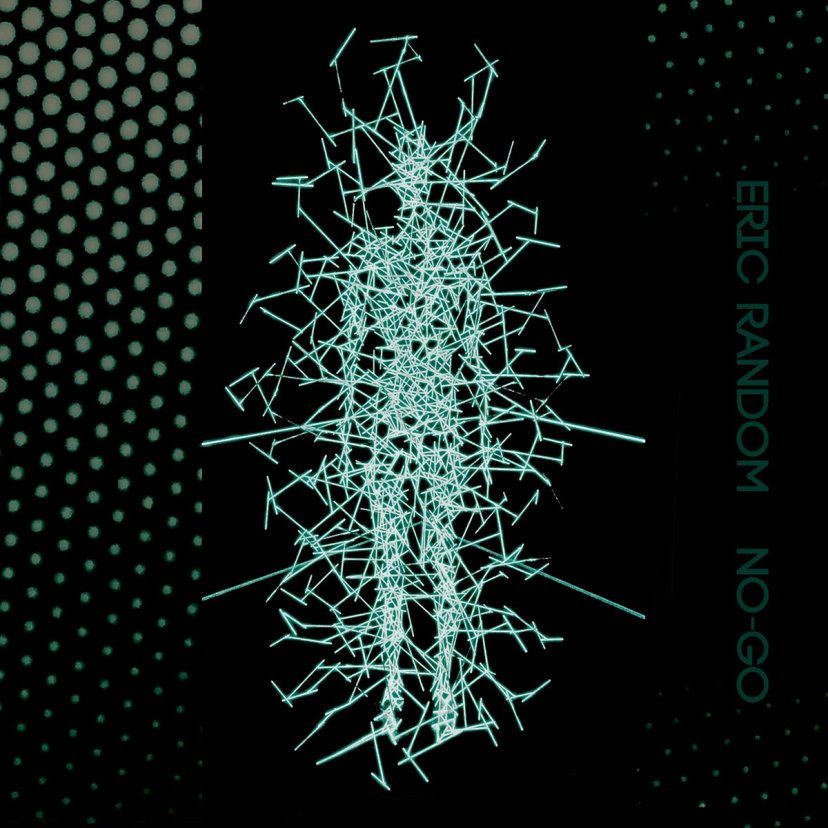
2019 saw Random release ‘Wire Me Up’, an excellent double album of predominantly electronic instrumentals while his new recently issued long player ‘No-Go’ develops on its dance template with a reintroduction of vocal textures, both natural and sampled as well as robotic.
Echoing FAD GADGET, NEW ORDER, CABARET VOLTAIRE and KRAFTWERK, despite the sinister if melodic nature of ‘No-Go’, a high groove factor is present within the programmed rhythmic lattice, a likely consequence of Random’s period of studying percussion in the Himalayas back in the day.
Eric Random spoke to ELECTRICITYCLUB.CO.UK about ‘No-Go’ and his refocus on electronic music over the years since his return.
Having been involved in post-punk, early electronica and world music, working with people like Pete Shelley, Richard Kirk, Stephen Mallinder, Nico, John Cale and Nusrat Fateh Ali Khan, when you returned from hiatus in 2014, you opted to focus on electronic music, what had been the motivation?
My return to releasing music and live performance in 2014 was concentrated on a more electronic aspect. The motivation being that as I would be working as a solo artist once again, I wanted to revisit my earliest influences. Not just to rekindle my love of music from a certain era, but to take a fresh contemporary look.
Had the technology improved to the point that it was a no-brainer?
Although the influx of new technology was exciting, I also relied (and still do) on some old favourites, such as Roland, Korg and Yamaha analogue synths and drum machines.
What was your first synthesizer and what was it like to use?
The first two synths that I owned were a Korg MS10 and I also had a Crumar Trilogy. This was a huge Italian-made synth, really nice but incredibly heavy to cart around.
What equipment set-up do you opt for these days in the studio, are there any particular tools of choice?
As I mentioned earlier, when in the studio I still go to my analogue gear along with a mix of modular units also some Moog, Electron and MFB gear.
At around the same time, had you been aware that Stephen Mallinder was making a return as part of WRANGLER, did you maintain a kinship with each other over the years?
As friends for more than 40 years, we did lose touch for a while, both being off on travels in different parts of the world. Then we met up again when asked by Walter Robotka to do a ‘Double Vision’ event in Vienna. With Stephen being such an easy going guy, we took up again as though we had only just recently seen each other. He also went straight back to being an inspiration with my first taste of a WRANGLER performance.
How do you look back on those first three comeback albums ‘Man Dog’, Words Made Flesh’ and ‘Two Faced’?
I see the first three Klanggalerie albums as somewhat of a re-learning curve, not only on the technical side of recording but also in writing the kind of work I want to produce. ‘Man Dog’ being the transition between the kind of music I was making just previous, which still showed some of the ethnic and slight jazz influences to the now purely electronic.
Your recent music has featured guest singers, ethnic vocal samples, your own voice and vocoder treatments, how do you decide what suits particular tracks, if at all?
The vocals on these albums are mainly through vocoders or various effects. Not usually starting out with a definite sound in mind, sometimes a case of trial and error. Mostly working my voice into something that’s textured and sinuous.
2019’s ‘Wire Me Up’ was a primarily instrumental set and had less “vocals” than on ‘Two Faced’, had there been any particular reasons for this direction?
‘Wire Me Up’ was intentionally more instrumental orientated as it was a vinyl release for Sleepers which is a club inspired label. The song format for me seems to, not restrict but can contain the accompanying music to a degree. So purely instrumental tracks allow the different kinds of sounds to open up and expand, giving certain parts more significance.
Was ‘Systematic’ from ‘Wire Me Up’ a nod to KRAFTWERK?
My appreciation of KRAFTWERK is quite evident when listening to ‘Systematic’, but there was no actual conscious decision to pay homage.
Also from ‘Wire Me Up’, the lengthy ‘You Seem The Same’ managed to fuse colder sounds with a real groove which was an interesting contrast?
Yes, I find fusing darker emotional, more unsettling sounds that have a sense.
You opted to release ‘Wire Me Up’ on Sleepers Records, after the previous three were on Klanggalerie. But you have now returned to Klanggalerie for ‘No-Go’, so is a label still important for an independent artist of your standing?
For playing their part in keeping physical formats alive and staving off complete digitisation of the industry. This and the discomfort I feel at the thought of selling myself, even after all these years of releasing albums make labels very much important to me.
‘No-Go’ continues your pursuit of a techno-based dance direction, but although the Detroit influences are there rhythmically, your music continues to maintain a Northern Industrial vibe. So the surroundings you grow up in never really leave your psyche?
I suppose the experience of growing up in a bleak industrial city in decay that was Manchester in the 60s will be part of me forever. Along with the sense of alienation and paranoia often felt in the 70s as a teenager when on the city streets. All of which must play a part in what I still produce today.
‘Synergy’ is a great opener that signals a natural progression from ‘Wire Me Up’, had your approach altered much while making ‘No-Go’?
Compared to ‘Wire Me Up’ in which I kept to a very immediate, raw almost improvised approach which just naturally progressed. ‘No-Go’ was written with more definition of process, more sculptured and manipulated over a period of time.
The wonderfully dark and blippy demeanour to ‘Compulsion’ is like a doomy PET SHOP BOYS, how did that come together?
I can see where you’re coming from suggesting these comparisons. I first wrote it as a brooding, dark groove track. Then I had the idea to do a vocal which was less processed than my usual style, which gave it that dreamy kind of retro feel.
‘Dirt’ does do what it says on the tin with them rather gritty sounds, what were you doing to construct those?
The overall sound and texture of ‘Dirt’ comes from running a sequence into modular VCOs then feeding them through a bitrazer and delays to achieve a gritty chaotic feel.
The Sci-Fi disco of ‘Fundamental Phenomena’ has an enjoyably futuristic quality, are you a fan of those kind of books and films? Any particular ones?
Sci-Fi disco, definitely my kind of thing, I love the greats like Philip K Dick, Isaac Asimov and Harlan Ellison. One of my all-time favourite movies is ‘Fahrenheit 451’, watching this as a youngster on TV was a game changer.
‘What Does It Feel Like’ is a bit more unusual and goes away from the dance template of the other tracks on ‘No-Go’ with that creepy arpeggio line, had the track been inspired by anything particular?
Wanting to briefly step away from dance type rhythms, I began working on this track by experimenting with the bass sequence producing an almost uneasy feeling of imminent threat. Then added to this the excitement and chaos of the synth lines that cut across the rhythm.
Which are your own favourite tacks on ‘No-Go’?
My two personal favourites are ‘Dirt’ for its lyrical relevance and being the first thing I wrote just as the lockdown in March 2020 occurred. The other, ‘Is The Sun Up’ because it has that cold space to it and is set to strong hypnotic beats, then goes on an aggressive tangent at the end.
What’s next for you, is live work still of interest or has everything that’s been going on made you think being stuck indoors is not such a bad thing after all?
As for the future, a couple of projects that were postponed or had to be rethought due to the situation of the past year will hopefully see daylight. First of all, a track I wrote with THE POP GROUP’s Mark Stewart should see the light of day. Coming out on the Texas based label Emergency Hearts also, a track featuring a vocal trio from Mark, Stephen Mallinder and myself. As for performing again, well it’s a very uncertain. I actually had gigs in LA, SF and across Europe which were cancelled last year. Apart from the pandemic there is also the political climate and Brexit all piling on the difficulties of travelling to do gigs in Europe. We shall see.
ELECTRICITYCLUB.CO.UK gives its warmest thanks to Eric Random
We use cookies to ensure that we give you the best experience on our website. If you continue to use this site we will assume that you are happy with it.


Follow Us!