Author: electricityclub (Page 44 of 441)

“I don’t like country & western, I don’t like rock music… I don’t like rockabilly! I don’t like much really do I? But what I do like, I love passionately!!”: CHRIS LOWE

“Good taste is exclusive”: NICK RHODES

UTAH SAINTS Interview

Just as affordable synths from Japan from the likes of Korg and Roland fuelled the rise of Synth Britannia, it was affordable samplers manufactured by Akai fed the rave revolution…

UTAH SAINTS were pioneers of what came to be known as stadium house, a term coined by Bill Drummond of THE KLF; comprising of Jez Willis and Tim Garbutt, the pair become known for their melting pot of influences. Elements of synth, art pop, funk, disco, soul, R’n’B, rock, metal, techno, breakbeat and hip hop were sampled, remixed, edited and processed to produce their own distinctive brand of electronic dance music which euphorically sat in between the underground and the mainstream.

Their 1993 debut self-titled album spawned the hits What Can You Do for Me’, ‘Something Good’, ‘Believe in Me’ and ‘I Want You’, leading to them to open for U2 on the stadium leg of their ‘Zoo TV’ tour. Their self-referencing catchphrase “UTAH SAINTS-U-U-U-UTAH SAINTS!” became ubiquitous, so much so that in an indicator of their profile at the time, alternative comedy pairing Baddiel & Newman sent up the duo in an ‘MTV Unplugged‘ sketch.

Work towards the follow-up to their Top10 debut long player took a number of years and ‘Two’ did not emerge until 2000. But in the interim, the remix commissions came flooding in and included THE HUMAN LEAGUE, SIMPLE MINDS, JAMES, BLONDIE, HAWKWIND and THE OSMONDS alongside soundtracks for computer video games.

While there has not been a new album since, UTAH SAINTS have kept busy with standalone digital singles, more remixes, worldwide DJ appearances, curating festival stages and promoting their own events, often showcasing new talent. Their best known track ‘Something Good’ continues to have a life of its own and became a hit again as a 2008 remix featuring new vocals by Davina Perera. More recently, their ‘Two’ opener Sun’ was used on the end credits of the 2022 Steve Buscemi film drama ‘The Listener’.

With a busy 2024 schedule and plans to release new music, UTAH SAINTS collectively answered questions put to them by ELECTRICITYCLUB.CO.UK about their past, present and future…

How did UTAH SAINTS begin? Was it scene or tech related, or both?

Jez Utah was in electronic based bands MDMA, CASSANDRA COMPLEX and a surf band – SURFIN DAVE & THE ABSENT LEGENDS. He came to UTAH SAINTS heavily influenced by European electronic music such as FRONT 242 and THE YOUNG GODS, and Metal – MOTÖRHEAD, AC/DC and THIN LIZZY. He was also DJ-ing 70s disco and funk, having started as a mobile function DJ when he was 14.

Tim Utah was heavily influenced by 80s hip hop and late 80s/early 90s house. He was a DMC Turntablist semi-finalist when he was 17. The mutual crossover was PUBLIC ENEMY and THE KLF. When rave took off, it combined all of our musical interests, and was DIY – this ticked all the boxes for us, so off we went.

Martyn Ware has recalled he had a choice of buying a synth or learning to drive back… the availability and affordability of Akai samplers and Atari computers must have helped but did you have any similar choice dilemmas?

Yes, it was a car or a sampler.

One of the statements on the first album was “TAKE CONTROL OF THE MACHINE NOW!”, was it important for UTAH SAINTS to have a manifesto of sorts, even if was just for yourselves?

Yes, very important – we were just saying get on the tech now, or be left behind. A very similar message applies now, 30 years later.

You were quite bold and went for quite high profile vocalists to sample from the off, how was the process of clearing them? Was it more straightforward back then or did it open up a can of worms?

Like now, it varied as everyone has a different opinion on sampling. Kate Bush was obviously a very sensitive negotiation that we stayed out of as we were new and she is such an amazing icon.

Whether it was Annie Lennox, Gwen Guthrie, Kate Bush or Phil Oakey, while the voices were recognisable on UTAH SAINTS’ tracks, the manipulation of these created your own glossolalia, would you have been doing the sampler equivalent of “jamming” to create these?

Yes, we would sample anything and everything music-wise, and layer and loop to see what worked – took a lot of influence from the Shocklee brothers’ approach.

‘Believe In Me’ was quite mad as you had Sylvester sparring off Phil Oakey next to CROWN HEIGHTS AFFAIR, did this reflect the broad musical church of UTAH SAINTS?

Yes, as broad as we can get – it’s all sonically useful, and some of the most interesting sounds come from combinations that might not be too obvious.

After all the art pop, synth, soul and disco, ‘I Want You’ used samples of heavy rock band SLAYER, where did that idea spring from?

Jamming with the sampler. One thing that held us back a bit was trying to reinvent our sound track-by-track as opposed to album-by-album, which is what we probably should have done. Also that’s where THE YOUNG GODS’ influence arrived.

You covered SIMPLE MINDS ‘New Gold Dream’ but this appeared to coincide with U.S.U.R.A. ‘Open Your Mind’ which sampled it. Did you ever think about conceiving a sample based track before settling on doing a cover version?

No, we wanted to cover one of the biggest live tracks we could think of at the time – that was a stadium track, and helped us when we played live, especially when we opened for U2 in actual stadiums. The U.S.U.R.A. track is great, really nice sampling.

How did you feel when UTAH SAINTS were later invited to remix ‘I Travel’ by SIMPLE MINDS in 1998?

Honoured, excited and a bit intimidated – early SIMPLE MINDS was so groundbreaking, such a great band.

There was a remix of ‘Crazy Horses’ by THE OSMONDS in 1996 which was quite appropriate…

Yes, that’s why we did it, they also paid us with an Akai 3200, so that we could fully sample what we needed for that remix.

Your remix portfolio is wide and has included BLONDIE, THE WEDDING PRESENT and GIRLS ALOUD, do you have a favourite out of all the ones you’ve done?

Tricky, but probably ‘Little Bird’ by Annie Lennox.

Photo by Martyn Goodacre

Did you feel any affinity with other British dance acts of the period like THE KLF, LEFTFIELD, THE PRODIGY, ORBITAL, UNDERWORLD and THE CHEMICAL BROTHERS? Was it a bit brothers in arms or had there been some rivalry?

Love all of them, total privilege to be associated with those names. No rivalry from us, just awe, respect and an ambition to be as good as them.

It took 7-8 years to follow-up the debut album but then this wasn’t unusual among dance-based acts as LEFTFIELD, THE PRODIGY and STEREO MCs proved, but were you worried about becoming too formulaic? Was there an existential crisis?

Yes, we were pulling ourselves in all directions, and the business wanted us to be NINE INCH NAILS for the USA and THE KLF for the UK. We are The Utahs, and we did our own heads in a bit, trying to work out what that meant.

On top of that we heard ‘Born Slippy’ about a year before it came out, and THE PRODIGY released ‘Jilted Generation’. Both those things happened when we were making the second album, and made us re-assess what we were doing yet again.

The ‘Two’ album featured a diverse cast including Michael Stipe, Christie Hynde, Edwin Starr, Chuck D, Joyce Sims and Iggy Pop while there were also samples of METALLICA and AVERAGE WHITE BAND, what are your memories of putting this body of work together? Was there a sense of freedom, relief and adventure after the shelved second record?

Yes, we had nothing to prove at that point, so we spent two years, all day every day making that album, it’s a very complex album, but probably only us who see it that way. Amazed to get all the samples cleared, again a great honour.

‘Power To The Beats’ featuring Chuck D from PUBLIC ENEMY was quite different to what had gone before on the debut record? It reminds me a bit of ‘Afrika Shox’ by LEFTFIELD and Afrika Bambaataa, but was the influence much deeper rooted in the pioneering era of rap and hip-hop.

The idea was to make a track that had both those parties on. At the time there was a big debate in the USA about Napster allowing free downloads of music. There was a debate in The Senate and both Chuck D and METALLICA testified there. It was reported as them being on different sides of the argument – Chuck pro-Napster, METALLICA anti. That wasn’t the case at all, they both wanted similar things. We thought it would be interesting to make a track with both of them sampled. It worked, but no-one got the Napster reference…

You are still touring extensively, what can people expect from a UTAH SAINTS show today?

Essentially heads down DJ-ing with effects, playing as much exciting music as we can pack in – ours, other peoples, and special edits of known tracks…

Are there any proudest moments or achievements UTAH SAINTS?

That we were part of the emergence of rave music – as well as Utah music, we have promoted over 1500 events, booking hundreds of electronic DJs and acts. After that, we’re just happy that we still feel relevant to the electronic music scene – a lot of current dance music is emulating the earlier sounds.

What is next for UTAH SAINTS? Will there ever be a new album, does the long playing format have a place any more in the modern music environment?

We’re planning that, if we can get out of our own way and trust our own judgement when it comes to our own music, then yes, there will be new music – we currently have over 25 tracks on the go. The album concept is interesting – if we finish maybe 10 tracks in a similar timeframe, which is the aim, then we will release an album. The Long Player does have a place, just perhaps not the driving force it once was…

Will AI play a part in the future of UTAH SAINTS, in music making, DJ-ing or live presentations? Have you used it for anything yet?

It’s a tool, but until bio-computers arrive that can grow their own brains, AI in the context of creativity is re-active at the moment, not pro-active. What the world really needs is new ideas, not rehashed old ones, and that is probably a few years off with AI.

It’s an exciting time though!


ELECTRICITYCLUB.CO.UK gives its warmest thanks to UTAH SAINTS

The ‘Utah Saints’ and ‘Two’ albums are still available in the usual formats

UTAH SAINTS 2024 DJ dates include:

Middlesbrough Save The Rave (13 July), Maidstone Revival In The Park (14 July), Bromyard Noz Stock (19 July), Clitheroe Beatherder (20 July), Halifax Piece Hall (27 July), Nantwich Deva Fest (9 August), Escot Park Beautiful Days (17 August), Silloth Solfest (22 August), Morbeth Party In The Park (25 August), London 100 Club (14 September), Folkestone Quarterhouse (21 September), Minehead Shiiine On Weekender (16 November), Birmingham Hare & Hounds (13 December)

http://www.utahsaints.com/

https://www.facebook.com/UtahSaints

https://x.com/UtahSaints

https://www.instagram.com/utahsaints/

https://open.spotify.com/artist/2KB6LGMBaOYYYdvvgyptFH


Text and Interview by Chi Ming Lai
8th July 2024
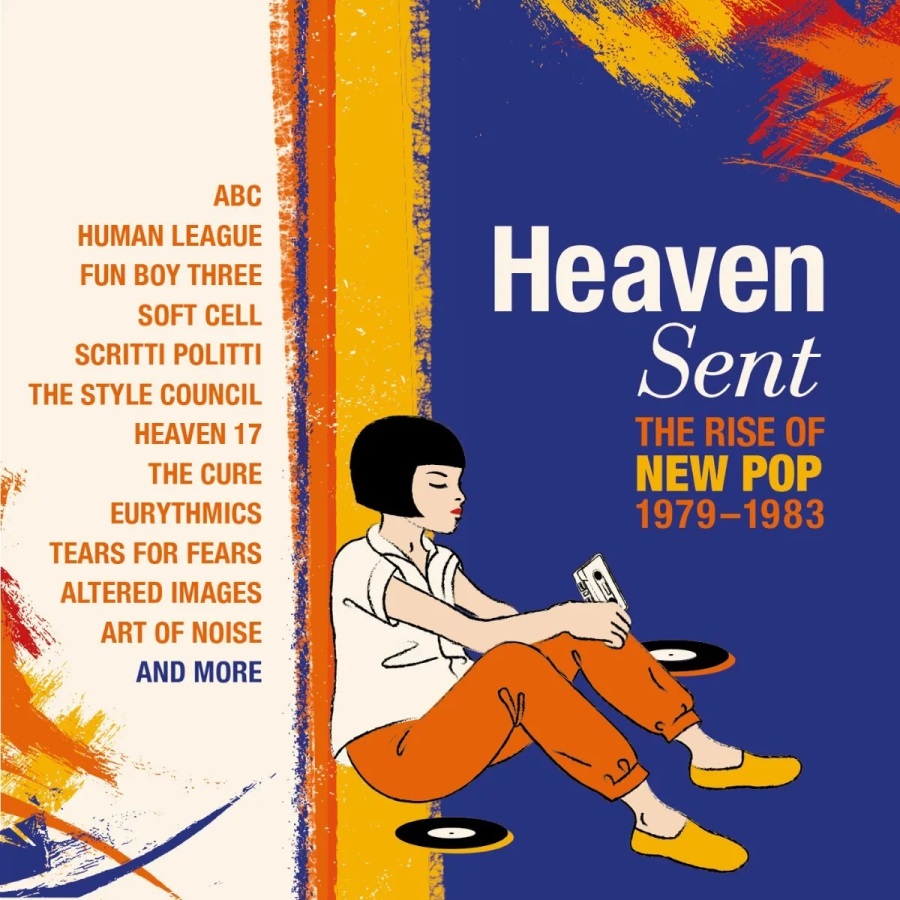
HEAVEN SENT The Rise Of New Pop 1979-1983

Unlike “New Romantic”, “New Pop” was a term that never truly stuck… it was coined by Paul Morley, then a polarising writer for NME. It was used to describe forward thinking music that, while rooted in post-punk, was accessible and looked to overthrow rockist conventions by unashamedly blending a variety of styles.

The acts who found themselves considered as part of this movement included THE CURE, SIMPLE MINDS, OMD, JAPAN, CHINA CRISIS, THE HUMAN LEAGUE, SOFT CELL, HEAVEN 17, EURYTHMICS, TEARS FOR FEARS, A FLOCK OF SEAGULLS, FUN BOY THREE, SCRITTI POLITTI, THE STYLE COUNCIL, ALTERED IMAGES, DEXY’S MIDNIGHT RUNNERS, MONSOON, THE TEARDROP EXPLODES, ABC, HAIRCUT 100, THE PALE FOUNTAINS, EYELESS IN GAZA, BLUE RONDO A LA TURK, RIP RIG & PANIC, JOBOXERS, THE HIGSONS and even THE STRANGLERS.

This was a broad church that many would not have granted a common association but that was the point. Even in what appeared to be traditional band formats, new technology meant synths emulated brass sections or funk basslines while drum machines took the place of conventional sticksmen and it could all be recorded in a DIY fashion with portastudios and the like.

New Pop was about the aspirations of those disenchanted with the Winter of Discontent and then the Conservative government under Margaret Thatcher to pick up musical instruments without any formal training. The intention was to be heard, whether in the clubs, on the radio or in the charts. The ever dependable Cherry Red present ‘Heaven Sent – The Rise Of New Pop 1979-1983’, a 4CD collection compiled by the team who curated the ‘Musik Music Musique’ sets.

Of the artists that ELECTRICITYCLUB.CO.UK would appreciate, there are fine choices that are off the beaten track away from obvious hits; THE HUMAN LEAGUE are represented by the excellent ‘Boys & Girls’ which was the first single after the departure of Martyn Ware and Ian Craig Marsh while the latter pair’s HEAVEN 17 contribute the locomotive snap of ‘I’m Your Money’. OMD have ‘Red Frame / White Light’, the lightweight ditty about the 632 3003 phonebox which served as their office in their formative years.

But synthpop was taken to the next level with the gritty social commentary of ‘Bedsitter’ proving that SOFT CELL were more than a one hit wonders and could chart with self-written material. A sign of how angst ridden youngsters were expressing their existential and political concerns to music came with fine debut offerings respectively from TEARS FOR FEARS and CHINA CRISIS but while ‘Suffer The Children’ and ‘African & White’ were not Top40 hits, they were hints of their mainstream success to come.

A year before they subverted the singles chart with ‘Party Fears Two’, ASSOCIATES were peddling the more challenging ‘Q Quarters’ while on THE CURE lightened up with ‘Let’s Go To Bed’ in the first of their fantasy singles trilogy that would later include ‘The Walk’ and ‘The Love Cats’. And prior to DEAD OR ALIVE becoming a HI-NRG disco act, they were a brooding goth band with ‘The Stranger’ in its original Black Eyes Records incarnation as wonderful evidence of that.

Maturer acts who made an impression during this period like M, THE BUGGLES and NEW MUSIK are all present and correct with their biggest hits while one song that deserved to be a hit was the bizarre but brilliant techno-swing of ‘An Englishman In New York’ from 10CC refugees Kevin Godley and Lol Creme.

Capturing two acts in transition, fresh after departing THE TOURISTS, EURYTHMICS get served by their first German influenced single ‘Never Gonna Cry Again’ while the 7 inch single edit of ‘The Art Of Parties’ by JAPAN and its brass-fuelled exploration of more rhythmic territory makes a rare digital appearance.

The epitome of New Pop has often been seen to be ABC with ‘Poison Arrow’ and with the band plus assorted session musicians tracing the pre-programmed guide track helmed by Trevor Horn with live instrumentation, modern production was born where funk, soul and orchestrations could sit alongside the mechanised synthpop that had achieved a wider breakthrough in 1981.

With New Pop, funk was often a constituent and FAD GADGET’s ‘Make Room’ brought that in spades alongside the synth, while COLOURBOX had a cross of electronics, funk and reggae in ‘Shotgun’, although both were perhaps too idiosyncratic to crossover to wider audiences.

There’s also the inclusion of the first Thomas Dolby single ‘Urges’ co-produced by XTC’s Andy Partridge and the boxed set’s title song ‘Heaven Sent’, Paul Haig’s excellent take on SIMPLE MINDS ‘I Travel’ polished for the New York dancefloor by producer Alex Sadkin; to have the former JOSEF K frontman and his song originally written for the band in this position is fitting as Paul Morley had designated Paul Haig “the enigmatic fourth man” in a quartet of New Pop saviours which also included Billy Mackenzie, Jim Kerr and Martin Fry.

The delight in these boxed sets is to rediscover music that has been largely forgotten over time and one is ‘Dance Sucker’, an electro-funk stomper by SET THE TONE; a combo featuring one-time SIMPLE MINDS drummer Kenny Hyslop, it was he who taped the track ‘Too Through’ by BAD GIRLS off Kiss FM in New York that inspired the band to write ‘Promised You A Miracle’; SIMPLE MINDS themselves feature with the underrated ‘Sweat In Bullet’ from 1981.

One nice surprise is THE UNDERTONES’ synth flavoured ‘Beautiful Friend’ where they appear to have actually got THE HUMAN LEAGUE in to advise them while Pauline Murray with THE INVISIBLE GIRLS are delightfully rousing with the Martin Hannett produced ‘Dream Sequence 1’. Another fine inclusion is Edinburgh’s TV21 and their Mike Howlett produced single ‘All Join Hands’ with its combination of sequencers and strings.

By 1983, THE STRANGLERS had shed their more aggressive tendencies with the pretty ‘European Female’ but harking back to those days, Hazel O’Connor’s cover of their ‘Hanging Around’ begins as an enigmatic Casiobeat cover with the ‘Breaking Glass’ star trying to be Grace Jones before morphing into a more routine reinterpretation with synth and sax. And speaking of Grace Jones, her reggae cover of JOY DIVISION’s ‘She’s Lost Control’ has to be heard to be believed.

One hit wonders from THE FLYING LIZARDS, DEPARTMENT S and THE PASSIONS add to the fun but some of the inclusions have not aged well. ‘The House That Jack Built’ by Paul Weller protégée Tracie Young is frankly dreadful while the embarrassing ‘John Wayne Is Big Leggy’ by HAYSI FANTAYZEE only gets a free pass because Kate Garner and Jeremy Healy comically subverted Top Of The Pops by performing this song about anal sex with unambiguous actions to boot!

Not everything on ‘Heaven Sent – The Rise Of New Pop 1979-1983’ will satisfy the majority of listeners but what cannot be denied about most of the inclusions is that they are largely inventive and exciting. It is a period to savour because what then comes after is the bland sophisti-pop and cod soul meanderings of SADE, SIMPLY RED, GO WEST, SWING OUT SISTER, HUE & CRY, CURIOSITY KILLED THE CAT, WET WET WET and LIVING IN A BOX with their far more musically conservative (with a small ‘c’) disposition.


‘Heaven Sent – The Rise Of New Pop 1979-1983’ is released by Cherry Red Records as a 4CD boxed set on 26 July 2024

https://www.cherryred.co.uk/heaven-sent-the-rise-of-new-pop-1979-1983-various-artists-4cd-box-set


Text by Chi Ming Lai
3rd July 2024

PATRICIA WOLF The Secret Lives of Birds

Patricia Wolf is one of the emerging talents in electronic ambient music having begun her career in the acclaimed synth duo SOFT METALS.

Based in Portland, in early 2022 she released her debut album ‘I’ll Look For You In Others’, a bittersweet work documenting a period of bereavement, heartbreak and disconnect. The swift follow-up ‘See-Through’ was one of the best records in the genre that year and offered a more hopeful and joyous approach which led her to a place of life embracing lightness.

Combining modern and natural worlds, one key aspect in the music of Patricia Wolf is her use of field recordings and this shapes her new album ‘The Secret Lives of Birds’ more than previously. Having recorded various bird songs and calls, curiosity led her to become a bird watcher and conservationist; this record reflects this passion. While the music is very beautiful at times, there are darker moments of angst and sadness driven by concern. The end result is like a soundtrack for an as-yet-unmade wildlife documentary.

Photo by Edward Pack Davee

Self-explanatory and with synthetic droplets simulating contact calls, ‘The Secret Lives of Birds’ title piece sets the scene for the album. A range of gentle and sharper arpeggios represent ‘The American Dipper’ as windy sweeps glide into the backdrop while ‘Rufous Hummingbird Dive Display’ swoops and hovers as the influence of the late Ryuichi Sakamoto pays a visit.

Inspired by the wonder of its title, ‘Starling Murmuration’ captures these swirls and patterns in the sky through a cleverly constructed pattern of seemingly randomised textures and passages. Over a backdrop of delightful quacks, ‘Greylag Geese Through the Listening Sculpture at Tjörnin’ offers tonal reflection alongside metallic creaking in its aerial movement before ‘Bewick’s Wren’ presents a sound sculpture of minimal synth passages

Photo by Gina Roberti

‘Golden-Crowned Sparrow’ has something of a serene quality along with ‘The Ptarmigan and the Gyrfalcon’ although the latter is shaped by deeper ominous tones of loss in the web of life and the fable of these two birds in Icelandic folklore. ‘Mourning the Varied Thrush That Struck a Window and Died’ documents Patricia Wolf’s own personal experience of a bird hitting a window at her house and dying shortly after; embroiled in heartbreak, this is a haunting emotive piece.

‘Nocturnal Migration’ comes swathed in an airborne wash while reminiscent of CLUSTER & ENO’s ‘One’, Wolf utilises the Nuetone AI plugin tool on one of her field recordings to illustrate the depressing spectre of a future world where wildlife has gone extinct in its natural habit. Then rising high in the air, ‘Soaring’ has density as natural wave upon synthetic wave glistens and builds to conclude.

Patricia Wolf’s creative mission is to use music to “make people more sensitive to the world and maybe a little more careful with it”. An album to savour, ‘The Secret Lives of Birds’ is a fabulous thought provoking work with a variety of emotions that has a sense of purpose.


‘The Secret Lives of Birds’ is released on cassette and digitally by Nite Hive, available from https://patriciawolf.bandcamp.com/album/the-secret-lives-of-birds

https://www.facebook.com/patriciawolfmusic

https://twitter.com/patwolfmusic

https://www.instagram.com/patriciawolf_music/

https://linktr.ee/patriciawolfmusic

https://open.spotify.com/album/3hlP9cue8TotzzTi2A72aP


Text by Chi Ming Lai
28th June 2024

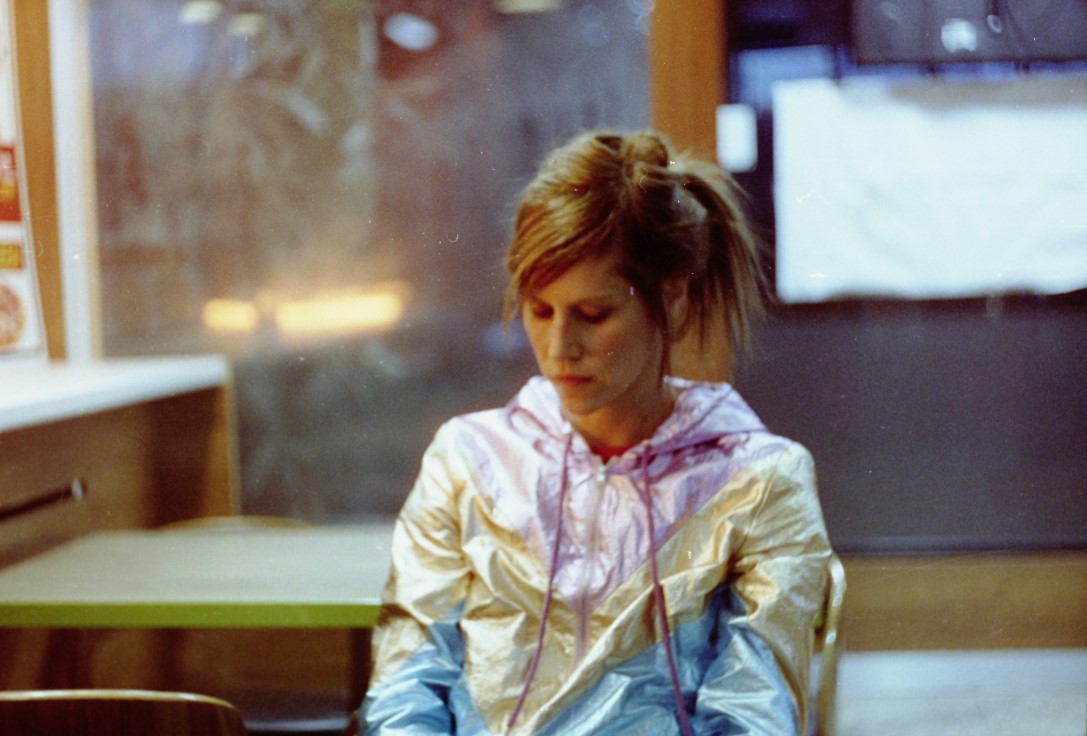
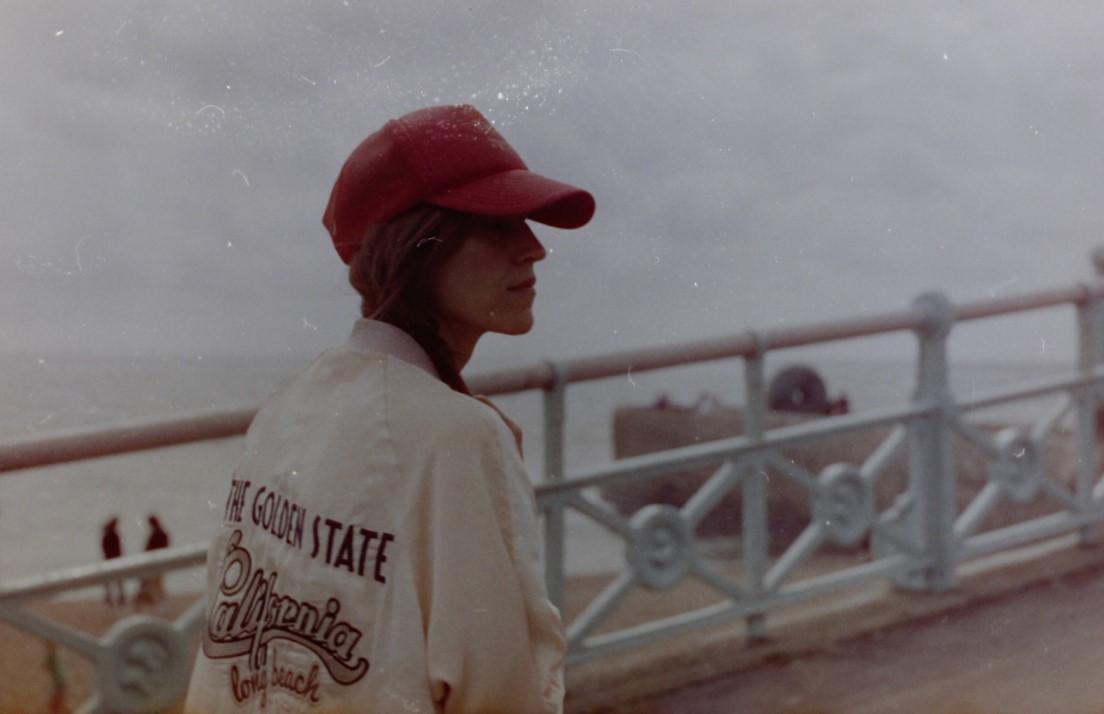
JULIA-SOPHIE Interview

After nearly achieving mainstream success as a member of rock band LITTLE FISH, Anglo-French singer-songwriter Julia-Sophie Walker became disillusioned and retreated into DIY music making as a solo artist.

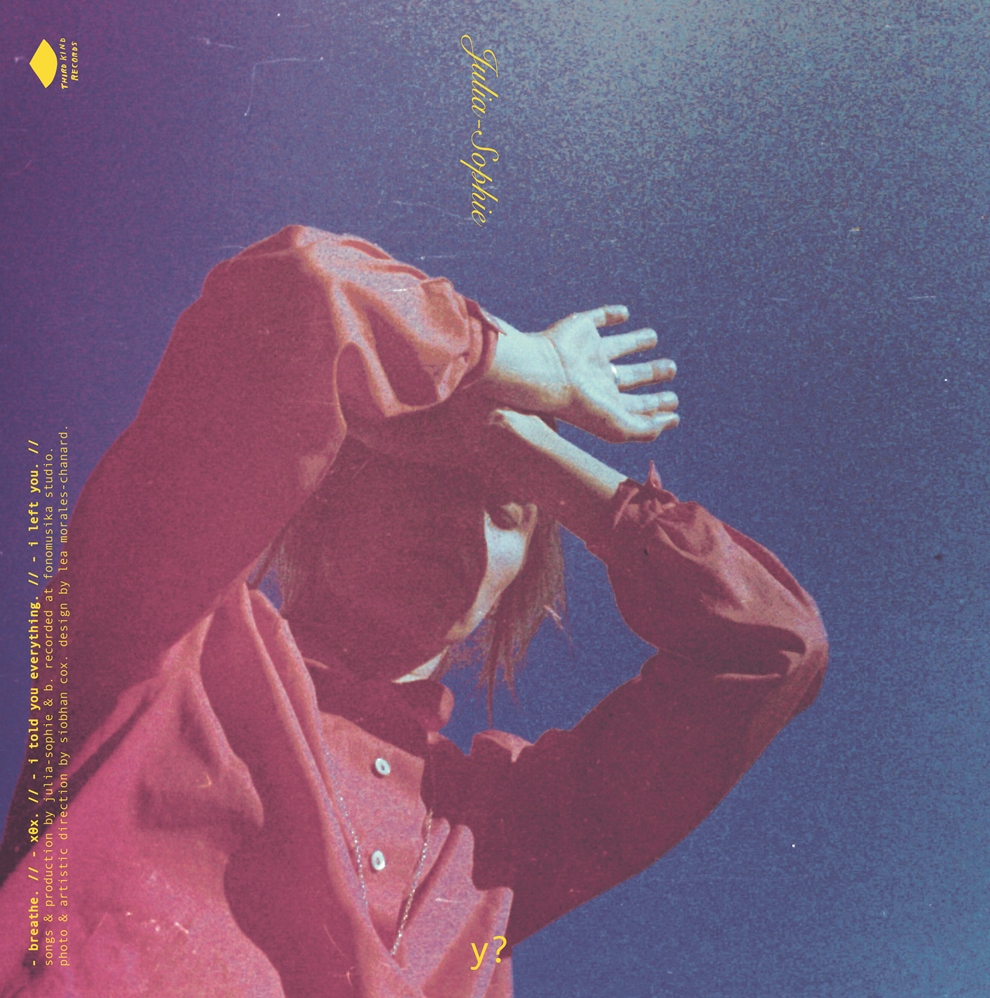
The end result was three excellent EPs ‘y?’, ‘</3’ and ‘it feels like thunder’ which captured her anguish and pain. But despite the emotional anguish of her vocal expression, Julia-Sophie always has hope on the horizon in her style of absorbing electronic avant pop.

Now she takes the plunge into the long form with her debut album ‘forgive too slow’. Providing a deeply personal reflection on past relationships, these gently emotive songs combine traditional composition and experimental sound synthesis. One moment these songs can be ambient, then rhythmically skippy, then airy pop while sung in English and then spoken in French, each presents its own world weary character connected by Julia-Sophie’s fraught narrative.

With the release of the heartbreaking second single ‘telephone’ from ‘forgive too slow’, Julia-Sophie kindly took time out to speak to ELECTRICITYCLUB.CO.UK about her creative process.

You opened your solo account with three EPs, did you regard these as an apprenticeship before you took the plunge with a full-length album?

Yes, the first three EPs I made were all about exploring sounds, seeing where my creativity would take me, who I was and wanted to be as a solo artist. This experimentation was crucial in developing my sound and style.

How do you look back on those EPs, particularly the first two which had the symbol coded titles ‘y?’ and ‘</3’ ?

Looking back on those EPs, I see them as pivotal moments in my artistic journey. They were experimental and raw, capturing my willingness to explore uncharted territories and express complex emotions through sound. ‘y?’ represented a phase of questioning and curiosity, while ‘</3’ delved into themes of heartbreak and vulnerability. These early works laid the foundation for my sound and continue to influence my music today.

 What were the various pros and cons in the solo creative and production process at first?

Initially, navigating the solo creative and production process was both exhilarating and challenging. On the plus side, I had complete creative freedom to experiment with different sounds and ideas, allowing my unique style to emerge organically. The ability to make decisions independently and work at my own pace was incredibly liberating.

However, the process also came with its challenges. Without a collaborative sounding board, I sometimes struggled with self-doubt and second-guessing my choices. It was easy to get lost in the technical aspects of production, which occasionally pulled me away from the pure joy of creating music. Balancing creativity with the technical demands of production required a steep learning curve, but ultimately, it was a rewarding journey that made me a more versatile and resilient artist.

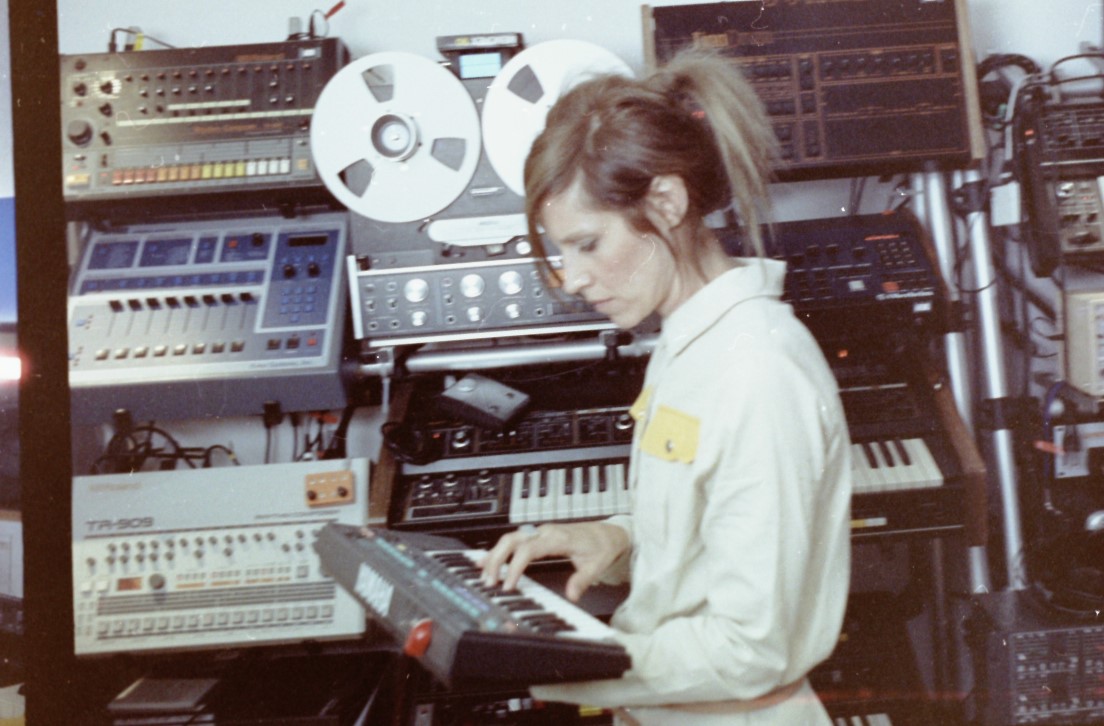
In terms of tech, what are your favourite tools and why? Are you quite software oriented or is hardware the best most tactile way to make music?

Although I do use software, my go-to tools are analog synths and analog drum machines. I believe they offer more depth and a richer, more organic sound. For me, there’s an unparalleled warmth and complexity that comes from working with analog equipment, and the hands-on experience of tweaking and playing with these instruments often leads to unexpected and exciting creative outcomes.

Which artists and producers have shaped your approach to electronic music?

Several artists and producers have significantly shaped my approach to electronic music. Pioneers like APHEX TWIN and KRAFTWERK have influenced my appreciation for innovative sound design and pushing the boundaries of electronic music.

Contemporary producers like Four Tet, Bonobo, Thom Yorke and James Blake have inspired me with their ability to blend organic and electronic elements seamlessly. Additionally, the intricate production techniques of artists like Jon Hopkins and the emotive, textured soundscapes of Nicolas Jaar have deeply impacted my approach to creating immersive and emotionally resonant music.

‘forgive too slow’ is about relationships and you have dug deeper than before, how do you feel now you have finished it?

Finishing and releasing ‘forgive too slow’ feels quite exposing. This album delves deeper into the complexities of relationships than anything I’ve done before, exploring themes of self-destruction, tenderness, love, and emotional struggles. The process was challenging, raw, and cathartic, but now that it’s complete, I feel a little empty and vulnerable. Sharing such honest emotions with listeners is both daunting and powerful, but I have done it in the hope that it resonates with people on a deeper level and because I don’t want people who have felt or feel similarly to feel alone.

What was most different in your approach when doing an album compared with the EPs?

The most significant difference in my approach when working on an album compared to the EPs was the level of depth and cohesion I aimed for. With the EPs, I was more focused on exploring sounds and taking creative risks on individual tracks.

However, for the album, I wanted to create a more unified and immersive experience. The album format allowed me to delve deeper into storytelling and develop my song and production arrangements. This required a more disciplined and sustained effort.

‘numb’ is a striking statement and observers have commented on the intense bassline, how did the track develop, especially with its distinct sections and changes?

‘numb’ is indeed a track that evolved significantly during its development. The intense bassline was one of the first elements I created, serving as the foundation around which the rest of the track was built. I wanted it to convey the feeling of underlying, incessant tension. As the track progressed, I experimented with distinct sections and changes to mirror my experience of fluctuating emotional states, from numbness to overwhelm, back to numbness.

The introduction starts with a minimalist approach, gradually building up layers and shifting the intensity to more complex rhythms and textures, creating a feeling of escalating pressure and reflecting my inner chaos and loss of control. My hope was that this contrast would help capture the dynamic nature of human emotion, how it can oscillate.

In the outro, the track strips back down, almost to its initial minimalism, but with a deeper, more resonant sound. This return to simplicity after the intense middle section is meant to illustrate the cyclical nature of life and emotion, the different ways we navigate or experience emotional storms.

Another intense one is ‘lose my mind’ which has these buzzy rumbles and skippy rhythms, was doing this one quite cathartic for you?

Yes, creating ‘lose my mind’ was incredibly cathartic. The buzzy rumbles and skippy rhythms were designed to capture the chaotic energy and disorientation I was feeling at the time. Working on this track allowed me to channel those intense emotions into something tangible. The process of layering these sounds and experimenting with rhythms was both a release and a form of self-expression, helping me process and make sense of my inner turmoil.

‘comfort you’ has contrasting moods with frantic beats and heavy drones sitting next to parts that are almost acapella, what was going on in your head to inspire that?

‘comfort you’ reflects my experience of feeling contrasting emotions. The frantic beats and heavy drones represent the inner franticness and stress I often feel, whilst the almost a cappella vocals symbolising how I might openly communicate myself. They are very different. I wanted to capture these opposing states and illustrate how they coexist in my music – I guess it is a statement about how easy it is for us to be to missed.

There appears to be comparative relief with ‘wishful thinking’ which is more like a conventional electronic pop song, was this a deliberate gesture?

Yes, ‘wishful thinking’ was a deliberate gesture towards a more conventional electronic pop sound. After exploring intense and complex emotions in my other tracks, I wanted to create something that felt lighter and more hopeful. This track serves as a moment of relief and optimism within the album, reflecting a desire for simpler, more straightforward emotions. It’s meant to provide a contrast and a sense of balance, offering a break from the intensity and a glimpse of positivity.

Are there any pivotal or favourite tracks for you on ‘forgive too slow’ and why?

‘just us’ and ‘telephone’ are special to me. For whatever reason, they touch me profoundly and have an emotional impact that resonates deeply within me. Every time I hear them, I feel the intensity and vulnerability that went into their creation, often bringing me to the brink of tears. These songs are not just tracks on an album; they are emotional experiences that hold significant personal meaning for me.

Who do you hope ‘forgive too slow’ might appeal to?

I hope ‘forgive too slow’ resonates with anyone who has ever struggled with complex emotions and the intricacies of relationships. I believe it will appeal to those who seek depth and authenticity in music. I want it to reach listeners who feel misunderstood or alone in their experiences, offering them a sense of connection and understanding. Whether they are navigating the highs and lows of love, dealing with inner turmoil, or striving for personal authenticity, I hope this album provides solace and a feeling of solidarity.

What are you own hopes and fears both personally and artistically as the state of the world continues to be less certain?

As the state of the world continues to be less certain, my personal and artistic hopes and fears are intertwined. The broader global issues—climate change, social unrest, and economic instability—pose existential threats that impact everyone, and I worry about how these challenges will affect our ability to live as kind and loving humans, let alone create space in our lives that enable us to continue to create. I am committed to my journey of personal and artistic growth, I work hard to contribute positively by working to keep human connections with people authentic. This I hope, although not huge, will play its small part in creating ripples of positive energy in the world, that I believe is more important than ever.


ELECTRICITYCLUB.CO.UK gives its warmest thanks to Julia-Sophie Walker

Special thanks to Jamie Halliday at Audio Antihero

‘telephone’ is from the album ‘forgive too slow’ released on 26 July 2024 by Ba Da Bing Records as a turquoise vinyl coloured LP + download, pre-order from https://juliasophie.bandcamp.com/album/forgive-too-slow

https://www.facebook.com/juliasophiex0x

https://twitter.com/juliasophiex0x

https://www.instagram.com/juliasophiex0x/

https://open.spotify.com/artist/1GqWR6G16qx5tAcRBy5tcw


Text and Interview by Chi Ming Lai
Photos by Siobhan Cox
25th June 2024

A Short Conversation with PATRICIA WOLF

Photo by Gina Roberti

One of the new generation of ambient composers, Patricia Wolf releases her third album ‘The Secret Lives of Birds’ on Nite Hive, the experimental cassette imprint established by Penelope Trappes of THE GOLDEN FILTER for women and gender-expansive artists.

Patricia Wolf first became known as a member of acclaimed synth duo SOFT METALS. After the contrasting moods of her first two albums ‘I’ll Look For You In Others’ and ‘See-Through’, for ‘The Secret Lives of Birds’, she delves into her new found avian fascination which came from her nature field recordings which included the songs and calls of birds.

Patricia dives deep into her personal library of field recordings and birding experiences, writing songs that show the variety of emotions and wonders that birds bring. Using these field recordings and carefully crafted electronics, Wolf’s emotive instrumental compositions celebrate the avian world and the challenges these beautiful creatures face in the Anthropocene.

Presently an artist in residence at the Rocky Mountain Biological Laboratory in Colorado to learn about the interplay among species and how climate change is impacting those species, Patricia Wolf kindly answered a number of questions from ELECTRICITYCLUB.CO.UK about ‘The Secret Lives of Birds’ and her wider conservation concerns.

‘The Secret Lives of Birds’ is like the soundtrack for an as-yet-unmade wildlife documentary, what inspired the concept?

It’s great that you picked up on the idea of an imaginary wildlife documentary. I did have that sort of mindset when the concept started taking shape. Over the past few years I’ve become increasingly interested in learning about birds (and all wildlife), ecology, conservation, and ecological restoration. It all started when I began my field recording practice. I love listening to and recording the sounds of wildlife in their natural habitats, but at first I wasn’t able to identify most of what I was hearing.

I started to analyse my recordings with Cornell Lab of Ornithology’s BirdNET and Merlin Bird ID apps. Once I was able to match the songs and calls to specific bird species I began studying their identifying features, behaviours, and habitat needs. My partner noticed that I was getting more and more interested in birds so he gave me a nice pair of binoculars. It was one of the best gifts that I’ve ever received! It opened up a whole new world to me. Once I could see birds in more detail and began to recognize specific species by their calls and songs I became a daily birdwatcher.

I’ve been collecting recordings of the birds that I hear on my walks and from my windows and thought it would be nice to do something with them. When Penelope invited me to make an album for Nite Hive, I saw it as a great opportunity to work on a project that expressed my love of birds. I also had recently finished working on my first soundtrack project for my friend Edward Pack Davee’s new film, ‘Hrafnamynd’ so I think being in the soundtracking mindset also influenced how this album came out. I really hope that I can evoke images of birds and nature when people listen to this work.

Photo by Gina Roberti

The album features field recordings of the birds but did you also film any to assist with your compositional process or did you rely on memory and passion?

I don’t have a telephoto lens for my camera which would enable me to get clear and crisp photos or videos of birds. Because they are often frightened of people, it’s difficult to get close enough to film them in detail without specialised equipment. Becoming a birder makes you a more detail oriented person because there can be subtle differences that you have to notice about a bird in order to identify them properly. You tend to remember brief observations well, too, after doing it for a while because sometimes a quick glimpse is all that you get. You learn what to look for so you can better confirm or deny a sighting. I’m sure that it’s great for one’s brain in terms of focus and memory. I guess you could say I rely on keen observation, memory, passion, books and field guides to make sure that I am correct about an observation. Those observations and learning experiences are what inspired the music on this album.

Compared with your most recent album ‘See-Through’ which was a soothing relaxed ambient work, ‘The Secret Lives of Birds’ captures a wider range of emotions and feelings including some quite dark ones?

I think that this album is not too much of a departure from my first two albums in terms of how the music feels and sounds. The concept is referenced in the album and song titles and that surely influences what the listener is thinking about as they listen, but I wonder what the listener would imagine if the titles were referencing something more related to the human experience? Would they still think about birds or would they think about their relationships with humans and society or their internal thoughts and feelings?

With this album I wanted it to make something that is enjoyable and interesting to listen to from a musical standpoint, but nudge people into the world of birds and other animal species. Another aspect to this is that I strongly believe, as do many scientists (see: The New York Declaration on Animal Consciousness), that animals are conscious and emotional beings. Knowing this, I feel so much sorrow with how they are treated by many humans. My hope is that through my music I might open people’s minds and hearts to be kinder and more compassionate towards other species and the habitats that they need to live the lives that they evolved to live. I hope that we can blur the lines that separate us and focus more on the connections. We are animals, too and we have common ancestors. We are all relatives.

Photo by Michael Yun

A case in point would be ‘Mourning the Varied Thrush That Struck a Window and Died’ which was about an incident which you discussed on your social media?

That song is about a personal experience that I had with a Varied Thrush, hitting a window at my house and dying shortly after. It was heartbreaking for me and the bird’s mate who called for him for a long time afterwards. I’d regularly see them together in my yard before that incident. Once I was able to compose myself after his death, I recorded his mate calling for him and used it in this track. Their song is a simple one note whistle. It’s pure and a bit haunting to me. Both males and females make a variety of sounds. It was heartbreaking to hear her call for him and get no response. It went on for quite some time and I know that the bird was anxious, sad, and worried about its partner and its future as single bird. They rely on one another and a lot goes into a pair deciding to be together.

I felt so ashamed that this happened and immediately purchased the Acopian Bird Savers Zen Curtains to make all of my windows visible to birds. Birds are intelligent beings, but they have different adaptations to us. They can see ultraviolet light, colours that we cannot see, but they cannot see glass. They see what is reflected in it – the plants, the sky, or they see a room in a building that looks like an interesting place to visit. They often fly full force into windows thinking that they are flying to a safe place, but instead strike the hard surface and suffer a serious or life ending injury.

I wanted to share this experience in my music as a way to bring attention to this serious problem. It’s estimated that about 1 billion birds die each year from window strikes in the United States alone. There’s been a 90% decrease in bird populations in the US since 1970 which is shocking and disturbing. We as a species need to do something to make our buildings safer for birds. I hope with this song I can bring some awareness to this problem and inspire more people to apply one of the many often simple solutions to this problem on the buildings that they have some control over.

Photo by Edward Pack Davee

‘I Don’t Want to Live in a World Without Birds’ is quite haunting, a strong message using music?

That song is one of my field recordings processed through the Nuetone AI plugin tool that can transform an input sound source into a violin expression. The motivation behind this was borne out of the depressing thought of a world in the future where most or all wildlife has gone extinct in the wild and all the human world is left with are archives and maybe some remaining species kept in zoos or private collections. The idea of birdsong and wildlife disappearing in the wild makes me incredibly sad. I think of people trying to fill in the gaps with artificial bird sounds or something else artificially designed to fill in the sonic space.

I don’t think this song quite demonstrates what that might sound like, but the idea of field recordings or AI renderings of imaginary birdsongs, or artists trying to make birdsong-like music to relax too in an artificial nature was on my mind when I experimented with this AI tool. I think this song sounds interesting and I enjoy listening to it, but I still live in a world where I can hear and see birds. If I were left with only recordings of birds or artificial versions of them how sad that would be, especially having the memory as a child of birdsong waking me up in the morning and noticing them around me at all times of the day.

‘The Secret Lives Of Birds’ title piece sets the scene for the album, was that the pivotal track in the process which allowed the other tracks to emerge or had you already sketched ideas based on each of the different birds species you wanted to feature?

I had already sketched out a few ideas for this album before that song was written. ‘Rufous Hummingbird Dive Display’ and ‘Golden-Crowned Sparrow’ were the first songs that I wrote for this album and the concept unfolded from there. ‘The Secret Lives of Birds’ was a playful exercise to try to write a birdsong-like phrase on my synthesizer. I like how it came out and it also serves as a sort of theme song for my imaginary bird documentary.

Photo by Max Wolf

‘Golden-Crowned Sparrow’ and ‘The Ptarmigan and the Gyrfalcon’ both have this serene quality, how would these have developed when recording and what particular instruments did you use?

‘Golden-Crowned Sparrow’ is centered around a field recording of that bird that I took just outside my kitchen window. I adore their song. There’s something so tender and sweet about it. I wanted to write a piece of music that reflected what that I feel when I hear them. They walk and fly upon the earth in a gentle and kind way. They are social birds usually seen in a flock of their species as well as other sparrow and finch species. They get along harmoniously with others. The synth I used for this song is the UDO Super 6. I was improvising on it while listening to the recording of the ‘Golden- Crowned Sparrow’ song.

‘The Ptarmigan and the Gyrfalcon’ was inspired by a bit of Icelandic folklore that I was told about while in Reykjavik last fall. According to the tale, the Ptarmigan (a bird in the grouse family) and the Gyrfalcon (a bird of prey) were siblings, but one day Odin’s wife Frigg summoned all the birds to meet and she demanded that they all show their fealty to her by walking through fire. All of the birds did this except the Ptarmigan which is the folk explanation to why they have feathers on their legs and feet and the other birds do not.

As a punishment to the Ptarmigan for not proving its loyalty, Frigg cursed her to be the most defenseless of birds and to be hunted for eternity. Even her brother the Gyrfalcon now hunted her and after he kills her and realizes that she is his sister and cries out in sorrow and regret. It’s a tragic story, but it really stuck with me. It illustrates the painful aspects of the web of life in a mystical kind of way. This song was made with the Super 6, Pro-800, and Peak. I wanted to create an atmosphere to set the stage for this tragedy to play out.

Do you have a favourite bird and therefore a favourite track on the collection?

I don’t have a favourite bird. I love them all! They are all so fascinating and unique in their own ways which is why it’s so interesting to learn about them. I don’t have a favorite track. I see the album as a unit and I think it makes the most sense when experienced that way.

‘The Secret Lives Of Birds’ is being released by Nite Hive which is the label of Penelope Trappes, your career progressions have followed similar paths having both first become known in synthpop duos, how did you come to connect with her?

Yes, we both used to be in synthpop type duos at around the same time. I was a fan of THE GOLDEN FILTER back then when I was in SOFT METALS. It’s really cool that we are now doing solo projects and have become friends. I first connected with her in 2022 when my first solo album came out. I remember she played one of my songs on a BBC radio show that she made a mix for. I was honored! I thanked her and we began to talk and I got more acquainted with her music and was blown away by it. We’ve been keeping in touch and cheering each other on as we go about our creative lives. This past fall while on tour in Europe, I got a chance to meet her in person. We spent a few days together in Brighton and we immediately felt like we’d known each other for such a long time. When she and Steph created Nite Hive, they invited me to be a part of it and I gladly said yes.

It’s interesting the connection between music and birds, Robert Dean who was best known for being in the band JAPAN and has more recently been occasionally producing ambient music, is now a leading ornithologist and illustrator in Costa Rica, is this something you would like to venture into in the future?

Yes, definitely! I am very much interested in biology and ecology and have been interested in getting involved in projects that restore areas to their natural state to support biodiversity. I think I will eventually go back to school to get proper credentials to do this work and will begin volunteering on projects where I can lend a hand in this area. I really hope that my music can draw people in to the secret lives of birds and inspire them to be more sensitive to their needs.


ELECTRICITYCLUB.CO.UK give its warmest thanks to Patricia Wolf

‘The Secret Lives of Birds’ is released on cassette and digitally by Nite Hive on 28 June 2024, selected track previews and pre-order available on Bandcamp at https://patriciawolf.bandcamp.com/album/the-secret-lives-of-birds

https://www.facebook.com/patriciawolfmusic

https://twitter.com/patwolfmusic

https://www.instagram.com/patriciawolf_music/

https://soundcloud.com/patriciawolf_music

https://linktr.ee/patriciawolfmusic


Text and Interview by Chi Ming Lai
19th June 2024

« Older posts Newer posts »