Tag: Maps (Page 2 of 2)

A Short Conversation with MAPS


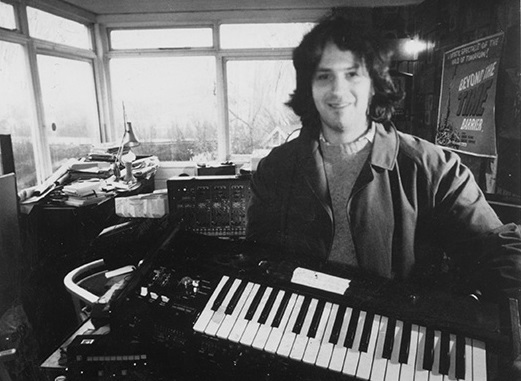
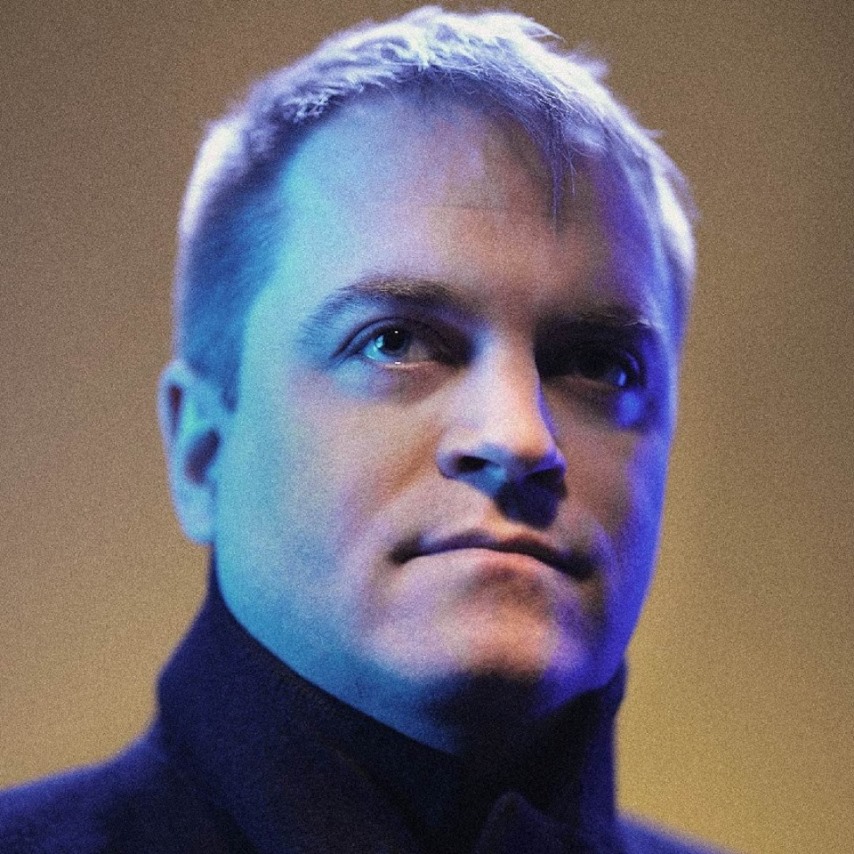
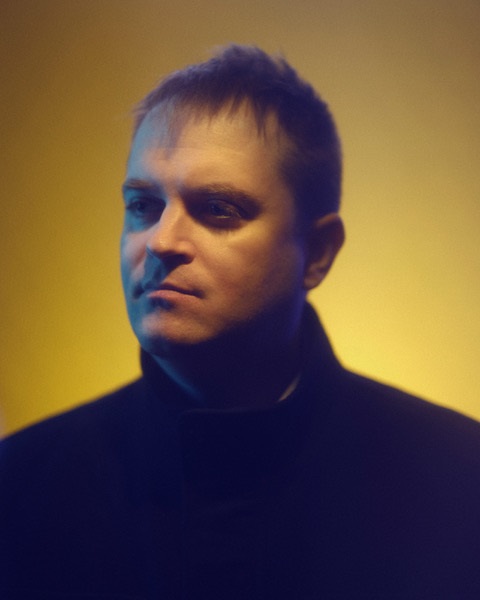
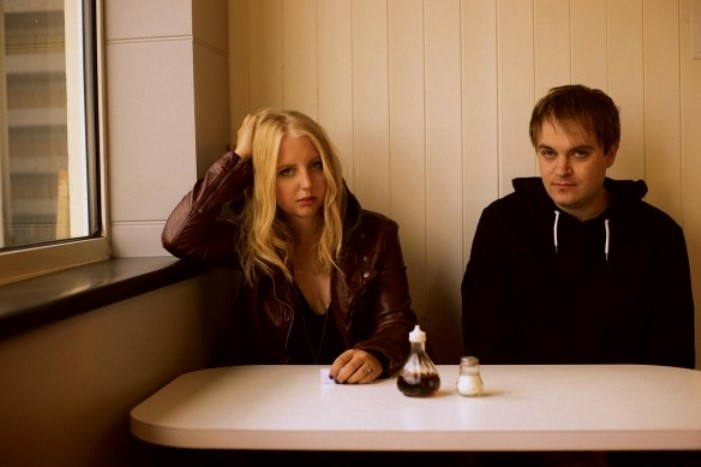
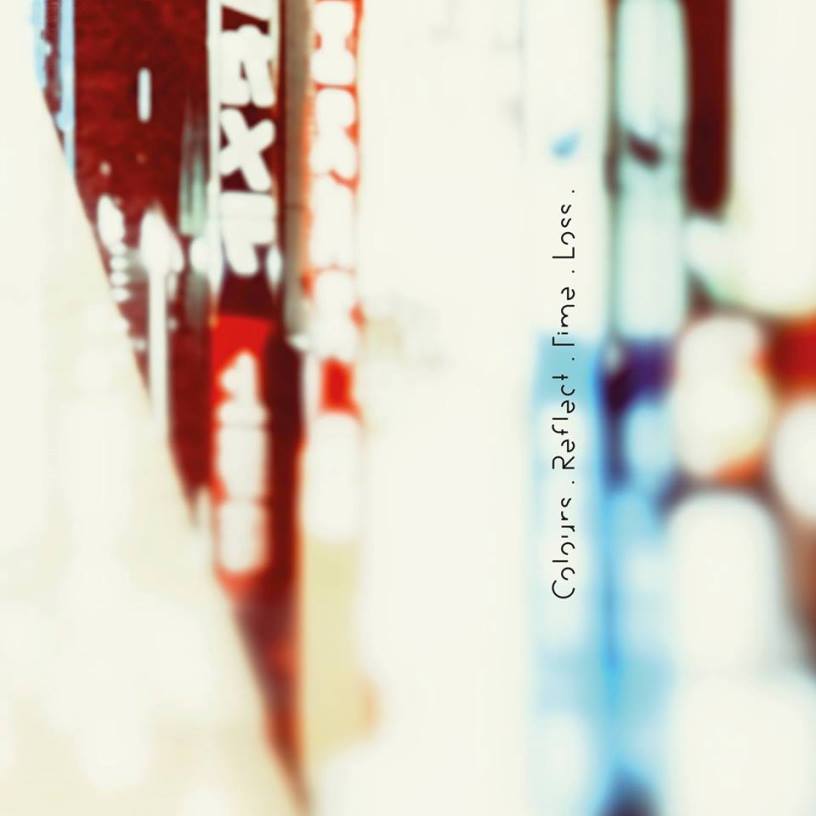
MAPS aka James Chapman releases his fourth album ‘Colours. Reflect. Time. Loss.’ through Mute in May.

Following the collaboration with Polly Scattergood as ON DEAD WAVES, ‘Colours. Reflect. Time. Loss.’ sees Chapman hooking up with the string / brass players of ECHO COLLECTIVE, who had previously worked on ERASURE’s ‘World Beyond’ album, for a far more organic-sounding work.

James Chapman kindly spoke about the new MAPS album and also his fruitful ongoing relationship with Mute…

For listeners of the last MAPS record ‘Vicissitude’, the new album is going to be a huge contrast, were you nervous to committing to making such a different sounding record?

The whole idea of this album was to try new things and I think “being bold” was one of the themes of the record, so I just went for it. I think it’s the same with every album, you tend to second guess yourself, you’re not quite sure sometimes. In the end, if I like it, I hope other people do as well! *laughs*

How important was the making of the ON DEAD WAVES album on ‘Colours. Reflect. Time. Loss.’, it’s a kind of a stepping stone between the two isn’t it?

I think it was in a lot of ways, that was obviously a collaboration. I think it took me out of my comfort zone in a way because I was so used to working on my own for so many years. Working with Polly Scattergood was a new experience and because it went so well, I guess it opened me up to the idea of working with other people. With the new album I took that a step further. It got me back into playing my guitar a lot more because I’d kind of sidelined that with some of the albums and plunged straight into electronic stuff.

What were the challenges of going from a one man band MAPS to the involvement of a multitude of live musicians on ‘Colours. Reflect. Time. Loss.’?

I still worked a lot on the songs before I got to that point, so I still managed to have a lot of control. I’m still a bit of control freak! *laughs*

I got the songs to a certain point and then I really just thought I could take it further and so that’s when I got ECHO COLLECTIVE involved. Because it was that way of doing it, there was less anxiety about involving other people, so it was another step really.

So you knew in your head what you wanted it to sound like?

The big challenge for me was doing the arrangements, I’d never really done that before. So when they all sat down and played the scores, there was a part of me that was very relieved that the notes they were playing were what I’d written!

That was great, the whole process was a big learning experience for me, I feel like I’ve progressed a bit with what I know I can do.

ELECTRICITYCLUB.CO.UK recently interviewed Mark White and Stephen Singleton from ABC and we were discussing the ‘Lexicon of Love’ album. Mark said that it was a “profoundly moving experience” hearing the strings recorded for his songs. How was the overall experience for you?

There was a sense of relief! You’re never totally sure that things are going to work out, so when things slot into place and things are going well, you get a feeling of “wow”, it’s actually worked. I can understand what they’re saying, it’s a whole different experience, a different way of doing music when the notes are on the page. It’s all there but you never quite know what the sound that comes out will be like, so it was an interesting way of working.

Did you commit wholeheartedly saying “oh right, we’re going to have strings on all of these tracks” or did you do a couple and see how it worked?

I committed a bit more because we did six tracks in the first session and originally that was what was planned. I hadn’t planned to do the whole album with arrangements. But it worked out so well that I decided to just go for it in the end, just do the whole album. So when I got home after the first session, I thought, ah, I should have done them all! There were two sessions in the end, we did six tracks in the first and four in the second one. It was never the complete plan to do them all in one go.

Is it true you blew the record company advance on involving live musicians for the projects?

Yeah it is true! *laughs*

Because I’d worked on the album on my own, there was not a lot of expense in the way I would do it and I wouldn’t involve other people until the end stage. But yes, I spent the advance on the first session and then I actually applied for PRS funding for the second session and I actually got that…

I didn’t realise they did that kind of thing?

I didn’t either! So that was amazing, because that meant I could go back and finish the album; it was just a lot of things nicely slotted into place in that process which was really nice.

At what point did you make the decision to ditch the electronic drums on the new album as ‘Vicissitude’ was 100% programmed percussion?

The idea with this album was to have more of a human sound, so the answer to that was get more humans involved in the making of it! *laughs*

All the drums were already there programmed, I asked Matt to do his thing on the tracks. There’s still a lot of programming weaved in as well, so it’s not entirely all live, there’s a lot of electronic elements that were left in. He played on all of the songs, again it just really worked for me because I think that it does add a human element when there’s live playing involved.

The promo video for ‘Just Reflecting’ (with its stop motion footage) is reminiscent of the Philip Glass soundtracked ‘Koyaanisqatsi’, was that film an influence?

It wasn’t consciously, I know the music to that rather than the film itself. The visuals worked out really well; I had a lot of visual ideas in my head and a lot of it was sweeping cityscapes and was drawn from memories from childhood. That sense of wonder when you’re seeing huge cityscapes for the first time. There were a lot of memories I was drawing on, Jonathan Irwin who did the visuals did a great job!

‘Both Sides’ has a real Krautrock motorik feel to it, are you a fan of the genre?

Yes, totally, it’s really cool that you said that! That song especially, it was a bit of a tribute to that sound. A lot of those songs are very rhythm based, the drums will just stay almost quite hypnotic…

Jaki Liebezeit, he pioneered that kind of consistent drum rhythm…

The music weaves around the drums and that was what I was going for with ‘Both Sides’.
I think you succeeded! You are very open about ‘Pet Sounds’ being an important landmark for you, are there any other albums that you hold in equally high esteem?

Oh yeah, totally, that was an obvious reference for me, ‘Pet Sounds’; but I was listening to a lot of Sixties and Seventies soundtracks as well, like Morricone. I love horror soundtracks as well like the Giallo stuff….

Like GOBLIN, the Dario Argento stuff?

Yes, I love the way the instrumentation is all played for real and sometimes things go slightly out of time. There’s a very human feel to those soundtracks.

Although ‘Colours. Reflect. Time. Loss.’ is a far more organic album than ‘Vicissitude’, there are still some electronics and sequencers on it, did you invest in any new synth tech for it?

Yes I did, I got a new crazy guitar FX pedal which I love, one of the Helix multi-FX things which is insane which I’ve used quite a bit. I used the Moog which Polly Scattergood left here…

That’s very kind of her!

I gave it back eventually! I think it was a Moog Little Phatty which I used quite a bit…..
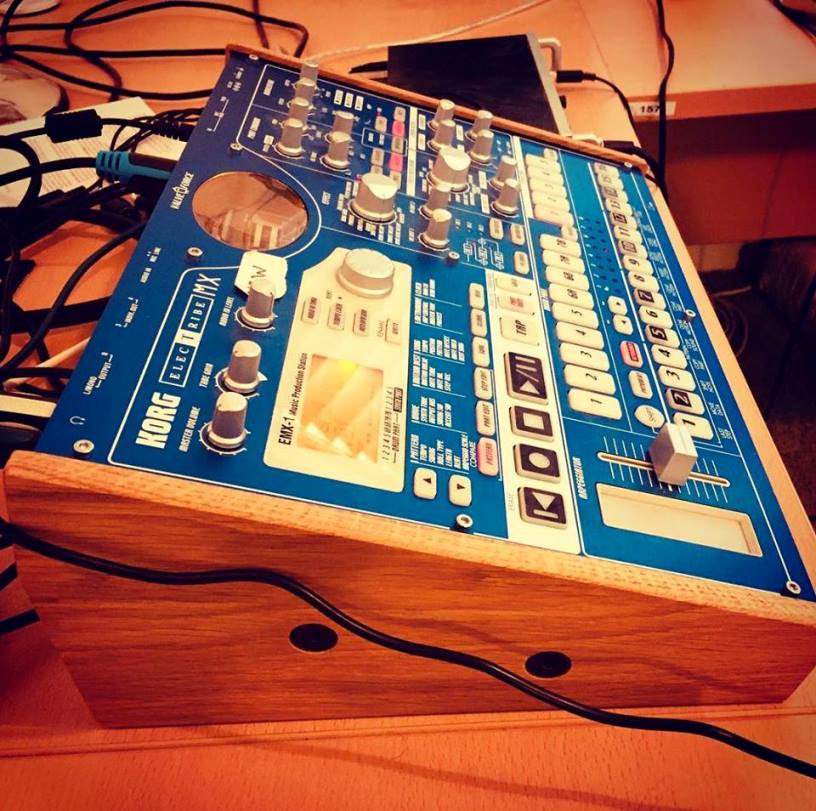

Was there any vintage kit used on the project?

There is, some of the sequencers I don’t realise they’re vintage but they are! *laughs*

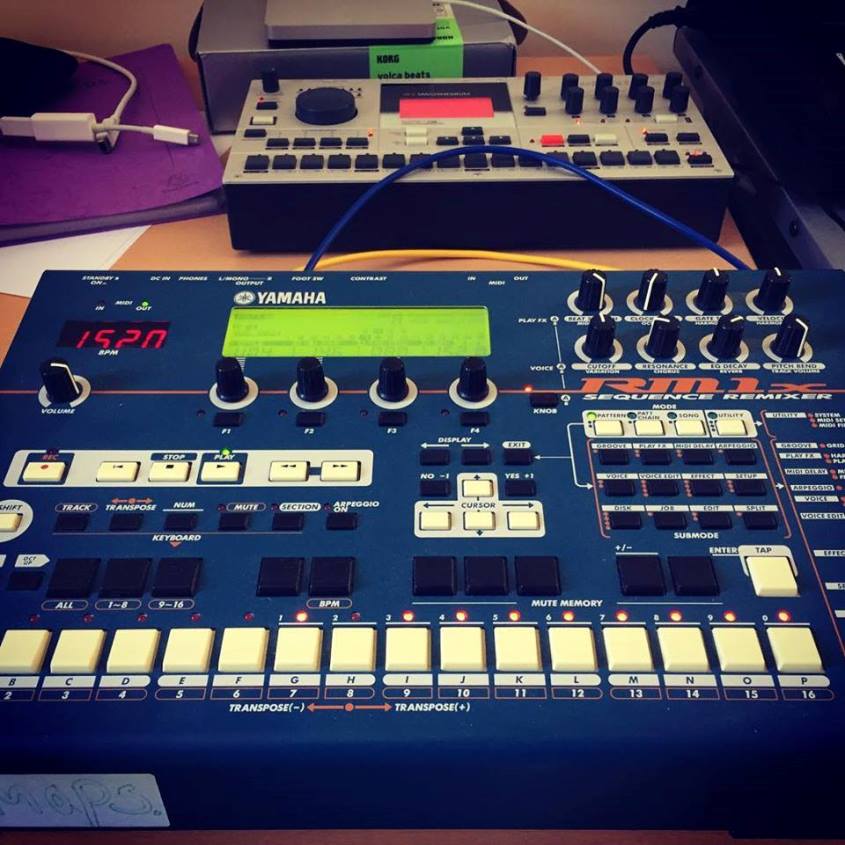
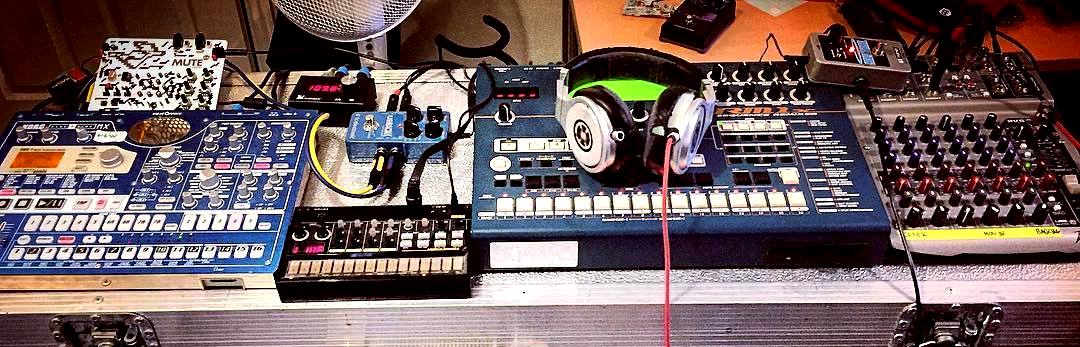
I still use my Yamaha RM1X, the Korg Electribe quite a bit and there’s a bit of Korg Volca Beats drum machine on there. Mainly just things which are around, I tend to just have a fiddle and see what happens. I’ve also got a little dulcimer which I used quite a bit which has a strange tuning. I played it on the opening to ‘You Exist In Everything’ and it sounds great drenched in reverb and stuff. So there was quite a bit of experimenting and the usual fiddling!

I was on Spotify recently and came across the MAPS remix playlist, I had no idea you’d done so many! There’s 35 on there… what do you enjoy most about remixing other artists?

I do enjoy it, firstly you are seeing “behind the curtain” a bit when you get the parts for the songs; I enjoy seeing how it was made and that it’s a different take. I think that I like the freedom of it the most, the way that you can do what you want.

You can take an outsider’s perspective, there’s less pressure in having to write because the song is there…

Yes, the recording’s done, but it’s what you add to that. But I have done a lot, I think I’ve done 64?! But they’re not all on Spotify, I’ve done fair few!

You’re signed to Mute and have remixed a lot of their roster including DEPECHE MODE, MOBY, ERASURE and GOLDFRAPP… do you have a favourite?

I’m not sure if I do, I suppose the DEPECHE MODE one was amazing, the honour of doing things like that is amazing to me and obviously like MOBY as well. There’s been a few when I’m blown away that I’ve been even asked! It’s great to have that link with Mute because you get things passed your way that would never happen.

Is there anyone on the Mute roster that you would still like to remix? NEW ORDER?

That would be amazing! When they signed to Mute I was hoping…their roster is so amazing, that anyone on Mute would be an honour…
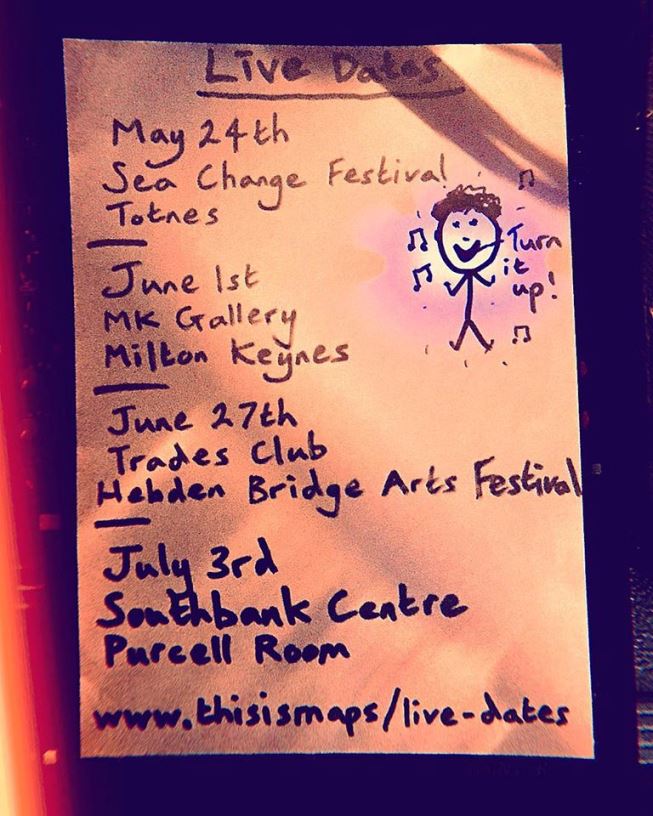

You have some live dates coming up, what can people expect from those? Have you started rehearsing for them?

It’ll be a five piece band. I was really happy because a lot of the people that played on the album are the band now. We’ve got Cecilia who does a lot of those choral type vocals on the album, she’s singing in the band and Matt is going to play drums, plus Rachel who was also on the album is going to play keys and sing.

We’ve been rehearsing quite a bit, there’ll be a mixture of the new album with songs from the previous albums as well, it’ll be a bit of a MAPS celebration!

I guess it helps having people who have played on the album doing the live work as you don’t have to teach them the parts?

Yes and also the fact they’re into it. It’s great when people are enjoying the music and are up for being involved and that’s a big part of it, it should be good man!

With the earlier material, have you had to adapt that to suit the new line-up?

A little bit, I guess there were certain songs that suit the new sound better, but then there’s ones that I wanted to play that I’ve adapted slightly. But there’s still going to be electronic stuff as well, it’ll just be in a slightly different set-up to how it was formed, I’ll still have stuff to twiddle on stage!
Will the Southbank show be different to the previous two which are advertised as ‘Colours. Reflect. Time. Loss.’ album ones?

It’ll be a longer set probably, we’ve got the run of the venue that evening and have rehearsed a lot of songs, a lot of it’ll depend how long people will want us to play! *laughs*

Have you had any thoughts about the next MAPS project or is there any possibility of another ON DEAD WAVES album?

I haven’t thought too much to be honest, when you do an album, it becomes so much a part of your life that I’m still in the middle of it at the moment.

I feel like I’d like to try something different again and push a bit further. I think I’ve learned a lot from making this album, like doing arrangements and things like that, now that I know I can do it, that’s something I’d like to explore more. So maybe that could be involved in the next part of the journey.

The music industry is a now an extremely challenging one to try and make a living in, what drives you and keeps you going?

I still enjoy doing it, which I’ve always thought is a big part of what keeps people going. It sounds a bit of a cliché, but I still feel like I’d be doing this if I wasn’t signed and stuff like that. It’s like an outlet, I still enjoy making music. But it has got more challenging because of the internet and all that stuff. I sometimes feel for new bands that are starting out, because there’s so much out there, so much choice and it’s hard to get noticed. I guess that there are pros and cons to everything.
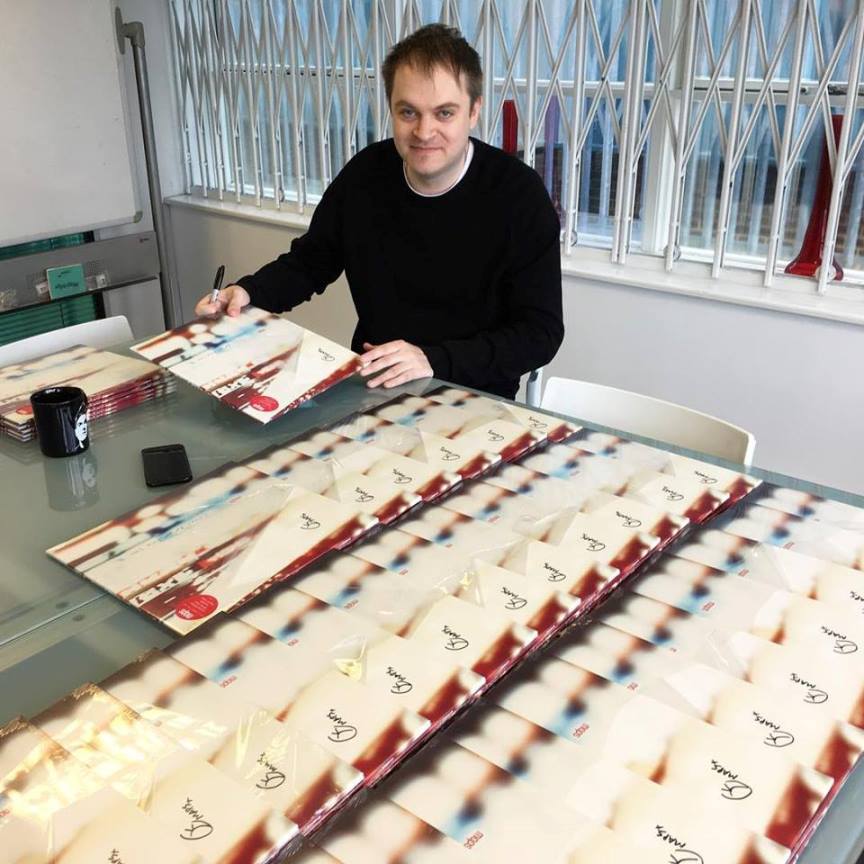

Your relationship with Mute seems fairly secure and it must be good to have that?

Totally, I’ve been really lucky. I’ve been doing it for a fair few years now, I never take it for granted that relationship. They’ve stood by me through thick and thin, so to have a relationship with such an amazing label like that is something that means the world to me.

It’s almost like an old school approach as to how it was back in the day where labels were prepared to take the rough with the smooth.

It might take two or three albums before an artist can develop to a point where they are successful. It’s really good to hear that there’s still a label around that is still doing that which is quite encouraging.

I do think that’s the way Mute has always worked, that they sign things that they truly like. I think that’s why I love the label so much, it’s very much about the music rather than the current trends or whatever.


ELECTRICITYCLUB.CO.UK gives its warmest thanks to James Chapman

Special thanks to Sarah Pearson at Wasted Youth PR

‘Colours. Reflect. Time. Loss.’ is released on 10th May 2019 by Mute Artists in CD, white vinyl LP and digital formats

MAPS play The Purcell Room at Southbank Centre in London on Wednesday 3rd July 2019

https://thisismaps.com/

https://www.facebook.com/MapsMusic

https://twitter.com/thisismaps

https://www.instagram.com/thisismaps/

https://open.spotify.com/user/mapsmusic

http://mute.com/features/maps-colours-reflect-time-loss


Text and Interview by Paul Boddy
1st May April 2019

A Short Conversation with POLLY SCATTERGOOD

While best known as a solo artist signed to Mute, Essex songstress POLLY SCATTERGOOD recently won acclaim for her hauntingly spacey vocal in a new epic arrangement of ‘Video Killed The Radio Star’.

Subtitled ‘Dark Star’, it was recorded with one of the song’s co-writers Bruce Woolley. Never one for convention, for Record Store Day 2017, she not only released a physical edition ‘Video Killed The Radio Star’ exclusively in CD format, but it was also only available online.

Scattergood’s self-titled debut came out on Mute in 2009 on which revealed herself to be a promising talent unafraid to express emotion and vulnerability. One of the album’s highlights ‘Other Too Endless’ was remixed by Vince Clarke and showed how her music could work within a synthesized environment.

And it was on second album ‘Arrows’ in 2013 featuring the electro-COCTEAU TWINS twist of ‘Wanderlust’ that she was able to indulge in some of her more technological aspirations, while ‘Cocoon’ exposed her enticing vulnerability over an eerie soundscape.
But in 2015, Scattergood headed in the opposite direction in collaboration with Mute label mate James Chapman of MAPS; their ON DEAD WAVES project featured a more guitar oriented and retro-based aesthetic than any of their individual works. But in acknowledgement of their Mute roots, the pair recorded an Americana flavoured cover of YAZOO’s ‘Only You’.

With ‘Video Killed The Radio Star (Dark Star)’ riding high on the airwaves, POLLY SCATTERGOOD had a quick chat about her future plans…

How did your ‘Video Killed The Radio Star’ collaboration with Bruce Woolley come about?

Bruce contacted Mute a while ago asking if I would be interested in working with him on ‘Video Killed The Radio Star’. I am a fan of his work so we got together in his studio and played with some ideas.

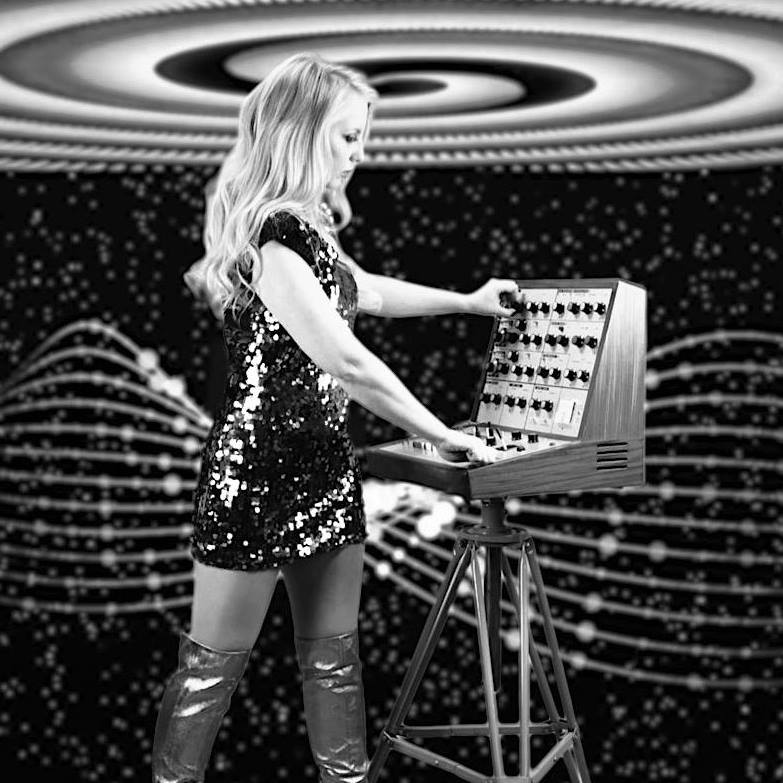
You got to dress up like Barbarella in the video and handle a VCS3, where did that come from and have you had a go on a working one?

Bruce and I met for drinks in London and he pulled out all of these sketches of space scenes and other worldly beings that he had in his head and it just kind of flowed from there… we then discussed wires and electronics as we both love synths and couldn’t resist having the beautiful VCS3 in the video.

Bruce has some amazing instruments in his studio. My synth obsession began very early as my mum’s sister (Elizabeth Parker) worked at the Radiophonic Workshop for years. I watched her on some wild videos playing these incredible machines growing up, I always wanted to play them myself, but they aren’t the kind of thing you get your hands on easily!

When I signed to Mute, Daniel Miller showed me the Mute studio which had a pretty amazing collection of equipment which I was lucky enough to have access to. I think that’s partly why my first album took so many years to make, I had too many toys to play with!

You’re no stranger to cover versions with standards like ‘The Look Of Love’, ‘New York New York’, ‘Comfortably Numb’ and ‘Only You’ among the songs you have performed. Are there any others you’d like to try out?

Lots, but it’s a case of feeling inspired to add something new or different to a track, rather than regurgitating something for the sake of it.

The Vince Clarke remix of ‘Other Too Endless’ from your debut album will be appearing on a compilation out soon. What was the inspiration behind the song, both lyrically and musically?

Musically it was all about keeping the vibe quite linear and numb, but with these big swells and lot and lots of layers that build. The siren you hear was picked up on a mic as we recorded the vocal in the Mute studio on the Harrow Road. It was just all capturing a kind of bitter sweet bleakness and then processing it through the music. Lyrically, it’s a very long story… involving black zambuca…

The resultant remix from Vince Clarke was very different from your original. What were your thoughts when you first heard it? What did you particularly like about it?

Vince Clarke really went straight to the heart of this song with his remix. He kind of stripped away all the layers I had buried myself in and left my vocal naked in parts. When I write and work on producing these songs, I often leave these little secrets in them, especially in the production. Like clues to where they came from. Sometimes people hear them and sometimes they don’t, but what Vince did was brave. He took away the safety net of layers and added a starkness and a strength to the song which I would never have been able to achieve on my own.

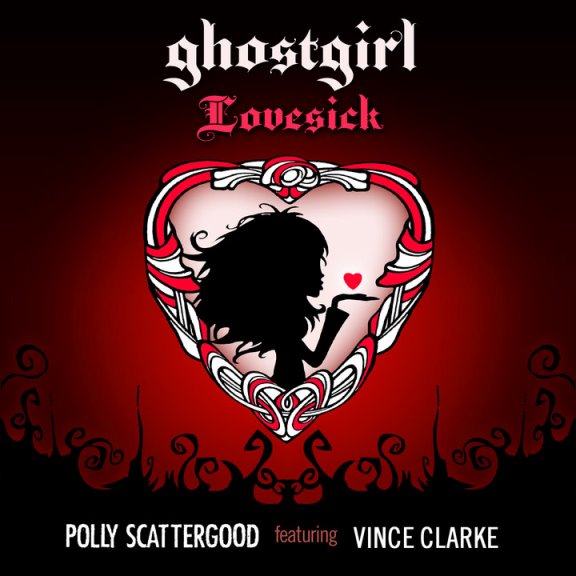
It didn’t stop there because you did ‘Ghostgirl Lovesick’ with Vince Clarke too, what was the collaboration process for that?

I was living in a tiny studio flat in an attic opposite the Forum in Kentish Town at the time and recording all my ideas onto mini disk. These ridiculously beautiful books, created by Tonya Hurley, arrived on my door step and they really inspired the song. I worked on the track closely with both Tonya and Vince, then I recorded some ideas onto mini disk… wow that makes me feel so old but it wasn’t that long ago, right?!

I sent them over to Vince who then worked his magic. You can hear bits of the room of the recording but I kind of love that, it all just made it much more intimate.

Has a full collaborative with Vince Clarke ever been discussed? What do you think it would sound like?

It’s never been discussed, and I never know what anything will sound like until it’s finished so I couldn’t hazard a guess at how a collaboration would sound…but Vince is awesome, I’m a big fan of his work, and always open to interesting collaborations, so never say never!

You’ve always been quite open to the remix process with THE GOLDEN FILTER, ANALOG SUICIDE, FORT ROMEAU and MAPS being among those who have given reinterpretations of your work. Do you have any favourites?

I only release remixes I really love so they are all quite special to me in different ways and for different reasons. The Vince remixes will always be very close to my heart. I also love the ANALOG SUICIDE (Tara Busch) remix of ‘Bunny Club’. I released it on limited edition cassette tape I loved it so much. Also MAPS (my label mate and ON DEAD WAVES collaborator) has a way of making everything sound epic and dreamy!

So how do you look back on your most recent album project ON DEAD WAVES with James Chapman of MAPS?

ON DEAD WAVES is a real joy to be part of. It’s a project I feel incredibly proud of. James is an incredible musician and has a very calm studio vibe. Our creative process was pure and there was no outside pressure or interference.

We both share the same manager, he was very supportive of the whole process and keen that we stay focused and don’t worry about anything other than the music, so that’s what we did.

It was just me and James in the studio where we would work late and get up strangely early. We were doing what we love so the studio bubble is a good place to be in.

When Mute heard the album, they really took it in the spirit it was intended and spent a long time working with us on the artwork and creative side of things, making it really reflect the empty expansiveness of the sound. We had a lot of fun, played some amazing gigs, from the beautiful Roundhouse in Camden to supporting M83. So yeah, ON DEAD WAVES is a project which I have a lot of love for and continue to do so!

‘Blackbird’ allowed you and James to pursue your Nancy and Lee fantasies?

We didn’t talk about musical references when writing, we shared a lot of art and film references though.

It’s almost time for solo album number three. What direction are you heading in for that following the first two, quite varied offerings and ON DEAD WAVES?

Yeah the first two had many different influences and styles. I was experimenting and learning as I went along… I don’t make albums fast…

I have hundreds of songs on my hard drive, but none of them are ready to be put into an album yet. I’m working on a little EP idea with Jim Sclavunos at the moment. Don’t want to give too much away though as it’s very early days but it’s all exciting.

People are still discovering your work. For anyone reading here about you for the first time, which five tracks would you suggest they check out to understand you as an artist in your various guises and collaborations?

Hmmm that’s hard I guess in order to go on the same journey I have, maybe listen in chronological order…

‘Nitrogen Pink’
‘Falling’
‘Miss You’
‘Blackbird’
‘Winter’s Child’


ELECTRICITYCLUB.CO.UK gives its warmest thanks to POLLY SCATTERGOOD

Special thanks to Roland Brown at RKB Management

‘Video Killed The Radio Star (Dark Star)’ is released as a download single by Gramophone Records
http://www.pollyscattergood.com/

https://www.facebook.com/polly.scattergood/

https://twitter.com/pollyworld


Text and Interview by Chi Ming Lai
6th June 2017

BEYOND THE WIZARDS SLEEVE Diagram Girl

BEYOND THE WIZZARD’S SLEEVE Diagram Girl

It’s only April, but could ‘Diagram Girl’ by BEYOND THE WIZARDS SLEEVE be one of the songs of 2016?

The psychedelically monikered sonic brotherhood of DJ Erol Alkan and Richard Norris, who is best known for his partnership with Dave Ball in THE GRID, BEYOND THE WIZARDS SLEEVE are set to release their debut album proper ‘The Soft Bounce’ on 1st July 2016, following establishing their reputation as remixers with their series of ‘Re-Animations’. ‘Diagram Girl’ is the gorgeously enticing lead track from the album and comes over as a blissfully sequenced electronic take on M83 or MAPS, but with the twist of unisex vocals by HANNAH PEEL.

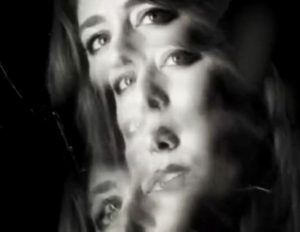
Directed by BAFTA winner Kieran Evans, the wonderful monochromatic video for ‘Diagram Girl’ is a wonderful surreal homage to Nouvelle Vague cinema, capturing a forlorn woman surreally trapped in a derelict house stalked by a ghost and assorted crow-like beings; meanwhile the delightful Miss Peel also makes a cameo appearance.

Released as a single, the bundle also contains a Re-Animation which takes off the male lead vocal and leaves just Peel’s natural dreamily breathy tones over the extended electronic workout.
The Craigavon-born songstress and composer herself has been very busy of late. As well as  juggling projects such as THE MAGNETIC NORTH and MARY CASIO, there will also be the live debut of a collaborative work called ‘In The Shadows Of Steam’, celebrating the lost railways of Donegal at the Cathedral Quarter Arts Festival on Thursday 5th May 2016.

And this is without Peel’s own upcoming second solo album ‘Awake But Always Dreaming’, contributing her vocals to a new JOHN FOXX & THE MATHS song ‘A Man & A Woman’ which will feature on a new compilation ‘21st Century: A Man, A Woman And A City’ and a South Coast tour of eight record shops in support of her ‘Rebox 2’ mini-album release on gold vinyl for RSD2016 on Saturday 16th April.

Hannah Peel - Diagram Girl

Meanwhile, promising an album of “pleasure and pain, doubt and transcendence” with other guest such as Blaine Harrison of indie rockers MYSTERY JETS, Euros Childs from GORKY’S ZYGOTIC MYNCI, Jane Weaver and Holly Miranda, BEYOND THE WIZARDS SLEEVE launch ‘The Soft Bounce’ with a 4 hour DJ set at The Moth Club in London on the evening of its release.


‘Diagram Girl’ is available now on 12 inch turquoise vinyl with a download key via https://shop.phantasysound.co.uk/

https://www.facebook.com/beyondthewizardssleeve/

https://soundcloud.com/beyond-the-wizards-sleeve

http://www.hannahpeel.com/


Text by Chi Ming Lai
10th April 2016

The Electronic Legacy of MUTE RECORDS

Without doubt, Mute Records is one of the most important record labels in the history of electronic music. 

While the early electronic legacy of Virgin Records helped the genre gain its first foothold in the mainstream, the discerning ethos of Mute has maintained its presence in both pop and more experimental fields.

Like many, Mute supremo Daniel Miller began taking an interest in synthesizers as tools for making pop music after hearing KRAFTWERK’s ‘Autobahn’. The son of Austrian Jewish refugees, he was DJing on the continent after completing his film studies course when he became enthralled by the Kling Klang sound.

He was inspired to make electronic music himself but at the time, the equipment was prohibitively expensive. That all changed with the advent of affordable synthesizers from Japan manufactured by the likes of Korg and Roland.

Already a fan of German kosmische scene, his sense of experimentation and an adoption of punk’s DIY ethic led him to buying a Korg 700s. Wanting to make a punk single with electronics, he wrote and recorded ‘Warm Leatherette’ b/w ‘TVOD’ for a one-off independent single release in 1978. He needed a label name and chose ‘Mute’ after the button that came on the equipment that he had used as a film studies student.

Distributed by Rough Trade, MUTE 001 was a surprise success and thanks to him including his mother’s North London home address on the back of the striking monochromatic crash test dummy sleeve, Miller started receiving cassettes from kindred spirits who were keen to explore the brave new electronic world; he realised that a new scene was developing.

Through his connections at Rough Trade, he became aware of former art student Frank Tovey. As FAD GADGET, Tovey recorded ‘Back To Nature’ which was issued as MUTE 002 in October 1979. A seminal work that was also critically acclaimed, it helped establish Mute’s credentials as a champion of electronic music.
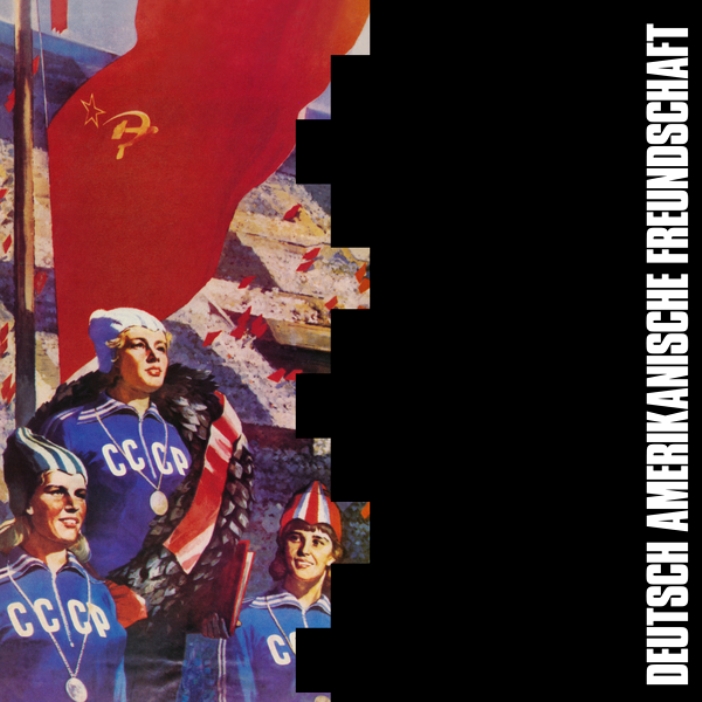
The first album released on Mute was ‘Die Kleinen Und Die Bösen’ by German band DEUTSCH AMERIKANISCHE FREUNDSCHAFT (DAF) in March 1980. Miller had signed them because “they weren’t relying on past rock”. The majority of STUMM 1 was recorded with the legendary Conny Plank at the controls of the studio recordings, while the remainder came from tape of a live gig at London’s Electric Ballroom.

DAF set the ball rolling in furthering Mute’s aspirations, while the Germanic influence continued through into the label’s cataloguing system as the album prefix Stumm was the German word for Mute.

Meanwhile, Miller was fascinated about the idea of synthesizers as the future of popular music and conceived a teenage pop group who would use only synths; he called them SILICON TEENS although in reality, this was actually his solo electronic covers project. Something of a novelty, his cover of ‘Red River Rock’ ended up on the closing credits of the Steve Martin / John Candy comedy ‘Planes, Trains & Automobiles’ in 1987!

But Miller’s dream became flesh and blood when he came across a young quartet from Basildon called DEPECHE MODE. Signed on a handshake 50/50 deal, while the group was a chart success, they fragmented after their 1981 debut album ‘Speak & Spell’. However the remaining trio of Andy Fletcher, Dave Gahan and Martin Gore recruited Alan Wilder, soldiered on and the rest is history. Meanwhile, the departed Vince Clarke went on to further success with YAZOO, THE ASSEMBLY and ERASURE.

With the label’s commercial success, Mute were able to back more experimental releases from Germany including the quirky single ‘Fred Vom Jupiter’ by ANDREAS DORAU & DIE MARINAS, and ‘Los Ninos Del Parque’ by LIAISONS DANGEREUSES. Mute’s business ethos, where money made from record sales allowed acts to develop within a sympathetic creative environment free from interference, proved to be key to its artistic and financial prosperity.

As the label expanded over the years, further signings included EINSTÜRZENDE NEUBAUTEN, LAIBACH, WIRE, BOMB THE BASS (through the Blast First subsidiary), INSPIRAL CARPETS,  GOLDFRAPP while Moby and Nick Cave proved to be amongst the big successes . Meanwhile Miller took the ultimate step in his love of German music, acquiring the rights to the music of CAN and becoming the winning bidder for the vocoder used on ‘Autobahn’ when it came up for auction!

In May 2002, Mute Records was bought by EMI for £23m, although Miller remained as a figurehead and in charge of the company’s global activities. The label became the brand for the multi-national’s electronic music activities and when KRAFTWERK’s back catalogue was finally remastered by EMI, it was released under the Mute banner.

However, with rapid changes occurring within the industry as a result of the new digital marketplace, EMI and Miller reached an agreement in September 2010 to establish a second independently run record label under the name Mute Artists for new acts, while the Mute Records name and rights to the label’s archive recordings remained under the control of EMI via its new owners Universal. As owners of their own catalogue, DEPECHE MODE formally ended their association with the label that launched them and signed a lucrative licencing agreement with Sony BMG.

But the Mute story continues with acts such as MAPS and Polly Scattergood, while Miller’s latest addition to the roster has been NEW ORDER whose new album ‘Music Complete’ will be out on 28th September 2015.

So what twenty albums or EPs best represent Mute’s electronic legacy? With a restriction of one release per artist moniker, here are ELECTRICITYCLUB.CO.UK’s choices…


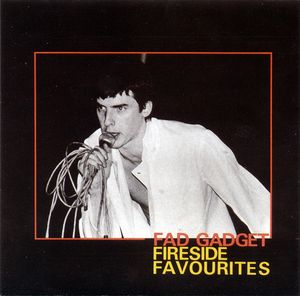
FAD GADGET Fireside Favourites (1980)

Following the success of singles ‘Back To Nature’ and ‘Ricky’s Hand’ with a small but loyal fanbase now established, a FAD GADGET album was eagerly anticipated. It came in September 1980 with ‘Fireside Favourites’ co-produced with Eric Radcliffe and John Fryer. it developed on the minimal industrialism of the singles. The superb ‘Coitus Interruptus’ was a cynical commentary on casual relationships while the Cold War tensions were documented on ‘Fireside Favourite’.

‘Fireside Favourites’ was released as STUMM 3

http://www.fadgadget.co.uk


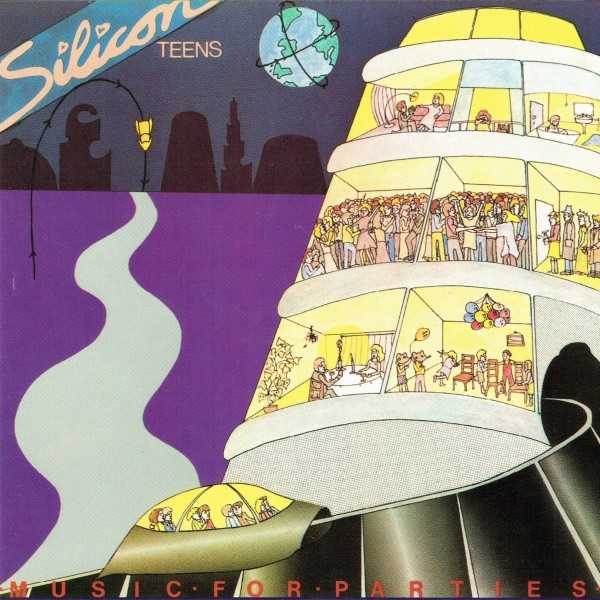
SILICON TEENS Music For Parties (1980)

Following the acclaim that was accorded to THE NORMAL, Daniel Miller decided to undertake a new project where rock ’n’ roll standards such as ‘Memphis Tennessee’, ‘Just Like Eddie’ and ‘Let’s Dance’ were reinterpreted in a synthpop style, with Miller singing like he had a clothes peg attached to his nose. With his inherent shyness, the vehicle he used was SILICON TEENS, a fictitious synth group where several young actors were hired to appear in videos and do press interviews.

‘Music For Parties’ was released as STUMM 2

http://mute.com/


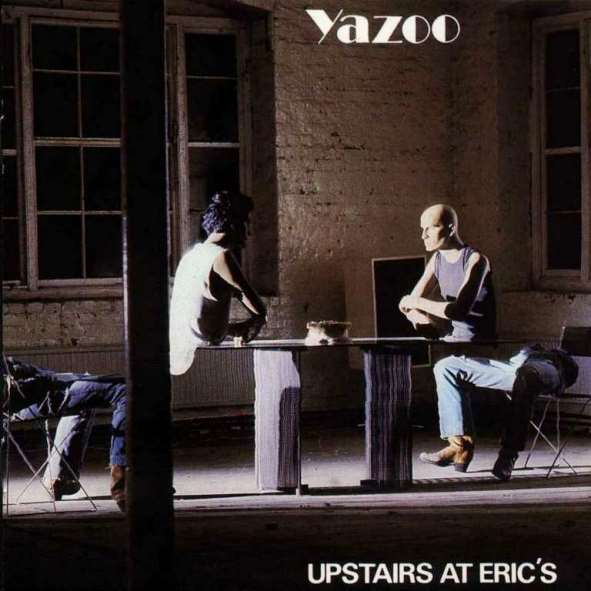
YAZOO Upstairs At Eric’s (1982)

Disillusioned by the pop circus following the singles success of ‘New Life and ‘Just Can’t Get Enough’, Vince Clarke departed DEPECHE MODE in late 1981 and formed YAZOO with Alison Moyet. Although they only released two albums, YAZOO’s impact was long lasting. The debut ‘Upstairs at Eric’s’ was a perfect union of passionate bluesy vocals and pristinely programmed synthpop. Songs such as ‘Only You, ‘Don’t Go’, ‘Midnight’ and ‘Winter Kills’ set a high standard but the duo parted ways.

‘Upstairs at Eric’s’ was released as STUMM 7

http://www.yazooinfo.com/


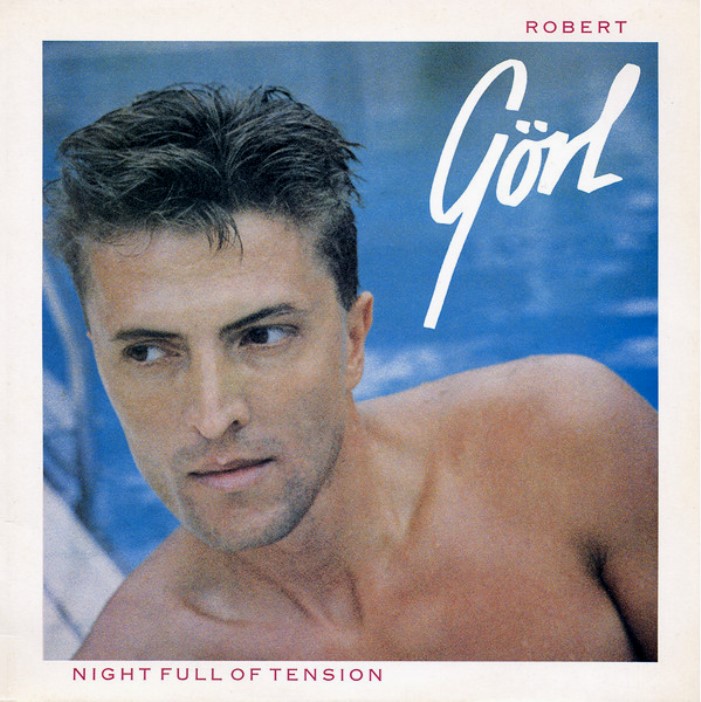
ROBERT GÖRL Night Full Of Tension (1984)

In a departure from DAF’s pioneering electronic body music, drummer Robert Görl lightened up considerably with a solo synthpop record that even had him posing bare chested by a swimming pool on the cover. ‘Night Full Of Tension’ even featured vocal contributions from EURYTHMICS’ Annie Lennox on ‘Charlie Cat’ and ‘Darling Don’t Leave Me’. Although not featuring on the original LP, the brooding but accessible single ‘Mit Dir’ was an electronic cult classic and included on the CD reissue.

‘Night Full Of Tension’ was released as STUMM 16

http://www.robert-goerl.de


ERASURE The Circus (1986)

Although success for ERASURE was not instant with debut album ‘Wonderland’ and its lost single ‘Oh L’Amour’, the chemistry between Clarke and Bell possessed a special spark. ERASURE toured the college circuit and built up a loyal fanbase, eventually hitting chart paydirt with ‘Sometimes’. ERASURE added political commentary ‘It Doesn’t Have To Be’ and ‘The Circus’ title track, while songs such as ‘Spiralling’ and ‘Hideaway’ confirmed they were more than just a great singles act.

‘The Circus’ was released as STUMM 35

http://www.erasureinfo.com


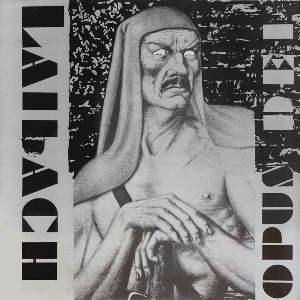
LAIBACH Opus Dei (1987)

Controversial Slovenians LAIBACH played with Teutonic rhythms and Third Reich imagery, while their unique covers of QUEEN’s ‘One Vision’ and OPUS’ ‘Life Is Life’ indicated they were either ironic art terrorists or preachers of a dangerous political message. Mute were accused of tolerating artists with far right sympathies but with Daniel Miller’s Jewish heritage, this was unlikely. Their industrial torture made an impact with ‘Opus Dei’, particularly on RAMMSTEIN.

‘Opus Dei’ was released as STUMM 44

http://www.laibach.org/


MARTIN GORE Counterfeit (1989)

‘Counterfeit’ allowed Gore to indulge in six covers with varying origins. The emotive traditional standard ‘Motherless Child’ revealed his love of the Blues while a great version of SPARKS’ ‘Never Turn Your Back On Mother Earth’ was a fitting look back at the eccentric pop that would have fed the young Mr Gore. Reinterpretations of cult artists such as TUXEDOMOON, THE DURUTTI COLUMN and THE COMSAT ANGELS revealed there was a lot more to Gore’s record collection.

‘Counterfeit’ released as STUMM 67

http://www.martingore.com


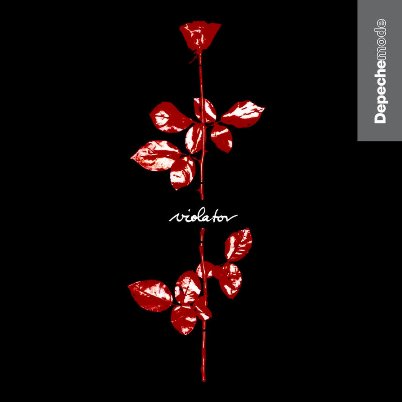
DEPECHE MODE Violator (1990)

Why is ‘Violator’ so important and highly celebrated? It is still DEPECHE MODE’s most complete and accomplished body of work. It was the classic Fletcher/Gahan/Gore/Wilder line-up firing on all cylinders and at their most happiest as a unit. The end result was four hit singles but also songs such as ‘Halo’, ‘Waiting For The Night’ and ‘Clean’ which were easily their equal. And on ‘Blue Dress’, Gore’s lyrics possessed an honesty that while dark and deviant, still retained a naïve innocence.

‘Violator’ was released as STUMM 64

http://www.depechemode.com


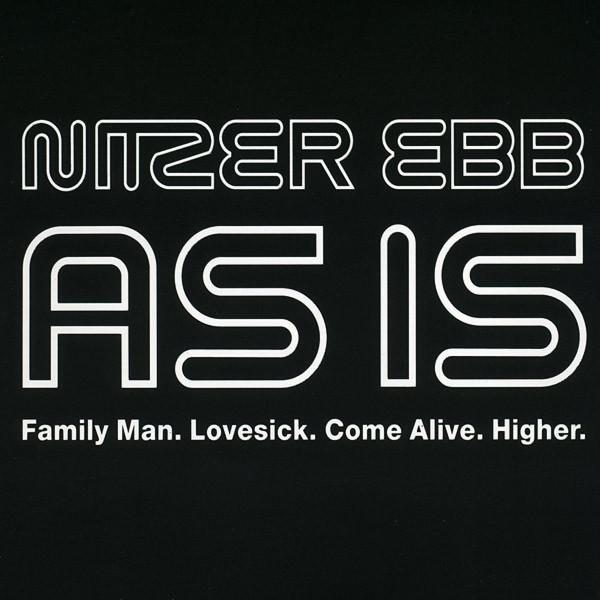
NITZER EBB As Is (1991)

‘As Is’ saw Essex industrialists NITZER EBB at the height of their imperial powers. Although produced by the band, each song was mixed by a different artist or producer. These included Jaz Coleman from KILLING JOKE, producer Flood and MAGAZINE’s Barry Adamson. But the best number was ‘Come Alive’ mixed by Alan Wilder which had the legacy of ‘Violator’ stamped all over it. The subsequent album ‘Ebbhead’ which was produced by Wilder and Flood.

‘As Is’ was released as MUTE 122

http://www.nitzer-ebb.com/


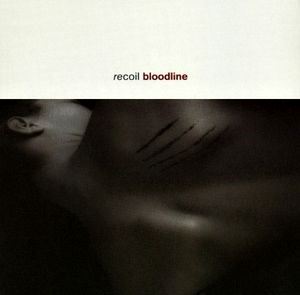
RECOIL Bloodline (1992)

While there had been two EPs ‘1 + 2’ and ‘Hydrology’ by RECOIL, Alan Wilder’s solo sideline to DEPECHE MODE, it wasn’t until 1992 that there was a full length album. ‘Bloodline’ featured vocals from NITZER EBB’s Douglas McCarthy, Toni Halliday of CURVE and Moby. Wilder’s brooding electronic soundscapes and meticulous production made their presence felt and it was McCarthy’s contributions to a cover of Alex Harvey’s ‘Faith Healer’ that stole the show.

‘Bloodline’ was released as STUMM 94

http://www.recoil.co.uk/


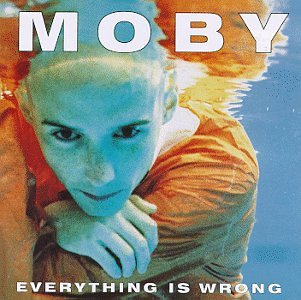
MOBY Everything Is Wrong (1995)

When Moby was signed by Daniel Miller, he was considered to be a one hit wonder with ‘Go’ in 1991. His first proper album ‘Everything Is Wrong’ arrived in 1995. The superb instrumental ‘First Cool Hive’, the happy hardcore of ‘Feeling So Real’, the gospel punk of ‘All That I Need Is To Be Loved’ and the neo-classical ‘Hymn’ showcased his eclectic tastes. Miller’s tremendous foresight turned out to be a wise decision when the unexpected success of ‘Play’ in 1999 provided a boost for Mute.

‘Everything Is Wrong’ was released as STUMM 130

http://www.moby.com


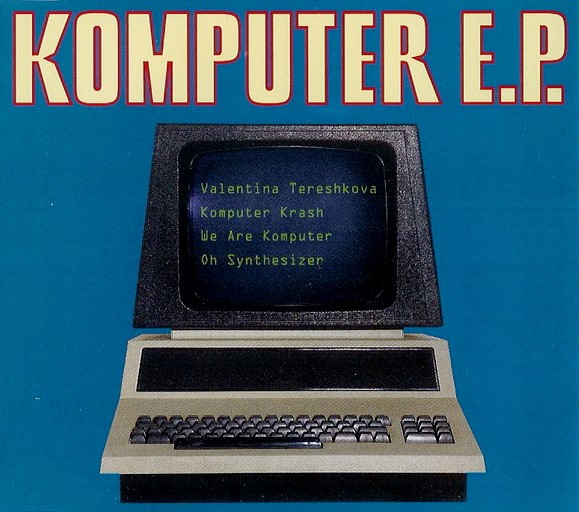
KOMPUTER EP (1996)

London duo Simon Leonard and David Baker began as I START COUNTING and then morphed into FORTRAN 5. But as KOMPUTER, they created some heavily KRAFTWERK influenced numbers to make up for the lack of new material. From their first ‘EP’, ‘We Are Komputer’ was their own ‘The Robots’, while there was also the tribute to the first female Cosmonaut ‘Valentina Tereshkova’ which mined ‘The Model’.

‘Komputer’ was released as MUTE 175

https://komp46.wixsite.com/komputer


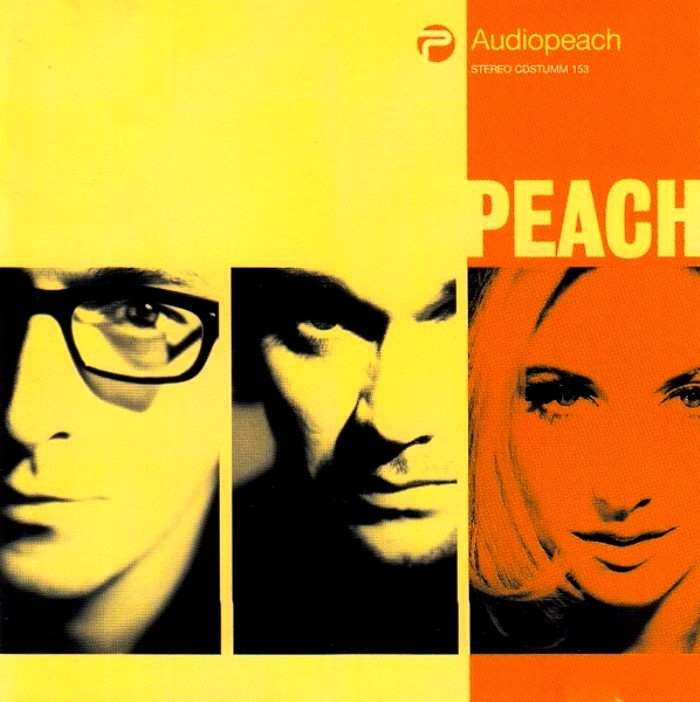
PEACH Audiopeach (1997)

The concept of PEACH was ‘ABBA meets THE KLF’. Released in September 1997, ‘Audiopeach’ is one of those albums that has been lost in the midst of ‘Cool Britannia’. The album’s reputation was based on the participation of its two instrumentalists Pascal Gabriel and Paul Statham. Completing PEACH’s line-up was singer Lisa Lamb. The album’s launch single ‘On My Own’ was classic pop for the modern era with Lamb’s vocal delivery akin to Belinda Carlisle going electro.

‘Audiopeach’ was released as STUMM 153

http://www.inspiracy.com/peach


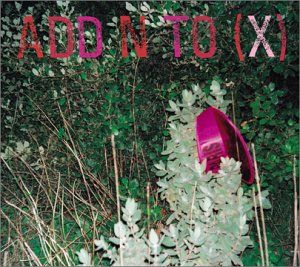
ADD N TO (X) Add Insult To Injury (2000)

While LADYTRON were using their Korg MS20s making sinewaves in a more pop oriented setting, ADD N To (X) took their MS series synths into more obscure, experimental territory. ‘Add Insult To Injury’ had one half written / performed by Ann Shenton and Steve Claydon, while the other was written / performed by Barry 7. The wonderful robotic sexual tension of ‘Plug Me In’  and the creepy noise fest of ‘Hit For Cheese’ were highlights.

‘Add Insult To Injury’ was released as STUMM 187

http://www.addntox.com/


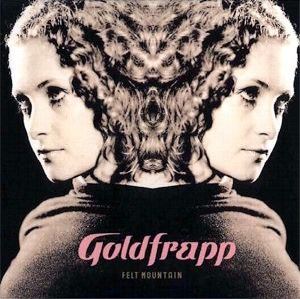
GOLDFRAPP Felt Mountain (2000)

‘Felt Mountain’ was a superb introduction to the then electro Weimar Cabaret cinematics of Alison Goldfrapp and Will Gregory. Beginning with the superb ‘Lovely Head’ with its spine tingling whistle and MS20 assisted banshee wails, the album thrilled with Morricone style widescreen inflections to accompany an ascent to the Matterhorn rather than a trek through a Spaghetti Western. ‘Felt Mountain’ was a slow burner that was nominated for the Mercury Music Prize.

‘Felt Mountain’ was released as STUMM 188

http://www.goldfrapp.com


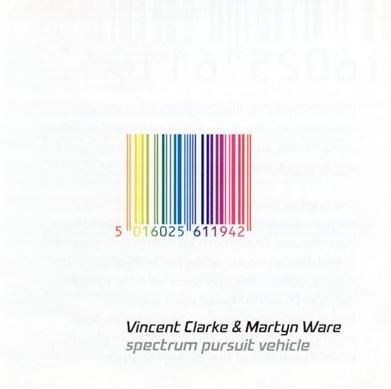
VINCENT CLARKE & MARTYN WARE Spectrum Pursuit Vehicle (2001)

‘Spectrum Pursuit Vehicle’ was composed as part of an installation where the colours referred to in the titles of the six lengthy pieces were ‘programmed to cross fade imperceptibly to create an infinite variation of hue’ in a white clothed room. Tracks like ‘White – You Are In Heaven’, ‘Yellow – You Are On A Beach’, ‘Blue – You Are Underwater’ and’ Green – You Are In A Forest’ were all utilised to full effect with a binaural 3D mixing technique best heard using headphones.

‘Spectrum Pursuit Vehicle’ was released as STUMM 194

http://www.illustriouscompany.co.uk


CLIENT Client (2003)

In 2002, DUBSTAR’s Sarah Blackwood was recruited to front synthpop duo TECHNIQUE by Kate Holmes. In Leipzig supporting DEPECHE MODE, they became CLIENT and were mysteriously referred to as Client A and Client B in a ‘1984’ inspired Orwellian twist. Signed to Mute via Andy Fletcher’s Toast Hawaii imprint, they announced “Client… satisfaction guaranteed… innovate never imitate… we aim to please… at your service” before a “F*** OFF! DON’T TOUCH ME THERE!”

‘Client’ was released as TH 003

http://www.clientlondon.com/


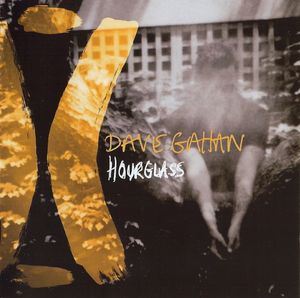
DAVE GAHAN Hourglass (2007)

His solo debut ‘Paper Monsters’ was a disappointment, but Dave Gahan was still finding his feet as a songwriter, becoming more realised on ‘Playing The Angel’. ‘Hourglass’ was better and ‘Kingdom’ could have made a great DM recording. But in the same way that Mick Jagger’s 1984 Nile Rodgers produced solo debut LP having very few takers meant that the ROLLING STONES would continue ad infinitum, would DEPECHE MODE still be going if Mr Gahan’s solo career had taken off?

‘Hourglass’ was released as STUMM 288

http://www.davegahan.com


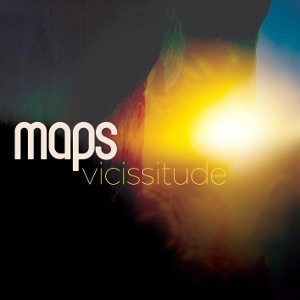
MAPS Vicissitude (2013)

While Mute continues to diversify, the more esoteric pop aspirations of Mute’s synthetic roster continues. MAPS is the vehicle of James Chapman; with a more expansive electronic template, his third album ‘Vicissitude’ was a selection of very personal songs with a strong melodic backbone. Unafraid to let the instrumental synth elements take a role in the overall aesthetic, tracks like ‘AMA’ and ‘You Will Find a Way’ put MAPS into the same league as M83 and EAST INDIA YOUTH.

‘Vicissitude’ was released as STUMM 354

http://www.thisismaps.com


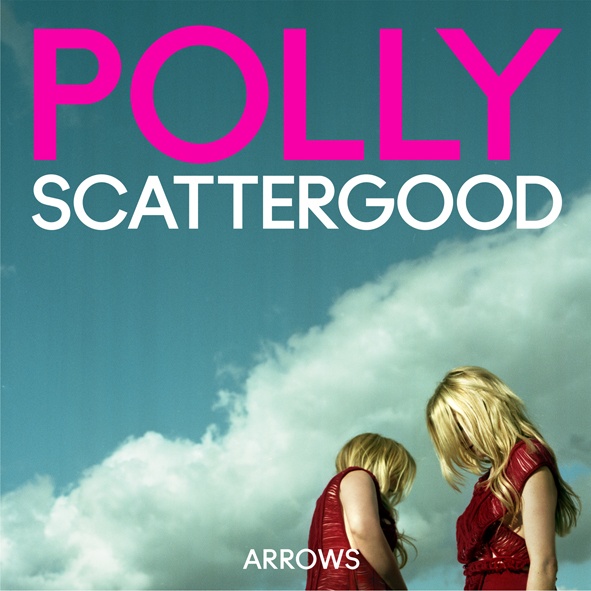
POLLY SCATTERGOOD Arrows (2013)

Polly Scattergood signalled the more electronic journey of her second album ‘Arrows’ with the marvellous electro-COCTEAU TWINS twist of ‘Wanderlust’. While there were still signs of her folkier roots, synthetic textures and technological trickery were very much part of the action. The sad but driving pop of ‘Falling’ and ‘Subsequently Lost’ attracted empathy with Polly World, while the highly emotive ‘Miss You’ and the dreamy ‘Cocoon’ displayed her vulnerability.

‘Arrows’ was released as STUMM 328

http://www.pollyscattergood.com/


Text by Chi Ming Lai with thanks to Simon Helm at Cold War Night Life
23rd June 2015

MAPS Interview

In a multitude of people’s eyes, being an artist on Mute Records IS still a big deal. 

The label formed by Daniel Miller indelibly helped shape the future of electronic music, introducing many to acts from different polar opposites of that genre, from the dark experimental sounds of FAD GADGET and THROBBING GRISTLE to the chart-reaching heights of DEPECHE MODE, YAZOO, ERASURE, MOBY and GOLDFRAPP.

Currently carrying the flag and representing both the commercial and more esoteric side of Mute’s synthetic roster is MAPS, aka James Chapman. MAPS first gained attention by being nominated for the Mercury Music prize for the debut 2007 album ‘We Can Create’, a symbiotic mixture of electronica, shoegazing guitars/vocals and heavily reverbed textures which recalled everybody from MY BLOODY VALENTINE to THE BEACH BOYS.

The follow-up ‘Turning The Mind’ showcased a more electronic direction and in places a more danceable edge, yet still with Chapman’s distinctive atmospheric/ambient vocals on top.

Earlier in the year saw the release of the third MAPS long-player ‘Vicissitude’ which (if anything) has followed an even more electronic template. The current MAPS album features a selection of what appear to be highly personal songs, all of which are produced with rich, electronic textures and a strong melodic backbone. Standout tracks include the oblique ‘A.M.A.’, the uplifting/inspiring ‘You Will Find A Way’ and ‘Built To Last’, a song which will appeal to anybody who’s suffered a relationship-inflicted kick in the teeth!
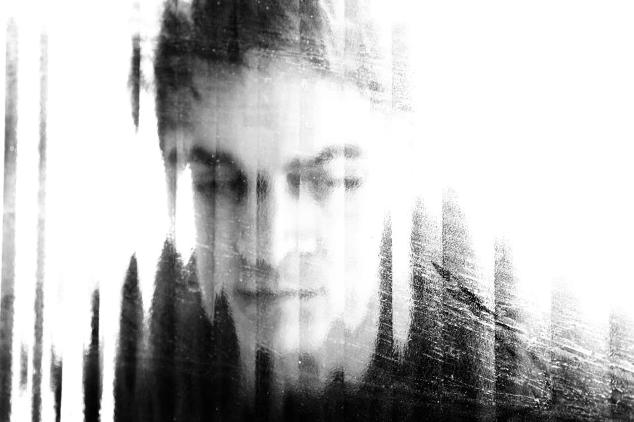
The album is not afraid to let its instrumental synthesizer sections shine and the Spotify version features a couple of self-remixed versions of both ‘A.M.A.’ and ‘I Heard Them Say’ which take the original versions on extended electronic journeys which are arguably even stronger than their aforementioned counterparts.

ELECTRICITYCLUB.CO.UK caught up with the man behind MAPS, James Chapman and quizzed him on what had help shape his sound, his relationship with Mute Records and how it felt to remix DEPECHE MODE.

‘Vicissitude’ had a fairly long gestation period, what was your overall concept and reasoning for making the album?

The concept kind of developed as I started writing the songs, there were recurring themes to the lyrics and feel of the music which then became the overall theme of the album.

I went through a tough time personally before I started this album, so I think that came through in the songs I was writing.

Although you use primarily electronics in your music, there’s been a gradual shift in the sounds that you use. ‘Vicissitude’ has a far more analogue sound than ‘We Can Create’, which is more organic, (literally as it does have a lot of organ sounds on it!) Is there a particular reason for that?

That’s funny that you picked up on the organ sounds on ‘We Can Create’! That is true. Mainly due to the fact that I really only used one sequencer back then, so a lot of the sounds I used tended to be the same ones.

To answer your question, I feel it has a lot to do with the equipment you are using which gives a record the overall sound. For ‘Vicissitude’, I wanted to create a more open spacious sounding album (‘Turning The Mind’ was quite claustrophobic). So once you decide what you want to achieve, it’s really just about using the correct equipment to try and realise that vision.

A lot of your music sounds as if it’s very cathartic? How do you come up with your lyrical themes?

Yes it is a cathartic process for me. When writing, I normally start with the music, and snatches of lyrics will come into my head when working on that. I’m quite obsessive when working on the music, so after hearing a song for about 50 times, the lyrics are pretty much written in my head! For this album I had a lot to draw on from some personal experiences, but I tried to keep the lyrics more open to interpretation so more people could relate to them.

One of the standout tracks on ‘Vicissitude’ is ‘A.M.A.’, especially the version for Spotify where you remixed yourself, the extended ending is wonderful… do you have a preference between the two versions?

Thanks, I’m glad you like it. I like both versions actually. A few people have asked me whether it’s hard to remix your own material, but I actually just approached those remixes the same way. It was fun to try something different with my own song – I enjoy doing remixes because it feels like there is more freedom to experiment and play around a bit more.

Your first album ‘We Can Create’ had the honour of a Mercury Music Prize nomination, was that a blessing or a curse?

It was a blessing because it meant that my music reached far more people than I could have ever imagined possible. I wouldn’t say it was a curse at all. I guess it was hard not to feel some pressure with what I followed up with, but I really just try to make the music I enjoy making and hope that people connect with it. I think if you start to measure the success of the music by what other people think of it, then you’re in trouble.

What sort of a relationship do you have with Mute records in terms of their influence on the music that you produce?

It’s been different with each album, but they’ve always been great with letting me do what I want to do. With this album they really just told me to go away and make the album I wanted to make, which I thought was a wonderful thing for any record label to say.

Mute will always be associated with electronic acts that achieved commercial success such as YAZOO, GOLDFRAPP, ERASURE and DEPECHE MODE but it’s also always been a home to electronic artists who have tended to be more leftfield and experimental – which camp would you put your sound into?

I’d like to think that my music could be split into both those camps but I really don’t know. I do like to experiment with the sounds I make and that’s always when I’m happiest in the studio. But I also realise that it’s important to make music that has a melodic quality to it, so I do keep that in mind when writing the songs. This album was much more about the songwriting aspect, but I still wanted to push MAPS forward sonically as well.

Who would you say were your main musical influences?

It’s always changing. And it’s been different for each album. For ‘We Can Create’, I was listening to a lot of American guitar bands and IDM electronica and for ‘Turning The Mind’, I was listening to harder minimal techno type stuff. For this album, I got heavily into more experimental electronica and weird movie soundtracks! But overall there’s always THE BEACH BOYS, THE BYRDS and BOB DYLAN who I return to.

Like the early days of Mute, even now there’s a proliferation of synth duos around, yet very few artists that are completely self-contained – does being a one man band have both its benefits and limitations?

It has a great deal of benefits, mainly because of the freedom in creativity. You can go a bit crazy sometimes when you’ve listened to the same track for days and you start to lose objectivity. But I’m used to the process now so I wouldn’t change it for the world. The limitations come when performing live – it’s always been tricky to figure out a way to get it to work because I never wanted to play live just on my own. It’s nice to have the camaraderie of other people when playing live.

The production on your records is pretty unique sounding. I teach music technology and I always warn students to be sparing with their use of reverb, yet you seem to have a completely different approach to that…

Haha! That’s interesting. Well I should say that I never learnt the rules of recording properly, I taught myself all that stuff as I went a long. I think my production has definitely improved over the years and I have certain tricks that I’ve picked up along the way. I think it’s true that too many different reverbs can make things messy. It’s good to just use one global reverb as a starting point to gel the mix together, otherwise it starts to get complicated!

What sort of equipment do you use in the studio and how do you go about your songwriting?

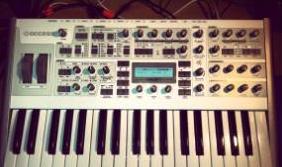
From the very beginning my favourite bit of equipment was the Yamaha RM1x – I used to compose whole albums on that! Over the years I’ve been lucky enough to collect other bits of equipment. My current favourite is the Access Virus TI Polar. It is insane! I do really believe that it’s more about choosing one bit of equipment you enjoy using and getting to know it inside out.

Having too much choice can be a negative thing. The limitations lead to being creative I think. So with the songwriting, I like to keep it simple and stick to mainly writing on the same synth.

How did it feel to be asked to remix DEPECHE MODE’s ‘Should Be Higher’ and did you approach this one any differently to other remixes you’ve done?

It was a really honour to be asked. I did spend a lot of time on it, but I do with all my remixes. I don’t think I approached it that differently, but I wanted to stay respectful to the song, so I didn’t mess around with the structure too much. I’m happy that they liked what I did.

What do you see as the future of MAPS?

I’m going to take a bit of time to experiment and try some new projects. I’m not sure exactly what the future holds for MAPS just yet, but I’m going to branch out and explore some different territory. I’m excited to see what happens!


ELECTRICITYCLUB.CO.UK gives its warmest thanks to James Chapman

Special thanks to Debbie Ball at Create Spark

‘Vicissitude’ is out now on Mute, available from http://mapsvicissitude.sandbaghq.com/

Paul Boddy’s own entry in the MAPS remix competition can be heard at: https://soundcloud.com/paul-boddy-emp-remixes/you-will-find-a-way-maps-emp

https://thisismaps.com/

https://www.facebook.com/MapsMusic

https://twitter.com/thisismaps


Text and Interview by Paul Boddy
4th December 2013

Newer posts »