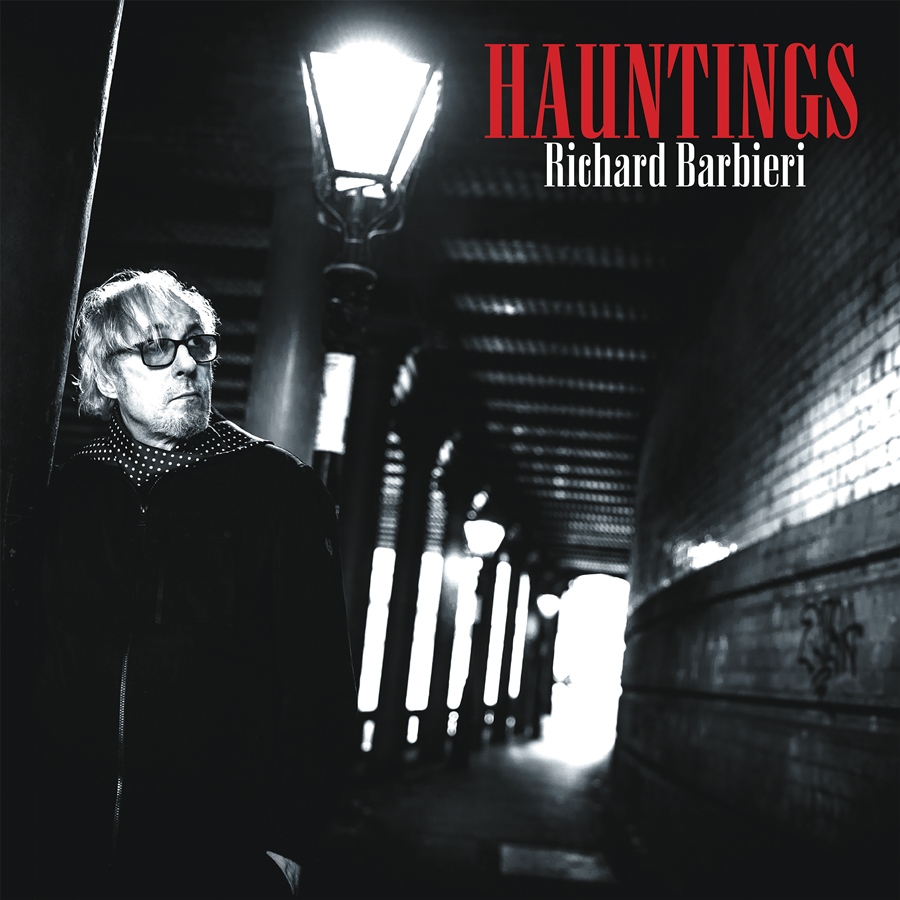
Despite having debuted as a recording artist in 1978 with JAPAN, Richard Barbieri’s ‘Hauntings’ is only his fifth long playing solo release in a long career that has also included THE DOLPHIN BROTHERS, RAIN TREE CROW, JBK and PORCUPINE TREE as well as other collaborations with Alice, Tim Bowness and Steve Hogarth.
Following up 2021’s ‘Under A Spell’, ‘Hauntings’ continues with the supernatural theme of its predecessor. Of this new diverse set of compositions, Richard Barbieri told ELECTRICITYCLUB.CO.UK: “I’ve called them ‘Hauntings’ but they are feelings of nostalgia, things from the past and things that didn’t happen. When you have very vivid dreams, you have recurring dreams, you go to places you’ve never really been to in real life and there’s people you’ve never really met but they’re very real to you in that moment.”
Supported by a renowned international cast of musicians including Morgan Ågren (drums and percussion), Percy Jones (bass guitar) and Luca Calabrese (trumpet), that trio bring some jazzy inflections to the opener ‘Snakes & Ladders’ to reflect the dramatic rise and fall using the classic board game as a visual metaphor. Meanwhile, the lively ‘Anemoia’ plays with drum ‘n’ bass rhythms and sees Morgan Ågren frantically syncopating off the programmed patterns and Barbieri’s spooky sonics.
With even more sound design than on previous Richard Barbieri albums, ‘Victorian Wraith’ explores the ghosts of his life while ‘1890’ is conceived around foggy recurring dreams of Victorian-era London; the tonal elements of both recall the eerie intros of JAPAN tracks like ‘Burning Bridges’ and ‘The Tennant’.
Strident and ominous, ‘Artificial Obsession’ adopts perturbed voice samples and stringy simulations to fully embrace the ‘Hauntings’ theme, as does ‘Paris Sketch’ which captures feelings of intrigue and mystery with a combination of ivories and expansive soundscaping. However, ‘Perfect Toys’ is aurally soothing and unexpectedly exudes sexual tension. Although ‘Traveler’ grooves with its combination of live and looped patterns, ‘Reveille’ acts as a marvellous interlude into the final straight with something that is very ‘Another Green World’ and made using the Elta Solar 42f Drone Ambient Machine.
As the title suggests, ‘Last Post’ is an ambient piece centred around some solemn trumpet before the watery blips and ringing signals of ‘A New Simulation’ are supplemented by some gentle flauty moods and the spectre of PINK FLOYD to close.
With the otherworldly sound designs and cerebral electronics of Richard Barbieri contrasting with a range of complimentary live instrumentation, ‘Hauntings’ is an anxious but accessible instrumental double album that stands out as a hazy shade of contemplation. This is a wonderfully considered sonic tapestry for the mind.
Richard Barbieri is best known from his work with JAPAN and PORCUPINE TREE but despite having been a recording artist since 1978, his new studio album ‘Hauntings’ is only the fifth long playing solo release of his long career.
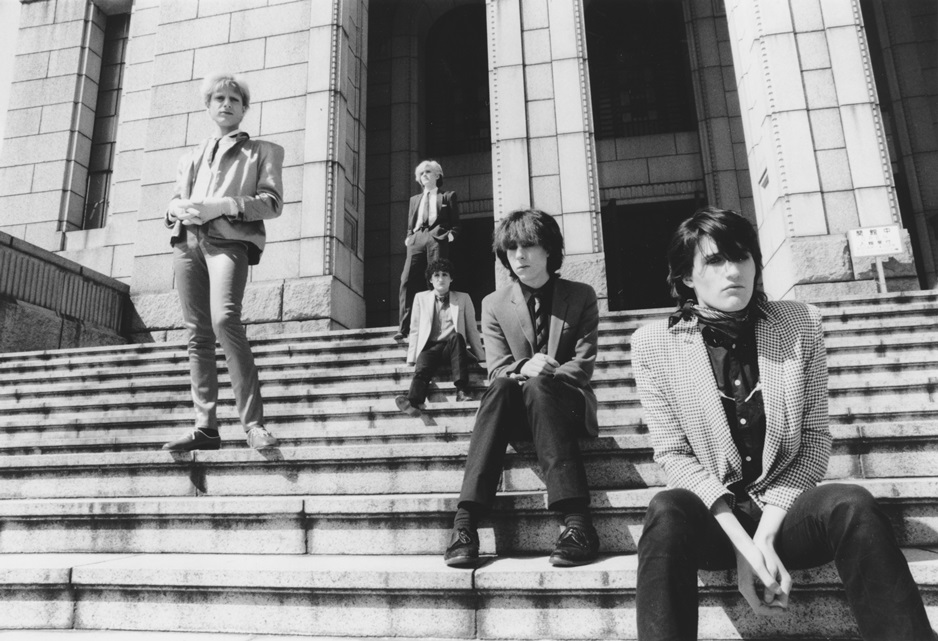
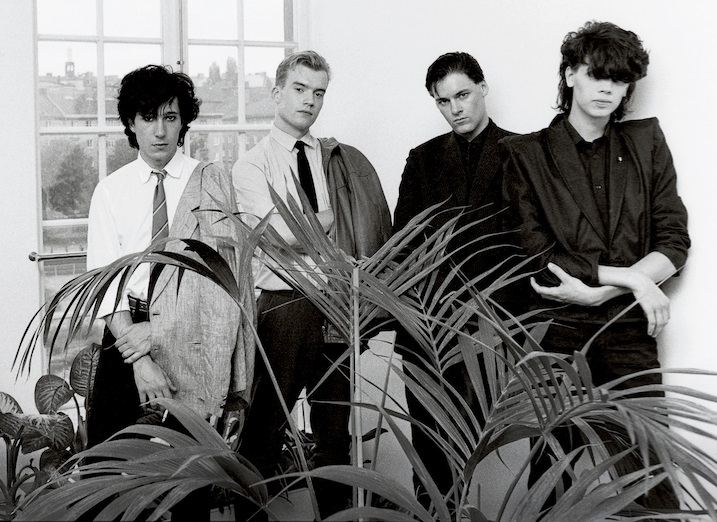
After 5 albums with JAPAN, Richard Barbieri worked with all his former bandmates David Sylvian, Mick Karn and Steve Jansen with a close creative partnership being developed with the later, both as an experimental instrumental duo and in a more song-oriented project called THE DOLPHIN BROTHERS.
There was a brief JAPAN reunion as RAIN TREE CROW in 1991 but when that ended amid acrimony, Jansen, Barbieri and Karn formed JBK, issuing a number of albums on their own Medium Productions label between 1993 and 2001. During that time, the trio were invited to be live musicians to back NO-MAN, the art pop duo comprising of Tim Bowness and Steven Wilson in 1992. Significantly, Barbieri would continue to work with both and joined Wilson’s progressive rock band PORCUPINE TREE in 1993.
Deepening the dark immersion of its predecessor ‘Under A Spell’ from 2021, ‘Hauntings’ sees Barbieri present a diverse double collection influenced by a nostalgia for the past and future, and for things that didn’t happen, with questions as to what is real and what is simulation. Alongside the electronic sound sculptures of Barbieri are a renowned international cast of musicians including Morgan Ågren (drums and percussion), Percy Jones (bass guitar) and Luca Calabrese (trumpet).
Richard Barbieri sat down with ELECTRICITYCLUB.CO.UK for a round of Vintage Synth Trumps to talk about the ideas behind ‘Hauntings’ and his close encounters of the synthesizer kind…
The first card is the ARP 2600, does that trigger any thoughts?
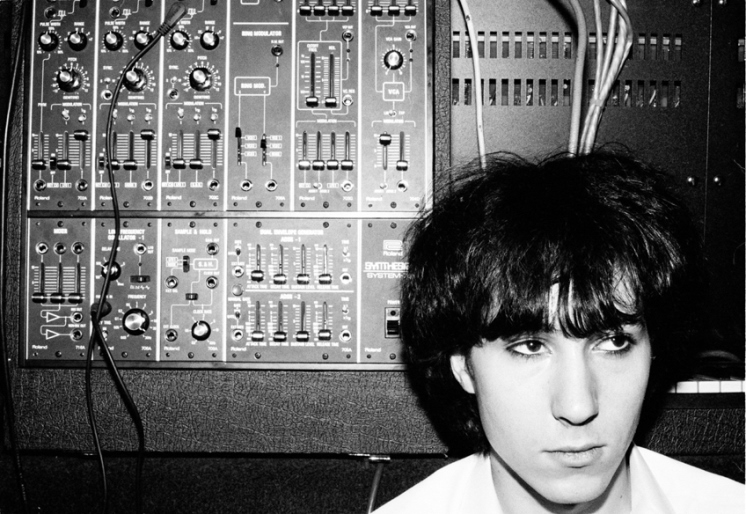
I did have a go at one in the studio when we were making JAPAN’s second album ‘Obscure Alternatives’. That was probably just before I got my own modular, the Roland System 700 Lab series. The ARP 2600 had a similar kind of layout, semi-modular… I used it on a track called ‘Deviation’, some kind of noise and sequency thing! I was well fascinated by it but it always looked quite ugly to me and still does… I don’t know why but I’m still not drawn to the look of it. It’s not clear, you’ve got all these faders and things, but it doesn’t tell you exactly what’s going on. I don’t warm to it. I think Steven Wilson of PORCUPINE TREE got a reproduction one…
Of course, the ARP 2600 has got an amazing history to it, it’s on so many records but those metal sliders and the way it was laid out didn’t draw me in…
Deviating slightly, you mentioned when we last spoke in 2017 that your Oberheim OB-X disappeared back in the day… did you ever think about replacing your OB-X with something like the XPander or newer editions of like the OB-X-8 or copies such as the UB-Xa by Behringer?
The OB-X was too much in the ball park of the Prophet 5 to be honest… to me, they are fairly similar. Yes, the OB-X has that slightly thicker sound, it’s a bit warmer but in terms of having a polyphonic synth, I’m happy enough with the Prophet.
Artistically, did losing the OB-X end up being a positive in that you had to investigate a new instrument and using different techniques?
Yeah, it breaks my heart now losing stuff, especially my Wurlitzer electric piano, I don’t know what happened to that! But in those days, there wasn’t this emotional attachment to the instruments, they were tools, there to do a job. You would give away a synth to someone or let them borrow it. So it was very much wanting the technology of the times and it was more about what it could do for you than actually fetishising over it! But now, it’s all nostalgic, it’s all about the feelings and emotions.
Next card and it’s an EDP Wasp Deluxe… did you ever consider this as a possible purchase before you acquired the MicroMoog?
No, it never was… I know people who speak lovingly about the Wasp… are they the ones with the touch sensitive keyboard?
The Deluxe had a proper keyboard but the standard one had this touch sensitive strip…
I was more drawn to the Moog name and the MicroMoog was the cheapest one. In hindsight, I’m glad I got that and not a Minimoog because it’s got a lot more programming possibilities and more routing. I love it! *laughs*
Your new record is called ‘Hauntings’ and your previous one was called ‘Under A Spell’, what has brought you musically into the supernatural world?
Lockdown started that whole thing of introspection and thinking a lot about things. It meant we couldn’t go out and do much, so everything became internalised. Also my age, it’s the age when you start thinking about your life, where you are and how you’ve got to this point. It brought all these new feelings into my mind which were haunting me. I’ve called them ‘Hauntings’ but they are feelings of nostalgia, things from the past and things that didn’t happen. When you have very vivid dreams, you have recurring dreams, you go to places you’ve never really been to in real life and there’s people you’ve never really met but they’re very real to you in that moment.
So it was playing around with that reality and how much can you bend the two realities… are we part of some simulation where it’s possible that other realities exist in a parallel dimension? I was getting all kind of heavy with that and there was also this nostalgia for the future, for a future that might not happen. So it was quite intense feelings that were influencing this music.
How did the opening ‘Hauntings’ track ‘Snakes & Ladders’ develop?
Funnily enough, that track is not built on any particular concept or feeling or nostalgia, it has a definite musical theme to it. I gave it the title because to me, when you listen to it, it’s a lot of crescendos and falls. Trying to visualise the track, it looked to me like a ‘Snakes & Ladders’ board where you’re getting these musical ascending parts and then suddenly there’s this drop and you fall down the ladder or slide down the snake. So that was a very vivid thing of rise and fall. There’s a slight time travelling concept in there as well, so you could look at it falling into different time lapses.
You mentioned this sort of “imagined nostalgia” and “imagined future” but also real nostalgia and haunting stuff, it made me think of when you did the telephone ring on ‘The Tenant’… it’s imitating a telephone ring but it’s not what a telephone ring sounds like… is this part of the subconscious nostalgia creeping in?
It’s a sound design thing, this album has more sound design than any other album that I’ve made. The specific thing you’re talking about on ‘The Tenant’ was my interpretation, in fact a very good copy, of the Tannoy signal that they used to have at Charles De Gaulle Airport… so every time there was an announcement, you would have this little rise and fall of these electronic digital notes. I did it with a Polymoog where you have a slider to slide through an octave thing. I just did that to recreate this sound that fascinated me.
But on this new album, there’s a lot of sound design, like on ‘Victorian Wraith’ and ‘1890’, they are based in the Victorian era. ‘Victorian Wraith’ is a recollection of a child I used to see, I used to see apparitions in my room, maybe many children do… and suddenly you stop seeing them. Your parents say you’ve had a fever but I could see these ghosts walking around my room although I wasn’t scared. They were wearing this Victorian attire, it was a very vivid image so that influenced ‘Victorian Wraith’.
The other track ‘1890’ is a sound design piece around that time, that’s one of my recurring dreams which I go back to, it’s obviously from that Victorian era in London and there’s lot of fog and mist, it’s got a dark grainy atmosphere and it’s all connected around the river near Big Ben and the Houses Of Westminster. I got a sample of the very first chimes of Big Ben from 1890, it was made on a wax cylinder or something and I’ve got an announcement on the radio of those first chimes, I put that in as well as a lot of old radio broadcasts that I had coming and going. That, mixed with a storm recording I had of really heavy rain and thunderstorms, really worked perfectly together. It just created this whole thing that I go though in my dreams. I managed to provide a sound version of what I visualise.
Another card and it’s the ARP Axxe… you used to use an ARP Solina didn’t you?
Yes I did, and an ARP Omni… David and I used the ARP Omni, it had a lovely sound, there’s a voicey choir sound that worked really well. The ARP Axxe? No, that would have been a choice at the time, did you go ARP or did you go Moog? So there was the choice between the ARP Odyssey or the Minimoog. Because I went the Moog route, that was my monosynth and it wasn’t a time where you could just easily afford to go through all the stuff.
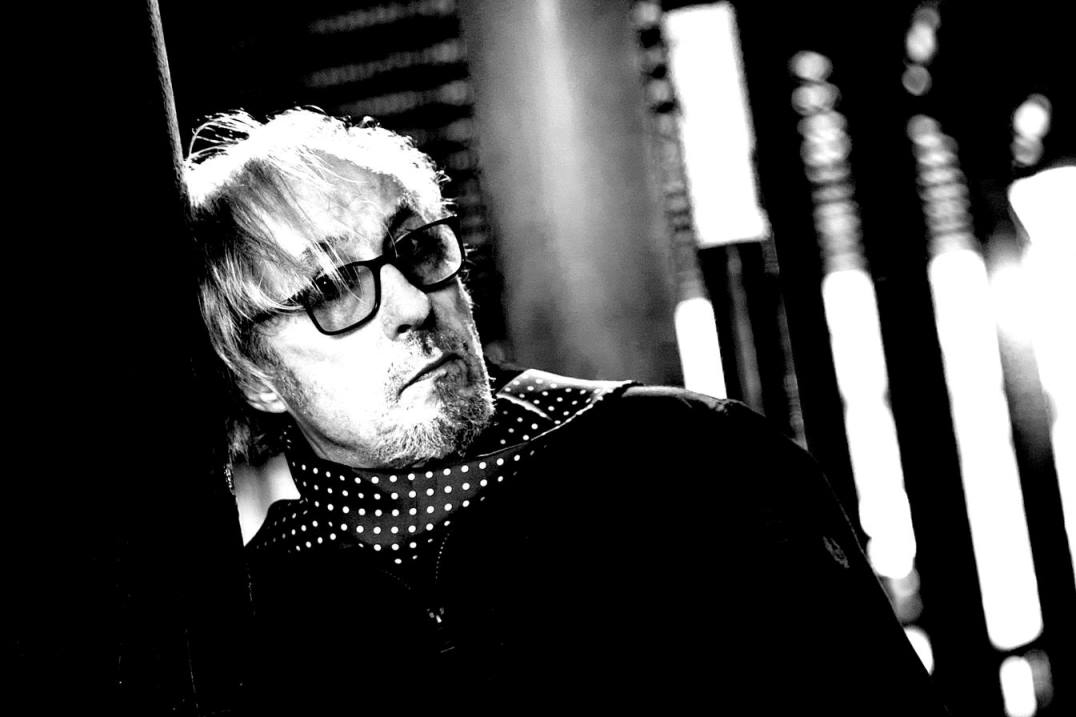
Photo by Steve Jansen
You’re known for “mixing your own colours”, how did you become more interested in sound design as opposed to just being a “keyboard player”?
Well! It was not being able to play keyboards very well! *laughs*
I think you do yourself down, you can play a lot better than you make out… *laughs*
I think there’s been periods where I wasn’t too bad for a while but I think now I’m on the decline! *laughs*
Was getting into sound design like an Eno-inspired thing?
Yeah, Brian Eno showed the way that you could use abstract sound and put that in the context of pop music…
There’s a track on the album called ‘Reveille’ which is very ‘Another Green World’, was that a conscious intent?
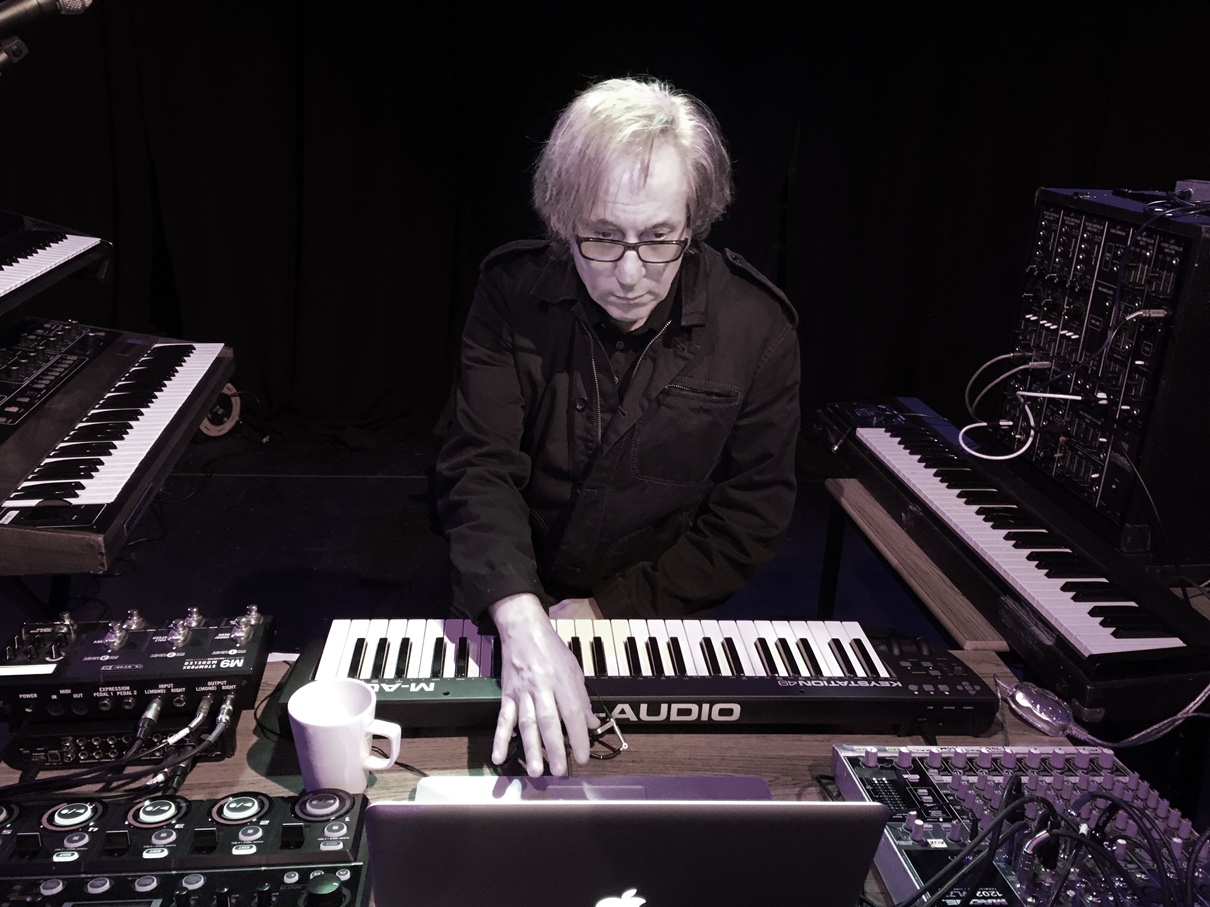
I’ll take that as a compliment, that particular track is just 2 channels, a stereo live recording of this new synth I’ve been playing with of late, the Solar 42f. It’s a drone synth…well, it’s more than that but it’s quite incredible really. I can’t compare it to much, it’s just something all out there on its own. But you can get a lot of things going on at the same time. I just got this little thing going and it created this sound world, it reminded me of the sun coming up. Sometimes, the real simple minimal things are the best.
Photo by Debbie Zornes
The ‘Hauntings’ album is not just minimal things, there is some quite boisterous and uptempo stuff like ‘Anemoia’ which is playing with drum ‘n’ bass rhythms?
Yes, it is and it did have an original drum ‘n’ bass programmed pattern throughout but I really wanted a drummer to be playing it. There was a Swedish drummer who I was looking at for a long time, Morgan Ågren who although he’s a very technically gifted rock jazz player, he also has a sensibility towards electronic music. I could tell with his videos and all these little things he was doing to create his percussive sound worlds, it was really interesting to me.
So I thought it would be great to have a drummer playing a drum ‘n’ bass pattern, to give it that feeling and when it goes into that second section of the track, that’s a combination of the drummer then reverting to percussion and the electronic drum ‘n’ bass programme kit coming through more strongly. I think that worked well.
How did you become interested in drum ‘n’ bass?
I liked SQUAREPUSHER and APHEX TWIN, I also liked that quite extreme Jungle drum ‘n’ bass but I also played a lot with a band called THE BAYS, an improvisational band led by Andy Gangadeen, he’s the drummer with CHASE & STATUS. He’s very into drum ‘n’ bass and electronic rhythms, he has an electronic kit and vibes off all kinds of loops and stuff. So I did a lot of live shows with them, it’s was all improvised dance music, Jungle drum ‘n’ bass with a little bit of techno.
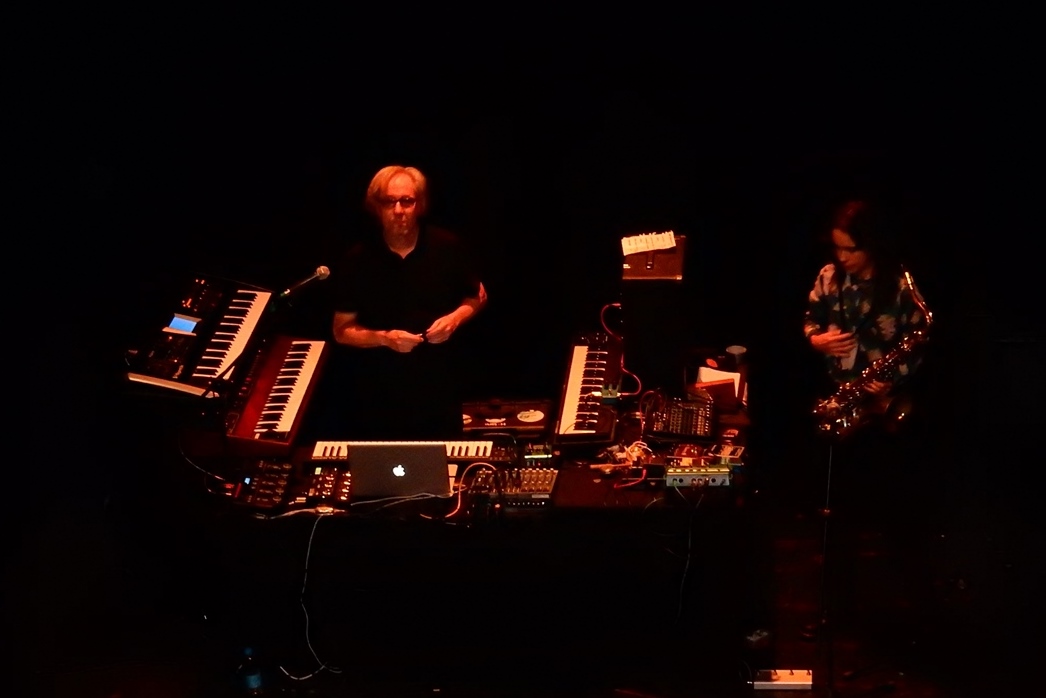
You mentioned you worked with a Swedish drummer, you’ve worked with a Swedish saxophonist Lisen Rylander Löve and your first album production was a Swedish band LUSTANS LAKEJER on their 1982 album ‘En Plats I Solen’. You did a tour in 2017 with them performing that album…
It was the 35th anniversary of ‘En Plats I Solen’, we’d always been in touch anyway, I’d seen some of the LUSTANS LAKEJER guys over the years and it seemed like a great idea to go out and play that album, they thought “let’s go and invite the producer”…
Although you didn’t produce the pre-album single ‘Diamanter’, it was the track that won you over to take the producer role and you got to perform that buzzy solo live…
Yes, it was a different one each night, basically it was noise solo and some nights, I would just lean on the keyboard with my elbow, twist a few knobs and just have a drink! *laughs*
That was fun, I love those guys… what I love about them is that they SO 80s, they haven’t tried to update or reimagine themselves at all, they’re strictly 80s! They slap on all the make up before they go on stage, all the synths playing the right sounds from that era and it’s great!
I actually got to see LUSTANS LAKEJER in Malmö near the end of 2019 and they’ve got this new late teen fanbase who go to gigs dressed like front man Johan Kinde from that era…
Yeah! *laughs*
The next card is a Yamaha CS-60… have you flirted with Yamaha equipment before?
Yes, I played a CS-80 and a CS-60, , I’d put them in the Top 5 of synths of all time, so lovely. It was in a studio in Sweden, a guy who collects a lot of vintage stuff and they couldn’t get me away from them! So beautiful and very expressive, just different… they’re a world of their own. I’ve never owned either one unfortunately, I wish I did. If I could, I would love to get one of those. But the Yamaha I do own is a CS-01… and that sounds amazing! *laughs*
So Steven Wilson’s never hired a CS-80 for you to use in PORCUPINE TREE?
Actually, that’s not a bad idea! Of course, there is good emulation available!
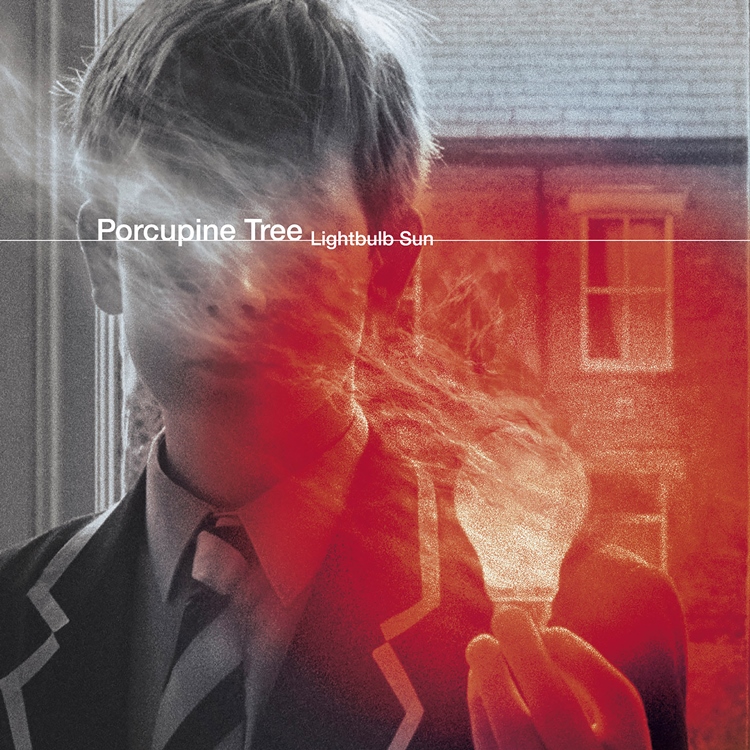
John Foxx has done this Vintage Synth Trumps interview format before and he did the photo on the cover of the PORCUPINE TREE album ‘Lightbulb Sun’, do you know how he got involved?
It must have been somebody who knew someone else! It was a case of the photo John Foxx took was actually of his son, and it was exactly right for the title… I wish I knew, you’re gonna have to ask Steven Wilson because I can’t really tie that all together, it’s quite weird.
But as a coincidence, I’ve been working with Steve D’Agostino, he’s just mixed the surround sound for ‘Hauntings’ and I’ve known him a while… so he’s now worked with every member of JAPAN! I was the last one to complete the set! *laughs*
He worked with Mick Karn on DALI’S CAR, he remixed David Sylvian’s ‘Manafon’ in surround and he worked with Steve Jansen and John Foxx on the album ‘A Secret Life’.
It’s all very incestuous isn’t it? *laughs*
Yeah! Amazing! *laughs*
Photo by Steve Jansen
I don’t know if you have been misquoted but you once remarked that the YELLOW MAGIC ORCHESTRA sounding parts on ‘Tin Drum’ were all David Sylvian while you did the weird interesting stuff, is there any truth in that?
Well, it’s not to say that David’s parts were interesting! *laughs*
A lot of his parts on ‘Tin Drum’, I can hear similarities to the YELLOW MAGIC ORCHESTRA album ‘Technodelic’; what’s weird about that is that both albums were released at the same time so it’s almost by osmosis, this exchange of ideas and influence that went on at that time. I would say my sounds were probably a bit more off-the-wall and possibly a bit stranger…
Haunting? *laughs*
Haunting, there you go! Yeah! *laughs*
The next card is the Roland Juno 106?
I’m very associated with Roland, but I didn’t have any of the early Jupiter or Juno series, anything like that. I’ve got the big Roland System 700 and I used the Space Echos, all that kind of stuff. But it wasn’t until later with the V-Synth that I really got involved with Roland again. Before that, there was the D-50, David Sylvian and I used D-50s for the ‘In Praise Of Shamans’ tour in 1988. He did some great D-50 stuff on a track called ‘Pop Song’, all that weird scale-straight micro tuning stuff going on in the background. I used the D-50 until quite recently, but the V-Synth all the time.
Photo by Sheila Rock
On ‘Pushing The River’ by THE DOLPHIN BROTHERS, there were those synthetic brass bursts, was that sound design or sampling?
It was a pattern that I came up with on a Casio SK-1!! It sounded like an EARTH WIND & FIRE or Phil Collins type of brass section and we decided to go with that. I think we might have used a bit of the original sound as well. Sometimes, these sorts of things, you just sample something and it’s just got a melody that’s gonna work. These Casio lo-fi samplers are very collectable now! *laughs*
Ah, next card is a Polymoog which I know you’ve used a few times…
Yeah! I used it in that interim period between ‘Obscure Alternatives’ and ‘Quite Life’ where I didn’t really have an established set-up as such. At the beginning, I had the Wurlitzer piano, the MicroMoog and the Solina string synth as well. Then I got the System 700 which did all the abstract and sequencer-driven stuff. I didn’t have a set-up until we came to ‘Quiet Life’ so at the time, when you walked into studios, there was always stuff around, they had all kinds of kit there or you could hire stuff in.
There was a Polymoog and I started to use it a lot during that period. It was very user friendly, it was quite inspirational, you could get interesting things going quite quickly. I do like the Moog stuff a lot, it’s not accurate, it’s not forensic. The Prophet is forensic in that the filter is so musical and you can make such tiny incremental moves on it to obtain real interesting tones. The Moog is just a big thick thing, the filter just opens and closes, you lose all the bass in it when you open it. But it’s this huge textural sound which I’ve always quite liked. I’m thinking of getting this new Moog called the Muse, it’s a new 8 voice polysynth, it’s like the be-all-and-end-all of Moog products, I think it’s amazing.
You did the JAPAN track ‘Life Without Buildings’ as JBK with Steven Wilson live in 1997, what made you pick that one?
Well, mainly because it was instrumental! There’s only a little bit of vocals in the middle which we knew the audience would sing! *laughs*
It just made sense, it would have been odd to do a JAPAN song with somebody else singing, especially if me, Steve and Mick were up there. It’s such a great track and went down so well live, it was epic and immense. We had Theo Travis on flute and saxophones, Steven Wilson was doing the melodic parts, it was great! I wish we’d done more of those shows really, it was a good band.
What’s next, are you playing live with this new album or going onto your next recorded work?
I think I’m going to promote it with listening events, that I think is a nice way to get people involved, do some informal gatherings, we can do some nice studio surrounds for playback as it’s in Dolby Atmos or some intimate vinyl lounge playbacks, maybe get someone to interview me and do a Q&A with the audience. People like to come to that as much as a gig sometimes.
ELECTRICITYCLUB.CO.UK gives its sincerest thanks to Richard Barbieri
Richard Barbieri releases a new album ‘Under A Spell’, but despite beginning his recorded career in 1978 with JAPAN, it is only his fourth full-length solo offering.
Preferring a collaborative format, when JAPAN disbanded after five albums, Barbieri continued working with his former band mates David Sylvian, Steve Jansen and Mick Karn. It was while he was in JBK with the latter two that he met Steven Wilson of NO-MAN and PORCUPINE TREE who recorded and performed live with the trio.
This led to Barbieri joining PORCUPINE TREE and playing on nine of their albums. During this period, Barbieri also recorded an album with Tim Bowness of NO-MAN and two albums with Steve Hogarth of MARILLION.
His most recent release was the five part ‘Variants’ EP series that comprised of unreleased tracks, new material, live versions including his JAPAN composition ‘The Experience Of Swimming’ and the aural curio ‘1979 Rehearsal Room’ which was based around an atmospheric cassette recording made in rehearsals for the band with which he made his name.
Inspired by strange dreams that Barbieri was having triggered by the anxiety and isolation caused by the pandemic, sombre atmospherics are very much the dominant template for ‘Under A Spell’, capturing dark textures, introspective moods and cerebral downtempo rhythms over its nine tracks.
The unsettling demeanour of ‘Serpentine’ is a particular case in point, inspired by a nightmare that Barbieri had and aurally illustrated by sinister piano, jazzy vibes, schizophrenic cries and the fretless bass of Percy Jones.
While there are no conventional vocals, previous collaborators Rylander Love and Steve Hogarth have their voices manipulated and treated by Barbieri as if they were another instrument, with the phrase “Wake up, wake up, come back alive…” making its eerie presence felt on the album closer ‘Lucid’. Richard Barbieri had a quick chat about the making of ‘Under A Spell’ and the upcoming ‘Quiet Life’ deluxe boxed set.
Had the “clearing of the vaults” for the ‘Variants’ series helped with a direction for ‘Under A Spell’?
Not really. The ‘Variants’ series of EPs was a way of staying creative without having the pressure of making a follow-up to ‘Planets & Persona’. When I was finally ready to make another album, the Covid virus began to take hold in Italy and the UK. From that point on, I had to make a quite different album to the one I intended.
How does ‘Under A Spell’ differ from ‘Planets + Persona’ in terms of concept, sound design and additional musicians?
It’s more introspective and essentially a home recording, though it does feature a good amount of musical performances from the same group of musicians on my recent works. Some performances were recorded remotely and some I derived from past recording sessions and used them again, but in different contexts. The concept and working process of ‘Planets…’ was outward looking and expansive in nature. ‘Under A Spell’ is informed by vivid dreams and a strange and surreal exterior atmosphere due to the first strict lockdown in the UK.
Photo by Carl Glover
With everything going on outside, had this affected your approach to ‘Under A Spell’?
Definitely. It also changed the compositional process because I focused even more on the atmospheric and textural elements. I let things evolve and tried to make it a very immersive listening experience.
Is there more use of software this time around or are your vintage synths still very much present?
I use a bit of everything. For the first time, I have a dedicated work room / studio so I have all my gear to hand. I used the usual old analogues (Roland System 700 Lab series, Prophet 5, MicroMoog, Yamaha CS-01) and some newer analogues like the Dreadbox Medusa and NYX. Also the Roland SE-02 mono synth. I used some Arturia software instruments, especially the CS80 emulation.
What is your favourite track on ‘Under A Spell’ and how did it come together?
Although it’s probably the hardest listen, I managed to completely achieve the atmosphere I wanted on the opening title track. It has a full complement of performances, some improvised and some heavily processed and mangled. The basis hinged around a jazzy vibraphone progression that I had wanted to use for a long time, combined with muted acoustic guitars and trumpets and whispering voices. I think it sets the scene very well.
Photo by Fin Costello
JAPAN’s ‘Quiet Life’ album gets the deluxe boxed set treatment in March 2021, how does it stand up for you 41 years on and how do you look back on your own contributions?
I’ve heard the remaster of the album and it sounds wonderful. It’s my favourite JAPAN album and that particular period represents the happiest time for me as a musician. My contributions became an integral part of the band sound for the first time really.
I love the textural elements, the orchestrations and how the electronics blend with it all. It’s very much an album of that time but it stands up well and I think it has a beautiful organic quality. It’s a sophisticated work made by kids.
ELECTRICITYCLUB.CO.UK gives its warmest thanks to Richard Barbieri
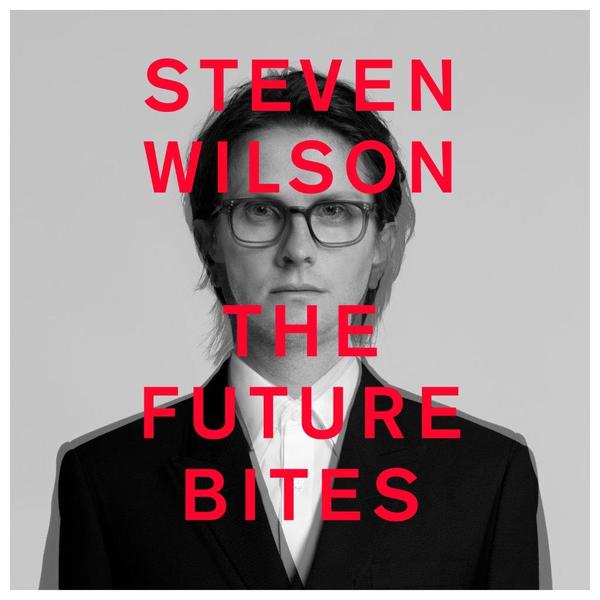
Delayed it may have been but the wait is well worth it. With the release of ‘The Future Bites’, his sixth solo album in just over a decade, Steven Wilson will hopefully and finally put to rest the calls to reform the dodo dead PORCUPINE TREE. Not that I wouldn’t be front of the queue for such a reunion, I would… but the confines of that band project wouldn’t have furnished us with a release as compact, assured and ‘muscular’ as TFB.
Focused on the modern twin malaise of consumerism and identity, this album clocking in at around 41 minutes is no prog rock behemoth. In keeping with the overall concept, premiere of ‘Personal Shopper’ aside, every track does what it says on the tin and gets out of your face almost as quickly as it arrives.
Opening with the just over a minute long ‘Unself’ and segueing into complimentary cut ‘Self’, this will immediately confound expectations, and not just with the briefness of running time. A distant acoustic guitar accompanies a typically melancholy Wilson vocal which reminds us “all love is self…”
‘Self’ concentrates on one of the album’s key themes, the impact of influencers and the like via social media. At a time when the new norm are the twins of self-delusion and the self-absorption, this track asks what is left when all there is the ‘Self’? The answer is very little of value.
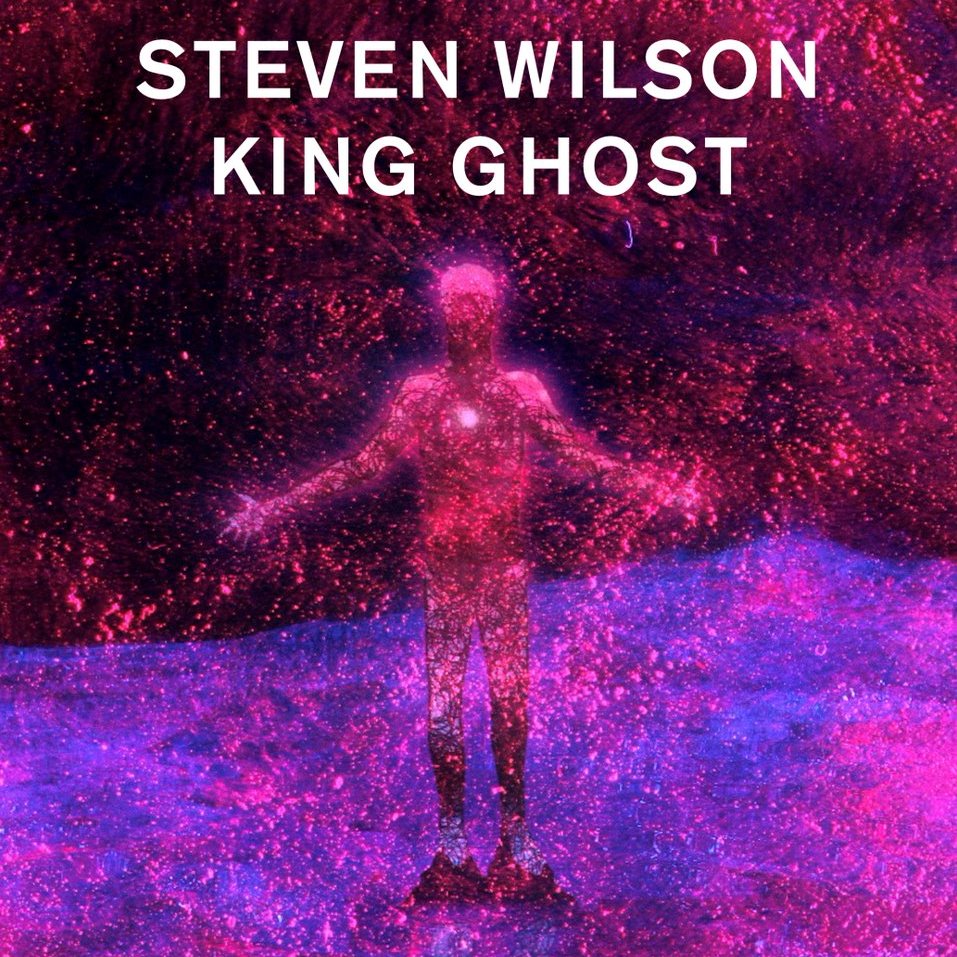
‘King Ghost’ is one of the tracks released as a single that has caused apoplexy in certain areas of the prog rock fan fraternity. A wonderful piece of modern electronica that pivots around a marvellous vocal performance from Wilson, the comments that accompanied the release at the tail end of last year actually play into another of the TFB’s key themes, consumerism and the entitlement that comes with that in the modern age. This is the standout track on the album, beautifully produced and played.
’12 Things I Forgot’ could easily have come off of the recent album of BLACKFIELD, one of Wilson’s numerous side projects. At first, it appears to be a simple pop song that wouldn’t be out of place over the end titles of a rom-com but the lyric is way more biting and, to this listener, seems to answer some of the critics that slated the album months before it was released.
Just as you think you have a handle on the album a curve ball arrives with ‘Eminent Sleaze’. This is the kind of thing 10CC would have put out back in the day, tongue-in-cheek with loads of knowing nods to other musical genres. This shouldn’t come as a surprise to anyone who listens to Wilson and longtime collaborator Tim Bowness’ wonderful ‘Album Years’ podcast. The breadth of their musical knowledge and influences are wide and this draws on many of those, as does the whole album.
‘Man Of The People’ is a straightforward track that has another excellent vocal performance from Wilson underpinning a mostly electronic backing. This highlights the overall lightness of production in the album; it has a wonderfully wide soundstage that really does reward repeat listening on headphones. Wilson and production partner David Kosten should be commended on refusing to go down the everything louder than everything else route, which worked for MOTÖRHEAD but not many other artists.
The album’s debut single ‘Personal Shopper’ caused another shockwave through the prog world… where are the guitar solos? The ‘real’ drumming? This is idiotic, though when you work with someone like Craig Blundell who is a human drum machine; it’s easy to see how they all got confused!
And is that Elton John?!?! Some of the naysayers are still wiping the tears away with the sleeve of their ‘Selling England By The Pound’ tour T-shirts. Having well-known shopaholic Elton read a shopping list is another nod to the humour that permeates this release. The biggest joke is on those that want another album full of ‘Raider II’s… this is the longest cut on the album.
‘Follower’ delivers the drums and guitars demanded by traditionalists, but it’s more garage punk than grandiose prog. There is even a guitar solo (although it’s not ‘Regret No9’) and some 70s style arrangement in the bridge, but think SPARKS rather than CAMEL. And with ‘Count of Unease’, we reach the end of what in places is a breathless 41 minutes. This has more than a passing nod to the likes of later TALK TALK and the Tim Bowness albums, with brass tones and a vocal that fades off as it arrived in ‘Unself’, in a wash of reverb and melancholy.
The usual Wilson special edition boxset (yes, the irony isn’t lost, no need to over egg it!) adds additional tracks including a wonderful cover of LONELY ROBOT’s ‘In Floral Green’ which originally appeared on the B Side of ‘Eminent Sleaze’. This repays LONELY ROBOT main man John Mitchell’s cover of PORCUPINE TREE’s ‘The Nostalgia Factory’… these should all be looked upon as extras, not as additions to the main album if that makes sense. Most listeners will only consume the core product…
In addition, mention should be made of ‘The Future Bites’ Sessions released on YouTube which has seen Wilson in the studio performing tracks from the album, a couple of earlier songs from his career and a quite wonderful cover of Taylor Swift’s ‘The Last Great American Dynasty’. A truly eclectic artist, it blurs the lines and keeps ELECTRICITYCLUB.CO.UK’s own Chi Ming Lai happy at the same time! ?
Steven Wilson has once again with ‘The Future Bites’, demonstrated why he is held in such high regard. An artist that has the bottle to plough his own furrow and do his own thing should be commended, especially when it is as well realised as ‘The Future Bites’.
In this instance an example of self-belief we can all get behind. An album that, even this early in 2021, will be vying for top spot in many people’s end of the year lists come December.
‘The Future Bites’ is released by SW Records / Caroline Records in limited deluxe boxset, CD, red or black vinyl LP, cassette, Blu-ray and digital formats, available from https://store.thefuturebites.com/
2021 UK tour dates include:
Cardiff St David’s Hall (8th September), Sheffield City Hall (9th September), Manchester O2 Apollo (11th September), Glasgow Concert Hall (12th September), Birmingham Symphony Hall (13th September), Portsmouth Guildhall (15th September) London Hammersmith Apollo (16th September), Nottingham Royal Concert Hall (17th September)
“People” sang Jim Morrison, “Are Strange” and none more so than the dedicated music fan. This has been shown in the past couple of weeks with the backlash against Steven Wilson with the new single ‘King Ghost’.
This has been rumbling on for a while, in fact since ‘Permanating’ from 2017’s ‘To The Bone’, and has percolated via recent singles ‘Personal Shopper’ and ‘Eminent Sleaze’ to the fury unleashed in certain quarters against this latest release online. And the thing is, the pitchfork wielding mob who want to torch the new album ‘The Future Bites’ before it is released are wrong.
“Where are the guitars?” they moan… “It needs real drums” they cry through gnashing teeth… “Isn’t what I signed up for”, they wail as they wrap themselves in their ‘Tales of Topographic Oceans’ blanket. The answer to this and the pages and pages of other comments is, you haven’t been paying attention.
Despite being the leader of PORCUPINE TREE all these tears, Wilson has never hidden his love of pop music, this is made all the more clear in his excellent podcast ‘The Album Years’ which he hosts with NO-MAN band mate Tim Bowness. The pointers were there on his last release, especially with the aforementioned ‘Permanating’ and, more pertinently, the brooding electronica of ‘Song of I’.
‘King Ghost’ is a natural progression, something which a recognised progressive performer should always be looking to do. The track is the sound of the artist taking himself and by extension the listener in new directions. Wilson has stated it may be one of the best things he has ever done and I have to agree.
One comment on a recent YouTube post said “…it could never be as emotional as played by analog instruments” before suggesting adding a guitar solo or fretless bass. And here we have the crux of the issue taken by some listeners; the track is synthetic so must be lesser than a full band production.
Again these folk haven’t been listening. This is by a mile the best single of the year especially when married to the stunning Jess Cope video that accompanies the release.
I have been listening with interest and a fair bit of excitement, so can’t wait until the turn of the year to hear what the delayed full album has in store, with or without a full drum kit. The tasters we have had so far promise, it will be worth the wait.
‘King Ghost’ is from the album ‘The Future Bites’ released by SW Records / Caroline Records on 29th January 2021 in limited edition deluxe boxset, CD, red or black vinyl LP, cassette, Blu-ray and digital formats, pre-order from https://store.thefuturebites.com/
We use cookies to ensure that we give you the best experience on our website. If you continue to use this site we will assume that you are happy with it.

 , his sixth solo album in just over a decade,
 before it is released are wrong.
Follow Us!