Author: electricityclub (Page 104 of 440)

“I don’t like country & western, I don’t like rock music… I don’t like rockabilly! I don’t like much really do I? But what I do like, I love passionately!!”: CHRIS LOWE

“Good taste is exclusive”: NICK RHODES

KINGSTON UNIVERSITY STYLOPHONE ORCHESTRA Interview


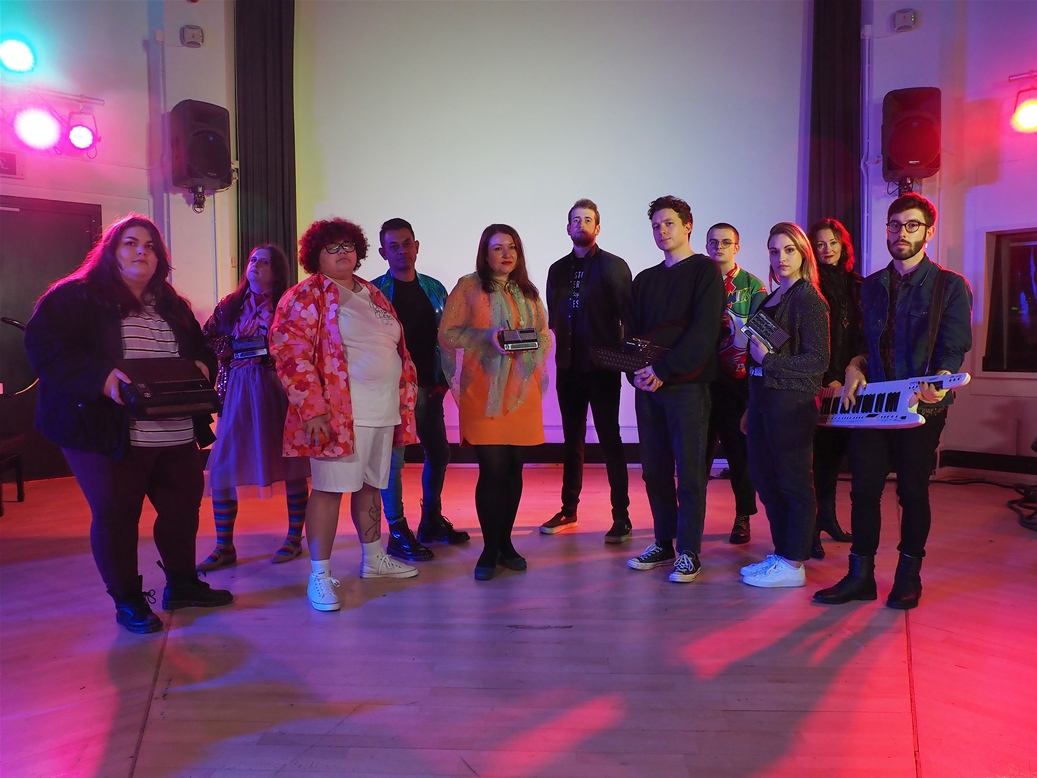
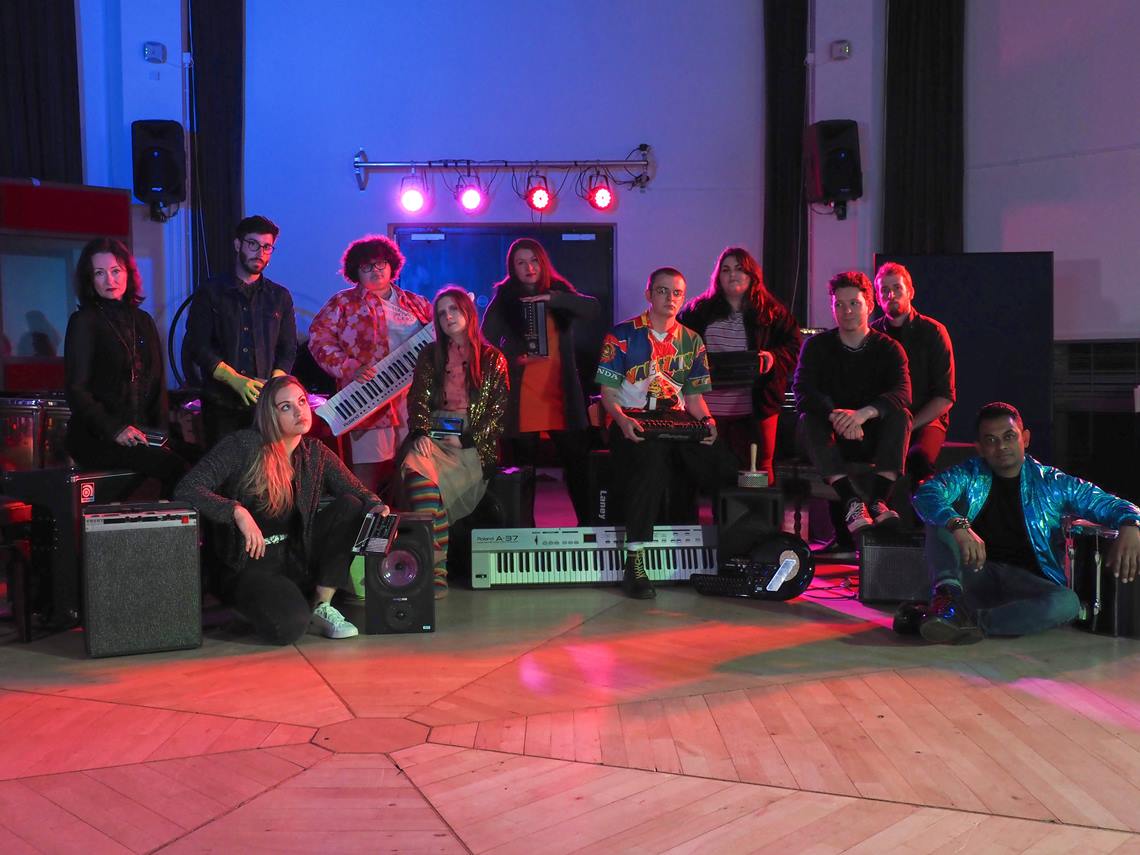
The KINGSTON UNIVERSITY STYLOPHONE ORCHESTRA is believed to be the only ensemble of its kind in the world.

From stylus to stardust, the KINGSTON UNIVERSITY STYLOPHONE ORCHESTRA was created by Dr Leah Kardos in early 2019 after producer Tony Visconti, whose studio is based at the University, introduced her to Dubreq, makers of the Stylophone who subsequently donated a collection of new and vintage instruments.

Directed and produced in the majority by Kardos, KUSO’s debut album ‘Stylophonika’ is a fine tribute to the instrument that also explores its strange future possibilities with love and affection, making the most of its component vibrato and glide for a unique collective noise.

Present and past members of the ensemble include Ershad Alamgir, Louis Bartell, Harry Green, Sydney Kaster, George Reid, Cian Ryan-Morgan, Arte Spyropoulou, Estelle Taylor-Noel, Isabella van Elferen, Zuzanna Wężyk, Jess Aslan, Mari Dangerfield, Jack Holland and Billy Wilson.

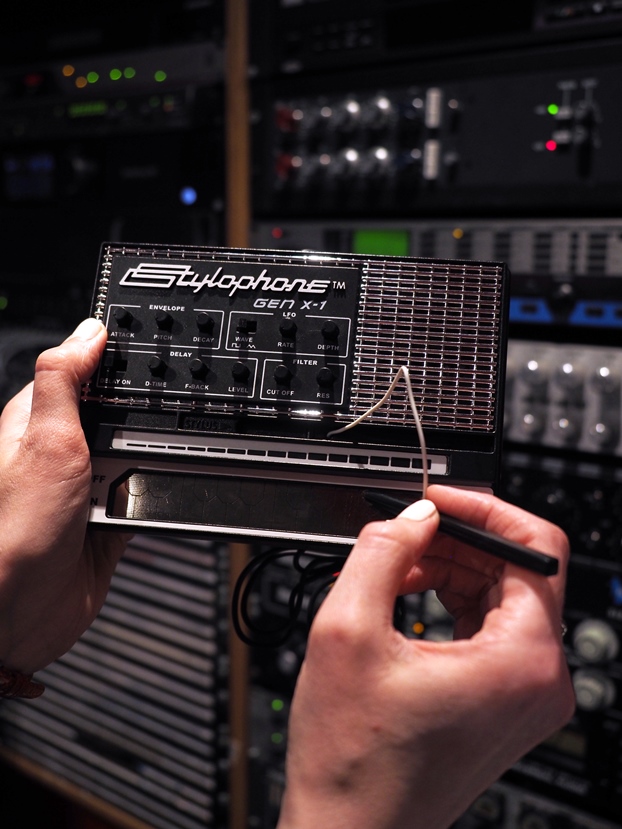
As well as the original Stylophone series, newer instruments from the Dubreq family like the Gen X-1, Gen R-8 and Beatbox, along with Korg Volca sample sequencers, Theremins, Omnichords, a Moog Grandmother and the human voice feature on ‘Stylophonika’.
Half the album pays homage to electronic music’s pioneers via delightful cover versions of David Bowie, Brian Eno, Wendy Carlos and Jean-Michel Jarre act as entry points while the other half comprises of the original material.

Leah Kardos spoke to ELECTRICITYCLUB.CO.UK about how the KINGSTON UNIVERSITY STYLOPHONE ORCHESTRA took shape and in challenging circumstances, recorded a highly enjoyable debut long player…

Can you remember the first time you heard a Stylophone? I love how some describe it as sounding like “a wasp being cut in half”!

It would have been on the Bowie song ‘Space Oddity’ for sure. I actually didn’t get to play one until I was in my 30s. But I remember being immediately enamoured with the little things. It’s a buzzy sound for sure, but also one that’s capable of stirring emotion.
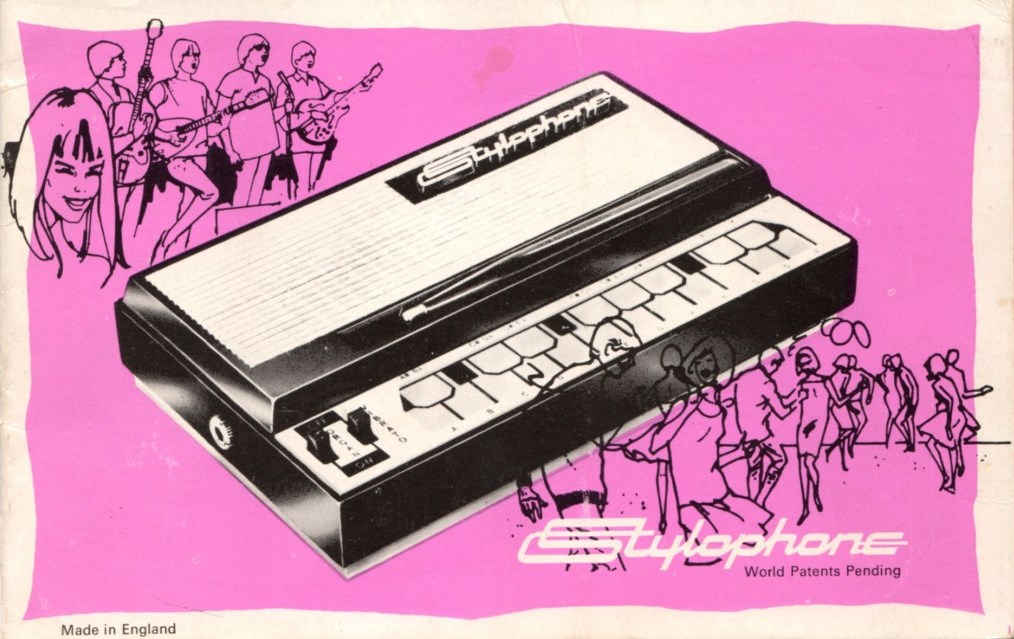

The first Stylophones had the music notes assigned to each “key” but this was changed to the numbering system quite soon after. Have you any thoughts or views as to what is the better system for musical beginners?

Hmm… the note names are probably better for music educational purposes.

But the numbers are more immediately accessible for learning, or following along to a known tune quite quickly. As to what might be better for beginners, I guess the system that removes any barriers to access and engagement would be preferable. The instrument is already hugely accessible, being the first ‘pocket’ synth and all. To this day, if you search for synthesisers by price, Stylophones are still the cheapest / easiest around.

As a music academic, how do you feel about some people’s claim that knowledge of music notation and theory is unnecessary?

When it comes to notation, I think it depends on the music and the situation. In some situations notation is not needed – for example, if I was in a band that was improvising, or working in commonly understood structures and forms, or if I was working in electronica with my own sequencing systems, etc. Those of us in the orchestra need it, as we are performing set written arrangements that we perform live together. Knowledge of theory is often intuitively developed, I feel. Theory mostly just explains the reasons why and how certain musical devices work, and we can pick this knowledge up in many different ways – through creating, playing, listening / exposure… and of course by analysing and unpacking it.

How did you come to be introduced to the Stylophone as a modern entity and consider it as a future compositional tool?

It was really by chance. Manufacturer Dubreq got in touch with me, via Tony Visconti, and said they wanted to donate instruments to the university. My first thought when I saw them was: would an ensemble be possible? The limitations of the instruments, in particular, I found really enticing.
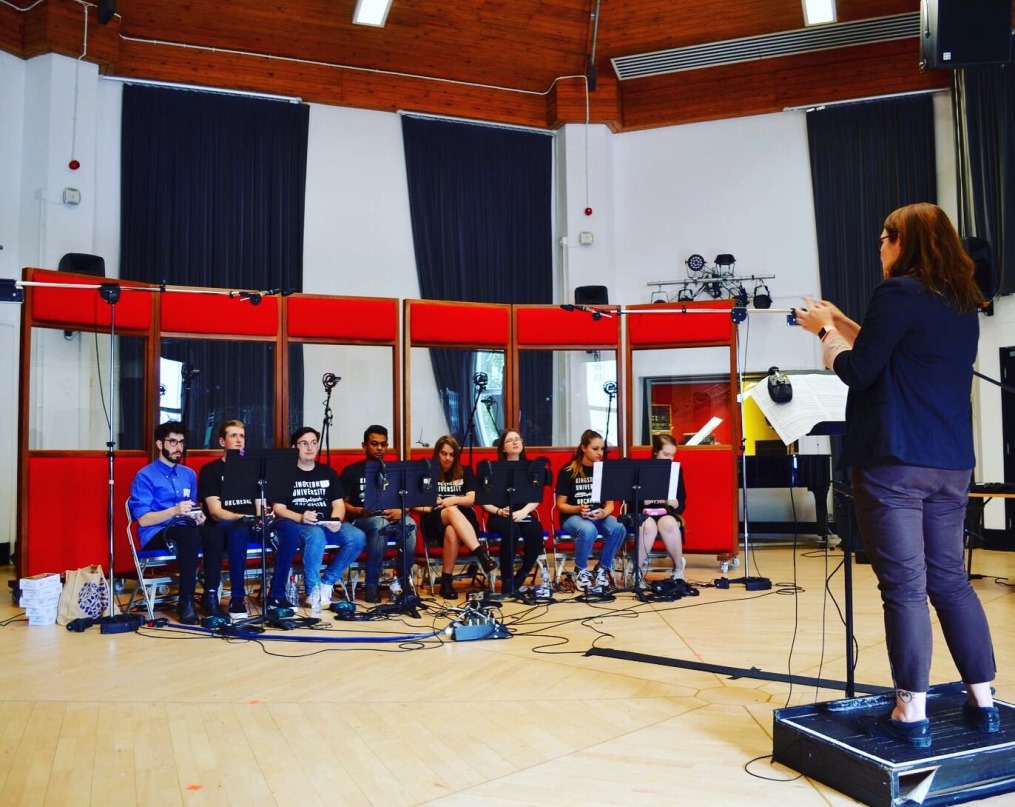

Was the orchestra initially for live performance solely? Tuning up must be fun? Is it like a school recorder class?

Tuning up is a necessary ceremony every time we meet, for sure! We use tuning apps on our phones to tune. And of course being analogue synths, the tuning does shift over time, and move about between settings. The upshot is that the group have really become adept at identifying resonance and when something is out of tune slightly.

And, yes, the group was initially about performing live – we only formed in 2019 and that year the goal was to become good enough to play in front of people. We were also developing our sound quite slowly… it was a process of discovery and learning what we could achieve sonically together. We learned a lot together that year! There are some vlogs from our very first few rehearsals on YouTube and we do sound very ropey, much like a school recorder class, yes!

How and when did the idea of recording an album become a realistic proposition, with all the challenges going on?

The album was a way for the group to stay active during lockdown. That’s how the idea started. We met in September 2020 over Zoom and talked about it. I asked the group if they were up for working remotely on such a thing and we all agreed it would be a good project for us to do during the Winter. It was something to keep us busy and distracted during a pretty depressing time.

How did you choose the four cover versions, as each is iconic in its own way?

Some of those tracks were already in our live rotation. ‘An Ending (Ascent)’ was actually the first arrangement we ever worked on and rehearsed, so that had to go in. Similarly we had played ‘Space Oddity’ and ‘Blade Runner (End Titles)’ live so those arrangements were ready to go. We discussed the theme for the album and all settled on this idea of ‘classic’ electronica, since we are an orchestra after all. We asked: “What do orchestras do?”, they play standard repertoire. “So what would be standard rep for a synth orchestra?”. That led us to shortlisting Wendy Carlos and Jarre. We also mooted some John Carpenter and Tangerine Dream, but there wasn’t enough room for everything the group wanted to do.
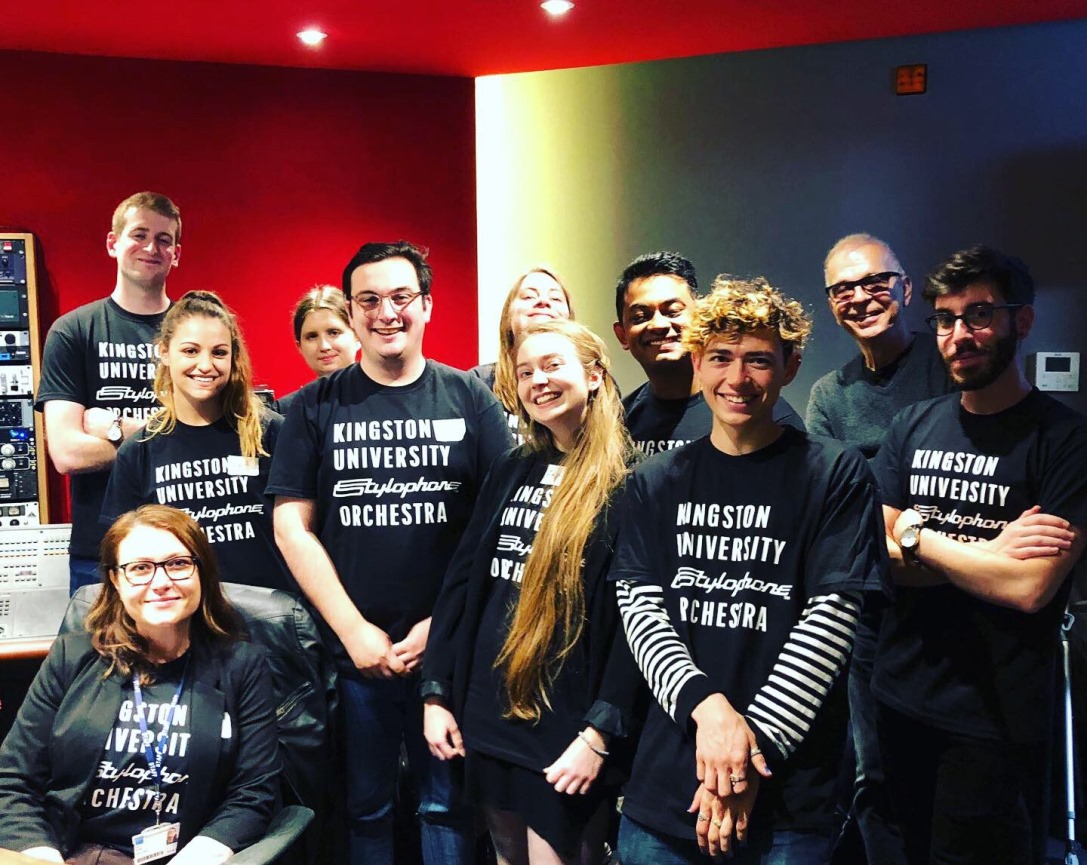

What was it like to work with Tony Visconti on ‘Space Oddity’?

That was a ‘pinch me’ moment; for me at least, since I’m such a Bowie fan. The session was also around the time of the 50th anniversary of the song itself, so that made it feel extra special. He’s quite magical in the studio; anything is possible when he’s around. He also recorded us as a true ensemble, playing together through the Stylophone speakers at the same time (not multitracked or separated out).

We felt like a genuine little orchestra that day. We even recorded some parts for his upcoming album… We became the first (only?) session Stylo orchestra in the world. This was also the first time we sang together in choir mode – which of course opened up a lot of possibilities for us moving forward. It was such a great and inspiring day for us.

On ‘Music For The Funeral Of Queen Mary’ from ‘A Clockwork Orange’, you have the Stylophones sitting with Moogs and they sound wonderfully unsettling?

The combination is fun, I think. We’ve never had Moogs in the orchestra when we’re playing live. But George Reid was a member of the orchestra for the Tony session, and through the remote recording process he came back to us with some amazing Moog takes that we absolutely had to use. He did a brilliant job of treading the line between respectful homage and fresh creativity.
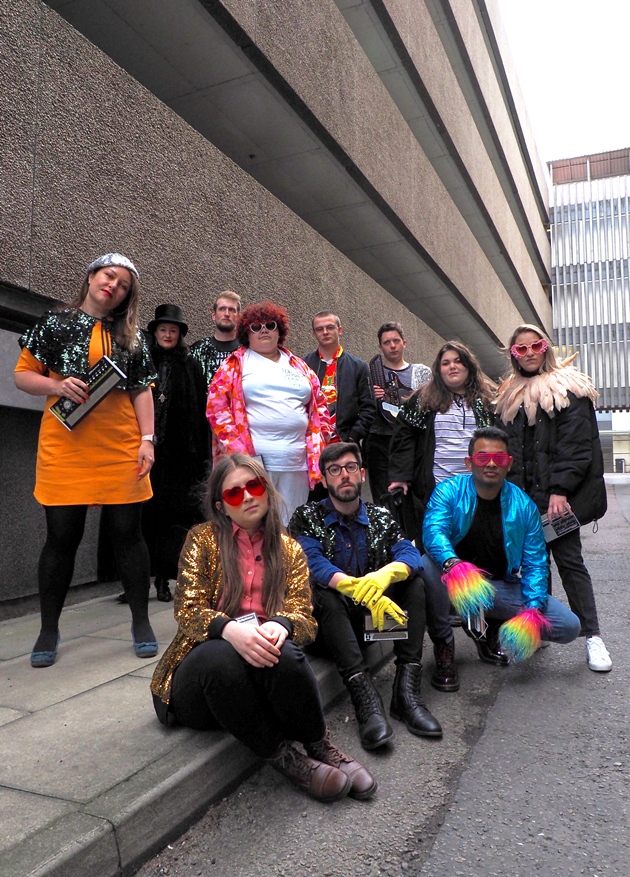
When did you think original compositions would work well within the context of the album? Had this always been part of the concept?

As we were working over the winter of 2020/21, I left space in our schedule for new music. I opened it up to the group – basically saying “If you want to write something for us, I’ll arrange it! Let me know…”; Zuzanna Wężyk responded with ‘Akoustiki’, but no-one else did; students are busy and people had their priorities. So I felt a Harold Budd tribute was appropriate, and I had a Stylophone piece of my own ‘Brundle Beat’ ready to go, so we went with that. I wasn’t sure about including it because a version of it was out on my own 2020 album ‘Bird Rib’, but Gavin at the label Spun Out Of Control was keen on the orchestra version, so it went in at the last minute.

I’m glad we have some original material on the record as it shows the creative and expressive potential of the group. We can face the future as well as looking backwards to the past!

‘Olancha Goodbye’ pays tribute to the late Harold Budd?

Yeah, it’s inspired by his interlude ‘Olancha Farewell’ (from his 1986 album ‘Lovely Thunder’). I interpolated the theme and built it in a different direction. The gentleness of Budd’s music was something I wanted to try and explore within the brittle Stylophone sounds – could we blend voices with synth tones and create something just as ethereal? That’s where I started with that.

In Visconti Studio we have some beautiful reverbs available, so it was nice to extend and stretch the sound that way. Cian Ryan-Morgan, the Orchestra member who also mixed the project, suggested we re-amplify the sound through the resonant soundboards of the studio’s grand pianos… so we blasted it through them, while one of us held the sustain pedals down. The sound kind of balloons and shimmers through it. Again, it felt fitting for a Budd tribute, since so much of his music is focused on atmospheric piano tones.

What sort of challenges did the Stylophones present in being recorded within a studio environment?

Aside from tuning issues, not many. It was easier to manage with the studio recorded audio than it was to deal with the variously remotely recorded bits and pieces that I was getting from the group. There was lots of Google Drive file swapping going on, and some people were recording with their phones, others with posh set ups. In the end I adopted a ‘more is more’ attitude and threw everything together, often using every version of people’s multiple takes. The results I think are pretty epic; I was so pleased.

Why do you think the charm of the Stylophone still endures?

I think it’s because the instrument survives intact and virtually unchanged since 1968. It sounds retro-futuristic, crude and sweet. There’s something quite vulnerable and a little naïve about the sound. Above all, it’s an instantly recognisable voice, and in the hands of creative musicians can be beautiful and evocative and iconic.
Do you have a particular favourite Stylophone model, whether vintage or modern?

I really like the current ‘all analogue’ version of the instrument. The sound is warmer and rounder than the previous model. Of the vintage units I really adore the 350s – the range and timbral possibilities can’t be beat. It’s definitely the best sounding Stylophone that ever existed… in my humble opinion, anyway.

Will there be a second album? Are there any conceptual ideas you would like to try?

We had no idea how the debut would be received – whether our record would be laughed at or ignored or whatever.

Just in terms of the experience from our end, I know that everyone involved really enjoyed the process of making the record, from planning the track list, checking mixes to getting our photos taken and excitedly discussing ideas about the cover art. I’m sure we will all be keen on doing it again sometime soon. As for a theme, we’d need to discuss it! I’d never want to decide anything without the whole group’s input.

What is next for you? You have book about David Bowie coming out?

Yes, my Bowie book ‘Blackstar Theory’ is coming out around the same time as the ‘Stylophonika’ vinyl, both things I was working on during the lockdown months. It’s all about Bowie’s last works from 2013-2016 – a topic I’ve been obsessed with ever since Bowie passed away in 2016. Other than that, I have a music project with saxophonist Lara James that is all about feminine psychogeography, using field recordings from public places that have been historically unsafe for women. Then, I’m hoping (pandemic willing) that the Stylophone Orchestra can get out and do some gigs in the Spring.


ELECTRICITYCLUB.CO.UK gives its sincerest thanks to Leah Kardos

Special thanks to Gavin Stoker at Spun Out Of Control

‘Stylophonika’ is released by Spun Out Of Control on 28th January 2022 as a limited edition Protein Pills Purple or Pink & Blue Cosmic Swirl vinyl LP, pre-order from https://spunoutofcontrol.bandcamp.com/album/

https://leahkardos.me/

https://www.facebook.com/styloorch

https://twitter.com/LeahKardos

https://www.instagram.com/styloorch/


Text and Interview by Chi Ming Lai
30th December 2021
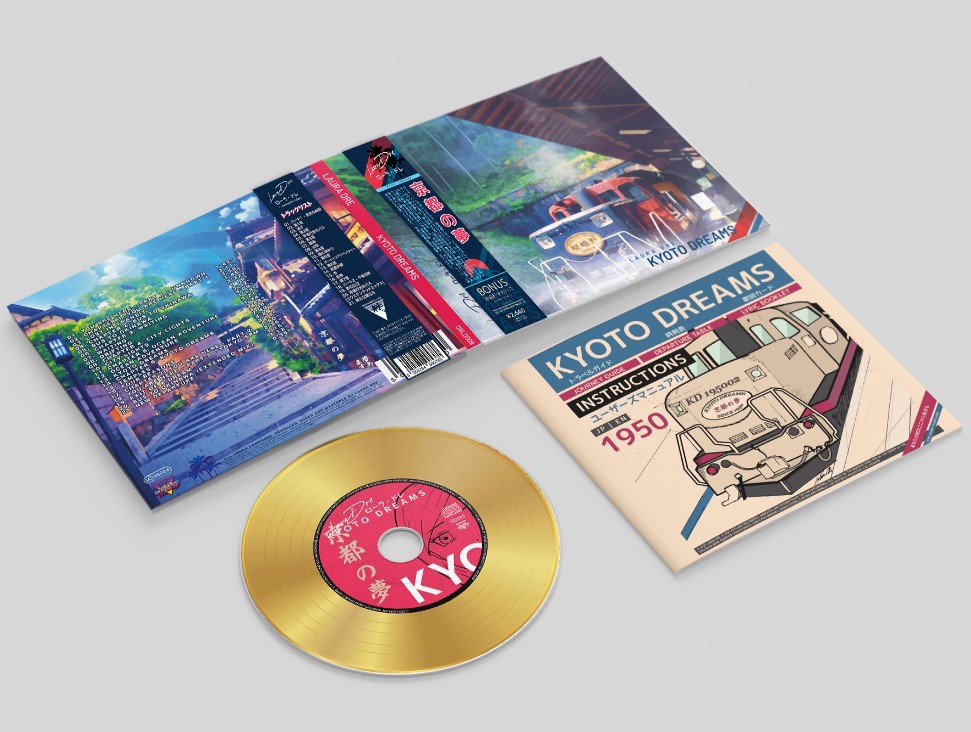
LAURA DRE Kyoto Dreams


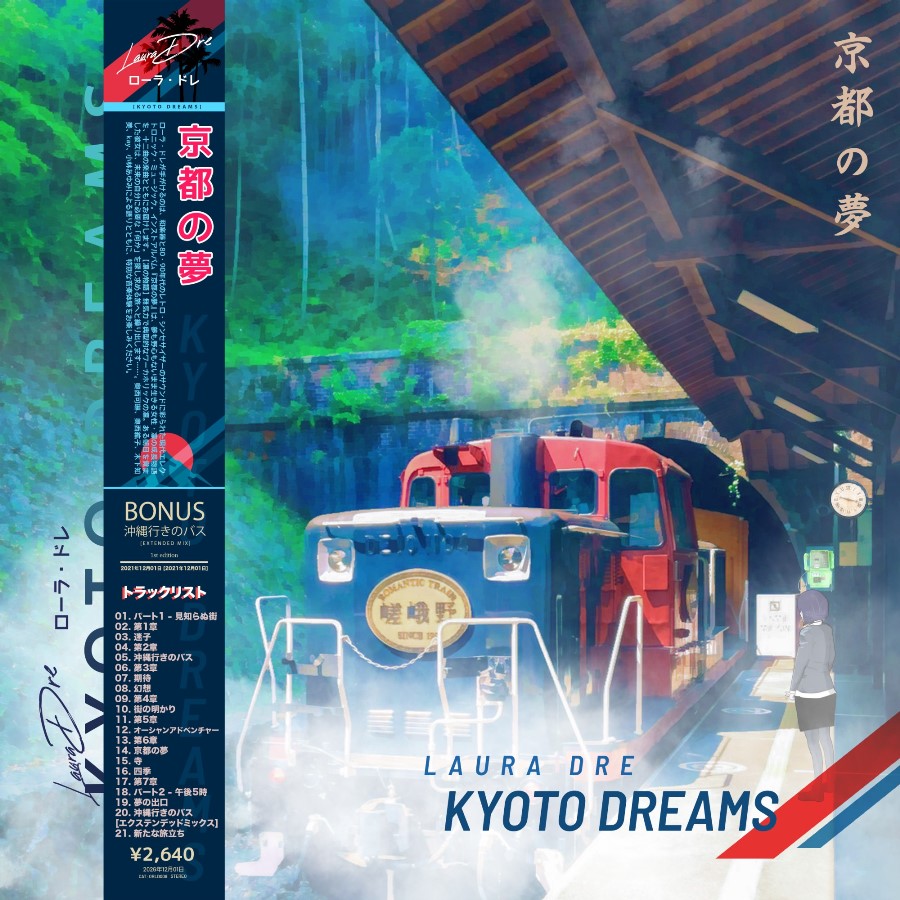
Presenting a swift follow-up to her acclaimed solo debut album ‘Moving Spaces’, German Filipino songstress and musician Laura Dre presents an ambitious concept record in ‘Kyoto Dreams’.

Loving a download only instrumental bonus track of the same name from ‘Moving Spaces’, her label Outland asked for more of the same and Laura Dre duly delivered, but with a twist.

Having grown up with German Hörspiel cassettes, “I instantly had this crazy idea of creating a story with Japanese voice acting…” she said.

The 12 instrumentals contained on the ‘Kyoto Dreams’ album inspired by Citypop, chill-synth and lo-fi house are interspersed with a story in Japanese about a workaholic named Rin played by Hiroko Okunishi; she lives without dreams and ambitions but she embarks on a journey of enlightenment to find that something to enrich her future self. Other characters are voiced by Karinne Okunishi, Satomi Kinoshita, kay and Ayumi Kobayashi. To assist non-Japanese speaking listeners, English translations of the story’s script are available on Laura Dre’s website as well as in the booklet of the CD release.

Of the music, ‘Lost in Transit’ is an example of how music and speech can come together on an exotic midtempo instrumental. Using glitchy pitched shifted vocal samples, ‘Bus To Okinawa’ is more jagged in comparison and its darker austere is intriguing. ‘Waiting’ offers pretty vibes in keeping with its title, while ‘Drifting’ is a more dreamy flight of fancy where the inclusion of speech also works.


City Lights’ is superb and its danceable NEW ORDER Goes To The Far East backdrop captures a wonderfully nocturnal feel but ‘Ocean Adventure’ is naturally more nautical, blue and relaxed. The glorious ‘Kyoto Dreams’ is the Citypop-influenced bonus that was the seed to this ambitious adventure and it remains an enticing musical travelogue with hooks, atmospheres and percussive colours in an example of how a good synth instrumental should be constructed.

With Koto textures galore, the Zen hip-hop of ‘Temples’ pitches up some of the dialogue to be more child-like and although ‘Four Seasons’ develops on the hip-hop theme, it does so with a much shadier downtempo approach.

As the album effectively bookends with ‘You Are Here’, the ‘Part 2 – Tokyo 5pm’ variation utilises metronomic club beats over its moodier ‘Part 1 – Unknown’ counterpart, while an extended reprise of ‘Bus To Okinawa’ and the short conceptual statement ‘New Departure’ close the ‘Kyoto Dreams’ album like the soundtrack over the end titles of a film.

Musically, the 12 instrumentals on ‘Kyoto Dreams’ stand up as a collection. But for those who may not be as wholly invested in Laura Dre’s vision of a radio play and its chapters alternating with music, the story in Japanese may prove to be a frustrating distraction. For casual listeners, this switching music / spoken word approach rarely works and even the mighty YELLOW MAGIC ORCHESTRA at their commercial heights baffled their homegrown audiences with their 1983 album ‘Service’ by alternating synthpop songs with comedy sketches in Japanese by SUPER ECCENTRIC THEATER!

ELECTRICITYCLUB.CO.UK is certainly not against albums with interspersed conceptual pieces as the site’s love of KRAFTWERK’s ‘Radio-Activity’ or ‘Dazzle Ships’ and ‘English Electric’ by OMD have proved.

Now whereas those featured tracks of news broadcasts, speaking clocks and airport announcements in international languages respectively, these concrète experiments were shorter and fewer in number, although ‘Times Zones’ from ‘Dazzle Ships’ remains a flawed artistic snapshot of the world that outstays its welcome by a minute.

In the case of this sophomore Laura Dre album, listen to it as a whole and see how you feel. As a radio play on its own, a synth instrumental record or as Laura Dre’s vision of combining both, what it means to the individual listener is what matters; it will mean different things to different people and only they can decide what to put in their own ‘Kyoto Dreams’ playlist.


‘Kyoto Dreams’ is released by Outland Recordings in a gold vinyl effect CD in a digipak with a Japanese / English instruction booklet and digital formats available from https://lauradre.bandcamp.com/album/kyoto-dreams

https://lauradre.com/

https://www.facebook.com/lauradreofficial

https://twitter.com/LauraDreMusic

https://www.instagram.com/lauradre/

https://www.twitch.tv/lauradreofficial

https://soundcloud.com/lauradre

https://www.youtube.com/channel/UC-i6CW5oGLsKIOOIHV9sEHA/

https://open.spotify.com/album/02tAfJaZg4cQ692gxq59L6


Text by Chi Ming Lai
Photos by Wiebke Kreinick
27th December 2021

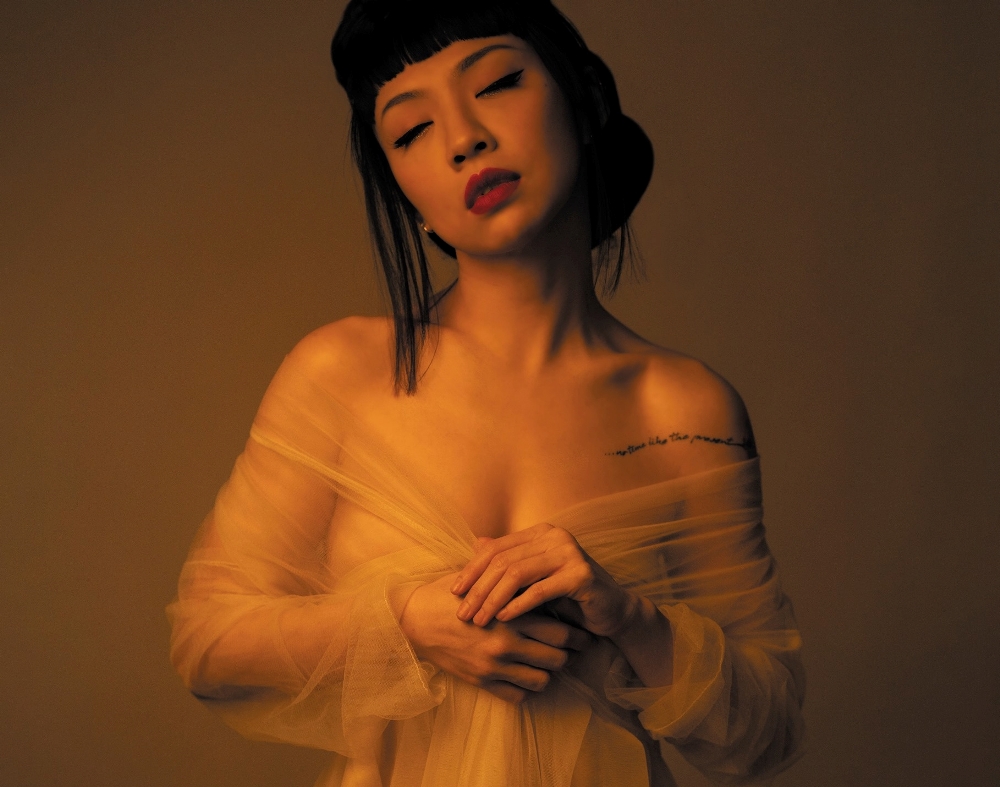
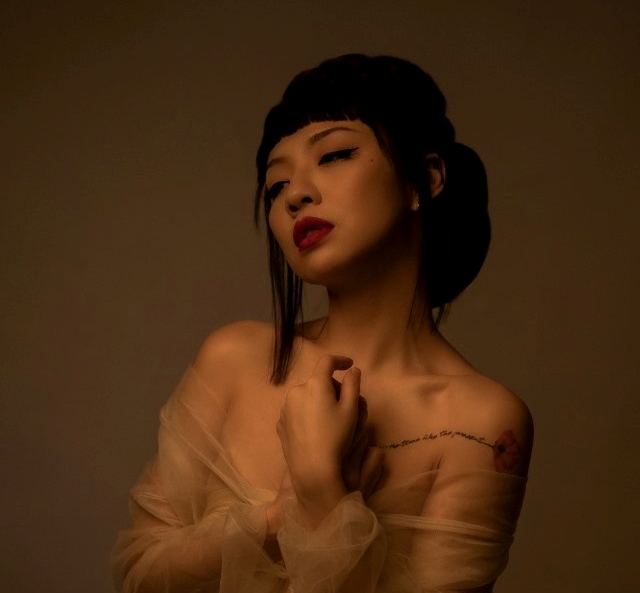
FIFI RONG Interview


While Beijing-born avant-pop songstress Fifi Rong released her debut self-released album ‘Wrong’ in 2013, she actually made her first UK TV appearance on ‘The Paul O’Grady Show’ in 2008 as a member of THE TENORIONS.

Set-up by Yamaha to demonstrate their flagship portable electronic sequencer, when the trio disbanded, Fifi Rong relocated to Bristol in pursuit of her own sound.

Immersing herself in the world of trip-hop and working with the likes of Tricky, she came up with a sensual East West blend that placed her Chinese operatic trained voice within a modern technologically-driven musical backdrop.

One person impressed by her melancholic vocal presence was Boris Blank of YELLO who invited her to sing on the duo’s ‘Toy’ and ‘Point’ albums. Performing at the Swiss electronic pioneers’ live shows in Europe, she met Berlin-based British producer Mark Reeder who she later collaborated with on the track ‘Figure Of 8’, opening his 2021 ‘Subversiv-Dekadent’ collection which also featured his remixes of YELLO and NEW ORDER as well as the Fifi Rong track ‘Future Never Comes’

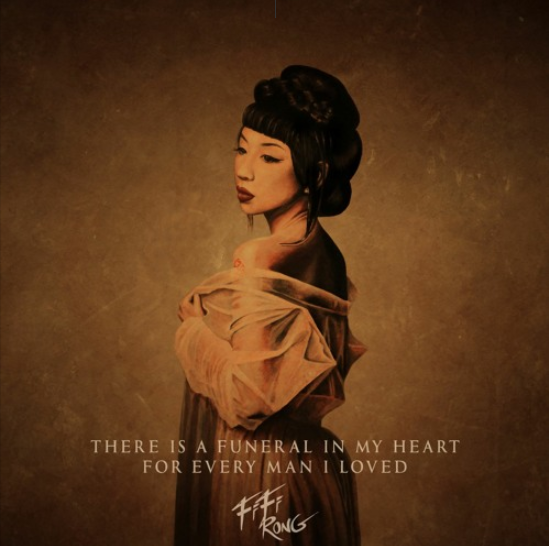
But Fifi Rong’s ambitious second album ‘There is a Funeral in My Heart, For Every Man I Loved’ is very much her own work. Recorded in English and her native Mandarin versions, it sees her reconnecting with her heritage in a concept album about doomed romance, a favourite subject in Chinese mythology and theatre. Heavy in heart, her haunting vocals are the prime focus of this beautiful listening experience.

Fifi Rong kindly spoke to ELECTRICITYCLUB.CO.UK about the making of her second long playing work and why there has been a five year gestation period, plus her thoughts on art and commerce in the digital world….


Your first album ‘Wrong’ was released in 2013, so why has it taken such a long time to follow-up with another long playing work?

I have made 22+ releases since 2013. The world of Spotify and playlist music don’t really invite albums. So it’s not the best way to go concerning exposure for every single song but I wanted to do it anyway and so people can always come back to this album in the future. A humble release without playing the ‘game’ so to speak.

It’s not like you have been idle over these years, with various EPs, singles and collaborations with Mark Reeder, Lo and YELLO, but have all the different working methods and time constraints made things more challenging?

Yeah, definitely slowed the album down. Touring, one of deals like with W Records, and a Chinese EP release side-track excitement and all. Collaborated with over 50 producers over the years. It’s been beautiful. No regrets.

The album begins with ‘Out Of Clock’, is running out of time our worst enemy?

Time is the most valuable assets to human lives. It’s in true melancholic beauty to appreciate and mourn for passed time. The song is most singing about the heart is running out of love after being broken time and time again.

Having once said ‘Love Is A Lonely Thing’, now ‘There Is A Funeral In My Heart, For Every Man I Loved’?

‘Love Is A Lonely Thing’ was going to be a part of this double album, but the album got too long so I had to let ‘Love Is A Lonely Thing’ be a single / EP leading into the album. They are very much on the same vibe.

You’ve delved into your Chinese heritage much more creatively than before, did you feel the time was right in many ways?

Yeah it’s like I didn’t miss Chinese food till much later in life here in the UK. Growing up through self-realisation, I feel the Chinese heritage part of me needed to be further developed. I miss China, my parents, and my root, and only writing in English is only half of me.

So were these songs written in Mandarin first?

No, English. I think in English, and then rewritten into Mandarin. I wouldn’t be encouraged to do the other way round. I also FEEL in English, and I have the ability to turn something into Chinese. This is a recent ability I discovered I had 🙂

Mandarin is such a beautiful language? Do you dream in Mandarin?

Yeah it’s beautiful. Hmm depends on if I dream about childhood or family. Then yes in Mandarin.


This album captures the notion of doomed romance…

Yeah, melancholic romanticism is almost an abstract feeling even without context I wanted to encapsulate. And I think I really have done it the way I wanted to. Very proud to a point I don’t care if others don’t like it. I’m just happy I did it.

Have you ever seen the 1963 Hong Kong film ‘梁山伯与祝英台’, known in English as ‘The Love Eterne’ based on the legend of ‘The Butterfly Lovers’? That was the first film I saw in Mandarin when I was a child!

Yes I have. That’s very ‘Romeo and Juliet’. Unfortunately, I never met someone I wanted to run away with. I only know how to bury them 🙂

Your voice is central to your music; how do you prefer to produce your vocals for recorded work, are there any particular tricks or equipment you can tell us about?

Yes the vocal production took hundreds of hours to compare itself to the big records out there. RX7, thanks to my friend Robert R Smith who introduced it to me, I would have manually edited all the imperfections out one by one. Also both my mixer Oskar Vizan and Robert told me to not record directly to the mic but to do an angle to avoid proximity effect whilst remaining intimate.


Was the album’s concept quite traditional in that it is 12 songs with a similar theme, feel and tempo?

I’d say it’s a concept album. And no. Traditional concept from my understanding (in recent times) is to have a BIG SINGLE, faster tracks to mix with some downtempo album songs. This is the opposite. I see it as sonic painting, fine art music that will really last, so I can’t care less what the industry expects. But if you are talking about traditional in terms of PINK FLOYD times, then yeah, I fully respect that. But still, they had ‘Money’ that was a huge single, and my least fave on the album. They were pressured to make a single all the same.

So the stylistic jumping around of a modern pop album was not really figuring your mind?

No, I don’t create within a framework of I should or should not and try to please a ‘market’. I please me first and foremost, and like-minded people will come and find great value in it.

Most of the album’s backing is very sparse, ‘Beg For Me’ in particular, how did you select the instrumental colours you wanted to use? Do you have any favourite VSTs?

Yeah Arturia is the most frequently used virtual instrument, and I have a tendency to go with dusty retro sounds. I was inspired by the Peruvian shaman who cracked my heart open with just Acapella. I wanted to use as little instrumentation as possible, but to make the double album interesting enough, I use some sounds to decorate the vocals. But like you said, this is a vocal-led album for sure.

‘Dream On’ captures some understated filmic drama, had there been any particular influences musically on this song?

Nah it’s a song I’ve kept for very long… sometimes when the song is so significant, I don’t know how the production falls into place. It has a spell on me though every time I listened to it, it took me away till the end and made me forget what I was looking for, such as a mistake in the mix etc. The song came from a dream, it had to be written, it begged itself to come out into the world. Putting on the clothes (production) for this song is just satisfying its own craving.

Do you have any particular favourite songs on the album?

‘Another Me’, ‘Love Yourself First’, ‘Dream On’, ‘Beg For More’, ‘Stay Away’, and several on the Chinese side of the album too. ‘I’m Enough’ is nice too.


You’ve ramped up your fan engagement online, how have you found balancing the time meeting their requests and demands?

I’ve done far more than this for music. But I have opened my heart this year for my supporters, and enjoying the journey!

You’ve got involved in the brave new world of NFTs?

Involvement is an understatement. I’m in it full time now, I urge everyone to come with me and thank me later 🙂

What’s next? Is a live presentation of ‘There Is A Funeral In My Heart, For Every Man I Loved’ on the cards?

Due to the unpredictability of the pandemic, live tour is not too likely, but maybe something small in London is possible. However, it’s more likely to make it a virtual metaverse experience.


ELECTRICITYCLUB.CO.UK gives its warmest thanks to Fifi Rong

‘There is a Funeral in My Heart, For Every Man I Loved’ is available via the usual digital platforms and physically from https://fifirong.bandcamp.com/

http://www.fifirong.com/

https://www.facebook.com/fifirongmusic/

https://twitter.com/fifirong

https://www.instagram.com/fifirong/

https://open.spotify.com/artist/64yPy2kBAhOJSRxOEtL3Qk


Text and Interview by Chi Ming Lai
Photos by Dylan Chubb
20th December 2021

2021 END OF YEAR REVIEW


As the world steadily emerged from a painful pandemic that put many lives on hold, nostalgia appeared to be the commodity most in demand as the music industry took steps to recover.

No matter which era, anything musically from the past was more desirable that anything that reminded the public of the past 20 or so months. The first escape destination in the summer for many restricted to staying on their own shores were the established retro festivals.

Meanwhile television provided an array of documentaries ranging from chart rundowns of past decades and informative classic song analysis on Channel 5 to Dylan Jones’ look at ‘Music’s Greatest Decade’ on BBC2 and Sky Arts’ ‘Blitzed’ with all the usual suspects such as Boy George, Philip Sallon, Marilyn, Gary Kemp and Rusty Egan.

SPARKS had their own comprehensive if slightly overlong film ‘The SPARKS Brothers’ directed by Edgar Wright, but the Maels’ musical ‘Annette’ starring Adam Driver was a step too far. Meanwhile the acclaimed ‘Sisters With Transistors’ presented the largely untold story of electronic music’s female pioneers.

It was big business for 40th anniversary live celebrations from the likes of HEAVEN 17, THE HUMAN LEAGUE, OMD and SOFT CELL, while other veterans such as NEW ORDER and ERASURE returned to the live circuit with the biggest indoor headlining shows of their career.

Meanwhile for 2022, Midge Ure announced an extensive ‘Voices & Visions’ tour to present material from the 1981-82 phase of ULTRAVOX.

Also next year and all being well, GOLDFRAPP will finally get their belated 20th Anniversary tour for their marvellous debut ‘Felt Mountain’ underway while there are rescheduled ‘Greatest Hits’ live presentations for PET SHOP BOYS and SIMPLE MINDS.

Always money for old rope, but also giving audiences who missed them at their pioneering height an opportunity to catch up, ‘best of’ collections were issued by YELLO and TELEX while JAPAN had their 1979 breakthrough album ‘Quiet Life’ given the lavish boxed set treatment. Meanwhile, while many labels were still doing their best to kill off CD, there was the puzzling wide scale return of the compact cassette, a poor quality carrier even at the zenith of its popularity.

“Reissue! Repackage! Repackage! Re-evaluate the songs! Double-pack with a photograph, extra track and a tacky badge!” a disgraced Northern English philosopher once bemoaned.

The boosted market for deluxe boxed sets and the repackaging of classic albums in coloured vinyl meant that the major corporations such as Universal, Sony and Warners hogged the pressing plants, leaving independent artists with lead times of nearly a year for delivery if they were lucky.

But there was new music in 2021. Having achieved the milestone of four decades as a recording act, DURAN DURAN worked with Giorgio Moroder on the appropriately titled ‘Future Past’ while not far behind, BLANCMANGE took a ‘Commercial Break’ and FIAT LUX explored ‘Twisted Culture’. David Cicero made his belated return to music with a mature second album that was about ‘Today’ as Steven Jones & Logan Sky focussed on the monochromatic mood of ‘European Lovers’. Continuing the European theme but towards the former Eastern Bloc, Mark Reeder gave a reminder that he was once declared ‘Subversiv-Dekadent’ and fellow Mancunians UNE became inspired by the ‘Spomenik’ monoliths commissioned by Marshal Tito in the former Yugoslavia.

For those who preferred to immerse themselves in the darker present, Gary Numan presented ‘Intruder’, a poignant concept album produced by Ade Fenton about Mother Earth creating a virus to teach mankind a lesson! Meanwhile ITALOCONNECTION, the project of Italo veterans Fred Ventura and Paolo Gozzetti teamed up with French superstar Etienne Daho to tell the story of ‘Virus X’! The video of the year came from UNIFY SEPARATE whose motivation message to ‘Embrace The Fear’ despite the uncertainty reflected the thoughts of many.

Despite the general appetite for nostalgia, there was some excellent new music released from less established artists with the album of the year coming from Jorja Chalmers and her ‘Midnight Train’ released on Italians Do It Better. The critical acclaim for the UK based Aussie’s second long playing solo offering made up for the disbandment of the label’s biggest act CHROMATICS, as it went into its most prolific release schedule in its history with albums by GLÜME, JOON, DLINA VOLNY and LOVE OBJECT as well as its own self-titled compilation of in-house Madonna covers.

As Kat Von D teamed up with Dan Haigh of GUNSHIP for her debut solo record ‘Love Made Me Do It’, acts like DANZ CM, CLASS ACTRESS, GLITBITER, PRIMO THE ALIEN, PARALLELS, KANGA, R.MISSING, I AM SNOW ANGEL, XENO & OAKLANDER, HELIX and DAWN TO DAWN showed that North America was still the creative hub as far as electronically derived pop songs went.

Attracting a lot of attention in 2021 were NATION OF LANGUAGE, who with their catchy blend of angst, melody and motorik beats welcomed synths as family in their evolving sound while also providing the song of the year in ‘This Fractured Mind’, reflecting the anxieties of these strange times. At the other end of the spectrum, DIAMOND FIELD went full pop with an optimistic multi-vocalist collection that captured the spirit of early MTV while BUNNY X looked back on their high school days with ‘Young & In Love’.

ACTORS delivered their most synthy album yet while as LEATHERS, they keyboardist Shannon Hamment went the full hog for her debut solo effort ‘Reckless’. FRONT LINE ASSEMBLY released a new album and some of that ‘Mechanical Soul’ was brought by their Rhys Fulber into his productions this year for AESTHETIC PERFECTION.

In Europe, long playing debuts came from PISTON DAMP and WE ARE REPLICA while NORTHERN LITE released their first album completely in German and FRAGRANCE. presented their second album ‘Salt Air’. There was also the welcome return of SIN COS TAN, KID KASIO, GUSGUS, MARVA VON THEO and MAN WITHOUT COUNTRY.

Featuring second generation members of NEW ORDER and SECTION 25, SEA FEVER released their eclectic debut ‘Folding Lines’ as fellow Mancunian LONELADY added sequencers and drum machines to her post-punk funk template. But Glasgow’s CHVRCHES disappointed with their fourth long player ‘Screen Violence’ by opting to sound like every other tired hipster band infesting the land.

The most promising artist to breakthrough in 2021 was Hattie Cooke whose application of traditional songwriting nous to self-production and arrangement techniques using comparatively basic tools such as GarageBand found a wider audience via her third album ‘Bliss Land’. In all, it was a strong year for female synth-friendly artists with impressive albums from Karin My, Laura Dre, Alina Valentina, Robin Hatch and Catherine Moan while comparative veterans like Fifi Rong, Alice Hubble, Brigitte Handley and Alison Lewis as ZANIAS maintained their cult popularity.

In 2021, sometimes words were very unnecessary and there were fine instrumental synth albums from BETAMAXX, WAVESHAPER, КЛЕТ and Richard Barbieri, with a Mercury nomination received by Hannah Peel for ‘Fir Wave’. But for those who preferred Italo Noir, popwave, post-punk techno and progressive pop, Tobias Bernstrup, Michael Oakley, Eric Random and Steven Wilson delivered the goods respectively.

With ‘The Never Ending’ being billed as the final FM ATTACK album and PERTURBATOR incorrectly paraphrased by Metal Hammer in a controversial “synthwave is dead” declaration, the community got itself in a pickle by simultaneously attacking THE WEEKND for “stealing from synthwave”, yet wanting to ride on the coat tails of Abel Tesfaye, misguidedly sensing an opportunity to snare new fans for their own music projects.

With THE WEEKND’s most recent single ‘Take My Breath’, there was the outcry over the use of a four note arpeggio allegedly sampled from MAKEUP & VANITY SET’s ‘The Last City’. But as one online observer put it, “Wow, an arpeggiated minor chord. Hate to break it to you but you might want to check out what Giorgio Moroder was doing 50 years ago. We’re ALL just rippin’ him off if that’s how you think creativity works”. Another added “If a four note minor key arpeggiated chord can go to court on the basis of copyright law, we are in for a hell of a few years my synthy friends”. It outlined once again that there are some who are still under the impression that music using synths was invented by Ryan Gosling in 2011 for ‘Drive’ soundtrack ??

There were also belated complaints that 2019’s A-HA inspired ‘Blinding Lights’ had a simple melody and needed five writers to realise it… but then, so did UTRAVOX’s ‘Slow Motion’ and DURAN DURAN’s ‘Rio’! Collaboration, whether in bands, with producers or even outsiders has always been a key aspect of the compositional process. If it is THAT simple, do it yourself! As Andy McCluskey of OMD said on ‘Synth Britannia’ in 2009 about the pioneering era when Ryan Gosling was still in nappies: “The number of people who thought that the equipment wrote the song for you: ‘well anybody can do it with the equipment you’ve got!’ “F*** OFF!!”

Over the last two years, THE WEEKND has become the biggest mainstream pop act on the planet, thanks to spectacles such as the impressive gothic theatre of the Super Bowl LV half time showcase while in a special performance on the BRITS, there was a charming presentation of the ERASURE-ish ‘Save Your Tears’ where he played air synth in a moment relatable to many. But everything is ultimately down to catchy songs, regardless of synth usage.

So ELECTRICITYCLUB.CO.UK would like to present a hypothetical case to consider… if someone uses the arpeggio function with a sparkling patch from a Juno 6 synth in a recording, does Cyndi Lauper sue for infringing the copyright of ‘All Through The Night’ or the original songwriter Jules Shear or even the Roland Corporation themselves as they created it? More than one producer has suggested that THE WEEKND’s soundbite came from a hardware preset or more than likely, a software sample pack, of which there are now many.

However, sample culture had hit another new low when Tracklib marketed a package as “A real game-changer for sample based music. Now everyone can afford to clear samples” with rapper and producer Erick Sermon declaring “Yo, this is incredible. They’re trying to put creativity back into music again. By having samples you can actually pay for and afford”.

Err creativity? How about writing your own songs and playing or even programming YOUR OWN instrumentation??!? One sampling enthusiast even declared “I might go as far as to say you don’t really like dance music if you’ve got a problem with adding a beat to a huge (even instantly recognizable) sample”… well guess what? ELECTRICITYCLUB.CO.UK LOATHES IT!!! ?

In 2021, music promotion became a bit strange with publicists at all levels keen more than ever to have their clients’ press releases just cut ‘n’ pasted onto online platforms, but very reluctant to allow albums to be reviewed in advance in the event of a potential negative prognosis. While cut ‘n’ paste journalism has been a disease that has always afflicted online media, in a sad sign of the times, one long established international website moved to a “pay to get your press release featured” business model. The emergence of reaction vloggers was another bizarre development while the “Mention your favourite artist and see if they respond to you” posts on social media only added more wood to the dumbing down bonfire already existing within audience engagement.

It was as if the wider public was no longer interested in more in-depth analysis while many artists turned their publicity into a reliance on others doing “big ups” via Twitter and Facebook. But then, if artists are being successfully crowdfunded with subscriptions via Patreon, Kickstarter, Bandcamp and the like, do they need a media intermediary any longer as they are dealing direct with their fanbases?

However, it wasn’t all bad in the media with ‘Electronically Yours With Martyn Ware’ providing insightful artist interviews and the largely entertaining ‘Beyond Synth’ podcast celebrating its 300th show. Due to their own music commitments, Steven Wilson and Tim Bowness were less prolific with their discussion show ‘The Album Years’ but it was still refreshing for commentators to be able to say that a record was sh*t when it actually was, rather than conform to the modern day adage that all music is good but not always to the listener’s taste!  And while various programmes came and went, other such as ‘Operating//Generating’, ‘KZL Live’ and ‘Absynth’ came to prominence.

Post-pandemic, interesting if uncertain times are ahead within the music industry. But as live performance returns, while the mainstream is likely to hit the crowd walking, will there be enough cost effective venues to host independent artists? Things have been tough but for some, but things might be about to get even tougher.

However, music was what got many through the last 18 months and as times are still uncertain, music in its live variant will help to get everyone through the next year and a half and beyond.


ELECTRICITYCLUB.CO.UK’s year in music is gathered in its 2021 Playlist – Missing U at
https://open.spotify.com/playlist/4rlJgJhiGkOw8q2JcunJfw


Text by Chi Ming Lai
17th December 2021

Introducing PEAKES

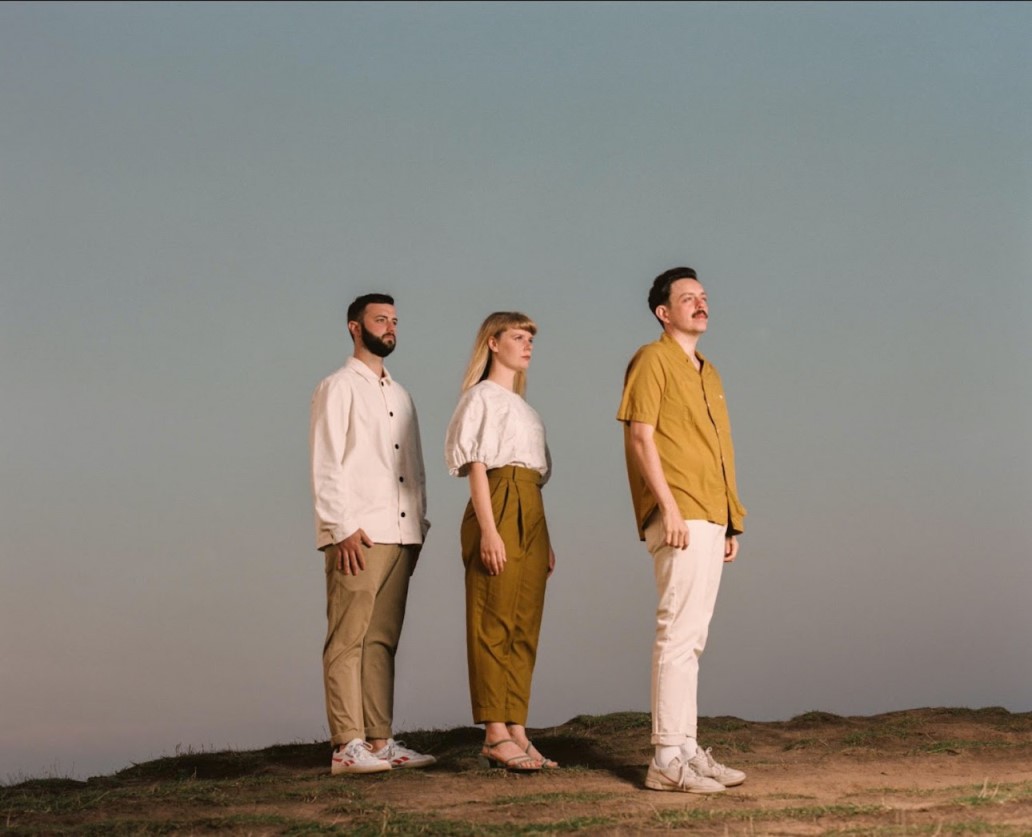
Almost an enforced product of lockdown, Leeds based trio PEAKES recently issued their debut album ‘Peripheral Figures’.

Formed in in 2017, vocalist Molly Puckering, synth-player Maxwell Shirley and drummer Pete Redshaw had been steadily building their musical reputation with a number of standalone singles and a 2020 EP ‘Pre Invented World’. The self-produced album takes more of a direct back-to-basics approach with songs that grow within the psyche.

Moving in separate ways, the best of the bunch on ‘Peripheral Figures’ is ‘An Infinite Divide’; an infectious slice of synth laden pop that puts its emphasis on seductive vocal melodies and catchy electronic hooks, it features an impressive driving build for a dramatic transcendental uplift.

Taking in more distorted keyboard tones, ‘Day & Age’ follows a not dissimilar path to ‘An Infinite Divide’ and takes care not to overdrive the drums, a fault that could be pointed at many of PEAKES contemporaries in those acts attempts to sound hip and contemporary.

With a fine turn of vocal and crystalline backing, ‘Lately’ is Motorik guitar styled NEW ORDER but constructed primarily with synths while ‘Clouds’ possesses a quasi-hymn-like presence and significantly gets its point across without the use of drums. More rhythmically swung and layered in six string, ‘Control’ recalls the gazing abstract moods of COCTEAU TWINS although the blippy nature of ‘Nameless Machines’ recalls the more recent overtures of LONELADY. But with occasional militaristic percussive passages, ‘Fascination’ takes on a distinctly progressive approach, as does the epic album closer ‘Circular State’.

While Molly Puckering naturally looks towards the likes of GOLDFRAPP, PORTISHEAD and MOLOKO as inspirations in her vocal delivery, the most immediate reference in her vulnerable contralto comes from the much missed CHEW LIPS. ‘Peripheral Figures’ is an impressive debut album with a promise of greater things to come.

PEAKES help their cause by avoiding pretentions towards clichéd alternative rock or R ‘n’ B. Appearing at this stage to be unafraid of being a band that uses synths in a period when many a hipster still sees guitars as the only badge of acceptance for making music, it will be very interesting to see how the trio artistically progress as they gain further acclaim with their more electronic direction.


‘Peripheral Figures’ is released by Practice Music as a nectarine vinyl LP and download, available direct from https://peakesmusic.bandcamp.com/

https://www.peakesmusic.net/

https://www.facebook.com/peakesmusic

https://twitter.com/peakesmusic

https://www.instagram.com/peakesmusic/

https://open.spotify.com/artist/5MPLiljRW9DWHEj8cHnPSR


Text by Chi Ming Lai
Photo by Nick Porter
14th December 2021

« Older posts Newer posts »