“I don’t like country & western, I don’t like rock music… I don’t like rockabilly! I don’t like much really do I? But what I do like, I love passionately!!”: CHRIS LOWE
Flashback to 1991 and the British BBC TV topical sketch comedy show ‘The Mary Whitehouse Experience’.
Featuring young comedians David Baddiel, Rob Newman, Steve Punt and Hugh Dennis, one of the regular skits was a parody of THE CURE, with Rob Newman playing Robert Smith, performing a cheerful song or nursery rhyme in a forboding gothic rock style.
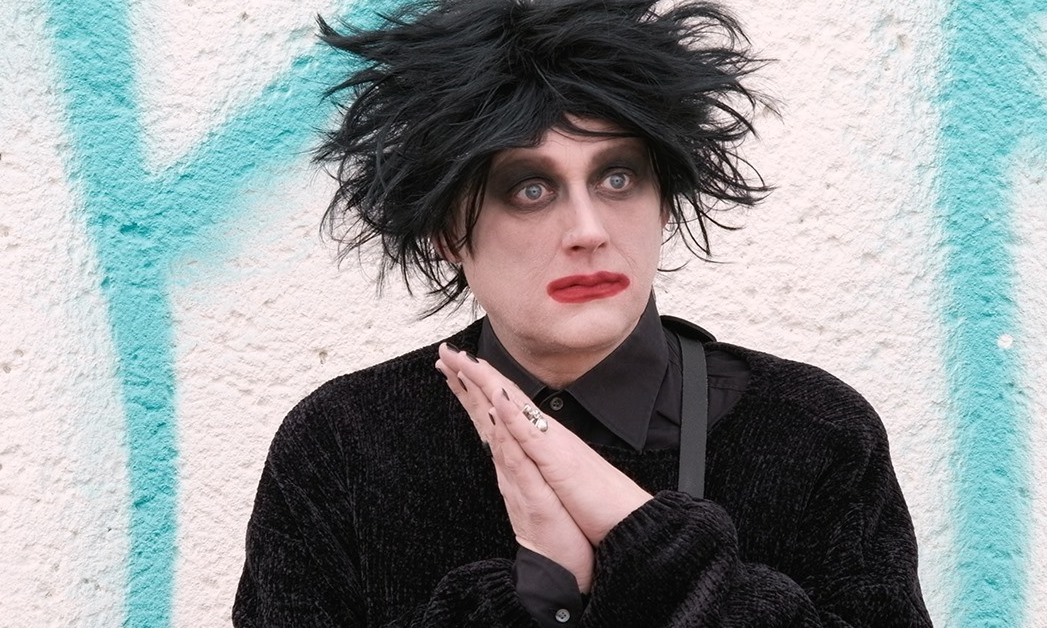
In the amusing video for ‘Ich Fürchte Nein’, the new single from German electronic duo NORTHERN LITE, it looks like Hugh Dennis is in the role of Robert Smith. Translating as “I don‘t think so…”, vocalist Andreas Kubat amusingly sends up THE CURE frontman to a tee, embracing the enforced isolation while exercising and marginally staying sane.
In a chorus that can be roughly interpreted: “You can‘t be happy and by liked by everyone at the same time”, ‘Ich Fürchte Nein’ itself is a delightfully catchy synthpop tune that has a bright and jolly melodic section contrasted by a vocal of a more anxious disposition.
The project of Andreas Kubat and Sebastian Bohn, NORTHERN LITE’s 2001 single ‘Treat Me Better’ was a cult favourite on the electroclash scene, as was their remix of LADYTRON’s ‘Playgirl’. There has always been a guitar-driven goth techno hybrid aspect to NORTHERN LITE as exemplified by 2005’s ‘Go With The Flow’.
However, a more purely electronic template existed on songs such as ‘Right Now’ off the ‘Hollywood Girl’ EP from 2017 which also included a cover of DEPECHE MODE’s ‘Enjoy The Silence’. After the ‘Piano Sessions’ reworks of 2020 and following up the recent melancholic single ‘Bin Ich Nun’, ‘Ich Fürchte Nein’ is possibly their most pop-oriented offering yet of their two decade career.
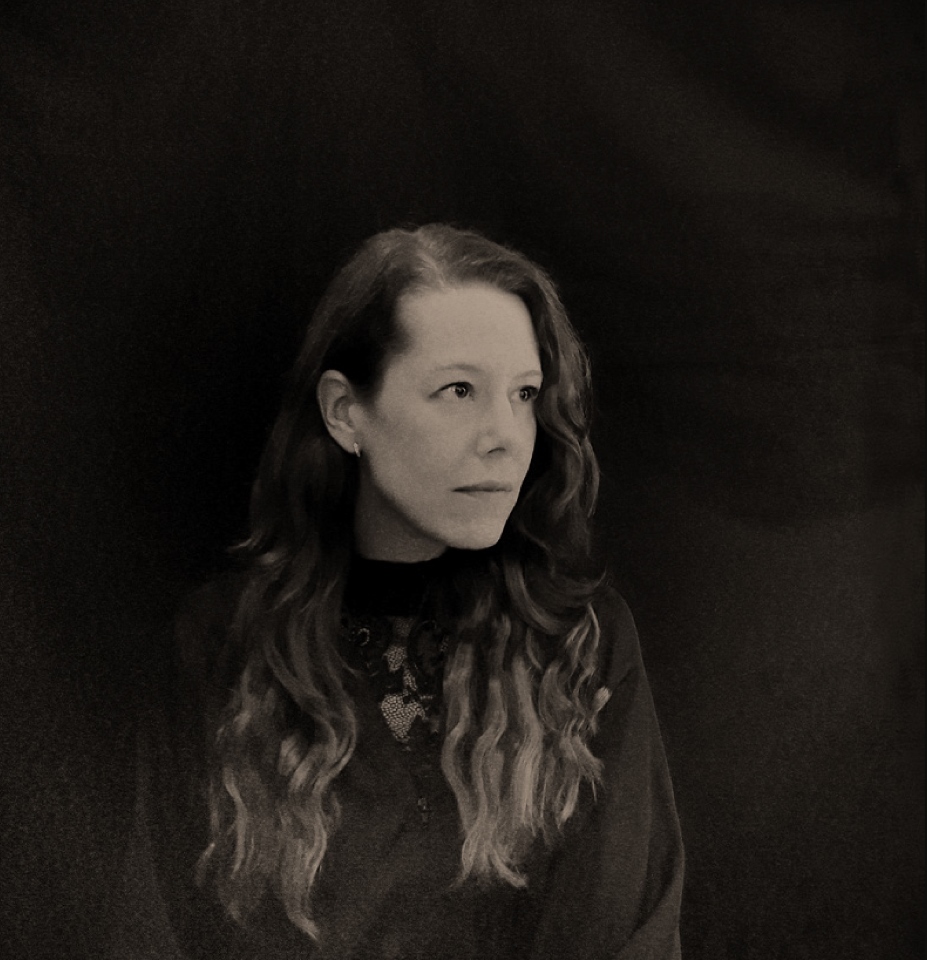
While Karin My has been providing backing vocals or playing cello for acts such as TWICE A MAN, CARBON BASED LIFEFORMS, FAKE MOSS and MACHINISTA over the last ten years, it was only in 2019 that she stepped out to the front to showcase her traditionally derived electronic songs with the haunting spectre of ‘The Silence’.
Although coming from a more traditional music background, her first experience of electronic music came when a friend of her mother gave her the five imperial phase KRAFTWERK albums.
The Swedish chanteuse and self-taught musician’s interest in electronic music broadened as the snowball effect rolled on and she met a variety of personalities from the Swedish scene. As a result, her own folk-laden compositions slowly evolved as beautiful synth sounds and technologically modelled approximations of more organic textures like harp and flute complimented their inherent melancholy.
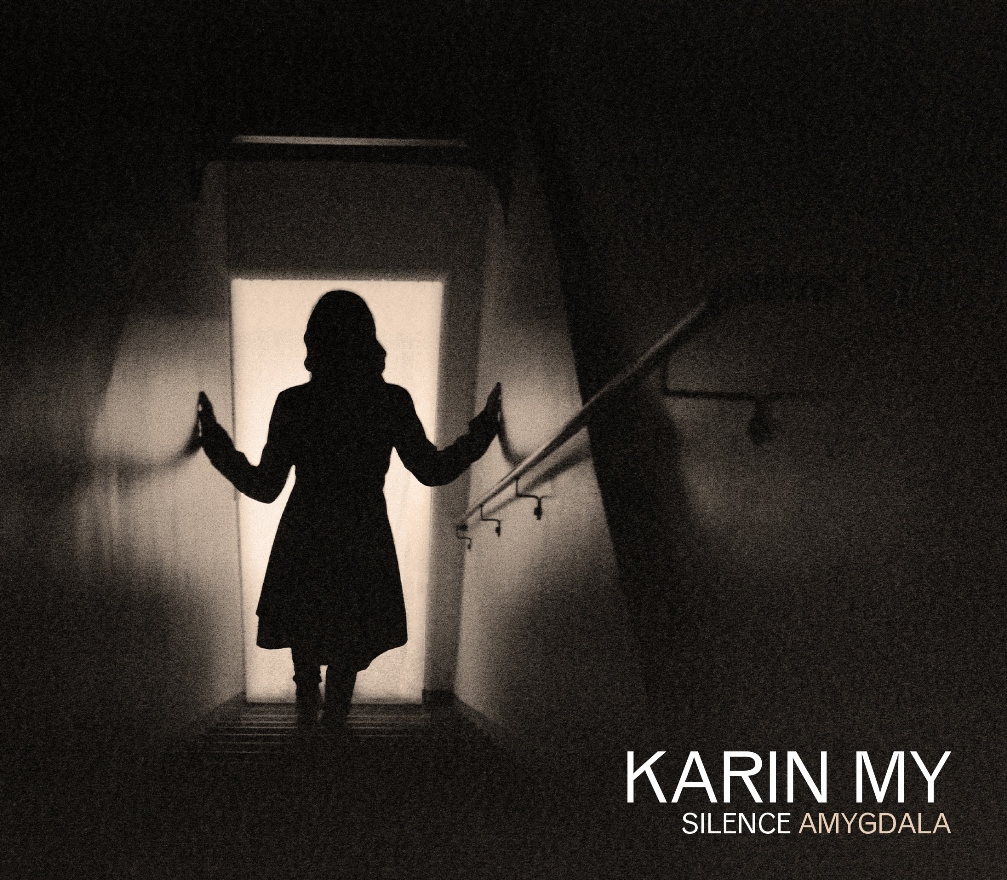
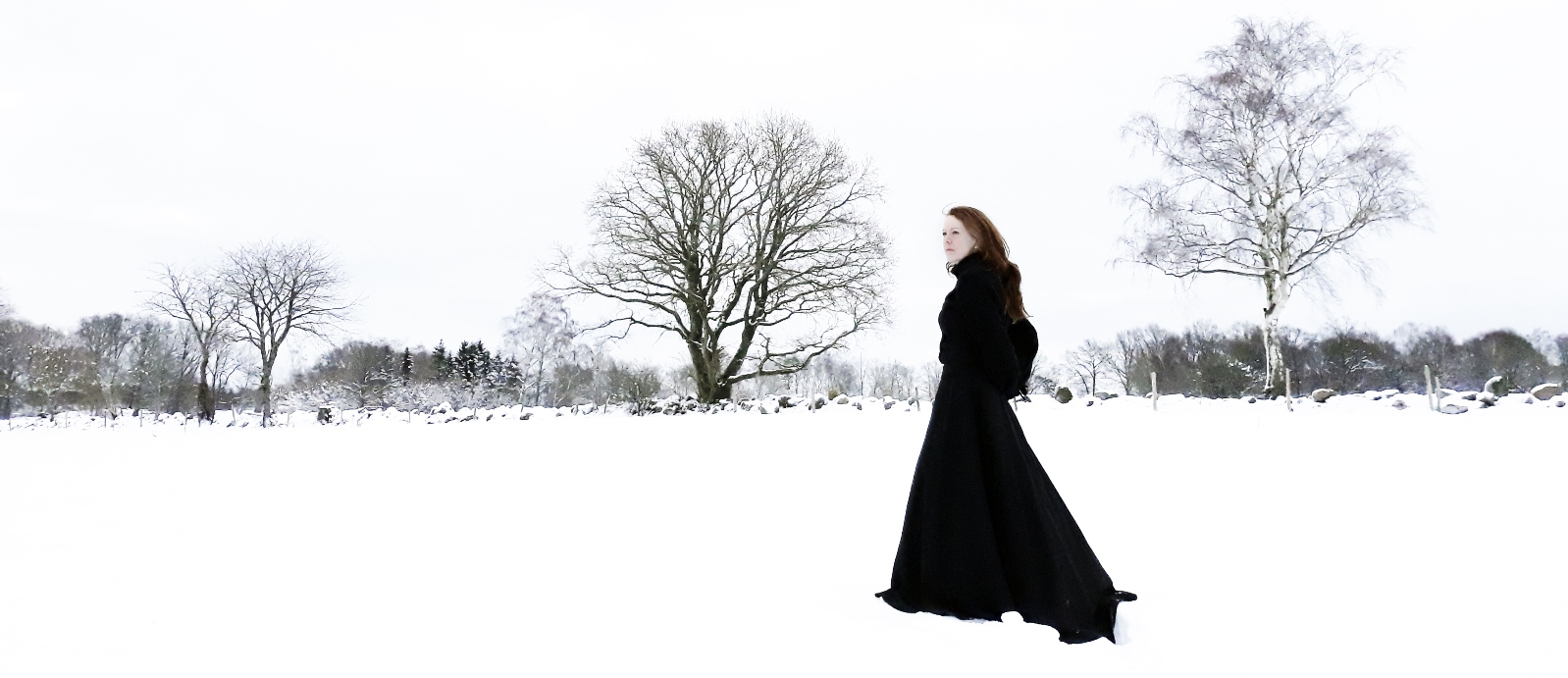
There’s a forlorn abandonment in the captivating voice of Karin My and it is not difficult to imagine her singing alone out in the habit of the Scandinavian landscape. ‘Silence Amygdala’ is her debut solo long player, a part concept album with a narrative based on a long-forgotten diary and poems contained within it. While reading the diary re-exposes the pains of the past, it soon becomes time to burn it and move on.
Assisting Karin My realise her story in music is D. Kaufeldt, a producer from a more surprising industrial metal background, but who shared with her, a common love of folk and dark synthpop. While machines such as the Korg Mono/Poly, Roland SH09, Roland RS09 and Korg PS3200 form the backbone, the stark presence of a kantele from the Baltic box zither family provides an authentic twist.
Harking back to the days when writing on paper was the norm rather than using Messenger via smart phone, opening song ‘Letter’ is heartfelt and lonesome, although subtle backing vocals are provided by Dan Söderqvist of TWICE A MAN. But the track takes an unexpected diversion when a prominent four-to-the-floor rhythm enters the room and while this is not EBM by any imagination, this is quite boisterous for anyone familiar with Karin My’s recent run of solo singles. Despite the uptempo template, the construction is not incongruous but it is a slight red herring for the rest of the album.
Despite the melancholic chill, ‘Winter Tree’ has a gorgeous sparkle with glimmers of hope, although Karin My’s eerie delivery is reinforced with an extra ghostly atmosphere courtesy of D. Kaufeldt’s profound responses.
Despite dealing with imminent loss, the previously released ‘Time To Go’ has many melodic points of access in the tradition of ABBA and a heartfelt middle eight vocal ad-lib. Touching on the aftermath, the ‘Games Of Thrones’ fantasy drama air of ‘Autumn’ sees Karin My emotively “disappearing on a cold empty floor” while looking for the sun in layers with orchestration and subtle metallic percussion.
A steadfast drum machine propels ‘Loop’ while sweeping symphonic melodies in the vein of ULTRAVOX accompany the despairing resignation. The addition of a sombre computer generated female speech at its close with exclamations such as “identification- procedure – quote – hyphen – perform – display – go to – loop – full stop – execute” adds to the unsettlement.
Beginning with a music box and kantele, ‘The Silence’ remains beautifully sad, evoking abandonment as a cold spectre of darkness looms. Meanwhile, the dramatic waltz of ‘Stray From The Path’ shows an affinity with Scotland’s WITCH OF THE VALE in its use of traditional pagan modes and melodies, accentuated by drones.
On the Olympian ‘World From Orbit’, the Vangelis-inspired overtures soundtrack Karin My’s silent wishes to exist far from the harsh realities of life. Indeed, it is a number that floats like heaven in the manner of a Nordic Enya.
A sprightly piece compared with the other tracks on the album, the appropriately titled ‘Coming Up For Air’ surprises with a heavier if steadfast beat while there are synthetic choir stabs to back up the crystalline pulses and sweeping moods.
But a surprise comes with a largely acoustic cover of VNV NATION’s ‘Homeward’ which completely flips its original futurepop vision on its head. Although it sees Karin My return to folkie busker roots, it somehow fits in with the album’s aesthetic and narrative like an interlude before the finale. And that comes with the building tension of the ‘Silence Amygdala’ title song. Captured as a funereal waltz, strings, synths and percussion blend for a solemn but cathartic conclusion with reflections of space, heaven and a last breath…
‘Silence Amygdala’ is a melancholic affair embroiled in sadness that also uses silence as a tool to penetrate the noise. An unusual sound in synth with the nearest comparison possibly being Susanne Sundfør, there is also a Vangelis meets Stina Nordenstam quality reminiscent of when that esteemed pair worked together on ‘Ask The Mountains’.
These eleven songs are like dark fairy tales yet manage to be immensely accessible and enjoyable. ‘Silence Amygdala’ may require a certain mood and mindset to appreciate, but as a body of work, it is ultimately timeless.
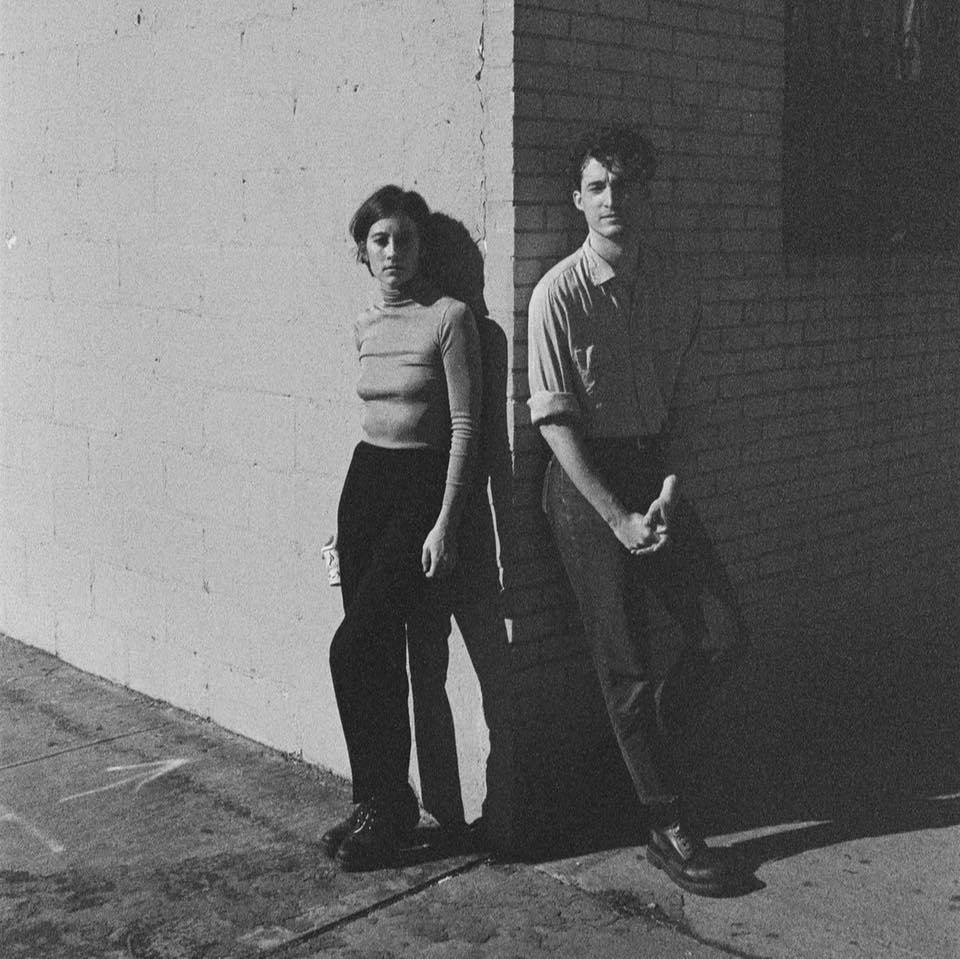
Brooklyn-based duo NATION OF LANGUAGE are singer / songwriter Ian Devaney and his wife Aidan Noell on keyboards.
Gifted with a voice of anguish, Devaney had fronted New Jersey alternative rock band THE STATIC JACKS who released their only album ‘In Blue’ in 2013.
Legend has it that NATION OF LANGUAGE came into being when Devaney heard OMD’s ‘Electricity’ in his father’s car for the first time in years, having grown up with it as part of his domestic soundtrack. This led to Devaney adopting what he termed the “beginner’s mind” of those pioneering synth acts.
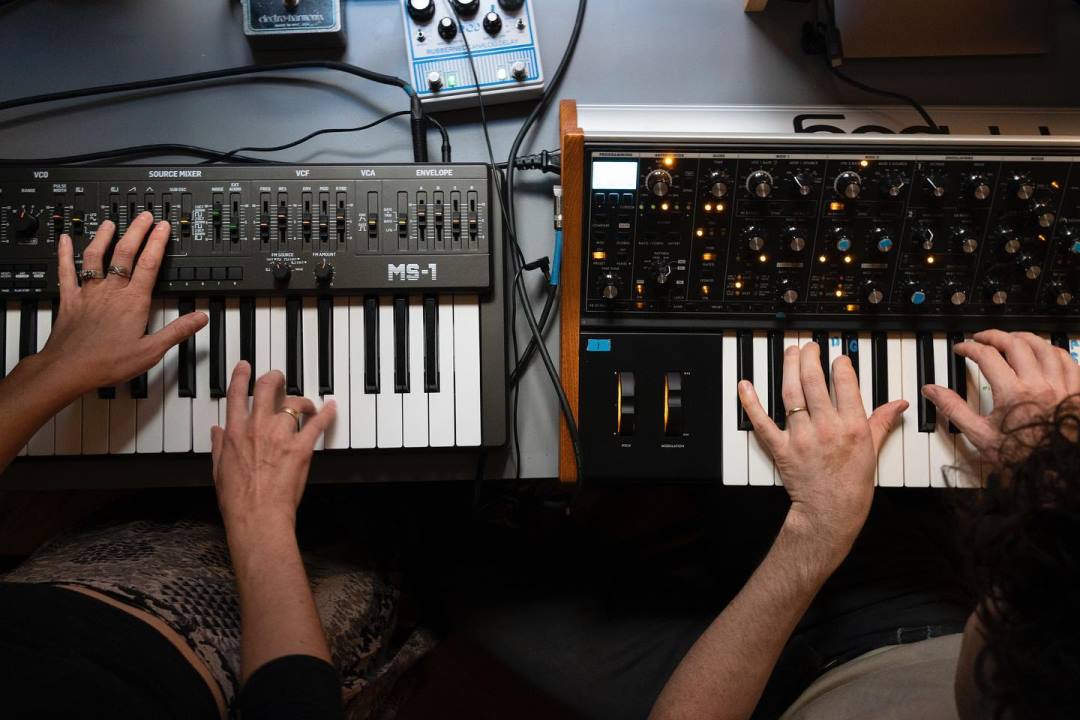
So he began writing songs with monophonic synths like the Behringer MS-1, Korg MS20 and Moog Sub37 while like OMD, also using bass guitar. Issuing a series of singles since 2016 including an electronic cover of PIXIES’ ‘Gouge Away’, NATION OF LANGUAGE finally released their debut album ‘Introduction, Presence’ in Spring 2020.
Now if Rodney Cromwell had joined MIRRORS or if MIRRORS had more of a Factory Records fixation as opposed to looking up to OMD, then that would be the sound of NATION OF LANGUAGE. So despite having dense production aesthetics in common, the more inherent gloominess means that NATION OF LANGUAGE are perhaps less obviously immediate than MIRRORS. NATION OF LANGUAGE have also made more use of NEW ORDER style melodic lead bass provided by Michael Sui-Poi from THE STATIC JACKS, while Fabrizio Moretti from THE STROKES occasionally guested on drums.
‘On Division St’ is a close relative to ‘Bizarre Love Triangle’ with its sharp synth lines and programmed bass triplets, while ‘Rush & Fever’ plays with sequencers and electronic effects to reinforce the NEW ORDER influence but perhaps more unexpectedly, Devaney starts to sound like Morten Harket of A-HA.
The spectre of the Norwegian pop trio looms on the superb synth driven album highlight ‘Friend Machine’ which examines society’s addiction to technology and the standalone synthpop flavoured single ‘A Different Kind Of Life’. However, the shadier tones of CHVRCHES collaborator Matt Berninger of THE NATIONAL is who Devaney mostly emulates vocally.
Album opener ‘Tournament’ imagines an artistic union of A-HA and LCD SOUNDSYSTEM while ‘Automobile’ adds full chords via some Roland Strings; continuing the driving theme, there’s the partly spoken robopop of ‘The Motorist’.
While the album closer ‘The Wall & I’ exhibits more of a post-punk feel like FM ATTACK meets SECTION 25, the glorious brand new single ‘Deliver Me From Wondering Why’ uses a more blippy construction and takes a leaf out of the more experimental phase of early OMD while eschewing bass guitar following the departure of Michael Sui-Poi.
Formed in 2017, MARVA VON THEO are two classically trained musicians Marva Voulgari and Theo Foinidis based in Athens.
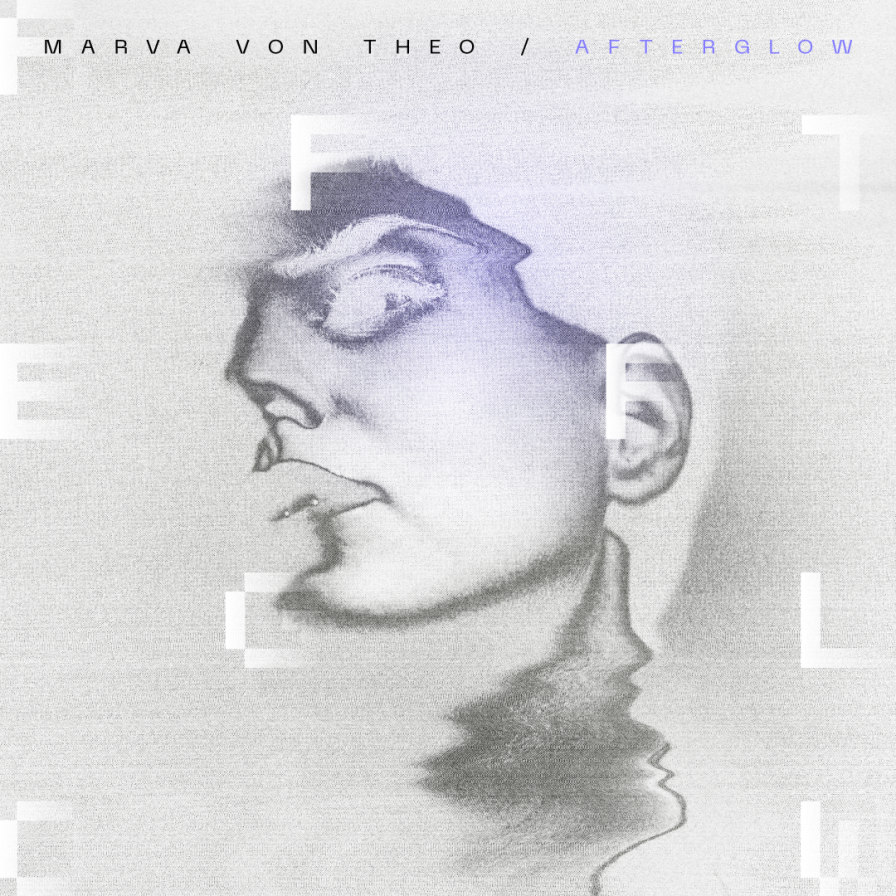
Their self-released debut long player ‘Dream Within A Dream’ came out in 2018 and while there was promise in its dark introspective concept, it was not fully realised. Introducing some more uptempo rhythm structures, MARVA VON THEO have taken more time to produce the follow-up album ‘Afterglow’ to express those darker bittersweet feelings that often come after the end of something beautiful, a situation that is wholly relatable with current world events.
‘Afterglow’ is certainly more varied than ‘Dream Within A Dream’, with jazz and experimental dance genres making their presence felt alongside more classic synth sounds for an intelligent musical statement with passionate vocals and considered arrangements.
The four chapter ‘Love’ offers a brooding start but ultimately builds from its moody gothique into a dynamic crescendo over its seven minutes with sparkling arpeggios, gliding synthbass and boisterous live drums. The marvellously frantic ‘Forever’ is an immediate slice of avant pop that recalls ‘River In Me’, the TRENTEMØLLER collaboration with Jenny Vee of SAVAGES, in its determined vocals and punchy beats.
The moodiness returns for ‘Ruins’ which sees Voulgari take on a piercing higher register to counterpoint her usual contralto, while the misty ballad ‘Embrace This Madness’ reflects a feeling that many have had to adopt as a coping mechanism of late.
Awash with shimmering synths, the staccato post-punk of ‘Dissolve’ conjures a sinister chromatic atmosphere that allows space for skippy electro beats, but ‘Older’ is more minimal, with the odd synthetic guitar texture and sub-bass creeping in before Voulgari pours her heart out.
With the human voice eerily harmonised by a vocoder, ‘Room Of Doubt’ is possibly the most unorthodox song on ‘Afterglow’, with trip-hop and jazz elements entering the experimental playroom before a blast of breakbeat from Foinidis!
‘Somewhere Safe’ is almost as unorthodox and smothered in agitation; utilising screaming vocals and a growling synthbass sequence, it provides a dramatic setting for another album highlight.
The weary ‘Bittersweet Sunday’ is another brooding ballad that places Voulgari within a spacious platform to work within. But starkly structured at its start, ‘Forgotten’ adopts several faces to achieve its low-high tonal effect, one of those being operatic soprano!
Ending with the percussive ‘My Moon’, the widescreen cinematics combine well with the emotive histrionics to outline its inherent unsettling torment.
A significant artistic progression from ‘Dream Within A Dream’, ‘Afterglow’ is an ambitious but an intense work to consume. The variation in styles and pace keeps it interesting, so will find favour with those who prefer a more esoteric approach to their electronic pop.
Few, if any musicians on the electronic music scene could claim to be as prolific as the duo of Rhys Fulber and Bill Leeb.
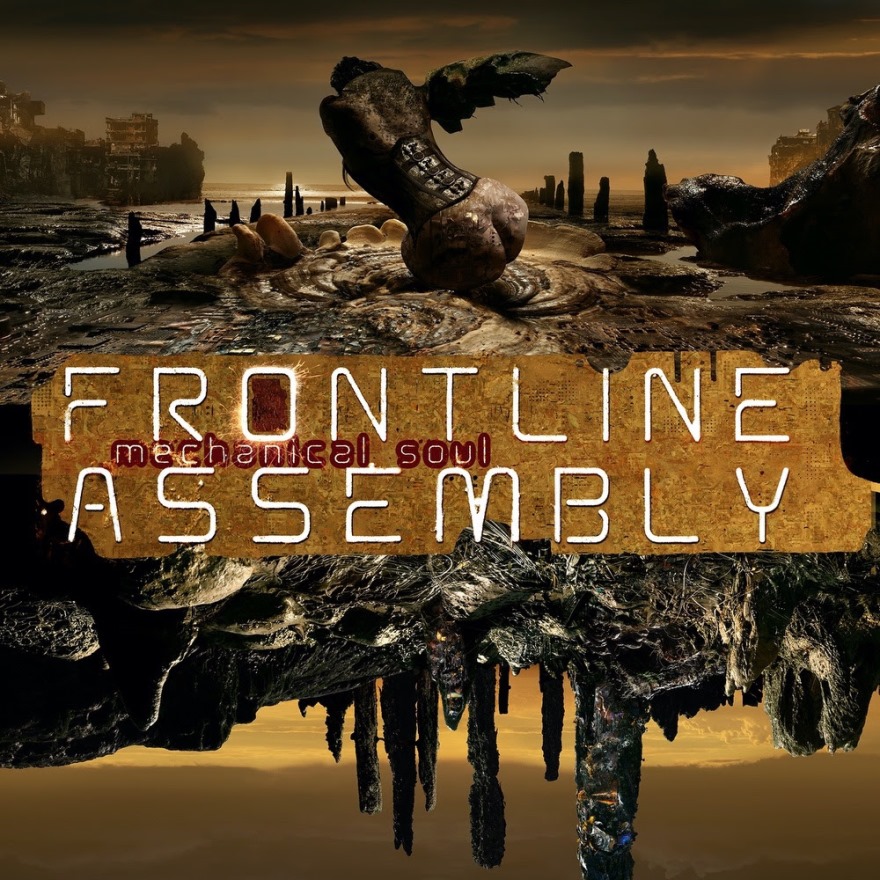
The Canadian-based pair have collaborated as FRONT LINE ASSEMBLY, DELERIUM, INTERMIX and NOISE UNIT and have also brought their musical talents to several other diverse projects over the last 35 years. Rhys Fulber kindly took time out of his busy PR schedule to talk about the new FRONT LINE ASSEMBLY release ‘Mechanical Soul’ and a selection of some of his high profile side-projects.
How important was the influence of your father on you getting into music?
Hugely important. His record collection alone was a solid foundation for anyone, but then the fact our dining room was a jam space from when I was 5 or so meant there were always instruments set up to mess around with. The keyboard player in the bar band he played with had a Minimoog, so I remember playing with that when I was 7 or so. I also started playing drums maybe even earlier than that.
Who were your earliest musical influences?
KRAFTWERK is number one. My parents took me to a show when I was 5 and I still remember it. After that it’s Pete Shelley’s ‘Homosapien’ album and all the BUZZCOCKS original LPs. Their music really connected with me when I was young and still does today.
What kind of effect did growing up in Canada have on your music?
Vancouver was still very colonial when I grew up so we got more of the British music scene than the US, as well as Canada promoting a lot of their in house bands so we had our own take on things in some ways. Also Vancouver was a world class studio city already in the 80s so there was a culture of that in Vancouver. All the studios we worked in were first rate, and connected to a famous Canadian musician, like Bryan Adams or Paul Dean.
How much have the themes of ‘Mechanical Soul’ been influenced by the situation of the pandemic?
I think maybe lyrically a bit. I was still living in LA when we started the album so we were already used to working remotely, so it wasn’t a big change for us in that way.
What have been your other sources of song material for the album?
I had clips of music from various things and times that we pulled together as the basis. One was meant to be for my solo techno material as well, so it was a bigger variety of starting points that usual. We used to get in a room together and write all the music so this one is different in that way. I had some track ideas and Bill made suggestions to them and then added vocals and lyrics, so in some ways we both focused on our roles more than in the past in a way.
Were there any particular synths or pieces of technology that had an impact on the making of ‘Mechanical Soul’?
Each one had a different key piece. I added that to the liner notes; which was the featured instrument on each. For instance, the main riff of ‘Alone’ was from a borrowed Moog Model 15 reissue that I just recorded jams on for a day and pieced those core elements together from that. The single ‘Unknown’ has a lot of a Roland Alpha Juno 2 synth I think I have only used on maybe two other songs over 20 years or so…
You have two featured songs out of the 157(!) on the recent ‘Cyberpunk 2077’ computer game. What is the story behind ‘Drained’ and ‘Subvert’, were they written specifically for the product?
Yes, they were. I was put in touch with one of the music supervisors as just a general contact, because he had worked for a label FLA had released for in the past and he just asked if I would be interested in submitting some ideas to this new game project. I had submitted a total of 6 or 7 tracks and they chose those two. The song ‘Stifle’ on ‘Mechanical Soul’ was one of the tracks that didn’t make the cut. Bill liked it so we developed it into a Front Line song. Two tracks on my last solo album ‘Ostalgia’ were also from those sessions, and the ‘Cyberpunk 2077’ material spawned the rest of that album as well, as it was done at the same time.
In pre-pandemic times, FRONT LINE ASSEMBLY co-headlined with DIE KRUPPS on the ‘Machinists United Tour’, what are your recollections of those shows?
It was a pretty good tour. Just adding another name band does a lot for the draw it seems, so we had some shows that we hadn’t had in a while in places like Munich for instance.
What means most to you? Recording new material or playing live?
Well, you can’t have live without the studio for this music, so I think the studio means more to me although I really like both.
Sampling has always been at the core of your musical projects, what have been the highs and lows of creating songs using this creation method?
Sampling is just like another form of synthesis to me so it’s hard to extract it as a separate thing now. We didn’t think too much about what we sampled other than if it sounded good. I still think that holds true now, though I have just gotten much more covert with how I do it now. Random and obscure sources, for instance.
‘Voices’, which featured on the INTERMIX album, has always been a favourite. What are your memories of working on this album?
I don’t remember that album too well. I remember the mix room and the gear we used, but it’s not exactly clear. It was a busy time and we made that album fairly quickly as a way to experiment with new ideas without committing them to FLA. So it was like a testing site album.
From the same album, ‘S+M=y’ features a sample from Clive Barker’s seminal horror film ‘Hellraiser’. Was there a specific process with getting the “we’ll tear your soul apart” dialogue cleared, or was this an early case of let’s sample it and hope no-one will notice?
We didn’t think that way then at all. We just sampled whatever. It wasn’t until ‘Millennium’ (1994) that we had to atone for our sins!
In terms of commercial success, the DELERIUM track ‘Silence’ sticks out. The original version still stands up, but how did you feel when the trance versions brought the track to a more mainstream audience?
It was pretty surreal, like you are somehow disconnected to it. But who can complain about a magic moment like that? I think hits have to be accidents, because nothing about that was planned.
You have produced for other artists, notably working on KANGA’s superb eponymously titled album and ‘Automaton’, the upcoming single by AESTHETIC PERFECTION. What do you think makes a good producer?
Someone who can make an artist comfortable and not afraid to try new things and push themselves. It’s usually done with lots of support and being careful with words and constructive criticism.
You have worked with co-collaborator Bill Leeb for over 30+ years now. What do you feel helps to keep that relationship fresh creatively?
It is mainly around a similar taste and we still listen to new things. I think our working relationship is better than ever because there has been so much trust built up.
How influenced are you by current forms of music?
Moderately. I think you can’t have stale beats in electronic music, so it’s good to hear what the current sounds are to keep your sound fresh without jumping too much on one thing. As you get older you realise being yourself is the most important, but buying new shoes and a jacket really helps.
Do you feel that the Industrial format is a bit of a straitjacket? Is this a reason why you have pursued several side projects?
It doesn’t have to be, but I think the audience wants the bands they like to deliver the sound they were drawn to. When you go too far off that they feel betrayed somehow. It’s easier just to have another banner to keep everyone happy.
Your CV of outside artists you have worked from a production / remix perspective with is pretty incredible including MÖTLEY CRÜE and MEGADETH as well as Alice Cooper, Sarah Brightman, Sinéad O’Connor; do you find working with other artists more or less stressful than working on your own material?
It really depends. Both can be very stressful. Working on your own, you can lose perspective which can really slow things down, whereas with a band or something there are more ears in the room.
You have been pretty vocal about the way that streaming sites such as Spotify give musicians a raw deal when it comes to royalties. What musical formats do you tend to generate most of your income from?
It’s hard to answer that because I get income from so many places now after so many years in the business, and sometimes it’s really random; suddenly one song will get used somewhere and you get a blip, so I can’t complain too much. I just think YouTube and Spotify is devaluing art in many ways and it’s hard to steer away from ‘free’ for a lot of people once the toothpaste is squeezed from the tube. I much prefer the model Bandcamp have come up with, where you get some streaming and the appreciation of tangible product as well.
You are stuck on a desert island, what is the one piece of electronic gear you would have with you and why?
My Waldorf Q+. It literally can do it all, and very well!
ELECTRICITYCLUB.CO.UK gives its warmest thanks to Rhys Fulber
We use cookies to ensure that we give you the best experience on our website. If you continue to use this site we will assume that you are happy with it.

 came out in 2018 and while there was promise in its dark introspective concept, it was not fully realised. Introducing some more uptempo rhythm structures, MARVA VON THEO have taken more time to produce the follow-up album ‘Afterglow’ to express those darker bittersweet feelings that often come after the end of something beautiful, a situation that is wholly relatable with current world events.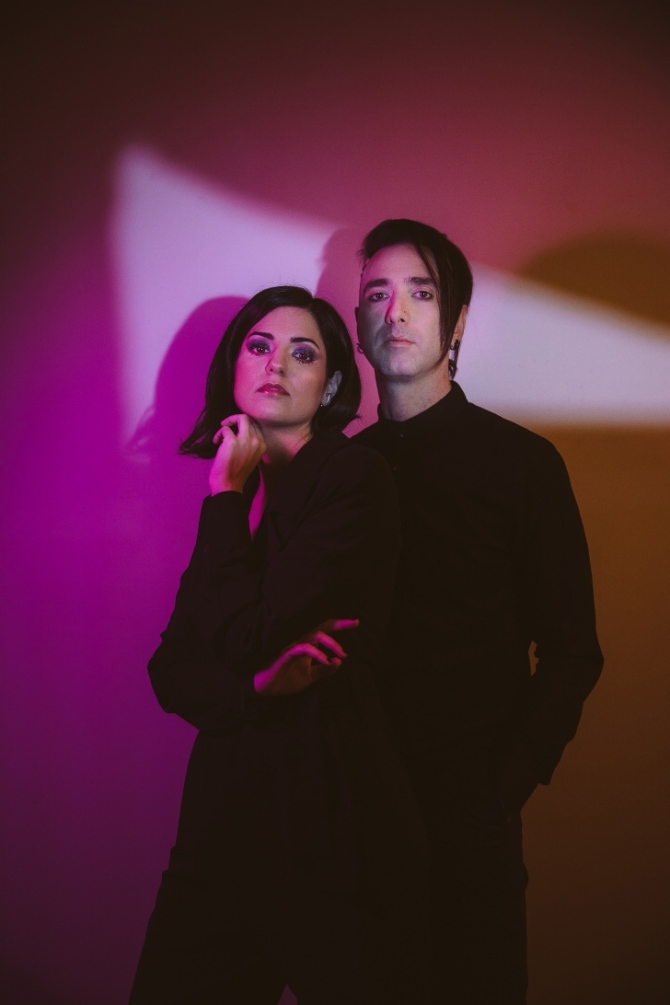
Follow Us!