“I don’t like country & western, I don’t like rock music… I don’t like rockabilly! I don’t like much really do I? But what I do like, I love passionately!!”: CHRIS LOWE
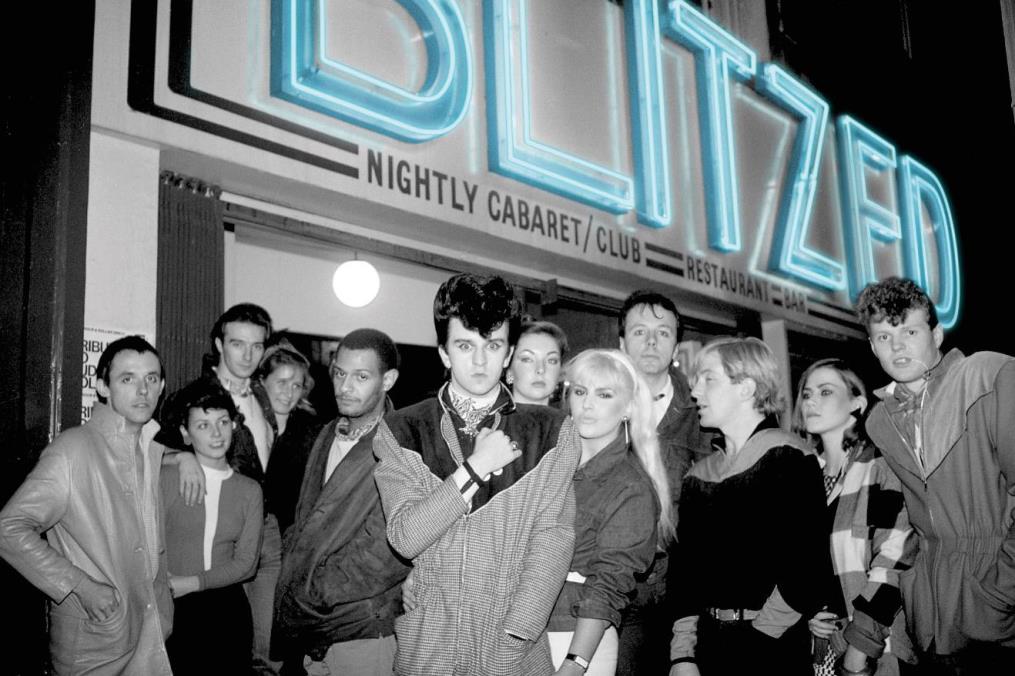
‘Blitzed’ is the forthcoming Sky Arts documentary about The Blitz Club in London.
Directed by Bruce Ashley, it will feature contributions from Boy George, Steve Dagger, Rusty Egan, Gary Kemp and Midge Ure.
That flamboyant scene has been deserving of a credible retrospective for quite some time, having more or less given the world the Midge Ure-fronted ULTRAVOX, VISAGE, SPANDAU BALLET and CULTURE CLUB. So it is quite fitting that the programme premiers around the 40th Anniversary of The Blitz Club’s closure
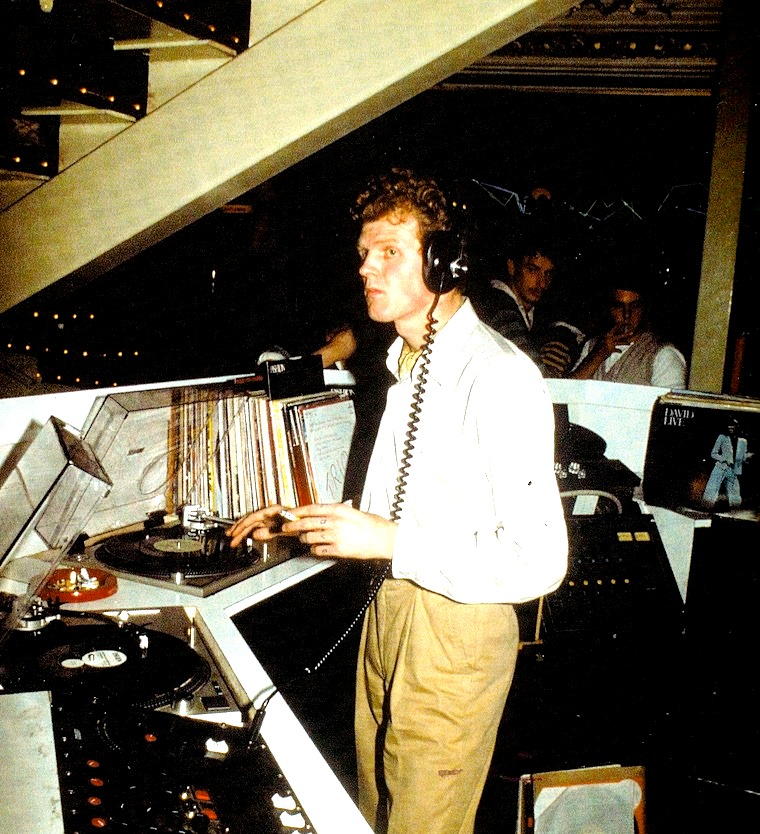
Rusty Egan was the DJ who provided the backdrop for the colourful clientele to pose and dance to between 1978-1981 and the ‘BLITZED’ soundtrack comprises of new and reworked music produced by him, as well as a selection of rare period pieces. A four track sampler of the forthcoming soundtrack album curated by Egan is released ahead of broadcast and gives a good idea of what’s in store.
Previously issued in 2019, ‘When We Were Young’ pays homage to GINA X PERFROMANCE’s ‘No GDM’ and reimagines it being reworked by Giorgio Moroder. With a catchy vocodered topline going “It’s 1979-it’s 1980-it’s 1981-it’s 1982… it’s Tuesday night and I’m ready for some fun, oh yeah!”, it delightfully sets the scene for the now well documented story of how the Blitz Kids danced to Bowie, Ferry and the synthesizer!
Boy George guests with Egan on ‘Turn To Dust’, a slice of electro-reggae in the vein of LEFTFIELD with the expected dub screening, although listeners may need time to get used to the cut-up treatments on George O’Dowd’s processed voice; this track certainly has more bite than the “Radio 2 Lovers Rock” of CULTURE CLUB as Phil Oakey of THE HUMAN LEAGUE once put it…
Meanwhile, a new Blitzed Extended Mix of ‘Fade To Grey’ featuring Chris Payne sees a classical rework with piano and violin over approximations of the iconic string synths and drum machine pattern of the 1981 West German No1 single. There are authentic French language voices featuring on this makeover, although the timings of those and Egan’s own baritone could have been much tighter in the mix. While Payne’s exquisite ivory runs cannot be faulted, the extended mix labours and does not have the punch or intrigue of the original 12 inch version that appeared on the first VISAGE singles collection.
Egan’s former protégée Ronny makes an appearance with ‘Blue Cabaret’ as the sampler’s period piece. It’s the 1930 meets the future as recently adapted by Katja von Kassel in her electro Weimer style, but it was the androgynous contralto voiced Parisian who did it first back in the day with songs like ‘To Have & To Have Not’ and ‘Compare Me With The Rest’, the latter produced by Vangelis.
Co-produced by Georg Kajanus of SAILOR and Peter Godwin, ‘Blue Cabaret’ originally surfaced in 1981 on the flip of ‘To Have & Have Not’ and despite being 40 years old, it has aged well as many of the songs that Rusty Egan played at The Blitz Club have.
As has been indicated by the huge 40th Anniversary tours pencilled in by the likes of THE HUMAN LEAGUE, OMD and SIMPLE MINDS (all acts which who were spun regularly at The Blitz Club), these songs that emerged from this European influenced music movement have been proven to possess a timeless quality that has lasted for generations. The comparatively recent Midge Ure ‘1980’ live shows of ULTRAVOX and VISAGE material are indicators of its longevity and box office draw.
It is now time for ‘Blitzed’ to tell the story of how that era was not actually about leg warmers, deely boppers, fluffy dice, yuppies and bloody Pat Sharp but aspirational young people driven to escape, express and create. They may not have realised it at the time but they shaped not just the eighth decade of the 20th Century but popular culture itself.
The ‘Blitzed OST Sampler’ is available now via digital outlets, the soundtrack album is released by Future Music on 19th March 2021
‘Blitzed’ will be broadcast by Sky Arts at 2100 GMT on 13th March 2021
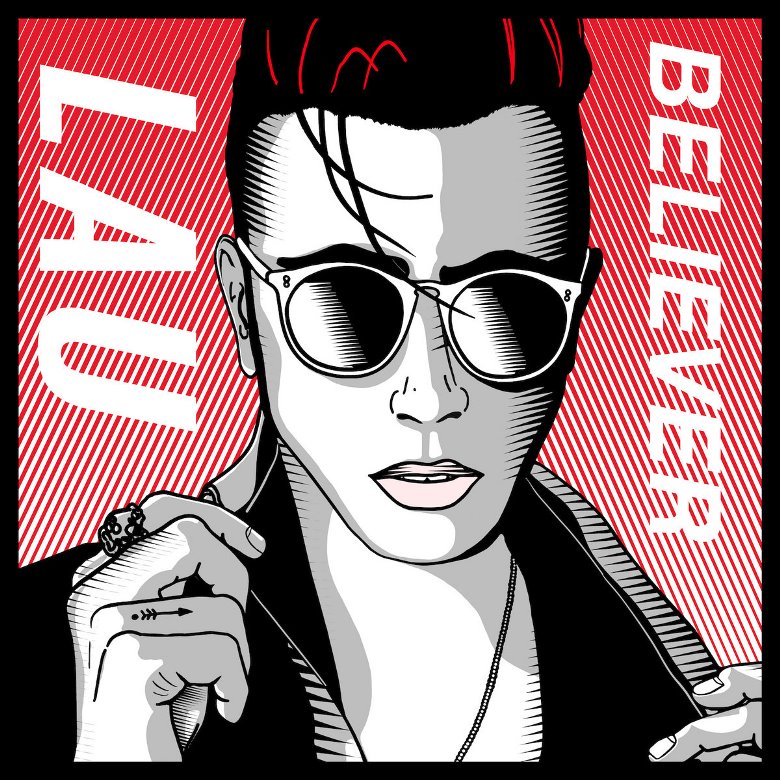
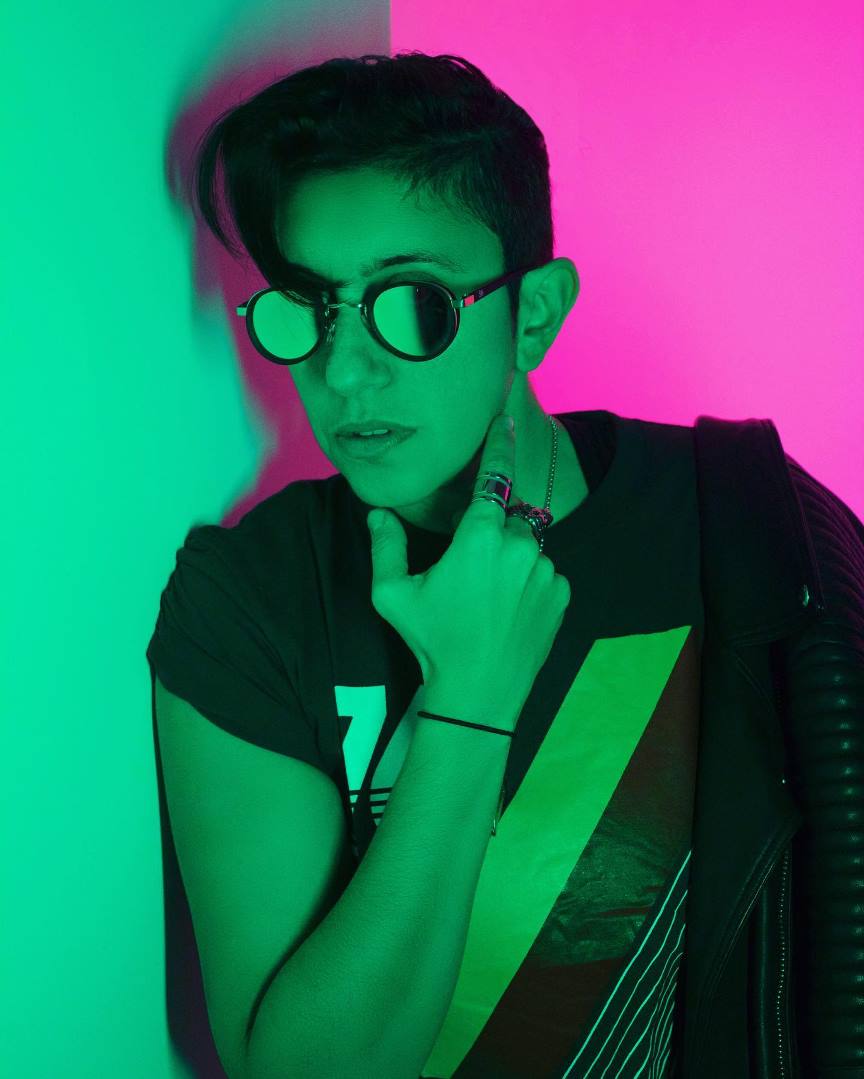
Laura Fares aka LAU is an Argentinian songwriter, drummer and producer, who has been living and working in London for a couple of decades.
Having studied music and musical performance, the talented instrumentalist toured with Ricky Martin as a session drummer, before opening for the likes of Adele and Robyn. As a creative director of Aztec Records, LAU released the music of BRIGHT LIGHT BRIGHT LIGHT and NINA. Indeed her work with NINA on ‘Sleepwalking’ and ‘Synthian’ took them onto several tours with ERASURE, with the duo duetting with Kim Wilde on her brother Ricky’s remix of ‘The Wire’.
Any self-respecting synthwave artist aspires to be associated with the big projects of the scene, and not surprisingly LAU lent her talents on ‘The Rise Of The Synths’ film. Now, having gone solo, she releases her debut long player ‘Believer’.
The ten track opus suggests a step into the world of independence, both personally and musically, hoping to bring the much needed cheer factor during these unprecedented times.
Opener ‘Stunning’ could indeed be stunning with its fast tempo, but it’s somehow lacking the intensity. When one chapter ends, LAU is eager to move on with heartfelt lyrics and a palpable nostalgia, leading onto ‘We Had Magic’, which continues the story of a broken heart. Musically light hearted, the depth of emotions is felt throughout the track, leading onto ‘True’. Accusing the lost lover of never reciprocating her devotion, but playing with fragile emotions, LAU wraps the story in clever rhythms and vintage synthesis.
‘Believer’ hopes for a better tomorrow while ‘The Cards’ charms with a gorgeous melody, longing for the lost soulmate and unrequited love. ‘Recognise’ bursts the feels bubble with a hope for a new chapter and a fresh beginning.
The light-hearted synthy rhythms weave in and out of the drum extravaganza of ‘Always On My Mind’, utilising Fares’ many talents as a drummer, producer and vocalist. She continues the ‘Emotional’ journey with a slower paced airy ballad, gently enveloping her sentimental trip over the lost relationship, being ‘Unable’ to forget the good times and the love she felt.
The closing number ‘What It Takes’ wraps up the wistful expedition into the artist’s mind and emotional state with a plea to get her lover back.
While the expected comparisons with NINA’s recent albums, sitting neatly on the top shelf of the synthwave establishment, will inevitably happen, one can surely say that LAU’s first solo offering is a promising example what the multi-talented artist can achieve.
Although at times lacking the depth, ‘Believer’ is a strong debut, proving that irrevocable love is always a subject worthy of depiction. The capability clearly shines through this one.
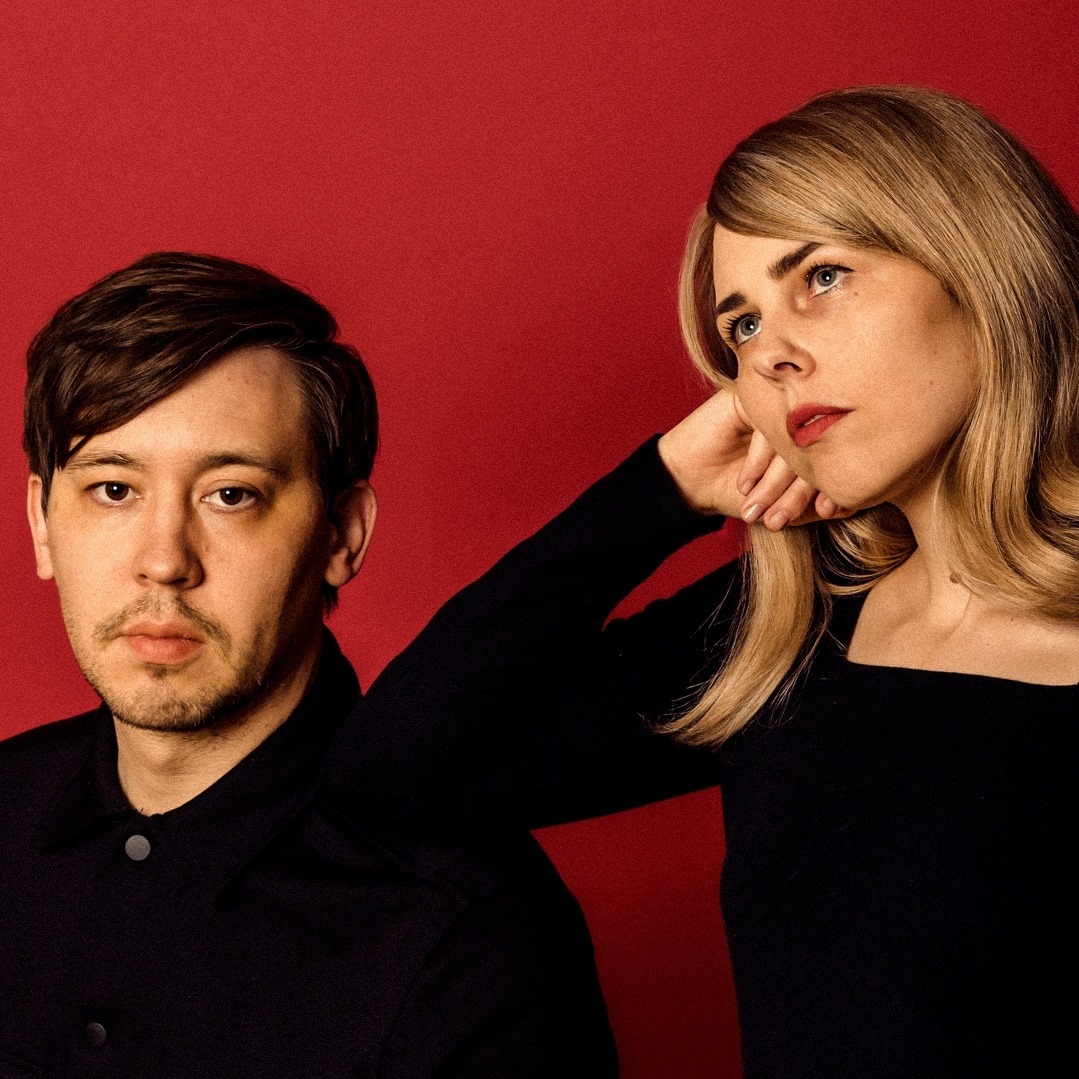
Phoenix-based VIOLET CHOIR comprise of Mickey Louise and Jesse Pangburn who met at college while studying jazz.
Previously indie rock combo THE PROWLING KIND and dream popsters MRCH, the output from their previous guises appeared in the soundtracks of ‘The Twilight Zone’, ‘Search Party’, ‘13 Reasons Why’, ‘Shameless’ and’ The Vampire Diaries’.
On ‘Reactions’, their 2017 debut album as MRCH, the duo fully embraced a more electronic sound to the point that it was more or less fully sequenced.
Inspired by the likes of independent artists like COMPUTER MAGIC aka DANZ CM and the synthwave breakthrough, there came a change of style with a change of name. So VIOLET CHOIR was born. Their self-titled EP makes use of a Prophet 08, some Moog via the Matriarch and Minitaur, plus Ableton soft synths simulating DX7 bell sounds. Meanwhile a live kit and drum machines sit in tandem alongside occasional electric guitar and bass.
Moody and percussive without resorting to synthwave clichés, ‘Don’t Come Around’ recalls the feel of KLEERUP’s ‘Nothing Left To Die For’ with Jenny Wilson. Nurtured on jazz and rock, Mickey Louise’s voice comes over rich and airy over an appealing electronic pop song that doesn’t sound as long as its five and a half minutes length might suggest.
Although adopting more of a post-punk template with live bass and guitar, ‘Tonight’ still has plenty of synths to add texture including a surprising jazzier twirl and a particularly piercing but melodic sound reminiscent of the sparkly feminine new wave vibe of PARALLELS or CHROMATICS.
Meanwhile, the chunky fuzz and deeper treated vocal counterpoints on ‘Dream About It’ offer a slightly gothic dimension to a slice of precision disco lento, with its dynamic highs and lows projecting in the manner of THE GOLDEN FILTER.
Maintaining that “life is strange”, the sombre root note bass and strident keyboard arpeggio patterns make ‘Friend Song’ the most archetypical synthwave styled offering on the EP, with the breezily wispy vocals contributing to an enjoyable chorus uplift.
The electroclash-derived ‘Kids On Sunset’ adopts a dominant bass triplet for a galloping rhythmic sway that becomes more addictive as it approaches the dancefloor. The presence of the coy feline allure of COMPUTER MAGIC with her track ‘Fuzz’ in particular and the much missed Texan duo ELEVEN:ELEVEN are strong.
This debut EP is not your run-of-the-mill synthwave-by-numbers and by bringing their experience from other genres, VIOLET CHOIR have largely avoided the usual musical catchphrases that can haunt modern electronic pop. What stands out are the songs and the musicality. Time will see Mickey Louise and Jesse Pangburn fully realise the promise on show here.
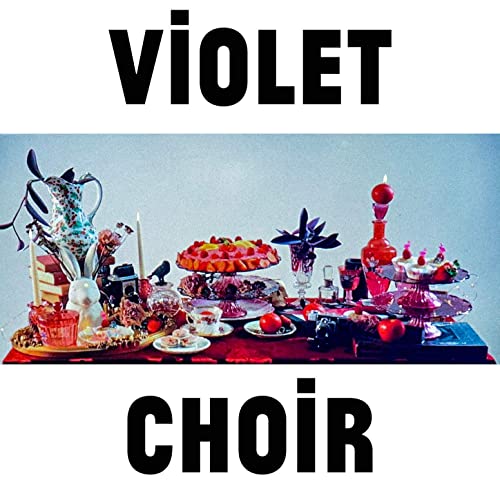
‘Violet Choir’ EP released on 19th February 2021 by Fervor Records
If LANA DEL REY is the “Gangster Nancy Sinatra”, then Los Angeles-born GLÜME is the self-styled “Walmart Marilyn Monroe”.
Like a tattooed Norma Jeane Mortenson dropped into Twin Peaks, GLÜME is a shimmering new starlet in the Italians Do It Better stable with her debut album ‘The Internet’ is due out later this year. While ‘The Internet’ does not include her marvellous chilling cover of THE FLEETWOODS’ ‘Come Softly To Me’, it will feature a previous single ‘Body’ and her latest offering ‘Get Low’.
‘Get Low’ is an intriguing slice of accessible avant pop about the high of falling for someone and how it effects your brain chemistry and nervous system. While that may seem exceedingly cerebral, GLÜME suffers from autonomic dysfunction and a heart condition. So the feelings conveyed are from her own personal experience and reflect how her love ride can feel like a roller coaster.
Directed by We Suffer For Fashion Films with choreography by Mark Marchillo, the video accompaniment for ‘Get Low’ is mysterious but glamourous and sees GLÜME tap, fan and ballet dancing while also plonking away on a primitive electric keyboard. Applying some rumbling electronic bass, stabbing vintage synths and simple but prominent digital drum beats, ‘Get Low’ comes over like a wonderful experimental B-side by a fragile girly OMD!
Described as “black lodge music for the blue youth of the internet age”, with song titles like ‘Nervous Breakdown’, ‘Crushed Velvet’, ‘What Is A Feeling’ and ‘Don’t @ Me’, expect GLÜME’s debut album to be a melancholic but enticingly celestial affair.
‘Get Low’ is released as a digital single by Italians Do It Better
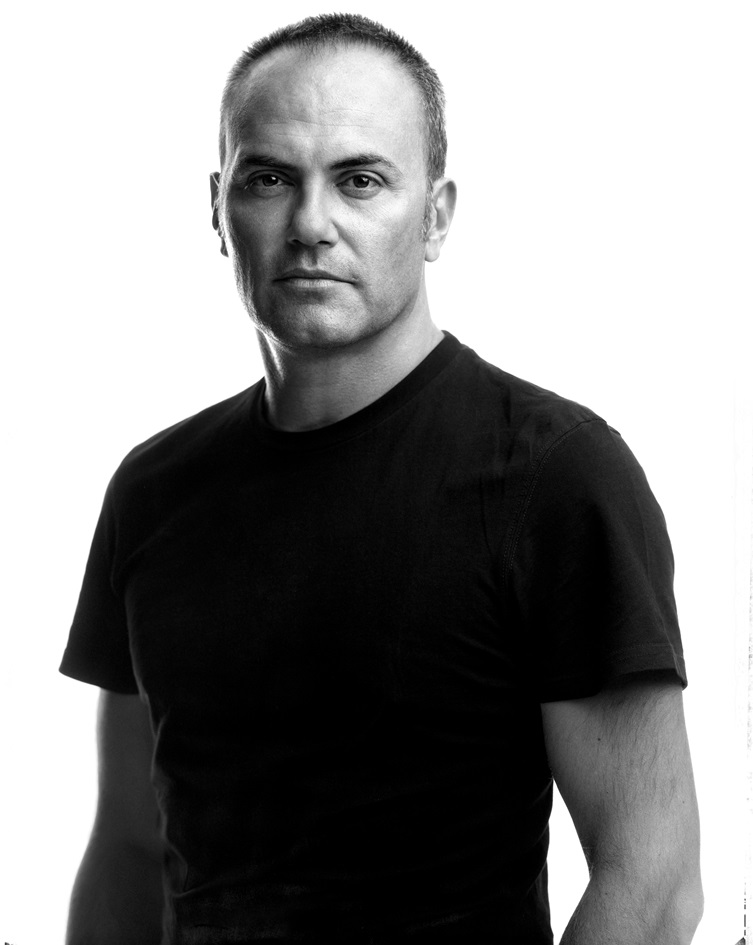
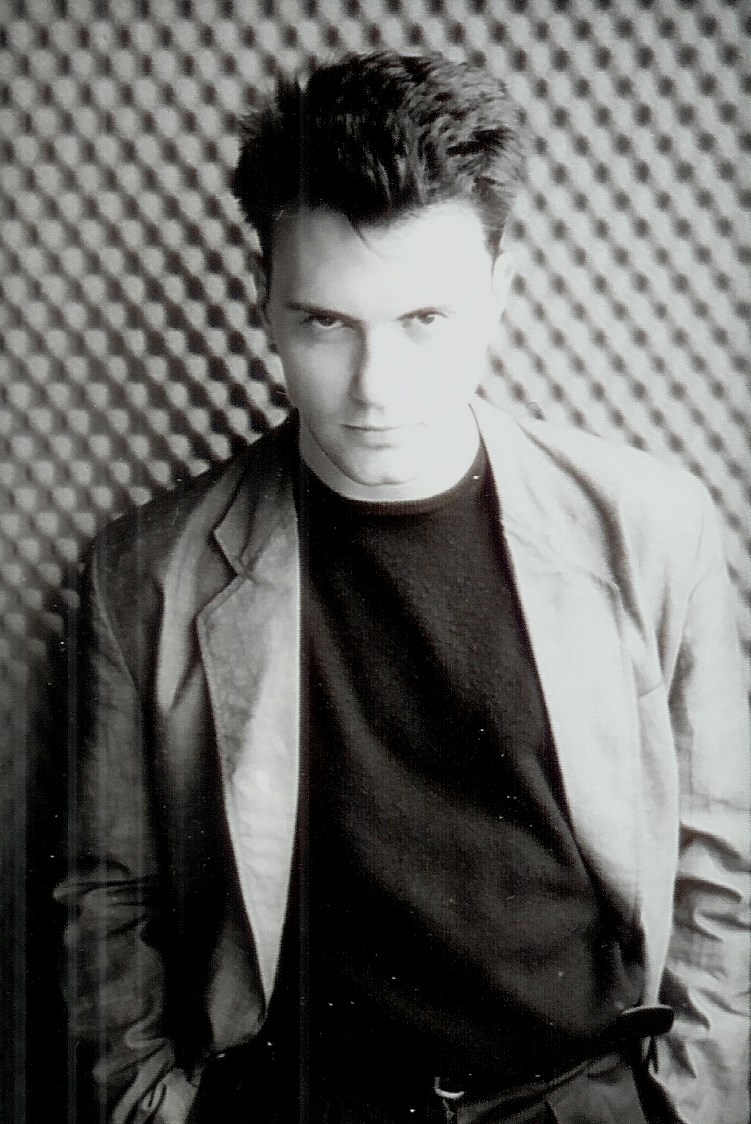
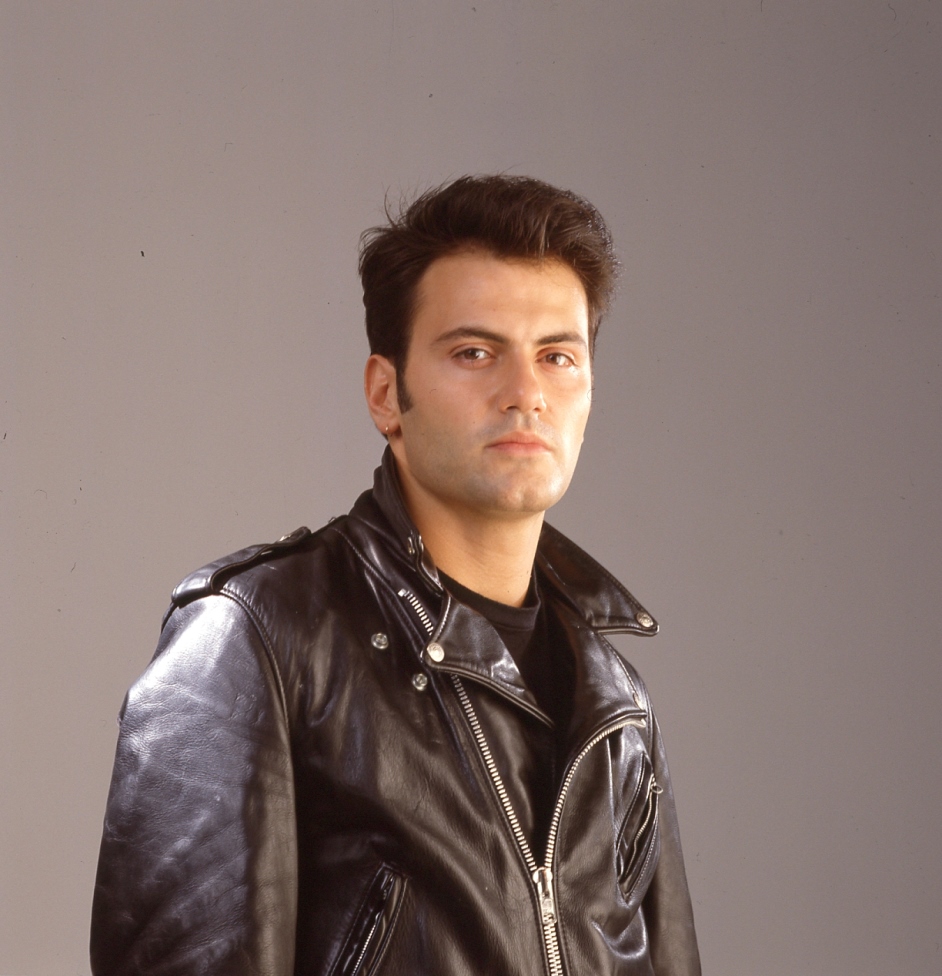
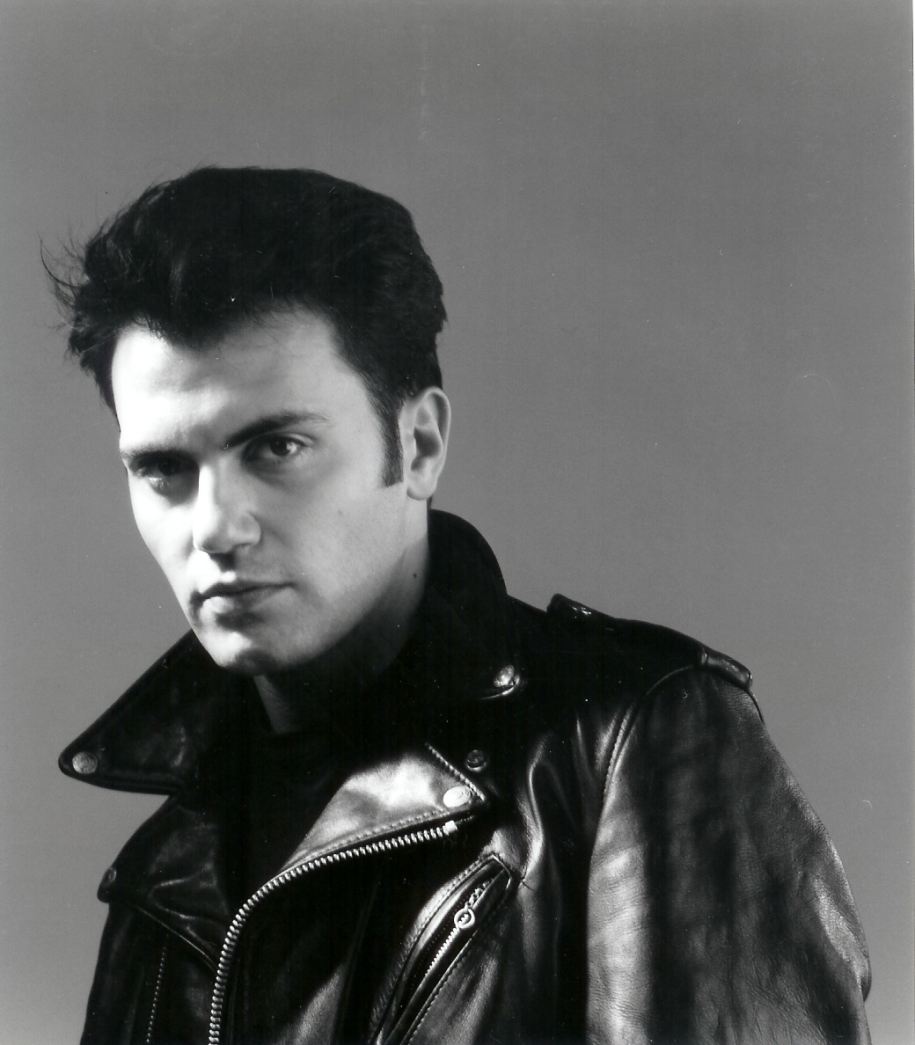
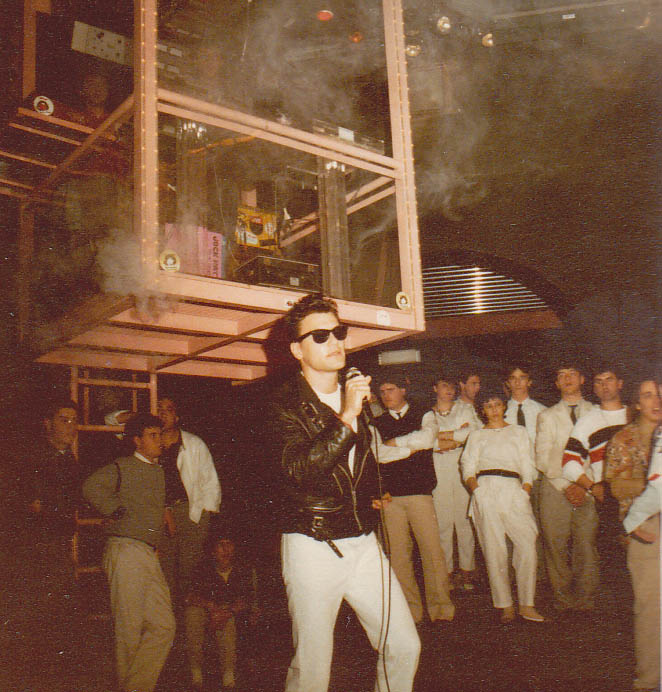
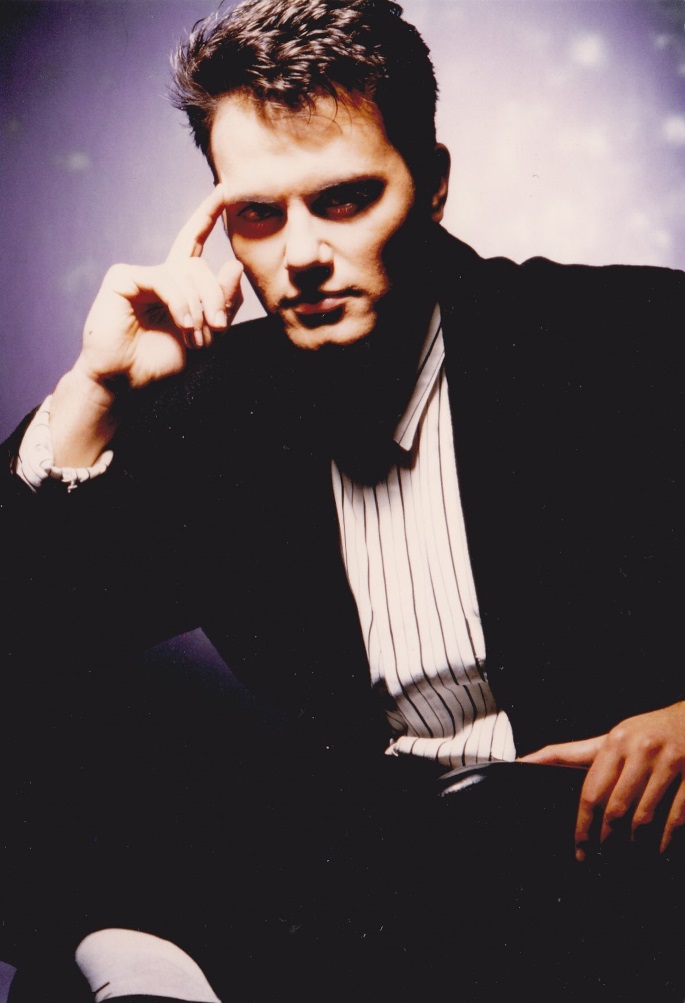
Fred Ventura is the Italo Disco legend who had a number of European club hits such as ‘Wind Of Change’, ‘Heartbeat’ and ‘The Years (Go By)’ between 1984-1989.
Born Federico Di Bonaventura in Milan, he generally wrote and sang his own material, something that perhaps wasn’t so prevalent in the world of Italo Disco. The first Fred Ventura solo single ‘Zeit’ took its lead from his passion for German language pop and ‘Der Kommissar’ by Falco in particular, although it baffled Italian audiences! And while his music was later influenced by NEW ORDER and PET SHOP BOYS, it would be fair to say that some musical transfer also occurred in the opposite direction.
On ‘Late Night Train’, there may have been some data exchange with Messrs Tennant and Lowe for the sparkly synth riff from ‘Domino Dancing’, while 1987’s ‘Imagine (You’ll Never Change Your Mind)’ and ‘Heart’ have much in common. Meanwhile recorded in 1985, ‘You Want Me’ has some striking musical similarities with NEW ORDER’s ‘Shame Of The Nation’. But by the release of his first album ‘East & West’, Fred Ventura was already disillusioned with where European electronic dance music was heading and looked towards Chicago House for solace.
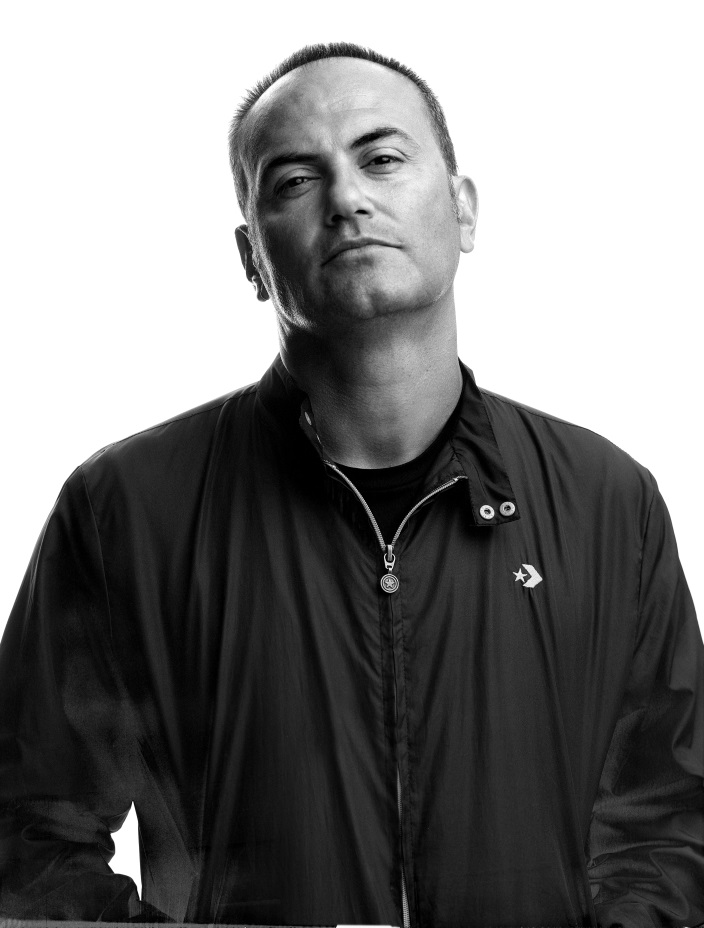
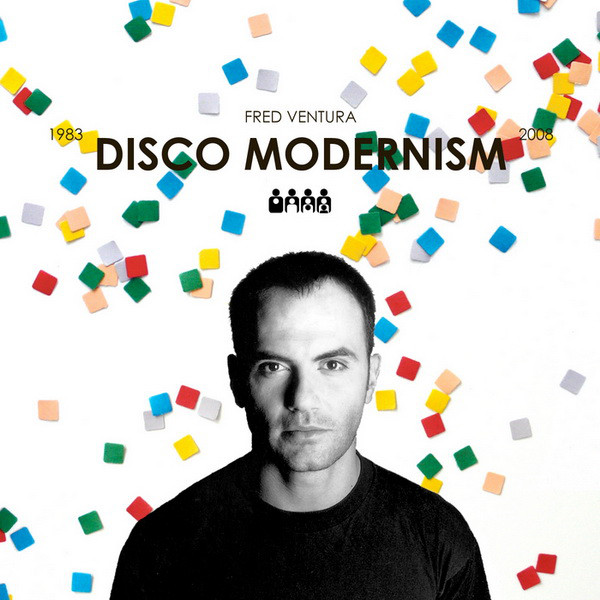
Continuing to record in a variety of guises and later running his own Disco Modernism label, he formed ITALOCONNECTION with engineer and producer Paolo Gozzetti with the aim of using classic vintage sounds while looking towards the future. Although they did not release a single in their own right until 2012 with the rousing ‘My Rhythm’, Fred Ventura’s reputation was such that ITALOCONNECTION were immediately in demand as remixers.
In 2010, the pair reworked HURTS ‘Better Than Love’ while in 2011, their radio mix of THE HUMAN LEAGUE’s ‘Never Let Me Go’ was actually BBC Radio 2’s preferred version for airplay. ITALOCONNECTION released their self-titled debut album in 2013 which comprised of their own tracks as well as productions and remixes for other artists, so 2017’s ‘Metropoli’ featuring ‘Humanize’ could be considered their first album proper.
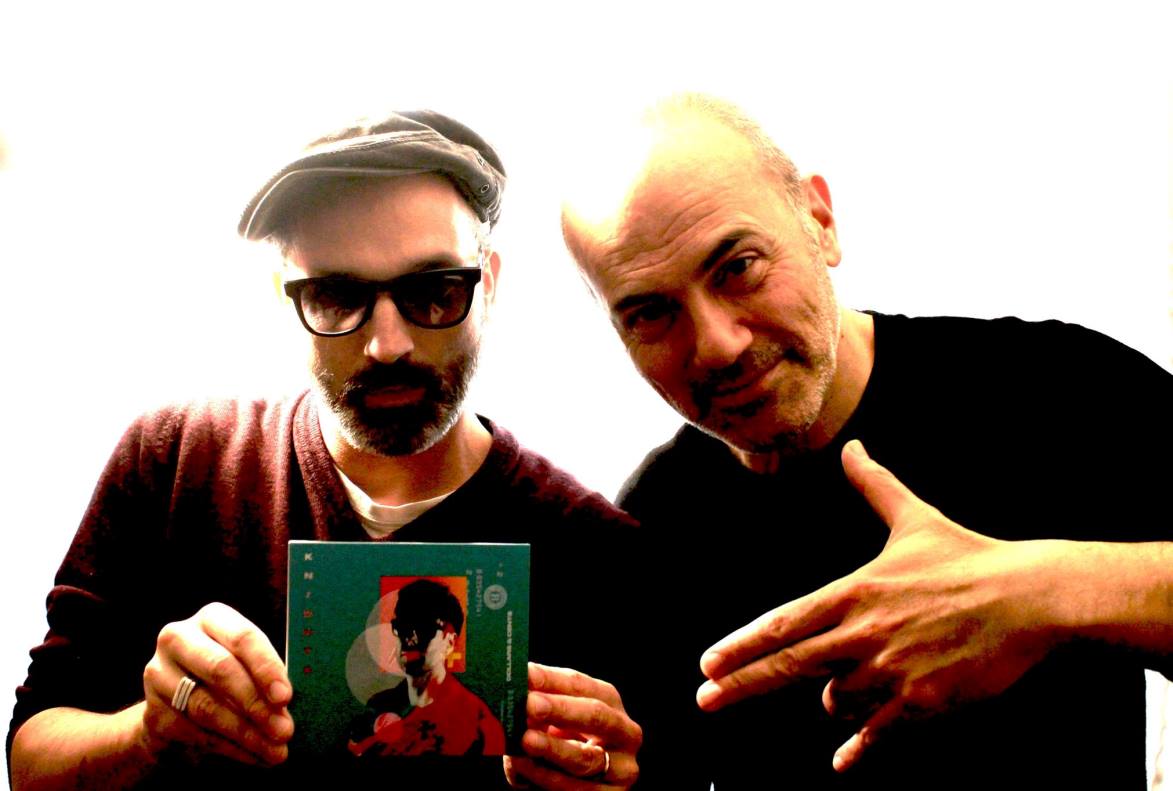
Some of their more recent productions can be heard on three songs for ‘Dollars & Cents’, the 2019 debut long player by Britalo exponent KNIGHT$.
With the release of a new ITALCONNECTION album coming soon, Fred Ventura kindly took time out to chat with ELECTRICITYCLUB.CO.UK about his career to date.
What got you interested in the sound of electronic music?
My first contact with electronic music was around the mid-70s, KRAFTWERK ‘Radio-Activity’ and Giorgio Moroder productions were innovative and pretty unique to the ears of a 13-14 year old boy living in in the suburbs of Milan, even if it was punk rock that grabbed my attention in 1977.
You have been quoted as saying ‘Blue Monday’ by NEW ORDER was the record that changed your life, can you remember the first time you heard it?
‘Blue Monday’ was such a positive shock for even someone like me who was already a fan of JOY DIVISION and NEW ORDER. At the time I was starting producing myself some electronic demos and one morning I woke up and switched on my radio and heard ‘Blue Monday’ for the first time, it was played every hour for 24 hours, it was the record of the day for the station, I remember checking it every hour for almost all day…
You started with a Roland Juno 60 and Oberheim DX, what led you to choose those as your first instruments? How did you find them to use?
It was not easy to buy the more expensive synthesizers like the Jupiter 8 or the LinnDrum so we had to start with cheaper instruments, more affordable but good enough to sound credible. After using a few other instruments that were rented, I decided to buy the Oberheim DX and a Juno, they sounded fantastic to me and easy to use, I still own both of them.
What can you remember about making your first single ‘Zeit’ in 1984?
‘Zeit’ was the first thing I wrote with a new awareness, after ‘Blue Monday’ I felt legitimated to flirt with dance music and ‘Zeit’ was my personal idea of disco, I was very naïve but I knew what I wanted. The main goal was to make a record, I went to the Disco Magic label office, there I met Roberto Turatti who proposed for me to go in the studio with his partner Miki Chieregato to produce the song for a 12”, a dream come true, I was 21 and full of hopes…
When did you realise there was some sort of an Italo Disco sound emerging, although of course it wasn’t called “Italo” then?
I started to feel part of a sort of movement a bit later, at the beginning it was all about individuals trying to propose their own brand of dance music. Common influences were THE HUMAN LEAGUE, and HEAVEN 17, Bobby Orlando and Patrick Cowley… near the end of 1984, all those Italo records were charting in Italy and starting to spread all over Europe
Did you consider SAVAGE and RAF as rivals or brothers in arms?
I never felt rivalry with any of my contemporaries, I’m still a good friend with SAVAGE and I love ‘Self Control’ by RAF.
You signed to Time Records and had this European pop career, how do you look back on that period as a “star”?
I was not conscious of my sort of popularity, “success” came too late and short, I was already bored of the evolution of the Italo sound, all the producers were becoming more and more commercial. I felt totally out of place when the BPMs were jumping to 140. Chicago House was getting big in the clubs, I thought it was time for a personal revolution and I quit the scene…
What were your own favourite songs that you recorded in this phase of your career? How do you think they stand up in the pantheon of European pop music?
I’m not that proud of the records I made from 1986 to 1989, I still like the songs but I’m not so in love with the production, the introduction of digital sounds and sampling were changing the feeling of my own demos. By the way, ‘Wind Of Change’ still sounds good to me and is still getting great feedback during my performances.
The UK never really embraced Italo Disco BUT would accept it through the back door via PET SHOP BOYS and NEW ORDER, were you ever frustrated by the hypocrisy especially from the British press? One journalist admitted “Despite the fact that I love the PET SHOP BOYS as much as I loathe MODERN TALKING, I have to admit that musically, they’re not that different!”
Honestly, our main goal was to reach the European market, we felt the UK market was too complicated to reach, considering how many extremely good productions were coming from there. I love the PET SHOP BOYS and NEW ORDER and I have to admit they were my biggest influence. Probably our biggest limits were the lyrics and the Italo-British accent, something that in the rest of Europe was never noticed
In some ways, you were unusual as an Italo artist who wrote and sang their own material, which was not always the case with a number of acts from the genre?
Yes, this was the main difference between me and other Italo artists, songs were written mostly by their producers, I still regret about accepting to record ‘Night & Day’ that was written by my producers of the time, Farina and Crivellente.
Did you feel the ‘character’ artists like Den Harrow and Baltimora tarnished the credibility of Italo Disco?
The fact that many of the “so-called” Italo artists were miming didn’t help to make it a credible genre of music, that’s for sure, but today at last, people are into the music, not the gossip or the fashion.
How did you think electronic dance music has been developing over the years since then?
The evolution of electronic music, it’s been always been associated with technology, after analog synthesizers, we had FM synths, then samplers, then plugins and laptop. There’s not that much left to discover nowadays, so everybody has the possibility to give a look back to old technology and refresh it with a contemporary attitude. It’s a great feeling to be able to use such a variety of old sounds and new technology together, the most important thing to me is to try to use all the knowledge to create something that sounds modern.
Did you ever get frustrated enough to want to make a guitar-based album like Karl Bartos did?
During my career, I have been able to fulfil almost all my music desires, I have made various albums and projects under different names, from my post-punk band STATE OF ART to VIBRAZIONI PRODUCTIONS to BEDROOM ROCKERS, via Milano 2000 Records and Evolution Records, they were all very important steps in my career. From 1990 until 1994, I was running Evolution Records, a label dedicated to house and techno. After that period, I made a few albums under the name VIBRAZIONI PRODUCTIONS, downbeat stuff, soulful and jazzy. Then in 2001 together with Enrico Colombo, I did an album as BEDROOM ROCKERS for Universal Italy.
So how did ITALOCONNECTION come into being? Is the concept as the name suggests?
ITALOCONNECTION is the result of over twenty years of friendship and occasional creative meeting between me and Paolo Gozzetti. In 2010, we decided to join forces and give more continuity to our electronic raids using the ITALOCONNECTION pseudonym. The aim is to revive the glories of the early 80s Italo Disco and Synthpop in a modern form.
When was the point when you realised there was still a big love for Italo disco? Did you feel vindicated at all?
Now is more than 20 years since this sort of Italo revival started, travelling around Europe made me realise how big the interest was for this genre. Nostalgia for the past makes people dig and rediscover old music, today there are so many revivals happening at the same time. Actually I never had a vendetta plan in my life, I’m enjoying these moments because I’m having the possibility to produce new music for an old audience but also for a new one that is discovering Italo thanks to the web.
A sign of this was when Italians Do It Better released the 1984 demo version of ‘The Years (Go By)’ with its corresponding instrumental in 2011, how did this come about?
Back in the day, thanks to Myspace, I was able to get in touch with Italians Do It Better and after listening to several of my unreleased songs, they decided to release the demos of ‘The Years’, my most popular song which I wrote together with Turatti and Chieregato back in 1984. I was very happy to make these demos available on vinyl, considering also that I was a fan of the Italians Do It Better sound.
You co-produced three tracks with Britalo artist KNIGHT$, what do you think about these acts who have been influenced by you?
I have to admit that is a great feeling to see new acts showing respect for so many Italo artists and producers, I would never even imagined that one day, I would have become an influence for somebody.
ITALOCONNECTION is now your main project, what does it give you that perhaps wasn’t possible in your solo work?
The opportunity to collaborate with somebody who shares the same feeling and attitude is a real gift, ITALOCONNECTION is a real team and we enjoy every side of our work, playing live together is definitely the thing we love more.
Is there anyone ITALOCONNECTION would particularly like to do a remix for in the future?
I really would like to remix NEW ORDER, PET SHOP BOYS and Paul Haig. Recently we had the opportunity to remix Etienne Daho, another of my favourite artists so all is possible.
What is happening next for you, either solo or with ITALOCONNECTION?
A brand new ITALOCONNECTION album is on the way, it took a while to produce the right follow up to ‘Metropoli’, considering also that we have been busy producing and remixing other artists. The album also will feature a host of special guests, more news coming soon…
ELECTRICITYCLUB.CO.UK gives its warmest thanks to Fred Ventura
Special thanks to Sebastian Muravchik of SNS SENSATION and HEARTBREAK
We use cookies to ensure that we give you the best experience on our website. If you continue to use this site we will assume that you are happy with it.

 EP released on 19th February 2021 by Fervor Records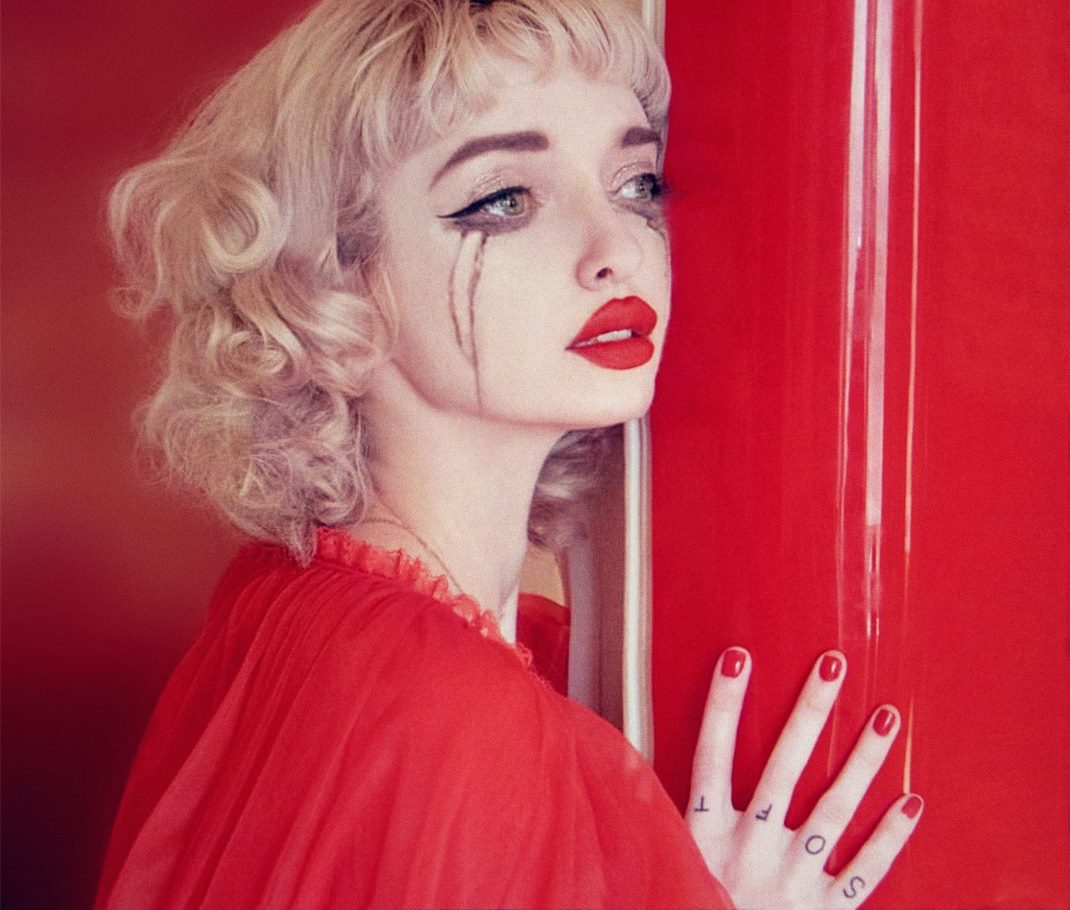
Follow Us!