Category: Interviews (Page 35 of 117)

A Short Conversation with SIN COS TAN


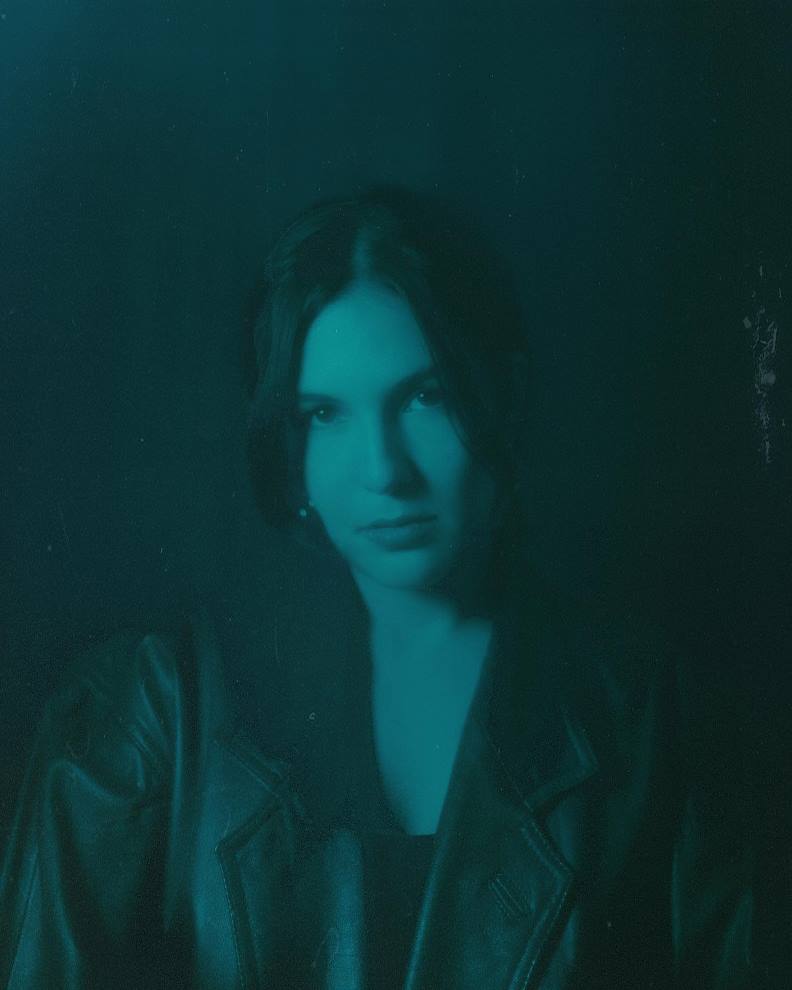
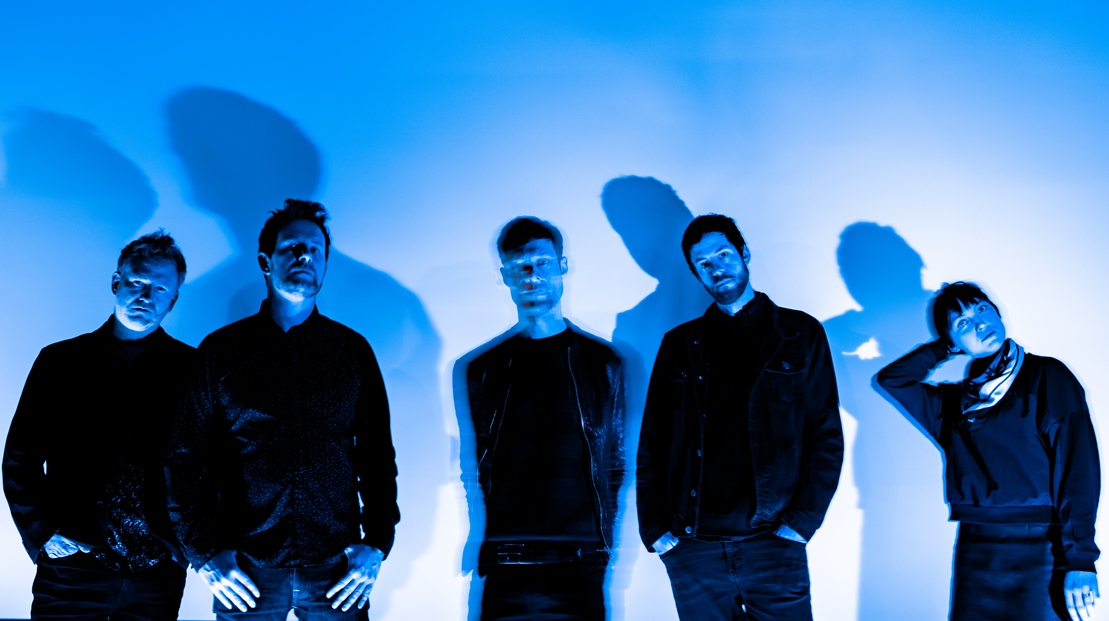
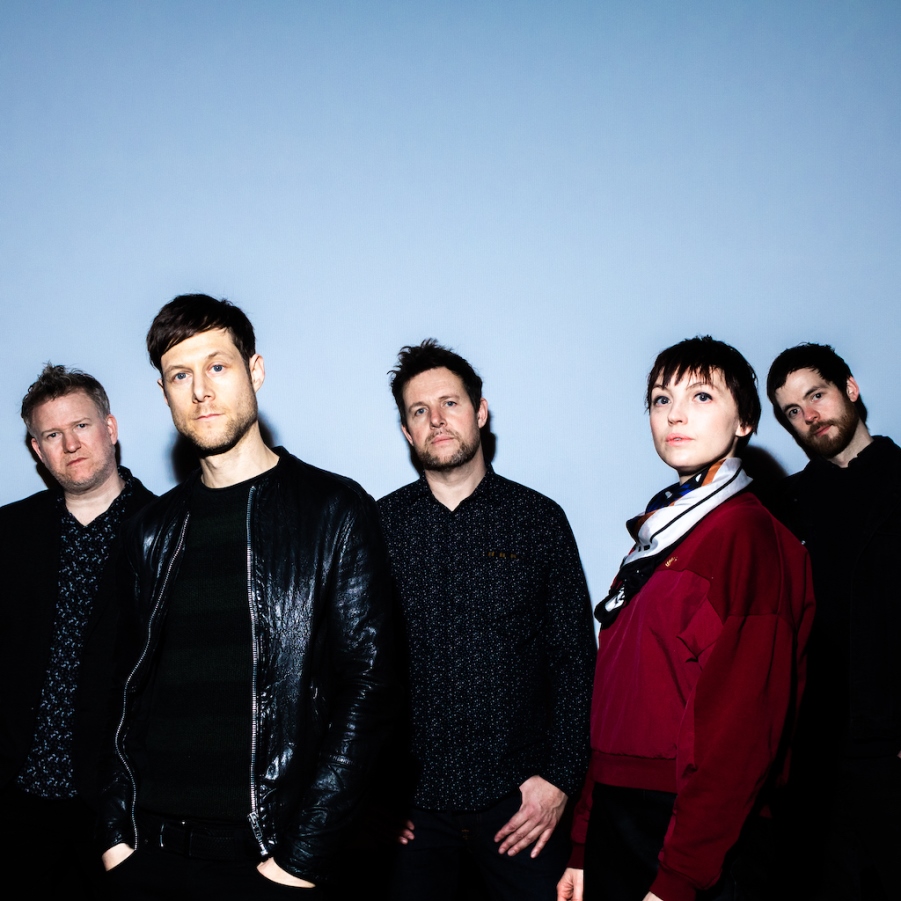
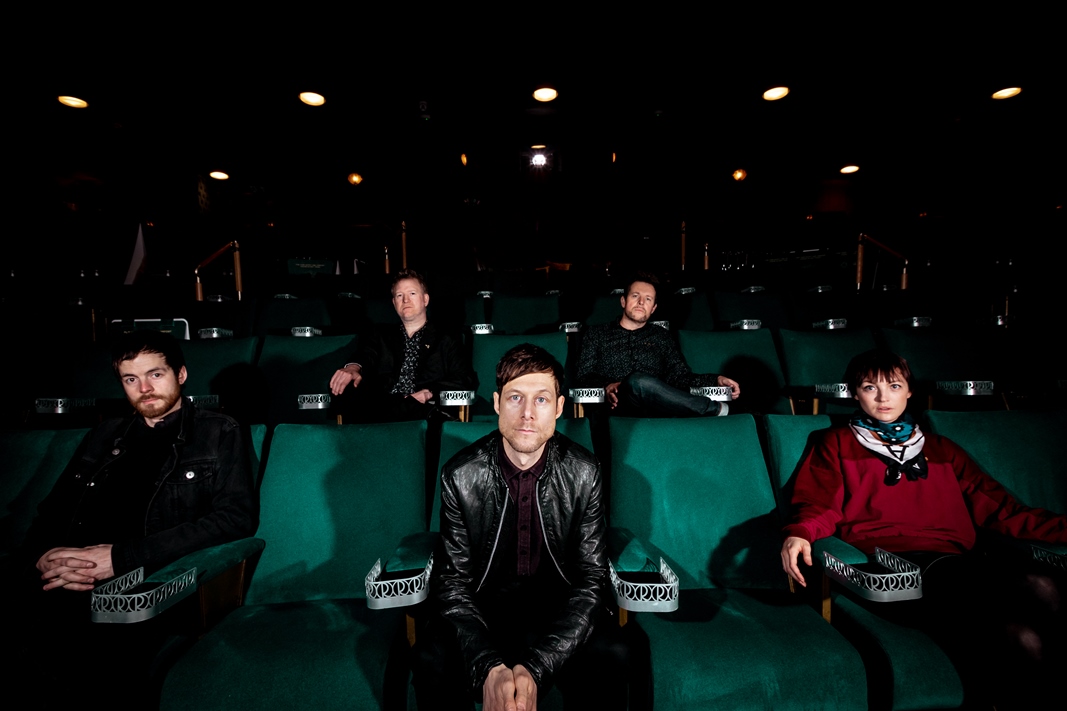
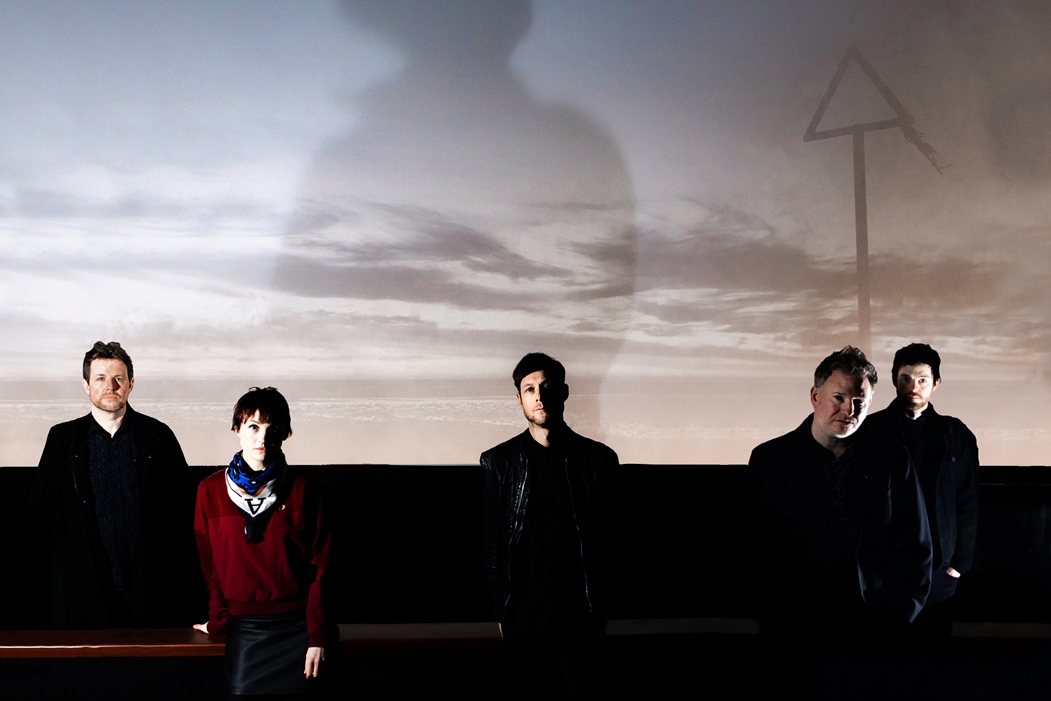
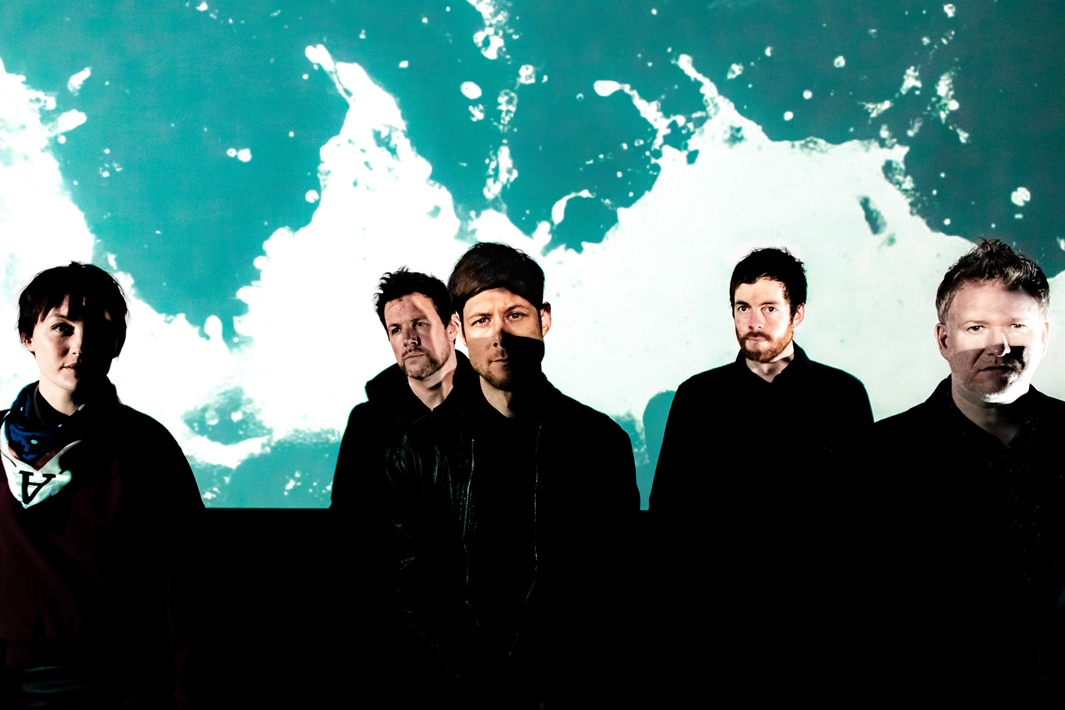
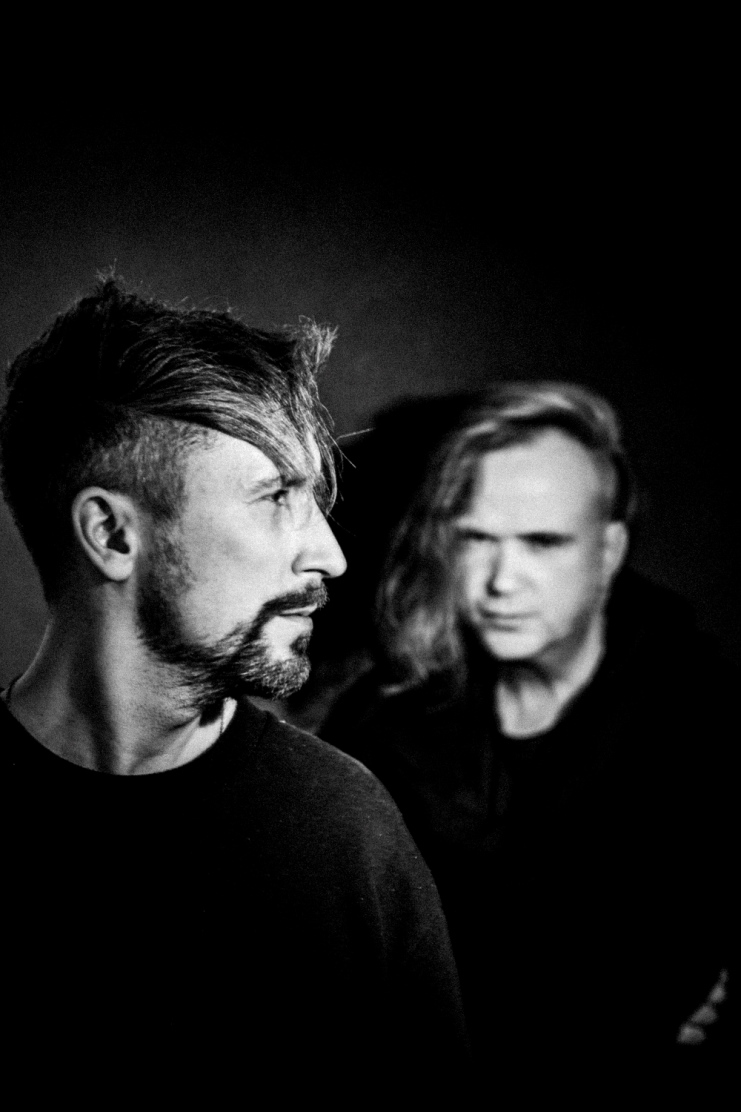
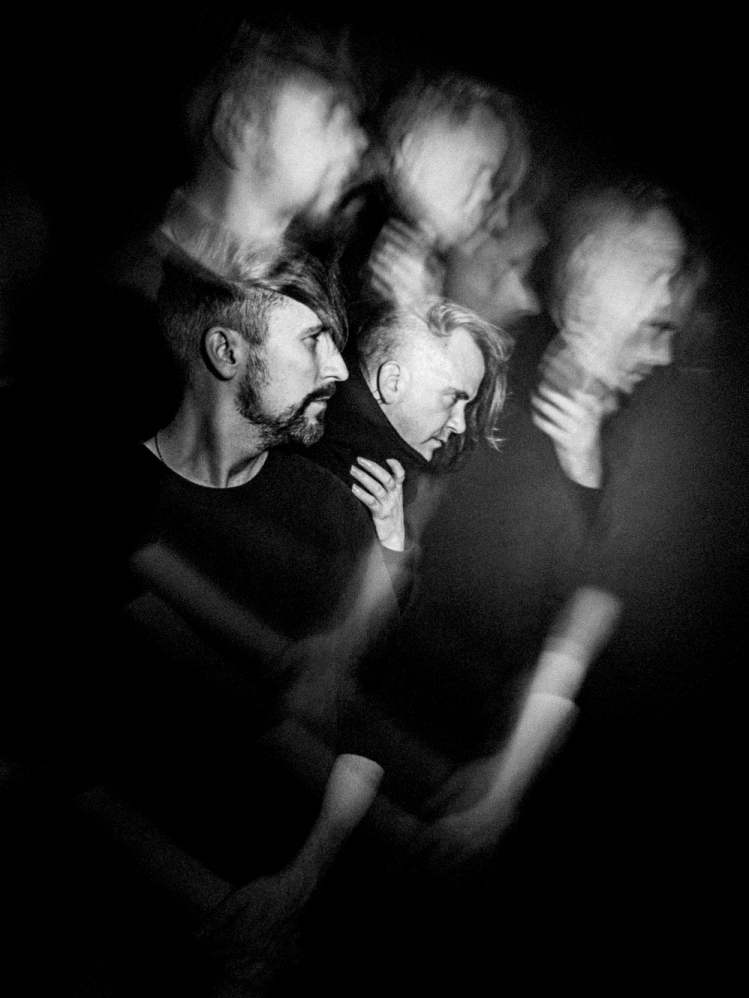
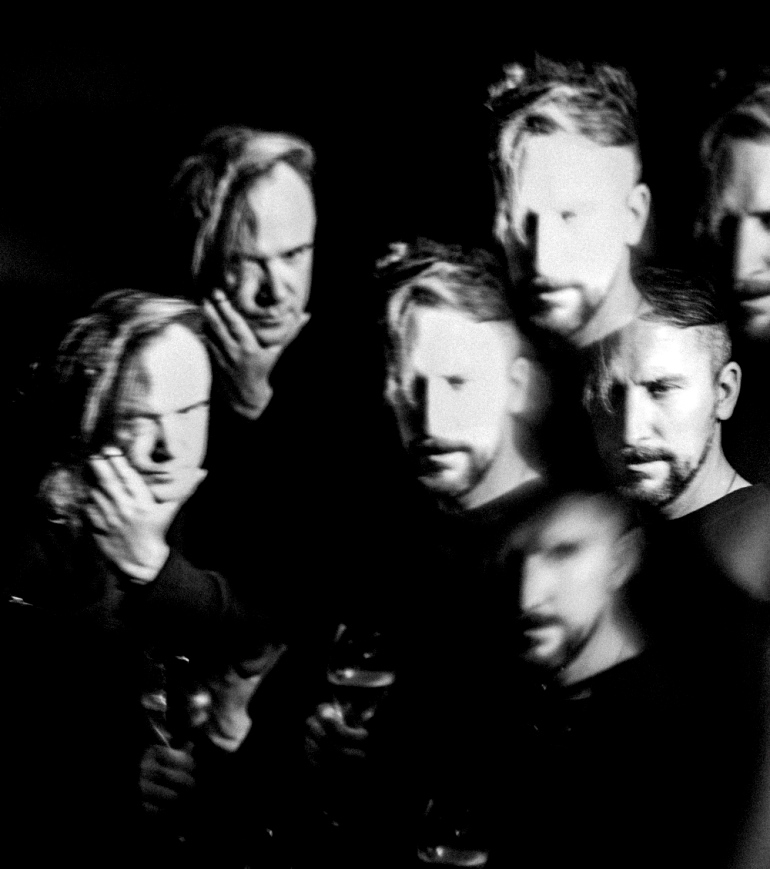
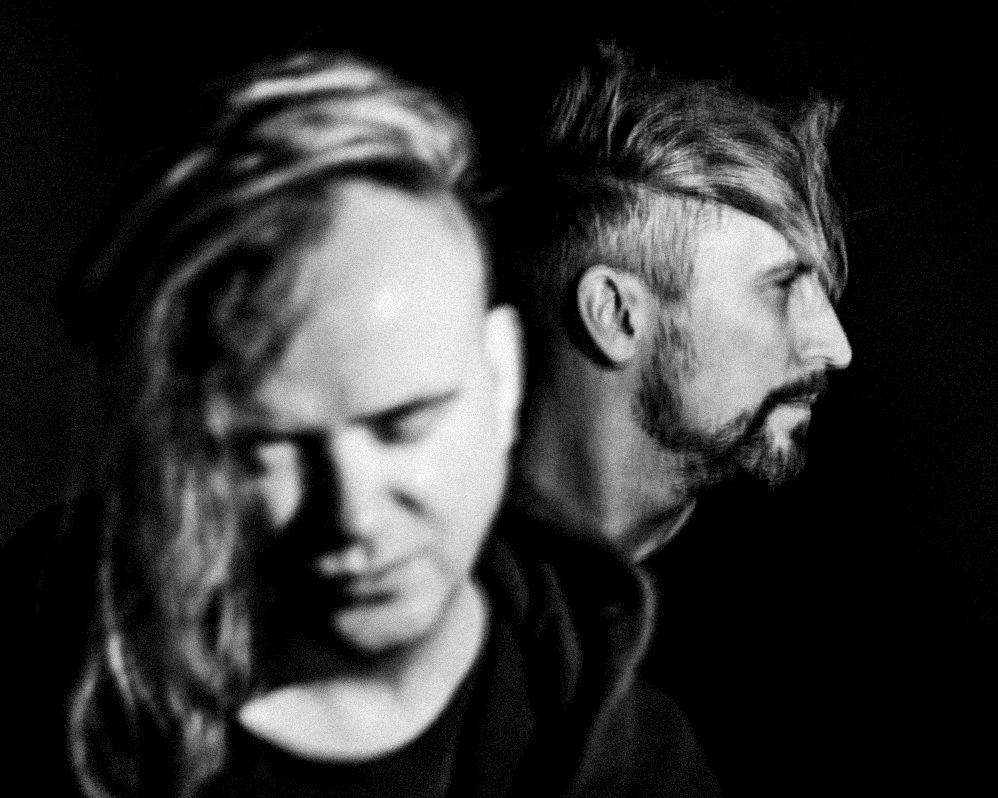
Juho Paalosmaa and Jori Hulkkonen are back as SIN COS TAN after a six year hiatus.

The Finnish synth duo opened their account in 2012 with a nocturnal self-titled ‘Sin Cos Tan’ album which included the magnificent “disco you can cry to” of ‘Trust’. The second album ‘Afterlife’ in 2013 added more colours and a collaboration with Casey Spooner of FISCHERSPOONER on the electro-new wave of ‘Avant Garde’.

Released in 2014, the third SIN COS TAN long player ‘Blown Away’ was a concept album about the fictional middle aged banker Michael Burana who following his divorce, becomes a drug courier and gets involved in a life of crime before his story comes to its inevitable conclusion when he is ‘Blown Away’ in the ‘Heart Of America’.

The last SIN COS TAN release was the three-track dance focussed EP ‘Smile Tomorrow Will Be Worse’ and although the pair worked together on ‘Ultima’, the 2016 second album from Paalosmaa’s other project VILLA NAH, the upcoming ‘Drifted’ EP will be their first new material as SIN COS TAN since 2015, inspired by the experiences of separation and resignation during the worldwide pandemic.

Juho Paalosmaa and Jori Hulkkonen chatted to ELECTRICITY CLUB.CO.UK about becoming ‘Drifted’ and returning from the wilderness as SIN COS TAN.

SIN COS TAN had been extremely prolific with three albums in three years, how do you look back on that catalogue of work produced in such a short time?

Juho: Looking back on it now, I’m honestly kind of surprised at how much of it still holds up. We were on a creative roll, but still managed to stay quite focused. It’s strange to listen to something you’ve done years ago and genuinely feel like you’re discovering it in the process.

Jori: Very proud of those albums. And, even though they were done in a relatively short period of time, they each really stand on their own and have a specific sound to them. I don’t really listen to my own music, but earlier this year I went through the full SCT catalogue as we were preparing our first live show in six years, and was really surprised how well the material has aged. But I guess that’s the advantage when you make retro sounding – or as I like to say, timeless – music.

Had there been any particular reason that after the concept album ‘Blown Away’, you opted for a more dance-oriented EP ‘Smile Tomorrow Will Be Worse’ as its follow-up in 2015?

Juho: We felt like we really went out on a high (no pun intended) with ‘Blown Away’. The downside is we really had a hard time thinking of how to pick up after it. ‘Smile…’ was the result of that conundrum: we just wanted to do something very different after our last album.

Jori: Exactly. I personally felt we had peaked creatively on ‘Blown Away’ on so many levels, that doing another album felt a bit overwhelming at the time. However, we still had the drive and ideas for songs, so we decided to take a slightly different approach.

Although you both worked together on the second VILLA NAH album ‘Ultima’ in 2016, what was the impetus for producing new SIN COS TAN material?

Jori: We’ve had some get-togethers at my studio all through the years, with the intention of starting something, and there’s a bunch of demos that never quite made the cut, or got us excited enough to finalise a release. So there never really was a real break creatively, just a slight exhaustion from the three albums and an EP run, and personally I felt the bar was pretty high after ‘Blown Away’ especially. I guess it took some time for us to find the same loose vibe for writing songs together again.

Juho: We had numerous discussions about doing something again with SCT over the years, but they never came to fruition. I think the whole COVID thing, in all its trouble, gave us the pause we needed in our lives for SIN COS TAN to make sense again.

How have you both been handling the enforced isolation of the lockdown, have your perspectives changed?

Juho: As much as anyone’s, I suppose. This kind of experience is bound to highlight the importance of certain elements in life, and the absolute superficiality and uselessness of others. But Finns, as people, are quite well adapted to handle isolation. We’ve been doing that voluntarily for centuries already. Nevertheless, it’s still been a challenge at times.

Jori: I’ve handled this very poorly, but it’s still been better than normal life.

Did some of your experiences during lockdown affect your creative dynamic as SIN COS TAN? Was there more remote working than in the past with consultations on Zoom etc?

Jori: Not really, we still write some stuff separately, but the main magic happens always when we’re in the studio together just bouncing ideas.

Juho: Not really with the recording part, we were able to do all the recordings of ‘Drifted’ in a few days at Jori’s studio. But any rehearsing for live stuff has been completely different. We basically don’t meet at all, Jori lives in Turku and I live in Helsinki. We’re about 150km apart. So, we rehearse on our own and meet on-stage for the live show! It’s a bit mad. We’ve done it just once so far at a Finnish festival, but it went down surprisingly well…


The opening song ‘Disconnect’ from ‘Drifted’ recalls the nocturnal moods of your self-titled debut but piano makes a surprise appearance in the track’s final third, what was the idea or inspiration behind this?

Jori: The song came about when we were just jamming on top of this groove I had nicked from a Finnish new wave 12” from the 80s; basically I just sampled a drumbreak from it while playing the maxi single at 33rpm, and programmed the rhythm part around that. Then we just started layering things on top of it. Towards the end, we felt it needs to build up for a proper pay-off, and I can’t remember which first hit upon those pianos, but it seemed to do the trick.

Juho: No particular inspiration, it just felt like the right thing to do at the moment. You come up with ideas that flow with the track and match the tension or mood you’re creating. Spontaneity is essential when creating music.

Another new texture comes on ‘True To You’ which is primarily instrumental and throws in some E-Bowed guitar, was this quite tricky to nail down during recording?

Jori: Oh that’s all synth on the track. That lead sound was a bit of a placeholder for a vocal idea to emerge, but eventually it grew up on us, and realised it works better with this really sparse arrangement.

‘If I Was Gone’ is more typical of SIN COS TAN’s uptempo material with its IDM vibes, do you find yourselves still inspired by the dancefloor despite getting older?

Jori: Age has nothing to do with dancefloor really. I think with SCT, we have a few key approaches to how we frame a song. This particular track is based on Juho’s demo, and I immediately knew how it should sound.

Juho: ‘If I Was Gone’, as a song, could’ve also easily been a ballad. I originally wrote it on guitar as a slightly slower version. But it felt right to give it more tempo and pizzazz, and Jori had an Italo vision for it that worked out nicely with the lead melody.

‘Unconditional’ has a particularly emotive vocal delivery, what is the song about and is it autobiographical?

Jori: This again was based on a demo I had made, that had some placeholder lyrics from me, which Juho changed completely but kept the feel of the delivery and melody. It’s a really nice example of how we complete each other’s ideas.

Juho: It’s really about the poison of absoluteness, and how doing things strictly your way can erode a lot of good will around your life. I suppose all the tracks on ‘Drifted’ are autobiographical – lyrically, they’re quite a direct response to things I’ve experienced over 2020 and before.

Equipment-wise, are you using any new toys or are you sticking to your trusted tools? Do you have any thoughts about these clone vintage instruments that Behringer are making or the way synthesizer technology is heading?

Juho: No new toys on ‘Drifted’, as far as I know… I’m not a gear head, but I’ve started to come around to plug-ins over the years. They’re simply so high-quality nowadays that it’s hard to argue for a massive collection of synths, either in economic terms, or simply in the space that they require. At the end of the day, I still feel that the songs themselves matter the most: it’s easy to lose yourself in a sea of plugins, apps and synths, but none of those matter if the songwriting sucks.

Jori: This was actually the first SCT release to emerge from my current studio, after relocating in 2016. However, the main equipment – hardware and software – are the same. I don’t think I’ve bought any new gear in years, I’ve completely gotten over GAS (gear acquisition syndrome), and really been just focusing on ideas and their execution with the stuff I have. It’s all about efficiency. At the same time, I do follow all these amazing new and rebooted versions of classics that keep hitting the market. I mean, what’s not to love?

‘Drifted’ is an EP that captures a specific moment, but do you see yourselves working on a long playing record again in the future, does the album still have a place in modern music consumption?

Jori: For SCT in the future, yes, but for the moment we feel the EP as a format is something that works best for us. Generally speaking though, I do love albums; most music I’m into these days requires that extended timeframe to pass on the ideas and textures, something that the single or EP formats simply can’t deliver.

Juho: I think albums still certainly matter and always will. My favourite records are often LPs. But it also feels quite liberating to do an EP as well. They allow for a more concise vision and give way for variety in the future as well. The idea of an entire LP can feel daunting at times. An EP, on the other hand, just sounds like fun. It’s like a great miniseries on HBO that never outstays its welcome.

Jori appeared in ‘808 – The Movie’, are there any music documentaries or other series you have both been enjoying that you would like to recommend?

Juho: I already told this to Jori, but I’ve really enjoyed some of Tiga’s ‘Last Party on Earth’ podcasts recently – particularly the episode with Trevor Jackson, which goes beyond of just DJs talking about their craft. Tiga is a great host, he’s funny as hell and has a pleasant voice for radio.

Jori: I did the intromusic and jingles for the Tiga podcasts, by the way. Anyways, I actually haven’t seen it yet, but I’m really looking forward to the Edgar Wright’s SPARKS documentary.

What are your hopes and fears as the world re-emerges from a difficult 20 months?

Jori: I don’t think it will re-emerge for a long time, so I have no hopes really.

Juho: Hoping it re-emerges as a better version of itself. Fearing that it most likely won’t.
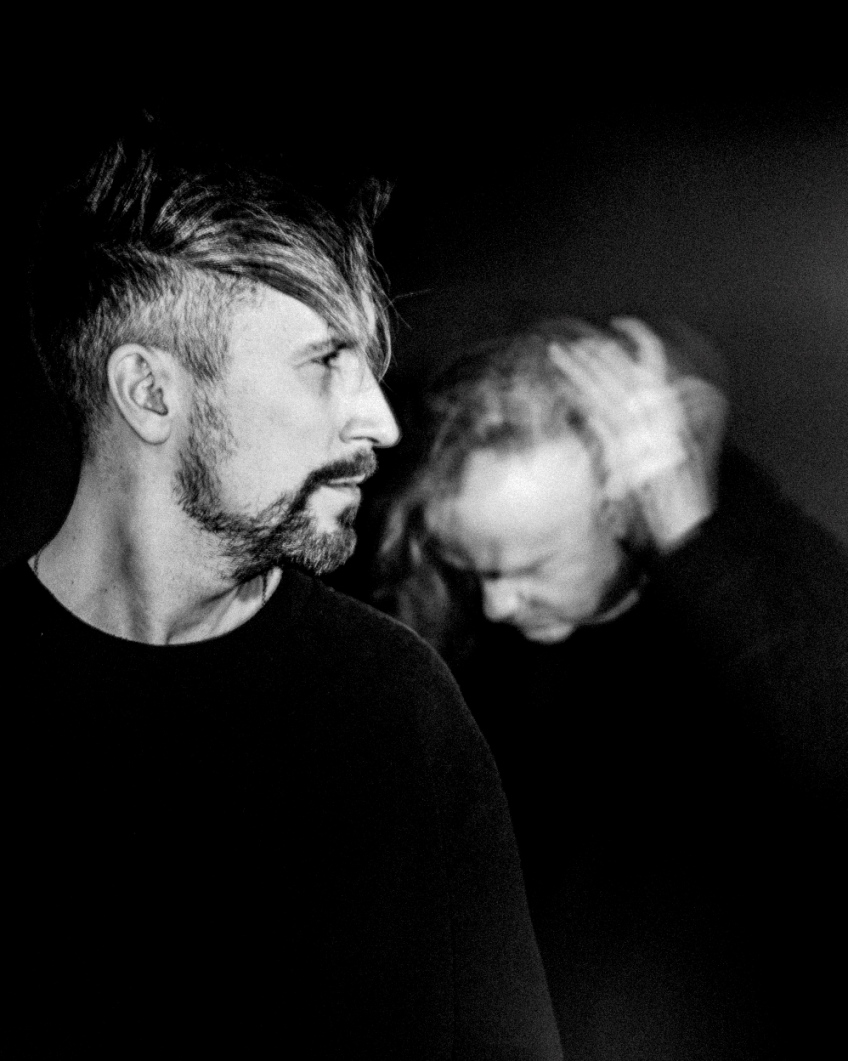

What’s next for the two of you, both as SIN COS TAN and individually?

Juho: Hopefully more SCT in the future, but it all depends on how we’re feeling about it. If it happens, it happens. If it doesn’t, it doesn’t. Music will always play a part in our individual lives, regardless.

Jori: Like Juho mentioned earlier, we played our first SCT live show for almost 6 years just a couple of weeks ago, and it was really fun, so that got us talking as to where to head next. Time will tell if any of those plans materialise at any point. As for me personally, there will be new Jori records popping out here and there. As always.


ELECTRICITYCLUB.CO.UK gives its warmest thanks to SIN COS TAN

Special thanks to Tom Riski at Solina Records

‘Drifted’ comes out on September 24th 2021 via Solina Records as a limited edition vinyl 12″ and digital release, pre-order from https://www.8raita.fi/shop/p96178-sin-cos-tan-drifted-12-en.html

http://solinarecords.com/sincostan/

https://www.facebook.com/homeofsincostan

https://open.spotify.com/artist/3maaZRO6VRwTf6oUik93ZJ


Text and Interview by Chi Ming Lai
Photos by Rainer Geselle
22nd August 2021
JOON Interview


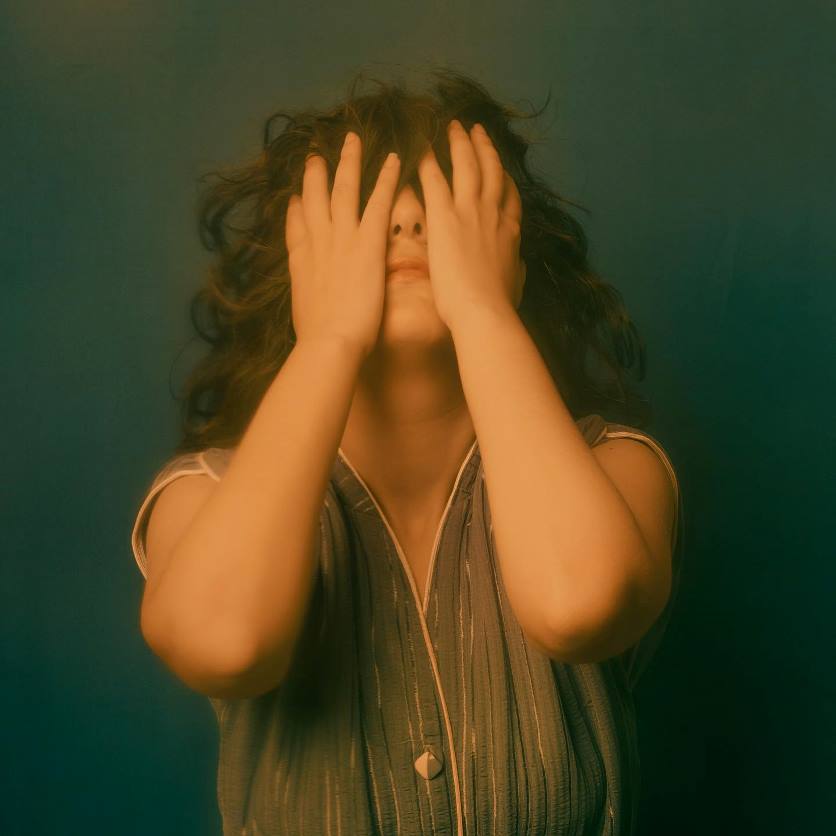
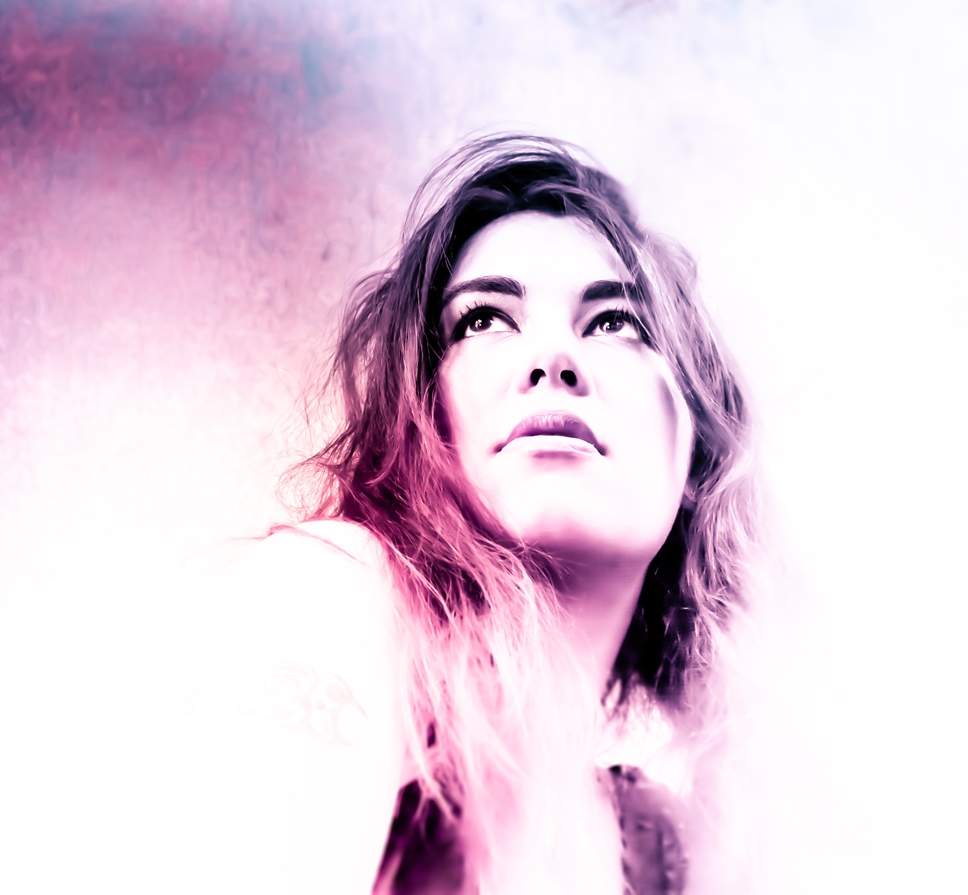
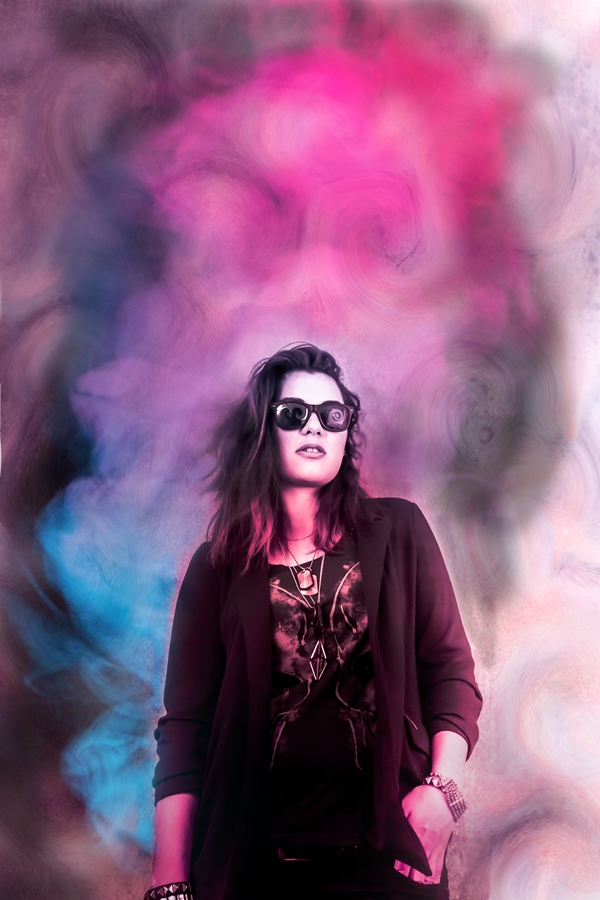
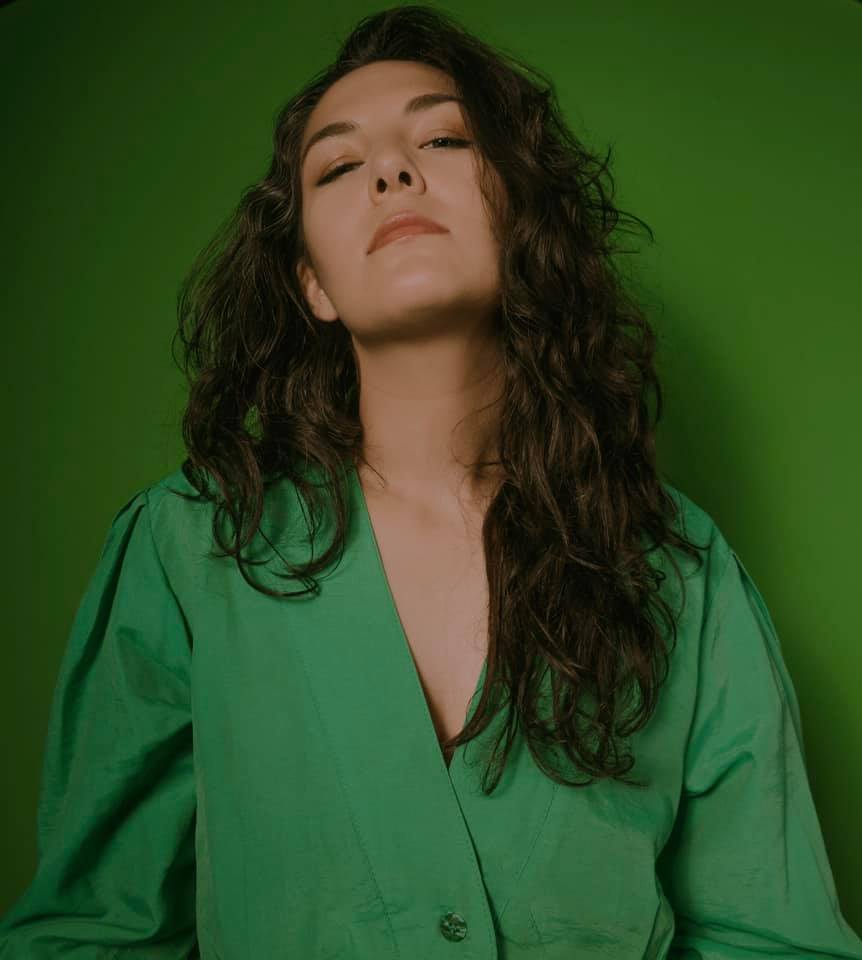
Behind the dreamy world of JOON is Yasmin Kuymizakis. Growing up in Malta, she made music as the more traditionally minded YEWS but a sound production course in London set her on the path of becoming JOON.

However, when she returned to her home island, Kuymizakis found she had no female role models for making electronic music.

Inspired by the Yorkshire Sound Women Network, she co-founded the Malta Sound Women Network with composer and academic Jess Rymer to bring like-minded women together.

Her positivity after a life-changing car accident helped clarify her musical ambitions and a pointer to her take on life comes via her playful cover versions of pop classics ‘Cruel Summer’ and ‘Just Can’t Get Enough’. Recently releasing her appropriately titled debut album ‘Dream Again’ on Italians Do It Better, the 12 track collection co-produced by Johnny Jewel ranges from bouncy blippy numbers to more introspective personal songs which although tinged with melancholy, are ultimately positive.

The music of JOON is an optimistic dose of inspiration and a universal message for everyone as to how to overcome. With the release of another single ‘Whisper’ from the album, she spoke to ELECTRICITYCLUB.CO.UK about why now is the right time to ‘Dream Again’.

So how and why did YEWS end and JOON start?

I had been meaning to change my artist name for a few years actually. When I joined Italians Do It Better it felt like the right time for a fresh start. Out with the old, in with the new.

Did using technology lead you to writing songs in a different way than you had before?

Yes definitely! There’s so much you can do with technology. Sonically it’s limitless and it gives me plenty of room to experiment

Who were the acts that influenced the JOON sound?

GRIMES, MOLLY NILSSON and THE KNIFE.

How did the Italians Do It Better connection come about?

I emailed them with a link to ‘ET’ on April Fools Day 2020 thinking they would never reply. They did that same day… we even had a phone call a few hours later. For the next 2 weeks, I kept thinking someone was playing an April Fools joke on me.


What did Johnny Jewel’s role on ‘Dream Again’ entail?

Johnny put a lot of thought and love into my songs. I sent him stems and he just made it all sound better by working on the structures and re-playing some parts using his amazing synth collection. He recorded new lines on some songs and created beats too. He produced the backing track for ‘Wait’ from scratch and it went from being the weakest song to one of the strongest. He really elevated all the tracks!

The bouncy avant pop of ‘ET’ ended up on the ‘Animal Crossing’ digital fashion show which was surreally fitting and it features this amazing Theremin-like sound on it, how did you produce that in the studio?

I wrote ‘ET’ very quickly, in a few minutes. I had used Ableton and created that simple bassline without thinking much and just kept building from there. The vocals were most fun. I was just really letting go and having fun with it.

‘Good Times’ was most welcome with the onset of lockdown fatigue but what was the original inspiration behind this song?

I wrote that after a day at my 9-to-5. I guess I was feeling nostalgic and was remembering about the times when it was all easier to go out, flirt and have some fun.

The comparatively abstract instrumental ‘I.You’ displays your musical diversity, are soundtracks an area you would like to pursue in the future?

Oh yeah! I love soundtracks! I have done quite a few for short films, video games, theatre etc. In a variety of genres too. Always happy to do more.

‘Orqod’ is a gently waltzing ballad sung in Maltese, did you feel it was important for you to make an artistic statement in your own language?

It actually wasn’t intentional at all. I always found it hard to write and sing in Maltese. But somehow I was very in the moment and ‘Orqod’ just came to me very naturally. I was going through a hard time and I was living in London at the time. I would love to write more in my native language but when I force it, it just doesn’t work.


‘Watch The Sky’ is a wonderfully quirky big beat disco number, how did it come together?

The original ‘Watch the Sky’ that I wrote years ago was quite rocky actually! It had guitars on it. When I was going through it to make it work with this album, I was struggling. Luckily my friend and frequent collaborator Ian Schranz from BARK BARK DISCO was there to save the day. He wrote that funky bassline and co-produced the song to make sense with my sound today.

You have released a number of collaborations with BARK BARK DISCO, so how does your approach to composing change when you are working with him?

It’s interesting working with Ian. He writes fun catchy songs so easily, he never ceases to amaze me. We challenge each other quite a bit and I’ve learnt that I can be quite a control freak but luckily we always agree in the end. I love working with him and hope we find time to start a fun crazy side project together. We already have a stage name. All we need is time!

What inspired you to include a cover of DEPECHE MODE’s ‘Just Can’t Get Enough’?

It was a last minute decision actually! Johnny came up with the idea. That song brings so much joy and I feel that’s my mission in life… so we just went for it.

Although not featuring on the ‘Dream Again’ album, you released a cover of BANANARAMA’s ‘Cruel Summer’, or was it the ACE OF BASE version that you heard first?

BANANARAMA forever!!

‘Dream Again’ is a very varied album but which tracks resonate the most with you?

‘Home’ and ‘Me & My Sea’ resonate a lot with me! Every time I hear them I can somehow tap into the exact emotions I was feeling when I wrote them.

You played your first gig as JOON recently, do you think it went ok and are there more planned?

My first live performance was amazing! I got some of my favourite local musicians to join me on stage and it was such a joy. I have some solo gigs planned now, in Malta and Europe.


How is the Malta Sound Women Network progressing, are there still many more things to achieve?

There’s always many things to achieve with MSWN! Right now we’re actually on hold for a bit due to Covid-19… trying to find our feet again at the moment. But we will get back to giving workshops and organising events soon.

What’s next for you?

Perform and write again and again.

Any hopes or fears for the future?

Hope to get to tour and meet all the lovely people I’ve gotten to know this past year and half from JOON. No fears as such… maybe that this pandemic will make it all a little harder.


ELECTRICITYCLUB.CO.UK gives its warmest thanks to JOON

Special thanks to Frankie Davison at Stereo Sanctity

‘Dream Again’ is released by Italians Do It Better and available via the usual online platforms

https://www.templeofjoon.com/

https://www.facebook.com/templeofjoon

https://twitter.com/templeofjoon

https://www.instagram.com/templeofjoon/

https://linktr.ee/templeofjoon


Text and Interview by Chi Ming Lai
Photos by Maria Galea
14th August 2021

SEA FEVER Interview

SEA FEVER are the new eclectic Manchester combo featuring second generation members of SECTION 25 and NEW ORDER, Beth Cassidy, Tom Chapman and Phil Cunningham.

Fronted by Johnny Marr band member Iwan Gronow, sticksman and BIMM Tutor Elliot Barlow completes the experienced quintet.

With their debut album ‘Folding Lines’ due out in the Autumn, SEA FEVER began their journey with the sombre indie rock of ‘Crossed Wires’. Meanwhile the ‘Folding Lines’ title song offered some orchestrated filmic drama.

However ‘De Facto’ was a delightful electro-disco feast with a rhythm rush that screamed strobelights and likely to fill indie club dancefloors while also crossing over to lovers of synth. Cut from a similar cloth if less frantic is the upcoming album cut ‘Le Coup’.

Overall, ‘Folding Lines’ is the sound of a band instinctively working together, exploring the music that inspired each band member to merge into a new whole. With the rousing new single ‘Under Duress’ breaking cover, Tom Chapman and Beth Cassidy chatted to ELECTRICITYCLUB.CO.UK about the making of the ‘Folding Lines’ album and the chemistry within…

So how does SEA FEVER differ from the other bands and projects you have been involved in?

Beth: This feels really different for me… the SEA FEVER set-up seems to flow in and out of these real intense periods of focus, working together, and then calmness.

Tom: SEA FEVER has a really good chemistry between all band members. We’re all on the same page musically and pushing forward in the same direction.

Did you set out to present a particular sound? In terms of direction, were you setting out any particular templates or did anything go?

Tom: I wanted to explore new sounds and unusual instrumentations for this album, I also experimented with sampling beats and noises to generate unusual rhythms throughout the LP, but the key thing was to deliberately push myself out of my comfort zone with the songwriting.

How would you describe the band creative dynamic?

Tom: I’ll usually come up with instrumental song demos that I will pass onto the rest of the band, it’s a collective effort and only sounds like a finished SEA FEVER song once everyone have added their musical parts. We took a road trip to France during the writing process before lockdown, the idea was to immerse ourselves into the creative process without any distractions, we packed out the studio and instruments and headed to Brittany, it was intense but very prolific, ‘Beleaguered Land’ and ‘The Finder’ came out of that trip.

Was there anything that was brought to the table that perhaps wouldn’t necessarily have been considered in another band or project?

Beth: I’m sure Tom had a vision in his mind of a set-up with two singers up front, working in tandem.

Tom: We made use of a choir on ‘Programme Your Life’ recorded at the Royal Northern School of Music in Manchester alongside a clarinet and a string quartet, I’d never tried anything like this previously on a song. A hammered dulcimer makes an appearance on ‘Folding Lines’, adding perfect tension and mood to the track. Phil experimented a lot with guitar sounds, he played his Gretsch through one of my synths on ‘Crossed Wires’.

One of the influences mentioned in the SEA FEVER playlist is Neil Young’s polarising ‘Trans’, what fascinates you about this record?

Tom: This is one of Phil’s choices, he is a big fan of Neil Young’s guitar playing and songwriting. I think he loves the fact it doesn’t sound anything like Neil Young’s previous releases, it sees him experimenting with vocoder on his vocals, it confused his fans at the time. Great album, a real hidden gem.

The new single ‘Under Duress’ has a particularly expansive sound with electronics, strings and anthemic vocal lines, had there been any particular inspirations here?

Beth: Iwan left these natural pauses throughout his vocal arrangement, so I filled them with subtle, sweeping harmonies. It seemed to balance things out really well. I was listening to Björk’s ‘Homogenic’ album at the time. It was the first track we all worked on together actually.

Tom: I am proud of that one and the way it turned out, a lot of thoughts went into it. One of the first ideas we worked on as a group, it was a good indicator of what was to come musically. It’s a beautifully crafted song with great lyrics and haunting melodies, great guitar work from Phil, and Elliot’s drumming is class, it perfectly captures the essence of a modern Mancunian Spaghetti Western soundtrack with a beat.

There are quite a few string orchestrations on the album like on ‘Built To Last’, but with everything going on, were these synthesized by necessity or were you able to assemble the real thing?

Tom: They are combined. We used a string quartet on the album to complement the orchestra sound.

There are a number of blinders on this album, the club friendly ‘De Facto’ with its electronic sequencing in particular, what was the genesis of this and how did you achieve the balance between dance and rock?

Tom: I think being part of NEW ORDER really helps for that! The writing of ‘Music Complete’ was a big learning curve for me as a songwriter and producer, I picked up a lot from the studio experiences acquired working with Tom Rowland from THE CHEMICAL BROTHERS and the rest of NEW ORDER, all this was applied on this record. I was locked in my studio for days programming the sequencing on ‘De Facto’ with one synth triggering another, it was a bit of an experiment but came out really good in the end! We didn’t want the final result to be a conventional structured song, it’s more a melodic beat and bass generator with the sole purpose of dragging you onto the dance floor!

Another track in a similar vein but less frantic is ‘Le Coup’ which sees Beth take the lead vocal and is a blend of many Mancunian influences, how did that come together?

Beth: Haha, slowly…! It was a labour of love, a marathon of edits, back and forth over email. We figured out the general vibe and main vocal melodies quite early on, but then the main structure evolved quite a bit over time.

‘The Finder’ captures a solemn Spaghetti Western feel, did influences from cinema come into play when making the record?

Tom: Majorly yes! I’ve always been a big fan of film scores from Bernard Hermann, Georges Delerue, Ennio Morricone, Ryuichi Sakamoto to name a few.

Which are your own favourites tracks from the ‘Folding Lines’ album?

Beth: ‘De Facto’ is a banger to play live, it’s fun and chaotic!

Tom: That’s a tough one ! I like them all. I think the album is very coherent from start to finish and the interplay between songs works really well.

SEA FEVER were able to film some live performances which are now acting as trailers for the album, do you see the concert setting as the best way to experience the band?

Beth: From the offset, we always set out to play our songs live, you go through the writing and production process in a new band, and you never think in a million years that you won’t physically be able to play live… it was such a weird time, and a real downer. We had all this new material that we were just sitting on for months! We’re dead excited to play our first actual gig….

Tom: Absolutely, we can’t wait to get out there and play some shows, songs take on a life of their own when played live. We keep evolving as a band in rehearsals and some of the song’s interpretations are now different, it keeps the creative juices going and makes it interesting for us as a band.

Have you been able to get out to view the ‘Use Hearing Protection’ Factory Records exhibition at the Manchester Science + Industry Museum?

Beth: Yeah, it felt like a really comprehensive exhibition, unreleased posters I’d never seen before, loads of hand written ramblings, one of the Factory envelopes on display has my first home address scrawled across it… one person’s junk is another person’s treasure!

Tom: Not yet, it’s on the “to do” list!

It’s been a tough 18 months for many, what are your hopes and fears for the future?

Beth: I hope we can all enjoy live music and other arts events together soon. That beautiful connection you have with other people when you’re experiencing something live together in that moment, it’s priceless, it’s like therapy for me. To watch and to play.

Tom: The last 18 months have been tough for many reasons, the lack of interest and support shown by the government regarding The Arts in general has added to the frustration to be honest! But on the positive side, it’s shown us that music plays a big part in people’s daily lives. Being a lockdown band or “Rockdown” as I like to call it without doing gigs has been a challenge to say the least, But musicians are resilient and where there’s a will there’s a way. My hope is that when things open up and gigs are fully allowed again, people will go mad for it!

What is next for SEA FEVER? Will this just be a one-off adventure or will there be more music?

Beth: We’re not going anywhere…. already writing new material!

Tom: One of the good things that came out of these lockdowns was the amount of time we got to spend in the studio writing and being creative, album number two is done, next is recording it. Loads more to come from us…


ELECTRICITYCLUB.CO.UK gives its sincerest thanks to SEA FEVER

Special thanks to Federica Furlotti at Kartel Music Group

‘Under Duress’ single is out now via Kartel Records, ‘Folding Lines’ is released on 22nd October 2021 – pre-order the album ‘Folding Lines’ from https://seafever.lnk.to/foldinglines

SEA FEVER will play Manchester Night & Day Cafe on 13th August 2021, the evening will also feature a DJ set by Stephen Morris and Gillian Gilbert – tickets available from https://www.gigantic.com/sea-fever-tickets

https://seafeverband.com/

https://www.facebook.com/seafeverband

https://twitter.com/SeaFeverBand

https://www.instagram.com/SeaFeverBand/


Text and Interview by Chi Ming Lai
Photos by Anthony Harrison
5th August 2021

LAURA DRE Interview

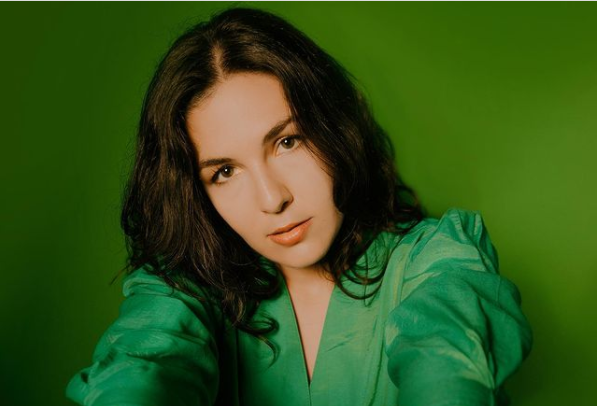
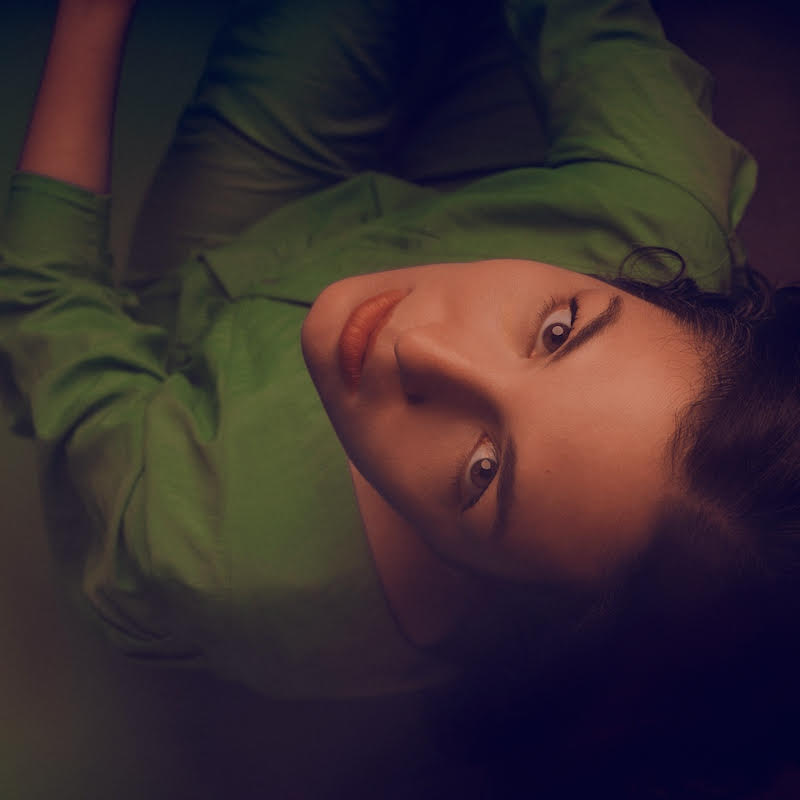
With her debut album ‘Moving Spaces’, Laura Dre has presented an impressive musical statement that positions her between the sophistication of Nina and the gothier overtures of Kat Von D.

A musician, producer, graphic designer, model builder and gamer, the German-Filipino songstress has many talents. While she may be a new name in synth, Laura Dre offers a cooler take on electronic pop, the five decades old form having recently had a mainstream boost internationally  thanks to THE WEEKND with Max Martin-assisted tunes such as ‘Blinding Lights’ and ‘Save Your Tears’.

Previously the front-woman of feisty electro-rock combo VINYL BLACK STILETTOS whose second EP ‘Electrical’ was produced by PET SHOP BOYS programmer and engineer Pete Gleadall, Laura Dre has a fascination for yesterday’s tomorrow, with the rainy dystopian air of ‘Blade Runner’ lingering with a mysterious sexual tension.

Laura Dre spoke to ELECTRICITYCLUB.CO.UK about her creative ethos and how artistic independence has empowered her to be ‘Moving Spaces’…

You have been making music for a number or years, particularly with a more alternative rock edge so what inspired you to focus on synths, had there been any artists from this ilk that turned you onto this instrumentation?

My love for alternative rock, grunge, punk and metal was quite strong up until I discovered electronic artists. I think it all started with German electronic artists in 2003 that had a cross-over between synths and indie sounds in their music: STEREO TOTAL, MIA; 2004: SPILLSBURY (Electro-punk); 2006: PEACHES, FISCHERSPOONER, GOLDFRAPP, YPPAH and in 2007: NEW YOUNG PONY CLUB.

I love the bold expression and simplicity of PEACHES, the synth melodies and alluring vocals of GOLDFRAPP, the rhythmic syncopation and ambience whenever I listen to a YPPAH record, and the mesmerising synergy of instruments from NYPC. Of course, there was also a lot of 80s and 90s EDM growing up – all this has influenced me what I do today.


In your writing process, are you quite “synaesthesic” in approach with your musical imagination?

Almost. If we are purely talking about sounds itself, then I most often have already a particular synth sound in my head whilst writing my song. The good thing is, I know exactly what I’m looking for and how it’s made of (ie saw, square, sine, triangle) and then I would modulate / manipulate / shape the sound to match the sound in my head, with LFOs / envelopes and additional effect plugins. It really helps being familiar with a synthesisers functions and controls, which I learned during my time at University studying music production.

I scored 10/10 when my tutor was testing us if we recognise wavetable sounds. So that already gave me a good indication of my ability to identify sounds and reconstruct them from scratch.

You apply a strong visual aesthetic to your artwork, photos and social media, how important do you think this is as an artist?

I think this goes hand-in-hand with music and visuals are very important these days to promote the music you’re doing, to grab people’s attention and to express music on a visual level. Since we live in a world full of advertisements, it’s even harder now to cut through the social media noise to stand out, so that’s why I think it’s really important to have images accompanying the music as well as portraying the artist itself.

From my own personal opinion, I found it even more important that this is carried out through ORIGINAL images / content, something that the artist creates themselves rather than using other people’s artwork like I see it often happening on Instagram. Aren’t you bored of seeing the same image shared over and over by multiple artists?

Yes, it may look aesthetically pleasing to someone who just wants to see specific kind of images, but on the other hand it’s unoriginal and basically it’s stealing other people’s artwork, causing potential copyright infringements. I’ve seen it often happening that other people’s artwork is not even credited, which is bad practice. I also don’t see the logic in doing these things because it’s not really contributing to the artists’ music or image itself. I’m sorry to be blunt, but it comes across as ‘visual portfolio of stolen images for lazy artists’. That’s my personal opinion and it’s something that people don’t have to agree with.


Did you ever consider hiding your face like some of the acts who featured in ‘The Rise Of The Synths’? Can it ever be “just about the music” as some claim in that film?

I have no shame in saying that I’ve not watched this film, just like I never heard about synthwave until last year. No, I have no reason to hide my face, personality nor sexuality. I think hiding is a personal choice – whatever makes you feel comfortable.

Do you have any guilty pleasures in terms of inspiration, unexpected loves like Country & Western or Schlagermusik?

I’m not a fan of German Schlagermusik, but I wouldn’t mind classic Country music (ie Johnny Cash), Hillbilly stuff, Psychobilly Rock N’ Roll, and some Benny Goodman and Bobby Hutcherson here and there. I love Oldies, Jazz, Classical Music, 90s Hip Hop – I can pretty much listen to any genre as long as the music is good.

Robert Harder, who you worked with in VINYL BLACK STILETTOS, mixed the ‘Moving Spaces’ album, how would you describe your creative dynamic?

It’s easier to work with someone when you know that person and what they are like. With Robert, he always worked with the cool bands that I admired (SOHODOLLS, WHITE ROSE MOVEMENT, WHITEY etc) So I had no doubt that he would be a good fit for my sound, which he has proven with my very first VBS EP from 2011.

In terms of dynamic, we both work remotely and super quick. He puts a lot of effort into mixing my music creatively and the vocal production, like he added this wonderful dreamy outro on ‘I Wanna Be Your Only One’ which I originally did not have. I absolutely love it!

What tools were you using on the album, was there any particular hardware or software that you turned to and enjoyed using?

I don’t own much analog hardware, mainly just a good pair of speakers (Focal Twin 6 BE), a good valve microphone (Telefunken AK-47 MkII) and a UA6176 – the rest is done in the box. To me it’s never been about the gear you own, to make music with. One could have the most expensive Studio equipment, but if you’re not a good songwriter you will still make crap music, no matter how expensive your gear is.

The same principle applies for recording – you could be recording at Abbey Road Studios with the world’s best sound engineer – I will repeat this again: it doesn’t matter if everything is top range, your songs will still be cr*p if you’ve never learned how to write and compose good songs.


Were you tempted to bring out your bass guitar or were you strictly adhering to the synth aesthetic?

I’m not afraid to use any kind of instrument at all, as long as it fits the track. In my case, the bass guitar doesn’t really suit my music, so I will only use my guitar here and there, where it complements the melodies and harmonies I create. At the end of the day, I’m not here to please people by strictly adhering to a limited range of instruments or musical style or aesthetics.

I see my music as complete different entity not connected to anything, except the electronic genre (which is super broad) but with 80s infused sounds in a modern way.

So did ‘If Looks Could Kill’ begin life as one of your rockier tracks?

That was the third track I created out of the ‘Moving Spaces’ album, and initially I did a fast 4/4 beat with modulation on the synths, but due to an accident during transfer, Robert had to re-program my drums on this track and accidentally gave me back a 2/4 beat, which I totally loved because it was so 80s! Like Michael Sambello’s ‘Maniac’. I’m so glad this happened, because it just sounded better! I wouldn’t call it ‘rockier’ but in my head I visualised an image of an 80s pool party and this song playing in the background. I mainly create music to images in my head.

The ‘Moving Spaces’ title song launched you solo to the wider world, why did you pick that as the track to premiere your synth sound with?

I let Outland Recordings pick the track, I wasn’t really fussed which track went out first as I loved them all. Besides that, it’s better to let the average listener pick, because as a producer / artist, I often can’t see the forest as a whole, I can only see individual trees.

How did Outland Recordings become involved? Was the ‘Moving Spaces’ album already recorded? Was it important for you to have a label?

No, it wasn’t fully recorded. I had 8 songs at the time I started looking for a label. And yes, it was important to me to get a label because I made a deal with my Instagram crush. The deal was that she would have to go out with me on a date if I get a record deal. So 100% motivation right there! 😉

‘All Day, All Night’ has this lovely PET SHOP BOYS feel, right down to the instrumental break, are you a fan?

I’ve seen PET SHOP BOYS live on their ‘Nightlife’ tour in Bremen, it was my very first concert ever. My friend had a spare ticket, so that’s how I ended up there. I still love ‘For Your Own Good’, but I wouldn’t say I’m a big fan. They are okay. If I have to pick a 90s EDM act, I’d prefer ORBITAL, THE ORB, FAITHLESS, UNDERWORLD or THE FUTURE SOUND OF LONDON. If ‘All Day All Night’ sounds like PSB to some listeners, then that’s fine, but I had no intention of making it sound similar to them. What I had more in mind with this song was a modern version of 80s Citypop.

‘Superficial Cyberlove’ gets quite gothic and then goes all EBM, how was this track conceived?

Gothic? *laughs*

I never had this in mind when I composed it. I visualised something more 80s cyberpunk in my head, like ‘Blade Runner’ meets techno. Sci-fi and Neon Club vibes.

While unrequited love is the theme of the album, how much of the lyrical content is you playing a character and how much is autobiographical?

The lyrical content is a mixture of both. The feelings are from my real life experiences whilst the setting and vibe of the songs have different imaginative settings, for example ‘Superficial Cyberlove’: Whilst the lyrics are about having a crush on your ideal model that you shaped inside your head, this model has a set and certain type of partner in their mind, thus they’re all ‘superficial’ and you’ll never be good enough for that person.

Then, we’re also connected to our computers on a daily basis, so people cyber-stalk the one’s they like and possibly develop deeper feelings for them that are unrequited, to the point that they are letting go of them (‘I Turn Away From You’). To bring the lyrics together with the music I chose a ‘cyberpunk’ setting in this instance, that I try to convey with dark retro sounds, tempo and intensity of the song that gradually increases.


Are you actually an ‘Ice Maiden’ in real life?

Hahaha! I don’t know how other people observe me, but my ex-girlfriend was certainly an ‘ice maiden’, and so is the girl that I made a deal with.

‘I Wanna Be Your Only One’ mentions ‘Bonnie & Clyde’, but which couples, either real or fictional have most inspired you?

Catra and Adora from ‘She-Ra & The Princess of Power’ *laughs*

They are obviously fictional, but they have a very complex relationship that made the whole story of the show really good, I could watch this over and over! I’m not surprised there are many fans out there that want a Season 6 now!

You sing that ‘Loving You Is A Beautiful Sin’, but how do you see the world at the moment in its quest for equality, tolerance and being free from the threat of violence?

I think as humans in this current state of the world we have a lot of things to combat that unfortunately will not change overnight, such as Asian-hate-crime, homophobia, climate change, poverty, trans rights, domestic violence, wars, human trafficking and rape amongst many, many other things that are problematic.

It’s horrible when we think about these things and the fact that they all exist somewhere in the world. I think this is an ongoing quest that will not be resolved for the next centuries sadly. I still like to dream about a world where currency and poverty doesn’t exist, where all life forms whether alien or human are equal, which is Gene Roddenberry’s world – it’s the reason why I’m so fond of ‘Star Trek’. Who you love should not be an issue, but sadly in many countries, it still is.


Which are your own favourite songs from the album and why?

I don’t have any favourite songs, they are all my “babies” so I love them all. 🙂

Is playing live as a solo synth artist on the cards for you or is the recording of a second album first more likely?

The second album is nearly done! I will have it finished by end of September, then it will be mixed and mastered by Robert Harder again. Once that is done, I will perform live shows again, hopefully with the first stop being Tokyo, Japan.

What are your hopes and fears as the world begins to open up again?

My fear is that every damn venue will be booked up! Hahaha. I think most bands are getting ready now to start playing live shows soon, which might become a nightmare in terms of wanting to book a time slot. As for hopes, I’m hoping that Japan will open their borders soon so that we can start booking my first tour.


ELECTRICITYCLUB.CO.UK gives its warmest thanks to Laura Dre

Special thanks to Outland Recordings

‘Moving Spaces’ is released by Outland Recordings, available in CD, blue vinyl LP, cassette and digital formats from https://lauradre.bandcamp.com/

https://lauradre.com/

https://www.facebook.com/lauradreofficial

https://www.instagram.com/lauradre/

https://twitter.com/LauraDreMusic

https://www.twitch.tv/lauradreofficial

https://soundcloud.com/lauradre

https://www.youtube.com/channel/UC-i6CW5oGLsKIOOIHV9sEHA/

https://open.spotify.com/artist/1AdbxZ3LVADmRfwzJxZwrS


Text and Interview by Chi Ming Lai
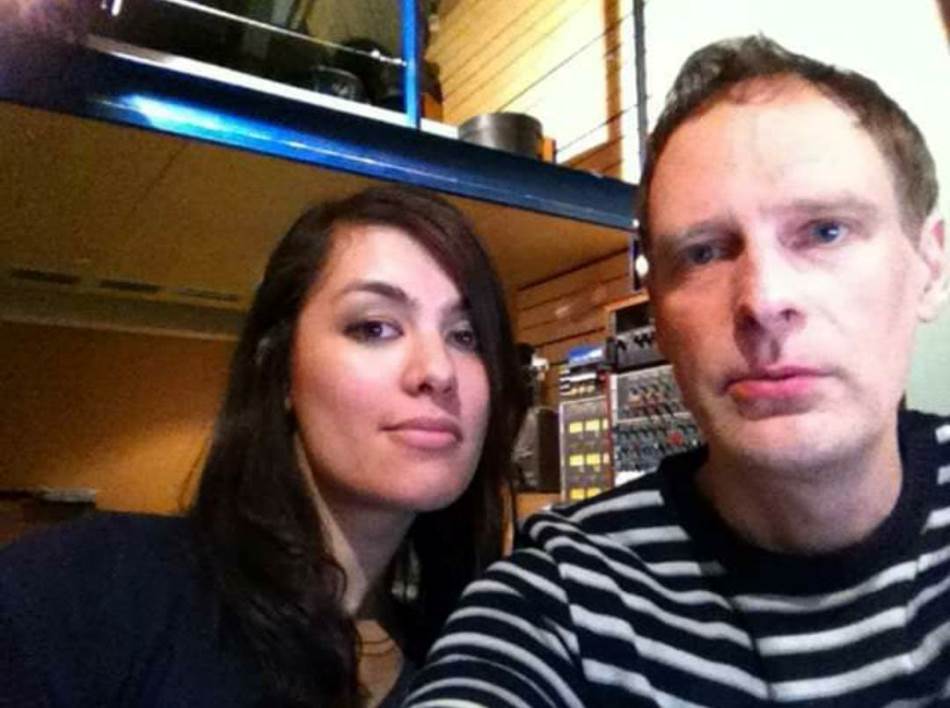
Photos by Wiebke Kreinick, except studio selfie by Laura Dre
1st August 2021

TOBIAS BERNSTRUP Interview

Gothenburg-born Tobias Bernstrup is a performance and visual artist with five officially released albums to his name, as well as numerous video installations, collaborative exhibitions, interactive works and gaming projects.

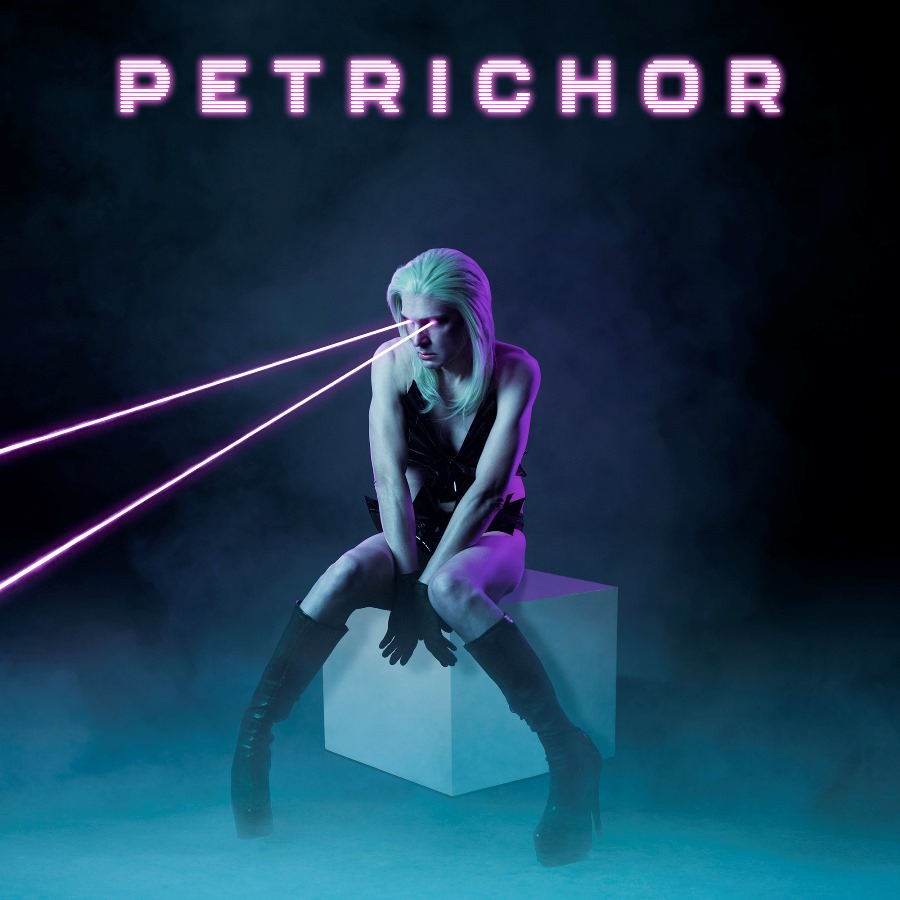
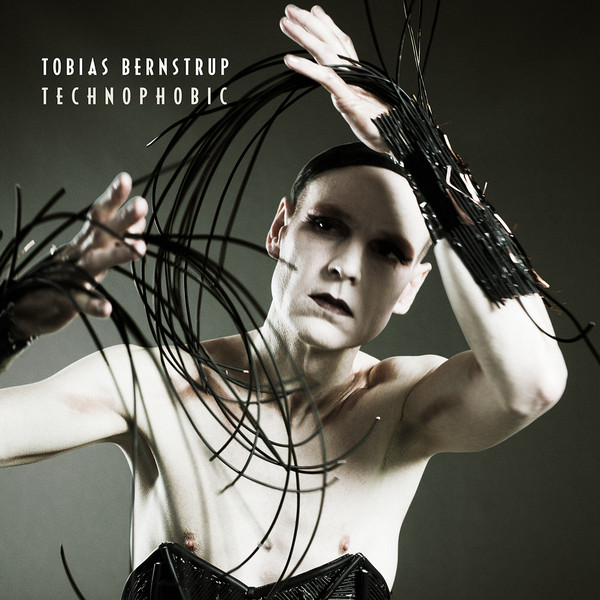
Following up 2018’s ‘Technophobic’ long player, his sixth album ‘Petrichor’ refines his Italo Noir template with intelligent political and historical observations like “a Film Noir in cold blue and pink light that you can dance to”.

With his striking stage persona, Bernstrup is an intriguing androgynous figure who speaks for the outsider, raising questions about society’s representation of identity in his gender-crossing live performances and visual presentation.

With the imminent release of ‘Petrichor’, Tobias Bernstrup spoke to ELECTRICITYCLUB.CO.UK about the making of the new album, collaborations, his artistic ethos and continuing motivations.

What was the genesis of your Italo Noir sound?

I grew up listening to Punk, Metal and Postpunk but always loved Italo Disco. When I started making electronic music after years of being a drummer, I knew that I wanted to make Italo inspired music with a darker more melancholic sound. I also wanted to create a darker image to this sound when designing performance costumes and sleeve art.

How would you describe the concept of your new album ‘Petrichor’ which means “a pleasant smell that frequently accompanies the first rain after a long period of warm, dry weather”?

The initial idea for the sleeve photo was to include raindrops or rain atmosphere. During the research, I came across reading about the Petrichor phenomenon.

I had several cinematic images in my head; the end scene of ‘Bladerunner’ or an episode of ‘Miami Vice’ when Sonny Crockett walks alone on a rainy street. I love how the rain enhances scents, colors and creates reflections.

The first single ‘Private Eye’ appears to be about the surveillance society?

The inspiration to the lyrics came from a Bitcoin Scam email that circulated. The emails say they hacked into your computer and recorded you visiting adult websites. They threaten to distribute the video to your friends and family within hours, unless you pay into their Bitcoin account.

Sweden has been at the forefront of cashless payment, but how do you feel that you can’t even buy bread or fruit without someone watching you? Does that make you ‘Technophobic’?

No, but I am aware. It is a new world order, if you don’t own a smartphone or have internet connection, you will be excluded from the society. It is so obvious when you see beggars asking for money and everyone replies I don’t have cash…

How do you look back on the ‘Technophobic’ album, the title song was particularly good?

The album had a quite coherent synthpop vibe throughout but a more cold, synthetic, metallic and modern sound than previous productions. On ‘Petrichor’, I wanted a warmer sound so I decided to mainly use old-school drum sounds like the Oberheim DMX, LinnDrum and typical 80s synthesizers.

Do you have any preferences for your electronic template, do you like hardware synths and drum machines or have you entered the world of software?

I work in between analog and digital tools. When it comes to playing and recording the physical touch of a hardware synth is superior. I often use Korg PolySix for basslines and Roland JX-8P for pads. When it comes to software instruments, mixing and plugins I always go for analog circuit emulation.

The music industry has changed a lot even since ‘Technophobic’, have you reconsidered your strategies as an artist about making albums and promotion?

I had a more open process when putting together the album. It started releasing a bunch of singles during the process to see where they landed.

That helped me writing and finalizing the remaining tracks.

In your opinion, is the album as a format still relevant in music consumption?

Yes I believe so, even though many people rather listen to single tracks and playlists. Listening to an album is like reading a book. If you have the patience to do this, it can be very rewarding. There has been a revival in making shorter albums again with 8-10 tracks. This is a good thing. it fits better with the pleasant vinyl LP format. And it’s difficult to make long albums with 14-18 and keep up the quality and interest. There are some exceptions. THE CURE’s double LP ‘Kiss Me, Kiss Me, Kiss Me’ is still such a great album without a dull moment. It has variety without being eclectic.

Looking back, aspects of 2015’s ‘Romanticism’ album explored some different directions compared to your earlier albums and more recent singles, particularly with the ballad ‘Dorian Gray’, the Latin moods of ‘Laterna Magica’ and the classic Eurodance of ‘Revolution’?

The song writing and recording process was very different during ‘Romanticism’. I worked during a focused period of 2 months in a studio with a very open and experimental mind set. At that time, it was important for my development to try something new.

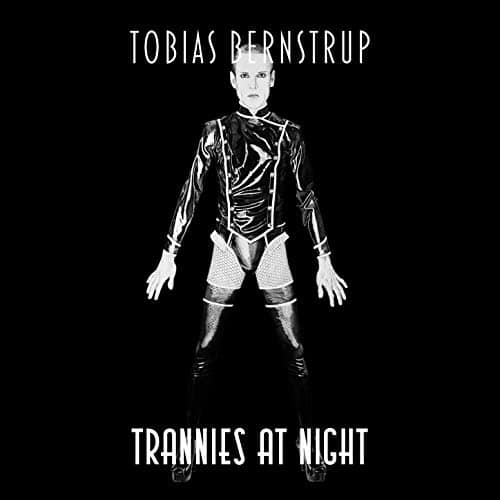
The recent compilation ‘Trannies At Night’ gathered your earlier work before 2012, how do you see your development as an artist and do you have any favourite songs or memories from that period?

In the beginning there was more simplicity, but less production. Sometimes there was a more powerful and directness to it. As I got more production skills, I have to make more effort in order to find that simplicity which makes a great song. Limiting your toolbox and arsenal of instruments is a good way of doing this.

What was the inspiration behind your most recent single ‘Only One’?

It a typical Bernstrup track, It started with that Jan Hammer-like bassline and the lead sound melody and those marimba sounds that I just love. It reminds me of Ken Laszlo’s ‘Tonight’ – one of my all-time favourite songs. Lyrics came naturally when just playing with words and vocal melody.

You sing of a “stranger on the screen”, “disposable love” and a “devil in disguise” on ‘Stranger’, it’s strange that in this modern world, some people care more about influencers online who they’ve never met rather than those near them like family and friends?

Interesting thought. Well, the lyrics could describe someone being disconnected from reality. The initial idea was to write from the perspective of someone having an addiction to online dating in a dangerous self-destructive and abusive way.

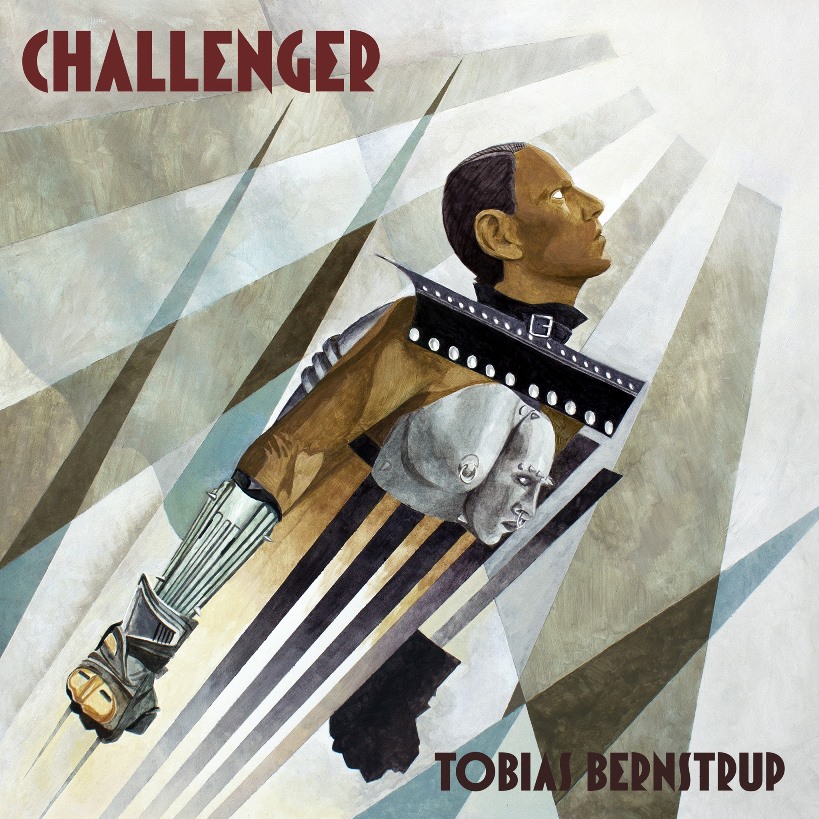
Is ‘Challenger’ referring to the 1986 space shuttle tragedy?

Yes, I remembered that day as a teenager. During the production of the new album, I watched a couple of rocket launches. Technology and space exploration has always interested me. The Challenger disaster was a very tragic one as there had been warnings from engineers about the dangers of launching posed by the low temperatures of that January morning.

There is a more instrumental template on ‘Loderunner’ rather than using full lyrics?

The original idea for this track dates back to 2002 or 2004. I wrote an instrumental track for one of my art exhibitions that was an interactive video game piece. The musical theme itself was inspired by the musical score for the 1998 video game ‘Unreal’ composed by Alexander Brandon & Michiel van den Bos. The title refers to a C64 computer game.

You have quoted J Robert Oppenheimer on ‘I Am Become’?

Yes, the words are slightly rearranged but from a TV interview were Oppenheimer recalls the reactions after watching the Trinity nuclear bomb test. The dangers and dark sides of technological inventions is a theme that I often return to. With every new invention a new catastrophe is invented.

Which songs are your own highlights from ‘Petrichor’?

‘Only One’ has the perfect Bernstrup sound and has the perfect walking tempo when listing in headphones. ‘Petrichor’ delivers a very nice atmosphere and I love that Fairlight CMI flute sound. ‘Loderunner’ has that energetic drive and mood you can find in a great video game.

It’s interesting that as a performance artist, you haven’t produced many videos recently to accompany your own songs, is there any particular reason?

At the moment music videos are not that important to me anymore. But that can change of course.

How do you balance between your art exhibits and your music?

They often go hand in hand. During the work with exhibitions I often stick to a theme that leaks into my music writing process as ideas for song lyrics or visuals.

You have collaborated in the past with SARALUNDEN and TRANS-X while APOPTYGMA BERZERK, COVENANT and ITALOCONNECTION have done remixes, are there any more interesting partnerships happening?

I wrote lyrics and did vocals for a track on the new ITALOCONNECTION LP ‘Midnight Confessions Vol1’. It’s a song called ‘Rainbow Warrior’ that brings up LGBT rights and environmental activism mentioning historical dates of events – the sinking of the Greenpeace ship Rainbow Warrior in 1985 and the Stonewall riots in 1969.

In 2017 on ‘Utopia’, you asked “where are you now?”, so what are your hopes and fears for the future?

After the Covid outbreak, we have hopefully learned that nothing should be taken for granted, that “we are so fragile”.


ELECTRICITYCLUB.CO.UK gives its sincerest thanks to Tobias Bernstrup

Special thanks to Marc Schaffer at Nadanna Records

‘Petrichor’ is released by Nadanna Records on 20th August 2021 in CD with 7 bonus tracks and 18 track digital editions, limited black or transparent magenta vinyl LP with lyric inner sleeve, A3 poster + numbered postcard available in October

The CD can be pre-ordered from https://www.poponaut.de/tobias-bernstrup-petrichor-limited-edition-p-20549.html

http://www.bernstrup.com/

https://www.facebook.com/TOBIASBERNSTRUPOfficial/

https://twitter.com/tobiasbernstrup

https://www.instagram.com/tobiasbernstrup/

https://open.spotify.com/artist/7qMxLMZgfIeZloY2EjWiPt


Text and Interview by Chi Ming Lai
28th July 2021

« Older posts Newer posts »