Synth earth mother Alice Hubble recently returned to follow-up her acclaimed 2019 album ‘Polarlichter’ with the similarly inspired ‘Hexentanzplatz’.
Previously best known for fronting cult favourites ARTHUR & MARTHA and COSINES, she has presented another mix of the forlorn avant pop and endearing instrumentals that characterised her debut, but with an expanded textural palette.
Released by Happy Robots Records, tracks from ‘Hexentanzplatz’ have already secured BBC radio airplay from the likes of Janice Long, Lauren Laverne, Cerys Matthews and Steve Lamacq. From auroras to mountains, ELECTRICITYCLUB.CO.UK spoke to Alice Hubble about the making of ‘Hexentanzplatz’ and retaining that mystic but accessible air within her work.
Judging by album titles, was ‘Hexentanzplatz’ very much a variation on the theme of ‘Polarlichter’?
I didn’t set out for the album to have a German title, it just sort of happened! I like the way the words feel in your mouth. The name of a mountain translates to mean “the Witches Dance Floor”, it was so perfect in its nature / disco / witchy connotations that I couldn’t help be drawn to it.
So it’s “a beautiful mountain” but did you actually get to visit Hexentanzplatz?
In Summer 2020, I was lucky to take a visit to Germany. As with everything in the pandemic, it was quite an ordeal getting there, our flights were cancelled three times, so when we got there I couldn’t quite believe it and it was quite a surreal visit. One day in our trip, we visited the Harz mountains to go to the Unicorn Cave, mainly because they filmed some of the TV series ‘Dark’ at the cave, but also I like a good cave (see ‘Ruby Falls’…) as much as I like a good mountain. This is where the back cover photo of the LP was taken.
On the drive to the cave, I learnt of Hexentanzplatz, the mountain is an old Saxon cult site known for its Walpurligsnacht celebrations. We were hoping to visit this summer but our visit is now planned for December. I’m so excited to visit the mountain, but I’m prepared for the reality to be a bit different to the mystical wonderland inclusive disco party I’ve imagined!
How was your overall approach to ‘Hexentanzplatz’ compared to ‘Polarlichter’?
A few tracks were started before, but the majority of the LP was written during the first lockdown. Though none of the tracks were explicitly about lockdown, I feel the anxiety of the time is so clearly captured in the music. With the first LP, I was working out what Alice Hubble is, whereas with ‘Hexentanzplatz’, my overall writing approach was more focussed and confident.
I went to the recording studio last October and I spent 10 days in Ramsgate working on additional recording and mixing with Mike Collins at Big Jelly Studios. It was really nice to have this concentrated time to focus on the record.
Did you have any new or different toys at your disposal? How was the recording process this time round?
I bought a Roland RS202 string machine which is quite prominent on some tracks. With this LP, everything happened a lot quicker and the record sounds more spontaneous as a result. With the first LP, I felt the need to be very much in control in every creative decision. With this record I felt a lot free-er and relaxed in working with a producer and open to external suggestions.
Your trusty Moog Prodigy still makes a fabulous noise…
Of course ??
You’ve continued to combine standalone instrumentals like ‘West Reservoir’ and ‘Gleichfalls’ alongside your songs, do you have any particular artists whose work is primarily instrumental that you have been inspired by?
Manuel Göttsching and Laurie Spiegel who have been big influences on my instrumental work. I’ve also been listening to Kitaro and early 80s library music records which my partner plays at home a lot.
The first single from ‘Hexentanzplatz’ was ‘Power Play’, how do you feel about recent events closer to home which have made the lyrical content even more poignant?
The lyrics to ‘Power Play’ were sparked from reading an article about the mass hex of Brock Turner, but also my comment on what happens in a post #metoo world, when the news stories have been had.
I’m not sure what particular recent events you’re referring to (there are sadly so many), but I think the whole system of sexual assault trials and convictions needs a reform, the “innocent until declared guilty” track doesn’t support victims in any way and one of the reasons why a lot of cases get dropped or don’t get to court in the first place.
‘Projections’ recalled NEW ORDER’s ‘Love Vigilantes’ with a quite rousing chorus?
This is probably the oldest song on the LP, it’s probably at least 5 years old, and was a song that I wrote to confront myself regarding past affections with woefully inappropriately located men. A lot of the time you write these songs and they’re actually too personal to put out there at the time. Having some distance from the song definitely helped me.
NEW ORDER was definitely a reference, though the ‘Republic’ era was what I was going for. ‘Love Vigilantes’ has definitely been a favourite through over the years though. The track also has a guitar solo on it, which feels quite adventurous for an Alice Hubble track!
You had an opportunity to reflect on your late parents with ‘My Dear Friend’ while the music was reminiscent of the earthier moods of LADYTRON when they made ‘Gravity The Seducer’?
I’m ashamed to say I don’t know that LADYTRON album, however ‘Witching Hour’ is definitely an LP I referenced a lot when making ‘Hexentanzplatz’. I do gravitate music that mixes the synthetic with the organic, ‘Seventh Tree’ is my favourite GOLDFRAPP LP.
Which tracks on ‘Hexentanzplatz’ are your own favourites?
Oh my it’s hard to say, I love ‘Make Believe’ cause it sounds so unsettled and heavy, and ‘Gleichfalls’, I know I made all the sounds on that record happen, but I’m still not sure how it happened!
You’ve expanded the line-up for your concerts, do you feel more confident with the challenges of live performance?
I’m glad I did play solo, but being the only person on stage is a lot for anyone to take on. I’d be trying to perform but also then would be worrying about all the tech stuff too, it was fun, but at times quite stressful, especially with a laptop which is on the brink of death!
Bringing in Tom Hilverkus to the live band was a natural choice, he’s already in the Hubble Bubble (he’s my partner), but also is a great musician and has a real calming influence on me and can look after some of the techy stuff. This gives me more mental space to focus on performing and also gives us more flexibility to make the live show more interesting sonically.
What’s next for you?
Looking to next year, there’ll be some UK and German dates and festival shows. There’s another EP at some point and I also need to find space to write some new tracks.
ELECTRICITYCLUB.CO.UK gives its sincerest thanks to Alice Hubble
2019 was something of a treat for long standing FIAT LUX fans.
Having reformed to celebrate the 35th anniversary of their formation with the release of ‘Secrets 2017’, things went well enough to record an album ‘Saved Symmetry’ which was to be their debut in the long playing format. But interest in the band whose only previously released body of work had been the ‘Hired History’ EP in 1984 on Polydor saw Cherry Red license a long awaited reissue in a double CD package with the shelved but intended debut album ‘Ark Of Embers’ from 1985.
Sadly, Ian Nelson who passed away in 2006 did not get to see his co-creation see the light of day, but vocalist Steve Wright and instrumentalist David P Crickmore took FIAT LUX back into the live arena with Will Howard taking over from their departed friend, beginning with a triumphant show at St Clements C of E Church in Bradford.
Despite their momentum being stalled by the worldwide pandemic, FIAT LUX have kept busy and are about to unleash their next album entitled ‘Twisted Culture’. Steve Wright and David P Crickmore spoke to ELECTRICITYCLUB.CO.UK about its creation…
2019 was a year in which FIAT LUX re-established itself with two albums and live shows after an absence 35 years, how do you look back on it?
David: It was a bit like a rebirth, all coming as it did in that one year. First our decision to get a new record off the ground, closely followed by the long awaited reissuing of all our back-catalogue by Universal and Cherry Red.
Steve: If all that wasn’t a good reason to attempt some live dates I don’t know what was!
Your kids were watching you in Bradford at St Clements C of E Church, what was it like for them? Did they give you feedback?
Steve: I don’t think they knew what to expect but at the end they were extremely proud of everything apart from their Dad dancing. They weren’t alive when FIAT LUX was first active and I don’t think they expected the huge support from the audience that we got and the number of people who came from all over the country and abroad to watch.
David: My children, being slightly younger at the time, were more keen to work on the merch stand!
Did you have a particular moment at St Clements C of E Church where you thought “It’s good to be back, I want to do more of this”?
David: Definitely. When I flunked the opening of ‘Secrets’ on the keyboard. I thought “we need another gig or two to get this right”. Ha ha!
It must have been quite deflating that the momentum was halted by world events in 2020?
Steve: Indeed. Thwarted by circumstances – just like in 1984 when the miners’ strike killed off our video for ‘Blue Emotion’ because of the political repercussions of representing the workers’ rights at the time!
From the new album, the song ‘It Wasn’t Supposed To Be Now’ perhaps sums things up?
David: Yes, that’s all about how in different times of your life something can come along that knocks you sideways when you least expect it.
Steve: Certainly Covid has done that to everybody, many to a much greater extent than us humble musicians.
‘(How Will We Ever) Work This Way’ is another song capturing the zeitgeist although this was more or less finished before the lockdown?
David: It was pretty much done, but we adapted it slightly to make more of the dilemma everyone faced at the time making more of the prevailing sentiment: “what do we do now?”
How far had ‘Twisted Culture’ progressed with writing and production before lockdown happened, how did you approach the album’s completion?
Steve: The album was half done, we knew the direction but, as it says in the sleeve, it had to be completed in “various boltholes” rather than in the studio.
David: Will suffered this most as he hadn’t done any sax parts before the lockdown. I had to leave a suitable microphone and recording device on his doorstep and retreat a safe distance whilst he picked it up. All his parts were done at home, based on my keyboard guide parts.
They are some more directly electronic and even dance-inspired tracks than there were on ‘Saved Symmetry’ like ‘Basement City Living’ and ‘Tighter’, had this been a conscious move?
David: Part of the FIAT LUX soup has always been a dance / funkelectronic element. It’s there from our earliest times.
Steve: Although ‘Saved Symmetry’ might not have been full of them, one of its most successful tracks from it as a single was ‘It’s You’.
David: Also I heard somewhere that, during the pandemic, the BPM of all the popular songs increased a lot – maybe we were subconsciously affected?
Had you used any new synths or tech that you hadn’t incorporated before?
David: We are always trying out new things and throwing them in the mix. We always have – Jupiter 8 and Memorymoog were new back when we worked with Hugh Jones, but conversely we always have bedrock legacy instruments to hand too like Mellotron, Minimoog and marimba. It’s harder now to find a new synth or box that does something original and different but we have incorporated newer things like the Korg Volca series and the Mini Nova and there’s always new tech to be had at the mixing stage.
Steve plays a bit of guitar and keyboards on ‘Cul De Sac’ and ‘Hope’ respectively, how did it go? 😉
Steve: I have done it before! Even back on the first B-side ‘This Illness’ there’s me chugging away in the background on a plucky six string.
There are references to FIAT LUX’s early days produced by Bill Nelson with the burst of E-Bowed guitar on ‘Hope’, did you have lessons from the master himself and for the uninitiated, how is the technique different from soloing in the traditional way?
David: It was definitely Bill that showed me how to do it. I’d never encountered anybody before with one and I can’t think of anyone since for that matter. The wisdom was bestowed in the confines of the cramped setting of Ric Rac studios in Leeds where Bill recorded our first sessions.
Steve: Basically, it’s a small version of a steam iron which produces magnetic pulses that make the string vibrate indefinitely.
Will Howard joins FIAT LUX on sax and woodwinds, contributing to more than half the album on songs like ‘Cul De Sac’ and ‘The Night We Should Have Met’, how has his presence helped with the 21st Century dynamic of FIAT LUX?
Steve: We’ve always had a sax player since the Polydor years and it’s continuing that sound and mood. The real reed vibrating seems to blend in perfectly with the electronics.
David: We were mighty lucky to bump into Will when we did as I doubt we could have found anyone else who could have made such an easy fit into Ian’s role. He seemed to have all the sensibilities to understand what had passed while mixing it with his own musical personality in the new stuff.
‘The Night We Should Have Met’ features this wonderful Barber shop quartet round to finish, how did the idea for that come about?
Steve: We didn’t realise, otherwise we would have bought straw hats! It’s just part of the FIAT LUX palate – since the Hugh Jones production days we’ve always thrown the harmonies about rather than just blocking them in: Try the final minute of ‘In The Heat Of The Night’ on ‘Ark Of Embers’.
David: …Or even the middle bit of ‘Blue Emotion’.
Which are your own favourite songs on ‘Twisted Culture’ ?
Steve: Hope – Because my keyboard line and David’s E-Bow blend so well together. I’m really happy with it.
David: I love the soring sax Will provides in ‘Cul De Sac’ which creates a plateau of bliss which we probably only last achieved in that same way with Ian’s part in ‘Photography’.
What are your hopes and fears for FIAT LUX and in general as we all re-engage with a rather changed world?
Steve: That people will continue to like our music, while I can continue to walk down the street wearing a FIAT LUX T-shirt without anyone knowing what is.
David: That’s the measure of true cult status!
ELECTRICITYCLUB.CO.UK gives its warmest thanks to FIAT LUX
Like a high tech K-Tel compilation album but from the baton of one conductor, the multi-vocalist self-titled debut album by DIAMOND FIELD captures the spirit of the pioneering MTV era and classic Brat Pack movie soundtracks.
The musical vehicle of the New Zealander Andy Diamond, he looks to studio icons such as Hugh Padgham, Rupert Hine and Peter Wolf as prime inspirations.
Although written before the worldwide pandemic, many of the lyrics deal with hope and positivity and the international cast of Nina Luna, Matthew J Ruys, Miriam Clancy, Nik Brinkman, Cody Carpenter, Becca Starr, Belinda Bradley, Chelsea Nenni and Kyle Brauch do the songs proud.
Andy Diamond spoke to ELECTRICITYCLUB.CO.UK about the creation of his DIAMOND FIELD opus while also sharing his thoughts on many of aspects of music as an independent artist.
It’s taken a while to get round to there being a DIAMOND FIELD album, were there any particular reasons?
Well, there’s a few reasons for that, ha ha. Like most people, time is a factor and I tend to have a bunch of other things going on – music to learn and rehearse with other artists, remixes and production projects, design work, family life, photography, buying records on Discogs lol. It doesn’t make it easy to allow for solid chunks of time to be blocked out for album production. I’m also collaborating with other artists and they have their own schedules. I’ve had a few instances where I was waiting several months for a vocal for a song, only to have it fall through and having to go through the process again with someone else. That stuff all adds up.
It was only in late 2020 when I finally had all the musical pieces together and was able to sit down and start mixing everything. I set myself a date to have the finished tracks ready for mastering, turning down a bunch of other things to clear time and make it happen. January to June 2021 was spent hard-out on the final mixes, a lot of ‘final’ mixes that led to more final mixes and level tweaking. Add to that all the artwork production and additional non-musical ‘fun stuff’ that goes into preparing a release and it was a busy time.
I was also wary of the increasingly long production times required for vinyl production so I needed to get things rolling. I’m not quite sure how the likes of SELLOREKT/LA DREAMS, BART GRAFT and FAINT WAVES manage to pump all those albums out! Just making one is enough of a big deal, but after all this, I definitely feel more confident in producing DIAMOND FIELD music at a higher rate of output.
Had singles like ‘Neon Summer’, ‘The Nightingale’, ‘Burning Blood’ and ‘Won’t Compromise’ been more toe-dipping exercises, how do you look back on those tracks?
No – all the singles were definite statements – “hey, this is DIAMOND FIELD, this is how we sound and this is what we do”. ‘Neon Summer’ (with Nina Yasmineh aka Nina Luna) is still a good representation of what DIAMOND FIELD was intended to be from the start, sonically and stylistically. For that first release, I carefully prepared how the visuals, social media and music video would look for maximum effect. I purposely released the song as a maxi-single with a bunch of remixes (with some well-known names) to get the widest reach. It was like “we’re here, take note, we’ve thought about this”. None of that ‘drop a song on Soundcloud and cross your fingers’ stuff.
All four singles – ‘Neon Summer’, ‘This City’ (with Matthew J Ruys), ‘Closer’ (with Rat Rios) and ‘Won’t Compromise’ (with Bob Haro) would be right at home on the DIAMOND FIELD album. In fact they were all contenders for the album – I had intended them to be lead tracks for the album but because the other songs weren’t ready, they defaulted to being standalone singles in their own right.
The other songs – the cover of ‘The Nightingale’ (with Rat Rios), “Twin Peaks” tribute ‘Burning Blood’, and then ‘Freedom Pass’ (with Dana Jean Phoenix) were all written specially for compilations that had deadlines. Those weren’t album tracks but still had the DIAMOND FIELD sound. Likewise with all of DIAMOND FIELD’s remixes for other artists (or ‘reworks’ as I prefer to call them). Those all have DIAMOND FIELD DNA in them, and because I use different artists on my own songs, reworking someone else’s song could sound like a DIAMOND FIELD cut because I’m working with supplied vocals and recreating the music in my style. A couple of good examples of those are the DIAMOND FIELD reworks of BUNNY X’s ‘Come Back’ and Roxi Drive’s ‘Electricity’.
It’s no coincidence that vocalists from previous DIAMOND FIELD singles make return appearances on the album. Nina and Matt are there and I had Rat Rios lined up but it didn’t work out this time. I look back at all these early tracks fondly and I’m very proud of them.
You are more influenced by producers like Hugh Padgham, Rupert Hine, Peter Wolf and Stephen Hague rather than actual bands or artists, what do you think these studio icons brought to their respective works?
I do think production is really the main influencer for me. I love the artists of course, but if it were not for the producers, many iconic albums would have sounded a lot different.
I guess it’s kind of a chicken-and-egg situation – what came first? The producer or the artist? Maybe we are in fact mixing the chicken and the egg together here, simultaneously! The common thread with all of these producers is that they weren’t afraid to utilize the emerging technology of the time and figure out how to integrate it. They were hoovering up the latest gadgets and using them to their maximum potential, even though it was a painstaking process and syncing everything up was not as easy as it is today. They were able to create distinctive sounds, rhythms and techniques that became what we refer to as “the sound of the 80s”.
In Padgham’s case it was that big gated drum sound that worked so well for Phil Collins, and Stephen Hague was great with synthesizers and nailed some great sounds that are iconic ear candy and moments. Although many of these producers worked on a lot of electronic music, they were all able to skillfully combine the electronic side of things with the traditional – guitars, bass and drums. That is why with DIAMOND FIELD you hear ‘real’ drums, bass and electric guitars combined with the drum machines, sequencers and synths. They all work so well together for that ‘80s sound that doesn’t focus solely on early DEPECHE MODE man/machine type music.
How did the album begin in earnest, was there a particular epiphany when you thought a long playing record was a realistic possibility?
Again, this was all planned out from day one and the first single ‘Neon Summer’. Everything would build on and progress from that.
The idea was always to have an album of material as the logical end goal, release it physically and play it live.
I’m still a believer in full length albums and never really bought into the “people only listen to singles” thing.
I was talking to Alex Karlinsky aka HIGHWAY SUPERSTAR about the value of albums. Is it better to just drop a single every month so you can stay visible? With an album, it’s a one-time drop. By dropping constant singles you can keep yourself in the limelight more regularly.
Of course there is no reason you can’t take ten singles and release them as an album later down the line, but an album quantifies an artist’s vision as a complete body of work. There’s no p*ssing around with dropping a track here and there – it’s “Wham! Check this thing out!” You need to put some time aside to take this all in.
I’d like to think all the tracks on the DIAMOND FIELD album could be singles and I could push them individually over time (with a music video for example). As for the live thing, that could only really happen after the album was complete as I needed to have enough completed songs to play out!
What criteria did you use to select your vocalists?
Most importantly these are people I like and respect. I’ve also worked with many of them in some way the past, with the exception of Cody. I’ll always start my songs with the music first and then add vocals on top of that. I figure out whose voice might be a good fit for the musical bed and how that could add to the overall picture. Is this a ballad? Would this be better sung from a female point of view? Is this a ‘belter’ that needs a big voice? In that way it’s kinda good to have the luxury of different vocalists because you can get additional scope that you may not get with a sole lead singer.
Sometimes I’ll write the lyrics and the main vocal melody (top line), demo it and give that to the vocalist to copy. I might have a very specific idea and that includes the lyrics and vocal melody. Other times the vocalist may write the lyrics and top line. So I’m open.
Matt and I go way back to our teens making music together and we’re good friends. He’s a total pro when it comes to vocals and full of ideas. There are several songs on the album where over half the tracks in the session are made up of Matt’s BVs alone. Chelsea and I play in her band LATE SLIP and she’s also a pro.
I’ve also played in bands with Nina, Miriam (Clancy) and guitarist Rodger Cunningham so there’s a bit of a history there. Chris Ward (saxophone) was my neighbour and I fed his cats when he was on vacation, and Kyle, Becca and Nik have all done great work on their own projects. Sometimes cold calling someone to collaborate with can work too. That’s how Nina and I originally met and since then we have made a lot of music together over. A successful cold call is a one-time thing and ideally from that you can develop a relationship and keep it going. That said, I’ve had my fair share of being turned down by people who were either not interested or too busy, but it all worked out in the end!
Had the opener ‘New Situation’ with Nina Luna been intended to be your take on TEARS FOR FEARS?
Oh I think everything of mine probably has some subliminal TEARS FOR FEARS in it lol. I was not aware of that connection while making the song, especially since it has a female vocal, but since you mentioned it, I think your reference point might be ‘Head Over Heels’? It has a similar tempo, lots of keyboards and a snare build-up.
‘Head Over Heels’ is one of my favourite TFF songs, so if I have emulated something that makes people think of it without being total rip off, then I think that’s pretty cool.
‘Glowing In The Dark’ featuring Miriam Clancy recalls BERLIN, do you think Terri Nunn’s combo are often forgotten and under-rated…for example, everyone knows ‘Take My Breath Away’ but no-one seems to remember the artist?
BERLIN are one of my favourite bands from the early to mid ‘80s. ‘Pleasure Victim’ and ‘Love Life’ are up there in my list of favorite albums. BERLIN were the epitome of sophisticated US West Coast new wave bands at the time, and like MISSING PERSONS, proved that Americans were quite good at interpreting what Europe was doing musically, but injecting some sex and glam into the equation. ‘Take My Breath Away’ is the least BERLIN sounding BERLIN song since it’s really Terri singing over someone else’s track. Check out ‘The Metro’ and ‘No More Words’ for true BERLIN classics.
Incidentally, I lifted the ‘Diamond’ part of my “stage name” from BERLIN’s synth player David Diamond. I thought it would make a cool sounding name, still being related to DIAMOND FIELD, and when David had hair in the ‘80s, he looked really sharp behind his Prophet 5. Also, BERLIN’s main songwriter John Crawford is a bass player (like myself) and in the ‘80s I sported a similar mullet to his, so I’m really on that aesthetic.
How did ‘Glowing In The Dark’ come about?
‘Glowing In the Dark’ started out as an instrumental and worked quite well in that form. A melody built around muted synth brass, sparkly DX7s and synth bass with programmed drums. Another song I’d say emulates music from 1986/87 in terms of sounds. Since there were already a lot of instrumental hooks on this, any vocals would need to be able to fit with the music (and I wanted vocals). I didn’t want to have to reduce the hooks to fit vocals around, which sometimes needs to happen to avoid conflicts – you need to have space, not competing elements.
Miriam was someone whose work I always loved as both a songwriter and singer. I was looking for an opportunity to work on a song with her and it finally panned out when she said she’d be down to sing on the album. And sing she did. What she delivered in terms of lyrics and vocals on ‘Glowing In The Dark’ were amazing. Everything fit perfectly and it was like the music and lyrics had originally been written together, not in different places at different times. Miriam also dipped-in to her bag of songwriting tricks and refined my initially over-long arrangement, so that it was more concise.
A tricky thing about ‘Glowing In The Dark’ is that it has a key change (something that is underutilized in today’s pop music) and Miriam nailed that transition. At first we thought it could have sounded gimmicky, but combined with the slowed-down ending (emulating the tempo on a sequencer being manually reduced to a stop) I think it is a nice little signature piece. There’s a personal little Easter egg at the end of the song.
In the late ‘80s, there was a very distinctive patch on the Roland D-50 synth called ‘Soundtrack’. I always loved it and wanted to use it some time. I never owned a D-50 but I did have a 1990 Korg T3 synth which had its own variation on the D-50’s Soundtrack patch. I used the T3 extensively for several years and have a big soft spot for that synth. These days I use Korg’s M1 soft synth (which includes all of the T3 sound libraries) and so what you hear at the end of the song is the Korg version of that D-50-type patch. Great to include both a patch from one of my favorite synths and the vocals from one of my favorite singers on the same track!
Matthew J Ruys gets to do two tracks, the brassy electro-funk of ‘Bring Back Love’ and the mighty blue-eyed growl of ‘Out Here For Love’, two quite different styles?
Well that’s Matt for you. He’s a very versatile singer and can sing whatever you throw at him. Back in the late 90s he was doing stuff with ORGANIZED NOISE (OUTKAST) in Atlanta so he’s able to pull off R ‘n’ B and rhymes, but is just as comfortable doing rockers and everything in-between. You can give him an instrumental and he’ll come up with a voice and style to fit. And he knows his sh*t when it comes to BVs.
On ‘Bring Back Love’ I was going for a white boy RnB/Latin feel – a little Michael McDonald and MIAMI SOUND MACHINE crossover. The overt synth brass mixed with real brass samples was intentional – I wanted to capture that ‘80s brass emulation without making it either too sterile or overly real.
For ‘Out Here For Love’, that song started from a piece of music that Australian retrowave artist Lachi James had written. It was originally going to be a collaboration with Lachi, but the timing didn’t work out so I got Matt to sing it and my old friend Rodger Cunningham to throw down the guitar leads on it. I was aiming for that hi-tech pop / rock sound that Michael Sembello was so good at on his ‘Without Walls’ album – the type of song you’d hear on a ‘Rocky’ soundtrack by Robert Tepper. It’s also the most collaborative track on the album with Lachi, Matt, Rodger and myself all contributing.
‘Look To The Stars’ gives a nod to New York electro, where there any key records from the past that helped shape this?
That’s a hard song for me to pin-down, comparison-wise. I mean I am in NYC but that’s about it. I was going for an energetic track with a heavy sequencer vibe, with overdubbed instruments. I’m trying to give the impression of something that’s been made on a Fairlight around 1986 or so, with the tight drums and sequenced bass.
I get the electro angle, in many ways that’s probably coming from the NEW ORDER corner of my brain. Kyle Brauch was a good fit for vocals on this.
I’d done a remix for his MIDAWE project and he’d done a DIAMOND FIELD remix for ‘This City’ so I had been wanting to get his vocals on one of my own songs. Kyle has that Rick Springfield vibe and knows how to belt it out. He came up with the lyrics and vocal melody too.
I added some real bass to compliment the sequenced bass which is something I do quite often (think NEW ORDER’s Peter Hook playing bass over sequenced bass parts), added some electric guitars and had The Saxophone Warrior (Chris Ward) play the sax on it. Chris is a very talented jazz player but also does cool stuff with effects and pushing the sax in new directions (although I had him keep it pretty straight on ‘Look To The Stars’ since it’s a kinda period-specific track). Chris has also played with FISCHERSPOONER who are my favourite electroclash act so that is a cool connection.
How did the wonderful ‘A Kiss Apart’ with Belinda Bradley come together?
This is another example of having an instrumental track and figuring out whose voice might suit it best. ‘A Kiss Apart’ is also tightly sequenced with late ‘80s influences. It has a fuller, more mature, lush synth pop sound so the vocal needed to compliment that. I’ve known Belinda for a while and was a big fan of her band SELON RECLINER who make amazing cinematic, widescreen pop. In a way, with Belinda writing the lyrics and singing, it’s almost like a SELON RECLINER song being covered by DIAMOND FIELD, and I’m just fine with that idea!
‘Used To Be’ pays homage to the THE GO-GO’S?
Oh for sure. In fact more specifically THE GO-GO’S’ Jane Wiedlin and her 1988 song ‘Rush Hour’ that was produced by Stephen Hague. I wanted something upbeat and fun sounding, something that Jane might have done. The original version of ‘Used To Be’ had programmed bass and a drum machine but I decided it would make for a better GO-GO’S new wave pop feel by using real bass, livelier drums and more guitars.
I was playing bass in Chelsea Nenni’s band LATE SLIP and just love her vocals, so if anyone was going to do this song justice it was Chelsea. She wrote the lyrics, came in and did couple of takes and that was it – nailed! The poppy upbeat music with Chelsea’s break up lyrics makes a good combo.
One surprise was Cody Carpenter’s track ‘Spills Like Love’ which was a lot more jazzier perhaps than the work he is associated with via his Horror Master father?
Yeah I think Cody mostly gets associated with the work he does with his dad, whereas his own projects are also really great. It was Cody’s LUDRIUM project that connected with me. The mix of prog and fusion combined with Cody’s vocals in LUDRIUM are something that you don’t often hear these days. He manages to bring together everything good about those styles without the waffling-on that sometimes gives prog a bad rep.
LUDRIUM also reminded me of the 1970s work of DAVID SANCIOUS & TONE who created wonderful, feel good fusion. I’d crafted the instrumental of ‘Spills Like Love’ to be a blend of late ‘70s West Coast vibes, yacht rock and early 80s synths.
So yeah, I had my eye on Cody for this one. He had the perfect voice and vibe. And he didn’t just stop at vocals, he dropped that amazing synth solo on there, giving me visions of Cody blazing on a white-face ARP Odyssey in a wood panelled man cave. I was also referencing ‘70s music like FLEETWOOD MAC, which featured prominent male / female vocals and so I had Becca Starr add BVs to give it that feel.
Which tracks are your own favourites on the album and why?
Oh I think I’d have to say they are all favourites. There are parts of songs I really like such as the percussion tracks in ‘Bring Back Love’ and the DX7 keyboard riff in ‘Spills Like Love’ but they are all special to me based on who is signing on the song and how and when I wrote it. Each song has its own ‘slot’ and I don’t think there’s any ‘filler’. That’s confirmed to me when people listen to the album and tell me which track is their favourite, and that tends to be a different song for everyone. That was my aim in a way, an album that was quite varied but still cohesive, where everyone finds something they like.
A number of the earlier DIAMOND FIELD singles were embraced by the synthwave community but was it a conscious decision to navigate around that scene and focus on doing a pop record?
No, not at all. All the DIAMOND FIELD music comes from the same outlet. It’s always been overtly pop with lots of synth and ‘80s elements so it made total sense to drop it in the synthwave / retrowave sphere. I figured if synthwave fans liked artists like Kristine back in 2013, or Michael Oakley in the current day, you’d probably like DIAMOND FIELD.
If you’re strictly into Darkwave or instrumental Outrun, then maybe it’s not so much your thing (although I always release instrumental versions). Synthwave / retrowave is an obvious audience for me and has become far more accepting of vocal pop. I like to think my audience extends to anyone who likes pop music, regardless of what genres they are in to. A lot of people who love the album have zero awareness of synthwave (or any kind of scenes for that matter). They just like the music, and to me that is mission accomplished!
What’s your take on how some are accusing big acts like THE WEEKND and MUSE of ‘stealing’ from synthwave so should acknowledge that scene? Surely the use of synth arpeggios is decades old, dating backing to Giorgio Moroder while sombre electronic basslines came via KRAFTWERK on ‘Radio-Activity’ so it was not something invented by Ryan Gosling for ‘Drive’? ??
There’s overt rip-offs out there, like the guy who was stealing music and reposting as his own on Spotify, and then there are THE WEEKND vs VANITY & MAKEUP SET situations.
One is easy to prove as a rip off and the other is harder. Arpeggios in electronic music are tough to police because of the way an arpeggiator works.
In a nutshell, you play a note and select the timing of the arp and off it goes. Things change depending on the complexity of the arp you select and the notes played in that sequence. More often than not, the arpeggiator is used for things like basslines which are synced to the drums and tend to be pretty straightforward. That creates a situation where a song might sound very similar to another.
If you did a scientific experiment on songs that use an arpeggiator and stripped away the other tracks, you’d find a great deal of similarity. What goes on top of the arpeggiation is what starts to makes a difference. ‘Blue Monday’ isn’t directly ripping off ‘I Feel Love’ but it is highly influenced by it, as are a gazillion other songs. Does Lorde’s ‘Solar Power’ sounds like George Michael’s ‘Freedom 90’? Sure. But George Michael’s estate is cool with it. How long have we got to compare all the music that sounds like something else?
While music and technology continue to evolve, there are only so many sounds, chords and progressions out there and inevitably you’ll get similarities popping up from time to time. Having a good lawyer and deep pockets can help if you really want to prove your song has been copied. Some artists are successful in doing so and others are increasingly not. Check out Katy Perry’s ‘Dark Horse’ lawsuit from a few years back as an example.
I think what bothers me most is when an artist is part of a ten person songwriting team and still manages to write a song that has obvious melodic or chordal similarities to another song. All those writers and you can’t be more original? Maybe it’s an obvious homage. But if no-one’s suing…
How do you see the future of music with regards formats, platform and live performance after a difficult 20 months for many?
Having experienced total lockdown for over a year myself, not playing or seeing any live music, it’s been so great to come out the other side and spend the six months getting back into it. Live music is very important. People are into it. They need it.
That whole live-performance-on-the-internet stuff was driving me nuts. There were some good performances and it created a new outlet for artists to perform shows online, almost by-default. Online shows are no match for live in-person performances.
Don’t get me wrong, I love to watch recorded live shows but I prefer that interaction of being in a crowd and having the band in front of me. There’s nothing like it. That said I’m really interested to see how this virtual ABBA thing is going to work.
With music formats, vinyl is going apesh*t and the result is that it is now taking six to eight months to get an album pressed. That’s a huge amount of lead time to plan for, especially for indie artists. Fans are now reluctantly reserved to waiting months for a physical release to materialize, having to put their funds up for something that won’t get into their hands until well after the digital release. That is a lot to ask, especially in the instant world of Amazon and music streaming. I can’t see it changing anytime soon though.
I do love the fact that many people are returning to listening to music in a better way, via vinyl and/or with better equipment to take advantage of streaming services that offer master quality hi-fi streams. Artists lamenting about having mixed and mastered their music meticulously only to have the user listen on ‘crappy earbuds’ is looking like it will be a thing of the past sooner than later
You are quite active on social media, but is there a wider caution that support for up-and-coming musicians comes from other musicians, rather than a potential non-creative audience who are actually the ones who spend money on product and gigs?
That’s an interesting question. Without a doubt, artists tend to comment on other artists’ posts, in a kind of empathetic way. But that depends on what style of social media an artist chooses to engage in. If they are fan-centric you’re going to get different posts than if they are talking about production techniques (which will get more engagement from artists vs. fans). Many artists will follow back new artists as a means of showing support but are less likely to engage with them after that. A new artist will probably follow an established artist in hopes of being noticed by that artist (and their fans).
So maybe musically, social media is a bubble with fan interaction limited to a handful of popular artists, and the rest are just talking amongst themselves. That can also be the case with a lot of reviews and online radio, where it’s only the artist that really listens, to hear their own song or to read their own review. Right now, social media is necessary but as well all know, often draining and somewhat soul destroying!
How feasible is it to take DIAMOND FIELD out live with its inherent multi-vocalist format? What are your future plans?
Yes sir – I really dug myself a hole in terms of trying to do a live show and having a dozen different vocalists on my songs! There’s no way I can get everyone together to sing one song only! To make DIAMOND FIELD work live I needed to find a vocalist (locally) that was able to sing a bunch of the songs and make a live set possible.
Luckily for me I have found such a person in Abby Holden. She’s a singer-songwriter who also just happens to be from New Zealand, and has a killer voice. We’ve put together a set list of DIAMOND FIELD songs she feels comfortable singing and are in the process of getting a live show together.
At first it’ll be the two of us with backing tracks and myself on guitar, bass or synths depending on the song. Getting that up and running means we’ll be able to start playing shows, then expand it out with other musicians down the line. These days, audiences are fine with laptops and backing tracks, but as a musician with a long history in playing in bands, I’d love to make everything as live as possible. I’m looking forward to finally getting DIAMOND FIELD on the stage!
ELECTRICITYCLUB.CO.UK gives its grateful thanks to Andy Diamond
BUNNY X are the playful American duo comprising of Abigail Gordon and Mary Hanley.
Exponents of an Italo disco / retrowave hybrid with influences ranging from early Madonna to FM ATTACK via PET SHOP BOYS, their upcoming debut long player ‘Young & In Love’ parties like it’s 1986 in their most straightforwardly pop statement yet.
Ultimately as this interview shows, Abigail Gordon and Mary Hanley are just girls who want to have fun…
They kindly talked to ELECTRICITYCLUB.CO.UK about the making of their eagerly anticipated first album and if they were in ‘Pretty In Pink’, would they have chosen Duckie or Blane?
You started releasing music as BUNNY X since 2013 and its only now you have completed your debut long playing record, why has it taken this time and how have you changed in that period?
Abigail: Such a great question. I think the short answer is probably that we weren’t terribly active for a while there due to general life responsibilities such as full-time jobs and the like. I think at one point I had 3 jobs at the same time. The New York hustle is real! So, from about 2013-2017, I think we only averaged about 1-2 new songs a year. We were playing live quite a bit though in those years and also released a few videos so even though we weren’t producing a great deal of new content, we were still pretty active with the project.
We started to become much more active in about 2017, which is when we decided to dip our toes into more retrowave-inspired waters as opposed to sticking solely to Italo disco. We didn’t really have a proper game plan since we were still mostly in an experimental phase, so I think that’s why it’s taken us so long to fully realize our vision enough to be ready to work on a full-length album. In the end, I think it was the right thing for us.
Mary: We have definitely taken our time with the LP. I guess it felt like we were more interested in releasing singles there for a while but eventually, with Conrad Kaneshiro’s help, we released our ‘We Demand Fun’ EP. We also booked and played quite a few gigs in the meantime. We always considered the idea of doing a complete LP at some point but life always seemed to take us in other directions. So, once the pandemic hit, we decided it was time to make this record finally happen.
Did you have any particular inspirations as to the format and type of music for BUNNY X when you conceived the idea?
Abigail: So, BUNNY X really started as a synthpop project and was very much influenced by Madonna’s early demo tracks such as ‘Stay (’81)’ as well as early DEPECHE MODE. We released an EP called ‘Lovespy’ in 2012 but it wasn’t that great honestly as we didn’t really know what we were doing at that point. So, when we began working with Conrad Kaneshiro on more Italo disco / Hi-NRG-inspired tracks in about 2012-2013, everything started to make a lot more sense and come together.
Over time, we began to drift into the synthwave / retrowave space and started working with different producers that had experience in the genre but we still write with Conrad and will hopefully release more Italo tracks with him next year.
Mary: Since Abbi answered your question already, I’ll just add that, as far as the inspiration for the upcoming album, we decided we wanted to pay homage to those 80s coming-of-age films we all know and love. To this end, I got inspired to write some lyrics for what later became ‘Young & In Love’ which ended up becoming the album title. The tracks are very much coming from a high school perspective and include themes like being in love for the first time.
How do you look back on your 2013 single ‘Berlin, In December’, had you been to the city at the time you put the track together?
Abigail: ‘Berlin, In December’ was a co-write with Conrad Kaneshiro, who had actually travelled all the way to Berlin from Mexico City (if memory serves) only to have his heart broken. So, the credit definitely goes to him for inspiring that cut. Mary and I pitched in a bit on that but the vision was his for sure. We had a lot more involvement on ‘If You Say Yes’ which came out around the same time as ‘Berlin, In December.’ I have been to Berlin a couple of times though and it’s a fantastic, vibrant city.
Mary: Berlin is definitely a destination I must see. The song as it was, was complete!
You have described ‘Young & In Love’ as a “high school nostalgia” concept album…so tell me about your childhood? 😉
Abigail: Well, being a child of the 80s, I grew up idolizing ‘Jem & the Holograms’ and all the big female pop acts of the era such as Madonna, Cyndi Lauper, Kim Wilde, Whitney Houston, etc. I would sit by the radio wearing my dad’s enormous brown Sony headphones and would frantically hit record on the stereo anytime I would hear the opening notes to the songs I liked and wanted on my mixtapes.
I remember always being irritated when the DJ (Casey Kasem anyone?!) would keep talking and talking when my favorite songs started playing. I just remember thinking: “shut up, shut up already!” Oh the things we had to endure back then LOL.
Mary: It is exactly that! As far as my childhood, I drew upon thinking about how special young love is and how it’s a rarity to be so open and willing to risk anything and everything for that kind of love.
Were you both hairbrush as microphone types of girls?
Abigail: I was 100,000% a hairbrush as microphone girl and frankly still am! In fact, my claim to fame occurred at summer camp sometime in the late 80s when the girl that was supposed to perform Kim Wilde’s version of ‘Keep Me Hangin’ On’ at the camp’s end of summer talent show developed a terrible case of stage fright. Before I could protest, a “microphone” consisting of a wooden spoon with the spoon end wrapped in aluminum foil was thrust into my hand and I was unceremoniously shoved to the front of the stage. Not unlike my counterpart, I was terrified at first as well, however, I quickly recovered and before I knew it, I was belting “set me freeeeee why don’tcha babe” at the top of my 9 year old lungs.
Mary: Ummmmm HECK YES!
So bearing in mind the early MTV era, Madonna or Cyndi Lauper?
Abigail: I LOVE me some Madge but I had a serious Cyndi moment and would lose my shit whenever I heard Casey announcing that ‘Time After Time’ was in the queue. And, I fell in love with every song on ‘She’s So Unusual’ and wanted to be just like Cyndi for quite a number of years. Even still.
Mary: BOTH PLEASE!
What about BERLIN versus MISSING PERSONS?
Abigail: I love them both, but I’ll never forget seeing the video for ‘Take My Breath Away’ on MTV and just being completely enamored with Terri Nunn and her amazing two-toned hair blowing in the wind as she stood atop a downed aircraft in a mysterious, dystopian wasteland. Once I was old enough, I attempted to duplicate her look many times however I was never as successful as she.
Mary: Not gonna lie, LOVE them both!
‘Young & In Love’ moves away from the Italo blow-out of the 2019 EP ‘We Demand Fun’ for a more pop focussed direction, but what was it like to work with the Italian disco legend that is Fred Ventura?
Abigail: Mary and I met Fred Ventura in January 2015 when we were lucky enough to share the stage with him (and other Italo legends such as Brian Ice and Fancy) at the Patrick Miller Italo disco festival in Mexico City. It was a dream come true to be in such company and he truly could not have been more kind and fun to be around. In fact, we all had a blast hanging out and exploring the city together that weekend and have stayed in touch ever since. So, when our long-time producer Conrad wrote the track ‘Words’ and asked Mary and I and Fred if we’d be interested in singing on it as a duet, we were all about it. Fred is such a talented musician and writer but Mary and I found him to be extremely humble and down to earth too, which just makes him even cooler.
Mary: It was fantastic. We were all recording from different places so it took a while to complete but ‘Words’ was very special to us as we truly love Fred. He’s a lovely person and a super talented artist.
What did you think of the ‘Italo Disco Legacy’ documentary?
Abigail: It was a fantastic documentary and quite thorough for being on the shorter side. And it was really neat to see people we’ve met, spent time with and even collaborated with being interviewed on the big screen, as they well deserve to be. It’s paramount that these stories are preserved and documented so they can continue to be shared with younger generations of listeners.
Mary: I’d love that, as I haven’t seen it!
You’ve referenced several John Hughes movies for this album, which are your own favourites?
Abigail: That’s a tough question! I guess I would have to go with ‘Pretty In Pink’. Even though Duckie was her ride or die, there was something so satisfying about Andie ending up with the guy she really wanted to be with. And I like that the film (and others, such as ‘Sixteen Candles’) was largely from Andie’s point of view which was pretty forward-thinking considering the era. Plus, the soundtrack is just awesome.
Mary: I love ‘Pretty in Pink’, ‘Some Kind of Wonderful’, ‘Sixteen Candles’ and ‘The Breakfast Club’. All of these movies reference the kind of angst so pervasive in most teens. The characters are a bit too cool for school… then there are the personal walls that finally fall down (especially in ‘The Breakfast Club’). Being vulnerable is always good and letting people in teaches us more things (as we know as adults). There’s also the family money dynamic in ‘Pretty In Pink’, the “wrong side of the tracks” thing. But as they say, love conquers all.
So who would you have gone for out of Blane and Duckie in ‘Pretty In Pink’?
Abigail: I always tend to root for the underdog so I would have gone for Duckie!
Mary: I’d love the Duckman as a best friend, but of course, I’d be crossing all fingers for Blane.
Any retrospective hindsight thoughts about how gothy Ally Sheedy was “madeover” by Molly Ringwald and only after then appealing as love interest?
Abigail: It’s total BS! Leave Ally alone, she was perfect to begin with.
Mary: She was definitely gothy, but Molly Ringwald’s character treated Ally’s character with kindness, so that’s something. And once she looked in the mirror, she seemed really happy!
You worked with Don Dellpiero on ‘Perfect Paradise’ which uses some big electronic drums, how did the song come together?
Abigail: I follow Don Dellpiero on Bandcamp so when I received an email notification back in January that he had released a new album, Believe in Magic, I’m pretty sure I clicked on it and listened right away. I love ‘Never-Ending Summer,’ the collaboration he did with Badison, and then when I got to ‘Perfect Paradise’, it just blew me away. I quickly started hearing a vocal arrangement and lyrics for it in my head so, on a lark, I decided to record a demo of the idea and sent it over to David (Don Dellpiero) to see if he’d be at all open to a collaboration.
Luckily for us, he was. He also agreed to let us reimagine his awesome track ‘Rolling Down Memory Lane,’ taken from his album ‘That Friday Feeling’ for another track on our upcoming album called ‘Lost Without You.’
Mary: Don Dellpiero’s music for this was perfection and Abbi wrote wonderful lyrics for ‘Perfect Paradise’ – all I had to do was sing it!
You also worked with SELLOREKT/LA DREAMS on a number of ‘Young & In Love’ songs, how would you describe your creative dynamic?
Abigail: Kevin is a dang genius. He’s like a hit factory, just churning out amazing album after amazing album. It’s really something. He’s been extremely generous with us because I just kept bugging the poor guy with more and more collab ideas and he graciously agreed to each and every one. As such, we ended up doing three collab tracks with him on ‘Young & In Love’. He’s been a dream to work with and super easygoing with things and I’m thrilled that we plan to continue working together after this album release.
Mary: I mostly focused on working out the harmonies for the tracks we worked on with SELLOREKT/LA DREAMS, which are so lovely and dreamy.
Collaborations have been a regular thing within BUNNY X, has there been a highlight for you over the years?
Abigail: We’ve been fortunate enough to work with a bunch of incredibly talented artists over the past few years such as MARVEL83’, CASSETTER, TURBO KNIGHT, CJ BURNETT, DRIVER86, KSMTK, VINCENZO SALVIA and DIAMOND FIELD (to name a few) and have enjoyed every minute of it.
A big highlight for us was when the legendary Italo DJ and producer Flemming Dalum offered to remix our track ‘Stay’ which ended up being released on vinyl via Fresh Colour Music in February 2019. He did an amazing job on the remix and it was a true honor to work with him.
Mary: We have definitely enjoyed our collaborations over the years and are excited to see how the new ones will turn out!
There is this big STARSHIP thing going on with ‘Can’t Wait’, was the film ‘Mannequin’ on your minds?
Abigail: Yes! The music is that of SELLOREKT/LA DREAMS and was originally released as ‘In Common’ on his awesome album ‘Sparks’, which came out late last year. The song instantly grabbed me and I started hearing this really uplifting vocal arrangement for it. You’ll have to ask Kevin since he composed the music, but I imagine he’d be pretty happy with that comparison being a lover of all things 80s 🙂
Mary: Hmm! I actually hadn’t thought about that yet but now I’m intrigued!
The ‘Young & In Love’ title song is rousing synthpop that celebrates holiday romances, do you have a funny story you can recall from one?
Abigail: I don’t know about one story in particular but I did have a remarkable ability to completely embarrass myself in front of my grade-school crushes. I mean, we’re talking epic levels of embarrassment.
Once, when trying to impress a crush (this goes out to you Braxton), I decided it’d be pretty awesome if I quickly jumped off my friend’s bike (I was standing on the rear pegs) as she was pedalling. In a clear case of expectation vs reality, instead of looking cool and casual, I flew through the air like a poor man’s Supergirl and landed in a crumpled heap on the sidewalk in full view of my crush. There really wasn’t any coming back from that. Hopefully Braxton has long since forgotten the incident.
Mary: I loved going to the beach as a kid. I’d pack my little cooler, my magazines and just hang out all day. On one occasion, a bunch of guys decided they wanted to come over and chat with me. I must have been about 18 or so at that point. In any event, we spent the day together and talked about hair bands of the 80s and the like. It was a fun day and a great memory.
‘Who Cares What They Say’ is potentially quite trancey but you’ve kept it midtempo, had the seed of this song started quite differently?
Abigail: It is on the trancey side and Laura from Aztec actually had a note about that very thing. When our producer Gosteffects and I went to rework it though, we found that we had actually gotten pretty attached to the sound and we decided to keep it as is. This was the first track we worked on together for the album and it ended up informing the theme of the record as it’s about bullying and being made to feel like you don’t fit in. So, this one goes out to all the misfits out there.
Mary: I would just add that the midtempo vibe made it a very easy song to sing, and I love the lyrics and the message of the song.
‘Back To You’ is one of those songs you can imagine in any romantic scene from a Brat Pack movie featuring Demi Moore. Most people focus on the guys but who were the Brat Pack era girls that you looked up to?
Abigail: I loved all the Brat Pack girls but probably identified the most with Molly Ringwald’s characters as she was very much an “every girl” type of character in my view.
Mary: I’m a huge fan of ‘St. Elmo’s Fire’, so I’m saying Demi Moore (of course) but I also loved Mare Winningham and Andi MacDowell, who had a cameo in the film. Kelly LeBrock of ‘Weird Science’ was also amazing and of course, all the John Hughes’ Brat Pack gals like Mary Stuart Masterson in ‘Some Kind of Wonderful’ and Lea Thompson… Let’s hear it for the girls!
‘Lost Without You’ is the track on the album that veers away from the main electronic pop template, using more guitar and piano for an AOR presence, had this been intentional in the context of the album?
Abigail: So, this was from Don Dellpiero’s track ‘Rolling Down Memory Lane’ which was originally released on his album ‘That Friday Feeling’. I instantly loved the energy of the track, including that ripping guitar solo, and started to hear a vocal arrangement for it after just a few listens. We definitely restructured the song so the vocal line would fit, but fortunately for us, David was completely game and let us reimagine it to what you hear on the album. The original demo we did for it was actually way less structured – and much longer – than the edited cut that ended up on the record. We went a bit into leftfield for this one but I personally like shaking it up sometimes.
Mary: I think that having a bit more of an instrumental presence is always enjoyable. I would have to ask Abbi about it being intentional, but in general, I think the break gives the track a nice interlude.
‘Diamonds’ sings of “an electric shock through my heart” and features some gorgeous counter melodies, what is the song about?
Abigail: ‘Diamonds’ is about that electric, buzzy feeling we get when we’re around that certain someone. When you feel your heart start to pound out of your chest as your crush walks by or even just when you’re thinking about them. I think we can all relate to that feeling, when you literally walk into walls because you can’t concentrate on anything else. Oh, just me? 😉
Mary: This is a quintessential song about being in high school and wanting so badly to talk to someone but just being too shy to make a move. Shyness was a big thing for those of us that didn’t have the moxie at the time to make it happen. ‘Diamonds’ has a really lovely vibe and cadence and I really enjoyed singing on this one. The last thing I can say is that I’m rooting for our heroine here.
You allow some sax in on ‘Go Back’ and ‘Still On My Mind’, it’s an instrument that can provoke mixed reactions, what are your thoughts?
Abigail: I immediately fell head over heels for the sax on ‘Still On My Mind,’ originally released as ‘Look Away’ by SELLOREKT/LA DREAMS. In fact, I loved the saxophone on the track so much that it ended up completely inspiring the vocal arrangement as I found it to be so moving. I originally shared my little demo for the track on our Instagram and tagged Kevin of SELLOREKT/LA DREAMS, who then ended up messaging me and, long story short, a collab was born. After that, I kept bugging the poor dude with other ideas I had and, lucky for us, he continues to humor us.
Mary: I have nothing against a little sax, it’s definitely a hallmark from the 80s and I personally am into it! As for the mixed reactions I can understand that, but the sax makes me happy!
What tracks are you are happiest with on ‘Young & In Love’? Who do you think the album will appeal to?
Abigail: They all have a special place in my heart and I’m really happy with how everything turned out. We received so much amazing support (and excellent suggestions) from Laura and Ariel of Aztec Records and absolutely loved working with NYC-based producer Gosteffects (John Bourke) who was instrumental in turning our vision into a reality. I think ‘Perfect Paradise’ is such a crowd-pleaser and I think it has the potential to appeal to a larger audience as the music is so infectious and warm. The title track, ‘Young & In Love,’ arranged by Mary, is a fun synthpop number and I think it also has the potential to appeal to both retrowave and non-retrowave listeners. But, on a personal level, ‘Still On My Mind’ has a lot of meaning – I mean that sax! It hits me right in the feels.
Mary: Honestly, I am in awe of and super happy with all of these tracks. They are like our babies if you will! I think the album has the potential to appeal to young people who might find themselves in uncharted territory when it comes to dating and I also think it might appeal to the Gen X crowd, who, like myself, remember all that mooning over cute boys/girls and trying to figure out how to make something magical happen.
What’s next for BUNNY X? Any live work and new collaborations?
Abigail: We have a bunch of fun collaborations we’re working on at the moment. We are thrilled to be collaborating with THOUGHT BEINGS on not one but two tracks and we have other projects lined up with MORPHICE, MONDMANN, THORISSON, BINO BISCOTTI and ELEVATE THE SKY.
We’re also hoping to finish up a bunch of half-completed Italo tracks with Conrad that have been works in progress for a while. We do have a live show tentatively scheduled for late October but we’re apprehensive with all the news about the delta variant so we might wait until the situation improves a bit before playing out again. Fingers crossed!
Mary: We’re working on some collaborations now and have a few other artists that are interested in working with us which is always great. We’re excited to see how the tracks we recorded recently will do and we will definitely keep you posted. We really enjoyed answering your questions, thanks so much for having Abbi and I along!
ELECTRICITYCLUB.CO.UK gives its warmest thanks to BUNNY X
His portfolio has included NEW ORDER, DEPECHE MODE, PET SHOP BOYS, JOHN FOXX, BLANK & JONES, WESTBAM, MARSHEAUX, THE KVB, NOBLESSE OBLIGE, KOISHII & HUSH, QUEEN OF HEARTS and many more.
Mark Reeder is the jovial Mancunian who ventured over to Germany in 1978 in search of electronic music records and never returned home, eventually settling in West Berlin.
Immersing himself in the local art and punk scene, he arranged JOY DIVISION’s now legendary gig at Kant-Kino, managed MALARIA! and was Factory Records representative in Der Bundesrepublik.
On Mayday 1982, he paid a visit to the DDR and while taking photos of the grand parade in East Berlin, he was arrested by the STASI and taken in for interrogation, under suspicion of working for M16. Unable to draw any conclusions, other than he was trying to corrupt the youth of East Germany with pop music, the East German Secret Police marked his file ‘Subversiv-Dekadent’.
The experience inspired Reeder’s most recent double album named after his STASI classification. Comprising of productions and remixes made by himself and his engineer Micha Adam, it celebrated his cross-border artistic ethos and also included collaborations with the likes of Fifi Rong and Alanas Chosnau, as well as solo work on which he lent his own spoken voice.
The two high profile centrepieces of ‘Subversiv-Dekadent’ focus on Reeder’s reworkings of NEW ORDER’s first new single since 2015 ‘Be A Rebel’ and YELLO’s evergreen ‘Vicious Games’. But room is also given to newer acts such as the Dutch-based American BIRMINGHAM ELECTRIC, Manchester’s MFU, DEER Mx from Mexico and hailing from the Chinese city of Chengdu, STOLEN who opened for NEW ORDER on their 2019 European tour.
Another NEW ORDER support act Zachery Allan Starkey makes appearance via a remix of ‘Coked Up Biker Anthem’ which saw Reeder realise some of his mad axeman fantasies having grown up as a fan of Jimi Hendrix. But accepting ELECTRICITYCLUB.CO.UK’s invitation to play a round of Vintage Synth Trumps, Mark Reeder kindly chatted about his love of classic synthesizers and how they have been used throughout his career.
Ok, our first card is the Roland SH7…
I’ve seen one but never had one, I had an SH9 which I used at the end of DIE UNBEKANNTEN and the start of SHARK VEGAS. In fact, the bassline of ‘You Hurt Me’ which we released on Factory in 1984 was made with an SH9. They were very similar kinds of synthesizers but the SH7 had a few extra features. I actually played the bassline of ‘You Hurt Me’ by hand all the way through for six minutes non-stop, it wasn’t a sequencer! If you made a mistake, there was no way of going back and you had to start again! *laughs*
What was the drum machine you were using at the time?
We had an 808 and a 606…
And the next card is an Oberheim 2 Voice…
I never knew anyone who could afford Oberheim stuff until it became more affordable in the late 80s, no-one I knew had the 2 Voice. But the OBXs was really good, you could do some great things with them but the earlier ones weren’t readily available, so you didn’t really see anything you could buy… no-one had any money in Berlin in the 80s! A Prophet 10 would be like 10 years wages! *laughs*
So, when you were conceiving ‘Subversiv-Dekadent’ which was a reference to that time in 80s Berlin, and your cover photo of the May Day parade and your STASI file, did you select a palette of specific vintage synth sounds to work with?
I’ve always worked like this, when I started to get back into actually making music again, as more of a remixer and producer than before, I had this idea that I only wanted to have a small selection of things that I could draw from to maintain a particular sound. I made my own drum kits, three different kinds and I would interchange within each one.
So, I might have three different claps but I’d put two together and manipulate them to create another type of clap sound. So, the sounds are all drawn from the same three basic kits and say with a snare, I might add another instrument into that snare mix, but it’s all the same block if you like.
It’s the same in a way with synthesizers as well, I don’t have loads, and I keep it reasonably contained. If you have too many, you end up spending too time trawling through thousands and thousands of sounds, but if you have a limited amount of possibilities, then you have to be creative within those few things. I’ll take pads off one synthesizer and put the dirt in from an MS20 underneath, and it will change the sound of the pad. And if you put that through a chorus, it will automatically give that a different sound.
I’ve not got loads of synthesizers in the studio, but we’ve got quite a few. We’ve got quite a few plug-ins too, initially I was a bit dubious about them, but meanwhile a few of them are really quite good and very useful…
Do you have a favourite of the plug-ins?
Well, we’ve got Omnisphere which we use regularly, as I find it’s got a few sounds which I’ll always use and they’re easy to manipulate, but they’re always the same basics. I think I always choose the same couple of sounds *laughs*
We’ve got an ARP plug-in and that is quite good and an EMS one because I could never afford a real one. I’ve got a plug-in version of the Roland SH101 but having the original thing is different, it has a totally different feeling to it. It depends what you want to do with it. The plug-in doesn’t come near, but it has its own sounds that are useful. I have a Juno 106 and my studio partner Micha Adam has a plug-in 106 and a boutique version, although it’s similar in certain sounds, neither sound like a real 106. But each has features that the real 106 doesn’t have, like the arpeggiator or the delay, so you kind of mix them all together, that’s how I work.
Photo by Crystal Reeder
What was your approach to reworking ‘Vicious Games’ by YELLO from 1985 for ‘Subversiv-Dekadent’?
The original track was like “I’ve got a sound sampler and I’m gonna show you how to use it” so it’s like all these ideas together and a vocal connecting everything. When YELLO sent me the parts, I realised there were more vocals recorded than used on the track and I thought it was a shame that this track of idea wasn’t actually a song. So, I reworked Rush Winter’s wonderful vocals into a song, to give it a definitive verse-chorus-verse-chorus structure, like a 21st Century version of an 80s song.
I used the Oberheim OBX and Juno to make the pad at the beginning and made it more song structured. I looped the guitar part so that it became a groove. People have come up to me and said they love the Donna Summer ‘I Feel Love’ bit that I added, but it’s in the original track, it’s just that you can’t hear it because it’s mixed down so much within the track. You don’t really get to experience that part, so I thought it would be nice to feature that as the break, so I cannibalised the original.
What did Boris and Dieter think of it?
They love it, Boris said I was very daring for changing their song so much and not make it sound like their original, but it does! You can hear I’ve used as many of the original parts as possible but I’ve rearranged it completely.
So, we go from you remixing ‘Vicious Games’, an old YELLO track to remixing a brand new NEW ORDER song ‘Be A Rebel’…
As with all my remixes, I like people to be able to recognise the song, I don’t want to take some unused backing track and just drop in some vocals, to me that’s not a remix. I take all the parts I require from the original song and rework them so that they will fit my groove. The idea was make the Elektron bassline more pulsating, give a driving feeling to it.
The first mix I made was the Cheeky Devil one, which appears on ‘Subversiv-Dekadent’ that I made more for the elderly semester of NEW ORDER fans that don’t like the techno side. I know people who will get a remixes CD or vinyl and they’ve got techno versions of the track that they love, but they can’t get their heads around it. I thought I’d do one which had a “ploddy” kind of feel that’s not so fast even though it’s exactly the same tempo, one that chugged along and put more emphasis on the vocals.
For the Dirty Devil remix for the NEW ORDER release on Mute, I wanted to make it so that Bernard could listen to it in his car while he was on the motorway, more driving and I must confess I prefer this remix to the one I did for ‘Subversiv-Dekadent’ but that chuggy version had to work within the framework of my album. I just changed the volume of a few things within the mix like the loudness of the hi-hats in the Elektron driving version.
You actually added some guitars into your remixes of ‘Be A Rebel’ which aren’t on the NEW ORDER original?
There was initially no bass guitar on the original version. There was a guitar, but it was all quite jangly… that style kind of slowed my track down, so I played what I needed… in fact my guitar mirrors Bernard’s vocal quite a lot. I thought I’d play a melody on the guitar like a sequence… some people thought it sounded like the ghost of Hooky’s bass, but it’s my Les Paul playing that and some power chords to embellish the end.
So what’s your guitar playing like compared with your keyboard prowess?
That’s equally as cr*p! *laughs*
Time for another card and it’s a Prophet 10…
I don’t know anybody who owned a Prophet 10. Susanne Kuhnke from MALARIA! owned a Prophet 5 but I only ever saw a Prophet 10 in a music shop and you weren’t allowed to touch it!
By the time when you supported NEW ORDER as SHARK VEGAS in 1984, they would have swapped their Prophet 5s for Octave Plateau Voyetras?
Yes, they’d just got it. A few years before, Bernard had got an ARP so he gave me his Transcendent 2000…
Did you ever do anything useful with the Transcendent 2000?
It just makes a noise! It doesn’t make any kind of like sounds that your granny is going to like! It goes “KKKKHHRRRKK” or “TSCHHHHHH”, it’s a noise synthesizer, white noise, pink noise! A Wasp you can kind of play but the Transcendent didn’t make any keyboard notes. All the crazy “TSCH-TSCH-TSCH-TSCH” noises you hear on the JOY DIVISION records were made by the Transcendent *laughs*
Photo by Kai von Kröcher
On your albums, you like to do new collaborations and on ‘Subversiv-Dekadent’, you worked with Fifi Rong who has a connection with YELLO…
I met Fifi Rong at a YELLO gig in Berlin. She told me she was playing a gig in a small bar the next evening and invited me. She was absolutely mind-blowingly good and she explained what each song was about, it was very endearing. I thought she was so talented, she’s very hands on and so determined.
I thought it would be nice to work with her to give her another platform other than YELLO. You could hear that she has an interesting voice with that high Asian tone. So, I remixed ‘Future Never Comes’, that was such a nice track and as I was doing that, I had another track that I asked her to do a vocal on. I didn’t hear anything from her for about 3 weeks and then she sent me this track that became ‘Figure Of 8’. I decided to start and close ‘Subversiv-Dekadent’ with Fifi because I felt she deserved to have those important positions within the framework of the record. She’s been working on her own new album for 2 years and it’s finally getting there, it is an interesting record, a really nice album, I think she’s done really well and got the right ambience.
And the next card is a Yamaha CS30…
I must confess I always found Yamaha gear to be interesting but very cold. I have a TX module which is like a DX7 and has all the sounds, which I’ve had for decades… it’s a limited thing. I don’t use it much, only for specific things like if I want a hard tone filtered in with something else to give it a colder edge. I never bought an actual DX7 because it was too complicated to programme. It had bits like marimba sounds that sounded good, but everyone had one, as it was the first big affordable synthesizer back in the 80s. Everyone dumped their analogue synths for a DX7 and I’m thinking WHY!?!
The DX7 sounded super modern and dead professional at the time, but I didn’t get my module until very late when nu-beat and acid house started, it made a slappy kind of hard bass sound that fitted.
Photo by Martyn Goodacre
Did you get into Akai samplers at all?
I had an Akai S900, I was talking to Micha Adam about them just the other day and how they were the best thing on the market at the time with the longest sampling time. I had a Roland sampler which had an expanded sampling time of 2 seconds! And then there was the Ensoniq Mirage which had its own 30 second samples but when you tried to sample something yourself, you only had a small amount of time. And then came the Akai S800 and that had 20 seconds!! *laughs*
The Akai S900 cost a fortune and was so complicated, there was a lot of fiddling around, twiddling knobs and pressing things! It had a manual the size of the Holy Bible and they knew no-one was going to read this thing, so it came with a VHS video cassette so that you could watch how to programme the thing! It was a really good tool to use once you got used to it and sounded good compared to the others. But then the Akai S1000 came and that had 90 seconds of sampling time which was amazing! I did a couple of remixes in the 90s with the Akai, one for Nina Hagen of ‘Du Hast Den Farbfilm Vergessen’… she hated it! It never came out! *laughs*
How did you put together your 13 minute epic ‘You Can Touch Me’?
That was an idea that’s really three tracks in one and it kind of went on and I thought I’d better stop it at some point! *laughs*
It was originally born from an idea for an album, that had a great underlying groove and I took a snippet from an Eiven Major track to use as a loop in the techno part of the track. I like taking a track that will morph from one thing and end up as another. ‘With You Can Touch Me’, it became that. It starts off very sexual, dark and mysterious… it’s like when you meet someone for the first time, you go through the actions of foreplay and it gets to the climax, the song is a bit like that, very Wet & Hard! It goes into the lyric where “you can’t touch me” and at the end, it goes into this mad techno thing. I’m not a singer, but for that track, it fitted and it sounds alright. I couldn’t find anyone else who wanted to do it to be honest.
I made it just so I could play it in clubs, mostly the DJ who plays after me is usually a techno DJ so I wanted to give them something at the end of my set that they can mix into. It’s my closing track and it’s so long, I can pack all my stuff away while it’s playing and the DJ after me can either let it play out or mix into it. *laughs*
The final card, it’s an EDP Wasp!
I never actually owned one, I borrowed a Wasp, Mijk van Dijk had a Wasp. It’s a bit like the Transcendent, but it has more tone and easier to use. I never recorded anything with it, I just messed around with it, it was quite good. You could mix it with other sounds to add some grit.
You’re working on the debut album of BIRMINGHAM ELECTRIC who are on ‘Subversiv-Dekadent’ with your remix of ‘How Do We End Up Here?’?
We’ve been working on quite a lot of songs together and they’ve become an album. It’s a synthpop album in its own way, Andy Evans has got a very distinctive voice that colours the music and gives it his own edge. It’s not dissimilar to how I work with Alanas Chosnau, but I try to keep Alanas’ song ideas directed towards his kind of sound, if you know what I mean. I’m also working on a second album with him. I keep them separate, but as I use the same kind of sounds, there is always this “me” thread running through the music.
When you’re writing songs with people, you have gaps while they’re figuring out their part, especially when having to do it online, so you can use the time to work with somebody else. So for example, I’m doing something with Andy and when there’s a break, I’ll do something with Alanas in between. I’m quite happy the way the BIRMINGHAM ELECTRIC album has turned out, it’s been quite a nice project.
Photo by Crystal Reeder
What’s happening with STOLEN at the moment?
STOLEN have gone from being “a band to watch” to playing headline gigs in China now. Since the pandemic, their career has had a meteoric rise, as no Western artists are allowed to play in China at the moment, so promoters have been forced to look at their home-grown talent and have realised they actually have some really good and interesting bands there.
With STOLEN having opened for NEW ORDER on their 2019 European tour, it boosted their credibility enormously back home and has added to their attraction, so now they’re performing at festivals to 25,000 people. They’re playing a gig virtually every week and in between, they’re trying to write and record another album. So, they’re sending their parts to me too, that means I’m doing three albums parallel!
I guess whoever’s gets finished first will get released first! But it’s a lot more difficult not having them in the studio, because if they were there in person, you can bounce ideas off immediately. And the time difference with someone in China and being in Europe isn’t easy, usually when they’re in the studio, you’re going to bed! It’s a bit complicated! *laughs*
I want to make everyone happy, but I also like a challenge. When it all fits, it can be very rewarding.
ELECTRICITYCLUB.CO.UK gives its sincerest thanks to Mark Reeder
Mark Reeder’s Dirty Devil Remix of ‘Be A Rebel’ features on the NEW ORDER double 12” clear vinyl EP and expanded CD collection released by Mute Artists also featuring mixes by Arthur Baker, Stephen Morris, Bernard Sumner, Maceo Plex and Paul Woolford
A one hour long Operating//Generating special on Mark Reeder is broadcast for 4 weekends from Saturday 4th September 2021 at 1800 CET on laut.fm at https://laut.fm/operating-generating
We use cookies to ensure that we give you the best experience on our website. If you continue to use this site we will assume that you are happy with it.

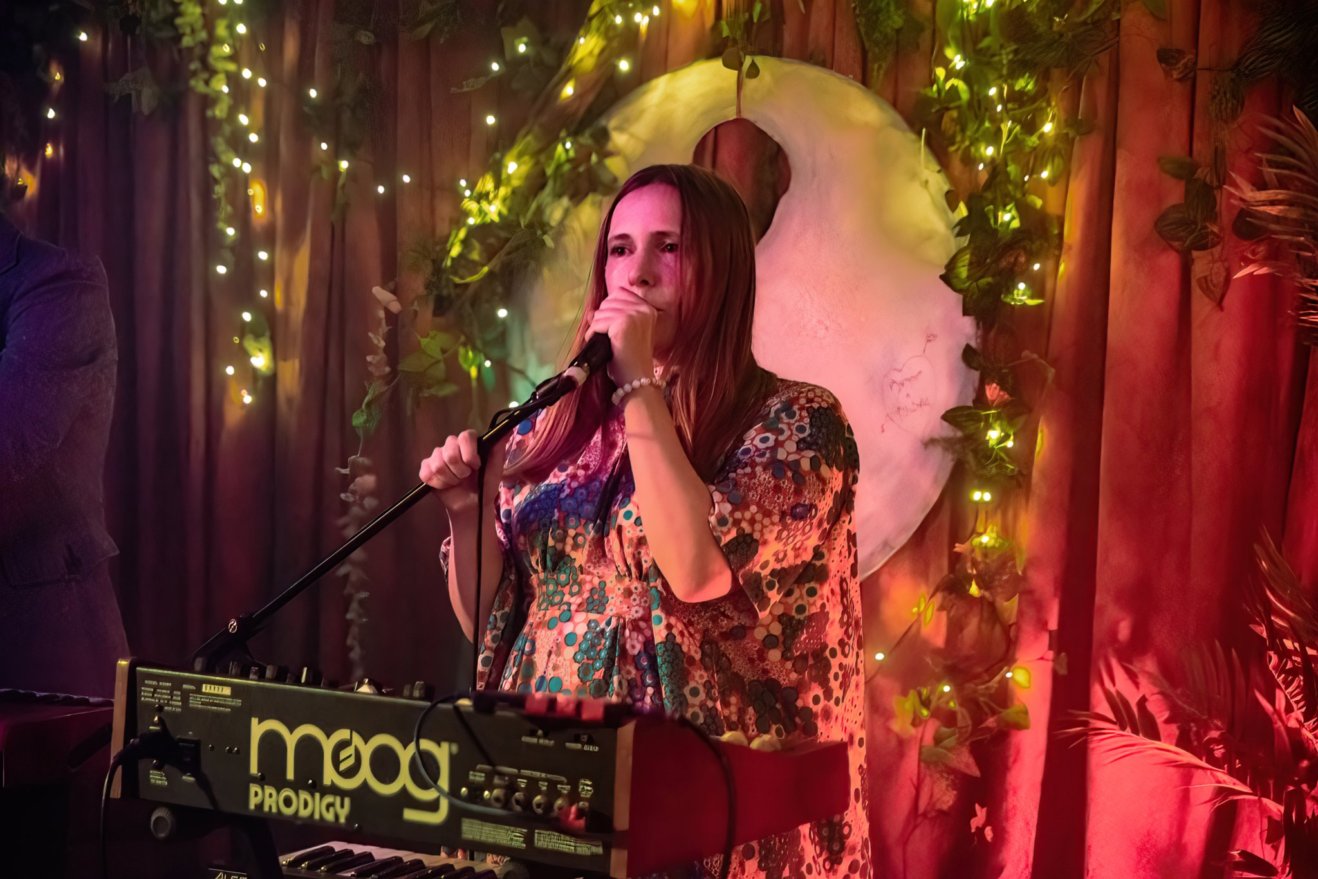
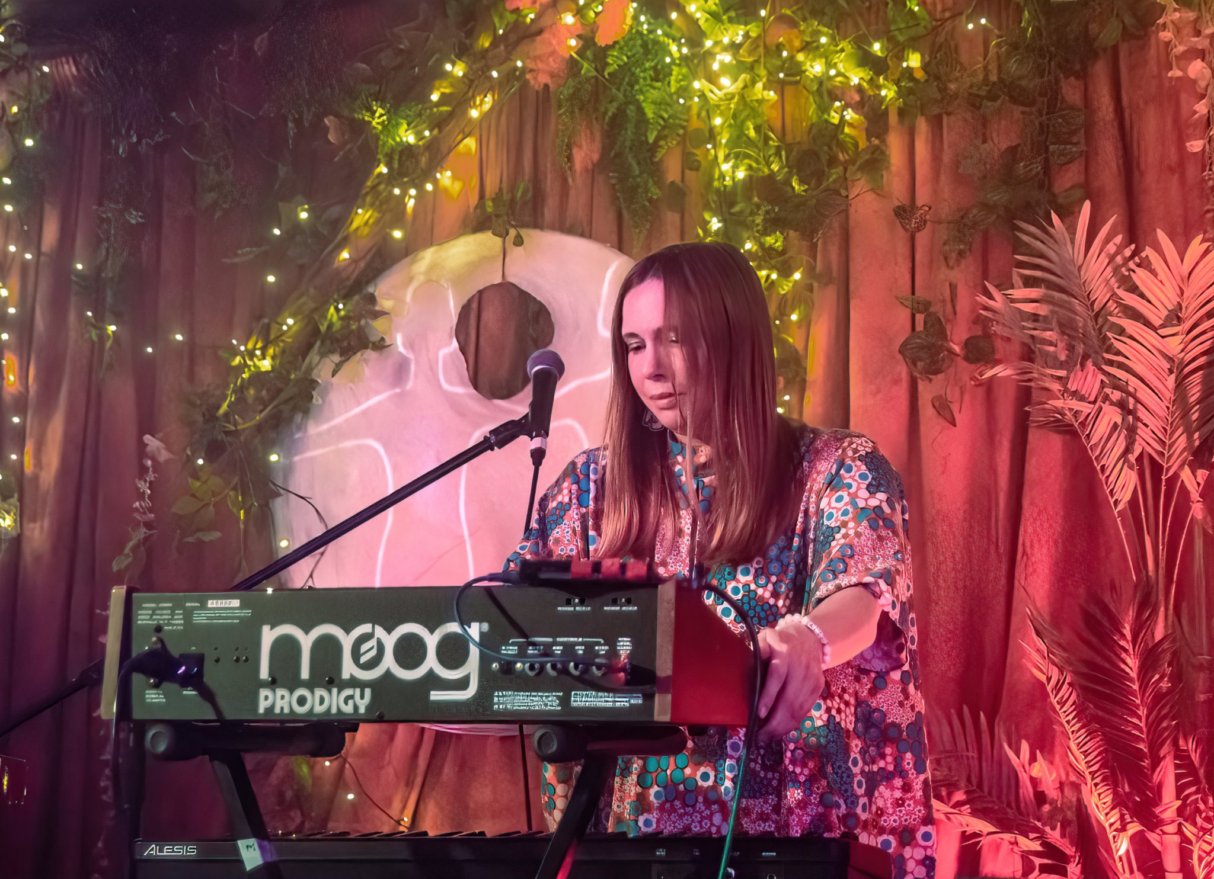
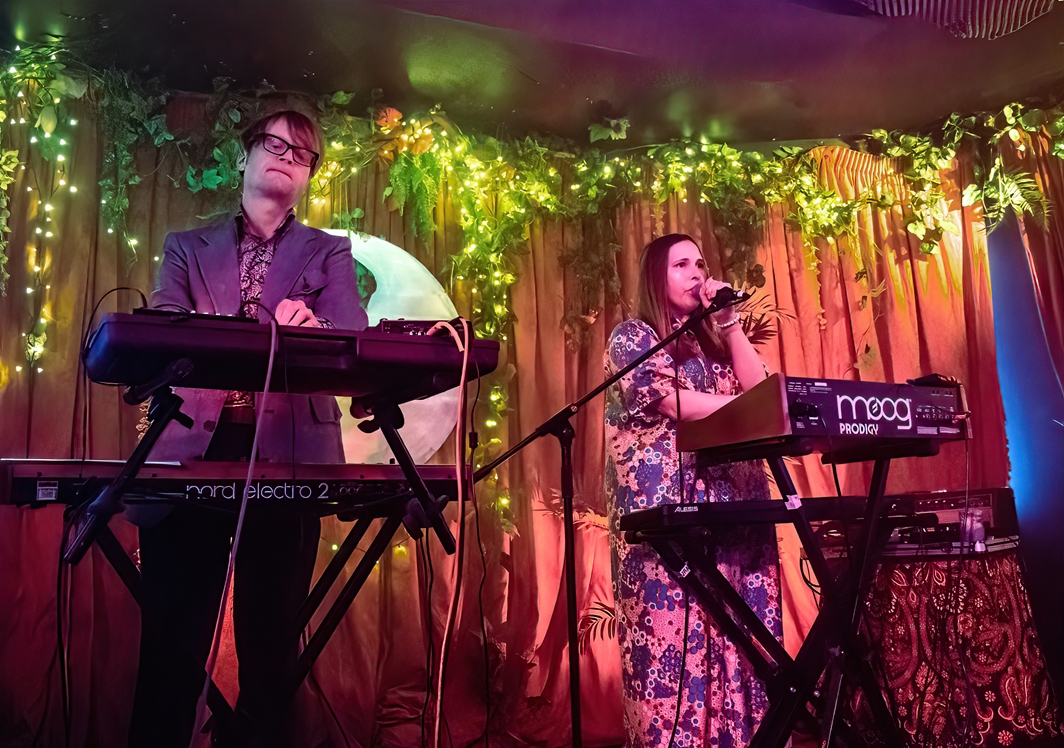
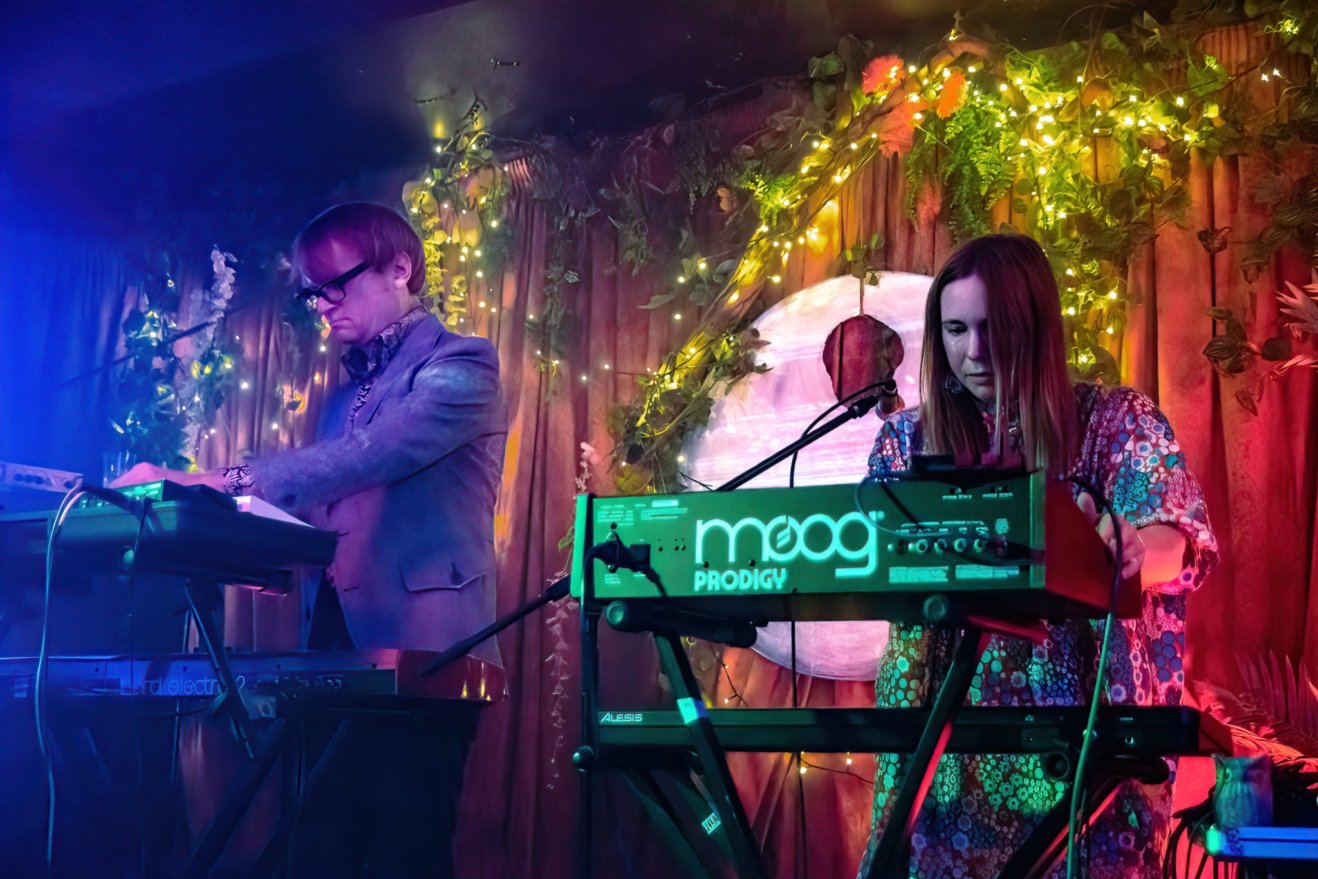
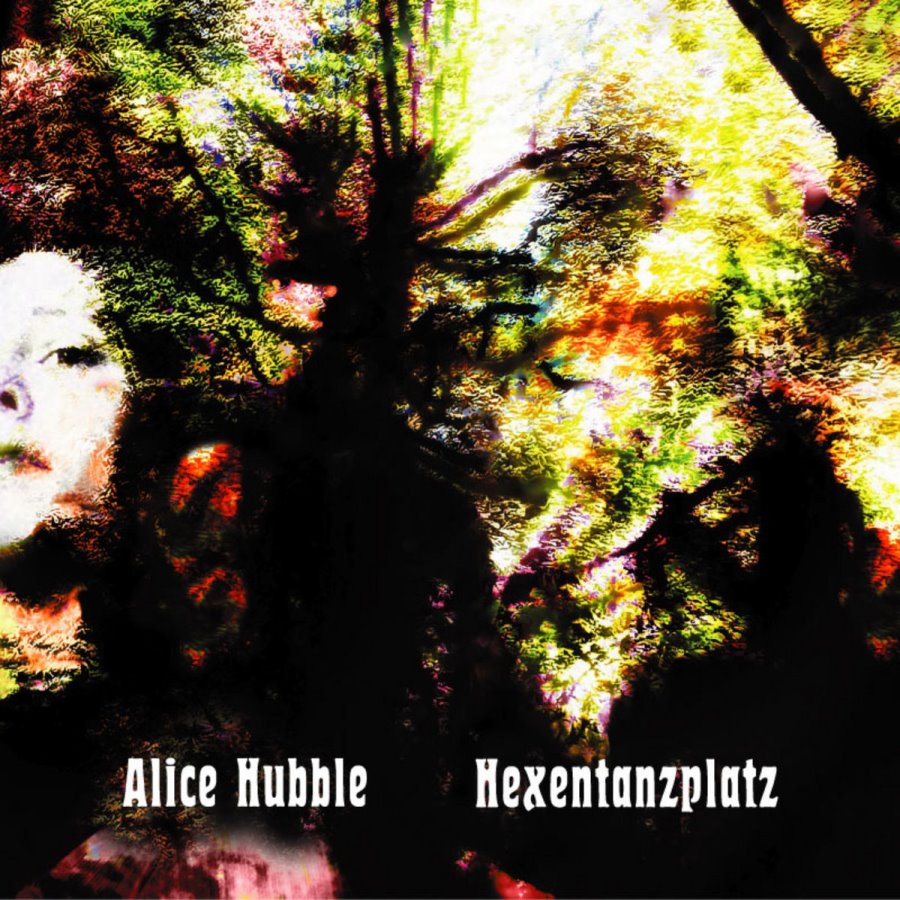 ELECTRICITYCLUB.CO.UK gives its sincerest thanks to Alice Hubble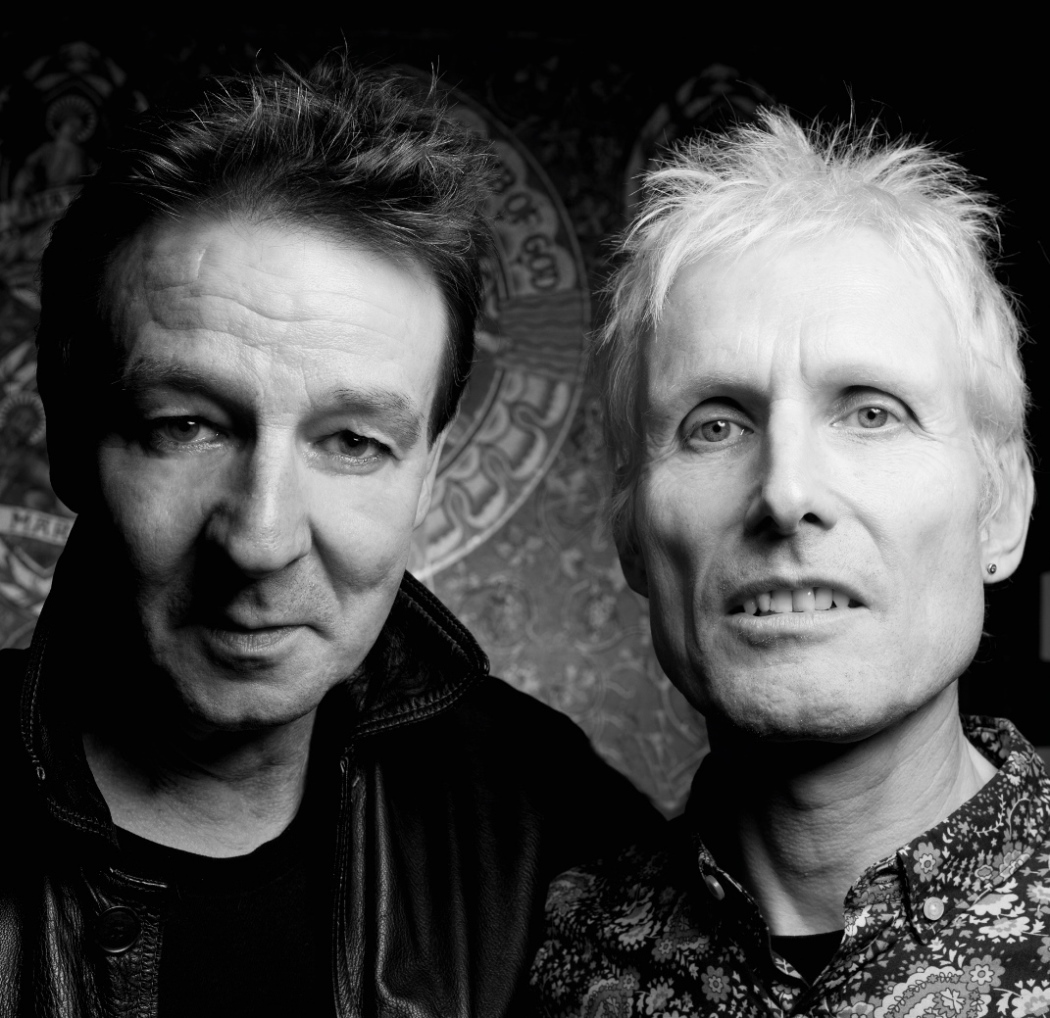
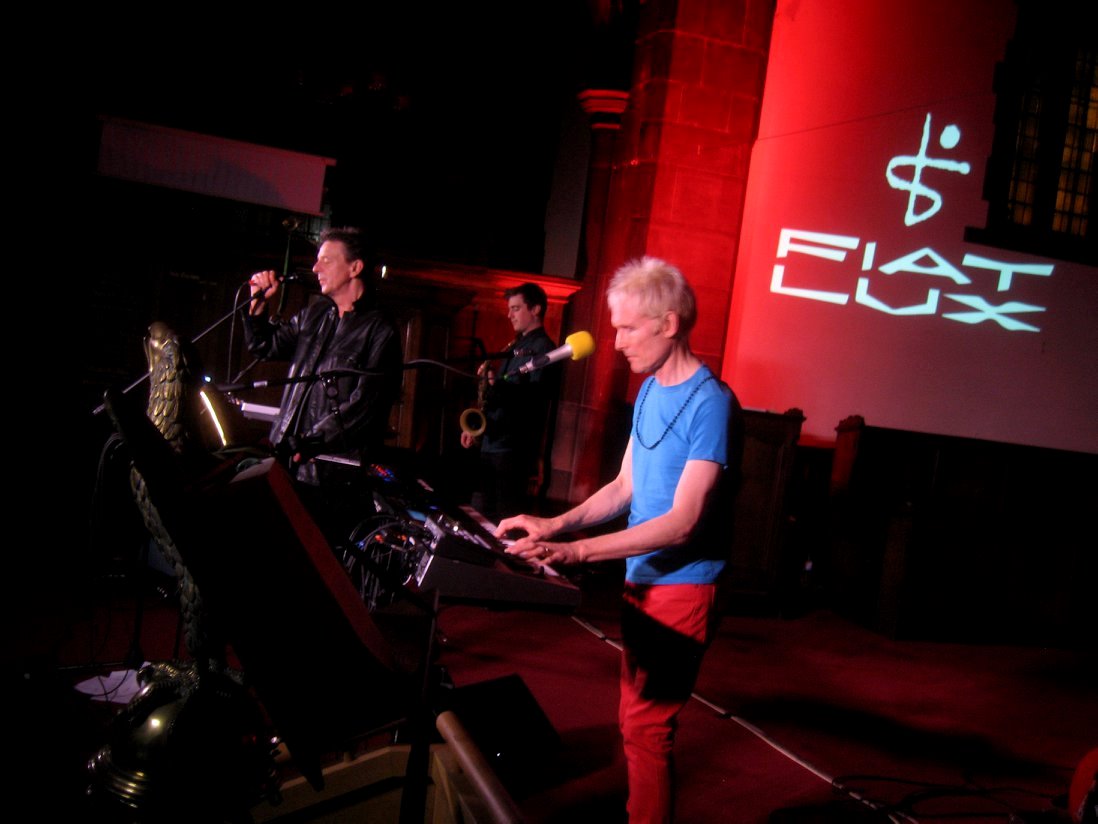
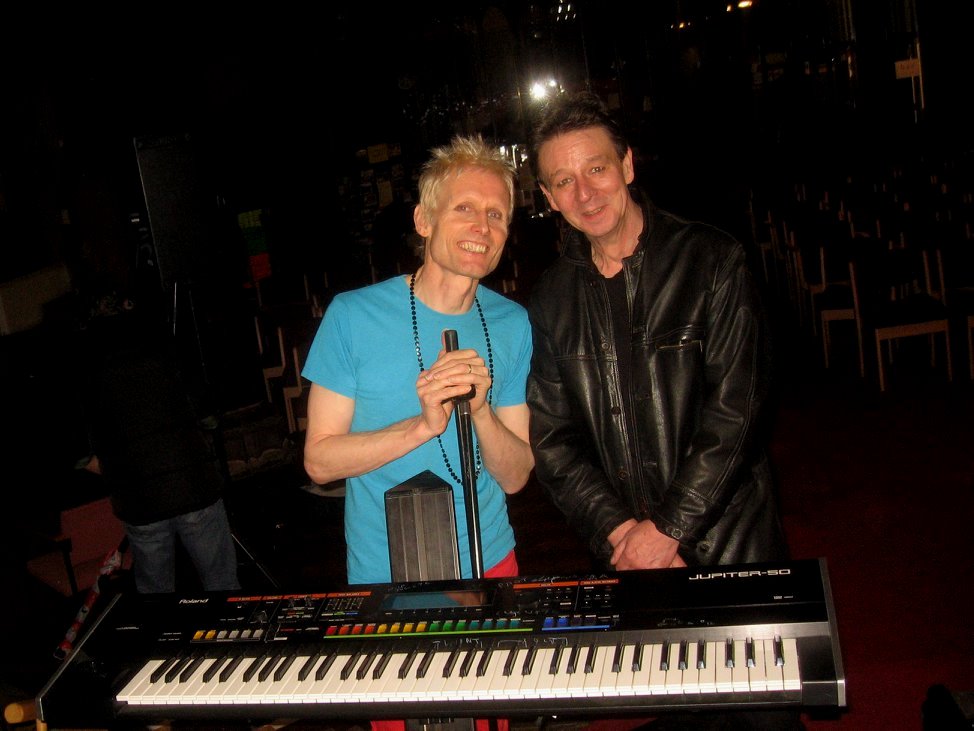
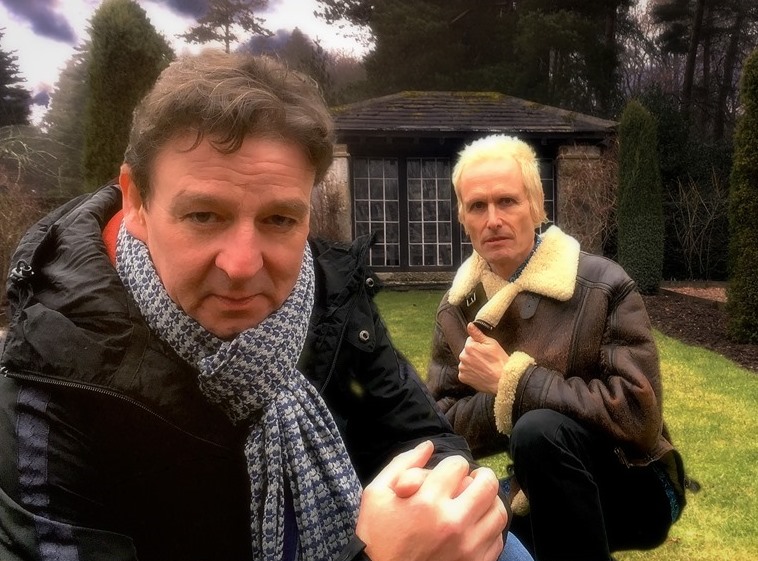
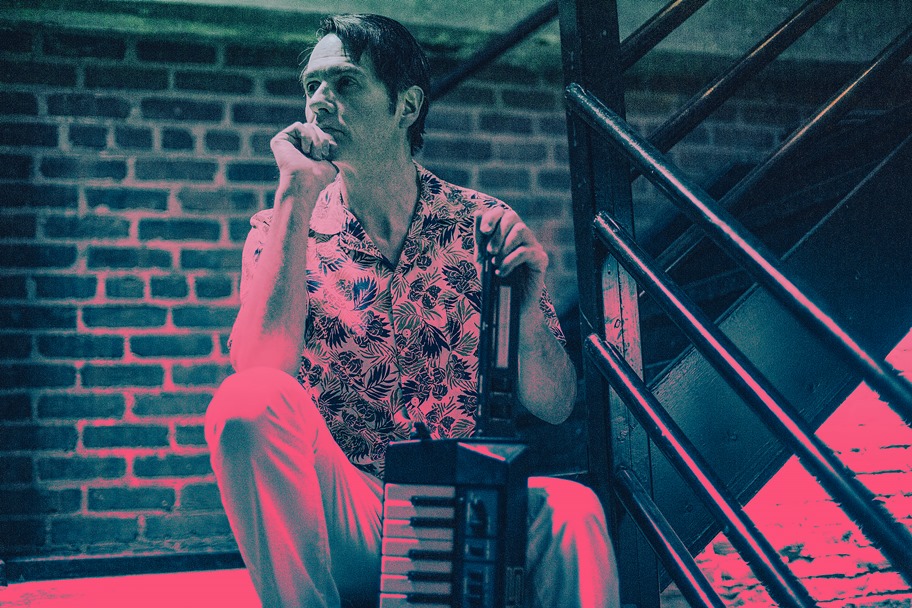
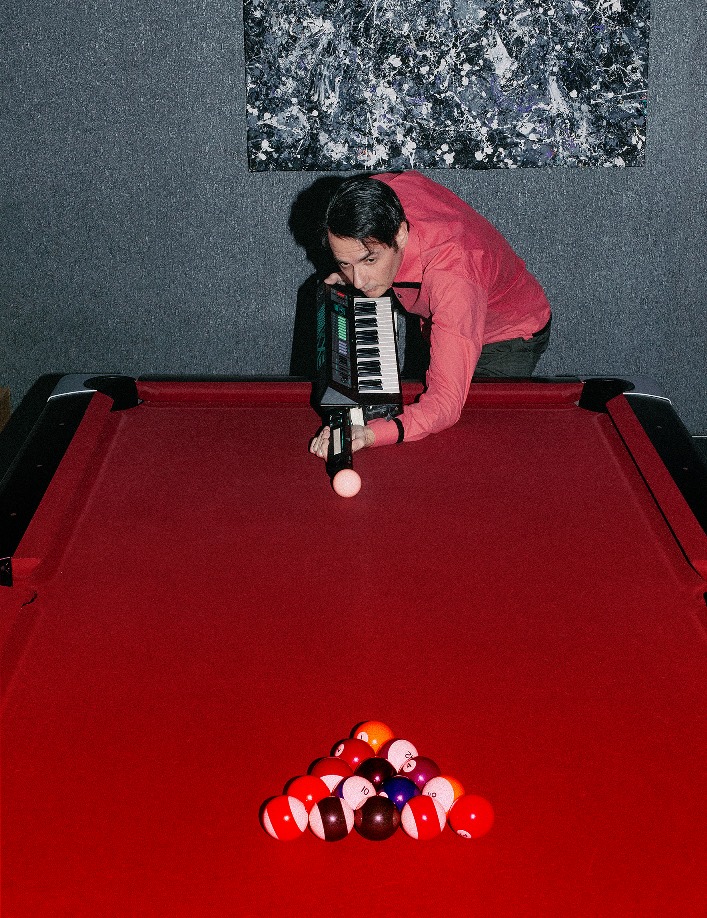
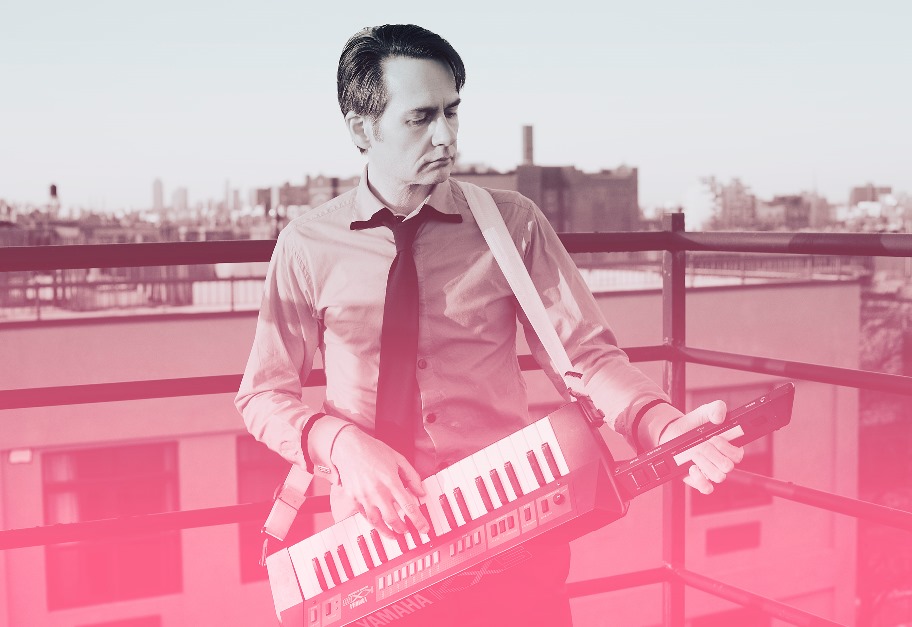
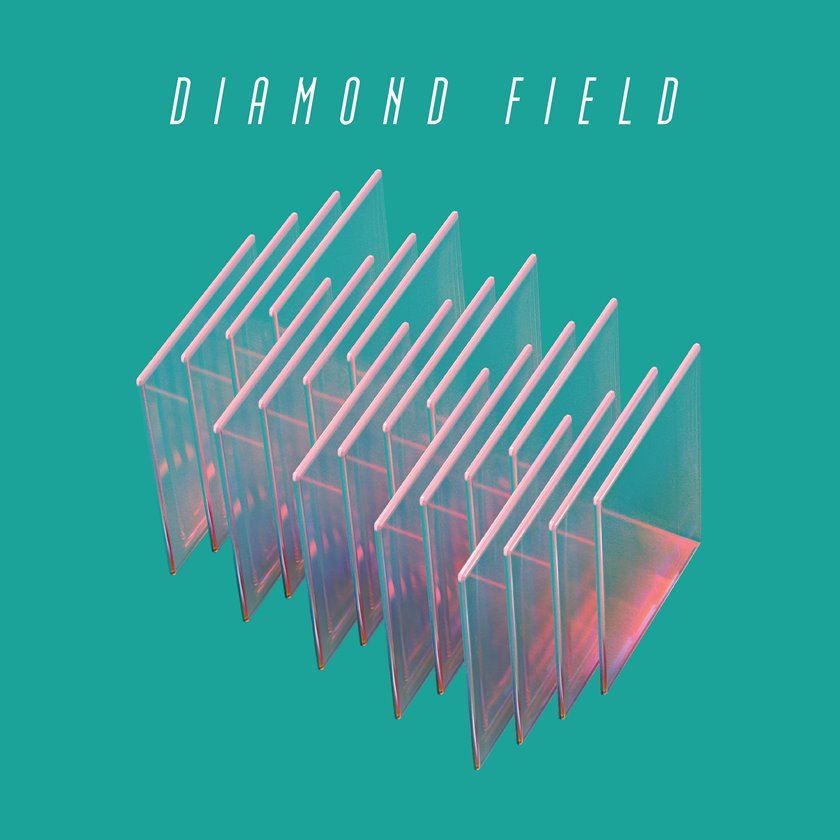
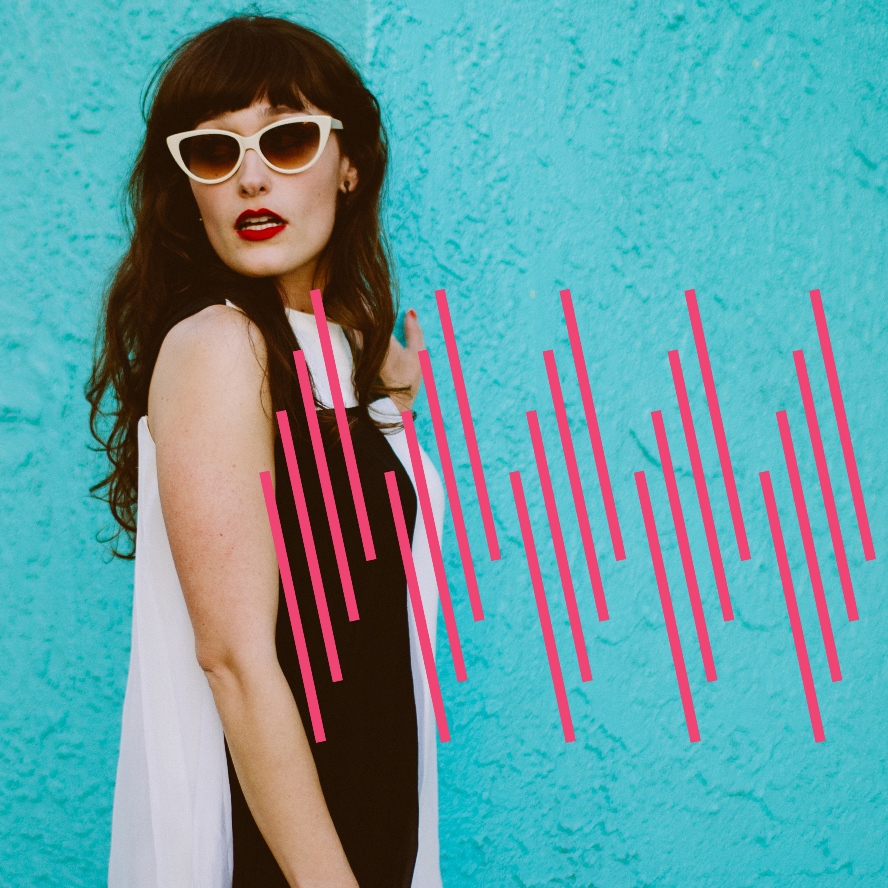


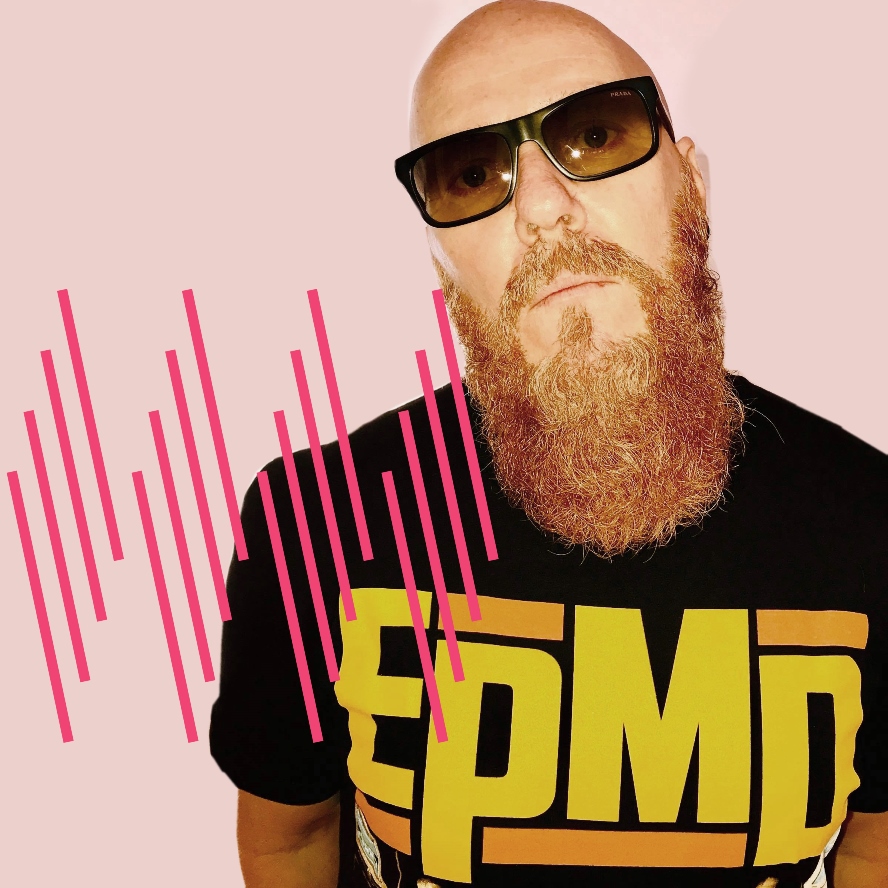
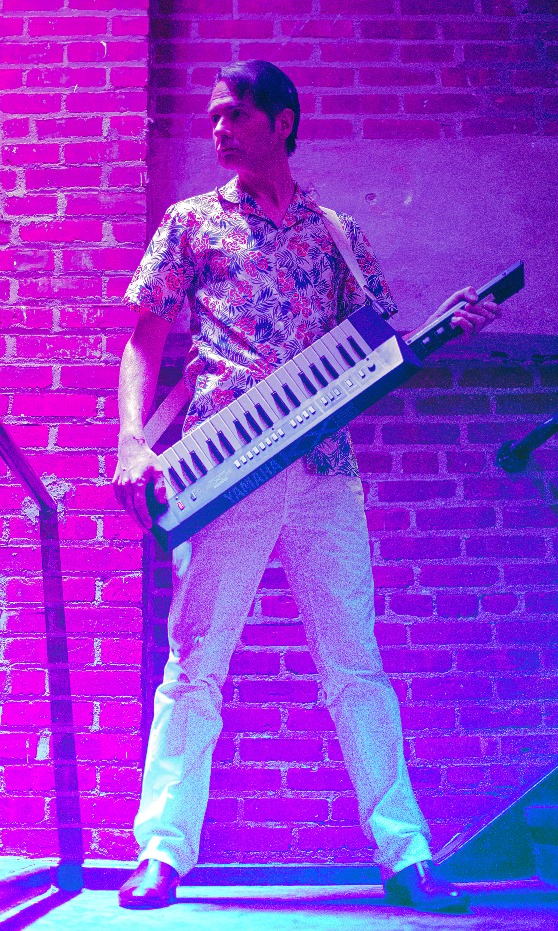
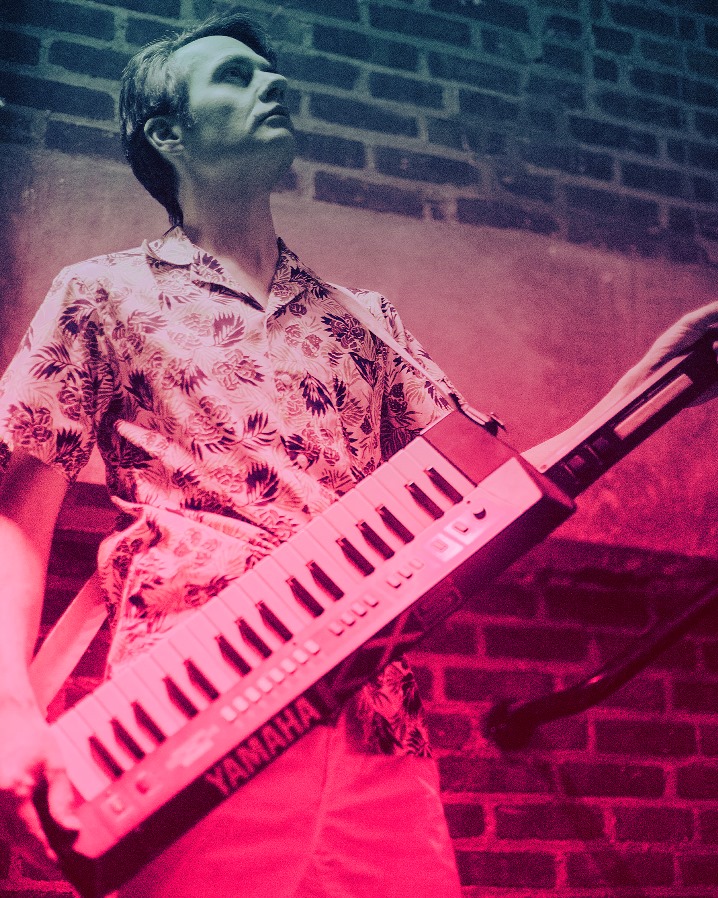
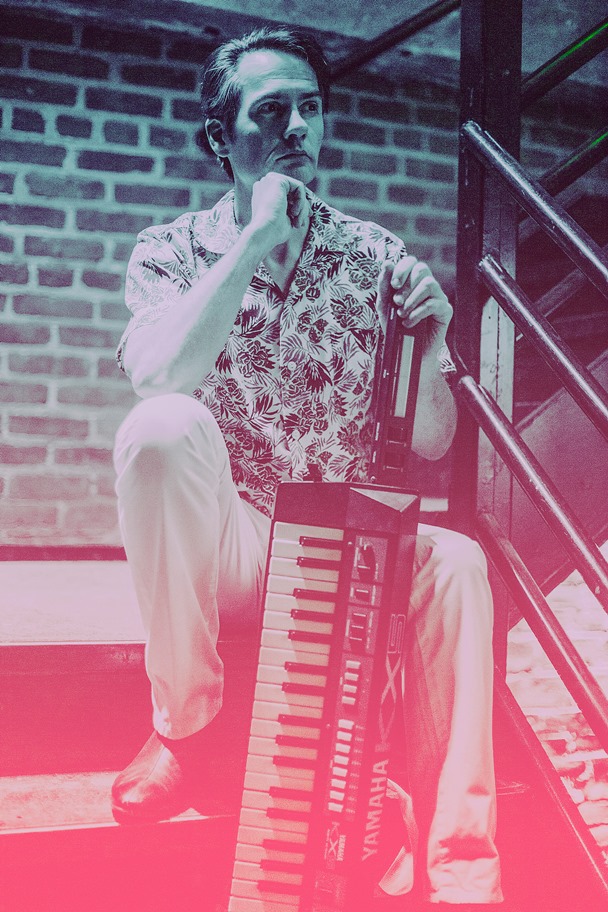
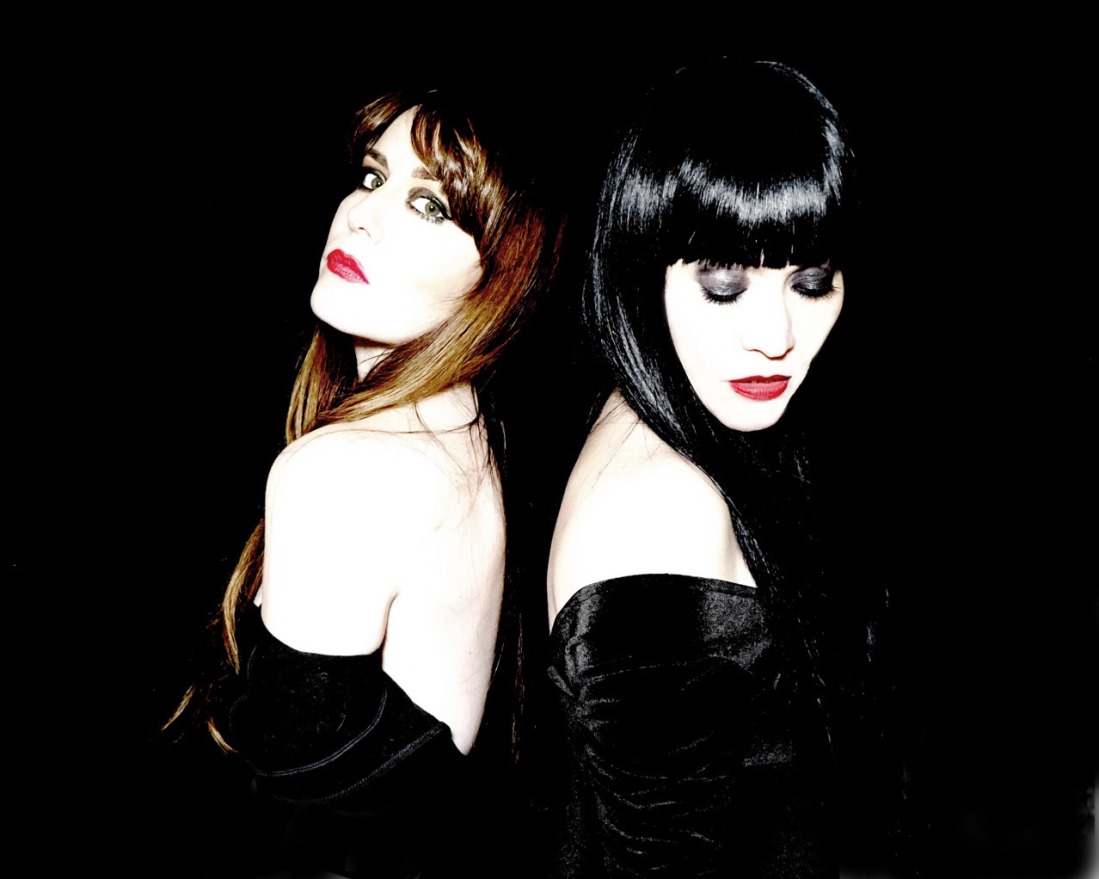
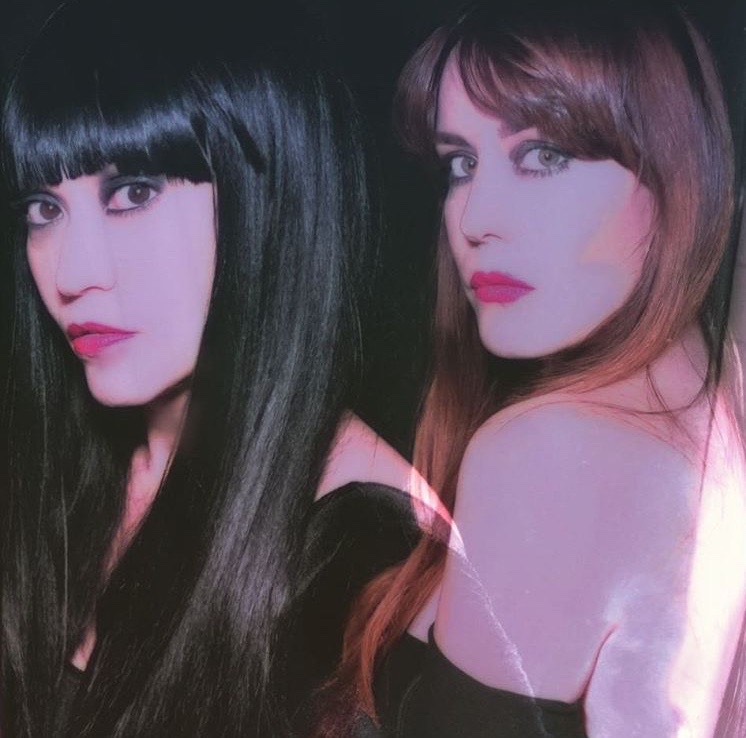
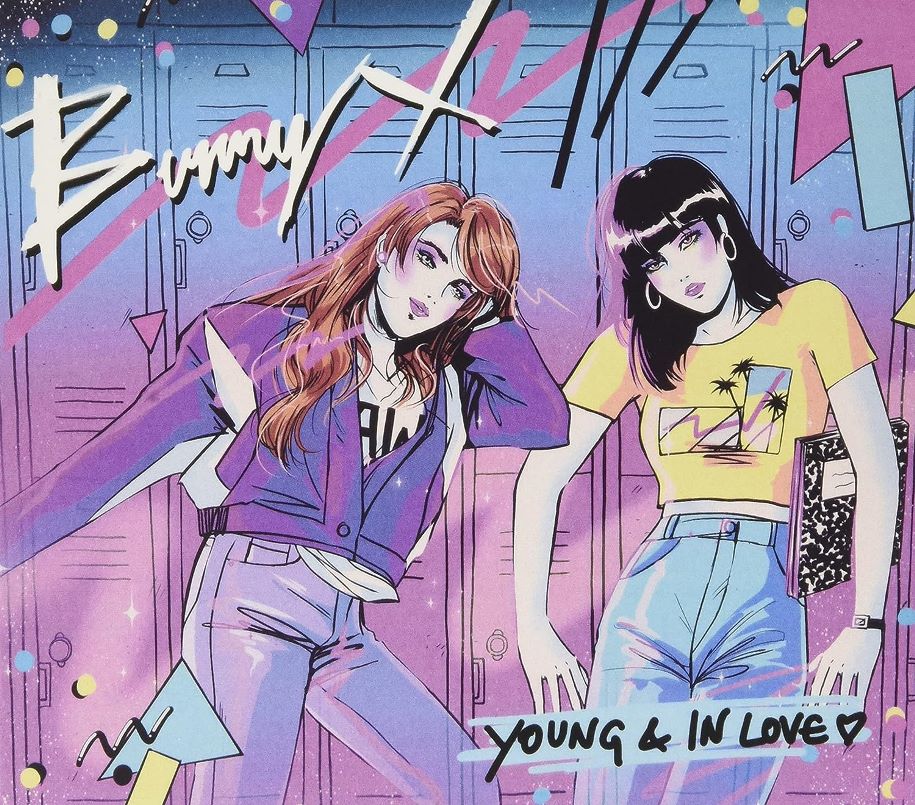
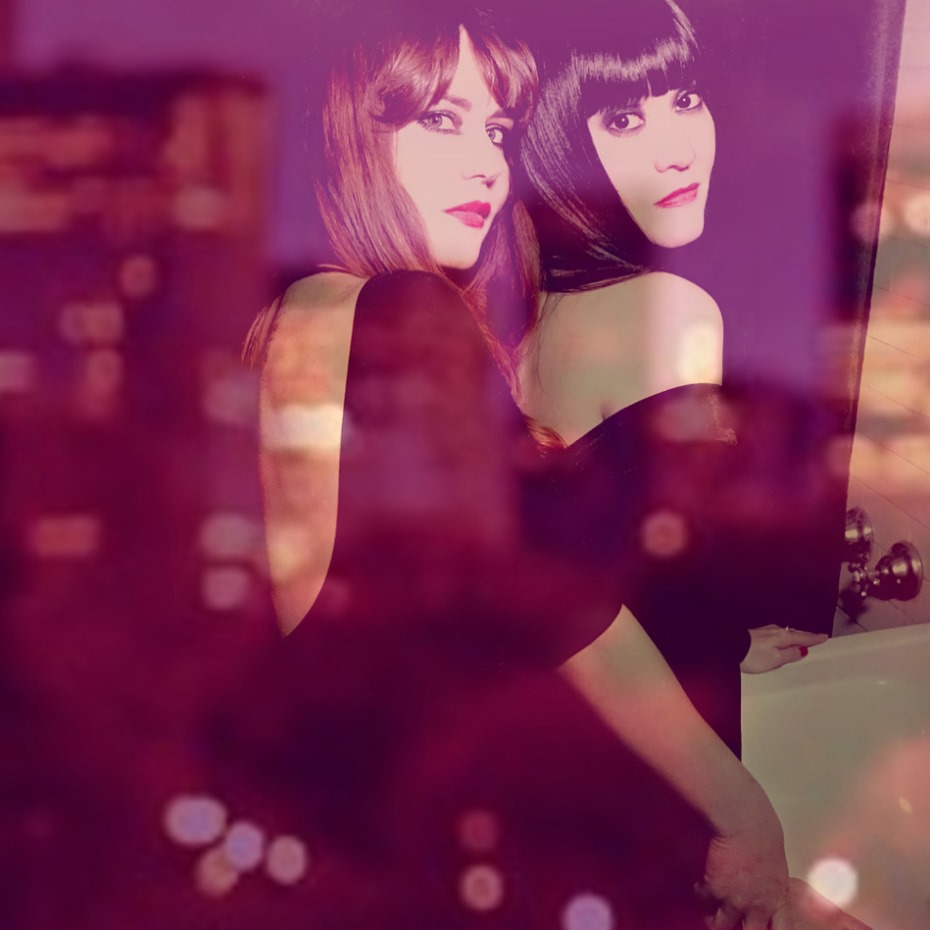
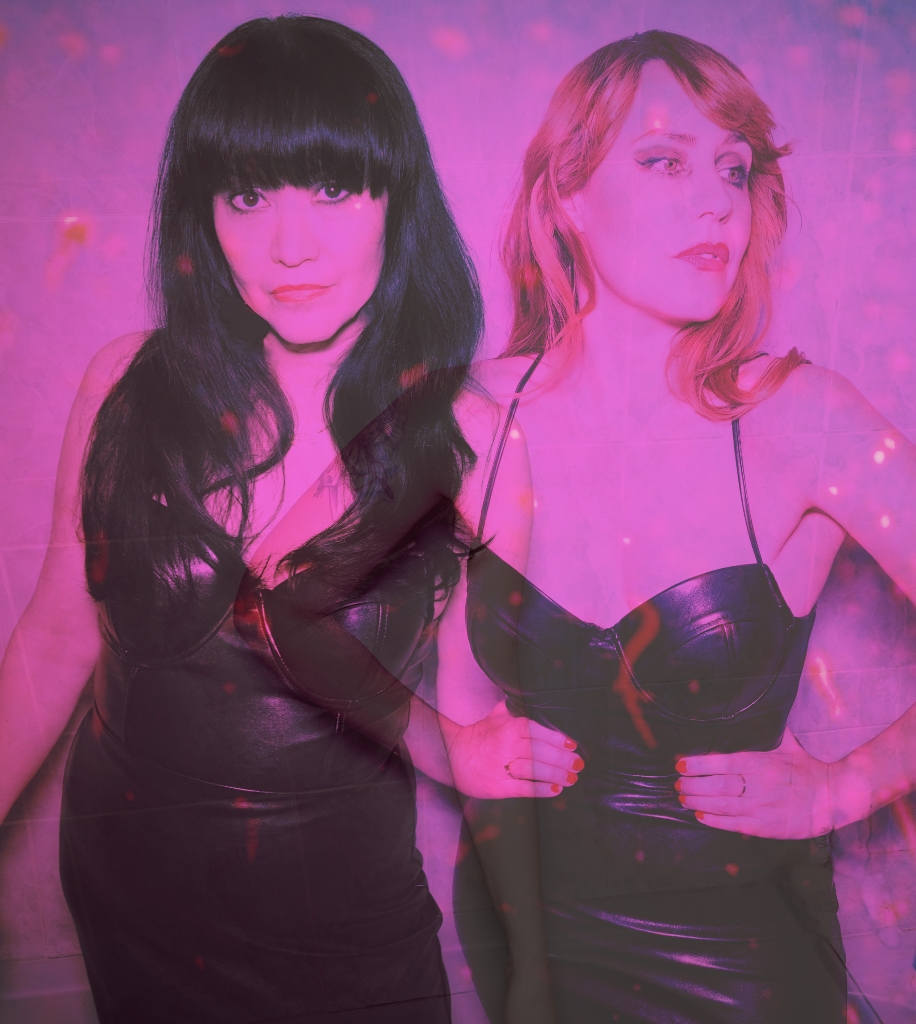
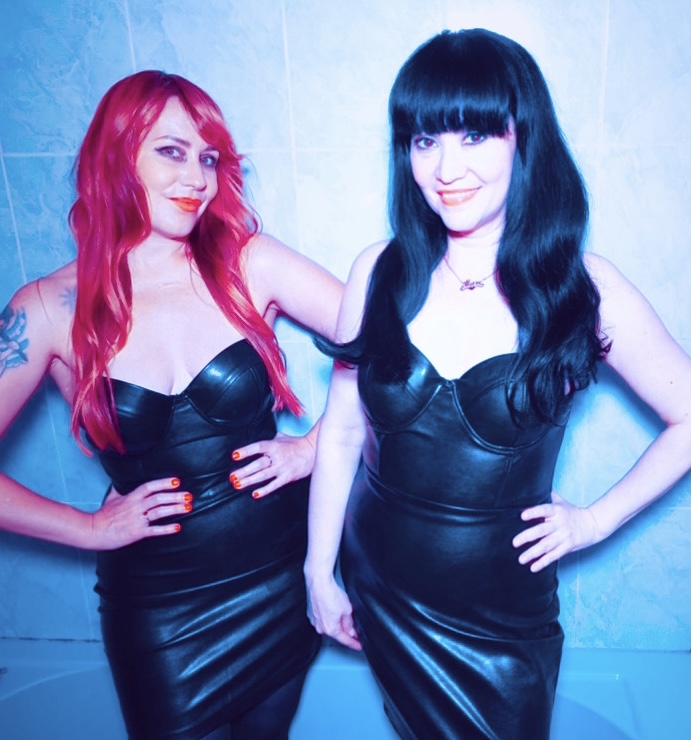

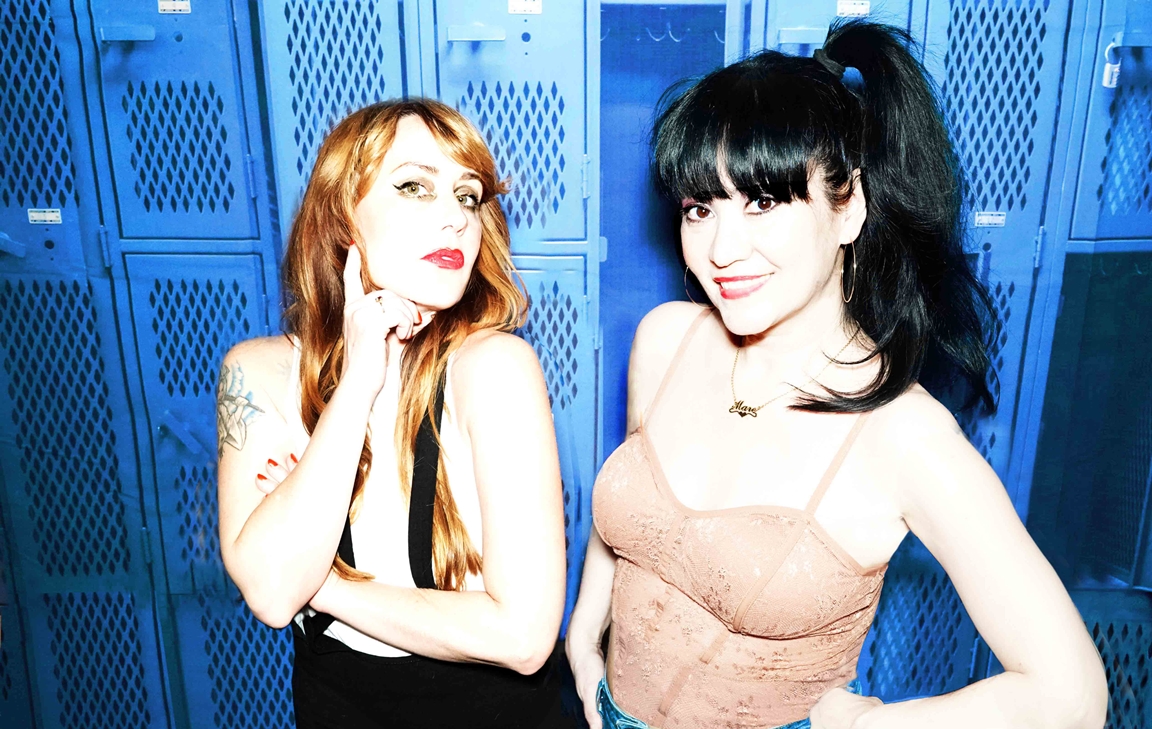
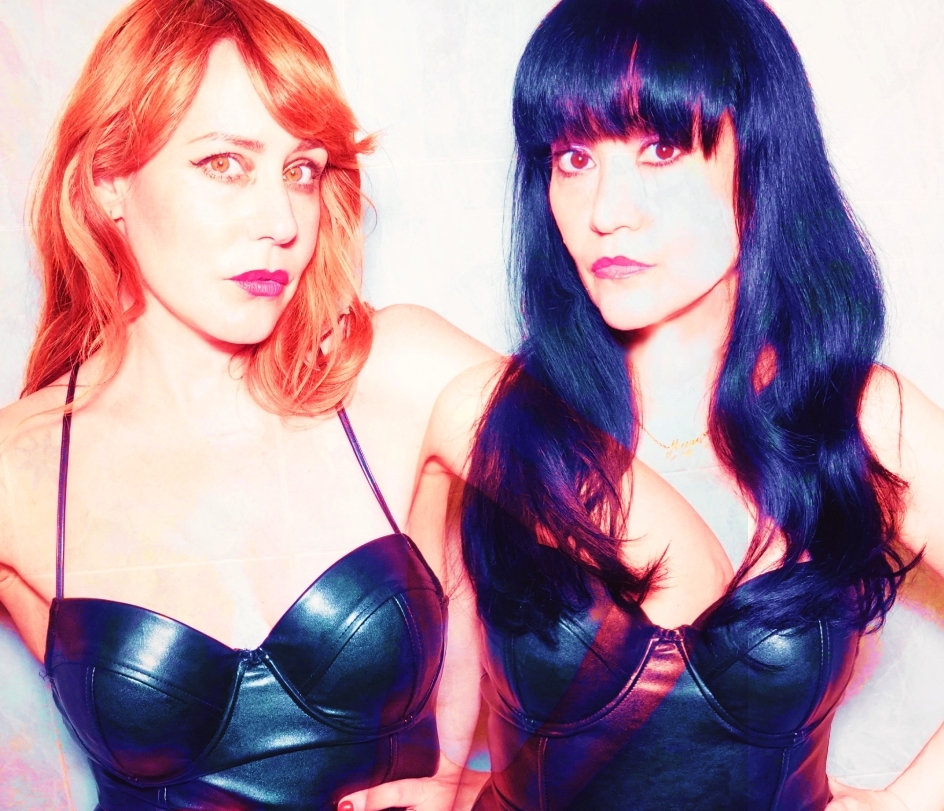
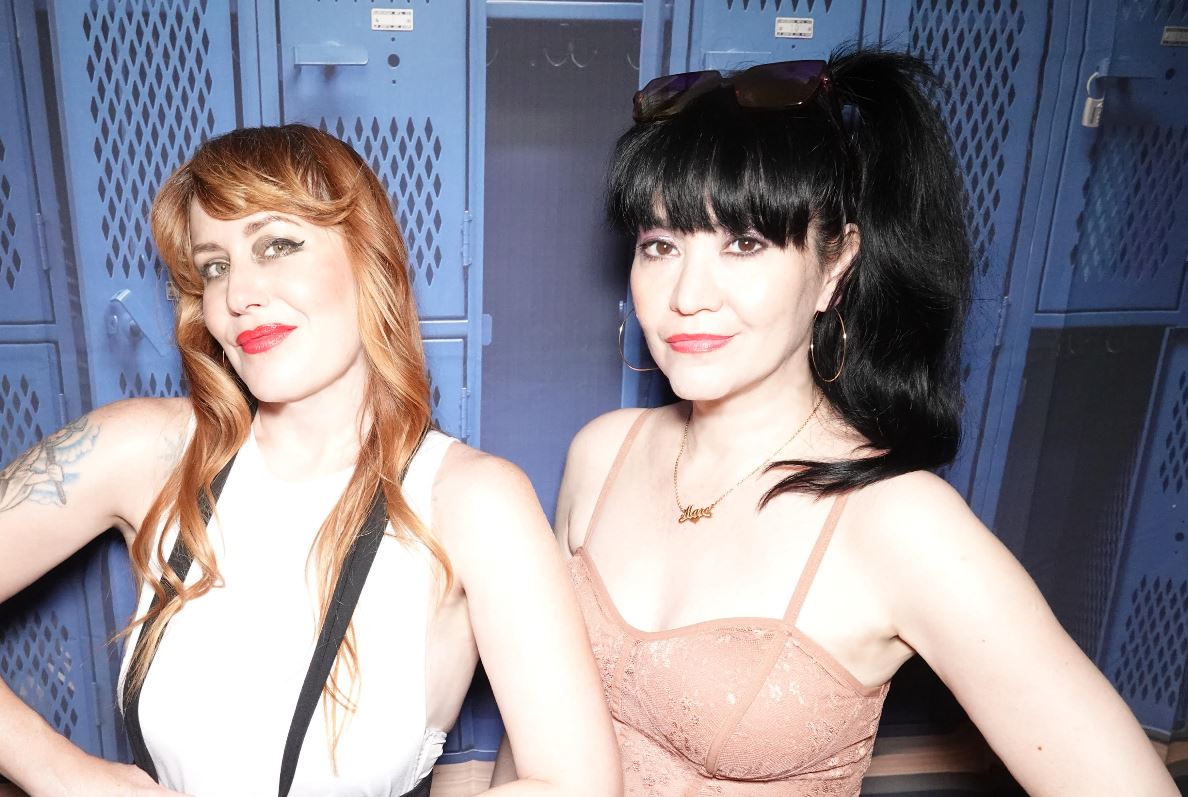
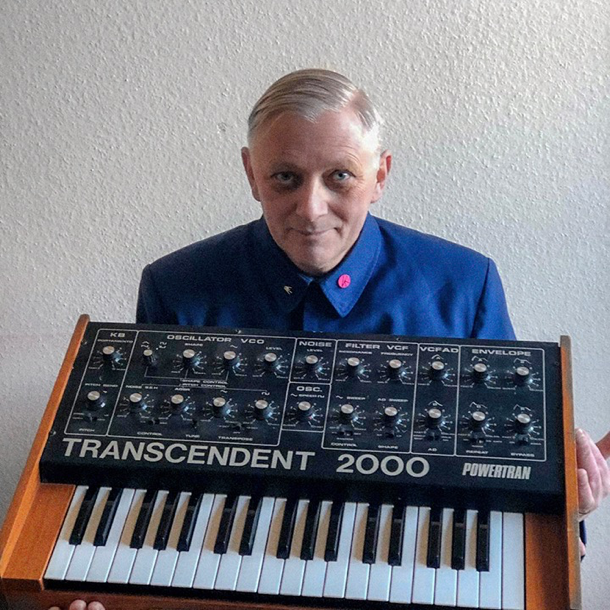
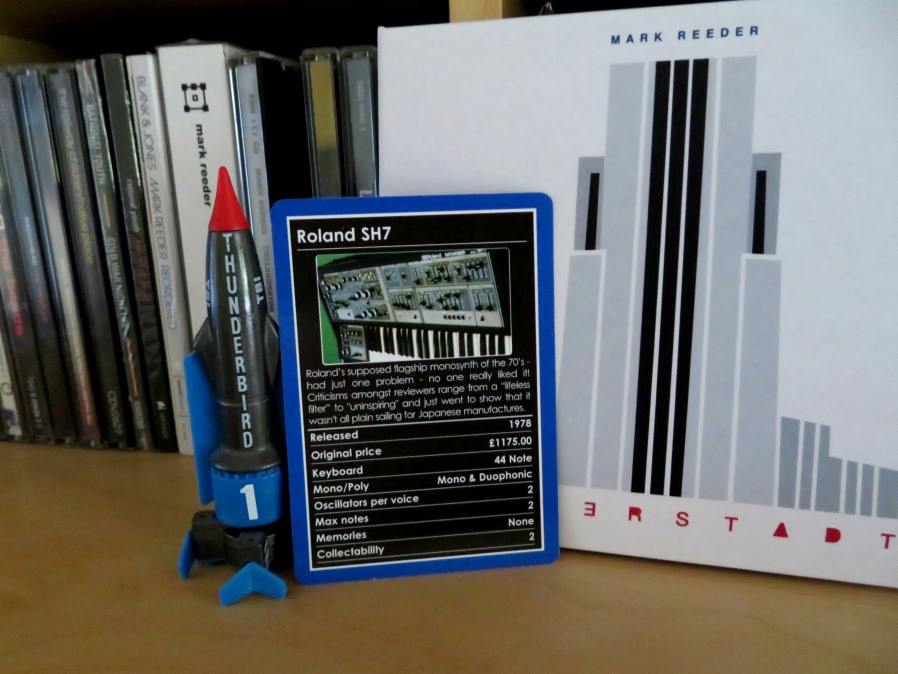
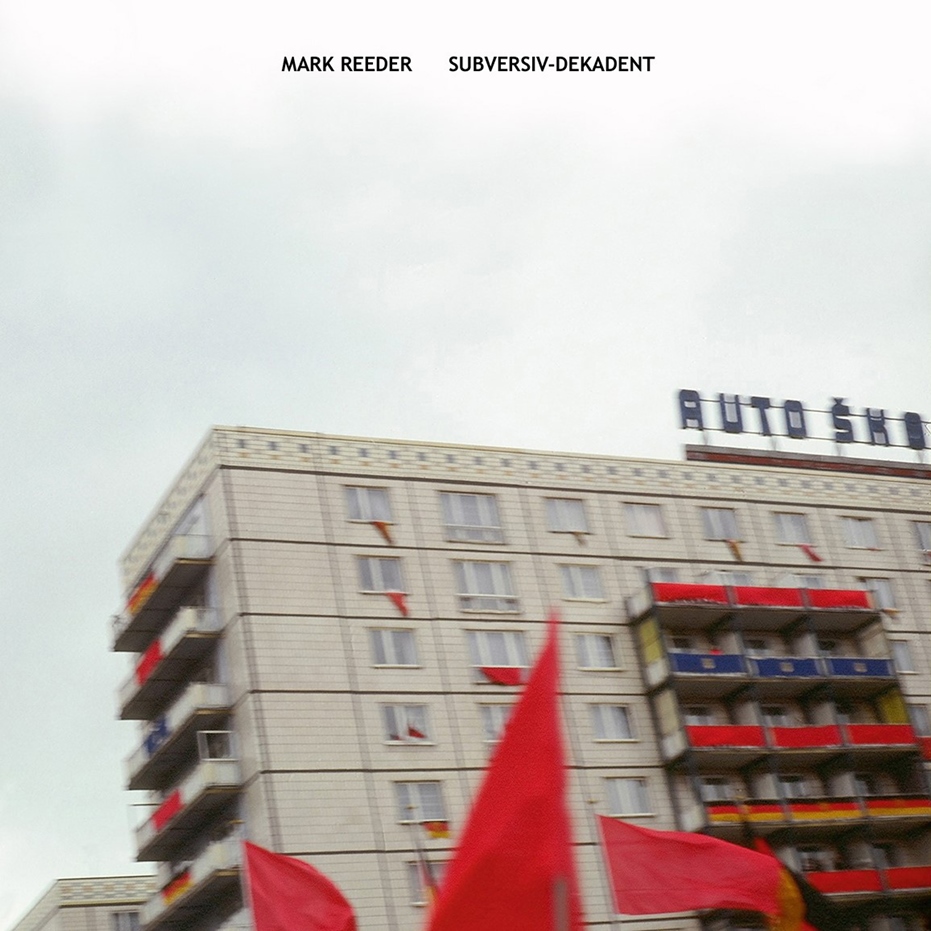
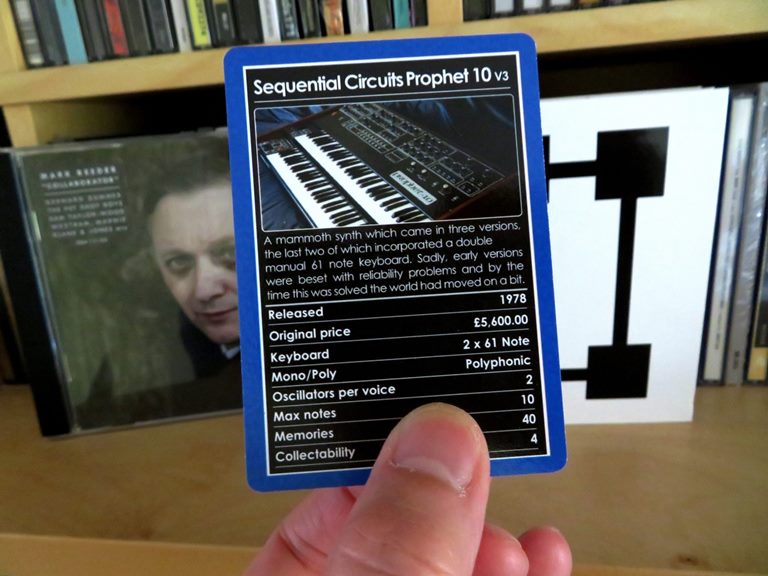
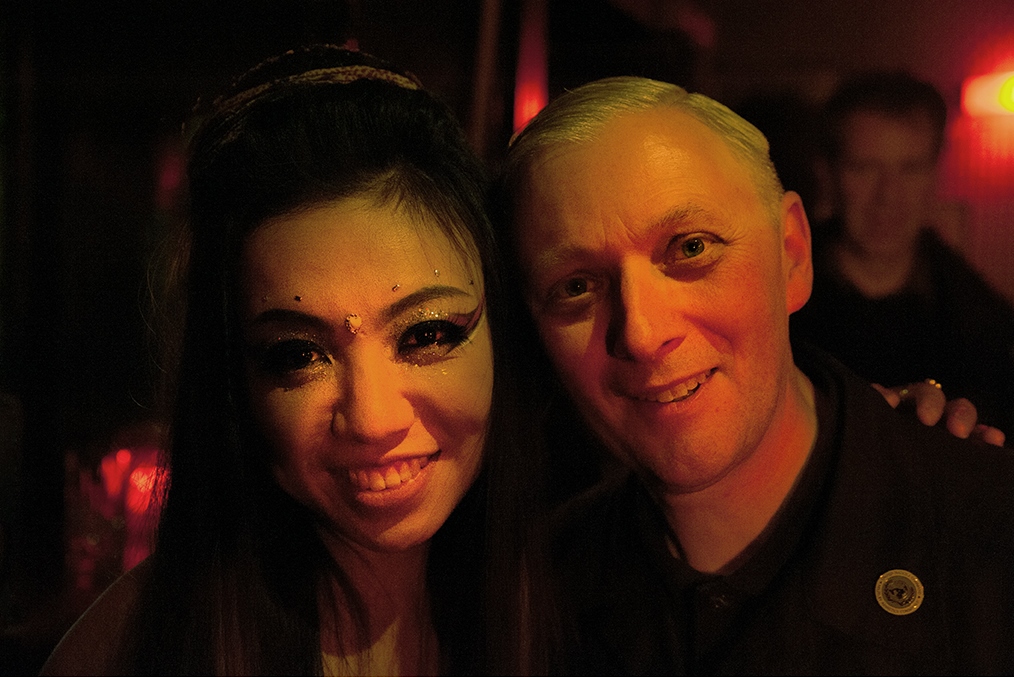
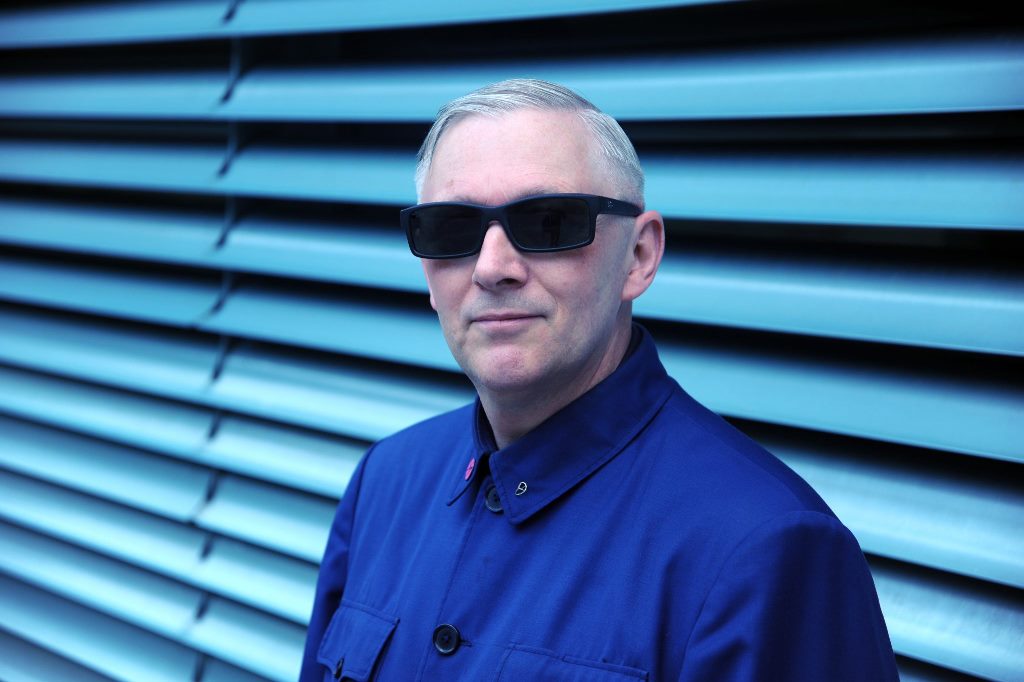
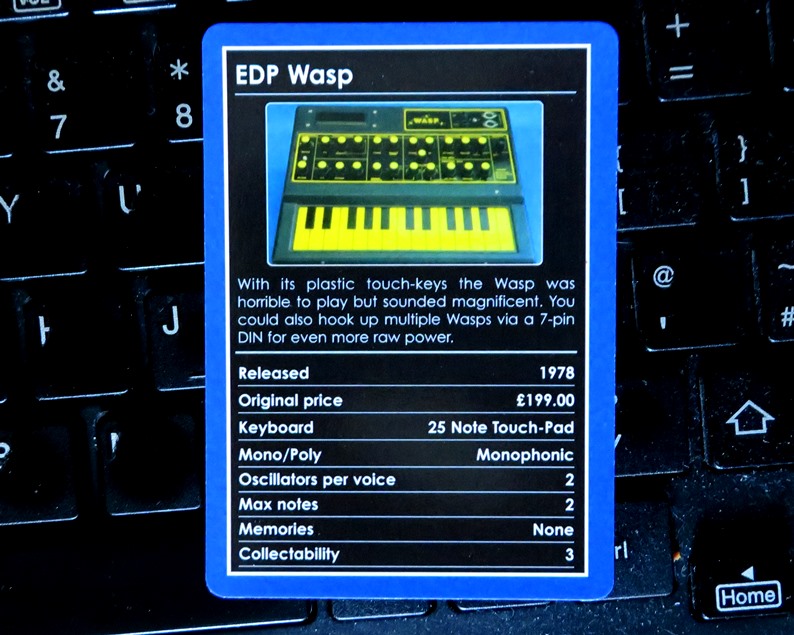
Follow Us!