Category: Interviews (Page 51 of 117)

Use Hearing Protection: The FACTORY RECORDS Interview

To celebrate the four decade legacy of Factory Records, Rhino / Warner Music Group have released two lavish boxed sets.

‘Use Hearing Protection: Factory Records 1978-1979’ gathers facsimile editions of the first 10 Factory items issued with a catalogue number.

It includes the first music releases ‘A Factory Sample’ (Fac 2), ‘All Night Party’ by A CERTAIN RATIO (Fac 5), ‘Electricity’ by OMD (Fac 6) and ‘Unknown Pleasures’ by JOY DIVISION (Fact 10).

Meanwhile, the early history of Factory Records is told in its accompanying 60 page book with text by label historian / biographer James Nice and photos by Kevin Cummins, while presented on DVD is the 8mm short film ‘No City Fun’ (Fac 9) featuring music by JOY DIVISION.

Additional items in ‘Use Hearing Protection: Factory Records 1978-1979’ include a white label 12” single by THE TILLER BOYS (originally intended as FAC3 but not released) and a previously unheard audio interview with Tony Wilson, Rob Gretton and JOY DIVISION from 1979 conducted by journalist Mary Harron restored across two CDs.

Featuring booklet notes by James Nice and Paul Morley, the second boxed set ‘Factory Records: Communications 1978-92’ is a reissue of the 4CD collection originally released in 2009 featuring JOY DIVISION, NEW ORDER, OMD, SECTION 25, JAMES, THE RAILWAY CHILDREN, ELECTRONIC and HAPPY MONDAYS among many as a set of 8 coloured vinyl LPs.

The ‘Use Hearing Protection’ exhibition premiered at London’s Chelsea Space for a limited period in the Autumn featuring the first 50 Factory items, but an expanded version will open in July 2020 at The Science & Industry Museum in Manchester.

James Nice took time out to chat about all things Factory…
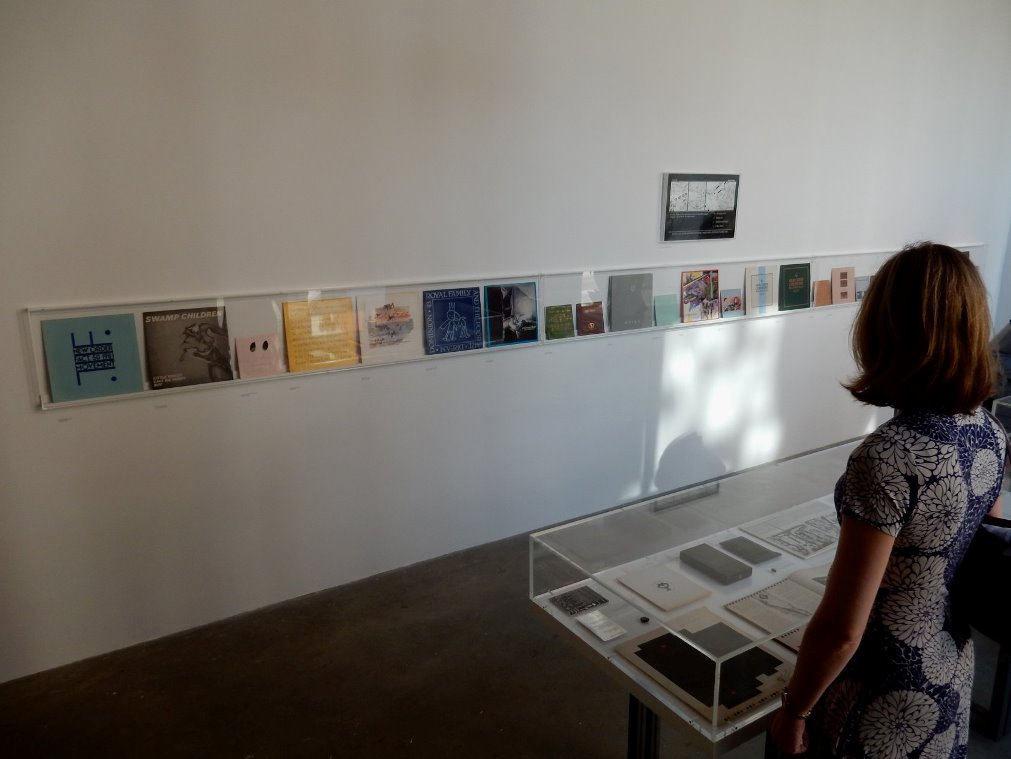
How important were Factory Records?

That’s a huge question! Can I defer to all 546 pages of my book ‘Shadowplayers: The Rise and Fall of Factory Records’, published in 2010? I still maintain that Factory has more influence and cultural capital than any other record label since.

The design sensibility counts for as much as the music, but having said that I’ve played ‘Unknown Pleasures’ many times in 2019, and even with the passage of 40 years it still sounds utterly fresh and contemporary. Hats off to Martin Hannett as well as the band.
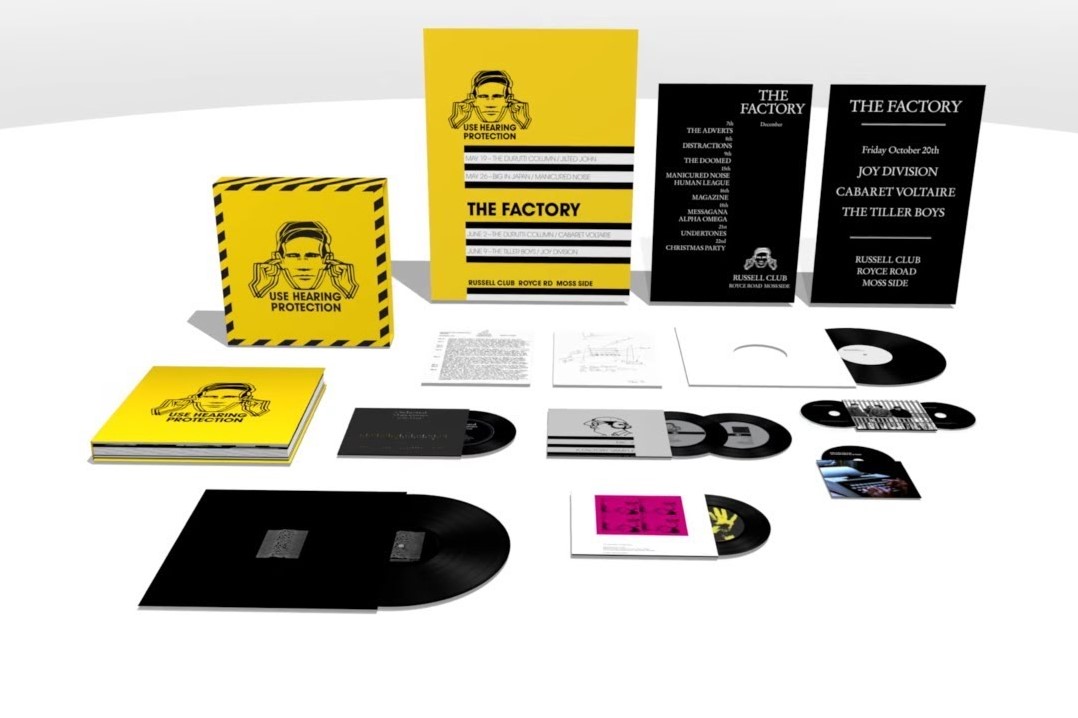

Are you happy with how the ‘Use Hearing Protection: Factory Records 1978-1979’ box turned out?

Yes, very much so. When WMG asked in 2018 whether there was something we could do to mark the 40th anniversary of the founding of the label, I suggested a mixed media ‘exhibition in a box’ containing the first 10 numbered artefacts because it seemed like an impossible challenge.

Aside from some complex licensing issues, some of the sleeves are exceptionally hard to reproduce. I don’t think any other label could have realised ‘Use Hearing Protection’, to be honest. At no time did Warners veto any element as being too costly, or object to bonus items such as THE TILLER BOYS 12” or the double CD interview with JOY DIVISION, Rob Gretton and Tony Wilson.

The first Factory Records music release FAC2 ‘A Factory Sample’ had a now iconic sleeve design, what was the process to ensure this reproduction was as close to the original as possible?

That was a significant challenge. The originals were hand-folded, hand-assembled – and even heat-sealed by hand using some sort of contraption no-one could identify 40 years later. The process took Factory several weeks back in 1979. The new edition was produced by a specialist printer in Italy and uses a heavier gauge polythene, but otherwise it’s faithful. Actually that’s not true – we corrected all the spelling errors on the sleeves and posters also. Hopefully that will stop anyone trying to sell these as originals.
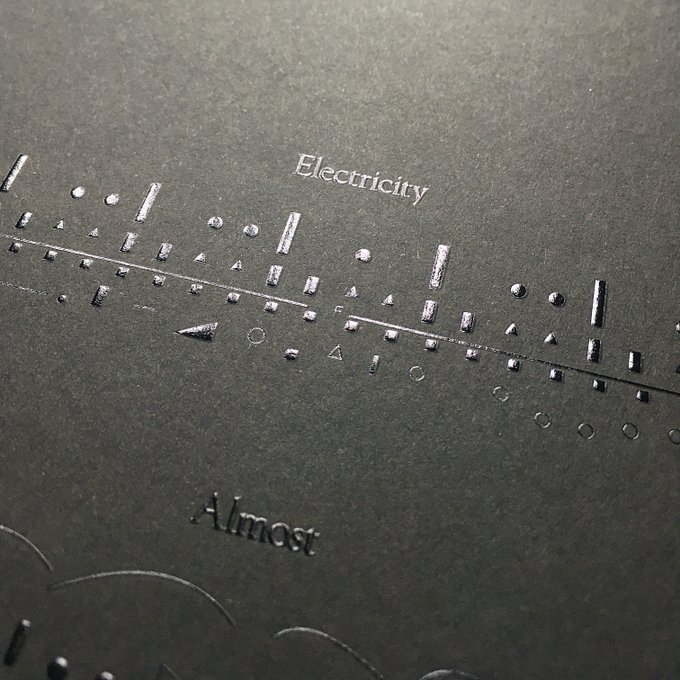

Legend has it that the thermographic process used on FAC6 ‘Electricity’ by OMD set the black-on-black sleeve on fire during the original manufacturing run, how was the effect achieved this time round?

Well, that’s what Peter Saville says. The black–on-black design concept of Fac 6 is fantastic, but I think the original thermographed sleeves ended up looking more ‘interesting’ than beautiful. The new version uses embossing and a spot varnish, and actually I think it looks better. That’s just my opinion though. Several classic Factory sleeves are pretty much impossible to replicate exactly now because the old technology is gone.

Fac 6 is one. Another is Fact 14, DURUTTI COLUMN’S first album. No-one makes 12-inch square glasspaper sheets any more. In fact no-one in Europe even makes glasspaper.
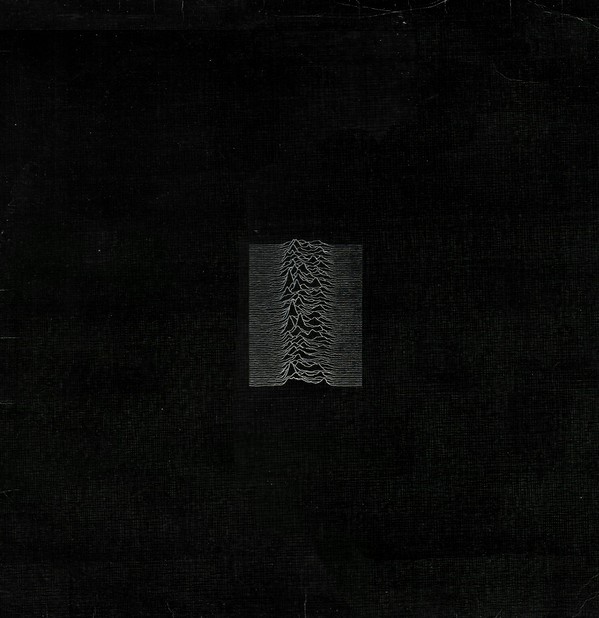
There has also been the 40th Anniversary of FAC10 ‘Unknown Pleasures’ by JOY DIVISION recently, is this the key release that allowed Factory Records to become a sustainable entity for the next few years?

Fact 10 was the logical endpoint to the UHP box, for sure. ‘Unknown Pleasures’ sold quite well at the time, although in June 1979 indie distribution was still in its infancy and it took a while to actually recoup. Obviously Ian Curtis died in May 1980, and sales of JOY DIVISION and NEW ORDER subsequently underwrote Factory for a long time afterwards.

Here’s what Tony Wilson had to say: “It began slowly. We did ‘Unknown Pleasures’, pressed 10,000, sold 5,000 off the back of the truck. The other 5,000 came home to Palatine Road. As soon as you’d got going, suddenly the mood changed, and by the end of ‘79 there was Rough Trade distribution, and that political identity you felt about being an independent label had arrived. But it wasn’t until maybe six months after Unknown Pleasures. By the time you got to ‘Closer’, it was all there.”

What’s inside the 60 page hardback book that is part of the ‘Use Hearing Protection: Factory Records 1978-1979’ box?

The book is in the style of an exhibition catalogue, so each of the items included – records, posters, films, stationary, egg-timers – is given several pages. The explanatory text for each item take the form of first person quotes from those involved.

I also wrote an introductory essay about the formation of Factory, and there’s also a highly perceptive Melody Maker piece by Mary Harron from 1979 which keys into the interview CDs. All the photos are by Kevin Cummins and provide an acute sense of time and place. It really was a joy to work with Howard Wakefield and Peter Saville on the whole project, and cut the singles at Abbey Road.
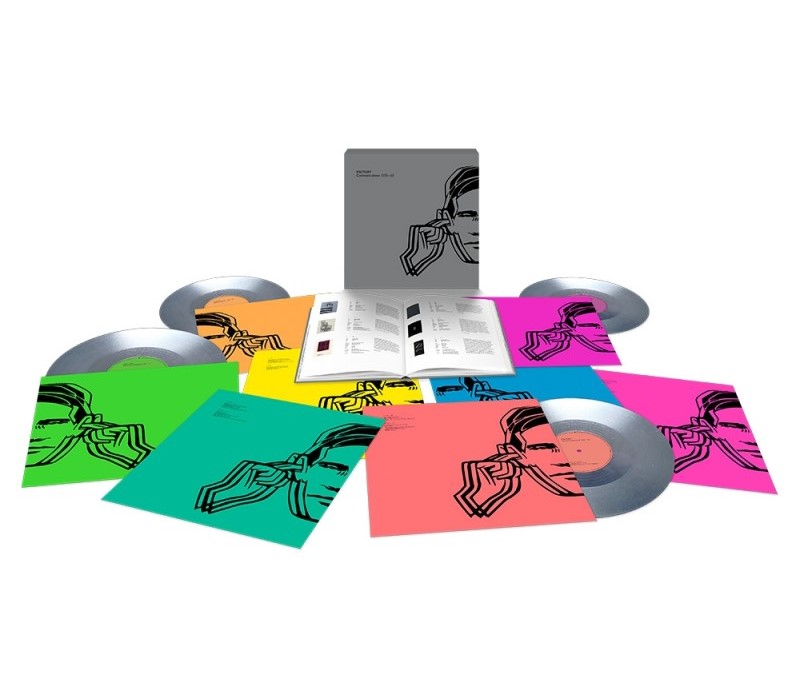

‘Factory Records: Communications 1978-1992’ has been reissued as a boxed set of 8 coloured vinyl LPs, what are your favourite five tracks from it and why?

In no particular order: ‘True Faith’ by NEW ORDER, which I think is their best pop song; ‘Mercy Theme (aka Duet)’ by DURUTTI COLUMN, very composed and classical yet warm and emotive; ‘Baader Meinhof’ by CABARET VOLTAIRE, because it still sounds terrifying; ‘Nightshift’ by THE NAMES, dark, understated pop by an underrated band; ‘Flight’ by ACR, thin boys punching above their weight to great effect.

Is there something you feel should have been included on it that isn’t?

ESG; they asked for silly money 10 years ago when the original CD version appeared. I don’t think anyone was very keen to try again this time. It’s a great shame though, as their Factory single is a timeless gem. I love ‘Can’t Afford’ by 52ND STREET too, but there wasn’t space to include it on this comp.

Factory Records were known for their great artwork and sleeves, which were the five that you liked best?

I like pretty much every sleeve design by Peter Saville, 8vo, Martyn Atkins and Mark Farrow. My five favourites are probably ‘Unknown Pleasures’ (Fact 10), the tracing paper sleeve for the first SECTION 25 single (Fac 18), ‘Without Mercy’ by DURUTTI COLUMN (Fact 84), ‘Always Now’ by SECTION 25 (Fact 45) and ‘Power, Corruption & Lies’ by New Order (Fact 75). Ben Kelly worked on a couple of excellent Factory sleeves too – Fac 18, and ‘Sextet’ by ACR – as well as The Haçienda.

The ‘Use Hearing Protection FAC 1 – 50 / 40’ exhibition made its debut at Chelsea Space in London, where is it heading next?

It will open in Manchester in 2020, and will be slightly bigger too. I liked the merchandising WMG produced with Saville – the SECTION 25 ‘Always Now’ tea towel in particular.
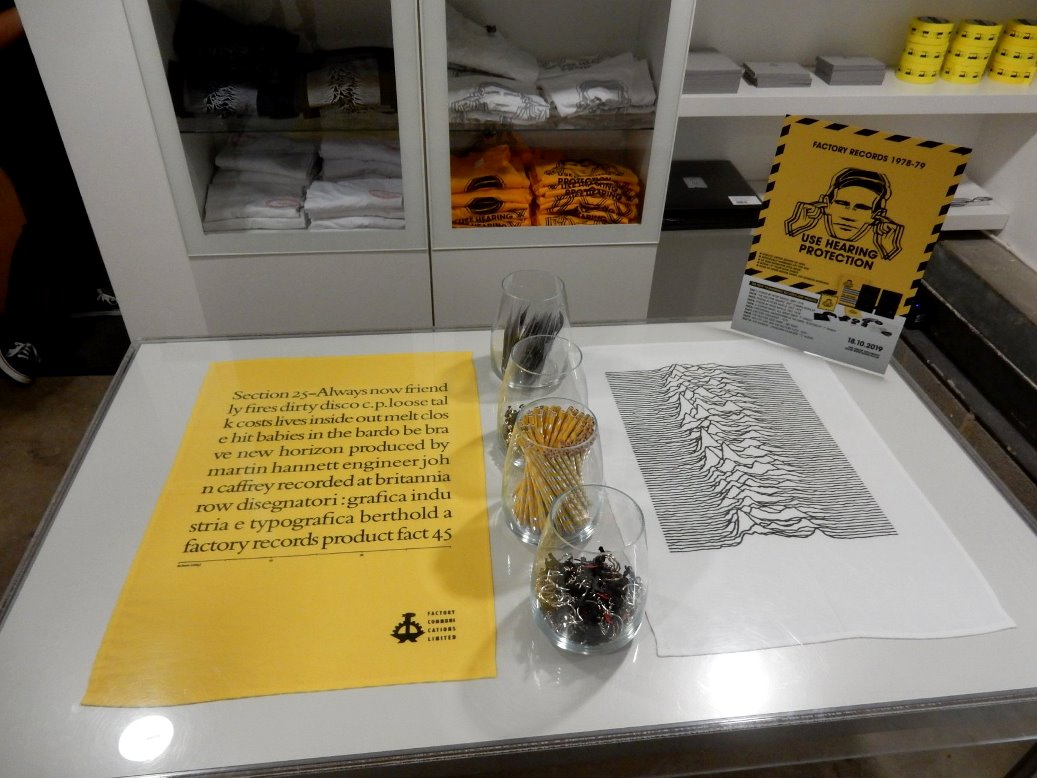

The ‘Use Hearing Protection’ T-shirts are only available in yellow in childrens’ sizes, I don’t wear T-shirts much but I’d have bought an adult one of those… do you think an opportunity may have been missed there?

Nothing to do with me!

However our ‘Drifting Cowboys’ DURUTTI COLUMN tee doubles as an ‘early’ Factory shirt, and is available in all sizes from Factory Benelux.

Why does Factory Records continue to be of cultural fascination in the 21st Century?

I’m going to be lazy and paraphrase from my text in the UHP book. According to Peter Saville, the remarkable Factory saga is one of the last authentic stories in pop music. “Because for 14 years nobody ever made a decision based on profitability”. Rather, as Saville points out with admirable candour, the equity invested in the company was death.

Firstly that of troubled JOY DIVISION singer Ian Curtis, who took his own life in May 1980, and in ‘Unknown Pleasures’ left behind him perhaps the best debut album of all time. Those record sales underwrote The Haçienda, another astonishing story embracing druggy excess and gangland drama. Ultimately the label collapsed in spectacular style, and Tony Wilson, Rob Gretton and Martin Hannett also died far too young. Forget ‘24 Hour Party People’ – the Factory story would make a great longform drama on Netflix or HBO.


ELECTRICITYCLUB.CO.UK gives its sincerest thanks to James Nice

‘Use Hearing Protection: Factory Records 1978-79’ and ‘Factory Records: Communications 1978-92’ are released by Rhino / Warner Music Group, available from https://store.rhino.co.uk/uk/factory.html

The next leg of ‘Use Hearing Protection’ takes place at the Science + Industry Museum in Manchester between 19th June 2021 to 3rd January 2022, further information at https://www.scienceandindustrymuseum.org.uk/whats-on/use-hearing-protection

https://www.usehearingprotection.com/

https://www.facebook.com/factorycomms/

https://twitter.com/factory_comms

https://www.instagram.com/factorycomms/


Text and Interview by Chi Ming Lai
22nd November 2019, updated 13th June 2022
QUIETER THAN SPIDERS Interview

Back in 2014, a mysterious Chinese combo named QUIETER THAN SPIDERS caught the ears of ELECTRICITYCLUB.CO.UK

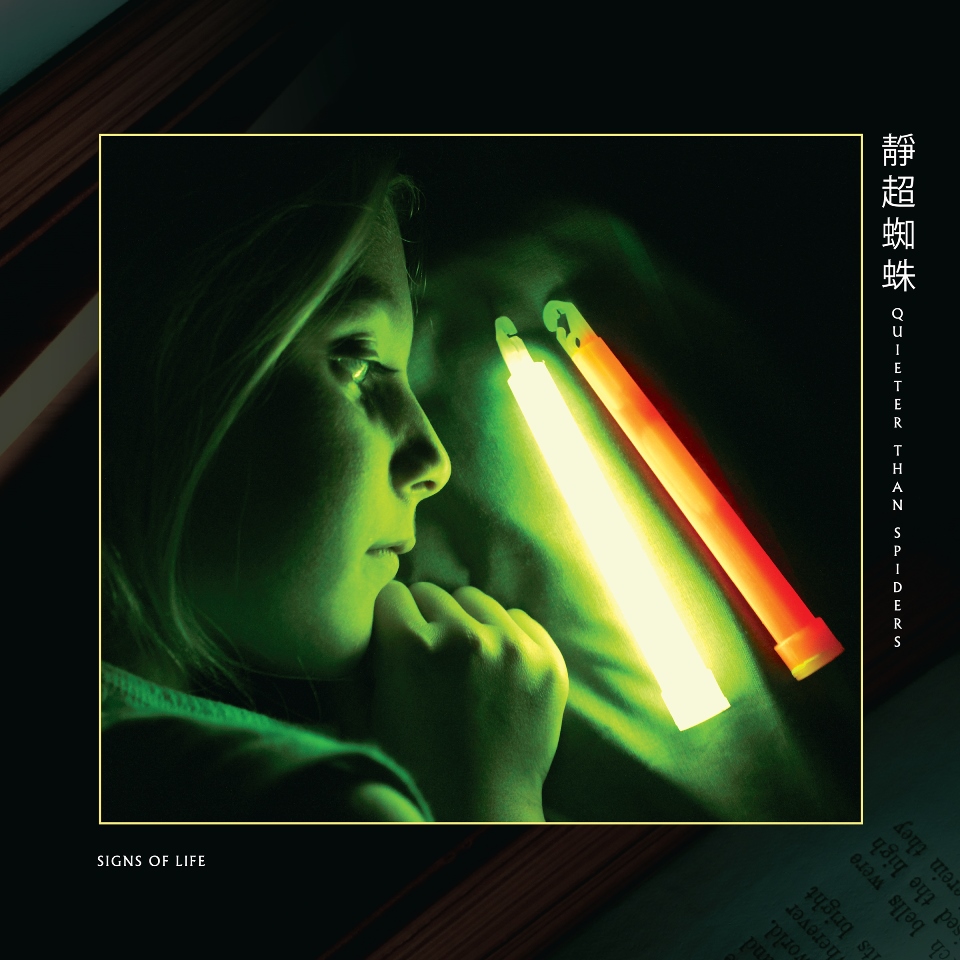
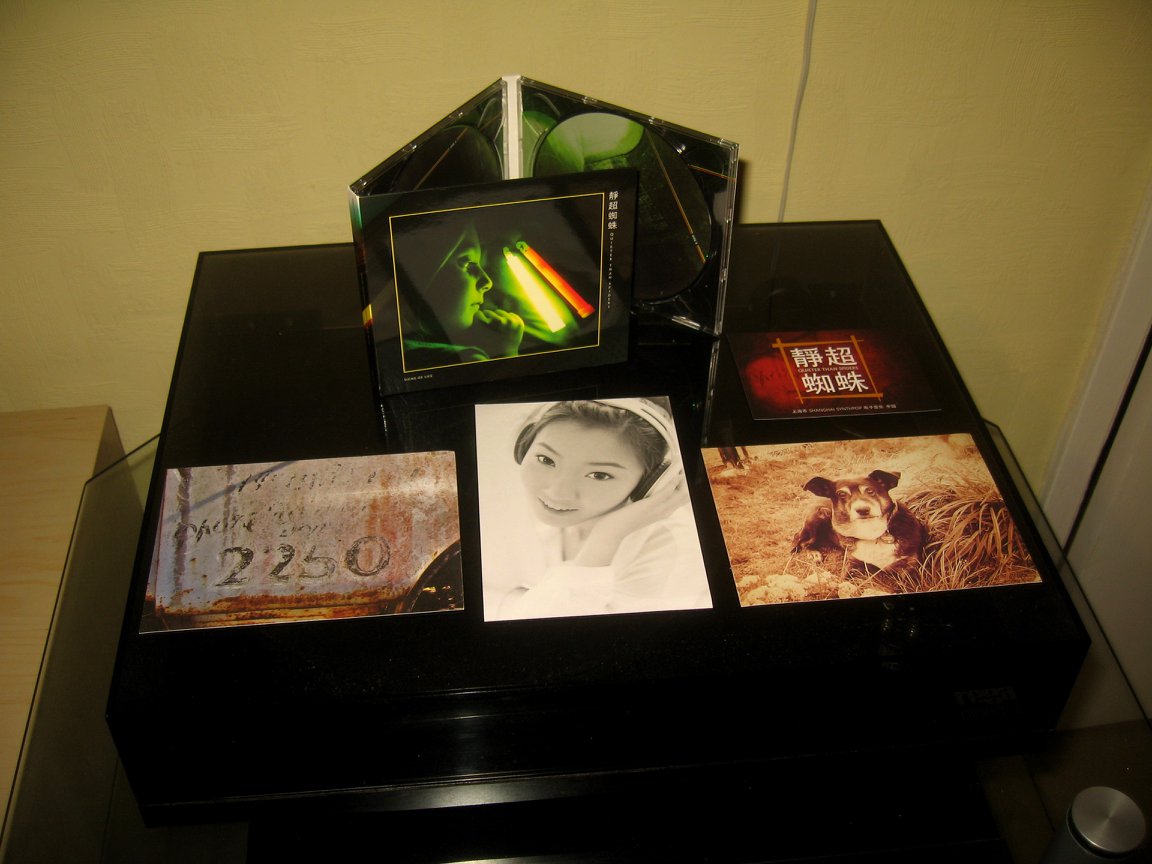
Fast forward to 2019 and after a few delays, QUIETER THAN SPIDERS have finally released their debut album ‘Signs Of Life’ on Anna Logue Records, the independent label based in Germany. Their understated but richly melodic and emotive Shanghai synthpop is largely played by the hands of the anonymous family group of Leon, Yi Fan and Yao.

‘Signs Of Life’ possesses a timeless quality which manages to be simultaneously both futuristic and classic, and in common with records such as  Bowie’s ‘Low’, JOY DIVISION’s ‘Closer’ or Moby’s ‘Play’, ‘Signs Of Life’ begins in an upbeat fashion but then gets increasingly slower, stranger and sadder.

Yi Fan from QUIETER THAN SPIDERS kindly chatted to answer a few questions about one of the best electronic albums of 2019.

How did QUIETER THAN SPIDERS become a musical entity and what is your creative dynamic?

It was a very gradual process which only formally came to fruition once we started to record the album. Leon has been writing and recording songs since his teenage years while Yao and I both grew up playing traditional Chinese instruments such as erhu (a two-stringed fiddle) and guzheng (a type of zither). Over the years, we took an interest in each other’s music and tried to encourage each other. Eventually, Leon started to teach us how he wrote and recorded music on his synthesiser and, step by step, we became more involved with it.

We started by designing electronic sounds and making field-recordings which we would then experiment with. By the time Leon wrote ‘No Illusion’ we had started to perform with him during the recordings and, from thereon, we were officially a group. It didn’t take long to decide what to call our project. QUIETER THAN SPIDERS was an affectionate school nickname for one of us and, as we are all quiet people, we thought it would be a perfect name to use.

What was the key track that got QUIETER THAN SPIDERS rolling? Was it ‘Shanghai Metro’? What inspired it?

‘No Illusion’ was the first song that Yao and I were involved with, even though we still hadn’t quite officially formed QUIETER THAN SPIDERS at the point when Leon wrote it. Stefan Bornhorst aka THE SILICON SCIENTIST heard the song and recommended us to Marc Schaffer at Anna Logue Records who offered us the chance to record an album. It was such a special and unexpected thing to happen, particularly because Stefan’s own wonderful music had actually been such an important inspiration.

Another defining moment was when ‘Shanghai Metro’ was included on a compilation CD. That really was a lovely moment for us, not least because it was the first time any of our songs had been officially released. We wrote ‘Shanghai Metro’ with the simple idea of celebrating the city and its modern development. We first had the idea after a day out together at the Oriental Pearl Tower which is a radio tower that overlooks the city. The next morning, we went out again to travel around on the metro system and record some announcements. We knew someone who owned a Speak & Spell machine, so we borrowed it to spell out ‘Shanghai’ for the chorus.

QUIETER THAN SPIDERS have described themselves as “using home-made electronic sounds played by hand”, how much of that manifesto have you been able to maintain in the final realisation of ‘Signs Of Life’?

Our recording style stems from when Leon first started to create music in his youth. His first keyboard was an old second-hand Roland W-30 and most of the buttons and functions were broken. He therefore learnt to create songs without being able to use or learn any of the basic technical features.

His songs were simply layers of live recordings played entirely by hand. Even the metronome didn’t work, so he first had to play a freehand drum track to serve as the basis for the rest of the song. Later on, Yao and I also inherited the same recording method. When affordable software came along, it offered us the opportunity to record songs ‘properly’ for the very first time.

Some aspects, such as being able to programme the drums, were a welcome relief but, for the most part, we didn’t want to let go of the old recording style. The challenges and limitations had actually become part of the creative process and it gave us the intimacy of being ‘physically present’ at every little moment of a song.

When it comes to designing our own sounds; this is something we enjoy just as much as making the music. We distort basic electronic sounds and manipulate sounds from our field recordings as a way of recreating imagined atmospheres. Of course, we occasionally used some standard sounds and other samples too on the album but, for the most part, we preferred to rely our own palette of sounds.

What are your tools as far as producing the music is concerned, are you vintage synth or software users?

We didn’t have the budget or space to acquire vintage synths and recording equipment, so we just embraced a modest set-up. We use software, mainly for the track recorder and the effect modules which enable reverbs and sound manipulations etc. We also use the software to programme basic percussion; we then add additional percussion sounds by hand as we record. For performing, we use midi keyboards and a microphone – that’s about it. With such limitations, it can sometimes be frustrating and we had to use a lot of trial and error to make things sound the way we wanted.

‘Arcade Eighty – Five’ opens and has a bouncy chiptune backbone, but that is almost a red herring for the album as it steadily slows and becomes more understated. What inspired this unusual concept as most albums are either primarily fast or primarily slow, or at least mix the tempos up within the tracklist?

Initially, we did think about mixing the tempos but, in the end, we decided that we preferred the songs to be surrounded by an appropriate context. We also wanted the album to build, or perhaps subside, towards a certain feeling. Although there are some exceptions, the songs are roughly in the order that we recorded them so, in that sense, there is a vague personal narrative which takes the album in a particular direction.

‘The Land Of Lost Content’ was inspired by a AE Housman poem, but it works on so many levels as a track…

Housman’s poem manages to express so much about the nature of memories and the passing of time. He laments the ability to remember a state of being that he can never return to. These are the types of themes which interest us because they seem to say something of life’s deeper meanings and mysteries.

When we adapted the poem into a song, we also wanted to include a notion of uncertainty about dreams and memory. The development of Shanghai has been spectacular over the past decades and many familiar old streets and buildings have now disappeared. When you can no longer revisit and verify particular things that you remember, you’re sometimes left wondering if it was just a dream.

‘The Land of Lost Content’ was actually the most difficult song on the album to record and mix. We seriously considered giving up on it at one point. Aside from mastering the album, Stefan Bornhorst also kindly mixed this track for us and performed some additional synths. It is entirely thanks to him that the song survived and made it onto the album.


The interlude side of your music provides an important aspect of ‘Signs Of Life’ which has coincidentally fallen into that ‘Stranger Things’ soundtrack realm, is it a TV show that you have seen and followed? 

With many of our songs, we try to convey certain images and moods that we imagine. I suppose we approach things a bit like a soundtrack because we are trying to capture a particular atmosphere. This was certainly the case with the interludes and also the later songs on the album.

Are QUIETER THAN SPIDERS influenced much by TV or cinema??

Soundtracks certainly do inspire us, whether it’s just the pure use of sounds or beautiful pieces of music from people such Angelo Badalamenti, Johann Johansson and Max Richter etc. We hadn’t seen ‘Stranger Things’, but we recently had the opportunity to watch all three series in one go. We really enjoyed it and, needless to say, we absolutely loved the wonderful synth soundtrack by Michael Stein and Kyle Dixon!

On ‘Brave New World’ and ‘The Statues’, Vangelis is looming…

For all of us, our first real experience of electronic music was mostly through artists such as Vangelis and Jean Michel Jarre. For Leon especially, these were the kinds of artists which made him first dream of having a synthesiser. As a child, he had a compilation album of instrumental synthesiser music and, looking back, those songs must have formed his first ideas of what electronic music should sound like and what components it should have.

‘Hibakusha’ is a haunting song about the aftermath of Hiroshima, had this been a difficult song to write?

Whenever we have an idea for a song theme, it usually takes several attempts to find the right song melody and structure. However, with ‘Hibakusha’, it all seemed to develop and fit together quite naturally. In terms of the lyrics, Leon wanted to link them to small details which appeared in the Hibakusha’s testimonies. He also wanted the words to form a double narrative so that they could be from both the perspective of a Hibakusha but also from the perspective of someone reading the testimonies and fearing them to be a premonition. We have no desire to ever include any politics in our songs; we just like to focus in on human feelings and the thoughts they inspire, that’s all.

Musically, ELECTRICITYCLUB.CO.UK can hear SOLVENT and the solo work of Michael Rother from NEU! in ‘Hibakusha’. Had they been reference points in the final arrangement?

It is a real honour to be compared with either of them but I must admit that we didn’t consciously have any particular reference points for ‘Hibakusha’. We generally approach our songs in a very abstract and intuitive way but I think it’s inevitable that many music influences from across the years will weave themselves into the fabric of anything we do.

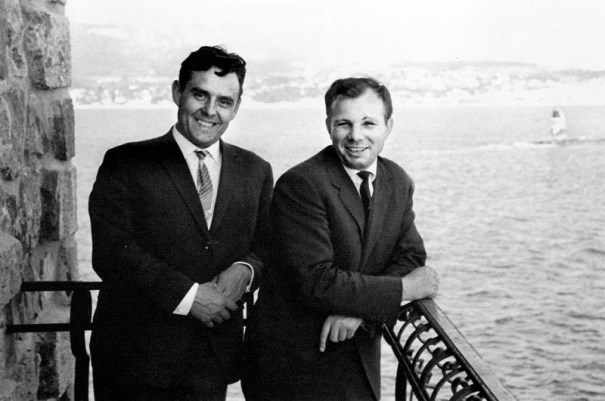
What inspired you to produce a piece of music about the tragic cosmonaut Vladimir Komarov? There’s one hell of a backstory behind Soyuz 1 with him and Yuri Gagarin, both literally prepared to die for the other, knowing that this mission was likely to fail?

As with ‘Hibakusha’, we were moved by the human story behind it all together with the haunting backdrop of primitive space experimentation. I can’t actually remember how I came to be reading about Komarov in the first place but, when I shared the story with Leon and Yao, they were equally captivated by it. We actually recorded ‘Komarov’ during the same autumn that we recorded ‘Hibakusha’.

There is a lot of sadness in the album, but is ‘The Signs Of Life’ song referring to something much more personal?

‘The Signs of Life’ was written as a personal memorial for a special person we knew. It was also a way for us to process our feelings in relation to the nature of loss. There are so many little signs of life which go unnoticed because they seem mundane or unimportant. When they suddenly disappear, they take on a heart-breaking significance.

While writing the song, Leon went for an evening walk and saw a rusty old vintage car hidden away in the long grass near the edge of a forest. It made him think about things disappearing from everyday life but still secretly existing somewhere else. Although songs such as ‘The Signs of Life’ and ‘The Statues’ are melancholy, they also convey a deep sense of hope; a feeling that all is not lost somehow.

What have been your own highlights on ‘Signs Of Life’?

We are really pleased with the whole album but, if we have to choose, I think that ‘Hibakusha’ and ‘Komarov’ are the songs that we are most pleased with. We felt very deeply immersed in the feelings and imagery of the subjects when we recorded those and it felt a bit like re-entering a vivid dream each time that we returned to work on them. The same was also true for ‘The Signs of Life’ and ‘The Statues’ which had the added dimension of having a personal connection. They will always be very precious songs for us because they captured the way things felt at a specific moment of time.


It’s been a long time coming, but ‘Signs Of Life’ has been worth the wait, how do you look back on the journey?

Yes, quite a long time has passed since we originally recorded the songs. When we listen to the album now, it lets us retrace our footsteps but in the comfortable knowledge that we arrived safely in the end despite the setbacks.

The main feeling we have when looking back is ‘gratitude’ simply because, without the kindness of people such as Stefan Bornhorst and Marc Schaffer, we would probably never have made this album. Along with Steve Lippert who designed the artwork, they all put so much love and effort into the project to ensure that it reached the light of day. We are now inspired to write more songs to keep the journey going; but let’s wait and see!


ELECTRICITYCLUB.CO.UK gives its warmest thanks to QUIETER THAN SPIDERS

Special thanks to Marc Schaffer at Anna Logue Records

‘Signs Of Life’ is released by Anna Logue Records in 2CD and double vinyl LP formats featuring a bonus album of 10 remixes by artists including Kevin Komoda from RATIONAL YOUTH, VILE ELECTRODES and THE SILICON SCIENTIST – available from https://annaloguerecords.bandcamp.com/album/signs-of-life-2cd-version-master

https://www.facebook.com/QTSpiders/

https://www.facebook.com/annaloguerecords/


Text and Interview by Chi Ming Lai
20th November 2019

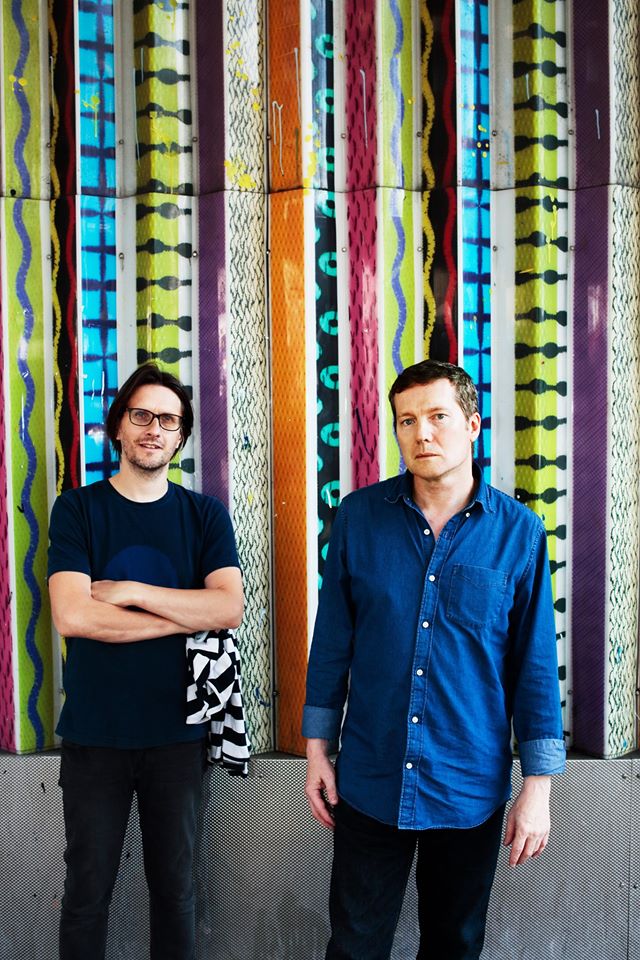
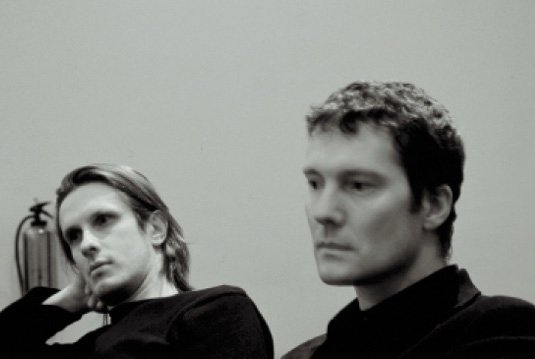
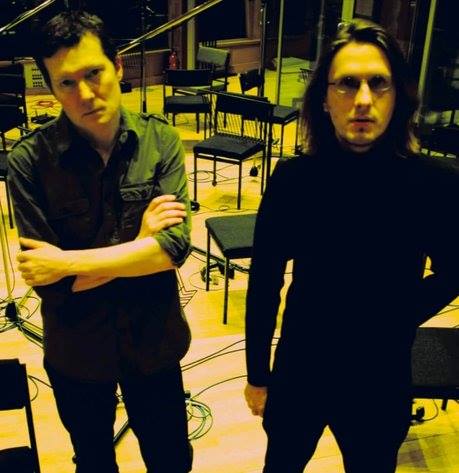
NO-MAN Interview

Lauded by Drowned in Sound as “probably the most underrated band of the last 25 years”, NO-MAN have had a career that has stylistically covered pop, art rock and TALK TALK flavoured balladeering.

This breadth of musical output should hardly come as a surprise given the group is made up of Tim Bowness and Prog powerhouse Steven Wilson whose work has included not only his own solo output but also PORCUPINE TREE, BLACKFIELD, STORM CORROSION with OPETH’s Mikael Akerfeldt and critically acclaimed 5.1 surround remixes for acts as diverse as KING CRIMSON, XTC, MARILLION and TEARS FOR FEARS

Now more than a decade since the ‘Schoolyard Ghosts’ album, NO-MAN have reconvened with a return to their electronic roots, ‘Love You To Bits’.

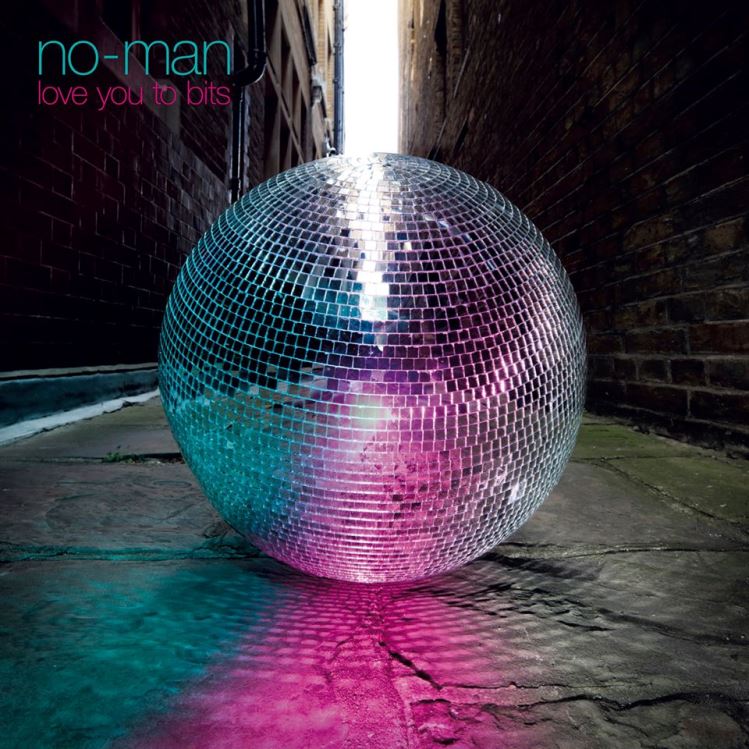
The cover of this release which features a disco mirrorball gives a clue to the content within, a fantastic mix of GOLDFRAPP, KRAFTWERK and ROBERT FRIPP which underpins a wonderful vocal performance from Tim Bowness who took time out to discuss the album.

‘Love You To Bits’ was one of the great ‘lost’ NO-MAN tracks, the demo being some 25 years old. Why is now the right time to finish and release it?

It was originally written at the same time as a track called ‘Lighthouse’ in 1994. Both songs were intended to be part of a follow-up to ‘Flowermouth’. At that stage, the tracks were very much in their infancy and though we had grand ideas for them, only the opening song sections existed. In another universe, the successor to ‘Flowermouth’ could have been more stylistically logical and just consisted of extended versions of those two tracks.

Due to the band getting dropped by its labels in the UK and US, publishing company and manager, we pursued the more aggressive ‘Wild Opera’ material. It suited our, by then bleak, mood better!

Over the years, we continued to work on ‘Love You To Bits’ and there were a number of versions which varied in length from 4 minutes to 12 minutes (some including significant contributions from saxophonist Theo Travis). The truth is that it didn’t seem right for anything we were working on. Post-‘Wild Opera’, the band’s sound became more organic and we’d abandoned using samples and beats, so ‘Love You To Bits’ seemed out of place for a very long time.

In October of last year, we decided that we were finally going to make the ‘Love You To Bits’ album we’d always wanted to. We knew from the beginning that we wanted to do an album length exploration of the piece and we also knew that it was going to deal with the different perspectives in a break-up. It was great to find time to make the dream a reality and truly dedicate ourselves to the project.

Does revisiting an older demo as the launch point of this project mean the album is a nostalgic look back or a taste of what’s to come?

Perhaps it’s both? A lot of the album was written over the last year and the vast majority of the recording was done this year. It was constantly being re-written and added to up to the point of completion in July of this year. As such, it feels fresh.

Listening to the earlier demos shows that it’s changed a lot since its inception. One 10 minute version from 2008 was surprisingly Industrial, while a much earlier version was considerably lighter in tone than it is now.

The sessions in October of last year were intense and exciting and I’d say that during that time we finally created a framework that seemed complete. I spent a fair bit of this year, writing new lyrics, re-writing old ones and re-recording the vocals. All the overdubs from the guest players were also recorded this year. One of my favourite sections – the brass band coda to ‘Love You To Bits’ – came about when I could hear a brass tone in the synths and suggested a far more elegiac ending that would more effortlessly merge into ‘Love You To Pieces’. Luckily, Steven really liked the idea so we pursued it. The whole process was surprisingly flexible.

‘Love You to Bits’ is a self-described return to your more synthpop roots, was there anything in particular that has lead you back down that path?

I think both of us, for different reasons, had been gravitating towards more dynamic and more electronic music in our solo projects of late. In 2018, Steven released ‘To The Bone’ and I released an album by my pre-NO-MAN 1980s band PLENTY. Accidentally, we’d ended up in a similar creative place / space.

PLENTY was very much an electronic orientated Art Pop band that had aspects of THE BLUE NILE, IT’S IMMATERIAL and other bands of the era. Although we kept the electronic soundscapes intact, on the 2018 re-recordings I changed some of the words and vocal lines to suit my current style. It was a great fusion of the past and the present and I felt it was something of a wake-up call.

Returning to the older material challenged me in terms of my voice and my vocal expression. I hope I managed to sing with a level of control I didn’t have in the 1980s, while shaking up my current approach with a more dramatic influence from my own past. The excitement of making the PLENTY album directly fed into my 2019 solo album ‘Flowers At The Scene’. Steven co-produced the album with me and PLENTY’s Brian Hulse and also mixed it and it was while we were making ‘Flowers At The Scene’ that we decided to properly pursue ‘Love You To Bits’.

Are you wary of existing fans of both the band’s more recent works and your respective solo output being unhappy with a possibly lighter tone from a ‘pop’ album?

To a degree, yes. I’ve genuinely got no idea how people are going to react to the album. And at this stage of my music making, that’s a good thing!

It is NO-MAN’s most direct album and does have a strong Pop element, but it’s also one of our most experimental and ambitious releases. The album evolves in several ways that I don’t think would be anticipated by its beginning.

Both the music and lyrics on the album are working a great deal with contrasts: light / darkness; energy / blissful release; brutality / beauty; simplicity / complexity etc. The latter contrast highlights the fact that as an album contains some of the band’s most simple work, yet as a whole it’s perhaps NO-MAN’s most compositionally sophisticated album.

As a band you have entrusted mixing this release to Bruno Ellingham, the first time you’ve gone externally. Any particular reason for this decision?

After we finished the album, Steven did several mixes. He felt that ‘Love You To Pieces’ was very nearly complete, but that ‘Love You To Bits’ was notably short of where it should be (mainly because some of the rhythm elements and guitar processing betrayed too much of the song’s mid-1990s roots). I agreed, though the dated processing bothered me less than it did Steven.

It was looking like the album could be abandoned due to Steven starting work on his forthcoming solo album, so I suggested we bring in another mixer to fully complete what was there. Steven agreed it was a good idea.

Bruno was at the top of my list of potential mixers. His experience of working with MASSIVE ATTACK, UNKLE, BEN WATT and GOLDFRAPP seemed ideal for what we wanted and although Bruno made his name with Dance and Indie music, he actually comes from a Classical background and is an accomplished violinist. As he also shared a love of the likes of TALK TALK, THE BLUE NILE, NICK DRAKE, PINK FLOYD, GRACE JONES and TANGERINE DREAM, he felt like a very good fit.

Bruno pulled together the programmed rhythms and real drums more effectively than Steven had done and gave some of the album a greater sense of groove, space and power. It was subtle and he didn’t overwhelm what we’d given him, but his involvement has meant that this is perhaps the best sounding NO-MAN album ever.

You are working with Carl Glover on the art for this release. How does your relationship with him work when pulling the cover concepts together?

It varies. Sometimes – on albums such as ‘Flowermouth’, ‘Returning Jesus’ and ‘Dry Cleaning Ray’ – as I do with the artwork on my solo albums, I have a very clear idea of what I want and Carl realises the idea better than I ever could. At other times, Carl comes up with ideas of his own based on his interpretation of the music. ‘Love You To Bit’s – like two of my favourite Carl covers, ‘Together We’re Stranger’ and ‘Plenty’s It Could Be Home’ – is Carl’s visual interpretation of the music. As with ‘Together We’re Stranger’, I think he’s got it right. Glamour and glitter are pitched against grim reality and that’s a fairly accurate summation of the contents.

The advances in recording technology have been significant in past decade, has this changed how you and Steven approached the writing and recording of the album?

I guess so. We’ve always kept up with technological advances in studio recording and since we started ‘Love You To Bits’, Steven’s studio mastery has grown immeasurably and I’ve created a home studio set-up that enables me to produce results of an acceptable quality.

In terms of the way we work, ‘Love You To Bits’ has been one of the most hands-on and collaborative albums in the band’s history. As with ‘Wild Opera’ and the band’s very earliest experiments in the 1980s, we spent time in the studio together and traded ideas in real time. The likes of ‘Schoolyard Ghosts’ and ‘Together We’re Stranger’ were produced quite remotely with me bringing in compositions and recordings to Steven, and Steven sending me backing tracks to write to. Of course, we NO-MAN-ised the results in both cases, but outside of us writing the song ‘Wherever There Is Light’ together in real time in 2008, ‘Love You To Bits’ marked a return to a more traditional NO-MAN way of putting music together.

The success of your online label and store Burning Shed has been gratifying from my view point as a fan of a number of the acts you work with that wouldn’t possibly have an outlet for their releases otherwise. What do you look for in an artist when deciding to work with them?

Burning Shed started off as a label that focused on releasing obscure music cost-effectively (utilising on-demand CDRs).

Very quickly, the sales dictated us producing proper CDs and soon after that taking over the NO-MAN and then the PORCUPINE TREE stores. Everything evolved unexpectedly and grew through word of mouth. Some of the artists we deal with I actively pursued as a fan (sometimes for several years), some of the artists I already knew and had worked with, and some artists approached us due to the people we were already dealing with.

The good thing about the success of Burning Shed is that it’s meant that I’ve become even more bloody minded and idealistic concerning my own music. I only ever release what I believe in and what I believe deserves to be heard in the wider world.

As for what I look for, it varies and is difficult to define.

You’ve worked with a number of musicians that readers of ELECTRICITYCLUB.CO.UK will know such as Richard Barbieri and Brian Eno. Did these collaborations have a starting point of you being a fan of their respective outputs?

In almost all cases, yes. I’ve been extremely lucky in being able to work with a large number of musicians who were amongst my teenage heroes, ROBERT FRIPP, PHIL MANZANERA, KEVIN GODLEY, ANDY PARTRIDGE, PETER HAMMILL, IAN ANDERSON, JANSEN BARBIERI & KARN and others.

That said, the important thing is that I feel they’re able to bring something to the songs they work on and that the songs they’re working on can bring out interesting qualities in their playing. There’s no point in people collaborating for the sake of collaborating (or just for the sake of adding a star name to a recording).

You were born in Cheshire between Liverpool and Manchester. Did this geography influence you musically?

I think it probably did! There’s a particular melancholy in my music that may well be a result of my Northern English background.

Although my upbringing was relatively middle class and suburban, it was still tough. That was partly down to difficulties in my own dysfunctional family, and partly because of the harshness of the environment as a whole. It was a wonderful place to be in terms of having easy access to great cities such as Liverpool, Manchester and Chester, but when I was at school there was no encouragement regarding creative endeavours and absolutely no nurturing. Family and school colleagues alike considered the idea of wanting to make music to be a case of having ‘ideas above your station’.

The positives were that both Liverpool and Manchester had very active music scenes and truly supportive music media. Radio DJs – particularly Mark Radcliffe and Roger Eagle – and newspapers (especially Mick Middles at the Manchester Evening News) were fantastically helpful to many aspiring artists, including me. For that, I remain grateful.

The Bush Hall gig in 2008 is in my personal top 10 shows. Are there any plans for live shows to support this release?

Thank you. After such a long absence from performance, it was an emotional occasion for all of us!

We have discussed the idea of playing live. If it happens, it’ll be early in 2020 and it’ll be quite different from how we last played. I imagine it to be a more radical combination of acoustic and electronic elements. It would also be interesting to see a return to us utilising backing tracks in the way we did when we first started.

NO-MAN has been an interesting and varied musical journey, what have been the highlights for you?

As it’s been so enjoyable to make, ‘Love You To Bits’ is a definite highlight. Outside of that, I still have a strong attachment to all our studio albums, but ‘Flowermouth’ and ‘Together We’re Stranger’ particularly stand out for me.

Playing in Poland in 2012 was also a great experience and in some ways, as strange as it may sound, talking to fans after the gig was the first time I realised that I’d had something of a career.


ELECTRICITYCLUB.CO.UK gives its warmest thanks to Tim Bowness

Special thanks to Abi Skrypec at Caroline International

‘Love You To Bits’ is released by Caroline International on 22nd November 2019 in CD, vinyl LP, cassette and digital formats

http://no-man.co.uk/

https://www.facebook.com/nomanofficial/

https://twitter.com/nomanofficial

https://www.instagram.com/nomanhq/

https://timbowness.co.uk/

http://stevenwilsonhq.com/


Text and Interview by Ian Ferguson
16th November 2019

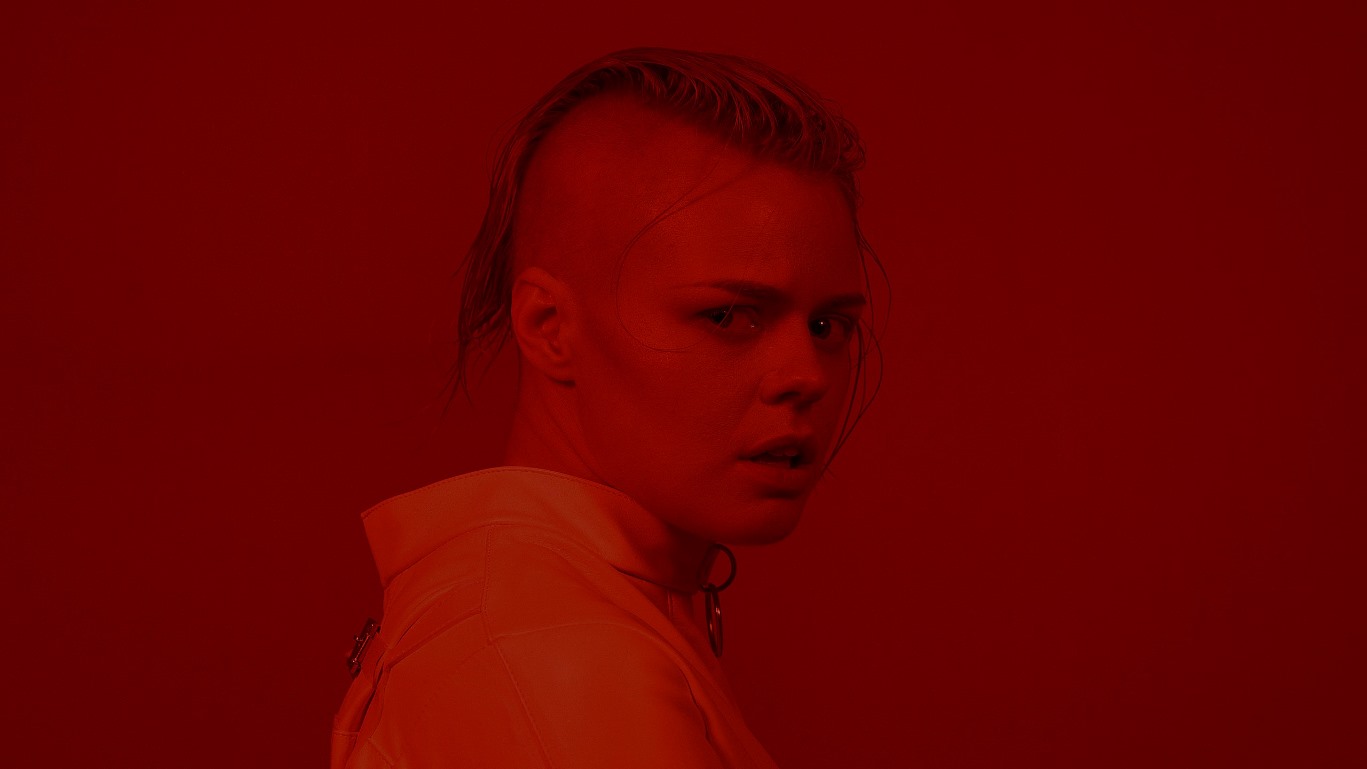
A Short Conversation with REIN


In just a few years, REIN has become an icon and secured her position as a musical pioneer.

REIN’s self-titled EP was released in 2016. Together with her second EP, 2017’s ‘Freedoom’, she renewed and breathed life into the Swedish electronic music scene, making it her own.

With her raw, energetic electro, which has roots in Electronic Body Music but has transcended the genre, she has attracted a new audience to the alternative dancefloor.

Her unique sound and style led to P3 Gold-nominations in the categories, “Newcomer of the Year” and “Dance Act of the Year.”

‘Off The Grid’ is the first single from the forthcoming debut album from REIN. Co-produced with Carli Löf, it marks an energetic return for the Swedish artist. It is also sees her songwriting reach new levels.

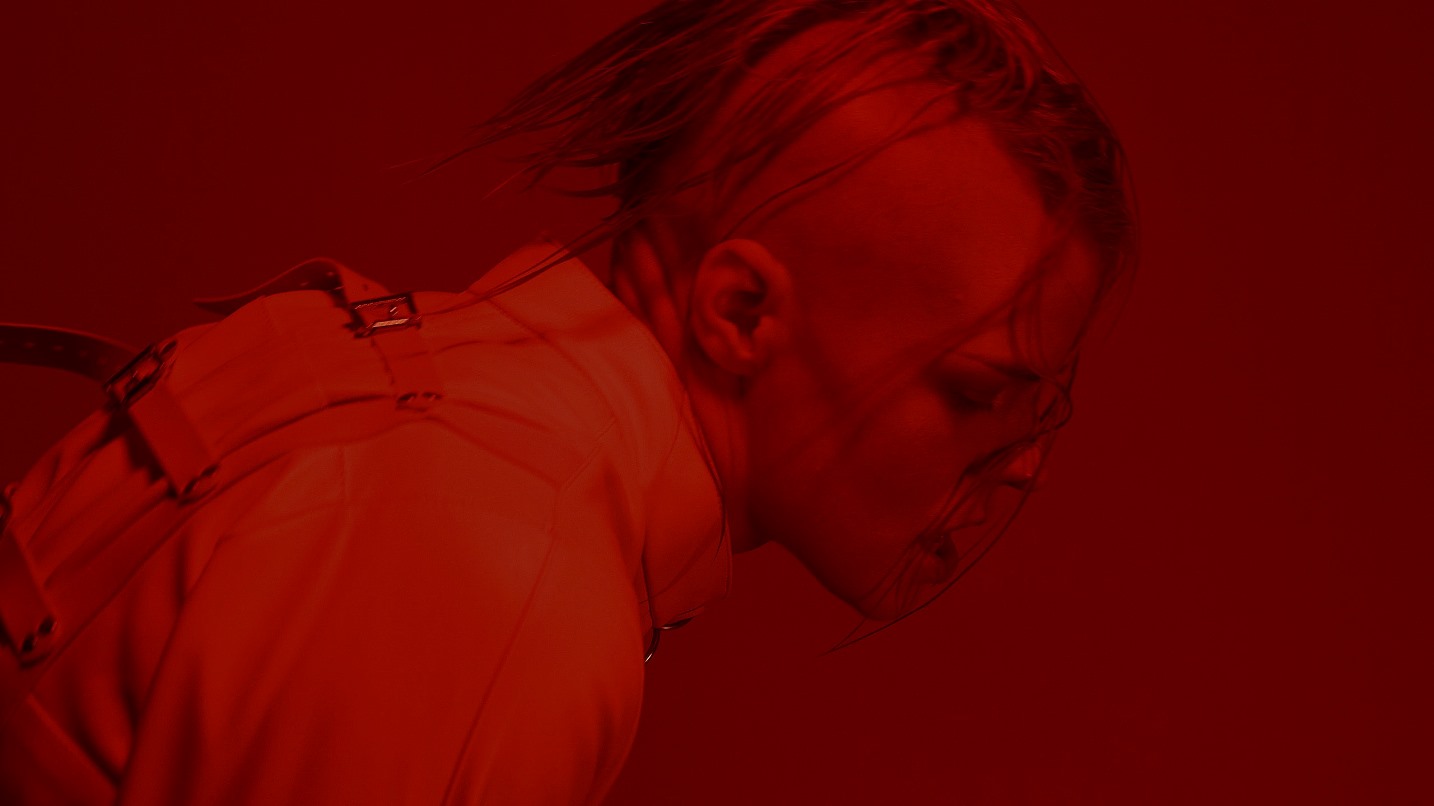
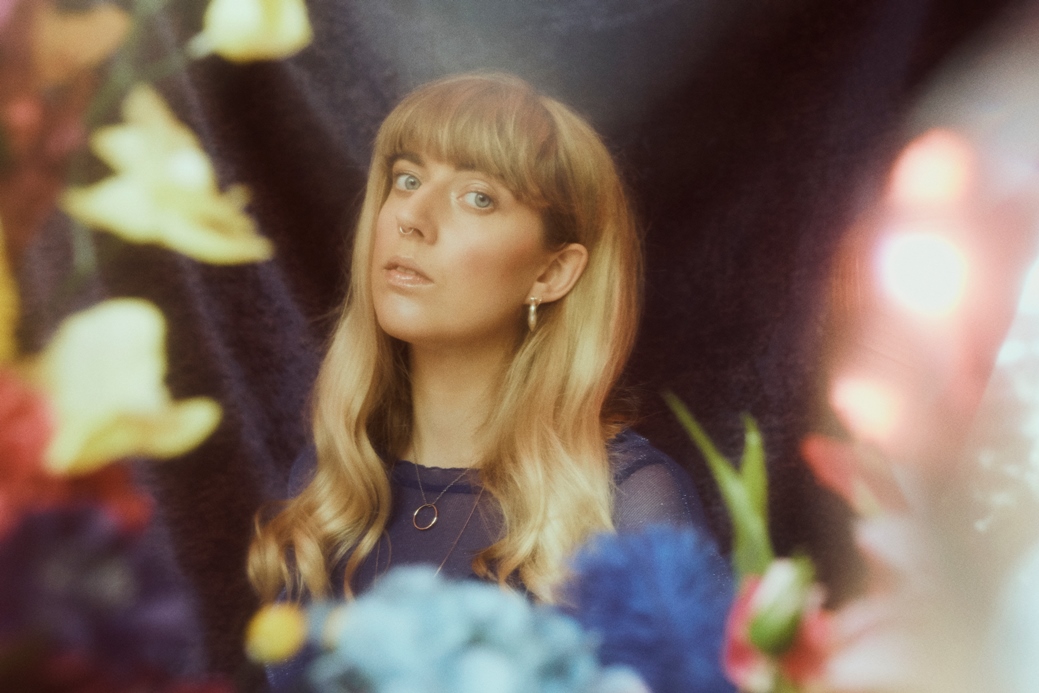
REIN took a few moments from editing her intense new video to talk ahead of her upcoming London Electrowerkz show on SATURDAY 30TH NOVEMBER 2019.


What is the inspiration behind the new single, ‘Off The Grid’?

It deals with a transition point in my life which began two years ago, but from a Matrix perspective. I took the decision to free myself from a lot of things that broke me down mentally.

I came to the realisation that I did not have a life which was my own and took the decision to move, start new collaborations and to shape myself. ‘Off The Grid’ is about being true to yourself and going your own way; believing in your own strength again. How I took back the power of myself and my music. How I woke up from the Matrix.

Should an artist use the mainstream in a subversive way? Is there power in pop?

Well, that is an interesting question. Pop, itself, is everywhere. No one can really hide from it. You can even hear a pop structure in heavy music that isn’t mainstream. In my opinion, everybody is free to do whatever they like. I don’t like the word,“mainstream” because it has such a negative feeling.

But, if you take Kurt Cobain as an example, he loved ABBA; and, when you listen closely, you can hear that there is a pop structure in the songs from NIRVANA – even if the sound is heavy, if you know what I mean? It doesn’t have to be black or white, you know.

We should ask, “What is pop?” It’s like asking people, “What is art?”

Power is music – and the message you bring into it – within a structure. Or, it doesn’t have to have a structure at all and can be more free, like BJÖRK. There are really no rules – it is all about touring enough and whether the people like it. People have the power over music; and, unfortunately, it’s a lot of kids. That’s why music all sounds the same today – with too much Autotune and poor hooks.

What is the story behind the new music video for ‘Off The Grid’?

I’m basically trapped in a government experiment from the future – or in the Matrix – but I was the one who woke up and tried to break free.

How important is the visual element to accompany your work, both for your image and for live work?

I have always loved fashion. I want to look like my music.

How is your debut album coming along? What can you tell everyone about it?

It’s a psychological, sci-fi, thriller masterpiece that I have been working on for 2-3 years. I have surpassed myself. It’s going to be iconic. It’s coming out in 2020! It’s more personal this time, and I have developed myself musically.

It is more dynamic, melodic, with more analogue synthesizers then before; but, at the same time, it’s darker than before. I want to give people inspiration, hope, stimulation, and authentic art that speaks to them – hopefully, as much for as it does to me.

I have collaborated with Carli Löf, who is my co-producer. He has worked with ROBYN, BOYS NOIZE and LADY LESHURR, who is a big female rapper in the UK. He has also DJed a lot in London, I have heard.


ELECTRICITYCLUB.CO.UK gives its grateful thanks to REIN

https://www.facebook.com/reinofficialmusic/

https://www.instagram.com/_reinofficial_/

https://open.spotify.com/artist/081nh5DBAXiKgJhOlqgU2V

http://www.coldwarnightlife.com/2015/10/26/here-comes-the-rein/


Text and Interview by Simon Helm and Chi Ming Lai
9th November 2019

GRETA Interview


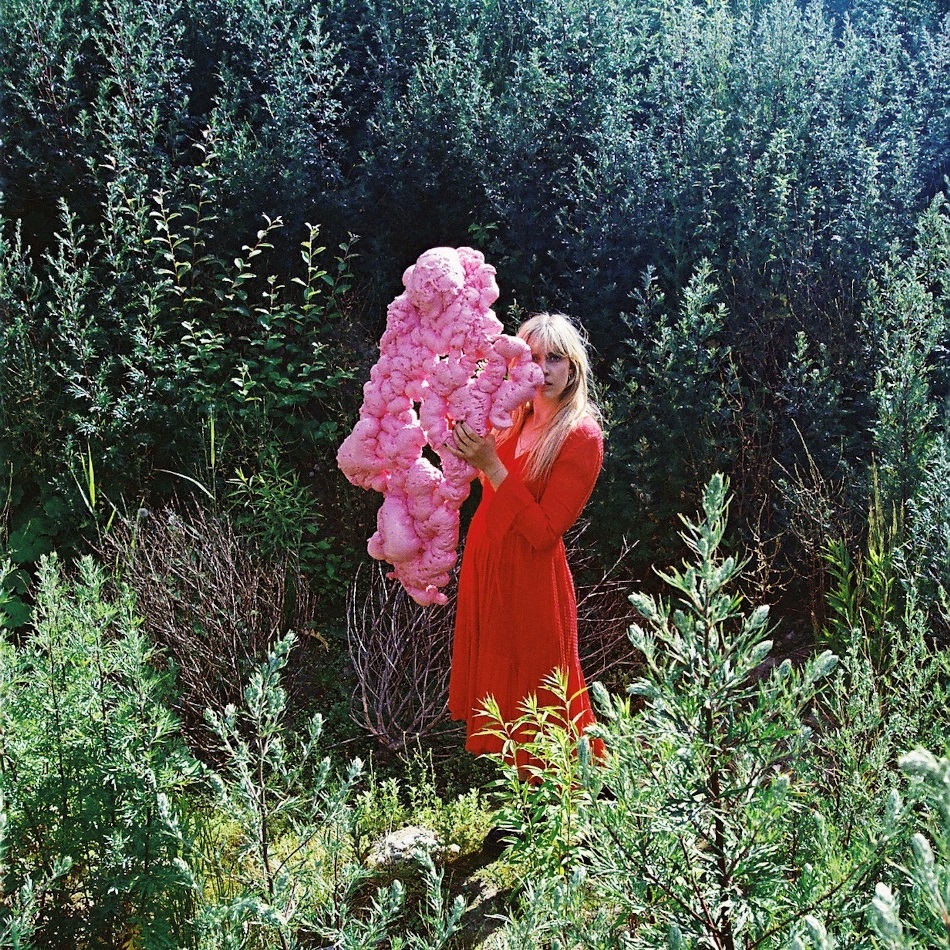
German songstress Greta Louise Schenk found wider fame in her adopted home of Copenhagen as a member of IDA RED, but always had an inherent desire to do something on her own.

The first GRETA release ‘Ardent Spring – Part I’ was an impressive collection of six airily melancholic songs that were simultaneously kitsch, cool, weird and filmic.
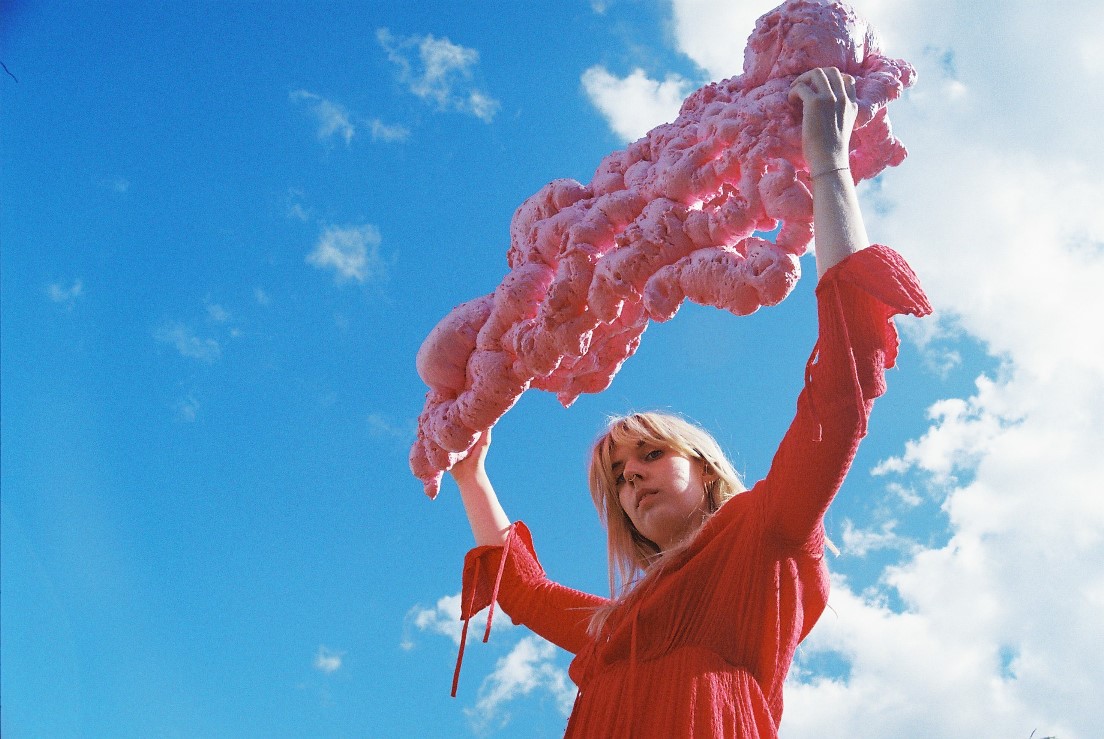
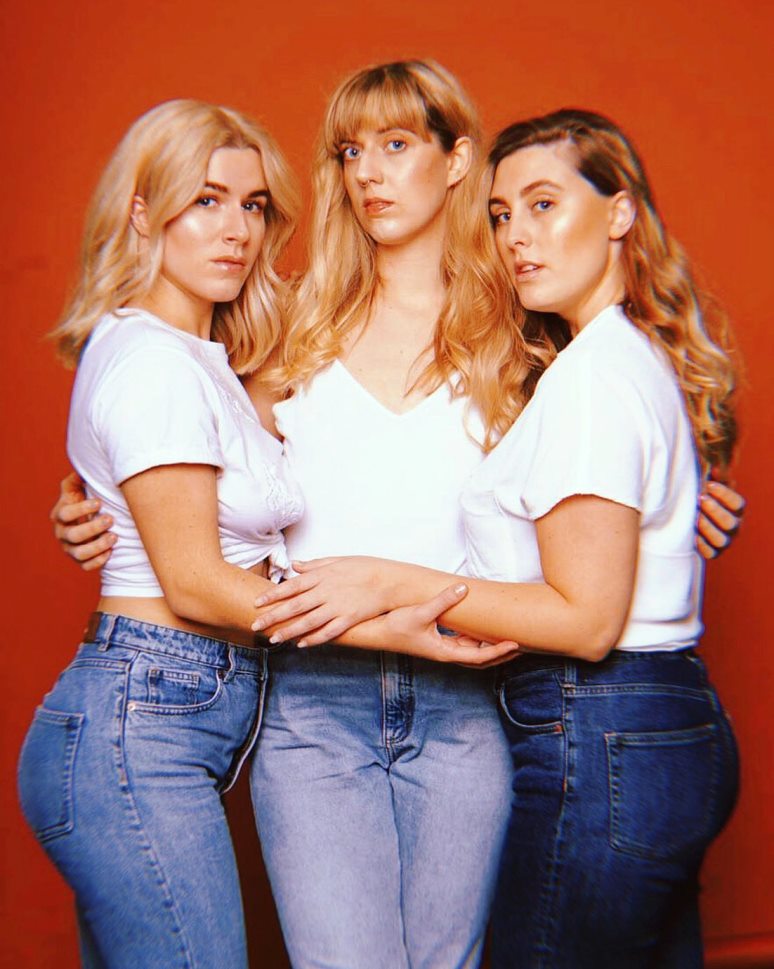
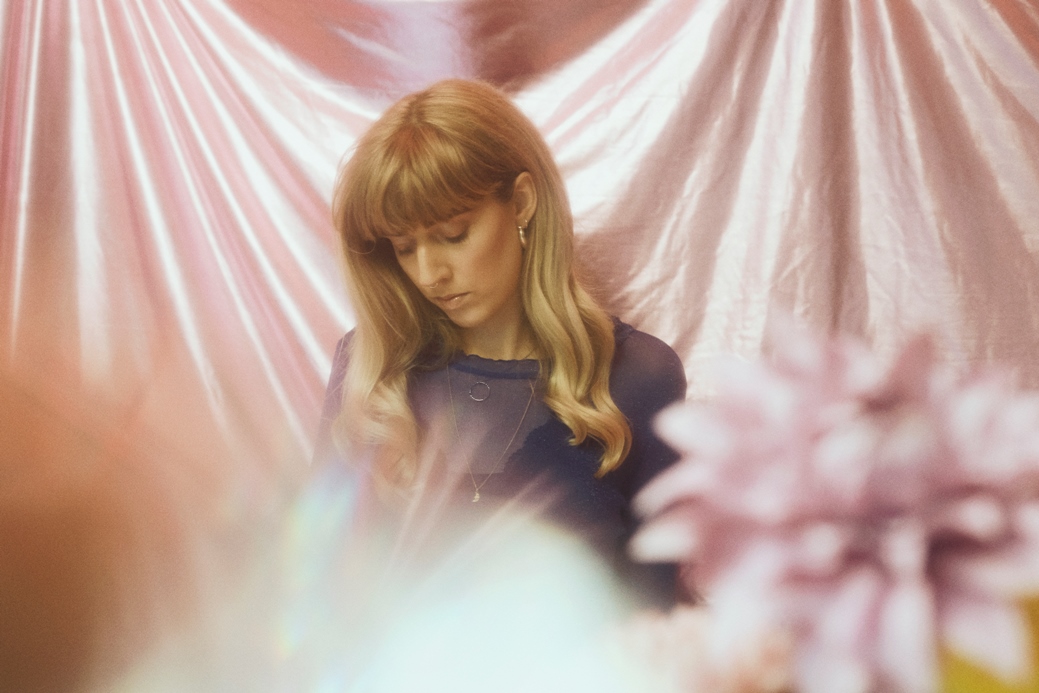
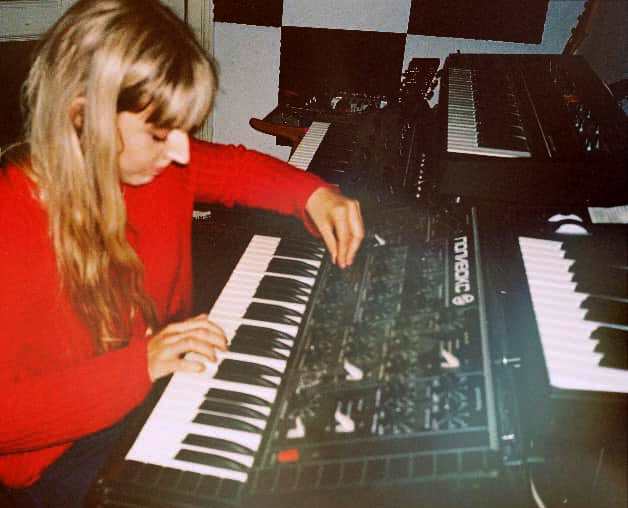
Working with the Berlin-based Norwegian producer Kari Jahnsen, better known to the wider music world as FARAO, the collaboration allowed Schenk’s angelic vocal tones to shimmer and shine within a gorgeously dreamy synthpop universe, as on the gently Motorik ‘Baby’ and the forlorn moods of ‘Spin’.

Greta Louise Schenk kindly found some time to talk about seasonal changes, vintage Soviet synths and the understated magnetic allure of GRETA.


So why is spring the best season for you?

Spring for me is not necessarily the best or easiest season, but it definitely is the time of year that inspires me the most. I get very moved by nature blossoming and everything getting reborn in a way, which makes me think about life’s cycles. That often results in a strong need to create, redefine myself and “live” a little more again after a long and dark winter.

What inspired the move to Scandinavia to pursue your dream of a music career?

Because I grew up in northern Germany, Denmark has never been far away. Right before finishing high school, I visited a friend who was a part of the music scene in Denmark. It seemed so much more open and inspiring and made me decide to apply to a music school in DK and drop my plans of studying classical music in Germany. I got accepted, moved to DK and here I am.

Who were the artists you loved which influenced you the most?

I think it’s difficult to say who influenced me the most, because I listen to a lot of music and often first find artists that could have been my influences after someone named them as a reference to my music. I think I get inspired mostly by the people I work with and who are a close part of my process.

While making ‘Part I’, I listened a lot to: COCTEAU TWINS, KATE BUSH, ABBA, TAME IMPALA, BEACH HOUSE and the intro song to the movie ‘Never Ending Story’.


You are a member of the girl group IDA RED, but how did the idea for a solo work come about?

Since a very young age I have performed my songs solo on piano. So GRETA as a solo artist has been existing for a long time.

After I stopped playing with my first solo project WHO IS LOUIS, I felt like something new needed to happen. IDA RED was at its early stages at that time and it was very refreshing and inspiring to create everything together as a group. But I soon recognised that I also needed my own space as a solo artist.

I felt a need to go back to my roots and write songs on the piano again. With WHO IS LOUIS, my interest for synthesizers and arranging my songs started and I developed that with my new songs. I slowly created this solo alias, a new project with my own name, where I could go after all my artistic visions and express myself musically and visually. Of course going to Berlin and recording with FARAO has been an essential part of this.

What fascinated you about FARAO’s music to ask her to collaborate with you?

I was blown away by the whole sound. The super interesting rhythms, the detailed arrangements with so much to experience and yet as clear as glass, the catchy and moving melodies, the organic and electronic sound textures. I felt like FARAO would understand my music and would be able to add a little more structure and edge. She did more than that and working with hear really opened my ears and my mind.

How would you describe the differences in the process of making music between IDA RED and solo?

While IDA RED is a combination of three different backgrounds, three women and three voices where we create everything together and always compromise from start to end, GRETA is 100% me. This is my safe space and place where I can outlive all my ideas, it is also a lifelong searching and finding.

Although I love to work together with a lot of different people and also do that a lot later on in the process, I mostly like to work on my own when it comes to songwriting. This is a very vulnerable space where I want to be in control and be able to first create a foundation and then invite other people into my process.


What is the creative dynamic between you and FARAO, how much takes place together in the same room and how much remotely?

Our process is actually very compact and intense. Like one or two weeks in a row, several times a year. I think ‘Part I’ was recorded over 4 weeks in total. I bring my songs as demo recordings and then we sort out, record new stuff, replace and layer on top.

We rarely write extra stuff, our process is all about the sound and production, structure and dynamic. We are very focused when we work but also have a great time playing around with sounds, eating Berlin’s great Asian food and dancing to disco tunes in the breaks and weekends ?

The mix process is remote, so is everything that follows the recording, like music videos and stuff like that.


FARAO has a nice collection of vintage synths including some from the former Soviet Union, how did you find these to use, did you have a favourite one you kept going back to?

We used all of them all the time and I was in synth heaven. They add so much texture, warmth and edge to every production. I absolutely fell in love with them! My favourites are the Polivoks, Yamaha CS-15 and Korg Delta.

Both ‘Spin’ and the ‘Ardent Spring’ title song have this beautiful melancholic quality, is it more natural for you to produce something sad but dress it up with melody?

It definitely has been that way for a long time, maybe because I started writing therapeutic ballads on my piano when I was a child.

Right now, I am more fascinated by rhythm and bass lines and then create melodies on top of that. But I guess what really fascinates me is the combination of contrasts, creating layers, also with feelings and emotions, and giving my listener the opportunity to read into my music.

I would say that all my new songs are “happier” or definitely groovier but they always have a hint of melancholy in them.

So is ‘Bad Lovers’ autobiographical?

Yes…. ?

‘White’ is perhaps the most unusual song on the EP, with its rhythmic structure and chromatic overtones, it could almost be an art rock number?

True, I often wonder how this song came out of me. I actually wrote it on my Irish bouzouki, which may explain the chords. I was listening a lot to LANA DEL REY and it was quite a dark time in my life. This song is one of my favourites to play live. With that and ‘Baby’, it is so easy for me to go into that feeling again and I love to fully live it out on stage.

Which are your own favourite songs on the EP?

I can’t choose. Some of those songs have been with me for a long time. Developing, changing and moving along with me. Maybe ‘Bad Lovers’, this one is my instant Berlin-feeling in a song for me.


Will there be an ‘Ardent Spring – Part II’?

Yes definitely! And I am already slowly and secretly working on something that right now is called ‘Part III’…

What is next for you?

A lot, I have some very special concerts coming up for the rest of autumn and December. One of them is an audio-visual concert with visuals especially created / designed to my music. In November I will go to Berlin to write new music and then I am slowly getting ready for a crazy exciting 2020…


ELECTRICITYCLUB.CO.UK gives its warmest thanks to GRETA

Special thanks to Nicki Bladt at Celebration Records

‘Ardent Spring – Part I’ is released as a download EP by Celebration Records, available direct from https://gretagretamusic.bandcamp.com/

GRETA 2019 live dates include:

Frederiksberg Country Club (9th November), Odense Cirkus Dynamo (23rd November), Copenhagen Trinitatis Church (10th December)

https://www.facebook.com/greta.geschenk/

https://www.instagram.com/greta.geschenk/

http://celebrationrecords.dk/work/greta/

https://open.spotify.com/artist/6qcpBIlSWMhas6waVUKCbK


Text and Interview by Chi Ming Lai
7th November 2019

« Older posts Newer posts »