
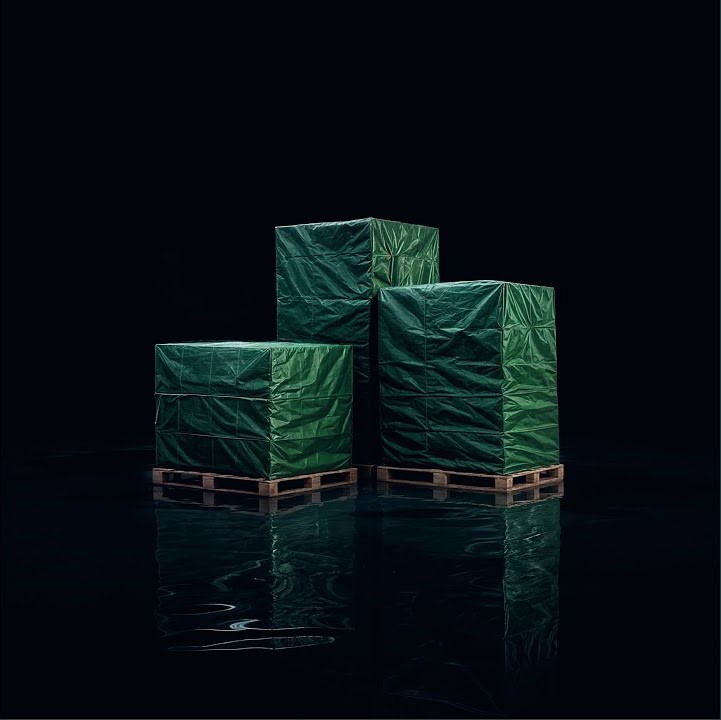
First there was ELECTRONIC with the nucleus of Bernard Sumner and Johnny Marr plus occasional guests Neil Tennant, Chris Lowe and Karl Bartos, but there is a new supergroup in town and they are called DOUBLESPEAK.
Their self-titled album began in 2017 as a collaboration with BLANCMANGE’s Neil Arthur and Vince Clarke of ERASURE; the pair had known each other for many years since the latter’s DEPECHE MODE days and it was while holidaying together in Tenerife that they each came up with the idea of covering ABBA while listening to a cassette of their compilation ‘The Singles: The First Ten Years’. There was also an aborted joint YAZOO and BLANCMANGE recording of ‘It Takes Two’, a song made famous by Marvin Gaye and Kim Weston, as well as a version of ‘Who Needs Love Like That’ intended for THE ASSEMBLY on which Arthur provided vocals.
So Arthur and Clarke joined forces to put a unique spin on songs from the past with the oldest coming from 1967. The third man brought in to get DOUBLESPEAK over the line is synth-auteur Ben ‘Benge’ Edwards who had worked with Arthur on BLANCMANGE and FADER albums as well as collaborating with John Foxx, John Grant and Stephen Mallinder of CABARET VOLTAIRE.
With songs from post-punk, country, easy listening, mainstream pop and DIY synth, DOUBLESPEAK reimagine the familiar and reinvigorate the little-known or forgotten for an electronic pop audience. It was Arthur who chose and dissected the majority of the songs but with those that were previously unknown to Clarke or Benge, the pair treated them as thought they were new compositions and avoided referring back to the originals.
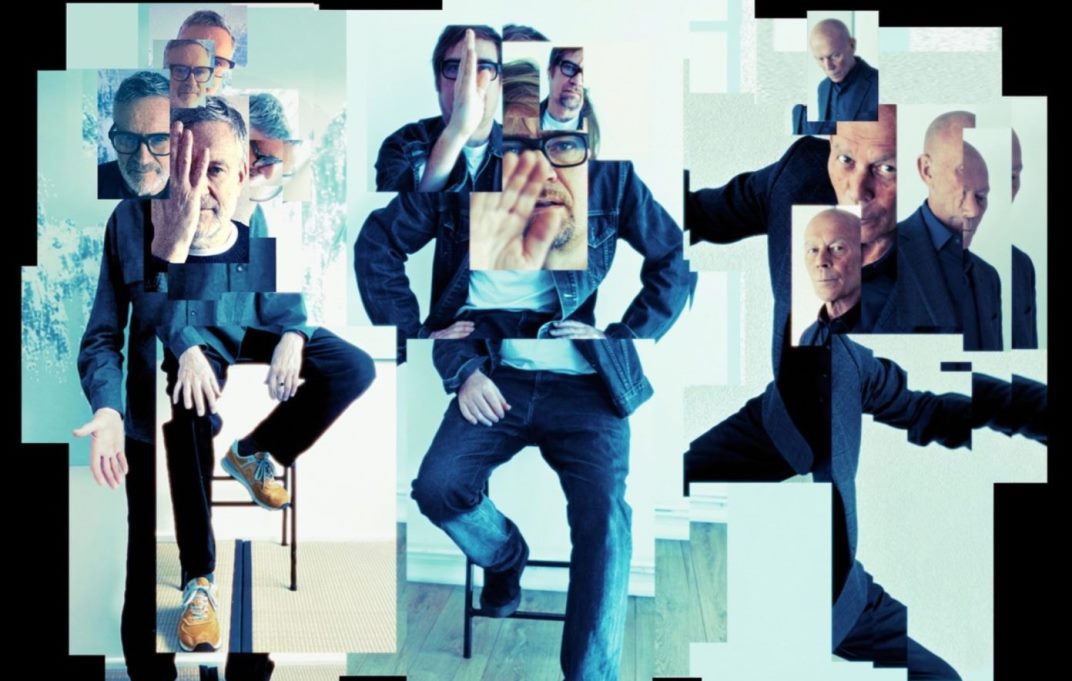
Opener ‘Back To Nature’ is a fine tribute to Fad Gadget but with a tougher menace although the original was electronic, this is perhaps the least essential of the set. ‘Day Breaks, Night Heals’ by Thomas Leer and Robert Rental which was another cult favourite from that same trailblazing British DIY synth era of 1979 fairs better attached to a more futuristic dance beat. These are 2 songs which may not necessarily be known among BLANCMANGE and ERASURE fans, so if their inclusion on this DOUBLESPEAK album provokes curiosity and further investigation, that is a positive.
However ‘Rock On’ gets a fabulous new vision, the David Essex international smash has its original dub-ish bass recast as a bent icy squelch while Neil Arthur takes the vocal down to something more deadbeat sinister. From 1980, the rhythmic backdrop of THE SOUND’s ‘I Can’t Escape Myself’ goes metal on metal as the scratchy guitar-driven original now cuts synthetically while the angsty spirit gets a baritone twist… this is what doing electronic covers is all about!
ABBA’s stark take about political dissidents awaiting arrest ‘The Visitors’ was suggested by Clarke. In 1981 just across the Baltic sea from Sweden were Estonia, Latvia and Lithuania which were then part of the Soviet Union and Eastern Bloc dissidents would plan their escape to the then-neutral country; DOUBLESPEAK do the song justice to the original by retaining the Cold War tension of its dark lyric whilst eschewing the original synth melody.
Having been demoed by BLANCMANGE and released as a bonus track for the 2018 boxed set ‘The Blanc Tapes’, Neil Arthur gets a proper go at ‘Gentle On My Mind’; a country song written by John Hartford and recorded by Dean Martin, Glen Campbell, Val Doonican and ‘Switched On Nashville’ exponent Gil Trythall, our hero gets into his crooner sweater and rocking chair. With Clarke providing a very simple and slower synth riff as its centre, as the cross melodies sweep in, the end result is otherworldly.
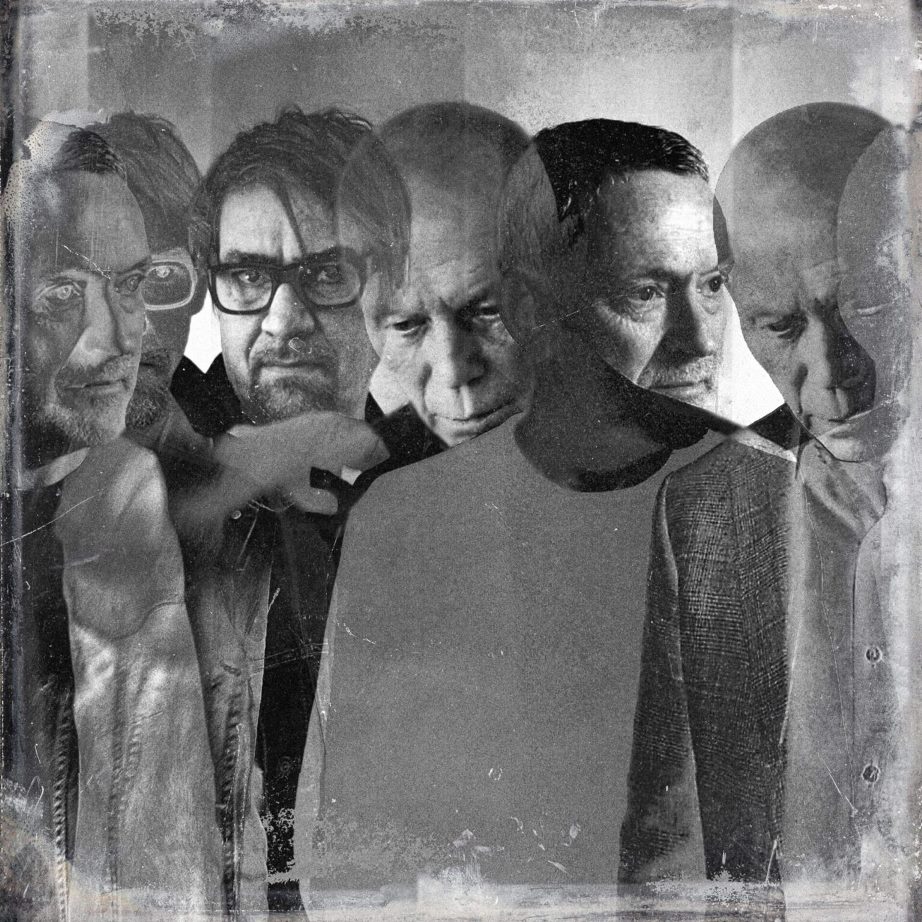
Fronted by Alison Statton, Welsh independent trio YOUNG MARBLE GIANTS were music press darlings back in the day with their only album ‘Colossal Youth’ released on Rough Trade; the originally plaintive ‘Brand New Life’ gets a gentle minimal rearrangement. Already quite electronic, THE MAGNETIC FIELDS ‘Smoke & Mirrors’ from 1995 actually sounded like BLANCMANGE in its original form but DOUBLESPEAK give it a bounce, a bleep and a buzz for something quite delightful in that classic Vince Clarke vein for the best track on the album.
A MOR standard that has also been covered by Midge Ure, THE CARPENTERS’ ‘Goodbye To Love’ is an interesting choice with the lush backdrop forsaken for an avant pop tapestry. Credit where credit is due for uncovering it to the extent that it becomes almost unrecognisable with Arthur’s electronically treated voice adding another twist.
From more comparatively recently, it’s not difficult to imagine experimental singer-songwriters Ed Dowie’s ‘Richard!’ being released on Factory Records back in the day. So with the early comparison often made with Neil Arthur’s vocals to Ian Curtis, this is apt and comes through the dark with a purposely off-key vocal that is saved by the bells and the crisp synth lines.
A fitting thematic closer, ‘End Credits’ by LAPTOP from 2001 is given a slightly pacier tempo; written by New York-based indie electronic composer Jesse Hartman, the lyrics refer to being dumped via an answerphone message so make perfect foil for Neil Arthur’s cynical delivery. Swathed in icy string machine, it suits him so much that it could easily be mistaken for a post-2011 BLANCMANGE song.
‘Doublespeak’ is a strangely connected record despite being largely made remotely over a long period of time by three people who were never in the same room with Clarke and Benge having never met in person. Most of the choices of song are interesting if nothing else and the end result is an enjoyable listen for anyone who likes synths and covers.
‘Doublespeak’ is released by London Records, available as a vinyl LP, CD and download
https://www.facebook.com/doublespeaktheband
https://www.instagram.com/doublespeak_uk/
https://www.tiktok.com/@doublespeak_uk
Text by Chi Ming Lai
29th May 2026
Follow Us!