Tag: Bureau B (Page 2 of 3)

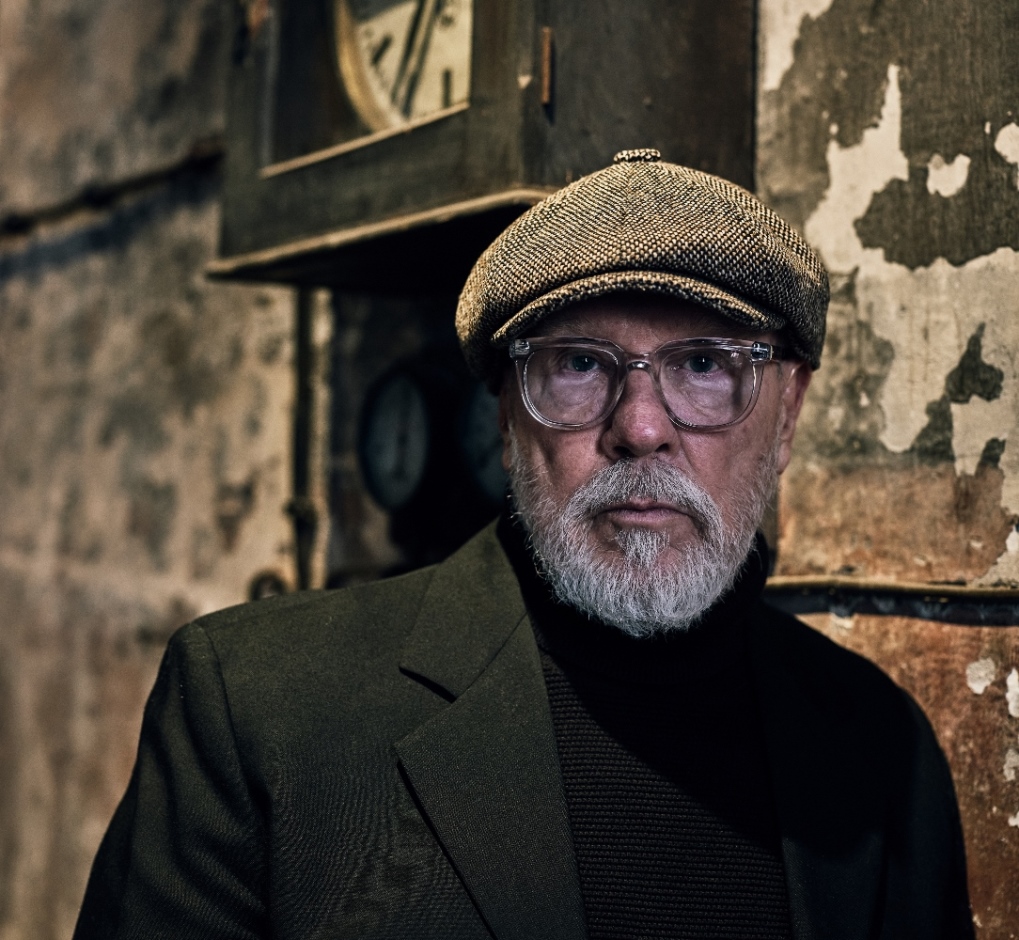
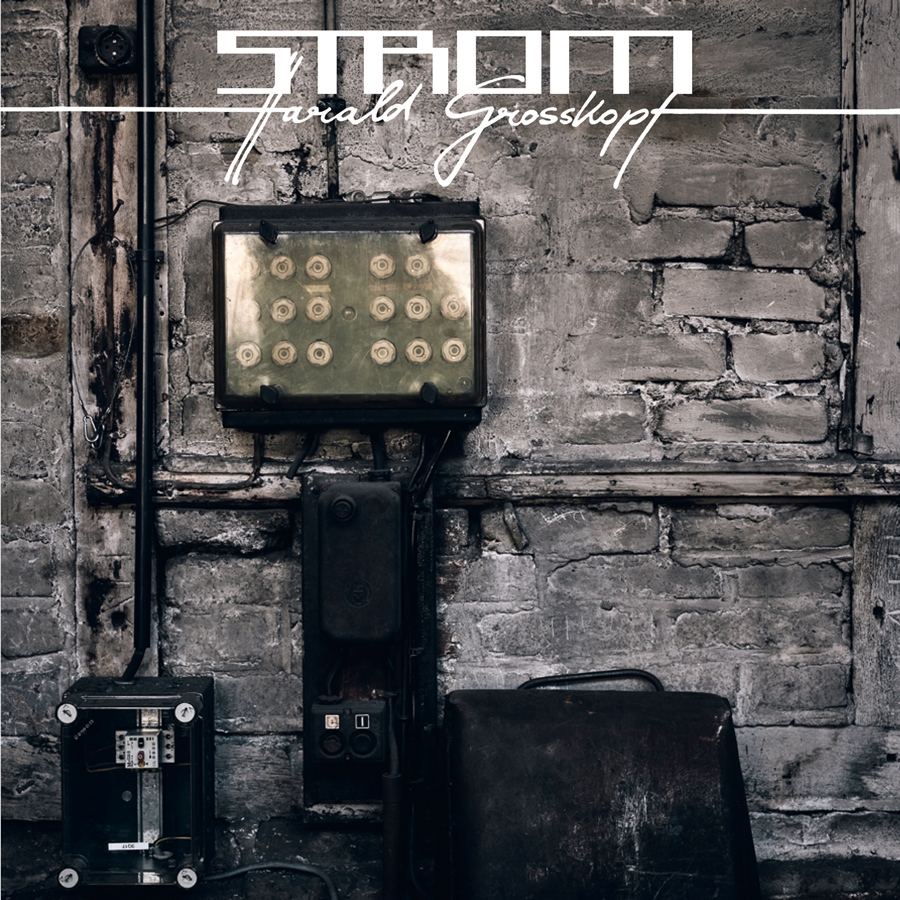
HARALD GROSSKOPF Strom

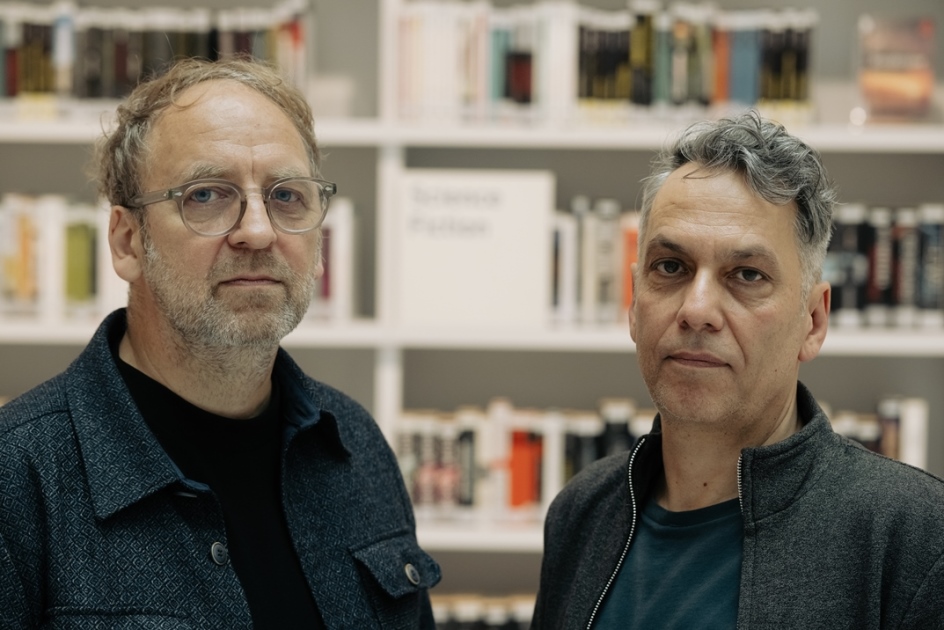
October 2024 sees veteran German synthesist Harald Grosskopf turn 75.

To celebrate, he releases a brand new album ‘Strom’ and publishes his autobiography ‘Monsieur Séquenceur’ in Deutsch which will be of interest to anyone remotely interested in Deutsche Elektronische Musik.

Harald Grosskopf had been the drummer of WALLENSTEIN, THE COSMIC JOKERS and ASHRA, working with Manuel Göttsching in the latter while some of his most notable sessions were with Klaus Schulze on his albums ‘Moondawn’, ‘Body Love’ and ‘X’.

But while in between projects, with the encouragement of friend and composer Udo Hanten, Grosskopf’s desire for making music led him experiment with a Minimoog, Korg PS3200 and an ARP 16-Step Sequencer alongside his drums. The end result was his wonderfully dreamy solo debut ‘Synthesist’ released in 1980; fans of the record included Andy McCluskey, Mark Reeder and Jean-Michel Jarre.

Grosskopf’s desire not to repeat himself has meant he has not been prolific as a solo artist, although over the years, he continued working with Manuel Göttsching in ASHRA as well as undertaking various collaborations Steve Baltes, Eberhard Kranemann, Thorsten Quäschning and Axel Heilhecker. Now after several years in the making comes ‘Strom’, translated from German as “electricity” and looking not that dissimilar the English word “storm” which could also sonically apply to this work.

Opening salvo ‘Bureau 39’ demonstrates an aural heritage with ‘Synthesist’ which is no bad thing, absorbing yet acting as a relaxant within a kaleidoscopic soundscape that twists with bursts of Doppler engine noise. Moving into more grinding territory, ‘Blow’ possesses a fierce marching rumble. There is a sharp use of rhythm on this album, as can be heard on ‘Später Strom’ but its overall gallop and texturing wouldn’t have sounded out of place on ‘Synthesist’, save the percussive sample template.

There are the more breezy overtures of ‘Gleich Strom’ but experimental and noisy, both ‘After The Future’ and ‘Um Pah Pah Uh’ almost do away with melody and reveal some quite unsettling voices, the former growling “NEVER” like a twisted character from The Brother Grimm while the latter also plays with eerie Middle Eastern overtones.

Like a passing express locomotive, the strident ‘Stylo Kraut’ is the album’s driving centrepiece, building towards a cosmic metallic fervour. Meanwhile the closer ‘Stromklang’ wouldn’t sound of place in a club, displaying a stomping affinity to dance culture over a sinister backdrop with cutting stabs of synth duelling with more spacey shimmers and rolling arpeggios.

‘Strom’ is an album that merges Harald Grosskopf’s classic melodic synth sound with the digital machine of today for a fully charged body of work. It retains enough familiarity while going off on various sonic tangents and abstract adventures to satisfy many a listener of more esoteric electronic forms.


‘Strom’ is released by Bureau B on 18 October 2024 in CD and vinyl LP formats, available from https://shop.tapeterecords.com/records/bureau-b/

Download available from https://haraldgrosskopf.bandcamp.com/

https://www.haraldgrosskopf.de/englisch/home.html

https://www.facebook.com/Harald-Grosskopf-121526524593386/

https://www.instagram.com/harald_grosskopf/


Text by Chi Ming Lai
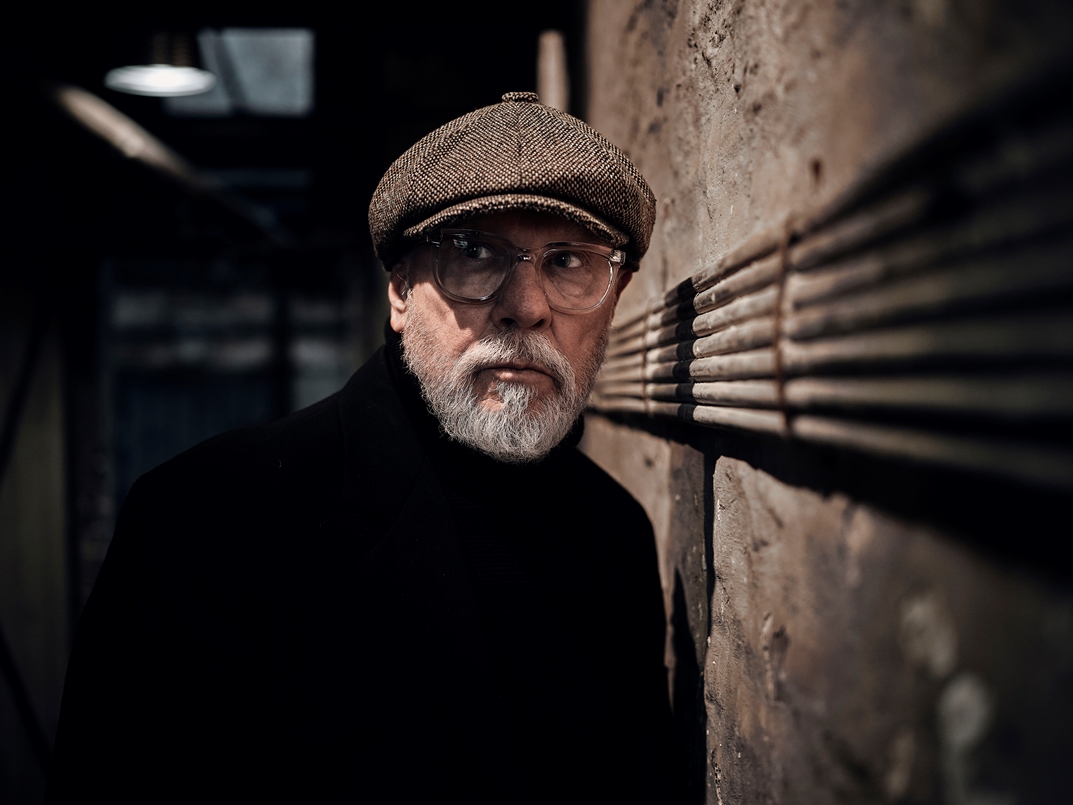
Photos by Markus Luigs
16th October 2024

A Short Conversation with HARALD GROSSKOPF

German music veteran Harald Grosskopf has lived a wonderfully busy life, working with noted fellow countrymen like Klaus Schulze, Manuel Göttsching, Eberhard Kranemann, Udo Hanten, Lutz Ulbrich, Steve Baltes, Thorsten Quäschning and Axel Heilhecker.

As well as the drumming for of WALLENSTEIN, THE COSMIC JOKERS and ASH RA TEMPEL, he is a respected solo artist whose 1980 debut album ‘Synthesist’ is now held up as an exemplary electronic work of the period; fans of the record have included Andy McCluskey, Mark Reeder and Jean-Michel Jarre.

Turning 75 this October, Harald Grosskopf celebrates the occasion by publishing his German language autobiography ‘Monsieur Séquenceur’ and releasing a brand new album ‘Strom’ on Bureau B. The album title translates from German as “electricity” and fuses his classic melodic synth sound with the virtual tools of today for a fully charged body of work.

Harald Grosskopf kindly spoke to ELECTRICITYCLUB.CO.UK about the genesis of both his book and latest music creation…

The last time we spoke, it was for the expanded 40th Anniversary edition of ‘Synthesist’ in 2020, are you happy with how it was received?

Oh yes! The limited edition was sold out in weeks.
This new album ‘Strom’ has been a while coming, how did you decide it was time for a new solo creation?

I have to go into great detail to answer this question. I am a musician, and standing still is not part of my concept. Making music is a great passion that has grown throughout my life. Finally being able to work independently in my own studio is a privilege I had to wait a long time for until it finally became a reality in 2007.

After my first solo album ‘Synthesist’, the music industry sharply declined in the 1980s, and analog studios around the world closed in large numbers. I couldn’t afford the necessary recording equipment, and the few remaining studios were expensive. When the first Atari computers with built-in MIDI hit the market, things slowly started to pick up again. But it wasn’t until the late 1990s, when it became possible to record analog audio signals with relatively affordable music software, that things really began to move forward.

In the beginning I had virtually no experience, firstly with computers and secondly the complex subject of music software. The next step was to teach myself, step by step, and to create a physical space where I could work undisturbed. A studio. It always takes me quite a while to be emotionally satisfied with a track. Thank God I’m not under any commercial production pressure.

After producing an album with KRAFTWERK founder Eberhard Kranemann in 2018, and after we toured in England and performed in China, I began to focus on my solo work again. This led first to a remix album of my second solo album ‘Oceanheart’ (Sky 1985), ‘Oceanheart Revisited’. After that, I began working on the ‘Strom’ album. The entire album was mixed and mastered in an analog studio on reel to reel tape before digitalized again to get an analog feeling.
The title is ‘Strom’ which in English means “electricity”, does it share any conceptual heritage with ‘Synthesist’?

Well, I can’t change who I am. I never work with a musical concept. I always approach things emotionally. That means, unconsciously, there may be references to ‘Synthesist’. However, I certainly don’t try to repeat myself and always allow new experiences to influence my work.

‘Bureau 39’ has already been issued online as a trailer to ‘Strom’, you have your classic sweeping synth sound on it, are you still using your old synths or have you gone for virtual?

I haven’t owned any analog equipment for a long time. I never had a large collection of it anyway. I like the quick access that music software and virtual instruments offer. This way, I can always stay in the flow of spontaneous creativity without wasting time on wiring synths and dealing with tons of processing tools. That doesn’t mean I condemn analog synths. I just don’t use them. It also makes traveling easier. I don’t need to carry much to get to the stage!

‘Blow’ is quite fierce in places?

Deep in my heart, I am still a drummer. Physical intensity is a characteristic of drumming. That’s what drives me to make tracks like these.

There is a sharp use of rhythm on this album, as can be heard on ‘Später Strom’, had there been a particular approach? Did you manually trigger on a kit and quantise or was it all mouse and screen?

Always a mix of handmade drum loops and mouse editing.

‘After The Future’ and ‘Um Pah Pah Uh’ are quite experimental and almost do away with melody, featuring unsettling voices?

I have always seen it as a reminiscence of the early days of electronic music—Stockhausen, Pierre Schaeffer, Oscar Sala, etc, to include a little bit of this direction in my solo albums to keep it alive, without falling into banal copying.

What inspired the feel of ‘Stylo Kraut’?

That began in 2018 when I did a small tour of England with Eberhard Kranemann. We were invited by John Simpson, the CEO of Dubreq Ltd in Hastings, which reissued the legendary Stylophone Mini Synthesizer from 1967 in 2007, to perform a concert in Hastings. John provided us with this little synth buzzer, the Gen X-1 model. As a thank you, I produced this track, which I continued to expand and modify in the studio over time. It is, therefore, a small monument of reverence to this tiny, magical music machine, which was already honored by John Lennon, David Bowie, and KRAFTWERK in the past.

‘Stromklang’ wouldn’t sound of place in a club, doing you feel any affinity to techno or dance culture?

I wouldn’t have a problem if my music were played in techno clubs. I first came into contact with this music when techno reached its peak in the mid-1990s. That was probably due to my age. I was approaching 50 and hadn’t been going to clubs for a long time, so this culture more or less completely passed me by until then.

Steve Baltes, a young musician whom I invited to join us on two of our ASHRA Japan tours, played me tracks that gave me goosebumps. I like this music because it resonates with my drummer’s heart, physical and simple intensity. That has certainly influenced my music-making unconsciously. However, I’m far from making techno, as generally, I don’t care about other music at all when I’m in my studio.
How have you adapted your creativity to today’s equipment and music consumption environment?

Out of necessity, I turned to creating music with computers almost 30 years ago because, as I hinted earlier, I couldn’t afford studio equipment or expensive studio costs. The rapid technological development of digital recording tools and virtual synthesizers is breathtaking. However, I am open to all techniques. For example, I mixed my last albums on magnetic tape in the studio of my friend Tobias Stock before we digitally rendered the tracks for CD and vinyl. As a result, even the CD now sounds very analog.

Over 25 years, Tobias has assembled a top-class analog studio in mint condition, which leaves nothing to be desired, and he maintains it at the highest level in his role as an electronic engineer and musician. The next step will be working with various AI tools. However, I definitely won’t be creating ‘prompt-to-music’ at the push of a button. The rejection of AI as a creative tool strongly reminds me of the incompetent reactions to the emergence of the first synthesizers in the late 1960s, early 1970s. Klaus Schulze always responded to these technology sceptics with irony: “Since when do violins grow on trees, or pianos in fields?”
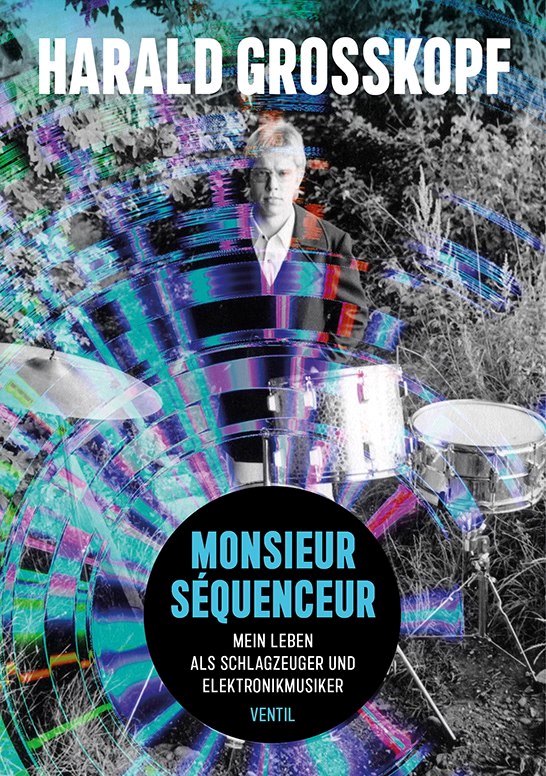
How did the idea for a book come about? Did you keep diaries or has everything been recounted from memory?

I never kept a diary. About 30 years ago, I started writing down my memories sporadically, without any intention of ever publishing them. It was more for reasons of therapeutic self-reflection. Over time, when I shared stories from my life with friends and acquaintances, I kept getting asked why I didn’t publish them. When my label, Bureau B, became economically involved with Ventil Publishing Company, and I told Gunther Buskies, the CEO of Bureau B, about my writings, everything started falling into place.

Since I originally had around 700 pages, and no one would read such a long biography, we worked with a professional editor to condense it to an acceptable length. And now, the time has come. The version, which until now has only been available in German, will be released in parallel with the ‘Strom’ album. I’m working on an English translation.
Did you have a particular memory that was jogged by a conversation or research that for various reasons, you had forgotten about?

Writing takes longer than quickly recalling images, feelings, and dialogues. When you sit down to write down memories, you have to hold the image of the memory in your mind until you’ve formulated it. This apparently has the effect of bringing back seemingly long-forgotten content, which suddenly becomes alive again, and you can hardly stop yourself from holding it in your mind in order to get it down on paper or hammer it into the computer. It could happen that I sometimes wrote for 6 or 7 hours without a break. A phenomenon that others have also reported to me.

So, would you agree that if you can remember recording with THE COSMIC JOKERS, then you weren’t actually there??? 😉

Of course, memories can deceive us, and surely our brain alters our memories as well. Memories are always fragmented and sometimes hazy. Now to your question: Yes, I can recall those Cosmic Couriers sessions in Dieter Dierks’ studio, half a century ago fairly well.

Two of your most esteemed colleagues Klaus Schulze and Manuel Göttsching are sadly no longer with us, has this had any bearing on how you have approached the book or the album?

No, because I had already written everything related to the two of them during their lifetimes.

What is next for you?

The mastering of the next solo album, titled ‘Glitches Brew’, which will be released in the second half of 2025 on Bureau B. Two more albums featuring collaborations with other artists are also completed. We are still looking for a label for one of these albums. The second one of this kind will be released in March 2025 on the English DIN label. I am not yet allowed to reveal the title and protagonists. Additionally, I am already working on a third solo album and video projection materials for future live performances.


ELECTRICITYCLUB.CO.UK gives its sincerest thanks to Harald Grosskopf

Additional thanks to Sean Newsham at Bureau B

‘Strom’ is released by Bureau B on 18 October 2024 in CD and vinyl LP formats, available from https://shop.tapeterecords.com/records/bureau-b/

Download available from https://haraldgrosskopf.bandcamp.com/

Harald Grosskopf’s memoir ‘Monsieur Séquenceur’ is published in German by Ventil Verlag, available from https://www.ventil-verlag.de/titel/1967/monsieur-sequenceur

https://www.haraldgrosskopf.de/

https://www.facebook.com/Harald-Grosskopf-121526524593386/

https://www.instagram.com/harald_grosskopf/

https://open.spotify.com/artist/1yejR2Tszo9sGMXtmuq07K


Text and Interview by Chi Ming Lai
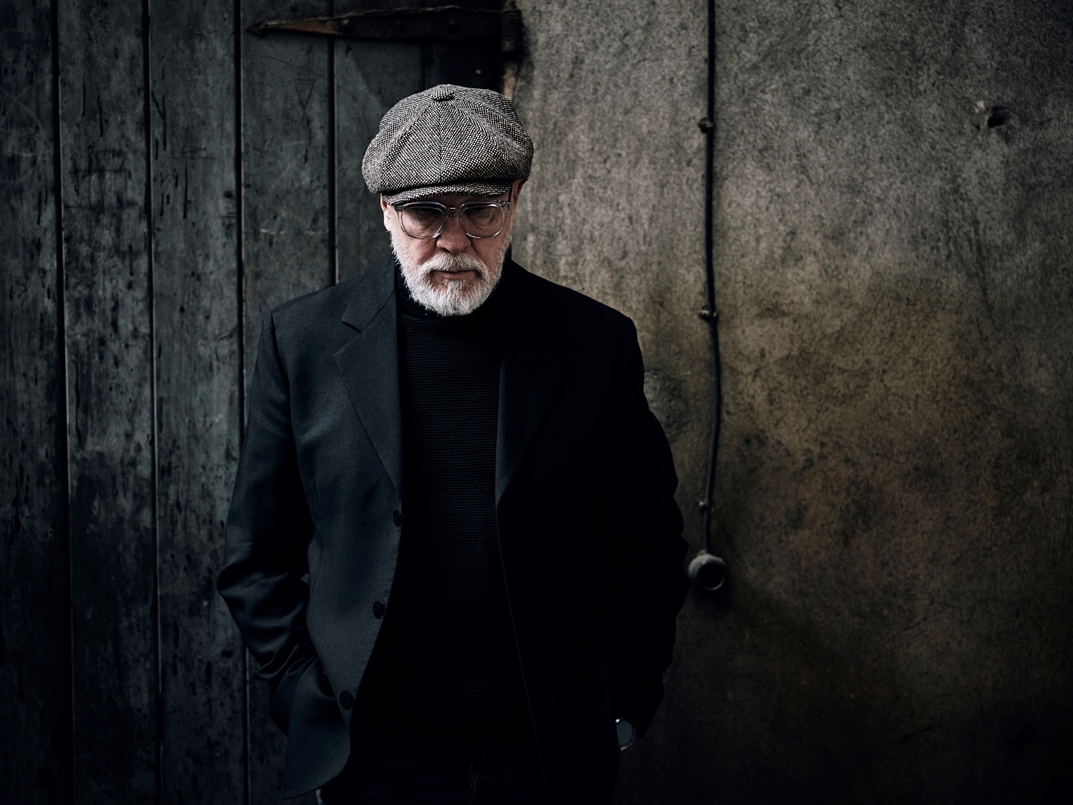
Photos by Markus Luigs
27 September 2024

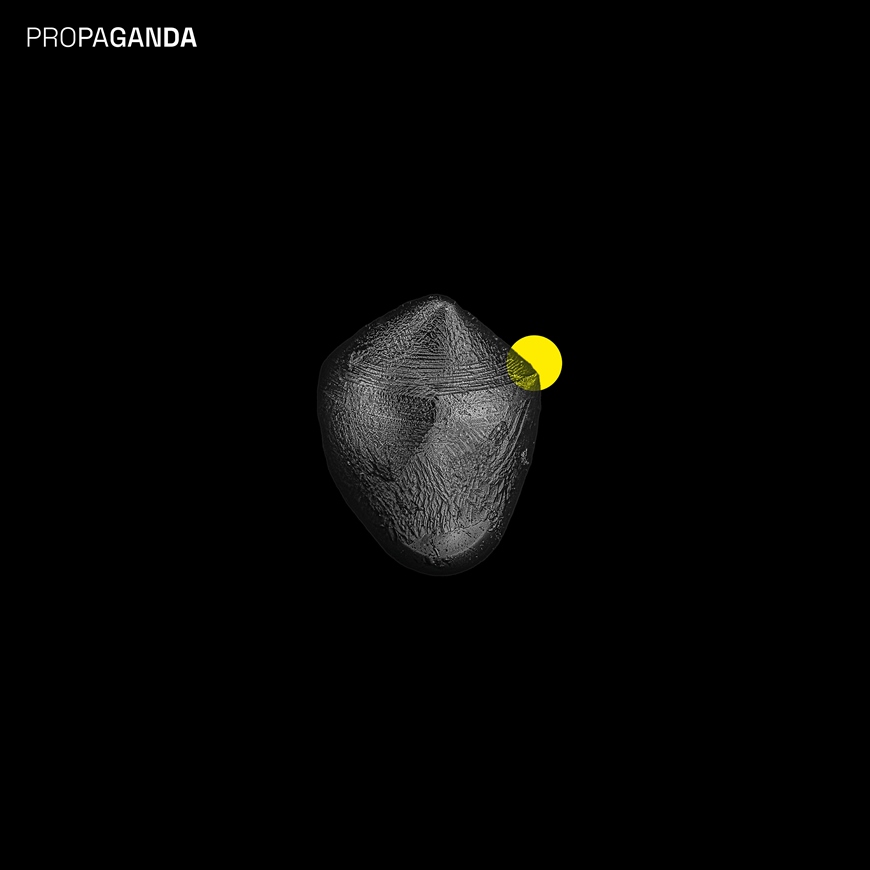
PROPAGANDA Propaganda

The history of PROPAGANDA does not need retelling, but their acclaimed 1985 debut album ‘A Secret Wish’ released on ZTT and produced by Stephen J Lipson is regarded as something of a cult classic in industrial pop.

However, internal friction between the “ABBA in hell” line-up of Claudia Brücken, Ralf Dörper, Susanne Freytag and Michael Mertens led to PROPAGANDA imploding. Signing to Virgin Records, Mertens continued as PROPAGANDA with a new singer Betsi Miller as well as two former members of SIMPLE MINDS, Derek Forbes and Brian McGee, releasing the album ‘1234’ in 1990.

There was an aborted PROPAGANDA reunion in 1998 and that was that until Brücken and Freytag presented a variation on the theme and performed as xPROPAGANDA, before releasing a new album ‘The Heart Is Strange’ with Stephen J Lipson producing that updated the ZTT-era sound in 2022.

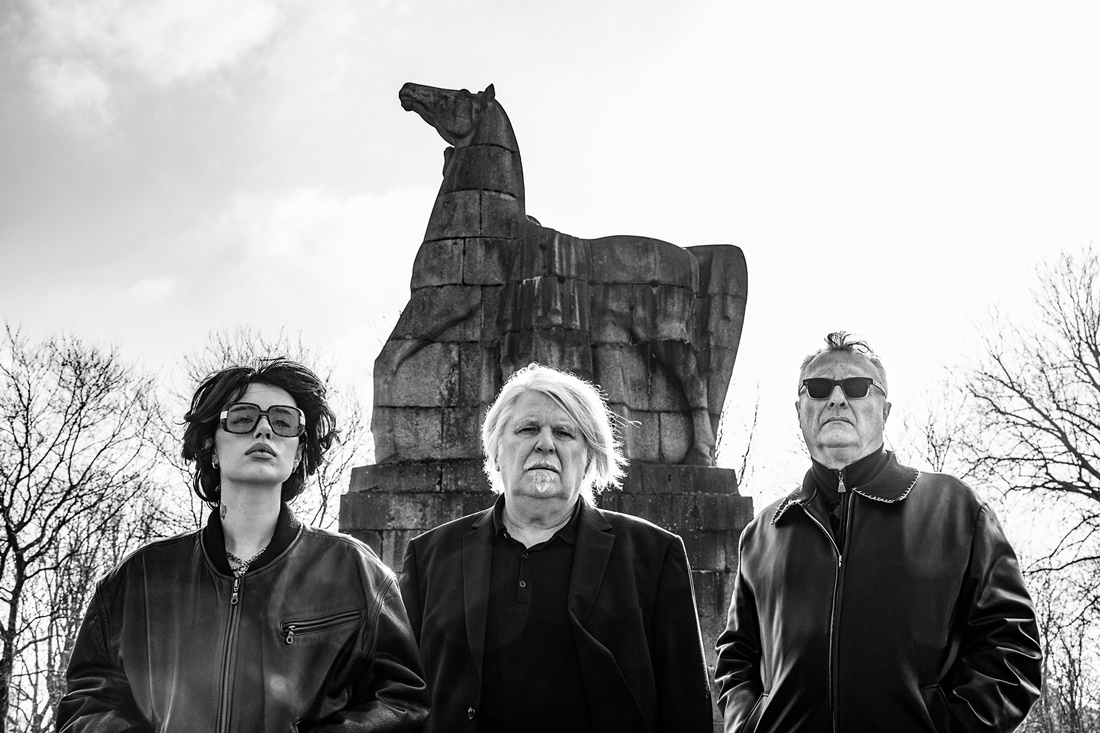
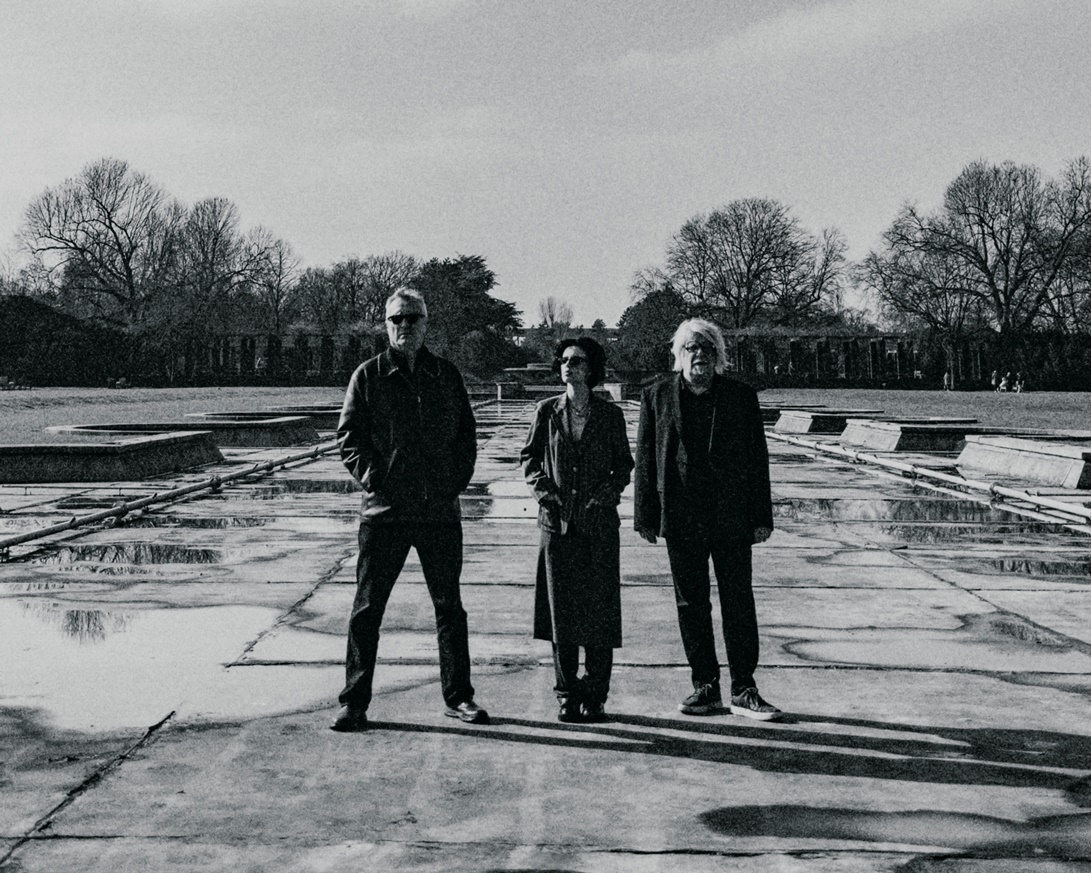
Now in 2024, with a record “conceived and accomplished in Düsseldorf” and a resistance to nostalgia, Dörper and Mertens have started a new chapter of PROPAGANDA with an eponymous title to signify a fresh start. The initial plan was to use guest vocalists for particular songs but the pair came across the silky soulful tones of young German singer-songwriter Thunder Bae.

Despite the techno-robotic introduction, ‘They Call Me Nocebo’ drifts into a steadfast electronic groove with Thunder Bae delivering an accessible vocal crossover over the atmospheric synth programming and sustained guitar inflections that conjoin to still provide an air of mystery.

With a smoky pop presence, ‘Purveyor Of Pleasure’ continues the laid back mood using understated percussive loops and smooth electronic bass while reworked from ‘1234’, ‘Vicious Circle’ brings in a pacier snap and shuffle, differing by moving away from the harder rigidness of its earlier incarnation which featured Susanne Freytag by moving into a modern slice of European sophistipop.

With a hypnotic rolling sequence, ‘Tipping Point’ raises the tempo but keeps the beats subtle on this ecological poem. But recalling “life in a glass cage” during lockdown, the husky ‘Distant’ brings stylistic connections to ‘Cloud 9’, the co-write by Martin Gore with Claudia Brücken that had been demoed for the aborted 1998 PROPAGANDA reunion and was subsequently issued as a ONETWO track.

Although starting sparse, ‘Love:Craft’ builds up to a more dramatic neo-classical template with enticing synth solos and operatic background voicing while ‘Dystopian Waltz’ does as it says on the ration tin, a lengthy solemn instrumental with a haunting Cold War chill in its wonderful orchestrated arrangement.

The best is saved until last, ‘Wenn Ich Mir Was Wünschen Dürfte’ (translated into English as “If I had a wish”), a Weimar-era song written by Friedrich Hollaender in 1930; Dörper first heard it in the disturbing controversial movie ‘The Night Porter’ during a smoky cabaret scene with Charlotte Rampling performing the song made famous Marlene Dietrich.

Hauntingly melancholic, the translated title provides a link to the past while there is even a cheeky musical reference to THE ART OF NOISE’s ‘Moments In Love’ in the intro. Thunder Bae gives a superbly enticing performance in Deutsch over appropriately Autumnal backing to highlight the contradictory emotions expressed. And when Volker Bertelmann, best known as Academy Award winner Hauschka, brings his frozen piano motifs in, it is the icing on the cake.

Ralf Dörper and Michael Mertens have made a cinematic European electronic pop record while adopting modern influences. However, some listeners may find Thunder Bae’s voice too similar to today’s pop starlets like Dua Lipa. Saying that, she stylistically suits these songs and particularly comes into her own on the finale ‘Wenn Ich Mir Was Wünschen Dürfte’, which ultimately prompts craving and secret wishes for more songs in German.

On ‘Dr Mabuse’ they said “never look back” and that is exactly what this enjoyable album is about; a totally different animal to either ‘A Secret Wish’ or ‘1234’ or the aborted 1998 material, a few long standing PROPAGANDA and ZTT enthusiasts may not embrace this album’s younger generation vocal stylings while the lack of Teutonic industrialisation may be a disappointment to others. But those who buy into this new vision will want the double editions with bonus tracks…


‘Propaganda’ is released on 11 October 2024 by Bureau B in CD, limited double CD, vinyl LP, limited double vinyl LP and digital editions

https://propband.tilda.ws/

https://www.facebook.com/profile.php?id=61560582914718

https://www.instagram.com/propaganda_official_/


Text by Chi Ming Lai
Photos by Thomas Stelzmann
14th September 2024

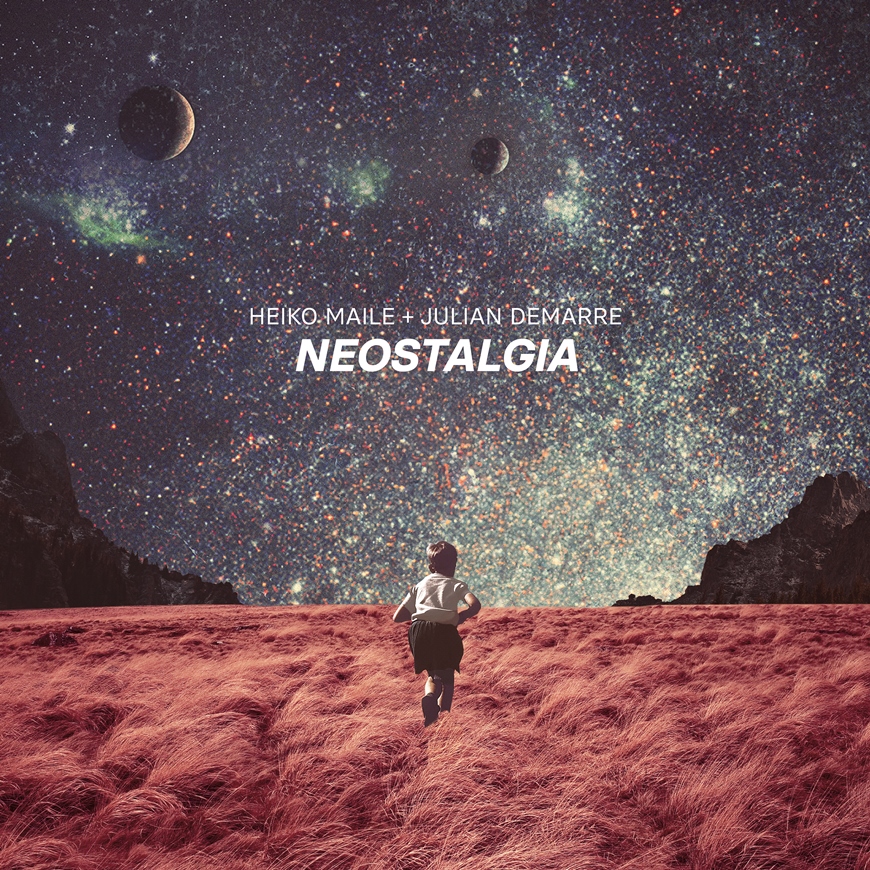
HEIKO MAILE & JULIAN DEMARRE Neostalgia

A product of Stuttgart and Los Angeles, ‘Neostalgia’ is the new collaborative album by CAMOUFLAGE’s Heiko Maile and composer Julian DeMarre.

The pair first worked together on the 1991 CAMOUFLAGE album ‘Meanwhile’ produced by Colin Thurston. It saw a musical diversion into more conventional instrumentation such as violin, saxophone, guitar and drums when the band from Bietigheim-Bissingen were reduced to a duo.

Outside of his dayjob with Marcus Meyn and their reunion with Oliver Kreyssig in 1999 which now sees CAMOUFLAGE celebrate their 40th Anniversary with the ‘Rewind To The Future & Goodbye Tour’, Maile and DeMarre partnered up to soundtrack the American action crime film ‘Killerman’ in 2019.

In 2020, the world was locked down by the Covid pandemic and with months of isolation at home, Maile and DeMarre got creative in each of their separate bases to create musical love letter to early electronic music from Wendy Carlos to Conrad Schnitzler and PINK FLOYD to YELLOW MAGIC ORCHESTRA, Brian Eno to Vangelis with naturally TANGERINE DREAM and KRAFTWERK along the way. Despite ongoing soundtrack commissions for both delaying completion, the end result is the appropriately titled ‘Neostalgia’.

The opening piece ‘Patience’ is superb, originally written for ‘Killerman’ and titled ‘Leaving NY’, it has been reworked from the sweeping ambience of the soundtrack version to something more pulsating and percussive while there is a greater melodic presence.

Other tracks seeded from ‘Killerman’ like ‘Reflection (Dark Horses)’ and ‘Helios’ appear but another strong highlight is ‘Hollow Earth’ which utilises DeMarre’s Korg Lambda string machine alongside Maile’s hypnotic sequence. As the tempo rises, there comes a chilling drama enhanced live percussive rolls and textural guitar interventions which recall TANGERINE DREAM.

Meanwhile ‘Melancholia’ is a wonderful showcase for a number of vintage synth warhorses in the Yamaha CS60 and Korg PE-1000 although instead of a Mellotron, a real flute from Torsten Kamps provides the desired airy effect.

Featuring fretless bass and pretty synth, ‘Serengeti Ostinato’ rumbles rhythmically in tribute to the late Oscar winning German conservationist Bernhard Grzimek and his TV classic documentaries on African wildlife while ‘Universal Universe’ heads to the cosmos to illustrate the viewpoint of Stephen Hawking with a swinging neo-Schaffel backbone. But planet’s earth’s nature is the focus on ‘Between Trees’, a reflective ambient exploration to reflect the sense of openness between tree branches and how trees have defied changing climates before the arrival of humankind and civilisation.

Cosmic, spacey and occasionally ambient but mostly melodic, ‘Neostalgia’ blends of a variety of electronic styles with lengthy intros and outros forming key components. Tense yet hopeful, this is an album that will be appreciated by those who love the esoteric instrumental music of four or five decades ago.


‘Neostalgia’ is released by Bureau B in vinyl LP, CD and digital formats, download available from https://heikomaile.bandcamp.com/album/neostalgia

https://www.heikomaile.com/

https://www.facebook.com/HeikoMaile/

https://www.instagram.com/heikomaile/

https://www.instagram.com/juliandemarre/


Text by Chi Ming Lai
Photos by Reiner Pfisterer
4th September 2024

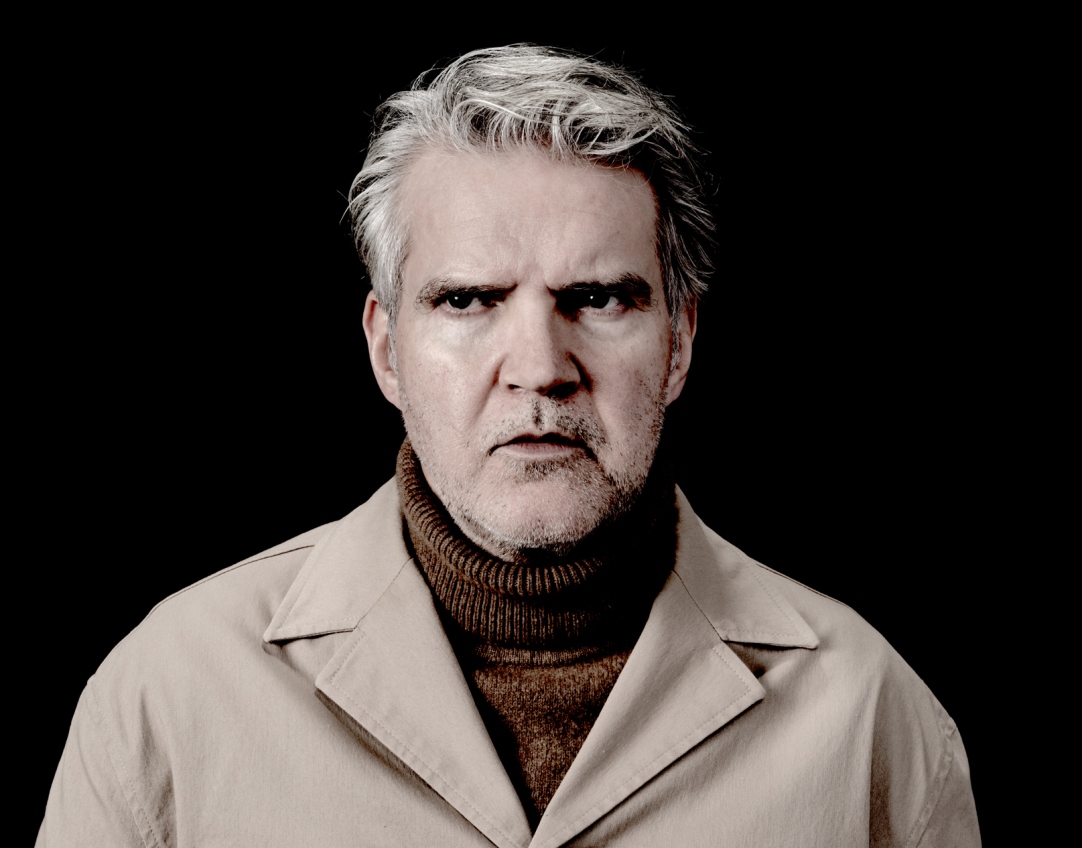
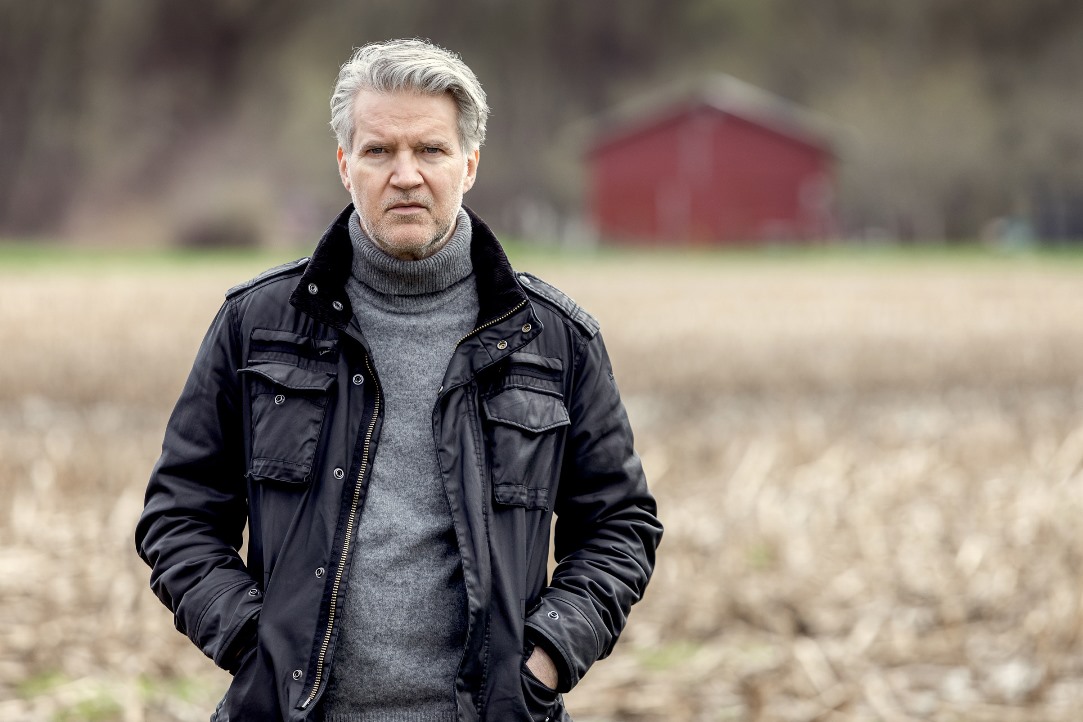
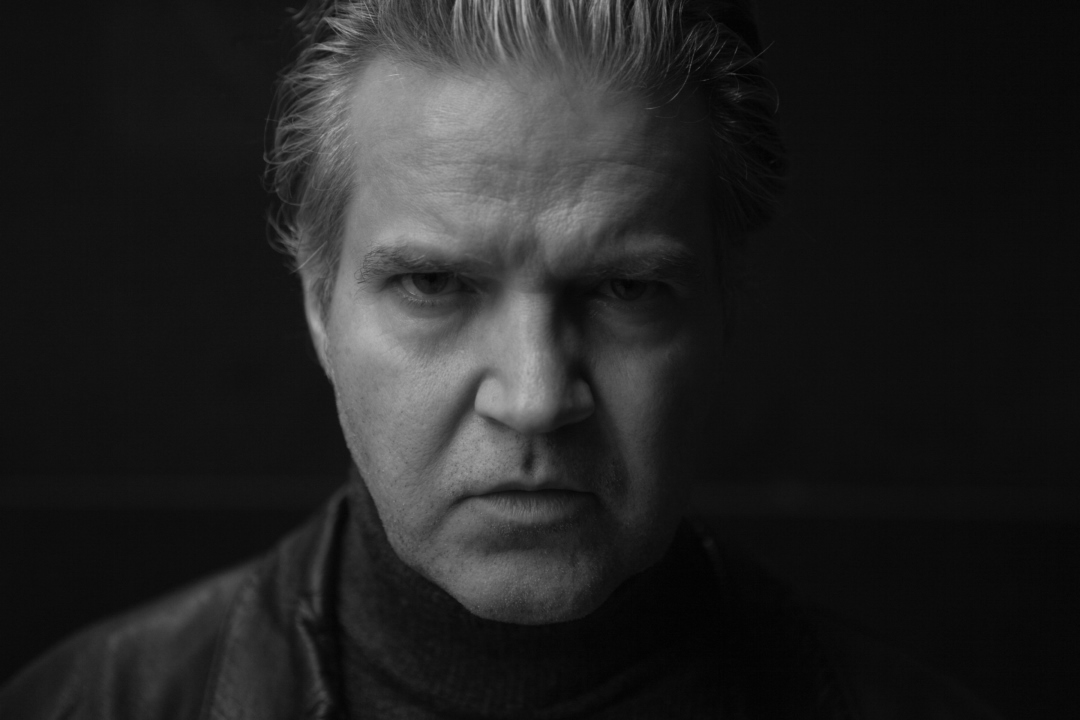
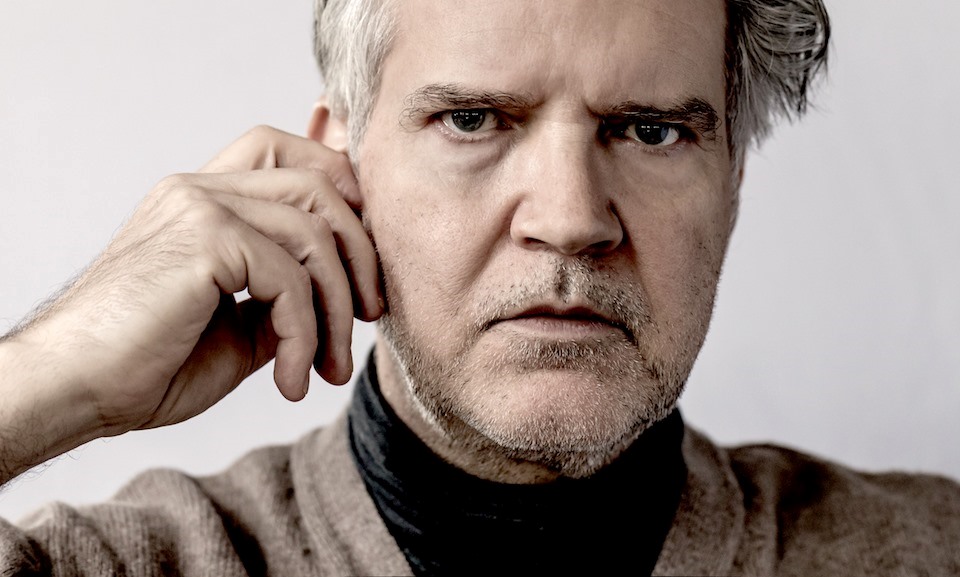
LLOYD COLE Interview

Singer / songwriter Lloyd Cole is best known for his glum but jangly guitar-based tunes with his band THE COMMOTIONS.

With three Top20 UK albums to their name between 1984 to 1988, their best known songs were ‘Perfect Skin’, ‘Forest Fire’, ‘Are You Ready To Be Heartbroken?’, ‘Brand New Friend’, ‘Lost Weekend’ and ‘Jennifer She Said’. Scottish band CAMERA OBSCURA later paid tribute to Cole’s poetic cynical romanticism with the song ‘Lloyd, I’m Ready To Be Heartbroken’.

More recently however, Lloyd Cole has recorded two albums ‘Guesswork’ and ‘On Pain’ which have primarily been synthesizer-based. But his journey into electronic music has not been a recent artistic whim. While studying Law at University College London, his neighbour Morris Gould, now known as underground electronica DJ Mixmaster Morris, lent him an EDP Wasp synthesizer for Cole’s only solo music performance at LSU. Another student introduced him to KRAFTWERK whose magnificent ‘Computer World’ show would later be declared by Cole as one of his favourite gigs of all time.

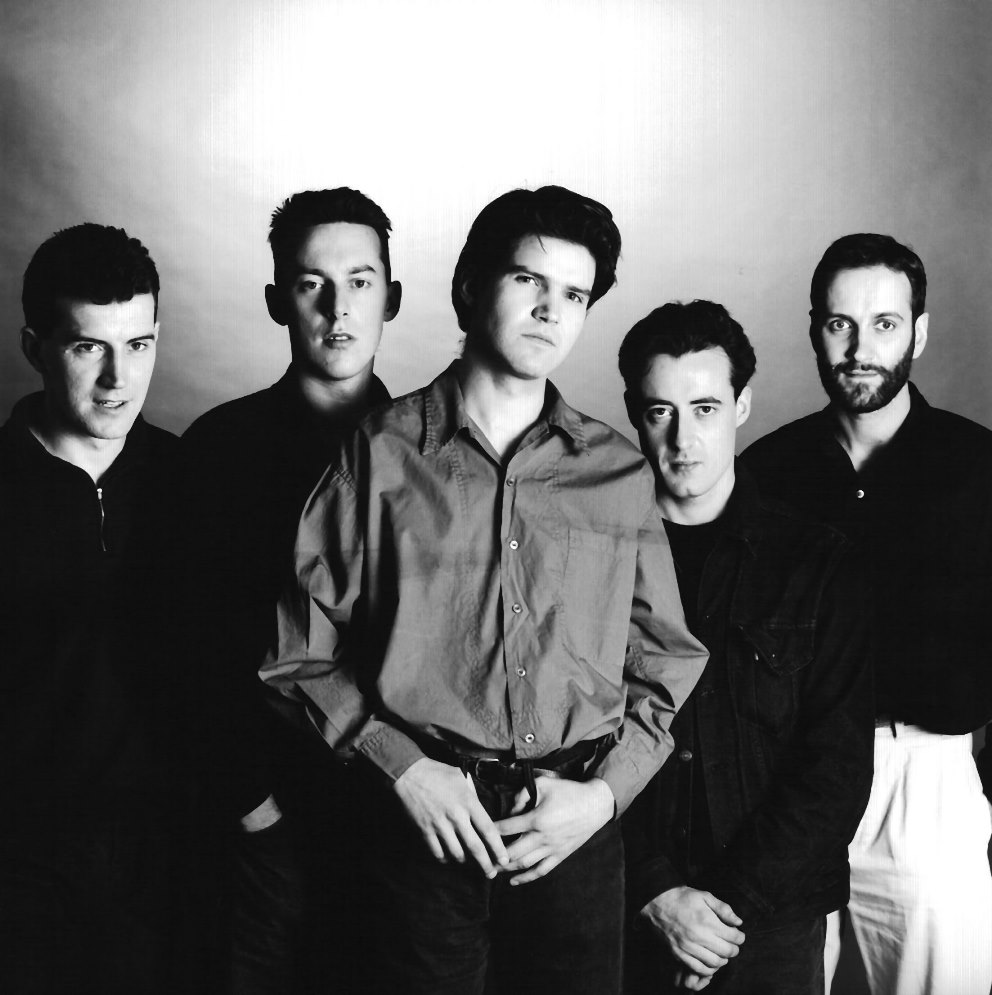
Transferring to Glasgow University to study Philosophy and English, he met his future bandmates keyboardist Blair Cowan, guitarist Neil Clark, bassist Lawrence Donegan and drummer Stephen Irvine to become LLOYD COLE & THE COMMOTIONS. With Cole demoing his songs using guitar, drum machine and a Yamaha DX7, word got out to London about the band’s eloquent melancholic pop.

On the back of interest in the city’s music scene which had produced ORANGE JUICE, ALTERED IMAGES and AZTEC CAMERA, the quintet were signed by Polydor Records, releasing their acclaimed debut album ‘Rattlesnakes’ in 1984 and achieving their highest chart placing with second album ’Easy Pieces’ in 1985.

Relocating to New York, Lloyd Cole went solo in 1990, experimenting with orchestral, folk and country styles along the way and even returning to a band format with THE NEGATIVES in 2000. Always “excited to still be finding new methods, new perspectives, new sounds”, he had already bought a Sequential Circuits Prophet VS and featured it on the ‘Mainstream’ album in 1987.

Later acquiring a Minimoog and various samplers, Cole used them sparingly on the 1993 psychedelic rock flavoured long player ‘Bad Vibes’, although the album was not well-received by his fans. Considering the album an artistic failure, he kept his songs traditional and his electronic interests purely instrumental, leading eventually to the excellent 2002 ambient electronic album ‘Plastic Wood’ made at his attic studio in Massachusetts.

Photo by Camillo Roedelius

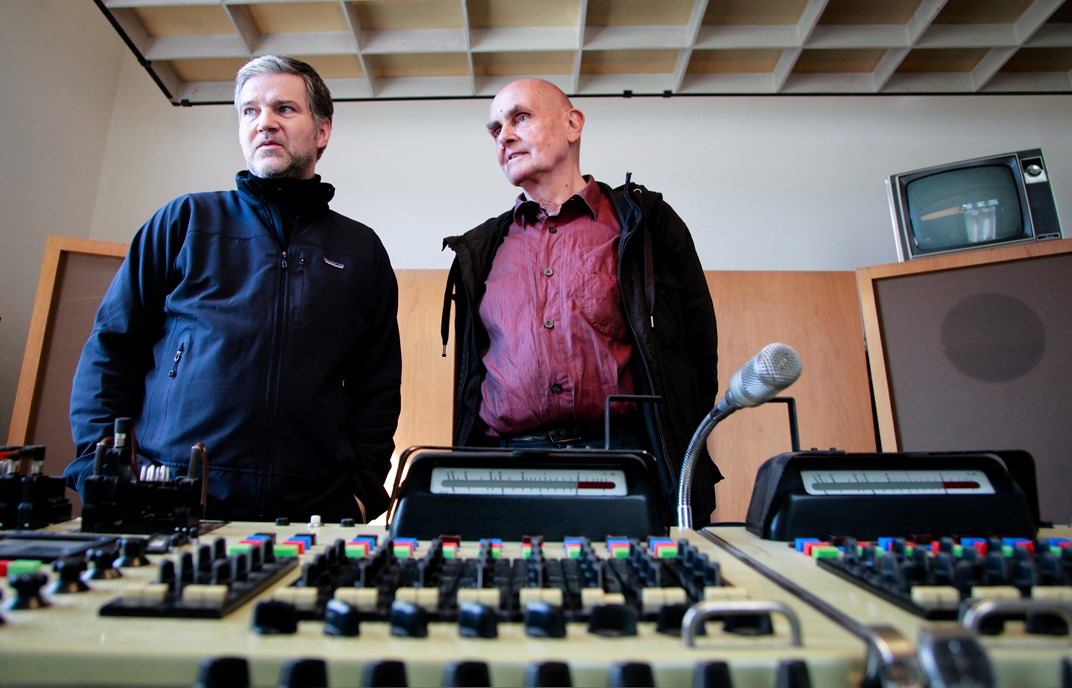
A fan of CLUSTER, the cult German duo comprising of Hans-Joachim Roedelius and the late Dieter Moebius, ‘Plastic Wood’ recalled the spacious vibe of their now classic 1976 long player ‘Sowiesoso’. With his synthesizer secret not so secret anymore, a mutual friend passed the album over to Roedelius who was impressed and set about doing his own remix. On sending over Cole his reinterpretation, while the remixed ‘Plastic Wood’ has yet to see the light of day, Cole was flattered and the two discussed working together on a project in a similar manner.

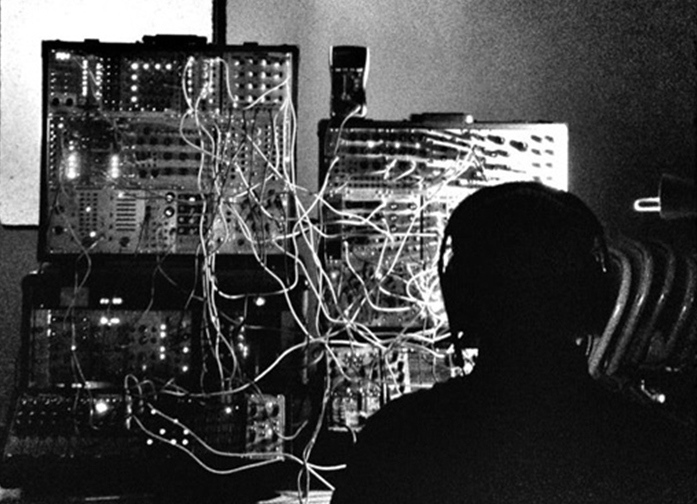
Having assembled his first Eurorack modular synth which was steadily expanding, Cole created a number of minimal electronic sketches for Roedelius to develop in isolation with neither being together during the creative process. The finished tracks became 2013’s ‘Selected Studies, Vol1’, a thoughtful union of the sorcerer and the apprentice released by Bureau B.

Following an invitation by Bureau B to curate ‘Kollektion 02’, a retrospective of Roedelius’ music, the German label suggested to Cole that he could release a solo electronic album based on the unused material originally constructed for his collaboration with Roedelius. Although Cole considered himself to still be very much a student of electronic music, the resultant ‘1D Electronics 2012-2014’ boosted his confidence. However, an attempt at ‘Live Electronics’ in 2015 proved to be too big a challenge; two performances in Portugal were cancelled while a German show with Roedelius saw a return to his usual guitar and vocal format for his solo part of the set.

Undeterred, Cole allowed time to develop his prowess with synthesizers and programming. Applying these electronic textures and techniques to traditional songwriting, 2019’s ‘Guesswork’ album was a triumph. Reuniting with Blair Cowan and Neil Clark, the album’s first single ‘Violins’ took cues from Robert Palmer’s cult electronic pop favourite ‘Johnny & Mary’ but included a guitar solo at its conclusion to not totally alienate Cole’s following.

Opening ‘Guesswork’, ‘The Over Under’ was reminiscent of the sparse nocturnal atmospheres of THE BLUE NILE during their ‘Hats’ period. The most KRAFTWERK influenced song ‘Moments & Whatnots’ was like a second cousin to ‘Neon Lights’ while ‘When I Came Down From The Mountain’ offered the biggest surprise as a bouncy drum machine driven slice of synthpop.

Produced by Chris Hughes who had notably helmed the first two TEARS FOR FEARS albums, 2023’s ‘On Pain’ saw guitars make a more prominent but limited return but whereas ‘Guesswork’ had largely been traditional songs made electronic, a number of the follow-up’s tracks were composed bottom-up using synthesizers.

In an artistic diversion, the shimmering ‘I Can Hear Everything’ utilised voice treatments and the title track provided an emotive hybrid of synth arpeggios and guitar. The standout song from the album ‘The Idiot’ gave a touching synth-laden narrative on the relationship between David Bowie and Iggy Pop as they relocated to Berlin in 1976, while ‘This Can’t Be Happening’ wonderfully stripped things down to gentle pulsing and minimal strings.

The ‘On Pain’ campaign also saw external remixes employed with Chris Hughes and Mark Frith’s ‘Unlimited mix’ of ‘Wolves’ providing an unexpected groovy disco delight. The 2023 UK tour saw Lloyd Cole bring his new direction to the stage for the first time with “No sequences. Just loops and arpeggiators” alongside acoustic and electric band performances that included an unexpected rendition of ‘Headlights’ from ‘Plastic Wood’.

Just back from a one man tour of New Zealand and Australia, Lloyd Cole took time out from the golf course and had a quick chat with ELECTRICITYCLUB.CO.UK about his electronic adventures…

You are widely known as a traditional musician who plays guitar with the usual Bob Dylan and Lou Reed influences, but many will not be aware that one of your favourite concerts of all time is KRAFTWERK in 1981 on the ‘Computer World’ tour, how did your interest in electronic music begin?

My interest started with Fripp and Eno’s ‘No Pussyfooting’, I suppose. But let’s not forget ‘Son Of My Father’ by Chicory Tip. Number 1 single in the UK 1972. Moog bass and lead melodies, produced by Giorgio Moroder (or maybe he was in the band, I forget)! Also the ‘Doctor Who’ theme tune… after ‘No Pussyfooting’, I pretty much went where Brian Eno and David Bowie led me – so to CLUSTER and KRAFTWERK and Conny Plank. Strangely I was never taken by YMO…

You had released instrumental electronic works ‘Plastic Wood’, ‘Selected Studies Vol 1’ with Hans-Joachim Roedelius and ‘1D’ in the past while you had also covered ‘Pocket Calculator’ live with THE NEGATIVES, but what had been the spark to introduce more prominent synth textures into your song based material?

I just wanted to make records which could sit next to music I was listening to. I was listening to THE BYRDS, Bob Dylan and Isaac Hayes in 1983. In 2018 I wasn’t listening to guitar driven music at all. Also, making ‘Selected Studies’ and ‘1D’ gave me more confidence in my abilities with synthesizers. I don’t think I was ready, before then, to try and bring the two things (songs and synths) together.

Would say ‘Violins’ on ‘Guesswork’ have been written traditionally before you applied the primarily electronic production and arrangement?

It was written, initially, on a guitar.

What synths and drum machines were you using for ‘Guesswork’ and ‘On Pain’? Are you into VSTs?

I’m always changing hardware. This is approximate. It’s about 50/50.

Hardware synths and drum machines on ‘Guesswork’ and ‘On Pain’:
Dave Smith OB-6
Moog Sub 37
Modor NF-1
(mostly) Make Noise Modular system
Lorre Mill Double Knot
Soma Lyra 8
Vermona DRM 1 Mk III (drum synth)

Software synths and VSTs:
Spectrasonics Omnisphere (this is the synth that gets used most)
Borderlands (iPad granular processor)
MicroTonic drum synth by Sonic Forge
Izotope Vocal Synth 2
Logic Pro Arpeggiator
SoundToys FX

Did you purchase any new equipment for ‘On Pain’ that allowed greater possibilities sonically? How did you maintain the balance of making sure the songs remained central?

I’m sure I did. I’m always replacing synths with other synths. Since I made ‘Guesswork’, I replaced the Moog Sub 37 with the Moog Matriarch. Keeping the two things balanced is always a challenge, but quite often synth sounds inspire compositions. For example, the synth at the beginning of ‘The Loudness Wars’.

In terms of concept, writing and production, how did ‘On Pain’ differ from ‘Guesswork’?

Not much really. I was just trying to take the concepts to greater extremes. I suppose a major difference would be the vocal treatments. There are no ‘natural’ vocal tracks on ‘On Pain’.

Using voice treatments can be seen as anathema to music purists, but how do you consider its applications?

When I’m working alone in an attic and I’m not great at singing harmony vocals, these synths and treatments opened up a whole new world of musical opportunity for me. It took a LONG time to become comfortable with them, though. This can’t be happening in one vocal and, I think, 8 more virtual harmonies all automated to change the feeling from somewhat naturalistic to almost completely synthesized.

‘The Idiot’ was ELECTRICITYCLUB.CO.UK’s Top Song Of 2023, while there is the narrative about David Bowie and Iggy Pop relocating to West Berlin in 1976, how did the song come together musically, what were the inspirations?

The music was written, almost completely by Blair Cowan. My job was just to rearrange slightly to make it into a song rather than an instrumental and fine tune the sounds. 80% of those synths are Blair’s original recordings.

Was it a challenge to bring the more electronic material into your live shows on your most recent tour? Have your older fans accepted it?

It was a big challenge and we didn’t try to reproduce any songs exactly as we were just a four piece. But we got pretty close on ‘The Idiot’. We used some drum machines and click tracks for Signy (the drummer/percussionist) to play along with so we could use arpeggiators, but this was quite a challenge. I think next time we will have a drum machine for those songs and Signy can play percussion with it.

‘Guesswork’ and ‘On Pain’ have started a new phase in your career, which songs are your favourites from them?

I don’t really have favourites. I suppose ‘The Over Under’ and ‘Wolves’, because they were the two exploratory pieces which established the possibility of the projects. The songs I wasn’t able to play live that I missed the most were ‘The Loudness Wars’ and ‘More Of What You Are’. Hopefully we can figure a plan to play these in 2025.

Will you continue in this electronic song direction? Is another album in the works? What is next?

I think there is a third. And then I have an idea to go somewhere else for the one after that.


ELECTRICITYCLUB.CO.UK gives its grateful thanks to Lloyd Cole

Special thanks to Ted Cummings at Cloud PR

‘On Pain’ and ‘Guesswork’ are released by earMUSIC in vinyl LP, CD and digital formats

‘Selected Studies Vol 1’ and ‘1D Electronics 2012-2014’ are still available in vinyl LP, CD and digital formats via Bureau B

‘Plastic Wood’ is still available in digital formats via earMUSIC

Lloyd Cole 2025 full band shows include:

Aberdeen Tivoli Theatre (20 January), Buxton Opera House (22 January), Manchester Bridgewater Hall (24 January), London Barbican (25 January), Dublin Olympia (27 January)

http://www.lloydcole.com/

https://www.facebook.com/Lloyd.Cole.1961

https://twitter.com/Lloyd_Cole

https://www.instagram.com/thelloydcole/


Text and Interview by Chi Ming Lai
30 January 2024, updated 5 May 2024

« Older posts Newer posts »