Tag: Ultravox (Page 16 of 16)

The Amazing Adventures Of MR NORMALL


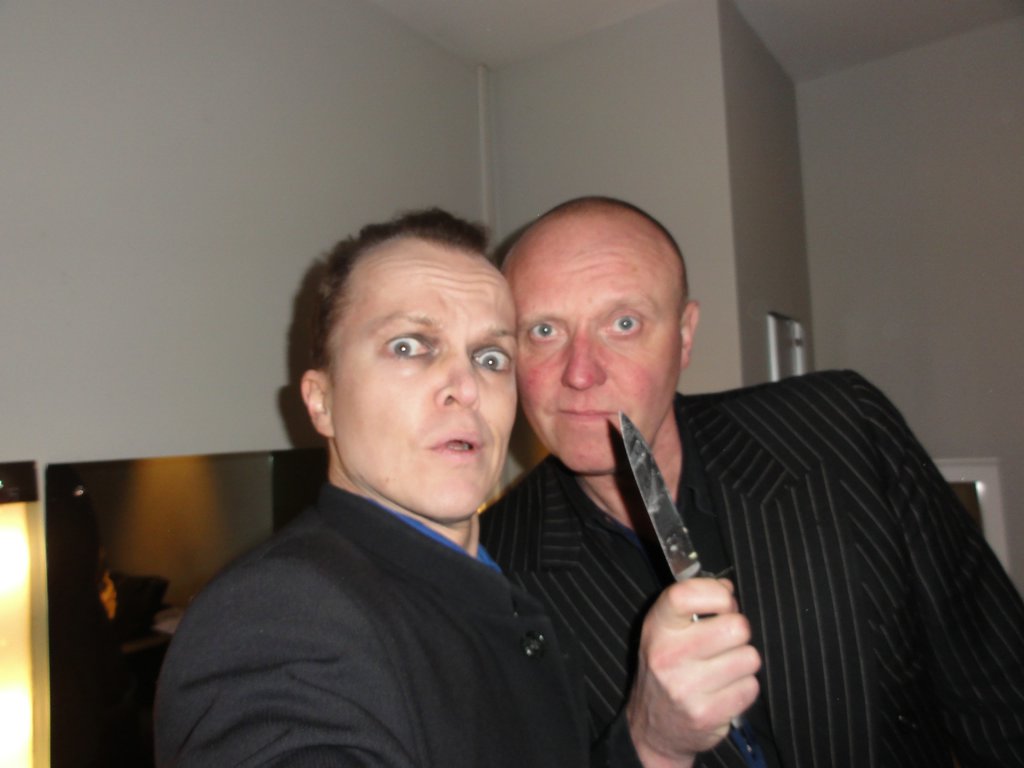
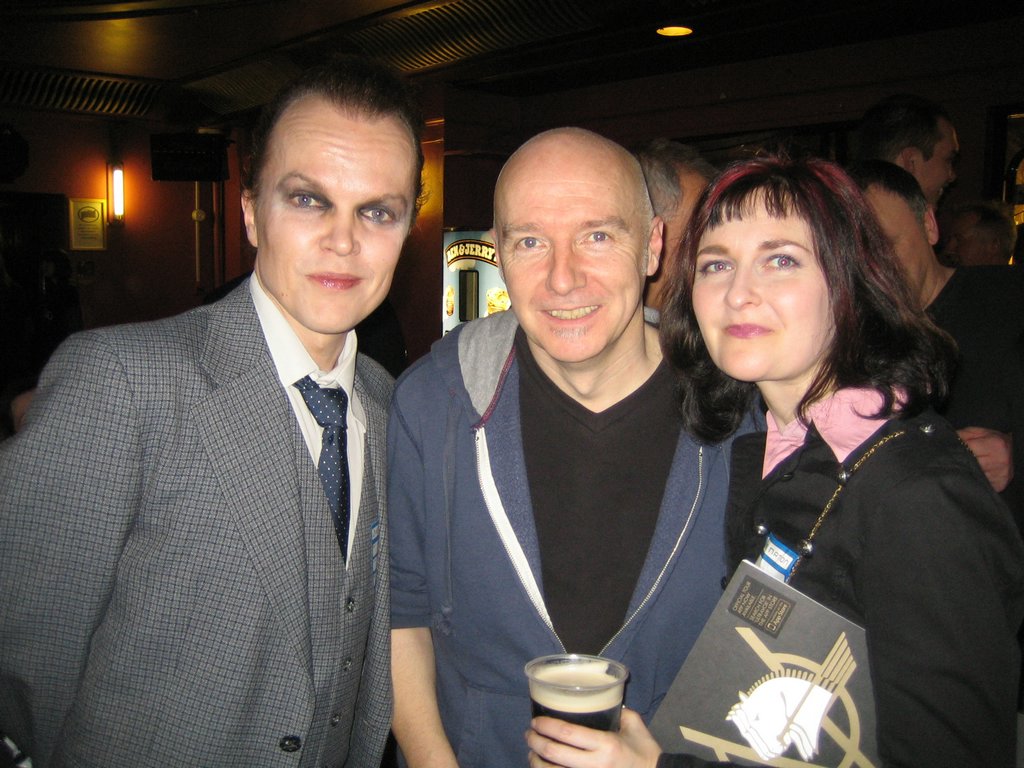
Those who have attended the recent concerts of ULTRAVOX, JOHN FOXX, HEAVEN 17 and Thomas Dolby may have noticed a striking satorially astute personality in the audience with the make-up and piercing eyes.

Looking like he’s just failed an audition to join SIGUE SIGUE SPUTNIK for dressing too smartly, that new kind of man is Tapio Normall, concert goer extroadinaire from Finland.

His trips seeing many of the artists from the classic synth and new wave era have been documented on his website The Amazing Adventures Of Mr Normall. His charming photographs with acts as KRAFTWERK, SPARKS, JAPAN, ULTRAVOX, GARY NUMAN, MARC ALMOND, THE HUMAN LEAGUE and VISAGE have become tales of electronic music folklore.

Just prior to visiting London again to see GARY NUMAN, JOHN FOXX, MOTOR and MIRRORS at Back To The Phuture, ELECTRICITYCLUB.CO.UK caught up with Mr Normall to reminisce about his travels and meetings with various lumanaries key to the rise of electronic pop music in Europe.

How did you come discover the joys of electronic and new wave music?

I remember that moment very well: I was 15 years old, it was summer and I was sitting in my parents’ car. The radio played ‘Computer World’ and few other tracks by KRAFTWERK. I knew right then that this is my kind of music. I had already tried punk and even a bit of rockabilly, but they weren’t my thing. The first vinyl album I ever bought was ‘Die Mensch Maschine’ by KRAFTWERK.

Who are your favourite acts?

JOHN FOXX, ULTRAVOX, VISAGE, KRAFTWERK, JAPAN, THOMAS DOLBY, HEAVEN 17, DURAN DURAN, SOFT CELL / MARC ALMOND, ASSOCIATES / BILLY McKENZIE, ADAM ANT, SIGUE SIGUE SPUTNIK, DEAD OR ALIVE and many others.

What was your first concert?

A Finnish band called RATSIA. They started as a punk band but then moved towards new wave. When I saw RATSIA, they already had synth on stage and the guy who played it looked like a ‘rock’ version on Nick Rhodes.

The first non-Finnish band I saw live was CLASSIX NOUVEAUX. This was November 1982.
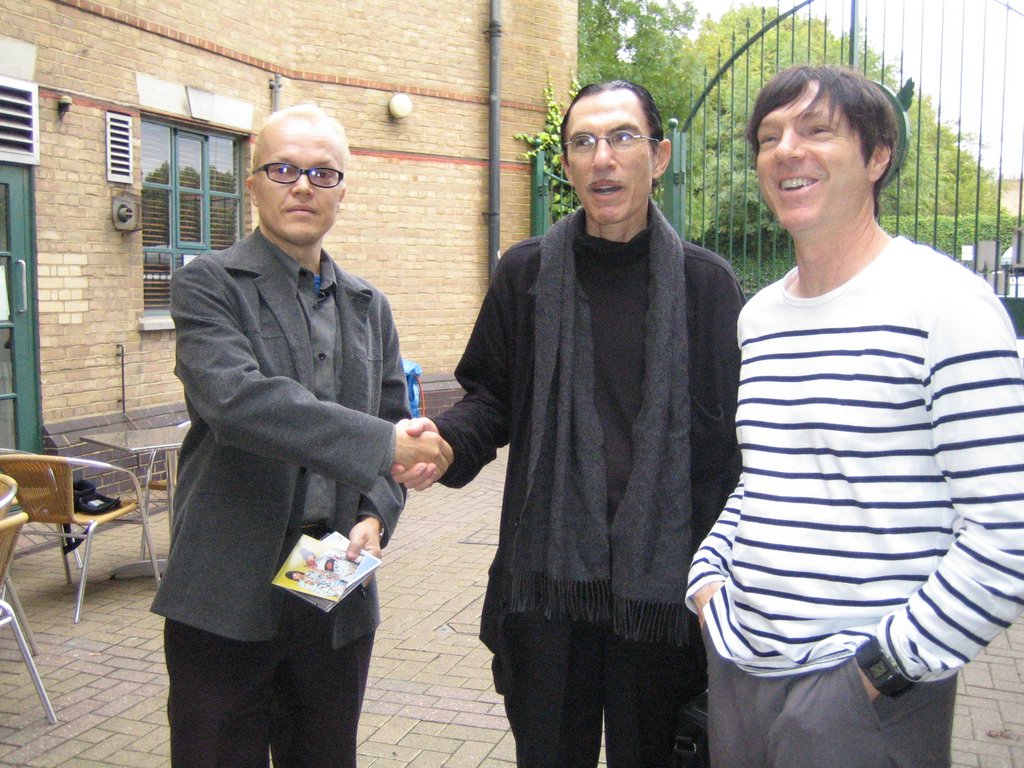

What inspired you to first journey abroad to see your favourite bands? It is because Finland is often missed out on touring schedules?

There were MARC ALMOND, SIGUE SIGUE SPUTNIK and DURAN DURAN gigs in London only a few days apart in December 2000. All my big favourites and no chance to see them in Finland. I’m glad that I went to see them because it was the only time I saw the Martin Degville, Tony James and Neal X version of SIGUE SIGUE SPUTNIK.

There just aren’t many gigs in Finland that I would like to attend. It takes me only few hours more to travel to London than to Helsinki, and you can always find fairly inexpensive hotel in London. There’s no such thing as inexpensive hotel in Helsinki.

When did it occur to you that your travels were now becoming more than a habit?

I think that started summer 2006 when I went to London to see THOMAS DOLBY live at the Scala. The last few years have been like the second (or third or fourth) coming for many of my favourite artists/bands. This time has also been a sort of ‘second coming’ for Mr Normall. My passion for these things was almost lost during ’90s but it all started to come back after 2000 and it’s getting better and better. 2010 was great: THOMAS DOLBY, ULTRAVOX, JOHN FOXX, HEAVEN 17, MARC ALMOND.

You meet a lot of the people from the bands themselves and the ‘handshake’ photo with them has been a regular endearing feature of The Adventures Of Mr Normall. How do most of them react to meeting you, especially with your striking persona?

Heh heh… I believe all of them has seen more peculiar things than me! Actually everyone has been quite nice. Some artists have recognized me, which to me is a funny thing to notice. The internet makes things possible.

Often, you manage to get an invite to the aftershow party. How easy or difficult have you found to arrange this?

I have learnt one thing: it goes easy or it doesn’t go at all. Some aftershow passes I have asked, some have been offered to me and I’m very grateful for that.

Who have been your favourites stars to meet and why?

This question may lead to “Oscar speech syndrome” (just made that up) and I don’t know when to finish. I just leave it to that *laughs*
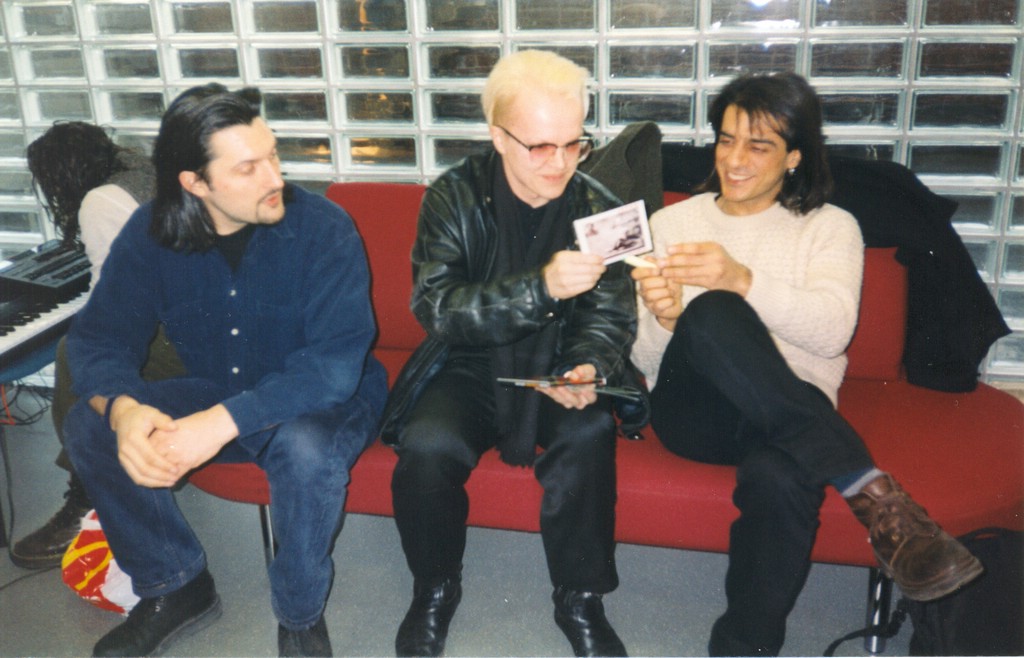

Tell me a funny story about one of your many meetings…

I don’t know if is this funny but I tell it anyway. 15 years ago – March 1996 – Italian songstress Alice had gig in Turku (Finland) and ex-JAPAN members Mick Karn and Steve Jansen were in her band. My sister Tuula lived in Turku then, so Marjaana and I drove there to visit Tuula and to see Mick Karn and Steve Jansen live.

My idea was to go to the gig venue in the afternoon just in case we could see Karn and Jansen there. We went inside the venue, walked around and found Mick Karn, Steve Jansen and Robby Aceto in a small room and they obviously were just killing time waiting for the gig in the evening. They were apparently delighted that they got company and they were so very friendly. Mick Karn asked to show him from a map where we had come and he was astonished at how far north we had drove to Turku.

Before we left the venue – to return there later in the evening – they asked us tips what to do and where to go in Turku. We told them the best known sights there; Turku Castle and few others. It occurred to us later that maybe they actually wanted to go to the Turku city with us (I told them earlier I was there by car). They would have had both a local guide and ride back to venue with us, but we just weren’t able to read between lines. So we left Mick Karn, Steve Jansen and Robby Aceto where we found them and went to the city without them. If I had asked, maybe I would have had half of JAPAN on the backseat of my car.

We met Karn and Jansen again in the evening. There is a picture of Tuula, Steve Jansen, Marjaana, Mick Karn and I on my website. The picture is taken by Alice. She was actually the star of the evening but we forgot to take any pictures with her. I didn’t meet Mick Karn again after this.
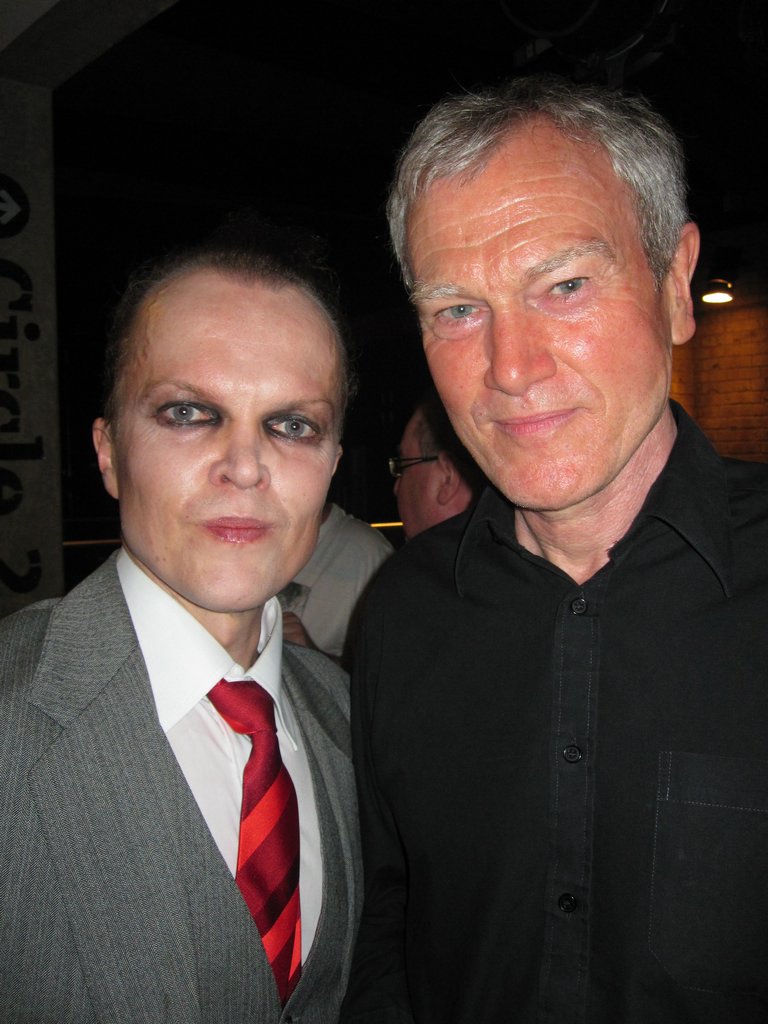

At The Blitz Club Reunion, I approached someone who I thought was Mark Shaw from THEN JERICO and it turned out it wasn’t? Have you ever had this embarrassment on your adventures?

Yes, but other way around. I’ve been mistaken for Billy Idol, Neal X – those were long time ago – and more recently for JohnFoxx. The latter was last summer on the day of John Foxx’s Roundhouse gig.

I was staying in Camden and at one point during the afternoon I left my hotel to go to a shop. I was wearing black ‘Glimmer – Best of John Foxx’ T-shirt, black trousers and virtually no make-up. Walking down the pavement I heard “Hey John!” but I didn’t realize it was meant for me.

Then a couple of blokes politely stopped me and asked if I could “sign these”. They had several John Foxx 12″ vinyls with them. As far as I can remember I said “yes I can but I think it’s better if JOHN FOXX does it, not me”. That was a good start for the John Foxx themed evening.

Was there anyone you met who perhaps wasn’t as friendly as you’d hoped?

No, not really. Ralf Hutter didn’t allow to have photos taken but he signed me several KRAFTWERK CD covers and chatted a bit. He is a gentleman.

So what do you think of the proverb that you should ‘never meet your heroes’? Can it ever go too far?

I suppose it depends what are your expectations and what you want. I haven’t had big disappointments but instead, the uplifting feeling after meeting an artist I have listened on the records and seen on the music videos since my teen years. That’s the story so far.
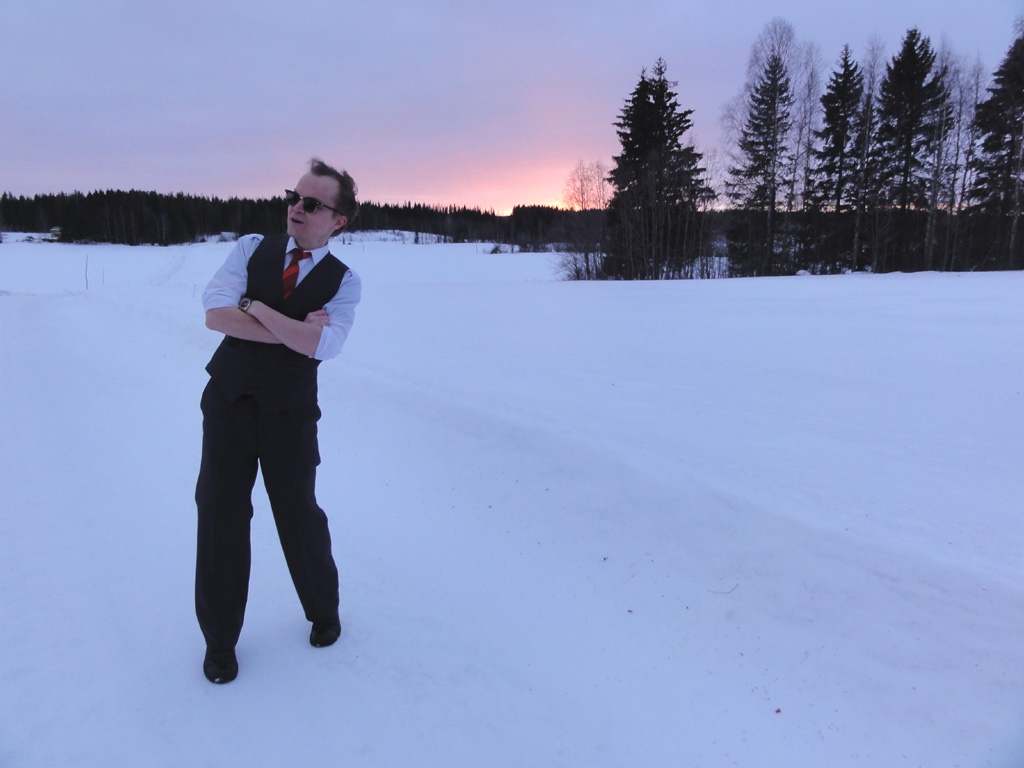

You have a friendly, engaging personality but do you ever worry you may be considered by some to be a stalker?

I hope not. To be honest, I don’t have enough interest in anyone particular for that. However, when I travel from Finland to London specially to see live an artist I haven’t met before, it’s not a big sacrifice to wait an hour outside the gig venue to possibly get a few photos taken for my website.

What are the options? Go back to the hotel, shopping, sight seeing, pub… actually a pub doesn’t sound too bad *laughs*

Is there anyone you would still like to meet and be photographed with?

Several people: Adam Ant, David Sylvian, DURAN DURAN, Siouxsie, Pete Burns and – dare I say it – David Bowie. Those names came first to my mind but there’s several others as well.

Is there anyone from history or who is no longer with us who you would have like to have met and why?

Billy MacKenzie – in my book he was the best singer ever. Also meeting Andy Warhol would have been a big thing for me.

Favourite live concert of all time?

It’s too difficult to decide which one is my favourite concert ever. However, if I can expand this to a whole day including pre and after parties and the live concert, then I have the answer: it’s ULTRAVOX at Hammersmith Apollo in April 11th 2010. That was a great day.

Yes, I was there too, what a great gig! So who would you say is your favourite band of all time?

JAPAN.

Your favourite album?

‘Gentlemen Take Polaroids’ by JAPAN. It is perfect.


ELECTRICITYCLUB.CO.UK gives its warmest thanks to Tapio Normall

http://www.mrnormall.net/

https://twitter.com/MrNormall


Text and Interview by Chi Ming Lai
2nd April 2011
2010 END OF YEAR REVIEW

The Year Of Transistors

“Synthesizers can be explored and explored, and the music that can be made with electronic instruments is infinite in its breadth. KRAFTWERK may have said ‘we are the robots’, but anyone need only listen to Trans-Europe Express and compare it to most of the turgid, boring guitar-based rock that has been produced over the last 30 years to realise that electronic music can be deeply emotional. And anyone who says electronic music is not real music is just too simple-minded for our patience I’m afraid!”: MIRRORS

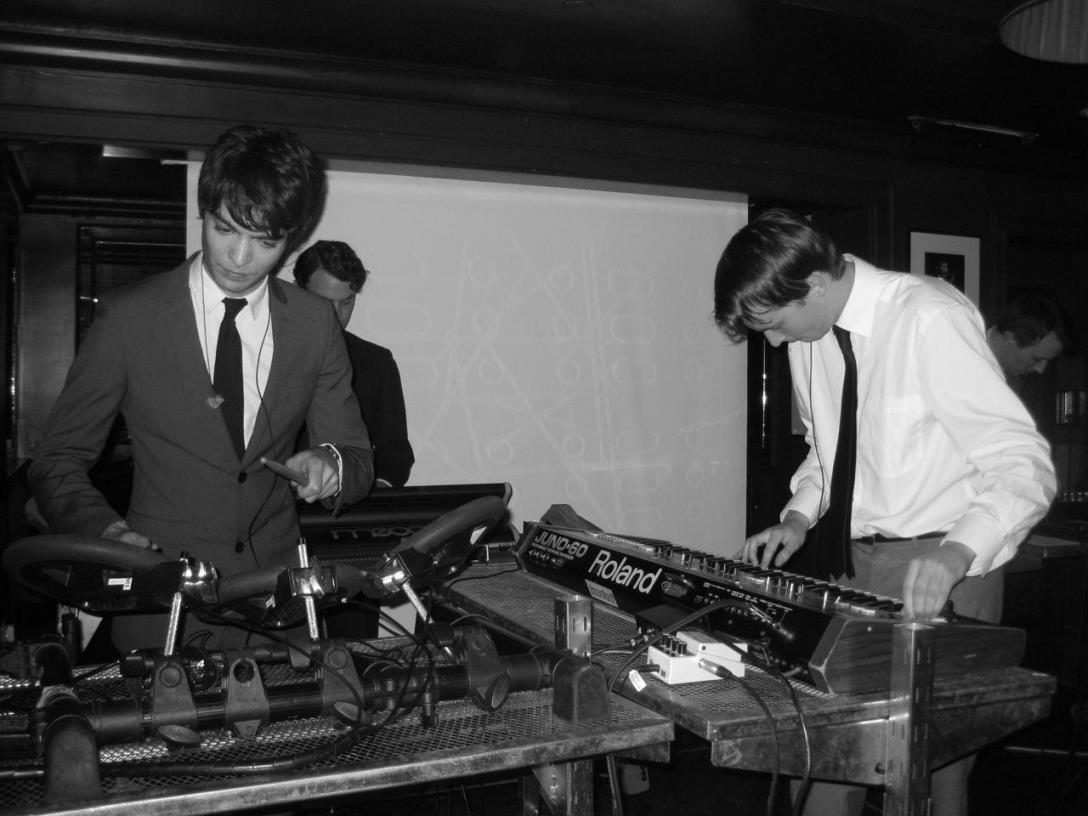
2010 saw the return of the male synthpop act, smart boys with their toys and their nods towards the classic era of Synth Britannia. Leading the way were VILLA NAH and MIRRORS who both fused quality songs with vintage sounds and crisp contemporary percussive frameworks. The two units were obviously pressing the right buttons as both opened as special guests to OMD. As a continued sign of their undoubted potential, both were also were invited to support THE HUMAN LEAGUE; an opportunity which unfortunately neither act was able to fulfil due to prior scheduling commitments.

Coming from Finland, VILLA NAH released one of the best long players of the year in ‘Origin’, while closer to home, Brighton-based MIRRORS’ forthcoming album ‘Lights And Offerings’ is likely to be one of the musical highlights of 2011. Meanwhile HURTS, the enigmatic Mancunian duo who many predicted for major success in 2010, rattled the cages of the style over substance brigade.

Whilst the cinematic grandeur displayed in their best songs like ‘Wonderful Life’, ‘Stay’ and ‘Sunday’ was simply outstanding, they did occasionally walk a fine line with their milder paced material, sounding occasionally like TAKE THAT backed by ULTRAVOX. Despite confusing some listeners, their album ‘Happiness’ was an enormous grower and their live shows won over many new fans, especially on the continent where artful intelligence is a highly regarded attribute.

Interestingly, TAKE THAT themselves released their album ‘Progress’ with Stuart Price aka LES RYTHMES DIGITALES at the producer’s helm. Featuring a strong electronic flavour, there was also a song called ‘Eight Letters’ based on ‘Vienna’ which resulted in the rather unusual credit ‘written by Barlow / Donald / Orange / Owen / Williams / Ure / Cross / Cann / Currie’!

Attracting cult followings in 2010 were DELPHIC and CHEW LIPS. DELPHIC captured the Factory Records aesthetic of the mutant disco pioneered by NEW ORDER and A CERTAIN RATIO, but were unable to attract mainstream recognition probably due to their reliance on grooves and jams rather than actual songs… they can only get better with time.

CHEW LIPS are YEAH YEAH YEAHS with synths and while they had several brilliant numbers in their cannon, not all were included on their rather short debut album ‘Unicorn’. This didn’t allow them to play to their strengths on record although this was fully exploited in their live show. Again, they will learn.

And not wishing to get wholly involved in the main skirmish, THE SOUND OF ARROWS maintained a low profile while recording their debut album in London but delivered some impressive concert showcases of their lush Nordic musicality. Their optimistic and aspirational ‘Disney meets Brokeback Mountain’ tone may be the fresh approach to electropop in 2011.

Kookiness was the order of the day with the raven haired beauties MARINA & THE DIAMONDS and EMILIE SIMON. Marina Lambrini Diamandis kept the spirit of SPARKS alive with some fe-Mael intuition on her superb debut ‘The Family Jewels’ while EMILIE SIMON crossed the channel for some ‘one girl and her synth’ shows to fill the gap left by the absence of LITTLE BOOTS in 2010.

As could have been expected after the promotional lash of last year, Victoria Hesketh took a break before starting work on her new album. Hertfordshire’s SUNDAY GIRL could be the next lady-in-waiting providing she can expand on the very promising material like All The Songs and Stop Hey! that was premiered in the latter part of the year.

Meanwhile LA ROUX toured the world and recorded a ‘Stones cover ‘Under Your Thumb’ for the ‘Sidetracked’ influences DJ mix compilation before giving old mate SKREAM the iTunes bonus track Saviour for a dubstep rework as Finally and guesting with CHROMEO. However, Elly Jackson appears to have forgotten that No.1 rule of not biting the hand that feeds you by exclaiming “… I don’t want to make synth music for the rest of my f*cking life!” and declaring the electropop genre “over”!

In the battle of Synth Britannia, OMD released their first collection of new material for 14 years while THE HUMAN LEAGUE delayed their full album return until 2011. THE HUMAN LEAGUE have the backing of electronic music guru Mark Jones’ Wall Of Sound label and thus far have played a ‘less is more’ approach. Despite not having an official website until this year, some clever viral marketing sent interest in their single ‘Night People’ sky high and provided good business for their now almost traditional Christmas UK tour.

While OMD’s ‘History of Modern’ album had several outstanding tracks worthy of comparison with past glories, it was confusingly launched with an Aretha Franklin mash-up that wasn’t on the final tracklisting and a nauseating Britpop pastiche as lead single. Ironically one of the statements made in its sleeve notes was “Modern is not… Oasis”!

It was as if audiences who had traditionally been sceptical of the whole synthesizer axis were now being targeted.

However, electronic pop’s spiritual homeland of Germany welcomed OMD back like one of their own and respectable business for ‘History of Modern’ was generated.

A-HA though are proof that consistently high quality new material is still a possiblity 25 years after your commercial heyday with the focus of their final album ‘Foot Of The Mountain’ very much on their synthesizer roots. In late 2010, they bid farewell with a final tour and a superb double CD compilation called ’25’ which featured not only their hits but the best of their much under valued album tracks.

Photo by Tracey Welch

Among the acts celebrating their legacies, HEAVEN 17 enhanced their reputation no-end by participating in a brilliant BBC6 Music collaboration with “the falsetto from the ghetto” LA ROUX. And if that wasn’t enough, they had not one but two BBC TV programmes featuring their highly regarded album ‘Penthouse & Pavement’ including their triumphant Sheffield Magna gig.

HOWARD JONES didn’t look a day older, proving that a vegetarian diet and a clean living spirituality was the key to eternal youth! He played ‘Human’s Lib’ and ‘Dream Into Action’ in full for the first time at Indigo2.

Former sparring partners ULTRAVOX and JOHN FOXX played very different types of live shows in 2010. ULTRAVOX almost went back to basics with the retrospective ‘Return To Eden 2’ tour while JOHN FOXX curated an audio/visual extravaganza at the Short Circuit Festival featuring a deluge of analogue synths and some new material to a mixed reception.

DEPECHE MODE completed their ‘Tour Of The Universe’ and capped it all with a special show at the Royal Albert Hall for The Teenage Cancer Trust where Alan Wilder was reunited with the band for the first time in 16 years during the encore of ‘Somebody’. It was an emotional night for many including the band. Does this lay out the foundations for, if not a reunion, at least some future work together?

GOLDFRAPP returned with ‘Head First’, a mid-Atlantic AOR styled electronic romp that had echoes of Laura Branigan and Olivia Newton-John. Some found it uninspiring but what could not be denied was the catchiness of the tunes. Given time, it will become a future guilty pleasure.

Meanwhile LADYTRON prepared a career spanning compilation Ladytron ’00-10′ to reinforce their reputation as one of the key electronic based acts of the last decade but they began the year contributing a pair of excellent bonus tracks to Christina Aguilera’s album ‘Bionic’ in ‘Birds Of Prey’ and ‘Little Dreamer’.

Swedish songstress Robyn continued her feisty independent spirit by releasing her ‘Body Talk’ trilogy and the excellent single ‘Dancing On My Own’, while both Lady Gaga and Kylie kept electronically produced pop in the mainstream consciousness.

Across the water, New York’s THE GOLDEN FILTER added a crisp vibe to the electronic dancefloor via some dreamy Scandinavian influences and frantic tribal percussion while their neighbours THE HUNDRED IN THE HANDS brought a mechanised twist to new wave on their self-titled debut. And for the perfect after party soundtrack in the Big Apple, ARP provided some gorgeous modern day ambience with the album ‘The Soft Wave’. Meanwhile, another North American based duo LOLA DUTRONIC relaunched their brand of dreamy Gallic flavoured electro-lounge pop with the ‘Musique’ EP.

Elsewhere internationally, the vivacious SHH became the latest in a line of Argentine musicians basing themselves in London for an assault on the UK and European market while Texans HYPERBUBBLE brought their own ‘bionic bubblepunk’ with the impressive ‘Candy Apple Daydreams’. MARSHEAUX had a quiet year, only releasing a cover of BILLY IDOL’s Eyes Without a Face for an Amnesty International compilation.

Promising newcomers VILE ELECTRODES steadily gained fans on the London club circuit with their mix of fetish porn and analogue synths while following some line-up changes, THE VANITY CLAUSE finally released their first album ‘Fractured’. And the quirky Sheffield based duo THE CHANTEUSE & THE CLAW unleashed a superb debut single in ‘Are You One?’.

Overall in 2010, the spark generated by the new generation of synthesizer acts and the willingness of others to incorporate more electronic sounds into their work accounted for yet another productive year with the heritage acts also getting the cultural recognition they fully deserved. Ever supportive, The Guardian even featured a piece on the older incarnation entitled Forgive Us Our Synths which interestingly was almost two years after their prophetic Slaves To Synth article hit the public consciousness.

There were more quality albums and live shows of interest to the electro fan than in many years past with acts such as MIRRORS, VILLA NAH and HURTS fulfilling the role of worthy successors to the classic Synth Britanniageneration. Hopefully, other acts will be following in their footsteps. In fact, despite being ignored by the BBC Sound Of 2011 and New To Q listings which appear to have been locked into some evil parallel universe where good taste does not seem to reside, “… fey, gay, pseudo-intellectual synth b*llocks” still rules!


ELECTRICITYCLUB.CO.UK Contributor Listings Of 2010

STEVE GRAY

Best Album: TENEK On The Wire
Best Song: HURTS Unspoken
Best Gig: DEPECHE MODE at London Royal Albert Hall
Best Video: MIRRORS Ways To An End
Most Promising New Act: MIRRORS


CHI MING LAI

Best Album: VILLA NAH Origin
Best Song: MIRRORS Ways To An End
Best Gig: HEAVEN 17 at Sheffield Magna
Best Video: HURTS Wonderful Life
Most Promising New Act: THE SOUND OF ARROWS


RICHARD PRICE

Best Album: HURTS Happiness
Best Song: OMD History Of Modern (Part I)
Best Gig: THE HUMAN LEAGUE + HEAVEN 17 at Galway Festival
Best Video: HURTS Stay
Most Promising New Act: MIRRORS


JOHAN WEJEDAL

Best Album: PAGE Nu
Best Song: POLAROID MILITIA Astana My Hero
Best Gig: PAGE at Gothenburg Synthklubben
Best Video: VILE ELECTRODES Deep Red
Most Promising New Act: THE GIRL & THE ROBOT


Text by Chi Ming Lai
28th December 2010

WARREN CANN Interview

Photo by Brain Griffin

Warren Cann is best known as a founder member of ULTRAVOX. Born in Vancouver, he began a love of electronics and music that led him to moving to the UK to make his fortune as a drummer. He auditioned for SPARKS but didn’t get offered the job.

Eventually though in 1974 via a small ad in Melody Maker, he joined the band TIGER LILY who were later to become ULTRAVOX! Led by Dennis Leigh aka John Foxx, their first two albums ‘Ultravox!’ and ‘Ha-Ha-Ha’ fused the art school spirit of THE VELVET UNDERGROUND, ROXY MUSIC and David Bowie with the pioneering Teutonic inventiveness of KRAFTWERK and NEU! Working with producers Brian Eno and Steve Lillywhite, Cann became fascinated with the use of guitar effects to treat drums and played around with early rhythm units as ULTRAVOX! started to incorporate more electronics into their work.

For their third album ‘Systems Of Romance’, ULTRAVOX (now with no exclamation mark!) found their perfect bedfellow in the legendary producer Conny Plank who had previously worked with KRAFTWERK and NEU! It was Plank who said “I like synthesizers when they sound like synthesizers, not when they sound like natural instruments. I like them to have their own colours. The strange areas of colours that you can do with synthesizers is what’s interesting for me, not just copying an acoustic instrument.”

Despite the newly focused sound, John Foxx departed in 1979 to go solo. Following a brief hiatus during which main synthesist Billy Currie worked with Gary Numan and VISAGE with whom he met Midge Ure, the diminutive Glaswegian then joined Cann, Currie and bassist Chris Cross to become the most commercially successful version of ULTRAVOX. Over a period of four years, they conquered Europe with their brand of symphonic synthesized rock with classic albums such as ‘Vienna’, ‘Rage in Eden’, ‘Quartet’.

Along with the rest of the band, Cann’s continued innovative use of new technology integrated with conventional instruments pushed boundaries and challenged perceptions of how electronics could be used in music. Shedding the sweat and armbands image of the rock drummer, he became the metronomic meister of the rhythm box.

As well as using drum machines, Cann made use of early manually operated electronic percussion such as the Claptrap as heard on ‘New Europeans’, and the Synare III which provided the thunder sound on Vienna’. He developed a sequencer for use in tandem with Chris Cross’ Minimoog which featured on the single ‘The Thin Wall’ among others.

And he was also one of the first drummers to acquire the Linn LM-1, the first programmable digital drum computer. Indeed, Cann had eventually acquired so much equipment that it was all packed into a huge complex next to his drum kit and nicknamed ‘The Iron Lung’ by the rest of the band. At the height of ULTRAVOX, ‘The Iron Lung’ contained the Simmons SDSIII, SDSV and SDSVII drum synthesizers, Roland TR77 and CR78 drum machines, a Linn LM-1, a LinnDrum, the Sequential Circuits Drumtraks and various effects processors like the Roland Space-Echo.

Despite their success and an appearance at Live Aid, ULTRAVOX imploded, with Cann being forced to leave the band in 1986 before recording of what became the disastrous ‘U-Vox’ album and their eventual demise. Continuing to work as a musician but eventually transferring to guitar and keyboards, he moved to Los Angeles where he still resides. Fast forward to 2008 and the classic line-up of Cann, Cross, Currie and Ure reformed to celebrate their musical legacy on the ever expanding ‘Return To Eden’ tour.

While he was in Scandinavia playing festivals with ULTRAVOX during the summer, Warren Cann took time out to talk to ELECTRICITYCLUB.CO.UK about his innovative career and the current reunion.

During Foxx and Ure eras of ULTRAVOX, you harnessed the development of synthesizer technology and electronic percussion, pioneering its use in both studio and live work. How do you feel about your role in all that?

I’m very proud of it. It was very hard work – at the time, there were so many obstacles between what I wanted to do and what the technology would allow you to do… very frustrating! A lot of ingenuity went into trying to coax the machines to give the results desired as, in those days, the machines hadn’t yet realized they were instruments.

Can you remember what your first drum machine was and what it was like to use?

Of course. It was a Roland TR-77. No memory, no tempo display, no individual outputs, no programmability! It was incredibly primitive by today’s standards but at the time, this was about as high-tech as you could get for a drum machine.

Is it true you wired a volt meter in series with your drum machine and stuck tape on the dial to mark the appropriate tempos for each individual song?

Controllable and repeatable tempo settings are vital when using a drum machine. The TR-77 had no tempo display to tell you the beats per minute (BPM), it only had a fader to control the tempo and the sensitivity was very coarse; you only had to look at it to make the speed jump by a huge amount. Trying to get tempo changes from song to song in a live setting was very hit-or-miss… almost always miss!

To solve this, I had a second potentiometer wired up with the first one to give a ‘Coarse/Fine’ set of controls. This gave a much more useable degree of control. Then, to actually work out what the tempo would be, I connected a volt meter with an LED readout to the clocking circuit… this gave a DC voltage and I could just read the display and make a note of the number – it was an arbitrary voltage, but it corresponded directly to the speed and that solved the problem. If the correct speed of the song gave a voltage reading of 11.45 volts, then I could simply adjust the fader till the clock voltage read that value!

Photo by Brian Griffin

Mr X had its origins in the John Foxx-era of ULTRAVOX but with you on lead vocals and you wrote a fair proportion of the lyrics for the ‘Vienna’ album. When John Foxx left and before Midge Ure joined, was there ever any consideration given to you perhaps becoming the new lead vocalist of ULTRAVOX?

Yes, I wrote about half of the lyrics for the ‘Vienna’ album. No, there was no thought of me being the lead vocalist at that time.

Your acquisition of the Linn Drum Computer must have been quite a revelation? In your opinion, how did this and machines like it change popular music forever?

Yes, I got the Linn LM-1 when I was working with Hans Zimmer on our HELDEN album. While still very primitive, I’d consider it the first true modern drum machine and it was like going from a VW Beetle to a Ferrari. It’s hard to give such a big question a brief answer. Drum machines lent a new dimension to music on two fronts; one, the hypnotic element given by perfect unwavering tempo, and two, the ability to endlessly layer, edit, and re-edit rhythm tracks.

What of your contributions to ULTRAVOX songs are you personally most proud of?

As a band, ULTRAVOX never wrote music unless we were all together in the same room – this is very rare. We would throw ideas back and forth in infinite combinations until we’d achieved what we wanted to hear. We all influenced each other. As such, it’s almost impossible to pick out specific pieces or themes. I’m proud that my ideas and attitudes contributed to making the whole greater than the sum of its parts. Still, if I had to pick just one… I’d say when I played the ‘Vienna’ rhythm to the band and said: “How about this?”

ULTRAVOX rhythmically had always been an even mix of real drums and drum machines but on 1984’s ‘Lament’ album, there was noticeably more programmed percussion than on previous albums. Was there any particular reason for this? And did it ultimately lead to the tensions which led to you leaving in 1986 prior to the recording of the ‘U-Vox’ album?

No particular reason, it just worked out that way. And it certainly didn’t lead to the reasons I left.

What did you do after that? Was a solo music career ever a consideration?

I made some demos which were not well received by Chrysalis… they thought the tracks were too much like Iggy Pop which I took as a great, if entirely unexpected, compliment! I did a lot of session work; 7000 Danses by INDOCHINE, lots of television shows for Kim Wilde and produced demos for aspiring bands. I joined a band called THE SONS OF VALENTINO and had a great time, but then I left to play guitar and keyboards for THE HUW LLOYD-LANGTON GROUP. I later moved to Los Angeles to pursue a future in film scoring.

How did you get the call about the 30th Anniversary ULTRAVOX reunion and what was your initial reaction?

Like the others, I received an e-mail from a previous manager, Chris O’Donnell, who was now with Live Nation.

He said it was their opinion at LN that now just might be a good time to consider reforming and playing some shows. To our surprise, we all agreed with him!

The DVD footage of you meeting the guys again for the first time at the rehearsals for ‘Return To Eden’ brought a lump to my throat. How was it all for you?

Yes, it was quite emotional. And very surreal… we were all aware of the many years that have passed, yet at the same time, it was like only yesterday.

Photo by Chi Ming Lai

How did you cope with getting back into the rhythm of playing drums again after over 20 years?

To be absolutely honest, far more easily than I’d anticipated! Like riding a bicycle…

Did you have much opportunity to do any of the drum programming for the tour or had that been pretty much completed before you joined full band rehearsals. How did you find using the ‘new’ technology?

I did the programming for the songs that required it during the first week or so of rehearsals, then fine-tuned as necessary. As for the new technology, you have to see it from my point of view; I was merely learning some new software, I didn’t have to learn what was going on – I merely had to learn the eccentricities of a sequencing program I hadn’t used before, the principles are all the same. The greatest benefit was being able to condense and ‘miniaturize’. Instead of having a huge rack of hardware to make noise with, it could all be contained within a laptop.

What probably had the greatest impact was not our ability to streamline the amount of equipment we had to deal with – great as that was – but being able to eliminate the old-style on-stage monitoring system.

Instead of having a smaller version of the out-front sound system pointing at us so we could adequately hear each other, we used the ‘In-Ears’ system of super hi-fi ear phones which gave each of us an individual and repeatable mix for each song.

It cut our soundcheck time from two or three hours to an easy fifteen minutes. It also enabled us, when necessary, to not do a soundcheck at all (most festivals, for example). Fantastic!

And when you finally got on stage, how did you feel about the ecstatic reaction you were getting at the shows? What were the personal highlights for you?

It was amazing! Truly! The personal highlights were going onstage together at the first show in Edinburgh (… another surreal moment!) and playing at Hammersmith in London (we always considered that venue as ‘home’).

What next for you? Will there be further tours from ULTRAVOX or even the possibility of new material?

As I write this, we’re playing concerts in Sweden, Finland and the UK. As for further tours and/or new material… you’ll just have to wait and see!


ELECTRICITYCLUB.CO.UK gives its sincerest thanks to Warren Cann

http://www.ultravox.org.uk/

https://www.facebook.com/UltravoxUK/


Text and Interview by Chi Ming Lai
13th October 2010

ULTRAVOX Live in London


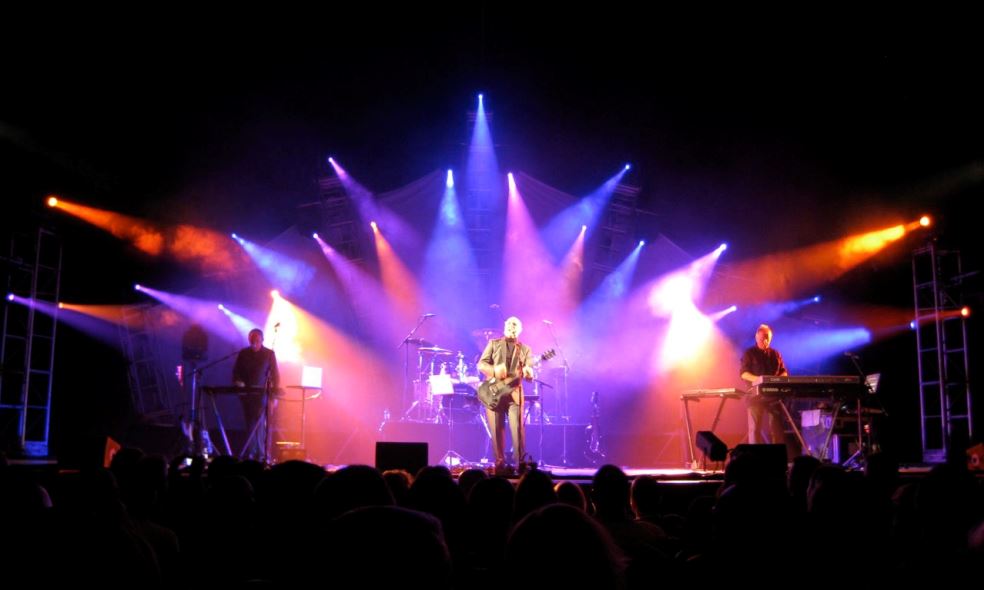
Following their triumphant reunion in 2009 to celebrate the 30th anniversary of their classic incarnation with the ‘Return To Eden’ tour, ULTRAVOX came back to the Hammersmith Apollo for the second leg of shows which also takes in a number of European territories.

The line-up of Warren Cann, Chris Cross, Billy Currie and Midge Ure, which first came together in 1979, became one of the most successful of the new wave of synthesizer based bands.

Fusing the classical overtones of Bela Bartok with dynamic Teutonic influences such as KRAFTWERK, NEU! and LA DÜSSELDORF, ULTRAVOX scored 12 consecutive Top 30 hits in a highly competitive era and produced a series of classic albums in ‘Vienna’, ‘Rage In Eden’, ‘Quartet’ and ‘Lament’. During this period, they were a highly stylish outfit who wore their intelligence on the sleeves with their Peter Saville curated artwork, lavish stage sets and self-directed promo videos; all of which possessed a thoughtful continuity throughout.

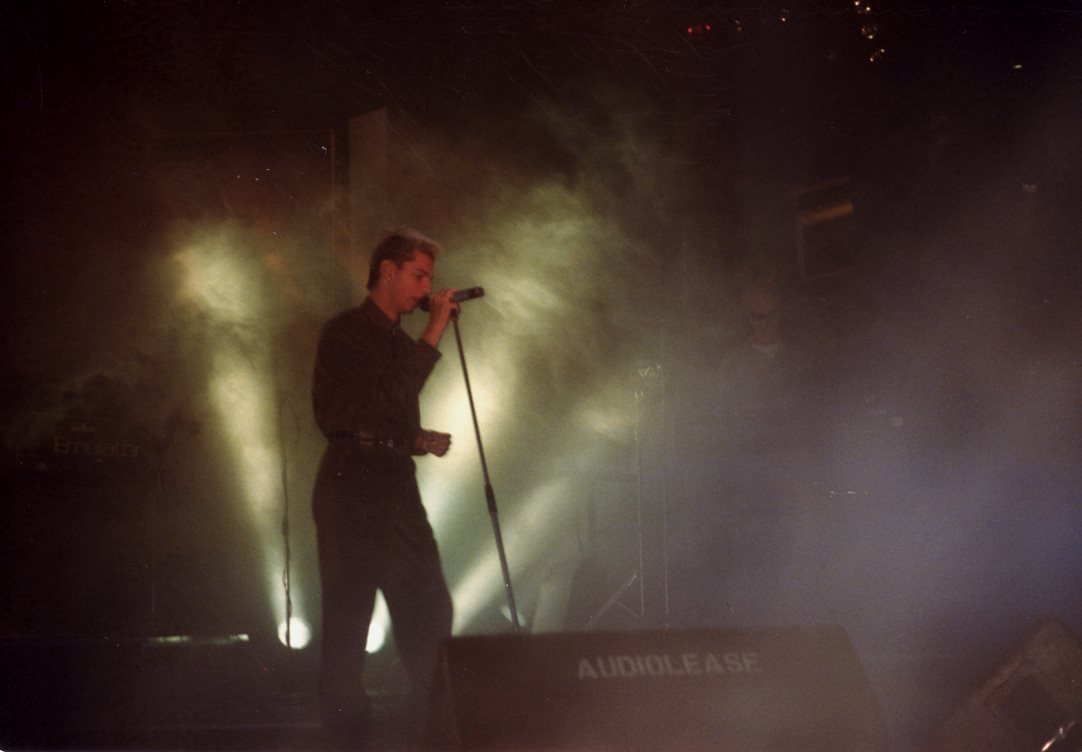
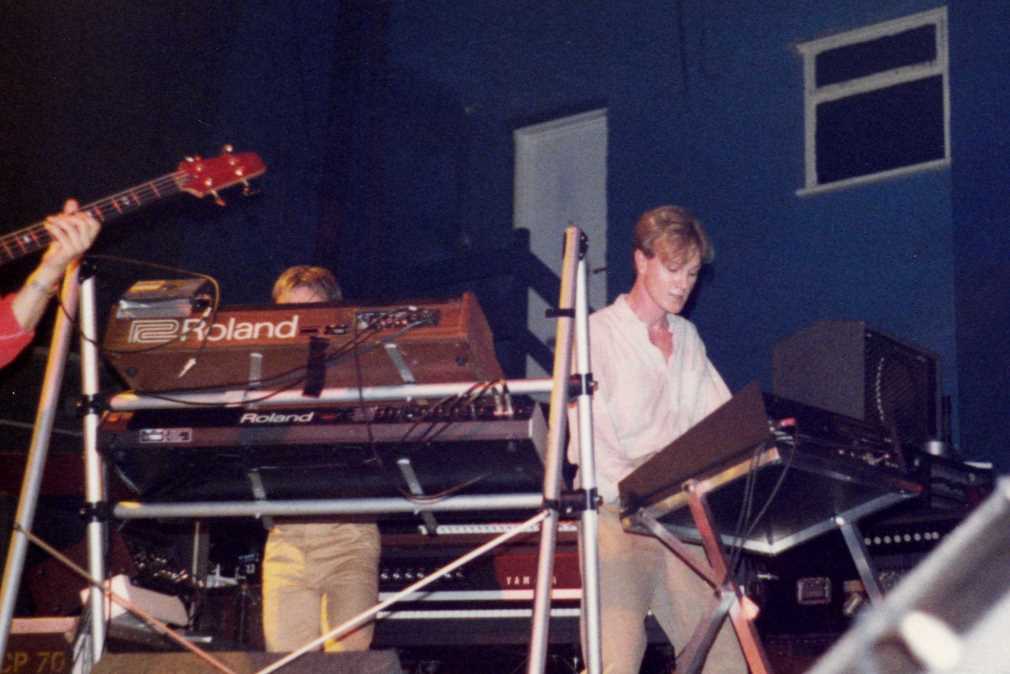
But an unsuccessful attempt at a back-to-basics sound in 1986 for the disastrous folk / brass / rock / orchestral album ‘U-Vox’ saw Warren Cann unceremoniously fired from the band before recording started and the remaining trio losing momentum before finally splitting. That these four strong minded individuals are able to even take to the stage together again is a positive testament in itself, judging by the well documented tensions between several members of the group. At their peak, ULTRAVOX used nearly 30 keyboards and electronic gadgets on stage including ARP Odysseys, Minimoogs, PPGs, Emulators, assorted Yamaha keyboards and Warren Cann’s infamous percussion console ‘The Iron Lung’.

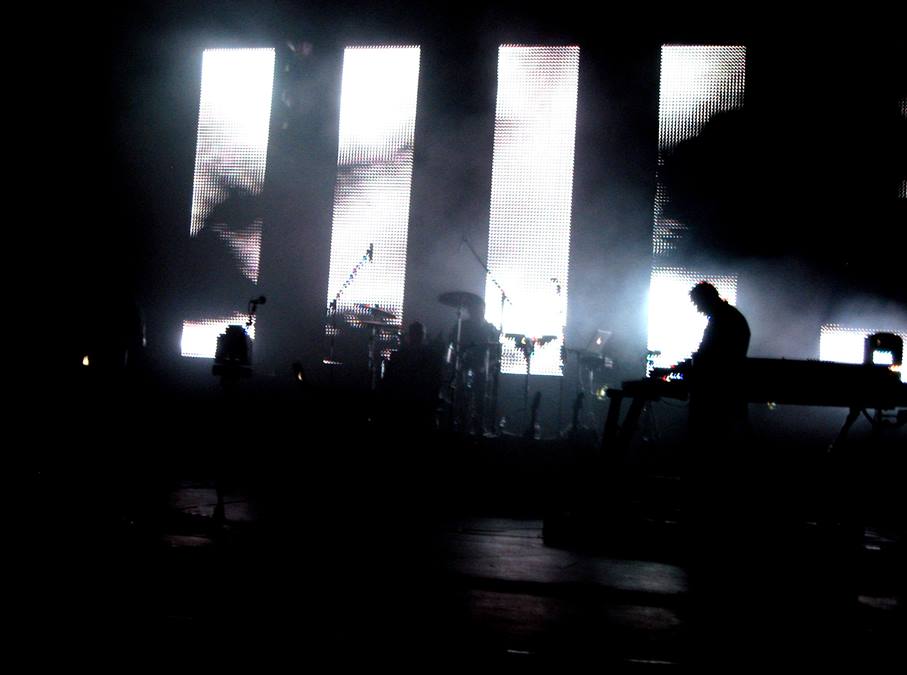
Modern technology has now enabled the live set-up to be reduced to a few workstations and laptops but tonight, it all still managed to sound as grandiose as ever. The LED video screens from ‘Return to Eden’ may have gone but to make up for it, three songs have been added to ‘RTE2’, although the sparse mental breakdown of ‘Your Name Has Slipped My Mind Again’ has now been dropped. Overall, the setlist was as good as perfect, with that paean to futurism ‘New Europeans’ opening proceedings. Now that electronic music is back in favour again, the line “his modern world revolves around the synthesizer’s song” couldn’t have been more fitting for the largely male audience 30 years on.

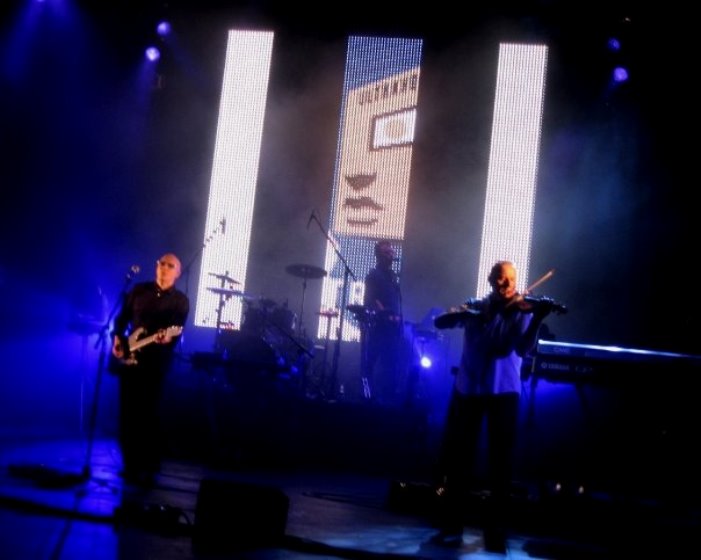
ULTRAVOX have within their DNA, a very symphonic style of playing which is thanks largely to Billy Currie’s classical training. Jumping from screaming synth solo, electric violin and piano modes, the former Huddersfield Music College graduate was as intense as ever but really enjoying the limelight. Doubling between bass guitar and his trademark triggered synth was Mr Chris Cross who came to the fore on tracks like ‘We Stand Alone’. At times CC was so cool, he even managed the two functions simultaneously on the brilliantly progressive instrumental ‘Astradyne’!

The mighty Warren Cann’s contribution to the band has often been understated but he did write lyrics to songs such as the amazing synthesized heavy metal of ‘All Stood Still’. Also he was one of the pioneers of electronic percussion; how he had to wire a voltmeter in series to his Roland drum machine and put marks on its dial to be able to set the exact tempo for tracks at early gigs just shows how determined the technological innovation was that lay at the heart of ULTRAVOX.

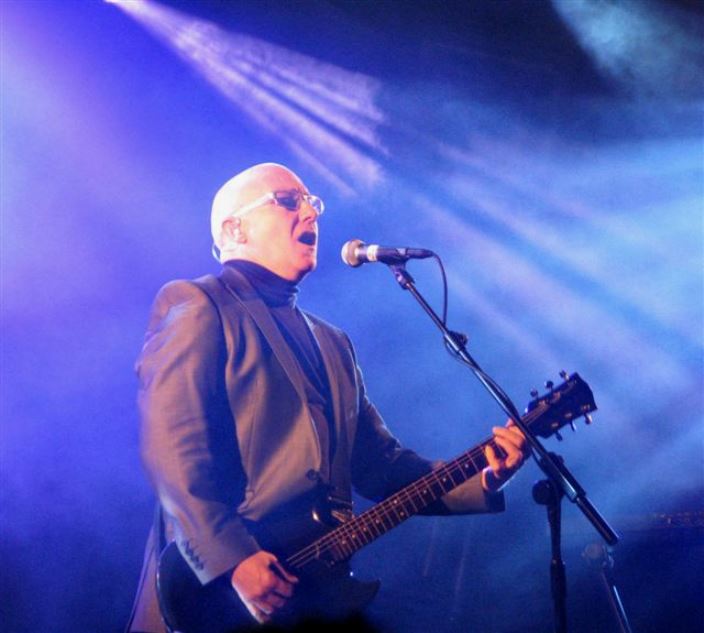
Meanwhile at the front, Midge Ure was looking very dapper in a dark polo neck and grey suit combo after some of the sartorial mishaps of the previous year. He was in fine voice, hitting most of those big notes but also showing off his renowned versatility on guitar and synthesizer. This was the talent that not only drove ULTRAVOX, but also VISAGE.

It was VISAGE of course that led him to working with Billy Currie in the first place and being invited to take over from the then recently departed JOHN FOXX as lead singer. Incidentally Foxx himself will be featuring some early ULTRAVOX material at his own live retrospective at The Roundhouse on 5th June 2010.

‘White China’, the full fat sequencer number from 1984 about the eventual handover of British ruled Hong Kong to Red China makes a welcome addition to the set. A development of NEW ORDER’s ‘Blue Monday’, it shows the direction that ULTRAVOX could have taken post ‘Lament’. The authentic electronic rendition tonight erased bad memories of the rotten, plodding rock arrangement from the disappointing ‘U-Vox’ tour. Robotic spy story ‘Mr X’ voiced by Warren Cann thankfully remains and is one of those amazing set pieces that mark out why the ‘Vienna’ album was so special.

There are also some brave choices to include moodier material such as ‘Visions In Blue’ and ‘Rage In Eden’. On the latter, 21st Century sampling has allowed the rich Arabic toned “noonretfa eht ni htaed… rebmemer i ho” vocal phrase to be accurately reproduced and fully compliment the atmospheric live version. ‘Hymn’ becomes a singalong anthem while ‘One Small Day’ is a decisively hands in the air rockist statement.

The inevitable ‘Dancing With Tears in My Eyes’ and ‘Vienna’ take their place on the final straight but these are classic songs, part of our popular culture and proud musical heritage. It could only be some fairly dour, unsophisticated individuals who wouldn’t get pleasure out of these two gems! And on ‘Vienna’, Currie amusingly just makes it back to the piano in the nick of time after the violin solo!

As well as most of the singles, a big hit that was missing from last year’s tour makes its appearance at the start of the encore. ‘Love’s Great Adventure’ is glorious, sounding like it’s being driven at full speed by a speedboat engine. Meccanik dancing oh we go but in reality, this one is totally undanceable!

Finishing with the “fun-fun-fun on the autobahn” of ‘Sleepwalk’ and ‘The Voice’, magnificently complete with Ure, Cross and Currie pounding synth drums in syncopation to Cann’s motorik beat, it was a rousing climax!

This bunch of old guys can make a hell of a racket but the sound managed to stay crystal clear throughout. Even the backing vocals which were barely audible last year could actually be heard. With no new material planned, if this really is the end for this phase of ULTRAVOX as has been rumoured, this was a fitting farewell.


The live DVD/2CD set ‘Return To Eden – Live At The Roundhouse’ featuring last April’s show at The Roundhouse is released by Chrysalis/EMI.
http://www.ultravox.org.uk/

https://www.facebook.com/UltravoxUK/

https://twitter.com/UltravoxUK


Text by Chi Ming Lai
13th April 2010

SYNTH BRITANNIA

Photo by Chi Ming Lai

Synth You’ve Been Gone…

BBC4’s marvellous ‘Synth Britannia’ celebrated the rise of the synthesizer and how it changed popular music forever, particularly in the UK. Superbly produced and directed by Ben Whalley with interlinking cultural commentary provided by ‘Rip It Up And Start Again’  author Simon Reynolds, it was an empathetic documentary that captured the spirit of a golden era.

The contributors to the programme read like a ‘Who’s Who?’ of electronic music: Wolfgang Flür; Daniel Miller; Richard H Kirk; John Foxx; Gary Numan; Phil Oakey; Martyn Ware; Andy McCluskey; Paul Humphreys, Martin Gore; Vince Clarke; Andy Fletcher; Midge Ure; Dave Ball; Alison Moyet; Susanne Sulley; Joanne Catherall; Bernard Sumner; Neil Tennant; Chris Lowe.

They were to become the heroes of the revolution, rebels with a cause, poster boys and girls of the VCO! Although there were a few errors, especially with regards dates like when OMD signed to Factory and the single of ULTRAVOX’s ‘Vienna’ was released, this was an entertaining 90 minutes.

The new attitude brought about by punk in 1977 was still a bit too rock’n’roll for some like the young Daniel Miller, learning three chords was still three too many! But armed with newly affordable silicon-chipped technology by Korg and Roland from Japan, the true DIY spirit encouraged by the new wave would be fully exploited. Wonderful and weird sounds could be made using just one finger, knob twiddling would become the new art! Daniel Miller and Martyn Ware gleefully tell of their first synth purchase, in both cases it was the Korg 700s. The accessibility of the budget priced synthesizer offered the ultimate challenge to musical convention. It was electric dreams over acoustic nightmares!

Like some on this programme, my first introduction to the sound of the synthesizer came via KRAFTWERK and Walter (now Wendy) Carlos. In the summer of 1976, my junior school teacher was the young and pretty Miss Neilson. She’d already shown her Bohemian colours by naming our pet guinea pig ‘Bilbo’!! But one day in PE, she made Class4 interpret movement to ‘Autobahn’ and the soundtrack to ‘A Clockwork Orange’!!!

Although too young to really appreciate what was going on, my aural palette was being shaped by this fantastic cacophony of electronics. Novelty instrumental hits like Jean Michel Jarre’s ‘Oxygene Part VI’ and SPACE’s ‘Magic Fly’ soon followed and caught my pre-teen futuristic mind as I eagerly waited for the next episode of ‘Space 1999’! The importance of science fiction in the development and imagination of electronic music cannot be underestimated with ‘Dr Who’ and the writings of JG Ballard being particularly important influences.

Donna Summer’s ‘I Feel Love’ was Year Zero for modern electronic pop music as we know it. Producer Giorgio Moroder‘s throbbing sequencers and dance beats were “the future of the future”.

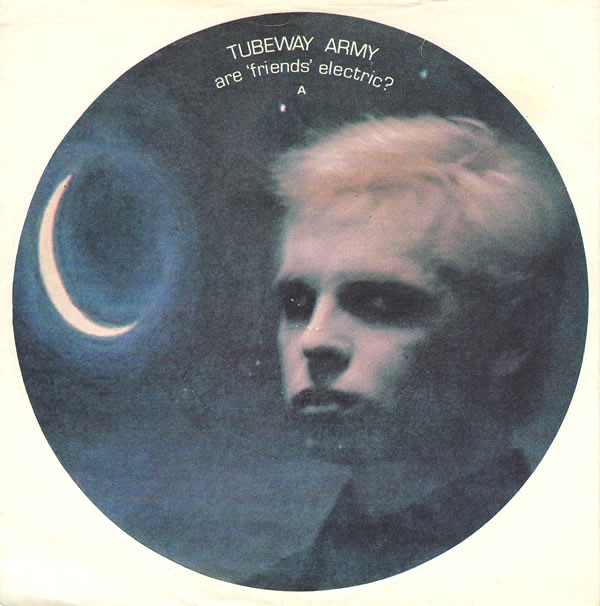
But Gary Numan’s first appearance in May 1979 on ‘Top Of The Pops’ was for many including myself, their ‘Ziggy Stardust’ moment in the birth of synthpop, ‘Are ‘Friends’ Electric?’ was cold and detached, the discordant Moog machinery and the haunted vocal sneer connected with many during this gloomy period in Britain. It seems unbelievable now, but it was the talk of school the following morning. Electronic music had just found its first pop star!

Unemployment in the UK was at an all time high. Margaret Thatcher was now in power while across the Atlantic, Ronald Reagan was “President Elect”! With fascist gods in motion, the Cold War had heightened to the point where no-one’s future on this earth could be guaranteed. Whilst OMD’s ‘Enola Gay’ related to the nuclear holocaust paranoia of the time via some incongruous melodic warmth, there were a number of other pop-orientated bands just around the corner.

The new Mk2 version of THE HUMAN LEAGUE, SOFT CELL and DEPECHE MODE all possessed a defiant spirit of optimism in the face of adversity because ultimately “everybody needs love and affection”! The music was emotive and avant, all at the same time! “We never wanted to be KRAFTWERK” says Phil Oakey, “we wanted to be a pop band!”

Photo by Chi Ming Lai

The use of synthesizers was a statement of intent, like an act of artistic subversion. But as Marc Almond once said, you can only truly subvert when you have access to the mainstream. How can you change the world if no-one hears you? Musically, the best way to achieve this was going to be through pop songs! Whilst owing a debt to KRAFTWERK and taking advantage of the door opened by Gary Numan, these acts managed to appeal to people who didn’t necessarily know what a Linn Drum Computer was! Joanne Catherall and Susanne Sulley amusingly recalled when the UK’s first Linn LM-1 was delivered to Martin Rushent’s Genetic Studios for the making of ‘Dare’: “They were all very excited… OK boys!”

There are several technology driven insights like Paul Humphreys playing ‘Enola Gay’ on the Korg Micro-Preset, John Foxx demonstrating the ARP Odyssey and Daniel Miller operating the ARP 2600 which was used on all the early DEPECHE MODE albums. There were often misconceptions about how this stuff worked though. “The number of people who thought that the equipment wrote the song for you: ‘well anybody can do it with the equipment you’ve got!'” remembers Andy McCluskey, “F*** OFF!!”

“You’ve got to remember it was the first time ever that someone could sit and make a record on their own” says Midge Ure, stating the recording of EURYTHMICS ‘Sweet Dreams’ in a basement on an 8 track tape machine as an example! But as the success of synthesizer continued, the backlash set in. Numan was particularly the victim of some venomous media attacks; not only was he doing electronic music but he had none of the anti-hero stance of punk… he wanted to be a popstar: “I don’t speak for the people because I don’t know them!” he exclaimed!

Andy Fletcher tells of the Battle Royale that DEPECHE MODE were always having with the press. People insisted it wasn’t proper music. The Musicians Union even tried to ban the use of synths in studios and live performance! I remember fellow classmates unceremoniously smashed up and burned a copy of ‘Cars’… AND THEN presented me with the remains! If I wasn’t already feeling isolated, then this sort of intimidation was certainly going to seal it!

Martin Gore quotes a disgruntled rock journalist who described the genre as being for “alienated youth everywhere, and Germans!” As an outsider with a typical post-war ‘Boys Own’ fascination for Airfix kits and Messerschmitts, this music would define me! What did these narrow-minded hooligans know?

Worshipping America was not what I wanted! To me, soul and jazz funk (much like R’n’B today) was the horrid soundtrack of the school bully! SYNTHPOP and its Mittel Europa romanticism appealed to my sense of elitism. I could wear my intelligence on my sleeve, it would become my badge of honour! Pretentious… MOI?

Photo courtesy of Alex Machairas

The move towards today’s electronic based dance music as pioneered by Giorgio Moroder is symbolised by the success of NEW ORDER and PET SHOP BOYS. Legend has it that KRAFTWERK were so impressed by the sound of ‘Blue Monday’, they sent an engineer down to Britannia Row Studios to check out the equipment only to find out it was comparatively unsophisticated! But ‘Synth Britannia’ actually goes on to suggest that the success of the third generation acts like Howard Jones and THOMPSON TWINS was the death of this fantastic period. “There was too much synthpop around, it was all very well being on a synth but actually the melodies and how some of the songs were structured was quite traditional and trite…” sighs Simon Reynolds, “it wasn’t that inventive as electronic music!” – he was right!

Unfortunately by the mid-80s, most of our heroes had given up the fight and went conventional. “We were all a bit lost by then” says Phil Oakey, “like we didn’t have anything to prove!” After declaring in 1980 that ‘Travelogue’ contained “synthesizers and vocals only”, THE HUMAN LEAGUE had by the disappointing ‘Hysteria’ credited Jo Callis with “guitars, keyboards, vocals”, sadly in that order! Meanwhile OMD went from listing all their equipment on their ‘Dazzle Ships’ and ‘Junk Culture’ albums to Paul Humphreys simply being on “vocals, electronic keyboards, piano” for ‘Crush’! The lure of dollars to water down the synthesized sound for synthobic America just couldn’t be resisted anymore! This classic era of quality synthpop was sadly now over!

However, while the others fragmented, DEPECHE MODE got darker and stuck to their electronic blueprint, eventually achieving massive success in the US from 1988. So it would seem these pioneering acts’ original Eurocentric electronic manifestos had been right after all. Their legacy is evident today: LITTLE BOOTS and LA ROUX have hit the Top 10, and collaborated on the marvellous BBC6 Music ‘Back To The Phuture’ live sessions with Gary Numan and HEAVEN 17 respectively; rock band MUSE credit “synths and programming” on their new album while featuring a song that sounds like ‘Vienna’; and a girl group cover of ‘Just Can’t Get Enough’ is a ‘Comic Relief’ charity single!

Meanwhile, the synthpop era’s big international No1s ‘Don’t You Want Me?’ and ‘Tainted Love’ are still being played at weddings and night clubs, ironically often being sung along to by the same bully boys who were setting fire to Gary Numan records years earlier!! “It was exciting to be part of a musical movement that had never been done before, it was a fine time” smiles Vince Clarke.

‘Synth Britannia’ ends appropriately enough with ‘Together in Electric Dreams’ and this final quote from Andy McCluskey: “We were trying to do something new, that is specifically why we chose electronics, we wanted to sweep away all of the rock clichés! And then what happens towards the end of the 80s and even worse, the mid 90s? Everybody decides guitars are back, synthesizers are somehow old fashioned AND, we get Oasis!!”

McCluskey holds his hand to his head in despair but today, most of the acts featured in ‘Synth Britannia’ are still playing to packed audiences around the world. What was originally an electric dream is now a full blown reality. JUSTICE and a job well done 🙂


Ohm Sweet Ohm! The ‘Synth Britannia’ Soundtrack

DEPECHE MODE New Life
WENDY CARLOS William Tell Overture
WENDY CARLOS Title Music from ‘A Clockwork Orange’
KRAFTWERK Autobahn
THE CLASH White Riot
THE NORMAL TVOD
THE NORMAL Warm Leatherette
THE FUTURE 4JG
THE HUMAN LEAGUE Being Boiled
DONNA SUMMER I Feel Love
CABARET VOLTAIRE Seconds Too Late
CABARET VOLTAIRE Nag Nag Nag
OMD Messages
OMD Enola Gay
JOY DIVISION Atmosphere
JOHN FOXX Underpass
THROBBING GRISTLE Still Walking
THROBBING GRISTLE Hot on the Heels of Love
FAD GADGET Back to Nature
SILICON TEENS Memphis Tennessee
TUBEWAY ARMY Are ‘Friends’ Electric?
GARY NUMAN Cars
VISAGE Fade to Grey
THE FLYING LIZARDS Money
DEPECHE MODE New Life
DEPECHE MODE Just Can’t Get Enough
DEPECHE MODE Sometimes I Wish I Was Dead
THE HUMAN LEAGUE Don’t You Want Me
HEAVEN 17 – Penthouse & Pavement
CABARET VOLTAIRE Landslide
SOFT CELL Tainted Love
YAZOO Only You
YAZOO Don’t Go
OMD Maid of Orleans
EURYTHMICS Sweet Dreams
ULTRAVOX Vienna
KRAFTWERK The Model
DEPECHE MODE Everything Counts
DEPECHE MODE Master and Servant
PET SHOP BOYS West End Girls
NEW ORDER Ceremony
NEW ORDER Blue Monday
PHILIP OAKEY & GIORGIO MORODER Together in Electric Dreams


Text by Chi Ming Lai
27th March 2010

Newer posts »