“I don’t like country & western, I don’t like rock music… I don’t like rockabilly! I don’t like much really do I? But what I do like, I love passionately!!”: CHRIS LOWE
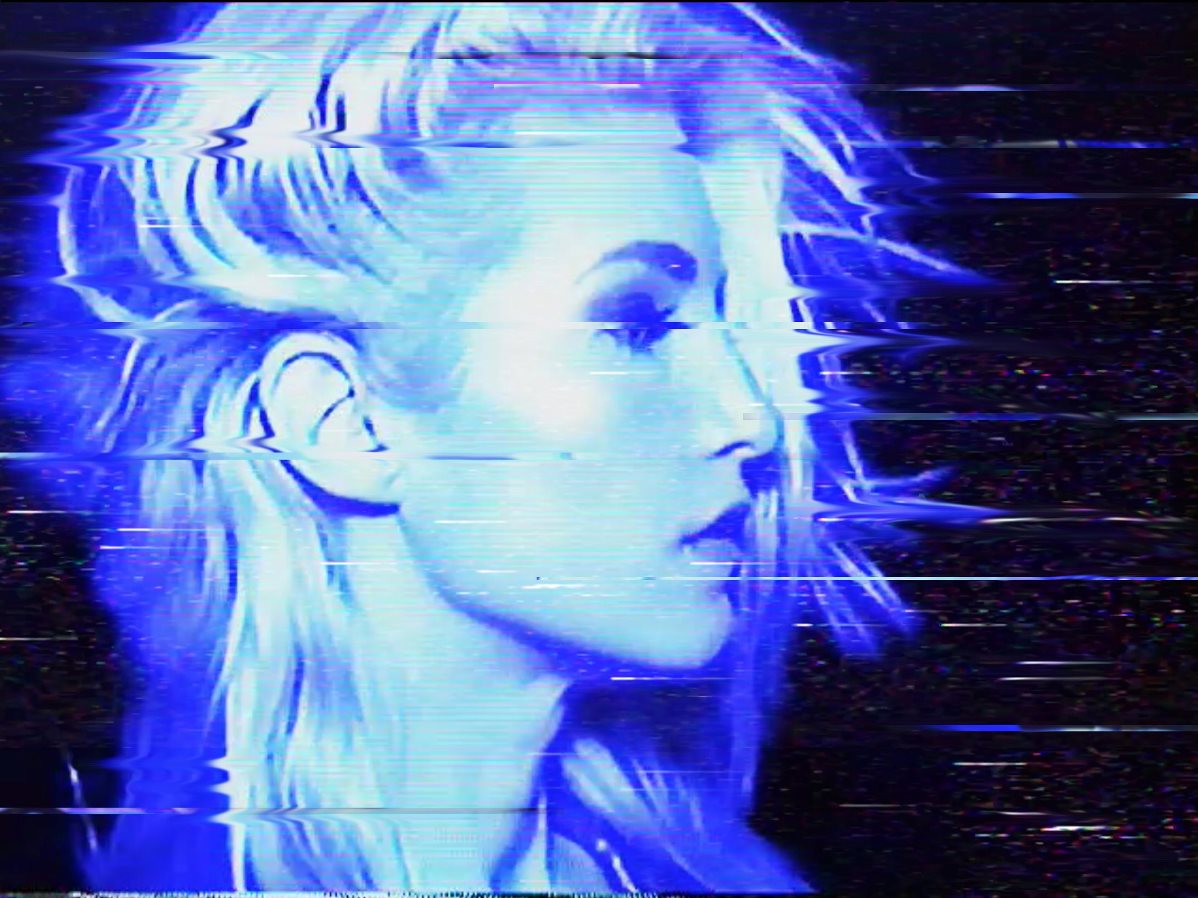
German born NINA took the synthpop world by storm, releasing her debut ‘Sleepwalking’ in 2018.
She lent one of her early songs ‘My Mistake’ to a Mercedes-Benz advert, alongside landing support slots with DE/VISION, ERASURE and others. Clubbing together with Canada’s PARALLELS, she toured America, creating a wild audience eager to hear more from the gifted Berliner.
And so comes ‘Synthian’, not only superbly titled but also delivering a more mature, darker tone to NINA’s repertoire. The songstress shares the achievement with her collaborator, Laura Fares aka LAU and producers of note such as Oscillian, Richard X, Till Wild and Ricky Wilde. As described by NINA, “‘Synthian’ is the bigger and bolder sister of ‘Sleepwalking’. It’s more mature and daring”.
Indeed the title track is very deep and brooding, with catchy poppy synth line, eloquently dispersed with acute guitar and a longing vocal, preparing the listener to be taken onto a retro journey with a difference. The following ‘Automatic Call’ picks up the tempo quite stunningly, arpeggiating away while carrying the wonderfully produced vocals, to achieve a perfect synth gem.
‘Runaway’ glides over the scales, entering the retro world with ease, showcasing that NINA at her best with some gentle help from Ricky Wilde. A big fan of Wilde’s sister, NINA loved collaborating with her talented brother: “Ricky comes up with the most beautiful melodies and harmonies. I loved working with him. He’s humble and patient”. ‘Unnoticed’ is a romantic cry for love from a lost soul, wrapped in a cosy electronic blanket of greatness, showcasing the German synthpop queen as the owner of the most incredible voice as well as one that can write mesmerising tunes.
‘The Calm Before The Storm’ continues the serene tempo, while ‘The Wire’ brings out those darker, harsher tones; it’s deliciously deep and expresses deeper thoughts. “It’s about feeling disconnected from the world” she said, “Losing a sense of being human and having a deep desire for the human touch”. One may say the track was written to describe the world of today, where that loss of connection has become more apparent than ever; the synthy pandemic anthem, you could say.
The cute ‘Love Is Blind’ meanders around the retro musicality and layered vocals, while ‘Never Enough’ ushers further nostalgia leading into ‘Gave Up On Us’, whose mesmerising arpeggios are deliciously uplifting; it’s like going back in time, roller-skating along the promenade with a Walkman and pink bubble gum.
The closing and very apt ‘The Distance’, delves into NINA’s personal life, describing her experiences with a long distance relationship. “‘The Distance’ is about a long distance relationship and how true love can span miles and beyond. It has a more cinematic approach; heavily inspired by the likes of M83 and WOODKID. It’s a very personal song. A lot of people are being apart from their loved ones right now and can probably relate”.
Indeed the later than anticipated release of the opus, couldn’t have landed at a better time. More placed than it ever would be, NINA wishes to bring some light and hope into the uncertainty of current situation, so difficult for many.
And if your wish was to “make people feel better through music and offer some kind of hope”, then you certainly did just that. A superb album.
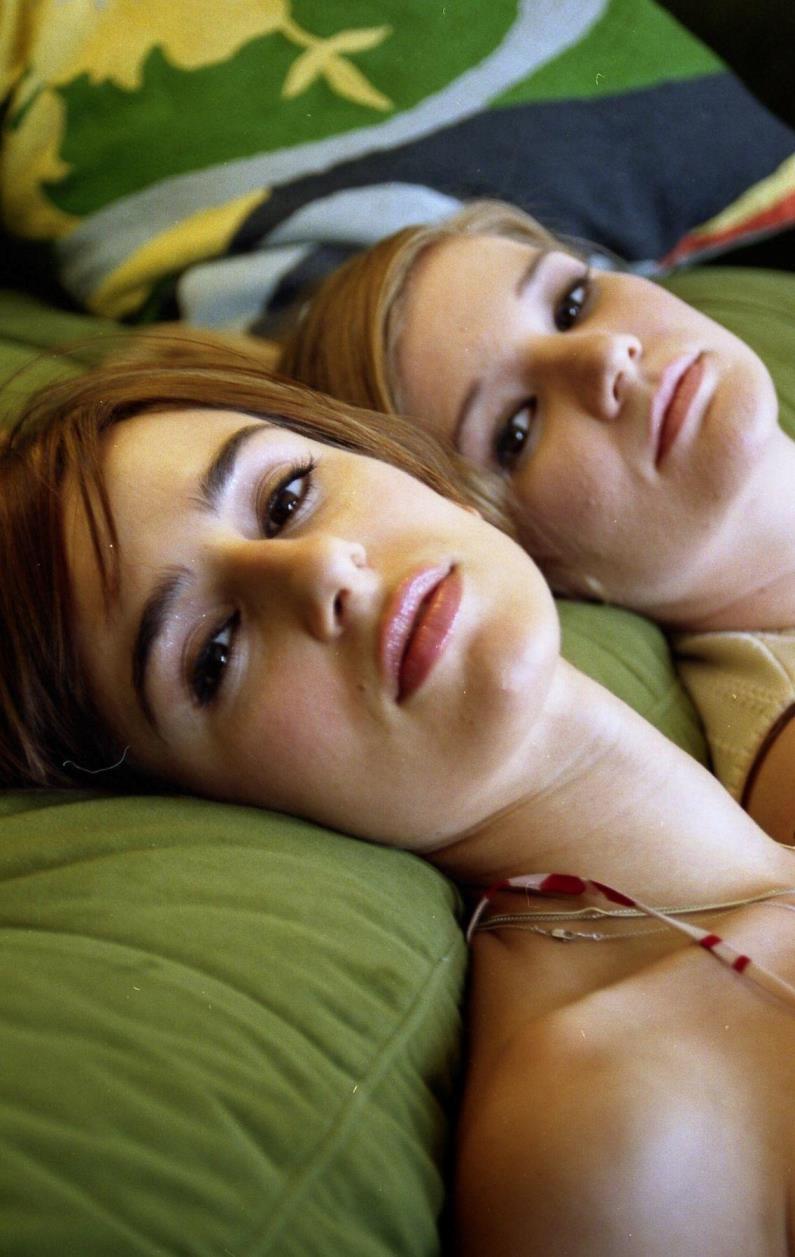
As KID MOXIE, Elena Charbila has been on a most interesting musical journey, one which has included collaborating with Angelo Badalamenti on an updated version of ‘The Mysteries Of Love’, the ‘Blue Velvet’ song best known in its original form voiced by Julee Cruise.
Her most recent release was the soundtrack to Greek film ‘Not To Be Unpleasant, But We Need to Have a Serious Talk’ which was released on the Grammy-nominated label Lakeshore Records, home to the physical editions of ‘Drive’ and ‘Stranger Things’.
While KID MOXIE achieved a breakthrough with the ‘1888’ album in 2014, it all started slightly less conspiciously. Having released a debut EP entitled ‘Human Stereo’ in 2007, a long playing statement was made in 2009 with ‘Selector’. At the time of its making, KID MOXIE was a duo comprising of Elena Charbila and Erica Zabowski.
Elena Charbila kindly chatted about how her journey began on ‘Selector’ and may have led her down the artistic paths she follows today…
Despite ‘Selector’ being the debut KID MOXIE album, it sounds quite transitional now?
11 years have passed and I am a different person and that is reflected musically on this album. It’s like growing up and seeing your development through your music, like a public diary. Any song you write, any album you make, there’s a public diary of where you’re at during each stage of your life.
So like reading your diary from high school, you cringe! But it also rings true to you because you remember how you feel and what you wanted to sound like. Looking back at ‘Selector’, I wasn’t as honest and free with myself as I feel now. I was not as mature or savvy, instrumentation or production-wise *laughs*
When I was in my 20s, I was mostly going out for style rather than substance. I was thinking “I’m going to make an electropop record, it’s supposed to sound like this and I’m supposed to sing it like Madonna in her early years etc!”… it was like Paris Hilton in the nid-2000s or whatever! *laughs*
So it was very nubile and adolescent, it was very immature, the way I sounded, the way I wrote! But there was something endearing because it’s like looking at an old picture of yourself when you’re a kid, so this album was more “Baby Moxie”!
Creatively, what would have been the dynamic within KID MOXIE at this point?
I had just moved to my first apartment in LA and my roommate Erica who was a violinist and I found in the LA Times, we started KID MOXIE together, she was a big fan of electropop. We were composing and rehearsing in our living room but then, we were later evicted for making too much noise!
We had a garage space so we were practicing there. It was so hot in LA that summer that we even had naked practice days on Tuesdays, wearing bikinis! It was like a sauna in there, 110 degrees in that garage.
We had a producer walk by while he was getting coffee and he heard what we were doing. He thought we were interesting and fresh so invited us to record in his studio on the same block. So that’s how the ‘Selector’ album started! We were practicing pretty much naked and doing this kind of obnoxious electropop and this producer saw something in that! *laughs*
At that point, I was writing most of the music and Erica was co-writing the lyrics with me. But even then, although I enjoyed being in the band set-up, I still knew that I was a bit of a Billy Corgan, I liked to do things my way and wanted full control. I was never comfortable sharing the creative experience of making music, minus having a producer to make things sound better sonically. So the process back then was very different because there were more people involved and you can hear it. We were very young and trying to get into the new scene in LA at the time, which was very bleepy and poppy and fun.
What sort of music would you have been listening to as inspiration?
I was always listening to a lot of GOLDFRAPP but by no means did I sound like that, but I loved that style. I also listened to BELLE & SEBASTIAN, French pop and a big fan of DAFT PUNK and AIR. Plus just though my contacts in Greece, I loved MARSHEAUX and close to them as we were friends and I felt sonically that I belonged in this group. Inevitably, if you feel you belong somewhere, you emulate it. So the Undo Records crowd of the late 2000s was very much shaping my sound.
Around this time, you recorded a cover of Madonna’ ‘Burning Up’ which is not on the album and has never been released, is this an indicator of your mindset during this stage of KID MOXIE?
For sure, I was listening to a lot of early Madonna… as she got older, her music got better I felt and her voice… she never had an excellent voice but the songs were great. But in the early 80s, stuff like ‘Burning Up’ and ‘Borderline’ was a massive influence, probably more than anybody. I was like “Hey! I think I can sound like that!”, the spoilt girly type of thing, I thought I could do that…
One thing that has been a continuing artistic thread is vocalising en Francais which you did on ‘French Disco In Space’, had done before on ‘Ma Romance D’Hiver’ on your first EP and did later on ‘Lacuna’ from ‘1888’?
I studied French at school and got quite fluent; being Greek, you have to learn more than your own language. English is a given when you are in first grade, and most Greek kids take another language and it’s either French or German.
I think it’s the most beautiful language, I like the sound of it and it sounds great in a song format. It’s so crisp and has such a beautiful ring to it. ‘Ma Romance D’Hiver’ and ‘French Disco In Space’ which actually has a French rap, both got on major TV shows.
‘Ma Romance D’Hiver’ was used in ‘The L-Word’ and ‘French Disco In Space’ got in the film ‘Yoga Hosers’ which was directed by Kevin Smith and produced by Johnny Depp, it stars their daughters. So these early songs, they got on big media productions.
‘What Kind Of Girl’ is an interesting track and has a gothic resonance, like a girly IAMX in retrospect?
I was very happy with that song because even then, without really knowing it, there was composition… it had violins and things that go beyond a pop format, it intrigued me. I was feeling really good that I could write something that included real instruments and bring it into a pop format. I would explore this more years later, bringing me to this point where I’m doing a lot more scores and stuff for film and TV. So that was kind of like the seed in an odd way.
I love classical stuff, I come from a classical background having been trained on piano as a kid, so it was refreshing to have done this little something among all the bleepy girly attitude, it felt more redeeming.
The title song and ‘Medium Pleasure’ were quite poppy, but they ended up much better when remixed by FOTONOVELA and MARSHEAUX respectively, have you any thoughts on that?
They were… the original production was way better than I could have achieved but FOTONOVELA and MARSHEAUX put them both in a new light and better than the originals. In my next album ‘1888’, you can hear the different sonically because I introduced different producers for different tracks that made them sound so much more solid and crisp than on ‘Selector’, so I definitely learnt that lesson from these two remixes. Also ‘Tsunami’ was remixed by Serafim Tsotsonis and got a ton of airplay, and still gets played on the biggest Greek radio station as their “signal”.
‘Tsunami’ was an attempt at the more atmospheric music with that ‘Twin Peaks’ feel that came later with KID MOXIE and the backing sounds like OMD. It’s quite naïve but do you now see it as an indicator of where you were heading?
I think yes, you’re spot on. Again as with ‘What Kind Of Girl’, ‘Tsunami’ is a favourite from this record as it create atmosphere with very few words. All the other songs were verse-chorus-verse-chorus, this one was ethereal vocals maybe for the first time and more sparse; it became my signature later on. It much more what I’m about now. I wrote it on my MicroKorg in my bedroom and it felt like an accomplishment at the time. It came out of a dream and I basically reiterated the dream. But that remix was much better and that’s why it became a radio hit in Greece.
‘Neon Tears’ and ‘Dream In Pale Blue’ are moody tracks that also perhaps signal ‘1888’… it would appear that the rhythmic side needed work, it this as a result of limited equipment and experience?
I don’t feel that was the case for ‘Dream In Pale Blue’. Serafim Tsotsonis who remixed ‘Tsunami’ only worked on that one track and did the rhythm section, that still hits a chord with me, I am still feeling that one. But ‘Neon Tears’? Absolutely, that’s a very loose song, it could have been done way better like a lot of stuff on this album, I do cringe at a lot of aspects of ‘Neon Tears’.
‘Polytechnic’ sees you sounding like THE B-52s, was this conscious?
Oh God! It might have been! It was just two chicks being arsey and wordy, giving attitude! It had that 60s pop vibe going on and to me, it sounds so hollow right now, it’s like my diary at 15! *laughs*
Were you’re still figuring out how best to use your voice?
Yes, I was still working out what to do with my voice; I was working with a male producer and perhaps looking back subconsciously, there was some kind of male-pleasing aspect to my singing at the time although I wasn’t about that. The dudes I was hanging around with liked that so I kind of went with it. The producer though the girly thing was very appealing. But honestly, I was trying to figure out my voice, but I don’t I think I did during that album! I died trying! *laughs*
That airy continental vocal style you’re known for now is nowhere on this album, so how did that eventually emerge?
There a tiny bit of it on ‘Tsunami’ as a precursor… I worked on a lot of different projects for various Greek producers; I tested myself on their tracks. That liberated me from fabricating this persona that I had in mind that I should be following or doing. So I decided I would follow their music and see how my voice translated onto other people’s stuff. And eventually, I brought it into my own sound and crystallised it because it has sounded so good then. That other work shaped my new voice on ‘1888’.
So was ‘The Bailor’, which came a few years after ‘Selector’, the breakthrough song where you found your sound?
Yes, I love that tune, it still speaks to me. I’m proud of it and feel ‘that’s’ my voice.
And here we are today, do you see ‘Selector’ as an important album to your development as an artist or would you have preferred it not to have been released in hindsight?
I’m going to reply to this in a very personal way! I look on this like any relationship I’ve had that I’m not happy with. I’ve made mistakes in my life and I’m not one of those people who is proud of everything I’ve done and wouldn’t change a thing, like why? If I had the power to go back in time, I would have changed a few things. But it did feel right at the time…
I wish it was sonically better, I wish I had found my voice earlier and done a different job with it. At the same time, I look on it endearingly (like at my teen diary) even though I cringe. It’s like my first crush, my first time. It was my first attack in a record and a production, I messed so many things up. I wish I could have changed them but I can’t so I look as it now as an endearing time of my life.
ELECTRICITYCLUB.CO.UK gives its grateful thanks to Elena Charbila
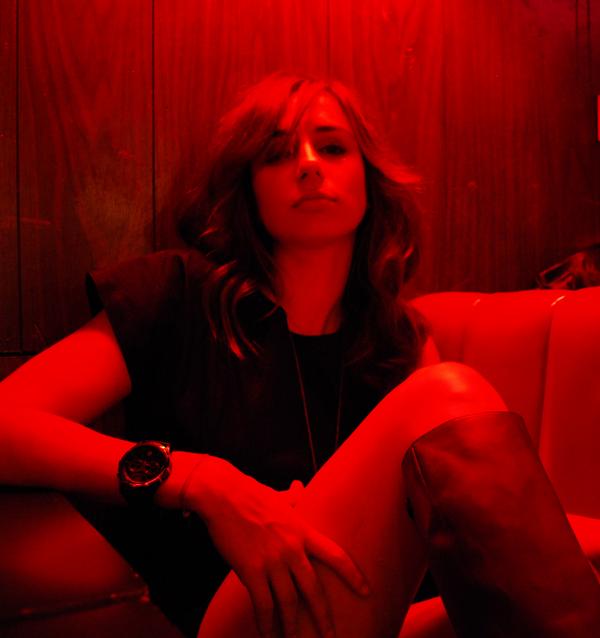
GEISTE is the musical vehicle of Marie Chabrelie from near St Tropez who probably would have been a product of JRR Tolkien had he manufactured pop stars.
Haunting, captivating and endearing, she invites you into her moody world of escapist pop on her debut EP ‘Utopia’. Like something that could have come off the soundtrack ‘Killing Eve’, the haunting opener ‘Omen’ is simultaneously bewitching yet sinister, beautiful yet unsettling, built around a repeating ivory motif, sinister humming and the emotive air of Nordic songstress Susanne Sundfør.
Beginning in a layered neo-acapella fashion, ‘Dither’ becomes mighty once the majestic vocal refrains and multi-coloured percussive fervour kick in alongside the penetrating deep drone of synthbass. Capturing the cut and thrust of a city walk, it’s a determined train of thought that GEISTE expresses despite the inherent forlorn melancholy.
The expansive ‘Ocean’ is perhaps GEISTE’s signature song, an environmentally conscious battlecry that showcases her widescreen cinematics and impressive vocals that capture the angst of Zola Jesus within a melodic fantasia.
The angst takes a breather for the shorter but dreamier ‘Fetish’ which plays around with some glassy sound design. But GEISTE belts it all out again on ‘Anthems’, a dramatic number swathed in a building rhythmic drama that recalls NIKI & THE DOVE while also throwing in a swooping dubstep drop.
The hypnotic ‘Moonchild’ has perhaps the unifying essence of everything on this EP thrown into a singular track, providing not only the EP’s crystalline highlight but one that shows ‘Ocean’ was no fluke. It’s that progressive successor to the initial breakthrough which all aspiring artists need in their developing repertoire.
Painting pictures in light and shade, ‘Utopia’ has the French youngster articulating over a collage of rumbling bass, synthetic orchestrations and ritualistic rattles before a staccato virtual choir provides a wonderful textural statement to close.
For her opening body of work, GEISTE has impressed by collecting her best seven tracks to date to offer to a potentially wider audience. You only get to make a first impression once and her ‘Utopia’ makes a rather enthralling otherworldly one.
‘Utopia’ is available as digital EP via the usual online platforms
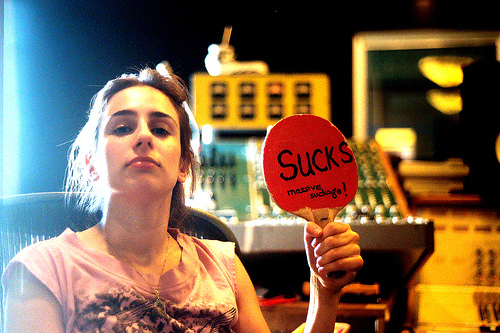
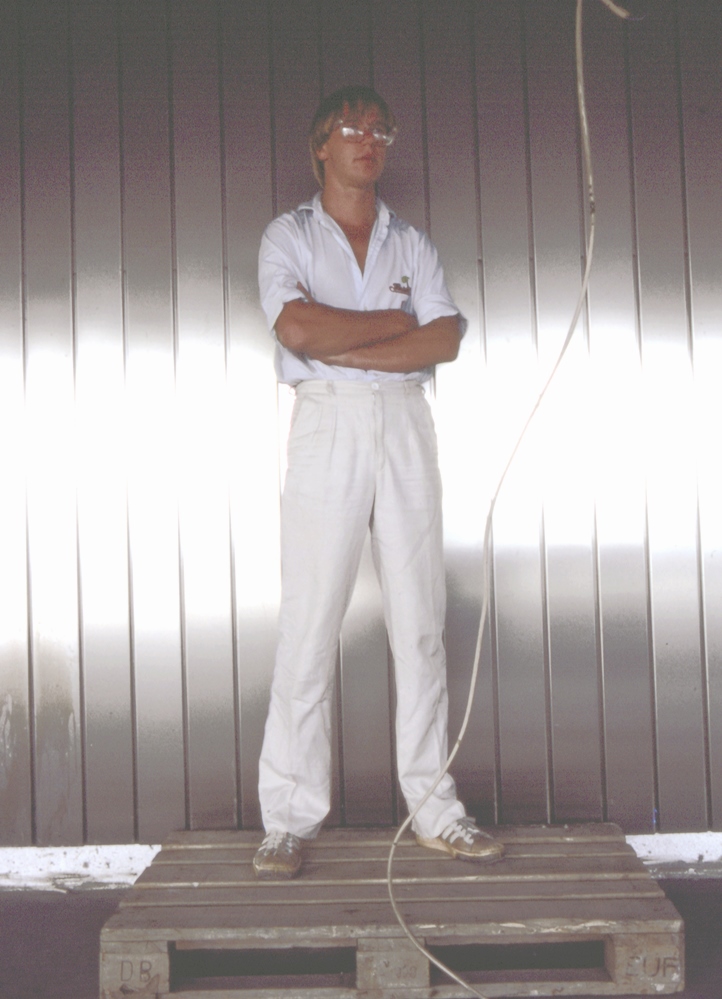
Harald Grosskopf is the German drummer who entered the world of electronic music while still maintaining his percussive role behind the kit.
Grosskopf made his name in the rock band WALLENSTEIN, but legend has it that a hallucinogenic adventure led to a voice telling him to stop trying to sound like Billy Cobham or Ginger Baker, as he realised he had been imitating other musicians.
With his mind free from having to drum within a set role, he realised rock music was not the best medium for this mode of artistic expression. Two musicians, who were members of the Berliner kosmische combo ASH RA TEMPEL, Klaus Schulze and Manuel Göttsching were to become key in paving Harald Grosskopf’s path into the world of electronic music.
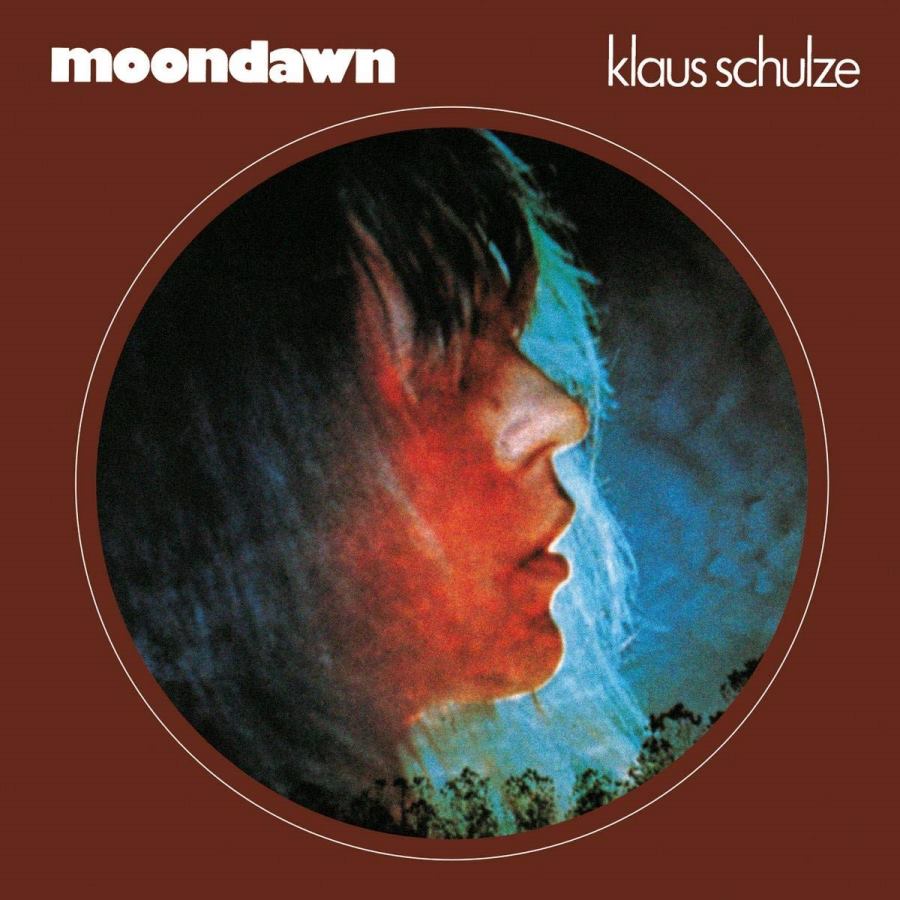
Schulze was a fellow drummer who had served an apprenticeship with TANGERINE DREAM and went on to wholly embrace the meditative synthesizer aesthetic; he invited Grosskopf to play drums on his 1976 masterpiece ‘Moondawn’.
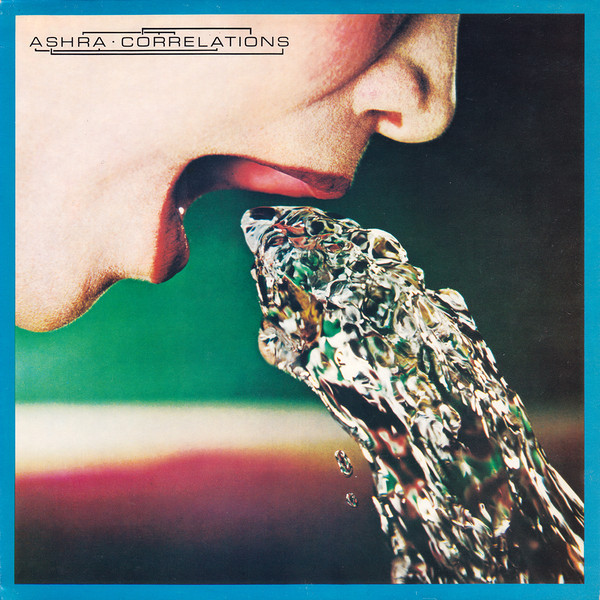
Meanwhile Manuel Göttsching had developed a more transient guitar style to compliment his more electronically-based instrumental backdrop as showcased on the classic long player ‘New Age Of Earth’ as ASHRA. Looking to expand his vehicle to a more-band oriented format, the guitarist asked to Grosskopf to join him for the recording of what became 1979’s ‘Correlations’.
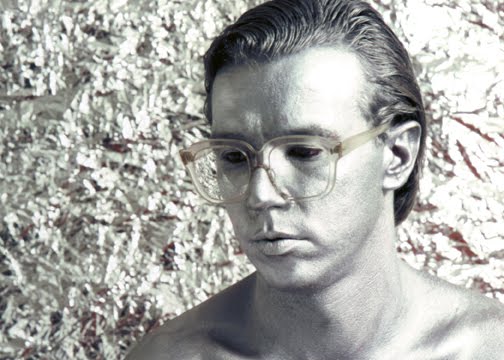
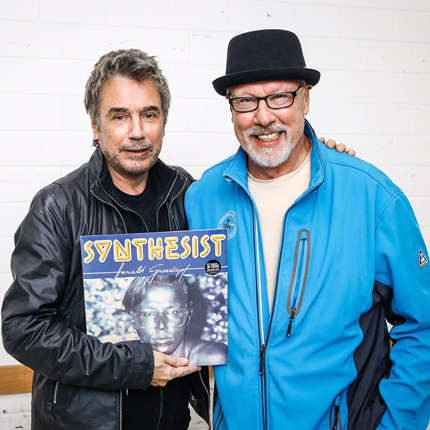
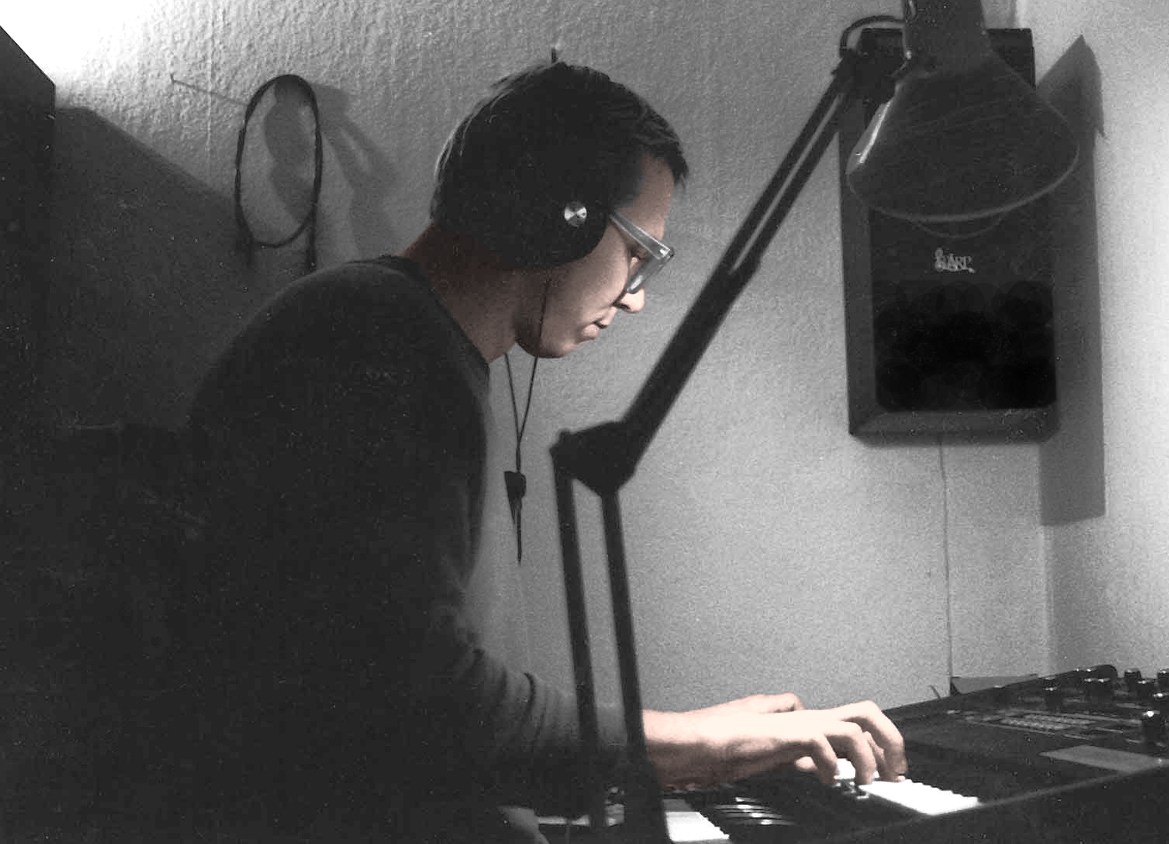
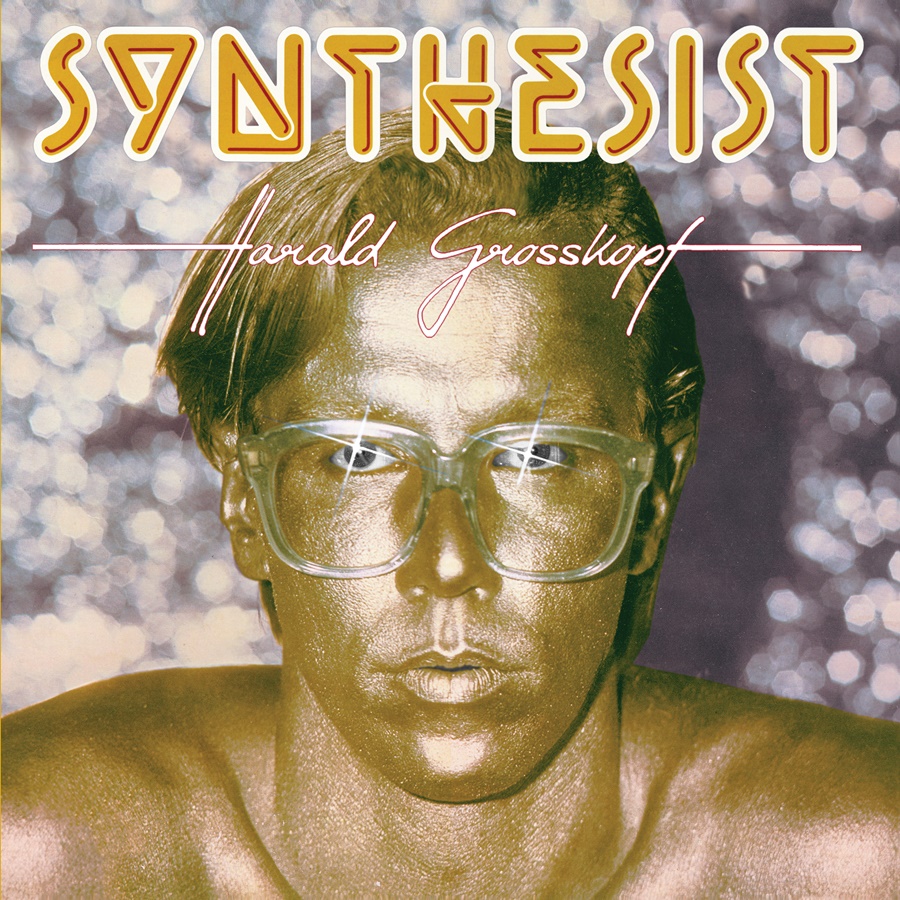
Harald Grosskopf took the plunge to go solo with the mind bending album ‘Synthesist’ which was released on the iconic Sky Records in 1980. A work comprising of eight instrumentals that blended a sonic tapestry of synthesizer soundscapes with drumming that provided colour as opposed to dominance, it musically followed in the exquisite tradition of his Berlin electronic friends.
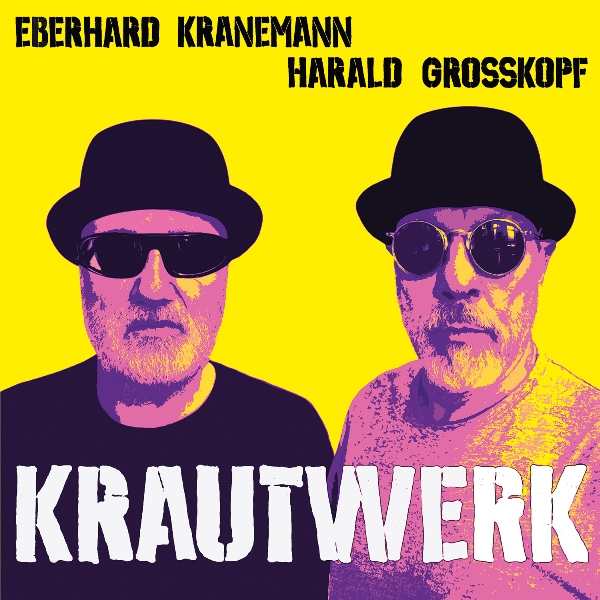
More recently, Grosskopf has been recording and performing live, both solo and with Eberhard Kranemann with whom he released the experimental cosmic rock album ‘Krautwerk’ in 2017.
For the 40th anniversary of ‘Synthesist’, Bureau B are reissuing the album as a deluxe edition with new remixes provided by the likes of Steve Baltes, Thorsten Quaeschning, Paul Frick and Stefan Lewin among others. From his home in Berlin, Harald Grosskopf kindly spoke about how his career was liberated by electronics.
You started as a drummer, so what got you interested in synthesizers and electronics?
That‘s a long story until I got there. When my friend and colleague Udo Hanten (of YOU who unfortunately died two years ago) asked me in August ’79 “Why don`t you produce solo albums?“
I was astonished and my first thought was “Who will be interested in an album with a line-up of tracks with solo drumming?”. He of course meant working with synthesizers, which I did not have in mind at all. I told him that “I‘m a drummer, I don‘t own synthesizers. All I have is a drum kit, an 8-Track reel-to-reel tape recorder and part of the fee from my work on Klaus Schulze’s ‘Bodylove’ album”. So Udo invited me to come to his home, using his equipment.
In exchange, he asked for my 8-Track to record his own album. I must point out that ASHRA never met regularly, like a rock band to rehearse or produce. We never said “We are a band now forever!“. ASHRA always was based on spontaneity in all concerns. There were quite some breaks in between touring and studio sessions. So I had lots of time and my desire for making music was killing me during 1979.
After a few days thinking about Udo‘s proposal, I decided to do it. To tell the truth, I had no clue how to record nor how to operate synthesizers, even though I had worked with Klaus Schulze, one of the godfathers of electronic music. During studio sessions I never had to, nor did I care about studio techniques. The only thing I occasionally operated was a volume fader during mixing.
In that entire era, I felt I was a drummer, nothing else. Even after ‘Synthesist‘ was done and out. Putting it live on stage seemed technically impossible in 1980. So my first album was kinda born out of an emergency situation; no band activities and left behind with a huge unsatisfied desire to making music.
The beginnings of those recording sessions were technically pretty rough. I had to learn all about recording from scratch while I was recording. But conversely, operating synths was an easy challenge. At the end I wasn’t even sure, almost very insecure whether an audience would share the joy and trouble I went through in the process. And what I emotionally and music wise had put into it. But the naivety and emotional innocence behind that album might be the main reason why it seems to have touched people right up to today.
Working with Klaus Schulze on ‘Moondawn’ must have been interesting, given he started as a drummer. What was your brief from him for the recording?
No briefing at all! After my time in the rock band WALLENSTEIN, it was a very unfamiliar experience. WALLENSTEIN, typically German, was very (!) structured and disciplined. We used to work extremely hard on details. Program music at its best!
It never reached the satisfaction and joy I felt working with Klaus and Manuel Göttsching. Klaus gave no advice at all. Never ever! He liked my drumming I guess and he trusted me more than I did doing the right thing. Other than from Klaus and Manuel, I was not used getting positive feedback from any of my colleagues in those rock ’n‘ roll times. After ‘Moondawn’, I decided to leave WALLENSTEIN and rock music.
The first ‘Moondawn’ take ended abruptly after 5 minutes, I somehow didn‘t feel well. Klaus and I started talking about what happened. After only one sentence Klaus spontaneously said: “I see you know where we are going, let‘s do it again!” The second take led to what is heard on the ‘Moondawn’ A-side under the title ‘Floating‘, one long 25 minutes lasting improvisation. No emotional break or technical mistakes. Joy in the clearest mind. After the last note faded, we met in the control room and hugged each other.
‘Correlations’ saw Manuel Göttsching expand ASHRA into a band format, how did you come to be involved?
We first met at Dierks Studios around 1971 and I visited him occasionally when WALLENSTEIN had a Berlin performance. There was ASH RA TEMPEL, TANGERINE DREAM, POPOL VUH and some other important formations who were on the same record label (Ohr and Pilz) as well as WALLENSTEIN. Compared to my experience in the German rock business, these Berliners had an extraordinary self-confidence, friendly and relaxed dudes.
My drumming style and emotional presence seemed to have impressed them. Klaus was the ASH RA TEMPEL drummer at the time, after he had left TANGERINE DREAM and he just had announced his split from ASH RA TEMPEL to start his solo career which didn‘t seem to shock anyone. So Manuel invited me to put my drums on ‘Starring Rosi‘. Rosi was his girlfriend and she´s been a New Yorker since 1982. I had a few gigs in New York and we met there after a 30 year break. When I left Klaus in 1975/76 to live in Berlin, my first activity was to visit Manuel. That was the beginning of my ASHRA involvement.
One thing that is quite interesting is that the tracks on ‘Correlations’ were generally shorter than other ASHRA works, had this been a conscientious decision?
We never talked about commercial intensions. Our main interest was having fun and producing something original. I liked the freedom of not thinking about whom we could reach or sell to what we had made. The combination of the three of us simply made it what it was.
Everybody had ideas and had the chance to put them into the album. Manuel played a very melodic guitar. In those days. Maybe Carlos Santana was a bit of an influence on him. Lutz Ulbrich had another music background than electronics. He was and still is a brilliant rhythm guitarist and for a change, he liked playing with delays and was open to experiments, even though his main goal was traditional guitar music.
Lutz was in love with Nico of THE VELVET UNDERGROUND and they lived together in Paris, New York and Berlin. He was the only person among all her other famous friends (Bowie, Cale, Alain Delon) that brought her body to Berlin, after she had tragically passed away on Ibiza island, struck by an Aneurysm while riding on her bike. A doctor that was called just said: “I do not treat addicts!”…
The follow-up ‘Belle Alliance’ added vocals and was more aggressive, with your voice on ‘Kazoo’; how do you look back on the approach of that album now?
From my point of view for some reason the “good alliance” wasn’t as powerful as on ‘Correlations‘. In retrospect, it lacked homogeneity in style. Maybe the reason behind that Virgin Records didn`t want to release ‘Belle Alliance’ in the first place. So the three of us went to south France to visit the MIDEM in Cannes, that huge music industry fair, to either sell it to another company or have a conversation again with Virgin Records.
The Sony Walkman was just invented and everybody was able to listen to music wherever you were. The visit ended with a longer conversation with Richard Branson who owned the label at the time. Seemed we charmed him, resulting in the release. It‘s still a good album and I liked putting my intensions on ‘Kazoo‘.
As a drummer, how did you feel about the advent of programmable drum machines?
First, I was shocked that machines could replace and endanger my profession as drummer. I could not stand their artificial sounds either. Very unreal and artificial, especially the Roland TR808 that later became cult in techno and rap.
More and more studio session drummers used Linn and Oberheim e-drums to stay in the business and make a living from fast productions, mostly pop productions. Linn and Oberheim used samples for their e-drums and those sounded quite real. It still took quite some time to programme a fill that a real drummer could do in a minute.
I never really got into programming drum machines until the first machines came up that could be played like an analog drum kit (Simmons and D-Drum). I could not afford a Simmons but bought three Simmons e-modules and built one myself by using old Bongo drums as trigger. You can hear them on ASHRA album ‘Tropical Heat‘. By discovering the fascination of techno music, I suddenly understood the magic machine drums can have like the Roland TR808. I bought a D-Drum but its dynamic and limitation on sound bored me after a while.
I started editing drums parallel to the invention of digital recording in the late 80s. The Atari 1040 was a first step in that direction. I was in my 40s when most people my generation could or would not cope with computers. A few years later, when digital recording of analog signals became a possibility, I felt a huge release. It freed me from dreaming about hiring expensive analog studios as the only possibility to get creative the way I wanted. I couldn´t have afforded such studios anyway. In the beginning, it was pretty complicated getting into controlling the recording software, but once I managed it, it was a revelation that continues today.
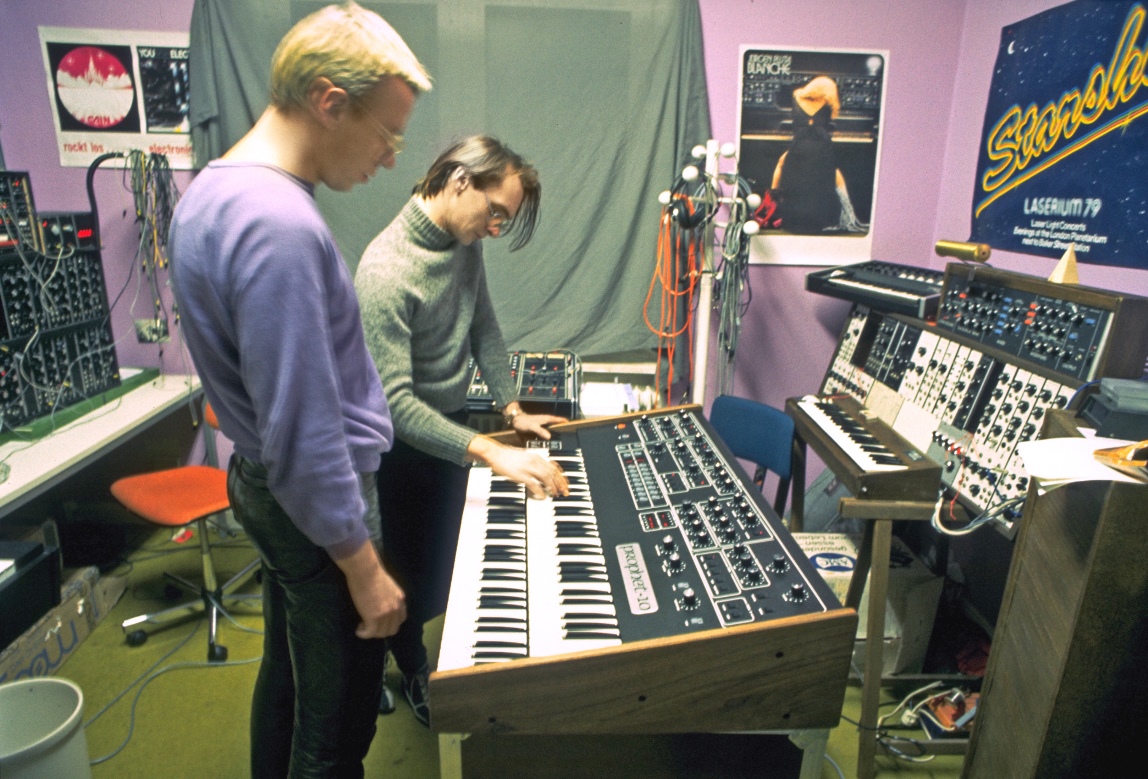
The artwork of ‘Synthesist’ sees you pictured with a Prophet 10, which were your favourite synths and keyboards to work with on this album?
The Prophet 10 was an investment of my manager (R.I.P. Peter) and was bought after ‘Synthesist’ was released. On ‘Synthesist’, you can hear a Korg PS3200 and a Minimoog. The Moog was triggered by an ARP 16-Step Sequencer or used for solo melodies. That was it!
The Moog permanently slipped out of tune and many times, it was more than a pain in the ass to get the bitch stabilized. I had to record the same sequences over and over again.
How did it come together in the studio?
All the basics were recorded during 6 weeks in August and September 1979 at Udo Hanten‘s home in Krefeld, an industrial town in Northern Westphalia, the River Rhine area. Additional tracks were laid at Panne Paulsen studio in Frankfurt, which I knew from the sessions with Klaus and ASHRA. It was perfect for recording my drums and the solo melodies. All on 16 tracks after the basic 8 tracks were transferred.
‘Transcendental Overdrive’ had some distinctive arpeggios but also those very frantic but understated drums?
I take that as a compliment. My intensions lay more on composition and creating magic sounds than drumming. I financially had a week to get it done. It took just 2 days to record all drum parts. There was not much time to think. It just happened.
How do you now look back on ‘Synthesist’ as a whole?
As I mentioned, I was very insecure about what I had done. A negative highlight was a visit to Edgar Froese‘s home where my manager and I asked Edgar to listened to ‘Synthesist‘ before it was released. Edgar listened patiently but did not say a word afterwards. Either he was stunningly shocked or could not stand it. I never found out and the situation led to a bunch of negative speculations.
Back home, I was devastated. The sales after 5 or 6 months also were not super, just around 10,000 vinyl copies. Today that would almost be a hit, but in 1980, it was a massive flop. I did not listen to the album for a very long time until I had several offers from different labels. Young people seemed to have discovered ‘Synthesist‘. DJs all over the world put it on and since I re-released it, they still do. I needed the distance in time to finally to understand and enjoy what I had done.
There is a 40th Anniversary double vinyl and CD package being released by Bureau B featuring remixes, so is remix culture something you embrace and what do you think of the end result here?
40 years flew by! Unbelievable! The remixes on that double album are great. I was surprised about the spontaneous involvement of young musicians. ‘Synthesist‘ had an influence on them and their own music. I met Steve Baltes in 1994. He was 27 years old, a techno DJ, producer and fan of electronic music, whom I had invited to join in with ASHRA for our first Japan tour in 1997. He made a brilliant remix of ‘Earth’.
Thorsten Quaeschning who toured with Edgar Froese and TANGERINE DREAM for 15 years and is now head of the actual TD line-up did a fantastic remix of ‘So Weit, So Gut‘. Paul Frick remade ‘Synthesist‘, he is member of the well-known trio BRANDT BRAUER FRICK from Berlin which I am a great fan of.
Some famous old Krautrock colleagues who are also on Bureau B. label did a great job too. To mention here: PYROLATOR and KREIDLER. Stefan Lewin, an old friend, musician and quality analog synthesizer producer (ACL) worked on the ‘Synthesist‘ title track. Beside these, a few very young label musicians like TELLAVISION, LOVE SONGS and CAMERA also brought some interesting fresh air on their remix versions.
Your second solo album ‘Oceanheart’ didn’t appear until 1986, were there any reasons for this? How does this album stand up for you compared with ‘Synthesist’?
There was no pressure to put out one album after the other. Like others, I did not want to repeat myself over and over. I also had no equipment to experiment the way I needed. Remember it was the pre-computer time. In the meantime, I had a trio named LILLI BERLIN; I owned a Tascam 8-track reel to reel tape recorder and Manfred Opitz, the keyboarder had a Minimoog and a Roland JX-3P. I used those to lay basics. Drums and other sources were added at Christoph Franke‘s studio. The final mix and master was done there too. I think ‘Synthesist‘ has this first time innocence.
In 1997, you reunited with ASHRA to do some concerts in Japan. The live recordings became the ‘@shra’ album, ‘Twelve Samples’ was a particularly glorious track, how much of the performance was pre-prepared and was there much flexibility for improvisation?
We usually met a week before touring or for studio sessions to prepare some basics. In between, we played ‘Hype‘, a game that was based on the development of rock bands. From putting a line up together, to low level touring and album recording, the player who first had a hit album won. The game was created by Virgin Records. Manuel and Lutz rehearsed some basic harmonies and melodies, mostly without even being amplified in Manuel’s flat (Studio Roma).
I had a pair of drumsticks, listened and hit on my knees. As I mentioned before had we long breaks in between such meetings. Sometimes for years. So I never knew what will happen next with ASHRA. But I was positively surprised to receive Manuel`s phone call, asking me to join in performing in Japan. A little tour including 4 gigs. Wow! Japan! Great! My second reaction was of technical concerns, which I did not speak out about.
You must know, touring in the 70s was technically quite basic. On stage, it could take Manuel more than 5 minutes in between the titles to tune his sequencer for the next piece, while I was getting nervous just sitting waiting and staring into the audience. That was the reason I wanted Steve Baltes to join in. I knew he was able to recreate all the basic ASHRA sequences and original keyboard sounds we needed with his skills about sampling and sound design.
After I had introduced Manuel and Steve, Manuel liked him from the first minute, so Steve started producing all the required bass and sequencer loops that enabled us to improvise on stage as we always did in the past, with the difference that Manuel was released from that tuning burden. Steve did a brilliant job. We even sounded much better than ever before. The Japanese audience really liked it. We performed twice in Tokyo and twice in Osaka.
You teamed up with Eberhard Kranemann for the 2017 album ‘Krautwerk’, how would you describe your dynamic with regards creating and performing ?
I met Eberhard Kranemann for the first time in 2016 on a local festival at a castle. We performed on different locations. I did not know him, not even that he was an original KRAFTWERK member. I was very curious about what he did on stage and as we performed at different times, I was able to sneak into his gig. After one minute, I left the performance! Pure loud guitar noise and mumblings with his voice! I could not stand it!
Two weeks later he phoned me, obviously very excited by my performance. He asked me what I thought of a collaboration. Wow! My enthusiasm was not very high but I thought what the f*ck, let‘s try, if turns out bad, I can leave.
Eberhard recorded our session we made in his home, located around the corner where I live with my family. The session output was mainly poor, but in between had some great original parts. I took the session back home, dragged it into my Ableton recording software, extracted those parts I liked and produced loops. In a next step, I took it back to Eberhard where we added some material here and there. He really liked the way I had edited the material.
The result was the ‘Krautwerk‘ album released on Bureau B. We did live performances in England, Sweden and on a festival in China. A second album is ready to be released, but Eberhard preferred to concentrate on his solo work again. Meanwhile Ralf Hütter of KRAFTWERK ordered his lawyers to threaten me in case I would not withdraw my ‘Krautwerk‘ name ownership.
You have new works ready for release, how would you describe them? What musical direction are you heading in?
I work intensely on new material and will soon release an album in co-operation with my old friend and colleague on guitar Axel Heilhecker. Sequencer, guitar loops, melodies. Very atmospheric!
The album will be named ‘Are You Psyched?‘. Parallel to that, I work on new solo material which I hope to release next year. No rush as always. I do not think in terms how to style my music. It`s always spontaneous and unpredictable decisions. The main intention is that I must like it. Even that can change after a few hours, days or weeks and it is always possible to push a piece in another direction.
It’s very hard for me to finally decide when something is finished. I do not listen much to music from others. Mainly only when someone says to me “You got to listen to that!“ That does not mean I´m ignorant but I love most to work on my own stuff.
What are your own favourite tracks and memories from your career?
Definitely ‘Moondawn‘. All the tracks I ever recorded are like own children. You love them all but they are different!
When you entered this world of synthesizers back in the day, did you think that you and your contemporaries would have such a big impact in the popular culture of today?
Not at all. Compared to fast and massive internet activity today, we had very little feedback in those days. National and international. Just a few music magazines existed. And they mostly wrote about pop music or the stars. The only measure we had were sales or live performances. But other than KRAFTWERK, we had no hits.
Andy McCluskey from OMD two years ago shook my hands and said “Did you know how much your music changed my life!?“. I had no idea about that influence when I was sitting in my small Berlin flat trying to figure out how to finance the next week. Since I connected to the internet around twenty years ago, I receive wonderful daily feedback from all over the world. It is a great pleasure to specially get it from a younger generation.
Last year, I had my first DJ appearance in a well-known techno club in Berlin. Right now, all live performances are cancelled or postponed. But isolation is not unusual for me and most artists. That‘s the space where we enable output. I still miss to be on stage. Hopefully it will be soon possible again.
ELECTRICITYCLUB.CO.UK gives its sincerest thanks to Harald Grosskopf
Additional thanks to Mark Reeder
‘Synthesist’ is reissued as a 40th Anniversary deluxe edition double CD and transparent sun yellow double vinyl LP by Bureau B on 5th June 2020
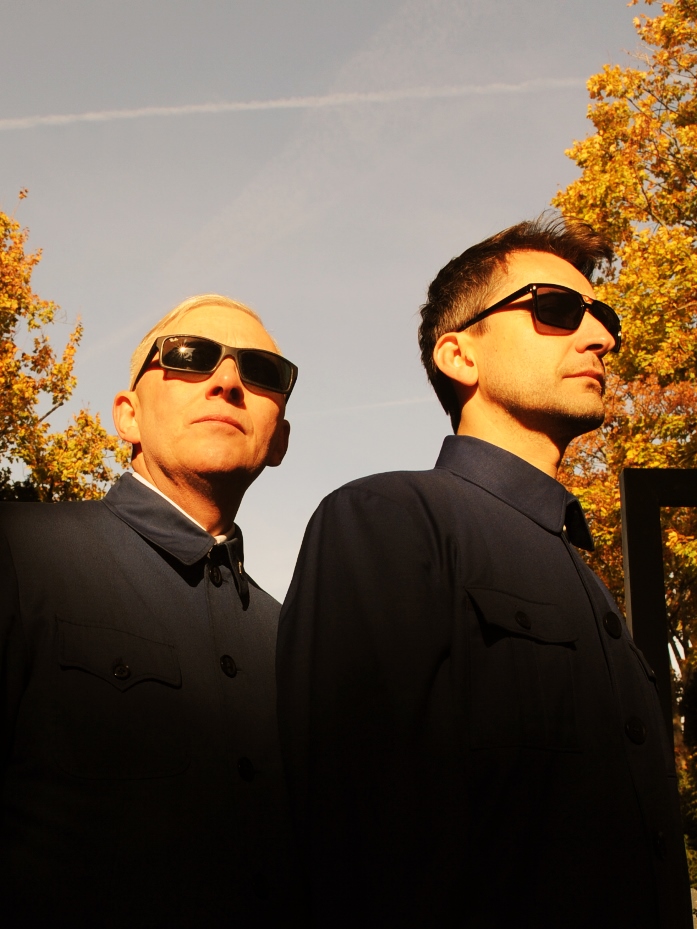
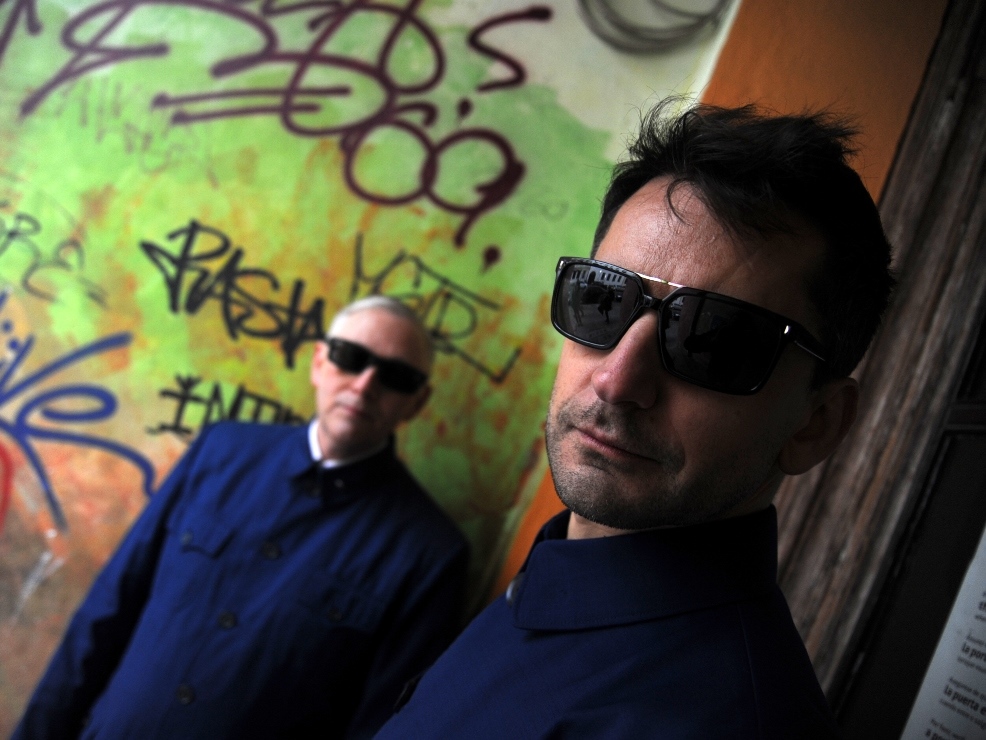
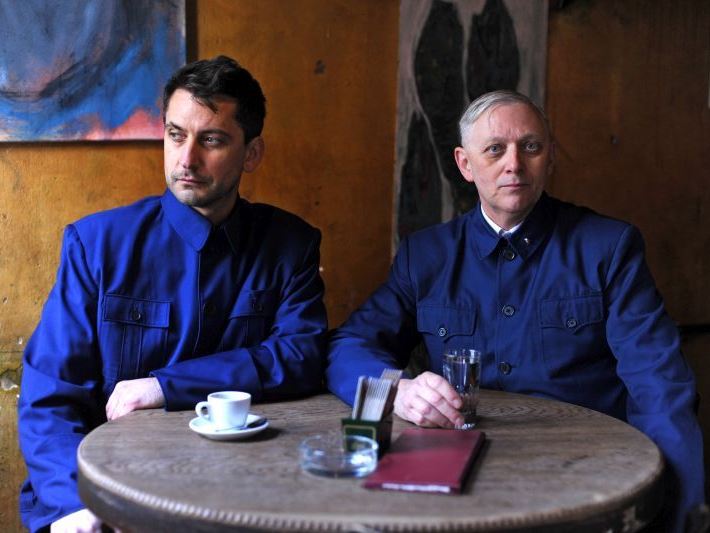
Mark Reeder first met Alanas Chosnau at the Lithuanian International Film Festival in 2015.
Chosnau was born to a Lithuanian mother and Iraqi-Kurdish father, growing up in Baghdad before returning to Lithuania to be raised by his grandparents in what was then part of the Soviet Union. When The Iron Curtain came down, he became the singer of the DEPECHE MODE influenced duo NAKTINĖS PERSONOS before embarking on a successful solo career and becoming a national celebrity.
Meanwhile Reeder’s musical past of bringing JOY DIVISION to perform at Kant-Kino in Berlin, introducing NEW ORDER to electronic dance music, co-managing DIE TOTEN HOSEN and establishing the MFS label which introduced Paul Van Dyk to the club masses is well documented. Attending the screening of Reeder’s documentary film about his life before the fall of the wall ‘B-Movie (Lust & Sound in West Berlin)’, Chosnau connected with what he saw and sharing some common ground, the two discussed working together.
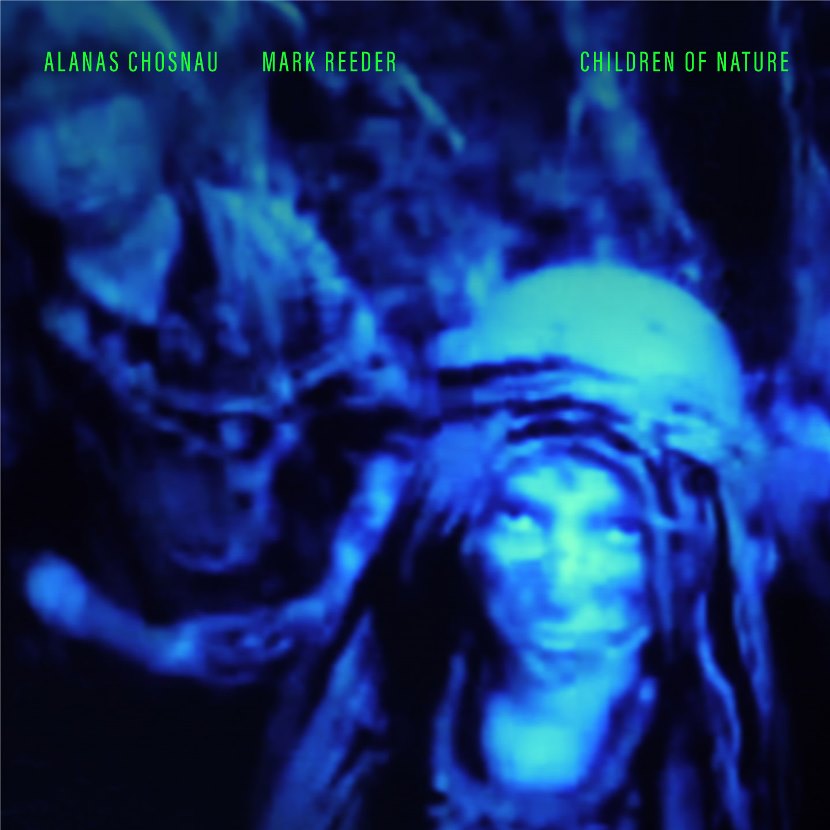
Reeder remembered: “Alanas wanted to make an album in English, an album that reflected upon a time when he was a kid growing up in the Soviet Union, and not able to absorb the sounds of synthpop coming from the West”. So the pair conceived to make a retro-modern sounding album evoking an illusion of a creative music era that was initially denied to Soviet citizens, while simultaneously presenting a record for today. That record being ‘Children of Nature’.
‘How Do You Feel?’ is a fine start, with cimbalom samples amongst the steadfast programmed electronics for an authentic Eastern European flavour. Hinting at a circus of death with its stark rhythmic swing punctuated by white noise, ‘Fade On’ comes over as more texturally resonant than much of DEPCEHE MODE’s output in the 21st Century.
Reflecting the worldwide lockdown, ‘All Alone’ uses a classic four chord progression shaped by sequencers, chilling string synth and a midtempo Compurhythm. And when Chosnau emotively asks “Does anybody feel the same way like me?” in a chillingly forlorn manner recalling Peter Heppner of WOLFSHEIM, it captures the physical and mental emptiness of solitude.
Raising the tempo, the ‘Children of Nature’ title song uses a lively percussive lattice for some appealing Europop with a spy drama edge bolted on, thanks to some NEW ORDER derived six string and trancey keyboard stabs.
Meanwhile, bathing in an atmospheric lake of OMD allows Chosnau to provide what can only be described as a heroic start to ‘Drowning in You’. As the Synare lightning crashes point south of Berlin to Vienna, it all paces up with a splendidly uplifting second half that vocally recalls ‘I Feel It’ by LORRAINE, a lost Norwegian band whose artwork was designed by Peter Saville.
The guitar based intro to ‘Stand Up’ provides a chromatic spin and Chosnau’s diction suits the dark but rousing backdrop that could be interpreted as a call to arms for resistance. Despite some sparkling synths, ‘Tonight’ though doesn’t quite hit the heights of the impressive run of tunes gathered in the first half of the album.
But Reeder revisits his SHARK VEGAS past by dusting off ‘I Can’t Share This Feeling’, a previously unreleased number from a period when his combo opened for NEW ORDER; with a solemn electronic bassline and minimal fretwork, it rings with a nostalgic air of longing despite a wall blocking the passage of love.
‘It’s Who You Are’ sees Chosnau in a spiritually majestic mood with Reeder’s sparse synth and guitar backing not that far off Brian Eno-produced U2 numbers such as ‘With Or Without You’ or ‘Promenade’.
Hypnotically rigid, ‘Love of My life’ is perhaps more typical of Mark Reeder’s ‘Reordered’ restylings for BLANK & JONES and perfect for a European dancefloor. Continuing the club friendly vein, ‘Heavy Rainfall’ could be a grooving NEW ORDER disco number with Reeder’s rhythm guitar syncopating off an exquisite range of electronic patterns while some spacey magic flies within the soundspace.
With a further reflection on the worldwide lockdown, ‘Losing My Mind’ is the cinematic number that Chosnau and Reeder contributed to the French Cold War movie ‘Le Chant Du Loup’. Its sonic arrangement wouldn’t have sounded out of place on a Bond film soundtrack, especially with the virtual brass ensemble and string cascades. And when the cimbalom solo kicks in, a widescreen vision of Maurice Binder’s iconic title sequences cannot be avoided.
After Chosnau announces “Everybody wants to feel love”, ‘A Loving Touch’ has looming vocal topline references to Shannon’s ‘Give Me Tonight’, while its catchy tech-house template is not unlike the work of the Hungarian DJ Corvin Dalek, a past collaborator and close associate of Reeder.
Chosnau offers some confessional yearning on ‘Heartburn’ to close and the entry of piano motifs over a minimal arpeggio and sparing guitar before synthetic strings sweep towards the horizon with the sombre demeanour of a less apocalyptic take on Gary Numan’s ‘My Last Day’.
As Mark Reeder and Alanas Chosnau have outlined, ‘Children of Nature’ is a reflection of their personal experiences and hopes for the future. But while the album has a melancholic air, it is optimistic and hopeful. It is a record that does not hide its multi-generational influences, but uses them to present quality songs with superlative vocals and sympathetic instrumentation, marrying East and West European approaches.
Surmising the context, Reeder concludes that: “Over the decades, solitary dancing in a club has become the norm. After months of isolation, to be dancing and the desire to hold and touch each other is probably even greater than before. Dancing on your own is no longer an attractive prospect and that will change once the clubs reopen again. Maybe people will appreciate what that feeling is like to actually hold someone in your arms on the dancefloor?”
Because this album has been made by two people who personally experienced the divisive spectre of the Cold War head on, ‘Children Of Nature’ symbolically captures that emotion of desiring love and intimacy in isolation, something that is very relevant in these strange times.
We use cookies to ensure that we give you the best experience on our website. If you continue to use this site we will assume that you are happy with it.









 . Like something that could have come off the soundtrack ‘Killing Eve’, the haunting opener ‘Omen’ is simultaneously bewitching yet sinister, beautiful yet unsettling, built around a repeating ivory motif, sinister humming and the emotive air of Nordic songstress
 .
. as ASHRA. Looking to expand his vehicle to a more-band oriented format, the guitarist asked to Grosskopf to join him for the recording of what became 1979’s
  .
.
 which was released on the iconic Sky Records in 1980. A work comprising of eight instrumentals that blended a sonic tapestry of synthesizer soundscapes with drumming that provided colour as opposed to dominance, it musically followed in the exquisite tradition of his Berlin electronic friends.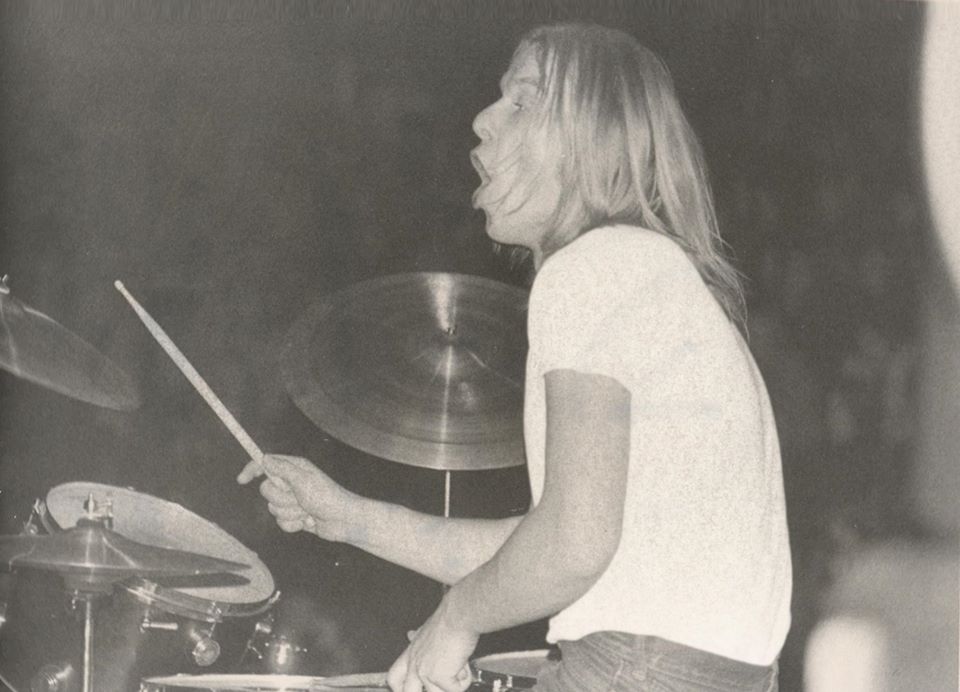

 .
.
Follow Us!