“I don’t like country & western, I don’t like rock music… I don’t like rockabilly! I don’t like much really do I? But what I do like, I love passionately!!”: CHRIS LOWE
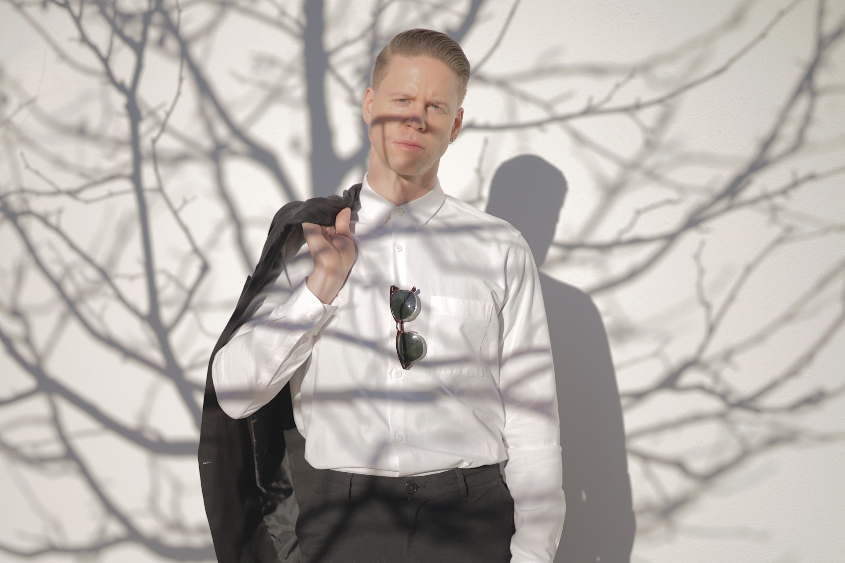
SLEEP FOREVER is the solo venture of Zurich-based musician Markus Weber who is a member of post-punk electro duo VEIL OF LIGHT with Michael Hofstetter and have opening for THE SOFT MOON in Switzerland on their curriculum vitae.
However with VEIL OF LIGHT set to release a new album ‘Hymns Of Faith & Trust’ in the middle of February, as occasionally with Sweden’s DAILY PLANET and their instrumentalist Johan Baeckström, the musical and productions lines do blur.
Following up 2022’s full length debut ‘Boyhood’, Weber continues to fuse classic synthpop sounds with house-influences, with the appropriately titled ‘Alter Ego’ all drenched in a reverbed introspection. The words “wistful” and “escapist” are obvious descriptions for SLEEP FOREVER but with lyrics relating to personal experience, the songs are immediately accessible and THROBBING GRISTLE this is not…
It’s with this wholehearted sincerity that the album’s opening song ‘Shine A Light’ offers a slice of bouncy and breezy synthpop that recalls PET SHOP BOYS, complete with glissando string effects although SLEEP FOREVER achieves this with a dreamier disposition. ‘Pacific Wild’ follows a not dissimilar path for that melancholic but ultimately joyous feeling filled with the sorts of melodies and counter-melodies that wouldn’t have been out of place on the MTV European Top 20 in 1988.
The ‘Alter Ego’ title song perhaps doesn’t soar to such heights but is pleasant enough with its layered tuning while ‘Indifference’ plays with a moodier metallic dressing. ‘Head Over Heels’ though is not a TEARS FOR FEARS cover but a rhythmic sophistipop number recalling WHITE DOOR. Sung in Deutsch, ‘Augen Zu’ takes the sophistipop direction further and actually sounds like JOHNNY HATES JAZZ in the 21st Century.
With an intro sounding as if it is about to burst into ‘Dreamland’ by PET SHOP BOYS, ‘Pillar To Post’ chugs along with digital slap bass in an accessible Italo disco fashion and sparkles in the instrumental break while ‘Undertow’ is uptempo without being disco and although reminiscent of A-HA, it comes over as slightly less accomplished than the Norwegian trio.
‘Keep On Pretending’ is another slice of synthy sophistipop but the vocal stylings grate over 12 songs and this album is perhaps a bit too long, losing steam in its second half. However the opening two numbers ‘Shine A Light’ and ‘Pacific Wild’ highlight the capabilities Markus Weber and are certainly worthy of playlisting.
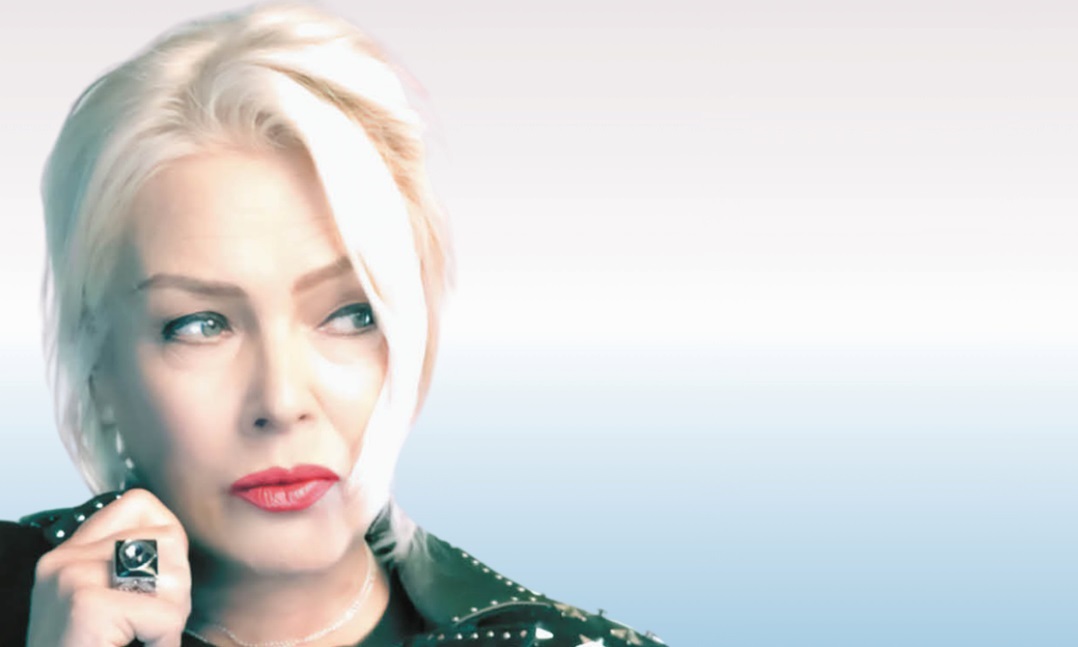
Kim Wilde needs no introduction and has been a celebrated pop artist since her debut single ‘Kids In America’ reached No2 in 1981. Other hits such as ‘Chequered Love’, ‘Cambodia’, ‘You Keep Me Hangin’ On’, ‘You Came’ and ‘Four Letter Word’ followed.
Part of a British rock ‘n’ roll dynasty, her father Marty was a highly respected star in his own right while her brother Ricky had his own flirtation with teen pop stardom before settling to become a record producer with the late Mickey Most acting as his mentor.
The new album ‘Closer’ is Kim Wilde’s first studio album since 2018’s ‘Here Come The Aliens’ but perhaps more important conceptually, it is intended as a companion record to her 1988 album ‘Close’ from which came ‘You Came’ and ‘Four Letter Word’.
Produced as usual by Ricky Wilde and featuring several songwriting contributions from his daughter and her niece Scarlett, ‘Closer’ is another family affair with regular live band members Paul Cooper (bass) and Neil Jones (guitar) also on board. With Kim, Ricky and Scarlett writing lyrics across the record, the introspective themes are both personal and universal.
The enjoyable first single ‘Trail Of Destruction’ highlights parental concerns about the environment and political discourse, acting a throbbing synth-laden anthem with Euro-rock vibes seeping in to makes a powerful fist-pumping statement.
But ‘Closer’ begins proper with ‘Midnight Train’, a vibrant slice of cutting synthesizer-driven rock in the vein of ULTRAVOX complete with wailing solos and as a result, recalls imperial phase BERLIN. And as if by magic in response, Midge Ure appears and duets on the orchestrated filmic drama of ‘Sorrow Replaced’.
A quick calendar check confirms it is not 1981 but composed by Ricky and Scarlett, ‘Scorpio’ sounds as if could be from that year’s self-titled Kim Wilde debut and is a highly enjoyable new wave throwback to when she was ready to take on Debbie Harry, Chrissie Hynde and Hazel O’Connor. A Kim and Ricky co-write, the mightily heartfelt ‘Lighthouse’ sees our heroine proving she is still in fine voice after 44 years in music, recalling the up-and-coming German popwave songstress NINA who Ricky Wilde recorded an excellent album with in 2023 called ‘Scala Hearts’.
Bristling with a soaring fervour, ‘Love Is Love’ can be best described as a sizzling dance stomper which hits the highs and would make a fitting entry for Eurovision. Meanwhile ‘Rocket To The Moon’ hits the energetic Schaffel button to take on Alison Goldfrapp at her own game and even adds a bit of Suzi Quatro along the way.
With layered synthetic hooks and a smothering of chunky six string interventions, ‘Hourglass Human’ sees Kim in a spirited duet with Scarlett while the electronically pumped ‘Stones & Bones’ provides a further rousing character to the album as it heads into the home straight. Closing ‘Closer’, the gorgeous ‘Savasana’ intros as a moody ballad before a percolating bass acts as the hypnotic engine room to a cinematic backdrop of synths, piano, guitars and layered vocals.
Kim has said of this album: “’Closer’ has truly been an absolute joy to make… it feels like the natural companion to ‘Close’ from 1988, and I believe it serves as a perfect reflection of where I find myself today, musically speaking.”
There is something of a heartwarming nostalgia to ‘Closer’ while it is also fresh and uplifting despite the sadness in some of its lyrical gists. Immediate but never sounding tiresome in the way some albums by artists of past eras can and have sounded, this is an album that will make long standing fans very happy. But with its classic blend of new wave, synth, pop, rock and dance, it may also see the return of those who bought Kim Wilde records in the past but may not have done so for over 30 years 😉🎶
‘Closer’ is released by Cherry Red Records on 31 January 2025 as a CD, black vinyl LP, limited edition white vinyl LP and download
Kim Wilde 2025 UK Tour:
Birmingham Symphony Hall (14 March), Manchester Academy (15 March), Bristol Beacon (16 March), Cambridge Corn Exchange (18 March), London IndigO2 (19 March), Liverpool Philharmonic Hall (21 March), Sheffield City Hall (22 March), York Barbican (23 March), Glasgow Royal Concert Hall (25 March)
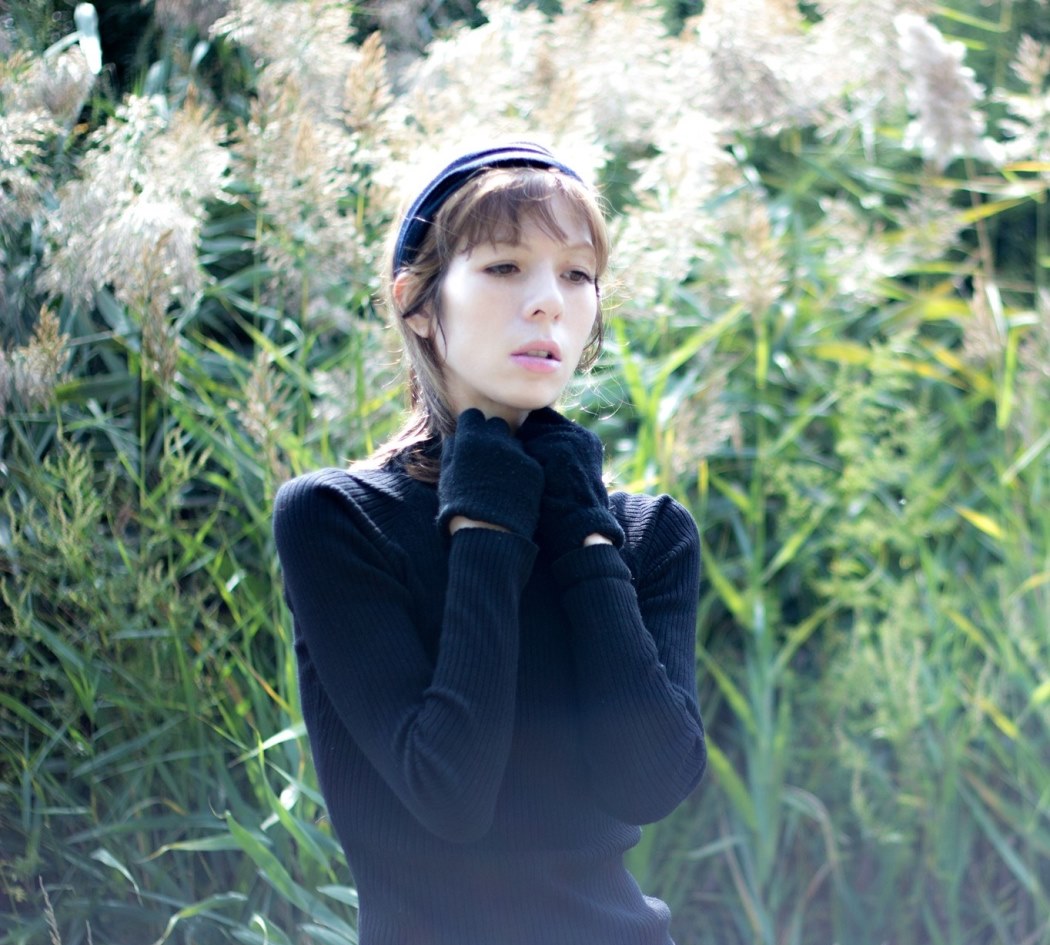
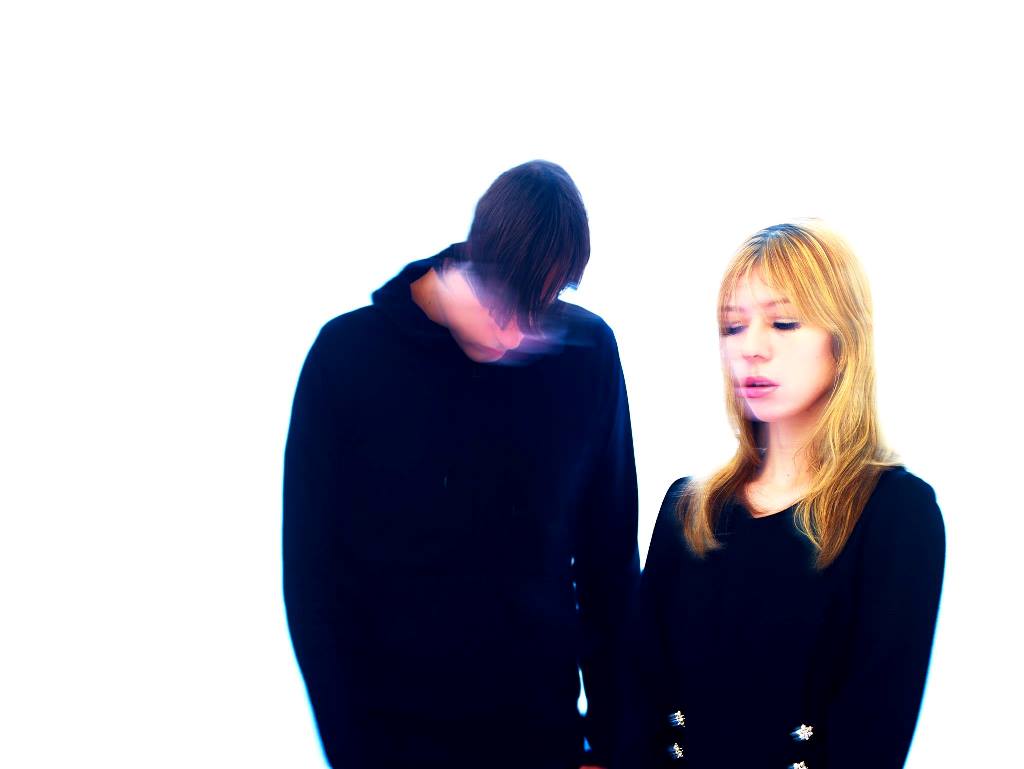
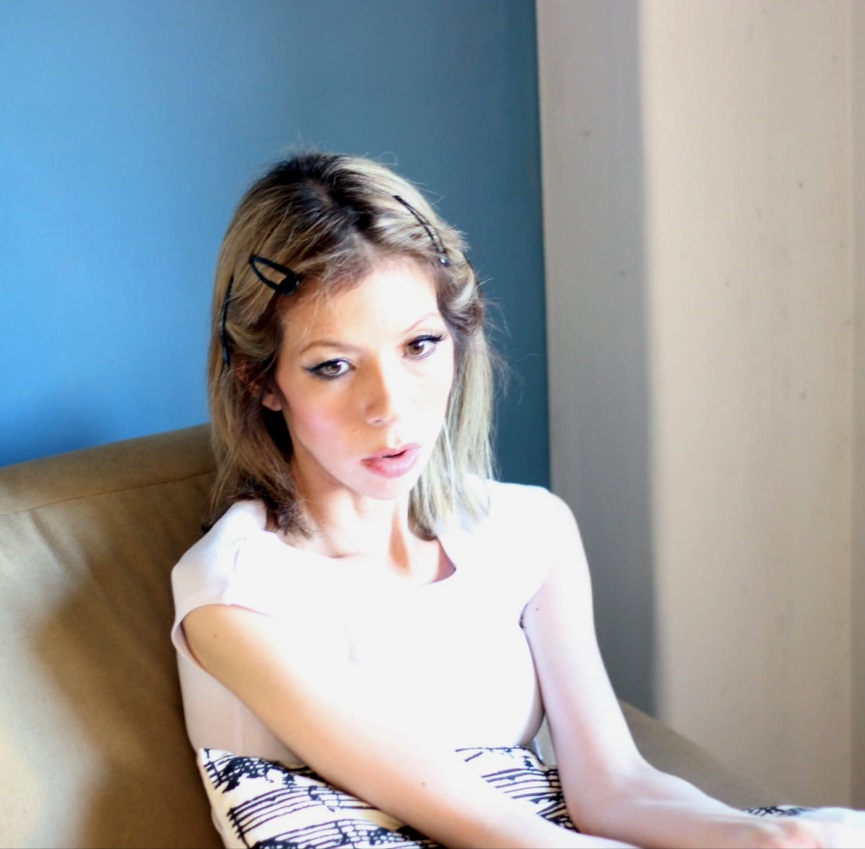
New York-based duo R. MISSING finally issued their first full-length album ‘Knife Shook The Hand’ at the end of 2024 having debuted in 2017 with the mini-album ‘Unsummering’.
Comprising of the enigmatic Sharon Shy and the even more elusive Toppy Frost, the pair originally bonded over their shared dislikes. With a shadowy brand of understated electronic pop noir characterised by Sharon Shy’s sad forlorn vocals and Toppy Frost’s ethereal synthesized backdrops, R. MISSING have focussed on standalone songs with ‘Crimeless’, ‘New Present City’, ‘All Alone With Seas’ and ‘Verónica Pass’ among the fine examples of their portfolio.
However, while releasing singles to streaming platforms has been very much the norm these last few years, the low profile presence of R. MISSING has meant they have passed many listeners by despite the quality of their work. However, ‘Knife Shook The Hand’ has now provided the long playing focal point that their music deserves; among the collection’s highlights were Party Fade Into Air’, Make It Starry Most’, ‘The Down That Creeps’ and ‘Sleep Will Darken It’.
Never sitting still for long, R. MISSING’s start to 2025 has been heralded by a wonderful new song ‘Fakesnow’ in collaboration with Johan Agebjörn; and it was via an introduction by the Swedish producer that ELECTRICITYCLUB.CO.UK was able have a virtual chat across the Atlantic with Sharon Shy…
R. MISSING have finally released a full length long player ‘Knife Shook The Hand’, this might sound a silly question but does it now feel “proper”, like things have got “real” as a band? How has the audience response been?
The aim was just to create a fast way to locate all of our most recent releases. We feel no more or less “real” than before. The audience response has been nice.
‘Knife Shook The Hand’ is a striking title but I can’t help but notice that its cover artwork looking at you from behind staring at greenery is like the photos which THE KNIFE used around the time of ‘Shaking The Habitual’, was this a homage to the sibling duo?
No – but that sounds very interesting. I should have a look…
‘All Alone With Seas’ was a fine track but ultimately didn’t end up on the album, so how did you go about selecting which songs would form ‘Knife Shook Your Hand’?
‘Knife Shook Your Hand’ is a collection of songs released in 2024. ‘All Alone With Seas’ came out the year prior.
How would you describe your creative dynamic with Toppy Frost in R. MISSING, is it working in a room together or much more remote? Do you have specific roles?
We typically work remotely, although there are exceptions. I usually start with concepts and Henry then makes things come to fruition.
CHROMATICS are often cited in reviews of R. MISSING, but which artists have been key in influencing the sonic palette of R. MISSING?
It changes day after day, week after week. One day it might be French yé-yé, the next, Eurodance or Virna Lindt, then THE FUTURE SOUND OF LONDON or something else entirely. I’m generally more inspired by books than by other music, too.
Since the debut mini-album ‘Unsummering’ in 2017, R.MISSING had been following a “singles only” strategy, what was the thinking behind this? Was this to maximise the streaming algorithms or was it more down to practicality?
We change very quickly and often feel almost disconnected to a song soon after its completion. Releasing quickly sends out the message when it’s still very new and pertinent. I wait every evening for a world that’s fast, quiet and calm.
Would you say that ‘Crimeless’ released in 2021 helped R.MISSING achieve a wider profile breakthrough? What was it about the song do you think that made it so appealing?
That I don’t know. I can’t say for certain that it appeals to anyone. All I can say is that it’s a moment in time.
With ‘New Present City’, you went as far as commissioning a video to accompany it, did you work with the video director on the storyline or did you allow them total artistic freedom to interpret the music as they saw fit?
The director had a vision for the concept of the video that he made come to life all by himself. We cannot take any credit for that.
For ‘Sleep Will Darken It’ with its brilliant synth solo, you self-produced a very effective DIY video for it; with R. MISSING having projected an enigmatic image, how was it to perform in front of the camera?
Fast and unstudied. Just another starless night in the underpass parking somewhere.
So what is ‘The Down That Creeps’?
It’s the disquiet you might feel at Club Altair when the music stopping times up with the windows jamming.
With songs like ‘Jane Four’, ‘Get Careful Darker’, ‘Maryhead’, ‘Cry Quicker’ and ‘Imagination To Be Sad’, R. MISSING don’t mess about and all clock in under three minutes? Was it intentional to keep these songs short?
Not intentional. Concision is just my automatic feeling.
Do you have any favourite songs on the album and if so, why those particular ones?
No. The truth is I never really think about anything once it’s alive.
Since the album ‘Knife Shook The Hand’ came out, there has been a new single ‘Fakesnow’ with Johan Agebjörn, how did this come about and what was the writing process between you like?
Johan created an elegant dark Italo disco instrumental that luckily worked extremely well with a concept and lyrics we had floating in our brains for a while.
There was the 2023 collaboration ‘ Wear The Night Out’ with CAUSEWAY which was very fitting and they also made a ‘My Time As A Ghostly Someone Else’ remix. Are there anymore collaborations planned for the future with other producers and artists?
Quite possibly. Although I’m not the best at guessing the future, I’ve always wanted to be a sci-fi side character.
R. MISSING like to do the occasional cover version and these have ranged from new wave numbers like ‘I Could Be Happy’ and ‘Spellbound’ to soul classics such as ‘Superstition’, so how do you choose a song that will suit the R. MISSING aesthetic? Are there any more particular songs you would like to do?
A record label asked us to do several covers that suited several themes they had in mind. I’m not sure we’ll be doing any other covers.
What is next for R. MISSING? You don’t play live very often, is that something that might change in the future?
More releases. And yes, more live shows.
ELECTRICITYCLUB.CO.UK gives its warmest thanks to Sharon Shy
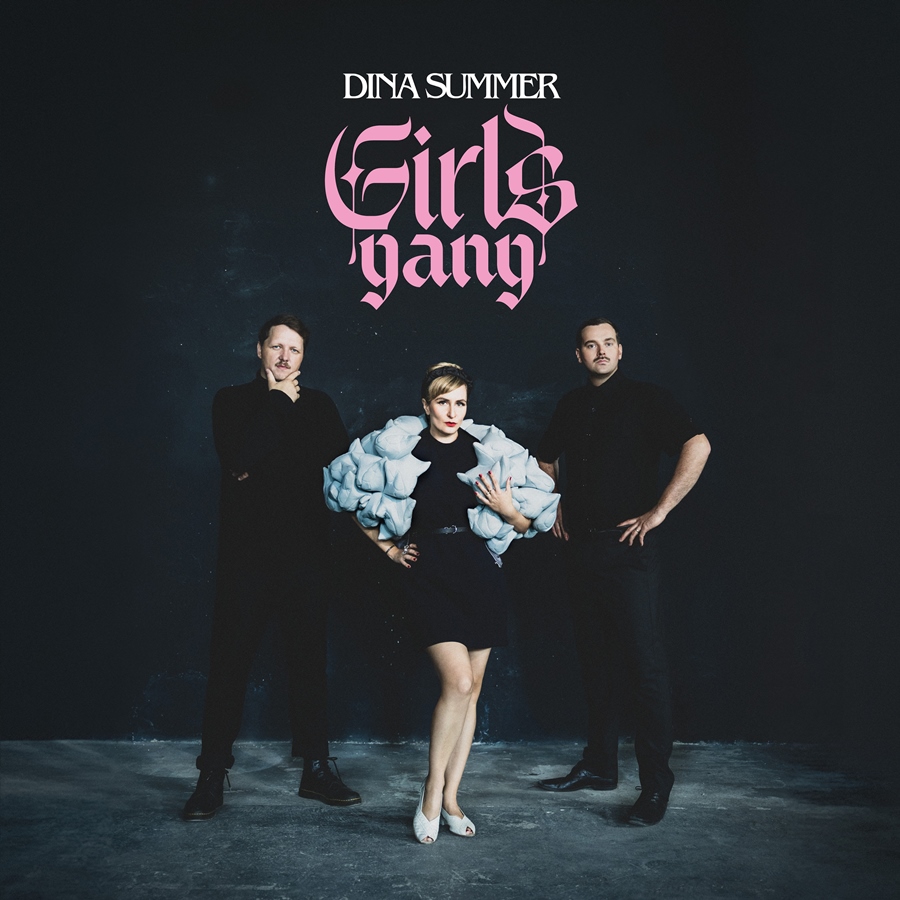
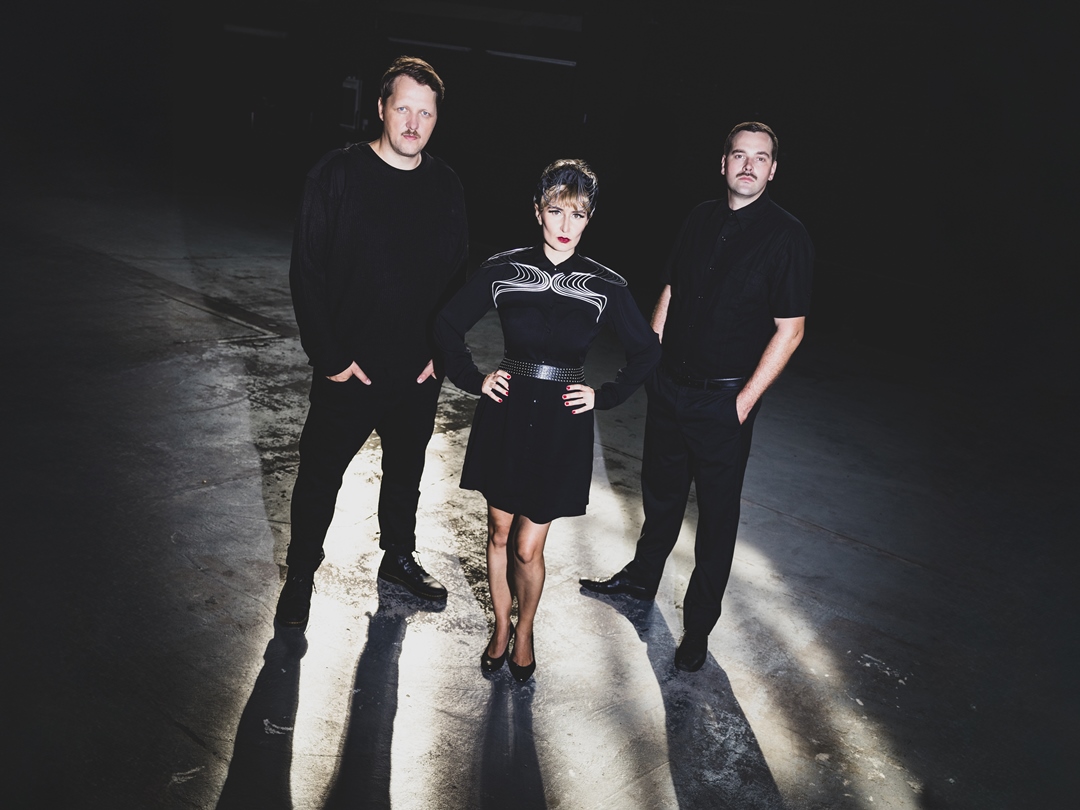
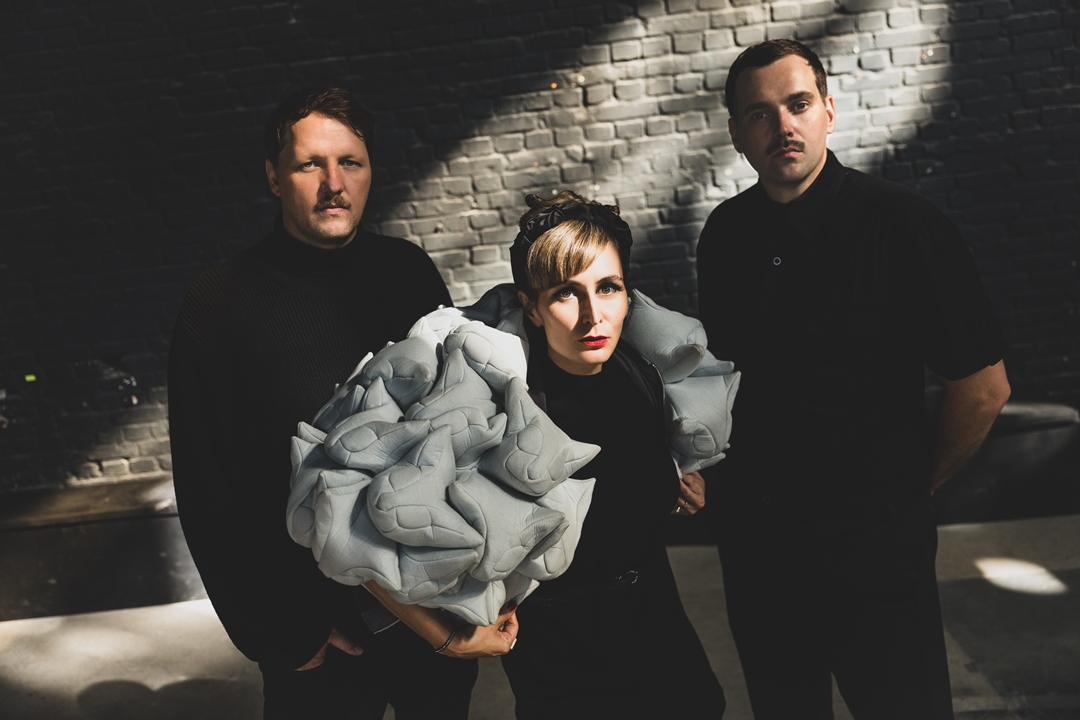
A Berlin union between LOCAL SUICIDE, the Greco-German technodisco couple Dina Pascal and Max Brudi with Nu-disco exponent Jakob Häglsperger, better known by his stage moniker KALIPO, DINA SUMMER follow up 2024’s ‘Hide & Seek’ EP with a new album ‘Girls Gang’ to welcome in 2025.
‘Hide & Seek’ was a fine blend of new wave, synthpop, dark disco, techno and Italo with a cutting Mittel Europa edge and ‘Girls Gang’ is a natural progression, playing on its darker but still club friendly aesthetics compared with the Italo flavoured debut album ‘Rimini’ from 2022.
Setting the scene, the ‘Girls Gang’ title song adopts the hypnotic pulse of BOY HARSHER in a seductive celebration of “girls in black”, of dancing to BAUHAUS and DEAD CAN DANCE in a dedication to female icons such as Morticia, Wednesday, Vampira, Elvira and Siouxsie. A German phrase meaning “sound and smoke”, the equally uptempo ‘Schall & Rauch’ plays with female and male vocals in the second half for some haunted post-punk disco.
Much more intense, the sonic cathedral of ‘Nothing To Hide’ paces down with textural guitar interventions sitting alongside synthetic choirs and a rattling percussive backdrop. Upping the momentum and embracing the outsider, ‘Alien’ throbs gloriously in a manner calling Miss Kittin & The Hacker as DINA SUMMER make demands to “take me to your leader” as “we are aliens!”
Named after the popular holidaying destination in Northern Greece known for its sandy beaches, the comparatively lighter ‘Halkidiki’ is an infectious electronic club tune made for sultry summery nights and shines with bliss before the darker climes that come with ‘Promise Me’; this sees Berlin-based New Yorker Luca Venezia of CURSES guest with his anguished lead accompanied by Joshua Murphy’s six string for a burst of melodic goth rock embroiled in longing.
The gothic theme continues on ‘Hypnotized’ which musically borrows from BAUHAUS and THE CURE as stabbing synths offset the doom-laden bass guitar while ‘Zombie’ continues on a not too dissimilar footing fully in keeping the song’s theme.
‘Disco Goth’ gets back to clubland as frantic throbbing electronics with commentary on how to get that look while the tense ‘FOMO’ continues the action under strobe lights and plays on that “fear of missing out”. The closer ‘No More Tears’ falls under the spell of THE SISTERS OF MERCY and goes for the full Doktor Avalanche blow out although the bursts of synth are the dead giveaway that this is not actually Andrew Eldritch and Co.
Despite its title, ‘Girls Gang’ does actually feature more male vocals than its predecessors while there also are more of the guitar-driven elements associated with goth creeping in which is quite timely given the recorded return of THE CURE. In much as the same was as NEW ORDER have done in the past, the album manages to straddle the worlds of electronic disco and alternative rock. As with acts like DIE SEXUAL, despite the apparent darkness, there’s an energetic thrill that comes from the decadent dance and the willingness to be one of the gang.
While people get the willies over the Jaguar cars rebrand, the other cat is back…
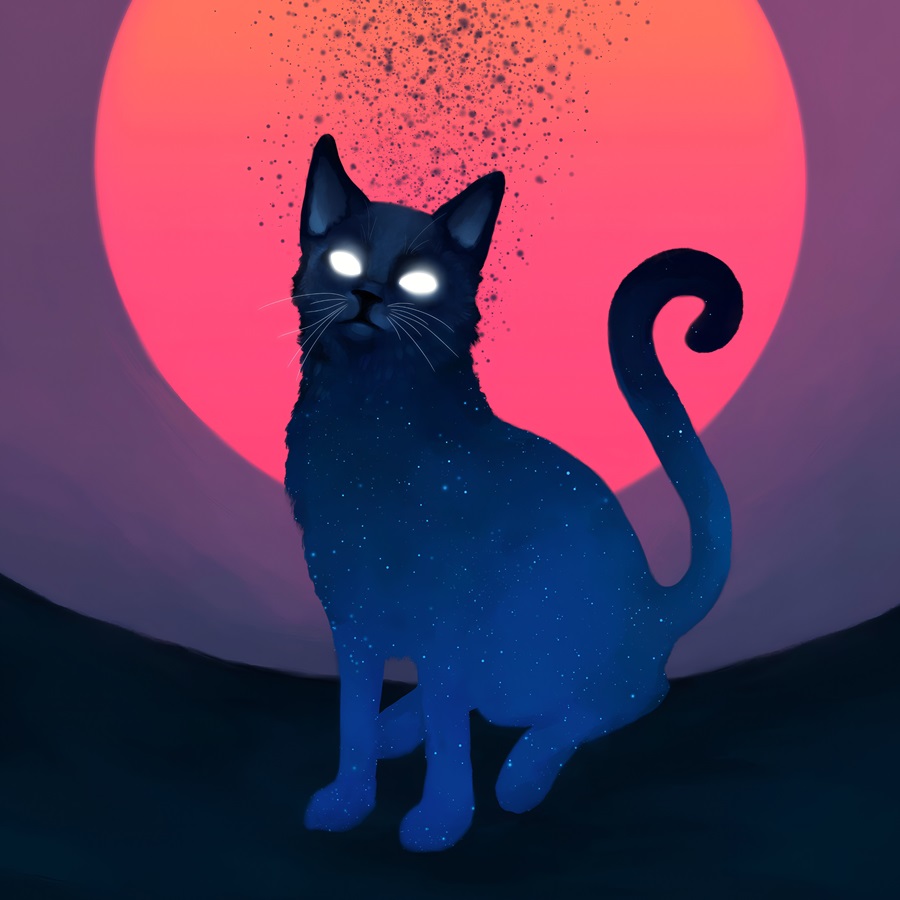
CAT TEMPER is the alter-ego of Mike Langlie, the most prolific meowsician in synthwave. At last count, he has issued 15 full length albums since 2019, mixing synthpop, electro, punk, hair metal with the sounds of 8-bit videogames. The ‘Furio’ album got an unexpected boosted when DURAN DURAN shared its ‘Rio’ homage artwork on their socials.
“I started making music in the 1980s and my style hasn’t changed much through the years.” Mike Langlie told ELECTRICITYCLUB.CO.UK, “Thankfully retro synthpop is back in fashion! I still use gear I’ve had since then and a lot of soft synths recreating classic hardware I sold or could never afford. Roland Juno basses and pads, Yamaha DX7 bells and leads, Jupiter-4 arpeggios, LinnDrum and Simmons drums among others. Also plenty of weird sounds from my first and favorite synth, the Casio CZ-101 which appears on almost all of my songs.”
Following-up the most recent CAT TEMPER album ‘Still Just A Cat In A Rage’ released just a few months ago, ‘From A Whisker To A Scream’ promises a more cosmic journey that ranges from “a gentle purr to a growling crescendo”.
Opening with the swooping synths and rich melodies of ‘Across The Stratosfur’, TANGERINE DREAM are paid tribute to, with spacey array of sequencer patterns and icy string machine interventions of the Berlin School also shaping ‘Force Meowjeure’ while ‘Alpha Catauri’ adopts more ominous downbeat tones. But the best track comes with ‘Dark Kitty’ which takes a diversion as swathed in melodrama, synthetic orchestrations do battle against a barrage of pizzicato.
On the more synthwave side of things and playing with the same Roland Jupiter arpeggiator used on DURAN DURAN’s ‘Save A Prayer’ for the intro, ‘Turn Of The Tail’ mutates into a neon-lit set piece. ‘Purrallel Worlds’ explores windier melodics over a vintage drum machine backbeat while a sinister rhythmic swing dominates ‘Remote Mewing’. Away from the cosmic, ‘Birdwatcher’ goes all metal but has cinematic diversions in between while ‘Escape Claws’ pays homage to Jean-Michel Jarre’s more dramatic mid-period.
Full of lush synths, whirling arpeggios and soaring solos, some may tire of the pawsome feline puns. But ‘From a Whisker To A Scream’ has cattitude and knowing references, so doesn’t take itself too seriously to ensure it never comes over pompous. You are either a CAT TEMPER person or you are not.
We use cookies to ensure that we give you the best experience on our website. If you continue to use this site we will assume that you are happy with it.




Follow Us!