Tag: OMD (Page 19 of 23)

The Electronic Legacy of VIRGIN RECORDS

Virgin Records celebrates its 40th Anniversary.

Although the label is now owned by the Universal Music Group, its colourful history is forever associated with the championing of new and unconventional music forms during its fledgling years. Virgin founder Richard Branson started his empire in 1970 with nothing more than a mail order outlet, selling discounted records.

The name Virgin came from the fact that Branson and his team of directors were all new to business. There then came a small record shop in London’s Oxford Street a year later. Not not long after, a residential recording complex in an Oxfordshire mansion which became the now-famous Manor Studios was established. Further shops opened so with the success of the retail arm and studio, a record label was launched in 1973.

Recognising he had no real working knowledge of music, Branson appointed his second cousin Simon Draper (who had been Virgin’s buyer) as Managing Director to seek out new talent for the new A&R led company. Beginning with Mike Oldfield’s ‘Tubular Bells’ and the catalogue number V2001, progressive acts such as GONG along with cosmic Germans FAUST and TANGERINE DREAM soon followed, all with varying degrees of success.

But with the advent of punk and keen to shake off its hippy image, Virgin gained notoriety by signing THE SEX PISTOLS in 1977 and releasing ‘God Save The Queen’ in the process. The label courted further controversy when they issued the album ‘Never Mind The Bollocks, Here’s The Sex Pistols’ to great fanfare. Virgin ended up in the dock under the 1899 Indecent Advertising Act over a poster in their Nottingham record shop.

But Branson and defending QC John Mortimer had an ace up their sleeve; Reverend James Kingsley, a professor of English Studies at Nottingham University was called as a witness. Under questioning, Kingsley was asked for the derivation of the word “bollocks”. Apparently, it was used in the 19th century as a nickname for clergymen who were known to talk rubbish and the word later developed into meaning “of nonsense”.

Wearing his clerical collar in court, Kingsley confirmed: “They became known for talking a great deal of bollocks, just as old balls or baloney also come to mean testicles, so it has twin uses in the dictionary”. The case was thrown out by the judge… after that, the label reinvented itself as a centre of post-punk and new wave creativity, signing bands such as THE RUTS, XTC, PUBLIC IMAGE LIMITED, MAGAZINE, THE SKIDS, DEVO and PENETRATION.

When David Bowie declared THE HUMAN LEAGUE as “the future of pop music” after seeing them at the Nashville in 1978, Virgin Records were quick to snap them up. Meanwhile, OMD were initially signed to Virgin’s Factory styled subsidiary Dindisc Records under the directorship of Carol Wilson; but their success had been an embarrassment to Richard Branson, particularly in 1980 when following the international success of ‘Enola Gay’, OMD had outsold every act in the parent group!

Despite massive sales of ‘Architecture & Morality’ in 1981, Dindisc ran into difficulties and was closed by Branson with OMD gleefully absorbed into the Virgin fold. The label threw in its lot with the synthesizer revolution and gave homes to SPARKS, JAPAN, SIMPLE MINDS, HEAVEN 17 and CHINA CRISIS as well as more conventional acts of the period such as Phil Collins and Bryan  Ferry.

In 1982, on the back of ‘Don’t You Want Me?’ having been a No 1 in the UK and USA, Virgin had made a profit of £2 million but by 1983, this had leaped to £11 million, largely attributed by the worldwide success of CULTURE CLUB. Virgin Records was sold by Branson to Thorn EMI in 1992 reportedly for around £560 million to fund Virgin Atlantic Airways.

Under new management, the label became less visionary and more corporate with SPICE GIRLS and THE ROLLING STONES, along with Lenny Kravitz, Meat Loaf and Janet Jackson being examples of the brand’s continued global success, while many of the innovative acts who had helped build the label were surplus to requirements. Despite this, Virgin Records still maintains a tremendous back catalogue.

Over the years, Virgin Records have been in the fortunate position of having a critically acclaimed act on its roster at each key stage of electronic music’s development and its electronic legacy continues today with the recent signing of Glaswegian synth trio CHVRCHES.

So here are twenty albums from the iconic label which ELECTRICITYCLUB.CO.UK considers significant in the development of electronic music. Restricted to one album per artist moniker and featuring only UK releases initially issued on or licensed to the Virgin label, they are presented in chronological order…


TANGERINE DREAM Rubycon (1975)

‘Phaedra’ may have been the breakthrough but ‘Rubycon’ consolidated TANGERINE DREAM’s position as leaders in the field of meditative electronic music. Featuring the classic line-up of Edgar Froese, Peter Baumann and Chris Franke, the hypnotic noodles of VCS3 and Moogs dominated proceedings while Mellotrons and organic lines added to the trancey impressionism with the trio sounding like they were trapped inside a transistor radio.

‘Rubycon’ was released as V2025

http://www.tangerinedream.org/


ASHRA New Age Of Earth (1977)

Guitarist Manuel Göttsching had been a member of ASH RA TEMPEL but looking to explore more progressive voxless territory on ‘New Age Of Earth’, he armed himself with an Eko Rhythm Computer, ARP Odyssey and his signature Farfisa Synthorchestra. An exponent of a more transient soloing style, he used the guitar for texture as much as for melody in this beautiful treasure trove of an album, as on the wonderful 20 minute ‘Nightdust’.

‘New Age Of Earth’ was released as V2080

http://www.ashra.com/


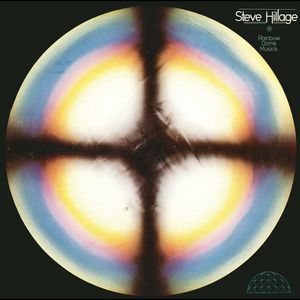
STEVE HILLAGE Rainbow Dome Musick (1979)

Already an established member of the Virgin family as a member of GONG, solo artist and in-house producer, Hillage had a love of German experimental music and ventured into ambient with long standing partner Miquette Giraudy. Recorded for the Rainbow Dome at the ‘Festival for Mind-Body-Spirit’ at Olympia, these two lengthy Moog and ARP assisted tracks each had a beautifully spacey vibe to induce total relaxation.

‘Rainbow Dome Musick’ was released as VR1

https://twitter.com/stevehillage


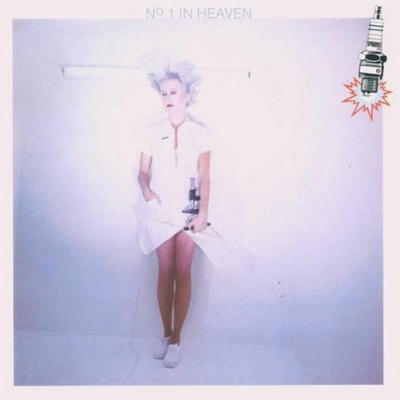
SPARKS No1 In Heaven (1979)

Following the success of ‘I Feel Love’, its producer Giorgio Moroder teamed with SPARKS. The resultant album saw Russell Mael’s flamboyant falsetto fitting well with the electronic disco template. ‘The No1 Song In Heaven’ hit the UK charts before TUBEWAY ARMY’s  ‘Are Friends Electric?’ while ‘Beat The Clock’ actually got into the Top 10 but the album itself was overshadowed by the success of Gary Numan.

‘No1 In Heaven’ was released as V2115

http://www.allsparks.com/


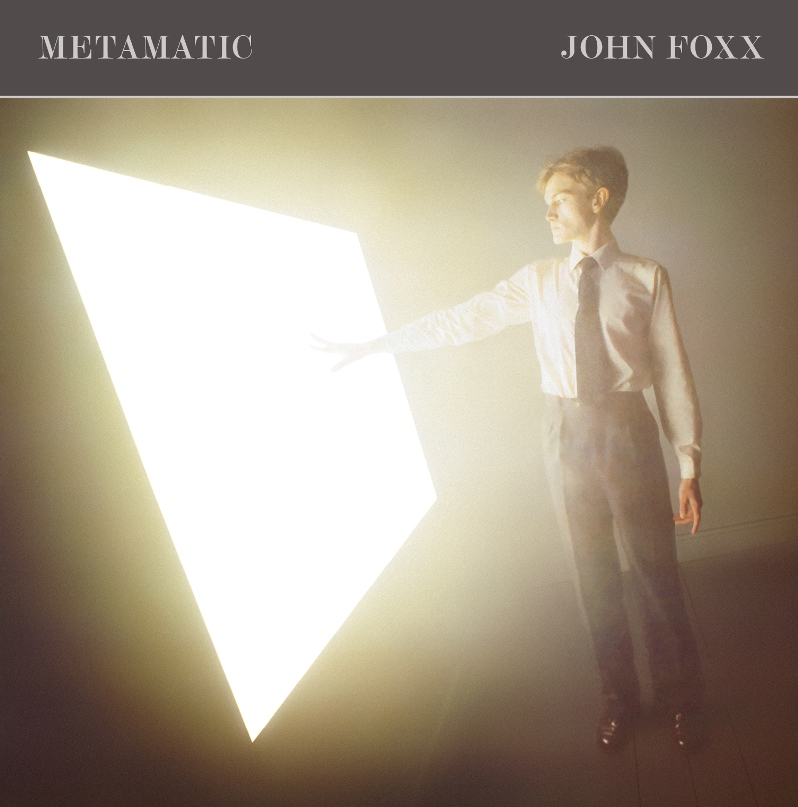
JOHN FOXX Metamatic (1980)

“I want to be a machine” snarled John Foxx on the eponymous ULTRAVOX! debut and after he left the band in 1979, he virtually went the full electronic hog with the JG Ballard inspired ‘Metamatic’. ‘Underpass’ and ‘No-One Driving’ were surprising hit singles that underlined the dystopian nature of Foxx’s mindset while the fabulous ‘A New Kind Of Man’, the deviant ‘He’s A Liquid’ and stark opener ‘Plaza’ were pure unadulterated Sci-Fi.

‘Metamatic’ was released as V2146

http://www.metamatic.com/


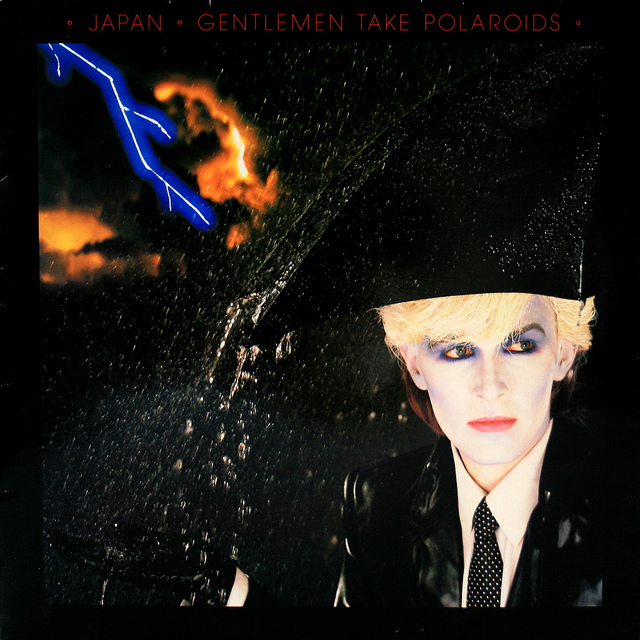
JAPAN Gentlemen Take Polaroids (1980)

Dropped by Ariola Hansa despite  their third album ‘Quiet Life’ being palatable with the emerging New Romantic scene, JAPAN found a refuge at Virgin. ‘Swing’ succeeded in out Roxy-ing ROXY MUSIC while the haunting ‘Nightporter’ was the ultimate Erik Satie tribute. An interest in Japanese technopop saw Sylvian collaborate with YMO’s Ryuichi Sakamoto on the splendid closer ‘Taking Islands In Africa’.

‘Gentlemen Take Polaroids’ was released as V2180

http://www.nightporter.co.uk/


BRITISH ELECTRIC FOUNDATION Music For Stowaways (1981)

When they left THE HUMAN LEAGUE in Autumn 1980, Martyn Ware and Ian Craig Marsh formed BEF, releasing ‘Music For Stowaways’, an instrumental album only available on cassette to accessorise Sony’s brand new Stowaway portable tape player. However, the name of the new device was changed to Walkman! With economic recession decimating the industrial heartland of Sheffield and the spectre of imminent nuclear holocaust, the chilling ambience on ‘The Decline Of The West’, the futurist horror of ’Music To Kill Your Parents By’ and the doomy fallout of ‘Uptown Apocalypse’ certainly connected with the album’s concept of a walking soundtrack.

‘Music For Stowaways’ was released as TCV2888

http://www.heaven17.com/bef/


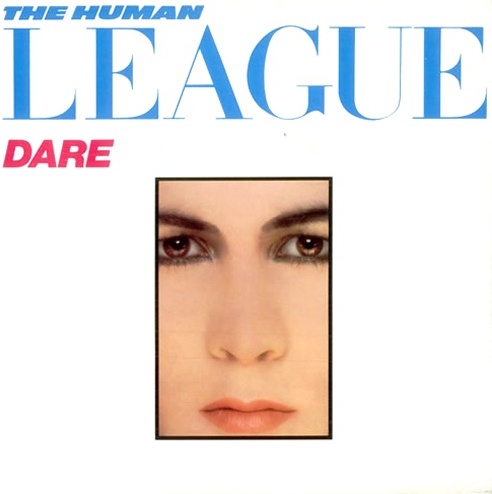
THE HUMAN LEAGUE Dare (1981)

After ‘Reproduction’ and ‘Travelogue’ failed to set the world alight, manager Bob Last played a game of divide and rule on the original line-up. Vocalist Philip Oakey and Director of Visuals Adrian Wright would recruit Ian Burden, Jo Callis, Susanne Sulley and Joanne Catherall to record the now classic ‘Dare’ album under the auspices of producer Martin Rushent sounding ike KRAFTWERK meeting ABBA, especially on ‘Darkness’ and ‘Don’t You Want Me’.

‘Dare’ was released as V2192

http://www.thehumanleague.co.uk/


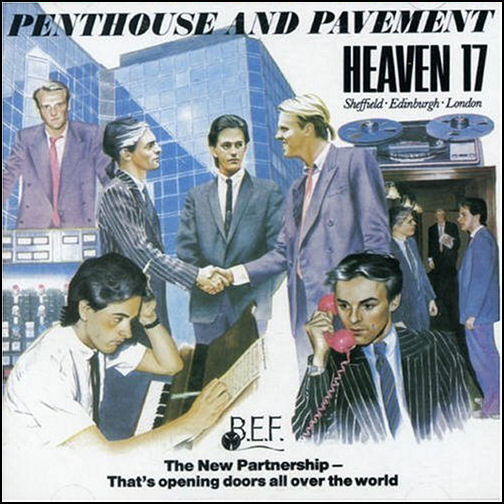
HEAVEN 17 Penthouse & Pavement (1981)

HEAVEN 17’s debut ‘Penthouse & Pavement’ combined electronic pop and disco while adding witty sociopolitical commentary about yuppie aspiration and mutually assured destruction. The ‘Pavement’ side was a showcase of hybrid funk driven by the Linn Drum and embellished by the guitar and bass of John Wilson while the ‘Penthouse’ side was more like an extension of THE HUMAN LEAGUE’s ‘Travelogue’.

‘Penthouse & Pavement’ was released as V2208

http://www.heaven17.com/


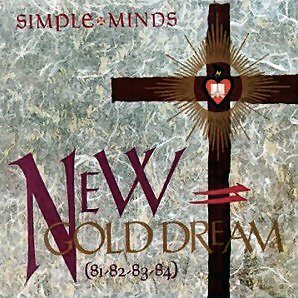
SIMPLE MINDS New Gold Dream (1982)

“You want to be with Virgin so bad that you’ll sign anyway” said Richard Branson to SIMPLE MINDS; signing after the promise of US tour support, the band lost their intensity and recorded a great album filled with pretty synthesized melodies, textural guitar and driving lead bass runs. Big titles like ‘Someone Somewhere In Summertime’, ‘Colours Fly & Catherine Wheel’ and ‘Hunter & The Hunted’ made investigation essential.

‘New Gold Dream’ was released as V2230

http://www.simpleminds.com/


DEVO Oh, No! It’s Devo (1982)

By 1982, DEVO had become much more of a synth based act with programmed percussion to boot. Their sound moved away from the guitar dominated art rock of their Eno produced debut ‘Q: Are We Not Men? A: We Are Devo!’ As quirky as ever, the album’s concept was a response to criticism from the press about their imagery… thus they asked temselves “what would an album by fascist clowns sound like?”

‘Oh, No! It’s Devo’ was released as V2241

http://www.clubdevo.com/


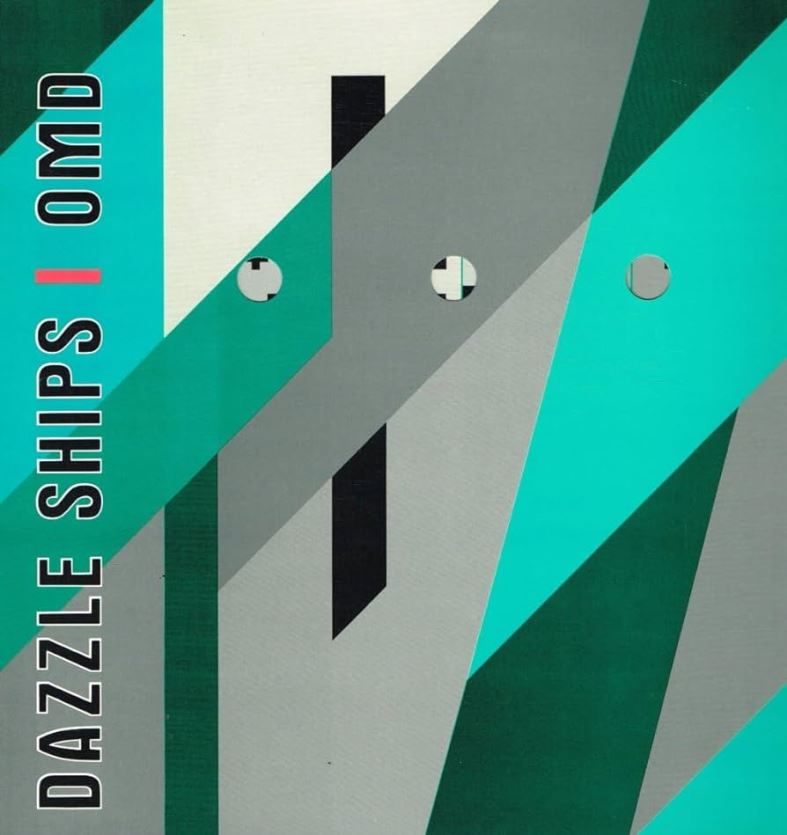
OMD Dazzle Ships (1983)

OMD’s first album for Virgin after the demise of Dindisc, ‘Dazzle Ships’ was a brave sonic exploration of Cold War tensions and economic corruption. Although it featured some of the band’s best work like ‘The Romance Of The Telescope’, ‘International’ and ‘Radio Waves’, ‘Dazzle Ships’ sold poorly on its inital release. The band were never the same again, but this fractured nautical journey has since been vindicated as an experimental landmark.

‘Dazzle Ships’ was released as V2261

http://www.omd.uk.com


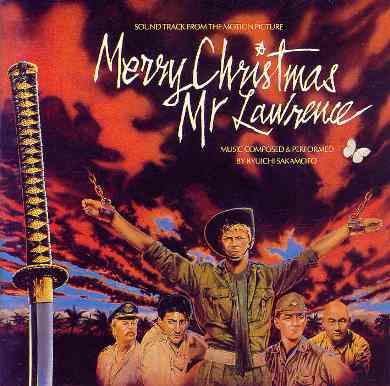
RYUICHI SAKAMOTO Merry Christmas Mr Lawrence (1983)

Being the best looking member of YELLOW MAGIC ORCHESTRA, it was almost inevitable that Sakamoto San would turn to acting. His first role was alongside David Bowie in ‘Merry Christmas Mr Lawrence’ and with it came his soundtrack. The main title theme resonated with emotion and traditional melody while the drama of ‘The Seed & the Sower’ was also a highlight. A chilling synthesized rendition of the hymn ‘23rd Psalm’ sung by the cast brought a tear to the eye!

‘Merry Christmas Mr Lawrence’ was released as V2276

http://sitesakamoto.com/


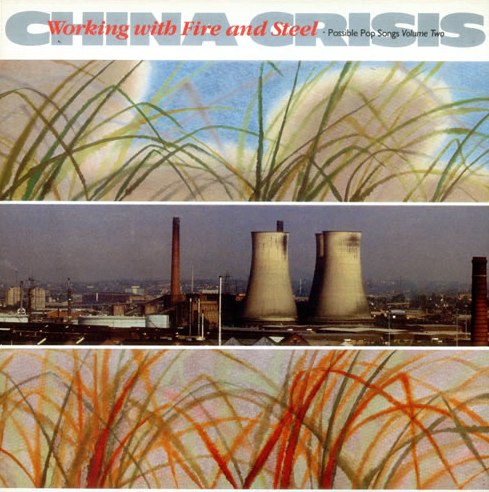
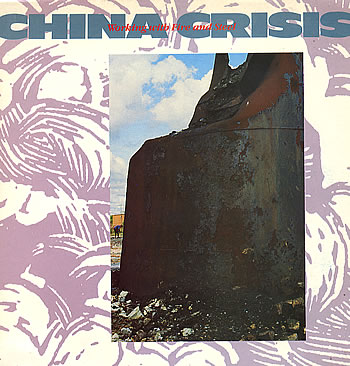
CHINA CRISIS Working With Fire & Steel – Possible Pop Songs Volume 2 (1983)

Produced by Mike Howlett, ‘Working With Fire & Steel’ allowed CHINA CRISIS to deliver a more cohesive album following the four producers who steered their debut. Best known for the brilliant Emulator laced hit single ‘Wishful Thinking’, the album is much more than that with melancholic synth melodies and woodwind counterpoints over a combination of real and programmed rhythm sections.

‘Working With Fire & Steel – Possible Pop Songs Volume 2’ was released as V2286

https://www.facebook.com/chinacrisisofficial


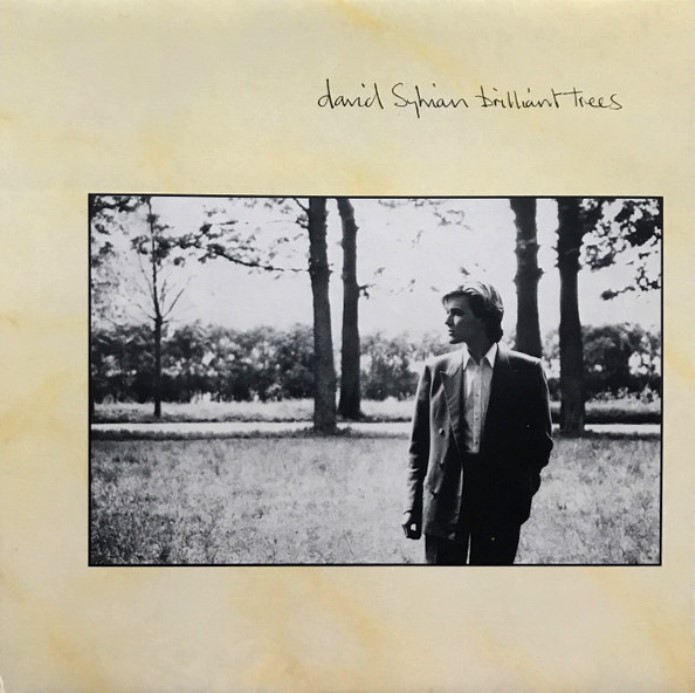
DAVID SYLVIAN Brilliant Trees (1984)

By 1984, Sylvian had a lucrative solo deal that gave him total artistic control. Side one of his debut solo offering opened with echoes of JAPAN in the funky ‘Pulling Punches’ but then adopted more of a laid back jazz feel. Meanwhile the second side had synthetic Fourth World overtones with avant garde trumpetist Jon Hassell and sound painter Holger Czukay as willing conspirators, and the emotive ‘Weathered Wall’.

‘Brilliant Trees’ was released as V2290

http://www.davidsylvian.com/


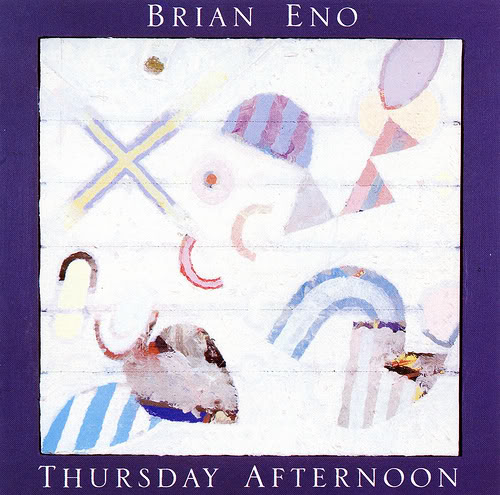
BRIAN ENO Thursday Afternoon (1985)

With new music technology come new compositional concepts so when CD was launched, Brian Eno asked: “what can be done now that could not be done before?”. ‘Thursday Afternoon’ was a 61 minute ambient journey and the lack of surface noise meant it could be very quiet. Using a Yamaha DX7 and minimal sustained piano, it soundtracked video paintings of the model Christine Alicino in vertical portrait format, so the TV had to be turned on its side to view it!

‘Thursday Afternoon’ was released as EGCD64

http://brian-eno.net/


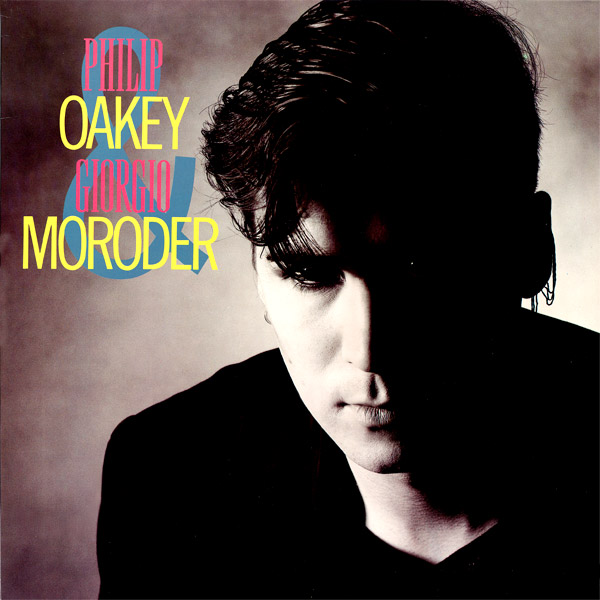
PHILIP OAKEY & GIORGIO MORODER Philip Oakey & Giorgio Moroder (1985)

‘Together in Electric Dreams’ did better than any singles from THE HUMAN LEAGUE’s lukewarm ‘Hysteria’ album. So Virgin swiftly dispatched Oakey to record an album with Moroder. The segued first side was a total delight  from the off, featuring the rousing ‘Why Must The Show Go On?’ while the Donna Summer aping ‘Brand New Love (Take A Chance)’ was another highlight, as was the stupendous ‘Now’ on side two.

‘Philip Oakey & Giorgio Moroder’ was released as V2351

http://www.moroder.net/


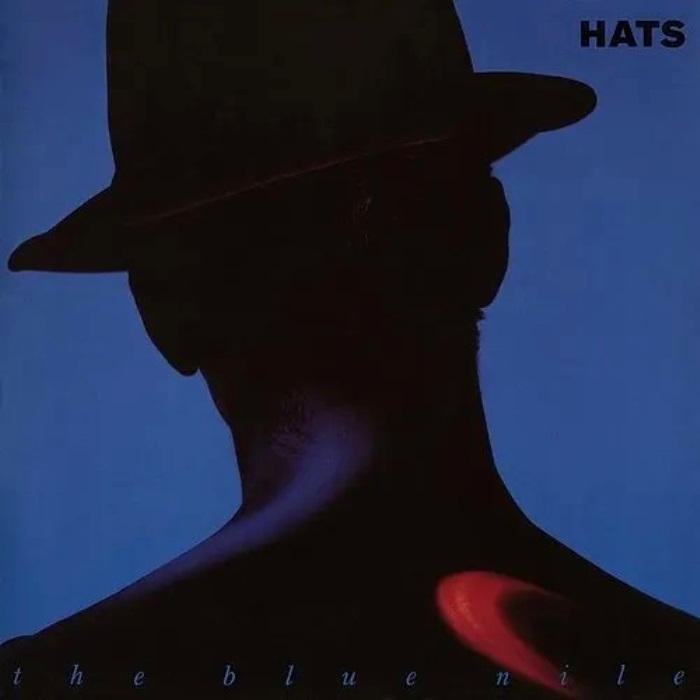
THE BLUE NILE Hats (1989)

Whenever THE BLUE NILE are mentioned, it’s their 1983 album ‘A Walk Across The Rooftops’ that is always discussed in breathless awe. But the follow-up ‘Hats’ is the trio’s crowning glory. Both licensed to Virgin through a deal with Linn, the high quality Hi-Fi manufacturer. With hopeless romanticism and rainy drama, the glorious centrepieces were ‘Headlights On The Parade’ and ‘The Downtown Lights’.

‘Hats’ was released as LKH2

http://www.downloadhome.co.uk/thebluenile_dlc/thebluenile.html


THE FUTURE SOUND OF LONDON Lifeforms (1994)

THE FUTURE SOUND OF LONDON became flag bearers of avant garde electronic music and seen as successors to TANGERINE DREAM and Eno. Signing to Virgin in 1992, the duo invested in some Akai S9000 samplers and given free rein to experiment in their sonic playground, resulting in the complex sweeps and downtempo collages of ‘Lifeforms’ with the influence of the BBC Radiophonic Workshop looming heavy in the sonic playground.

‘Lifeforms’ was released as V2722

http://www.futuresoundoflondon.com/


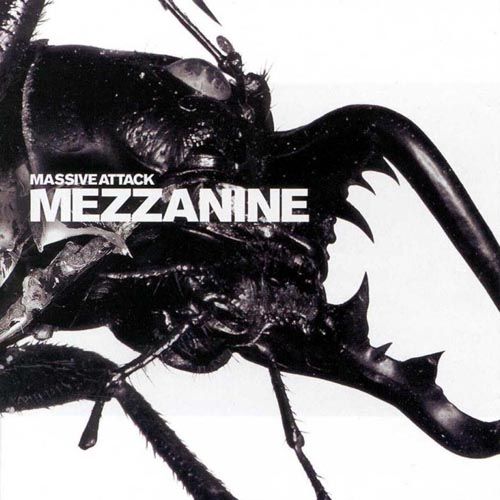
MASSIVE ATTACK Mezzanine (1998)

Despite relations being at an all-time low, MASSIVE ATTACK produced some of their finest work on ‘Mezzanine’. With dark undercurrents and eerie atmospherics, the sample heavy album’s highpoints featured the vocals of Elizabeth Fraser on the hit single ‘Teardrop’ and the spy drama magnificence of ‘Black Milk’, although the band were sued for the unauthorised use of MANFRED MANN’S EARTH BAND’s ‘Tribute’ on the latter

‘Mezzanine’ was released as WBRCD4

http://www.massiveattack.co.uk/


Text by Chi Ming Lai
20th August 2013

25 SYNTH INSTRUMENTALS OF THE CLASSIC ERA

1972’s ‘Popcorn’ could arguably be seen as Europe’s first electronic pop hit.

Made famous by HOT BUTTER, they were actually a combo of session players led by Stan Free who had been a member of FIRST MOOG QUARTET with ‘Popcorn’ composer Gershon Kingsley. It was largely considered a novelty record but it inspired many cover versions throughout the world including France where it was a No1.

There, one came courtesy of a young musician named Jean-Michel Jarre who recorded ‘Popcorn’ under the moniker of THE POPCORN ORCHESTRA. While working on his first proper full length electronic album in 1976, Jarre adapted a melodic phrase from ‘Popcorn’ as the main theme of what was to become the project’s lead single. That composition was ‘Oxygène IV’ and the rest is history.

After ‘Oxygène IV’ became a Top 5 hit in the Autumn of 1977, the synth instrumental became a popular medium, even spawning budget covers albums such as ‘Synthesizer Hits’ and ‘Synthesizer Gold’.

But coinciding with accessibility of affordable synthesizers, instrumentals were seen by some as a cop out for a B-side or album filler. A bridge between pop and experimentation, these tracks were actually an artform of their own and many would become cult favourites among enthusiasts who understood that music did not necessarily need words to convey an emotive atmosphere or make people dance.

However today, it does appear to be a dying art with some musicians not understanding that formless noodling, club racketfests or tracks in which the vocalist appears to have forgotten to sing don’t quite cut it. So here are twenty five other instrumentals from the classic era when the synth went mainstream and discerning listeners looked forward to an imaginative wordless wonder.

This chronological by year, then alphabetical list however has a restriction of one track per artist and features no tracks that use a repeated vocal phrase as a topline, thus excluding most recordings by KRAFTWERK! And if you’re wondering where GIORGIO MORODER is, his work was covered recently in his own Beginner’s Guide to him…


NEU! Isi (1975)

By 1975, NEU! had broken into two artistic factions with Michael Rother and Klaus Dinger unable to agree a direction for their new album. So they divided its space with the manic Dinger piloting his rambling proto-punk of side two and the more sedate and thoughtful Rother directing the less jarring first side. ‘Isi’ was a wonderful synthesizer and piano instrumental that was still driven by a motorik beat but less dominantly Apache.

Available on the album ‘Neu! 75’ via Gronland Records

http://www.neu2010.com/


KRAFTWERK Franz Schubert (1977)

Effectively the closing track on KRAFTWERK’s iconic ‘Trans Europe Express’ album, this neo-classical piece was eerily emotive with its combination of Vako Orchestron string ensemble over some gentle Synthanorma Sequenzer pulsing. The haunting elegance of ‘Franz Schubert’ was like Ralf Hütter had been possessed by the ghost of the great German composer, reflecting the art of his melodic and harmonic intuition.

Available on the album ‘Trans Europe Express’ on EMI Records

http://www.kraftwerk.com/


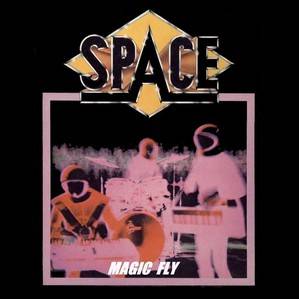
SPACE Magic Fly (1977)

SPACE was the brainchild of Didier Marouani who went under the pseudonym Ecama and formed the collective with Roland Romanelli, and Jannick Top. With compatriot Jean-Michel Jarre and a certain Giorgio Moroder also in the charts, the space disco of the iconic ‘Magic Fly’ heralded the start of a new European electronic sound within the mainstream. With its catchy melody and lush, accessible futurism, ‘Magic Fly’ sold millions all over the world.

Available on the album ‘Magic Fly’ via Virgin France

http://fr.space.tm.fr/


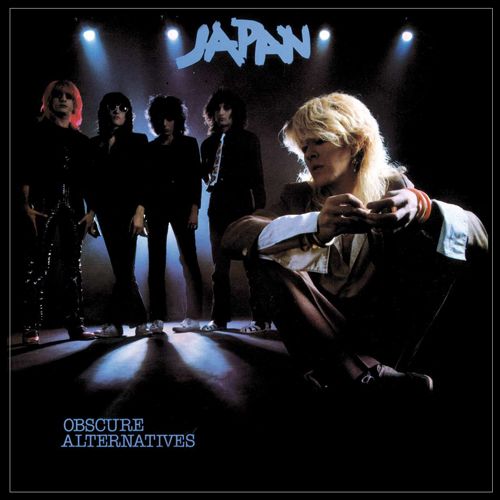
JAPAN The Tenant (1978)

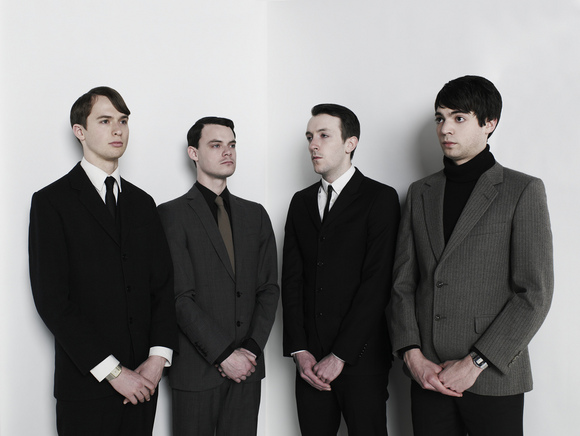
Inspired by the grim Roman Polanski film, ‘The Tenant’ signalled the Lewisham combo’s move away from funk rock into artier climes. A merging of the second side of David Bowie’s ‘Low’ with classical composer Erik Satie, it saw Richard Barbieri play more with synthesizer and piano textures to create atmosphere while Mick Karn dressed the piece with his fretless bass rather than driving it. Karn’s burst of self-taught sax at the conclusion is also quite unsettling.
Available on the album ‘Obscure Alternatives’ via Sony BMG Records

http://www.nightporter.co.uk/


GARY NUMAN Airlane (1979)

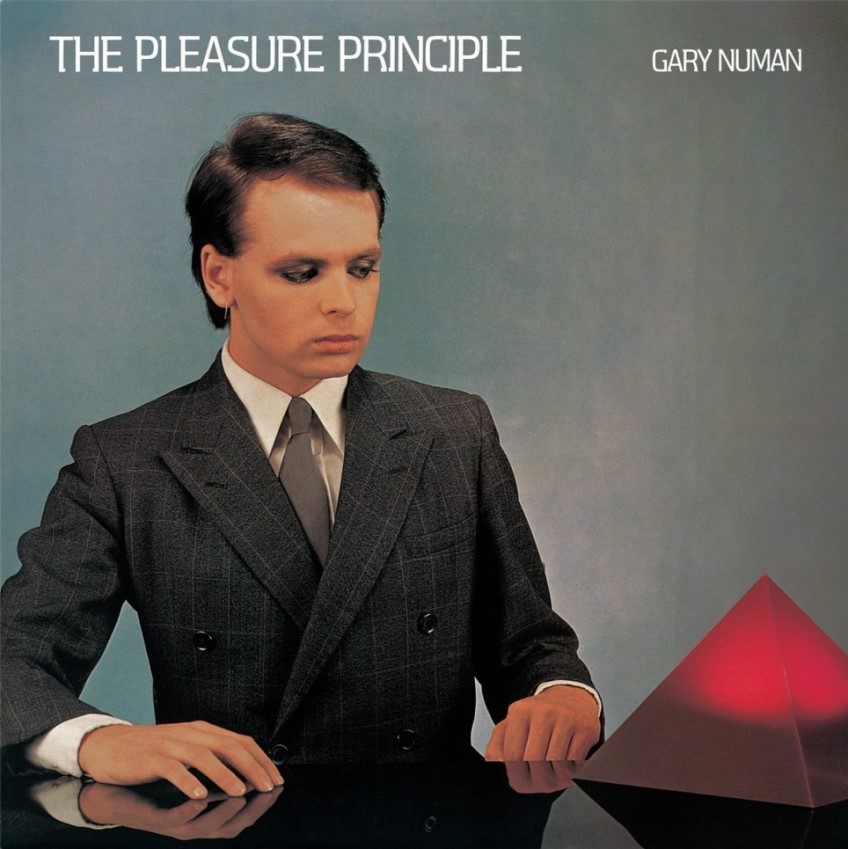
For anyone who first became a fan of electronic pop during the Synth Britannia era, ‘Airlane’ was a key moment. As the opening track of ‘The Pleasure Principle’ and its subsequent concert tour, it was the calling card that literally announced “GARY NUMAN IS IN THE BUILDING”! Yes, Numan had done instrumentals before, but with its sparkling Polymoog riffs, ‘Airlane’ provoked excitement and anticipation.

Available on the album ‘The Pleasure Principle’ via Beggars Banquet

http://www.numan.co.uk/


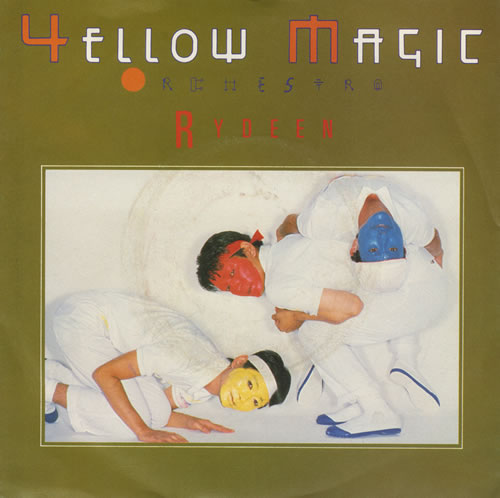
YELLOW MAGIC ORCHESTRA Rydeen (1979)

With their eponymous debut under their belt, YELLOW MAGIC ORCHESTRA fully found their technopop sound on ‘Solid State Survivor’. Written by drummer Yukihiro Takahashi, ‘Rydeen’ was a percussively colourful pentatonic tune filled with optimism and flair. This was the trio at their best as the later ‘Technodelic’ was a quite doomy, while their swansong ‘Naughty Boys’ was overtly mainstream.

Available on the album ‘Solid State Survivor’ via Sony Music

http://www.ymo.org/


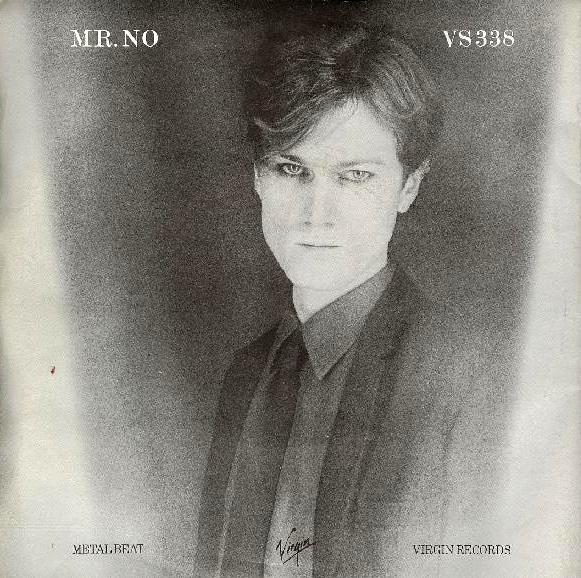
JOHN FOXX Mr No (1980)

Armed with an ARP Odyssey, Elka string machine and Roland Compurhythm, John Foxx’s ‘Mr No’ was like a futuristic Bond theme or a signature tune for some space gangster. The mechanical giro was menacingly snake-like while the swirling chill invaded the speakers to prompt some almost funky robot dancing. The ‘Metamatic’ era track originally surfaced on the ‘No-One Driving’ double single pack with aother instrumental, the more sedate ‘Gilmmer’.
Available on the album ‘Metamatic’ via Edsel Records

http://www.metamatic.com/


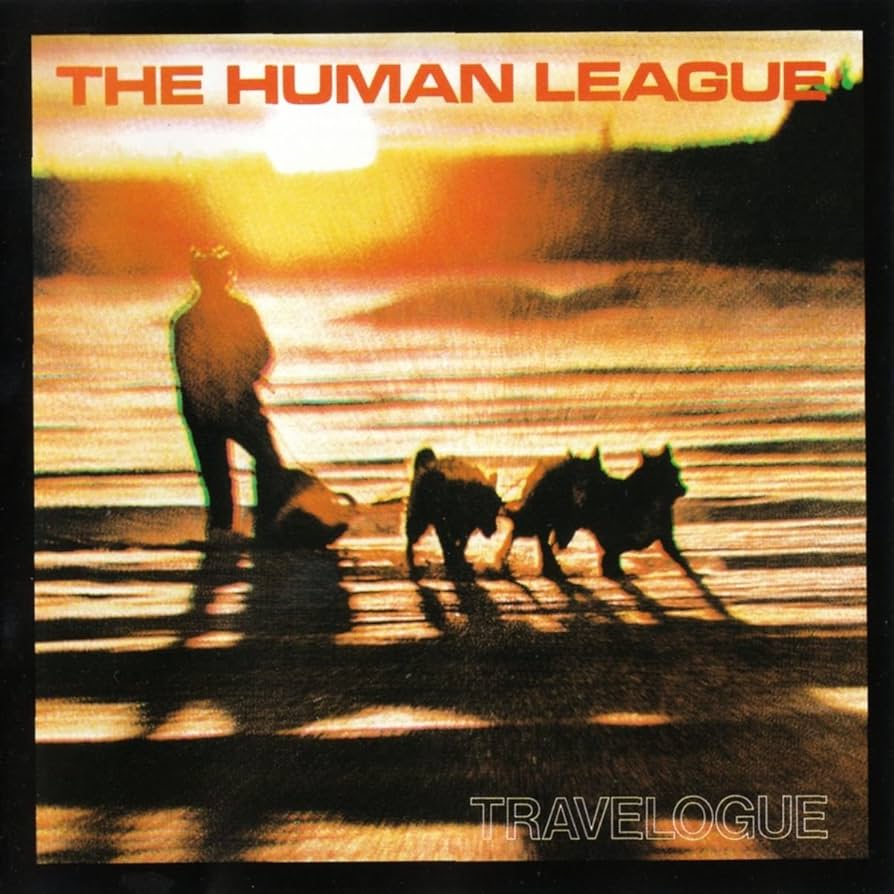
THE HUMAN LEAGUE Gordon’s Gin (1980)

Written by Jeff Wayne for a cinema advert, THE HUMAN LEAGUE’s cover of ‘Gordon’s Gin’ kicks in like an commercial for Moloko Plus being sold at the Korova Milk Bar. Glorious and euphoric with futuristic sounds that weighed more than Saturn, Martyn Ware and Ian Craig Marsh left the band shortly after to form a project named after an imaginary group from a scene in ‘A Clockwork Orange’ discussed by anti-hero Alex with a couple of devotchkas at the disc-bootick!

Available on the album ‘Travelogue’ via Virgin/EMI Records

http://martynwareblog.blogspot.co.uk/


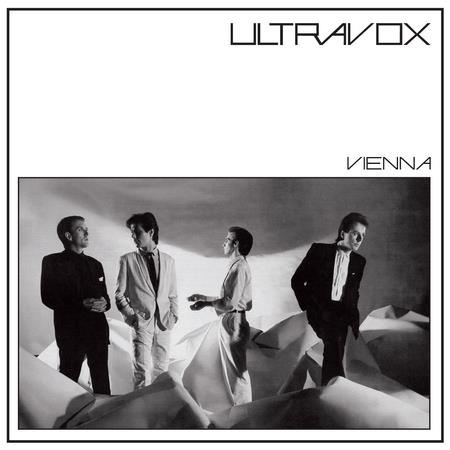
ULTRAVOX Astradyne (1980)

Of ‘Astradyne’, Billy Currie said: “Midge started with that strong melody, Chris’ bass was also a very strong feature. I played a piano counter melody behind. The track was so strong that we felt at ease to lengthen it with a long textural piano bit that is sort of bell-like with the metronomic bass drum beats and the violin tremolo solo… Midge came up with that final section lift taking it out of the long ARP solo. I double it! It is a very good strong keyboard part. It is very celebratory at the end…”

Available on the album ‘Vienna’ via Chrysalis/EMI Records

http://www.ultravox.org.uk/


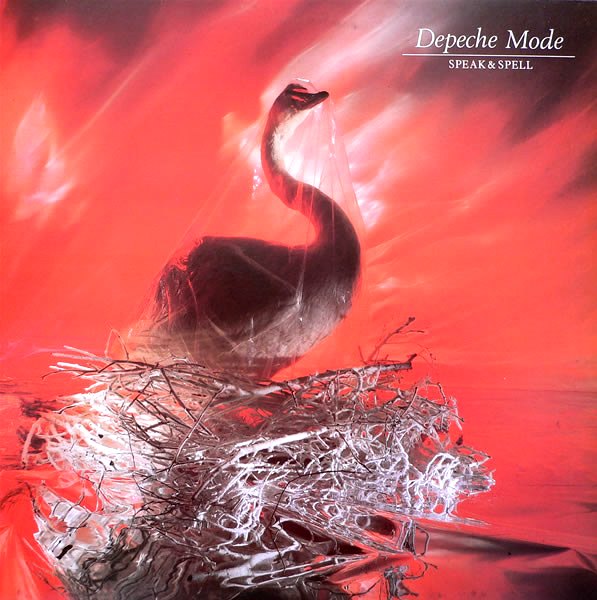
DEPECHE MODE Big Muff (1981)

One of two Martin Gore compositions on the Vince Clarke dominated DEPECHE MODE debut ‘Speak & Spell’, ‘Big Muff’ was a fabulous highlight on the album’s more superior second side. Highly danceable and enjoyably riff laden, this futuristic romp was named after an effects pedal made by Electro-Harmonix who later branched into portable synths. It allowed many a synth obsessed teenager to declare “I like big muff” without embarrassment!

Available on the album ‘Speak & Spell’ via Mute Records

http://www.depechemode.com/


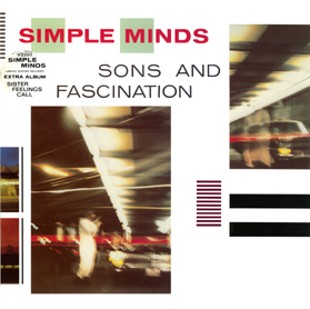
SIMPLE MINDS Theme For Great Cities (1981)

Even with the advent of the free download era, ‘Theme for Great Cities’ is one of the greatest freebies of all time having initially been part of ‘Sister Feelings Call’, a 7-track EP given gratis to early purchasers of SIMPLE MINDS’ fourth album ‘Sons & Fascination’. Starting with some haunting vox humana before a combination of CAN and TANGERINE DREAM takes hold, the rhythm section covered in dub echo drives what is possibly one of the greatest instrumental signatures ever!

Available on the album ‘Sons & Fascination/Sister Feelings Call’ via Virgin/EMI Records

http://www.simpleminds.com


VISAGE Frequency 7 – Dance Mix (1981)

Not actually written as an instrumental, the original was the B-side of VISAGE’s first single ‘Tar’ and much faster paced, featuring Steve Strange rambling about not very much. For its dance mix, ‘Frequency 7’ was slowed down and Strange’s vocal removed. The result was a masterclass in Barry Adamson’s bass counterpointing with Billy Currie’s ARP Odyssey bursts of screaming aggression and Rusty Egan’s metronomic electronic beats for a creepy robotic aesthetic.

Available on the album ‘The Anvil’ via Cherry Red

http://www.visage.cc/


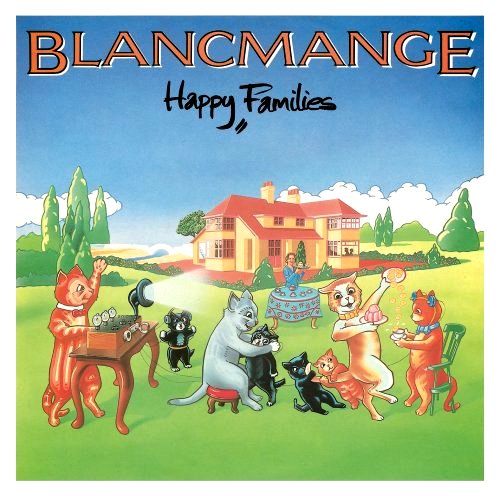
BLANCMANGE Sad Day (1982)

There are two versions of this cult classic; a mutant countrified ambient piece based around the bassline of Brian Eno’s ‘The Fat Lady Of Limbourg’ from the ‘Some Bizzare Album’ and the lively Mike Oldfield inspired album version from ‘Happy Families’. Each has its merits but the percussively jaunty re-recording just wins over with its synthesized wallows, chiming guitars and crashing Simmons drums.

Available on the album ‘Happy Families’ via Edsel Records

http://www.blancmange.co.uk/


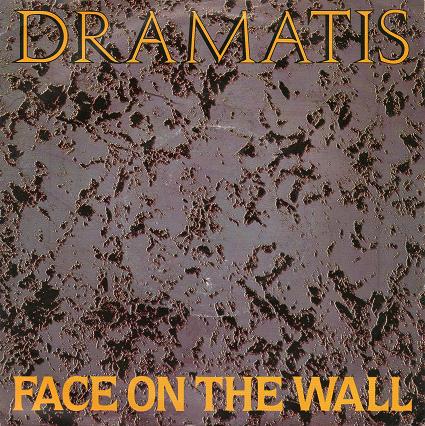
DRAMATIS Pomp & Stompandstamp (1982)

The hypnotic B-side to ‘Face on The Wall’ showcased the fusion of the classical, rock and prog elements that were the core talents of Chris Payne, RRussell Bell and CedSharpley who had been the mainstay of the first GARY NUMAN backing band. Not a cover of Edward Elgar’s near-namesake composition ‘Pomp & Circumstance’ , DRAMATIS‘ rousing number would however make a perfect closer for the Last Night Of The Proms in the 22nd Century!

Available on the album ‘For Future Reference’ via Cherry Red Records

http://www.numanme.co.uk/numanme/Dramatis.htm


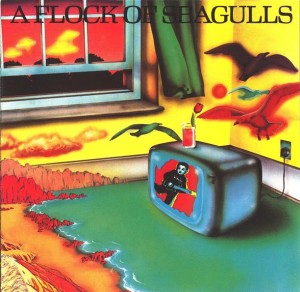
A FLOCK OF SEAGULLS DNA (1982)

Technically, ‘DNA’ is not a really synth instrumental with the hook line being far too guitar oriented. However, it had a key role breaking down barriers for music with a more futuristic bent in synthobic America and snatched a 1983 Grammy Award for Best Rock Instrumental Performance. And for that, ‘DNA’ deserves kudos! A FLOCK OF SEAGULLS‘ cultural impact can be measured by leader Mike Score’s iconic hair style being lampooned in ‘The Wedding Singer’ and ‘Friends’.

Available on the album ‘A Flock Of Seagulls’ via Cherry Pop

https://www.facebook.com/MikeScoreOfficial/


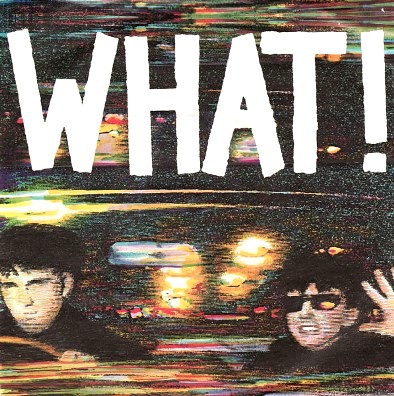
SOFT CELL ….So (1982)

A solo Dave Ball composition that was on the B-side of ‘What?’, the tall, pensive synthesist created an electronic disco number while Marc Almond was off doing the first MARC & THE MAMBAS’ album that would have done GIORGIO MORODER proud. Reminiscent of the Italian producer’s ‘Chase’, ‘….So’ featured wonderful percolating synths over a fabulously danceable groove and a solid metronomic beat that required no additional vocal histrionics or energetics.

Available on the album ‘Non-Stop Erotic Cabaret’ via Mercury Records

http://www.marcalmond.co.uk/


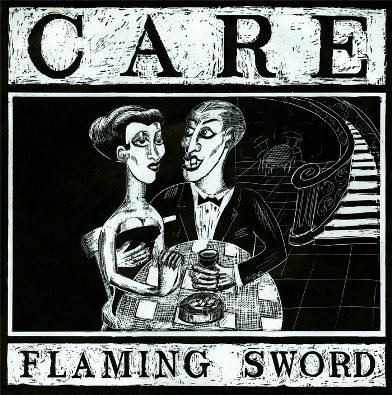
CARE On A White Cloud (1983)

CARE was a short lived project comprising of soon-to-be main man of THE LIGHTNING SEEDS Ian Broudie and THE WILD SWANS’ vocalist Paul Simpson. Combining acoustic strums with synthesizer melodies, CARE had promise but imploded due to musical differences. ‘On A White Cloud’ was an epic instrumental with thundering percussion, castenets, ringing guitar and heavenly synthetic layers that appeared the 12 inch B-side of the duo’s best 45 ‘Flaming Sword’.

Originally released on the 12 inch single ‘Flaming Sword’ via Arista Records, currently unavailable

http://stevomusicman.wordpress.com/2011/11/10/care/


CHINA CRISIS Dockland (1983)

CHINA CRISIS recorded a variety of instrumental sketches and the results were often superb. But as the duo of Gary Daly and Eddie Lundon only had a couple of hits, most of this material was little heard having been tucked away on B-sides. ‘Dockland’ is a prime example having been the flip of the flop single ‘Working With Fire & Steel’. The sublime nautical transience inspired by Liverpool’s once vibrant docks lying wasted in a period of high unemployment was captivating.
Available on the album ‘Collection: The Very Best of China Crisis’ 2CD edition via Virgin Records

https://www.facebook.com/pages/China-Crisis/295592467251068


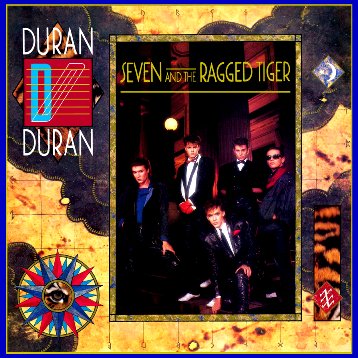
DURAN DURAN Tiger Tiger (1983)

‘Tiger Tiger’ is the best JAPAN instrumental that Sylvian and Co never recorded plus some would consider any DURAN DURAN track without a Simon Le Bon vocal to be a bonus. That aside, John Taylor and Nick Rhodes had more artier aspirations so indulged on this musical tribute to the William Blake poem. Taylor does a superb Mick Karn impersonation on fretless bass while Rhodes adds a great synth melody to proceedings.

Available on the album ‘Seven & The Ragged Tiger’ via EMI Records

http://www.duranduran.com/


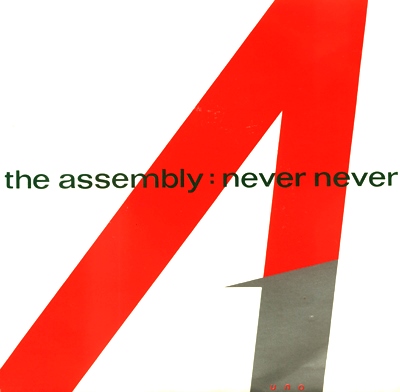
THE ASSEMBLY Stop/Start (1984)

Strangely enough, Vince Clarke is not really known for his instrumentals. Co-composed with  Eric Radcliffe, ‘Stop/Start’ was effectively Clarke’s first instrumental as DEPECHE MODE’s ‘Any Second Now’ had a ‘(Voices)’ variant while YAZOO’s ‘Chinese Detectives’ was only played live. A Casiotone infused ditty with Linn drums and a cute melody, ‘Stop/Start’ was the B-side to THE ASSEMBLY’s only single ‘Never Never’.

Available on the boxed set ‘Mute: Audio Documents’ via Mute Records

http://www.vinceclarkemusic.com/


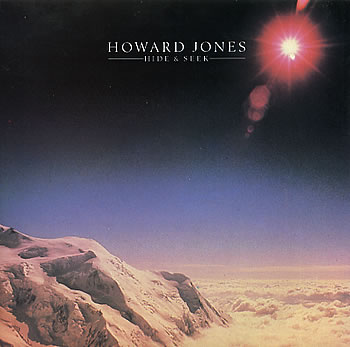
HOWARD JONES Tao Te Ching (1984)

Throwing off his mental chains, Mr Jones took inspiration from his own Buddhist spirituality and the overtures of Vangelis’ 1979 album ‘China’ for this rather beautiful piece which used to open his early shows. Using pentatonic melodies and sweeping chords on ‘Tao Te Ching’ in the style of Tomita and Kitaro, it’s a shame that this aspect of Jones’ quite obvious musical capabilities has never really been explored.

Available on the album ‘The Very Best Of Howard Jones’ via Warner Music

http://www.howardjones.com/


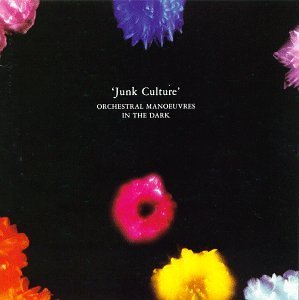
OMD Junk Culture (1984)

Inspired by a ‘Blade Runner’ sample, ‘Junk Culture’ was a reggae-ish number set to a bizarre time signature and signalled OMD’s move away from Germanic electronica. Still experimenting, only this time with more World Music forms thanks to the advent of sampling technology, the detuned Tijuana brass, deep dub bass and schizo voice snippets recalled the work of Jah Wobble, Holger Czukay and Jaki Liebezeit.

Available on the album ‘Junk Culture’ via Virgin Records

http://www.omd.uk.com


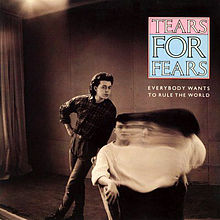
TEARS FOR FEARS Pharaohs (1985)

‘The Marauders’ and ‘Empire Building’ showed TEARS FOR FEARS were adept at instrumentals and their best was ‘Pharaohs’, the B-side of ‘Everybody Wants To Rule The World’. Launched with a crunchy 6/8 heartbeat, the sedate piano motif and drifting synths gave a distinctly nautical feel, enhanced by sound bites from the BBC shipping forecast. But out of nowhere, the middle eight Emulator voice theme from the A-side introduces its partnering chordial guitar solo!

Available on the album ‘Songs From The Big Chair’ 2CD deluxe edition

http://tearsforfears.com/


NEW ORDER Best & Marsh (1989)

This theme was composed in 1988 for the eight part Granada TV series hosted by Factory Records’ supremo Tony Wilson and featured two of Manchester’s most iconic club footballers, George Best and Rodney Marsh. With a great string synth melody, Hooky bass, clubby beats and Italo piano stabs, this prompted the FA to commision NEW ORDER to write ‘World In Motion’ for the 1990 World Cup, while the series allowed ‘Best & Marsh’ to embark on a popular speaking tour.

Available on the album ‘Technique’ 2CD Deluxe edition via London Records

http://www.neworder.com/


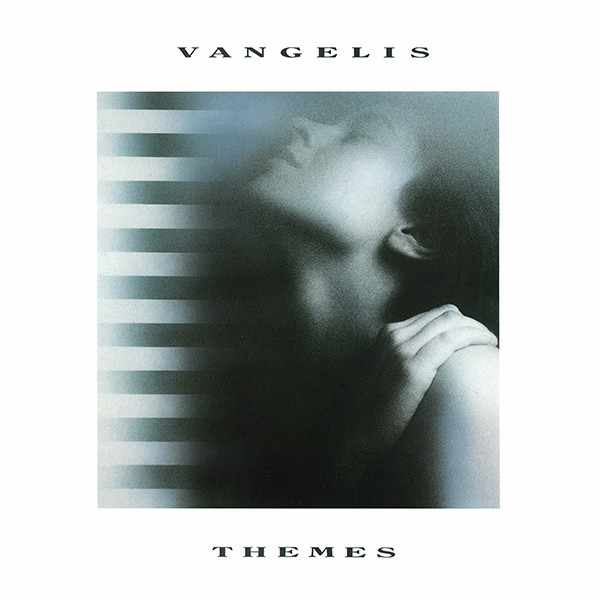
VANGELIS End Titles From Blade Runner (1989)

Dramatic, tense and melodic, Vangelis’ closing theme to the acclaimed 1982 Ridley Scott directed Sci-Fi movie ‘Blade Runner’ succeeded in orchestrating a score using just synths and samples to maintain the futuristic unsettlement of the story. However, the glorious track was not actually released until 1989 on the ‘Themes’ compilation, while an actual soundtrack album didn’t actually see the light of day until 1994.

Available on the album ‘Blade Runner’ via Warner Music

http://www.vangelisworld.com/


Text by Chi Ming Lai
13th August 2013

On Tour with VILE ELECTRODES

“Mein Kaninchen Ist Tot…”

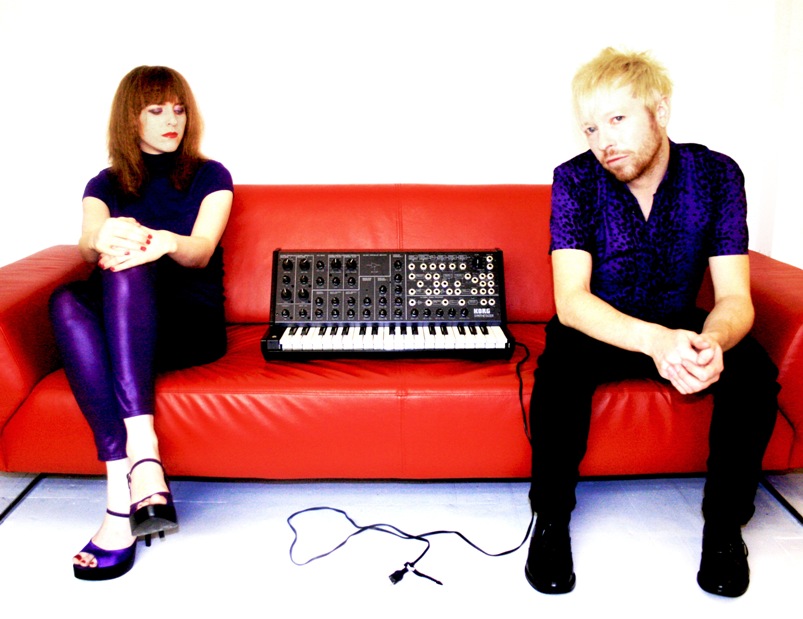
When up-and-coming synth duo VILE ELECTRODES were named as OMD’s support for the German leg of the ‘English Electric’ tour, understably, their front woman Anais Neon was in total shock at the news. Prior to confirmation, she said on Facebook “we have received an email of epic proportions but cannot divulge any more information until further notice”.

Meanwhile for her partner Martin Swan, it was the fulfillment of a boyhood dream as OMD had been his first concert experience back in 1986! VILE ELECTRODES had been spotted by OMD’s Andy McCluskey while he was perusing ELECTRICITYCLUB.CO.UK and obviously recognised a kinship via their exquisite songs such as ‘Deep Red’, ‘My Sanctuary’ and ‘The Last Time’. There was a definite magic with this duo who bring a unique twist to the sound of classic synthpop.

Much preparation took place as Team Vile, augmented by technican and roadie Simon Forsyth, tour manager/merchandiser Rob Buxton and for the first part of the trip, merchandiser Graham Caley, readied themselves for life on the road. It was all terribly exciting and there was so much to organise including buying a vehicle worthy of transporting all the equipment and getting them across Europe too! The new van was also swiftly modified so that Anais and Martin could sleep on top of their highly valuable analogue synthesizers.

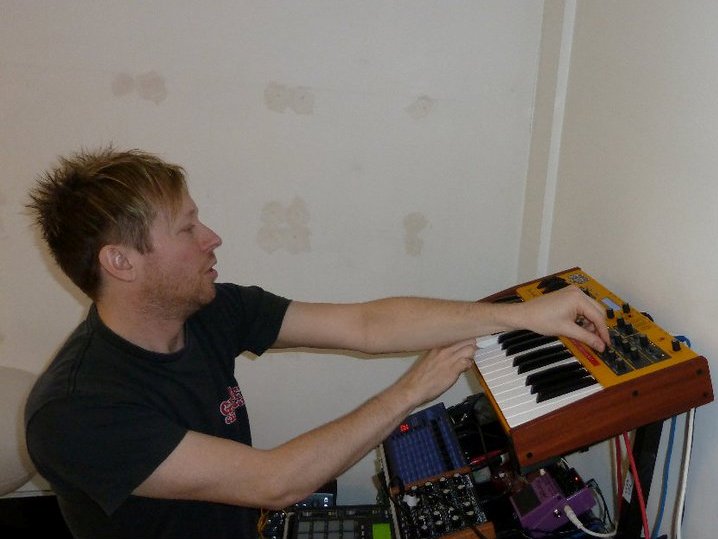
Meanwhile, Simon would be following with all his wires and boxes in his faithful truck Nellie. Instruments were carefully chosen and these included Martin’s trusty Korg MS20 and Anais’ Roland RS09 String Machine. This late stage was probably not the time to be introducing a new bit of kit, but Martin being Martin (like a kid in a candy store) couldn’t resist getting his hands dirty on the appropriately named Leipzig that had arrived the day before.

The first night of any tour is daunting but in Hamburg, there was one potentially trouser soiling surprise! “So whose stupid idea was this? Oh, Karl Bartos is here!” announced Anais on Facebook. The ex-KRAFTWERK percussionist who co-wrote ‘The Model’ and ‘Kissing The Machine’ (one of the highlights on OMD’s new album) had come to catch up with his buddies from The Wirral.

He was already at the venue when VILE ELECTRODES arrived. “He just sat in a corner” a shocked Anais recalled, “I didn’t instantly recognise him but when I did, a wave of cold terror washed over me. Not only would we be performing in front of OMD, but in front of one of the classic line-up of KRAFTWERK?! The stuff of dreams and nightmares! It just felt absurd if I’m honest”

The late sound check finished just twenty minutes before the doors opened and there was just enough time for a light snack sitting alongside Andy and Karl in the catering quarters before dashing off to the dressing room to prepare for opening night. Anais did sound a little nervous, but to the untrained ear, the nerves were undetectable. Local music fan Sony was thrilled to see VILE ELECTRODES live for the first time: “I had listened to some of their songs with much enthusiasm. The crowd greeted VILE ELECTRODES with lots of applause when they entered the large, well-lit stage. The synths were tuned up and then, there was one adventure after another. The crystal clear voice of Anais and the wonderful pure synthesizer sounds gave me goosebumps!!!”

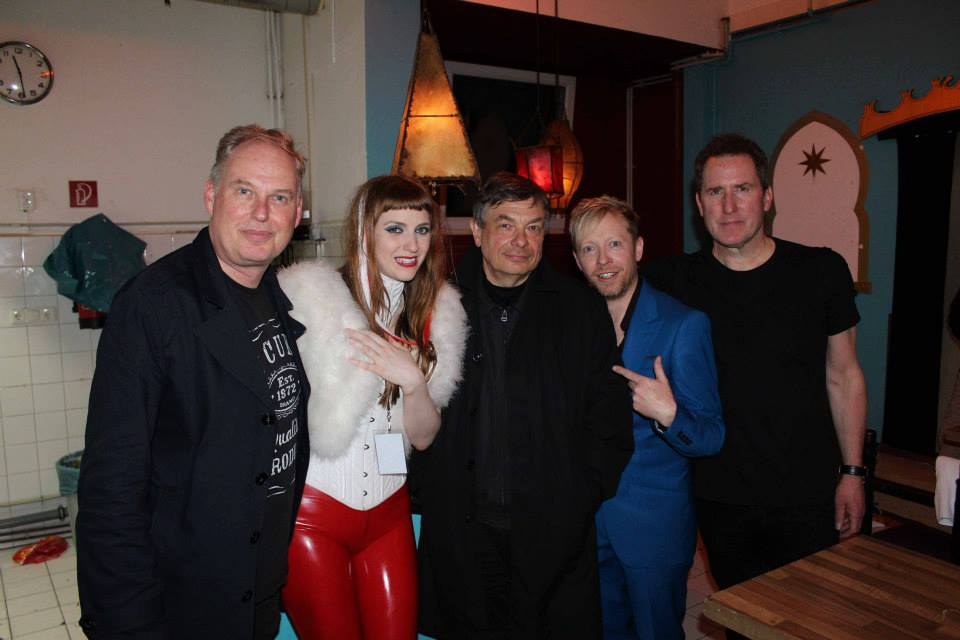
Backstage after the show, “Karl Bartos, Paul Humphreys and Andy McCluskey were LOVELY” remembered Anais. “They were really happy to chat, which was lucky, as I’d had a drink and was high on adrenaline, so there was no shutting me us! We talked about my outfits and, of course, whether Andy and Paul should consider something similar for their shows! When we said our goodbyes, we expressed delight and honour at having gotten to meet the great KB. His reply? ‘No, no! We are colleagues’… COLLEAGUES OF HERR BARTOS! Amazing!”.

Meanwhile, Martin talked gear: “Paul and I had a few chats whilst I was tidying up the spaghetti of our wires after coming off stage. I said to him ‘I bet you miss this, don’t you?’… of course with OMD, he doesn’t, but he said when he’s working with Claudia Brücken, he has to do all that still! Andy mentioned that they have a Mellotron, but that it would be silly to take stuff like that out live when they can use some really great samples”

First night nerves over with, Bielefeld turned out to be another big success and a sure sign that the rest of the tour was going to go be a blinder.

With the tour moving to Berlin, Anais and Martin were taking everything in their stride and feeling quite calm about performing in front of their next big audience, having already tucked two dates successfully under their belts. After the soundcheck, it was time to everyone to chill down.

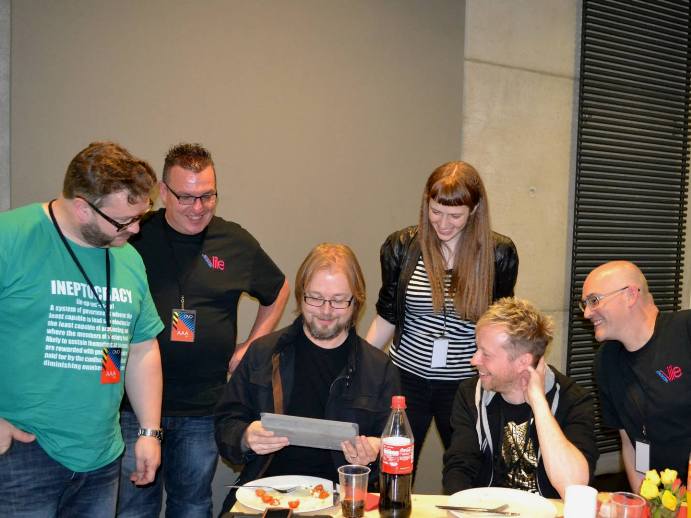
Team Vile tucked into the scrumptious delights that had been provided by a local catering company and relaxed alongside OMD’s crew members including Chicky, the chief sound engineer to watch ‘Star Wars – How It Should Have Ended…’ which brought about shrieks of laughter. In the vastness of Berlin’s Tempodrom, VILE ELECTRODES entered the stage, all colour co-ordinated in red and black, to a ripple of applause. Anais’ few words of German were very much appreciated and by the time they had played ‘Drowned Cities’, ‘Empire of Wolves’ and ‘Proximity’, they genuinely had the crowd on their side.

Sony remembered Anais’ apology between the songs: “She said ‘Sorry für mein kleines bisschen Deutsch sprachen’… it was very sweet and likeable. All the people around me were very impressed and cheered”. For a support band, they got a terrific reception from the already packed hall. German OMD enthusiast 7und70 remembered there was lots of positive responses: “people were saying things like ‘love her voice’, ‘love the outfits’ and ‘great music’ while one person remarked VILE ELECTRODES were the only OMD support band he’d really enjoyed since they started again in 2007”

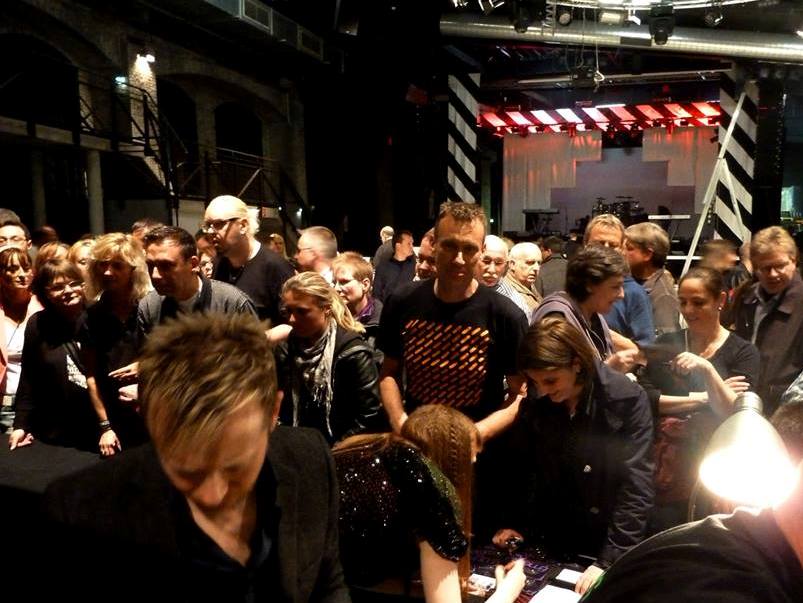
After their set, a handful of the audience came to the merchandise stand to see what was on offer although very few made a purchase. However, after the OMD set, it was a very different story.

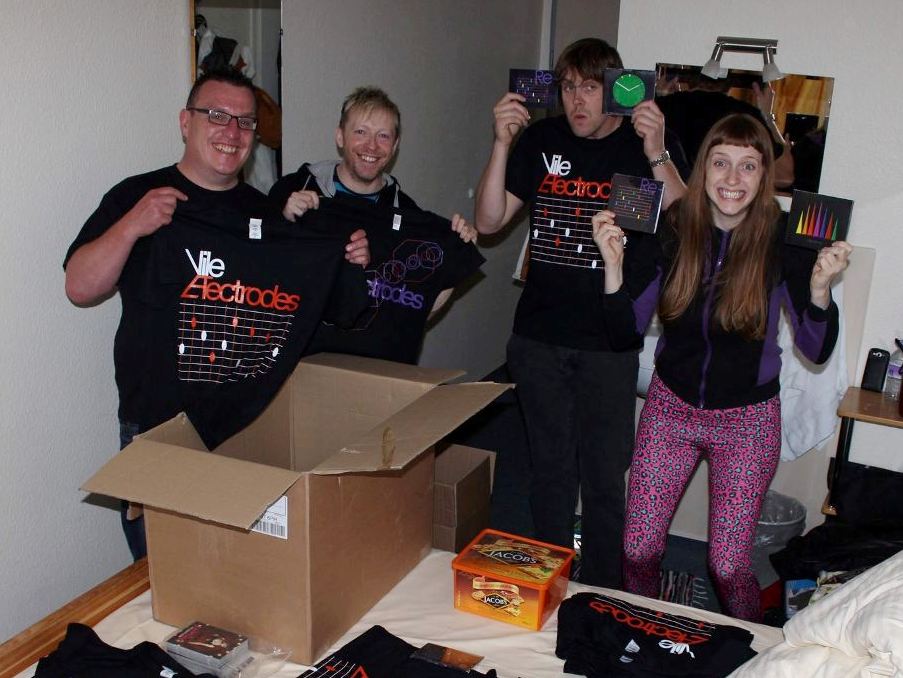
The fans returned and the EPs were soon flying off the shelf. Anais and Martin were more than happy to pose for photographs, sign postcards and more importantly, talk to their new fan base.

“There was a big rush at the merch stand where Anais and Martin greeted each new fan with a big welcome” said Sony, “They were just great and marvellous. Now I have gained some new lovely friends who point to my musical tastes perfectly. I’m looking forward to hearing their new album and seeing them soon again”

But not all the crowd had been charmed by VILE ELECTRODES, least of an OMD fan who bizarrely had a dislike of electronic bands as a puzzled 7und70 recollected: “There was this stupid woman who said: ‘I don’t like them, they’re not using real instruments’. So I said to her: ‘erm, you are here watching OMD, a synthpop band which means they make music with synths. VILE ELECTRODES are using those instruments so that’s not a good reason for saying that you don’t like them, what is the difference?’ But she replied: ‘they’re using sequencers… do you know what a sequencer is? Everything is pre-recorded, everything on stage!’”.

It was amusing to see how people could draw strange arbitrary lines to suit their purist stances; maybe she should have listened more closely to OMD songs like ‘Metroland’, ‘Sailing On The Seven Seas’, ‘Locomotion’ and ‘Messages’ in her quest for a sequencer free nirvana?

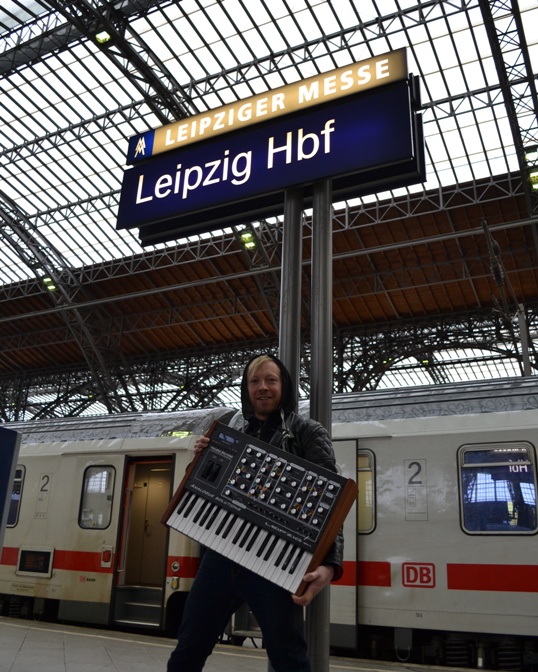
The following day was Leipzig so it was imperative that images of Martin’s Analogue Solutions Leipzig were captured in front of significant landmarks and prominent signage. Armed with the Leipzig and umbrellas, cameras were set up for the photo opportunity at the Battle of Nations Memorial despite the pouring rain.

“The Leipzig is a crazy-ass mutha of a synth” said Martin, “it’s obviously a modern synth but it’s been designed with all discreet components – no integrated circuits – so it’s more like one of the synths from the 70s than the 80s. As such, it’s not a digitally controlled analogue synth, it’s got real VCOs. Most of the time it behaves but like the synths of old, it can be very sensitive to temperature, to humidity, voltage fluctuation! It’s kind of similar to the SCI Pro-One but it’s definitely the angrier, spikier cousin! It has bass like a mountain and is LOUD! Several people commented that they’ve never heard bass like that at a gig!”

The Haus Auensee in Leipzig is a fabulous venue and has played host to many great names but specifically synth musicians ERASURE, PET SHOP BOYS and of course, the mighty KRAFTWERK. It is located in the heart of a forest, with a lake to the rear and a campsite opposite. From the front, it is a fairly nondescript building.
However, the inside has a very different feel. The upstairs was already overwhelming with its semi-circular stone steps that overlooked the stage and its imposing ornate oval aperture that stood between the bar and viewing area. Due to renovation, only the ground floor was to open to the public so VILE ELECTRODES and OMD wouldn’t be playing to the full 3,500 capacity.

With the merchandise stand set up inside the main hall, Team Vile were very much visible throughout OMD’s performance and could be seen singing and dancing very energetically, particularly to the encore of ‘Electricity’.

After a comfortable night and a decent breakfast, they set off for the very long journey to Cologne with the prospect of a relaxing night off before the final gig of the tour. It rained, then rained some more and just when they thought they could give the wipers a rest, the rain started again.

Stopping off at a little service station, Simon Forsyth’s trusty truck Nellie was topped up too with some transmission fluid. As they rolled out of the car park, Simon made a critical observation: “We don’t appear to have a reverse gear”!

They crawled up the road far enough to establish that the situation was actually a lot worse. The Chevy was not changing gear. Nellie was poorly and needed immediate assistance.

About an hour later they were rescued and found themselves at a dealership in Kassel. Essential equipment was quickly transferred from one wagon to another so that Anais and Martin could continue their journey while Simon would stay with his van until it was repaired. The team was now separated and the rest of Team Vile were left to their own devices to get to Cologne.

Everyone arrived at the venue in plenty of time but there was no sign of Simon. Team Vile were clearly disappointed but the show had to go on and it just meant a re-configuration of duties. With the added news that the venue was going to take a commission on merchandise sales, everyone were all wondering if the last night might have a bit of grey cloud hanging over it.

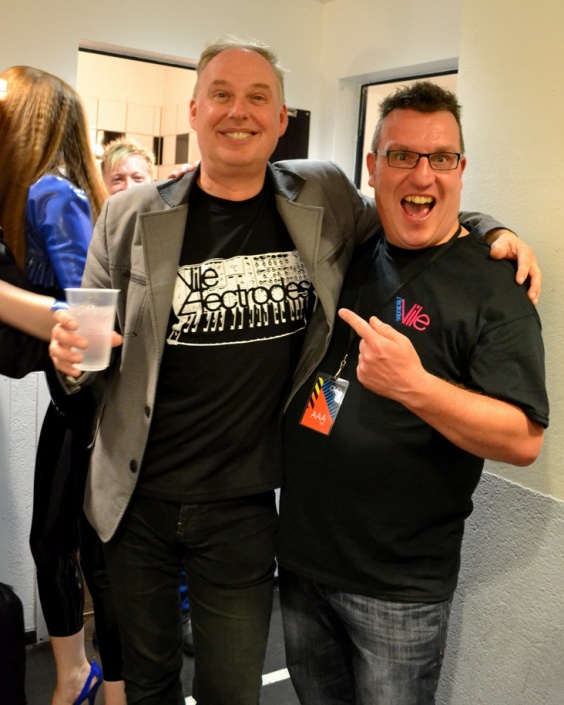
But during a soundcheck break, Paul Humphreys stopped by to talk to Andy McCluskey so Team Vile took the opportunity offer them both a Vile MS20 T-shirt which had been designed by Rob.

These had been spotted by OMD in Oxford when they both claimed “we want one of those”! Their wish was now granted and Mr McCluskey was later seen performing on German TV with his VILE ELECTRODES T-shirt on! 😉

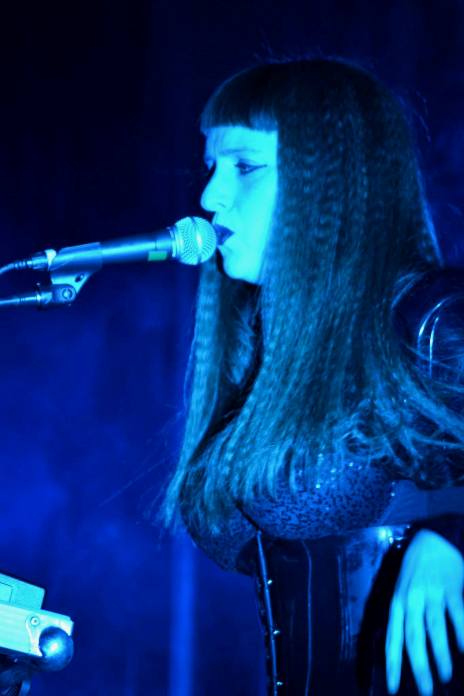
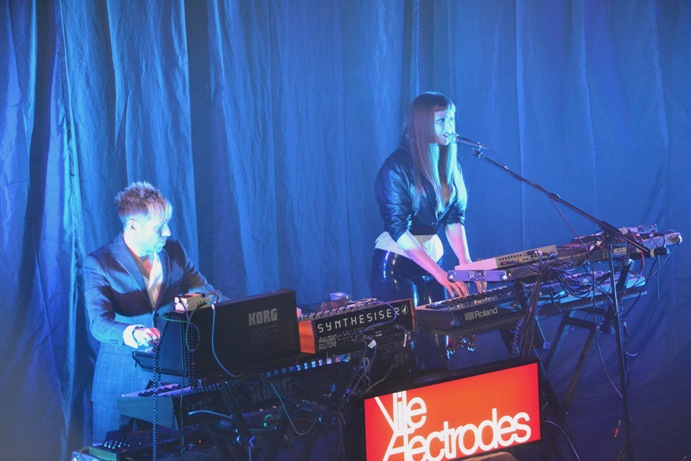
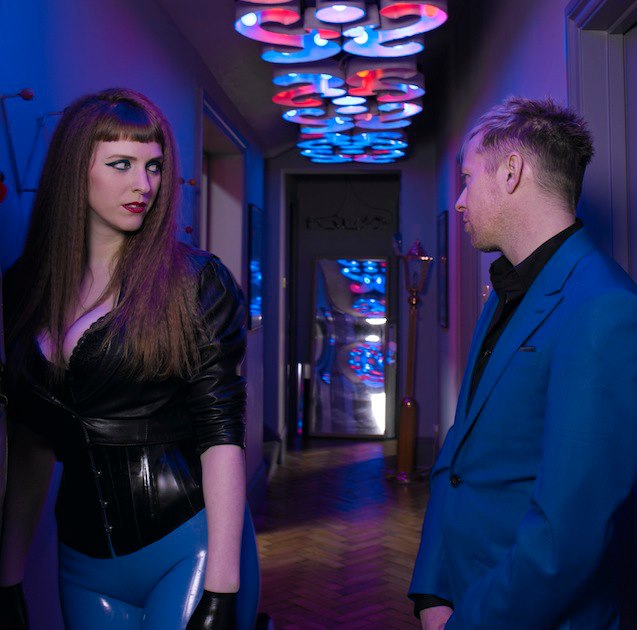
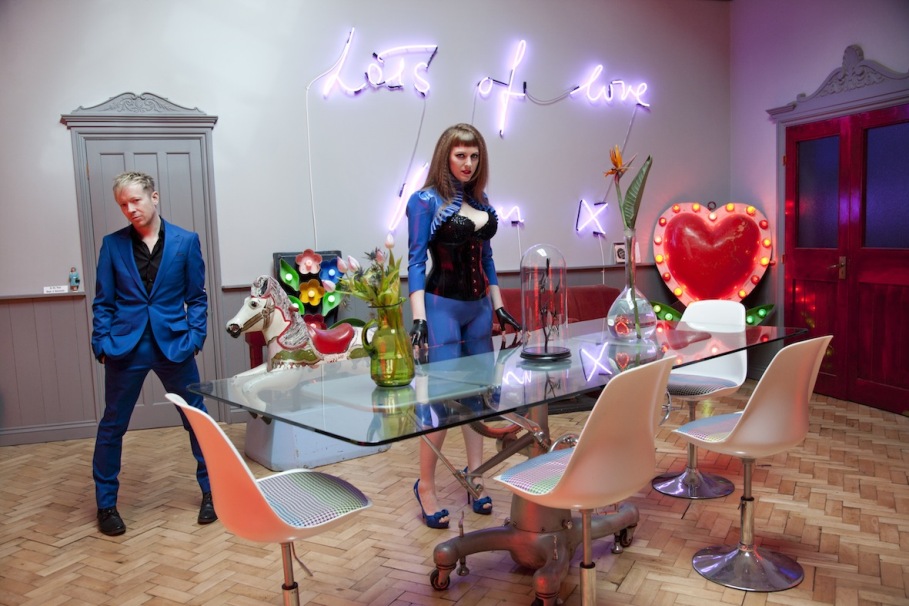
With Anais now clad in black trousers, under bust corset, sparkly bra and a vivid blue bolero styled jacket (all in latex of course), and Martin dressed as dapper as ever in matching colours, VILE ELECTRODES took to the stage, sounding awesome and delivering every song with total confidence.

Martin was visibly relaxed and in control, even caught on camera singing his heart out with passion. They were on fire and once again the crowd responded favourably.

Anais even threw caution to the wind and spoke again in German: “I studied German at GCSE but can remember very little – one thing happens to be ‘Mein Kaninchen ist tot’… I genuinely did have a rabbit at GCSE time called Creampuff who had died! I mentioned the rabbit thing, and all throughout the tour, Team Vile were encouraging me to say it on stage. The German audiences were wonderful, friendly and enthusiastic, but I really thought that ‘Mein Kaninchen ist tot’ would result in a tumbleweed moment, so I kept deciding not to say it. Basically what made it happen was that Nellie, Simon’s tour bus, broke down on the way to Cologne. It meant he missed our last show so he made me promise to say it, as a tribute to him and Nellie. I plucked up the courage – and it elicited laughter and applause aplenty!! It’s all part of the ‘silly’ human element of our band. We’re (definitely!) not too cool for school. We just try to be just ourselves!”

As it was the final night of the tour, VILE ELECTRODES were granted an additional ten minutes so they could play ‘Deep Red’, the most epically OMD sounding track in their catalogue. Andy McCluskey was watching in the wings and said “It’s great to hear that played live” but after finishing the number, Anais apologised to the crowd as it seemed like her and Martin were at times playing two different songs.

No matter, Cologne was another huge success. Crowds flocked to the merchandise stand again and Anais was even spotted singing ‘Happy Birthday’ into a video camera at one point. It was a moment she seemed to revel in, but not as much joy as when she spotted Simon in among the masses of new fans. “You made it” she shrieked, giving him a huge hug. Simon had unfortunately missed most of the concert but nevertheless his presence was most welcome. Team Vile were back together again.

Cologne and indeed the tour had been a total triumph. Whilst OMD’s crew dismantled the set and packed up for their onward journey, Andy, Paul, drummer Malcolm Holmes and keyboardist Martin Cooper along with VILE ELECTRODES mingled among friends and some special guests. They just happened to be Wolfgang Flür, ex-KRAFTWERK and Ralf Dörper from PROPAGANDA.

“After each of our shows, we helped man our merch stand… a bizarre experience for a small band, having a queue of folk wanting you to sign merch!” Anais recalled, “but it meant we didn’t get to chat to Wolfgang Flür at length, as he was being pulled from pillar to post backstage, plus he was getting ready to leave by the time we made it backstage. He was saying how much he was looking forward to coming to London for Playground Festival (which didn’t happen in the end sadly). So two KW members down and two to go! KRAFTWERK BINGO!”

With a prestigious TV slot on ‘Later With Jools Holland’ performing ‘Dresden’, ‘Enola Gay’ and ‘Kissing The Machine’ to do the following day, the OMD frontmen had to leave the aftershow. “You’ve got my email address now so keep in touch” Andy remarked. “I’ll definitely come and see you when you play London” said Paul.

When the guests had drifted away, only a handful remained with Malcolm and Anais plus the two Martins, Cooper and Swan, congregating in what was Andy McCluskey’s dressing room. The conversation was easy, with the other boys from OMD showing a great deal of interest in how Anais and Martin came to be together to form the band. All too soon, security were ushering everyone out. They stuffed the last of their belongings into holdalls and Team Vile slowly and somewhat reluctantly made their way to the doors.

It was time for one last photo opportunity in the rear car park of E-Werk. Huddled in a circle, Team Vile bowed their heads downwards and with big cheesy grins snapped one last image. Germany was done. It had been a totally and utterly awesome experience for each and every one of them, but especially for Martin and Anais.

Anais summarised it all beautifully. “If I never play another live gig again, I’ll still be a very happy bunny”


ELECTRICITYCLUB.CO.UK gives its grateful thanks to VILE ELECTRODES, OMD and all their crews

VILE ELECTRODES’ three-track CD EPs ‘Play With Fire’‘The Last Time’ and ‘Re-Emerge’ are available now via their online store at http://vileelectrodes.bigcartel.com/ along with T-shirts etc

The new album ‘The Future Through A Lens’ will be released on digipak CD, limited edition hand-finished mirror steel sleeve CD and download sometime in June 2013 and can be pre-ordered at the store. Please note the nine tracks from the EP Trilogy are exclusive to those releases and will NOT be appearing on the album

http://www.vileelectrodes.co.uk

http://www.facebook.com/vileelectrodes

http://vileelectrodes.blogspot.com/

http://www.sonicstate.com/news/2013/05/20/tech-diary-on-the-road-with-vile-electrodes/

https://www.facebook.com/KarenABuxtonBoudoirPhotography


Text by Karen Buxton
Interviews and Additional Material by Chi Ming Lai
Photos by Karen Buxton and Rob Buxton
27th June 2013

VILE ELECTRODES Re-Emerge…

Following the release of their self-titled debut EP featuring brilliantly quirky electronic pop such as ‘Play With Fire’, ‘Headlong’ and the magnificent splendour of ‘My Sanctuary’, VILE ELECTRODES remained silent for most of 2012 as they wrote and recorded more material.

Then as the year drew to a close, they premiered their first song from the sessions ‘The Last Time’. NOT a cover of THE ROLLING STONES track which was subsequently ripped off by THE VERVE in its Andrew Loog Oldham lounge arrangement, singer Anais Neon described it as “our aural Ferrero Rocher and / or L’Oreal. Hope you like!”. Wintery like prime ‘Architecture & Morality’ era OMD, ‘The Last Time’ sounded nonchalantly cruel like CLIENT running a Siberian labour camp; the simple but brilliant video however showed Anais sitting contemplatively in a hospital waiting room while time passes her by…

Invited to support OMD’s upcoming tour of Germany in May following Andy McCluskey spotting the band while perusing ELECTRICITYCLUB.CO.UK, they will also be opening for John Foxx at Brighton Concorde 2 in June. Not only that, VILE ELECTRODES will be releasing a new EP ‘Re-Emerge’ to coincide with the tour and finally, their long awaited debut album ‘The Future Through A Lens’ in June which includes fan favourites ‘Proximity’, ‘Feed Your Addiction’ and ‘Deep Red’.

ELECTRICITYCLUB.CO.UK talked Synth Politiks with VILE ELECTRODES’ Martin Swan and Anais Neon and the practicalities of using antique synthesizers on stage…

Martin, what was your first keyboard or synth?

Martin: When I was about 14, my mum bought me a Casio PT20, which was a tiny keyboard just one step up from the old VL-Tone… and I wrote songs on it. I’d always known I had song-writing ability and, as soon I had this PT20, I was able to get on with it. When I was 16 the girl I was going out with had left school to get a job as a dental assistant. With pretty much her first pay packet, she bought me a Roland SH101 for my birthday! It was £185 from Vroom in Watford – where I ended up living above a few years later. So that was it! PT20, SH101 and, a few months later, I picked up an MC202, which is a little sequencer that goes with the SH101. It was only £50, which is unbelievable now. I used to write these little tunes (with no drums on them!) and record them onto cassette. It all started from there.

What types of synths do you like?

Martin: One of my real loves is string synthesizers. They’re not like regular synthesizers, in that they’re an older technology and quite primitive. None of the string sounds are that authentic by today’s standards. The manufacturers like Roland, Yamaha, ARP and Moog tried to make them sound like orchestras, so they put chorus units inside them to thicken their sound, and make them sound as big and as lush as possible. It’s the sound of a certain era of music for me. It’s that Gary Numan sound that sits over the Moog bass, it’s the sound of ULTRAVOX, it’s the sound of early OMD. It’s even the sound of indie acts like ECHO & THE BUNNYMEN and THE ICICLE WORKS. So I have a whole load of them and just fall into their swirly loveliness!

Your epic song ‘Deep Red’ from the forthcoming album has some great sounds…

Martin: For ‘Deep Red’, I set up some drones and held down the same key on about three different string synths and it creates this amazing atmosphere. There’s a Yamaha SK20, which plays the foreboding sound, and the higher parts are played on a Moog Opus 3. The thing about the Opus 3 is that it’s got a resonant filter, which is unusual for a string synth. With a chorus added on that, it sounds really spooky. There’s actually two melody lines, the first is played on a Yamaha CS15 and sounds like a filtered dying cat, for want of a better description, while the second one with the higher strings is played on the Moog.

Your favourite instrument appears to be the Korg MS20? It must be a pain to use live?

Martin: The worst thing about using the MS20 live is lugging the flight case around. It’s actually pretty simple to use! It’s got big dials so it does look a bit like it’s controlling radar or something, but it means it’s easy to know where you are with it. It’s also really reliable, unlike some of the other gear that we have used in the past; it stays in tune and the filters are really strong. I know it really well so I can do what I want to do on it.

Anais, your set-up is a bit simpler, what do you use?

Anais: I’ve got the Korg mini-Kaos pad and the KP3 that I use for sampling my vocals and adding harmonies and sound effects. I play an SH-101, as does Martin, and a Roland RS-09 – one of our beloved string synths! I’m also controlling the sequencers these days as well. Basically I do everything and Martin just stands around looking pretty. *laughs*

I have inherited a love of synths from Martin, but I’m not a true synth geek and I don’t know all the subtle differences the way Martin does. For me it’s a case of “that one has a really lovely sound, we have to have more of that!”.

Martin: She does that a lot with the Juno 6, which is why a lot of our songs have got Juno arpeggios in them. ‘Proximity’ prominently features it.

Anais: Martin was in the studio and just started off a simple drum loop and kicked off an arpeggio sequence on the Juno and I went “oh my god”… half an hour later, ‘Proximity’ was written! It’s such a beautiful sounding bit of kit. We’ve actually decided to take it to Germany with us!

There are two fascinating synths in your armoury; one you’ve just mentioned which is the Roland RS09 which Mick MacNeil from SIMPLE MINDS used on ‘Love Song’…

Martin: It’s a string synthesizer which does organ and strings…

Anais: It doesn’t make that many sounds really does it? *laughs*

Martin: It’s got very basic sounds, but what it does is quite unique. It has this ensemble, as soon as you add vibrato it starts to sound great, a real OMD vibe to it like ‘Almost’. Because it’s so simple, it’s a fantastic instrument to use live; four sounds but really strong. We use it a lot for top melody lines. It’s small for a string synth so it’s more practical. It’s got such a richness, very 1978-79! I think THE CURE used one on ‘The Funeral Party’ as well as an ARP Quartet but not many bands have used it, that’s one of the reasons why I like it as well.

And you have one of the most modern monophonic synths in the Dave Smith Mopho which features on ‘Re-Emerge’ from your new EP…

Martin: Our Mopho was in the first batch that came into the UK, and I was very lucky to get it. I can thank The Arts Council here, because I got it as part of their ‘Take It Away’ scheme so it didn’t cost me a penny up front and I’ve paid for it since on interest free credit. It’s a modern take on the Sequential Circuits Pro-One, which is a classic analogue monosynth that DEPECHE MODE and Howard Jones played.

The Mopho is a combination of that and the Moog Source, which was the first monosynth that had memories. Obviously, it really helps for playing live to switch from one patch to another. But it’s quite sturdy and the sounds are more contemporary than the SH101 for example. I think LITTLE BOOTS’ keyboard player Chris Kemsley was the first person in the UK to get one. It’s kind of old school vintage synth in one way but it’s got a modern aesthetic as well. It’s very muscley!

That’s the thing for me, VILE ELECTRODES music isn’t stuck in the 80s but neither is it completely contemporary, it’s somewhere between the two. And hopefully as a result, doesn’t date too badly! We’ve decided not to take the Mopho to Germany with us, though. We’re taking our new Analogue Solutions Leipzig SK instead!

How do you feel about being invited to support OMD and John Foxx?

Anais: It’s a fabulous opportunity, and a genuine surprise! It may sound like a fawning cliché to say it, but they are honestly some of our favourite musicians, and naturally huge influences on us. I could be wrong but, particularly for OMD, I think fan opinion played a role in our being offered the slot, as there were lots of people talking about us in OMD forums, and we’ve had a wonderful show of support since we told people.

We keep saying that we feel so lucky, and there is an element of luck, as there are so many great and deserving bands out there. But at the same time we do work really hard at building relationships with the people who support us, and they in turn work hard to tell people about our music. Which is good, as we’re rather rubbish at that part!

Modesty aside, it’s a kind of validation, too, for what we do creatively. We are just who we are, and we haven’t tried to follow any particular format or formula, or create a special mystique. And we don’t have some grand plan or intended career trajectory. We just make pop music. We use electronic instruments. But what we do doesn’t sound like contemporary pop, but neither does it particularly sound like classic synthpop, or dance-pop, or minimal wave, or post-punk or whatever. Our songs really cross a whole load of different styles, and I think people recognize that we’re not easy to pigeonhole, and that we have something a bit different to offer as a result.

Martin: OMD were the first band I ever saw live, the band I spent my teenage years obsessing about and collecting everything I could of theirs. So it’s amazing!! But it still hasn’t really sunk in. It’s so exciting, but also quite daunting. Most small bands in the UK don’t get to play to more than about 50 people on a regular basis, so it’s big step up, and we’ve got a lot of work still to do to feel like we’re representing what we do properly on a big stage.

You’re known for your big live set-ups. Are you reducing what equipment you’re taking to Germany for the OMD tour?

Anais: We had planned to but, having spent some time in rehearsal with a stripped down set, it just didn’t feel… very us! So we’re back to ‘Neon and Swan, and an army of synths’! Though we’re not taking our drum pads! In one way that’s a shame, because when we play them live it adds a really great performance and visual element, but we realised we did need to streamline a little bit. And we didn’t want the tour management team to think we were taking the p*ss! *laughs*

It’s very important for us, when performing, to do as much as we can live, and you can’t do that for our songs with just a couple of synths and a drum machine. Most of our tracks have been recorded live in the studio, with everything running and being played (hopefully) in sync together. This includes some very old and very fragile pieces of equipment, some of which we definitely wouldn’t risk taking on the road, as we could never afford to replace them if something happened to them! As a consequence, our recorded sound can be difficult to reproduce on stage. If we think something is really integral to a particular track, then we do try to recreate it but, to us, playing live should be a unique experience each night. It isn’t the same as being in the studio – it should be a performance!

Martin: Not much of what we use has memories, and we purposefully don’t make detailed notes, preferring to go on how things sound rather than what the settings are supposed to be. And things will go wrong – they always do! Expect confused arm-flinging, puzzled looks and raised eyebrows… it’s part of the fun! For me, the idea that the live experience should be different from what you’re hearing on the recording is very important. Or else you could just sit at home and listen to the record! But in terms of capturing that, it’s just a matter of…

Anais: … excitement and enthusiasm really. At least it is now! I’d never been in a band before VILE ELECTRODES, and both song-writing and performing were totally alien to me. When we first started out I needed prescribed structures and sounds. It was so hard for me to be on the stage in the first place that, if something was different, it totally threw me off course. I forbade Martin from making any weird unexpected noises, as it made me think I’d missed my cue or something! But I’m over that now. Expect weird noises galore.

Photo by Doralba Picerno

How are you finding playing live now that you’ve streamlined to just the two of you?

Anais: VILE ELECTRODES started out as two-piece, but I was such a nervous performer that it was all I could do to stand behind a microphone and remember my lyrics. So we invited some good friends to join the band, in part as moral support for me, but also to fill the gaps where Martin didn’t have enough arms to do everything.

As the Vile schedule got busier, the others felt they weren’t able to commit the time and energy that the band was starting to require, so we went back to being a two-piece. By that time my nerves had mostly subsided, anyway, and I was able to take on more roles – and more equipment! Nowadays, Martin complains that he hasn’t got enough to do on stage! In short, being a two-piece is brilliant and has totally changed how we’re able to work together and make creative decisions.

Photo by Doralba Picerno

Until recently Anais, you were moonlighting as Gillian Gilbert for NEW ORDER tribute band RE:ORDER?

Anais: We’ve just done our last ever RE:ORDER gig (until the Re:Union, of course!); basically, when VILE ELECTRODES were just starting out, I had a call from Will (RE:ORDER’s Barney, and a longtime friend of mine) to say that they were losing their Gillian, and did I maybe happen to know someone that could maybe play a little bit of keyboards and maybe a little bit of guitar hint hint… it seemed like a good chance to get a bit of on-stage experience where I wasn’t going to be the centre of attention, so I signed up. It’s been great fun, and we’ve played some brilliant venues, and it really helped with my confidence building as a performer. I’ll miss it, but I think I’ve got plenty of Vile activities to be focusing on at the moment!


ELECTRICITYCLUB.CO.UK gives its warmest thanks to VILE ELECTRODES

Please visit http://www.omd.uk.com for further details for VILE ELECTRODES’ 2013 German tour supporting OMD which includes: Hamburg Docks (21st May), Bielefeld Ringlokschuppen (22nd May), Berlin Tempodrom (24th May), Leipzig Haus Auensee (25th May), Köln E-Werk (27th May)

VILE ELECTRODES also open for JOHN FOXX & THE MATHS on Friday 7th June at Brighton Concorde

VILE ELECTRODES’ 3 Track CD EPs ‘Play With Fire’, ‘The Last Time’ and ‘Re-Emerge’ are available as downloads via http://vileelectrodes.bandcamp.com/

‘The Future Through A Lens’ will be released in Summer 2013. It can be pre-ordered along with other VILE ELECTRODES merchandise and music via their online store at http://vileelectrodes.bigcartel.com/

http://www.vileelectrodes.co.uk

http://www.facebook.com/vileelectrodes

http://vileelectrodes.blogspot.com/

https://twitter.com/vileelectrodes


Text and Interview by Chi Ming Lai
16th May 2013

OMD Interview

Photo by Tom Oxley

‘English Electric’ is genuinely a stunning return to form.

Utilising their KRAFTWERK, NEU! and ENO influenced avant pop template, the original creative nucleus of Paul Humphreys and Andy McCluskey have married their classic sound to glitch techniques, modern computer voice generators and sympathetic contemporary production for a wonderfully cohesive work.

The long standing influence of Düsseldorf’s Fab Four – Ralf, Florian, Wolfgang and Karl – is more apparent on ‘English Electric’ than on any other previous OMD album. From first single ‘Metroland’ to ‘Kissing The Machine’, a sonic collaboration with Herr Bartos which also features PROPAGANDA’s Claudia Brücken, OMD’s Germanic circle is now complete.

Interestingly, some OMD fans weaned on ‘If You Leave’ and ‘Sailing On The Seven Seas’ appear to have been confused about OMD recording an electronic album with references to KRAFTWERK. But right from the off with ‘Electricity’ (which was effectively the song ‘Radio-Activity’ speeded up), Kling Klang has been the seed of OMD’s genesis. McCluskey recently included ‘Radio-Activity’ AND ‘Trans Europe Express’ among his baker’s dozen of favourite albums for The Quietus so this should not have come as any great surprise!

‘English Electric’ could well be the best OMD album since 1983’s ‘Dazzle Ships’. The sparkling but bittersweet synthpop of ‘Helen Of Troy’, the Edward Hopper referencing realism of ‘Night Café and the lovely Paul Humphreys vocalled ‘Stay With Me’ are all prime jewels in the OMD crown.

Meanwhile THE TORNADOS meet LA DÜSSELDORF blitz of ‘Dresden’ will have live audiences up on their feet despite its macabre lyrical context. Although closely related, ‘Dresden’ is however not actually about the bombing in the Second World War in the same way ‘Enola Gay’ was about Hiroshima. Instead, it uses the city as an unsubtle metaphor about relationship breakdown, an emotive topic that connects with the album’s theme of unfulfilled utopian dreams.

Photo by Ed Fielding

There are also unconventional chorus-less songs like the magnificent ‘Our System’ which sees drummer Mal Holmes turn into Phil Collns for the song’s explosive climax. But the biggest surprise is ‘The Future Will Be Silent’, a squelch laden commentary about audio pollution… despite its dubstep drops, the end result remains somehow distinctly OMD!

OMD also embark on an extensive world tour and the various support acts in each territory showcase the best of established and new talent in a thoroughly reinvigorated electronic music scene. Special guests in the UK are JOHN FOXX & THE MATHS who need no introduction; the former ULTRAVOX front man’s partnership with vintage synth collector extraordinaire Benge also features on stage, the multi-talented Hannah Peel whose ‘Organ Song’ was sampled for the OMD track ‘Bondage Of Fate’ from the previous OMD album ‘History Of Modern’. She also covered ‘Electricity’ for her debut EP ‘Rebox’.

Meanwhile, the Belgian and Dutch dates will be supported by METROLAND, a duo with Kling Klang burned into their circuitry and whose debut album ‘Mind The Gap’ is an affectionate technological journey inspired by the London Underground network; their electronic restyling of IGGY POP’s ‘The Passenger’ has to be heard to be believed while their appropriate remix of ‘Metroland’ is a big favourite of Rusty Egan.

The striking VILE ELECTRODES will be the opening act for the German tour and ELECTRICITYCLUB.CO.UK is particularly proud as they first  featured on the site in 2010. They were also chosen by Andy McCluskey as a direct result of him perusing this very site. Andy McCluskey spoke about OMD’s new opus…

What inspired you to make ‘English Electric’ more conceptual?

It was the logical step forward. ‘History Of Modern’ was a collection of songs in various OMD styles. But we got loads of sh*t for just making a good album with ‘History Of Modern’. If U2 or SIMPLE MINDS just make an album that sounds like them, everyone will applaud them for getting back to basics. *laughs*

I don’t think people who crave songs are going to be disappointed. Having said that, ‘Our System’ is probably more akin to things like ‘Stanlow’ and ‘The Romance Of The Telescope’.

You’re making a statement of intent by launching the album with one of the experimental tracks ‘Decimal’ AND releasing ‘Metroland’, the longest track on the album as a single?

‘Metroland’ is a beautiful song with a simple but beautiful lyric, even if I say so myself… we’re very happy with it. So the beginning of this campaign is yes, making a statement of intent and flagging that we believe in what we’ve done on this album. The people who will buy the album will buy it hopefully because they’ve heard ‘History Of Modern’ and hopefully because they are OMD fans; they will buy it in the first two weeks. Then, hopefully, the people who liked ‘Sister Marie Says’ and bought ‘History Of Modern’ because they heard it on Radio2 will then go and buy the album when they hear the next two singles… this is the theory! *laughs*

Photo by Tom Oxley

‘Dazzle Ships’ was made in a period of adversity and insecurity… with ‘English Electric’ we are sort of in that situation with the economic uncertainty and the spectre of terrorism. What similarities can you identify spiritually with the two albums?

That’s an interesting thought isn’t it… does it find itself in similar economic and political landscape? In some respects, yes it does. But I don’t think that bad as the economies are, I don’t think most people in the Western democracies probably feel quite as fearful as they did in the early 80s of atomic destruction.

So the landscape isn’t exactly the same… y’know you’ve asked me a question I don’t know the answer to, well done! There are similarities and there may be similarities in the way it is being conceived because of the environment, but I would have to admit they are unconscious. I do want to stress we have not tried to recreate ‘Dazzle Ships’! It was a little frustrating for people to be talking about ‘Decimal’ being just ‘Time Zones’ for 2013… no it’s not! It’s completely different. It’s like saying because it’s got a speaking voice in it, it sounds like ‘Time Zones’… that’s like saying THE CLASH were like THE BEATLES! It just doesn’t hold water!

What techniques have you used to conceive these shorter, collage pieces?

For ‘Atomic Ranch’, Paul turned me on to these Vox Machina plug-ins. It’s quite nice to hear the three voices offset against each other… and one of them which most people seem to think of as the wife, is she going off-message or is she going on-message at the end? I don’t know… she changes. ‘Please Remain Seated’ is a combination, there’s a second half with a programmed voice and my words but the first half is an airport recording in Chinese. When you hear them in the context of the album, the linking pieces actually set up the next piece of music very beautifully.

Is the internet today’s short wave radio?

In practical terms, the internet has influenced ‘English Electric’ because it’s a source of information in the same way that German imports were when we were teenagers and the short wave radio was; when you’re interested and alert, you soak up anything you can get. I discovered the sound of Voyager going through the magnetosphere of Jupiter on YouTube and I downloaded vocal machine programmes and samples from the internet. I used to have ring binder folders to do my homework in because OMD, we are geeks and we research our songs. My laptop became my ring binder with a load of stuff that we downloaded from the internet; information that we didn’t even get round to using like The Doomsday Clock… watch out for that one!!

Photo by Tom Oxley

Your 1993 co-write with Karl Bartos ‘Kissing The Machine’ has been reworked by Paul Humphreys for inclusion on ‘English Electric’ and Claudia Brücken is featuring too?

The original version was wonderful although not as many people have ever heard it as it was merited as I was very proud of it and I think Karl as well. I did want more people to hear ‘Kissing The Machine’ but the sound of it and lyrically concept of it fitted with the kind of dystopian vibe of the whole ‘English Electric’ album.

Paul has completely thrown everything else away and reworked the track from scratch. And yes, it sounds quite like KRAFTWERK! When Paul gets the bit between his teeth and he has a really great direction, he fires some wonderful stuff up! It’s interesting because Paul had the idea of asking Claudia to do the vocal in the middle eight and I said “let’s do that”. So we did it in the middle but I suggested we start it with the “I want you to want me – I need you to need me…” bit through a vocoder and went “y’know, could you ask Claudia to do it in German as well?” Oh! German in the middle, it’s so good on the music, it just sounds fantastic! It’s very exciting to be able to have Claudia Brücken on an OMD tune!

How did the collaboration with MARSHEAUX producers FOTONOVELA, ‘Helen Of Troy’ come about? Most people in the UK and US won’t have heard of them…

George Geranios and Nick Bitzenis of FOTONOVELA were our label bosses in Greece via their Undo Records and they sent me this track… the demo had Nick going “Helen Of Troy – Helen Of Troy” so I took his vocal off as you do [*laughs*], chopped it all up and rearranged it… it’s gorgeous! I have used some of Nick’s backing vocals. It was the third one completed on the album, I love it to bits! And ‘Helen Of Troy’ is much more of a metaphor than either of the ‘Joan Of Arcs’ were.

Several of OMD’s best songs have been inspired by the ethics of conflict and war… ‘Enola Gay’, ‘Bunker Soldiers’, ‘Silent Running’; does ‘Dresden’ fall in that category?

‘Dresden’ is a whopping great, unsubtle metaphor… it was interesting that we found ourselves in Dresden, it was quite incredible but the song had already been written before I went. It’s not about the bombing of Dresden in the same way as ‘Enola Gay’ was about the aeroplane that dropped the atom bomb.

‘Idea 3’ has been turned into ‘Stay With Me’, is there’s an ‘Idea4’?

We’ve always got bits and pieces left over. I think they will get used. ‘Ideas 1-3’ were all melodies written by Paul, it was just a question as to whether they would get turned into songs. ‘Idea 1’ became a B-side. ‘Idea 2’ became ‘History Of Modern (Part II)’ and ‘Idea 3′ has finally became ‘Stay With Me’ and that’s another great melody.

What are the bonuses that come with the various formats of the album?

The B-side of ‘Metroland’ is ‘The Great White Silence’. In the collector’s tin, there is a 7 inch vinyl; one side has got ‘Our System’ which by general consensus is everyone’s favourite song on the album while on the back of it is a song called ‘Frontline’ which is only available on that 7 inch vinyl.’Frontline’ was influenced and inspired by The Arab Spring and the vast majority of the drum track is entirely made out of machine gun, cannon and artillery fire. The song’s working title was ‘Artillery’.

There’s one more track called ‘No Man’s Land’ on iTunes and there’s also a couple of totally instrumental abstract pieces that don’t even have actual titles that may be further B-sides down the line.

You just signed a worldwide deal with BMG…

We’ve signed to BMG for publishing and global rights on this album only. It’s a new model, they’re a rights company, not a record company. They don’t have a great big building with 500 staff that is a massive overhead, they have a small office with a handful of people. Each deal they do is a bespoke deal for each artist in each territory, employing freelance people to work the project for its lifespan; that’s all it costs them. This is one of the new models in the music industry to see if there is a functioning new model! *laughs*

How does ‘English Electric’ compare with ‘History Of Modern’?

‘History Of Modern’ is what it was because of the circumstances it found itself in. There’s a feeling abroad that ‘English Electric’ is quite powerful and well conceived. That’s nice. There will be people who will have a whinge about it, but I don’t think the people who like songs will be in any way disappointed.

‘English Electric’ has been a hard album to make… really hard! Much harder than ‘History Of Modern’, it’s been torn out in several different ways for several different reasons.

By the time it was completed, both of us were emotionally and physically exhausted. We’re starting to get our energy back and we are getting feedback which is incredibly positive. Many people who have heard the album are very excited about it. It’s been an interesting journey these last couple of years writing this album. It’s been very exciting.

Where do you stand on modern vocal processing technology? I find it surprising some people who adore Kraftwerkian vocoders go “UGH! Autotune!”?

People draw lines in sound in weird and arbitrary places don’t they? *laughs*

I would say anything is fine. I’m a little bit bored of pop vocals with Autotune as an effect but modern production is so clean that you can hear all the separation between the instruments and the voices so clearly that unless you are the most incredible singer, actually most people are Autotuned! It’s just a case of how much they’re Autotuned… have you just pulled it into tune or is it patently obvious and sliding? I have no problem with anything being used, all I’m interested in is does it work for me, what do I get out of it? If I get something out of it, then everything is fine!

How are you finding new electronic acts these days?

I enjoy your website and I’ve discovered some very interesting bands actually…

Oh, who have you found recently?

I can’t say… cos one of them is going to support us in Germany!

Is it CHVRCHES?

No! But a young British electronic band is supporting us in Germany. Obviously JOHN FOXX & THE MATHS are supporting us in the UK and how could we say no to John Foxx! *laughs*

How did JOHN FOXX & THE MATHS supporting in the UK come about?

We were just asking around as to who might be available that would be complimentary and somebody said John Foxx and we were like “NO WAY? Would he tour with us?”; he said “yes” and we said “yes please”! *laughs*

Well, you get to see Hannah Peel again!!

EXACTLY!! I emailed her as soon as I found out and said “Hello, are you on the tour?” and she said “Too right!”… so yeah! *laughs*

I’m looking forward to hearing who the young British electronic act is!

Yes, and we have a Belgian two-piece supporting us in Brussels and Utrecht…

…oh! METROLAND???

Yes, METROLAND are supporting us!

Have you checked out ANALOG ANGEL? Their track ‘We Won’t Walk Away’ sounds just like OMD!

I’ll have to check ANALOG ANGEL out, the last few weeks have just been f**king mental!

They’re a trio of weegies, I said your dad played for Celtic and it turned out they were Rangers fans! *laughs*

Ha! Ha! Y’know, it turns out I don’t think my dad played for Celtic! I think he was pulling a Walter Mitty on me! He played football and he was something to do with Celtic because he knew people at the ground when I was a kid and he used to take me up there. I’ve walked on the pitch and been in the trophy room… turns out he never played for the first team as far as I could find out!! Funny old world eh?


ELECTRICITYCLUB.CO.UK gives its grateful thanks to Andy McCluskey

Special thanks to Toby Harris at 100%

‘English Electric’ is released by BMG in CD, deluxe CD+DVD, download, vinyl and tin box set formats

OMD’s 2013 UK tour with special guests JOHN FOXX & THE MATHS includes:
Margate Winter Gardens (28th April), Birmingham Symphony Hall (29th April), Nottingham Royal Centre (1st May), Ipswich Regent Theatre (2nd May), London Roundhouse (3rd May), Bristol Colston Hall (5th May), Oxford New Theatre (6th May), Sheffield City Hall (8th May), Leeds Academy (9th May), Manchester Academy (10th May), Glasgow Royal Concert Hall (12th May), Gateshead Sage (13th May), Liverpool Empire (14th May)

The Benelux shows featuring special guests METROLAND include:
Utrecht Tivoli (Friday 17th May) and Brussels Ancienne Belgique (Monday 20th May)

The German tour with special guests VILE ELECTRODES includes:
Hamburg Docks (21st May), Bielefeld Ringlokschuppen (22nd May), Berlin Tempodrom (24th May), Leipzig Haus Auensee (25th May), Köln E-Werk (27th May)

Please visit the official OMD website www.omd.uk.com for further details on all shows on the ‘English Electric’ tour including the rest of Europe and North America


Text and Interview by Chi Ming Lai
21st April 2013

« Older posts Newer posts »