Tag: The Dolphin Brothers

Vintage Synth Trumps with RICHARD BARBIERI

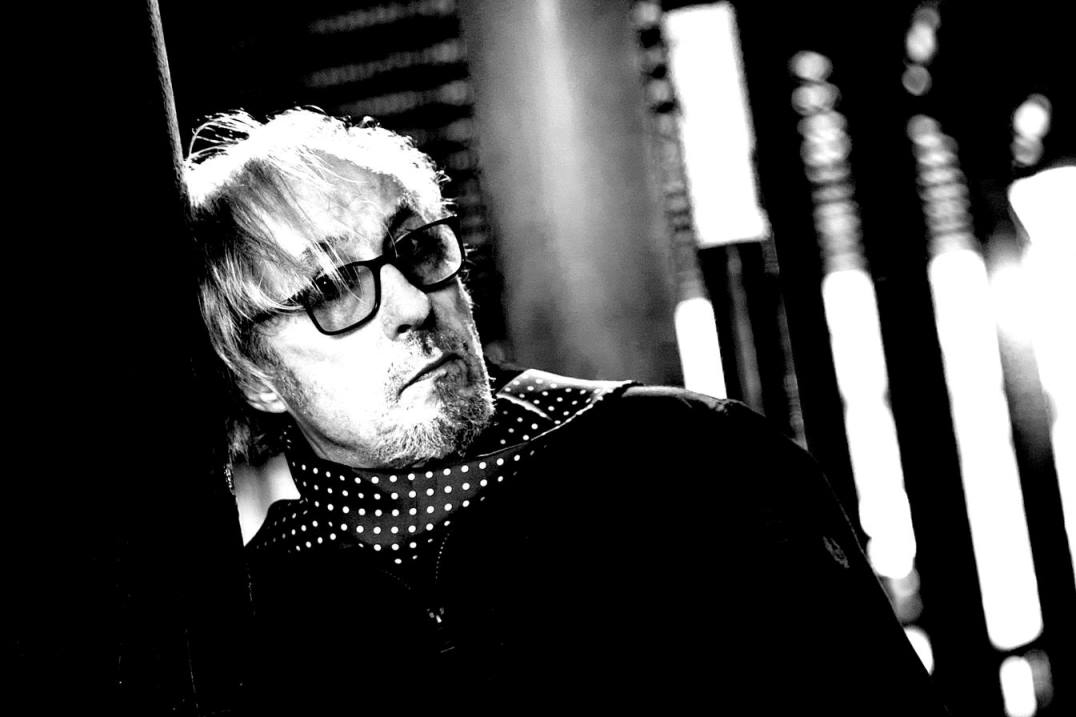
Photo by Martin Bostock

Richard Barbieri is best known from his work with JAPAN and PORCUPINE TREE but despite having been a recording artist since 1978, his new studio album ‘Hauntings’ is only the fifth long playing solo release of his long career.

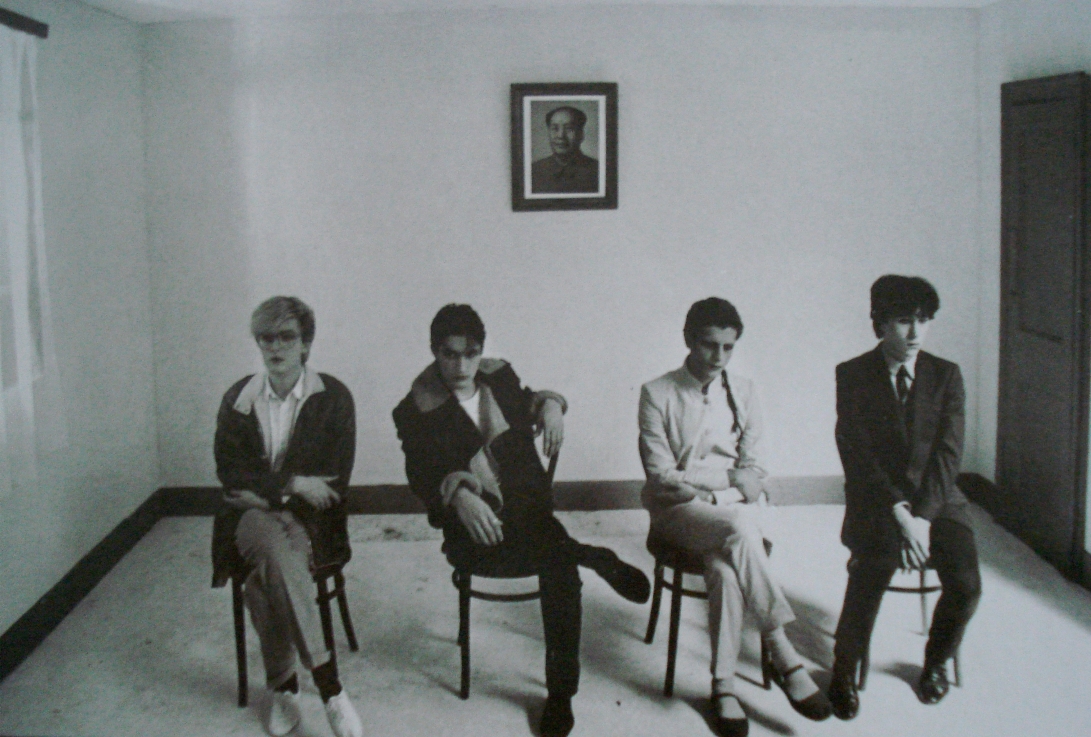
After 5 albums with JAPAN, Richard Barbieri worked with all his former bandmates David Sylvian, Mick Karn and Steve Jansen with a close creative partnership being developed with the later, both as an experimental instrumental duo and in a more song-oriented project called THE DOLPHIN BROTHERS.

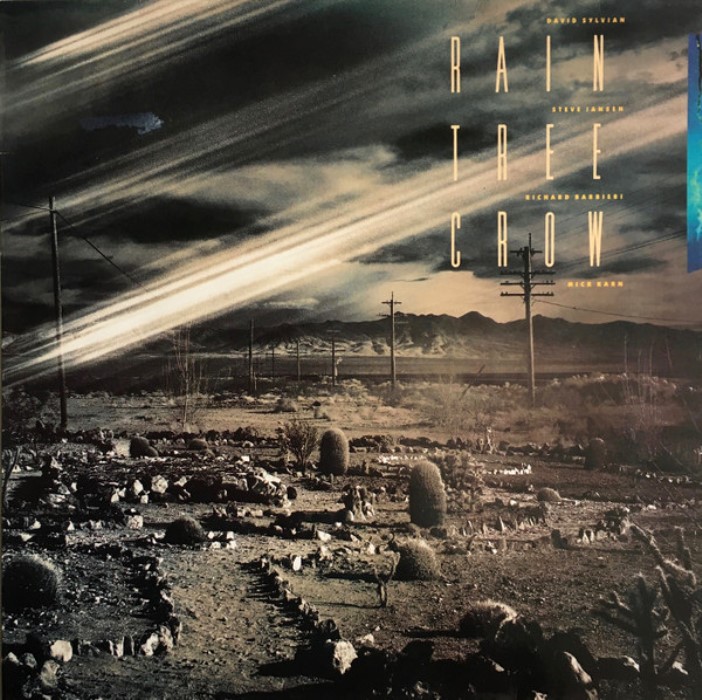
There was a brief JAPAN reunion as RAIN TREE CROW in 1991 but when that ended amid acrimony, Jansen, Barbieri and Karn formed JBK, issuing a number of albums on their own Medium Productions label between 1993 and 2001. During that time, the trio were invited to be live musicians to back NO-MAN, the art pop duo comprising of Tim Bowness and Steven Wilson in 1992. Significantly, Barbieri would continue to work with both and joined Wilson’s progressive rock band PORCUPINE TREE in 1993.

Deepening the dark immersion of its predecessor ‘Under A Spell’ from 2021, ‘Hauntings’ sees Barbieri present a diverse double collection influenced by a nostalgia for the past and future, and for things that didn’t happen, with questions as to what is real and what is simulation. Alongside the electronic sound sculptures of Barbieri are a renowned international cast of musicians including Morgan Ågren (drums and percussion), Percy Jones (bass guitar) and Luca Calabrese (trumpet).

Richard Barbieri sat down with ELECTRICITYCLUB.CO.UK for a round of Vintage Synth Trumps to talk about the ideas behind ‘Hauntings’ and his close encounters of the synthesizer kind…

The first card is the ARP 2600, does that trigger any thoughts?

I did have a go at one in the studio when we were making JAPAN’s second album ‘Obscure Alternatives’. That was probably just before I got my own modular, the Roland System 700 Lab series. The ARP 2600 had a similar kind of layout, semi-modular… I used it on a track called ‘Deviation’, some kind of noise and sequency thing! I was well fascinated by it but it always looked quite ugly to me and still does… I don’t know why but I’m still not drawn to the look of it. It’s not clear, you’ve got all these faders and things, but it doesn’t tell you exactly what’s going on. I don’t warm to it. I think Steven Wilson of PORCUPINE TREE got a reproduction one…

Of course, the ARP 2600 has got an amazing history to it, it’s on so many records but those metal sliders and the way it was laid out didn’t draw me in…
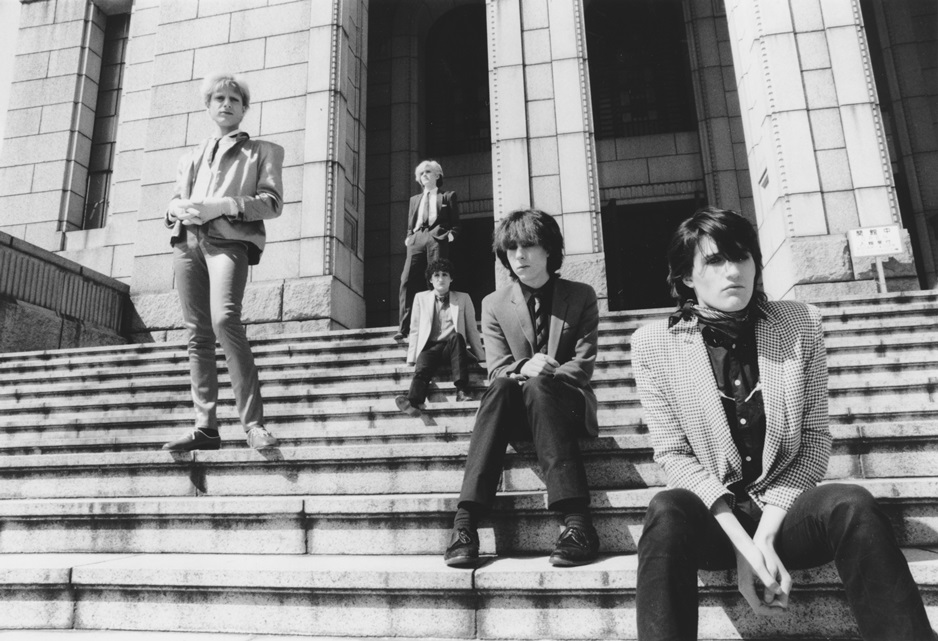
Deviating slightly, you mentioned when we last spoke in 2017 that your Oberheim OB-X disappeared back in the day… did you ever think about replacing your OB-X with something like the XPander or newer editions of like the OB-X-8 or copies such as the UB-Xa by Behringer?

The OB-X was too much in the ball park of the Prophet 5 to be honest… to me, they are fairly similar. Yes, the OB-X has that slightly thicker sound, it’s a bit warmer but in terms of having a polyphonic synth, I’m happy enough with the Prophet.

Artistically, did losing the OB-X end up being a positive in that you had to investigate a new instrument and using different techniques?

Yeah, it breaks my heart now losing stuff, especially my Wurlitzer electric piano, I don’t know what happened to that! But in those days, there wasn’t this emotional attachment to the instruments, they were tools, there to do a job. You would give away a synth to someone or let them borrow it. So it was very much wanting the technology of the times and it was more about what it could do for you than actually fetishising over it! But now, it’s all nostalgic, it’s all about the feelings and emotions.

Next card and it’s an EDP Wasp Deluxe… did you ever consider this as a possible purchase before you acquired the MicroMoog?

No, it never was… I know people who speak lovingly about the Wasp… are they the ones with the touch sensitive keyboard?

The Deluxe had a proper keyboard but the standard one had this touch sensitive strip…

I was more drawn to the Moog name and the MicroMoog was the cheapest one. In hindsight, I’m glad I got that and not a Minimoog because it’s got a lot more programming possibilities and more routing. I love it! *laughs*
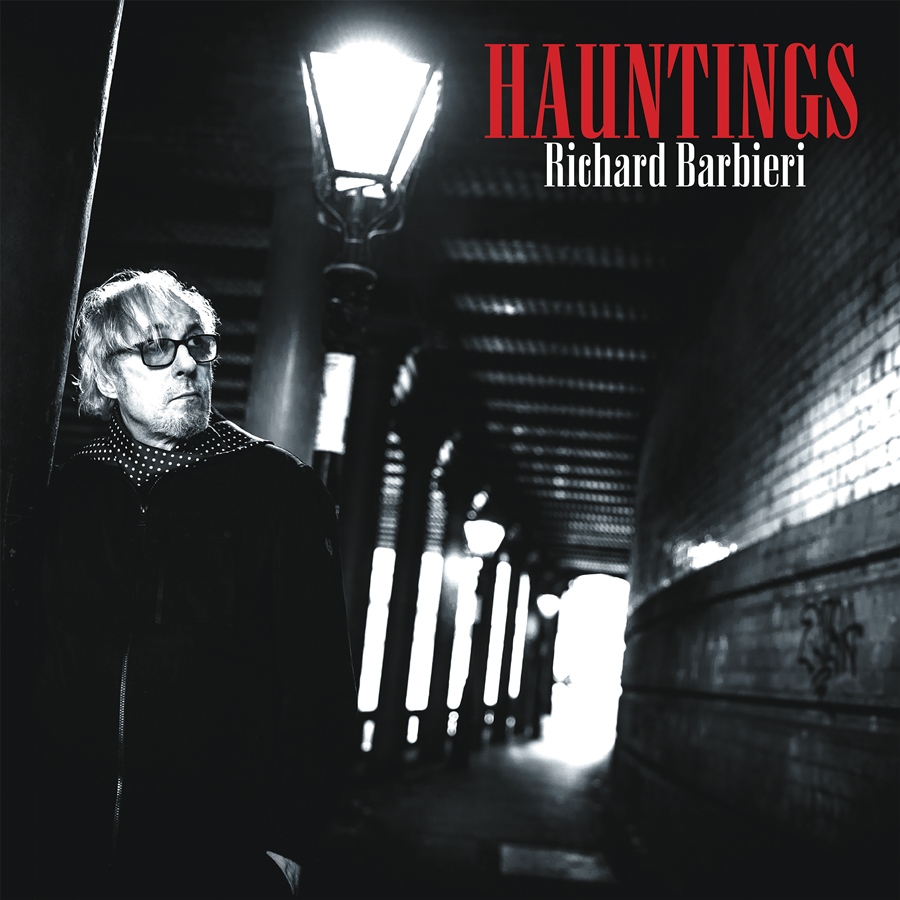
Your new record is called ‘Hauntings’ and your previous one was called ‘Under A Spell’, what has brought you musically into the supernatural world?

Lockdown started that whole thing of introspection and thinking a lot about things. It meant we couldn’t go out and do much, so everything became internalised. Also my age, it’s the age when you start thinking about your life, where you are and how you’ve got to this point. It brought all these new feelings into my mind which were haunting me. I’ve called them ‘Hauntings’ but they are feelings of nostalgia, things from the past and things that didn’t happen. When you have very vivid dreams, you have recurring dreams, you go to places you’ve never really been to in real life and there’s people you’ve never really met but they’re very real to you in that moment.

So it was playing around with that reality and how much can you bend the two realities… are we part of some simulation where it’s possible that other realities exist in a parallel dimension? I was getting all kind of heavy with that and there was also this nostalgia for the future, for a future that might not happen. So it was quite intense feelings that were influencing this music.

How did the opening ‘Hauntings’ track ‘Snakes & Ladders’ develop?

Funnily enough, that track is not built on any particular concept or feeling or nostalgia, it has a definite musical theme to it. I gave it the title because to me, when you listen to it, it’s a lot of crescendos and falls. Trying to visualise the track, it looked to me like a ‘Snakes & Ladders’ board where you’re getting these musical ascending parts and then suddenly there’s this drop and you fall down the ladder or slide down the snake. So that was a very vivid thing of rise and fall. There’s a slight time travelling concept in there as well, so you could look at it falling into different time lapses.
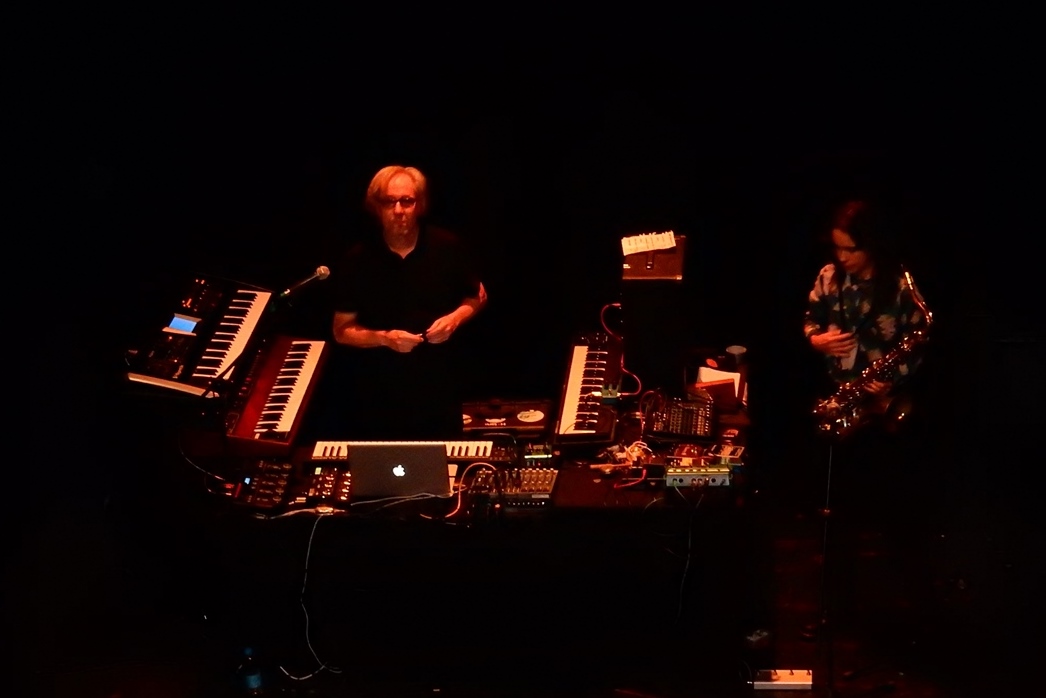
You mentioned this sort of “imagined nostalgia” and “imagined future” but also real nostalgia and haunting stuff, it made me think of when you did the telephone ring on ‘The Tenant’… it’s imitating a telephone ring but it’s not what a telephone ring sounds like… is this part of the subconscious nostalgia creeping in?

It’s a sound design thing, this album has more sound design than any other album that I’ve made. The specific thing you’re talking about on ‘The Tenant’ was my interpretation, in fact a very good copy, of the Tannoy signal that they used to have at Charles De Gaulle Airport… so every time there was an announcement, you would have this little rise and fall of these electronic digital notes. I did it with a Polymoog where you have a slider to slide through an octave thing. I just did that to recreate this sound that fascinated me.

But on this new album, there’s a lot of sound design, like on ‘Victorian Wraith’ and ‘1890’, they are based in the Victorian era. ‘Victorian Wraith’ is a recollection of a child I used to see, I used to see apparitions in my room, maybe many children do… and suddenly you stop seeing them. Your parents say you’ve had a fever but I could see these ghosts walking around my room although I wasn’t scared. They were wearing this Victorian attire, it was a very vivid image so that influenced ‘Victorian Wraith’.

The other track ‘1890’ is a sound design piece around that time, that’s one of my recurring dreams which I go back to, it’s obviously from that Victorian era in London and there’s lot of fog and mist, it’s got a dark grainy atmosphere and it’s all connected around the river near Big Ben and the Houses Of Westminster. I got a sample of the very first chimes of Big Ben from 1890, it was made on a wax cylinder or something and I’ve got an announcement on the radio of those first chimes, I put that in as well as a lot of old radio broadcasts that I had coming and going. That, mixed with a storm recording I had of really heavy rain and thunderstorms, really worked perfectly together. It just created this whole thing that I go though in my dreams. I managed to provide a sound version of what I visualise.

Another card and it’s the ARP Axxe… you used to use an ARP Solina didn’t you?

Yes I did, and an ARP Omni… David and I used the ARP Omni, it had a lovely sound, there’s a voicey choir sound that worked really well. The ARP Axxe? No, that would have been a choice at the time, did you go ARP or did you go Moog? So there was the choice between the ARP Odyssey or the Minimoog. Because I went the Moog route, that was my monosynth and it wasn’t a time where you could just easily afford to go through all the stuff.
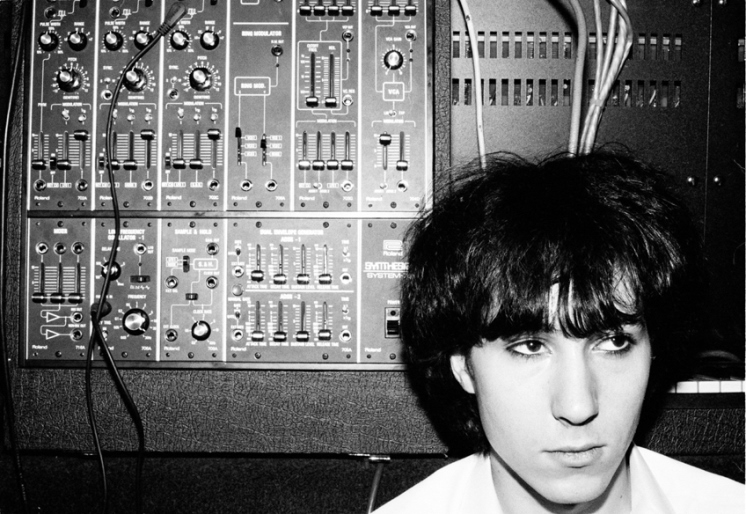
Photo by Steve Jansen

You’re known for “mixing your own colours”, how did you become more interested in sound design as opposed to just being a “keyboard player”?

Well! It was not being able to play keyboards very well! *laughs*

I think you do yourself down, you can play a lot better than you make out… *laughs*

I think there’s been periods where I wasn’t too bad for a while but I think now I’m on the decline! *laughs*

Was getting into sound design like an Eno-inspired thing?

Yeah, Brian Eno showed the way that you could use abstract sound and put that in the context of pop music…

There’s a track on the album called ‘Reveille’ which is very ‘Another Green World’, was that a conscious intent?

I’ll take that as a compliment, that particular track is just 2 channels, a stereo live recording of this new synth I’ve been playing with of late, the Solar 42f. It’s a drone synth…well, it’s more than that but it’s quite incredible really. I can’t compare it to much, it’s just something all out there on its own. But you can get a lot of things going on at the same time. I just got this little thing going and it created this sound world, it reminded me of the sun coming up. Sometimes, the real simple minimal things are the best.
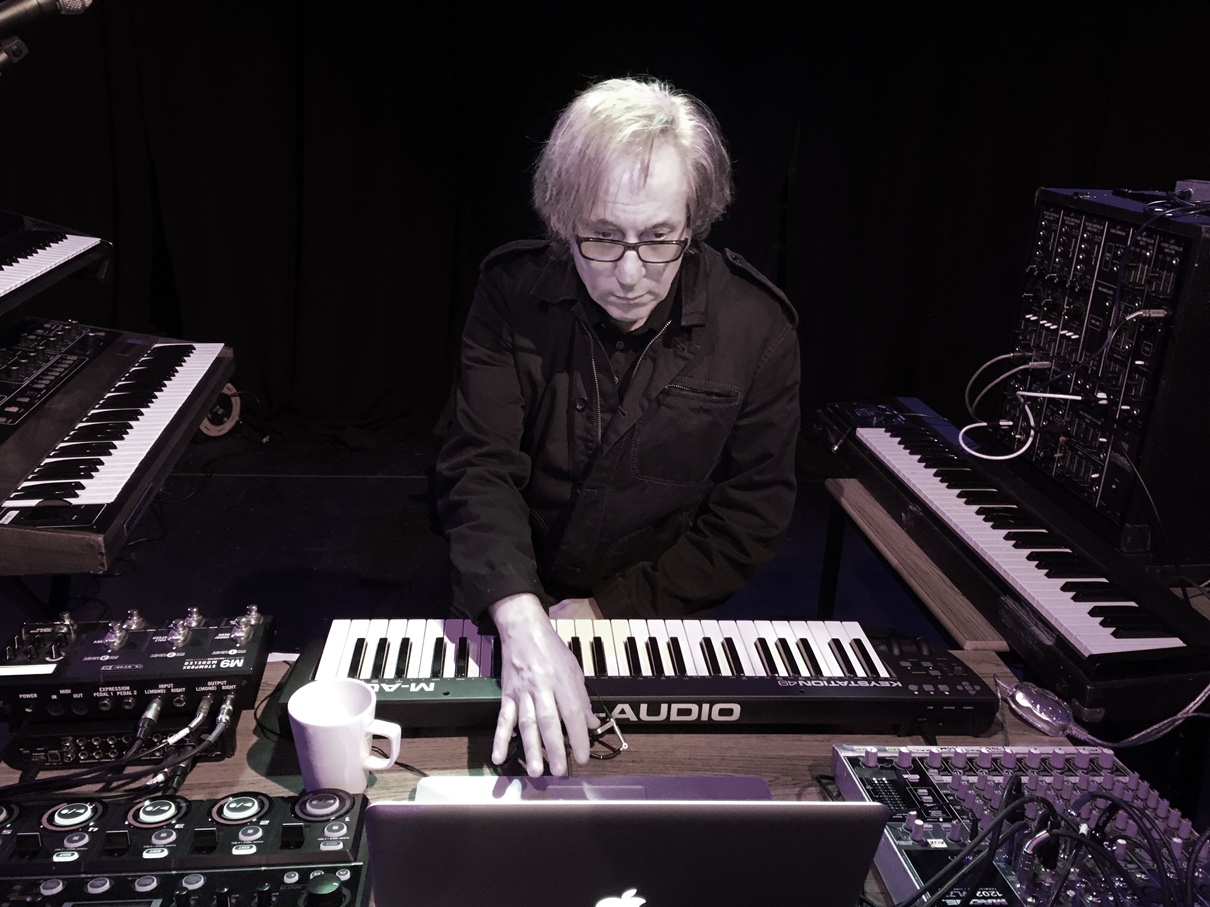
Photo by Debbie Zornes

The ‘Hauntings’ album is not just minimal things, there is some quite boisterous and uptempo stuff like ‘Anemoia’ which is playing with drum ‘n’ bass rhythms?

Yes, it is and it did have an original drum ‘n’ bass programmed pattern throughout but I really wanted a drummer to be playing it. There was a Swedish drummer who I was looking at for a long time, Morgan Ågren who although he’s a very technically gifted rock jazz player, he also has a sensibility towards electronic music. I could tell with his videos and all these little things he was doing to create his percussive sound worlds, it was really interesting to me.

So I thought it would be great to have a drummer playing a drum ‘n’ bass pattern, to give it that feeling and when it goes into that second section of the track, that’s a combination of the drummer then reverting to percussion and the electronic drum ‘n’ bass programme kit coming through more strongly. I think that worked well.

How did you become interested in drum ‘n’ bass?

I liked SQUAREPUSHER and APHEX TWIN, I also liked that quite extreme Jungle drum ‘n’ bass but I also played a lot with a band called THE BAYS, an improvisational band led by Andy Gangadeen, he’s the drummer with CHASE & STATUS. He’s very into drum ‘n’ bass and electronic rhythms, he has an electronic kit and vibes off all kinds of loops and stuff. So I did a lot of live shows with them, it’s was all improvised dance music, Jungle drum ‘n’ bass with a little bit of techno.
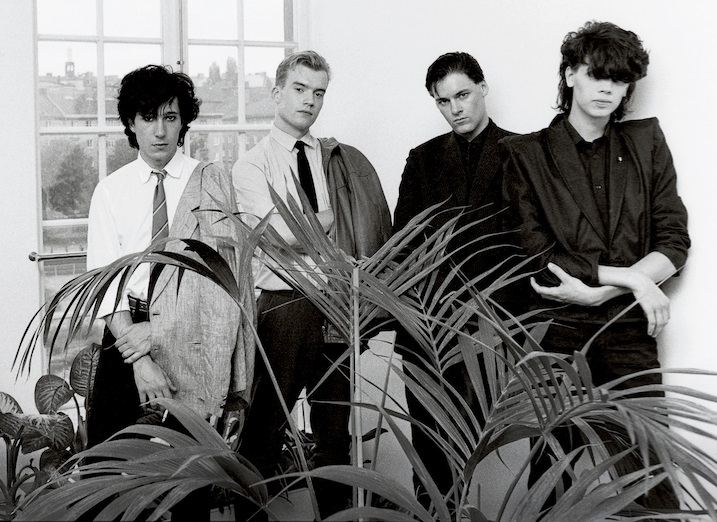
You mentioned you worked with a Swedish drummer, you’ve worked with a Swedish saxophonist Lisen Rylander Löve and your first album production was a Swedish band LUSTANS LAKEJER on their 1982 album ‘En Plats I Solen’. You did a tour in 2017 with them performing that album…

It was the 35th anniversary of ‘En Plats I Solen’, we’d always been in touch anyway, I’d seen some of the LUSTANS LAKEJER guys over the years and it seemed like a great idea to go out and play that album, they thought “let’s go and invite the producer”…

Although you didn’t produce the pre-album single ‘Diamanter’, it was the track that won you over to take the producer role and you got to perform that buzzy solo live…

Yes, it was a different one each night, basically it was noise solo and some nights, I would just lean on the keyboard with my elbow, twist a few knobs and just have a drink! *laughs*

That was fun, I love those guys… what I love about them is that they SO 80s, they haven’t tried to update or reimagine themselves at all, they’re strictly 80s! They slap on all the make up before they go on stage, all the synths playing the right sounds from that era and it’s great!

I actually got to see LUSTANS LAKEJER in Malmö near the end of 2019 and they’ve got this new late teen fanbase who go to gigs dressed like front man Johan Kinde from that era…

Yeah! *laughs*

The next card is a Yamaha CS-60… have you flirted with Yamaha equipment before?

Yes, I played a CS-80 and a CS-60, , I’d put them in the Top 5 of synths of all time, so lovely. It was in a studio in Sweden, a guy who collects a lot of vintage stuff and they couldn’t get me away from them! So beautiful and very expressive, just different… they’re a world of their own. I’ve never owned either one unfortunately, I wish I did. If I could, I would love to get one of those. But the Yamaha I do own is a CS-01… and that sounds amazing! *laughs*

So Steven Wilson’s never hired a CS-80 for you to use in PORCUPINE TREE?

Actually, that’s not a bad idea! Of course, there is good emulation available!
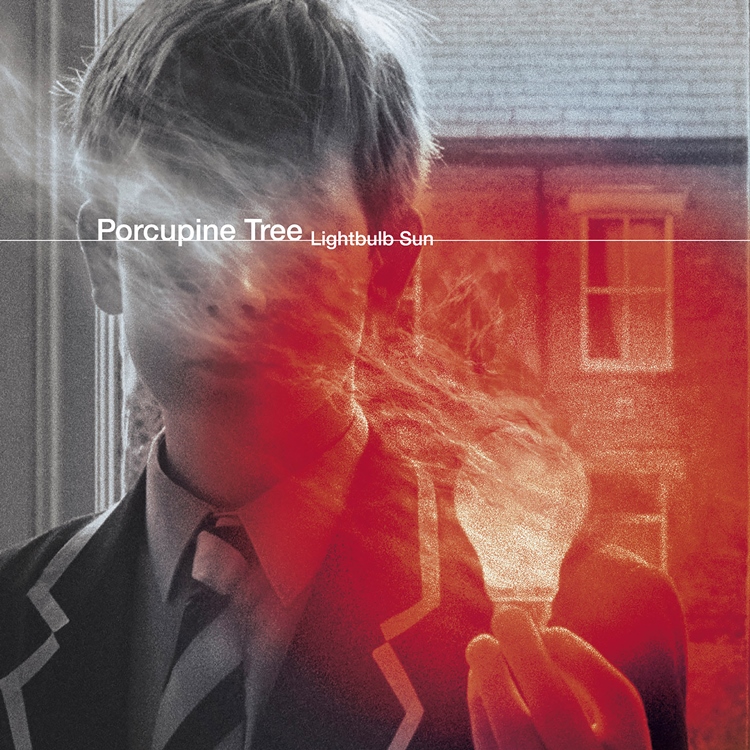
John Foxx has done this Vintage Synth Trumps interview format before and he did the photo on the cover of the PORCUPINE TREE album ‘Lightbulb Sun’, do you know how he got involved?

It must have been somebody who knew someone else! It was a case of the photo John Foxx took was actually of his son, and it was exactly right for the title… I wish I knew, you’re gonna have to ask Steven Wilson because I can’t really tie that all together, it’s quite weird.

But as a coincidence, I’ve been working with Steve D’Agostino, he’s just mixed the surround sound for ‘Hauntings’ and I’ve known him a while… so he’s now worked with every member of JAPAN! I was the last one to complete the set! *laughs*

He worked with Mick Karn on DALI’S CAR, he remixed David Sylvian’s ‘Manafon’ in surround and he worked with Steve Jansen and John Foxx on the album ‘A Secret Life’.

It’s all very incestuous isn’t it? *laughs*

Yeah! Amazing! *laughs*
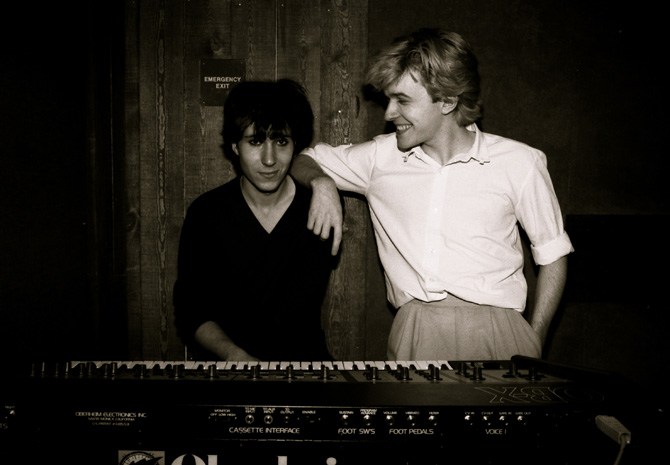
Photo by Steve Jansen

I don’t know if you have been misquoted but you once remarked that the YELLOW MAGIC ORCHESTRA sounding parts on ‘Tin Drum’ were all David Sylvian while you did the weird interesting stuff, is there any truth in that?

Well, it’s not to say that David’s parts were interesting! *laughs*

A lot of his parts on ‘Tin Drum’, I can hear similarities to the YELLOW MAGIC ORCHESTRA album ‘Technodelic’; what’s weird about that is that both albums were released at the same time so it’s almost by osmosis, this exchange of ideas and influence that went on at that time. I would say my sounds were probably a bit more off-the-wall and possibly a bit stranger…

Haunting? *laughs*

Haunting, there you go! Yeah! *laughs*

The next card is the Roland Juno 106?

I’m very associated with Roland, but I didn’t have any of the early Jupiter or Juno series, anything like that. I’ve got the big Roland System 700 and I used the Space Echos, all that kind of stuff. But it wasn’t until later with the V-Synth that I really got involved with Roland again. Before that, there was the D-50, David Sylvian and I used D-50s for the ‘In Praise Of Shamans’ tour in 1988. He did some great D-50 stuff on a track called ‘Pop Song’, all that weird scale-straight micro tuning stuff going on in the background. I used the D-50 until quite recently, but the V-Synth all the time.
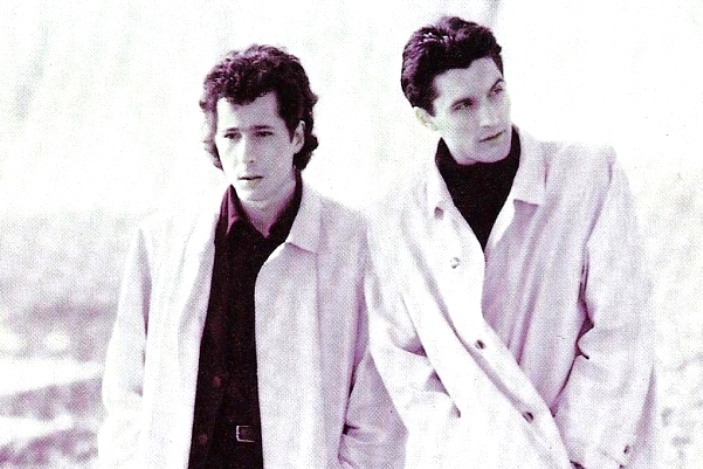
Photo by Sheila Rock

On ‘Pushing The River’ by THE DOLPHIN BROTHERS, there were those synthetic brass bursts, was that sound design or sampling?

It was a pattern that I came up with on a Casio SK-1!! It sounded like an EARTH WIND & FIRE or Phil Collins type of brass section and we decided to go with that. I think we might have used a bit of the original sound as well. Sometimes, these sorts of things, you just sample something and it’s just got a melody that’s gonna work. These Casio lo-fi samplers are very collectable now! *laughs*

Ah, next card is a Polymoog which I know you’ve used a few times…

Yeah! I used it in that interim period between ‘Obscure Alternatives’ and ‘Quite Life’ where I didn’t really have an established set-up as such. At the beginning, I had the Wurlitzer piano, the MicroMoog and the Solina string synth as well. Then I got the System 700 which did all the abstract and sequencer-driven stuff. I didn’t have a set-up until we came to ‘Quiet Life’ so at the time, when you walked into studios, there was always stuff around, they had all kinds of kit there or you could hire stuff in.

There was a Polymoog and I started to use it a lot during that period. It was very user friendly, it was quite inspirational, you could get interesting things going quite quickly. I do like the Moog stuff a lot, it’s not accurate, it’s not forensic. The Prophet is forensic in that the filter is so musical and you can make such tiny incremental moves on it to obtain real interesting tones. The Moog is just a big thick thing, the filter just opens and closes, you lose all the bass in it when you open it. But it’s this huge textural sound which I’ve always quite liked. I’m thinking of getting this new Moog called the Muse, it’s a new 8 voice polysynth, it’s like the be-all-and-end-all of Moog products, I think it’s amazing.

You did the JAPAN track ‘Life Without Buildings’ as JBK with Steven Wilson live in 1997, what made you pick that one?

Well, mainly because it was instrumental! There’s only a little bit of vocals in the middle which we knew the audience would sing! *laughs*

It just made sense, it would have been odd to do a JAPAN song with somebody else singing, especially if me, Steve and Mick were up there. It’s such a great track and went down so well live, it was epic and immense. We had Theo Travis on flute and saxophones, Steven Wilson was doing the melodic parts, it was great! I wish we’d done more of those shows really, it was a good band.

What’s next, are you playing live with this new album or going onto your next recorded work?

I think I’m going to promote it with listening events, that I think is a nice way to get people involved, do some informal gatherings, we can do some nice studio surrounds for playback as it’s in Dolby Atmos or some intimate vinyl lounge playbacks, maybe get someone to interview me and do a Q&A with the audience. People like to come to that as much as a gig sometimes.


ELECTRICITYCLUB.CO.UK gives its sincerest thanks to Richard Barbieri

Special thanks to Ben Pester at Pester PR

‘Hauntings’ is released on 10th April 2026 in CD, CD + Bluray, red or black double vinyl and digital formats by Kscope, pre-order via https://richardbarbieri.lnk.to/Hauntings

http://www.kscopemusic.com/artists/richard-barbieri/

https://www.facebook.com/RichardBarbieriOfficial/

https://www.instagram.com/richardbarbieri_music/

https://bsky.app/profile/richardbarbieri.bsky.social

https://www.youtube.com/@richardbarbieri8386

https://richardbarbieri.bandcamp.com/

Vintage Synth Trumps is a card game by GForce that features 52 classic synthesizers, available from https://www.juno.co.uk/products/gforce-software-vintage-synth-trumps-2-playing/637937-01/


Text and Interview by Chi Ming Lai
11th March 2026
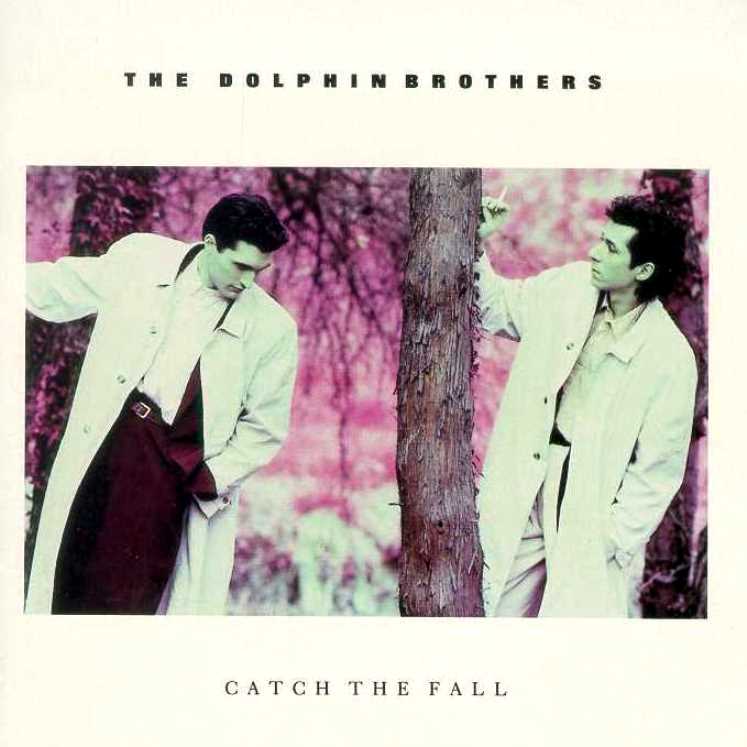
Lost Albums: THE DOLPHIN BROTHERS Catch The Fall

After JAPAN split at the end of 1982, vocalist / songwriter David Sylvian and bassist Mick Karn set to work collaborating with Ryuichi Sakamoto and Midge Ure respectively as well as preparing solo albums.

Meanwhile, drummer Steve Jansen and keyboardist Richard Barbieri partnered up for the JVC commissioned instrumental work ‘Worlds In A Small Room’ released in Spring 1985 to accompany a documentary on the Space Shuttle Challenger. But for their song-based project, the more reserved pair named themselves THE DOLPHIN BROTHERS.

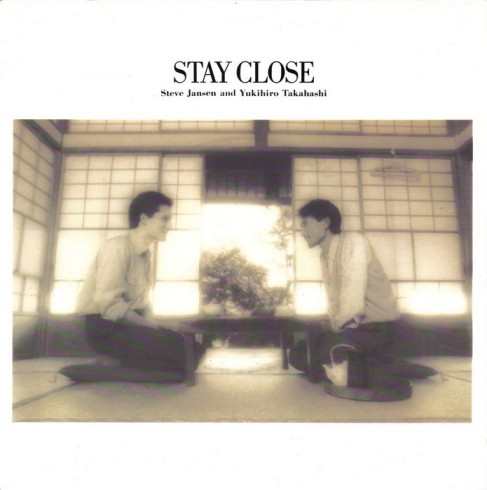
Gathering together an ensemble of noted guest musicians including Phil Palmer, David Rhodes, Danny Thompson, Matthew Seligman, Robert Bell and Martin Ditcham, they issued a long player entitled ‘Catch The Fall’ in Summer 1987 on Virgin Records. The album was co-produced by Yoshifumi Iio who had worked with Yukihiro Takahashi of YELLOW MAGIC ORCHESTRA and in particular, the brilliant interim single ‘Stay Close’ with Jansen in Autumn 1986. It was this duet in which Jansen debuted as a vocalist, so it naturally fell to the young sticksman to undertake vocal duties for THE DOLPHIN BROTHERS.

With a Sylvian-esque brow raised, the atmospheric ‘Catch The Fall’ title song with complimentary double bass from Danny Thompson sounded like it could have been a collaboration between TALK TALK and JAPAN. With the sparse percussive textures never overwhelming the proceedings, Clive Bell’s khene and crumhorn successfully added a touch of ethnic mystery.

Resembling ‘Goodbye Is Forever’ by the Simon Le Bon and Nick Rhodes arty DURAN DURAN side project ARCADIA, ‘Shining’ with its slapped digital bass sounded a little forced, although Barbieri’s synths offered some aural familiarity to connect listeners to ‘Tin Drum’ as did Matthew Seligman’s fretless bass, coming together like JAPAN with an added pop sensibility.

The accessibly dynamic ‘Second Sight’ picked up on Jansen’s Takahashi influences and grooved like a good Ferry styled pop tune should with some fabulously produced drums. With the mellow mood of later era CHINA CRISIS, Jansen offered his best Sylvian impersonation on ‘Love That You Need’, a track that could have been mistaken for his brother if it wasn’t for Suzanne Murphy’s girly refrain. Barbieri’s synths aided the possible case for mistaken identity.

The directly upbeat ‘Real Life, Real Answers’ was an obvious cousin of ‘Stay Close’ and as pop as ‘Catch The Fall’ would get, capturing a combination of acts that had been influenced by JAPAN such as ICEHOUSE and LUSTANS LAKEJER who furthered the template in their own home territories of Australia and Sweden respectively.

Photo by Sheila Rock

With a wonderfully clean sound, this is a truly underrated jewel from the canon of Jansen and Barbieri. Taking things down, the laid back ‘Host To The Holy’ displayed eerie Barbieri synths with a lilting percussive mood from Jansen in the vein of TALK TALK’s ‘Happiness Is Easy’.

Comprising of primarily piano and vocals with only partial augmentation from synths and double bass, ‘My Winter’ was reminiscent of the more organic material on Sylvian’s ‘Secrets Of The Beehive’, but with less of a hazy demeanour. The closing ‘Pushing The River’ delivered Jansen’s best vocal of the set, while Barbieri’s gorgeous artful textures and synthetic brass helped the song come over like what a JAPAN track might have sounded had the band continued recording into 1983.

Compared with David Sylvian and Mick Karn’s solo work or the JAPAN comeback as RAIN TREE CROW in 1991, ‘Catch The Fall’ was pop music, but of the more sophisticated variety. However, in the compact disc era from which it emerged, the market was saturated with comparable acts such as TEARS FOR FEARS, TALK TALK, THE BLUE NILE and CHINA CRISIS.

While featuring good songs that were well played and programmed as well as cleanly produced, what ‘Catch The Fall’ perhaps lacked was some of the sound design and innovation found on ‘Tin Drum’ or subsequent records that Jansen and Barbieri would go on to record with each other and separately in later years. This could have been due to the prevalent preset trap with the digital technology of the time, or an effort to appease Virgin Records to produce a marketable, commercial record. However, the running order might not have helped the flow of the record while ‘Real Life, Real Answers’ would have made a better single than ‘Shining’ in the quest to attract potential purchasers.

Alas, ‘Catch The Fall’ did not sell, so Jansen and Barbieri departed from the label they had been with since 1980’s ‘Gentlemen Take Polaroids’ and the songwriting world, to return to more independently minded experimental climes, most notably as JBK with Mick Karn via their own Medium Productions set-up. While THE DOLPHIN BROTHERS only made one album, ‘Catch The Fall’ has stood up well thirty years after its making.

For those JAPAN fans who may have found the improvisational nature RAIN TREE CROW something of a disappointment and may have given up on the various members’ solo projects after 1984, this album is worthy of investigation.

It may not be Jansen and Barbieri’s best work, but it is very good all the same.


‘Catch The Fall’ was released by Virgin Records and now available digitally via the usual outlets

http://www.stevejansen.com/

http://www.richardbarbieri.net/


Text by Chi Ming Lai
19th June 2017

STEVE JANSEN Interview

Steve Jansen was just 18 years old when he recorded his first album as the drummer of JAPAN.

Founded with his brother David Sylvian and school friend Mick Karn in 1974, the trio soon recruited Richard Barbieri and Rob Dean before JAPAN were spotted by noted svengali Simon Napier-Bell who had managed Dusty Springfield and a pre-fame Marc Bolan. Signing to Ariola Hansa, JAPAN eventually found their sound with the sophisticated art rock of their third album ‘Quiet Life’. Decamping to Virgin Records in 1980, things began to gain momentum for the quintet with their fourth album ‘Gentlemen Take Polaroids’, as the arty poise of the New Romantic movement began to take hold within British popular culture.
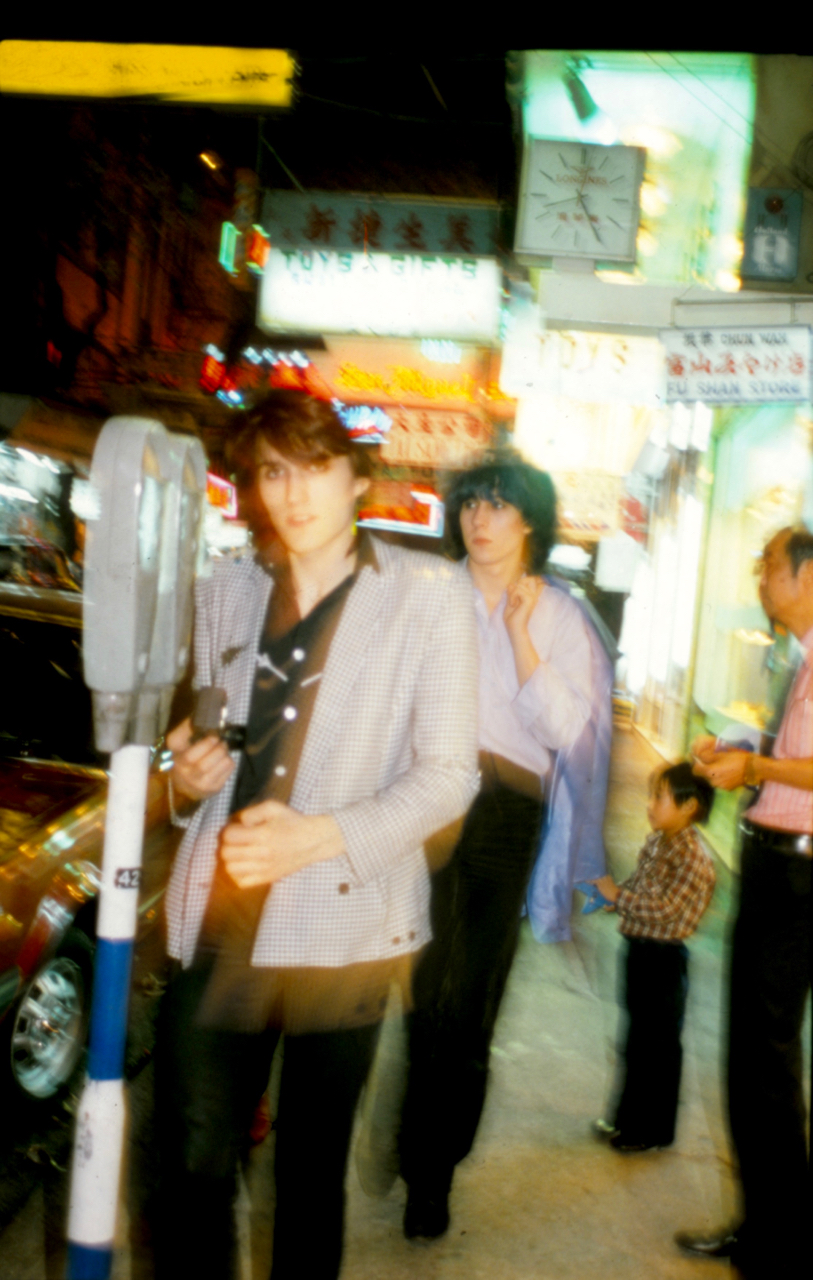
However, JAPAN were moving towards a more synthesized sound, with Sylvian and Jansen now also contributing keyboards. This ultimately led to the departure of guitarist Rob Dean, but the remaining quartet went on to record what many regard as JAPAN’s most accomplished long player ‘Tin Drum’. ‘Tin Drum’ was to become their biggest seller and assisted by a two prong campaign also involving their former label’s various reissues, JAPAN enjoyed a run of 6 successive Top 40 singles in 1982.

Despite their success, personal and creative tensions led to JAPAN disbanding at the end of their year. Jansen remained on good terms with his brother and his bandmates, particularly Richard Barbieri with whom he had a song based project called THE DOLPHIN BROTHERS.

While working with them on their solo ventures and in various combinations under the monikers of RAIN TREE CROW, JBK and NINE HORSES, there was also Jansen’s long standing friendship with Yukihiro Takahashi of YELLOW MAGIC ORCHESTRA.

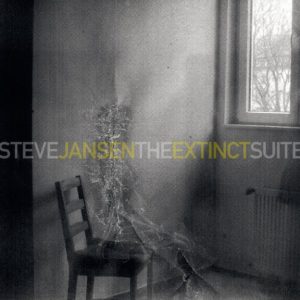
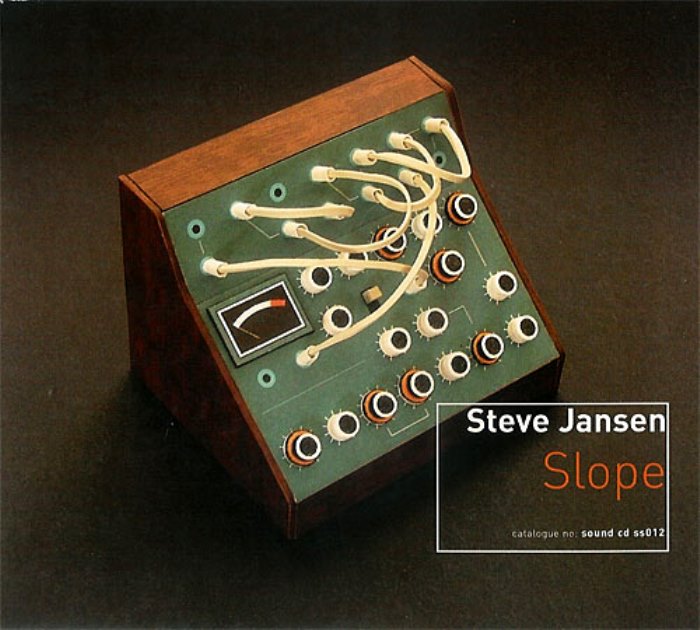
Jansen did not actually release his first solo album until ‘Slope’ in 2007. Featuring a number of guest vocalists including David Sylvian and Joan Wasser, the pair’s striking electro-blues duet ‘Ballad Of A Deadman’ was one of the highlights. His second solo long player ‘Tender Extinction’ was an evocative blend of songs and instrumentals which developed on the template laid down by ‘Slope’. But while mixing the record, Jansen came up with the concept for ‘The Extinct Suite’.

Not a remix album as such, the more ambient and orchestral elements of ‘Tender Extinction’ were segued and reinterpreted with new sections to create a suite of instrumentals presented as one beautiful hour long piece of music. A gentle blend of electronic and acoustic instrumentation including piano, brass and woodwinds, ‘The Extinct Suite’ exudes a wonderful quality equal to Brian Eno or Harold Budd.
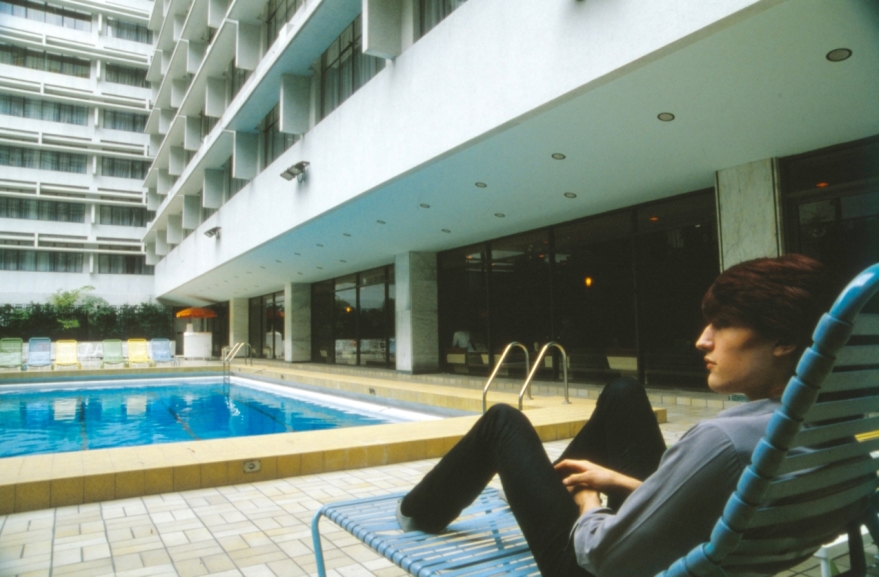
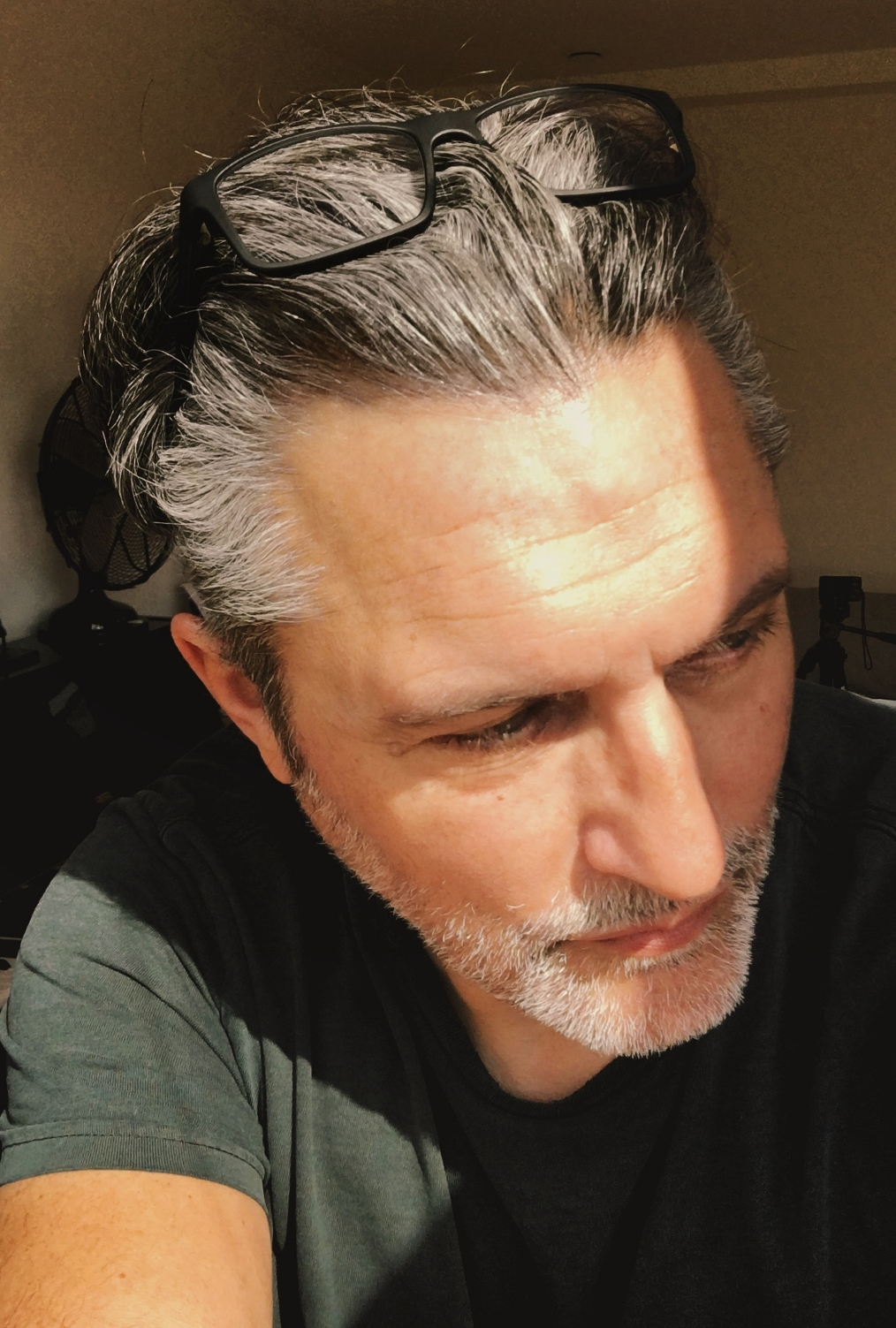
Steve Jansen kindly chatted about his varied career and vast catalogue of work.

‘The Extinct Suite’ is a new album but sort of isn’t… how did the concept come about?

I felt that there was a lot of musical content behind the vocal tracks on ‘Tender Extinction’ that leant itself to being reinterpreted as instrumental music. My aim was to extract these elements and link them into a ‘suite’ which meant composing some new pieces as well as, in some instances, significantly altering the original source.

Was there a feeling that ‘Tender Extinction’ could be taken further?

In the sense explained above, I felt there was more to be explored.

Do you feel you now have more in common with classical composers in wanting to explore variations on a theme?

I doubt it. I explore sonics and arrangements and spend many hours sound designing and keeping an open mind as to where it all might lead. I don’t have many musical disciplines.

‘Worlds In A Small Room’, ‘Swimming In Qualia’ and ‘A Secret Life’ are just some examples of your other ambient work, how did you become interested in that area and which particular artists or composers have influenced you?

I like the effects of calm and dissonance and subtle change, elements that have been present in most of the music I’ve been involved in.

I don’t really listen to other people’s music anymore because I find I’ve no real use for it, but there was a time when I would enjoy ambient releases during the 70s / 80s by all the knowns of the time.

How do you differentiate your approaches for instrumentals as opposed to songs? What do you get out of instrumental work that you wouldn’t get from writing a song?

Songs usually require more structure and chordal shapes. Ambient music is as I’ve previously described and affords you the chance to deviate from the path and explore things on a whim.

In THE DOLPHIN BROTHERS with Richard Barbieri, you were recording perhaps more conventionally framed songs, how do you look back on that period?

It was a lost period. We found ourselves in a bit of a limbo. We came from a pop background and, unlike today, in order to survive in the music business you needed label backing, and the business of music was dominated by labels acting as moneylenders that wanted to see big returns. Without being a part of that machine you would disappear altogether. Richard and I were signed and dropped by Virgin (and their subsidiaries) 4 times in all and during that time we had to wait for technology to significantly move the goalposts.

Your 1986 single ‘Stay Close’ with Yukihiro Takahashi was a fabulous one-off, do you ever regret that the two of you never did a full joint album together back then?

We did an album under the name ‘PulseXPulse’ but it was more aimed at the Japanese market. Yukihiro is not very exportable and he plays into his own market because that’s what serves him best. I’m sure we could have made a collaboration album in the vein of ‘Stay Close’ but it would have been very much of its time.

You’re a proven competent vocalist but for your first solo album ‘Slope’, you brought in guest singers, a tradition that has continued with ‘Tender Extinction’… what was the ethos behind that?

I beg to differ. I don’t enjoy working with my own vocals, it’s much nicer for me to be able to write music with vocalists whose singing brings an unexpected dimension and inspires me to bring out the best that I can from the collaboration between myself and them.

You’ve always been more than a drummer and you utilised keyboard percussion on ‘Gentlemen Take Polaroids’ and ‘Tin Drum’; what attracted you to experiment with that aesthetic?

During JAPAN’s days I was often asked to play keyboard parts that required precise timing (pre-computers of course) and this was my foot in the door into keyboards… that, and the marimba.

During the ‘Tin Drum’ period, you had access to the then state-of-the-art technology like the first Linn Drum Computer and Simmons Drums. How did you find those to use?

At the time the Linn Drum Computer was exciting to work with, however the Simmons Drums were another matter. Very limited sound and extremely physically hard to endure due to the fact that the drum heads were made of riot shields which had no give and created shockwaves that caused finger joints to swell dramatically.

You had co-writing credits on ‘Visions Of China’ and ‘Canton’. Had these two originally been your ideas?

That would have been put down to the fact that what I was doing rhythmically played a bigger part than usual in the inspiration and direction of the songs. But in reality I don’t think it was the right way of doing it. I think all JAPAN’s music was methodically arranged by each member and warranted some co-writing credit however small.

Richard Barbieri still uses analogue technology alongside modern equipment and techniques, do you have any continued interest in vintage equipment?

Not really. Nor vinyl.

The 2015 release of the 1996 concert recorded in Amsterdam as the ‘Lumen’ EP was a reminder of what a fantastic combo of musicians you, Richard Barbieri and the late Mick Karn, with the addition of Steven Wilson, were. Do you miss full-on live work, especially as these days you appear to be more computer based?

I do miss it. I like performing live but I really don’t enjoy the cumbersome aspects of putting shows together where there are budgetary restrictions. There was a time when I would try to put a positive spin on such things but not anymore.

You have drummed for PROPAGANDA, ICEHOUSE and MANDALAY as well as for Takahashi and Tsuchiya, while noted sticksman Gavin Harrison has cited you as one of his favourite drummers. Did the idea of session work ever appeal to you?

No, I wasn’t that versatile. I had my own way of doing things which meant that what I played wasn’t particularly universal and therefore the people that wanted to work with me did so because of the approach I took to drumming rather than fitting into place with a particular style of music.  This isn’t good form for a session drummer.

You worked with John Foxx and Steve D’Agostino on ‘A Secret Life’. Are there any other established artists you would be interested in working with?

That project arose from meeting at a Harold Budd concert in which we all took part. I didn’t have much to do that with that particular project except to take the Budd concept further of creating ambient sounds on a gong. I’ve never really looked to seek out other artists to work with except for vocalists, and even then I’m not keen on going for high profile people (which is just as well because why would they?).

You’ve been with major record companies, run your own independent labels, used distributors and have now adopted Bandcamp as a sales outlet. What is the future for an artist in your position?

I will continue to make music because it’s not a job as such, and certainly not a hobby, it’s more of a need to be creative and find a balance in myself. I don’t know if a time will come when I no longer feel the need to do it, have to wait and see.

You blog quite regularly on your Sleepyard platform. How are you finding engaging with a fanbase via the joys of the world wide web and all that it entails?

It’s nice to communicate with people. Not having been ‘a front man’ in the true sense of the word, I’ve not done a great deal of press. The idea of projecting my persona and claiming ownership of any one project has never really appealed to me as it might to some, but being able to answer specific questions that people might be curious about can be a pleasant exchange and sometimes gives me a chance to realign history a little. That’s all.

Photography is still very much a part of your life and artistic expression…

I have an archive of images that I’ve only recently been exploring and thus put a book out. I do appreciate photography and think it runs in parallel to being creative musically as music and visuals both paint pictures and are emotive in different ways but can also work in collusion.

What’s next for you?

I’m working on project EXIT NORTH (with the Swedes) and quietly working on new material.


ELECTRICITYCLUB.CO.UK gives its grateful thanks to Steve Jansen

‘The Extinct Suite’ is available in CD and download formats from the usual retailers and direct from https://stevejansen.bandcamp.com/album/the-extinct-suite-2

The double vinyl LP edition of ‘The Extinct Suite’ twinned with ‘Corridor’ is available from https://stevejansen.bandcamp.com/album/the-extinct-suite-corridor-lp-edition
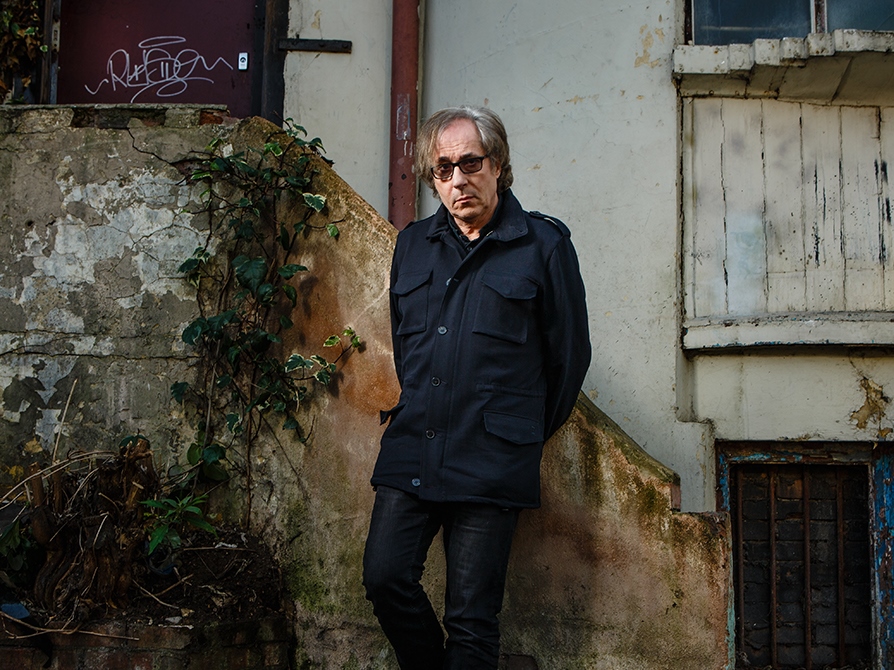
Steve Jansen’s photo prints are available from https://www.thefloodgallery.com/

http://www.stevejansen.com/

https://sleepyard.wordpress.com/

https://www.facebook.com/stevejansenofficial


Text and Interview by Chi Ming Lai
Photos courtesy of Steve Jansen
30th May 2017

RICHARD BARBIERI Interview

Photo by Ben Meadows

Richard Barbieri is the synthesizer technician who first found fame as a member of JAPAN.

Along with Catford Boys School pals David Sylvian, Mick Karn and Steve Jansen plus Hackney born guitarist Rob Dean, the quintet found fame in the country of Japan itself with their unusual hybrid glam funk rock. As an untrained keyboardist, Barbieri didn’t come into his own until he immersed himself into the brave new world of synths. His interest coincided with JAPAN’s change of direction into the more mannered, artful style as showcased on their third album ‘Quiet Life’ released in late 1979. However, the band were dropped by their label Ariola Hansa, but they had revealed their true potential and were quickly snapped up by Virgin Records.

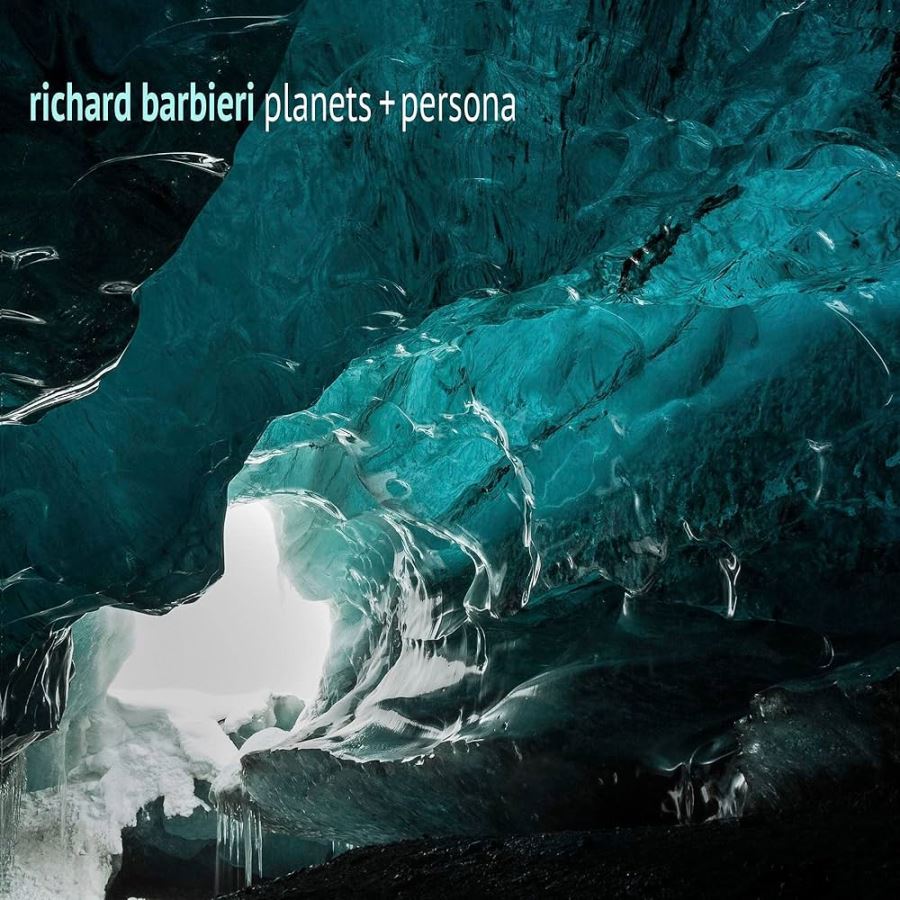
As Barbieri grew more confident with his aural sculpting, JAPAN headed towards a more electronic sound with their final two albums ‘Gentlemen Take Polaroids’ and ‘Tin Drum’. Despite their success and a run of 6 successive Top 40 singles in 1982, all was not well within the camp. Although JAPAN split, Barbieri stayed on good terms with all of his bandmates, working with them on their solo ventures and in various combinations under the monikers of THE DOLPHIN BROTHERS, RAIN TREE CROW and JBK. In more recent years, Barbieri has been a member of prog rockers PORCUPINE TREE but with the band currently in hiatus, the veteran sound designer is about to unleash a brand new solo album entitled ‘Planets + Persona’.

Richard Barbieri kindly took time out to chat about his upcoming opus and career, as well as expressing some frank views about Spotify and the current generation’s attitude to music consumption…

You’re releasing your third solo album ‘Planets + Persona’, how would you describe it?

It’s probably the most expansive sounding album I’ve made. Sonically, I’ve used a lot performers and acoustic instruments to mix with the electronics. With previous albums, I tended to work at home with a laptop and software, but the more you work alone, the more it seems to have just one sound. ‘Planets + Persona’ is more cinematic, it’s a wide spectrum of sounds so if I was a painter, you could say I’m using more colours.

You’ve been with PORCUPINE TREE for many years now, why did you feel the time was right for another solo work?

It’s been quite a while! I’m not that prolific, a solo album seems to come out every 6 or 7 years! *laughs*

I never really know when I’m going to do one, it’s just when the time feels right. If I tried to write and record all the time, I think the quality would suffer so I know inside when it’s right. I felt quite inspired and things moved along pretty quickly really. So I decided to put more money into this and travel around to work with lots of different musicians and make it a real kind of experience as well.

Which do you feel are the pivotal tracks on ‘Planets + Persona’?

I’m happy with them all, but I would say my favourite is the first track ‘Solar Sea’, it encompasses everything I wanted to do with this album. There’s my obvious love of electronics and analogue synthesis, but it came from a weird rhythm that I constructed out of various samples and machines. I’d call it a sleazy rhythm, it feels good but there’s something slightly jarring in there and this set me off on this pattern. I worked everything around it using a lot of bass from the System 700 and wrote these jazzy chord progressions over the top which is quite unlike me, but I liked the atonal feel and I built that up with trumpets and saxophones.

Then it goes into sections where this musician I’m working with Lisen Rylander Löve does live vocals, but she’s manipulating the voice in real time, so it’s a vocal performance but she’s not actually using words, it’s vowels and noises with pitch shifting, warping and delaying. She has this table full of gadgets and uses what looks like an old Russian Army microphone for that lo-fi sound! When I worked with her a couple of years ago, I was so impressed that I wanted to work with her again.

‘New Found Land’ is like spacey avant jazz, how did that come together?

That’s the oldest track of all of them, I originally wrote it for PORCUPINE TREE, but as there was nothing happening with the group, I thought I would develop it myself. I would say it’s the most accessible track on the album, probably the most melodic and maybe what people would expect of me.

There’s a guy I work with, Steve Hogarth and I used his vocals from another project we’d been working on. I layered up these voices that had quite interesting close harmonies so I manipulated them, put them into a sampler and further synthesized it, so I ended up with a choir patch from his voices. That was the backdrop to the whole thing and I started to write these chord progressions. It’s a bit like 10CC ‘I’m Not In Love’ where you know it’s not a Mellotron or string machine or a choir or anything, you know it’s real voices but it sounds slightly weird.

You’ve hit on something there… there’s a deep choir sound that doubles with the ARP Solina on ‘Despair’ from the ‘Quiet Life’ album; how did you get that sound, was it a synth or a Mellotron?

There were Mellotrons at Air Studios where we did the album, and one was THE BEATLES’ Mellotron because it was Paul McCartney’s studio, he was there all the time and there was always their gear around. It could have been from that, but there was a choir setting on the Solina and that was really nice…

That solves a mystery then… Percy Jones plays on ‘Solar Storm’ from the new album and he was a key influence on all of you in JAPAN, particularly Mick Karn. What was it like to work with him?

It was brilliant, he’s a bit of a hero to me. We used to listen to that Brian Eno album ‘Another Green World’, the rhythm section of him and Phil Collins is just amazing. I’d never really heard bass played like that before, it was something different. With Eno’s synths and everything, it was such a great combination.

I’d always wanted to work with him but when you have him on a track, you have to accept he’s just going to go crazy and do his thing! He’s not the person to have if you want a particular arrangement but I knew there was space for him to be himself. I had a feeling it would work really nicely and there’s a middle section where there’s all these sequences going on. He’s soloing against them and I really liked that.

Photo by Steve Jansen

There is a wide instrumental palette on the album, but vintage analogue synthesizers are still your primary source of expression. Which particular ones have retained the most affection for you?

I’m using the ones I’ve always used… I haven’t got a vast collection, I’ve just hung onto the ones that have been the most useful to me and cover all bases. I’ve got the Roland System 700 semi-modular, and it’s the Laboratory Series so that’s the main console with three oscillators; you can patch as well so you can go either way.

I’ve been using that since 1978 and I bought that from Rod Argent’s Keyboards in Denmark Street, London. I use it a lot for effects, bass and spacey stuff. Then there’s the Prophet 5 which I’ve been using since the 80s, I’ve never found anything that sounds as lush, warm and beautiful. And there’s the Micromoog…

…was that your first synth?

Yes, I’m still using it! *laughs*

It’s incredible, it stays in tune, it’s wonderful. I find it’s more flexible than a Minimoog. Because of the routing, there’s a lot more to it than you think. You’re limited because you’ve really only got one oscillator, although you have a doubling effect where you can have an octave below or above. But there’s so many ways that you can route the modulations. Through the modulation, you’ve got sample and hold, oscillator and filter combined, noise and you can route these things all together.

Photo by Yuka Fujii

Do you go with Eno’s notion that you are identified by the limitations of your instrument, but that then challenges you more to take the instrument further?

Yes, one of the big problems today is these massive libraries that you have with software synths, and it’s too much! You can get lost… when you’re in a creative mode, you just want to get these things down, you don’t want to search through 100 different versions of a bass synth because by the time you get to the 99th one, you’ve forgotten what you wanted to do in the first place! Even on JAPAN’s ‘Tin Drum’ album which was quite an adventure in programming, we more or less only used two synths, the Prophet 5 and the Oberheim OBX.

I noticed on your keyboard rack, you don’t appear to have the OBX anymore?

I don’t… I don’t know what’s happened to it! *laughs*

I lent it to Mick Karn who used it on his album… it’s funny to think but in those days, you didn’t feel so precious about this gear because it was just the technology of its time. Now, I would do anything to find out where it is! To get one now would cost me about £7000 – £8000 probably!

Jump forward to ‘Gentleman Take Polaroids’ and you’d purchased the Oberheim OBX and Prophet 5 while also using the Jupiter 4, ARP Omni and Polymoog. Bearing in mind how costly somewhere like Air Studios was, was there ever enough time to explore the synths that were hired in, as opposed to the ones that you owned?

Some was hired and some was just there. The studios used to be pretty well equipped in those days. It was weird that album, ‘Gentlemen Take Polaroids’ was where the set-up was in transition; on ‘Quiet Life’, I had a very basic set-up that I stayed with and afterwards on ‘Tin Drum’ as well.

But here, we were using whatever came to hand. I did get quite into the Polymoog which I never owned, but used and enjoyed a lot. Sometimes in my mind, I think I’ve played something when I haven’t, like I imagined there was a Yamaha CS80 there, but I don’t think there was!

You also had the Oberheim Mini-Sequencer, what was that like as it’s not as widely known as say, the ARP Sequencer?

It was what I was recommended when I got the System 700, because I wasn’t getting the giant version with the Roland sequencers. It was pretty hard getting the right bits of gear to talk to each other in terms of control voltage, there all’s kind of problems but this combination worked perfectly with the System 700. I’ve struggled to find anything that ever worked as well with it.

I understand it had a limited number of steps and wasn’t the full 16?

No, it was just 8! Each control had separate tunings for CV1 and CV2, so you could make nice counter-melodies and harmonies. It was fairly limited although when I listen to it now on things like ‘Quiet Life’ and ‘Methods Of Dance’, it sounds pretty good.

On ‘Tin Drum’, you employed a policy of keeping things minimal by primarily using only the OBX and Prophet 5? What were the artistic challenges for you there?

The music was heading into being more minimal and things connected together like a jigsaw. So it was very much ‘question and answer’ melodies and riffs. In rehearsals, which was where most of the stuff was written and arranged, David Sylvian and I would just have one or two keyboards each.

But in rehearsals, you couldn’t record anything so in effect, you were making just one overdub. It influenced the way it went, but we had the discipline to keep things sparse. Space in very important in music, it’s as vital as the event. That album had a separation to it, people were playing in a sequence and you can hear the definition in everything.

Yes, ‘Gentlemen Take Polaroids’ was quite woolly sounding while ‘Tin Drum’ is very sharp…

It is very sharp and quite cold sounding I’d admit, but it’s precise. And ‘Polaroids’ is more woolly and warm.

I understand that on ‘Ghosts’, that cascading metallic sound in the intro was programmed by you and triggered using just one key?

That’s something I’ve tended to do from the very beginning… my introduction to music was basically trying to find ways of creating something without having to play too much! *laughs*

Not being a technically gifted player, the keys were of less importance to me than the actual controls. What I tried to do was to make more events happen from one note than playing 200 notes. The prime example to that is the intro to ‘Ghosts’ because it’s just one triggered note on the System 700, but I’d programmed in this evolving series of movements with filters, LFOs and pitch frequency oscillation. I’ve never been able to quite get that sound again, but it caused havoc for the engineer because there were lots of peaks and it was quite difficult to record.

There’s a really mad cascading synth thing at the very end of ‘Television’ from ‘Adolescent Sex’ too…

Yes, it’s on the Micromoog… it’s basically sample and hold where the pitch is going haywire! *laughs*

Photo by Fin Costello

If there had been a sixth JAPAN album recorded and released in 1984, how do you think it might have sounded?

That’s interesting, that’s a good question, I’ve never been asked that. Obviously, enough time had passed for RAIN TREE CROW that we went in a completely different direction. But if we’d recorded something maybe a year or two after ‘Tin Drum’, I don’t think the change would have been as drastic.

When I heard the David Sylvian and Ryuichi Sakamoto single ‘Bamboo Houses’ / ‘Bamboo Music’, to me that sounded like JAPAN without me and Mick, it was more computerised. I think we might have sounded like that possibly. And then there was a really nice single David did called ‘Pop Song’ which was using the extrapolated tunings on the Roland D-50 where you can widen out the octave or bring the octave in, you can get some really interesting scaling going. We started messing around with something like that on ‘Tin Drum’.

You mention the D-50, how did you find the digital and sampling revolution that followed after ‘Tin Drum’?

Of course, you get into it. It’s something of the time and it’s exciting, so you want to try these things. I think I’m lucky because the D-50 was one of the best, I never warmed to the Yamaha DX7 because it was too cumbersome with all those layers and layers of menus on a tiny little screen. I had the programmer with the D-50 which really helped. I think it’s amazing with nice analogue tones on the waveforms, I used it on so much. In later years, I was using a JV-2080 and the Roland V–Synth, they’re great. I think I’ve made the right choices.

Your own early self-compositions for JAPAN like ‘A Foreign Place’, ‘The Experience Of Swimming’ and ‘Temple Of Dawn’ indicated you had a more ambient, textural approach. Was that where your interest lay rather than conventional pop?

Yes, in JAPAN we weren’t really listening much to the current stuff at the time. What we were mainly listening to was either very ambient music, or world music and I think you can hear that come on things like ‘Tin Drum’. Ethnic music was of interest to us because of the tunings and the strange sounds of the instruments. We always loved this sense of space in music.

We used to listen to a lot of Chinese orchestral music which had a very unison sound with lots of octaves all playing the same line and a very dominant melody. We also listened to a lot of Japanese, Turkish, Greek and Middle Eastern music as well… this was instead of THE HUMAN LEAGUE or Gary Numan *laughs*

You later worked on with Steve Jansen under your own names, as THE DOLPHIN BROTHERS and as JBK with Mick Karn…

With THE DOLPHIN BROTHERS, it was the one point in our career where we tried to do something commercial, in a way against our better judgement. Listening to it now, there’s a couple of tracks on the album I still love that are pretty timeless like ‘Catch The Fall’ and ‘My Winter’. But I think the rest is pretty much of its time. After that album, we quickly went back to making more experimental, alternative stuff.

More recently, you released a great 1996 live performance featuring you, Steve and Mick as a mini-album under the title of ‘Lumen’?

‘Lumen’ was one of those rare occasions where you get invited to do something and this was a show in Holland. It was an opportunity for the first time for us to focus on our instrumental music and we fleshed out the band by having Steven Wilson from PORCUPINE TREE as well. It was just one of those things, we found out it was recorded and thought it sounded pretty good, so these things happen through chance and luck really. Nowadays, I always like to try and get a recording of a live performance.
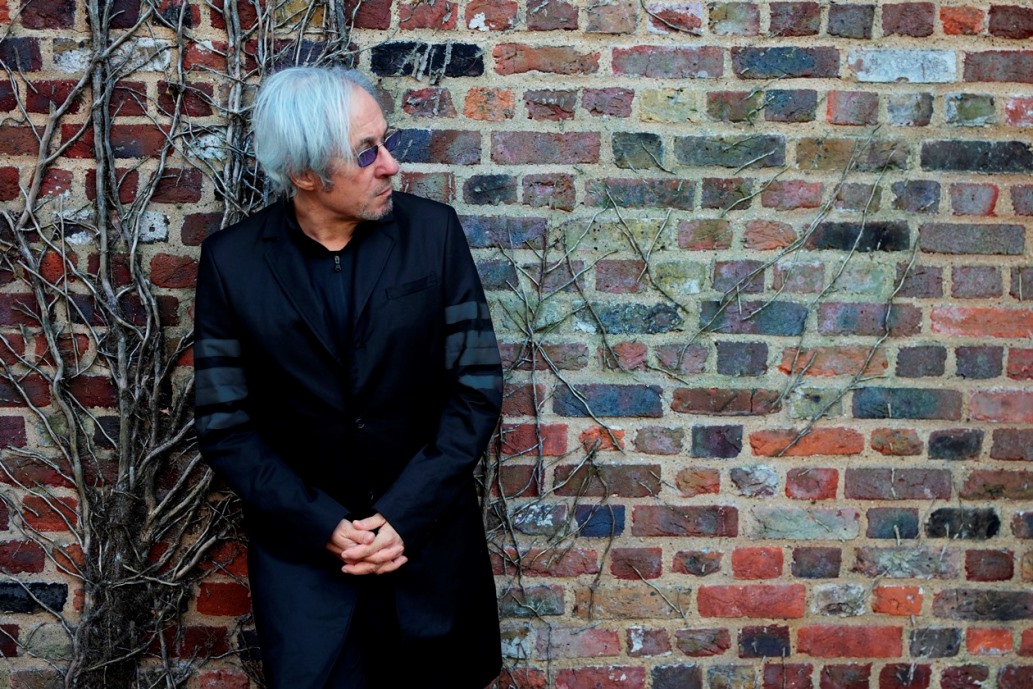
When you founded Medium Productions in 1993, you established an outlet for your work. How do you find self-release outlets like Bandcamp? Does an artist need a conventional record label today?

These days, I make the choice to go with a label if I can. I could probably make a bit more money if I did the whole thing myself. But I would rather it reach more people, so more people get to hear it and buy it. That means I make slightly less, but that doesn’t really matter to me. The machinery that a record label has does give you a lot of headaches, but it does get the music out there and there are benefits.

Did the business side of Medium Productions ever distract you from making music?

Luckily we had Debi Zornes working for us who ran the label and that really helped us. Although we had to make all the decisions as directors, it took a bit of the pressure off. We had distributors, and once you have them in place, you just hope that they get the stuff out there. It was diminishing returns really, it started off amazingly in terms of sales, but then eventually it goes down. It’s like anything, if you leave a long gap and do a gig, it sells really well but if you start to do a lot of gigs, it’s harder to sell tickets because people have seen it and wonder if it’s going to be different. Obviously having been with Virgin on-and-off throughout all that time, it was just nice to not have any record company expectation.

Photo by Carl Glover

Have you any views on Spotify and streaming services?

Yes, I hate it! I can’t see how it would benefit artists who don’t have enormous record sales and I don’t see how it can benefit new artists trying to breakthrough. I can see how it would work for entertainers and big artists, but if you’ve got to have 2000-3000 streams to make the same amount of money as a CD sale, I mean really? What hope is there for these kids who are trying to have a career in music?

It will suit the big artists because they can say “I don’t care about record sales, this will get me enough people to my shows who will buy a T-shirt”, and a T-shirt costs less to make than a CD! And I can’t stand this thing about how you can spend months making music and you’re supposed to just put it up on a site for people to have for free. I guess I’m from a generation that can’t my head around it.

For this generation, music is an accessory to their lives. You have your video games, social media and then you’ve got a bit of music. In my time when I was growing up, music was my life even before I was making music. Just going to the record store and buying a new album was such a big deal, I was happy to save pocket money to buy an album and it would be a real experience. People in my generation still love to buy packaging and have beautifully crafted artwork, but that’s slowly fading away to this era of streaming. A lot of people’s excuses for streaming is they “go on there to listen to everything and when I find something I like, I buy it”

I find people seem to hop through stuff and don’t listen to it properly with streaming…

You’re so right, because when I first bought an iPod, I had all my favourite music on there and I thought this was the most amazing thing. I started playing a track and about 30 seconds in, I thought I’d play something else… I was so excited about having everything on there, I kept switching from one track to another, I didn’t listen to anything!

But with this modern environment, have you managed to make social media work for you?

I have… I only got into it about a year and a half ago. I injured my knee and I was laid up for a long while recovering and I got so bored, I thought I’d try Facebook. So I gradually started to work my way around it and you could sort of tell the ok people from the nutters! *laughs*

But I noticed all these groups that were to do with my music from JAPAN and the solo projects. I was impressed by how informed they were and how keen they were about everything we’d ever done. So I got involved in that to a certain degree and found that social media really worked. People wanted to help promote things.

Making this album, I started running these auctions as I was getting rid of all this memorabilia. Because I don’t have kids and I haven’t really got anyone to leave all these things to, I’d rather they go to people who really appreciate them. I started putting up old JAPAN stage clothes, test pressings and people were paying a lot of money for it. So it was funding my album as I went along, which was brilliant. The interest was incredible, so I now use social media quite a lot.

Photo by Debi Zornes

You’re performing a synth masterclass at the Birmingham & Midland Institute at the end of March, what can attendees expect?

The masterclass at the Birmingham & Midland Institute is going to be me with a selection of gear including vintage analogue synths plus some newer stuff and software. Basically, I’ll demonstrate the old synths and my techniques, I’ll show people how I tend to make less action on the keys but more action on the programming so you can hear how sounds evolve.

I’ll deconstruct the whole programming process that I go through so people can hear the start points and play some live stuff. Plus I’ll invite the audience to have a go if they want to try any of the old gear and do a question and answer session. It’ll be an insight into my mind and the way I work with music.

And you’re doing some shows too?

Yes, Lisen Rylander Löve who’s the main contributor on the album will be on stage with me. She’s an incredibly flexible person to have because as well as voice, she does all the electronics and saxophone so that fleshes out the sound quite nicely. We’ll have some film as well, so hopefully it will be a lot more of a production than before.

What have been your most favourite pieces of work from throughout your career?

When I get asked this, I usually go in terms of albums. The albums I like the most are the ones where there’s been a big change in direction.

So with JAPAN, my favourite albums are ‘Quiet Life’ and ‘Tin Drum’ because each one represented a huge change in the sound and the approach. If you’d heard the first two JAPAN albums, you’d agree. *laughs*

Likewise, ‘Tin Drum’ is pretty different to ‘Quiet Life’ and ‘Gentlemen Take Polaroids’. I suppose the big achievement is ‘Ghosts’ on ‘Tin Drum’, because it’s such an adventurous and strange piece of music that we got onto ‘Top Of the Pops’ and had a Top5 single with that. It’s something I’m really proud of.

Following on from that, on the Medium label, me and Steve Jansen made an album with a Japanese DJ named Takemura called ‘Changing Hands’. That to me is one of my favourite albums because it was a different way of working. Me and Steve normally have control over arrangements, but we gave some of that up to this DJ. They work in this hip-hop / trip-hop thing rhythmically where everything is not on the beat, it’s around the beat and it’s strange… but the combination worked really well. It’s a mesmerising, trancey album.

From PORCUPINE TREE, there are two albums I love, ‘In Absentia’ and ‘Fear Of A Blank Planet’. Again, both were taking a new direction with the group and a real step up in production.

‘Rain Tree Crow’ is definitely one of the highlights… for me, David, Mick and Steve to have got back together and come up with something so very different was quite an achievement really. I think we all feel a certain amount of pride from that album.
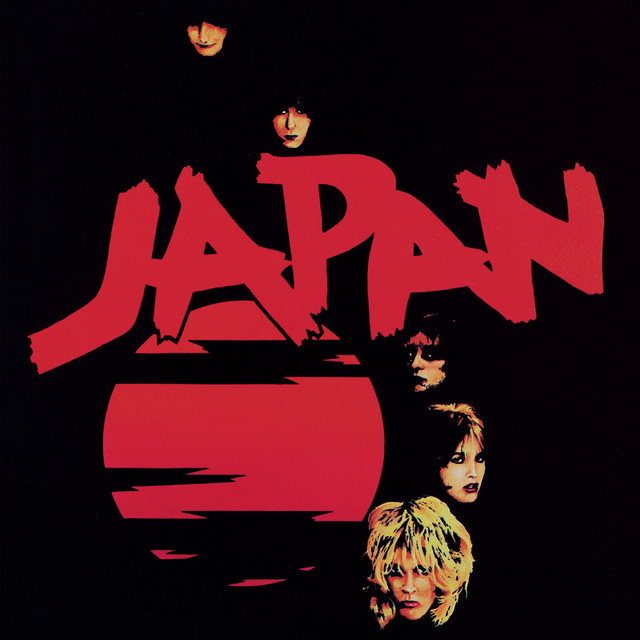
And moving on to more recent times, my latest solo album 🙂


ELECTRICITYCLUB.CO.UK gives its warmest thanks to Richard Barbieri

Special thanks to Andy Overall of BLUE ZOO

‘Planets + Persona’ is released on 3rd March 2017 in CD, double vinyl and digital formats by Kscope, pre-order from https://www.burningshed.com/

Richard Barbieri appears at Exeter Phoenix on Thursday 16th March and London Hoxton Hall on Tuesday 28th March

http://www.richardbarbieri.net/

https://www.facebook.com/RichardBarbieriOfficial/

http://www.kscopemusic.com/artists/richard-barbieri/

https://richardbarbieri.bandcamp.com/


Text and Interview by Chi Ming Lai
23rd January 2017

A Beginner’s Guide To JAPAN

Although their recorded output covered just over four years, JAPAN are one of the most acclaimed bands from the period many have called the New Romantic era.

DURAN DURAN undoubtedly owe a debt to JAPAN’s arty aspirational poise. Bassist Mick Karn had a playing style that would later be replicated in the music of bands like TALK TALK, ULTRAVOX, CHINA CRISIS as well as Gary Numan and Paul Young. Meanwhile, enigmatic and moody front man David Sylvian was the ultimate pin-up for that flamboyant period, but subsequently developed a solo career with parallels to Scott Walker, proving that there was life after pretty boy pop stardom.

Hailing from Catford in South London, it all began as a three piece comprising of school friends David Batt and Andonis Michaelides plus Batt’s younger brother Steve on drums. The older Batt had been wearing make up as a form of “passive confrontation” while Michaelides, who was similarly confrontational, played bassoon in the school orchestra before taking up bass guitar. They were to eventually change their names to the more aesthetically pleasing David Sylvian, Mick Karn and Steve Jansen.

Adopting the moniker JAPAN, after a number of gigs in 1975, they recruited keyboardist Richard Barbieri and Hackney based guitarist Rob Dean to the line-up. Developing an aggressive funk laden glam rock sound with a straggly image not dissimilar to NEW YORK DOLLS, the band soon caught the attention of Simon Napier-Bell who had previously managed THE YARDBIRDS and JOHN’S CHILDREN featuring a pre-fame Marc Bolan.

He saw Sylvian as “a cross between Mick Jagger and Brigitte Bardot” and offered him a solo management deal. Sylvian declined, but convinced he had a major star on his hands, Napier-Bell signed the whole group. In 1977, Napier-Bell entered JAPAN in a talent contest held by Ariola Hansa, the German label that had steered BONEY M to great success. The winners were the band who would become THE CURE, but JAPAN were also offered a recording contract despite coming second.

The debut album ‘Adolescent Sex’ was released in April 1978 and while it achieved little impact in Britain, it was a surprise success with teenage girls in the country of Japan. UK critics were quick to accuse the band of cynically choosing their name purely to crack the Japanese market, but as Mick Karn pointed out to Smash Hits in Autumn 1981: “I can’t imagine a Japanese band called ENGLAND doing very well over here!”

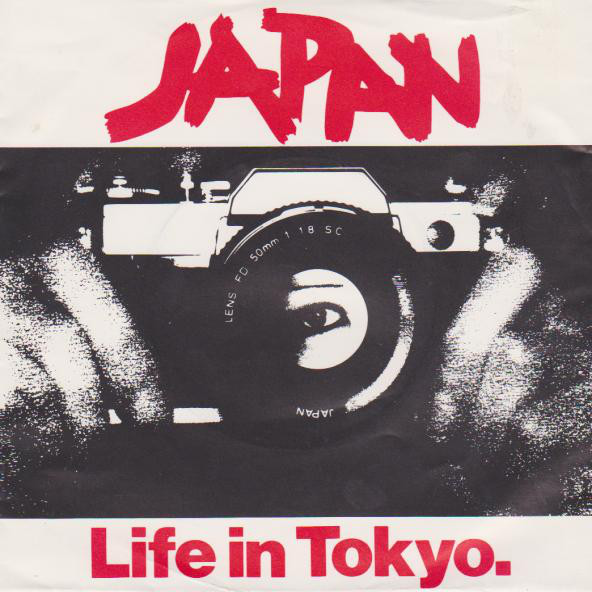
Despite the success in Japan, the band could make no headway either back home or the US. JAPAN’s success in Japan led to the band’s exposure to South East Asian culture and its fascination with modern technology. This began to have an effect on the music and the band started to mellow, adopting the more mannered textures of ROXY MUSIC and electronic prowess of YELLOW MAGIC ORCHESTRA. This new direction led to the recording of ‘Life In Tokyo’ with Giorgio Moroder in April 1979.

Their look also changed with stylish suits, heavier make-up and shorter hair very much in evidence for an effeminate demeanour similar to the New Romantics who were now frequenting The Blitz Club. To exploit this unexpected fashion synchronicity, Simon Napier-Bell concocted a number of dubious stunts in the name of promotion. One was an announcement that Sylvian had been voted ‘The World’s Most Beautiful Man’… but it was a pretty one sided as the contest was the work of Napier-Bell and JAPAN’s publicist Connie Filapello!

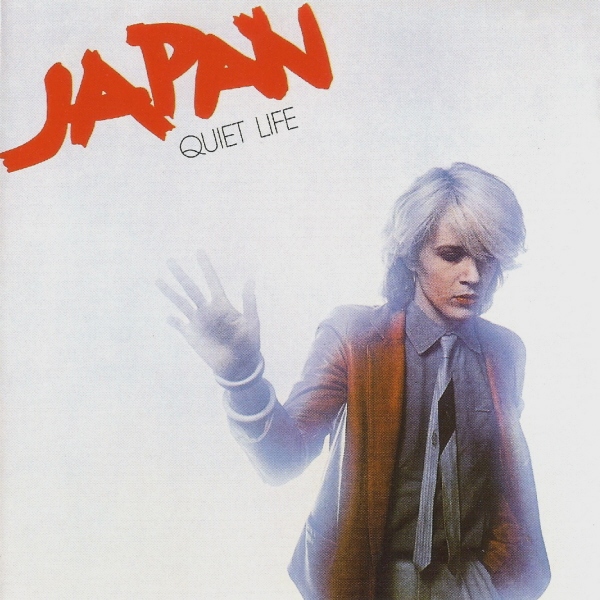
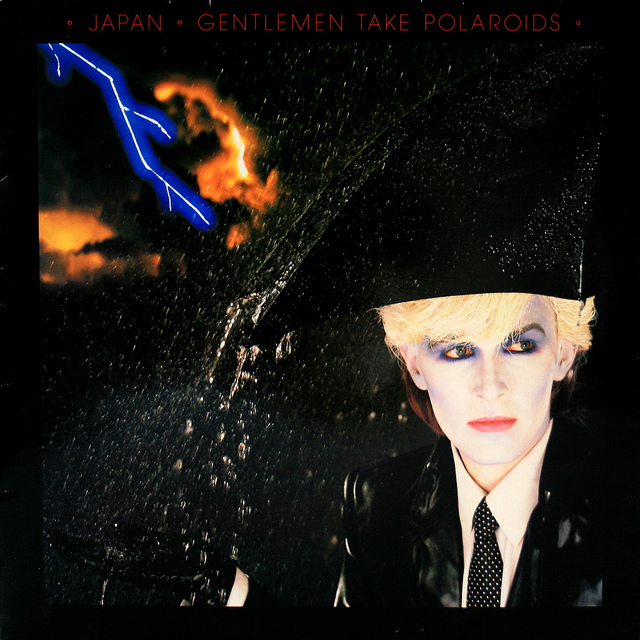
Following the release of their third album ‘Quiet Life’ in January 1980, JAPAN started to gain the respect of the serious Japanese music press who had previously turned its nose up at their teenybop audience. Ryuichi Sakamoto of YELLOW MAGIC ORCHESTRA met Sylvian during the subsequent tour, resulting in their first collaboration ‘Taking Islands In Africa’ on the next album ‘Gentlemen Take Polaroids’ and a long standing friendship.

Richard Barbieri was also seriously getting into technology with the Roland System 700, ARP Omni, Oberheim OBX, Micromoog, Polymoog, Roland Jupiter 4 and Sequential Prophet 5 among the synths used on the album. But steadily, Sylvian was taking more control of proceedings, a stance that would ultimately make and break the band.

JAPAN decamped to Virgin Records and reached No60 in the UK singles charts with an edit of the ‘Gentlemen Take Polaroids’ title track. This should have been considered promising, although much more was expected by their new label. The UK was still not yet totally ready for the suave melancholy muzak of David Sylvian and co.

But momentum was building and one party that noticed was JAPAN’s former label Ariola Hansa. In Autumn 1981, they cashed-in with the release of the ‘Quiet Life’ song as a single which reached No17 in the UK charts. For JAPAN’s fifth album in November 1981, the band took the influences of the Far East even further with the Chinese flavoured ‘Tin Drum’. It was to be the band’s biggest UK success, both commercially and critically.

But all was not well within the band. Rob Dean had already left prior to the recording of ‘Tin Drum’, while frustrations about publishing and personal differences came to a head when Karn’s girlfriend, photographer Yuka Fujii moved in with Sylvian on the eve of their UK tour. Tensions boiled over and led to the various individual band members undertaking their own projects in 1982 while JAPAN was put on hiatus.

Despite this, JAPAN became chart regulars in 1982, notching up a further six Top40 singles including a surprise Top5 hit in ‘Ghosts’. As a result, a world tour was pencilled in for the end of the year. Although the majority of the shows were sell-outs, the band called it a day with a final performance in Nagoya, Japan on 16th December 1982. Sylvian and Karn continued their solo careers as well as collaborating with Ryuichi Sakamoto and Midge Ure respectively. Meanwhile Jansen and Barbieri worked with both their former bandmates, and together as THE DOLPHIN BROTHERS.

By 1987, relations had thawed enough between Sylvian and Karn for them to record two tracks together for the latter’s second solo album ‘Dreams Of Reason Produce Monsters’. So in 1989 with wounds largely healed, the quartet gathered together at Studio Miraval in France for what many considered to be a JAPAN reunion in all but name.

Under the Sylvian inspired Native American moniker RAIN TREE CROW, the idea had been to compose and record as a group through improvisation, as opposed Sylvian being sole songwriter and studio dictator which had previously been the case during the JAPAN days. However, Sylvian’s stubborn imposing character led to a return to old ways and a major falling out with his band mates. Jansen, Barbieri and Karn formed a new project JBK and in 1993, founded Medium Productions as a platform to release their work free from label interference.

But the quartet that comprised JAPAN would never work together again and with Mick Karn’s sad passing in January 2011, never will. One of the reasons JAPAN are perhaps still held in high regard is partly due to their artistic legacy not being exploited on the nostalgia circuit. Even when performing live in their various incarnations, JAPAN material has been notable by its absence, other than JBK’s occasional renditions of the B-side ‘Life Without Buildings’ and Sylvian’s neo-acoustic airings of ‘The Other Side Of Life’, ‘Nightporter’ and ’Ghosts’.

With so much material recorded, what tracks would act as a beginner’s guide to JAPAN and its many offshoots? Here are  ELECTRICITYCLUB.CO.UK’s 25 choices, with a restriction of one track per album or EP, to tell a rather complex story…

Dedicated to the memory of MICK KARN 1958-2011


JAPAN Communist China (1978)

Unusually for a new British band, JAPAN achieved major success in Japan. Playing to packed houses of screaming teenage girls at big venues such as Tokyo’s Budokan, back in Britain they could barely fill pubs and were pelted with missiles while supporting BLUE OYSTER CULT at Hammersmith Odeon. ‘Communist China’ can now be considered a pivotal track in hindsight, not only because of the eventual title subject inspiring most of ‘Tin Drum’ but Sylvian’s impending croon appears for the first time. But quite what “pumping, pumping and resisting – inserting love into you” has to do with Chairman Mao’s regime is anyone’s guess!

Available on the JAPAN album ‘Assemblage’ via Sony BMG Music

http://www.lifeintokyo.net/


JAPAN Life In Tokyo (1979)

The band briefly worked with Giorgio Moroder, who co-wrote and produced a one-off single ‘Life in Tokyo’. The bridge between growly funk-rock JAPAN and the more familiar, mannered and artier version of the group, David Sylvian had originally submitted ‘European Son’ for the session in Los Angeles, but it was rejected by Moroder. Instead, the Italian offered several of his demos, of which Sylvian picked the one he considered to be the worst so that he could stamp more of his own vision. With JAPAN’s developing synthesized sound, it was a significant change in musical style that was to set the tone for the band’s future direction.

Available on the JAPAN album ‘The Very Best Of’ via Virgin Records

http://www.giorgiomoroder.com/


JAPAN Halloween (1980)

By their third album ‘Quiet Life’, the electronically assisted template showcased on ‘Life In Tokyo’ was in full swing, with David Sylvian’s taking on a more Ferry-ish baritone style of singing and Mick Karn’s distinctively fluid fretless bass pushed right up to the front. The sound of the fretless would soon become ubiquitous in the mainstream. Despite Rob Dean’s guitar becoming more textural thanks to some E-bowed embellishments, the band could still snarl with some aggressive tension. ‘Halloween’ was an eerie uptempo tune about the rise of East European communism following the end of the Second World War.

Available on the JAPAN album ‘Quiet Life’ via Sony BMG Music

https://www.facebook.com/pages/Japan/46554936008


JAPAN Obscure Alternatives – Live In Japan (1980)

While ‘Quiet Life’ was met with apathy back home, the album was to become JAPAN’s biggest album yet in The Land of the Rising Sun. With this success came even bigger shows. To document the tour, a live EP was recorded in Tokyo featuring three songs that originally came from the second album ‘Obscure Alternatives’. These featured completely new arrangements using Sylvian’s revised singing style plus the addition of guest musician Jane Shorter on saxophone. With Steve Jansen’s intricate and colourful percussion work over a reggae inflicted backbone, the song ‘Obscure Alternatives’ attained a moodier gravitas while the climax was enhanced by a blasting sax break in the manner of PINK FLOYD’s ‘Money’.

Available on the JAPAN album ‘Obscure Alternatives’ via Sony BMG Music

https://www.facebook.com/lifeintokyo


JAPAN Nightporter (1980)

The ‘Gentlemen Take Polaroids’ sessions were particularly fraught with Sylvian getting increasingly confident and fighting with producer John Punter. By now, he was also writing on keyboards instead of guitar. This led to the exclusion of some band members from the recording process, particularly Rob Dean who ended up playing on just four tracks. But Sylvian was aiming for a sparser sound and this was achieved with the mournful Erik Satie influenced ‘Nightporter’. Featuring just Sylvian and Barbieri with session musicians Barry Guy on string bass and Andrew Cauthery on oboe, it was to prove to be a pivotal track. But the quintet were falling apart and the first to leave was Rob Dean.

Available on the JAPAN album ‘Gentlemen Take Polaroids’ via Virgin Records

http://www.nightporter.co.uk/


JAPAN Cantonese Boy (1981)

JAPAN’s slimmed down four piece line-up was reflected on ‘Tin Drum’. There was hardly any guitar while the synths used were restricted to an Oberheim OBX and Prophet 5. While Mick Karn was becoming slightly more isolated having not played on ‘Ghosts’, he still provided some memorable bass runs. The lyrical themes flirted with Chinese Communism as Brian Eno had done on ‘Taking Tiger Mountain (By Strategy)’, with Sylvian appearing to be taking inspiration from the Little Red Book of Chairman Mao. Produced by Steve Nye, the acoustic sounding synth derived overtones of ‘Tin Drum’ were a masterclass in keyboard programming, as exemplified by ‘Cantonese Boy’.

Available on the JAPAN album ‘Tin Drum’ via Virgin Records

https://www.instagram.com/davidsylvian258/


MICK KARN The Sound Of Waves (1982)

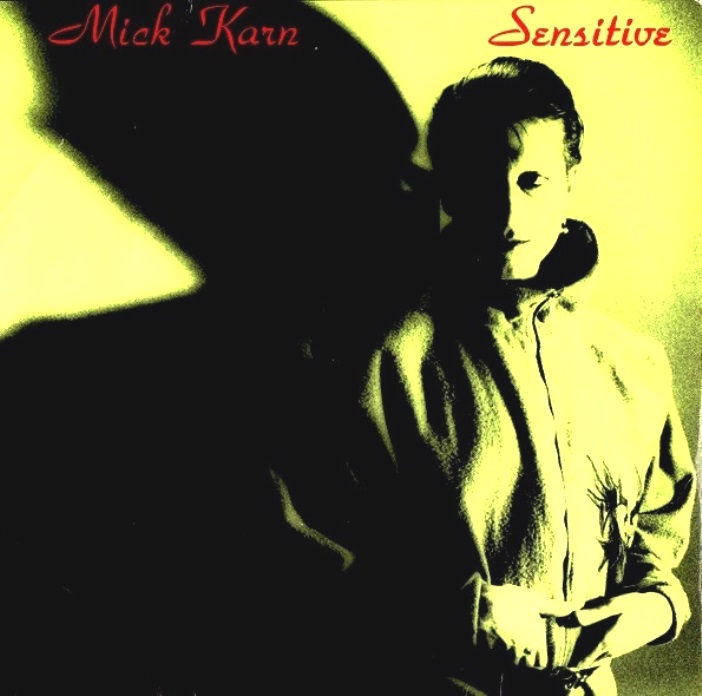
When the individual members of JAPAN started undertaking solo projects, first blood went to Mick Karn. However, his debut solo single was a disappointment. Produced by Ricky Wilde, ‘Sensitive’ was a bass heavy cover of Brazilian singer and composer Roberto Carlos’ ‘La Distancia’, but with new English lyrics. Reactions were muted, but much better was the atmospherically textural B-side ‘The Sound Of Waves’, a marvellously cinematic instrumental. Showing off the unique melodic prowess of Karn’s fretless work, he could have gone on to have a lucrative career as a session musician. But he chose not to, leaving that opportunity as an open goal for a certain Pino Palladino.

Available on the MICK KARN album ‘Titles’ via Virgin Records

http://mickkarn.net/


DAVID SYLVIAN & RIUICHI SAKAMOTO Forbidden Colours (1983)

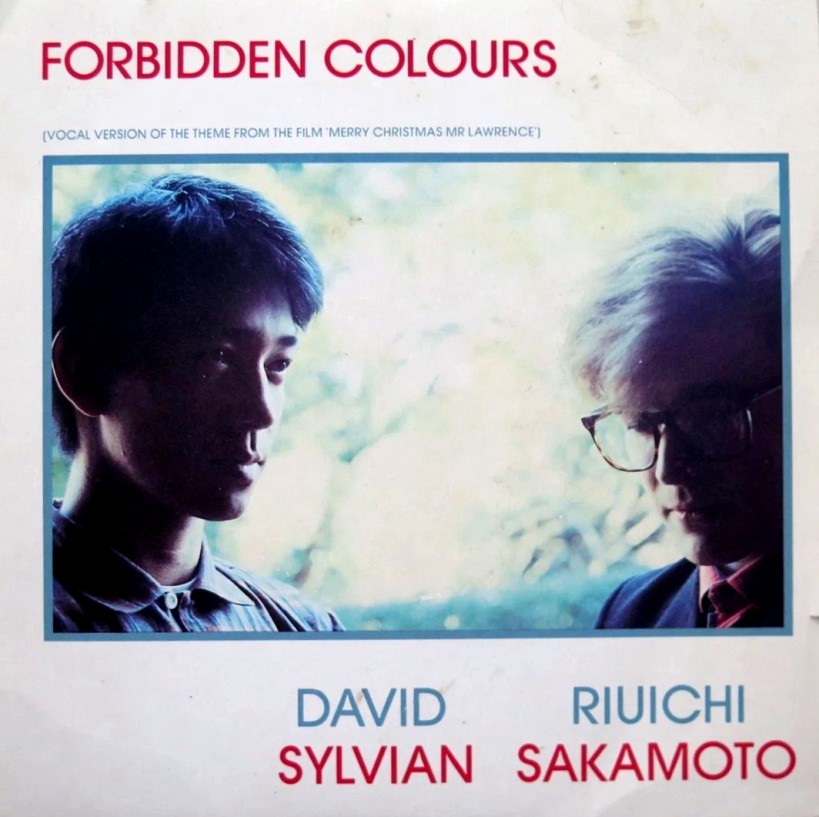
Following a joint single with David Sylvian at the height of JAPAN’s fame entitled ‘Bamboo Music’ in 1982, Sakamoto made his 1983 acting debut alongside DAVID BOWIE in ‘Merry Christmas Mr Lawrence’. He also composed the soundtrack with Sylvian providing lead vocals on the single version of the WWII drama’s haunting theme tune. Retitled ‘Forbidden Colours’, the lyrics reflected the taboo love story of the Nagisa Oshima directed film. Since then, the track has been covered in various languages as well as being appropriated for dance tracks like ‘Heart Of Asia’ by WATERGATE. Sakamoto himself has since reworked the tune in a variety of classical formats.

Available on the RYUICHI SAKAMOTO album ‘Merry Christmas Mr Lawrence’ via Virgin Records

https://www.instagram.com/davidsylvian258/


MIDGE URE & MICK KARN After A Fashion (1983)

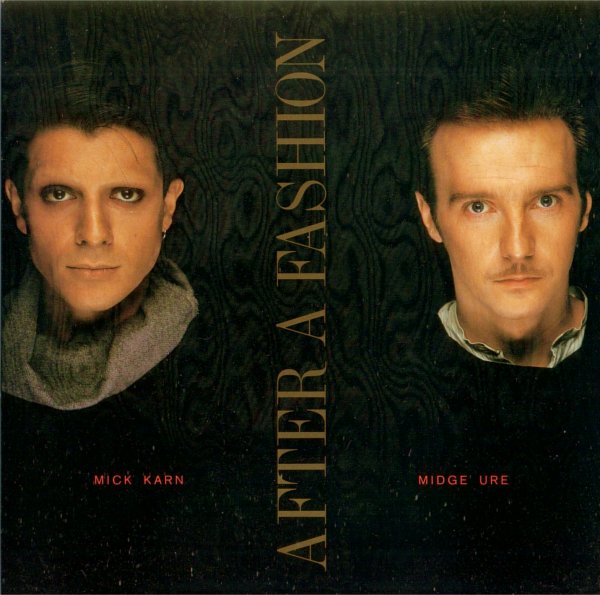
Midge Ure and Mick Karn had met through The Prince’s Trust concerts and the pair got on well so started recording together. ‘After A Fashion’ was a blistering sonic salvo that crossed the best of JAPAN’s rhythmical art muzak with ULTRAVOX’s ‘The Thin Wall’. However, the single stalled at No39 in the UK singles charts and sadly, there was to be no album. But Karn later played on Ure’s ‘Remembrance Day’ in 1988 and Ure briefly joined JBK for an aborted project in 1992 that resulted in two songs ‘Cry’ and ‘Get A Life’ which were were self-released by Ure on his rarities collection ‘Little Orphans’ in 2001.

Available on the MIDGE URE album ‘The Very Best Of’ via EMI Gold

http://www.midgeure.co.uk/


DALIS CAR The Judgement Is The Mirror (1984)

With goth rockers BAUHAUS now having split, their charismatic vocalist Peter Murphy was in need of a new musical partner. He found a willing conspirator in Mick Karn. Named after a CAPTAIN BEEFHEART song on ‘Trout Mask Replica’, the pair set about recording a seven track album by sending tapes back and forth to each other while communicating via answerphone! Other than the rhythms constructed by Peter Vincent Lawford, Murphy and Karn each worked alone. ‘The Judgement Is The Mirror’ certainly showcased the artier pretences that DALIS CAR aspired to, although the reaction to this unique Middle Eastern flavoured aural sculpture from critics and fans was somewhat mixed.

Available on the DALIS CAR album ‘The Waking Hour’ via Beggars Banquet Records

http://www.petermurphy.info/


DAVID SYLVIAN Weathered Wall (1984)

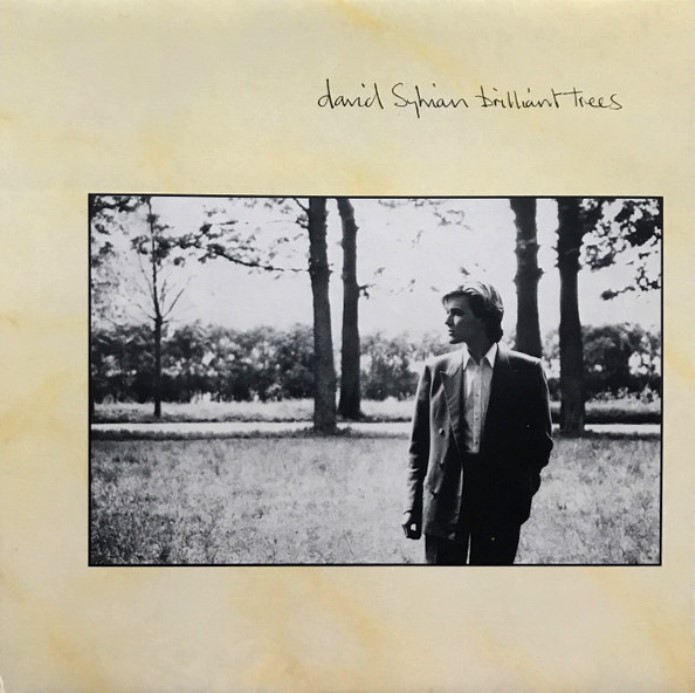
Following the disbandment of JAPAN, Sylvian’s style became even more esoteric and while his JAPAN days saw him aping Bryan Ferry, musically he was now leaning more towards that other key ROXY MUSIC member Brian Eno. This came to its zenith with ‘Weathered Wall’, a track which took its lead from ‘Fourth World Vol 1: Possible Musics’, Eno’s collaboration with the avant garde trumpeter Jon Hassell. For added authenticity, Sylvian even recruited the American into the collaborative process. The haunting track also featured Steve Jansen, Richard Barbieri, Ryuichi Sakamoto and the abstract dictaphone of CAN’s Holger Czukay.

Available on the DAVID SYLVIAN album ‘Brilliant Trees’ via Virgin Records

http://www.davidsylvian.com/


STEVE JANSEN & YUKIHIRO TAKAHASHI Stay Close (1986)

Yukihiro Takahashi maintained a successful solo career in his homeland outside of YELLOW MAGIC ORCHESTRA and his solo albums also featured noted musicians including Mick Karn and Steve Jansen, as well as Zaine Griff, Tony Mansfield of NEW MUZIK, Bill Nelson and ICEHOUSE’s Iva Davies. Becoming great friends, Jansen and Takahashi released a brilliant joint single ‘Stay Close’ in 1986. Additionally featuring the talents of legendary rhythm guitarist Carlos Alomar, Jansen in particular did a very able impression of his older brother David Sylvian, while Takahashi provided his usual mannered “will he make it-won’t he?” Ferry-ish vocals. The pair would later release a less immediate album ‘PulseXPulse’ in 1997 as PULSE.

Available on the STEVE JANSEN & YUKIHIRO TAKAHASHI single ‘Stay Close’ via Pony Canyon

https://www.discogs.com/artist/58981-Yukihiro-Takahashi


MICK KARN featuring DAVID SYLVIAN Buoy (1987)

There were signs that Sylvian and Karn were beginning to move towards a reconciliation when all four former JAPAN members were photographed together at the reception of Sylvian’s ‘Perspectives’ polaroid montage exhibition in 1984. Recorded for Karn’s second album ‘Dreams Of Reason Produce Monsters’, ‘Buoy’ was his and Sylvian’s second joint composition after ‘Sons Of Pioneers’ from ‘Tin Drum’. The album featured another Sylvian lead vocal on ‘When Love Walks In’. With both tracks also featuring Steve Jansen, it fuelled excitement that JAPAN might finally reform… close but no cigar!

Available on the MICK KARN album ‘Dreams Of Reason Produce Monsters’ via Virgin Records

http://www.lulu.com/shop/mick-karn/japan-and-self-existence/paperback/product-5538416.html


THE DOLPHIN BROTHERS Pushing The River (1987)

Steve Jansen and Richard Barbieri partnered up for the JVC commissioned instrumental work ‘Worlds In A Small Room’ released in Spring 1985 to accompany a documentary on the Space Shuttle Challenger. But for their song-based project, the more reserved pair named themselves THE DOLPHIN BROTHERS. They issued a long player entitled ‘Catch The Fall’ in Summer 1987. This was pop music, but of the more sophisticated variety. The closing ‘Pushing The River’ delivered Jansen’s best vocal of the set, while Barbieri’s gorgeous artful textures and synthetic brass helped the song come over like what a JAPAN track might have sounded had the band continued recording into 1983.

Available on the THE DOLPHIN BROTHERS album ‘Catch The Fall’ via Virgin Records

https://www.discogs.com/artist/46921-The-Dolphin-Brothers


DAVID SYLVIAN Pop Song (1989)

David Sylvian’s 1987 opus ‘Secrets Of The Beehive’ featuring Ryuichi Sakamoto had a much more acoustic flavour and much to Virgin’s disdain, the album had failed to yield any hits. So the label started putting pressure on him to write a pop song. True to Sylvian’s belligerent manner, he responded by writing a very unorthodox, atonal electronic number with influences drawn from maverick composer John Cage. “Each weekend beckoned like Ulysses’s sirens” he pondered… with noted jazz pianist John Taylor and Steve Jansen’s hesitant offbeat rhythms also thrown in the avant mix, ‘Pop Song’ wasn’t perhaps quite what Virgin had been hoping for!

Available on the DAVID SYLVIAN album ‘A Victim of Stars 1982-2012’ via Virgin Records

http://www.sylvianbiography.com/


DAVID SYLVIAN & HOLGER CZUKAY Flux (1989)

David Sylvian expanded his partnership with Holger Czukay, which had first started on ‘Brilliant Trees’ and continued on the ‘Words With The Shaman’ EP, with two ethereal ambient long players ‘Plight & Premonition’ and ‘Flux & Mutability’, recorded at CAN’s 220 square metre Inner Space Studio near Cologne. Czukay introduced Sylvian to a variety of expansive loop and pre-recorded radio techniques that could be used in more freeform improvisation. From the second of their album collaborations, the 17 minute ‘Flux’ notably featured Jaki Liebezeit providing a subtle percussive template and Michael Karoli sound painting with his guitar. The track also featured Markus Stockhausen, son of the electronic pioneer Karl-Heinz on flugelhorn.

Available on the DAVID SYLVIAN & HOLGER CZUKAY album ‘Plight & Premonition / Flux & Mutability’ via Grönland Records

http://www.czukay.com/


RAIN TREE CROW Blackwater (1991)

Largely perceived to be a JAPAN reformation, the RAIN TREE CROW project was supported by a huge budget from Virgin Records, but it was exceeded. So Virgin gave the quartet an ultimatum where no more money would be forthcoming unless the project was presented under the name of JAPAN. Karn, Jansen and Barbieri agreed but Sylvian refused. Sylvian then walked off with the tapes to mix the album under his own finance and supervision, without any of his bandmates present! A rift ensued and the result was a disappointing collection of progressive avant jazz and self-indulgent ethnic instrumental pieces. Only the magnificent single ‘Blackwater’ bore any kind of relation to JAPAN’s brilliant legacy.

Available on the RAIN TREE CROW album ‘Rain Tree Crow’ via Virgin Records

http://www.davidsylvian.net/


DAVID SYLVIAN & ROBERT FRIPP Darshan (1993)

Having worked successfully together on Sylvian’s second solo album ‘Gone To Earth’, a further collaboration between Sylvian and the former KING CRIMSON guitarist was always in the offing. With Trey Gunn as silent partner on Chapman Stick, the trio procured a set of grooves which allowed Fripp free to experiment with his distinctive Frippertronics while Sylvian added his thoughtful lyricism. ‘Darshan’ was a funk laden rock out that never became boring despite its 17 minute length. Driven by an incessant drum loop, it was a trip “kneeling on the road to Graceland”. Indeed, when the atmospheric synths made their presence felt, it sounded rather like THE STONE ROSES jamming over ‘Ghosts’!

Available on the DAVID SYLVIAN & ROBERT FRIPP album ‘The First Day’ via Virgin Records

http://www.dgmlive.com/


STEVE JANSEN & RICHARD BARBIERI Sleepers Awake – Live at The Milky Way (1997)

Already a fabulously progressive instrumental from the ‘Stone To Flesh’ album, this mightily spirited live rendition of ‘Sleepers Awake’ was recorded at Amsterdam’s Melkweg in November 1996 for Dutch Magazine OOR’s 25th anniversary celebrations. Bolstered by the appearance of Mick Karn and guitarist Steven Wilson who Barbieri had been working with since 1993 in PORCUPINE TREE, the concert was never intended for release. But Jansen and Barbieri found that the direct-to-desk recording possessed a special quality that brought the tracks to life. So it was released by Medium Productions as a limited edition of 500 cassettes entitled ‘Live At The Milky Way’. In 2015, the recording was reissued under the title of ‘Lumen’.

Available on the STEVE JANSEN & RICHARD BARBIERI EP ‘Lumen’ via KScope

http://www.richardbarbieri.net/


JBK The Shallow Pool (1999)

After the RAIN TREE CROW project did not go beyond the one album, Jansen, Barbeiri and Karn pooled their talents as JBK and formed Medium Productions as an outlet. ‘_ISM’ was their third album and was seen as the trio’s best body of work. With the conundrum over vocalists which had seen Midge Ure appear on early JBK demos, Zoe Niblett sang on three tracks. But it was Jansen who took vocal duties on ‘The Shallow Pool’ with David Torn contributing guitar over the tense textural drama. The track was the most high profile of all of JBK’s works as it had been featured in the segment about JAPAN in Channel 4’s ‘Top Ten New Romantics’ show while it was also included on the Medium Label Sampler with a live version of the JAPAN B-side ‘Life Without Buildings’ recorded at The Astoria in 1997.

Available on the JBK album ‘_ISM’ via Sony BMG Music

https://www.discogs.com/artist/151278-JansenBarbieriKarn


DAVID SYLVIAN & JAPAN Some Kind Of Fool (2000)

Although there have been demos recorded for Ariola Hansa like the hilarious ‘Body Rhythm’ from 1977 and the cheerful ‘Can’t Get Enough’ from 1979, very little unreleased JAPAN material has remained in the Virgin vaults. But one song was the lengthy orchestral laden ballad ‘Some Kind Of Fool’. Intended for inclusion on ‘Gentlemen Take Polaroids’, it was replaced by ‘Burning Bridges’. ‘Some Kind Of Fool’ was then scheduled for release as a single in 1982, but was pulled for a Steve Nye remix of ‘Nightporter’. However, for his 2000 career retrospective ‘Everything & Nothing’, Sylvian decided to include this lost JAPAN number. But ever the tinkerer, he re-recorded the vocals with his wife Ingrid Chavez and added several overdubs. Always the bridesmaid and never the bride, the original JAPAN version has yet to see the light of day.

Available on the DAVID SYLVIAN album ‘Everything & Nothing’ via Virgin Records

https://www.facebook.com/DavidSylvianOfficial


DAVID SYLVIAN A Fire In The Forest (2003)

Sylvian’s long relationship with Virgin came to an end in 2003, prompting him to launch his own label Samadhisound. Uncompromising from the start, his first independently released solo album was ‘Blemish’. It explored a more unconventional style of composition with free jazz guitarist Derek Bailey and ambient exponent Christian Fennesz. The album was built around simple six string improvisations. Intensely minimal, the album documented the end of his relationship with Ingrid Chavez. It was a challenging listen. However, possibly the most accessible track on the album was the emotive closer ‘A Fire In The Forest’ with its haunting electronica backbone constructed by Fennesz.

Available on the DAVID SYLVIAN album ‘Blemish’ via Samadhisound

http://www.samadhisound.com/


NINE HORSES Serotonin (2005)

NINE HORSES were an electronic ensemble featuring Sylvian, Jansen and German producer Burnt Friedman. The project was fundamentally more immediate and less stripped down than ‘Blemish’, with programmed beats and livelier tempos also part of the equation. The end result was the ‘Snow Borne Sorrow’ album. Guests included Norwegian trumpeter Arve Henriksen, Swedish vocalist Stina Nordenstam and the always dependable Ryuichi Sakamoto on piano. The excellent ‘Serotonin’ featured the clarinet of Hayden Chisholm over Jansen’s jazzy, almost danceable groove in unison with Friedman’s spacey electronics and Daniel Schroeter’s subtle bass runs.

Available on the NINE HORSES album ‘Snow Borne Sorrow’ via Samadhisound

http://www.ninehorses.com/


STEVE JANSEN Featuring DAVID SYLVIAN Playground Martyrs (2007)

Originally issued on Sylvian’s Samadhisound, Steve Jansen’s first solo album ‘Slope’, with its fabulous artwork using cardboard music instruments constructed by Dan McPharlin, explored various electronic soundscapes held together using “unrelated sounds, music samples, rhythms and events”. Despite Jansen already having proved himself as a competent singer in THE DOLPHIN BROTHERS and JBK, ‘Slope’ was noted for including a number of guest vocalists including Joan Wasser and Anja Garbarek.  Jansen’s older brother also lent his voice to the sparse, piano laden beauty of ‘Playground Martyrs’.

Available on the STEVE JANSEN album ‘Slope’ via https://stevejansen.bandcamp.com/album/slope

http://www.stevejansen.com/


DALIS CAR If You Go Away (2012)

In August 2010, Peter Murphy announced he and Karn were working on the second DALIS CAR album. However, the project was cut short when Karn was diagnosed with cancer. He sadly passed away on 4th January 2011. To commemorate what would have been Karn’s 53rd birthday on 24th July 2011, ‘Artemis Rise’ was posthumously issued as a download. A rework of the instrumental ‘Artemis’ from ‘The Waking Hour’, it featured added vocals from Murphy and drums by Steve Jansen. The four tracks that had already been recorded were later mixed by Jansen and released as an EP entitled ‘InGladAloneness’. Closing it was the poignant, sad cover of Jacques Brel’s ‘Ne Me Quitte Pas’. It was a fitting, solemn farewell to Karn.

Available on the DALIS CAR EP ‘InGladAloneness’ via KScope

http://www.theguardian.com/music/2011/jan/05/mick-karn-obituary


Text by Chi Ming Lai
8th July 2015