Tag: Cluster (Page 1 of 3)

THE ELECTRONIC LEGACY OF 1977

While there had previous been synthesizer hits like ‘Son Of My Father’, ‘Popcorn’ and ‘Autobahn’, they were considered novelty records at the time and it would be fair to say that the true Year Zero in electronic pop music was 1977.

THE SEX PISTOLS and ‘God Save The Queen’ may have been on everyone’s hushed lips in the Queen’s Silver Jubilee year but the most influential song to emerge from that period and that STILL sounds like the future is ‘I Feel Love’ by Donna Summer.

The producer of ‘I Feel Love’ was a German domiciled Italian named Giorgio Moroder. A solo artist in his own right within his adopted homeland, he had already been playing with synthesizer riffs on his first hit song ‘Son Of My Father’; a facsimile cover by Chicory Tip reached No1 in the UK at the start of 1972.

In the case of ‘I Feel Love’, Moroder later harnessed the hypnotic quality of an 8-step analogue sequencer plus a triplet delay to create the pulsing Moog lines to close the Donna Summer concept album ‘I Remember Yesterday’. The preceding tracks had themes of the 40s, 50s, 60s and 70s. ‘I Feel Love’ was designed to represent the sound of the future.

Despite already clocking in at nearly six minutes, it felt like it could go on forever. Again, Moroder had the foresight to extend the track to nearly twenty minutes on a 12 inch version for discos; the extended version was born. Alas, ‘I Feel Love’ was the only electronic track on ‘I Remember Yesterday’ but Moroder would fully exploit the potential of this new technology on the next Donna Summer albums as well as his solo records.

The first British artist to present electronic pop in its modern form at the start of 1977 was David Bowie with ‘Sound & Vision’ featuring an ARP Solina lead line and noise-gated futuristic sounding drums. With this, ‘Oxygène’, ‘Magic Fly’ and ‘I Feel Love’ all hitting the Top 3 in the UK singles chart within months of each other, this was the beginning of synths designing the future.

So here are 20 albums which ELECTRICITYCLUB.CO.UK sees as contributing to the electronic legacy of 1977. While a number of these albums were not purely electronic, their inclusion of electronic based songs or suites proved to be highly influential in their experimental possibilities. They are listed in alphabetical order with a restriction of one album per artist moniker…


ASHRA New Age Of Earth

Guitarist Manuel Göttsching had been a member of ASH RA TEMPEL but looking to explore more progressive voxless territory on ‘New Age Of Earth’, he armed himself with an Eko Rhythm Computer, ARP Odyssey and his signature Farfisa Synthorchestra. An exponent of a more transient soloing style, he used the guitar for texture as much as for melody in this beautiful treasure trove of an album, as on the wonderful 20 minute ‘Nightdust’.

‘New Age Of Earth’ is still available via Virgin Records

http://www.ashra.com/


TIM BLAKE Crystal Machine

Having been the synth player of GONG on their albums ‘Flying Teapot’, ‘Angel’s Egg’ and ‘You’, Francophile Tim Blake’s first solo long player was ‘Crystal Machine’. A combination of studio and live material, with a EMS Synthi A, Minimoog and Elka Rhapsody at his disposal, it was full of eccentric sci-fi soundscapes and cosmic otherworldliness in the GONG, PINK FLOYD and HAWKWIND vein; Blake would actually join the latter in 1979.

‘Crystal Machine’ is still available via Esoteric Recordings

http://moonweed.free.fr/


DAVID BOWIE Low

“There’s New Wave, there’s Old Wave, and there’s David Bowie” said the advert for ‘Low’, recorded in Switzerland but mixed at Hansa Studios where the soldiers in the East Berlin watch towers could look into the windows of the building. It featured a whole side of instrumentals, the best two being ‘Warszawa’ and ‘Art Decade’ in collaboration with Brian Eno. Despite the artful experimentation, there was a hit single in ‘Sound & Vision’.

‘Low’ is still available via EMI Records

http://www.davidbowie.com


CLUSTER & ENO Cluster & Eno

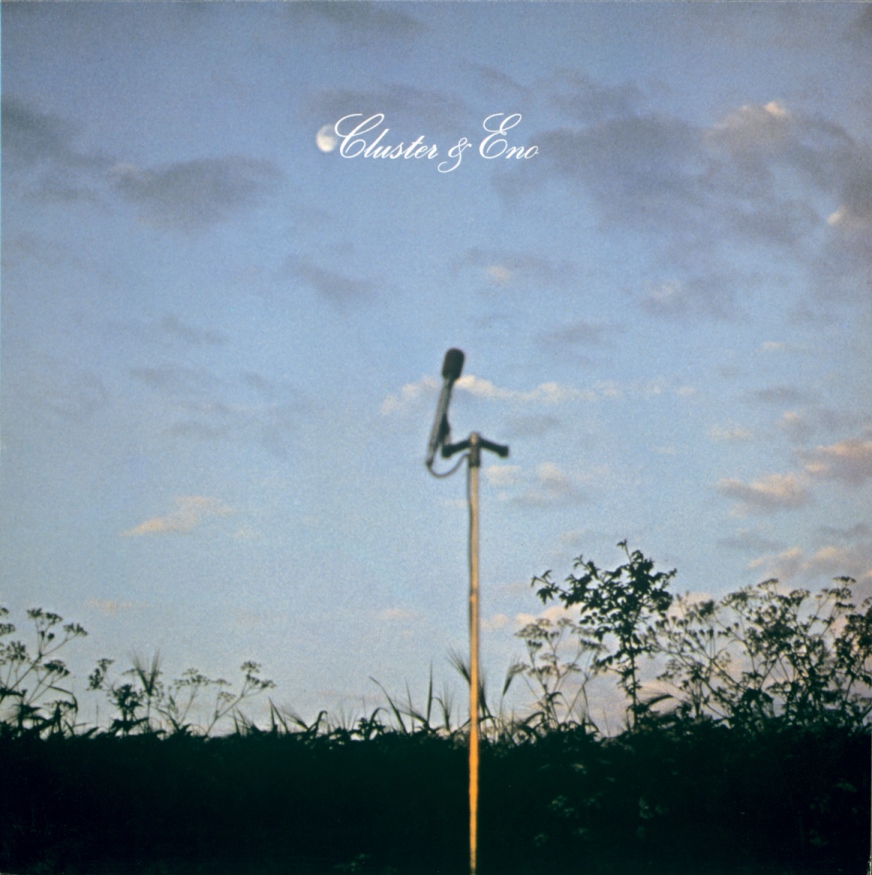
Having first worked together in 1976, Brian Eno met up with Hans-Joachim Roedelius and Dieter Moebius of CLUSTER on two fruitful recordings, the first of which was a glorious ambient instrumental affair. The front cover photo of a microphone up near the clouds summed up the approach with the album full of angelic atmospheres and gentle melodies. The closer ‘Für Luise’ was a tense cold war drama with stark piano and minimal synth.

‘Cluster & Eno’ is still available via Bureau B

https://www.roedelius.com/


ELECTRONIC SYSTEM Disco Machine

A year before TELEX formed, Dan Lacksman released his sixth album under the ELECTRONIC SYSTEM moniker. With the sequencer driven Moog sounds of Giorgio Moroder being the main influence, ‘Flight to Tokyo’, ‘Cosmic Trip’ and ‘Flight To Venus’ was a fine segue of instrumental variations on the throbbing electronic disco theme, the latter of which was sampled in 2002 by THE CHEMICAL BROTHERS for ‘Star Guitar’.

‘Disco Machine’ is still available via The Wack Attack Barrack

https://danlacksman.com/


BRIAN ENO Before & After Science

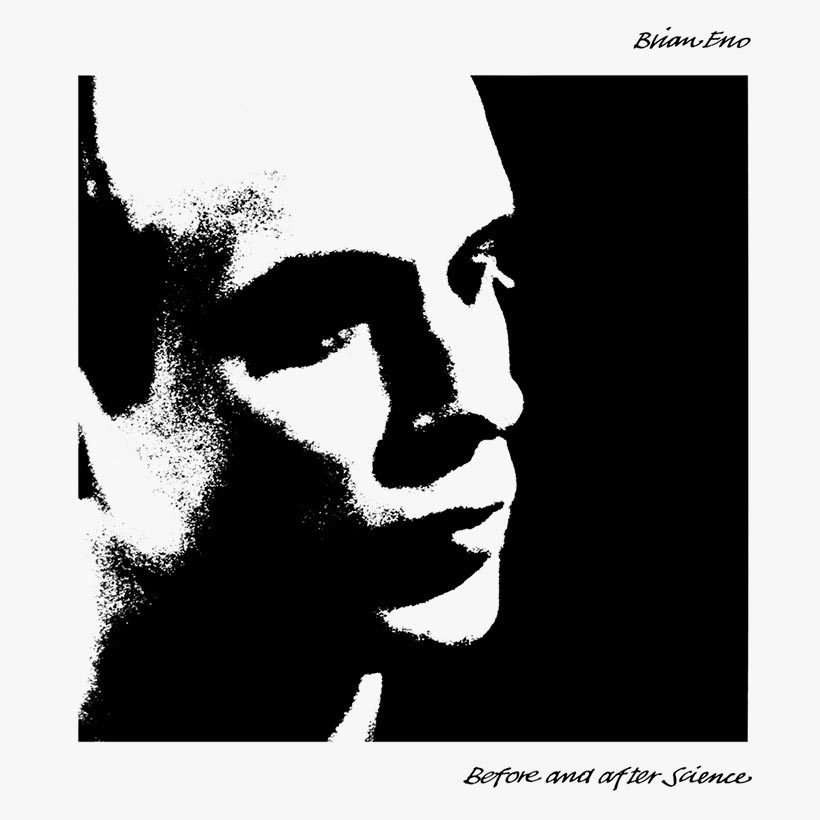
As with David Bowie’s ‘Low’ and ‘Heroes’ which Eno had also worked on, ‘Before & After Science’ presented its material as pop and experimental sides. The first side included the quirky ‘Blackwater’ with its fabulous stabs of synth and the metallic romp of ‘Kings Lead Hat’. But the best tracks were on side two were the synth ballads ‘By This River’ assisted by CLUSTER and the sumptuous nautical folk of ‘Spider & I’.

‘Before & After Science’ is still available via Virgin Records

http://www.brian-eno.net/


BERNARD FEVRE Cosmos 2043

The French were on a roll with their vision for an electronic future with SPACE, DROIDS and Jean-Michel Jarre, but Bernard Favre actually composed and recorded the science fiction-themed ‘Cosmos 2043’ in 1975. While not as immediate as his fellow countrymen, this record was another sampled by THE CHEMICAL BROTHERS with ‘Earth Message’ forming the basis of 1999’s ‘Got Glint?’ for which Favre got a co-writing credit.

‘Cosmos 2043’ is still available via Anthology Records

https://www.facebook.com/blackdevildiscoclub


GIORGIO From Here To Eternity
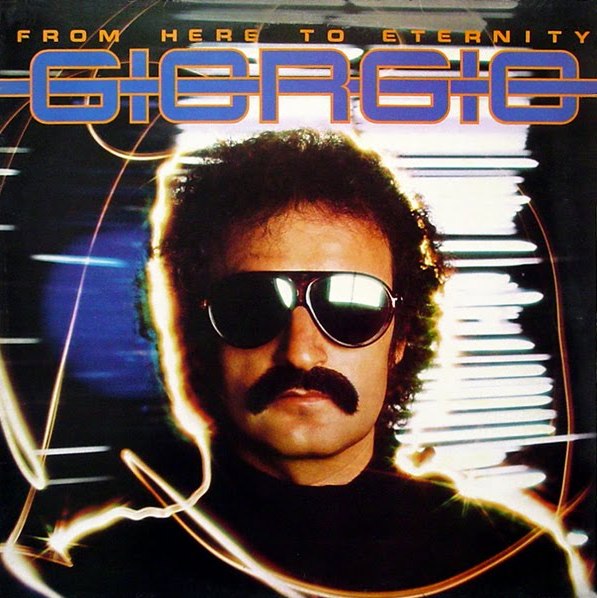
On a roll from his pioneering work with Donna Summer, the sixth Giorgio Moroder solo album for centred around throbbing electronic disco. Featuring vocodered and conventional voices, the title track was effectively stretched out over one side of the album. Often mistaken for being KRAFTWERK, it actually prompted the Kling Klang quartet to move towards a more computerised sound for their 1978 album ‘The Man Machine’.

‘From Here To Eternity’ is still available via Repertoire Records

https://www.giorgiomoroder.com/


JEAN MICHEL JARRE Oxygène
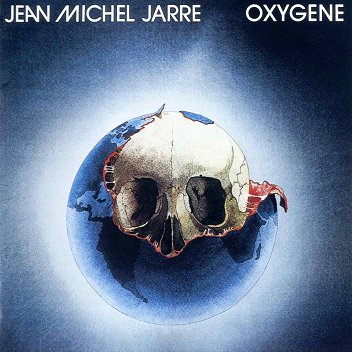
Although released in France at the end of 1976, ‘Oxygène’ was not available worldwide until 1977 with ‘Oxygène IV’ becoming a huge hit single. The parent album was a glorious six part work and ‘Oxygène IV’ something of a centrepiece as a perfectly progressive spacey romp with pulsing sequences, Eminent strings, Mellotron choir and AKS waves while ‘Oxygene V’ chanelled Terry Riley’s ‘A Rainbow In Curved Air’.

‘Oxygène’ is still available via Sony Music

https://www.jeanmicheljarre.com/


KRAFTWERK Trans Europe Express

‘Trans Europe Express’ was the first KRAFTWERK album released in standalone English and German versions. Perhaps the most lyrical of all their imperial phase long players, ‘Europe Endless’ was despite its nostalgic romanticism, aspiring to a continent without borders while the punchy ‘Showroom Dummies’ responded to criticism their static live performance. Then there was the mighty title track and its ‘Metal On Metal’ interlude…

‘Trans Europe Express’ is still available via EMI Music

http://www.kraftwerk.com/


MICHAEL ROTHER Flammende Herzen

Relocating to build his own Random Studio in Forst, ‘Flammenden Herzen’ was Michael Rother’s first solo album after leaving NEU! Co-produced by Conny Plank with Jaki Liebezeit from CAN providing the percolating percussion, although Rother had utilised synthesizers to great effect before, they took a greater role in his solo work. ‘Karussell’ had a distinctly European flavour with its strong symphonic melodies.

‘Flammende Herzen’ is still available via Grönland Records

https://www.michaelrother.de/


KLAUS SCHULZE Mirage

After success of ‘Timewind’ and then ‘Moondawn’ featuring Harald Grosskopf on drums, Klaus Schulze was by now well into what many consider his imperial phase and adding PPG modules to his synth set-up, operated alone on ‘Mirage’. Subtitled “an electronic winter landscape”, the wintery 29 minute ‘Crystal Lake’ planted the seed for New Age while promotion was supported by two lavish concerts at the London Planetarium.

‘Mirage’ is still available via MIG Music GmbH

https://klaus-schulze.com/


SPACE Magic Fly

SPACE was the brainchild of Didier Marouani who went under the pseudonym of Ecama and formed the collective with Roland Romanelli and Jannick Top. The space disco of the iconic ‘Magic Fly’ with its catchy melody and lush accessible futurism rode the wave of a new European electronic disco sound. But the album wasn’t just about the title hit as ‘Fasten Seatbelt, ‘Tango In Space’ and ‘Flying Nightmare’ proved.

‘Magic Fly’ is still available via Virgin France

https://marouani.space/


SUICIDE Suicide

An album of unsettling futuristic rockabilly, SUICIDE rocked the boat by Martin Rev using a Seeburg Rhythm Prince and Farfisa keyboard instead of drums and guitars while Alan Vega warbled and snarled like the ghost of a demented Elvis Presley. Highlights included ‘Ghost Rider’ and ‘Cheree’ which later soundtracked a Marc Jacobs perfume advert. The duo were to be a big influence on SOFT CELL and SIGUE SIGUE SPUTNIK.

‘Suicide’ is still available via Mute Records

https://www.facebook.com/SUICIDEBANDOFFICIAL/


DONNA SUMMER Once Upon A Time
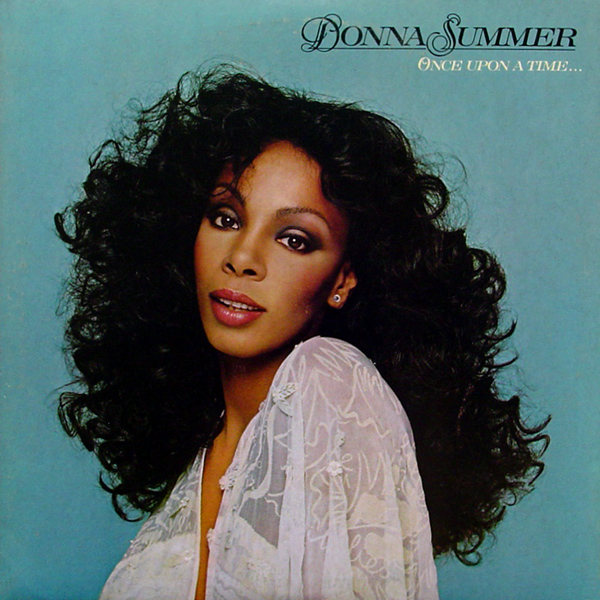
‘Once Upon A Time’ was an ambitious double album consisting of four distinct approaches. An all-electronic three song segued suite entitled ‘Act2’ was headed by ‘Working The Midnight Shift’ which took ‘I Feel Love’ to the next level with Summer’s wispy falsetto now in a grander setting. ‘Now I Need You’ captured a gothic eeriness while ‘Queen For A Day’ was a forerunner of ‘Our Love’ that halfway mutated back into disco pop.

‘Once Upon A Time’ is still available via Casablanca / Universal Records

https://www.facebook.com/OfficialDonnaSummer/


TANGERINE DREAM Sorcerer

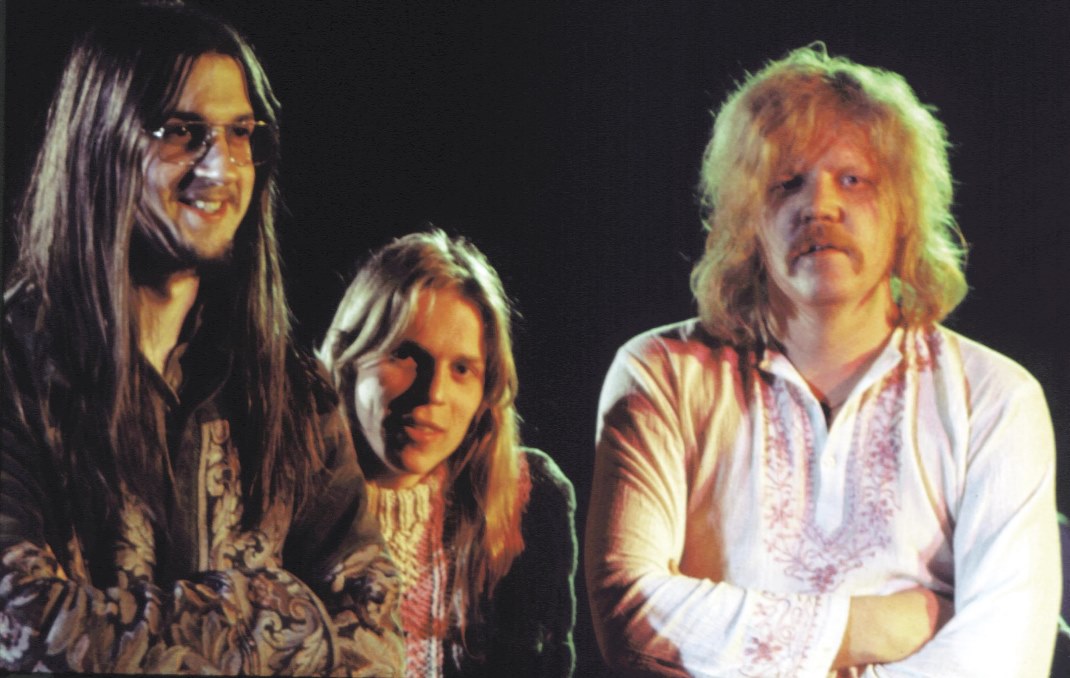
The final studio album by the classic TANGERINE DREAM line-up of Edgar Froese, Chris Franke and Peter Baumann, after the long compositions of previous releases, ‘Sorcerer’ was characterised by shorter pieces in the band’s first commission for a Hollywood movie. Although this meant tracks like ‘The Mountain Road’ faded before they really got going, ‘Betrayal’ showed what could be done within time restrictions.

‘Sorcerer’ is still available via Esoteric Recordings

https://www.tangerinedreammusic.com/


TOMITA Space Fantasy

Released first in Europe as ‘Space Fantasy’ but retitled ‘Kosmos’ for international consumption in 1978, Isao Tomita acquired a Polymoog to supplement his Moog modular system. The ‘Star Wars: Main Title’ was reimagined with his signature synthetic whistle while a Strauss / Wagner medley provided a ‘Space Fantasy’. But the classic Rodrigo guitar concerto ‘Aranjuez’ was cosmically synthesized in a manner that only Tomita could.

‘Space Fantasy’ is still available as ‘Kosmos’ via RCA

http://tomita.org/


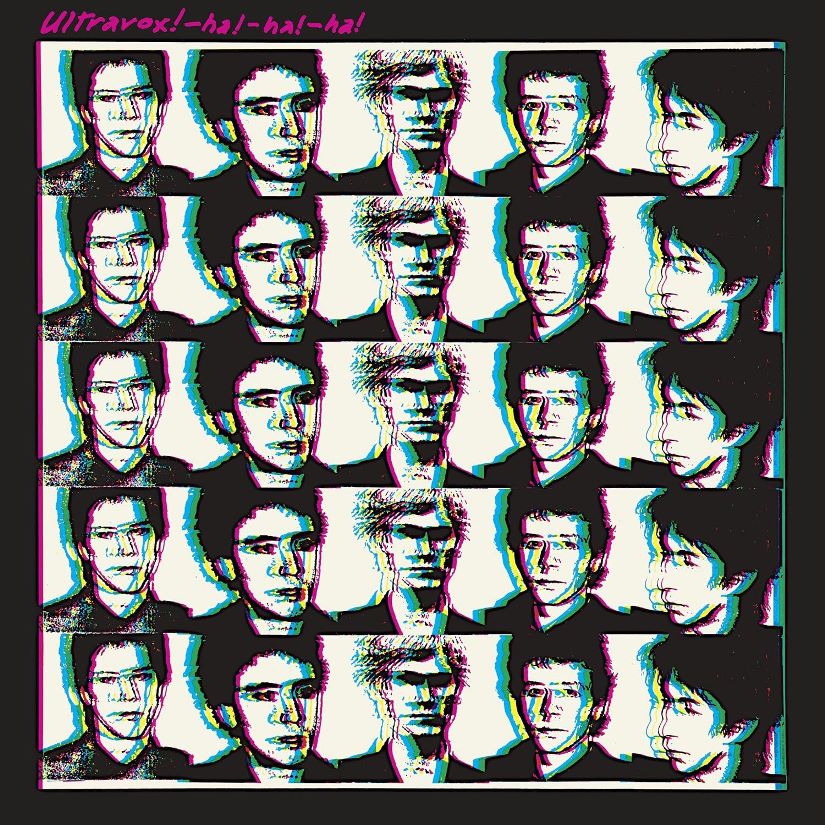
ULTRAVOX! Ha! Ha! Ha!

While primarily a fierce art rock album, ‘Ha! Ha! Ha!’ was however notable for the inclusion of two opposingly poled synth-dominated songs that pointed to the future direction of ULTRAVOX! The star of ‘The Man Who Dies Everyday’ was Billy Currie’s screaming ARP Odyssey while Warren Cann’s modified Roland TR77 rhythm machine acted as the backbone to the elegiac ‘Hiroshima Mon Amour’ which also featured an Elka Rhapsody.

‘Ha! Ha! Ha!’ is still available via Island Records

https://www.ultravox.org.uk/

http://www.metamatic.com/


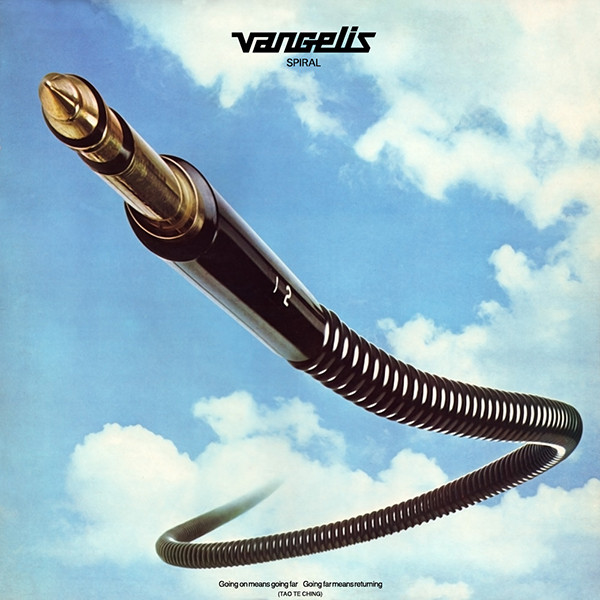
VANGELIS Spiral

The ‘Spiral’ album was best known for the beautifully emotive ‘To The Unknown Man’ where Vangelis first fully exploited the possibilities of the Yamaha CS80. He proved he could also do lively electronic pop with ‘Dervish D’ where over a spinning Roland System 100 sequencer, a slice of robotic funk grooved with a brilliantly played jazz-inflected CS80 solo using all the manual control features it had at his disposal.

‘Spiral’ is still available via Esoteric Recordings

https://www.facebook.com/VangelisOfficial/


ZANOV Moebius 256 301

The work of Pierre Salkazanov, the Frenchman had the ARP 2600 and its sequencer, along with the EMS VCS 3 and RMI Harmonic Synthesizer. Comprising of three short pieces and two much longer progressively spacey tracks ‘Plénitude’ and ‘An Zéro’, ‘Moebius 256 301’ had much more of a Berlin School template and echoes of TANGERINE DREAM in particular when compared with his French contemporaries.

‘Moebius 256 301’ is still available via Wah Wah Records

https://zanov.net/


Text by Chi Ming Lai
30th August 2025
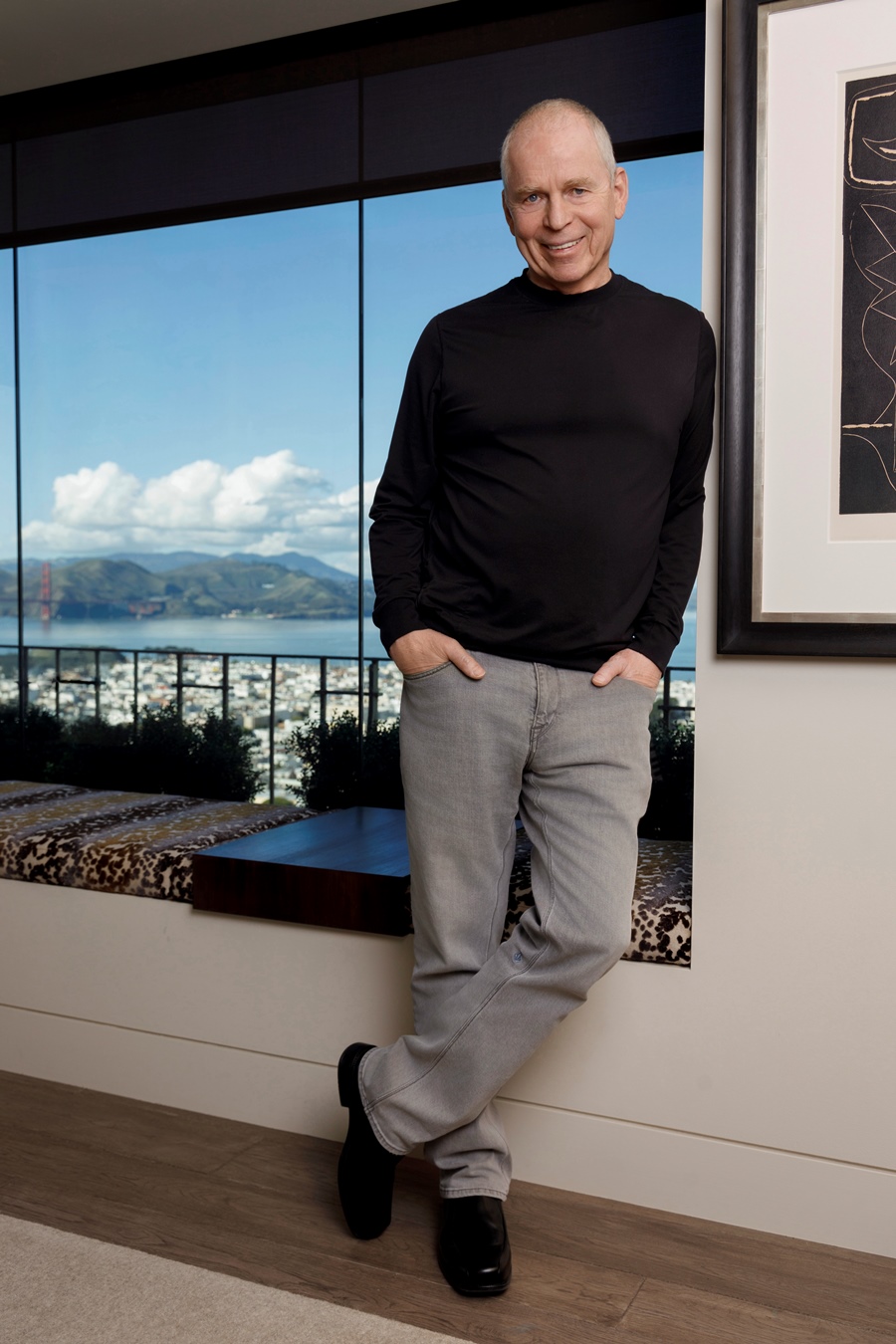
PETER BAUMANN Interview

Photo by Jane Richey

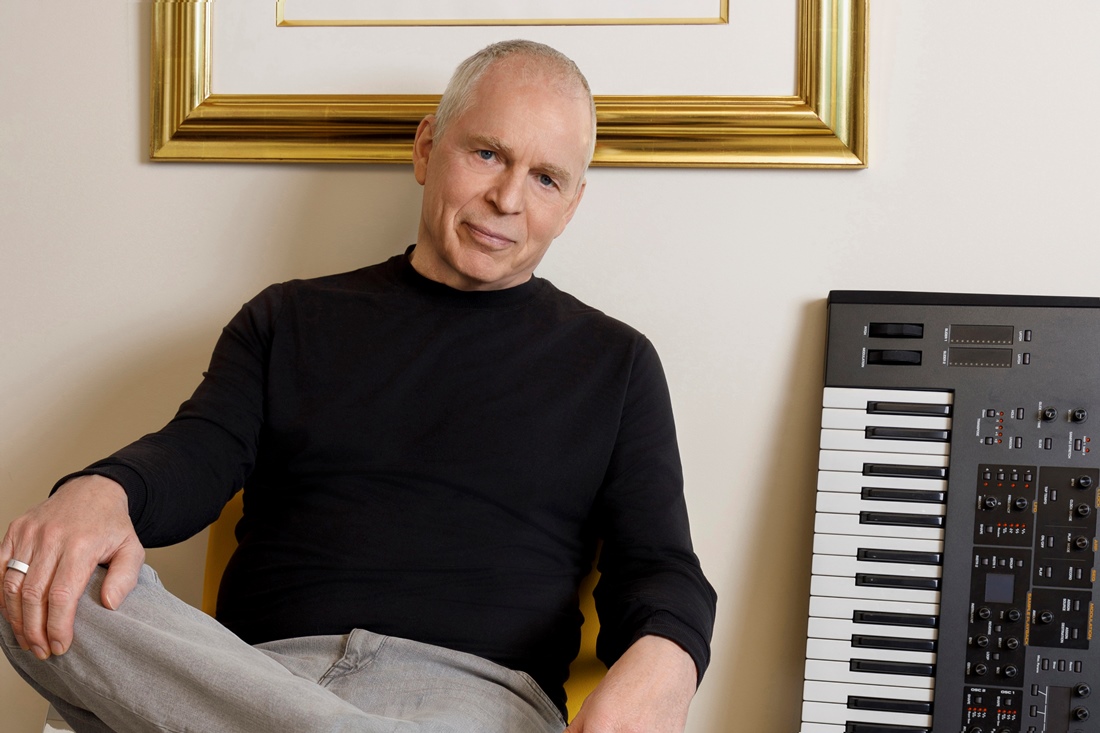
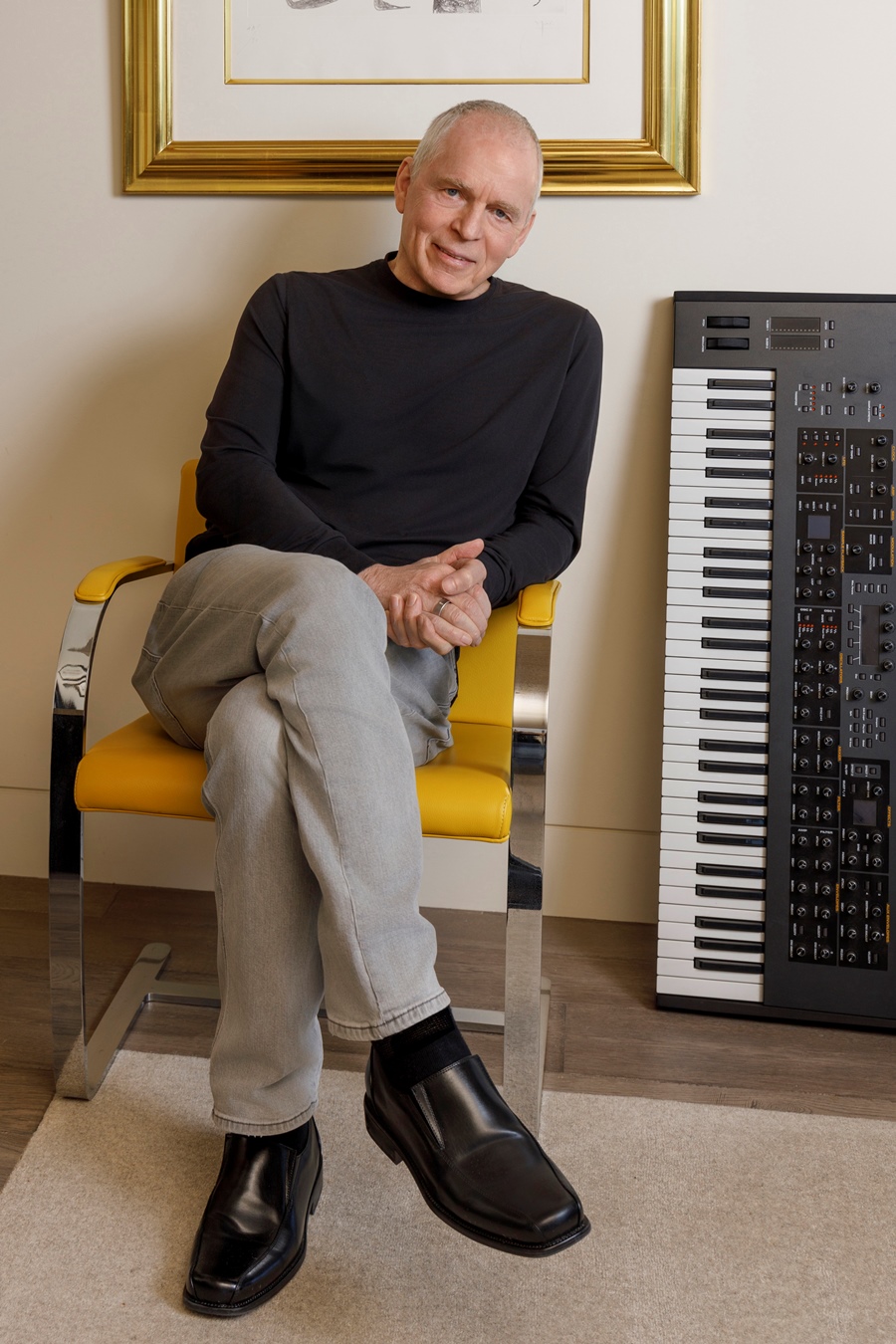
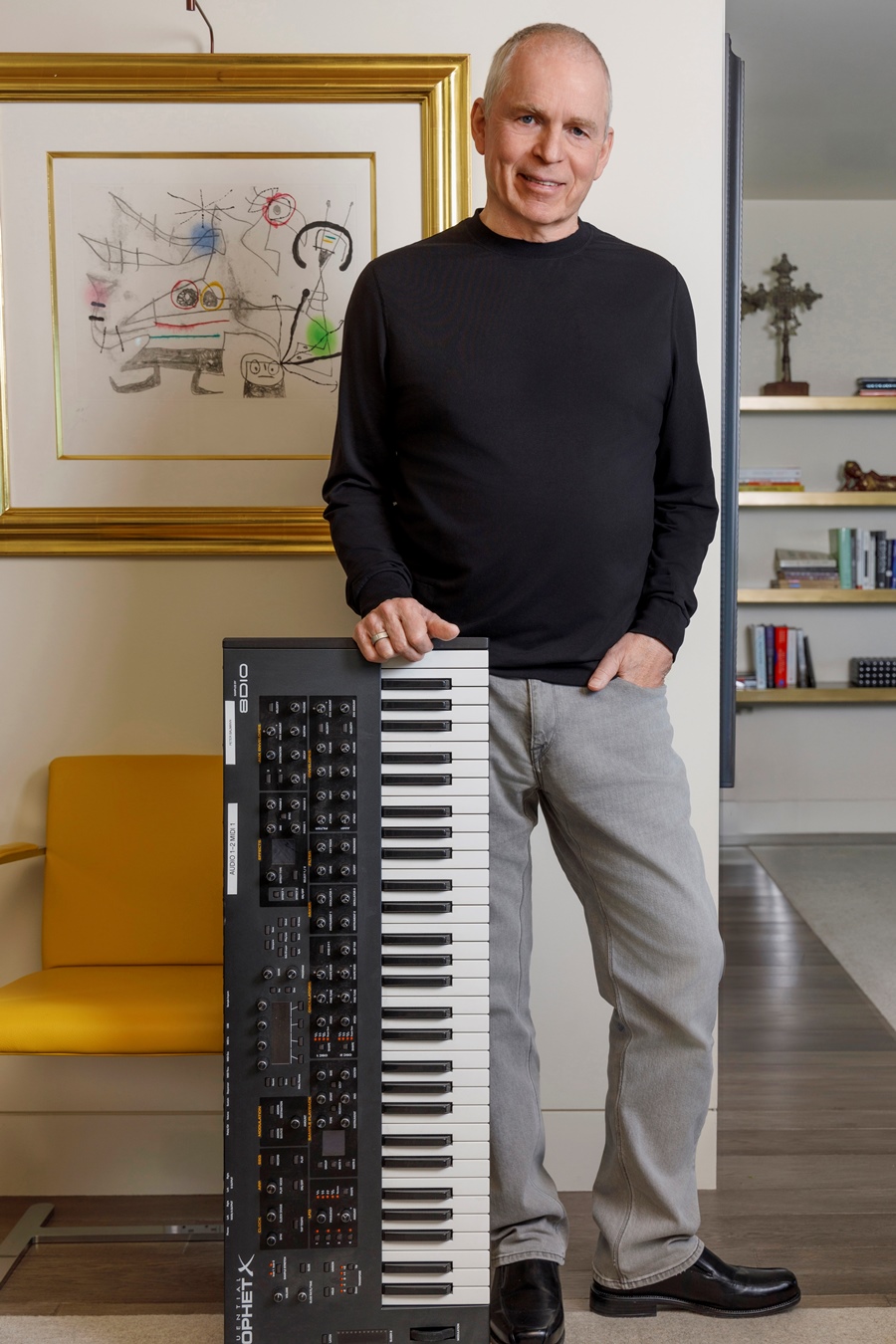
German synth veteran Peter Baumann recently released his first solo album since 2016’s ‘Machines Of Desire’ on Bureau B.

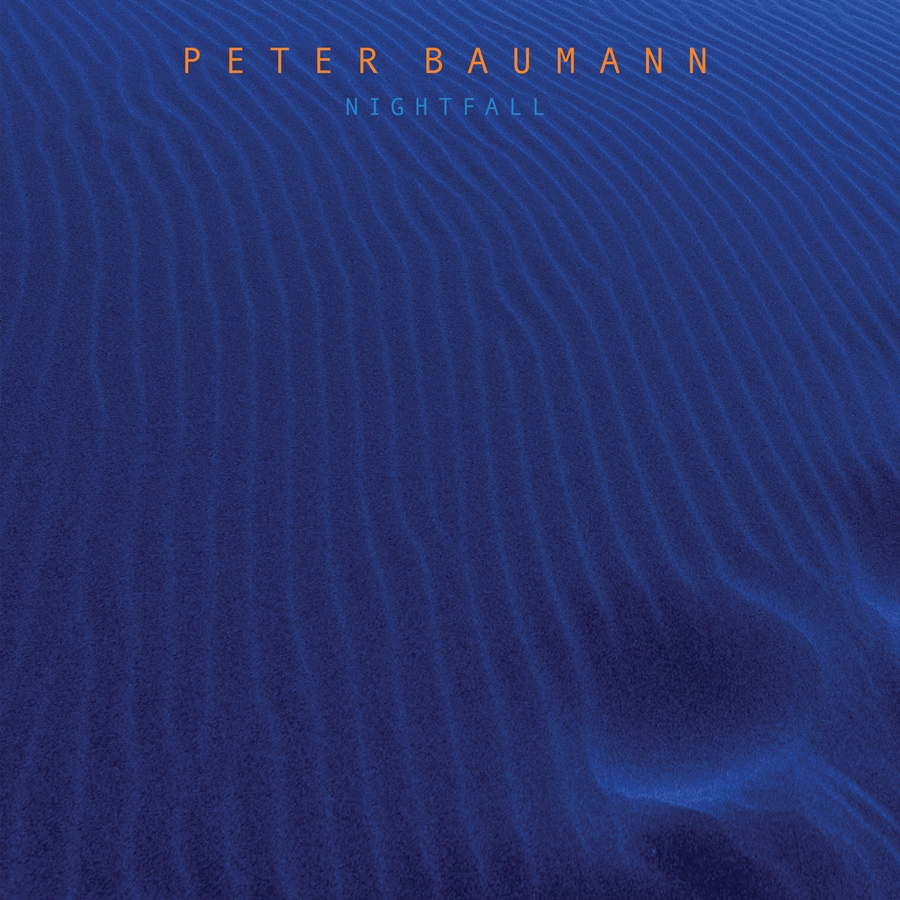
In its mysterious but evocative storytelling without words, ‘Nightfall’ is a work that combines the cerebral with the cinematic, shaped by Baumann’s long standing interest in the human condition and how music can create artistic inspiration, relaxation and optimism through its transcendent qualities.

Best known as a member of the classic line-up of TANGERINE DREAM with Edgar Froese and Christopher Franke, Peter Baumann was involved in their imperial Virgin Records era albums ‘Phaedra’, ‘Rubycon’, ‘Ricochet’, ‘Stratosfear’ and ‘Encore’ which exemplified The Berlin School.

Recorded while still in TANGERINE DREAM, Baumann debut solo album ‘Romance ‘76’ comprised of two contrasting suites, the first with strong synth melodies and hypnotic rhythmic backbones while the second half was more experimental and organic featuring female vocals and the Munich Philharmonic Orchestra and Choir.

Photo by Jane Richey

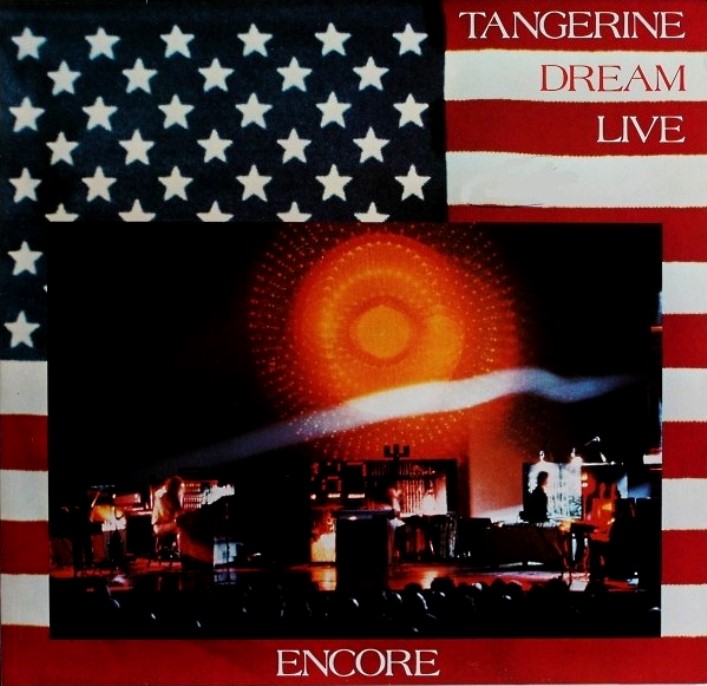
Baumann’s confidence was on a high and after completing work on the 1977 live double album ‘Encore’, he left TANGERINE DREAM and set up his own studio, producing other artists including LEDA, CLUSTER and Conrad Schnitzler. His second solo album ‘Trans Harmonic Nights’ from 1979 was something of an interim record, comprising of shorter instrumental compositions using mysterious melodies and occasional vocoder textures pointing halfway towards conventional pop vocal phrasing.

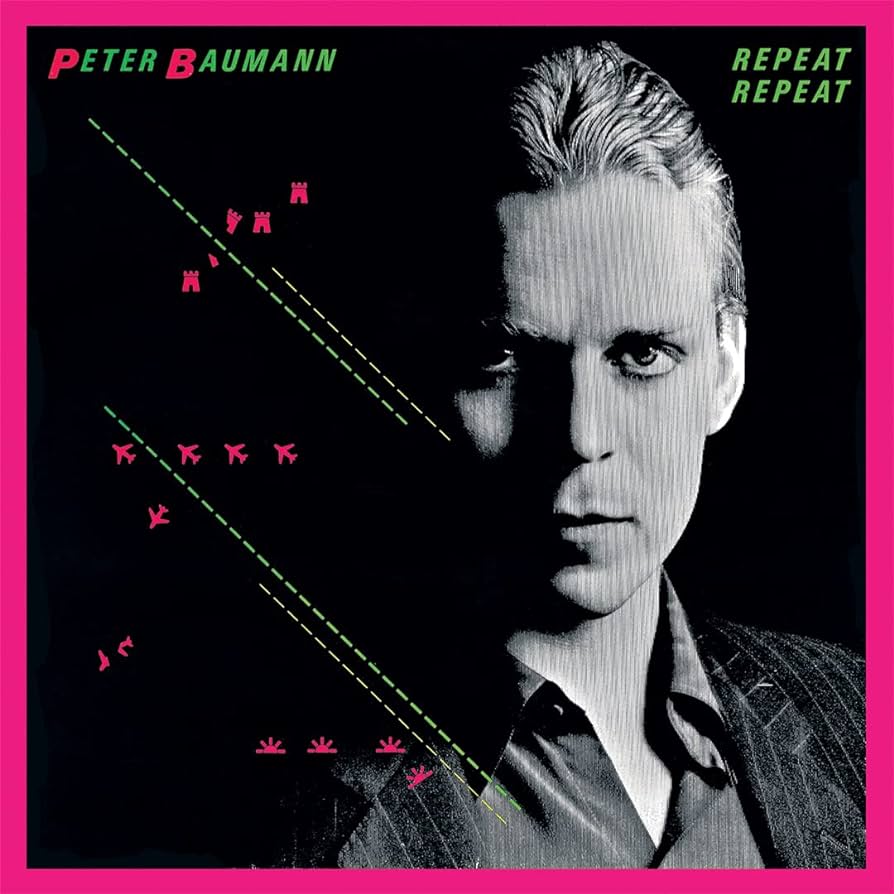
Signalling a complete departure from TANGERINE DREAM, his third solo album was ‘Repeat Repeat’, an entirely song-based collection co-produced by Robert Palmer that crossed synthesized art funk with Die Neue Deutsche Welle. While the album was a shock to TANGERINE DREAM fans, an even bigger surprise came when Baumann signed to Arista Records in 1984. Employing New Yorker Eli Holland on lead vocals, the resultant Europop flavoured ‘Strangers In The Night’ album included an electronic disco cover of the song made famous by Frank Sinatra; incidentally the music had originally been written by the German orchestra leader Bert Kaempfert under the title ‘Beddy Bye’.

Not long after, Baumann launched his Private Music label; with a roster that included Yanni, Ravi Shankar, Andy Summers, Carlos Alomar, Suzanne Ciani and his former band, the venture was a huge success and later purchased by BMG in 1994. He then founded The Baumann Institute in 2009 “dedicated to exploring the nature of awareness and its relationship to human health and well-being.”

In an insightful career spanning interview, Peter Baumann kindly chatted to ELECTRICITYCLUB.CO.UK from his home in Los Angeles about his life and his motivations.

‘Nightfall’ is your first album since NEULAND with Paul Haslinger in 2019 and your first solo release since ‘Machines Of Desire’ in 2016, how was your approach different from those records?

I’m older! *laughs*

You know, I can’t really say if there was anything different. I work with just what’s coming up… there wasn’t any planning, it’s all very spontaneous. I like to collect sketches and I pull up one of those sketches to develop it a little bit and put it aside, so it’s an organic process with the pieces growing together.

There is this dramatic nocturnal atmosphere that looms throughout ‘Nightfall’? What it very much inspired by the environment you live in now which is very different from Europe? Does the difference of the night where you are inspire you in that way?

No, it was just the mood, it was a slower mood, not uptempo at all. I like albums that have a consistent mood and that’s the mood that turned out for this one.

‘No One Knows’, ‘From A Far Land’ and ‘I’m Sitting Here, Just For A While’ have these haunting piano tones that recall the late Harold Budd? Had you been an admirer of his work?

Yes, I loved his stuff, it was slow and moody and introspective so I liked all of that. The same as the mood of the album is consistent, the titles came up the same way.

Photo by Jane Richey

Do you ever come up with a title first and then write around it? It’s something David Sylvian of JAPAN used to do…

Usually the same way I do sketches, I collect titles and then after the track is halfway developed, I see which title fits to which piece.

There are no pulsing sequences on ‘Nightfall’, but is that Berlin School sound ever something you will ever be inclined to return to?

I don’t feel it particularly right now, but I’ve learnt never to say never. There’s so many associations with it and these days, that’s “a dime a dozen”. I’m probably more interested in melodies and a mood than sequencers.

Are you still using hardware or are you now completely in the box these days?

It’s about 80-90% in the box, the rest is hardware and old style synth. I have all the usual suspects in the box and some outboard gear, a Waldorf STVC vocoder and a Moog Matriarch plus a few others but most of the effects are in the box. What I like about it is so easy to recall and go back to the original setting. The flexibility is just phenomenal, I barely notice I’m doing something mechanical, I can focus completely on the sound and the mood of the track.

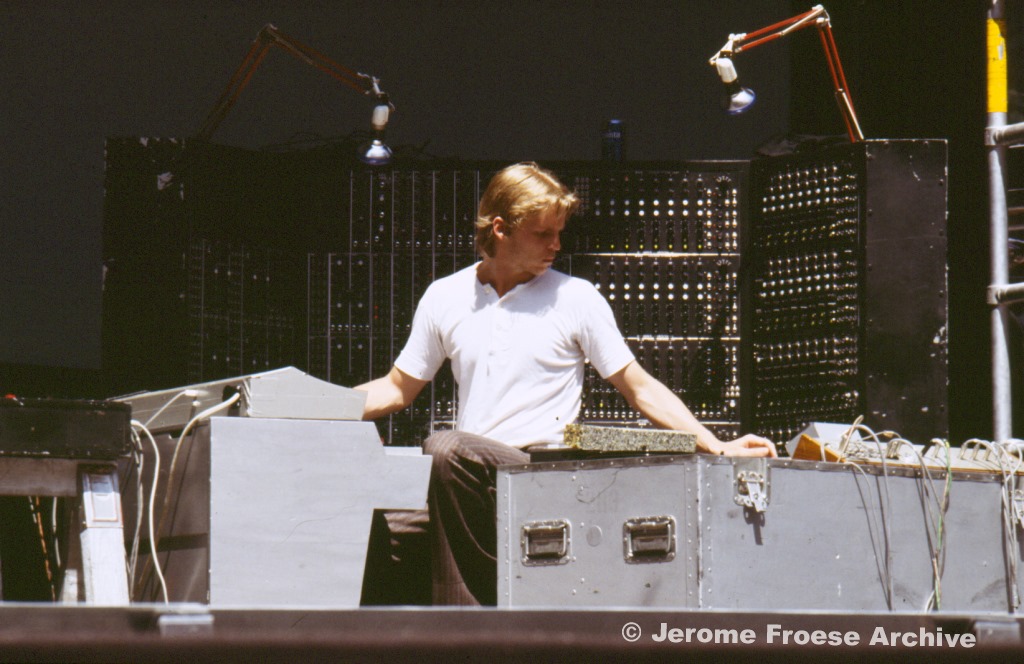
Did you keep that Projekt Elektronik modular system you had specially made for you?

OH MY GOODNESS! THAT IS A BLAST FROM THE PAST! THAT’S A MUSUEM PIECE! *laughs*

Photo by Jerome Froese

Is it actually in a museum now then? *laughs*

Maybe! I dunno! *laughs*

I sold it probably 40 years ago to a fellow from Switzerland!  I know exactly what was in there and everything you could do on that big modular,  you can do today on your cellphone! What I liked about it, you had tactile access to all the frequency, the filter, the envelope, it’s different to do that than in the box… I liked that tactile connection. I have two studios, one in the country and one in the city, they’re identical so I can go back and forth, but with equipment like the Projekt Elektronik modular, you can’t and it didn’t have any recall! It was one time and that was it!

Was that your favourite synthesizer?

Yes, that was my favourite, it had some very custom made aspects to it, the way the patching was set up was custom made, the sequencers were all custom made with steps, not just sequential but also in frequency, so live I could switch the frequency really easy and land on a definite note and not have to fine tune it.

Was there a synthesizer that you didn’t like, one that didn’t meet expectations?

Oh my! I probably went through a few dozen synthesizers in the last decades! I never liked the DX7, I really disliked it, it had a tinny sound, it just wasn’t great. There was one Moog I didn’t like, it was a big polyphonic, the sound just didn’t make it. I loved the small keyboard Oberheim but I never liked the bigger one. It’s a degree of preference, it’s not that I hated any of them, you can always do something with any kind of sound. But you have your gotos and when you run out of ideas, you pick one up that you never use just to see if it inspires you.

Did you get your head around the FM synthesis programming on the DX7?

Not really and that might be the issue… I’m not a nerd in terms of twiddling with it a lot, I just want the sound and the easiest access to shape the sound. I was never into the Synclavier for instance, it has some fantastic sounds but it was just very cumbersome to dig into all the layers it had. I loved the sound but I always used the presets.

You were still a teenager when you joined TANGERINE DREAM, rock ‘n’ roll wasn’t even 20 years old then. You were part of what is seen as the classic line-up that produced ‘Phaedra’ and ‘Rubycon’, why you think the acclaim for those two records has endured, especially with all those boxed sets?

I don’t think you ever know, they were in a particular constellation at a particular time and this is the mystery. You never know why one piece of music or art piece works out and just stays relevant. I would say at the time, it was not anywhere in the mainstream, it wasn’t something that existed among many others. So it wasn’t a fad, it was one of a kind and those things usually stand up a little bit more than if it’s part of a whole group of similar music.

Do you think being in England to record those albums helped your creative mindset?

Oh definitely! When we recorded ‘Phaedra’ at The Manor in Oxford, for me it was like being in ‘The Twilight Zone’. It was just magical the way we worked there, the staff were fantastic. We didn’t leave until the record was done, we never left The Manor. It was just a terrific place, it had 100 years of history and it was timeless. The music is probably influenced by it quite a bit.

The success of those albums meant that you were given opportunities to travel the world. What are your memories of TANGERINE DREAM’s US tour which is documented on ‘Encore’, did this start your love of America and eventually relocating?

Those kind of decisions never happen because of one thing or another. When I split from TANGERINE DREAM, anything I did in Germany would be related to the band. We were known in America, but not that well known so I had much more of an opportunity. I like the culture in America better than in Germany. At the time, there was no reunification, Berlin was an island in the middle of East Germany. I always felt a little constrained… also, I didn’t like the weather! *laughs*

America is just a crazy country, there’s a lot of dynamic and I enjoy the unpredictability. Europe is just more settled, it’s a much more mature culture and that’s wonderful in its own right. But I just enjoy the dynamic and craziness we have over here.

You released your first solo album ‘Romance ’76’ while still in TANGERINE DREAM, now solo records were the norm in the set-up, but had you been feeling constrained artistically?

Not at all, I recorded ‘Romance ’76’ in our rehearsal room on an 8 track machine that I borrowed from Christoph. It was totally cool that we did our thing. In those days, recording was very different, you didn’t fine tune it the way you do today. There were not as many layers so on ‘Romance ’76’, I used 6 tracks, maybe 7 but it was not as developed. So it has its own atmosphere because it’s not so polished.

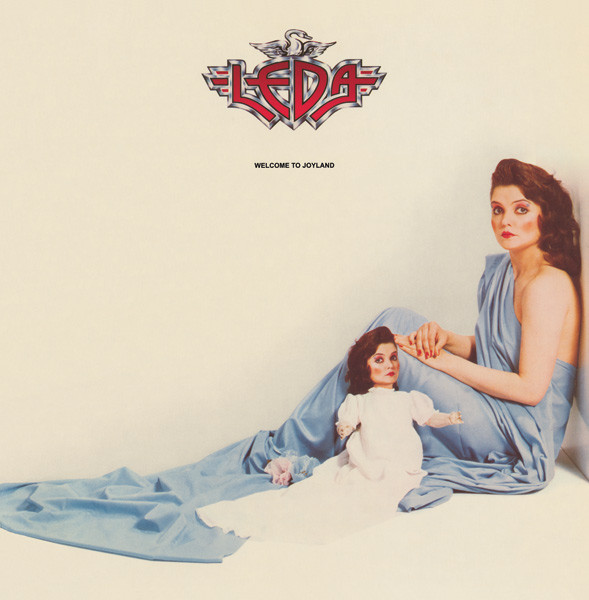
When you decided to produce ‘Welcome To Joyland’ by LEDA in 1978, was there a frustrated pop artist waiting to come out?

No, that particular album was just a fun project, I had built a studio in Berlin and this was basically a trial in the studio, it was never meant to be any particular thing. A friend of mine Hans Brandeis was a bass player in a band called EDUCATION FREE and he had a girlfriend who was a singer. So LEDA was like a very spontaneous project just to check the studio out and have some fun.

Does it surprise you people are still finding and talking about ‘Welcome To Joyland’?

You know, few things surprise me in life. I take it just the way it comes and goes, I don’t worry that much.

During this period, you produced ‘Grosses Wasser’ by CLUSTER in 1979, how was that experience working with Roedelius and Moebius?

I loved those guys, they were so cool. They were not like musicians, they were soundmakers and they had an unorthodox way of working in the studio. I had a deal with Egg Records in France who wanted 4 records for the label, so the productions for Conrad Schnitzler, Asmus Tietchens and Roedelius were among them.

What was the motivation to sing and start writing the songs that led to the ‘Repeat Repeat’ album, as opposed to the improvisational instrumentals you were involved with before?

It was just an experiment, there was nothing more behind it, it was just the flavour of the time when I had just moved to New York. Those thoughts and lyrics that are on there like ‘Brain Damage’ and ‘M.A.N. Series Two’, they were a dystopian modern perspective on New York. It was new for me, I experimented with lyrics and that was that.

How did Robert Palmer become the producer to help you realise your song based ambitions on ‘Repeat Repeat’ because back then, it was not an obvious pairing?

We had the same German record company and they played the demos of ‘Repeat Repeat’ to him, he thought they were cool and wanted to be involved. He called and said “I love what you’re doing, I’d love to produce it” so I said “sure”; we worked at Compass Point in The Bahamas and then mixed it in London. I just enjoyed hanging out with Robert, we had a similar mindset and he had big influence in the sound of the album.

Looking back on the ‘Repeat Repeat’ album and its follow-up ‘Strangers In The Night’, after that you appeared to stop releasing your own music and started Private Music. Was being a front man not what you wanted after all?

Again, I never think very much, I just do what happens. With ‘Repeat Repeat’, I realised I was not a really great vocalist and then a producer in America suggested this guy Eli Holland to do lead vocals, so we did ‘Strangers In The Night’. Again, I just had fun doing whatever I do and that’s what we did then.

The record company was a silly story if you will, there was no big thought behind it. I met my wife Alison, we went on vacation in Florida and I had a shoebox full of cassette tapes of little productions I did. I played some of them and she said “I love this”; I said something about maybe doing a record company one day and she said “you absolutely have got to do it!”… and so I did a record company! There was never any grand plan  behind it, my whole life has been that way, I just enjoy seeing what comes next and let it happen.

You met up with Edgar Froese before he passed away in early 2015 and there had been talk of you rejoining TANGERINE DREAM?

Edgar wrote me an email just to check in and I wrote back… at the time I had a studio when I was in San Francisco and was playing around. I sent him a couple of tracks and he said “let’s work together”; it wasn’t for TANGERINE DREAM or anything else, just let’s make some noise. I met him in Vienna and we spent some time in the studio. I said I’d make more basic tracks to send to him but then sadly next time, I got a call from his wife Bianca with bad news. So that collaboration never materialised and that’s when I did ‘Machines Of Desire’.

Photo by Jane Richey

What are your favourite works for your long career, whether as an artist, producer or label boss?

What a question! Sometimes you like Chinese food, sometimes Italian food, sometimes Japanese food, I like it all. It depends on the time of day. I think it was all worth doing, I was extraordinarily lucky to be able to do this. Had I started today, it would have been a whole different effort. Playing in a band and then getting to do what I got to do, and doing a record label when you could still do a record label, today it’s awfully tough! It’s been fun to talk to you about it Chi, it’s like travelling down Memory Lane… I mean CLUSTER! I haven’t thought about that record in years! You have given me some very interesting ways to look back on the last 50 years.

It’s all good, I don’t have any favourites and there’s none of them that shouldn’t have happened. Maybe, if there was a little bit of a favourite, one or the other, of course ‘Phaedra’ is a completely different album than ‘Repeat Repeat’ but there are elements of both that I enjoy  🙂

What is next for you?

I dunno, you tell me 😉

As I said before, I just wait and see what happens. I’m going to spend some time in the studio but I have some other interests. I’m writing a book, it’s a philosophical book called ‘Some Days Are Better Than Others’ and it’s my view of the experience of being human.


ELECTRICITYCLUB.CO.UK gives its warmest thanks to Peter Baumann

Special thanks to Sean Newsham at Bureau B

‘Nightfall’ is released by Bureau B and available now as a vinyl LP, CD and download from https://peterbaumann.bandcamp.com/album/nightfall

The 3CD boxed set ‘Phase By Phase – The Virgin Albums’ is released by Cherry Red Records

https://www.bureau-b.com/artists/peter-baumann

https://tangerinedreamarchive.com/

https://open.spotify.com/artist/4u9mLb6exlbHuNehyJ11jq


Text and interview by Chi Ming Lai
14th June 2025

THE ELECTRONIC LEGACY OF 1978

At the start of 1978, disco and AOR was still ruling the airwaves.

ABBA had released ‘The Movie’ which reinforced their success of previous years while the UK charts became dominated by songs from the film ‘Grease’ which helped facilitate a rock ‘n’ roll flavoured revival led by bands like SHOWADDYWADDY, DARTS and RACEY!

Punk had peaked with THE SEX PISTOLS’ Johnny Rotten and his rhetorical statement “Ever Get the Feeling You’ve Been Cheated?”. However, punk’s ethos was mutating into a form of power pop under the guise of new wave with BLONDIE, BUZZCOCKS and THE BOOMTOWN RATS. One epic opus that captured the public imagination was ‘Jeff Wayne’s Musical Version of The War of the World’; featuring synthesizer work from Ken Freeman, it complimented the album’s orchestrated rock with an alien science fiction edge.

Although first released in Autumn 1977, ‘Supernature’ by Cerrone belatedly became a Summer 1978 Top10 hit in the UK singles charts, indicating that after ‘I Feel Love’, ‘Oxygène’, ‘Magic Fly’, ‘Sound & Vision’ and ‘Trans-Europe Express’, electronic pop music had potential longevity and was not a novelty.

A new DIY art pop form was emerging as the independently produced singles ‘Warm Leatherette’ by THE NORMAL and ‘Being Boiled’ by THE HUMAN LEAGUE were released to an unsuspecting public but despite not troubling the mainstream due to their limited audience reach, they were to have a wider impact.

Meanwhile, as punk band TUBEWAY ARMY were preparing to record their debut long player, their leader Gary Numan tried a Minimoog that had been left behind from a previous studio session. It was to be an epiphanal moment as he decided that electronics would become a future part of his sound.

According to a recent Ace Records podcast hosted by Pete Paphides, his guest Bob Stanley said that Minimoog belonged to reggae legend Dennis Bovell who was working on a song he had just written called ‘Silly Games’. When it stalled at No2 sung by Janet Kay, in a bizarre coincidence, the single that was to stop it from getting to No1 in Summer 1979 was recorded in the same Gooseberry Studios in London’s Chinatown… it was ‘Are Friends Electric?’!!!

Here are 20 albums which ELECTRICITYCLUB.CO.UK sees as contributing to the electronic legacy of 1978. They are listed in alphabetical order with a restriction of one album per artist moniker…


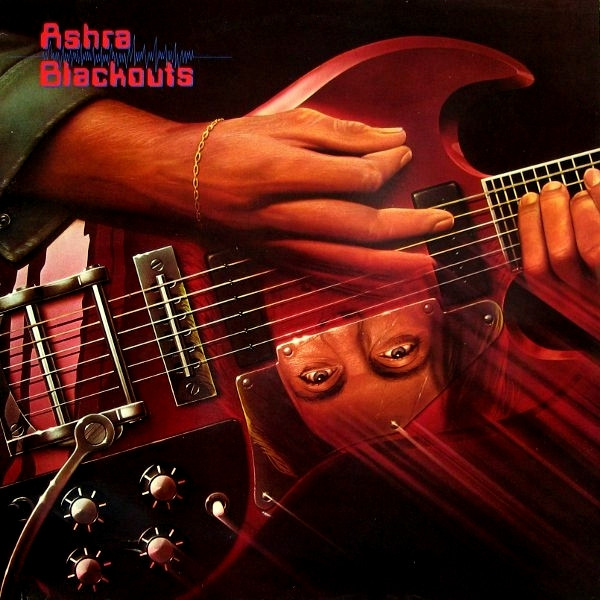
ASHRA Blackouts

Featuring “Sequencer, Keyboards and a lot of guitar” with the recommendation that “this record should be heard comfortably”, ‘Blackouts’ was Manuel Göttsching’s second album as ASHRA and while it did not quite have the total cosmic magic of its predecessor ‘New Age Of Earth’, it was a satisfying record. ‘Midnight On Mars’ set the scene while there was another wonderful 20 minute end piece in ‘Lotus Part I-IV’.

‘Blackouts’ is still available via Virgin Records

https://manuelgoettsching.com/


AUTOMAT Automat

AUTOMAT were Romano Musmarra and Claudio Gizzi who released just one album. Stating “in the beginning there was the machine – the survival and the organization of the planet depended upon the machine – the future and the past depended upon the machine – …the past? But who wanted the machine?”, the key track was the eponymous three part electronic prog disco opus that would have made Giorgio Moroder proud. Meanwhile ‘Droid’ showed the Italian duo were also fans of Vangelis.

‘Automat’ was originally released by EMI Italiana, currently unavailable

https://www.discogs.com/artist/29817-Automat


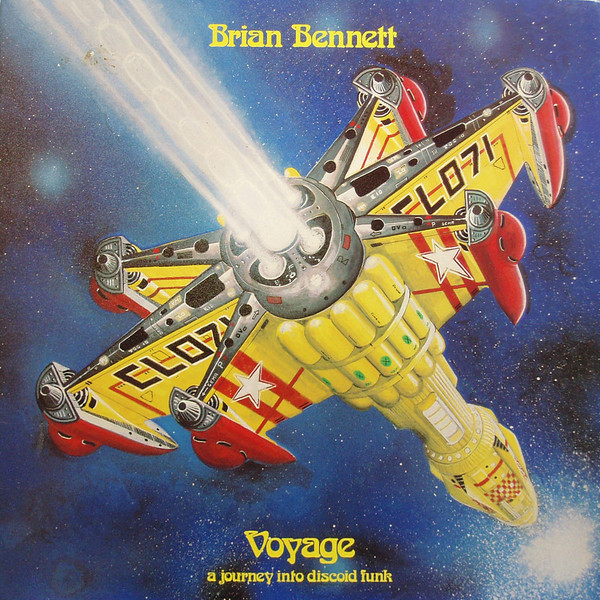
BRIAN BENNETT Voyage (A Journey Into Discoid Funk)

The drummer for THE SHADOWS since 1961, Brian Bennett worked on theme music on the side and became inspired by the emergence of electronic disco from the likes of Giorgio Moroder and Marc Cerrone. Described as “A Journey Into Discoid Funk”, ‘Voyage’ was a cosmic affair with jazz and funk influences. Highlights included ‘Pendulum Force’, ‘Ocean Glide’ and ‘Chain Reaction’ while one track ‘Solstice’ was later sampled by rappers Kanye West and Nas.

‘Voyage (A Journey Into Discoid Funk)’ is still available via Cherry Red Records

https://www.cherryred.co.uk/brian-bennett-voyage-2cd-expanded-edition


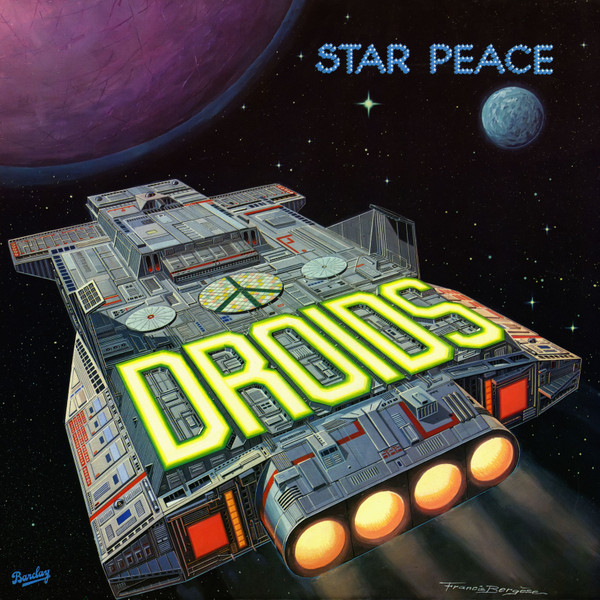
DROIDS Star Peace

Inspired by ‘Star Wars’, French space disco combo DROIDS were best known for their underground hit ‘(Do You Have) The Force’ in 1977. Included on it, their only album ‘Star Peace’ came the following year with material written and played by Yves Hayat using Moogs, ARPs and Oberheims. It was an enjoyable electronic romp with groovy tracks like ‘Be Happy’ and ‘Shanti Dance’ to take on fellow countrymen SPACE.

‘Star Peace’ is still available via Barclay

https://www.discogs.com/artist/93198-Droids


LA DÜSSELDORF Viva

Fronted by Klaus Dinger from NEU! while also featuring his brother Thomas on percussion and Hans Lampe on drums, the second long player LA DÜSSELDORF ‘Viva’ was self-produced and their most successful album. There was the magnificent 20 minute madness of ‘Cha Cha 2000’, but the album also yielded the beautifully epic ‘Rheinita’, a glorious instrumental that became the blueprint for OMD’s ‘Architecture & Morality’ album.

‘Viva’ is still available via WEA Records

https://dingerland.de/


ENO MOEBIUS ROEDELIUS After The Heat

Following aborted sessions with cult German band HARMONIA featuring Michael Rother of NEU! alongside Dieter Moebius and Hans-Joachim Roedelius of CLUSTER, Brian Eno continued collaborations with the latter pair. With a wonderful 1977 ambient collection ‘Cluster & Eno’ to their name, their second album ‘After The Heat’ added Eno’s contemplative voice to the experimentation, the best track of which was the gentle sequencer led beauty of ‘The Belldog’.

‘After The Heat’ is still available via Bureau B


https://www.roedelius.com/album/after-heat


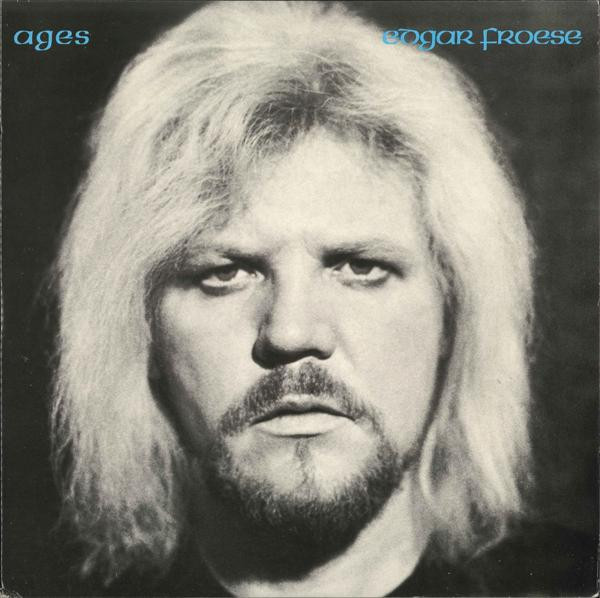
EDGAR FROESE Ages

This double album was released at the start of 1978 before TANGERINE DREAM took their vocal prog rock misstep with ‘Cyclone’. ‘Era Of The Slaves’ was a particular delight in the Berlin School vein with Edgar Froese channelling his creative energies wonderfully following the departure of Peter Baumann. Overall, ‘Ages’ was lively, as exemplified by ‘Nights of Automatic Women’ while ‘Children’s Deeper Study’ displayed a brighter tone.

‘Ages’ is still available via Virgin Records

https://www.edgarfroese.com/


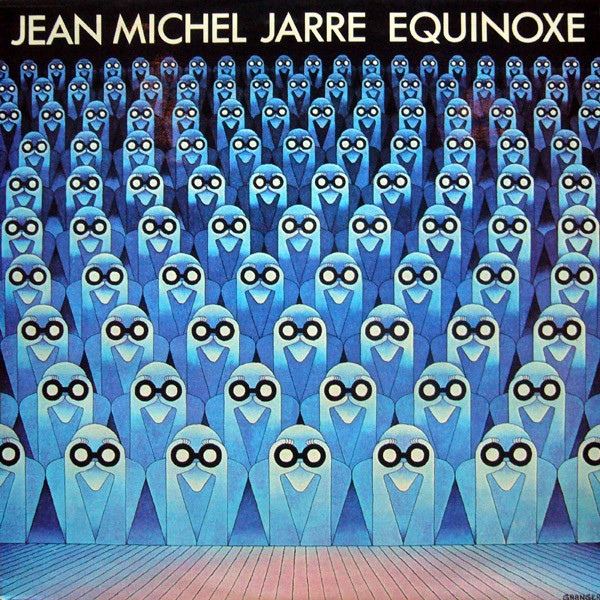
JEAN-MICHEL JARRE Equinoxe

The follow-up to the massively successful ‘Oxygène’, ‘Équinoxe’ was conceived as representing a day in a person’s life. As well expanded multitrack recording, ‘Équinoxe’ benefitted from the use of the customised Matrisequencer 250 designed by sound engineer Michel Geiss. The album’s eight parts were rich in melody, rhythm and in places neo-gothic grandeur. It confirmed Jean-Michel Jarre was not to be just a one-hit wonder.

‘Equinoxe’ is still available via Sony Music

http://jeanmicheljarre.com/


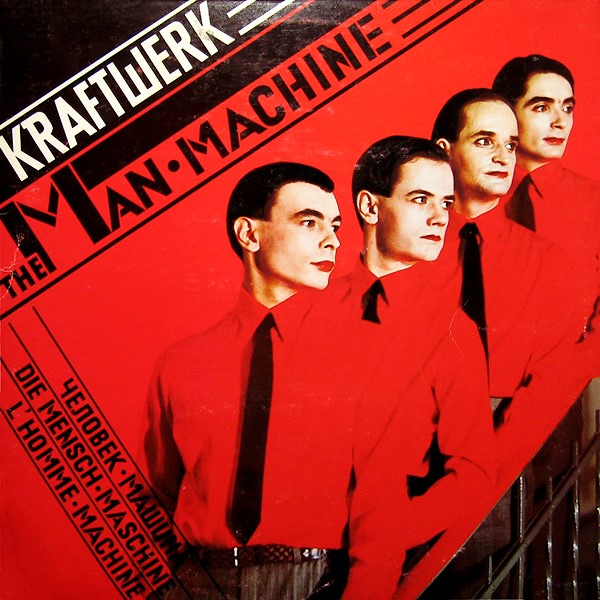
KRAFTWERK The Man Machine

By 1978, the classic KRAFTWERK line-up of Ralf Hütter, Florian Schneider, Wolfgang Flür and Karl Bartos were at the height of their powers with ‘Trans Europe Express’ becoming an unexpected favourite on the New York dancefloors. ‘The Man Machine’ contained the belated hit single ‘The Model’ while there was also the Giorgio Moroder-inspired ‘Spacelab’ and ‘Metropolis’. With ‘The Robots’, the Das Quartett reinforced they were Musikarbeiter.

‘The Man Machine’ is still available via EMI Music

http://www.kraftwerk.com/


LEDA Welcome To Joyland

Having left TANGERINE DREAM and inspired by the success of ‘I Feel Love’, Peter Baumann produced Italian artist Leda on her album ‘Welcome To Joyland’. Applying his sequenced knowhow into a more song based format, highlights included the title song and the Giorgio Moroder aping ‘Future’. Something of a curio in his portfolio, it became a pointer to the pop based direction he launched in 1981 with ‘Repeat Repeat’.

‘Welcome To Joyland’ is still available via Private Records

https://www.voices-in-the-net.de/welcome_to_joyland.htm


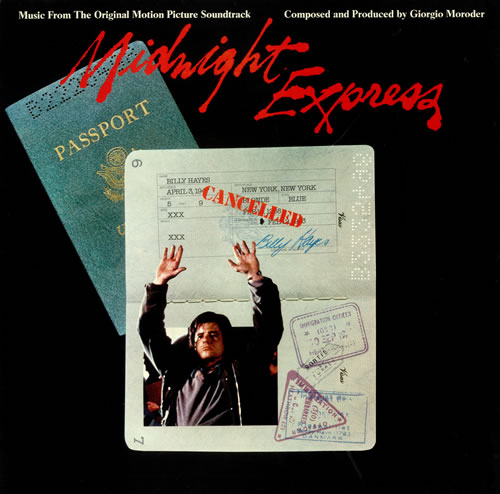
GIORGIO MORODER Midnight Express

‘Midnight Express’ was a graphic prison drama directed by Alan Parker who wanted electronic accompaniment in the style of ‘I Feel Love’ for a key scene in the film. Enter Giorgio Moroder who, assisted by Harold Faltermeyer, did just that with the mighty ‘Chase’. Meanwhile, the moody main theme and with its exotic overtones all but invented synthwave. Moroder would win his first Oscar for “Best Original Score”.

‘Midnight Express’ is still available via Casablanca Records / Universal Records

http://www.moroder.net/


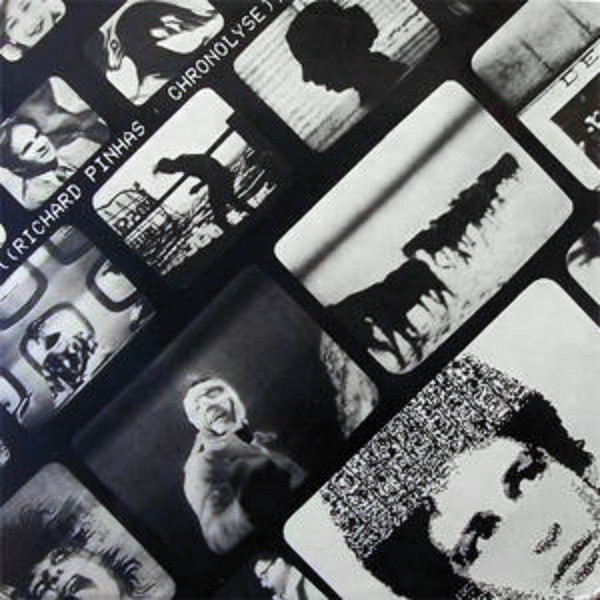
RICHARD PINHAS Chronolyse

Richard Pinhas was a member of French rock band HELDON who became fascinated by the possibilities of experimental electronics. Inspired by sci-fi writers Michel Jeury and Frank Herbert, the ‘Chronolyse’ title suite was split into seven waves of cerebral minimalism reminiscent of Terry Riley and Philip Glass. But there was a volte face in ‘Paul Atreïdes’, a noisy half hour jam with his HELDON band mates that took up an entire side.

‘Chronolyse’ is still available via Bureau B

https://www.richard-pinhas.com/chronolyse/


RIECHMANN Wunderbar

The only album by the tragic figure of Wolfgang Riechmann, ‘Wunderbar’ was an elegant and ultimately fragile collection with a fine balance of electronic technology and real instrumentation where none of the elements were overdone. The resonant melancholy of its content became even more poignant once it is learnt that he was murdered in Düsseldorf just weeks before its release by Sky Records in August 1978.

‘Wunderbar’ is still available via Bureau B

https://riechmann.bandcamp.com/album/wunderbar


MICHAEL ROTHER Sterntaler

After the success of ‘Flammenden Herzen’ set Michael Rother off on the path to becoming Germany’s answer to Mike Oldfield, his second solo album ‘Sterntaler’ saw a greater use of synths for melody lines as on the uplifting title track. ‘Orchestrion’ was more of a layered guitar symphony but the moody textures of ‘Sonnenrad’ would later become the inspiration for ULTRAVOX’s ‘Dancing With Tears In My Eyes’.

‘Sterntaler’ is still available via Grönland Records

http://www.michaelrother.de/en/


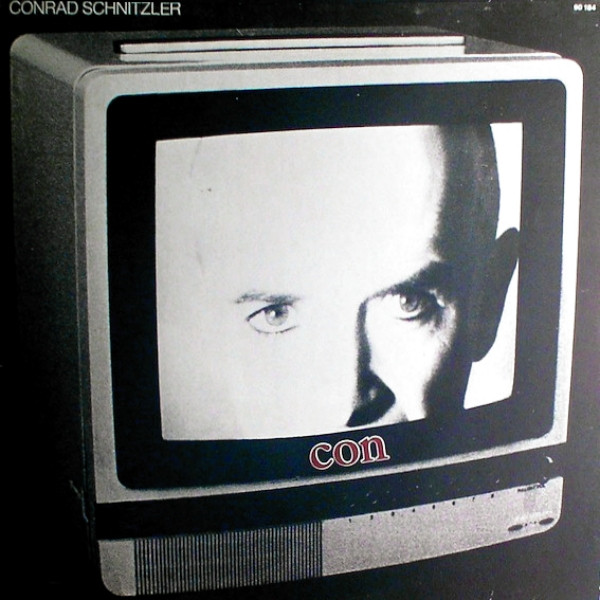
CONRAD SCHNITZLER Con

Conrad Schnitzler had been a member of TANGERINE DREAM and KLUSTER before going solo. ‘Con’ was produced by Peter Baumann. While much of the album was unsettling soundscapes like ‘Electric Garden’ and ‘Black Nail’, ‘Ballet Statique’ was his most accessible piece and up there with the best of minimally structured German electronic music. Meanwhile ‘Zug’ did as the title suggested with its locomotive rhythm collage.

‘Con’ is still available via Bureau B

https://www.fancymoon.com/con_s/


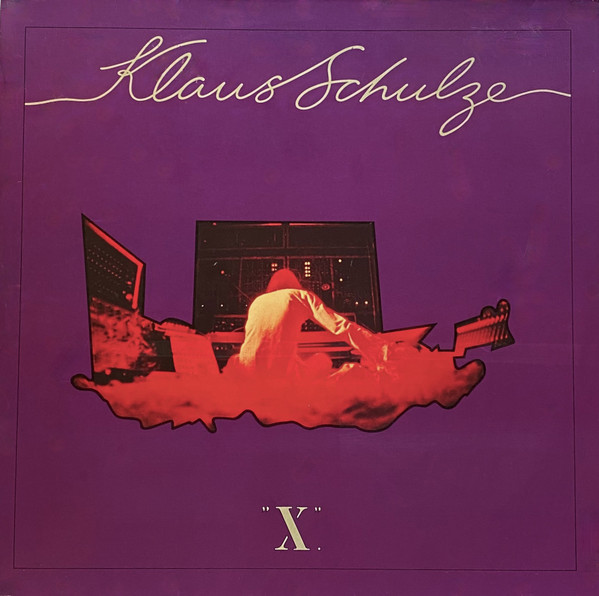
KLAUS SCHULZE X

After his 1977 masterpiece ‘Mirage’, Klaus Schulze was by now well into what many consider his imperial phase and planting the seed for New Age in the process. For the ambitious double opus ‘X’, drums by Harald Grosskopf and strings were incorporated into “Six Musical Biographies” in honour of figures such as philosopher Friedrich Nietzsche, King Ludwig II of Bavaria, composer Friedemann Bach and ‘Dune’ author Frank Herbert.

‘X’ is still available via SPV

https://klaus-schulze.com/


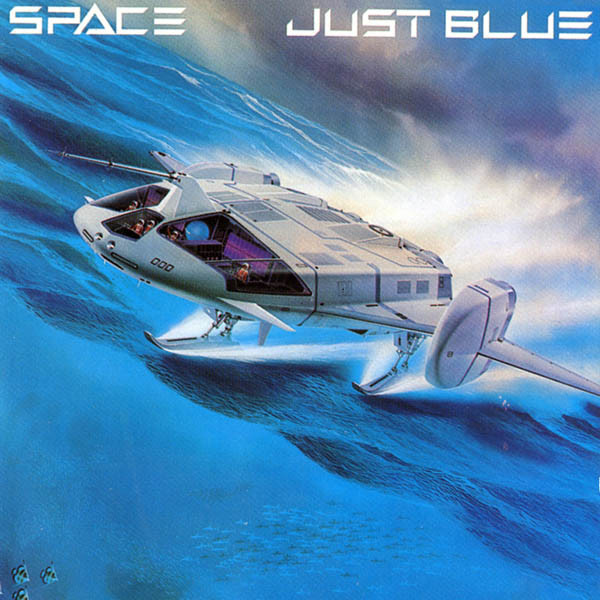
SPACE Just Blue

Having had a worldwide hit with ‘Magic Fly’, ‘Just Blue’ was the third album by France’s SPACE and the last featuring original writer Ecama, the pseudonym of Didier Marouani. With proggier inflections and more vocal phrasing, this album did not hit the highs of ‘Magic Fly’ but this was still a good record. The title song had catchy synth hooks while ‘Final Signal’ brought in fretless bass and ‘Secret Dreams’ got all new age.

‘Just Blue’ is still available via Nang

https://www.facebook.com/Didier.Marouani.et.spAce/


TOMITA The Bermuda Triangle

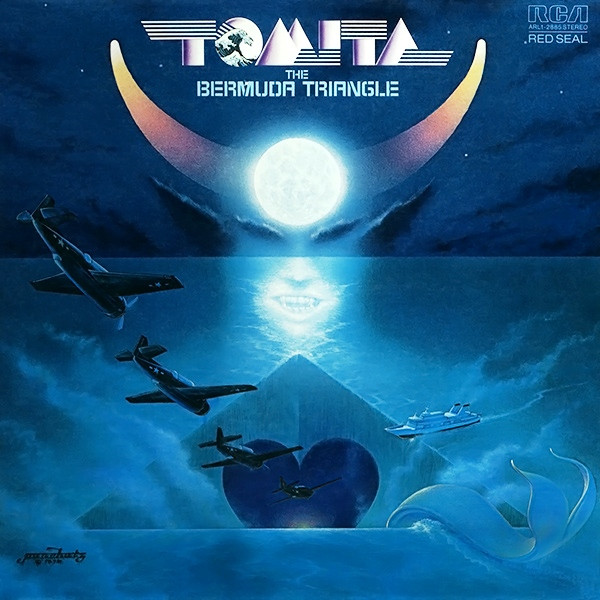
Best known for 1974’s pioneering ‘Snowflakes Are Dancing’ which reinterpreted Debussy, Isao Tomita was applying his Moog modular craft to Prokofiev and Sibelius for an ambitious concept album subtitled “A Musical Fantasy of Science Fiction”, there was even an adaptation of ‘Close Encounters Of The Third Kind’. As befitting a record about ‘The Bermuda Triangle’, it was dark and experimental in places with a fabulous palette of sound design.

‘The Bermuda Triangle’ is still available via Revive Music

https://www.isaotomita.info/


ULTRAVOX Systems Of Romance

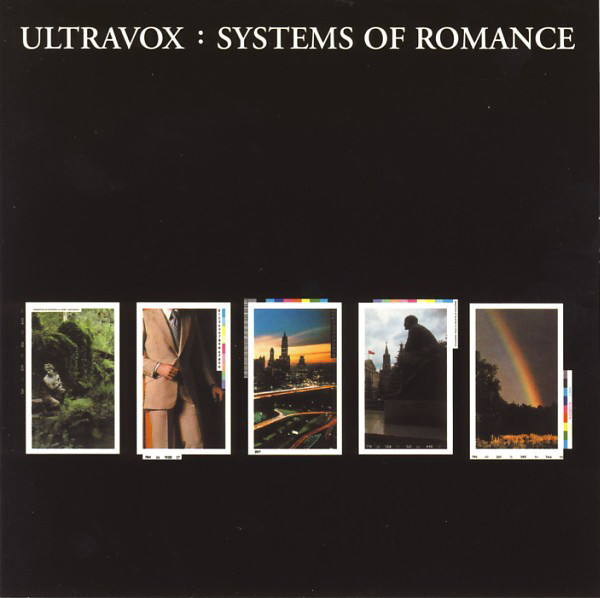
Working with the legendary Conny Plank for their third album ‘Systems Of Romance’, ULTRAVOX became more texturally powerful thanks to the ARP Odyssey of Billy Currie, Chris Cross’ EMS Synthi AKS and new guitarist Robin Simon. Despite leader John Foxx leaving to go solo, ‘Slow Motion’, ‘Quiet Man’, ‘Dislocation’ and ‘Just For A Moment’ were a harbinger of things that were to come with a certain Gary Numan taking notes.

‘Systems Of Romance’ is still available on ‘The Island Years’ via Caroline Records

https://www.ultravox.org.uk/


YELLOW MAGIC ORCHESTRA Yellow Magic Orchestra

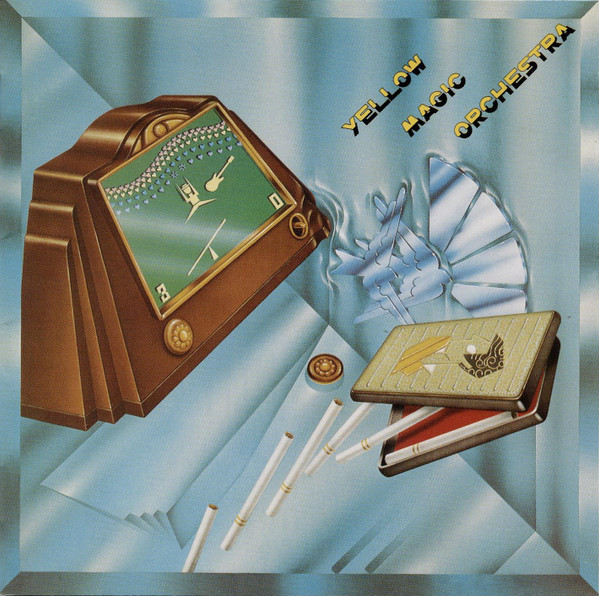
YELLOW MAGIC ORCHESTRA was intended as one-off project for producer Haruomi Hosono with Yukihiro Takahashi and Ryuichi Sakamoto; all three already had solo careers. Their self-titled debut was noted for its use of the then-new Roland MC8 Micro-Composer progammed by Hideki Matsutake. The trio became standard bearers for Japanese technopop with the hit single ‘Firecracker’, also known as ‘Computer Game’.

‘Yellow Magic Orchestra’ is still available via Sony Music

http://www.ymo.org/


Text by Chi Ming Lai
3rd August 2024

LLOYD COLE Violins


LLOYD COLE & THE COMMOTIONS were the kings of Glum Rock.

But for a 2015 German tour,  Lloyd Cole announced: “I’m calling these shows LIVE ELECTRONICS, and I should be clear here – there will be none of my songs performed, I will not be singing at all, or playing guitar. My instrument will be my modular synthesizer, along with some effects units and maybe a keyboard.”

Despite being a purveyor of jangling poetic indie tunes like ‘Perfect Skin’, ‘Rattlesnakes’, ‘Are You Ready To Be Heartbroken?’ and ‘Brand New Friend’, Cole had actually been experimenting with electronics since 2001’s ‘Plastic Wood’ and recorded an album ‘Selected Studies Vol 1’ with Hans-Joachim Roedelius of CLUSTER in 2013. Released by Bureau B, custodians of the Sky Records back catalogue including works by Michael Rother, Conny Plank and Harald Grosskopf amongst others, there was also a solo instrumental collection entitled ‘1D Electronics 2012-2014’.

But Cole has been putting that modular knowhow into a song based format with a charming new synthy single ‘Violins’ in which he seems to have turned into OMD! However, not totally alienating his main fan base, guitars make their presence felt amongst all the machinery about two thirds of the way through.

‘Violins’ is from Lloyd Cole’s new album ‘Guesswork’ which has been self-produced in Massachusetts and mixed by German producer Olaf Opal. Despite reuniting with two former bandmates Neil Clark and Blair Cowan for the first time since 1987’s ‘Mainstream’ long player, ‘Guesswork’ credits ‘synthesizers’ and ‘programming’ rather a lot while the man himself has recently talked of his guitar as “going, going but not quite gone”.

As well as referencing CHINA CRISIS and PREFAB SPROUT, Cole has also expressed a love of SUICIDE, ULTRAVOX, PET SHOP BOYS and LCD SOUNDSYSYTEM, while stating that ‘Guesswork’ is predominantly an electronic album, fashioned from classic and modern keyboard, modular and drum synthesizers with occasional guitar.

Asked whether the remaining songs on ‘Guesswork’ would be of a similar vein to ‘Violins’, he replied on Twitter: “No. The instrumentation is similar. Hopefully the songs go together nicely.”

While some will not necessarily appreciate Cole’s new direction, he has no qualms about the joy of his artistic diversion: “When I was 27, the concept of the washed up older guy seemed very entertaining. Now I’m starting to think that old age could be a lot more fun. Because really what have we got to lose?” 


‘Violins’ is from the new album ‘Guesswork’ released on 26th July 2019 by earMUSIC in CD, vinyl LP and digital formats
http://www.lloydcole.com/

https://www.facebook.com/Lloyd.Cole.1961

https://twitter.com/Lloyd_Cole


Text by Chi Ming Lai
7th June 2019

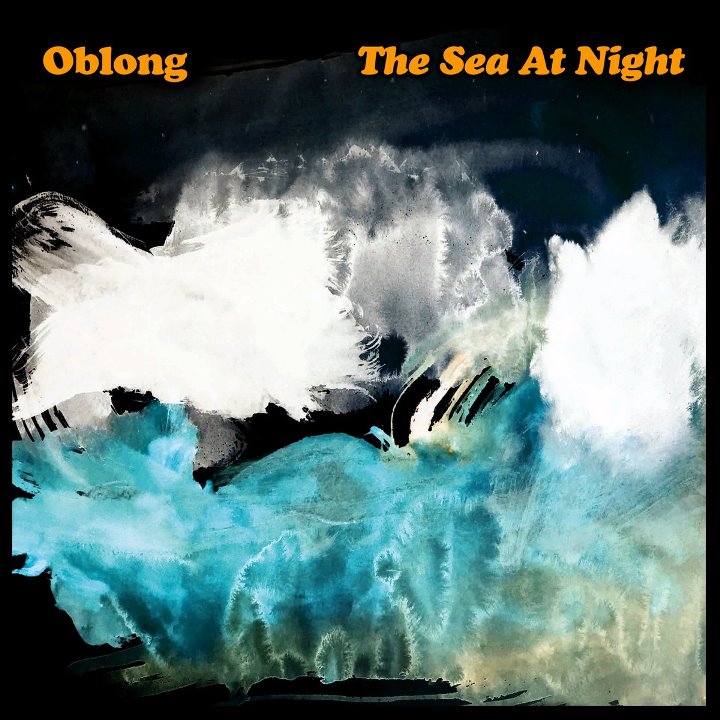
OBLONG The Sea At Night


Every now and then, the world needs a lively unpretentious synth instrumental album to provide a temporary route of escapism; OBLONG’s ‘The Sea At Night’ is that record.

OBLONG formed out of a friendship between Benge (synths + drum programming), Dave Nice (synths, bass + drums) and Sid Stronarch (piano, synths + guitars) which eventually resulted in an album ‘Indicator’ in 2006.

And now with their second album ‘The Sea At Night’, the trio deliver a rustic electro-acoustic record of organically farmed electronica!
The beautifully spacey opener ‘Planetesimal’ conjures up widescreen images of the countryside with a wonderful musicality, something that is very prevalent throughout ‘The Sea At Night’. Starting with acoustic and bass guitar, ‘Frost Pocket’ uses the electronics more sparingly while the six string rings in a Michael Rother fashion. Meanwhile cut from a not dissimilar cloth, ‘Cool Calm & Connected’ does what it says on the tin, gently swinging and making effective use of double bass.

‘The Sea At Night’ title track adopts a propulsive Motorik stance, string synths and percussive accents vying for the high ground in an enjoyable cosmic duel. With a glorious groove, ‘Robot Dan’ puts vocoder into the mix, this futuristic jazz funk being Huggy Bear’s theme for the 22nd Century.

The pretty ‘Siphonophore’ and the equally pleasing ‘Phosphorescence’ soothe while ‘Fast Radio Burst’ ups the tempo which sees some funk and electronic bass in unison with sweeps of synths, all counterpointed by ringing melodies and a whirring solo.

Keeping up the pace, ‘Echolocation’ is a classic synth instrumental with its crystalline textures and charming slightly offkey blips while with its brilliant title, ‘Romford Suzuki’ acts as a fun funky interlude recalling Richard O’Sullivan’s opening title tune to ‘Robin’s Nest’.

With the glorious overtones of CLUSTER, ‘Weird Sugar’ takes things onto a more gentler pace towards the home straight as ‘The Sea At Night’ concludes magnificently with ‘Number Nine’; here Stronarch lets rip with his strummed acoustic while Nice complements with his double bass alongside rich layers of synths from all persuasions.

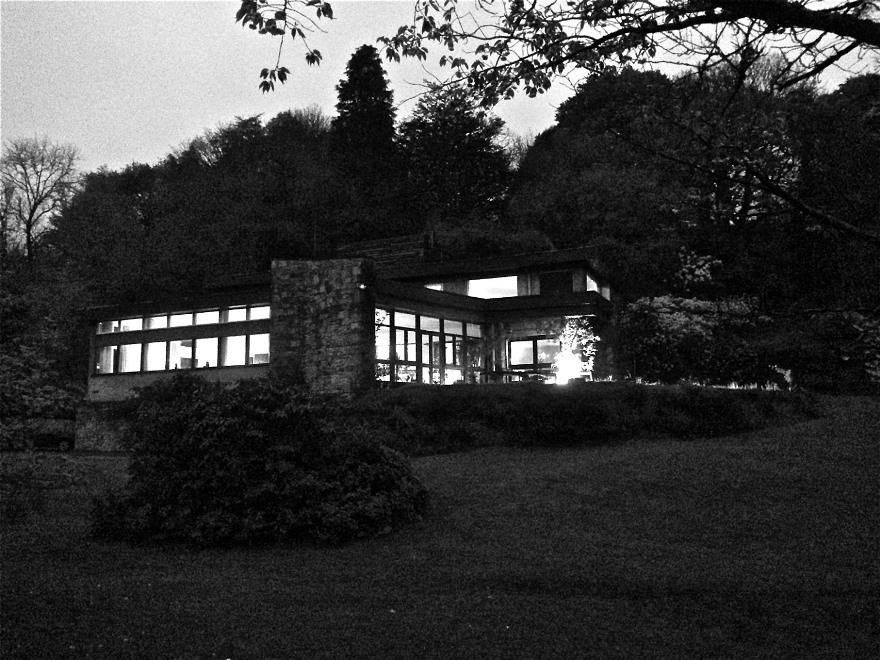
Reflecting the remote moorland location in Cornwall where it was recorded, ‘The Sea At Night’ captures the atmosphere of the nearby coastal landscapes.

While primarily synthesizer driven, the use of traditional instruments like acoustic guitar and double bass alongside the electronics adds an unusual but accessible focal point, like a more animated development of the 1981 Virginia Astley record ‘From Gardens Where We Feel Secure’.

‘The Sea At Night’ is proof that instrumental albums can still be wonderfully charming and melodic, there’s no Eurorack tutorials like those fashioned by Martin Gore for his ‘MG’ solo folly or formless meandering synthwave present here.


‘The Sea At Night’ is released by Memetune Recordings on 22nd March 2019 in vinyl LP and digital formats, pre-order via https://oblong.tmstor.es/

OBLONG will be special guests of JOHN GRANT at the following 2019 shows in Ireland:

Limerick University Concert Hall (27th March), Cork Opera House (28th March), Galway Leisureland (30th March), Dublin Born Gals Energy Theatre (31st March)

https://twitter.com/oblongtheband

https://myblogitsfullofstars.blogspot.com/

https://open.spotify.com/album/5IWlf3H2kcwHjL3CjtJ1Cd


Text by Chi Ming Lai
5th March 2019

« Older posts