“With this noise, I can try to find if it is possible to make music out of it…”
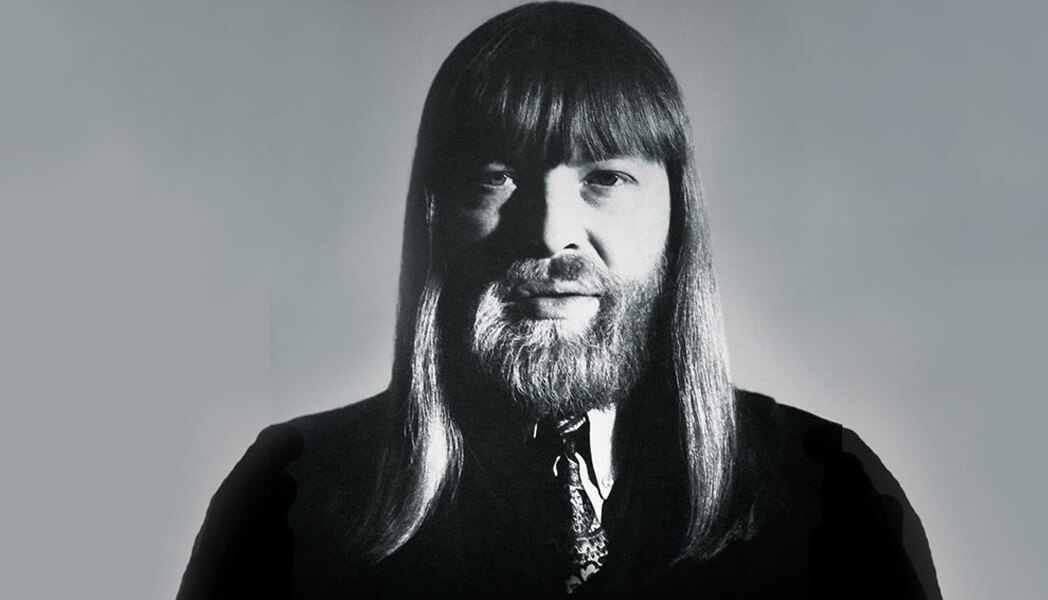
‘The Potential Of Noise’ is a touching insight into the late Conny Plank, undoubtedly one of the most innovative and important studio exponents in popular music.
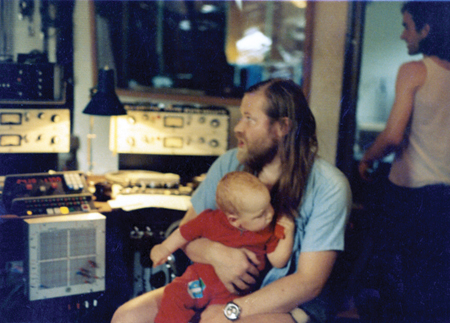
Directed by his son Stephan with Reto Caduff, the film sees him embarking on a journey to rediscover his father’s impact and his importance in music history. As the studio in the converted farmhouse in Wolperath, half an hour’s drive from Cologne, was also the family home, Stephan grew up around the artists who his father worked with.
John Foxx is one artist who considers Conny Plank to be the most important record producer since George Martin, having recorded ULTRAVOX’s ‘Systems Of Romance’ album with him in 1978. ELECTRICITYCLUB.CO.UK has also spoken to a number of the musicians who Conny Plank worked with and all had nothing but affectionate memories of him.
Eberhard Kranemann, a one-time member of KRAFTWERK who later recorded an album ‘Fritz Müller Rock’ with Plank said: “He was a very important man, for me in the last century he was the most important producer, engineer and mixer in the whole world, THE BEST! He was so great that he even turned down David Bowie and U2. He was very honest, he didn’t want to work with them.”
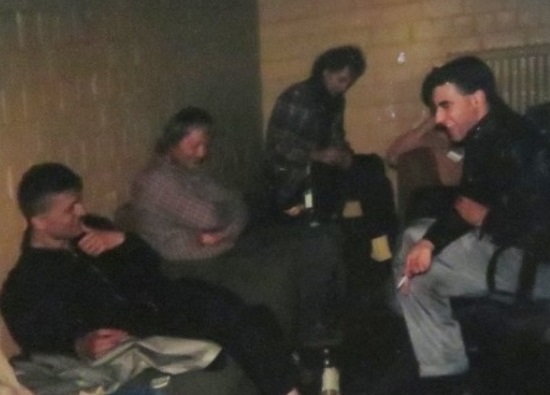
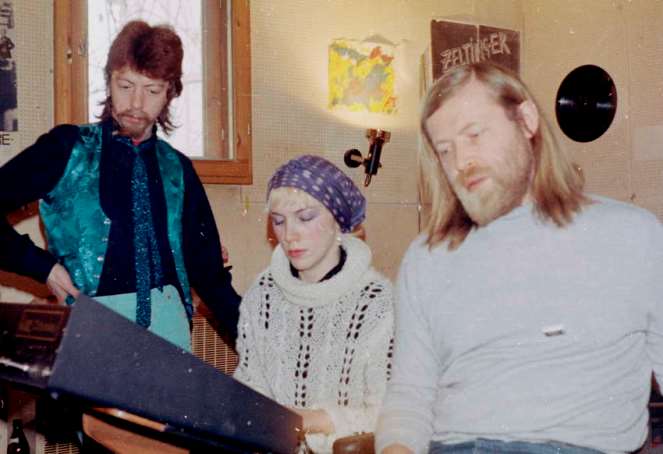
DAF drummer and instrumentalist Robert Görl who made four albums with Plank went further… “He was almost like a father to me, we lived at the studio so it was all very familiar. We had a room and slept there” he said, “we would go down in the morning and he would be making breakfast while his girlfriend Christa Fast would make cakes. It was a very homely feeling that we remember most. And this made it easier for us to feel good and create without having a heavy head.”
“To work with him was always a pleasure” said Bodo Staiger of RHEINGOLD, “he was relaxed, very competent and had the talent to listen what the artist wants. And he also brought some good ideas and inspiration. For example, the percussive synth sound on ‘Dreiklangsdimensionen’ was his idea.”
Michael Rother remembered “he was so valuable… we wouldn’t have been able to record NEU! or the second HARMONIA album or my solo albums without Conny, so he’s all over the place in my music… thank you Conny.”
With such compliments, any film featuring prominent figures such as Midge Ure, Daniel Miller and David A Stewart recounting their memories of working with Conny Plank was likely to be fascinating. But for his son Stephan who was only 13 years old when Plank passed away in December 1987, this bittersweet film has been a journey to understand more about his father while confronting his demons of being neglected.
The key to Plank’s success was undoubtedly his personality rather than his actual technique and his ability to get the best out of the people, something he felt he wouldn’t be able to do working with David Bowie or U2. Today, Plank’s custom hand-built 56 channel mixing desk is owned by David M Allen, another producer known for his warm outlook and gift for providing an environment for artists to excel.
For those who perhaps only know Plank’s work through KRAFTWERK and ULTRAVOX, the soundtrack that accompanies ‘The Potential Of Noise’ is an education, with the instrumental music of NEU! and CLUSTER & ENO being particularly effective. Among the interviewees are the late Holger Czukay, Hans-Joachim Roedelius, Michael Rother, Robert Görl, Karl Hyde, Jaz Coleman, Annette Humpe, Gianna Nannini and many more.
Daniel Miller describes Plank’s work as experimental but still musical, while Robert Görl and Annette Humpe recall how Plank was particularly good at capturing the right mood for recording with “no rules”.
Conny Plank only produced the debut EURYTHMICS album ‘In The Garden’ in 1981, but David A Stewart applied that hippy with technology philosophy to their breakthrough second album ‘Sweet Dreams (Are Made Of This)’, mixing electronics with brass in a converted church studio.
Although recorded at RAK Studios in London, Midge Ure remembers after playing the demo of ‘Vienna’, ULTRAVOX talked musically about the plans for recording while Plank thought in terms of sound; he imagined an old man at a piano in a desolate theatre who had been playing the same tune for forty years. And when Billy Currie came to record his ivory parts, that was exactly the feel which Plank had engineered for the now iconic track.
For Plank, money and tapes were things that passed through his life, but his generosity is apparent throughout this documentary, both financially and in spirit. Michael Rother talks of how Plank helped to fund the recording of the first NEU! album to ensure that the duo had as much independence as possible to create, while it is also known he had offered to finance the recording of the first Midge Ure fronted ULTRAVOX album before the band signed to Chrysalis Records.
The most emotional recollections of Conny Plank come from hip-hop duo WHODINI who consider Conny’s Studio to be the best facility that they have ever recorded in, while also glowing about the effort which Plank made towards providing a recording environment that was as comfortable as possible, something the pair never experienced again after that visit to Germany.
But despite the generosity to his artists, the film tells of how Plank was not exactly the perfect father to Stephan, with Holger Czukay remembering that Plank treated Stephan as Christa Fast’s son, rather than his own. It’s a point also highlighted by Annette Humpe who tellingly, actually asks Stephan on camera whether his father ever took him out into the countryside; it turned out he did… but for just one afternoon.
Resigned to the fact that few photos exist of them together, Stephan reflects that the best memento of his father now is his vast catalogue of work. Plank’s own end is sad, with him becoming too ill to mix EURYTHMICS ‘Revenge’ album following returning from a concert tour in South America with Dieter Moebius. Despite Christa nursing him back to near health with a new diet regime, Plank’s need to work ultimately consumed him and worsened his condition, eventually leading to the cancer to which he succumbed to.
The film concludes with Stephan taking his own young family to Wolperath to see his former home, reminiscing about the bathroom where the gold and platinum discs used to hang, as well as the dining area where the family and the visiting artists used to sit.
With the final words of the documentary, Midge Ure summarises that the music Plank made was timeless and ultimately outlived him. Described by KILLING JOKE’s Jaz Coleman as “a revolutionary”, when the end credits roll of ‘The Potential Of Noise’, it’s rather appropriately to the proto-punk of ‘Hero’ by NEU!
Ambient electronic music is a much misunderstood genre.
One is not talking about Jean-Michel Jarre or Vangelis who are far too comparatively lively to be truly considered ambient. And it is not ‘chill out’ that’s being talked about either, which seems to lump in any form of dance music that is under 112 beats per minute.
Modern ambient probably came to prominence with Brian Eno. While lying in a hospital room after a car accident in 1975, a friend visited him and put on a LP of harp music. However the volume had been set at an extremely low level and one of the stereo channels had failed. Unable to move to adjust this, Eno had a new way of listening to music forced onto him.
In recalling this story for the sleeve notes of his ‘Discreet Music’ album, Eno said the music now became “part of the ambience of the environment just as the colour of the light and the sound of rain were parts of the ambience.”
Eno may not have been the inventor of ambient, but he was almost certainly was its midwife. With its lengthy gradual processes and unpredictable changes, ambient can be listened to and yet ignored. Going against the Western tradition of music where vocals, melody and rhythm are essential components, ambient music is designed to accommodate many levels of listening without enforcing one in particular.
One of the other beauties of ambient music is that the pieces are often so progressive that it becomes quite difficult to remember individual sections. Therefore on repeated plays, the music can still sound fresh and rewarding. It was an approach that fascinated many and while they may not have released whole works, artists such as THE HUMAN LEAGUE, OMD, BLANCMANGE and RADIOHEAD recorded ambient pieces for album tracks or B-sides.
Comments about ambient music being “boring” are missing the point, because at points of the day where the state of near sleep looms, music with no vocals, no rhythms and not too much energetic melody is perfect.
Restricted to one album per moniker or collaborative partnership, here are the 20 long players and collective works presented in chronological and then alphabetical order which form The Electronic Legacy of Ambient. Acting as a straightforward introduction to the genre, it refers to many artists whose comparatively mainstream works may already be familiar.
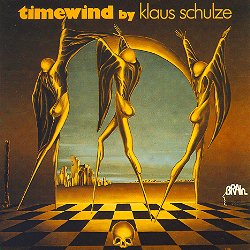
KLAUS SCHULZE Timewind (1974)
‘Timewind’ was Klaus Schulze’s first solo album to use a sequencer, evolving as a longer variation on his former band’s ‘Phaedra’. Referencing 19th century composer Richard Wagner, Schulze transposed and manipulated the sequences in real time, providing shimmering and kaleidoscopic washes of electronic sound using the EMS Synthi A, ARP 2600, ARP Odyssey, Elka string machine and Farfisa organ.
‘Phaedra’ saw TANGERINE DREAM using sequencers for the first time. Featuring the classic line-up of Edgar Froese, Peter Baumann and Chris Franke, the hypnotic noodles of EMS VCS3s and Moogs dominated while Mellotrons sounding like orchestras trapped inside a transistor radio. Organic lines and flute added to trancey impressionism.
The late Dieter Moebius and Hans-Joachim Roedelius were CLUSTER. Their fourth album ‘Sowiesoso’ was CLUSTER’s first fully realised exploration into ambient electronics. With gentle melodic phrasing and unimposing rhythmical patterns, the title track was a wonderfully hypnotic adventure that welcomed the listener into the soothing world of the longer player’s remaining aural delights.
As ASHRA, Manuel Göttsching was looking to visit synthesized climes and explored more progressive voxless territory armed with an Eko Rhythm Computer, ARP Odyssey and his signature keyboard sound, a Farfisa Synthorchestra. An exponent of the more transient solo guitar style, this template was particularly evident on ‘New Age Of Earth’, a beautiful treasure trove of an album.
Steve Hillage had a love of German experimental music and ventured into ambient with long standing partner Miquette Giraudy. Recorded for the Rainbow Dome at the Festival for Mind-Body-Spirit at Olympia, these two lengthy Moog and ARP assisted tracks each had a beautifully spacey quality to induce total relaxation with a colourful sound spectrum.
HAROLD BUDD & BRIAN ENO The Plateaux Of Mirror (1980)
Mostly piano-oriented, its backdrop of shimmering synthesizer and tape loops of voices was conceived wth Harold Budd improvising while Eno would occasionally add something. But his producer tact was to step back if nothing extra was needed. ‘The Plateaux Of Mirror’ was a lovely work with resonating ivories of the acoustic and electric variety. A second collaboration came with ‘The Pearl’ in 1984.
BRIAN ENO Apollo: Atmospheres and Soundtracks (1983)
A soundtrack to a documentary film about the Apollo Missions that reacted against the uptempo manner of space travel presented by news reels of the day with fast cuts and speeded up images, Eno wanted to convey the feelings of space travel and weightlessness. Although based around Eno’s Yamaha DX7, the album was quite varied instrumentally, featuring his brother Roger and Daniel Lanois.
The debut album from the younger Eno, ‘Voices’ captured a sustained mood of dreamy soundscapes and aural clusters with its beautiful piano template strongly reminiscent of Harold Budd’s work with brother Brian, who was also involved on this record via various electronic treatments although it was actually Daniel Lanois who produced.
Following his ‘Gone To Earth’ bonus album of instrumentals, David Sylvian found a willing conspirator in Holger Czukay who had developed several unconventional compositional techniques using devices such as short wave radios and Dictaphones. Through a series of improvisations, the duo came up with two companion long players that conveyed a sinister yet tranquil quality drifting along in complex spirals.
Unlike the comparatively optimistic air of his work with Eno, Harold Budd’s solo journeys often conveyed a more melancholic density, probably best represented by the haunting immersive atmospheres of ‘The White Arcades’. An elegiac combination of shimmering synthesizers and sporadic piano provided an austere depth that was both ghostly and otherworldly.
STEVE JANSEN & RICHARD BARBIERI Other Worlds In A Small Room (1996)
With ‘Other Worlds In A Small Room’, Steve Jansen and Richard Barbieri created an atmospheric trio of electronic instrumentals that they considered “Ambient in the traditional sense”. There was an appendix of four suitably complimentary tracks from their 1984 album ‘Worlds In A Small Room’ that had originally been commissioned by JVC to accompany a documentary about the Space Shuttle Challenger.
VINCENT CLARKE & MARTYN WARE Spectrum Pursuit Vehicle (2000)
‘Spectrum Pursuit Vehicle’ was composed by Vince Clarke and Martyn Ware as part of an Illustrious art installation at The Roundhouse in a circular, white clothed room where the colours referred to in the titles of the six lengthy pieces were “programmed to cross fade imperceptibly to create an infinite variation of hue”. Using binaural 3D mixing, the CD booklet said “This album is intended to promote profound relaxation”.
Trance enthusiasts who loved Ferry Corsten’s blinding remix of Samuel Barber’s ‘Adagio For Strings’ will have been shockedby this virtually beatless parent long player. Orbit’s concept of adapting classical works was that he wanted to make a chill-out album that had some good tunes. A collection featuring lovely electronic versions of Beethoven’s ‘Triple Concerto’ and John Cage’s ‘In A Landscape’ could not miss.
Alva Noto is a German experimental artist based in Berlin and ‘Vrioon’ was his first collaborative adventure with YELLOW MAGIC ORCHESTRA trailblazer Ryuichi Sakamoto. A beautiful union of piano, synth shimmers and subtle glitch electronics proved to be an unexpectedly soothing and meditative experience that was gloriously minimal over six starkly constructed mood pieces.
ROBIN GUTHRIE & HAROLD BUDD After the Night Falls / Before The Day Breaks (2007)
Robin Guthrie and Harold Budd first collaborated on ‘The Moon & The Melodies’ album along with the other COCTEAU TWINS. These were beautiful experiments in duality but it would be unfair to separate these Siamese twins. Serene, relaxing, abstract and distant, Guthrie’s textural guitar and Budd’s signature piano were swathed in drifting synths and treatments that complimented each album’s titles.
JOHN FOXX & HAROLD BUDD Nighthawks / Translucence / Drift Music (2003 – 2011)
A sumptuous trilogy featuring two artists who had both worked with Brian Eno. ‘Nighthawks’ was John Foxx and Harold Budd’s collaboration with the late minimalist composer Ruben Garcia and a soothing tranquil nocturnal work with tinkling ivories melting into the subtle layered soundscape. The earlier ‘Translucence’ was a close relative, partnered with the more subdued ‘Drift Music’.
‘London Overgrown’ was John Foxx’s first wholly solo ambient release since the ‘Cathedral Oceans’ trilogy. The conceptual opus was a glorious ethereal synthesizer soundtrack, smothered in a haze of aural sculptures and blurred soundscapes. With ‘The Beautiful Ghost’, as with William Orbit’s take on ‘Opus 132’ from ‘Pieces In A Modern Style’, this was Beethoven reimagined for the 23rd Century.
Originally part of the deluxe 2CD version of his 2005 album ‘Hotel’, Moby couldn’t find his copy and decided on an expanded re-release. Inspired by the nature of hotels, where humans spend often significant portions of their lives but have all traces of their tenancy removed for the next guests, the emotive ‘Homeward Angel’ and the solemn presence of ‘The Come Down’ were worth the purchase price alone.
“I like the effects of calm and dissonance and subtle change” said Steve Jansen; not a remix album as such, the more ambient and orchestral elements of ‘Tender Extinction’ were segued and reinterpreted with new sections to create a beautiful hour long structured ambient record. A gentle blend of electronic and acoustic instrumentation, ‘The Extinct Suite’ exuded a wonderful quality equal to Eno or Budd.
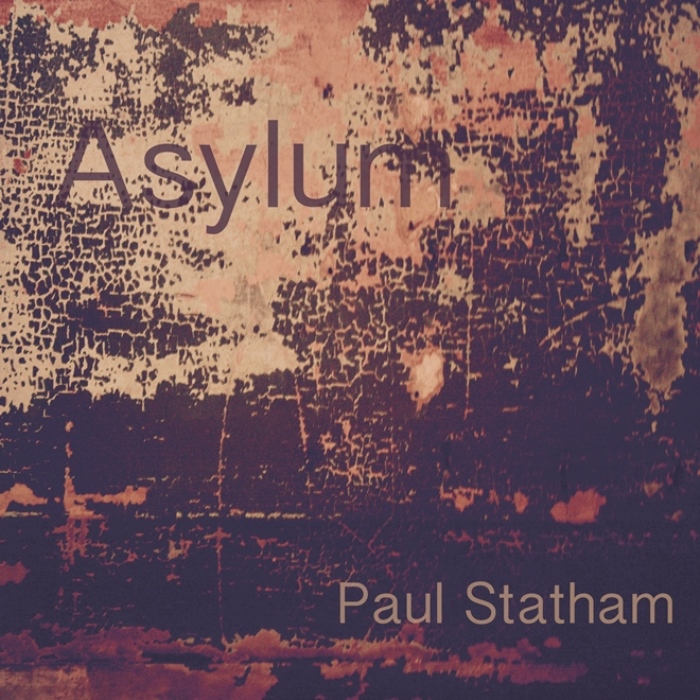
B-MOVIE guitarist and pop tunesmith Paul Statham began his experimental music account with ‘Ephemeral’ and ‘Installation Music 1’. ‘Asylum’ was a more ambitious proposition and featured in an audio visual installation created with painter Jonathan McCree. The eight compositions together exuded a cinematic, ethereal quality with some darker auras and an eerie sound.
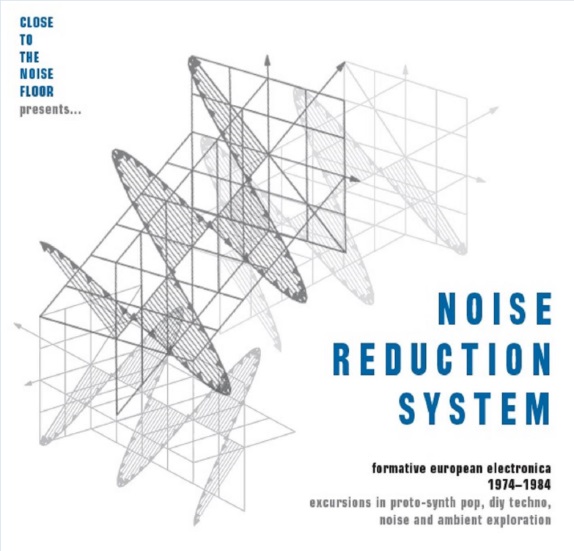
Last year’s ‘Close To The Noise Floor’ was a Cherry Red Records compilation which collected together many of the formative roots of UK electronic music, with recognised artists like THE HUMAN LEAGUE, BLANCMANGE, BEF, OMD and THROBBING GRISTLE side-by-side with those that didn’t get the same level of recognition and/or commercial success.
Now from the same label comes ‘Noise Reduction System’… subtitled ‘Formative European Electronica 1974-1984’, this 4CD set spreads a wider net and encompasses artists from countries which have an established heritage in electronic music (eg Germany and Belgium) through to those that don’t (eg Spain and Latvia).
DAF are represented here with their track ‘Ich Will’ which follows their usual template of bass sequencer driven music with live drums and guttural vocals. The early YELLO song here ‘Glue Head’ is barely recognisable as the act that latterly went onto success with fully synthetic / sampled tracks such as ‘The Race’ and ‘Oh Yeah’. Full of dense live instrumentation including drums and guitars (and very little synth), it almost sounds like a completely different band.
One of the gems here is ‘Caramel’ by CLUSTER, a nifty monosynth and drum machine driven synthpop track from the 1974 album ‘Zuckerzeit’ which has an ending which sounds like a town hall meeting of The Clangers.
‘Krematorien’ by UNIVERSALANSCHLUSS has a rather wonderful minimalist early Mute Records aesthetic; pretty well mixed for its age and combining lo-fi drum machine, sequencer patterns and punky female vocals. The intro to the track also features a couple of Romanian flutes being bashed together to add to the rhythm of the piece, but mostly this is primitive electronics all the way.
The Swiss duo SCHALTKREIS WASSERMANN provide one of the better produced tracks here, utilising a Prophet 5, ARP 2600, Roland System 100M and an MC4 Sequencer, the track has a tightly programmed Giorgio Moroder feel to it. Originally released in 1982, the track featured on the album ‘Psychotron’ which went Top 10 in the Melody Maker’s electronic chart.
Another worthy inclusion is ‘Multitrack Suggestion’ by Vangelis, taken from the 1980 album ‘See You Later’, it sees a very different Vangelis sound to the lush polysynth driven one we are familiar with. Almost KRAFTWERK-ish in conception with a Roland CR5000 drum machine, the overdubbing of live percussion sounds hints at the sound that was to come and features a vocal by Peter Marsh.
Unsurprisingly, much of the material here is pretty uncompromising, from the 21 minute plus ‘Geld’ by Berlin’s MALARIA, the 24 minute ‘Love You Generator’ by Van Kaye & Ignit and the 26 minute long ‘Zitternde Luft’ by Giancarlo Toniutti; all of which vary very little over their running times.
On CD3, Klaus Schulze’s ‘1984’ only just provides some light relief from a selection of tracks which mostly bear comparison with the darker experimental side of THROBBING GRISTLE. ‘1984’ is a beat-less pad-driven instrumental with Mellotron textures that recall some of the work of mid Virgin-era TANGERINE DREAM, Schulze’s former band.
On the final CD, ‘Principles’ by Belgium’s FRONT 242 recalls an early monosynth-driven DEPECHE MODE but with added speech samples and improvised electronics and ‘Shai Hulud’ by Bernard Szajner adds some welcome melody with a trippy/sequenced instrumental piece.
‘Noise Reduction System’ is at times a daunting but ultimately fascinating curio which pulls together a quiet revolution which simultaneously took place across Europe at a time when electronic music equipment started to become affordable.
The artists featured here adopted the DIY ethos of punk but channelled it into a far more experimental direction. So for that reason, those seeking melodic synthpop should really look elsewhere.
However, for fans of uncompromising lo-fi electronic music, this compilation proves to be a treasure trove of hard to find and genuinely obscure tracks, which when researching certain pieces even Google failed to bring forth much in the way of information on some of the artists featured!
If you have an interest in the early roots of European electronic music, then ‘Noise Reduction System’ is worth seeking out. But for most synthpop fans, most of the material here will be a little too impenetrable…
”When Brian Eno calls himself a non-musician, he isn’t confessing a fault or admitting a deficiency. His self-evaluation is a proud stroke against obsolete concepts in rock and roll. He is a madcap ringmaster in the centre ring, introducing an act that will not only make music sound different, but change what it means”
Brian Peter George St John le Baptiste de la Salle Eno started out as the EMS VCS3 wielding non-musician in ROXY MUSIC. In his autobiography ‘In The Pleasure Groove: Love, Death & Duran Duran’, John Taylor remembered the man who at the time was just known as ‘Eno’: “They had this keyboard player who just turned knobs… how the hell does that work??”
Although Bryan Ferry was the art rock combo’s leader and songwriter, Eno attracted his own legion of fans and inevitably took away some of the limelight. Following two acclaimed albums, Eno left ROXY MUSIC after being told by Bryan Ferry in June 1973 that they would never share the same stage again!
Tensions had been running high at Roxy gigs with Eno’s fans gathering to the left of the stage chanting “ENO-ENO!” while Ferry’s fans were to the stage right chanting back “FERRY-FERRY!” – Ferry later admitted “I wasn’t very good at sharing” but EG Management who looked after ROXY MUSIC weren’t too unhappy, saying to Eno: “We feel you’re ready for a solo career!”
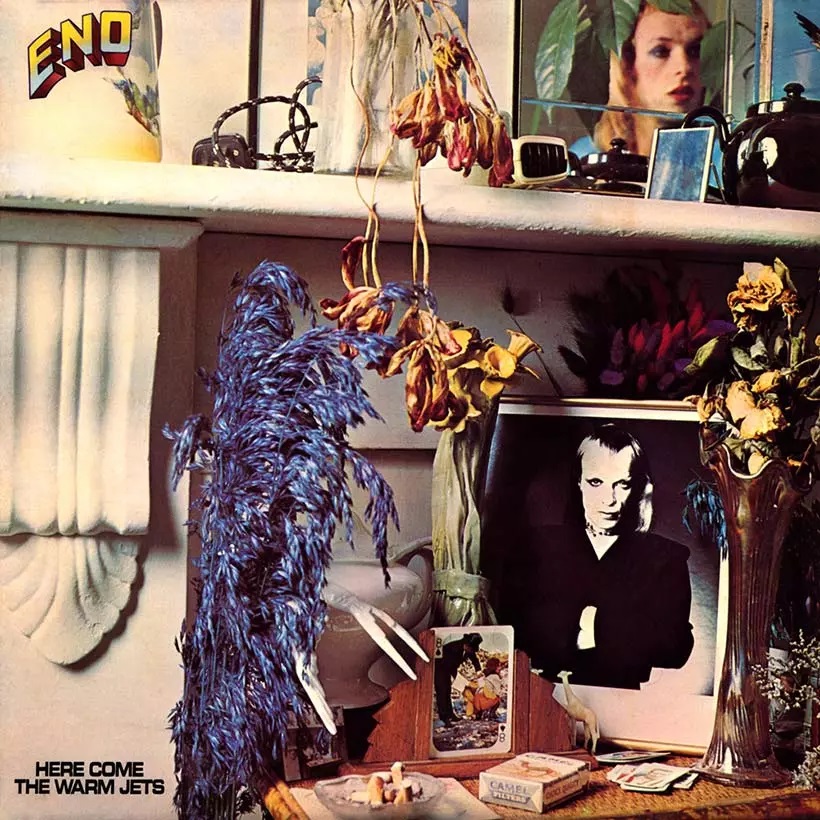
To celebrate the start of that solo career, Eno’s first four classic vocal albums ‘Here Come The Warm Jets’, ‘Taking Tiger Mountain (By Strategy)’, ‘Another Green World’ and ‘Before & After Science’ have been reissued as deluxe gatefold 2LP heavyweight vinyl editions mastered at half-speed for 45RPM, effectively now presenting each album as two EP mini-albums.
Using ‘simplistic keyboards’ and ‘snake guitar’, Eno’s solo debut ‘Here Come The Warm Jets’ released in January 1974 followed a thrashy, energetic style inspired by THE VELVET UNDERGROUND. Its hybrid of glam, progressive and art rock continued in a vein similar to early ROXY MUSIC.
Indeed, Phil Manzanera, Andy MacKay and Paul Thompson joined their former band mate as part of the record’s line-up of deliberately incompatible musicians which included Robert Fripp, Paul Rudolph and Chris Spedding. Eno’s willingness to experiment and challenge conventional rock traditions only affirmed to some observers that he was the originator of the arty Roxy sound, as Ferry & Co mellowed and gradually turned into STEELY DAN!
With its humourous money shot title, ‘Here Come The Warm Jets’ was dominated by guitar-driven numbers like the neo-instrumental title track, ‘Needles In The Camel’s Eye’, ‘Baby’s On Fire’ and ‘The Paw Paw Negro Blowtouch’, although the latter’s madcap synth solo and electronic treatments provided Eno with his USP. However, alongside these noise experiments were softer, more introspective numbers like the wonderful ‘Some Of Them Are Old’. It was a good debut, but things would get even better.
Named after a Peking Opera, just the influential nature of ‘Taking Tiger Mountain (By Strategy)’ released in November 1974 signified the importance of his sophomore offering and this was without its more cerebral approaches and observations on Chinese Communism.
OMD borrowed the templates of ‘Back In Judy’s Jungle’ and ‘China My China’ for ‘Maid Of Orleans’ and ‘Genetic Engineering’ respectively, while the bassline similarities of ‘The Fat Lady Of Limbourg’ with BLANCMANGE’s original ‘Some Bizzare Album’ take on ‘Sad Day’ are there loud and clear.
Then there was BAUHAUS later turning ‘Third Uncle’ into a goth disco favourite with only minor amendments and Manchester post-punk funksters A CERTAIN RATIO getting their name from a lyric in ‘The True Wheel’. Musically, ‘Taking Tiger Mountain (By Strategy)’ was again guitar based but there was also the pretty lullaby of ‘Put A Straw Under Baby’, while a beautiful elegiac quality aided by synthesizers seeped into the album’s solemn title track closer.
However in early 1975, Eno’s life took a major turn when a car accident left him hospitalised and temporarily immobile. While convalescing, he attempted to play a record of 18th Century harp music and unable to get up to adjust the volume which was set too low, the almost inaudible soundtrack made him realise how music could be part of the ambience of its environment. It changed Eno’s outlook and his way of making music.
Co-produced by Rhett Davies, the first fruit of labour was the experimental ‘Another Green World’ released in September 1975. Unlike his previous solo records, he had no material pre-prepared before entering the studio.
Largely gone were the guitar based numbers of the first two albums, although the art funk of ‘Sky Saw’ featuring Percy Jones on fretless bass, Phil Collins on drums and John Cale on viola must have caught the ear of a certain David Robert Jones. Instead, there were shorter tracks, many of them evocative instrumentals dominated by keyboards and synthesizers like the iconic title track which was eventually used as the theme to the BBC2 arts programme ‘Arena’.
Pieces such ‘Sombre Reptiles’, ‘Becalmed’ and ‘Spirits Drifting’ signalled where Eno was heading musically, but the album’s best track was the beautiful piano-led ‘Everything Merges With The Night’. This mournful tune, featuring a flat but honest vocal from Eno, was to become a key influence on Gary Numan for his ballads ‘Complex’ and ‘Please Push No More’.
The critical acclaim for ‘Another Green World’ saw Eno becoming a man in demand as a collaborator, which led to the two year gestation period for ‘Before & After Science’ released in December 1977. It was his first vocal record credited as ‘Brian’ and to be his last one for many years as he divided time working with ULTRAVOX, CLUSTER and TALKING HEADS. Indeed, the David Byrne led combo were the inspiration for the metallic romp of ‘Kings Lead Hat’; the title was an anagram of the art school combo’s name while the track itself was later covered by ULTRAVOX.
As with David Bowie’s ‘Low’ and ‘Heroes’ which Eno had also worked on, ‘Before & After Science’ presented its material as pop and experimental sides. The first side included the quirky ‘Blackwater’ with its fabulous stabs of synth, while the material that formed the almost percussion-less second side was another pointer of things to come. Adding a Yamaha CS80 to his EMS AKS and Minimoog synth armoury, a gentle sophistication manifested itself, particularly on the sumptuous nautical folk of ‘Spider & I’.
Meanwhile the album’s acknowledged highlight ‘By This River’, co-written with CLUSTER and engineered by Conny Plank, was subsequently revisited by Martin Gore of DEPECHE MODE for the second instalment of his ‘Counterfeit’ covers project in 2003.
After ‘Before & After Science’, Eno largely steered clear of conventional vocal led material for his own work and went into full ambient mode, releasing the highly regarded ‘Music For Airports’ in March 1978. There would be further lengthy ambient electronic offerings such as ‘Thursday Afternoon’, ‘The Shutov Assembly’, ‘Neroli’, ‘Lux’ and more recently ‘Reflection’.
Although today, Brian Eno might be seen within the rock sphere as the producer of U2 and COLDPLAY, this quartet of recordings chronicles his musical journey as to how it all began. While this series of reissues is restricted to vinyl, CD and digital formats are already available. Anyone remotely interested in popular music should give these inventive albums a listen, in whatever format.
It was at Conny’s Studio near Cologne that a number of landmark recordings were completed, notably KRAFTWERK’s ‘Autobahn’ and ULTRAVOX’s ‘Vienna’.
The studio was the operational centre of engineer and producer Konrad Plank whose innovative portfolio covered a wide spectrum of music. Using a customised mixing desk, Plank favoured a dynamic production ethos that went against the grain of the compressed rock recording of the times. An advocate in the possibilities of electronics, he said: “I like synthesizers when they sound like synthesizers and not like instruments. Using a drum machine for electronic music is okay, but not if you try to make it sound like a real drummer”.
Conny Plank’s work with pioneering German experimental acts such as KRAFTWERK, CLUSTER and NEU! had a strong influence on David Bowie and Brian Eno, and thus ultimately every act that emerged from Synth Britannia; John Foxx considers Plank to be the most important record producer since George Martin.
His influence was quite evident when ULTRAVOX worked with George Martin on the ‘Quartet’ album in 1982; compared to their Plank produced Cologne Trilogy of ‘Systems Of Romance’, ‘Vienna’ and ‘Rage In Eden’, ‘Quartet’ sounded thin and lacked density. But as history has shown, a producer can only achieve so much when the artists themselves are not delivering and even Plank’s involvement in ULTRAVOX’s lamentable ‘U-Vox’ album could not save it.
Plank’s key to getting the best out of his work was to enjoy the company of the acts he worked with. This was a particularly important requisite when trapped inside a countryside complex away from the social distractions of a city.
When Plank was booked by Daniel Miller for a four day session to record DAF’s first full-length album ‘Die Kleinen Und Die Bösen’, only the final day involved any actual recording as he had spent the first three days getting to know them; the relationship with DAF continued for a further three albums.
However, legend has it that after being introduced to U2 by Brian Eno with the view to producing ‘The Joshua Tree’, Plank turned down the job declaring: “I cannot work with this singer!”
As well as studio work, Plank was also an active musician. It was while touring South America with CLUSTER’s Dieter Moebius that Plank fell ill; he sadly passed away in December 1987 at the age of 46. Conny Plank leaves an important musical legacy, so here is a look back at 20 of his works, with a restriction of one track per album project…
ASH RA TEMPEL Traummaschine (1971)
ASH RA TEMPEL were a highly important Kosmiche band; it was the platform from which future electronic exponents Manuel Göttsching and Klaus Schulze emerged; they later found acclaim with their respective progressive opuses ‘E2-E4’ and ‘Mirage’. Plank engineered their very different debut album, seeded from sessions of free-form improvising. With just one track per side, the building eerie atmospheres of ‘Traummaschine’ contrasted with the noisier rock of ‘Amboss’.
Available on the ASH RA TEMPEL album ‘Ash Ra Tempel’ via SMGO Art
Having engineered KRAFTWERK’s first two albums and the earlier ORGANISATION ‘Tone Float’ long player, Plank helped Ralf Hütter and Florian Schneider’s shift towards synthesizers on their third long player. A Minimoog and an EMS AKS appeared, but a Farfisa electric piano and a preset rhythm unit were the dominant textures of ‘Tanzmusik’. Things were more structured and with the abstract use of vocals, ‘Ralf & Florian’ were heading closer to the sound that would change pop music.
Originally on the KRAFTWERK album ‘Ralf & Florian’ via Philips Records, currently unavailable
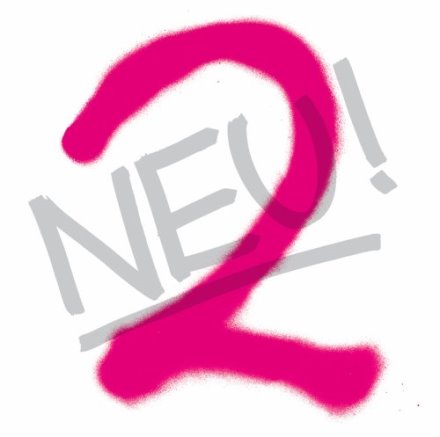
Plank acted as mediator between the NEU! nucleus of Michael Rother and Klaus Dinger who each had quite different personalities and aspirations. Over a classic Motorik beat, ‘Für Immer’ featured carefully layered mini-cacophonies of sound. Indeed, so much studio time was spent on the track, the duo ran out of budget. In a fit of madness or genius, Dinger came up with the idea to fill the second half of the album with speeded up and slowed down versions of their single ‘Super’!
Available on the NEU! album ‘Neu! 2’ via Grönland Records
Under Plank’s stewardship, ‘Autobahn’ was KRAFTWERK’s breakthrough release as their transition into electronic pop. Ralf Hütter’s octave shifting Minimoog formed the rhythm backbone alongside a futuristic electronic snap, while Florian Schneider’s ARP Odyssey took the melodic lead over a 22 minute car journey. But with Hütter and Schneider growing increasingly confident, the parent album was to be their last recording with Plank. The rest is history…
Available on the KRAFTWERK album ‘Autobahn’ via EMI Music
Unable to recreate NEU! live as a duo, Rother headed to Forst to meet with Dieter Moebius and Hans-Joachim Roedelius of CLUSTER to discuss the augmenting their sound. While their debut ‘Musik Von Harmonia’ was recorded as a trio, for the follow-up ‘Deluxe’, they added vocals, a drummer in Mani Neumeier of GURU GURU and Plank to assist with production. The wonderful synth work on the title track signalled a melodic sensibility that was equal to that of KRAFTWERK.
Available on the album ‘Deluxe’ via Grönland Records
Plank’s long association with Dieter Moebius and Hans-Joachim Roedelius began in 1969 when he engineered their debut ‘Klopfzeichen’ as KLUSTER. Their fourth album ‘Sowiesoso’ was CLUSTER’s first fully realised exploration into ambient electronics. With gentle melodic phrasing and unimposing rhythmical patterns, the title track was a wonderfully hypnotic adventure that welcomed the listener into the soothing world of the long player’s remaining aural delights.
Available on the CLUSTER album ‘Sowiesoso’ via Bureau B
The third NEU! album saw a frustrated Klaus Dinger looking to seek the limelight. He got what he wanted in LA DÜSSELDORF. With his brother Thomas and Hans Lampe as percussionists, he headed down a more aggressive direction on their debut self-titled LP produced by Plank. There was a lot of Düsseldorf as the frantic tracks ‘Düsseldorf ’and ‘La Düsseldorf’ proved, but ‘Time’ was the epic closer that built to a brooding climax.
Rother’s first three solo albums ‘Flammende Herzen’, ‘Sterntaler’ and ‘Katzenmusik’ were produced by Plank and featured CAN’s Jaki Liebezeit on drums. “It would be unfair really to have a favourite album” said Rother when asked if he had a preference, “Of course, I try to highlight Conny Plank’s contribution, he was so valuable… we wouldn’t have been able to record NEU! or the second HARMONIA album or my solo albums without Conny, so he’s all over the place in my music… thank you Conny”.
Available on the MICHAEL ROTHER album ‘Flammende Herzen’ via Random Records
Originating from his sessions with Dieter Moebius and Hans-Joachim Roedelius in Forst for HARMONIA 76, Eno produced this beautiful piano and synth ballad at Conny’s Studio with Plank at the engineering controls for inclusion on his fourth pop solo album ‘Before & After Science’. The warmth extracted from the Yamaha CS80 used was one of the key stand-out elements of ‘By This River’, which was later covered by Martin Gore for his ‘Counterfeit 2’ solo album.
With the success of their earlier ‘Eno & Cluster’ ambient opus, the artful threesome gathered together again, but added voices and more experimentation for its follow-up ‘After The Heat’. With Plank again behind the desk, the textures on the unorthodox ‘Broken Head’ recalled some of Eno’s work with Bowie on ‘Heroes’ in particular, while the deep monotone vocals were a offset by some oddly noted piano accompaniment and an unorthodox rhythmic template.
Available on the ENO MOEBIUS ROEDELIUS album ‘After The Heat’ via Bureau B
The first phase of ULTRAVOX! was dominated by the songwriting of John Foxx, but ‘Slow Motion’ was a group effort. Decamping to Conny’s Studio, the intro and theme were composed by bassist Chris Cross on his newly acquired EMS AKS. The quintet locked together as never before, with Billy Currie’s ARP Odyssey playing off Robin Simon’s treated guitars almost as one behind Warren Cann’s powerful, syncopating drums. Sadly, this breakthrough was not to last…
Dieter Moebius and Conny Plank released their first collaborative effort, the reggae influenced ‘Rastakraut Pasta’ in 1979. For the second album ‘Material’, a more rigid beat was applied, as well as driving synthesizer rhythms. ‘Tollkühn’ was a mightily pulsing electronic workout that more than suited the title’s English translation of ‘Daredevil’. Full of phasing effects with the odd cymbal interjection, it now stands out as ahead of its time in the context of 1981.
Available on the MOEBIUS & PLANK album ‘Material’ via Bureau B
By 1981, Holger Czukay was at the zenith of his Dali-inspired surrealist sound painting, having released ‘Movies’ in 1979. Following their LES VAMPYRETTES collaboration, Plank contributed ‘Witches’ Multiplication Table’ to ‘On the Way To The Peak of Normal’, the second album by the CAN bassist. With Czukay providing an oddball monologue over a dub backbone, Plank added cemetry synthesizer violin alongside bursts of French horn; “Craziness is something holy” he later said.
PHEW! was formally a member of psychedelic rock combo AUNT SALLY and her first solo single ‘Shukyoku’ was produced Ryuichi Sakamoto in 1980. Produced by Plank, Holger Czukay and Jaki Liebezeit, ‘Signal’ was the experimental Japanese singer’s take on Neue Deutsche Welle with distant echoes of Berlin noise merchants MALARIA! looming. Driven by hypnotic bass synths and punky guitar, it was unsurprisingly tense and darkly rhythmic.
Available on the PHEW! album ‘Phew!’ via Pass Records
With hits like ‘Would I Lie To You?’, ‘Sisters Are Doing It For Themselves’ and ‘Thorn In My Side’, it’s unusual in hindsight to understand that EURYTHMICS were interested in rhythmic electronic music from Europe, hence their name. When the pair left THE TOURISTS, one of the first to lend support for their new aspirations was Conny Plank. ‘Never Gonna Cry Again’ with its doubled synth and flute solo was the first song released from their production partnership.
Available on the EURYTHMICS album ‘In The Garden’ via Sony BMG
So happy was Plank with working with Warren Cann, Chris Cross and Billy Currie on ‘Systems On Romance’ that when Midge Ure joined, he offered to finance the recording of a new ULTRAVOX album. The reconfigured quartet signed to Chrysalis and delivered the hit album ‘Vienna’. Produced in Conny’s Studio for the follow-up ‘Rage In Eden’, ‘The Thin Wall’ densely merged synthesizers, guitar, piano, violin and Linn Drum for a formidable yet under rated hit single.
Available on the ULTRAVOX album ‘Rage In Eden’ via EMI Records
Gabi Delgado-López and Robert Görl had worked with Plank since 1979 and with his assistance, DAF had reduced to a minimal electro body core of Görl’s tight drumming and synth programming driven by a Korg SQ-10 analogue sequencer to accompany Delgado-López’s shouty, aggressive vocals. As with a previous Plank production ‘Der Mussolini’, DAF courted controversy on ‘Kebab Träume’ with the provocative line “Deutschland! Deutschland! Alles ist vorbei!”
Available on the DAF album ‘Für Immer’ via Mute Records
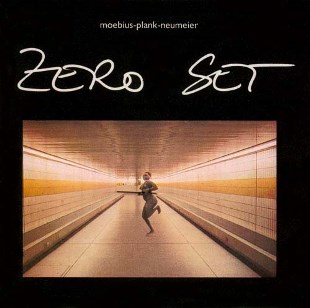
Mani Neumeier is best known as the percussionist and singer of GURU GURU, the psychedelic jazz combo from Heidelberg who recorded three albums with Plank. Joining him and Moebius for a one-off long player ‘Zero Set’, Neumeier’s presence was felt heavily on ‘Speed Display’, a mad hyperactive collage of drums, bubbling electronics and treated robotic vocals that did what it said on the tin! The drumming was so tight that some have highlighted it as an example of proto-techno!
Available on the MOEBIUS PLANK NEUMEIER album ‘Zero Set’ via Bureau B
‘Marcia Baïla’ was LES RITA MITSOUKO’s tribute to their late friend, Argentinian dancer Marcia Moretto. With Plank at the production helm, a squelchy backing track with enough space for Catherine Ringer’s strident theatrics was honed for a wonderful celebration of life. It was subsequently covered by Ricky Martin in 1998. LES RITA MITSOUKO went on to become very popular in France, collaborating with SPARKS in 1990. Fred Chichin, the other half of the duo, sadly passed away in 2007.
Available on the LES RITA MITSOUKO album ‘Rita Mitsouko’ via Sony Music
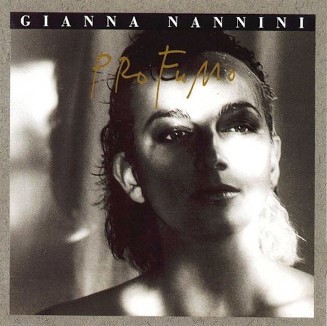
The Italian singer / songwriter had something in common with NITZER EBB’s Douglas J McCarthy in that she too had a relative who was a F1 driver; in her case it was her brother, one-time Grand Prix winner Alessandro. Plank started working with Nannini in 1982 at a time when he was still regarded as a more artistically minded producer, rather than one who delivered pop hits. ‘Bello E Impossibile’ was a huge hit all over Europe.
Available on the GIANNA NANNINI album ‘Profumo’ via Dischi Ricordi
We use cookies to ensure that we give you the best experience on our website. If you continue to use this site we will assume that you are happy with it.


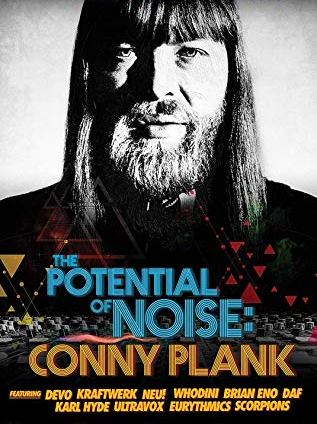 ‘The Potential Of Noise’ is released on DVD by Cleopatra Entertainment
 is available via Mig Music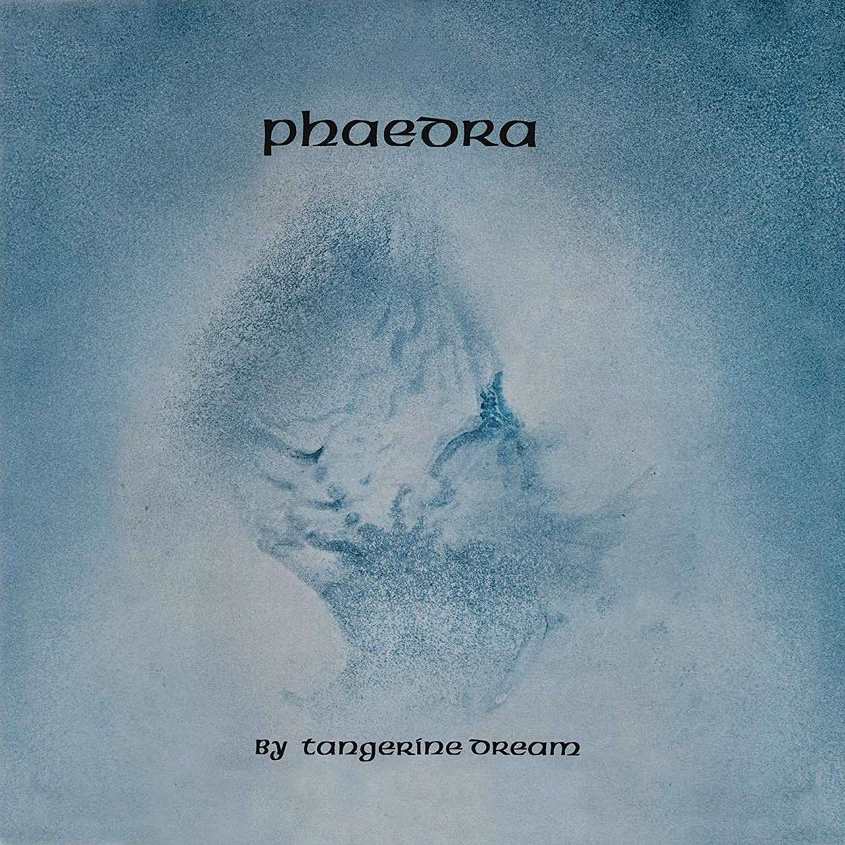
 is available via Virgin Records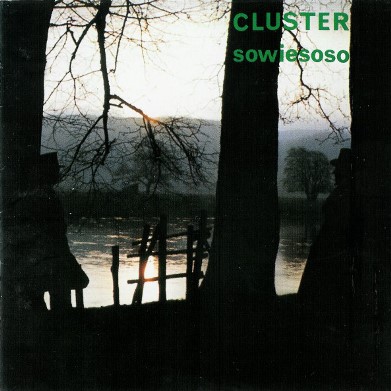
 is available via Bureau B
 is available via Virgin Records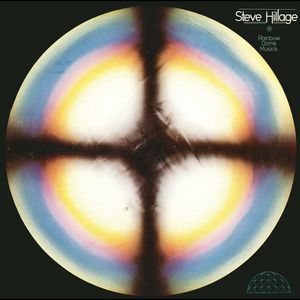
 is available via Virgin Records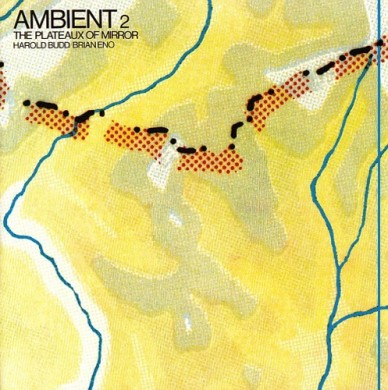
 is available via Virgin / EMI Records
 is available via Virgin / EMI Records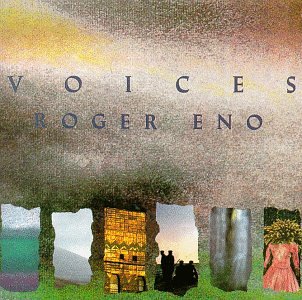
 is available via Virgin / EMI Records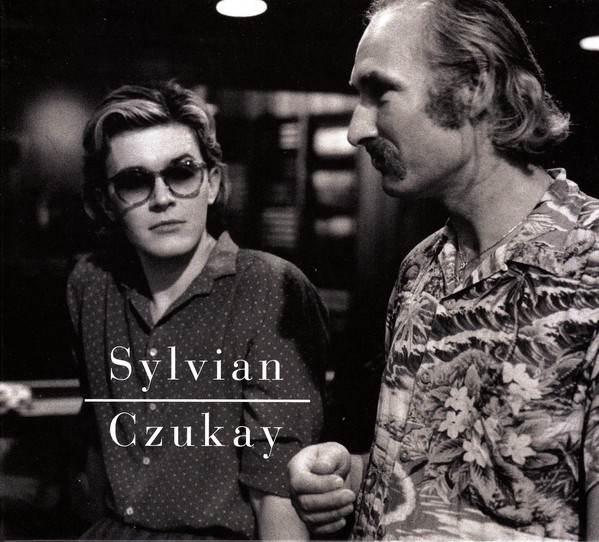
 is available via Grönland Records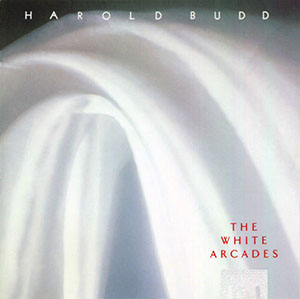
 is available via Opal Productions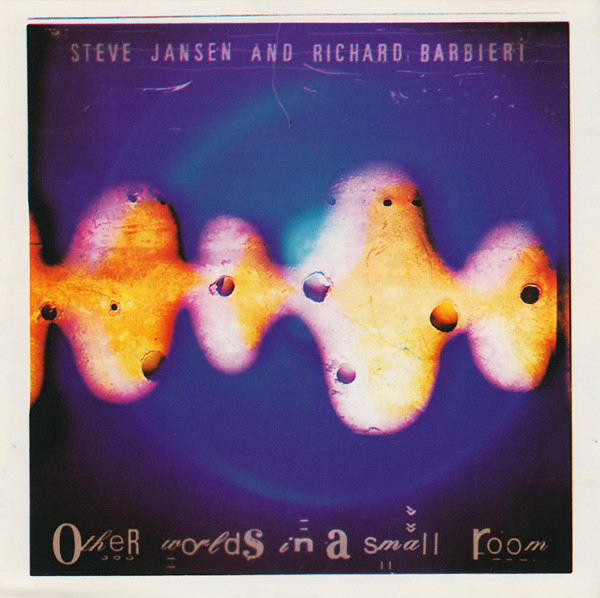

 is available via Mute Records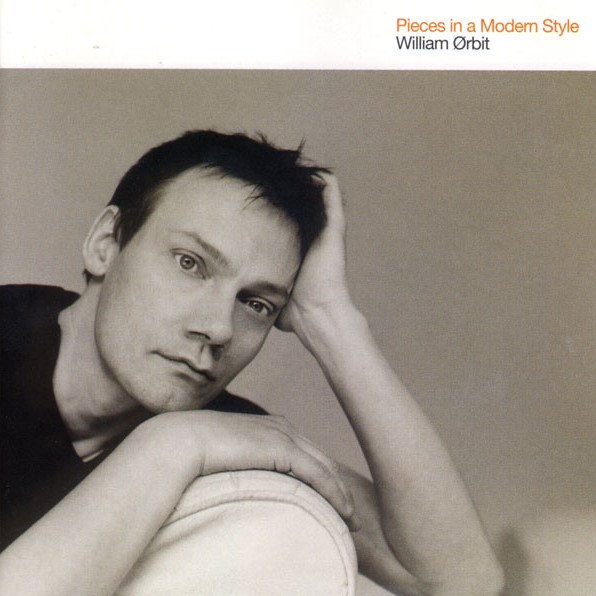
 is available via WEA Records
 is available via Raster-Noton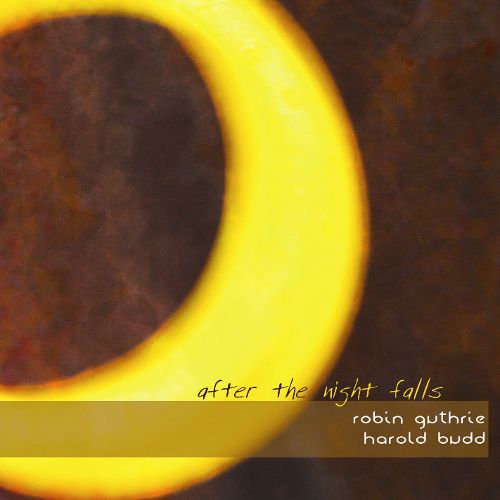
 and
and  are available via Darla Records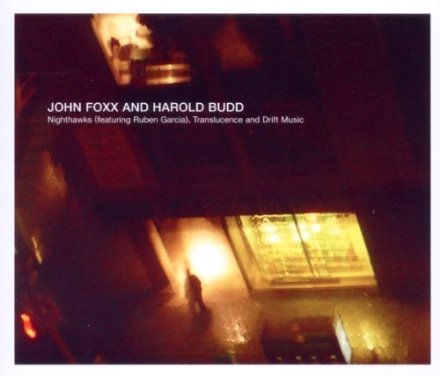
 and
and  are available via Metamatic Records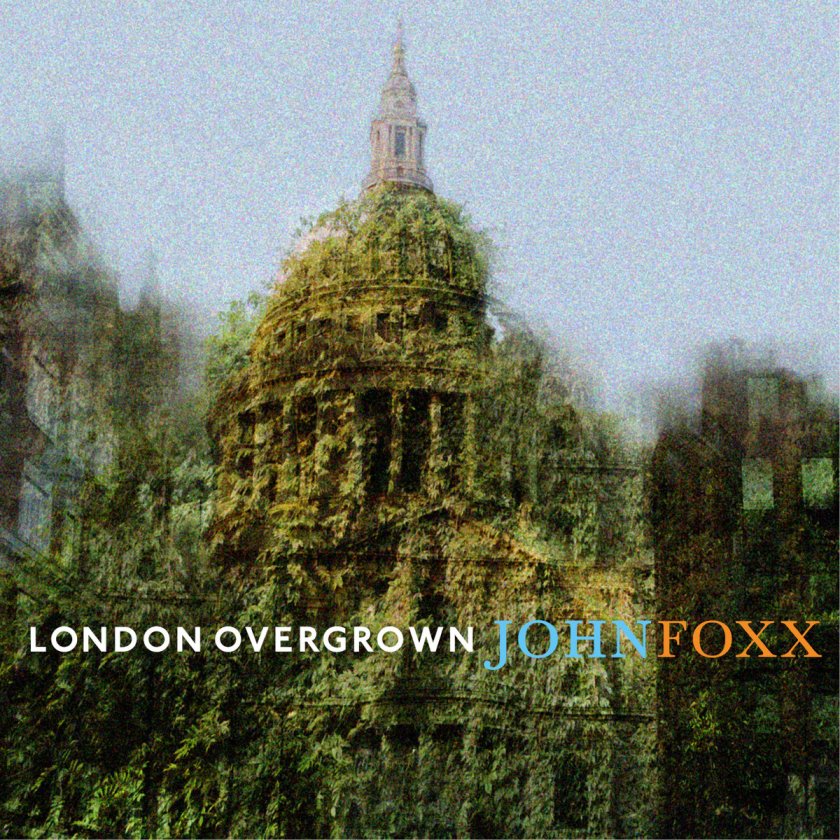
 is available via Metamatic Records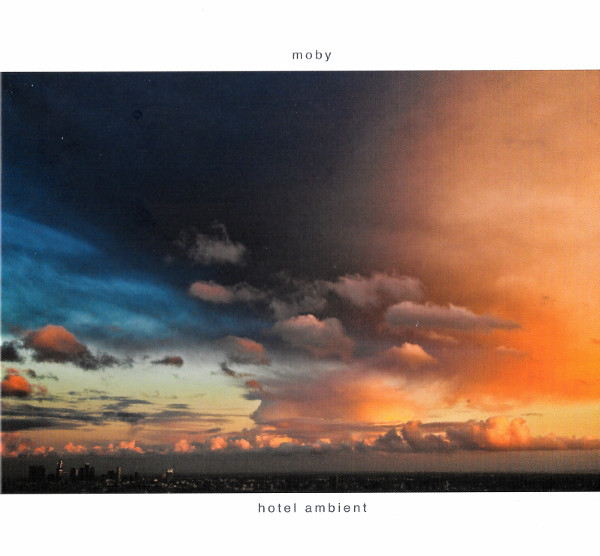
 is available via Mute Records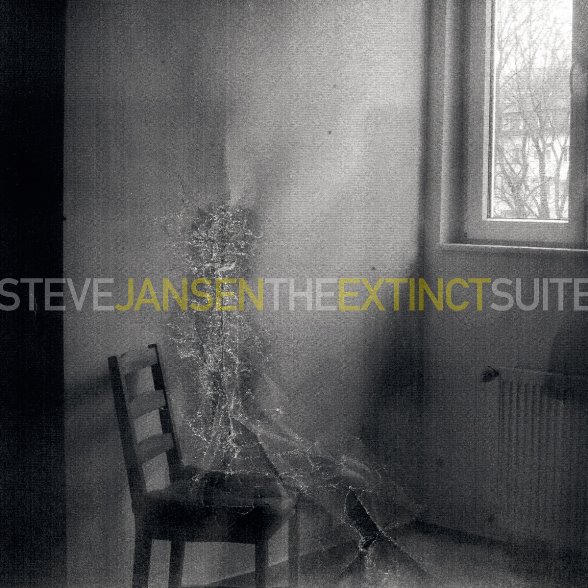
 is released by Cherry Red on 21st July 2017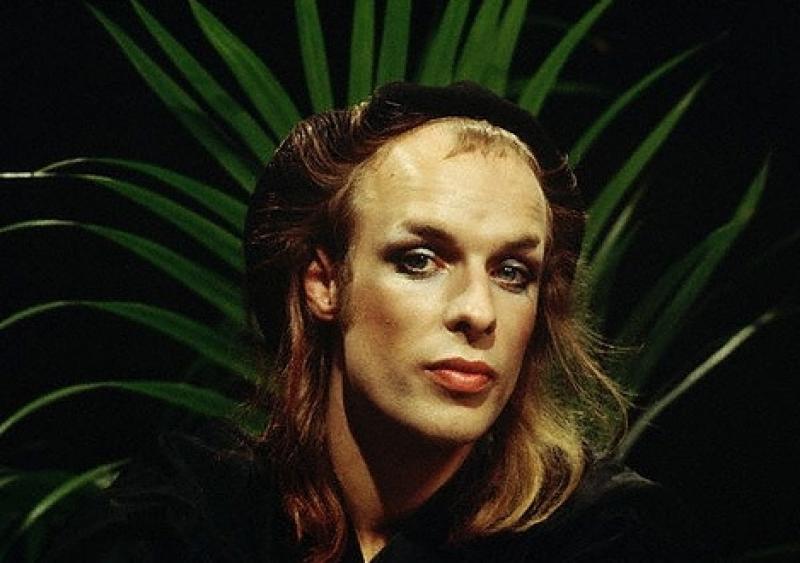
 released in January 1974 followed a thrashy, energetic style inspired by THE VELVET UNDERGROUND. Its hybrid of glam, progressive and art rock continued in a vein similar to early ROXY MUSIC.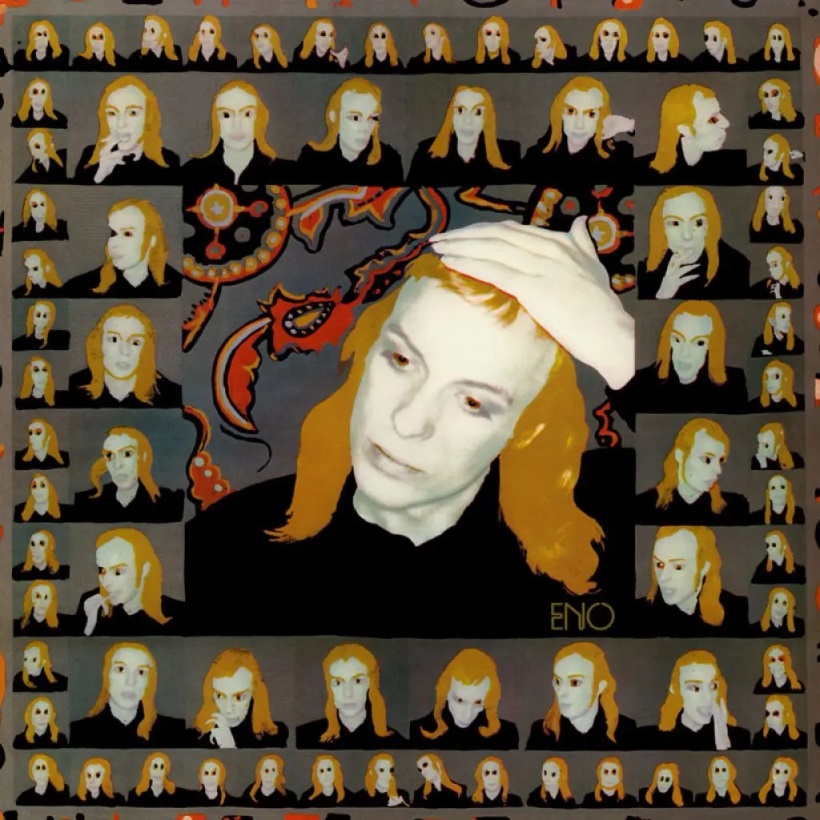
 released in November 1974 signified the importance of his sophomore offering and this was without its more cerebral approaches and observations on Chinese Communism.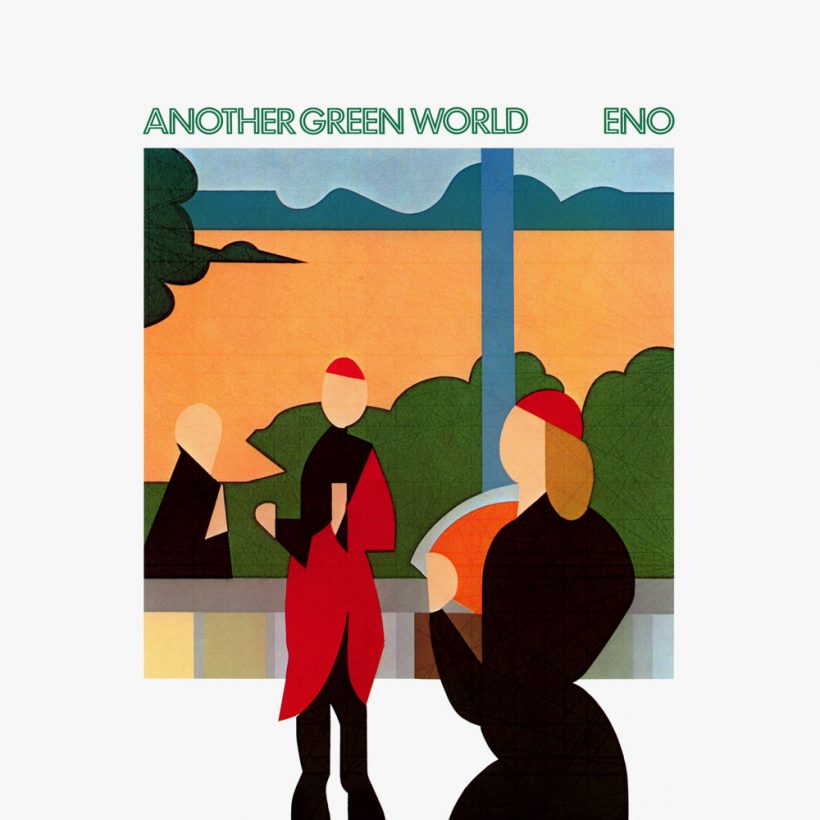
 released in September 1975. Unlike his previous solo records, he had no material pre-prepared before entering the studio.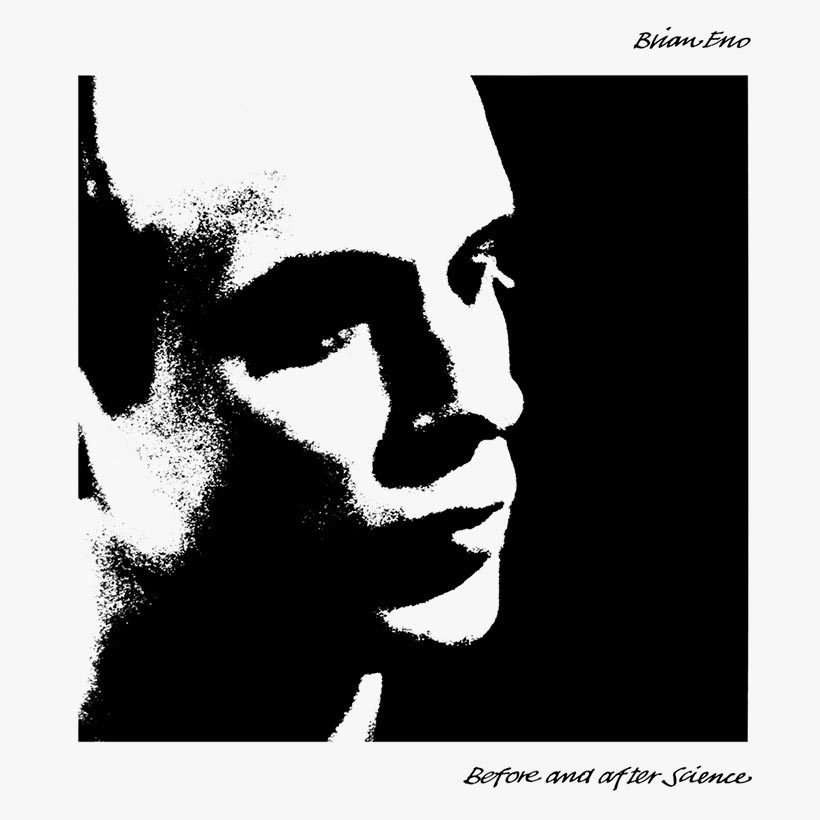
 released in December 1977. It was his first vocal record credited as ‘Brian’ and to be his last one for many years as he divided time working with ULTRAVOX, CLUSTER and TALKING HEADS. Indeed, the David Byrne led combo were the inspiration for the metallic romp of ‘Kings Lead Hat’; the title was an anagram of the art school combo’s name while the track itself was later covered by ULTRAVOX.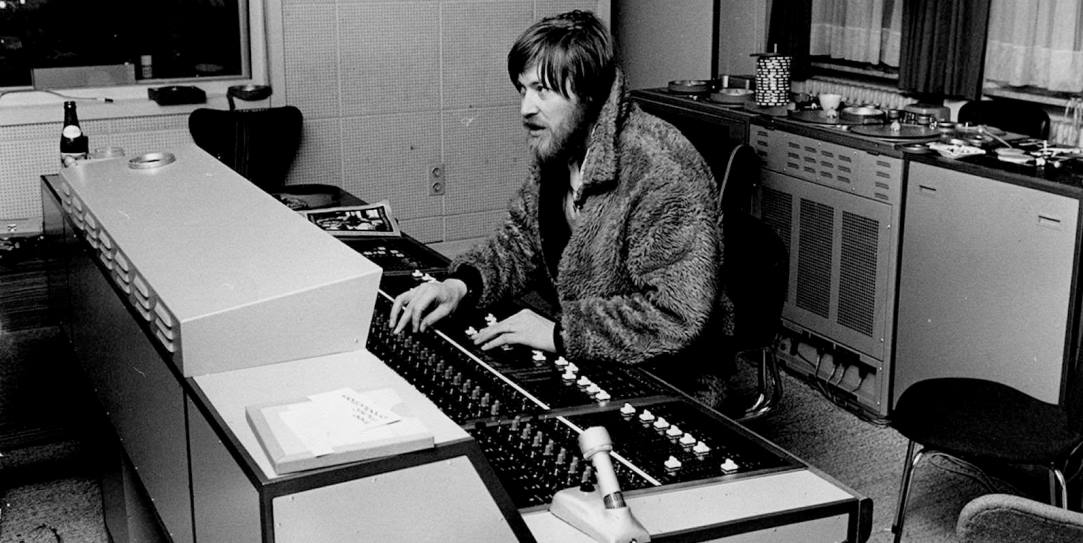
 album in 1982; compared to their Plank produced Cologne Trilogy of ‘Systems Of Romance’, ‘Vienna’ and ‘Rage In Eden’, ‘Quartet’ sounded thin and lacked density. But as history has shown, a producer can only achieve so much when the artists themselves are not delivering and even Plank’s involvement in ULTRAVOX’s lamentable
  album could not save it.
 , only the final day involved any actual recording as he had spent the first three days getting to know them; the relationship with DAF continued for a further three albums.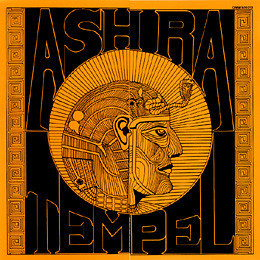
 via SMGO Art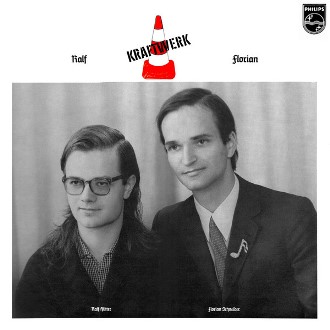
 via Grönland Records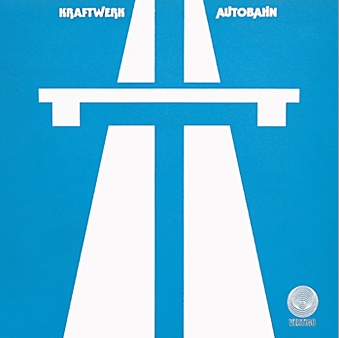
 via EMI Music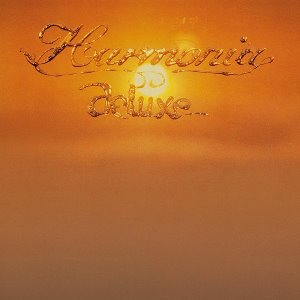
 via Grönland Records
 via Bureau B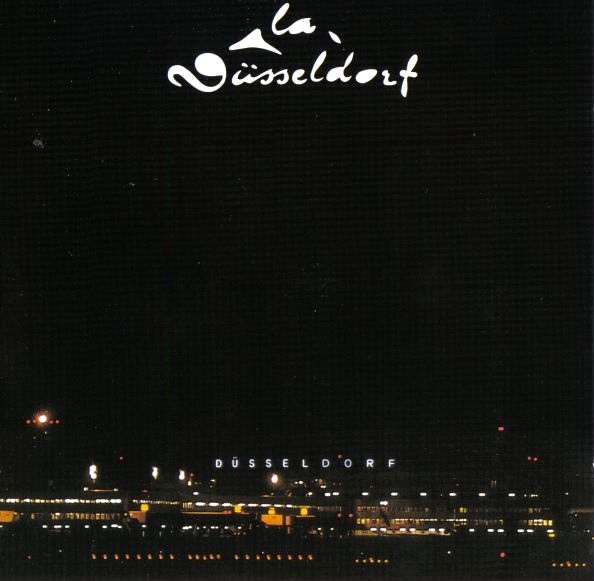
 via WEA
 via Random Records
 solo album.
 via Virgin Records
 via Bureau B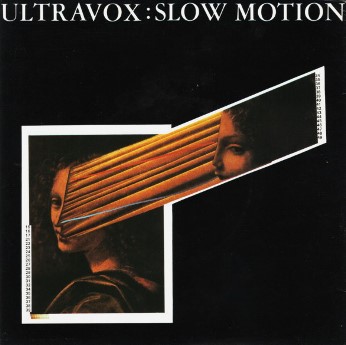
 via Island Records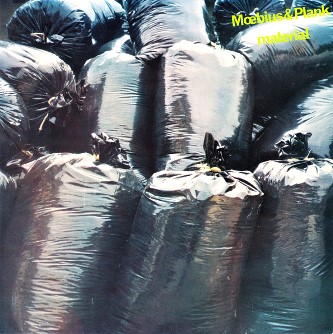
 via Bureau B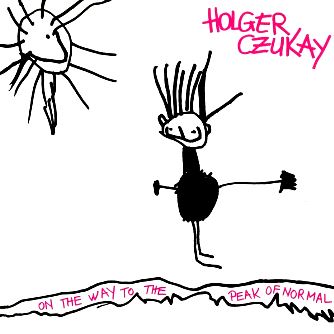
 via Grönland Records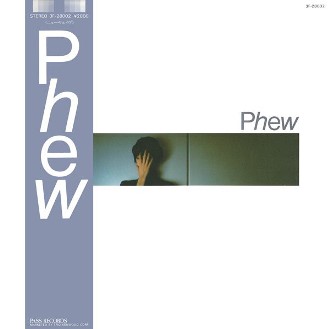
 via Pass Records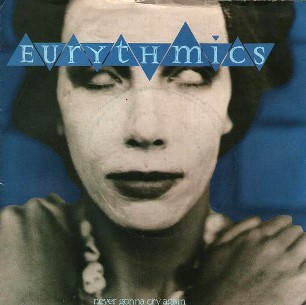
 via Sony BMG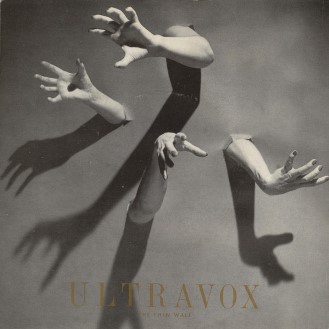
 . Produced in Conny’s Studio for the follow-up ‘Rage In Eden’, ‘The Thin Wall’ densely merged synthesizers, guitar, piano, violin and Linn Drum for a formidable yet under rated hit single.
 via EMI Records
 via Bureau B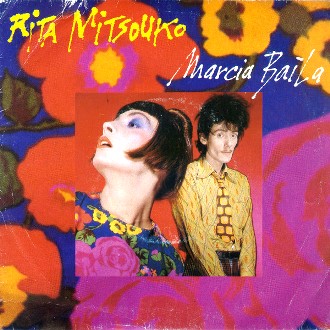
 via Dischi Ricordi
Follow Us!