Tag: Martyn Ware (Page 4 of 8)

The Electronic Legacy of AMBIENT

Ambient electronic music is a much misunderstood genre.

One is not talking about Jean-Michel Jarre or Vangelis who are far too comparatively lively to be truly considered ambient. And it is not ‘chill out’ that’s being talked about either, which seems to lump in any form of dance music that is under 112 beats per minute.

Modern ambient probably came to prominence with Brian Eno. While lying in a hospital room after a car accident in 1975, a friend visited him and put on a LP of harp music. However the volume had been set at an extremely low level and one of the stereo channels had failed. Unable to move to adjust this, Eno had a new way of listening to music forced onto him.

In recalling this story for the sleeve notes of his ‘Discreet Music’ album, Eno said the music now became “part of the ambience of the environment just as the colour of the light and the sound of rain were parts of the ambience.”

Eno may not have been the inventor of ambient, but he was almost certainly was its midwife. With its lengthy gradual processes and unpredictable changes, ambient can be listened to and yet ignored. Going against the Western tradition of music where vocals, melody and rhythm are essential components, ambient music is designed to accommodate many levels of listening without enforcing one in particular.

One of the other beauties of ambient music is that the pieces are often so progressive that it becomes quite difficult to remember individual sections. Therefore on repeated plays, the music can still sound fresh and rewarding. It was an approach that fascinated many and while they may not have released whole works, artists such as THE HUMAN LEAGUE, OMD, BLANCMANGE and RADIOHEAD recorded ambient pieces for album tracks or B-sides.

Comments about ambient music being “boring” are missing the point, because at points of the day where the state of near sleep looms, music with no vocals, no rhythms and not too much energetic melody is perfect.

Restricted to one album per moniker or collaborative partnership, here are the 20 long players and collective works presented in chronological and then alphabetical order which form The Electronic Legacy of Ambient. Acting as a straightforward introduction to the genre, it refers to many artists whose comparatively mainstream works may already be familiar.


KLAUS SCHULZE Timewind (1974)
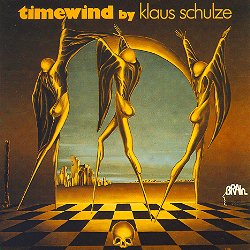
‘Timewind’ was Klaus Schulze’s first solo album to use a sequencer, evolving as a longer variation on his former band’s ‘Phaedra’. Referencing 19th century composer Richard Wagner, Schulze transposed and manipulated the sequences in real time, providing shimmering and kaleidoscopic washes of electronic sound using the EMS Synthi A, ARP 2600, ARP Odyssey, Elka string machine and Farfisa organ.

‘Timewind’ is available via Mig Music

https://www.klaus-schulze.com


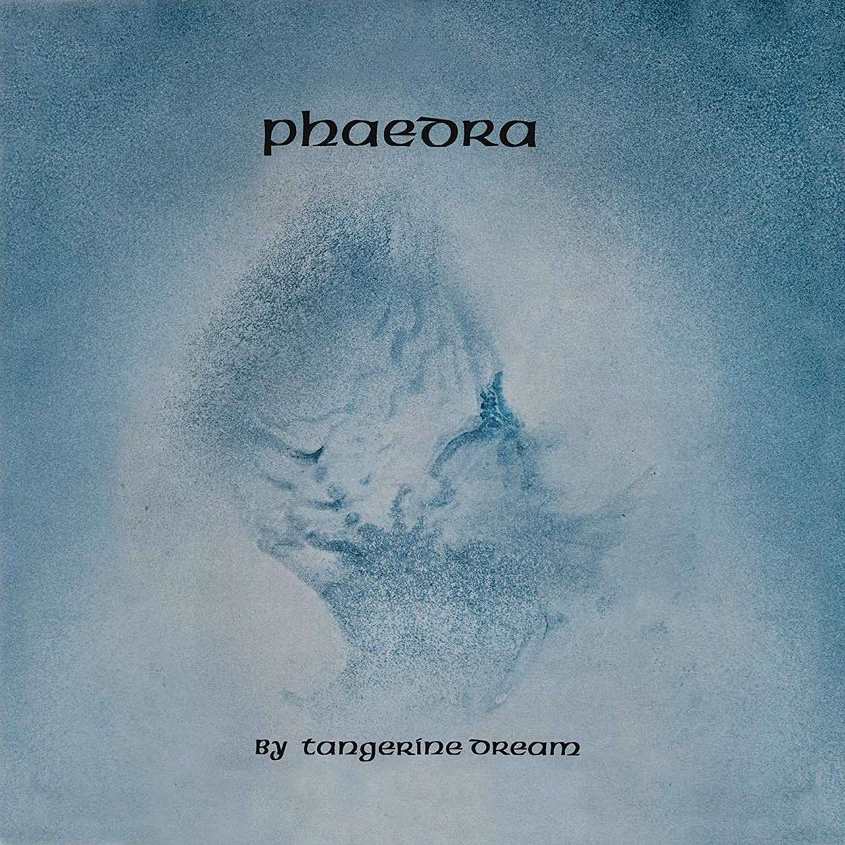
TANGERINE DREAM Phaedra (1974)

‘Phaedra’ saw TANGERINE DREAM using sequencers for the first time. Featuring the classic line-up of Edgar Froese, Peter Baumann and Chris Franke, the hypnotic noodles of EMS VCS3s and Moogs dominated while Mellotrons sounding like orchestras trapped inside a transistor radio. Organic lines and flute added to trancey impressionism.

‘Phaedra’ is available via Virgin Records

http://www.tangerinedream.org/


CLUSTER Sowiesoso (1976)
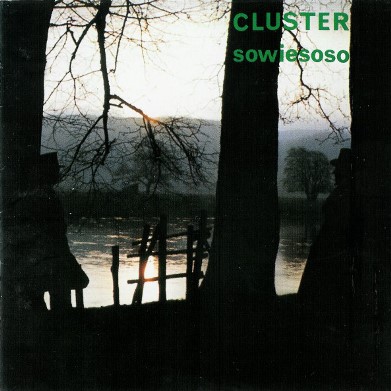
The late Dieter Moebius and Hans-Joachim Roedelius were CLUSTER. Their fourth album ‘Sowiesoso’ was CLUSTER’s first fully realised exploration into ambient electronics. With gentle melodic phrasing and unimposing rhythmical patterns, the title track was a wonderfully hypnotic adventure that welcomed the listener into the soothing world of the longer player’s remaining aural delights.

‘Sowiesoso’ is available via Bureau B

http://www.roedelius.com/


ASHRA New Age Of Earth (1977)

As ASHRA, Manuel Göttsching was looking to visit synthesized climes and explored more progressive voxless territory armed with an Eko Rhythm Computer, ARP Odyssey and  his signature keyboard sound, a Farfisa Synthorchestra. An exponent of the more transient solo guitar style, this template was particularly evident on ‘New Age Of Earth’, a beautiful treasure trove of an album.

‘New Age Of Earth’ is available via Virgin Records

http://www.ashra.com/


STEVE HILLAGE Rainbow Dome Musick (1979)
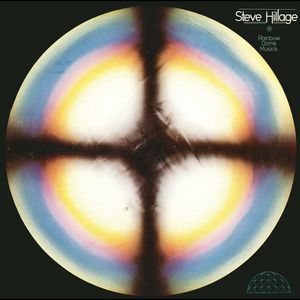
Steve Hillage had a love of German experimental music and ventured into ambient with long standing partner Miquette Giraudy. Recorded for the Rainbow Dome at the Festival for Mind-Body-Spirit at Olympia, these two lengthy Moog and ARP assisted tracks each had a beautifully spacey quality to induce total relaxation with a colourful sound spectrum.

‘Rainbow Dome Musick’ is available via Virgin Records

https://twitter.com/stevehillage


HAROLD BUDD & BRIAN ENO The Plateaux Of Mirror (1980)
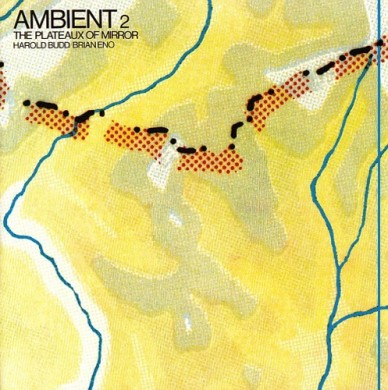
Mostly piano-oriented, its backdrop of shimmering synthesizer and tape loops of voices was conceived wth Harold  Budd improvising while Eno would occasionally add something. But his producer tact was to step back if nothing extra was needed. ‘The Plateaux Of Mirror’ was a lovely work with resonating ivories of the acoustic and electric variety. A second collaboration came with ‘The Pearl’ in 1984.

‘The Plateaux Of Mirror’ is available via Virgin / EMI Records

https://www.haroldbudd.com


BRIAN ENO Apollo: Atmospheres and Soundtracks (1983)

A soundtrack to a documentary film about the Apollo Missions that reacted against the uptempo manner of space travel presented by news reels of the day with fast cuts and speeded up images, Eno wanted to convey the feelings of space travel and weightlessness. Although based around Eno’s Yamaha DX7, the album was quite varied instrumentally, featuring his brother Roger and Daniel Lanois.

‘Apollo: Atmospheres and Soundtracks’ is available via Virgin / EMI Records

http://www.brian-eno.net


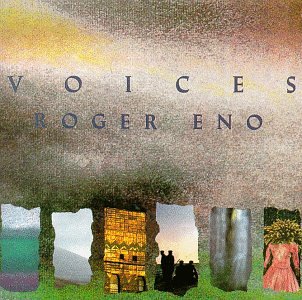
ROGER ENO Voices (1985)

The debut album from the younger Eno, ‘Voices’ captured a sustained mood of dreamy soundscapes and aural clusters with its beautiful piano template strongly reminiscent of Harold Budd’s work with brother Brian, who was also involved on this record via various electronic treatments although it was actually Daniel Lanois who produced.

‘Voices’ is available via Virgin / EMI Records

http://www.rogereno.com


DAVID SYLVIAN & HOLGER CZUKAY Plight & Premonition / Flux & Mutability (1988 – 1989)
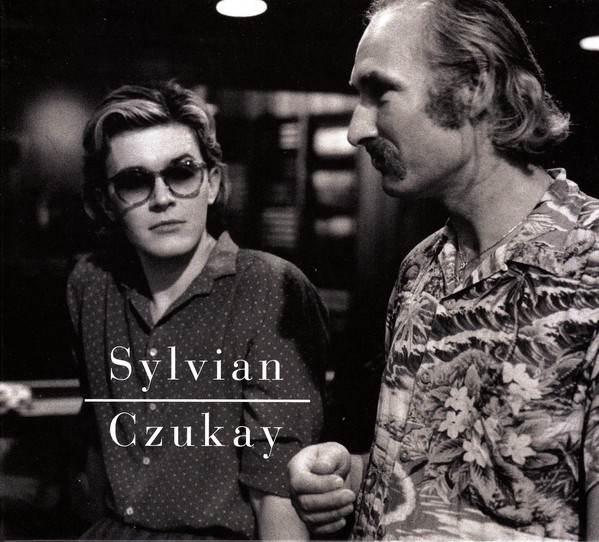
Following his ‘Gone To Earth’ bonus album of instrumentals, David Sylvian found a willing conspirator in Holger Czukay who had developed several unconventional compositional techniques using devices such as short wave radios and Dictaphones. Through a series of improvisations, the duo came up with two companion long players that conveyed a sinister yet tranquil quality drifting along in complex spirals.

‘Plight & Premonition / Flux & Mutability’ is available via Grönland Records

http://www.davidsylvian.com/

http://www.czukay.de/


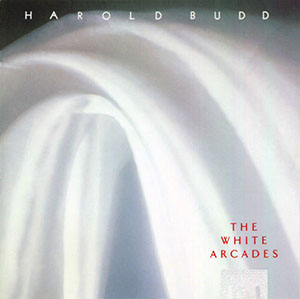
HAROLD BUDD The White Arcades (1992)

Unlike the comparatively optimistic air of his work with Eno, Harold Budd’s solo journeys often conveyed a more melancholic density, probably best represented by the haunting immersive atmospheres of ‘The White Arcades’. An elegiac combination of shimmering synthesizers and sporadic piano  provided an austere depth that was both ghostly and otherworldly.

‘The White Arcades’ is available via Opal Productions

https://www.facebook.com/music.of.harold.budd/


STEVE JANSEN & RICHARD BARBIERI Other Worlds In A Small Room (1996)
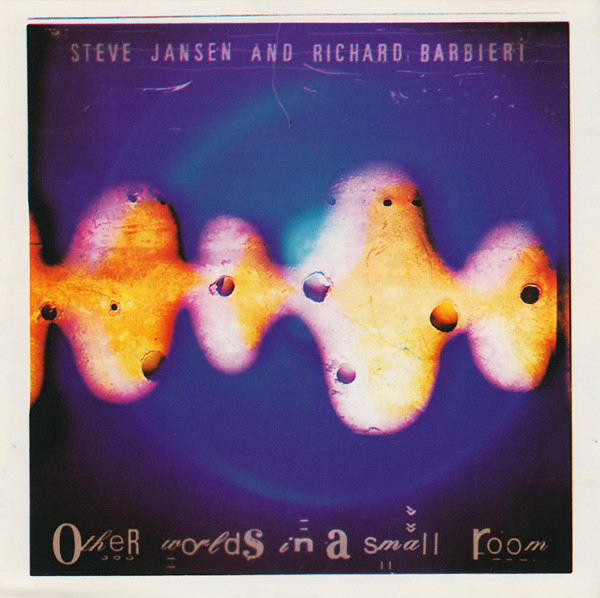
With ‘Other Worlds In A Small Room’, Steve Jansen and Richard Barbieri created an atmospheric trio of electronic instrumentals that they considered “Ambient in the traditional sense”. There was an appendix of four suitably complimentary tracks from their 1984 album ‘Worlds In A Small Room’ that had originally been commissioned by JVC to accompany a documentary about the Space Shuttle Challenger.

‘Other Worlds In A Small Room’ is available via https://jansenbarbieri.bandcamp.com/releases

http://www.stevejansen.com/

http://www.kscopemusic.com/artists/richard-barbieri/


VINCENT CLARKE & MARTYN WARE Spectrum Pursuit Vehicle (2000)

‘Spectrum Pursuit Vehicle’ was composed by Vince Clarke and Martyn Ware as part of an Illustrious art installation at The Roundhouse in a circular, white clothed room where the colours referred to in the titles of the six lengthy pieces were “programmed to cross fade imperceptibly to create an infinite variation of hue”. Using binaural 3D mixing, the CD booklet said “This album is intended to promote profound relaxation”.

‘Spectrum Pursuit Vehicle’ is available via Mute Records

http://www.illustriouscompany.co.uk/


WILLIAM ORBIT Pieces In A Modern Style (2000)
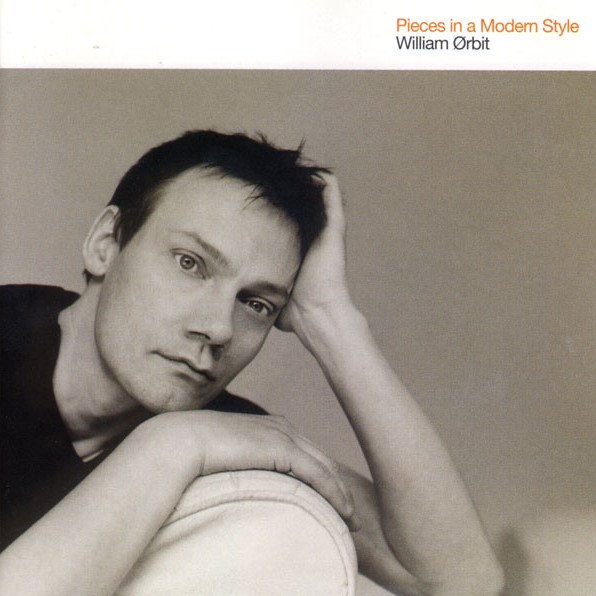
Trance enthusiasts who loved Ferry Corsten’s blinding remix of Samuel Barber’s ‘Adagio For Strings’ will have been shockedby this virtually beatless parent long player. Orbit’s concept of adapting classical works was that he wanted to make a chill-out album that had some good tunes. A collection featuring lovely electronic versions of Beethoven’s ‘Triple Concerto’ and John Cage’s ‘In A Landscape’ could not miss.

‘Pieces In A Modern Style’ is available via WEA Records

http://www.williamorbit.com


ALVA NOTO & RYUICHI SAKAMOTO ‎Vrioon (2002)

Alva Noto is a German experimental artist based in Berlin and ‘Vrioon’ was his first collaborative adventure with YELLOW MAGIC ORCHESTRA trailblazer Ryuichi Sakamoto. A beautiful union of piano, synth shimmers and subtle glitch electronics proved to be an unexpectedly soothing and  meditative experience that was gloriously minimal over six starkly constructed mood pieces.

‘Vrioon’ is available via Raster-Noton ‎

http://www.alvanoto.com/

http://www.sitesakamoto.com/


ROBIN GUTHRIE & HAROLD BUDD After the Night Falls / Before The Day Breaks (2007)
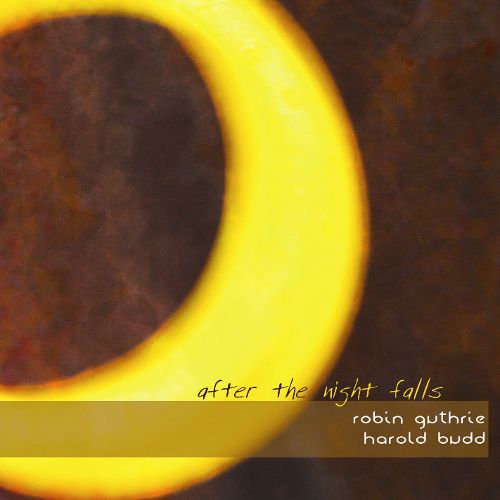
Robin Guthrie and Harold Budd first collaborated on ‘The Moon & The Melodies’ album along with the other COCTEAU TWINS. These were beautiful experiments in duality but it would be unfair to separate these Siamese twins. Serene, relaxing, abstract and distant, Guthrie’s textural guitar and Budd’s signature piano were swathed in drifting synths and treatments that complimented each album’s titles.

‘After The Night Falls’ and ‘Before The Day Breaks’ are available via Darla Records

http://www.robinguthrie.com


JOHN FOXX & HAROLD BUDD Nighthawks / Translucence / Drift Music (2003 – 2011)
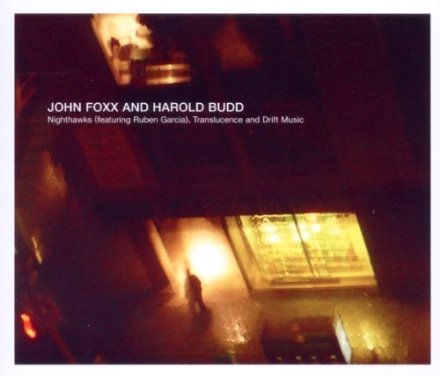
A sumptuous trilogy featuring two artists who had both worked with Brian Eno. ‘Nighthawks’ was John Foxx and Harold Budd’s collaboration with the late minimalist composer Ruben Garcia and a soothing tranquil nocturnal work with tinkling ivories melting into the subtle layered soundscape. The earlier ‘Translucence’ was a close relative, partnered with the more subdued ‘Drift Music’.

‘Nighthawks’ and ‘Translucence / Drift Music’ are available via Metamatic Records

https://www.facebook.com/johnfoxxmetamatic/


JOHN FOXX London Overgrown (2015)
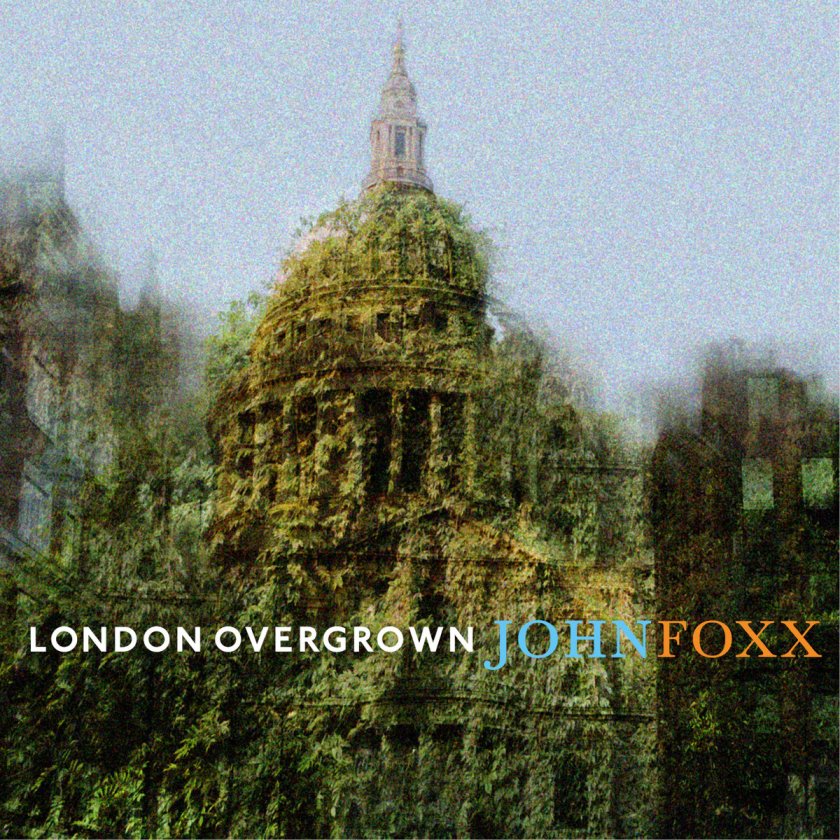
‘London Overgrown’ was John Foxx’s first wholly solo ambient release since the ‘Cathedral Oceans’ trilogy. The conceptual opus was a glorious ethereal synthesizer soundtrack, smothered in a haze of aural sculptures and blurred soundscapes. With ‘The Beautiful Ghost’, as with William Orbit’s take on ‘Opus 132’ from ‘Pieces In A Modern Style’, this was Beethoven reimagined for the 23rd Century.

‘London Overgrown’ is available via Metamatic Records

http://www.metamatic.com


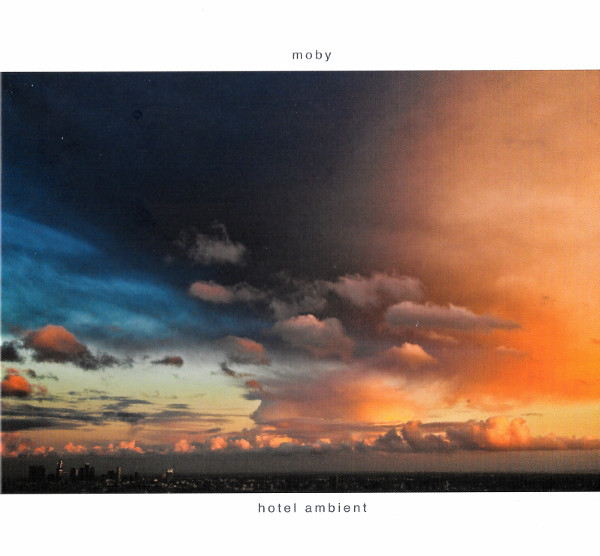
MOBY Hotel: Ambient (2015)

Originally part of the deluxe 2CD version of his 2005 album ‘Hotel’, Moby couldn’t find his copy and decided on an expanded re-release. Inspired by the nature of hotels, where humans spend often significant portions of their lives but have all traces of their tenancy removed for the next guests, the emotive ‘Homeward Angel’ and the solemn presence of ‘The Come Down’ were worth the purchase price alone.

‘Hotel: Ambient’ is available via Mute Records

http://moby.com


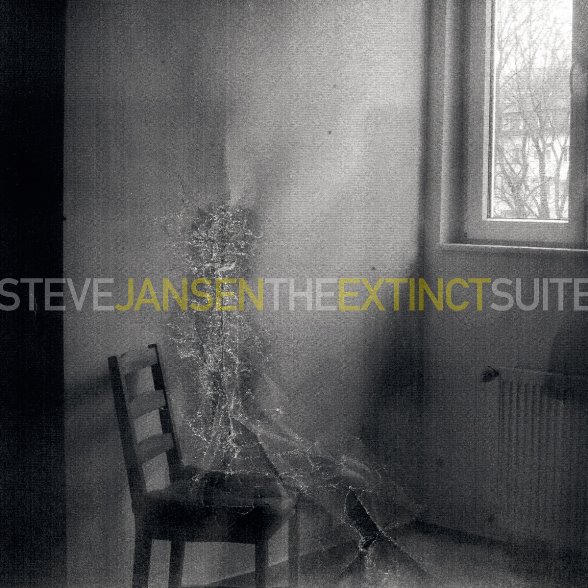
STEVE JANSEN The Extinct Suite (2017)

“I like the effects of calm and dissonance and subtle change” said Steve Jansen; not a remix album as such, the more ambient and orchestral elements of ‘Tender Extinction’ were segued and reinterpreted with new sections to create a beautiful hour long structured ambient record. A gentle blend of electronic and acoustic instrumentation, ‘The Extinct Suite’ exuded a wonderful quality equal to Eno or Budd.

‘The Extinct Suite’ is available via https://stevejansen.bandcamp.com/album/the-extinct-suite-2

http://www.stevejansen.com/


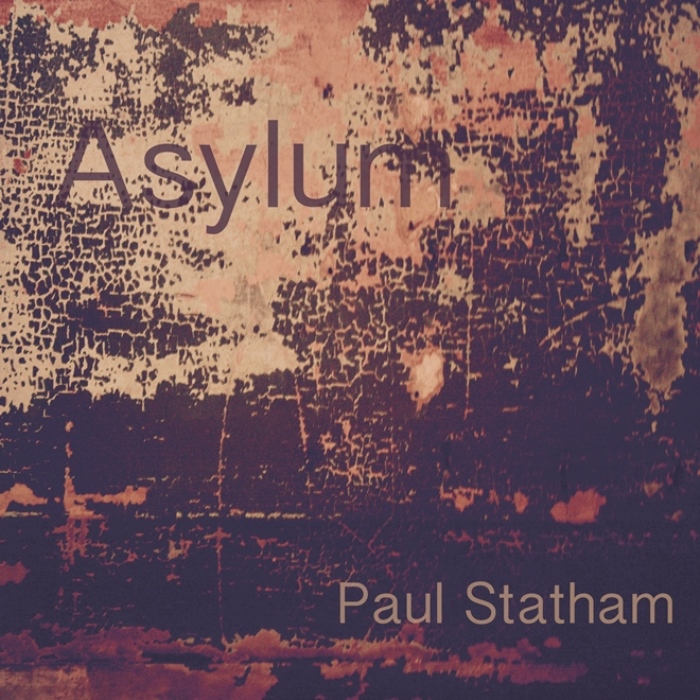
PAUL STATHAM Asylum (2017)

B-MOVIE guitarist and pop tunesmith Paul Statham began his experimental music account with ‘Ephemeral’ and ‘Installation Music 1’. ‘Asylum’ was a more ambitious proposition and featured in an audio visual installation created with painter Jonathan McCree. The eight compositions together exuded a cinematic, ethereal quality with some darker auras and an eerie sound.

‘Asylum’ is available via https://paulstatham.bandcamp.com/album/asylum

http://paulstathammusic.com


Text by Chi Ming Lai
22nd August 2018
THE RADIOPHONIC WORKSHOP Live at The British Library

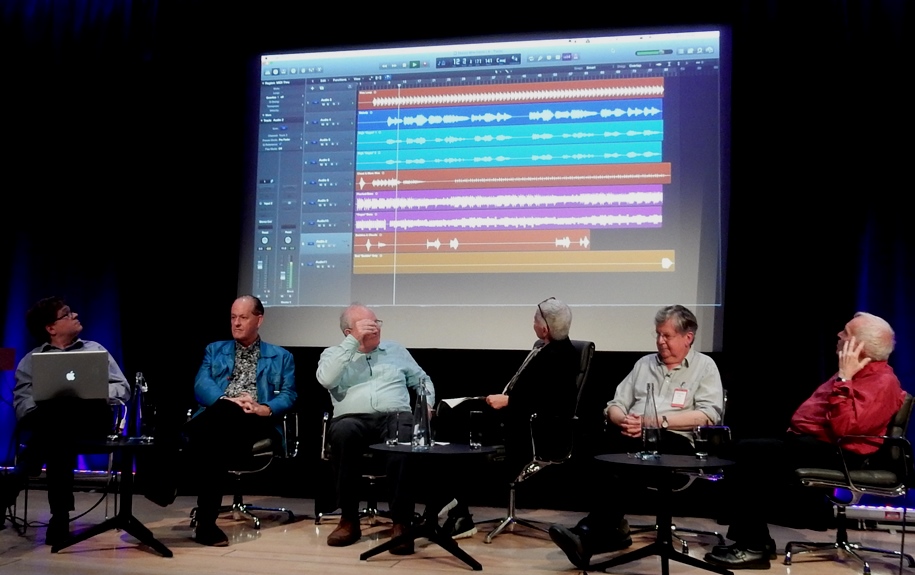
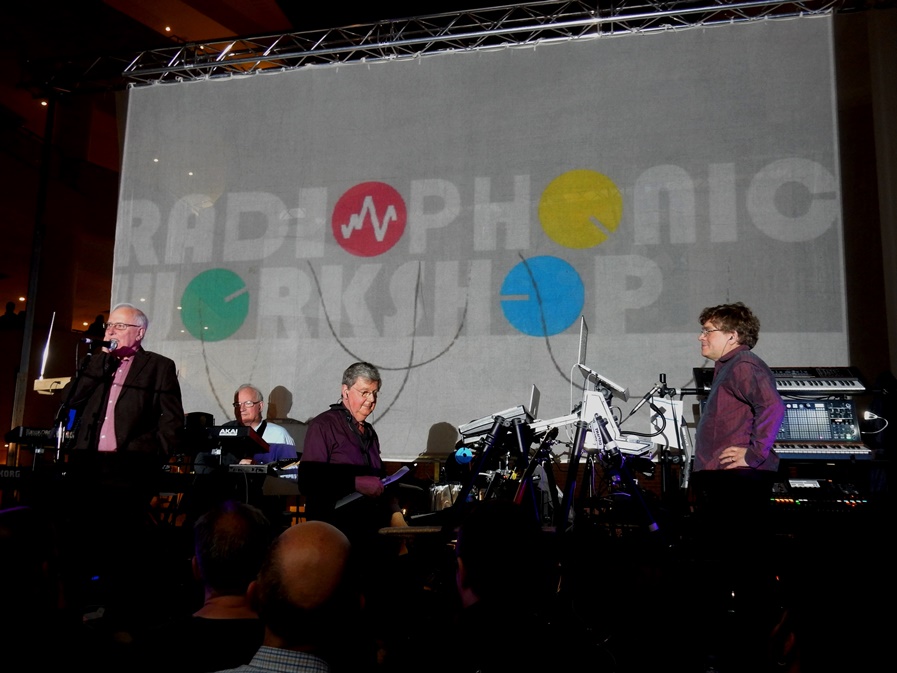
To celebrate 60 years of THE RADIOPHONIC WORKSHOP, the pioneering collective held a pair of events within the plush confines of The British Library.

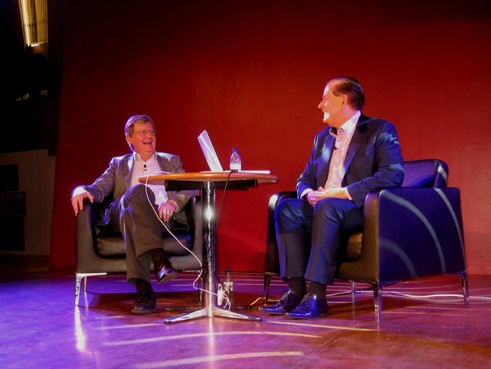
The first comprised of a panel discussion chaired by Louise Gray of The Wire, while the second was a surround sound concert with striking visuals directed by Obsrvtry, a collaboration between THE RADIOPHONIC WORKSHOP, Michael Faulkner and Ben Sheppee.

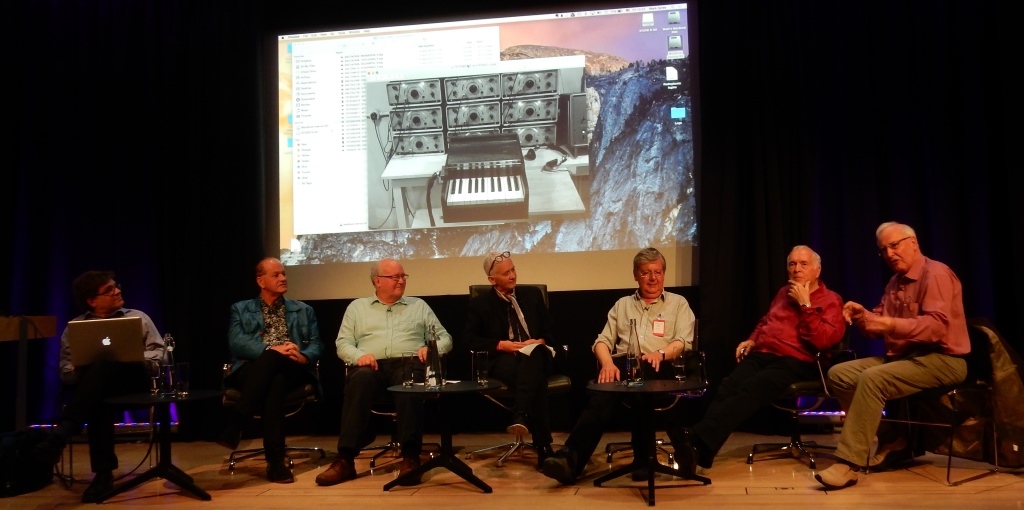
Gathered for the panel discussion were Paddy Kingsland, Roger Limb, Peter Howell and archivist Mark Ayers with special guest Martyn Ware who performed on their new album ‘Burials In Several Earths’; original member Dr Dick Mills joined the chat later on after being held up in London’s Friday rush hour.

Founded in 1958 by Desmond Briscoe and Daphne Oram, THE RADIOPHONIC WORKSHOP at the BBC was set up to provide “special sound” for radio and TV programmes. They were inspired by studios set up by Karlheinz Stockhausen in Cologne for pure electronic sound exploration and Pierre Henry in Paris which had a more of a musique concrète remit.

So if a programme required a door opening or a car crash, a sound effects library could be used, but as Mark Ayres put it: “if you wanted a sound effect for a nervous breakdown, where would you go for that?”. Considered to be distinct from the corporation’s musicians and initially working with virtually zero budget, THE RADIOPHONIC WORKSHOP tended to rescue obsolete equipment that had been dumped by other departments.

Using and abusing technology to create new sounds, its members like the late Delia Derbyshire would be tasked with two hour programmes each week and had to work to deadlines, something which she often had trouble with and referred to as her “variable reluctance”.

Of course, working with early electronics was not straightforward. The tape machines of the day were very unreliable and Roger Limb talked of when THE RADIOPHONIC WORKSHOP started performing as a live act and using digital equipment, discovering “how surprisingly varied the tape machine output was”. He concluded that “what we like about analogue things is to do with the variance, stuff that you don’t immediately hear but is adding to the interest”.

Paddy Kingsland described how Delia Derbyshire and Brian Hodgson (who created the sound of the TARDIS by running a key along a bass string of a gutted piano before electronically treating it) were “into their happy accidents”. It was something that Roger Limb summarised as “something that’s actually wrong that suddenly becomes right”, like the BBC fire extinguisher that was found to be approximately in D# when struck!

The panel discussion also included a fascinating demonstration by Mark Ayres of Delia Derbyshire’s component parts for the theme of ‘Dr Who’. While the music was written by Ron Grainer, it was Derbyshire who orchestrated the arrangement, painstakingly recording short bursts of manually manipulated oscillator onto tape, cutting them up and splicing them together to form longer and more recognisably musical sections.

The bass was actually a plucked string, recorded and copied via tape loops onto another machine until a series of different pitches were made, with Ayres explained that “every one of those notes was a piece of tape cut together with a razor”. Roger Limb pointed out that the bassline which Derbyshire had constructed was even cleverer because “the attack only happens on the front of the phrase”.

The music had a profound impact when it was first aired in 1963 with Dr Dick Mills remembering people were intrigued and asking “WHAT THE HELL WAS THAT?” because they couldn’t work out the instrumentation or how it was realised. As Martyn Ware put it, “it promised you were going to be visiting worlds that you couldn’t possibly comprehend” while Peter Howell added “You were genuinely hearing things you had never heard before”.

Adventurous manipulators of sound who came up with instruments like the Wobbulator, Peter Howell had the view that “the equipment can either be our servant or our partner”. While discussing these two approaches, he casually mentioned how an old BBC schools film he had made demonstrating the Fairlight CMI to children had been re-edited into a hilarious spoof YouTube video entitled ‘How Drum ‘N’ Bass Is Made’.

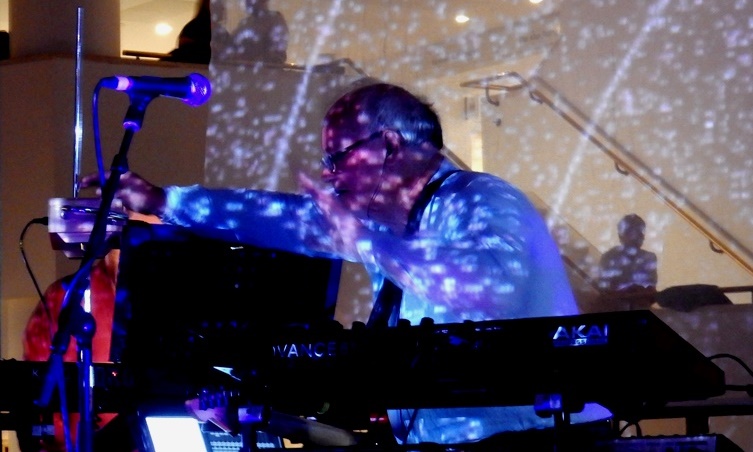
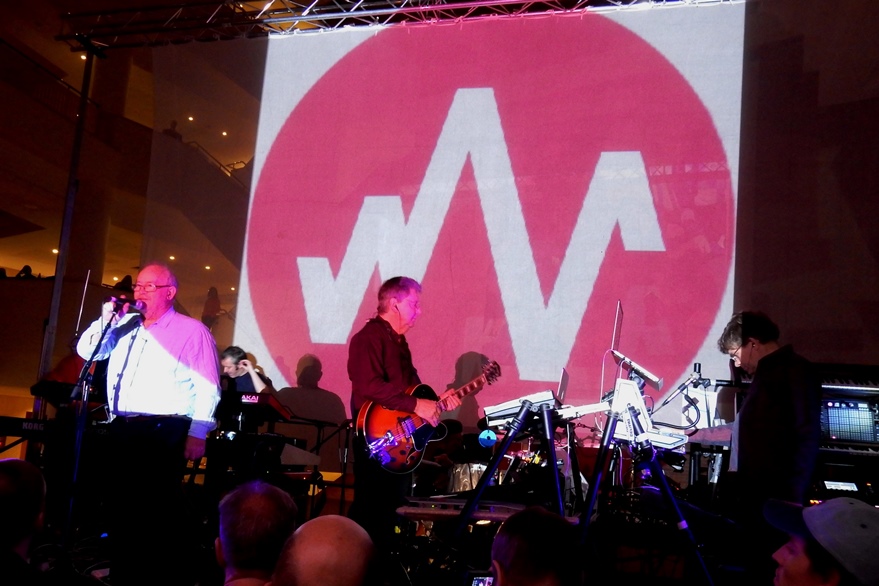
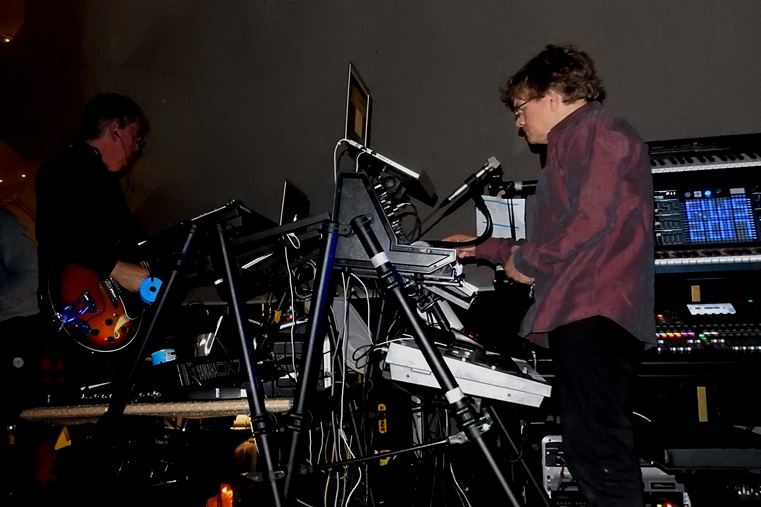
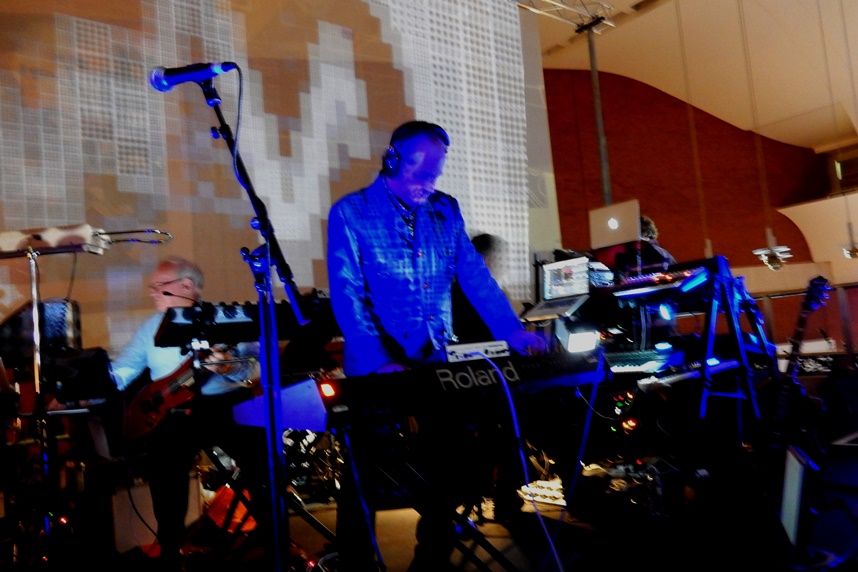
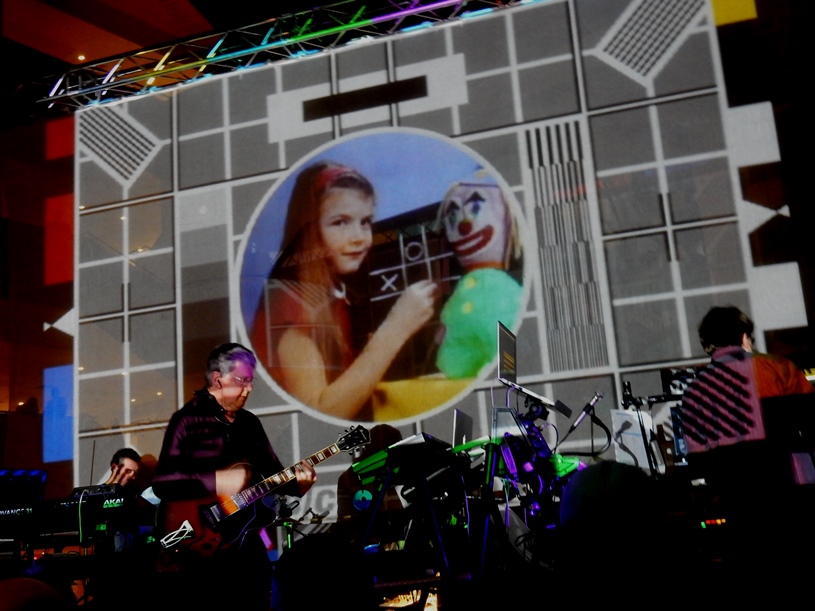
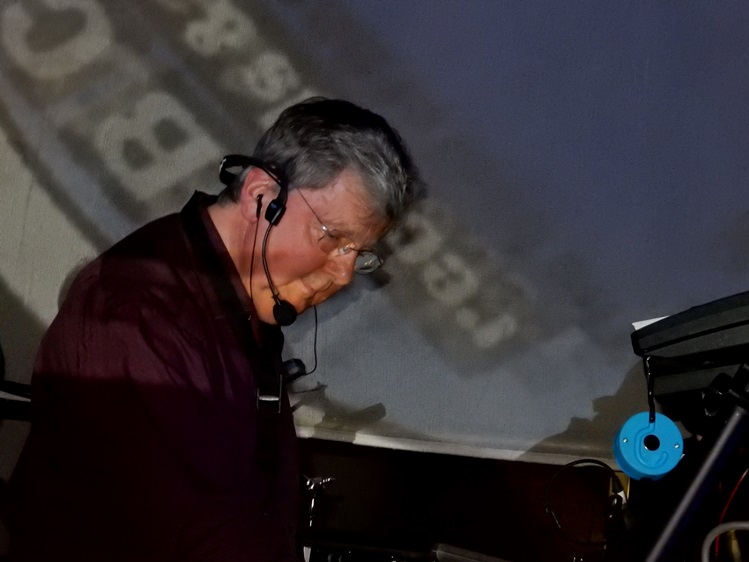
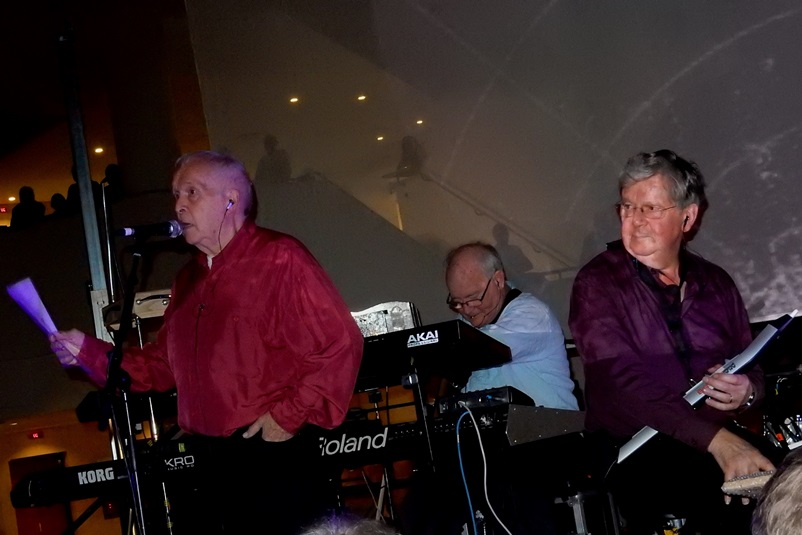
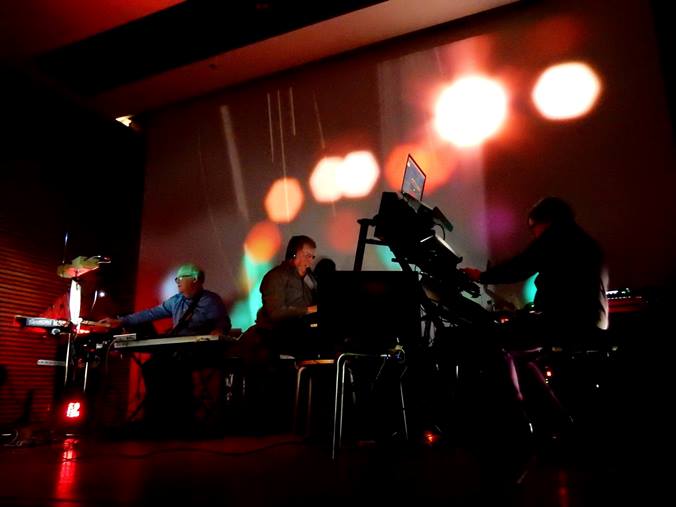
With the panel discussion over, THE RADIOPHONIC WORKSHOP moved over to the Entrance Hall for their two-part live performance. With hardware such as an Arturia Matrixbrute, Korg MS20, Roland JX3P and Yamaha DX7 clearly in view, along with various laptops and controllers, the first section comprised of more progressive and lengthy ambient experimental pieces.

The impressionistic colours of ‘Picasso’ began the evening before the band settled into performing selections from ‘Burial In Several Earths’. Inspired by Sir Francis Bacon’s incomplete novel ‘New Atlantis’, Daphne Oram used a section of it as an electronic avant-garde manifesto for the workshop.

Her spirit could be heard within these watery overtures recalling Virgin era TANGERINE DREAM while in between these lengthy improvised soundscapes, Martyn Ware joined the band on a Roland Jupiter 8 for a rendition of the comparatively bite size interlude ‘Not Come To Light’.

During the interval, DJ Tom Middleton treated attendees to the spacey sounds of JEAN-MICHEL JARRE, TOMITA and VANGELIS. So it was fitting that when THE RADIOPHONIC WORKSHOP returned to the stage, it was with ‘The Astronauts’, a pacey tune reminiscent of Evangelos Odysseas Papathanassiou. ‘Ziwzih Ziwzih 00-00-00’ from ‘Out of the Unknown’ was the first of the more Sci-Fi related compositions, a theme which continued with some music from ‘Hitch-Hiker’s Guide To The Galaxy’.

Meanwhile ‘Magenta Court’ from ‘Through A Glass Darkly’ explored more proggy territory. The multi-instrumental capabilities of the ensemble were astounding with the main players moving between synths, guitars, wind controllers and taking turns to address the audience.

One thing that has been lost since the advent of 24 hour television in the UK since 1997 is Test Card F. So when the iconic image of Carole Hersee playing noughts and crosses with Bubbles the Clown was projected, it saw the band to wig out in a Floydian style with a sample of its accompanying music.

A rendition of ‘Vespucci’ from ‘Fourth Dimension’ also ventured into cosmic territory while ‘Vortex’ kept the Sci-Fi fans happy, But it was the brilliant new composition ‘eShock’ that was the revelation of the evening. With Roger Limb taking to the microphone to warn the audience that they were in a “high risk area” and vulnerable to electronic shock, what proceeded was a vibrant electronic piece aided by a live rhythmic backbone from Kieron Pepper. With a cacophony of blips and beats that would make ORBITAL proud, an intense frenzy of psychedelic guitar and Theremin from Paddy Kingland was the icing on the cake.

Dr Dick Mills joined his colleagues on stage to announce the final number which was naturally ‘Doctor Who’; he even took time to joke and thank the crew for not only helping with the equipment, but also several of the band up The British Library’s many stairs.

Beginning with the familiar Delia Derbyshire take, there was a building improv before a Schaffel flavoured rock out with Kieron Pepper respectfully adding percussive power without swamping his colleagues. Pepper has also played for THE PRODIGY and he is an example to sticksmen like Christian Eigner as to how to properly mix live drums into electronic music.

Despite THE RADIOPHONIC WORKSHOP members now pushing 70 years of age or more, they possessed more vigour than many acts half their age. They didn’t start play live together in a concert setting until 2009 and having been cooped up in Room 13 all those years ago, they are now relishing playing to appreciative audiences.

Call it ‘Maida Vale Social Club’ or ‘Last of The Summer Synths’, this whole evening was a moment to savour with electronic music’s elder statesmen giving a lesson to youngsters with their laptops as to how it’s all done.


With thanks to Duncan Clark at 9PR

‘Burials In Several Earths’ is released by Room 13 Records as a 4 x 10” vinyl boxset, double CD and download
http://www.theradiophonicworkshop.co.uk/

https://www.facebook.com/theradiophonicworkshop/

https://twitter.com/radiophonicwork


Text and Photos by Chi Ming Lai
17th October 2017

THE RADIOPHONIC WORKSHOP Burials In Several Earths


THE RADIOPHONIC WORKSHOP was the legendary group of musicians / engineers that were set up in a BBC department ‘Room 13’ to provide music and sonic effects for radio and television programmes.

Most famous for Delia Derbyshire’s iconic interpretation of Ron Grainer’s ‘Dr Who Theme’, the collective also scored the music for ‘The Hitchhiker’s Guide to the Galaxy’ and ‘The Living Planet’. Due to financial constraints, the Workshop was wound down in 1998, but in 2009 several ex-members including Peter Howell, Roger Limb, Dr Dick Mills and Paddy Kingsland, along with “long-time associate composer” Mark Ayres reunited for some live shows.

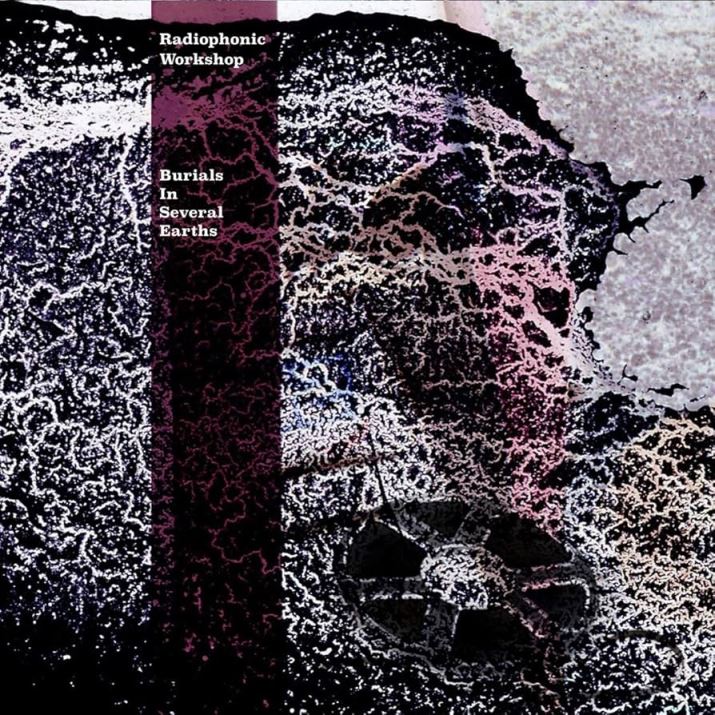
‘Burial In Several Earths’ sees the first official studio release since 1985 with the music being inspired by an unfinished poem by Sir Francis Bacon. The spirit of Workshop co-founder Daphne Oram lives on within the album as she once treated a section of the Bacon work as a manifesto for the operation and its commitment to producing innovative electronic avant-garde sound.

The reunited collective’s manifesto for ‘Burials In Several Earths’ was to “…see what happened if we allowed people to react together with their machines in a very unplanned and spontaneous way” with “the computers and sequencers switched off” leading to a “very human interaction between all of us”. The album also features guest appearances from Martyn Ware and Grammy-award winning mixing engineer for THE CHEMICAL BROTHERS, UNKLE, and NEW ORDER, Steve ‘Dub’ Jones.

Ware discussed the making of the album with ELECTRICITYCLUB.CO.UK recently and the very improvised nature of most of the compositions featured, saying “No words were spoken as to what we were going to do, it was completely spontaneous. At first, it felt incredibly awkward and childish in a strange sort of way, but as things loosened up a bit and we played off each other in a classic ‘jazz’ style, what emerged was spasmodically transcendental.”

With the opening eponymous track clocking in at close to nineteen minutes and a subsequent pair of twenty plus minute tracks, you know that this album isn’t going to be one that requires a cursory listening. The epic piece seamlessly moves through several sections from peaceful piano through to howling EMS synth freakouts.

Cyclical piano starts ‘Things Buried in Water’ with background siren-like synths, and an echoed guitar texture adding to the atmosphere. At this point, this appears to be the most melodic track so far until a huge blast of white noise materialises at around the four minute mark to disturb the peace. Halfway through, an octave / filtered arpeggiator riff comes in with an ever-increasing tempo, but drops out of the mix pretty much as quickly as it appears.

‘Some Hope of Land’ is another challenging piece, constantly evolving with a mix of John Cage inspired ambience and blippy sequencer parts. The ending of the track is almost an electro-blues section, with the kind of guitar riff that Martin Gore would be more than happy to rock out. In comparison, the short four minute ‘Not Come To Light’ is more concise and is split between full-on analogue distortion, through to a beautifully pristine synthetic aesthetic.

‘The Stranger’s House’ starts with an echoed Virgin-era TANGERINE DREAM-style sequencer pattern; short fragments of electronic sound punctuate before a deep John Carpenter-esque bass joins the mix. Three minutes in and a thinly EQ’d guitar helps to give the track a Krautrock feel, whilst the bass reveals itself as a sequencer pattern itself when other notes are additionally triggered. The additional of more real piano really evokes the playing of Edgar Froese and the mixture of live instrumentation and synthetics works brilliantly here.

With acts like Tim Gane’s CAVERN OF ANTI-MATTER perpetuating the influence and sound of THE RADIOPHONIC WORKSHOP in recent releases, it’s undeniably brilliant to still have several original members creating vibrant and challenging electronic work. In places this is not an easy listen, but with repeated revisits ‘Burials In Several Earths’ is a rewarding album and one can imagine the makers of the album having a huge amount of fun making it.


‘Burials In Several Earths’ is released by Room 13 Records as a 4 x 10” vinyl boxset, double CD and download
THE RADIOPHONIC WORKSHOP play live in Surround Sound at the IMAX Theatre in London’s Science Museum on Friday 16th June 2017. The evening will also feature an onstage panel Q&A hosted by Dr Tim Boon – tickets are available from http://www.sciencemuseum.org.uk/visitmuseum/Plan_your_visit/events/exhibition_events/radiophonic-workshop

http://www.theradiophonicworkshop.co.uk/

https://www.facebook.com/theradiophonicworkshop/


Text by Paul Boddy
20th May 2017

MARTYN WARE Discusses THE RADIOPHONIC WORKSHOP, HEAVEN 17 + More

THE RADIOPHONIC WORKSHOP are to release ‘Burials In Several Earths’, a brand new work which will be their first commercial available product since 1985.

The veteran sonic architects behind the soundtracks of classic BBC TV shows such as ‘Doctor Who’ and ‘The Hitchhiker’s Guide to the Galaxy’ recently gave a mind-blowing live performance as part of the ‘Picasso By Night’ evening curated by Martyn Ware of HEAVEN 17. So it is fitting that he features on the album along with Steve ‘Dub’ Jones, best known for his engineering work for THE CHEMICAL BROTHERS and UNKLE.

Martyn Ware kindly chatted about his contribution to ‘Burials In Several Earths’ and about what is happening with the new, long awaited HEAVEN 17 long player ‘Not For Public Broadcast’.

Your musical history with THE RADIOPHONIC WORKSHOP goes back performing the ‘Dr Who Theme’ in with Ian Craig Marsh?

Yes, we did in the earliest band we ever formed! It was in D-K & THE STUDS, Glenn was D-K, the singer and it was a supergroup with various members of CABARET VOLTAIRE, CLOCK DVA and 2.3 before we started THE HUMAN LEAGUE or anything. We only played it once and it was terrible.

What kind of influence were they on you during your phase in THE HUMAN LEAGUE and how did they exploits fuel your zest for experimentation?

It was in the zeitgeist really. David Vorhaus, who I’ve just done some work with recently, was perhaps more of an influence. He created WHITE NOISE with Delia Derbyshire and Brian Hodgson from THE RADIOPHONIC WORKSHOP.

I met them through Clifford Jones who was their manager. I’ve always been a fan of their work, so having a chance to meet them and do something with them was too good a chance to miss. I did a lecture with Peter Howell on the South Bank in 2013.

You and Peter Howell made a good double act in your ‘A Journey In 20 Synths’ presentation…

Ha ha! It was like a synth version of ‘Grumpy Old Men’… or ‘Last Of The Midsummer Synths’! ‘

I thought it was interesting that you both differed slightly in your views on the Yamaha DX7?

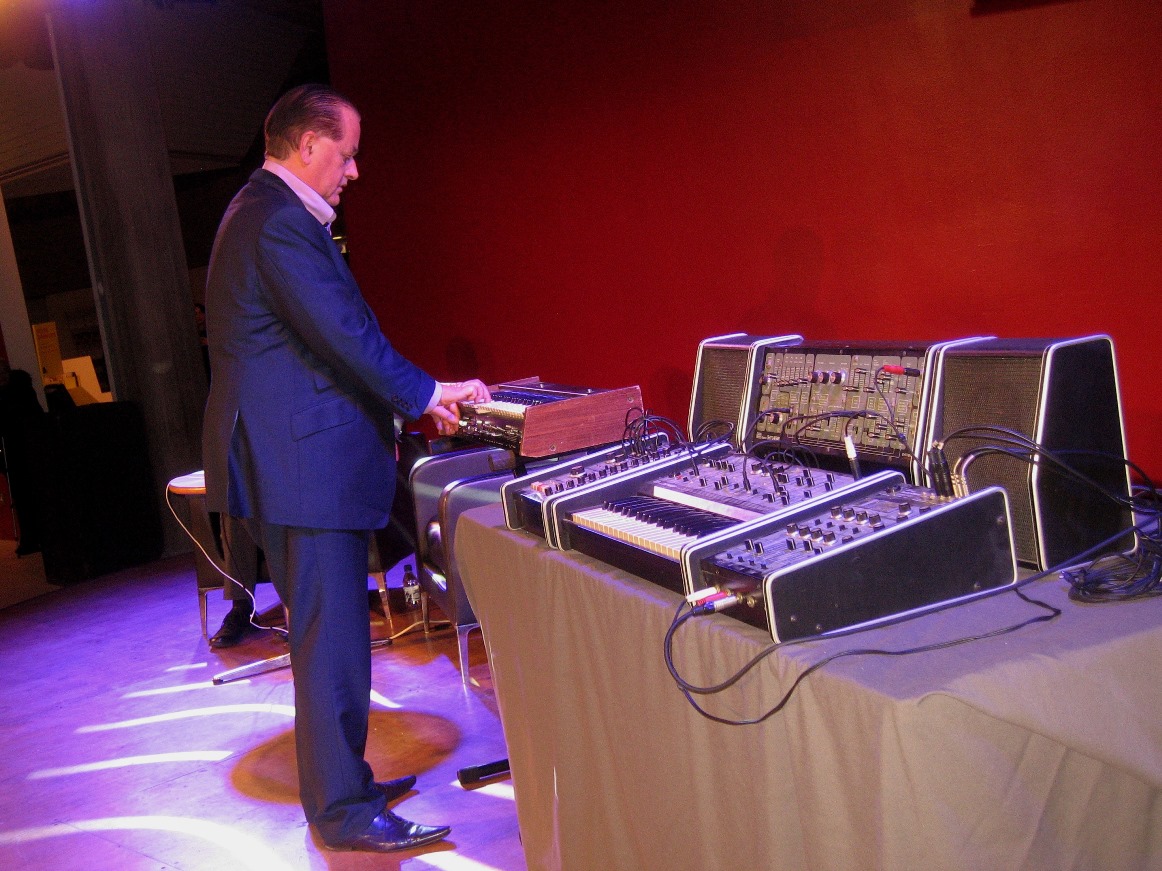
I don’t like the sound of digital synths, when things started moving into the FM world, I wasn’t so happy. I had the DX7, Roland D50, Korg M1, an SP12 drum machine, that period I went through loads of stuff. Funnily enough, I’ve gone back to samples from the Emulator II OMI Universe of Sounds package and I prefer those to anything I’ve just mentioned.

I’ve now got all the virtual packages but there’s something about the sonic philosophy that’s too far down that Japanese clean path, it’s all shiny and lacking in warmth. There’s a narrative arc that leads through the inception of domestic level synthesizers from the mid-70s to the birth of digital synthesis right through to the current day, it’s not ever really reversed, and this over-digitalisation of sound is a problem. That’s why there’s so many plug-ins and filters designed to counter that and reintroduce the artificial sound of tape or vinyl.

So how did the collaboration come about?

Although we were all busy with other projects and playing live, Mark Ayres called and suggested we go into a studio he’d booked in South London on this date at ten in the morning. It was a bit ad hoc, but I’m a great believer in just doing stuff rather than theorising about it, so I thought I’d better walk the walk.

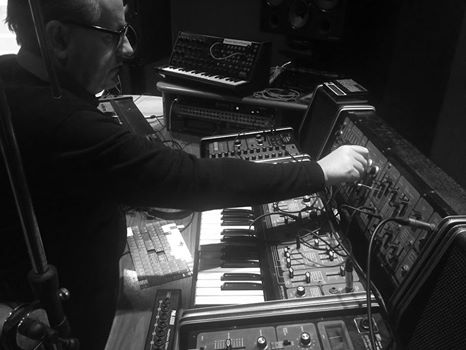
I turned up with no instruments and there was nobody there apart from the engineer who opened up and let me in. About an hour later, people started drifting in and various synths started arriving including a Moog Modular, a Jupiter 8, a Korg MS20, pedals and a Teenage Engineering OP-1. So I suggested we started improvising, which is so unlike me and right outside my comfort zone… I haven’t done that since the mid-70s. The one instrument there which I really knew inside out was the Jupiter 8 so I played that, Mark played the Moog Modular, Steve ‘Dub’ Jones played piano and the OP-1 while Paddy Kingsland played treated guitars and pedals.

No words were spoken as to what we were going to do, it was completely spontaneous. At first, it felt incredibly awkward and childish in a strange sort of way, but as things loosened up a bit and we played off each other in a classic ‘jazz’ style, what emerged was spasmodically transcendental. We did about 2-3 hours onto Pro-Tools and at the end, I had no idea if very much of it was any good.

We went from the live room into the studio and started listening to it… even without any mixing, we were astonished how interesting and unique it sounded. I have never done an improvised album ever, it was a four way jam with a genuine equal split. The title ‘Burials In Several Earths’ is Mark Ayres’ idea and he was leading on the whole thing, doing the editing and mixing.

Meanwhile, HEAVEN 17’s ‘Not For Public Broadcast’ became available to Bowers & Wilkins Society of Sound members as a work-in-progress. What was your strategy with regards this approach to launch the album?

I’ve been sponsored in kind with products by Bowers & Wilkins for over a decade and they started this online Society of Sound. I was asked to be an ambassador for it and Danny Wilkins from Bowers & Wilkins asked if I’d release some new HEAVEN 17 material on it via this subscription.

We’re not really sure about the digital world at all as you know, but the idea that it was only available for a month with the rights reverting back to us, and we’d get paid, appealed to us… so it was like a sonic Snapchat release.

We didn’t want to do the whole album but to get people off our backs, we thought it would be good to release a half-finished album as a kind of study into where we are heading and to expose the process via social media, as well as to discuss our theory of ‘Not For Public Broadcast’ on how to release stuff to people who actually care about music, as opposed to just giving it away for free.

Hopefully people liked it, I know to gain access one had to fully subscribe, but I do genuinely believe that it’s an amazing thing to subscribe to. It’s all looked after by Real World Records, Peter Gabriel’s label and there are some amazing recordings there. It was up to people if they wanted to do it or not… it’s all going to be on the forthcoming album anyway, so it’s not like we’re denying people anything.

So is the album going to be ready for the forthcoming tour with BLANCMANGE?

In reality, we’ll have more tracks ready for the Autumns show but the album will be finished Spring next year. The problem we have is time because Glenn is out on tour with HOLY HOLY, he’s writing the music for an upcoming ITV series while there’s all the summer festival stuff too.

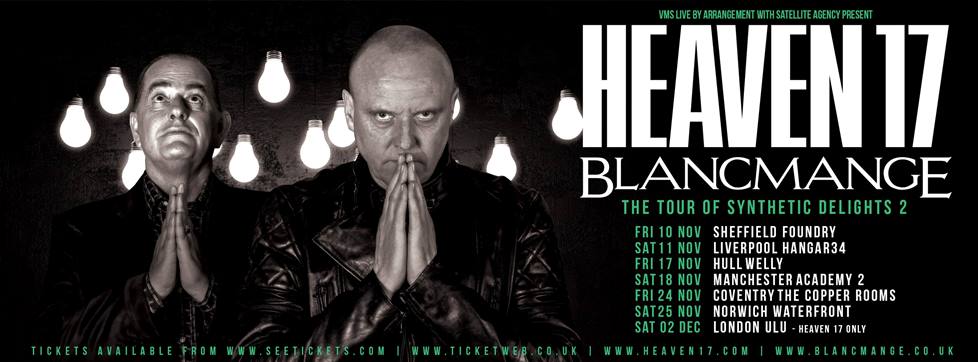
HEAVEN 17 are touring with BLANCMANGE again?

Yes, we really like each other’s company and music, so I think it’s a good match, but it was the promoter’s idea to do it. It went so well in 2014, they wanted to do it again. So that’s what we’re doing.


ELECTRICITYCLUB.CO.UK gives its grateful thanks to Martyn Ware

THE RADIOPHONIC WORKSHOP ‘Burials In Several Earths’ is released by Room 13 Records on 19th May 2017 as a double CD, 4 x 10” vinyl boxset and download
http://www.theradiophonicworkshop.co.uk/

https://www.facebook.com/theradiophonicworkshop/

Details of the forthcoming HEAVEN 17 live dates with BLANCMANGE can be found at http://www.heaven17.com/

Martyn Ware’s recently released solo album ‘Electronically Yours Classical’ is available via the usual digital outlets
https://twitter.com/martynware


Text and Interview by Chi Ming Lai
4th April 2017

A Short Conversation with MARTYN WARE

Synth trailblazers HEAVEN 17 recently won the title of ‘Sheffield’s Greatest Band of All Time’ following a public online poll conducted by local newspaper The Star.

Despite competition from DEF LEPPARD, THE HUMAN LEAGUE, ABC and ARCTIC MONKEYS, the combo founded by Martyn Ware, Ian Craig Marsh and Glenn Gregory hung on to come out victorious. Although Marsh left the fold in 2007, HEAVEN 17 are still going strong 35 years on from the release of their debut album ‘Penthouse & Pavement’. Ware and Gregory will commemorate the occasion this October with a concert tour featuring a new electronic version of the acclaimed long player.

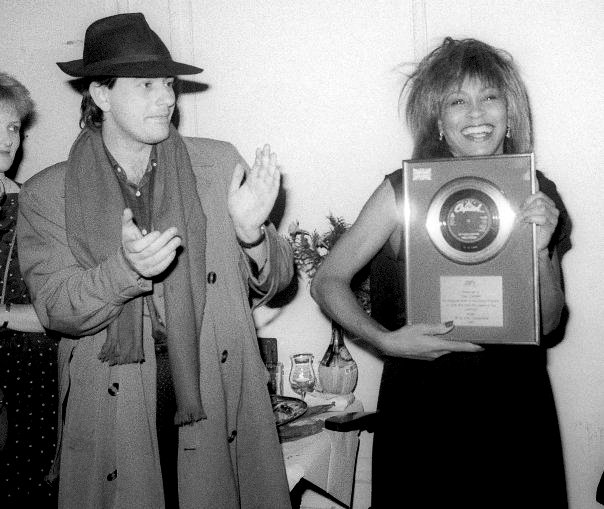
HEAVEN 17 initially began as a pop subsidiary of BEF, the production umbrella of Martyn Ware; he would go on to release an ambitious three volume series of technologically enhanced covers albums with guest vocalists. Entitled ‘Music Of Quality & Distinction’, each featured assorted favourites from Ware’s own record collection with the 1981 ‘Volume 1’ reinterpretation of ‘Ball Of Confusion’ sung by Tina Turner effectively reviving the career of The Soul Queen. As a special treat for this 2016 tour, there will be a BEF live set in the second half of the show.

Among the guest singers will be ‘Miss Beehive’ Mari Wilson, SEX PISTOLS’ Glen Matlock and Peter Hooton from THE FARM, while Glenn Gregory will also indulge in a cover or two.

In the middle of rehearsals for assorted HEAVEN 17 and BEF shows in the lead-up to the tour, Martyn Ware kindly took time out for an enlightening chat about a variety of topics including new HEAVEN 17 material, David Bowie, the pros and cons of crowdfunding plus how the major record labels are still up to their old tricks, despite (or because of) changes in the marketplace…

You’ve promised a new electronic version of ‘Penthouse & Pavement’ for this tour. What style are you going for?

We’ve been doing new versions of stuff from ‘Penthouse & Pavement’ for a while. The last time we did it in 2010 was with a full band, so as much for economic reasons as anything, we are doing it with a more stripped down electronic format.

So we’ve tried to reapproach a few of the songs in the style of the new stuff we’re writing and it will be a unique insight into where we are at the moment, kinda retro-futurist…

You said 2013 was the last BEF show, but the brand was revived and you came back at Rewind in 2015. What prompted the change of heart?

Rewind approached me and I said “over my dead body” because it was a pain in the neck organising it all. With all the artists that would be involved, I didn’t think we could make it work financially. But Rewind very kindly said “we’ll make it worth your while” so I had a change of heart. The last BEF shows in 2011 and 2013 made no money and whilst I love contributing toward the cultural health of the country, I’m not so keen on doing it at my own expense. So the change of heart was down to economics really. The production values of Rewind are very high and I like them, so if I was going to do it, it had to be at the highest level and they delivered.

Having M’s Robin Scott perform alongside his daughter Berenice, who is in the HEAVEN 17 / BEF live band, must have been a special moment?

It was amazing, what a lovely man! It was a very strange thing because it was the first time he’d performed ‘Pop Muzik’ since the 80s and its one of our all-time favourite pop songs, it’s almost the perfect pop song to be honest; we were very honoured to have Robin doing it. In the latest BEF show, Glenn is singing it.

So how did BEF end up being part of this upcoming tour?

Our agent Jack Gray, who is also our manager, asked if we’d like to do a BEF element to this year’s tour and I said I’d rather just do a HEAVEN 17 tour. He said the promoter was very keen to do it, but I wondered how we could make it work. Jack asked some people, did the sums and this is where we’re at.

Will there any BEF guests that will be specific to each night on the tour?

The nature of the tour is a specific production and won’t really mix with a support act, the BEF element will be provided by Glen Matlock, Peter Hooton and Mari Wilson. But there’s a little bit of flexibility, so we can potentially have an additional guest singer at some of the venues.

H17-pray

‘Pray’ has been an extremely well-received new HEAVEN 17 track. Can you tell me about its genesis?

We started off with doing something that was reminiscent of early HUMAN LEAGUE and wanted the beginning to sound like it could conceivably come off ‘Reproduction’ or ‘Travelogue’ instrumentally. Meanwhile, the lyrical content emerged from what was on our minds… like with ‘Five Minutes To Midnight’ on ‘How Men Are’, we were obsessed with cruise missiles and us all getting blown to smithereens.

So with ‘Pray’, conceptually it was about politics in the broadest sense of the word, but specifically feeling lost and hoping that something better is going to come along.

The second half of ‘Pray’ reminds me of ‘Young Americans’ era Bowie, particularly ‘Fascination’…

Yes, that was deliberate…

Recent events must have brought to mind when DAVID BOWIE came to see THE HUMAN LEAGUE play at The Nashville and chatted to you afterwards?

Yes, he’s been like a spirit that’s guided me.

In the wake of his demise, I put together an idea for a Bowie exhibition which I’ve since presented to The V&A and The Barbican.

It seems to have stalled a bit, but the idea is to have an exhibition based around the meaning of Bowie’s lyrics and his work in general called ‘Bowie Decoded’. The one failing as far as I could tell about the V&A show ‘David Bowie Is…’ was it was a bit shallow in some respects. It didn’t go into what I regard to be the conceptual depth of Bowie at all, it was all about the artefacts.

So I thought somebody, somewhere should do one about what Bowie means to people and how deep that connection is. Everyone has their own personal journey because Bowie left so much room for interpretation. His ideas, philosophy and artistic intention were so strong that he has been a constant presence in my life and I thought that could be articulated. So I put together a team of people who do interaction and physical exhibition work.

One of the key ideas was to create an online presence both on an app and the web where we could create a database of crowdsourced meaning for his lyrics, so making people empowered to contribute their interpretation of his songs. I don’t think it’s been done before. It would be combined together with a traditional exhibition that would tour, but there would be mechanisms for people to leave their thoughts. These things take time… The Barbican for example plans 2-3 years in advance anyway, but I’m hoping to restart this again.

‘Life On Mars’ occasionally is part of a HEAVEN 17 encore. You’re no stranger to Bowie related covers. Any more you’d like to attempt, either as HEAVEN 17 or BEF?

That’s a good question. At the recent BEF performances at Rewind, we’ve done ‘Ashes To Ashes’ with Peter Coyle from THE LOTUS EATERS singing. I’m so proud of it, it’s the best cover version we’ve ever arranged.

I honestly think if Bowie had been in the audience, he’d have loved it. We love it so much, I think we’ll do it as part of the BEF show on this tour.

With Glenn busy with HOLY HOLY and you working on the 3D commissions etc, it must be a challenge to get any new HEAVEN 17 material recorded?

Yeah, to put it bluntly! We’re never in the same place at the same time. Ideas and creativity are not an issue. We’ve recorded the next single after this one that we’re going sell on the tour. This new single is a AA side 12 inch, one side is called ‘Captured’ and the other side is ‘Unseen’.

They’re coming from the same vein as ‘Pray’, similar kind of sound and vocal palette. It sounds like HEAVEN 17! We’re happy to put our names to them, and there’s a certain kind style emerging, which wasn’t planned. It’s high production values, but incorporating the System 100 sounds together with contemporary stuff. It’s a hybrid of stuff and back to intellectually rigorous lyrics.

Are you going down towards the traditional album route?

This album is just going to be a compilation of all these AA sided 12 inchers essentially, although it might have a bonus track or something. We like the idea of keeping it to about the same length as a traditional album so it will be around 40 minutes, which means probably 10 tracks.

Both myself and Glenn have gone right off packing out a 70 minute CD for the sake of it. The quality is much more important than quantity. So we’ve got 6 tracks done, we’ve just got another 4 to write… easier said than done though. The ironic thing is though, when we do manage to write and record together, it’s quite quick because we know each other so well and trust each other’s judgement; we just get on with it.

The working title is ‘Not For Public Broadcast’, an ironic take on us not wanting to release it digitally. Actually, Glenn wants to go one step further and ban it from the radio as well, but I don’t think we’re gonna let him do that! *laughs*

Have you considered crowdfunding as an option for the new album?

We looked into this… There’s something about crowdfunding that makes both me and Glenn feel uneasy. The existing companies that do it, it’s not an immoral thing but there’s a fine line between giving fans special stuff, and milking them… if we could do the mechanism ourselves where fans support making the record in return for getting their name on the album, that simple thing could probably work for us.

But it’s this thing about “with this package, you’ll also get a piece of pubic hair and with another one, you get to sleep with the artist!”! I’m not having it… if money ties in a passion for a subject, I don’t really like it! But it’s horses for courses, people can do what they want.

I mean, we are selling VIP tickets on this tour, people get to meet us and have photos… we’d always done that for free in the past, but everybody was saying we were stupid. Because to make ends meet, we need to do this stuff, and that I’m afraid is what we have to do now to cover the cost and expense thing of a tour. That makes me feel a little bit uneasy but if people want to pay it, there’s nothing wrong with that. What I don’t like is getting people on a hook and milking it ‘til they’re dry, it’s not right!

The public generally aren’t aware of the financial traumas artists go through…

I got stung a little bit by the third BEF album… that was a big wake-up call! I put a year of my life on-and-off into doing that and then in the end, there was no money in it at all. I don’t think I wasted my time because I’m proud of the album, but there’s no money in that stuff anymore. We just have to find another way of releasing stuff from a financial point of view.

As you know, Universal Music now own our back catalogue and I’m not a big fan of them, because of this five album compilation that’s come out. It has the first three albums but also ‘Pleasure One’ and ‘Teddy Bear, Duke & Psycho’ which have been out of print for a few years; so it has some commercial value, albeit limited. We had suggested about doing a proper boxed set including all the later albums as well for a definitive HEAVEN 17 career boxed set, but Universal turned it down saying they couldn’t make any money!

But, they then sent us an email notification, not asking what we thought, but telling us about this five album compilation and actually saying in the email “this is for your information only”, ie this is happening whether you like it or not! And it’s been put out at a price of £12 for FIVE albums! Basically, if something is released as a reduced price compilation or something, under the terms of our old contract, we get paid only 60% of the royalties that are due!

So not only are they charging too low a price for our legacy, we also don’t even get paid the right amount for it! I’m not happy at all! That’s why me or Glenn haven’t been mentioning or publicising this compilation through any of the official channels!

How do you think HEAVEN 17 / BEF are covered by the mainstream and independent media now?

I think people are generally very kind to us, but there’s two sides to this. We don’t have a record company so we don’t have any access to resources like press officers. So everything we do has to come through me and Glenn. We don’t even have anybody working on our social media, me and Glenn don’t have time to service it properly but we do our best.

We can’t afford to be spending money on getting lots of mainstream press. We have some very kind people who are willing to do radio promo for virtually nothing, but we feel guilty about not paying them. So it’s difficult to get stuff in the mainstream press but what we do get is complimentary, as is our coverage online. So I’m very happy with it in general. What’s more important to us is credibility than spreading the word. It’s all about artistic freedom and control over how you’re presented to the public, we are willing to trade large scale commercial success for that.


ELECTRICITYCLUB.CO.UK gives its warmest thanks to Martyn Ware

HEAVEN 17 + BEF October 2016 tour includes:

Liverpool O2 Academy (20th October), Birmingham Town Hall (21st October), Glasgow O2 ABC (23rd October), Gateshead Sage (24th October), Sheffield City Hall (25th October), Manchester O2 Ritz (26th October), Bury St Edmunds Apex (28th October), Basingstoke Anvil (29th October), London Shepherd’s Bush Empire (30th October)

http://www.heaven17.com/

https://www.facebook.com/heaven17official/

https://www.facebook.com/BritishElectricFoundation/


Text and Interview by Chi Ming Lai
15th August 2016

« Older posts Newer posts »