Author: electricityclub (Page 110 of 440)

“I don’t like country & western, I don’t like rock music… I don’t like rockabilly! I don’t like much really do I? But what I do like, I love passionately!!”: CHRIS LOWE

“Good taste is exclusive”: NICK RHODES

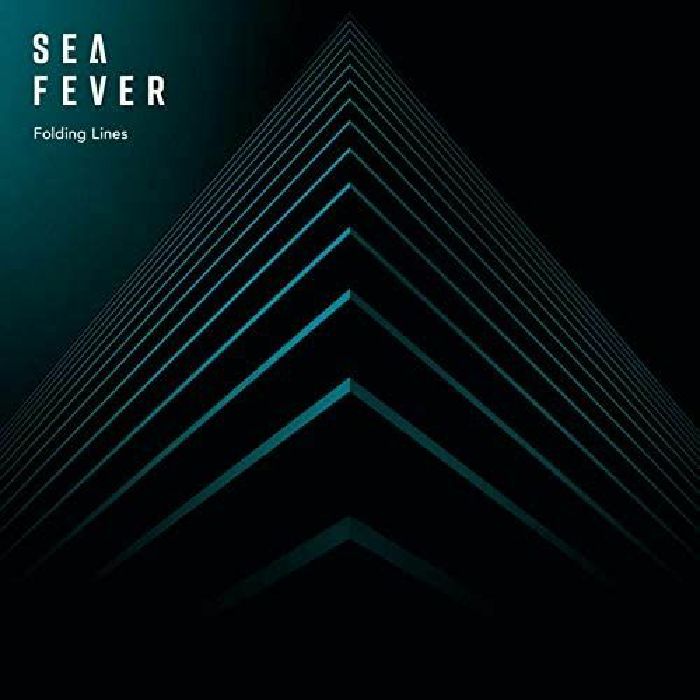
SEA FEVER Folding Lines

Manchester, so much to answer for…

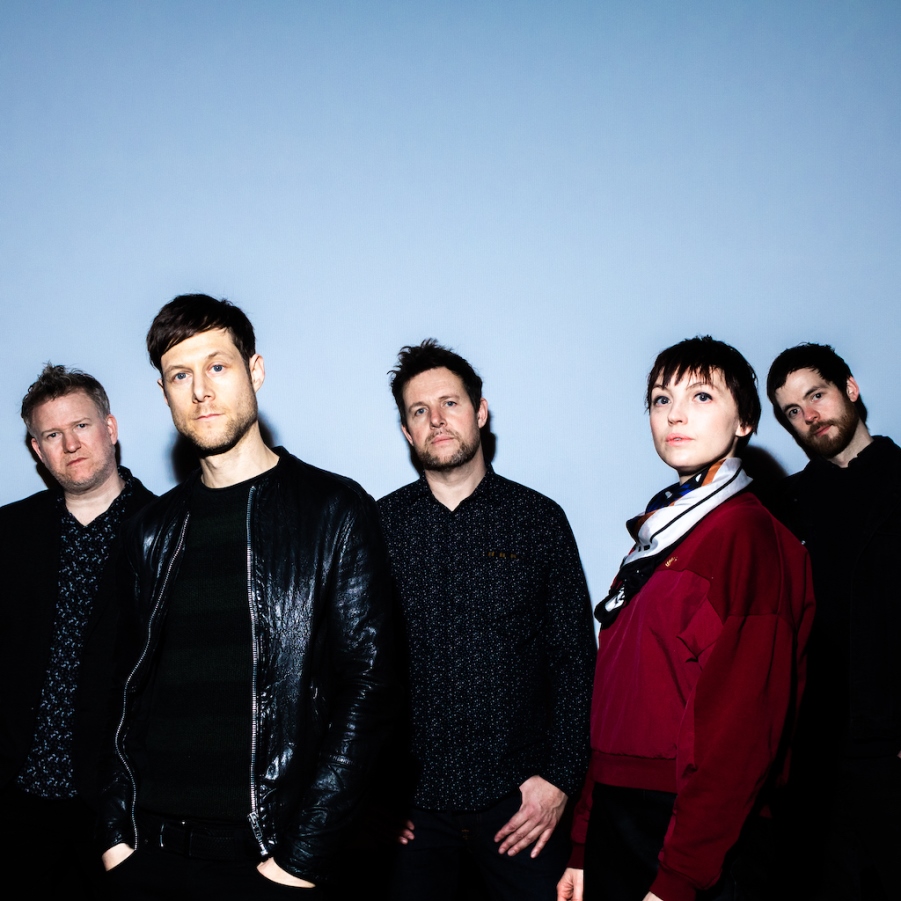
SEA FEVER are a new but seasoned quintet whose musical family trees link up through their various associations with some of the city’s best known bands such as NEW ORDER, THE SMITHS, SECTION 25 and THE FALL.

Comprising of Iwan Gronow, Beth Cassidy, Tom Chapman, Phil Cunningham and Elliot Barlow, their debut album ‘Folding Lines’ is the sound of a band instinctively working together, exploring the music that has inspired each band member to merge into a new whole.

Aiming to explore new sounds and unusual instrumentations, examples of this approach come with the sombre indie rock of ‘Crossed Wires’ where Phil Cunningham’s guitar sounds are played through one of Tom Chapman’s synths and ‘Built To Last’ which uses a string quartet to complement the virtual orchestra sound.

Similarly filmic, ‘The Finder’ takes inspiration from the soundtracks of Bernard Hermann, Georges Delerue, Ennio Morricone and Ryuichi Sakamoto, while a hammered dulcimer makes an appearance to add tension and mood to the dual vocalled ‘Folding Lines’ title track.

‘Under Duress’ also exudes a particularly expansive sound with electronics, strings and anthemic vocal lines like Björk’s ‘Homogenic’ meeting a modern Mancunian Spaghetti Western soundtrack, while the buzzing electronically assisted indie rock of ‘Afterthought’ is equally spirited.

Two of the album’s best songs are tightly electronically driven; ‘De Facto’ is a delightful indie-disco feast with an adrenalin rush guaranteeing dancefloor satisfaction. Meanwhile cut from a similar cloth, the slightly less frantic ‘Le Coup’ sees Beth Cassidy take the lead vocal over a blend of many Mancunian club influences.

Closing with a choir on ‘Programme Your Life’ recorded at the Royal Northern School of Music in Manchester alongside woodwinds and strings, ‘Folding Lines’ is an eclectic collection of music showcasing no particular sound or feel other than being SEA FEVER.

If you a fan of any of the bands that SEA FEVER are linked with, you will be sure to love at least 3-4 tracks. Although all the members have other bands to return to, album number two has already been written, so more is to come…


‘Folding Lines’ is released by Kartel Records on 22nd October 2021 in vinyl LP, CD and digital formats – pre-order from https://seafever.lnk.to/foldinglines

SEA FEVER play Manchester Night & Day Cafe on 22nd October and London Rough Trade East on 29th October 2021

https://seafeverband.com/

https://www.facebook.com/seafeverband

https://twitter.com/SeaFeverBand

https://www.instagram.com/SeaFeverBand/


Text by Chi Ming Lai
Photo by Anthony Harrison
17th October 2021

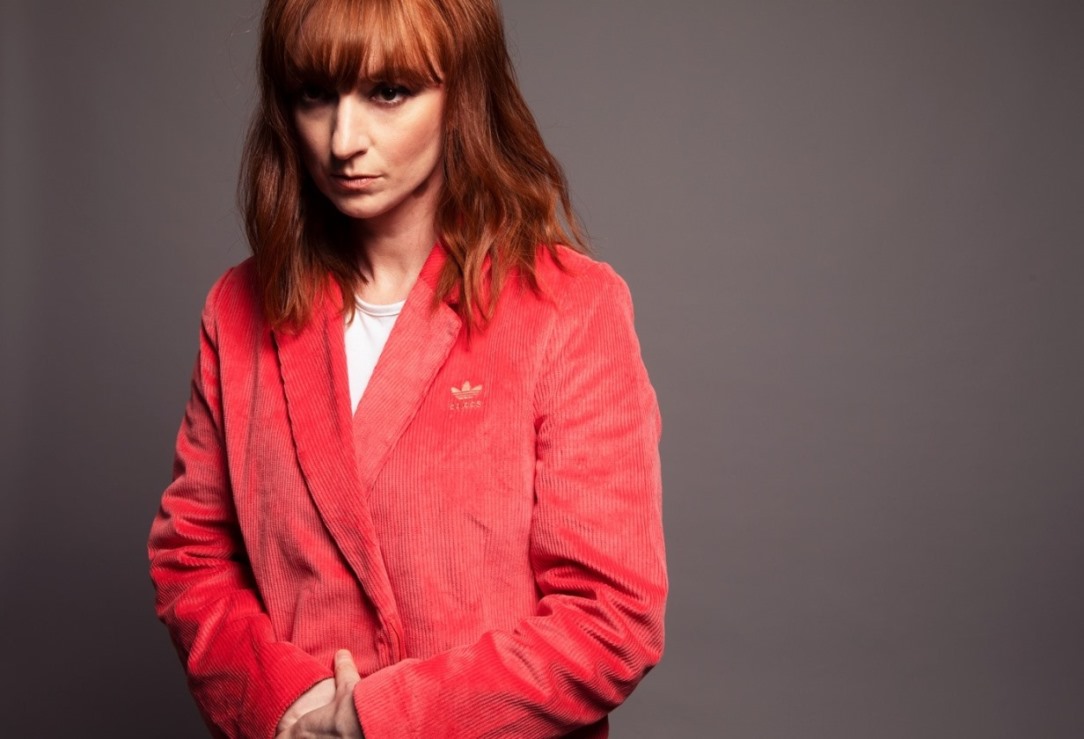
LONELADY (There Is) No Logic


Hailing from Manchester, LONELADY released her first album ‘Nerve Up’ on Warp Records in 2010.

The nom de théâtre of songwriter and multi-instrumentalist Julie Campbell, her influences include post-punk, funk and electronic pop. Her stark urgent sound came from initially working with basic tools such an 8-track cassette recorder, Fender Telecaster, and Yamaha keyboard which triggered invention through enforced economy.

Embracing the funk, LONELADY’s second album ‘Hinterland’ came out in 2015 with the scratchy ‘Bunkerpop’ acting as kind of manifesto statement. She came to the attention of John Foxx and recorded a cover of ‘030’ from ‘Metamatic’ for the officially sanctioned ‘He’s A Liquid’ tribute EP saying “I live in a high-rise right next to a dual carriageway, so John Foxx’s music makes a lot of sense to me”.

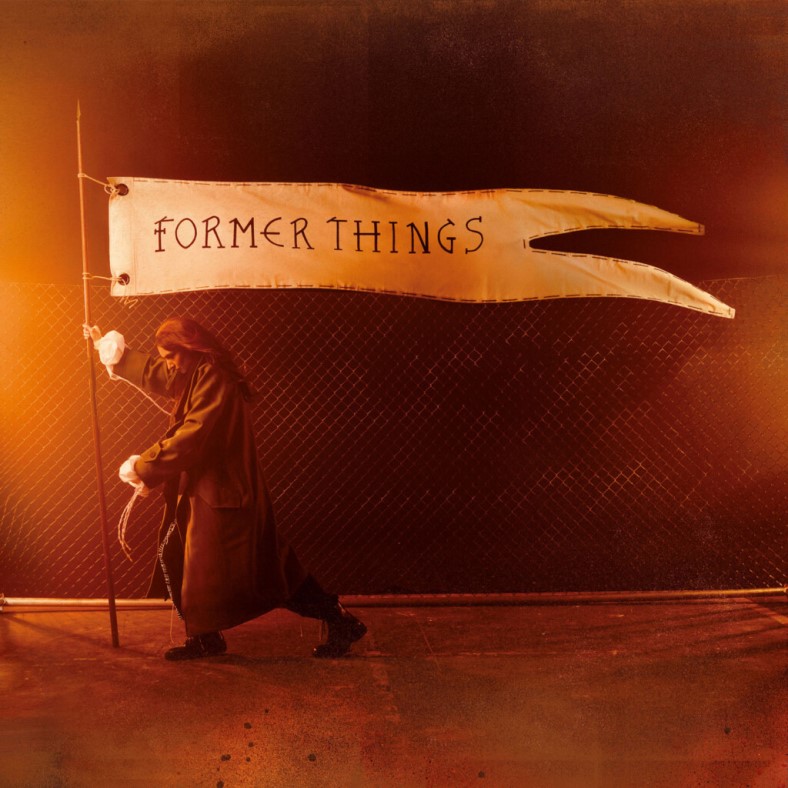
Recorded in a basement bunker beneath Somerset House in London and released earlier in the summer, the third LONELADY album ‘Former Things’ saw an increased use of drum machines, sequencers and synths (particularly the ARP Odyssey and Korg MS10) in a lively but mournful eulogy to the lost golden age of childhood and youth.

Following opening for NEW ORDER, LONELADY was invited to perform ‘(There Is) No Logic’ on the BBC’s ‘Later… with Jools Holland’; the song itself is one of the highlights on ‘Former Things’, a hypnotic blippy slice of industrial funk which while adopting soulful Trans-Atlantic forms, is distinctly English in its art punk presentation, recalling CABARET VOLTAIRE and ‘Sensoria’ in particular.

Filmed in the desolate grandeur of Brunswick Mill where JOY DIVISION were captured for their ‘Love Will Tear Us Apart’ video, the charismatic performance also features James Field on electronic drums and Kendra Frost of KITE BASE on synths.

‘Former Things’ is without doubt, the most immediate and accessible LONELADY album yet. Previous single ‘Fear Colours’ crosses PRINCE with TALKING HEADS while using a LinnDrum and a straightforward synthbass pattern for its backbone, ‘Time Time Time’ is a passionate slice of post-punk funk featuring a Korg Triton given to Campbell by Brian Eno. Driven by a distant rhythm unit, ‘The Catcher’ takes on a sombre disposition despite the classic electro groove while the title song brings in hushed disco vibes.

As well as an upcoming European tour, LONELADY’s affinity with CABARET VOLTAIRE is taken to the next level in new collaboration with Stephen Mallinder and WRANGLER bandmate Benge for a six track mini-album ‘Clinker’ with the first preview track ‘Camouflage’ recalling A CERTAIN RATIO.

Out on Les Disques du Crepuscule, the project actually began a few years but the various commitments of the trio saw the recordings exiled on a hard drive until now.


‘(There Is) No Logic’ is from the album ‘Former Things’ released by Warp Records in CD, vinyl LP and digital formats

‘Clinker’ as Campbell Mallinder Benge is released by Les Disques du Crepuscule in vinyl and digital formats from https://lesdisquesducrepuscule.com/clinker_twi1256.html

LONELADY 2022 UK + European tour dates:

Hebden Bridge Trades Club (14 January), Liverpool 24 Kitchen Street (15 January), Sheffield Record Junkee (16 January), Birmingham Hare & Hounds (17 January), Paris Le Hasard Ludique (19 January), Ghent Charlatan (20 January), Hamburg Headcrash (22 January), Berlin Kantine am Berghain (23 January), Cologne Blue Shell (24 January), Amsterdam Paradiso Kleine Zaal (25 January), Cambridge Junction 2 (27 January), Cardiff Clwb Ifor Bach (28 January), Southampton The Joiners (29 January), Norwich Arts Centre (30 January), Nottingham Bodega (1 February), Edinburgh The Mash House (2 February), Glasgow Audio (3 February), Dublin The Grand Social (15 February), Ulster Sports Club (16 February)

https://lonelady.co.uk/

https://www.facebook.com/LoneLady

https://twitter.com/LoneLadyHQ

https://www.instagram.com/loneladyhq/


Text by Chi Ming Lai
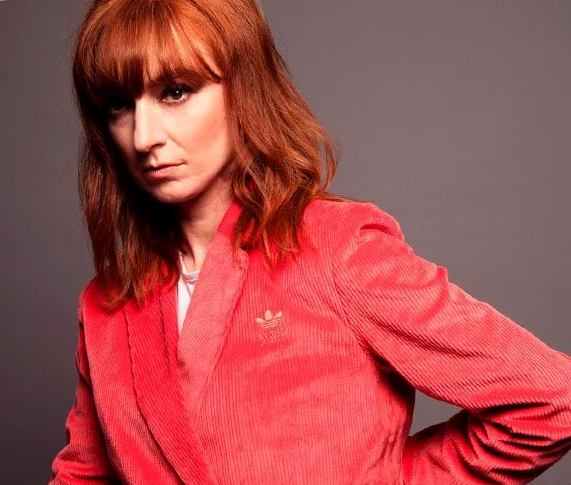
Photos by Alex Hurst
15th October 2021

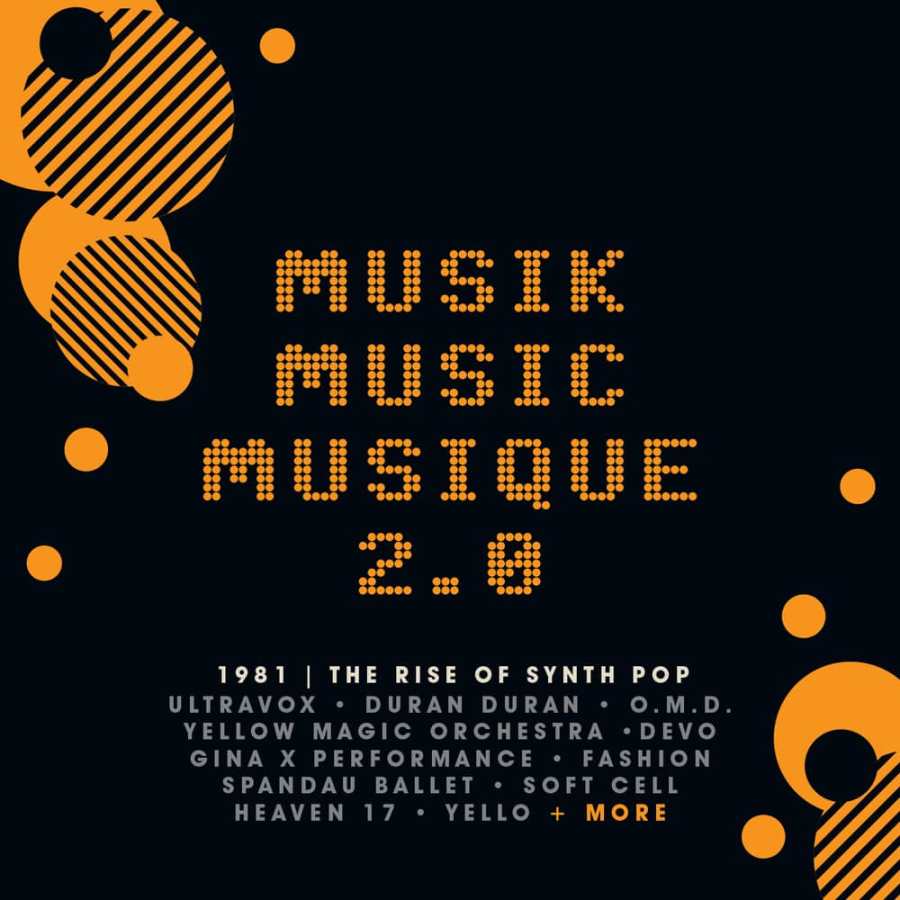
MUSIK MUSIC MUSIQUE 2.0 1981 | The Rise Of Synth Pop

1981 is the year covered by the second instalment of Cherry Red’s ‘Musik Music Musique’ series.

1980 was something of a transition year for the synth as it knocked on the door of the mainstream charts but by 1981, it was more or less let in with welcome arms. From the same team behind the ‘Close To The Noise Floor’ compendiums and the most excellent ‘Electrical Language’ boxed set, ‘Musik Music Musique 2.0 1981 – The Rise Of Synth Pop’ presents rarities alongside hits and key album tracks from what many consider the best year in music and one that contributes the most to the legacy of electronic music in its wider acceptance and impact.

Featuring HEAVEN 17  with ‘(We Don’t Need This) Fascist Groove Thang’, OMD with ‘Souvenir’ and the eponymous single by VISAGE, these songs are iconic 1981 canon that need no further discussion. Meanwhile the longevity of magnificent album tracks such as ‘Frustration’ by SOFT CELL and ‘I Remember (Death In The Afternoon)’ by ULTRAVOX can be summed by the fact that they have featured in 21st Century live sets alongside their parent acts’ hits.

Although not quite as celebrated, ‘You Were There’ from pastoral second John Foxx long player ‘The Garden’ captures the move from stark JG Ballard imagery to something almost romantic. DEVO are represented by the LinnDrum driven ‘Through Being Cool’, the opener of the ‘New Traditionalists’ album which comes as a statement that the mainstream was their next target; the Akron quintet were one of the many acts signed by Virgin Records as the label focussed on a synth focussed takeover that ultimately shaped the sonic landscape of 1981.

Then there’s TEARS FOR FEARS’ promising debut ‘Suffer The Children’ in its original synthier single recording and The Blitz Club favourite ‘Bostich’ from quirky Swiss pioneers YELLO. Another Blitz staple ‘No GDM’ from GINA X PERFORMANCE gets included despite being of 1978 vintage due to its first UK single release in 1981. The use of synth came in all sorts of shapes and FASHIØN presented a funkier take with ‘Move Øn’ while the track’s producer Zeus B Held took a more typically offbeat kosmische approach on his own ‘Cowboy On The Beach’.

Pivotal releases by JAPAN with the ‘The Art Of Parties’ (here in the more metallic ‘Tin Drum’ album version) and A FLOCK OF SEAGULLS ‘(It’s Not Me) Talking’ highlight those bands’ then-potential for mainstream success. But in the battle of the New Romantic boy bands, the sitar tinged DURAN DURAN B-side ‘Khanada’ easily blows away the SPANDAU BALLET album track ‘Reformation’ in an ominous sign as to who would crack it biggest worldwide.

The great lost band of this era, B-MOVIE issued the first of several versions of ‘Nowhere Girl’ in December 1980 on Dead Good Records and its inclusion showcases the song’s promise which was then more fully realised on the 1982 Some Bizzare single produced by the late Steve Brown although sadly, this was still not a hit.

The best and most synth flavoured pop hits from the period’s feisty females like Kim Wilde and Toyah are appropriate inclusions, as is Hazel O’Connor’s largely forgotten SPARKS homage ‘(Cover Plus) We’re All Grown Up’. But the less said about racist novelty records such as ‘Japanese Boy’ by Aneka, the better… the actual nation of Japan though is correctly represented by their most notable electronic exponents YELLOW MAGIC ORCHESTRA with ‘Cue’ from ‘BGM’, the first release to feature the Roland TR808 Rhythm Composer.

With these type of boxed sets, it’s the less familiar tracks that are always the most interesting. As the best looking member of TANGERINE DREAM, Peter Baumann had a crack at the single charts with the catchy Robert Palmer produced ‘Repeat, Repeat’ while former Gary Numan backing band DRAMATIS are represented by ‘Lady DJ’ although its epic A side ‘Ex Luna Scientia’ would have equally merited inclusion. But BEASTS IN CAGES who later became HARD CORPS stand out with the stark dystopia of ‘Sandcastles’.

The one that “should-have-been-a-pop-hit” is the ABBA-esque ‘I Can’t Hold On’ by Natasha England and it’s a shame that her career is remembered for a lame opportunistic cover of ‘Iko Iko’ rather than this, but the delightful ‘Twelfth House’ demonstrates again how under-rated Tony Mansfield’s NEW MUSIK were, and this with a B-side!

The rather fraught ‘Wonderlust’ by THE FALLOUT CLUB captures the late Trevor Herion in fine form on a Thomas Dolby produced number with a dramatic Spaghetti Western flavour that is lushly sculpted with electronics. Over a more sedate rhythm box mantra, ‘Love Moves In Strange Ways’ from BLUE ZOO swirls with a not entirely dissimilar mood.

Mute Records founder Daniel Miller was breaking through with his productions for DEPECHE MODE in 1981, but representation on ‘Musik Music Musique 2.0’ comes via the colder austere of ‘Science Fiction’ by Alan Burnham. ‘West End’ by Thomas Leer adds some jazzy freeform synth soloing to the vocal free backdrop, while ‘Surface Tension’ from ANALYSIS is an appealing instrumental.

The strangely accessible weirdness of Chris & Cosey’s ‘This Is Me’, MYSTERY PLANE’s ‘Something To Prove’ and the gritty ‘Brix’ from PORTION CONTROL will delight those more into the leftfield, while AK-47’s ‘Stop! Dance!’, the work of Simon Leonard (later of I START COUNTING and KOMPUTER fame) is another DIY experiment in that aesthetic vein.

Some tracks are interesting but not essential like Richard Bone’s ‘Alien Girl’ which comes over like an amusing pub singer SILICON TEENS, Johnny Warman’s appealing robopop on ‘Will You Dance With Me?’ and the synth dressed New Wave of ‘Close-Up’ by THOSE FRENCH GIRLS. For something more typically artschool, there’s the timpani laden ‘Taboos’ by THE PASSAGE and SECOND LAYER’s screechy ‘In Bits’.

More surprising is Swedish songstress Virna Lindt with her ‘Young & Hip’ which oddly combines showtune theatrics with blippy synth and ska! The set ends rather fittingly with Cherry Red’s very own EYELESS IN GAZA with the abstract atmospherics of ‘The Eyes Of Beautiful Losers’ although they too would eventually produce their own rousing synthpop statement ‘Sunbursts In’ in 1984.

Outside of the music, the booklet is a bit disappointing with the photos of OMD, TEARS FOR FEARS, HEAVEN 17, B-MOVIE and a glam-bouffanted Kim Wilde all coming from the wrong eras. And while the liner notes provide helpful information on the lesser known acts, clangers such as stating Toyah’s ‘Thunder In The Mountains’ was from the album ‘The Changeling’ when it was a standalone 45, “GONG’s Mike Hewlett” and “memorable sleeve designs by Malcolm Garrett’s Altered IMaGes” do not help those who wish to discover the origins of those accumulated gems.

But these quibbles aside, overall ‘Musik Music Musique 2.0’ is a good collection, although with fewer rare jewels compared with the first 1980 volume which perhaps points to the fact that those who had the shine to breakthrough actually did… 40 years on though, many of those hit making acts (or variations of) are still performing live in some form.

Was 1981 the most important year in synth as far becoming ubiquitous in the mainstream and hitting the top of the charts internationally? With VISAGE’s ‘Fade To Grey’ becoming a West German No1 in Spring 1981 through to SOFT CELL taking the summer topspot in the UK and culminating in THE HUMAN LEAGUE eventually taking ‘Don’t You Want Me?’ to No1 in the US, the sound of synth had done its job. Setting the scene for 1982 and 1983, further editions of ‘Musik Music Musique’ are planned.


‘Musik Music Musique 2.0 1981 – The Rise Of Synth Pop’ is released by Cherry Red on 15th October 2021 as a 3CD boxed set

https://www.cherryred.co.uk/product/musik-music-musique-2-0-the-rise-of-synth-pop-3cd-clamshell-box/


Text by Chi Ming Lai
12th October 2021

ALICE HUBBLE + HATTIE COOKE Live at Folklore

Photo by Chi Ming Lai

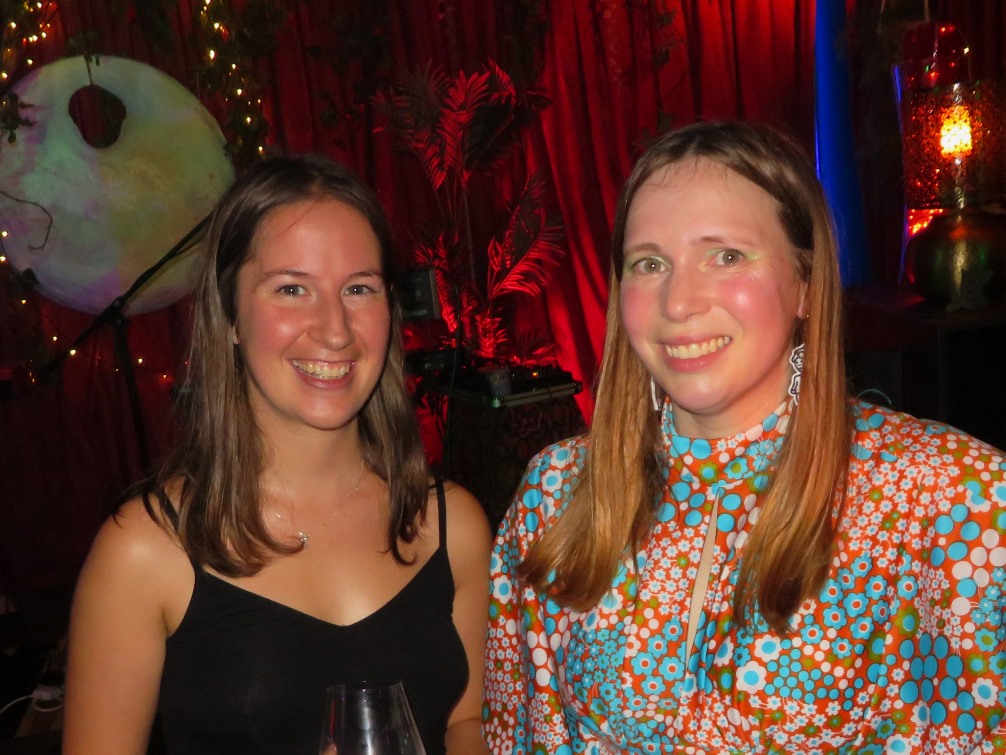
At Folklore in London’s trendy Hoxton district, promoter Baba Yaga’s Hut gathered two of the UK’s most talented synth ladies for an intimate evening of live performance.

While both exhibit an earthy plaintive approach vocally, technologically they sit at quite different sides of the spectrum.

For Alice Hubble, the analogue warmth of vintage keyboards has always been a key DNA constituent of her sound.

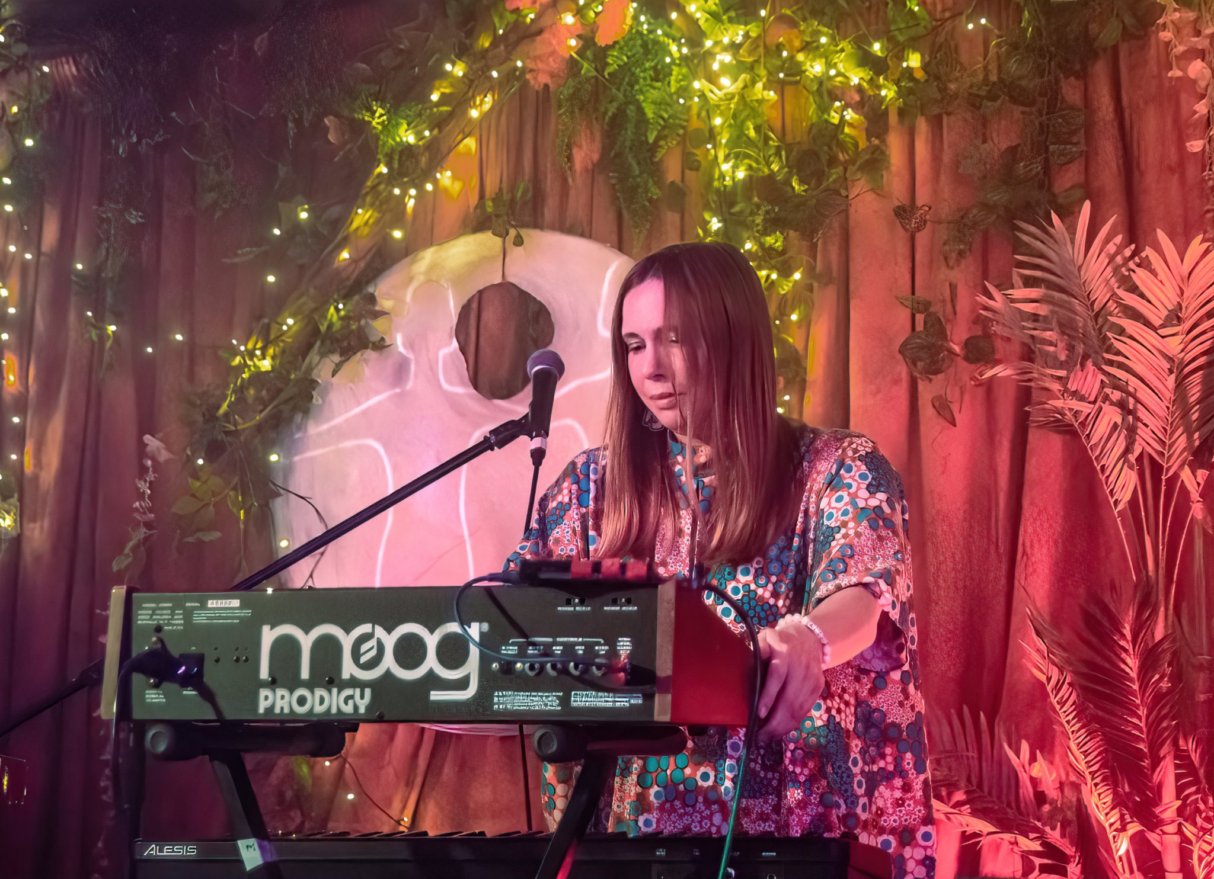
To launch her second solo long player ‘Hexentanzplatz’, she had her trusty Moog Prodigy as part of an expanded live set-up also featuring Tom Hilverkus on the small but mighty Yamaha Reface CS mini-keyboard and Nord Lead 3. But for Hattie Cooke who uses just GarageBand for her take on synth, it was a MacBook with backing tracks and lyrics that augmented her first live performance for over two years. Hailed as one of the best new talents in Britain, despite the release of her third album ‘Bliss Land’, she had never played live in the capital before.

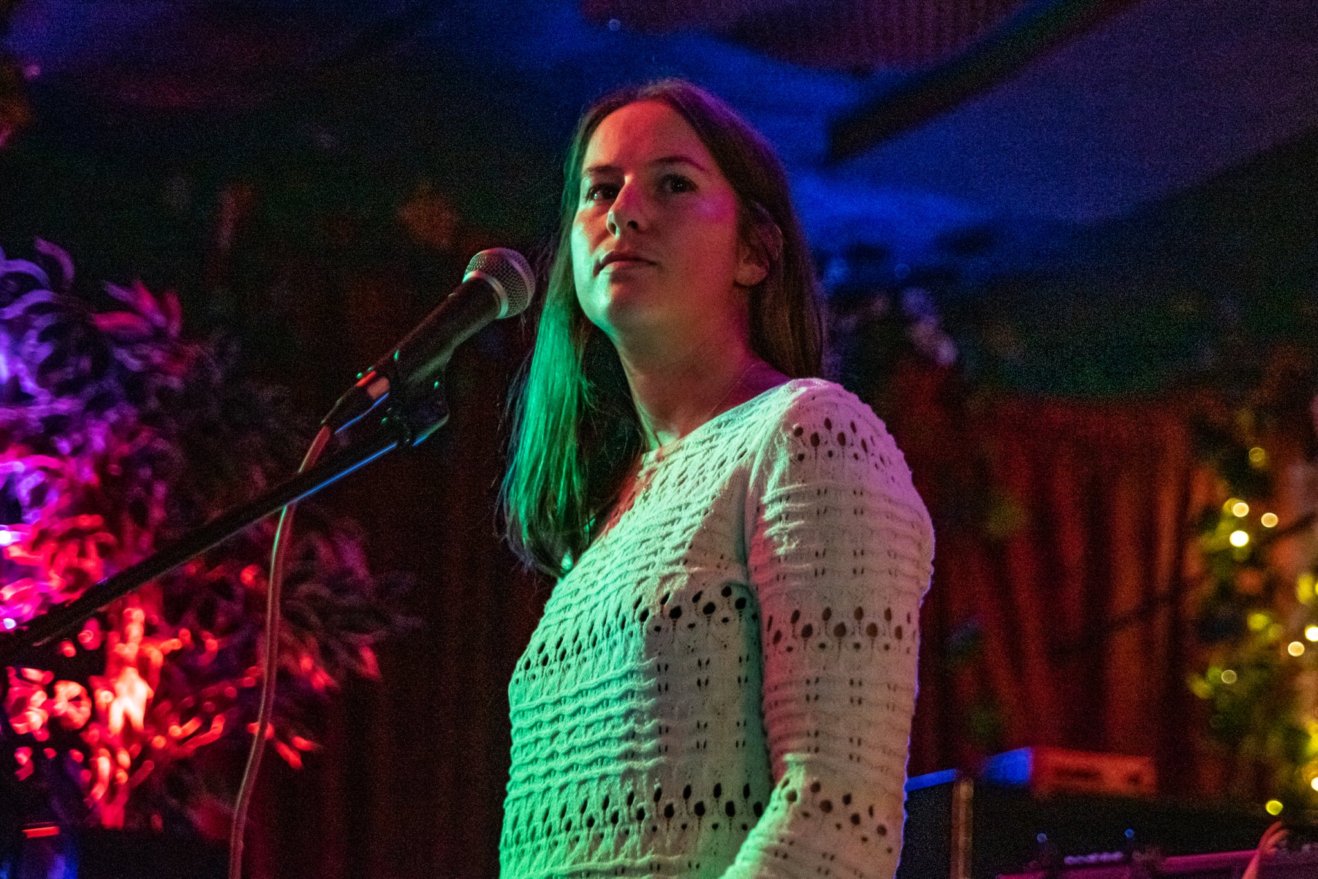
Beginning with a sat down solo guitar take of ‘One Foot Out The Door’, a tinge of folk illustrated its roots but also how it was more or less structured before electronic textured for ‘Bliss Land’. Standing up after this sedate start, Hattie got upbeat and electronic with the glorious ‘I Get By’, a song that wouldn’t sound out of place in the Italians Do It Better catalogue. She amusingly added that her more recent electronic pop material was “less suicidal” than her previous work; “I’ve always been a hoot” she quipped, “but I wasn’t so happy back then…” – the forlorn strum of the semi-ironic ‘Happy Today’ from her self-titled debut record was a sign of how far she had moved on.

Photo by Adrian Hextall

Cooke promised jokes and her one about Dr Who having Dalek bread as a side order to pizza highlighted her charm. Although tinged with melancholy, songs such as drum machine dominated ‘Lovers Game’ and the much sparser ‘Summer Time’ use appealing arrangements that harmonise well with her voice.

Her focus on writing songs first has set her apart from the boys with their toys whose equipment is used as the excuse for the songs rather than the other way round.

The mechanised tension ‘Mistaken’ offered Hattie’s own quirky interpretation of a dancefloor filler before closing with the reflective ‘Youth’. Although Hattie Cooke has more aurally expansive in her productions, she might have benefitted from undertaking some live synth soloing during the instrumental sections as she looked slightly lost during these moments; in her delightful stage banter, she did admit to forgetting to pack the correct lead for it. There is room for improvement in the live presentation so as her audiences grow, she could do a lot worse than to follow the lead of the evening’s headliner.

Alice Hubble opened her longest live set to date with the watery wash of ‘West Reservoir’, while visually enhanced by shades of misty red and billowing smoke. The wonderful ‘My Dear Friend’ provided a touching ode to Alice’s late parents while the synthetic glam of ‘Kick The Habit’ was boosted by bursts of the Prodigy, the synth, not the band; this classic Moog also provided some further elegiac resonance to ‘Goddess’, a number that became a favourite of BBC 6 Music’s Steve Lamacq at the time of its release in 2019.

Photo by Adrian Hextall

Dreamy Mellotron tines and more Moog Prodigy bedded the rousing indie synthpop of ‘Projections’, the undoubted standout of the ‘Hexentanzplatz’ opus, while the strident title track and ‘Power Play’ pointed to the weightier developments in the Alice Hubble sound, both musically and lyrically.

The progressively constructed ‘Still’ from ‘Polarlichter’ came over as spacey as ever before the motorised soundscape of ‘Gliechfalls’ acted as an exhilarating cosmic jam to finish.

One notable absentee from the set was ‘We Are Still Alone’, the best song on ‘Polarlichter’ and its presence would have been more preferable to the lengthy instrumental ‘Atlantis Palm’ which although a beautiful album track, unnecessarily stalled momentum mid-show. But minor quibbles aside, it was an entertaining show that even prompted energetic dancing from a young hipster couple new to Alice Hubble and who enthusiastically visited the merch stand afterwards.

Electronic pop may not ever hit the mainstream heights of 1981 again although four decades on, its understated feminine variant is making its presence felt in the enchanting songs of Alice Hubble and Hattie Cooke.


Alice Hubble’s ‘Hexentanzplatz’ is released by Happy Robots Records in vinyl LP and digital formats, available from https://happyrobotsrecords.bandcamp.com/album/hexentanzplatz

https://www.happyrobots.co.uk/alice-hubble

https://www.facebook.com/alicehubblemusic/

https://twitter.com/alice_hubble

https://www.instagram.com/alice_hubble/

Hattie Cooke’s ‘Bliss Land’ is released by Castles In Space in CD, red vinyl LP and digital formats, available from https://hattiecooke.bandcamp.com/album/bliss-land-2

https://www.patreon.com/Hattiecooke

https://www.facebook.com/hattiecookemusic

https://twitter.com/hattiecooke

https://www.instagram.com/hattiecookemusic/


Text by Chi Ming Lai
9th October 2021

FIAT LUX: The Twisted Culture Interview

2019 was something of a treat for long standing FIAT LUX fans.

Having reformed to celebrate the 35th anniversary of their formation with the release of ‘Secrets 2017’, things went well enough to record an album ‘Saved Symmetry’ which was to be their debut in the long playing format. But interest in the band whose only previously released body of work had been the ‘Hired History’ EP in 1984 on Polydor saw Cherry Red license a long awaited reissue in a double CD package with the shelved but intended debut album ‘Ark Of Embers’ from 1985.

Sadly, Ian Nelson who passed away in 2006 did not get to see his co-creation see the light of day, but vocalist Steve Wright and instrumentalist David P Crickmore took FIAT LUX back into the live arena with Will Howard taking over from their departed friend, beginning with a triumphant show at St Clements C of E Church in Bradford.

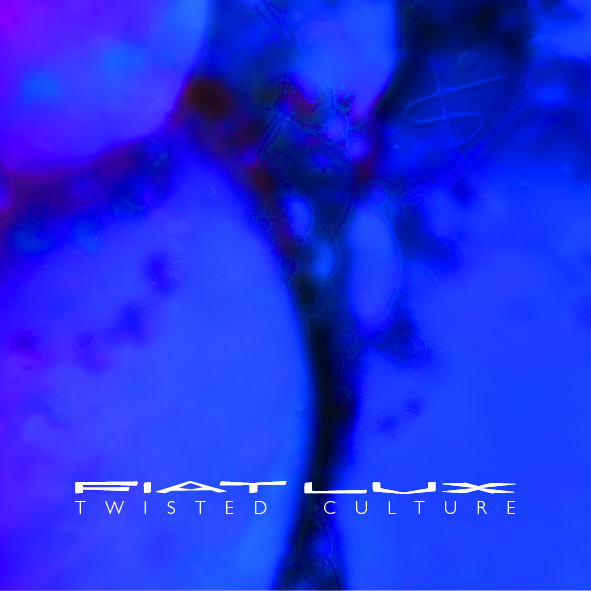
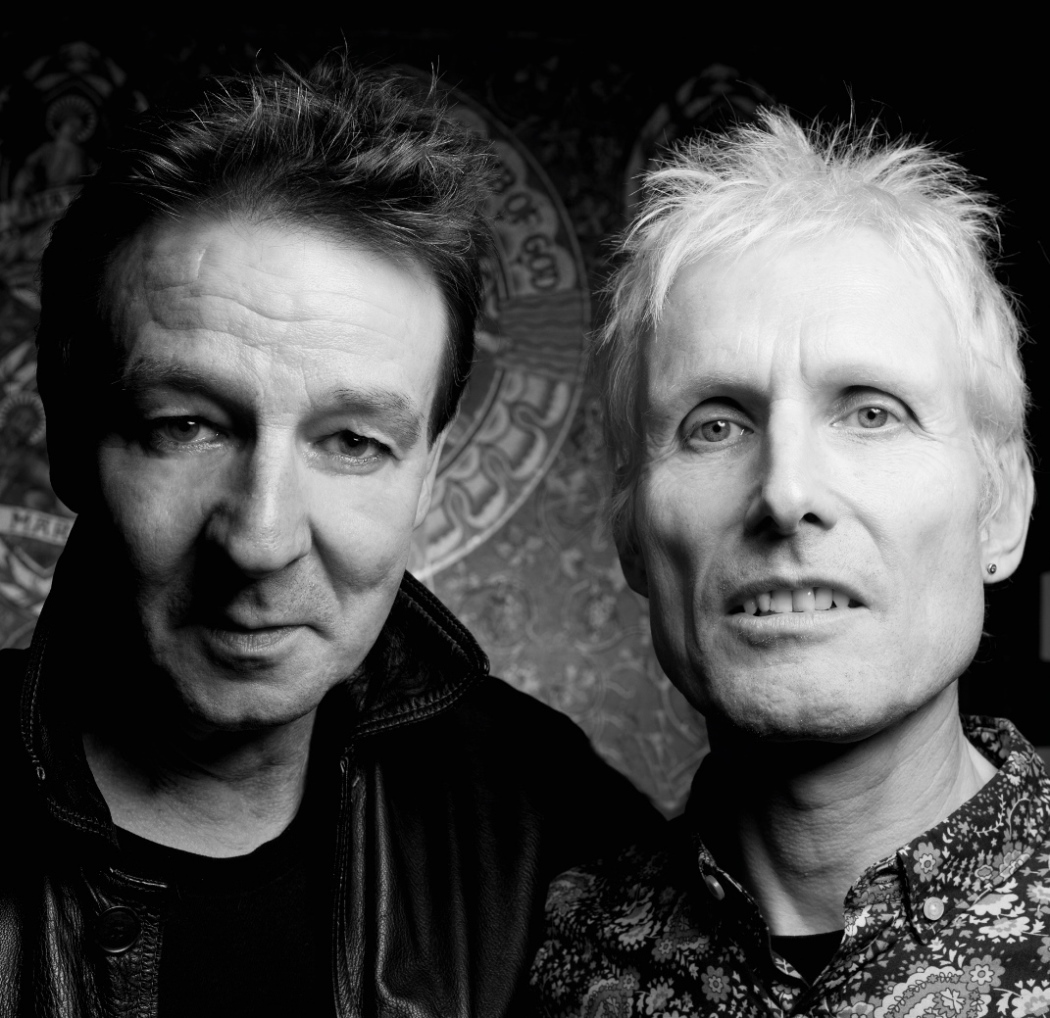
Despite their momentum being stalled by the worldwide pandemic, FIAT LUX have kept busy and are about to unleash their next album entitled ‘Twisted Culture’. Steve Wright and David P Crickmore spoke to ELECTRICITYCLUB.CO.UK about its creation…

2019 was a year in which FIAT LUX re-established itself with two albums and live shows after an absence 35 years, how do you look back on it?

David: It was a bit like a rebirth, all coming as it did in that one year. First our decision to get a new record off the ground, closely followed by the long awaited reissuing of all our back-catalogue by Universal and Cherry Red.

Steve: If all that wasn’t a good reason to attempt some live dates I don’t know what was!
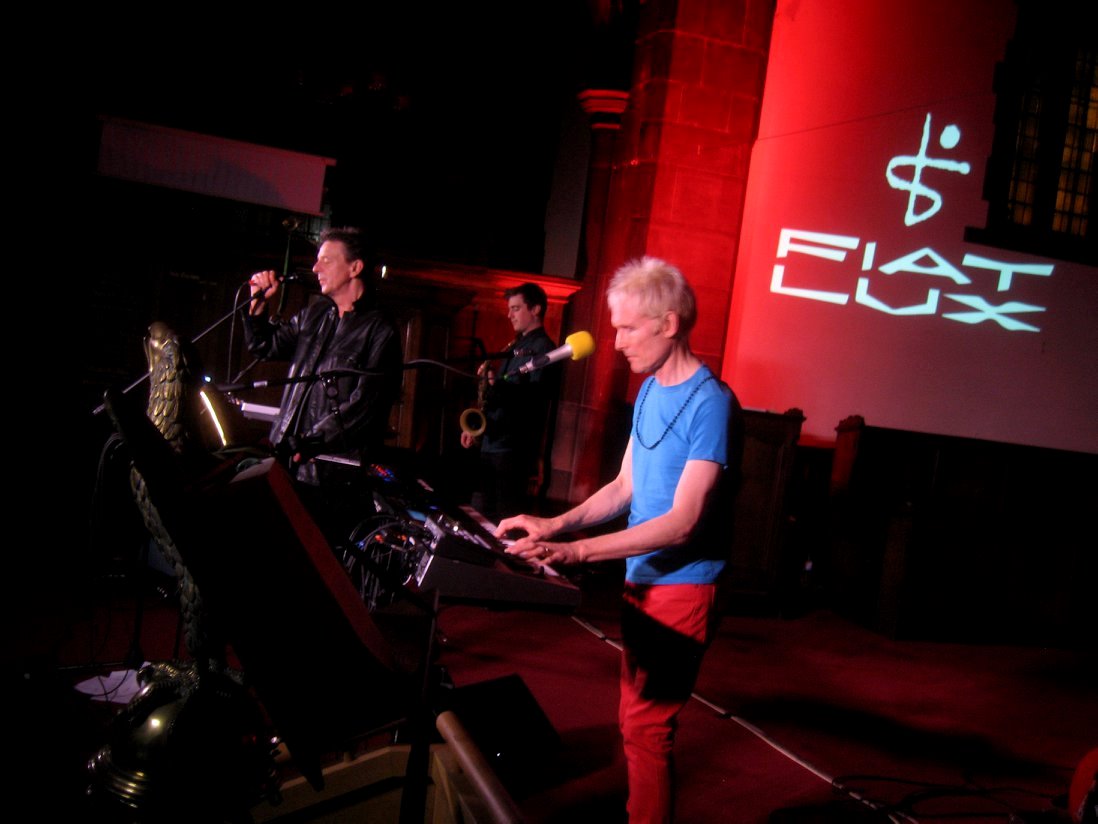
Your kids were watching you in Bradford at St Clements C of E Church, what was it like for them? Did they give you feedback?

Steve: I don’t think they knew what to expect but at the end they were extremely proud of everything apart from their Dad dancing. They weren’t alive when FIAT LUX was first active and I don’t think they expected the huge support from the audience that we got and the number of people who came from all over the country and abroad to watch.

David: My children, being slightly younger at the time, were more keen to work on the merch stand!

Did you have a particular moment at St Clements C of E Church where you thought “It’s good to be back, I want to do more of this”?

David: Definitely. When I flunked the opening of ‘Secrets’ on the keyboard. I thought “we need another gig or two to get this right”. Ha ha!

It must have been quite deflating that the momentum was halted by world events in 2020?

Steve: Indeed. Thwarted by circumstances – just like in 1984 when the miners’ strike killed off our video for ‘Blue Emotion’ because of the political repercussions of representing the workers’ rights at the time!

From the new album, the song ‘It Wasn’t Supposed To Be Now’ perhaps sums things up?

David: Yes, that’s all about how in different times of your life something can come along that knocks you sideways when you least expect it.

Steve: Certainly Covid has done that to everybody, many to a much greater extent than us humble musicians.

‘(How Will We Ever) Work This Way’ is another song capturing the zeitgeist although this was more or less finished before the lockdown?

David: It was pretty much done, but we adapted it slightly to make more of the dilemma everyone faced at the time making more of the prevailing sentiment: “what do we do now?”
How far had ‘Twisted Culture’ progressed with writing and production before lockdown happened, how did you approach the album’s completion?

Steve: The album was half done, we knew the direction but, as it says in the sleeve, it had to be completed in “various boltholes” rather than in the studio.

David: Will suffered this most as he hadn’t done any sax parts before the lockdown. I had to leave a suitable microphone and recording device on his doorstep and retreat a safe distance whilst he picked it up. All his parts were done at home, based on my keyboard guide parts.

They are some more directly electronic and even dance-inspired tracks than there were on ‘Saved Symmetry’ like ‘Basement City Living’ and ‘Tighter’, had this been a conscious move?

David: Part of the FIAT LUX soup has always been a dance / funkelectronic element. It’s there from our earliest times.

Steve: Although ‘Saved Symmetry’ might not have been full of them, one of its most successful tracks from it as a single was ‘It’s You’.

David: Also I heard somewhere that, during the pandemic, the BPM of all the popular songs increased a lot – maybe we were subconsciously affected?
Had you used any new synths or tech that you hadn’t incorporated before?

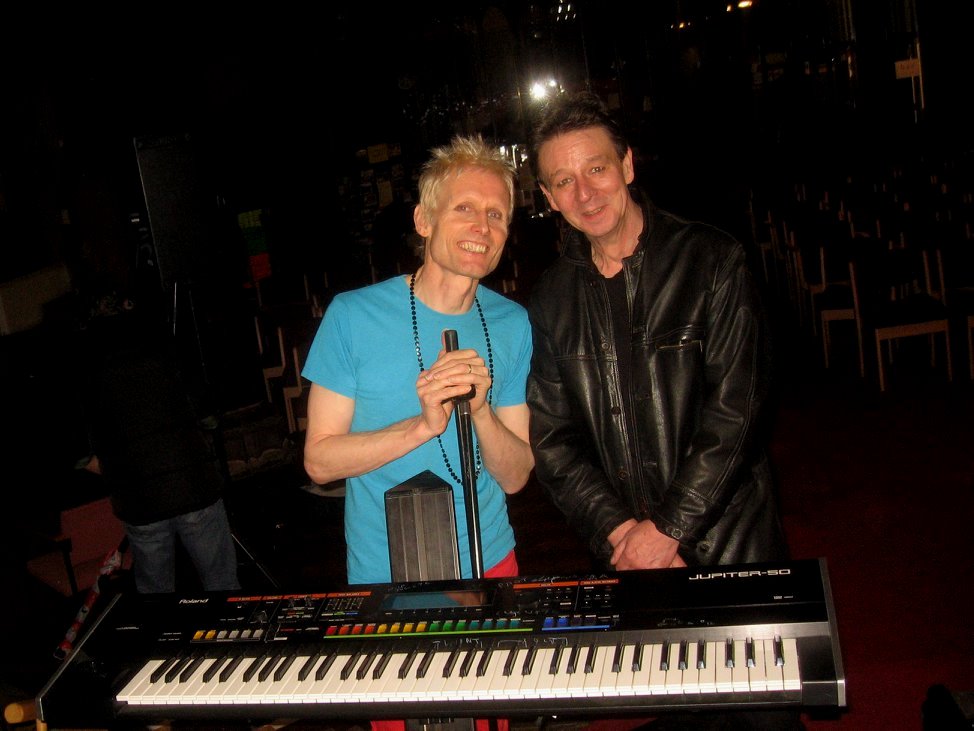
David: We are always trying out new things and throwing them in the mix. We always have – Jupiter 8 and Memorymoog were new back when we worked with Hugh Jones, but conversely we always have bedrock legacy instruments to hand too like Mellotron, Minimoog and marimba. It’s harder now to find a new synth or box that does something original and different but we have incorporated newer things like the Korg Volca series and the Mini Nova and there’s always new tech to be had at the mixing stage.

Steve plays a bit of guitar and keyboards on ‘Cul De Sac’ and ‘Hope’ respectively, how did it go? 😉

Steve: I have done it before! Even back on the first B-side ‘This Illness’ there’s me chugging away in the background on a plucky six string.

There are references to FIAT LUX’s early days produced by Bill Nelson with the burst of E-Bowed guitar on ‘Hope’, did you have lessons from the master himself and for the uninitiated, how is the technique different from soloing in the traditional way?

David: It was definitely Bill that showed me how to do it. I’d never encountered anybody before with one and I can’t think of anyone since for that matter. The wisdom was bestowed in the confines of the cramped setting of Ric Rac studios in Leeds where Bill recorded our first sessions.

Steve: Basically, it’s a small version of a steam iron which produces magnetic pulses that make the string vibrate indefinitely.

Will Howard joins FIAT LUX on sax and woodwinds, contributing to more than half the album on songs like ‘Cul De Sac’ and ‘The Night We Should Have Met’, how has his presence helped with the 21st Century dynamic of FIAT LUX?

Steve: We’ve always had a sax player since the Polydor years and it’s continuing that sound and mood. The real reed vibrating seems to blend in perfectly with the electronics.

David: We were mighty lucky to bump into Will when we did as I doubt we could have found anyone else who could have made such an easy fit into Ian’s role. He seemed to have all the sensibilities to understand what had passed while mixing it with his own musical personality in the new stuff.

‘The Night We Should Have Met’ features this wonderful Barber shop quartet round to finish, how did the idea for that come about?

Steve: We didn’t realise, otherwise we would have bought straw hats! It’s just part of the FIAT LUX palate – since the Hugh Jones production days we’ve always thrown the harmonies about rather than just blocking them in: Try the final minute of ‘In The Heat Of The Night’ on ‘Ark Of Embers’.

David: …Or even the middle bit of ‘Blue Emotion’.
Which are your own favourite songs on ‘Twisted Culture’ ?

Steve: Hope – Because my keyboard line and David’s E-Bow blend so well together. I’m really happy with it.

David: I love the soring sax Will provides in ‘Cul De Sac’ which creates a plateau of bliss which we probably only last achieved in that same way with Ian’s part in ‘Photography’.

What are your hopes and fears for FIAT LUX and in general as we all re-engage with a rather changed world?

Steve: That people will continue to like our music, while I can continue to walk down the street wearing a FIAT LUX T-shirt without anyone knowing what is.

David: That’s the measure of true cult status!


ELECTRICITYCLUB.CO.UK gives its warmest thanks to FIAT LUX

‘Twisted Culture’ is released by Splid Records through Proper Music Distribution on 5th November 2021 in CD and digital formats, pre-order from https://www.propermusic.com/

The album launch concert takes place at Halifax Workshop Theatre on 30th October 2021

http://www.fiat-lux.co.uk

https://www.facebook.com/Fiatluxofficial

https://twitter.com/fiatluxofficial

http://www.splidrecords.co.uk

https://open.spotify.com/artist/2GGpvPlY3LVxXSvYuOUUqL


Text and Interview by Chi Ming Lai
Photos by Andy Hollingworth, Chi Ming Lai and Helen Robinson
7th October 2021

« Older posts Newer posts »