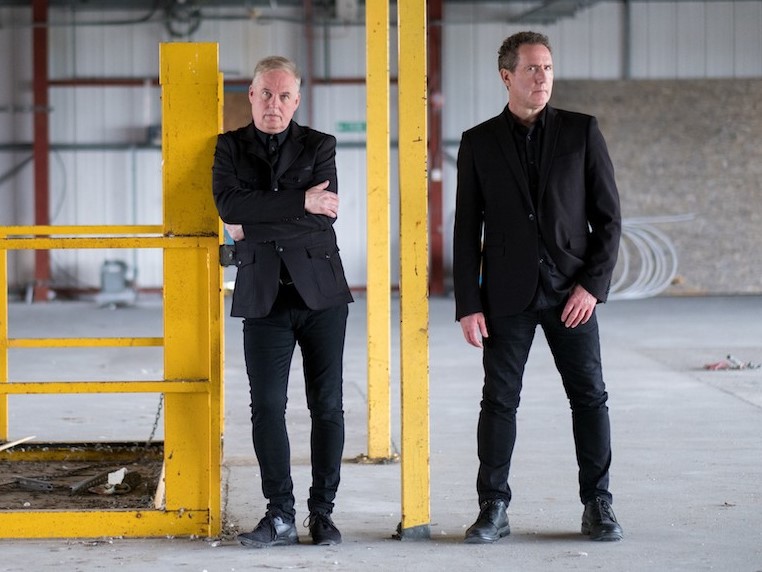
With ‘English Electric’ in 2013, OMD produced their finest album in thirty years with founder members Andy McCluskey and Paul Humphreys successfully playing to their strengths.
Utilising McCluskey’s conceptual overview and cryptic lyricism covered in metaphor, coupled to Humphreys’ musical direction and melodic magic, the end result was a work of art to savour with songs like ‘Metroland’ and ‘Kissing The Machine’ fully exploiting their Synth-Werk seeds. Meanwhile, ‘Dresden’ and ‘Stay With Me’ were fine examples of their respective individual palettes adapted for the greater good of the band.
And this was without the magnificence of ‘Our System’, the pastel synthpop of ‘Night Café’ and the passionate glory of ‘Helen Of Troy’. ‘The Punishment Of Luxury’ is OMD’s thirteenth long player and could be considered a natural progression from ‘English Electric’. The album takes its name from an 1891 painting by Giovanni Segantini.
The long player begins with the title track and a mighty electro rhythm section enhanced by a bright infectious melody, robot harmonies and incessant chants. Reflecting on the dilemma of first world problems and its incumbent joyless hedonism, it’s a fabulous opener that captures elements of KRAFTWERK, THE ART OF NOISE and THE PRODIGY.
Using more treated vocals and Vox Humana voice generators, ‘Isotype’ is a blip fest that embraces glitch and techno, with wild siren sounds fluctuating to provide a human counterpoint to their synthesised derivation. A commentary on how society has been going backwards in its communication via emojis, the inspiration comes from the international picture language conceived in 1924.
So far so good with the concepts and the tunes, but two tracks which spring a major surprise are ‘Robot Man’ and ‘Art Eats Art’. Both are fine examples of modern robotic pop which will delight fans of OMD’s more directly electronic work, but perhaps will dismay those hoping for sax solos and an update of ‘If You Leave’.
‘Robot Man’ starts as a tone poem before a huge machine rhythm emerges to shape an electro-funk rumble like a slowed down ‘Warm Leatherette’ reimagined by PRINCE… but then, there’s also more than a resemblance to ‘Fembot’ by ROBYN!
Much weirder, ‘Art Eats Art’ bubbles to a metronomic dance tempo with a chorus of vocoders over an aggressive octave shift. Recalling the work of former Kling Klang incumbent Karl Bartos, despite all the strange noises, this is frantic technopop offset by pretty melodies and shopping list lyrics. But it’s not like how OMD have sounded before, yet it is still retains the essence of their roots.
Taking a Synthanorma sequence set to a 6/8 rhythm and a melody inspired by ‘Forbidden Colours’, ‘What Have We Done’ sees a confident vocal from Paul Humphreys on some passionate Modernen Industrielle Volksmusik that could be seen as a passing observation on the current political climate.
A slow pulsing sequence and real bass guitar combine to form the interlude that is ‘Precision & Decay’, which “from luxury to landfill”, reflects on the disposable nature of the modern world and concludes “there is no such thing as labour saving machinery”.
‘As We Open, So We Close’ is an oddball experience to start with, as glitchy buzzes attach themselves to a disjointed rhythm of claps and backward kicks before everything grows into something more melodic, with a superlative vocal ring to “take me to your fragile place”.
Compared to the some of the other tracks on ‘The Punishment Of Luxury’, ‘Kiss Kiss Kiss Bang Bang Bang’ is almost conventional, but as this is OMD, there’s a twist! Like KRAFTWERK meeting Johan Strauss, the beautiful melodic vibes are interrupted by McCluskey’s scathing expletive laden attacks on Uncle Sam, Mao Tse Tung, Dr Spock and the current political climate; it’s a beautiful electronic lullaby that is a thematic successor to ‘International’.
The excellent ‘One More Time’ is a classic bittersweet OMD stomper, where “everything you gave me didn’t last”. Using electronic percussion as opposed to drum machines, the enticing verse and uplifting bridge are set to a plethora of gorgeous textures and distorted synth just to weird things out. While McCluskey announces “you can break my heart just one more time”, the star again is Humphreys with his crystalline synth sounds laced with portamento bounce.
The thought-provoking intermission of ‘La Mitrailleuse’ is a “grapeshot” collage with militaristic gunshots forming the rhythm track. The unsettling mantra of “bend your body to the will of the machine!” is inversed by a falsettoed cry from McCluskey. A mid-19th Century volley gun, the fact that a Mitrailleuse was difficult to manage, as well as being highly inaccurate, makes this a fine slice of clever social-political commentary.
On the final straight, ‘Ghost Star’ with its wildlife ambience and dramatic VANGELIS-like intro is a sub-six minute number that could be ‘Stanlow’ for the 24th Century. Lovely emotive synthphonic sweeps provide a pretty electronic cascade that is epically European with no pandering to the Yankee Dollar. Meanwhile, the almost nursery rhyme feel of ‘The View From Here’ is elegiac, with orchestrations and even some guitar sounds.
Mature and reflective with a spirited vocal from McCluskey, this is a classic OMD sad ballad in the vein of ‘All That Glittters’. However, these two closing numbers do not sit as easily with the frenetic statements on the majority of ‘The Punishment of Luxury’. So for that reason, although the album IS strides ahead of ‘History Of Modern’ from 2010, it is maybe not quite as complete as ‘English Electric’ was.
But swathed in detuned synths and attached to a rigid percussive lattice, ‘The Punishment Of Luxury’ is an excellent OMD record with Germany still calling. The solos of Paul Humphreys are certainly something to savour while Andy McCluskey possibly delivers some of his best vocals, as the pair continue to push boundaries with their experimental but tuneful approach.
Compare that to the last three frankly dire DEPECHE MODE albums and OMD now take a two goal lead. Unlike the Basildon mob’s feeble fourteenth album, ‘The Punishment of Luxury’ actually HAS spirit and a sense of adventure, as well as a clever metaphoric narrative reflecting on issues that affect the human condition.
Nearly forty years on, OMD’s breadth of musicality, technological curiosity and lyrical wordplay is still something to be admired and lauded.
‘The Punishment Of Luxury’ is released by White Noise Ltd on 1st September 2017 in CD, CD+DVD, yellow vinyl LP, standard vinyl LP, cassette, digital and super-deluxe book formats from https://omd.pmstores.co/
OMD’s ‘The Punishment Of Luxury’ 2017 tour, Ireland + UK dates with special guests TINY MAGNETIC PETS include:
Dublin Vicar Street (23rd October), Belfast Mandela Hall (24th October), Liverpool Empire (29th October), Bristol Colston Hall (30th October) , Southend Cliffs Pavillion (1st November), Ipswich Regent (2nd November), Cambridge Corn Exchange (3rd November), Leicester De Montfort Hall (5th November), Nottingham Royal Concert Hall (6th November), Sheffield City Hall (7th November), Reading Hexagon (9th November), Southampton Guild Hall (10th November), Guildford G Live (11th November), London Roundhouse (13th November), Bexhill Del La Warr Pavillion (15th November), Manchester Academy (17th November), York Barbican (18th November), Glasgow Royal Concert Hall (19th November), Birmingham Symphony Hall (21st November), Gateshead Sage (22nd November)
European dates with special guests HOLYGRAM include:
Erfut Traum Hits Festival (25th November), Hamburg Grosse Freiheit (26th November), Berlin Huxleys (28th November), Leipzig Haus Auenesse (29th November), Munich Tonhalle (30th November), Offenbach Stadthalle (2nd December), Düsseldorf Mitsubishi Electric Hall (3rd December), Tilburg 013 (5th December), Antwerp De Roma (6th December), Lausanne Les Docks (8th December)
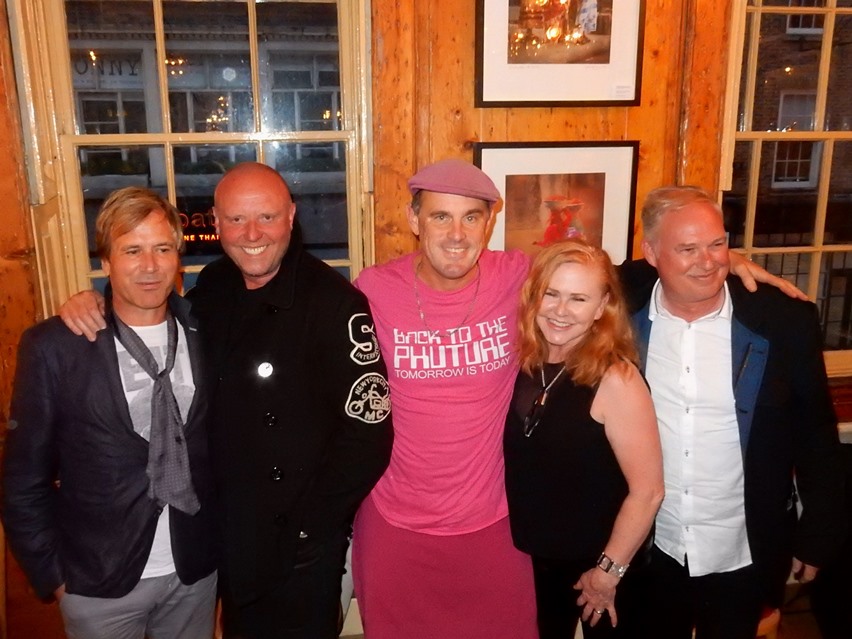
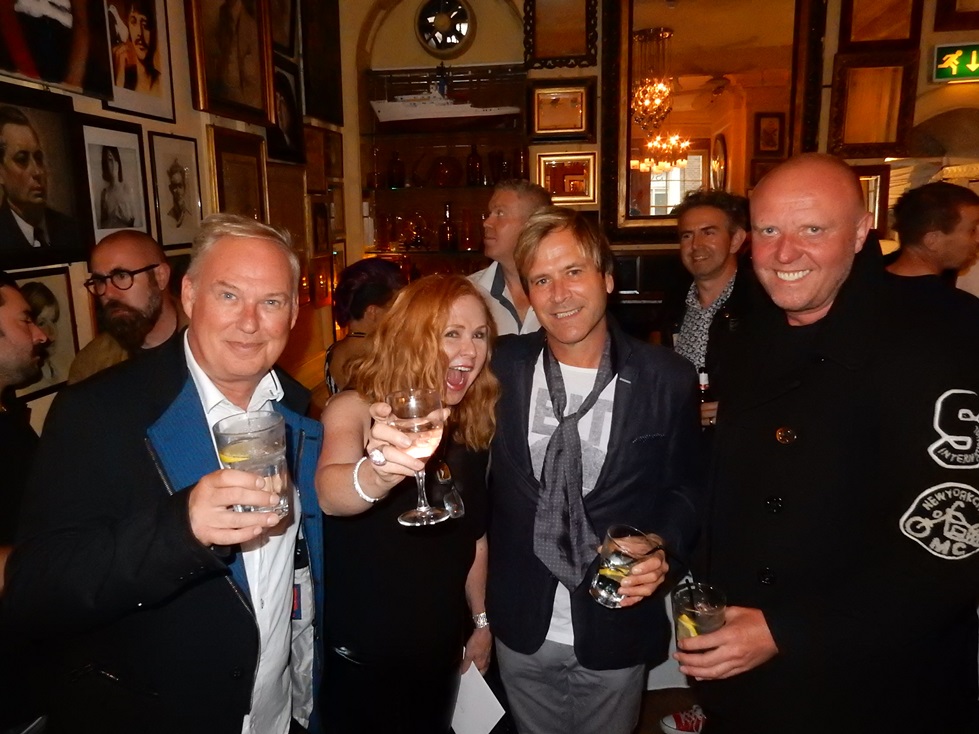
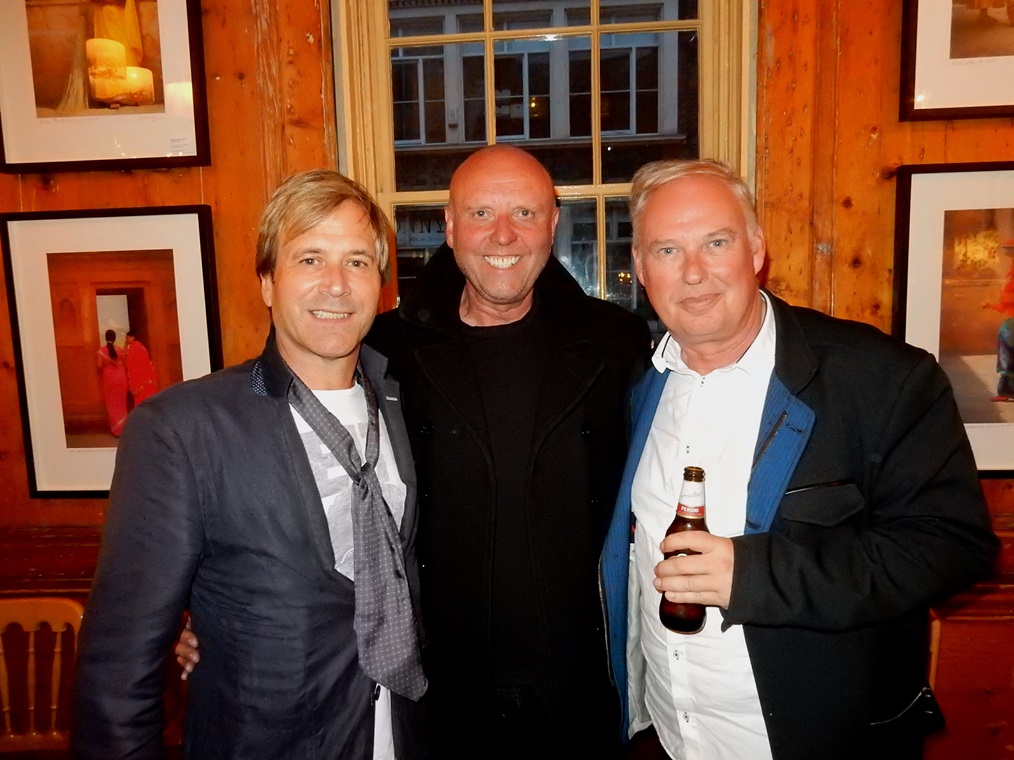
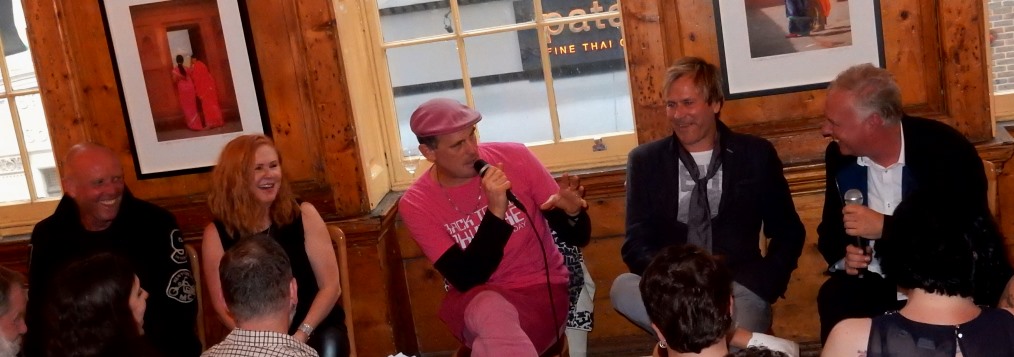
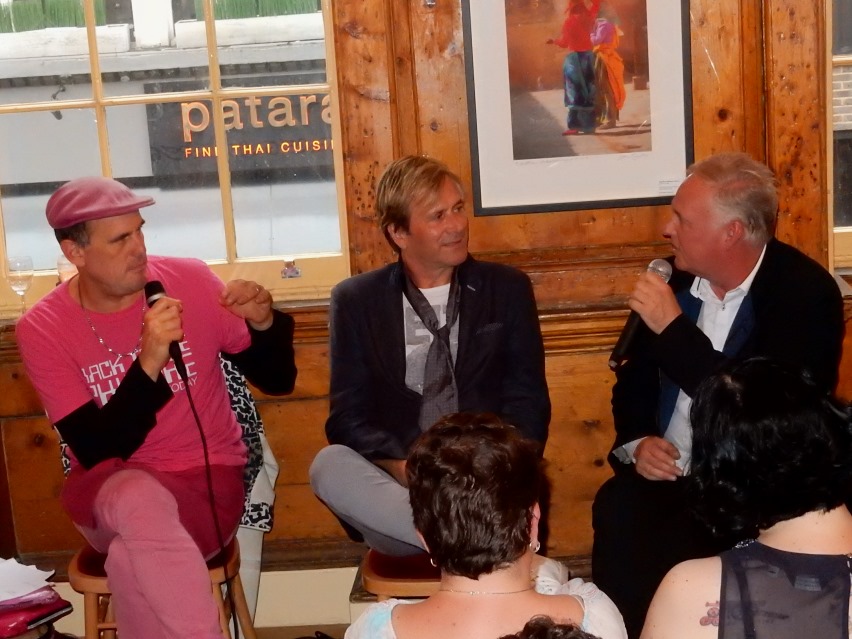
The Union Club in Soho was the location of ‘Question Mark’, a panel discussion hosted by Wall Of Sound and Back To the Phuture’s Mark Jones.
The four guests gathered for the fascinating and extremely good humoured chat about their experiences in the music business were OMD’s Paul Humphreys, HEAVEN 17’s Glenn Gregory, Steve Norman from SPANDAU BALLET and T’PAU vocalist Carol Decker.
A series that has been going for several years, Mark Jones announced this was to be the last free session to which Carol Decker amusingly quipped “Will I have to pay to talk about myself?”
To begin proceedings, Jones asked the quartet about their first record purchases; Carol Decker remembered it was Michael Jackson’s first solo album while for Paul Humphreys, it was ‘Make Me Smile (Come Up & See Me)’ by Steve Harley and Glenn Gregory had ‘Can The Can’ by Suzi Quatro. However, both Humphreys and Gregory agreed that the turning point for them was hearing ‘Autobahn’ by KRAFTWERK in 1975.
When asked about their first instruments, Humphreys confessed that as an “electronics geek”, he built his own sound making device because he initially could not afford to buy a synth. Gregory had an acoustic guitar which he promptly broke while Decker admitted that although she knew her chords and notes, she couldn’t really play the piano very well.
But it was Norman that had the most impressive CV; starting as a drummer before moving to guitar having been influenced listening to Hank Marvin, he then recorded the sax solo on ‘True’ just six months after first taking lessons. All four guests and the host also discussed their adventures in the murky world of synthesizers. When Jones told of how his mother bought him a Yamaha CS01 from the Grattans catalogue, Norman recalled how SPANDAU BALLET used a Yamaha CS10 on ‘To Cut A Long Story Short’ during the Islington quintet’s initial dalliances in synthpop.
Perhaps surprisingly, the more AOR inclined T’PAU did their demos using a synth and its built-in sequencer with Decker telling how she and writing partner Ron Rogers had written their breakthrough hit ‘Heart & Soul’ entirely around a bass synth sequence which ended up in the final mix.
Of course, Humphreys’ and Gregory’s histories with OMD and HEAVEN 17 respectively are well documented. But both found they had to constantly defend their art against those who didn’t consider the use of synthesizers as “real music”.
When questions were opened out to the audience, ELECTRICITYCLUB.CO.UK took the opportunity to remind the pair that the Musicians Union tabled a motion in May 1982 to ban synthesizers from recording and live performance. Having already shared how in the pursuit of a more electronic dominated sound, his first serious band THE ID shrunk from eight members to two in order become OMD, Humphreys gleefully told the story of how the MU kept giving him and Andy McCluskey a hard time over using a tape recorder so mischievously, the Wirral duo “put ‘Keep Music Live’ stickers on the tape reels!”.
Meanwhile when HEAVEN 17 performed on ‘Top Of the Pops’ for the first time in 1981 with ‘Play To Win’, Gregory told of how the heavily unionised show, where MU membership was compulsory, refused to let Martyn Ware and Ian Craig Marsh perform behind synths, insisting that they used a guitar and glockenspiel instead!!
But remembering how T’PAU had used a Fairlight for their orchestral arrangements, Decker expressed that “it did prick my conscience” that she might be putting musicians out of work, with the technology having advanced to such a degree that for the untrained ear, it was difficult to tell the difference. Steve Norman also had a vivid technology nightmare when while using Yamaha WX7 MIDI wind controller connected to a DX7 live, it suddenly changed settings in the middle of a moody solo under the heat of stage lights!
When asked about new music, Gregory admitted he listened to very little. However, recollecting his own experience of how GARY NUMAN looked after OMD when the young duo opened for the electronic pioneer in 1979, Humphreys said OMD tried to help young bands where possible with no buy-on fee for support slots, citing the much-missed pop noir combo MIRRORS as one of the best acts in recent years.
This drew the discussion onto how safe and unadventurous the major record labels had become in recent years with their lack of vision towards artist development, in their quest to protect their dwindling revenue streams.
On the subject of music formats, Humphreys said he still very much believed in the artistic statement of the album and how you could not skip tracks on vinyl, so the less immediate tracks had to be absorbed and accepted in order for the work to grow. Meanwhile, Norman felt the EP was the platform of the future, as a new artist could offer less but more frequently, in order to engage an audience.
While Humphreys still embraced vinyl and CD, he confirmed he was very much against using Spotify, not just due of the poor royalty rates paid to artists but as he also revealed, the major record companies hold shares in the Swedish based concern… so no conflicts of interest there!
Meanwhile Decker loved the convenience of listening to music digitally while expressing a slight, and not unshared, bemusement at the vinyl revival.
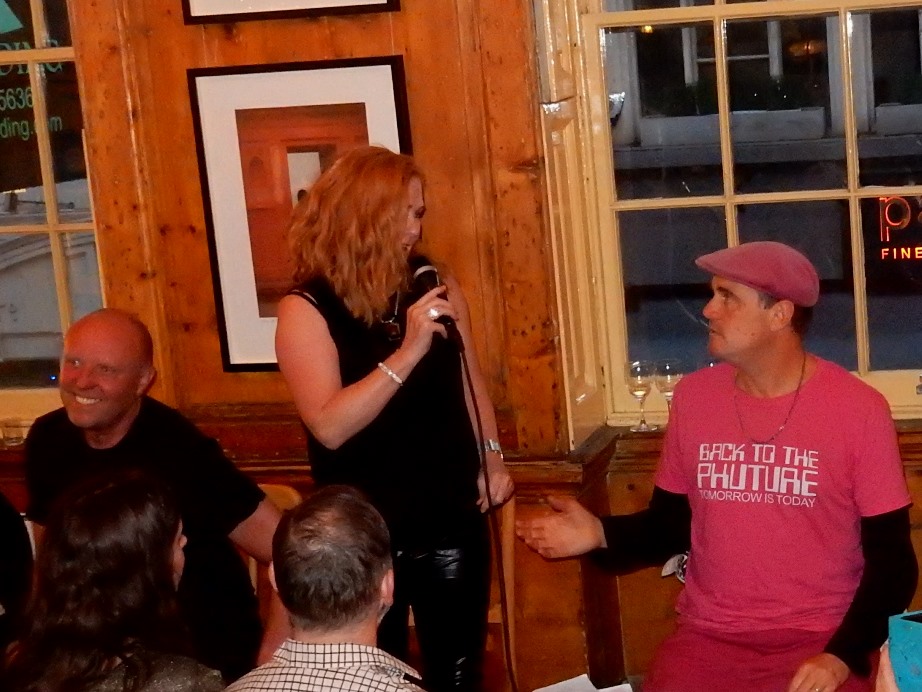
To end the evening, Mark Jones amusingly challenged his guests to sing a song without accompaniment. Carol Decker was first up, belting out ‘Little China Girl In Your Hand’, an improvised mash-up of her own hit tune and the Iggy / Bowie classic.
Not known as a vocalist, Steve Norman gamely launched into a rendition of ‘Gold’ to enthusiastic cheers while initially reluctant, Paul Humphreys sang ‘Enola Gay’ after being goaded by Jones, with some audience assistance. Finishing the impromptu sing-song, Glenn Gregory gave a timely and relevant acapella version of ‘(We Don’t Need) This Fascist Groove Thang’.
It was a fabulously entertaining two hours with Carol Decker perhaps stealing the show from the boys with a salt of the earth persona that was akin to your favourite auntie who enjoys a tipple or two at Christmas, like a cross between Julie Waters and Tracey Ullman.
Providing amusing and engaging group conversation that was also educational, the fact that all four guests continue to have successful careers today is testament to their longevity and cultural impact during a more open and therefore competitive musical era.
People are still interested in this music not because of “nostalgia” as one member of the audience suggested, but because of its quality, inventiveness and authenticity.
Now, that really doesn’t happen that much these days… and that’s why people go Back To The Phuture 😉
ELECTRICITYCLUB.CO.UK gives its sincerest thanks to Mark Jones
With ‘English Electric’ in 2013, OMD produced their finest album in thirty years.
After the false restart of ‘History Of Modern’ in 2010, OMD founder members Andy McCluskey and Paul Humphreys successfully played to their strengths. There was also the return to the more experimental approaches that were pioneered on their first four landmark albums, as well as references to inanimate objects and points of history as metaphors for other, sometimes more personal topics.
Fast forward four years and OMD launch their thirteenth long player ‘The Punishment Of Luxury’ and a European tour with a striking film for a new track ‘La Mitrailleuse’, inspired by British futurist artist Christopher RW Nevinson’s 1915 painting of the same name.
Directed by Henning Lederer, the animation highlights the futility of war with some solemn battlefield imagery. The mitrailleuse was a type of late 19th Century volley gun with multiple barrels that could fire either multiple rounds at once or several rounds in rapid succession like a machine gun.
Using the ‘English Electric’ bonus track ‘Frontline’ as a blue print, ‘La Mitrailleuse’ is a “grapeshot” collage with gun sounds forming the militaristic rhythm lattice. The initial unsettling mantra of “bend your body to the will of the machine!” is counterpointed by a falsettoed cry from McCluskey.
The fact that this weapon was difficult to manage as well as being highly inaccurate made it a loose cannon, so is this piece a pointed commentary on the current political and sociological climate both here and abroad?
Who knows? But the release of ‘La Mitrailleuse’ is timely…
‘The Punishment Of Luxury’ Album Tracklisting:
01 The Punishment of Luxury
02 Isotype
03 One More Time
04 Precision & Decay
05 As We Open, So We Close
06 What Have We Done
07 Robot Man
08 Art Eats Art
09 Kiss Kiss Kiss Bang Bang Bang
10 La Mitrailleuse
11 Ghost Star
12 The View From Here
OMD’s ‘The Punishment Of Luxury’ 2017 tour, Ireland + UK dates include:
Dublin Vicar Street (23rd October), Belfast Mandela Hall (24th October), Liverpool Empire (29th October), Bristol Colston Hall (30th October) , Southend Cliffs Pavillion (1st November), Ipswich Regent (2nd November), Cambridge Corn Exchange (3rd November), Leicester De Montfort Hall (5th November), Nottingham Royal Concert Hall (6th November), Sheffield City Hall (7th November), Reading Hexagon (9th November), Southampton Guild Hall (10th November), Guildford G Live (11th November), London Roundhouse (13th November), Bexhill Del La Warr Pavillion (15th November), Manchester Academy (17th November), York Barbican (18th November), Glasgow Royal Concert Hall (19th November), Birmingham Symphony Hall (21st November), Gateshead Sage (22nd November)
European dates include:
Erfut Traum Hits Festival (25th November), Hamburg Grosse Freiheit (26th November), Berlin Huxleys (28th November), Leipzig Haus Auenesse (29th November), Munich Tonhalle (30th November), Offenbach Stadthalle (2nd December), Düsseldorf Mitsubishi Electric Hall (3rd December), Tilburg 013 (5th December), Antwerp De Roma (6th December), Lausanne Les Docks (8th December)
Fan presale with VIP options will begin on 17th May, while the general ticket sale will be on 19th May
Christopher RW Nevinson’s ‘La Mitrailleuse’ can be viewed in the ‘1910’ display room at Tate Britain, while another work by the artist ‘Bursting Shell’ referenced in the film is displayed at Tate Liverpool
The single is the lifeblood of pop music, serving the purpose of a trailer to an artist’s new album or as an entity on its own.
The non-album single first came to prominence with THE BEATLES and THE WALKER BROTHERS, but as rock music in particular got more serious, bands like PINK FLOYD and LED ZEPPELIN looked down on the shorter format, refusing to even release singles and focussing only on albums.
With punk and new wave, acts like THE JAM, THE CLASH and SIOUXSIE & THE BANSHEES frequently issued standalone singles, often as a document of developing ideals or even to indulge in the occasional cover version. But others like Ian Dury saw it as statement of not ripping-off their audience by effectively making them buy the same song twice.
All the singles listed here were released in 7 inch format and not included on any of the artist’s original edition albums in the UK. Songs that were singles to promote compilation albums, remix collections or films are permitted, but singles by bands that did not actually get round to releasing a full length album are not included.
So here are ELECTRICITYCLUB’CO.UK’s 25 Classic Standalone Synth Singles presented in chronological, and then alphabetical order.
FAD GADGET Ricky’s Hand (1980)
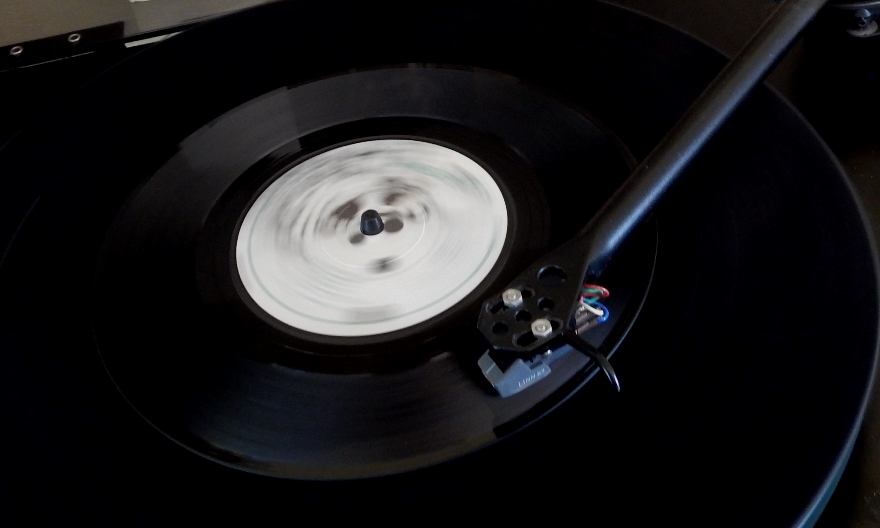
The unsettling second single by former Leeds Polytechnic art student Frank Tovey was a commentary on the dangers of drink driving as “Ricky contravened the Highway Code”. Featuring an electric drill alongside assorted synths and industrial rhythms, ‘Ricky’s Hand’ was not included on the debut FAD GADGET long player ‘Fireside Favourites’ that came out a few months later, but it helped establish Mute Records’ credentials as an early champion of independent electronic music.
Now available on the album ‘The Best Of’ via Mute Records
John Foxx’s first release after the ‘Metamatic’ period recalled his twilight years with ULTRAVOX and in particular ‘Slow Motion’. Featuring live drums from Edward Case, guitars were replicated by treated layers of ARP Odyssey. While not as accomplished as ‘Slow Motion’, ‘Miles Away’ was a worthy transitional recording although where Foxx headed next was the more romantic and band oriented textures of ‘The Garden’.
With JAPAN not making any headway in the UK singles charts, their manager Simon Napier-Bell felt the only solution was to doa cover version. David Sylvian visited his parents’ Motown collection and the song he chose was a lively Smokey Robinson number. Slowed down and given a more arty Ferry-ish treatment, ‘I Second That Emotion’ was not a hit on its original release, but the world belatedly caught up when a remixed reissue reached No11 in 1982.
With a haunting string line from an ARP Omni, ‘Love Will Tear Us Apart’ was the posthumous hit single that documented the relationship turmoil which JOY DIVISION’s lead singer Ian Curtis was facing prior to his suicide. The initial attempt at recording had been much faster and tighter, but producer Martin Hannett slowed the band down and suggested Curtis take on a more Sinatra based drawl. The looser end result added further poignancy.
A statement on his fractious relationship with the press, incessant riffs, flanged guitar and swooping Polymoog provided melody, grit and tension in equal measures. Meanwhile, real drums and a Roland Compurhythm combined to provide a solid but unusual backbone. It was not included on the original LP version of ‘Telekon’, but did feature on the cassette. Numan felt he was giving value to his fans, but casual followers didn’t buy the album as a result and it affected wider sales momentum.
Now available on the album ‘Premier Hits’ via Beggars Banquet
‘I Love This Life’ was the first release from THE BLUE NILE and the esoteric template that later emerged on ‘A Walk Across The Rooftops’ was already omnipresent. Rawer and more aggressive than songs like ‘Stay’ and ‘Tinseltown In The Rain’, this was a fine opening gambit from the enigmatic Glaswegian trio. Originally self-released, the single was picked up by RSO who promptly folded after its re-release.
Smothered in ARP Quartet and electronic drums but maintaining the claustrophobic feel of that year’s ‘Faith’ album, the haunting ‘Charlotte Sometimes’ co-produced by Mike Hedges was an interim 45 prior to the doomfest of ‘Pornography’. The band’s potential for success now looked like a real threat as The Raincoat Brigade seeked out a successor to JOY DIVISION. But in late 1982, THE CURE lightened up for the first of their fantasy singles, ‘Let’s Go to Bed’.
Following the politically charged electro-funk of ‘(We Don’t Need This) Fascist Groove Thang’, Martyn Ware and Ian Craig Marsh returned to their roots in THE HUMAN LEAGUE with the more exclusively synth driven ‘I’m Your Money’. The multi-lingual phrases highlighted an expanding world market while Glenn Gregory provided commentary on how personal relationships were like business transactions.
Having scored an unexpected UK hit with the beautiful synth laden ‘I Hear You Now’, Jon & Vangelis did it again with ‘I’ll Find My Way Home’, a song that had not been originally included on their second album ‘The Friends Of Mr Cairo’. Jon Anderson’s lyrics were almost spiritual while the widescreen sonic backing from his Greek chum complimented the mood. Vangelis himself was about to enter his most high profile period with ‘Chariots Of Fire’ and ‘Blade Runner’.
It’s strange to think now that when CHINA CRISIS first emerged with ‘African & White’, they were quite uptempo and percussive, influenced by TALKING HEADS and MAGAZINE. ‘Scream Down At Me’ was unusual in many respects, being more dynamic than most of the material that featured on their debut album ‘Difficult Shapes & Passive Rhythms…’; the single showcased a degree of frantic art funk tension that was never to be repeated by the band.
Following the cult success of his debut album ‘The Golden Age Of Wireless’, Thomas Dolby sent up the mad scientist image he had accquired by actually employing a real mad scientist in Doctor Magnus Pyke for his next single. Produced by Tim Friese-Greene, this slice of gloriously eccentric synthpop had been recorded as a non-LP one-off, but its chart success in America led to ‘She Blinded Me With Science’ being appended to the album.
‘What!’ effectively bookended Marc Almond and Dave Ball’s imperial pop period which had started with ‘Tainted Love’. Another song that came via the Northern Soul scene, it was originally recorded by Judy Street and had more than a passing resemblance to ‘Always Something There To Remind Me’. The recording was quickly disowned and was to be SOFT CELL’s last Top10 single before the duo entered much darker musical territory and on the path to ‘Mr Self Destruct’.
An occasional trait of standalone singles was how they were often quickly recorded and rush-released, due to an impending tour or greatest hits. In the case of YAZOO, it was the former. One of only three co-writes by Alison Moyet and Vince Clarke, this bright if almost forgettable tune has been described by Moyet as “hateful”. However, ‘The Other Side of Love’ allowed Clarke to put his new Fairlight CMI through its paces, while a gospel flavour came from SYLVIA & THE SAPPHIRES.
Now available on the album ‘The Collection’ via Music Club Deluxe
DURAN DURAN Is There Something I Should Know? (1983)
Released in the interim between the ‘Rio’ and ‘Seven & The Ragged Tiger’ albums, ‘Is There Something I Should Know?’ was a cynical attempt to ensure DURAN DURAN got a UK No1. Nick Rhodes made it clear the song was not going to be on the next album while completely different versions featured on the 7 and 12 inch formats. This synth laden single featured that dreadfully unforgettable line “You’re about as easy as a nuclear war”!
Now available on the album ‘Greatest’ via EMI Music
THE HUMAN LEAGUE were in limbo after the departure of producer Martin Rushent from the sessions to record a follow-up to the massive selling ‘Dare’. A song he worked on was prepared for single release to buy the band some extra time. Subsequently remixed by Chris Thomas, ‘Fascination’ featured a charming four way call-and-response vocal while the huge use of portamento on the lead synth line fooled buyers into returning their singles to the shops thinking it was warped!
Now available on the album ‘Greatest Hits’ via Virgin Records
Borrowed from Paul Hindemith’s ‘Heiter Bewegt – Sonate Für Flöte Und Klavier’ composed in 1936, an Emulator was used to synchronise voices and mechanical sounds to a marvellous electronic percussion pattern. ‘Tour De France’ successfully reinforced KRAFTWERK’s credibility within Urban America. But feeling left behind in comparison to THE ART OF NOISE, Ralf Hütter demanded their upcoming ‘Technopop’ album to be reworked with a Synclavier’…
Dark and brooding, the debut single from the DAF drummer became a highly regarded cult classic. The slow stark Teutonic electro of ‘Mit Dir’ was considerably less harsh than his band’s pioneering electronic body music. Although not featured on Görl’s first solo album ‘Night Full Of Tension’, ‘Mit Dir’ did much to help lighten his mood considerably that he was attempting synthpop with EURYTHMICS’ Annie Lennox on songs like ‘Darling Don’t Leave Me’.
ULTRAVOX had a run of 11 successive Top30 singles in their classic Midge Ure-fronted incarnation so when ‘The Collection’ was being prepared by Chrysalis Records, the band suggested including a new track which was an unusual move for the time. Based on a demo rejected by Levi’s for an ad campaign, the huge symphonic pomp of ‘Loves Great Adventure’ was a brilliantly glorious statement with Billy Currie’s OSCar interventions being its undoubted musical highlight.
An important interim single for DEPECHE MODE, ‘Shake The Disease’ was the bridge between the industrial flavoured synthpop of ‘Some Great Reward’ and the darker aesthetics of ‘Black Celebration’. Much more accomplished than the more throwaway standalones like ‘It’s Called A Heart’ and ‘But Not Tonight’ which followed, ‘Shake The Disease’ continues to be performed live at DM shows in a less interesting stripped down form with Martin Gore on lead vocals.
With ambitions to break the US market, SIMPLE MINDS were offered a song written by Steve Chiff and producer Keith Forsey for a John Hughes movie ‘The Breakfast Club’. The song had already been rejected by Billy Idol and Bryan Ferry, so was reluctantly recorded by the band at a studio in Wembley. With the right balance of synths and FM rock, ‘Don’t You’ became an unexpected American No1 on the back of the movie’s success and took Jim Kerr and Co into the stadiums of the world.
Post-Moroder, SPARKS had returned Stateside to hone a more rock-orientated sound. But they returned to their more eccentric side with ‘Change’, a one-off for London Records. Engineered by Dan Lacksman of TELEX, it featured a sonic passage that would have made Trevor Horn proud. Lines such as “I’ve been thinking we’ll get back together again someday – your hair will be some weird color by then…” reminded European audiences of how quirky SPARKS could be.
Love it or loathe it, OMD’s contribution to the ‘Pretty In Pink’ soundtrack was a massive US hit and the reason why youngsters are still discovering the band. Produced by Tom Lord-Alge, while the Fairlight assisted sound appears at odds with Paul Humphreys and Andy McCluskey’s pioneering synthpop, the intro of ‘If You Leave’ actually follows a chord progression very similar to ‘Enola Gay’. Interestingly, the song failed to enter the Top40 on its release in the UK.
Now available on the album ‘Messages’ via Virgin Records
When NEW ORDER issued their ‘Substance’ 12 inch singles collection, 9 out of its 12 songs had not featured on their previous albums. The Diego Maradona inspired ‘Touched By The Hand Of God’ is one of the Mancunian’s combo’s more underrated singles. With a synth riff borrowed from Shannon’s ‘Let The Music Play’, it successfully combined some gritty rock energy to a solid Italo disco backbone featuring a great sequenced bassline.
Recorded for the ‘Crackers International’ EP between ‘The Innocents’ and ‘Wild!’, ‘Stop!’ was a throbbing Moroder-inspired disco tune that borrowed counter-melodies from Donna Summer’s ‘Love’s Unkind’. Independent labels such as Mute and Factory were more likely to indulge in releases that weren’t specifically tied in to albums, and it proved to be a perfect move to maintain ERASURE’s profile while they were preparing their next plan of action.
PET SHOP BOYS Where The Streets Have No Name (1991)
Chris Lowe felt that the opener on U2’s ‘The Joshua Tree’ would make a good HI-NRG track. A cheeky send-up of how Bono and Co would often drop snippets of covers into live versions, ‘Can’t Take My Eyes Off Of You’ made famous by Andy Williams was segued into ‘Where The Streets Have No Name’. It all seemed so camp and ridiculous in the video when Neil Tennant was singing it wearing a Stetson, but then in 1992, out popped Bono doing something similar on their ‘Zoo TV’ tour!
Now available on the album ‘Pop Art’ via EMI Music
With her distinctive ice maiden delivery, Claudia Brücken is the undoubted queen of cinematic avant pop.
She first came to prominence with PROPAGANDA and the Trevor Horn produced film noir drama of ‘Dr Mabuse’. Together with Susanne Freytag, Michael Mertens and Ralf Dörper, the Düsseldorf based quartet released their acclaimed album ‘A Secret Wish’ on ZTT in 1985. But despite the album being a favourite of musical figures such as Quincy Jones, Martin Gore, John Taylor and Jim Kerr, PROPAGANDA split following business and creative tensions as a result of their deal with ZTT.
Remaining with ZTT, Brücken formed ACT with early electronic pioneer Thomas Leer and released an album ‘Laughter Tears & Rage’ in 1988 which featured an array of lush synthetic dynamics glossed with a touch of starlet glamour. Not one to rest on her laurels, her first solo album ‘Love: & A Million Other Things’ came in 1991 on Island Records before she took a career break.
There was a brief reunion of PROPAGANDA in 1998 with ‘Ignorance’, ‘No Return’, ‘To The Future’ and ‘Turn To The Sun’ among the songs demoed. Although a video for ‘No Return’ was produced, the title proved poignant so when that came to nought, Brücken spent much of the new millennium’s first decade working and touring with OMD’s Paul Humphreys in ONETWO, supporting ERASURE and THE HUMAN LEAGUE along the way.
Since then, she has released two further solo albums and more recently been spotted in the studio with Susanne Freytag and Stephen J Lipson, while a new collaborative project with Jerome Froese is also in progress.
Although her catalogue is wide and varied, Claudia Brücken is perhaps still very much regarded as a cult figure on the music scene. In 2011, she celebrated her career with a special show at The Scala in London with various friends and collaborators, all captured on the live DVD ‘This Happened’.
Certainly, she deserves greater recognition so with a restriction of one track per release of a very impressive collaborative portfolio, here is a 20 track Beginner’s Guide to her work…
TOPOLINOS Mustafa (1982)
Brücken and Freytag first met on the Düsseldorf scene based around Die Ratinger Straße. “There was this interaction between art and music happening and everyone kind of knew one another” she said. They formed TOPOLINOS, literally translated as ‘The Mickey Mouses’! Using a rhythm unit, budget organ lines and Middle Eastern flavoured vocal phrasing, ‘Mustafa’ appeared on ‘Partysnäks’, the soundtrack to ‘Die Tanzbeinsammler’.
Available on the compilation album Electri_City 2 (V/A) via Grönland Records
PROPAGANDA p: Machinery (1985)
At the suggestion of Freytag, Brücken was recruited into PROPAGANDA and they were marketed as “ABBA in Hell”! ‘p: Machinery’ captured their Teutonic edge and the charm of state-of-the-art technology. Produced by Stephen J Lipson, the song also had an unexpected contributor as Brücken recalled: “It was amazing when David Sylvian came in. On ‘p: Machinery there is this line he wrote on a little keyboard…”
Available on the PROPAGANDA album ‘A Secret Wish’ via Union Square
GLENN GREGORY & CLAUDIA BRÜCKEN When Your Heart Runs Out Of Time (1985)
Brücken and the HEAVEN 17 vocalist met during the video shoot for ‘Dr Mabuse’ as Gregory’s then-wife did the make-up. Written by Will Jennings, best known for ‘My Heart Will Go On’ from ‘Titanic’ and ‘Up Where We Belong’ from ‘An Officer & A Gentleman’, ‘When Your Heart Runs Out of Time’ was recorded for the film ‘Insignificance’ and produced by Midge Ure under the pseudonym of Otto Flake Junior.
After PROPAGANDA fragmented, Brücken formed ACT with Thomas Leer in 1987. Working again with Stephen J Lipson, alongside the technological marvels came a more playful, decadent glamour with some political flirtations. ‘Absolutely Immune’ was a commentary on the apathy of the nation at large with its “I’m alright Jack” selfishness, the sentiment lost on a British public still drowned in blue emotion.
Available on the ACT album ‘Love & Hate’ via Union Square
JIMMY SOMERVILLE Run From Love (1990)
The acclaim and respect that ‘A Secret Wish’ attained led to Brücken being offered many opportunities to collaborate. One of the first came from Jimmy Somerville. ‘Run From Love’ was a lesser known BRONSKI BEAT number reworked in a more house fashion by S’EXPRESS producer Pascal Gabriel for the diminutive Glaswegian’s greatest hits collection and Ms Brücken provided backing vocals in the chorus.
Despite ACT ending, Brücken signed a deal with Island Records for her debut solo album produced by Pascal Gabriel. ‘Absolut[e]’ was very much dominated by Gabriel’s dancefloor instincts. But all was not well within. “The MD from Island suddenly left and all the people who worked on my album left as well” she remembered, “A new guy came in and already I could sense what would happen, so Pascal and I decided to get really experimental”.
Brücken took a career break to bring up her daughter Maddy, emerging only occasionally to record the odd guest vocal. ‘Light The Way’ with CHROME SEDUCTION was a frantic club number that also saw a reunion with former partner-in-crime Susanne Freytag. The project of Magnus Fiennes, brother of actors Joseph and Ralph, it was independently released by Mother Alpha Delta.
Available on the CLAUDIA BRÜCKEN album ‘ComBined’ via Union Square
THE BRAIN I’ll Find A Way (1996)
The project of Düsseldorf based DJ Dietmar Andreas Maier, ‘I’ll Find A Way’ was typical of the frantically paced Euro-Trance of the period along the lines of fellow Germans COSMIC BABY and SNAP! Co-written with Michael Mertens, the seed of a PROPAGANDA reunion began with a number of songs demoed but Brücken later announced: “The reunion was worth a try, but did not work out.”
Continuing to contribute the occasional guest vocal, ‘Eyemotion’ was a co-write with John Etkin-Bell which coupled a shuffling drum loop with some beautifully chilled out atmospheres. Brücken’s breathy whispers and a muted synthetic brass motif à la PET SHOP BOYS provided the colourful sonics on an elegant piece of downtempo electronica, blowing away the likes of ENIGMA and SACRED SPIRIT.
Available on the OCEANHEAD single ‘Eyemotion’ via Land Speed Records
CLAUDIA BRÜCKEN & PAUL RUTHERFORD This Is Not America (2000 – not released until 2011)
After the aborted reunion of PROPAGANDA, Brücken accepted an invitation in 2000 to join Paul Humphreys on his solo tour of the US, one of the first recorded fruits of their partnership was a cover of ‘This Is Not America’ featuring a duet with FRANKIE GOES TO HOLLYWOOD’s Paul Rutherford A beautifully crafted synthesized tribute to David Bowie & Pat Metheny, it had been intended for a film soundtrack but shelved.
Available on the CLAUDIA BRÜCKEN album ‘ComBined’ via Union Square
APOPTYGMA BERZERK Unicorn – Duet Version (2002)
Europe maintained a vibrant industrial music scene and in a one-off collaboration with Norway’s cult electronic body merchants APOPTYGMA BERZERK, Brücken returned to the more Teutonic overtones evident in PROPAGANDA. In an electronic rework of the heavier guitar focussed original, the combo provided a suitably aggressive but accessible backing track for her to duet with frontman Stephan Groth on ‘Unicorn’.
Available on the APOPTYGMA BERZERK album ‘Harmonizer’ via WEA
ONETWO Cloud 9ine (2004)
Brücken formalised her musical partnership with Paul Humphreys and together they named themselves ONETWO. They dusted off a track that had been demoed during the aborted PROPAGANDA reunion. The song in question was ‘Cloud 9ine’, a co-write with Martin Gore which also featured the guitar of DEPECHE MODE’s main songwriter. It was the stand-out song on ONETWO’s debut EP ‘Item’.
Brücken joined ERASURE’s Andy Bell to sing on two tracks for his debut solo album ‘Electric Blue’. More club oriented than ERASURE, it was produced by THE MANHATTAN CLIQUE who were also part of the ONETWO live band. The call-and-response Hi-NRG stomp of ‘Delicious’ saw Brücken in her most playful mood since ACT and in rare poptastic glory, despite the bittersweet, reflective lyrical nature of the song.
Available on the ANDY BELL album ‘Electric Blue’ via Sanctuary Records
CLAUDIA BRÜCKEN & ANDREW POPPY Libertango (2005)
Brücken teamed up with former ZTT label mate Andrew Poppy to record a number of stripped back covers for her first long form release since 1991. The songs came from bands such as RADIOHEAD and ASSOCIATES, as well as divas like Marianne Faithfull and Kate Bush. One highlight was a dramatic take on ‘Libertango’, better known as ‘I’ve Seen That Face Before’ made famous by Grace Jones.
Humphreys and Brücken finally released an album as ONETWO in 2007 and from it was ‘Anonymous’, a song that began life as a demo from the aborted PROPAGANDA reunion that had been co-written with Andy McCluskey. The pretty ringing melodies and elegiac atmospheres were reminiscent of OMD. The collaboration had been unusual as at the time of conception as Humphreys had not yet rejoined his old band.
In between the aborted PROPAGANDA reunion and ONETWO, Brücken guested with the popular German dance duo BLANK & JONES on ‘Unknown Treasure’, a most gorgeously shuffled electrobeat ballad. The parties reunited in 2008 but while ‘Unknown Treasure’ was in her words, “a real collaboration”, “’Don’t Stop’ was in reverse, they gave me all the music and then I did the words and sent it back to them”.
CLAUDIA BRÜCKEN & THE REAL TUESDAY WELD The Things I Love (2011)
Rockstar Games wanted a German singer for a new game called ‘LA Noire’ soundtracked by THE REAL TUESDAY WELD’s Stephen Coates who was known for producing jazzy cabaret-style music with subtle electronica influences. “I thought: why not?” said Brücken, “I heard the songs and thought they were so beautiful. I found it a really good challenge doing something I hadn’t done before”.‘The Things I Love’ was the alluring highlight of three songs recorded.
Available on the soundtrack album ‘L.A. Noire’ (V/A) via Rockstar Games
CLAUDIA BRÜCKEN One Summer Dream (2012)
The B-side to ELECTRIC LIGHT ORCHESTRA’s ‘Mr Blue Sky’, ‘One Summer Dream’ was the first song to emerge from Brücken’s reinterpretations project with producer Stephen Hague which also included songs by Julee Cruise and David Bowie as well as new versions of songs he’d originally worked on by PET SHOP BOYS and DUBSTAR. It built to a dreamy John Barry influenced ‘Felt Mountain’-era GOLDFRAPP string arrangement.
Although this co-write by Andy McCluskey and Karl Bartos first appeared in 1993 on the ELEKTRIC MUSIC album ‘Esperanto’, Paul Humphreys completely reworked the backing track of ‘Kissing The Machine’from scratch for OMD. “Paul had the idea of asking Claudia to do the vocal in the middle eight” remembered McCluskey before thinking “y’know, could you ask Claudia to do it in German as well?”... the result was electronic magic.
The biggest surprise musically on Brücken’s third solo album was her adoption of the acoustic guitar. Working with producer John Owen Williams, the songs dealt with “emotion, beginnings, endings, past life and future hopes”. Like ABBA meeting THE SMITHS in a lush organic backdrop, ‘Time To Make Changes’ very much reflected her personal mindset following the end of her relationship with Paul Humphreys.
Available on the CLAUDIA BRÜCKEN album ‘Where Else…’ via Cherry Red Records
For further information on the upcoming projects of Claudia Brücken, please visit her official website and Facebook page
We use cookies to ensure that we give you the best experience on our website. If you continue to use this site we will assume that you are happy with it.






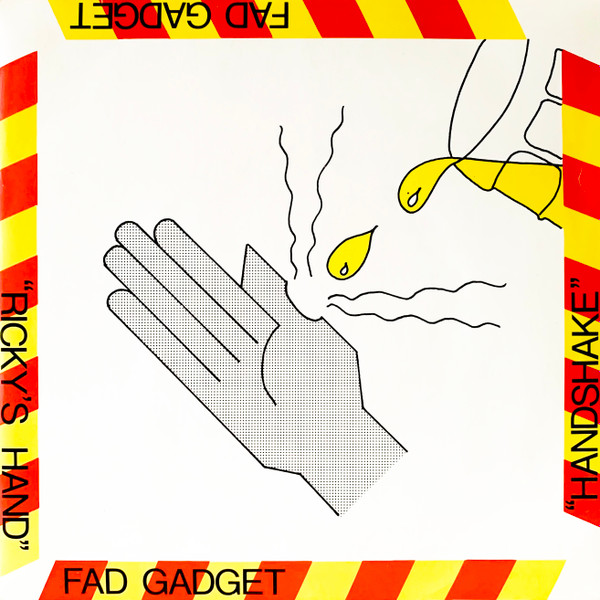
 was not included on the debut FAD GADGET long player ‘Fireside Favourites’ that came out a few months later, but it helped establish Mute Records’ credentials as an early champion of independent electronic music.
 via Mute Records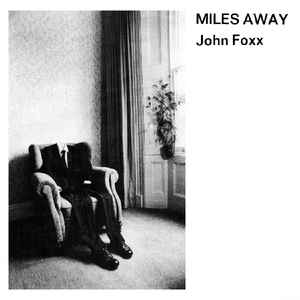
 was a worthy transitional recording although where Foxx headed next was the more romantic and band oriented textures of ‘The Garden’.
 via Metamatic Records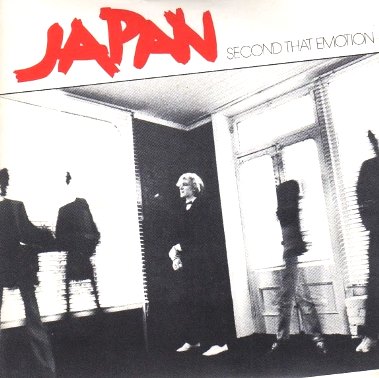
 was not a hit on its original release, but the world belatedly caught up when a remixed reissue reached No11 in 1982.
 via Virgin Records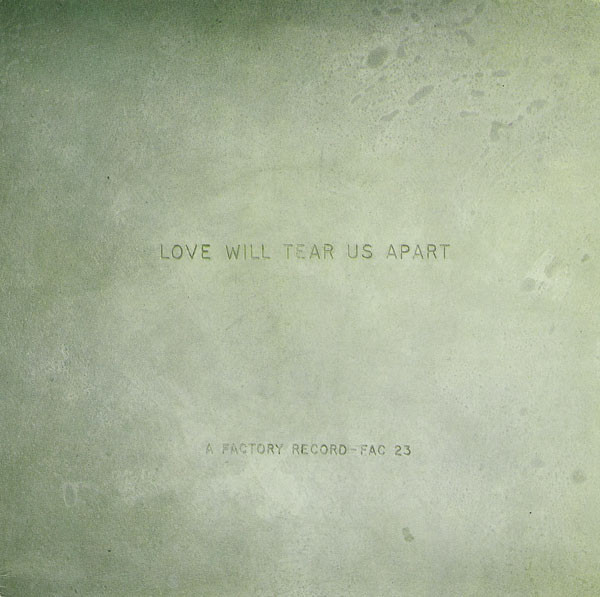
 was the posthumous hit single that documented the relationship turmoil which JOY DIVISION’s lead singer Ian Curtis was facing prior to his suicide. The initial attempt at recording had been much faster and tighter, but producer Martin Hannett slowed the band down and suggested Curtis take on a more Sinatra based drawl. The looser end result added further poignancy.
 via Rhino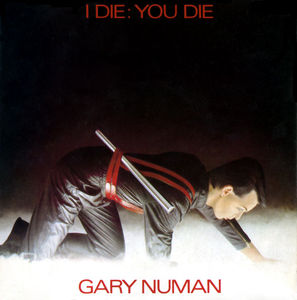
 via Beggars Banquet
 was the first release from THE BLUE NILE and the esoteric template that later emerged on ‘A Walk Across The Rooftops’ was already omnipresent. Rawer and more aggressive than songs like ‘Stay’ and ‘Tinseltown In The Rain’, this was a fine opening gambit from the enigmatic Glaswegian trio. Originally self-released, the single was picked up by RSO who promptly folded after its re-release.
 via Virgin Records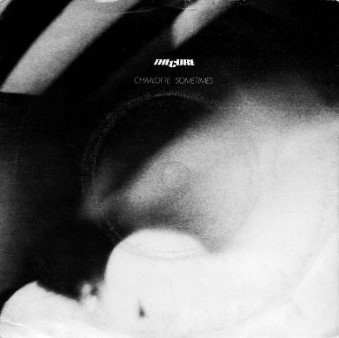
 co-produced by Mike Hedges was an interim 45 prior to the doomfest of ‘Pornography’. The band’s potential for success now looked like a real threat as The Raincoat Brigade seeked out a successor to JOY DIVISION. But in late 1982, THE CURE lightened up for the first of their fantasy singles, ‘Let’s Go to Bed’.
 via Fiction Records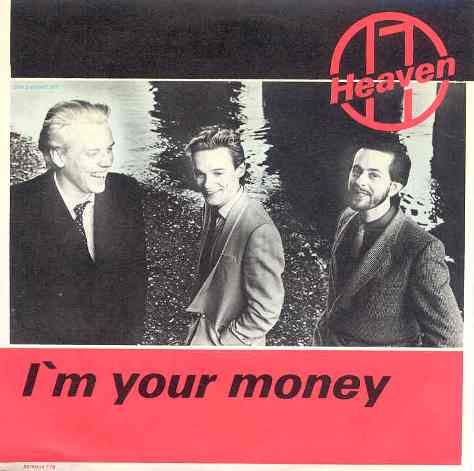
 . The multi-lingual phrases highlighted an expanding world market while Glenn Gregory provided commentary on how personal relationships were like business transactions.
 via Virgin Records
 , a song that had not been originally included on their second album ‘The Friends Of Mr Cairo’. Jon Anderson’s lyrics were almost spiritual while the widescreen sonic backing from his Greek chum complimented the mood. Vangelis himself was about to enter his most high profile period with ‘Chariots Of Fire’ and ‘Blade Runner’.
 via Polydor Records / Universal Music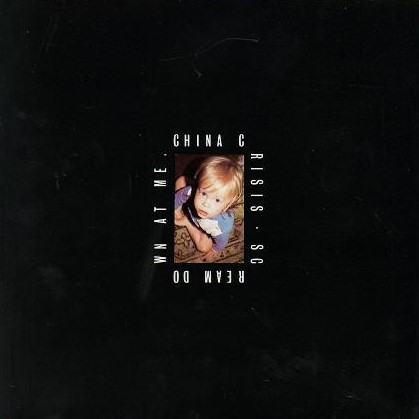
 via Music Club Deluxe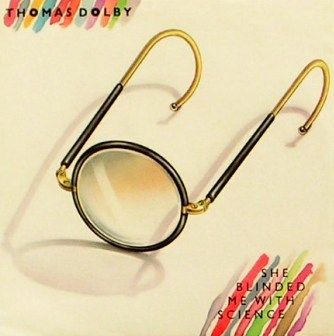
 being appended to the album.
 via EMI Music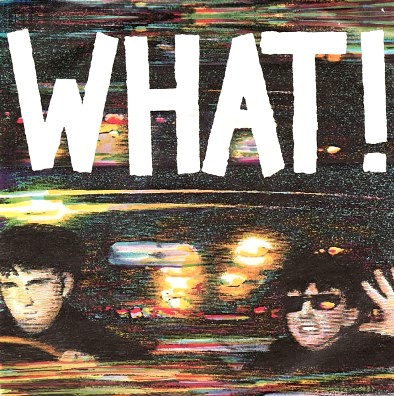
 effectively bookended Marc Almond and Dave Ball’s imperial pop period which had started with ‘Tainted Love’. Another song that came via the Northern Soul scene, it was originally recorded by Judy Street and had more than a passing resemblance to ‘Always Something There To Remind Me’. The recording was quickly disowned and was to be SOFT CELL’s last Top10 single before the duo entered much darker musical territory and on the path to ‘Mr Self Destruct’.
 via Phonogram / Universal Music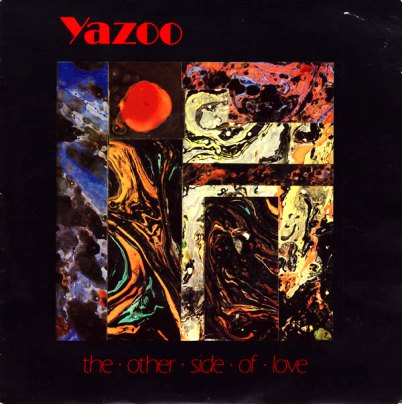
 allowed Clarke to put his new Fairlight CMI through its paces, while a gospel flavour came from SYLVIA & THE SAPPHIRES.
 via Music Club Deluxe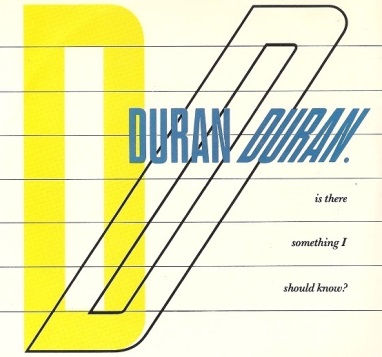
 was a cynical attempt to ensure DURAN DURAN got a UK No1. Nick Rhodes made it clear the song was not going to be on the next album while completely different versions featured on the 7 and 12 inch formats. This synth laden single featured that dreadfully unforgettable line “You’re about as easy as a nuclear war”!
 via EMI Music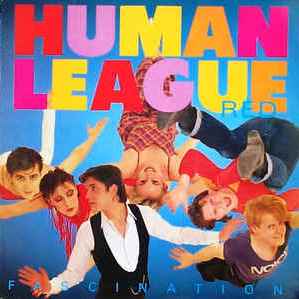
 featured a charming four way call-and-response vocal while the huge use of portamento on the lead synth line fooled buyers into returning their singles to the shops thinking it was warped!
 via Virgin Records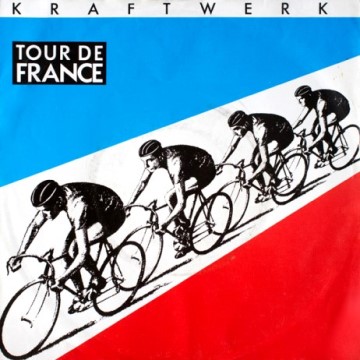
 via EMI Music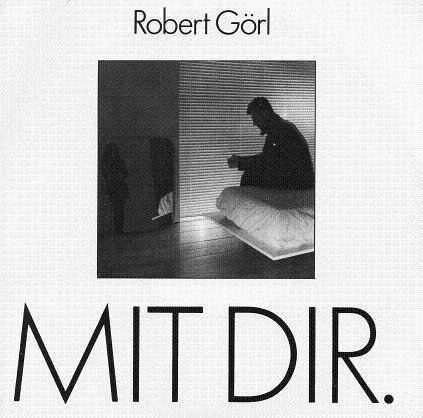
 was considerably less harsh than his band’s pioneering electronic body music. Although not featured on Görl’s first solo album ‘Night Full Of Tension’, ‘Mit Dir’ did much to help lighten his mood considerably that he was attempting synthpop with EURYTHMICS’ Annie Lennox on songs like ‘Darling Don’t Leave Me’.
 via Mute Records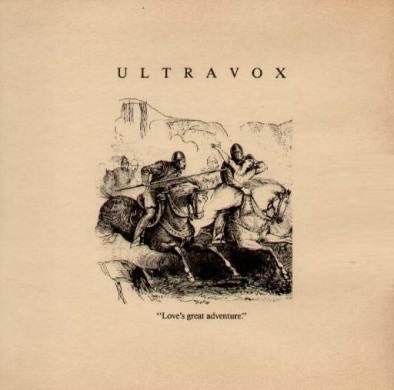
 was a brilliantly glorious statement with Billy Currie’s OSCar interventions being its undoubted musical highlight.
 via EMI Records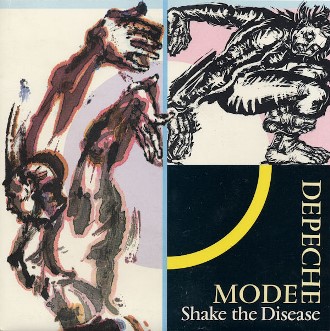
 was the bridge between the industrial flavoured synthpop of ‘Some Great Reward’ and the darker aesthetics of ‘Black Celebration’. Much more accomplished than the more throwaway standalones like ‘It’s Called A Heart’ and ‘But Not Tonight’ which followed, ‘Shake The Disease’ continues to be performed live at DM shows in a less interesting stripped down form with Martin Gore on lead vocals.
 via Mute Records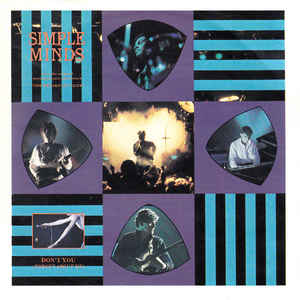
 became an unexpected American No1 on the back of the movie’s success and took Jim Kerr and Co into the stadiums of the world.
 via Virgin Records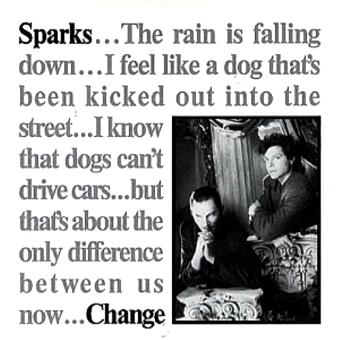
 , a one-off for London Records. Engineered by Dan Lacksman of TELEX, it featured a sonic passage that would have made Trevor Horn proud. Lines such as “I’ve been thinking we’ll get back together again someday – your hair will be some weird color by then…” reminded European audiences of how quirky SPARKS could be.
 via Lil Beethoven Records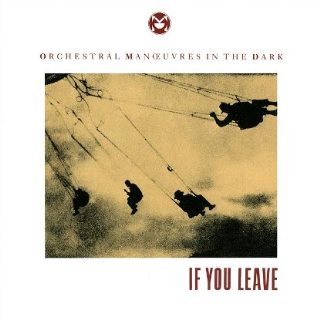
 actually follows a chord progression very similar to ‘Enola Gay’. Interestingly, the song failed to enter the Top40 on its release in the UK.
 via Virgin Records
 is one of the Mancunian’s combo’s more underrated singles. With a synth riff borrowed from Shannon’s ‘Let The Music Play’, it successfully combined some gritty rock energy to a solid Italo disco backbone featuring a great sequenced bassline.
 via Rhino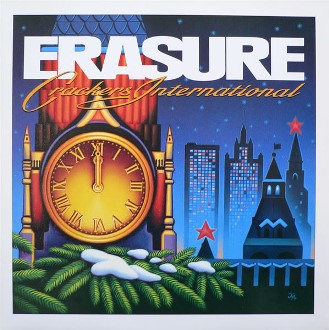
 was a throbbing Moroder-inspired disco tune that borrowed counter-melodies from Donna Summer’s ‘Love’s Unkind’. Independent labels such as Mute and Factory were more likely to indulge in releases that weren’t specifically tied in to albums, and it proved to be a perfect move to maintain ERASURE’s profile while they were preparing their next plan of action.
 via Mute Records
 . It all seemed so camp and ridiculous in the video when Neil Tennant was singing it wearing a Stetson, but then in 1992, out popped Bono doing something similar on their ‘Zoo TV’ tour!
 via EMI Music
 .
.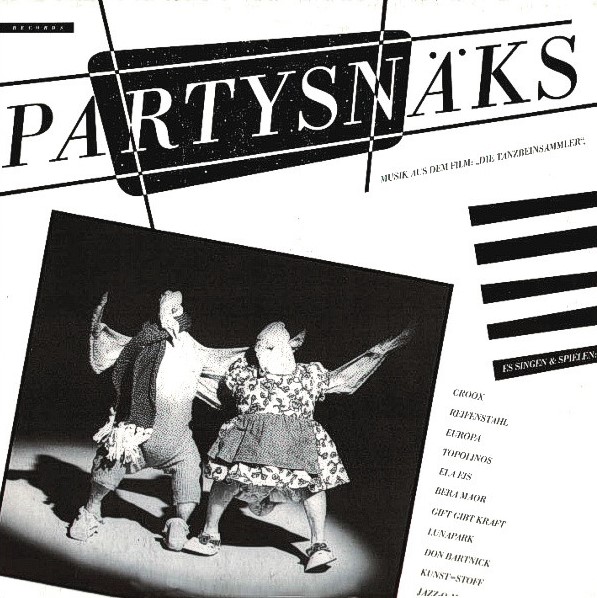
 appeared on ‘Partysnäks’, the soundtrack to ‘Die Tanzbeinsammler’.
 (V/A) via Grönland Records
 via Union Square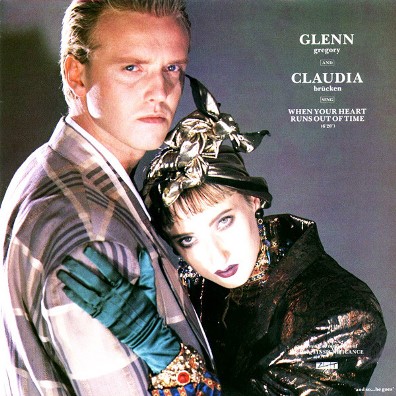
 was recorded for the film ‘Insignificance’ and produced by Midge Ure under the pseudonym of Otto Flake Junior.
 (V/A) via Union Square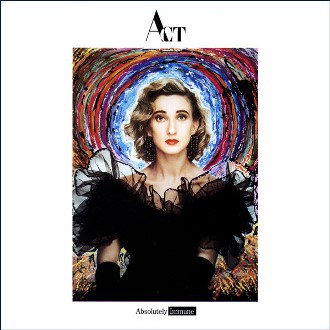
 via Union Square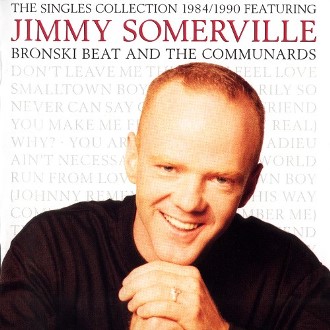
 via London Records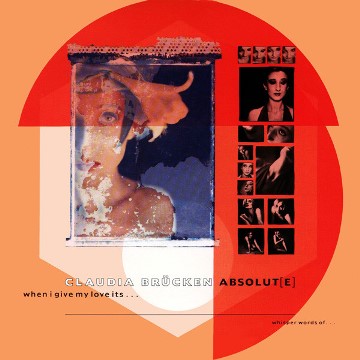
 was very much dominated by Gabriel’s dancefloor instincts. But all was not well within. “The MD from Island suddenly left and all the people who worked on my album left as well” she remembered, “A new guy came in and already I could sense what would happen, so Pascal and I decided to get really experimental”.
 via Cherry Red Records
 with CHROME SEDUCTION was a frantic club number that also saw a reunion with former partner-in-crime Susanne Freytag. The project of Magnus Fiennes, brother of actors Joseph and Ralph, it was independently released by Mother Alpha Delta.
 via Union Square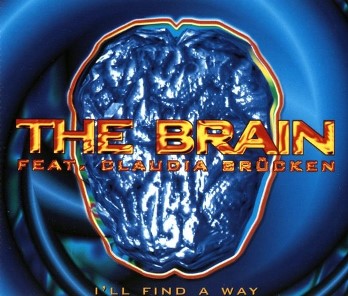
 via BMG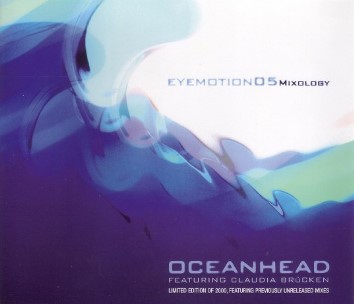
 via Land Speed Records
 featuring a duet with FRANKIE GOES TO HOLLYWOOD’s Paul Rutherford A beautifully crafted synthesized tribute to David Bowie & Pat Metheny, it had been intended for a film soundtrack but shelved.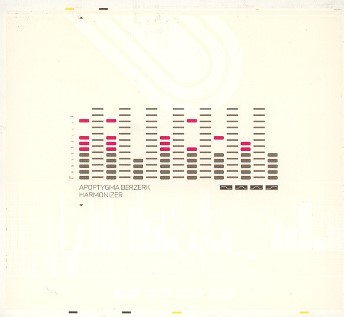
 .
. via WEA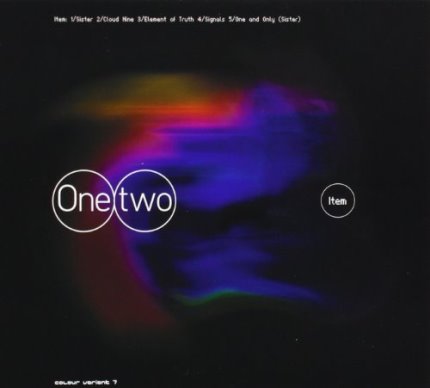
 , a co-write with Martin Gore which also featured the guitar of DEPECHE MODE’s main songwriter. It was the stand-out song on ONETWO’s debut EP ‘Item’.
 via
via 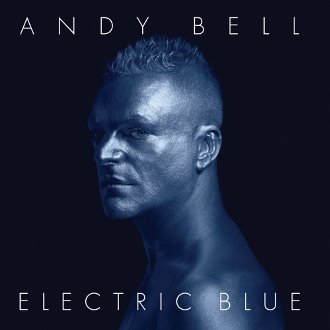
 via Sanctuary Records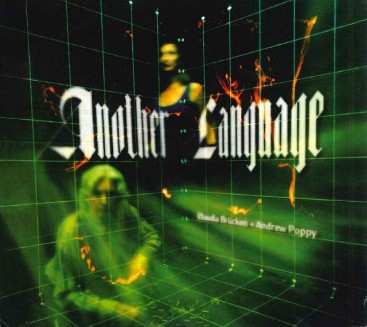
 via
via 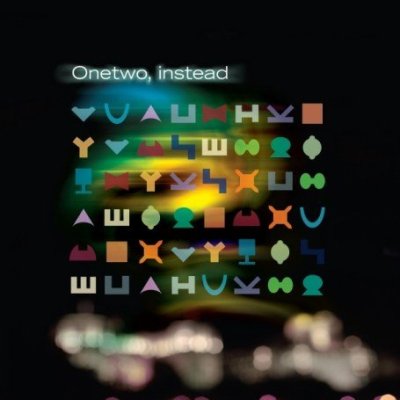
 via
via 
 via Soundcolours
 was the alluring highlight of three songs recorded.
 (V/A) via Rockstar Games
 was the first song to emerge from Brücken’s reinterpretations project with producer
  via There (there)
 from scratch for OMD. “Paul had the idea of asking Claudia to do the vocal in the middle eight” remembered McCluskey before thinking “y’know, could you ask Claudia to do it in German as well?”... the result was electronic magic.
 via BMG
 very much reflected her personal mindset following the end of her relationship with Paul Humphreys.
 via Cherry Red Records
Follow Us!