With summer concerts accompanied by The Leeds College of Music Orchestra and Choir plus the recent release of his career spanning 10 CD box set ‘Trials Of Eyeliner: Anthology 1979-2016’, the last thing anyone expected from Marc Almond to close the year was an electronic pop album.
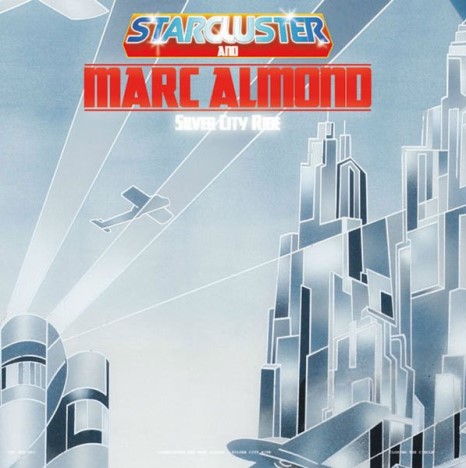
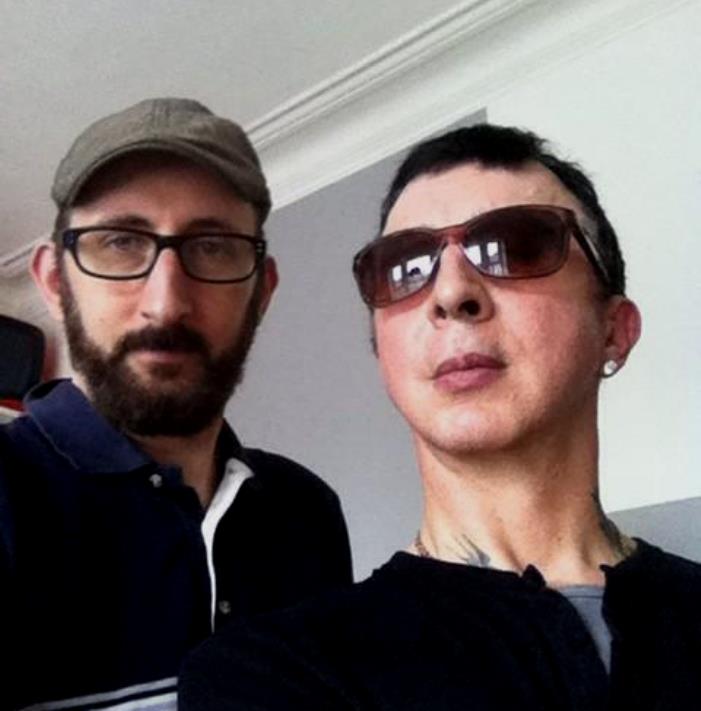
But this is exactly what has happened with ‘Silver City Ride’, a collection of ten songs recorded in collaboration with STARCLUSTER featuring Almond’s most synth laden body of work since SOFT CELL.
Flashback to 1981; following their appearance on the ‘Some Bizzare Album’ and a surprise No1 in a cover of the Northern Soul favourite ‘Tainted Love’, SOFT CELL were generally considered to have more artistic potential than DEPECHE MODE. But despite the success of the debut long player ‘Non-Stop Erotic Cabaret’, the duo imploded with Almond eventually going solo while musical partner Dave Ball formed THE GRID.
But while SOFT CELL ended after just three albums, they made an impact in the pop landscape. Their template was borrowed by PET SHOP BOYS, who softened it and made it less threatening to achieve great international success. So the notion that SOFT CELL could have been huge is not far-fetched. While electronic pop was how Marc Almond made his name, his solo career has been more traditional instrumentally with only the occasional foray into technological enhancement, most notably with his cover of ‘Jacky’ produced by Trevor Horn in 1991.
But in 2008, Almond recorded ‘Smoke & Mirrors’ with STARCLUSTER, an Anglo German production duo comprising of Roland Faber and Kai Ludeling. The song itself was an octave shifting dance anthem in the vein of Giorgio Moroder with a sweeping Vangelis rooted synth solo thrown in too; a beefed up remix of the track is included on ‘Silver City Ride’ and actually improves on the original.
The album begins with the joyous triplet driven experience of the title track. The wonderful ‘Pixelated’ is more mysterious and could even be seen as Almond’s tribute to John Foxx. The ivory shaped ‘Avatar’ takes on an introspective mood while the spritely drum machine jaunt of ‘The City Cries’ squelches marvellously, punctuated by sparking synth vibrato and Almond’s passionate energetics.
Haunting Almond yet again, it’s a great cover version that takes the limelight on ‘Silver City Ride’. ‘To Have & Have Not’ was written by Peter Godwin and his ‘Criminal World’ was famously covered by David Bowie in 1983. Originally recorded by androgynous New Romantic fashion icon Ronny, it retains the stern manner of the former Parisian model, while giving this slice of modern Weimar Cabaret a boost in profile, something that it has always deserved.
‘The Shallows’ is a sub-PET SHOP BOYS excursion, before the ‘Chase’ rendering atmospheres of ‘I Don’t Kiss’ take the pace down. But a reinterpretation of the contemporary choir boy ballad ‘Always With You’ takes Almond into Enya territory and is a curio likely to polarise listeners. Whatever, Faber and Ludeling do an excellent job in its construction.
The final track ‘Get Closer’ is another cover, this time of the cult Italo disco tune recorded by Valerie Dore. The pulsing backing track is pristine and while Almond’s voice is layered in treatments that may upset purists, it ultimately shows his willingness to experiment with a modern electronica aesthetic.
Dressed in its Metropolis inspired artwork designed by Emil Schult, while ‘Silver City Ride’ is a synthpop record with classic Eurocentric leanings, it is most certainly not a ‘Non-Stop Erotic Cabaret’ tribute. The album is far too clean and smooth to be that and some might even say it lacks the grit and glitter of SOFT CELL.
But to hear Marc Almond’s voice again alongside vintage synthesizers is pure joy. And for that reason alone, ‘Silver City Ride’ is a welcome addition to the Almond catalogue that will delight fans of his more electronic based work.
‘Silver City Ride’ uses the following equipment: Minimoog, Moog MG1, Moog Voyager, Roland Jupiter 4, Roland Jupiter 8, Roland SH2, Roland System 100M, Roland SH101, Roland Juno 60, Roland JD800, Roland TR808, Roland CR78, Roland CR8000, Oberheim Matrix 1000, MFB Synth II, Roland MKS 30/50/70/80, Ensoniq ESQ1, ARP Odyssey, ARP Avatar, ARP Solina, Sequential Prophet 5, Sequential Pro-One, Korg Mono/Poly, Korg Poly 61, Korg Rhythm 55, Korg MS20, Linn Drum II, Eurorack Modular
The single is the lifeblood of pop music, serving the purpose of a trailer to an artist’s new album or as an entity on its own.
The non-album single first came to prominence with THE BEATLES and THE WALKER BROTHERS, but as rock music in particular got more serious, bands like PINK FLOYD and LED ZEPPELIN looked down on the shorter format, refusing to even release singles and focussing only on albums.
With punk and new wave, acts like THE JAM, THE CLASH and SIOUXSIE & THE BANSHEES frequently issued standalone singles, often as a document of developing ideals or even to indulge in the occasional cover version. But others like Ian Dury saw it as statement of not ripping-off their audience by effectively making them buy the same song twice.
All the singles listed here were released in 7 inch format and not included on any of the artist’s original edition albums in the UK. Songs that were singles to promote compilation albums, remix collections or films are permitted, but singles by bands that did not actually get round to releasing a full length album are not included.
So here are ELECTRICITYCLUB’CO.UK’s 25 Classic Standalone Synth Singles presented in chronological, and then alphabetical order.
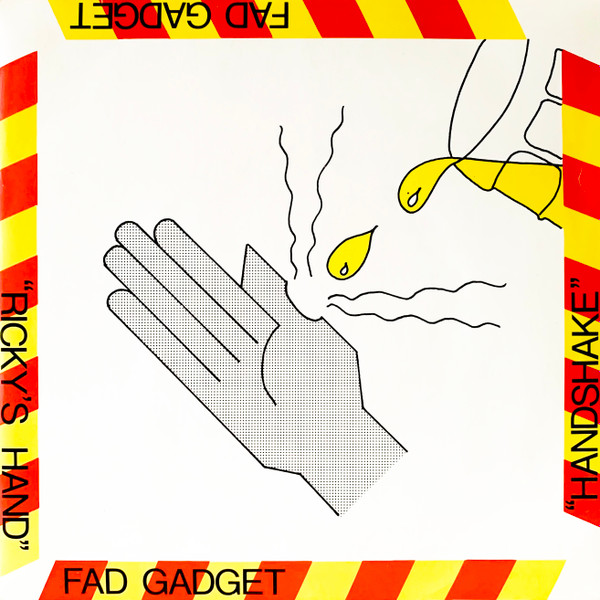
FAD GADGET Ricky’s Hand (1980)
The unsettling second single by former Leeds Polytechnic art student Frank Tovey was a commentary on the dangers of drink driving as “Ricky contravened the Highway Code”. Featuring an electric drill alongside assorted synths and industrial rhythms, ‘Ricky’s Hand’ was not included on the debut FAD GADGET long player ‘Fireside Favourites’ that came out a few months later, but it helped establish Mute Records’ credentials as an early champion of independent electronic music.
Now available on the album ‘The Best Of’ via Mute Records
John Foxx’s first release after the ‘Metamatic’ period recalled his twilight years with ULTRAVOX and in particular ‘Slow Motion’. Featuring live drums from Edward Case, guitars were replicated by treated layers of ARP Odyssey. While not as accomplished as ‘Slow Motion’, ‘Miles Away’ was a worthy transitional recording although where Foxx headed next was the more romantic and band oriented textures of ‘The Garden’.
With JAPAN not making any headway in the UK singles charts, their manager Simon Napier-Bell felt the only solution was to doa cover version. David Sylvian visited his parents’ Motown collection and the song he chose was a lively Smokey Robinson number. Slowed down and given a more arty Ferry-ish treatment, ‘I Second That Emotion’ was not a hit on its original release, but the world belatedly caught up when a remixed reissue reached No11 in 1982.
With a haunting string line from an ARP Omni, ‘Love Will Tear Us Apart’ was the posthumous hit single that documented the relationship turmoil which JOY DIVISION’s lead singer Ian Curtis was facing prior to his suicide. The initial attempt at recording had been much faster and tighter, but producer Martin Hannett slowed the band down and suggested Curtis take on a more Sinatra based drawl. The looser end result added further poignancy.
A statement on his fractious relationship with the press, incessant riffs, flanged guitar and swooping Polymoog provided melody, grit and tension in equal measures. Meanwhile, real drums and a Roland Compurhythm combined to provide a solid but unusual backbone. It was not included on the original LP version of ‘Telekon’, but did feature on the cassette. Numan felt he was giving value to his fans, but casual followers didn’t buy the album as a result and it affected wider sales momentum.
Now available on the album ‘Premier Hits’ via Beggars Banquet
‘I Love This Life’ was the first release from THE BLUE NILE and the esoteric template that later emerged on ‘A Walk Across The Rooftops’ was already omnipresent. Rawer and more aggressive than songs like ‘Stay’ and ‘Tinseltown In The Rain’, this was a fine opening gambit from the enigmatic Glaswegian trio. Originally self-released, the single was picked up by RSO who promptly folded after its re-release.
Smothered in ARP Quartet and electronic drums but maintaining the claustrophobic feel of that year’s ‘Faith’ album, the haunting ‘Charlotte Sometimes’ co-produced by Mike Hedges was an interim 45 prior to the doomfest of ‘Pornography’. The band’s potential for success now looked like a real threat as The Raincoat Brigade seeked out a successor to JOY DIVISION. But in late 1982, THE CURE lightened up for the first of their fantasy singles, ‘Let’s Go to Bed’.
Following the politically charged electro-funk of ‘(We Don’t Need This) Fascist Groove Thang’, Martyn Ware and Ian Craig Marsh returned to their roots in THE HUMAN LEAGUE with the more exclusively synth driven ‘I’m Your Money’. The multi-lingual phrases highlighted an expanding world market while Glenn Gregory provided commentary on how personal relationships were like business transactions.
Having scored an unexpected UK hit with the beautiful synth laden ‘I Hear You Now’, Jon & Vangelis did it again with ‘I’ll Find My Way Home’, a song that had not been originally included on their second album ‘The Friends Of Mr Cairo’. Jon Anderson’s lyrics were almost spiritual while the widescreen sonic backing from his Greek chum complimented the mood. Vangelis himself was about to enter his most high profile period with ‘Chariots Of Fire’ and ‘Blade Runner’.
It’s strange to think now that when CHINA CRISIS first emerged with ‘African & White’, they were quite uptempo and percussive, influenced by TALKING HEADS and MAGAZINE. ‘Scream Down At Me’ was unusual in many respects, being more dynamic than most of the material that featured on their debut album ‘Difficult Shapes & Passive Rhythms…’; the single showcased a degree of frantic art funk tension that was never to be repeated by the band.
Following the cult success of his debut album ‘The Golden Age Of Wireless’, Thomas Dolby sent up the mad scientist image he had accquired by actually employing a real mad scientist in Doctor Magnus Pyke for his next single. Produced by Tim Friese-Greene, this slice of gloriously eccentric synthpop had been recorded as a non-LP one-off, but its chart success in America led to ‘She Blinded Me With Science’ being appended to the album.
‘What!’ effectively bookended Marc Almond and Dave Ball’s imperial pop period which had started with ‘Tainted Love’. Another song that came via the Northern Soul scene, it was originally recorded by Judy Street and had more than a passing resemblance to ‘Always Something There To Remind Me’. The recording was quickly disowned and was to be SOFT CELL’s last Top10 single before the duo entered much darker musical territory and on the path to ‘Mr Self Destruct’.
An occasional trait of standalone singles was how they were often quickly recorded and rush-released, due to an impending tour or greatest hits. In the case of YAZOO, it was the former. One of only three co-writes by Alison Moyet and Vince Clarke, this bright if almost forgettable tune has been described by Moyet as “hateful”. However, ‘The Other Side of Love’ allowed Clarke to put his new Fairlight CMI through its paces, while a gospel flavour came from SYLVIA & THE SAPPHIRES.
Now available on the album ‘The Collection’ via Music Club Deluxe
DURAN DURAN Is There Something I Should Know? (1983)
Released in the interim between the ‘Rio’ and ‘Seven & The Ragged Tiger’ albums, ‘Is There Something I Should Know?’ was a cynical attempt to ensure DURAN DURAN got a UK No1. Nick Rhodes made it clear the song was not going to be on the next album while completely different versions featured on the 7 and 12 inch formats. This synth laden single featured that dreadfully unforgettable line “You’re about as easy as a nuclear war”!
Now available on the album ‘Greatest’ via EMI Music
THE HUMAN LEAGUE were in limbo after the departure of producer Martin Rushent from the sessions to record a follow-up to the massive selling ‘Dare’. A song he worked on was prepared for single release to buy the band some extra time. Subsequently remixed by Chris Thomas, ‘Fascination’ featured a charming four way call-and-response vocal while the huge use of portamento on the lead synth line fooled buyers into returning their singles to the shops thinking it was warped!
Now available on the album ‘Greatest Hits’ via Virgin Records
Borrowed from Paul Hindemith’s ‘Heiter Bewegt – Sonate Für Flöte Und Klavier’ composed in 1936, an Emulator was used to synchronise voices and mechanical sounds to a marvellous electronic percussion pattern. ‘Tour De France’ successfully reinforced KRAFTWERK’s credibility within Urban America. But feeling left behind in comparison to THE ART OF NOISE, Ralf Hütter demanded their upcoming ‘Technopop’ album to be reworked with a Synclavier’…
Dark and brooding, the debut single from the DAF drummer became a highly regarded cult classic. The slow stark Teutonic electro of ‘Mit Dir’ was considerably less harsh than his band’s pioneering electronic body music. Although not featured on Görl’s first solo album ‘Night Full Of Tension’, ‘Mit Dir’ did much to help lighten his mood considerably that he was attempting synthpop with EURYTHMICS’ Annie Lennox on songs like ‘Darling Don’t Leave Me’.
ULTRAVOX had a run of 11 successive Top30 singles in their classic Midge Ure-fronted incarnation so when ‘The Collection’ was being prepared by Chrysalis Records, the band suggested including a new track which was an unusual move for the time. Based on a demo rejected by Levi’s for an ad campaign, the huge symphonic pomp of ‘Loves Great Adventure’ was a brilliantly glorious statement with Billy Currie’s OSCar interventions being its undoubted musical highlight.
An important interim single for DEPECHE MODE, ‘Shake The Disease’ was the bridge between the industrial flavoured synthpop of ‘Some Great Reward’ and the darker aesthetics of ‘Black Celebration’. Much more accomplished than the more throwaway standalones like ‘It’s Called A Heart’ and ‘But Not Tonight’ which followed, ‘Shake The Disease’ continues to be performed live at DM shows in a less interesting stripped down form with Martin Gore on lead vocals.
With ambitions to break the US market, SIMPLE MINDS were offered a song written by Steve Chiff and producer Keith Forsey for a John Hughes movie ‘The Breakfast Club’. The song had already been rejected by Billy Idol and Bryan Ferry, so was reluctantly recorded by the band at a studio in Wembley. With the right balance of synths and FM rock, ‘Don’t You’ became an unexpected American No1 on the back of the movie’s success and took Jim Kerr and Co into the stadiums of the world.
Post-Moroder, SPARKS had returned Stateside to hone a more rock-orientated sound. But they returned to their more eccentric side with ‘Change’, a one-off for London Records. Engineered by Dan Lacksman of TELEX, it featured a sonic passage that would have made Trevor Horn proud. Lines such as “I’ve been thinking we’ll get back together again someday – your hair will be some weird color by then…” reminded European audiences of how quirky SPARKS could be.
Love it or loathe it, OMD’s contribution to the ‘Pretty In Pink’ soundtrack was a massive US hit and the reason why youngsters are still discovering the band. Produced by Tom Lord-Alge, while the Fairlight assisted sound appears at odds with Paul Humphreys and Andy McCluskey’s pioneering synthpop, the intro of ‘If You Leave’ actually follows a chord progression very similar to ‘Enola Gay’. Interestingly, the song failed to enter the Top40 on its release in the UK.
Now available on the album ‘Messages’ via Virgin Records
When NEW ORDER issued their ‘Substance’ 12 inch singles collection, 9 out of its 12 songs had not featured on their previous albums. The Diego Maradona inspired ‘Touched By The Hand Of God’ is one of the Mancunian’s combo’s more underrated singles. With a synth riff borrowed from Shannon’s ‘Let The Music Play’, it successfully combined some gritty rock energy to a solid Italo disco backbone featuring a great sequenced bassline.
Recorded for the ‘Crackers International’ EP between ‘The Innocents’ and ‘Wild!’, ‘Stop!’ was a throbbing Moroder-inspired disco tune that borrowed counter-melodies from Donna Summer’s ‘Love’s Unkind’. Independent labels such as Mute and Factory were more likely to indulge in releases that weren’t specifically tied in to albums, and it proved to be a perfect move to maintain ERASURE’s profile while they were preparing their next plan of action.
PET SHOP BOYS Where The Streets Have No Name (1991)
Chris Lowe felt that the opener on U2’s ‘The Joshua Tree’ would make a good HI-NRG track. A cheeky send-up of how Bono and Co would often drop snippets of covers into live versions, ‘Can’t Take My Eyes Off Of You’ made famous by Andy Williams was segued into ‘Where The Streets Have No Name’. It all seemed so camp and ridiculous in the video when Neil Tennant was singing it wearing a Stetson, but then in 1992, out popped Bono doing something similar on their ‘Zoo TV’ tour!
Now available on the album ‘Pop Art’ via EMI Music
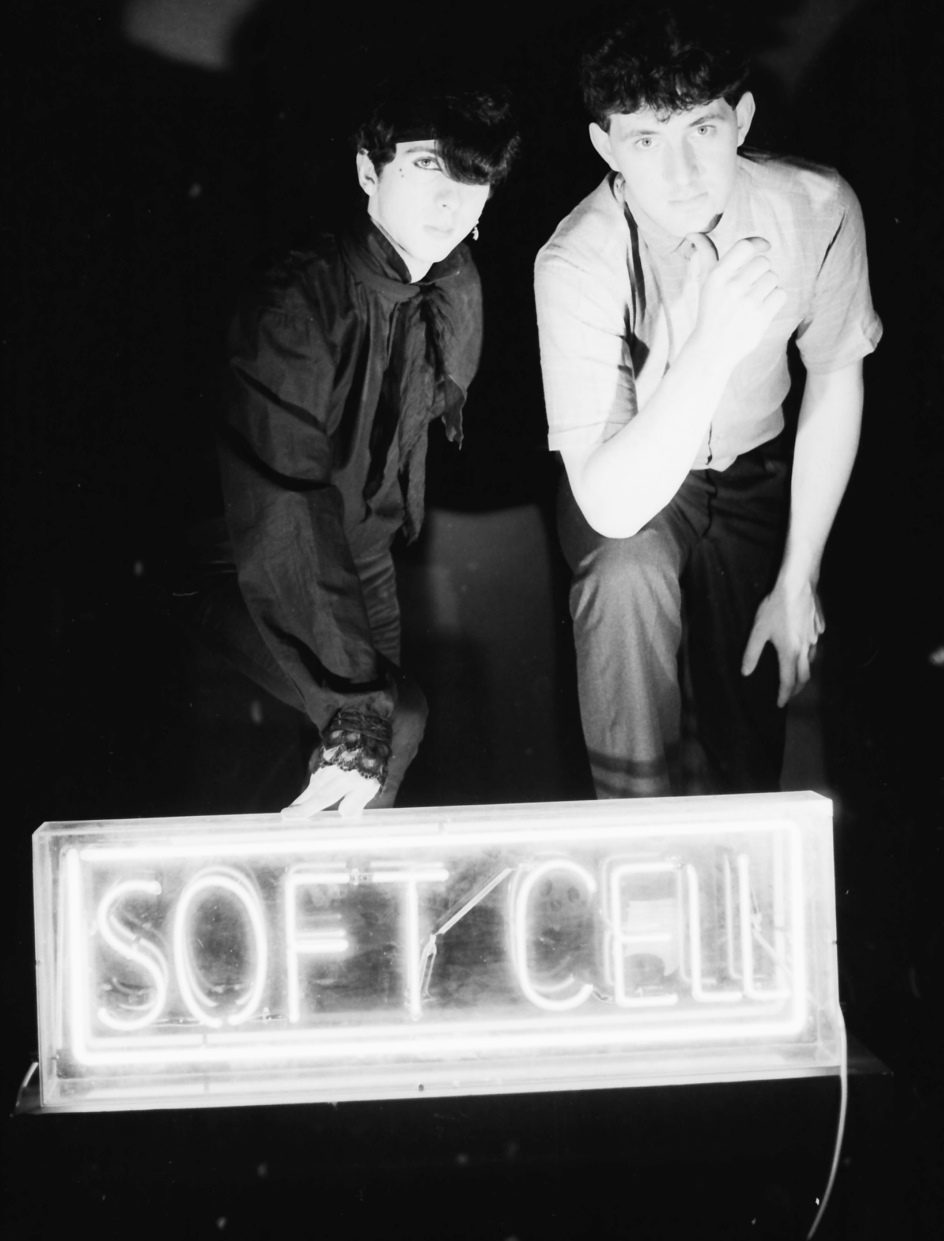
Dave Ball is best known as the musical genius of SOFT CELL.
Together with Marc Almond, they recorded ‘Tainted Love’, a marvellous hybrid of Northern Soul and KRAFTWERK that was possibly Synth Britannia’s first true crossover song. It started a run of hit singles that ensured SOFT CELL would be Top 40 chart fixtures for the next three years. Their self-released ‘Mutant Moments’ EP in 1980 came to the attention of DJ Stevo Pearce, who had been compiling “futurist” charts for the music papers Record Mirror and Sounds.
Stevo gathered a number of fledgling acts like DEPECHE MODE, BLANCMANGE, B-MOVIE and THE THE who appeared alongside SOFT CELL on the independently produced ‘Some Bizzare Album’ compilation in 1981.
This eventually led to SOFT CELL signing to Phonogram Records. After ‘Tainted Love’, a cover of a Northern Soul favourite by Gloria Jones, became a UK No1 in September 1981, Ball and Almond became unlikely pin-ups with poster spreads in ‘Smash Hits’. The follow-up single ‘Bedsitter’ reached No 4 and proved SOFT CELL could have hit singles with their own material.
Meanwhile, a further three Top 3 hits came with ‘Say Hello Wave Goodbye’, ‘Torch’ and ‘What’ during what could be now considered as SOFT CELL’s imperial phase, a period which undoubtedly broke down barriers and paved the way for many of the acts who followed, like PET SHOP BOYS, ERASURE, BRONSKI BEAT and FRANKIE GOES TO HOLLYWOOD.
However, as former art students who had met at Leeds Polytechnic, commercial success and pop stardom did not sit well with Ball and Almond; inevitably, the pair began to implode. SOFT CELL disbanded in 1984 but while Almond went solo, Ball eventually found solace in the burgeoning house scene.
With his new musical partner Richard Norris, he found success as THE GRID. Their debut album ‘Electric Head’ proved to be quite influential, with Canadian DJ Tiga probably one of the artists who owe a debt to its timeless musical template. Around this time, Ball began collaborating with Marc Almond again. The results ended up on ‘Tenement Symphony’, possibly the most mainstream recording of Almond’s career. This eventually led to a full SOFT CELL reunion in 2001 and the album ‘Cruelty Without Beauty’ in 2002.
Following an impromptu meeting at a recent Wolfgang Flür gig Under The Bridge in Chelsea, Dave Ball kindly agreed to a chat with ELECTRICITYCLUB.CO.UK about his career with SOFT CELL, THE GRID and more.
What inspired you to adopt synthesizers as your tools of expression, rather than guitars?
I first started out as a guitar player but I wasn’t good enough and after hearing ‘Autobahn’ by KRAFTWERK, I decided I was more interested in the possibilities of synthesizers, so I part-exchanged my Fender Telecaster for a second hand synth.
Which were your first couple of synth and drum machine purchases?
My first synth was a Mini Korg 800DV, followed by a Korg Synthe-Bass SB-100 and I had Rhythm Master drum machine that played presets like Bossa Nova, then I got a Boss Dr Rhythm which was programmable.
One of the key instruments in the SOFT CELL sound was the Korg Synthe-Bass SB-100, a little two octave synth which no-one else appeared to use.
The SB-100 was great because it was specifically a bass instrument, although the twangy topline on ‘Bedsitter’ is made on that instrument using the two pitchbend buttons. The B52s are the only other group I know of that also used that keyboard.
I’ve always been interested in how you connected your love of Northern Soul with your rhythm structures for SOFT CELL, particularly once you’d acquired the Roland TR808?
I would say the only similarity was to do with the tempo of Northern Soul and our faster numbers. On ‘Tainted Love’ I used a Roland Compurhythm CR78 drum machine, I first used a TR808 on ‘Bedsitter’, the follow-up single. I think that was possibly the first record in the UK Top 10 to use an 808.
SOFT CELL self-released ‘Mutant Moments’ which brought you to the attention of Some Bizzare and the inclusion of ‘The Girl With The Patent Leather Face’ on the subsequent era defining compilation. Do you have any key amusing memories of that period and those ‘Some Bizzare Evenings’ playing live alongside DEPECHE MODE, BLANCMANGE, THE THE and B-MOVIE etc?
They weren’t amusing at the time I assure you although I can laugh about them now. When we played with DEPECHE MODE, it was at a club called Crocs in Rayleigh and they were the house band so they were our support act, believe it or not. They were really tight and played really well and I was very nervous about going on after them as various members of ULTRAVOX, VISAGE, SPANDAU BALLET had come down from London to check us out. We played maybe the worst gig of our careers, the crowd were chucking pennies at us and laughing at us. That was when we realised we had to get our shit together or think about getting day jobs.
‘Non-Stop Erotic Cabaret’ is still much talked about and certainly was a better debut than say, DEPECHE MODE’s ‘Speak & Spell’. How do you yourself look back on it today in the pantheon of classic synthpop?
I think it was the result of working on loads of songs together for two years solid and we seemed to catch the zeitgeist – it was very of its time and I think the S&M references helped. It was quite dangerous imagery for a pop band. It took DEPECHE MODE a few years before they got into the black leather and druggy stuff that we were into from day one.
By ‘The Art Of Falling Apart’, you had expanded the instrumental palette to include guitar and bass plus early samplers and digital drum machines.
I think we were trying to sound heavier and slightly rockier. In retrospect I actually prefer the TR808 drum machine on the previous album, as opposed to the Oberheim DMX and Linn Drum MkII on ‘The Art Of Falling Apart’. The sampler we used was a Synclavier MkII that belonged to our producer, Mike Thorne. I only used the sampler for the bass guitar on the track ‘Martin’ on the bonus 12” single.
You recorded a solo album ‘In Strict Tempo’ and produced VICIOUS PINK PHENOMENA. What did you find creatively by doing these that perhaps you hadn’t done with SOFT CELL?
My solo album was really just me wanting to work with some different people and experiment with the studio. It was more like a sketchbook than a fully realised album. VICIOUS PINK were good friends and were on the first SOFT CELL album and I desperately wanted to become a producer, as I was never really into the live performance thing.
After SOFT CELL disbanded, you took an interest in acid house and met Richard Norris to form THE GRID. How did that and then the subsequent availability of the Akai samplers and other equipment become a game changer for you?
I first met him a mutual friend, Genesis P. Orridge of THROBBING GRISTLE / PSYCHIC TV fame when we were working on an album called ‘Jack The Tab’. What was really crazy about the tech at that time was the affordability. When I first used a Synclavier, they cost £120,000. Then I used a Fairlight III, they cost £60,000! Suddenly you could buy an Atari computer and an Akai sampler and still have change out of £2,000. It made the whole thing available to many more people and people started sampling records and creating a whole new kind of loop based music. It was a totally new thing and I found it incredibly exciting.
THE GRID’s debut album ‘Electric Head’ stills stand up and a track like ‘One Giant Step’ hasn’t dated at all. Why do you think that might be?
To be quite honest, there’s a lot of electronic music out there that hasn’t dated because a lot of it is timeless; also because we often tried to sound futuristic.
The single versions of ‘A Beat Called Love’ and ‘Floatation’ featured recognisable musical elements that could be linked back to SOFT CELL. Had that been a conscious thing or was it proof that the rave scene was a natural progression from the ecstasy fuelled recording sessions for ‘Non-Stop Cabaret’?
Regarding ‘A Beat Called Love’ and ‘Floatation’ – we were under pressure to have hit singles, so in that respect you could make a link to SOFT CELL, albeit slightly tenuously. There was a link in terms of the ecstasy / dance music progression I guess.
What inspired the move to the now infamous “cow-punk techno” sound of ‘Swamp Thing’ and ‘Texas Cowboys’?
I’ve never heard it called “cow-punk techno” before. “Swamp Thing” was inspired by a guy I saw playing sort of Bluegrass with an Irish band in a pub in Marylebone and it occurred to me that the tempo and feel would work with a 4/4 dance beat. Unfortunately it became a bit of a novelty record. We sold a million copies worldwide and it got synched on a John Waters movie, ‘Pecker’ and on Robert Altman’s film ‘Pret A Porter’ – so it’s not all bad. ‘Texas Cowboys’ was inspired by the Andy Warhol / Paul Morrisey film, ‘Lonesome Cowboys’.
THE GRID became in-demand remixers / producers for people like Billie Ray Martin, SPARKS, ERASURE, PET SHOP BOYS, David Sylvian and Robert Fripp. Do you have a particular favourite remix that you did?
I like our mix of ‘Am I Right’ by ERASURE, I was pleased they included it on their recent anthology that got to number 9 in the UK charts. I like the mixes we did for HAPPY MONDAYS, ‘Bob’s Yer Uncle’ and ‘Loose Fix’.
How did you come to be writing again with Marc again for ‘Tenement Symphony’?
I think it was after we’d done a mix of his track ‘Waifs & Strays’. We hadn’t spoken for some time and that got us working together again on a few tracks.
What was the process in composing and recording ‘Meet Me In My Dream’, a song which many regard as a SOFT CELL song in all but name?
I think anything I’ve ever done with Marc sounds like SOFT CELL really. It’s hard not to. My process is always I’ll work out a few chords and sketch out a topline then pass it to him.
This eventually led to a full SOFT CELL reunion and the ‘Cruelty Without Beauty’ album in 2002. Had SOFT CELL been unfinished business for you?
Well, as the saying goes “Never say never again”. We were originally trying to write songs for other people, there was no plan to reform SOFT CELL, but when we did the demos in my studio it just sounded like SOFT CELL… so we just said, “OK, it’s SOFT CELL”.
Did you and Marc achieve all you had hoped for artistically in getting back together?
I’m glad we did one more album, I can’t say I had any hopes or expectations but I like the album.
You were one of the last people to work in the studio with the late Martin Rushent with your NITEWRECKAGE project?
Yes, Martin was a lovely man and a total genius in the studio. I wish I’d worked with him earlier in both our careers. He is sadly missed.
Which five tracks from all aspects of your career have you felt the most satisfaction from?
‘Baby Doll’ – SOFT CELL off ‘The Art of Falling Apart’ – it reminds me of a very special time in New York.
‘Floatation’ – THE GRID – I was pleased when it was recognised as an Ibiza chill out classic.
‘Your Loving Arms’ – Billie Ray Martin – it was our first GRID production to get in the UK Top 10 and in the Billboard 100 in the US.
‘My Hand Over My Heart’ – Marc Almond off ‘Tenement Symphony’- I love Trevor Horn’s epic production and Anne Dudley’s arrangement.
‘Say Hello, Wave Goodbye’ – SOFT CELL – I think it’s become an anthem.
Are there any projects you are working on at the moment?
Yes, I’m producing an album for Gavin Friday and another one for Anni Hogan with my production partner, Riccardo Mulhall.
What floats your boat musically these days?
Messing about with modular synths.
ELECTRICITYCLUB.CO.UK gives its grateful thanks to Dave Ball
“Sometimes you never knew what you were getting when you bought the 12 inch mix” says Rob Grillo, author of the same titled book tracing the history of the extended format, “Sometimes you got the 7 inch version and a bonus track, sometimes it was just the longer album mix, and sometimes you got the normal mix when the sleeve promised a ‘brand new mix’, occasionally there would be a gargantuan explosion of noise that heralded a completely new take on the song that would blow you mind away…”
ELECTRICITY CLUB.CO.UK itself has never been particularly big on remixes or 12 inch versions. They were on occasions, an unnecessary evil. Just because a song can be extended and reworked to submission doesn’t mean it has to be… FRANKIE GOES TO HOLLYWOOD’s bassist Mark O’Toole snorted to International Musician & Recording World in 1986: “A punter walks into the shop, wants to buy a single – and there’s half a dozen mixes of it! It’s a pain in the ar*e!”
Comedian Lenny Henry summed things up best in a sketch where he entered a record shop to buy a single and was then offered a plethora of versions by the assistant… “I JUST WANT THE VERSION THEY GOT RIGHT!” he exclaimed.
In another stand-up routine, he commented that a 12 inch single could last longer than a marriage. But they could be tremendously passionate affairs as Rob Grillo remembers: “In essence, buying the 12 inch was more exciting than buying the 7 inch…”
With the restriction of tape, a razor blade and the mixing desk, the era often conspired to make more interesting, structured reworkings than the meaningless dance work-outs of today. When done well, the 12 inch extended version could totally surpass the original.
Each track on this list of classic variations was released as a 12 inch single with a corresponding original 7 inch release that was shorter (which thus excludes ‘Blue Monday’ by NEW ORDER); full length album versions that subsequently got issued as 12 inch singles are not included.
With a restriction one track per artist moniker going up to the period before remixes got a bit daft with the advent of rave culture, here are ELECTRICITYCLUB.CO.UK’s 25 choices in chronological and then alphabetical order…
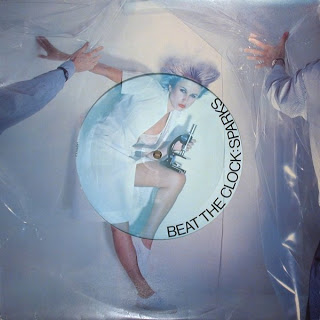
SPARKS Beat The Clock – Long Version (1979)
The shorter album take of ‘Beat The Clock’ was more basic and less epic. But in this longer, more powerful and percussive 12 inch version, the star of this ace collaboration with Giorgio Moroder was the ever dependable Keith Forsey with his rumbling drumming syncopating off the precisely sequenced electronic production. Russell Mael was at his best in fully fledged falsetto mode, while Ron stood more motionless, safe in the knowledge than he didn’t even have to play anymore.
At the start of their career, rather than just simply extend a song by joining together sections of tape, DURAN DURAN actually took time to rearrange and re-record their 12 inch singles. This they did on ‘Planet Earth’ and ‘My Own Way’. From its opening Compurhythm beat and first instrumental chorus set to Nick Rhodes’ swimmy Crumar Performer to Simon Le Bon’s closing verse ad-lib, the best of the early ‘Night Version’ trilogy was ‘Girls On Film’.
THE HUMAN LEAGUE Don’t You Want Me – Ext Dance Mix (1981)
Effectively an instrumental of the closing track on ‘Dare’, the quality of Martin Rushent’s production was fully showcased on this ‘Ext Dance Mix’. Each synth had its own voice and placed inside a precise lattice that formed a fabulous pop tapestry. It was also notable for featuring a guitar, albeit used obliquely by Jo Callis to trigger a Roland System 700. Even without its lead vocals, ‘Don’t You Want Me’ was a fine example of well-crafted, melodic electronic music.
SIMPLE MINDS The American – 12 inch Version (1981)
With the futuristic ‘Changeling’ and ‘I Travel’, SIMPLE MINDS had been heavily rotated in clubs. ‘The American’ was the Glaswegians’ first single for Virgin and sounded like Moroder merged with NEU! Metallic motorik drumming from Brian McGee sans hi-hats provided an interesting rhythm construction and challenged the band into finding inventive ways of making people dance. With Mick McNeil’s pulsing synths coupled with Derek Forbes’ bass engine, this was prime art disco.
Available on the boxed set ‘X5’ via Virgin Records
SOFT CELL Bedsitter – Early Morning Dance Side (1981)
SOFT CELL were quite unique in their 12 inch extended formats by often incorporating extra vocal sections like on ‘Torch’, ‘Facility Girls’ and ‘Insecure Me’. So ‘Bedsitter’ added a marvellous rap from Marc Almond where he asked “do you look a mess, do have a hangover?” before taking a little blusher, pushing tea leaves down the drain and starting the night life over again. This literal kitchen sink drama to song concept won SOFT CELL many ardent followers.
While the single version of ‘The Freeze’ was a polite slice of guitar driven disco, the 12 inch ‘Special Mix’ of SPANDAU BALLET’s second single utilised their Yamaha CS10 with a pulsing octave barrage that could have been borrowed from VISAGE. A closing cacophony of electronically processed percussion came over like a funkier KRAFTWERK but with the overblown vocal histrionics of Tony ‘Foghorn’ Hadley, this could only have been the Islington quintet.
B-MOVIE were the band that Phonogram pursued to take on SPANDAU BALLET and DURAN DURAN. Managed by Some Bizzare’s Stevo Pearce, he stipulated that an unknown duo called SOFT CELL be part of any deal. Possibly the best single featuring the original line-up, the 12 inch version of ‘Nowhere Girl’ featured an extended intro with just a solid beat along with tinkling ivories that came over like ULTRAVOX in full flight before the pulsing bass and harp-like synths kicked in.
CLASSIX NOUVEAUX Is It A Dream? – 12 inch Version (1982)
The best classic 12 inch versions often retained the musical structure of the song but cleverly used the technique of breakdown to achieve the dynamic highs and lows. The 12 inch version of ‘Is It A Dream?’ effectively tagged the instrumental version of the song onto the beginning which provided a build towards the main act as the recognisable elements of the tune steadily kicked it. A final coda of thumping Simmonds drums and brassy synth provided the piece de resistance.
A different version altogether from the 7 inch, however the 12 inch version was actually recorded in one massive 14 minute jam session with the shorter version preceding it. The recording itself was marvellously flawed, with Stephen Morris’ overdriven Simmons snare panned too far to the right while band members can also be heard calling instructions and tutting. The final closing refrains and the iconic “oooh-oo-ooh” vocal hook to the drum breakdown made ‘Temptation’ magical.
Available on the boxed set ‘Retro’ via Warner Music
GARY NUMAN Music for Chameleons – Extended Version (1982)
In 7 inch form, GARY NUMAN’s ‘Music For Chameleons’ sounded incomplete. Lasting almost eight minutes, with the fluid fretless bass runs of Pino Palladino and the stuttering distorted clap of a Linn Drum providing the backbone to some classic vox humana Polymoogs, the 12 inch version’s highlight was the windy synth run in the long middle section. The effect of this was ruined on the ‘I Assassin’ album version which clumsily edited this section out!
Inspired by the burgeoning New York club scene, Rusty Egan brought in John Luongo to remix ‘Night Train’ much to Midge Ure’s dismay, leading him to end his tenure with VISAGE. But Luongo’s rework was sharper, pushing forward the female backing vocals to soulful effect in particular and replacing the clumpier snare sounds of the original album version with cleaner AMS samples. However, on this longer dance mix, Luongo isolated Rusty Egan’s drum break!
Available on the boxed set ’12″/80s/2′ (V/A) via UMTV
Possibly BLANCMANGE’s most overt disco number, under the production supervision of New York club specialist John Luongo who had remixed ‘Feel Me’ to great rhythmical effect, ‘Blind Vision’ was punctuated by brass, extra percussion and slap bass as well as the trademark BLANCMANGE Linn Drum claps also thrown in. A steady build-up, vocal ad-libs from Neil Arthur and a prolonged coda extended the track to a hypnotic nine and a half minutes.
Available on the album ‘Mange Tout’ via Edsel Records
With an edgy production from Zeus B Held, ‘What I Want’ was a rewrite of ‘Blue Monday’ or even ‘Shake It Up’ by DIVINE, depending on your outlook. This HI-NRG / Goth hybrid was the last track Wayne Hussey would play on as a member of DEAD OF ALIVE before departing for THE SISTERS OF MERCY. “Listen blue eyes, shut up!” scowled Pete Burns showing that he was a top rather than a bottom in this salaciously pounding affair.
After the mechanised dystopia of ‘Metamatic’ and the romantic thawing with ‘The Garden’, John Foxx started experimenting in psychedelic pop. With nods to ‘Sgt Pepper’, the original Linn Drum driven version of ‘Endlessy’ from 1982 had the makings of a good song, but was laboured in its arrangement. Reworked with Simmons drums, metronomic sequencers and grand vocal majestics, the Zeus B Held produced 1983 version was even more glorious in an extended 12 inch format.
Available on the boxed set ‘Metadelic’ via Edsel Records
HEAVEN 17 Crushed By The Wheels Of Industry – Extended Dance Version (1983)
Taking a leaf out of their old sparring partners THE HUMAN LEAGUE, HEAVEN 17 took off most of the vocals and played up the instrumental elements of ‘Crushed By The Wheels Of Industry’ with a restructured rhythmical backbone. With a punchy retuned bass drum attack and Roland Bassline programming pushed out to the front, sequences and guitar synth solos were phased in and out. The chanty chorus remained while John Wilson’s funky freeform bass solo closed.
FRANKIE GOES TO HOLLYWOOD Two Tribes – Annihilation (1984)
Sounding like SIMPLE MINDS, ‘Two Tribes’ was influenced by ‘I Travel’, itself inspired by European right wing terrorism. While Holly Johnson’s original lyric referenced the dystopian drama ‘Mad Max’, it sat well within the Cold War tensions of the period. With Fairlight orchestra stabs and masterful PPG programming for the iconic synth bass, the first ‘Annihilation’ 12 inch featured the poignant authoritative voice of Patrick Allen, reprising his real life ‘Protect & Survive’ commentary…
Available on the album ‘Frankie Said’ via Union Square Music Ltd
The original ‘Tour De France’ single in 1983 signalled the launch of a new KRAFTWERK album ‘Technopop’. Despite being given an EMI catalogue number, it was never released. However, ‘Tour De France’ took on a life of its own. This masterful remix by New York DJ Francois Kevorkian backed a key scene in the film ‘Breakdance’ which lead to a release of this rework. Much more percussive and less song based than the first version, it reinforced KRAFTWERK’s standing in US Hip-Hop.
GIORGIO MORODER & PHILIP OAKEY Together In Electric Dreams – Extended (1984)
One of the best 12 inch versions ever, it not only retained the essence of the original song but added enough extra elements to make it quite different too. There was more rock guitar from Richie Zito and the false end after the guitar solo leading to a superb percussive breakdown that made the most of Arthur Barrow’s frantic Linn Drum programming. Of course, ‘Together In Electric Dreams’ wouldn’t have been any good without Moroder’s songcraft and Oakey’s deadpan lyricism.
The UK 12 inch extended version was a rather formless, dub excursion. However, taking a leaf out of DURAN DURAN’s specifically taylored remixes of songs from the ‘Rio’ album for America, EMI / Capitol commissioned Steve Thompson to construct a toughened up version of ‘It’s My Life’ to make it more MTV friendly. The song became an unexpected favourite in US clubs. One impressionable teenager who was no doubt listening was Gwen Stefani who covered the song in 2003.
Available on the boxed set ‘’12″/80s’ (V/A) via UMTV
ULTRAVOX One Small Day – Special Remix Extra (1984)
One of ULTRAVOX’s more guitar driven numbers, there were eventually three different extended versions of ‘One Small Day’, the best of which was the ‘Special Remix Extra’ (also known as the ‘Extended Mix’) that was issued on the second of the 12 inch releases. With chopped up vocal phrases replacing a conventional vocal on this neo-dub mix, it allowed the instrumentation to come to the fore without Midge Ure’s shrill chorus acting as a distraction.
Available as the ‘Extended Mix’ on the album ‘Lament’ via EMI Gold
A-HA The Sun Always Shines On TV – Extended Version (1985)
Despite being labelled a teenybop group, from the beginning A-HA were always so much more than just the catchy pop of ‘Take On Me’. ‘The Sun Always Shines On TV’ revealed a lyrical darkness while the combination of synths and edgy guitar put them in the same league as ULTRAVOX and ASSOCIATES. This rarer first ‘Extended Version’ made the most of the powerful instrumentation and added more drama with a slow solemn piano intro. And just listen to that emotive string synth solo…
While ‘Dr. Mabuse’ was a Trevor Horn production, PROPAGANDA’s second single ‘Duel’ produced by Steve Lipson was based around the Synclavier, PPG and Roland Super Jupiter. To add some syncopation, Stewart Copeland from THE POLICE rhythmitised alongside the Linn Drum while the ‘Bitter Sweet’ extended mix broke down the instrumentation to reveal a highly intricate arrangement. The programmed piano solo is still one of the maddest bursts of music ever!
Available on the album ‘Outside World’ via Repertoire Records
Not the better known but less fulfilled ‘Extended Remix’ by Tom Lord-Alge, John Potoker’s reworking did away with its daft skips and enhanced the song’s enjoyable instrumental elements. The wonderful end section with its wild rhythm guitar from Kamil Rastam and Malcolm Holmes’ reverbed drums also revealed that despite the song’s palatable Trans-Atlantic sound, OMD’s classic synthetic choirs reminiscent of KRAFTWERK’s ‘Radio-Activity’ still lingered.
‘Suburbia’ was a good if slightly underwhelming album track from ‘Please’ that got transformed into a more fully realised sub-nine minute epic. Produced in this new longer version by Sarm West graduate Julian Mendelson, it was effectively a two-parter. Complete with barking dogs, widescreen synths and thundering rhythms, the intro and middle sections saw a pitch shifted Neil Tennant monologuing about the evils of ‘Suburbia’ in a devilish ‘Meninblack’ tone.
DEPECHE MODE Never Let Me Down Again – Split Mix (1987)
A merging of the album version with the Wasp driven bass heavy ‘Aggro Mix’ (hence the ‘Split Mix’ title), this sub-ten minute take on one of DEPECHE MODE’s classic songs was perfection. Other DM 12 inch versions were tiresome like the ‘Slavery Whip Mix’ of ‘Master & Servant’, but ‘Never Let Me Down Again’ took into account that the best 12 inch mixes usually had the actual song and an instrumental middle section before a reprise of the main chorus hook.
Although electronic pop only forms a part of Marc Almond’s repertoire, he is forever associated with SOFT CELL’s recording of ‘Tainted Love’, possibly the first true crossover record from the Synth Britannia era.
A fan of Marc Bolan and David Bowie, Southport-born Almond started attending Leeds Polytechnic in 1979 to study Fine Art. One fellow student also on the course in the year above was Frank Tovey, soon to become FAD GADGET. Specialising in performance art, Almond met Dave Ball, a seasoned clubber who explored his artistic musings through the new medium of affordable synthesizers from Japan. Together, they formed SOFT CELL. Their first product was the self-released ‘Mutant Moments’ EP in 1980.
It came to the attention of DJ Stevo Pearce, who had been compiling futurist charts for the music papers Record Mirror and Sounds, which covered the new wave of home grown electronic music that had emerged after the success of Gary Numan. Stevo gathered a number of these acts for the independently produced ‘Some Bizzare Album’ compilation in 1981. SOFT CELL appeared alongside young hopefuls such as DEPECHE MODE, BLANCMANGE, B-MOVIE and THE THE. With DEPECHE MODE opting for Mute and BLANCMANGE eventually heading for London, Stevo signed B-MOVIE, THE THE and SOFT CELL to his Some Bizzare label and began courting the major record companies for a licencing arrangement.
Phonogram had been particularly desperate to sign B-MOVIE in order to compete and SPANDAU BALLET and DURAN DURAN. Legend has it that Stevo sent his demands to their A&R chief Roger Ames on a cassette carried by a teddy bear dressed as Robin Hood; it stipulated that SOFT CELL had to be part of the deal!
Photo by Poalo Di Paolo
Produced by Daniel Miller, SOFT CELL’s first recording for Phonogram was ‘Memorabilia’. While not a hit, it was critically acclaimed and become a cult club favourite. However, the encore of their live set was the one to capture the public’s imagination. A cover of ‘Tainted Love’, it reached No1 in the UK, Germany, Australia and Canada while also eventually entering the US Top 10.
Written by Ed Cobb, ‘Tainted Love’ was originally recorded by Gloria Jones and became a Wigan Casino favourite on the Northern Soul scene. As a fan of that scene, David Ball knew the song and took it into haunting electronic torch territory. Segued with a Motown cover ‘Where Did Our Love Go?’ on the extended version, it was to become one of Sire Records’ biggest selling 12 inch singles in America. But it was to be a double edged sword as the coupling of two covers made SOFT CELL minimal money, despite the record selling millions.
The follow-up ‘Bedsitter’ proved SOFT CELL could have a hit single with their own material. Amusingly after the release of the ‘Some Bizarre Album’, a disgruntled rival musician had poked fun at Almond and told him: “You couldn’t make a decent dance record if you tried”.
However, the disgruntled rival musician faded into obscurity and gig no-shows with his deluded combo, while ‘Bedsitter’ made it three decent dance records in a row for SOFT CELL following the club popularity of both ‘Memorabilia’ and ‘Tainted Love’. Thus began a run of hit singles that ensured Almond and Ball would be Top 40 chart fixtures for the next three years.
Almond though was looking at a life outside of SOFT CELL, so he formed MARC & THE MAMBAS. It set the tone for the artist that he would eventually become. Almond was certainly channelling his venom with aplomb, especially on delightful ditties like ‘Catch A Fallen Star’. However, it was an indication that Almond’s drug fuelled paranoia was getting to him… he later threatened a Record Mirror journalist Jim Reid while brandishing a whip, for the scribe’s slating of his Mambas opus and temporarily retired!
The pressure and criticism that came from the success of SOFT CELL was proving too much for Almond, as he went into a well-documented public meltdown. The duo turned into SUICIDE and strove to drive away what was left of their pop oriented audience. Those that remained would become The Gutter Hearts, Almond’s fan club who Boy George had generally described as “people who wear black and hate their parents”. The duo disbanded in Spring 1984 just as the third album ‘This Last Night in Sodom’ hit the shelves.
Almond’s first solo album ‘Vermin in Ermine’ released in late 1984 and embraced a classic European cabaret style with almost exclusively traditional instrumentation, often with dynamic orchestral arrangements. There was a one-off collaboration with BRONSKI BEAT in 1985 but continuing in the orchestrated vein, Almond unexpectedly hit No1 again in 1989 with ‘Something’s Gotten Hold Of My Heart’, a spirited cover with the late Gene Pitney. But despite the recognition as an artist in his own right, the spectre of SOFT CELL continued to haunt Almond.
“Synthesizers and the bands or artists that used them weren’t taken seriously at first especially by so-called serious music critics. They were ridiculed…” he remembered in a recent interview with Advocate. But with the success of Acid House and the rave scene, electronic music was now being re-evaluated.
So in 1991, Almond re-voiced a number of SOFT CELL’s best loved numbers for the ‘Memorabilia – The Singles’ collection. He also began collaborating again with Dave Ball, who was now having success with his new musical partner Richard Norris in the dance oriented combo THE GRID. The results ended up on 1991’s ‘Tenement Symphony’, possibly the most mainstream recording of Almond’s career.
The follow-up ‘Fantastic Star’ should have been the record to consolidate Almond’s position as a pop artiste. But instead, it got lost in record company politics; while Almond remains dissatisfied with the overall album, it did lead to him working with guitarist Neal X of SIGUE SIGUE SPUTNIK fame, who today continues to be his right hand man.
Looking back, SOFT CELL were probably ahead of their time. Between 1981 and 1982, they were actually a much stronger proposition than the fledgling DEPECHE MODE. Ultimately, the duo set the blueprint as the proto-PET SHOP BOYS. And although far grittier both musically and lyrically, they also smoothed the path for acts like ERASURE. Almond once said that for an artist to be “truly subversive”, they had to have “access to the mainstream” and subvert he did. So when Almond and Ball came back in 2001 for a full SOFT CELL reunion, there was a welcome acknowledgement of their ground breaking legacy.
In 1993, Almond toured Russia at the invitation of the British Consul and began of his love affair with the nation’s folk songs which continues to this day. But in October 2004, Almond was seriously injured in a motorbike accident near St Paul’s Cathedral, London. He began a slow recovery but remained determined to get back on stage and into the studio. 2007 saw Almond return with ‘Stardom Road’, a covers album including songs made famous by Dusty, Sinatra and Bowie. The concept had largely been prompted by him being unable to write new material since his accident.
But in 2010, Almond released ‘Varieté’ his first studio album of self-written material since 2001. It was a move towards more vintage theatrics and paved the way for his future projects like ‘Pop’pea’ and ‘Ten Plagues – A Song Cycle’. Immersing himself in a variety of work since then, Almond recently re-entered the pop sphere with ‘The Velvet Trail’.
Meanwhile his current crowd-funded venture is an interpretation of Joris-Karl Huysman’s ‘À Rebours’, scored by Othon with lyrics by poet Jeremy Reed and set for release later this year.
So with such a vast and diverse career, what would a Beginner’s Guide to Marc Almond look like? Primarily focussing on his electronic, or at least, technologically assisted work and with a restriction of one song per album or project, here are ELECTRICITYCLUB.CO.UK’s 20 choices…
SOFT CELL The Girl With The Patent Leather Face (1981)
With Almond credited with “vocals/ effects / energetics”, ‘The Girl With The Patent Leather Face’ was one of the stand-outs from the ‘Some Bizzare Album’ showcase. Creepy and unsettling, Almond told the JG Ballard inspired story of a ”two-faced baby” who “tampers with machinery so other beauties crash their cars”. Ball’s gloriously out of tune Korg synths were a fine example of how electronics were maintaining Punk’s ethics of DIY minimalism.
Available on the compilation ‘Some Bizzare Album’ (V/A) via Some Bizzare Records
SOFT CELL Say Hello, Wave Goodbye (1981)
SOFT CELL’s fine debut album was recorded and mixed in the more liberal setting of New York. It captured the edginess of minimal synth arrangements while married to an actual tune. With a magnificent arrangement by Ball that allowed Almond to indulge in his Scott Walker aspirations, ‘Say Hello, Wave Goodbye’ is possibly SOFT CELL’s crowning achievement. Certainly, the line “We’re strangers meeting for the first time, OK?” has become one of the most memorable of the era…
Punctuated by John Gatchell’s flugelhorn, ‘Torch’ came in the middle of SOFT CELL’s imperial pop phase and the eight minute version was a piece de resistance. By now, Almond and Ball had got heavily into MDMA while partying on the New York club scene. They were introduced to the drug by the singing dealer Cindy Ecstasy! In an amusing spoken middle section, her nonchalant off-key vocal counterpointed Almond’s fabulously forlorn romanticism.
The MARC & THE MAMBAS project begsn with a mail order only 12 inch of ‘Sleaze’. With a revolving door cast of collaborators away from a traditional band format, it was rare that all would perform on the same recording. ‘Untitled’ was a co-write with THE THE’s Matt Johnson that had distinct European overtones. With its Roland TR808 backbone and melodic chorus, ‘Untitled’ could have easily been mistaken for a SOFT CELL song.
Available on the MARC & THE MAMBAS album ‘Untitled’ via Phonogram Records
SOFT CELL Forever The Same (1983)
John Gatchell returned, this time with his trumpet on ‘Forever The Same’ from the appropriately titled difficult second album ‘The Art Of Falling Apart’. However, Phonogram’s proposal for it to be a single release was vetoed for the less immediate ‘Numbers’. In a bid to hype it up the charts, the 12 inch was twinned with a free copy of ‘Tainted Love’. Dismayed, this incident set off an already edgy Almond and Stevo to trash the record company’s offices in a destructive rage!
Co-written with SIOUXSIE & THE BANSHEES’ Steve Severin, the precise digital drum machine and eerie organ stabs of ‘Torment’ were offset by the gorgeous Bohemian string arrangements and the chromatic allure of Almond’s dramatic refrains. Co-produced by a young Flood, ‘Torment & Toreros’ had been an adventurous double album indulgence, but the tracklisting could have easily been streamlined into a more cohesive single long player.
Available on the MARC & THE MAMBAS album ‘Torment & Toreros’ via Phonogram Records
SOFT CELL Down In The Subway (1984)
If ‘The Art Of Falling Apart’ was SOFT CELL’s difficult second long player, ‘This Last Night In Sodom’ was an even more challenging proposition; the duo’s final hit single in their first phase was this thundering percussive cover of ‘Down In The Subway’, an emotional but obscure Northern Soul song by Jack Hammer. Fuelled by angst and self-loathing, it was undoubtedly refelctinf Almond’s own mental breakdown.
Adopting a back-to-basics approach, Almond had many fine songs in his trilogy of albums with THE WILLING SINGERS comprising of musicians who had been involved in ‘Torment & Toreros’. Free of the mechanical limitations of SOFT CELL, he was more melodramatic than ever before. Produced by Mike Hedges who worked with ASSOCIATES and SIOUXSIE & THE BANSHEES, ‘Tenderness Is A Weakness’ was a remarkably passionate song, regardless of genre.
Available on the MARC ALMOND album ‘Vermine In Ermine’ via Phonogram Records
MARC ALMOND These My Dreams Are Yours (1988)
While Almond was continuing on his path of orchestrated European cabaret torch songs, an electronic element was starting to creep back in the club remixes of ‘Tears Run Rings’ and ‘Bittersweet’. A pulsating electronic bassline formed the backbone of the emotive ‘These My Dreams Are Yours’, a song which owed its existence to ‘No Regrets’, made famous by Scott Walker. Featuring the vocals of Victoria Wilson-James, this string laden drama showed Almond was opening up to technology again.
Produced by Bob Kraushaar who had worked with PROPAGANDA, ACT and PET SHOP BOYS, the success of the ‘The Stars We Are’ meant its follow-up ‘Enchanted’ had a bigger budget by EMI. The ethos behind pop production in this CD age was “bigger is better” and the epic album opener ‘Madame De La Luna’ was a fine example of the marvellous fusion between the Fairlight CMI programmed by co-producer Gary Maughan and the cinematic orchestrations of Billy McGee.
Available on the MARC ALMOND album ‘Enchanted’ via EMI Records
MARC ALMOND Meet Me In My Dream (1991)
While ‘Tenement Symphony’ is best remembered for the Trevor Horn produced covers ‘Jacky’ and ‘The Days Of Pearly Spencer’, it also hosted a writing reunion with Dave Ball. The magnificent ‘My Hand Over My Heart’ closed the collection. But starting the album was the more minimal, but no less emotive ‘Meet Me In My Dream’. A classic SOFT CELL song in all but name, it was a reminder of the undeniable magic that Ball and Almond together possessed.
The original ‘Fantastic Star’ album sessions had seen Almond reunited with Mike Thorne who had produced SOFT CELL’s first two albums. But at Mercury Records behest, numerous other studio personnel were brought in. It also led to managerial strife which eventually ended his relationship with Stevo. Produced by Martyn Ware fresh from steering ERASURE’s ‘I Say I Say I Say’ album, ‘Brilliant Creatures’ reflected the uptempo club friendly pop of the times.
Available on the MARC ALMOND album ‘Fantastic Star’ via Mercury Records
MARC ALMOND & SIOUXSIE SIOUX Threat Of Love (1999)
Under new manager Vicki Wickham who had looked after Dusty Springfield, Almond signed to Echo Records in 1998, but almost straight away, record company politics intervened. The eventual album ‘Open All Night’ was issued on Almond’s own Blue Star label and a more downbeat electronic based excursion than he had previously attempted. A feisty trip-hop electro fusion with the Queen of Goth, ‘Threat Of Love’ was orchestrated with an amorous, but sinister Middle Eastern tone.
Available on the MARC ALMOND album ‘Open All Night’ via Blue Star
SYSTEM F featuring MARC ALMOND Soul On Soul (2001)
Ferry Corsten had a huge international hit in 1999 with ‘Out Of The Blue’ under his SYSTEM F moniker. It highlighted the spiritual connection between synthpop and trance. So substantiating the link further, the Rotterdam based producer recruited Almond to guest on the blinding ‘Soul On Soul’. It was a spirited, club friendly workout, with Almond giving an exuberant performance over the frantic dance beats and swirling arpeggios.
Available on the SYSTEM F album ‘Out Of The Blue’ via Tsunami Records
MARC ALMOND Glorious (2001)
Despite the SOFT CELL reunion, Almond recorded another solo album ‘Stranger Things’. ‘Glorious’ was an appropriately titled electronic torch ballad that combined his unique vocal histrionics with a big sound production not heard since his work with Trevor Horn for ‘Tenement Symphony’. Icelandic producer Jóhann Jóhannsson did a fine job with the song’s widescreen dynamics, adding some vintage ARP Odyssey textures along the way as well.
Available on the album ‘Stranger Things’ via Strike Force Entertainment / Cherry Red Records
SOFT CELL Desperate (2002)
Almond and Ball’s comeback album ‘Cruelty Without Beauty’ saw a return to the kitchen sink dramas that the pair were famous for. The launch single ‘Monoculture’ was an attack on acceptance of the bland. And with ‘Desperate’, reality talent shows were where Almond chose to vent his spleen. Narrating the thoughts of a young hopeful seeking fame and fortune at whatever cost, with its Bond Theme styled brass inflections, ‘Desperate’ was fine satirical social commentary.
T-TOTAL featuring MARC ALMOND Baby’s On Fire (2005)
A danced up cover of Brian Eno’s cult favourite from ‘Here Come The Warm Jets’, Almond always saw himself as a fan of the ROXY MUSIC synth dandy, rather than the more suave singer Bryan Ferry. He saw the collaborative adventure as a good way to ease himself back into the recording process after his accident in 2004. This reworking still retains much of the mad swirling spirit of the original, while updating it for a new audience.
Available on the T-TOTAL featuring MARC ALMOND single ‘Baby’s On Fire’ via Pure Mint
STARCLUSTER featuring MARC ALMOND Smoke & Mirrors (2008)
Following his ‘Stardom Road’ covers project, Almond continued with his one-off collaborations. Maintaining his varied portfolio and willingness to try different styles, ‘Smoke & Mirrors’ was a Hi-NRG octave shifting dance anthem in the vein of Giorgio Moroder. Produced under the auspices of Anglo-German duo Roland Faber and Kai Ludeling, there was even a sweeping VANGELIS rooted synth solo thrown in for good measure towards the conclusion.
Available on the STARCLUSTER album ‘Silver City Ride’ via Private Records
MARC ALMOND Worship Me Now (2014)
‘Worship Me Now’ was Almond’s most overtly electronic work in quite a while. Written by PULP’s Jarvis Cocker, it saw Almond having fun with interpreting the lyrics and sending himself up with the passion of his own classic torch songs. Apart from suggesting the female backing vocals, he had very little to do with the track other that sing, preferring to leave himself in the competent hands of producers Jason Buckle and Tris Penna.
Available on the MARC ALMOND album ‘The Dancing Marquis’ via Strike Force Entertainment / Cherry Red Records
MARC ALMOND Bad To Me (2015)
With the aftermath of his accident, it was understandable that Almond was content with just being able to perform and record. But when producer Chris Braid heard Almond had say “the songwriting muse had all but left me”, he spun into action and sent Almond a number of songs that successfully re-inspired the tainted soul. ‘Bad To Me’ was a wonderfully glitzy, Schaffel stomper that announced Almond’s welcome return to the mainstream.
Available on the MARC ALMOND album ‘The Velvet Trail’ via Strike Force Entertainment / Cherry Red Records
We use cookies to ensure that we give you the best experience on our website. If you continue to use this site we will assume that you are happy with it.


 was not included on the debut FAD GADGET long player ‘Fireside Favourites’ that came out a few months later, but it helped establish Mute Records’ credentials as an early champion of independent electronic music.
 via Mute Records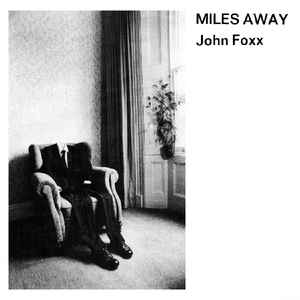
 was a worthy transitional recording although where Foxx headed next was the more romantic and band oriented textures of ‘The Garden’.
 via Metamatic Records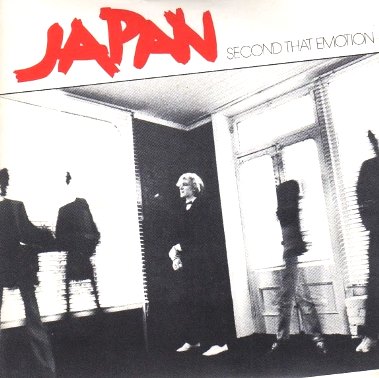
 was not a hit on its original release, but the world belatedly caught up when a remixed reissue reached No11 in 1982.
 via Virgin Records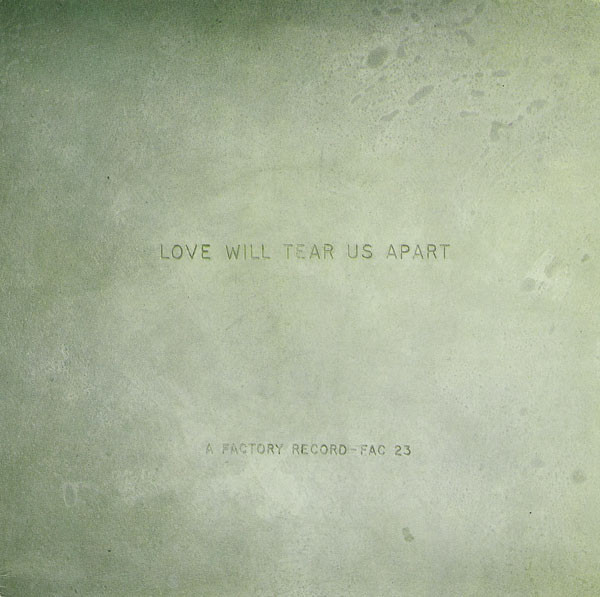
 was the posthumous hit single that documented the relationship turmoil which JOY DIVISION’s lead singer Ian Curtis was facing prior to his suicide. The initial attempt at recording had been much faster and tighter, but producer Martin Hannett slowed the band down and suggested Curtis take on a more Sinatra based drawl. The looser end result added further poignancy.
 via Rhino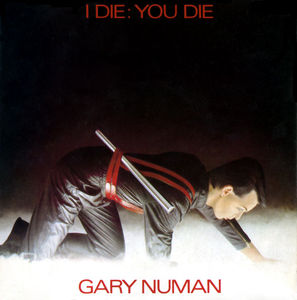
 via Beggars Banquet
 was the first release from THE BLUE NILE and the esoteric template that later emerged on ‘A Walk Across The Rooftops’ was already omnipresent. Rawer and more aggressive than songs like ‘Stay’ and ‘Tinseltown In The Rain’, this was a fine opening gambit from the enigmatic Glaswegian trio. Originally self-released, the single was picked up by RSO who promptly folded after its re-release.
 via Virgin Records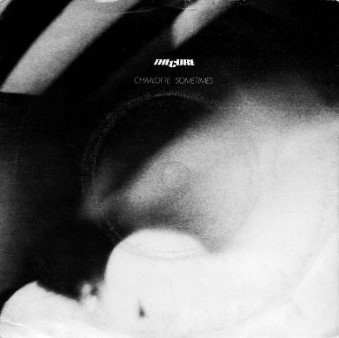
 co-produced by Mike Hedges was an interim 45 prior to the doomfest of ‘Pornography’. The band’s potential for success now looked like a real threat as The Raincoat Brigade seeked out a successor to JOY DIVISION. But in late 1982, THE CURE lightened up for the first of their fantasy singles, ‘Let’s Go to Bed’.
 via Fiction Records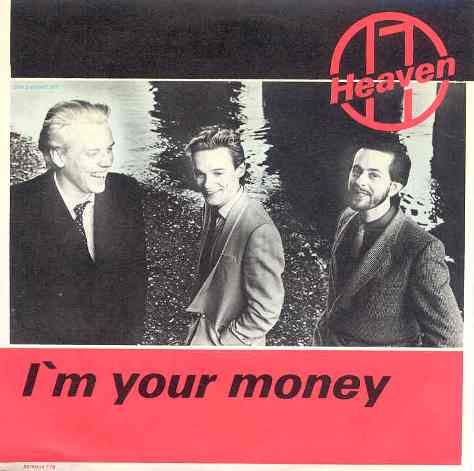
 . The multi-lingual phrases highlighted an expanding world market while Glenn Gregory provided commentary on how personal relationships were like business transactions.
 via Virgin Records
 , a song that had not been originally included on their second album ‘The Friends Of Mr Cairo’. Jon Anderson’s lyrics were almost spiritual while the widescreen sonic backing from his Greek chum complimented the mood. Vangelis himself was about to enter his most high profile period with ‘Chariots Of Fire’ and ‘Blade Runner’.
 via Polydor Records / Universal Music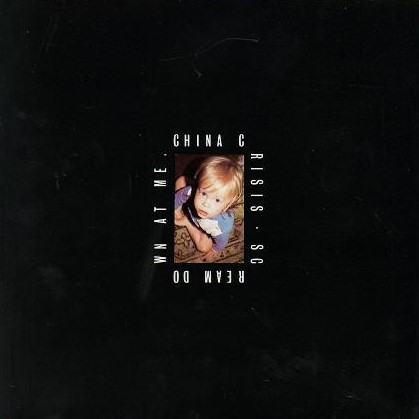
 via Music Club Deluxe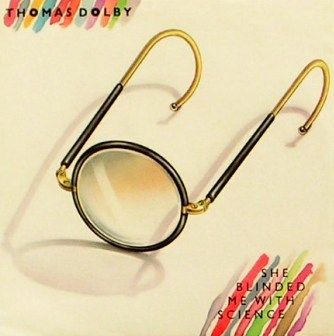
 being appended to the album.
 via EMI Music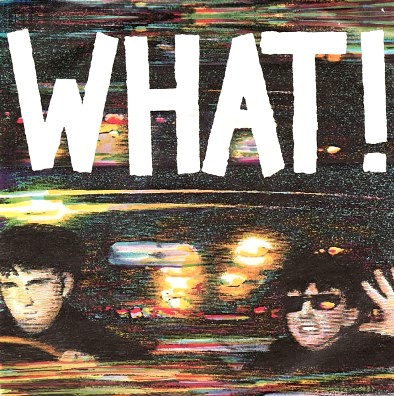
 effectively bookended Marc Almond and Dave Ball’s imperial pop period which had started with ‘Tainted Love’. Another song that came via the Northern Soul scene, it was originally recorded by Judy Street and had more than a passing resemblance to ‘Always Something There To Remind Me’. The recording was quickly disowned and was to be SOFT CELL’s last Top10 single before the duo entered much darker musical territory and on the path to ‘Mr Self Destruct’.
 via Phonogram / Universal Music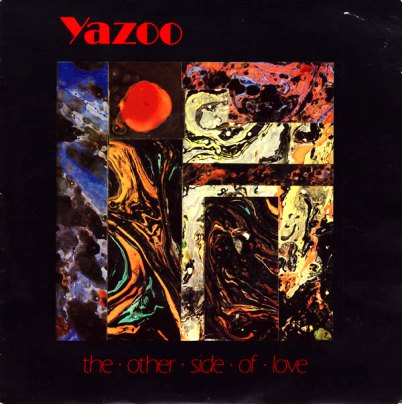
 allowed Clarke to put his new Fairlight CMI through its paces, while a gospel flavour came from SYLVIA & THE SAPPHIRES.
 via Music Club Deluxe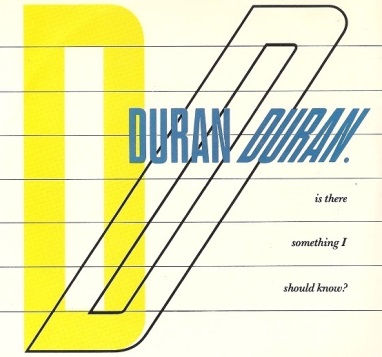
 was a cynical attempt to ensure DURAN DURAN got a UK No1. Nick Rhodes made it clear the song was not going to be on the next album while completely different versions featured on the 7 and 12 inch formats. This synth laden single featured that dreadfully unforgettable line “You’re about as easy as a nuclear war”!
 via EMI Music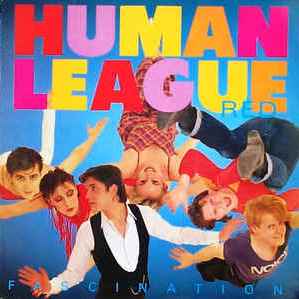
 featured a charming four way call-and-response vocal while the huge use of portamento on the lead synth line fooled buyers into returning their singles to the shops thinking it was warped!
 via Virgin Records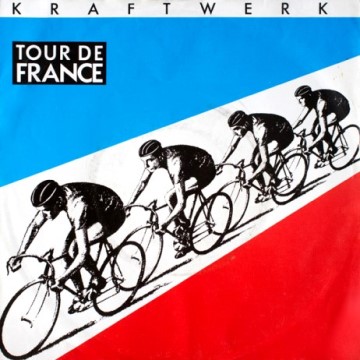
 via EMI Music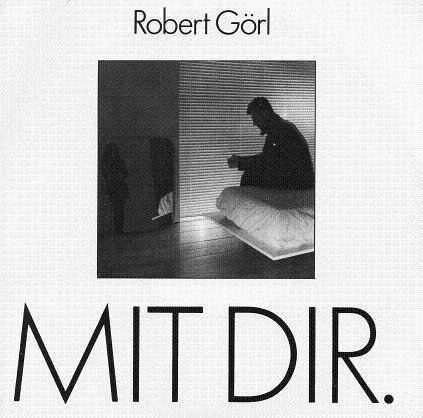
 was considerably less harsh than his band’s pioneering electronic body music. Although not featured on Görl’s first solo album ‘Night Full Of Tension’, ‘Mit Dir’ did much to help lighten his mood considerably that he was attempting synthpop with EURYTHMICS’ Annie Lennox on songs like ‘Darling Don’t Leave Me’.
 via Mute Records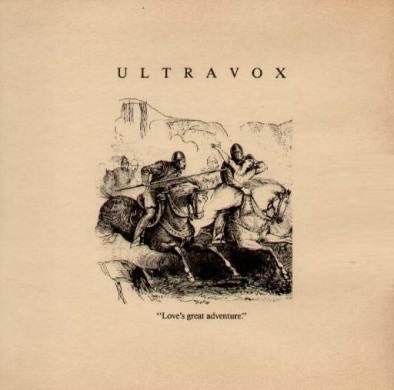
 was a brilliantly glorious statement with Billy Currie’s OSCar interventions being its undoubted musical highlight.
 via EMI Records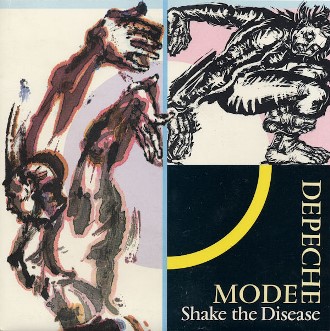
 was the bridge between the industrial flavoured synthpop of ‘Some Great Reward’ and the darker aesthetics of ‘Black Celebration’. Much more accomplished than the more throwaway standalones like ‘It’s Called A Heart’ and ‘But Not Tonight’ which followed, ‘Shake The Disease’ continues to be performed live at DM shows in a less interesting stripped down form with Martin Gore on lead vocals.
 via Mute Records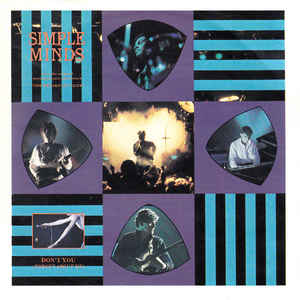
 became an unexpected American No1 on the back of the movie’s success and took Jim Kerr and Co into the stadiums of the world.
 via Virgin Records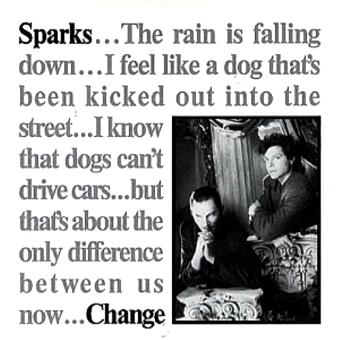
 , a one-off for London Records. Engineered by Dan Lacksman of TELEX, it featured a sonic passage that would have made Trevor Horn proud. Lines such as “I’ve been thinking we’ll get back together again someday – your hair will be some weird color by then…” reminded European audiences of how quirky SPARKS could be.
 via Lil Beethoven Records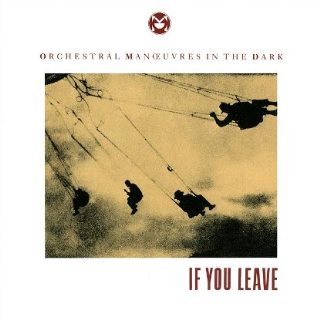
 actually follows a chord progression very similar to ‘Enola Gay’. Interestingly, the song failed to enter the Top40 on its release in the UK.
 via Virgin Records
 is one of the Mancunian’s combo’s more underrated singles. With a synth riff borrowed from Shannon’s ‘Let The Music Play’, it successfully combined some gritty rock energy to a solid Italo disco backbone featuring a great sequenced bassline.
 via Rhino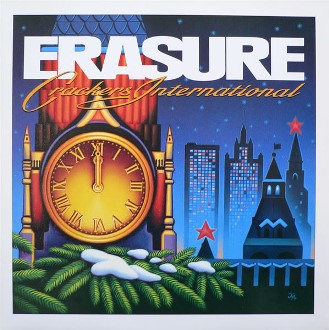
 was a throbbing Moroder-inspired disco tune that borrowed counter-melodies from Donna Summer’s ‘Love’s Unkind’. Independent labels such as Mute and Factory were more likely to indulge in releases that weren’t specifically tied in to albums, and it proved to be a perfect move to maintain ERASURE’s profile while they were preparing their next plan of action.
 via Mute Records
 . It all seemed so camp and ridiculous in the video when Neil Tennant was singing it wearing a Stetson, but then in 1992, out popped Bono doing something similar on their ‘Zoo TV’ tour!
 via EMI Music

 via Repertoire Records
 via EMI Records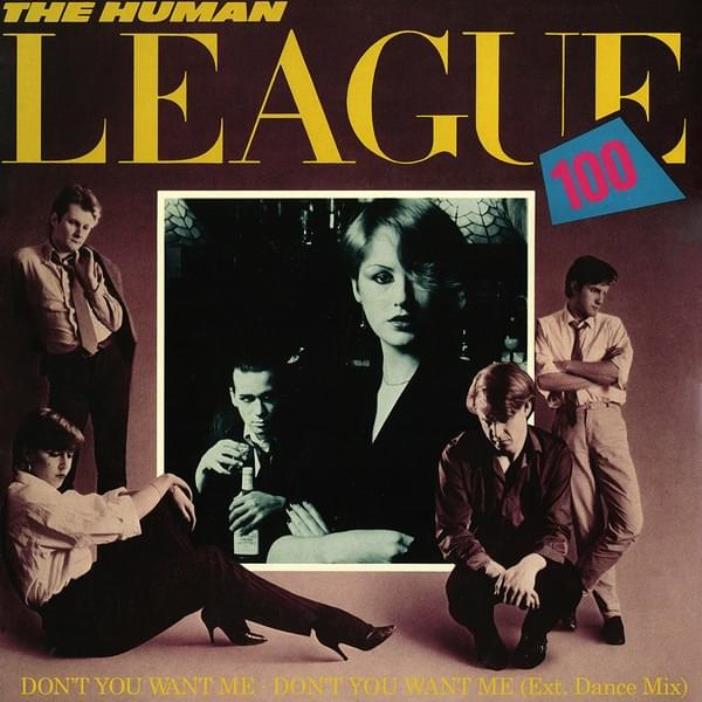
 via Virgin Records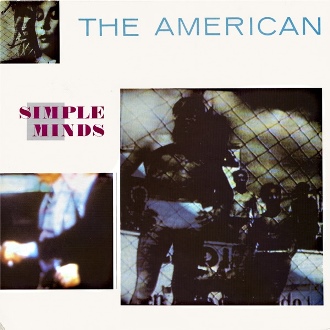
 via Virgin Records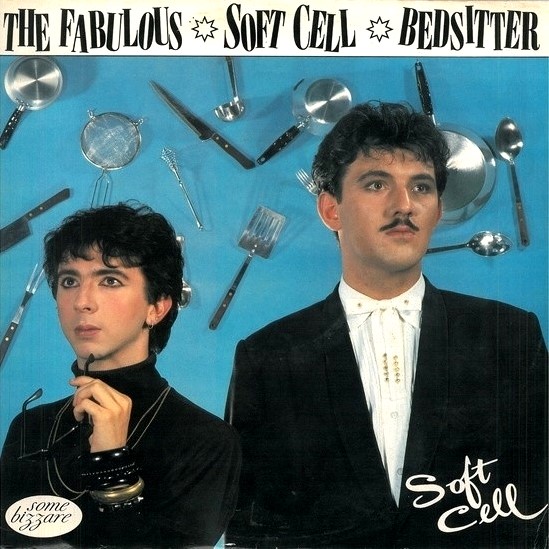
 via UMC
 via Chrysalis Records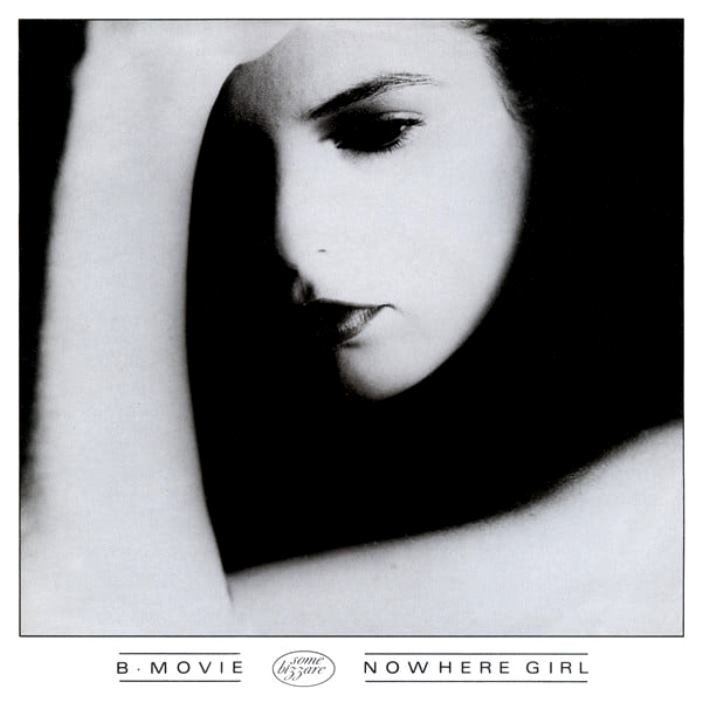
 (V/A) via UMTV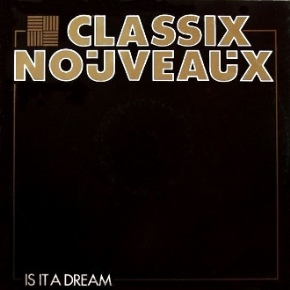
 via EMI Gold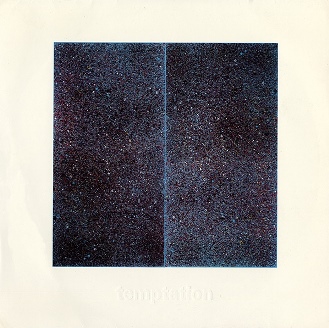
 via Warner Music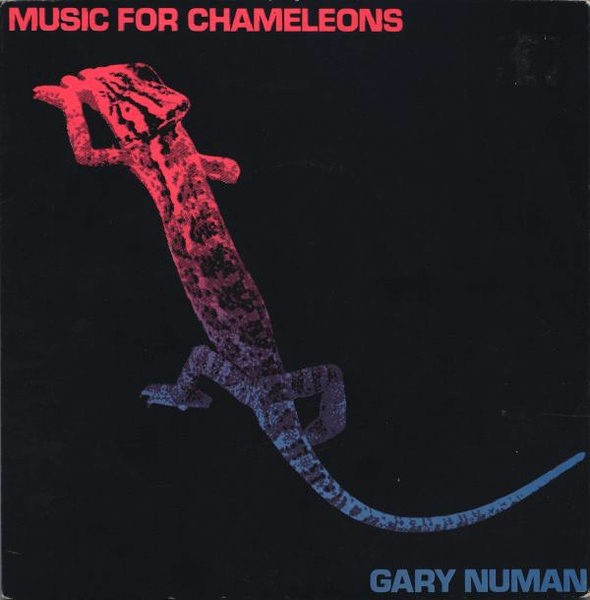
 via Artful Records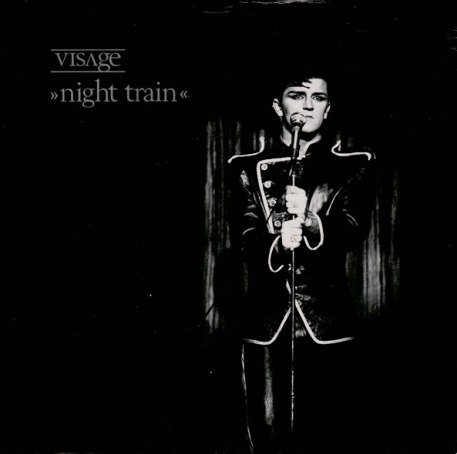
 (V/A) via UMTV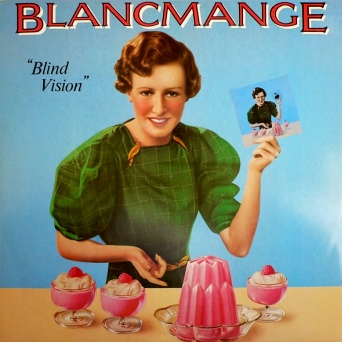
 via Edsel Records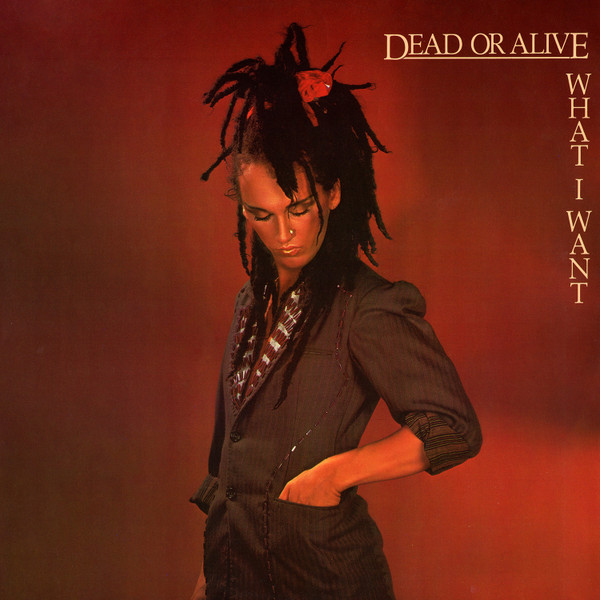
 via Cherry Pop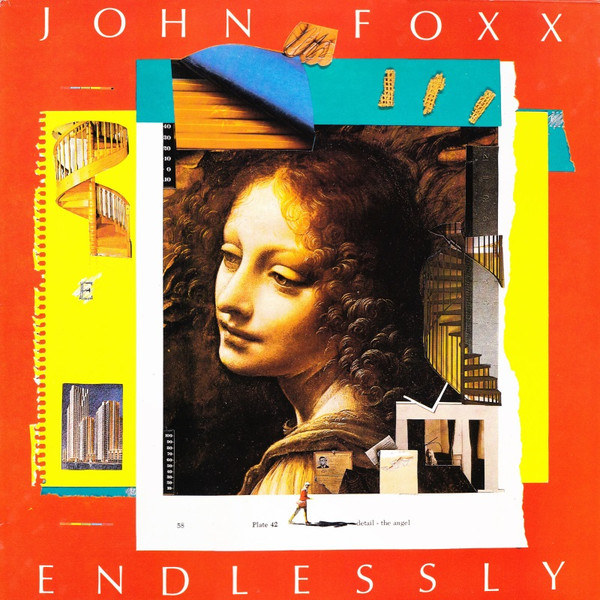
 via Edsel Records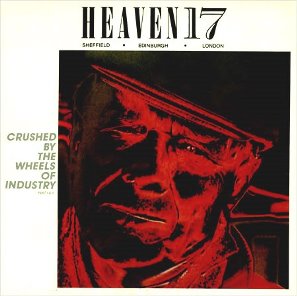
 via Virgin Records
 via Union Square Music Ltd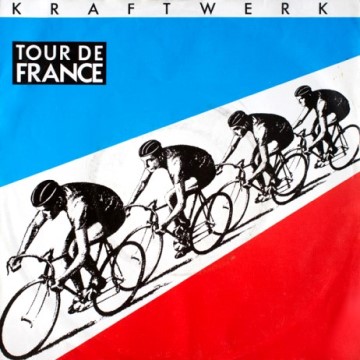
 via EMI Records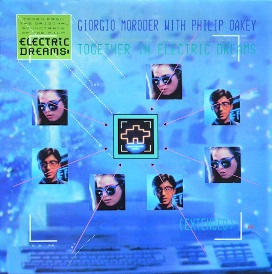
 via Virgin Records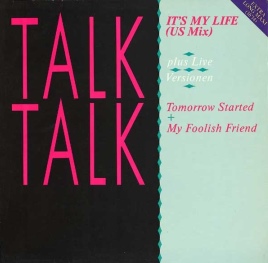
 (V/A) via UMTV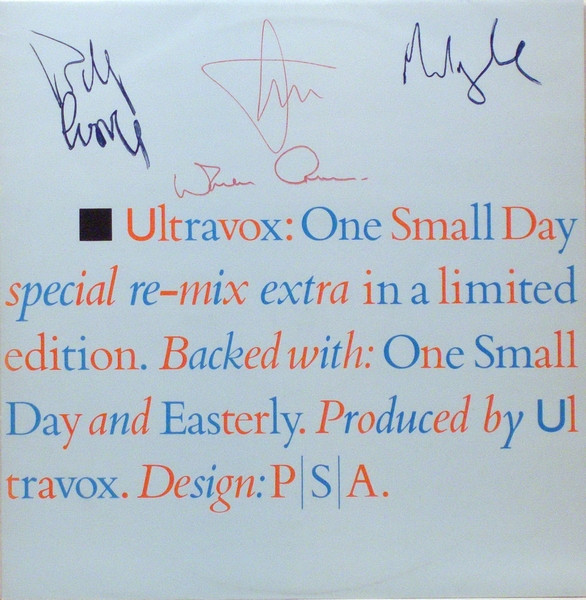
 via EMI Gold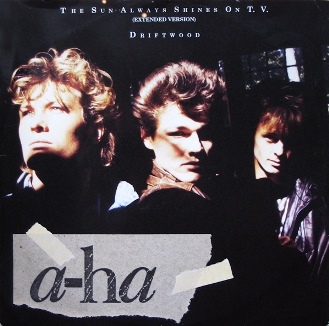
 via Rhino Entertainment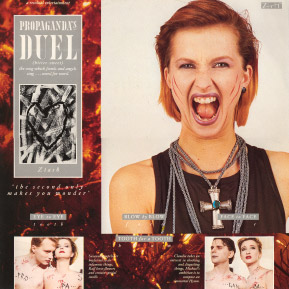
 via Repertoire Records
 (V/A) via Wagram Music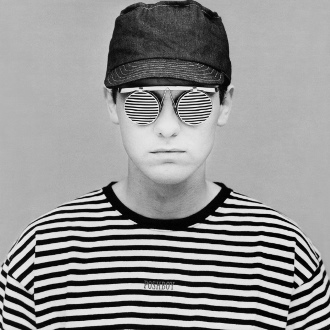
 via EMI Records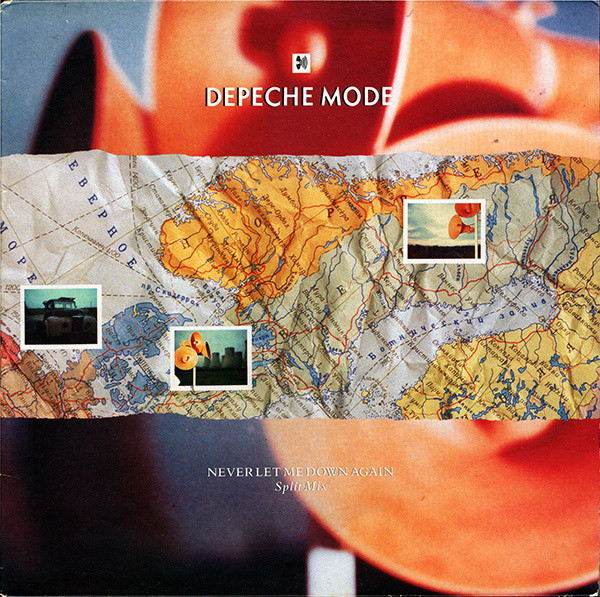
 via Mute Records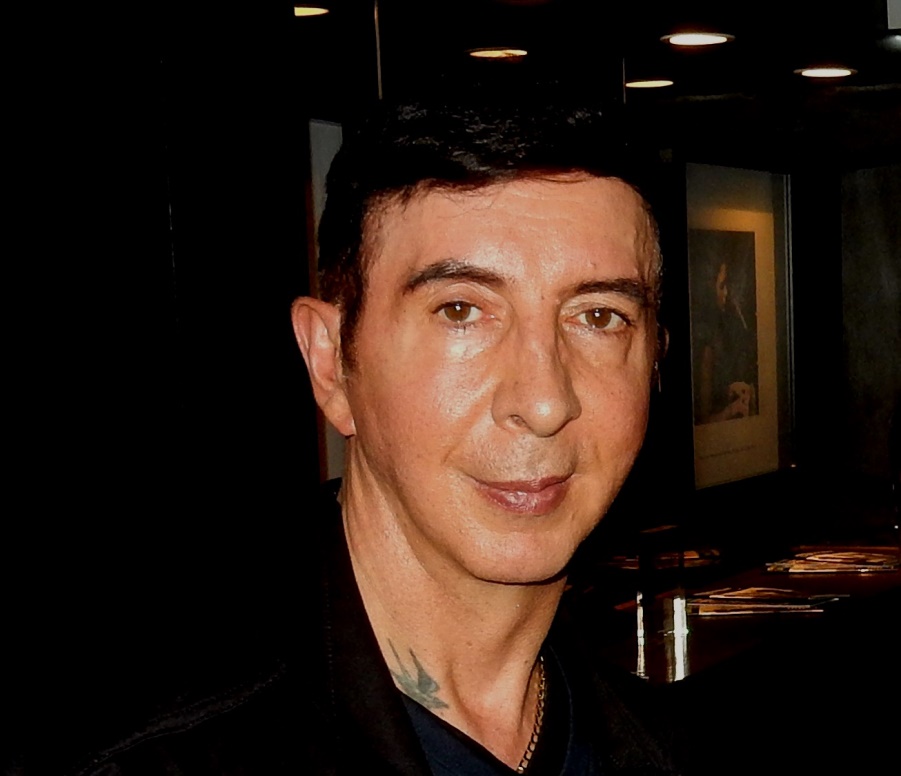
 collection. He also began collaborating again with Dave Ball, who was now having success with his new musical partner Richard Norris in the dance oriented combo THE GRID. The results ended up on 1991’s ‘Tenement Symphony’, possibly the most mainstream recording of Almond’s career.
 , a covers album including songs made famous by Dusty, Sinatra and Bowie. The concept had largely been prompted by him being unable to write new material since his accident.
 his first studio album of self-written material since 2001. It was a move towards more vintage theatrics and paved the way for his future projects like ‘Pop’pea’ and ‘Ten Plagues – A Song Cycle’. Immersing himself in a variety of work since then, Almond recently re-entered the pop sphere with ‘The Velvet Trail’.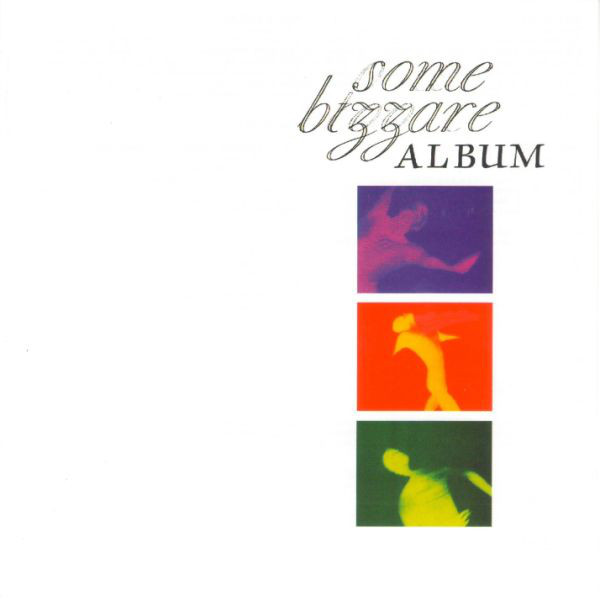
 (V/A) via Some Bizzare Records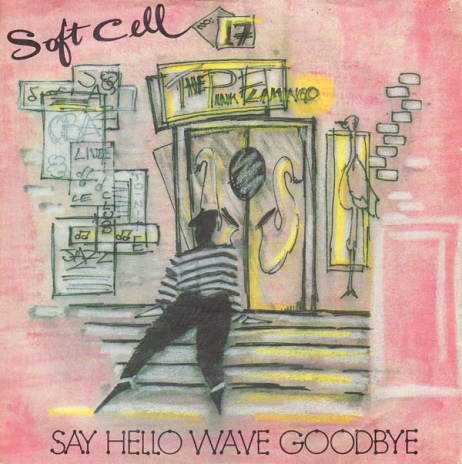
 via Phonogram Records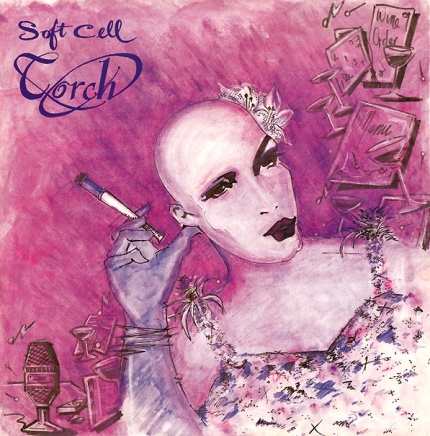
 via Phonogram Records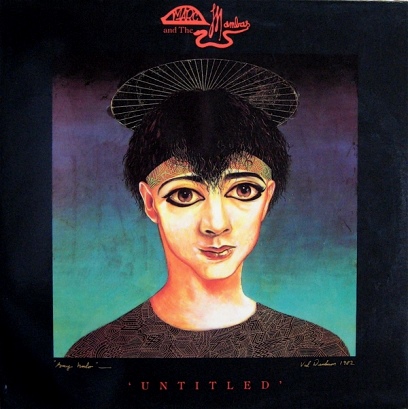
 via Phonogram Records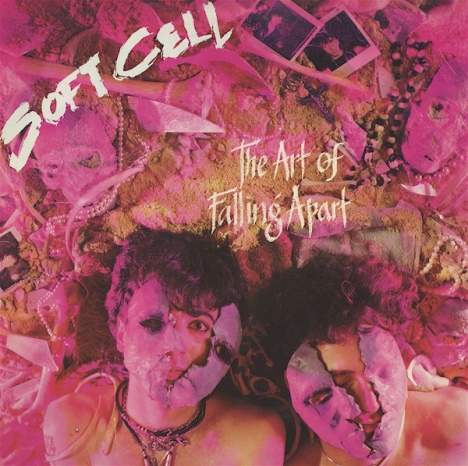
 via Phonogram Records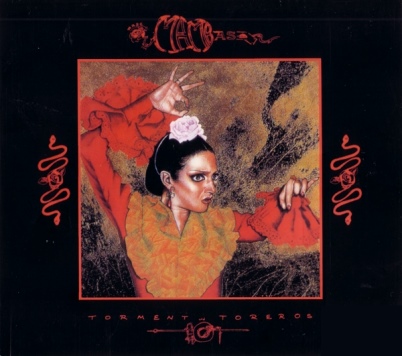
 via Phonogram Records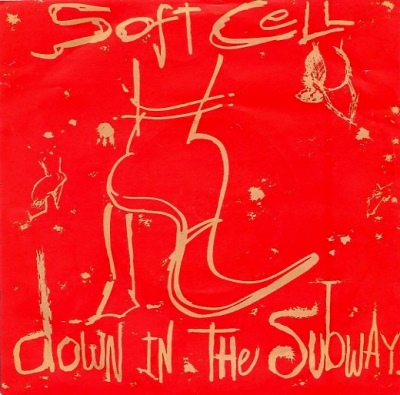
 via Phonogram Records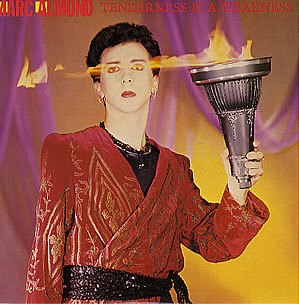
 via Phonogram Records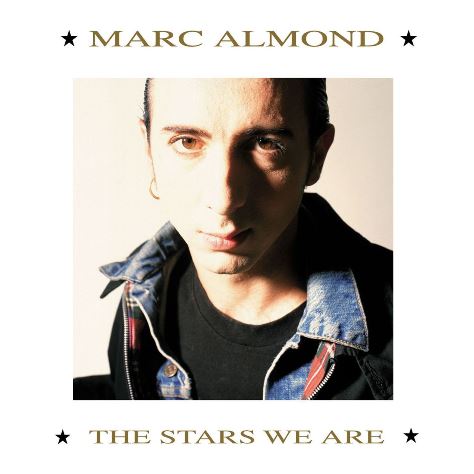
 via EMI Records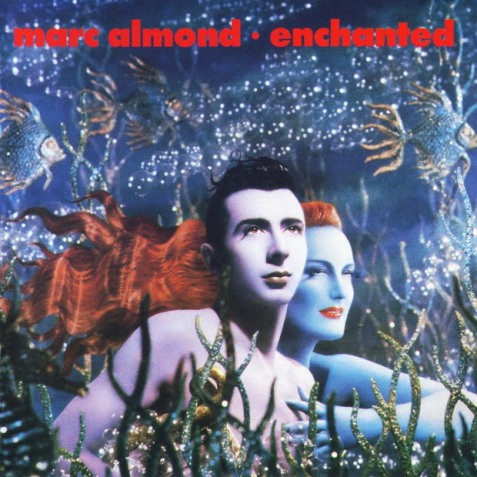
 via EMI Records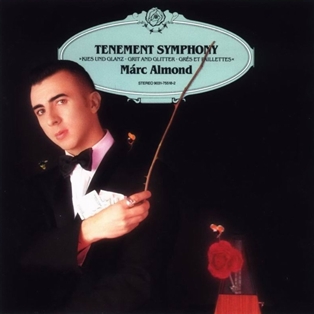
 via WEA Records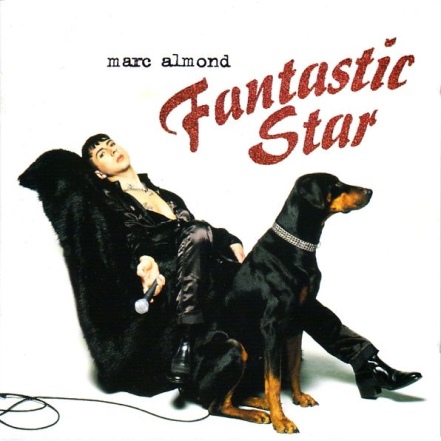
 via Mercury Records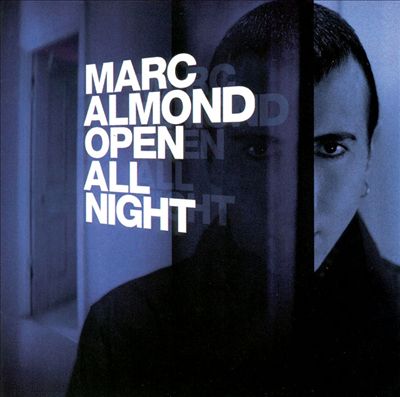
 via Blue Star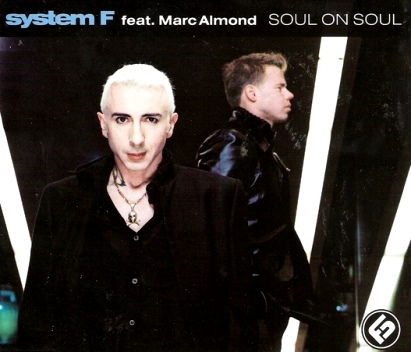
 via Tsunami Records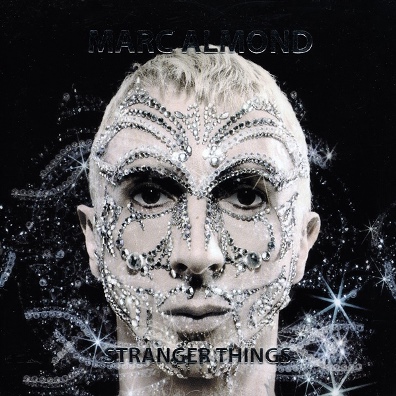
 via Strike Force Entertainment / Cherry Red Records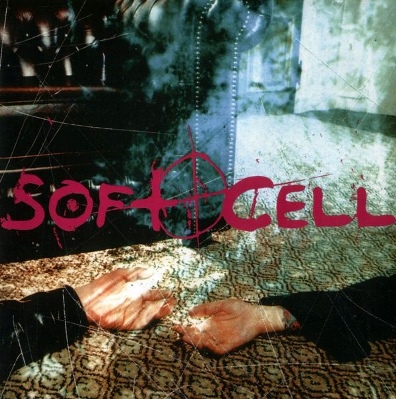
 via Cooking Vinyl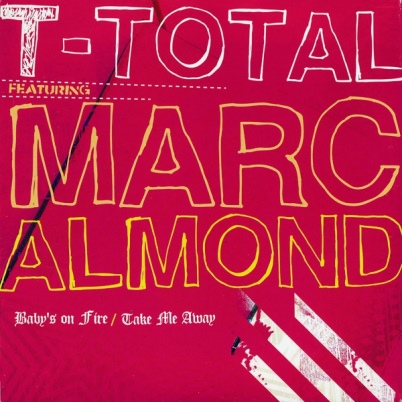
 via Pure Mint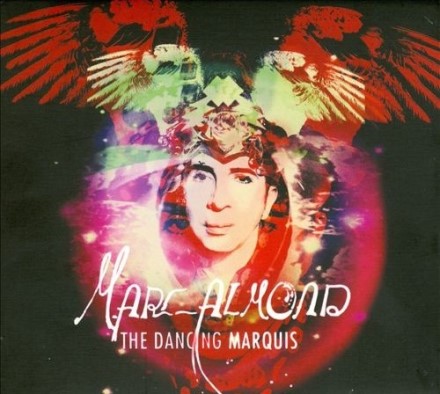
 via Strike Force Entertainment / Cherry Red Records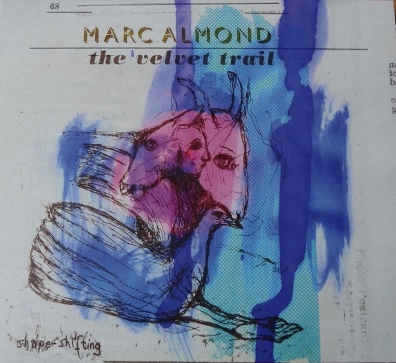
 via Strike Force Entertainment / Cherry Red Records
Follow Us!