Tag: Soft Cell (Page 13 of 13)

25 SYNTH SINGLES THAT SHOULD HAVE BEEN HITS

Statistics can often not be a good indicator of quality and so it is that sometimes, a great single never actually attained the sales recognition it deserved. This could have been due to timing, lack of interest from a fickle music buying public or even a saturated market.

While some of these lost singles do get forgotten, many become live standards and firm fan favourites. So here are 25 singles from predominantly established acts or collectives featuring figures who are now well known in the music scene, that did not reach the UK Top 40 singles chart. Due to the sheer numbers of songs that are eligible, a cut-off point has been made for when CD singles started to become the norm around 1990.

After much deliberation, it was decided to leave out the work of ASSOCIATES as a number of their songs that would have been contenders for this list were featured in ELECTRICITYCLUB.CO.UK’s own Beginner’s Guide To Billy MacKenzie. There are of course, several other notable omissions, but this list could go on forever…

So with a restriction of one single per artist moniker, the list is presented in chronological order by year, and then alphabetically…


THE HUMAN LEAGUE Empire State Human (1979)
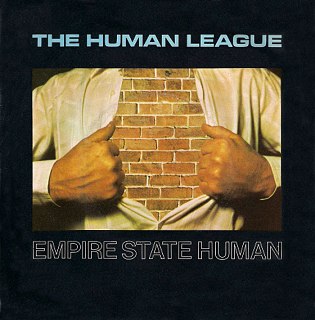
the-human-league-empire-state-human-virginIt seems strange now that this extremely catchy single failed to be a hit in an era when synthesizers were being accepted by the wider record buying public. After all, both SPARKS and TUBEWAY ARMY had entered the Top 20 with their Moog assisted ditties. In hindsight though, Colin Thurston’s production did sound comparatively thin next to ‘The Number One Song in Heaven’ and ‘Are Friends Electric?’. Despite a timely re-release in 1980, ‘Empire State Human’ only reached a high of No62.

Available on THE HUMAN LEAGUE album ‘Reproduction’ via Virgin Records

http://www.thehumanleague.co.uk


LORI & THE CHAMELEONS Touch (1979)
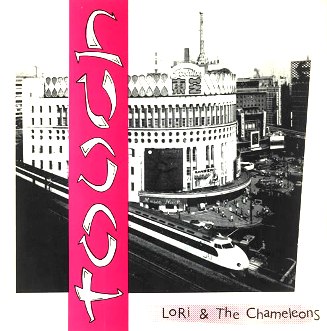
Lori--The-Chameleons-Touch---2nd-issue-448240THE CHAMELEONS (not to be confused with the cult Manchester band) were actually Zoo Records supremos Bill Drummond of THE KLF fame and country house resident Dave Balfe who played keyboards with THE TEARDROP EXPLODES. On the beautifully sequenced ‘Touch’, art school student Lori Lartey innocently told of her holiday romance in Tokyo. It spent one week at No70 when re-issued on Sire Records. There was to be just one more single entitled ‘The Lonely Spy’.

Available on the compilation album ‘North By North West’ (V/A) via Korova Records / Warner Music

http://www.penkilnburn.com/


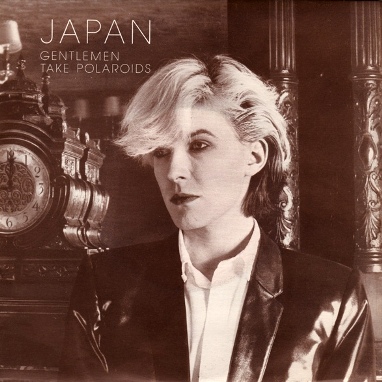
JAPAN Gentlemen Take Polaroids (1980)

JAPAN Gentlemen Take PolaroidsAfter three albums with Ariola Hansa, JAPAN decamped to Virgin Records and reached No60 with ‘Gentlemen Take Polaroids’, their first single release on the label. But much more was expected as the band were already playing huge venues such as The Bukodan in Tokyo. It would not be until Autumn 1981 following a cash-in release of ‘Quiet Life’ by their former label that David Sylvian and Co. were to become regular singles chart fixtures.

Full length version available on the JAPAN album ‘Gentlemen Take Polaroids’ via Virgin Records

http://www.nightporter.co.uk


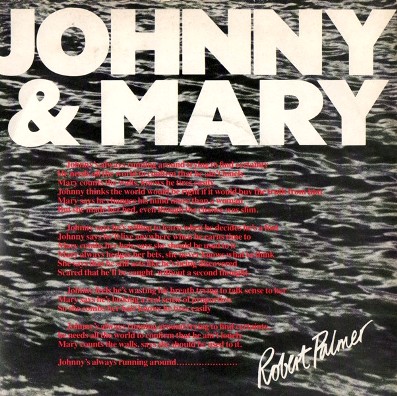
ROBERT PALMER Johnny & Mary (1980)

robert-palmer-johnny-and-mary-islandRobert Palmer took an interest in synths having become a fan of Gary Numan and JAPAN. ‘Johnny & Mary’ was a beautifully world weary number that hit a high of No44. He later had massive success with a more rock flavoured sound while his bank balance was enhanced when the song was covered for the ‘Papa et Nicole’ Renault adverts. Bryan Ferry’s reinterpretation with Todd Terje exposed a twilight years scrutiny on the lyrics which sadly, Palmer himself was never able to do…

Available on the ROBERT PALMER album ‘Clues’ via Island Records / Universal Music

http://www.robertpalmer.com/


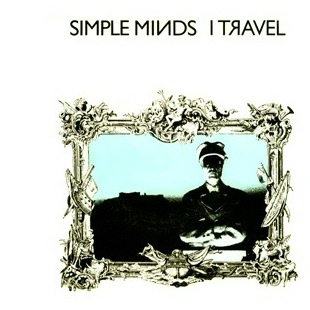
SIMPLE MINDS I Travel (1980)

SIMPLE MINDS I TravelSIMPLE MINDS were signed to Arista Records between 1979-1980 and like JAPAN, they were met with indifference by their label. ‘I Travel’ was their penultimate single at Arista who threw in a free blue flexidisc featuring ‘Kaleidoscope’ and ‘Film Theme Dub’ as a sweetener to early purchasers. But despite airplay at The Blitz Club where its futuristic frenzy was highly welcomed, ‘I Travel’ did not make any chart impact.

Available on the SIMPLE MINDS album ‘Celebrate: The Greatest Hits’ via Virgin Records

http://www.simpleminds.com


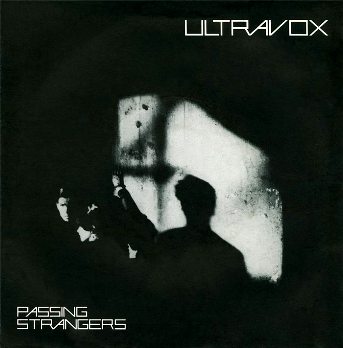
ULTRAVOX Passing Strangers (1980)

ultravox-passing-strangers-chrysalisThings were heading in the right direction for the Mk2 line-up of ULTRAVOX following ‘Sleepwalk’ getting to No29 in the UK chart. Built around a more synth rock structure, ‘Passing Strangers’ had a great chorus and a sympathetic environment in which THE HUMAN LEAGUE and DEPECHE MODE were also managing to break through. But the single stiffed at No57 and it would take the massive surprise success of ‘Vienna’ in early 1981 to truly establish ULTRAVOX as a chart force.

Available on the ULTRAVOX album ‘The Collection’ via EMI Records

http://www.ultravox.org.uk


OUR DAUGHTER’S WEDDING Lawnchairs (1981)

New York’s OUR DAUGHTER’S WEDDING were one of the new synthpop acts to emerge from across the Atlantic and their best known song ‘Lawnchairs’ was a frantic mechanised combination of OMD and Gary Numan. Despite gaining regular radio play in the UK, its chart summit was No49. The trio later re-recorded ‘Lawnchairs’ with a more conventional live drum sound, but this template totally took the charm out!

Available on the OUR DAUGHTER’S WEDDING album ‘Nightlife – The Collection’ via EP Music

http://www.synthpunk.org/odw/


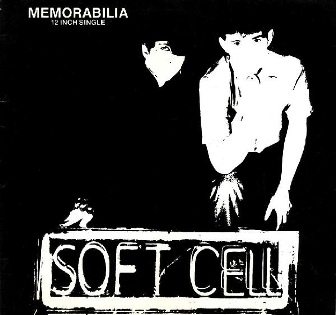
SOFT CELL Memorabilia (1981)

SOFT CELL MemorabiliaProduced by Daniel Miller, ‘Memorabilia’ borrowed heavily from Cerrone’s ‘Supernature’. Released as a 12 inch single but relegated to B-side on the edited 7 inch with ‘A Man Could Get Lost’ as the A-side, Almond recalled a list of trashy souvenirs that were also metaphors for stalking. Dark yet danceable, despite not being a hit, ‘Memorabilia’ would later becitied as an influential proto-house classic.

Available on the SOFT CELL album ‘The Very Best Of’ via Phonogram / Universal Music

http://www.marcalmond.co.uk


TEARS FOR FEARS Suffer The Children (1981)
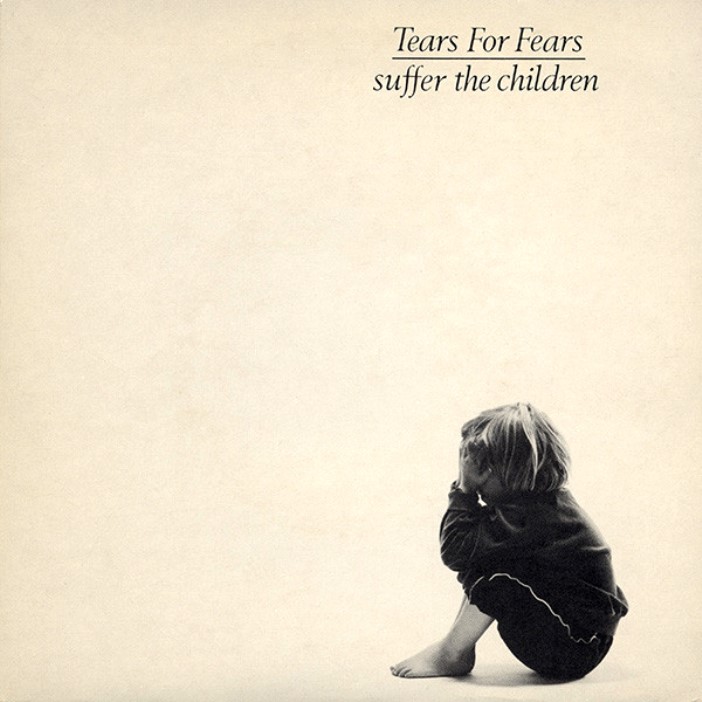
When TEARS FOR FEARS first appeared, they were trying to emulate OMD. ‘Suffer The Children’ took inspiration from Curt Smith and Roland Orzabal de la Quintana’s interest in Primal Scream therapy while musically, it recalled McCluskey and Humphreys’ ‘Pretending To See The Future’ but with more guitar. The child-like refrain by Ozabal’s wife within the bridge and coda would have actually sounded like an OMD hookline had it been played on synth.

Available on the TEARS FOR FEARS deluxe album ‘The Hurting’ via Mercury / Universal Music

http://tearsforfears.com/


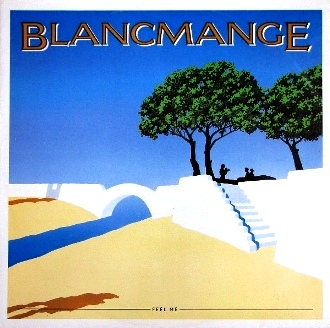
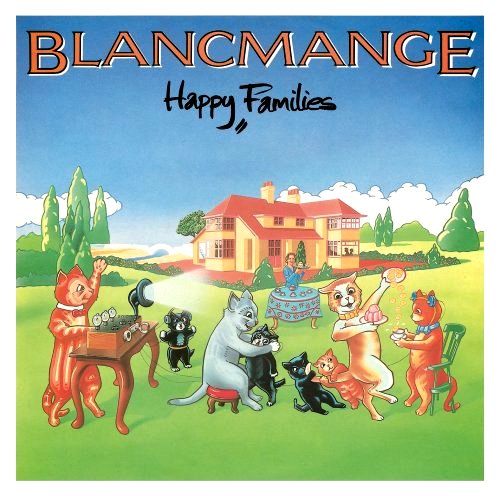
BLANCMANGE Feel Me (1982)

BLANCMANGE Feel MeIf Ian Curtis had joined TALKING HEADS, then it might have sounded like this. “I always thought it was more David Byrne than Ian Curtis but, there was never any intention” recalled Neil Arthur in 2013, “We hired a Roland Jupiter 8, an ARP sequencer and a Korg MS20 plus a Linn LM-1 which Stephen Luscombe and I programmed up”. Reaching No46, ‘Feel Me’ always had untapped hit potential as FAITHLESS’ reworking using Arthur’s vocals proved.

Available on the BLANCMANGE album ‘Happy Families’ via Edsel Records

http://www.blancmange.co.uk


THOMAS DOLBY Europa & The Pirate Twins (1982)
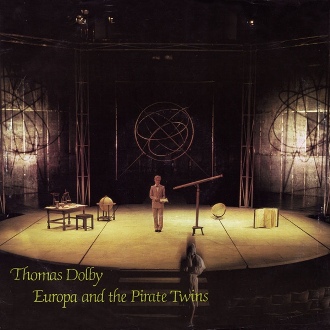
THOMAS DOLBY EuropaWith its thundering Simmons drums and glistening synth riff, ‘Europa & The Pirate Twins’ was based on a real life romance of Dolby’s: “I had a girlfriend and we used to fantasise that after the apocalypse, wherever we were, we would meet up on this beach in East Anglia where I grew up… I always thought she’d end up being this big movie star or something”. The song was not a Top40 hit, but entered the wider consciousness when it was used as the theme to BBC Radio1’s ‘Saturday Live’.

Available on the THOMAS DOLBY album ‘The Golden Age Of Wireless’ via EMI Records

http://www.thomasdolby.com


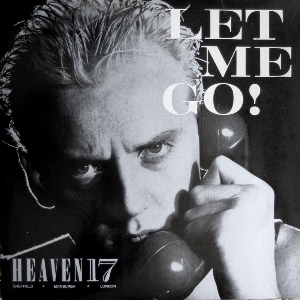
HEAVEN 17 Let Me Go (1982)

HEAVEN 17 Let me goGlenn Gregory and Martyn Ware often cite ‘Let Me Go’ as their favourite HEAVEN 17 song. Propelled by a funky Roland TB303 Bassline before it was hijacked by Acid House, ‘Let Me Go’ had hit written all over it, but stalled at No41. But in a competitive Autumn ‘82 for new releases, later international hits like Thomas Dolby’s ‘She Blinded Me With Science’ and EURYTHMICS’ ‘Love Is A Stranger’ (on its initial release) were having difficulties getting into the UK Top40.

Available on the HEAVEN 17 album ‘The Luxury Gap’ via Virgin Records

http://www.heaven17.com


THE TEARDROP EXPLODES Tiny Children (1982)
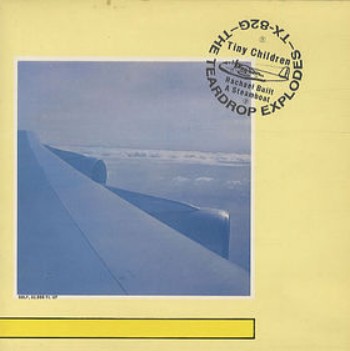
Teardrop Explodes - Tiny ChildrenTHE TEARDROP EXPLODES may not have been a synthesizer driven group, but this marvellously haunting ballad was layered in Prophet5 courtesy of Dave Balfe while Julian Cope sounded like a distressed little boy, lost in his sunshine playroom. Mercury Records probably thought ‘Tiny Children’ would be a hit following the success of JAPAN’s ‘Ghosts’ but released in June 1982, the sonic chill was not what people were wanted as they prepared for their summer holidays!

Available on THE TEARDROP EXPLODES album ‘The Greatest Hit’ via Mercury / Universal Music

https://www.headheritage.co.uk/


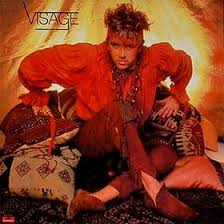
VISAGE Pleasure Boys (1982)
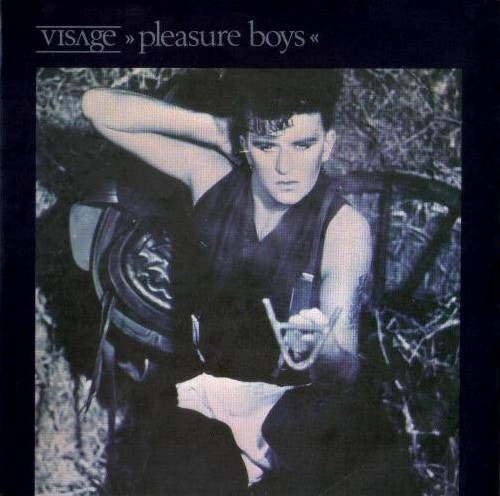
In Autumn 1982, VISAGE were in a state of limbo following the departure of Midge Ure. But with John Luongo who had remixed ‘Night Train’ on board, the remaining quartet of Steve Strange, Rusty Egan, Billy Currie and Dave Formula plus new bassist Steve Barnacle explored New York electro. ‘Pleasure Boys’ was hard and aggressive with lyrics full of hedonism. But the New Romantic audience had moved on and sales were only enough for it to get to No44.

Full length dance mix version available on the VISAGE album ‘The Face – The Best Of’ via Universal Music

http://www.visage.cc/


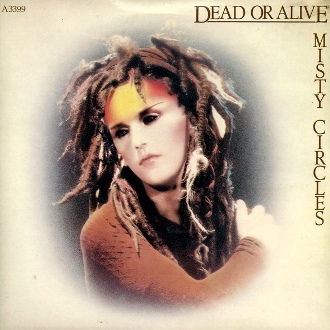
DEAD OR ALIVE Misty Circles (1983)

DEAD OR ALIVE Misty CirclesHaving been courted by the major labels, DEAD OR ALIVE settled on Epic Records and unleashed this vicious slice of electro gothic disco in ‘Misty Circles’ as their first single release for them. Featuring guitars from a soon-to-be-sacked Wayne Hussey, who went on to join THE SISTERS OF MERCY and then form THE MISSION, ‘Misty Circles’ had a highly unusual sound produced by Zeus B Held that was darker than the romping Hi-NRG that DEAD OR ALIVE were later to have hits with.

Full length version available on the DEAD OR ALIVE album ‘Evolution’ via Epic Records / Sony Music

http://www.deadoralive.net/


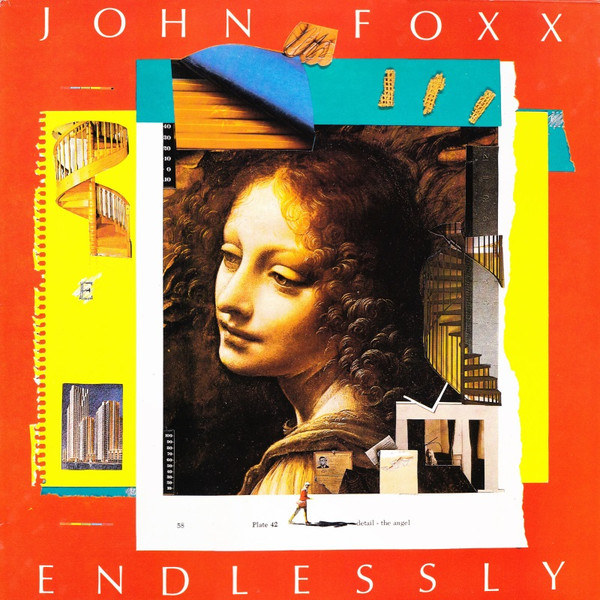
JOHN FOXX Endlessly (1983)

By 1983, John Foxx had moved away from pure electronic music and was now listening to both SIMPLE MINDS and U2. His third solo album ‘The Golden Section’ took on a more pop oriented slant under the auspices of producer Zeus B Held ‘Endlessly’ was initially released in 1982 as a moody Linn drum heavy psychedelic romp and failed to chart. But for the new version, thundering sequencers, Simmons drums and a danced up euphoria were added… however, it still failed to be a hit.

Available on the JOHN FOXX album ‘The Golden Section’ via Esdel Records

http://www.metamatic.com


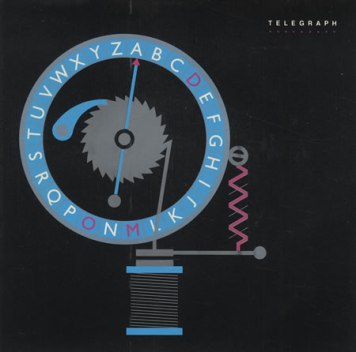
OMD Telegraph (1983)

OMD-Telegraph‘Electricity’ would have been a hit had its sales not been spread over three separate releases with different recorded versions between 1979-80. ‘Telegraph’ was an angry metaphoric attack on religious fundamentalism in the USA, but considered to be the most commercial track on OMD’s brave but critically panned nautical adventure ‘Dazzle Ships’. With an infectious synth melody, what was there not to like? But OMD’s audience had diminished by this time and it only got to No42.

Available on the OMD album ‘Dazzle Ships’ via Virgin Records

http://www.omd.uk.com


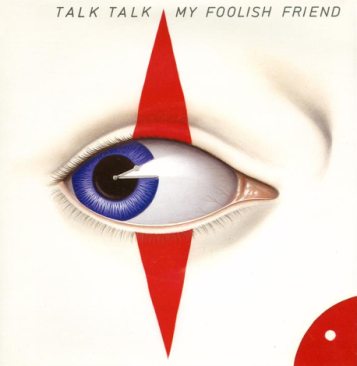
TALK TALK My Foolish Friend (1983)

TALK TALK My Foolish FriendProduced by Rhett Davies who was best known for his slick touches on ROXY MUSIC’s ‘Avalon’, ‘My Foolish Friend’ was the last TALK TALK song to feature contributions from their original keyboardist Simon Brenner. Released between ‘The Party’s Over’ and ‘It’s My Life’ albums as a single, Mark Hollis was in wonderfully miserable mode over a dramatic synthesized backdrop. The single became lost when it only reached No57 and was not included on the ‘It’s My Life’ long player.

Available on the TALK TALK album ‘Asides Besides’ via EMI Music

http://www.spiritoftalktalk.com


THE BLUE NILE Tinseltown In The Rain (1984)
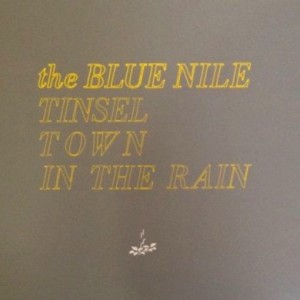
blue_nile-tinseltown_in_the_rain-frontA classic song that sounded like THE PSYCHEDELIC FURS fronting OMD, ‘Tinseltown In The Rain’ is regarded as THE BLUE NILE’s signature tune. Released as part of a deal with hi-fi manufacturer Linn Products to showcase their flagship Sondek LP12 turntable, the gorgeous melancholy of ‘Tinseltown In the Rain’ had an understated quality that ensured the trio’s sporadic releases over the next 20 years were eagerly anticipated by the musical cognoscenti.

Full length version available on THE BLUE NILE album ‘A Walk Across The Rooftops’ via Virgin Records

http://www.thebluenile.net


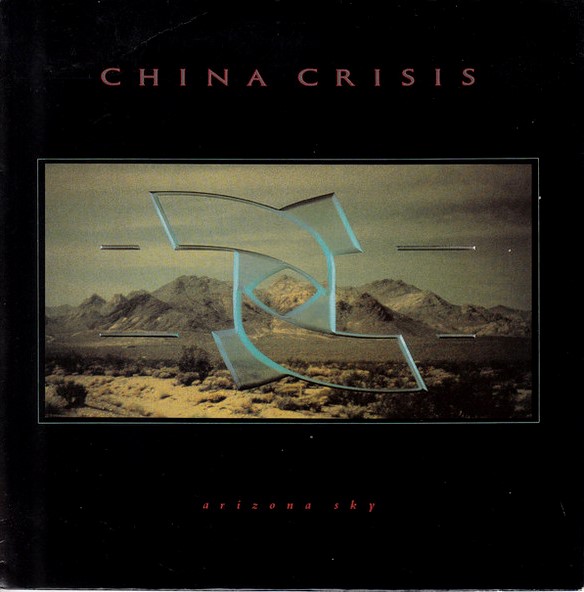
CHINA CRISIS Arizona Sky (1986)

CHINA CRISIS are probably the most underrated band of their generation. Lyrically inspired by an artificially assisted gondola ride in Venice, ‘Arizona Sky’ was one of their many singles which deserved greater recognition. The nucleus of Gary Daly and Eddie Lundon usually managed at least one hit per album but with ‘Arizona Sky’, it was not to be. It settled at No47 despite the song’s brilliant singalong chorus, infectious synthesized textures and catchy “bop-bop-be-doo-dah” refrain.

Full length version available on the CHINA CRISIS album ‘Wishful Thinking: The Very Best Of’ via Universal Music

https://www.facebook.com/pages/China-Crisis/295592467251068


ERASURE Oh L’Amour (1986)
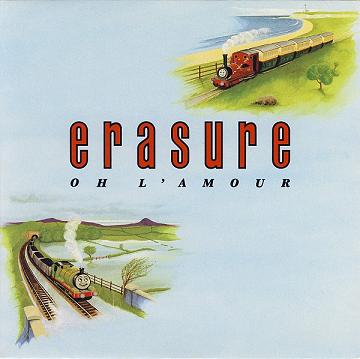
Erasure_-_Oh_L'amour“Why are they doing a DOLLAR song?” someone was overheard at their first visit to an ERASURE concert. And this ultimately sums up why ‘Oh L’Amour’ should have been a massive hit. Its now highly collectable ‘Thomas The Tank Engine’ cover had to be withdrawn due to copyright infringement and wouldn’t have helped availability. However, it should be noted that the original artwork actually features two incidental characters from the Reverend W Audrey’s famous books…

Available on the ERASURE album ‘Always – The Very Best Of’ via Mute Records

http://www.erasureinfo.com


NEW ORDER Bizarre Love Triangle (1986)
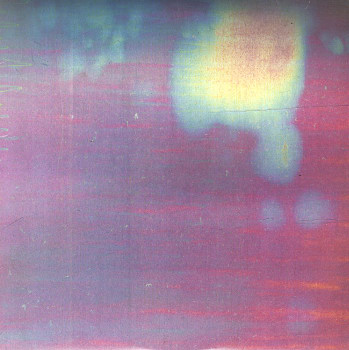
NEW ORDER Bizarre fac163One of NEW ORDER’s best loved tunes, ‘Bizarre Love Triangle’ only reached No56 in the UK singles chart. However, the version released was an irritating, dance enhanced remix by Shep Pettibone which took all the subtlety out of the song with its collage of overdriven percussive samples. Far better and much more commercial was an at-the-time unreleased remix by Stephen Hague which later formed the basis of the ’94 version on ‘(the best of)’ compilation.

Available on the NEW ORDER album ‘Singles’ via Rhino Records

http://www.neworder.com


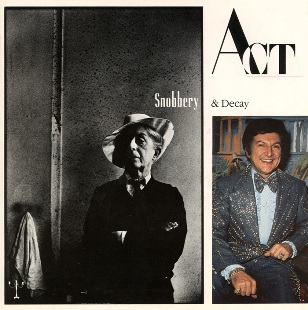
ACT Snobbery & Decay (1987)

act-snobbery-and-decay-ztt-1It was the height of Thatcherism and the Synclavier driven theatrics of ‘Snobbery & Decay’ were a sharp observation by Claudia Brücken and Thomas Leer on the state of the nation. However, the UK were not yet ready for an Anglophile German to tell them about its political decline… “No sadly they didn’t” remembered Claudia Brücken in Summer of 2010, “perhaps it was just not the right moment for this song… Thomas does think that perhaps we were ahead of our time”.

Available on the CLAUDIA BRÜCKEN album ‘ComBined – The Best Of’ via Salvo / Union Square Records

http://www.claudiabrucken.co.uk


KRAFTWERK The Telephone Call (1987)
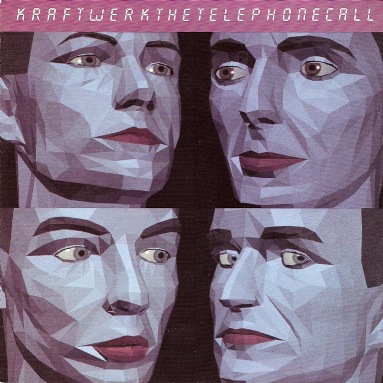
kraftwerk-the-telephone-call-emiThe last single featuring the classic RFWK line-up, ‘The Telephone Call’ was the most immediate track on the disappointing ‘Electric Cafe’ album. Featuring lead vocals from Karl Bartos, despite the abundance of digital synthesis and sampling, ‘The Telephone Call’ still had all the usual Kling Klang hallmarks such as pretty melodies, syncopated rhythms and slightly off-key singing to make this to ‘Electric Cafe’ what ‘Computer Love’ was to 1981’s ‘Computer World’ opus.

Available on the KRAFTWERK album ‘Techno Pop’ via Mute Records

http://www.kraftwerk.com


CAMOUFLAGE The Great Commandment (1988)
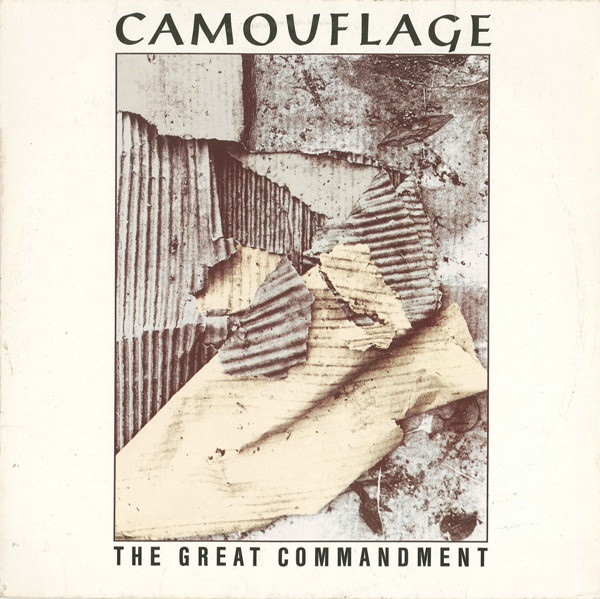
Today, DEPECHE MODE influenced acts are common place but in 1988, this was highly unusual. Taking ‘Some Great Reward’ as their template, CAMOUFLAGE developed on the industrial flavoured synthpop of ‘Master & Servant’ and ‘People Are People’ which DM had all but abandoned from ‘Black Celebration’ onwards. ‘The Great Commandment’ was probably the best single DM never recorded but while it was a hit in Europe and the US, it made no impression in the UK.

Available on the CAMOUFLAGE album ‘The Singles’ via Polydor Records / Universal Music

http://www.camouflage-music.com/


Text by Chi Ming Lai
3rd January 2015
25 SYNTH INSTRUMENTALS OF THE CLASSIC ERA

1972’s ‘Popcorn’ could arguably be seen as Europe’s first electronic pop hit.

Made famous by HOT BUTTER, they were actually a combo of session players led by Stan Free who had been a member of FIRST MOOG QUARTET with ‘Popcorn’ composer Gershon Kingsley. It was largely considered a novelty record but it inspired many cover versions throughout the world including France where it was a No1.

There, one came courtesy of a young musician named Jean-Michel Jarre who recorded ‘Popcorn’ under the moniker of THE POPCORN ORCHESTRA. While working on his first proper full length electronic album in 1976, Jarre adapted a melodic phrase from ‘Popcorn’ as the main theme of what was to become the project’s lead single. That composition was ‘Oxygène IV’ and the rest is history.

After ‘Oxygène IV’ became a Top 5 hit in the Autumn of 1977, the synth instrumental became a popular medium, even spawning budget covers albums such as ‘Synthesizer Hits’ and ‘Synthesizer Gold’.

But coinciding with accessibility of affordable synthesizers, instrumentals were seen by some as a cop out for a B-side or album filler. A bridge between pop and experimentation, these tracks were actually an artform of their own and many would become cult favourites among enthusiasts who understood that music did not necessarily need words to convey an emotive atmosphere or make people dance.

However today, it does appear to be a dying art with some musicians not understanding that formless noodling, club racketfests or tracks in which the vocalist appears to have forgotten to sing don’t quite cut it. So here are twenty five other instrumentals from the classic era when the synth went mainstream and discerning listeners looked forward to an imaginative wordless wonder.

This chronological by year, then alphabetical list however has a restriction of one track per artist and features no tracks that use a repeated vocal phrase as a topline, thus excluding most recordings by KRAFTWERK! And if you’re wondering where GIORGIO MORODER is, his work was covered recently in his own Beginner’s Guide to him…


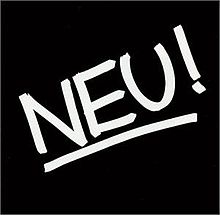
NEU! Isi (1975)

By 1975, NEU! had broken into two artistic factions with Michael Rother and Klaus Dinger unable to agree a direction for their new album. So they divided its space with the manic Dinger piloting his rambling proto-punk of side two and the more sedate and thoughtful Rother directing the less jarring first side. ‘Isi’ was a wonderful synthesizer and piano instrumental that was still driven by a motorik beat but less dominantly Apache.

Available on the album ‘Neu! 75’ via Gronland Records

http://www.neu2010.com/


KRAFTWERK Franz Schubert (1977)

Effectively the closing track on KRAFTWERK’s iconic ‘Trans Europe Express’ album, this neo-classical piece was eerily emotive with its combination of Vako Orchestron string ensemble over some gentle Synthanorma Sequenzer pulsing. The haunting elegance of ‘Franz Schubert’ was like Ralf Hütter had been possessed by the ghost of the great German composer, reflecting the art of his melodic and harmonic intuition.

Available on the album ‘Trans Europe Express’ on EMI Records

http://www.kraftwerk.com/


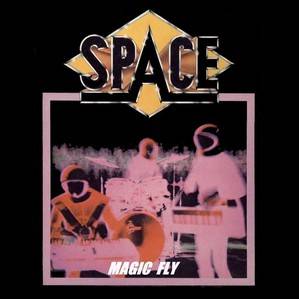
SPACE Magic Fly (1977)

SPACE was the brainchild of Didier Marouani who went under the pseudonym Ecama and formed the collective with Roland Romanelli, and Jannick Top. With compatriot Jean-Michel Jarre and a certain Giorgio Moroder also in the charts, the space disco of the iconic ‘Magic Fly’ heralded the start of a new European electronic sound within the mainstream. With its catchy melody and lush, accessible futurism, ‘Magic Fly’ sold millions all over the world.

Available on the album ‘Magic Fly’ via Virgin France

http://fr.space.tm.fr/


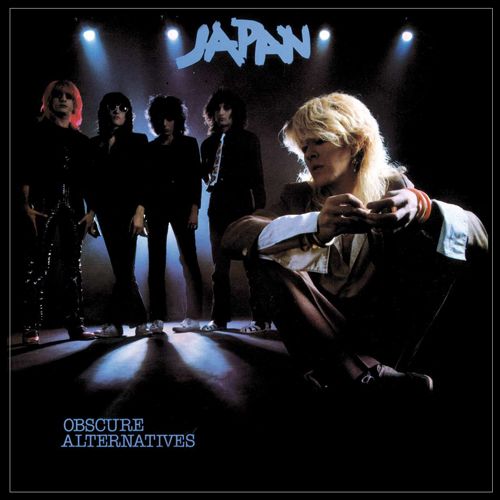
JAPAN The Tenant (1978)

Inspired by the grim Roman Polanski film, ‘The Tenant’ signalled the Lewisham combo’s move away from funk rock into artier climes. A merging of the second side of David Bowie’s ‘Low’ with classical composer Erik Satie, it saw Richard Barbieri play more with synthesizer and piano textures to create atmosphere while Mick Karn dressed the piece with his fretless bass rather than driving it. Karn’s burst of self-taught sax at the conclusion is also quite unsettling.
Available on the album ‘Obscure Alternatives’ via Sony BMG Records

http://www.nightporter.co.uk/


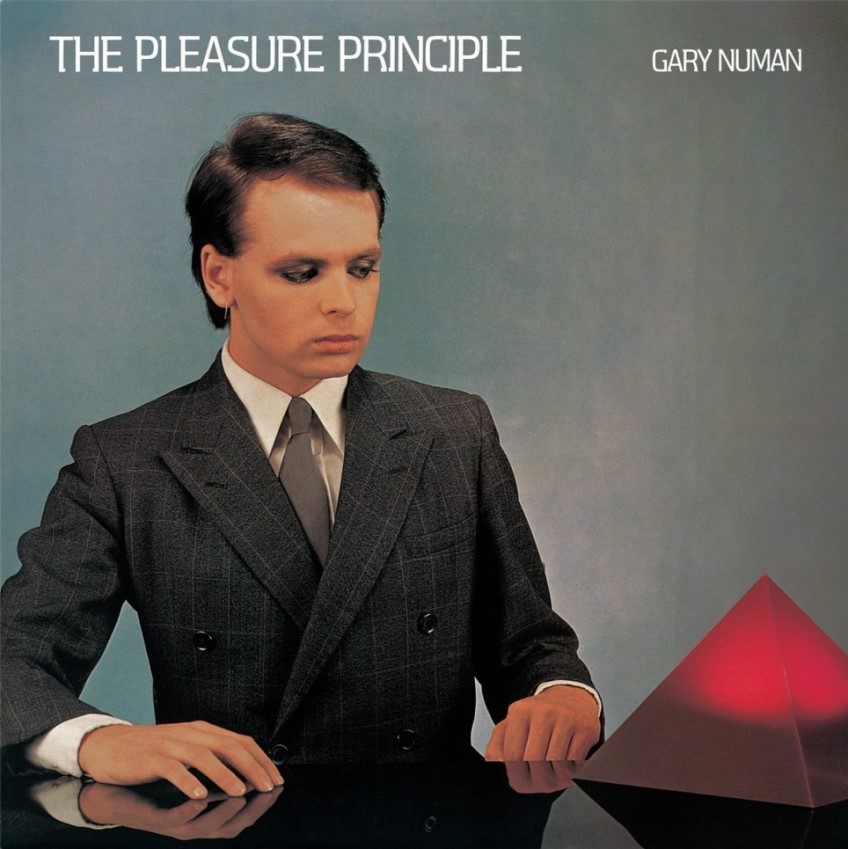
GARY NUMAN Airlane (1979)

For anyone who first became a fan of electronic pop during the Synth Britannia era, ‘Airlane’ was a key moment. As the opening track of ‘The Pleasure Principle’ and its subsequent concert tour, it was the calling card that literally announced “GARY NUMAN IS IN THE BUILDING”! Yes, Numan had done instrumentals before, but with its sparkling Polymoog riffs, ‘Airlane’ provoked excitement and anticipation.

Available on the album ‘The Pleasure Principle’ via Beggars Banquet

http://www.numan.co.uk/


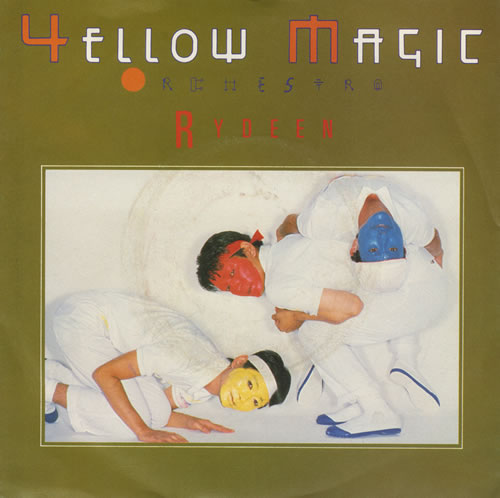
YELLOW MAGIC ORCHESTRA Rydeen (1979)

With their eponymous debut under their belt, YELLOW MAGIC ORCHESTRA fully found their technopop sound on ‘Solid State Survivor’. Written by drummer Yukihiro Takahashi, ‘Rydeen’ was a percussively colourful pentatonic tune filled with optimism and flair. This was the trio at their best as the later ‘Technodelic’ was a quite doomy, while their swansong ‘Naughty Boys’ was overtly mainstream.

Available on the album ‘Solid State Survivor’ via Sony Music

http://www.ymo.org/


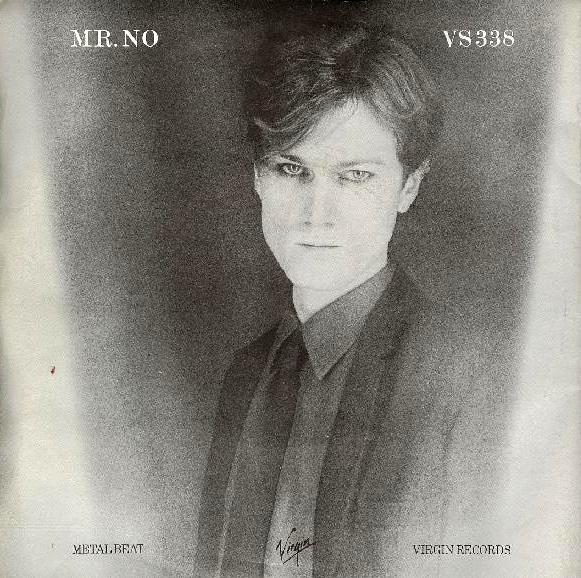
JOHN FOXX Mr No (1980)

Armed with an ARP Odyssey, Elka string machine and Roland Compurhythm, John Foxx’s ‘Mr No’ was like a futuristic Bond theme or a signature tune for some space gangster. The mechanical giro was menacingly snake-like while the swirling chill invaded the speakers to prompt some almost funky robot dancing. The ‘Metamatic’ era track originally surfaced on the ‘No-One Driving’ double single pack with aother instrumental, the more sedate ‘Gilmmer’.

Available on the album ‘Metamatic’ via Edsel Records

http://www.metamatic.com/


THE HUMAN LEAGUE Gordon’s Gin (1980)

Written by Jeff Wayne for a cinema advert, THE HUMAN LEAGUE’s cover of ‘Gordon’s Gin’ kicks in like an commercial for Moloko Plus being sold at the Korova Milk Bar. Glorious and euphoric with futuristic sounds that weighed more than Saturn, Martyn Ware and Ian Craig Marsh left the band shortly after to form a project named after an imaginary group from a scene in ‘A Clockwork Orange’ discussed by anti-hero Alex with a couple of devotchkas at the disc-bootick!

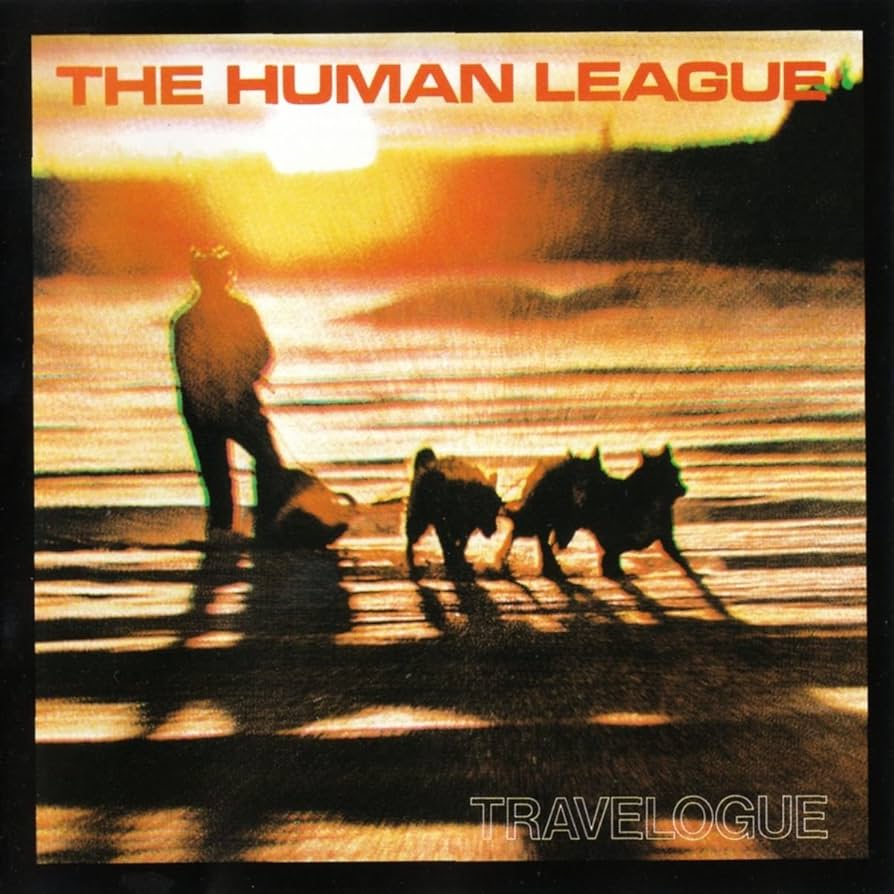
Available on the album ‘Travelogue’ via Virgin/EMI Records

http://martynwareblog.blogspot.co.uk/


ULTRAVOX Astradyne (1980)

Of ‘Astradyne’, Billy Currie said: “Midge started with that strong melody, Chris’ bass was also a very strong feature. I played a piano counter melody behind. The track was so strong that we felt at ease to lengthen it with a long textural piano bit that is sort of bell-like with the metronomic bass drum beats and the violin tremolo solo… Midge came up with that final section lift taking it out of the long ARP solo. I double it! It is a very good strong keyboard part. It is very celebratory at the end…”

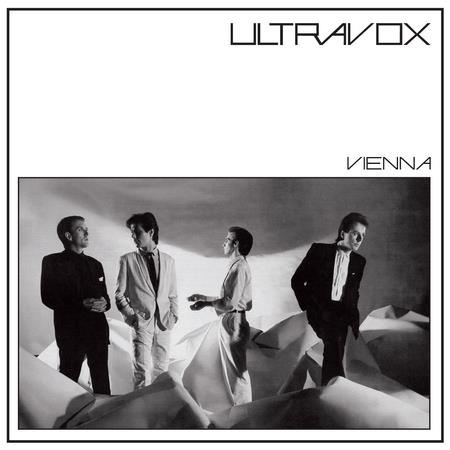
Available on the album ‘Vienna’ via Chrysalis/EMI Records

http://www.ultravox.org.uk/


DEPECHE MODE Big Muff (1981)

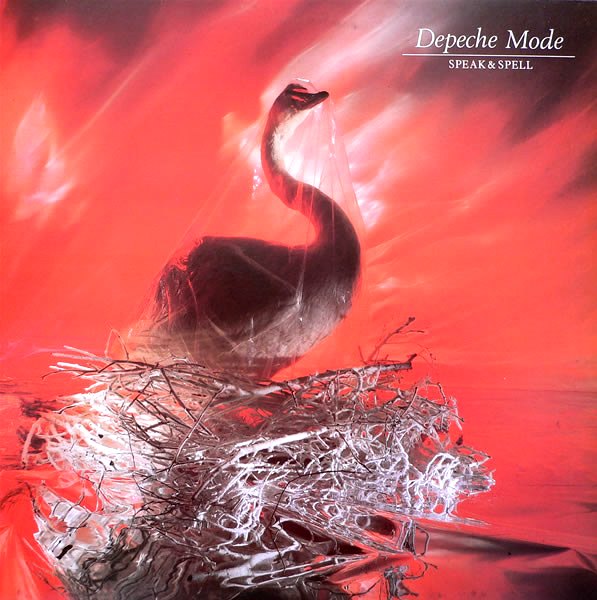
One of two Martin Gore compositions on the Vince Clarke dominated DEPECHE MODE debut ‘Speak & Spell’, ‘Big Muff’ was a fabulous highlight on the album’s more superior second side. Highly danceable and enjoyably riff laden, this futuristic romp was named after an effects pedal made by Electro-Harmonix who later branched into portable synths. It allowed many a synth obsessed teenager to declare “I like big muff” without embarrassment!

Available on the album ‘Speak & Spell’ via Mute Records

http://www.depechemode.com/


SIMPLE MINDS Theme For Great Cities (1981)

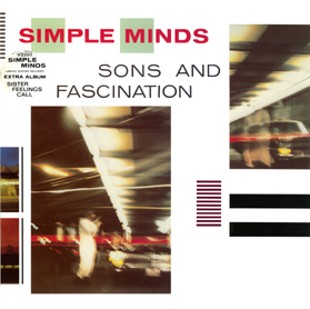
Even with the advent of the free download era, ‘Theme for Great Cities’ is one of the greatest freebies of all time having initially been part of ‘Sister Feelings Call’, a 7-track EP given gratis to early purchasers of SIMPLE MINDS’ fourth album ‘Sons & Fascination’. Starting with some haunting vox humana before a combination of CAN and TANGERINE DREAM takes hold, the rhythm section covered in dub echo drives what is possibly one of the greatest instrumental signatures ever!

Available on the album ‘Sons & Fascination/Sister Feelings Call’ via Virgin/EMI Records

http://www.simpleminds.com


VISAGE Frequency 7 – Dance Mix (1981)

Not actually written as an instrumental, the original was the B-side of VISAGE’s first single ‘Tar’ and much faster paced, featuring Steve Strange rambling about not very much. For its dance mix, ‘Frequency 7’ was slowed down and Strange’s vocal removed. The result was a masterclass in Barry Adamson’s bass counterpointing with Billy Currie’s ARP Odyssey bursts of screaming aggression and Rusty Egan’s metronomic electronic beats for a creepy robotic aesthetic.

Available on the album ‘The Anvil’ via Cherry Red

http://www.visage.cc/


BLANCMANGE Sad Day (1982)

There are two versions of this cult classic; a mutant countrified ambient piece based around the bassline of Brian Eno’s ‘The Fat Lady Of Limbourg’ from the ‘Some Bizzare Album’ and the lively Mike Oldfield inspired album version from ‘Happy Families’. Each has its merits but the percussively jaunty re-recording just wins over with its synthesized wallows, chiming guitars and crashing Simmons drums.

Available on the album ‘Happy Families’ via Edsel Records

http://www.blancmange.co.uk/


DRAMATIS Pomp & Stompandstamp (1982)

The hypnotic B-side to ‘Face on The Wall’ showcased the fusion of the classical, rock and prog elements that were the core talents of Chris Payne, RRussell Bell and CedSharpley who had been the mainstay of the first GARY NUMAN backing band. Not a cover of Edward Elgar’s near-namesake composition ‘Pomp & Circumstance’ , DRAMATIS‘ rousing number would however make a perfect closer for the Last Night Of The Proms in the 22nd Century!

Available on the album ‘For Future Reference’ via Cherry Red Records

http://www.numanme.co.uk/numanme/Dramatis.htm


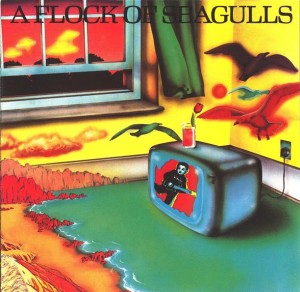
A FLOCK OF SEAGULLS DNA (1982)

Technically, ‘DNA’ is not a really synth instrumental with the hook line being far too guitar oriented. However, it had a key role breaking down barriers for music with a more futuristic bent in synthobic America and snatched a 1983 Grammy Award for Best Rock Instrumental Performance. And for that, ‘DNA’ deserves kudos! A FLOCK OF SEAGULLS‘ cultural impact can be measured by leader Mike Score’s iconic hair style being lampooned in ‘The Wedding Singer’ and ‘Friends’.

Available on the album ‘A Flock Of Seagulls’ via Cherry Pop

https://www.facebook.com/MikeScoreOfficial/


SOFT CELL ….So (1982)

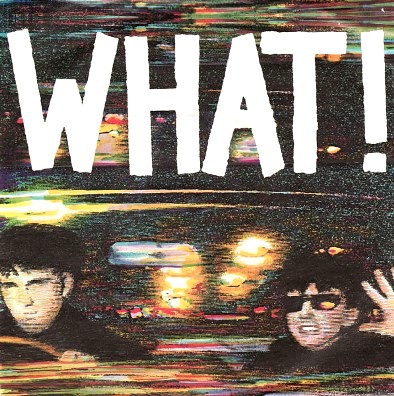
A solo Dave Ball composition that was on the B-side of ‘What?’, the tall, pensive synthesist created an electronic disco number while Marc Almond was off doing the first MARC & THE MAMBAS’ album that would have done GIORGIO MORODER proud. Reminiscent of the Italian producer’s ‘Chase’, ‘….So’ featured wonderful percolating synths over a fabulously danceable groove and a solid metronomic beat that required no additional vocal histrionics or energetics.

Available on the album ‘Non-Stop Erotic Cabaret’ via Mercury Records

http://www.marcalmond.co.uk/


CARE On A White Cloud (1983)

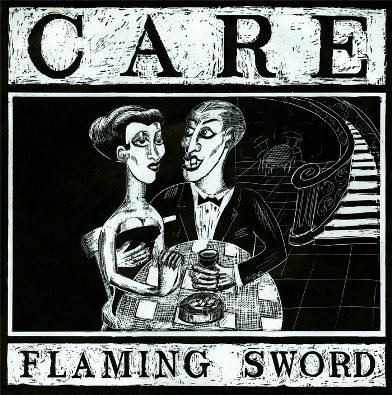
CARE was a short lived project comprising of soon-to-be main man of THE LIGHTNING SEEDS Ian Broudie and THE WILD SWANS’ vocalist Paul Simpson. Combining acoustic strums with synthesizer melodies, CARE had promise but imploded due to musical differences. ‘On A White Cloud’ was an epic instrumental with thundering percussion, castenets, ringing guitar and heavenly synthetic layers that appeared the 12 inch B-side of the duo’s best 45 ‘Flaming Sword’.

Originally released on the 12 inch single ‘Flaming Sword’ via Arista Records, currently unavailable

http://stevomusicman.wordpress.com/2011/11/10/care/


CHINA CRISIS Dockland (1983)

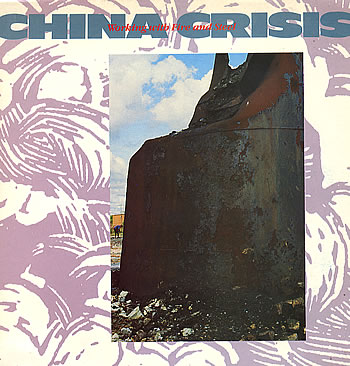
CHINA CRISIS recorded a variety of instrumental sketches and the results were often superb. But as the duo of Gary Daly and Eddie Lundon only had a couple of hits, most of this material was little heard having been tucked away on B-sides. ‘Dockland’ is a prime example having been the flip of the flop single ‘Working With Fire & Steel’. The sublime nautical transience inspired by Liverpool’s once vibrant docks lying wasted in a period of high unemployment was captivating.

Available on the album ‘Collection: The Very Best of China Crisis’ 2CD edition via Virgin Records

https://www.facebook.com/pages/China-Crisis/295592467251068


DURAN DURAN Tiger Tiger (1983)

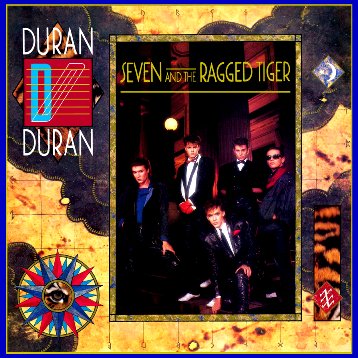
‘Tiger Tiger’ is the best JAPAN instrumental that Sylvian and Co never recorded plus some would consider any DURAN DURAN track without a Simon Le Bon vocal to be a bonus. That aside, John Taylor and Nick Rhodes had more artier aspirations so indulged on this musical tribute to the William Blake poem. Taylor does a superb Mick Karn impersonation on fretless bass while Rhodes adds a great synth melody to proceedings.

Available on the album ‘Seven & The Ragged Tiger’ via EMI Records

http://www.duranduran.com/


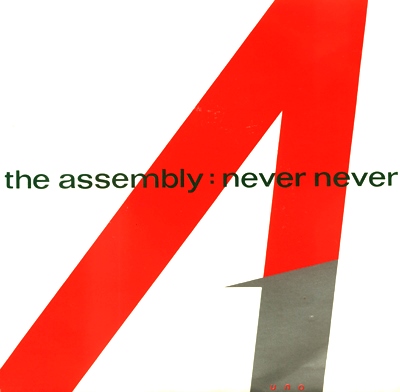
THE ASSEMBLY Stop/Start (1984)

Strangely enough, Vince Clarke is not really known for his instrumentals. Co-composed with  Eric Radcliffe, ‘Stop/Start’ was effectively Clarke’s first instrumental as DEPECHE MODE’s ‘Any Second Now’ had a ‘(Voices)’ variant while YAZOO’s ‘Chinese Detectives’ was only played live. A Casiotone infused ditty with Linn drums and a cute melody, ‘Stop/Start’ was the B-side to THE ASSEMBLY’s only single ‘Never Never’.

Available on the boxed set ‘Mute: Audio Documents’ via Mute Records

http://www.vinceclarkemusic.com/


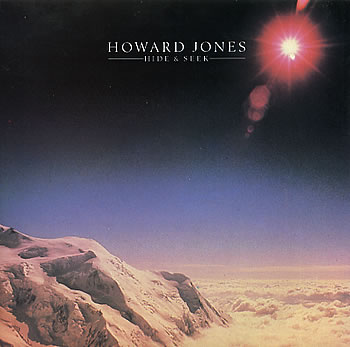
HOWARD JONES Tao Te Ching (1984)

Throwing off his mental chains, Mr Jones took inspiration from his own Buddhist spirituality and the overtures of Vangelis’ 1979 album ‘China’ for this rather beautiful piece which used to open his early shows. Using pentatonic melodies and sweeping chords on ‘Tao Te Ching’ in the style of Tomita and Kitaro, it’s a shame that this aspect of Jones’ quite obvious musical capabilities has never really been explored.

Available on the album ‘The Very Best Of Howard Jones’ via Warner Music

http://www.howardjones.com/


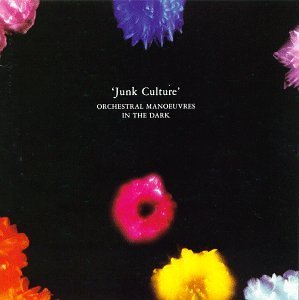
OMD Junk Culture (1984)

Inspired by a ‘Blade Runner’ sample, ‘Junk Culture’ was a reggae-ish number set to a bizarre time signature and signalled OMD’s move away from Germanic electronica. Still experimenting, only this time with more World Music forms thanks to the advent of sampling technology, the detuned Tijuana brass, deep dub bass and schizo voice snippets recalled the work of Jah Wobble, Holger Czukay and Jaki Liebezeit.

Available on the album ‘Junk Culture’ via Virgin Records

http://www.omd.uk.com


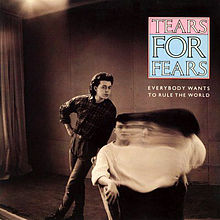
TEARS FOR FEARS Pharaohs (1985)

‘The Marauders’ and ‘Empire Building’ showed TEARS FOR FEARS were adept at instrumentals and their best was ‘Pharaohs’, the B-side of ‘Everybody Wants To Rule The World’. Launched with a crunchy 6/8 heartbeat, the sedate piano motif and drifting synths gave a distinctly nautical feel, enhanced by sound bites from the BBC shipping forecast. But out of nowhere, the middle eight Emulator voice theme from the A-side introduces its partnering chordial guitar solo!

Available on the album ‘Songs From The Big Chair’ 2CD deluxe edition

http://tearsforfears.com/


NEW ORDER Best & Marsh (1989)

This theme was composed in 1988 for the eight part Granada TV series hosted by Factory Records’ supremo Tony Wilson and featured two of Manchester’s most iconic club footballers, George Best and Rodney Marsh. With a great string synth melody, Hooky bass, clubby beats and Italo piano stabs, this prompted the FA to commision NEW ORDER to write ‘World In Motion’ for the 1990 World Cup, while the series allowed ‘Best & Marsh’ to embark on a popular speaking tour.

Available on the album ‘Technique’ 2CD Deluxe edition via London Records

http://www.neworder.com/


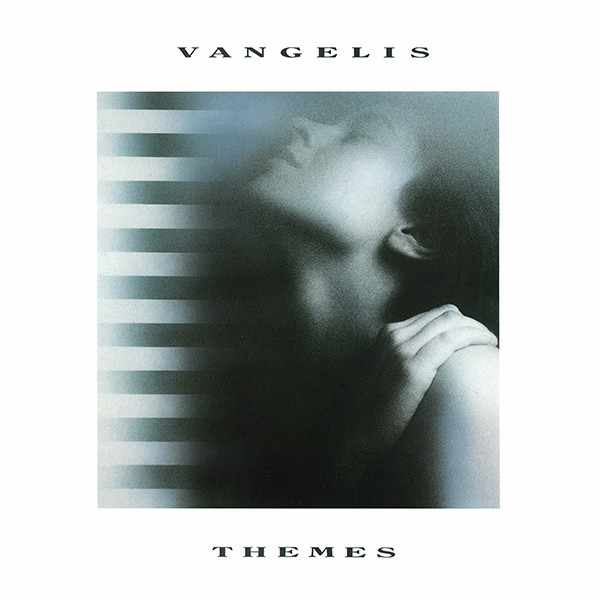
VANGELIS End Titles From Blade Runner (1989)

Dramatic, tense and melodic, Vangelis’ closing theme to the acclaimed 1982 Ridley Scott directed Sci-Fi movie ‘Blade Runner’ succeeded in orchestrating a score using just synths and samples to maintain the futuristic unsettlement of the story. However, the glorious track was not actually released until 1989 on the ‘Themes’ compilation, while an actual soundtrack album didn’t actually see the light of day until 1994.

Available on the album ‘Blade Runner’ via Warner Music

http://www.vangelisworld.com/


Text by Chi Ming Lai
13th August 2013

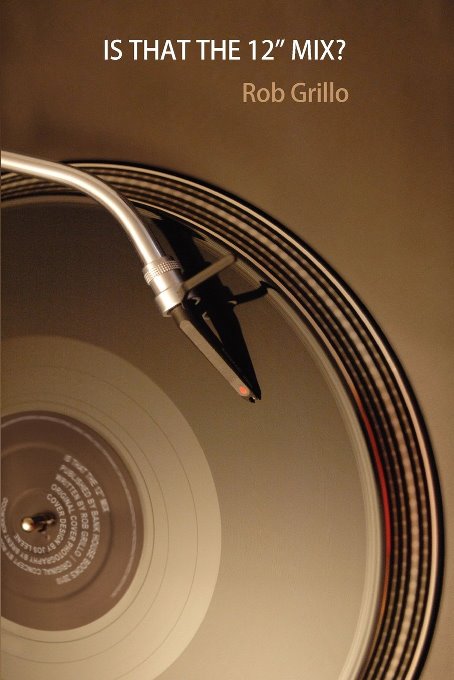
IS THAT THE TWELVE INCH MIX?

‘Is That The Twelve Inch Mix?’ is a new book about the history of remix culture by author Rob Grillo whose previous publications have included the best seller ‘Anoraknophobia’.

Featuring a foreword by Martyn Ware, Rob affectionately traces the development of record collecting and describes it as “A light-hearted look at the 1980s, the rise and rise of the remix and the twelve inch single… and The Human League”.

ELECTRICITYCLUB.CO.UK is pleased to be able to publish three extracts from this excellent book…


From the past until completion…

Of course, the record that is synonymous with the twelve inch single is ‘Blue Monday’ by New Order. Initially released only in twelve inch format in 1983, there was no regular seven inch pressing available to the public.

This was nothing new: twelve months earlier Motown’s Gary Byrd & The GB Experience had hit the top ten in the UK with ‘The Crown’, in twelve inch and cassingle only. And ABBA, of all acts, achieved a similar feat in 1981 with ‘Lay All Your Love On Me’: that didn’t even have a cassingle to help it reach number seven.

However, ‘Blue Monday’ captured the record buying public’s imagination, and it became the biggest selling twelve inch single ever, eventually selling over a million copies in the UK alone. The single initially reached number twelve, before climbing again to number nine later in the year.

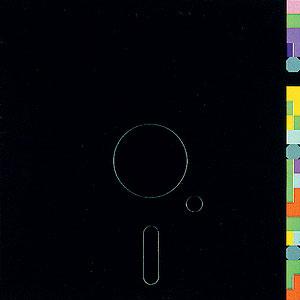
The first pressings, in a floppy disc sleeve designed by Peter Saville, proved far more expensive to manufacture than at first envisaged, although claims that each copy sold lost the record company money are a little wide of the mark. Later pressings did see a slightly simpler sleeve used, but one which still did not display too obviously either the title of the song or the name of the band.

Unless you also owned a copy of the band’s subsequent album ‘Power Corruption and Lies’, the coloured blocks on the ‘Blue Monday’ sleeve meant nothing: as only the album sleeve contained the key to deciphering this series of blocks, you were none the wiser. Many people who bought the album were still none the wiser. This hardly affected sales, though: most record buyers knew exactly what they were looking for when they went into their local store to purchase the single, and most record store assistants would have known exactly what do should they have been met with any enquiries.

To confuse matters, some pressings of the single came with the centre labels placed on the wrong sides, thus confusing some purchasers about which track was ‘Blue Monday’ and which was the B-side, a dub version of the track called ‘The Beach’. The song itself is rumoured to have been recorded initially to test out some new technology (a drum machine in layman’s terms), but also to satisfy audiences who criticised the band for not performing encores at their concerts. New Order could perform an extra part of their set with minimal effort – walk on stage, press a button, and, hey presto, ‘Blue Monday’!

Of the tracks that are reputed to have influenced the track itself, Sylvester’s disco classic ‘You Make Me Feel (Mighty Real)’ is probably the best known. Ironically, as Factory Records were not members of the British Phonographic Industry (BPI) – in other words they were an indie label – ‘Blue Monday’ never attained its initial gold status (awarded for 400,000 units for singles in the UK).

The track eventually appeared as a regular seven inch single in 1988, when it was reissued in a remixed format. There was a further UK reissue, featuring various new mixes, in 1995, and the track has been sampled and covered by a number of acts in recent years.

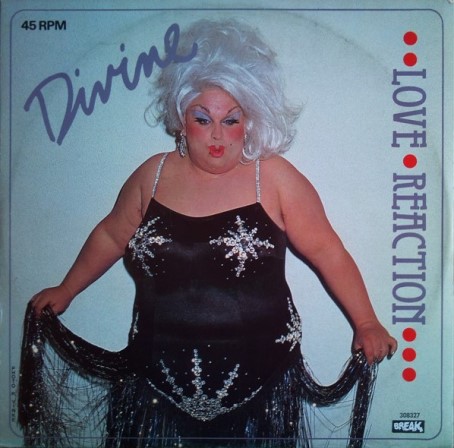
More notoriously, and mentioned elsewhere, Bobby Orlando and Divine ripped off the track for their HI-NRG monster ‘Love Reaction’. New Order didn’t bother taking legal action – the success of’ ‘Love Reaction’ no doubt contributed to further sales for ‘Blue Monday’ itself.

In more recent times a mash up with Kylie Minogue’s ‘Can’t Get You Out Of My Head’ has been given official licence as ‘Can’t Get You Out Of My Head’. The Factory story, and the almost anarchic way in which business was done, has been told many times, but at least New Order themselves were able to make a little money from the new twelve inch format. This was not always the case. George Michael and Andrew Ridgeley were originally handed a golden spoon by Mark Dean’s CBS subsidiary Innervision in 1981. Their hastily signed deal allowed them little in the way of proceeds from regular single and album sales, and even less from twelve inch sales – where they earned not a penny from each copy sold to the public.

It took a while for recording deals to recognise and catch up with the phenomenon. As the late ’80s brought important changes to the release of singles in general – the twelve inch single at the forefront of these – it was inevitable that in order to keep pace, the way in which singles charts were compiled would also have to change. The twelve inch single was of course not the only format alongside the traditional seven inch vinyl pressing. As mentioned previously, record companies dabbled with different variations of the cassette single – or cassingle as it was often known. There were early trends towards releasing a ‘cassingle’ with two tracks, basically the A- and B-sides, an identical alternative to the seven inch.

Later a cassette of twelve inch tracks was preferred, selling for roughly the same price as twelve inch vinyl. There were coloured vinyl twelve inch discs and picture disc twelve inch singles too. Neither of these was an original idea, having been around for over a decade in their seven inch guises. There was also the occasional far more obscure ten inch record. OMD with ‘Souvenir’ and the Pet Shop Boys with ‘West End Girls’ offered mixes on their ten inch pressings that were at the time unavailable elsewhere, but generally the ten inch was a rare commodity, and certainly a pain in the arse to play if your old-style turntable had automatic settings for seven or twelve inch vinyl only!


For those with an eye to detail we salute you…

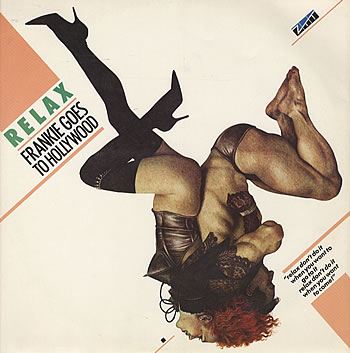
Take 12ZTAS1 for example. Or rather, one of the most controversial yet brilliant singles of the ’80s – Frankie Goes To Hollywood’s ‘Relax’.

Now many readers will own, or will have owned in the past, a twelve inch copy of this track – the Sex Mix is indicated on the sleeve and label. Except that the chances are this was not actually the Sex mix at all. It was most probably the US mix. Unless you’re a real collector or a huge fan of Frankie Goes To Hollywood, you’ll never have known the difference. Ignore the label: it probably isn’t the Sex mix. Well, this is the story.

Producer Trevor Horn recorded several variations of this track (including an unreleased Warp mix, which was a seven inch white vinyl promo-only release). When it was initially released we were given the seven inch mix (actually the Move or Suck It mix) and a sixteen minute Sex mix on twelve inch, with initial pressings at 33rpm and later ones at 45rpm – all with the catalogue number 12ZTAS1. This Sex mix actually contained none of the song itself, but was a rather peculiar track that featured Holly Johnson rambling on to himself together with several rather odd noises created in the studio by Trevor Horn, all overlaid by a tribal beat and culminating in what was supposed to be a fulfilling climax (in the literal sense!). It didn’t go down too well in the clubs.

One of the criticisms was that it was far too long and never actually managed to get out of second gear, so it was difficult to dance to. An alternative mix was produced, therefore – an eight-minute edit of the Sex mix called the New York mix. It had the same catalogue number, and the only way you can tell the difference between this and the 45rpm Sex mix is by looking at the matrix number etched onto the inner vinyl (12ISZTAS1 to be precise). There was no indication anywhere that this wasn’t the Sex mix.

Unfortunately this new mix did little to stem criticism of the track. Horn got it right third time around, though, when he recreated the popular seven inch version, added a long instrumental build-up and created the US mix which we all know so well. Nobody thought that the original sleeve or label should be changed, however, so all the US mixes were pressed as the Sex mix. It then got that bit more muddled when new commercial pressings of the Sex mix were labelled as the Original mix.

Confused? Well, in recent years things have got that little bit more complicated. At least one Frankie Goes To Hollywood CD release refers to the US mix as the New York mix – further confusing themselves as well as a whole host of Frankie Goes To Hollywood fans worldwide. There is also a separate disco mix that until recently had only ever been released in Greece!

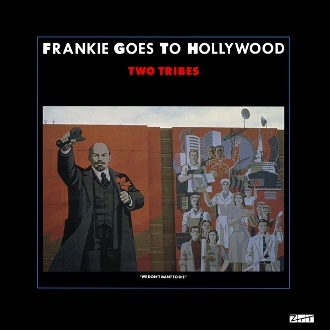
When the brilliant and long-awaited follow-up to ‘Relax’ was issued, the band and Trevor Horn didn’t disappoint . . . or confuse themselves/us/everybody else. In truly creative style they merely put out a number of different twelve inch versions of the new song, ‘Two Tribes’, luckily with different catalogue numbers and contrasting picture sleeves, so kick-starting the trend for multiple twelve inch issues in order to further record sales.

FRANKIE GOES TO HOLLYWOOD Two Tribes - Annihilation Mix 12First up was the Annihilation mix, a nine minute epic that featured the voices of Patrick Allen and Ronald Reagan (actually Reagan was voiced by Chris Barry, who was behind the same character on ITV’s Spitting Image). Next up was the Carnage mix, which featured the unforgettable and rather disturbing line, “mine is the last voice you will ever hear”. These chilling messages were recorded by Allen for the British government as part of their ‘Protect and Survive’ programme of the late ’70s and early ’80s, which aimed to give the general population information on what to do should nuclear war ever break out.

Trevor Horn then decided to remix the B-side, ‘War’ (a cover of Edwin Starr’s 1970 hit), so a third twelve inch pressing contained ‘War’ (Hidden Mix) backed with ‘Two Tribes’ (Carnage mix).  ‘War’ was re-categorised as the AA-side rather than the B-side. Finally a limited supposedly DJ-only Hibakusha Mix was pressed, this being the same version used on the extended video soundtrack which received many airings on national TV. There was a shorter video that featured the seven inch version, and there were alternative videos for ‘Relax’ too – all this well before any of the tracks were later remixed and re-released for later generations. Lost yet? I won’t bother explaining how some of the seven inch versions of Frankie Goes To Hollywood singles differed slightly.


Re-make/Re-model…

The record companies soon cottoned onto the fact that remixes could even be recycled. ‘Why not put them on an album?’ they said. The Human League and Soft Cell were leaders in this field.

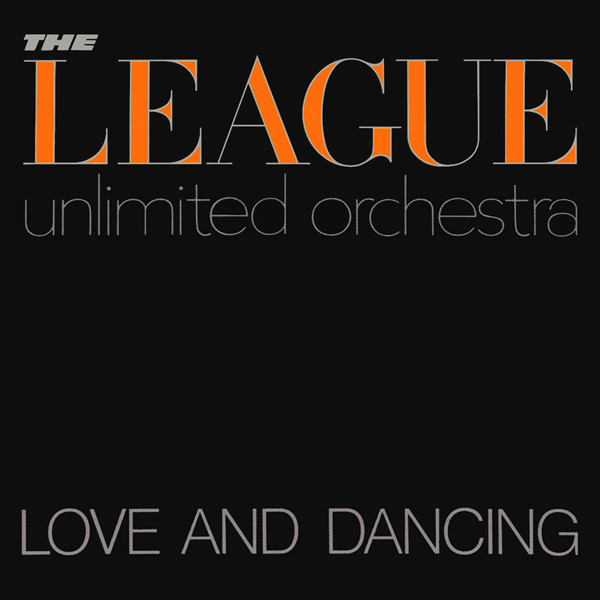
Flush with the immense worldwide success of their third album, ‘Dare’, the former put out ‘Love and Dancing’ in 1982 under the pseudonym League Unlimited Orchestra. This was a mini-album containing dub versions from ‘Dare’ (as well as ‘Hard Times’, the flip side to the single ‘Love Action’), all loving recreated by producer Martin Rushent.

The public went for it, the album reached number three in the UK album chart and went platinum. Earlier the same year Soft Cell followed up their debut album ‘Non Stop Erotic Cabaret’ with the remix album ‘Non Stop Ecstatic Dancing’. This is considered to be the first ever remix album.

Other artists followed suit, with variable degrees of success. The Pet Shop Boys took the idea even further, and have continued to release a series of remix albums – their ‘Disco’ series and Introspective adorning the shelves of hundreds of thousands of fans across the globe. And then came the idea of a compilation album that contained only twelve inch mixes (for example, Now Dance being one of the ‘Now That’s What I Call Music’ series). There may have only been three or four mixes each side, but labels such as Morgan Khan’s Streetsounds created a niche market for themselves. With the advent of the CD this has proved much easier to exploit, as there aren’t the running time and sound limitations that vinyl had.

So the best remix of all time? Well, that’s an entirely subjective question. I will, however, touch on two tracks that I regard as prime examples of (a) how bloody great it can feel to get your hands on a really great twelve inch single, and (b) how, occasionally, a remix can breathe new life into an already great tune and send it into dance-floor hyperspace. The first isn’t a remix at all: it’s a full length mix. In their early years New Order didn’t bother to put their singles on albums; they were released separately – but when they finally started doing so one of their finest moments was edited right down for the release of their third album, 1985’s ‘Low-Life’.

There was no commercially released seven inch format for ‘The Perfect Kiss’, but in its twelve inch glory it was unsurpassed by anything else that was released that year. In just short of nine minutes the listener journeys through Bernard Sumner’s insistent lyrics before there’s a beautifully crafted four and a half minute instrumental outro that takes the listener higher and higher and yet higher, before climaxing in a dramatically disorganised crescendo. Sheer beauty. The full length mix has never appeared on CD: the closest you’ll get is the mix on their unmissable compilation ‘Substance’, which is some eighteen seconds short of the original. Eighteen seconds! That’s nothing, I hear you exclaim. It is if you’re a music geek.

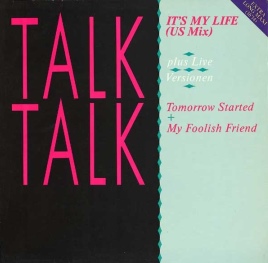
TALK TALK It's My Life US MixThe second example brought new life to a track that even in its regular seven inch format remains one of the most endearing tunes from the ’80s. And yet it took three official releases before Talk Talk’s ‘It’s My Life’ hit the higher reaches of the singles chart in the UK. The fact that the extended version issued on twelve inch in the UK was pretty limp and lifeless didn’t help the song’s cause. Things were very different in the States, however. The now legendary DJ Steve Thompson was commissioned to create a mix that was more appropriate for an American audience, and what he came up with proved to be undoubtedly his finest moment in a large repertoire of remixes.

Rebuilding the track with a much more upfront beat, and yet never straying far from the original, he created another tune that simply builds and builds before another long outro that takes the dancer – or listener – to heaven and back. It’s sheer brilliance. But remember, it’s the US remix. Don’t be tempted to go for the extended version that appears on far too many compilations; you won’t go places listening to that.

And finally . . . Heaven 17. Messrs Marsh, Ware and Gregory had already had a worldwide smash in ’83 with their first top ten UK hit, ‘Temptation’, on which Carol Kenyon added a fantastic female accompaniment to Glenn Gregory’s vocal. There was no need for their label, Virgin Records, to commission a remix, as the original was so strong that no new mix could ever do it justice. That is, until remixers Steve Anderson and Dave Seaman, better known collectively as Brothers in Rhythm, came along and blew everyone away with their new seven minute reworking, which first surfaced in Ibiza clubland. The band themselves initially knew nothing about the new mix, but they and their record company had no hesitation in having the single reissued in its new form.

The result? Nine years after the original, ‘Temptation’ smashed its way back into the UK top five singles and was again a worldwide smash, the new mix teasing the listener – and the dancer – for a full three minutes with its infectious beats until the track cascades into life with Gregory’s famous vocal opening. It’s a perfect example of a radical reworking that manages to stay true to the original. Simply bliss. And make sure you purchase tickets for Heaven 17’s next gig: a highlight of this fantastic experience will be their rendition of ‘Temptation’ that takes in the best of both versions, accompanied by a phenomenal vocal performance from current guest vocalist Billie Godfrey.


ELECTRICITYCLUB.CO.UK gives its sincerest thanks to Rob Grillo

‘Is That The Twelve Inch Mix?’ by Rob Grillo is published by Bank House Books
http://www.robgrillo.co.uk/

https://twitter.com/robgrillo


Text by Rob Grillo
8th January 2011

SYNTH BRITANNIA

Photo by Chi Ming Lai

Synth You’ve Been Gone…

BBC4’s marvellous ‘Synth Britannia’ celebrated the rise of the synthesizer and how it changed popular music forever, particularly in the UK. Superbly produced and directed by Ben Whalley with interlinking cultural commentary provided by ‘Rip It Up And Start Again’  author Simon Reynolds, it was an empathetic documentary that captured the spirit of a golden era.

The contributors to the programme read like a ‘Who’s Who?’ of electronic music: Wolfgang Flür; Daniel Miller; Richard H Kirk; John Foxx; Gary Numan; Phil Oakey; Martyn Ware; Andy McCluskey; Paul Humphreys, Martin Gore; Vince Clarke; Andy Fletcher; Midge Ure; Dave Ball; Alison Moyet; Susanne Sulley; Joanne Catherall; Bernard Sumner; Neil Tennant; Chris Lowe.

They were to become the heroes of the revolution, rebels with a cause, poster boys and girls of the VCO! Although there were a few errors, especially with regards dates like when OMD signed to Factory and the single of ULTRAVOX’s ‘Vienna’ was released, this was an entertaining 90 minutes.

The new attitude brought about by punk in 1977 was still a bit too rock’n’roll for some like the young Daniel Miller, learning three chords was still three too many! But armed with newly affordable silicon-chipped technology by Korg and Roland from Japan, the true DIY spirit encouraged by the new wave would be fully exploited. Wonderful and weird sounds could be made using just one finger, knob twiddling would become the new art! Daniel Miller and Martyn Ware gleefully tell of their first synth purchase, in both cases it was the Korg 700s. The accessibility of the budget priced synthesizer offered the ultimate challenge to musical convention. It was electric dreams over acoustic nightmares!

Like some on this programme, my first introduction to the sound of the synthesizer came via KRAFTWERK and Walter (now Wendy) Carlos. In the summer of 1976, my junior school teacher was the young and pretty Miss Neilson. She’d already shown her Bohemian colours by naming our pet guinea pig ‘Bilbo’!! But one day in PE, she made Class4 interpret movement to ‘Autobahn’ and the soundtrack to ‘A Clockwork Orange’!!!

Although too young to really appreciate what was going on, my aural palette was being shaped by this fantastic cacophony of electronics. Novelty instrumental hits like Jean Michel Jarre’s ‘Oxygene Part VI’ and SPACE’s ‘Magic Fly’ soon followed and caught my pre-teen futuristic mind as I eagerly waited for the next episode of ‘Space 1999’! The importance of science fiction in the development and imagination of electronic music cannot be underestimated with ‘Dr Who’ and the writings of JG Ballard being particularly important influences.

Donna Summer’s ‘I Feel Love’ was Year Zero for modern electronic pop music as we know it. Producer Giorgio Moroder‘s throbbing sequencers and dance beats were “the future of the future”.

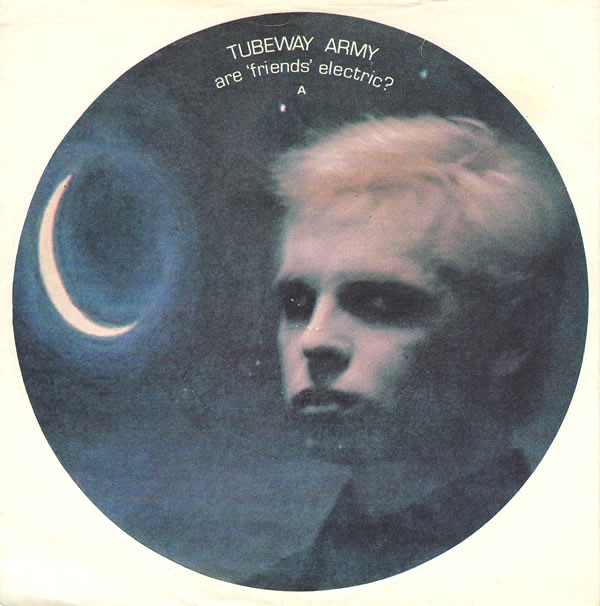
But Gary Numan’s first appearance in May 1979 on ‘Top Of The Pops’ was for many including myself, their ‘Ziggy Stardust’ moment in the birth of synthpop, ‘Are ‘Friends’ Electric?’ was cold and detached, the discordant Moog machinery and the haunted vocal sneer connected with many during this gloomy period in Britain. It seems unbelievable now, but it was the talk of school the following morning. Electronic music had just found its first pop star!

Unemployment in the UK was at an all time high. Margaret Thatcher was now in power while across the Atlantic, Ronald Reagan was “President Elect”! With fascist gods in motion, the Cold War had heightened to the point where no-one’s future on this earth could be guaranteed. Whilst OMD’s ‘Enola Gay’ related to the nuclear holocaust paranoia of the time via some incongruous melodic warmth, there were a number of other pop-orientated bands just around the corner.

The new Mk2 version of THE HUMAN LEAGUE, SOFT CELL and DEPECHE MODE all possessed a defiant spirit of optimism in the face of adversity because ultimately “everybody needs love and affection”! The music was emotive and avant, all at the same time! “We never wanted to be KRAFTWERK” says Phil Oakey, “we wanted to be a pop band!”

Photo by Chi Ming Lai

The use of synthesizers was a statement of intent, like an act of artistic subversion. But as Marc Almond once said, you can only truly subvert when you have access to the mainstream. How can you change the world if no-one hears you? Musically, the best way to achieve this was going to be through pop songs! Whilst owing a debt to KRAFTWERK and taking advantage of the door opened by Gary Numan, these acts managed to appeal to people who didn’t necessarily know what a Linn Drum Computer was! Joanne Catherall and Susanne Sulley amusingly recalled when the UK’s first Linn LM-1 was delivered to Martin Rushent’s Genetic Studios for the making of ‘Dare’: “They were all very excited… OK boys!”

There are several technology driven insights like Paul Humphreys playing ‘Enola Gay’ on the Korg Micro-Preset, John Foxx demonstrating the ARP Odyssey and Daniel Miller operating the ARP 2600 which was used on all the early DEPECHE MODE albums. There were often misconceptions about how this stuff worked though. “The number of people who thought that the equipment wrote the song for you: ‘well anybody can do it with the equipment you’ve got!'” remembers Andy McCluskey, “F*** OFF!!”

“You’ve got to remember it was the first time ever that someone could sit and make a record on their own” says Midge Ure, stating the recording of EURYTHMICS ‘Sweet Dreams’ in a basement on an 8 track tape machine as an example! But as the success of synthesizer continued, the backlash set in. Numan was particularly the victim of some venomous media attacks; not only was he doing electronic music but he had none of the anti-hero stance of punk… he wanted to be a popstar: “I don’t speak for the people because I don’t know them!” he exclaimed!

Andy Fletcher tells of the Battle Royale that DEPECHE MODE were always having with the press. People insisted it wasn’t proper music. The Musicians Union even tried to ban the use of synths in studios and live performance! I remember fellow classmates unceremoniously smashed up and burned a copy of ‘Cars’… AND THEN presented me with the remains! If I wasn’t already feeling isolated, then this sort of intimidation was certainly going to seal it!

Martin Gore quotes a disgruntled rock journalist who described the genre as being for “alienated youth everywhere, and Germans!” As an outsider with a typical post-war ‘Boys Own’ fascination for Airfix kits and Messerschmitts, this music would define me! What did these narrow-minded hooligans know?

Worshipping America was not what I wanted! To me, soul and jazz funk (much like R’n’B today) was the horrid soundtrack of the school bully! SYNTHPOP and its Mittel Europa romanticism appealed to my sense of elitism. I could wear my intelligence on my sleeve, it would become my badge of honour! Pretentious… MOI?

Photo courtesy of Alex Machairas

The move towards today’s electronic based dance music as pioneered by Giorgio Moroder is symbolised by the success of NEW ORDER and PET SHOP BOYS. Legend has it that KRAFTWERK were so impressed by the sound of ‘Blue Monday’, they sent an engineer down to Britannia Row Studios to check out the equipment only to find out it was comparatively unsophisticated! But ‘Synth Britannia’ actually goes on to suggest that the success of the third generation acts like Howard Jones and THOMPSON TWINS was the death of this fantastic period. “There was too much synthpop around, it was all very well being on a synth but actually the melodies and how some of the songs were structured was quite traditional and trite…” sighs Simon Reynolds, “it wasn’t that inventive as electronic music!” – he was right!

Unfortunately by the mid-80s, most of our heroes had given up the fight and went conventional. “We were all a bit lost by then” says Phil Oakey, “like we didn’t have anything to prove!” After declaring in 1980 that ‘Travelogue’ contained “synthesizers and vocals only”, THE HUMAN LEAGUE had by the disappointing ‘Hysteria’ credited Jo Callis with “guitars, keyboards, vocals”, sadly in that order! Meanwhile OMD went from listing all their equipment on their ‘Dazzle Ships’ and ‘Junk Culture’ albums to Paul Humphreys simply being on “vocals, electronic keyboards, piano” for ‘Crush’! The lure of dollars to water down the synthesized sound for synthobic America just couldn’t be resisted anymore! This classic era of quality synthpop was sadly now over!

However, while the others fragmented, DEPECHE MODE got darker and stuck to their electronic blueprint, eventually achieving massive success in the US from 1988. So it would seem these pioneering acts’ original Eurocentric electronic manifestos had been right after all. Their legacy is evident today: LITTLE BOOTS and LA ROUX have hit the Top 10, and collaborated on the marvellous BBC6 Music ‘Back To The Phuture’ live sessions with Gary Numan and HEAVEN 17 respectively; rock band MUSE credit “synths and programming” on their new album while featuring a song that sounds like ‘Vienna’; and a girl group cover of ‘Just Can’t Get Enough’ is a ‘Comic Relief’ charity single!

Meanwhile, the synthpop era’s big international No1s ‘Don’t You Want Me?’ and ‘Tainted Love’ are still being played at weddings and night clubs, ironically often being sung along to by the same bully boys who were setting fire to Gary Numan records years earlier!! “It was exciting to be part of a musical movement that had never been done before, it was a fine time” smiles Vince Clarke.

‘Synth Britannia’ ends appropriately enough with ‘Together in Electric Dreams’ and this final quote from Andy McCluskey: “We were trying to do something new, that is specifically why we chose electronics, we wanted to sweep away all of the rock clichés! And then what happens towards the end of the 80s and even worse, the mid 90s? Everybody decides guitars are back, synthesizers are somehow old fashioned AND, we get Oasis!!”

McCluskey holds his hand to his head in despair but today, most of the acts featured in ‘Synth Britannia’ are still playing to packed audiences around the world. What was originally an electric dream is now a full blown reality. JUSTICE and a job well done 🙂


Ohm Sweet Ohm! The ‘Synth Britannia’ Soundtrack

DEPECHE MODE New Life
WENDY CARLOS William Tell Overture
WENDY CARLOS Title Music from ‘A Clockwork Orange’
KRAFTWERK Autobahn
THE CLASH White Riot
THE NORMAL TVOD
THE NORMAL Warm Leatherette
THE FUTURE 4JG
THE HUMAN LEAGUE Being Boiled
DONNA SUMMER I Feel Love
CABARET VOLTAIRE Seconds Too Late
CABARET VOLTAIRE Nag Nag Nag
OMD Messages
OMD Enola Gay
JOY DIVISION Atmosphere
JOHN FOXX Underpass
THROBBING GRISTLE Still Walking
THROBBING GRISTLE Hot on the Heels of Love
FAD GADGET Back to Nature
SILICON TEENS Memphis Tennessee
TUBEWAY ARMY Are ‘Friends’ Electric?
GARY NUMAN Cars
VISAGE Fade to Grey
THE FLYING LIZARDS Money
DEPECHE MODE New Life
DEPECHE MODE Just Can’t Get Enough
DEPECHE MODE Sometimes I Wish I Was Dead
THE HUMAN LEAGUE Don’t You Want Me
HEAVEN 17 – Penthouse & Pavement
CABARET VOLTAIRE Landslide
SOFT CELL Tainted Love
YAZOO Only You
YAZOO Don’t Go
OMD Maid of Orleans
EURYTHMICS Sweet Dreams
ULTRAVOX Vienna
KRAFTWERK The Model
DEPECHE MODE Everything Counts
DEPECHE MODE Master and Servant
PET SHOP BOYS West End Girls
NEW ORDER Ceremony
NEW ORDER Blue Monday
PHILIP OAKEY & GIORGIO MORODER Together in Electric Dreams


Text by Chi Ming Lai
27th March 2010

Newer posts »