“I don’t like country & western, I don’t like rock music… I don’t like rockabilly! I don’t like much really do I? But what I do like, I love passionately!!”: CHRIS LOWE
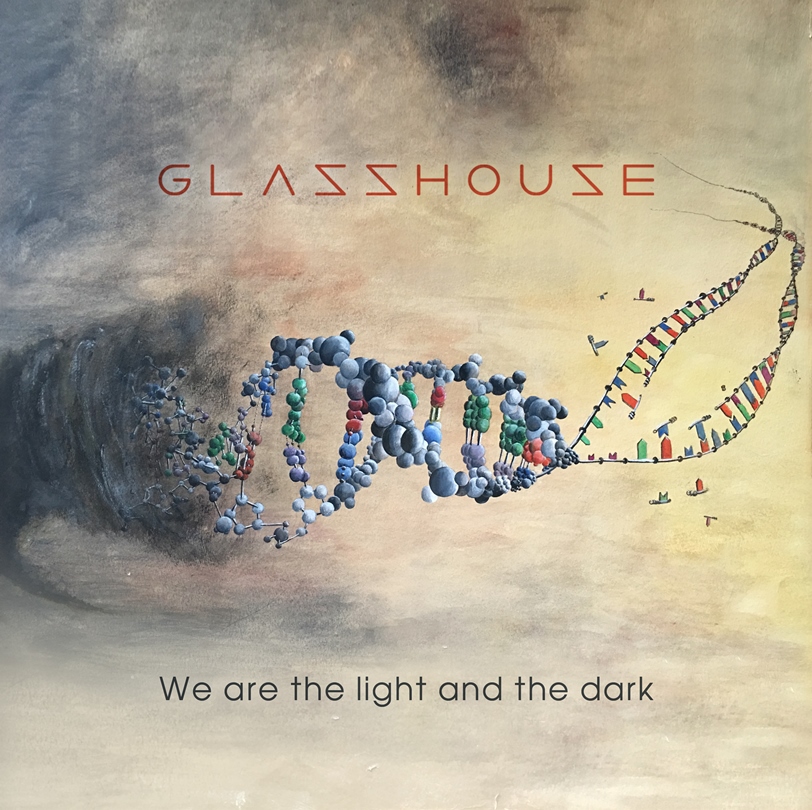
With GLASSHOUSE, Xan Tyler and David Liddell have in their words created “A journey through orchestral scores combined with dark underground techno and jazz.”
Xan Tyler is perhaps best known in electronic music circles as the vocalist of cult synthpop duo TECHNIQUE. The brainchild of multi-instrumentalist Kate Holmes, the concept was a female interpretation of PET SHOP BOYS crossed with NEW ORDER’s post-punk edge.
More recently, Tyler’s work has been of a more traditional nature, having contributed to the latest album by folk artists Naomi Bedford and Paul Simmonds. Meanwhile David Liddell is a renowned classically trained trombonist who has worked with personalities as diverse as Roger Daltrey, Boy George and Pharrell Williams. The debut GLASSHOUSE EP ‘We Are The Light & The Dark’ is their love letter to the human race and “asks the listener to restore their faith in mankind and embrace beauty and light.”
Opening song ‘Echo Chamber’ is a delightful return to the technopop reminiscent of Tyler’s time in TECHNIQUE, with a great sequenced bassline and an enticing off-beat. It vocally recalls a time when Sarahs Cracknell, Blackwood and Nixey ruled, with the string quintet providing a nice compliment next to the electronics. The glistening synth tones on ‘Reward & Rewind’ dress a jazzier swing with Tyler’s sweet folkier tones unusually placed next to rapper MWS who announces it’s “time to rest”…
The ‘We Are The Light &The Dark’ title song chimes beautifully aided by harp-like tones, reminiscent of Hannah Peel; “You are the oxygen” Tyler affectionately coos, highlighting the Ying and Yang of romantic relationships accompanied by a rich orchestrated backdrop and a flugel horn solo from Reuben Fowler towards the end.
Over an electric piano intro, ‘The Temperature Is Rising’ sees a steady beat joining in, building to a gently chilled grooving dance tune which is far superior to much of the beach mix nonsense that afflicts summer holidays. Taking things down, the ballad ‘Cry Out’ closes proceedings with some trombone, but is perhaps the less convincing track on the EP.
Combining synths and brass like Hannah Peel did on ‘Mary Casio: Journey To Cassiopeia’ but in a more traditional song based format, GLASSHOUSE have found themselves a unique combination and this EP is well worth your time.
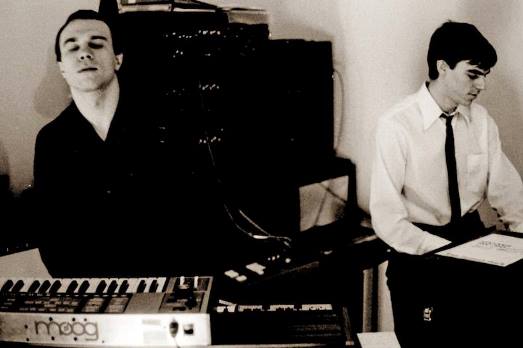
Montréal’s RATIONAL YOUTH were founded in 1980 by synth enthusiasts Tracy Howe and Bill Vorn.
Along with PSYCHE and MEN WITHOUT HATS, they were among the trailblazers for electronic pop in Canada, a country that has more recently produced acclaimed acts such as GRIMES, PURITY RING, AUSTRA, TR/ST, ELECTRIC YOUTH, PARALLELS, MECHA MAIKO and LOLA DUTRONIC.
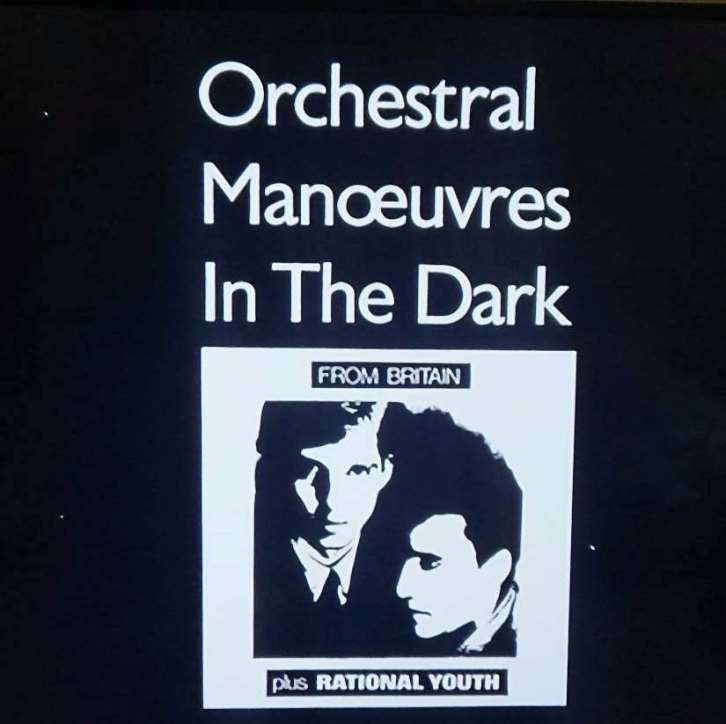
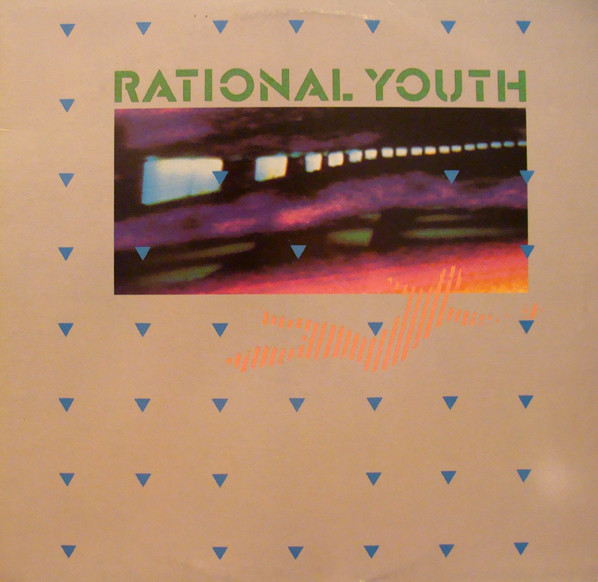
Later joined by Kevin Komoda, RATIONAL YOUTH quickly made an impression and supported OMD at Auditorium Le Plateau in March 1982. Shortly after, the trio released ‘Cold War Night Life’, one of the first ever Canadian synthpop albums. It was later to became a cult favourite in Sweden where its influence was readily felt in their domestic electronic scene. Indeed, a 1997 RATIONAL YOUTH reunion concert with Howe and Vorn took place in Lund, Sweden.
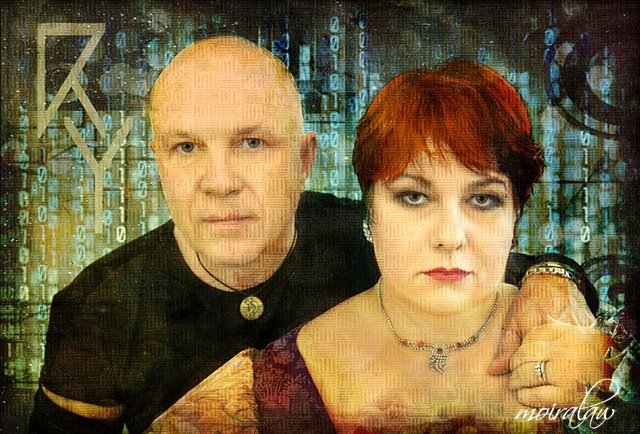
Today, Tracy Howe remains the main man of RATIONAL YOUTH with his wife Gaenor ably augmenting the line-up for recordings and live shows.
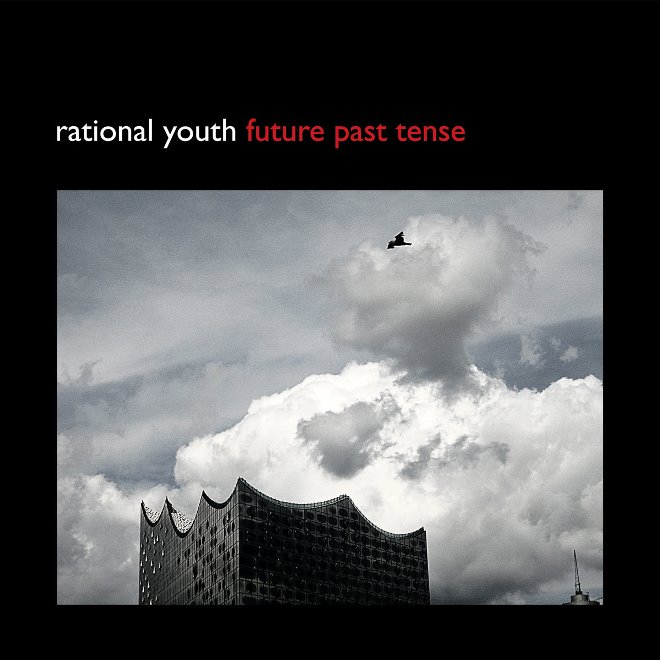
Featuring ‘Here It Comes Again’, an EP of new material ‘Future Past Tense’ was released in 2016 and showcased ‘This Side Of The Border’, a burst of futuristic sci-fi electronica with a typically gloomy lyric from Howe that captured the tensions of the world’s current socio-political climate. It’s as if the fall of the Berlin Wall never happened and for that reason alone, RATIONAL YOUTH’s observational ethos is poignantly relevant again.
Meanwhile this year, RATIONAL YOUTH recorded a charming cover of ‘Flash In The Night’ for the ‘Night City Tribute’ album to the popular Swedish new wave pop band SECRET SERVICE, the 1982 original of which was a No5 in France.
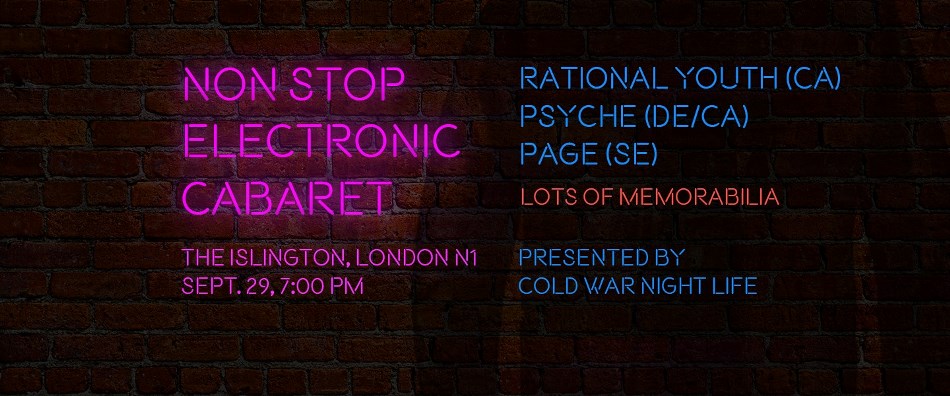
RATIONAL YOUTH will be playing live in London for the first time at Non Stop Electronic Cabaret on Saturday 29th September 2018. Presented by Cold War Night Life, the triple header will also feature PSYCHE and Swedish poptronica veterans PAGE. Tracy Howe kindly chatted to ELECTRICITYCLUB.CO.UK following completion of this summer’s ‘Canadian Synth Legends Tour’ with PSYCHE…
‘Cold War Night Life’ is considered a landmark in Canadian independent music and now a number of the song’s themes have become relevant again?
Well they seem prophetic now because we seem to be at a similar point in history. In 1982, it wasn’t just the Cold War, it was the Cold War being fought by Reagan, Brezhnev, Andropov and Chernenko. The doomsday clock was pretty close to midnight. It felt very much like it does now, you know, a sense of impending doom.
Now we seem to have some sort of coordinated US-Russia global push toward authoritarianism and nativism, and rule by oligarchs, and the whole post-World War Two international consensus is being blown to bits. It feels like we are on shaky ground. The ‘Cold War Night Life’ album was about trying to enjoy life under trying circumstances.
What bands most influenced the sound of RATIONAL YOUTH?
Obviously KRAFTWERK, because when we started there weren’t really many other models yet for an all synthesizer band; and also the early HUMAN LEAGUE, and post-punk artists like ULTRAVOX and MAGAZINE. We also liked KLAUS SCHULZE and TANGERINE DREAM, and projects like CLUSTER & ENO. Bill Vorn and I started the band because we both liked this music, and had synthesizers, and the idea was to combine some of the cool minimalism of KRAFTWERK with more specifically song-oriented composition and vocals.
Photo by Kevin Komoda
What particular synthesizers were you using for the ‘Cold War Night Life’ album and how did you find them to use?
It’s quite a list. We had three Roland System 100s, and a Roland System 700. These were modular synths that were controlled by a Roland MC4 Micro-Composer, which was a digital sequencer that could output CV and gate to four monophonic synths. So most of the sequenced stuff went through all that. We also had Roland and Korg analog sequencers that could be synched to that stuff too, and then we had a Roland CR78 first and then a TR-808 drum machine.
We also had a Roland SH5, Moog Source, a Pro-One, a Logan String Melody II and a Roland SVC350 vocoder. The sequencing with the MC4 was much more labour intensive and tedious than it is today with Logic or something, you basically entered the notes in one at a time with several steps involved in formatting that one note. On the other hand it was pre-MIDI so the clocks on those machines were fast and tight, really punchy.
As a one-time drummer, you must have found the Roland TR808 something of a revelation?
Well, I believe we bought one of the first ones to come into Canada. The programmability was mind-blowing, so intuitive, and it had a fair amount of storage. The CR78 had four memory presets and the rest was organ lounge accompaniment, so right away the 808 was liberating. The other thing was the sound, which we all know. I remembered how inspired we were when we got that thing. We plugged it in the first time and it blew our faces off it was so nasty. As time went on, we used Linns and so on, but now I keep coming back to 808 sounds. It kind of defined our sound in a lot of ways really.
Can you remember much about opening for OMD at Montréal’s Auditorium Le Plateau in 1982?
Yes, I remember being really nervous! It was a fairly large concert hall, a thousand seats or so, and this was going to be only our second-ever gig. I remember showing up while OMD’s sound check was going on and before that I thought you know “‘Enola Gay’, ‘Electricity’, it’s not THAT different from us”, but they had a live drummer and they were sound checking his kick drum and floor tom through this massive PA and it sounded like the hammer of Thor, and I thought “hello, we’re going to sound ridiculous next to this!”.
As it turned out, it went over really well and people seemed to react to us in a way that indicated that they’d never seen or heard anything quite like it, and we got mentioned in the daily press reviews of the concert positively, so it was really a thrill for us.
‘Holiday In Bangkok’ is considered by many to be one of RATIONAL YOUTH’s signature tunes but comes a few different versions, which one is the definitive one for you?
Arguably the first one from 1983, because it’s got a harder edge than the 1985 one. They’re essentially the same tracks, just mixed differently. I like the live version too.
The RATIONAL YOUTH back catalogue is rather awkwardly spread out over a number of labels, have you any thoughts on how the music industry has changed over the last 15 years in particular?
I honestly can’t moan about how things are now, because we were actively (and idealistically) promoting the sort of deconstruction of the record industry that we see the result of now from the moment we started.
The way we recorded was a precursor to the in-the-box home recording that has democratised everything to do with the way records are made now. We would come into a recording studio with half of the stuff already programmed, set up the gear, tell the guy to press record and hey presto, there’s half of the record recorded. They’d never seen that in Montreal before. It was already commonplace in London of course. And today, I’m very happy to be able to make a really decent record at home, and get somebody good to master it (and that process has changed too).
As for how it gets distributed, I suppose I am not thrilled about streaming, simply because of the miniscule remuneration artists get, but then I never made anything off records under the old model anyway, so what has changed? You know THE BEATLES’ royalty rate for their first Parlophone record was a PENNY (1d) a side.
A nice thing about the way things are now is it seems as though the vinyl revival is for real. So the reward for me is being able to make real records, they may not sell lots, but we can keep doing it, and to me a vinyl record is a real artefact, like when a painter does a lithograph and prints a certain number of copies. You feel more like you created something tangible than an audio file on the cloud somewhere.
Why have you recently decided not to play the US for the foreseeable future?
We live in Canada, only 45 minutes from the US border. I actually knew Canadians who died fighting for the US-led coalition in Afghanistan. We spent a lot of blood and treasure over the last century being good little allies to them. Now this Trump regime is attacking us in trade disputes because they have decided we are a security threat to the US, and accordingly their Department of Homeland Security is going hardcore on the border (not the one with Mexico, the one with us) and have been harassing Canadians trying to cross.
This has gotten worse since Canada legalised marijuana, and they have been banning Canadians for life if they say the wrong thing. But more than that, we just see them veering very close to all-out authoritarianism, and this is not just a sneaky coup, they are doing this daily, and it’s all out in the open.
The model appears to be something like Russia, where you have elections but you know, it’s an authoritarian regime in thrall to oligarchs. It seems obvious to me. Certainly there is some resistance, but apparently 40% of Americans are 100% per cent behind this racist, theocratic regime that above all else seems to be hell-bent on destroying the environment of this planet with their systematic dismantling of any standards they did have. 40% is a higher level of electoral support than Adolf Hitler had when he became chancellor of Germany in a hung parliament. Remember when we used to always wonder how the Germans let Hitler come to power? Well, now we know.
So I could say it’s like in the days of Apartheid South Africa and that “I ain’t going to play in Sun City”, or just say that, except for a few places on the two coasts where it might be nice to play, we can just as easily not go there, and go somewhere nicer.
‘This Side Of The Border’ from 2016 seems to have prophetically summed up this situation?
Yes, because we like to think that in Canada, we try to have an inclusive society which is more egalitarian, with a greater sense of collective responsibility, than on the other side of the border. And I’ll admit that we Canadians are second to none in the holier than thou department, but we have our own Boris Johnsons and Donald Trumps too, although they don’t hold sway yet. That’s why the song says “Maybe here on this side of the border, there is still a chance that things can change”.
‘Future Past Tense’ was the first longer form collection of all-new RATIONAL YOUTH material for many years, was it a cathartic experience to channel some of that midlife angst?
Oh yes, unquestionably. It really was very much that. And getting back to your very first question, it just feels right to be doing this now, whereas for many years it didn’t make any sense to me to do it. Thank God people who always liked us stayed with us and were there to welcome us back.
Has the album as a vehicle had its day, are EPs and singles the way to go?
I’m not sure about that. I think in mainstream pop music albums are much less important now, especially since so much of it is consumed online, but for our sort of music I think all three formats have a place.
For me, if it’s an LP or an EP, it’s got to have a fully formed identity. Our last record was an EP, and we deliberately wanted it to be, so that it could be a 10 inch. We just really wanted a 10 inch record, so the form was important conceptually. The next one will most likely be a full-length LP, but that doesn’t mean we won’t do another EP. I’ve always loved EPs though. I have all these vintage EPs by THE SHADOWS, THE BEATLES and CILLA BLACK which are 7 inch 45s with four tracks on them.
RATIONAL YOUTH remain popular in Scandinavia, why do you think your music has an enduring appeal in that region?
Well that’s an easier question than how they latched onto us in the first place. I think the Swedes have a natural affinity for synth music, and pop music, and thus, synthpop. And for whatever reason, the generation who were in their teenage years in the 1980s have passed it on to their children. And the older ones are incredibly loyal, and if they loved you then they love you forever. And perhaps they relate to it because bands like COVENANT have always said nice things about us being an influence and that contributes to it. It’s really a second home for us.
What did you think of the ‘Heresy: A Tribute To RATIONAL YOUTH’ collection’ put together by the Cold War Night Light website which you also contributed to?
It was absolutely a treasure and such an honour, the sort of thing you would never imagine would happen. And there were so many great versions of our songs, some of them were better than our version to be honest! Just a lovely package too. We are not worthy.
How do you feel about playing in London for the first time alongside PSYCHE and PAGE this September?
I’ve dreamt of playing in the UK since I was a kid. I used to sit in school at the back of the class making up imaginary tours, where I’d be in a band playing such venues as De Montfort Hall in Leicester, The Cambridge Corn Exchange and Leeds Polytechnic *laughs*
Alas, RATIONAL YOUTH never made much of dent in the British market, but I’m absolutely thrilled that we’re finally coming, even for one show. I once told Robert Marlow that I was determined to sing in London one day, even if I had to bellow ‘My Yiddishe Mama’ out on the pavement in the Old Kent Road, so we’re really looking forward to this.
Of course, it’s always great to hook up with our pals from PSYCHE, and it will be great to see Eddie Bengtsson again. We’ve played with SISTA MANNEN PÅ JORDEN several times, but never with PAGE, so that will be a treat as well.
For those discovering you for the first time, what three songs you would suggest people check out to get a feel for what RATIONAL YOUTH are about and why?
I’d say ‘Coboloid Race’, which is from our first single in 1981 and shows that we sort of prophesied industrial synth music back then; ‘Saturdays In Silesia’ from ‘Cold War Night Life’ because it shows our pure synthpop side; and ‘This Side Of The Border’ from ‘Future Past Tense’ because it shows what we sound like now and how that stacks up against our older material.
What’s next for RATIONAL YOUTH?
We’re working on a new album, and it’s about half done. Then we have a very high resolution, multi-camera video of a show we did in Germany and we’re going to figure out some way of releasing it. A few years ago one would have thought a DVD but they probably don’t sell at all anymore, so maybe we’ll put it on iTunes or something. Then in the new year, we have a number of live things coming up.
We’re going to Mexico in March and there’s talk of expanding it to Peru and Colombia. Then we have some exciting things in Europe to come. Who knows, maybe somebody will want us to come back to the UK.
ELECTRICITYCLUB.CO.UK gives its grateful thanks to Tracy Howe
Special thanks to Simon Helm at Cold War Night Life
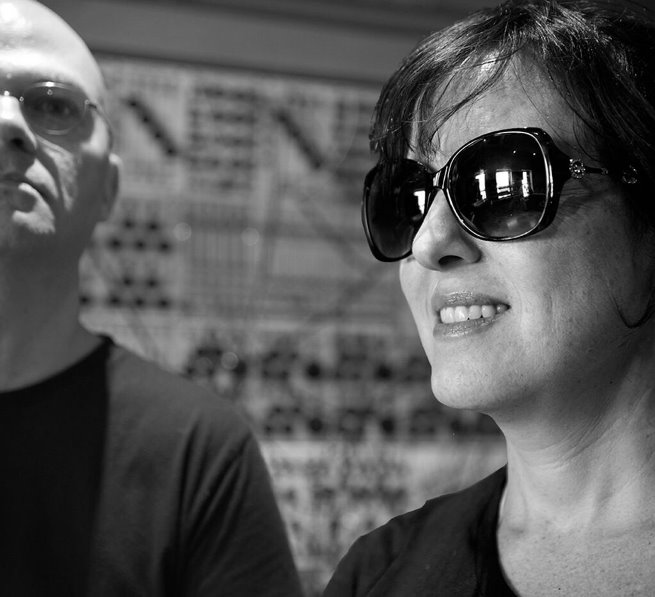
Championed by none other than Vince Clarke and signed to his Brooklyn-based VeryRecords, REED & CAROLINE have just completed a successful US tour with ERASURE.
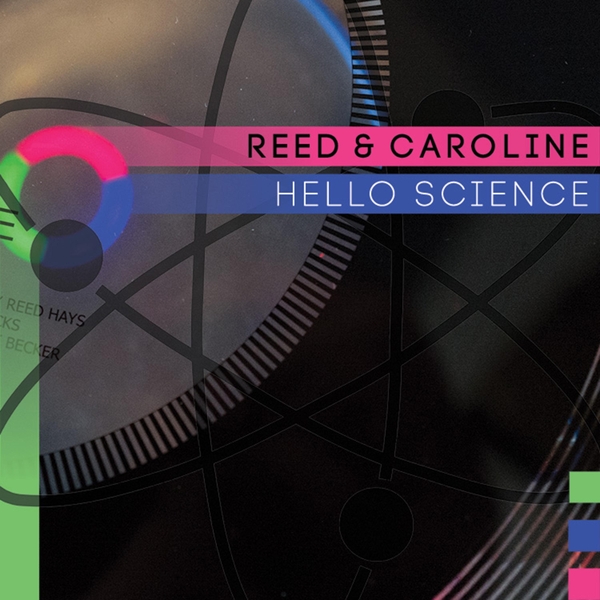
Reed Hays and Caroline Schutz’s 2016 debut album ‘Buchla & Singing’ did what it said on the tin, combining tunes with electronic experimentation. But released in 2018, its follow-up ‘Hello Science’ is a much more on point as a distinct pop focussed offering suitable for live concert performances.
Marvellous quirky pop songs from the new album like ‘The Internet Of Things’ highlight the potential downfalls of modern society’s over-reliance on web-connected devices and home appliances, while there are also more personal moments like the stark eulogy of ‘Entropy’. It’s a reminder that it’s the juxtaposition of humans and electronics that made the best classic synthpop what it was and how synthesizers should never be the excuse for a song…
Now back home, Reed Hays kindly chatted to ELECTRICITYCLUB.CO.UK about science, Buchlas, Orchestrons and his radio show with Vince Clarke…
What would you say is the creative dynamic of REED & CAROLINE?
We have always contributed our musicianship to each other’s works. When Caroline was working with her band FOLKSONGS FOR THE AFTERLIFE, I was playing cello on music she wrote. For REED & CAROLINE she is singing on songs I wrote.
How do you look back on your debut album ‘Buchla & Singing’?
I still like to listen to it, and we’ve performed some of the songs while we’ve been supporting ERASURE. The audiences have got misty-eyed during ‘John & Rene’, which is wonderful to watch.
How did the Buchla come to be the instrument of choice for REED & CAROLINE?
The Buchla spoke to me as soon as I heard my dad play a MORTON SUBOTNICK LP when I was a kid. I went to the only college in the US that would allow 18-year-olds to touch a Buchla. As soon as I made enough money from writing TV music, I started buying Buchla instruments.
The pattern over several years was that I would use the Buchla more and more and sell off my other analogue synthesizers. When it came to doing other music, apart from TV stuff, it felt most comfortable for me to do it solely on the Buchla.
You’ve added a Vako Orchestron to your armoury, where did you find that and what’s it like to use?
It came from the fabled Sound City studio in Los Angeles during a revamp a couple years ago. It’s only real appearance in the pop canon is on three KRAFTWERK albums, and I’m a huge fan of how it sounds. The crackly, low-bandwidth character of the instrument sounds like you’re peering at the future from the past.
You had sounds of your own customised and made into optical discs to use with the Orchestron, so who makes these then now?
Once I started searching for people who knew about Orchestrons, I discovered Pea Hicks who lives in San Diego. Pea has access to the old machinery that made discs for the Orchestron and its predecessor the Optigan.
What other synths or software are used in your recordings?
I pretend ProTools is a tape recorder. For synchronization, I feed 16th-note audio clicks into the Buchla’s Envelope Follower.
Your songwriting appears to come from a folk tradition which is something you have in common with Vince Clarke?
I like simple melodies and whatever chords make them speak the best. I like modal interchange as much as the next guy, but Vince once reminded me that ‘Blowin’ In The Wind’ takes you on a journey with only three chords.
How did Vince Clarke and VeryRecords become interested in REED & CAROLINE?
My friend Mark Verbos of Verbos Electronic helped to produce an event in Brooklyn called ‘Machines In Music’. He asked me if I’d give a lecture about using old synths in new productions. Halfway through the lecture Vince walked in with a mutual friend, and we wound up having lunch. Later the friend played my song ‘Henry The Worm’ from what would become ‘Buchla & Singing’ for Vince, who decided it would be fun to release on his VeryRecords label.
What inspired the concept of ‘Hello Science’?
I grew up in a science and engineering town that also had a space museum so I was surrounded by it from an early age.
When I was little, there was a lot of idealism that science and technology would solve everyone’s problems. Now that I’m older, it’s less about a shiny future and more about science being discredited in these crazy modern times. Scientific concepts also make for convenient metaphors.
The ethical dilemmas behind technological progress with regards the backgrounds of some of those scientists must have provided an interesting background to write to?
Details of Operation Paperclip and the Dora Camp weren’t too public while I was growing up, but the concert hall where I played in the symphony orchestra did have a gigantic painting of Wernher von Braun.
Interestingly, the title song of the new album is all cello?
I took a small Buchla system and a cello to provide background music for an event that my painter friend Stephen Hall was involved in. When Vince heard a recording of it, he put it on the VeryRecords Soundcloud, and that set the stage for using cello on other projects.
I didn’t know how Vince would react if I did something entirely on the cello, so at the very end of ‘It’s Science’, there’s one chime note on the Buchla, just in case he didn’t like it.
‘Entropy’ was an intriguing number and sounded like it was influenced by the ’Dance’ album period of Gary Numan which people rarely highlight?
America’s introduction to synthpop was through Gary Numan on ‘Saturday Night Live’ at the very end of 1979. As a child, I was captivated. I hated the saxophones on ‘Dance’, but the pitch-shifted CR-78 drums were so cool. ‘Entropy’ was an opportunity to recreate that feel on the Buchla. I even made a polyphonic patch to mimic the Yamaha CP-30 electronic piano.
‘Dark Matter’ is a quirky little pop tune recorded with KITE BASE? How did that come together?
There’s a YouTube video called ‘Two Bald Blokes & a Buchla’ where Vince interviews me and the camera pans to some rock stars that our friend Elia Einhorn brought to the studio. One of the rock stars was Ayşe Hasan of SAVAGES.
Later on, while producing ‘Dark Matter’, I had a terrible time with the synth bass line. Everything seemed to slow down the track. Just when I wanted to scrap the whole song, I got a text from Ayse and her friend Kendra Frost that they were in New York. I set them up in the studio with two bass guitars and the rhythm track for ‘Dark Matter’.
It was amazing watching them work out parts for the song. For the verses Kendra played low notes and Ayse played high notes, and for the choruses they switched roles. To come up with parts they sang them to each other, “Da da da da”. That sounded great, too, so I got them on mic singing for the breakdowns in the middle and the end.
There seems to be a love / hate relationship with how technology has affected the world, ‘Digital Trash’ being a case in point which can be taken in many ways?
Vince kept gently asking me to join social media after we made the first album, so there I was on Facebook and Twitter ten years after everyone else. I’m sure my friends went through that “nothing dies on the internet” thing a lot earlier than I did.
‘Computers’ is another one, what’s that about?
Over the past couple hundred years, prominent male astronomers and rocket engineers had employed uncredited women to crunch the numbers. They were actually referred to as computers. The song wrote itself!
You’ve just finished touring North America with ERASURE, what was that like and how did you adapt you sound for the stage?
After we did a little club date in New York to celebrate the release of ‘Buchla & Singing’, Vince asked if we’d tour with ERASURE. Upon realizing he wasn’t kidding I wrote the ‘Hello Science’ album with performance in mind. The big departure from the recorded albums is that I sing the backup vocals through a Xils EMS-5000 vocoder plug-in. There’s a small Buchla cabinet with patches accessible by unmuting channels in the mixer module. There’s also a NS Design cello on a tripod.
Tell us about ‘The Synthesizer Show’… 😉
It’s the ideal venue to hear two grown men eating roasted peanuts while listening to VISAGE.
What’s next for REED & CAROLINE?
Caroline is going straight from the airport to her daughters’ school to sign people up for the Parent-Teachers Association. That’s as far ahead as we’ve planned!
ELECTRICITYCLUB.CO.UK gives its warmest thanks to Reed Hays
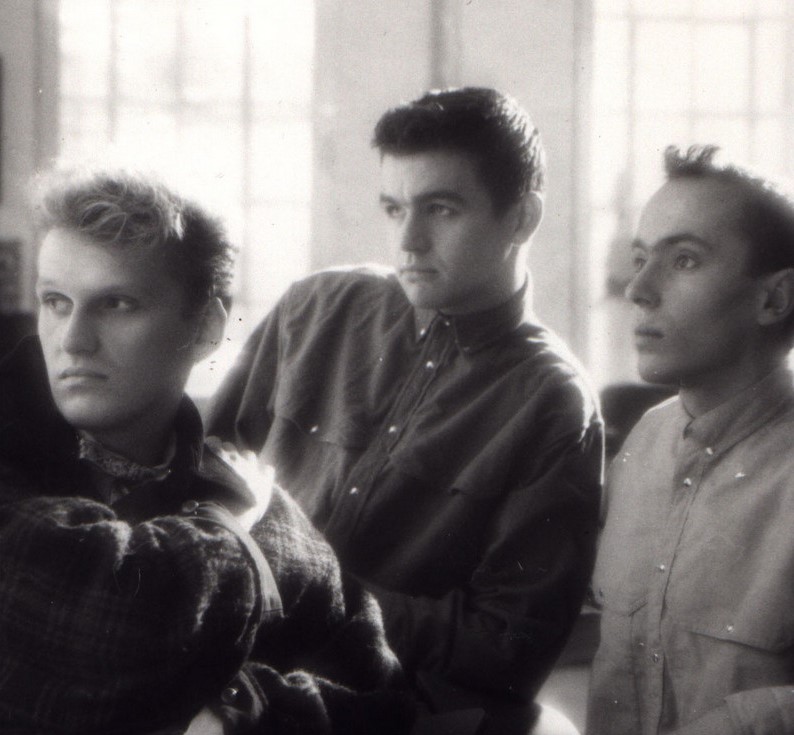
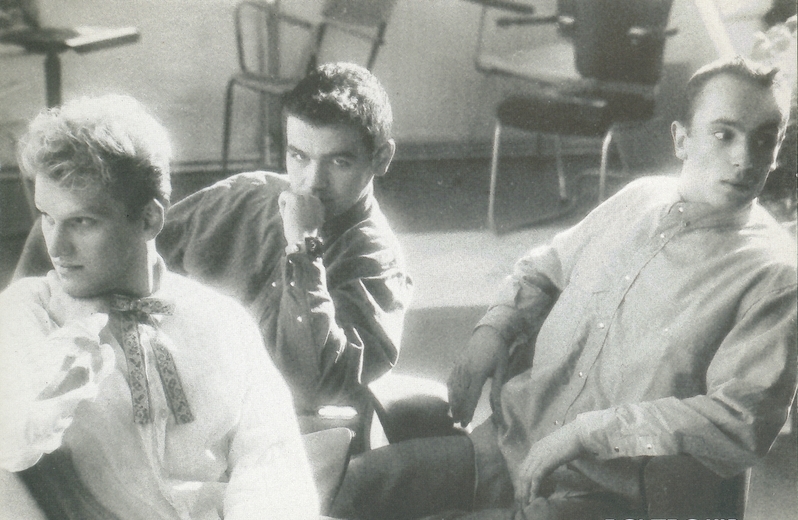
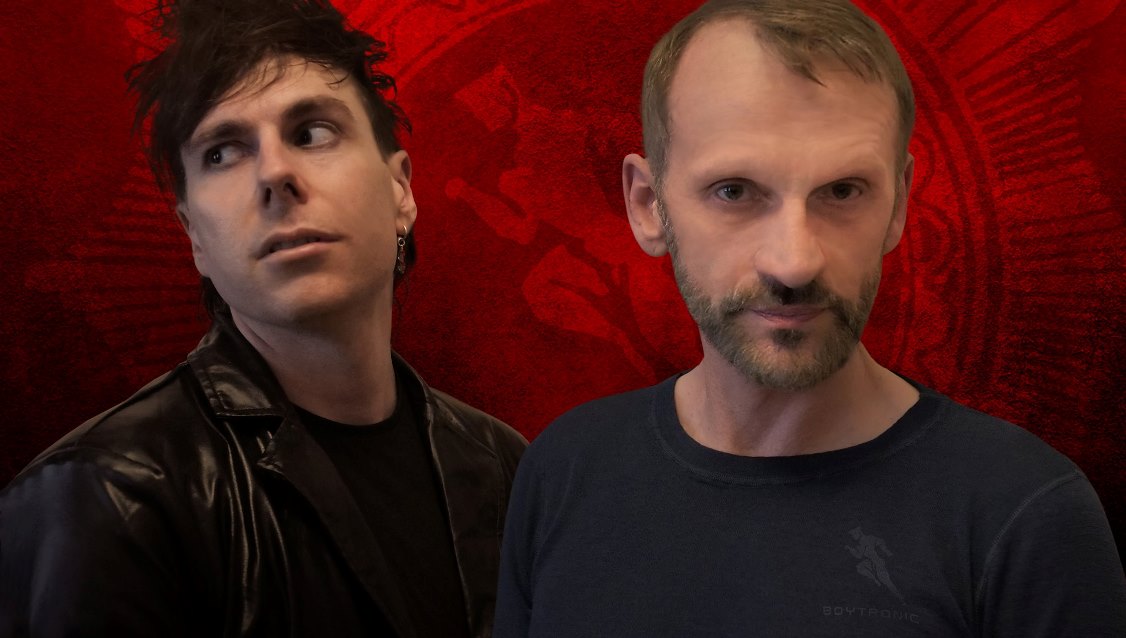
BOYTRONIC began as a duo and honed their musical craft at sex shows in Hamburg’s red light district on the Reeperbahn.
Led by vocalist Holger Wobker, BOYTRONIC hit the big time when they scored a No10 German hit with ‘You’.
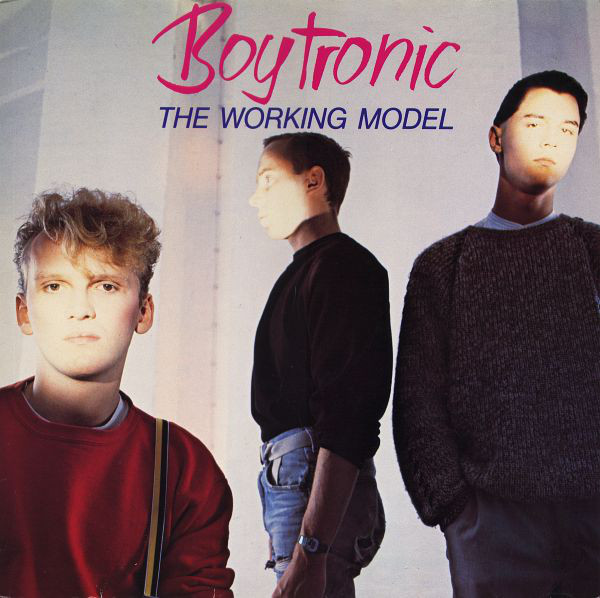
With their charged energetic synth-led sound, there were hit albums too with 1983’s ‘The Working Model’ and 1985’s ‘The Continental’. The latter long player included ‘A Man In A Uniform’ produced by Bobby Orlando who had worked with PET SHOP BOYS and DIVINE.
However success led to friction with BOYTRONIC’s management claiming ownership of their name and a new line-up continued without Wobker who had performed under the alias of Bryllyant Berger. He returned for a stint between 2002-2008 but the tensions remained.
Now after a ten year hiatus, Wobker returns with former BOYTRONIC frontman James Knights to release a new album entitled ‘The Robot Treatment’. Holger Wobker discussed the return of the original BOYTRONIC and gave his side of the story…
For those who may not be aware, what was your involvement originally in BOYTRONIC?
I was the founder along with Peter Sawatski back in 1983. We wrote the songs together and I provided the vocals.
Do you have some favourite BOYTRONIC songs from that time?
‘You’re The One Who Stays’; I didn’t sing this one, as it didn’t work with my voice so well, but I think that’s natural and most people don’t like the sound of their own voices anyway.
What for you was your proudest moment when BOYTRONIC became a success?
When I went to the club I usually went to, and they played BOYTRONIC without begging the DJ to do it. Everybody went to the dance floor, jumped around and screamed. I think that was one of my happiest moments!
But then, the story of BOYTRONIC becomes complicated? What happened?
It’s a harsh story and it’s a bit traumatic, but I will try to explain. In those days we weren’t signed to a record company directly. We signed to a small production company and they had the deal with the record company. We only had an initial contract for one album.
First it seemed we would be not that successful, but then we had some TV shows and it exploded. The week after the first appearance we went top ten in Germany, and this was exactly the day the production company registered BOYTRONIC as their own trademark. We didn’t know about that at the time. We didn’t even know that it’s possible to do that!
Soon after we wanted to leave the company because we weren’t so happy with them. We had offers from Warner and EMI London, and we really wanted to move, but we couldn’t now the company owned the name. After nearly two years in court, the question was “Who invented the name?”
In the end, all the owners of the company witnessed they did it together as a team (which was lies). But we were f*cked. German law was like this at that time. These days they would have no chance.
Peter left immediately after that and didn’t want to go on. He wouldn’t be forced to carry on with people who would do this. I tried for half a year or so before quitting too. After that, the company had the name but no band! They then took three new people and presented a brand new BOYTRONIC, but this had nothing to do with us.
Years later, I got a call from one of them and was asked me to do another BOYTRONIC LP. So we made ‘Autotunes’ together in 2002. I couldn’t work in this way again, but it’s something I had to try at that time.
The most recent BOYTRONIC album ‘Jewel’ came out in 2017 without your involvement, what were your feelings about this? What did you think of this album?
What do you think? I was p*ssed off. At first I didn’t know about this at all. Then I saw a new video on YouTube and an announcement for live shows. I thought to myself… this is the last time! To make it short, I went to a lawyer and fought to get the name back. Yes, the lawyer made some money along the way, but it was worth it in the end. They are allowed to use the name until 07.02.2019. So that will be the next time I’ll get drunk!
I can’t say anything about the musical quality of ‘Jewel’. Let the people decide. When you hear the first 5 seconds of ‘The Robot Treatment’, you will know who is BOYTRONIC.
In an interesting twist, you’ve teamed up with ‘Jewel’ vocalist James Knights of KNIGHT$ for the new BOYTRONIC album ‘The Robot Treatment’… now this would be like John Foxx and Midge Ure teaming up to do a new ULTRAVOX album, or even David Lee Roth and Sammy Hagar coming together to be VAN HALEN, how is your collaborative partnership coming along so far?
We spoke last year and he was anxious with how it was panning out, and where it was going. I liked him and suggested we could do something together. It wasn’t meant so serious. He was back with KNIGHT$ in Germany months on, so I played him ideas that I had, and we began to work on them.
It’s early days, but what is the creative dynamic between you two so far?
James understands exactly what BOYTRONIC is about. I don’t have to say much when we’re communicating ideas, it all comes naturally. Even when I’m drifting away, he puts me on the right track. We both have a vision how it’s got to be, and that’s great. It’s almost like working with Peter, but he’s more friendly!
How would you describe the sort of songs you are producing?
We want to be authentic! That’s why we will use no digital plug-ins except if absolutely necessary. We work with analogue synths to create a full and groovy electronic sound. That’s what we both like. The songs are catchy melodic pop songs with a huge Italo touch, and plenty of drama! Like BOYTRONIC should be.
What are your hopes and fears in this real relaunch of BOYTRONIC?
I hope people like what we do. People may be confused because they don’t know the full story, but most of the fans do by now. I’m not really afraid of anything. I had so much trouble with BOYTRONIC in the past… in that case I’m unsinkable! I hope I can go on for a long time yet…
Are you interested in performing live again?
Sure, yes. We will do that next year when the record comes out. Maybe a few dates before. This is our bread, sure we will perform live, it makes no sense otherwise.
ELECTRICITYCLUB.CO.UK gives its warmest thanks to Holger Wobker
Producer Jonas Rasmusson had been recording as TRAIN TO SPAIN since 2011, but it wasn’t until the recruitment of singer Helena Wigeborn in 2013 that things begin to gather momentum.
The 2015 debut album ‘What It’s All About’ featured songs such as ‘Passion’ and ‘Remind Myself’ which showcased the duo’s potential, coming over at times like like Lana Del Rey fronting YAZOO. ‘Believe In Love’, the brilliant first new song issued in 2016 after ‘What It’s All About’ developed on its promise, allowing more space within Rasmusson’s classic framework Wigeborn to work in.
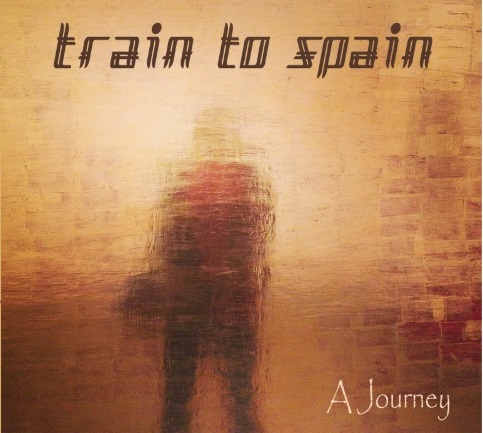
With the aforementioned included as a bonus track, ‘A Journey’continues… riding on an upward momentum, the vibrant opening salvo ‘I Follow You’ is an optimistic pop statement in the Kylie vein. The upbeat fervour continues on ‘Saviour’, with Wigeborn hunting high and low over Rasmusson’s energetic backing. ‘You Got To Do It’ shows what TRAIN TO SPAIN can do using a more restrained approach, while the frantic pace of ‘Not With Me’ utilises the metallic klang of Berlin-era DEPECHE MODE.
‘Pretend We Won’ moves away from the usual TRAIN TO SPAIN four-to-the-floor template during its intro which is attached to a good melodic structure. But the gloriously guilty pleasure of ‘Monsters’ is one of those Eurodance stompers with chunky triplets that filled German discos once upon a time and at various points, it feels as though a rapper will make their presence felt!
The more midtempo ‘Confused’ allows for a breather and is another highlight, featuring an alluring chorus from Wigeborn and filmic synths from Rasmusson. Taking things down further, ‘Teaser’ about a girl “who knows how to mess with your mind” is a ballad that shows subtlety in its rhythmic backbone while swathed in atmospheric electronic sweeps, while ‘What If’ is another midtempo offering although driven by heavy electronic drums and shaped by Wigeborn’s lower vocal register which suits both her and the tune.
But the closing ‘80s Drum Machine’ is the disappointing ‘Martin, David & Fletch’ of ‘A Journey’. Like its ‘What It’s All About’ cousin, the song is intended as an affectionate tribute to TRAIN TO SPAIN’s influences, but actually is a throwaway novelty that is not entirely essential with its spoken vocal and stripped down production.
Another bonus track ‘Dominant One’ plays with octaves and crashing metronomic drums in the vein of ‘Blip Blop’ from ‘What It’s All About’ and as with ‘80s Drum Machine’, it could have been left off ‘A Journey’ altogether to leave a tighter collection of ten tracks. All-in-all, ‘A Journey’ is a progression from ‘What It’s All About’ on all fronts musically, vocally and aurally. But most importantly, it is good old fashioned appealing synthpop with a Eurocentric twist. So take a TRAIN TO SPAIN and go round the world again…
We use cookies to ensure that we give you the best experience on our website. If you continue to use this site we will assume that you are happy with it.


 was released in 2016 and showcased ‘This Side Of The Border’, a burst of futuristic sci-fi electronica with a typically gloomy lyric from Howe that captured the tensions of the world’s current socio-political climate. It’s as if the fall of the Berlin Wall never happened and for that reason alone, RATIONAL YOUTH’s observational ethos is poignantly relevant again.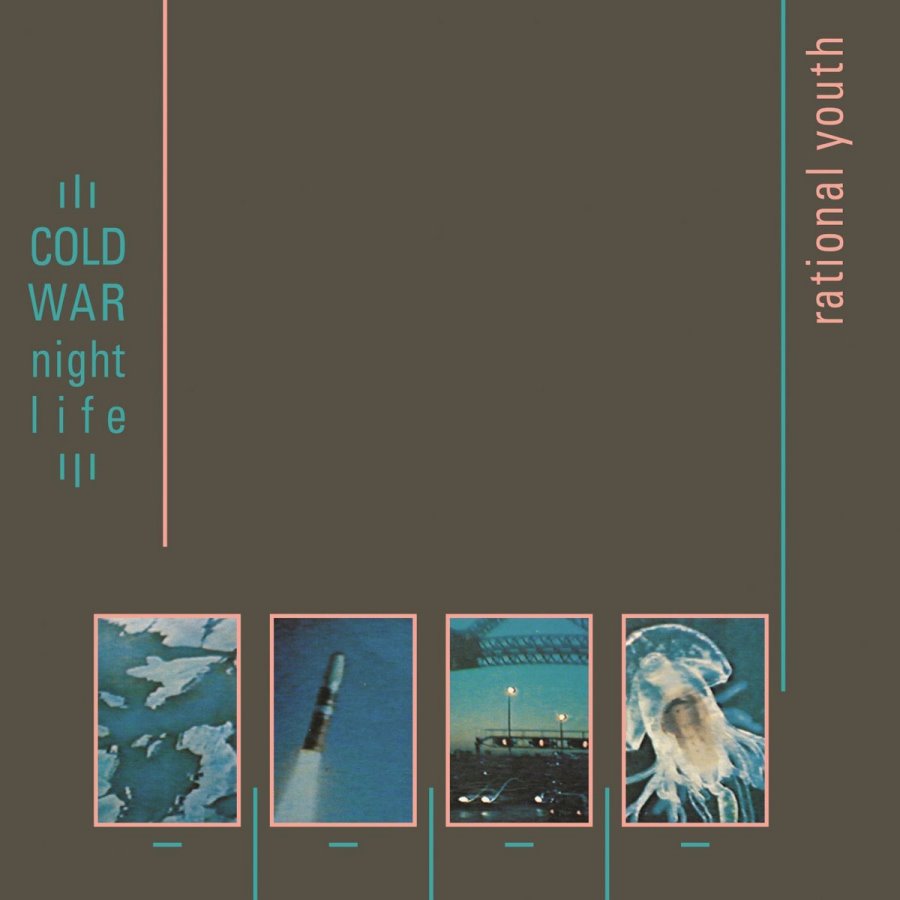

 did what it said on the tin, combining tunes with electronic experimentation. But released in 2018, its follow-up
  is a much more on point as a distinct pop focussed offering suitable for live concert performances.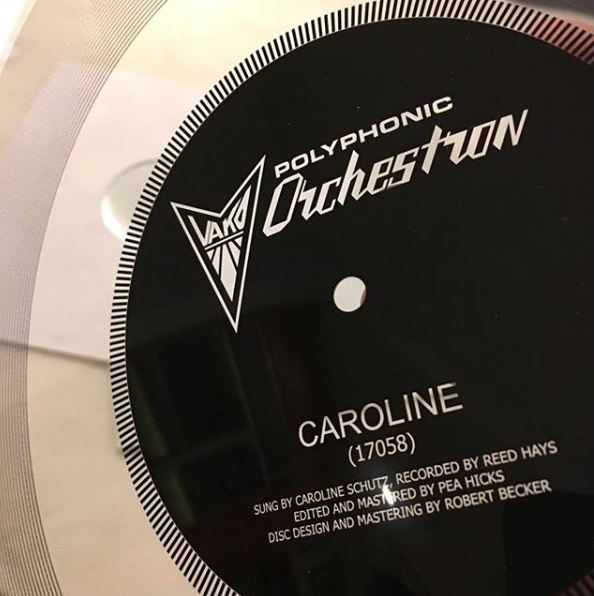
 continues… riding on an upward momentum, the vibrant opening salvo ‘I Follow You’ is an optimistic pop statement in the Kylie vein. The upbeat fervour continues on ‘Saviour’, with Wigeborn hunting high and low over Rasmusson’s energetic backing. ‘You Got To Do It’ shows what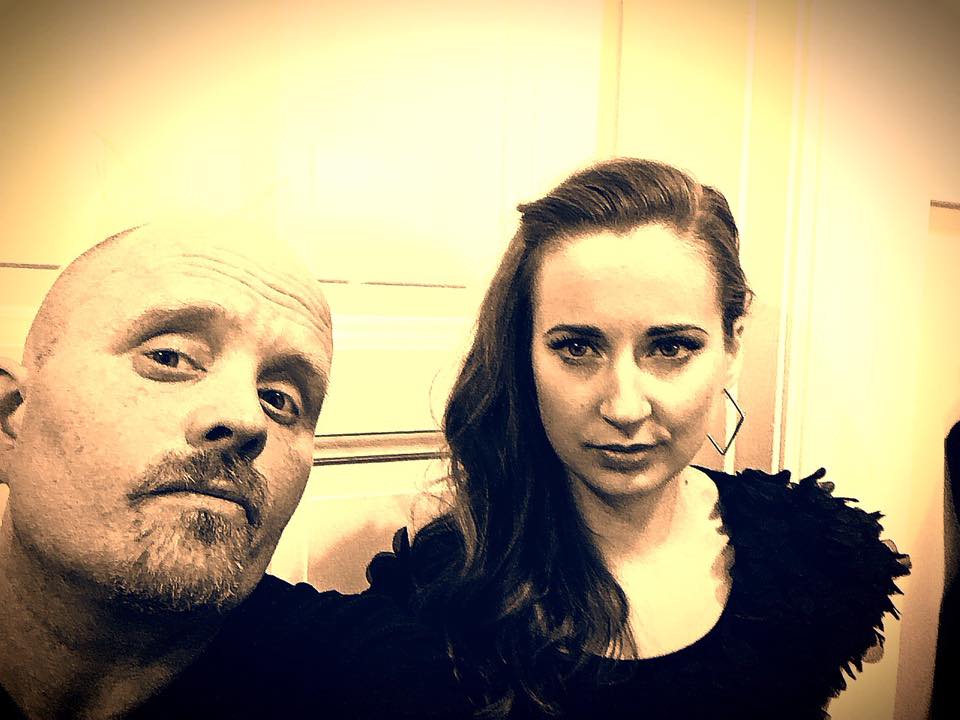
Follow Us!