“I don’t like country & western, I don’t like rock music… I don’t like rockabilly! I don’t like much really do I? But what I do like, I love passionately!!”: CHRIS LOWE
The O2 Academy in Islington saw the opening night of the highly anticipated co-headlining tour by industrial giants DIE KRUPPS and FRONT LINE ASSEMBLY.
After a very generic but entertaining DAF / NITZER EBB-aping set from Germany’s TENSION CONTROL, the London crowd started to fill out for the co-headliners.
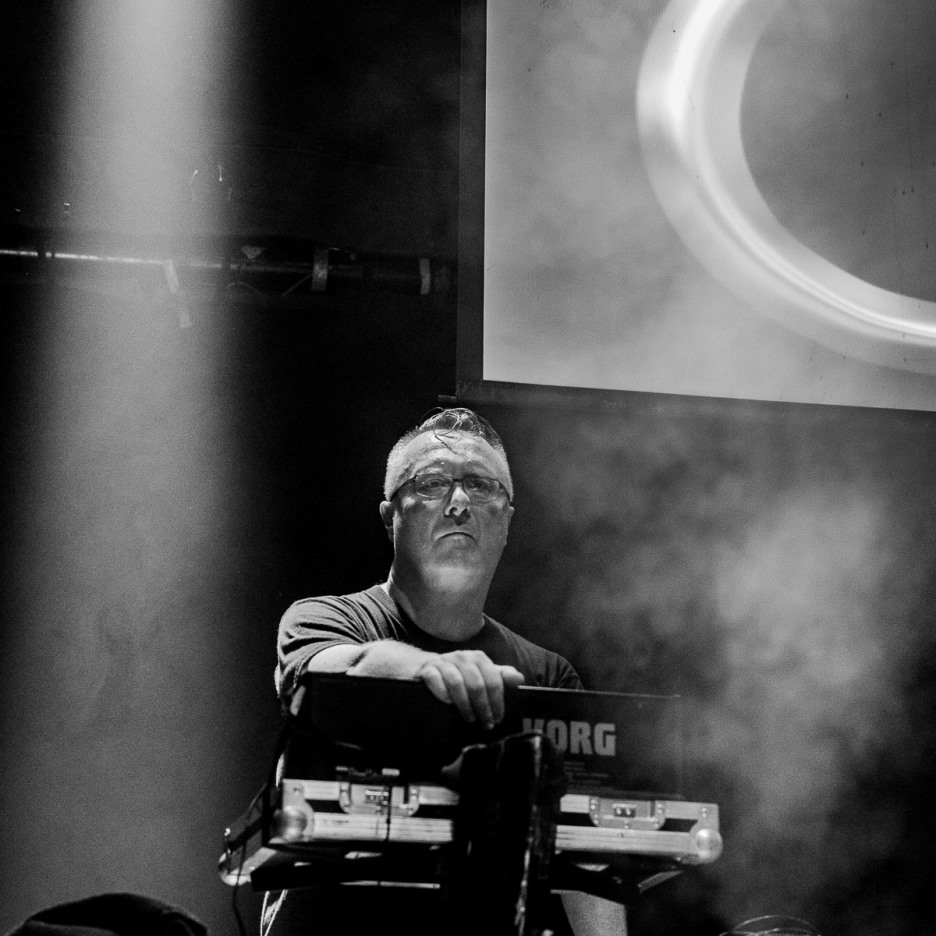
According to DIE KRUPPS main synth man Ralf Dörper, the headliner position was decided on a coin toss, with FRONT LINE ASSEMBLY taking the main slot in London. Without wanting to resort to too many cliches, DIE KRUPPS are now a well-oiled maschine.
With new drummer Paul Keller on-board, the act are a fearsome live proposition. After a short intro, the band launched into ‘The Dawning of Doom’ from the 1992 album ‘I’ with frontman Jurgen Engler stalking the stage flanked by the twin guitar attack of Marcel Zurcher and Nils Finkeisen.
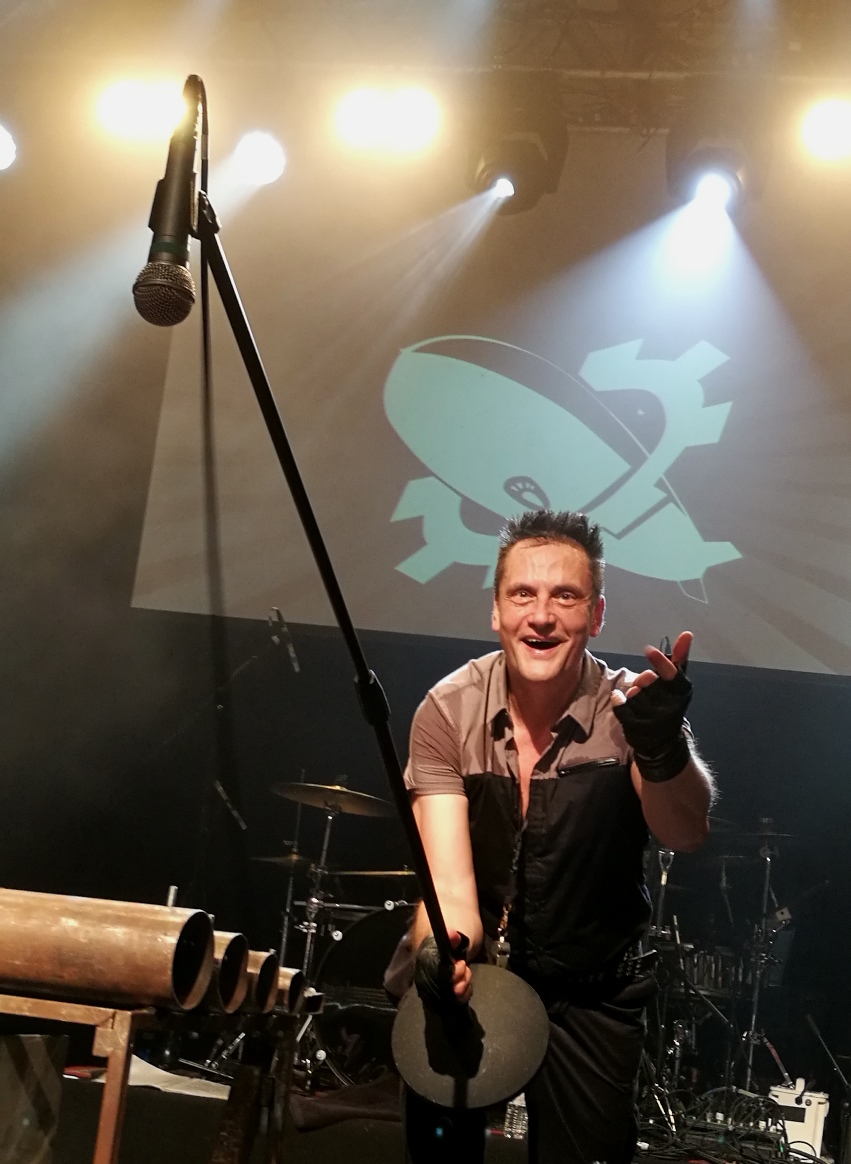
There was an early outing for the band’s excellent cover of VISAGE’s ‘Der Amboss’; the last time the band played the UK, they were joined by DUBSTAR’s Sarah Blackwood at The Garage in Highbury, but tonight the band carried the song without her. The song saw the first usage of Engler’s metal pipe bashing, which helped give the act an added layer of visual appeal to a band who are already transfixing live.
With a set spanning the band’s 28 year history, it was clear to see how incredibly influential DIE KRUPPS have been on acts such as RAMMSTEIN with their mixture of brutal guitars and hard sequenced electronics. The 2013 album ‘Machinists of Joy’ was well represented tonight with three tracks ‘Schmutzfabrik’, ‘Robo Sapien’ and ‘Machineries of Joy’ all getting an outing.
The biggest reception was reserved for 1993’s anthemic ‘To The Hilt’ and encore ‘Bloodsuckers’, both from ‘Die Krupps II – The Final Option’. As with fellow compatriots RAMMSTEIN, it would be lazy to overthink the band’s imagery and song content, so to reinforce this Engler made a point of announcing ‘Nazis Auf Speed’ as an “another anti-Fascist song”.
By the climax of the set, Engler had climbed on top of his metal percussion, was waving his microphone stand into the audience and had the Islington crowd eating out of his hand.
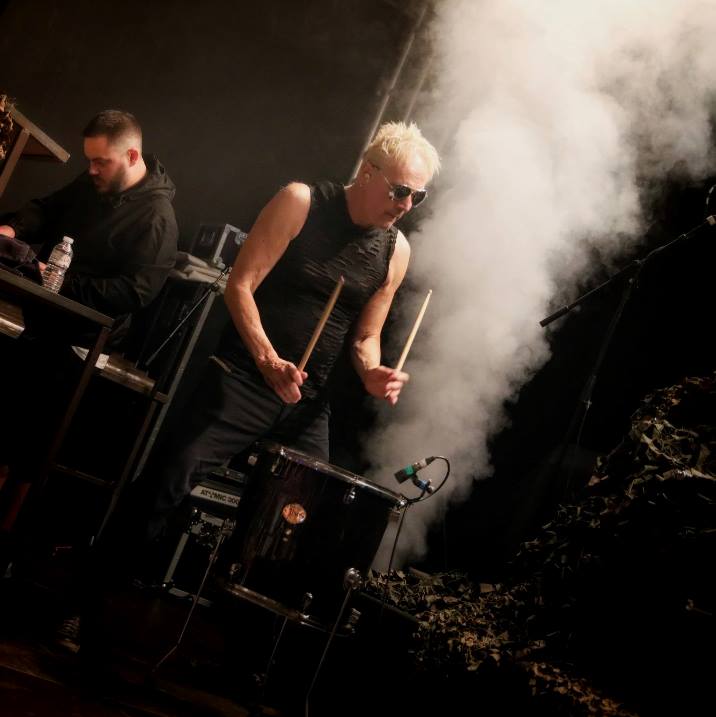
The stage was eventually cleared for Canadian headliners FRONT LINE ASSEMBLY, who in comparison to DIE KRUPPS were a very different proposition; more electronic in conception (after a period during the career of using guitars and guitar samples), they now function with a double synth station set-up covered in camouflage netting and a couple of tom drums set-up in front of the main drum kit.
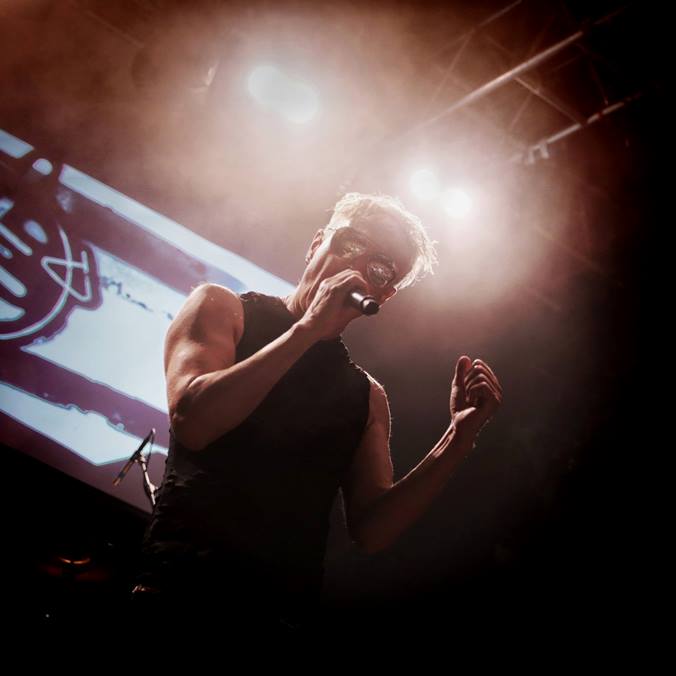
After DIE KRUPPS’ blitzkrieg assault, FRONT LINE ASSEMBLY took a while to warm-up the crowd. With frontman Bill Leeb seemingly a little aloof, the band still generated a hypnotic and danceable set with the sequenced electronics and vocal samples more to the forefront.
After opening their set with an untitled new track, the uptempo ‘Shifting Through The Lens’ with its vocodered vocals and tightly sequenced synths was a highlight along with the glitchy EDM-inflected ‘Killing Ground’.
The usage of additional live percussion by Leeb and Rhys Fulber helped with the act’s visual appeal, although it became apparent during their set that there were a few technical issues resulting in exchanged glances and conversations between the two musicians.
The overrun meant that FRONT LINE ASSEMBLY had to forego their encore and eventually ended their set with the eponymous title track from 1994’s ‘Millenium’.
On tonight’s showing, the price of admission would have been worth it just for the DIE KRUPPS stellar set, but to have both of these bands on the bill made it a really attractive live proposition for those that love their industrial music.
There really is no excuse to miss this superb double-header and a chance to catch not one but two legendary and influential acts from the EBM scene.
With special thanks to Ralf Dörper
‘The Machinists United’ Tour 2018 continues, dates include:
Gothenburg Truck Stop (24th August), Stockholm Klubben (25th August), Wroclaw Stary Klastor (29th August), Prag Lucerna Music Bar (30th August), Budapest A38 (31st August), Bratislava Majestic Music Club (1st September), Vienna Vipers Room (2nd September), Munich Backstage Halle (4th September), Frankfurt Batschkapp (5th September)
Ambient electronic music is a much misunderstood genre.
One is not talking about Jean-Michel Jarre or Vangelis who are far too comparatively lively to be truly considered ambient. And it is not ‘chill out’ that’s being talked about either, which seems to lump in any form of dance music that is under 112 beats per minute.
Modern ambient probably came to prominence with Brian Eno. While lying in a hospital room after a car accident in 1975, a friend visited him and put on a LP of harp music. However the volume had been set at an extremely low level and one of the stereo channels had failed. Unable to move to adjust this, Eno had a new way of listening to music forced onto him.
In recalling this story for the sleeve notes of his ‘Discreet Music’ album, Eno said the music now became “part of the ambience of the environment just as the colour of the light and the sound of rain were parts of the ambience.”
Eno may not have been the inventor of ambient, but he was almost certainly was its midwife. With its lengthy gradual processes and unpredictable changes, ambient can be listened to and yet ignored. Going against the Western tradition of music where vocals, melody and rhythm are essential components, ambient music is designed to accommodate many levels of listening without enforcing one in particular.
One of the other beauties of ambient music is that the pieces are often so progressive that it becomes quite difficult to remember individual sections. Therefore on repeated plays, the music can still sound fresh and rewarding. It was an approach that fascinated many and while they may not have released whole works, artists such as THE HUMAN LEAGUE, OMD, BLANCMANGE and RADIOHEAD recorded ambient pieces for album tracks or B-sides.
Comments about ambient music being “boring” are missing the point, because at points of the day where the state of near sleep looms, music with no vocals, no rhythms and not too much energetic melody is perfect.
Restricted to one album per moniker or collaborative partnership, here are the 20 long players and collective works presented in chronological and then alphabetical order which form The Electronic Legacy of Ambient. Acting as a straightforward introduction to the genre, it refers to many artists whose comparatively mainstream works may already be familiar.
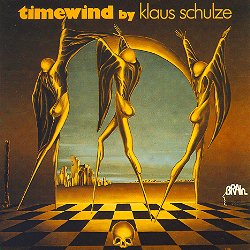
KLAUS SCHULZE Timewind (1974)
‘Timewind’ was Klaus Schulze’s first solo album to use a sequencer, evolving as a longer variation on his former band’s ‘Phaedra’. Referencing 19th century composer Richard Wagner, Schulze transposed and manipulated the sequences in real time, providing shimmering and kaleidoscopic washes of electronic sound using the EMS Synthi A, ARP 2600, ARP Odyssey, Elka string machine and Farfisa organ.
‘Phaedra’ saw TANGERINE DREAM using sequencers for the first time. Featuring the classic line-up of Edgar Froese, Peter Baumann and Chris Franke, the hypnotic noodles of EMS VCS3s and Moogs dominated while Mellotrons sounding like orchestras trapped inside a transistor radio. Organic lines and flute added to trancey impressionism.
The late Dieter Moebius and Hans-Joachim Roedelius were CLUSTER. Their fourth album ‘Sowiesoso’ was CLUSTER’s first fully realised exploration into ambient electronics. With gentle melodic phrasing and unimposing rhythmical patterns, the title track was a wonderfully hypnotic adventure that welcomed the listener into the soothing world of the longer player’s remaining aural delights.
As ASHRA, Manuel Göttsching was looking to visit synthesized climes and explored more progressive voxless territory armed with an Eko Rhythm Computer, ARP Odyssey and his signature keyboard sound, a Farfisa Synthorchestra. An exponent of the more transient solo guitar style, this template was particularly evident on ‘New Age Of Earth’, a beautiful treasure trove of an album.
Steve Hillage had a love of German experimental music and ventured into ambient with long standing partner Miquette Giraudy. Recorded for the Rainbow Dome at the Festival for Mind-Body-Spirit at Olympia, these two lengthy Moog and ARP assisted tracks each had a beautifully spacey quality to induce total relaxation with a colourful sound spectrum.
HAROLD BUDD & BRIAN ENO The Plateaux Of Mirror (1980)
Mostly piano-oriented, its backdrop of shimmering synthesizer and tape loops of voices was conceived wth Harold Budd improvising while Eno would occasionally add something. But his producer tact was to step back if nothing extra was needed. ‘The Plateaux Of Mirror’ was a lovely work with resonating ivories of the acoustic and electric variety. A second collaboration came with ‘The Pearl’ in 1984.
BRIAN ENO Apollo: Atmospheres and Soundtracks (1983)
A soundtrack to a documentary film about the Apollo Missions that reacted against the uptempo manner of space travel presented by news reels of the day with fast cuts and speeded up images, Eno wanted to convey the feelings of space travel and weightlessness. Although based around Eno’s Yamaha DX7, the album was quite varied instrumentally, featuring his brother Roger and Daniel Lanois.
The debut album from the younger Eno, ‘Voices’ captured a sustained mood of dreamy soundscapes and aural clusters with its beautiful piano template strongly reminiscent of Harold Budd’s work with brother Brian, who was also involved on this record via various electronic treatments although it was actually Daniel Lanois who produced.
Following his ‘Gone To Earth’ bonus album of instrumentals, David Sylvian found a willing conspirator in Holger Czukay who had developed several unconventional compositional techniques using devices such as short wave radios and Dictaphones. Through a series of improvisations, the duo came up with two companion long players that conveyed a sinister yet tranquil quality drifting along in complex spirals.
Unlike the comparatively optimistic air of his work with Eno, Harold Budd’s solo journeys often conveyed a more melancholic density, probably best represented by the haunting immersive atmospheres of ‘The White Arcades’. An elegiac combination of shimmering synthesizers and sporadic piano provided an austere depth that was both ghostly and otherworldly.
STEVE JANSEN & RICHARD BARBIERI Other Worlds In A Small Room (1996)
With ‘Other Worlds In A Small Room’, Steve Jansen and Richard Barbieri created an atmospheric trio of electronic instrumentals that they considered “Ambient in the traditional sense”. There was an appendix of four suitably complimentary tracks from their 1984 album ‘Worlds In A Small Room’ that had originally been commissioned by JVC to accompany a documentary about the Space Shuttle Challenger.
VINCENT CLARKE & MARTYN WARE Spectrum Pursuit Vehicle (2000)
‘Spectrum Pursuit Vehicle’ was composed by Vince Clarke and Martyn Ware as part of an Illustrious art installation at The Roundhouse in a circular, white clothed room where the colours referred to in the titles of the six lengthy pieces were “programmed to cross fade imperceptibly to create an infinite variation of hue”. Using binaural 3D mixing, the CD booklet said “This album is intended to promote profound relaxation”.
Trance enthusiasts who loved Ferry Corsten’s blinding remix of Samuel Barber’s ‘Adagio For Strings’ will have been shockedby this virtually beatless parent long player. Orbit’s concept of adapting classical works was that he wanted to make a chill-out album that had some good tunes. A collection featuring lovely electronic versions of Beethoven’s ‘Triple Concerto’ and John Cage’s ‘In A Landscape’ could not miss.
Alva Noto is a German experimental artist based in Berlin and ‘Vrioon’ was his first collaborative adventure with YELLOW MAGIC ORCHESTRA trailblazer Ryuichi Sakamoto. A beautiful union of piano, synth shimmers and subtle glitch electronics proved to be an unexpectedly soothing and meditative experience that was gloriously minimal over six starkly constructed mood pieces.
ROBIN GUTHRIE & HAROLD BUDD After the Night Falls / Before The Day Breaks (2007)
Robin Guthrie and Harold Budd first collaborated on ‘The Moon & The Melodies’ album along with the other COCTEAU TWINS. These were beautiful experiments in duality but it would be unfair to separate these Siamese twins. Serene, relaxing, abstract and distant, Guthrie’s textural guitar and Budd’s signature piano were swathed in drifting synths and treatments that complimented each album’s titles.
JOHN FOXX & HAROLD BUDD Nighthawks / Translucence / Drift Music (2003 – 2011)
A sumptuous trilogy featuring two artists who had both worked with Brian Eno. ‘Nighthawks’ was John Foxx and Harold Budd’s collaboration with the late minimalist composer Ruben Garcia and a soothing tranquil nocturnal work with tinkling ivories melting into the subtle layered soundscape. The earlier ‘Translucence’ was a close relative, partnered with the more subdued ‘Drift Music’.
‘London Overgrown’ was John Foxx’s first wholly solo ambient release since the ‘Cathedral Oceans’ trilogy. The conceptual opus was a glorious ethereal synthesizer soundtrack, smothered in a haze of aural sculptures and blurred soundscapes. With ‘The Beautiful Ghost’, as with William Orbit’s take on ‘Opus 132’ from ‘Pieces In A Modern Style’, this was Beethoven reimagined for the 23rd Century.
Originally part of the deluxe 2CD version of his 2005 album ‘Hotel’, Moby couldn’t find his copy and decided on an expanded re-release. Inspired by the nature of hotels, where humans spend often significant portions of their lives but have all traces of their tenancy removed for the next guests, the emotive ‘Homeward Angel’ and the solemn presence of ‘The Come Down’ were worth the purchase price alone.
“I like the effects of calm and dissonance and subtle change” said Steve Jansen; not a remix album as such, the more ambient and orchestral elements of ‘Tender Extinction’ were segued and reinterpreted with new sections to create a beautiful hour long structured ambient record. A gentle blend of electronic and acoustic instrumentation, ‘The Extinct Suite’ exuded a wonderful quality equal to Eno or Budd.
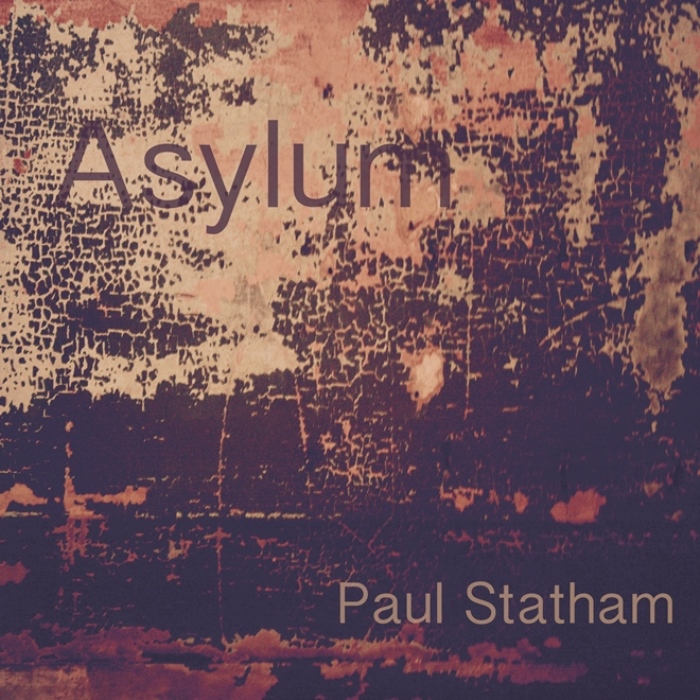
B-MOVIE guitarist and pop tunesmith Paul Statham began his experimental music account with ‘Ephemeral’ and ‘Installation Music 1’. ‘Asylum’ was a more ambitious proposition and featured in an audio visual installation created with painter Jonathan McCree. The eight compositions together exuded a cinematic, ethereal quality with some darker auras and an eerie sound.
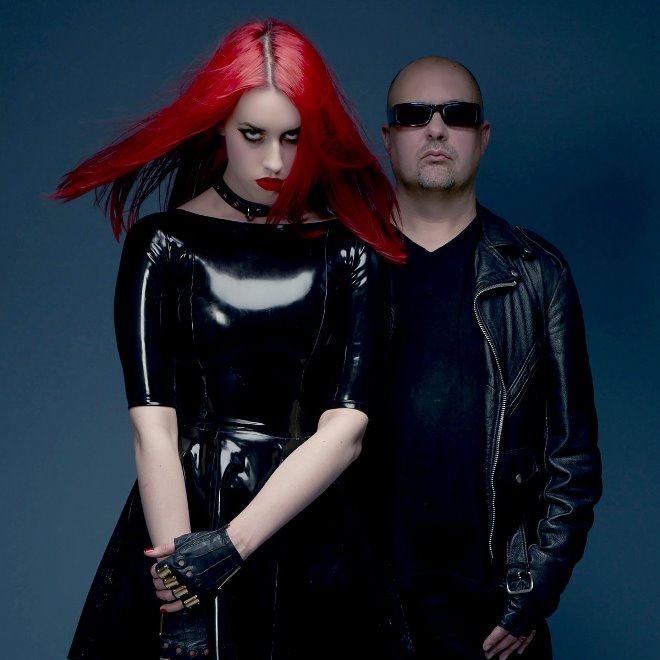
“It’s a scary world out there”; words you can hear far and wide all across the globe, but when you enter the world of NIGHT CLUB, it can get scarier still.
For the twisted, dirty and sick, look no further than the bombastic American duo, where Emily Kavanaugh rules the roost with her aggressive vocal style, sugar coated at times, but don’t be fooled… introducing the second album from the unusual twosome, which follows the acclaimed ‘Requiem for Romance’, NIGHT CLUB are on tour with none other than the mega Gods of heavy electronica, COMBI (f**king) CHRIST.
And from the onset, the heavily pitch shifted vocals on the first single ‘Candy Coated Suicide’ glide and slide over the gritty pop, tainted by dirt, which can be visually verified by the kinky video depicting rather unsavoury looking bunnies (yes, costume bunnies, and not so cute like Chandler in ‘Friends’), as well as a teddy bear in chains and cuffs. As Kavanaugh describes: “like if an 8 year old and her stuffed animals discovered LSD and went on a solid 4 day bender”. Say no more…
But the whole affair starts with the ominous ‘Beware!’, a delicate fairy tale which can fool one into thinking all is glossy and pink. Oh no, it isn’t! The title track hits with the expected force, and even though the vocal is candy sweet a la Britney, the tone is what it says it is on the tin (even the kids choir will confirm it), and hey, after all “they only love you if you swallow”.
With the NIGHT CLUB world being a tad ‘Schizophrenic’, it’s no wonder it sounds like Spears’ ‘Toxic’ at times. It’s so LA baby! ‘Your Addiction’ hits with a majestic synth boom, which canvasses that sexy voice to perfection. Kavanaugh can make anything dirty and kinky after all, and she does it with style. If LADY GAGA made it big with ‘Do What You Want’, NIGHT CLUB will make it huge with ‘Blood On Your Blade’, with its multitude of style shifts and wealth of influences.
In the meantime, ‘Therapy (Get High)’ spells out the need for drugs, where instead of the instant arrest, Kavanaugh is given a prize. A perfect alternative pop song, even if you won’t play it to your kids. And although she doesn’t really have many friends, as she points out in ‘Therapy’, she is graced with an ‘Imaginary Friend’. And that goes something like vintage DM, so there!
As for the bloodsucking monsters, ‘Vampires’ shows off the vocal wizardry from the Princess Of Darkness, as even with the life being sucked out of her, she’s still the coolest. Still, she will ‘Survive’ as she calms things down towards the end with a single piano substituting the synth for a while, leading the follow-up opus to its conclusion.
And what’s the conclusion? ‘Requiem for Romance’ was good, ‘Scary World’ is scarier and better. Way to go Mr Brooks, and welcome back Miss Kavanaugh. Again, you haven’t disappointed.
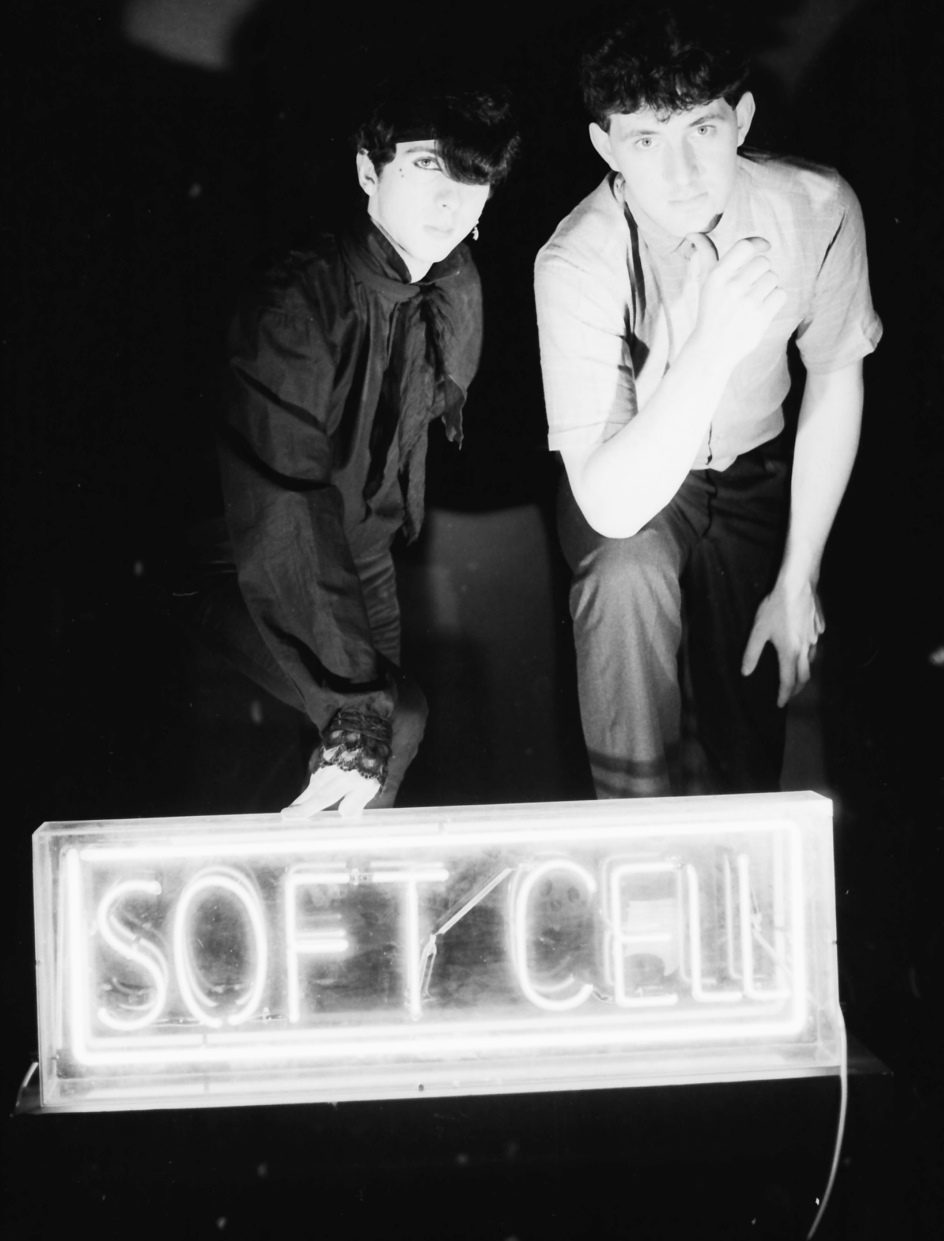
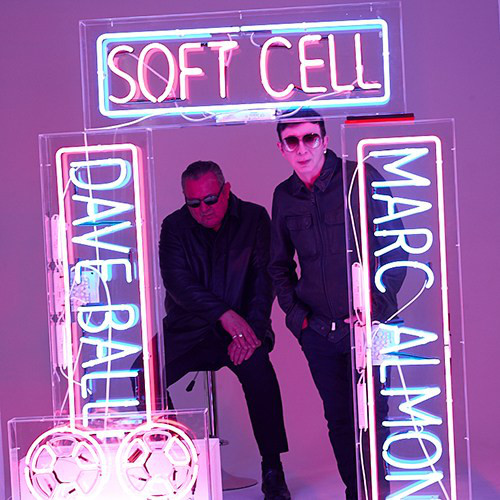
One-time Leeds Polytechnic art students SOFT CELL set the blueprint for acts such as PET SHOP BOYS and ERASURE with their stark but danceable synthesizer driven pop and were undoubtedly ahead of their time.
Managed by Stevo Pearce of Some Bizzare Records who secured them a deal with Phonogram Records, Marc Almond and Dave Ball had an amazing run of Top 40 hit singles between 1981-1984.
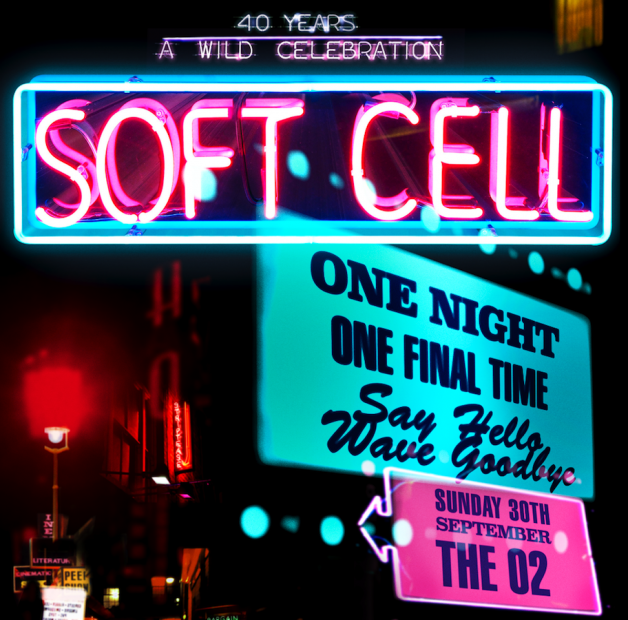
Having entered into cultural folklore with their catalogue of classics such as ‘Memorabilia’, ‘Tainted Love’, ‘Bedsitter’, ‘Say Hello Wave Goodbye’, ‘Torch’, ‘What!’, ‘Where The Heart Is’ and ‘Soul Inside’, Almond and Ball will say hello and wave goodbye with a final concert at London’s O2 Arena on Sunday 30th September 2018 and a soon-to-be-released celebratory 10 disc boxed set entitled ‘Keychains & Snowstorms: The SOFT CELL Story’. Every recorded track from the duo’s Phonogram-era is represented on ‘Keychains & Snowstorms: The SOFT CELL Story’ in some form or another, with all of the singles presented in their extended 12 inch format.
Photo by Peter Ashworth
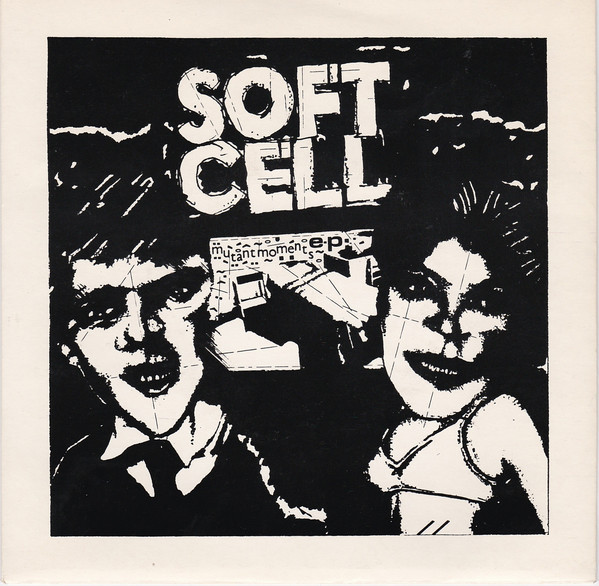
Meanwhile, there will also be tracks like ‘Divided Soul, ‘Somebody, Somewhere, Sometime’, ‘The Night’, ‘Monoculture’, ‘Desperate’ and ‘Darker Times’ released in 2002 following Almond and Ball’s unexpected reunion as SOFT CELL. Among the rarities included will be the debut SOFT CELL EP ‘Mutant Moments’, ‘The Girl With The Patent Leather Face’ from the iconic ‘Some Bizzare Album’, tracks recorded under production auspices of Daniel Miller, rarities, demos, BBC radio sessions, new remixes and live recordings.
On a sunny August day, Dave Ball took time out from preparations for the final concert and kindly chatted about the return of SOFT CELL and their past life of vice…
What concept did you follow for ‘Keychains & Snowstorms’ with regards the budget and restrictions you had?
It wasn’t really so much how much budget we had, but how much material we had; things came out of the woodwork. We’ve got stuff from the very first ever show which we did in 1979 at Leeds Polytechnic for the Fine Art Department party right up to the present day really. There’s rare mixes of quite well-known tracks and a performance from Los Angeles in which Michael Jackson was in the audience! So there’s lots of rarities and oddities.
There’s also a DVD which is most of our British TV performances on ‘Top Of The Pops’ plus ‘Old Grey Whistle Test’, ‘Oxford Road Show’ and even a programme called ‘Supersonic’; ‘Non Stop Erotic Video Show’ is on there too. It’s got a lot of stuff, there’s a great book that comes with it which has got quotes from people like Neil Tennant and Trent Reznor, so it’s interesting … if anybody is a serious fan, I think it’s a must! It looks beautiful, it was Chris Smith’s idea to have the neon Revox, it’s such as iconic image in its own right, Dave Chambers took the pictures. It’s such a simple design but looks nice as a piece of art, you could have it on your mantelpiece.
Are you including Peter Ashworth’s many photos of SOFT CELL?
The thing is, it’s been such a productive time for us that Richard Franklin who did Marc’s coffee table book, we’ve been working with him on one. I had a meeting over at Peter Ashworth’s flat a few months back, he found a load of stuff from the early 80s, lots of test shots and polaroids, a bin bag full of them! So we sat there one afternoon by the river sipping champagne looking through these test sheets of amazing stuff that people have never seen. Now this is not tied in with the boxed set, this is like a separate project. The audio is the boxed set and the visuals will come out next year as a proper hard backed book.
Is there going to be a souvenir programme for the final concert?
Of course there will be a programme, that’s going to be interesting… there’s lots happening, Universal are going to be re-reissuing all the albums on vinyl while the final one ‘Cruelty Without Beauty’ which we did with Cooking Vinyl, that will be released for the first time on vinyl, which is ironic considering the name of the label *laughs*
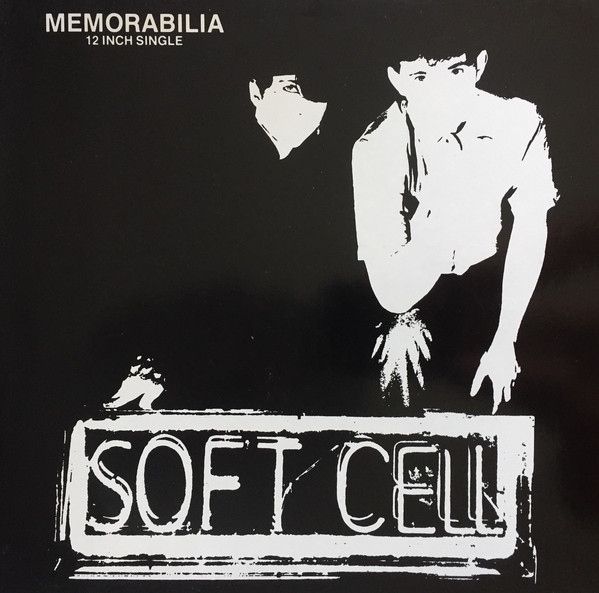
Your debut EP ‘Mutant Moments’ had a very art school vibe while the next single ‘Memorabilia’ b/w ‘A Man Can Get Lost’ was more clubby…
‘Mutant Moments’ was very homemade, very lo-fi and made on no money, done at art college. But we thought we needed a producer and we had the chance when Daniel Miller came along. We gravitated towards him because we loved ‘Warm Leatherette’ plus we knew Frank Tovey who was FAD GADGET, he did MUTE 002 which was ‘Back To Nature’. We passed a cassette to Frank and asked him to play it to Daniel but at first, he didn’t really get it.
Eventually we managed to persuade him to do a single in a 16 track studio in East London called Stage One where we recorded ‘Memorabilia’ and ‘A Man Can Get Lost’ … it was a bit confusing that because the 7 inch came out as ‘A Man Can Get Lost’ while the 12 inch came out as ‘Memorabilia’! And ‘Memorabilia’ became this big club hit, it even got in the American dance charts! I think that’s why we got a chance at doing another single with Photogram because they were quite astonished and probably thinking “how are these two art school guys getting a record into the American dance chart?”.
But we were very self-motivating… even with ‘Mutant Moments’, I managed to get three plays on Radio1 with no record label, management or plugger! We did the Futurama2 festival at Leeds Queens Hall in 1980, I had a test pressing with me just in case and lo-and-behold, I saw John Peel! So I made a beeline for him and went “Excuse me sir” while doffing my cap, “may I give you this?”… he was like “oh thanks” and put it in his filing cabinet*laughs*
I thought nothing more of it but he played ‘Metro MRX’ three times on his Radio1 show, all this on a chance meeting. So you never know your luck 😉
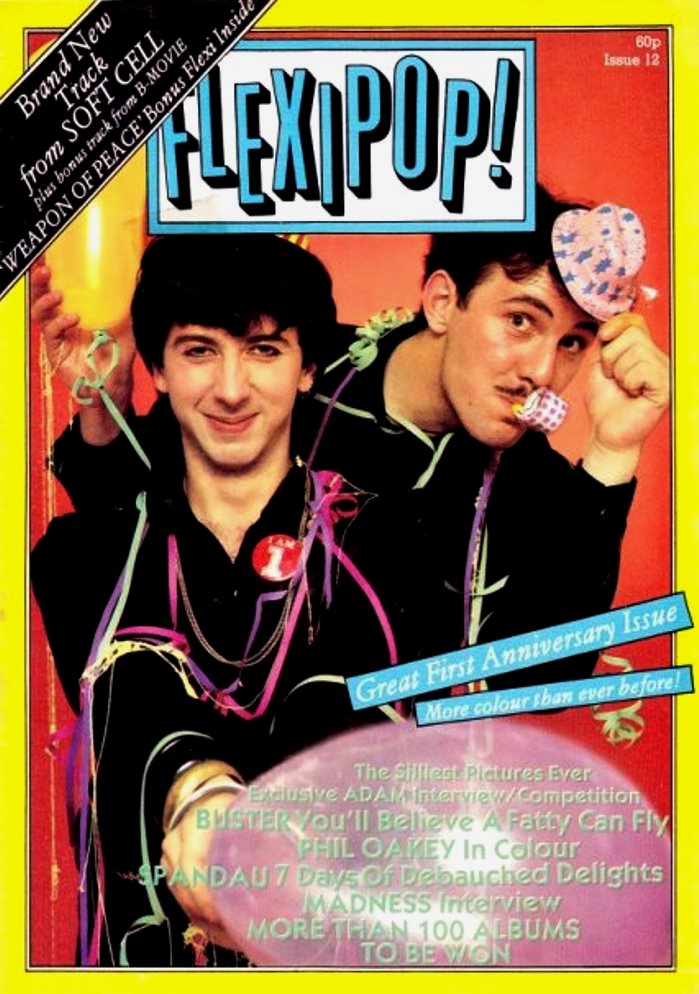
You did a re-recording of ‘Metro MRX’ that ended up being issued by ‘Flexipop’ magazine which uses the same electronic rhythm track as ‘New Life’ by DEPECHE MODE?
That was done with Daniel Miller, his bass drum at that time was an ARP 2600, which was a semi-modular system which apparently he bought second-hand from Elton John which was used on tour! It’s a fantastic synth, I’d loved to have had one! Talking of ARP, I’ve just got an ARP Odyssey reissue which has an absolutely beautiful sound because we’ve got a bit of a deal with Korg so that’s quite handy *laughs*
After ‘Mutant Moments’ and ‘Memorabilia’, did you notice that SOFT CELL were morphing into something much more synthpop, because the songs on the demos that are in the boxed set and which formed ‘The Bedsit Tapes’ did not end up on ‘Non-Stop Erotic Cabaret’…
Yeah, ‘The Bedsit Tapes’ were all just little sketches and a lot were written by me at art college, they were just doodles really. When I met Marc, he was a performance artist and I was just doing weird synth music for him. But he asked if he could sing some of my songs, and I was like “great” because I’m not a singer and he looked fantastic, when I first met him I thought “that’s a front man!”.
So we started to think about how to get a sound; Marc had been working at Leeds Warehouse in the cloakroom and they were playing a lot of New York disco, so he was bringing these records home that he’d borrowed. So we were getting more and more into music with a heavy dance beat and heavy basslines.
That’s how ‘Memorabilia’ came about, it was directly influenced by all that and us deliberately doing something a bit more clubby. I give Marc full credit for steering it there and suggesting we do something with more of a James Brown bassline. So I started noodling repetitively, it wasn’t sequenced but it started sounding like those Techno records which came later. We inadvertently came across that sound and with Daniel’s help obviously, we created something amazing.
You’ve talked about the rhythmic and art school side, but where did the tunes spring from?
Marc’s always been the very big pop fan as have I, plus I’m a big fan of a lot of film music like John Barry. So we’ve always been strong on our melodies. I’d play a little tune and Marc would do something that counters it. KRAFTWERK, YELLOW MAGIC ORCHESTRA and DEPECHE MODE are very melodic.
The most successful electronic bands are all extremely melodic and fantastic. It’s all very good listening to drones, I mean I love Brian Eno and even some of that has amazing melodies, but it’s like being washed over in water colour. I do like a powerful theme and I like the subject matter of a song to be powerful and to have some kind of a thematic quality with it, like a James Bond song such as ‘Goldfinger’, a very powerful musical element and a powerful vocal element.
Even on ‘Mutant Moments’, there’s a track called ‘L.O.V.E Feelings’ which had a John Barry vibe, so it seemed to be there even back then?
There was this pub Marc and I used to frequent. On a Sunday evening, they had a singalong-with-the-organist night and there would be this old bloke with a Hammond organ and this drummer who had this round tom and he’d have his newspaper on that, doing the crossword with his pint and a fag in his mouth, playing the hi-hat and bass drum!
And then there was this mad old lady who had drunk too much sherry trying to sing Shirley Bassey! I think Peter Kay captured all that with ‘Phoenix Nights’, so it was kind of like a p*ss take of that! You can hear Marc giggling at the end! He did that a few times when we were recording, we were doing something recently going through some of our old tracks and I found a multi-track of a take of ‘Tainted Love’ and when Marc gets to the first chorus, he’s in fits of giggles, I don’t know why!
Despite being art school boys, did a new discipline have to emerge with ‘Mutant Moments’, just by the nature of having to choose four songs to record for an EP?
At that point, we went through what we’d got and thought those were the best four songs we had at the time, so that’s why those ended up on it. It was never done as a commercial enterprise. It was more like a promotional thing and it did work because it got us on Radio1 and we started getting more and more gigs. It built very gradually over a two year period…
So this is where Stevo picked up on you?
Yes, that was after Futurama2, he wasn’t there but asked if there were any interesting unsigned electronic bands there and people kept saying our name. So he got involved… he was very lucky, he was an opportunist really, but he had good ears and was putting together a compilation which became the ‘Some Bizzare Album’ which helped us immensely.
Us and DEPECHE MODE were singled out as the ones to watch. But unfortunately, we did this gig at Crocs in Rayleigh, Essex… DEPECHE MODE were the house band and SOFT CELL were the main act, we were absolutely appalling and they were fantastic! There were all these people from London like VISAGE and SPANDAU BALLET there to check us out and they were chucking pennies at us, we were dreadful.
But that’s when Daniel Miller got involved because we knew we had to get the sound better, and as he’d signed DEPECHE MODE, we thought he might know what to do with us and luckily he said yes. We didn’t want to create any rivalry but DEPECHE MODE were cool because their take on electronic music was different. We always got on fine with DEPECHE MODE.
Was this the night where legend has it, Tony Mayo from NAKED LUNCH took a dig at Marc?
I think he said “You’re a load of sh*t”, but then Rusty Egan said to Stevo to drop us because he thought we were rubbish! *laughs*
I’ve known Rusty for years and in fairness to him, when ‘Memorabilia’ came out, he changed his mind. He used to have two copies of it and keep it going for like half an hour, mixing into each other because he loved it so much. That really was the key track that changed the momentum upwards and obviously, what happened next is history as they say…
Do you remember much about the recording of ‘The Girl With The Patent Leather Face’ for the ‘Some Bizarre Album’?
That again was done at art school with a couple of Revoxes, a toy Chinese instrument that I put a pick up on for that clanging sound, a Korg synth and a Rhythm Master drum machine. It was a little black box that had the usual bossa nova / jazz / disco / pop presets, but only 1 or 2 of those were useable *laughs*
The guy who ran the sound studio in Leeds Poly was a guy called John Darling who’s sadly no longer with us, he had a nice home studio in the Yorkshire Dales and a proper mixing desk, so we tried to polish it up as much as possible on zero budget. It came out as it was, so we were surprised when people like journalist Betty Page aka Beverley Gillick gave it a really good review!
Your drum machine journey has been quite interesting…
I bought a Boss Doctor Rhythm DR55 which was used on those BBC Radio sessions and the first time I used anything to do with Roland, because Boss was part of the same company. When we did ‘Tainted Love’, we used a CR78 Compurhythm which had a monophonic output which our engineer Paul Hardiman cleverly managed to split the bass and the snare by gating one off the other so that they were isolated, it probably helped that it was quite a simple rhythm.
The rest of the percussion came from Marc’s Pearl Syncussion unit, a Synare which looked like a flying saucer and an Electro-Harmonix Crash Pad which had a trigger made out of cork! So all that zapping and sounds that are like smashing pottery on the segue of ‘Tainted Love’ with ‘Where Did Our Love Go?’ were done with those, alongside the live finger snaps. Simple but effective!
Photo by Poalo Di Paolo
Then you moved onto a Roland TR808?
I think SOFT CELL were the first band to use a TR808 in the British charts with ‘Bedsitter’. As soon as ‘Tainted Love’ went massive, the record company said we had to do an album and our producer Mike Thorne was an Englishman who lived in New York, so he suggested recording it there… we weren’t going to say no! So off we went to Manhattan for a few months. I took my little Korg SB100 Synthe-Bass which was the SOFT CELL bass sound on the first album.
When I got to the studio, I thought “what’s that?”… Mike had bought one of the first 808s in America and I thought “bloody hell, that’s amazing”! I immediately took to it and developed my own style. I loved it, it was instant, I had a feel for it. Then we had the Synclavier which was the first time I’d seen a polyphonic digital synth… so I’ve got this dirty little bass thing with this amazing very early techno drum machine that no-one had really used before and we did ‘Bedsitter’, everyone was asking me “how did you get that sound?”.
That drum machine, the bass synth and the Synclavier were seriously important to our sound and the whole first album. We also put on things like a Mellotron, a celeste, a bit of real piano and some real percussion, woodwind and brass. We found our sound very quickly when we worked with Mike in New York and we knew how to do it.
We had the songs, we never stopped writing and it was great to be able to hear them recorded properly. A lot of those songs we wrote at art school and been playing them for years so we knew what people liked, things like ‘Bedsitter’.
After the 808, you moved onto the Oberheim DMX on ‘The Art Of Falling Apart’?
Yes, I bought a DMX; we used a mix of that with the Linn Drum Mk1 and Mk2. But when I listen to those albums, I prefer the sound of the 808. I wished we’d carried on using it, but everyone was gravitating towards that more ‘realistic’ sound and the 808 was out of favour. Everyone wanted real snare and bass drum samples, Martin Rushent was using the Linn Drum with THE HUMAN LEAGUE. So it was the fickle world of pop y’know, so you tend to go with the flow on that… it was a bit stupid in that way I think.
SOFT CELL did some glorious 12 inch versions, in particular ‘Bedsitter’, ‘Facility Girls’, ‘Torch’ and ‘Insecure Me’, which are long songs with song parts rather than just extended versions…
We always wrote songs to be long versions… people would normally do a radio version and then re-edit that, we just did a really long version and then take the best bits to compress them into a radio version which I think worked quite well for us. We always seemed to get good results and everyone comments on how our 12 inchers seem to flow, but that’s because they’re written as long pieces and not an assemblage.
Before ‘Non-Stop Erotic Cabaret’, you did a BBC Radio session for Richard Skinner. ‘Seedy Films’ was on it and underwent the biggest transformation because it was quite fast at first and didn’t have the clarinet, what was it like doing those?
We were always very fast with Mike Thorne, he didn’t like to work long hours but with the BBC Radio sessions, you had to work ultrafast because you basically had a day to do four or five songs. Luckily, we were very well rehearsed, so it was down to me to get stuff done as quick as possible. A lot of the energy and pace we were going probably led to us speeding the track up subconsciously!
I always used to enjoy those sessions, they were recorded in Delaware Road in Maida Vale with Dale Griffin who was in MOTT THE HOOPLE and had moved on to be an in-house producer for the BBC. We were really good friends with Richard Skinner and David Jensen who we also did a session for. I got on well with those two guys, you could have a drink with them in the BBC bar after ‘Top Of the Pops’, they were very approachable, really nice.
Songs like ‘Chips On My Shoulder’, ‘Frustration’ and ‘Secret Life’ hit a zeitgeist with Marc’s lyrical observations?
There’s always been a more fantastical underworld side with SOFT CELL, but there was a track which never came out called ‘Bleak Is My Favourite Cliché’ and it’s still strangely relevant today. I look at Marc’s lyrics now and they have a very keen sharp wit, I think he’s an extremely excellent writer. I’ve always loved his lyrics and he just sees things from a very interesting point of view. It’s taken me a while to get what he’s saying .
The success led to SOFT CELL taking a darker path towards ‘The Art Of Falling Apart’ and then ‘This Last Night In Sodom’, how do you think you were getting into this grittier mindset that harked back to art school?
‘Non-Stop Erotic Cabaret’ became a pop album, but by the time of ‘The Art Of Falling Apart’, we wanted to make something a bit more grown-up because we were getting a bit sick of being on TV programmes like ‘Tiswas’ and being perceived as lightweight pop fluff which we obviously weren’t. When we did ‘Old Grey Whistle Test’ on the BBC in 1982, it was amazing the gravitas that programme had. People started treating us as more of an albums band because before that, we were seen as a singles act. So when we made ‘The Art Of Falling Apart’, it was a statement and much more heavyweight and mature, we were taken more seriously I think.
Was this why you chose ‘Numbers’ as a single?
I think we were just being contentious! *laughs*
We were deliberately just trying to p*ss off the record company, because they were p*ssing us off! That’s when Marc went mental after he discovered they were double packaging ‘Numbers’ with a free copy of ‘Tainted Love’ to try to boost sales. Marc went into the Phonogram office with Stevo and they went berserk, smashing up all the gold discs on the wall and chucking coffee at the A&R men… I wasn’t there I’m glad to say, but this story is quite legendary in Phonogram circles *laughs*
Wouldn’t it have been better to choose something more obvious like ‘Forever The Same’ or ‘Loving You, Hating Me’?
We did a lot of things just to be awkward, we refused to play ‘Tainted Love’ live in America which was the only thing they knew by us, which was f***ing stupid! *laughs*
And then putting out a single about homosexual rough trade and how many people you’ve f**ked that night is not going to appeal to the little girls who buy pop records is it? But we didn’t care at that point…
The final first phase SOFT CELL single was a cover of ‘Down In The Subway’, was that reflective of your state of mind at the time?
That was an early R’n’B track by Jack Hammer with some really clever heavy lyrics. It was one that Marc discovered and I thought it had a great rhythm to it, it was very SOFT CELL because it was in that netherworld and had that dark element to it. It was still a minor hit!
But what amazed me was the album ‘This Last Night In Sodom’ actually got in the Top10 despite being our least commercial album, it even has a track called ‘Mr Self Destruct’! It was wilfully self-destructive and we made a conscious decision that it was going to be the last album, we’d do a couple of final shows and call it a day, we’d just had enough!
So the 2001 reunion, how do you look back on that and the ‘Cruelty Without Beauty’ album now?
It was great because it was unplanned to reform SOFT CELL. I’d worked with Marc on a few of his solo things like ‘My Hand Over My Heart’, ‘Meet Me In My Dream’ and a remix of ‘Waifs & Strays’, but he called me up at my studio with Ingo Vauk in Kensal Road and asked if I’d fancy meeting up for a coffee to discuss writing some tunes for other people. After coffee, I suggested going to my studio so we did about three or four numbers and Marc did some vocals. When we listened to them played back, we looked at each other and went “it’s SOFT CELL isn’t it?”*laughs*
So we recorded an album ‘Cruelty Without Beauty’ and started shopping it around, eventually Cooking Vinyl bought it and we toured it, playing festivals in Europe. Then we went over to America but it was not exactly the most successful tour in the world, it was a bit of a disaster that one but you live and learn. Then we came back from a festival in Venice and there were plans to do more shows and another record, but the awful motorbike accident happened and Marc was in a very bad way. That was it almost, we sort of lost touch and didn’t speak for about 15 years…
‘Desperate’ was one of the highlights from that period, a swipe at the X-Factor generation and you got in some more John Barry references with that ‘Goldfinger’ thing going on in there…
That’s right, it’s always lurking around somewhere, any chance! Marc’s always had that social awareness and ‘Desperate’ was totally about celebrity culture. But my favourite was ‘Monoculture’, although it’s an agricultural term, Marc mentioned it in passing… I thought it was brilliant.
Those two songs sort of sum up that repetitive and boring blandness in pop culture, it’s so safe and there’s no real serious artists coming through. They’ve all got that really irritating electronic Country sound that’s autotuned so they all sound like the same person, it’s monoculture. They’re desperate to be there for the opening of a can of lager! *laughs*
‘Caligula Syndrome’ was quite menacing…
That’s about people like Saddam Hussain, it’s to do with modern tyrants, it could be relevant today to people like Putin or even Donald Trump, they think they’re emperors… I mean, Trump’s apartment has gold plated everything. I’ve got this book of tyrants’ home interiors, people like Hitler and Idi Amin, they all had these palatial places like Nero; ‘Caligula Syndrome’ is a reference to that and tyrannical behaviour.
How’s the setlist coming along for the final show at the O2 Arena?
Marc did a survey of what were the most popular tracks and we can’t please everybody all of the time, there’s so much material. I think the show is going to be about two and a half hours long, so it will be quite taxing.
We’ve got backing singers, live brass and percussion, live synths, me and Marc… there will be nine people on stage and an array of engineers plus a lot of computer power on the mixing desk. And there’s a visual show which should look amazing.
The SOFT CELL social media teased a photo of your old live rack with the Korg 800DV, is that going to be brought out of retirement?
We’re making a documentary for BBC4, we did a little performance to camera and they wanted me to use my original synths at the Leeds Warehouse where we did our first proper shows. So the photo was just a reference to that really. That will come out some time after the show, they’ve not said when yet because we’re still filming. It’s quite in-depth and for once, I get to talk quite a lot! *laughs*
The boxed set has two remix discs, one is new versions using only original parts…
It was just tightening a few things up as a lot of the original stuff was all played manually, I didn’t want them to sound too mechanical but it was to make them sound more punchy and modern without sounding completely rehashed.
There’s one remix which Hifi Sean did of ‘So’ which was a B-side I knocked together for ‘What’, he’d been playing the original in clubs and it goes down really well with people into this Nu-disco stuff. So he did a dub mix of that and it got its first play on Radio1… for SOFT CELL to still be played on Radio1 these days is pretty amazing, considering we have the combined age of 120! *laughs*
Photo by Dave Chambers
Then there’s this continuous dub mix entitled ‘Non-Stop Euphoric Dubbing’…
That was meant to be more of a chill out sort of thing, you can just put it on and leave it in the background to get stoned to…
…I thought it sounded more like a horror film soundtrack!
I guess some people chill out differently! *laughs*
I could imagine a gothic ballet or dance commission coming out of this…
…now that’s an idea! *laughs*
There’s been a few theatrical things, there’s a musical that’s going to happen in London called ‘Tainted’, I briefly met the guy who’s done it because he lives near me and he gave me his card. I’d forgotten all about it, but he said he’d spoken to Marc. I was talking to my manager about it yesterday and he said it was all in hand.
ELECTRICITYCLUB.CO.UK gives its warmest thanks to Dave Ball
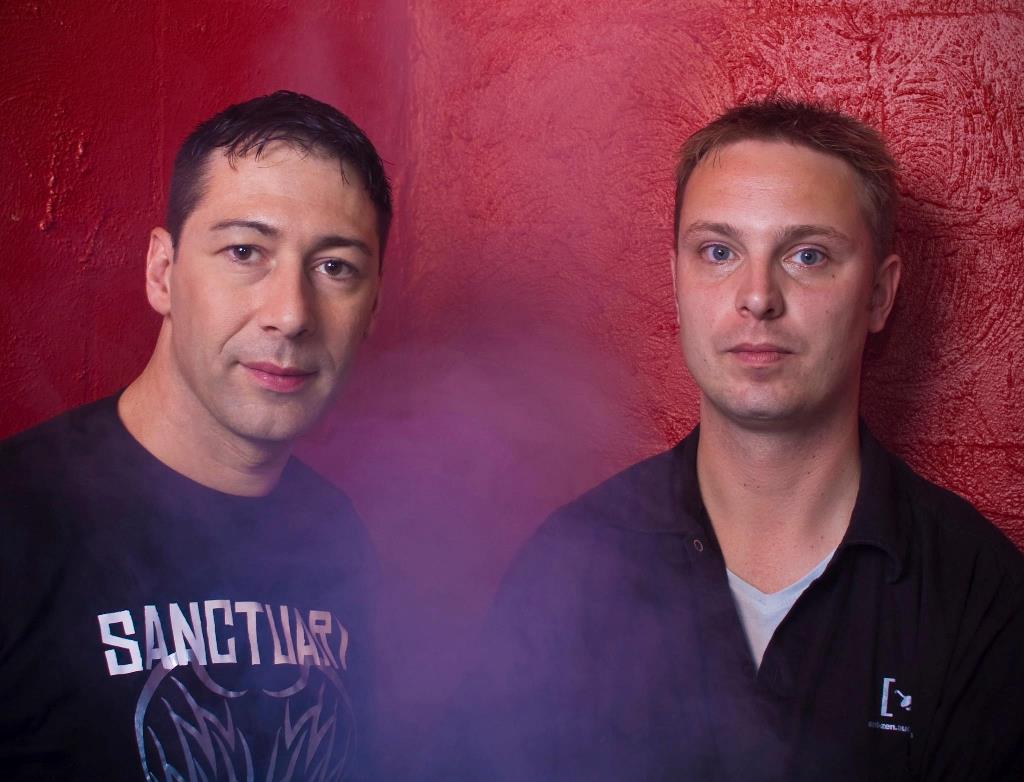
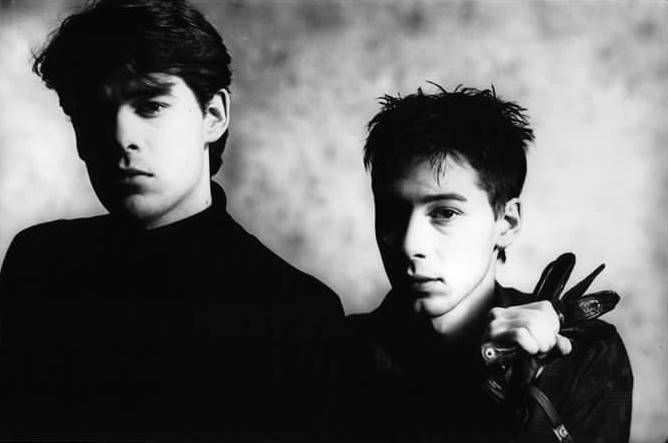
PSYCHE are the acclaimed dark synthpop duo founded by the Huss brothers Darrin and Stephen from Edmonton in Canada.
They became influenced by the likes of SOFT CELL and FAD GADGET, developing their own special brand of horror electronics; the independently released 1985 debut album ‘Insomnia Theatre’ contained the raw mechanical menace of ‘The Brain Collapses’ and was a cult success in Europe.
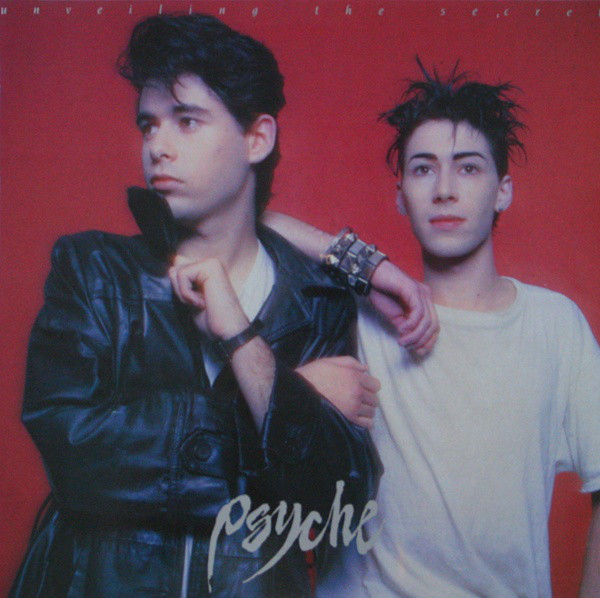
A wider breakthrough came with their second long player ‘Unveiling The Secret’ in 1986 which included ‘The Saint Became A Lush’, a track that was to become a favourite of noted DJ Trevor Jackson who included the track on the second volume of his acclaimed ‘Metal Dance’ compilation series released by Strut Records.
PSYCHE’s third album ‘Mystery Hotel’ signalled a move towards synthpop while expanding on their Gothic EBM template with tracks like ‘Uncivilized’ and ‘Eternal’, but it also saw the departure of Stephen Huss due to illness. Although he returned for 1991’s ‘Daydream Avenue’ and 1994’s ‘Intimacy’, he was unable to continue with PSYCHE on a full-time basis and sadly passed away in August 2015.
Darrin Huss continued as PSYCHE with various collaborators over the years, with the most recent album of original material being 2005’s ‘The 11th Hour’ released by Artoffact Records which topped the German Alternative Charts.
Now based in Germany, Darrin Huss has focussed on touring with current musical partner Stefan Rabura rather than recording, although there have been collaborations with fellow Canadian trailblazers RATIONAL YOUTH and Belgian artist LUMINANCE, in addition to the 2011 covers album ‘Unknown Treasures’ featuring interpretations of songs made famous by SOFT CELL, THE CURE, DEPECHE MODE, YAZOO, VISAGE, KRAFTWERK and THE DOORS.
Photo by Simon Helm
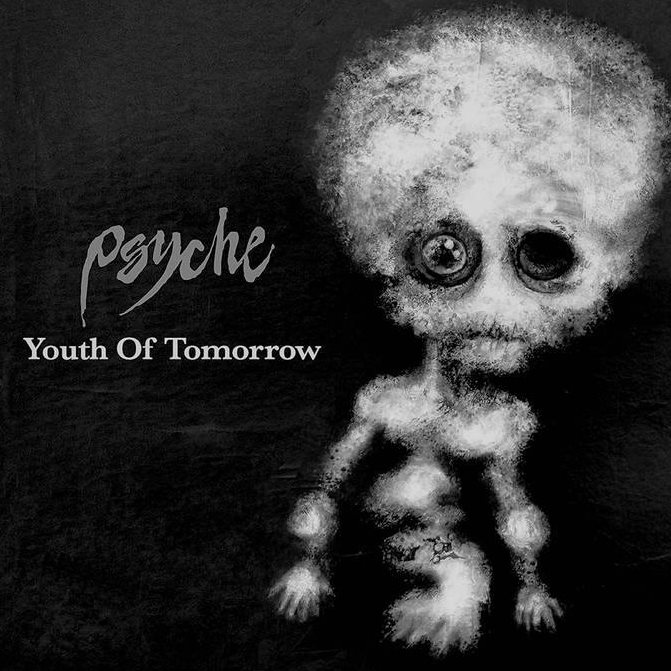
But Autumn 2017 saw the surprise release of a brand new PSYCHE single in the shape of ‘Youth Of Tomorrow’ b/w ‘Truth Or Consequence’ as a trailer to a new full length album.
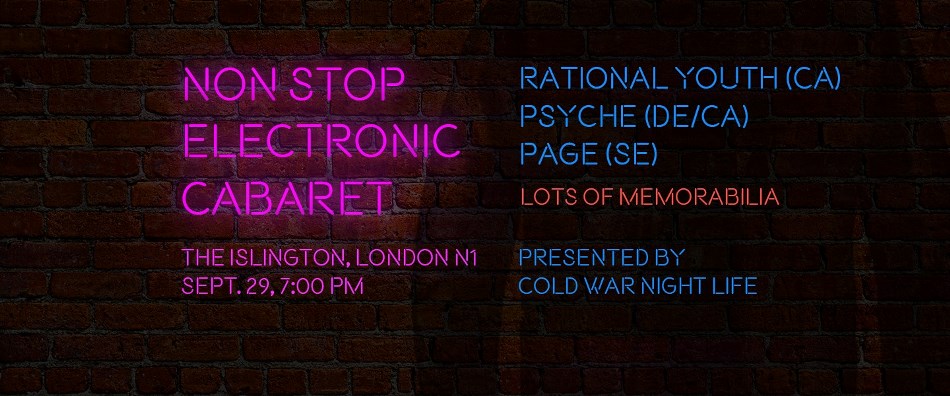
PSYCHE will be venturing to London for a special show presented by Cold War Night Life on Saturday 29th September 2018 with RATIONAL YOUTH and Swedish poptronica veterans PAGE.
Darrin Huss kindly chatted about his career to date after completing the ‘Canadian Synth Legends Tour’ of their home country.
It’s been 13 years since the last full length PSYCHE album ‘The 11th Hour’, but there’s been no shortage of demand for live appearances, have the last few years been gratifying in terms of recognition for your work?
Yes, even if it feels like starting over on occasion. We have a following that’s been with us since the beginning, but since the advent of the Internet, we are building a whole new audience often seemingly at random as people discover us through different eras of our songs. I’ve learned to wholly embrace this and not only make a linear projection with my output.
It was a pleasant surprise to get a new PSYCHE single ‘Youth Of Tomorrow’ in 2017, why had it taken so long?
I have felt that ‘The 11th Hour’ could be the last album as I had an inkling that I had reached a peak in my musical development, and themes that I wanted to cover with PSYCHE. I never wanted to repeat myself, and always looking for new experiences. I began to focus more on one-off events, collaborations and the occasional single release such as the JOY DIVISION cover of ‘Disorder’ 10 years ago.
Then came the thirty year wave with the re-releases of our first three albums, and just generally the enjoyment of performing my favourite songs in the PSYCHE repertoire.
The current situation in the world and following social developments globally has prompted new lyrics, and formed the need to make new music with my partner Stefan Rabura for the first time. I have things I feel need to be said, and I also think I need to prove to myself that despite all the different styles of electronic music out there, PSYCHE still has a unique voice and place among synthesists.
What was the inspiration behind ‘Youth Of Tomorrow’?
I just had this title in my head, and came up with a whole chorus part one day thinking about myself being older, and wondering what today’s youth have to look forward to. What did I even expect from the future when I was 17? No one can truly fathom these things. Also I was making a bit of a nihilistic dig at where we stand right now in terms of “the money’s all been spent” and “all gone, youth of tomorrow” meaning myself, and my generation, as well as the future for today’s teens. There’s also a bit about virtual reality, and societies becoming inhumane towards others, “watching holograms of future centuries” and how “we don’t recognise ourselves!”.
When I wrote it, I saw it as a bit of black humour, but occasionally I worry I was being a little cruel. Musically, I wanted it to sound like an 80s PSYCHE track, but with a few new beats and things. My favourite part is actually the wicked synth solo that Stefan came up with.
Photo by Rob Barriales
The excellent story video directed by Rob Barriales for ‘Youth Of Tomorrow’ was a homage to ‘Thriller’?
It was actually inspired by a fairly obscure arthouse horror film called ‘Nomads’ that was Pierce Brosnan’s movie debut in 1986. There’s a scene with street punks played by Adam Ant, Mary Woronov and other 80s personalities that I wanted to emulate the mysterious atmosphere of.
The ‘Thriller’ aspect came later as we realised that the group of people following me resembled that bit with the zombies. There’s no synchronised dancing though. So it’s more just the lighting, and mood that reminds people of that. Besides, not many people ever watched ‘Nomads’…
The B-side ‘Truth Or Consequence’ was a reflection of current worldwide political events?
It started out under the title ‘Life On Trial’ and was about the Bradley Manning (now Chelsea) situation. It took me five years to finish the thing. It’s about the NSA surveillance, whistleblowers, etc. It’s also about the confusion between what is Truth, and what are the consequences of telling it, living it? Do we have safety in numbers? etc. It’s all in the lyrics. It’s a very PSYCHE song with even a nod to ‘The Brain Collapses’ with our use of that song’s drum machine the Oberheim DMX.
Photo by Alain Duplantier
What other synths and equipment were you using when PSYCHE first started out?
The Korg Mono/Poly is very important. Then the Roland SH101, Roland Microcomposer, Sequential Circuits Pro One, Roland TR707. Later we had a Casio FZ1 as our first sampler. We are using these sounds again for our new album because I think they define PSYCHE’s overall sound. Much as the Linn Drum was important to THE HUMAN LEAGUE and BLANCMANGE at the time.
Who were PSYCHE’s main musical influences?
FAD GADGET, CABARET VOLTAIRE, THE CURE, BAUHAUS, GARY NUMAN, THE FLYING LIZARDS, NASH THE SLASH, RATIONAL YOUTH, ROUGH TRADE, and later YAZOO, VISAGE, EURYTHMICS, and most importantly SOFT CELL. Others include BLANCMANGE, CHRIS & COSEY, JOHN FOXX, early SIMPLE MINDS, as well as JEAN-MICHEL JARRE and TANGERINE DREAM. BLONDIE and even ZZ TOP factor in at odd moments as well.
‘Uncivilised’ was one of your notable earlier singles, how do you look back on it?
That was the odd ZZ TOP influence that I mentioned. I’ve seen people comparing it to BRONSKI BEAT’s ‘Hit That Perfect Beat’ on YouTube, but it was actually inspired by the sequence on ZZ TOP’s ‘Legs’!
I was writing about commercialism, and how everything is supposed to look and sound shiny, and clean, but we are still animals. When you look beneath the surface, and take away the house and suit, or have no money, people can be very uncivilized.
‘The Saint Became A Lush’ has become something of a signature song for PSYCHE. Do you remember much about the genesis of it and why do you think it still stands up today?
I’m not sure if it’s our signature song, we seem to have many iconic reference points depending on where you’re coming from. For some it’s ‘Eternal’, ‘Unveiling The Secret’, ‘The Brain Collapses’ or even ‘Misery’. The significance of ‘The Saint Became A Lush’ for me however is the idea of an eight verse poem inspired by HP Lovecraft overtop of a danceable Horror Movie-like soundtrack.
Yes, that is a fairly defining sound for PSYCHE, and I think it’s like the darker relative to ‘Unveiling The Secret’. Many think the main sequence sounds like ‘Tubular Bells’ from MIKE OLDFIELD, and there may be some element of that as it was used in ‘The Exorcist’ movie which my brother loved. It’s also inspired by JOY DIVISION, as I was really going for the sound of a world weary preacher, and channelling the voice of Ian Curtis for that.
The song was one of the first written for the second album as we were already performing it as early as 1986. The atmosphere of foreboding that it creates while still being danceable I think is what makes it stand out above the average so called Electronic Body Music Of The day.
Along with RATIONAL YOUTH and MEN WITHOUT HATS, PSYCHE were trailblazers for Canadian electronic pop, but Canada now appears to be the hotbed of electronic based talent. Have you had the opportunity to listen to artists like TR/ST, PURITY RING, AUSTRA, ELECTRIC YOUTH, PARALLELS and MECHA MEIKO?
I’ve heard TR/ST and AUSTRA, but to be honest many artists that came after the Witch House movement kind of lost me. I’ll have to check out the others you mentioned, but basically these days we are discovering news sounds on occasion through artists that open for us at certain events or by browsing Bandcamp and YouTube where I fell in love with ADAM USI, IN MIRRORS, and recently discovered CARLA DAL FORNO by accident while browsing in an alternative record store.
Most people may already know some of these people before I take notice. I have a love / hate relationship with most electronic newcomers especially whenever I’m told they’re the next big thing. PURITY RING actually wrote some songs for Katy Perry’s last album, so I’m a little sceptical of that!
Photo by Alain Duplantier
You covered ‘Ring The Bells’ brilliantly for the ‘Heresy: A Tribute To RATIONAL YOUTH’ album, why did you pick that song and how did you go about reinterpreting it?
I wanted to the album track that had the most melancholic mood. My choices were ‘I Want To See The Light’ or ‘Ring The Bells’ primarily. We actually had already covered ‘City Of Night’ for a US compilation, but I wanted a song that I could imagine as PSYCHE while paying homage to my feeling of hearing RATIONAL YOUTH for the first time.
To be honest, this was the first thing I recorded after my brother’s death. I had spent over half a year remastering our first three albums, and really didn’t want to think about doing new music for a while. Doing a RATIONAL YOUTH song was a relief and a catharsis for me. The lyrics also have nothing to do with this theme and yet I sang them with the loss of my brother in mind, and managed to give voice to my pain while honoring one of my favourite synth artists, and friend.
Photo by Simon Helm
Has social media been a blessing or curse for PSYCHE in the 21st Century?
Well as Napster and Soul Seek were some of the first things out there, it was pretty scary. Then Megaupload and Bit Torrent made it even more terrifying. These days the good and the bad between YouTube, Spotify, Amazon, iTunes, and Bandcamp keep a constant balance. I’d say I have slowly adapted starting with MySpace in 2004, and navigating through all the changes to stay on my path to date.
Ironically, this is the exact same period that I didn’t make a new album, so maybe it’ll all make sense by the time I do. I’ve had a good time with the vinyl trend, and started getting used to streaming to the point where I would say the curse has been lifted, and the DIY mentality of the early punk days has finally come of age through digital. I would say it that’s a blessing. The curse is only I fear no more iconic artists on the level of Madonna, or the likes of Leonard Cohen.
How are you psyched up about playing in London with RATIONAL YOUTH and PAGE this September? What sort of setlist are you planning?
I am thrilled that we are coming to London after such a long time, and especially on the eve of SOFT CELL’s farewell concert. I really hope the people appreciate what they’ll experience. We will be thinking of something special, and focusing on our 80s highlights. Wait and see…
For those who are curious and may be discovering PSYCHE for the first time, what would be the five songs you would suggest they check out and why?
1. ‘The Brain Collapses’ – this is obviously the roots of our sound, the dark side and yet a somewhat poppy chorus. The strings, the Korg Mono/Poly, driving bass sequences, dramatic vocals. A good start for the early PSYCHE styles.
2. ‘The Outsider’ / ‘Eternal’ – have to put them together as I feel they are essential highlights from ‘Mystery Hotel’, the softer, but somewhat psychedelic side of PSYCHE as Synthpop.
3. ‘Unveiling The Secret’ / ‘The Saint Became A Lush’ – also can’t decide. They are both defining styles for PSYCHE, and live from the main melodies with the poetic lyrics over the soundtrack atmospherics. A definitive part of the PSYCHE legacy.
4. ‘Goodbye Horses’ – I hate to admit it, but this particular cover version of Q LAZZARUS has expanded our audience and given another nuance to our repertoire.
5. ‘Youth Of Tomorrow’ – I am quite proud of our new song because I feel it contains all the elements of intrinsic PSYCHE. The lyrics, my singing style, and the arrangement are something that we do in a very special way, so I’d be just as happy to be discovered though this new song.
What’s next for PSYCHE?
We’re still working on new material. Either a new EP will come first and then an album, or other surprises and collaborations. I’m at the point where I like to let things happen, and see if we can explore new territories where people appreciate our music.
ELECTRICITYCLUB.CO.UK gives its warmest thanks to Darrin Huss
Special thanks to Simon Helm at Cold War Night Life
‘Youth Of Tomorrow’ and a selection of the PSYCHE back catalogue is available direct from https://psyche.bandcamp.com
We use cookies to ensure that we give you the best experience on our website. If you continue to use this site we will assume that you are happy with it.

 is available via Mig Music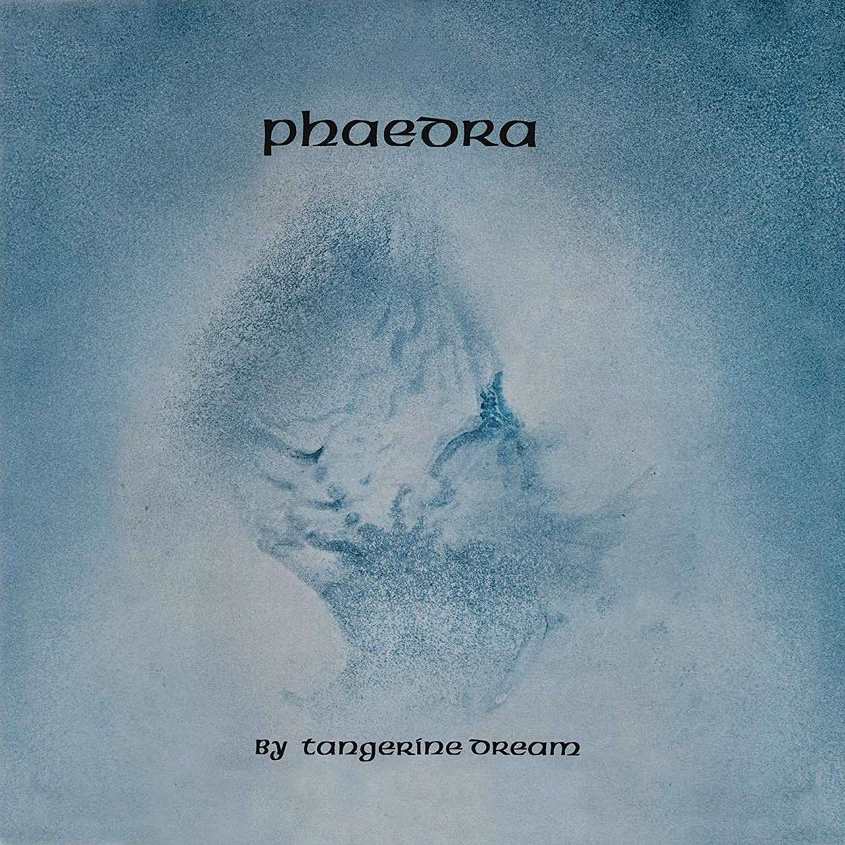
 is available via Virgin Records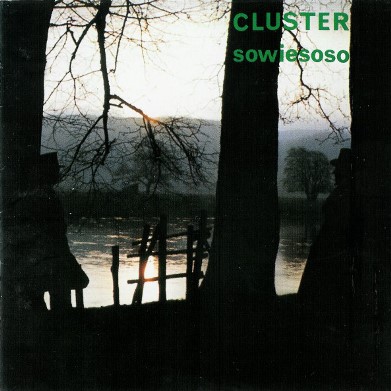
 is available via Bureau B
 is available via Virgin Records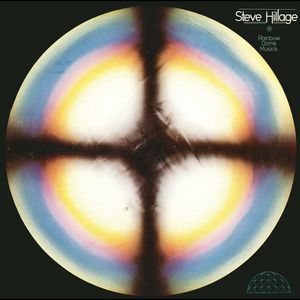
 is available via Virgin Records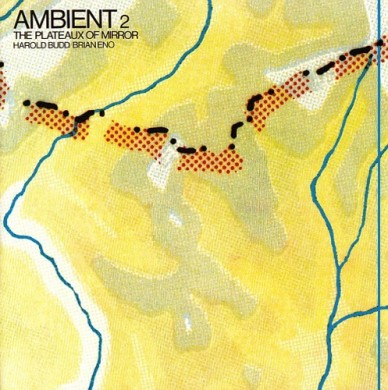
 is available via Virgin / EMI Records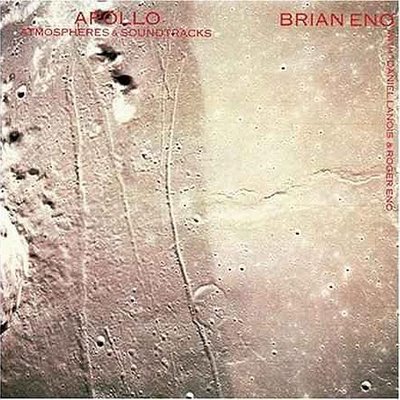
 is available via Virgin / EMI Records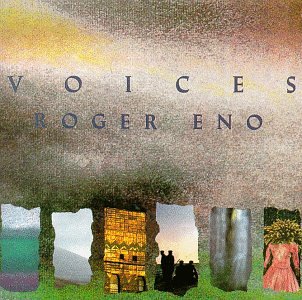
 is available via Virgin / EMI Records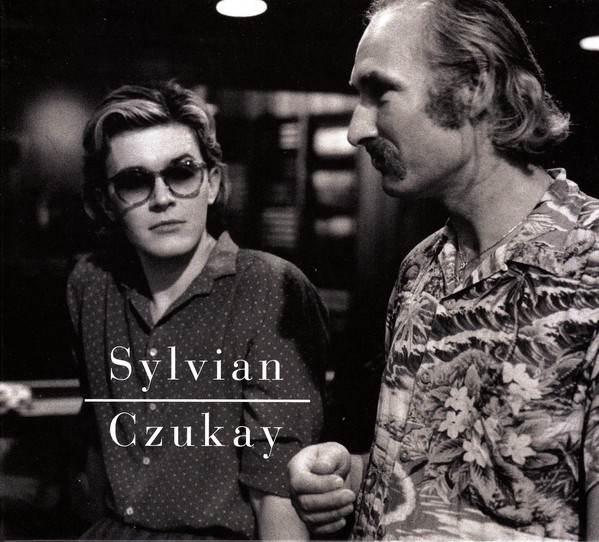
 is available via Grönland Records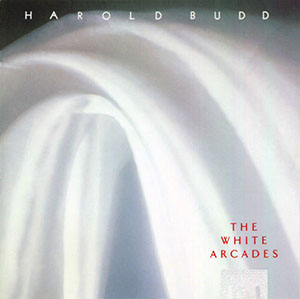
 is available via Opal Productions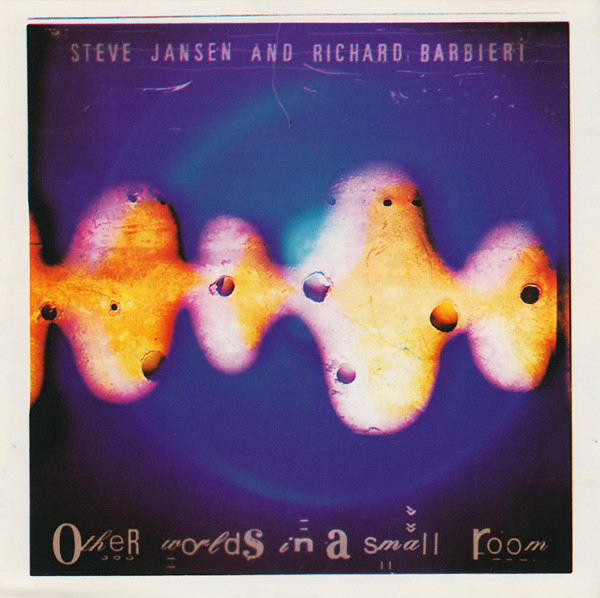
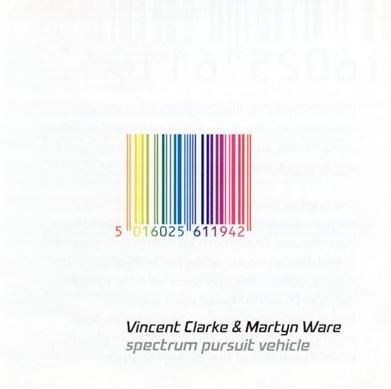
 is available via Mute Records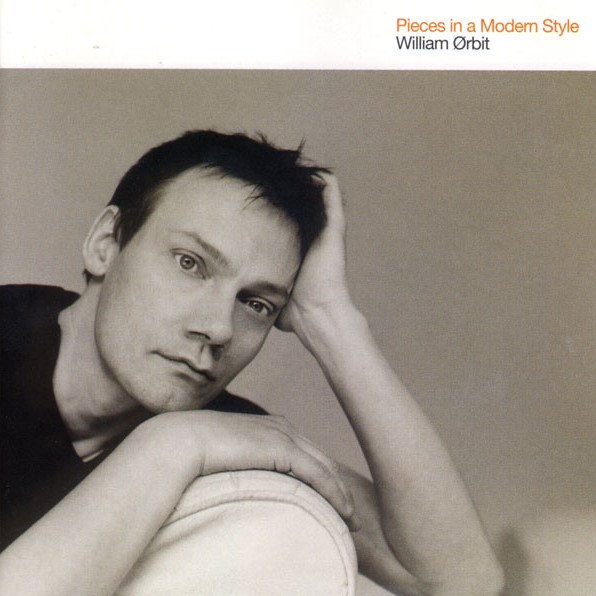
 is available via WEA Records
 is available via Raster-Noton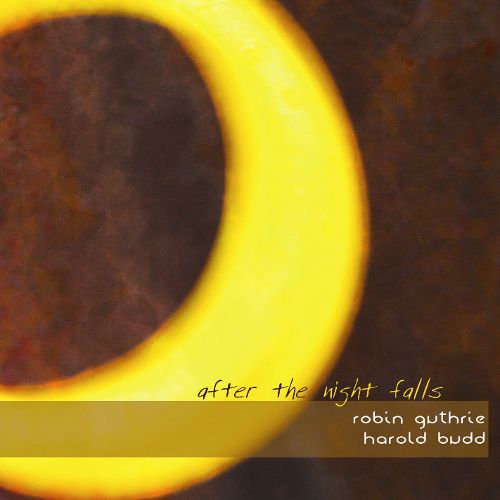
 and
and  are available via Darla Records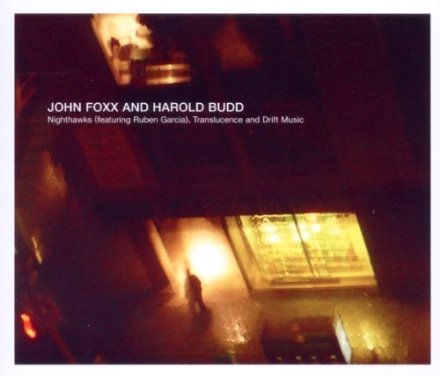
 and
and  are available via Metamatic Records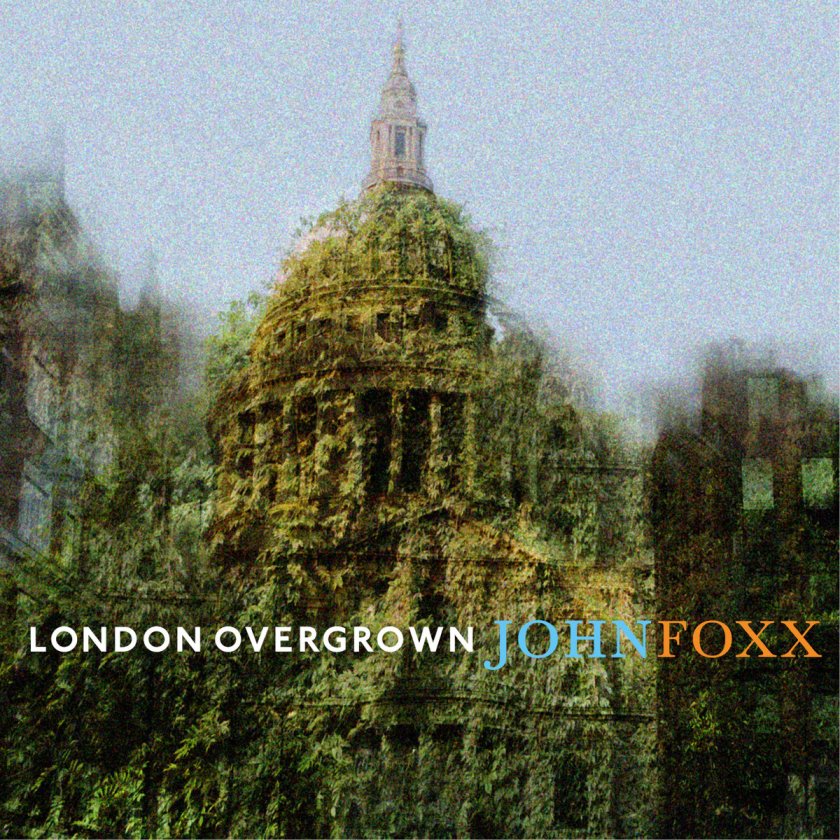
 is available via Metamatic Records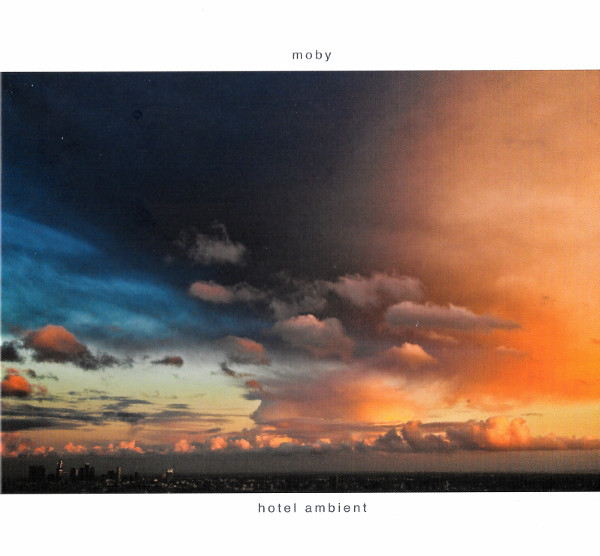
 is available via Mute Records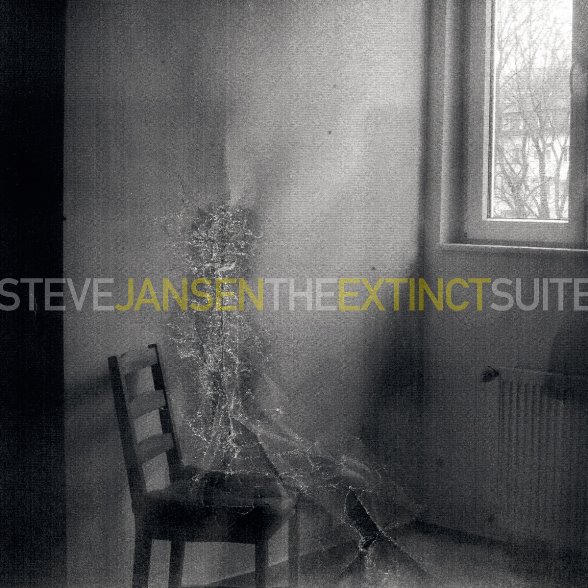
 was good,
  is scarier and better. Way to go Mr Brooks, and welcome back Miss Kavanaugh. Again, you haven’t disappointed.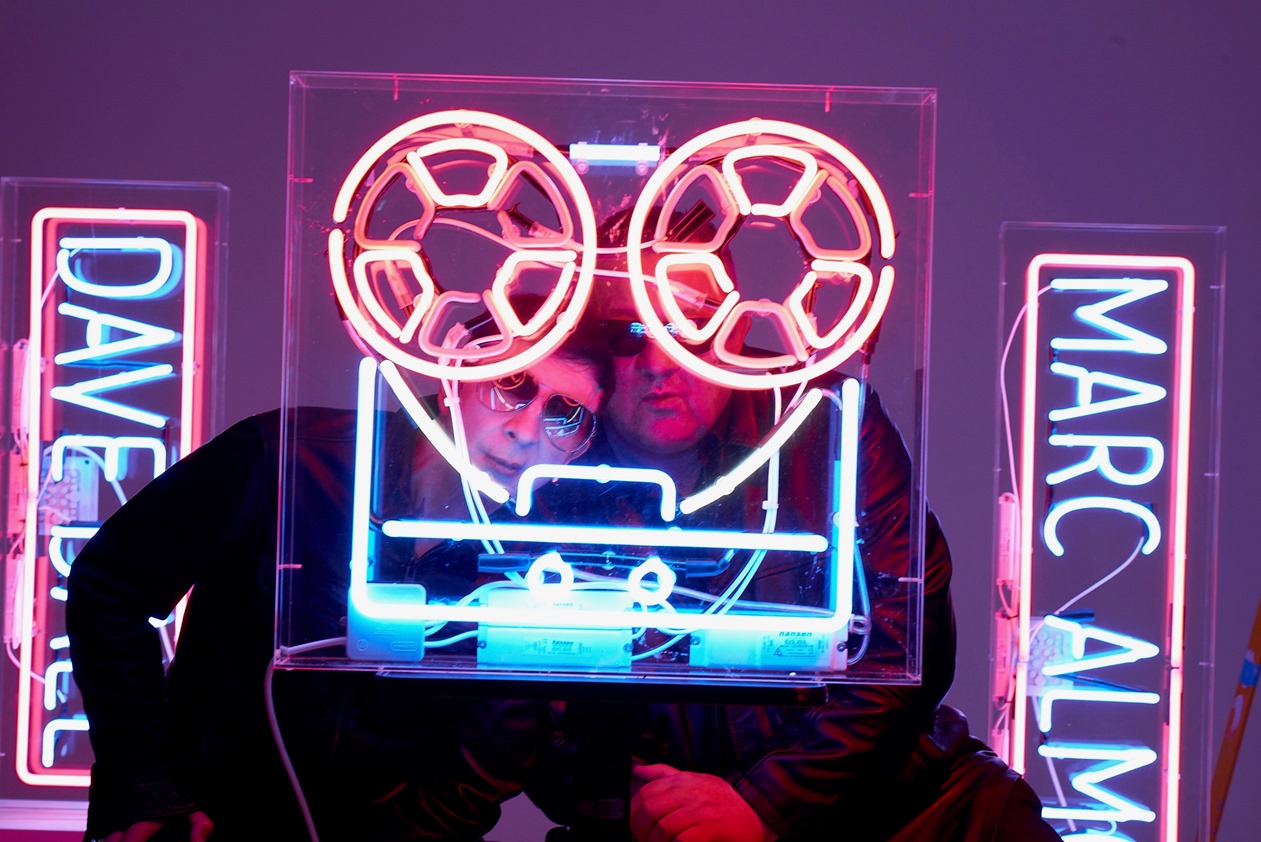
 . Every recorded track from the duo’s Phonogram-era is represented on ‘Keychains & Snowstorms: The SOFT CELL Story’ in some form or another, with all of the singles presented in their extended 12 inch format.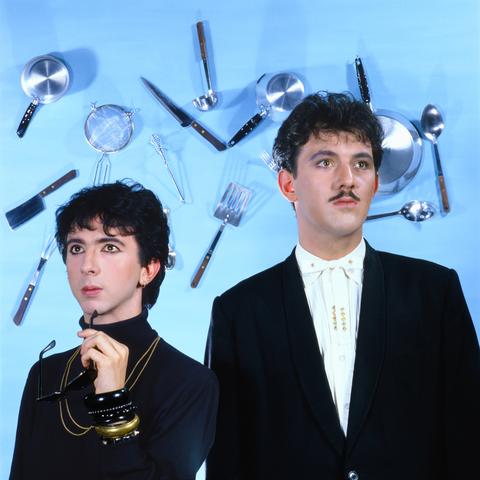
 became a pop album, but by the time of
  , we wanted to make something a bit more grown-up because we were getting a bit sick of being on TV programmes like ‘Tiswas’ and being perceived as lightweight pop fluff which we obviously weren’t. When we did ‘Old Grey Whistle Test’ on the BBC in 1982, it was amazing the gravitas that programme had. People started treating us as more of an albums band because before that, we were seen as a singles act. So when we made ‘The Art Of Falling Apart’, it was a statement and much more heavyweight and mature, we were taken more seriously I think.
 actually got in the Top10 despite being our least commercial album, it even has a track called ‘Mr Self Destruct’! It was wilfully self-destructive and we made a conscious decision that it was going to be the last album, we’d do a couple of final shows and call it a day, we’d just had enough!
 and started shopping it around, eventually Cooking Vinyl bought it and we toured it, playing festivals in Europe. Then we went over to America but it was not exactly the most successful tour in the world, it was a bit of a disaster that one but you live and learn. Then we came back from a festival in Venice and there were plans to do more shows and another record, but the awful motorbike accident happened and Marc was in a very bad way. That was it almost, we sort of lost touch and didn’t speak for about 15 years…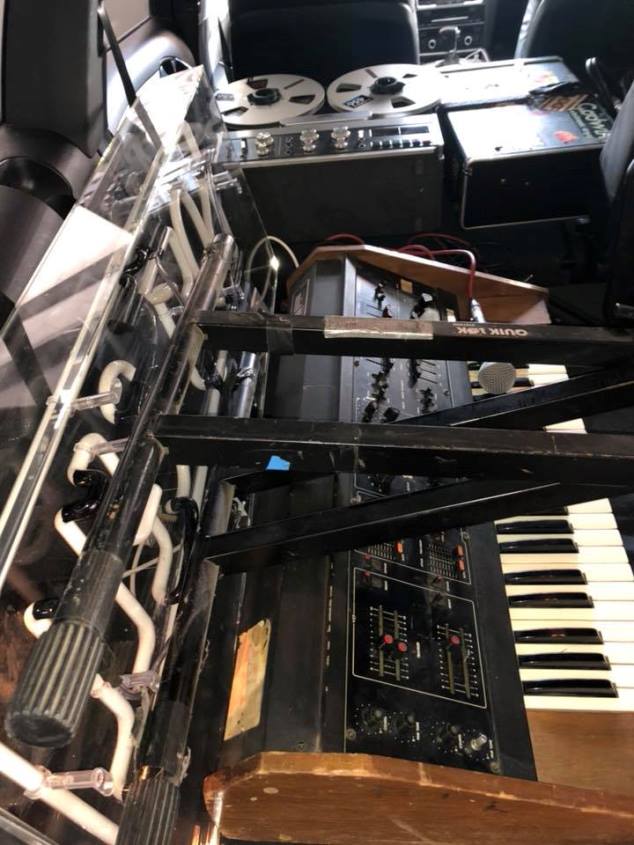
 contained the raw mechanical menace of ‘The Brain Collapses’ and was a cult success in Europe.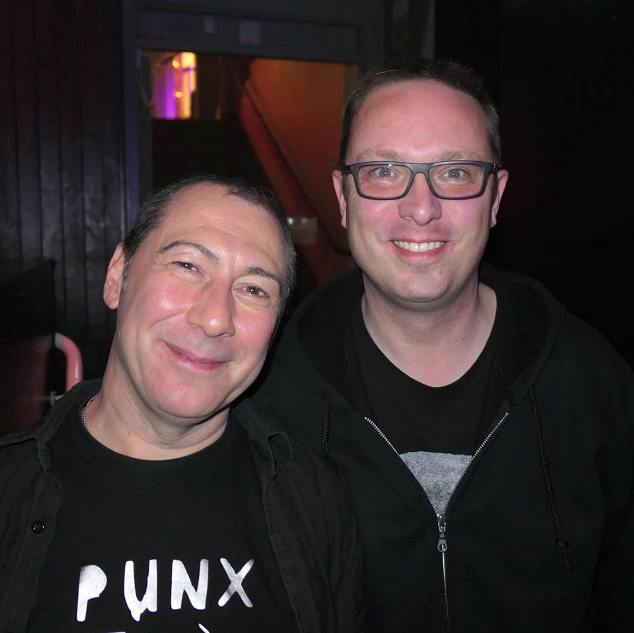
 10 years ago.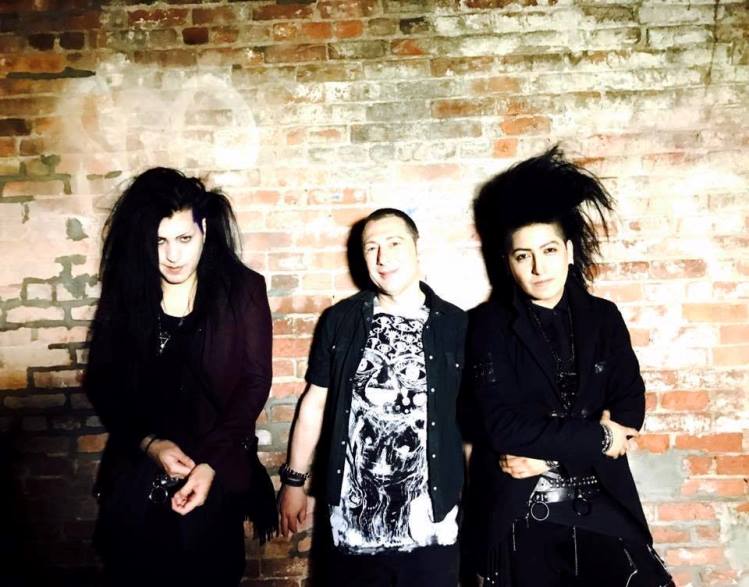
Follow Us!