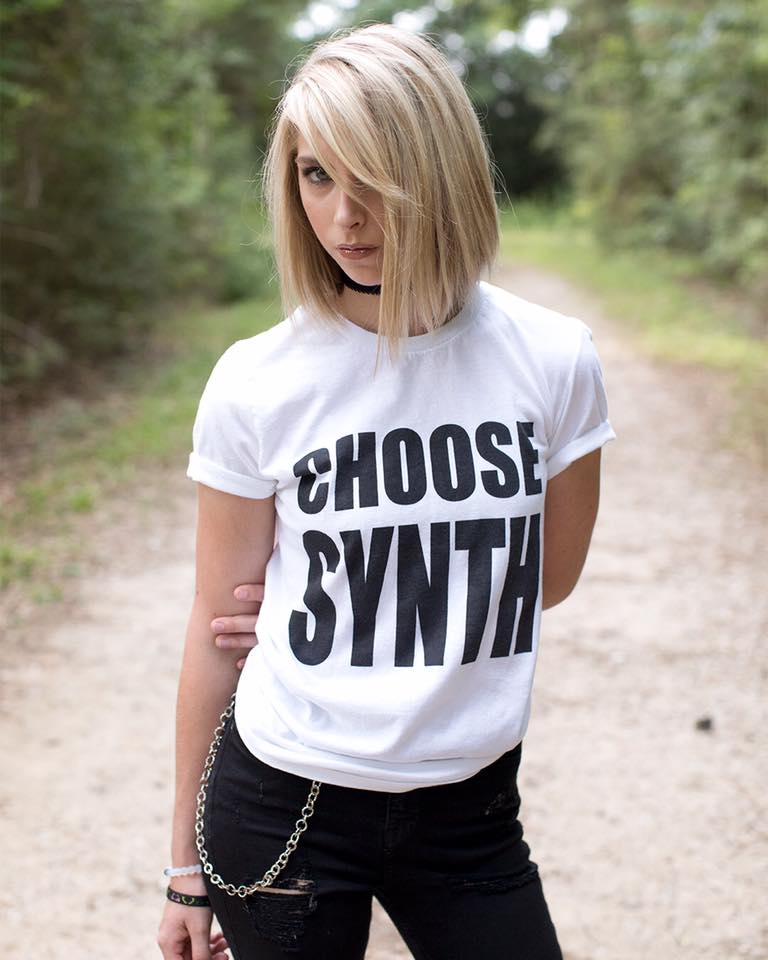
“Choose synth – Choose a job – Choose a career – Choose a family…”
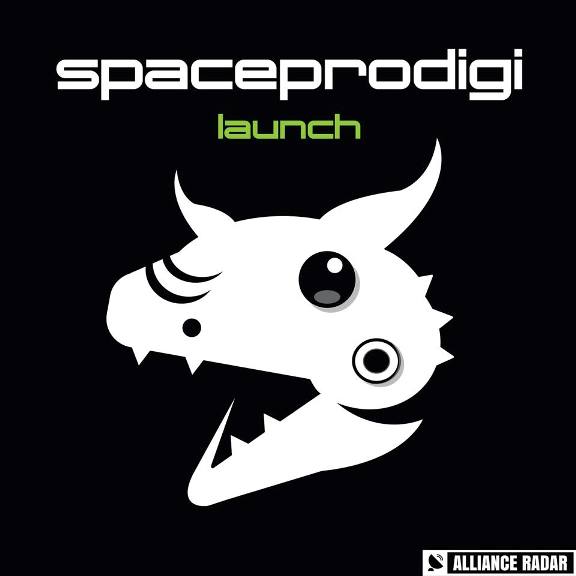
SPACEPRODIGI is Mackenzie Bartsch, and as her moniker suggests, she’s an up-and-coming electronic dance sensation from Houston, Texas. She was recently spotted at the Moogfest engineering class building a Moog DFAM percussion sequencer.
Describing the Drummer From Another Mother as also being “A Sick Bassline Synthesizer”, she has put her interest in analogue electronics to good use on her debut EP, the appropriately named ‘Launch’.
What is key to SPACEPRODIGI is that while her club friendly beats and tempos will naturally appeal to her own demographic, her inventive futuristic sound design, coupled to her classical training, connects her to the world of DEADMAU5 and DAFT PUNK.
The accessible defined thrust of ‘Atimony’ is a good example of an approach that could potentially capture a very wide audience spectrum. Meanwhile, the sparkling hypnotic energy of ‘Chameleon’ puts the majority of the inane drop focussed rubbish on Beatport that passes as EDM to shame.
The arpeggio centred title track and the lengthier ‘Kidults’ showcase further promise with the latter interestingly doing away with hi-hats for the first minute and a half, relying more on its octave drive and rigid rhythmic lattice; the best track on the EP, it could well appeal to maturer audiences weaned on JEAN-MICHEL JARRE.
This first instrumental salvo of music from SPACEPRODIGI is crafted and spacious without being overblown. Having received her first synth, a Moog Sub37, as a 14th birthday present, Bartsch has added a Minimoog, a Moog Voyager and the forever robust Roland Juno 60 to her studio, along with a Prophet 6 and Tempest from Dave Smith Instruments.
Her appeal has not only brought her to the attention of equipment manufacturers like Analogue Solutions who have provided her with their new Nyborg, but also clothing retailers such as Square Wave whose marvellous “CHOOSE SYNTH” T-shirt she wore to great viral effect.
‘Launch’ is released by Alliance Radar as a download EP via the usual digital platforms
Quality instrumental electronic music is often overlooked these days at the expense of vocal driven synth material.
The halcyon days, of when artists such as Jean-Michel Jarre, Klaus Schulze and TANGERINE DREAM were all at their peak, are all but a distant memory. However, there are still artists that are producing quality work in this vein. ‘Synthwaves’ is a collaboration between TANGERINE DREAM members Thorsten Quaeschning and Ulrich Schnauss which utilises their enviable collection of synthesizers.
Whereas solo Schnauss has a fairly identifiable “wall of sound with Shoegaze elements” aesthetic, the link-up with Quaeschning has produced a more direct and melodic sound which, in places (unsurprisingly) references the classic sound of TD.
The start-off track ‘Main Theme’ appears to be a homage to the ‘Stranger Things’ opening music, which in itself paid tribute to TD and electronic artists of the era. From the off, the track relies on a deep resonant synth bass and sequencer lines before introducing some William Orbit-style stabs and big reverberant drum sounds. In classic TD style, more layered echoed sequencer parts raise the energy level and what makes the piece sustain interest over its 8 minute length is its continually changing chord progressions and refusal to rely on a linear approach.
‘Slow Life’ starts off with a quite beautiful ambient Eno-esque acoustic piano part drenched in a long reverb before swiftly introducing another wonderfully deep bass and hooky synth sequence. Alongside a later track on the album, the ghost of the classic ‘Risky Business’ soundtrack piece ‘Love On A Real Train’ is initially recalled here, but the introduction of phased Solina strings and guitar-like textures add a further dimension.
‘Cats and Dogs’ which relies on a vintage Oberheim DMX for its drum pattern and the PROPAGANDA lyric-pinching ‘A Calm But Steady Flow’ are pleasant enough, but come across as mid-album fillers.
Where the album really hits its stride though is in the final trilogy of tracks; ‘Thirst’ is the second track to owe a debt to ‘Love on a Real Train’. Based around a Manikin Schrittmacher sequencer part, the track’s skittering percussion and additional synth layers hit a wonderful climax at 3 minutes 17 seconds when a bass synth modulates around the hypnotic synth parts.
Although over 8 minutes in length, ‘Thirst’ never outstays its welcome and for fans of the Berlin School of sequencing, is bound to be an undeniable highlight here. ‘Flare’ comes across in part as a drum-less electronic re-imagining of a ‘Disintegration’-era track by THE CURE; its huge string synth melody sounding absolutely epic and adding in a welcome musical change to the piece. Album closer ‘Prism’ has the kind of chord progression that makes the hairs stand up on the back of the neck and ends ‘Synthwaves’ on a real high.
What’s interesting about this collaboration (and potentially exciting for the fans of the upcoming TANGERINE DREAM album) is that it must have been hugely tempting for Quaeschning and Schnauss to use the tracks here for TD. The very fact that they haven’t means that the upcoming TD release ‘Quantum Gate’ could be something very special indeed and a major justification of the continuation of the band following the passing of leader Edgar Froese.
If you are a long term fan of melodic instrumental synthesizer music and maybe haven’t been inclined to investigate what is current within this sub-genre, this album would be a fantastic place to start. It avoids a lot of the clichés of some Berlin School material and at no point does it become overly self-indulgent.
Immerse yourself in the ‘Synthwaves’ and you may never wish to surface again…
‘Synthwaves’ uses the following instrumentation and equipment:
Thorsten Quaeschning – Steinberg Cubase, Manikin Schrittmacher sequencer, Manikin Memotron, Roland Jupiter 8, Roland JD800, Dave Smith Prophet 8, ARP Solina MK2, Korg Wavestation EX, Waldorf Microwave, Moog Voyager, Eurorack Modular, Roland V Synth, Korg Z1, Korg Prophecy, Korg M1 synthesiser, Clavia Nordwave, Yamaha TG77, Roland System 1, Roland JU06, Korg MS20, Roland JP08, Roland TR-8 Rhythm Performer, Oberheim DMX, Roland Promars, Fender Starcaster, Fender Telecaster, Fender Stratocaster, Spectrasonics Omnisphere, Spectrasonics Keyscape, Screwdriver on wood and contact microphones, several boxes with contact microphones, bees in garden
Ulrich Schnauss – Steinberg Cubase and Logic Pro, Manikin Schrittmacher sequencer, Roland JD XA, Roland Jupiter 8, Roland JD-800, Oberheim OB-8, Roland System 1, Roland MKS-70, Rhodes Chroma, Waldorf Q, Microwave XT, Sonic Core SCOPE system, Ensoniq DP4
TINY MAGNETIC PETS were founded in 2009 in Dublin by Paula Gilmer on vocals and Sean Quinn in charge of electronic sound wizardry.
They were joined by Eugene Somers to take care of the percussion side of things and blossomed into a serious act, recognised by the likes of OMD, Michael Rother and Rusty Egan. A debut album and a couple of excellent EPs later, TINY MAGNETIC PETS, named after the collectible Japanese toy, gathered a significant interest with fans of krautrock, classic synthpop and Berlin-era Bowie.
Manufacturing their unusual sound to sit somewhere in between and to cater to the eclectic tastes of the more discerning lovers of pop, they have returned with their second full length album ‘Deluxe/Debris’, with Gilmer and co promising to deliver their best work to date, a “perfect soundtrack for complicated times”.
Kicking off with ‘Lost My Guiding Light’, which starts off with gentle pop sounds like MADONNA’s ‘Drowned World’, it slowly blossoms onto a warming blanket of the perfect musicality, encapsulating dreamy Badalamenti styled guitar, married with the clever use of trumpets and effortless vocals.
Following on comes the epic ‘Semaphore’, which takes the listener onto an eclectic musical journey in its eleven minutes length. From the krautrock beats, through to the sublime guitar interventions, the grandness of the percussion, the breathiness of MARSHEAUX like vocals where Gilmer pleads “please don’t wake me from this dream” to an experimental ending à la APOPTYGMA BERZERK, it’s a symphony of what’s best in the world of TINY MAGNETIC PETS.
None other than Wolfgang Flür guests on ‘Radio On’, a Kraftwerkian excursion on which the Gilmer’s vocal is perhaps reminiscent of Natalie Imbruglia’s. Flür also features on the closing ‘Never Alone’, which transcends a breezy dreamlike state. ‘Cold War Neon’ Frenches it up a little with a female narration over a ballad of suspense, while ‘All Yesterday’s Tomorrows’ introduces a voice reminiscent of Kylie work over some superb synth.
‘Here Comes The Noise’ is presented in two disguises; the first, ‘Pink’ is a magnificent piece, massaging the tiredness away with its floaty quality, while ‘White’ gets the percussion involved, presenting the track as a dance outing over the delicious electronics. ‘Shadow Street’ works perfectly well as a modern day electronic bossa nova with its undemanding rhythm and the consistently marvellous vocal from Gilmer.
Experimenting further, ‘Cloud Sequence’ glides and glows eloquently with a further dose of undiluted musical intentions. It has to be said that TINY MAGNETIC PETS have hit the jackpot with ‘Deluxe/Debris’. Certainly the most interesting production to date from the Irish trio, encapsulating the best in retro and contemporary synthpopia.
Gilmer’s voice has shaped up to be one of the best female vocals of the genre, and the execution by Quinn showcases the knowhow of the good old fashioned songwriting, but in a modern style.
A perfect pop record for the most discerning of tastes. Go Ireland!
‘Deluxe/Debris’ is released by Happy Robots Records in vinyl, CD and download formats on 25th August 2017
TINY MAGNETIC PETS open for OMD on the Ireland + UK dates of ‘The Punishment Of Luxury’ 2017 tour:
Dublin Vicar Street (23rd October), Belfast Mandela Hall (24th October), Liverpool Empire (29th October), Bristol Colston Hall (30th October) , Southend Cliffs Pavilion (1st November), Ipswich Regent (2nd November), Cambridge Corn Exchange (3rd November), Leicester De Montfort Hall (5th November), Nottingham Royal Concert Hall (6th November), Sheffield City Hall (7th November), Reading Hexagon (9th November), Southampton Guild Hall (10th November), Guildford G Live (11th November), London Roundhouse (13th November), Bexhill Del La Warr Pavillion (15th November), Manchester Academy (17th November), York Barbican (18th November), Glasgow Royal Concert Hall (19th November), Birmingham Symphony Hall (21st November), Gateshead Sage (22nd November)
Between 1980 to 1984, RHEINGOLD were at the forefront of Die Neue Deutsche Welle, releasing three albums and achieving their first domestic hit ‘3klangsdimensionen’ in 1981.
Led by Bodo Staiger, the band also featured his now-wife Brigitte Staiger and Lothar Manteuffel who later formed ELEKTRIC MUSIC with Karl Bartos in 1992 and more recently, played keyboards with Peter Heppner of WOLFSHEIM Fame.
Although hailing from Düsseldorf like KRAFTWERK, LA DÜSSELDORF and DAF, RHEINGOLD differed by having a distinctive rhythm guitar template and more melodic vocals compared to their contemporaries, despite being electronically driven.
Preferring to sing in their own language, the trio attained other notable hit singles including ‘Fluß’ and ‘Fan Fan Fanatic’, before calling it a day after their third album ‘Distanz’ having never performed live.
Then in 2007, RHEINGOLD made a surprise return with a techno-flavoured tribute album to Die Düsseldorfer Schule entitled ‘Electric City’; it featured cover versions of songs made famous by KRAFTWERK, PROPAGANDA and LA DUSSELDORF among others, as well as some updated versions of their own tunes. This led to the 2010 ‘Best Of’ collection containing more conventionally re-recorded songs from the RHEINGOLD catalogue.
And now comes ‘Im Lauf Der Zeit’, translated as “over time”, a brand new RHEINHOLD album that features a significant number of instrumentals but also lyrics by Karl Bartos, Uli Luciano and Brigitte Staiger alongside music played and produced by Bodo Staiger.
The opening number is the self-explanatory ‘Kraut’, a fine tribute to the 20th Century kosmische music forms that Germany has become famous for. The bouncy ‘Im Lauf der Zeit’ title song, featuring strummed and E-bowed six string, showcases an optimistic demeanour that more than expresses Bobo Staiger’s joy at his musical return.
‘Sehnsucht’ is not a cover of RAMMSTEIN but rich Compurhythm driven pop with ringing rhythm guitar reminiscent of THE CURE and atmospheric synths, while ‘Stromaufwärts’ does as its title suggests and paddles upstream in positivity with lovely backing vocals from Frau Staiger.
In an instrumental homage to the grand synth rock overtures of LA DÜSSELDORF, ‘Theme ’84’ slows down and shortens ‘Cha Cha 2000’. With some surprising fretless bass thrown in for good measure, it just cries Düsseldorf.
Back to vocals with ‘Energie’, RHEINGOLD homage themselves and in particular, ‘3klangsdimensionen’; it was a great and under-appreciated song so why not?
‘Ins Leben Zurück’ is a drum box laden rock ballad and perhaps doesn’t have the appeal of the other songs on the album, but ‘Weißes Licht’ gets things back on track in classic RHEINGOLD style.
Meanwhile, the melodic synth of ‘Paradieshafen’ drives along a beautiful instrumental that imagines a dream collaboration between OMD and Michael Rother before a fourth, more pulsating instrumental in ‘Sternstaub’; using a wholly electronic method of realisation, it closes the rather fine comeback album that is ‘Im Lauf Der Zeit’.
An album that sits well alongside DAS BLAUE PALAIS and their Düsseldorf inspired ‘Welt Am Draht’, this is a welcome return from RHEINGOLD and perhaps evidence that extended musical sabbaticals aren’t necessarily a bad thing.
Das ist gut…
‘Im Lauf Der Zeit’ is released in CD and digital formats by Lucky Bob Records / Soulfood
Daniel Miller referred to BLANCMANGE affectionately as “the maiden aunts of electronic music”, while Moby considers them “possibly the most under-rated electronic act of all time”.
They came to prominence towards the end of the second generation of Synth Britannia. Their first EP ‘Irene & Mavis’ came out in 1980 before ‘Sad Day’ was chosen by Futurist DJ Stevo for inclusion on his influential ‘Some Bizzare Album’ which also showcased DEPECHE MODE, SOFT CELL, THE THE and B-MOVIE in 1981.
Following support slots with JAPAN and DEPECHE MODE, Neil Arthur and Stephen Luscombe signed to London Records. Releasing their now classic album ‘Happy Families’ in Autumn 1982, it featured their breakthrough hit single ‘Living On The Ceiling’ while ‘I Can’t Explain’ remains one of the most blistering album openers of the era! Fusing the rhythmic dash of TALKING HEADS with the intensity of JOY DIVISION plus the melodic framework of OMD and YAZOO over the top, Arthur and Luscombe won critical admiration and respectable sales for their debut.
On the back of further hit singles in ‘Blind Vision’ and ‘Don’t Tell Me’, the second brilliantly titled long player ‘Mange Tout’ became the duo’s biggest seller in 1984. Having first featured on ‘Living On The Ceiling’, the Indian musicians Pandit Dinesh on tablas and Deepak Khazauchi on sitar were given greater prominence on the album, while another surprise came with their brilliant cover of ABBA’s ‘The Day Before You Came’. This was considered an odd but daring decision at the time. But with ABBA now fully absorbed into mainstream popular culture and the ‘Bollywood’ sound very much part of modern pop, ‘Mange Tout’ could be considered a cultural prophecy…
However, with synthpop now no longer in-vogue, there was a lukewarm reception for the third album ‘Believe You Me’ released in 1985, despite good crossover songs such as ‘Why Don’t They Leave Things Alone?’ and ‘Lorraine’s My Nurse’. This was leading to a blanc burn out and reflected in the electro-funk of ‘22339’ with a proclamation from Arthur that “I feel like I’m losin’ my mind”. Ultimately, it led to Arthur and Luscombe calling it a day in order to protect their friendship following a concert at the Royal Albert Hall in 1986.
Edsel Records release the first three BLANCMANGE albums as expanded 3CD editions which are also compiled as a deluxe 9 disc set entitled ‘The Blanc Tapes’. The bonus discs gather together B-sides, BBC radio sessions, live material and previously unreleased demos and it is these that will be of most interest to BLANCMANGE fans. Meanwhile, the horribly unsympathetic liner notes by Alan Robinson that adorned the 2008 Edsel reissues have now been replaced by commentary from Neil Arthur.
From their first John Peel Session included in the deluxe ‘Happy Families’ extras, ‘I Would’ is dark and menacing while ‘Running Thin’ is toned in resignation; both now actually sound more like BLANCMANGE in the 21st Century than anything from the first three London long players. The original downtempo ‘Sad Day’ is also present while the lost demo ‘Melodic Piece’ is a marvellously elegant instrumental that wouldn’t have sounded out of place on ‘Nil By Mouth’, the voxless BLANCMANGE album issued in 2015. Meanwhile, the organ laden ‘Black Bell’ is an enjoyably creepy lo-fi demo, but ‘Holland’ springs a major surprise with some prominent guitar in the vein of THE CARS!
The ‘Mange Tout’ bonuses include a stark electronic demo entitled ‘How Time Became The Tide’ which is nothing like anything on its parent album, thanks to its science fiction vibe. The claustrophobic and psychedelic ‘If You Want To Be Hip’ is also very different but again, points to how BLANCMANGE are now, rather than then.
The number of unreleased demos from the ‘Believe You Me’ sessions circa 1985 indicates how prolific BLANCMANGE had become. Although they were now considered a mainstream pop act, the moodier, spacey experiments inspired by the earlier days of BLANCMANGE continued with recordings such as ‘A Remedial Course’, another instrumental that wouldn’t have sounded out of place on ‘Nil By Mouth’.
But on the other side of the coin and revealing some of Neil Arthur’s crooner tastes, there’s a fun ‘Switched On Nashville’ styled cover of ‘Gentle On My Mind’, a Grammy Award winning standard previously recorded by Dean Martin and Glen Campbell. The summery ‘Scream Down The House’ gets rescued from B-side obscurity, but the remaining song demos are perhaps not as enticing as the various instrumentals, although Arthur uses some interesting electronic pitch treatments on his voice for ‘Reach Out’.
As for the live material gathered across the three packages, they quite simply document a band getting bigger and bigger as the venues step up from the little BBC Paris Theatre to Hammersmith Palais to Hammersmith Odeon (where “Bowie killed Ziggy”) in the space of less than three and a half years!
Whether you really need seven versions of ‘Blind Vision’ or six of ‘Feel Me’ is debatable, although the Martyn Ware produced demo of the former captures the rather sombre origins of what was to become a dancefloor smash. Whatever your view, they’re all here and nothing compared to the twelve takes of ‘Promised You A Miracle’ that came with the deluxe edition ‘New Gold Dream’ put out by SIMPLE MINDS!
As its predecessors ‘Blanc Burn’, ‘Semi Detached’, Nil By Mouth’ and ‘Commuter 23’ have indicated, the soon-to-be released ‘Unfurnished Rooms’ continues BLANCMANGE’s exploration into the darker themes and colder sounds that signify a return to the art school roots of their original demos unveiled on ‘The Blanc Tapes’. While Stephen Luscombe has been unable to be involved since ‘Blanc Burn’ due to ill health, Neil Arthur continues to fly the flag.
It’s interesting to think that the 21st Century incarnation of BLANCMANGE has now produced more albums than the original one. And that is something to celebrate… a pint of curry anyone?
With thanks to Steve Malins at Random Music Management
We use cookies to ensure that we give you the best experience on our website. If you continue to use this site we will assume that you are happy with it.


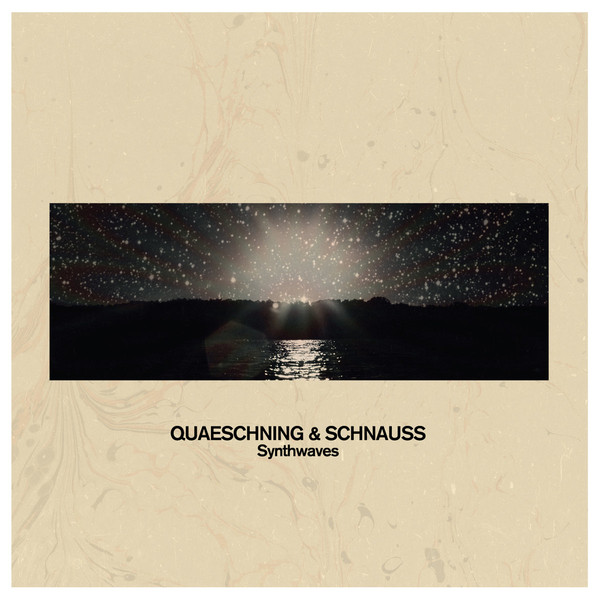
 is a collaboration between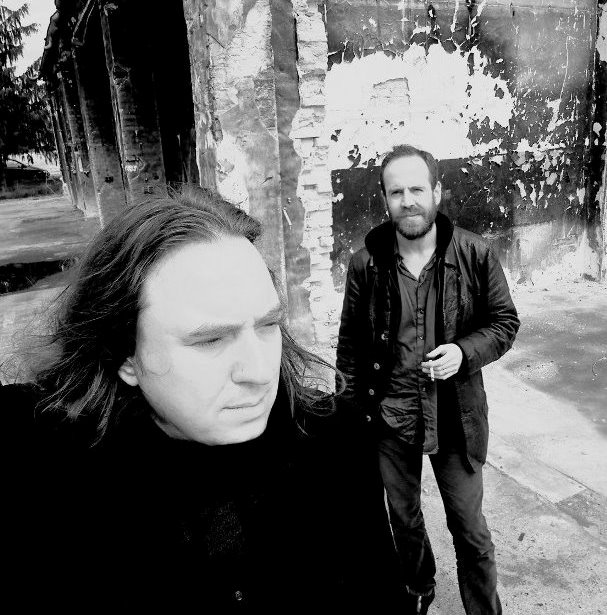


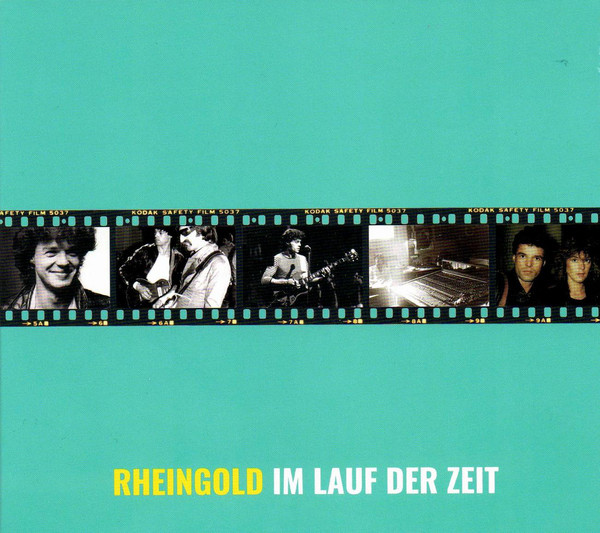
 , translated as “over time”, a brand new RHEINHOLD album that features a significant number of instrumentals but also lyrics by Karl Bartos, Uli Luciano and Brigitte Staiger alongside music played and produced by Bodo Staiger.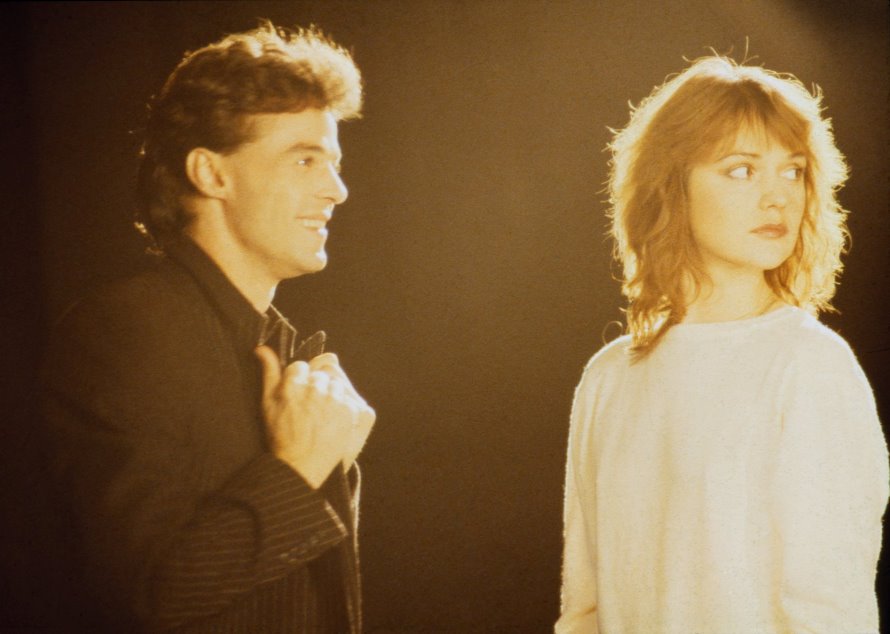
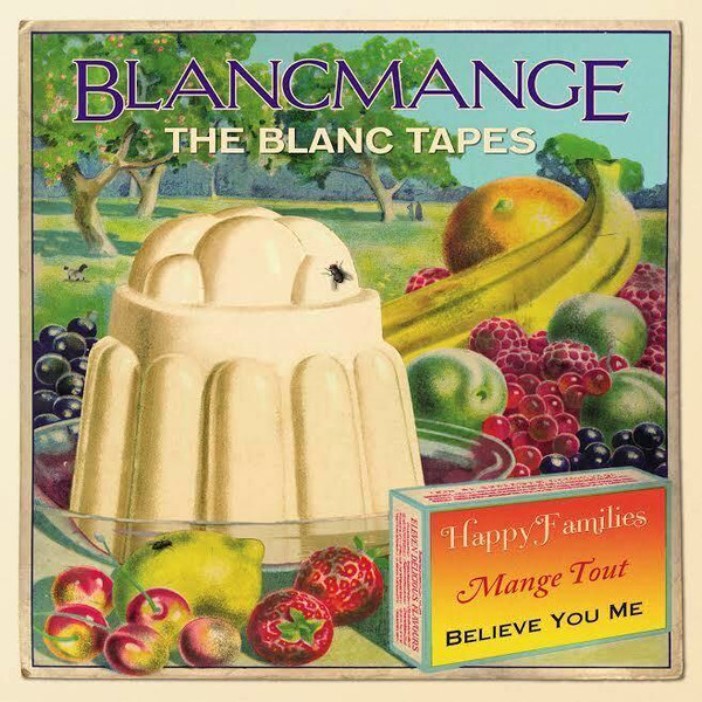
 in Autumn 1982, it featured their breakthrough hit single ‘Living On The Ceiling’ while ‘I Can’t Explain’ remains one of the most blistering album openers of the era! Fusing the rhythmic dash of TALKING HEADS with the intensity of JOY DIVISION plus the melodic framework of OMD and YAZOO over the top, Arthur and Luscombe won critical admiration and respectable sales for their debut.
 became the duo’s biggest seller in 1984. Having first featured on ‘Living On The Ceiling’, the Indian musicians Pandit Dinesh on tablas and Deepak Khazauchi on sitar were given greater prominence on the album, while another surprise came with their brilliant cover of ABBA’s ‘The Day Before You Came’. This was considered an odd but daring decision at the time. But with ABBA now fully absorbed into mainstream popular culture and the ‘Bollywood’ sound very much part of modern pop, ‘Mange Tout’ could be considered a cultural prophecy…
 released in 1985, despite good crossover songs such as ‘Why Don’t They Leave Things Alone?’ and ‘Lorraine’s My Nurse’. This was leading to a blanc burn out and reflected in the electro-funk of ‘22339’ with a proclamation from Arthur that “I feel like I’m losin’ my mind”. Ultimately, it led to Arthur and Luscombe calling it a day in order to protect their friendship following a concert at the Royal Albert Hall in 1986.
 . The bonus discs gather together B-sides, BBC radio sessions, live material and previously unreleased demos and it is these that will be of most interest to BLANCMANGE fans. Meanwhile, the horribly unsympathetic liner notes by Alan Robinson that adorned the 2008 Edsel reissues have now been replaced by commentary from Neil Arthur.
 , the voxless BLANCMANGE album issued in 2015. Meanwhile, the organ laden ‘Black Bell’ is an enjoyably creepy lo-fi demo, but ‘Holland’ springs a major surprise with some prominent guitar in the vein of THE CARS!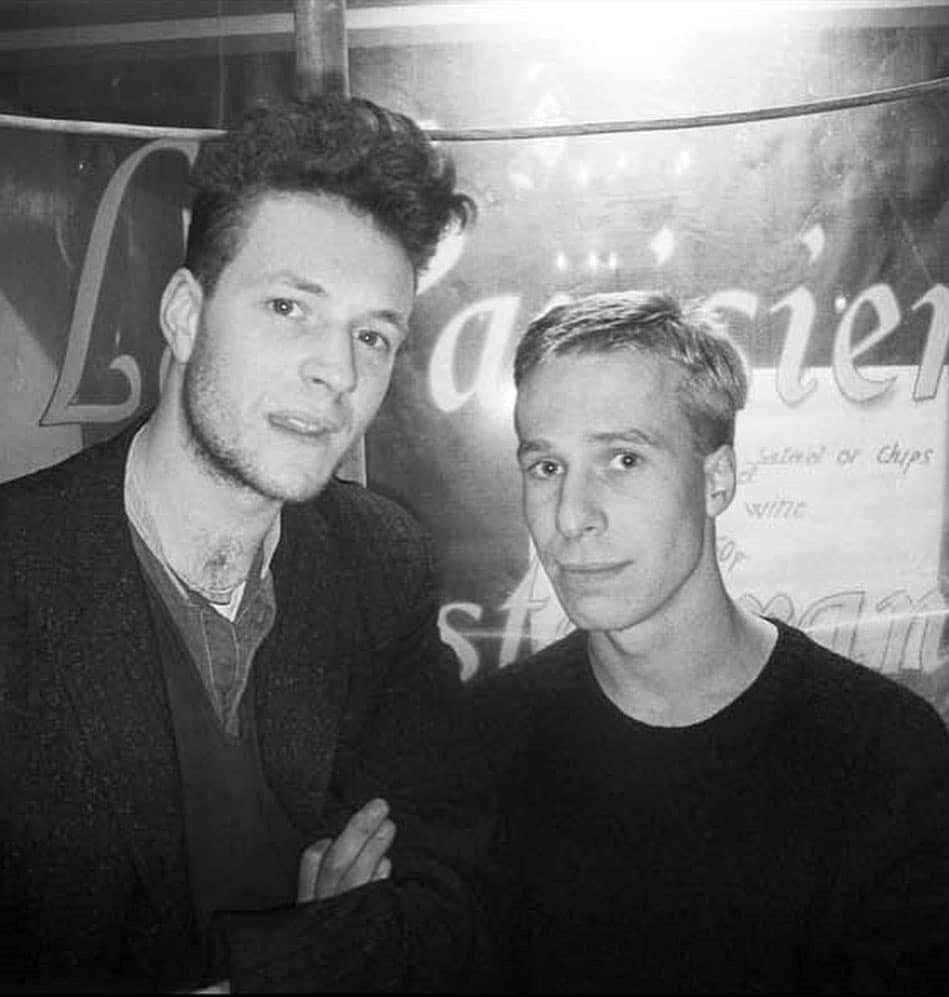
Follow Us!