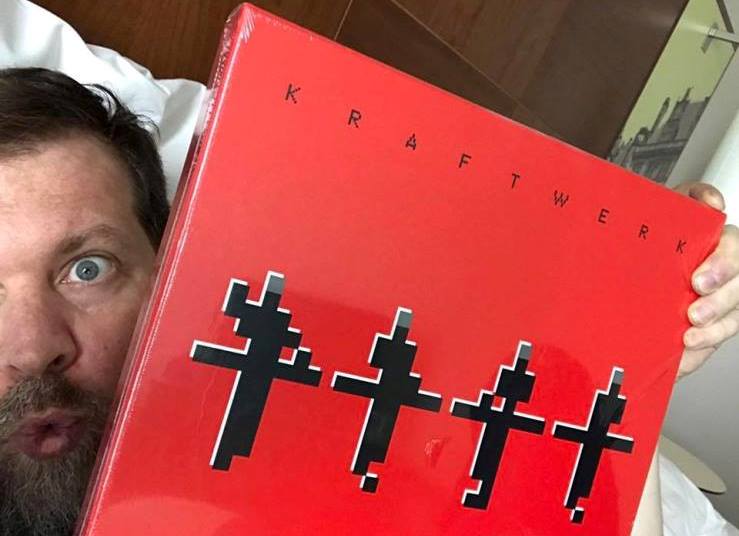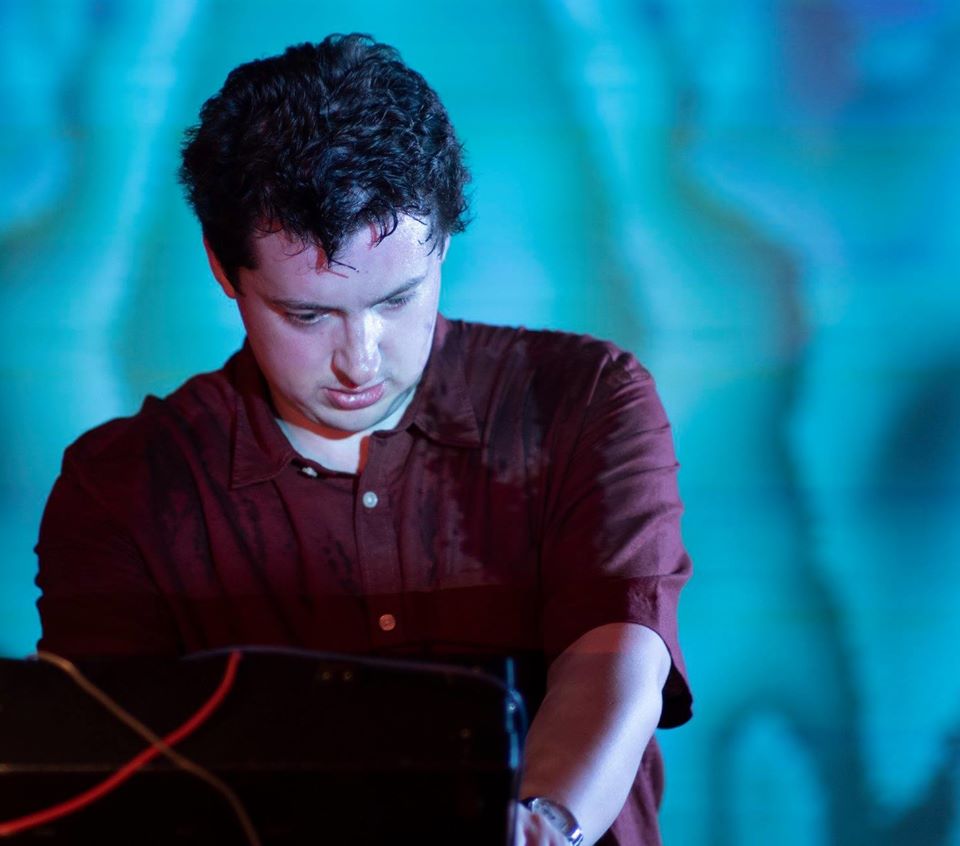
Tag: Cabaret Voltaire (Page 3 of 5)

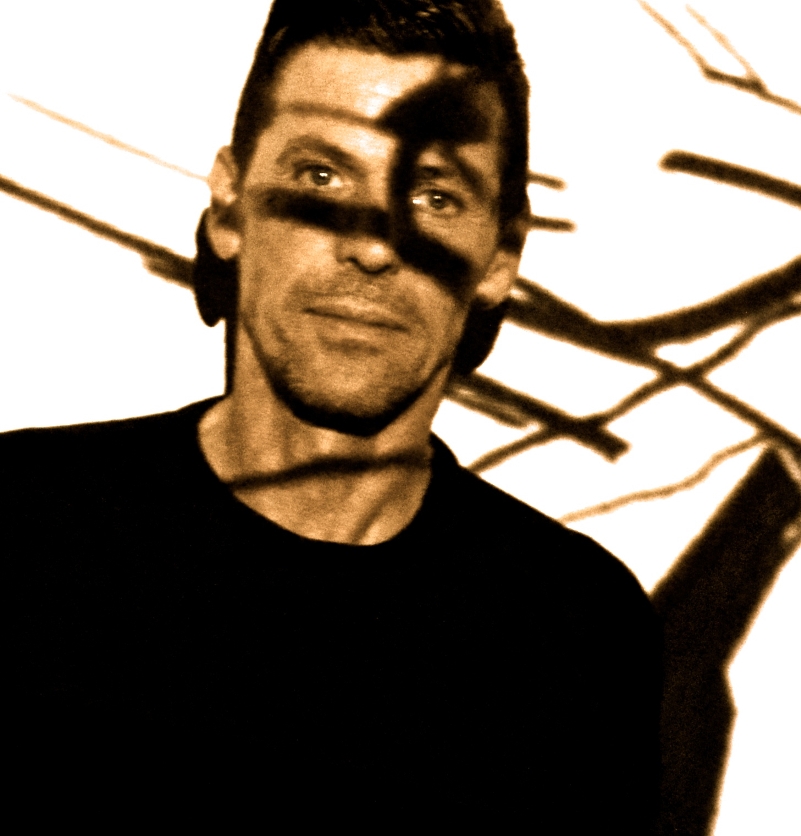
FINLAY SHAKESPEARE Interview

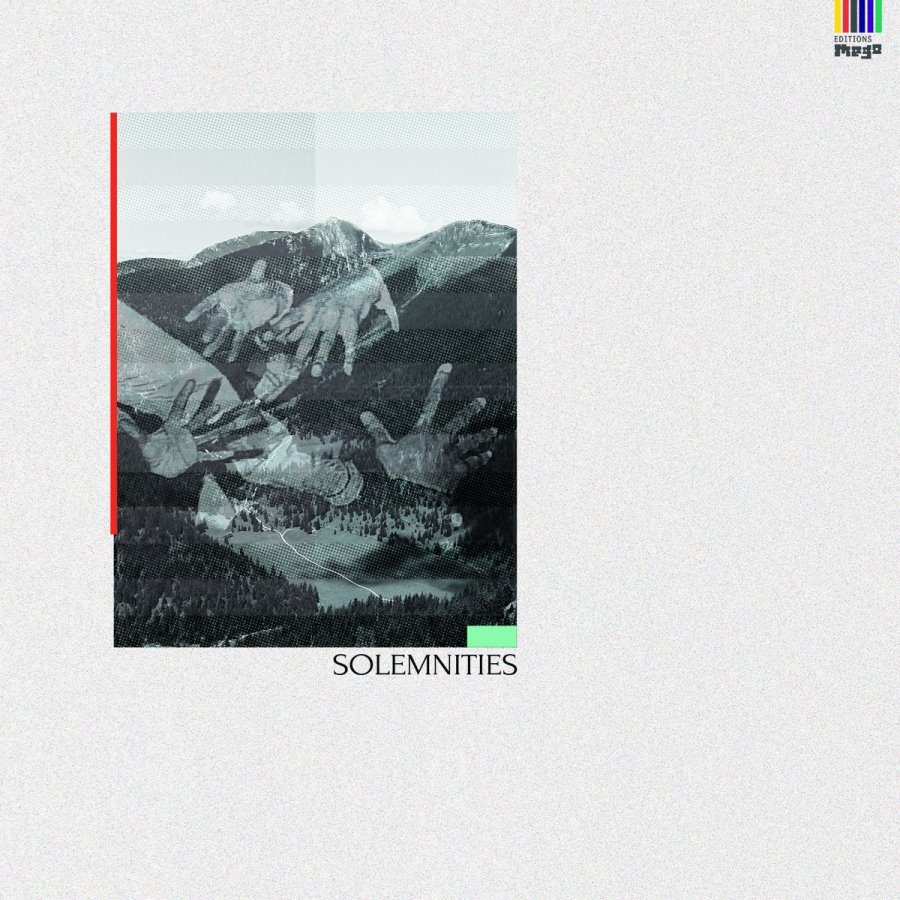
Influenced by the experimental side of Synth Britannia and the groundbreaking electronica of Warp Records, Bristol-based Finlay Shakespeare has presented one of the most impressive releases of 2020 in his second album ‘Solemnities’.

Passionate and intense in his vocal delivery, the music of Finlay Shakespeare is strangely pop, but his modular laden backdrop will satisfy those seeking more of a colder mechanised edge. He encapsulates the spirit of early Mute Records and that’s probably just as well because he has just been signed by Mute Song for publishing.

Reference points range from THE HUMAN LEAGUE and THROBBING GRISTLE to AUTECHRE and THE FAINT, while the socially conscious lyrics recall Paul Weller during his time in THE JAM.

Also an independent musical device manufacturer via his Future Sound Systems umbrella, ‘Solemnities’ captures the balance of melody and freaky angst that was showcased live to BLANCMANGE fans who arrived early when Shakespeare opened for Neil Arthur & Co in 2019.

Finlay Shakespeare kindly took time out and spoke about the making of ‘Solemnities’, its lyrical inspiration and gave a fascinating insight into the equipment involved in the album’s realisation.


Your new album ‘Solemnities’ is rather on point in the current situation, but what had been your original concept?

The majority of material that I write, at least lyrically speaking, tends to come from improvisation, and in the case of ‘Solemnities’, recording many iterations and honing in on a finished version. I’ve always tried to capture a sense of the present when writing and recording too – I like the idea that music can form a time capsule to be listened back to. Much of the subject matter across ‘Solemnities’ is politically motivated, and how I see the UK’s current political situation affecting me and others around me.

While you have said ‘Solemnities’ has a rawer approach, it appears to be a lot more focussed and disciplined than your debut album ‘Domestic Economy’?

Hugely – this predominantly came from returning to a more conventional writing form. The base material of ‘Domestic Economy’ comes from the total improvisation of the ‘Housediet’ sessions – no re-takes, simple edits, etc. – which was then fleshed out and reworked slightly for the album.

For ‘Solemnities’, it’s been more a case of overdubbing each individual element as a track comes together. These elements may be rather spontaneously recorded, but through allowing myself to edit and arrange more deeply, the songs became more rigidly structured.

‘Solemnities’ does capture more of what you’re like on stage, how did you find opening for BLANCMANGE?

The BLANCMANGE shows were a great experience – I had been hankering for more live appearances for a while, and was lucky to be given the chance through, not only Neil Arthur, but also Jez Bernholz and Steve Malins. Playing those support slots definitely made me focus more on my live practice. How do I get this modular synth to do what I want it to do? How do I make these songs come to life on stage? Trying to answer those questions also informs the writing and recording process to a degree. It was also fantastic to spend some time with Neil, Liam Hutton, Oogoo Maia and Adam Fuest – they’re a great bunch of people and I hope to see them all again soon.

What had got you interested in making music with synthesizers? What was your first electronic instrument?

A childhood fascination with my parents’ record collection is really what kicked all this off. LPs and CDs by JEAN-MICHEL JARRE, VANGELIS, KRAFTWERK – I wanted to know where all these sounds came from. I remember staring at photographs of their studios, intrigued by all the equipment that surrounded these pioneers. I took keyboard lessons from a young age and was lucky enough to be entering my early teens at the height of the ‘virtual analogue’ synth boom. My first synth was a Korg Electribe EA-1 – I have very fond memories of it, but sadly sold it a while ago to buy other gear!
You founded Future Sound Systems, so would you describe yourself as electronic musician first or second, or is it all embroiled and co-dependent?

It’s very much a co-dependent thing in my eyes – I got into designing and building equipment because I felt that might be a cheaper way of acquiring more gear. On one hand, that was very much incorrect, but the learning curve (which I’m still very much following) gave me some degree of knowledge that led to the day job I have now. Many of the designs that come from FSS are dreamt up whilst I’m playing music myself, and that music often incorporates some of the equipment we design and build, so it’s very much a feedback loop.

How did you develop musically as you sound like post-punk acts such as THROBBING GRISTLE and THE NORMAL meeting Warp Records?

By the time I had exhausted my parents’ LPs, I started getting into the acts that were recording and releasing at the time – I feel lucky to have been growing up when acts like ORBITAL, THE CHEMICAL BROTHERS, DAFT PUNK etc were at their prime. I’d drag my family to record fairs and such, buying up what I could save with pocket money and going between various artist recommendations that we’d typically get from the stall holders.

I remember hearing APHEX TWIN’s ‘Come To Daddy’ and ‘Windowlicker’ amidst all this, and those were pretty monumental in terms of showing me that electronic music still had the potential to be very different. We also had a music library local to us, which proved to be a huge resource of harder-to-find music. I’ve still got a cassette of avant-garde works by Mimaroglu, Cage and Berio which I bought at one of their sales – that was ‘really’ eye-opening stuff to hear as a kid!

You also have been very vocal about your love of the ASSOCIATES album ‘Sulk’, why do you think this record is so special?

I’ve got a great deal of respect for artists and bands who really are totally unique, and ASSOCIATES are high up on that list, particularly the partnership between Alan Rankine and Billy Mackenzie. Typically, I find myself listening to ‘Fourth Drawer Down’ more so than ‘Sulk’, but ‘Sulk’ deserves legendary status simply because there’s no other record like it. It’s truly manic in every aspect – its musicianship is frantic, the lyrics are all over the shop, and the mix sounds like nothing else. There’s also the more archival aspect where seemingly no two issues of the album are the same!
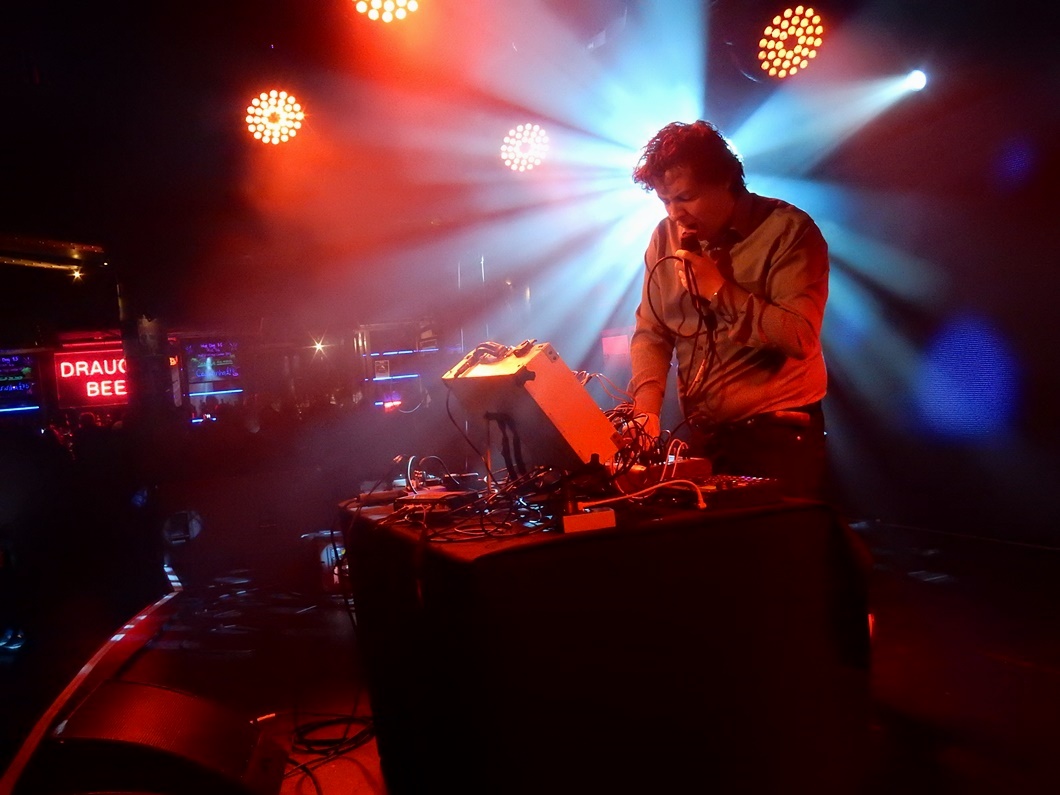
So how did your intense fraught vocal style emerge?

I’ve never really thought that much about how I sing. What I try to do is use my vocal as a way of expressing emotion, almost to bolster the atmosphere of a track, and I guess a lot of what I’m singing about is rather intense! There’s always the aim of doing something a little bit calmer in the future, but I’m not sure that it’ll ever happen.

The ‘Solemnities’ opener ‘Occupation’ makes a real musical as well as lyrical statement and appears to recall THE FAINT, was it inspired by personal experience?

‘Occupation’ draws from various imagined scenarios given the UK’s withdrawal from the EU, particularly how the exit has been pushed by self-serving politicians, but also how it will prevent citizens of the UK from enjoying various freedoms and privileges that are about to be removed from them. The track began life exactly how it’s heard on the album – the drums came from a really aggressive patch I had going on an ARP 2600 clone and some Serge modular equipment, so vocally and lyrically it needed to reflect that.

‘The Information’ really showcases your love of the early period of THE HUMAN LEAGUE? It undergoes a few structural changes within its four and a half minutes, how would you have constructed this in the studio?

‘The Information’ dates back to tracks I was writing back when I was finishing school, so the majority of elements here are at least ten years old! When putting ‘Solemnities’ together, I wanted to revisit some old work of mine that was never really finished, so I loaded up ‘The Information’ and wanted to see where I could take it. It’s funny how it can take more than a decade to finish off a four-minute track!

What are your preferred tools at the moment? Is it modular all the way for you?

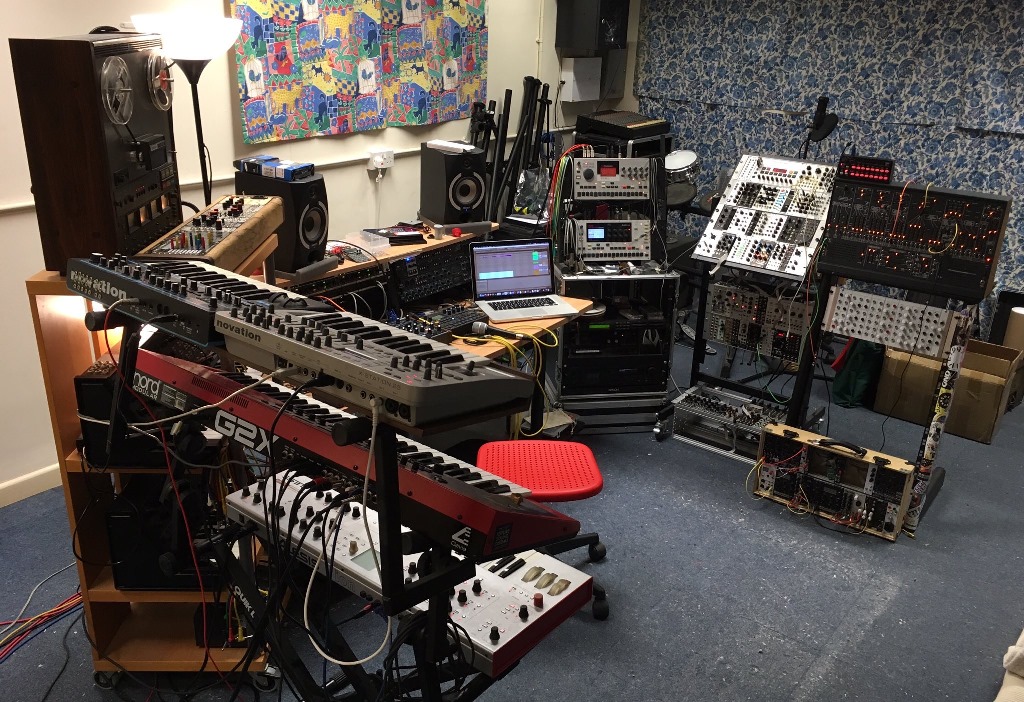
I’m in no way a purist – I end up making a lot of hybrid configurations of synths and other gear at the studio, which I like to think lends itself to finding new sounds and getting to a place that’s a little different from using separate pieces of gear stand-alone. For example, I have a Korg MS-20 and MS-10 which I often chain together to create, what I often label, an MS-30. There’s a lot of that on the album, as well as the aforementioned ARP / Serge combo. Since running the majority of the studio’s equipment into a patchbay, I can treat the entire studio as a patchable modular-esque set-up.

At the moment, I’m trying to get deeper into the Nord G2X that I’ve had for a while – it’s a digital modular environment which is still really powerful and flexible despite being a little old now! Again, there’s a lot of G2X on the new album, but used mainly to process other sounds.

‘Second Try’ appears to play homage to both THROBBING GRISTLE and KRAFTWERK?

‘Second Try’ actually came from powering the G2X up with a ‘mad’ patch on it – that’s what’s heard at the intro, then a couple of passes of that patch get looped to form the drums. ‘Second Try’ came together really quickly, and is actually a great example of how I try to work now – still working very quickly and not spending a lot of time on things, but managing to get a lot done in that session.
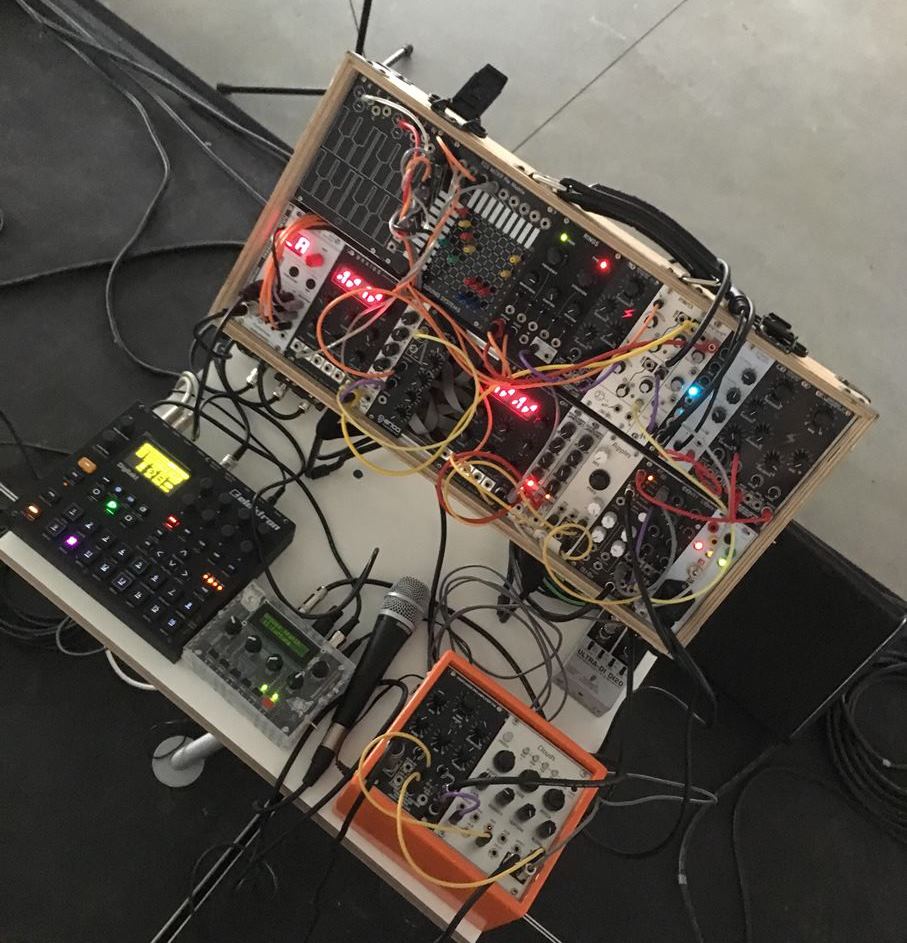
The poignant ‘Crisis’ features a range of fantastic textures, one set being the impactful spacey synthetic voices, how you set about sound designing those?

‘Crisis’ came almost completely from my Elektron Digitakt sampler/sequencer. I had been booked to play a show in Nantes and was terrified about checking my modular rig in to the hold in case it never made the connecting flight. The Digitakt was coming in my hand luggage, so I had prepared this back-up improvisatory set using that and the Mutable Shruthi synth that I also use live now. ‘Crisis’ was born out of that set, using the Shruthi for the bass then the Digitakt for almost all the other melodic elements, including that pitched Mellotron choir sample.

You may be pleased to know that the modular never disappeared, but ‘Crisis’ made an impromptu premiere as the encore to that Nantes show!

You show more of your understated side on ‘Fantasy’, had this been a conscious move as part of the album’s journey?

I was definitely trying to form more of an ‘arc’ for this album – two sides of vinyl that feel they have some degree of flow to both – and ‘Fantasy’ felt right in between two relatively more energetic tracks. This track was born out of two sessions coming together – powering up the studio after the recording of ‘Occupation’ and the drum patch falling over itself, hence the pounding bass drum that runs throughout, and a long take of overdubbed feedback guitars I had recorded a few years prior. I also wanted to experiment with building up a small choir of myself, making many overdubs of the same vocal with different harmonies.

You go for an extended banging adventure on ‘She Says / Nothing Ends’ to finish, was it originally two songs that morphed into one epic track?

Almost – it was always treated as one track, but I wanted the feel of two distinct sections to it, both of which would crescendo as much as they do, almost as though they ‘could’ be two individual tracks. However, the fluttery, glitchy chords of the latter half, and the distorted vocals ‘were’ recorded as part of another separate session, and brought in on top of the near-gabber that already existed.
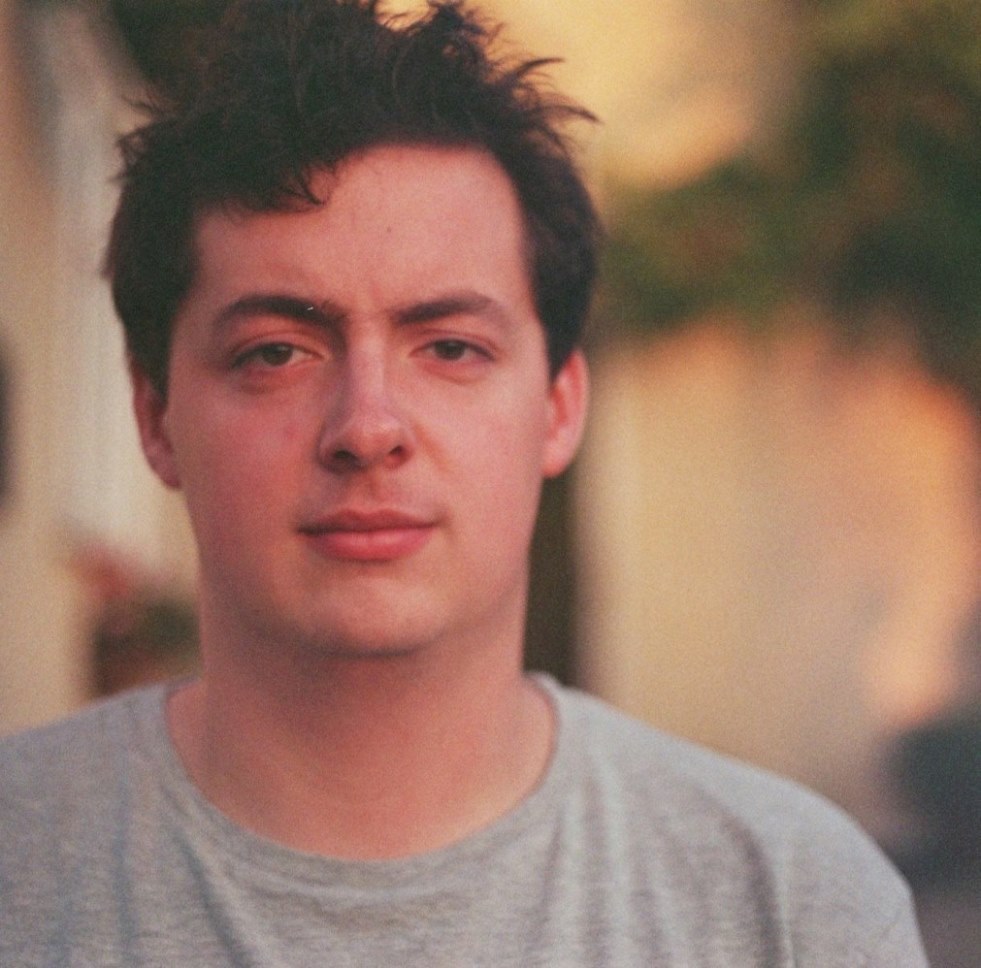
Who do you hope ‘Solemnities’ might appeal to?

I’ve always wanted my music to be a bridge between what I’m influenced by and something more present, perhaps even futuristic. Therefore, I’m hoping ‘Solemnities’ would appeal to fans of the late 70s / early 80s greats who may have been there at the time, as well as younger electronic music fans who perhaps aren’t so aware of all those albums approaching their 40th anniversaries.

If my work puts people on to acts like THE HUMAN LEAGUE, CABARET VOLTAIRE, SEVERED HEADS, FAD GADGET etc, then I feel that I’ve definitely done my job.

Your music is released by Editions Mego in Austria, is it still important for modern independent artists to have some kind of label support in your opinion?

Very much so. Whilst self-releasing online is easier than ever, there are more and more people doing it, and with the lack of any curation, it can be really difficult to be found as an artist. I have huge respect for what Peter Rehberg at Mego does – he releases whatever he wants to put out on Mego, there are no stylistic boundaries that he’s following, so the label is truly in line with his tastes. There’s no nonsense.

If you’re into what is on Mego, it’s likely you’ll enjoy whatever the next release is. It’s that curation that is really important for being an artist released by a label – your work becomes part of a stream that can be followed by the label’s fans.

You recently signed to Mute Song, joining a renowned family, what does that bring to you which perhaps you were unable to do when handling your own publishing?

It’s still early days at the moment, but even talking to the Mute Song team has been hugely reinvigorating. It’s a similar story with getting to know Peter at Mego better – it’s really helpful being able to send people music and get an honest response back that you know you can trust. It’s akin to the whole Bowie-ism of never being truly comfortable in what you’re doing – there were things on ‘Solemnities’ that I wanted Peter’s thoughts on, simply because I wasn’t so sure of them at first.

Having a wider net of ‘primary ears’ can only be a good thing, particularly when those ears are working with the roster of artists that are with Mute Song. From an industry point of view, I’d say I still don’t really know what I’m doing, and being able to ask for advice from such an experienced team is a huge benefit.
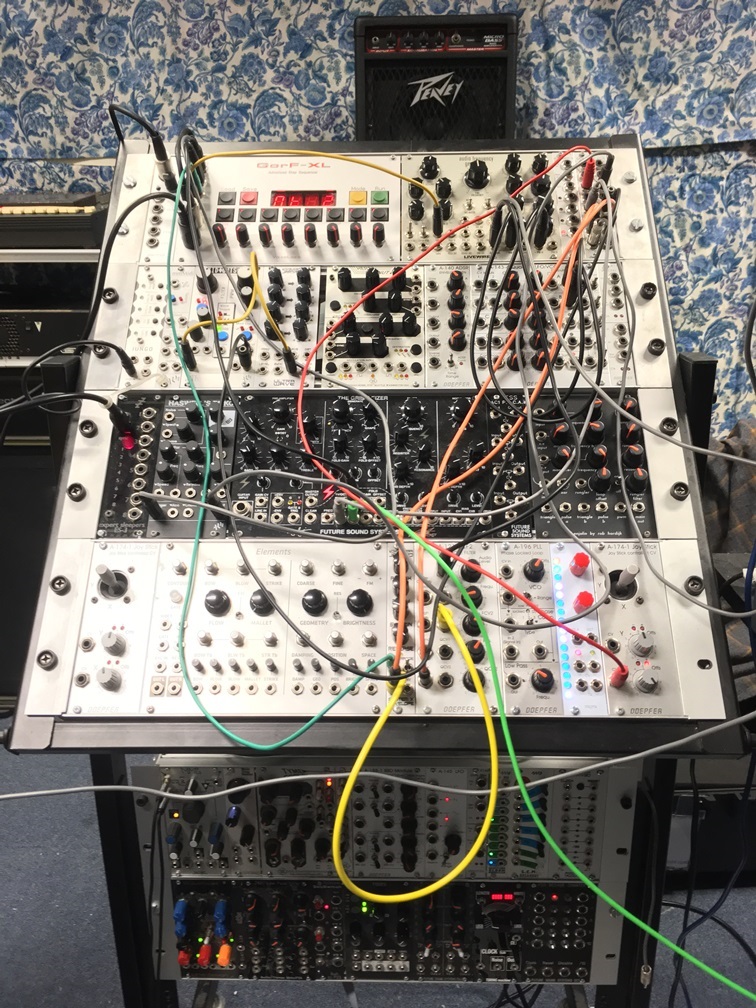
Where do you think you might like to take your next album?

There are already some initial sketches, but it seems that I’m trying to push the studio further, incorporating more guitars and drums into the mix, but taking the synths into more abstract territory – trying to do weirder things but perhaps make them poppy. I’ve started trying to listen to how musicians whose work I love have played their instrument, and whether I can map any of that to completely different practices. I still want to be able to play a synth the way that Andy Gill played guitar, but conversely, what happens if you have a guitar made to sound like what Ian Craig Marsh was doing in THE HUMAN LEAGUE?

What’s next for you? Is there anything interesting coming out from Future Sound Systems?

There are some really exciting collaborations in the works right now, both new and old, and I’m always striving to bring people together in the studio. As I hinted at above, I’m really interested to see what happens when different styles and practices are brought together, and I hope I can continue that this year. Meanwhile, at FSS, we are designing plenty of new equipment which I hope will pique other producers’ interest – there’s certainly a lot of it that I want to spend more creative time with! Watch this space!


ELECTRICITYCLUB.CO.UK gives its warmest thanks to Finlay Shakespeare

‘Solemnities’ is released by Editions Mego in vinyl LP and digital formats, available from https://editionsmego.bandcamp.com/album/solemnities

http://finlayshakespeare.com/

https://www.facebook.com/FinlayShakespeareUK/

https://twitter.com/FinShakespeare

https://www.instagram.com/finlayshakespeare/

https://www.futuresoundsystems.co.uk/


Text and Interview by Chi Ming Lai
12th May 2020
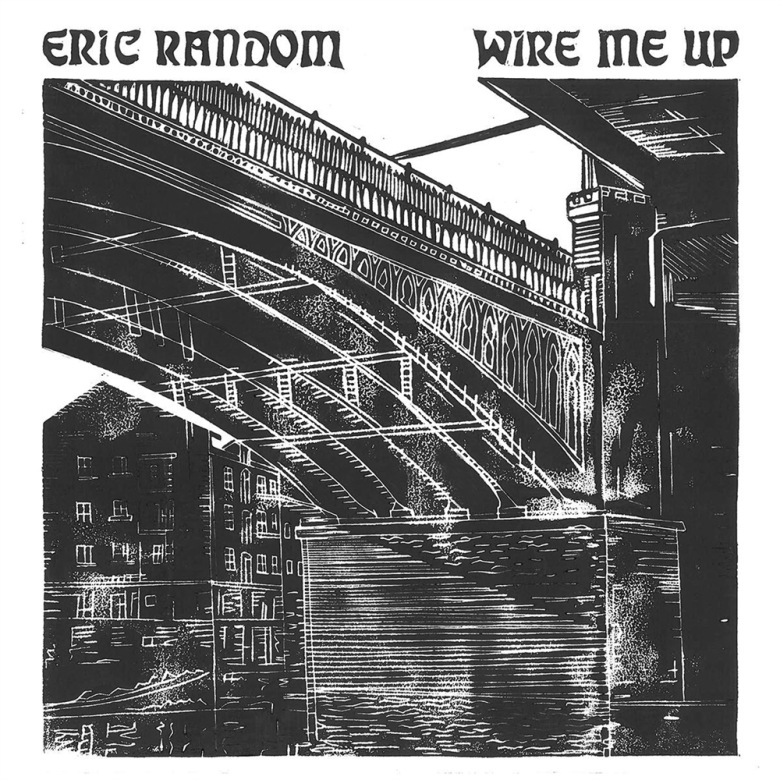
ERIC RANDOM Wire Me Up


Manchester electronic veteran Eric Random has a fascinating history as a Factory Club stalwart in THE TILLER BOYS and post-punk experimentalist.

As a member of BUZZCOCKS’ inner circle, his first album ‘That’s What I Like About Me’ came out in 1980 on New Hormones ‎who released the seminal ‘Spiral Scratch’ EP; it was co-produced by Stephen Mallinder and Random later worked with CABARET VOLTAIRE on their ‘2X45’ album.

But Random made his return in 2014 with ‘Man Dog’ released by Austrian label Klanggalerie, ‎having last issued a long player using his own name in 1986 as ERIC RANDOM & THE BEDLAMITES.

‘Words Made Flesh’ then appeared in 2016 before being quickly followed by ‘Two Faced’ a year later. With his new work ‘Wire Me Up’ released by analogue underground independent Sleepers Records, Random’s stark style of presentation remains, but his vocals in the vein of FAD GADGET take a breather on this primarily instrumental set. However, vocodered vocals do appear by ‘Stealth’ over a chromatic soundtrack of rhythmic passages not unlike DEPECHE MODE when they were good, while they are more robotically direct on the obviously KRAFTWERK-inspired ‘Systematic’.

But it all starts with the gentle pulsing of ‘Nothing Is True’, although that mood is immediately offset by the playful noise arrangements on ’Target’. ‘Monochrome’ offers something dark and bleepy as a slice of voice sample laden electro, with the occasional clatter of an 808 snare and some doomy synth vibrato providing a suitably anxious feel. Meanwhile ‘Commence Countdown’ is catchy techno-funk despite its fits of industrialised noise terror.

Held around a hypnotic bassline, the eerie sweeps of ‘Skid Row’ recall the arthouse cinematic work of John Foxx, while cut from a similar sheet of steel, the brilliant ‘You Seem The Same’ exploits a minimal use of vocoder while catching the ear with some wonderful bursts of cold vox humana strings over what can only be described as a bouncy backbone.

Chunkily uptempo, ’The Louder You Scream’ is accessible with a wide range of buzzy textures and chilling vibes.

With lashings of synth arpeggios and simplistic claps, ‘Hypnophobia’ has menace in its claustrophobic air before it all ends with the comparatively ambient overtures of ‘The Outsider’.

‘Wire Me Up’ is an enjoyable collection of classic synth instrumentals with an edge. For those who prefer their electronica to be vocal-free but desiring a musical hook every now and then, Eric Random’s double length long player is an ideal listening experience.


‘Wire Me Up’ is released as double vinyl LP by Sleepers Records, audio preview and information on stockists at https://soundcloud.com/sleepersound-2/eric-random-wire-me-up

https://www.facebook.com/theericrandom/

https://twitter.com/theericrandom

https://www.ltmrecordings.com/eric_random.html

https://www.instagram.com/theericrandom/


Text by Chi Ming Lai
26th June 2019

THE KVB Only Now Forever

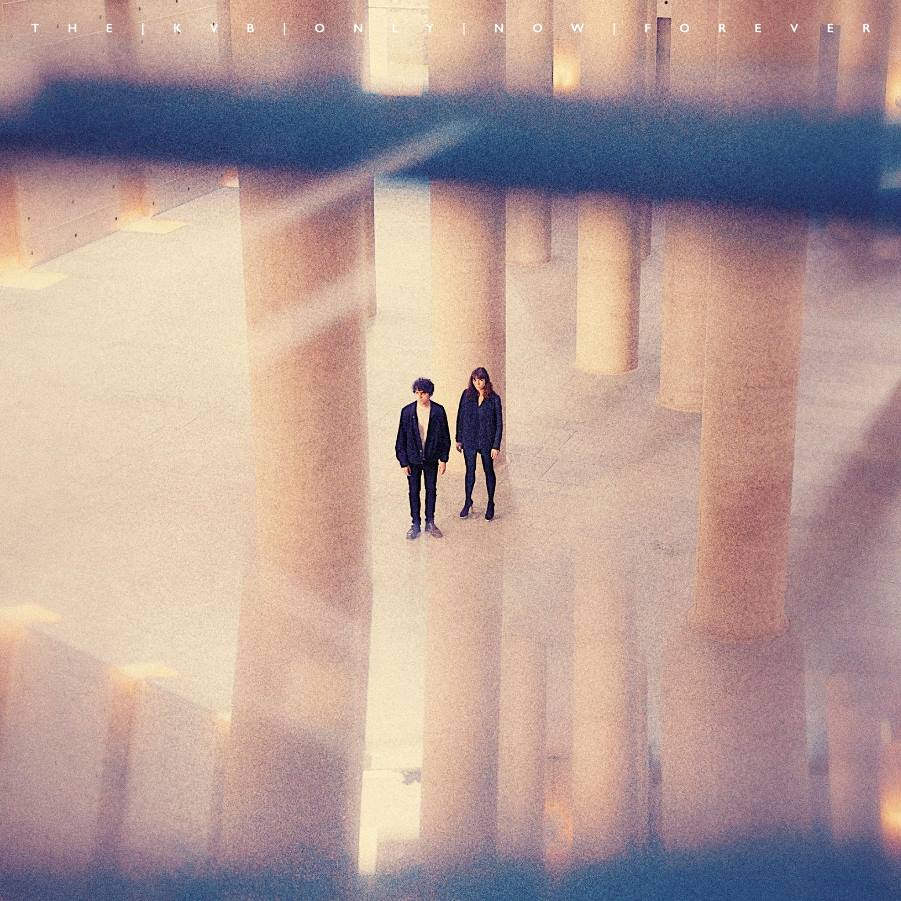
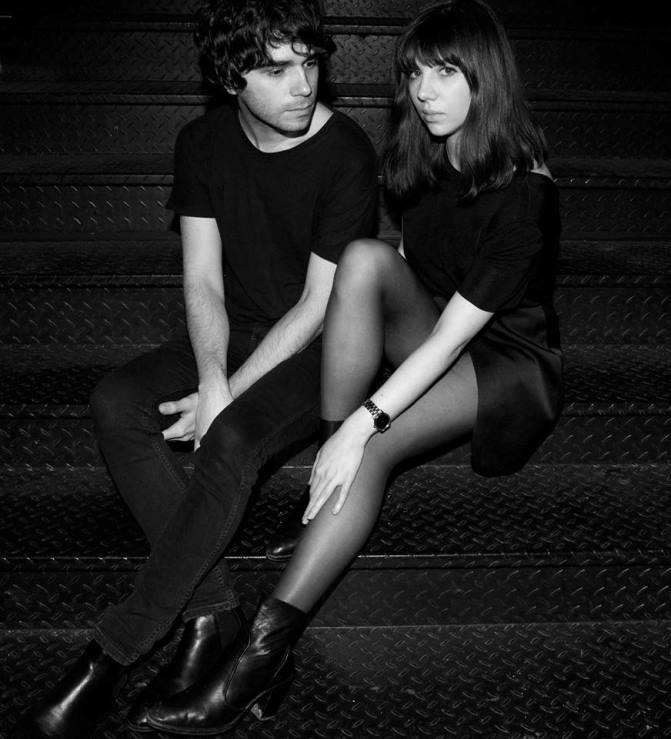
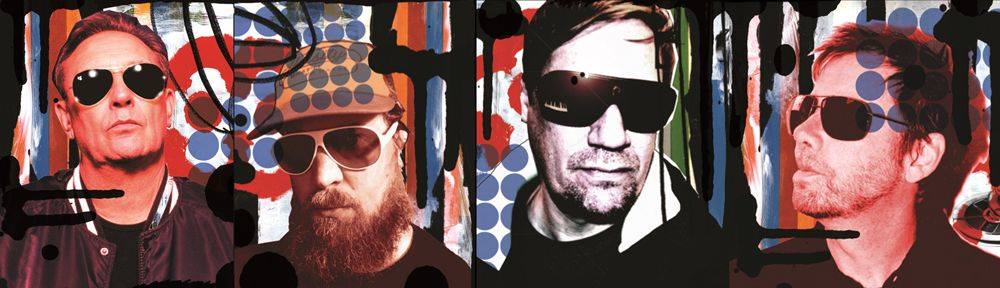
The follow-up to 2016’s ‘Of Desire’, ‘Only Now Forever’ develops on the brooding post-punk sound of THE KVB.

Getting together in 2011, the British audio-visual duo of multi-instrumentalist Nicholas Wood and keyboardist Kat Day actually relocated to write and record in Berlin, adding a more independently-minded edge to their reverb coated sound in the process.

If NEW ORDER had been weaned on shoegaze, they might have sounded like THE KVB.

Signed to Geoff Barrow’s Invada Records, with previous collaborators such as Joe Dilworth and Mark Reeder on their curriculum vitae and a prestigious invitation to perform at Robert Smith’s meltdown Festival 2018, THE KVB certainly have their esteemed admirers.

The excellent uptempo motorik of ‘Above Us’ is a good start, accessible yet suitably mysterious and coming over like LADYTRON fronted by Kevin Shields. Under layers of string synths and attached to a solid bass rumble, ‘On My Skin’ has a good chorus while with more psychedelic overtones, ‘Only Now Forever’ recalls early ECHO & THE BUNNYMEN when they used the odd smidgen of synth and drum machine.

The unsurprisingly gothic ‘Afterglow’ looms with heavy beats and penetrating textural six string as Wood announces “here comes the night” but with ‘Violet Noon’, there’s a more steadfast nocturnal mood, like THE JESUS & THE MARY CHAIN with more washes of atmospheric synths, as if the Reid brothers had been dropped onto the set of ‘Twin Peaks’.

The guitars take more of a backseat on ‘Into Life’ while the spectre of CABARET VOLTAIRE circa ‘The Crackdown’ make its presence felt via a hypnotic bass sequence and assorted sweeps; it also sees Day put her breathy allure to the forefront on this arty slice of moody electro-disco

‘Live In Fiction’ recalls THE CURE meeting THE SOFT MOON but is less reliant on wall of sound intensity, but the wonderful clubby vibe of ‘Tides’ offers some vibrant electricity with a combination of sequences and synths for possibly the album’s highlight.

The 6/8 percussive drift of ‘No Shelter’ looms away but cut from a similar cloth to ‘Above Us’, ‘Cerulean’ does have a slightly more frantic edge, Woods’ vocals harmonised by Day’s angelic tones although the track does seem to disappear into a cacophony of haze.

More refined and sharper than previous offerings, the melodic emphasis on ‘Only Now Forever’ has paid off and there is plenty of crossover appeal for those who like a bit of synth and a dash of alternative rock. Some might find THE KVB’s overall template old-fashioned, but being uninhibited in their willingness to mix technology with live instruments and a bit of darkness like in days of yore can only be a good thing.

‘Only Now Forever’ is released by Invada Records on CD, double vinyl LP and digital formats

THE KVB 2018 live dates include:

Glasgow Hug and Pint (24 October), Newcastle Think Tank (25th October), Manchester Yes (26th October), Leeds Hyde Park Book Club (27th October), York The Crescent (28th October), Birmingham Hare & Hounds (29th October), Brighton Green Door Store (30th October), London Corsica Studios (31st October), Bristol Rough Trade (1st November), Roubaix La Cave Aux Poetes (2nd November), Nantes Soy Festival (3rd November), Le Havre McDaids (4th November), Amsterdam Sugarfactory (6th November), Cologne Bumann & Sohn (7th November), Gent Charlatan (8th November), Hamburg Hafenklang (9th November), Copenhagen Stengade (10th November), Stockholm Debaser Strand (11th November), Oslo Revolver (12th November), Berlin Lido (14th November), Poznan Meskalina (15 November), Warsaw Poglos (16th November), Prague Café v Lese (17th November), Brno Kabinet MUZ (18th November), Budapest Dürer Kert (20th November), Vienna Fluc (21 November), Munich Kranhalle (23rd November), Yverdon-les-Bains L’Amalgame (24th November), Zurich La Mascotte (25th November), Rome Largo Venue (27th November), Bologna Locomotivclub (28th November), Barcelona SiDecemberar (30th November), Madrid Moby Dick (1 December), Jurançon La Ferronnerie (3rd December), La Rochelle La Sirene (4th December), Bordeaux Iboat (5th December), Paris Le Badaboum (6th December), Amiens La Lune des Pirates (7th December)

http://www.thekvb.co.uk/

https://www.facebook.com/thekvbmusic/

https://twitter.com/TheKVB

https://www.instagram.com/thekvb/

https://thekvb.bandcamp.com/music


Text by Chi Ming Lai
20th October 2018

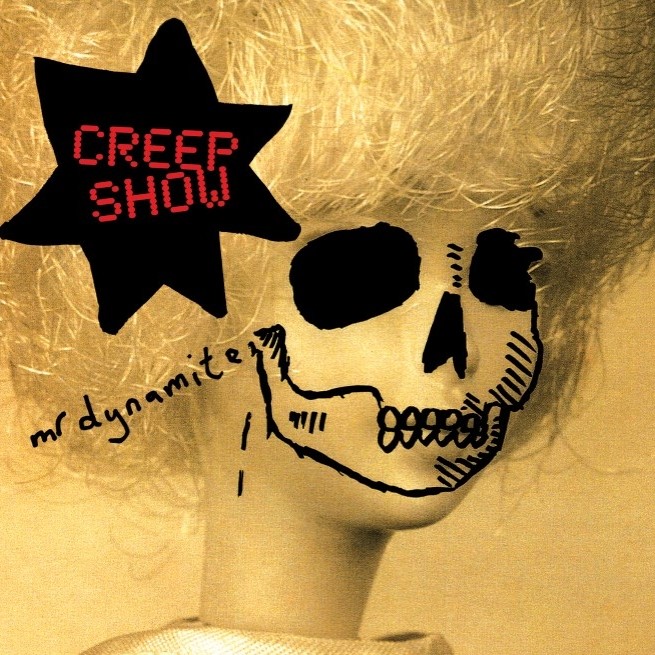
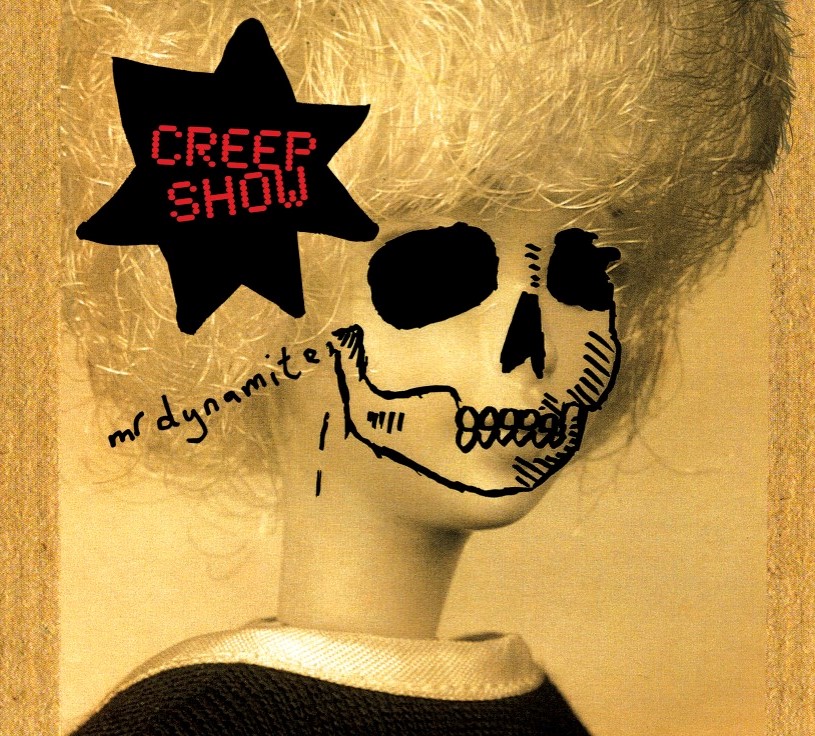
CREEP SHOW Mr Dynamite

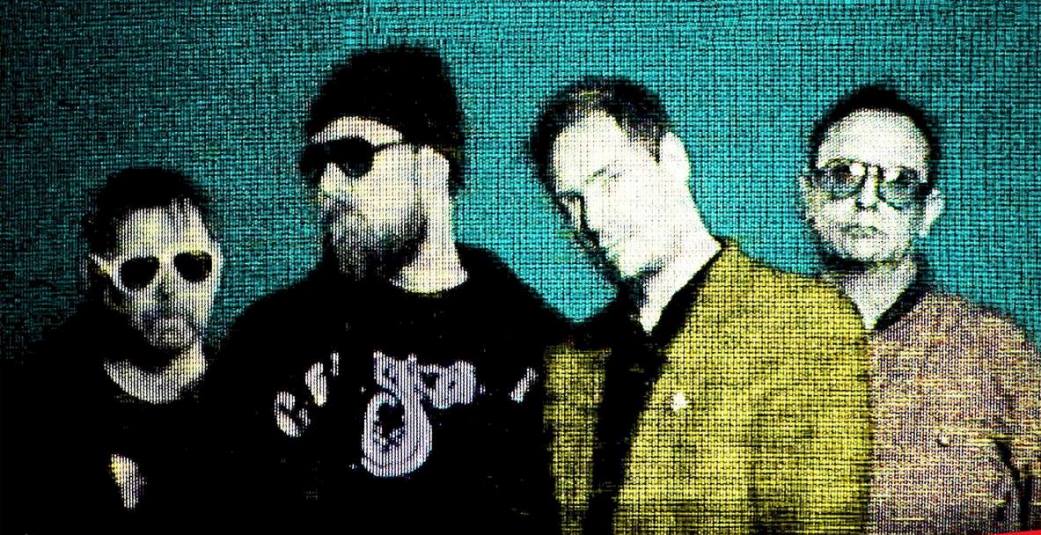
CREEP SHOW is an electronic meeting of minds between eclectic US singer / songwriter John Grant and the dark analogue electro of WRANGLER, the trio comprising Stephen Mallinder, Phil Winter and Benge.

Brought together for the Rough Trade 40th Anniversary celebrations in 2016, the first fruit of this collaboration is ‘Mr Dynamite’ – an album which was recorded in Cornwall following the move of Benge’s Memetune studio from its original Hoxton location. Opening with the title track, ‘Mr Dynamite’ sees Grant’s vocal cut-up, pitch-changed and split over different keys on a vintage AKAI sampler. This is then laid over a minimalist drum machine, bass pulse and a signature John Grant synth lead.

‘Modern Parenting’ sees a hybrid of funky bass synth and echoed sequenced synths with a typical quirky Grant vocal. The addition of female backing vocals give the overall impression of TALKING HEADS ditching their guitars and going fully electronic instead; the surreal chorus hook of “when your doggy jumps the fence and sets its sights on you” also adds to the playful, funky nature of the track.

‘Tokyo Metro’ is a KRAFTWERK-inspired 8-bit Chip-Tune style piece, the vocodered vocal very reminiscent of ‘Dentaku’, their Japanese version of ‘Pocket Calculator’.

‘Endangered Species’ is a chilled glitchy piece with a floaty string synth; the track also gives Grant a chance to go into his full-on crooner mode and take a squealing lead synth solo. The song ramps up a level with the unexpected addition of CULTURE CLUB’s original backing vocalists Mary Pearce, Maria Q and Zee Asher; having originally toured with Grant, they give the slightly creepy “You are the endangered species” hook a brilliantly quirky resonance. For those familiar with Grant’s work, the nearest comparison here would be his solo tracks ‘Voodoo Doll’ and ‘Black Belt’; the ones where he mixes vitriol and downright bitchiness…

On the final two lengthy tracks ‘Fall’ and ‘Safe & Sound’, the band go full-on KRAFTWERK and GIORGIO MORODER; the songs are given room to breathe and reveal themselves gradually with some wonderfully warmly melodic synth parts. On ‘Fall’, there are tiny slithers of voices which float over the instrumental backing and on ‘Safe & Sound’, Grant reins in the quirkiness to deliver a hazy vibrato-filled vocal.

‘Mr Dynamite’ is a really fresh and uncontrived sounding album, it’s not over-produced and comes across as a piece of work that all involved had a real blast making. It would have been interesting if the band had pursued the sound of the final track a little further though. There still remains a gaping hole in the market for retro synthesizer-based tracks featuring a real vocalist, not just someone that’s appears to have been drafted in as an afterthought (see: some underperforming UK-based synth acts).

The CREEP SHOW album really plays to the combined strengths of WRANGLER and John Grant; the latter’s vocals being the icing on the proverbial electronic cake and ensuring the listener will undoubtedly reacquaint themselves with ‘Mr Dynamite’ time and time again and again.


‘Mr Dynamite’ is released on 16th March 2018 by Bella Union
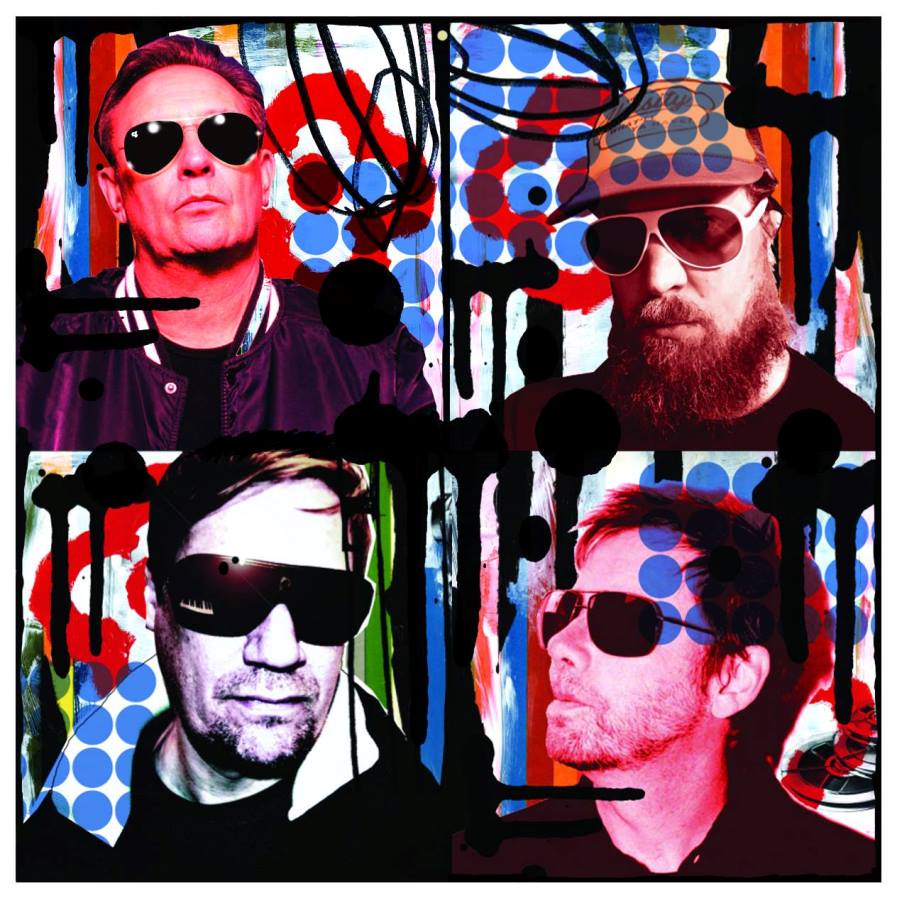
CREEP SHOW 2019 live dates:

Sheffield The Foundry (5th October), Liverpool Arts Club Loft (6th October), Bristol Trinity Centre (8th October), London Scala (9th October), Hove Old Market (10th October), Newcastle Boiler Shop (12th October), Glasgow Art School (14th October)

http://creepshowmusic.com

https://www.facebook.com/creepshowmusic/

https://twitter.com/CreepShowMusic

https://www.instagram.com/creepshowmusic/


Text by Paul Boddy
14th March 2018, updated 26th June 2019

CREEP SHOW Interview

CREEP SHOW sees a dream team collaboration between US singer-songwriter and professed synth-lover John Grant with the established experimental electro triad of Stephen Mallinder, Benge and Phil Winter, collectively known as WRANGLER.

The two parties started to develop a working relationship after the latter remixed Grant which then lead onto live dates at The Barbican and The Royal Albert Hall. The resulting link-up has since given birth to the ‘Mr Dynamite’ album. It’s a meeting of minds that in the words of Mallinder is: “…a Hydra. A beast with multiple heads and voices, so no one is quite sure who is saying and doing what. Everything is permitted and everything is possible”

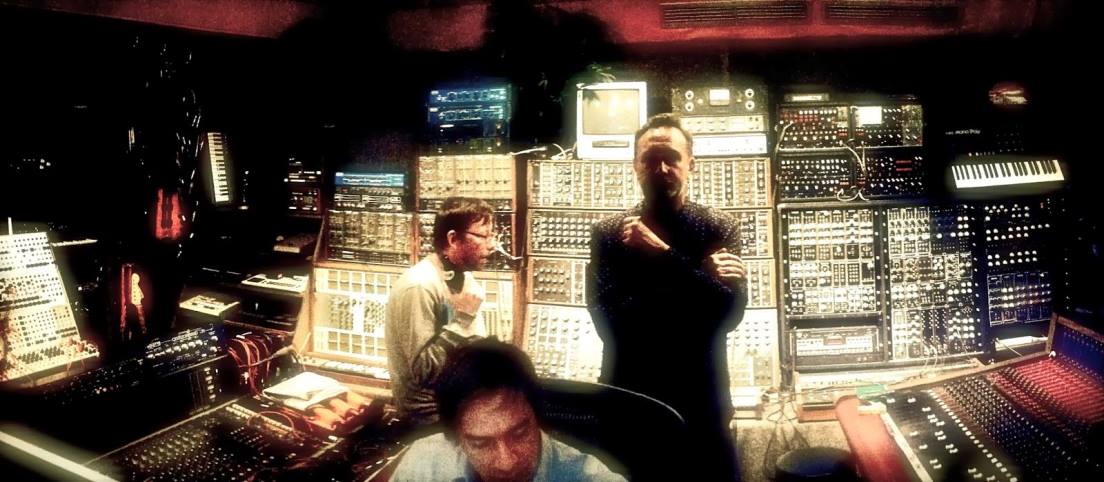
CREEP SHOW spoke about the gestation of the album, the impact of Benge’s studio relocating to Cornwall and some of the tech involved in the making of ‘Mr Dynamite’.

WRANGLER opened for John at The Royal Albert Hall, was this a calculated attempt by John to engineer a collaboration between both parties? 😉

Mal: Well, we’d already collaborated by this point as John and myself had been talking and WRANGLER had done a remix of ‘Voodoo Doll’ from the ‘Grey Tickles, Black Pressure’ album. It was around the time of the Albert Hall show that we’d been asked to work together and play at the Barbican, so the Albert Hall was just a nice cherry on the cake of us joining forces. We were very chuffed being asked to play, it was a lovely gesture by JG and all the team.

Phil: I just remember it being a very surreal evening, but we were made to feel very welcome.

Benge: I think at the time it was the biggest gig we had done – and certainly the poshest! It doesn’t get much posher than the Royal Albert. We even got to meet The Queen (Kylie Minogue)!

JG: Everything I do is carefully calculated which is why I am also a real estate magnate.

With John involved, how did this change the working dynamic of WRANGLER?

Mal: I don’t know if anything had to change too much as we all integrated so well; we worked in the studio with consummate ease. It was just nice to have another element, another tangent to go to, another voice – quite literally when John did vocals. But we all worked on every aspect of the tracks together, no roles were defined which is exactly how WRANGLER work anyway. It was fun though, so just a case of going from being a wonky tricycle to being a wonky car… the fourth wheel was very handy.

Phil: Yeah, nothing really changed, we just had another pair of hands (that could even play chords) and another mouth to feed !

Benge: It was good to find out that John is as up for experimenting with sounds and ideas as we all are. We deliberately don’t usually have many boundaries when we work together as WRANGLER, so I guess it could have been problematic adding in another personality to the mixture, but John is so open minded and up for experimenting that it felt really natural.

JG: It’s always the perverts who are up for “experimenting” – I’m calling my solicitor!

Were they any prior decisions on the direction for the album or did things evolve organically?

Mal: Well the three of us did some preliminary sketches, as John was on tour, but they were very broad ideas that quickly changed when we got together. Plus John had already sketched out the ideas for ‘Mr Dynamite’. After that, it was just all hands on deck but there was no prior discussion about what it should sound like … apart from f*cking great.

Phil: Even if there were, they disappeared very quickly once we realised we were heading in roughly the same direction .

Benge: Before we started, I was asking myself, how is this going to work vocally as Mal and John are stylistically polar opposites – there was a lot of room for it to go horribly wrong! But the interesting thing was that the addition of John’s new dynamic, lyrically, vocally and musically mutated what we do as WRANGLER into something completely new and unique. Originally we weren’t going to have a new band name, we would have been called “Wrangler featuring John Grant” or “John Grant featuring Wrangler”. But we felt we had created something that had its own strong personality

JG: I felt it was very organic and soon we had settled into a comfortable atmosphere of resentment, competitive pettiness and sardonic laughter.

How did the songwriting process work on ‘Mr. Dynamite’?

Mal: We were backstage after his show at the De La Warr Pavilion and John played me the ideas of rhythms for ‘Mr. Dynamite’ that he’d done. We took it all into the studio and then began working on it.

Phil: Do you mean the track, or the album as a whole? Either way it was pretty much the same, get a load of sequences, a beat , and then play and sing over the top .

Benge: And then shove it all through a pitch shifter and flanger.

JG: For my part, Benge and I sampled every single word into an old Akai sampler from the 80s and then played them at different pitches on a keyboard.

Whose idea was the big girlie backing vocals on ‘Endangered Species’?

Mal: I’ll let JG answer that one, but suffice to say we were all happy with it. John and I sat in the studio with the girls and let them rip through it. It was great as they all loved the tracks… when we got to sing on ‘Modern Parenting’, they made the right connections to George Clinton and FUNKADELIC so we knew it was going to work.

Phil: John’s… great call, we’d never do anything like that, love it!

Benge: I think originally John had put some backing vocal parts in at the end of that one, then he casually said “why don’t I get Culture Club’s original backing vocalists to redo them?” – when we realised he wasn’t joking, it was a no brainer.

JG: I don’t mind taking credit for this one. Mary Pearce, Maria Q and Zee Asher have worked with CULTURE CLUB for yonks and I just wanted an excuse to be in the same room with them again as they have toured with me and they are fantastic as you can hear.

Alongside the obvious CABARET VOLTAIRE influence, much of the synth bass on ‘Mr Dynamite’ is reminiscent of classic electro like ‘Bassline’ by MANTRONIX, how much of an influence is era this on your work?

Mal: That period is so important to us all. Technology-wise Benge’s studio is massively invested in that sound and we all love that period as it represents a very dynamic collaboration between machines and people. The whole idea of drum machines, synths and basslines all talking to each other in a very live way. We all grew up with that sound, and on opposite sides of the Atlantic, so it is an important way for all four of us to connect. Phil and I have been friends, and worked together, for years and the whole electro period is our provenance – put on an Oberheim DMX drum machine and Juno bassline and we turn to liquid.

Phil: I guess if we have a default setting it’s that sound, but I’d like to think there are wider aspects to our sound.

Benge: Yes, but when you walk round the studio and you are confronted by a corner of the room that has a DMX, a Roland SH101, Oberheim 4-voice and a Claptrap all connected together, it’s hard not to slip into electro-mode, even just a little bit.

JG: Yeah, that’s just part of my DNA, the synth basses of the 80s – the SH-101 from Roland is beyond all human understanding.

MemeTune studio and its synths has now relocated down to Cornwall, has the change of location had any effect on the music making process?

Mal: Well, it takes a little bit longer to get to, but once we’re there it means we have no distractions. When MemeTune was in Hoxton, there were too many people and places to tempt us out so the working process different. But wherever it is we’ll go and work – I think using ‘Space 1999’ as an inspiration, we need to have a MemeTune Moonbase.

Phil: Obviously, it’s a very different experience to working in a studio in London. But as mentioned, it’s all about the people really (and the dog).

Benge: What’s nice now is when people come down here, it’s a total lock-in. No-one can escape for days on end! It’s a good focus. And yes, even Rothko (my dog) gets involved.

JG: I always feel completely invigorated and inspired by the beauty of Cornwall and Benge’s amazing studio, so it certainly affects me. Sadly, I never saw the London MemeTune studios 🙁

John’s professed love of the Roland Juno 106 is well-known, how well-used was this synth on the album?

Mal: Not at all!

Phil: I think the CS80 has taken his heart ❤

Benge: Or was it the Sequential Prophet VS?

JG: It is indeed the CS80 (the greatest synth of all time) and the Prophet VS which have stolen my heart. But the Juno 106 is still precious to me.

So were there particular go to synths on this album?

Mal: There is always ‘synth of the week’ – usually the one that’s just come back from the Keith the Synth Cobbler – but that’s always changing. There’s a particular little Akai machine that’s been made to work its socks off in the last few sessions.

Phil: I seem to remember the Roland SH2 and the Minimoog providing a lot of the basslines .

Benge: As always at MemeTune, there’s a lot of interplay between all the instruments. Keyboards, drum machines, effects units, analog sequencers, modular systems all get connected together in millions of ways. It’s impossible to keep track of it all

‘Fall’ in places is akin to a lost ‘Autobahn’ era KRAFTWERK track, do you think electronic artists will ever stop paying homage to the German meisters?

Mal: Who? Never heard of them!

Phil: Why would you?

Benge: I’ve heard of an English band called Craftwork

JG: My mother did a lot of craft work as well and there were latch hook rugs all over the place. But to answer your question: I hope not.

‘Safe & Sound’ is a wonderful mix of old-school crooner vocals and analogue electronics and is ELECTRICITYCLUB.CO.UK’s favourite track on ‘Mr Dynamite’, can you each select a favourite from the album and why?

Mal: ‘Endangered Species’

Phil: Impossible, sorry!

Benge: I like the way ‘Fall’ turned out – I think it’s got a simplicity and beauty and groove that I’m into at the moment

JG: ‘Endangered Species’ for me too. Loved doing that vocal and lyrics and the combo of bassline and pad makes my legs go all rubbery.

So… ‘Mr Dynamite’ a glorious one-night stand of an album or the start of a continuing meaningful relationship between all the parties involved?

Mal: It would be so rude not to call after such a memorable night!

Phil: And I need my scarf back!

Benge: It wasn’t goodbye, it was au revoir.

JG: What they said…


ELECTRICITYCLUB.CO.UK gives its sincerest thanks to CREEP SHOW

Special thanks to Danielle Carr at Bella Union

‘Mr Dynamite’ is released on 16th March 2018 by Bella Union in CD, vinyl LP and digital formats
CREEP SHOW 2019 live dates:

Sheffield The Foundry (5th October), Liverpool Arts Club Loft (6th October), Bristol Trinity Centre (8th October), London Scala (9th October), Hove Old Market (10th October), Newcastle Boiler Shop (12th October), Glasgow Art School (14th October)

http://creepshowmusic.com

https://www.facebook.com/creepshowmusic/

https://twitter.com/CreepShowMusic

https://www.instagram.com/creepshowmusic/

http://www.johngrantmusic.com

https://www.facebook.com/mallinderbengewinter/


Text and Interview by Paul Boddy
21st February 2018

« Older posts Newer posts »