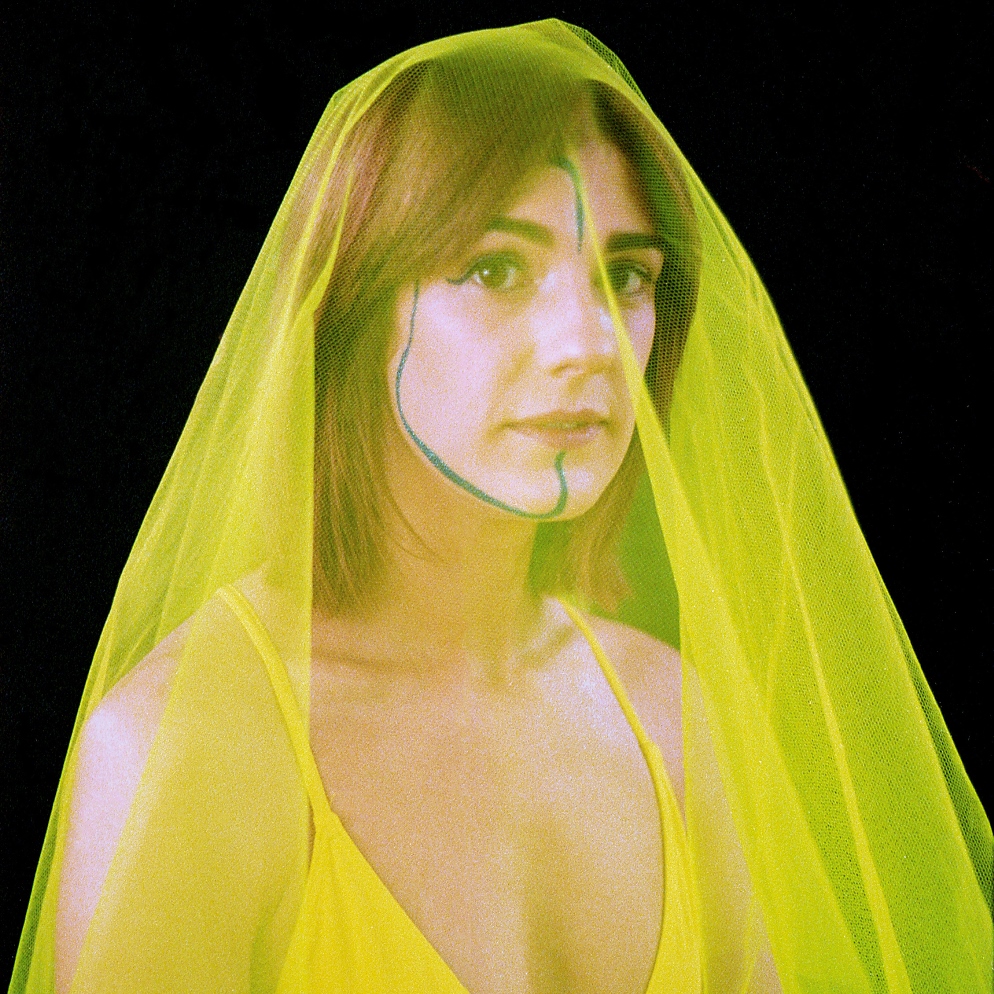
Following her acclaimed first EP ‘Ffrwydrad Tawel’ in 2017, ANI GLASS releases her long-awaited debut album ‘Mirores’.
It is an observational electronic travelogue based around the idea of movement and progress in her hometown of Cardiff. That might sound overly conceptual but this is a melodic pop record that also gathers ambience of the urban landscape, traffic, people and nature, all coming together to create the score of a city’s symphony.
Fluent in Welsh and Cornish, ANI GLASS uses a play on words for the album’s title which incorporates the name of one of her favourite artists Joan Miró – along with the Cornish word ‘miras’ which means “to look”. Therefore, ‘Mirores’ essentially translates as “Observer”.
An experienced hand who has previously worked with OMD’s Andy McCluskey and the late Martin Rushent, ANI GLASS opted to self-produce ‘Mirores’; she said to ELECTRICITYCLUB.CO.UK: “I’m really excited about curating the presentation of this album; conceptually and visually. I have a lot of ideas about how I might involve and engage with people who may not be instinctively interested in Welsh electronic music.”
Beginning with ‘The Ballet Of A Good City’ and a folk choir, the subtle arpeggios paint an ambient air which recalls Vangelis, one of the album’s main sonic influences that also includes Martin Rushent, Giorgio Moroder, Jean-Michel Jarre and Arthur Russell.
With the dulcet tones of Welsh newsreader Huw Edwards within the voice collage, an eerie uplifting quality permeates on ‘Peirianwaith Perffaith’; translated as ‘Perfect Machinery’ and with the vibe of Autumnal discontent, the haunting detuned backdrop is perfect for her socially conscious Welsh expressionism and a celebration of devolution. With a wonderfully swirling leadline reminiscent of THE FALLOUT CLUB’s ‘Dream Soldiers’ and a suitably penetrating bass pulse, it is a search for identity in a moving city that is starkly industrial.
With a lovely higher vocal register, the Euro-disco of ‘Ynys Araul’ is rich in traditional melody, offering a pop sensibility and a wonderful triplet bassline. More mature and earnest in tone, ‘Y Cerrynt’ is unusual in having an almost minimal bass presence which gives it a unique quality. But ‘Cariad’ is a solemn set-piece, with sparse contemplative backing like one of OMD’s experiments in vertical take-off.
Following a short taped gospelly interlude ‘IBT’, the ‘Mirores’ title song itself is pure Cmyru synthpop brilliance with wonderful harmonies and a fabulously liberating vocal middle eight. It depicts the journey from dark desperation to motivation and inspiration, so despite the inherent melancholy, the newly married songstress gets to radiate an inspired mood of optimism..
Playing off a claustrophobic soundscape and a bouncy off-beat in the vein of GRIMES, some fabulous icy strings make their presence felt on ‘Goleuo’r Sêr’. Singing in English over a staccato bassline and bell-like rings, ‘Cathedral In The Desert’ is an affectionate reminder musically of what EURYTHMICS once sounded like before they went all rock ‘n’ roll. Continuing in English but in a spoken word fashion, ‘Agnes’ swiftly returns to Welsh with its deeper resonances rich within the sparse synthscape as a touching tribute to artist Agnes Martin .
Closing with ‘The Rising Of The Moon’, a collage of male speech and ANI GLASS’ own layered voices counterpoint as night time covers the city.
Taking a leaf out of her mentor Andy McCluskey and OMD albums such as ‘Dazzle Ships’ and ‘English Electric’, ‘Mirores’ has enticing synthpop songs sitting together with more conceptual found sound adventures.
It is one woman’s artistic vision celebrating her heritage and home, empowered by the freedom and democracy opened up via electronic music.
Signed to Domino Records, home of FRANZ FERDINAND, ARCTIC MONKEYS and AUSTRA, over the last year, GEORGIA has been the artist that everyone is talking about.
Comparisons with LITTLE BOOTS are hard to avoid though; both got a profile boost on ‘Later With Jools Holland’ thanks to unusual live presentation.
In LITTLE BOOTS’ case, it was her use of a Stylophone alongside a Yamaha Tenorion while with GEORGIA, it was her standing drum ‘n’ synth. And that all without mentioning the BBC Sound nominations.
Gaining mainstream radio airplay in 2019, her singles ‘About Work The Dancefloor’ and ‘Never Let You Go’ were great, mining ROBYN and CHVRCHES respectively in the process, the former stating “I have no material gifts for you”. Here were the signs of a promising breakthrough artist.
But before that, there was ‘Started Out’ with its much groovier vibe with soulful influences and neo-ragga inflections going over the electronics, while the quirky R ‘n’ B pop of ‘Feel It’ was not that far from the urban DIY austere heard on her self-titled debut.
All four songs appear on ‘Seeking Thrills’, the second album by GEORGIA, the daughter of LEFTFIELD’s Neil Barnes who first found her musical feet drumming for Kate Tempest among others. So unsurprisingly, ‘Seeking Thrills’ is a showcase for rhythm, twelve tracks of exuberance with a bittersweet tinge.
With a definite move into more accessible pop territory, the new single ‘24 Hours’ does as the album title suggests, celebrating the thrill of night life and finding love with a bass rumble and a hint of PURITY RING. With throbbing synths and a drum machine backbone, our heroine declares with excitement that “If two hearts ever beat the same, we could be it”.
However, ‘Mellow’ with rapper SHYGIRL goes the opposite direction with some deadpan art school hip-hop while ‘Ray Guns’ explores similar territory although for ELECTRICITYCLUB.CO.UK at least, neither quite hit the spot.
Back to avant electro, ‘The Thrill’ with its hypnotic shuffling beats, vocal layers, glistening arpeggios and gorgeous synths sees GEORGIA trying to stop herself “feeling so blue”, but a sudden switch to techno brings with it an extra lift for a terrific album highlight.
The remaining songs get more reflective as GEORGIA enters ballad territory. As with any hedonistic adventure however exhilarating, its inherent Ying and Yang leads to the inevitable and never welcome comedown. ‘Till I Own It’ is quite sorrowful and while ‘I Can’t Wait’ sparkles in places, it is tinged with melancholy.
Providing another of the album’s highlights, the gently crystalline ‘Ultimate Sailor’ delightfully comes over like a cosmic collaboration between VANGELIS and ROBYN. But appropriately closing the eclectic range of ‘Seeking Thrills’, the nocturnal cinematic soundscape of ‘Honey Dripping Sky’ is interrupted by an unexpected reggae-flavoured end section.
Yes, half of this album has already been issued as singles of some sort, but with an opportunity to potentially catapult her music to a wider audience, then why not? To have an interesting and varied body of work in one place helps an artist build a bond with their fanbase.
The mainstream audience are NOT hipsters (who are notoriously fickle anyway), so time must be allowed for them to catch up and savour. While some of these songs were released in 2017, this should not spoil things for the listener because good songs will last.
With a three year gestation period, ‘Seeking Thrills’ is a solid and varied pop statement. But for the next record, will she go the full pop hog like CHVRCHES or retreat to the underground? It’s going to be an interesting year for the Londoner.
‘Seeking Thrills’ is released by Domino Records in vinyl LP, CD, cassette and digital formats
GEORGIA 2020 UK + Ireland live dates include:
Cardiff Clwb Ifor Bach (3rd March), Glasgow King Tuts (4th March), Manchester Yes (5th March), Liverpool Phase 1 (6th March), Dublin The Workman’s Club (7th March), Leeds Brudenell Community Room (9th March), Birmingham Mama Roux’s (10th March), Bristol Thekla (11th March), London Heaven (12th March)
Back in 2014, a mysterious Chinese combo named QUIETER THAN SPIDERS caught the ears of ELECTRICITYCLUB.CO.UK
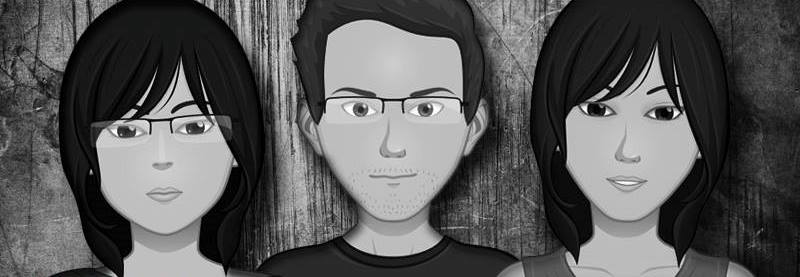
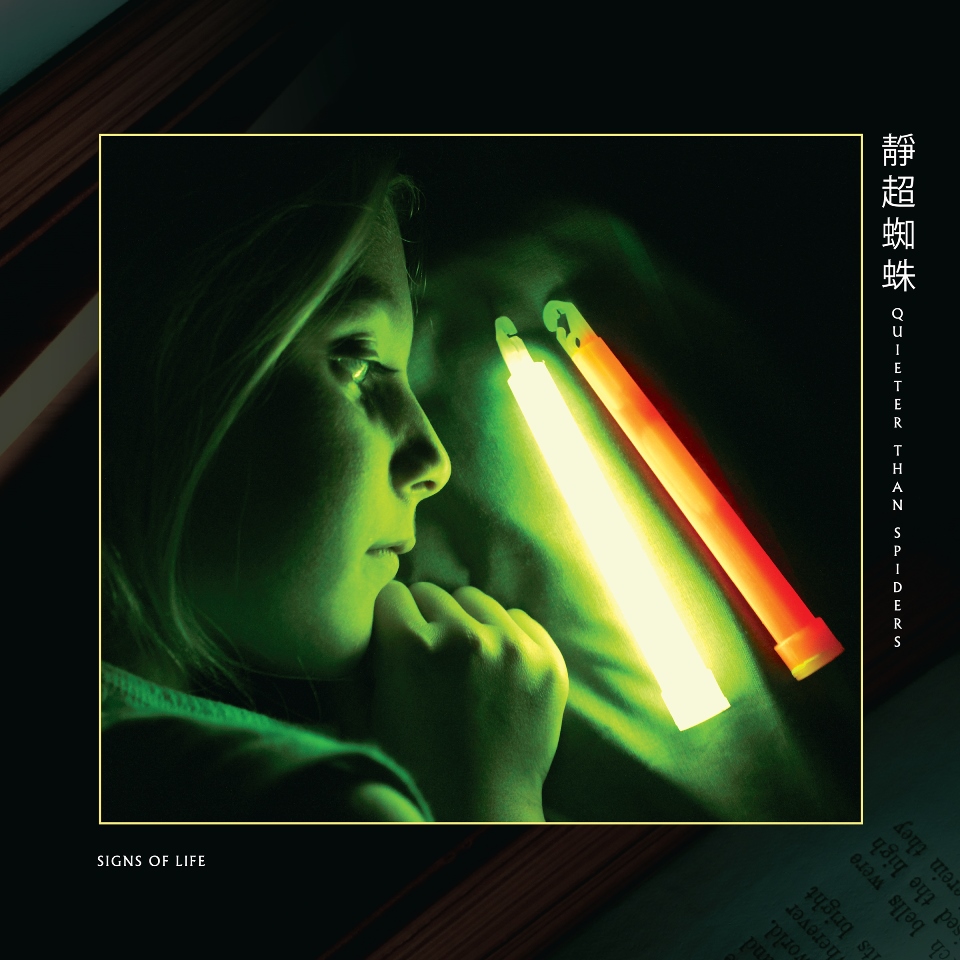
Fast forward to 2019 and after a few delays, QUIETER THAN SPIDERS have finally released their debut album ‘Signs Of Life’ on Anna Logue Records, the independent label based in Germany. Their understated but richly melodic and emotive Shanghai synthpop is largely played by the hands of the anonymous family group of Leon, Yi Fan and Yao.
‘Signs Of Life’ possesses a timeless quality which manages to be simultaneously both futuristic and classic, and in common with records such as Bowie’s ‘Low’, JOY DIVISION’s ‘Closer’ or Moby’s ‘Play’, ‘Signs Of Life’ begins in an upbeat fashion but then gets increasingly slower, stranger and sadder.
Yi Fan from QUIETER THAN SPIDERS kindly chatted to answer a few questions about one of the best electronic albums of 2019.
How did QUIETER THAN SPIDERS become a musical entity and what is your creative dynamic?
It was a very gradual process which only formally came to fruition once we started to record the album. Leon has been writing and recording songs since his teenage years while Yao and I both grew up playing traditional Chinese instruments such as erhu (a two-stringed fiddle) and guzheng (a type of zither). Over the years, we took an interest in each other’s music and tried to encourage each other. Eventually, Leon started to teach us how he wrote and recorded music on his synthesiser and, step by step, we became more involved with it.
We started by designing electronic sounds and making field-recordings which we would then experiment with. By the time Leon wrote ‘No Illusion’ we had started to perform with him during the recordings and, from thereon, we were officially a group. It didn’t take long to decide what to call our project. QUIETER THAN SPIDERS was an affectionate school nickname for one of us and, as we are all quiet people, we thought it would be a perfect name to use.
What was the key track that got QUIETER THAN SPIDERS rolling? Was it ‘Shanghai Metro’? What inspired it?
‘No Illusion’ was the first song that Yao and I were involved with, even though we still hadn’t quite officially formed QUIETER THAN SPIDERS at the point when Leon wrote it. Stefan Bornhorst aka THE SILICON SCIENTIST heard the song and recommended us to Marc Schaffer at Anna Logue Records who offered us the chance to record an album. It was such a special and unexpected thing to happen, particularly because Stefan’s own wonderful music had actually been such an important inspiration.
Another defining moment was when ‘Shanghai Metro’ was included on a compilation CD. That really was a lovely moment for us, not least because it was the first time any of our songs had been officially released. We wrote ‘Shanghai Metro’ with the simple idea of celebrating the city and its modern development. We first had the idea after a day out together at the Oriental Pearl Tower which is a radio tower that overlooks the city. The next morning, we went out again to travel around on the metro system and record some announcements. We knew someone who owned a Speak & Spell machine, so we borrowed it to spell out ‘Shanghai’ for the chorus.
QUIETER THAN SPIDERS have described themselves as “using home-made electronic sounds played by hand”, how much of that manifesto have you been able to maintain in the final realisation of ‘Signs Of Life’?
Our recording style stems from when Leon first started to create music in his youth. His first keyboard was an old second-hand Roland W-30 and most of the buttons and functions were broken. He therefore learnt to create songs without being able to use or learn any of the basic technical features.
His songs were simply layers of live recordings played entirely by hand. Even the metronome didn’t work, so he first had to play a freehand drum track to serve as the basis for the rest of the song. Later on, Yao and I also inherited the same recording method. When affordable software came along, it offered us the opportunity to record songs ‘properly’ for the very first time.
Some aspects, such as being able to programme the drums, were a welcome relief but, for the most part, we didn’t want to let go of the old recording style. The challenges and limitations had actually become part of the creative process and it gave us the intimacy of being ‘physically present’ at every little moment of a song.
When it comes to designing our own sounds; this is something we enjoy just as much as making the music. We distort basic electronic sounds and manipulate sounds from our field recordings as a way of recreating imagined atmospheres. Of course, we occasionally used some standard sounds and other samples too on the album but, for the most part, we preferred to rely our own palette of sounds.
What are your tools as far as producing the music is concerned, are you vintage synth or software users?
We didn’t have the budget or space to acquire vintage synths and recording equipment, so we just embraced a modest set-up. We use software, mainly for the track recorder and the effect modules which enable reverbs and sound manipulations etc. We also use the software to programme basic percussion; we then add additional percussion sounds by hand as we record. For performing, we use midi keyboards and a microphone – that’s about it. With such limitations, it can sometimes be frustrating and we had to use a lot of trial and error to make things sound the way we wanted.
‘Arcade Eighty – Five’ opens and has a bouncy chiptune backbone, but that is almost a red herring for the album as it steadily slows and becomes more understated. What inspired this unusual concept as most albums are either primarily fast or primarily slow, or at least mix the tempos up within the tracklist?
Initially, we did think about mixing the tempos but, in the end, we decided that we preferred the songs to be surrounded by an appropriate context. We also wanted the album to build, or perhaps subside, towards a certain feeling. Although there are some exceptions, the songs are roughly in the order that we recorded them so, in that sense, there is a vague personal narrative which takes the album in a particular direction.
‘The Land Of Lost Content’ was inspired by a AE Housman poem, but it works on so many levels as a track…
Housman’s poem manages to express so much about the nature of memories and the passing of time. He laments the ability to remember a state of being that he can never return to. These are the types of themes which interest us because they seem to say something of life’s deeper meanings and mysteries.
When we adapted the poem into a song, we also wanted to include a notion of uncertainty about dreams and memory. The development of Shanghai has been spectacular over the past decades and many familiar old streets and buildings have now disappeared. When you can no longer revisit and verify particular things that you remember, you’re sometimes left wondering if it was just a dream.
‘The Land of Lost Content’ was actually the most difficult song on the album to record and mix. We seriously considered giving up on it at one point. Aside from mastering the album, Stefan Bornhorst also kindly mixed this track for us and performed some additional synths. It is entirely thanks to him that the song survived and made it onto the album.
The interlude side of your music provides an important aspect of ‘Signs Of Life’ which has coincidentally fallen into that ‘Stranger Things’ soundtrack realm, is it a TV show that you have seen and followed?
With many of our songs, we try to convey certain images and moods that we imagine. I suppose we approach things a bit like a soundtrack because we are trying to capture a particular atmosphere. This was certainly the case with the interludes and also the later songs on the album.
Are QUIETER THAN SPIDERS influenced much by TV or cinema??
Soundtracks certainly do inspire us, whether it’s just the pure use of sounds or beautiful pieces of music from people such Angelo Badalamenti, Johann Johansson and Max Richter etc. We hadn’t seen ‘Stranger Things’, but we recently had the opportunity to watch all three series in one go. We really enjoyed it and, needless to say, we absolutely loved the wonderful synth soundtrack by Michael Stein and Kyle Dixon!
On ‘Brave New World’ and ‘The Statues’, Vangelis is looming…
For all of us, our first real experience of electronic music was mostly through artists such as Vangelis and Jean Michel Jarre. For Leon especially, these were the kinds of artists which made him first dream of having a synthesiser. As a child, he had a compilation album of instrumental synthesiser music and, looking back, those songs must have formed his first ideas of what electronic music should sound like and what components it should have.
‘Hibakusha’ is a haunting song about the aftermath of Hiroshima, had this been a difficult song to write?
Whenever we have an idea for a song theme, it usually takes several attempts to find the right song melody and structure. However, with ‘Hibakusha’, it all seemed to develop and fit together quite naturally. In terms of the lyrics, Leon wanted to link them to small details which appeared in the Hibakusha’s testimonies. He also wanted the words to form a double narrative so that they could be from both the perspective of a Hibakusha but also from the perspective of someone reading the testimonies and fearing them to be a premonition. We have no desire to ever include any politics in our songs; we just like to focus in on human feelings and the thoughts they inspire, that’s all.
Musically, ELECTRICITYCLUB.CO.UK can hear SOLVENT and the solo work of Michael Rother from NEU! in ‘Hibakusha’. Had they been reference points in the final arrangement?
It is a real honour to be compared with either of them but I must admit that we didn’t consciously have any particular reference points for ‘Hibakusha’. We generally approach our songs in a very abstract and intuitive way but I think it’s inevitable that many music influences from across the years will weave themselves into the fabric of anything we do.
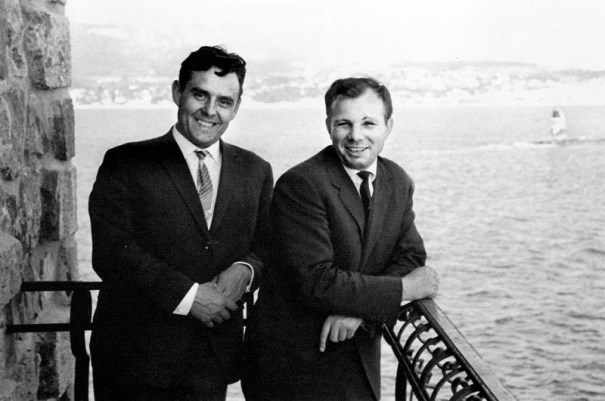
What inspired you to produce a piece of music about the tragic cosmonaut Vladimir Komarov? There’s one hell of a backstory behind Soyuz 1 with him and Yuri Gagarin, both literally prepared to die for the other, knowing that this mission was likely to fail?
As with ‘Hibakusha’, we were moved by the human story behind it all together with the haunting backdrop of primitive space experimentation. I can’t actually remember how I came to be reading about Komarov in the first place but, when I shared the story with Leon and Yao, they were equally captivated by it. We actually recorded ‘Komarov’ during the same autumn that we recorded ‘Hibakusha’.
There is a lot of sadness in the album, but is ‘The Signs Of Life’ song referring to something much more personal?
‘The Signs of Life’ was written as a personal memorial for a special person we knew. It was also a way for us to process our feelings in relation to the nature of loss. There are so many little signs of life which go unnoticed because they seem mundane or unimportant. When they suddenly disappear, they take on a heart-breaking significance.
While writing the song, Leon went for an evening walk and saw a rusty old vintage car hidden away in the long grass near the edge of a forest. It made him think about things disappearing from everyday life but still secretly existing somewhere else. Although songs such as ‘The Signs of Life’ and ‘The Statues’ are melancholy, they also convey a deep sense of hope; a feeling that all is not lost somehow.
What have been your own highlights on ‘Signs Of Life’?
We are really pleased with the whole album but, if we have to choose, I think that ‘Hibakusha’ and ‘Komarov’ are the songs that we are most pleased with. We felt very deeply immersed in the feelings and imagery of the subjects when we recorded those and it felt a bit like re-entering a vivid dream each time that we returned to work on them. The same was also true for ‘The Signs of Life’ and ‘The Statues’ which had the added dimension of having a personal connection. They will always be very precious songs for us because they captured the way things felt at a specific moment of time.
It’s been a long time coming, but ‘Signs Of Life’ has been worth the wait, how do you look back on the journey?
Yes, quite a long time has passed since we originally recorded the songs. When we listen to the album now, it lets us retrace our footsteps but in the comfortable knowledge that we arrived safely in the end despite the setbacks.
The main feeling we have when looking back is ‘gratitude’ simply because, without the kindness of people such as Stefan Bornhorst and Marc Schaffer, we would probably never have made this album. Along with Steve Lippert who designed the artwork, they all put so much love and effort into the project to ensure that it reached the light of day. We are now inspired to write more songs to keep the journey going; but let’s wait and see!
ELECTRICITYCLUB.CO.UK gives its warmest thanks to QUIETER THAN SPIDERS
Special thanks to Marc Schaffer at Anna Logue Records
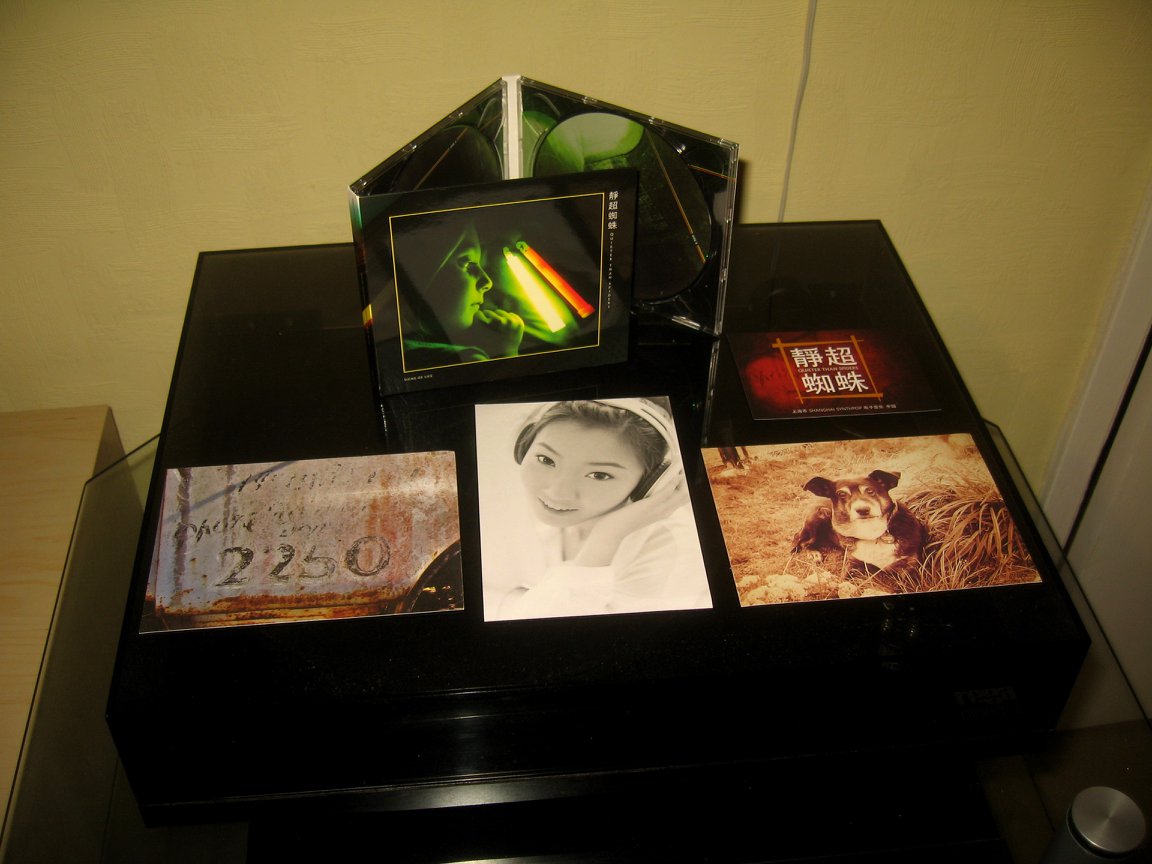
‘Signs Of Life’ is released by Anna Logue Records in 2CD and double vinyl LP formats featuring a bonus album of 10 remixes by artists including Kevin Komoda from RATIONAL YOUTH, VILE ELECTRODES and THE SILICON SCIENTIST – available from https://annaloguerecords.bandcamp.com/album/signs-of-life-2cd-version-master
Ricardo Autobahn is a something of a music industry veteran and a known purveyor of pranklectro through his various adventures with THE CUBAN BOYS, SPRAY and POUND SHOP BOYS.
And all this without mentioning a 2006 Eurovision entry with rapper Daz Sampson, plus recordings with CBBC puppet star Hacker T Dog and the late country legend Glen Campbell with a cowpunk-techno reworking of ‘Rhinestone Cowboy’. So when ‘Check The Gyroscopes’ arrived in ELECTRICITYCLUB.CO.UK’s inbox, it caused some headscratching…
What, a serious instrumental electronic album with intricate complex layers that was thematically a reaction against the current fashion for Synthwave? “I had been writing a lot of library music, production music and TV music and occasionally found myself doing stuff that was too meandering for that format” said Autobahn on how ‘Check The Gyroscopes’ developed as a follow-up to 2012’s ‘Rasterscan’ and 2016’s ‘Panophobia’.
‘Cocktails On The Dream Train To Hyperspace’ is a delightful uptempo opening, taking a leaf out of Jean-Michel Jarre and his ‘Arpégiateur’ but with a harder beat. ‘The Tranquility Of Gravity’ extends on that vibe but with a spacier outlook, thanks to its swimmy string machines which sit within a grand widescreen setting haunted by its wintery Berlin origins.
A pulsing lattice shapes the sub-eight minute ‘Jetsphere Luxury Lounge’ into a more progressive proposition before the more chillingly ambient ‘Icedrop On The Camera Lens’. Meanwhile ‘Rocketronic Mooncar’ is a beautifully melodic metronomic piece that is both lean and to the point.
‘Atomic Romance’ swirls and sparkles in a manner that trumpets with a folky resonance like Mike Olfield. And as Autobahn prepares for launch on the lengthy ‘Destination Astroworld’, guitar makes its presence felt although it’s the Kontakt software variant with “acoustic strum” and virtual Strats among the palettes used; the track is a fine demonstration of modern production techniques if nothing else as a computerised Steve Howe pops out… but like many YES tracks, it does go on a bit unfortunately.
Things get back on track with the frantic but rousing ‘Too New To Be True’ which enters Vangelis territory with its sweeping texturing, despite its pace and octave interplay. Although possessing a rather long title, ‘Emporium For Art Deco Adventurers’ is as minimal and sparse as the album can get with more synthetic guitar stylings, leading into the closing tune ‘The Comet Collector’ which re-enters Planet Jarre but additionally throws in digital strums and bright Synth Britannia themes.
‘Check The Gyroscopes’ is an immediately likeable record and some may even prefer it to Jean-Michel Jarre more recent offerings. And as a reaction to Synthwave, it certainly hammers home the point and remembers to include some variation and tunes.
After first breaking cover in 2013, Shanghai synthpop trio QUIETER THAN SPIDERS mysteriously disappeared despite having previewed numerous tracks on YouTube and Soundcloud.
But in 2018 there were ‘Signs Of Life’ as QUIETER THAN SPIDERS officially released their first track ‘Shanghai Metro’ on a compilation via Amour Records. And now, the anonymous family group of Leon, Yi Fan and Yao finally release their long awaited debut album on Anna Logue Records, promising “Electric sound-waves that pulse through our sleep… and our dreams”,
It is a body of work that has a timeless quality which manages to be simultaneously futuristic and classic, just like the electronic pop of yore. ‘Signs Of Life’ begins with the bubbling chiptune inspired ‘Arcade Eighty – Five’; both rigidly rhythmic and richly melodic, it is exactly what KRAFTWERK would be sounding like today if they could be bothered to make new records. With a harsher robotic tone, ‘No Illusion’ keeps up the standard with its sharp hooks and recalls the endearing homemade indie electro of WHITETOWN.
As well as ten actual compositions, ‘Signs of Life’ also features eight conceptual interludes, the first of which being the self-explanatory ‘Disorientation’ which in 2019 falls into that ‘Stranger Things’ territory. Also accidently falling into current music trends, ‘Night Drive’ would probably be considered Synthwave although the chipmunk voice samples and sectional structure keep it firmly within the classic synthpop template.
The very short ‘2139’ looks ahead courtesy of Jean-Michel Jarre derived arpeggios and string machines to act as a intro to the simply wonderful ‘The Land Of The Lost Content’. Inspired by an AE Housman poem, it glides with a glacial beauty that not only is appealing to the ear, but can be danced to as well.
The soothing piano on ‘Distant’ provides respite from all the beats before ‘Shanghai Metro’, a whirring tune that would be exactly what OMD would sound like if they formed in the 21st Century. But while the strong melodic elements recall Paul Humphreys and Andy McCluskey’s more recent work, particularly 2013’s ‘English Electric’, there is a fresh dynamic slant with the train station announcements and robot voices acting as catchy hooks.
The music box sequence of ‘Chang’e’ has a European arthouse air about it, which is appropriate as the following ‘Fessenden Grove’ is a solemn piano piece that incorporates ‘Scenes From Childhood’ by German composer Robert Schumann. But its eerie voice samples stating “this young man’s dead” prepare the listener for the loss and despair expressed in ‘Hibakusha’.
A beautifully haunting song about the aftermath of Hiroshima, it is a thoughtful merging of SOLVENT and Michael Rother which as far as subject matter and melody goes, is up there with ‘Enola Gay’. Fittingly in that unsettling ‘Stranger Things’ vein, the horror of ‘Silent Centre’ comes afterwards.
That fatalistic air continues with ‘Komarov’, an instrumental eulogy to the cosmonaut of Soyuz 1 who was the first man to die on a space mission; capturing the tragedy in music, it is a hairs on the back of the neck moment, swathed in chilling but melodic sadness; OMD would be rather proud if this was one of their own…
And as the album becomes much more downbeat, ‘Brave New World’ does as title suggests, dressed in dense Vangelis sweeps. More personal and introverted, ‘The Signs Of Life’ stares mortality in the face and reflects on the difficult emotions that come when the end is nearer than the beginning, “when the light begins to fade”.
The longest track on the record, the slow expansive drama of ‘The Statues’ could not be more different from ‘Shanghai Metro’, the mournful choir boy melancholy standing alone in the cinematic synthesized atmosphere. The funereal instrumental ‘Zara In The Stars’ closes ‘Signs Of Life’ with a glorious heavenly ambience perhaps not heard since Moby closed ‘Hotel’ with ‘Homeward Angel’.
In common with records such as ‘Low’, ‘Closer’ or ‘Play’, ‘Signs Of Life’ begins in an upbeat fashion but then gets increasingly slower, stranger and sadder. And with its conceptual interludes and emotive avant pop in various tempos, it is a direct descendent musically of OMD’s ‘Dazzle Ships’ and ‘English Electric’.
A document of melancholy and uncertainty through its difficult gestation over the last six years, ‘Signs Of Life’ is one of the best electronic pop albums of 2019. Its understated artistic perseverance has been well worth the wait.
‘Signs Of Life’ is released by Anna Logue Records on 4th October 2019 in double CD, double vinyl LP and download formats featuring a bonus album of 10 remixes by artists including Kevin Komoda from RATIONAL YOUTH, VILE ELECTRODES and THE SILICON SCIENTIST – available from https://annaloguerecords.bandcamp.com/album/signs-of-life-2cd-version-master
We use cookies to ensure that we give you the best experience on our website. If you continue to use this site we will assume that you are happy with it.



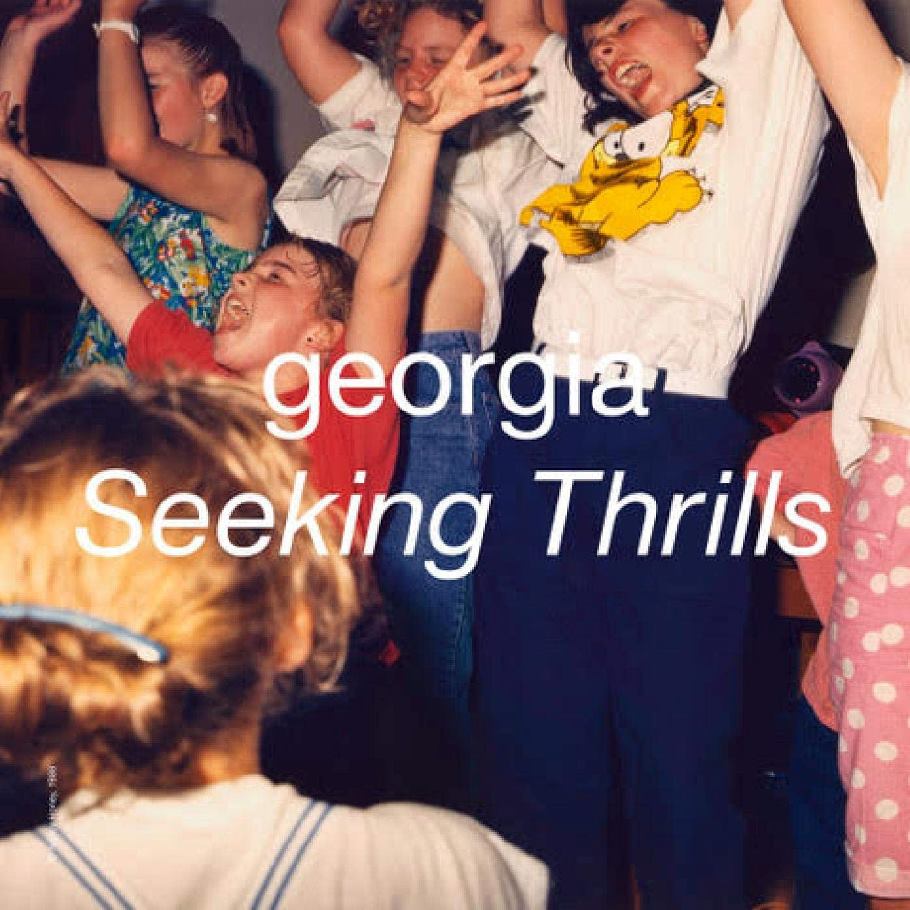
 is a showcase for rhythm, twelve tracks of exuberance with a bittersweet tinge.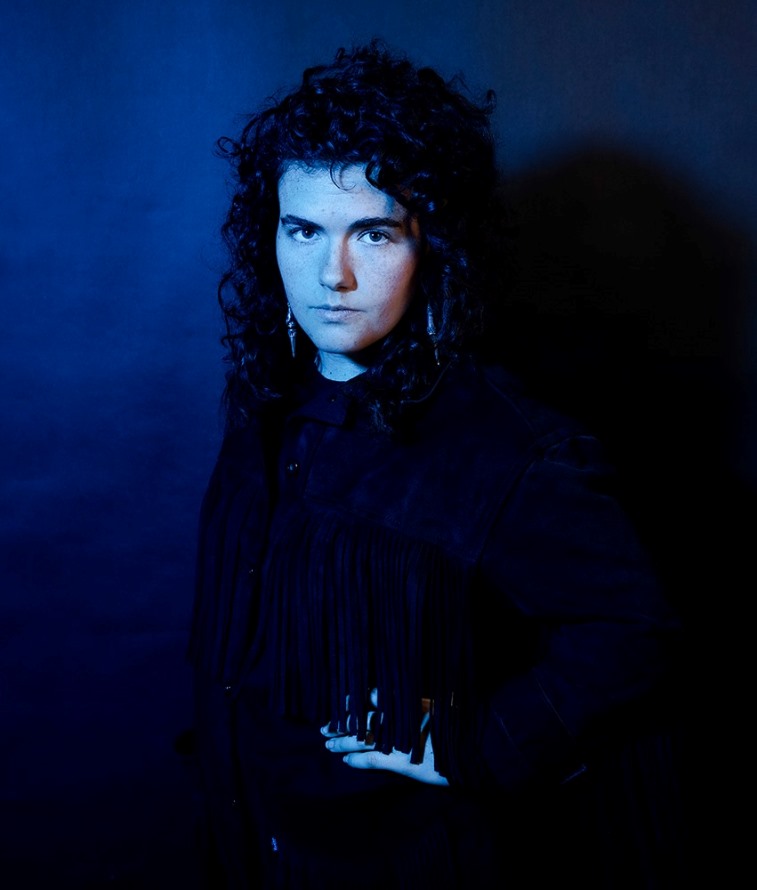
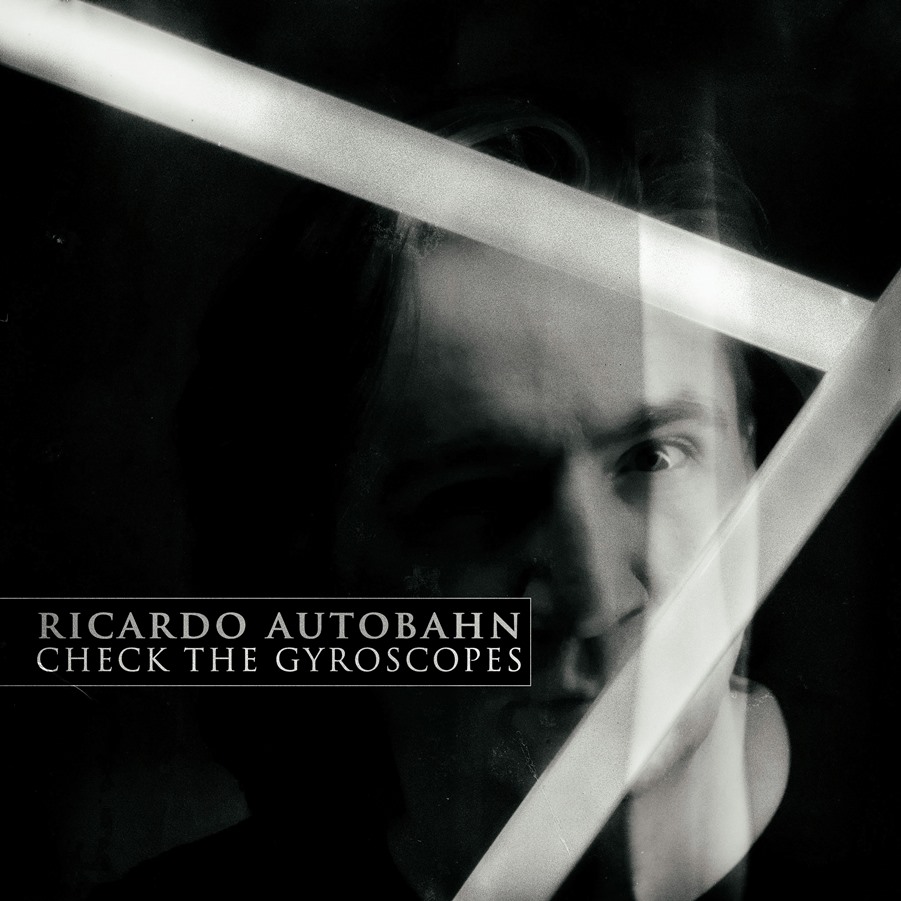
 arrived in ELECTRICITYCLUB.CO.UK’s inbox, it caused some headscratching…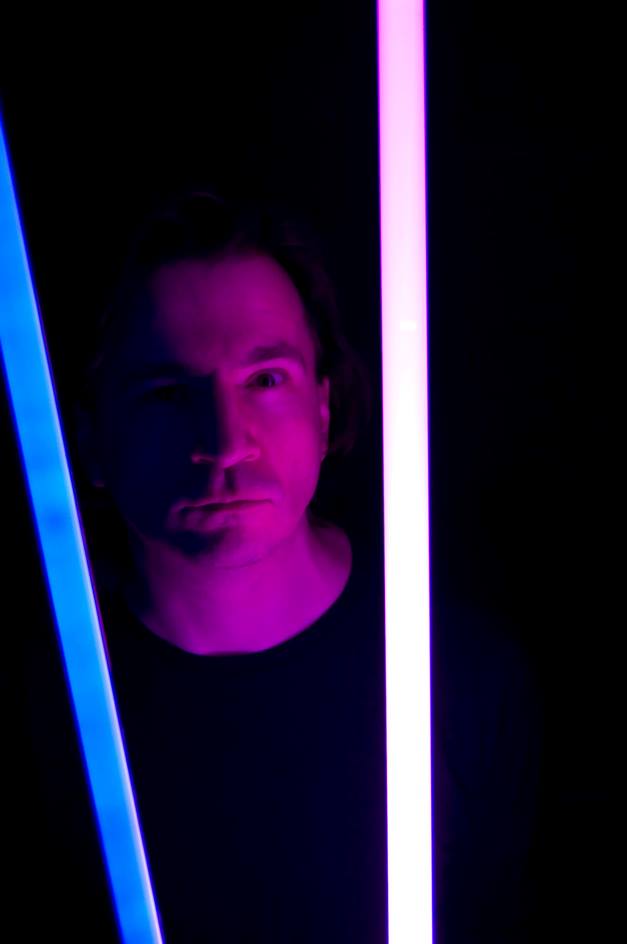
Follow Us!