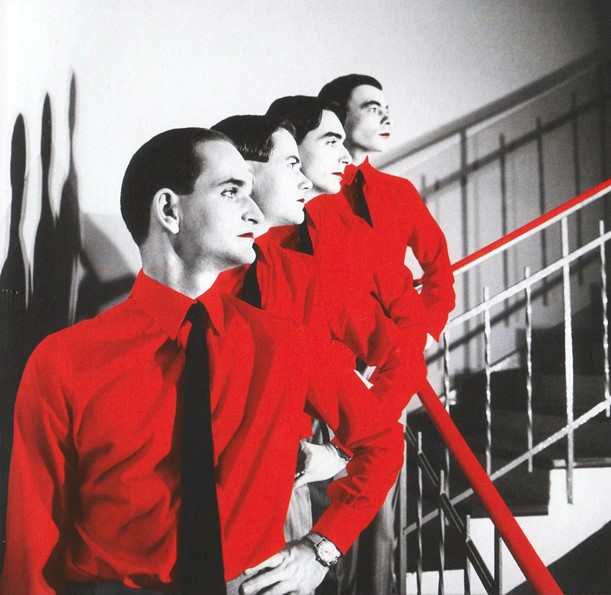
“Meine Damen und Herren – Ladies and Gentlemen – Heute abend aus Deutschland – Die Mensch Maschine KRAFTWERK”.
Many electronic music fans know KRAFTWERK, but how many know their work in their native language? In days gone by, German editions of KRAFTWERK albums were sought after but expensive in the UK.
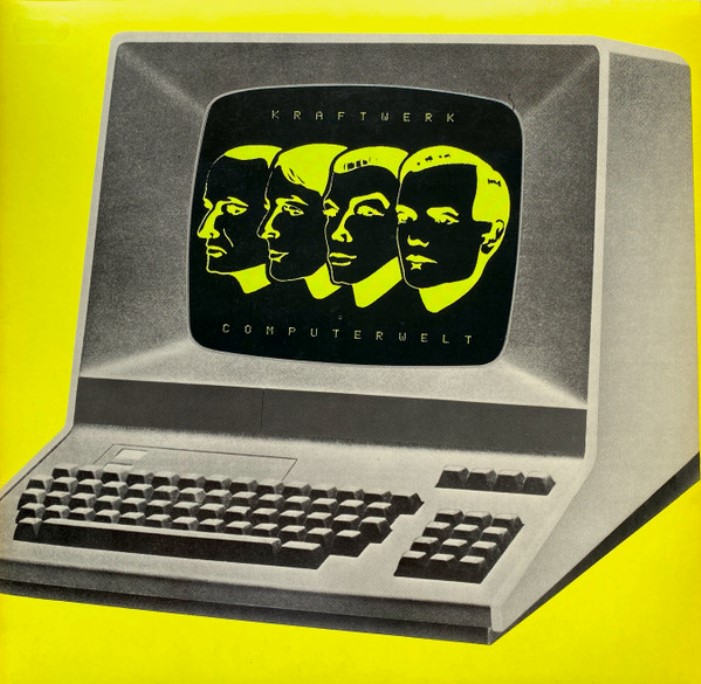
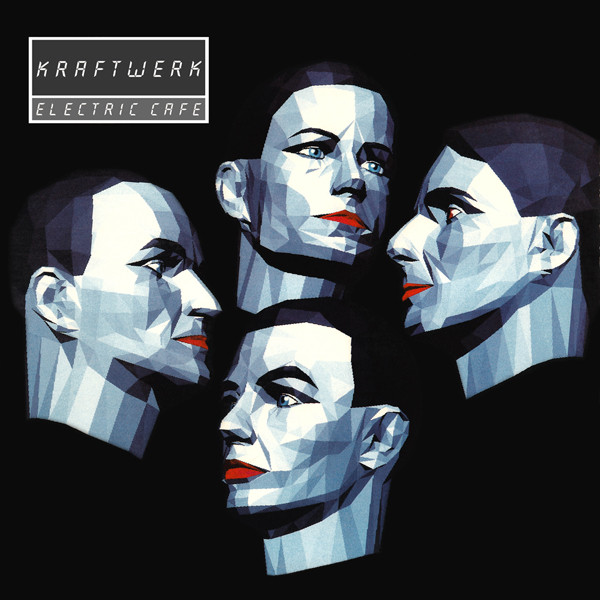
School exchange trips often left little pocket money spare to make a purchase after buying the obligatory gifts for family and friends. But the ‘Computerwelt’ that KRAFTWERK predicted in 1981 has led to ‘Trans Europa Express’, ‘Die Mensch-Maschine’, ‘Computerwelt’, ‘Techno Pop’ née ‘Electric Café’ and ‘The Mix’ (in Deutsch) being made available openly outside of Germany, Austria and Switzerland for the first time. With the recent passing of founder member Florian Schneider, this wider international digital release of KRAFTWERK’s albums in German is particularly poignant.
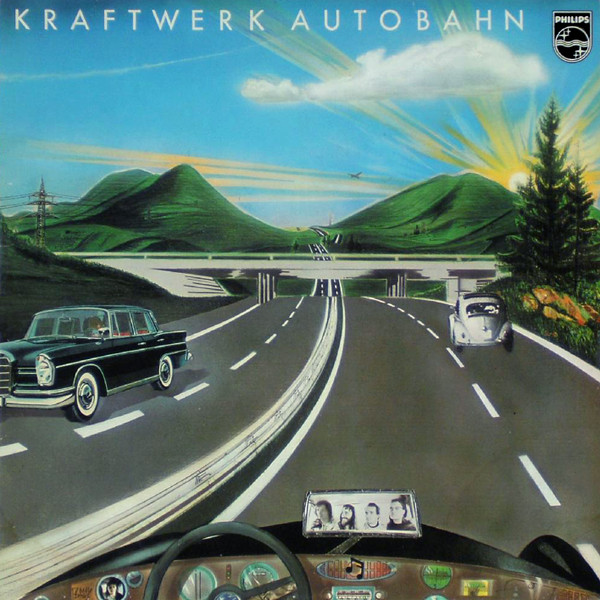
Desiring a new Germanic cultural identity ignoring Trans-Atlantic rock traditions, KRAFTWERK fused sound and technology, graphic design and performance, modernist Bauhaus aesthetics and Rhineland industrialisation to conceive a Gesamtkunstwerk or “synthesis of the arts” that was to change the course of modern music.
Of course, KRAFTWERK’s breakthrough record ‘Autobahn’ in 1974 was unique in being very German but the willingness to gain a wider acceptance, particularly in the US, led to the bilingual format of its follow-up ‘Radio-Aktivität’ in 1975.
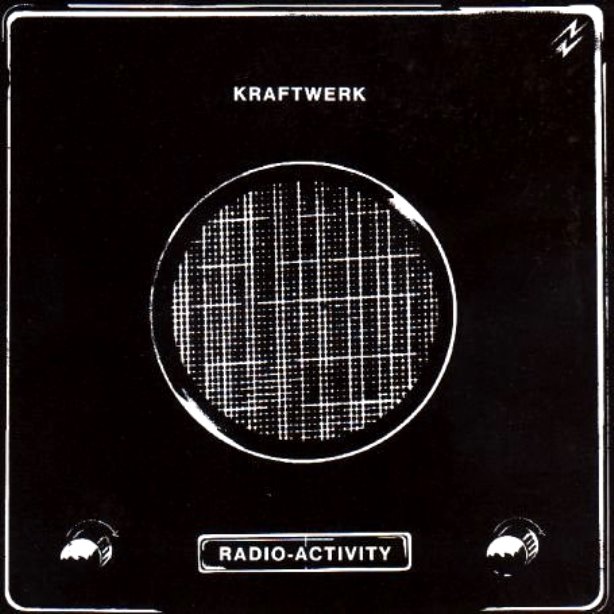
However, the ‘Radio-Aktivität’ title song was notoriously ambiguous in both English and German. The stance infuriated the increasingly strong Green political lobby in the Bundesrepublik. Meanwhile, KRAFTWERK did not help their cause by controversially having promotional photographs taken at a Dutch nuclear installation. But in 1991, KRAFTWERK stopped sitting on the fence and notably reworked the track for ‘The Mix’ to contain an explicit anti-nuclear message to “STOP RADIO-AKTIVITÄT” while also highlighting the tragedies and disasters in Chernobyl, Harrisburg, Sellafield and Hiroshima.
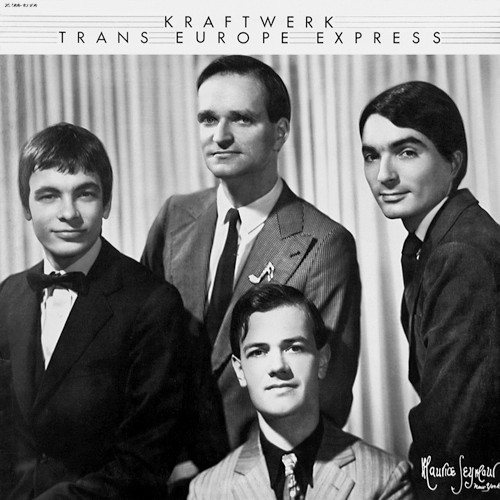
Developing from the alles Deutsch ‘Autobahn’, ‘Trans Europa Express’ was the first KRAFTWERK album that was released in distinct standalone English and German versions. Perhaps the most lyrical of all their imperial phase long players, it manifested an accessible spirit of cultural adventure In KRAFTWERK, thanks to their central European location in Düsseldorf.
Deep inside their psyche, ‘Europa Endlos’ was a forward thinking piece that, despite its nostalgic romanticism, was aspiring to a continent without borders that supported a vision of peace and unity. The syllable count on the title hook was more of a mouthful compared with the English version but the 10 minute journey was still glorious in whatever language.
Effectively a spoken word piece with a subtle footstep backbone, ‘Spiegelsaal’ worked like an original Brothers Grimm tale set to music. But with ‘Schaufensterpuppen’, the tight punchy rhythms complimented KRAFTWERK’s Teutonic lyrical sentiment in response to criticism that when performing live, they did not move and acted like showroom dummies. But of course, relishing the opportunity to turn a negative statement into their own positive, they revolted while “Wir gehen in den Club und wir fangen an zu Tanzen”.
By 1978, the classic KRAFTWERK line-up of Ralf Hütter, Florian Schneider, Wolfgang Flür and Karl Bartos were at the height of their powers with ‘Trans Europa Express’ becoming an unexpected favourite on the New York dancefloors. ‘Die Mensch-Maschine’ possessed a sense of humour which was very apparent in ‘Das Modell’, already made third person gender thanks to the German quirk of the neuter designation for girls. KRAFTWERK were enjoying their local VIP status and stalking the Mora discotheque in Düsseldorf for attractive models and hoping to impress them.
Regularly taking their orders for expensive champagne, the club’s resident eccentric waiter was invited to Kling Klang to butt in and shout “SEKT! KORREKT!”, satisfied that he was earning even more commission. ‘Neonlicht’ though remains fabulous in Englisch oder Deutsch while on the title track, “Halb Wesen und halb Ding” translated directly as “Half being and half thing”.
The Giorgio Moroder-inspired ‘Spacelab’ and ‘Metropolis’ though displayed Hütter’s minimalist interest in lyrics by preferring vocal expression using just singular words. However, ‘Die Roboter’ made use of the Russian phrase “Я твой слуга – “Я твой работник” to reinforce KRAFTWERK’s view that they were Musikarbeiter or “musical workers”.

But 1981’s ‘Computerwelt’ was the one album though that lost some of its Germanic impact by being worked into English, with simple nursery rhyme lyrics being coupled to probably KRAFTWERK’s most accessible work in their history. On the title track in particular, the darker more sinister implications of surveillance were highlighted in German. While “Interpol und Deutsche Bank, FBI und Scotland Yard” paralleled the English version, there was the addition of “Flensburg und das BKA” who are respectively Germany’s DVLA and Federal Crime Agency. The phrase “Haben unsere Daten da” highlighted how those security and financial institutions held personal data.
’Computerwelt’ may have been written nearly 40 years ago but the consequences of its prophecy are very relevant discussion points today. But there was more in die Kristallkugel; substituting one of the bridging “Computer World” phrases with “Denn Zeit ist Geld”, die Musikarbeiter concluded that “time is money…”; this was before “Automat und Telespiel – Leiten heute die Zukunft ein – Computer für den Kleinbetrieb – Computer für das Eigenheim” anticipated that “Arcade games and video consoles introduce the future today, with computers for small businesses and computers for the home…”
Launched using their own KRAFTWERK branded Casio VL-80 musical calculator, ‘Taschenrechner’ had its own charm but would go on to be surpassed in affection by ‘Dentaku’ and ‘Mini Calcolatore’, respectively versions in Japanese and Italian. Meanwhile, the wonderful masterpiece ‘Computer Liebe’ mirrored the English translation, although the harsher intonation made the sentiment less forlorn and sympathetic. However, ‘It’s More Fun To Compute’ remained Anglophile in its statement, while ‘Nummern’ and ‘Computerwelt 2’ were identical to the ‘English’ versions thanks to their international counting calls, although eagle-eared enthusiasts will have noted an extra “eins – zwei – drei – vier” dropped into the fade.
In the interim, there was what became a standalone single in ‘Tour De France’ released in 1983. The original was in French and was rendered rather pointless in German as all the place names mentioned as part of the race route were in France anyway! Remixed by François Kevorkian in 1984, the New York-based Frenchman was recruited to help mix their next album which ‘Tour De France’ had originally been intended to be part of.
On the much delayed ‘Techno Pop’ née ‘Electric Café’ for 1986, ‘Der Telefon Anruf’ was distinctly more impactful in German with Karl Bartos making an impressive turn in his only vocal performance for KRAFTWERK. But the assertive automated phone messages became an even more sharpened metaphor for female empowerment.
Touching on a similar theme, ‘Sex Objekt’ was an ironic response that originated from one of the band making unwanted advances on a lady in a club. Now while it is amusing to hear Herr Hütter’s disdain at being treated as an object of lust, it’s the overlong passage of KRAFTWERK hacking through various slap bass, guitar and percussive presets like an online Yamaha DX7 tutorial that is now funnier!
However, tracks like ‘Boing Boom Tschak’ and ‘Musique Non Stop’ were phonetic and multi-lingual so language was no longer a barrier as the world got smaller and smaller. But with the lack of a sufficiently intriguing theme on ‘Electric Café’ proving underwhelming, KRAFTWERK lost crucial momentum creatively.
And so it was that the classic RFWK line-up had split by the time of 1991’s ‘The Mix’ , a largely disappointing digital rework collection of Die Klassik Werks that dated within a year. However, it would be fair to say by this time KRAFTWERK had transcended their nationality and were no longer just a German band, but actually the most influential act on the planet. KRAFTWERK could now present their work in any language and it no longer mattered.
Indeed, when ‘Tour De France Soundtracks’ came out in 2003, there was no German or English edition. There was just one release for all markets and the voices on it just happened to be in French; KRAFTWERK’s dream of ‘Europa Endlos’ was now reality. In 1977, KRAFTWERK sang “Das Leben ist Zeitlos” or “Life is timeless” and now after five decades since releasing their self-titled debut album, so is their music.
‘Trans Europa Express’ , ‘Die Mensch-Maschine’
 , ‘Computerwelt’
 , ‘Techno Pop’ and ‘The Mix’ are released by EMI Music and available worldwide on 3rd July 2020 via the usual digital platforms
http://www.kraftwerk.com/
https://www.facebook.com/KraftwerkOfficial
https://twitter.com/kraftwerk
https://www.instagram.com/kraftwerkofficial/
Text by Chi Ming Lai
26th June 2020



 , a rhythm heavy tune swathed in synths, followed swiftly by the more anxious
  , a song made all the more resonant by Çiçek’s contralto expressionism.
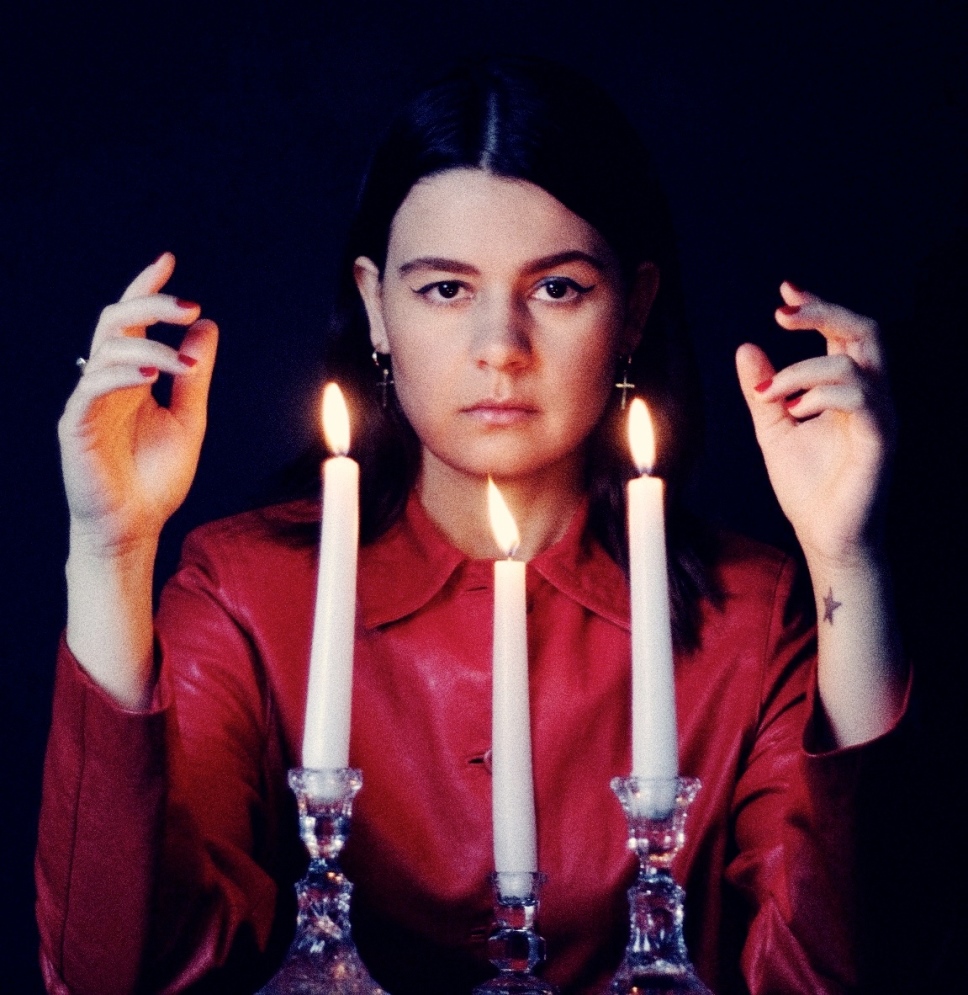
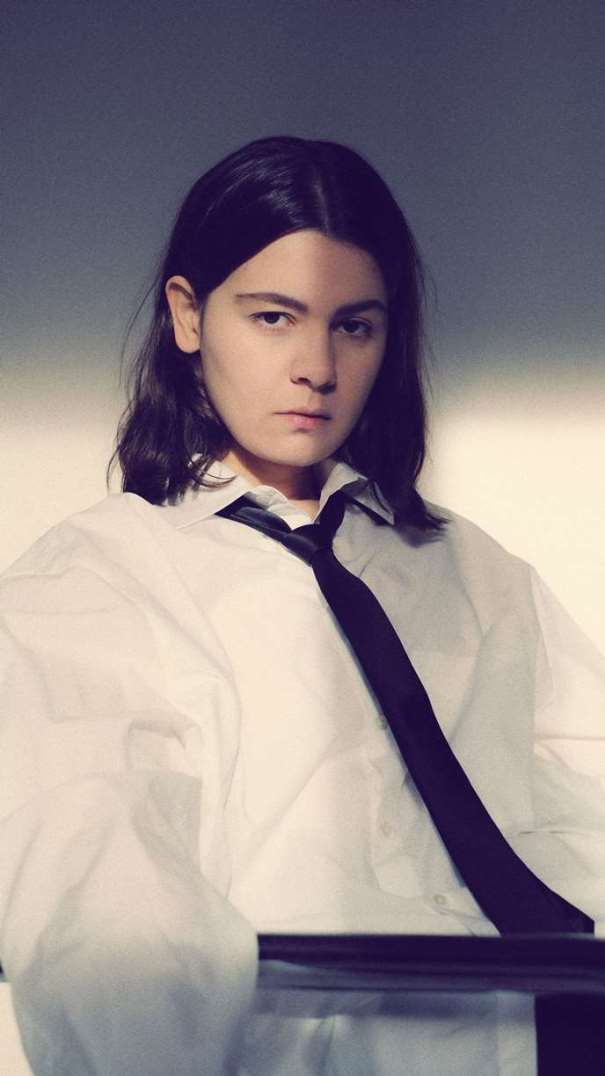
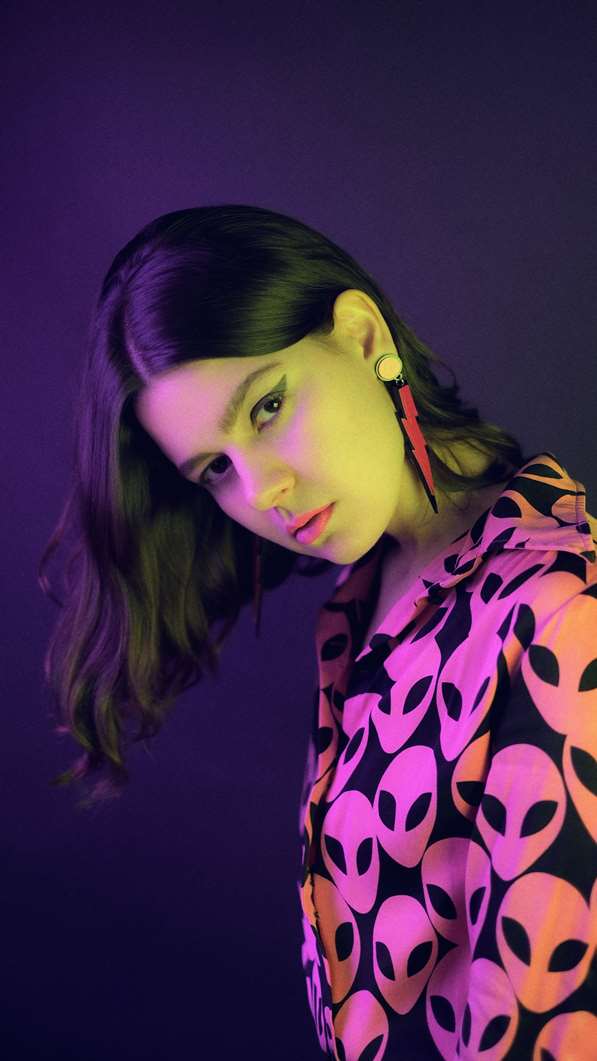
 , with the lyrical couplet “You say it is a phase, wild summer in your gaze” recalling the bittersweet memories of a holiday romance. Deniz Çiçek spoke about an album that explores the human condition’s deepest fantasies and desires.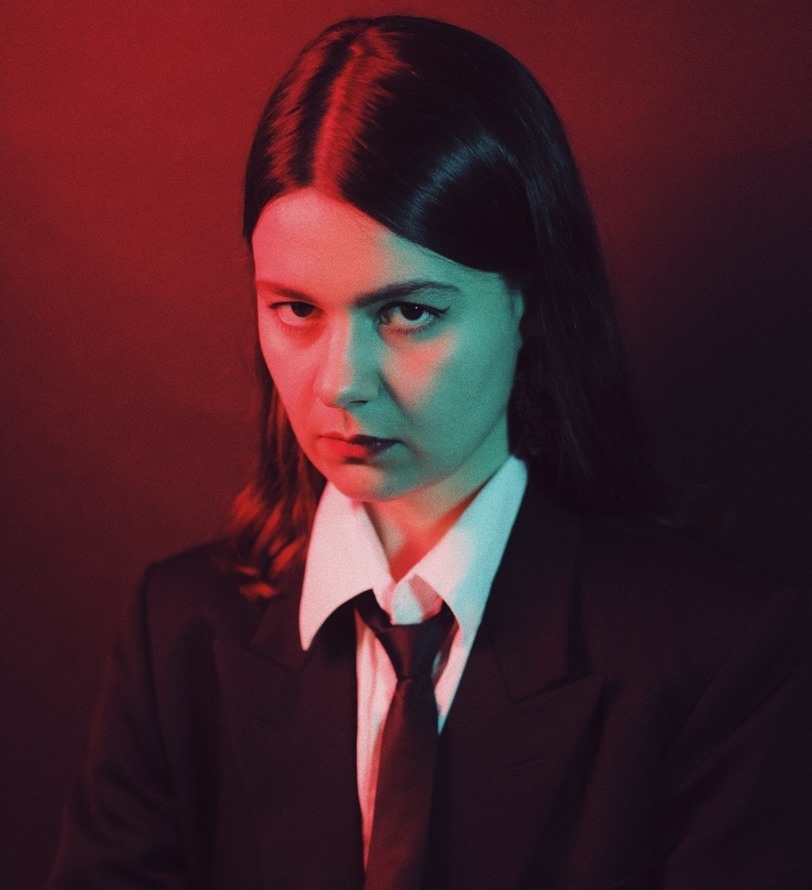
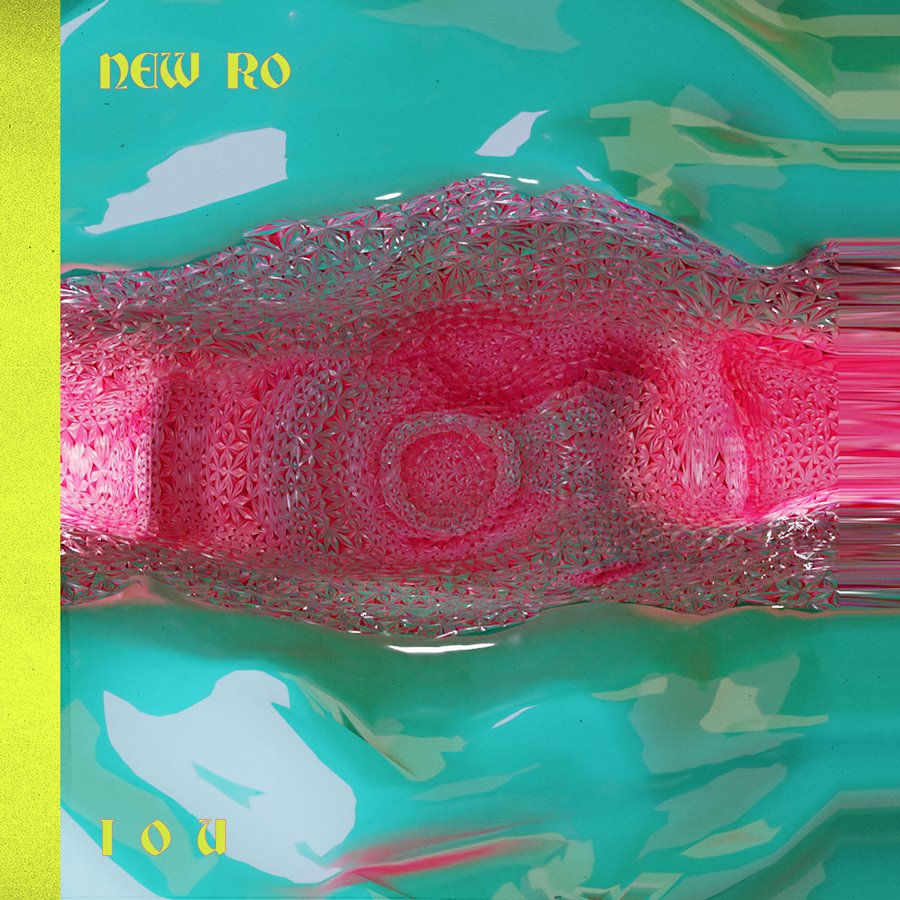
 EP at the start of 2020, with the title song having a delightful
  encapsulates a more dance-oriented direction, celebrating friendship and hedonism.
 in 1974 was unique in being very German but the willingness to gain a wider acceptance, particularly in the US, led to the bilingual format of its follow-up ‘Radio-Aktivität’ in 1975.
 title song was notoriously ambiguous in both English and German. The stance infuriated the increasingly strong Green political lobby in the Bundesrepublik. Meanwhile, KRAFTWERK did not help their cause by controversially having promotional photographs taken at a Dutch nuclear installation. But in 1991, KRAFTWERK stopped sitting on the fence and notably reworked the track for ‘The Mix’ to contain an explicit anti-nuclear message to “STOP RADIO-AKTIVITÄT” while also highlighting the tragedies and disasters in Chernobyl, Harrisburg, Sellafield and Hiroshima.
 was the first KRAFTWERK album that was released in distinct standalone English and German versions. Perhaps the most lyrical of all their imperial phase long players, it manifested an accessible spirit of cultural adventure In KRAFTWERK, thanks to their central European location in Düsseldorf.
 possessed a sense of humour which was very apparent in ‘Das Modell’, already made third person gender thanks to the German quirk of the neuter designation for girls. KRAFTWERK were enjoying their local VIP status and stalking the Mora discotheque in Düsseldorf for attractive models and hoping to impress them.
 was the one album though that lost some of its Germanic impact by being worked into English, with simple nursery rhyme lyrics being coupled to probably KRAFTWERK’s most accessible work in their history. On the title track in particular, the darker more sinister implications of surveillance were highlighted in German. While “Interpol und Deutsche Bank, FBI und Scotland Yard” paralleled the English version, there was the addition of “Flensburg und das BKA” who are respectively Germany’s DVLA and Federal Crime Agency. The phrase “Haben unsere Daten da” highlighted how those security and financial institutions held personal data.
 née ‘Electric Café’ for 1986, ‘Der Telefon Anruf’ was distinctly more impactful in German with
  , a largely disappointing digital rework collection of Die Klassik Werks that dated within a year. However, it would be fair to say by this time
  ,
,  ,
,  ,
,
Follow Us!