“I don’t like country & western, I don’t like rock music… I don’t like rockabilly! I don’t like much really do I? But what I do like, I love passionately!!”: CHRIS LOWE
One of the great scene debates runs as follows… what’s better? The John Foxx or Midge Ure era incarnations of ULTRAVOX?
This is as idiotic as the Fish versus Steve Hogarth debates that rage (and they do rage) amongst MARILLION fans or the similar GENESIS camps that exist around lead singers.
It’s akin to comparing apples to oranges and without the front man leaving these bands, we would have been denied spectacular bodies of work and long careers from all concerned which would potentially have been cut shorter. And yes I include Phil Collins in this, bite me…
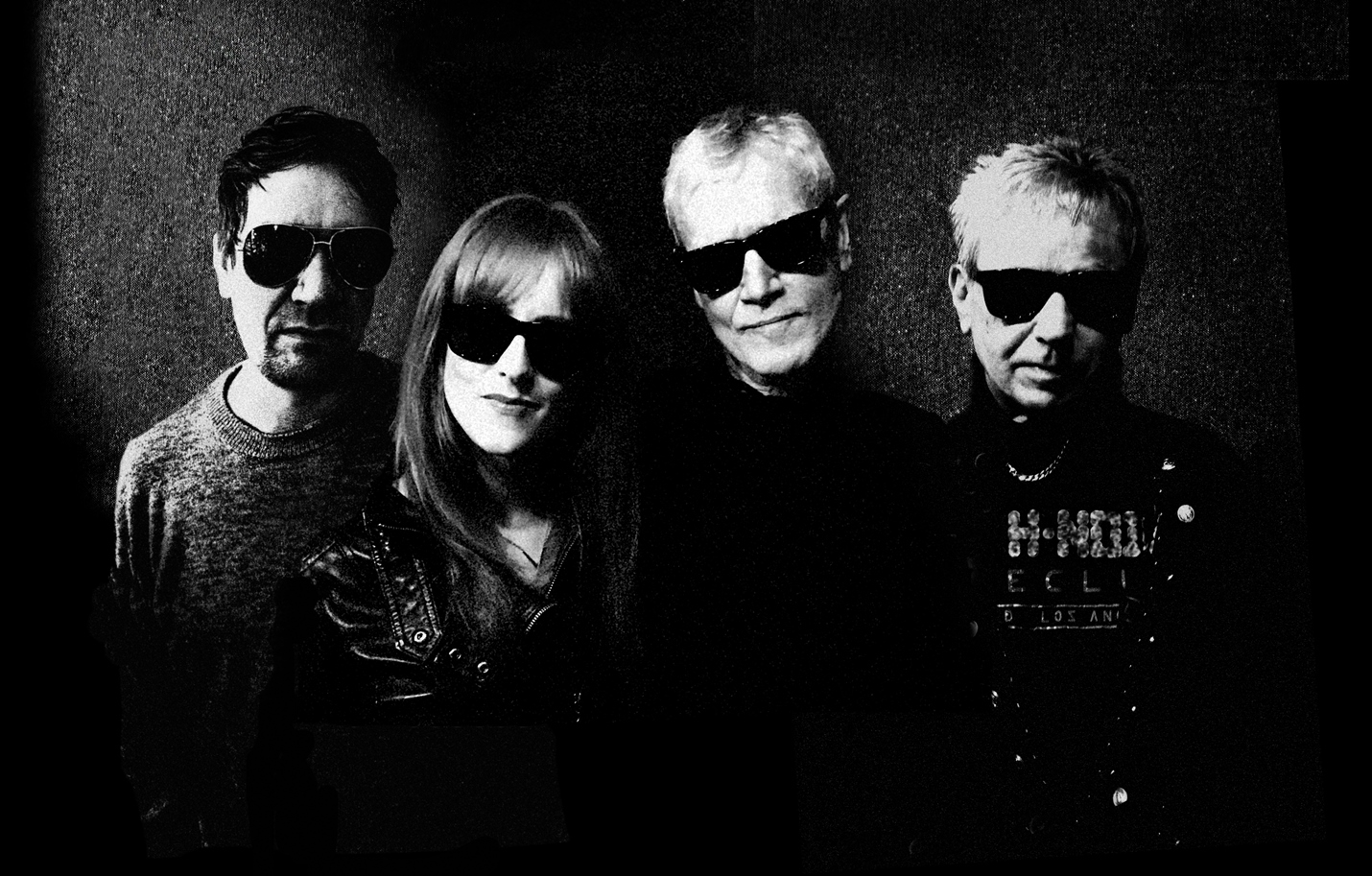
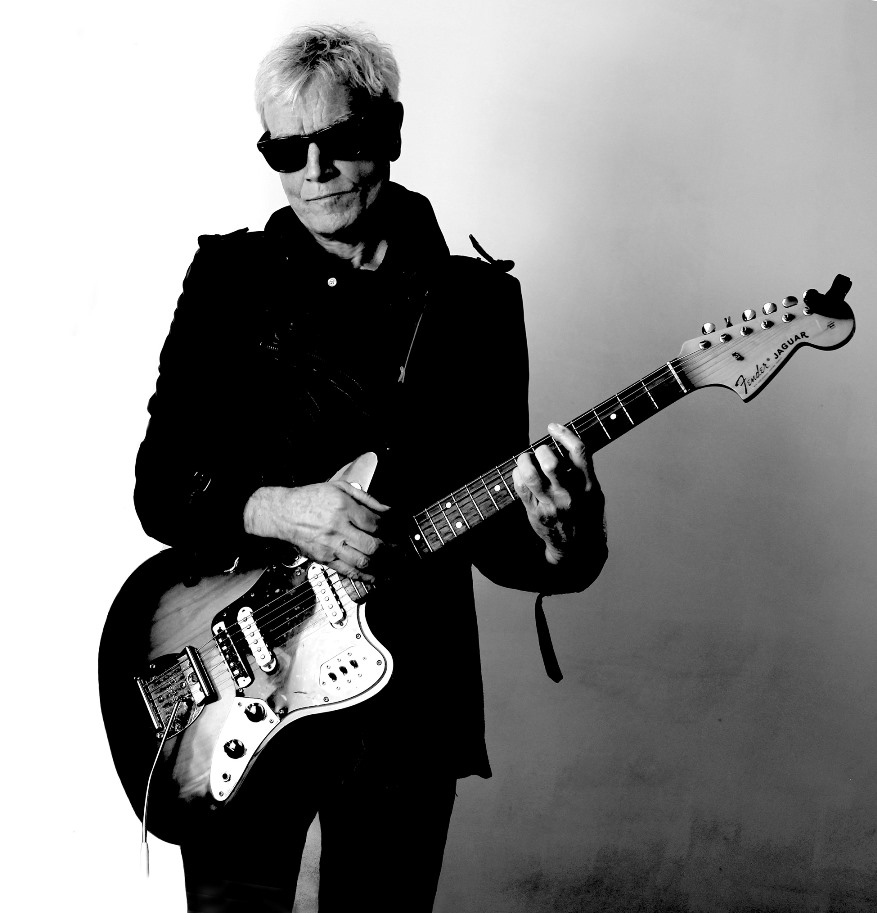
There is however a “what might have been?” surrounding John Foxx and ULTRAVOX, with or without the exclamation mark. Had he stayed with the band beyond ‘Systems of Romance’, what would it have sounded like? A continuation of the ‘Systems’ sound or something more like the imperious ‘Metamatic’? With the release of ‘Howl’, the fifth album under the guise of JOHN FOXX & THE MATHS, we get an idea of what could have been.
The big news is that Foxx and his Maths collaborators Benge and Hannah Peel are joined by former ULTRAVOX guitarist Robin Simon. Simon appeared with The Maths at the Roundhouse in 2010 so this has been a while coming and it arrives in snarling upfront style with the opener ‘My Ghost’, with its stripped down punky intro morphing into a familiar Foxx effected vocal performance, all underpinned by an insistent rhythm track. On the playout, we get swooping synths under a simple but effective guitar solo.
One of the key contributions Simon brings to the table is what Foxx terms as “Demolition Intercision” and this is shown to its fullest on the title track ‘Howl’.
Recorded in one take which left everyone “standing on their chairs”, the tortured, swooping playing harks back to the songs like ‘Slow Motion’ and ‘Dislocation’ in the way it interplays with the synths and Foxx’s voice.
“Born in the middle of a storm” sings Foxx and this is appropriate as his guitarist whips up a hurricane of noise which at all times remains musical. Hannah Peel is given room to shine on the next track, ‘Everything Is Happening At The Same Time’, a psychedelic electronic number that appears owes a more than a little to a certain BEATLES song. Given current events, the message of this track is all the more prescient. “we have to choose between the clowns and the fools…” bemoans the lyrics… quite…
‘Tarzan & Jane Regained’ (a contender for title of the year) and ‘The Dance’ tread familiar sonic territory for the Maths which is not to say they are not good songs, in fact ‘The Dance’ is in places a beautiful shimmering piece of electronica.
‘New York Times’ doesn’t outstay its welcome and features some great drum programming. As stated above these are not bad songs, it’s just these three central tracks are bookended by the sonically more interesting ‘stuff’.
‘Last Time I Saw You’ reintroduces Simon’s more upfront guitar work. In the press release, Foxx compares it to violence and it can be at times shocking but also “…a true delight”.
On this and the opening cuts, the almost visceral at times fretwork married to the electronics is not what one would expect from a band leader that is in his five decade as a performer.
This is however the key to John Foxx, he always does the unexpected and doesn’t allow himself to be pigeonholed. As happy to release an ambient work as he is a straightforward ‘pop’ album or indeed to walk away from music altogether, he really is someone that deserves wider recognition. That said, one feels the artist himself would be uncomfortable with that.
Keeping the best to last, closer ‘Strange Beauty’ is possibly the best thing JOHN FOXX & THE MATHS have ever done, an electronic ballad that puts the plodding attempts at similar by bigger bands to shame. Benge’s production on this really does merit his bandmate’s claim that he is this generation’s Conny Plank.
Across this release there is a musicality to the production that is missing from many modern electronic works. The shear fury in places of Robin Simon’s playing could have just been noise at the hands of a lesser, knowing producer but here it is given room to shine. As a closer, this track more than any other points towards that might have been.
Once again John Foxx has shown how to remain relevant in these modern times. ELECTRICITYCLUB.CO.UK has never hidden its love of the man’s prodigious body of work and ‘Howl’ reinforces that further.
At a time when Moog are handing out ‘Innovator’ awards to artists as a purely marketing tool, we should be thankful that performers like John Foxx continue to push their own boundaries instead of playing it safe. I can’t wait to hear what he does next.
1977 is often seen as Year Zero for synthpop, thanks to hit singles by Donna Summer, Jean-Michel Jarre and SPACE.
But it was not until 1979 with TUBEWAY ARMY reaching No1 with ‘Are Friends Electric?’ that the sound of synth truly hit the mainstream.
Although ‘No1 Song In Heaven’ by SPARKS had actually been a hit a few months earlier, ‘Are Friends Electric?’ was the beginning of the synth being accepted as a worthy mode of expression, rather than as a novelty. But as synths became more affordable, they became the perfect tool of youthful expression.
From Cherry Red, makers of the excellent ’Electrical Language: Independent British Synth Pop 78-84’ 4CD boxed set, comes ‘Musik Music Musique’; subtitled ‘1980: The Dawn Of Synth Pop’, this 3CD 58 track collection explores the arrival of synth pop and the dawn of a new musical era. This was the year before the synth became the rule rather than the exception with the success of SOFT CELL and DEPECHE MODE.
The set starts appropriately with OMD and ‘Messages’, one of the first tunes showcasing the warmer side of electronics following the colder wave led by Messrs Numan and Foxx. But as if to counter this next generation of youngsters, ‘Messages’ is immediately followed by the collection’s vocoder laden title song ‘Musik Music Musique’ from Zeus B Held and the superb proto-industrial ode to loveless sex ‘Coitus Interruptus’ by the much missed FAD GADGET.
Zeus B Held was later to make his impression on popular culture remixing ALPHAVILLE and SIMPLE MINDS as well producing the likes of FASHION, DEAD OR ALIVE, SPEAR OF DESTINY and TRANSVISION VAMP, but his wider breakthrough came as part of GINA X PERFORMANCE in 1979 with The Blitz Club favourite ‘No GDM’; on this compendium, the lesser-known but just as worthy ‘Vendor’s Box’ from their second album ‘X-Traordinaire’ is deservedly provided a platform.
The best producers often earn their spurs as artists and realising their limitations, use their accumulated studio nous to subvert the mainstream via pop. ‘Astroboy’ by BUGGLES sees Trevor Horn develop his sonic architecture to prove that he had another song that wasn’t ‘Video Killed The Radio Star’. Meanwhile the welcome inclusion of NEW MUSIK’s other hit ‘This World Of Water’ allows Tony Mansfield to showcase the crafted sparkle that would later go on to adorn records by CAPTAIN SENSIBLE, VICIOUS PINK, A-HA and NAKED EYES.
It may seem strange to see SPANDAU BALLET as part of this package but when they first appeared, they were considered a synthesizer band; ‘Glow’ was a UK double A side single with ‘Musclebound’ in 1981 and while it was the last synth-led track they did, their funk soul aspirations were there for all to hear. In fact, songwriter Gary Kemp had conceived ‘Glow’ with a brass section in mind, so it is now something of a curio that could be seen as a precursor to ‘Chant No1’.
SPANDAU BALLET were produced by Richard James Burgess who co-designed the Simmons SDSV; his electro-jazz combo LANDSCAPE figure with the Colin Thurston helmed ‘European Man’ which was actually designated “electronic dance music” on its single artwork some three decades before it was appropriated and abbreviated to become EDM…
Many of the usual suspects from the period like VISAGE, JAPAN, THE HUMAN LEAGUE and OUR DAUGHTER’S WEDDING are all present and correct with familiar recordings, but interestingly (although not for the better), it’s the original version of Phil Lynott’s ‘Yellow Pearl’ without the Rusty Egan drums or the Midge Ure remix that gets the nod!
One of the main beauties of these thoughtfully curated collections is to be able to sway away from the obvious and feature a known-name with a lesser-known work; in the case of ULTRAVOX, it’s the occasionally Eno-inspired and Conny Plank produced ‘Waiting’ which was the B-side to their first Midge Ure fronted single ‘Sleepwalk’. Meanwhile, SUICIDE are represented by the excellent Ric Ocasek produced ‘Diamonds, Fur Coat, Champagne’ and YELLO with ‘Bimbo’, the oddball opener of the Swiss trailblazers’ debut long player ‘Solid Pleasure’.
SILICON TEENS get to feature with something other than ‘Memphis Tennessee’ and it’s the Daniel Miller‘s self-penned instrumental ‘Chip N Roll’ that has the honour, while the Mute Records founder gets another track in with ‘Brushing Your Hair’, a gloriously vibrant instrumental production and co-write for Alex Fergusson of ALTERNATIVE TV.
There’s additionally tracks by lesser known international acts or those bands that faded from view after effectively being one hit wonders. The entire career of M may have been overshadowed by the ubiquitous ‘Pop Muzik’ but Robin Scott did go on to release three albums and work with Ryuichi Sakamoto; the sombre ‘Official Secrets’ may not really have much of a hook but it contains some percolating bleepy sections that pre-date KRAFTWERK’s ‘Home Computer’ by one year.
‘A Circuit Like Me’ from Australian combo, THE METRONOMES actually sounds very 21st century with its detached female vocal and charming monosynths, while the gallop of ‘Drawn & Quartered’ by THE KORGIS is a worthy find. Now while ROCKETS found fame with a catchy robotic flavoured cover of ‘On The Road Again’ with the help of Zeus B Held, the silver faced Italians found that the vocoder suited their performance art poise and reapplied it for the self-penned space rocker ‘Galactica’.
Also possessing a bit of a gallop is LORI & THE CHAMELEONS’ wispy Morricone-influenced single ‘The Lonely Spy’ although with its acoustic strum, it is quite different from the understated electronic disco of their best known track ‘Touch’. Cut from a similar melodic post-punk cloth, the Martin Hannett produced ‘Sympathy’ from Pauline Murray is a reminder of how women were coming to the fore after punk in synth-assisted new wave, a fact borne out on ‘Musik Music Musique’ by the inclusion of more obscure works from Toyah, Kim Wilde and Hazel O’Connor.
‘Musik Music Musique’ is also an opportunity to become reacquainted with lost tunes of yore and ‘The Eyes Have It’ by Karel Fialka will be remembered by those who owned the 1980 Virgin Records compilation ‘Machines’, as will the octave driven ‘Destiny’ by DALEK I LOVE YOU. Some enjoyably avant pop adventures come courtesy of XYNN’s ‘Computed Man’ and SCIENCE’s ‘Tokyo’, while one of the more bizarre but successful experiments included is ‘I’m A Computer’ by THE GOO-Q.
One of the lesser known acts featuring with the eccentric ‘Money’ is MOEBIUS, not the member of German duo CLUSTER but an American art rock band with a penchant for DEVO. ‘Doctor …?’ by BLOOD DONOR is another wonderful discovery while of the more experimental art pieces included, Nini Raviolette’s ‘Suis-Je Normale’ delightfully comes over like a collaboration between Jane Birkin and Laurie Anderson.
Düsseldorf is often seen as the spiritual home of electronic music and there is worthy representation from DER PLAN and ‘Da Vorne Steht Ne Ampel’ illustrating how there were other dimensions to German electronic music other than that engineered by KRAFTWERK. But closing the set is the band named after the Electri_City itself, LA DÜSSELDORF with the light-hearted ‘Dampfriemen’; a quirky slice of synth “Oompah” with comedic chants and a kazoo section, it sums up the manic oddball nature of the former NEU! drummer Klaus Dinger.
There are many other tracks that have merit, but textures which reoccur on ‘Musik Music Musique’ to date stamp the period are the icy chill of the affordable ARP Quartet string machine and squawky sax, although not in an overblown jazz funk way.
Despite ‘Musik Music Musique’ comprising of a carefully researched tracklisting, a few errors do slip through; as well as the SPANDAU BALLET track being released in 1981 as already mentioned (although it was available on a very scarce Japanese-only promo sampler in late 1980), the version of ‘Kebabträume’ by DAF is the 1982 Conny Plank version from the Virgin album ‘Für Immer’ and not the Bob Giddens produced Mute Records five piece band recording which actually came out in 1980.
Then in the booklet, the Foxx fronted 1977 line-up of ULTRAVOX! gets illustrated as opposed to the New Romantic suited Midge Ure one, while LA DÜSSELDORF’s Hans Lampe is referred to as a “Keyboard Whizz” when he is actually a drummer and now performs with Michael Rother who was Klaus Dinger’s partner in NEU!; in fact Dinger handled keyboards himself under the pseudonym of Nikolaus Van Rhein.
Those are minor quibbles though, because this set is very good value and acts as a great music history lesson as well as offering the chance to hear some new vintage synth. While many may have heard of BERLIN BLONDES, THE PASSAGE, THE FALLOUT CLUB and EYELESS IN GAZA, only a few will have heard their music.
‘Musik Music Musique’ offers something of a low risk opportunity to make some new friends while becoming reacquainted with a few old and lost ones. Here’s to the 1981 follow-up set…
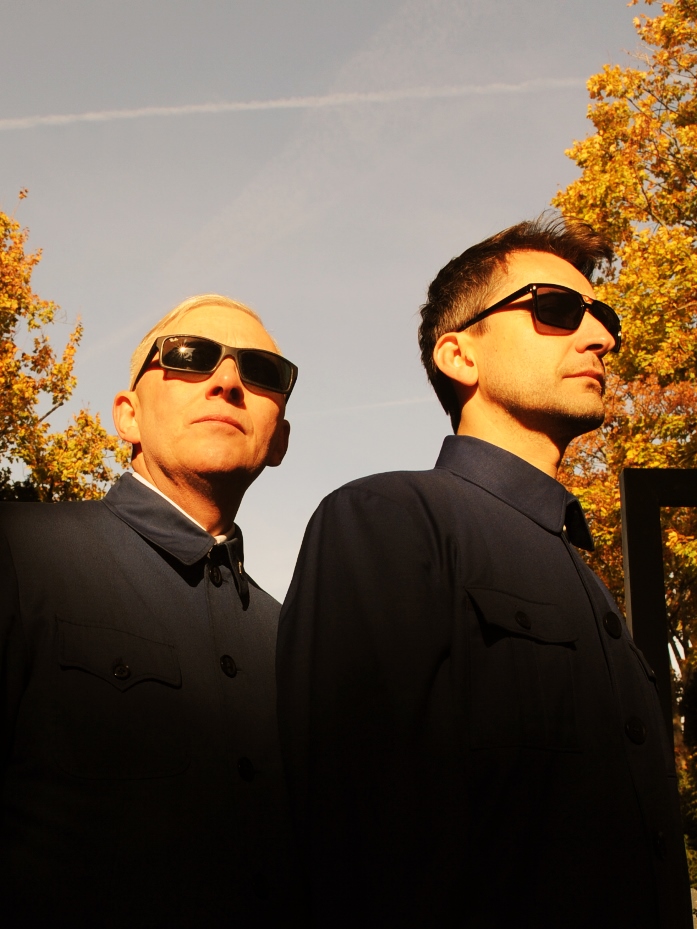
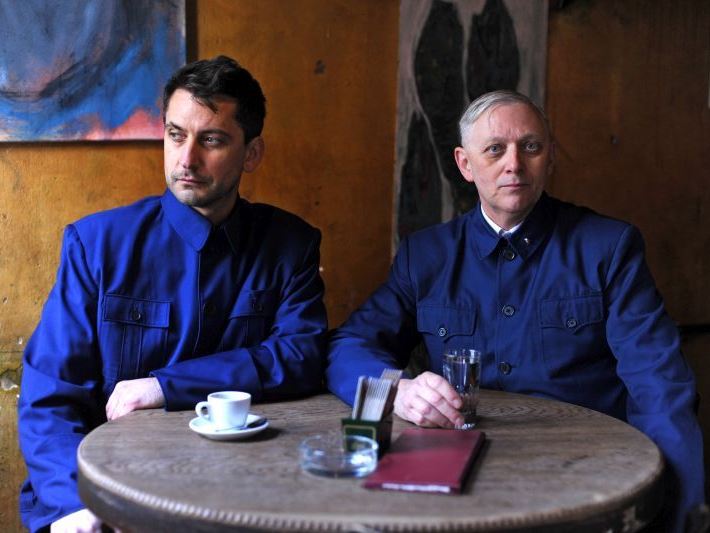
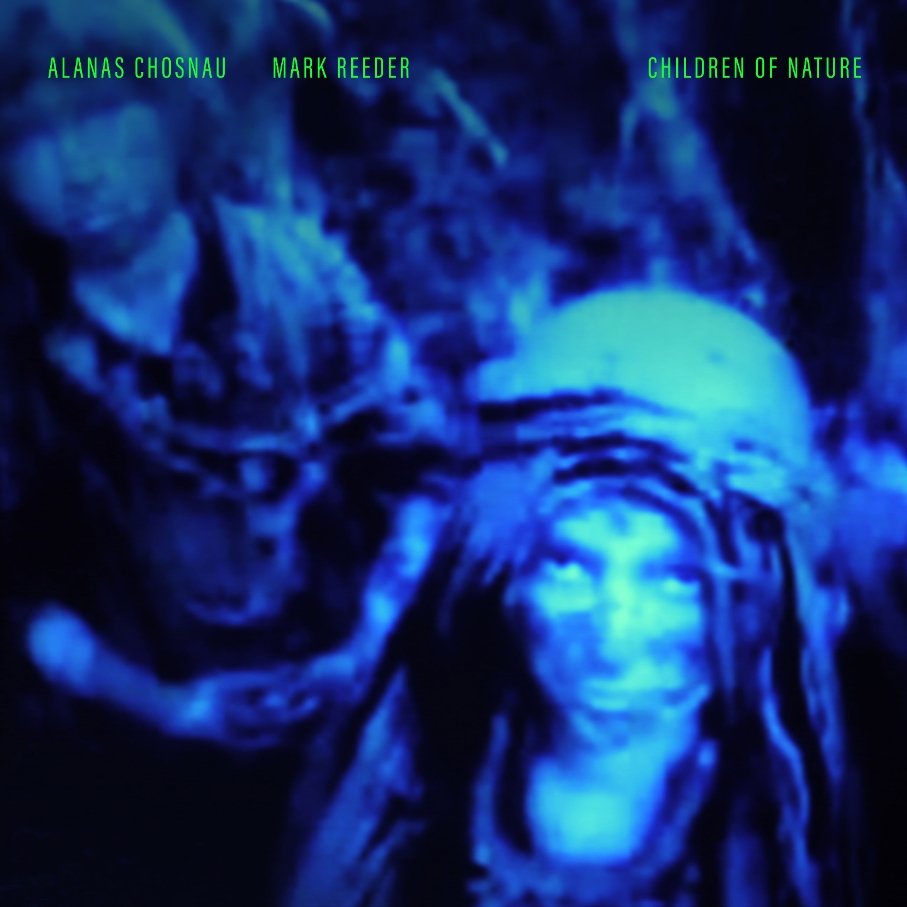
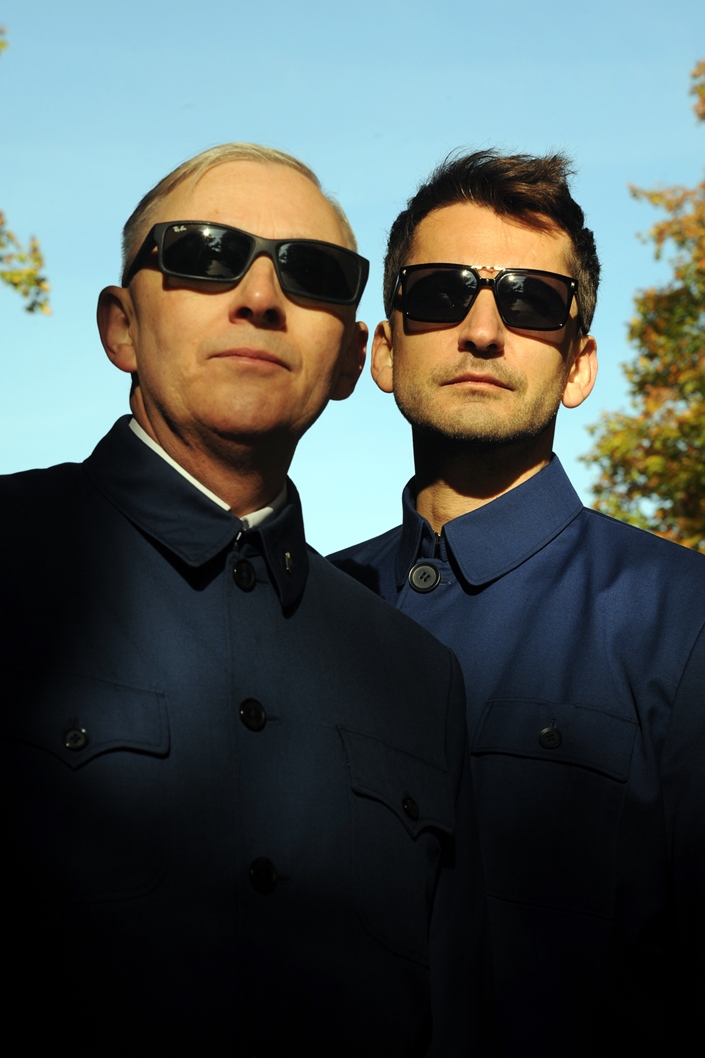
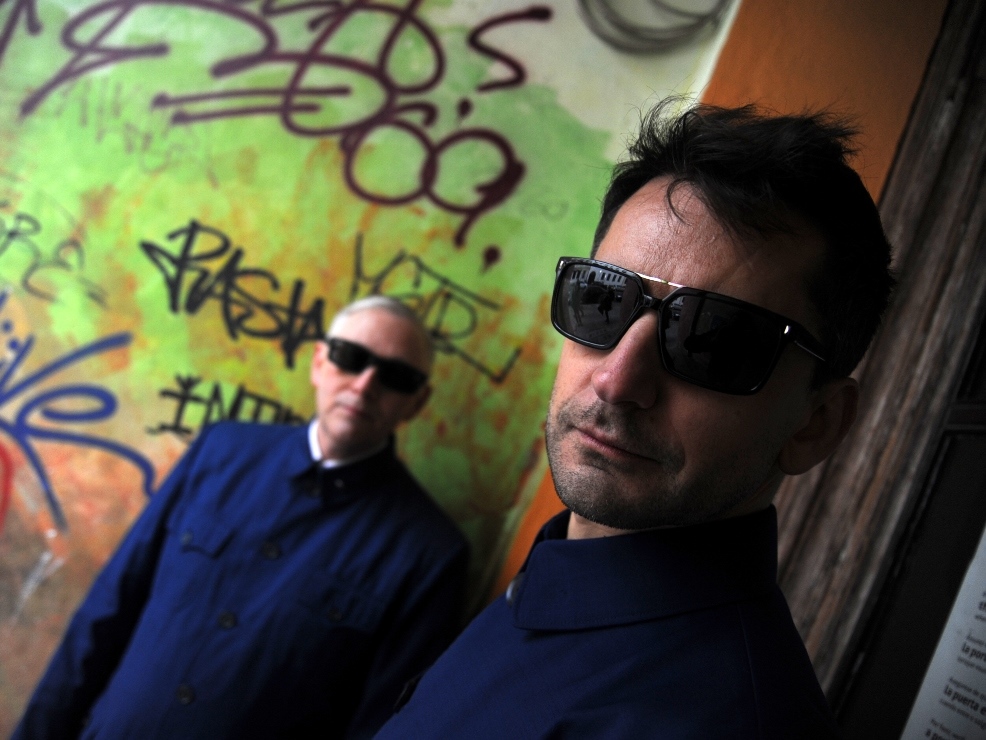
‘Children of Nature’ is the excellent first album by Mark Reeder and Alanas Chosnau that reflects their personal experiences and hopes for the future.
Alanas Chosnau is one of the biggest singing stars in Lithuania, while Mark Reeder is the Manchester-born producer and remixer who founded the trailblazing techno label MFS and introduced NEW ORDER to electronic dance music along the way.
While ‘Children of Nature’ has something of a melancholic air, it is also optimistic and hopeful. Combining East and West European approaches thanks to Chosnau and Reeder’s respective locations in Vilnius and Berlin, the album does not mask its multi-generational influences and uses them to present good songs with superlative vocals and sympathetic instrumentation.
As two people who personally experienced the divisive spectre of the Cold War head on while living on opposite sides of The Iron Curtain, ‘Children of Nature’ symbolically captures that emotion of desiring love and intimacy in isolation, something that is very relevant in these strange times.
DRAMATIS’ Chris Payne who also co-wrote and played on the VISAGE hit ‘Fade To Grey’ said: “Mark Reeder and singer Alanas Chosnau have recorded a stunning new album called ‘Children of Nature’, a range of well-crafted songs and beautifully produced, with excellent vocals. If you’re a fan of electronic music this is definitely an album to add to your collection.”
With ‘Children of Nature’ attracting many positive plaudits worldwide, Alanas Chosnau and Mark Reeder kindly spoke about the genesis of their creative union and a lot more.
Had the two of you been aware of each other before actually meeting in person at the Lithuanian International Film Festival in 2015?
Alanas: Unfortunately, not. Life is full of surprises. I believe that our meeting was meant to be. Since the first talk at the festival, I immediately felt a creative connection and discovered we shared a love of similar music. Mark is an outstanding personality with so much experience and knowledge in music. I am privileged to work with him and also learn from him.
Mark: Yes, I first met Alanas at the Lithuanian International film festival in Vilnius, where I was presenting the documentary film, ‘B-Movie (Lust & Sound in West-Berlin 1979-89)’. It was a very glamourous event, presented by the President of Lithuania, and the audience were all dressed in formal evening wear, surrounded by glittering camera lights and TV crews. Upon arrival, I was asked if I could also perform a short DJ set during the actual opening ceremony, but due to time restrictions, that ended up being one song – and not really a DJ set. They set up a mixing desk and two CDJ turntables for me, which was dwarfed by the expansive stage and I was thinking, what’s the point of two decks? I can’t really mix anything, as I’m only going to play one song…
After a lengthy presentation of Lithuania’s singer-songwriters, acrobats, magicians and choirs, it was finally my turn to go on stage. The compare introduced me in obviously glowing Lithuanian and I just stood there like a showroom dummy grimacing with fear at my inescapable plight. Then, with a huge smile, he turned and asked me with great expectation, “so Mark, what are you going to do for us tonight?” – I simply raised my forefinger and cheekily said “I’m going to just press, PLAY”.
As the first strains of the song opened, I could see the look upon the fascinated faces of Lithuanian high society. I felt they were all smiling at me more in sympathy than enjoyment. It was very unnerving. As the song progressed, I could see their faces turning from bemusement to shock and horror. They literally all stared at me, open mouthed.
Their uncomfortable expressions were eroding at my confidence as I nervously twiddled with the knobs, and I was thinking, should I really be doing this? Strangely enough, once the song had finished, they applauded furiously, but I wasn’t sure if they were just thankful that my dreadfully pathetic performance was finally over.
Almost as soon as I got off stage, I was introduced to Alanas and he revealed that behind me, a huge projection screen was showing excerpts from ‘B-Movie’. Something I was completely unaware of. Then I realised, that’s why they were all so shocked.
So how did a conversation with some common ground about the Cold War lead to one about actually making music together?
Alanas: I guess we have managed to blend Cold War with Cold Wave philosophy and here it is – ‘Children of Nature’. True, our common political experiences and human understanding of those times has helped us find common solutions much easier. Despite different cultural backgrounds, where we have both matured, living the experience of a time before “the fall of The Berlin Wall” and the fall of Communism is something that bonds us together somehow.
Mark: I met up with Alanas to talk music, and he explained to me a little about his background, that he was originally a Kurd from Iraq, and he came to Vilnius during the Soviet era while he was still a young child. His parents had wisely decided it would be better to send him to Lithuania to keep him safe from Saddam’s possible purges, and eventually his gas bombs.
It was also interesting to hear how he had secretly listened to Western music as a child growing up in the Soviet Union. It seemed apparent that Lithuanians had always had this rebellious streak against their masters in Moscow and listening clandestinely to decadent Western Music was a kind of subversive, secret protest. Yet as he got older, he felt he wanted to make a different kind of music, something that was closer to his own heart.
We discovered our musical tastes overlapped and then the idea just emerged that we should maybe try and do something together. Alanas expressed his desire to finally make an album in English, but explained he’d never done it before, because finding the right kind of person, not only someone who understood the style of music he wanted to make, but also someone who would be able to guide him with his English, had so far proven to be elusive.
But after hearing my NEW ORDER reworking of ‘The Game’, he was convinced I might be the one. He asked me if I thought his English was good enough. I realised that as a kid growing up in the Soviet Union, they didn’t learn English at school. With the fall of communism in the early 90s, people were finally able to listen to all kinds of previously forbidden music from the West, but the lyrics were always a sticking point. That’s why techno became so internationally successful, because it was mainly instrumental.
Although I wasn’t initially aware of what he had achieved musically, I liked Alanas. Besides, he wasn’t asking me to work with him because I was some super famous pop star producer, but because he actually liked the sound of my music (especially my DEPECHE MODE remix). His own Lithuanian music sounded very contemporary and so I wanted to push his boundaries a bit. Give him something he wouldn’t normally do himself. My music is reminiscent. It doesn’t really have a date stamp on it, as it already sounds like it could be from a past era.
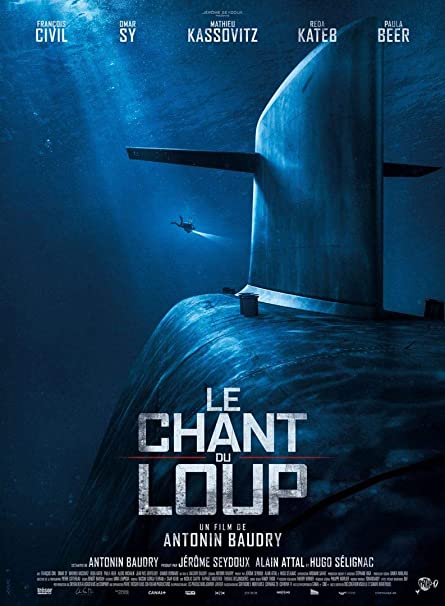
Eventually, we made ‘Losing My Mind’, which was then chosen to be the love song in the contemporary Cold War thriller ‘Le Chant Du Loup’ (The Wolf’s Call) and after that, we decided to make an album together.
Was the musical direction of the album something that was conscious and discussed?
Alanas: I would say that our album was consciously as well as intuitively directed. Mark was leading the process. We have exchanged much of our musical experiences, naturally discussed the lyrics and melodies of each track. We wanted our songs to reflect current people’s behaviour, feelings and needs. The message of our music is actual nowadays and I hope listeners hears it.
Mark: To a degree yes. Alanas liked the kind of sound I make and was open minded enough not to interfere. He also enjoyed the surprises and understood my idea was to make music in the present that reflected on our past, but is in fact timeless. Alanas would send me his basic vocal melody idea and I would take it and turn it into something else. Most songs had no real lyrics at first, so as the music developed, I would make subject suggestions, and write the lyrics accordingly, later as Alanas became more confident with his English, he would suggest themes too and write his own lyric ideas. Obviously, once our album started to take shape, we could see there was a pattern in the themes emerging. It wasn’t just all about love and loneliness, but also has contemporary political influences too.
Were there set roles within the writing and production or did you find that all interchangeable?
Alanas: We were so much into writing and producing new tracks. All our album was written interchangeably, while sharing music and lyric drafts, discussing, selecting and adjusting them. All the music production work was done by Mark and Micha Adam at their studio in Berlin.
Mark: Our roles were set before we started. Micha and I are already an experienced production team, and we each know where our strengths lie. Alanas is an established singer and songwriter. Yet for this project, he wanted a different sound to the contemporary one he usually pursues in Lithuania. I think he wanted to surprise his fans a bit there too. Mostly, we would create a template for Alanas to sing his idea to, then we would craft the song around it and write the lyrics, then we would fine tune it.
Did you put together the bones of the songs together while in the same room or was there quite a bit of remote working due to your geographical locations?
Alanas: The whole album work was basically done remotely, with me being in Vilnius and Mark in Berlin. We did have regular meetings in Berlin of course, but the most part of the studio work was remote.
Mark: No, we worked from separate cities. Quite an interesting process in itself and very modern thanks to the internet, such a process would have been impossible in the past. I had fortunately had enough experience working in this way before with other artists too, so it wasn’t so difficult for us. The only difference being in recording the vocals, when it comes to singing the lyrics and getting the intonation and pacing right, which is especially difficult for someone who is not a native English speaker, when they are next to you it is easy to say sing it like this or like that, but when they are in another city it’s not so easy.
Why the title ‘Children of Nature’? How did the song itself come together?
Alanas: The song ‘Children of Nature’ was one of the first tracks created for this album. At the beginning of our work, I sent the music draft to Mark with sketched lyrics including ‘Children of Nature’ and he liked the initial idea. Surely enough, Mark and Micha transformed it to perfection. When album was nearly finished, we realised that ‘Children of Nature’ is exactly the statement that represents our message to the people – we are responsible for the future of ours and future generations, thus must be warriors of our souls to protect it.
Mark: We felt that we wanted to make a statement to the generations of the future, show them what we thought about and that we cared. As a species, we have to a greater extent ruined much of our planet in a very short time. Nature has vented its anger upon us. Yet, in just a few weeks of lockdown, we saw all kinds of environmental miracles occur.
The planet doesn’t need us. It can wipe us out in an instant if it so desires. However, it proved, we could do a lot to help its recovery, if we really wanted to. It was a glimpse into an alternative future if we want it. Just imagine if we invested our technology and creative energy into helping our planet to recover, rather than build more weapons of mass destruction. In reality, we are all children of nature, but in little over a few hundred years we seem to have forgotten that, and as the world is governed by greed and selfishness, the egotistical desire for power and territory, puts us all in danger.
When The Berlin Wall fell, I had hoped that we were above all that in the coming 21st century. Sadly after 30 years, it seems not. We are back to where we were, at the start of the previous century. The cover design depicts a blurred image of post-nuclear children looking accusingly at the viewer. It’s a kind of forewarning. Do we want the future generations to grow up in that kind of post-nuclear world?
The cinematic ‘Losing My Mind’ was the first song released from the sessions and appropriately was in the French Cold War movie ‘Le Chant Du Loup’? Are you fans of spy dramas?
Alanas: Of course, since being a teenager I loved war and spy movies, because their characters take risks and go the end until they reach their goal, or die for it. These characters are mysterious and entertaining, capable to transcend me to new realities.
Mark: I grew up on James Bond and Harry Palmer. John Barry was a constant companion from being child. When Antonine Baudry approached me with a request to write a song for a love scene in his film, we had just started work on ‘Losing My Mind’. I decided as it was a contemporary Cold War thriller, I would pay homage to the music of Cold War thrillers of the past. Antonine heard the first draft and loved it immediately. That’s the version that appears on the soundtrack album.
If the British had James Bond and Harry Palmer, was there an Eastern Bloc equivalent?
Alanas: I guess that the best-known Soviet and even post-Soviet James Bond equivalent is a spy Stierlitz from the famous television series ‘The Seventeen Moments of Spring’ filmed in 1973. This movie has made the greatest impression on me while being a young kid.
One of the album’s highlights is the magnificent ‘Heavy Rainfall’, is that about the environment or something else?
Alanas: Funny enough, this track has nothing much in common with climate, environment or any form of natural weather conditions. Actually, ‘Heavy Rainfall’ transmits the message of the unfortunate rise of totalitarian regimes and strengthened social and even digital control over people.
Mark: ‘Heavy Rainfall’ is a song about how our thoughts are manipulated, about how our attention is diverted by trivia. It’s a warning, to be aware, but also the message is positive, that no matter how much heavy rainfall we get, we just have to wait and ride out the storm.
‘A Loving Touch’ appears to reference ‘Give Me Tonight’, was that intentional?
Alanas: Hmm, I am not sure I know that song ‘Give Me Tonight’. So most probably that means it was not intentional.
Mark: You are the only person who has made that comparison. Well, no it certainly wasn’t intentional. We are all subconsciously influenced by music we have heard though, sometimes you write something and think “have I heard that before?”
Thanks to SHAZAM, you can immediately see if it references anything. It might have partially a similar structure perhaps, which may give that impression, but we never thought of that. I just wanted to make a positive sounding song for the closing part of our album, something which captured a feeling for the roaring 2020s.
Strange thing is, now that we have all been through lengthy stretches of social distancing, where we were not allowed to kiss or hug our friends and loved ones, the message in this song takes on an entirely different meaning.
A track from the SHARK VEGAS archives ‘I Can’t Share This Feeling’ has been dusted off, what was the thinking behind this?
Alanas: To be honest, once Mark shared this track with me, I did not know at all that it is an old track from the SHARK VEGAS shelf. After we had recorded the vocals and the track was fully produced, Mark introduced me to the legend of SHARK VEGAS. We had a great conversation then, I remember. Mark really knows how to pleasantly surprise people.
Mark: I was going through some old SHARK VEGAS demo cassette tapes and I came across a song that I had recorded one night with Alistair Gray in our practice room in Tempelhof airport in the 80s. It never got beyond the rough demo tape stage and I was thinking maybe Alanas might be able to sing this.
So, I reworked it and sent him the backing track and vocal guide. I didn’t tell Alanas it was actually a song from the 80s, as I wanted to surprise him. And as it’s a mixed vocal of me and him, I decided it would only be fair to credit it to SHARK VEGAS.
‘All Alone’ is very on point with the current worldwide lockdown situation, but what had been its original sentiment?
Alanas: ‘All Alone’ is about loneliness, a lonely man in this World. The unexpected coronavirus lockdown has only strengthened this inner feeling of ours. Hasn’t it? When health crisis happened, we had no doubt of which vector of lonely humanity to choose – lockdown dictated it all and we dedicated this song to all the people isolated at home and in hospitals. It appears that we made quite a prophetic song and we indirectly could foresee the upcoming corona crisis.
Mark: Due to the lockdown, this song unintentionally became the first album outtake. We discussed the idea of making a video during lockdown but due to the restrictions it seemed almost impossible to venture outside without consequences, so Alanas made one at home. It’s structured like a 60s song, wrapped in a synthpop style with a contemporary theme.
Initially, I wanted it to be about the dilemma and frustration of loneliness. This is a subject that has actually been a reoccurring theme throughout my entire career, because no matter what, we are born alone and die alone and for the part in between we can sometimes find ourselves left alone, and we are all victims of that at some stage in our lives. It’s a solitary cry for solidarity.
‘Drowning in You’ has something of a ‘Heroes’ feel about it, had Berlin been a key symbolic influence on the album?
Alanas: Comparison to David Bowie is a great compliment. One of my very first childhood journeys was from Baghdad to West-Berlin in 1980 with my beloved mother. Since then, I carry those captured memories of Berlin’s streets, people and unique feeling in the air. Each stay in Berlin inspires me a lot and now working with Mark and Micha at their Berlin studio kind of blends it all together. No doubt, Berlin has influenced our music and I guess Mark can say much more to that point. Berlin is a city like no other.
Mark: ‘Drowning in You’ is a song about love at the dawn of a totalitarian regime, as it creeps upon you without realising the danger. The future looks optimistic even, but then things start to change. Berlin has seen that happen, but it could happen anywhere, anytime. It’s a song of reflection, on a time gone by, when the World seemed a happier place. Everything seems normal at first, but then things slowly start to disintegrate until the day comes when you suddenly find yourself being hauled off to a labour camp…
‘Fade On’ reflects a love for DEPECHE MODE, another act with Berlin very much in their DNA, have you seen the ‘Spirits In The Forest’ film?
Alanas: I first heard DEPECHE MODE as a twelve-year-old when I was already living in Soviet Lithuania, where international music from the West was super hard to get. I found the cassette tape with a name “DEPECHE MODE” at my older cousin’s house and I played ‘People Are People’. That was it. I was totally blown away of how the music sounded. I really cannot deny that discovering DEPECHE MODE in those pale Soviet times strengthened my dream to become an artist, and create my own music and form a band. Yes, I did see the ‘Spirits In The Forest’, loved the cinematography and style of storytelling itself.
Which songs have been your own personal favourites from ‘Children of Nature’?
Alanas: The whole album is an emotional journey through the complex human nature. It speaks to the listener of love, joy, loneliness, happiness, fulfilment, fear, pain… it even predicts the future if you like. The album’s structure is very consistent thanks to Mark’s insights and rich musical experience.
I hope our listeners can feel it. One of my favourite songs is ‘How Do You feel’, because it’s very inspiring and motivating. Also ‘Drowning In You’, ‘Fade On’, ‘Love Of My Life’, ‘Children of Nature’, ‘Heavy Rainfall’, ‘It’s Who You Are’, ‘I Can’t Share This Feeling’…errr
Mark: I can’t really answer that question. I just made an album that I thought Alanas, Micha and I would like to buy. I didn’t want to reinvent the wheel. I just wanted it to be a collection of familiar styles and sounds, that trigger a feeling of reminiscence, but then again, each song is different. It’s an electronic album, but sometimes it also has dance and rock elements to it, like a mixture of all the sounds that have influenced my own musical career.
Your partnership has been well received by music fans, is this a one-off or is working together again something you would like to do?
Alanas: We are very grateful to our fans who like our album and listen to it. I had long discussions with Mark before recording the first track. It took us a while to come up with this decision and I appreciate his trust and belief in me a lot.
Our partnership grew to a highly creative and mutually respectful relationship and I would definitely like to continue working together.
Mark: Micha and I have really enjoyed working with Alanas, we became a great team and we don’t see it ending with this album, on the contrary, we all hope our work will continue, and so it will. Not only have we managed how to make an album while being miles apart, but I think we have found the right song writing formula too in which we can work, which will hopefully make things easier for our next album.
What is next for each of you?
Alanas: Currently we are intensively promoting the digital album, producing new music videos and plan live shows once the corona crisis regulation allows it. Our record label MFS will soon release vinyl and CD formats of the album as it was already planned before the lockdown. As for the future, we do have creative brainstorms, but now all our efforts are focused on making ‘Children of Nature’ a success.
Mark: As always, my music life never stops evolving and apart from promoting ‘Children of Nature’, I have also been quite productive since I came out of lockdown.
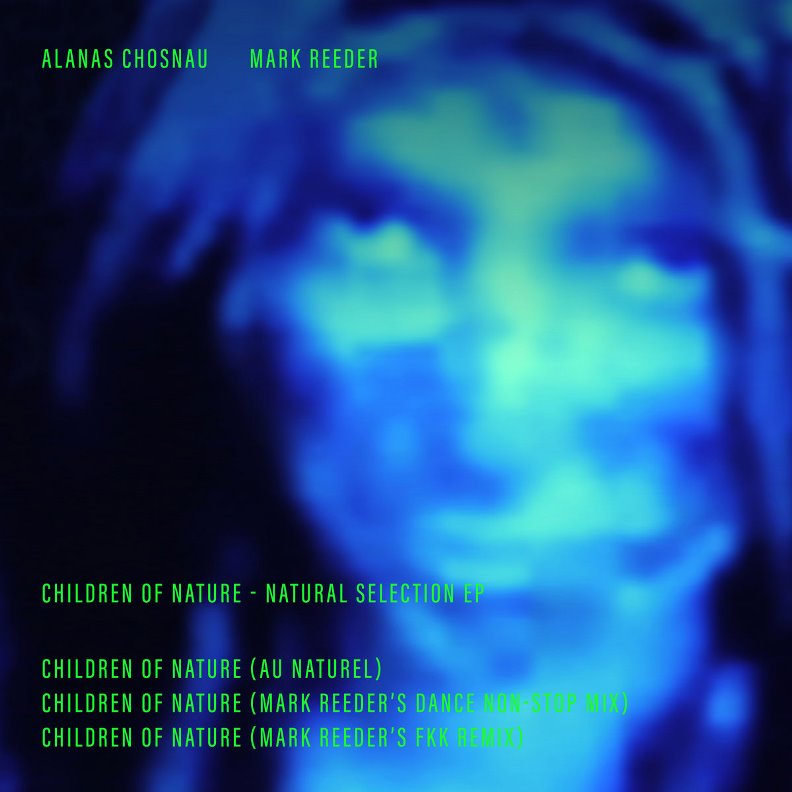
First off, I made two remixes of the title track ‘Children of Nature’ for the ‘Natural Selection’ EP, which are much more clubbier in their approach. I also remixed ‘Light of the World’ by BIRMINGHAM ELECTRIC, a project based in Amsterdam. I also remixed ‘Dead Soul’s by a band from Mexico called DEER who currently live in Hong Kong and I have just finished a remix for the CEMETERY SEX FAIRIES.
ELECTRICITYCLUB.CO.UK gives its warmest thanks to Alanas Chosnau and Mark Reeder
Having captured the claustrophobic solitude of lockdown with ‘Small World’, SNS SENSATION follow-up that slice of disco noir with a variation on the theme.
Entitled ‘Your Door’, this reflective electronic number deals with the effect that isolation has on the wider human condition. Highly influenced by the cool synthpop templates of NEW ORDER and PET SHOP BOYS, Sebastian Muravchik is the man behind SNS SENSATION.
Muravchik was best known as the front man of HEARTBREAK and while that project’s Italo sheen remains one of the continuity elements within SNS SENSATION, less prominent though are the heavier synth rock elements that came via musical partner Ali Renault. However, ‘Your Door’ springs a surprise with some distorted guitar in the final third to counterpoint its more wistful elements.
The promo music video for ‘Your Door’ is another inventive home-made affair and tells the story of a young school boy dealing with lockdown, unhappy about being taught by parents and unable to meet friends, but finally getting to enjoy the wide-open spaces of the great outdoors.
The video is a London-based present day colour tribute to Francois Truffaut’s 1959 nouvelle vague drama ‘The 400 Blows’, a story about a misunderstood Parisian adolescent who struggles with his parents and school. Elements could also be thematically seen to visually resonate a similar sentiment to TEARS FOR FEARS and the artwork for their debut album ‘The Hurting’.
Being in lockdown has made many feel like John Tracy in Thunderbird 5 and the subtle processing on Muravchik’s voice creates a hazy cabin fever feeling that aesthetically conveys all manner of frustrated emotions within ‘Your Door’.
In an interview with ELECTRICITYCLUB.CO.UK in April, Sebastian Muravchik said: “After the initial shock and the panic that ensued from becoming aware of what this pandemic could be and mean, I felt that facing the reality of it head-on in my work was a way of coping: perhaps a sense of control, even if illusory.”
He concluded that “My contribution is to help make some sort of sense of this reality; to try to understand more”.
But Muravchik admitted “the biggest challenge of all, bigger than the very real and horrific death we all justifiably fear, is freedom. And for as long as we manage to stay healthy, freedom is everywhere.”
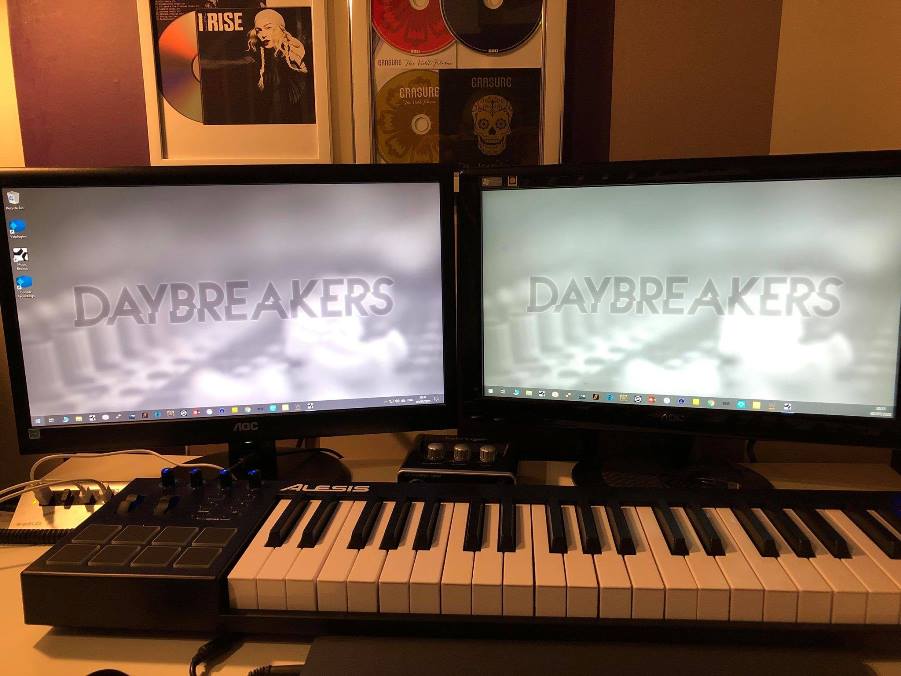
Alex Hush is the noted dance producer best known for his work in DAYBREAKERS with Ric Scott and before that, KOISHII & HUSH with Simon Langford.
Based in Toronto, undoubtedly now one of the liveliest and most creative hubs for modern electronic music, Alex Hush has an impressive portfolio that includes U2, MADONNA, ERASURE, PET SHOP BOYS, YAZOO, DURAN DURAN and INXS among others.
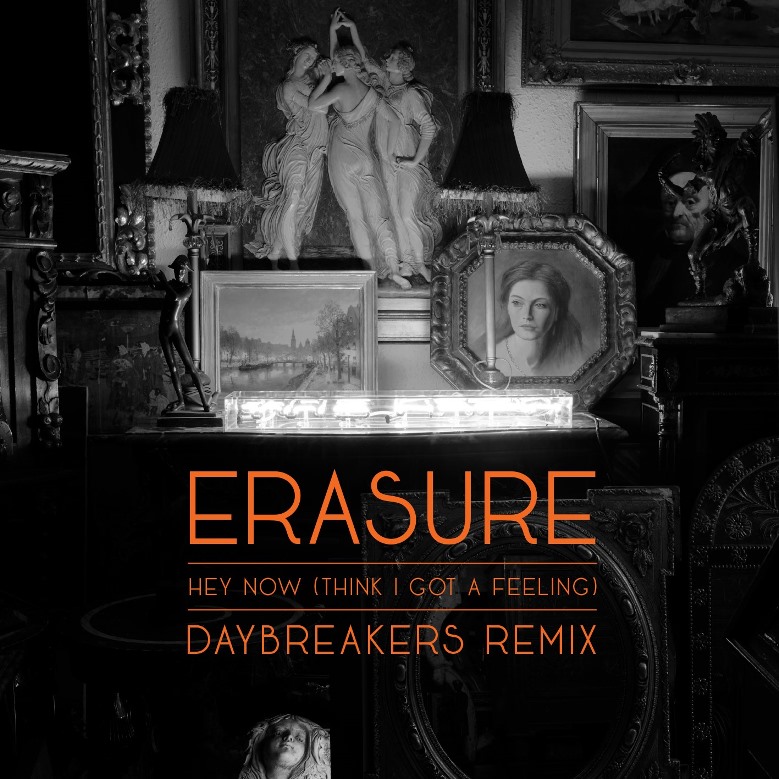
His latest work has been with DAYBREAKERS and an excellent remix of ERASURE’s new single ‘Hey Now (Think I Got A Feeling)’.
Alex Hush was also behind the famed seven volume ‘Retro:Active – Rare & Remixed’ CD compilation series on Hi-Bias Records in Canada which dug deep in the vaults for rare tracks by VITAMIN Z, LEISURE PROCESS and SEONA DANCING as well as featuring notable extended versions from the likes of A-HA, DEAD OR ALIVE, CAMOUFLAGE, OMD and THE CURE.
Alex Hush spoke about his career to date with DAYBREAKERS, KOISHII & HUSH and a whole lot more…
All the projects you have been involved with are largely associated with a dance friendly sound, what sort of clubs, DJs and environments influenced your approach to music?
Good question. I suppose I would say I was shaped by the music I grew up listening to in the 80s and to this day. In Toronto, there was a station called CFNY which played a ton of new wave and house tracks that were hugely influential. After that, people like Judge Jules, Pete Tong, Armin Van Buuren etc, all had a big influence with the tracks they played.
Who were the artists that you grew up loving?
ERASURE, NEW ORDER, DEPECHE MODE, PET SHOP BOYS, DEAD OR ALIVE, THE CULT, THE CURE, DURAN DURAN and many more. Even artists that only had one or two songs made an impact. I suppose for most people, if you liked one of the bands I mentioned, you more than likely listened to all of them.
So you love songs and you love remixes?
I do. I am no different than anyone when it comes to remixes. Sometimes a remix will turn a good track into a great track and other times I may not love the remix that was done. When it comes to remixes, fans can be very passionate and very opinionated and I am no different.
Who are your favourite remixers?
So many great ones but off the top of my head, the ones that I really like(d) are Shep Pettibone, Matt Darey, Tin Tin Out, Mark Saunders, Ferry Corsten. Any time their names appear you know you are getting something special.
Your first big name remix as DAYBREAKERS was ‘Love Is Bigger Than Anything In Its Way’ for U2, there were a lot of remixes commissioned for that, what was your approach to make it distinct?
For that mix, we wanted to try something with a bit of a deeper vibe to it while using the vocals in a unique way. We did two mixes and Bono really liked the ‘main’ mix and had an idea for an extra vocal. So he recorded it and sent it over and we incorporated it into the final mix which we were really pleased about. Nice to have his input and something unique.
How did you feel when MADONNA came calling for ‘I Rise’? Did you get to find out what she thought of your mix?
Just to work on U2 and MADONNA tracks was a thrill. We got the MADONNA mix right after the U2 one and it was a lot of fun to work on also. Because of the style of song, we took that in a different direction and was glad she and her team were happy with it.
No, we never got any direct feedback from her, but we were honoured that our mix was one of the ones chosen to be included on the RSD vinyl release.
DAYBREAKERS have produced a remix for ERASURE’s new single ‘Hey Now (I Think I Got A Feeling)’, do remixers get set a brief or is the point of being involved is that you are given artistic freedom?
I suppose that would depend on the project. We have never been given any sort of guidelines for a remix, but on occasion I have asked the label if they have any sort of direction for the mix. That can save a lot of time if you start out doing a mix in style a) and they really had style b) in mind. Other than that though, we have never had any sort of restrictions or template given to us.
The ERASURE mix was a lot of fun. We started out making a very progressive house sound and it was sounding good but neither Ric nor myself thought it was truly capturing the feel of the original. We completed that and set it aside, during which time Ric came up with a cool idea of a ‘pop’ mix, which ended up morphing into the final mix you hear now.
‘Marigold’ by the NEW ORDER offshoot SHADOWPARTY was another track remixed by DAYBREAKERS, would you like to be asked to work on an actual NEW ORDER song one day?
Yes! That is definitely on our bucket list! ‘Marigold’ was a great track to work on. Loved the original and having known Tom and Phil from NEW ORDER and BAD LIEUTENANT and getting to know Josh, doing a mix for them seemed like a no brainer. They are very passionate about what they do and great musicians.
Speaking of NEW ORDER, you worked with Gillian Gilbert on ‘Lifetime’ in KOISHII & HUSH, how did that come together?
I have been friends with NEW ORDER management for ages, and when we sat down to come up with our dream collaborators list, Gillian was on it. Her vocals on THE OTHER TWO project are so good, we had to get her singing something for us, so we pitched the idea and luckily, she agreed! The entire NEW ORDER camp are great.
KOISHII & HUSH were known for using some unusual vocalists as in artists who were not known for singing. Had that been a conscious concept or did it evolve naturally?
Hmmmm. I don’t think we ever set out to make a ‘non singers’ list – it just kind of happened. We did have a running list of people we wanted to work with just because we thought the combinations would be unique and quite cool, but it was not really a concerted effort. I would say that of all the people we approached, we got about 90% of them on board. We still have many unreleased K&H tracks that will see the light of day at some point.
One example was DURAN DURAN’s John Taylor and ‘C’est Tout Est Noir’, what inspired the collaboration?
Well both Simon and I were fans of DURAN DURAN and I knew John had done stuff on his own and always liked his style.
His track ‘I Do What I Do’ from the ‘9½ Weeks’ soundtrack really stood out in my mind and he considers ‘C’est Tout Est Noir’ a follow-up to that song, which is very cool.
‘C’est Tout Est Noir’ had a superb remix by Mark Reeder, when you write and produce a song, can you get “possessive” about things or does your experience allow you to remain objective?
Yes and no. Like I mentioned before, I can have the same reactions to remixes as anyone. What I do try and do though is remove myself from the equation and listen to it as someone not involved, which is not always easy to do. If you love a remix someone has done of your work, then great. If at first it is not really grabbing you, you need to think “ok, maybe this is not MY style but it might be for someone else”.
To be honest, I can only think of one occasion ages ago where a remix was submitted and we were not enamoured with it, but as it was not ‘our’ sound, who were we to judge? In Mark’s case, yes, it’s a great mix and we were thrilled to have him involved. I know John really liked his mix too and used it as the backing track on a vlog he made flying from London to LA.
The KOISHII & HUSH track ‘Rules & Lies’ was sung by Sarah Blackwood, what was she like to work with?
Total diva. LOL just kidding! She was great. Super sweet and did a great job on the writing and vocals. We met with Sarah at a coffee shop in London and hit it off right away. We were thrilled to have her involved because I had been such a huge fan of DUBSTAR. She is an underrated talent and would love to work with her again.
Is the album dying art? In the dance environment where there is less focus on the long player format?
It certainly seems that way, which I think is unfortunate. With so much of music being based on quick hits on social media, and with songs getting shorter to take advantage of streaming services, I think the whole experience that an album used to bring is gone. It obviously started with the ‘death’ of the CD and it has only gotten worse. Music seems to be the only instance where this seems to happen. You don’t watch bits of a movie or only read a few chapters of a book…
You’ve remixed DURAN DURAN, PET SHOP BOYS, YAZOO, INXS, WHEN IN ROME and B-MOVIE among others in your various guises, do you have any particular favourites from your career?
Oh sure. The remix of INXS’ ‘Need You Tonight’ was a big one and I think it still holds up to this day. ‘Storm In A Teacup’ for ERASURE and others, but it’s tough to pick out individual ones. They are all different and hopefully special to the listener in their own way.
Is there anyone else who you would really like to work with or remix?
I would really like to remix DEPECHE MODE or A-HA. I know we would love to work with a bunch of other people but I am not going to mention any names in case I jinx something ?
What’s next for DAYBREAKERS or anything else you are working on?
We have our first single signed to a label and that will be coming out soon. We are really excited about this one. We think it sounds great and hopefully others think so too!
ELECTRICITYCLUB.CO.UK gives its grateful thanks to Alex Hush
DAYBREAKERS’ remix of ERASURE’s ‘Hey Now (Think I Got A Feeling)’ is released by Mute Artists and available now via the usual digital outlets
We use cookies to ensure that we give you the best experience on our website. If you continue to use this site we will assume that you are happy with it.



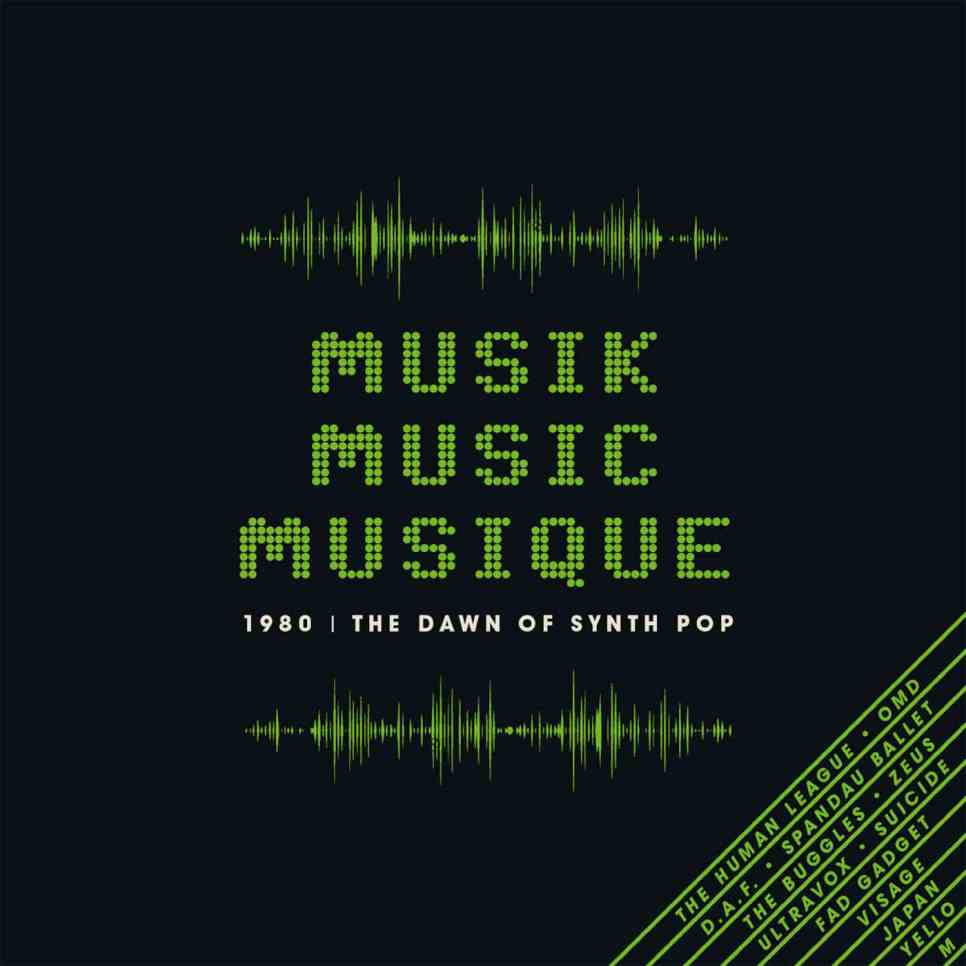
 ; subtitled ‘1980: The Dawn Of Synth Pop’, this 3CD 58 track collection explores the arrival of synth pop and the dawn of a new musical era. This was the year before the synth became the rule rather than the exception with the success of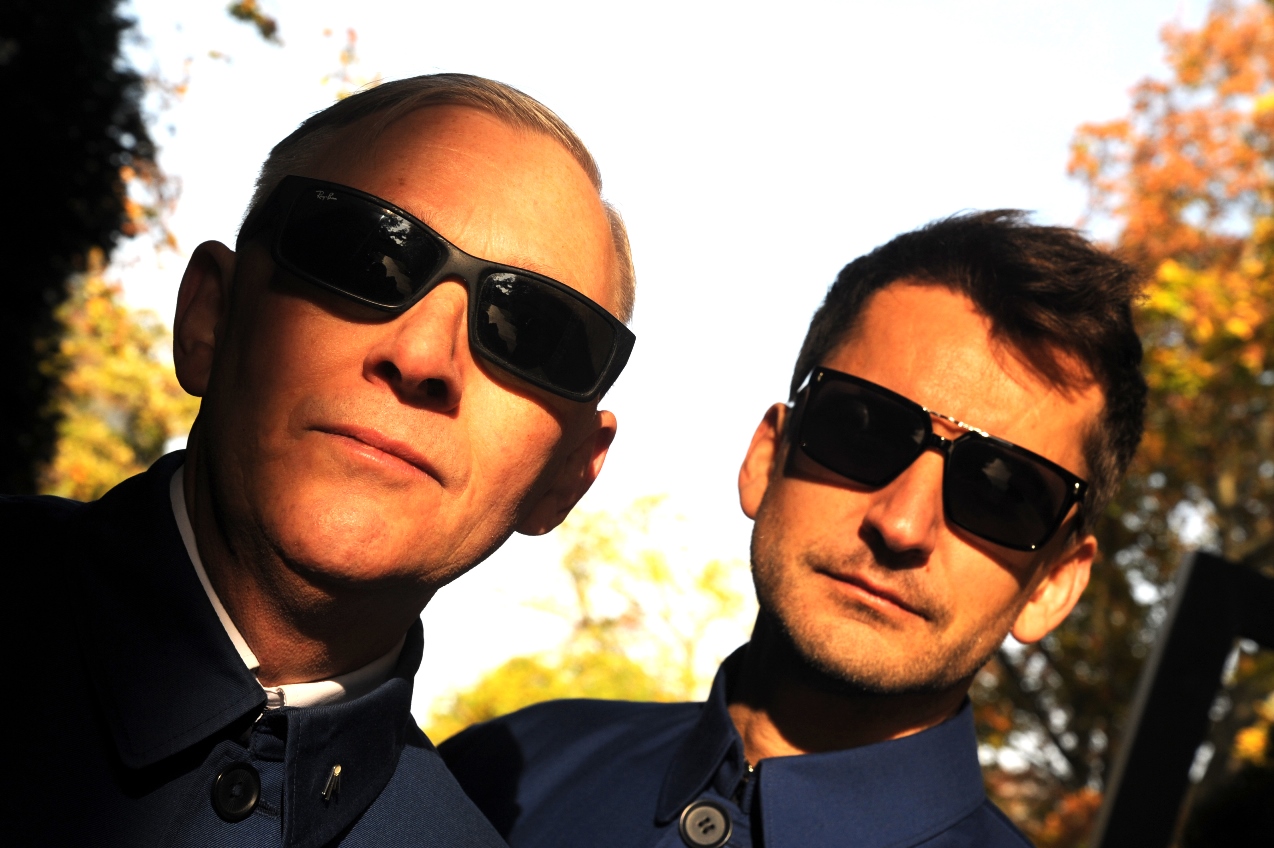
 album and the
  EP are released by MFS via the usual digital platforms including

 CD compilation series on Hi-Bias Records in Canada which dug deep in the vaults for rare tracks by VITAMIN Z, LEISURE PROCESS and SEONA DANCING as well as featuring notable extended versions from the likes of A-HA, DEAD OR ALIVE, CAMOUFLAGE, OMD and THE CURE.



 is released by Mute Artists and available now via the usual digital outlets
Follow Us!