Tag: Bernard Sumner (Page 1 of 5)

Missing In Action: SHARK VEGAS

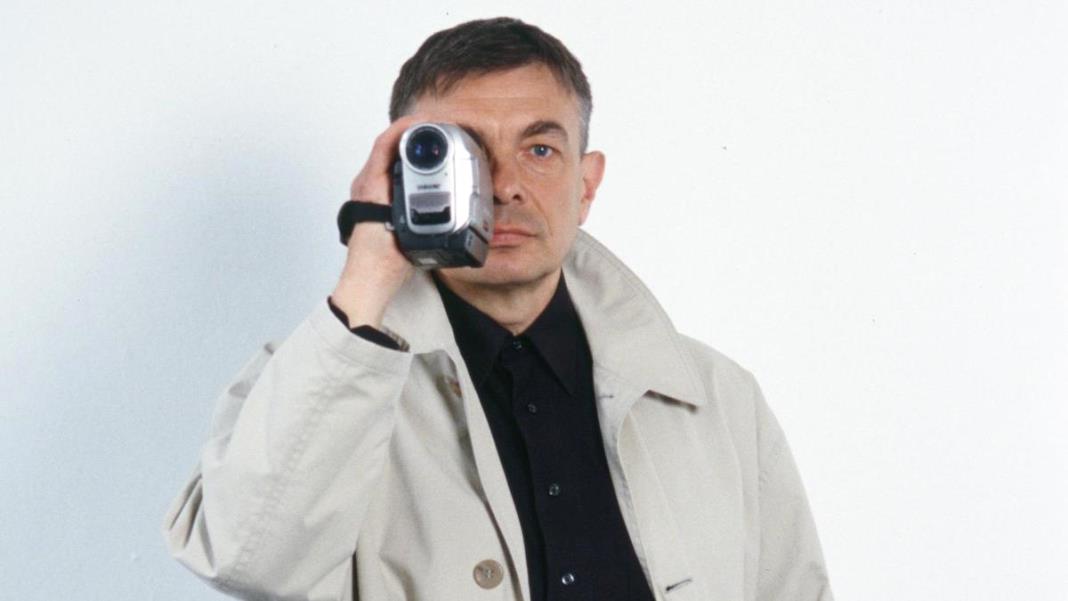
Photo by Jurgen Wellhausen

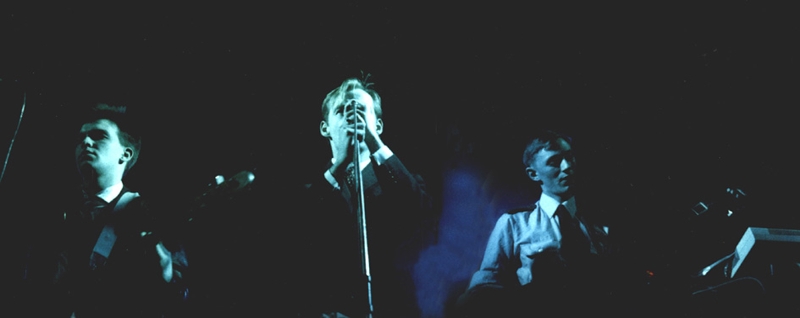
They were DIE UNBEKANNTEN but in 1984, they were no longer “unknown” as they changed their name to SHARK VEGAS ahead of a European tour opening for NEW ORDER.

Founded by Berlin-based Englanders Mark Reeder and Alistair Gray, SHARK VEGAS moved towards a more electronic HI-NRG disco direction after the doom-laden post-punk excursions of DIE UNBEKANNTEN, freshly influenced by Die Mauerstadt’s domestic club scene.

Adding Leo Walter and Helmut Wittler from the German band SOIF DE LA VIE to the line-up, the one and only SHARK VEGAS single ‘You Hurt Me’ was released on DIE TOTEN HOSEN’s label Totenkopf in 1984 before being remixed by Bernard Sumner for release by Factory Records in 1986.

The very immediate ‘Love Habit’ was premiered with a special video in 1985 on Berlin’s Glienicke Brücke which had a checkpoint that divided East and West; the occasion was to launch the new British cable music channel Music Box, but the song itself would remain unavailable until the soundtrack to Reeder’s documentary film ‘B-Movie (Lust & Sound in West Berlin 79-89)’ was issued in 2015.

SHARK VEGAS material has been scarce until now… the Japanese label Suezan Studio has issued an albums worth of material on CD as a tie in with their release of DIE UNBEKANNTEN’s ‘Don’t Tell Me Stories’ packaged in a 7” x 7” 130 page full-colour book; the SHARK VEGAS CD ‘You Hurt Me’ contains live tracks and original demos of songs, some of which were most recently re-recorded by Reeder with Lithuanian singer Alanas Chosnau and solo for the soundtrack to Hermann Vaske’s documentary film ‘Can Creativity Save the World?’; both available separately, if ordered together as a bundle, there is a bonus CD-R gathering further mixes of ‘You Hurt Me’ included.

Having previously discussed DIE UNBEKANNTEN in 2023 as part of the ‘Missing In Action’ series, Mark Reeder chatted to ELECTRICITYCLUB.CO.UK about swimming the turbulent waters with SHARK VEGAS in his role as The Mancunian Candidate…

How does it finally feel to get a SHARK VEGAS long form release? there’s 11 songs and a KISS cover, but was there much material in your archives?

It was a lovely surprise and a great honour to be asked by Kaoru of Suezan Studio if I would allow him to release DIE UNBEKANNTEN and SHARK VEGAS in Japan on CD. Initially, he thought it would be just one CD album of our 12” inch singles, coupled with a few live tracks, but I had some demos, and I had already written an extensive booklet about our Cold War escapades of trying to be a band and our activities playing in the Eastern Bloc.

So, I suggested that he make a special edition 100-page booklet, with photos and text to accompany the CD. This has become the limited deluxe edition of ‘Don’t Tell Me Stories’, which had only been previously released by Vinyl-on-Demand in 2007 as an LP, and because I now had more room, I could expand the track-list on the CD to include upgraded versions and demos. That also meant that SHARK VEGAS would also get its own CD release.

Although, apart from the two 12” inch Singles and one compilation track, we didn’t have that much SHARK VEGAS material to be honest, we did have plenty of dodgy demo tapes, and a few live sets on cassettes, and generally their quality varied from bad to worse. A lot of restoration work was required.

Photo by Irmgard Schmitz

How did the Japanese Suezan label become interested in releasing it?

I had been performing in Osaka as the opening DJ for NEW ORDER, and was scheduled to DJ in Alffo Record Shop… naturally being a vinyl junkie, I also went around to as many record shops as I could find, and I was browsing in the amazing Forever Records in the Shinsaibashi-Namba area of downtown Osaka, when the owner Satoru Higashiseto politely asked me if I was Mark Reeder, and then said, his friend had a label called Suezan Studio (who I actually knew about from his CD releases of other Berlin artists like DIE TÖDLICHER DORIS or DIN-A-TESTBILD). He said his pal was interested in licensing DIE UNBEKANNTEN and SHARK VEGAS for Japan.

The label owner Kaoru was apparently very proud to have original copies of all our EPs. He contacted me, and we discovered we had many mutual friends. He definitely knew his stuff and it just felt like Suezan Studio was the right home for my records.

When do you consider the moment that SHARK VEGAS became an actual entity?

Well, we changed our band name from DIE UNBEKANNTEN to SHARK VEGAS specifically for the NEW ORDER European Tour in 1984, so I guess our inception was March 1984. We also acquired two new members for that tour in Leo Walter and Helmut Wittler, both formerly of SOIF DE LA VIE, who had previously released their Hi-NRG song ‘Goddess of Love’, which had become a club hit, but they got stitched-up by their singer and she took all the credit, which deflated their hit-seeking ego somewhat. Joining SHARK VEGAS was a welcome escape for them.

I thought being a foursome would make for a better live presentation. Leo had performed the percussion on our original studio demo of ‘You Hurt Me’ and it seemed natural to ask him if he wanted to accompany us on tour. Helmut could play bass and keyboards, and he looked good with his shirt off, and he was the only one of us who had a driving license.

The collection contains numerous versions of the only official SHARK VEGAS single ‘You Hurt Me’, why was that chosen to be recorded? It has a story on its own which involves Conny Plank and then Bernard Sumner?

Yes. We had already recorded a studio demo of ‘You Hurt Me’ as DIE UNBEKANNTEN with Leo on percussion, that was a few months before we were asked to go on tour with NEW ORDER. I sent this fresh studio demo to Bernard Sumner, who really liked it and he offered to produce it, and said maybe Factory Records would release it. It all sounded promising. Rob Gretton suggested we could do the mixdown during the few days break we had on the tour, and he booked us into Conny Plank’s legendary studio near Cologne. We were all so excited. All my favourite Krautrock artists had recorded something with Conny Plank and I was secretly hoping he would spread some of his magic over our music.

The session was a painful nightmare, and in the end, Bernard spent most of the time trying to get his mix to sound like our demo. We made about six mixes and none were what we really wanted. It was very frustrating. I always wanted the song to sound more like our original “Unbekannten” first draft, which we recorded in our practice room. It had lashings of Korg Poly6 arpeggiator sequencers and synths, but by the time we got it into Musiclab studio, we had a new synth and 808 drum machine, and the song had become more professional – which is the studio demo mix which was eventually released on the Factory version 12” Single.

In the end, after the disastrous Conny Plank experience, we made the final mixdown in Strawberry Studio in Stockport, Manchester with Bernard and Donald Johnson from A CERTAIN RATIO. All the mix versions were then split between Totenkopf Records and Factory. While compiling tracks for these CDs, I discovered our original practice-room demo version, which I included on DIE UNBEKANNTEN ‘Don’t Tell Me Stories’ CD.

Would ‘Love Habit’ not have been a better choice as a debut single as that was more immediate or did you not think in commercial terms? How close did ‘Love Habit’ come to getting an official release at the time?

Probably, but we hadn’t finished writing ‘Love Habit’ by that point. After the NEW ORDER tour, we recorded a very shoddy demo of ‘Love Habit’ at Musiclab studio, which we used for the Musicbox video performance on the Glienicke Brücke (Bridge of Spies), but by then Leo and Helmut were already planning on leaving the band. The song would only be properly recorded and produced after Michael Schamberg asked us to contribute a song to his forthcoming FACTUS compilation ‘Young Popular & Sexy’.

When you were asked to tour with NEW ORDER, do you think you were ready? The live recordings included on the album indicate that you sounded ok at the time?

I suppose we were as ready as we were ever going to be, given the amount of time we had to prepare. We acquired our two new members in Leo and Helmut only a few weeks before the tour and we wrote a few new songs with them and practiced every day. I recorded all our drum machine sounds and sequencers onto 4 track tape, as the MC202 sequencer was far too temperamental to take on tour. As we didn’t really have that many new songs, we padded out our set with a couple of reworks of DIE UNBEKANNTEN’s old songs like ‘Perfect Love’ and ‘Don’t Tell Me Stories’. After our first gig on this tour, Karl Bartos told us, he thought we were better than the main act, he might have just been sarcastic, but it encouraged us immensely.

Photo by Wayne Arents

What synths and things were you using in SHARK VEGAS? Was the technology was enabling you to get more sophisticated sounds and ideas down quicker?

Not really. Preset sound synths were becoming more and more popular and I wasn’t a fan. It was fashionable to have a DX7 or Korg Poly800, but I liked to discover or create my own synth sounds by fiddling about. We had gone from just having the Roland 606, an MS20, a Moog and a Transcendent 2000, to more polyphonic synths like Korg Poly 6, Roland 106, MC202 and SH9 but we also had a Korg Poly800, a Casio and a Roland 808 drum machine and clap trap. Later, we had a proper Korg sequencer and a Roland 707 + 727, but we didn’t use them live, Leo used a Simmons kit with a click track, I played the Poly6, or Roland 106 and Helmut played the Poly800.

The “disco time” of ‘Undercover Lover’ showed a lot of potential, how did that come together and why the “006” reference?

We lived in the ultimate Cold War city. Berlin was the spy capital of the World. The place where the Third World War was supposedly, going to start. Our lives were constantly running against this narrative. Being Brits in Berlin and not in the Army, we were shrouded in suspicion and constantly aware that people considered us agents of some sort, and they didn’t know what the hell to make of us, especially in the East half of the city, where we spent a lot of time.

The East German Stasi thought my agenda was to subvert the youth of East Germany. ‘Undercover Lover’ is about falling victim to the honey-trap. Which we had personally encountered. 006 is a play on words. In German it is pronounced “Oh-Oh-Sex”. It is a hidden warning!

We were also regulars at the Metropol, Europe’s biggest gay disco at the time. We went every Friday and Saturday night. It was a very inspiring place. I had taken Bernard Sumner there in the early 80s and a while later, ‘Blue Monday’ was born. We too were inspired by the emerging Hi-NRG scene and we wanted to upgrade our sound and style, to make it more amusing and not as depressive as DIE UNBEKANNTEN.

Whose idea was it to do ‘I Was Made For Loving You’, what was the process of arranging it?

Well, I must confess that was my idea. I had seen KISS perform in Manchester in 1976, which was the first time they had ever played in the UK, and from that moment I was hooked. My fascination stopped after their ‘Dynasty’ album though, as I thought that was their pinnacle.

I loved ‘I Was Made for Loving You’ and I still think it is their best song. I thought it might be a laugh to make a high-energy-DEAD-OR-ALIVEy version for our live sets, as we had always had a cover version of something in our sets as DIE UNBEKANNTEN. We unleashed our corrupted cover versions of songs like; ‘When You’re Young and In Love’, or ‘Diamonds Are Forever’ and with SHARK VEGAS, we either performed our version of ‘Heaven’s in the Back Seat of My Cadillac’ or… ‘I Was Made for Loving You’; No live version of ‘Heaven’s in the Back Seat…’ has survived.

We first performed ‘I Was Made for Loving You’ at the Weisse Rose in Berlin as an encore, and the audience went completely bonkers, thereafter it became a permanent fixture in our live sets. Sadly, that first Weisse Rose recording was far too poor to restore, maybe one day AI will be able to dissect it enough and I will be able to reconstruct it to sound presentable. We recorded a studio demo of ‘I Was Made…’ just to see if it would work as a cover version. It was nowhere near where I really wanted to take it, as my ability was compromised by my lack of producer knowledge. It was basically our live version, recorded.

Photo by Irmgard Schmitz

‘Pretenders Of Love’ was the only other SHARK VEGAS track that got officially released back in the day? How did that come to be fully formed and included on that Factory US compilation ‘Young, Popular & Sexy’?

To present the Factory US label in America, Michael Schamberg was putting a compilation together of new or lesser-known Factory artists like; THE HAPPY MONDAYS, DURUTTI COLUMN, ACR or STOCKHOLM MONSTERS, and after the positive reception of ‘You Hurt Me’ in the USA, he wanted something new and unreleased from us for ‘Young, Popular & Sexy’.

We produced two songs in the studio, and he had the choice between ‘Pretenders Of Love’ or ‘Love Habit’, and he chose ‘Pretenders’. I guess he thought American audiences would be able to identify with it easier; ‘Love Habit’ was far too Hi-NRG for his tastes.

Of the previously unreleased tracks included, which ones have stood up in your opinion after 40 years?

Probably ‘Love Habit’, ‘Undercover Lover’ and ‘Ice’, but also other songs that initially never left the practice demo stage like ‘I Can’t Share This Feeling’ and ‘Lovers of the World’ have seemingly stood the test of time, which I recorded recently for the albums ‘Children of Nature’ or ‘Can Creativity Save the World?’.

How was the reconstruction aspect for you and your studio partner Micha Adam, were there any rules you set yourselves or did you let a few modern-day tweaks come in like artificial intelligence?

Micha and I just wanted to try and get it to sound as good as we could from the sources we had to use. We only had the cassette tapes to work from, as all the original 16 track and 2 track master tapes had been destroyed in 1990. Although I had kept the cassettes in fairly favourable conditions, they still had never been played for 40 years, and when the tapes are degraded and riddled with blips, breaks and drop-outs, it is very time consuming trying to find ways to reconstruct the sound. We didn’t use any AI on any of the restoration work though, everything was done by hand.

Was SHARK VEGAS more challenging than DIE UNBEKANNTEN with 4 people involved? When and how did it all come to an end?

It was more of a collaboration effort to write songs like ‘Undercover Lover’ or ‘Heartbeat’ and there were a lot of compromises involved. I don’t mind making compromises if it is to the benefit of the song, but to be honest, I personally wasn’t too happy with the sound direction we were heading, especially after Helmut and Leo wanted a sax solo on ‘Heartbeat’. It was far too Kenny G conventional and coffee-table for my musical tastes.

We were already drifting away from the synth-rock-disco sound that I thought gave us a particular individual sound-style. I didn’t mind being poppy, but Leo and Helmut desperately wanted a hit, and they thought we could create one by making that compromise. They seemed prepared to do anything in the hope of being accepted by the radio stations. I thought it was like clutching at straws. I liked being in our synth-rock-disco niche.

This naturally caused a rift between us and what is usually described as so-called “musical differences” ended up dismembering the band. Helmut and Leo were still members of SOIF DE LA VIE and they wanted to pursue their own musical agenda. So, they left the week after we controversially won the Berlin Senat’s Rock Wettbewerb (rock competition). Alistair stuck it out for a while longer in Berlin, but after the release of ‘Young Popular & Sexy’, he too, eventually decided to return to the UK. After which, I started ALIEN NATION with Leo in 1987 to make Acid House.

If you had a time machine, how might you have approached SHARK VEGAS differently?

If I would be able to take the insight and knowledge as a producer from today with me, I would definitely want SHARK VEGAS to be more sequencer-synth driven, with dramatic disco-drums, and arpeggiators. In fact, just like the sound and style of the music I make today.


ELECTRICITYCLUB.CO.UK gives its warmest thanks to Mark Reeder

‘You Hurt Me’ by SHARK VEGAS is released by Suezan Studio and available in the EU as a super deluxe bundle with ‘Don’t Tell Me Stories’ by DIE UNBEKANNTEN + a bonus CD-R from https://me-shop.net/produkt/die-unbekannten-shark-vegas-package-2cdbuchbonus-cd-r/

The SHARK VEGAS ‘You Hurt Me’ CD is available separately from
https://me-shop.net/produkt/shark-vegas-you-hurt-me-remastered-2025-lim-500/

‘You Hurt Me’ is also available digitally from https://markreedermfs1.bandcamp.com/album/you-hurt-me

DIE UNBEKANNTEN ‘Don’t Tell Me Stories’ CD and 7” x 7” 130 page book package is available separately from https://me-shop.net/produkt/die-unbekannten-dont-tell-me-stories-cdbuch-remastered-2025-lim-500/

Mark Reeder will be DJing with Gudrun Gutat as part of ‘David Bowie in Time: Just a Cabaret’, a special celebratory event at The British Library in London on Saturday 17th January 2026, also appearing will be Blixa Bargeld, Nikko Weidemann, Daniel Brandt and Jehnny Beth – tickets are available from https://events.bl.uk/events/david-bowie-in-time-just-a-cabaret

https://www.facebook.com/markreedermusic/

https://www.instagram.com/markreeder.mfs/

https://mfsberlin.com/

https://www.facebook.com/mfsberlin


Text and Interview by Chi Ming Lai
2nd January 2026

Substance: The Legacy of NEW ORDER

Photo by Anton Corbijn

What began as a request by Factory Records impresario Tony Wilson to play NEW ORDER’s singles on the CD player that came with his brand new Jaguar XJ6 Coupé led to what was to become the band’s biggest selling album.

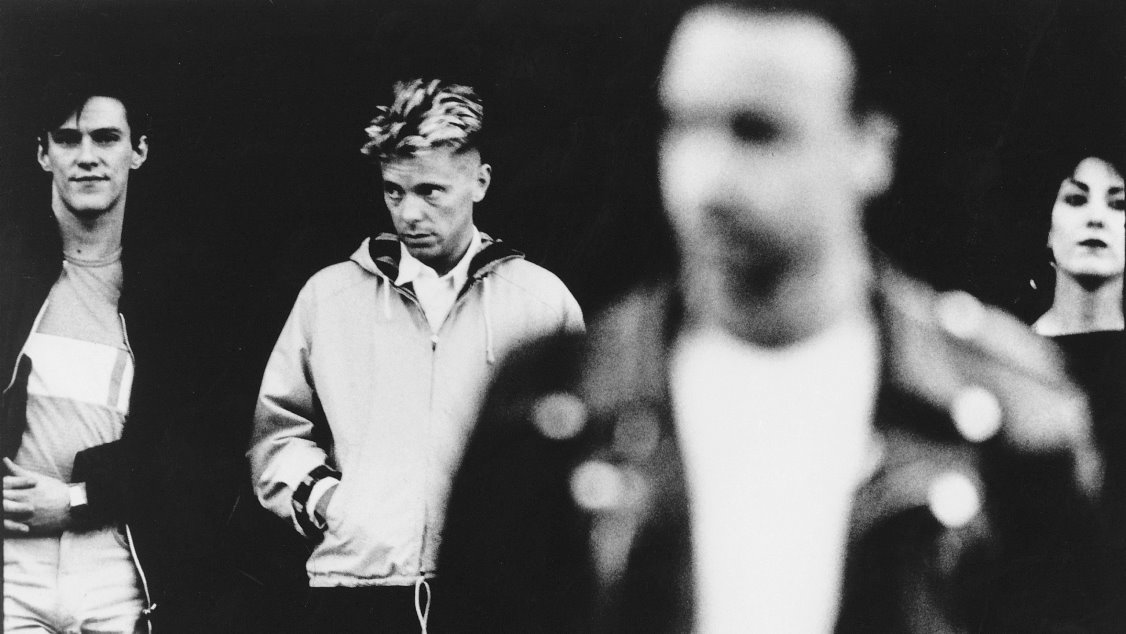
Originally released in Autumn 1987, ‘Substance’ was a compilation of NEW ORDER’s 12” singles to date and it is to finally get the reissue treatment. Although at the time, NEW ORDER had already released four albums ‘Movement’, Power, Corruption & Lies’, ‘Low-life’ and ‘Brotherhood’, the Manchester quartet comprising of Bernard Sumner, Peter Hook, Stephen Morris and Gillian Gilbert could often be better represented by their singles rather than their albums, as many were standalone non-album releases and quite different in musical style, being often more electronic and danceable.

‘Substance’ was issued in a variety of formats including double vinyl, cassette, DAT and CD, the latter three variants made use of the extra playing time available and included bonuses such as B-sides, tracks only previously issued in Belgium, instrumental versions and those rarely essential dub experiments. Perhaps not unsurprisingly, despite its flaws with re-recordings, edits and omissions, it went on to sell around a million copies worldwide as many fans’ entry point into NEW ORDER.

The new deluxe 4CD reissue includes a live disc of the band performing the entire ‘Substance’ album at Irvine Meadows Amphitheatre in California and a bonus disc of tracks omitted from the original edition of ‘Substance’ such as the superior original hit version of ‘Ceremony’ and the mournful if excellent B-side ‘Mesh’, as well as the original 12” versions of ‘Temptation’ and ‘Confusion’.

The world knows what happened on 18th May 1980 and with the tragic passing of charismatic front man Ian Curtis, the end of JOY DIVISION led to the formation of NEW ORDER. Produced by Martin Hannett who had produced most of JOY DIVISION’s recorded portfolio, the guitar driven first single ‘Ceremony’ was one of the last songs written with Curtis and a magnificent start. But as the first purely NEW ORDER material was being written, the former members of JOY DIVISION were struggling to escape the shadow of their previous incarnation.

Although the often forgotten second single ‘Procession’ showed progression with a greater use of synth and backing vocals from Gillian Gilbert, it paled next to ‘Ceremony’. The fraught debut NEW ORDER long player ‘Movement’ was underwhelming, confused and perhaps too close to ‘Closer’, the final JOY DIVISION opus. Among the reasons were ongoing tensions in the studio with Hannett and the internal dilemma as to who was to take over the mantle of front man from the dearly departed Ian Curtis.

While Stephen Morris was originally mooted to become lead vocalist, Bernard Sumner was eventually settled into the role at the behest of manager Rob Gretton. Having already sung on the JOY DIVISION track ‘Interzone’, Peter Hook tried out for the role and provided lead vocals on two of the best ‘Movement’ tracks; the solemn ‘Doubts Even Here’ also included a stark Bible reading by Gillian Gilbert while much more spritely, ‘Dreams Never End’ was later appropriated by THE CURE for ‘In Between Days’.

But the pointer to the future of NEW ORDER was not on the album but the ‘Procession’ B-side ‘Everything’s Gone Green’. Introduced to European electronic dance music like Giorgio Moroder by his friend Mark Reeder, Sumner had become more interested in synthesizers and sequencers. Meanwhile, as Stephen Morris had used Synares and early Simmons drum synthesizers in JOY DIVISION, his progression into the purchase of a Boss DR55 Doctor Rhythm was only natural.

Using the Doctor Rhythm to pulse sections of their new ARP Quadra synth which replaced their stolen ARP Omni, the throbbing sequencer-like backbone on ‘Everything’s Gone Green’ was a pointer to an exciting new direction. Stephen Morris told ELECTRICITYCLUB.CO.UK in 2011: “With ‘Everything’s Gone Green’, you had a Moog Source doing a 1/16th pulse and the Quadra doing the ‘da-dah, da-da-dah’. Then what you’d do is take the ‘CV’ out of the Quadra and take that into the Moog so that the Moog is playing a different rhythm but following the pitch of the other thing. That’s what we used for ‘Temptation’ as well.”

A self-produced electronic breakthrough away from the haunting legacy of JOY DIVISION, ‘Temptation’ was NEW ORDER’s only single of 1982. The recording itself was marvelously flawed, with Stephen Morris’ overdriven Simmons snare panned too far to the right while band members could also be heard calling instructions and tutting. The pulsing hypnotism of the triggered electronics and the iconic “oooh-oo-ooh” vocal refrain made ‘Temptation’ joyous and magical.

There was further trailblazing with an actual sequencer on the ‘Temptation’ B-side ‘Hurt’ as NEW ORDER grappled with a Powertran 1024 Note Composer. Home-built from a kit by Bernard Sumner, it was customised by the band’s electronic boffin Martin Usher to expand its memory. However, it was cumbersome to use and had to be programmed in hexadecimal! Around this time, NEW ORDER recorded a self-produced John Peel radio session that showcased the band’s transitioning sound with the throbbing sequences of ‘586’ highlighting a proto-dance direction.

Also part of the session, ‘Turn The Heater On’ was a cover of the Keith Hudson reggae song in tribute to Ian Curtis and ‘We All Stand’ which had avant jazz overtones. But ‘Too Late’ was significant, sounding like it could have come off ‘Movement’ with its lingering gothic doom, but later discarded as if a relic from another era; it was to remain unreleased until 1986 and never to actually appear on a NEW ORDER album or single…

Things were changing in the drum department too as Stephen Morris saw Stevie Wonder demonstrate the Linn Drum Computer on ‘Old Grey Whistle Test’. Eventually plumping for the slightly cheaper Oberheim DMX, programming it was like Morse code; The Human Drum Machine later quipped in his 2020 autobiography ‘Fast Forward: Confessions Of A Post-Punk Percussionist – Volume II’: “I always found the record and erase buttons a little too close together for comfort!”.

With NEW ORDER making use of the solid bass possibilities of the Moog Source and expanding their synth armoury to include an E-mu Systems Emulator, Pro-One and several Prophet 5s, in tandem with the Oberheim DMX, they put together ‘Blue Monday’ to help discover how all this equipment worked! Originally conceived as a cheeky self-playing jape on the audience who were complaining that the band did not do encores after their 10 song gigs, this 7 and a half minute slice of doom disco was a combination of several key pieces of music.

The ‘Blue Monday’ bassline and chord structure came from ‘Sylvester’s ‘You Make Me Feel (Mighty Real)’, the frantic drum attack was inspired by Donna Summer’s Giorgio Moroder-produced ‘Our Love’ and the groove off Klein & MBO ‘Dirty Talk’. Meanwhile the ominous bass guitar motif was based on an acoustic six string line off ‘Paying Off Old Scores’ from the Ennio Morricone-composed soundtrack to ‘For A Few Dollars More’. More obliquely, KRAFTWERK made an appearance via a choir sample taken from ‘Uranium’, an interlude art piece on their ‘Radio-Activity’ album.

Despite being effectively an ideas mash-up, ‘Blue Monday’ was to be influential itself with THE CURE playing their tit-for-that game with NEW ORDER with the heavily sequenced ‘The Walk’ while the Bobby Orlando produced ‘Love Reaction’ for Divine was much more blatant. And that was just the start…

For the companion album ‘Power Corruption & Lies’ released in 1983, KRAFTWERK were to have a big influence on the record’s best song ‘Your Silent Face’; with the working title of ‘KW1’, it was the ultimate homage to Kling Klang and the romantic ‘Trans-Europe Express’ era of the Dusseldorf quartett with a replication of the pulsating Synthanorma sequence and Vako Orchestron strings from ‘Franz Schubert’ using a Sequential Polysequencer and Emulator.

‘Power Corruption & Lies’ was not entirely electronic and there were still guitar driven songs such as ARP Quadra assisted ‘Age Of Consent’ and synth-less ‘Leave Me Alone’, as well as hybrids like ‘Ultraviolence’ and ‘The Village’. Speaking of the former in 2023, Peter Hook said to ELECTRICITYCLUB.CO.UK: “‘The Village’ has got an amazing sequenced keyboard line by Bernard, he really went to town in programming that! The way the keyboard line builds and the way that it changes over those 4 and a half minutes…”. Not every track was a success and strangely ‘586’ lost its menace in re-recorded form while ‘We All Stand’ laboured when compared to its Peel session premiere.

Although ‘Power Corruption & Lies’ showed NEW ORDER had not left alternative rock music completely and would go on to maintain a balance on their next trio of long players, with an increasing interest in dance music from some members of the band and having opened The Haçienda with Factory Records in the vein of the clubs they had visited with New York, there was collaborative union with electro producer Arthur Baker who had worked with Afrika Bambaataa.

Baker wanted to make ‘Blue Monday’ while NEW ORDER wanted to make ‘Planet Rock’, so the result quite literally was ‘Confusion’! Stephen Morris in particular was frustrated during the sessions as Baker would not let him alter his Roland TR808’s pre-programmed patterns which were a major part of his sound. However, there was plenty of fun had and if you listen carefully, you can hear the band and Baker shouting “W*NKER” as it heads into the final straight.

The 1984 interim non-album single ‘Thieves Like Us’ offered a lusher sounding NEW ORDER that recalled THE HUMAN LEAGUE and a Hooky bassline borrowed from HOT CHOCOLATE’s ‘Emma’. But the third NEW ORDER long player ‘Low-life’ saw for the first time, a single taken from an album as a compromise following a new US deal with Qwest Records, a joint venture between Quincy Jones and Warner Brothers. Opting to replace their Prophet 5s with rack-mounted Octave Plateau Voyetras in their synth armoury, ‘The Perfect Kiss’ came in the usual 12” version as an epic 9 minute sequencer adventure but was sympathetically abridged for album consumption.

‘Low-life’ featured several other highlights and opened with the Country ‘n’ North Western ghost story ‘Love Vigilantes’. The mighty ‘Sunrise’ was another number in the tit-for-that exchange with THE CURE which was clearly influenced by ‘A Forest’ while the brilliant ‘This Time Of Night’ exuded a throbbing post-punk growl to shape one of NEW ORDER’s most underrated songs.

The influence of Enno Morricone returned for the gloriously emotive instrumental ‘Elegia’ while the HI-NRG sex anthem ‘Sub-culture’ provided a potential hit single, although this was not realised despite a club enhanced remix by John Robie featuring additional soulful female backing vocals which dismayed many NEW ORDER fans. However, the dreadful closer ‘Face Up’ proved to be the low-point in an otherwise good record.

The link with Qwest opened up doors to Hollywood and although THE PSYCHEDELIC FURS and OMD bookended the 1986 John Hughes teen movie ‘Pretty In Pink’, NEW ORDER contributed three tracks to the soundtrack including a brand new single ‘Shellshock’; produced with John Robie, the 12” version was painfully overlong and while the final mix was also very busy and messy. It would take another year for NEW ORDER to get that mainstream pop hit.

NEW ORDER were gaining momentum and this put them in good stead for their next album. Deciding against the purchase of the very expensive Fairlight, they went for the more cost-effective Yamaha RX11 drum machine and QX1 sequencer combo with Emulator IIs. Although technology was now a major part of their modus operandi, NEW ORDER continued with their original band-oriented sound which could make them quite unique compared with their contemporaries. This existential compromise was made quite explicit in the concept for their fourth LP ‘Brotherhood’.

Divided into distinct rock and electronic halves, although it suffered from comparison with ‘Low-life’, ‘Brotherhood’ contained one of NEW ORDER’s most enduring tunes in ‘Bizarre Love Triangle’; the rugged self-production was a glorious electronic number with a slight mechanical offbeat while providing space for Hooky’s distinctive bass. Here was another potential hit but the version released for single consumption was a frustrating, four-to-the-floor remix by Shep Pettibone which took all the character out of the song with a barrage of overdriven percussive samples. A belated 1988 remix by Stephen Hague which eventually appeared on a free cassette with Select Magazine in 1991 was much better and in slightly reworked form, resurfaced in 1994 for ‘(the best of)’ compilation.

While ‘Brotherhood’ did not consistently reach the heights of ‘Power, Corruption & Lies’ or ‘Low-life’, it did feature a number of other brilliant songs; although ‘Paradise’ featured on the rock half, a sequenced bassline provided its hypnotic core thanks to the acquisition of the Roland SPX Sync Box which could clock sequences from a live drum track. On the other side, the beautiful ‘All Day Long’ combined THE VELVET UNDERGROUND with New York electro and soaring classical melodies while the amusing ‘Every Little Counts’ synthetically pastiched Lou Reed’s ‘Walk On The Wild Side’ at funereal pace with a hilarious scratched vinyl ending.

The inclusion of the pre-album single ‘State Of The Nation’ on the CD edition of ‘Brotherhood’ had signalled how marketing releases with bonus songs was to be a lucrative strategy thanks to the extra playing time accorded by the silver discs. So for the release of the ‘Substance’ compilation, there came a new brand single ‘True Faith’ which proved to be NEW ORDER’s most immediate and accessible pop song yet.

Co-produced by Stephen Hague who had worked with OMD and PET SHOP BOYS, the band were transformed without hindering their ethos. During the recording, Hague insisted that Bernard Sumner laid down his lead vocal early on so that the instrumentation could be built around his voice. The result was that there was a more subtle dynamic space in ‘True Faith’ compared to the occasionally messy wall of sound effect that had been a characteristic of NEW ORDER’s self-produced recordings.

On the B-side was ‘1963’, a song driven by E-mu Systems SP12 sampling drum computer that some reckoned was even better than ‘True Faith’; Stephen Hague felt it should have been an A-side. Much to Hooky’s annoyance, his contributions on ‘1963’ were virtually written out, only making a brief appearance at the end. However, the bassist had the last laugh when ‘1963’ was belatedly released as a single in its own right in 1994 as a more Hooky audible rework by Arthur Baker.

Arthur Baker himself had developed an enduring relationship with NEW ORDER, having co-written ‘Confusion’ and ‘Thieves Like Us’ like he was a member of the band. Working as the music supervisor for the movie soundtrack of Beth B’s parody of televangelism ‘Salvation’, he invited NEW ORDER to contribute 5 tracks, the best known of which was ‘Touched By The Hand Of God’; in a sign of the future, its title was inspired by the controversial Argentine footballer Diego Maradona.

Not featuring on ‘Substance’ but mixed by Baker for single release to coincide with a three date European tour in late 1987 that included the band’s biggest headlining UK concert to date at Wembley Arena, ‘Touched By The Hand Of God’ was another of NEW ORDER’s more underrated singles. With a synth riff borrowed from Shannon’s ‘Let The Music Play’, it successfully combined some gritty rock energy to a solid Italo disco backbone featuring a great sequenced bassline.

Meanwhile, ‘Blue Monday’ got a second life and an edit in a remix supervised by Quincy Jones, but by the end of 1988, the world was gripped by acid house with The Haçienda becoming its UK Mecca. NEW ORDER decided to record their next album on the sunny Balearic party island of Ibiza. But with its various hedonistic distractions, the band got very little done apart from a couple of drum tracks! So recording began in earnest at Real World Studio in Box near Bath, the renowned state-of-the-art and pricey studio complex owned by Peter Gabriel.

A sly send-up of the acid house scene, one track inspired by all the partying was ‘Fine Time’. Utilising Akai 900s samplers, it featured a pitch shifted vocal sounding like an inebriate jackmaster impersonating Barry White, while the untidy backing track was complimented by some bleating sheep. Bernard Sumner admitted ‘Fine Time’ was “a novelty record” to Melody Maker and luckily the single edit was one and a half minutes shorter than the album version, which with its overlong bass drum breakdown, spoilt the start of what was an otherwise excellent album in 1989’s ‘Technique’.

With its combination of alternative rock, electronic and hybrid tracks mixed with greater clarity by Alan Meyerson, there was a sunny vibe, even on the melancholic glory of ‘Vanishing Point’ which appeared in instrumental form as the end credits theme to the BBC comedy drama ‘Making Out’. ‘All The Way’ was another tit-for-tat jibe at THE CURE resembling ‘Just Like Heaven’ while the wonderful countrified ‘Run’ was similar enough to ‘Leaving On A Jet Plane’ that John Denver sued the band successfully to bag a cut of the publishing.

A development of ‘Paradise’ from ‘Brotherhood’, ‘Dream Attack’ was an ecstasy song but with acoustic guitars syncopating off the deep synthesized bass although in a sign of developing tensions, Peter Hook’s sliding melodic bass could barely be heard. Among the other highlights of ‘Technique’ were ‘Mr Disco’ and ‘Round & Round’ which saw NEW ORDER in their glitterball disco prime; there were tongue-in-cheek holiday romance lyrics and syndrums on the former while on the latter, its orchestral stab-laden Europop prowess made ‘True Faith’ sound like ‘Atrocity Exhibition’, especially in its later Stephen Hague produced single mix.

However, some of the band’s hardcore following were dismayed these songs’ sonic affinity with PET SHOP BOYS. With NEW ORDER in hiatus after an appearance at the 1989 Reading Festival where he announced that the band were not splitting up, Barnard Sumner did a whole album of electronic disco with Johnny Marr in ELECTRONIC, aided and abetted by Neil Tennant and Chris Lowe!

Dismayed, Peter Hook formed the appropriately named but less well-received REVENGE, supposedly a statement for “real guitar music” as a reaction, according to Stephen Morris, to NEW ORDER’s “synthesized sequenced sh*t” but ended up using “synthesized sequenced sh*t”! Meanwhile, Morris himself and Gillian Gilbert settled into domestic bliss on a farm near Macclesfield with a home studio, doing TV soundtrack work and their own pop project THE OTHER TWO.

But during this break, NEW ORDER reconvened temporarily having been commissioned by the Football Association to record a song in support of the England World Cup team for Italia ’90. Based on a theme that Gillian Gilbert had composed for the BBC Youth TV magazine show ‘Reportage’, ‘World In Motion’ was released 4 days after the 10th anniversary of Ian Curtis’ passing and hit No1. Sumner told NME at the time that ‘World In Motion’ would be “the last straw for JOY DIVISION fans”. Meanwhile, in another end-of-an-era moment that was not apparent at the time, ‘World In Motion’ was to be the final NEW ORDER release to have a Factory Records catalogue number, although MCA handled the wider manufacturing and distribution responsibilities on behalf of the FA.

By the time of the next album ‘Republic’ where NEW ORDER were persuaded to make a new record to recoup some of the money that Factory Records still owed them for the success of ‘Substance’. Much of the cash had been syphoned off to fund the label’s less viable acts, The Haçienda and a lavish new HQ in Manchester’s trendy Charles Street while the band were still kept on a modest wage.

Although an attempt was made to start recording the album with Pascal Gabriel, Stephen Hague was brought in to helm the ‘Republic’ sessions at Real World. However, with the various band members not speaking to each other, the American producer (who was also an accomplished musician) took control to get ‘Republic’ finished on time and within budget. Two notable session musicians, David Rhodes on guitar and Andy Duncan on percussion were even brought in. Hague would later lament that ‘Republic’ featured too much of him and not enough of NEW ORDER.

However, it was all too late for Factory Records which collapsed towards the end of 1992. Released in 1993 on London Records, while it was to become a highest charting album in America, ‘Republic’ was a lukewarm record although there were some high points. The bittersweet first single ‘Regret’ sampled ‘Atmosphere’ for its intro and was a fabulous band centric opening track that had haunting echoes of ‘Ceremony’. ‘World’ though could have been ELECTRONIC and was notable for its absence of Hooky’s bass, while the serene ‘Ruined In A Day’ took Ennio Morricone’s influence on the band to its zenith despite also not featuring the bassist.

Actually featuring Hooky, ‘Young Offender’ was one of the album’s few non-single highlights, but the troubled atmosphere and financial turmoil that was lingering could be sensed lyrically on songs like ‘Times Change’ and especially ‘Chemical’. While ‘Liar’ was possibly a scathing attack on Tony Wilson, the song itself was poor while ‘Special’ was an attempt at MASSIVE ATTACK’s ‘Unfinished Sympathy’ but less successfully realised.

An indicator of how different ‘Republic’ could have turned out was when ‘Spooky’ was released as a single. Underwhelming as an album track, it was remixed by house dance trio FLUKE who provided a more spacious rhythmic backdrop, with the song-based ‘Minimix’ allowing the best elements to shine.

NEW ORDER went into a second lengthier hiatus after another Reading Festival appearance in Summer 1993 but they had already made their mark on popular music. They had been at the forefront of adopting early affordable programmable technology in music. During a period when bands like OMD, SOFT CELL, DEPECHE MODE and YAZOO used backing tapes, NEW ORDER risked all by taking this equipment, complete with their mini data cassette dumps, out on the road and using it on stage! They had furthered the cause of electronic dance music by introducing the sound of New York electro and Italo disco to UK audiences from within their own work. They even made a football record that was actually very good and captured the zeitgeist.

But while NEW ORDER remained credible thanks to their independent Northern English bloody mindedness and not playing the game, with the reality of having to pay the bills, they eventually headed for London. Against the odds, NEW ORDER were reunited in 1998 at the instigation of Rob Gretton after a headlining offer was made by the promoters of the Phoenix Festival. Although that event later collapsed, there were triumphant shows at Manchester Apollo and another Reading Festival that summer. However, the quartet were less impressive at Manchester Arena for the ‘Temptation’ dance event before New Year’s Eve.

But the untimely death of Rob Gretton in 1999 and the departure of Gillian Gilbert latterly from the band for family reasons changed the dynamic of the band considerably. Ultimately, it left a power struggle between Bernard Sumner and Peter Hook to fester, with Stephen Morris stuck in the middle and unable to referee.

As their imperial phase proved, despite all the creative and personal tensions, the band were better together than torn apart. But as Peter Hook remarked in his 2016 ‘Substance: Inside NEW ORDER’ memoir, “chemistry is combustible”. A second more joyless division was on the horizon, but that is another story…


‘Substance’ is reissued on 10 November 2023 as an expanded 4CD set as well as double CD, blue + red double vinyl LP and double cassette formats by Rhino

http://www.neworder.com/

https://www.facebook.com/NewOrderOfficial

https://twitter.com/neworder

https://www.instagram.com/neworderofficial/


Text by Chi Ming Lai
31st October 2023

Lost Albums: BANDERAS Ripe

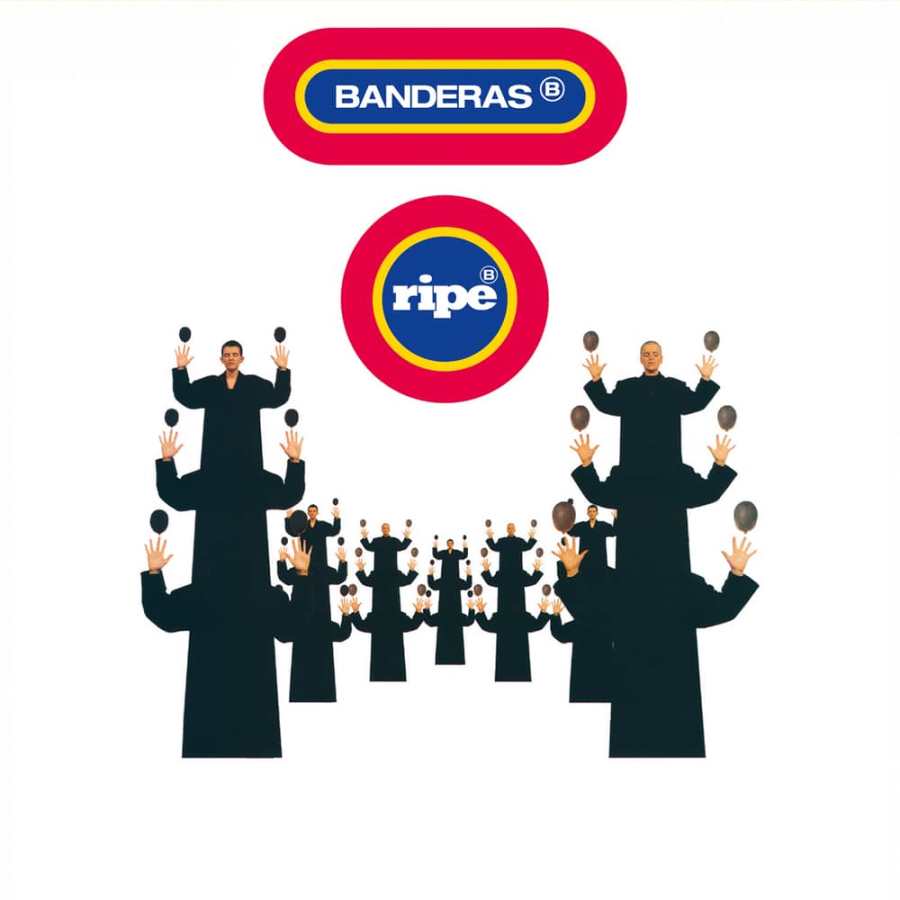
Released in 1991, ‘Ripe’ was the only album by BANDERAS.

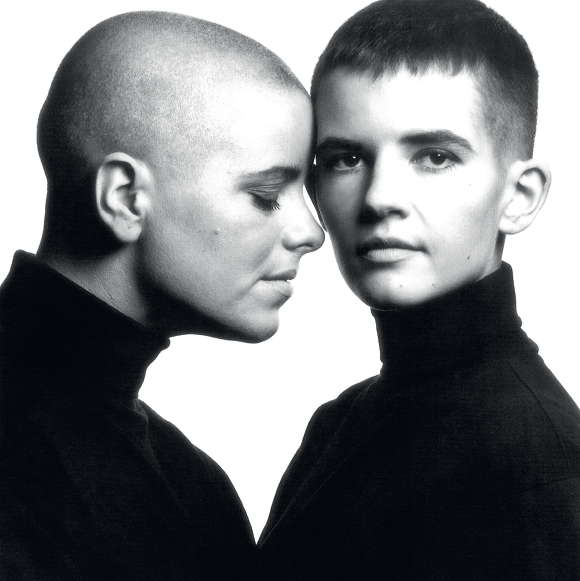
The pairing of Caroline Buckley and Sally Herbert met in 1987 when they were in the live band of THE COMMUNARDS, the duo comprising of Jimmy Somerville, formally of BRONSKI BEAT and Richard Coles, now a BBC TV vicar and more recently, a ‘Strictly Come Dancing’ contestant.

THE COMMUNARDS had HI-NRG hits with covers of the disco classics ‘Don’t Leave Me This Way’ and ‘Never Can Say Goodbye’, so were in demand on the concert circuit.

Buckley filled the big shoes of Sarah-Jane Morris who had moved on to pursue a solo career while Herbert was in the string section which also included Audrey Riley, Jocelyn Pook and Anne Stephenson. After THE COMMUNARDS disbanded and Jimmy Somerville loaned the pair a Yamaha DX7 and a sampler, Buckley and Herbert became BANDERAS, the Spanish word for “flag”. Adopting a striking shaven headed image, they began writing songs and gigging, eventually coming to the attention of producer Stephen Hague’s manager.

THE COMMUNARDS’s second and final album ‘Red’ featured contributions from Buckley and Herbert, so having worked with Stephen Hague in his capacity as its producer, the American was an obvious and natural choice to helm BANDERAS’ debut long player. And to keep things in THE COMMUNARDS’ family, they also signed to their label London Records.

Things looked promising for BANDERAS and this was outlined by the cast of players on the album; special guests included Bernard Sumner, Johnny Marr and old pal Jimmy Somerville while there were noted sessioners on board such as Luís Jardim, Guy Pratt and Stevie Lange as well former band mates Audrey Riley and Jocelyn Pook.

The album’s ace was the magnificent ‘This Is Your Life’, one of the last songs written and recorded for ‘Ripe’. Using a sample from Grace Jones’ ‘Crack Attack’, it had a distinct Pet Shop Girls behavioural vibe to it. Meanwhile there was also the added bonus of Johnny Marr and Bernard Sumner on rhythm guitars plus a terrific middle eight section featuring Sumner’s vocals before an emotive synth solo. “There is no rehearsal, no second chance” sang Buckley and Sumner together but rather prophetically, despite ‘This Is Your Life’ reaching No16 in the UK singles charts, there were no more hits for BANDERAS.

With a banging drum mantra and a catchy riff, the more uptempo second single ‘She Sells’ was a shopping list song that just missed out on a Top40 chart entry. But despite lyrics attacking the advertising industry’s use of sexist stereotypes, the message proved to be less appealing than the melancholic but uplifting YOLO stance of ‘This Is Your Life’.

The third BANDERAS single ‘May This Be Your Last Sorrow’ fared even worse, but despite being inspired by a scene from a film in Arabic where the mourners were reciting to a bereaved family, the funereal trip-hop with its dub-laden backdrop foresaw the likes of ONE DOVE, THE ALOOF and PORTISHEAD.

Alongside the singles, ‘Ripe’ had other highlights. It was not difficult to imagine either Neil Tennant or Jimmy Somerville singing on ‘The Comfort Of Faith’, a song questioning unconditional religious devotion that came with a typically classic Stephen Hague production while with an orchestral arrangement that undoubtedly seeded Herbert’s future career as a film score composer, ‘Why Aren’t You In Love With Me?’ was BANDERAS’ take on Philly soul with Buckley’s emotive resignation in harmony with a comparatively understated falsetto from Jimmy Sommerville.

Most striking was ‘It’s Written All Over My Face’, a bare self-produced song which despite its countrified acoustic guitar recalled the pulsing electronic arrangement of Marianne Faithfull’s version of ‘The Ballad Of Lucy Jordan’. Also quite stripped down was ‘Too Good’ featuring a stark percussive groove augmented by fretless bass runs while the album’s closer ‘Never Too Late’ saw the duo offer their take on Patsy Cline.

Interestingly in the booklet notes, neither Buckley nor Herbert express any great enthusiasm for ‘First Hand’ or ‘Don’t Let That Man’ but while these do not hit the heights of the album’s highlights, they are not bad but sound very much of their time.

A second album was in the works to be produced by Alan Moulder but London Records lost interest and BANDERAS quietly disbanded. In the past 5 years, both Caroline Buckley and Sally Herbert have worked independently with Jimmy Somerville on various projects, so it is apt that the wee Scotsman conducts the short interview with them for the reissue of ‘Ripe’.

Anthologised by Cherry Red on their 90/9 imprint, ‘Ripe’ has been remastered as a double CD edition with the album plus B-sides coupled with a collection of remixes, many of which actually seem to feature the structures of the various songs, documenting a period just before the club DJ remix madness went into overdrive.

‘This Is Your Life’ may be considered something of a one hit wonder but to have written such a timeless song that resonates with the public, even if it is for a limited moment in time, is a gift to any composer. Regardless of that, based on the evidence of ‘Ripe’, BANDERAS delivered an album that was worthy of the supporting cast that helped embellish it.

If you missed ‘Ripe’ first time round, now is a good time to catch up 30 years on…


‘Ripe’ is released by 90/9 on 14th January 2022 as a 2CD edition, available from https://www.cherryred.co.uk/product/banderas-ripe-2cd-expanded-edition/


Text by Chi Ming Lai
10th January 2022

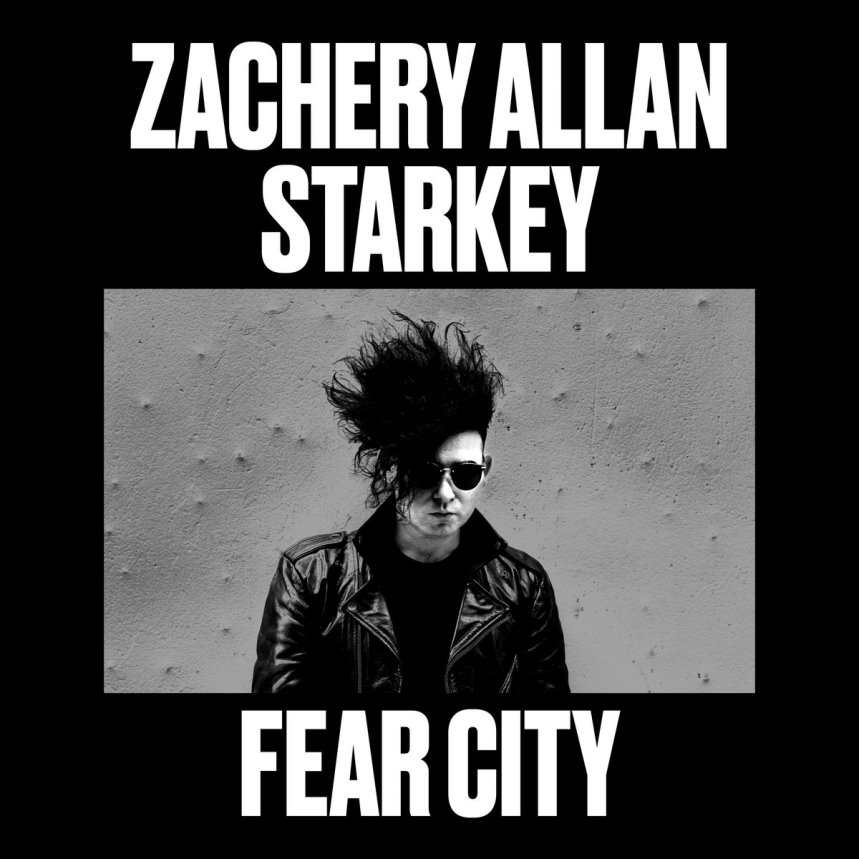
ZACHERY ALLAN STARKEY Fear City

With two albums ‘DIY’ and ‘Hard Power’ already under his belt, Zachery Allan Starkey was invited to open for NEW ORDER during their ‘Music Complete’ tour in North America in 2016.

Starkey has described his new record ‘Fear City’ as being about “nightlife, darkness, the opiate epidemic, current political/economic fears, and uncertainties/anxiety caused by the rise of right wing politics around the world”.
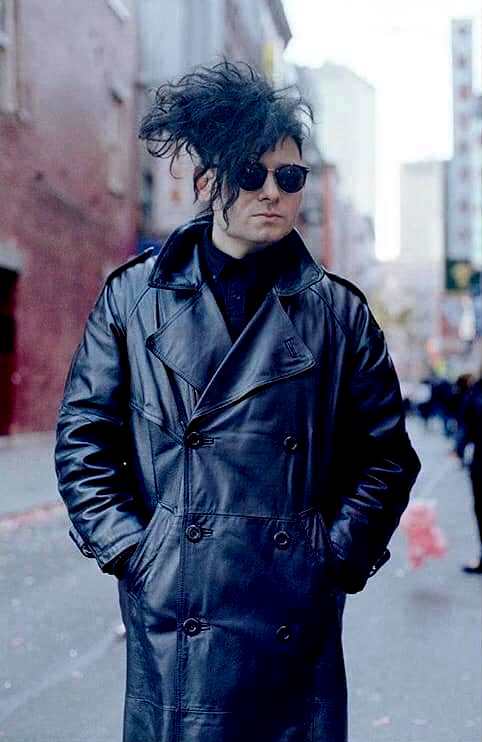
Two of the album’s key tracks are collaborations with Bernard Sumner; the most striking of these is ‘Force’.

It sees the NEW ORDER front man contributing his signature Italo-influenced sequencing style for a hypnotically rhythmic danceable post-punk flavour with a touch of HI-NRG. The New York resident makes an impassioned rallying call  for everyone to remain strong and brave in these dark and frightening times.

Sumner’s second contribution to the ‘Fear City’ album is on its title track. Although less in your face than ‘Force’ by taking on a more steadfast rhythmical mantra, it recalls the Middle Eastern feel reminiscent of the lesser known NEW ORDER track ‘Brutal’ from ‘The Beach’ soundtrack. An anxious reflection of the current spooky climate within the Big Apple, it is a feeling that could be applied anywhere in the word right now.

But effectively making the album’s brilliant opening statement is the gothic techno throb of ‘XXX’ which aesthetically it recalls the Aggro Mix of DEPECHE MODE’s ‘Never Let Me Down Again’. With its hard synthesized bass dominations but to a speedier four-to-the-floor beat, it exudes an atmosphere of unease and desolation via its eerie pseudo pizzicatos and screaming siren calls.

The instrumental body energy of ‘No Security’ is bolstered by creepy schizophrenic voices, vocal derived samples and dynamic drops. With the multiple meaning possibilities of ‘Fallout’, Starkey gives more of his fearful delivery, channelling his angsty fervour over a metronomic backdrop, asking “do you give up or do you fight?”.

But something of a total surprise, ‘Coked Up Biker Anthem’ is slice of electro-heavy metal, perhaps what Alice Cooper might sound like adopting synths! With another narcotic reference, ‘Opiate’ is suitably doom laden with sombre slimey tones and fraught vocals. Meanwhile ‘Bright Future’ makes an ironic call on dependency with stabs and pulses over a mutant disco backdrop

‘Neoliberal’ and ‘Love Does Not Win’ go in tandem, with feelings running high about how evil and capitalism with no conscience always seem to win. With ‘Neoliberal’, the message is in the Italo-flavoured music, while ‘Love Does Not Win’ is angrily constructed around a banging stomp. The battle might be lost but together, the love revolution can be victorious.

‘Empire’ with its layers of orchestrated synths is deviantly hypnotic, recalling the solid heart of ‘The Anvil’ by VISAGE; Starkey’s agitated pulpit pronouncements are like those of a deranged dictator and let’s face it, there are a few of those characters around in power aspiring to be one of those!

Heading towards the home straight of what is quite a lengthy long player, the hauntingly bleak instrumental ‘Covid 19’ looks set to soundtrack documentaries and films about the catastrophic pandemic with its booming uptempo flare and strangely melodic overtures of unease.

But the album doesn’t end on a particularly cheery note either, as the short final concept piece ‘Future Shock’ demonstrates via a collage of blasts and explosions.

“It’s not an overtly political album, but it is a product of the current times” says Starkey and certainly ‘Fear City’ captures a dystopian tension driven using hooky electronics and resounding club-friendly beats.

Alongside the recent work of Zanias and Finlay Shakespeare, Zachery Allan Starkey has presented a compulsive observation of gritty realism.


‘Fear City’ is released by Death Trip NYC and available now via the usual digital platforms including https://zasmusic.bandcamp.com/

https://www.zacheryallanstarkey.com/

https://www.facebook.com/ZASmusic/

https://twitter.com/ZacheryAStarkey

https://www.instagram.com/zacheryallanstarkey/


Text by Chi Ming Lai
6th May2020

ZACHERY ALLAN STARKEY featuring BERNARD SUMNER Force

Despite his name, Zachery Allan Starkey is not the son of Ringo Starr but a New York based technopop artist with a love of NEW ORDER.

Indeed, he was invited to open for NEW ORDER during their ‘Music Complete’ tour in North America in 2016. With two albums ‘DIY’ and ‘Hard Power’ already under his belt, Starkey has been working on his new album ‘Fear City’.

‘Force’ is the third song to be previewed from ‘Fear City’ and is a powerful collaboration with Bernard Sumner of NEW ORDER featuring his signature Italo-influenced sequencing style. Starkey’s impassioned authentic vocals are a rallying call to the people with the daunting prospect of Donald Trump being re-elected on the horizon.

With a video reflecting on current world events, the jointly produced ‘Force’ is an uplifting electronic anthem reminding everyone to remain strong and brave in these dark and frightening times.

Hypnotically rhythmic with a danceable post-punk HI-NRG flavour, ‘Force’ follows XXX and ‘No Security’ as trailers for ‘Fear City’, an album which wears its rumbling techno and house flavours on its sleeve but does not overblow them, with the emphasis being on synth hooks and melodies while also being propulsive enough for the club environment. Sumner makes a second appearance on the ‘Fear City’ album, contributing to its title track.

Zachery Allan Starkey said: “’Fear City’ is about life in NYC in 2019/2020. It is about nightlife, darkness, the opiate epidemic, current political/economic fears, and uncertainties/anxiety caused by the rise of right wing politics around the world. It’s not an overtly political album, but it is a product of the current times. Hence the title Fear City, which is, as you might know, also an old name for New York City. With this album, I’ve tried to combine elements of Techno, Electro, Post-Punk, Coldwave, Minimal Synth, SynthPunk, Disco, and Trip Hop to hopefully create a unique musical backdrop.”


‘Force’ is released by Death Trip NYC and available now via the usual digital platforms including https://zasmusic.bandcamp.com/

https://www.zacheryallanstarkey.com/

https://www.facebook.com/ZASmusic/

https://twitter.com/ZacheryAStarkey

https://www.instagram.com/zacheryallanstarkey/


Text by Chi Ming Lai
Photo by Stas Kravets Photography
26th March 2020

« Older posts