Best known as one half of the Greek synthpop duo MARSHEAUX, Sophia Sarigiannidou launched her solo project ASPRA in 2022
Her first single was ‘Velvet’, an electronic rework of the 4AD cult shoegaze duo THE BIG PINK while on the flip was another cover in ‘Anoint’, a song originally by John Peel favourites THE FIELD MICE. While these choices were unexpected, it did point to Sarigiannidou’s own leftfield tastes. There was also two fabulous collaborations with veteran electronic composer Lena Platonos, prosed unexpectedly en Français.
“I started going to the neighborhood record store and asking them to write me tapes. I bought the ‘Machines’ compilation LP. The disc starts with ‘Messages’ by OMD. What a shock that was… within 3 minutes so many different tunes alternated, one better than the other.” she said, “Through this record, I discovered Fad Gadget, Gary Numan and John Foxx! That afternoon the living room of the house in Thessaloniki was transformed into a window into a future era! It was written everywhere that ‘the synthesizer is the sound of the future’. Mine certainly was!”
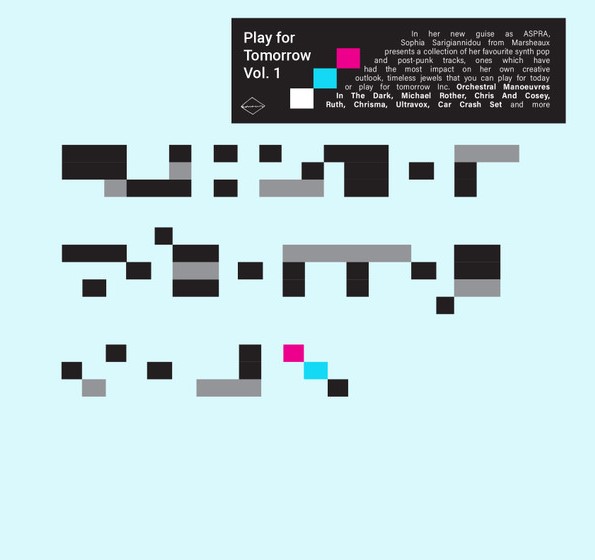
Compiling a collection of rare and less obvious post-punk and synth tracks in the spirit of ‘Machines’ from 1977-1985, ‘ASPRA presents: Play For Tomorrow Vol.1’ sees Sarigiannidou offer a snapshot into her creative outlook with songs that four decades on have shown themselves to be “timeless jewels that you can play for today or play for tomorrow…”
While OMD are among the better known acts in the selection with the wistful ‘Of All The Things We’ve Made’ along with ULTRAVOX’s superb ‘Just For A Moment’, the others are more obscure but no less essential. Complimenting these two choices, ‘Karussell’ by Michael Rother of NEU! highlights the German musician’s influence on the aural aesthetics of both.
With wispy vocals and joyfully handled keys, Chris & Cosey’s wonderful ‘October (Love Song)’ was the antithesis of their parent group THROBBING GRISTLE and covered by MARSHEAUX in Greek for their debut album ‘E-Bay Queen’ in 2004. Another highlight is the TB303 driven cinematic synthpop of ‘Mystery & Confusion’ by TUXEDOMOON leader Blaine L Reininger which exudes a Eurocentric spirit as per its title and deserves wider recognition.
But the collection begins with the spacey avant folk of ‘UFO Report No.1’ by THE GADGETS, a track recorded in 1979 and featuring a very young pre-THE THE Matt Johnson. Despite its dour vocal delivery, 1982’s ‘Love Disgrace’ from Italian duo AMIN PECK is immensely catchy with its pulses, chops and glorious synth lines. Meanwhile New Zealand’s CAR CRASH SET earn their place with ‘Fall From Grace’ where deep sombre vocals contrast with a sparkling but gritty mechanical roll over 8 minutes.
Mute Records founder Daniel Miller finds two of his productions included; the dystopian minimal synth of ‘Music To Save The World By’ was the B-side from a one-off single on Cherry Red Records by the little known Alan Burnham while planting the seed of KOMPUTER, ‘Still Smiling’ by I START COUNTING has an innocent charm with those distinctive metallic tinges circa 1985. From that same year, French trio RUTH are eccentric but stylish on their debut single ‘Polaroïd/Roman/Photo’ crossing the detached with the playful while another curveball is thrown when the muted brass kicks in.
Α new wave duo with hints of THE VELVET UNDERGROUND but with a heated Italian vibe rather than the Götterdämmerung of Nico, CHRISMA’s ‘Black Silk Stocking’ was a 1978 single was produced and co-written by Vangelis’ brother, Nikko Papathanasiou. THE BUGGLES maybe best known for ‘Video Killed The Radio Star’ but the duo of Trevor Horn and Geoff Downes actually made a second album ‘Adventures In Modern Recording’ in 1981; from it, ‘On TV’ is enjoyably oddball while employing exotic Eastern flavours not unlike LANDSCAPE.
Last but not least THE ELECTRONIC CIRCUS’ spirited anti-war anthem ‘Direct Lines’ is sadly still relevant 42 years after its release. In what turned out to be a one-off project led by Gary Numan keyboardist Chris Payne, the resigned hopelessness is captured by the vocals of Penny Heathcote, frontwoman of Brighton band CORVETTES who themselves only issued one single.
‘Play For Tomorrow Vol.1’ is a superb compilation that will appeal to long standing music fans who love discovering music from the imperial pioneering phase of electronic pop that may have fallen under the radar back in the day.
Sophia Sarigiannidou has done a fantastic curation job and it will be interesting to see how these influences might permeate into the soundscapes of the eventual debut ASPRA album.
Belgian synth trio TELEX are to release a new box set of their studio albums on Mute this Spring.
Their 1979 debut album ‘Looking For Saint-Tropez’ featured three unusual and striking electronic reinterpretations of rock ‘n’ roll through the ages including ‘Rock Around The Clock’, ‘Twist À St. Tropez’ and ‘Ça Plane Pour Moi’. Pre-dating SILICON TEENS, the fictional teen synth band devised by Daniel Miller, the new partnership with Mute is highly fitting with the one-time apprentice providing a new home for the sorcerer.
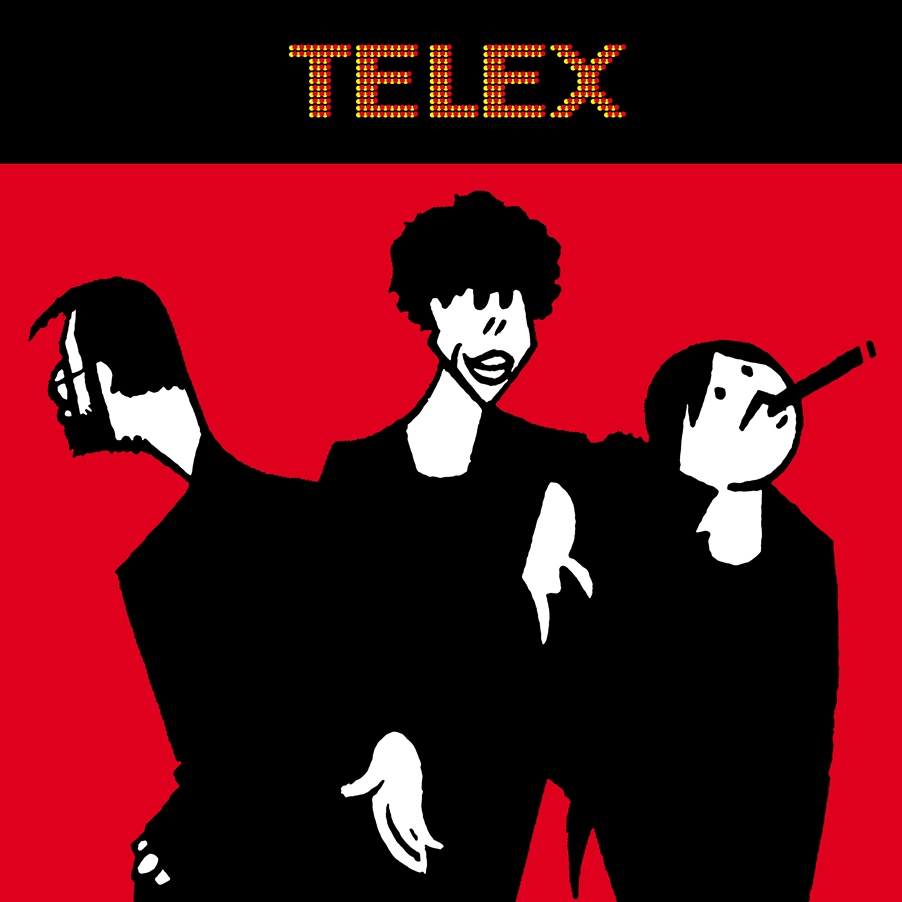
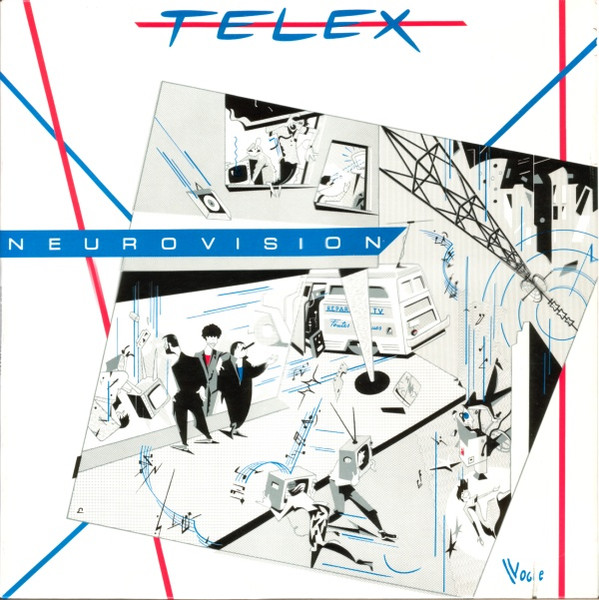
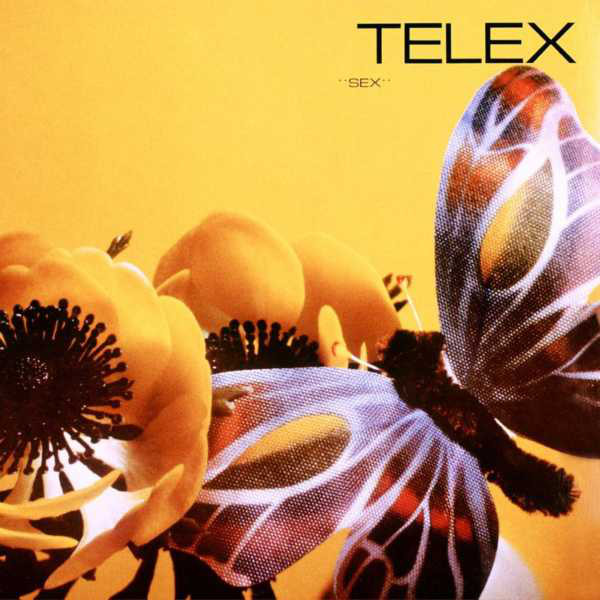
As well as ‘Looking For Saint-Tropez’, the ‘TELEX’ box set will also contain ‘Neurovision’ (1980), ‘Sex’ (1981), ‘Wonderful World’ (1984), ‘Looney Tunes’ (1988) and ‘How Do You Dance?’ (2006); all the albums have been remastered and newly mixed from the original tapes by band members Dan Lacksman and Michel Moers.
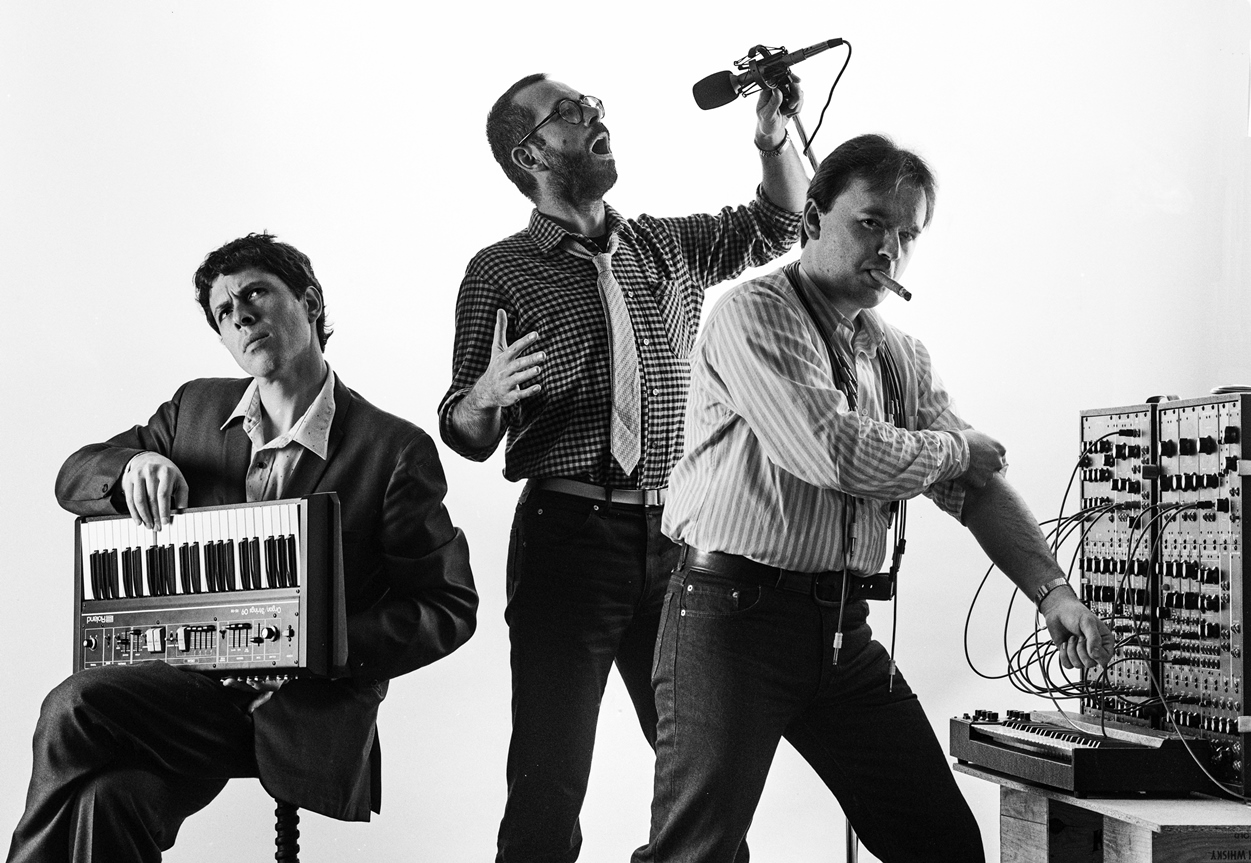
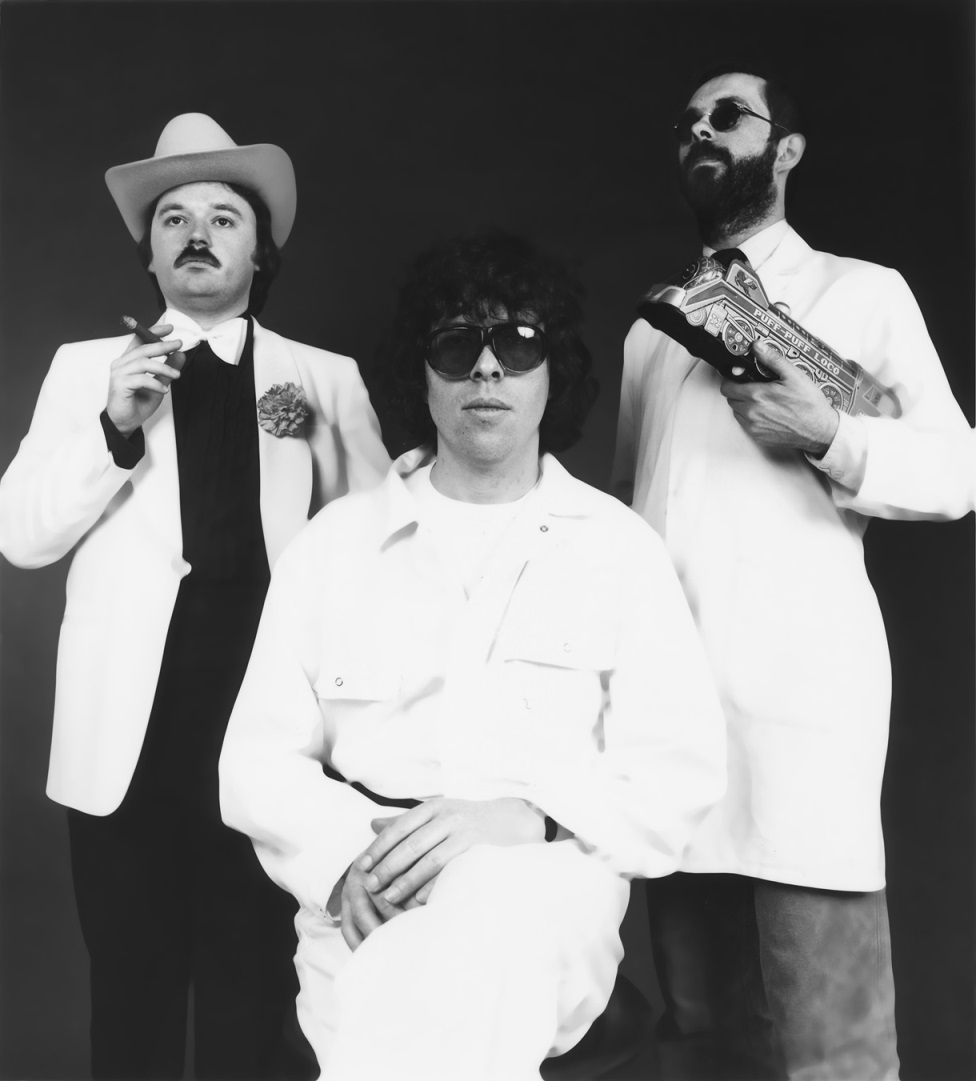
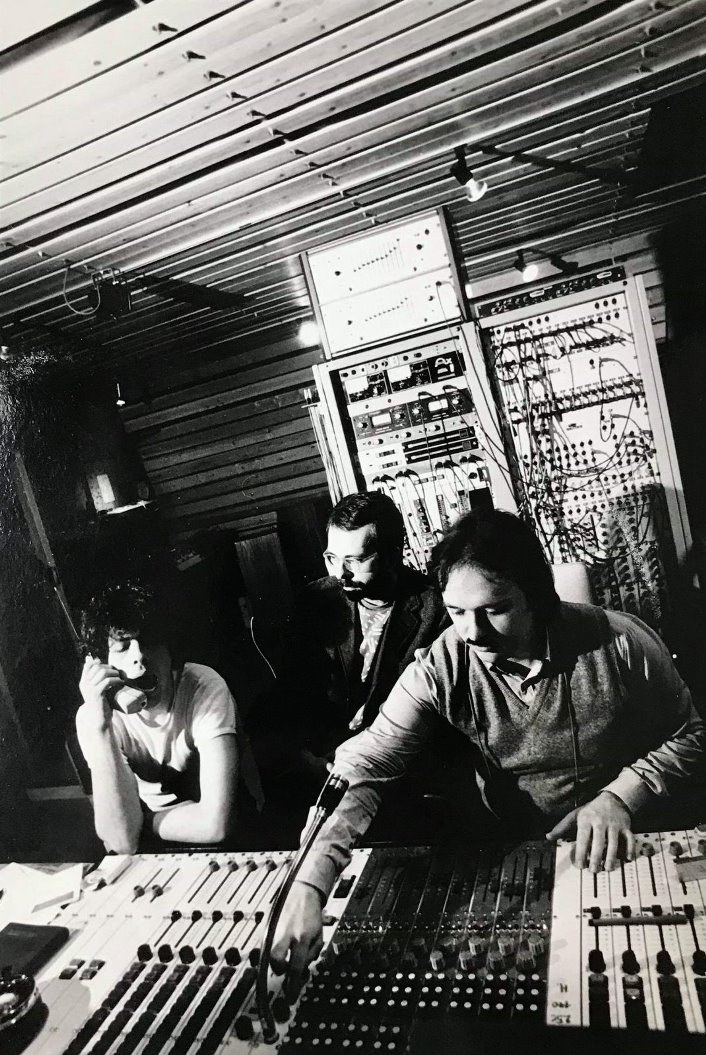
The Brussels-based threesome of Michel Moers, Dan Lacksman and Marc Moulin were already experienced hands when they formed TELEX in 1978. But they trailblazed and subverted during their imperial phase, crossing paths with SPARKS and YELLOW MAGIC ORCHESTRA along the way. Representing Belgium at the 1980 Eurovision Song Contest, their bouncy song ‘Eurovision’ with its deliberately banal lyrics sending up the whole charade featured a Situationist performance that puzzled most watching on TV but delighted many others.
Recognised as techno, house and synthpop pioneers thanks to seminal tracks such as ‘Moscow Diskow’ and ‘Haven’t We Met Somewhere Before?’, TELEX were to later remix DEPECHE MODE and PET SHOP BOYS. But after Marc Moulin sadly passed away in 2008, TELEX were formally retired.
Blessed with another opportunity to present their impressive legacy to a new generation and established music fans who may have missed them first time round, Michel Moers and Dan Lacksman spent a joyful hour chatting to ELECTRICITYCLUB.CO.UK about their time as TELEX…
TELEX joining the Mute family is quite appropriate isn’t it, like it was meant to be?
Michel: It should have been earlier… *laughs*
We had a very long contract so when we could get out of it, the first thought was “Mute is the best”; so we tried and it was the right move, we didn’t ask anybody else. The next day, we received an email from Daniel Miller saying “yes OK, let’s talk”.
Dan: We couldn’t believe it because it was our dream. “What would be the best company to reissue the albums?” and of course it was Mute. It’s great.
Michel: We loved ‘Warm Leatherette’, it was like a punch! Then SILICON TEENS came after TELEX, but at the time I wasn’t aware it. KRAFTWERK were a big influence but as “The Belgian KRAFTWERK” (*laughs*) with Belgian humour and cartoons, it was more related to our environment and personalities. English humour is better known around the world.
Dan: Belgian humour quite is surreal, similar to Monty Python which was very popular here because it was completely absurd. Also there are two cultures in Belgium, the French one and the Dutch one. It’s a mixture of both. I am French speaking but my grandfather was Flemish so I can feel both sides in me and a lot of Belgian people, especially in Brussels, they are a mixture of cultures.
Michel: In Belgium, we are much closer to English humour than French humour.
There are new mixes of the albums but what do you mean by that, as that might ring alarm bells for some, like dance remixes etc? *laughs*
Dan: It’s not every title, it’s about 60%… when we first started to remaster, some of the mixes we were listening to and thinking “it’s a pity, there is too much reverb” or whatever. But then the idea came to try a new mix but sounding similar to the original. So we decided to try one and if we don’t like it, we don’t do it! But it worked very well, so well that finally we listened to every album and we decided which titles we thought were ok for mastering and which ones we should attempt a new mix. And so that’s what we did.
Michel: So it’s new mixes, NOT “remixes”, that is more related to dance… the main thing we did was to take tracks away…
Dan: …to simplify…
Michel: The first album was our main reference and we probably didn’t succeed after because there were so many new machines to try… so with these new mixes and less tracks, the six albums are more a whole, you can really feel more of a thread….
Dan: All the songs are original, we didn’t replace anything, the vocals are all the original ones and no cheating, well…
Michel: …sometimes calibrating my timing or my pitch! *laughs*
Dan: The bass was played manually in those days, no sequencer which is why it was grooving, Marc had an incredible groove but sometimes, there were parts we replaced but very few really…
How did ‘Moscow Diskow’ come together, the idea of going to a club behind The Iron Curtain?
Michel: The original idea was to make lyrics, French words that English or American people were using, like “fantastique”. It was putting all these words together, some more personal ones like my girlfriend was called a “French Garçon” and things like that. It came together with the idea of a train…
Dan: So I thought, what about the hi-hat, it would be the train, a steam train which would be a completely surrealistic concept. So I started from there and added a kick drum and claps, there is no snare and I did the “woo-woo” sound with two oscillators and an envelope controlling the pitch. It was done very fast. We didn’t specify a 130 tempo, it was just a knob, like “what about this?”. We had to first record the drums on three tracks before we could do the keyboards as always, it was very spontaneous. It came like this, et viola!
Michel: At the time, the Moscow graphics were very well used, we liked to play with clichés… if we were writing the song now, we would choose another town…
‘Rock Around The Clock’ is TELEX’s only UK hit and the ‘Top Of The Pops’ performance is still great performance art… but it crossed over, even my mother liked it!
Michel: We also did a cover of ‘La Bamba’ and it is also slower than the original like ‘Rock Around The Clock’ so that old people can even dance to it *laughs*
The idea was to show who TELEX were, as people would know the original and hear the difference. It was an easier way to show who we are and that the audience may like an original song of ours. TELEX were like making a “History of Music”, so ‘Rock Around The Clock’ is rock, ‘La Bamba’ is South America, ‘Dance To The Music was black music…
Were you surprised to get the call to be on ‘Top Of The Pops’?
Michel: No, because maybe the reason we were asked was because they had a new Quantel machine to make new kinds of images and special effects. We were probably the only band around at that time with electronics where they could make these images that had not been made before. So it was more for them to play with their machine *laughs*
Dan: The rule on ‘Top Of The Pops’ at that time for international artists was that everything had to be live, but they wanted to experiment with this machine. So the day before, we went to the BBC and they filmed us to prepare some effects that they would insert the next day when we were performing, they were running the effects in sync and then they would put the live image and some effects, so when we did the “da-da-da” and the picture swirling, it was great, it true that it fits with the music.
Was it your idea to read the newspaper or the ‘Top Of The Pops’ director? *laughs*
Michel: It wasn’t the director, his reaction was “Are they bored? They don’t want to be there” *laughs*
No, we liked sometimes to use the anti-cliché of pop music you know… in pop music, everybody is smiling and moving, so the idea was to do the contrary. One of the main comedy characters we liked was Buster Keaton…
Dan: …he never smiled!
Michel: So we thought, “what would he do?”… you didn’t dance, just *does swaying arm movement*
Dan: NO! *laughs*
PET SHOP BOYS did the newspaper thing in 2009, I don’t know if they got the idea from you?
Michel: They also don’t dance… at the end of ‘Eurovision’, I take a picture of the audience but now, everybody has an iPhone and is taking the picture so it’s funny. The idea was reversing the process.
So ‘Rock Around The Clock’ saw you covering an old song, you also covered an quite new song at the time ‘Ça Plane Pour Moi’ and Dan, you have a connection because you did the synths for Plastic Bertrand on ‘Tout Petit La Planète’? Was this cover deliberate because of your connections?
Michel: Well, it was to please our producer as it was the same record company *laughs*
Dan: But we thought it would be funny to do as it was a very fast track, to make it slower and add vocoder…
Michel: It was part of that “History of Music” idea, add some punk plus it was the only way you could make people understand the words! *laughs*
As the box set shows, TELEX became notable for their cover versions, which were your favourites and which songs do you wish you had recorded?
Michel: There are two that have not been released sung by me but they are probably not TELEX enough… my idea would be to keep the backing and have someone who sings well! *laughs*
With people who sing well, what they sing is usually boring to me. Maybe it’s not the same in England but over here, it’s for radio but the singers sound like…
Dan: …that’s maybe because of the voice program that is everywhere and it’s just physical performance, it’s not singing anymore… like why? Maybe people are just accustomed to it, even if it is out of tune, it doesn’t matter but when you stick Autotune on, you have no more feeling.
When you did ‘On The Road Again’ in 2006, had you been aware of ROCKETS’ version which similarly used vocoder?
Dan: I was not aware…
Michel: I was aware after… the idea of ‘On The Road Again’ was simply because we were making a new record after so many years of silence. Now I know the ROCKETS version but it was a few weeks after our version came out, Italian TELEX fans were sending me pictures of these guys full of blue. Often the same things can be produced all around the world without realising, like the invention of the telephone, we didn’t know.
So ‘Eurovision’, did the song come first or was it TELEX entering Eurovision that inspired it?
Michel: The song was written for Eurovision, but the idea was to make a photo of what it is, people being well-dressed and at that time there were borders… well, there are borders now! *laughs*
But the idea was all these borders were open for one night and after that, they would close and anyway, the image would go through armoured cables so it was like war. At that time, Peter Gabriel had written about something similar on ‘Games Without Frontiers’ and also Robin Scott as M with ‘Pop Musik’; in fact, we met him at Cannes before the contest and asked him whether he would be interested in making lyrics for us, but he said “I’ve done that already with ‘Pop Musik’”, so I finally did it myself.
Was there a selection competition back home?
Michel: Yes, we had one, there were 10 contestants and we won the competition… but when we were asked by the record company, we thought they were crazy, it was not what we really wanted to do, it was not our music. We thought about it for 2 weeks and said “let’s go for it” as it would be like the epitome of pop music.
So the country was behind you?
Michel: Maybe not the country, but the people at radio and TV on the jury liked it. But all the other competitors were very normal… *laughs*
Dan: Boring, nothing special… we were completely different…
So they were more like The Singing Nun, Dana or Nicole type of entry?
Dan: EXACTLY!
Michel: But The Singing Nun would have had a chance! *laughs*
I am already imagining in my head the idea of TELEX covering The Singing Nun song ‘Dominique’! *laughs*
Michel: In fact, Dan and Marc did it!!
Dan: We did an electronic version with Soeur Sourire, it was a complete flop! *laughs*
So back to Eurovision, how were you choreographing your performance and moves?
Michel: The moves began before because there were normally three rehearsals and we couldn’t achieve one. There was a rule that everything you hear had to be seen, so all the instruments. So if you hear a drum, there should be a drummer. But everything we had was in three Moog modules so there was nothing to see, that was the first argument in the first rehearsal. Then the other argument was about electricity!
Dan: Yes, they didn’t like us because everything was supposed to be live which was not correct, because they said we could come with a backing tape, but everything on tape must be on stage! Simple! So like with ABBA, it was a backing tape, they didn’t play for real but the voices were real. So for us, it was the same thing, we sent a tape but the “drums” I made with the Modular Moog, so you don’t see a drum, you just hear “drums”.
When we were starting rehearsals, the director says “STOP! I hear a drum, where is the drum?” So I had to explain the drum sound was made with this instrument. “OK, we don’t see anything” he said, but I asked if they gave us some electricity, we could push a button and see the sequencer going on… “OH NO! NOT POSSIBLE!” but the director asked if the singer could push a button and fake it. So Michel just pushed a button, nothing happens on the Moog, no wire, nothing so it was completely… and then the song went on and Michel couldn’t hear himself…
Michel: The real time, I couldn’t hear myself, I don’t know if they did it on purpose but I couldn’t hear the three backing singers so my voice is a bit stressed, that’s it! *laughs*
And then?
Michel: Just before our turn on stage, we met Johnny Logan…
Dan: He won by the way…
Michel: I said “I’m sure you are going to win” and he replied “If I win, it’s good for me but if you win, it will be good for music”, that was so nice.
So you wanted to win, or come last but how did you actually feel when Portugal gave you those points? *laughs*
Michel: It was very mixed in our mind… we were chosen to go and then our British and American record companies thought we would win! It was the 25th Anniversary of Eurovision and we heard they would like to change the rules… so they changed the rules to a public vote, so this was very difficult for us! At the same time, we could feel we couldn’t win and it took some years to recover some balance! *roars of laughter*
Dan: We didn’t take it especially seriously, but we were surprised that everybody else was so serious, it was almost a pity to see the two young girls Sophie & Magaly from Luxembourg completely destroyed and crying when they didn’t get points. We were sitting, we had nothing and understood “OK”, so we hoped we were last. And then suddenly Portugal gave us 10 points! WHY? And then Royaume-Uni give us one point (this is why the first box set is called ‘Belgium… One Point’) and Greece three points! We were not last and it was a poor group from Finland… everyone was very serious and we were a bit apart.
Michel: All the organisation was very strict, it was like being in an airport which I understand… we didn’t win but in the long run, people remember us and every year, we have 30 seconds of fame…
Dan: …because of the strange stuff that happened on Eurovision…
Yeah, I’m one of the guilty ones who keeps posting up the ‘Eurovision’ clip… *laughs*
Dan: You’re not the only one!
I don’t know if you are aware when ABBA won in 1974, the UK gave them nil point!
Michel: There’s a lot of politics now…
Dan: It’s more difficult than ever, you have the two semi-finals and then you have the final, it’s getting very completely crazy.
‘The Man With The Answer’ from ‘Sex’ seems to show an affinity with YELLOW MAGIC ORCHESTRA featuring the late Yukihiro Takahashi, did you feel a connection with any of the other electronic music acts?
Michel: At that time, no, we didn’t listen much to each other… it’s really funny but maybe we were a bit shy but we were on the same stage in Paris with YELLOW MAGIC ORCHESTRA on TV and we didn’t speak to each other which was stupid… but finally Harumi Hosono came to the studio to make a cover of our song ‘L’Amour Toujours’ with a Japanese singer Miharu Koshi.
Dan: Just an anecdote with Harumi Hosono, it was incredible because he could speak only Japanese, no English, no French; there was a French guy living in Tokyo to translate but he didn’t need him because for the work, we understood each other perfectly because it was the same equipment, the same way, it was fantastic, he would programme the sequencer and find the sounds, we were very close technically, those three days were really incredible.
Michel: It could be astonishing that we don’t really relate to your question because Belgium is so small and we were all working apart, we had other jobs, it’s not like having a success all around the world, we couldn’t live on just music. So we were not really part of an electronic scene like London where we would have to go out every night or even in Belgium because even if we were invited somewhere, we wouldn’t go. Also, we were a bit older than most people because we had done things before musically, so we didn’t have the same needs or same way to live. But Belgium is, well, was an island… *laughs*
But one act that you did connect up with was SPARKS. Was bringing them in to collaborate on lyrics on the ‘Sex’ album part of a conscious effort on TELEX’s part to be more international and accessible like on ‘Haven’t We Met Somewhere Before?’ and ‘Long Holiday’?
Dan: It was a coincidence because I was working with a Belgian singer called Lio with Marc Moulin at the same time as TELEX, she was an incredible big success and she was doing TV everywhere in the world. Once in Paris, she was on the same programme as SPARKS. Then Russell Mael proposed that she make her next album in English and offered to write the lyrics. So they arranged to work at my studio in Brussels but Lio never came! We were recording the ‘Sex’ album at the same time so we met, they listened to the album and proposed some English lyrics…
Michel: I had made some French lyrics that I couldn’t make work in English so it was ok.
Dan: So Russell and Ron stayed in Brussels, coached Michel with the singing and they liked the city and came back to make their own albums. They would take the tram to the studio and people would recognise them, so they would sign autographs and it was great, they really liked it *laughs*
Michel: The SPARKS tram! *laughs*
I always thought ‘Haven’t We Met Somewhere Before?’ should have been a hit single in the UK…
Michel: We didn’t write songs to be hits, it’s nice when it comes but we did things we wanted to hear.
In the UK, there was this strange thing of the ‘Sex’ album being released as ‘Birds & Bees’ with different tracks including a new single ‘L’ Amour Toujours’; you did two versions of ‘L’ Amour Toujours’ and I preferred the earlier one on ‘Birds & Bees’ over the reworked ‘Wonderful World’ version…
Michel: I think there are even more versions… *laughs*
At that time, we felt that song could be a hit and maybe we were searching for a way to make it more clear and that’s why there are different versions, maybe we didn’t make the right one. That’s the song Harumi Hosono made with Miharu Koshi. There are maybe 5 or 6 versions on the tapes… sometimes we lost our way because there were so many new machines… that was his fault! *laughs*
Dan: We experimented a lot…
Michel: So compared to KRAFTWERK, we didn’t make as many new songs and they made remixes… they also had a strong image, we didn’t really care about showing ourselves… someone once asked us after the 2006 album ‘How Do You Dance?’, “why do you make music like DAFT PUNK?”…
By ‘Wonderful World’, the digital technology had taken hold, how did you find working with it? ‘Raised By Snakes’ is good but it could be any variety of acts at the time?
Dan: It’s funny you mention ‘Raised By Snakes’ because it’s a pre-sampler track. I didn’t have the Fairlight yet there is this chord; I remember that we had the idea to put on this chord all the time so I put it manually into the multi-track. We put the chord on a quarter inch tape and I had a zero lock and a return button, so to record it, I played the multi-track, then I sent the chord “ding” and then I returned to zero ready for the next time. So it would have been more easier with a sampler but it was just before, it’s funny. Of course, the result is the same.
With the Fairlight from 1983 plus the Synclavier, these were the first digital synthesizers and it was impossible not to have one… on top of TELEX, I had my studio SYNSOUND and people came to me to put electronic sounds on their records so I had to have the whole palette. That’s why I kept buying these novelties at the desespoir of my wife *laughs*
Which were your favourite synths?
Dan: Well, I would say it’s the Oberheim OB6, it’s quite new but it’s the one I use the most because every time, the sound is so inspiring, it’s completely analogue and so it’s great. It’s polyphonic also so you can do almost anything. But of course if you want a real good bass, there is nothing like the Minimoog and if you want some more sophisticated analogue sounds, there is nothing like the Moog Modular, they are all complementary.
Michel: Don’t ask me! *laughs*
I made demos but I don’t go into the final thing, I must confess, I just use Logic now… I’m more interested in composing, but of course it is important to use the right sound.
Dan: I use plug-ins too.
And what was the synth or piece of equipment that was most disappointing, the one didn’t meet expectations?
Dan: It’s easy, the Simmons drums because I could do better sounds with the Moog Modular. It’s not good enough, you only had one envelope and with this envelope, you can control the pitch and the length of the sound. But you would need two envelopes to make it good, one for the pitch and the other for the filter for example which you can even do on a Minimoog! I bought a module and five pads because it was quite popular at the time. The pads are in the attic, they are beautiful by the way, but I almost never used it.
What are your own TELEX career highlights?
Michel: To me, it’s really the first album ‘Looking For Saint Tropez’ because we made music that was really fitting with what was on the market, the idea was so simple, not many things were polyphonic. So for me it was the best period, discovering things and after, it was trying to find the same enthusiasm with new things. But our first album and single ‘Twist A Saint Tropez’…
Dan: … it was very spontaneous… Marc asked me one day “what about making an electronic group together?” and it was great idea. And then we needed a singer, and Marc reminded me of this singer Michel Moers who we worked together with. So we had a rendez-vous in my studio to try something, what can we do? And then Marc and Michel said “Maybe let’s take a French song and make it completely electronic? Oh what about ‘Twist A Saint Tropez’ by LES CHATS SAUVAGES?”; so we switched on everything and then in one day, we finished the track. I did a quick rough mix and put it on a cassette because Marc was seeing a friend who was working for RKM Records. It was played to the boss Roland Kluger and the next day we had a contract! It was so quick!
Michel: The nice thing about all this is that although we made a cover, we prevented ourselves from listening to the original, it was a cover made from our memory. That’s why it’s so different. This is why it’s important for me, it was an exciting period.
What are the highlights of your career Dan?
Dan: What career? *laughs*
It was always great to work… in the beginning, we were discovering, then we were experimenting so some days were a bit, I would say, disappointing but the next, we would listen back and think “that’s great” because sometimes you would be thinking too much or whatever. Before TELEX, I did some records on my own but I never liked it frankly, I am not extrovert so I prefer to be in the studio. TELEX was perfect as it was something we did together, but it was something made in the studio so that we don’t have to make concerts. Later, I had a lot of work with other artists at my studio, synthesizers were really popular so I was working every day.
Dedicated to the memory of Marc Moulin 1942-2008
ELECTRICITYCLUB.CO.UK gives its warmest thanks to Michel Moers and Dan Lacksman
The ‘TELEX’ box set is released by Mute as a 6 piece set in coloured vinyl LP and CD variants on 14th April 2023, pre-order from https://mute.ffm.to/telex_boxset
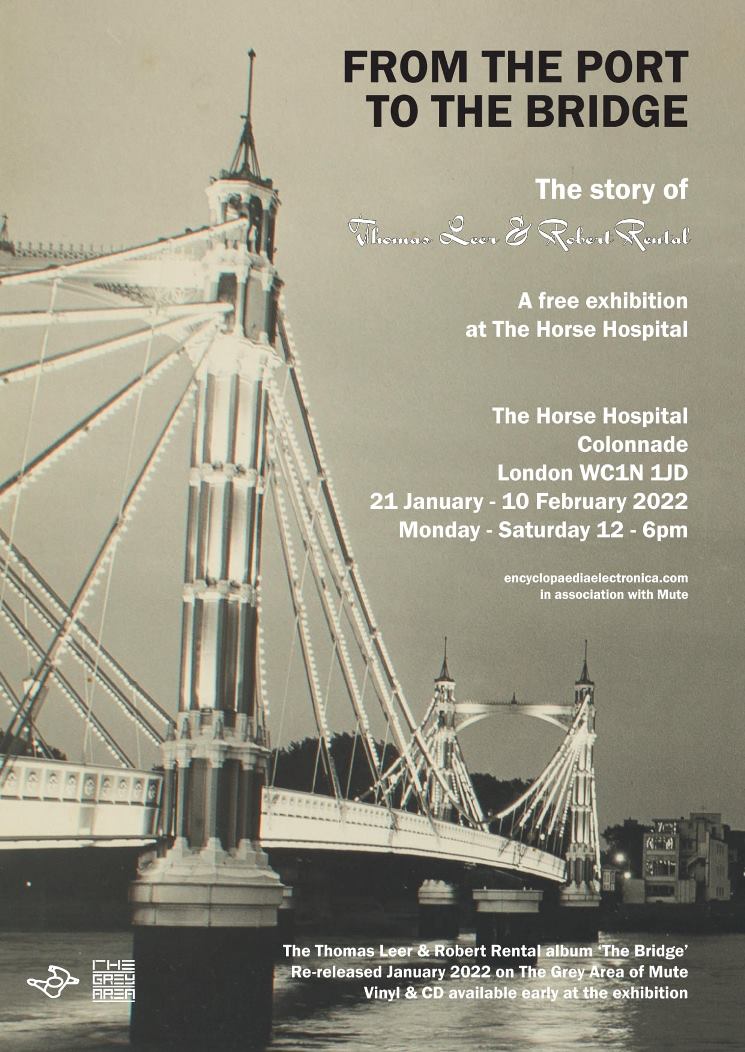
First established as an exhibition in Greenock during the Autumn of 2018, ‘From The Port To The Bridge: The Story of Thomas Leer & Robert Rental’ recently made its London debut at The Horse Hospital in Russell Square.
Released at the end of 1979, ‘The Bridge’ was the only album by Port Glaswegians Thomas Leer and Robert Rental whose respective solo singles ‘Private Plane’ and ‘Paralysis’ were among 1978 pioneering electronic independent releases which also included THE HUMAN LEAGUE, THE NORMAL and CABARET VOLTAIRE.
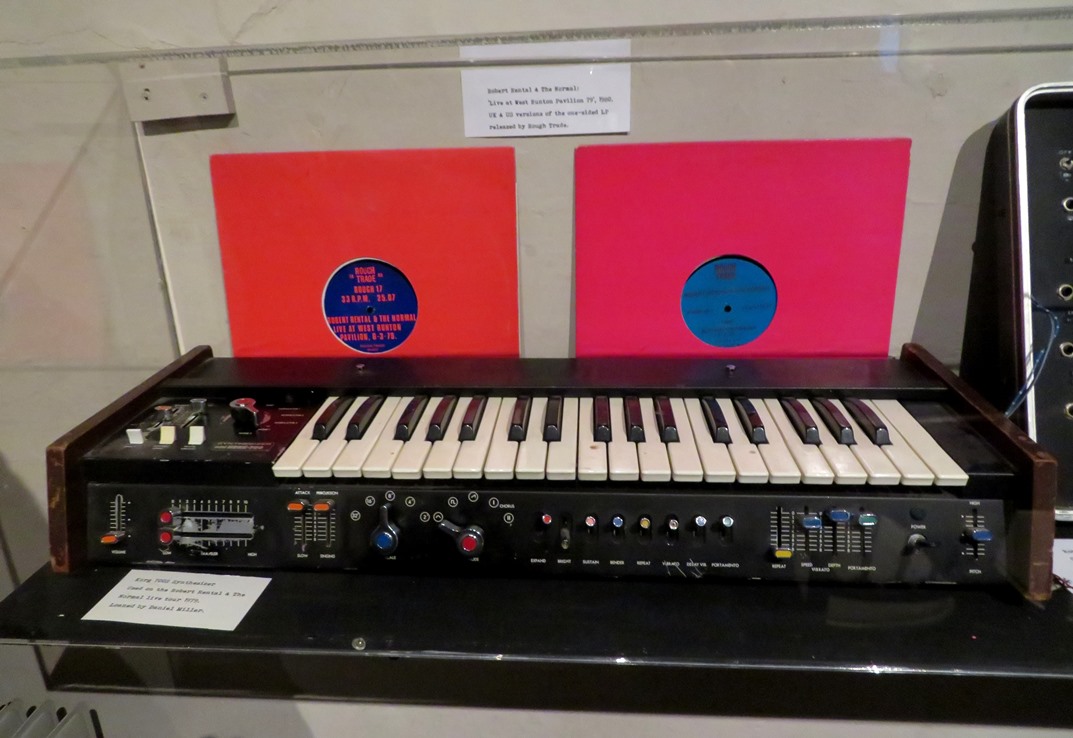
To launch the London leg of the exhibition which was attended by luminaries such as John Foxx, Stephen Mallinder and Brian Griffin, a special event was held featuring talk by Daniel Miller who had toured in the guise of THE NORMAL with Robert Rental as a duo opening for Ulster punk bank STIFF LITTLE FINGERS in Spring 1979. As well as loaning his still-working Korg 700s with which he made ‘Warm Leatherette’ for display, his label Mute will be reissuing ‘The Bridge’ as a white vinyl LP edition and CD via their imprint The Grey Area.
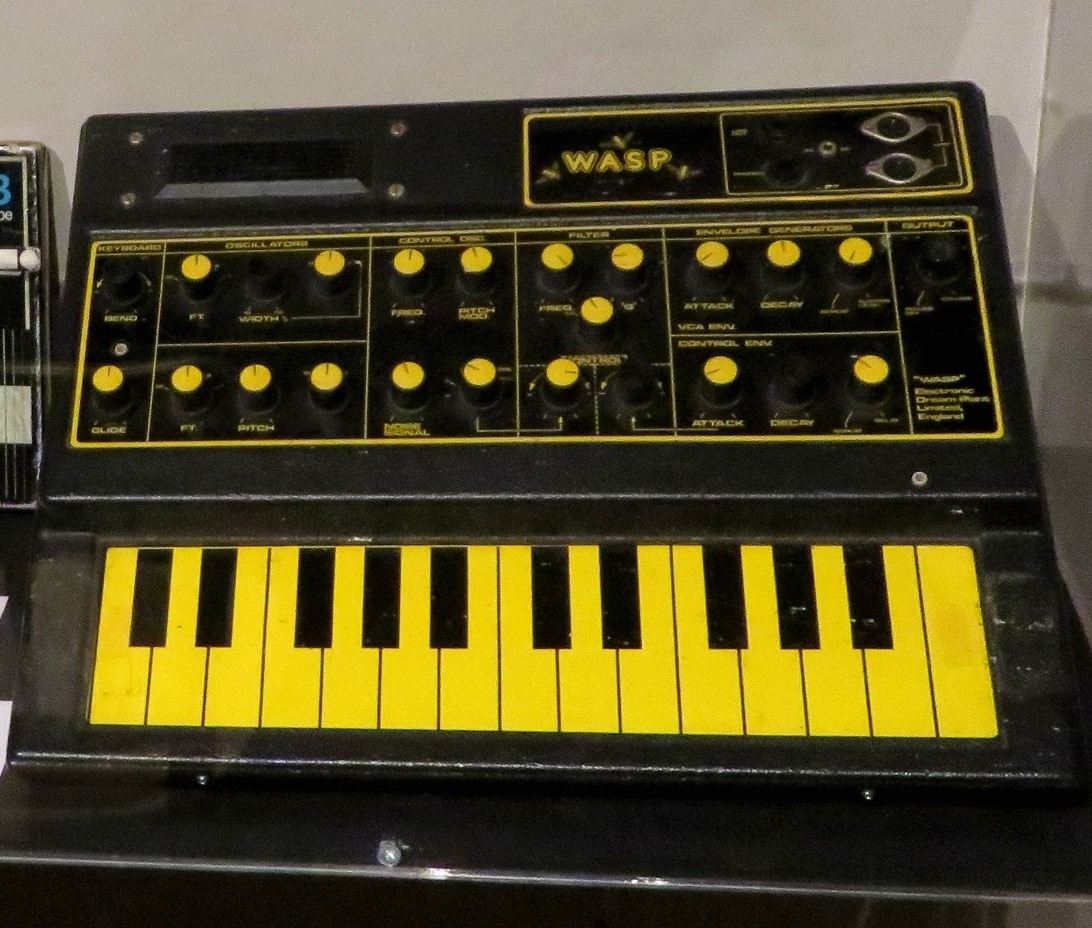
Thomas Leer and Robert Rental had met working as gardeners and shared a love of TONTO’S EXPANDING HEAD BAND. Using just two EDP Wasp synthesizers, an EDP Spider sequencer, a guitar and recording equipment provided by THROBBING GRISTLE who originally released the album on their Industrial Records, ‘The Bridge’ is considered a landmark in DIY and experimental electronic music.
As stated on the back of the cover: ”This album was recorded at home on 8 track equipment, provided for us by Industrial Records. It was produced in two weeks dating 18th June to 2nd July. All blips clicks & unseemly noises were generated by refrigerators & other domestic appliances & are intrinsic to the music.”
Comprising of a side of five songs and a side with four ambient instrumentals, the best known track on ‘The Bridge’ is the pulsating dystopia of ‘Day Breaks, Night Heals’ which found itself playlisted regularly at The Blitz Club.
Other highlights included the appropriately titled ‘Attack Decay’ which undoubtedly influenced John Foxx in his ‘Metamatic’ period, the hopeless claustrophobia of ‘Connotations’ and the spacey Eno-inspired soundscape of ‘Interferon’.
The uneasy creative tension between Thomas Leer and Robert Rental revealed itself in the eventual recordings, especially with THROBBING GRISTLE deliberately withholding their best equipment. In a short film of interviews shown as part of the evening, Chris Carter and Cosey Fanni Tutti confirmed it was all part of their mind games to ensure the Scottish pair captured the spirit of their demos and retained their own unique sound, whilst gaining an improvement in sound quality. Carter set up the equipment in the shy and introverted Rental’s London flat and with minimal guidance, let them get on with their voyage of discovery with a deadline of a week (later extended by another week) to complete the album.
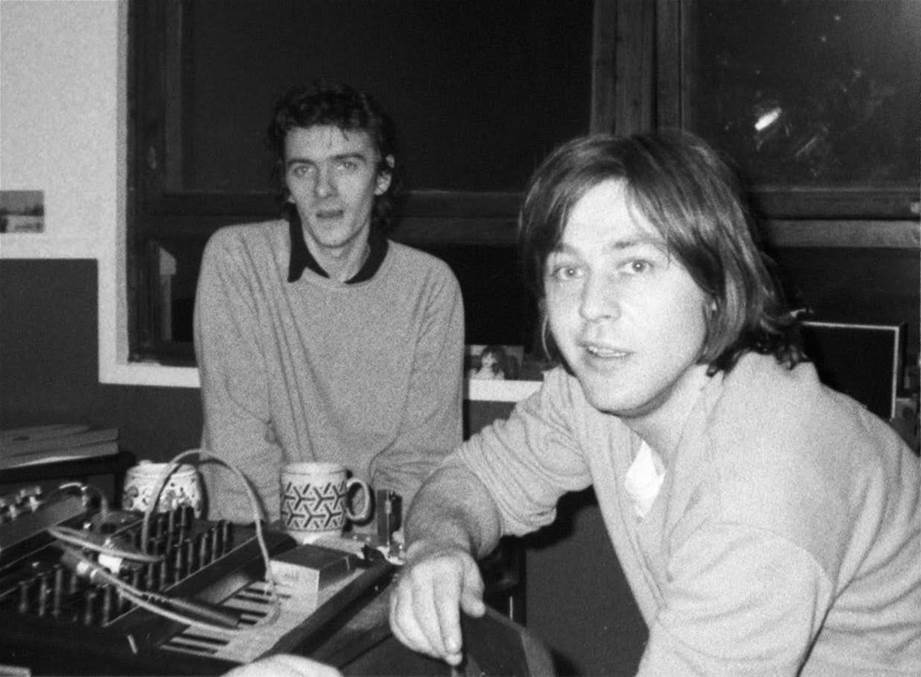
It was within the THROBBING GRISTLE axis that Robert Rental had met Daniel Miller, leading eventually to the release of the ‘Double Heart’ single as MUTE 010 but in-between, they played a number of shows together and it was this aspect of the story that the conversation with Daniel Miller hosted by exhibition curator Simon Dell focussed on.
Among the amusing stories, Miller talked of how due to the touch-sensitive membrane keyboard of the Wasp, it would play by itself when overheating under stage lights while with regards to the upcoming reissue of ‘The Bridge’, how important it was not to clean the album up too much although to make it sound good on Spotify, the trick was to “compress the f*ck out of it”.
After the release of the raw ‘Live at West Runton Pavilion, 6-3-79’ one-sided album on Rough Trade, Robert Rental went on to produce the soundtrack for The Comic Strip’s 1984 feature ‘A Fistful of Traveller’s Cheques’. But despite the support of Daniel Miller to continue in music, ever the perfectionist and concerned that Mute might release material that he felt was not of the required standard, Rental retired from the industry; he sadly passed away in 2000.
Thomas Leer went on to release the album ‘Scale Of Ten’ on Arista in 1985 and formed ACT with Claudia Brücken who recorded just one long player ‘Laughter Tears & Rage’ for ZTT in 1988. After a career break, he began releasing music again in 2001.
Photo by Chris Carter
Now living in Greenock and unable to attend the exhibition launch in person, Leer was represented by an insightful new interview filmed by his brother just a few weeks before. One of the highlights in his forthright anecdotes was his dismay at how DIY was misperceived by the too cool for school crowd as his Fairlight programming was done at home before entering the studio, making it valid as a DIY product as much his 1982 album ‘Contradictions’ on Cherry Red Records.
With records, photographs, press cuttings, film and equipment including an EDP Wasp and Boss Dr Rhythm DR55 drum machine to tell one of the forgotten stories of Synth Britannia, the pioneering legacy of Thomas Leer & Robert Rental deserves greater recognition and this exhibition provides just that.
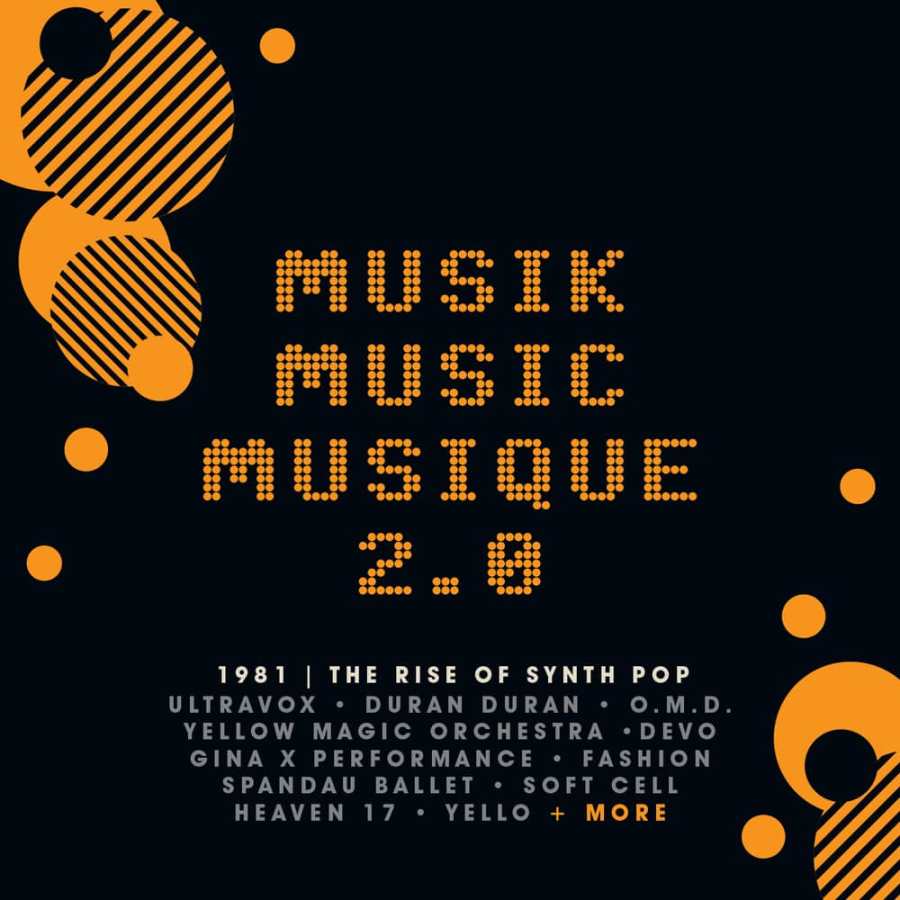
1981 is the year covered by the second instalment of Cherry Red’s ‘Musik Music Musique’ series.
1980 was something of a transition year for the synth as it knocked on the door of the mainstream charts but by 1981, it was more or less let in with welcome arms. From the same team behind the ‘Close To The Noise Floor’ compendiums and the most excellent ‘Electrical Language’ boxed set, ‘Musik Music Musique 2.0 1981 – The Rise Of Synth Pop’ presents rarities alongside hits and key album tracks from what many consider the best year in music and one that contributes the most to the legacy of electronic music in its wider acceptance and impact.
Featuring HEAVEN 17 with ‘(We Don’t Need This) Fascist Groove Thang’, OMD with ‘Souvenir’ and the eponymous single by VISAGE, these songs are iconic 1981 canon that need no further discussion. Meanwhile the longevity of magnificent album tracks such as ‘Frustration’ by SOFT CELL and ‘I Remember (Death In The Afternoon)’ by ULTRAVOX can be summed by the fact that they have featured in 21st Century live sets alongside their parent acts’ hits.
Although not quite as celebrated, ‘You Were There’ from pastoral second John Foxx long player ‘The Garden’ captures the move from stark JG Ballard imagery to something almost romantic. DEVO are represented by the LinnDrum driven ‘Through Being Cool’, the opener of the ‘New Traditionalists’ album which comes as a statement that the mainstream was their next target; the Akron quintet were one of the many acts signed by Virgin Records as the label focussed on a synth focussed takeover that ultimately shaped the sonic landscape of 1981.
Then there’s TEARS FOR FEARS’ promising debut ‘Suffer The Children’ in its original synthier single recording and The Blitz Club favourite ‘Bostich’ from quirky Swiss pioneers YELLO. Another Blitz staple ‘No GDM’ from GINA X PERFORMANCE gets included despite being of 1978 vintage due to its first UK single release in 1981. The use of synth came in all sorts of shapes and FASHIØN presented a funkier take with ‘Move Øn’ while the track’s producer Zeus B Held took a more typically offbeat kosmische approach on his own ‘Cowboy On The Beach’.
Pivotal releases by JAPAN with the ‘The Art Of Parties’ (here in the more metallic ‘Tin Drum’ album version) and A FLOCK OF SEAGULLS ‘(It’s Not Me) Talking’ highlight those bands’ then-potential for mainstream success. But in the battle of the New Romantic boy bands, the sitar tinged DURAN DURAN B-side ‘Khanada’ easily blows away the SPANDAU BALLET album track ‘Reformation’ in an ominous sign as to who would crack it biggest worldwide.
The great lost band of this era, B-MOVIE issued the first of several versions of ‘Nowhere Girl’ in December 1980 on Dead Good Records and its inclusion showcases the song’s promise which was then more fully realised on the 1982 Some Bizzare single produced by the late Steve Brown although sadly, this was still not a hit.
The best and most synth flavoured pop hits from the period’s feisty females like Kim Wilde and Toyah are appropriate inclusions, as is Hazel O’Connor’s largely forgotten SPARKS homage ‘(Cover Plus) We’re All Grown Up’. But the less said about racist novelty records such as ‘Japanese Boy’ by Aneka, the better… the actual nation of Japan though is correctly represented by their most notable electronic exponents YELLOW MAGIC ORCHESTRA with ‘Cue’ from ‘BGM’, the first release to feature the Roland TR808 Rhythm Composer.
With these type of boxed sets, it’s the less familiar tracks that are always the most interesting. As the best looking member of TANGERINE DREAM, Peter Baumann had a crack at the single charts with the catchy Robert Palmer produced ‘Repeat, Repeat’ while former Gary Numan backing band DRAMATIS are represented by ‘Lady DJ’ although its epic A side ‘Ex Luna Scientia’ would have equally merited inclusion. But BEASTS IN CAGES who later became HARD CORPS stand out with the stark dystopia of ‘Sandcastles’.
The one that “should-have-been-a-pop-hit” is the ABBA-esque ‘I Can’t Hold On’ by Natasha England and it’s a shame that her career is remembered for a lame opportunistic cover of ‘Iko Iko’ rather than this, but the delightful ‘Twelfth House’ demonstrates again how under-rated Tony Mansfield’s NEW MUSIK were, and this with a B-side!
The rather fraught ‘Wonderlust’ by THE FALLOUT CLUB captures the late Trevor Herion in fine form on a Thomas Dolby produced number with a dramatic Spaghetti Western flavour that is lushly sculpted with electronics. Over a more sedate rhythm box mantra, ‘Love Moves In Strange Ways’ from BLUE ZOO swirls with a not entirely dissimilar mood.
Mute Records founder Daniel Miller was breaking through with his productions for DEPECHE MODE in 1981, but representation on ‘Musik Music Musique 2.0’ comes via the colder austere of ‘Science Fiction’ by Alan Burnham. ‘West End’ by Thomas Leer adds some jazzy freeform synth soloing to the vocal free backdrop, while ‘Surface Tension’ from ANALYSIS is an appealing instrumental.
The strangely accessible weirdness of Chris & Cosey’s ‘This Is Me’, MYSTERY PLANE’s ‘Something To Prove’ and the gritty ‘Brix’ from PORTION CONTROL will delight those more into the leftfield, while AK-47’s ‘Stop! Dance!’, the work of Simon Leonard (later of I START COUNTING and KOMPUTER fame) is another DIY experiment in that aesthetic vein.
Some tracks are interesting but not essential like Richard Bone’s ‘Alien Girl’ which comes over like an amusing pub singer SILICON TEENS, Johnny Warman’s appealing robopop on ‘Will You Dance With Me?’ and the synth dressed New Wave of ‘Close-Up’ by THOSE FRENCH GIRLS. For something more typically artschool, there’s the timpani laden ‘Taboos’ by THE PASSAGE and SECOND LAYER’s screechy ‘In Bits’.
More surprising is Swedish songstress Virna Lindt with her ‘Young & Hip’ which oddly combines showtune theatrics with blippy synth and ska! The set ends rather fittingly with Cherry Red’s very own EYELESS IN GAZA with the abstract atmospherics of ‘The Eyes Of Beautiful Losers’ although they too would eventually produce their own rousing synthpop statement ‘Sunbursts In’ in 1984.
Outside of the music, the booklet is a bit disappointing with the photos of OMD, TEARS FOR FEARS, HEAVEN 17, B-MOVIE and a glam-bouffanted Kim Wilde all coming from the wrong eras. And while the liner notes provide helpful information on the lesser known acts, clangers such as stating Toyah’s ‘Thunder In The Mountains’ was from the album ‘The Changeling’ when it was a standalone 45, “GONG’s Mike Hewlett” and “memorable sleeve designs by Malcolm Garrett’s Altered IMaGes” do not help those who wish to discover the origins of those accumulated gems.
But these quibbles aside, overall ‘Musik Music Musique 2.0’ is a good collection, although with fewer rare jewels compared with the first 1980 volume which perhaps points to the fact that those who had the shine to breakthrough actually did… 40 years on though, many of those hit making acts (or variations of) are still performing live in some form.
Was 1981 the most important year in synth as far becoming ubiquitous in the mainstream and hitting the top of the charts internationally? With VISAGE’s ‘Fade To Grey’ becoming a West German No1 in Spring 1981 through to SOFT CELL taking the summer topspot in the UK and culminating in THE HUMAN LEAGUE eventually taking ‘Don’t You Want Me?’ to No1 in the US, the sound of synth had done its job. Setting the scene for 1982 and 1983, further editions of ‘Musik Music Musique’ are planned.
The first solo album from Gareth Jones is set for release in September.
He is perhaps best known as the producer of DEPECHE MODE’s first albums with Alan Wilder – ‘Construction Time Again’, ‘Some Great Reward’, and ‘Black Celebration’. Jones first made his name as an electronic music pioneer on John Foxx’s groundbreaking album ‘Metamatic’.
It was John Foxx who recommended Jones to Mute’s Daniel Miller, starting a creative relationship that shaped many of the towering recordings from FAD GADGET, WIRE, ERASURE and DIAMANDA GALÁS. Other acts who have benefited from Jones’ deft studio work include EINSTÜRZENDE NEUBAUTEN, GUS GUS, TUXEDOMOON, GRIZZLY BEAR, INTERPOL, MESH, APPARAT and THE HOUSE OF LOVE.
For many years, Jones has worked to inspire young artists and studio techs through the Red Bull Academy and online videos. He has also chosen projects with the aim to help new artists get a foothold, in preference to more commercially advantageous work.
What has been less visible is the humble Jones’ own music. As one half of SUNROOF, he has created covers and remixes of Krautrock classics together with Miller. With Nick Hook, he has created three SPIRITUAL FRIENDSHIP albums and has another in the pipeline. He has also discreetly issued a number of experimental works over the years, ranging from spoken word pieces to ambient electronics.
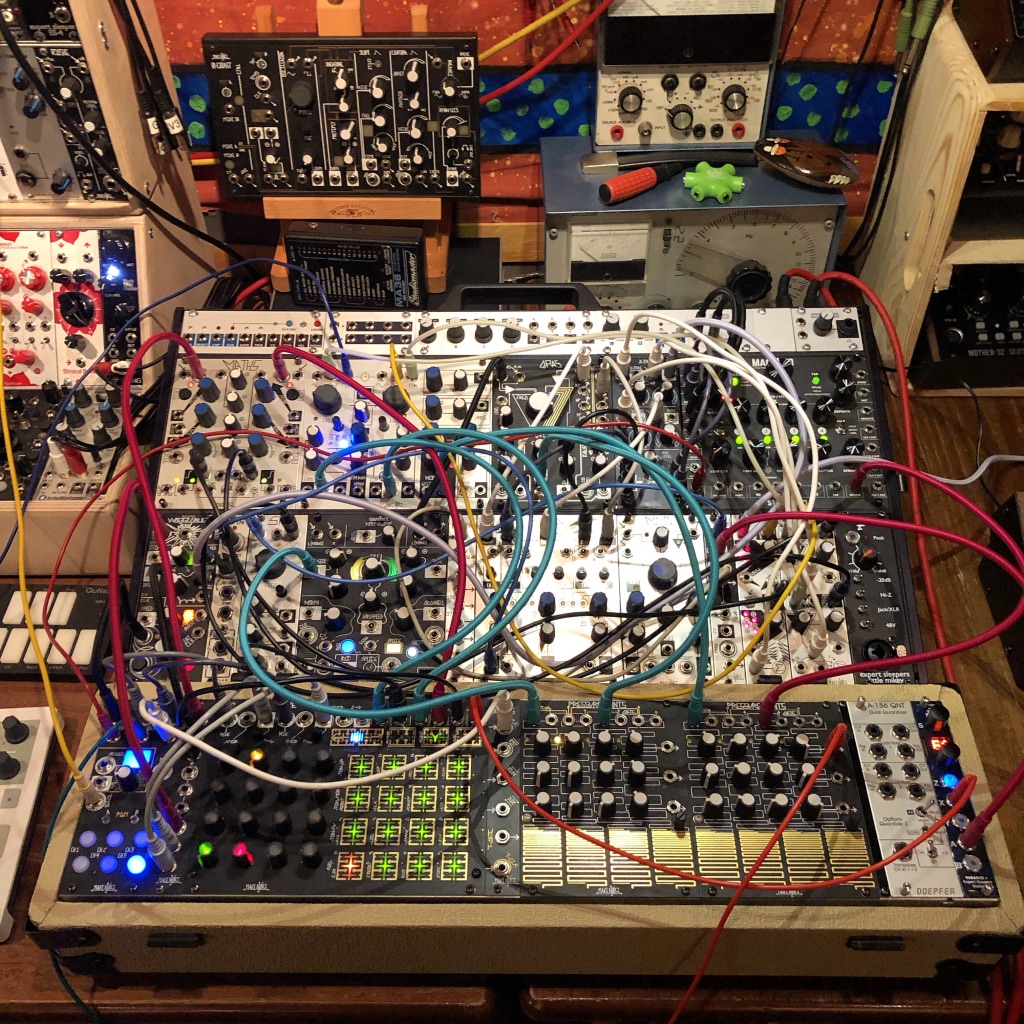
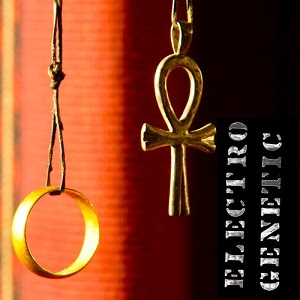
‘ELECTROGENETIC‘, Jones’ first album under his own name, comes after his milestone 65th birthday, and it is a highly personal set of compositions. Built on modular patches, it is also an accomplished melding of humanity and electronics; an organic interface between Mensch and Maschine. The cover features Jones’ father’s wedding ring and an Ankh; symbols of connectedness and life.
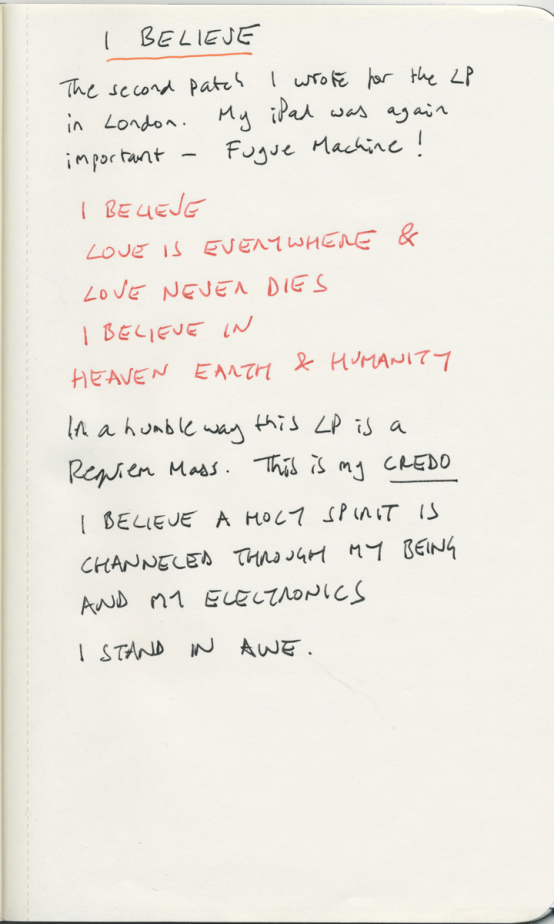
The notes prepared by Jones on his microsite for the album explain the spiritual inspirations for certain tracks, which include the passing of his mother-in-law and his own mother. In them, he describes the album as a form of requiem and credo. He seems to have taken to heart the line from Revelations 13:14: “And I heard a voice from heaven saying unto me, Write…”
The music speaks for itself, however. Infused with modular sequences that are almost danceable, it is not pop. There are traces of THROBBING GRISTLE and hints of TEST DEPARTMENT, but it is not industrial. There are fusions of found sound and electronics that are reminiscent of THE ORB, but it is not ambient house. Best listened to as a piece with different movements, ‘ELECTROGENETIC’ has the internal coherence to make up for its defiance of genres.
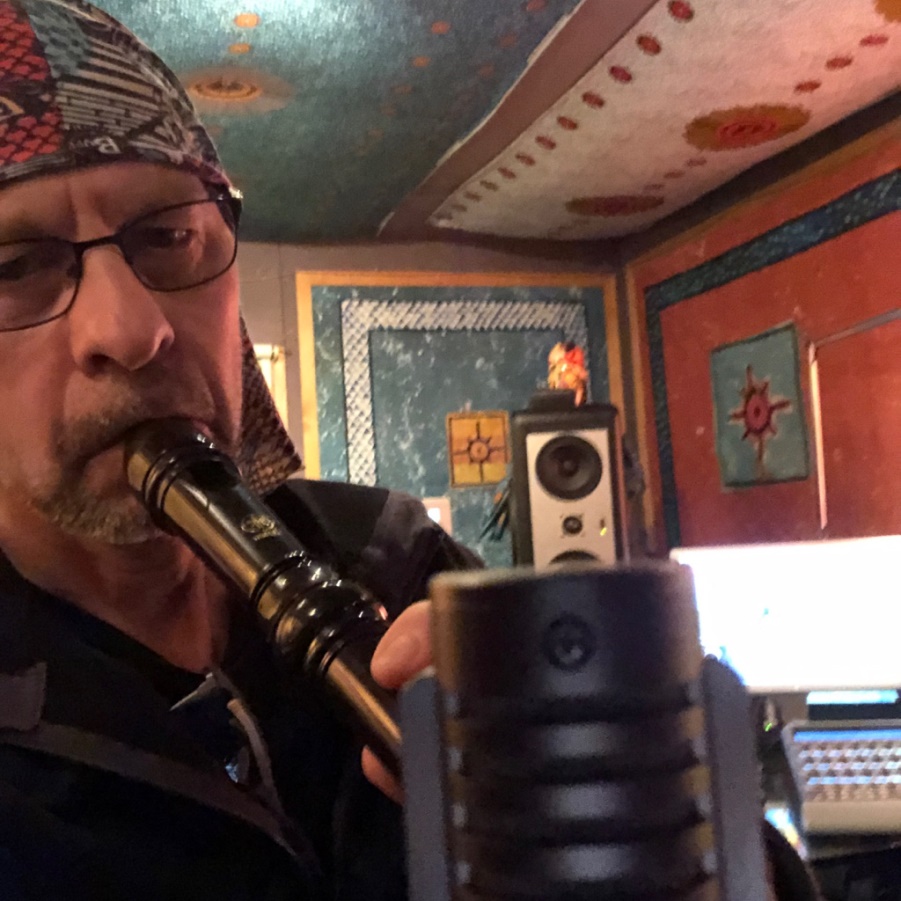
The album opens at ‘The Beginning’ with a reading from the book of Genesis. Initially sketched on an iPad, Jones developed the track in visits to a Methodist chapel near his studio. ‘Trinity’, which follows, borrows found sound from a choral practice in a Cambridge chapel. It also incorporates instruments from Jones’ childhood – an approach that develops in ‘Mercury’ with the addition of ocarina, recorder and tin whistle, supplemented by piano and a Roland JX-3P. The piano is actually a virtual instrument, played in Kontakt, using Joan-na, a sample bank that Jones made from his childhood piano and named after his late mother.
‘Michigan’ is built on a drone and incorporates vocal samples from WOVOKA GENTLE’s Immie Mason making a reference to his wife’s home state. It was in Detroit that Jones also developed ‘Safe Travels’, another of the stand-out tracks on the album.
The microsite created by Jones to accompany the album offers a set of virtual Post-It notes, leading to handwritten sleeve notes for each track and a link to sample packs. Visitors can download selected samples and import them into their own projects – the DNA of ‘ELECTROGENETIC‘ can live on beyond the album itself.
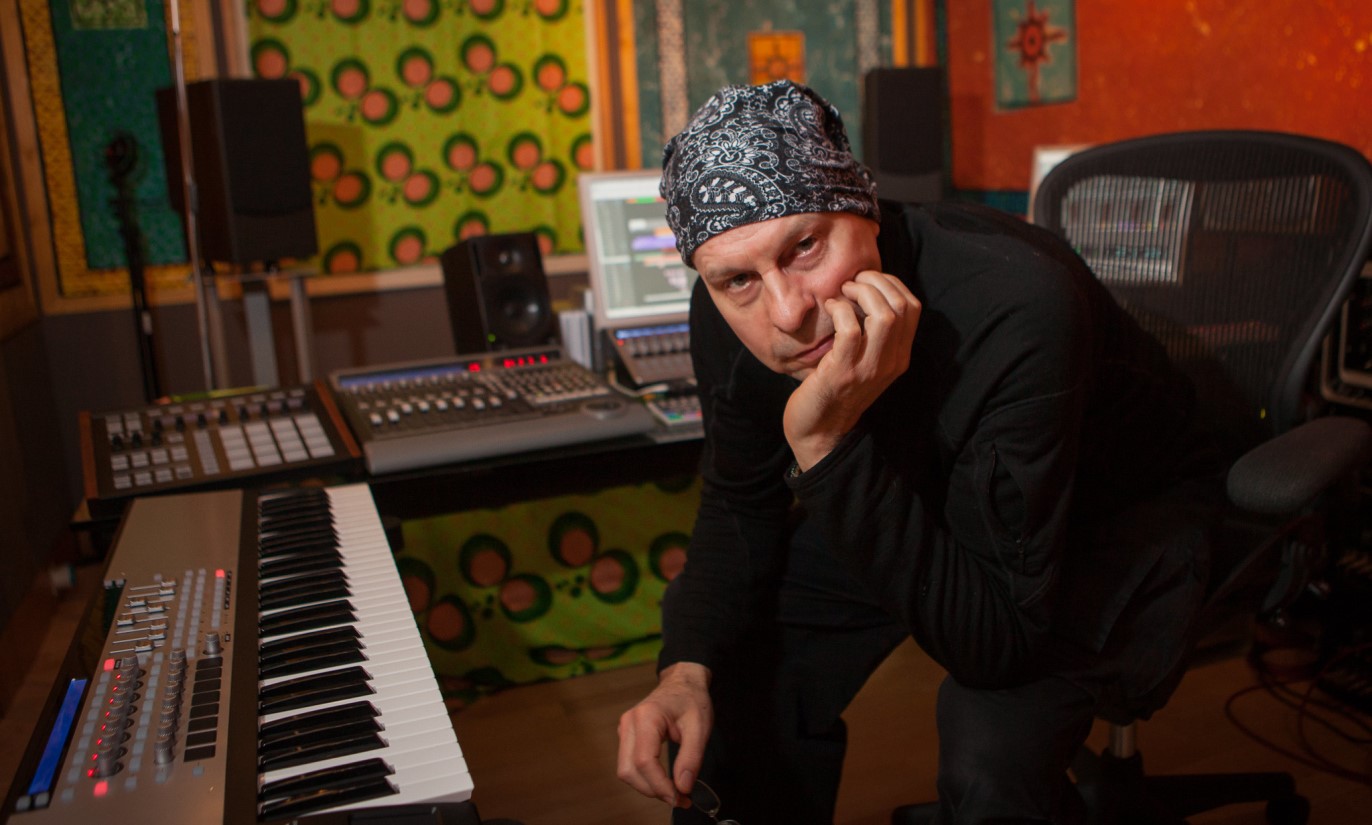
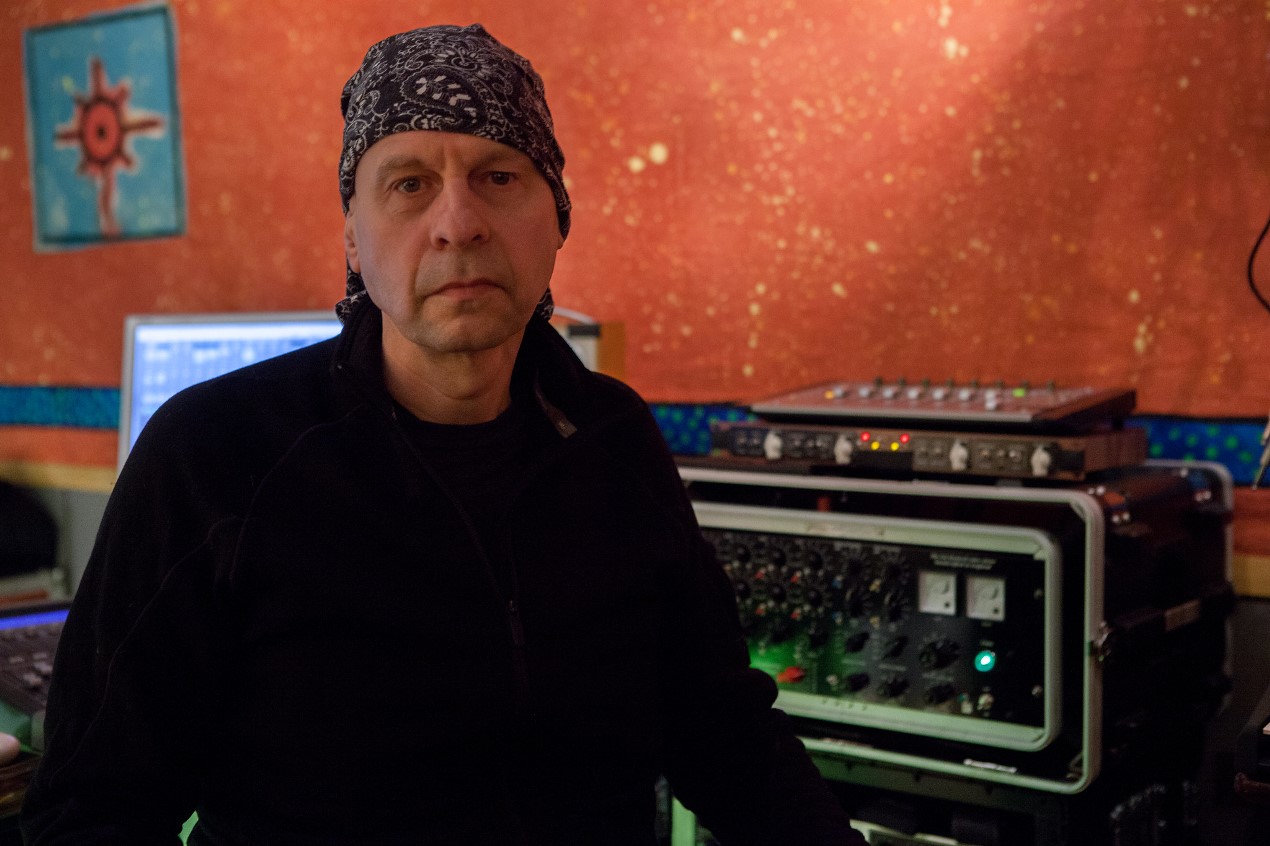
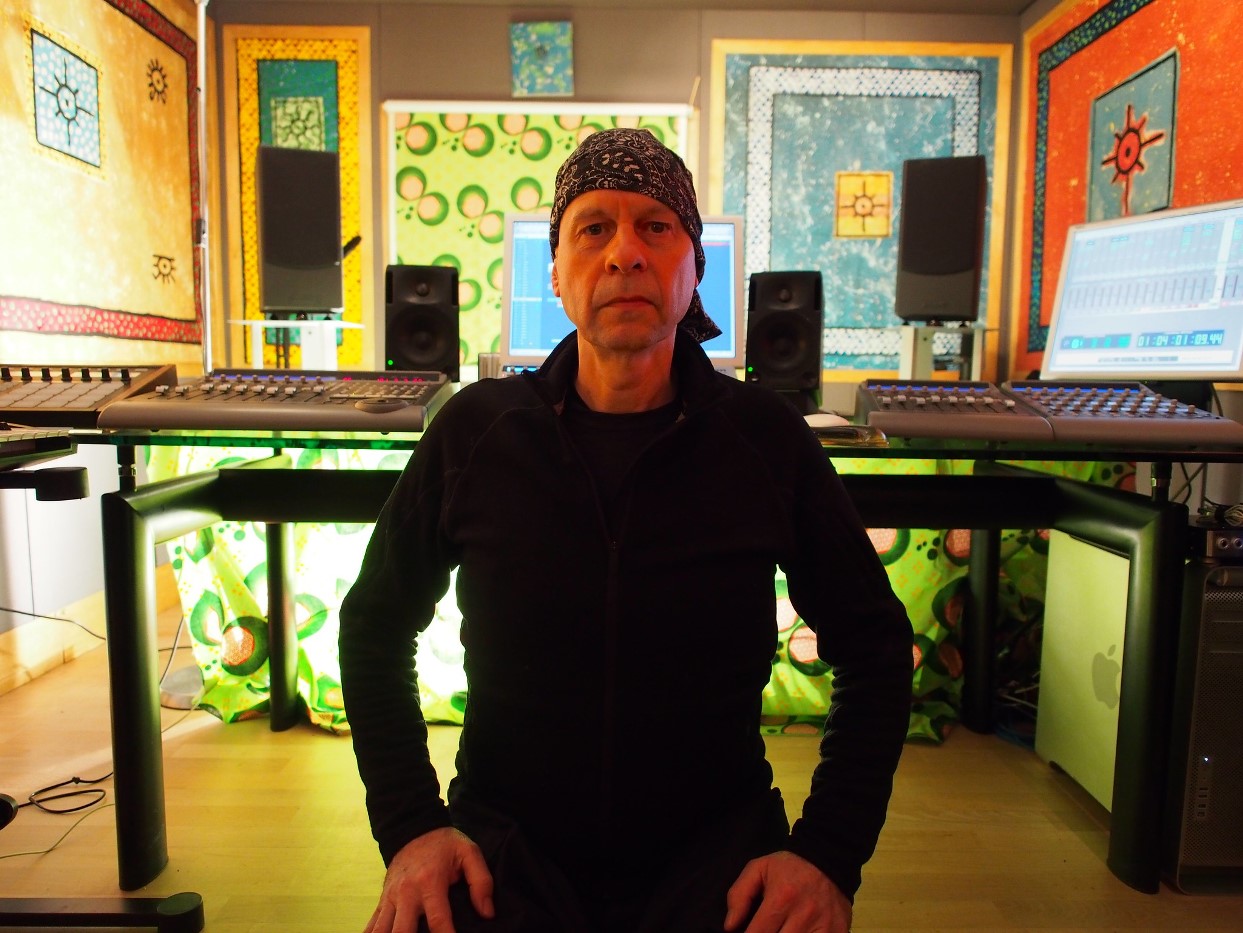
Gareth Jones spoke virtually from his studio, theArtLab, in the heart of London’s Strongroom complex.
How have you been coping with Covid-19?
I’m an urban cyclist, so I’m pretty comfortable travelling about, you know. I don’t like the Tube too much.
I’ve been very creative, though. In our home, I set up a Studio B in my back bedroom with a laptop, headphones, and a few little synths and things.
But I did loads of amazing work—it was quite astonishing to me that it turned out to be so productive. I’m lucky, in that I had food delivered every day—and I count my blessings, brother, for sure—but it was, strangely, musically a very productive time.
The album marks the passing of people close to you and touches on a number of deep themes – family, spirituality, connectedness. What led you in these directions?
At this stage of my life, I guess these are like major, major events that happened in my life. If there’s a theme, I guess that’s just my voice, my personality, my approach to electronics, and my approach to making music.
I’m not choosing a theme consciously; I’m just walking my path. This is what’s happening. I made a small commitment to myself, in 2019, that I would like to finish a solo project, inspired by all the collaborative work that I’ve done, which I very much enjoyed – you know, with Nick Hook in SPIRITUAL FRIENDSHIP and Chris Bono in NOUS ALPHA – and with all the remix work I’ve done. I just felt it was time for me to dig deep and do a solo project, and that was my personal contract with myself in 2019.
It came off the back of two very dear mothers dying in 2018: my mother-in-law and my own mother. Somehow, it all started to resonate with me, and the emotional impact of that emerged through the work over the year. It didn’t start as a project to commemorate the mothers, and I hope it’s more than that. It’s not just commemorating the mothers, but that was a certainly a big part of several of the songs – ‘Safe Travels’ being one of them, of course, and ‘Farewell’ another. The writing of those was in my mother-in-law’s house.
I gave up smoking when I was 50; and, perhaps it was a coincidence, but it seemed like a symbolic number. With the double loss—and all the parents are gone now—I felt this need or responsibility to myself to make this solo work. And, so, that’s my humble offering—what you hear is what stands before you.
Was your mother close to your work?
No, my mother thought that music was not a proper job. It took a while before my parents came around to the idea that, actually, I might be able to support myself working in music. Both my parents were big lovers of music, as consumers of music, if you like—listeners. They were huge lovers of music: classical music, very much so; not so much jazz and whatever; popular culture music they didn’t really get. A great musical inspiration came from my dad—a love of music from an early time.
My in-laws were much more lovers of popular culture–the Frank Sinatra period. Not just Frank Sinatra, but Tony Bennett, Howard Keel and the 40s, 50s and 60s—they were big lovers of music from that time.
So, there was a lot of music around, of course, but they were not professional musicians. My mother played a little bit of piano, I think, when she was a kid, but I didn’t grow up with parents playing music.
There are many references to spirituality in the material and in your notes on the micro-site for the album. The cover features the Ankh and a wedding ring: one an ancient symbol for life and the other representing connection and togetherness…
It has deep symbolism, the ring, doesn’t it? It is also symbolic of power and continuity – and, you know, eternity. As I get older, I hope my inward life develops deeper and deeper, and part of that is considering the larger questions. We can’t avoid them: birth and death. You know, this is life, brother.
On your site, you refer to ‘The Prophet’ by Kahlil Gibran. Was that book a big influence on you?
When I was when I was adolescent, for sure. I haven’t read it for a long time. The idea of the trees came back to me when I was working on ‘Alone Together’. That was a very influential book on me as a teenager. It seems like a beautiful discourse on the nature of love and life.
You were previously releasing material with Nick Hook as SPIRITUAL FRIENDSHIP. Is that still happening?
Yes, it is very much ongoing. Nick’s a great inspiration, and the record’s coming out on his label. He’s got a label in Brooklyn called Calm + Collect. It felt like the right place for the record. He always said that he would help me bring my solo record to the world when I completed it, so we both stuck to our commitment. We are men of our word. We’re working currently on the fourth SPIRITUAL FRIENDSHIP album, which we’re very excited about. It’s got a bit more of a harmonic content than the last record, which was all drums.
We had plans to get together during the lockdown period to complete the record; but those plans were—like many people’s plans—disrupted, so we are attempting to finish it remotely. We’ve made quite a lot of progress, but all the work we’ve done so far has been the two of us in the room, and that’s very vibrant and very creative; and very fast, very enjoyable. It’s been a bit more difficult focusing energies remotely. That’s weird, but we will get there. The record is close to being finished.
The modern marketplace for music is becoming narrower, and major labels don’t seem to want to invest anything in artists who aren’t going to produce mainstream hits. Shopping something like this must be challenging, because there a limited number of labels that you could go to…
I didn’t try to shop it. Nick and I had this talk about it. We had a commitment. We did try to, as you say, shop the first SPIRITUAL FRIENDSHIP album, and we have between us a few influential colleagues in the business—lovely people and friends.
Many people were kind enough to say how much they liked the record, but no one was remotely interested in putting it out. That was a depressing experience for both of us, which lasted about a month. Then, after a month or so, we said, okay, we just have got to put it out ourselves.
We are trying to make Calm + Collect like a small independent gallery where we can hang our stuff on the wall and say, “Look, we made this. If it’s of any interest, please explore the label further or hit us up or get in touch.”
Of course, it’s wonderful to have the support of a label with the PR and the contacts and the guidance, and even some funding. It’s a marvelous thing for an artist. But if you can’t get it, you can’t give up. You don’t give up.
You talked about the modern marketplace. The huge benefit of the modern technology is that we can bring our music to the world. On Calm + Collect, we can put music out that you can hear in Australia, the day after it’s come out, if you want to. Of course, there is huge, massive noise to try to get yourself noticed, but you have to try and rise above it. How wonderful, though, that we can present our wares to the world and say, “Well, look, here it is. Come and have a listen if you’d like to!”
One of the things that was interesting about the Web site that you can get sample packs, so that you can play with your sounds independently. Are you hoping that people will make their own mixes of the songs or just take the samples and use them in their own projects?
It’s my record company’s idea. All credit to Nick Hook for that. Nick said “Why don’t you make a sample pack?”
He suggested that I could sell them on Bandcamp, if I want, but I just decided to put them out as a gift, if people are interested. There are some elements of the songs, but you can’t remix a whole song from those because they’re not stems of the pieces—they’re not complete. They’re snippets. I went quickly through the nine pieces and chose what I thought were some interesting snippets. I said, well, there you go. If anyone’s interested in having these, then have them and make something with it.
I enjoyed the process. It didn’t take me too long. It seemed like a nice addition, and it was Nick’s idea. Nick and I try to implement each other’s ideas; we try not to shut each other down. So, I thought, okay, I’ll do it. I’m pleased I did it, and it’s something I’ll do in the future, too, I think.
It makes it more like an open source project. With the sample packs, people can look into the source code, and they can pick around and learn from it…
Great. There is a possibility that, down the line, I may well release the multi-tracks, where people can then really dig around if they want to—they can see the whole thing. Everyone who’s remotely interested in music now has some kind of Garage Band type thing on their computer, where they can just drag in a bunch of files and there it is—it plays.
I know, for me, it’s absolutely wonderful to hear other people’s multi-tracks. It’s wonderful to hear some of my old multi-tracks from the past, actually. I pull them up and I think, oh look, we made that 35 years ago or something—there is the multi. So, it’s a special vision, the multitrack. Obviously, I want people to hear my versions of the tunes first, but down the line I might well just link to the multitrack, so that people can see, hear, and dig around—like it’s open source. They can see how it’s made.
A key feature of the album is that you’re using modular kit, which carries an element of chance. One of the nice things about synthesisers is that it is not always predictable what they’re going to sound like and where they’re going to go. Is modular something of interest to you, which is why it was brought into this project?
Yes, it is deeply important. Thank you for asking about it, because it’s reflected in the name—even the name of ‘ELECTROGENETIC‘ is an attempt for me to convey the idea that the birth of the riffs and rhythms and timbres is here in the electronics. It’s born through the electronics.
Modern modular gear—Eurorack, I should say—has empowered me hugely as a musician to be able to speak and channel energies. I hesitate to use the word “express” because I’m a bit nervous about expressing myself. I feel more that I’m more of a channel or tool to concretise or realise, spiritual energy. The modulars have certainly allowed me to do that in a way that I’ve never found really from another instrument, and my personal development as a musician is deeply tied into my involvement with modern modular.
It’s not cheap, but it’s vaguely affordable, whereas the vintage modular that that is so loved is hugely expensive—and hugely expensive to maintain. That’s outside my league, really.
We have had digital gear and sequences for so long, do you think that the modular world brings back the organic quality that was apparent in the albums played by hand, like ‘Metamatic’ and the first two albums by THE HUMAN LEAGUE?
It’s hugely deep and hugely broad, and so it could be, but it can also be extremely rigid. It really is a very broad church, working with modular, and everyone engages with it in their own way. One of the joys for many of us is building a patch that unexpectedly delivers something that we can still interface with; to perform on. We’re joyfully surprised by elements that emerge from the patch we build. That is a very creative way for many of us working with modular setups.
We don’t get many people that — I know certainly that I don’t — go in with a rigid idea and then attempt to construct it in modular, in the sense that I imagine some people might try to write a string quartet, or perhaps how Wendy Carlos made ‘Switched On Bach’. It’s more about building patches, delving deeper and deeper into what emerges; modifying the patch; touching the patch; turning knobs; recording interesting events that occur. You know, it’s not random, by any means, but it’s very rich and very deep, once you embrace the chance element of it.
Do sound design and work on the patches themselves suggest the music? Do you get the idea that this new sound is going to give me the right kind of timbre, the right the right kind of voicing, to make this kind of song?
A lot of the patches already have rhythm and timbre, of course. Most of the pieces on the ‘ELECTROGENETIC‘ record started with a modular patch, which might be quite dense.
There were, of course, other modular patches I made in the period that didn’t develop further; but most of them started with an improvisation by me on a modular patch that I built, which might have melodies, counter-melodies, rhythms, counter-rhythms, all kinds of layers and textures–it can be quite complex.
That is available for further editing and overdubs. In my case, it certainly inspired some simple melodic extra layers performed with the piano, the voice, or the recorder or whatever. I can’t over-emphasise the importance of the improvisations on the modular as groundwork, though; as a very fertile field that this record grew out of. That’s highlighted in the microsite. I’ve even acknowledged my friends at Make Noise. Credit to the synthesiser manufacturer.
ELECTRICITYCLUB.CO.UK gives its grateful thanks to Gareth Jones
Additional thanks to Mat Smith at Calm + Collect
‘ELECTROGENETIC’ is released digitally on 18th September 2020 via Calm + Collect
We use cookies to ensure that we give you the best experience on our website. If you continue to use this site we will assume that you are happy with it.




 is released digitally on 18th September 2020 via Calm + Collect
Follow Us!