Author: electricityclub (Page 13 of 439)

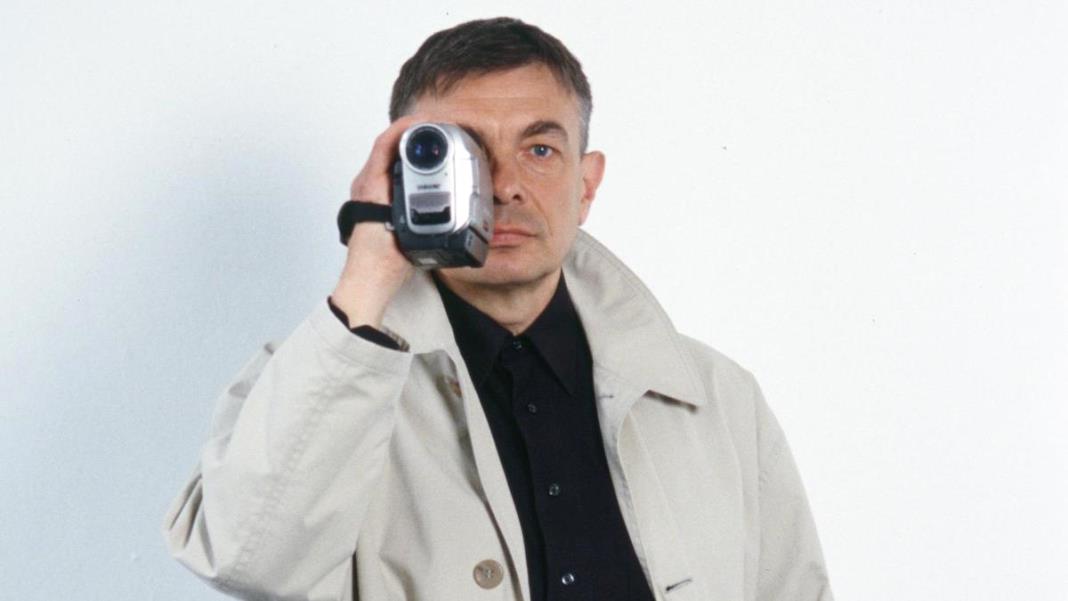
“I don’t like country & western, I don’t like rock music… I don’t like rockabilly! I don’t like much really do I? But what I do like, I love passionately!!”: CHRIS LOWE

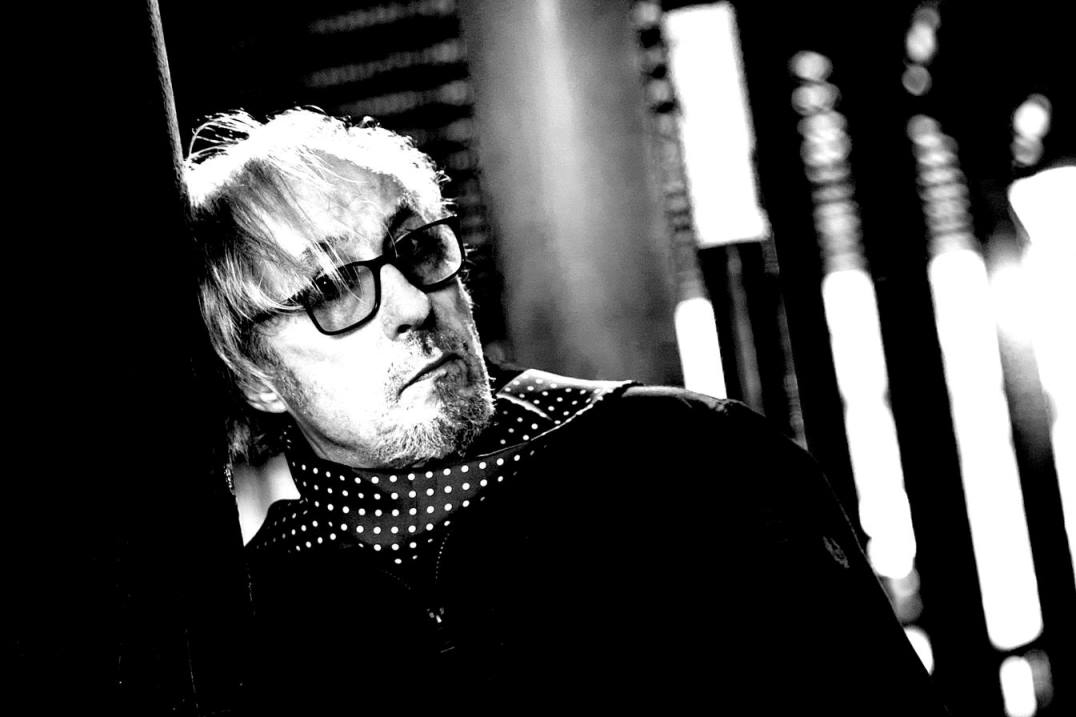
“Good taste is exclusive”: NICK RHODES

Missing In Action: SHARK VEGAS

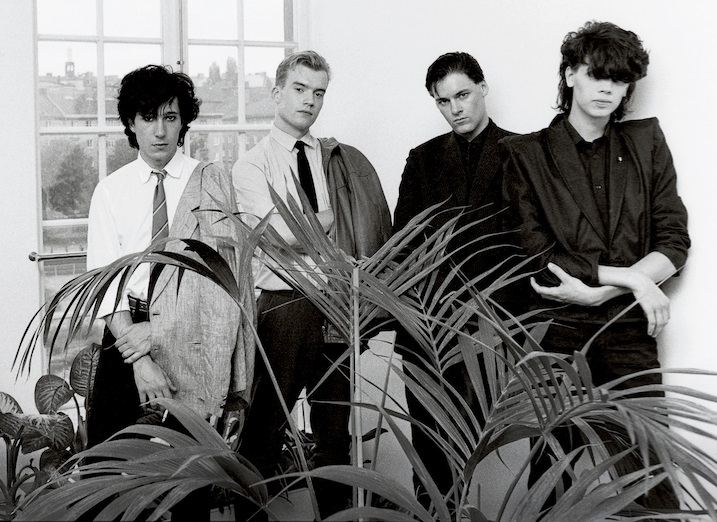
Photo by Jurgen Wellhausen

They were DIE UNBEKANNTEN but in 1984, they were no longer “unknown” as they changed their name to SHARK VEGAS ahead of a European tour opening for NEW ORDER.

Founded by Berlin-based Englanders Mark Reeder and Alistair Gray, SHARK VEGAS moved towards a more electronic HI-NRG disco direction after the doom-laden post-punk excursions of DIE UNBEKANNTEN, freshly influenced by Die Mauerstadt’s domestic club scene.

Adding Leo Walter and Helmut Wittler from the German band SOIF DE LA VIE to the line-up, the one and only SHARK VEGAS single ‘You Hurt Me’ was released on DIE TOTEN HOSEN’s label Totenkopf in 1984 before being remixed by Bernard Sumner for release by Factory Records in 1986.

The very immediate ‘Love Habit’ was premiered with a special video in 1985 on Berlin’s Glienicke Brücke which had a checkpoint that divided East and West; the occasion was to launch the new British cable music channel Music Box, but the song itself would remain unavailable until the soundtrack to Reeder’s documentary film ‘B-Movie (Lust & Sound in West Berlin 79-89)’ was issued in 2015.

SHARK VEGAS material has been scarce until now… the Japanese label Suezan Studio has issued an albums worth of material on CD as a tie in with their release of DIE UNBEKANNTEN’s ‘Don’t Tell Me Stories’ packaged in a 7” x 7” 130 page full-colour book; the SHARK VEGAS CD ‘You Hurt Me’ contains live tracks and original demos of songs, some of which were most recently re-recorded by Reeder with Lithuanian singer Alanas Chosnau and solo for the soundtrack to Hermann Vaske’s documentary film ‘Can Creativity Save the World?’; both available separately, if ordered together as a bundle, there is a bonus CD-R gathering further mixes of ‘You Hurt Me’ included.

Having previously discussed DIE UNBEKANNTEN in 2023 as part of the ‘Missing In Action’ series, Mark Reeder chatted to ELECTRICITYCLUB.CO.UK about swimming the turbulent waters with SHARK VEGAS in his role as The Mancunian Candidate…

How does it finally feel to get a SHARK VEGAS long form release? there’s 11 songs and a KISS cover, but was there much material in your archives?

It was a lovely surprise and a great honour to be asked by Kaoru of Suezan Studio if I would allow him to release DIE UNBEKANNTEN and SHARK VEGAS in Japan on CD. Initially, he thought it would be just one CD album of our 12” inch singles, coupled with a few live tracks, but I had some demos, and I had already written an extensive booklet about our Cold War escapades of trying to be a band and our activities playing in the Eastern Bloc.

So, I suggested that he make a special edition 100-page booklet, with photos and text to accompany the CD. This has become the limited deluxe edition of ‘Don’t Tell Me Stories’, which had only been previously released by Vinyl-on-Demand in 2007 as an LP, and because I now had more room, I could expand the track-list on the CD to include upgraded versions and demos. That also meant that SHARK VEGAS would also get its own CD release.

Although, apart from the two 12” inch Singles and one compilation track, we didn’t have that much SHARK VEGAS material to be honest, we did have plenty of dodgy demo tapes, and a few live sets on cassettes, and generally their quality varied from bad to worse. A lot of restoration work was required.

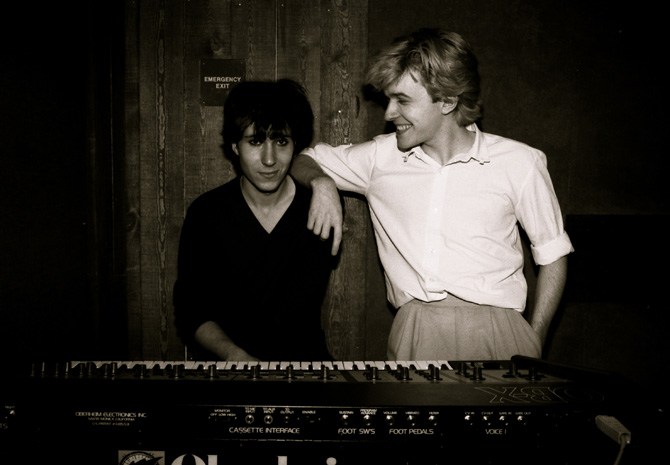
Photo by Irmgard Schmitz

How did the Japanese Suezan label become interested in releasing it?

I had been performing in Osaka as the opening DJ for NEW ORDER, and was scheduled to DJ in Alffo Record Shop… naturally being a vinyl junkie, I also went around to as many record shops as I could find, and I was browsing in the amazing Forever Records in the Shinsaibashi-Namba area of downtown Osaka, when the owner Satoru Higashiseto politely asked me if I was Mark Reeder, and then said, his friend had a label called Suezan Studio (who I actually knew about from his CD releases of other Berlin artists like DIE TÖDLICHER DORIS or DIN-A-TESTBILD). He said his pal was interested in licensing DIE UNBEKANNTEN and SHARK VEGAS for Japan.

The label owner Kaoru was apparently very proud to have original copies of all our EPs. He contacted me, and we discovered we had many mutual friends. He definitely knew his stuff and it just felt like Suezan Studio was the right home for my records.

When do you consider the moment that SHARK VEGAS became an actual entity?

Well, we changed our band name from DIE UNBEKANNTEN to SHARK VEGAS specifically for the NEW ORDER European Tour in 1984, so I guess our inception was March 1984. We also acquired two new members for that tour in Leo Walter and Helmut Wittler, both formerly of SOIF DE LA VIE, who had previously released their Hi-NRG song ‘Goddess of Love’, which had become a club hit, but they got stitched-up by their singer and she took all the credit, which deflated their hit-seeking ego somewhat. Joining SHARK VEGAS was a welcome escape for them.

I thought being a foursome would make for a better live presentation. Leo had performed the percussion on our original studio demo of ‘You Hurt Me’ and it seemed natural to ask him if he wanted to accompany us on tour. Helmut could play bass and keyboards, and he looked good with his shirt off, and he was the only one of us who had a driving license.

The collection contains numerous versions of the only official SHARK VEGAS single ‘You Hurt Me’, why was that chosen to be recorded? It has a story on its own which involves Conny Plank and then Bernard Sumner?

Yes. We had already recorded a studio demo of ‘You Hurt Me’ as DIE UNBEKANNTEN with Leo on percussion, that was a few months before we were asked to go on tour with NEW ORDER. I sent this fresh studio demo to Bernard Sumner, who really liked it and he offered to produce it, and said maybe Factory Records would release it. It all sounded promising. Rob Gretton suggested we could do the mixdown during the few days break we had on the tour, and he booked us into Conny Plank’s legendary studio near Cologne. We were all so excited. All my favourite Krautrock artists had recorded something with Conny Plank and I was secretly hoping he would spread some of his magic over our music.

The session was a painful nightmare, and in the end, Bernard spent most of the time trying to get his mix to sound like our demo. We made about six mixes and none were what we really wanted. It was very frustrating. I always wanted the song to sound more like our original “Unbekannten” first draft, which we recorded in our practice room. It had lashings of Korg Poly6 arpeggiator sequencers and synths, but by the time we got it into Musiclab studio, we had a new synth and 808 drum machine, and the song had become more professional – which is the studio demo mix which was eventually released on the Factory version 12” Single.

In the end, after the disastrous Conny Plank experience, we made the final mixdown in Strawberry Studio in Stockport, Manchester with Bernard and Donald Johnson from A CERTAIN RATIO. All the mix versions were then split between Totenkopf Records and Factory. While compiling tracks for these CDs, I discovered our original practice-room demo version, which I included on DIE UNBEKANNTEN ‘Don’t Tell Me Stories’ CD.

Would ‘Love Habit’ not have been a better choice as a debut single as that was more immediate or did you not think in commercial terms? How close did ‘Love Habit’ come to getting an official release at the time?

Probably, but we hadn’t finished writing ‘Love Habit’ by that point. After the NEW ORDER tour, we recorded a very shoddy demo of ‘Love Habit’ at Musiclab studio, which we used for the Musicbox video performance on the Glienicke Brücke (Bridge of Spies), but by then Leo and Helmut were already planning on leaving the band. The song would only be properly recorded and produced after Michael Schamberg asked us to contribute a song to his forthcoming FACTUS compilation ‘Young Popular & Sexy’.

When you were asked to tour with NEW ORDER, do you think you were ready? The live recordings included on the album indicate that you sounded ok at the time?

I suppose we were as ready as we were ever going to be, given the amount of time we had to prepare. We acquired our two new members in Leo and Helmut only a few weeks before the tour and we wrote a few new songs with them and practiced every day. I recorded all our drum machine sounds and sequencers onto 4 track tape, as the MC202 sequencer was far too temperamental to take on tour. As we didn’t really have that many new songs, we padded out our set with a couple of reworks of DIE UNBEKANNTEN’s old songs like ‘Perfect Love’ and ‘Don’t Tell Me Stories’. After our first gig on this tour, Karl Bartos told us, he thought we were better than the main act, he might have just been sarcastic, but it encouraged us immensely.

Photo by Wayne Arents

What synths and things were you using in SHARK VEGAS? Was the technology was enabling you to get more sophisticated sounds and ideas down quicker?

Not really. Preset sound synths were becoming more and more popular and I wasn’t a fan. It was fashionable to have a DX7 or Korg Poly800, but I liked to discover or create my own synth sounds by fiddling about. We had gone from just having the Roland 606, an MS20, a Moog and a Transcendent 2000, to more polyphonic synths like Korg Poly 6, Roland 106, MC202 and SH9 but we also had a Korg Poly800, a Casio and a Roland 808 drum machine and clap trap. Later, we had a proper Korg sequencer and a Roland 707 + 727, but we didn’t use them live, Leo used a Simmons kit with a click track, I played the Poly6, or Roland 106 and Helmut played the Poly800.

The “disco time” of ‘Undercover Lover’ showed a lot of potential, how did that come together and why the “006” reference?

We lived in the ultimate Cold War city. Berlin was the spy capital of the World. The place where the Third World War was supposedly, going to start. Our lives were constantly running against this narrative. Being Brits in Berlin and not in the Army, we were shrouded in suspicion and constantly aware that people considered us agents of some sort, and they didn’t know what the hell to make of us, especially in the East half of the city, where we spent a lot of time.

The East German Stasi thought my agenda was to subvert the youth of East Germany. ‘Undercover Lover’ is about falling victim to the honey-trap. Which we had personally encountered. 006 is a play on words. In German it is pronounced “Oh-Oh-Sex”. It is a hidden warning!

We were also regulars at the Metropol, Europe’s biggest gay disco at the time. We went every Friday and Saturday night. It was a very inspiring place. I had taken Bernard Sumner there in the early 80s and a while later, ‘Blue Monday’ was born. We too were inspired by the emerging Hi-NRG scene and we wanted to upgrade our sound and style, to make it more amusing and not as depressive as DIE UNBEKANNTEN.

Whose idea was it to do ‘I Was Made For Loving You’, what was the process of arranging it?

Well, I must confess that was my idea. I had seen KISS perform in Manchester in 1976, which was the first time they had ever played in the UK, and from that moment I was hooked. My fascination stopped after their ‘Dynasty’ album though, as I thought that was their pinnacle.

I loved ‘I Was Made for Loving You’ and I still think it is their best song. I thought it might be a laugh to make a high-energy-DEAD-OR-ALIVEy version for our live sets, as we had always had a cover version of something in our sets as DIE UNBEKANNTEN. We unleashed our corrupted cover versions of songs like; ‘When You’re Young and In Love’, or ‘Diamonds Are Forever’ and with SHARK VEGAS, we either performed our version of ‘Heaven’s in the Back Seat of My Cadillac’ or… ‘I Was Made for Loving You’; No live version of ‘Heaven’s in the Back Seat…’ has survived.

We first performed ‘I Was Made for Loving You’ at the Weisse Rose in Berlin as an encore, and the audience went completely bonkers, thereafter it became a permanent fixture in our live sets. Sadly, that first Weisse Rose recording was far too poor to restore, maybe one day AI will be able to dissect it enough and I will be able to reconstruct it to sound presentable. We recorded a studio demo of ‘I Was Made…’ just to see if it would work as a cover version. It was nowhere near where I really wanted to take it, as my ability was compromised by my lack of producer knowledge. It was basically our live version, recorded.

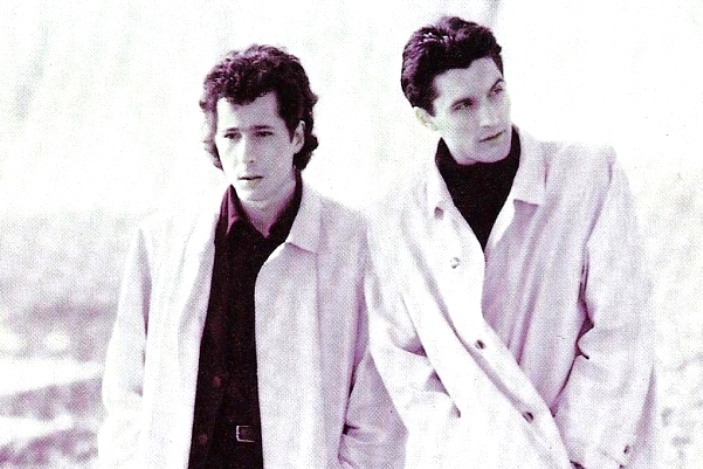
Photo by Irmgard Schmitz

‘Pretenders Of Love’ was the only other SHARK VEGAS track that got officially released back in the day? How did that come to be fully formed and included on that Factory US compilation ‘Young, Popular & Sexy’?

To present the Factory US label in America, Michael Schamberg was putting a compilation together of new or lesser-known Factory artists like; THE HAPPY MONDAYS, DURUTTI COLUMN, ACR or STOCKHOLM MONSTERS, and after the positive reception of ‘You Hurt Me’ in the USA, he wanted something new and unreleased from us for ‘Young, Popular & Sexy’.

We produced two songs in the studio, and he had the choice between ‘Pretenders Of Love’ or ‘Love Habit’, and he chose ‘Pretenders’. I guess he thought American audiences would be able to identify with it easier; ‘Love Habit’ was far too Hi-NRG for his tastes.

Of the previously unreleased tracks included, which ones have stood up in your opinion after 40 years?

Probably ‘Love Habit’, ‘Undercover Lover’ and ‘Ice’, but also other songs that initially never left the practice demo stage like ‘I Can’t Share This Feeling’ and ‘Lovers of the World’ have seemingly stood the test of time, which I recorded recently for the albums ‘Children of Nature’ or ‘Can Creativity Save the World?’.

How was the reconstruction aspect for you and your studio partner Micha Adam, were there any rules you set yourselves or did you let a few modern-day tweaks come in like artificial intelligence?

Micha and I just wanted to try and get it to sound as good as we could from the sources we had to use. We only had the cassette tapes to work from, as all the original 16 track and 2 track master tapes had been destroyed in 1990. Although I had kept the cassettes in fairly favourable conditions, they still had never been played for 40 years, and when the tapes are degraded and riddled with blips, breaks and drop-outs, it is very time consuming trying to find ways to reconstruct the sound. We didn’t use any AI on any of the restoration work though, everything was done by hand.

Was SHARK VEGAS more challenging than DIE UNBEKANNTEN with 4 people involved? When and how did it all come to an end?

It was more of a collaboration effort to write songs like ‘Undercover Lover’ or ‘Heartbeat’ and there were a lot of compromises involved. I don’t mind making compromises if it is to the benefit of the song, but to be honest, I personally wasn’t too happy with the sound direction we were heading, especially after Helmut and Leo wanted a sax solo on ‘Heartbeat’. It was far too Kenny G conventional and coffee-table for my musical tastes.

We were already drifting away from the synth-rock-disco sound that I thought gave us a particular individual sound-style. I didn’t mind being poppy, but Leo and Helmut desperately wanted a hit, and they thought we could create one by making that compromise. They seemed prepared to do anything in the hope of being accepted by the radio stations. I thought it was like clutching at straws. I liked being in our synth-rock-disco niche.

This naturally caused a rift between us and what is usually described as so-called “musical differences” ended up dismembering the band. Helmut and Leo were still members of SOIF DE LA VIE and they wanted to pursue their own musical agenda. So, they left the week after we controversially won the Berlin Senat’s Rock Wettbewerb (rock competition). Alistair stuck it out for a while longer in Berlin, but after the release of ‘Young Popular & Sexy’, he too, eventually decided to return to the UK. After which, I started ALIEN NATION with Leo in 1987 to make Acid House.

If you had a time machine, how might you have approached SHARK VEGAS differently?

If I would be able to take the insight and knowledge as a producer from today with me, I would definitely want SHARK VEGAS to be more sequencer-synth driven, with dramatic disco-drums, and arpeggiators. In fact, just like the sound and style of the music I make today.


ELECTRICITYCLUB.CO.UK gives its warmest thanks to Mark Reeder

‘You Hurt Me’ by SHARK VEGAS is released by Suezan Studio and available in the EU as a super deluxe bundle with ‘Don’t Tell Me Stories’ by DIE UNBEKANNTEN + a bonus CD-R from https://me-shop.net/produkt/die-unbekannten-shark-vegas-package-2cdbuchbonus-cd-r/

The SHARK VEGAS ‘You Hurt Me’ CD is available separately from
https://me-shop.net/produkt/shark-vegas-you-hurt-me-remastered-2025-lim-500/

‘You Hurt Me’ is also available digitally from https://markreedermfs1.bandcamp.com/album/you-hurt-me

DIE UNBEKANNTEN ‘Don’t Tell Me Stories’ CD and 7” x 7” 130 page book package is available separately from https://me-shop.net/produkt/die-unbekannten-dont-tell-me-stories-cdbuch-remastered-2025-lim-500/

Mark Reeder will be DJing with Gudrun Gutat as part of ‘David Bowie in Time: Just a Cabaret’, a special celebratory event at The British Library in London on Saturday 17th January 2026, also appearing will be Blixa Bargeld, Nikko Weidemann, Daniel Brandt and Jehnny Beth – tickets are available from https://events.bl.uk/events/david-bowie-in-time-just-a-cabaret

https://www.facebook.com/markreedermusic/

https://www.instagram.com/markreeder.mfs/

https://mfsberlin.com/

https://www.facebook.com/mfsberlin


Text and Interview by Chi Ming Lai
2nd January 2026

A Beginner’s Guide To BILL NELSON

Photo by Sheila Rock

Musician and producer Bill Nelson has released over 100 solo albums and EPs while also working with numerous other artists including SKIDS, A FLOCK OF SEAGULLS, FIAT LUX and YELLOW MAGIC ORCHESTRA.

Born in Wakefield and given his first guitar, a Gibson ES345 by his father who played sax led his own dance band, Bill Nelson released his debut album ‘Northern Dream’ in 1971 but first found fame as the leader of the acclaimed progressive rock band BE BOP DELUXE who released 5 albums between 1974 to 1978.

He was a leading exponent of the E-Bow, a handheld battery-powered device that created infinite sustain on a guitar by generating a magnetic field to vibrate a single string. Having been given an early model by its inventor Greg Heet while he was in BE BOP DELUXE, Nelson found he could create unique sounding textures that would often be mistaken for synthesizers. Other E-Bow users included Stuart Adamson, Rob Dean, Andy Taylor, The Edge and Pat Metheny.

This coincided with Nelson’s flaming desire to experiment more with electronics on the final BE BOP DELUXE album ‘Drastic Plastic’. Tiring of the limitation of guitar sounds and wanting to work without a band, he got into synths and drum machines. Like other guitarists of the new wave era, Nelson tried guitar synthesizers and in his case, it was the Hagstrom Patch 2000. One of the issues arising from guitar synths was that if a string was unintentionally hit, an unwanted note would be triggered. These quirks ultimately made the E-Bow more practical although it was still tricky to master.

Having been inspired by David Bowie’s Berlin era records ‘Low’ and ‘Heroes’ to pursue a more electronic direction after dissolving BE BOP DELUXE, Nelson formed RED NOISE which featured his brother Ian on sax. But after their debut record, a Bowie-influenced new wave art rock album titled ‘Sound On Sound’, RED NOISE were dropped by Harvest Records despite signing them on the strength of Nelson’s involvement in BE BOP DELUXE.

Photo by Sheila Rock

Nelson reworked what would have been the second RED NOISE album and released as his first solo album ‘Quit Dreaming and Get On The Beam’ via Mercury Records who had signed him after he released a single ‘Do You Dream In Colour?’ on his newly set-up independent label Cocteau in 1980. Setting up a home studio, among the synths in Nelson’s arsenal were a Minimoog, Yamaha CS70M and ARP Omni.

As well as being an outlet for his more experimental work, Cocteau also showcased new artists to major labels with A FLOCK OF SEAGULLS and FIAT LUX signing to Jive and Polydor respectively after their debut singles were produced and released by Nelson. He would go on to produce other artists such as Nash The Slash and Gary Numan although he never saw it as a potential career in the way that Trevor Horn and Tony Mansfield did.

There came a fruitful relationship with Yukihiro Takahashi of YELLOW MAGIC ORCHESTRA with tha pair playing on each other’s records and perfroming live together but after leaving Mercury, Nelson signed to the CBS imprint Portrait. But the relationship was tense and ended after just one album ‘Getting the Holy Ghost Across’ in 1986. During this time, he launched the more sample-based New Age side project ORCHESTRA ARCANA but by now Nelson had marriage, tax and management problems to deal with as well as the collapse of Enigma Records who he signed to in 1988. Nelson convalesced by producing ‘The Familiar’, a gentle meditative album by Roger Eno and Kate St John released in 1992 using primarily traditional instrumentation.

Since then, Bill Nelson has remained fiercely independent and outside of the mainstream music business, having built up a strong and loyal worldwide fan base who embrace his song-based work, ambient compositions and soundtracks for art installations, exhibitions and theatrical presentations.

“The ‘ambient’ things, the ‘rock’ things, the ‘pop’ things don’t exist as separate, discreet entities in my creative heart, they’re just facets of one, personal, unchanging musical expression” he said on his website, “I personally regard all these categorisations as outward manifestations of a single interior vision, rather than some kind of split-personality or any desire to appear ‘multi-talented’.”

Still very prolific, in 2023 alone, he released 5 albums via his own Sonoluxe label while Nelson issued his most recent long player ‘Studio Cadet’ in 2024. He has far too many works now to cover in one article, so here acting as a Beginner’s Guide to Bill Nelson and his more electronic-based material is a summary of 20 tracks tracing his work up to the start of the millennium…


BE BOP DELUXE Electrical Language (1978)

Uncomfortable with the cult “guitar hero” status he had acquired, Nelson had become disillusioned and wanted to experiment with his Minimoog. The exotic ‘Electrical Language’ documented the moment when he went electro. Co-produced by John Leckie who would go on to work with MAGAZINE, SIMPLE MINDS and THE HUMAN LEAGUE, the track displayed an affinity with New Wave. Nelson unexpectedly split up the band whilst on the cusp of mainstream success.

Available on the BE-BOP DELUXE album ‘Drastic Plastic’ via Esoteric Recordings

https://www.facebook.com/BeBopDeluxe


BILL NELSON’S RED NOISE Furniture Music (1979)

Nelson formed a new band RED NOISE with a flexible line-up which included his brother Ian on sax which he regarded as an escape from BE-BOP DELUXE. With no need to compromise with band mates in his new fiery experimental vision, the first single ‘Furniture Music’ saw Nelson vocally adopt the staccato stylings of SPARKS while embodying a dystopian Orwellian atmosphere commensurate with the Cold War tensions of the times.

Available on the BILL NELSON’S RED NOISE album ‘Sound-on-Sound’ via Esoteric Recordings

https://www.innerviews.org/inner/bill-nelson


SKIDS Charade (1979)

After the unintelligible ‘Into The Valley’ and the Mick Glossop-helmed ‘Working For The Yankee Dollar’, when Bill Nelson produced the second SKIDS album ‘Days in Europa’, he brought in drum machines and keyboards. Utilising the CR78 Compurhythm later heard on OMD’s ‘Enola Gay’, ’Charade’ had a riffing mechanical energy offset by electronic pulses that set the Scottish punk band apart from the likes of STIFF LITTLE FINGERS and ANGELIC UPSTARTS.

Available on the SKIDS album ‘Days In Europa’ via Virgin Records

https://skidsofficial.com/


BILL NELSON Do You Dream In Colour? (1980)

Finally opting to go solo and independent with his own Cocteau label after being dropped by the EMI-affiliated EMI, the quirky ‘Do You Dream In Colour?’ had similar lyrical gists to THE NORMAL’s ‘TVOD’ but was misinterpreted as being about heroin addiction. Punctuated with bursts of sax from brother Ian, the single reached a respectable No52 on the UK singles chart and was the catalyst to a new deal with Mercury Records.

Available on the BILL NELSON album ‘Quit Dreaming & Get On The Beam’ via Mercury Records

https://www.facebook.com/bill.nelson.54943600


LAST MAN IN EUROPE A Certain Bridge (1981)

The only release by LAST MAN IN EUROPE, the duo comprised Jeff Wilson and Trevor Abbott. The second single issued on Cocteau, ‘A Certain Bridge’ was a slice of doomy goth in the vein of JOY DIVISION and THE CURE produced by Nelson. With repetitious drum machine and freaky synth soloing at the end, vocally there was the tense post-punk snarl of the times to go alongside the jagged guitar figures.

Available on the compilation album ‘Cocteau Signature Tunes’ (V/A) via Cocteau

https://postpunkmonk.com/2019/06/17/record-review-last-man-in-europe-a-certain-bridge/


TO HEAVEN A JET Airfield (1981)

Featuring a nucleus of Steve Walker and Dave Purcell, their Cocteau single ‘Airfields’ was not only produced by Nelson but also featured him playing  superb bass figures in a manner reminiscent of Barry Adamson from MAGAZINE. With sparks of icy string machine and death disco rhythms, this mysterious offering was like LAST MAN IN EUROPE, on the doomy side and came over like a dystopian DURAN DURAN.

Available on the compilation album ‘Cocteau Signature Tunes’ (V/A) via Cocteau

https://left-and-to-the-back.blogspot.com/2018/09/to-heaven-jet-revox-cadets-airfields.html


REVOX CADETS Tony Goes to Tokyo (1981)

Subtitled “And Rides The Bullet Train”, REVOX CADETS was Nelson pretending to be a band while also writing under the pseudonym of VU Disney in order to release material on Cocteau outside of his deal with Mercury Records. Falling under the spell of Japan and adopting appealing pentatonic synth tones over a treated drum machine backbone, the locomotive track was double A sided with TO HEAVEN A JET’s ‘Airfield’.

Available on the BILL NELSON album ‘Transcorder (The Acquitted By Mirrors Recordings)’ via Sonoluxe

https://www.billnelson.com/tony-goes-to-tokyo


A FLOCK OF SEAGULLS Telecommunication (1981)

A FLOCK OF SEAGULLS had got their original break when Bill Nelson produced and released their debut single ‘(It’s Not Me) Talking’ for his Cocteau label in 1981, attracting the attention of the Arista-affiliated Jive Records. The short and punchy ‘Telecommunication’ was their major-label debut and also produced by Nelson. Percussive metallic synths and Sci-Fi lyrics combined with power chords to provide a hit on the US Hot Dance Club Play chart.

Available on the A FLOCK OF SEAGULLS album ‘A Flock Of Seagulls’ via Cherry Pop

https://www.aflockofseagulls.org/


YUKIHIRO TAKAHASHI featuring ZAINE GRIFF & RONNY This Strange Obsession (1982)

With its various Far Eastern inflections, the ‘Quit Dreaming & Get On The Beam’ album had come to the attention of Yukihiro Takahashi and with it came the invitation to play on the YELLOW MAGIC ORCHESTRA drummer’s next solo album ‘What, Me Worry?’. One track that Nelson contributed E-Bow to was ‘This Strange Obsession’, a frantic duet between Zaine Griff (who had also written the song) and chanteuse Ronny.

Available on the YUKIHIRO TAKAHASHI album ‘What, Me Worry?’ via Yen Records / Great Tracks

https://www.zainegriff.com/


BILL NELSON Flaming Desire (1982)

Curious about employing trance rhythm ideas, Nelson went to town on the electronics with a greater emphasis on synthesizers for his second solo album ‘The Love That Whirls’; with prominent machine rhythms, screaming synth-sounding E-bow guitar, as “Love turns to lust, ice into fire”, ‘Flaming Desire’ swirled with a mannered passion that provided an ecstatic sexual tension not heard before in Nelson’s previous work.

Available on the BILL NELSON album ‘The Love That Whirls’ via Mercury Records

https://www.muzines.co.uk/articles/bill-nelson/4416


MASAMI TSUCHIYA Rice Music (1982)

Masami Tsuchiya was best known as the leader of IPPU DO and being in the final live line-up of JAPAN. Not only did Mick Karn and Steve Jansen feature on the title track of his debut solo record but also Bill Nelson with his “Flying E-Bow” guitar. Using koto and synths to provide the traditionally-flavoured backbone, Nelson’s E-Bow and Tsuchiya’s own six string combined for something sounding like a JAPAN instrumental.

Available on the MASAMI TSUCHIYA album ‘Rice Music’ via Epic Records

https://www.facebook.com/masami.nightwalker


FIAT LUX Feels Like Winter Again (1982)

Originally a duo comprising Steve Wright and David P Crickmore, the former joined the Yorkshire Actors theatre company where he met Nelson who produced their debut single ‘Feels Like Winter Again’. The cutting mix of synth and treated guitar over an electronic pulse and machine beats juxtaposed with bass guitar complimented Wright’s sombre tale of broken love affairs. Nelson’s brother Ian would later join FIAT LUX.

Available on the FIAT LUX album ‘Hired History Plus’ via Cherry Red Records

https://fiat-lux.co.uk/


GARY NUMAN My Car Slides 1 (1983)

Gary Numan was making a full live comeback after retiring in 1981, but he was put under pressure from his label Beggars Banquet employ a producer for his next album. Bill Nelson took on the role but the two quickly fell out in the studio. One track that the pair completed was ‘My Car Slides 1’, a beautiful ballad featuring Nelson’s distinctive E-bowed guitar. Alas, it was not included in Numan’s revision of the eventual ‘Warriors’ album.

Available on the GARY NUMAN album ‘Warriors’ via Beggars Banquet

https://garynuman.com/


YELLOW MAGIC ORCHESTRA Focus (1983)

Having played on Yukihiro Takahashi’s ‘What, Me Worry?’, Nelson was invited to join the sessions for the next YELLOW MAGIC ORCHESTRA album ‘Naughty Boys’. The end result was a very sophisticated pop record with ‘Kimi Ni Mune Kyun’ becoming their biggest hit. Short on the trio’s usual quirkiness, Nelson himself felt they could have taken more risks in the final mix but the track ‘Focus’ had much more of a growl.

Available on the YELLOW MAGIC ORCHESTRA album ‘Naughty Boys’ via Beggars Banquet

https://www.110107.com/s/oto/page/YMO40


BILL NELSON Acceleration (1984)

A development of the electronica structured tracks that came from ‘The Love That Whirls’, ‘Acceleration’ came after Nelson’s work with Yukihiro Takahashi who provided several drum tracks for him to compose around. Featuring live percussion and synced rhythmic devices, it was possibly the most overt pop song in the Bill Nelson catalogue, the single version got an extra American disco edge via a remix from producer John Luongo.

Available on the BILL NELSON album ‘Chimera’ via Mercury Records

https://www.muzines.co.uk/articles/bill-nelson/6121


YUKIHIRO TAKAHASHI featuring BILL NELSON Bounds Of Reason, Bounds Of Love (1984)

As with his previous solo albums, Yukihiro Takahashi happy to let guest take a lead vocal and on his sixth album ‘Wild & Moody’, Bill Nelson played guitar, wrote lyrics and sang on one of its highlights ‘Bounds Of Reason, Bonds Of Love’. Co-produced by Iva Davies of ICEHOUSE with Ryuichi Sakamoto on Fairlight, this was a slab of electro-funk was authentically enhanced by the inappropriately named Rodney Drummer on bass guitar.

Available on the YUKIHIRO TAKAHASHI album ‘Wild & Moody’ via Yen Records / Great Tracks

https://www.instagram.com/room66_yukihiro


BILL NELSON A Dream Fulfilled (1986)

‘Acquitted By Mirrors’ was the Bill Nelson Fan Club magazine published between 1982 to 1990; 12” EPs were given exclusively to members with alternating issues. The ‘Cote D’Azur’ EP was the seventh and came with Issue 13 and on it was a delightful YELLOW MAGIC ORCHESTRA influenced instrumental called ‘A Dream Fulfilled’. Its drum track clearly had the hallmarks of Yukihiro Takahashi so was it a ‘Chimera’ outtake?

Available on the BILL NELSON album ‘Transcorder’ via Sonoluxe

https://billnelson.bandcamp.com/album/transcorder


DAVID SYLVIAN Silver Moon (1986)

For David Sylvian’s ambitious second double album, Bill Nelson collaborated with the former JAPAN front man on 6 tracks including 3 instrumentals. One of the songs was the countrified ‘Silver Moon’ which saw his distinctive E-Bow alongside the Frippertronics of Robert Fripp and pedal steel exponent BJ Cole. Usually upbeat, this was Sylvian at his most romantic since ‘Gentlemen Take Polaroids’ despite the uncertainty expressed.

Available on the DAVID SYLVIAN album ‘Gone To Earth’ via Virgin Records

https://sylvianvista.com/2024/12/26/silver-moon-silver-moon-over-sleeping-steeples/


RAIN TREE CROW Blackwater (1991)

RAIN TREE CROW was the JAPAN reunion in all but name. Bill Nelson’s guest involvement in JAPAN had been mooted as far back as ‘Tin Drum’. He appeared the tribal instrumental ‘Big Wheels In Shanty Town’ and the wonderfully mellow single ‘Blackwater’ which was perhaps the only track from the sessions that bore any relation to JAPAN’s past The quartet of Sylvian, Mick Karn, Steve Jansen and Richard Barbieri would split again.

Available on the RAIN TREE CROW album ‘Rain Tree Crow’ via Virgin Records

https://sylvianvista.com/2025/08/29/blackwater/


BILL NELSON Blink Agog (1996)

An adventure in avant garde drum ‘n’ bass, sax and E-Bow and near spoken vocals, ‘Blink Agog’ came from ‘After the Satellite Sings’, a record that Nelson would later declare as one of his favourites where there were a number of musical departures. Written, performed, recorded and mixed in an intense 28 day session, according to guitarist Reeves Gabrels, it was said to have been an influence on David Bowie’s ‘Earthling’ album,

Available on the BILL NELSON album ’After The Satellite Sings’ via Cherry Red Records

https://www.soundonsound.com/people/bill-nelson


For more on the career of Bill Nelson, visit https://www.billnelson.com/

A variety of Bill Nelson music released since 2007 and a selection of his back catalogue is available digitally from https://billnelson.bandcamp.com/music


Text by Chi Ming Lai
29th December 2025

Lost Albums: NOËL Is There More To Life Than Dancing?

In 1977, Russell and Ron Mael opened their ears to the burgeoning electro-disco sound as heard on Donna Summer’s ‘I Feel Love’ and were put into contact with her producer Giorgio Moroder.

With aspirations to work with a band, the Munich-based Italian set to work with the first fruit of labours being the tremendous ‘No1 Song In Heaven’. Released in 1979 on Virgin Records, it hit the UK single charts a few months before TUBEWAY ARMY’s ‘Are Friends Electric?’.

While the parent album ‘No1 In Heaven’ also featuring ‘Beat The Clock’ and ‘Tryouts For The Human Race’ did not sell well, it retrospectively became highlighted as the landmark electronic pop album that heralded the emergence of the synth duo with acts like YAZOO, SOFT CELL, BLANCMANGE and PET SHOP BOYS following not long after.

Photo by Jack Lorenz

SPARKS’ career trajectory has since seen them become spread into collaboration, production and musicals. The Maels had discovered Patricia A Noël, a Los Angeles-based model-turned-singer playing Farfisa organ and doing background vocals with The Mick Smiley Band at the Troubadour in West Hollywood. Having learnt about electronic instrumentation from working with Giorgio Moroder on ‘No1 In Heaven’, they wanted to apply those techniques and processes with Noël as the Maels’ very own Donna Summer.

Written and produced by SPARKS at Larrabee Sound Studios in LA, perhaps unexpectedly Virgin Records gave the brothers total freedom to work with their protégée on ‘Is There More To Life Than Dancing?’. Acting as the Maels’ Harold Faltermeyer on programming was future film composer Gary Chang.

Only released as a 5 track picture disc in the UK with limited availability elsewhere and surprisingly not issued at all in the US, ‘Is There More To Life Than Dancing?’ became a mythical album that no-one had ever heard. There were even rumours that it was SPARKS in-joke with Noël actually being a varispeeded Russell Mael! Noël’s vocal delivery was different from the more soul oriented disco diva, so gave the record a more leftfield edge despite being aimed at the dancefloor.

Taking cues from Moroder’s MUNICH MACHINE side project, at nearly 10 minutes, ‘Dancing Is Dangerous’ was hypnotically catchy with Noël’s histrionic vocals closely imitating Russell Mael’s own intonation. Declaring that “dancing is dangerous gently embraces us, then won’t let go ’til the end of our days…”, the track length allowed for trancey instrumental breakdowns to highlight the sequencer and synth craft that would have made Moroder proud.

Seguing into the ‘Is There More To Life Than Dancing?’ title song, it saw Italo-styled male backing vocals from Oren Waters dropped in while Noël’s own were more Donna Summer asking that euphoric rhetorical question while encapsulating glitterballs and Studio 54.

Punctuated by gospel tinged voices from Julia and Maxine Waters, ‘The Night They Invented Love’ also brought in some frenetic conga madness from noted Brazilian percussionist Paulinho Da Costa and nocturnal sax from Herbie Hancock Quartet member Michael Brecker. Meanwhile the accompanying arpeggios recalled another disco pioneer, Frenchman Marc Cerrone whose ‘Supernature’ has been a huge international smash.

Photo by Jack Lorenz

With a smoother Liza Minnelli cabaret lead from Noël, ‘Au Revoir’ provided a less convincing theatrical outlier with a unexpected fade but ‘I Want A Man’ provided the rousing energetic finale; with icy string synths and bubbling effects but also bass guitar, lyrically this was however more throwaway in its repeated declaration of desire.

Like with the solo Giorgio Moroder electronic disco albums ‘From Here To Eternity’ and ‘E=MC2’, side one was the superior set but overall, it was a joyous celebration of hedonism. A worthy companion album to ‘No1 In Heaven’, ‘Is There More To Life Than Dancing?’ deserved a more receptive audience but it was not to be and became a SPARKS collectors curio. There would an aborted attempt by the Maels to write for the Belgian-based popster Lio, but this led to a collaboration with TELEX instead and SPARKS would continue a well-documented up-down-up-down-up career over the following decades.

Meanwhile Virgin decided not to take up the option on a second album, so Noël continued modelling but would release one more album ‘Peer Pressure’ with American new wave band THE RED WEDGE before a career working on radio and TV commercials while also co-owning two recording studios in Los Angeles.

Photo by Jack Lorenz

Long deleted but with growing interest in the wider career of the Maels thanks to ‘The SPARKS Brothers’ documentary in 2021, they reissued ‘Is There More To Life Than Dancing?’ on their Lil Beethoven label in 2024. As well as the original album and bonus single edits, it contained three previously unreleased songs; of those, the blippy female empowering statement ‘I Never Want To Be A Mother’ would, with more work, have made an ideal sixth track on the album if the tracklisting format of ‘No1 In Heaven’ had been totally aped.

“It was inspiring to work on this album and inspiring to work with Noël. We hope that people will rediscover what a lost gem this record is” said SPARKS in the press release for the reissue of ‘Is There More To Life Than Dancing?’; the missing part of the electronic disco trilogy which sits between ‘No. 1 In Heaven’ and ‘Terminal Jive’ has been found again and can take its place alongside other similarly spirited diversions such as the Peter Baumann produced ‘Welcome To Joyland’ by Leda and the Klaus Schulze produced self-titled long player from Jyl that have previously only been heard and appreciated by the cognoscenti.


‘Is There More To Life Than Dancing?’ is reissued by Lil Beethoven Records as a 2CD set

https://www.noelmusicofficial.com/

https://www.instagram.com/thisisnoel.music/

http://www.allsparks.com/

https://www.facebook.com/sparksofficial/

https://www.instagram.com/sparks_official/


Text by Chi Ming Lai
21st December 2025

COMPUTE The Pitch

Ulrika Mild says “I’m just a girl standing in front of a machine asking it to go ‘bleep bloop’…”

Under her alias of COMPUTE, she is one of the best kept secrets in Swedish electronic pop. Releasing her first EP ‘Dance With Me’ in 2004, longer form releases subsequently beamed forth with ‘This’ in 2009 and ‘The Distance’ in 2012.

COMPUTE went into hiatus as Mild raised a family with only occasional collaborations such as THE VOLT in 2016 with Eddie Bengtsson of PAGE and the more band-centric AMUSI in 2022. Then unexpectedly, 2023’s ‘the proper dimensions of a load bearing structure’ offered the first COMPUTE album for 11 years.

In 2025, Ulrika Mild has now entered a comparative roll; first came ‘NKI’, a summer protest record sung in Swedish pointing downward in its social criticism and honesty. But as the year comes to its conclusion, there is a new COMPUTE mini-album ‘The Pitch’, comprising of 6 new tracks in a return to expression in the English language.

Often afflicted by self-doubt and occasionally expressing her despair at releasing any new music at all, there is always hope and a captivating playfulness whenever Ulrika Mild gets behind her microphone and laptop. It is time to ”computify” again and for ‘The Pitch’, Mild has brought in external help for the first time with AMUSI bandmate Khyber Westlund coming in to mix and co-produce.

With a central theme of failure and loss running throughout ‘The Pitch’, ‘Close To Me’ is an impressively pensive song, embroiled in emotive tension both vocally and musically which does not forget the all-important hooks. Taking to honky tonk ivories for its intro, ‘Make It Right’ bursts into squelchy octave shifts and uplifting vocals for a delightfully odd sonic adventure. Elsewhere, the mightily percussive ‘Fail’ bursts with swooping avant synthpop stylings and creative distortion as our heroine fills the room with her Nordic expressionism.

More hypnotically bass-driven, ‘The Markings’ is glorious Scandi-synth with strange disconcerting noises, big beats, bubbling effects and plenty of melody sitting in harmony. With tasteful soprano operatics and held together with a thump and a throb, ‘Morning Still Comes’ journeys over to the Arctic horizon while switching to a more rhythmic crunch, the speedy arpeggiated mood of ‘Waking Hours’ sees Mild ominously ponder when “all this will one day be over…”

Dark without being totally doom-laden and utilising a more dynamic backbone than previous releases, ‘The Pitch’ is a satisfying melancholic body of work that continues the recent COMPUTE tradition to reflect the looming existential fears that threaten the modern world.


‘The Pitch’ is available digitally from https://recordu.lnk.to/pbLPmk

https://www.facebook.com/computopia

https://www.instagram.com/compvtopia/

https://soundcloud.com/compute

https://computopia.bandcamp.com/


Text by Chi Ming Lai
17th December 2025

2025 END OF YEAR REVIEW

50 years from KRAFTWERK appearing on the BBC’s ‘Tomorrow’s World’ to perform ‘Autobahn’ and demonstrate the future of music, as Ralf Hütter remarked at the start of the 21st Century, “electro is everywhere” and can now be made on your mobile phone!

And while the KRAFTWERK brand continues to be fronted by the 79 year old Hütter with an extensive UK tour pencilled in next year, 2025 saw the sad passing of Synth Britannia heroes Dave Ball and Stephen Luscombe, while there was also the loss of COVENANT associate Andreas Catjar-Danielsson, NITZER EBB frontman Douglas J McCarthy and Gary Numan’s brother / former live band member John Webb. Outside of the genre, cult film director David Lynch, BLONDIE drummer Clem Burke, veteran diva Marianne Faithfull, The Prince Of Darkness Ozzy Osbourne and Head Beach Boy Brian Wilson were among those who left this mortal coil.

Musically in 2025, Mari Kattman became the alluring gothic club queen she always had the potential to be on her best album yet ‘Year Of The Katt’. She headed a strong feast of feisty releases from Ela Minus, Marie Davidson, Zanias, Jennifer Touch, Charly Haze, Ani Glass, Emmon, Minuit Machine and Compute alongside those by the female fronted DLINA VOLNY, CAUSEWAY, DINA SUMMER, AUSTRA, NNHMN and PARADOX OBSCUR.

Among the new talent making a good impression were Spike, Shears and Hannah Hu who is currently working on her first album with Dean Honer of I MONSTER. Having already released a couple of albums, on the ascendancy was self-styled Californian “retro electro artist” Sophie Grey who was joined by Trevor Horn during her live cover of ‘Video Killed The Radio Star’ while supporting Sting at the London Forum.

On the gentler side of electronics, Patricia Wolf and Loula Yorke came up with their fabulous respective instrumental offerings ‘Hrafnamynd’ and ‘Time Is A Succession Of Such Shapes’. There was also the return of LADYTRON as well as Alison Goldfrapp, Claudia Brücken and Kim Wilde. Going back to glitzy electropop on her new record ‘Mayhem’, Lady Gaga did an impression of Taylor Swift doing YAZOO on one of its highlights ‘How Bad Do U Want Me?’; meanwhile Taylor herself appeared to have turned into Los Angeles trio CANNONS on ‘The Fate Of Ophelia’, the synthy opening song of her 12th album ‘The Life Of A Showgirl’.

Photo by Oliver Blair

Swedish producer Johan Agebjörn proved to have one of the most prolific years in his music career with not only collaborations with R.MISSING on ‘Fakesnow’ and NINA on ‘Hush Hush Baby’ but also a new SALLY SHAPIRO album ‘Ready To Live A Lie’ and a solo long player ‘Southern Forest’; all this while holding down his day job as a psychotherapist! Another releasing two albums in 2025 was Paul Statham although one was a collection of archive recordings for what could have been the intended 1982 debut album by B-MOVIE entitled ‘Lost Treasures’; the other was a second record from his dark country project THE DARK FLOWERS featuring Jim Kerr of SIMPLE MINDS whose most recent single ‘Your Name In Lights’ had been co-written by Statham.

Impressively, SPARKS got ‘MAD!’ and then ‘MADDER!’ while undertaking a huge world tour with Ron Mael still tap dancing at 80 years of age during the drum solo of ‘No1 Song In Heaven’ and Russell Mael able to hit many of those high notes at 77. As ERASURE made a tentative return with a series of special UK fan club shows to celebrate their 40th anniversary, Andy Bell toured his solo album ‘Ten Crowns’ with KNIGHT$ not doing himself any harm being the opening act on the German leg ahead of a new album ‘Supernatural Lover’ out in early 2026.

After a few years of recorded absence, former TANGERINE DREAM members released long awaited albums with Peter Baumann from the classic line-up issuing the esoteric ‘Nightfall’ while Jerome Froese, son of co-founder Edgar, came up with the guitartronica of ‘Sunsets In Stereo’. Playing with the atonal atmospheres of early TANGERINE DREAM in places, the dark cerebral concept of ‘The Ray Bradbury Chronicles’ by Levente was worthy of investigation.

With their keyboard player Christian Berg now something of a modern day Rick Wakeman, KITE established themselves as a major world force with a spectacular show on ice at Stockholm’s Avicii Arena which saw special guest Nina Persson of THE CARDIGANS skating with the Helsinki Rockettes while singing their mighty collaboration ‘Heartless Places’.

Tom Shear released one of his most impressive and on-point albums as ASSEMBLAGE 23 in ‘Null’ while UNIFY SEPARATE didn’t mince their words on their ‘Heavy Meta’ EP. While Tobias Bernstrup kept the dark Italo flame alive with ‘Shadow Dancer’, Berlin continued to remain a force in underground club culture with two of its leading exponents Franz Scala and Kalipo presenting well-received long players that worked on the home hi-fi as well as on dancefloors. On the more poptronica front, Eddie Bengtsson finally stopped trying to “Numanise” his sound and came up with ‘Inget Motstånd’, a record in the more classic PAGE vein.

While synthwave appeared to be dead (as the controversial blog Iron Skullet declared in 2019), the influx of generic darkwave was a major blight on electronic music in 2025. The major label supported Mareux and his second album ‘Nonstop Romance’ had any potential painfully ruined by overused deliberate distortion to make it sound like it was recorded down a drainpipe.

Meanwhile PORCELAIN DANCER seemed to be the Rob Newman parody of Robert Smith as seen on ‘The Mary Whitehouse Experience’ resurrected only several octaves lower; his live performance provoked unintentional laughter from those who arrived early to see KORINE in London!

DEPECHE MODE released 4 songs that were originally deemed not good enough to put on their 2023 album ‘Memento Bori’ to append the live album accompanying their Mexico City concert film ‘M’. But 2025 was notable for a number of figures in the British DM fan community who were coming out with particularly repugnant far right views, seemingly oblivious to the decades of lyrical messages from the two remaining mixed race band members!

But there was hope in the darker side of synth with A THOUSAND MAD THINGS; with his haunted demeanour while navigating young manhood as a tortured outsider, William Barradale’s doomed romantic delivery reminiscent of Billy MacKenzie and Trevor Herion made him undoubtedly the most promising UK act since MIRRORS; his debut 5 song EP ‘Cry & Dance’ was one of 2025’s best bodies of work. This more than made up for ‘Dance Called Memory’, the extremely dull fourth album from NATION OF LANGUAGE which was anything but memorable…

After looking back at 1981, ELECTRICITYCLUB.CO.UK were pleased to be return to the variously compiled podcast ‘Back To NOW’ to discuss the ‘NOW 1982 Yearbook’ with genial host Iain McDermott and Ian Wade, author of ‘1984: The Year Pop Went Queer’. While general music and culture podcasts such as ‘Back To NOW’, ‘Word In Your Ear’, ‘The Rest Is Entertainment’, ‘The Rockonteurs’, ‘SoundPower’ and Miranda Sawyer’s new offering ‘Talk 90s To Me’ were highly engaging listens, specific broadcasts focussed on synth and electronic music were usually weak, suffering from poor hosting and ham-fisted background research. But when a professional presenter was involved, synth-oriented chats could be enlightening as the appearance of John Foxx on ‘The Adam Buxton Podcast’ proved, despite the annoying jingles that accompanied it.

Featuring commentary from PET SHOP BOYS’ Neil Tennant, the BBC’s retrospective look at the collapse of EMI called ‘Music Money & Mayhem’ showed once again that when those who know nothing about music get involved in the music business, it will end in tears. Looking at the story of the history of Beggars Banquet label in its first series and featuring Gary Numan in its opening episode, ‘States Of Independence’ documented how creative enthusiasm from the heart can actually thrive.

So where are the audiences for live electronic music these days? Certainly, if the full houses for Marie Davidson, Geneva Jacuzzi, Loscil and KITE in London’s club-sized venues were anything to go by, the crowds are out there. This was not the case for some other acts on the circuit at new, cult and one-hit wonder level who were struggling to get above half capacity or had downsized considerably since their perceived highest profile. However, new music night Release Me managed to get very good attendances for their evenings in 2025 with the premise that all acts must perform previously unreleased material; this focus on their events being about the music with announced requests to not talk during sets was a fresh and very welcome approach.

Photo by Tom Casey

Elsewhere, the retro business did prosper with reunions, exhibitions, summer hits shows, classic album tours, deluxe reissues of albums that were never that good in the first place and notable records re-released in yet another expanded set for the 5th or 6th time! There were those trying to exploit the fading nostalgia of those heady romantic times, writing memoirs that left out so many important facts omitted that there were grounds for inclusion in the “fiction” section.

Then there were others releasing overlong collections with an average track length of between 6-8 minutes that no-one asked for nor desired… filtering and editing is such an important aspect to producing music so there was no excuse for these veterans! Some even sent out unmastered music files to review outlets, blissfully unaware that the sound quality might actually be mentioned, only to get stupidly angry about it when highlighted due to their own numbskull promotional abilities; it’s a funny old entitled world…

The positive and negative of modern day music consumption is growth CAN happen organically in its own internet powered niche. But with the fragmentation of promotion with social media actually being a choice despite wider protestations, even the AXS newsletter listing the acts soon to be playing the 20,000 capacity O2 arena in London provoked cries of “WHO?”; but that is how it is now and it needs to be accepted. Why should a Boomer or Gen X-er know about the bright young thing headlining Glastonbury?

However, you CAN create your own musical universe today, not listen to radio, create your own playlists and exclude as appropriate. After all, as Nick Rhodes from DURAN DURAN once remarked: “Good taste is exclusive” –  nobody should have to like what you like and neither should what somebody else likes appeal to you… niche interests are fine.

There is no doubt fandom has become more tribal and is now akin to away game support for football teams. But as a result, it has therefore got more toxic, with some fans getting ridiculously angry on socials about old less-than-positive reviews that David Hepworth, Mark Ellen, Ian Cranna, Dave Rimmer, Tom Hibbert or Neil Tennant might have written for Smash Hits 43 YEARS AGO!! “Bet he regrets that…” someone will quip smugly but the reality is, if there is a review that a writer will regret, from the experience of ELECTRICITYCLUB.CO.UK, it will usually be the one that is too gushing with praise!

The gist of Smash Hits during its imperial phase that coincided with Neil Tennant’s tenure as Assistant Editor was it was a magazine which treated “pop” as the most “important” thing in the world while simultaneously highlighting how “ridiculous” it was too, with references to “the dumper”, “summer colds” and the “tongue sarnie”… often dismissed as a “teen mag”, a good number of teenagers could see through the up-itself pretentions of the NME so relished the more amusing and knowing “scribblings” of the Smash Hits team!

The wider public forgets that it might likely have the benefit of 4 decades of hindsight as well as weekly if not daily plays of a record in the first few years of its possession. While it has always been associated with “free speech”, “opinion” or “freedom of expression”, one of the problems with social media is the narcissistic self-seeking of validation as part of the main character syndrome that afflicts many in this modern world…

With tours in 2026 for KRAFTWERK, OMD, PET SHOP BOYS, CHINA CRISIS, HEAVEN 17, THOMPSON TWINS’ Tom Bailey, BLANCMANGE and Midge Ure among many, there is certainly plenty to keep people busy. Just don’t think everyone else will necessarily share in your passion; as time goes on, there will be a lot more of those who won’t have a clue what you are going on about…

U2 once asked “how long must we sing this song?”; so to end a divisive year where evil men with racist views have been casually normalised, the message outlined in 1981 by a trio of philosophers from South Yorkshire must continue to be repeated loud and clear: WE DON’T NEED THIS FASCIST GROOVE THANG! #FuckFarage #FuckReformUK #FuckTommyRobinson #FuckFlagshaggers #FuckTrump


A Time Called Then: ELECTRICITYCLUB.CO.UK’s Oh 2025 Playlist is at https://open.spotify.com/playlist/1xXptdmcHAvXnXni6hjVnA


Text by Chi Ming Lai
14th December 2025

« Older posts Newer posts »