Tag: Billy Currie (Page 2 of 3)

New Europeans: The Legacy of ULTRAVOX

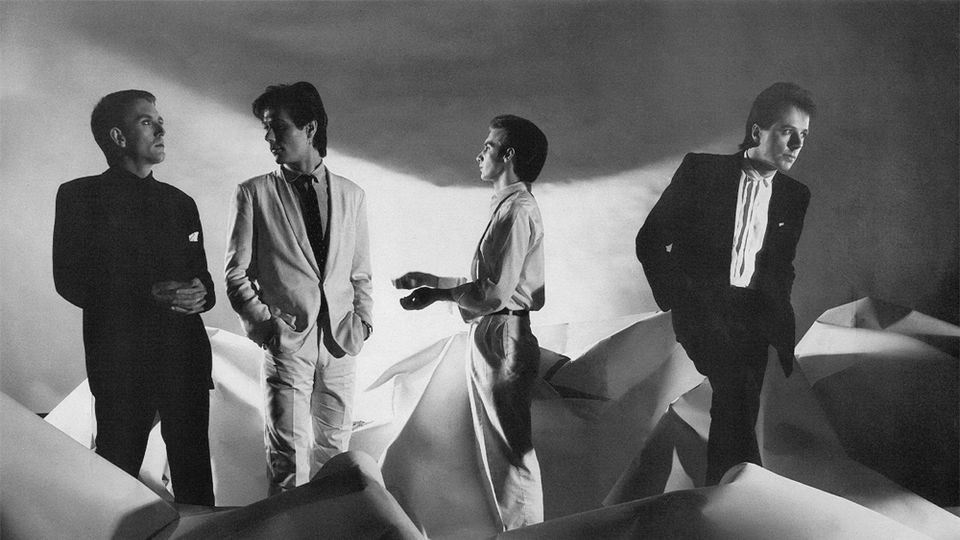
Photo by Brian Griffin

What do John Foxx, Midge Ure, Tony Fennell and Sam Blue all have in common? They have all, at some point, been the lead singer of ULTRAVOX.

While Fennell and Blue are now largely forgotten, having only recorded one album each in ‘Revelation’ and ‘Ingenuity’ respectively, there are endless debates about whether the John Foxx or Midge Ure fronted ULTRAVOX is the valid and definitive one.

Like with the Peter Gabriel or Phil Collins led versions of GENESIS, both have their own sound and different audiences, while there are some who even like both. But whatever, the four piece ULTRAVOX comprising of Warren Cann, Chris Cross, Billy Currie and Midge Ure was undoubtedly the most commercially successful, scoring thirteen Top 30 hit singles in the UK over a period of four and a half years, as well as five Top 10 albums including a greatest hits collection.

How John Foxx departed the ULTRAVOX fold and Midge Ure came to join at the encouragement of Rusty Egan, following the first VISAGE sessions at Genetic Studios that included Billy Currie, is now more than well documented. The new quartet soon embarked on a US club tour in 1979 to test the water with their new material.

The thread between the two line-ups was German producer and engineer Conny Plank; he had offered to finance an album himself, such was his faith in the band. When interest came from Chrysalis Records and an offer of two days free studio time to make demos, ULTRAVOX opted to use their opportunity to complete a fully recorded version of ‘Sleepwalk’. It saw the new line-up of the band beef up their Motorik inclinations with lots of “fun-fun-fun on the autobahn” and Chrysalis duly offered a deal to the quartet.

ULTRAVOX were despatched to RAK Studios in London to record an album which was to be given the title of ‘Torque Point’ before the band and label settled on ‘Vienna’. With Ure’s background in power pop with SLIK and THE RICH KIDS, dynamic catchy choruses were to become a new trademark to go with a greater use of synthesizers, while there was a conscious move to utilise more of Billy Currie’s classical music training via his piano, violin and viola playing.

Released in Summer 1980, one of the key tracks on the ‘Vienna’ album was the robotic spy story of ‘Mr X’ which was voiced by Warren Cann and clearly influenced by KRAFTWERK. With its tight Compurhythm backbone, it was an idea that dated back to the John Foxx-era as its hook was very similar to his ‘Touch & Go’ on ‘Metamatic’ released in early 1980. But ‘Touch & Go’ had been premiered live by ULTRAVOX before Foxx departed.

Another standout was the lengthy instrumental ‘Astradyne’, a glorious statement of intent that was the perfect opener. Under the spell of German acts like LA DÜSSELDORF and RIECHMANN, there was a fantastic interplay between the band and a final celebratory section coming from an unexpected lift. Billy Currie told ELECTRICITYCLUB.CO.UK in 2012 that “Midge came up with that final section lift taking it out of the long ARP solo. I double it! It is a very good strong keyboard part. I used to say at the time: ‘Only a guitarist could come up with that!’, I meant that as a good thing!”

There were more guitar driven songs too with Ure adopting the chunky flanged sound that had been showcased by his predecessor Robin Simon which blended well with the Minimoog, ARP Odyssey, Oberheim OBX and Yamaha SS30 that were in the ULTRAVOX keyboard armoury. ‘Passing Strangers’ was the hit single that never was while ‘New Europeans’ featured a lyric written by Warren Cann which hit the zeitgeist with a narrative about a young man whose “modern world revolves around the synthesizer’s song”.

Meanwhile ‘All Stood Still’ was verging on heavy metal in the vein of THIN LIZZY, perhaps unsurprising given Ure’s time as a stand-in-guitarist for Phil Lynott’s combo when Gary Moore went AWOL before their US tour with JOURNEY; it was this link that led to THIN LIZZY’s managers Chris O’Donnell and Chris Morrison looking after the business interests of ULTRAVOX. Complete with thundering Moog bass, powerhouse drums and Jimi Hendrix impressions using an ARP Odyssey, ‘All Stood Still’ rocked so much that many listeners were unaware it was a tune about a nuclear holocaust…

Sandwiched between ‘New Europeans’ and ‘Passing Strangers’, ‘Private Lives’ was like a less frantic amalgam of the two but if the ‘Vienna’ album had an under rated track, then it was ‘Western Promise’. Relevant today in light of questions about the British Empire’s past role in colonisation, slavery and genocide, the mighty tune used the Far East as its location with a distorted Ure ranting “Oh mystical East, you’ve lost your way, your rising sun shall rise again. My Western world gives out her hand, a victor’s help to your fallen land” like some totalitarian dictator…

But the tune which the wider public remembered most was the title track. When Conny Plank heard the demo of ‘Vienna’, he imagined an old man at a piano in a desolate theatre who had been playing the same tune for forty years. And when Billy Currie came to record his ivory parts, that was exactly the feel which Plank had engineered for the now iconic track. As for the Roland CR78 Compurythm intro, Warren Cann told ELECTRICITYCLUB.CO.UK that it was perhaps his proudest moment when he presented his idea to the rest of the band and went “How about this?”.

With the ‘Vienna’ reaching No2 as a single and No3 as an album in the UK charts, ULTRAVOX were getting the success they deserved. But for the follow-up ‘Rage In Eden’, they adopted a completely different approach. Whereas lyrically, a fair portion of the lyrics had been written by Cann, this now shifted primarily to Ure.

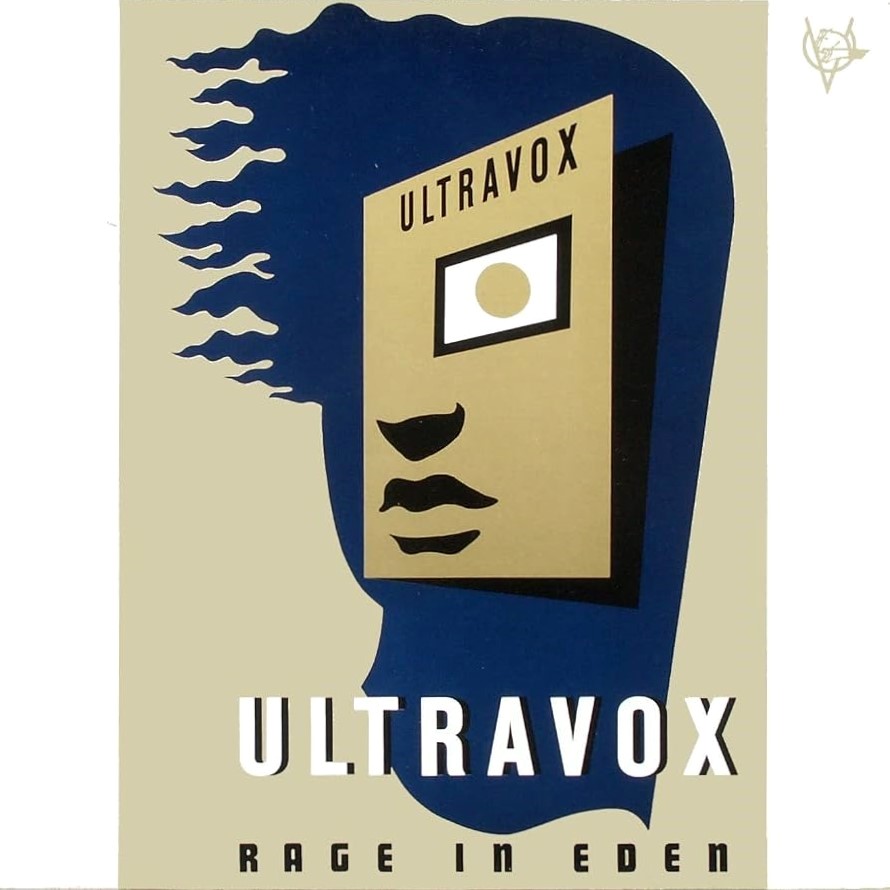
Although the ‘Vienna’ album had been written and played live before recording, the band decided to decamp to Conny Plank’s residential countryside studio with no material pre-prepared. Living in each other’s pockets for three months, the sessions were tense and that impression came across in the music. Released in Autumn 1981, ‘Rage In Eden’ began with the optimistic spark of ‘The Voice’ and possessed the Motorik thrust of NEU! while maintaining some marvellous symphonic pomp.
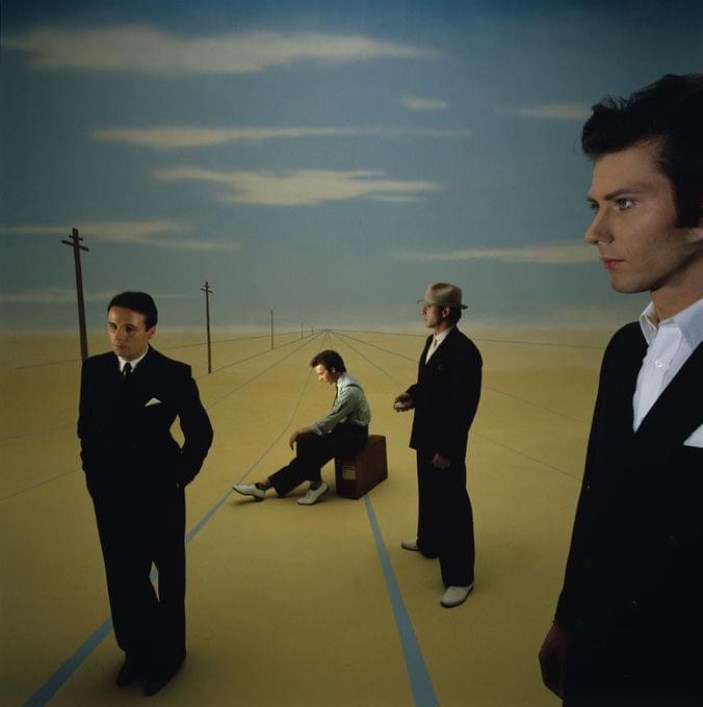
Photo by Brian Griffin

Creative tensions that had now emerged between Ure and Cross on one side, and Currie on the other who responded with his magnificent middle eight ARP Odyssey solo and a very proud ivory run. But aside from that, ‘Rage In Eden’ was a paranoia ridden affair. However, many of its tracks were mighty.

Chris Cross’ trademark triggered Minimoog bass synth came to the fore on tracks like ‘We Stand Alone’ and ‘I Remember (Death In The Afternoon)’ with Billy Currie working more with the Oberheim OBX for his soloing, although neither was a particularly cheerful affair. In between, there was the tape experimentation of the title track which used the chorus of ‘I Remember’ played backwards to give an eerie Arabic toned “noonretfa eht ni htaed… rebmemer i ho” vocal effect.

Also making a prominent appearance was the Linn LM-1 Drum Computer, a machine that used digital samples for its sounds which Warren Cann acquired, fascinated with furthering the possibilities of programmed percussion that had been opened up. Speaking to ELECTRICITYCLUB.CO.UK in 2010, he surmised that “Drum machines lent a new dimension to music on two fronts; one, the hypnotic element given by perfect unwavering tempo, and two, the ability to endlessly layer, edit, and re-edit rhythm tracks.”

‘The Thin Wall’ dramatically merged synthesizers, guitar, piano, violin and Linn Drum for a formidable yet under rated hit single, but then the album entered a dense phase of indulgence with the deeply rhythmic but overlong ‘Stranger Within’ and the meandering ‘Ascent On Youth’. The melancholic interlude ‘The Ascent’ provided some relief despite its intensity before the haunting conclusion with the sparse mental breakdown of ‘Your Name (Has Slipped My Mind Again)’.

Not as accessible as ‘Vienna’, only two singles were lifted from ‘Rage In Eden’ whereas its predecessor had four; ‘Rage In Eden’ was ambitious and loosely conceptual but it may have been too much for some, including the band.

So for 1982’s ‘Quartet’ album, ULTRAVOX worked with George Martin, most notable for his work with THE BEATLES. The sound was brighter, more structured and stripped of the density that had characterised the albums with Conny Plank, perhaps coinciding with the use of more digital hardware like the PPG Wave 2.2 and Emulator.

The catchy ‘Reap The Wild Wind’ opened proceedings with an immediacy that was less angular and experimental that anything on ‘Vienna’ or ‘Rage In Eden’ although this poppier approach may have alienated any John Foxx-era fans that had stuck it out into the Ure-era.

However, the quasi-religious pomp of ‘Hymn’ had the anthemic thrust of the previous two albums and in ‘Visions in Blue’, ‘Quartet’ had its own ‘Vienna’ but aside from those, ‘Mine For Life’ and ‘Serenade’, overall it was something of a disappointment. While the mighty motorik attack of ‘The Song (We Go)’ offered some percussive edge, the middle second side trio of ‘When The Scream Subsides’, ‘We Came To Dance’ and ‘Cut & Run’ proved lacking in the delivery of their verses despite strong choruses.

‘Quartet’ had been a big budget effort with recording in George Martin’s Air Studios in London and Monserrat plus a tour with a huge grey gothic stage set to support it, as documented in the ‘Monument’ concert film and soundtrack.

By this time, ULTRAVOX took out a huge amount of equipment live which caused many logistical headaches. There were nearly thirty keyboards and electronic gadgets on stage including ARP Odysseys, Minimoogs, PPGs, Emulators, Oberheims and assorted Yamaha keyboards including the CP70 electric grand piano which could take up to three hours to tune in soundcheck! Then there was Warren Cann’s infamous percussion console ‘The Iron Lung’ which had the Simmons SDSIII, SDSV and SDSVII drum synthesizers, Roland TR77 and CR78 drum machines, a Linn LM-1, a LinnDrum and various effects processors like the Roland Space-Echo.

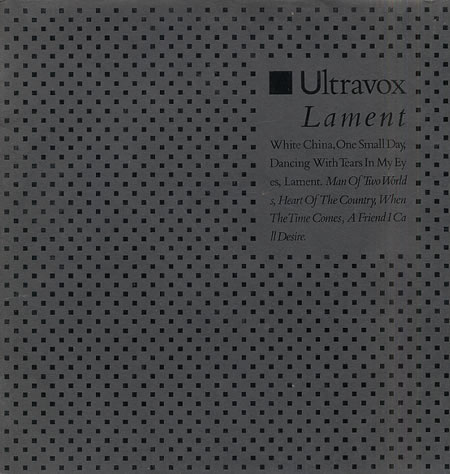
So things became more simplified by ULTRAVOX’s standards for the next album ‘Lament’ released in Spring 1984, with the recording sessions taking place in home studios and self-produced. Largely gone were Billy Currie’s trademark synth solos with the ARP Odyssey although its replacement, the OSCar made a fleeting appearance in that style on the closing song ‘A Friend I Call Desire’. Meanwhile Warren Cann had acquired the MIDI compatible Sequential Drumtraks and there were more obviously programmed rhythm tracks than on previous ULTRAVOX albums while the band seemed quite pleased with their new Yamaha DX7.

But one new keyboard acquisition proved to be a major disappointment in Sequential’s giant Prophet T8. “I got it thinking it would be a competitor to the Yamaha CS80 but the action was always far too heavy” remembered Currie, “It was the only other synth that had a totally polyphonic touch-sensitive keyboard. It was about £4000… a bargain!”

The album contained many varying different styles as the band battled for a clear direction. ‘One Small Day’ was a decisively hands-in-the-air rockist statement in the vein of U2 and SIMPLE MINDS. Meanwhile the brilliant ‘White China’ was a full fat sequencer number about the eventual 1997 handover of British ruled Hong Kong to Red China that developed on NEW ORDER’s ‘Blue Monday’.

Using Far Eastern ethnic influences with a nod towards JAPAN’s ‘Tin Drum’, the title song was an exquisite but obviously mournful ballad. But the album’s highlight was the magnificent ‘Man Of Two Worlds’, an electro Celtic melodrama featuring a haunting female Gaelic vocal from Mae McKenna with doomed romantic novel imagery capturing a feeling of solitude in an unusual mix of synths, programmed Motorik rhythms and manual funk syncopation.

Notably a re-configuring of ‘Sonnenrad’ by NEU! guitarist Michael Rother from his ‘Sterntaler’ album which Conny Plank had produced and given a copy to Billy Currie, ‘Dancing With Tears In My Eyes’ was yet another song about a nuclear holocaust. While it might have been a depressing subject to revive, there was the spectre of ‘Protect & Survive’ when Mutually Assured Destruction lingered in the minds of the population. Released as a single, ‘Dancing With Tears In My Eyes’ reached No3 in the UK singles charts, ULTRAVOX’s biggest hit since ‘Vienna’.

ULTRAVOX had been a consistent singles band but after eleven successive Top30 hits, it seemed as good a time as any to release a greatest hits for the 1984 Christmas market. At the time of release, ‘The Collection’ was novel. Not only did it feature all thirteen Midge Ure-fronted era singles to date, but in ‘Love’s Great Adventure’, it also included a brand new one too. It was a perfect package that could be played from start to finish, from ‘Dancing With Tears in My Eyes’ to ‘Lament’ via ‘The Thin Wall’, ‘Vienna’, ‘Sleepwalk’, ‘Reap The Wild Wind’ and ‘All Stood Still’.

After four albums in five years, it was time for Cann, Cross, Currie and Ure to take a break, but instead, the ULTRAVOX frontman took a busman’s holiday. There was Band Aid and then a solo career which yielded a UK No1 in 1985 with ‘If I Was’, a song Ure had co-written with Danny Mitchell from the band MESSENGERS who had played support and augmented the live  ULTRAVOX set-up on the previous two tours.

After an appearance at Live Aid, when ULTRAVOX reconvened in 1986 for the making of their next album, the quartet imploded with Warren Cann unceremoniously fired from the band due to musical differences. By now, Cann had more or less given up the notion of live drums while the other three favoured a back-to-basics approach with more live instrumentation.

Despite Conny Plank returning to produce, the resultant ‘U-Vox’ was poor. The title said it all, a band with something missing. The album saw ill-advised excursions into funk, brass and folk with the latter being a rather sombre collaboration with THE CHIEFTAINS about the threat of a nuclear holocaust called ‘All Fall Down’.

Most of the other tracks on ‘U-Vox’ were uninspired pieces of rock, with the lame ‘Moon Madness’ being a particular low point. Despite this, there was a genuine highlight in ‘All In One Day’, a magnificent song about ‘Live Aid’ which featured an orchestral arrangement by George Martin. However, after an underwhelming arena tour, ULTRAVOX split. Midge Ure continued his solo career to varying degrees of success while Chris Cross left music to become a psychotherapist and Warren Cann moved to Los Angeles.

Meanwhile, Billy Currie made three attempts at reviving the ULTRAVOX name. However, the first one featuring Marcus O’Higgins as singer and a returning Robin Simon on guitar was blocked; when the recordings from these 1989 sessions were finally released as ‘Sinews Of The Soul’ under the name HUMANIA in 2006, the booklet notes saw Billy Currie launch into an almighty tirade against Midge Ure and Chris Morrison who had taken on the role of sole ULTRAVOX manager after Chris O’Donnell moved on.

An interview that Currie gave to Beatmag that year was no less frank. There was now a lot of bad feeling, so any possible future activity involving the four members of the classic ULTRAVOX line-up was now unlikely… or so it seemed. In 2003, Ure was playing a significant amount of ULTRAVOX material on his ‘Sampled Looped & Trigger Happy’ tour.

Then in 2009, the impossible happened and the classic line-up of ULTRAVOX reunited for the ‘Return To Eden’ tour following an offer from Live Nation, who their former manager Chris O’Donnell was now working for. The show went on two triumphant European stints and things went well enough for a new album to be recorded, with writing taking place at Midge Ure’s log cabin retreat near Montreal in Canada.

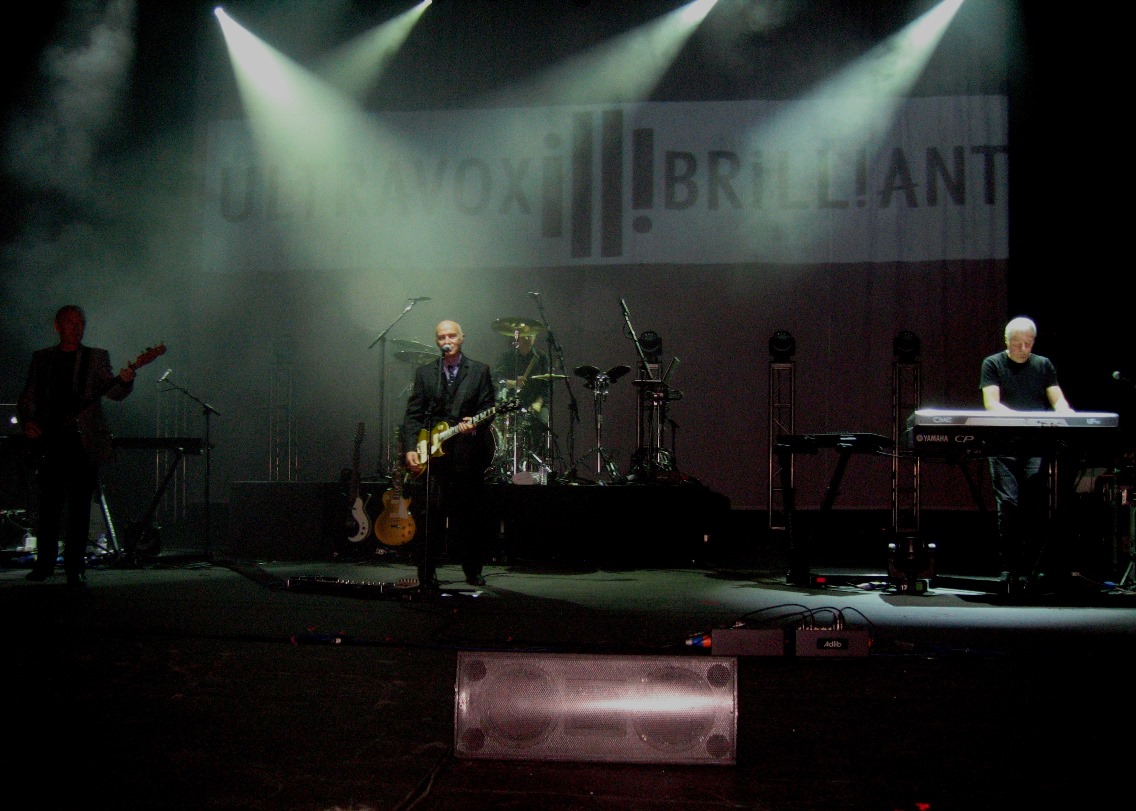
Co-produced by Stephen J Lipson, the ‘Brilliant’ album’s title song chorused a cautious optimism in a bittersweet comment on pop culture. Meanwhile as the album opener, ‘Live’ came as message of intent like ‘Dancing With Tears In My Eyes’ but without the imminent nuclear holocaust as its superb instrumental breakdown dropped to a magnificent pulsing sequence, piano and lone bass drum reminiscent of LA DÜSSELDORF.

One of the main talking points about the ‘Brilliant’ album was Ure’s voice which now possessed a fragility and honesty only could have come from battle-hardened life experience. But fans were polarised about his use of the Melodyne, an audio pitch modification tool not dissimilar to Auto-Tune. In his defence, Midge Ure told ELECTRICITYCLUB.CO.UK in 2015 about how “it’s a tool and no different from any of the plug-ins that I use when I make music. It’s a bit like saying ‘why do you use reverb on your voice?’… well, it’s because it suits the song and makes it more interesting.”

The excellent ‘Satellite’ recalled former glories and even recycled the violin solo from the album version of ‘The Thin Wall’ while the percolating sequences and rhythmic snap of ‘Rise’ emulated Giorgio Moroder for a 21st Century update of ‘Western Promise’.

‘One’ and ‘Remembering’ captured the chromatic romanticism of Europe with its classical influences although the soaring stadium rock pandering of ‘Flow’ was not to everyone’s taste. However, this blip was countered by the whirring ARP Odyssey lines on ‘Change’ which featured some majestic widescreen inflections glossed with beautiful ivory runs bouncing off a shuffling percussive pattern.

Closing with the resignation of ‘Contact’, a sensitive statement about the emotional detachment caused by modern technology, ‘Brilliant’ was a better album than many expected and righted the wrongs of ‘U-Vox’. There was another successful European tour and it looked as though the old wounds between the four had healed.

Then came a surprise run of dates opening for SIMPLE MINDS on the arena leg of their ‘Greatest Hits+’ UK tour at the end of 2013 but after that, it all went quiet. Speaking to ELECTRICITYCLUB.CO.UK, Midge Ure said that “We always said we were never getting back together to take over the world as a band and pretend we were a bunch of teenagers, we all have other things that we do. And we said that if and when something interesting pops up, we would get-together and do it”. But in 2017, Billy Currie made a statement on his website that his tenure with ULTRAVOX was over and even sold his beloved ARP Odyssey MkII on eBay!

Despite this, the legacy of this particular incarnation of ULTRAVOX lives on, with Ure going out on the road in 2019 with his solo band to play the ‘Vienna’ album in its entirety on ‘The ‘1980 Tour’ as a testament to its artistic longevity. And now there is a 40th Anniversary boxed set complete with a new 5.1 surround sound mix by Steven Wilson. ULTRAVOX also brought the sound of the NEU! axis to a mainstream British audience and even re-exported back to Germany – in acknowledgement, Ure had the music of Michael Rother played before the shows of ‘The 1980 Tour’.
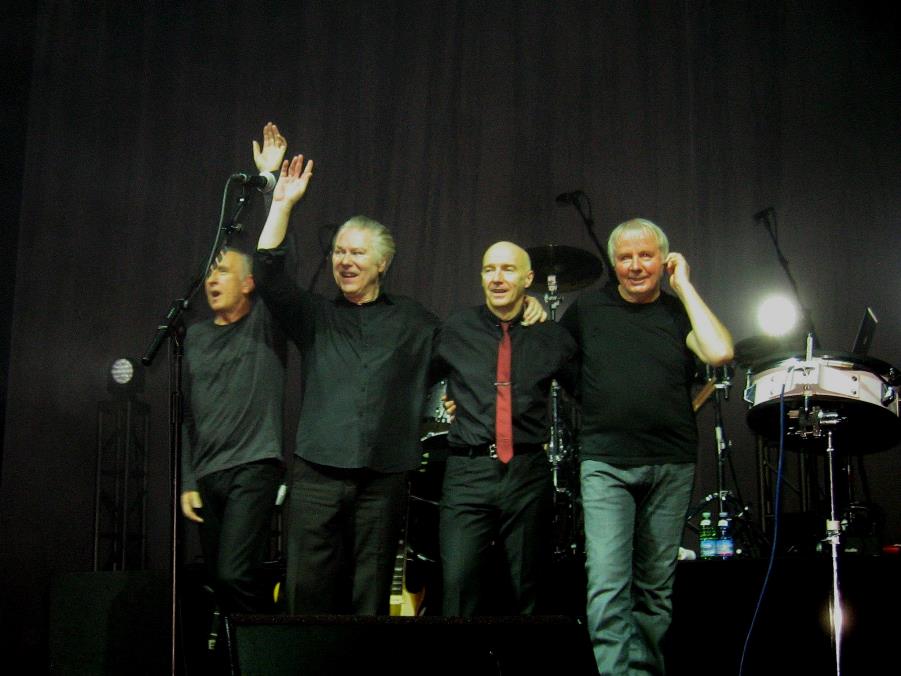
Photo by Chi Ming Lai

Meanwhile, there has also been a substantial and diverse ULTRAVOX legacy within modern popular culture. The Manchester pop duo HURTS effectively played on being TAKE THAT dressed as ULTRAVOX, especially with their single ‘Stay’ and its accompanying promo video. Meanwhile for their quintet reunion album ‘Progress’, TAKE THAT themselves interpolated ‘Vienna’ for a song called ‘Eight Letters’ which resulted in the rather unusual credit “written by Barlow / Donald / Orange / Owen / Williams / Ure / Cross / Cann / Currie”!

But the biggest ULTRAVOX legacy can be found in the stadiums of the world via the Teignmouth rock trio MUSE. It is not difficult to imagine Midge Ure singing ‘Starlight’ while ‘Vienna’ has been borrowed not once but twice, first on ‘Apocalypse Please’ where the middle eight bass synth section was more or less lifted note-for-note while the second time was more obviously with the drum intro to ‘Guiding Light’.

ULTRAVOX were indeed a jigsaw sequence, but no-one could see the end.


‘Vienna’ is released as a 5CD+DVD and 4LP clear vinyl boxed set by Chrysalis Records on 9th October 2020

http://www.ultravox.org.uk/

https://www.facebook.com/UltravoxUK

https://twitter.com/UltravoxUK

https://www.instagram.com/ultravoxuk/


Text by Chi Ming Lai
12th September 2020

A Beginner’s Guide To MIDGE URE

Midge Ure needs no introduction as one of the UK’s most highly regarded songwriters and musicians.

Best known for his involvement in ULTRAVOX’s ‘Vienna’, voted “the UK’s favourite No2 of all time” in a BBC Radio2 poll in 2013, the diminutive Glaswegian first found fame as the front man of SLIK. Their single ‘Forever & Ever’ became a UK No1 in 1975 and turned Ure briefly into a teen idol while the band had their own comic strip in Look-In magazine.

Luckily, SLIK could play their instruments and write their own material so in 1977 under the name PVC2, they released ‘Put You In The Picture’ on Zoom Records, a punkish single that sold more than anything by SIMPLE MINDS during their tenure on the label.

Having become fascinated by KRAFTWERK when they hit the UK charts with ‘Autobahn’ in 1975, he purchased his first synth, a Yamaha CS50 in 1977. So when Ure joined RICH KIDS and met drummer Rusty Egan, it was to change the course of his career when he subsequently founded VISAGE and joined ULTRAVOX.

VISAGE had been started in 1978 by Ure and Egan as a project to make up for the shortage of suitable European styled electronic dance music to play at The Blitz Club where the latter was the resident DJ. Needing a front man, they turned its doorman Steve Strange to act as Pied Piper to the colourful clientele who were later to be dubbed the New Romantics. Ure would subsequently help to deliver the movement’s signature song ‘Fade To Grey’.

Others involved in VISAGE included MAGAZINE’s John McGeoch, Dave Formula and Barry Adamson but also crucially Billy Currie, taking a break to heal his wounds from a recently fragmented ULTRAVOX following the departure of leader John Foxx. At the suggestion of Egan, Ure joined the band and the rest is history.

Photo by Brian Griffin

The classic ULTRAVOX line-up of Ure, Billy Currie, Chris Cross and Warren Cann had a run of twelve consecutive Top 40 hits singles in the UK before they imploded due to good old fashioned musical and personal differences, in the wake of Ure’s parallel solo career and his charity work with the Band Aid Trust.

But Ure was always been happiest in the studio and during his first ULTRAVOX phase, he also produced tracks for FATAL CHARM, MODERN MAN and MESSENGERS as well as Ronny, Phil Lynott and Peter Godwin, all while working on the second VISAGE album ‘The Anvil’.

The last ten years have been particularly busy for Ure. A regular on the live circuit with his endearingly intimate acoustic gigs featuring career highlights in stripped back form, he also undertook a number of key musical collaborations with European producers. But his most high profile project was the reformation of the classic ULTRAVOX line-up in 2009.

Following the winding down of ULTRAVOX after an arena tour opening for SIMPLE MINDS in late 2013, Ure returned to the acoustic format for two live tours backed by INDIA ELECTRIC CO. But Autumn 2017 sees Ure returning to synthesizers and electric guitars with his BAND ELECTRONICA tour.

He said on his website: “I want to revisit some material that I’ve not really been able to perform with the recent acoustic line-up, so you can expect to hear songs that haven’t been aired for a while as well as the classics and a couple of surprises! I’ve really enjoyed touring with a band and now I want to expand back to a four piece and return to a more electronic based format”

With that in mind, here is a look back at the career of Midge Ure and his great adventure in electronic music via this twenty track Beginner’s Guide, arranged in chronological order and with a restriction of one track per album / project…


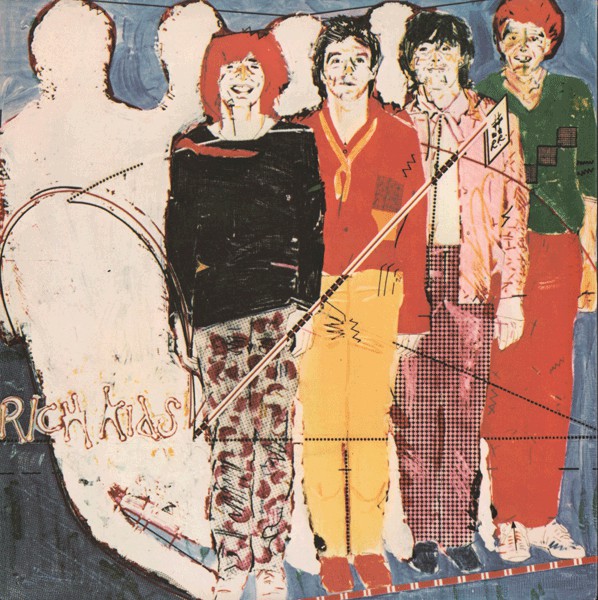
RICH KIDS Marching Men (1978)

Ousted from THE SEX PISTOLS, Glen Matlock offered Ure a place in his new power-pop combo RICH KIDS. An anti-Fascist anthem produced by the late Mick Ronson, ‘Marching Men’ was notable for Ure’s first use of his Yamaha CS50 on a recording, much to the dismay of Matlock. The band imploded with Matlock and Steve New thinking guitars were the way to go, while Ure and Rusty Egan felt it was electronics.

Available on the RICH KIDS album ‘Ghosts Of Princes In Towers’ via EMI Music

http://www.glenmatlock.com/


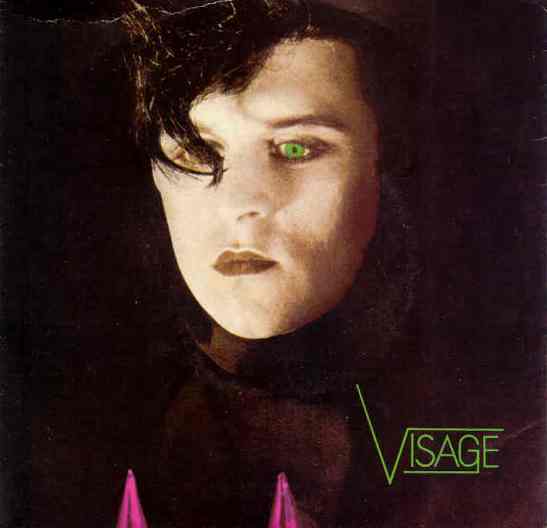
VISAGE Tar (1979)

The first VISAGE demo of ‘In The Year 2525’ attracted the attention of producer Martin Rushent who wanted to release the collective’s music via his Genetic imprint through Radar Records. ‘Tar’ was a cautionary tale about smoking dominated by John McGeoch’s sax and Billy Currie’s ARP Odyssey. Alas, Radar Records had funding pulled from its parent company Warners just as the single was released, stalling any potential it had.

Available on the VISAGE album ‘Visage’ via Spectrum

http://www.therealvisage.com/


ULTRAVOX All Stood Still (1980)

It was testament to Conny Plank’s faith in the band that he continued to work with ULTRAVOX after John Foxx left. On ‘All Stood Still’, Ure put his live experience with THIN LIZZY to good use on this barrage of synth heavy metal about a nuclear holocaust. Driven by Chris Cross’ triggered Minimoog bass and Warren Cann’s powerhouse drums, the interplay between Ure’s guitar and Currie’s ARP Odyssey was awesome.

Available on the ULTRAVOX album ‘Vienna’ via EMI Music

http://www.ultravox.org.uk/


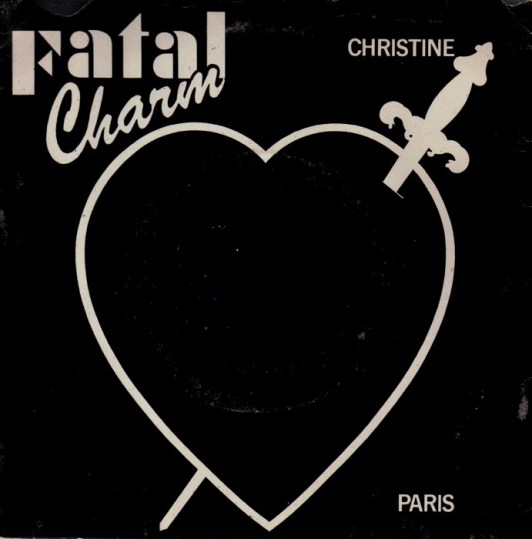
FATAL CHARM Paris (1981)

Nottingham combo FATAL CHARM supported ULTRAVOX and OMD in 1980. Their excellent first single ‘Paris’ was produced by Ure and their sound could be seen reflecting the synth flavoured new wave template of the period. Singer Sarah Simmonds’ feisty passion gave a freshly charged sexual ambiguity to the long distance love story written in the days before the Channel Tunnel. Instrumentalist Paul Arnall said: “We were able to use Midge’s Yamaha synth which gave it his sound”.

Available on the FATAL CHARM album ‘Plastic’ via Fatal Charm

http://fatalcharm.co.uk/


PHIL LYNOTT Yellow Pearl – Remix (1981)

German music formed a large part of the music at The Blitz Club and even Irish rocker Phil Lynott frequented it. ‘Yellow Pearl’ was a LA DÜSSELDORF inspired co-composition with Ure, while Rusty Egan later played drums on the remix which became the ‘Top Of The Pops’ theme. A VISAGE track in all but name, ‘Yellow Pearl’ was so draped in the involvement of Ure and Egan that it was almost forgotten that this was the frontman of THIN LIZZY!

Available on the THIN LIZZY album ‘Greatest Hits’ via Universal Music

http://www.thinlizzy.org/phil.html


ULTRAVOX The Voice (1981)

Co-produced by Conny Plank, with the Motorik thrust of NEU! and a marvellous symphonic pomp, ‘The Voice’ highlighted the creative tension that had now emerged between Ure and Chris Cross on one side, and Billy Currie on the other. Characterised by the swimmy Yamaha SS30 string machine, a magnificent ARP Odyssey solo and piano run was the icing on the cake. The song took on a life of its own in a concert setting with an extended closing percussive barrage.

Available on the ULTRAVOX album ‘Rage In Eden’ via EMI Records

https://www.facebook.com/UltravoxUK/


VISAGE The Damned Don’t Cry (1982)

It seemed business as usual with the second album ‘The Anvil’ and its launch single ‘The Damned Don’t Cry’. Very much in the vein of ‘Fade To Grey’, it was full of synthesized European romanticism. But with Steve Strange and Rusty Egan now finding success with their club ventures and ULTRAVOX becoming ever more popular, it was unsurprising that ‘The Anvil’ lacked the focus of its predecessor. Internally, things had gone awry and tensions with Egan led to Ure bidding adieu to VISAGE.

Available on the VISAGE album ‘The Anvil’ via Rubellan Remasters

https://www.facebook.com/therealvisage/


MIDGE URE & CHRIS CROSS Rivets (1982 – released 1984)

Midge Ure and Chris Cross’ involvement in ‘Rivets’ came about when Levi’s® were about to launch their expensive new TV advertisment… an executive, unhappy with the soundtrack shouted “What we need on there is ‘Vienna’”! The campaign was a successful one and Ure was commissioned to submit music for the next commercial entitled ‘Threads’; however his ’633 Squadron’ inspired electronic tune was subjected to demands for rewrites by the paymasters so tired of the politics, Ure withdrew the track… that piece of music became ‘Love’s Great Adventure’.  Levi’s® sponsored ULTRAVOX’s ‘Set Movements’ tour and ‘Rivets’ was part of a cassette that came with the souvenir programme!

Originally released on ULTRAVOX ‘Set Movements 1984 Interview’ cassette, currently unavailable

https://twitter.com/CCrossky


MIDGE URE & MICK KARN After A Fashion (1983)

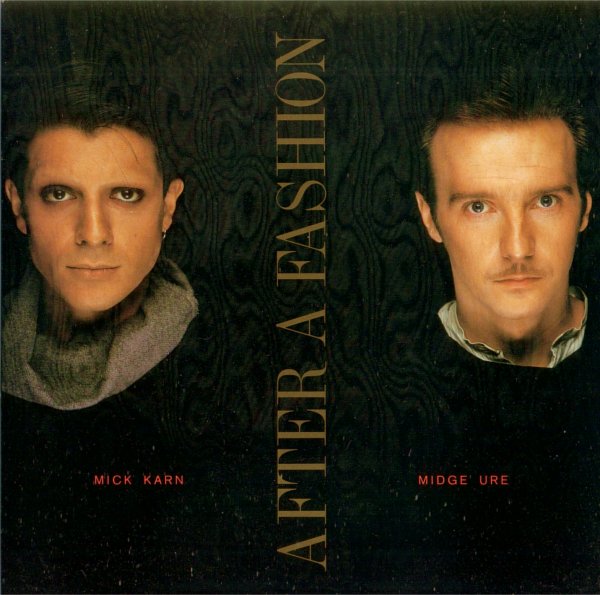
‘After A Fashion’ was a blistering sonic salvo that crossed the best of JAPAN’s rhythmical art muzak with ULTRAVOX’s ‘The Thin Wall’. However, it stalled at No39 in the UK singles charts and sadly, there was to be no album. But Mick Karn later played on ‘Remembrance Day’ in 1988 and Ure briefly joined JBK, the band formally known as JAPAN sans David Sylvian for an aborted project in 1992. Sadly Karn passed away in 2011 after losing his battle against cancer.

Available on the MIDGE URE album ‘No Regrets’ via EMI Gold

http://mickkarn.net/


MESSENGERS I Turn In (1983)

Glaswegian duo MESSENGERS were Danny Mitchell and Colin King whose only album ‘Concrete Scheme’ as MODERN MAN in 1980 was produced by Ure. The pair toured with ULTRAVOX as support during the ‘Quartet’ tour, as well as joining them on stage to augment their live sound. MESSENGERS’ debut single ‘I Turn In (To You)’ was also produced by Ure but criticised for being ULTRAVOX lite, although the song held its own with its dramatic widescreen passages.

Originally released as a single via Musicfest, currently unavailable

http://www.discog.info/modern-man-messengers.html


ULTRAVOX Man Of Two Worlds (1984)

An electro Celtic melodrama in four and a half minutes, the magnificent ‘Man Of Two Worlds’ was the highlight from ULTRAVOX’s self-produced ‘Lament’ long player. Featuring an eerie female Gaelic vocal from Stock Aitken & Waterman backing vocalist Mae McKenna, the doomed romantic novel imagery capturing a feeling of solitude with haunting synths, programmed Motorik rhythms and manual funk syncopation was an unusual template, even for the period.

Available on the ULTRAVOX album ‘Lament’ via EMI Music

https://twitter.com/UltravoxUK


MIDGE URE If I Was (1985)

‘No Regrets’ had been a big solo hit in 1982 so with ULTRAVOX on break, Ure took a busman’s holiday and recorded his first solo album ‘The Gift’. A song demoed by Danny Mitchell of MESSENGERS for their aborted long player, while there was a big anthemic chorus and vibrant string synth interludes, ‘If I Was’ was a very different beast from ULTRAVOX in that this was a love song. Featuring LEVEL 42’s Mark King on bass, it became a UK No1 single.

Available on the MIDGE URE album ‘The Gift’ via EMI Music

http://www.midgeure.co.uk/


MIDGE URE Man Of The World (1993 – released 1996)

Ure went back to basics with his ‘Out Alone’ tour in 1993 which featured acoustic renditions of his own songs and covers assisted by a pre-programmed keyboard. One song was Peter Green’s ‘Man of the World’, a bittersweet song about a man who has everything he wants, except love. A live recording ended up as a bonus track on the ‘Guns & Arrows’ single, but a studio version appeared on 2008’s ’10’ covers album.

Live version available on the MIDGE URE double album ‘Pure + Breathe’ via Edsel Records

https://www.facebook.com/midge.ure/


JAM & SPOON Something To Remind Me (2003)

For Jam El Mar and Mark Spoon’s attempt at a ‘pop’ album, the German dance duo featured vocals on all the tracks and among those recruited were Dolores O’Riordan of THE CRANBERRIES and SIMPLE MINDS’ Jim Kerr. For his return to full blown electronica, Midge Ure’s contribution ‘Something To Remind Me’ was big on beats. Recording coincided with the ‘Sampled Looped & Trigger Happy’ tour which saw Ure use a more technologically driven format for live shows.

Available on the JAM & SPOON album ‘Tripomatic Fairytales 3003’ via Universal Music

https://www.facebook.com/Jam-Spoon-59220848974/


X-PERIENCE Personal Heaven – Desert Dream radio mix (2007)

Thanks to his continued popularity in Germany, Ure was much in demand as a guest vocalist and was persuaded to record a song he had written with HEAVEN 17’s Glenn Gregory by dance production team X-PERIENCE. Duetting with Claudia Uhle, who provided her own sumptuous vocals to compliment the electronics and muted synthetic guitars, the punchy Desert Dream radio mix was particularly effective.

Available on the CD single ‘Personal Heaven’ via Major Records

http://www.x-perience.de/


SCHILLER Let It Rise (2010)

Named after the German poet and dramatist Friedrich Schiller, Christopher von Deylen’s domestically popular ambient electro project recruited Ure to sing on the dramatically widescreen ‘Let It Rise’; he said: “SCHILLER’s got his very own, very good and distinctive style which is much more of a laid back, trip-hop dance thing”. Ure revisited the track for his own ‘Fragile’ album in a more stripped back arrangement.

Available on the SCHILLER album ‘Atemlos’ via Universal Music

http://www.schillermusic.com/


ULTRAVOX Rise (2012)

In 2009, the impossible happened and the classic line-up of ULTRAVOX reunited for the ‘Return To Eden’ tour. Things went well enough for a new album to be recorded and writing took place at Ure’s retreat in Canada, Produced by Stephen J Lipson, several of the tracks like ‘Live’ and ‘Satellite’ recalled former glories while with this take on Giorgio Moroder, the percolating sequences and rhythmic snap of ‘Rise’ could be seen a robotic 21st Century update of ‘The Thin Wall’.

Available on the ULTRAVOX album ‘Brilliant’ via EMI Music

https://www.instagram.com/ultravoxuk/


LICHTMOND Endless Moments (2014)

LICHTMOND is an ambitious audio-visual project led by sound architects Giorgio and Martin Koppehele to “Experience Dreamlike Time”. Very progressive in its outlook with “A magic triangle of electronics, ethno and rock songs”, Ure featured on lead vocals and said on the album notes: “For me LICHTMOND is a unique combination of music, visuals and brilliant imagination. All coming together to make one great big piece of art. Enjoy it!”

Available on the LICHTMOND album ‘Days Of Eternity’ via Blu Phase Media

http://www.lichtmond.de/


MIDGE URE Become (2014)

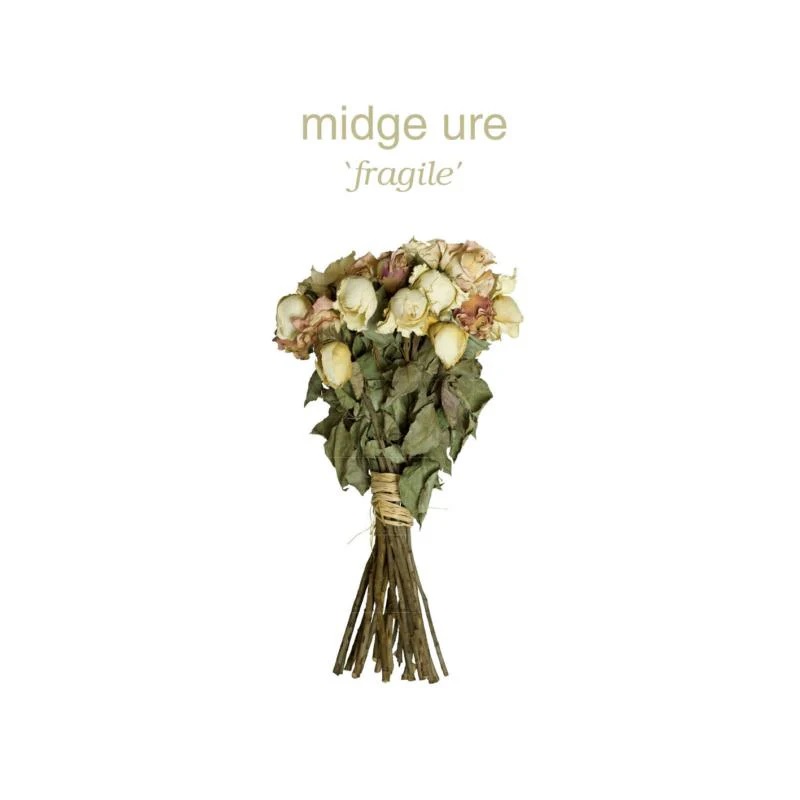
Although Ure had been regularly touring and playing festivals, there was a gap of 14 years between the ‘Move Me’ and ‘Fragile’ long players. The ULTRAVOX reunion was the spark he needed to get his sixth solo album of original material finished. The lead single was ‘Become’, a romantic and less abrasive take on ‘After A Fashion’. With a danceable metronomic beat, it had a classic synthpop sound that Ure admitted he was “kind of harking back to early VISAGE”.

Available on the MIDGE URE album ‘Fragile’ via Hypertension ‎Music

https://twitter.com/midgeure1


RUSTY EGAN PRESENTS Glorious (2016)

‘Glorious’ not only reunited our hero with Rusty Egan but also Chris Payne who co-wrote ‘Fade To Grey’; Ure said: “I liked the music, Chris Payne and Rusty had done a great job but I didn’t think the song / melody / lyrics were strong enough… I stripped the demo down to the basic track, edited it down into a more ‘song like’ format and started working on a glorious melody. I added the main melodic synth line and layered guitars over it, ending with the ‘hopefully’ uplifting solo over the outro”.

Available on the RUSTY EGAN PRESENTS album ‘Welcome To The Dance Floor’ via Black Mosaic

http://rustyegan.net/


Midge Ure’s BAND ELECTRONICA 2017 live dates include:

Frankfurt Batschkapp (Sep 27), Munich Technikum (Sep 28), Cologne Kantine Kulturbetriebe GmbH (Sep 29), Bochum Zeche (Oct 01), Hamburg Gruenspan (Oct 03), Berlin Columbia Theater (Oct 04), Glasgow Royal Concert Hall (Oct 10), Liverpool Philharmonic Hall (Oct 11), Bournemouth Pavillion Theatre (Oct 13), Guildford G Live (Oct 14) , Milton Keynes Theatre (Oct 15), New Theatre Oxford (Oct 17), High Wycombe Swan Theatre (Oct 18), Folkestone Leas Cliff Hall (Oct 19), Skegness The Embassy (Oct 20), Edinburgh Playhouse (Oct 22), Dundee Caird Hall (Oct 23), Gateshead Sage (Oct 24), Manchester Opera House (Oct 25), Dartford Orchard (Oct 27), Basingstoke Anvil (Oct 28), Sheffield City Hall (Oct 29), Halifax Victoria Theatre (Oct 31), Buxton Opera House (Nov 01), Birmingham Town Hall (Nov 02), York Grand Opera House (Nov 03), Southport Theatre (Nov 04), Blackpool Grand Theatre (Nov 05), London Shepherds Bush Empire (Nov 07), Torquay Princess Theatre (Nov 08), Portsmouth Guildhall (Nov 09), Salisbury City Hall (Nov 10), Truro Hall for Cornwall (Nov 11), Nottingham Royal Concert Hall (Nov 14), Eastbourne Devonshire theatre (Nov 15), St Albans Arena (Nov 17)

Further information at http://www.midgeure.co.uk/shows.html


Text by Chi Ming Lai
15th August 2017

BILLY CURRIE Doppel

Best known as ULTRAVOX’s classically trained virtuoso instrumentalist, BILLY CURRIE is back with a new solo album ‘Doppel’.

Following the sharp, spikier aesthetics of tracks like ‘Jump Spin’ on ‘Balletic Transcend’ in 2013, ‘Doppel’ is a more pastoral instrumental collection, with Currie’s trademark synths, viola, violin and classical piano all present and correct. Cascading synthetic strings are the metronomic backbone to the sub-seven minute ‘Neoteric Slip’, a lively orchestrated cacophony of sound with a screeching, passionate violin interlude add some tension to proceedings.

A familiar template makes an appearance with swimmy chorused string machine and tinkling ivories alongside prominent synth rock textures and a four-to-the floor rhythm construction for the ULTRAVOX flavoured ‘Tremolo Shudder’.

The beautifully filmic ‘Silver Tongued’ takes a lonely piano and sprinkles its surroundings with the occasional drop of space dust while the progressive ‘Doppel’ title track with its phased percussion and staccato voice samples provides another steadfast canvas for Currie to apply his violin and piano magic.

Taking things down, ‘In Full Cry’ explores other worldly territory not far off the late Japanese trailblazer TOMITA before the optimistically uptempo ‘Gleam’ and the expressive bowed exordiums of ‘Viola Reach’.

The brilliant ‘Glibberig’ enters the colder mechanical territory of former bandmate JOHN FOXX before a sudden increase of tempo two minutes in which allows Currie to ply his distinctive piano.

With ‘Stymie’ providing a suitably stylized close, ‘Doppel’ is an enjoyable body of work that will appeal to those who will appreciate an intriguing electro classical fusion that sets itself apart from synthpop or dance.

‘Doppel’ is available as a download through the usual digital outlets and on CD-R via Amazon On-Demand

http://www.billycurrie.com/

https://www.facebook.com/pages/Billy-Currie/124950034330891


Text by Chi Ming Lai
5th June 2016

Lost Albums: VISAGE The Anvil

By the time that VISAGE’s second album ‘The Anvil’ came out in Spring 1982, things were very different for the cast who had produced the eponymous debut started in 1979, and which in early 1981 spawned the massive European hit ‘Fade To Grey’.

Midge Ure had accepted Billy Currie’s invitation to join ULTRAVOX and were now riding hide internationally thanks to the success of ‘Vienna’; sax playing guitarist John McGeoch left both VISAGE and MAGAZINE, and was now a member of SIOUXSIE & THE BANSHEES; keyboards man Dave Formula though remained in the Manchester post-punk combo.

Meanwhile, thanks to the success of ‘A Club For Heroes’ at The Blitz in Covent Garden and Barracuda on Baker Street, Rusty Egan and Steve Strange were about to embark on their biggest venture yet with the Camden Palace. Strange, in particular had become a bona fide celebrity and was being snapped by Paparazzi hanging out with the likes of Jack Nicholson, Elton John, Diana Dors, Marianne Faithful and Jerry Hall.

In many respects, it was unsurprising that ‘The Anvil’ appeared to lack the focus of its predecessor, but it was still a very good record. The synthesized European romanticism that had dominated the ‘Visage’ debut was omnipresent, especially with the lavish monochromatic Helmut Newton cover photograph. But a funkier perspective had been introduced to proceedings, thanks to Strange and Egan’s growing interest in the new funk forms that had been emerging in clubland, particularly from New York.

It was a direction that had been indicated on ‘We Move’, the B-side to ‘Mind Of A Toy’ and in order to authentic things further, there had been talk of ROXY MUSIC bassist Gary Tibbs joining, but he was then head hunted by ADAM & THE ANTS. Instead, original VISAGE bassist Barry Adamson rejoined, but this time as a hired hand and his subsequent contribution to half of the album was to have a profound effect.

The funkier direction also allowed Midge Ure to indulge in techniques and styles he would have never got away with in ULTRAVOX. But while VISAGE had been started in 1978 by himself and Rusty Egan as a project to make up for the shortage of suitable Euro styled electronic dance music in the clubs, he had not been naturally schooled in funk the way Rusty Egan had been as a soul boy. While the genre blend was to produce some fabulous music, the continuing musical differences would subsequently lead to a fallout between the two friends.

To the public at least, it was business as usual with the album’s launch single ‘The Damned Don’t Cry’. Very much in the vein of ‘Fade To Grey’, it was set to a drum machine syncopated by Rusty Egan’s percussive mantra while Billy Currie’s piano and ARP Odyssey made its presence felt in the solo. And reprising the prominent female vocals that featured on ‘Fade To Grey’, ex-HOT GOSSIP members Perry Lister (Mrs Billy Idol) and Lorraine Whitmarsh added their own wispy feminine touch, as they were to do throughout the album alongside backing vocals from Ure and Egan.

While ‘The Damned Don’t Cry’ delivered what was expected, the harder edged, Teutonic salvo of ‘The Anvil’ almost certainly was not. Featuring some superb guitar work from Midge Ure and metronomic drumming courtesy of Rusty Egan minus his hi-hats, it was Steve Strange’s tale of a night out in New York’s notorious gay club of the same name. Dave Formula’s superb screaming ARP Odyssey and brassy synth riff completed the industrial revolution. It had been intended as the album’s first single and a German version ‘Der Amboss’ had already been recorded as one of the bonuses.

Rusty Egan said: “For me, ‘The Anvil’ was the lead track, ‘The Anvil’ in German (‘Der Amboss’), the 12-inch remixes… but the record company didn’t support that! They were pushing for another ‘Fade To Grey’ so they were going for ‘The Damned Don’t Cry’!” While, Polydor were not so keen to use ‘The Anvil’ as a launch pad, DIE KRUPPS’ subsequent electro metal cover in 2007 proved belatedly how seminal the track actually was!

Photo by Robyn Beeche

While the following ‘Move Up’ with its hard bass sequence developed on the title track, it suffered being sat next to it, but that set the scene for the rather bizarre but enjoyable sonic sandwich of ‘Night Train’. With Dave Formula’s wobbling, detuned synth line bouncing off Barry Adamson’s bass and Gary Barnacle’s squawking sax, the funky overtones augmented by Rusty Egan’s drumming were then counterpointed by an ULTRAVOX styled piano and violin passage in the middle eight.

While the elements all provided a marvellous musical excursion, Ure’s final production was perhaps not direct enough for the American club market that Egan and Strange now coveted. Ure said to Smash Hits at the time: “During the last album I kept hearing phrases like ‘commercial’ and ‘appealing to the American market’. I don’t like the ‘American market’ much”!

So when ‘Night Train’ was remixed for single release in Summer 1982 by noted American disco producer John Luongo at the instigation of Egan, it spelt the end of the diminutive Glaswegian’s association with VISAGE. “I didn’t like it” he simply said.

Despite an impressive first side, even better was to come on side two with some real lost masterpieces in amongst the throng. First up was the ULTRAVOX meets CHIC hybrid of ‘The Horseman’. It certainly was interesting to hear Midge Ure aping Nile Rodgers, albeit using his distinctive flanged guitar style rather than a more traditional fluid rhythm slice.

And with Ure’s backing vocals so prominent in the mix of ‘The Horseman’, especially in the middle eight, it was almost an ULTRAVOX song in all but name. While Steve Strange’s characteristic, but occasionally dispassionate lead voice was an essential part of VISAGE’s identity, it was Ure’s input that provided the credible vocal musicality, as proven by Strange’s hopeless, undirected vocals that were on evident 1984’s disastrous Ure-less VISAGE album ‘Beat Boy’.

‘Look What They’ve Done’ was a dramatic slice of neu romance, and it was on songs like these where Steve Strange’s less tutored vocals came to the fore, suiting a colder electronic backdrop more than the misguided adventures into rock which came later. But with the glorious ‘Again We Love’, every aspect of VISAGE’s collective talents clicked in unison, both vocally and instrumentally. From the dramatic start and the eerie, atmospheric melancholy to the stupendous percussive climax and echoey fade, ‘Again We Love’ summed up what VISAGE was all about. Yes, they were the New Romantic supergroup and were a formidable combination when firing on all cylinders. And it was this song on ‘The Anvil’ that probably got closest to recapturing the grandeur of ‘Fade To Grey’.

With that impressive trio of songs, the album took a slight dive with ‘Wild Life’. This was disappointing as the B-sides of the album’s two singles, the metronomic instrumental ‘Motivation’ and the proto-PET SHOP BOYS of ‘I’m Still Searching’, were far superior. Typically the type of rushed filler that adorned most albums of the day, ‘Wild Life’ sounded like several musical idea fragments gaffer taped together with a middle section that had Rusty Egan impersonating BOW WOW WOW! It had no proper lyric to speak of either but thankfully, victory was snatched from defeat with the beautiful, dreamy ambience of ‘Whispers’.

Featuring Perry Lister and Lorraine Whitmarsh surreally conversing like five year old girls over a hypnotic piano motif, the track’s chilling shimmers and sad synth replies were interrupted halfway through by a simple, heartfelt melody over a stark funereal beat. Its enigmatic use on a TDK TV advert featuring Steve Strange actually got it a single release in Japan. And ironically, despite Strange not appearing on the track itself, ‘Whispers’ has now sadly gained further poignancy and resonance in light of his passing on 12th February 2015.

‘The Anvil’ is possibly the most under rated album of that Synth Britannia / New Romantic period. Although it went silver in the UK and reached No6 in the album chart, it never got the artistic acclaim it deserved, no doubt overshadowed by the accomplishments of ULTRAVOX, JAPAN, DURAN DURAN, ASSOCIATES and SIMPLE MINDS at the time. While not as consistent as  VISAGE’s debut, there are certainly a number of songs on ‘The Anvil’ that are among the best of the era and truly merit reinvestigation.


Dedicated to the memory of STEVE STRANGE 1959 – 2015

‘The Anvil’ is available on CD via Rubellan Remasters at https://www.rubellanremasters.com/online-store
http://www.visage.cc/

http://www.billycurrie.com/

http://www.daveformula.com/

http://www.midgeure.co.uk/

http://rustyegan.blogspot.co.uk/


Text by Chi Ming Lai
12th March 2015

ULTRAVOX Rise of the Soft Synth

GForce Software have just issued a fascinating viral film of soundcheck footage and a brief backstage chat with ULTRAVOX during the ‘Brilliant’ tour about using the company’s plug-in synths to recreate the sounds from their classic albums live.

In the interview, the band’s two main synthesists Billy Currie and Chris Cross discuss the VSM, Oddity, impOSCar2 and Minimonsta. Chris Cross particularly enthuses about the VSM’s (Virtual String Machine) ability to replicate the Elka Rhapsody 610; its colder shrill can be heard on ‘Mr X’ (plus ‘Hiroshima Mon Amour’ and also throughout John Foxx’s ‘Metamatic’), while Billy Currie jokes about using the VSM on every track, especially for the swimmier tones of the Yamaha SS30 which forms the prominent sound on ‘The Voice’.

However, Currie also explains that he tried to stay clear of it during the recording of the new album ‘Brilliant’ to avoid overdoing this vintage element of ULTRAVOX’s distinct sound. It did however appear on the Kraftwerkian / Moroderesque hybrid stomper ‘Rise’, although it was ironically pushed back into the mix by “our guitarist/producer” Stephen J Lipson but now brought forward for the concert version!

Of course, no ULTRAVOX live set would be complete with Billy Currie’s ARP Odyssey soloing and to do this, he has engaged G-Force’s Oddity via his Novation workstation using control features such as portmento and autobite. Currie also mentions the impOSCar2 which he uses for ‘Rage in Eden’ era material like ‘We Stand Alone’ which was recorded using an Oberheim OBX. Of course, the original OSCar was actually designed by British synth innovator Chris Huggett with Billy Currie very much in mind.

Meanwhile Chris Cross reflects on his new mainstay, the Minimonsta which is used for the pulsing basslines on tracks such as ‘All Stood Still’, ‘Sleepwalk’ and ‘The Thin Wall’ in place of his now long lost Minimoog. “Out of all the Minimoog plug-ins, that’s the one I find most like the Minimoog…” he says. However, Currie adds that to recreate the analogue “bounce” of their back catalogue is “not easy to do”! But the current 27 song live set on the ‘Brilliant’ tour is among one of the band’s best ever.

When it is considered that at the height of their powers, ULTRAVOX had 27 keyboards and electronic devices on stage including the PPG Wave 2.2, Emulator, Yamaha electric piano, various Yamaha CS series synths and Warren Cann’s infamous percussion console ‘The Iron Lung’, to have been able to slim down the set-up to suit the practicalities of a nationwide tour AND virtually recreate their powerful electronic rock sound of old on stage has been one the joys in the advances of music technology.


‘Brilliant’ is released by Eden Recordings/EMI Records, a clear vinyl double album edition is released on 15th October 2012.

ULTRAVOX tour the UK and Europe in Autumn 2012. Dates include:

Sheffield City Hall (4th October), Blackpool Opera House (6th October), Glasgow Clyde Audiotorium (7th October), Gateshead The Sage (8th October), Paris Trabendo (10th October), Tilburg 013 (12th October), Hamburg Docks (14th October), Sundbyøster Amager Bio (15th October), Malmö KB (16th October), Helsinki Tavastia (18th October), Oslo Rockefeller (21st October), Heden Trädgår’n (23rd October), Berlin Columbiahalle (25th October),  Mainz Phoenixhalle (26th October),  Leipzig Haus Auensee (27th October), München Kesselhaus (29th October), Vienna Gasometer (30th October), Memmingen Stadthalle (3rd November), Milan Alcatraz (5th Novermber), Köln E-Werk (7th November), Bielefeld Ringlokschuppen (8th November)

http://www.ultravox.org.uk

https://www.facebook.com/UltravoxUK/

http://www.gforcesoftware.com


Text and Photos by Chi Ming Lai
4th October 2012, updated 25th February 2018

« Older posts Newer posts »