“I don’t like country & western, I don’t like rock music… I don’t like rockabilly! I don’t like much really do I? But what I do like, I love passionately!!”: CHRIS LOWE
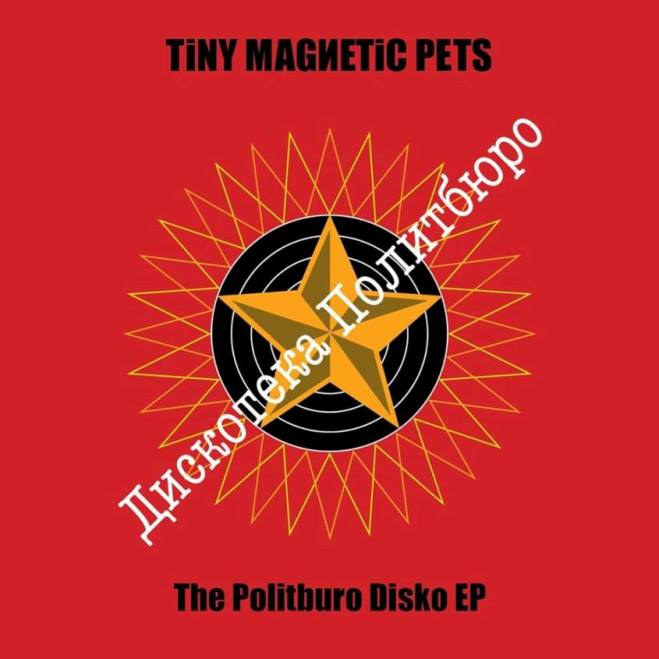
An interim collection of tracks before TINY MAGNETIC PETS’ third album ‘The Point Of Collapse’ is released, ‘The Politburo Disko’ EP follows on the Dublin trio’s previous Cold War themed offerings ‘The NATO Alphabet’ and ‘Stalingrad’ released in 2016 and 2014 respectively.
A wealth of quality material emerged from those standalone statements of interregnum, notably ‘Everybody Knows’, ‘Klangfarben’, ‘We Shine’ and ‘On An Inter-City Train’. Following on as part of a now extended play trilogy, ‘The Politburo Disco’ EP is no different.
‘Enigma Code Variations 1 & 2’ is an instrumental that provides an eerie artful collage of arpeggios to start before ‘Blitzed’, a surprising tune with an uptempo thrust. Despite the rock edge, it still maintains Paula Gilmer’s alluring sophisticated poise alongside Sean Quinn’s rawer dual vocal, with some punchy metallic energy and subtle pentatonic phrasing.
Perhaps more in line with what might be expected from TINY MAGNETIC PETS, the musically Numan-esque ‘Non-Aligned’ is a marvellous moodier cousin of ‘Control Me’ with polyrhythmic live fills from Eugene Somers during several unexpected time signature variations which verge on prog. Meanwhile a lonely electric piano shapes ‘A Strange Kind Of Loneliness’ around some ambient synth with airs of Brian Eno which allow Gilmer to take centre stage.
With a primitive rhythm box leading into ‘The Politburo Disko’ title track featuring a cacophony of buzzing keys, sonar bleeps and Russian dialogue, quite what Leonid Brezhnev would have made of it is another matter. But anyone who loved the sort of oddball electronic instrumentals that used to make their way onto B-sides during the ‘Synth Britannia’ era will love this.
While tracks from ‘The Politburo Disko’ will not be on ‘The Point Of Collapse’ which is currently being mixed by OMD soundman Chicky Reeves, it nicely fills the gap before fabulous songs like ‘Falling Apart In Slow Motion’ and ‘Sexy Choc’ finally get unleashed to the wider public.
“With this noise, I can try to find if it is possible to make music out of it…”
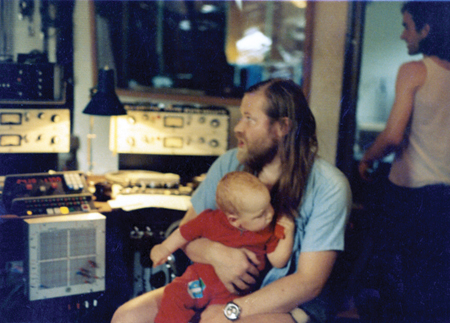
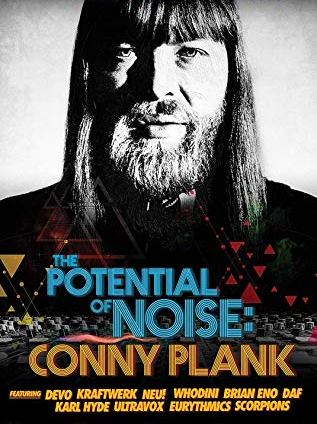
‘The Potential Of Noise’ is a touching insight into the late Conny Plank, undoubtedly one of the most innovative and important studio exponents in popular music.
Directed by his son Stephan with Reto Caduff, the film sees him embarking on a journey to rediscover his father’s impact and his importance in music history.
As the studio in the converted farmhouse in Wolperath, half an hour’s drive from Cologne, was also the family home, Stephan grew up around the artists who his father worked with.
John Foxx is one artist who considers Conny Plank to be the most important record producer since George Martin, having recorded ULTRAVOX’s ‘Systems Of Romance’ album with him in 1978. ELECTRICITYCLUB.CO.UK also has spoken to a number of the musicians who Conny Plank worked with and all had nothing but affectionate memories of him.
Eberhard Kranemann, a one-time member of KRAFTWERK who later recorded an album ‘Fritz Müller Rock’ with Plank said: “He was a very important man, for me in the last century he was the most important producer, engineer and mixer in the whole world, THE BEST! He was so great that he even turned down David Bowie and U2. He was very honest, he didn’t want to work with them.”
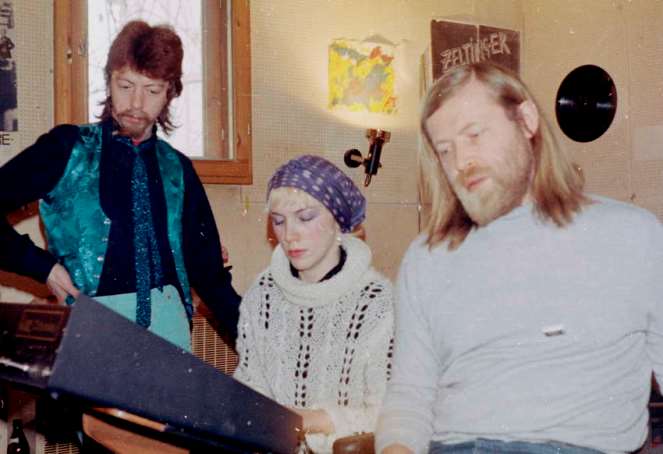
DAF drummer and instrumentalist Robert Görl who made four albums with Plank went further… “He was almost like a father to me, we lived at the studio so it was all very familiar. We had a room and slept there” he said, “we would go down in the morning and he would be making breakfast while his girlfriend Christa Fast would make cakes. It was a very homely feeling that we remember most. And this made it easier for us to feel good and create without having a heavy head.”
“To work with him was always a pleasure” said Bodo Staiger of RHEINGOLD, “he was relaxed, very competent and had the talent to listen what the artist wants. And he also brought some good ideas and inspiration. For example, the percussive synth sound on ‘Dreiklangsdimensionen’ was his idea.”
Michael Rother remembered “he was so valuable… we wouldn’t have been able to record NEU! or the second HARMONIA album or my solo albums without Conny, so he’s all over the place in my music… thank you Conny.”
With such compliments, any film featuring prominent figures such as Midge Ure, Daniel Miller and David A Stewart recounting their memories of working with Conny Plank was likely to be fascinating. But for his son Stephan who was only 13 years old when Plank passed away in December 1987, this bittersweet film has been a journey to understand more about his father while confronting his demons of being neglected.
The key to Plank’s success was undoubtedly his personality rather than his actual technique and his ability to get the best out of the people, something he felt he wouldn’t be able to do working with David Bowie or U2. Today, Plank’s custom hand-built 56 channel mixing desk is owned by David M Allen, another producer known for his warm outlook and gift for providing an environment for artists to excel.
For those who perhaps only know Plank’s work through KRAFTWERK and ULTRAVOX, the soundtrack that accompanies ‘The Potential Of Noise’ is an education, with the instrumental music of NEU! and CLUSTER & ENO being particularly effective. Among the interviewees are the late Holger Czukay, Hans-Joachim Roedelius, Michael Rother, Robert Görl, Karl Hyde, Jaz Coleman, Annette Humpe, Gianna Nannini and many more.
Daniel Miller describes Plank’s work as experimental but still musical, while Robert Görl and Annette Humpe recall how Plank was particularly good at capturing the right mood for recording with “no rules”.
Conny Plank only produced the debut EURYTHMICS album ‘In The Garden’ in 1981, but David A Stewart applied that hippy with technology philosophy to their breakthrough second album ‘Sweet Dreams (Are Made Of This)’, mixing electronics with brass in a converted church studio.
Although recorded at RAK Studios in London, Midge Ure remembers after playing the demo of ‘Vienna’, ULTRAVOX talked musically about the plans for recording while Plank thought in terms of sound; he imagined an old man at a piano in a desolate theatre who had been playing the same tune for forty years. And when Billy Currie came to record his ivory parts, that was exactly the feel which Plank had engineered for the now iconic track.
For Plank, money and tapes were things that passed through his life, but his generosity is apparent throughout this documentary, both financially and in spirit. Michael Rother talks of how Plank helped to fund the recording of the first NEU! album to ensure that the duo had as much independence as possible to create, while it is also known he had offered to finance the recording of the first Midge Ure fronted ULTRAVOX album before the band signed to Chrysalis Records.
The most emotional recollections of Conny Plank come from hip-hop duo WHODINI who consider Conny’s Studio to be the best facility that they have ever recorded in, while also glowing about the effort which Plank made towards providing a recording environment that was as comfortable as possible, something the pair never experienced again after that visit to Germany.
But despite the generosity to his artists, the film tells of how Plank was not exactly the perfect father to Stephan, with Holger Czukay remembering that Plank treated Stephan as Christa Fast’s son, rather than his own. It’s a point also highlighted by Annette Humpe who tellingly, actually asks Stephan on camera whether his father ever took him out into the countryside; it turned out he did… but for just one afternoon.
Resigned to the fact that few photos exist of them together, Stephan reflects that the best memento of his father now is his vast catalogue of work. Plank’s own end is sad, with him becoming too ill to mix EURYTHMICS ‘Revenge’ album following returning from a concert tour in South America with Dieter Moebius.
Despite Christa nursing him back to near health with a new diet regime, Plank’s need to work ultimately consumed him and worsened his condition, eventually leading to the cancer to which he succumbed to.
The film concludes with Stephan taking his own young family to Wolperath to see his former home, reminiscing about the bathroom where the gold and platinum discs used to hang, as well as the dining area where the family and the visiting artists used to sit.
With the final words of the documentary, Midge Ure summarises that the music Plank made was timeless and ultimately outlived him. Described by KILLING JOKE’s Jaz Coleman as “a revolutionary”, when the end credits roll of ‘The Potential Of Noise’, it’s rather appropriately to the proto-punk of ‘Hero’ by NEU!
‘Third Noise Principle’ is the latest instalment of the ‘Close To The Noise Floor’ compilations and follows the two previous Cherry Red releases, which rather wonderfully rounded up collections of rare, formative and experimental electronic music from both the UK and Europe.
Helpfully described as “Part primitive rave, part synthesiser porn, part history lesson”, this time round sees the location moving across the Atlantic to explore the North American and Canadian electronic music scene. As with the past two releases the album has well-known artists like SUICIDE, THE RESIDENTS, MINISTRY, PSYCHE and RATIONAL YOUTH rubbing shoulders with some acts who (for a variety of reasons) didn’t quite gain the same amount of exposure and musical notoriety.
Kickstarting CD1 is short-lived Arizona synth duo TONE SET with ‘The Devil Makes The Loudest Noise’; almost a leftfield lo-fi cousin of LIPPS INC’s ‘Funky Town’ with a sample recording from a religious radio phone-in over some multi-layered synth bass. The second half of the track goes on a more funky excursion of improvised synth and a completely new progression, but the aforementioned sample ties everything together.
‘Creators’ by DATA-BANK-A is an unashamedly Foxx / League-inspired instrumental combining an Oberheim TVS-1 synth, primitive Maestro Rhythm King beatbox and overlaid synth percussion. Wonderfully quirky and melodic, this is certainly one of the gems of CD1 and the guy behind it, Andrew Szava-Kovats, is still recording under the DATA-BANK-A moniker, having released three albums last year on Bandcamp.
Atlanta’s Richard Bone is arguably a little better known over this side of the pond, having signed to the UK’s Survival Records; ‘Mambopolis’ is full of sharp as a knife hi-hats and another funky synth bass and vocal which recalls that man Foxx again.
Things start to wind their way down the rabbit hole with ‘Logarithms’ by Geoffrey Landers; full of stop-start Roland CR78 and junkyard percussion, the track seemingly takes its cues from the pioneering work of tape-loop innovators like Delia Derbyshire with its found-sound overlays.
After working with Brian Eno, Robin Crutchfield formed DARK BOY and their featured track on ‘Third Noise Principle’ is ‘The Metal Benders’; a glorious hybrid of the original ‘Being Boiled’ and ULTRAVOX’s ‘Mr X’, this is another absolute proto-synth gem.
SUICIDE’s ‘Rocket USA’ is one of the better known tracks here; featured on their classic eponymous 1977 album which was recorded in four days, it helped set the template for their sound with Martin Rev’s minimalist electronics, scratchy organ and drum machine attached to Alan Vega’s classic rock ‘n’ roll-inspired vocal delivery.
Of all of the tracks on CD1, Craig Leon’s wonderfully titled ‘Donkeys Bearing Cups’ is comfortably the most contemporary sounding one here. Whereas most of the works on this compilation are easily dateable via their drum machine and synth sounds, this one certainly isn’t. It’s the kind of track you could imagine The Quietus going bonkers for if it was released this year by somebody like AUTECHRE or APHEX TWIN; incredibly ahead of its time and another superb find.
The second CD of Third Noise Principle’ is arguably more eclectic. ‘Ange Des Orages’ by Philip Glass (which originally appeared on the 1977 album ‘North Star’) features his signature hypnotic hand-played arpeggios with Farfisa / Yamaha / Hammond organ textures which spiral up and down and get progressively more dense throughout the track.
Patrick Cowley (who is best known for his pioneering HI-NRG disco work) features next with one of his earlier more experimental works; ‘Primordial Landscape’ (which was released on the album ‘School Daze’) is an intriguing piece, almost TANGERINE DREAM-like in places, slowly evolving with white noise shot percussion and a clavinet bass part. For those familiar with his later work including his remix of Donna Summer’s seminal ‘I Feel Love’, the musical aesthetic of this piece will come as a quite pleasant surprise!
Mute Records artist NON (which was a collaboration between Boyd Rice and Robert Turman) make an appearance with their track ‘Modes of Infection’; owners of the ‘Mute Audio Documents’ compilation will recognise this piece which takes a four note synth riff and hammers it out for the entirety of the track over a simplistic hi-hat pattern.In terms of production values and melodic content, ‘Oreo Strut’ by Marc Barreca is head shoulders above most of the pieces on CD2; the synth programming and sequencer work here is certainly ahead of its time. Barreca continues to produce now and has some of his work included in the collection of The British Library.
Laurie Spegel is now rightly acknowledged as one of the pioneers of female electronic music; ‘Drums’ (which ironically doesn’t actually feature any percussion) is one of the tracks she created using early interactive computer systems. Put together using a Bell Labs GROOVE (“Generating Realtime Operations On Voltage-controlled Equipment”) computer system, which in Spiegel’s words “… was used to make sudden sharp electrical transients, simply the sound of individual bits being turned on and off, which were wired out to pulse high-Q resonant filters”. The end result is a hypnotic, polyrhythmic piece; although lacking in much in the way of melody, ‘Drums’ is a fascinating polyrhythmic work which could be seen as sowing the seeds of the Minimal Techno genre.
The tracks which make up most of CD3 are (depending upon preference) either works of leftfield genius or the kind you’d pigeonhole as CABARET VOLTAIRE-style B-sides or experiments, to be listened to once and then never again. The artists which fall under this category include the pieces by GIRLS ON FIRE, XX COMMITTEE, DOG AS MASTER, CONTROLLED BLEEDING and SMERSH.
Moving onto CD4 and an early highlight is ‘Geomancy’ by Joel Graham, recorded live on primarily Korg gear including an MS10, MS20, VC10, SQ sequencer and an SH101. Once you get past the slow build minimal 2 minute intro, the track bursts into life with a chordal synth part and what you have is a piece which pre-dates ORBITAL by several years that is brilliant stuff…
’Thirty Years’ by EXECUTIVE SLACKS is another gem, one of the few works on the compilation to feature vocals, this song is almost EBM-like or a combo of DAF with added guitars. In the accompanying album booklet, there is a rather wonderful recounting of some the band’s early live performances, including ones which were more art project than actual gig. This including hosting a cheese and wine house party, putting the refreshments in the corner and then subjecting the audience to a pathway of noise experiments before they got to their food and refreshments.
In terms of the more higher profile artists here, TUXEDOMOON feature with their lo-fi twisted cover of Cole Porter’s ‘Night & Day’ whilst Canadian trailblazers RATIONAL YOUTH are represented with a demo of their KRAFTWERK-inspired ‘Dancing On The Berlin Wall’. The latter’s album ‘Cold War Night Life’ deservedly went onto become one of Canada’s best-selling independent albums of the era with support opening for OMD to follow.
When NASH THE SLASH toured the UK supporting Gary Numan, he was exposed to THE WOMBLES animated kids TV series and wrote ‘Womble’ as a result. Although it is hard to see the connection between the track, which is a dark industrial piece, and the furry animal featuring TV show, NASH THE SLASH remains an underappreciated and influential artist who never really got the acclaim he deserved.
Steve Roach’s ‘Worlds’ takes things back to TANGERINE DREAM-style ambience; beautifully produced with interlocking Berlin School style sequencers, this 1983 track has hardly dated one iota. YOUNG SCIENTIST continues on in the same vein with ‘Ice Flow’, a collaboration between artists featured elsewhere on this compilation and channels the sound of TD’s ‘Rubycon’ yet still sounds original…
This sixty track compilation deserves to be held in the same kind of reverence as the ‘Mute Audio Documents’ one; it pulls together a superb mixture of hard to find tracks and more established tracks from the US synth scene and does it exceptionally well.
If you are looking for an album which helps reinforce and define the importance of the US on electronic music, then this is definitely the one.
With thanks to Matt Ingham at Cherry Record Records
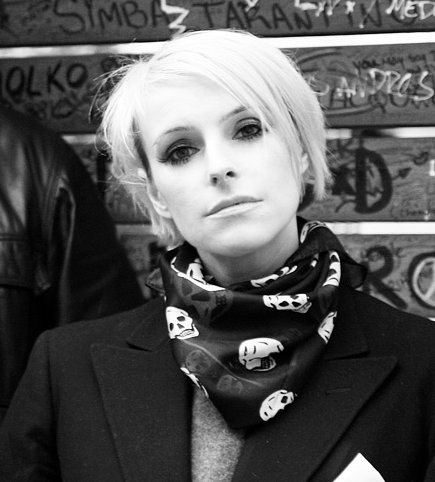
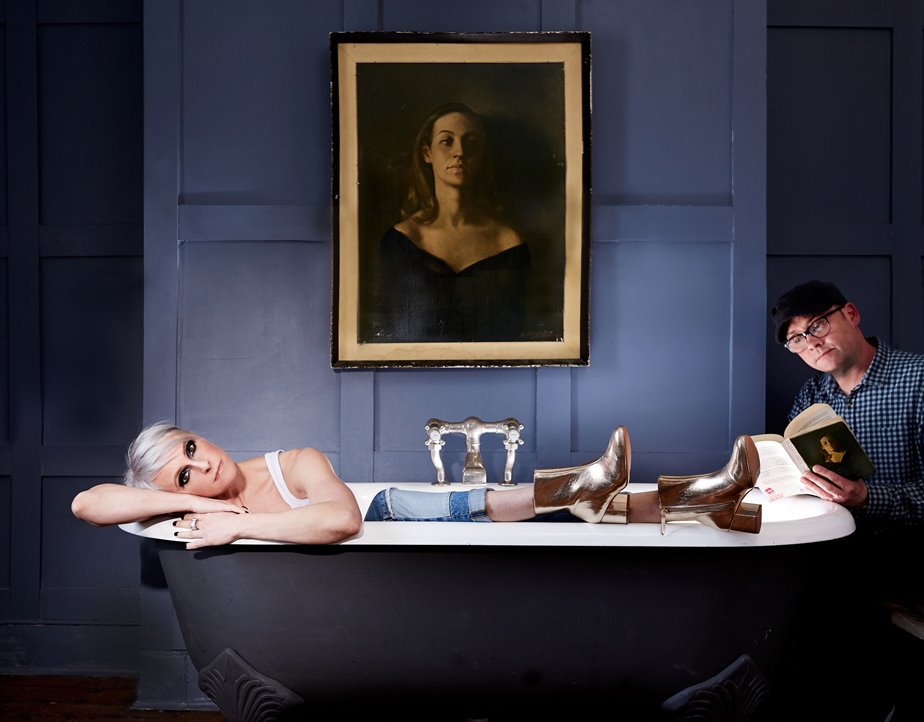
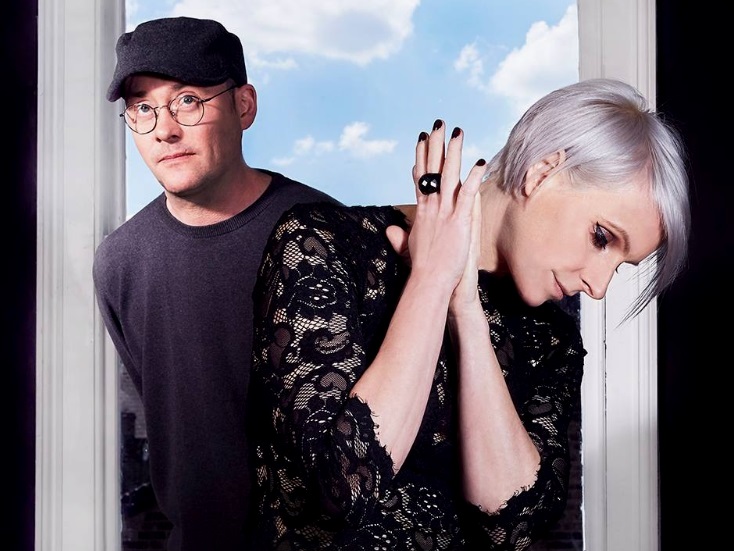
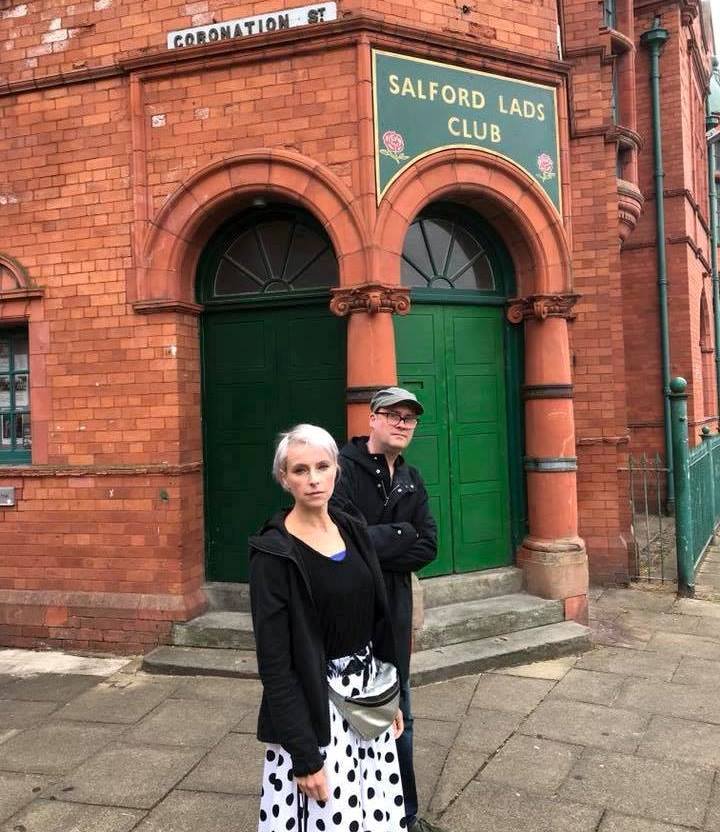
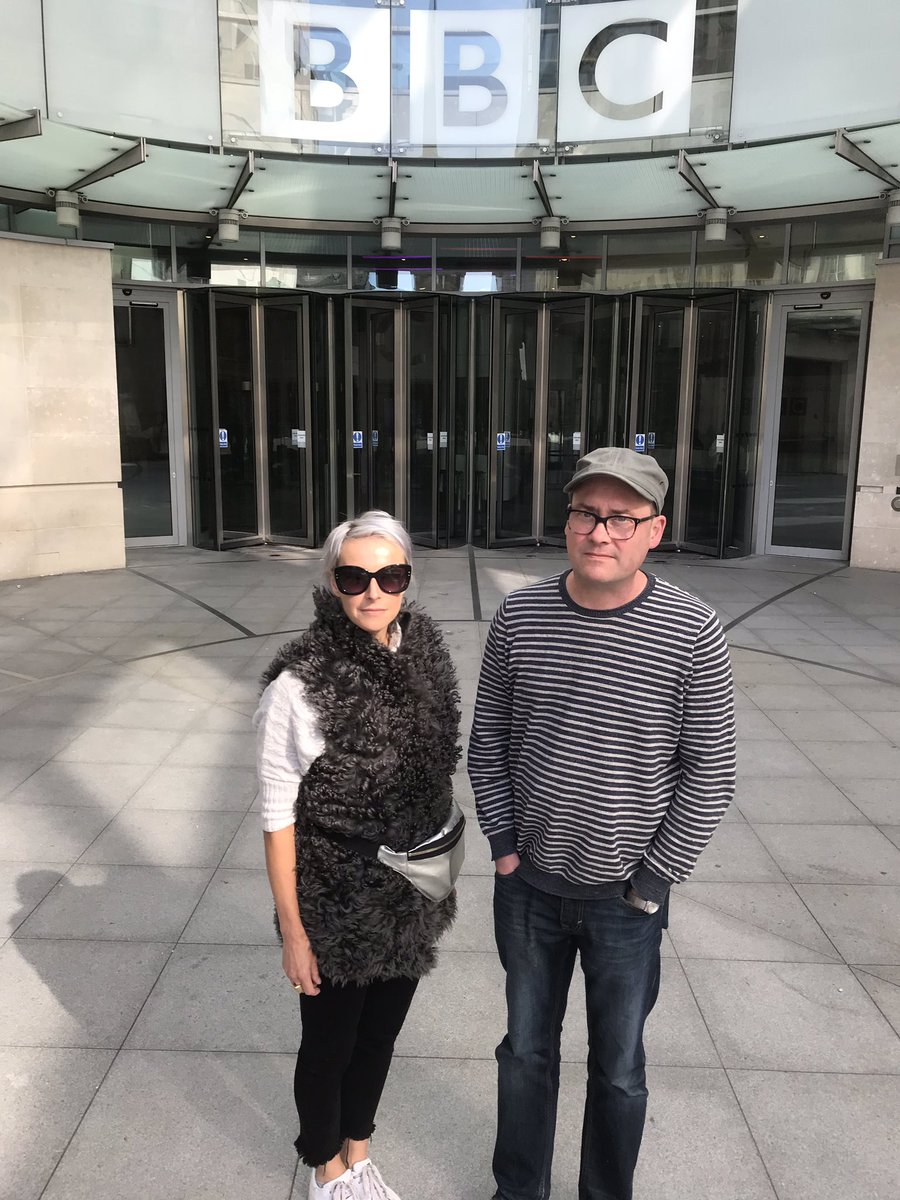
Now a duo comprising Sarah Blackwood and Chris Wilkie, with the guitarist taking on main songwriting duties, ‘One’ is DUBSTAR’s first new album for eighteen years.
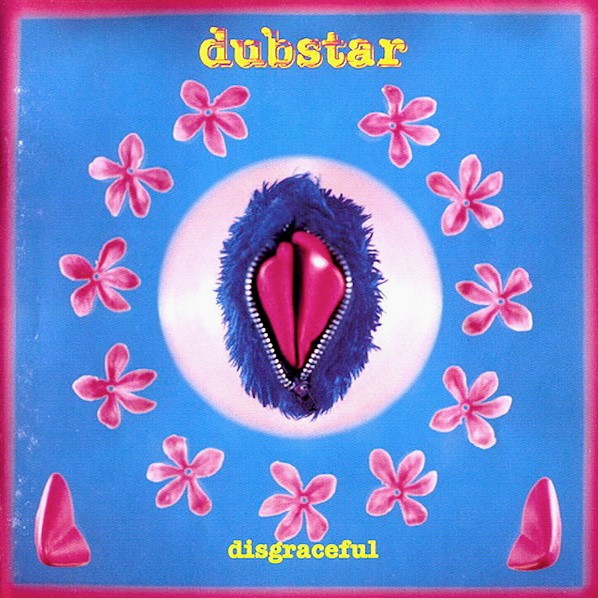
Long standing fans who loved the long playing trilogy of ‘Disgraceful’, ‘Goodbye’ and ‘Make It Better’ have had nothing but praise for ‘One’, produced by Youth whose credits include CROWDED HOUSE and THE VERVE.
Despite sitting on the bridge between Britpop and Synth Britannia in their heyday, DUBSTAR’s appeal has always been via their down-to-earth kitchen sink dramas. There is certainly no shortage of those on ‘One’ which has been well worth the wait, as a work following the conflicts of an aborted reunion which was unable to be sustained despite live performances in 2013.
Sarah Blackwood and Chris Wilkie kindly chatted over their usual cup of tea about how the two of them became ‘One’…
How has it been working together as a duo?
Chris: It’s been easier than as a trio *laughs*
The funny thing is though, it was never just a trio anyway, we’ve always had outside collaborators whether it was our live rhythm section, Stephen Hague or whoever, and Youth has felt like a member in lots of ways this time around. So it’s rarely just me and Sarah in a vacuum. You don’t have to compromise as much, especially from my perspective as the instrumentalist. In the past, I was often having to field ideas that I didn’t like so much. Now, I get a feeling for how it should be and just do it.
Sarah: It seemed to go a lot more smoothly, Chris would send it to me, I’d sing it and anything he didn’t like, he just didn’t put in the final mix, so that was fine! Subtle enough to not hurt my feelings or anything like that *laughs*
So no writing songs in weird keys for you?
Sarah: Do you remember that Chris? – “Can you reach that note right at the top of the piano Sarah?”… I can with an “aaah” but it’s a whole different story with a word! *laughs*
So was working with Youth on ‘One’ a natural choice as I know Sarah, he had previously worked with you in your previous band?
Sarah: Chris and I have always been fans of his work on things like CROWDED HOUSE’s ‘Together Alone’ album.
Chris: After the adjustment in personnel within the group, we were closely in touch with Stephen Hague, but worried that we’d be putting him in an uncomfortable position by asking him to do it, so after a lot of head-scratching, Me and Sarah made a wish-list of who we’d like to work with, especially the ones whose phone numbers we had, and whittled it down *laughs*
Youth was top of my list and Sarah happened to know him already, so that made it much easier. We didn’t have a label at this point, but Youth tackled the situation by adopting an early-60s approach, doing what people like George Martin used to do, and became the A&R guy as well as the producer. We had around 30 tracks demoed, and made regular visits to his house for several weeks, working to get them down to a collection of songs which felt meaningful together, before the official production dates began. ‘One’ does come across like a proper album in that respect, perhaps more than our previous records, despite the style of the tracks being more diverse.
‘One’ has a much more live sounding feel than previous albums although it is still classic DUBSTAR, had that been a conscious move ?
Chris: Yeah, that’s definitely something I was after. Wherever you had programmed elements, I wanted them to feel like they were in the room. Even with a Moog bass or Solina Strings part, I wanted to be able to visualise the space it was in. Youth and his engineer have this down to a fine art. I think they got the best acoustic guitar sound I’ve ever had for instance, because they understand the environment it’s being recorded in so well.
Is the software and tech available now more straightforward to use and to get that organic feel within the budget constraints?
Chris: Very much so. Plug-ins have come so far that it’s difficult to spot the difference most of the time. I would do a lot of the programming, and even record a lot of the guitars at home, but when we got to Youth’s place, we’d have to make a decision about which bits could be improved by reworking in a proper acoustic environment, or would benefit from being left alone. Recording is so much more expeditious now, you could potentially make a whole album on your laptop and most people won’t be able to detect the short-cuts, but I do appreciate a lot of these developments, because back in the 90s we’d be going into a residential studio like Real World and spending four grand a day just to try and get a decent drum sound! *laughs*
That’s good because a lot of modern purely electronic recordings lack air…
Chris: Thanks, on tracks like ‘Locked Inside’ which is one of the most electronic ones on the album, we were really trying to approach it like JON & VANGELIS or the early GARY NUMAN tracks where you can really feel the air moving around the equipment; it might be a machine but you can sense the human being using it.
So on ‘Locked Inside’, is that a TEARS FOR FEARS sample or an actual Drumulator programme?
Chris: Ooooh! There’s a question! *laughs*
I don’t know if I should say, but it is a sample from ‘Shout’. It was something that Youth did to see if we’d spot it… we’d been talking affectionately about TEARS FOR FEARS a lot, and he added it between sessions when we weren’t in the room! When we came back, he had this cheeky look on his face and I went “that’s from ‘Shout’ that is!”
After you’ve heard it for a while you miss it when it’s not there, it’s become part of it! So you have to run the risk of keeping the sample, but if Roland and Curt are reading this, please don’t give us a hard time! It was done with love *laughs*
Sarah: Yes, please don’t! It was Youth’s fault, and we want to be able to afford to make another album! *laughs*
So Sarah, is the tech and software making things more straightforward for you now vocally?
Sarah: A bit, I had a lot of throat problems in DUBSTAR before because I’ve got a really fragile voice. I have a narrow neck, tiny ears and even though my nose is big, I’ve had tubes shoved up there to investigate what was going on and they said there wasn’t a lot of room, so I really suffer, I only have to go to a restaurant and talk too much and my throat is inflamed! This is why the performance thing caused me so much anxiety and stress, which made things even worse.
So I had to find ways to manage that, I’ve got really into pilates which has taught me to expand my rib cage properly and I’m learning to feel space in my head, but I’m still a work in progress. When Youth’s engineer Michael Rendall recorded me, he managed to get a really good sound in my headphones which meant I could sing higher with not much power, I didn’t really have to push for it. On ‘Love Comes Late’, he asked me to go an octave up and I instinctively went “no”! He just stuck the headphones on and said “you can now!”*laughs*
Chris: I think you’re a lot stronger and more proficient; your voice seems to work better than it ever did. I find you can do stuff now that you’d have never been able to do in the 90s and effortlessly.
For me, as someone who worked with Sarah years ago, to come back with her operating at a higher level is quite thrilling. It’s great when you’re writing, knowing that whatever you write, she’s going to be able to do it.
Do either of you have any thoughts about the use of vocal effects in modern music? Are you in the mindset that you are making a record as opposed to recreating a live performance?
Sarah: I feel like I’m cheating, I’m remember the first time I went in a studio doing the first DUBSTAR album and the vocals were comped, I thought “that’s not right” but Andy Ross of Food Records just went “everybody else does it, and if you don’t want to sound as good as everybody else, then don’t do it”.
I would say Ella Fitzgerald doesn’t do it! But Andy would reply “Ella Fitzgerald sings those songs night after night after night and she gets muscle memory, she can do it perfect with her eyes shut. You’ve only sung those songs five times, you haven’t toured them, you haven’t explored them in your own voice” – and when you think about it, musicians in the old days would get their material together and take it on tour, get spotted and then go in the studio to record those songs, so it was different. But when you do your new songs, you’ve only sung them a handful of times before you record them, and then you’d take them out on the road, so that’s kind of interesting.
Chris: I understand what you mean, I used to think it was cheating to comp the guitars, and complain to Stephen Hague that I wanted to do it again from the top, worried that people would think I was a sample. I suppose you can improve as a result of being neurotic, though.
Sarah: Yeah, it feels wrong and that you’re compromising your artistic integrity, BUT what we make a point of doing is we try and do one take, and then drop tiny little bits in that are really offensive. But sometimes mistakes keep things authentic… there’s a horrible brown note on ‘Stars’ which Stephen Hague left in because he liked it.
Chris: Another thing about the ‘one take’ thing Sarah, even people who have never worked in studios can pick up on the way someone is breathing when it’s sung from the top to the bottom, you can feel it even if you don’t necessarily know why. So by retaining that element of performance, it makes it feel like Sarah’s in the room singing the song to you more.
To go back to your point about the use of effect, apart from the end of ‘Love Comes Late’ where you have a flanger treatment going on to create a different colour and distinguish from the other sung part, it’s true that Sarah does prefer a natural vocal…if you have too much effect going on, you lose that intimacy.
When you have a ‘character’ singer, like Sarah is, you want to feel her humanity, as if she’s in your ear and telling you something.
Sarah: It doesn’t distract from the words as well, if there’s lots of effects on it, you don’t listen to the words.
Chris: A well-known example of the software performing the song more than the singer must be Cher with ‘Believe’ and the autotune thing, which was still new then, but of course she didn’t have to prove anything. It is a shame these days when the autotune is singing the song and you suspect that they probably only performed it on one note and just dialled it in! *laughs*
Sarah: It does make it unlistenable when it’s overdone. When it’s someone like Alison Moyet, its ok, because you know she’s an awesome singer, she’s got nothing to prove, so playing around with the vocal adds another dimension to the track. It’s how you use it I guess.
Chris: Kate Bush creates different vocal sounds just with her delivery or the way she’s tracked it. She becomes something else…
Sarah: …yes, like those backing vocals on Peter Gabriel’s ‘No Self Control’, I’d love to be a bit more experimental but I don’t know if I’ve got the courage.
Chris: The song suggests what you’re going to do.
There’s less of the ‘dub’ in DUBSTAR on ‘One’?
Chris: When we first started, we really loved ONE DOVE, and they had some great tracks remixed by people like William Orbit and Andrew Weatherall. There was something they were doing at the time which leaned heavily on dub in the bass especially, which was just incredible and the sound of it was something we aspired to do.
Having said that, even in the early 90s, the word “dub” had become a little bit hackneyed in pop music, I was sick of the sound of the word. I hadn’t really thought much about the dub element in our group, until our then-manager Graeme Robinson came to visit, saying “It looks like I’ve got you a record contract but the catch is, you’re called DUBSTAR!”, which he’d suggested to Food Records without consulting us, thinking it was a good idea.
I remember at the first meeting, Andy Ross said “that will be a great name because of the dub element”, but my heart sank because I thought “so do we have to keep doing those bass lines in perpetuity then?” The name was now part of the intended marketing, which felt like the tail was wagging the dog, and I found that really depressing! *laughs*
If you listen to the first three albums, by the time ‘Make It Better’ comes along, there’s not much trace of it left, but by then, you’ve become the name and vice versa.
Youth was a bit disappointed that we weren’t up for revisiting some of that dub flavour, since it’s a musical comfort zone for him, so maybe on the next one we will. ‘Two’ could be like ‘Disgraceful 2’!
Sarah: It’s quite surprising isn’t it, that got omitted from this album working with Youth. You’d have thought that’s one of first things he’d have got in.
Chris: It makes sense, because what he did back then was informing a lot of what was going on at the time. In some ways, he would have been a very sensible choice as producer for ‘Disgraceful’.
Sarah: Wasn’t his band BRILLIANT Food 1 by catalogue number??
Chris: Yes, that’s correct… I suppose there is some weird synchronicity going on in the Youth and DUBSTAR story, so it’s not really that surprising we ended up doing something together.
So is this DUBSTAR return a conscious reboot or more of a “suck it and see” approach?
Chris: It sort of crept up on us, we’d been spending time together from 2013 and we’d done some one-off performances. We knew we wanted to do something, I was enjoying having Sarah back in my life on a day-to-day basis, since I hadn’t for a few years, whereas we used to actually live together at one point.
I was really enjoying her singing again, so we started what I thought might have been a Sarah solo record; that was very liberating originally because it meant I didn’t have to think about it in the context of a new DUBSTAR record, and the ideas started flowing in a totally uninhibited way.
So when the likes of Youth started saying “this is essentially a DUBSTAR record isn’t it, so you might as well have the advantage of calling it that”, it obviously made sense and became quite exciting. But it was a pressure-free initiation stage.
How do you feel about today’s music business landscape, like with the current formats, you’re not under pressure to churn out B-sides and covers like in the past, it’s just “the album” now isn’t it?
Chris: Yeah, that’s right but also, the album has a different character now as a format because any one of the songs can effectively be the single, just according to how it’s received. You can still do what you used to do and nominate whichever one of the songs you feel best sums up what the album is about, and throw some money behind plugging it for radio or making a nice video.
We had two chosen singles off this current album: ‘Love Comes Late’ and ‘You Were Never In Love’, but you had ‘Waltz No.9’ and ‘Why Don’t You Kiss Me?’ being received as singles by the listeners, and they’ve subsequently become flagship tunes for us now, but it happens organically. So as an artist, you have to accept that you’ve lost control a bit, but that can be a good thing, it’s nice.
Sarah: I just get a bit confused because I sit there with my iPhone and I’ve got EVERYTHING in the world, what do I want to listen to? And that’s why it’s important that I go to ELECTRICITYCLUB.CO.UK and go “oh what have you been writing about lately?”*laughs*
There’s no central filter, in some ways it’s brilliant because you have the whole world at your fingertips, but that has its drawbacks as well… I’m the sort of person that likes a little boundary because it gives me a bit of comfort.
Something which I’ve discussed this with Richard Barbieri of JAPAN is this skipping culture with streaming which is actively promoted on Spotify, it’s like no-one ‘listens’ anymore…
Sarah: Yeah! You know what? I’m guilty of that! It makes you wonder how albums like ‘Dark Side Of The Moon’ would fare now, that’s an epic… are we going to have our epics anymore or is everything going to be digested in nice little bits?
Chris: It’s very much directed by playlist culture as well. You can have a track that your fans might not think is terribly important, but if it’s turned up on a certain playlist somewhere which has a lot of traffic, you look on Spotify and it suddenly appears to be your most popular song! So somebody who’s investigating the group and never heard you before listens to that one first. It might be something that’s not representative of the band at all, but if they don’t like it, they miss the entire canon of work after hearing the first 30 seconds! *laughs*
Did ‘Love Gathers’ with its lesbian affair on the school run narrative emerge from real life events and gossip from the playground?
Chris: I can’t go into too much detail because it doesn’t really help. The thing is, when you have children, you inevitably find yourself going back to school. And for a lot of people, spending more time at school, even though it’s only at the beginning and end of the day, is a welcome return.
I didn’t like school, and it took me years outside of school to rebuild myself as a person, so when I got there as a parent, all the old anxieties crept in. I noticed how for a lot of other parents, they had been waiting for that moment to return, and were visibly in their element! It was like they had children so they could go back to school! All these old categories returned, you could see who the bullies were and who the nerds were, and I was definitely in the latter *laughs*
So revisiting that school environment, I remembered why I had so much anxiety as a child myself because of this micro-community, and the way little things become big things. So if you fall out with somebody, everything becomes a much bigger deal. That story in ‘Love Gathers’ was based on stuff that was going on when I wrote it, but in order to make it ‘happen’ as a song, everything has to be as inflated to the scale it was felt in the yard… anyway, I hope that covers it *laughs*
Sarah: I loved singing that song because it’s a real story and the words are just fantastic to get your mouth around.
I guess with DUBSTAR, you’ve always been a storyteller?
Sarah: Yes, my voice doesn’t lend itself to drivel, some people can sing anything and it sounds awesome… my voice has to have something to say.
Chris: I think you’ve made a good point, because even though we didn’t want to do cover versions when we did the first album, ‘Not So Manic Now’ is on there because it said something about our ethos more effectively than anything we had of our own at that time.
But that’s a story song. I heard it on the radio a little while ago and I realised why people like it, there’s something about the way Sarah’s voice depicts the character in that story.
So much so that when ‘Stars’ was released the second time, and people finally got it, it was more interesting in the context of ‘Not So Manic Now’, because that character with the cup of tea in the tower block was suddenly underneath the firmament, singing this beautiful torch song, and it benefitted from the context.
You now virtually do own ‘Not So Manic Now’ and there are people who are still discovering that it’s a cover…
Sarah: Yeah…
Chris: …although strictly speaking, it’s not so much a cover as what they used to call a ’cut’, like when Elvis would cut a song, as in the first recorded version people heard. When BRICK SUPPLY did ‘Not So Manic Now’, we were given what was basically a demo tape, so it wasn’t like a release which people were already familiar with. I always compare ‘Not So Manic Now’ to ‘Don’t You Forget About Me’ by SIMPLE MINDS, because that’s the song which defines them for the majority of people, despite not being self-penned. But you’re lucky if you’ve got one of those.
‘Please Stop Leaving Me Alone’ is such a DUBSTAR title…
Chris: Thanks, that one is connected slightly to ‘Love Gathers’ since it relates again to encounters in the school environment and the small village where I live. One of the parent couples were going through a divorce, and the effect this had on the community was like a tidal wave flushing through the village, because it’s a small place and other people seemed to begin having problems in their own relationships, like a domino effect.
I was close friends with one of them, and that legalese jargon was around a lot at the time. I noticed how you could get into a situation where you’re already spending money on lawyers, momentum has built, but you’ve gone so far down the road that you can’t turn around, even if you start having second thoughts.
It kind of wrote itself, there was a lot of unhappiness around, and if you listen to the electric guitar part at the end of the track, that take was recorded on the afternoon that I wrote it, so you can hear the frustration. I like the idea of having a shorter distance between the thought, expression, and what the listener gets in their headphones or speakers at home.
Sarah: I think that’s quite a Youth thing, even at proper production stage, we had little time to do the actual recording so decisions were made and often they were the first decision, so we didn’t dither around. It was all “we’ll go for this, is everyone happy?” which gave it a kind of immediacy that is prevalent throughout the album.
Chris: That’s why Youth prioritised many of the guitar takes I’d done at writing stage, even though I assumed that they would be replaced. There’s a lot of guitars on the record which I’d done on the day it was written at home, and they retain an urgency that you wouldn’t get when you’ve done it 25 times in the studio.
‘You Were Never In Love’ is classic DUBSTAR, how did that come together?
Chris: It came from that earlier period where me and Sarah were hanging out with Youth round at his house a lot. We’d developed a good relationship by then, and we were talking about the sort of records we liked, the producers we were into, the sound of record we wanted to make..
I was really wanting to impress him because he can be quite a fierce critic, but in a constructive way. There was a certain type of song we didn’t have which was closer to what we had been talking about in our conversations, so I really wanted to go back to him, and for him to say “yes, that’s what we’re missing”!
So I had a sound in my head, and visual image of Sarah looking like Virginia Madsen at the start of ‘Dune’, with her head in the stars, imparting benevolent advice about where you’d gone wrong. At the time, I was seeking some kind of celestial advice myself. I wanted it to be more electronic sounding and dreamy, and it seemed to write itself.
Sarah: I remember you sent me this really rough demo, you said “It’s a bit patchy, I’m not sure, I think I’m going to bin it…” and I was “NO! NO! NO! That’s got legs, we’ve got to keep going with this one, it’s awesome”.
What’s coming across in your relationship with Youth is its sounding like what DAF had with Conny Plank, in that its homely and encouraging. I know you’re friends with Stephen Hague but the impression from what I’ve read is he can be a bit school teacher type of character? Please enlighten me…
Chris: He has a reputation for formality, but he’s always very down-to-earth and fun-to-be-with, I’ve found, we always had a laugh.
He can be very disarming and genuinely hilarious when the mood takes him. And he’s a lot more experimental in the studio than he gets credit for. I’ve burned a lot of midnight oil with him, exploring the unexpected.
Sarah: He always seemed to literally weep with laughter when he was out with us!
Chris: I guess he has the image of a fastened-top-button sort of guy, but maybe that’s been projected onto him, because some his best known records feel so pristine, but that perfection makes them endure. He’s very thorough.
With Youth, as much as I loved his records and was really excited about working with him, I wasn’t in a good place in my own head when we met, and I was paranoid that he was going to be this ‘rock star producer’ who was going to throw his ego around and impose his will excessively onto everything we’d been working on. But it was the total opposite, I have to say; it was me who went in with bad attitude, and he’s actually very ego-less and generous in his spirit.
Although he can be a merciless critic, it’s usually for the greater good and to your benefit, I think. So we did some gentle sparring initially, but I really love the guy because he gave me something which no-one else has been able to give me, and we’ve made the record which I’ve been wanting to do for a long time, so I’ll always be really grateful to him for helping us to do that. We’ve been extremely lucky to have producers like Stephen Hague and Youth, and have learned so much from them.
The classic brass infused ‘I Hold Your Heart’ was a surprise and takes you on Northern soul journey….
Chris: That one started off as quite a mellifluous, dreamy-sounding thing, but Youth’s engineer Michael is a gifted multi-instrumentalist and one day we were just throwing ideas around and then Michael opens a drawer, produces a trumpet and starts playing it! *laughs*
I had mixed feelings initially, but it did make sense in that Northern soul, Dexys way… it made the track more robust than it had been, and you could see its pop potential, whereas it had felt more apologetic in the way we’d been delivering it. So it was a happy studio day.
Sarah: It was weird because when we were doing the demo, I was like “yeah, these words, they’re great, they’re about an abusive relationship”, and when I was singing it in the studio, I was “Oh my god! It’s me that’s the bunny boiler in this song, I AM ONE!”, all this stuff about “restricting your movements”! It’s so sinister man! *laughs*
Chris: But it’s nice that it’s so happy! *laughs*
‘Mantra’ is very Beatles-esque and has that lush vocal ending…
Chris: During the pre-production hang-out with Youth, he had expressed a desire to co-write with us. Right at the end of those sessions, I had this idea for the verse and was visualising it as a three part harmony, sounding like Karen Carpenter. I was really happy with the verses, which emerged like the ‘stream of consciousness’ lyrics in ‘Waltz No.9’ but I wasn’t completely sure what it was about yet.
When we were doing the demo for ‘Mantra’, Sarah would do this lyric-less part sometimes, and it seemed to be heading that way. My working title was ‘You Are Gone’. But after Sarah was doing that ‘wobbly’ stuff, I started calling it ‘Mantra’ because it felt like one.
We’d just had dinner with Youth and there was this strange atmosphere in the room. There was a palpable charge in the air, like static, and I noticed his breathing had changed a bit. He announced that we should try “the Mantra one”, so I asked if he had anything for the chorus section, and he immediately started singing it. We worked through the night and by dawn it was finished. It’s a good one for the end of the album.
Sarah: Youth was playing me like a Theremin, he made me open my mouth, moved his hands up in the air and my voice went up and then a little higher and then my voice followed his hands DOWN! It was like he was conducting me. That was quite a moment actually.
The acclaim must have triggered some interest in performing again… are live dates in support of ‘One’ in the offing, or even say an acoustic combined talk format?
Chris: We have been asked a lot, and we’ve tried to avoid the nostalgia circuit up to this point, because we wanted this to be an artistic endeavour rather than ‘making hay’ just because people are interested in the 90s again. It saddened me a bit that it took us so long to get it together, and by the time we got round to doing it, this 90s trip was already on, but I’m glad we at least beat SLEEPER to the post! *laughs*
Sarah: We’re just masters of cr*p timing!
Chris: It would be nice to do some live appearances in 2019, but rather than a tour, I’d prefer to do a number of small live events, or maybe a significant one-off. I like the idea of doing an acoustic thing. Sarah and I have done this in the past where it’s just the two of us and there’s an intimacy that I really like. When I’ve seen other artists do it, it’s like you’ve hung out with them for the night…
Sarah: It’s so honest isn’t it? There’s no hiding, your songs have to be good, the performance has to be good and it’s bloody nerve racking as well! With regards having a talk format, I don’t think I could multitask, I have to concentrate on singing… women are supposed to be good at multi-tasking but I’m utterly sh*te.
Chris: I went to see CHINA CRISIS at The Sage in Gateshead before Christmas and they did that particularly well, I thought. It was pretty much 40% chat and 60% music, but at the end of the night, you felt like you knew who they were.
Sarah: Miles Hunt from THE WONDER STUFF is like that too. About 10 years ago, he did these acoustic shows and would tell such entertaining nuggets about what the songs meant to him or how the songs came about… I remember there was one about him and David Gedge of THE WEDDING PRESENT having w*nking competitions so he wrote this guitar line that emulated his forearm whilst in the act called ‘Angelica Maybe’… it’s one of my favourite Miles songs.
I remember when DUBSTAR covered ‘Every Day I Die’ for the Numan tribute album ‘Random’, Gary did ask me if I was aware of what I was singing… I smiled sweetly as I said yes *laughs*
What next for DUBSTAR?
Chris: We were already writing the next record as we completed the last, and we’ve got enough to do another quite quickly now, but I don’t know if it’s exactly what we need yet.
Some of it is like the poppiest material we’ve ever done, while conversely, there’s some of the most inscrutable stuff as well.
So I imagine we ought to do what we did last time and hang out with Youth for a bit, to get that third party perspective where a producer can hear it more clearly than you can. I’m hoping we can do as much of that this year as possible.
Sarah: Same for me as well.
ELECTRICITYCLUB.CO.UK gives its warmest thanks to DUBSTAR
‘One’ is released by Northern Writes in CD, vinyl LP, cassette and digital formats, available from https://dubstar.tmstor.es
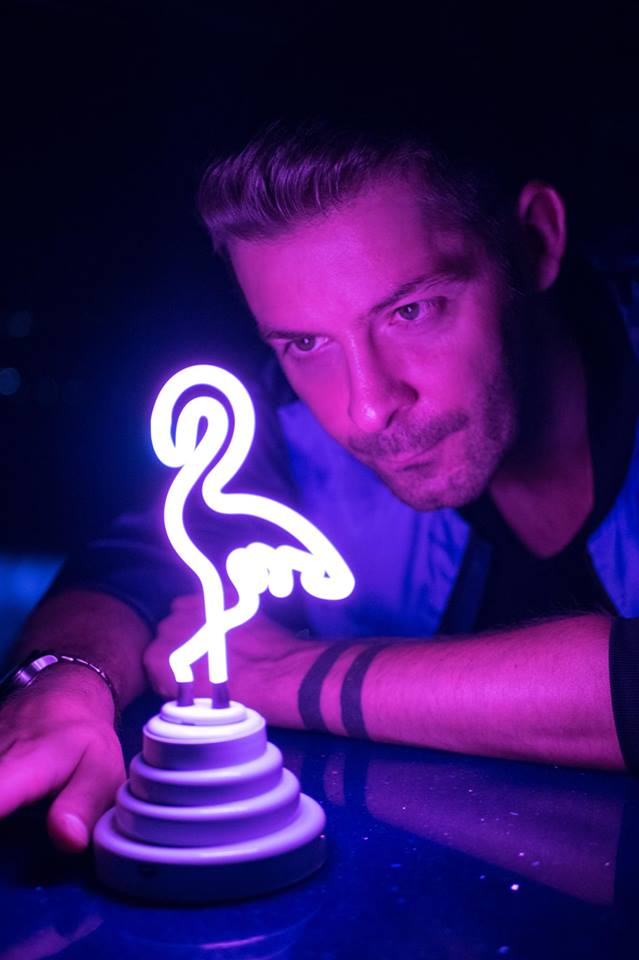
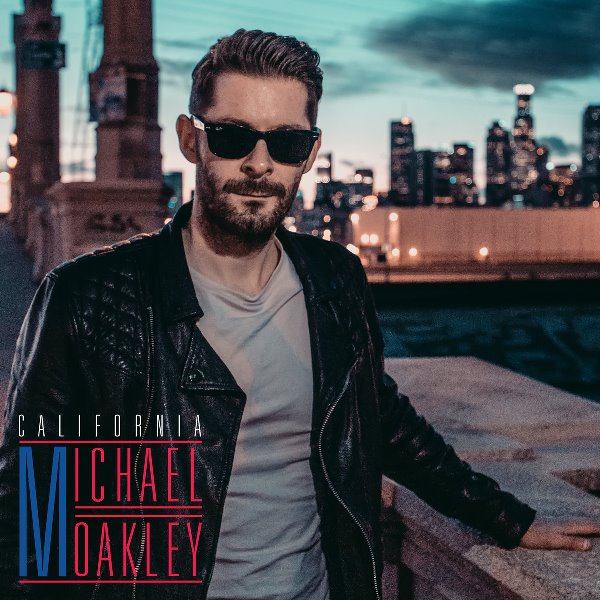
Canadian based Glaswegian Michael Oakley rode the Synthwave with his debut solo EP ‘California’ in late 2017.
Admittedly more synthpop than Synthwave, Michael Oakley’s songcraft is what sets him apart from much of the music emerging from that Trans-Atlantic influenced movement.
With a similar emotional centre that is at the core of the best synth-based pop from the last 40 years, songs such as ‘Turn Back Time’ and ‘Rabbit In The Headlights’ managed to capture the youthful angst of Brat Pack rom-coms and the coming-of-age movies of John Hughes. For his upcoming debut full-length offering ‘Introspect’, Michael Oakley has been re-exploring the music of teenage years.
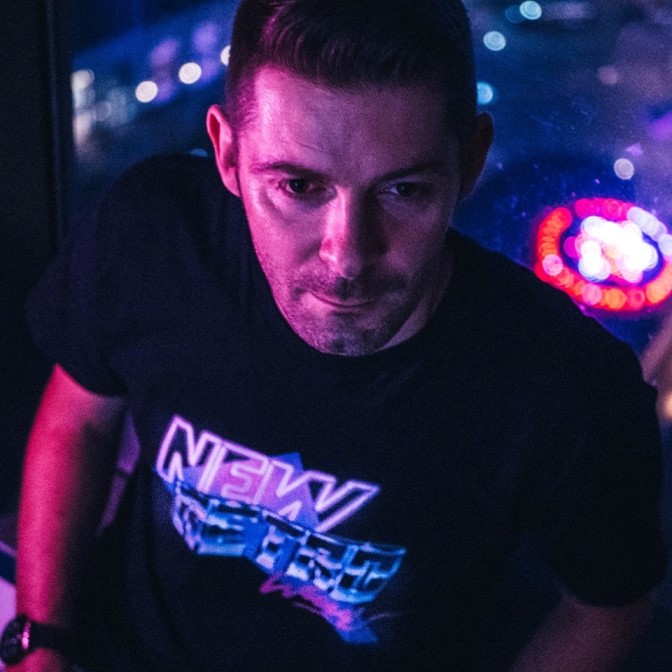
Michael Oakley kindly spoke about the critical reception of ‘California’, producing other artists and how his new record was coming along…
How do you look back on the ‘California’ EP and its various offshoots?
Wow, I mean honestly I had no idea just how big the reaction to ‘California’ was going to be. I’ve never had that kind of a reaction before or I guess what you would call success prior to releasing that. So it’s been a wonderful new experience for me which thankfully I’m staying grounded about.
I initially set out to write an album that was about my crazy love life to help me understand it and get through it, like a kind of therapy. I didn’t intend to let anyone else hear it because the story behind those songs was so personal to me. All my songs are true stories and I’m immensely proud of ‘California’ and the impact it’s had on so many people.
You appear to have drifted slightly away from Synthwave for your debut album ‘Introspect’?
You know it’s funny because although my music is known within the Synthwave scene, I’ve always felt like my music is way more in the synthpop category. Not that I’m at all complaining! I think the Synthwave scene has kind of branched out into all these other sub-categories to give names to the changing faces of Synthwave and allow for different extensions of the sound to be embraced.
On ‘California’, I have a very romantic John Hughes movie sound which is quite atmospheric and cinematic but also euphoric. The lyrics are sad but the music is uplifting. On my new album ‘Introspect’, I wanted to move into a slightly different realm and not just write ‘California Part Two’.
As a producer, I like to feel challenged and write music which moves and excites me. A big part of that is charting new territory within my sound. I try and make sure none of my songs sound like each other and I deliberately avoid using the same sounds twice, except for Fairlight Orchestra Hits! Those are amazing!
I was listening to a lot of the music I grew up listening to like NEW ORDER, PET SHOP BOYS and Italo Disco which I have taken a big inspiration from in the sound of Introspect.
Was there any frustration that there was a demand for instrumental versions of the tracks on ‘California’ from some quarters of the movement, like they had no interest in your actual songcraft?
It’s funny because I would have never ever considered releasing an instrumental version of my album if it wasn’t for Andrew Zistler of NewRetroWave suggesting it to me.
So I thought you know, what the heck. All I have to do is go back into the sessions and mute my vocals, bounce them out and get them mastered.
For me, it was more a curious experiment to see what the response would be, which was really positive. Whenever I’m writing or working, I personally like listening to instrumental music because I can get immersed in the world of what I’m doing, but a lot of the time with vocals I get distracted. I’d like to think my instrumental album will appeal to people appreciating my production and arrangement skills!
One thing about Synthwave that ELECTRICITYCLUB.CO.UK does struggle with is its fixation with AOR… having lived on both sides of the Atlantic, do you have any thoughts?
AOR is a double edged sword. On one hand it’s catchy, accessible and radio friendly. On the other hand, it breeds WAY too many copycat, same sounding artists which I do believe the scene is a bit saturated with. My philosophy is always about pushing for something different and there is definitely a generic, safe, default sound within the scene which does get tedious after a while.
There’s a lot of really great new artists coming out in the scene who are not afraid to take that sound and do something fresh with it like Ollie Wride and THE BAD DREAMERS who also add great songwriting in the mix too.
The Scots have always had more of an affinity with America musically, even during post-punk?
Well post-punk there was that wonderful British invasion where America were listening to predominantly British music and synthpop grew. I know SIMPLE MINDS always get mentioned in the Scottish canon of successful Scots abroad, but for me I feel like THE BLUE NILE are Scotland’s real diamond when it comes to synthpop.
As with any scene that gains traction, more people hop on board the train and the music produced can vary in quality?
Absolutely, however the gap in quality is closing in. I think two or three years ago there was a lot of music which had a bedroom produced feel to it, in the sense that the mixes felt rough and didn’t have proper mastering. More and more now the quality has increased and people who maybe don’t have the best songs or music have had their stuff professionally mixed and mastered which makes all the difference.
I think if the scene wants to keep growing and appeal to a broader, mainstream audience then producers need to overcome their shortcomings by getting help from other more skilled producers to lift them up to match the quality levels coming into the scene over the past year.
What’s your take on how things have developed sonically in the last two years, good and bad?
Sonically I’m hearing music lately that I could easily hear on the radio. I feel like the scene is only one or two steps away from breaking mainstream. There’s highly skilled producers matched up with equally talented singer / songwriters, which has brought back the ‘Fire and Ice’ groups you used to see in the 80s like ERASURE and YAZOO. People like THE MIDNIGHT, FM84, THE NEW DIVISION and THE BAD DREAMERS are setting new standards and benchmarks for quality.
Synthpop has been rebranded under the term Popwave. The ‘good’ is that we are getting better and better music coming out and the ‘bad’ is that producers with little skill can pick up a laptop with minimal plugins and churn out a copied, watered down but less satisfying version of all the good stuff.
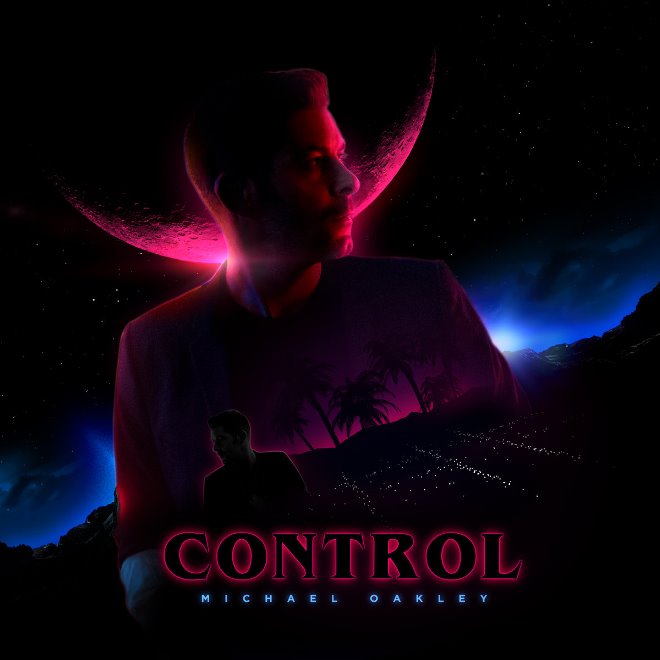
Is the new single ‘Control’ is an extension of the ‘California’ EP?
‘Control’ is darker than anything on ‘California’ for sure and my production on it is more aggressive too.
It’s the first single from ‘Introspect’ and I wanted to make a statement with it because it’s so different to anything I’ve done. It’s my way of planting a flag in the sand to say I’m charting new territory I hope.
So what has been your approach for ‘Introspect’?
I wanted to do something different that was a more pop sounding extension of what I had done before. I deliberately used Yamaha DX sounds and Fairlight sounds to capture more of that mid 1980s Trevor Horn sound and cut back using too many analogue sounds. Especially on bass.
After I finished ‘California’, I immediately felt anxious about how I was going to follow it up after such a great reaction, so I took some time out to work out what direction I was going in and set some limitations to work within. A lot of the stylistic choices I made on ‘California’ I deliberately avoided on ‘Introspect’. Also all the songs on ‘California’ are love songs, so for ‘Introspect’ I focussed on other aspects of myself and things which deeply affect me and also there’s a large part of the songs being about me living in Glasgow and how unhappy I had become with that.
‘Left Behind’ is one mighty Italo Disco statement, how did that one come together?
Haha yeah ‘Left Behind’ is absolutely my tribute to Trevor Horn, PET SHOP BOYS and Italo Disco. I’ve never done anything like that track before. I know some people have done Italo Disco in the scene but it’s always sounded authentically retro, whereas I wanted to give it a modern take. I actually wrote that song 14 years ago when I was in a band and the song is about me feeling like everyone around me was getting settled in their career, getting married and taking out a mortgage. Yet I was still living in my parents’ house, chasing a dream of being a musician that wasn’t working out.
Those orchestra stabs!!!! Although Italo Disco was vilified back in the day, the best of it has stood the test of time… discuss! 😉
Oh man I LOVE Orchestra Hits! Those are the staple of Italo. The best of Italo Disco for me is stuff like MODERN TALKING, BAD BOYS BLUE and the early PET SHOP BOYS records.
I’m very surprised no one has come out with any songs or albums that adopt parts of that sound within the scene. On my new album, I definitely have and really hope people like it.
What’s ‘Rain’ about, you sing of how to “find my way back home”, is this a reference to Glasgow at all?
Yes absolutely. ‘Rain’ is about me feeling trapped in a life I no longer had the heart or desire to continue living. I was working in a job I felt no connection with, I felt like a lot of the relationships I had with friends had changed and diminished into acquaintances. I think I reached an age where I was looking at my life and thinking “Who the hell am I?”.
For sure I fell out of love with living in Scotland and more so after I went to California and recorded my album. Over there I met similar minded people who were all like me and I met my wife there too. So coming back home to Glasgow was a real downer after such a high and I also wanted to be with my wife permanently. The reference to finding a way back home is more about me feeling lost and being desperate to find my happy place and enjoy life again.
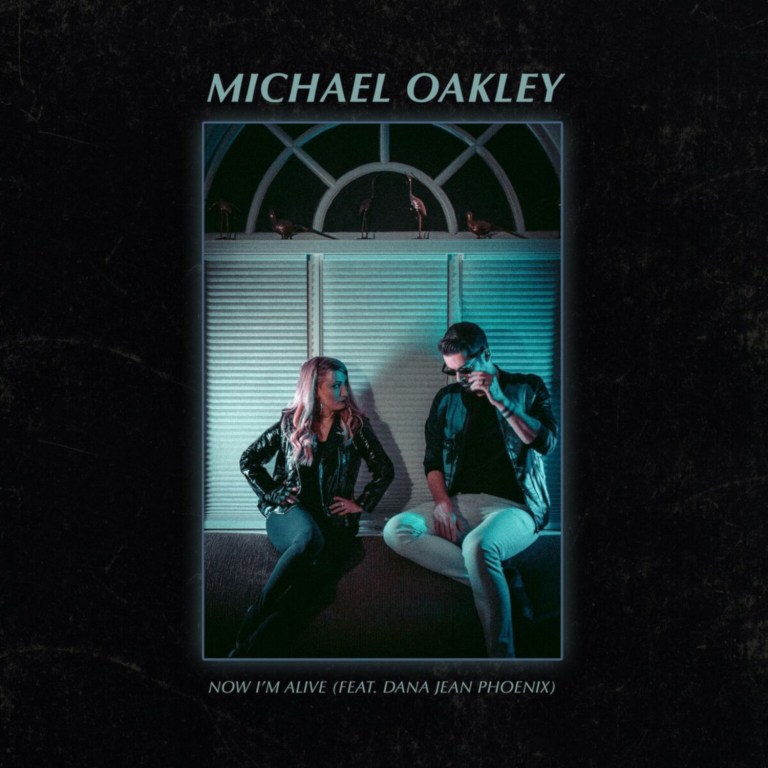
You duet with Dana Jean Phoenix on ‘Now I’m Alive’? What was that like?
I absolutely LOVE Dana Jean Phoenix. For me she is up there with the most talented musicians in the scene. She’s just an unbelievable singer. Such an amazing talent and a great person. I originally had the idea of doing one of those 80s duet ballads like George Michael and Whitney Houston or STARSHIP. There was really only one person I would ever do a duet with and in my mind it was always going to be Dana.
If she had said no, I definitely wouldn’t have continued with it. So I came up with the track, made a rough demo and sent it over to Dana and said “You have total freedom to write whatever you want to do with it”. I’m super happy with how it turned out and it’s definitely ticked off one of my bucket list things getting to sing with her.
You’ve also been working with Ollie Wride, vocalist with FM-84, is it important for you to branch out and work with other artists?
I have to confess there was a time in my life when I wasn’t open to collaboration and was very territorial about my work. However over the past couple of years, I’ve been better at it and realised that all my best work involves other people contributing in some way.
I got introduced to Ollie Wride through a friend and we were both in the right place at the right time. He wanted to work with a producer on his solo album and I was working on my solo album and wanted to work with another writer who would help me to push out my comfort zones and help me to say what I wanted to say.
I knew what the songs were about but was struggling to write all the lyrics and would do these therapy sessions with him where I would talk about what the song was about and then send him lyrics I had. Sometimes it was just a verse or a chorus and he would take what I had said and work his magic. I really couldn’t have finished this album without him.
I think it’s crucial to work with other people in order to grow as an artist. You have to keep yourself opening up to new ideas and new ways of working or you end up making watered down versions of your previous work. It’s important to learn how to play off someone else’s strengths and to use your strengths to lift them without focussing too much on you and how good you look. Team work being the sentiment I’m trying to make there.
So what are your hopes and fears for ‘Introspect’?
My hope is that the same people who really loved ‘California’ have the same reaction with ‘Introspect’. I hope they can appreciate my progression from ‘California’ and share the same vision I had while making it.
In terms of fears… I’m not sure, I mean I guess it’s my worst fear that people don’t get the creative direction I’ve gone in but we shall see what the reaction is. Ask me in 6 months *laughs*
ELECTRICITYCLUB.CO.UK gives its warmest thanks to Michael Oakley
We use cookies to ensure that we give you the best experience on our website. If you continue to use this site we will assume that you are happy with it.


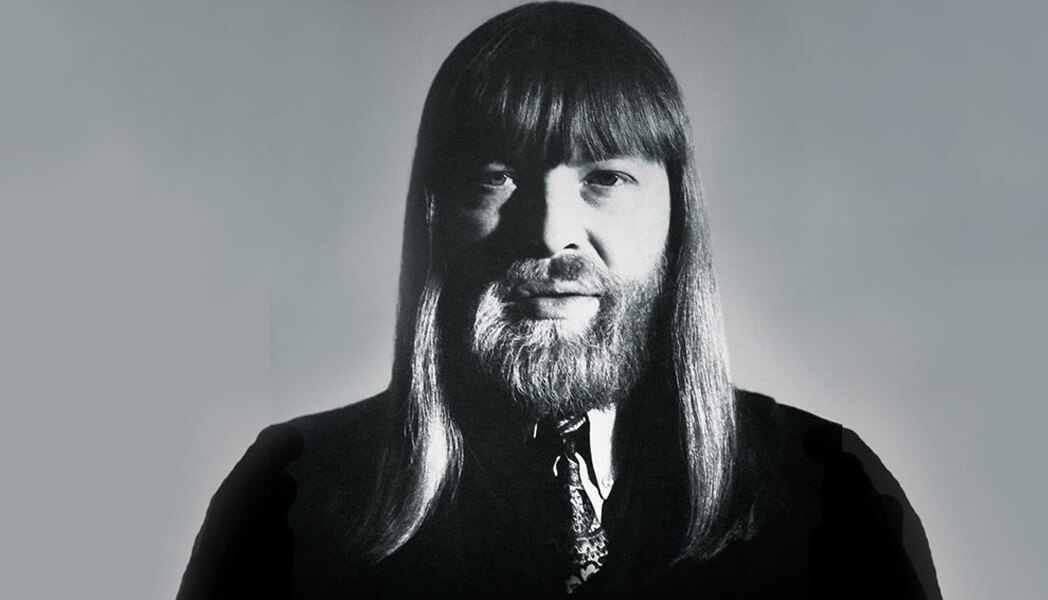
 is a touching insight into the late Conny Plank, undoubtedly one of the most innovative and important studio exponents in popular music.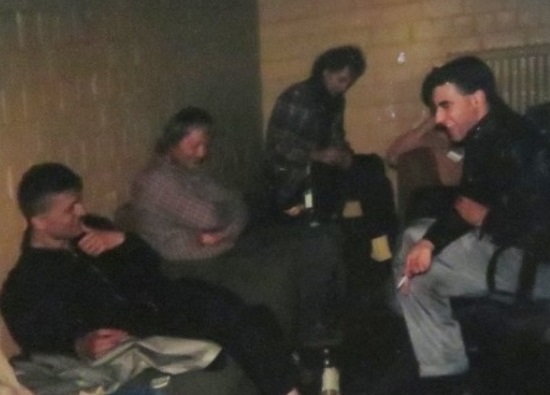
 is available via Grönland Records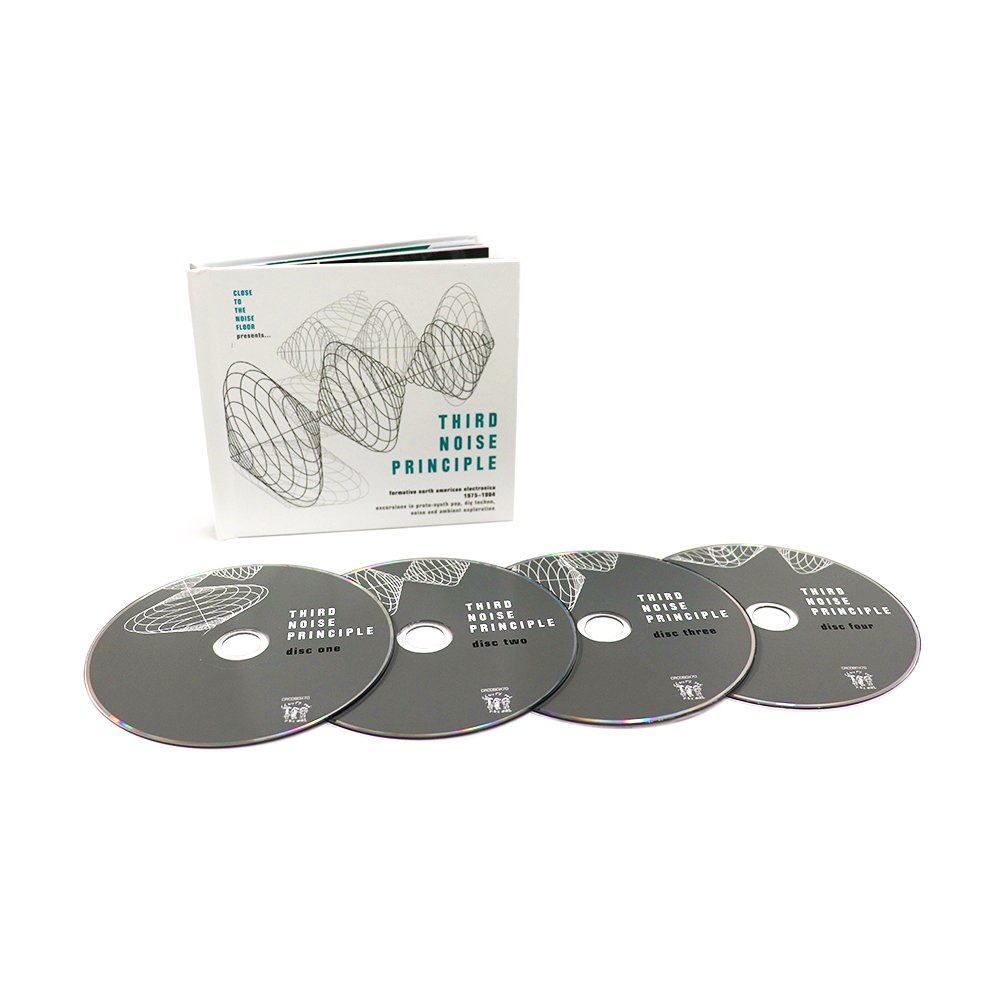
 is released by Cherry Red Records on 25th January 2019, pre-order from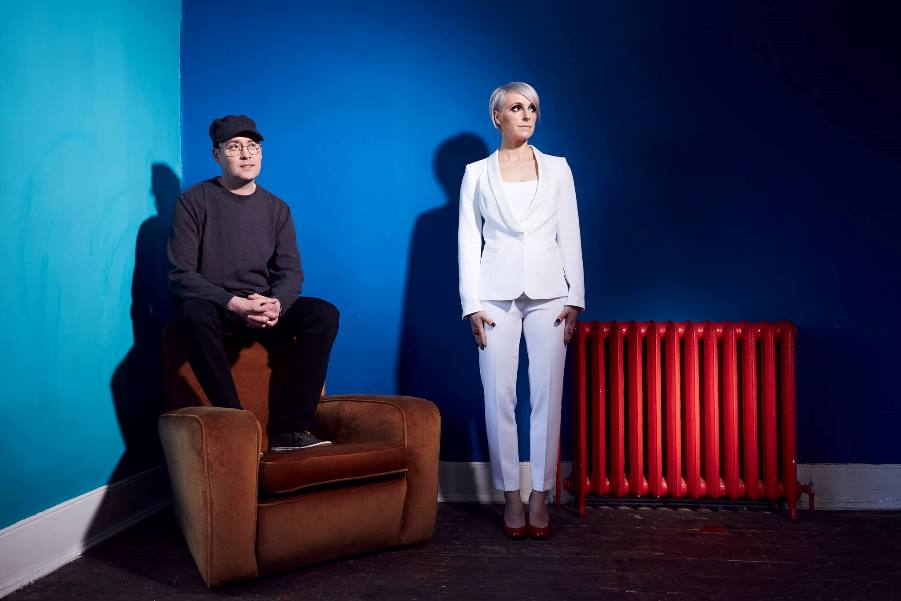
 which has been well worth the wait, as a work following the conflicts of an aborted reunion which was unable to be sustained despite live performances in 2013.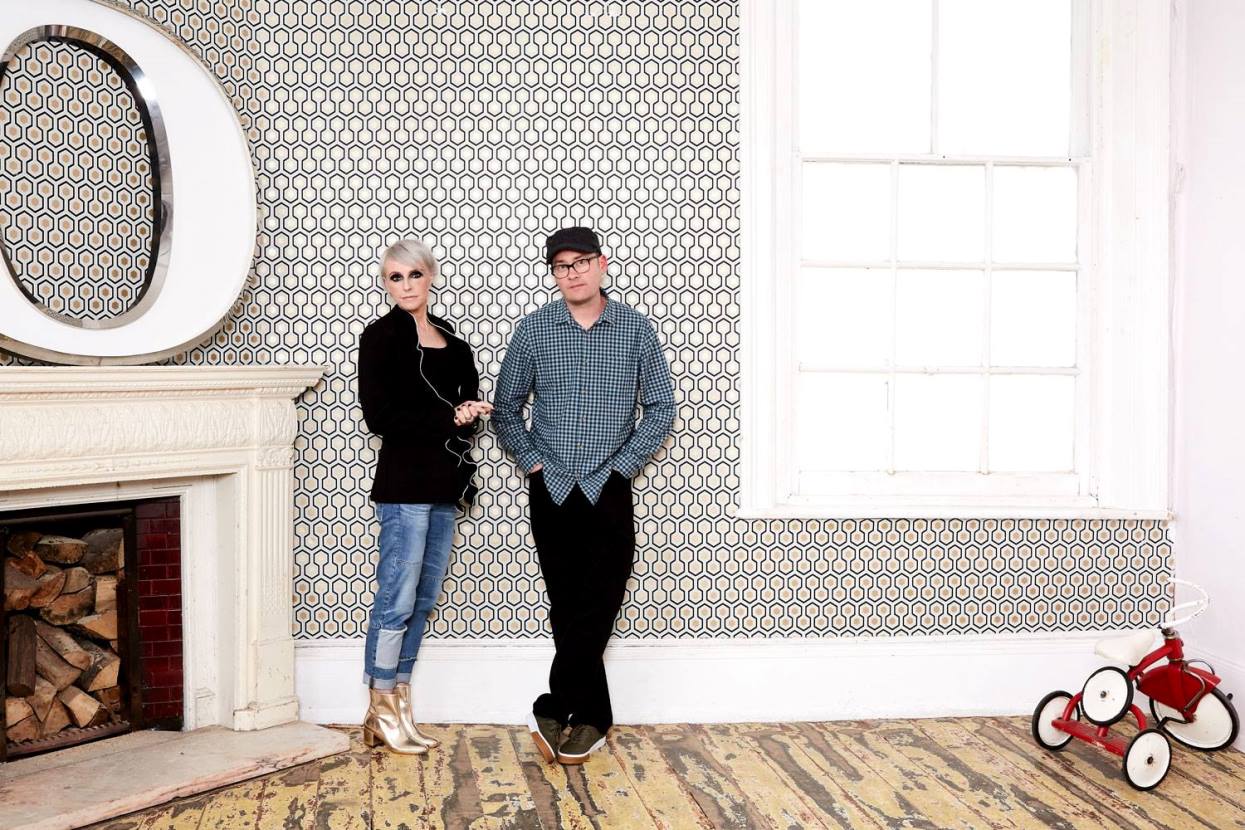
 comes along, there’s not much trace of it left, but by then, you’ve become the name and vice versa.
 .
.

 is released as a digital single by NewRetroWave, available via the usual outlets and direct from
  is still available as a download EP in song, remix and instrumental formats from
Follow Us!