Tag: Fad Gadget (Page 3 of 4)

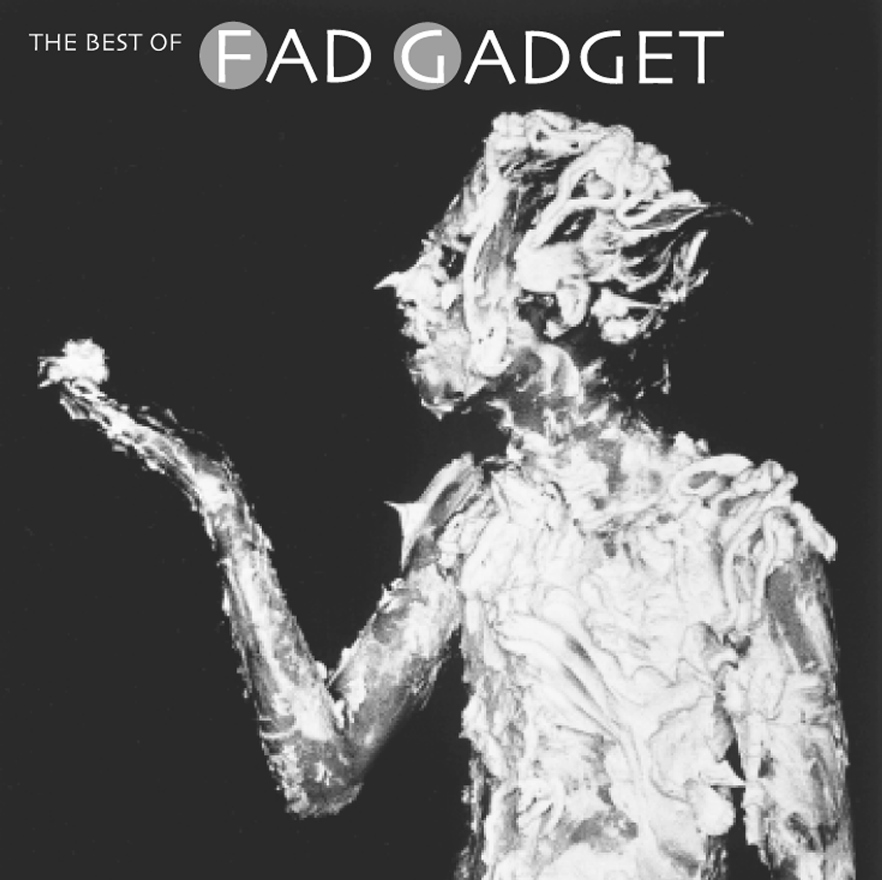
The Best Of FAD GADGET

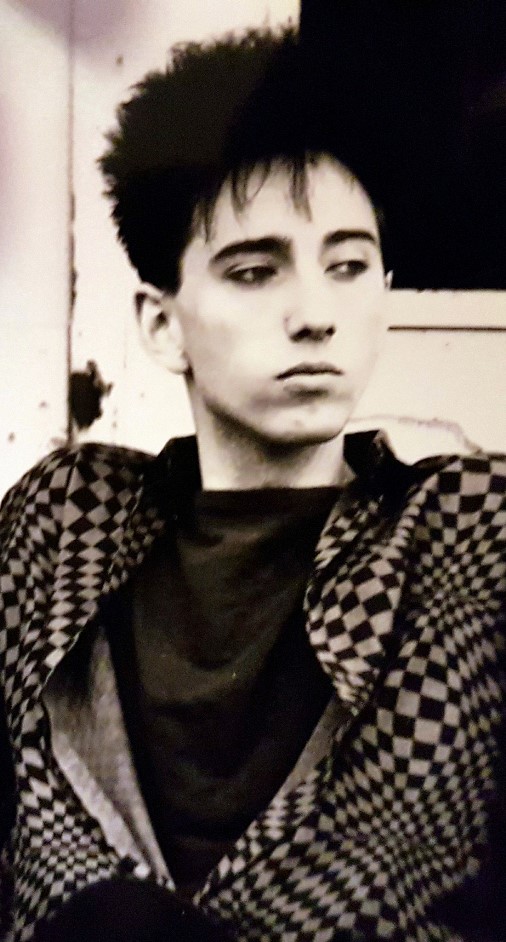
Although originally released 18 years ago on CD, this compilation of Frank Tovey’s singles-based material as FAD GADGET is now debuting on vinyl for the first time with an identical track listing spread over four sides.

Looking back retrospectively, one can see how Tovey’s incarnation as FAD GADGET provided a perfect middle ground between DEPECHE MODE’s early synthpop and the darker Industrial (and often verging on the unlistenable) experimentation of acts such as THROBBING GRISTLE.

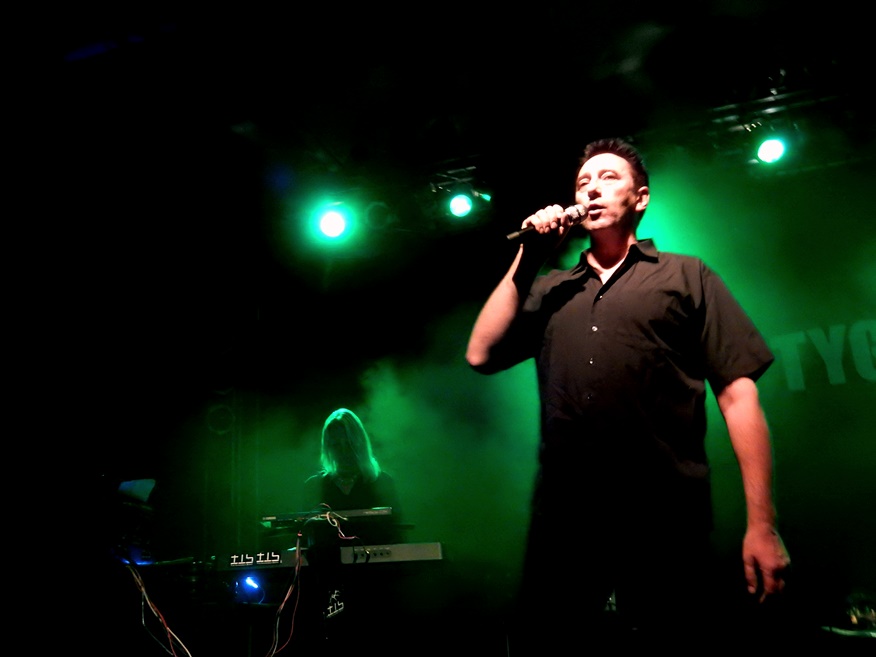
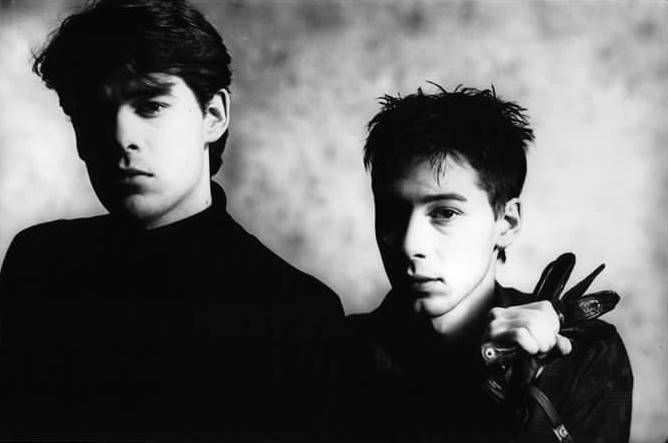
Born 1956 in London, Tovey was the first artist to work with Daniel Miller at his fledgling Mute Records and quickly gained notoriety not just for his recorded work. Tovey’s live performances often saw him (literally) suffering for his art, precariously climbing to the top of venue stages or balconies during ‘Back to Nature’ and ripping out his pubic hair and throwing it into the audience.

Tovey was never afraid to explore the darker side of life and ‘The Best Of’ rounds up the 1979-1985 A + B sides released as FAD GADGET and one ‘Luxury’ which was released under his own name.

FAD GADGET’s debut single ‘Back To Nature’ was primarily constructed using his own primitive electronic set-up of an early Korg Minipops drum machine and Crumar electric piano fed through a distortion unit, plus Daniel Miller’s soon to become iconic ARP2600 semi-modular synthesizer.

Starting with simulated electronic animal sounds, octave synth bass and a lyric which is based around a caravan holiday in Canvey Sands, ‘Back To Nature’ brilliantly set the template for Tovey’s work as FAD GADGET; exploring similar themes of alienation as his contemporary GARY NUMAN, but from a far more bitter, world-weary standpoint rather than a dystopian Sci-Fi based one.

Second single ‘Ricky’s Hand’ pushed lyrical themes to a far darker place, being a cautionary tale warning of the perils of drink driving. Notable for the use of a Black & Decker V8 electric drill as a jarring percussive instrument and secondly the still stunning moment where the vocal by BJ Frost (Tovey’s girlfriend) dissolved seamlessly into a screaming modulated synth line at the climax of the track. ‘Ricky’s Hand’ also featured some truly wonderful sequencer work by Miller and an early appearance from the ARP2600 generated kick drum which would eventually become a mainstay on the debut DEPECHE MODE and YAZOO albums.

Of the B-sides featured here, both ‘Insecticide’ and ‘Lady Shave’ showcase Tovey’s experimentation with vocal dynamics and effects, becoming a fly in the former and screaming “shave it!” throughout the latter with added tape delay to enhance the effect.

FAD GADGET peaked commercially with the ‘Under The Flag’ album which is represented here by three tracks. The album saw a shift up in production quality and the appearance of Blackwing Studio’s newly acquired Roland MC4 Microcomposer which allowed for the multiple sequencing of parts at the same time. The tracks ‘Love Parasite’ with its proto funk-based synth bassline and ‘For Whom The Bells Toll’ (featuring a certain Alison Moyet on backing vocals) both remain highpoints in the FAD GADGET back catalogue.
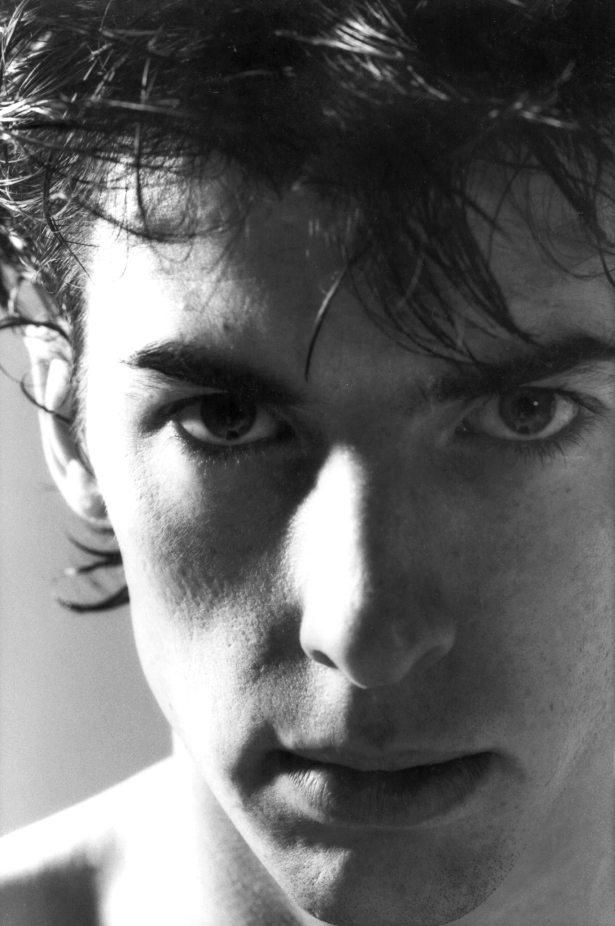
However, if ELECTRICITYCLUB.CO.UK could pick out a FAD GADGET Desert Island Disc, then it would have to be ‘Life On The Line’; starkly emotive and written under the shadow of the Falklands War, the addition of live piano to Tovey’s electronics helps to humanise the piece and make it an all-time electronic classic.

Photo by Peter Gruchot

Once Mute started to invest in sampling technology, it was only natural that Tovey would begin to gravitate towards using it, eventually collaborating with German industrial metal-bashers EINSTÜRZENDE NEUBATEN on the single ‘Collapsing New People’ which featured a sample of a printing press as a rhythmic backbone for the track. This era provided a turning point for Tovey as he started to move away from electronics and towards a far more acoustic aesthetic, eventually culminating in the jettisoning of the FAD GADGET name.

Tovey would then take a complete U-turn in 1989 with a cover of the English folk song ‘Sam Hall’ and recording primarily acoustically with the albums ‘Tyranny & The Hired Hand’ and ‘Grand Union’, the latter featuring his new backing group of Irish musicians called THE PYROS. In 1993, Tovey withdrew from the music business, but a comeback which started with a high profile support slot on DEPECHE MODE’s ‘Exciter’ tour was tragically cut short when he suffered a fatal heart attack in 2002 at the age of 45.

2020 will see a new career-spanning box set of FAD GADGET material to tie in with the 40th anniversary of the ‘Fireside Favourites’ album, but in the meantime, vinyl lovers of darker electronic music would be foolish not to invest in this superb collection of one of the true innovators of synthetic music.


‘The Best of FAD GADGET’ is still available on CD but is reissued as a double silver vinyl LP as part of the MUTE 4.0 (1978>TOMORROW) series on 6th September 2019, pre-order from https://mutebank.co.uk/products/fad-gadget-the-best-of-fad-gadget-silver-double-vinyl
http://www.fadgadget.co.uk/

https://www.facebook.com/fadgadgetofficial/

https://twitter.com/FadGadgetMusic

https://www.instagram.com/fadgadgetofficial/


Text by Paul Boddy
1st August 2019

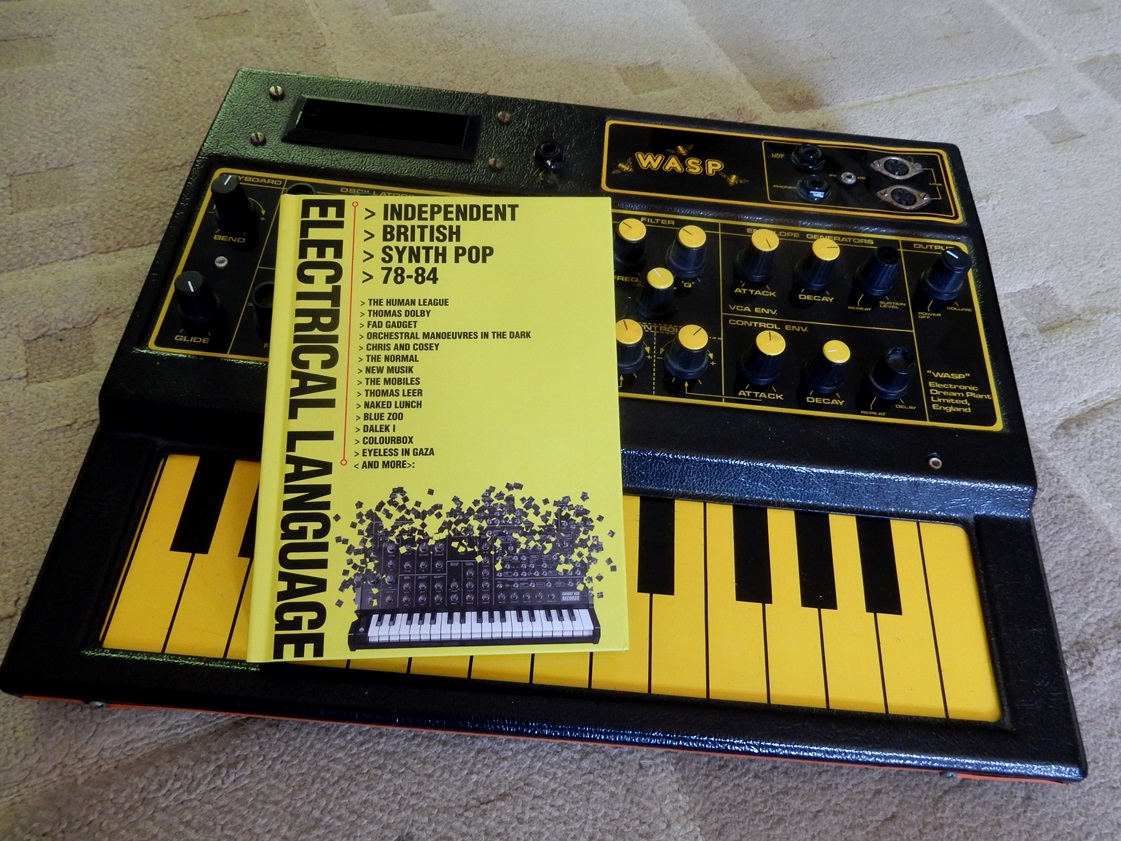
ELECTRICAL LANGUAGE Independent British Synth Pop 78-84

From Cherry Red Records, the makers of the ‘Close To The Noise Floor’ trilogy showcasing formative and experimental electronic music from the UK, Europe and North America, comes their most accessible electronic collection yet.

Subtitled ‘Independent British Synth Pop 78-84’, ‘Electrical Language’ is a lavish 4CD 80 track boxed set covering the post-punk period when all that synthesizer experimentation and noise terrorism morphed into pop.
Largely eschewing the guitar and the drum kit, this was a fresh movement which sprung from a generation haunted by the spectre of the Cold War, Mutually Assured Destruction and closer to home, the Winter of Discontent.

As exemplified by known names like THE HUMAN LEAGUE, FAD GADGET, SECTION 25 and BLUE ZOO included in the set to draw in the more cautious consumer, this was pop in a very loose manner with melodies, riffs and danceable rhythms but hardly the stuff of ABBA or THE BEE GEES!

‘Red Frame/White Light’ by OMD was a chirpy ditty about the 632 3003 phone box which the band used as their office, while Thomas Dolby’s ‘Windpower’ was a rallying call for renewable energy sources. Then there was the dystopian ‘Warm Leatherette’ by THE NORMAL based around two noisy notes and lyrically based on JG Ballard’s ‘Crash’ with its story around car collision symphorophilia.

While those acts’ stories have been rightly celebrated for putting the electronic avant pop art form into the mainstream, with any truly great compilation or collection, the joy is in finding the lesser known jewels.

Made primarily by the idealistic outsiders and independent experimenters from the lesser known side of Synth Britannia, ‘Electrical Language’ has plenty of synthetic material to rediscover or hear for the first time. Indeed, the more appealing tracks appear to fall into three categories; forgotten songs that should have been hits, oddball cover versions and largely unknown archive wonders.

Those forgotten gems include the exotic ‘Electrical Language’ title track by BE BOP DELUXE, documenting the moment Bill Nelson went electro. His production on the gloriously emotive ‘Feels Like Winter Again’ by FIAT LUX is another welcome inclusion to the set.

But the two best tracks on ‘Electrical Language’ are coincidentally spoken word; ‘Touch’ by LORI & THE CHAMELEONS about a girl’s Japanese holiday romance is as enchanting and delightful as ever, while there is also THROBBING GRISTLE refugees Chris & Cosey’s wispy celebration of Autumnal neu romance ‘October (Love Song)’, later covered in the 21st Century in pure Hellectro style by MARSHEAUX.

Merseyside has always been a centre for creativity and this included synthpop back in the day. ‘I’m Thinking Of You Now’ from BOX OF TOYS was a superb angsty reflection of young manhood that included an oboe inflected twist which was released on the Inevitable label in 1983. From that same stable, FREEZE FRAME are represented by the atmospheric pop of ‘Your Voice’

Jayne Casey was considered the face of Liverpool post-punk fronting BIG IN JAPAN and PINK MILITARY; the lo-fi electronic offshoot PINK INDUSTRY released three albums but the superb ‘Taddy Up’ with its machine backbone to contrast the ethereal combination of voice and synths lay in the vaults until 2008 and is a welcome inclusion. The ‘other’ Wirral synth duo of note were DALEK I LOVE YOU whose ‘The World’ from 1980 remains eccentric and retro-futuristic.

Scotland was in on the action too despite many local musicians preferring THE BYRDS and STEELY DAN; although both ‘Mr Nobody’ from Thomas Leer and ‘Time’ by Paul Haig were detached and electronic, they vocally expressed minor levels of Trans-Atlantic soul lilt compared with the more deadpan styles of the majority gathered on ‘Electrical Language’.

Underrated acts form a core of ‘Electrical Language’ and while THE MOBILES’ ‘Drowning In Berlin’ may have come across like a ‘Not The Nine O’Clock News’ New Romantic parody on first listen, its decaying Mittel Europa grandeur was infectious like Hazel O’Connor reinterpreting ‘Vienna’ with The Master of Ceremonies at the Kit Kat Klub in 3/4 time!

NEW MUSIK’s ‘The Planet Doesn’t Mind’ probably would have gone Top 20 if had been done by Howard Jones, although band leader Tony Mansfield had the last laugh when he later became a producer working with the likes of A-HA and NAKED EYES. The brassy arty synthpop of ‘XOYO’ from Dick Witts’ THE PASSAGE was immensely catchy with riffs galore, while POEME ELECTRONIQUE’s ‘She’s An Image’ offered stark European electro-cabaret.

Cut from a similar cloth, one-time ULTRAVOX support act Eddie & Sunshine inventively (and some would say pretentiously) presented a Living TV art concept but they also possessed a few good songs. The quirkily charming ‘There’s Someone Following Me’ deserved greater recognition back in the day and its later single version was remixed by one Hans Zimmer.

Meanwhile, the 4AD label could always be counted on more esoteric output and COLOURBOX’s ‘Tarantula’ was from that lineage, but then a few years later perhaps unexpectedly, they became the instigators of M/A/R/R/S ‘Pump Up the Volume’.

These days, modern synth artists think it is something an achievement to cover a synthpop classic, although it is rather pointless. But back in the day, as there were not really that many synthpop numbers to cover, the rock ‘n’ roll songbook was mined as a kind of post-modern statement. The synth was seen as the ultimate anti-institution instrument and the cover versions included on ‘Electrical Language’ are out-of-the-box and original, if not entirely successful.

Take TECHNO POP’s reinterpretation of ‘Paint It Black’ which comes over like Sci-Fi Arthur Brown while the brilliant ‘My Coo Ca Choo’ by BEASTS IN CAGES (which features half of HARD CORPS) is like PJ Proby with his characteristic pub singer warble fronting SILICON TEENS with a proto-GOLDFRAPP stomp.

Having contributed a T-REX cover for the ‘Some Bizzare Album’, THE FAST SET recorded another. Whereas ‘King Of The Rumbling Spires’ on the former was frantic electro-punk, ‘Children Of The Revolution’ is far more sombre and almost funereal. Least desirable of the covers though is ‘Happy Xmas (War Is Over)’ by HYBRID KIDS.

Of the obscurities worth checking out, the rousing standout is ‘Lying Next To You’ by Liverpool’s PASSION POLKA. A brilliant track akin to CHINA CRISIS ‘Working With Fire & Steel’ but with more synths and drum machine, it was recorded in 1983 but never actually saw the light of day until 2011 via a belated release on Anna Logue Records.

Delightfully odd, the VL Tone and organ infused ‘Bandwagon Tango’ from TESTCARD F is swathed with metallic rattles and possesses a suitably mechanical detachment. But with piercing pipey sounds and a hypnotic sequence, the metronomic ‘Destitution’ by cult minimal wavers CAMERA OBSCURA with its off key voice is one of the better productions of that type. Cut from a similar cloth, the perky ‘Videomatic’ by FINAL PROGRAM throws in some lovely string synths to close.

Swirlingly driven by Linn and her sisters, ‘Baby Won’t Phone’ by QUADRASCOPE comes from the Vince Clarke school of song with not only a great vocal, but also the surprise of a guitar solo in the vein of ECHO & THE BUNNYMEN!

‘The Secret Affair’ from JUPITER RED is a great ethereal midtempo synthpop song also using a Linn, while ‘Surface Tension’ from ANALYSIS is an appealing club friendly instrumental that was largely the work of the late Martin Lloyd who later was part of OPPENHEIMER ANALYSIS.

Produced by Daniel Miller, Alan Burnham’s ‘Science Fiction’ from 1981 takes a leaf out of DALEK I LOVE YOU, while tightly sequenced and bursting with white noise in the intro, ‘Feel So Young’ by LAUGH CLOWN LAUGH has bubbling potential but is spoiled by some terribly flat vocals.

One of the weirder tracks is ELECTRONIC ENSEMBLE’s filmic ‘It Happened Then’ which recalls Parisian art rockers ROCKETS; backed by a brilliant ensemble of synths, it sees the return of the cosmic voice from Sparky’s Magic Piano and remember in that story, it could play all by itself!

Of course, other tracks are available and may suit more leftfield tastes… packaged as a lavish hardback book, there are extensive sleeve notes including artist commentaries, archive photos and an introductory essay by journalist Dave Henderson who cut his teeth with ‘Noise’, a short-lived ‘Smash Hits’ rival that featured a regular ‘Electrobop’ column covering the latest developments in synth.

While worthy, the ‘Close To The Noise Floor’ trilogy could at times be very challenging, but ‘Electrical Language’ provides some accessible balance, allowing tunes and beats in. It captures an important developmental phase in music, when technology got more sophisticated, cheaper and user friendly, that can be directly connected to ‘Pump Up the Volume’. Yes, this story is the unlikely seed of the later dance revolution, like it or not! And at just less than twenty five quid, this really is an essential purchase.


‘Electrical Language’ is released as 4CD boxed set on 31st May 2019 and can be pre-ordered from https://www.cherryred.co.uk/product/electrical-language-independent-british-synth-pop-78-84-various-artists-4cd-48pp-bookpack/

https://www.facebook.com/closetothenoisefloor/


Text by Chi Ming Lai
23rd May 2019

SOFT CELL To Show You I’ve Been There…

Photo by Paolo Di Paolo

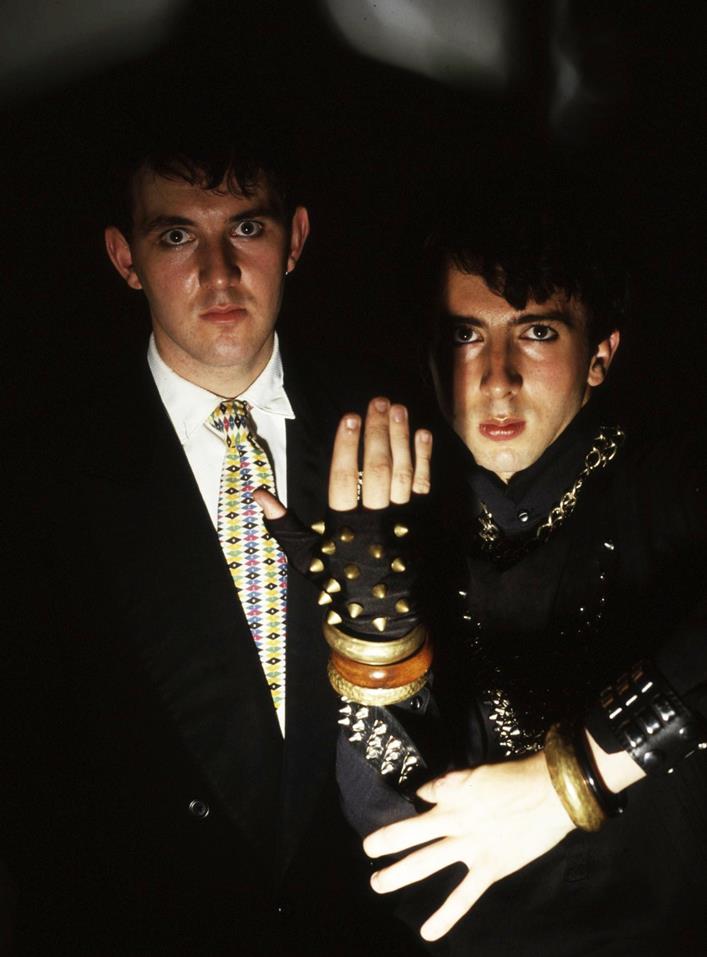
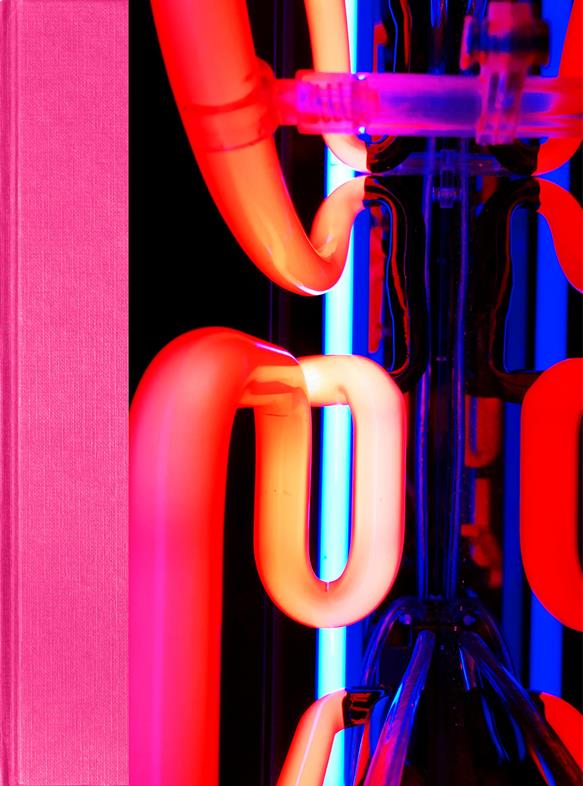
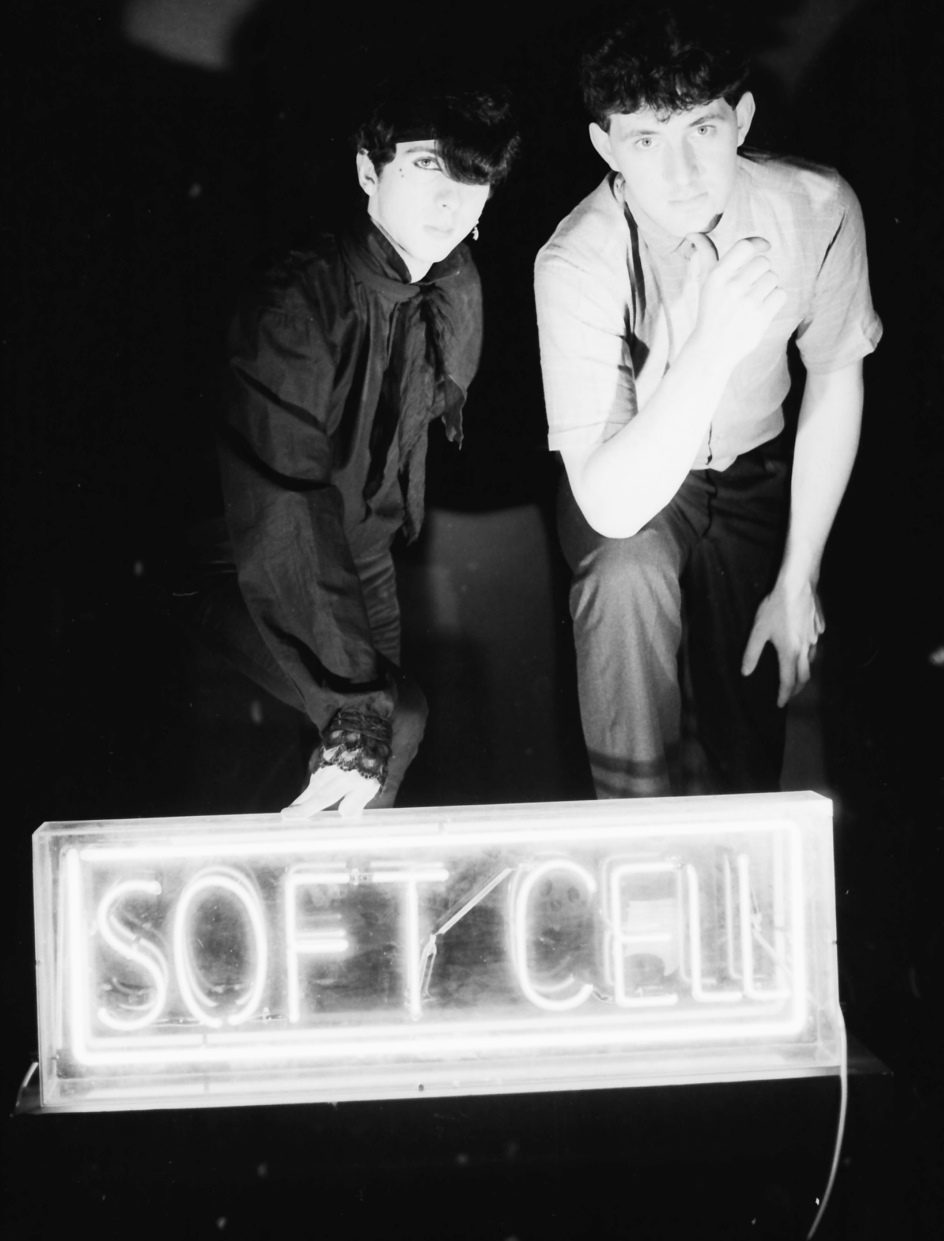
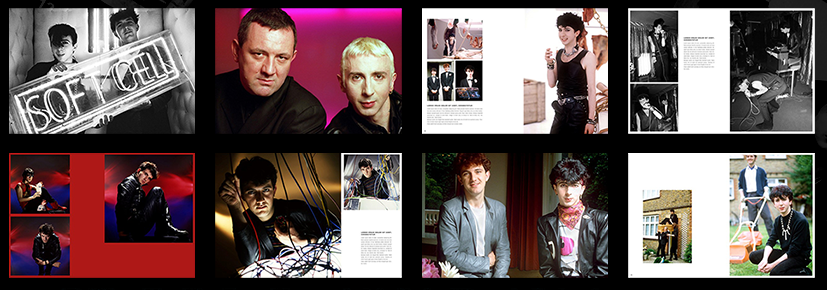
SOFT CELL may have played their last show with a lavish adieu at London’s O2 Arena last September, but Marc Almond and David Ball continue to maintain their legacy with the publication of a luxury limited edition photo book.

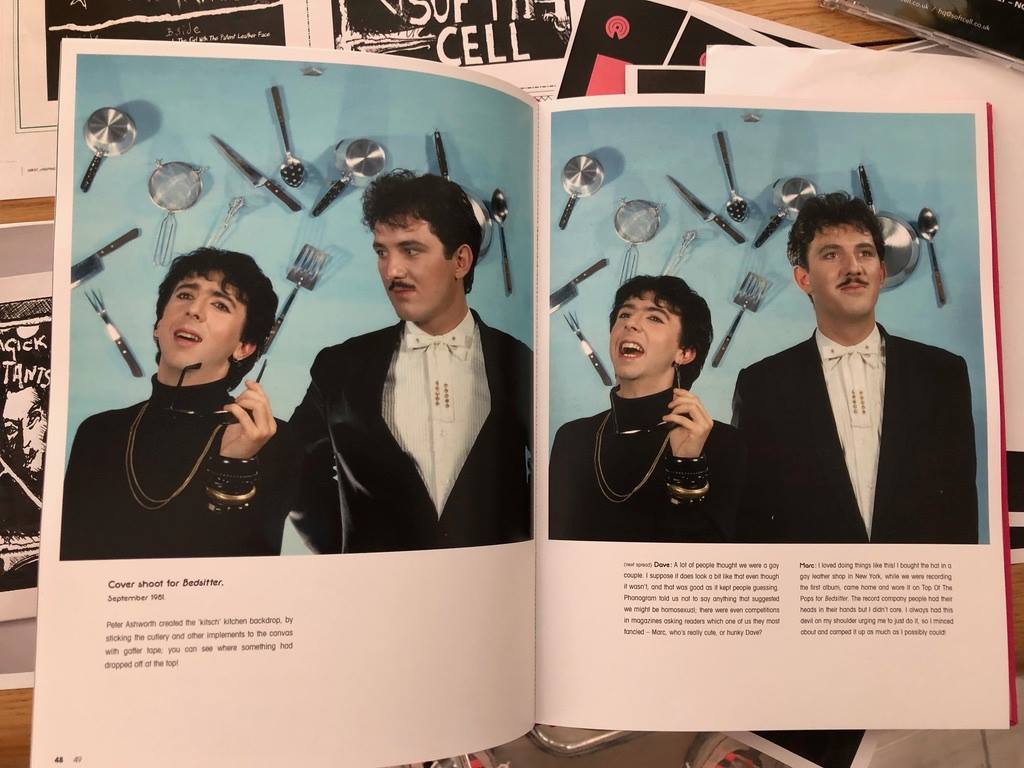
Published as a 1300 limited edition high quality 21 x 28 cm hardback, ‘To Show You I’ve Been There…’ is the ultimate piece of memorabilia featuring over 150 images. Spanning the whole of SOFT CELL’s’s glorious career, the photos range from when Almond and Ball were unknowns sitting in various locations at Leeds Polytechnic and their first shoot with Gucci photographer Paolo Di Paolo to the iconic portraits by Peter Ashworth where the pair’s hair gets increasingly longer in the run up to ‘Soul Inside’.

For synth geeks, there is even two pages devoted to Dave Ball’s gear, including a Minimoog, Yamaha CS-5, Roland SH101, Korg 800DV, SCI Prophet 5, Korg MS10, Roland CR78, Alesis HR16, Oberheim DMX, Roland TR707, Yamaha QS330 and the distinctive core of the classic SOFT CELL sound, the Roland Synthe-Bass.

Photos by Peter Ashworth

Featuring commentary from Ball and Almond courtesy of new interviews with Mark Paytress, the story begins in 1979 around the Winter Of Discontent.

“Imagine how heavy it was back then. Leeds was full of National Front supporters and there was a lot of intolerance around.” reflects Ball on the state of the nation back then, sadly sounding like it is now, “SOFT CELL must have seemed revolutionary – a duo, one guy with a synth and a reel-to-reel tape recorder, and out front a gay bloke covered in eyeliner. F*cking hell, no one had seen anything like that!”

As SOFT CELL found fame, Almond recalls how naïve they were when they did their first major music press interview with Paul Morley for NME. As was par for the course, the scribe used his pseudo intellectualism to nastily and hypocritically look down on Ball and Almond for their Northerness; “Some time later, I bumped into him and pretended I didn’t hold a grudge but I kind of did!”

The SOFT CELL story is one against adversity, about how two working class boys shot to No1 and became a UK chart fixture, achieving five Top 5 UK hit singles in the space of 13 months during 1981-82 in a strike rate that neither THE HUMAN LEAGUE, DEPECHE MODE, OMD, JAPAN or ULTRAVOX ever managed and of their contemporaries, only Gary Numan even came close.

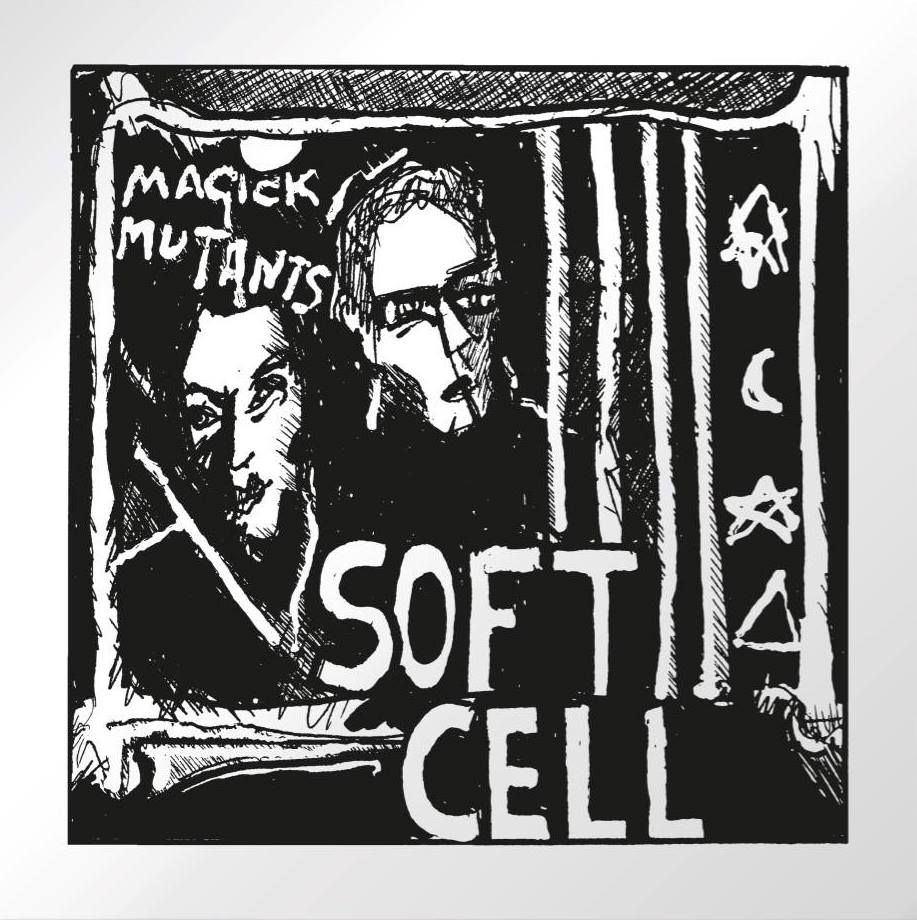
Each book is accompanied by an exclusive bonus 7 inch vinyl EP called ‘Magick Mutants’ containing four completely re-recorded tracks from the band’s early song archive highlighting how SOFT CELL saw themselves as the pop version of SUICIDE. Best of the bunch is ‘Bleak Is My Favourite Cliché’ which has only been heard previously in distorted demo form on ‘The Bedsit Tapes’ and has since reappeared on the ‘Keychains & Snowstorms’ boxed set. The haunting reverberant electronic bass and doomy synthetic choir sounds provide an appropriate balance of glitter and grit to bring the song up to date, while a declaration that “It’s so European, bleak, it’s very bleak today” is strangely poignant and down with the zeitgeist.

Photo by Paul Cox

Driven by a solid synthbass triplet, ‘Science Fiction Stories’ is gloriously danceable and minimal, characterised by its spacey synth theme. Another demo from ‘The Bedsit Tapes’ sessions, like with ‘Bleak Is My Favourite Cliché’, its potential gets more fully realised and is deservedly as Almond himself sings “not to be forgotten”.

Originally one of the highlights on the ‘Some Bizarre Album’ compilation, the revisit of ‘The Girl With The Patent Leather Face’ is interesting if only to compare the vocals of the wayward energetic student Almond of 1981 with the battle-hardened abstinent artiste of today. The synths are as menacing as ever if missing the hiss and noise of vintage recording but on this one, the recklessness of youth has gone.

In a recognition of their art school roots at Leeds Polytechnic, Marc Almond and Dave Ball play tribute to fellow student and inspiration Frank Tovey with an authentic cover version of FAD GADGET’s ‘Back To Nature’. While remaining as detached as the original with deep dual voices for a schizophrenic quality, albeit with one part in a more torchy manner, as the sombre mood piece comes to its conclusion, Almond adds it’s all “For Frank”.

With artwork created by Dave Ball as on SOFT CELL’s debut EP ‘Mutant Moments’, the tracks on this 7 inch vinyl (with corresponding traceable downloads via an exclusive individual code) will ONLY be available by purchasing this book.

Full of “Postcards, pretty pictures and little bits of plastic”, this artefact is a must for SOFT CELL fans, but for popular culture observers too because without Marc Almond and Dave Ball paving the way, life might have been that bit more difficult for BRONSKI BEAT, ERASURE and of course, their most obvious successors PET SHOP BOYS.


ELECTRICITYCLUB.CO.UK gives its warmest thanks to Stuart Kirkham

‘To Show You I’ve Been There…’ including the exclusive 7 inch ‘Magick Mutants’ vinyl EP is available from 1st May 2019, pre-order from https://www.lexermusic.com/deluxe/soft-cell-to-show-you-ive-been-there-hardback-book

Book content previews at http://www.softcell.co.uk/book

https://www.facebook.com/softcellband/

https://twitter.com/softcellhq

https://www.instagram.com/softcellhq/


Text by Chi Ming Lai
26th April 2019

PSYCHE Interview

Photo by Mark Greenmantle

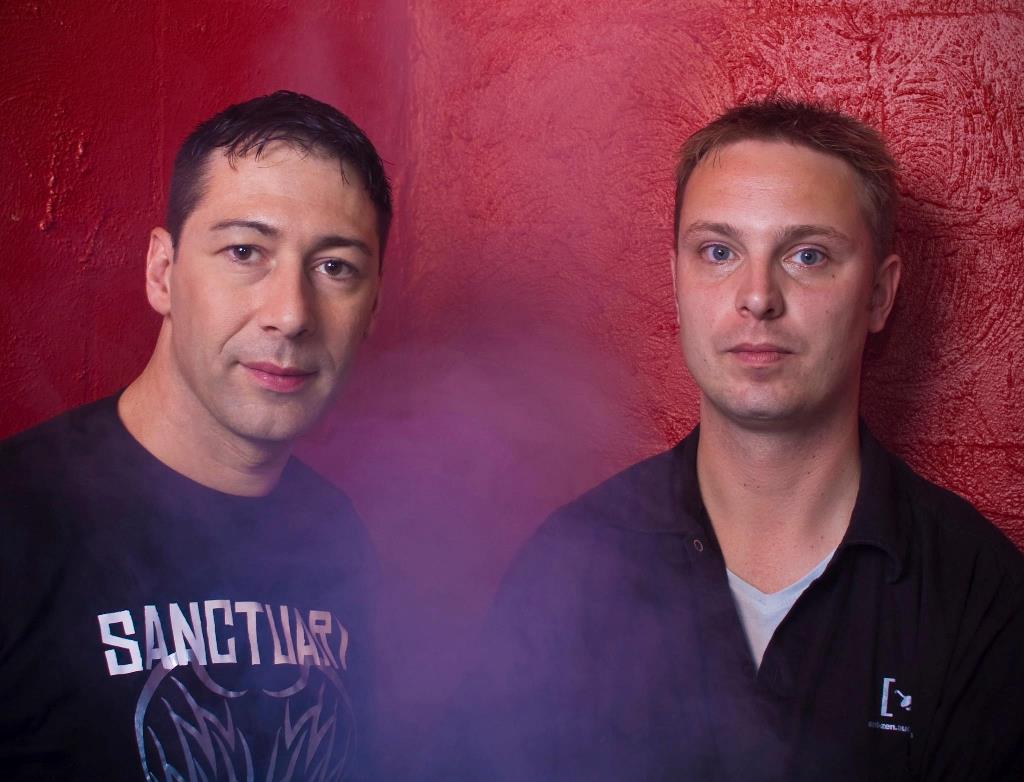
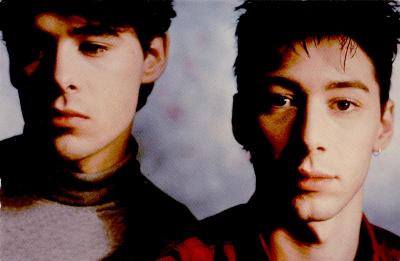
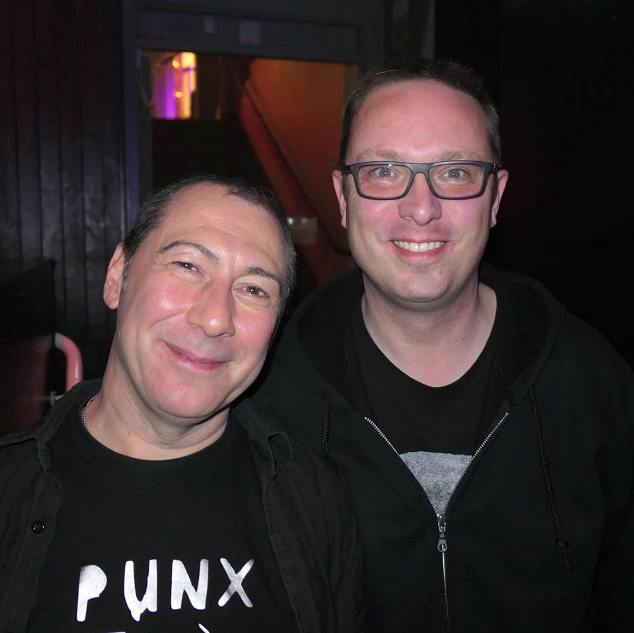
PSYCHE are the acclaimed dark synthpop duo founded by the Huss brothers Darrin and Stephen from Edmonton in Canada.

They became influenced by the likes of SOFT CELL and FAD GADGET, developing their own special brand of horror electronics; the independently released 1985 debut album ‘Insomnia Theatre’ contained the raw mechanical menace of ‘The Brain Collapses’ and was a cult success in Europe.
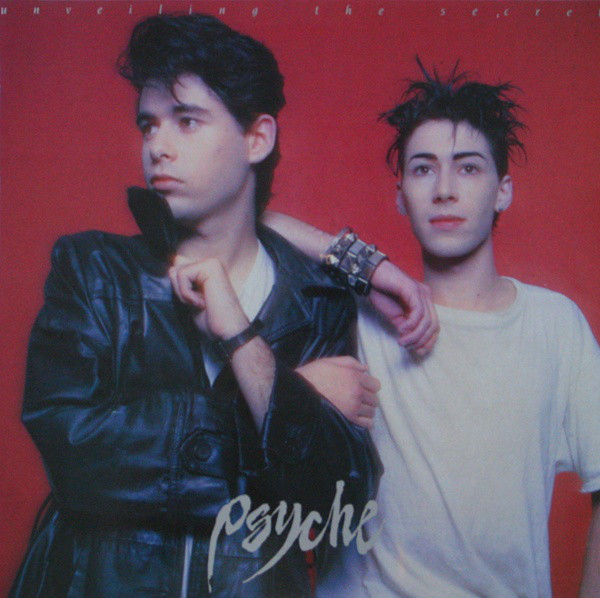
A wider breakthrough came with their second long player ‘Unveiling The Secret’ in 1986 which included ‘The Saint Became A Lush’, a track that was to become a favourite of noted DJ Trevor Jackson who included the track on the second volume of his acclaimed ‘Metal Dance’ compilation series released by Strut Records.

PSYCHE’s third album ‘Mystery Hotel’ signalled a move towards synthpop while expanding on their Gothic EBM template with tracks like ‘Uncivilized’ and ‘Eternal’, but it also saw the departure of Stephen Huss due to illness. Although he returned for 1991’s ‘Daydream Avenue’ and 1994’s ‘Intimacy’, he was unable to continue with PSYCHE on a full-time basis and sadly passed away in August 2015.

Darrin Huss continued as PSYCHE with various collaborators over the years, with the most recent album of original material being 2005’s ‘The 11th Hour’ released by Artoffact Records which topped the German Alternative Charts.

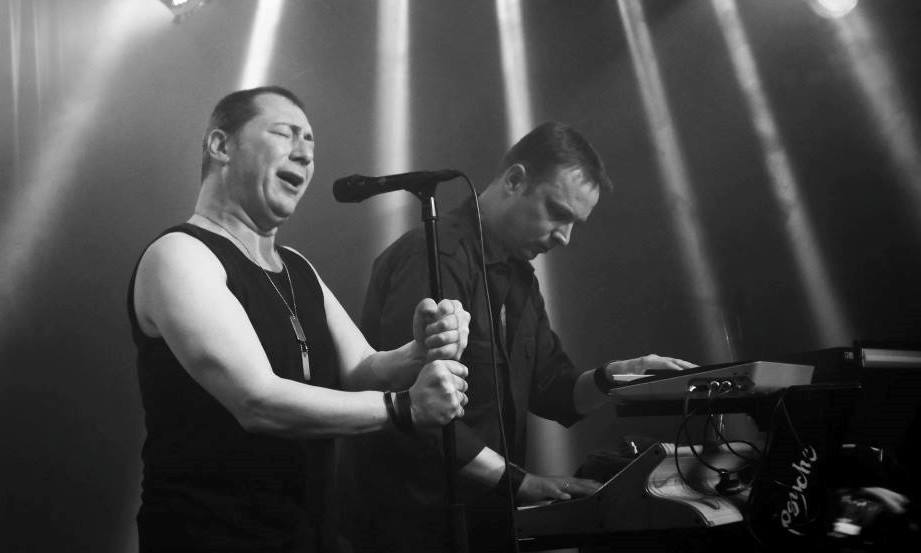
Now based in Germany, Darrin Huss has focussed on touring with current musical partner Stefan Rabura rather than recording, although there have been collaborations with fellow Canadian trailblazers RATIONAL YOUTH and Belgian artist LUMINANCE, in addition to the 2011 covers album ‘Unknown Treasures’ featuring interpretations of songs made famous by SOFT CELL, THE CURE, DEPECHE MODE, YAZOO, VISAGE, KRAFTWERK and THE DOORS.

Photo by Simon Helm

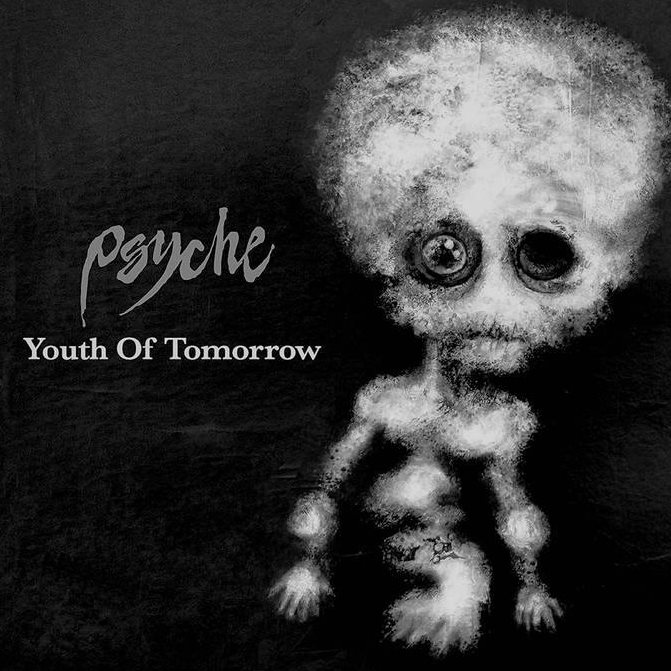
But Autumn 2017 saw the surprise release of a brand new PSYCHE single in the shape of ‘Youth Of Tomorrow’ b/w ‘Truth Or Consequence’ as a trailer to a new full length album.

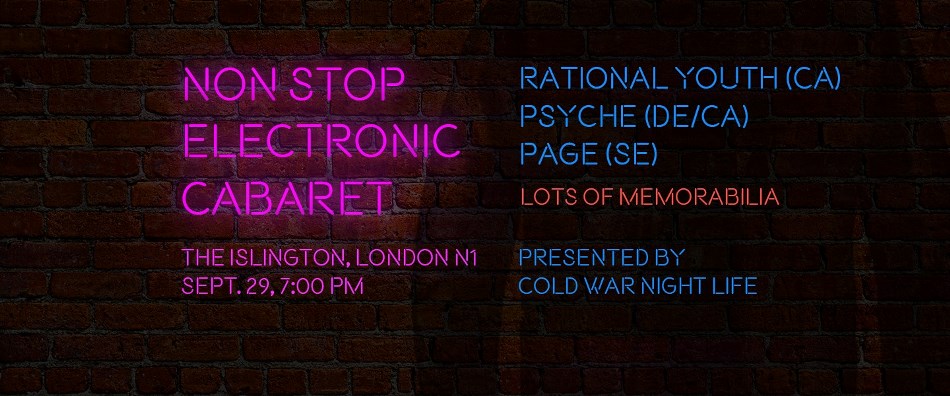
PSYCHE will be venturing to London for a special show presented by Cold War Night Life on Saturday 29th September 2018 with RATIONAL YOUTH and Swedish poptronica veterans PAGE.

Darrin Huss kindly chatted about his career to date after completing the ‘Canadian Synth Legends Tour’ of their home country.

It’s been 13 years since the last full length PSYCHE album ‘The 11th Hour’, but there’s been no shortage of demand for live appearances, have the last few years been gratifying in terms of recognition for your work?

Yes, even if it feels like starting over on occasion. We have a following that’s been with us since the beginning, but since the advent of the Internet, we are building a whole new audience often seemingly at random as people discover us through different eras of our songs. I’ve learned to wholly embrace this and not only make a linear projection with my output.

It was a pleasant surprise to get a new PSYCHE single ‘Youth Of Tomorrow’ in 2017, why had it taken so long?

I have felt that ‘The 11th Hour’ could be the last album as I had an inkling that I had reached a peak in my musical development, and themes that I wanted to cover with PSYCHE. I never wanted to repeat myself, and always looking for new experiences. I began to focus more on one-off events, collaborations and the occasional single release such as the JOY DIVISION cover of ‘Disorder’ 10 years ago.

Then came the thirty year wave with the re-releases of our first three albums, and just generally the enjoyment of performing my favourite songs in the PSYCHE repertoire.

The current situation in the world and following social developments globally has prompted new lyrics, and formed the need to make new music with my partner Stefan Rabura for the first time. I have things I feel need to be said, and I also think I need to prove to myself that despite all the different styles of electronic music out there, PSYCHE still has a unique voice and place among synthesists.

What was the inspiration behind ‘Youth Of Tomorrow’?

I just had this title in my head, and came up with a whole chorus part one day thinking about myself being older, and wondering what today’s youth have to look forward to. What did I even expect from the future when I was 17? No one can truly fathom these things. Also I was making a bit of a nihilistic dig at where we stand right now in terms of “the money’s all been spent” and “all gone, youth of tomorrow” meaning myself, and my generation, as well as the future for today’s teens. There’s also a bit about virtual reality, and societies becoming inhumane towards others, “watching holograms of future centuries” and how “we don’t recognise ourselves!”.

When I wrote it, I saw it as a bit of black humour, but occasionally I worry I was being a little cruel. Musically, I wanted it to sound like an 80s PSYCHE track, but with a few new beats and things. My favourite part is actually the wicked synth solo that Stefan came up with.

Photo by Rob Barriales

The excellent story video directed by Rob Barriales for ‘Youth Of Tomorrow’ was a homage to ‘Thriller’?

It was actually inspired by a fairly obscure arthouse horror film called ‘Nomads’ that was Pierce Brosnan’s movie debut in 1986. There’s a scene with street punks played by Adam Ant, Mary Woronov and other 80s personalities that I wanted to emulate the mysterious atmosphere of.

The ‘Thriller’ aspect came later as we realised that the group of people following me resembled that bit with the zombies. There’s no synchronised dancing though. So it’s more just the lighting, and mood that reminds people of that. Besides, not many people ever watched ‘Nomads’…

The B-side ‘Truth Or Consequence’ was a reflection of current worldwide political events?

It started out under the title ‘Life On Trial’ and was about the Bradley Manning (now Chelsea) situation. It took me five years to finish the thing. It’s about the NSA surveillance, whistleblowers, etc. It’s also about the confusion between what is Truth, and what are the consequences of telling it, living it? Do we have safety in numbers? etc. It’s all in the lyrics. It’s a very PSYCHE song with even a nod to ‘The Brain Collapses’ with our use of that song’s drum machine the Oberheim DMX.

Photo by Alain Duplantier

What other synths and equipment were you using when PSYCHE first started out?

The Korg Mono/Poly is very important. Then the Roland SH101, Roland Microcomposer, Sequential Circuits Pro One, Roland TR707. Later we had a Casio FZ1 as our first sampler. We are using these sounds again for our new album because I think they define PSYCHE’s overall sound. Much as the Linn Drum was important to THE HUMAN LEAGUE and BLANCMANGE at the time.

Who were PSYCHE’s main musical influences?

FAD GADGET, CABARET VOLTAIRE, THE CURE, BAUHAUS, GARY NUMAN, THE FLYING LIZARDS, NASH THE SLASH, RATIONAL YOUTH, ROUGH TRADE, and later YAZOO, VISAGE, EURYTHMICS, and most importantly SOFT CELL. Others include BLANCMANGE, CHRIS & COSEY, JOHN FOXX, early SIMPLE MINDS, as well as JEAN-MICHEL JARRE and TANGERINE DREAM. BLONDIE and even ZZ TOP factor in at odd moments as well.

‘Uncivilised’ was one of your notable earlier singles, how do you look back on it?

That was the odd ZZ TOP influence that I mentioned. I’ve seen people comparing it to BRONSKI BEAT’s ‘Hit That Perfect Beat’ on YouTube, but it was actually inspired by the sequence on ZZ TOP’s ‘Legs’!

I was writing about commercialism, and how everything is supposed to look and sound shiny, and clean, but we are still animals. When you look beneath the surface, and take away the house and suit, or have no money, people can be very uncivilized.


‘The Saint Became A Lush’ has become something of a signature song for PSYCHE. Do you remember much about the genesis of it and why do you think it still stands up today?

I’m not sure if it’s our signature song, we seem to have many iconic reference points depending on where you’re coming from. For some it’s ‘Eternal’, ‘Unveiling The Secret’, ‘The Brain Collapses’ or even ‘Misery’. The significance of ‘The Saint Became A Lush’ for me however is the idea of an eight verse poem inspired by HP Lovecraft overtop of a danceable Horror Movie-like soundtrack.

Yes, that is a fairly defining sound for PSYCHE, and I think it’s like the darker relative to ‘Unveiling The Secret’. Many think the main sequence sounds like ‘Tubular Bells’ from MIKE OLDFIELD, and there may be some element of that as it was used in ‘The Exorcist’ movie which my brother loved. It’s also inspired by JOY DIVISION, as I was really going for the sound of a world weary preacher, and channelling the voice of Ian Curtis for that.

The song was one of the first written for the second album as we were already performing it as early as 1986. The atmosphere of foreboding that it creates while still being danceable I think is what makes it stand out above the average so called Electronic Body Music Of The day.

Along with RATIONAL YOUTH and MEN WITHOUT HATS, PSYCHE were trailblazers for Canadian electronic pop, but Canada now appears to be the hotbed of electronic based talent. Have you had the opportunity to listen to artists like TR/ST, PURITY RING, AUSTRA, ELECTRIC YOUTH, PARALLELS and MECHA MEIKO?

I’ve heard TR/ST and AUSTRA, but to be honest many artists that came after the Witch House movement kind of lost me. I’ll have to check out the others you mentioned, but basically these days we are discovering news sounds on occasion through artists that open for us at certain events or by browsing Bandcamp and YouTube where I fell in love with ADAM USI, IN MIRRORS, and recently discovered CARLA DAL FORNO by accident while browsing in an alternative record store.

Most people may already know some of these people before I take notice. I have a love / hate relationship with most electronic newcomers especially whenever I’m told they’re the next big thing. PURITY RING actually wrote some songs for Katy Perry’s last album, so I’m a little sceptical of that!

Photo by Alain Duplantier

You covered ‘Ring The Bells’ brilliantly for the ‘Heresy: A Tribute To RATIONAL YOUTH’ album, why did you pick that song and how did you go about reinterpreting it?

I wanted to the album track that had the most melancholic mood. My choices were ‘I Want To See The Light’ or ‘Ring The Bells’ primarily. We actually had already covered ‘City Of Night’ for a US compilation, but I wanted a song that I could imagine as PSYCHE while paying homage to my feeling of hearing RATIONAL YOUTH for the first time.

To be honest, this was the first thing I recorded after my brother’s death. I had spent over half a year remastering our first three albums, and really didn’t want to think about doing new music for a while. Doing a RATIONAL YOUTH song was a relief and a catharsis for me. The lyrics also have nothing to do with this theme and yet I sang them with the loss of my brother in mind, and managed to give voice to my pain while honoring one of my favourite synth artists, and friend.

Photo by Simon Helm

Has social media been a blessing or curse for PSYCHE in the 21st Century?

Well as Napster and Soul Seek were some of the first things out there, it was pretty scary. Then Megaupload and Bit Torrent made it even more terrifying. These days the good and the bad between YouTube, Spotify, Amazon, iTunes, and Bandcamp keep a constant balance. I’d say I have slowly adapted starting with MySpace in 2004, and navigating through all the changes to stay on my path to date.

Ironically, this is the exact same period that I didn’t make a new album, so maybe it’ll all make sense by the time I do. I’ve had a good time with the vinyl trend, and started getting used to streaming to the point where I would say the curse has been lifted, and the DIY mentality of the early punk days has finally come of age through digital. I would say it that’s a blessing. The curse is only I fear no more iconic artists on the level of Madonna, or the likes of Leonard Cohen.

How are you psyched up about playing in London with RATIONAL YOUTH and PAGE this September? What sort of setlist are you planning?

I am thrilled that we are coming to London after such a long time, and especially on the eve of SOFT CELL’s farewell concert. I really hope the people appreciate what they’ll experience. We will be thinking of something special, and focusing on our 80s highlights. Wait and see…

For those who are curious and may be discovering PSYCHE for the first time, what would be the five songs you would suggest they check out and why?

1. ‘The Brain Collapses’ – this is obviously the roots of our sound, the dark side and yet a somewhat poppy chorus. The strings, the Korg Mono/Poly, driving bass sequences, dramatic vocals. A good start for the early PSYCHE styles.

2. ‘The Outsider’ / ‘Eternal’ – have to put them together as I feel they are essential highlights from ‘Mystery Hotel’, the softer, but somewhat psychedelic side of PSYCHE as Synthpop.

3. ‘Unveiling The Secret’ / ‘The Saint Became A Lush’ – also can’t decide. They are both defining styles for PSYCHE, and live from the main melodies with the poetic lyrics over the soundtrack atmospherics. A definitive part of the PSYCHE legacy.

4. ‘Goodbye Horses’ – I hate to admit it, but this particular cover version of Q LAZZARUS has expanded our audience and given another nuance to our repertoire.

5. ‘Youth Of Tomorrow’ – I am quite proud of our new song because I feel it contains all the elements of intrinsic PSYCHE. The lyrics, my singing style, and the arrangement are something that we do in a very special way, so I’d be just as happy to be discovered though this new song.

What’s next for PSYCHE?

We’re still working on new material. Either a new EP will come first and then an album, or other surprises and collaborations. I’m at the point where I like to let things happen, and see if we can explore new territories where people appreciate our music.


ELECTRICITYCLUB.CO.UK gives its warmest thanks to Darrin Huss

Special thanks to Simon Helm at Cold War Night Life

‘Youth Of Tomorrow’ and a selection of the PSYCHE back catalogue is available direct from https://psyche.bandcamp.com

PSYCHE, RATIONAL YOUTH + PAGE will perform at ‘Non-Stop Electronic Cabaret’ on Saturday 29th September 2018 at The Islington in London. Presented by Cold War Night Life – tickets available from https://billetto.co.uk/e/non-stop-electronic-cabaret-with-rational-youth-page-and-psyche-tickets-300983

http://www.psyche-hq.de

https://www.facebook.com/Psyche/

https://twitter.com/Psyche_HQ


Text and Interview by Chi Ming Lai
16th August 2018

25 CLASSIC STANDALONE SYNTH SINGLES

The single is the lifeblood of pop music, serving the purpose of a trailer to an artist’s new album or as an entity on its own.

The non-album single first came to prominence with THE BEATLES and THE WALKER BROTHERS, but as rock music in particular got more serious, bands like PINK FLOYD and LED ZEPPELIN looked down on the shorter format, refusing to even release singles and focussing only on albums.

With punk and new wave, acts like THE JAM, THE CLASH and SIOUXSIE & THE BANSHEES frequently issued standalone singles, often as a document of developing ideals or even to indulge in the occasional cover version. But others like Ian Dury saw it as statement of not ripping-off their audience by effectively making them buy the same song twice.

All the singles listed here were released in 7 inch format and not included on any of the artist’s original edition albums in the UK. Songs that were singles to promote compilation albums, remix collections or films are permitted, but singles by bands that did not actually get round to releasing a full length album are not included.

So here are ELECTRICITYCLUB’CO.UK’s 25 Classic Standalone Synth Singles presented in chronological, and then alphabetical order.


FAD GADGET Ricky’s Hand (1980)

The unsettling second single by former Leeds Polytechnic art student Frank Tovey was a commentary on the dangers of drink driving as “Ricky contravened the Highway Code”. Featuring an electric drill alongside assorted synths and industrial rhythms, ‘Ricky’s Hand’ was not included on the debut FAD GADGET long player ‘Fireside Favourites’ that came out a few months later, but it helped establish Mute Records’ credentials as an early champion of independent electronic music.

Now available on the album ‘The Best Of’ via Mute Records

http://www.fadgadget.co.uk


JOHN FOXX Miles Away (1980)

JOHN FOXX Miles AwayJohn Foxx’s first release after the ‘Metamatic’ period recalled his twilight years with ULTRAVOX and in particular ‘Slow Motion’. Featuring live drums from Edward Case, guitars were replicated by treated layers of ARP Odyssey. While not as accomplished as ‘Slow Motion’, ‘Miles Away’ was a worthy transitional recording although where Foxx headed next was the more romantic and band oriented textures of ‘The Garden’.

Now available on the album ’20th Century: The Noise’ via Metamatic Records

http://www.metamatic.com/


JAPAN I Second That Emotion (1980)

Japan - I Second That EmotionWith JAPAN not making any headway in the UK singles charts, their manager Simon Napier-Bell felt the only solution was to doa cover version. David Sylvian visited his parents’ Motown collection and the song he chose was a lively Smokey Robinson number. Slowed down and given a more arty Ferry-ish treatment, ‘I Second That Emotion’ was not a hit on its original release, but the world belatedly caught up when a remixed reissue reached No11 in 1982.

Now available on the album ‘‘The Very Best Of’ via Virgin Records


JOY DIVISION Love Will Tear Us Apart (1980)

With a haunting string line from an ARP Omni, ‘Love Will Tear Us Apart’ was the posthumous hit single that documented the relationship turmoil which JOY DIVISION’s lead singer Ian Curtis was facing prior to his suicide. The initial attempt at recording had been much faster and tighter, but producer Martin Hannett slowed the band down and suggested Curtis take on a more Sinatra based drawl. The looser end result added further poignancy.

Now available on the album ‘Substance’ via Rhino

http://joydivisionofficial.com/


GARY NUMAN I Die: You Die (1980)

GARY NUMAN I Die You DieA  statement on his fractious relationship with the press, incessant riffs, flanged guitar and swooping Polymoog provided melody, grit and tension in equal measures. Meanwhile, real drums and a Roland Compurhythm combined to provide a solid but unusual backbone. It was not included on the original LP version of ‘Telekon’, but did feature on the cassette. Numan felt he was giving value to his fans, but casual followers didn’t buy the album as a result and it affected wider sales momentum.

Now available on the album ‘Premier Hits’ via Beggars Banquet

http://www.garynuman.co.uk/


THE BLUE NILE I Love This Life (1981)

TheBlueNile+ILoveThisLife‘I Love This Life’ was the first release from THE BLUE NILE and the esoteric template that later emerged on ‘A Walk Across The Rooftops’ was already omnipresent. Rawer and more aggressive than songs like ‘Stay’ and ‘Tinseltown In The Rain’, this was a fine opening gambit from the enigmatic Glaswegian trio. Originally self-released, the single was picked up by RSO who promptly folded after its re-release.

Now available on the deluxe edition album ‘A Walk Across The Rooftops’ via Virgin Records

http://www.thebluenile.net


THE CURE Charlotte Sometimes (1981)

THE CURE Charlotte SometimesSmothered in ARP Quartet and electronic drums but maintaining the claustrophobic feel of that year’s ‘Faith’ album, the haunting ‘Charlotte Sometimes’ co-produced by Mike Hedges was an interim 45 prior to the doomfest of ‘Pornography’. The band’s potential for success now looked like a real threat as The Raincoat Brigade seeked out a successor to JOY DIVISION. But in late 1982, THE CURE lightened up for the first of their fantasy singles, ‘Let’s Go to Bed’.

Now available on the album ‘Staring At The Sea’ via Fiction Records

http://www.thecure.com/


HEAVEN 17 I’m Your Money (1981)

Following the politically charged electro-funk of ‘(We Don’t Need This) Fascist Groove Thang’, Martyn Ware and Ian Craig Marsh returned to their roots in THE HUMAN LEAGUE with the more exclusively synth driven ‘I’m Your Money’. The multi-lingual phrases highlighted an expanding world market while Glenn Gregory provided commentary on how personal relationships were like business transactions.

12 inch version now available on the album ‘Penthouse & Pavement’ via Virgin Records

http://www.heaven17.com


JON & VANGELIS I’ll Find My Way Home (1981)

JON&VANGELIS I'll Find My Way HomeHaving scored an unexpected UK hit with the beautiful synth laden ‘I Hear You Now’, Jon & Vangelis did it again with ‘I’ll Find My Way Home’, a song that had not been originally included on their second album ‘The Friends Of Mr Cairo’. Jon Anderson’s lyrics were almost spiritual while the widescreen sonic backing from his Greek chum complimented the mood. Vangelis himself was about to enter his most high profile period with ‘Chariots Of Fire’ and ‘Blade Runner’.

Now available on the album ‘The Friends Of Mr Cairo’ via Polydor Records / Universal Music

https://www.facebook.com/VangelisOfficial/


CHINA CRISIS Scream Down At Me (1982)

CHINA CRISIS Scream Down At MeIt’s strange to think now that when CHINA CRISIS first emerged with ‘African & White’, they were quite uptempo and percussive, influenced by TALKING HEADS and MAGAZINE. ‘Scream Down At Me’ was unusual in many respects, being more dynamic than most of the material that featured on their debut album ‘Difficult Shapes & Passive Rhythms…’; the single showcased a degree of frantic art funk tension that was never to be repeated by the band.

Now available on the album ‘Ultimate Crisis’ via Music Club Deluxe

http://www.facebook.com/pages/China-Crisis/295592467251068


THOMAS DOLBY She Blinded Me With Science (1982)

Following the cult success of his debut album ‘The Golden Age Of Wireless’, Thomas Dolby sent up the mad scientist image he had accquired by actually employing a real mad scientist in Doctor Magnus Pyke for his next single. Produced by Tim Friese-Greene, this slice of gloriously eccentric synthpop had been recorded as a non-LP one-off, but its chart success in America led to ‘She Blinded Me With Science’ being appended to the album.

Now available on the album ‘The Golden Age Of Wireless’ via EMI Music


http://www.thomasdolby.com


SOFT CELL What! (1982)

SOFT CELL What‘What!’ effectively bookended Marc Almond and Dave Ball’s imperial pop period which had started with ‘Tainted Love’. Another song that came via the Northern Soul scene, it was originally recorded by Judy Street and had more than a passing resemblance to ‘Always Something There To Remind Me’. The recording was quickly disowned and was to be SOFT CELL’s last Top10 single before the duo entered much darker musical territory and on the path to ‘Mr Self Destruct’.

Now available on the album ‘Non-Stop Erotic Cabaret’ via Phonogram / Universal Music

http://www.softcell.co.uk


YAZOO The Other Side Of Love (1982)

An occasional trait of standalone singles was how they were often quickly recorded and rush-released, due to an impending tour or greatest hits. In the case of YAZOO, it was the former. One of only three co-writes by Alison Moyet and Vince Clarke, this bright if almost forgettable tune has been described by Moyet as “hateful”. However, ‘The Other Side of Love’ allowed Clarke to put his new Fairlight CMI through its paces, while a gospel flavour came from SYLVIA & THE SAPPHIRES.

Now available on the album ‘The Collection’ via Music Club Deluxe

http://www.yazooinfo.com/


DURAN DURAN Is There Something I Should Know? (1983)

DURAN DURAN_is_there_something_i_should_knowReleased in the interim between the ‘Rio’ and ‘Seven & The Ragged Tiger’ albums, ‘Is There Something I Should Know?’ was a cynical attempt to ensure DURAN DURAN got a UK No1. Nick Rhodes made it clear the song was not going to be on the next album while completely different versions featured on the 7 and 12 inch formats. This synth laden single featured that dreadfully unforgettable line “You’re about as easy as a nuclear war”!

Now available on the album ‘Greatest’ via EMI Music

http://www.duranduran.com


THE HUMAN LEAGUE Fascination (1983)

HUMAN LEAGUE FascinationTHE HUMAN LEAGUE were in limbo after the departure of producer Martin Rushent from the sessions to record a follow-up to the massive selling ‘Dare’. A song he worked on was prepared for single release to buy the band some extra time. Subsequently remixed by Chris Thomas, ‘Fascination’ featured a charming four way call-and-response vocal while the huge use of portamento on the lead synth line fooled buyers into returning their singles to the shops thinking it was warped!

Now available on the album ‘Greatest Hits’ via Virgin Records

http://www.thehumanleague.com


KRAFTWERK Tour De France (1983)

KRAFTWERK Tour De FranceBorrowed from Paul Hindemith’s ‘Heiter Bewegt – Sonate Für Flöte Und Klavier’ composed in 1936, an Emulator was used to synchronise voices and mechanical sounds to a marvellous electronic percussion pattern. ‘Tour De France’ successfully reinforced KRAFTWERK’s credibility within Urban America. But feeling left behind in comparison to THE ART OF NOISE, Ralf Hütter demanded their upcoming ‘Technopop’ album to be reworked with a Synclavier’…

Alternate 2003 version now available on the album ‘Tour De France Soundtracks’ via EMI Music

http://www.kraftwerk.com


ROBERT GÖRL Mit Dir (1984)

Dark and brooding, the debut single from the DAF drummer became a highly regarded cult classic. The slow stark Teutonic electro of ‘Mit Dir’ was considerably less harsh than his band’s pioneering electronic body music. Although not featured on Görl’s first solo album ‘Night Full Of Tension’, ‘Mit Dir’ did much to help lighten his mood considerably that he was attempting synthpop with EURYTHMICS’ Annie Lennox on songs like ‘Darling Don’t Leave Me’.

12 inch version now available on the album ‘Night Full Of Tension’ via Mute Records

http://www.robert-goerl.de


ULTRAVOX Love’s Great Adventure (1984)

Ultravox-Loves_Great_AdventureULTRAVOX had a run of 11 successive Top30 singles in their classic Midge Ure-fronted incarnation so when ‘The Collection’ was being prepared by Chrysalis Records, the band suggested including a new track which was an unusual move for the time. Based on a demo rejected by Levi’s for an ad campaign, the huge symphonic pomp of ‘Loves Great Adventure’ was a brilliantly glorious statement with Billy Currie’s OSCar interventions being its undoubted musical highlight.

Now available on the album ‘The Very Best Of’ via EMI Records

http://www.ultravox.org.uk


DEPECHE MODE Shake The Disease (1985)

DEPECHE MODE Shake The DiseaseAn important interim single for DEPECHE MODE, ‘Shake The Disease’ was the bridge between the industrial flavoured synthpop of ‘Some Great Reward’ and the darker aesthetics of ‘Black Celebration’. Much more accomplished  than the more throwaway standalones like ‘It’s Called A Heart’ and ‘But Not Tonight’ which followed, ‘Shake The Disease’ continues to be performed live at DM shows in a less interesting stripped down form with Martin Gore on lead vocals.

Now available on the album ‘The Singles 81-85’ via Mute Records

http://www.depechemode.com


SIMPLE MINDS Don’t You (1985)

SIMPLE MINDS Don't YouWith ambitions to break the US market, SIMPLE MINDS were offered a song written by Steve Chiff and producer Keith Forsey for a John Hughes movie ‘The Breakfast Club’. The song had already been rejected by Billy Idol and Bryan Ferry, so was reluctantly recorded by the band at a studio in Wembley. With the right balance of synths and FM rock, ‘Don’t You’ became an unexpected American No1 on the back of the movie’s success and took Jim Kerr and Co into the stadiums of the world.

Now available on the album ‘Celebrate: The Greatest Hits’ via Virgin Records

http://www.simpleminds.com


SPARKS Change (1985)

Sparks-ChangePost-Moroder, SPARKS had returned Stateside to hone a more rock-orientated sound. But they returned to their more eccentric side with ‘Change’, a one-off for London Records. Engineered by Dan Lacksman of TELEX, it featured a sonic passage that would have made Trevor Horn proud. Lines such as “I’ve been thinking we’ll get back together again someday – your hair will be some weird color by then…” reminded European audiences of how quirky SPARKS could be.

Now available on the album ‘New Music For Amnesiacs – The Essential Collection’ via Lil Beethoven Records

http://www.allsparks.com


OMD If You Leave (1986)

Love it or loathe it, OMD’s contribution to the ‘Pretty In Pink’ soundtrack was a massive US hit and the reason why youngsters are still discovering the band. Produced by Tom Lord-Alge, while the Fairlight assisted sound appears at odds with Paul Humphreys and Andy McCluskey’s pioneering synthpop, the intro of ‘If You Leave’ actually follows a chord progression very similar to ‘Enola Gay’. Interestingly, the song failed to enter the Top40 on its release in the UK.

Now available on the album ‘Messages’ via Virgin Records

http://www.metamatic.com


NEW ORDER Touched By The Hand Of God (1987)

NEW ORDER Touched By The Hand Of GodWhen NEW ORDER issued their ‘Substance’ 12 inch singles collection, 9 out of its 12 songs had not featured on their previous albums. The Diego Maradona inspired ‘Touched By The Hand Of God’ is one of the Mancunian’s combo’s more underrated singles. With a synth riff borrowed from Shannon’s ‘Let The Music Play’, it successfully combined some gritty rock energy to a solid Italo disco backbone featuring a great sequenced bassline.

Now available on the album ‘Singles’ via Rhino

http://www.neworder.com


ERASURE Stop! (1988)

ERASURE Crackers InternationalRecorded for the ‘Crackers International’ EP between ‘The Innocents’ and ‘Wild!’, ‘Stop!’ was a throbbing Moroder-inspired disco tune that borrowed counter-melodies from Donna Summer’s ‘Love’s Unkind’. Independent labels such as Mute and Factory were more likely to indulge in releases that weren’t specifically tied in to albums, and it proved to be a perfect move to maintain ERASURE’s profile while they were preparing their next plan of action.

Now available on the album ‘Total Pop! The First 40 Hits’ via Mute Records

http://www.erasure.com


PET SHOP BOYS Where The Streets Have No Name (1991)

PET SHOP BOYS Where The Streets Have No NameChris Lowe felt that the opener on U2’s ‘The Joshua Tree’ would make a good HI-NRG track. A cheeky send-up of how Bono and Co would often drop snippets of covers into live versions, ‘Can’t Take My Eyes Off Of You’ made famous by Andy Williams was segued into ‘Where The Streets Have No Name’. It all seemed so camp and ridiculous in the video when Neil Tennant was singing it wearing a Stetson, but then in 1992, out popped Bono doing something similar on their ‘Zoo TV’ tour!

Now available on the album ‘Pop Art’ via EMI Music

http://www.petshopboys.co.uk/


Text by Chi Ming Lai
2nd August 2016

« Older posts Newer posts »