

What of 1986? This was at times, unlike previous years, a difficult one to enjoy musically.
TEARS FOR FEARS and SIMPLE MINDS had shown in 1985 that the most bankable way to break America was to present a new wave sound that had some synthesizers but not too many while big compressed drums and rawk guitars would be the relatable component for FM radio shows to draw in listeners for their commercials in between.
Following the ubiquity of Phil Collins throughout most of 1985, the domination of the GENESIS axis continued with seemingly endless stream of singles from the ‘Invisible Touch’ album while former leader Peter Gabriel achieved international mainstream success with the Staxx-flavoured art funk of ‘Sledgehammer’ on major rotation at MTV.
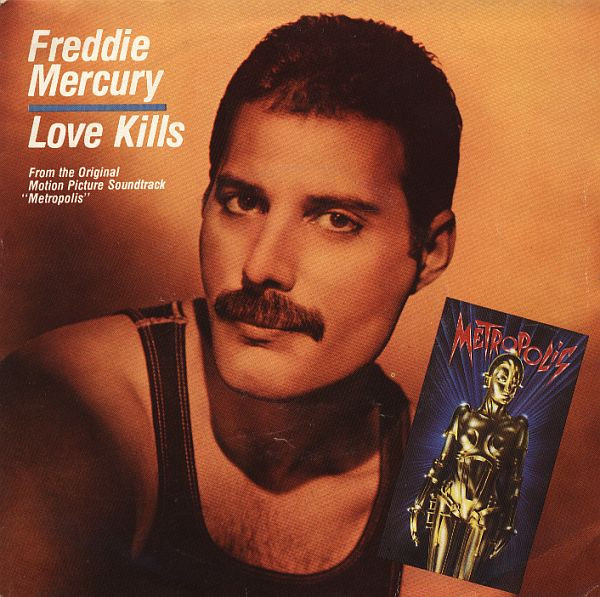
Elsewhere, WHAM! ended on a high as George Michael and Andrew Ridgeley played their final concert at Wembley Stadium but also playing what turned out to be their last concert with Freddie Mercury at Knebworth Park were QUEEN. Having gone down the dumper in 1984 with their third album ‘Waking Up With The House On Fire’ having been assessed as a “disaster of mediocrity” by Smash Hits’ Tom Hibbert, the long playing attempt to rescue CULTURE CLUB out of the dumper ‘From Luxury To Heartache’ did nothing to change fortunes with Boy George’s then undisclosed heroin addiction affecting its prolonged production.
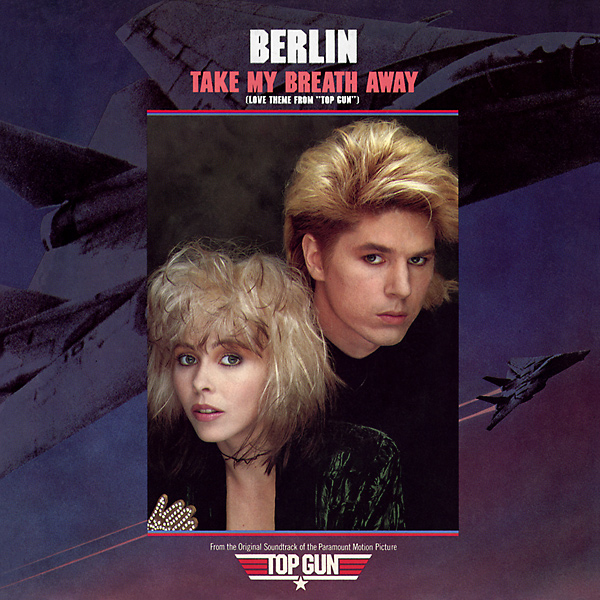
Hollywood was where is it at in 1986; Giorgio Moroder and his mechanic Tom Whitlock would win an Oscar and Golden Globe for ‘Best Original Song’ with ‘Take My Breath Away’ which provided the love theme for ‘Top Gun’, the highest-grossing film of the year worldwide; although it was credited to BERLIN, it featured none of its members apart from vocalist Terri Nunn and would cause tensions that would split up the band.
THE PSYCHEDELIC FURS re-recorded ‘Pretty In Pink’ for the John Hughes movie of the same name while having already featured discreetly during a mall scene with ‘Tesla Girls’ during another Hughes film ‘Weird Science’ the year before, OMD achieved their biggest hit in America with the specifically written standalone song ‘If You Leave’ which soundtracked the closing prom scene to touch the hearts of many teenagers stateside. However, the act who contributed the most music to the film was NEW ORDER with ‘Shellshock’, ‘Elegia’ and ‘Thieves Like Us’!
In the rush to make things more palatable for the American market, there were lukewarm offerings by THE HUMAN LEAGUE, HEAVEN 17, DURAN DURAN and EURYTHMICS who only a few years before had released some excellent albums. “We were all a bit lost by then” said Phil Oakey later in 2009 on the BBC documentary ‘Synth Britannia’, “we didn’t have anything to prove!”. But the worst one was ‘U-Vox’ by ULTRAVOX; as the lame titled suggested, this was a band with something missing and the record was to 1986 what OMD’s ‘Crush’ was to 1985 as it battled to incorporate orchestras, brass sections, acoustic guitars and the traditional Irish combo THE CHIEFTAINS into its sound.
After the programmed perfection of their Trevor Horn-produced chart toppers ‘Relax’ and ‘Two Tribes’, new producer Stephen J Lipson may well have been misguided in allowing FRANKIE GOES TO HOLLYWOOD to play their own instruments on the second album ‘Liverpool’ as tensions within the band were about to cause implosion. Certainly the programmed Trevor Horn single remix of ‘Warriors Of The Wasteland)’ was far superior to the lame “as live” album version which unsurprisingly sounded like it was performed by a slightly polished-up pub rock combo!
Making a successful transition to organic instrumentation were TALK TALK with ‘The Colour Of Spring’, probably one of the best albums of 1986 regardless of genre. In E&MM, Mark Hollis said “I absolutely hate synthesizers” despite the band having had their breakthrough using them; while the sleeve credits did much to appease more rockcentric audiences with the vague acknowledgement of “instrumental” for Ian Curnow’s synth solos, the enjoyable long player did feature an electronic wind instrument called a Variophon and the state-of-the-art Kurweil on ‘Happiness Is Easy’!
Also heading into more organic territory with an ambitious double album divided into song-based and ambient instrumental records was David Sylvian; bringing in a number of guest guitarists like Robert Fripp, Phil Palmer and Bill Nelson, ‘Gone To Earth’ required more effort from listeners as the former leader of JAPAN distanced himself further from his old band although former bandmates Steve Jansen and Richard Barbieri made contributions on a number of tracks.
As DAF went disco, Electronic Body Music influenced by the German duo’s imperial years on Virgin Records was emerging as a harder and darker alternative to the sanitised American-friendly sound that was now prevalent, with FRONT 242 and NITZER EBB issuing important singles that would trigger a new cult movement.
Overall, 1986 was a massive disappointment and confirmation of a wider downward spiral towards electronic creativity in pop music. House and dance would point towards the future but these sub-genres often lacked songs. Meanwhile, the emergence of Stock, Aitken & Waterman as a pop production factory would change the face of Top Of The Pops, Smash Hits and even the Independent Charts after years of delightful oddness but that is another story for others to tell…
ELECTRICITYCLUB.CO.UK has somehow managed to assemble a list of 20 albums to represent The Electronic Legacy of 1986, although it must be highlighted that a fair number of those included would not have made the cut in previous years which had their embarrassment of riches. Not a “best of” list by any means, as usual, these are presented in alphabetical order by artist…
A-HA Scoundrel Days
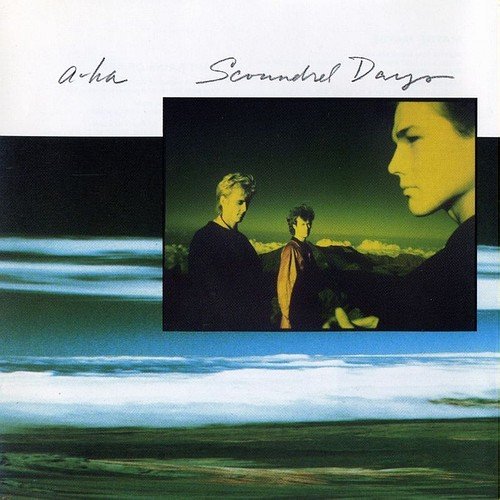 While Morten Harket, Magne Furuholmen and Pål Waaktaar were being perceived as a teenybop band thanks to the success of ‘Take On Me’, there was always an inherent Nordic gloom lurking within A-HA. Mostly produced by Alan Tarney, the blistering title song was swathed in a chilling melancholy. Then there were the hit singles but while ‘Cry Wolf’ was bouncy pop, there were snarls of frustration present in ‘I’ve Been Losing You’ and ‘Manhattan Skyline’.
‘Scoundrel Days’ is still available via Warner Music
ALPHAVILLE Afternoons In Utopia
 ALPHAVILLE were under pressure on their second album ‘Afternoons in Utopia’, especially with the departure of founder member Frank Mertens. Ricky Echolette joined Marian Gold and Bernhard Lloyd but after the gritty commentary on heroin addiction of ‘Big In Japan’ in 1984, songs like ‘Jerusalem’ and ‘Dance With Me’ possessed an anthemic optimism while on ‘Red Rose’, Gold moved from his Robert Smith impersonation into Bryan Ferry territory.
‘Afternoons In Utopia’ is still available via Warner Music
THE ART OF NOISE In Visible Silence
 Having flown the ZTT nest, Anne Dudley, JJ Jeczalik and Gary Langan took their Fairlighted musique concrète to China Records and came up with ‘In Visible Silence’. With more variety and more polish, ‘Legs’ was classic AoN while a rework of ‘Peter Gunn’ with Duane Eddy and ‘Paranoimia’ would provide the hits, although the latter’s album version would be without Max Headroom. Although Langan would depart, a high profile collaboration with Tom Jones beckoned…
‘In Visible Silence’ is still available via Warner Music
https://www.theartofnoiseonline.com/
THE BOOK OF LOVE The Book Of Love
 A quartet comprising of Susan Ottaviano, the unrelated Ted Ottaviano, Jade Lee and Lauren Roselli, BOOK OF LOVE signed to Sire Records and opened for DEPECHE MODE on two US successive tours. Their self-titled debut LP contained lively synthpop tunes such as ‘You Make Me Feel So Good’, ‘Boy’ and ‘I Touch Roses’ but it was a song named after the Italian artist ‘Modigliani’ that had most impact, appearing in an episode of ‘Miami Vice’ and the film ‘Planes, Trains and Automobiles’.
‘The Book Of Love’ is still available via Sire Records
https://www.bookoflovemusic.com/
CHINA CRISIS What Price Paradise
 With CHINA CRISIS now more of a band than the original duo concept fronted by Gary Daly and Eddie Lundon, ‘What Price Paradise’ had less of a Trans-Atlantic flavour compared to its predecessor ‘Flaunt The Imperfection’. Still featuring great songs such as ‘It’s Everything’, ‘Best Kept Secret’, ‘The Understudy’ and ‘Hampton Beach’, it is still one of life’s great mysteries that the magnificent ‘Arizona’ never got beyond No47 in the UK charts!
‘What Price Paradise’ is still available via Virgin Records
https://www.facebook.com/chinacrisisofficial
THE COMMUNARDS Communards
 Although THE COMMUNARDS, Jimmy Somerville’s venture with future TV vicar Richard Coles was intended to have more traditional musical values, the electronic sound of his previous band BRONSKI BEAT could not be left totally behind. With Mike Thorne still at the production helm, ‘Disenchanted’ crossed ‘Why?’ with ‘Smalltown Boy’ while the spirited Hi-NRG cover of ‘Don’t Leave Me This Way’ with Sarah-Jane Morris would be the UK’s biggest selling single of 1986.
‘Communards’ is still available via London Records
https://www.jimmysomerville.co.uk/
DAF 1st Step To Heaven
 When Robert Görl and Gabi Delgado reunited in 1985 to record ‘1st Step To Heaven’, they opted not only to stop wearing back but to sing in English. Less aggressive than previous DAF works with a more electronic disco sound, ‘Voulez-Vous Coucher Avec Moi’ quoted from LADY MARMALADE despite being an original while ‘Pure Joy’ was inspired by Prince’s ‘1999’. But best of all was the joyous ‘Brothers’ which celebrated Görl and Delgado’s friendship.
‘1st Step To Heaven’ is currently unavailable
DEPECHE MODE Black Celebration
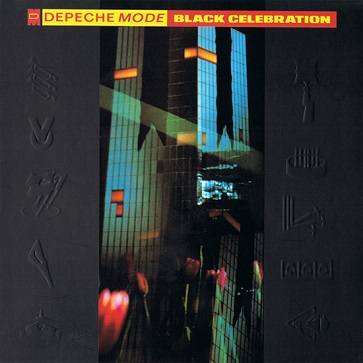 Producer Daniel Miller wanted a dystopian intensity to the fifth DEPECHE MODE album ‘Black Celebration’ and with Gareth Jones acting as Tonmeister, Martin Gore’s increasingly bleaker songs found the perfect sonic backdrop. The 7 track segue from the opening title song to ‘Stripped’ that included ‘Fly On The Windscreen’ and ‘It Doesn’t Matter Two’ remains DEPECHE MODE’s most outstanding sequence of music.
‘Black Celebration’ is still available via Sony Music
ERASURE Wonderland
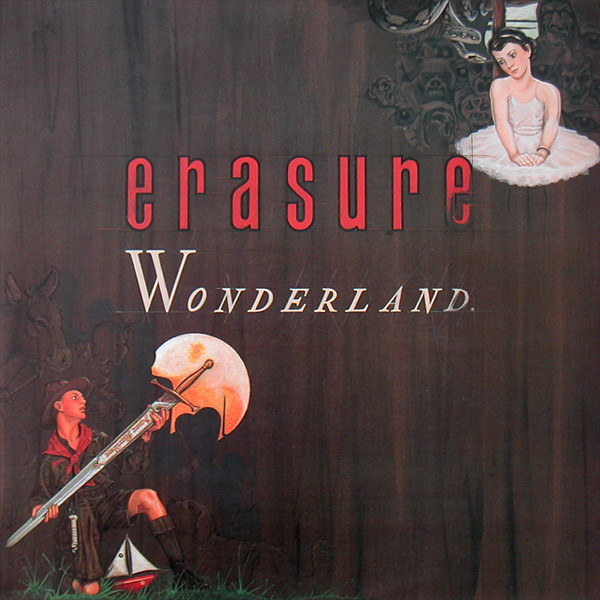 Andy Bell and Vince Clarke’s debut album ‘Wonderland’ was not an instant hit. The lead single ‘Who Needs Love (Like That)?’ was mistaken by some to be an unreleased YAZOO recording. Among the album’s highlights were the joyous ‘Reunion’ and the funky ‘Push Me… Shove Me’ . The record’s HI-NRG centrepiece ‘Oh L’Amour’ flopped as a single but undeterred, ERASURE toured the college circuit to build up a new fanbase from scratch.
‘Wonderland’ is still available via Mute Records
I START COUNTING My Translucent Hands
 As I START COUNTING, Simon Leonard and Dave Baker finally released their longform debut following two impressive Daniel Miller-produced singles ‘Letters To A Friend’ and ‘Still Smiling’. Both included on the CD edition of ‘My Translucent Hands’, quirky tracks such as ‘Catch That Look’ and maintained the standard if with less immediacy. The duo would open for Mute label mates ERASURE on their 1987 European tour.
‘My Translucent Hands’ is still available via Mute Records
I Start Counting / Fortran 5 / Komputer
JEAN-MICHEL JARRE Rendez-Vous
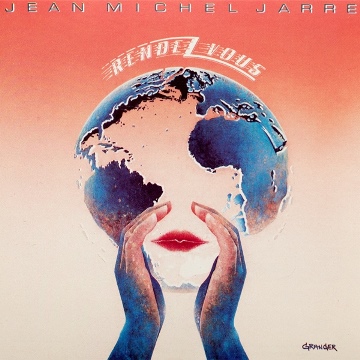 ‘Rendez-Vous’ had something of a loose space theme but the space shuttle Challenger tragedy tinged the release with sadness as the ‘Last Rendez-Vous (Ron’s Piece)’ was to have featured astronaut Ron McNair playing sax. Meanwhile, the symphonic ‘Second Rendez-Vous’ inspired by Wendy Carlos would become favourite of Pope John Paul II and the rousing ‘Fourth Rendez-Vous’ captured the vein of the classic Jean-Michel Jarre single.
‘Rendez-Vous’ is still available via Sony Music
https://www.jeanmicheljarre.com/
HOWARD JONES One To One
 After two hit albums with Rupert Hine, Howard Jones had Arif Mardin on production duties for ‘One To One’ having been impressed by his work with SCRITTI POLITTI. While still very synth-driven, an array of session musicians on drums, guitars, bass and brass featured for a more sophisticated sound. But ‘Little Bit Of Snow’ found him in reflective mood on the ivories as the singles ‘All I Want’ and ‘You Know I Love You… Don’t You?’ failed to crack the UK Top30.
‘One To One’ is still available via Cherry Red Records
KRAFTWERK Electric Café
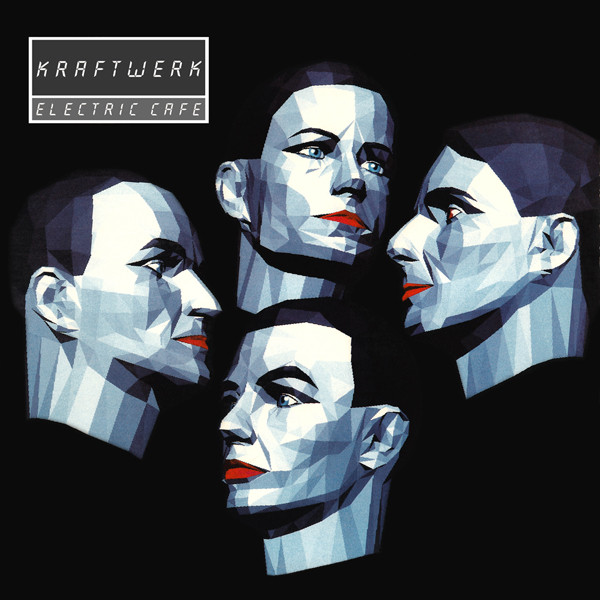 Coming after the 5 year wait since 1981’s ‘Computer World’ as the world KRAFTWERK anticipated came true, ‘Electric Café’ was something of a disappointment. Distracted by cycling and technology, there were still delights to be found. ‘The Telephone Call’ featuring Karl Bartos on lead vocals was a highlight along with the voice sample-laden ‘Musique Non Stop’ while the ironic ‘Sex Object’ was fun despite the barrage of DX7 presets like a YouTube tutorial…
‘Electric Café’ is now available as ‘Techno Pop’ via Parlophone Records
NEW ORDER Brotherhood
 NEW ORDER were simultaneously about indie guitar rock and electronic disco, although rarely mixing. On their fourth album ‘Brotherhood’, the band’s schizophrenic musical personalities were separated across two sides. The electronic part was headed by ‘Bizarre Love Triangle’, but there was also the solemn ‘All Day Long’, the sinister ‘Angel Dust’ and the Lou Reed pastiche ‘Every Little Counts’ with its laughter and unforgettable scratching stylus ending!
‘Brotherhood’ is still available via Rhino
GARY NUMAN Strange Charm
 Things really had got “strange” for Gary Numan as his Numanoids marched on BBC Broadcasting House to protest that ‘This Is Love’ and ‘I Can’t Stop’ had charted yet were not getting radio airplay; however, they were the worst songs on ‘Strange Charm’. Something of an underrated record, the dreamy ‘My Breathing’ and the Vangelis-inspired title song were impressive while there was also a new great Bill Sharpe collaboration ‘New Thing From London Town’.
‘Strange Charm’ is still available via BMG
OMD The Pacific Age
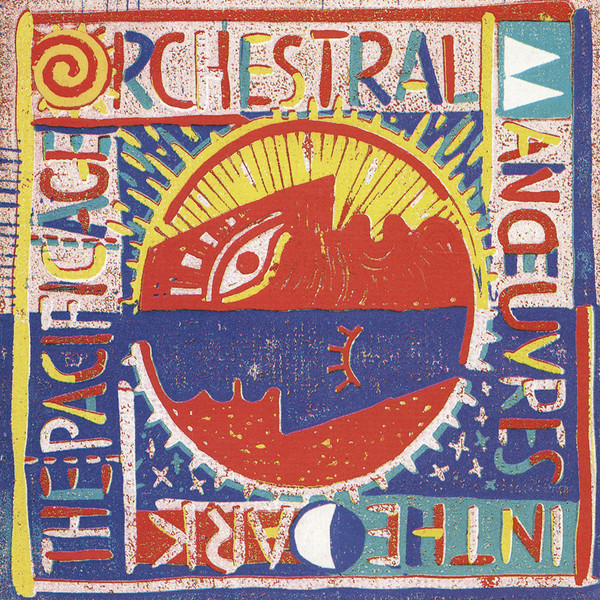 A much better record than the rotten ‘Crush’, with a heavier synth, choral and live drum edge, one highlight was ‘The Dead Girls’ which revisited the sonics of ‘Architectural & Morality’ but with digital technology. Although the hit came from the Paul Humphreys sung ‘(Forever) Live & Die’, the Andy McCluskey fronted ‘Stay’ and ‘We Love You’ provided the electronic rock disco drive while ‘Flame Of Hope’ clearly fell under the spell of THE ART OF NOISE.
‘The Pacific Age’ is still available via Virgin Records
PET SHOP BOYS Please
 While PET SHOP BOYS debut album wasn’t perfect with ‘Suburbia’ and ‘Violence’ improving in re-recordings, ‘Please’ featured not only ‘West End Girls’ and ‘Love Comes quickly’ but had an array of brilliant track including ‘Two Divided By Zero’ and ‘Tonight Is Forever’. While an ironic observation on the rise of yuppies, the misunderstood ‘Opportunites (Let’s Make Lots Of Money)’ proved to be quite prophetic for Neil Tennant and Chris Lowe, but who was the brains?
‘Please’ is still available via Parlophone Records
https://www.petshopboys.co.uk/
SIGUE SIGUE SPUTNIK Flaunt It
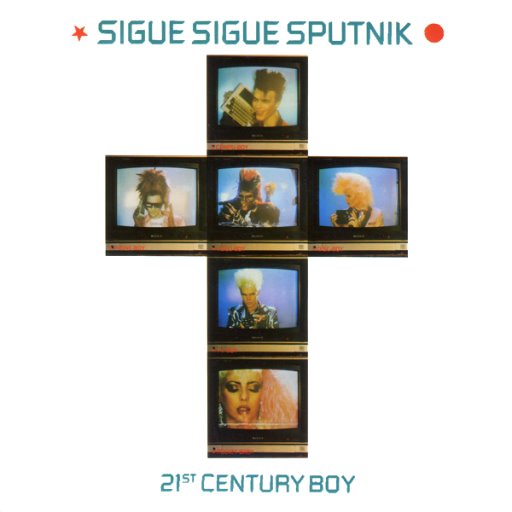
 SUICIDE reconfigured for the 21st Century with Giorgio Moroder at the studio helm, behind the hype of cyberpunk combo SIGUE SIGUE SPUTNIK were some decent tracks even if they all sounded the same! The throbbing drive of ‘Love Missile F1-11’, ‘21st Century Boy’ and ‘Sex-Bomb-Boogie’ provided the fun but the flow was spoiled by novelty effects and samples while there were paid adverts between tracks as an honest statement on commercialism.
‘Flaunt It’ is still available via BMG
https://mail.sputnikworld.com/Sigue_Sigue_Sputnik.html
SPARKS Music That You Can Dance To
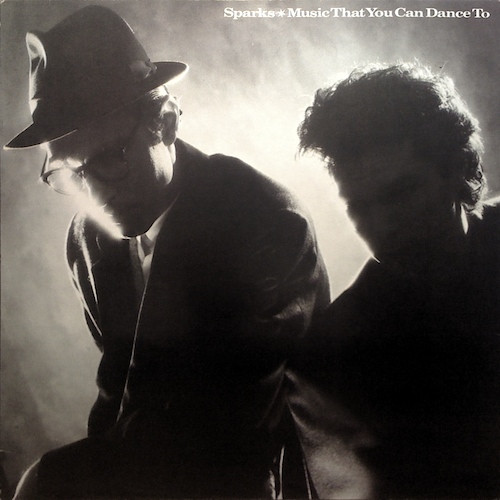 Inspired by a London Records A&R muttering “why can’t you make music that you can dance to?” after the avant pop of ‘Change’, SPARKS took inspiration for their lively if underrated 14th album, recorded in Brussels with old pal Dan Lacksman of TELEX engineering. The title song echoed ERASURE’s ‘Oh L’Amour’ while Ron Mael played with bursts of Fairlight and Roland Jupiter 8 on the falsetto soul of ‘Fingertips’ and Russell got to impersonate Gene Pitney on ‘Rosebud’.
‘Music That You Can Dance To’ is still available via Repertoire Records
STACEY Q Better Than Heaven
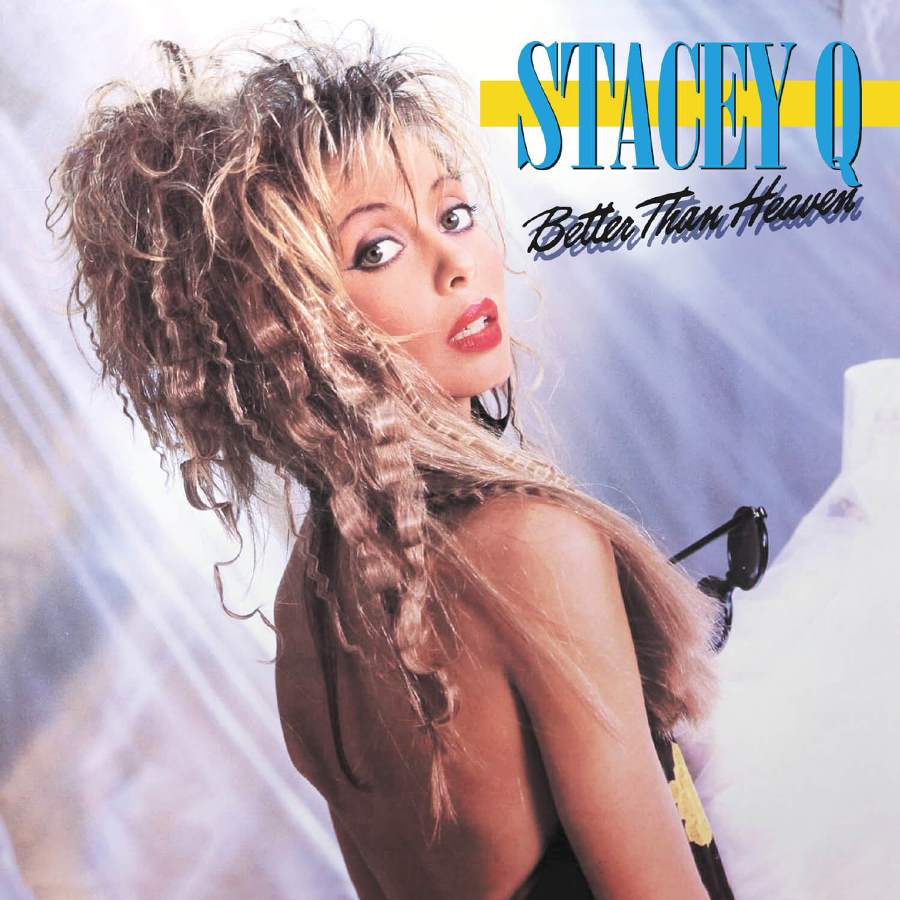 The front woman of synthpop act SSQ who had a US dance hit with ‘Synthicide’ in 1983, Stacey Q may have begun as a ‘Shy Girl’ but with its fair number of tunes as good as ‘Two Of Hearts’ like sister song ‘Insecurity’ and the more Jam & Lewis influenced ‘Music Out Of Bounds’, her debut album ‘Better Than Heaven’ is a reminder how fun and carefree pop music once was and should still be. The album remains a collection of wonderfully innocent escapism.
‘Better Than Heaven’ is still available via Cherry Red Records
https://www.facebook.com/people/Stacey-Q/100040905591794
Text by Chi Ming Lai
13th January 2026
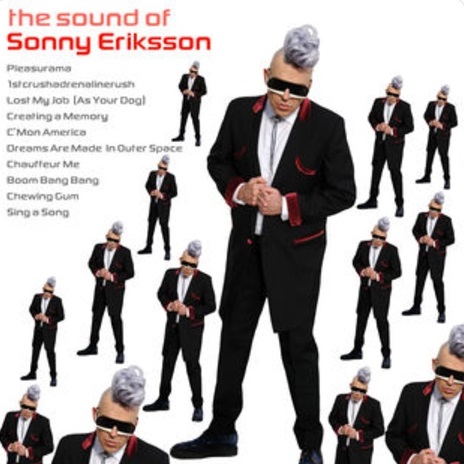
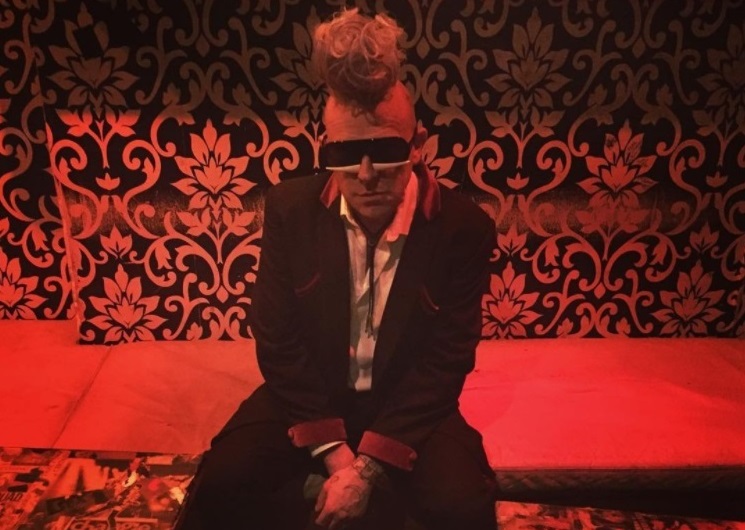
 is released as a digital album by Future Waltz Recordings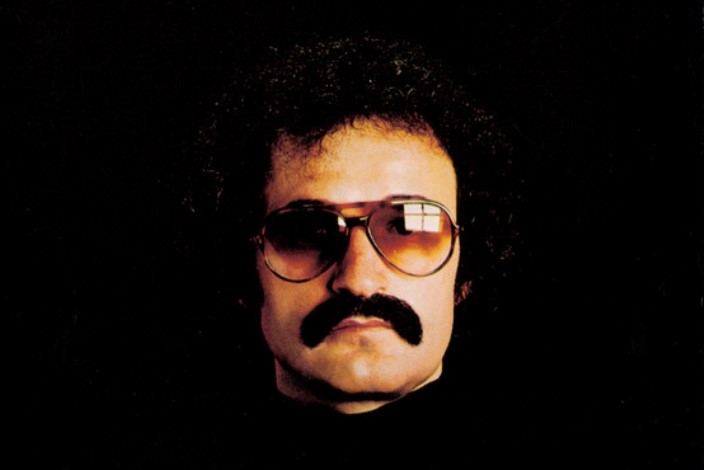
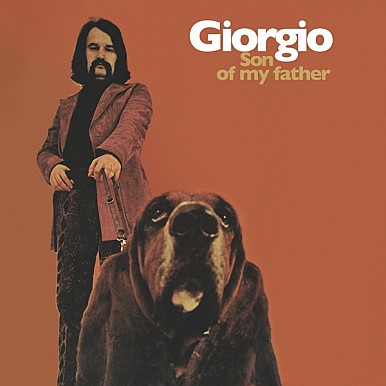
 was a schaffel stomper coated with assorted effects such as phased drums. The prototype of the electro glam template later popularised by GOLDFRAPP, CHICORY TIP’s copycat cover with future SEX PISTOLS’ producer Chris Thomas playing the Minimoog part was a UK No1 in 1972.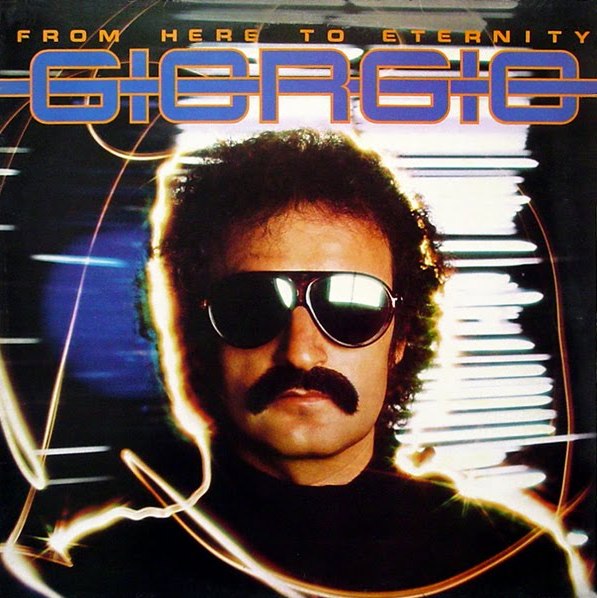
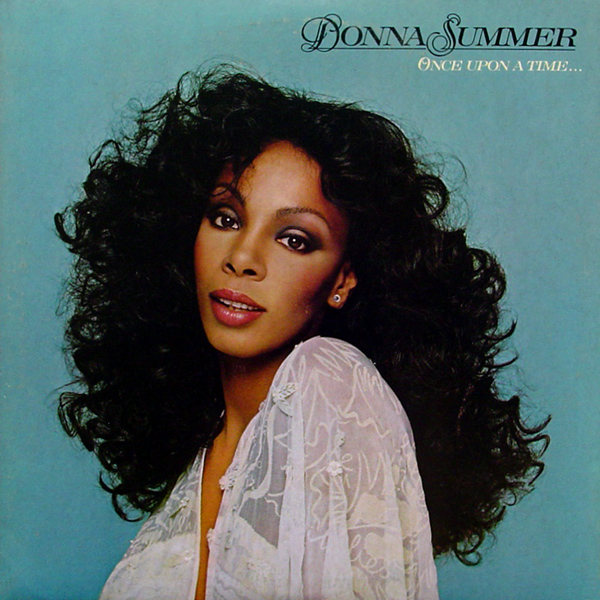
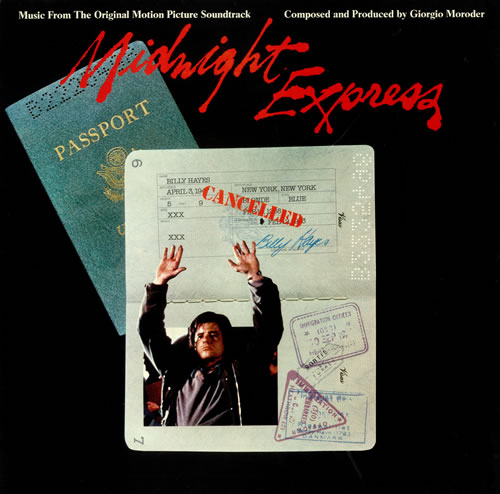
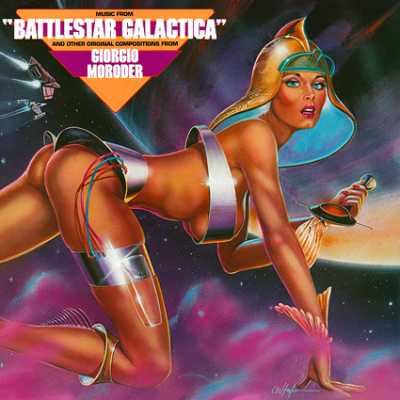
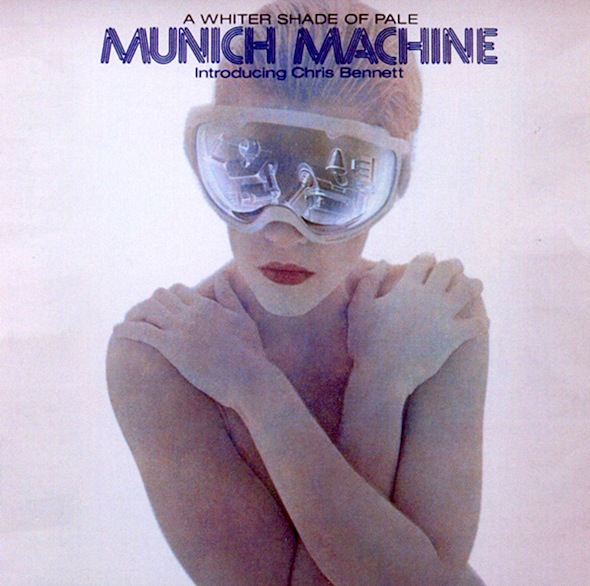
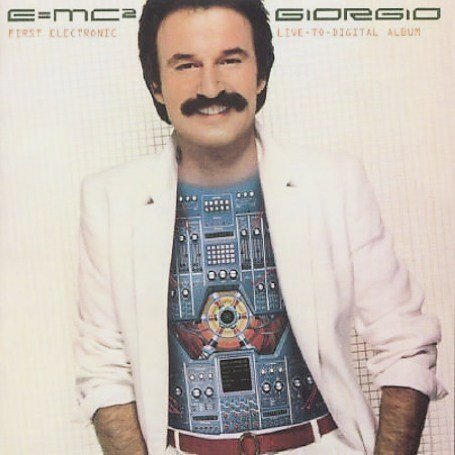
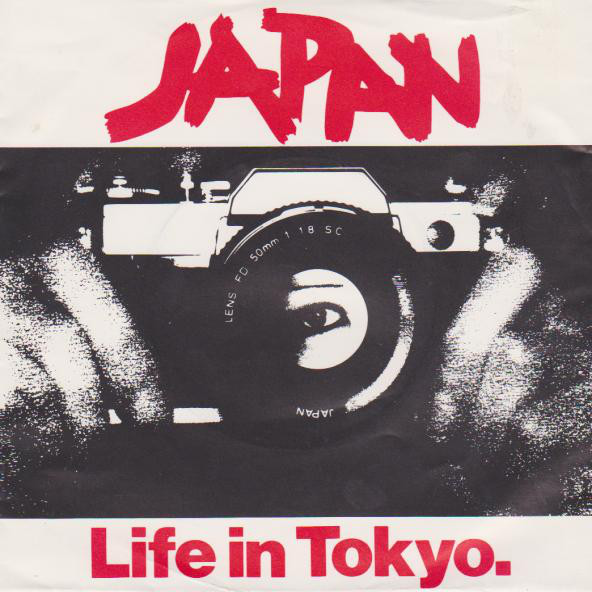
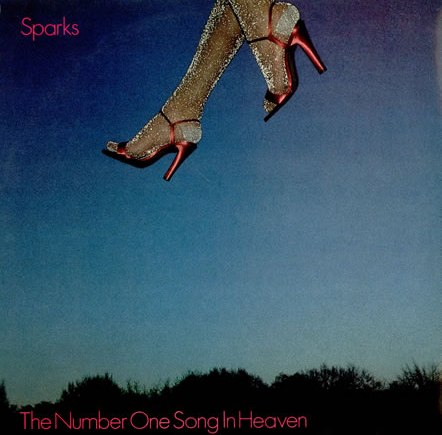
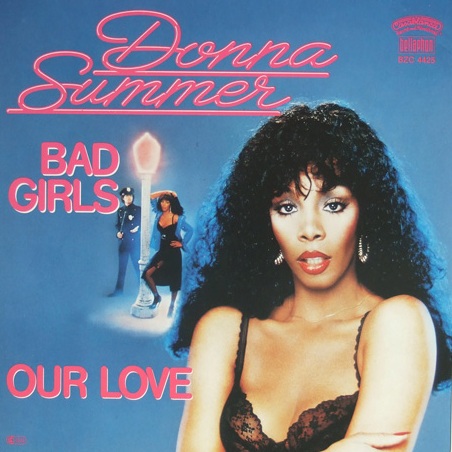
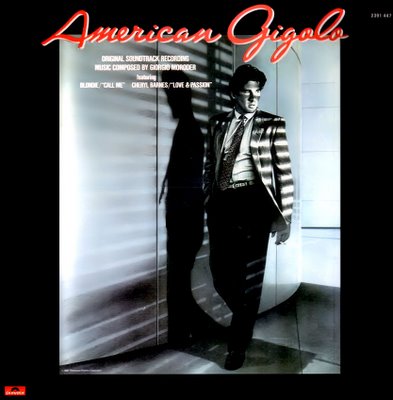
 in 4/4 time but without the chorus, the cool dramatics blended with slithering synth sweeps on ‘Night Drive’ could be seen as the forerunner of tracks such as KAVINSKY’s ‘Nightcall’ which coincidentally was co-produced by DAFT PUNK’s Guy-Manuel De Homem-Christo. Incidentally, both ‘Night Drive’ and ‘Call Me’ from the Richard Gere film ‘American Gigolo’ were variations of a Moroder demo entitled ‘Man Machine’.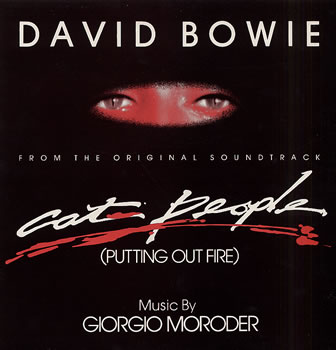
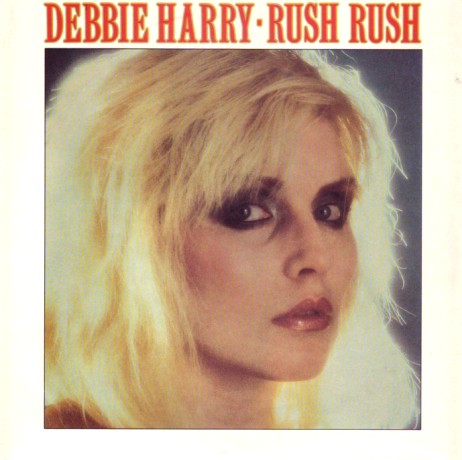
 via Geffen Records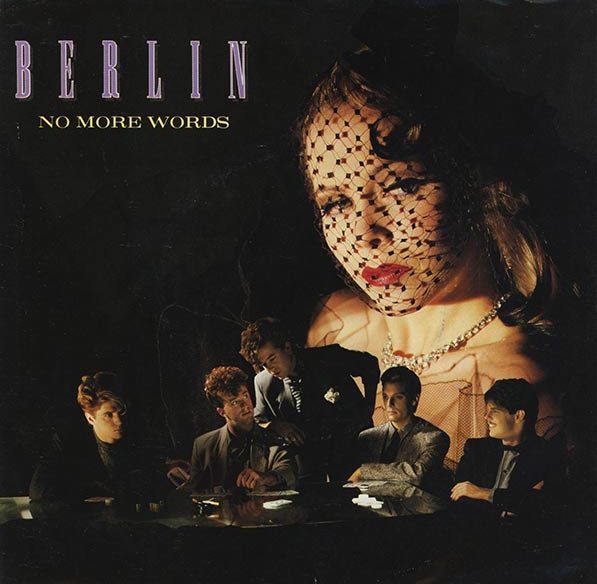
Follow Us!